EP4553082A2 - Compositions d'organoïdes hépatiques et leurs procédés de fabrication et d'utilisation - Google Patents
Compositions d'organoïdes hépatiques et leurs procédés de fabrication et d'utilisation Download PDFInfo
- Publication number
- EP4553082A2 EP4553082A2 EP25166580.8A EP25166580A EP4553082A2 EP 4553082 A2 EP4553082 A2 EP 4553082A2 EP 25166580 A EP25166580 A EP 25166580A EP 4553082 A2 EP4553082 A2 EP 4553082A2
- Authority
- EP
- European Patent Office
- Prior art keywords
- liver
- cells
- organoid
- organoids
- drug
- Prior art date
- Legal status (The legal status is an assumption and is not a legal conclusion. Google has not performed a legal analysis and makes no representation as to the accuracy of the status listed.)
- Pending
Links
Images






Classifications
-
- A—HUMAN NECESSITIES
- A61—MEDICAL OR VETERINARY SCIENCE; HYGIENE
- A61K—PREPARATIONS FOR MEDICAL, DENTAL OR TOILETRY PURPOSES
- A61K35/00—Medicinal preparations containing materials or reaction products thereof with undetermined constitution
- A61K35/12—Materials from mammals; Compositions comprising non-specified tissues or cells; Compositions comprising non-embryonic stem cells; Genetically modified cells
- A61K35/37—Digestive system
- A61K35/407—Liver; Hepatocytes
-
- A—HUMAN NECESSITIES
- A61—MEDICAL OR VETERINARY SCIENCE; HYGIENE
- A61K—PREPARATIONS FOR MEDICAL, DENTAL OR TOILETRY PURPOSES
- A61K31/00—Medicinal preparations containing organic active ingredients
- A61K31/56—Compounds containing cyclopenta[a]hydrophenanthrene ring systems; Derivatives thereof, e.g. steroids
- A61K31/575—Compounds containing cyclopenta[a]hydrophenanthrene ring systems; Derivatives thereof, e.g. steroids substituted in position 17 beta by a chain of three or more carbon atoms, e.g. cholane, cholestane, ergosterol, sitosterol
-
- A—HUMAN NECESSITIES
- A61—MEDICAL OR VETERINARY SCIENCE; HYGIENE
- A61K—PREPARATIONS FOR MEDICAL, DENTAL OR TOILETRY PURPOSES
- A61K9/00—Medicinal preparations characterised by special physical form
- A61K9/0012—Galenical forms characterised by the site of application
- A61K9/0019—Injectable compositions; Intramuscular, intravenous, arterial, subcutaneous administration; Compositions to be administered through the skin in an invasive manner
- A61K9/0029—Parenteral nutrition; Parenteral nutrition compositions as drug carriers
-
- A—HUMAN NECESSITIES
- A61—MEDICAL OR VETERINARY SCIENCE; HYGIENE
- A61P—SPECIFIC THERAPEUTIC ACTIVITY OF CHEMICAL COMPOUNDS OR MEDICINAL PREPARATIONS
- A61P1/00—Drugs for disorders of the alimentary tract or the digestive system
- A61P1/16—Drugs for disorders of the alimentary tract or the digestive system for liver or gallbladder disorders, e.g. hepatoprotective agents, cholagogues, litholytics
-
- C—CHEMISTRY; METALLURGY
- C12—BIOCHEMISTRY; BEER; SPIRITS; WINE; VINEGAR; MICROBIOLOGY; ENZYMOLOGY; MUTATION OR GENETIC ENGINEERING
- C12N—MICROORGANISMS OR ENZYMES; COMPOSITIONS THEREOF; PROPAGATING, PRESERVING, OR MAINTAINING MICROORGANISMS; MUTATION OR GENETIC ENGINEERING; CULTURE MEDIA
- C12N15/00—Mutation or genetic engineering; DNA or RNA concerning genetic engineering, vectors, e.g. plasmids, or their isolation, preparation or purification; Use of hosts therefor
- C12N15/01—Preparation of mutants without inserting foreign genetic material therein; Screening processes therefor
-
- C—CHEMISTRY; METALLURGY
- C12—BIOCHEMISTRY; BEER; SPIRITS; WINE; VINEGAR; MICROBIOLOGY; ENZYMOLOGY; MUTATION OR GENETIC ENGINEERING
- C12N—MICROORGANISMS OR ENZYMES; COMPOSITIONS THEREOF; PROPAGATING, PRESERVING, OR MAINTAINING MICROORGANISMS; MUTATION OR GENETIC ENGINEERING; CULTURE MEDIA
- C12N5/00—Undifferentiated human, animal or plant cells, e.g. cell lines; Tissues; Cultivation or maintenance thereof; Culture media therefor
- C12N5/06—Animal cells or tissues; Human cells or tissues
- C12N5/0602—Vertebrate cells
- C12N5/067—Hepatocytes
- C12N5/0671—Three-dimensional culture, tissue culture or organ culture; Encapsulated cells
-
- C—CHEMISTRY; METALLURGY
- C12—BIOCHEMISTRY; BEER; SPIRITS; WINE; VINEGAR; MICROBIOLOGY; ENZYMOLOGY; MUTATION OR GENETIC ENGINEERING
- C12N—MICROORGANISMS OR ENZYMES; COMPOSITIONS THEREOF; PROPAGATING, PRESERVING, OR MAINTAINING MICROORGANISMS; MUTATION OR GENETIC ENGINEERING; CULTURE MEDIA
- C12N5/00—Undifferentiated human, animal or plant cells, e.g. cell lines; Tissues; Cultivation or maintenance thereof; Culture media therefor
- C12N5/06—Animal cells or tissues; Human cells or tissues
- C12N5/0602—Vertebrate cells
- C12N5/067—Hepatocytes
- C12N5/0672—Stem cells; Progenitor cells; Precursor cells; Oval cells
-
- C—CHEMISTRY; METALLURGY
- C12—BIOCHEMISTRY; BEER; SPIRITS; WINE; VINEGAR; MICROBIOLOGY; ENZYMOLOGY; MUTATION OR GENETIC ENGINEERING
- C12N—MICROORGANISMS OR ENZYMES; COMPOSITIONS THEREOF; PROPAGATING, PRESERVING, OR MAINTAINING MICROORGANISMS; MUTATION OR GENETIC ENGINEERING; CULTURE MEDIA
- C12N5/00—Undifferentiated human, animal or plant cells, e.g. cell lines; Tissues; Cultivation or maintenance thereof; Culture media therefor
- C12N5/06—Animal cells or tissues; Human cells or tissues
- C12N5/0602—Vertebrate cells
- C12N5/0696—Artificially induced pluripotent stem cells, e.g. iPS
-
- C—CHEMISTRY; METALLURGY
- C12—BIOCHEMISTRY; BEER; SPIRITS; WINE; VINEGAR; MICROBIOLOGY; ENZYMOLOGY; MUTATION OR GENETIC ENGINEERING
- C12N—MICROORGANISMS OR ENZYMES; COMPOSITIONS THEREOF; PROPAGATING, PRESERVING, OR MAINTAINING MICROORGANISMS; MUTATION OR GENETIC ENGINEERING; CULTURE MEDIA
- C12N5/00—Undifferentiated human, animal or plant cells, e.g. cell lines; Tissues; Cultivation or maintenance thereof; Culture media therefor
- C12N5/06—Animal cells or tissues; Human cells or tissues
- C12N5/0697—Artificial constructs associating cells of different lineages, e.g. tissue equivalents
-
- G—PHYSICS
- G01—MEASURING; TESTING
- G01N—INVESTIGATING OR ANALYSING MATERIALS BY DETERMINING THEIR CHEMICAL OR PHYSICAL PROPERTIES
- G01N33/00—Investigating or analysing materials by specific methods not covered by groups G01N1/00 - G01N31/00
- G01N33/48—Biological material, e.g. blood, urine; Haemocytometers
- G01N33/50—Chemical analysis of biological material, e.g. blood, urine; Testing involving biospecific ligand binding methods; Immunological testing
- G01N33/5005—Chemical analysis of biological material, e.g. blood, urine; Testing involving biospecific ligand binding methods; Immunological testing involving human or animal cells
- G01N33/5008—Chemical analysis of biological material, e.g. blood, urine; Testing involving biospecific ligand binding methods; Immunological testing involving human or animal cells for testing or evaluating the effect of chemical or biological compounds, e.g. drugs, cosmetics
-
- G—PHYSICS
- G01—MEASURING; TESTING
- G01N—INVESTIGATING OR ANALYSING MATERIALS BY DETERMINING THEIR CHEMICAL OR PHYSICAL PROPERTIES
- G01N33/00—Investigating or analysing materials by specific methods not covered by groups G01N1/00 - G01N31/00
- G01N33/48—Biological material, e.g. blood, urine; Haemocytometers
- G01N33/50—Chemical analysis of biological material, e.g. blood, urine; Testing involving biospecific ligand binding methods; Immunological testing
- G01N33/5005—Chemical analysis of biological material, e.g. blood, urine; Testing involving biospecific ligand binding methods; Immunological testing involving human or animal cells
- G01N33/5008—Chemical analysis of biological material, e.g. blood, urine; Testing involving biospecific ligand binding methods; Immunological testing involving human or animal cells for testing or evaluating the effect of chemical or biological compounds, e.g. drugs, cosmetics
- G01N33/5082—Supracellular entities, e.g. tissue, organisms
-
- A—HUMAN NECESSITIES
- A61—MEDICAL OR VETERINARY SCIENCE; HYGIENE
- A61K—PREPARATIONS FOR MEDICAL, DENTAL OR TOILETRY PURPOSES
- A61K45/00—Medicinal preparations containing active ingredients not provided for in groups A61K31/00 - A61K41/00
- A61K45/06—Mixtures of active ingredients without chemical characterisation, e.g. antiphlogistics and cardiaca
-
- C—CHEMISTRY; METALLURGY
- C12—BIOCHEMISTRY; BEER; SPIRITS; WINE; VINEGAR; MICROBIOLOGY; ENZYMOLOGY; MUTATION OR GENETIC ENGINEERING
- C12N—MICROORGANISMS OR ENZYMES; COMPOSITIONS THEREOF; PROPAGATING, PRESERVING, OR MAINTAINING MICROORGANISMS; MUTATION OR GENETIC ENGINEERING; CULTURE MEDIA
- C12N2500/00—Specific components of cell culture medium
- C12N2500/30—Organic components
- C12N2500/36—Lipids
-
- C—CHEMISTRY; METALLURGY
- C12—BIOCHEMISTRY; BEER; SPIRITS; WINE; VINEGAR; MICROBIOLOGY; ENZYMOLOGY; MUTATION OR GENETIC ENGINEERING
- C12N—MICROORGANISMS OR ENZYMES; COMPOSITIONS THEREOF; PROPAGATING, PRESERVING, OR MAINTAINING MICROORGANISMS; MUTATION OR GENETIC ENGINEERING; CULTURE MEDIA
- C12N2500/00—Specific components of cell culture medium
- C12N2500/30—Organic components
- C12N2500/38—Vitamins
-
- C—CHEMISTRY; METALLURGY
- C12—BIOCHEMISTRY; BEER; SPIRITS; WINE; VINEGAR; MICROBIOLOGY; ENZYMOLOGY; MUTATION OR GENETIC ENGINEERING
- C12N—MICROORGANISMS OR ENZYMES; COMPOSITIONS THEREOF; PROPAGATING, PRESERVING, OR MAINTAINING MICROORGANISMS; MUTATION OR GENETIC ENGINEERING; CULTURE MEDIA
- C12N2501/00—Active agents used in cell culture processes, e.g. differentation
- C12N2501/10—Growth factors
- C12N2501/119—Other fibroblast growth factors, e.g. FGF-4, FGF-8, FGF-10
-
- C—CHEMISTRY; METALLURGY
- C12—BIOCHEMISTRY; BEER; SPIRITS; WINE; VINEGAR; MICROBIOLOGY; ENZYMOLOGY; MUTATION OR GENETIC ENGINEERING
- C12N—MICROORGANISMS OR ENZYMES; COMPOSITIONS THEREOF; PROPAGATING, PRESERVING, OR MAINTAINING MICROORGANISMS; MUTATION OR GENETIC ENGINEERING; CULTURE MEDIA
- C12N2501/00—Active agents used in cell culture processes, e.g. differentation
- C12N2501/70—Enzymes
- C12N2501/72—Transferases [EC 2.]
- C12N2501/727—Kinases (EC 2.7.)
-
- C—CHEMISTRY; METALLURGY
- C12—BIOCHEMISTRY; BEER; SPIRITS; WINE; VINEGAR; MICROBIOLOGY; ENZYMOLOGY; MUTATION OR GENETIC ENGINEERING
- C12N—MICROORGANISMS OR ENZYMES; COMPOSITIONS THEREOF; PROPAGATING, PRESERVING, OR MAINTAINING MICROORGANISMS; MUTATION OR GENETIC ENGINEERING; CULTURE MEDIA
- C12N2506/00—Differentiation of animal cells from one lineage to another; Differentiation of pluripotent cells
- C12N2506/45—Differentiation of animal cells from one lineage to another; Differentiation of pluripotent cells from artificially induced pluripotent stem cells
-
- C—CHEMISTRY; METALLURGY
- C12—BIOCHEMISTRY; BEER; SPIRITS; WINE; VINEGAR; MICROBIOLOGY; ENZYMOLOGY; MUTATION OR GENETIC ENGINEERING
- C12N—MICROORGANISMS OR ENZYMES; COMPOSITIONS THEREOF; PROPAGATING, PRESERVING, OR MAINTAINING MICROORGANISMS; MUTATION OR GENETIC ENGINEERING; CULTURE MEDIA
- C12N2533/00—Supports or coatings for cell culture, characterised by material
- C12N2533/50—Proteins
- C12N2533/54—Collagen; Gelatin
-
- G—PHYSICS
- G01—MEASURING; TESTING
- G01N—INVESTIGATING OR ANALYSING MATERIALS BY DETERMINING THEIR CHEMICAL OR PHYSICAL PROPERTIES
- G01N2800/00—Detection or diagnosis of diseases
- G01N2800/52—Predicting or monitoring the response to treatment, e.g. for selection of therapy based on assay results in personalised medicine; Prognosis
Definitions
- the liver is a vital organ that provides many essential metabolic functions for life such as the detoxification of exogenous compounds and coagulation as well as producing lipids, proteins, ammonium, and bile.
- In vitro reconstitution of a patient's liver may provide applications including regenerative therapy, drug discovery and drug toxicity studies.
- Existing methodology using liver cells exhibit extremely poor functionality, largely due to a lack of essential anatomical structures, which limits their practical use for the pharmaceutical industry.
- hepatocytes are a highly polarized metabolic cell type, and form a bile canaliculi structure with microvilli-lined channels, separating peripheral circulation from the bile acid secretion pathway.
- the most upstream aspects of DILI include drug (or their reactive metabolites) detoxification by hepatocytes and excretion into bile canaliculi through transporters such as multi-drug resistance-associated protein (MRP) transporters.
- MRP multi-drug resistance-associated protein
- DILI idiosyncratic DILI
- the disclosed liver organoids may be used for screening for a serious adverse event (SAE), such as liver failure and/or drug induced liver injury (DILI), and/or drug toxicity.
- SAE serious adverse event
- DILI drug induced liver injury
- the disclosed liver organoids may also be used to treat an individual having liver damage, or for identifying a preferred therapeutic agent.
- the term “about” or “approximately” means within an acceptable error range for the particular value as determined by one of ordinary skill in the art, which will depend in part on how the value is measured or determined, e.g., the limitations of the measurement system. For example, “about” can mean within 1 or more than 1 standard deviation, per the practice in the art. Alternatively, “about” can mean a range of up to 20%, or up to 10%, or up to 5%, or up to 1% of a given value. Alternatively, particularly with respect to biological systems or processes, the term can mean within an order of magnitude, preferably within 5-fold, and more preferably within 2-fold, of a value. Where particular values are described in the application and claims, unless otherwise stated the term "about” meaning within an acceptable error range for the particular value should be assumed.
- totipotent stem cells are stem cells that can differentiate into embryonic and extra-embryonic cell types. Such cells can construct a complete, viable organism. These cells are produced from the fusion of an egg and sperm cell. Cells produced by the first few divisions of the fertilized egg are also totipotent.
- pluripotent stem cells encompasses any cells that can differentiate into nearly all cell types of the body, i.e., cells derived from any of the three germ layers (germinal epithelium), including endoderm (interior stomach lining, gastrointestinal tract, the lungs), mesoderm (muscle, bone, blood, urogenital), and ectoderm (epidermal tissues and nervous system).
- PSCs can be the descendants of inner cell mass cells of the preimplantation blastocyst or obtained through induction of a non-pluripotent cell, such as an adult somatic cell, by forcing the expression of certain genes.
- Pluripotent stem cells can be derived from any suitable source. Examples of sources of pluripotent stem cells include mammalian sources, including human, rodent, porcine, and bovine.
- iPSCs induced pluripotent stem cells
- hiPSC human iPSCs.
- embryonic stem cells also commonly abbreviated as ES cells, refers to cells that are pluripotent and derived from the inner cell mass of the blastocyst, an early-stage embryo.
- ESCs embryonic stem cells
- the term “ESCs” is used broadly sometimes to encompass the embryonic germ cells as well.
- a precursor cell encompasses any cells that can be used in methods described herein, through which one or more precursor cells acquire the ability to renew itself or differentiate into one or more specialized cell types.
- a precursor cell is pluripotent or has the capacity to becoming pluripotent.
- the precursor cells are subjected to the treatment of external factors (e.g., growth factors) to acquire pluripotency.
- a precursor cell can be a totipotent (or omnipotent) stem cell; a pluripotent stem cell (induced or non-induced); a multipotent stem cell; an oligopotent stem cells and a unipotent stem cell.
- a precursor cell can be from an embryo, an infant, a child, or an adult. In some embodiments, a precursor cell can be a somatic cell subject to treatment such that pluripotency is conferred via genetic manipulation or protein/peptide treatment.
- cellular differentiation is the process by which a less specialized cell becomes a more specialized cell type.
- directed differentiation describes a process through which a less specialized cell becomes a particular specialized target cell type.
- the particularity of the specialized target cell type can be determined by any applicable methods that can be used to define or alter the destiny of the initial cell. Exemplary methods include but are not limited to genetic manipulation, chemical treatment, protein treatment, and nucleic acid treatment.
- one step is to obtain stem cells that are pluripotent or can be induced to become pluripotent.
- pluripotent stem cells are derived from embryonic stem cells, which are in turn derived from totipotent cells of the early mammalian embryo and are capable of unlimited, undifferentiated proliferation in vitro.
- Embryonic stem cells are pluripotent stem cells derived from the inner cell mass of the blastocyst, an early-stage embryo. Methods for deriving embryonic stem cells from blastocytes are well known in the art. Human embryonic stem cells H9 (H9-hESCs) are used in the exemplary embodiments described in the present application, but it would be understood by one of skill in the art that the methods and systems described herein are applicable to any stem cells.
- Additional stem cells that can be used in embodiments in accordance with the present invention include but are not limited to those provided by or described in the database hosted by the National Stem Cell Bank (NSCB), Human Embryonic Stem Cell Research Center at the University of California, San Francisco (UCSF); WISC cell Bank at the Wi Cell Research Institute; the University of Wisconsin Stem Cell and Regenerative Medicine Center (UW-SCRMC); Novocell, Inc. (San Diego, Calif.); Cellartis AB (Goteborg, Sweden); ES Cell International Pte Ltd (Singapore); Technion at the Israel Institute of Technology (Haifa, Israel); and the Stem Cell Database hosted by Princeton University and the University of Pennsylvania.
- NSCB National Stem Cell Bank
- UW-SCRMC University of Wisconsin Stem Cell and Regenerative Medicine Center
- UW-SCRMC University of Wisconsin Stem Cell and Regenerative Medicine Center
- Novocell, Inc. San Diego, Calif.
- Cellartis AB Goteborg, Sweden
- Exemplary embryonic stem cells that can be used in embodiments in accordance with the present invention include but are not limited to SA01 (SA001); SA02 (SA002); ES01 (HES-1); ES02 (HES-2); ES03 (HES-3); ES04 (HES-4); ES05 (HES-5); ES06 (HES-6); BG01 (BGN-01); BG02 (BGN-02); BG03 (BGN-03); TE03 (13); TE04 (14); TE06 (16); UC01 (HSF1); UC06 (HSF6); WA01 (H1); WA07 (H7); WA09 (H9); WA13 (H13); WA14 (H14).
- embryonic stem cells More details on embryonic stem cells can be found in, for example, Thomson et al., 1998, "Embryonic Stem Cell Lines Derived from Human Blastocysts," Science 282 (5391):1145-1147 ; Andrews et al., 2005, “Embryonic stem (ES) cells and embryonal carcinoma (EC) cells: opposite sides of the same coin,” Biochem Soc Trans 33:1526-1530 ; Martin 1980, “Teratocarcinomas and mammalian embryogenesis,”.
- ES Embryonic Stem Cell Lines Derived from Human Blastocysts
- EC embryonal carcinoma
- iPSCs Induced Pluripotent Stem Cells
- iPSCs are derived by transfection of certain stem cell-associated genes into non-pluripotent cells, such as adult fibroblasts. Transfection is typically achieved through viral vectors, such as retroviruses. Transfected genes include the master transcriptional regulators Oct-3/4 (Pouf51) and Sox2, although it is suggested that other genes enhance the efficiency of induction. After 3-4 weeks, small numbers of transfected cells begin to become morphologically and biochemically similar to pluripotent stem cells, and are typically isolated through morphological selection, doubling time, or through a reporter gene and antibiotic selection.
- iPSCs include but are not limited to first generation iPSCs, second generation iPSCs in mice, and human induced pluripotent stem cells.
- a retroviral system is used to transform human fibroblasts intopluripotent stem cells using four pivotal genes: Oct3/4, Sox2, Klf4, and c-Myc.
- a lentiviral system is used to transform somatic cells with OCT4, SOX2, NANOG, and LIN28.
- Genes whose expression are induced in iPSCs include but are not limited to Oct-3/4 (e.g., Pou5fl); certain members of the Sox gene family (e.g., Sox1, Sox2, Sox3, and Sox15); certain members of the Klf family (e.g., Klf1, Klf2, Klf4, and Klf5), certain members of the Myc family (e.g., C-myc, L-myc, and N-myc), Nanog, and LIN28.
- Oct-3/4 e.g., Pou5fl
- Sox gene family e.g., Sox1, Sox2, Sox3, and Sox15
- Klf family e.g., Klf1, Klf2, Klf4, and Klf5
- Myc family e.g., C-myc, L-myc, and N-myc
- Nanog LIN28.
- non-viral based technologies are employed to generate iPSCs.
- an adenovirus can be used to transport the requisite four genes into the DNA of skin and liver cells of mice, resulting in cells identical to embryonic stem cells. Since the adenovirus does not combine any of its own genes with the targeted host, the danger of creating tumors is eliminated.
- reprogramming can be accomplished via plasmid without any virus transfection system at all, although at very low efficiencies.
- direct delivery of proteins is used to generate iPSCs, thus eliminating the need for viruses or genetic modification.
- generation of mouse iPSCs is possible using a similar methodology: a repeated treatment of the cells with certain proteins channeled into the cells via poly-arginine anchors was sufficient to induce pluripotency.
- the expression of pluripotency induction genes can also be increased by treating somatic cellswith FGF2 under low oxygen conditions.
- embryonic stem cells More details on embryonic stem cells can be found in, for example, Kaji et al., 2009, "Virus free induction of pluripotency and subsequent excision of reprogramming factors," Nature 458:771-775 ; Woltjen et al., 2009, "piggyBac transposition reprograms fibroblasts to induced pluripotent stem cells," Nature 458:766-770 ; Okita et al., 2008, “Generation of Mouse Induced Pluripotent Stem Cells Without Viral Vectors," Science 322(5903):949-953 ; Stadtfeld et al., 2008, “Induced Pluripotent Stem Cells Generated without Viral Integration,” Science 322(5903):945-949 ; and Zhou et al., 2009, “Generation of Induced Pluripotent Stem Cells Using Recombinant Proteins," Cell Stem Cell 4(5):381-384 ; each of which is hereby
- exemplary iPS cell lines include but not limited to iPS-DF19-9; iPS-DF19-9; iPS-DF4-3; iPS-DF6-9; iPS(Foreskin); iPS(IMR90); and iPS(IMR90).
- pluripotent cells are any methods for producing definitive endoderm from pluripotent cells (e.g., iPSCs or ESCs) are applicable to the methods described herein. Any method for producing definitive endoderm from pluripotent cells (e.g., iPSCs or ESCs) are applicable to the methods described herein. Exemplary methods are disclosed in, for example, "Methods and systems for converting precursor cells into intestinal tissues through directed differentiation," US9719068B2 to Wells et al ., and “Methods and systems for converting precursor cells into gastric tissues through directed differentiation," US20170240866A1, to Wells et al. In some embodiments, pluripotent cells are derived from a morula.
- pluripotent stem cells are stem cells.
- Stem cells used in these methods can include, but are not limited to, embryonic stem cells.
- Embryonic stem cells can be derived from the embryonic inner cell mass or from the embryonic gonadal ridges. Embryonic stem cells or germ cells can originate from a variety of animal species including, but not limited to, various mammalian species including humans.
- human embryonic stem cells are used to produce definitive endoderm.
- human embryonic germ cells are used to produce definitive endoderm.
- iPSCs are used to produce definitive endoderm. Additional methods for obtaining or creating DE cells that can be used in the present invention include but are not limited to those described in United States Patent No.
- the structures comprise micro-liver architectures, including polarized hepatic epithelium, stellate cells, and canalicula structures.
- the disclosed compositions display improvements in hepatic functions, bile transport activity, and durability compared to existing models.
- the 3D structures model may be used as a new and robust model for drug screening tests and/or drug toxicity screening, transplantation, production of serum protein products, and development of personalized therapy.
- the compositions and methods may be used to screen drug compounds for liver toxicity.
- the disclosed compositions have very high functional activity such as albumin production (up to a 10-fold increase compared with conventional highest standard models using iPSC-derived hepatocytes), and allow for improved oxygen and/or nutrition supply due to the internal luminal structure, which allows for much longer culture (at least over 60 days) and a long-term testing platform useful for drug testing.
- the disclosed compositions may also be useful for production of plasma products like albumin, coagulation factor products for treatment of hypoalbuminemia, and for therapeutic transplantation, in which the human iPSC-derived miniature livers can be transplanted to treat disorders in vivo.
- the disclosed compositions may be used for personalized medicine (therapy personalization).
- a method of inducing formation of a liver organoid from iPSC cells is disclosed.
- the method may comprise the steps of
- Fibroblast growth factors are a family of growth factors involved in angiogenesis, wound healing, and embryonic development.
- the FGFs are heparin-binding proteins and interactions with cell-surface associated heparan sulfate proteoglycans have been shown to be essential for FGF signal transduction. Suitable FGF pathway activators will be readily understood by one of ordinary skill in the art.
- Exemplary FGF pathway activators include, but are not limited to: one or more molecules selected from the group consisting of FGF1, FGF2, FGF3, FGF4, FGF10, FGF11, FGF12, FGF13, FGF14, FGF15, FGF16, FGF17, FGF18, FGF19, FGF20, FGF21, FGF22, and FGF23.
- FGF1, FGF2, FGF3, FGF4, FGF10, FGF11, FGF12, FGF13, FGF14, FGF15, FGF16, FGF17, FGF18, FGF19, FGF20, FGF21, FGF22, and FGF23 may be used to activate these pathways.
- DE culture is treated with the one or more molecules of the FGF signaling pathway described herein at a concentration of 10 ng/ml or higher; 20 ng/ml or higher; 50 ng/ml or higher; 75 ng/ml or higher; 100 ng/ml or higher; 120 ng/ml or higher; 150 ng/ml or higher; 200 ng/ml or higher; 500 ng/ml or higher; 1,000 ng/ml or higher; 1,200 ng/ml or higher; 1,500 ng/ml or higher; 2,000 ng/ml or higher; 5,000 ng/ml or higher; 7,000 ng/ml or higher; 10,000 ng/ml or higher; or 15,000 ng/ml or higher.
- concentration of signaling molecule is maintained at a constant throughout the treatment. In other embodiments, concentration of the molecules of a signaling pathway is varied during the course of the treatment.
- a signaling molecule in accordance with the present invention is suspended in media comprising DMEM and fetal bovine serine (FBS).
- the FBS can be at a concentration of 2% and more; 5% and more; 10% or more; 15% or more; 20% or more; 30% or more; or 50% or more.
- concentration of signaling molecule in accordance with the present invention is suspended in media comprising DMEM and fetal bovine serine (FBS).
- the FBS can be at a concentration of 2% and more; 5% and more; 10% or more; 15% or more; 20% or more; 30% or more; or 50% or more.
- the regiment described herein is applicable to any known molecules of the signaling pathways described herein, alone or in combination, including but not limited to any molecules in the FGF signaling pathway.
- GSK3 inhibitors will be readily understood by one of ordinary skill in the art.
- Exemplary GSK3 inhibitors include, but are not limited to: Chiron/ CHIR99021, for example, which inhibits GSK3 ⁇ .
- Chiron/ CHIR99021 Chiron/ CHIR99021
- GSK3 inhibitors suitable for carrying out the disclosed methods may be administered in an amount of from about 1 uM to about 100 uM, or from about 2 uM to about 50 uM, or from about 3 uM to about 25 uM.
- One of ordinary skill in the art will readily appreciate the appropriate amount and duration.
- the stem cells may be mammalian, or human, iPSCs.
- the foregut spheroids may be embedded in a basement membrane matrix, such as, for example, the commercially available basement membrane matrix sold under the tradename Matrigel.
- the liver organoids may be characterized in that the liver organoids may express alpha-fetoprotein (AFP), albumin (ALB), retinol binding protein (RBP4), cytokeratin 19 (CK19), hepatocyte nuclear factor 6 (HNF6), and cytochrome P450 3A4 (CYP3A4), HNF4a, E-cadherin, DAPI, and Epcam. Such expression may occur, for example, at day 40 to day 50. The expression level may be similar to that observed in human liver cells, for example, that of an adult liver cell.
- AFP alpha-fetoprotein
- ALB albumin
- RBP4 retinol binding protein
- CK19 cytokeratin 19
- HNF6 hepatocyte nuclear factor 6
- CYP3A4 cytochrome P450 3A4
- HNF4a E-cadherin
- Epcam Epcam
- the liver organoid may be characterized in that the liver organoid has bile transport activity.
- the liver organoid may be derived from a stem cell and may comprise a luminal structure further containing internalized microvilli and mesenchymal cells.
- the luminal structure may be surrounded by polarized hepatocytes and a basement membrane.
- the liver organoid may comprise functional stellate cells and functional Kupffer cells.
- the liver organoid may, in certain aspects, be characterized by having one or more of the following: bile production capacity, bile transport activity, Complement factor H expression of at least 50 ng/mL/1xe 6 cells/24hr, Complement factor B of at least 40 ng/ml/1xe 6 cells/24hr, C3 expression of at least 1000 ng/mL/1xe 6 cells/24hr; C4 expression of at least 1000 ng/mL/1xe 6 cells/24hr, fibrinogen production of at least 1,000 ng/mL/1xe 6 cells/24hr and albumin production of at least 1,000 ng/mL/1xe 6 cells/24hr.
- the liver organoid may be characterized by having total hepatic protein expression of at least 10,000 ng/mL 1xe 6 cells/24 hours.
- the liver organoid may be characterized in that it may express one or more genes selected from PROX1, RBP4, CYP2C9, CYP3A4, ABCC11, CFH, C3, C5, ALB, FBG, MRP2, ALCAM, CD68, CD34, CD31.
- the liver organoid may comprise cells comprising a drug metabolism cytochrome variant, such as, for example, a CY2C9*2 variant.
- the liver organoid may comprise a vasculature, such as that described in US 20160177270 .
- the liver organoid may be characterized in that the liver organoid does not comprise inflammatory cells, for example T-cells or other inflammatory secreted proteins.
- a method of screening for a serious adverse event is disclosed.
- the SAE may be liver failure and/or drug induced liver injury (DILI).
- the method may include the step of contacting a drug of interest, of which toxicity is of interest, with a liver organoid as described herein.
- the method may comprise the step of measuring intake and/or efflux of fluorescein diacetate (FD), wherein impaired efflux indicates that said drug is likely to induce a serious adverse event.
- FD fluorescein diacetate
- the toxicity of a drug of interest may be determined by measurement of a parameter selected from mitochondria membrane potential, measurement of ROS, swelling of liver mitochondria, and combinations thereof, wherein injury to said mitochondria indicates that said drug is likely to induce a serious adverse event.
- the method comprises the step of assaying organoid viability, wherein impaired or decreased organoid viability indicates that said a drug of interest is likely to induce a serious adverse event.
- a method of treating an individual having liver damage comprising the step implanting a liver organoid as described herein into an individual in need thereof.
- the liver damage may include, for example, metabolic liver disease, end stage liver disease, or a combination thereof.
- the method may include the step of contacting a liver organoid derived from an iPSC of interest with a candidate compound, such as wherein the iPSC of interest comprises one or more mutations found in said individual, or such as wherein said iPSC of interest is derived from the same ethic background of said individual, or further, wherein said iPSC of interest is derived from said individual.
- mitochondria stress by Nefazodone may be related to a decrease of the bile transport activity, efflux of Fluorescein Diacetate, because MRP2 is an ATP-dependent bile salt transporter for canalicular excretion of bile acids in hepatocytes.
- HLO human liver organoid
- LoT is functionally validated with 10 marketed drugs and 5 different donors based on cholestatic and/or mitochondrial toxicity. Bosentan-induced cholestasis is specific to CYP2C9 poor metabolizer donor-derived HLO. Interestingly, steatotic organoids were vulnerable to Rosiglitazone toxicity as suggested in clinics, followed by chemical rescue from massive organoid death. Thus, LoT is a high-fidelity organoid model that can be used to analyze drug safety, and is further a cost-effective platform, facilitates compound optimization, provides mechanistic studies, and produces personalized medicine as well as anti-DILI therapy screening applications.
- hepatocytes are a highly polarized metabolic cell type, and form a bile canaliculi structure with microvilli-lined channels, separating peripheral circulation from the bile acid secretion pathway.
- the most upstream aspects of DILI include drug (or their reactive metabolites) detoxification by hepatocytes and excretion into bile canaliculi through transporters such as multi-drug resistance-associated protein (MRP) transporters.
- MRP multi-drug resistance-associated protein
- DILI idiosyncratic DILI
- LiT Liver Organoid based Toxicity screen
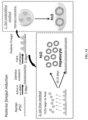
- Applicant first established a new liver organoid differentiation method by using human iPSC-derived foregut spheroids (Spence et al., 2011) ( Figure 1A ).
- Applicant used BMP and Activin A to promote differentiation into definitive endoderm as previously described (D'Amour et al., 2005).
- FGF4, and a GSK3 inhibitor (CHIR99021) were used to induce foregut spheroids and budded spheroids were observed.
- Organoids were embedded in Matrigel after delamination with mesenchymal cells plated on the dish by gentle pipetting.
- RA retinoic acid
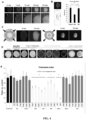
- duration of RA was set for 4 days based on the level of albumin secretion. Morphologically, around 10 days after RA treatment, over 300 organoids covered with epithelial cells were successfully generated, and the ratio of organoids with lumenized structure was 71 % (216/305) ( FIG 1 , panel B and FIG 9 ). Immunohistochemistry analysis revealed that albumin was positive in epithelial cells of organoids, and interestingly, Type IV collagen was localized to the outer surface and ZO-1 (zonula occludens) stained the intraluminal lining, suggesting that these organoids have polarized characteristics ( FIG 1 , panel C).
- qPCR Quantitative polymerase chain reaction
- RNA-seq RNA-sequence
- hepatocyte specific proteins such as ALB, fibrinogen (Fbg) and complement factors were confirmed in culture supernatant by ELISA ( FIG 1 , panels F-G).
- ELISA hepatocyte specific proteins
- FIG 1 panels F-G
- Applicant investigated the albumin secretion level normalized by cell number ( FIG 10 ).
- the albumin secretion level was 2133 ng/day/10 6 cells ( FIG 1 , panel F) and higher than other experiments in 2D and 3D differentiation of hPSCs into HLC (150 -1000 ng/day/10 6 cell) relative to published iPSC-derived hepatocytes (Miki et al., 2011; Song et al., 2015; Song et al., 2009; Vosough et al., 2013), while primary hepatocytes produce 30-40 ⁇ g/day/10 6 cell in 3D scaffolds (Davidson et al., 2016; Dvir-Ginzberg et al., 2003).
- liver organoids contained hepatocytes with reasonable albumin secretion activity compared to stem cell-derived hepatocytes in the published literature. Importantly, this organoid generation method is reproducible and therefore, applicable to other PSC lines, as intra-luminal organoids were generated from both 317D6 and 1383D6 iPS cell lines with albumin secretion capacity ( FIG 11 ). Overall, Applicant established a protocol for generating a large number of polarized liver organoids with hepatocyte characteristics.
- liver organoids have bile transport activity
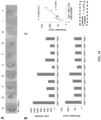
- Applicant first characterized organoids by staining key proteins involved in bile synthesis and excretion function. Immunofluorescence staining of BSEP and MRP2 demonstrated that these proteins preferentially localized in the intraluminal region ( FIG 2 , panel A).
- the bile canaliculus is the smallest intrahepatic secretory channel and the canalicular lumen consists of a space formed by a modified apical region of the opposing plasma membranes of contiguous hepatocytes (Cutrin et al., 1996; Tsukada et al., 1995).
- bile acid (BA) production capacity Applicant conducted ELISAs on intra-luminal fluid collected from organoid culture.
- the level of total BA pool of intra-luminal fluid was 26.7 ⁇ g/day/10 6 cells (approximately 125 ⁇ mol/L in an organoid with a 200 ⁇ m diameter) ( FIG 2 , panel D) and, surprisingly, the BA concentration was comparable to that in primary hepatocytes derived from sandwich culture (approximately 40 ⁇ g/day/10 6 cells, 10 ⁇ mol/L in culture supernatant) in previous reports (Ni et al., 2016).
- organoids do not merely have the canaliculi-like morphology but possess bile acid production and secretion activity, suggesting that the bile acids transport pathway is correctly constructed.
- Bile acid excretion is the major determinant of bile flow, therefore, defects in this system may result in impaired bile secretion (cholestasis) associated with various liver disease pathologies (Nishida et al., 1991).
- Efflux transport proteins located in the apical (canaliculi) membranes of hepatocytes play an important role in the hepatic elimination of many endogenous and exogenous compounds, including drugs and metabolites (Kock and Brouwer, 2012).
- BSEP and MRP2 mediate canaliculi bile salt transport in humans. After demonstrating the positive expression of key proteins for bile transport, the applicant next studied if the organoids can actively transport bile acid into its lumen.
- CGamF cholylglycylamido-fluorescein
- BSEP is responsible for bile transport, and consistent with this, BSEP-KO iPSC-organoids failed to accumulate fluorescent bile acid compared with parental control organoids. Taken together, these data suggest that organoids have the ability to uptake bile acid from the outside and efflux them inside the organoids.
- this FD based evaluation model has high-throughput potential to assess unidirectional efflux bile transport in liver organoids by a simple fluorescent live imaging analysis.
- AMIO amiodarone
- Applicant investigated cholestasis potential in organoids using FD with nine training compounds (TCs) which were classified as one of three types based on DILI mechanism; DILI compounds without cholestasis (Class A), DILI compounds with cholestasis (Class B) and compounds not reported as DILI compounds (Class C) ( FIG 4 , panel D) (Oorts et al., 2016).
- TCs training compounds
- Class A DILI compounds without cholestasis
- Class B DILI compounds with cholestasis
- Class C DILI compounds
- MMP mitochondrial membrane potential
- DILI incidence is known to be often confounded by a number of host factors. Indeed, there is growing evidence that the risk of hepatotoxicity from some drugs such as acetaminophen is greatly increased due to obesity and NAFLD, both in rodents and humans (APAP) (Fromenty, 2013; Michaut et al., 2016). Therefore, it is important to predict DILI potential in such a "vulnerable" condition with a patient even in the subclinical phase.
- Applicant established a lipotoxic organoid model by co-exposure to an unsaturated fatty acid, oleic acid ( FIG 6 , panel A).
- lipid accumulation in organoids was intense ( FIG 6 , panel B).
- the oxidation of fatty acids is an important source of reactive oxygen species (ROS), which leads to depletion of ATP and nicotinamide dinucleotide, and induces DNA damage in fatty livers (Browning and Horton, 2004). Consistent with this, ROS production was observed in lipid treated organoids ( FIG 6 , panel C and FIG 13 , panel A).
- ROS production was observed in lipid treated organoids ( FIG 6 , panel C and FIG 13 , panel A).
- fatty acids induced massive swelling of liver mitochondria ( FIG 6 , panel D and FIG 13 , panel B) similar to published phenotypes (Zborowski and Wojtczak, 1963). As hepatic mitochondrial dysfunction precedes the development of NAFLD in a rat model (Rector et al., 2010), these results indicate that the lipotoxic organoids model to some degree in vivo fatty liver model.
- Troglitazone (0-50 ⁇ M) was treated for 24h and cell viability in organoids was assessed.
- cell viability was 85 % at 24 hours while it was decreased to 67 % at 72h.
- massive fragmentation of organoids was observed due to an organoid death.
- cell viability analysis confirmed this result (-40 % compared to control, p ⁇ 0.05) ( FIG 6 , panel E and 6, panel F).
- NAC N-acetylcysteine
- SAE Serious adverse events
- liver failure are a major cause of drug attrition during clinical development or withdrawal of marketed pharmaceuticals.
- DILI is a critical challenge in drug development, in which drug induced cholestasis induced by inhibitions of transporter activity is one major cause.
- Sandwich culture using human primary hepatocytes is the current best choice in pharmaceuticals.
- HepaRG cells a human hepatoma cell line
- BSEP Bile Salt Export Pump
- ABCB11 important transporter for bile acid excretion, as well as major target for cholestatic agents
- time-consuming differentiation procedure limit their use (Le Vee et al., 2013).
- a lack of essential anatomical structures limits their practical use for the pharmaceutical industry.
- the described methods allow for a simple, robust and high-throughput system to measure bile transport activity by live fluorescent imaging in the presence of testing compounds.
- the major advantages of the LoT assay include: 1. the cost effectiveness ($12.35 per 50 organoids; $94.85 per 384 well), 2.
- Hydrophobic bile acids accumulate intracellularly during cholestasis and interfere with normal mitochondrial electron transport, inhibiting the activity of respiratory complexes I and III and consequently reducing adenosine triphosphate synthesis (Krahenbuhl et al., 1994), resulting in mitochondrial dysfunction-induced apoptosis (Bernardi, 1996).
- Applicant's correlational analysis of these dual readouts indicated cholestatic stress was a more dominating factor for liver injury compared with mitochondria stress as was seen in FIG 5 .
- the LoT system may be used as a model system for investigating DILI mechanisms.
- organoid based LoT assay is useful for analyzing intra-hepatic cholestasis in a variety of contexts with the potential for mechanistic studies as well as drug screening applications beyond DILI.
- Drug-induced oxidative stress could have several origins, in particular, through GSH depletion and inhibition of the mitochondrial respiratory chain (Begriche et al., 2011; Pessayre et al., 2010).
- the vulnerable model might reflect the decrease in intracellular GSH levels and worsened Troglitazone induced oxidative stress through mitochondrial dysfunction, ameliorated by providing NAC.
- NASH non-alcoholic steatohepatitis
- an in vitro reductionist system provides a previously unforeseen window to study previously untested host factors as the isolated host factor can effectively deployed into organoids.
- LoT may serve as a panel to stratify the potential of DILI in patients and provide information to choose safer medication from a personalization perspective.
- methods described here can be used to identify and study cell-intrinsic and extrinsic factors associated with clinical DILI phenotypes, and would facilitate lead compound optimization, mechanistic study, and precision medicine, as well as anti-DILI therapy screening applications.
- TkDA3 with CYP2C9*2 variant human iPSC clone used in this study was kindly provided by K. Eto and H. Nakauchi.
- Other suitable lines include human iPSC lines gifted from Kyoto University and those purchased from Coriell Biorepository. were maintained as described previously (Takahashi et al., 2007). Undifferentiated hiPSCs were maintained on feeder-free conditions in mTeSR1 medium (StemCell technologies, Vancouver, Canada).
- Other suitable media include E8 from Lonza, or StemFit from Aijinomoto Co. Plates are coated with Matrigel (Corning Inc., New York, NY, USA) of 1/30 dilution at 37°C in an incubator with 5% CO 2 /95% air. hPSCs Maintenance. In place of Matrigel, Laminin511, Laminin411 from Mippi Co or Biolamina Co can be used.
- HLO Liver Organoids
- hiPSCs Differentiation of hiPSCs into definitive endoderm was induced using previously described methods with several modifications (Spence et al., 2011). In brief, colonies of hiPSCs were isolated in Accutase (Thermo Fisher Scientific Inc., Waltham, MA, USA) and 150000-300000 cells were plated on Matrigel or laminin coated tissue culture 24 well plate (VWR Scientific Products, West Chester, PA).
- RPMI 1640 medium (Life Technologies, Carlsbad, CA) containing 100 ng/mL Activin A (R&D Systems, Minneapolis, MN) and 50 ng/mL bone morphogenetic protein 4 (BMP4; R&D Systems) at Day 1, 100 ng/mL Activin A and 0.2 % fetal calf serum (FCS; Thermo Fisher Scientific Inc.) at Day 2 and 100 ng/mL Activin A and 2% FCS at Day 3.
- FCS fetal calf serum
- Matrigel Drop Method On Day 7-8, definitive endoderm organoids with plated cells were gently pipetted to delaminate from dishes. Isolated spheroids were centrifuged at 800 rpm for 3 minutes and, after removing supernatant, embedded in 100 % matrigel drop on the dishes. The plates were placed at 37°C in an atmosphere of 5% CO 2 /95% air for 5-15min. After the Matrigel was solidified, Advanced DMEM/F12 was added with B27, N2 and Retinoic acid (RA; Sigma, St. Louis, MO) 2 ⁇ M for 1-5 days. The media was replaced every other day.
- RA Retinoic acid
- organoids embedded in Matrigel drop were cultured in Hepatocyte culture medium (HCM Lonza, Walkersville, MD) with 10 ng/mL hepatocyte growth factor (HGF; PeproTech, Rocky Hill, NJ), 0.1 ⁇ M Dexamethasone (Dex; Sigma) and 20 ng/mL Oncostatin M (OSM; R&D Systems). Cultures for cell differentiation were maintained at 37°C in an atmosphere of 5% CO 2 /95% air and the medium was replaced every 3 days. Around Day 20-30, organoids embedded in Matrigel drop were isolated by scratching and gentle pipetting for any analyses.
- HGF hepatocyte growth factor
- OSM Oncostatin M
- Matrigel Sandwich Method On Day 7-8, definitive endoderm organoids with plated cells were gently pipetted to delaminate from dishes. Isolated spheroids were centrifuged at 800 rpm for 3 minutes, and after removing supernatant, they were mixed with 100 % Matrigel. At the same time, hepatocyte culture medium with all supplements was mixed with the same volume of 100 % Matrigel. HCM and Matrigel mix was plated to the bottom of dish to make a thick coating on the plate (0.3-0.5 cm), and placed at 37°C in an atmosphere of 5% CO 2 /95% air for 15-30 min. After the Matrigel was solidified, spheroids mixed with Matrigel was seeded on Matrigel thick coated plated.
- the plate was placed at 37°C in an atmosphere of 5% CO 2 /95% air for 5 min.
- Advanced DMEM/F12 was added with B27, N2 and Retinoic acid (RA; Sigma, St. Louis, MO) 2 ⁇ M for 1-5 days. The media was replaced every other day.
- RA treatment organoids embedded in Matrigel drop were cultured in Hepatocyte culture medium (HCM Lonza, Walkersville, MD) with 10 ng/mL hepatocyte growth factor (HGF; PeproTech, Rocky Hill, NJ), 0.1 ⁇ M Dexamethasone (Dex; Sigma) and 20 ng/mL Oncostatin M (OSM; R&D Systems). Cultures for cell differentiation were maintained at 37°C in an atmosphere of 5% CO 2 /95% air and the medium was replaced every 3 days. Around Day 20-30, organoids embedded in Matrigel drop were isolated by scratching and gentle pipetting for any analyses.
- Matrigel-Free Method On Day 7-8, definitive endoderm organoids with plated cells were continued planar culture in Advanced DMEM/F12 (Thermo Fisher Scientific Inc.) with B27 (Life Technologies) and N2 (Gibco, Rockville, MD) Retinoic acid (RA; Sigma, St. Louis, MO) 2 ⁇ M for 4 days. The media was replaced every other day. After the 4days planar culture, the organoids begin to bud, whereas 2D cells differentiate into hepatocytes.
- Both organoids and hepatocytes can be maintained for over 60 days under Hepatocyte culture medium (HCM Lonza, Walkersville, MD) with 10 ng/mL hepatocyte growth factor (HGF; PeproTech, Rocky Hill, NJ), 0.1 ⁇ M Dexamethasone (Dex; Sigma) and 20 ng/mL Oncostatin M (OSM; R&D Systems) for 10 days.
- HGF hepatocyte growth factor
- DExamethasone Dex
- OSM Oncostatin M
- floating organoids can be collected in Ultra-Low attachment multiwell plates 6 well plate and used for subsequent assays whenever appropriate. Cultures for cell differentiation were maintained at 37°C in an atmosphere of 5% CO 2 /95% air and the medium was replaced every 3 days.
- Liver organoids were collected from Matrigel, fixed in 4% paraformaldehyde and embedded in paraffin. Sections were subjected to H&E and immunohistochemical staining. The following primary antibodies were used: anti-human albumin antibody (1:200 dilution abcam, Cambridge, UK), anti-type IV collagen antibody (1:200 dilution eBioscience, San Diego, CA, USA), anti-ZO-1 antibody (1:200 dilution BD Transduction Laboratories (San Jose, CA, USA) and anti-MRP2 antibody (1:200 dilution Novus Biologicals, Littleton, CO).
- Dye-conjugated secondary antibodies Alexa Fluor 568-conjugated donkey anti-rabbit immunoglobulin (IgG; 1:1000; Invitrogen, A10042) was applied to the organoids at room temperature for 2 h. Nuclei were stained with 10 ⁇ g/mL Hoechst 33342 (Sigma) at room temperature for 10 min, after which organoids were washed again three times with washing buffer. The specimens were observed under a Fluorescent microscope or bright-field.
- IgG Alexa Fluor 568-conjugated donkey anti-rabbit immunoglobulin
- liver organoids were fixed in 4% paraformaldehyde for 30 min and permeabilized with 2.5% Tween 20 (Sigma) at room temperature, organoids were incubated overnight at 4°C with the following primary antibodies diluted in PBS: polyclonal anti-BSEP antibody (1:200 Sigma). Fluorescent dye-conjugated secondary antibodies, Alexa Fluor 568-conjugated donkey anti-rabbit immunoglobulin (IgG; 1:500; Invitrogen, A10042) were applied to the organoids at room temperature for 2 h.
- IgG Alexa Fluor 568-conjugated donkey anti-rabbit immunoglobulin
- the cells were washed three times with washing buffer (PBS containing 0.5% Triton-X 100 [Sigma] and 0.5% bovine serum albumin [BSA; Sigma]). Nuclei were stained with 10 ⁇ g/mL Hoechst 33342 (Sigma) at room temperature for 10 min, after which organoids were washed again three times with washing buffer. The specimens were observed under a confocal imaging performed on a Nikon A1Rsi inverted confocal microscope.
- washing buffer PBS containing 0.5% Triton-X 100 [Sigma] and 0.5% bovine serum albumin [BSA; Sigma]
- Nuclei were stained with 10 ⁇ g/mL Hoechst 33342 (Sigma) at room temperature for 10 min, after which organoids were washed again three times with washing buffer.
- the specimens were observed under a confocal imaging performed on a Nikon A1Rsi inverted confocal microscope.
- RNA isolation, cDNA synthesis, sequencing on Illumina HiSeq 2500 are described previously (Asai et al., 2017).
- the RNA-Seq reads were aligned to the human genome (GRCh37/hg19) using TopHat (version 2.0.13).
- the alignment data from Tophat were fed to an assembler, Cufflinks (version 2.2.1), to assemble aligned RNA-Seq reads into transcripts.
- Annotated transcripts were obtained from the UCSC genome browser (http://genome.ucsc.edu) and the Ensembl database. Transcript abundances were measured in Fragments Per Kilobase of exon per Million fragments mapped (FPKM).
- RNA-seq data (pFG and organoids) with preprocessed public data as follows: Transcript abundances of iPSC, DE, HS, HP, iDH and NHC were obtained from GSE86007 (Jalan-Sakrikar et al., 2016); ones of child liver tissue, adult liver tissue, adult right lobe tissue, fetal liver tissue and primary hepatocyte were obtained from ENCODE (ENCFF418BVF, ENCFF804QWF, ENCFF965IQH, ENCFF918SJO, ENCFF367FJJ, ENCFF029IUF, ENCFF280YNO, ENCFF347TXW, ENCFF724CQI, ENCFF624LQL, ENCFF962SOD, ENCFF170AEC) (Consortium, 2012; Sloan et al., 2016) and GSE85223(Asai et al.
- organoids were fixed in 3% glutaraldehyde for overnight at 4 °C, washed in 0.1 M sodium cacodylate buffer, and incubated for 1 h in 4% osmium tetroxide. They were subsequently washed then dehydrated in ethanol series, and finally embedded in propylene oxide/LX112. Tissue was then sectioned and stained with 2% uranyl acetate followed by lead citrate. Images were visualized on Hitachi transmission electron microscope.
- organoids were pre-incubated with a transport buffer (118 mM NaCl, 23.8 mM NaHCO3, 4.83 mM KCl, 0.96 mM KH2PO4, 1.20 mM MgSO4, 12.5 mM HEPES, 5 mM glucose, 1.53 mM CaCl2, adjusted to pH 7.4) for 30 min.
- organoids were treated by 10 ⁇ M fluorescently labeled bile acid (CGamF; a kind gift from Dr Hofmann) for 1h, after then, organoids were washed three times with PBS. Images were captured on fluorescent microscopy BZ-X710 (Keyence, Osaka, Japan).
- Fluorescein diacetate was used for evaluating bile transport activity in organoids. Around Day 25, the organoids were rinsed with PBS, and, fluorescein diacetate was treated to organoids in medium. In addition, to investigate the direction of transport, fluorescein diacetate was injected to organoids using by Nanoject III (Drummond Scientific). After treatment or injection of fluorescein diacetate, images were captured on fluorescent microscopy BZ-X710 (Keyence). Next, to check the feasibility of test system, 10 mg/mL fluorescein diacetate (Sigma) in HCM was added with 20 ⁇ M Cyclosporin A (CSA; Sigma) for 45 minutes and images were captured sequentially using fluorescent microscopy BZ-9000 (Keyence).
- CSA Cyclosporin A
- fluorescein diacetate in HCM was added after treatment of dimethyl sulfoxide (DMSO; Sigma), Streptomycin (STP; Sigma) as a negative control, Tolcapone (Tol; Sigma), Diclofenac (Diclo; Sigma), Bosentan (BOS; Sigma), CSA, Troglitazone (Tro; Sigma), Nefadozone (Nefa; Sigma), Entacapone (Enta; Sigma) and Pioglitazone (PIO, Sigma). After 5 minutes incubation, the organoids were rinsed three times with PBS and images were captured sequentially using fluorescent microscopy BZ-X710.
- MMP mitochondria membrane potential
- TMRM Tetramethylrhodamine, Methyl Ester, Perchlorate
- ATP - (Sample value -Control value) x100" based on the value provided from mitochondrial and cholestatic stress assays.
- the ATP content per organoid was determined using the CellTiter-Glo ® luminescent cell viability assay (Promega). These data were shown as FIG 4 , panel B using Infogr.am (http://infogr.am): a free, web-based tool.
Landscapes
- Health & Medical Sciences (AREA)
- Engineering & Computer Science (AREA)
- Life Sciences & Earth Sciences (AREA)
- Biomedical Technology (AREA)
- Chemical & Material Sciences (AREA)
- Biotechnology (AREA)
- Bioinformatics & Cheminformatics (AREA)
- Genetics & Genomics (AREA)
- Organic Chemistry (AREA)
- Zoology (AREA)
- General Health & Medical Sciences (AREA)
- Wood Science & Technology (AREA)
- Cell Biology (AREA)
- Microbiology (AREA)
- Biochemistry (AREA)
- General Engineering & Computer Science (AREA)
- Medicinal Chemistry (AREA)
- Immunology (AREA)
- Gastroenterology & Hepatology (AREA)
- Veterinary Medicine (AREA)
- Pharmacology & Pharmacy (AREA)
- Public Health (AREA)
- Animal Behavior & Ethology (AREA)
- Molecular Biology (AREA)
- Hematology (AREA)
- Urology & Nephrology (AREA)
- Epidemiology (AREA)
- Developmental Biology & Embryology (AREA)
- Physics & Mathematics (AREA)
- General Physics & Mathematics (AREA)
- Tropical Medicine & Parasitology (AREA)
- Food Science & Technology (AREA)
- Toxicology (AREA)
- Nutrition Science (AREA)
- Analytical Chemistry (AREA)
- Pathology (AREA)
- Chemical Kinetics & Catalysis (AREA)
- General Chemical & Material Sciences (AREA)
- Nuclear Medicine, Radiotherapy & Molecular Imaging (AREA)
- Physiology (AREA)
Applications Claiming Priority (4)
| Application Number | Priority Date | Filing Date | Title |
|---|---|---|---|
| US201662417371P | 2016-11-04 | 2016-11-04 | |
| US201762517414P | 2017-06-09 | 2017-06-09 | |
| PCT/US2017/059845 WO2018085615A1 (fr) | 2016-11-04 | 2017-11-03 | Compositions d'organoïdes hépatiques et procédés de préparation et d'utilisation correspondants |
| EP17867910.6A EP3534919A4 (fr) | 2016-11-04 | 2017-11-03 | Compositions d'organoïdes hépatiques et procédés de préparation et d'utilisation correspondants |
Related Parent Applications (1)
| Application Number | Title | Priority Date | Filing Date |
|---|---|---|---|
| EP17867910.6A Division EP3534919A4 (fr) | 2016-11-04 | 2017-11-03 | Compositions d'organoïdes hépatiques et procédés de préparation et d'utilisation correspondants |
Publications (2)
| Publication Number | Publication Date |
|---|---|
| EP4553082A2 true EP4553082A2 (fr) | 2025-05-14 |
| EP4553082A3 EP4553082A3 (fr) | 2025-08-20 |
Family
ID=62076362
Family Applications (4)
| Application Number | Title | Priority Date | Filing Date |
|---|---|---|---|
| EP25166580.8A Pending EP4553082A3 (fr) | 2016-11-04 | 2017-11-03 | Compositions d'organoïdes hépatiques et leurs procédés de fabrication et d'utilisation |
| EP17866743.2A Pending EP3534976A4 (fr) | 2016-11-04 | 2017-11-03 | Modèles pathologiques d'organoïdes hépatiques et procédés de fabrication et d'utilisation associés |
| EP17867772.0A Withdrawn EP3534907A4 (fr) | 2016-11-04 | 2017-11-03 | Compositions et méthodes de traitement d'une maladie hépatique |
| EP17867910.6A Pending EP3534919A4 (fr) | 2016-11-04 | 2017-11-03 | Compositions d'organoïdes hépatiques et procédés de préparation et d'utilisation correspondants |
Family Applications After (3)
| Application Number | Title | Priority Date | Filing Date |
|---|---|---|---|
| EP17866743.2A Pending EP3534976A4 (fr) | 2016-11-04 | 2017-11-03 | Modèles pathologiques d'organoïdes hépatiques et procédés de fabrication et d'utilisation associés |
| EP17867772.0A Withdrawn EP3534907A4 (fr) | 2016-11-04 | 2017-11-03 | Compositions et méthodes de traitement d'une maladie hépatique |
| EP17867910.6A Pending EP3534919A4 (fr) | 2016-11-04 | 2017-11-03 | Compositions d'organoïdes hépatiques et procédés de préparation et d'utilisation correspondants |
Country Status (11)
| Country | Link |
|---|---|
| US (4) | US10668108B2 (fr) |
| EP (4) | EP4553082A3 (fr) |
| JP (5) | JP7244418B2 (fr) |
| KR (3) | KR102546194B1 (fr) |
| CN (3) | CN110382012B (fr) |
| AU (3) | AU2017353982B2 (fr) |
| CA (2) | CA3041714A1 (fr) |
| IL (1) | IL266398A (fr) |
| NZ (1) | NZ753051A (fr) |
| SG (2) | SG11201903697WA (fr) |
| WO (3) | WO2018085622A1 (fr) |
Families Citing this family (42)
| Publication number | Priority date | Publication date | Assignee | Title |
|---|---|---|---|---|
| US9719068B2 (en) | 2010-05-06 | 2017-08-01 | Children's Hospital Medical Center | Methods and systems for converting precursor cells into intestinal tissues through directed differentiation |
| SG10201801654RA (en) | 2014-05-28 | 2018-04-27 | Childrens Hospital Med Ct | Methods and systems for converting precursor cells into gastric tissues through directed differentiation |
| AU2015331848B2 (en) | 2014-10-17 | 2022-03-03 | Children's Hospital Medical Center, D/B/A Cincinnati Children's Hospital Medical Center | In vivo model of human small intestine using pluripotent stem cells and methods of making and using same |
| CN109415685B (zh) | 2016-05-05 | 2023-07-04 | 儿童医院医疗中心 | 用于体外制造胃底组织的方法和与其相关的组合物 |
| EP4553082A3 (fr) | 2016-11-04 | 2025-08-20 | Children's Hospital Medical Center | Compositions d'organoïdes hépatiques et leurs procédés de fabrication et d'utilisation |
| EP3548507A4 (fr) | 2016-12-05 | 2020-07-15 | Children's Hospital Medical Center | Organoïdes du côlon et leurs procédés de préparation et d'utilisation |
| JP7248586B2 (ja) | 2017-04-14 | 2023-03-29 | チルドレンズ ホスピタル メディカル センター | 複数ドナー幹細胞組成物およびそれを作製する方法 |
| WO2018226267A1 (fr) * | 2017-06-09 | 2018-12-13 | Children's Hospital Medical Center | Compositions d'organoïdes hépatiques et procédés de préparation et d'utilisation correspondants |
| EP3694603B1 (fr) | 2017-10-10 | 2026-04-08 | Children's Hospital Medical Center | Compositions de tissus oesophagiens et/ou d'organoïdes et leurs procédés de fabrication |
| EP3727394A4 (fr) | 2017-12-21 | 2021-09-08 | Children's Hospital Medical Center | Organoïdes humains numérisés et méthodes d'utilisation de ceux-ci |
| US12275957B2 (en) | 2018-06-09 | 2025-04-15 | Arizona Board Of Regents On Behalf Of Arizona State University | Next generation designer liver organoids and their methods of preparation and use |
| EP4678727A3 (fr) | 2018-07-26 | 2026-03-11 | Children's Hospital Medical Center | Tissus hépato-biliaire-pancréatiques et leurs procédés de fabrication |
| CA3112026A1 (fr) * | 2018-09-12 | 2020-03-19 | Children's Hospital Medical Center | Compositions d'organoides pour la production de cellules souches hematopoietiques et leurs derives |
| EP3856204A4 (fr) * | 2018-09-27 | 2022-06-29 | Children's Hospital Medical Center | Système de support du foie comprenant des organoïdes du foie et procédés de fabrication et d'utilisation de celui-ci |
| US12600943B2 (en) | 2019-02-01 | 2026-04-14 | The University Of Hong Kong | Innervated organoid compositions and methods of making same |
| KR20210146895A (ko) | 2019-03-29 | 2021-12-06 | 고리츠다이가쿠호진 요코하마시리츠다이가쿠 | 매트릭스 조성물 |
| US20220135942A1 (en) * | 2019-03-29 | 2022-05-05 | Nagasaki University | Cultured tissue and method for producing same |
| US12497597B2 (en) | 2019-05-31 | 2025-12-16 | Children's Hospital Medical Center | Methods of generating and expanding hematopoietic stem cells |
| AU2020283048A1 (en) | 2019-05-31 | 2021-12-23 | Children's Hospital Medical Center | Shaped organoid compositions and methods of making same |
| JP7039045B2 (ja) * | 2019-08-26 | 2022-03-22 | 株式会社フェニックスバイオ | ヒト脂肪肝モデル細胞 |
| CA3175071A1 (fr) | 2020-03-11 | 2021-09-16 | Bit Bio Limited | Procede de generation de cellules hepatiques |
| CN113717850A (zh) * | 2020-05-26 | 2021-11-30 | 中国科学院大连化学物理研究所 | 一种基于三维类肝芯片的非酒精性脂肪肝体外模型建立方法 |
| WO2021243526A1 (fr) * | 2020-06-01 | 2021-12-09 | 苏州大学附属儿童医院 | Utilisation d'un marqueur spécifique lncarn pour une maladie hépatique associée à la nutrition parentérale néonatale |
| KR20230061333A (ko) * | 2020-06-23 | 2023-05-08 | 칠드런즈 호스피탈 메디칼 센터 | 인슐린 저항성 모델 |
| CN117242171A (zh) * | 2021-04-28 | 2023-12-15 | 国立大学法人东京医科齿科大学 | 用于产生细胞的方法 |
| US20230101335A1 (en) | 2021-05-06 | 2023-03-30 | Massachusetts Institute Of Technology | Ex vivo tissue explant and graft platform and uses thereof |
| JP7734993B2 (ja) * | 2021-05-24 | 2025-09-08 | セルアートジェン インコーポレイテッド | 非アルコール性脂肪肝人工組織モデル |
| JP7785276B2 (ja) * | 2021-06-17 | 2025-12-15 | 三井化学株式会社 | 肝毒性の評価方法 |
| CN113430890A (zh) * | 2021-07-01 | 2021-09-24 | 驻马店市华中公路设计有限公司 | 用于旧沥青路面改造的永久性复合式路面结构及施工装置 |
| CN115125187B (zh) * | 2022-06-14 | 2023-04-07 | 创芯国际生物科技(广州)有限公司 | 一种子宫内膜炎症的类器官体外模型及其建立方法和应用 |
| CN115386535B (zh) * | 2022-10-26 | 2023-02-03 | 天津外泌体科技有限公司 | 多谱系肝类器官模型及基于该模型的药物肝毒评价方法 |
| CN115418386B (zh) * | 2022-11-03 | 2023-03-24 | 成都诺医德医学检验实验室有限公司 | 一种基于皮肤类器官的损伤愈合评价方法及模型和应用 |
| CN115876739A (zh) * | 2022-12-27 | 2023-03-31 | 上海万何圆生物科技有限公司 | 一种原代肿瘤类器官的药物敏感性检测方法 |
| JPWO2024185901A1 (fr) * | 2023-03-09 | 2024-09-12 | ||
| WO2024206911A2 (fr) | 2023-03-30 | 2024-10-03 | Children's Hospital Medical Center | Organoïdes de qualité clinique |
| WO2024238977A2 (fr) | 2023-05-18 | 2024-11-21 | Children's Hospital Medical Center | Organoïdes hépatiques ayant des nerfs sympathiques intrahépatiques, et leurs méthodes d'utilisation |
| EP4731750A2 (fr) | 2023-06-23 | 2026-04-29 | Children's Hospital Medical Center | Procédés de culture en suspension sans matrice |
| WO2025072803A1 (fr) | 2023-09-29 | 2025-04-03 | Children's Hospital Medical Center | Lésion et réparation de capillaire alvéolaire médiées par signalisation ntrk2 |
| KR20250080792A (ko) | 2023-11-28 | 2025-06-05 | 부산대학교 산학협력단 | 비알콜성 지방간 질환 약물 스크리닝을 위한 간세포 스페로이드 제조방법 |
| WO2025212920A1 (fr) | 2024-04-03 | 2025-10-09 | Children's Hospital Medical Center | Organoïdes hépatiques à zones multiples |
| WO2025217202A1 (fr) | 2024-04-08 | 2025-10-16 | Children's Hospital Medical Center | Organoïde de canal biliaire |
| CN120192915B (zh) * | 2025-05-23 | 2025-09-02 | 淇嘉科技(苏州)有限公司 | 多谱系肝类器官代谢性成熟方法及应用 |
Citations (5)
| Publication number | Priority date | Publication date | Assignee | Title |
|---|---|---|---|---|
| US7326572B2 (en) | 2001-12-07 | 2008-02-05 | Geron Corporation | Endoderm cells from human embryonic stem cells |
| US7510876B2 (en) | 2003-12-23 | 2009-03-31 | Cythera, Inc. | Definitive endoderm |
| US20160177270A1 (en) | 2013-07-23 | 2016-06-23 | Public University Corporation Yokohama City- University | Method for integrating biological tissues with a vascular system |
| US9719068B2 (en) | 2010-05-06 | 2017-08-01 | Children's Hospital Medical Center | Methods and systems for converting precursor cells into intestinal tissues through directed differentiation |
| US20170240866A1 (en) | 2014-05-28 | 2017-08-24 | Children's Hospital Medical Center | Methods and systems for converting precursor cells into gastric tissues through directed differentiation |
Family Cites Families (388)
| Publication number | Priority date | Publication date | Assignee | Title |
|---|---|---|---|---|
| AU9031591A (en) | 1990-10-29 | 1992-05-26 | Regents Of The University Of Minnesota | A bioartificial liver |
| US5523226A (en) | 1993-05-14 | 1996-06-04 | Biotechnology Research And Development Corp. | Transgenic swine compositions and methods |
| US5912227A (en) | 1995-01-27 | 1999-06-15 | North Carolina State University | Method of enhancing nutrient uptake |
| WO1998021312A1 (fr) | 1996-11-08 | 1998-05-22 | Rpms Technology Limited | Hepatocytes humains sur systemes de support tridimensionnel |
| CA2279996A1 (fr) | 1997-01-16 | 1998-07-16 | Yissum Research Development Company Of The Hebrew University In Jerusale M | Dispositif et methode pour effectuer une modification biologique d'un fluide |
| EP1063289A1 (fr) | 1998-03-03 | 2000-12-27 | JMS Co., Ltd. | Clones céllulaires du foie pour foie artificiel et dispositif d'assistance hépatique extracorporel |
| BR9908499A (pt) | 1998-03-02 | 2001-12-26 | Univ Massachusetts Public Inst | Linhagens celulares embrionárias ousemelhantes a tronco produzidas portransplante nuclear de espécies cruzado |
| US7291626B1 (en) | 1998-04-09 | 2007-11-06 | John Hopkins University School Of Medicine | Inhibitors of hedgehog signaling pathways, compositions and uses related thereto |
| US20010041964A1 (en) | 1998-09-14 | 2001-11-15 | George M. Grass | Pharmacokinetic-based drug design tool and method |
| US7759113B2 (en) | 1999-04-30 | 2010-07-20 | The General Hospital Corporation | Fabrication of tissue lamina using microfabricated two-dimensional molds |
| JP3725147B2 (ja) | 1999-08-25 | 2005-12-07 | 東洋紡績株式会社 | 血管網類似構造体を有する細胞培養用モジュール |
| US6607501B2 (en) | 2001-05-14 | 2003-08-19 | Reynolds G. Gorsuch | Process and apparatus for utilization of in vivo extracted plasma with tissue engineering devices, bioreactors, artificial organs, and cell therapy applications |
| AU2002367580A1 (en) | 2001-05-16 | 2003-09-22 | Tracy C. Grikscheit | Tissue-engineered organs |
| MXPA04005010A (es) | 2001-11-26 | 2005-04-08 | Advanced Cell Tech Inc | METODO PARA HACER Y USAR NUCLEOS CELULARES SOMáTICOS METODOS PARA HACER Y USAR NUCLEOS CELULARES SOMáTICOS HUMANOS REPROGRAMADOS Y CELULAS DEL TALLO HUMANAS AUTOLOGAS E ISOGENICAS. |
| US20050170506A1 (en) | 2002-01-16 | 2005-08-04 | Primegen Biotech Llc | Therapeutic reprogramming, hybrid stem cells and maturation |
| US20030187515A1 (en) | 2002-03-26 | 2003-10-02 | Hariri Robert J. | Collagen biofabric and methods of preparing and using the collagen biofabric |
| US7160719B2 (en) | 2002-06-07 | 2007-01-09 | Mayo Foundation For Medical Education And Research | Bioartificial liver system |
| WO2004020614A1 (fr) | 2002-08-28 | 2004-03-11 | Asahi Medical Co., Ltd. | Dispositif rempli de cellules du type a membrane de fibre creuse a section transversale modifiee |
| TW571101B (en) | 2003-01-21 | 2004-01-11 | Ind Tech Res Inst | Fluid analysis apparatus |
| WO2004071573A2 (fr) | 2003-02-07 | 2004-08-26 | The Johns Hopkins University | Facteur mitogenique induit par hypoxie |
| EP1595867A4 (fr) | 2003-02-10 | 2008-05-21 | Banyu Pharma Co Ltd | Antagonistes des recepteurs de l'hormone concentrant la melanine contenant des derives de piperidine en tant que principe actif |
| DE10362002B4 (de) | 2003-06-23 | 2006-10-12 | Fraunhofer-Gesellschaft zur Förderung der angewandten Forschung e.V. | Adulte pluripotente Stammzellen |
| US8586357B2 (en) | 2003-12-23 | 2013-11-19 | Viacyte, Inc. | Markers of definitive endoderm |
| US7541185B2 (en) | 2003-12-23 | 2009-06-02 | Cythera, Inc. | Methods for identifying factors for differentiating definitive endoderm |
| US7985585B2 (en) | 2004-07-09 | 2011-07-26 | Viacyte, Inc. | Preprimitive streak and mesendoderm cells |
| US8647873B2 (en) | 2004-04-27 | 2014-02-11 | Viacyte, Inc. | PDX1 expressing endoderm |
| US20050266554A1 (en) | 2004-04-27 | 2005-12-01 | D Amour Kevin A | PDX1 expressing endoderm |
| US7625753B2 (en) | 2003-12-23 | 2009-12-01 | Cythera, Inc. | Expansion of definitive endoderm cells |
| US8241905B2 (en) | 2004-02-24 | 2012-08-14 | The Curators Of The University Of Missouri | Self-assembling cell aggregates and methods of making engineered tissue using the same |
| DE102004017476B4 (de) | 2004-04-08 | 2009-03-26 | Fraunhofer-Gesellschaft zur Förderung der angewandten Forschung e.V. | Verfahren zur Herstellung einer Epithelzellen enthaltenden Zellzusammensetzung |
| CN103103158B (zh) | 2004-04-27 | 2016-08-03 | 韦尔赛特公司 | 细胞培养基 |
| JP4650608B2 (ja) | 2004-05-18 | 2011-03-16 | 信越化学工業株式会社 | フォトマスクブランク及びフォトマスクの製造方法 |
| EP1747264B1 (fr) | 2004-05-21 | 2012-09-12 | Fraunhofer-Gesellschaft zur Förderung der angewandten Forschung e.V. | Systemes de culture tissulaire et organique multicellulaires |
| US8410246B2 (en) | 2004-06-17 | 2013-04-02 | Thrasos, Inc. | TDF-related compounds and analogs thereof |
| AU2005272078B2 (en) | 2004-07-09 | 2011-04-14 | Viacyte, Inc. | Methods for identifying factors for differentiating definitive endoderm |
| MX2007000510A (es) | 2004-07-12 | 2007-03-29 | Emisphere Tech Inc | Composiciones para suministrar peptido yy y agonistas de pyy. |
| WO2006091231A2 (fr) | 2004-07-21 | 2006-08-31 | Ambrx, Inc. | Polypeptides biosynthetiques obtenus a partir d'acides amines codes par voie non naturelle |
| US8187878B2 (en) | 2004-08-13 | 2012-05-29 | University Of Georgia Research Foundation, Inc. | Methods for increasing definitive endoderm differentiation of pluripotent human embryonic stem cells with PI-3 kinase inhibitors |
| US20060236415A1 (en) | 2005-03-09 | 2006-10-19 | Silversides David W | Neural crest cells specific promoters; isolated neural crest cells; and methods of isolating and of using same |
| US7604929B2 (en) | 2005-04-21 | 2009-10-20 | In Vitro Technologies, Inc. | Cellular compositions and methods for their preparation |
| US8435787B2 (en) | 2005-05-10 | 2013-05-07 | Rutgers, The State University Of New Jersey | Alginate polyelectrolyte encapsulation of embryonic stem cells |
| WO2006126219A1 (fr) | 2005-05-26 | 2006-11-30 | Fresenius Medical Care Deutschland G.M.B.H. | Cellules progeniteurs hepatiques |
| GB0517382D0 (en) | 2005-08-26 | 2005-10-05 | Plasticell Ltd | Cell culture |
| WO2007027905A2 (fr) | 2005-08-31 | 2007-03-08 | Science And Technology Corporation @ Unm | Cellules souches renales humaines |
| WO2007051038A2 (fr) | 2005-10-27 | 2007-05-03 | Cythera, Inc. | Endoderme d'intestin anterieur dorsal et ventral exprimant pdx1 |
| US7927869B2 (en) | 2005-11-29 | 2011-04-19 | Spencer Z Rosero | System and method for supporting a biological chip device |
| US20070239083A1 (en) | 2006-01-18 | 2007-10-11 | Axel Voss | Shock wave generators |
| US20070238169A1 (en) | 2006-04-11 | 2007-10-11 | The Board Of Trustees Of The Leland Stanford Junior University | Cell sorter and culture system |
| US8685730B2 (en) | 2006-05-02 | 2014-04-01 | Wisconsin Alumni Research Foundation | Methods and devices for differentiating pluripotent stem cells into cells of the pancreatic lineage |
| WO2007136707A2 (fr) | 2006-05-17 | 2007-11-29 | University Of Utah Research Foundation | Méthodes et compositions pour la régulation des éosinophiles |
| PT2040713E (pt) | 2006-06-27 | 2014-10-13 | Intercept Pharmaceuticals Inc | Para a prevenção ou o tratamento de doenças ou estados clínicos mediados por fxr |
| EP2046266A4 (fr) | 2006-07-21 | 2009-11-04 | Massachusetts Inst Technology | Poly(beta-amino esters) a extremite modifiee et leurs utilisations |
| US8497240B2 (en) | 2006-08-17 | 2013-07-30 | Amylin Pharmaceuticals, Llc | DPP-IV resistant GIP hybrid polypeptides with selectable properties |
| US20090137544A1 (en) | 2006-12-08 | 2009-05-28 | Yin-Xiong Li | Formation and rejuvenation of organs and alcohol damaged organ regeneration through stem cell nutrients |
| US20090326138A1 (en) * | 2006-12-08 | 2009-12-31 | Dmitry Chernyshov | Water-based coating composition |
| WO2008075339A2 (fr) | 2006-12-18 | 2008-06-26 | Ben Gurion University Of The Negev | Échafaudage pour une régénération ou une réparation de tissu |
| US7722560B2 (en) | 2007-02-09 | 2010-05-25 | The Regents Of The University Of Michigan | Mechanical extension implants for short bowel syndrome |
| US8512697B2 (en) | 2007-05-16 | 2013-08-20 | The University Of North Carolina At Chapel Hill | Delivery of micro- and nanoparticles with blood platelets |
| FR2917425B1 (fr) | 2007-06-18 | 2010-11-19 | Univ Nancy 1 Henri Poincare | Procede de proliferation de cellules sur des multicouches de polyelectrolytes et son application, notamment a la preparation de biomateriaux cellularises |
| GB2467645B (en) | 2007-07-06 | 2011-12-21 | Univ London | A method of proliferating human hepatocyte cells |
| EP2022848A1 (fr) | 2007-08-10 | 2009-02-11 | Hubrecht Institut | Procédé d'identification, d'expansion, et de suppression de cellules souches adultes et cellules souches de cancer |
| WO2009033011A1 (fr) | 2007-09-07 | 2009-03-12 | Children's Hospital Medical Center | Utilisation des taux d'antigène sécréteurs, lewis et sialyle dans des échantillons cliniques comme prédicteurs de risque de maladie |
| US7695963B2 (en) | 2007-09-24 | 2010-04-13 | Cythera, Inc. | Methods for increasing definitive endoderm production |
| EP2235161A1 (fr) | 2007-12-11 | 2010-10-06 | Research Development Foundation | Petites molécules pour différenciation neuronale de cellules souches embryonnaires |
| AU2009203893B2 (en) | 2008-01-08 | 2014-10-02 | The University Of Queensland | Method of producing a population of cells |
| US20110218512A1 (en) | 2008-06-03 | 2011-09-08 | Aethlon Medical, Inc. | Enhanced antiviral therapy methods and devices |
| WO2009146911A2 (fr) | 2008-06-04 | 2009-12-10 | Uwe Marx | Dispositif d'organe sur puce |
| JP5624981B2 (ja) | 2008-06-24 | 2014-11-12 | ザ・キュレーターズ・オブ・ザ・ユニバーシティ・オブ・ミズーリThe Curators Ofthe University Of Missouri | 自己集合性多細胞体、および前記多細胞体を用いて3次元の生物構造体を作製する方法 |
| ITRM20080342A1 (it) | 2008-06-26 | 2009-12-27 | Univ Degli Studi Udine | Cellule di polpa dentale midollo-simili, metodi per isolamento ed uso. |
| US20130115673A1 (en) | 2008-07-16 | 2013-05-09 | Biotime, Inc. | Methods of Screening Embryonic Progenitor Cell Lines |
| US20110305672A1 (en) | 2008-07-25 | 2011-12-15 | University Of Georgia Research Foundation, Inc. | COMPOSITIONS FOR MESODERM DERIVED ISL1+ MULTIPOTENT CELLS (IMPs), EPICARDIAL PROGENITOR CELLS (EPCs) AND MULTIPOTENT CD56C CELLS (C56Cs) AND METHODS OF PRODUCING AND USING SAME |
| US20110300543A1 (en) | 2008-10-31 | 2011-12-08 | The Trustees Of Columbia University In The City Of New York | Methods for making induced pluripotent stem cells from mesenchymal stem cells |
| US8895300B2 (en) | 2008-11-04 | 2014-11-25 | Viacyte, Inc. | Scalable primate pluripotent stem cell aggregate suspension culture and differentiation thereof |
| US20110294735A1 (en) | 2008-11-05 | 2011-12-01 | Merck Sharp & Dohme Corp. | Mechanism of neuromedin u action and uses thereof |
| JP5694946B2 (ja) | 2008-12-03 | 2015-04-01 | インターナショナル ステム セル コーポレイション | 幹細胞から分化細胞を得る方法 |
| JP5351601B2 (ja) | 2008-12-26 | 2013-11-27 | 矢崎総業株式会社 | 絶縁キャップの製造方法及び絶縁キャップの製造装置 |
| GB201111244D0 (en) | 2011-06-30 | 2011-08-17 | Konink Nl Akademie Van Wetenschappen Knaw | Culture media for stem cells |
| EP2412800A1 (fr) * | 2010-07-29 | 2012-02-01 | Koninklijke Nederlandse Akademie van Wetenschappen | Organoïde du foie, ses utilisations et son procédé de culture pour l'obtenir |
| EP2393917B1 (fr) | 2009-02-03 | 2016-04-06 | Koninklijke Nederlandse Akademie van Wetenschappen | Milieu de culture de cellules souches épithéliales et organoïdes comprenant lesdites cellules souches |
| US9752124B2 (en) | 2009-02-03 | 2017-09-05 | Koninklijke Nederlandse Akademie Van Wetenschappen | Culture medium for epithelial stem cells and organoids comprising the stem cells |
| WO2010094694A1 (fr) | 2009-02-23 | 2010-08-26 | F. Hoffmann-La Roche Ag | Essais permettant de prédire la cardiotoxicité |
| CN102421467B (zh) | 2009-03-13 | 2015-04-22 | 梅约医学教育与研究基金会 | 生物人工肝 |
| JP2012520866A (ja) | 2009-03-17 | 2012-09-10 | アプタリス・ファーマ・カナダ・インコーポレイテッド | 高用量のウルソデオキシコール酸で非アルコール性脂肪性肝炎を治療する方法 |
| WO2010127399A1 (fr) | 2009-05-06 | 2010-11-11 | Walter And Eliza Hall Institute Of Medical Research | Profils d'expression génétique et leurs utilisations |
| WO2014066811A1 (fr) | 2012-10-25 | 2014-05-01 | The Johns Hopkins University | Poly(ester b-amino) bioréductible pour l'administration d'arnsi |
| CA2762584A1 (fr) | 2009-05-20 | 2010-11-25 | Cardio3 Biosciences S.A. | Composition pharmaceutique pour le traitement de cardiopathies |
| US20120135519A1 (en) | 2009-05-29 | 2012-05-31 | Cellartis Ab | INDUCED DERIVATION OF SPECIFIC ENDODERM FROM hPS CELL-DERIVED DEFINITIVE ENDODERM |
| WO2010143747A1 (fr) | 2009-06-10 | 2010-12-16 | 公立大学法人奈良県立医科大学 | Procédé de production d'un tractus intestinal artificiel |
| WO2010149597A2 (fr) * | 2009-06-18 | 2010-12-29 | Cellartis Ab | Systemes de culture en trois dimensions pour la croissance et la differenciation de cellules souches pluripotentes humaines (hps) |
| CN105796601A (zh) | 2009-07-16 | 2016-07-27 | 生物时代股份有限公司 | 用于体外和体内软骨发生的方法和组合物 |
| US8926561B2 (en) | 2009-07-30 | 2015-01-06 | Tandem Diabetes Care, Inc. | Infusion pump system with disposable cartridge having pressure venting and pressure feedback |
| US8501476B2 (en) | 2009-10-07 | 2013-08-06 | Brown University | Assays and methods for fusing cell aggregates to form proto-tissues |
| WO2011047040A2 (fr) | 2009-10-13 | 2011-04-21 | University Of Louisville Research Foundation, Inc. | Méthodes et compositions pour faciliter l'intégration d'un tissu greffé et l'inosculation avec des cellules stromales dérivées du tissu adipeux |
| GB0918564D0 (en) | 2009-10-22 | 2009-12-09 | Plasticell Ltd | Nested cell encapsulation |
| CN101696396A (zh) * | 2009-10-27 | 2010-04-21 | 中国人民解放军军事医学科学院卫生学环境医学研究所 | 乙型肝炎病毒体外感染模型的构建方法及应用 |
| CN102740888B (zh) * | 2009-11-24 | 2016-10-12 | 奥尔德生物制药公司 | Il-6抗体及其用途 |
| WO2011064309A1 (fr) | 2009-11-25 | 2011-06-03 | Institut National De La Sante Et De La Recherche Medicale (Inserm) | Procédé de différenciation hépatique de cellules endodermiques définitives |
| CN102712902B (zh) | 2009-12-23 | 2019-01-08 | 詹森生物科技公司 | 人胚胎干细胞的分化 |
| US20110231942A1 (en) | 2010-03-17 | 2011-09-22 | Xi He | Tiki1 and tiki2, wnt inhibitors |
| US9394522B2 (en) | 2010-03-22 | 2016-07-19 | Takara Bio Europe Ab | Directed differentiation and maturation of pluripotent cells into hepatocyte like cells by modulation of Wnt-signalling pathway |
| WO2011119507A2 (fr) | 2010-03-25 | 2011-09-29 | International Stem Cell Corporation | Méthode permettant de modifier le stade de différenciation d'une cellule et compositions afférentes |
| EP2380920A1 (fr) | 2010-04-22 | 2011-10-26 | QGel SA | Formulation de précurseur d'hydrogel et son procédé de fabrication |
| EP2563908B1 (fr) | 2010-04-25 | 2019-01-09 | Icahn School of Medicine at Mount Sinai | Génération d'endoderme de l'intestin antérieur à partir de cellules pluripotentes |
| WO2011159684A2 (fr) | 2010-06-15 | 2011-12-22 | Cellular Dynamics International, Inc. | Génération de cellules souches pluripotentes induites à partir de petits volumes de sang périphérique |
| WO2012006440A2 (fr) | 2010-07-07 | 2012-01-12 | Cellular Dynamics International, Inc. | Production de cellules endothéliales par programmation |
| EP2609191B1 (fr) | 2010-08-24 | 2017-11-22 | Regents Of The University Of Minnesota | Culture en suspension non statique d'agrégats cellulaires |
| CN103154237B (zh) | 2010-08-31 | 2016-03-16 | 詹森生物科技公司 | 多能干细胞的分化 |
| WO2012068170A2 (fr) | 2010-11-15 | 2012-05-24 | Jau-Nan Lee | Génération de cellules souches neurales à partir de cellules souches trophoblastiques humaines |
| EP2658965B1 (fr) | 2010-12-31 | 2016-03-02 | Universität für Bodenkultur Wien | Procédé de fabrication de cellules souches pluripotentes induites et de cellules differencieés |
| US8951781B2 (en) | 2011-01-10 | 2015-02-10 | Illumina, Inc. | Systems, methods, and apparatuses to image a sample for biological or chemical analysis |
| US9200258B2 (en) | 2011-01-27 | 2015-12-01 | University Of Maryland, Baltimore | Multicellular organotypic model of human intestinal mucosa |
| EP2484750A1 (fr) | 2011-02-07 | 2012-08-08 | Ecole Polytechnique Fédérale de Lausanne (EPFL) | Système de surveillance pour culture cellulaire |
| DK2681306T3 (en) | 2011-02-28 | 2019-04-23 | Harvard College | CELL CULTURE SYSTEM |
| EP2686418A4 (fr) | 2011-03-17 | 2015-04-22 | Minerva Biotechnologies Corp | Procédé d'obtention de cellules souches pluripotentes |
| GB201106395D0 (en) | 2011-04-14 | 2011-06-01 | Hubrecht Inst | Compounds |
| US20140158233A1 (en) | 2011-05-09 | 2014-06-12 | President And Fellows Of Harvard College | Aerosol delivery to a microfluidic device |
| US10260039B2 (en) | 2011-05-11 | 2019-04-16 | Massachusetts Institute Of Technology | Microgels and microtissues for use in tissue engineering |
| US20120291096A1 (en) * | 2011-05-12 | 2012-11-15 | Nokia Corporation | Method and apparatus for secure signing and utilization of distributed computations |
| AU2012262139B2 (en) | 2011-06-02 | 2017-02-23 | Children's Medical Center Corporation | Methods and uses for ex vivo tissue culture systems |
| CA2840192A1 (fr) | 2011-06-23 | 2012-12-27 | The Children's Hospital Of Philadelphia | Lignees de progeniteurs endodermiques a auto-renouvellement generees a partir de cellules souches pluripotentes humaines et leurs procedes d'utilisation |
| EP2755599B1 (fr) | 2011-09-12 | 2020-04-01 | Organovo, Inc. | Plateforme pour des tissus et organes artificiels implantables et procédés de fabrication de ces tissus et organes |
| JP2013066414A (ja) | 2011-09-22 | 2013-04-18 | National Institute Of Advanced Industrial Science & Technology | 胃前駆細胞の表面マーカー |
| EP2772534B1 (fr) | 2011-10-27 | 2019-09-18 | National University Corporation Tokyo Medical and Dental University | Culture de cellule souche épithéliale colorectale, et transplantation d'épithélium colorectal |
| WO2013063588A1 (fr) | 2011-10-28 | 2013-05-02 | The Board Of Trustees Of The Leland Stanford Junior University | Culture ex vivo, prolifération et expansion d'organoïdes tissulaires primaires |
| ES2689265T3 (es) | 2011-11-04 | 2018-11-12 | Inregen | Cribado de fármacos y ensayos de potencia |
| ES2656150T3 (es) | 2011-11-14 | 2018-02-23 | Universitätsklinikum Jena | Diagnóstico de la sepsis y del síndrome de respuesta inflamatoria sistémica |
| EP2788476B1 (fr) | 2011-12-08 | 2019-05-22 | Fred Hutchinson Cancer Research Center | Compositions et procédés pour la génération améliorée de cellules souches/progénitrices hématopoïétiques |
| US9725687B2 (en) | 2011-12-09 | 2017-08-08 | President And Fellows Of Harvard College | Integrated human organ-on-chip microphysiological systems |
| US10087422B2 (en) | 2011-12-09 | 2018-10-02 | President And Fellows Of Harvard College | Organ chips and uses thereof |
| US10006904B2 (en) | 2011-12-19 | 2018-06-26 | Umc Utrecht Holding B.V. | Rapid quantitative assay to measure CFTR function in a primary intestinal culture model |
| CN113699105A (zh) | 2011-12-23 | 2021-11-26 | 人类起源公司 | 包含脱细胞并再群体化的胎盘血管支架的类器官 |
| US9828583B2 (en) | 2012-01-13 | 2017-11-28 | The General Hospital Corporation | Isolated human lung progenitor cells and uses thereof |
| US9675646B2 (en) | 2012-01-31 | 2017-06-13 | Wake Forest University Health Sciences | Tubular bioengineered smooth muscle structures |
| AU2013222188A1 (en) | 2012-02-22 | 2014-09-11 | Amgen Inc. | Autologous mammalian models derived from induced pluripotent stem cells and related methods |
| EP2634251A1 (fr) | 2012-02-29 | 2013-09-04 | Technische Universität Berlin | Construction de cartilage-os bi-phasique in vitro 3D |
| KR20150013471A (ko) | 2012-04-09 | 2015-02-05 | 토마스 제이. 굿윈 | 교류 이온 자기 공명(aimr) 멀티-챔버-배양 장치 및 사용 방법 |
| KR20160027219A (ko) | 2012-05-23 | 2016-03-09 | 에프. 호프만-라 로슈 아게 | 내배엽 및 간세포를 수득하고 사용하는 조성물 및 방법 |
| AU2013266968B2 (en) | 2012-05-25 | 2017-06-29 | Emmanuelle CHARPENTIER | Methods and compositions for RNA-directed target DNA modification and for RNA-directed modulation of transcription |
| EP3450544A1 (fr) | 2012-06-08 | 2019-03-06 | Janssen Biotech, Inc. | Différenciation de cellules souches embryonnaires humaines en cellules endodrines pancréatiques |
| US20140099709A1 (en) | 2012-06-19 | 2014-04-10 | Organovo, Inc. | Engineered three-dimensional connective tissue constructs and methods of making the same |
| NZ734451A (en) | 2012-06-19 | 2018-12-21 | Intercept Pharmaceuticals Inc | Preparation, uses and solid forms of obeticholic acid |
| DE102012105540A1 (de) | 2012-06-26 | 2014-04-24 | Karlsruher Institut für Technologie | Gefäßmodell, Verfahren zu seiner Herstellung und seine Verwendung |
| WO2014013334A2 (fr) | 2012-07-20 | 2014-01-23 | Agency For Science, Technology And Research | Dosage in vitro permettant de prédire la cytotoxicité tubulaire proximale rénale |
| US9988606B2 (en) | 2012-07-24 | 2018-06-05 | The Trustees Of Columbia University In The City Of New York | Generation of airway and lung progenitors and epithelial cells and three-dimensional anterior foregut spheres |
| GB201216796D0 (en) | 2012-09-20 | 2012-11-07 | Cambridge Entpr Ltd | In vitro pancreatic differentiation |
| DK2712918T3 (en) | 2012-09-28 | 2015-02-16 | Tissuse Gmbh | Multi-organ-chip with improved lifetime and homeostasis |
| EP2716298A1 (fr) | 2012-10-03 | 2014-04-09 | Institut Pasteur | Voie dépendant de nod2 de cytoprotection de cellules souches |
| US20150329821A1 (en) * | 2012-10-19 | 2015-11-19 | Agency For Science, Technology And Research | Methods of differentiating stem cells into one or more cell lineages |
| EP2735326B1 (fr) | 2012-11-26 | 2017-03-08 | Gambro Lundia AB | Système de support hépatique |
| WO2014082096A1 (fr) | 2012-11-26 | 2014-05-30 | The Trustees Of Columbia University In The City Of New York | Procédé pour la culture d'organoïdes de prostate humaine et murine et utilisations correspondantes |
| JP6476127B2 (ja) | 2012-11-29 | 2019-02-27 | タカラ バイオ ヨーロッパ アーベー | ヒト多能性幹細胞由来肝細胞様細胞の成熟 |
| EP3031921B1 (fr) | 2012-12-12 | 2025-03-12 | The Broad Institute, Inc. | Administration, ingénierie et optimisation de systèmes, procédés et compositions pour manipulation de séquence et applications thérapeutiques |
| WO2014093655A2 (fr) | 2012-12-12 | 2014-06-19 | The Broad Institute, Inc. | Fabrication et optimisation de systèmes, de procédés et de compositions pour la manipulation de séquence avec des domaines fonctionnels |
| IL239344B2 (en) | 2012-12-12 | 2024-06-01 | Broad Inst Inc | Systems engineering, methods and optimal guiding components for sequence manipulation |
| US8697359B1 (en) | 2012-12-12 | 2014-04-15 | The Broad Institute, Inc. | CRISPR-Cas systems and methods for altering expression of gene products |
| EP2840140B2 (fr) | 2012-12-12 | 2023-02-22 | The Broad Institute, Inc. | Procédé utilisant de composants CRISPR-cas pour la mutation de cellules procaryotiques |
| EP2743345A1 (fr) | 2012-12-13 | 2014-06-18 | IMBA-Institut für Molekulare Biotechnologie GmbH | Culture de tissu différencié hétérogène tridimensionnel |
| BR112015015714A2 (pt) | 2012-12-31 | 2017-07-11 | Janssen Biotech Inc | suspensão e aglomeração de células pluripotentes humanas para diferenciação em célu-las endócrinas pancreáticas |
| US20150359849A1 (en) | 2013-01-31 | 2015-12-17 | President And Fellows Of Harvard College | Methods of increasing neuronal connectivity and/or treating a neurodegenerative condition |
| WO2014127170A1 (fr) | 2013-02-13 | 2014-08-21 | Wake Forest University Health Sciences | Constructions hépatiques biologiquement modifiées et méthodes associées |
| KR20210018540A (ko) * | 2013-02-18 | 2021-02-17 | 유니버시티 헬스 네트워크 | 다능성 줄기세포로부터 간세포 및 담관세포의 생성 방법 |
| GB201304245D0 (en) | 2013-03-08 | 2013-04-24 | Inst Quimic De Sarria | Chemical compounds |
| WO2014165056A1 (fr) | 2013-03-12 | 2014-10-09 | Board Of Regents, The University Of Texas System | Système de génération de contrainte mécanique a rendement élevé pour des cultures cellulaires et ses applications |
| HUE043785T2 (hu) | 2013-03-13 | 2019-09-30 | Wisconsin Alumni Res Found | Módszerek és anyagok humán pluripotens õssejtek hematoendothelialis differenciálására meghatározott körülmények között |
| US8859286B2 (en) | 2013-03-14 | 2014-10-14 | Viacyte, Inc. | In vitro differentiation of pluripotent stem cells to pancreatic endoderm cells (PEC) and endocrine cells |
| PL2970890T3 (pl) | 2013-03-14 | 2020-11-16 | The Brigham And Women's Hospital, Inc. | Kompozycje i sposoby ekspansji i hodowli nabłonkowych komórek macierzystych |
| WO2014152906A2 (fr) | 2013-03-14 | 2014-09-25 | Research Institute At Nationwide Children's Hospital, Inc. | Intestin issu de l'ingénierie tissulaire |
| CA2899507A1 (fr) | 2013-03-14 | 2014-09-25 | The Regents Of The University Of California | Production in vitro de cellules de precurseurs d'eminence ganglionnaire mediane |
| US9442105B2 (en) | 2013-03-15 | 2016-09-13 | Organovo, Inc. | Engineered liver tissues, arrays thereof, and methods of making the same |
| US20160237400A1 (en) * | 2013-03-15 | 2016-08-18 | The Jackson Laboratory | Isolation of non-embryonic stem cells and uses thereof |
| WO2014153294A1 (fr) | 2013-03-17 | 2014-09-25 | The Regents Of The University Of California | Procédé d' expansion et de transduction de cellules souches humaines cultivées de l'intestin grêle et du gros intestin |
| US9677085B2 (en) | 2013-03-18 | 2017-06-13 | Massachusetts Institute Of Technology | Engineering a heterogeneous tissue from pluripotent stem cells |
| JP6473077B2 (ja) | 2013-03-21 | 2019-02-20 | 国立大学法人京都大学 | 神経分化誘導用の多能性幹細胞 |
| EP2796873A1 (fr) | 2013-04-25 | 2014-10-29 | QGel SA | Procédé pour un test de criblage de médicaments à base de cellules et son utilisation |
| US20160245653A1 (en) | 2013-04-30 | 2016-08-25 | Sangtae Park | Cylindrical resonator gyroscope |
| JP6490669B2 (ja) | 2013-05-08 | 2019-03-27 | インリージェン | 単離腎細胞を含有するオルガノイド及びその使用 |
| US10545133B2 (en) | 2013-05-13 | 2020-01-28 | The Johns Hopkins University | Molecular signatures of invasive cancer subpopulations |
| WO2014197622A2 (fr) | 2013-06-04 | 2014-12-11 | The Regents Of The University Of California | Dispositif hépato-mimétique et méthode de stimulation de la fonction hépatique utilisant ce dispositif |
| JP6253265B2 (ja) | 2013-06-05 | 2017-12-27 | 学校法人関西医科大学 | 食道上皮幹細胞の単離方法 |
| AU2014279568B2 (en) | 2013-06-10 | 2020-03-12 | Corning Incorporated | Tissue structure and manufacturing method therefor |
| RU2016100232A (ru) | 2013-06-14 | 2017-07-17 | Дзе Юниверсити Оф Квинсленд | Почечные клетки-предшественники |
| CN105683379A (zh) | 2013-06-17 | 2016-06-15 | 布罗德研究所有限公司 | 用于对有丝分裂后细胞的疾病和障碍进行靶向和建模的系统、方法和组合物的递送、工程化和优化 |
| MX374532B (es) | 2013-06-17 | 2025-03-06 | Broad Inst Inc | Suministro, uso y aplicaciones terapéuticas de los sistemas y composiciones crispr-cas, para actuar sobre trastornos y enfermedades utilizando componentes víricos. |
| AU2014305843B2 (en) | 2013-08-09 | 2019-08-29 | Ardelyx, Inc. | Compounds and methods for inhibiting phosphate transport |
| ES2764408T3 (es) | 2013-08-28 | 2020-06-03 | Promethera Biosciences S A / N V | Procedimiento para la producción de células progenitoras hepáticas adultas |
| GB201317869D0 (en) | 2013-10-09 | 2013-11-20 | Cambridge Entpr Ltd | In vitro production of foregut stem cells |
| EP3060650A4 (fr) | 2013-10-25 | 2017-04-19 | Agency For Science, Technology And Research | Mise en culture de cellules souches pluripotentes |
| CA2930877A1 (fr) | 2013-11-18 | 2015-05-21 | Crispr Therapeutics Ag | Systeme crips-cas, materiels et procedes |
| EP3071686B1 (fr) | 2013-11-22 | 2020-07-22 | Cellectis SA | Procédé de production de lots de lymphocytes t allogéniques de puissance moyennee |
| ES2732730T3 (es) | 2013-11-22 | 2019-11-25 | Riken | Método para producir telencéfalo o tejido progenitor del mismo |
| EP2876441B1 (fr) | 2013-11-26 | 2017-10-25 | Bergen Teknologioverforing AS | Analyse quantitative de transfert intercellulaire en fonction du contact et transmission de maladies |
| EP3574985A1 (fr) | 2013-12-20 | 2019-12-04 | President And Fellows Of Harvard College | Dispositifs organomimétiques et leurs procédés d'utilisation et de fabrication |
| US9568897B2 (en) | 2014-01-02 | 2017-02-14 | General Electric Company | Controller system for variable parameter and related program product |
| KR102611973B1 (ko) | 2014-01-14 | 2023-12-08 | 예일 유니버시티 | 기도 세포의 제조를 위한 조성물 및 방법 |
| US11648335B2 (en) | 2014-01-31 | 2023-05-16 | Wake Forest University Health Sciences | Organ/tissue decellularization, framework maintenance and recellularization |
| EA201691607A1 (ru) | 2014-02-11 | 2017-01-30 | Антродженезис Корпорейшн | Микроорганоиды и способы их получения и применения |
| US10369254B2 (en) | 2014-02-26 | 2019-08-06 | The Regents Of The University Of California | Method and apparatus for in vitro kidney organogenesis |
| CN106062181A (zh) | 2014-02-27 | 2016-10-26 | 公立大学法人横滨市立大学 | 自发组织用细胞集合体的制作方法 |
| DE102014003465A1 (de) | 2014-03-11 | 2015-09-17 | NeuroProof GmbH | Gewinnung von Gehirnregion-spezifischen neuronalen Kulturen aus dreidimensionalen Gewebekulturen von Stammzellen |
| US11066649B2 (en) | 2014-03-19 | 2021-07-20 | Institut National De La Sante Et De La Recherche Medicale (Inserm) | Method for inducing human cholangiocyte differentiation |
| EP3119401A4 (fr) | 2014-03-21 | 2017-12-13 | Tobira Therapeutics, Inc. | Cenicriviroc pour le traitement de la fibrose |
| EP3808838B1 (fr) | 2014-04-04 | 2024-04-10 | Organovo, Inc. | Tissu mammaire tridimensionnel artificiel, tissu adipeux, et modèle de maladies tumorales |
| WO2015156929A1 (fr) | 2014-04-07 | 2015-10-15 | The Trustees Of Columbia University In The City Of New York | Procédé de culture de lignées cellulaires et d'organoïdes de vessie humaine, et leurs utilisations |
| US10222370B2 (en) | 2014-04-07 | 2019-03-05 | Rush University Medical Center | Screening assay for choice of prebiotic to prevent/treat gastrointestinal and systemic diseases |
| KR102374499B1 (ko) | 2014-04-11 | 2022-03-14 | 사이머베이 쎄라퓨틱스, 인코퍼레이티드 | Nafld 및 nash 의 치료 |
| MX388202B (es) | 2014-04-27 | 2025-03-19 | Univ New York State Res Found | Métodos para generar productos de esmalte in vitro. |
| CA2949171A1 (fr) | 2014-05-16 | 2015-11-19 | Koninklijke Nederlandse Akademie Van Wetenschappen | Procede de culture ameliore pour organoides |
| US10426757B2 (en) | 2014-05-29 | 2019-10-01 | Whitehead Institute For Biomedical Research | Compositions and methods for promoting intestinal stem cell and/or non-stem progenitor cell function |
| CN106536707B (zh) | 2014-05-29 | 2018-12-25 | 西奈山伊坎医学院 | 在生物反应器系统中制造心脏类器官的方法和装置 |
| EP3786285A1 (fr) | 2014-06-05 | 2021-03-03 | Cedars-Sinai Medical Center | Procédé nouveau et efficace pour reprogrammer des lignées cellulaires lymphoblastoïdes immortalisées en cellules souches pluripotentes induites |
| EP3152296B1 (fr) | 2014-06-06 | 2021-08-04 | Vrije Universiteit Brussel | Modèle de coculture hépatique humaine tridimensionnelle et ses utilisations |
| FR3022110B1 (fr) | 2014-06-13 | 2016-07-01 | Liphatech Inc | Appat rodonticide et procede de lutte contre des rongeurs cibles nuisibles mettant en œuvre un tel appat |
| US10028503B2 (en) | 2014-06-18 | 2018-07-24 | Children's Hospital Medical Center | Platelet storage methods and compositions for same |
| EP3158056B1 (fr) | 2014-06-20 | 2021-10-06 | Rutgers, the State University of New Jersey | Organoïdes dérivés d'une cellule unique |
| US10487314B2 (en) | 2014-06-26 | 2019-11-26 | The Trustees Of Columbia University In The City Of New York | Inhibition of serotonin expression in gut enteroendocrine cells results in conversion to insulin-positive cells |
| KR20170063519A (ko) | 2014-07-17 | 2017-06-08 | 셀매틱스, 인크. | 불임 및 관련 병리상태를 평가하기 위한 방법 및 시스템 |
| IL282156B (en) | 2014-07-29 | 2022-07-01 | Shenzhen Hightide Biopharmaceutical Ltd | Berberine salts, ursodeoxycholic salts and combinations, methods of preparation and application thereof |
| US12247224B2 (en) | 2014-07-30 | 2025-03-11 | Senthil Muthuswamy | Organoids for drug screening and personalized medicine |
| SG11201701398SA (en) | 2014-08-22 | 2017-03-30 | Cambridge Entpr Ltd | Resetting pluripotent stem cells |
| KR102101060B1 (ko) | 2014-08-28 | 2020-04-16 | 프로메테라 바이오사이언시즈 에스.에이./엔.브이. | 성체 간 전구 세포의 제조 방법 |
| US20160060707A1 (en) | 2014-08-29 | 2016-03-03 | Immunomedics, Inc. | Identification of Cancer Genes by In-Vivo Fusion of Human Cancer Cells and Animal Cells |
| EP3777863A1 (fr) | 2014-09-12 | 2021-02-17 | Tobira Therapeutics, Inc. | Polythérapie faisant appel au cénicriviroc pour le traitement de la fibrose |
| KR20170064547A (ko) | 2014-10-06 | 2017-06-09 | 오가노보, 인크. | 조작된 신장 조직, 이의 어레이, 및 이를 제조하는 방법 |
| US20170304369A1 (en) | 2014-10-08 | 2017-10-26 | Agency For Science, Technology And Research | Methods of differentiating stem cells into liver cell lineages |
| EP3207122B1 (fr) | 2014-10-14 | 2019-05-08 | FUJIFILM Cellular Dynamics, Inc. | Generation de keratinocytes a partir de cellules souches pluripotentes et entretien de cultures de keratinocytes |
| AU2015331848B2 (en) | 2014-10-17 | 2022-03-03 | Children's Hospital Medical Center, D/B/A Cincinnati Children's Hospital Medical Center | In vivo model of human small intestine using pluripotent stem cells and methods of making and using same |
| US20160121023A1 (en) | 2014-10-30 | 2016-05-05 | Massachusetts Institute Of Technology | Materials and Methods for Rescue of Ischemic Tissue and Regeneration of Tissue Integrity During Resection, Engraftment and Transplantation |
| WO2016073989A2 (fr) | 2014-11-07 | 2016-05-12 | The Trustees Of Columbia University In The City Of New York | Cellules souches ostéochondroréticulaires pour la régénération des os et du cartilage |
| CN104387451B (zh) * | 2014-11-07 | 2020-12-18 | 浙江海洋学院 | 一种对非酒精性脂肪肝病细胞模型具有修复作用的文蛤酶解寡肽及其制备方法 |
| WO2016081742A1 (fr) | 2014-11-19 | 2016-05-26 | The Trustees Of Columbia University In The City Of New York | Systèmes, méthodes et dispositifs pour la synchronisation du cycle cellulaire de cellules souches |
| US20170260501A1 (en) | 2014-11-25 | 2017-09-14 | International Stem Cell Corporation | Derivation of neural crest stem cells and uses thereof |
| WO2016085765A1 (fr) | 2014-11-25 | 2016-06-02 | President And Fellows Of Harvard College | Procédés de génération de podocytes à partir de cellules souches pluripotentes et cellules obtenues selon ces procédés |
| US9808490B2 (en) * | 2014-11-26 | 2017-11-07 | Accelerated Biosciences Corp. | Induced hepatocytes and uses thereof |
| GB201421094D0 (en) | 2014-11-27 | 2015-01-14 | Koninklijke Nederlandse Akademie Van Wetenschappen | Culture medium |
| GB201421092D0 (en) | 2014-11-27 | 2015-01-14 | Koninklijke Nederlandse Akademie Van Wetenschappen | Culture medium |
| AU2014277667B2 (en) | 2014-12-15 | 2022-07-14 | The University Of Queensland | Differentiation of pluripotent stem cells to form renal organoids |
| JP7089240B2 (ja) | 2014-12-22 | 2022-06-22 | エコール・ポリテクニーク・フェデラル・ドゥ・ローザンヌ (ウ・ペ・エフ・エル) | 高い収集能力で哺乳動物細胞を操作(マニピュレーション)する装置 |
| WO2016103269A1 (fr) | 2014-12-23 | 2016-06-30 | Ramot At Tel-Aviv University Ltd. | Populations de cellules progénitrices neuronales et leurs procédés de production et d'utilisation |
| EA201791258A1 (ru) | 2015-01-09 | 2017-12-29 | Джилид Аполло, Ллс | Комбинированная терапия с применением ингибитора ацетил-коа-карбоксилазы (acc) для лечения неалкогольной жировой болезни печени |
| CN107429263A (zh) | 2015-01-15 | 2017-12-01 | 斯坦福大学托管董事会 | 调控基因组编辑的方法 |
| JP6281850B2 (ja) | 2015-01-28 | 2018-02-21 | 公立大学法人横浜市立大学 | 骨髄細胞凝集体の作製方法 |
| US20160256672A1 (en) * | 2015-02-10 | 2016-09-08 | Cedars-Sinai Medical Center | Induced pluripotent stem cell-derived hepatocyte based bioartificial liver device |
| CN105985395A (zh) | 2015-02-13 | 2016-10-05 | 江苏奥赛康药业股份有限公司 | 一种奥贝胆酸化合物及含有该化合物的药物组合物 |
| WO2016140716A1 (fr) | 2015-03-02 | 2016-09-09 | The Trustees Of Columbia University In The City Of New York | Systèmes, dispositifs et procédés de micro-tissus injectables |
| CN107427537A (zh) | 2015-03-03 | 2017-12-01 | 哈佛学院院长及董事 | 产生功能性人体组织的方法 |
| KR20230156800A (ko) | 2015-03-03 | 2023-11-14 | 더 제너럴 하스피탈 코포레이션 | 변경된 PAM 특이성을 갖는 조작된 CRISPR-Cas9 뉴클레아제 |
| US10787640B2 (en) | 2015-03-03 | 2020-09-29 | The Board Of Trustees Of The Leland Stanford Junior University | Producing mesodermal cell types and methods of using the same |
| US10474313B2 (en) | 2015-03-03 | 2019-11-12 | Soroco Private Limited | Software robots for programmatically controlling computer programs to perform tasks |
| US20160257937A1 (en) | 2015-03-06 | 2016-09-08 | University Of North Carolina At Chapel Hill | HUMAN FIBROLAMELLAR HEPATOCELLULAR CARCINOMAS (hFL-HCCS) |
| JP6800875B2 (ja) | 2015-03-06 | 2020-12-16 | マイクロマス ユーケー リミテッド | 急速蒸発イオン化質量分析(「reims」)装置に連結されたイオンアナライザのための流入器具 |
| EA201791982A1 (ru) | 2015-03-09 | 2020-02-17 | Интекрин Терапьютикс, Инк. | Способы лечения неалкогольной жировой болезни печени и/или липодистрофии |
| EP3272858A4 (fr) | 2015-03-18 | 2018-08-08 | ONO Pharmaceutical Co., Ltd. | Procédé de production de cellules souches pluripotentes naïves |
| EP3708652A3 (fr) * | 2015-03-18 | 2020-12-16 | The University of Tokyo | Cellules endothéliales sinusoïdales progénitrices du foie et leurs procédés de préparation |
| US10023922B2 (en) | 2015-03-23 | 2018-07-17 | Whitehead Institute For Biomedical Research | Reporter of genomic methylation and uses thereof |
| CR20170456A (es) * | 2015-04-07 | 2018-06-13 | Intercept Pharmaceuticals Inc | Composiciones farmacéuticas para terapias combinadas |
| US10087417B2 (en) | 2015-04-22 | 2018-10-02 | William J. Freed | Three-dimensional model of human cortex |
| US10557124B2 (en) * | 2015-04-22 | 2020-02-11 | The Regents Of The University Of Michigan | Compositions and methods for obtaining stem cell derived lung tissue, and related uses thereof |
| CN104877964A (zh) | 2015-04-24 | 2015-09-02 | 赵振民 | 一种唾液腺类器官和类腺泡的体外构建方法 |
| PE20180690A1 (es) | 2015-04-27 | 2018-04-23 | Intercept Pharmaceuticals Inc | Composiciones de acido obeticolico y metodos de uso |
| WO2016174604A1 (fr) | 2015-04-30 | 2016-11-03 | Helmholtz Zentrum München - Deutsches Forschungszentrum für Gesundheit und Umwelt (GmbH) | Moyens et procédés de production de cellules souches de sein |
| US20180142206A1 (en) | 2015-05-05 | 2018-05-24 | The J. David Gladstone Institutes, a testamentary trust established under the Will of J. David Glads | Reversion of primed pluripotent stem cells to naive pluripotent stem cells |
| US11299714B2 (en) | 2015-05-11 | 2022-04-12 | The Trustees Of Columbia University In The City Of New York | Engineered adult-like human heart tissue |
| EP3303566B1 (fr) | 2015-06-03 | 2020-10-14 | Takara Bio Europe AB | Maturation d'hépatocytes de mammifères |
| GB201510950D0 (en) | 2015-06-22 | 2015-08-05 | Cambridge Entpr Ltd | In vitro Production of Cholangiocytes |
| CN104894066B (zh) * | 2015-06-23 | 2018-03-16 | 中国人民解放军第三军医大学第一附属医院 | 肝源性表达ng2的干细胞群作为种子细胞在体外3‑d培养重建人工肝脏中的应用及方法 |
| WO2016210313A1 (fr) | 2015-06-24 | 2016-12-29 | Whitehead Institute For Biomedical Research | Milieu de culture pour la production de microglies à partir de cellules souches pluripotentes et procédés associés |
| EP3108893A1 (fr) * | 2015-06-25 | 2016-12-28 | Universite Claude Bernard - Lyon 1 | Nouvelle utilisation thérapeutique de fgf19 |
| US20180171302A1 (en) | 2015-06-26 | 2018-06-21 | Domenico ACCILI | Genetically Modified IPS Cells That Carry a Marker to Report Expression of Neurogenin3, TPH2, FOXO1 and/or Insulin Genes |
| MX389872B (es) | 2015-06-30 | 2025-03-20 | Basf Agro Bv | Una composicion y un metodo para el control de plagas. |
| WO2017009263A1 (fr) | 2015-07-10 | 2017-01-19 | Etablissement Francais Du Sang | Procédé permettant d'obtenir des adipocytes humains bruns/beiges |
| US10449221B2 (en) | 2015-07-29 | 2019-10-22 | Trustees Of Boston University | Differentiation of stem cells into thyroid tissue |
| GB2592821B (en) | 2015-07-31 | 2022-01-12 | Univ Minnesota | Modified cells and methods of therapy |
| WO2017036533A1 (fr) | 2015-09-03 | 2017-03-09 | Ecole Polytechnique Federale De Lausanne (Epfl) | Hydrogels tridimensionnels pour la culture de cellules souches et d'organoïdes épithéliaux adultes |
| AU2016318114B2 (en) | 2015-09-03 | 2023-04-20 | The Brigham And Women's Hospital, Inc. | Three-dimensional differentiation of epiblast spheroids to kidney organoids models stage-specific epithelial physiology, morphogenesis, and disease |
| EP3350313B1 (fr) | 2015-09-15 | 2025-11-26 | Agency For Science, Technology And Research (A*star) | Dérivation d'organoïdes hépatiques à partir de cellules souches pluripotentes humaines |
| JP2018532720A (ja) | 2015-09-16 | 2018-11-08 | トビラ セラピューティクス, インコーポレイテッド | 線維症の治療のためのセニクリビロック併用療法 |
| US20180258404A1 (en) | 2015-09-17 | 2018-09-13 | The Brigham And Women's Hospital, Inc. | Methods of generating nephrons from human pluripotent stem cells |
| US20180273904A1 (en) | 2015-10-02 | 2018-09-27 | Wake Forest University Health Sciences | Spontaneously beating cardiac organoid constructs and integrated body-on-chip apparatus containing the same |
| LU92845B1 (en) | 2015-10-08 | 2017-05-02 | Univ Du Luxembourg Campus Belval | Means and methods for generating midbrain organoids |
| WO2017070007A2 (fr) | 2015-10-15 | 2017-04-27 | Wake Forest University Health Sciences | Procédés de production de constructions de foie in vitro et utilisations associées |
| US10993433B2 (en) | 2015-10-15 | 2021-05-04 | Wake Forest University Health Sciences | Method of producing in vitro testicular constructs and uses thereof |
| EP3362554B1 (fr) | 2015-10-16 | 2025-09-03 | Wake Forest University Health Sciences | Organoïdes multicouches des voies respiratoires et leurs procédés de fabrication et d'utilisation |
| WO2017066659A1 (fr) | 2015-10-16 | 2017-04-20 | The Trustees Of Columbia University In The City Of New York | Expression jag1 prédisant la réponse thérapeutique dans nash |
| US12209253B2 (en) | 2016-08-29 | 2025-01-28 | EMULATE, Inc. | Development of spinal cord on a microfluidic chip |
| KR102410389B1 (ko) | 2015-10-19 | 2022-06-16 | 에뮬레이트, 인크. | 혈액 뇌 장벽의 미세유체 모델 |
| US10947502B2 (en) | 2015-10-20 | 2021-03-16 | FUJIFILM Cellular Dynamics, Inc. | Methods for directed differentiation of pluripotent stem cells to immune cells |
| SG11201803043VA (en) | 2015-10-21 | 2018-05-30 | Univ Indiana Res & Tech Corp | Derivation of human skin organoids from pluripotent stem cells |
| SG11201803061UA (en) | 2015-10-21 | 2018-05-30 | Univ Indiana Res & Tech Corp | Methods of generating human inner ear sensory epithelia and sensory neurons |
| IL310721B2 (en) | 2015-10-23 | 2025-11-01 | Harvard College | Nucleobase editors and uses thereof |
| SG11201803419PA (en) | 2015-10-30 | 2018-05-30 | The Regents Of The Universtiy Of California | Methods of generating t-cells from stem cells and immunotherapeutic methods using the t-cells |
| US11866409B2 (en) | 2015-11-02 | 2024-01-09 | Carmel-Haifa University Economic Corporation Ltd. | Apoptosis related protein in the tgf-beta signaling pathway (ARTS) mimetic compounds, compositions, methods and uses thereof in induction of differentiation and/or apoptosis of premalignant and malignant cells, thereby restoring their normal-like phenotype |
| WO2017079632A1 (fr) | 2015-11-04 | 2017-05-11 | Cedars-Sinai Medical Center | Modèles de xenogreffes de ctc dérivées d'un patient |
| HK1257929A1 (zh) | 2015-11-06 | 2019-11-01 | Gemphire Therapeutics Inc. | 治疗混合性血脂异常 |
| WO2017083696A1 (fr) | 2015-11-11 | 2017-05-18 | The Regents Of The University Of California | Ancrage intestinal dégradable |
| KR102932021B1 (ko) | 2015-11-12 | 2026-02-27 | 바이오스테이지, 인크. | 문합 또는 다른 생리학적 위치에서 위장 조직을 생성하기 위한 시스템 및 방법 |
| WO2017083705A1 (fr) | 2015-11-13 | 2017-05-18 | The Johns Hopkins University | Système de culture de cellules et procédé d'utilisation |
| SG11201804700VA (en) | 2015-12-04 | 2018-07-30 | Emulate Inc | Devices and methods for simulating a function of a liver tissue |
| EP3383996B1 (fr) | 2015-12-04 | 2024-10-16 | President and Fellows of Harvard College | Dispositifs de simulation d'une fonction d'un tissu hépatique et leurs procédés d'utilisation et de fabrication |
| EP3414322A4 (fr) | 2015-12-23 | 2020-03-04 | Memorial Sloan-Kettering Cancer Center | Thérapie cellulaire et découverte de médicaments basées sur des lignées cellulaires issues de la crête neurale entérique humaine dérivée de cellules souches pluripotentes |
| KR101733137B1 (ko) | 2015-12-30 | 2017-05-08 | (주)엑셀세라퓨틱스 | 연골조직 제조를 위한 3차원 오가노이드 블록 제작 방법 |
| EP3397753B1 (fr) | 2015-12-30 | 2021-10-27 | FUJIFILM Cellular Dynamics, Inc. | Formation d'un microtissu à l'aide d'hépatocytes humains dérivés de cellules souches |
| WO2017117571A1 (fr) | 2015-12-31 | 2017-07-06 | President And Fellows Of Harvard College | Neurones et compositions et méthodes de production associées |
| WO2017117547A1 (fr) | 2015-12-31 | 2017-07-06 | President And Fellows Of Harvard College | Procédés de génération de tissu neural et leurs utilisations |
| US11021687B2 (en) | 2016-01-08 | 2021-06-01 | The Brigham And Women's Hospital, Inc. | Production of differentiated enteroendocrine cells and insulin producing cells |
| EP3190176A1 (fr) | 2016-01-11 | 2017-07-12 | IMBA-Institut für Molekulare Biotechnologie GmbH | Procédé de développement de culture tissulaire sur échafaudage et culture de tissus différenciés |
| HK1256807A1 (zh) | 2016-01-14 | 2019-10-04 | R·阿南德 | 神经类器官组合物及使用方法 |
| US20170205396A1 (en) | 2016-01-15 | 2017-07-20 | Salk Institute For Biological Studies | Systems and methods for culturing nephron progenitor cells |
| EP3411470A4 (fr) | 2016-02-01 | 2019-10-09 | Emulate, Inc. | Systèmes et procédés de croissance de cellules intestinales dans des dispositifs microfluidiques |
| JP7174408B2 (ja) | 2016-02-10 | 2022-11-17 | ウェイク・フォレスト・ユニヴァーシティ・ヘルス・サイエンシズ | 肝線維症のモデル系ならびにその作製および使用方法 |
| WO2017139638A1 (fr) | 2016-02-11 | 2017-08-17 | The Johns Hopkins University | Compositions et méthodes pour la neurogenèse |
| JP6947739B2 (ja) | 2016-02-16 | 2021-10-13 | ザ ボード オブ トラスティーズ オブ ザ レランド スタンフォード ジュニア ユニバーシティー | 既存のヒト中和抗体に対して耐性である新規組換えアデノ随伴ウイルスカプシド |
| WO2017142069A1 (fr) | 2016-02-18 | 2017-08-24 | 学校法人慶應義塾 | Milieu de culture cellulaire, procédé de culture et organoïde |
| DK3417073T3 (da) | 2016-02-19 | 2023-10-30 | Procella Therapeutics Ab | Genetiske markører til transplantation af humane, hjerteventrikulære progenitorceller |
| US20170267970A1 (en) | 2016-02-29 | 2017-09-21 | Whitehead Institute For Biomedical Research | Three-Dimensional Hydrogels that Support Growth of Physiologically Relevant Tissue and Methods of Use Thereof |
| GB201603569D0 (en) | 2016-03-01 | 2016-04-13 | Koninklijke Nederlandse Akademie Van Wetenschappen | Improved differentiation method |
| US20190086391A1 (en) | 2016-03-08 | 2019-03-21 | Yissum Research Development Company Of The Hebrew University Of Jerusalem Ltd. | Method and system for continuous biosensing |
| WO2017160234A1 (fr) | 2016-03-14 | 2017-09-21 | Agency For Science, Technology And Research | Génération d'organoïdes spécifiques du mésencéphale à partir de cellules souches pluripotentes humaines |
| US10772863B2 (en) | 2016-03-15 | 2020-09-15 | Yissum Research Development Company Of The Hebrew University Of Jerusalem Ltd | Methods of inducing metabolic maturation of human pluripotent stem cells— derived hepatocytes |
| WO2017160671A1 (fr) | 2016-03-15 | 2017-09-21 | The Johns Hopkins University | Formation améliorée d'organoïdes et renouvellement de cellules souches intestinales |
| US20170285002A1 (en) | 2016-03-16 | 2017-10-05 | Public University Corporation Yokohama City University | Method for reconstituting tumor with microenvironment |
| WO2017172638A1 (fr) | 2016-03-29 | 2017-10-05 | Smsbiotech, Inc. | Compositions et procédés d'utilisation de petites cellules souches mobiles |
| WO2017176810A1 (fr) | 2016-04-04 | 2017-10-12 | Biotime, Inc. | Tissu rétinien 3d provenant de cellules souches pluripotentes et ses utilisations |
| EP3228306A1 (fr) | 2016-04-04 | 2017-10-11 | ratiopharm GmbH | Composé complexe comprenant un acide obéticholique et de la cyclodextrine et formulation pharmaceutique comprenant le composé complexe |
| US20190128870A1 (en) | 2016-04-04 | 2019-05-02 | Humeltis | Diagnostic Methods For Patient Specific Therapeutic Decision Making In Cancer Care |
| JP6935101B2 (ja) | 2016-04-05 | 2021-09-15 | 学校法人自治医科大学 | 幹細胞を再樹立する方法 |
| EP3445385A4 (fr) | 2016-04-18 | 2019-11-20 | The Trustees of Columbia University in the City of New York | Cibles thérapeutiques impliquées dans la progression de la stéatose hépatique non alcoolique (nash) |
| CN117137917A (zh) | 2016-04-22 | 2023-12-01 | 景凯生物科技股份有限公司 | 纳美芬、纳曲酮或其衍生物在治疗(非)酒精性脂肪肝炎或非酒精性脂肪性肝病的应用 |
| US20170321188A1 (en) | 2016-05-04 | 2017-11-09 | The Research Foundation For The State University Of New York | Methods of generating retinal progenitor cell preparations and uses thereof |
| CN109415685B (zh) | 2016-05-05 | 2023-07-04 | 儿童医院医疗中心 | 用于体外制造胃底组织的方法和与其相关的组合物 |
| US11760977B2 (en) | 2016-05-25 | 2023-09-19 | Salk Institute For Biological Studies | Compositions and methods for organoid generation and disease modeling |
| US20170349659A1 (en) | 2016-06-03 | 2017-12-07 | The Board Of Trustees Of The Leland Stanford Junior University | Wnt signaling agonist molecules |
| CA3027317A1 (fr) | 2016-06-14 | 2017-12-21 | Cellply S.R.L. | Kit et procede de criblage |
| US12129491B2 (en) | 2016-06-15 | 2024-10-29 | Children's Medical Center Corporation | Methods and compositions relating to lung cell differentiation |
| US10221395B2 (en) | 2016-06-16 | 2019-03-05 | Cedars-Sinai Medical Center | Efficient method for reprogramming blood to induced pluripotent stem cells |
| GB201610748D0 (en) | 2016-06-20 | 2016-08-03 | Koninklijke Nederlandse Akademie Van Wetenschappen | Improved diffrentation method |
| GB201611982D0 (en) | 2016-07-11 | 2016-08-24 | Cellesce Ltd | Cell culture |
| EP3275997A1 (fr) | 2016-07-28 | 2018-01-31 | QGel SA | Formulation de précurseur d'hydrogel et son utilisation |
| KR20190036553A (ko) | 2016-08-02 | 2019-04-04 | 메모리얼 슬로안 케터링 캔서 센터 | 전이성 암의 치료 및 전이성 질환에 대한 모델 시스템 |
| KR20250017294A (ko) | 2016-08-03 | 2025-02-04 | 웨이크 포리스트 유니버시티 헬스 사이언시즈 | 암 모델링 플랫폼 및 그를 사용하는 방법 |
| CA3032727A1 (fr) | 2016-08-04 | 2018-02-08 | Wake Forest University Health Sciences | Modele de barriere hemato-encephalique et procedes de fabrication et d'utilisation de ce dernier |
| KR102417262B1 (ko) | 2016-08-24 | 2022-07-07 | 각고호우징 게이오기주크 | 인간 설사병 바이러스의 감염·증식 배양용 2d 오가노이드 및 그 사용 |
| JP7262385B2 (ja) | 2016-08-26 | 2023-04-21 | ザ・カウンシル・オブ・ザ・クィーンズランド・インスティテュート・オブ・メディカル・リサーチ | 心筋細胞の成熟 |
| EP3503902A4 (fr) | 2016-08-28 | 2020-04-22 | Baylor College of Medicine | Nouveau modèle de métastase faisant appel à un oeuf de poulet pour le cancer |
| US20210277102A1 (en) | 2016-08-30 | 2021-09-09 | Beth Israel Deaconess Medical Center, Inc. | Compositions and methods for treating a tumor suppressor deficient cancer |
| WO2018044940A1 (fr) | 2016-08-30 | 2018-03-08 | Beth Israel Deaconess Medical Center | Compositions et méthodes de traitement d'un cancer déficient en suppresseur de tumeur |
| JP7248571B2 (ja) | 2016-10-05 | 2023-03-29 | フジフィルム セルラー ダイナミクス,インコーポレイテッド | MeCP2が破壊された誘導多能性幹細胞からの成熟系列の生成 |
| EP4553082A3 (fr) | 2016-11-04 | 2025-08-20 | Children's Hospital Medical Center | Compositions d'organoïdes hépatiques et leurs procédés de fabrication et d'utilisation |
| EP3323882A1 (fr) | 2016-11-18 | 2018-05-23 | Ecole Polytechnique Fédérale de Lausanne | Génie tissulaire organoïde |
| JP7583524B2 (ja) | 2016-11-23 | 2024-11-14 | モルフォセル テクノロジーズ インコーポレイテッド | 被包化肝組織 |
| EP3548507A4 (fr) | 2016-12-05 | 2020-07-15 | Children's Hospital Medical Center | Organoïdes du côlon et leurs procédés de préparation et d'utilisation |
| GB201622222D0 (en) | 2016-12-23 | 2017-02-08 | Cs Genetics Ltd | Reagents and methods for molecular barcoding of nucleic acids of single cells |
| US10463717B2 (en) | 2016-12-27 | 2019-11-05 | Adocia | Compositions in the form of an injectable aqueous solution comprising amylin, an amylin receptor agonist or an amylin analog, and a co-polyamino acid |
| AU2018235964A1 (en) | 2017-03-15 | 2019-08-15 | Cambridge Enterprise Limited | Methods and compositions for enhancing cardiomyocyte maturation and engraftment |
| JP7248586B2 (ja) | 2017-04-14 | 2023-03-29 | チルドレンズ ホスピタル メディカル センター | 複数ドナー幹細胞組成物およびそれを作製する方法 |
| WO2018200481A1 (fr) | 2017-04-24 | 2018-11-01 | Children's Hospital Medical Center | Méthodes de fabrication de compositions organoïdes intestinales humaines améliorées par application d'une souche et compositions organoïdes intestinales humaines associées |
| EP3395942A1 (fr) | 2017-04-25 | 2018-10-31 | IMBA-Institut für Molekulare Biotechnologie GmbH | Organoïde bi ou multi-différencié |
| US11857697B2 (en) | 2017-05-31 | 2024-01-02 | The Regents Of The University Of Michigan | Compositions and methods for obtaining 3-dimensional lung-like epithelium and related uses thereof |
| WO2018226267A1 (fr) | 2017-06-09 | 2018-12-13 | Children's Hospital Medical Center | Compositions d'organoïdes hépatiques et procédés de préparation et d'utilisation correspondants |
| JP7008294B2 (ja) | 2017-06-13 | 2022-02-10 | 大日本印刷株式会社 | 腸オルガノイド及びその作製方法 |
| EP3638773A1 (fr) | 2017-06-16 | 2020-04-22 | IMBA-Institut für Molekulare Biotechnologie GmbH | Organoïde de vaisseau sanguin, procédés de production et d'utilisation desdits organoïdes |
| US11898166B2 (en) | 2017-09-20 | 2024-02-13 | The United States Of America, As Represented By The Secretary, Department Of Health And Human Services | In vitro generation of thymic organoid from human pluripotent stem cells |
| EP3694603B1 (fr) | 2017-10-10 | 2026-04-08 | Children's Hospital Medical Center | Compositions de tissus oesophagiens et/ou d'organoïdes et leurs procédés de fabrication |
| EP3727394A4 (fr) | 2017-12-21 | 2021-09-08 | Children's Hospital Medical Center | Organoïdes humains numérisés et méthodes d'utilisation de ceux-ci |
| WO2019140151A1 (fr) | 2018-01-12 | 2019-07-18 | Maine Medical Center Research Institute | Procédés, compositions et trousses pour la production d'adipocytes beiges et le traitement de troubles métaboliques |
| CN112272698A (zh) | 2018-03-29 | 2021-01-26 | 北卡罗来纳大学教堂山分校 | 来自十二指肠布鲁纳氏腺的干/祖细胞及其分离和使用方法 |
| EP4678727A3 (fr) | 2018-07-26 | 2026-03-11 | Children's Hospital Medical Center | Tissus hépato-biliaire-pancréatiques et leurs procédés de fabrication |
| CA3112026A1 (fr) | 2018-09-12 | 2020-03-19 | Children's Hospital Medical Center | Compositions d'organoides pour la production de cellules souches hematopoietiques et leurs derives |
| EP3856204A4 (fr) | 2018-09-27 | 2022-06-29 | Children's Hospital Medical Center | Système de support du foie comprenant des organoïdes du foie et procédés de fabrication et d'utilisation de celui-ci |
| BR112021006885A2 (pt) | 2018-10-12 | 2021-07-13 | Salk Institute For Biological Studies | células, ilhotas e organoides que escapam da detecção de imunidade e autoimunidade, métodos de produção e uso dos mesmos |
| US11649434B2 (en) | 2018-11-08 | 2023-05-16 | The Regents Of The University Of Michigan | Compositions and methods for obtaining functional basal-like cells |
| WO2020100481A1 (fr) | 2018-11-15 | 2020-05-22 | Jsr株式会社 | Procédé de production d'organoïdes cérébraux |
| CN112805368B (zh) | 2018-12-20 | 2024-08-06 | 韩国化学研究院 | 用于制造包含人干细胞衍生的肺泡巨噬细胞的三维肺类器官的方法 |
| KR20210131335A (ko) | 2019-01-22 | 2021-11-02 | 메사추세츠 인스티튜트 오브 테크놀로지 | 시험관내 인간 혈액 뇌 장벽 |
| US12600943B2 (en) | 2019-02-01 | 2026-04-14 | The University Of Hong Kong | Innervated organoid compositions and methods of making same |
| JP7556502B2 (ja) | 2019-05-09 | 2024-09-26 | フジフィルム セルラー ダイナミクス,インコーポレイテッド | ヘパトサイトの作製方法 |
| AU2020283048A1 (en) | 2019-05-31 | 2021-12-23 | Children's Hospital Medical Center | Shaped organoid compositions and methods of making same |
| CA3137304A1 (fr) | 2019-06-03 | 2020-12-10 | The Board Of Trustees Of The Leland Stanford Junior University | Utilisations d'organoides intestinaux derives du patient pour le diagnostic, le criblage et le traitement de la maladie cliaque |
| CN110371967A (zh) | 2019-07-26 | 2019-10-25 | 苏州中材非金属矿工业设计研究院有限公司 | 一种石墨鳞片低质低浓度保护提取工艺 |
| WO2021021503A1 (fr) | 2019-07-26 | 2021-02-04 | The Children's Medical Center Corporation | Utilisation d'organoïdes alvéolaires ou de voies aériennes pour le traitement de maladies et de troubles pulmonaires |
| JP7676361B2 (ja) | 2019-08-13 | 2025-05-14 | チルドレンズ ホスピタル メディカル センター | オルガノイド組成物を作製するための改良された方法 |
| CA3150015A1 (fr) | 2019-08-28 | 2021-03-04 | Children's Hospital Medical Center | Diversification de lignees mesodermiques d'organoides |
| WO2021087508A1 (fr) | 2019-10-28 | 2021-05-06 | Children's Hospital Medical Center | Méthodes liées à une lésion rénale aiguë associée à un sepsis |
| GB201918586D0 (en) | 2019-12-17 | 2020-01-29 | Patterson James | Engineered platelets for targeted delivery of a therapeutic agent |
| US12188051B2 (en) | 2020-05-27 | 2025-01-07 | The Regents Of The University Of Michigan | Compositions and methods for obtaining vascularized human intestinal organoid tissue, and related uses thereof |
| KR20230061333A (ko) | 2020-06-23 | 2023-05-08 | 칠드런즈 호스피탈 메디칼 센터 | 인슐린 저항성 모델 |
| JP2024522642A (ja) | 2021-06-11 | 2024-06-21 | チルドレンズ ホスピタル メディカル センター | 高ビリルビン血症のための肝臓オルガノイドモデル及びその作製方法及び使用方法 |
| EP4388083A4 (fr) | 2021-08-19 | 2025-07-09 | Childrens Hospital Med Ct | Organoïdes vascularisés |
| CN118076727A (zh) | 2021-08-30 | 2024-05-24 | 港大科桥有限公司 | 肺泡类器官及其制备和使用方法 |
-
2017
- 2017-11-03 EP EP25166580.8A patent/EP4553082A3/fr active Pending
- 2017-11-03 JP JP2019522226A patent/JP7244418B2/ja active Active
- 2017-11-03 KR KR1020197014842A patent/KR102546194B1/ko active Active
- 2017-11-03 US US16/343,157 patent/US10668108B2/en active Active
- 2017-11-03 WO PCT/US2017/059860 patent/WO2018085622A1/fr not_active Ceased
- 2017-11-03 CA CA3041714A patent/CA3041714A1/fr active Pending
- 2017-11-03 SG SG11201903697WA patent/SG11201903697WA/en unknown
- 2017-11-03 EP EP17866743.2A patent/EP3534976A4/fr active Pending
- 2017-11-03 WO PCT/US2017/059845 patent/WO2018085615A1/fr not_active Ceased
- 2017-11-03 US US16/346,188 patent/US20190298775A1/en active Pending
- 2017-11-03 SG SG10202104575WA patent/SG10202104575WA/en unknown
- 2017-11-03 NZ NZ753051A patent/NZ753051A/en unknown
- 2017-11-03 KR KR1020237020433A patent/KR102729404B1/ko active Active
- 2017-11-03 KR KR1020247037182A patent/KR20240164965A/ko active Pending
- 2017-11-03 WO PCT/US2017/059865 patent/WO2018085623A1/fr not_active Ceased
- 2017-11-03 CA CA3041712A patent/CA3041712A1/fr active Pending
- 2017-11-03 EP EP17867772.0A patent/EP3534907A4/fr not_active Withdrawn
- 2017-11-03 CN CN201780066023.4A patent/CN110382012B/zh active Active
- 2017-11-03 JP JP2019522219A patent/JP7078615B2/ja active Active
- 2017-11-03 CN CN202310951244.7A patent/CN117229994A/zh active Pending
- 2017-11-03 EP EP17867910.6A patent/EP3534919A4/fr active Pending
- 2017-11-03 CN CN201780065705.3A patent/CN110381967A/zh active Pending
- 2017-11-03 US US16/346,190 patent/US20200056157A1/en active Pending
- 2017-11-03 AU AU2017353982A patent/AU2017353982B2/en active Active
-
2019
- 2019-05-01 IL IL266398A patent/IL266398A/en unknown
-
2020
- 2020-04-24 US US16/857,338 patent/US12414967B2/en active Active
-
2021
- 2021-08-05 AU AU2021212060A patent/AU2021212060B2/en active Active
-
2022
- 2022-05-19 JP JP2022082075A patent/JP7545186B2/ja active Active
-
2023
- 2023-03-09 JP JP2023036651A patent/JP7576647B2/ja active Active
-
2024
- 2024-10-21 JP JP2024184870A patent/JP2025023936A/ja active Pending
-
2025
- 2025-02-13 AU AU2025200978A patent/AU2025200978A1/en active Pending
Patent Citations (5)
| Publication number | Priority date | Publication date | Assignee | Title |
|---|---|---|---|---|
| US7326572B2 (en) | 2001-12-07 | 2008-02-05 | Geron Corporation | Endoderm cells from human embryonic stem cells |
| US7510876B2 (en) | 2003-12-23 | 2009-03-31 | Cythera, Inc. | Definitive endoderm |
| US9719068B2 (en) | 2010-05-06 | 2017-08-01 | Children's Hospital Medical Center | Methods and systems for converting precursor cells into intestinal tissues through directed differentiation |
| US20160177270A1 (en) | 2013-07-23 | 2016-06-23 | Public University Corporation Yokohama City- University | Method for integrating biological tissues with a vascular system |
| US20170240866A1 (en) | 2014-05-28 | 2017-08-24 | Children's Hospital Medical Center | Methods and systems for converting precursor cells into gastric tissues through directed differentiation |
Non-Patent Citations (82)
| Title |
|---|
| ; OKITA ET AL.: "Generation of Mouse Induced Pluripotent Stem Cells Without Viral Vectors", SCIENCE, vol. 322, no. 5903, 2008, pages 949 - 953, XP002571322, DOI: 10.1126/science.1164270 |
| ALEO, M.D., LUO, Y., SWISS, R., BONIN, P.D., POTTER, D.M., WILL, Y.: "Human drug-induced liver injury severity is highly associated with dual inhibition of liver mitochondrial function and bile salt export pump", HEPATOLOGY, vol. 60, 2014, pages 1015 - 1022 |
| ANDREWS ET AL.: "Embryonic stem (ES) cells and embryonal carcinoma (EC) cells: opposite sides of the same coin", BIOCHEM SOC TRANS, vol. 33, 2005, pages 1526 - 1530, XP009082531, DOI: 10.1042/BST20051526 |
| ANG ET AL.: "The formation and maintenance of the definitive endoderm lineage in the mouse: involvement of HNF3/forkhead proteins", DEVELOPMENT, vol. 119, 1993, pages 1301 - 1315, XP002350817 |
| ASAI, A.AIHARA, E.WATSON, C.MOURYA, R.MIZUOCHI, T.SHIVAKUMAR, P.PHELAN, K.MAYHEW, C.HELMRATH, M.TAKEBE, T. ET AL.: "Paracrine signals regulate human liver organoid maturation from induced pluripotent stem cells", DEVELOPMENT, vol. 144, 2017, pages 1056 - 1064 |
| BARTH, C.A.SCHWARZ, L.R.: "Transcellular transport of fluorescein in hepatocyte monolayers: evidence for functional polarity of cells in culture", PROC NATL ACAD SCI U S A, vol. 79, 1982, pages 4985 - 4987 |
| BEGRICHE, K.MASSART, J.ROBIN, M.A.BORGNE-SANCHEZ, A.FROMENTY, B.: "Drug-induced toxicity on mitochondria and lipid metabolism: mechanistic diversity and deleterious consequences for the liver", J HEPATOL, vol. 54, 2011, pages 773 - 794, XP028366625, DOI: 10.1016/j.jhep.2010.11.006 |
| BELL, L.N.CHALASANI, N.: "Epidemiology of idiosyncratic drug-induced liver injury", SEMIN LIVER DIS, vol. 29, 2009, pages 337 - 347 |
| BERNARDI, P.: "The permeability transition pore. Control points of a cyclosporin A-sensitive mitochondrial channel involved in cell death", BIOCHIM BIOPHYS ACTA, vol. 1275, 1996, pages 5 - 9 |
| BOHAN, T.P.HELTON, E.MCDONALD, I.KONIG, S.GAZITT, S.SUGIMOTO, T.SCHEFFNER, D.CUSMANO, L.LI, S.KOCH, G.: "Effect of L-carnitine treatment for valproate-induced hepatotoxicity", NEUROLOGY, vol. 56, 2001, pages 1405 - 1409 |
| BRAVO, P.BENDER, V.CASSIO, D.: "Efficient in vitro vectorial transport of a fluorescent conjugated bile acid analogue by polarized hepatic hybrid WIF-B and WIF-B9 cells", HEPATOLOGY, vol. 27, 1998, pages 576 - 583, XP001059103, DOI: 10.1002/hep.510270236 |
| BROWNING, J.D.HORTON, J.D.: "Molecular mediators of hepatic steatosis and liver injury", J CLIN INVEST, vol. 114, 2004, pages 147 - 152 |
| CHANG, J.H.PLISE, E.CHEONG, J.HO, Q.LIN, M.: "Evaluating the in vitro inhibition of UGT1A1, OATP1B1, OATP1B3, MRP2, and BSEP in predicting drug-induced hyperbilirubinemia", MOL PHARM, vol. 10, 2013, pages 3067 - 3075 |
| CHATTERJEE, S.RICHERT, L.AUGUSTIJNS, P.ANNAERT, P.: "Hepatocyte-based in vitro model for assessment of drug-induced cholestasis", TOXICOL APPL PHARMACOL, vol. 274, 2014, pages 124 - 136, XP028802842, DOI: 10.1016/j.taap.2013.10.032 |
| CHUGHLAY, M.F.KRAMER, N.SPEARMAN, C.W.WERFALLI, M.COHEN, K.: "N-acetylcysteine for non-paracetamol drug-induced liver injury: a systematic review", BR J CLIN PHARMACOL, vol. 81, 2016, pages 1021 - 1029 |
| CLIN PHARMACOL THER., vol. 94, no. 6, 17 July 2013 (2013-07-17), pages 678 - 86 |
| CONSORTIUM, E.P.: "An integrated encyclopedia of DNA elements in the human genome", NATURE, vol. 489, 2012, pages 57 - 74, XP055045368, DOI: 10.1038/nature11247 |
| CUTRIN, J.C.CANTINO, D.BIASI, F.CHIARPOTTO, E.SALIZZONI, M.ANDORNO, E.MASSANO, G.LANFRANCO, G.RIZZETTO, M.BOVERIS, A. ET AL.: "Reperfusion damage to the bile canaliculi in transplanted human liver", HEPATOLOGY, vol. 24, 1996, pages 1053 - 1057 |
| D'AMOUR, K.A.AGULNICK, A.D.ELIAZER, S.KELLY, O.G.KROON, E.BAETGE, E.E.: "Efficient differentiation of human embryonic stem cells to definitive endoderm", NAT BIOTECHNOL, vol. 23, 2005, pages 1534 - 1541, XP002651213, DOI: 10.1038/nbt1163 |
| DAVIDSON, M.D.BALLINGER, K.R.KHETANI, S.R.: "Long-term exposure to abnormal glucose levels alters drug metabolism pathways and insulin sensitivity in primary human hepatocytes", SCI REP, vol. 6, 2016, pages 28178 |
| DE SANTA BARBARA ET AL.: "Development and differentiation of the intestinal epithelium", CELL MOL LIFE SCI, vol. 60, no. 7, 2003, pages 1322 - 1332 |
| DESSIMOZ ET AL.: "FGF signaling is necessary for establishing gut tube domains along the anterior-posterior axis in vivo", MECH DEV, vol. 123, 2006, pages 42 - 55 |
| DUMORTIER, G., CABARET, W., STAMATIADIS, L., SABA, G., BENADHIRA, R., ROCAMORA, J.F., AUBRIOT-DELMAS, B., GLIKMAN, J., JANUEL, D.: "Hepatic tolerance of atypical antipsychotic drugs", ENCEPHALE, vol. 28, 2002, pages 542 - 551 |
| DVIR-GINZBERG, M., GAMLIELI-BONSHTEIN, I., AGBARIA, R., COHEN, S.: "Liver tissue engineering within alginate scaffolds: effects of cell-seeding density on hepatocyte viability, morphology, and function", TISSUE ENG, vol. 9, 2003, pages 757 - 766, XP009097679, DOI: 10.1089/107632703768247430 |
| EDLING, Y.SIVERTSSON, L.K.BUTURA, A.INGELMAN-SUNDBERG, M.EK, M.: "Increased sensitivity for troglitazone-induced cytotoxicity using a human in vitro co-culture model", TOXICOL IN VITRO, vol. 23, 2009, pages 1387 - 1395, XP026654252, DOI: 10.1016/j.tiv.2009.07.026 |
| EVANSKAUFMAN: "Establishment in culture of pluripotent cells from mouse embryos", NATURE, vol. 292, no. 5819, 1981, pages 154 - 156, XP000941713, DOI: 10.1038/292154a0 |
| FAHRMAYR, C.KONIG, J.AUGE, D.MIETH, M.MUNCH, K.SEGRESTAA, J.PFEIFER, T.TREIBER, A.FROMM, M.: "Phase I and II metabolism and MRP2-mediated export of bosentan in a MDCKII-OATP1B1-CYP3A4-UGT1A1-MRP2 quadruple-transfected cell line", BR J PHARMACOL, vol. 169, 2013, pages 21 - 33 |
| FALASCA, L., FAVALE, A., SERAFINO, A., ARA, C., CONTI DEVIRGILIIS, L.: "The effect of retinoic acid on the re-establishment of differentiated hepatocyte phenotype in primary culture", CELL TISSUE RES, vol. 293, 1998, pages 337 - 347, XP093087666, DOI: 10.1007/s004410051125 |
| FISHER, A., CROFT-BAKER, J., DAVIS, M., PURCELL, P., MCLEAN, A.J.: "Entacapone-induced hepatotoxicity and hepatic dysfunction", MOV DISORD, vol. 17, 2002, pages 1362 - 1365 |
| FROMENTY, B.: "Drug-induced liver injury in obesity", J HEPATOL, vol. 58, 2013, pages 824 - 826, XP028684243, DOI: 10.1016/j.jhep.2012.12.018 |
| HEIDARI, R.NIKNAHAD, H.JAMSHIDZADEH, A.ABDOLI, N.: "Factors affecting drug-induced liver injury: antithyroid drugs as instances", CLIN MOL HEPATOL, vol. 20, 2014, pages 237 - 248 |
| HIIMANSKAYA ET AL.: "Human embryonic stem cells derived without feeder cells", LANCET, vol. 365, no. 9471, 2005, pages 1636 - 1641 |
| INOUE, H.NAGATA, N.KUROKAWA, H.YAMANAKA, S.: "iPS cells: a game changer for future medicine", EMBO J, vol. 33, 2014, pages 409 - 417, XP055467590, DOI: 10.1002/embj.201387098 |
| JALAN-SAKRIKAR, N.DE ASSUNCAO, T.M.LU, J.ALMADA, L.L.LOMBERK, G.FERNANDEZ-ZAPICO, M.E.URRUTIA, R.HUEBERT, R.C.: "Hedgehog Signaling Overcomes an EZH2-Dependent Epigenetic Barrier to Promote Cholangiocyte Expansion", PLOS ONE, vol. 11, 2016, pages 0168266 |
| KAJI ET AL.: "Virus free induction of pluripotency and subsequent excision of reprogramming factors", NATURE, vol. 458, 2009, pages 771 - 775, XP002568858, DOI: 10.1038/nature07864 |
| KOCK, K.BROUWER, K.L.: "A perspective on efflux transport proteins in the liver", CLIN PHARMACOL THER, vol. 92, 2012, pages 599 - 612 |
| KRAHENBUHL, S.TALOS, C.FISCHER, S.REICHEN, J.: "Toxicity of bile acids on the electron transport chain of isolated rat liver mitochondria", HEPATOLOGY, vol. 19, 1994, pages 471 - 479 |
| KUBOL ET AL.: "Development of definitive endoderm from embryonic stem cells in culture", DEVELOPMENT, vol. 131, 2004, pages 1651 - 1662, XP002985523, DOI: 10.1242/dev.01044 |
| LE VEE, M.NOEL, G.JOUAN, E.STIEGER, B.FARDEL, O.: "Polarized expression of drug transporters in differentiated human hepatoma HepaRG cells", TOXICOL IN VITRO, vol. 27, 2013, pages 1979 - 1986 |
| LECHNER, C., REICHEL, V., MOENNING, U., REICHEL, A., FRICKER, G.: "Development of a fluorescence-based assay for drug interactions with human Multidrug Resistance Related Protein (MRP2; ABCC2) in MDCKII-MRP2 membrane vesicles", EUR J PHARM BIOPHARM, vol. 75, 2010, pages 284 - 290, XP027053889 |
| LEE, W.M.HYNAN, L.S.ROSSARO, L.FONTANA, R.J.STRAVITZ, R.T.LARSON, A.M.DAVERN, T.J., 2NDMURRAY, N.G.MCCASHLAND, T.REISCH, J.S. ET A: "Intravenous N-acetylcysteine improves transplant-free survival in early stage non-acetaminophen acute liver failure", GASTROENTEROLOGY, vol. 137, 2009, pages 856 - 864 |
| LESLIE, E.M.WATKINS, P.B.KIM, R.B.BROUWER, K.L.: "Differential inhibition of rat and human Na+-dependent taurocholate cotransporting polypeptide (NTCP/SLC10A1)by bosentan: a mechanism for species differences in hepatotoxicity", J PHARMACOL EXP THER, vol. 321, 2007, pages 1170 - 1178 |
| LI, N.OQUENDO, E.CAPALDI, R.A.ROBINSON, J.P.HE, Y.D.HAMADEH, H.K.AFSHARI, C.A.LIGHTFOOT-DUNN, R.NARAYANAN, P.K.: "A systematic assessment of mitochondrial function identified novel signatures for drug-induced mitochondrial disruption in cells", TOXICOL SCI, vol. 142, 2014, pages 261 - 273 |
| MAKIN, A.J.WENDON, J.WILLIAMS, R.: "A 7-year experience of severe acetaminophen-induced hepatotoxicity (1987-1993", GASTROENTEROLOGY, vol. 109, 1995, pages 1907 - 1916 |
| MALINEN, M.M.KANNINEN, L.K.CORLU, A.ISONIEMI, H.M.LOU, Y.R.YLIPERTTULA, M.L.URTTI, A.O.: "Differentiation of liver progenitor cell line to functional organotypic cultures in 3D nanofibrillar cellulose and hyaluronan-gelatin hydrogels", BIOMATERIALS, vol. 35, 2014, pages 5110 - 5121, XP028847275, DOI: 10.1016/j.biomaterials.2014.03.020 |
| MARCUM, Z.A.GELLAD, W.F.: "Medication adherence to multidrug regimens", CLIN GERIATR MED, vol. 28, 2012, pages 287 - 300 |
| MARTIN: "Teratocarcinomas and mammalian embryogenesis", SCIENCE, vol. 209, no. 4458, 1980, pages 768 - 776 |
| MCLIN ET AL.: "Repression of Wnt/p-catenin signaling in the anterior endoderm is essential for liver and pancreas development", DEVELOPMENT, vol. 134, 2007, pages 2207 - 2217, XP002505149 |
| MICHAUT, A., LE GUILLOU, D., MOREAU, C., BUCHER, S., MCGILL, M.R., MARTINAIS, S., GICQUEL, T., MOREL, I., ROBIN, M.A., JAESCHKE, H: "A cellular model to study drug-induced liver injury in nonalcoholic fatty liver disease: Application to acetaminophen", TOXICOL APPL PHARMACOL, vol. 292, 2016, pages 40 - 55, XP029388176, DOI: 10.1016/j.taap.2015.12.020 |
| MIKI, T.RING, A.GERLACH, J.: "Hepatic differentiation of human embryonic stem cells is promoted by three-dimensional dynamic perfusion culture conditions", TISSUE ENG PART C METHODS, vol. 17, 2011, pages 557 - 568, XP055176778, DOI: 10.1089/ten.tec.2010.0437 |
| MORK, L.M.ISAKSSON, B.BORAN, N.ERICZON, B.G.STROM, S.FISCHLER, B.ELLIS, E.: "Comparison of culture media for bile Acid transport studies in primary human hepatocytes", J CLIN EXP HEPATOL, vol. 2, 2012, pages 315 - 322 |
| NAVARRO, V.J.SENIOR, J.R.: "Drug-related hepatotoxicity", N ENGL J MED, vol. 354, 2006, pages 731 - 739, XP002455214, DOI: 10.1056/NEJMra052270 |
| NI, X.GAO, Y.WU, Z.MA, L.CHEN, C.WANG, L.LIN, Y.HUI, L.PAN, G.: "Functional human induced hepatocytes (hiHeps) with bile acid synthesis and transport capacities: A novel in vitro cholestatic model", SCI REP, vol. 6, 2016, pages 38694 |
| NISHIDA, T.GATMAITAN, Z.CHE, M.ARIAS, I.M.: "Rat liver canalicular membrane vesicles contain an ATP-dependent bile acid transport system", PROC NATL ACAD SCI U S A, vol. 88, 1991, pages 6590 - 6594 |
| OORTS, M.BAZE, A.BACHELLIER, P.HEYD, B.ZACHARIAS, T.ANNAERT, P.RICHERT, L.: "Drug-induced cholestasis risk assessment in sandwich-cultured human hepatocytes", TOXICOL IN VITRO, vol. 34, 2016, pages 179 - 186, XP029580412, DOI: 10.1016/j.tiv.2016.03.008 |
| PESSAYRE, D.FROMENTY, B.BERSON, A.ROBIN, M.A.LETTERON, P.MOREAU, R.MANSOURI, A.: "Central role of mitochondria in drug-induced liver injury", DRUG METAB REV, vol. 44, 2012, pages 34 - 87 |
| PESSAYRE, D.MANSOURI, A.BERSON, A.FROMENTY, B.: "Mitochondrial involvement in drug-induced liver injury", HANDB EXP PHARMACOL, 2010, pages 311 - 365 |
| POLSON, J.LEE, W.M.: "AASLD position paper: the management of acute liver failure", HEPATOLOGY, vol. 41, 2005, pages 1179 - 1197, XP071559798, DOI: 10.1002/hep.20703 |
| RACHEK, L.I.YUZEFOVYCH, L.V.LEDOUX, S.P.JULIE, N.L.WILSON, G.L.: "Troglitazone, but not rosiglitazone, damages mitochondrial DNA and induces mitochondrial dysfunction and cell death in human hepatocytes", TOXICOL APPL PHARMACOL, vol. 240, 2009, pages 348 - 354, XP026676529, DOI: 10.1016/j.taap.2009.07.021 |
| RECTOR, R.S.THYFAULT, J.P.UPTERGROVE, G.M.MORRIS, E.M.NAPLES, S.P.BORENGASSER, S.J.MIKUS, C.R.LAYE, M.J.LAUGHLIN, M.H.BOOTH, F.W. : "Mitochondrial dysfunction precedes insulin resistance and hepatic steatosis and contributes to the natural history of non-alcoholic fatty liver disease in an obese rodent model", J HEPATOL, vol. 52, 2010, pages 727 - 736 |
| RUSSO, M.W.GALANKO, J.A.SHRESTHA, R.FRIED, M.W.WATKINS, P.: "Liver transplantation for acute liver failure from drug induced liver injury in the United States", LIVER TRANSPL, vol. 10, 2004, pages 1018 - 1023 |
| SÉBASTIEN LÊ, J.J.FRANCOIS HUSSON: "FactoMineR: An R Package for Multivariate Analysis", JOURNAL OF STATISTICAL SOFTWARE, vol. 25, 2008 |
| SERVIDDIO, G.PEREDA, J.PALLARDO, F.V.CARRETERO, J.BORRAS, C.CUTRIN, J.VENDEMIALE, G.POLI, G.VINA, J.SASTRE, J.: "Ursodeoxycholic acid protects against secondary biliary cirrhosis in rats by preventing mitochondrial oxidative stress", HEPATOLOGY, vol. 39, 2004, pages 711 - 720, XP071558845, DOI: 10.1002/hep.20101 |
| SLOAN, C.A., CHAN, E.T., DAVIDSON, J.M., MALLADI, V.S., STRATTAN, J.S., HITZ, B.C., GABDANK, I., NARAYANAN, A.K., HO, M., LEE, B.T: "ENCODE data at the ENCODE portal", NUCLEIC ACIDS RES, vol. 44, 2016, pages 726 - 732 |
| SONG, W., LU, Y.C., FRANKEL, A.S., AN, D., SCHWARTZ, R.E., MA, M.: "Engraftment of human induced pluripotent stem cell-derived hepatocytes in immunocompetent mice via 3D co-aggregation and encapsulation", SCI REP, vol. 5, 2015, pages 16884, XP055393023, DOI: 10.1038/srep16884 |
| SONG, Z.CAI, J.LIU, Y.ZHAO, D.YONG, J.DUO, S.SONG, X.GUO, Y.ZHAO, Y.QIN, H. ET AL.: "Efficient generation of hepatocyte-like cells from human induced pluripotent stem cells", CELL RES, vol. 19, 2009, pages 1233 - 1242, XP008155513, DOI: 10.1038/cr.2009.107 |
| SPENCE, J.R.MAYHEW, C.N.RANKIN, S.A.KUHAR, M.F.VALLANCE, J.E.TOLLE, K.HOSKINS, E.E.KALINICHENKO, V.V.WELLS, S.I.ZORN, A.M. ET AL.: "Directed differentiation of human pluripotent stem cells into intestinal tissue in vitro", NATURE, vol. 470, 2011, pages 105 - 109 |
| STADTFELD ET AL.: "Induced Pluripotent Stem Cells Generated without Viral Integration", SCIENCE, vol. 322, no. 5903, 2008, pages 945 - 949, XP002531345, DOI: 10.1126/science.1162494 |
| STEVENS, J.L.BAKER, T.K.: "The future of drug safety testing: expanding the view and narrowing the focus", DRUG DISCOV TODAY, vol. 14, 2009, pages 162 - 167, XP025926869, DOI: 10.1016/j.drudis.2008.11.009 |
| TAKAHASHI, K.TANABE, K.OHNUKI, M.NARITA, M.ICHISAKA, T.TOMODA, K.YAMANAKA, S.: "Induction of pluripotent stem cells from adult human fibroblasts by defined factors", CELL, vol. 131, 2007, pages 861 - 872, XP055547222, DOI: 10.1016/j.cell.2007.11.019 |
| TAKEBE, T.TANIGUCHI, H.: "Human iPSC-derived miniature organs: a tool for drug studies", CLIN PHARMACOL THER, vol. 96, 2014, pages 310 - 313, XP055173771, DOI: 10.1038/clpt.2014.110 |
| THOMSON ET AL.: "Embryonic Stem Cell Lines Derived from Human Blastocysts", SCIENCE, vol. 282, no. 5391, 1998, pages 1145 - 1147, XP002933311, DOI: 10.1126/science.282.5391.1145 |
| TIAN, X., ZAMEK-GLISZCZYNSKI, M.J., ZHANG, P., BROUWER, K.L.: "Modulation of multidrug resistance-associated protein 2 (Mrp2) and Mrp3 expression and function with small interfering RNA in sandwich-cultured rat hepatocytes", MOL PHARMACOL, vol. 66, 2004, pages 1004 - 1010 |
| TSUKADA, N.ACKERLEY, C.A.PHILLIPS, M.J.: "The structure and organization of the bile canalicular cytoskeleton with special reference to actin and actin-binding proteins", HEPATOLOGY, vol. 21, 1995, pages 1106 - 1113 |
| VERMA, S.KAPLOWITZ, N.: "Diagnosis, management and prevention of drug-induced liver injury", GUT, vol. 58, 2009, pages 1555 - 1564 |
| VOSOUGH, M.OMIDINIA, E.KADIVAR, M.SHOKRGOZAR, M.A.POURNASR, B.AGHDAMI, N.BAHARVAND, H.: "Generation of functional hepatocyte-like cells from human pluripotent stem cells in a scalable suspension culture", STEM CELLS DEV, vol. 22, 2013, pages 2693 - 2705, XP093213104, DOI: 10.1089/scd.2013.0088 |
| WELLSMELTON, DEVELOPMENT, vol. 127, 2000, pages 1563 - 1572 |
| WOLTJEN ET AL.: "piggyBac transposition reprograms fibroblasts to induced pluripotent stem cells", NATURE, vol. 458, 2009, pages 766 - 770, XP009139776 |
| YANG, K.WOODHEAD, J.L.WATKINS, P.B.HOWELL, B.A.BROUWER, K.L.: "Systems pharmacology modeling predicts delayed presentation and species differences in bile acid-mediated troglitazone hepatotoxicity", CLIN PHARMACOL THER, vol. 96, 2014, pages 589 - 598, XP055670517, DOI: 10.1038/clpt.2014.158 |
| ZBOROWSKI, J.WOJTCZAK, L.: "Induction of Swelling of Liver Mitochondria by Fatty Acids of Various Chain Length", BIOCHIM BIOPHYS ACTA, vol. 70, 1963, pages 596 - 598 |
| ZHOU ET AL.: "Generation of Induced Pluripotent Stem Cells Using Recombinant Proteins", CELL STEM CELL, vol. 4, no. 5, 2009, pages 381 - 384 |
| ZORNWELLS: "Vertebrate endoderm development and organ formation", ANNU REV CELL DEV BIOL, vol. 25, 2009, pages 221 - 251 |
Also Published As
Similar Documents
| Publication | Publication Date | Title |
|---|---|---|
| AU2021212060B2 (en) | Liver organoid compositions and methods of making and using same | |
| AU2018279790B2 (en) | Liver organoid compositions and methods of making and using same | |
| Shinozawa et al. | High-fidelity drug-induced liver injury screen using human pluripotent stem cell–derived organoids | |
| Wu et al. | Modeling drug-induced liver injury and screening for anti-hepatofibrotic compounds using human PSC-derived organoids | |
| US12188051B2 (en) | Compositions and methods for obtaining vascularized human intestinal organoid tissue, and related uses thereof | |
| Zhao et al. | Derivation and characterization of hepatic progenitor cells from human embryonic stem cells | |
| WO2011009294A1 (fr) | Procédés pour obtenir des cellules hépatiques, des cellules dendoderme hépatiques et des cellules précurseurs hépatiques en induisant la différenciation | |
| JP2024174893A (ja) | 肝臓オルガノイド組成物ならびにその作製および使用方法 | |
| Cotovio et al. | Gradient-Based Regulation of Activin A Directs Multilineage Liver Organoid Development from Human Pluripotent Stem Cells | |
| Cagna | From non alcoholic steatohepatitis to end stage liver disease: the molecular mechanisms involved in liver fibrosis and regeneration |
Legal Events
| Date | Code | Title | Description |
|---|---|---|---|
| PUAI | Public reference made under article 153(3) epc to a published international application that has entered the european phase |
Free format text: ORIGINAL CODE: 0009012 |
|
| STAA | Information on the status of an ep patent application or granted ep patent |
Free format text: STATUS: REQUEST FOR EXAMINATION WAS MADE |
|
| 17P | Request for examination filed |
Effective date: 20250327 |
|
| AC | Divisional application: reference to earlier application |
Ref document number: 3534919 Country of ref document: EP Kind code of ref document: P |
|
| AK | Designated contracting states |
Kind code of ref document: A2 Designated state(s): AL AT BE BG CH CY CZ DE DK EE ES FI FR GB GR HR HU IE IS IT LI LT LU LV MC MK MT NL NO PL PT RO RS SE SI SK SM TR |
|
| REG | Reference to a national code |
Ref country code: DE Ref legal event code: R079 Free format text: PREVIOUS MAIN CLASS: C07J0051000000 Ipc: A61K0031575000 |
|
| PUAL | Search report despatched |
Free format text: ORIGINAL CODE: 0009013 |
|
| AK | Designated contracting states |
Kind code of ref document: A3 Designated state(s): AL AT BE BG CH CY CZ DE DK EE ES FI FR GB GR HR HU IE IS IT LI LT LU LV MC MK MT NL NO PL PT RO RS SE SI SK SM TR |
|
| RIC1 | Information provided on ipc code assigned before grant |
Ipc: A61K 31/575 20060101AFI20250715BHEP Ipc: A61P 1/16 20060101ALI20250715BHEP Ipc: C07J 9/00 20060101ALI20250715BHEP Ipc: C07J 51/00 20060101ALI20250715BHEP Ipc: C12N 5/071 20100101ALI20250715BHEP |
|
| STAA | Information on the status of an ep patent application or granted ep patent |
Free format text: STATUS: EXAMINATION IS IN PROGRESS |
|
| 17Q | First examination report despatched |
Effective date: 20260325 |