JP2004234531A - Contract manufacturing order system - Google Patents
Contract manufacturing order system Download PDFInfo
- Publication number
- JP2004234531A JP2004234531A JP2003024748A JP2003024748A JP2004234531A JP 2004234531 A JP2004234531 A JP 2004234531A JP 2003024748 A JP2003024748 A JP 2003024748A JP 2003024748 A JP2003024748 A JP 2003024748A JP 2004234531 A JP2004234531 A JP 2004234531A
- Authority
- JP
- Japan
- Prior art keywords
- processing
- amount
- order
- order quantity
- processed product
- Prior art date
- Legal status (The legal status is an assumption and is not a legal conclusion. Google has not performed a legal analysis and makes no representation as to the accuracy of the status listed.)
- Pending
Links
- 238000004519 manufacturing process Methods 0.000 title claims abstract description 35
- 238000012545 processing Methods 0.000 claims description 405
- 238000003860 storage Methods 0.000 claims description 6
- 238000012946 outsourcing Methods 0.000 claims description 3
- 239000000047 product Substances 0.000 description 99
- 239000002994 raw material Substances 0.000 description 19
- 238000003754 machining Methods 0.000 description 14
- 238000000034 method Methods 0.000 description 14
- 238000010586 diagram Methods 0.000 description 12
- 238000009826 distribution Methods 0.000 description 12
- 238000012360 testing method Methods 0.000 description 12
- 238000013439 planning Methods 0.000 description 7
- 238000005520 cutting process Methods 0.000 description 5
- 238000004088 simulation Methods 0.000 description 5
- 238000010276 construction Methods 0.000 description 3
- 230000003247 decreasing effect Effects 0.000 description 3
- 239000004744 fabric Substances 0.000 description 3
- 230000001502 supplementing effect Effects 0.000 description 3
- 230000001174 ascending effect Effects 0.000 description 2
- 238000012937 correction Methods 0.000 description 2
- 238000004043 dyeing Methods 0.000 description 2
- 230000000694 effects Effects 0.000 description 2
- 238000000926 separation method Methods 0.000 description 2
- 238000009958 sewing Methods 0.000 description 2
- 239000013589 supplement Substances 0.000 description 2
- 238000012384 transportation and delivery Methods 0.000 description 2
- 238000004364 calculation method Methods 0.000 description 1
- 238000004891 communication Methods 0.000 description 1
- 238000012790 confirmation Methods 0.000 description 1
- 230000007812 deficiency Effects 0.000 description 1
- 239000000395 magnesium oxide Substances 0.000 description 1
- 238000007726 management method Methods 0.000 description 1
- 239000000463 material Substances 0.000 description 1
- 238000012546 transfer Methods 0.000 description 1
- 239000002759 woven fabric Substances 0.000 description 1
Images




Classifications
-
- Y—GENERAL TAGGING OF NEW TECHNOLOGICAL DEVELOPMENTS; GENERAL TAGGING OF CROSS-SECTIONAL TECHNOLOGIES SPANNING OVER SEVERAL SECTIONS OF THE IPC; TECHNICAL SUBJECTS COVERED BY FORMER USPC CROSS-REFERENCE ART COLLECTIONS [XRACs] AND DIGESTS
- Y02—TECHNOLOGIES OR APPLICATIONS FOR MITIGATION OR ADAPTATION AGAINST CLIMATE CHANGE
- Y02P—CLIMATE CHANGE MITIGATION TECHNOLOGIES IN THE PRODUCTION OR PROCESSING OF GOODS
- Y02P90/00—Enabling technologies with a potential contribution to greenhouse gas [GHG] emissions mitigation
- Y02P90/30—Computing systems specially adapted for manufacturing
Landscapes
- Management, Administration, Business Operations System, And Electronic Commerce (AREA)
Abstract
Description
【0001】
【発明の属する技術分野】
本発明は、複数の加工場に対して委託加工の発注を行なうシステムに関するものである。
【0002】
【従来の技術】
従来、例えば、高級婦人服等の多品種且つ少量生産でしかも流行性の強い衣料品関係を取り扱うアパレル産業において、各加工場への依託加工の発注は個々に担当する営業マンが過去の実績や生産能力、或いは現在仕掛かっている製品の種類等に基づいて加工依頼の発注計画を立案し、各加工場毎に打合せを行って在庫調整や加工依頼量の調整を行なっていた。
【0003】
特に担当する加工場によっては支払い最低保証額を設定する場合があり、この最低保証額を保証した上で、必要最小限の在庫量になるように調整しつつ複数の加工場へ依託加工を発注するのが一般であった。
【0004】
また、アパレル産業全般に開かれた情報提供サービスネットワークを利用して、縫製会社がアパレル会社の仕様に適合し、且つ縫製し易い生地についての発注処理、生産計画、生産管理、生産指示等を行うことも提案されている(例えば、特許文献1参照。)。
【0005】
【特許文献1】
特開平5−307562号公報
【0006】
【発明が解決しようとする課題】
しかしながら、アパレル産業では、多品種且つ少量生産でしかも流行性の強い衣料品関係を取り扱う事情から、各加工場への発注割り当てを行なう作業が煩雑であり、しかも各加工場に対する最低保証額を考慮し、且つ必要最小限の在庫量になるように調整しつつ発注計画を立てる作業は困難を極めていた。
【0007】
本発明は前記課題を解決するものであり、その目的とするところは、最低保証額を保証した上で、必要最小限の在庫量になるように調整しつつ複数の加工場への発注割り当てが容易に出来る委託加工発注システムを提供せんとするものである。
【0008】
【課題を解決するための手段】
前記目的を達成するための本発明に係る委託加工発注システムは、複数の加工場に対して委託加工発注を行なうシステムであって、複数の加工場の夫々の生産実績を記憶する記憶手段と、前記記憶手段に記憶された各加工場の生産実績を比較する生産実績比較手段と、前記生産実績比較手段により比較された各加工場の生産実績の比率に応じて加工品の発注数量を設定する発注数量設定手段と、前記各加工場に対する最低保証額を設定する保証額設定手段と、前記保証額設定手段により設定した各加工場の最低保証額と、前記発注数量設定手段により設定した各加工場の加工品の発注数量に該加工品の単価を乗じた支払額とを比較する保証額比較手段と、前記保証額比較手段により比較された前記支払額が前記最低保証額を下回った場合に該支払額が該最低保証額を上回るように前記加工品の発注数量を変更する発注数量変更手段とを有することを特徴とする。
【0009】
本発明は、上述の如く構成したので、先ず、発注数量設定手段により各加工場の生産実績の比率に応じて加工品の発注数量を設定し、その発注数量に該加工品の単価を乗じた支払額と、加工場に対する最低保証額とを比較して、支払額が最低保証額を下回った場合に発注数量変更手段により支払額が最低保証額を上回るように加工品の発注数量を変更することで、各加工場に対する最低保証額を保証し、必要最小限の在庫量になるように調整しつつ複数の加工場への発注割り当てが容易に出来る。
【0010】
また、前記発注数量変更手段が、前記支払額が前記最低保証額を下回った加工場のうちで前記最低保証額から前記支払額を差し引いた保証割れ額が多い順に、その保証割れ額を補填するために、前記支払額が前記最低保証額を上回る加工場の各加工品毎の割り当ての多い順にその加工品の発注数量を最低保証量ずつ減量し、その減量分を前記支払額が前記最低保証額を下回った加工場に上乗せして加工品の発注数量を調整する場合には、支払額が最低保証額を上回る加工場の各加工品毎の割り当ての多い順にその加工品の発注数量を最低保証量ずつ減量して支払額が最低保証額を上回る各加工場から平均的に減量することが出来、その減量分を支払額が最低保証額を下回る加工場に上乗せして最低保証額を確保することが出来る。
【0011】
【発明の実施の形態】
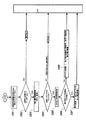
図により本発明に係る委託加工発注システムの一実施形態を具体的に説明する。図1は本発明に係る委託加工発注システムの制御系の構成を示すと共に、その委託加工発注システムを利用して加工発注者と加工場との間で受注を行なう様子を示す図、図2は本発明に係る委託加工発注システムを利用する手順を示す図、図3は加工品の発注計画と在庫の出荷計画バランスを示す図、図4は各加工場への各加工品の発注情報を一覧する図、図5は本発明に係る委託加工発注システムにより各加工場に加工品の発注数量を自動割り付けする様子を示すフローチャート、図6は発注条件の優先順位を設定するための設定画面の一例を示す図である。
【0012】
また、図7は加工場に加工品が継続して発注されていることを発注条件として各加工場に加工品の発注数量を自動割り付けする様子を示すフローチャート、図8は特定の加工品を特定の加工場に指定されていることを発注条件として各加工場に加工品の発注数量を自動割り付けする様子を示すフローチャート、図9は前回割り付けられたことを発注条件として各加工場に加工品の発注数量を自動割り付けする様子を示すフローチャート、図10は過去の発注実績を発注条件として各加工場に加工品の発注数量を自動割り付けする様子を示すフローチャート、図11は過去の試験発注実績を発注条件として各加工場に加工品の発注数量を自動割り付けする様子を示すフローチャート、図12は新規加工場を承認して各加工場に加工品の発注数量を自動割り付けする様子を示すフローチャートである。
【0013】
また、図13は特定の加工場に対する最低保証額を確保しつつ各加工場に加工品の発注数量を自動割り付けする様子を示すフローチャート、図14は特定の加工場に対する最低保証額を確保しつつ各加工場に加工品の発注数量を自動割り付けする様子を示す図、図15は加工場へ提示される委託加工発注計画書の一例を示す図である。
【0014】
図1において、1は加工品の一例として、織物の生地である布帛(ふはく)の中で色を染める前の生機(きばた)の委託加工発注を行なうアパレルメーカ等の委託加工発注者であり、2は加工品となる生機を加工する加工場である。
【0015】
委託加工発注者1側、或いは別途設けられた管理センターのコンピュータシステム部3にはCPU(中央演算装置)を備えた制御部4及び記憶手段となる委託発注データベース(以下、「委託発注DB」という)5、原料データベース(以下、「原料DB」という)6、仕掛在庫データベース(以下、「仕掛在庫DB」という)7等が設けられている。
【0016】
そして、インターネット9等の通信網を利用してパーソナルコンピュータ(以下、「パソコン」という)8等を利用してコンピュータシステム部3にアクセスすることが出来るようになっている。
【0017】
委託発注DB5には複数の加工場2が登録されており、更にそれ等の各加工場2の夫々の生産実績が記憶されている。制御部4は委託発注DB5に記憶された各加工場2の生産実績を比較する生産実績比較手段として機能するように構成されている。
【0018】
また、制御部4は、各加工場2に対する最低保証額と、各加工場2の加工品となる生機の発注数量に該生機の単価を乗じた支払額とを比較する保証額比較手段としても機能するように構成されている。
【0019】
更に制御部4は、各加工場2への支払額が夫々の最低保証額を下回った場合に、その支払額がその加工場2への最低保証額を上回るように加工品となる生機の発注数量を変更する発注数量変更手段としても機能するように構成されている。
【0020】
また、制御部4の内部には各加工品となる生機の銘柄と、その銘柄を専属で加工する加工場2とを関連付けたタイト銘柄マスタ10(図5参照)、各加工場2での過去の品質トラブル情報を格納した図示しない品質トラブルマスタ、各生機の銘柄毎に各加工場2への委託加工発注の比率が予め設定された図示しない按分条件マスタ、各加工場2が保有する加工機械の種類及び台数を格納した図示しない保有機種マスタ、按分条件マスタに格納された按分条件に従って各加工場2への発注数量を振り分ける発注数量振り分けマスタ14(図12参照)が設けられている。
【0021】
タイト銘柄マスタ10、品質トラブルマスタ、按分条件マスタ、保有機種マスタ及び発注数量振り分けマスタ14は、加工場2と関連付けられた銘柄情報や各加工場2の品質トラブル情報を記憶する記憶手段となるデータベースを兼ねている。
【0022】
また、按分条件マスタ及び発注数量振り分けマスタ14は、各加工場の生産実績の比率に応じて加工品となる生機の発注数量を設定する発注数量設定手段を兼ねている。
【0023】
次に図1〜図15を用いて本発明に係る委託加工発注システムを利用して複数の加工場2に対して委託加工発注を行う様子について説明する。図2のステップS1において、先ず、委託加工発注者1は、図4に示す配台シミュレーション画面15の過去参照ボタン15aをクリックして前回の委託発注計画や現在の加工品在庫量を参照する。
【0024】
そして、図2のステップS2において、前記ステップS1で参照した前回の委託発注計画や現在の加工品在庫量に基づいて、図3に示す出荷計画バランス画面16の月毎の受入合計欄16a,16bに加工品となる生機の委託加工発注数量を入力する。
【0025】
次に図2のステップS3において、図4の配台シミュレーション画面15の生機要求ボタン15bをクリックすると、委託加工発注者1である各営業マンが図3に示す出荷計画バランス画面16の月毎の受入合計欄16a,16bに入力した生機の要求量が集計されて図4の配台シミュレーション画面15の生機要求欄15cに各加工場2となる機業場毎の生機要求量が表示される。
【0026】
そして、ステップS4において、前記ステップS3における各機業場毎の生機要求量と、委託発注DB5に格納された前回の委託加工発注計画数量とを参照して、今回の委託加工発注計画数量を確認し、必要に応じて修正する。
【0027】
更に、ステップS5において、生機在庫の受払確認資料を出力して前回と今回の委託加工発注計画数量を対比させて確認する。ステップS6は各加工場2への委託加工発注数量の自動割付ルーチンであり、詳しくは、図5に示されている。
【0028】
図5のステップS21において、図4に示す配台シミュレーション画面15の生機要求ボタン15bをクリックすると集約された生機要求量を読み込む。次にステップS22において、制御部4が原料DB6に格納された原料在庫情報に基づいて、集約された生機要求量に応じて必要な原料の在庫確認を行う。
【0029】
ステップS22において、必要原料の在庫が十分あって出荷可能と判断した場合にはステップS23に進む。また、ステップS22において、必要原料の在庫が不足していると判断した場合には、タイト銘柄マスタ10に格納されたタイト商品情報に基づいて既に発注があったタイト商品以外の不足原料で発注数量の多い順にソートし、発注数量の多い順から発注数量を減量して生機要求量を翌月に振替える修正を行う(ステップS24)。
【0030】
そして、ステップS25において、原料が生機の生産限度内に収まるか否かを判断し、原料が生機の生産限度内に収まるまでステップS24、S25を繰り返す。ステップS25において、原料が生機の生産限度内に収まったと判断した場合には、前記ステップS22に戻る。
【0031】
ステップS23では、図6に示す発注計画順位設定画面17を利用して委託加工発注計画の設定順位を設定する。ここで、処理内容としては、▲1▼継続発注であること、▲2▼加工場2が指定されてること、▲3▼前回の発注計画に設定されたこと、▲4▼過去に発注実績があること、▲5▼過去に試験発注の実績があること、▲6▼加工機械を保有していて新規参入であること、等の条件が用意されており、ステップS26において、これ等の処理内容▲1▼〜▲6▼を適宜選択すると共に、それ等の処理内容の優先順位を優先順位欄17aに入力すると、最後の順番の処理内容の最低保証チェック欄17bに最低保証額を確保する演算処理を行うチェックがポイントされる。
【0032】
そして、処理内容と優先順位とを設定した後、発注計画順位設定画面17の実行ボタン17cをクリックすると、ステップS27に進む。ステップS27では、図7〜図12に示す各処理内容▲1▼〜▲6▼のうち発注計画順位設定画面17の優先順位欄17aで設定した処理内容がその優先順位に従って順次実行される。
【0033】
図7に示す継続発注設定ルーチン(処理内容▲1▼)では、先ず、ステップS41において、委託発注DB5に格納された各加工場2への発注実績を読み込み、ステップS42において、継続されている加工品に関して前月の発注があるか否かを判断する。
【0034】
ステップS42で、継続されている加工品に関して前月の発注がある場合には、前月の加工品の数量を採用してステップS43において各加工場2毎に委託加工発注数量を設定する。尚、ステップS42において、継続されている加工品に関して前月の発注がない場合には、設定無しとして出力する。
【0035】
次にステップS44において、委託加工発注数量が設定された各加工場2について品質トラブルマスタに格納された各加工場2の過去の品質トラブル情報に基づいて、品質トラブルをチェックする。過去に品質トラブルがあった加工場2は除外され、設定無しとして出力する。
【0036】
品質トラブルがなかった加工場2は、ステップS45において、同じく前月の加工品の数量を採用して各加工場2毎に委託加工発注数量が設定され、ステップS46において、予め銘柄毎に各加工場2について比率が決まっている按分条件マスタの按分条件情報に基づいて、各加工場2の按分率が設定されているか否かを判断する。
【0037】
按分率が設定されている加工場2に対しては、ステップS47において、各加工品の銘柄毎の全発注数量に按分率を乗じた数量を加工場2毎の委託加工発注数量として出力する。また、ステップS46において按分率が設定されていない加工場2に対しては、各加工品の銘柄毎の全発注数量に、加工場2毎の前月発注数量を前月の全発注数量で除した値を乗じた数量を加工場2毎の委託加工発注数量として出力する(ステップS48)。
【0038】
図8に示す生産加工場指定ルーチン(処理内容▲2▼)では、先ず、ステップS51において、委託発注DB5に格納された各加工場2への生産加工場指定情報を読み込み、ステップS52において、品質実績等により特定の銘柄が指定された加工場2があるか否かを判断する。
【0039】
ステップS52で、特定の銘柄が指定された加工場2がない場合には、設定無しとして出力する。また、ステップS52で、特定の銘柄が指定された加工場2がある場合には、ステップS53において、その加工場2について品質トラブルマスタに格納された各加工場2の過去の品質トラブル情報に基づいて、品質トラブルをチェックする。過去に品質トラブルがあった加工場2は除外され、設定無しとして出力する。
【0040】
品質トラブルがなかった加工場2は、ステップS54において、前月の加工品の数量を採用して各加工場2毎に委託加工発注数量が設定され、ステップS55において、予め銘柄毎に各加工場2について比率が決まっている按分条件マスタの按分条件情報に基づいて、各加工場2の按分率が設定されているか否かを判断し、按分率が設定されている加工場2に対しては、各加工品の銘柄毎の全発注数量に按分率を乗じた数量を加工場2毎の委託加工発注数量として出力する。また、ステップS55において按分率が設定されていない加工場2に対しては、「0」を設定して出力する。
【0041】
図9に示す前回発注計画設定ルーチン(処理内容▲3▼)では、先ず、ステップS61において、委託発注DB5に格納された各加工場2への発注計画情報を読み込み、ステップS62において、各加工品に関して前回の計画において当月分の委託発注計画があるか否かを判断する。
【0042】
ステップS62で、各加工品に関して前回計画で当月分の発注計画がある場合には、前回に計画された当月分の加工品の数量を採用してステップS63において各加工場2毎に委託加工発注数量を設定する。尚、ステップS62において、前回計画で当月分の発注計画がない場合には、設定無しとして出力する。
【0043】
次にステップS64において、委託加工発注数量が設定された各加工場2について品質トラブルマスタに格納された各加工場2の過去の品質トラブル情報に基づいて、品質トラブルをチェックする。過去に品質トラブルがあった加工場2は除外され、設定無しとして出力する。
【0044】
品質トラブルがなかった加工場2は、ステップS65において、同じく前回に計画された当月分の加工品の数量を採用して各加工場2毎に委託加工発注数量が設定され、ステップS66において、予め銘柄毎に各加工場2について比率が決まっている按分条件マスタの按分条件情報に基づいて、各加工場2の按分率が設定されているか否かを判断する。
【0045】
按分率が設定されている加工場2に対しては、ステップS67において、各加工品の銘柄毎の全発注数量に按分率を乗じた数量を加工場2毎の委託加工発注数量として出力する。また、ステップS66において按分率が設定されていない加工場2に対しては、各加工品の銘柄毎の全発注数量に、加工場2毎の前月発注計画数量を前月の全発注数量で除した値を乗じた数量を加工場2毎の委託加工発注数量として出力する(ステップS68)。
【0046】
図10に示す発注実績設定ルーチン(処理内容▲4▼)では、先ず、ステップS71において、委託発注DB5に格納された各加工場2への過去の発注実績を読み込み、ステップS72において、過去の所定期間遡って特定の加工品に関して発注実績があるか否かを判断する。
【0047】
ステップS72で、過去の所定の期間内に発注実績がある加工品に関して、その最新の月の加工品の数量を採用してステップS73において各加工場2毎に委託加工発注数量を設定する。尚、ステップS72において、過去の所定の期間内に発注実績がない加工品に関しては、設定無しとして出力する。
【0048】
次にステップS74において、委託加工発注数量が設定された各加工場2について品質トラブルマスタに格納された各加工場2の過去の品質トラブル情報に基づいて、品質トラブルをチェックする。過去に品質トラブルがあった加工場2は除外され、設定無しとして出力する。
【0049】
品質トラブルがなかった加工場2は、ステップS75において、同じく過去の所定の期間内に発注実績がある加工品に関して、その最新の月の加工品の数量を採用して各加工場2毎に委託加工発注数量が設定され、ステップS76において、予め銘柄毎に各加工場2について比率が決まっている按分条件マスタの按分条件情報に基づいて、各加工場2の按分率が設定されているか否かを判断する。
【0050】
按分率が設定されている加工場2に対しては、ステップS77において、各加工品の銘柄毎の全発注数量に按分率を乗じた数量を加工場2毎の委託加工発注数量として出力する。また、ステップS76において按分率が設定されていない加工場2に対しては、各加工品の銘柄毎の全発注数量に、加工場2毎の過去の所定の期間内に発注実績がある加工品に関して、その最新の月の加工品の発注数量を、その月の全発注数量で除した値を乗じた数量を加工場2毎の委託加工発注数量として出力する(ステップS78)。
【0051】
図11に示す試験発注実績設定ルーチン(処理内容▲5▼)では、先ず、ステップS81において、委託発注DB5に格納された各加工場2への過去の試験発注実績を読み込み、ステップS82において、過去の所定期間遡って加工品に関して試験発注実績があるか否かを判断する。
【0052】
ステップS82で、過去の所定の期間内に試験発注実績がある加工品に関して、その最新の月の加工品の試験発注数量を採用してステップS83において各加工場2毎に委託加工発注数量を設定する。尚、ステップS82において、過去の所定の期間内に試験発注実績がない加工品に関しては、設定無しとして出力する。
【0053】
次にステップS84において、委託加工発注数量が設定された各加工場2について品質トラブルマスタに格納された各加工場2の過去の品質トラブル情報に基づいて、品質トラブルをチェックする。過去に品質トラブルがあった加工場2は除外され、設定無しとして出力する。
【0054】
品質トラブルがなかった加工場2は、ステップS85において、同じく過去の所定の期間内に試験発注実績がある加工品に関して、その最新の月の加工品の試験発注数量を採用して各加工場2毎に委託加工発注数量が設定され、ステップS86において、予め銘柄毎に各加工場2について比率が決まっている按分条件マスタの按分条件情報に基づいて、各加工場2の按分率が設定されているか否かを判断する。
【0055】
按分率が設定されている加工場2に対しては、ステップS87において、各加工品の銘柄毎の全発注数量に按分率を乗じた数量を加工場2毎の委託加工発注数量として出力する。また、ステップS86において按分率が設定されていない加工場2に対しては、各加工品の銘柄毎の全発注数量に、加工場2毎の過去の所定の期間内に試験発注実績がある加工品に関して、その最新の月の加工品の試験発注数量を、その月の全発注数量で除した値を乗じた数量を加工場2毎の委託加工発注数量として出力する(ステップS88)。
【0056】
図12に示す保有機種新規設定ルーチン(処理内容▲6▼)では、加工能力があるが未発注の新規の加工場2を発注計画に参画させることが出来るものであり、インターネット9を介してコンピュータシステム部3にアクセスした新規の加工場2は保有機種マスタに保有機種及びその台数等の固有情報を登録する。そして、委託加工発注者1は、その登録された内容を調査し、所定の条件に適合すれば承認登録する。
【0057】
そして、ステップS101において、保有機種マスタに格納された保有機種情報に基づいて発注する加工品を加工するための該当織機を保有しているか否かを判断する。該当織機を保有していれば、ステップS102において、発注対象の承認登録が有るか否かを判断し、各加工場2の生産実績の比率に応じて加工品の発注数量を設定する発注数量設定手段となる発注数量振り分けマスタ14により各加工場2に発注数量が振り分けられる(ステップS103〜S106)。
【0058】
尚、ステップS101、S102において、該当織機を保有していないか、或いは発注対象に対して承認登録されていない加工場2は除外され、設定無しとして出力する。
【0059】
発注数量振り分けマスタ14は、工費支払い合計金額、各加工場2の原料在庫数量、加工場2の近さ(輸送コスト)について所定の重み付けを行って発注優先順位を指定する。
【0060】
例えば、ステップS103では、工費支払い合計金額の安価な順に整列をかけ、安価な順に「10000」,「9000」,「8000」…、等のように得点を付与して重み付けをしている。また、ステップS104では、原料在庫保有数量の多い順に整列をかけ、原料在庫保有数量の多い順に「1000」,「900」,「800」…、等のように得点を付与して重み付けをしている。また、ステップS105では、加工場2までの輸送コスト的離間距離が近い順に整列をかけ、距離が近い順に「100」,「90」,「80」…、等のように得点を付与して重み付けをしている。
【0061】
ここで、ステップS103で、工費支払い合計金額が1番安価で、ステップS104で、原料在庫保有数量が2番目に多く、輸送コスト的離間距離が3番目に近い新規の加工場2では、「10980」が得点数として計上される。そして、これ等の得点数の多い順に、新規の加工場2の優先順位が設定される。
【0062】
そして、ステップS106において、各加工品の銘柄毎の全発注数量に、加工場2毎の重み付けの得点数を、全加工場2の得点数の合計で除した値を乗じた数量を加工場2毎の委託加工発注数量として出力する。
【0063】
尚、前記図7〜図12において、各加工場2毎に設定された委託加工発注数量は、輸送コストや加工能率等を考慮して設定された最低発注数量(例えば、100反)を下回った場合には、委託加工発注が見送られる。
【0064】
そして、図5のステップS26において、前記図7〜図12に示した処理内容▲1▼〜▲6▼を適宜選択的に実施した後、ステップS27において、エラー無しか否かを判断する。そして、エラーが無い場合には、ステップS28に進んで、各加工場2に対する最低保証額を設定する処理を行うか否かを判断する。ステップS27において、エラーが有った場合には、ステップS34に進んだ後、ステップS26に戻って処理内容▲1▼〜▲6▼の選択及び優先順序を適宜変更する。
【0065】
前記ステップS28において、図6に示した発注計画順位設定画面17で最低保証チェック欄17bに最低保証額を設定するチェックが有る場合には、ステップS29に進んで各加工場2に対する最低保証額を設定する処理を実施する。
【0066】
図13は各加工場2に対する最低保証額を設定する処理を実施するフローチャートである。図13において、各加工場2に対する最低保証額を設定する保証額設定手段となる図示しない最低保証数量マスタ及び最低保証金額マスタには予め設定された最低保証額情報が格納された記憶手段となるデータベースが設けられている。
【0067】
そして、ステップS111において、最低保証数量マスタ及び最低保証金額マスタに格納された最低保証額情報に基づいて、各加工場2毎に発注する最低保証額が設定された範囲内か否かを判断する。
【0068】
このとき、保証額設定手段となる最低保証数量マスタ及び最低保証金額マスタにより設定された各加工場2の最低保証額と、按分条件マスタや発注数量振り分けマスタ14等の発注数量設定手段により設定した各加工場2の加工品の発注数量に該加工品の単価を乗じた支払額と、を保証額比較手段を兼ねる制御部4により比較し、各加工場2毎に発注する最低保証額が設定された範囲内か否かを判断する。
【0069】
各加工場2毎に発注する加工品の発注数量に該加工品の単価を乗じた支払額が最低保証額が設定された全加工場2に対してその最低保証額を上回る場合には、その発注数量が出力されるが、支払額が最低保証額を下回る場合には、ステップS112に進んで、支払額が最低保証額を下回る加工場2のうちで、支払額と最低保証額との差額が大きい順に整列をかける。
【0070】
例えば、図14に示すように、加工場A、加工場Bには最低保証金額が「1000」で設定されており、加工場Cには最低保証金額が「2000」で設定されており、加工場Dには最低保証金額が「3000」で設定されており、加工場E、加工場Fには最低保証金額が設定されていない。
【0071】
そして、図5に示すステップS26における一次割付け処理により、加工場A〜Fに夫々割り付けられた金額は「1900」、「100」、「3000」、「2000」、「1500」、「2000」で夫々設定されている。
【0072】
図14において、加工場A、加工場Cは支払額が最低保証額を上回るが、加工場B、加工場Dは支払額が最低保証額を下回る。増減を見てみると、加工場Aは「+900」、加工場Bは「−900」、加工場Cは「+1000」、加工場Dは「−1000」、加工場Eは「+1500」、加工場Fは「+2000」となり、全加工場A〜Fの増減の合計は「+5400」である。
【0073】
ここで、最低保証額を上回る各加工場A,C,E,Fの切り崩し金額割合を、各加工場A,C,E,Fの各増額分を全加工場A〜Fの増減の合計「+5400」で除することで算出する。各加工場A,C,E,Fの切り崩し金額割合は、加工場Aが0.166667(=900/5400)、加工場Cが0.185185(=1000/5400)、加工場Eが0.277778(=1500/5400)、加工場Fが0.37037(=2000/5400)に設定される。
【0074】
この切り崩し金額割合に基づいて、各加工場A,C,E,Fの割り当て金額から切り崩して、支払額が最低保証額を下回る加工場B、加工場Dに補填する基準金額が各加工場B、加工場Dの減額分に切り崩し金額割合を乗じることで算出される。
【0075】
各加工場A,C,E,Fが加工場Dを補う基準金額は、加工場Aが170(=1000×0.166667)、加工場Cが190(=1000×0.185185)、加工場Eが280(=1000×0.277778)、加工場Fが370(=1000×0.37037)に設定される。
【0076】
また、各加工場A,C,E,Fが加工場Bを補う基準金額は、加工場Aが150(=900×0.166667)、加工場Cが170(=900×0.185185)、加工場Eが250(=900×0.277778)、加工場Fが330(=900×0.37037)に設定される。
【0077】
そして、各加工場A,C,E,Fが加工場B,Dを補う基準金額の合計は、加工場Aが320(=170+150)、加工場Cが360(=190+170)、加工場Eが530(=280+250)、加工場Fが700(=370+330)となり、この補う基準金額の合計の多い順に切り崩し優先順位が設定される。即ち、図14では、加工場Fが第1順位に設定され、加工場Eが第2順位に設定され、加工場Cが第3順位に設定され、加工場Aが第4順位に設定される。
【0078】
次にステップS113において、按分条件マスタに該当する加工品の按分条件の登録があるか否かを判断し、該当する加工品に関して按分条件の登録がある場合には、ステップS114において、按分条件マスタに格納された按分条件情報に基づいて按分率の大きい順(数量が多い順)に整列をかける。
【0079】
そして、ステップS115において、発注数量変更手段を兼ねる制御部4は、支払額が最低保証額を下回った加工場2のうちで、該最低保証額から支払額を差し引いた保証割れ額が多い順に、その保証割れ額を補填するために、支払額が最低保証額を上回る加工場2の各加工品毎の割り当ての多い順にその加工品の発注数量を最低保証量ずつ減量し、その減量分を支払額が最低保証額を下回った加工場2に上乗せして加工品の発注数量を調整する。
【0080】
例えば、図14では、切り崩し第1優先順位となった加工場Fから減額分が最も多い加工場Dに対して300の割り付けを行ない、切り崩し第2優先順位となった加工場Eから加工場Dに対して280の割り付けを行ない、切り崩し第3優先順位となった加工場Cから加工場Dに対して100の割り付けを行ない、切り崩し第4優先順位となった加工場Aから加工場Dに対して100の割り付けを行なって、加工場Dは780が補填される。
【0081】
その結果、各加工場A〜Fの割付金額は、一時割付金額に切り崩し増減金額を増減して、加工場Aが1800(=1900−100)、加工場Bが100、加工場Cが2900(=3000−100)、加工場Dが2780(=2000+780)、加工場Eが1220(=1500−280)、加工場Fが1700(=2000−300)に設定される。
【0082】
尚も、加工場Dは最低保証金額の3000に及ばないため、対象銘柄の割当てに余力のある加工場Eから更に220を加工場Dに割り当てて、加工場Dの最低保証金額を3000(=2780+220)まで補填する。
【0083】
次に減額分が2番目に多い加工場Bに対して、各加工場A〜Fから加工場Bを補う基準金額の補正を行う。ここでは、先に設定した加工場Bを補う基準金額に、先に加工場Dに割り付けた過不足分を加減することで加工場Bを補う基準金額の補正を行う。
【0084】
このように補正された加工場Bを補う基準金額は、加工場Aが220(=150+(170−100))、加工場Cが260(=170+(190−100))、加工場Eが30(=250+(280−280−220))、加工場Fが400(=330+(370−300))に設定され、この金額が各加工場A,C,E,Fの切り崩し可能限度として設定される。加工場Bを補う切り崩し優先順位は前述した加工場Bを補う切り崩し優先順位と同順序で処理され、加工場Fが第1順位に設定され、加工場Eが第2順位に設定され、加工場Cが第3順位に設定され、加工場Aが第4順位に設定される。
【0085】
そして、切り崩し第1優先順位となった加工場Fから加工場Bに対して400の割り付けを行ない、切り崩し第2優先順位となった加工場Eから加工場Bに対して30の割り付けを行ない、切り崩し第3優先順位となった加工場Cから加工場Bに対して260の割り付けを行ない、切り崩し第4優先順位となった加工場Aから加工場Bに対して210の割り付けを行なって、加工場Bは900が補填される。
【0086】
その結果、各加工場A〜Fの割付金額は、II−2欄で示された割付金額に先の切り崩し増減金額を増減して、加工場Aが1590(=1800−210)、加工場Bが1000(=100+900)、加工場Cが2640(=2900−260)、加工場Dが3000、加工場Eが970(=1000−30)、加工場Fが1300(=1700−400)に設定される。
【0087】
上述のような切り崩し割付処理結果に基づいて、ステップS116において、最低保証額が設定された全ての加工場2の支払額がその最低保証額を上回ったか否かを判断し、最低保証額が設定された全ての加工場2の支払額がその最低保証額を上回るまでステップS115〜S116を繰り返す。
【0088】
そして、最低保証額が設定された全ての加工場2の支払額がその最低保証額を上回った場合には、その発注数量が出力され、ステップS117に進む。また、前記ステップS113において、按分条件マスタに該当加工品の按分条件の登録が無い場合にもステップS117に進み、切り崩し割付処理を終了するまでステップS113〜ステップS117を繰り返す。
【0089】
ステップS117において切り崩し割付処理が終了すると、ステップS118において、最低保証額が設定された加工場2に関して、委託発注DB5に格納された翌月分の発注計画情報に基づいて翌月分の発注計画が存在するかを判断し、翌月分の発注計画が存在すればステップS118に進む。また、翌月分の発注計画が存在しなければ設定無しとして出力する。
【0090】
ステップS118において、最低保証額が設定された加工場2に翌月分の発注計画が存在するか否かを判断し、翌月分の発注計画が存在すればステップS119に進んで、その発注数量の多い加工品順に整列をかけて発注数量の多い加工品から翌月分の発注数量を今月分の発注数量に繰り上げる処理を実施する。ステップS118において翌月分の発注計画が存在しない場合にはそのままその設定された発注数量を出力する。
【0091】
前記ステップS119からステップS120に進み、該ステップS120において、原料DB6の原料在庫情報に基づいて原料生産の限度内か否かを判断し、原料生産の限度を超えた場合にはステップS119に戻って加工品の銘柄を変更して翌月分の発注数量を今月分の発注数量に繰り上げる処理を実施する。
【0092】
ステップS120において、原料生産の限度内である場合には、ステップS121に進み、最低保証額が設定された全ての加工場2の支払額がその最低保証額を上回るまでステップS119〜S121を繰り返し、最低保証額が設定された全ての加工場2の支払額がその最低保証額を上回った段階で、その発注数量が出力される。尚、ステップS119〜S121を繰り返しても最低保証額が設定された加工場2の支払額が、その最低保証額を下回る場合には設定無しとして出力する。
【0093】
そして、最低保証額が設定された加工場2の支払額がその最低保証額を上回るまで図5に示すステップS28〜S30を繰り返し、ステップS30において、最低保証額が設定された加工場2の支払額がその最低保証額を上回った段階で、処理を終了し、その発注数量が出力される(ステップS31)。
【0094】
前記ステップS31において、各加工場2に対する発注数量を確認し、修正する必要がなければインターネット9を介して各加工場2に向けて、図15に示すような発注計画書を電子情報で送信する。
【0095】
各加工場2では端末装置であるパソコン8等を利用して図15に示す発注計画書画面18を開いて、加工品の銘柄、数量、単価、納期等を確認し、承認或いは否認の回答をインターネット9を介して委託加工発注者1に返送する。
【0096】
ステップS32において、加工場2が発注計画書の内容を承諾すれば、正式な発注書を作成して(ステップS33)、加工場2に送付し、加工場2はその発注書に基づいて納期を回答する。
【0097】
また、ステップS32において、加工場2から何らかの理由で承諾できない旨の回答が返送された場合には、否認された部分を未確定部分として再度ステップS23に戻り、前述したステップS23〜S31を繰り返す。
【0098】
また、前記ステップS31において、各加工場2に対する発注数量を確認し、修正する必要がある場合には、否認する部分を未確定部分として再度ステップS23に戻り、前述したステップS23〜S31を繰り返す。
【0099】
尚、前記実施形態では、糸から生機等の布帛に加工する場合の委託加工発注に適用した場合の一例について説明したが、原糸から染色した加工糸に加工する場合の委託加工発注、或いは、生機を染色加工する場合の委託加工発注、或いは、生機を縫製加工する場合の委託加工発注、或いは、各種の加工品を内職等に委託する場合の委託加工発注等にも広く適用可能である。
【0100】
【発明の効果】
本発明は、上述の如き構成と作用とを有するので、最低保証額を保証した上で、必要最小限の在庫量になるように調整しつつ複数の加工場への発注割り当てが容易に出来る委託加工発注システムを提供することが出来る。
【0101】
即ち、先ず、発注数量設定手段により各加工場の生産実績の比率に応じて加工品の発注数量を設定し、その発注数量に該加工品の単価を乗じた支払額と、加工場に対する最低保証額とを比較して、支払額が最低保証額を下回った場合に発注数量変更手段により支払額が最低保証額を上回るように加工品の発注数量を変更することで、各加工場に対する最低保証額を保証し、必要最小限の在庫量になるように調整しつつ複数の加工場への発注割り当てが容易に出来る。
【0102】
また、発注数量変更手段が、支払額が最低保証額を下回った加工場のうちで最低保証額から支払額を差し引いた保証割れ額が多い順に、その保証割れ額を補填するために、支払額が最低保証額を上回る加工場の各加工品毎の割り当ての多い順にその加工品の発注数量を最低保証量ずつ減量し、その減量分を支払額が最低保証額を下回った加工場に上乗せして加工品の発注数量を調整する場合には、支払額が最低保証額を上回る加工場の各加工品毎の割り当ての多い順にその加工品の発注数量を最低保証量ずつ減量して支払額が最低保証額を上回る各加工場から平均的に減量することが出来、その減量分を支払額が最低保証額を下回る加工場に上乗せして最低保証額を確保することが出来る。
【図面の簡単な説明】
【図1】本発明に係る委託加工発注システムの制御系の構成を示すと共に、その委託加工発注システムを利用して加工発注者と加工場との間で受注を行なう様子を示す図である。
【図2】本発明に係る委託加工発注システムを利用する手順を示す図である。
【図3】加工品の発注計画と在庫の出荷計画バランスを示す図である。
【図4】各加工場への各加工品の発注情報を一覧する図である。
【図5】本発明に係る委託加工発注システムにより各加工場に加工品の発注数量を自動割り付けする様子を示すフローチャートである。
【図6】発注条件の優先順位を設定するための設定画面の一例を示す図である。
【図7】加工場に加工品が継続して発注されていることを発注条件として各加工場に加工品の発注数量を自動割り付けする様子を示すフローチャートである。
【図8】特定の加工品を特定の加工場に指定されていることを発注条件として各加工場に加工品の発注数量を自動割り付けする様子を示すフローチャートである。
【図9】前回割り付けられたことを発注条件として各加工場に加工品の発注数量を自動割り付けする様子を示すフローチャートである。
【図10】過去の発注実績を発注条件として各加工場に加工品の発注数量を自動割り付けする様子を示すフローチャートである。
【図11】過去の試験発注実績を発注条件として各加工場に加工品の発注数量を自動割り付けする様子を示すフローチャートである。
【図12】新規加工場を承認して各加工場に加工品の発注数量を自動割り付けする様子を示すフローチャートである。
【図13】特定の加工場に対する最低保証額を確保しつつ各加工場に加工品の発注数量を自動割り付けする様子を示すフローチャートである。
【図14】特定の加工場に対する最低保証額を確保しつつ各加工場に加工品の発注数量を自動割り付けする様子を示す図である。
【図15】加工場へ提示される委託加工発注計画書の一例を示す図である。
【符号の説明】
1…委託加工発注者
2…加工場
3…コンピュータシステム部
4…制御部
5…委託発注DB
6…原料DB
7…仕掛在庫DB
8…パソコン
9…インターネット
10…タイト銘柄マスタ
14…発注数量振り分けマスタ
15…配台シミュレーション画面
15a…過去参照ボタン
15b…生機要求ボタン
15c…生機要求欄
16…出荷計画バランス画面
16a,16b…受入合計欄
17…発注計画順位設定画面
17a…優先順位欄
17b…最低補償チェック欄
17c…実行ボタン
18…発注計画書画面[0001]
TECHNICAL FIELD OF THE INVENTION
The present invention relates to a system for ordering consignment processing to a plurality of processing sites.
[0002]
[Prior art]
Conventionally, for example, in the apparel industry, which handles high-variety and small-volume production of high-end women's clothing and also has a trendy apparel-related business, ordering of commissioned processing to each processing plant is based on past results and An order plan for a processing request is made based on the production capacity or the type of a product currently in process, and a meeting is made at each processing site to adjust the inventory and the amount of the processing request.
[0003]
In particular, depending on the processing plant in charge, there is a case where a minimum guarantee amount is set, and after guaranteeing this minimum guarantee amount, ordering outsourcing processing to multiple processing sites while adjusting to the necessary minimum inventory amount It was common to do.
[0004]
In addition, using an information service network that is open to the entire apparel industry, a sewing company performs order processing, production planning, production management, and production instructions for fabrics that conform to the specifications of the apparel company and that are easy to sew. It has also been proposed (see, for example, Patent Document 1).
[0005]
[Patent Document 1]
JP-A-5-307562
[0006]
[Problems to be solved by the invention]
However, in the apparel industry, the task of assigning orders to each processing plant is complicated due to the fact that it deals with high-variety, small-volume production and highly fashionable clothing-related items, and also considers the minimum guarantee amount for each processing plant. In addition, it is extremely difficult to make an ordering plan while adjusting the inventory amount to the minimum necessary amount.
[0007]
The present invention has been made to solve the above-mentioned problem, and the purpose is to guarantee the minimum guarantee amount, and adjust the order so that the necessary inventory amount becomes the minimum necessary, and allocate an order to a plurality of processing sites. It is intended to provide a commissioned processing order system that can be easily performed.
[0008]
[Means for Solving the Problems]
The consignment processing ordering system according to the present invention for achieving the object is a system for performing consignment processing ordering for a plurality of processing sites, and storage means for storing respective production results of the plurality of processing sites, A production performance comparison means for comparing the production performance of each processing site stored in the storage means, and an order quantity of a processed product is set according to a ratio of the production performance of each processing site compared by the production performance comparison means. Order quantity setting means, guarantee amount setting means for setting the minimum guarantee amount for each processing site, minimum guarantee amount for each processing site set by the guarantee amount setting means, and each processing set by the order quantity setting means A guarantee amount comparing means for comparing the order quantity of the processed product at the place with a payment amount obtained by multiplying the unit price of the processed product; and a case where the payment amount compared by the guaranteed amount comparing means is lower than the minimum guaranteed amount. The Amount due is characterized by having a quantity ordered changing means for changing the order quantity of the workpiece to be greater than the outermost low guarantee amount.
[0009]
Since the present invention is configured as described above, first, the order quantity setting means sets the order quantity of the processed product according to the ratio of the production results of each processing plant, and multiplies the order quantity by the unit price of the processed product. The payment amount is compared with the minimum guarantee amount for the processing plant, and if the payment amount is lower than the minimum guarantee amount, the order quantity changing means changes the order quantity of the processed product so that the payment amount exceeds the minimum guarantee amount. In this way, it is possible to guarantee the minimum guarantee amount for each processing site and easily allocate orders to a plurality of processing sites while adjusting the inventory amount to the minimum necessary amount.
[0010]
Also, the order quantity changing means compensates for the guaranteed crack amount in descending order of the guaranteed crack amount obtained by subtracting the paid amount from the minimum guaranteed amount among the processing plants where the paid amount is less than the minimum guaranteed amount. In order to reduce the order quantity of the processed product by the minimum guarantee amount in the order of the allocation of each processed product in the processing plant where the payment amount exceeds the minimum guarantee amount, the reduced amount is the minimum guarantee amount. When adjusting the order quantity of a processed product by adding it to a processing site that is less than the minimum amount, reduce the order quantity of the processed product in the descending order of the allocation of each processed product at the processing site where the payment amount exceeds the minimum guarantee amount. It is possible to reduce the average amount from each processing plant where the payment amount exceeds the minimum guarantee amount by reducing the guarantee amount, and add the reduced amount to the processing plant where the payment amount is less than the minimum guarantee amount to secure the minimum guarantee amount You can do it.
[0011]
BEST MODE FOR CARRYING OUT THE INVENTION
An embodiment of the commissioned processing ordering system according to the present invention will be specifically described with reference to the drawings. FIG. 1 shows the configuration of a control system of a commissioned machining ordering system according to the present invention, and also shows how an order is received between a machining orderer and a machining shop using the commissioned machining ordering system. FIG. 3 is a diagram showing a procedure for using the commissioned machining ordering system according to the present invention, FIG. 3 is a diagram showing a balance between an order plan for a processed product and a shipping plan for inventory, and FIG. 4 is a list of order information for each processed product to each processing plant. FIG. 5 is a flowchart showing how the commissioned processing ordering system according to the present invention automatically allocates the order quantity of the processed product to each processing site. FIG. 6 is an example of a setting screen for setting the order of priority of the ordering conditions. FIG.
[0012]
FIG. 7 is a flowchart showing how the order quantity of the processed product is automatically allocated to each processing site on the condition that the processed product is continuously ordered at the processing site. FIG. Is a flowchart showing how the order quantity of the processed product is automatically allocated to each processing site with the ordering condition specified as the ordering condition of the processing site. FIG. FIG. 10 is a flowchart showing how the order quantity is automatically allocated. FIG. 10 is a flowchart showing how the past order results are automatically allocated to each processing plant using the past order results as order conditions. FIG. 11 is an order showing the past test order results. FIG. 12 is a flowchart showing how the order quantity of processed products is automatically allocated to each processing site as a condition. FIG. Is a flowchart illustrating how the automatic allocation.
[0013]
FIG. 13 is a flowchart showing how the order quantity of the processed product is automatically allocated to each processing site while securing the minimum guarantee amount for the specific processing site. FIG. 14 is a diagram showing the state where the minimum guarantee amount for the specific processing site is secured. FIG. 15 is a diagram showing a state in which the order quantity of processed products is automatically allocated to each processing plant, and FIG. 15 is a diagram showing an example of a commissioned processing order plan presented to the processing plant.
[0014]
In FIG. 1,
[0015]
The
[0016]
The
[0017]
A plurality of
[0018]
Further, the
[0019]
Further, when the payment amount to each
[0020]
In the
[0021]
The tight brand master 10, the quality trouble master, the apportioning condition master, the owned model master, and the order
[0022]
Further, the apportioning condition master and the order
[0023]
Next, referring to FIG. 1 to FIG. 15, a description will be given of how a commissioned machining order is placed for a plurality of
[0024]
Then, step S in FIG. 2 In the step S 1 Based on the previous consignment ordering plan referred to in the above and the current processed product inventory amount, the consignment processing ordering quantity of the greige machine to be the processed product is stored in the monthly
[0025]
Next, step S in FIG. 3 When the greed
[0026]
And step S 4 In the step S 3 With reference to the greed machine required amount for each machine factory and the previous commissioned machining order planned quantity stored in the commissioned
[0027]
Further, step S 5 In the above, the receipt / payment confirmation data of the greige stock is output, and the previous and current commissioned processing order planned quantities are compared and confirmed. Step S 6 Is a routine for automatically allocating the commissioned processing order quantity to each
[0028]
Step S in FIG. 21 In FIG. 4, clicking on the green
[0029]
Step S 22 In step S, if it is determined that the necessary raw materials are sufficient and it can be shipped. 23 Proceed to. Step S 22 In the case where it is determined that the stock of necessary raw materials is insufficient, sorting is performed in the order of the quantity of ordered raw materials with the shortage of raw materials other than tight products that have already been ordered based on the tight product information stored in the tight brand master 10. Then, a correction is made to reduce the order quantity in descending order of the order quantity and transfer the greed machine required quantity in the next month (step S). 24 ).
[0030]
And step S 25 In step, it is determined whether or not the raw material falls within the production limit of the greige machine, and step S is performed until the raw material falls within the production limit of the greige machine. 24 , S 25 repeat. Step S 25 In step S, if it is determined that the raw material is within the production limit of the greige machine, 22 Return to
[0031]
Step S 23 Then, the setting order of the commissioned machining order plan is set using the order planning
[0032]
Then, after setting the processing content and the priority order, when the execution button 17c on the order planning
[0033]
In the continuous order setting routine (processing content (1)) shown in FIG. 41 In step S5, the results of ordering to each
[0034]
Step S 42 In the case where there is an order for the processed product in the previous month for the processed product that has been continued, the quantity of the processed product in the previous month is adopted and step S is performed. 43 , The commissioned processing order quantity is set for each
[0035]
Next, step S 44 In, the quality trouble is checked based on the past quality trouble information of each
[0036]
[0037]
For
[0038]
In the production processing plant designation routine (processing content (2)) shown in FIG. 51 In step S5, the information on the designation of the production processing plant to each
[0039]
Step S 52 If there is no
[0040]
[0041]
In the previous order plan setting routine (processing content (3)) shown in FIG. 61 In step S5, order planning information for each
[0042]
Step S 62 Then, if there is an order plan for the current month for each processed product in the previous plan, the quantity of processed products for the current month that was previously planned is adopted and step S is performed. 63 , The commissioned processing order quantity is set for each
[0043]
Next, step S 64 In, the quality trouble is checked based on the past quality trouble information of each
[0044]
[0045]
For
[0046]
In the order result setting routine (processing content (4)) shown in FIG. 71 In step S5, the past order results for each
[0047]
Step S 72 Then, for a processed product for which an order has been placed within a predetermined period in the past, the quantity of the processed product in the latest month is adopted and step S 73 , The commissioned processing order quantity is set for each
[0048]
Next, step S 74 In, the quality trouble is checked based on the past quality trouble information of each
[0049]
[0050]
For
[0051]
In the test ordering result setting routine (processing content (5)) shown in FIG. 81 In step S5, the past test order results for each
[0052]
Step S 82 Then, for a processed product having a test order record within a predetermined period in the past, the test order quantity of the processed product in the latest month is adopted and step S 83 , The commissioned processing order quantity is set for each
[0053]
Next, step S 84 In, the quality trouble is checked based on the past quality trouble information of each
[0054]
[0055]
For
[0056]
In the new model setting routine (processing content (6)) shown in FIG. 12, a
[0057]
And step S 101 , It is determined whether or not the loom for processing a product to be ordered is held based on the held model information stored in the held model master. If the loom is owned, step S 102 It is determined whether or not there is an approval registration of the ordering target, and the ordering
[0058]
Step S 101 , S 102 In the above, the
[0059]
The order
[0060]
For example, step S 103 In this example, sorting is performed in ascending order of the total amount of construction cost paid, and points are weighted by assigning scores such as “10000”, “9000”, “8000”,. Step S 104 In this example, sorting is performed in descending order of the stocked material stock, and weights are assigned by assigning scores such as “1000”, “900”, “800”,. Step S 105 In this example, sorting is performed in ascending order of the transport cost separation distance to the
[0061]
Here, step S 103 And the total cost of construction is the cheapest, step S 104 Therefore, in the
[0062]
And step S 106 , The total order quantity for each brand of each processed product multiplied by the value obtained by dividing the weighted score for each
[0063]
7 to 12, the commissioned processing order quantity set for each
[0064]
Then, step S in FIG. 26 , After the processing contents (1) to (6) shown in FIG. 7 to FIG. 27 In, it is determined whether there is no error. If there is no error, step S 28 Then, it is determined whether or not to perform processing for setting the minimum guarantee amount for each
[0065]
Step S 28 In the case where there is a check for setting the minimum guarantee amount in the minimum guarantee check column 17b on the order planning
[0066]
FIG. 13 is a flowchart of a process for setting a minimum guarantee amount for each
[0067]
And step S 111 In the above, based on the minimum guaranteed amount master and the minimum guaranteed amount information stored in the minimum guaranteed amount master, it is determined whether or not the minimum guaranteed amount ordered for each
[0068]
At this time, the minimum guaranteed amount of each
[0069]
If the payment amount obtained by multiplying the order quantity of the processed product to be ordered for each
[0070]
For example, as shown in FIG. 14, the minimum guaranteed amount is set at “1000” for the processing site A and the processing site B, and the minimum guaranteed amount is set at “2000” for the processing site C. The minimum guarantee amount is set at “3000” in the place D, and the minimum guarantee amount is not set in the processing places E and F.
[0071]
The amounts allocated to the processing sites A to F by the primary allocation process in step S26 shown in FIG. 5 are “1900”, “100”, “3000”, “2000”, “1500”, and “2000”. Each is set.
[0072]
In FIG. 14, the payment amount of the processing site A and the processing site C exceeds the minimum guaranteed amount, but the payment amount of the processing site B and the processing site D is lower than the minimum guaranteed amount. Looking at the increase / decrease, processing site A is “+900”, processing site B is “−900”, processing site C is “+1000”, processing site D is “−1000”, processing site E is “+1500”, and processing is The place F is “+2000”, and the sum of increase and decrease of all the processing places A to F is “+5400”.
[0073]
Here, the cut-off amount ratio of each of the processing sites A, C, E, and F that exceeds the minimum guarantee amount, the increase of each of the processing sites A, C, E, and F is the sum of the increase and decrease of all the processing sites A to F. +5400 ". The ratio of the cut-off amount of each of the processing sites A, C, E, and F is 0.166667 (= 900/5400) in the processing site A, 0.185185 (= 1000/5400) in the processing site C, and 0. 277778 (= 1500/5400) and the processing site F are set to 0.37037 (= 2000/5400).
[0074]
On the basis of this cut-off amount ratio, the cut-off amount from each of the processing sites A, C, E, and F is cut off, and the reference amount to be compensated for the processing site B and the processing site D whose payment amount is less than the minimum guarantee amount is each processing site B. , Is calculated by multiplying the reduced amount of the processing plant D by the cut-off amount ratio.
[0075]
Processing sites A, C, E, and F supplement processing site D with reference amounts 170 (= 1000 × 0.166667) for processing site A, 190 (= 1000 × 0.185185) for processing site C, and processing sites. E is set to 280 (= 1000 × 0.277778), and the processing site F is set to 370 (= 1000 × 0.37037).
[0076]
In addition, the processing amount of each of the processing sites A, C, E, and F compensates for the processing site B. The processing amount of the processing site A is 150 (= 900 × 0.166667), the processing site C is 170 (= 900 × 0.185185), The processing site E is set to 250 (= 900 × 0.277778), and the processing site F is set to 330 (= 900 × 0.37037).
[0077]
Then, the sum of the reference amounts that the processing sites A, C, E, and F supplement the processing sites B and D is 320 (= 170 + 150) for the processing site A, 360 (= 190 + 170) for the processing site C, and the processing site E 530 (= 280 + 250), the processing site F becomes 700 (= 370 + 330), and the cut-out priority is set in descending order of the total of the supplementary reference amounts. That is, in FIG. 14, the processing site F is set to the first order, the processing site E is set to the second order, the processing site C is set to the third order, and the processing site A is set to the fourth order. .
[0078]
Next, step S 113 , It is determined whether or not the apportionment condition of the processed product corresponding to the apportioning condition master has been registered. 114 In the above, the sorting is performed in the order of larger apportioning rate (in order of larger quantity) based on apportioning condition information stored in the apportioning condition master.
[0079]
And step S 115 In the above, the
[0080]
For example, in FIG. 14, 300 is assigned to the processing plant D that has the largest reduction from the processing plant F that has become the first priority of the cutting operation, and the processing plant D has been allocated from the processing plant E that has the second priority of the cutting operation. To 280, and from the processing site C, which is the third priority, to the processing site D, 100 is allocated, and from the processing site A, which is the fourth priority, to the processing site D. The processing area D is filled with 780.
[0081]
As a result, the allocation amount of each of the processing sites A to F is reduced to the temporary allocation amount, and the increase / decrease amount is increased / decreased. The processing site A is 1800 (= 1900−100), the processing site B is 100, and the processing site C is 2900 ( = 3000-100), processing site D is set to 2780 (= 2000 + 780), processing site E is set to 1220 (= 1500-280), and processing site F is set to 1700 (= 2000-300).
[0082]
Incidentally, since the processing plant D does not reach the minimum guarantee amount of 3000, 220 is further allocated to the processing plant D from the processing plant E which has a margin for the allocation of the target brand, and the minimum guarantee amount of the processing plant D is 3000 (= 2780 + 220).
[0083]
Next, for the processing site B having the second largest amount of reduction, the correction of the reference amount for supplementing the processing site B from each of the processing sites A to F is performed. Here, the reference amount for supplementing the processing site B is corrected by adding or subtracting the excess or deficiency previously allocated to the processing site D to the reference amount for supplementing the processing site B previously set.
[0084]
The processing amount for the processing site B thus corrected is 220 (= 150 + (170-100)) for the processing site A, 260 (= 170 + (190-100)) for the processing site C, and 30 for the processing site E. (= 250 + (280-280-220)), the processing site F is set to 400 (= 330 + (370-300)), and this amount is set as the cut-off limit of each of the processing sites A, C, E, and F. You. The cut-over priority for processing site B is processed in the same order as the cut-off priority for processing site B described above, processing site F is set to the first priority, processing site E is set to the second priority, and processing site C is set in the third order, and processing site A is set in the fourth order.
[0085]
Then, 400 is allocated to the processing site B from the processing site F which has been the first priority of the cutting and the processing site B is allocated 30 to the processing site B from the processing site E which is the second priority of the cutting and the second priority. The assignment of 260 is performed from the processing plant C, which has the third priority, and the processing plant B is assigned to the processing plant B, and the allocation of 210 from the processing plant A, which is the fourth priority of the cutting operation, to the processing plant B, is performed. Field B is filled with 900.
[0086]
As a result, the allocation amount of each of the processing sites A to F is changed to the allocation amount indicated in the column II-2 by increasing or decreasing the amount of increase and decrease beforehand, and the processing site A is 1590 (= 1800-210), and the processing site B Is 1000 (= 100 + 900), processing site C is 2640 (= 2900-260), processing site D is 3000, processing site E is 970 (= 1000-30), and processing site F is 1300 (= 1700-400). Is done.
[0087]
On the basis of the result of the cut-away allocation processing as described above, step S 116 Judge whether the payment amount of all
[0088]
Then, if the payment amount of all the
[0089]
Step S 117 When the cutout allocation processing is completed in 118 In the
[0090]
Step S 118 , It is determined whether or not there is an order plan for the next month in the
[0091]
Step S 119 To step S 120 To step S 120 In step S3, it is determined whether or not the raw material production is within the limit based on the raw material inventory information in the raw material DB6. 119 Then, the process of changing the brand of the processed product and raising the order quantity for the next month to the order quantity for this month is performed.
[0092]
Step S 120 In the case where it is within the limit of raw material production, step S 121 To step S until the payment amount of all
[0093]
Step S shown in FIG. 28 ~ S 30 Is repeated, and step S 30 When the payment amount of the
[0094]
Step S 31 In step (1), the order quantity for each
[0095]
At each
[0096]
Step S 32 In
[0097]
Step S 32 In the case where the
[0098]
The step S 31 In the above, if it is necessary to confirm the order quantity for each
[0099]
In the above-described embodiment, an example of a case where the present invention is applied to a consignment processing order in a case where the yarn is processed into a fabric such as a greige machine has been described. However, a consignment processing order in a case where the yarn is processed into a dyed processed yarn, or The present invention can be widely applied to a consignment processing order for dyeing a greige machine, a consignment processing order for sewing a greige machine, or a consignment processing order for consigning various processed products to an in-house worker.
[0100]
【The invention's effect】
Since the present invention has the above-described configuration and operation, it is possible to easily assign orders to a plurality of processing sites while adjusting the minimum stock amount while guaranteeing the minimum guarantee amount. Processing order system can be provided.
[0101]
That is, first, the order quantity setting means sets the order quantity of the processed product in accordance with the ratio of the production results of each processing plant, and the payment amount obtained by multiplying the order quantity by the unit price of the processed product, and the minimum guarantee for the processing plant. If the payment amount falls below the minimum guarantee amount, the order quantity of the processed product is changed by the order quantity change means so that the payment amount exceeds the minimum guarantee amount, and the minimum guarantee for each processing plant Orders can be easily allocated to a plurality of processing sites while guaranteeing the amount and adjusting the inventory amount to the minimum necessary amount.
[0102]
In addition, the order quantity changing means uses the payment amount to compensate for the broken amount of guarantee, in the order of the largest broken amount of the minimum guaranteed amount minus the paid amount among the processing plants where the paid amount is less than the minimum guaranteed amount. , Reduce the order quantity of the processed products by the minimum guaranteed amount in the order of allocation of each processed product at the processing plant that exceeds the minimum guarantee amount, and add the reduced amount to the processing plant where the payment amount is less than the minimum guaranteed amount In order to adjust the order quantity of processed products, the payment amount is reduced by the minimum guaranteed amount in the order of the allocation of each processed product in the processing plant where the payment amount exceeds the minimum guaranteed amount by the minimum guaranteed amount. It is possible to reduce the weight on average from each processing plant that exceeds the minimum guarantee amount, and to add the reduced amount to the processing plant where the payment amount is less than the minimum guarantee amount to secure the minimum guarantee amount.
[Brief description of the drawings]
FIG. 1 is a diagram showing a configuration of a control system of a commissioned machining ordering system according to the present invention, and showing how an order is received between a machining orderer and a machining shop using the commissioned machining ordering system.
FIG. 2 is a diagram showing a procedure for using the commissioned processing ordering system according to the present invention.
FIG. 3 is a diagram showing a balance between an order plan for processed products and a shipping plan for inventory.
FIG. 4 is a diagram showing a list of order information of each processed product to each processing site.
FIG. 5 is a flowchart showing how a commissioned processing order system according to the present invention automatically allocates an order quantity of a processed product to each processing site.
FIG. 6 is a diagram showing an example of a setting screen for setting the order of priority of order conditions.
FIG. 7 is a flowchart showing a state in which the order quantity of the processed product is automatically allocated to each processing site on the condition that the processed product is continuously ordered at the processing site.
FIG. 8 is a flowchart showing a state in which the order quantity of a processed product is automatically assigned to each processing site on the condition that a specific processed product is designated as a specific processing site.
FIG. 9 is a flowchart showing a state in which the order quantity of a processed product is automatically allocated to each processing site on the basis of the last allocation.
FIG. 10 is a flowchart showing a state in which the order quantity of a processed product is automatically allocated to each processing site using past order results as order conditions.
FIG. 11 is a flowchart showing a state in which the order quantity of a processed product is automatically allocated to each processing site using past test order results as order conditions.
FIG. 12 is a flowchart showing a process of approving a new processing site and automatically allocating the order quantity of a processed product to each processing site.
FIG. 13 is a flowchart showing a state in which the order quantity of a processed product is automatically allocated to each processing site while securing a minimum guarantee amount for a specific processing site.
FIG. 14 is a diagram showing a state in which the order quantity of a processed product is automatically allocated to each processing site while securing a minimum guarantee amount for a specific processing site.
FIG. 15 is a diagram illustrating an example of a commissioned processing order plan document presented to the processing site.
[Explanation of symbols]
1 ... Contract processing orderer
2 ... Processing shop
3. Computer system section
4 ... Control unit
5: Consignment order DB
6. Raw material DB
7: In-process inventory DB
8 ... PC
9. Internet
10. Tight brand master
14… Order quantity distribution master
15: Distribution platform simulation screen
15a ... Past reference button
15b… Green machine request button
15c ... Green machine request column
16: Shipment plan balance screen
16a, 16b ... Reception total column
17… Order planning order setting screen
17a ... priority order column
17b: Minimum compensation check column
17c… Execute button
18… Order plan screen
Claims (2)
複数の加工場の夫々の生産実績を記憶する記憶手段と、
前記記憶手段に記憶された各加工場の生産実績を比較する生産実績比較手段と、
前記生産実績比較手段により比較された各加工場の生産実績の比率に応じて加工品の発注数量を設定する発注数量設定手段と、
前記各加工場に対する最低保証額を設定する保証額設定手段と、
前記保証額設定手段により設定した各加工場の最低保証額と、前記発注数量設定手段により設定した各加工場の加工品の発注数量に該加工品の単価を乗じた支払額とを比較する保証額比較手段と、
前記保証額比較手段により比較された前記支払額が前記最低保証額を下回った場合に該支払額が該最低保証額を上回るように前記加工品の発注数量を変更する発注数量変更手段と、
を有することを特徴とする委託加工発注システム。It is a system for outsourcing processing orders to multiple processing sites,
Storage means for storing the production results of each of the plurality of processing sites;
A production performance comparison means for comparing the production performance of each processing site stored in the storage means,
Order quantity setting means for setting the order quantity of the processed product according to the ratio of the production results of each processing plant compared by the production result comparison means,
Guarantee amount setting means for setting a minimum guarantee amount for each processing site,
Guarantee comparing the minimum guarantee amount of each processing plant set by the guarantee amount setting means with the payment amount obtained by multiplying the order quantity of the processed product of each processing plant set by the order quantity setting device by the unit price of the processed product. Amount comparison means,
Order quantity changing means for changing the order quantity of the processed product such that the payment amount exceeds the minimum guarantee amount when the payment amount compared by the guarantee amount comparison means is lower than the minimum guarantee amount;
A consignment processing ordering system characterized by having:
前記支払額が前記最低保証額を下回った加工場のうちで前記最低保証額から前記支払額を差し引いた保証割れ額が多い順に、その保証割れ額を補填するために、前記支払額が前記最低保証額を上回る加工場の各加工品毎の割り当ての多い順にその加工品の発注数量を最低保証量ずつ減量し、その減量分を前記支払額が前記最低保証額を下回った加工場に上乗せして加工品の発注数量を調整することを特徴とする請求項1に記載の委託加工発注システム。The order quantity changing means includes:
Among the processing plants where the payment amount is lower than the minimum guarantee amount, in order of increasing the guaranteed crack amount obtained by subtracting the payment amount from the minimum guarantee amount, in order to compensate for the guaranteed crack amount, the payment amount is the minimum amount. Reduce the order quantity of the processed products by the minimum guaranteed amount in the order of the larger allocation of each processed product of the processing plant exceeding the guaranteed amount, and add the reduced amount to the processing plant where the payment amount is less than the minimum guaranteed amount. 2. The commissioned processing order system according to claim 1, wherein the order quantity of the processed product is adjusted by adjusting the order amount.
Priority Applications (1)
| Application Number | Priority Date | Filing Date | Title |
|---|---|---|---|
| JP2003024748A JP2004234531A (en) | 2003-01-31 | 2003-01-31 | Contract manufacturing order system |
Applications Claiming Priority (1)
| Application Number | Priority Date | Filing Date | Title |
|---|---|---|---|
| JP2003024748A JP2004234531A (en) | 2003-01-31 | 2003-01-31 | Contract manufacturing order system |
Publications (1)
| Publication Number | Publication Date |
|---|---|
| JP2004234531A true JP2004234531A (en) | 2004-08-19 |
Family
ID=32953203
Family Applications (1)
| Application Number | Title | Priority Date | Filing Date |
|---|---|---|---|
| JP2003024748A Pending JP2004234531A (en) | 2003-01-31 | 2003-01-31 | Contract manufacturing order system |
Country Status (1)
| Country | Link |
|---|---|
| JP (1) | JP2004234531A (en) |
Cited By (2)
| Publication number | Priority date | Publication date | Assignee | Title |
|---|---|---|---|---|
| WO2013114601A1 (en) * | 2012-02-02 | 2013-08-08 | 株式会社日立製作所 | Power demand adjustment system and power demand adjustment method |
| JP2023066101A (en) * | 2021-10-28 | 2023-05-15 | 株式会社オービック | Consignment adjustment apparatus, consignment adjustment method, and consignment adjustment program |
Citations (2)
| Publication number | Priority date | Publication date | Assignee | Title |
|---|---|---|---|---|
| JP2001266047A (en) * | 2000-03-16 | 2001-09-28 | Sankyu Inc | Commodity purchasing apparatus and commodity purchasing network system |
| JP2001325494A (en) * | 2000-03-10 | 2001-11-22 | Mitsubishi Electric Corp | Material procurement system and material procurement method |
-
2003
- 2003-01-31 JP JP2003024748A patent/JP2004234531A/en active Pending
Patent Citations (2)
| Publication number | Priority date | Publication date | Assignee | Title |
|---|---|---|---|---|
| JP2001325494A (en) * | 2000-03-10 | 2001-11-22 | Mitsubishi Electric Corp | Material procurement system and material procurement method |
| JP2001266047A (en) * | 2000-03-16 | 2001-09-28 | Sankyu Inc | Commodity purchasing apparatus and commodity purchasing network system |
Cited By (4)
| Publication number | Priority date | Publication date | Assignee | Title |
|---|---|---|---|---|
| WO2013114601A1 (en) * | 2012-02-02 | 2013-08-08 | 株式会社日立製作所 | Power demand adjustment system and power demand adjustment method |
| US9727069B2 (en) | 2012-02-02 | 2017-08-08 | Hitachi, Ltd. | Power demand adjustment system and power demand adjustment method |
| JP2023066101A (en) * | 2021-10-28 | 2023-05-15 | 株式会社オービック | Consignment adjustment apparatus, consignment adjustment method, and consignment adjustment program |
| JP2025107394A (en) * | 2021-10-28 | 2025-07-17 | 株式会社オービック | Entrusted adjustment device, entrusted adjustment method, and entrusted adjustment program |
Similar Documents
| Publication | Publication Date | Title |
|---|---|---|
| US7532945B2 (en) | Data model for supply chain planning | |
| US8051015B2 (en) | Method and system for automated control of pricing | |
| Beamon | Supply chain design and analysis:: Models and methods | |
| US6731998B2 (en) | Collaboratively solving an optimization problem using first and second optimization software each having at least partial information concerning the optimization problem | |
| US7813961B2 (en) | System and method for planning, allocation, and purchasing | |
| Leung et al. | Multi-site aggregate production planning with multiple objectives: a goal programming approach | |
| US7933793B2 (en) | Constraint-based production planning and scheduling | |
| EP1830316A1 (en) | Data processing system, RFID reader and data processing method | |
| WO2004088442A1 (en) | Process delay monitor system | |
| JP2004234531A (en) | Contract manufacturing order system | |
| Crainic et al. | Proactive order consolidation in global sourcing | |
| JP2002006936A (en) | Production control system and production control method | |
| Welker | Patterns of order processing: a study of the formalization of the ordering process in order-driven manufacturing companies | |
| Jain et al. | Practice of Management Science—Orderbook Balancing Using a Combination of Linear Programming and Heuristic Techniques | |
| Vickery et al. | Integer goal programming for multistage lot sizing: Experimentation and implementation | |
| Mathur | Mathematical models to simultaneously determine overtime requirements and schedule cells | |
| JP4782933B2 (en) | Development support method, development support system, and computer program for development support | |
| Luo et al. | A case study of supply chain management in a manufacturing company in China | |
| US20260099812A1 (en) | Determination of a part inventory safety factor | |
| US20260099815A1 (en) | Method and system for managing part inventory between related facilities | |
| JP2847276B2 (en) | Delivery management system for coiled products | |
| CN119168545B (en) | A method and system for generating replenishment suggestions for logistics providers | |
| US20260099813A1 (en) | Method and apparatus for monitoring part inventory | |
| EP4068176B1 (en) | System and method for manufacturing a product in a distributed environment | |
| Bolseth et al. | ERP in manufacturing network |
Legal Events
| Date | Code | Title | Description |
|---|---|---|---|
| A621 | Written request for application examination |
Free format text: JAPANESE INTERMEDIATE CODE: A621 Effective date: 20060130 |
|
| RD02 | Notification of acceptance of power of attorney |
Free format text: JAPANESE INTERMEDIATE CODE: A7422 Effective date: 20080130 |
|
| A977 | Report on retrieval |
Free format text: JAPANESE INTERMEDIATE CODE: A971007 Effective date: 20080904 |
|
| A131 | Notification of reasons for refusal |
Free format text: JAPANESE INTERMEDIATE CODE: A131 Effective date: 20081021 |
|
| A521 | Request for written amendment filed |
Free format text: JAPANESE INTERMEDIATE CODE: A523 Effective date: 20081125 |
|
| A02 | Decision of refusal |
Free format text: JAPANESE INTERMEDIATE CODE: A02 Effective date: 20090203 |