JP2012165697A - Method and apparatus for fermentation test of yeast - Google Patents
Method and apparatus for fermentation test of yeast Download PDFInfo
- Publication number
- JP2012165697A JP2012165697A JP2011029688A JP2011029688A JP2012165697A JP 2012165697 A JP2012165697 A JP 2012165697A JP 2011029688 A JP2011029688 A JP 2011029688A JP 2011029688 A JP2011029688 A JP 2011029688A JP 2012165697 A JP2012165697 A JP 2012165697A
- Authority
- JP
- Japan
- Prior art keywords
- culture
- yeast
- culture solution
- fermentation
- fermentation test
- Prior art date
- Legal status (The legal status is an assumption and is not a legal conclusion. Google has not performed a legal analysis and makes no representation as to the accuracy of the status listed.)
- Granted
Links
Images


Landscapes
- Apparatus Associated With Microorganisms And Enzymes (AREA)
- Measuring Or Testing Involving Enzymes Or Micro-Organisms (AREA)
- Micro-Organisms Or Cultivation Processes Thereof (AREA)
Abstract
【課題】小スケールで酵母により生成された揮発性成分の量を適切に評価できる酵母の発酵試験方法及び発酵試験装置を提供する。
【解決手段】本発明に係る酵母の発酵試験方法は、半密閉又は密閉の培養容器内で、酵母を含む150mL以下の培養液を撹拌しながら嫌気培養を行う培養工程と、前記酵母により生成された前記培養液中の揮発性成分の量を定量的に評価する評価工程と、を含む。本発明に係る発酵試験装置は、酵母を含む150mL以下の培養液を保持する半密閉又は密閉の培養容器と、前記培養容器内の前記培養液を撹拌する撹拌部と、前記培養容器内を嫌気化する嫌気化部と、を備える。
【選択図】図5
A fermentation test method and fermentation test apparatus for yeast capable of appropriately evaluating the amount of volatile components produced by yeast on a small scale.
The yeast fermentation test method according to the present invention comprises a culture step in which anaerobic culture is performed in a semi-sealed or sealed culture vessel while stirring a 150 mL or less culture solution containing yeast, and the yeast is produced by the yeast. And an evaluation step for quantitatively evaluating the amount of the volatile component in the culture solution. The fermentation test apparatus according to the present invention includes a semi-sealed or hermetically sealed culture vessel that holds a culture solution of 150 mL or less containing yeast, a stirring unit that stirs the culture solution in the culture vessel, and anaerobic the inside of the culture vessel An anaerobic part to be converted.
[Selection] Figure 5
Description
本発明は、酵母の発酵試験方法及び発酵試験装置に関し、特に、小スケールでの酵母の発酵試験に関する。 The present invention relates to a yeast fermentation test method and fermentation test apparatus, and more particularly to a yeast fermentation test on a small scale.
ビール等の発泡性アルコール飲料の製造に関し、製品の品質維持、製品の開発及び製造工程の改善等の目的で、酵母を使用したアルコール発酵試験が行われる。このような発酵試験は、実験室レベルの小規模なアルコール発酵を実施することにより行われる。 Regarding the production of sparkling alcoholic beverages such as beer, an alcohol fermentation test using yeast is performed for the purpose of maintaining the quality of the product, developing the product and improving the production process. Such a fermentation test is performed by carrying out a small-scale alcoholic fermentation at the laboratory level.
従来、例えば、特許文献1には、EBC発酵管(内径50mm、全長1500mm)内において2200mLの試験液中で酵母を培養する発酵試験、及び小型発酵管(直径22mm、全長590mm)内において180mLの麦汁中で酵母を嫌気培養する発酵試験が記載されている。
Conventionally, for example, Patent Document 1 discloses a fermentation test in which yeast is cultured in a 2200 mL test solution in an EBC fermentation tube (
また、特許文献2には、1〜50mLの培養液に溶存二酸化炭素低減物質(多孔質の沸石)と酵母とを添加して静置培養する発酵試験が記載されている。また、特許文献3には、発酵管(500mL容、直径25mm、高さ1250mm)内において500mLの麦汁中で酵母を静置培養する発酵試験が記載されている。
しかしながら、従来、EBC発酵管に比べて十分に小さなスケールで酵母の発酵試験を行う場合には、当該酵母により生成された揮発性成分の量を適切に評価することは困難であった。 However, conventionally, when performing a yeast fermentation test on a scale sufficiently smaller than that of an EBC fermentation tube, it has been difficult to appropriately evaluate the amount of volatile components produced by the yeast.
本発明は、上記課題に鑑みて為されたものであり、小スケールで酵母により生成された揮発性成分の量を適切に評価できる酵母の発酵試験方法及び発酵試験装置を提供することをその目的の一つとする。 The present invention has been made in view of the above problems, and an object of the present invention is to provide a yeast fermentation test method and fermentation test apparatus capable of appropriately evaluating the amount of volatile components produced by yeast on a small scale. One of them.
上記課題を解決するための本発明の一実施形態に係る酵母の発酵試験方法は、半密閉又は密閉の培養容器内で、酵母を含む150mL以下の培養液を撹拌しながら嫌気培養を行う培養工程と、前記酵母により生成された前記培養液中の揮発性成分の量を定量的に評価する評価工程と、を含むことを特徴とする。本発明によれば、小スケールで酵母により生成された揮発性成分の量を適切に評価できる酵母の発酵試験方法を提供することができる。 The yeast fermentation test method according to an embodiment of the present invention for solving the above problems is a culture process in which anaerobic culture is performed while stirring a 150 mL or less culture solution containing yeast in a semi-sealed or sealed culture vessel. And an evaluation step for quantitatively evaluating the amount of volatile components in the culture solution produced by the yeast. ADVANTAGE OF THE INVENTION According to this invention, the fermentation test method of yeast which can evaluate appropriately the quantity of the volatile component produced | generated by yeast on a small scale can be provided.
また、前記培養工程において、前記培養容器を振とうすることにより前記培養液を撹拌することとしてもよい。また、前記培養工程及び前記評価工程を複数の培養条件で実施し、前記揮発性成分の評価結果を前記複数の培養条件間で比較することとしてもよい。この場合、前記培養工程及び前記評価工程を、複数種の酵母を使用した前記複数の培養条件で実施し、前記揮発性成分の評価結果を前記複数種の酵母間で比較することとしてもよい。また、前記培養工程及び前記評価工程を、複数種の培養液を使用した前記複数の培養条件で実施し、前記揮発性成分の評価結果を前記複数種の培養液間で比較することとしてもよい。また、前記揮発性成分の評価結果を予め定められた参考値と比較することとしてもよい。 In the culturing step, the culture solution may be agitated by shaking the culture vessel. Moreover, it is good also as implementing the said culture | cultivation process and the said evaluation process on several culture conditions, and comparing the evaluation result of the said volatile component between these culture conditions. In this case, it is good also as implementing the said culture | cultivation process and the said evaluation process on the said several culture conditions using multiple types of yeast, and comparing the evaluation result of the said volatile component between the said multiple types of yeast. The culturing step and the evaluation step may be performed under the plurality of culture conditions using a plurality of types of culture solutions, and the evaluation results of the volatile components may be compared between the plurality of types of culture solutions. . Moreover, it is good also as comparing the evaluation result of the said volatile component with a predetermined reference value.
上記課題を解決するための本発明の一実施形態に係る発酵試験装置は、酵母を含む150mL以下の培養液を保持する半密閉又は密閉の培養部と、前記培養部内の前記培養液を撹拌する撹拌部と、前記培養容器内を嫌気化する嫌気化部と、を備えることを特徴とする。本発明によれば、小スケールで酵母により生成された揮発性成分の量を適切に評価できる発酵試験装置を提供することができる。 A fermentation test apparatus according to an embodiment of the present invention for solving the above-mentioned problems stirs a semi-sealed or hermetically sealed culture section that holds 150 mL or less of a culture solution containing yeast, and the culture solution in the culture section. It comprises an agitation part and an anaerobic part for making the inside of the culture vessel anaerobic. ADVANTAGE OF THE INVENTION According to this invention, the fermentation test apparatus which can evaluate appropriately the quantity of the volatile component produced | generated with yeast by the small scale can be provided.
また、前記撹拌部は、前記培養液が撹拌されるよう前記培養容器を振とうすることとしてもよい。また、前記嫌気化部は、嫌気的な雰囲気が形成されたその内部に前記培養容器を収容することとしてもよい。 The stirring unit may shake the culture vessel so that the culture solution is stirred. Moreover, the said anaerobic part is good also as accommodating the said culture container in the inside in which the anaerobic atmosphere was formed.
本発明によれば、小スケールで酵母により生成された揮発性成分の量を適切に評価できる酵母の発酵試験方法及び発酵試験装置を提供することができる。 ADVANTAGE OF THE INVENTION According to this invention, the fermentation test method and fermentation test apparatus of a yeast which can evaluate appropriately the quantity of the volatile component produced | generated by yeast on a small scale can be provided.
以下に、本発明の一実施形態について説明する。なお、本発明は本実施形態に限られるものではない。 Hereinafter, an embodiment of the present invention will be described. Note that the present invention is not limited to the present embodiment.
本実施形態に係る酵母の発酵試験方法(以下、「本方法」という。)は、半密閉又は密閉の培養容器内で、酵母を含む150mL以下の培養液を撹拌しながら嫌気培養を行う培養工程と、当該酵母により生成された当該培養液中の揮発性成分の量を定量的に評価する評価工程と、を含む。 The yeast fermentation test method according to the present embodiment (hereinafter referred to as “the present method”) is a culture process in which anaerobic culture is performed in a semi-sealed or sealed culture vessel while stirring a 150 mL or less culture solution containing yeast. And an evaluation step for quantitatively evaluating the amount of volatile components in the culture solution produced by the yeast.
すなわち、まず、本方法においては、150mL以下の培養液を使用して、従来のEBC発酵管を使用する方法に比べて十分に小さなスケールで培養を行う。このため、酵母及び培養液の使用量を効果的に低減して効率よく発酵試験を行うことができる。 That is, first, in this method, a culture solution of 150 mL or less is used, and the culture is performed on a sufficiently small scale as compared with a method using a conventional EBC fermentation tube. For this reason, the usage-amount of yeast and a culture solution can be reduced effectively, and a fermentation test can be performed efficiently.
次に、本方法においては、培養液を撹拌しながら培養を行う。このため、150mL以下の小スケールであっても、酵母の過剰な沈降を効果的に防止することができる。なお、従来の発酵試験は、主に実際の発酵槽(例えば、容量5000L以上)における発酵を実験室スケールで再現することを目的としていたため、培養液の撹拌は行われていなかった。また、例えば、EBC発酵管内でビール酵母を使用する発酵試験においては、当該EBC発酵管の高さが1000mmを超えること、及び2000mL以上の培養液を使用することから、当該ビール酵母により生成された炭酸ガスの気泡が培養液中を上昇するのに伴って適度な対流が発生し、当該ビール酵母の過剰な沈降は抑制されていた。このため、EBC発酵管を使用する場合には、培養液の撹拌を行う必要がなかった。 Next, in this method, culture is performed while stirring the culture solution. For this reason, even if it is a small scale of 150 mL or less, the excessive sedimentation of yeast can be prevented effectively. In addition, since the conventional fermentation test was mainly aimed at reproducing fermentation in an actual fermenter (for example, a capacity of 5000 L or more) on a laboratory scale, the culture solution was not stirred. In addition, for example, in a fermentation test using brewer's yeast in an EBC fermentation tube, the height of the EBC fermentation tube exceeds 1000 mm, and a culture solution of 2000 mL or more is used. Appropriate convection occurred as the bubbles of carbon dioxide rose in the culture solution, and excessive sedimentation of the brewer's yeast was suppressed. For this reason, when using an EBC fermentation tube, it was not necessary to stir the culture solution.
さらに、本方法においては、半密閉の培養容器内で嫌気培養を行う。このため、酵母による揮発性成分の生成が促進されるとともに、生成された揮発性成分の揮発及び培養容器外への拡散を効果的に防止することができる。 Furthermore, in this method, anaerobic culture is performed in a semi-sealed culture vessel. For this reason, while the production | generation of the volatile component by yeast is accelerated | stimulated, volatilization of the produced | generated volatile component and the spreading | diffusion outside a culture container can be prevented effectively.
そして、本方法においては、培養中に酵母によって生成された揮発性成分の量を定量的に評価する。ここで、本方法においては、上述した複数の培養条件を併せて採用することによって、揮発性成分の生成促進及び当該揮発性成分の培養液中への効果的な保持を十分に実現している。このため、培養液中の揮発性成分の絶対量は、実際の発酵槽やEBC発酵管におけるそれと同等となる。したがって、本方法においては、揮発性成分の生成量を適切に評価することができる。 And in this method, the quantity of the volatile component produced | generated by yeast during culture | cultivation is evaluated quantitatively. Here, in this method, by adopting the above-described plurality of culture conditions together, it is possible to sufficiently realize the promotion of the generation of volatile components and the effective retention of the volatile components in the culture solution. . For this reason, the absolute amount of the volatile component in the culture solution is equivalent to that in an actual fermenter or EBC fermentation tube. Therefore, in this method, the amount of volatile components generated can be appropriately evaluated.
なお、従来の発酵試験においては、発酵が適切に進行しているか否かが主な指標となっていた。すなわち、従来、ビール酵母を使用したアルコール発酵試験においては、例えば、培養液中のエキスの切れを示す外観エキス、生成されたアルコールの量、酵母の数が主な指標とされていた。このため、付随的に揮発性成分が定量されることがあったとしても、その絶対量が実際の発酵槽で得られる量と同等か否かは評価されていなかった。 In a conventional fermentation test, whether or not fermentation is proceeding appropriately has been a main indicator. That is, conventionally, in an alcoholic fermentation test using brewer's yeast, for example, an appearance extract showing the excretion of the extract in the culture solution, the amount of alcohol produced, and the number of yeasts have been the main indicators. For this reason, even if a volatile component was quantified incidentally, it was not evaluated whether the absolute amount was equivalent to the amount obtained in an actual fermenter.
しかしながら、本発明の発明者らは、酵母を使用した発酵試験において、当該酵母により生成された揮発性成分の絶対量を適切に評価することは重要であると考えた。すなわち、例えば、酵母のアルコール発酵を行ってアルコール飲料を製造する場合には、製造されたアルコール飲料に含有されるエステル等の揮発性成分の絶対量は、当該アルコール飲料を特徴づける上で重要である。そこで、発明者らは、揮発性成分の生成量を適切に評価できる発酵試験方法について鋭意検討を重ねた結果、上述のとおり、複数の培養条件を併せて採用した従来にない小スケールの発酵試験方法を確立するに至った。 However, the inventors of the present invention considered that it is important to appropriately evaluate the absolute amount of volatile components produced by the yeast in a fermentation test using yeast. That is, for example, when alcoholic beverages are produced by performing alcoholic fermentation of yeast, the absolute amount of volatile components such as esters contained in the produced alcoholic beverages is important in characterizing the alcoholic beverages. is there. Therefore, as a result of intensive studies on a fermentation test method that can appropriately evaluate the amount of volatile components produced, the inventors, as described above, have employed a plurality of culture conditions in combination with an unprecedented small-scale fermentation test. It came to establish the method.
また、本実施形態に係る発酵試験装置(以下、「本装置」という。)は、酵母を含む150mL以下の培養液を保持する半密閉又は密閉の培養容器と、当該培養容器内の当該培養液を撹拌する撹拌部と、当該培養容器内を嫌気化する嫌気化部と、を備える。本装置を使用することにより、本方法を好ましく実施することができる。 In addition, the fermentation test apparatus according to the present embodiment (hereinafter referred to as “the present apparatus”) includes a semi-sealed or hermetically sealed culture container that holds 150 mL or less of a culture solution containing yeast, and the culture solution in the culture container. And an anaerobic part for making the inside of the culture vessel anaerobic. By using this apparatus, this method can be preferably implemented.
本方法及び本装置で使用される酵母は、発酵を行い、揮発性成分を生成するものであれば特に限られず、例えば、アルコール発酵を行う酵母を好ましく使用することができる。アルコール発酵を行う酵母としては、培養液中の栄養源を消費してアルコール(例えば、エタノール)を生成するものであれば特に限られず、例えば、アルコール飲料の製造に使用される酵母を好ましく使用することができる。 The yeast used in the present method and the present apparatus is not particularly limited as long as it produces fermentation and produces a volatile component. For example, yeast that performs alcohol fermentation can be preferably used. The yeast for alcohol fermentation is not particularly limited as long as it consumes nutrients in the culture solution and produces alcohol (for example, ethanol). For example, yeast used for the production of alcoholic beverages is preferably used. be able to.
アルコール飲料の製造に使用される酵母としては、例えば、ビール酵母、ワイン酵母、清酒酵母、焼酎酵母、ウイスキー酵母を好ましく使用することができ、中でもビール酵母を特に好ましく使用することができる。ビール酵母としては、ビールや発泡酒等の発泡性アルコール飲料の製造に使用することのできるものであれば特に限られず、例えば、下面発酵酵母又は上面発酵酵母を好ましく使用することができ、下面発酵酵母を特に好ましく使用することができる。 As yeast used for manufacture of alcoholic beverages, for example, beer yeast, wine yeast, sake yeast, shochu yeast, whiskey yeast can be preferably used, and beer yeast can be particularly preferably used. The beer yeast is not particularly limited as long as it can be used for producing a sparkling alcoholic beverage such as beer or sparkling liquor. For example, bottom fermentation yeast or top fermentation yeast can be preferably used. Yeast can be particularly preferably used.
下面発酵酵母は、発酵が進行するにつれて培養液中で沈降するものであれば特に限られず、例えば、Saccharomyces pastrianusが挙げられる。上面発酵酵母は、発酵が進行するにつれて培養液表面に上昇して浮遊するものであれば特に限られず、例えば、Saccharomyces cerevisiaeが挙げられる。 The bottom fermenting yeast is not particularly limited as long as it settles in the culture solution as the fermentation proceeds, and examples thereof include Saccharomyces pastrians. The top fermenting yeast is not particularly limited as long as it rises and floats on the surface of the culture solution as the fermentation progresses, and examples thereof include Saccharomyces cerevisiae.
本方法及び本装置において使用される培養液は、酵母による発酵及び揮発性成分の生成を可能にするものであれば特に限られず、例えば、当該酵母が資化できる炭素源及び窒素源を含む水溶液を好ましく使用することができる。 The culture solution used in the method and the apparatus is not particularly limited as long as it enables fermentation by yeast and generation of volatile components. For example, an aqueous solution containing a carbon source and a nitrogen source that can be assimilated by the yeast. Can be preferably used.
すなわち、酵母としてビール酵母を使用する場合には、培養液は、例えば、植物由来の材料を含む原料を使用して調製されたものを好ましく使用することができる。植物由来の材料としては、例えば、大麦、大麦麦芽、小麦、小麦麦芽及びホップからなる群より選択される1種以上を含む原料を使用して調製されたもの(例えば、ビールの製造における、いわゆる麦汁に相当するもの)を好ましく使用することができる。 That is, when using brewer's yeast as yeast, the culture solution prepared using the raw material containing a plant-derived material can be used preferably, for example. As plant-derived materials, for example, those prepared using a raw material containing one or more selected from the group consisting of barley, barley malt, wheat, wheat malt and hops (for example, so-called beer production) (Corresponding to wort) can be preferably used.
また、例えば、窒素源及び炭素源として、穀物由来のタンパク質又はペプチドの分解物(例えば、エンドウ、大豆又はコーン由来のタンパク質又はペプチドの分解物)、穀物由来のデンプンの分解物(例えば、コーン等の穀類由来のデンプンを分解し精製して得られた液状の糖類(いわゆる液糖))及び酵母エキス(例えば、酵母から抽出されたタンパク質、ペプチド及びアミノ酸)からなる群より選択される1種以上を使用して調製された培養液を使用することとしてもよい。 Also, for example, as a nitrogen source and a carbon source, a protein or peptide degradation product derived from cereal (for example, a protein or peptide degradation product derived from pea, soybean or corn), a starch degradation product from cereal (for example, corn, etc.) One or more selected from the group consisting of liquid saccharides (so-called liquid sugars) obtained by decomposing and purifying starch derived from cereals of the cereals and yeast extracts (for example, proteins, peptides and amino acids extracted from yeast) It is good also as using the culture solution prepared using.
使用される培養液の体積は、150mL以下であれば特に限られず、例えば、100mL以下とすることができ、50mL以下とすることができ、30mL以下とすることができ、20mL以下とすることもできる。培養液の体積が小さくなるほど、揮発性成分を適切に評価することが難しくなる傾向がある。このため、培養液の体積が小さくなるほど、本方法による効果は顕著となる。 The volume of the culture solution used is not particularly limited as long as it is 150 mL or less, and can be, for example, 100 mL or less, 50 mL or less, 30 mL or less, or 20 mL or less. it can. As the volume of the culture solution decreases, it tends to be difficult to appropriately evaluate volatile components. For this reason, the effect by this method becomes remarkable, so that the volume of a culture solution becomes small.
培養液の体積の下限値は、酵母の培養が可能な範囲であれば特に限られず、例えば、1mLとすることができる。すなわち、培養液の体積は、例えば、1mL以上とすることができ、2.5mL以上とすることもできる。上述した培養液の体積の上限値と下限値とは任意に組み合わせることができる。 The lower limit of the volume of the culture solution is not particularly limited as long as yeast can be cultured, and can be set to 1 mL, for example. That is, the volume of the culture solution can be, for example, 1 mL or more, and can be 2.5 mL or more. The upper limit value and lower limit value of the volume of the culture solution described above can be arbitrarily combined.
本方法及び本装置において使用される培養容器は、その内部に酵母を含む培養液を保持でき、且つ半密閉状態又は密閉状態とすることができるものであれば特に限られない。すなわち、培養容器の容量は、150mL以下の培養液を保持できる範囲であれば特に限られない。 The culture vessel used in the present method and the present device is not particularly limited as long as it can hold a culture solution containing yeast therein and can be in a semi-sealed state or a sealed state. That is, the capacity of the culture vessel is not particularly limited as long as it can hold a culture solution of 150 mL or less.
培養容器の形状は、特に限られず、例えば、筒状とすることができる。培養容器が筒状である場合、当該培養容器の内径に対する深さの比率(深さ/内径比)は、特に限られないが、例えば、0.2以上とすることができる。より具体的に、この深さ/内径比は、例えば、0.2〜40とすることができ、1〜40とすることが好ましく、1.5〜30とすることがより好ましい。 The shape of the culture vessel is not particularly limited and can be, for example, cylindrical. When the culture vessel is cylindrical, the ratio of the depth to the inner diameter of the culture vessel (depth / inner diameter ratio) is not particularly limited, but can be, for example, 0.2 or more. More specifically, the depth / inner diameter ratio can be, for example, 0.2 to 40, preferably 1 to 40, and more preferably 1.5 to 30.
培養容器の半密閉状態は、酵母により生成された揮発性成分の揮発及び当該培養容器外への拡散が抑制されれば特に限られない。半密閉の培養容器は、例えば、酵母の培養中に当該培養容器の空寸部(気相部分)の圧力が当該培養容器の外部の圧力(例えば、外気圧)より高くなる培養容器である。 The semi-sealed state of the culture vessel is not particularly limited as long as volatilization of volatile components produced by yeast and diffusion outside the culture vessel are suppressed. The semi-sealed culture vessel is a culture vessel in which, for example, the pressure of the empty portion (gas phase portion) of the culture vessel becomes higher than the pressure outside the culture vessel (for example, external pressure) during yeast culture.
すなわち、開口部(酵母及び/又は培養液の注入及び/又は採取や、気体の出入りのための開口した部分)を有する培養容器(例えば、上部に開口部を有する筒状の培養容器)を使用して、発酵に伴い気体を生成する酵母(例えば、アルコール発酵に伴い炭酸ガスを発生させる酵母)を培養する場合、半密閉の当該培養容器は、当該酵母による当該気体の生成に伴い、その空寸部の圧力が外部の圧力より高くなるよう当該開口部が塞がれた培養容器とすることができる。 That is, a culture vessel (for example, a cylindrical culture vessel having an opening at the top) having an opening (opened portion for injecting and / or collecting yeast and / or a culture solution and entering and exiting a gas) is used. Then, when cultivating yeast that produces gas along with fermentation (for example, yeast that generates carbon dioxide gas along with alcohol fermentation), the semi-sealed culture vessel becomes empty due to the production of the gas by the yeast. It can be set as the culture container by which the said opening part was block | closed so that the pressure of a dimension part might become higher than an external pressure.
培養容器の開口部に蓋を装着して半密閉状態を形成する場合、当該蓋は、酵母により生成された揮発性成分の揮発及び拡散を抑制するものであれば特に限られない。すなわち、この蓋は、例えば、酵母による気体の生成に伴って、培養容器の空寸部の圧力を外部の圧力より高め、且つ余剰の当該気体を当該培養容器の開口部から外部に漏洩させるよう当該培養容器の開口部を閉塞するものである。 When a lid is attached to the opening of the culture vessel to form a semi-sealed state, the lid is not particularly limited as long as it suppresses volatilization and diffusion of volatile components generated by yeast. That is, for example, this lid increases the pressure of the empty portion of the culture vessel from the external pressure with the generation of gas by yeast, and leaks the excess gas from the opening of the culture vessel to the outside. The opening of the culture vessel is closed.
具体的に、このような蓋としては、例えば、培養容器の開口部との間に隙間を形成しつつ当該開口部を覆う蓋、培養容器の空寸部の圧力が高まった場合には浮き上がるよう開口部を閉塞する蓋、過剰な気体を漏えいさせるための貫通孔が形成された蓋、過剰な気体を漏洩させるための多孔構造を有する蓋等が考えられる。 Specifically, as such a lid, for example, a lid that covers the opening while forming a gap with the opening of the culture vessel, or that rises when the pressure in the empty portion of the culture vessel increases A lid that closes the opening, a lid in which a through hole for leaking excess gas, a lid having a porous structure for leaking excess gas, and the like are conceivable.
培養容器の密閉状態は、酵母により生成された揮発性成分が当該培養容器の外に実質的に漏洩しなければ特に限られない。すなわち、例えば、開口部を有する培養容器を使用する場合には、当該開口部を蓋で閉塞する。密閉の培養容器を使用する場合も、当然ながら、酵母の培養中に当該培養容器の空寸部の圧力は当該培養容器の外部の圧力より高くなる。なお、酵母により気体が生成される場合には、空寸部の加圧により培養容器が破損しないよう留意することが好ましい。 The sealed state of the culture vessel is not particularly limited as long as the volatile component produced by the yeast does not substantially leak out of the culture vessel. That is, for example, when using a culture vessel having an opening, the opening is closed with a lid. Even when a closed culture vessel is used, of course, the pressure in the empty space of the culture vessel becomes higher than the pressure outside the culture vessel during the cultivation of yeast. In addition, when gas is produced | generated by yeast, it is preferable to pay attention so that a culture container may not be damaged by pressurization of an empty part.
培養工程においては、まず、酵母を培養液に添加し、当該酵母を含む培養液を培養容器に入れる。培養液における酵母の密度は特に限られず、例えば、1×10⁶個/mL〜3×109個/mLの範囲内とすることができる。 In the culturing step, first, yeast is added to the culture solution, and the culture solution containing the yeast is placed in a culture vessel. The density of the yeast in a culture solution is not specifically limited, For example, it can be in the range of 1 * 10 < 6 > piece / mL-3 * 10 < 9 > piece / mL.
培養容器内の培養液の深さは、当該培養容器の容量及び形状と当該培養液の量とによって任意に決定され、特に限られないが、例えば、400mm以下とすることができ、300mm以下とすることができ、200mm以下とすることができ、100mm以下とすることもできる。培養液の深さの下限値は、酵母の培養が可能な範囲であれば特に限られず、例えば、10mmとすることができる。すなわち、培養液の深さは、例えば、10mm以上とすることができ、20mm以上とすることもできる。上述した培養液の深さの上限値と下限値とは任意に組み合わせることができる。 The depth of the culture solution in the culture vessel is arbitrarily determined depending on the volume and shape of the culture vessel and the amount of the culture solution, and is not particularly limited. For example, it can be 400 mm or less, and 300 mm or less. Can be 200 mm or less, and can be 100 mm or less. The lower limit of the depth of the culture solution is not particularly limited as long as yeast can be cultured, and can be, for example, 10 mm. That is, the depth of the culture solution can be, for example, 10 mm or more, and can be 20 mm or more. The upper limit value and lower limit value of the culture medium depth described above can be arbitrarily combined.
そして、培養工程においては、培養容器を半密閉状態に維持しつつ、当該培養容器内の培養液を撹拌しながら、酵母を嫌気的に培養する。培養中の培養容器は、例えば、上述のとおり、当該培養容器の空寸部の圧力が当該培養容器の外部の圧力より高くなる半密閉又は密閉とする。 And in a culture | cultivation process, yeast is anaerobically cultured, stirring the culture solution in the said culture container, maintaining a culture container in a semi-sealed state. For example, as described above, the culture vessel during the culture is semi-sealed or hermetically sealed so that the pressure in the empty portion of the culture vessel is higher than the pressure outside the culture vessel.
培養液の撹拌は、当該培養液中における酵母の過剰な沈降を抑制するものであれば特に限られない。すなわち、例えば、培養容器を振とうすることにより培養液を撹拌することができる。この場合、本装置の撹拌部は、培養液が撹拌されるよう培養容器を振とうする。すなわち、撹拌部は、例えば、培養容器を保持する保持部と、当該培養容器を振とうするよう当該保持部を駆動する駆動部と、を有する振とう機である。培養容器の振とうは、例えば、当該培養容器を往復直線的に、及び/又は円弧を描くように運動させることにより行うことができる。また、培養液の撹拌は、例えば、当該培養液中において撹拌子を回転させることにより行うこととしてもよい。この場合、本装置の撹拌部は、例えば、培養容器内の培養液中に配置される撹拌子と、当該撹拌子を回転させる駆動力(例えば、磁力)を発生する駆動部と、を有する撹拌機である。 The stirring of the culture solution is not particularly limited as long as it suppresses excessive sedimentation of yeast in the culture solution. That is, for example, the culture solution can be stirred by shaking the culture vessel. In this case, the stirring unit of the present apparatus shakes the culture container so that the culture solution is stirred. That is, the stirring unit is a shaker having, for example, a holding unit that holds the culture vessel and a drive unit that drives the holding unit to shake the culture vessel. The shaking of the culture container can be performed, for example, by moving the culture container in a reciprocating linear manner and / or in an arc shape. In addition, stirring of the culture solution may be performed, for example, by rotating a stirring bar in the culture solution. In this case, the stirrer of the present apparatus includes, for example, a stirrer disposed in the culture solution in the culture vessel and a stirrer that generates a driving force (for example, magnetic force) that rotates the stirrer. Machine.
嫌気培養は、酵母による発酵及び揮発性成分の生成を可能にする嫌気的な雰囲気での培養であれば特に限られない。すなわち、嫌気培養は、例えば、酸素濃度が0.1体積%以下の雰囲気下における培養とすることができる。 The anaerobic culture is not particularly limited as long as it is a culture in an anaerobic atmosphere that enables fermentation by yeast and generation of volatile components. That is, the anaerobic culture can be performed, for example, in an atmosphere having an oxygen concentration of 0.1% by volume or less.
嫌気的な雰囲気を形成する方法は、特に限られず、例えば、酸素吸収剤及び/又は嫌気化ガス(例えば、炭酸ガス)を使用する方法が挙げられる。すなわち、例えば、酸素吸収剤を含み、及び/又は嫌気化ガスを充填又は流通させた容器内に培養容器を入れて培養を行うことにより、嫌気培養を実施することができる。 The method for forming the anaerobic atmosphere is not particularly limited, and examples thereof include a method using an oxygen absorbent and / or an anaerobic gas (for example, carbon dioxide gas). That is, for example, anaerobic culture can be carried out by placing a culture container in a container containing an oxygen absorbent and / or filled or circulated with an anaerobic gas.
本装置の嫌気化部は、例えば、嫌気的な雰囲気が形成されたその内部に培養容器を収容する。すなわち、この場合、嫌気化部は、例えば、嫌気化されたその内部に培養容器を収容する半密閉又は密閉の容器である。この嫌気化部は、撹拌部をさらに収容することとしてもよい。 The anaerobic part of this apparatus accommodates a culture container in the inside where the anaerobic atmosphere was formed, for example. That is, in this case, the anaerobic part is, for example, a semi-sealed or sealed container that accommodates the culture container in the anaerobic interior. This anaerobic part is good also as accommodating a stirring part further.
培養を行う温度及び時間は、酵母による発酵及び揮発性成分の生成を可能にする範囲であれば特に限られない。すなわち、培養温度は、例えば、5〜30℃とすることができる。また、培養時間は、例えば、48〜336時間とすることができる。 The temperature and time for culturing are not particularly limited as long as they allow fermentation by yeast and generation of volatile components. That is, the culture temperature can be 5-30 degreeC, for example. In addition, the culture time can be, for example, 48 to 336 hours.
そして、評価工程においては、嫌気培養中に酵母により生成された培養液中の揮発性成分の量を定量的に評価する。揮発性成分は、酵母により生成され、且つ当該酵母の特性を評価する指標となる揮発性の成分であれば特に限られない。すなわち、評価される揮発性成分は、例えば、エステル、含硫化合物、ダイアセチル、アルコール及びモノテルペンアルコールからなる群より選択される1種以上とすることができる。 And in an evaluation process, the quantity of the volatile component in the culture solution produced | generated by yeast during anaerobic culture is evaluated quantitatively. The volatile component is not particularly limited as long as it is a volatile component that is produced by yeast and serves as an index for evaluating the characteristics of the yeast. That is, the volatile component to be evaluated can be, for example, one or more selected from the group consisting of esters, sulfur-containing compounds, diacetyl, alcohol, and monoterpene alcohol.
より具体的に、アルコール発酵を行う酵母(例えば、ビール酵母)を使用する場合、揮発性成分は、例えば、酢酸エステル、脂肪酸エステル、含硫化合物、ダイアセチル、アルコール及びモノテルペンアルコールからなる群より選択される1種以上とすることができ、酢酸エステルを定量することが好ましい。 More specifically, when using yeast (for example, beer yeast) that performs alcohol fermentation, the volatile component is, for example, from the group consisting of acetate ester, fatty acid ester, sulfur-containing compound, diacetyl, alcohol, and monoterpene alcohol. One or more types can be selected, and it is preferable to quantify the acetate ester.
すなわち、この場合、エステルは、酢酸エステル及び/又は脂肪酸エステルである。酢酸エステルは、例えば、酢酸イソアミル、酢酸エチル及び酢酸フェネチルからなる群より選択される1種以上とすることができ、酢酸イソアミル及び/又は酢酸エチルとすることが好ましい。脂肪酸エステルは、例えば、カプロン酸エチル及び/又はカプリル酸エチルとすることができる。 That is, in this case, the ester is an acetate ester and / or a fatty acid ester. The acetic acid ester can be, for example, one or more selected from the group consisting of isoamyl acetate, ethyl acetate, and phenethyl acetate, and is preferably isoamyl acetate and / or ethyl acetate. The fatty acid ester can be, for example, ethyl caproate and / or ethyl caprylate.
含硫化合物は、例えば、硫化水素、ジメチルスルファイド、メチルメルカプタン及びエチルメルカプタンからなる群より選択される1種以上とすることができる。ダイアセチルは、例えば、2,3ブタンジオン及び/又は2,3ペンタンジオンとすることができる。 The sulfur-containing compound can be, for example, one or more selected from the group consisting of hydrogen sulfide, dimethyl sulfide, methyl mercaptan, and ethyl mercaptan. The diacetyl can be, for example, 2,3 butanedione and / or 2,3 pentanedione.
アルコールは、例えば、高級アルコールとすることができる。高級アルコールは、例えば、イソアミルアルコール及び/又はフェネチルアルコールとすることができる。モノテルペンアルコールは、例えば、α−テルペネオール、シトロネロール、ネロール及びゲラニオールからなる群より選択される1種以上とすることができる。 The alcohol can be, for example, a higher alcohol. The higher alcohol can be, for example, isoamyl alcohol and / or phenethyl alcohol. Monoterpene alcohol can be made into 1 or more types selected from the group which consists of (alpha)-terpenol, citronellol, nerol, and geraniol, for example.
揮発性成分を定量的に評価するタイミングは特に限られず、例えば、嫌気培養の途中の任意のタイミング及び/又は嫌気培養終了後に行うことができる。すなわち、評価工程は、培養工程と並行して実施することとしてもよく、及び/又は培養工程の終了後に実施することとしてもよい。 The timing at which the volatile component is quantitatively evaluated is not particularly limited, and can be, for example, any timing during anaerobic culture and / or after completion of anaerobic culture. That is, the evaluation process may be performed in parallel with the culture process and / or may be performed after the culture process is completed.
揮発性成分の評価は、培養容器から培養液の一部を回収し、当該培養液に含まれる当該揮発性成分の量を定量的に評価することにより行うことができる。すなわち、例えば、回収された培養液に含まれる揮発性成分の濃度及び/又は量を測定することにより、当該揮発性成分を定量する。揮発性成分の測定は、例えば、ガスクロマトグラフィー等の分析機器を使用して行うことができる。また、回収された培養液の官能検査を行うことにより、当該培養液に含まれる揮発性成分の量を定量的に評価することもできる。官能評価は、熟練したパネリストにより行うことが好ましい。 Evaluation of the volatile component can be performed by collecting a part of the culture solution from the culture vessel and quantitatively evaluating the amount of the volatile component contained in the culture solution. That is, for example, the volatile component is quantified by measuring the concentration and / or amount of the volatile component contained in the collected culture solution. The measurement of the volatile component can be performed using an analytical instrument such as gas chromatography. Moreover, the amount of the volatile component contained in the culture solution can be quantitatively evaluated by performing a sensory test on the collected culture solution. The sensory evaluation is preferably performed by a skilled panelist.
本方法によれば、上述のとおり、酵母による揮発性成分の生成促進及び当該揮発性成分の培養液中への効果的な保持を実現した上で、当該揮発性成分を定量的に評価することにより、当該揮発性成分の生成量を適切に評価することができる。 According to this method, as described above, after realizing the promotion of the production of volatile components by yeast and effective retention of the volatile components in the culture solution, quantitatively evaluating the volatile components Thus, the amount of the volatile component generated can be appropriately evaluated.
したがって、例えば、本方法によれば、酵母による発酵を利用した製品の製造方法に関して、製品の品質維持、製品の開発、製造工程の改善等の目的で、特定の酵母及び/又は培養液の評価等、特定の培養条件を、小スケールで効率よく確実に評価することができる。 Thus, for example, according to this method, with respect to a method for producing a product using fermentation by yeast, evaluation of a specific yeast and / or culture solution for the purpose of maintaining the quality of the product, developing the product, improving the production process, etc. Thus, specific culture conditions can be efficiently and reliably evaluated on a small scale.
具体的に、本方法においては、例えば、揮発性成分の評価結果を予め定められた参考値と比較することとしてもよい。この場合、例えば、特定の酵母が所望の特性を有するか否か(例えば、当該酵母が所定値以上の揮発性成分を生成するか否か)、及び/又は特定の培養液が特定の酵母による発酵に適しているか否か(例えば、当該培養液が当該酵母による所定値以上の揮発性成分の生成を可能にするか否か)を評価することができる。なお、参考値は、培養条件を評価するための指標となるものであれば特に限られず、例えば、予め大型の発酵槽又はEBC発酵管を使用して得られた値とすることができる。 Specifically, in this method, for example, the evaluation result of the volatile component may be compared with a predetermined reference value. In this case, for example, whether or not a specific yeast has a desired characteristic (for example, whether or not the yeast produces a volatile component of a predetermined value or more), and / or a specific culture solution depends on the specific yeast. It is possible to evaluate whether or not it is suitable for fermentation (for example, whether or not the culture solution enables generation of a volatile component of a predetermined value or more by the yeast). The reference value is not particularly limited as long as it serves as an index for evaluating the culture conditions. For example, the reference value can be a value obtained in advance using a large-sized fermenter or EBC fermentation tube.
また、本方法においては、例えば、上述の培養工程及び評価工程を複数の培養条件で実施し、揮発性成分の評価結果を当該複数の培養条件間で比較することとしてもよい。すなわち、この場合、複数の培養条件の各々で培養工程及び評価工程を実施する。そして、各培養条件で生成された揮発性成分の量を定量的に評価した結果(例えば、揮発性成分の濃度及び/又は量の測定値等の定量結果)を複数の培養条件間で比較する。 In this method, for example, the above-described culture step and evaluation step may be performed under a plurality of culture conditions, and the evaluation results of the volatile components may be compared between the plurality of culture conditions. That is, in this case, the culture process and the evaluation process are performed under each of a plurality of culture conditions. And the result (for example, quantitative results, such as a measured value of the density | concentration and / or quantity of a volatile component) which evaluated the quantity of the volatile component produced | generated by each culture condition is compared between several culture conditions. .
このため、本方法においては、揮発性成分の評価結果を比較した結果に基づいて、例えば、複数の培養条件のうち一部の培養条件を選択することができ、及び/又は複数の培養条件のうち少なくとも一部が所望の条件を満たすか否かを判断することができる。 For this reason, in this method, based on the result of comparing the evaluation results of volatile components, for example, some culture conditions can be selected from a plurality of culture conditions, and / or It can be determined whether or not at least some of the conditions satisfy a desired condition.
具体的に、本方法においては、例えば、培養工程及び評価工程を、複数種の酵母を使用した複数の培養条件で実施し、揮発性成分の評価結果を当該複数種の酵母間で比較することとしてもよい。 Specifically, in this method, for example, the culture step and the evaluation step are performed under a plurality of culture conditions using a plurality of types of yeasts, and the evaluation results of the volatile components are compared between the plurality of types of yeasts. It is good.
すなわち、この場合、複数の培養条件の各々で、酵母として複数種の酵母のうち1種を使用して、培養工程及び評価工程を実施する。そして、各酵母を使用した場合の揮発性成分の評価結果を複数種の酵母間で比較する。 That is, in this case, the culture process and the evaluation process are performed using one of a plurality of types of yeast as the yeast under each of a plurality of culture conditions. And the evaluation result of a volatile component at the time of using each yeast is compared between several types of yeast.
このため、本方法においては、揮発性成分の評価結果を比較した結果に基づいて、例えば、複数種の酵母のうち一部の酵母を選択することができ、及び/又は複数種の酵母のうち少なくとも一部が所望の特性を有するか否かを判断することができる。 For this reason, in this method, based on the result of comparing the evaluation results of the volatile components, for example, some of the yeasts of a plurality of types can be selected and / or of the yeasts of a plurality of types It can be determined whether at least a portion has the desired characteristics.
なお、複数種の酵母は、互いに特性が異なる又は異なる可能性のある酵母であれば特に限られず、例えば、Saccharomyces pastrianus及び/又はSaccharomyces cerevisiaeの複数の株を使用することができる。 The multiple types of yeast are not particularly limited as long as they have different or different characteristics, and for example, multiple strains of Saccharomyces pastrianus and / or Saccharomyces cerevisiae can be used.
また、本方法においては、例えば、培養工程及び評価工程を、複数種の培養液を使用した複数の培養条件で実施し、揮発性成分の評価結果を当該複数種の培養液間で比較することとしてもよい。 In this method, for example, the culture step and the evaluation step are performed under a plurality of culture conditions using a plurality of types of culture solutions, and the evaluation results of the volatile components are compared between the plurality of types of culture solutions. It is good.
すなわち、この場合、複数の培養条件の各々で、培養液として複数種の培養液のうち1種を使用して、培養工程及び評価工程を実施する。そして、各培養液を使用した場合の揮発性成分の評価結果を複数種の培養液間で比較する。 That is, in this case, the culture process and the evaluation process are performed using one of a plurality of types of culture solutions as a culture solution under each of a plurality of culture conditions. And the evaluation result of the volatile component at the time of using each culture solution is compared between several types of culture solutions.
このため、本方法においては、揮発性成分の評価結果を比較した結果に基づいて、例えば、複数種の培養液のうち一部の培養液を選択することができ、及び/又は複数種の培養液のうち少なくとも一部が所望の特性を有するか否かを判断することができる。 For this reason, in this method, based on the result of comparing the evaluation results of the volatile components, for example, a part of the plurality of types of culture solutions can be selected and / or the plurality of types of cultures. It can be determined whether at least some of the liquid has the desired properties.
なお、複数種の培養液は、互いに特性が異なる又は異なる可能性のある培養液であれば特に限られず、例えば、組成及び/又はpHが異なる複数種の培養液を使用することができる。 In addition, the multiple types of culture broth are not particularly limited as long as they have different or different characteristics, and for example, multiple types of culture broth having different compositions and / or pH can be used.
具体的に、例えば、各々が異なる種類の植物由来の材料(例えば、大麦、大麦麦芽、小麦、小麦麦芽及びホップからなる群より選択される1種以上)を使用して調製された複数の培養液を使用することができる。この場合、例えば、揮発性成分の評価結果に基づいて、複数種の植物由来の材料のうち一部の種類のものを、酵母の発酵に適した植物由来の材料として選択することができる。 Specifically, for example, a plurality of cultures prepared using different plant-derived materials (eg, one or more selected from the group consisting of barley, barley malt, wheat, wheat malt and hops). Liquid can be used. In this case, for example, based on the evaluation result of the volatile component, some types of materials derived from a plurality of types of plants can be selected as plant-derived materials suitable for yeast fermentation.
また、例えば、上述の植物由来の材料に限らず、各々が異なる種類の窒素源及び/又は炭素源を使用して調製された複数の培養液を使用することもできる。この場合、例えば、揮発性成分の評価結果に基づいて、複数種の窒素源及び/又は炭素源のうち一部の種類のものを、酵母の発酵に適した窒素源及び/又は炭素源として選択することができる。 In addition, for example, not only the above-mentioned plant-derived materials, but also a plurality of culture solutions prepared using different types of nitrogen sources and / or carbon sources can be used. In this case, for example, based on the evaluation results of volatile components, some types of nitrogen sources and / or carbon sources are selected as nitrogen sources and / or carbon sources suitable for yeast fermentation. can do.
次に、本実施形態に係る具体的な実施例について説明する。 Next, specific examples according to the present embodiment will be described.
[試験1−1]
酵母としては、下面発酵酵母であるSaccharomyces pastrianusのB株を使用した。培養液としては、麦芽を糖化した後、得られた糖化液を煮沸することにより調製した麦汁を使用した。培養容器としては、容量2500mLのEBC発酵管(内径50mm、深さ1500mm)、容量180mLの小型発酵管(内径22mm、深さ590mm)、容量60mLのバイアル(内径40mm、深さ75mm)又は容量20mLのバイアル(内径27mm、深さ55mm)を使用した。
[Test 1-1]
As the yeast, B strain of Saccharomyces pastrianus, which is a bottom fermentation yeast, was used. As the culture solution, wort prepared by boiling the obtained saccharified solution after saccharifying malt was used. As a culture vessel, a 2500 mL EBC fermentation tube (
そして、培養液に、その数が1×10⁷cells/mLとなるように酵母を添加し、当該酵母を含む所定量の培養液を培養容器に入れて、当該酵母を12℃で6日間静置培養した。培養終了後、各培養容器から培養液を回収し、当該培養液の外観エキス(%)、当該培養液中の酢酸イソアミル及び酢酸エチルの濃度(ppm)を測定した。 Then, yeast is added to the culture solution so that the number becomes 1 × 10 7 cells / mL, a predetermined amount of the culture solution containing the yeast is placed in a culture vessel, and the yeast is allowed to stand still at 12 ° C. for 6 days. Incubated. After completion of the culture, the culture solution was collected from each culture vessel, and the appearance extract (%) of the culture solution and the concentrations (ppm) of isoamyl acetate and ethyl acetate in the culture solution were measured.
外観エキスの測定には、市販の糖度計(PAL−1、株式会社アタゴ製)を使用した。酢酸エステルの定量には、市販のガスクロマトグラフィー(HP6890、アジエントテクノロジー社製)を使用した。 A commercially available saccharimeter (PAL-1, manufactured by Atago Co., Ltd.) was used to measure the appearance extract. Commercially available gas chromatography (HP6890, manufactured by Agilent Technologies) was used for the quantification of the acetate ester.
図1には、培養条件(培養容器の種類、培養液量(mL)、撹拌又は静置、嫌気化の有無及び密閉性)と、当該培養条件における酵母の特性に関する指標(外観エキス(%)、酢酸イソアミル及び酢酸エチルの濃度(ppm))を評価した結果と、を対応させて示す。 FIG. 1 shows culture conditions (type of culture vessel, amount of culture solution (mL), stirring or standing, presence / absence of anaerobic and sealing properties) and an indicator regarding the characteristics of yeast under the culture conditions (exterior extract (%)). , The results of evaluating the concentrations of isoamyl acetate and ethyl acetate (ppm) are shown in correspondence with each other.
なお、培養液の外観エキスは、エキスの切れを示し、その値が小さいほど、発酵が良好に進行していたことを示す。また、培養液の深さは、培養液量が2500mLの場合に1280mm、180mLの場合に480mm、100mLの場合に270mm、50mLの場合に40mm、10mLの場合に18mmであった。 In addition, the external appearance extract of a culture solution shows a piece of extract, and it shows that fermentation has progressed favorable, so that the value is small. Moreover, the depth of the culture solution was 1280 mm when the culture solution amount was 2500 mL, 480 mm when the culture solution was 180 mL, 270 mm when 100 mL, 40 mm when 50 mL, and 18 mm when 10 mL.
図1に示すように、EBC発酵管を使用した場合には、培養液の外観エキスは十分に低下し、且つ十分な量の酢酸エステルが生成されていた。なお、EBC発酵管においては、特に嫌気化を行わなくても、培養時間の経過に伴い、培養液の気液界面には酵母により生成された炭酸ガスの泡が蓄積し、嫌気状態が形成されていたと考えられた。また、細長いEBC発酵管内で培養液中を泡が上昇することにより、適度な対流が生じ、酵母の過剰な沈降は抑制されていた。 As shown in FIG. 1, when the EBC fermentation tube was used, the appearance extract of the culture broth was sufficiently lowered, and a sufficient amount of acetate was produced. In the EBC fermentation tube, carbon dioxide bubbles generated by yeast accumulate at the gas-liquid interface of the culture solution with the passage of the culture time, and an anaerobic state is formed even if the anaerobic reaction is not performed. It was thought that it was. Moreover, moderate convection was generated by raising the bubbles in the culture solution in the elongated EBC fermentation tube, and excessive sedimentation of yeast was suppressed.
一方、180mLの培養液を使用した場合には、培養液の外観エキスは十分に低下していたが、酢酸エステルの生成量は、EBC発酵管を使用した場合に比べて顕著に減少していた。すなわち、従来の主な指標である培養液の外観エキスによれば、発酵は良好に進行していたと評価されるが、酢酸エステル生成量の絶対値に着目すると、酵母による当該酢酸エステルの生成量は決して十分なものとはいえなかった。 On the other hand, when 180 mL of the culture broth was used, the appearance extract of the culture broth was sufficiently reduced, but the amount of acetate produced was significantly reduced compared to the case where the EBC fermentation tube was used. . That is, according to the culture broth appearance extract, which is a conventional main index, fermentation is evaluated to have progressed well, but focusing on the absolute value of the amount of acetate produced, the amount of acetate produced by yeast Was never enough.
さらに、培養液が180mLより少ない(100mL、50mL又は10mL)場合には、培養液の外観エキスが十分に低下しておらず、しかも、酢酸エステルの生成量は、EBC発酵管を使用した場合に比べて顕著に減少していた。発酵が十分に進行しなかった原因の一つとしては、培養液中で酵母の過剰な沈降が生じたことが考えられた。 Furthermore, when the culture solution is less than 180 mL (100 mL, 50 mL, or 10 mL), the appearance extract of the culture solution is not sufficiently reduced, and the amount of acetate produced is when the EBC fermentation tube is used. There was a marked decrease compared to this. One of the reasons why the fermentation did not sufficiently proceed was considered to be excessive precipitation of yeast in the culture solution.
[試験1−2]
酵母及び培養液は、上述の試験1−1と同様のものを使用した。培養容器としては、上述の試験1−1で使用したものと同様の容量60mLのバイアル若しくは容量20mLのバイアル、又は容量30mLのバイアル(内径30mm、深さ65mm)を使用した。
[Test 1-2]
The same yeast and culture solution as those in Test 1-1 described above were used. As the culture container, a vial with a capacity of 60 mL, a vial with a capacity of 20 mL, or a vial with a capacity of 30 mL (inner diameter: 30 mm, depth: 65 mm) similar to that used in Test 1-1 described above was used.
そして、培養液に、その数が1×10⁷cells/mLとなるように酵母を添加し、当該酵母を含む所定量の培養液を培養容器に入れて、当該培養容器を振とうすることにより当該培養液を撹拌しながら、当該酵母を12℃で6日間培養した。なお、培養容器の振とうは、本装置の撹拌部として市販の振とう機(R−30min、タイテック株式会社製)を使用することにより行った。すなわち、培養容器を振とう機の試料台に載せて、当該試料台を往復直線運動させることにより、当該培養容器を振とうした。 Then, yeast is added to the culture solution so that the number thereof becomes 1 × 10 7 cells / mL, a predetermined amount of the culture solution containing the yeast is placed in the culture vessel, and the culture vessel is shaken. The yeast was cultured at 12 ° C. for 6 days while stirring the culture solution. The culture vessel was shaken by using a commercially available shaker (R-30 min, manufactured by Taitec Co., Ltd.) as the stirring unit of the apparatus. That is, the culture vessel was shaken by placing the culture vessel on a sample stage of a shaker and causing the sample stage to reciprocate linearly.
培養終了後、上述の試験1−1と同様に、各培養容器から培養液を回収し、当該培養液の外観エキス(%)、当該培養液中の酢酸イソアミル及び酢酸エチルの濃度(ppm)を測定した。 After completion of the culture, the culture solution is collected from each culture vessel in the same manner as in the above test 1-1, and the appearance extract (%) of the culture solution, isoamyl acetate and ethyl acetate concentrations (ppm) in the culture solution are determined. It was measured.
図2には、図1と同様、培養条件と、当該培養条件における評価結果と、を対応させて示す。なお、培養液量が20mLの場合の培養液の深さは、28mmであった。 In FIG. 2, as in FIG. 1, the culture conditions and the evaluation results under the culture conditions are shown in correspondence with each other. In addition, the depth of the culture solution when the amount of the culture solution is 20 mL was 28 mm.
図2に示すように、培養容器を振とうすることによって、培養液が50mL、20mL又は10mLの場合においても、培養液の外観エキスは、EBC発酵管を使用した場合(図1参照)と同程度まで低下し、発酵が改善された。 As shown in FIG. 2, the appearance extract of the culture solution is the same as when the EBC fermentation tube is used (see FIG. 1) even when the culture solution is 50 mL, 20 mL, or 10 mL by shaking the culture vessel. The fermentation was improved.
しかしながら、酢酸エステルの生成量は、EBC発酵管を使用した場合に比べて顕著に減少したままであった。酢酸エステルの生成量が十分でなかった原因の一つとしては、培養容器を振とうすることで、培養環境がより好気的になったことが考えられた。 However, the amount of acetate produced remained significantly reduced compared to the case where an EBC fermentation tube was used. One of the reasons for the insufficient amount of acetate produced was thought to be that the culture environment became more aerobic by shaking the culture vessel.
[試験1−3]
酵母、培養液及び培養容器は、上述の試験1−2と同様のものを使用した。そして、培養液に、その数が1×10⁷cells/mLとなるように酵母を添加し、当該酵母を含む所定量の培養液を培養容器に入れて、当該培養容器を振とうすることにより当該培養液を撹拌しながら、当該酵母を12℃で6日間、嫌気培養した。
[Test 1-3]
The same yeast, culture solution, and culture vessel as those in Test 1-2 described above were used. Then, yeast is added to the culture solution so that the number thereof becomes 1 × 10 7 cells / mL, a predetermined amount of the culture solution containing the yeast is placed in the culture vessel, and the culture vessel is shaken. The yeast was anaerobically cultured at 12 ° C. for 6 days while stirring the culture solution.
なお、培養環境の嫌気化は、本装置の嫌気化部として市販の嫌気培養容器(アネロパック(登録商標)及び角型ジャー、三菱ガス化学株式会社製)を使用することにより行った。すなわち、培養容器を、嫌気培養容器内に入れることにより、当該培養容器内を嫌気化した。この嫌気化により、培養容器内の空寸部は、酸素濃度が0.1体積%以下の嫌気的な雰囲気となった。 The culture environment was anaerobic by using a commercially available anaerobic culture vessel (Aneropack (registered trademark) and square jar, manufactured by Mitsubishi Gas Chemical Co., Ltd.) as the anaerobic part of the apparatus. That is, the culture container was anaerobic by putting the culture container in the anaerobic culture container. By this anaerobic formation, the empty space in the culture vessel became an anaerobic atmosphere with an oxygen concentration of 0.1% by volume or less.
培養終了後、上述の試験1−1と同様に、各培養容器から培養液を回収し、当該培養液の外観エキス(%)、当該培養液中の酢酸イソアミル及び酢酸エチルの濃度(ppm)を測定した。 After completion of the culture, the culture solution is collected from each culture vessel in the same manner as in the above test 1-1, and the appearance extract (%) of the culture solution, isoamyl acetate and ethyl acetate concentrations (ppm) in the culture solution are determined. It was measured.
図3には、図1と同様、培養条件と、当該培養条件における評価結果と、を対応させて示す。図3に示すように、培養液が50mL、20mL又は10mLのいずれの場合においても、酢酸エステルの生成量は、上述の試験1−2に比べて増加したものの(図2参照)、EBC発酵管を使用した場合(図1参照)に比べると十分ではなかった。 In FIG. 3, as in FIG. 1, the culture conditions and the evaluation results under the culture conditions are shown in correspondence. As shown in FIG. 3, in any case where the culture solution is 50 mL, 20 mL, or 10 mL, the production amount of acetate ester is increased as compared with the above test 1-2 (see FIG. 2), but the EBC fermentation tube Compared to the case of using (see FIG. 1), it was not sufficient.
酢酸エステルの生成量が十分でなかった原因の一つとしては、培養容器(バイアル)の上端の開口部を開放した状態で当該培養容器を振とうすることにより、生成された酢酸エステルの揮発及び当該培養容器外への拡散が顕著に促進されたことが考えられた。 One of the reasons for the insufficient amount of acetate ester produced is that the acetate container is volatilized and shaken by shaking the culture container with the top opening of the culture container (vial) open. It was considered that diffusion out of the culture vessel was significantly promoted.
[試験1−4]
酵母、培養液及び培養容器は、上述の試験1−2と同様のものを使用した。そして、培養液に、その数が1×10⁷cells/mLとなるように酵母を添加し、当該酵母を含む所定量の培養液を培養容器に入れて、半密閉の当該培養容器を振とうすることにより当該培養液を撹拌しながら、当該酵母を12℃で6日間、嫌気培養した。なお、半密閉の培養容器(バイアル)は、当該培養容器の開口部に、当該開口部との間に僅かな隙間を形成しつつ当該開口部を覆う蓋を装着することにより形成した。
[Test 1-4]
The same yeast, culture solution, and culture vessel as those in Test 1-2 described above were used. Then, yeast is added to the culture solution so that the number thereof becomes 1 × 10 7 cells / mL, a predetermined amount of the culture solution containing the yeast is placed in the culture vessel, and the semi-sealed culture vessel is shaken. The yeast was anaerobically cultured at 12 ° C. for 6 days while stirring the culture solution. The semi-sealed culture container (vial) was formed by mounting a lid covering the opening while forming a slight gap between the opening and the opening.
培養終了後、上述の試験1−1と同様に、各培養容器から培養液を回収し、当該培養液の外観エキス(%)、当該培養液中の酢酸イソアミル及び酢酸エチルの濃度(ppm)を測定した。なお、培養液を回収するために培養容器の蓋を取り外す際、酵母による炭酸ガスの生成により、当該培養容器の空寸部の圧力が外部の圧力より高くなっていることが確認された。 After completion of the culture, the culture solution is collected from each culture vessel in the same manner as in the above test 1-1, and the appearance extract (%) of the culture solution, isoamyl acetate and ethyl acetate concentrations (ppm) in the culture solution are determined. It was measured. In addition, when removing the lid | cover of a culture container in order to collect | recover a culture solution, it was confirmed by the production | generation of the carbon dioxide gas by yeast that the pressure of the empty part of the said culture container is higher than the external pressure.
図4には、図1と同様、培養条件と、当該培養条件における評価結果と、を対応させて示す。図4に示すように、培養液が50mL、20mL、10mL又は5mLのいずれの場合においても、培養液の外観エキスは、EBC発酵管を使用した場合(図1参照)と同程度まで低下し、且つ酢酸エステルの生成量は、当該EBC発酵管を使用した場合と同等まで増加した。 In FIG. 4, as in FIG. 1, the culture conditions and the evaluation results under the culture conditions are shown in correspondence. As shown in FIG. 4, in any case where the culture solution is 50 mL, 20 mL, 10 mL, or 5 mL, the appearance extract of the culture solution decreases to the same extent as when the EBC fermentation tube is used (see FIG. 1), In addition, the amount of acetate produced increased to the same level as when the EBC fermentation tube was used.
すなわち、培養液の撹拌、培養環境の嫌気化及び半密閉の培養容器の使用という条件を併せて採用することにより、EBC発酵管に比べて十分に小さいスケールにおいても、酢酸エステルの生成量を、当該EBC発酵管を使用した場合と同等に高めることができた。 That is, by adopting the conditions of stirring the culture medium, anaerobic culture environment and the use of a semi-sealed culture vessel, the production amount of acetate ester can be reduced even on a sufficiently small scale compared to the EBC fermentation tube. It was able to be raised to the same level as when the EBC fermentation tube was used.
複数種の酵母を使用した複数の培養条件で培養及び酢酸エステルの定量を実施し、当該酢酸エステルの定量結果を当該複数種の酵母間で比較した。すなわち、酵母としては、下面発酵酵母であるSaccharomyces pastrianusのA株及びB株の2種類を使用した。培養液としては、上述の実施例1と同様にして調製した麦汁を使用した。培養容器としては、上述の実施例1と同様、容量30mLのバイアルを使用した。 Cultivation and quantification of acetate ester were performed under a plurality of culture conditions using a plurality of types of yeast, and the results of quantification of the acetate ester were compared between the plurality of types of yeast. That is, as the yeast, two types of strains A and B of Saccharomyces pastrianus, which are bottom fermentation yeasts, were used. As the culture solution, wort prepared in the same manner as in Example 1 was used. As a culture container, a vial with a capacity of 30 mL was used as in Example 1 described above.
そして、培養液に、その数が1×10⁷cells/mLとなるように酵母を添加し、当該酵母を含む所定量の培養液を培養容器に入れて、半密閉の当該培養容器又は開口部が開放された当該培養容器を振とうすることにより当該培養液を撹拌しながら、当該酵母を12℃で6日間、嫌気培養した。 Then, yeast is added to the culture solution so that the number thereof becomes 1 × 10 7 cells / mL, and a predetermined amount of the culture solution containing the yeast is placed in the culture vessel, and the semi-sealed culture vessel or opening The yeast was anaerobically cultured at 12 ° C. for 6 days while the culture solution was stirred by shaking the culture vessel opened.
培養終了後、上述の実施例1と同様に、各培養容器から培養液を回収し、当該培養液の外観エキス(%)、当該培養液中の酢酸イソアミル及び酢酸エチルの濃度(ppm)を測定した。 After completion of the culture, the culture solution is collected from each culture vessel in the same manner as in Example 1 above, and the appearance extract (%) of the culture solution and the concentrations of isoamyl acetate and ethyl acetate (ppm) in the culture solution are measured. did.
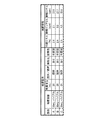
図5には、培養条件(酵母の株の種類、培養容器の種類、培養液量(mL)、撹拌又は静置、嫌気化の有無及び密閉性)と、当該培養条件における酵母の特性に関する指標(外観エキス(%)、酢酸イソアミル及び酢酸エチルの濃度(ppm))と、を対応させて示す。 FIG. 5 shows culture conditions (type of yeast strain, type of culture vessel, amount of culture solution (mL), stirring or standing, presence / absence of anaerobic and sealing properties) and an index relating to characteristics of yeast under the culture conditions. (Concentration (ppm) of appearance extract (%), isoamyl acetate and ethyl acetate) are shown corresponding to each other.
図5に示すように、開口部が開放された培養容器を使用した場合には、A株とB株との間での酢酸エステルの生成量の差は僅かであった。これに対し、半密閉の培養容器を使用した場合には、A株とB株との間で、酢酸エステルの生成量に顕著な差が見られた。すなわち、B株の酢酸エステルの生成量は、A株のそれに比べて顕著に大きかった。 As shown in FIG. 5, when a culture vessel having an open portion was used, the difference in the amount of acetate produced between the A strain and the B strain was slight. On the other hand, when a semi-sealed culture vessel was used, a significant difference was observed in the amount of acetate produced between the A strain and the B strain. That is, the production amount of acetate ester of the B strain was significantly larger than that of the A strain.
したがって、EBC発酵管を使用した場合のB株の酢酸エステルの生成量(図1参照)を参考値として、当該参考値を図5に示す酢酸エステルの定量結果と比較すると、B株の酢酸エステル生成量は、当該参考値を上回っており、小スケールの発酵試験においてB株が十分な酢酸エステル生成能を発揮したことが確認された。また、A株の酢酸エステル生成量も当該参考値と同等以上であり、A株もまた、十分な酢酸エステル生成能を有することが確認された。 Therefore, when the amount of acetate ester produced in B strain when using an EBC fermentation tube (see FIG. 1) is used as a reference value, and the reference value is compared with the quantitative result of acetate ester shown in FIG. The production amount exceeded the reference value, and it was confirmed that the B strain exhibited a sufficient acetate production ability in a small-scale fermentation test. In addition, the amount of acetate ester produced by the A strain was equal to or more than the reference value, and it was confirmed that the A strain also has sufficient acetate ester producing ability.
このように、培養液の撹拌、培養環境の嫌気化及び半密閉の培養容器の使用という条件を併せて採用することにより、わずか20mLという小スケールにおいても、複数種の酵母間の酢酸エステル生成能の差異を際立たせ、複数種の酵母の特性を適切に評価することができた。 Thus, by adopting the conditions of stirring of the culture solution, anaerobic culture environment and the use of a semi-sealed culture vessel, the ability to produce acetate ester between multiple types of yeast even in a small scale of only 20 mL. It was possible to properly evaluate the characteristics of multiple types of yeast.
上述の実施例3と同様、複数種の酵母を使用した複数の培養条件で培養及び酢酸エステルの定量を実施し、当該酢酸エステルの定量結果を当該複数種の酵母間で比較した。すなわち、酵母としては、下面発酵酵母であるSaccharomyces pastrianusのA株、B株及びC株の3種類を使用した。培養液としては、上述の実施例1と同様にして調製した麦汁を使用した。培養容器としては、上述の実施例1と同様、容積20mLのバイアルを使用した。 In the same manner as in Example 3 described above, cultivation and acetate ester quantification were performed under a plurality of culture conditions using a plurality of types of yeast, and the acetate ester quantification results were compared between the plurality of types of yeast. That is, as yeast, three types of A strain, B strain, and C strain of Saccharomyces pastrianus which are bottom fermentation yeasts were used. As the culture solution, wort prepared in the same manner as in Example 1 was used. As a culture container, a vial with a volume of 20 mL was used as in Example 1 described above.
そして、培養液に、その数が1×10⁷cells/mLとなるように酵母を添加し、当該酵母を含む所定量の培養液を培養容器に入れて、半密閉の当該培養容器を振とうすることにより当該培養液を撹拌しながら、当該酵母を12℃で6日間、嫌気培養した。 Then, yeast is added to the culture solution so that the number thereof becomes 1 × 10 7 cells / mL, a predetermined amount of the culture solution containing the yeast is placed in the culture vessel, and the semi-sealed culture vessel is shaken. The yeast was anaerobically cultured at 12 ° C. for 6 days while stirring the culture solution.
培養終了後、上述の実施例1と同様に、各培養容器から培養液を回収し、当該培養液の外観エキス(%)、当該培養液中の酢酸イソアミル及び酢酸エチルの濃度(ppm)を測定した。 After completion of the culture, the culture solution is collected from each culture vessel in the same manner as in Example 1 above, and the appearance extract (%) of the culture solution and the concentrations of isoamyl acetate and ethyl acetate (ppm) in the culture solution are measured. did.
図6には、図5と同様、培養条件と、当該培養条件における評価結果と、を対応させて示す。図6に示すように、A株、B株及びC株の間で、酢酸エステルの生成量に明確な差が見られた。すなわち、酢酸エステルの生成量は、C株が最も大きく、次いでB株が大きく、A株が最も小さいことが確認された。 In FIG. 6, as in FIG. 5, the culture conditions and the evaluation results under the culture conditions are shown in correspondence with each other. As shown in FIG. 6, there was a clear difference in the amount of acetate produced between the A strain, the B strain and the C strain. That is, it was confirmed that the amount of acetate ester produced was the largest in the C strain, the largest in the B strain, and the smallest in the A strain.
このように、培養液の撹拌、培養環境の嫌気化及び半密閉の培養容器の使用という条件を併せて採用することにより、わずか20mLという小スケールにおいても、複数種の酵母間の酢酸エステル生成能の差異を際立たせ、複数種の酵母の特性を適切に評価することができた。 Thus, by adopting the conditions of stirring of the culture solution, anaerobic culture environment and the use of a semi-sealed culture vessel, the ability to produce acetate ester between multiple types of yeast even in a small scale of only 20 mL. It was possible to properly evaluate the characteristics of multiple types of yeast.
Claims (9)
前記酵母により生成された前記培養液中の揮発性成分の量を定量的に評価する評価工程と、
を含む
ことを特徴とする酵母の発酵試験方法。 In a semi-sealed or sealed culture vessel, an anaerobic culture step with stirring a 150 mL or less culture solution containing yeast,
An evaluation step for quantitatively evaluating the amount of volatile components in the culture medium produced by the yeast;
A fermentation test method for yeast, comprising:
ことを特徴とする請求項1に記載された酵母の発酵試験方法。 In the said culture | cultivation process, the said culture solution is stirred by shaking the said culture container. The fermentation test method of the yeast described in Claim 1 characterized by the above-mentioned.
前記揮発性成分の評価結果を前記複数の培養条件間で比較する
ことを特徴とする請求項1又は2に記載された酵母の発酵試験方法。 The culture step and the evaluation step are performed under a plurality of culture conditions,
The yeast fermentation test method according to claim 1 or 2, wherein the evaluation result of the volatile component is compared between the plurality of culture conditions.
前記揮発性成分の評価結果を前記複数種の酵母間で比較する
ことを特徴とする請求項3に記載された酵母の発酵試験方法。 The culture step and the evaluation step are performed under the plurality of culture conditions using a plurality of types of yeast,
The evaluation result of the said volatile component is compared between the said multiple types of yeast. The fermentation test method of the yeast described in Claim 3 characterized by the above-mentioned.
前記揮発性成分の評価結果を前記複数種の培養液間で比較する
ことを特徴とする請求項3に記載された酵母の発酵試験方法。 The culturing step and the evaluation step are performed under the plurality of culture conditions using a plurality of types of culture solutions,
The evaluation result of the said volatile component is compared between the said multiple types of culture solution. The fermentation test method of the yeast described in Claim 3 characterized by the above-mentioned.
ことを特徴とする請求項1乃至5のいずれかに記載された酵母の発酵試験方法。 The yeast fermentation test method according to any one of claims 1 to 5, wherein the evaluation result of the volatile component is compared with a predetermined reference value.
前記培養容器内の前記培養液を撹拌する撹拌部と、
前記培養容器内を嫌気化する嫌気化部と、
を備える
ことを特徴とする発酵試験装置。 A semi-sealed or hermetically sealed culture vessel that holds 150 mL or less of a culture solution containing yeast,
An agitation unit for agitating the culture solution in the culture vessel;
An anaerobic part for anaerobically in the culture vessel;
A fermentation test apparatus comprising:
ことを特徴とする請求項7に記載された発酵試験装置。 The fermentation test apparatus according to claim 7, wherein the stirring unit shakes the culture vessel so that the culture solution is stirred.
ことを特徴とする請求項7又は8に記載された発酵試験装置。 The fermentation test apparatus according to claim 7 or 8, wherein the anaerobic unit accommodates the culture vessel in an anaerobic atmosphere.
Priority Applications (1)
| Application Number | Priority Date | Filing Date | Title |
|---|---|---|---|
| JP2011029688A JP5913814B2 (en) | 2011-02-15 | 2011-02-15 | Yeast fermentation test method and fermentation test apparatus |
Applications Claiming Priority (1)
| Application Number | Priority Date | Filing Date | Title |
|---|---|---|---|
| JP2011029688A JP5913814B2 (en) | 2011-02-15 | 2011-02-15 | Yeast fermentation test method and fermentation test apparatus |
Publications (2)
| Publication Number | Publication Date |
|---|---|
| JP2012165697A true JP2012165697A (en) | 2012-09-06 |
| JP5913814B2 JP5913814B2 (en) | 2016-04-27 |
Family
ID=46970528
Family Applications (1)
| Application Number | Title | Priority Date | Filing Date |
|---|---|---|---|
| JP2011029688A Expired - Fee Related JP5913814B2 (en) | 2011-02-15 | 2011-02-15 | Yeast fermentation test method and fermentation test apparatus |
Country Status (1)
| Country | Link |
|---|---|
| JP (1) | JP5913814B2 (en) |
Citations (7)
| Publication number | Priority date | Publication date | Assignee | Title |
|---|---|---|---|---|
| JPS57166996A (en) * | 1981-04-03 | 1982-10-14 | Kanegafuchi Chem Ind Co Ltd | Determination of concentration of microorganism |
| JPS592697A (en) * | 1982-06-28 | 1984-01-09 | Kanegafuchi Chem Ind Co Ltd | Method for measuring fermenting ability of baker's yeast |
| JPS62247897A (en) * | 1986-04-21 | 1987-10-28 | Matsushita Electric Works Ltd | Microorganism reaction vessel provided with thickening mechanism and microorganism reaction method |
| JPH0689A (en) * | 1992-06-17 | 1994-01-11 | Shinenerugii Sangyo Gijutsu Sogo Kaihatsu Kiko | Production of alcohol by repeated batch fermentation method |
| JP2000125842A (en) * | 1998-10-23 | 2000-05-09 | Sapporo Breweries Ltd | Alcohol fermentation test equipment |
| JP2007135530A (en) * | 2005-11-22 | 2007-06-07 | Asahi Breweries Ltd | Yeast fermentation method |
| JP2011172512A (en) * | 2010-02-24 | 2011-09-08 | Kirin Brewery Co Ltd | Method for evaluating physiological state of yeast by yeast intracellular metabolite |
-
2011
- 2011-02-15 JP JP2011029688A patent/JP5913814B2/en not_active Expired - Fee Related
Patent Citations (7)
| Publication number | Priority date | Publication date | Assignee | Title |
|---|---|---|---|---|
| JPS57166996A (en) * | 1981-04-03 | 1982-10-14 | Kanegafuchi Chem Ind Co Ltd | Determination of concentration of microorganism |
| JPS592697A (en) * | 1982-06-28 | 1984-01-09 | Kanegafuchi Chem Ind Co Ltd | Method for measuring fermenting ability of baker's yeast |
| JPS62247897A (en) * | 1986-04-21 | 1987-10-28 | Matsushita Electric Works Ltd | Microorganism reaction vessel provided with thickening mechanism and microorganism reaction method |
| JPH0689A (en) * | 1992-06-17 | 1994-01-11 | Shinenerugii Sangyo Gijutsu Sogo Kaihatsu Kiko | Production of alcohol by repeated batch fermentation method |
| JP2000125842A (en) * | 1998-10-23 | 2000-05-09 | Sapporo Breweries Ltd | Alcohol fermentation test equipment |
| JP2007135530A (en) * | 2005-11-22 | 2007-06-07 | Asahi Breweries Ltd | Yeast fermentation method |
| JP2011172512A (en) * | 2010-02-24 | 2011-09-08 | Kirin Brewery Co Ltd | Method for evaluating physiological state of yeast by yeast intracellular metabolite |
Also Published As
| Publication number | Publication date |
|---|---|
| JP5913814B2 (en) | 2016-04-27 |
Similar Documents
| Publication | Publication Date | Title |
|---|---|---|
| Ciani et al. | Combined use of immobilized Candida stellata cells and Saccharomyces cerevisiae to improve the quality of wines | |
| Thesseling et al. | A hands‐on guide to brewing and analyzing beer in the laboratory | |
| Kucharczyk et al. | The effect of wort aeration on fermentation, maturation and volatile components of beer produced on an industrial scale | |
| Guadalupe-Daqui et al. | The effect of CO2 concentration on yeast fermentation: rates, metabolic products, and yeast stress indicators | |
| Vaštík et al. | Potential of non-Saccharomyces yeast to produce non-alcoholic beer | |
| Vicente et al. | A comparative study of Lachancea thermotolerans fermentative performance under standardized wine production conditions | |
| Farber et al. | Mastering brewing science: Quality and production | |
| Rollero et al. | Agitation impacts fermentation performance as well as carbon and nitrogen metabolism in Saccharomyces cerevisiae under winemaking conditions | |
| de la Roza et al. | Ethanol and ethyl acetate production during the cider fermentation from laboratory to industrial scale | |
| Casalta et al. | A comparison of laboratory and pilot-scale fermentations in winemaking conditions | |
| JP2022007671A (en) | Sake with high γ-lactone content | |
| Lyons et al. | Unique volatile chemical profiles produced by indigenous and commercial strains of Saccharomyces uvarum and Saccharomyces cerevisiae during laboratory-scale Chardonnay fermentations | |
| JP5913814B2 (en) | Yeast fermentation test method and fermentation test apparatus | |
| Zhao et al. | Evaluation of microtiter plate as a high-throughput screening platform for beer fermentation | |
| Jasko et al. | Biogas production of winemaking waste in anaerobic fermentation process | |
| van Wyk et al. | Effect of isomixing on grape must fermentations of ATF1–overexpressing wine yeast strains | |
| Berovič et al. | Influence of heat shock on glycerol production in alcohol fermentation | |
| Kucharczyk et al. | The effect of yeast generations on fermentation, maturation and volatile compounds of beer. | |
| Müller-Auffermann et al. | Evaluation and Development of an alternative Analysis Method for rapid Determination of Yeast Vitality | |
| Zoecklein et al. | Oxygen, carbon dioxide, and nitrogen | |
| Zhang et al. | Multi-omics analysis reveals microbial community succession and aroma enhancement mechanisms during spontaneous oak-barrel fermentation of chardonnay wine | |
| RĂDOI-ENCEA et al. | TESTING THE FERMENTATIVE POTENTIAL OF SOME LOCAL Saccharomyces AND non-Saccharomyces YEASTS. | |
| Sims et al. | The effect of CO2 concentration on yeast fermentation: rates, metabolic products, and yeast stress indicators. | |
| CN104328000A (en) | Method and device for shortening fermentation period of liquid liquor | |
| EP1490504B1 (en) | Method and apparatus for monitoring a fermentation process |
Legal Events
| Date | Code | Title | Description |
|---|---|---|---|
| A621 | Written request for application examination |
Free format text: JAPANESE INTERMEDIATE CODE: A621 Effective date: 20140210 |
|
| A131 | Notification of reasons for refusal |
Free format text: JAPANESE INTERMEDIATE CODE: A131 Effective date: 20150414 |
|
| A521 | Request for written amendment filed |
Free format text: JAPANESE INTERMEDIATE CODE: A523 Effective date: 20150522 |
|
| A131 | Notification of reasons for refusal |
Free format text: JAPANESE INTERMEDIATE CODE: A131 Effective date: 20151104 |
|
| A521 | Request for written amendment filed |
Free format text: JAPANESE INTERMEDIATE CODE: A523 Effective date: 20151211 |
|
| TRDD | Decision of grant or rejection written | ||
| A01 | Written decision to grant a patent or to grant a registration (utility model) |
Free format text: JAPANESE INTERMEDIATE CODE: A01 Effective date: 20160329 |
|
| A61 | First payment of annual fees (during grant procedure) |
Free format text: JAPANESE INTERMEDIATE CODE: A61 Effective date: 20160404 |
|
| R150 | Certificate of patent or registration of utility model |
Ref document number: 5913814 Country of ref document: JP Free format text: JAPANESE INTERMEDIATE CODE: R150 |
|
| R250 | Receipt of annual fees |
Free format text: JAPANESE INTERMEDIATE CODE: R250 |
|
| R250 | Receipt of annual fees |
Free format text: JAPANESE INTERMEDIATE CODE: R250 |
|
| R250 | Receipt of annual fees |
Free format text: JAPANESE INTERMEDIATE CODE: R250 |
|
| LAPS | Cancellation because of no payment of annual fees |