JP2021040586A - How to make sausage-like konjac - Google Patents
How to make sausage-like konjac Download PDFInfo
- Publication number
- JP2021040586A JP2021040586A JP2019167224A JP2019167224A JP2021040586A JP 2021040586 A JP2021040586 A JP 2021040586A JP 2019167224 A JP2019167224 A JP 2019167224A JP 2019167224 A JP2019167224 A JP 2019167224A JP 2021040586 A JP2021040586 A JP 2021040586A
- Authority
- JP
- Japan
- Prior art keywords
- sausage
- konjac
- drying
- casing
- minutes
- Prior art date
- Legal status (The legal status is an assumption and is not a legal conclusion. Google has not performed a legal analysis and makes no representation as to the accuracy of the status listed.)
- Pending
Links
Images



Landscapes
- Preparation Of Fruits And Vegetables (AREA)
Abstract
【課題】肉を使ったソーセージに近い食感を有するソーセージ状コンニャクの製造方法を提供する【解決手段】ソーセージ形状に成形されたソーセージ状コンニャクの製造方法は、少なくとも、コンニャク粉、おから粉末、大豆粉末および水を混ぜる第1工程S1と、第1工程S1で混ぜた材料を、アルカリ性の水溶液を含む凝固剤と混ぜる第2工程S2と、第2工程S2で混ぜた材料を、ケーシングに詰めてソーセージ形状に成形する第3工程S3と、第3工程S3で成形した材料を、乾燥室で強制乾燥する第4工程S4と、第4工程S4の後、スチームおよびボイルのいずれも行うことなく、真空パックにより包装する第5工程S5と、を有する。【選択図】図1PROBLEM TO BE SOLVED: To provide a method for producing sausage-like konjak having a texture similar to that of sausage using meat. The first step S1 for mixing the soybean powder and water, the second step S2 for mixing the material mixed in the first step S1 with a coagulant containing an alkaline aqueous solution, and the material mixed in the second step S2 are packed in a casing. After the third step S3 for forming into a sausage shape, the fourth step S4 for forcibly drying the material formed in the third step S3 in a drying chamber, and the fourth step S4, neither steam nor boiling is performed. The fifth step S5, which is packaged by a vacuum pack, is included. [Selection diagram] Fig. 1
Description
本発明は、ソーセージ形状に成形されたソーセージ状コンニャクの製造方法に関する。 The present invention relates to a method for producing sausage-like konjac molded into a sausage shape.
コンニャクは、特有の弾力と歯ごたえのある食感を有するため、肉の代用食品の原料として使用されることがある。例えば、特許文献1には、コンニャク粉の他に、おから、大豆タンパク、澱粉などを原材料として作られた肉の代用食品の製造方法が開示されている。このようなコンニャクを原料とした肉の代用食品は、肉よりも低カロリーであるため、ダイエット食品や健康食品としてのニーズがある。
Konjac has a peculiar elasticity and chewy texture, so it is sometimes used as a raw material for meat substitute foods. For example,
しかしながら、こんにゃくを使用した肉の代用食品においては、ソーセージの形をしたものはあるものの、ソーセージの食感に近いものがなかった。 However, although some of the meat substitute foods using konjac were in the shape of sausage, none of them had a texture close to that of sausage.
本発明は、以上のような技術的背景に鑑みてなされたものであり、肉を使ったソーセージに近い食感を有するソーセージ状コンニャクの製造方法を提供することを目的とする。 The present invention has been made in view of the above technical background, and an object of the present invention is to provide a method for producing sausage-like konjac having a texture similar to that of sausage using meat.
前記した課題を解決するため、本発明に係るソーセージ形状に成形されたソーセージ状コンニャクの製造方法は、少なくとも、コンニャク粉、おから粉末、大豆粉末および水を混ぜる第1工程と、第1工程で混ぜた材料を、アルカリ性の水溶液を含む凝固剤と混ぜる第2工程と、第2工程で混ぜた材料を、ケーシングに詰めてソーセージ形状に成形する第3工程と、第3工程で成形した材料を、乾燥室で強制乾燥する第4工程と、第4工程の後、スチームおよびボイルのいずれも行うことなく、真空パックにより包装する第5工程と、を有する。 In order to solve the above-mentioned problems, the method for producing a sausage-like konjak formed into a sausage shape according to the present invention comprises at least a first step of mixing konjak powder, okara powder, soybean powder and water, and a first step. The second step of mixing the mixed material with a coagulant containing an alkaline aqueous solution, the third step of packing the mixed material in the second step into a sausage shape, and the material molded in the third step It has a fourth step of forcibly drying in a drying chamber, and after the fourth step, a fifth step of packaging with a vacuum pack without performing either steam or boiling.
この製造方法によれば、肉を使ったソーセージに近い食感を有するソーセージ状コンニャクを製造することができる。 According to this production method, it is possible to produce sausage-like konjac having a texture similar to that of sausage using meat.
また、第4工程において、強制乾燥は、40℃以上で行ってもよい。 Further, in the fourth step, the forced drying may be performed at 40 ° C. or higher.
また、第4工程において、強制乾燥は、40〜70℃、20〜60分で行ってもよい。 Further, in the fourth step, the forced drying may be performed at 40 to 70 ° C. for 20 to 60 minutes.
また、第4工程において、強制乾燥は、40〜60℃、20〜40分で行ってもよい。 Further, in the fourth step, the forced drying may be performed at 40 to 60 ° C. for 20 to 40 minutes.
また、第4工程において、強制乾燥は、乾燥後の質量が乾燥前の質量の87%〜97%となるように行ってもよい。 Further, in the fourth step, the forced drying may be performed so that the mass after drying is 87% to 97% of the mass before drying.
また、第4工程において、強制乾燥は、乾燥後の質量が乾燥前の質量の91%〜97%となるように行ってもよい。 Further, in the fourth step, the forced drying may be performed so that the mass after drying is 91% to 97% of the mass before drying.
また、第4工程において、強制乾燥と同時または強制乾燥後に、燻煙してもよい。 Further, in the fourth step, smoke may be smoked at the same time as the forced drying or after the forced drying.
この製造方法によれば、燻煙されたソーセージの風味を有するソーセージ状コンニャクを製造することができる。 According to this production method, sausage-like konjak having the flavor of smoked sausage can be produced.
また、本製造方法は、第5工程で包装した材料を加熱殺菌または冷凍殺菌する第6工程をさらに有してもよい。 In addition, the present production method may further include a sixth step of heat sterilizing or freezing sterilizing the material packaged in the fifth step.
この製造方法によれば、ソーセージ状コンニャクを所定期間保存することができる。 According to this production method, sausage-like konjac can be stored for a predetermined period of time.
また、ケーシングは、動物性のケーシングであってもよい。 Moreover, the casing may be an animal casing.
この製造方法によれば、他のケーシングを使用した場合に比べて、より肉を使ったソーセージに近い食感を有するソーセージ状コンニャクを製造することができる。 According to this production method, it is possible to produce sausage-like konjak having a texture closer to that of sausage using meat as compared with the case of using other casings.
本発明によれば、肉を使ったソーセージに近い食感を有するソーセージ状コンニャクを製造することができる。 According to the present invention, it is possible to produce sausage-like konjac having a texture similar to that of sausage using meat.
以下、本発明の一実施形態について、適図を参照しながら詳細に説明する。
実施形態に係る製造方法で製造されるソーセージ状コンニャク10は、肉を使用せずに作られる肉の代用食品である(図2(c)参照)。ソーセージ状コンニャク10は、原材料として、コンニャク粉と、おから粉末と、大豆粉末と、混合スパイスと、その他副原材料を含む。そして、ソーセージ状コンニャク10は、原材料をケーシング20に詰めてソーセージ状に成形される(図2(a),(b)参照)。
Hereinafter, an embodiment of the present invention will be described in detail with reference to appropriate drawings.
The sausage-
コンニャク粉は、コンニャクの原料となる粉であり、コンニャク芋を粉砕して乾燥させたものである。おから粉末は、水に浸漬した大豆を粉砕し、豆乳と分離した後の「おから」を乾燥させたものである。大豆粉末は、生の大豆を粉砕し、粉状にしたものである。
コンニャク粉、おから粉末、大豆粉末は、一般に市販されているものであり、種類などは特に限定されるものではない。
Konjac flour is a flour that is a raw material for konjac, and is made by crushing and drying konjac potatoes. Okara powder is obtained by crushing soybeans soaked in water, separating them from soymilk, and then drying the “okara”. Soybean powder is made by crushing raw soybeans into powder.
Konjac powder, okara powder, and soybean powder are generally commercially available, and the types and the like are not particularly limited.
混合スパイスは、例えば、塩、オニオンパウダー、ガーリックパウダー、ブラックペッパーなどの各種スパイスを所定の配合で混合したものである。この混合スパイスにさまざまなものを配合することにより、色々な風味のソーセージ状コンニャク10を製造することができる。例えば、混合スパイスにハーブを添加すれば、ハーブ風味のソーセージコンニャクを製造することができる。
The mixed spice is, for example, a mixture of various spices such as salt, onion powder, garlic powder, and black pepper in a predetermined composition. By blending various spices with this mixed spice, sausage-
その他副原材料は、完成品の硬さ、色、におい、保存性などを向上させるためのものである。その他副原材料は、例えば、加工デンプン、乳たん白、トレハロース、セルロース、ゲル化剤などである。 Other secondary raw materials are for improving the hardness, color, odor, storage stability, etc. of the finished product. Other secondary raw materials are, for example, modified starch, milk protein, trehalose, cellulose, gelling agent and the like.
ケーシング20は、ソーセージの中身を包み込む、薄い膜状の袋である(図2(a),(b)参照)。ケーシング20は、天然ケーシングと、人工ケーシングがあり、どちらも一般に市販されている。天然ケーシングは、主に羊・豚・牛などの腸である。人工ケーシングは、人工的に製造され、食べられるタイプのものと、食べられないタイプのものがある。食べられないタイプのものは、樹脂フィルムからなり、食べる前に外して中身のみ食べるためのものである。食べられるタイプの人工ケーシングは、動物性、植物性のものなど多種多様なものが市販されている。例えば、動物性の人工ケーシングは、動物由来の材料を押し出し成形などで成形して製造されている。
The
次に、ソーセージ状コンニャク10の製造方法について説明する。
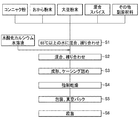
図1に示すように、本発明のソーセージ状コンニャク10の製造方法は、第1工程S1〜第6工程S6の6つの工程を有する。
Next, a method for producing the sausage-
As shown in FIG. 1, the method for producing sausage-
第1工程S1は、コンニャク粉と、おから粉末と、大豆粉末と、混合スパイスと、その他副原材料と、水とを混ぜる工程である。
具体的に、まず、コンニャク粉と、おから粉末と、大豆粉末と、混合スパイスと、その他副原材料とを所定量計量する。材料の配合は、例えば、コンニャク粉100重量部に対して、水2500〜3500重量部、おから粉末60〜120重量部、大豆粉末160〜250重量部、混合スパイス100〜200重量部が望ましい。なお、その他副原材料は、例えば、保存性を向上させるための材料であり、配合しても、しなくてもよい。次に、計量した材料を、65℃以上に熱した所定量の水に混ぜ、粘りがでるまで撹拌する。その後、90〜120分放置する。
The first step S1 is a step of mixing konyaku powder, okara powder, soybean powder, mixed spices, other auxiliary raw materials, and water.
Specifically, first, a predetermined amount of konjac powder, okara powder, soybean powder, mixed spices, and other auxiliary raw materials are weighed. For example, the composition of the ingredients is preferably 2500 to 3500 parts by weight of water, 60 to 120 parts by weight of okara powder, 160 to 250 parts by weight of soybean powder, and 100 to 200 parts by weight of mixed spices with respect to 100 parts by weight of konjac flour. The other secondary raw materials are, for example, materials for improving storage stability, and may or may not be blended. Next, the weighed material is mixed with a predetermined amount of water heated to 65 ° C. or higher and stirred until sticky. Then, leave it for 90 to 120 minutes.
第2工程S2は、アルカリ性の水溶液を含む凝固剤と混ぜる工程である。
本実施形態では、第2工程S2は、第1工程S1で練り合わせた材料に、アルカリ性の水溶液として、例えば、水酸化カルシウム水溶液を加えて練り込む。
The second step S2 is a step of mixing with a coagulant containing an alkaline aqueous solution.
In the present embodiment, in the second step S2, for example, an aqueous solution of calcium hydroxide is added and kneaded as an alkaline aqueous solution to the material kneaded in the first step S1.
第3工程S3は、ケーシング20に詰めてソーセージ形状に成形する工程である。
第3工程S3を行うときには、図2(a)に示すように、ソーセージスタファ30にケーシング20をセットする。また、ソーセージスタファ30の中に第2工程S2で練り合わせた材料を入れる。
本実施形態では、ケーシング20は、動物性の人工ケーシングである。この動物性の人工ケーシングは、牛コラーゲン、セルロース、グリセリンなどを主な原料として、押し出し成形で製造されている。
次に、図2(b)に示すように、ソーセージスタファ30から材料をケーシング20の中に押し込む。
最後に、図2(c)に示すように、ケーシング20を等間隔で捩じって、ソーセージ状コンニャク10が所定の大きさにする。本実施形態では、1つ1つのソーセージ状コンニャク10が50〜80gとなるようにした。
The third step S3 is a step of packing the
When the third step S3 is performed, the
In this embodiment, the
Next, as shown in FIG. 2B, the material is pushed into the
Finally, as shown in FIG. 2C, the
第4工程S4は、乾燥室で強制乾燥する工程である。
第4工程S4は、第2工程S2で練り合わせた材料と、ケーシング20に一体感を出すために重要な強制乾燥工程である。ケーシング20の中身と、ケーシング20とに一体感があると、ソーセージ状コンニャク10を噛んだときに、ケーシング20を噛み切るのと同時に中身の弾力を感じることができる。この一体感が、肉を使ったソーセージのように感じる要因となる。仮に、この第4工程S4による強制乾燥が無い場合には、ソーセージ状コンニャク10を噛んだときに中身とケーシング20が容易に分離して、一体感が感じられない。また、ソーセージ状コンニャク10を乾燥しすぎた場合には、ソーセージ状コンニャク10が硬くなり、肉をつかったソーセージのような食感にならない。さらにソーセージ状コンニャク10を乾燥しすぎた場合には、ソーセージ状コンニャク10は、ジューシーさを失い、ぼそっとしてしまう。
なお、第1工程においてコンニャク粉に対する水分量を変更した場合でも、強制乾燥工程を行うことで、一体感を出すことができる。
The fourth step S4 is a step of forcibly drying in the drying chamber.
The fourth step S4 is an important forced drying step for giving a sense of unity between the material kneaded in the second step S2 and the
Even when the water content of the konjac flour is changed in the first step, a sense of unity can be obtained by performing the forced drying step.
具体的に、第4工程S4における強制乾燥は、40℃以上で行う。より具体的に、第4工程S4における強制乾燥は、40〜70℃、20〜60分で行うことが望ましく、40〜60℃、20〜40分で行うことがさらに望ましい。 Specifically, the forced drying in the fourth step S4 is performed at 40 ° C. or higher. More specifically, the forced drying in the fourth step S4 is preferably performed at 40 to 70 ° C. for 20 to 60 minutes, and more preferably performed at 40 to 60 ° C. for 20 to 40 minutes.
また、第4工程S4における強制乾燥は、ソーセージ状コンニャク10の乾燥前後の質量を測定することで管理してもよい。
具体的には、第4工程S4における強制乾燥は、乾燥後の質量が乾燥前の質量の87%〜97%となるように行うことが望ましく、乾燥後の質量が乾燥前の質量の91%〜97%となるように行うことがさらに望ましい。
Further, the forced drying in the fourth step S4 may be controlled by measuring the mass of the sausage-
Specifically, the forced drying in the fourth step S4 is preferably performed so that the mass after drying is 87% to 97% of the mass before drying, and the mass after drying is 91% of the mass before drying. It is more desirable to make it ~ 97%.
第5工程S5は、第4工程S4の後、スチームおよびボイルのいずれも行うことなく、真空パックにより包装する工程である。
第5工程S5では、第4工程S4において強制乾燥した後に、なるべく素早く真空パックをするとよい。具体的には、第4工程S4の後、第5工程S5を60分以内に行うことが望ましく、30分以内に行うことがさらに望ましい。
The fifth step S5 is a step of packaging with a vacuum pack after the fourth step S4 without performing either steam or boiling.
In the fifth step S5, after the forced drying in the fourth step S4, it is preferable to vacuum pack as quickly as possible. Specifically, after the fourth step S4, it is desirable to perform the fifth step S5 within 60 minutes, and more preferably within 30 minutes.
第5工程S5は、ソーセージ状コンニャクの水分量を所定範囲内に安定させるための工程である。仮に、第4工程S4の後、スチームおよびボイルのいずれかを行った場合には、出来上がったソーセージ状コンニャク10が水分を吸って、水分量が多くなりすぎて、ケーシング20の中身とケーシング20の一体感が無くなるとともに、ソーセージ状コンニャク10が柔らかすぎて、肉を使ったソーセージに近い食感とならない。また、第4工程S4の後で所定時間内に第5工程S5を行わないと、ソーセージ状コンニャク10が乾燥しすぎてしまう。
The fifth step S5 is a step for stabilizing the water content of the sausage-like konjac within a predetermined range. If either steam or boiling is performed after the fourth step S4, the finished sausage-
第6工程S6は、包装した材料を加熱殺菌または冷凍殺菌により殺菌する工程である。
本実施形態では、加熱殺菌により殺菌を行う。例えば、第6工程S6は、第5工程S5にて真空パックしたソーセージ状コンニャク10を80〜90℃、40〜60分で殺菌する。
なお、殺菌温度、殺菌時間は、80〜90℃、40〜60分に限らず、適宜変更してもよい。また、冷凍殺菌する場合の温度も適宜決めることができる。
The sixth step S6 is a step of sterilizing the packaged material by heat sterilization or freezing sterilization.
In this embodiment, sterilization is performed by heat sterilization. For example, in the sixth step S6, the sausage-
The sterilization temperature and sterilization time are not limited to 80 to 90 ° C. and 40 to 60 minutes, and may be changed as appropriate. In addition, the temperature for freezing sterilization can be appropriately determined.
以上に説明した本実施形態のソーセージ状コンニャク10の製造方法によれば、肉を使ったソーセージに近い食感を有するソーセージ状コンニャク10を製造することができる。
According to the method for producing sausage-
また、第6工程S6では、包装した材料を加熱殺菌または冷凍殺菌により殺菌するので、ソーセージ状コンニャク10を所定期間保存することができる。
Further, in the sixth step S6, since the packaged material is sterilized by heat sterilization or freezing sterilization, the sausage-
また、第3工程S3では、動物性のケーシングが使用されているので、肉を使ったソーセージに近い食感を有するソーセージ状コンニャクを製造することができる。 Further, in the third step S3, since the animal casing is used, it is possible to produce sausage-like konjac having a texture similar to that of sausage using meat.
以上に本発明の実施形態について説明したが、本発明は前記した実施形態に限定されることなく、適宜変更して実施することが可能である。 Although the embodiments of the present invention have been described above, the present invention is not limited to the above-described embodiments, and can be appropriately modified and implemented.
前記実施形態では、動物性の人工ケーシングを使用したが、ケーシングの種類について特に限定されるものではない。例えば、ケーシングは、天然のケーシングを使用してもよく、食べられないケーシングや、植物性の人工ケーシングを使用してもよい。 In the above embodiment, an artificial animal casing is used, but the type of casing is not particularly limited. For example, the casing may be a natural casing, an inedible casing, or a plant-based artificial casing.
前記実施形態では、第4工程において燻煙をしていないが、第4工程において、強制乾燥と同時または強制乾燥後に、燻煙してもよい。これによれば、燻煙の風味を有するソーセージ状コンニャクを製造することができる。 In the above embodiment, the smoke is not smoked in the fourth step, but the smoke may be smoked in the fourth step at the same time as the forced drying or after the forced drying. According to this, it is possible to produce sausage-like konjak having a smoky flavor.
前記実施形態では、アルカリ性の水溶液を含む凝固剤として、水酸化カルシウム水溶液を使用したが、本発明はこれに限定されず、炭酸カリウム水溶液や炭酸ナトリウム水溶液などであってもよい。 In the above embodiment, the calcium hydroxide aqueous solution is used as the coagulant containing the alkaline aqueous solution, but the present invention is not limited to this, and a potassium carbonate aqueous solution, a sodium carbonate aqueous solution, or the like may be used.
前記実施形態では、ソーセージスタファ30を用いて、材料をケーシング20に詰めていたが、ソーセージスタファ30を使用することなく、他の方法でケーシング20に詰めてもよい。
In the above embodiment, the material is packed in the
また、前記した実施形態および変形例で説明した各要素を、任意に組み合わせて実施することもできる。 In addition, each element described in the above-described embodiment and modification can be arbitrarily combined and implemented.
以下、本発明の実施例1〜4について、図3〜7を参照して説明する。 Hereinafter, Examples 1 to 4 of the present invention will be described with reference to FIGS. 3 to 7.
実施例では、第1工程として、図3に示すように、まず、コンニャク粉120gと、おから粉末80gと、大豆粉末200gと、混合スパイス180gとを計量した。そして、計量した材料を3200gの水(65〜75℃)に混ぜ合わせた。なお、図3に示す配合表は、一例であり、各材料の配合比は、適宜変更しても構わない。 In the example, as the first step, as shown in FIG. 3, first, 120 g of konjac flour, 80 g of okara powder, 200 g of soybean powder, and 180 g of mixed spice were weighed. Then, the weighed material was mixed with 3200 g of water (65 to 75 ° C.). The compounding table shown in FIG. 3 is an example, and the compounding ratio of each material may be changed as appropriate.
次に、第2工程として、第1工程S1で練り合わせた材料に、水125gに水酸化カルシウム10gを溶かした水酸化カルシウム水溶液を加えて練り込んだ。
次に第3工程として、図2(a)に示すように、ソーセージスタファ30にケーシング20をセットし、図2(b)に示すように、ソーセージスタファ30から材料をケーシング20の中に押し込んだ。
最後に、図2(c)に示すように、ケーシング20を等間隔で捩じって、ソーセージ状コンニャク10が50〜80gとなるようにした。
Next, as the second step, a calcium hydroxide aqueous solution prepared by dissolving 10 g of calcium hydroxide in 125 g of water was added to the material kneaded in the first step S1 and kneaded.
Next, as a third step, as shown in FIG. 2 (a), the
Finally, as shown in FIG. 2C, the
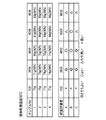
図4に示すように、実施例1は、第4工程S4の強制乾燥の強制乾燥温度を40℃とし、強制乾燥時間0分、20分、40分、60分、80分におけるソーセージ状コンニャク10の質量をそれぞれ測定した結果である。図4におけるかっこ内の数字は、乾燥前(0分)の質量を100%として、乾燥後の質量%を計算により求めたものである。
さらに、各乾燥条件における試食評価を行った。試食評価は、A、B、Cの3名によって行い、とてもよい(◎)、よい(〇)、やや悪い(△)、悪い(×)、の4段階で評価した。試食評価は、肉を使ったソーセージに近い食感を有するかどうかを評価した。
As shown in FIG. 4, in Example 1, the sausage-
Furthermore, tasting evaluation was performed under each drying condition. The tasting evaluation was performed by three people, A, B, and C, and was evaluated on a four-point scale of very good (◎), good (〇), slightly bad (△), and bad (×). The tasting evaluation evaluated whether or not the texture was similar to that of meat-based sausages.
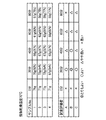
図5に示す実施例2は、強制乾燥温度を50℃とし、他の条件は実施例1と同じである。
図6に示す実施例3は、強制乾燥温度を60℃とし、他の条件は実施例1と同じである。
図7に示す実施例4は、強制乾燥温度を70℃とし、他の条件は実施例1と同じである。
In Example 2 shown in FIG. 5, the forced drying temperature is 50 ° C., and other conditions are the same as in Example 1.
In Example 3 shown in FIG. 6, the forced drying temperature is 60 ° C., and other conditions are the same as in Example 1.
In Example 4 shown in FIG. 7, the forced drying temperature is 70 ° C., and other conditions are the same as in Example 1.
実施例1においては、強制乾燥時間が20〜60分であるとき、試食評価は、「とてもよい」、または、「よい」、であった。また、乾燥後の質量が乾燥前の質量の89%〜97%であるとき、試食評価は、「とてもよい」、または、「よい」、という評価がされる場合があった。
強制乾燥時間0分の場合における試食評価では、ソーセージ状コンニャク10の中身とケーシング20の一体感が感じられず、「悪い」という評価であった。
強制乾燥時間80分の場合における試食評価では、強制乾燥時間が20〜60分のものと比べて、硬く感じられ、「やや悪い」という評価がされる場合があった。
In Example 1, when the forced drying time was 20 to 60 minutes, the tasting evaluation was "very good" or "good". Further, when the mass after drying is 89% to 97% of the mass before drying, the tasting evaluation may be evaluated as "very good" or "good".
In the tasting evaluation when the forced drying time was 0 minutes, the contents of the sausage-
In the tasting evaluation when the forced drying time was 80 minutes, it felt harder than that when the forced drying time was 20 to 60 minutes, and it was sometimes evaluated as "slightly bad".
実施例2においては、強制乾燥時間が20〜40分であるとき、試食評価は、「とてもよい」、または、「よい」、であった。また、乾燥後の質量が乾燥前の質量の88%〜96%であるとき、試食評価は、「とてもよい」、または、「よい」、という評価であった。
強制乾燥時間0分の場合における試食評価では、ソーセージ状コンニャク10の中身とケーシング20の一体感が感じられず、「悪い」という評価であった。
強制乾燥時間60分、80分の場合における試食評価では、強制乾燥時間が20〜40分のものと比べて、硬く感じられ、「やや悪い」という評価が多かった。
In Example 2, when the forced drying time was 20-40 minutes, the tasting evaluation was "very good" or "good". Further, when the mass after drying was 88% to 96% of the mass before drying, the tasting evaluation was "very good" or "good".
In the tasting evaluation when the forced drying time was 0 minutes, the contents of the sausage-
In the tasting evaluation when the forced drying time was 60 minutes and 80 minutes, the forced drying time felt harder than that of 20 to 40 minutes, and many evaluated it as "slightly bad".
実施例3においては、強制乾燥時間が20〜40分であるとき、試食評価は、「とてもよい」、または、「よい」、であった。また、乾燥後の質量が乾燥前の質量の89%〜96%であるとき、試食評価は、「とてもよい」、または、「よい」、という評価であった。
強制乾燥時間0分の場合における試食評価では、ソーセージ状コンニャク10の中身とケーシング20の一体感が感じられず、「悪い」という評価であった。
強制乾燥時間60分の場合における試食評価では、強制乾燥時間が20〜40分のものと比べて、硬く感じられ、「やや悪い」という評価であった。
強制乾燥時間80分の場合における試食評価では、強制乾燥時間が20〜40分のものと比べて、硬く感じられ、ボソッとしており、ジューシーさが欠け、「やや悪い」、または、「悪い」という評価であった。
In Example 3, when the forced drying time was 20-40 minutes, the tasting evaluation was "very good" or "good". Further, when the mass after drying was 89% to 96% of the mass before drying, the tasting evaluation was "very good" or "good".
In the tasting evaluation when the forced drying time was 0 minutes, the contents of the sausage-
In the tasting evaluation when the forced drying time was 60 minutes, the forced drying time felt harder than that of 20 to 40 minutes, and the evaluation was "slightly bad".
In the tasting evaluation when the forced drying time is 80 minutes, it feels harder, dull, lacks juiciness, and is said to be "slightly bad" or "bad" compared to the one with a forced drying time of 20 to 40 minutes. It was an evaluation.
実施例4においては、強制乾燥時間が20分であるとき、試食評価がとてもよい、または、よい、であった。また、乾燥後の質量が乾燥前の質量の92%〜94%であるとき、試食評価がとてもよい、または、よい、という評価であった。
強制乾燥時間0分の場合における試食評価では、ソーセージ状コンニャク10の中身とケーシング20の一体感が感じられず、「悪い」という評価であった。
強制乾燥時間40分、60分の場合における試食評価では、強制乾燥時間が20分のものと比べて、硬く感じられ、やや悪いという評価が多かった。
強制乾燥時間80分の場合における試食評価では、強制乾燥時間が20〜40分のものと比べて、硬く感じられ、ボソッとしており、ジューシーさが欠け、「やや悪い」、または、「悪い」という評価であった。
In Example 4, when the forced drying time was 20 minutes, the tasting evaluation was very good or good. Further, when the mass after drying was 92% to 94% of the mass before drying, the tasting evaluation was very good or good.
In the tasting evaluation when the forced drying time was 0 minutes, the contents of the sausage-
In the tasting evaluation when the forced drying time was 40 minutes and 60 minutes, there were many evaluations that the forced drying time felt harder and was slightly worse than that of 20 minutes.
In the tasting evaluation when the forced drying time is 80 minutes, it feels harder, dull, lacks juiciness, and is said to be "slightly bad" or "bad" compared to the one with a forced drying time of 20 to 40 minutes. It was an evaluation.
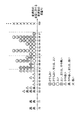
図8は、実施例1〜4におけるソーセージ状コンニャク10の乾燥前の質量に対する乾燥後の質量(%)と、その試食評価とを集計した表である。図8から、乾燥後の質量が乾燥前の質量の86%以下であった場合には、「とてもよい」、または、「よい」、という評価を受けなかったことがわかる。また、乾燥後の質量が乾燥前の質量の87〜97%であった場合に、「やや悪い」、「よい」、または、「とても良い」という評価を受けたことがわかる。そして、乾燥後の質量が乾燥前の質量の91〜97%となる場合に「悪い」、「やや悪い」という評価を受けず、「とてもよい」、または、「よい」、という評価を受けたことがわかる。
FIG. 8 is a table summarizing the mass (%) of the sausage-
S1 第1工程
S2 第2工程
S3 第3工程
S4 第4工程
S5 第5工程
S6 第6工程
S1 1st process S2 2nd process S3 3rd process S4 4th process S5 5th process S6 6th process
Claims (9)
少なくとも、コンニャク粉、おから粉末、大豆粉末および水を混ぜる第1工程と、
前記第1工程で混ぜた材料を、アルカリ性の水溶液を含む凝固剤と混ぜる第2工程と、
前記第2工程で混ぜた材料を、ケーシングに詰めてソーセージ形状に成形する第3工程と、
前記第3工程で成形した材料を、乾燥室で強制乾燥する第4工程と、
前記第4工程の後、スチームおよびボイルのいずれも行うことなく、真空パックにより包装する第5工程と、
を有することを特徴とするソーセージ状コンニャクの製造方法。 It is a method for producing sausage-like konjac molded into a sausage shape.
At least the first step of mixing konjac powder, okara powder, soybean powder and water,
In the second step of mixing the material mixed in the first step with a coagulant containing an alkaline aqueous solution,
In the third step, the materials mixed in the second step are packed in a casing and molded into a sausage shape.
The fourth step of forcibly drying the material formed in the third step in a drying chamber, and
After the fourth step, the fifth step of packaging with a vacuum pack without performing either steam or boiling, and
A method for producing sausage-like konjac, which is characterized by having.
Priority Applications (1)
| Application Number | Priority Date | Filing Date | Title |
|---|---|---|---|
| JP2019167224A JP2021040586A (en) | 2019-09-13 | 2019-09-13 | How to make sausage-like konjac |
Applications Claiming Priority (1)
| Application Number | Priority Date | Filing Date | Title |
|---|---|---|---|
| JP2019167224A JP2021040586A (en) | 2019-09-13 | 2019-09-13 | How to make sausage-like konjac |
Publications (1)
| Publication Number | Publication Date |
|---|---|
| JP2021040586A true JP2021040586A (en) | 2021-03-18 |
Family
ID=74862756
Family Applications (1)
| Application Number | Title | Priority Date | Filing Date |
|---|---|---|---|
| JP2019167224A Pending JP2021040586A (en) | 2019-09-13 | 2019-09-13 | How to make sausage-like konjac |
Country Status (1)
| Country | Link |
|---|---|
| JP (1) | JP2021040586A (en) |
Citations (4)
| Publication number | Priority date | Publication date | Assignee | Title |
|---|---|---|---|---|
| JPS54147965A (en) * | 1978-05-11 | 1979-11-19 | Tokyo Paipu Kk | Sausage producing method |
| JPH0499453A (en) * | 1990-08-15 | 1992-03-31 | Hitachi Kinzoku Estate:Kk | Production of crush, paste and powder made from starch of devil's-tongue |
| JPH07274900A (en) * | 1994-04-05 | 1995-10-24 | Mitsuharu Kudo | Production of sausage-like food |
| JP2018130102A (en) * | 2017-02-17 | 2018-08-23 | Jbridge株式会社 | Method for producing vegetarian and vegan substitute meat |
-
2019
- 2019-09-13 JP JP2019167224A patent/JP2021040586A/en active Pending
Patent Citations (4)
| Publication number | Priority date | Publication date | Assignee | Title |
|---|---|---|---|---|
| JPS54147965A (en) * | 1978-05-11 | 1979-11-19 | Tokyo Paipu Kk | Sausage producing method |
| JPH0499453A (en) * | 1990-08-15 | 1992-03-31 | Hitachi Kinzoku Estate:Kk | Production of crush, paste and powder made from starch of devil's-tongue |
| JPH07274900A (en) * | 1994-04-05 | 1995-10-24 | Mitsuharu Kudo | Production of sausage-like food |
| JP2018130102A (en) * | 2017-02-17 | 2018-08-23 | Jbridge株式会社 | Method for producing vegetarian and vegan substitute meat |
Similar Documents
| Publication | Publication Date | Title |
|---|---|---|
| CN103442586B (en) | Simulated meat food and manufacturing method thereof | |
| CN109152388A (en) | High nutrient protein meat analog with improved quality and extended shelf-life | |
| JP2010041994A (en) | Food composition | |
| JPS6363359A (en) | Production of processed bean curd food | |
| WO2021100766A1 (en) | Molded-food processing composition | |
| JP7019238B2 (en) | Surimi paste products and their manufacturing methods | |
| WO2023277147A1 (en) | Meat alternative food containing curd and production method therefor | |
| US5368871A (en) | Seafood analogs from caseinate and process of making same | |
| JP2011160666A (en) | Method for producing dry sausage or the like | |
| JP2024015922A (en) | Granular material containing vegetable protein, method for improving the texture of processed animal food or meat-like processed food using the granular material, and processed meat food or meat-like processed food containing the granular material | |
| JP2799195B2 (en) | Livestock meat products | |
| JP7474604B2 (en) | Processed meat and other foods | |
| JP5254573B2 (en) | Vegetable processed food | |
| KR20090041692A (en) | Skate samhap sausage and preparation method | |
| KR101968503B1 (en) | A manufacturing method of sausage having rice | |
| JP7768217B2 (en) | Method for producing meat-like processed food | |
| JP2005287326A (en) | Cooked meat processed food and its manufacturing method | |
| JP5002620B2 (en) | Manufacturing method of fish sausage | |
| JP2012000066A (en) | Processed meat food product using poultry as raw material | |
| JP2009131188A (en) | Pasty food raw material, method for producing the same, and processed food | |
| JP2016077198A (en) | Patty formed article | |
| JP3738305B2 (en) | Low fat sausage and method for producing the same | |
| JP3122407U (en) | Sausage-like food filled with yuba in a casing or retainer | |
| JPH04131067A (en) | Fat substitute for meat food | |
| JP2026040441A (en) | Konjac processed product and method for producing processed meat or seafood product containing the konjac processed product with improved flavor and texture |
Legal Events
| Date | Code | Title | Description |
|---|---|---|---|
| A621 | Written request for application examination |
Free format text: JAPANESE INTERMEDIATE CODE: A621 Effective date: 20220824 |
|
| A977 | Report on retrieval |
Free format text: JAPANESE INTERMEDIATE CODE: A971007 Effective date: 20230726 |
|
| A131 | Notification of reasons for refusal |
Free format text: JAPANESE INTERMEDIATE CODE: A131 Effective date: 20230801 |
|
| A02 | Decision of refusal |
Free format text: JAPANESE INTERMEDIATE CODE: A02 Effective date: 20240213 |