JP2021123784A - Method for recovering solid content containing calcium - Google Patents
Method for recovering solid content containing calcium Download PDFInfo
- Publication number
- JP2021123784A JP2021123784A JP2020020586A JP2020020586A JP2021123784A JP 2021123784 A JP2021123784 A JP 2021123784A JP 2020020586 A JP2020020586 A JP 2020020586A JP 2020020586 A JP2020020586 A JP 2020020586A JP 2021123784 A JP2021123784 A JP 2021123784A
- Authority
- JP
- Japan
- Prior art keywords
- slurry
- calcium
- flotation
- steelmaking slag
- solid content
- Prior art date
- Legal status (The legal status is an assumption and is not a legal conclusion. Google has not performed a legal analysis and makes no representation as to the accuracy of the status listed.)
- Granted
Links
Images

Classifications
-
- Y—GENERAL TAGGING OF NEW TECHNOLOGICAL DEVELOPMENTS; GENERAL TAGGING OF CROSS-SECTIONAL TECHNOLOGIES SPANNING OVER SEVERAL SECTIONS OF THE IPC; TECHNICAL SUBJECTS COVERED BY FORMER USPC CROSS-REFERENCE ART COLLECTIONS [XRACs] AND DIGESTS
- Y02—TECHNOLOGIES OR APPLICATIONS FOR MITIGATION OR ADAPTATION AGAINST CLIMATE CHANGE
- Y02P—CLIMATE CHANGE MITIGATION TECHNOLOGIES IN THE PRODUCTION OR PROCESSING OF GOODS
- Y02P10/00—Technologies related to metal processing
- Y02P10/10—Reduction of greenhouse gas [GHG] emissions
- Y02P10/134—Reduction of greenhouse gas [GHG] emissions by avoiding CO2, e.g. using hydrogen
-
- Y—GENERAL TAGGING OF NEW TECHNOLOGICAL DEVELOPMENTS; GENERAL TAGGING OF CROSS-SECTIONAL TECHNOLOGIES SPANNING OVER SEVERAL SECTIONS OF THE IPC; TECHNICAL SUBJECTS COVERED BY FORMER USPC CROSS-REFERENCE ART COLLECTIONS [XRACs] AND DIGESTS
- Y02—TECHNOLOGIES OR APPLICATIONS FOR MITIGATION OR ADAPTATION AGAINST CLIMATE CHANGE
- Y02P—CLIMATE CHANGE MITIGATION TECHNOLOGIES IN THE PRODUCTION OR PROCESSING OF GOODS
- Y02P10/00—Technologies related to metal processing
- Y02P10/20—Recycling
Landscapes
- Curing Cements, Concrete, And Artificial Stone (AREA)
- Manufacture And Refinement Of Metals (AREA)
- Treatment Of Steel In Its Molten State (AREA)
- Carbon Steel Or Casting Steel Manufacturing (AREA)
Abstract
【課題】スラリー化した製鋼スラグを湿式磁選した後の、カルシウム成分を含む非磁着物の固液分離による回収をより安価かつ容易に行える、カルシウムを含む固形分の回収方法を提供すること。
【解決手段】本発明は、製鋼スラグの磁選により選別された非磁着物を含むスラリーを用意する工程と、前記スラリーに対し、浮遊選鉱を行う工程と、を有する、カルシウムを含む固形分の回収方法に関する。
【選択図】図1PROBLEM TO BE SOLVED: To provide a method for recovering a solid content containing calcium, which can be recovered more inexpensively and easily by solid-liquid separation of a non-magnetic deposit containing a calcium component after wet magnetic separation of a slurry-made steelmaking slag.
The present invention has a step of preparing a slurry containing a non-magnetic material selected by magnetic separation of steelmaking slag and a step of performing flotation of the slurry, and recovers a solid content containing calcium. Regarding the method.
[Selection diagram] Fig. 1
Description
本発明は、カルシウムを含む固形分の回収方法に関する。 The present invention relates to a method for recovering a solid content containing calcium.
製鋼工程で生じる製鋼スラグ(転炉スラグ、予備処理スラグ、二次精錬スラグおよび電気炉スラグなど)は、セメント材料、道路用路盤材、土木用材料および肥料を含む広い用途に用いられる。 Steelmaking slag produced in the steelmaking process (converter slag, pretreatment slag, secondary refining slag and electric furnace slag, etc.) is used in a wide range of applications including cement materials, roadbed materials, civil engineering materials and fertilizers.
製鋼スラグには、カルシウム(Ca)、鉄(Fe)、ケイ素(Si)、マンガン(Mn)、マグネシウム(Mg)、アルミニウム(Al)、リン(P)、チタン(Ti)、クロム(Cr)、硫黄(S)などの元素が含まれていることが知られている。これらのうち、製鋼スラグに最も多く含まれる元素は、製鋼工程で多量に用いられるカルシウムであり、Feが次に多く含まれることが多い。通常、製鋼スラグの全質量のうち、20質量%〜50質量%程度がカルシウムであり、1質量%〜30質量%程度がFeである。 Steelmaking slag includes calcium (Ca), iron (Fe), silicon (Si), manganese (Mn), magnesium (Mg), aluminum (Al), phosphorus (P), titanium (Ti), chromium (Cr), It is known that it contains elements such as sulfur (S). Of these, the element most abundant in steelmaking slag is calcium, which is used in large amounts in the steelmaking process, and often contains Fe in the next largest amount. Usually, about 20% by mass to 50% by mass of the total mass of the steelmaking slag is calcium, and about 1% by mass to 30% by mass is Fe.
製鋼スラグ中のカルシウムは、製鋼工程で投入される生石灰(CaO)がそのまま残存もしくは製鋼スラグの凝固中に析出した遊離石灰、遊離石灰が空気中の水蒸気もしくは二酸化炭素と反応して生成する水酸化カルシウム(Ca(OH)2)もしくは炭酸カルシウム(CaCO3)、またはCaOが凝固中にSiやAlなどと反応して生成するケイ酸カルシウム(Ca2SiO4もしくはCa3SiO5など)もしくは酸化カルシウム鉄アルミニウム(Ca2(Al1−XFeX)2O5)などの形態で存在している。 Calcium in steelmaking slag is the free lime that remains as it is or is precipitated during the solidification of steelmaking slag, and the free lime is generated by reacting with water vapor or carbon dioxide in the air. Calcium (Ca (OH) 2 ) or calcium carbonate (CaCO 3 ), or calcium silicate (Ca 2 SiO 4 or Ca 3 SiO 5 ) or calcium oxide produced by the reaction of CaO with Si, Al, etc. during coagulation. It exists in the form of iron-aluminum (Ca 2 (Al 1-X Fe X ) 2 O 5) and the like.
炭酸カルシウムおよび酸化カルシウムは、製鉄工程中の製銑工程および製鋼工程での主要なスラグ形成材であり、そのスラグの塩基度および粘性の調整剤、ならびに溶鋼からの脱リン剤などとして使用されている。また、酸化カルシウムに加水して得られる水酸化カルシウムは、排水工程で酸などの中和剤として使用されている。したがって、上記製鋼スラグ内に含まれるカルシウム成分を回収して製鉄工程に再利用すれば、製鉄のコストを削減できると期待されている。 Calcium carbonate and calcium oxide are the main slag forming materials in the ironmaking process and the steelmaking process during the ironmaking process, and are used as an agent for adjusting the basicity and viscosity of the slag, and as a dephosphorizing agent from molten steel. There is. In addition, calcium hydroxide obtained by adding water to calcium oxide is used as a neutralizing agent for acids and the like in the drainage process. Therefore, it is expected that the cost of steelmaking can be reduced by recovering the calcium component contained in the steelmaking slag and reusing it in the steelmaking process.
製鋼スラグからのカルシウム成分の回収方法として、スラリー化した製鋼スラグを湿式磁選して、製鋼材料として再利用可能な鉄を含む磁着物と、カルシウム成分を含む非磁着物とを選別し、上記非磁着物を回収する方法が知られている(特許文献1など)。なお、湿式磁選により選別された非磁着物の固液分離は、加圧ろ過または減圧ろ過(特許文献2など)や、遠心分離(特許文献3など)などの方法で行われるのが通常である。
As a method for recovering the calcium component from the steelmaking slag, a slurry of steelmaking slag is wet-magnetized, and a magnetic deposit containing iron that can be reused as a steelmaking material and a non-magnetic deposit containing a calcium component are selected. A method for recovering a magnetic substance is known (
スラリー化した製鋼スラグを湿式磁選した後の、カルシウム成分を含む非磁着物の固液分離による回収は、通常、ろ過や遠心分離などの方法により行われる。 After wet magnetic separation of the slurried steelmaking slag, recovery of the non-magnetic material containing a calcium component by solid-liquid separation is usually carried out by a method such as filtration or centrifugation.
ここで、スラリー化した製鋼スラグには多量のカルシウムが液体中に溶出しているおり、このカルシウムが炭酸ガスと反応して、粒径が数ミクロン程度である炭酸カルシウムの微粒子が析出することがある。そして、製鋼スラグを磁選した後の非磁着物からのカルシウム成分の回収を、ろ過により行うときは、上記微粒子がろ布を閉塞することによる目詰まりが生じやすい。そのため、上記非磁着物からのカルシウム成分のろ過による回収を多量に処理しようとすると、ろ布の交換を頻繁に行う必要があり、設備コストやろ布の交換に伴うランニングコストなどが高くなってしまう。 Here, a large amount of calcium is eluted in the liquid in the slurried steelmaking slag, and this calcium reacts with carbon dioxide gas to precipitate fine particles of calcium carbonate having a particle size of about several microns. be. When the calcium component is recovered from the non-magnetic deposit after magnetic separation of the steelmaking slag by filtration, clogging is likely to occur due to the fine particles clogging the filter cloth. Therefore, if a large amount of recovery of the calcium component from the non-magnetic coating by filtration is to be performed, it is necessary to frequently replace the filter cloth, which increases the equipment cost and the running cost associated with the replacement of the filter cloth. ..
一方で、製鋼スラグを磁選した後の非磁着物からのカルシウム成分の回収を、遠心分離により行おうととすると、高額の設備を用意する必要があり、また遠心分離機を高速で回転させるために電気コストも高くなってしまう。 On the other hand, if the recovery of the calcium component from the non-magnetic deposit after magnetically selecting the steelmaking slag is to be performed by centrifugation, it is necessary to prepare expensive equipment and to rotate the centrifuge at high speed. Electricity costs will also be high.
上記の問題に鑑み、本発明は、スラリー化した製鋼スラグを湿式磁選した後の、カルシウム成分を含む非磁着物の固液分離による回収をより安価かつ容易に行える、カルシウムを含む固形分の回収方法を提供することをその目的とする。 In view of the above problems, the present invention recovers solids containing calcium, which can be recovered more inexpensively and easily by solid-liquid separation of non-magnetic deposits containing calcium components after wet magnetic separation of slurried steelmaking slag. Its purpose is to provide a method.
上記目的に鑑み、本発明は、製鋼スラグの磁選により選別された非磁着物を含むスラリーを用意する工程と、前記スラリーに対し、浮遊選鉱を行う工程と、を有する、カルシウムを含む固形分の回収方法に関する。 In view of the above object, the present invention has a step of preparing a slurry containing a non-magnetic material selected by magnetic separation of steelmaking slag and a step of performing flotation of the slurry, and has a solid content containing calcium. Regarding the collection method.
本発明によれば、スラリー化した製鋼スラグを湿式磁選した後の、カルシウム成分を含む非磁着物の固液分離による回収をより安価かつ容易に行える、カルシウムを含む固形分の回収方法が提供される。 According to the present invention, there is provided a method for recovering a solid content containing calcium, which can be recovered more inexpensively and easily by solid-liquid separation of a non-magnetic deposit containing a calcium component after wet magnetic separation of a slurry-made steelmaking slag. NS.
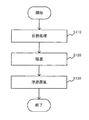
図1は、本発明の一実施形態に関する、製鋼スラグからのカルシウムを含む固形分の回収方法のフローチャートである。 FIG. 1 is a flowchart of a method for recovering a solid content containing calcium from steelmaking slag according to an embodiment of the present invention.
なお、製鋼スラグの種類は、製鋼工程で排出されるスラグであれば特に限定されない。製鋼スラグの例には、転炉スラグ、予備処理スラグ、二次精錬スラグおよび電気炉スラグが含まれる。これらのうち、回収後のカルシウムとリンとの分離が不要となることから、上記製鋼スラグは、その全質量に対するリンの含有量が10質量%以下であることが好ましく、7質量%以下であることがより好ましく、5質量%以下であることがさらに好ましく、3質量%以下であることがさらに好ましく、1質量%以下であることが特に好ましい。 The type of steelmaking slag is not particularly limited as long as it is slag discharged in the steelmaking process. Examples of steelmaking slag include converter slag, pretreatment slag, secondary refining slag and electric furnace slag. Of these, since it is not necessary to separate calcium and phosphorus after recovery, the content of phosphorus in the steelmaking slag is preferably 10% by mass or less, preferably 7% by mass or less, based on the total mass of the steelmaking slag. More preferably, it is more preferably 5% by mass or less, further preferably 3% by mass or less, and particularly preferably 1% by mass or less.
[第1工程:加熱処理(工程S110)]
本実施形態では、まず製鋼スラグを加熱処理することが好ましい。
[First step: heat treatment (step S110)]
In the present embodiment, it is preferable to first heat-treat the steelmaking slag.
上記加熱は、製鋼スラグに含まれる鉄系酸化物をウスタイト系酸化物からマグネタイト系酸化物に改質して、後の磁選工程における鉄系酸化物の選別効率を高める程度に行えばよい。たとえば、上記加熱処理は、300℃以上1000℃以下で0.01分以上180分以下程度行えばよい。 The heating may be performed to such an extent that the iron-based oxide contained in the steelmaking slag is modified from the wustite-based oxide to the magnetite-based oxide to improve the sorting efficiency of the iron-based oxide in the subsequent magnetic separation step. For example, the heat treatment may be performed at 300 ° C. or higher and 1000 ° C. or lower for 0.01 minutes or more and 180 minutes or less.
[第2工程:磁選(工程S120)]
次に、上記加熱処理された製鋼スラグを磁選して、上記マグネタイト化した鉄系酸化物などの磁性体を除去回収する。磁選は、湿式で行っても乾式で行ってもよいが、製鋼スラグ粒子の分散性を高めて、鉄系成分を主体とする磁着物と、その他の非磁着物と、の分離効率を高める観点から、湿式で行うことが好ましい。
[Second step: magnetic separation (step S120)]
Next, the heat-treated steelmaking slag is magnetically separated to remove and recover the magnetic material such as the magnetitetized iron-based oxide. The magnetic separation may be performed by a wet method or a dry method, but from the viewpoint of improving the dispersibility of the steelmaking slag particles and improving the separation efficiency between the magnetic material mainly composed of iron-based components and other non-magnetic materials. Therefore, it is preferable to perform it in a wet manner.
つまり、本工程では、上記加熱処理の後、冷却された製鋼スラグに加水して製鋼スラグを分散させてスラリー化し、その後に磁選を行うことが好ましい。なお、本工程における磁着物の回収効率および後の工程におけるカルシウム成分を含む非磁着物の回収効率を高める観点から、磁選の前に、製鋼スラグを破砕および粉砕して小粒径化することが好ましく、また、製鋼スラグに含まれるカルシウム成分を炭酸カルシウムに改質することが好ましい。 That is, in this step, it is preferable that after the above heat treatment, water is added to the cooled steelmaking slag to disperse the steelmaking slag to form a slurry, and then magnetic separation is performed. From the viewpoint of improving the recovery efficiency of the magnetic deposit in this step and the recovery efficiency of the non-magnetic deposit containing the calcium component in the subsequent step, the steelmaking slag may be crushed and crushed to reduce the particle size before the magnetic selection. It is preferable, and it is preferable to modify the calcium component contained in the steelmaking slag to calcium carbonate.
(破砕および粉砕)
上記加熱処理された製鋼スラグは、公知の破砕機により破砕されてもよい。また、粉砕された製鋼スラグは、ハンマーミル、ローラミルおよびボールミルなどを含む粉砕機でさらに粉砕されて、小粒径化されてもよい。
(Crushing and crushing)
The heat-treated steelmaking slag may be crushed by a known crusher. Further, the crushed steelmaking slag may be further pulverized by a pulverizer including a hammer mill, a roller mill, a ball mill and the like to reduce the particle size.
製鋼スラグを破砕および破砕して小粒径化することにより、製鋼スラグの内部に含まれる鉄系酸化物を、二酸化ケイ素(SiO2)およびアルミナ(Al2O3)などとは分離した単独の粒子とすることができ、磁選による鉄系酸化物の分離効率をより高めることができる。上記観点から、破砕および粉砕は、破砕および破砕されて生じる製鋼スラグ粒子の最大粒径が鉄系化合物の組織と同程度以下の大きさになる程度に行うことが好ましい。たとえば、破砕および粉砕は、製鋼スラグ粒子の最大粒径が1000μm以下になる程度に行うことが好ましく、500μm以下になる程度に行うことがより好ましく、250μm以下になる程度に行うことがさらに好ましく、100μm以下になる程度に行うことが特に好ましい。 By crushing and crushing the steelmaking slag to reduce the particle size, the iron-based oxide contained inside the steelmaking slag is separated from silicon dioxide (SiO 2 ), alumina (Al 2 O 3), etc. It can be made into particles, and the separation efficiency of iron-based oxides by magnetic separation can be further improved. From the above viewpoint, it is preferable that the crushing and crushing are carried out so that the maximum particle size of the steelmaking slag particles produced by crushing and crushing is about the same size as or less than the structure of the iron-based compound. For example, crushing and crushing are preferably performed so that the maximum particle size of the steelmaking slag particles is 1000 μm or less, more preferably 500 μm or less, and further preferably 250 μm or less. It is particularly preferable to carry out the process so as to be 100 μm or less.
なお、上記破砕および粉砕は、湿式で行っても乾式で行ってもよいが、製鋼スラグ粒子は水中では分散性が良好であり、小粒径化がより容易であることから、加水により分散させた製鋼スラグを湿式で破砕および粉砕することが好ましい。 The crushing and crushing may be carried out wet or dry, but since the steelmaking slag particles have good dispersibility in water and it is easier to reduce the particle size, they are dispersed by water addition. It is preferable to crush and crush the steelmaking slag wet.
(炭酸化)
また、破砕および粉砕の前または後に、スラリーを炭酸化してもよい。
(Carbonated)
The slurry may also be carbonated before or after crushing and grinding.
後の浮遊選鉱工程(工程S130)で弱電解質の陰イオン性捕収剤を捕収剤として用いるとき、カルシウム成分がスラリーの液体成分中に溶出して生成されたカルシウムイオン(Ca2+イオン)が、スラリー中に多量に存在すると、上記捕収剤が金属石鹸化して、カルシウム成分を含む製鋼スラグ粒子の回収効率が低下することがある。これに対し、酸化カルシウムを炭酸カルシウムに改質して、カルシウム成分の溶出を抑制することで、上記金属石鹸化による回収効率の低下を抑制することができる。 When a weak electrolyte anionic collector is used as the collector in the subsequent flotation step (step S130), calcium ions (Ca 2+ ions) generated by elution of the calcium component into the liquid component of the slurry are generated. If a large amount is present in the slurry, the flotation agent may become a metal soap and the recovery efficiency of steelmaking slag particles containing a calcium component may decrease. On the other hand, by modifying calcium oxide to calcium carbonate and suppressing the elution of the calcium component, it is possible to suppress the decrease in recovery efficiency due to the above-mentioned metal soap formation.
具体的には、製鋼スラグが水中に分散してなるスラリーに、二酸化炭素(CO2)を吹き込む(曝気)。これにより、カルシウムイオンを難溶性の炭酸カルシウム(CaCO3)とすることができる。なお、水溶液中の炭酸は、pHが10以上であるときは多くが炭酸イオン(CO3 2−)として存在するが、pHがより低いときは多くが炭酸水素イオン(HCO3 −)として存在する。そのため、曝気によりスラリー中に導入された炭酸のうちより多くを炭酸イオンとして、炭酸カルシウムの析出量をより高めるため、このときのスラリーのpHを10以上に調整することが好ましい。 Specifically, carbon dioxide (CO 2 ) is blown into a slurry in which steelmaking slag is dispersed in water (aeration). As a result, calcium ions can be converted into poorly soluble calcium carbonate (CaCO 3). Incidentally, carbonate in the aqueous solution is often when pH is 10 or more is present as carbonate ion (CO 3 2-), more when the pH is lower in the bicarbonate ion - present as (HCO 3) .. Therefore, it is preferable to adjust the pH of the slurry at this time to 10 or more in order to further increase the amount of calcium carbonate precipitated by using more of the carbonic acid introduced into the slurry by aeration as carbonic acid ions.
(磁選)
上述の各処理を必要に応じて施されて得られた、製鋼スラグ粒子が水中に分散してなるスラリーに、磁選を施すことにより、鉄系成分などを含む磁着物と、カルシウム成分などを含む非磁着物とを、分離することができる。上記スラリーは、スラリーの流動性と磁着物の回収効率とをともに高める観点からは、製鋼スラグ粒子と水との量比が、質量比で、(製鋼スラグ粒子/水)=1/300以上1/2以下であることが好ましく、1/200以上1/5以下であることがより好ましく、1/100以上1/10以下であることがさらに好ましい。
(Magnetic separation)
By magnetically separating a slurry obtained by performing each of the above treatments as necessary, in which steelmaking slag particles are dispersed in water, a magnetic substance containing an iron-based component and the like and a calcium component and the like are contained. It can be separated from non-magnetic particles. From the viewpoint of improving both the fluidity of the slurry and the recovery efficiency of the magnetic substance, the amount ratio of the steelmaking slag particles to water is the mass ratio of (steelmaking slag particles / water) = 1/300 or more 1 It is preferably / 2 or less, more preferably 1/200 or more and 1/5 or less, and further preferably 1/100 or more and 1/10 or less.
上記磁選は、製鋼スラグ粒子が水中に分散してなるスラリーを、表面の少なくとも一部に磁場が形成され、かつ回転されている回転式ドラムの表面に接触させる方法により行うことができる。上記接触されたスラリーのうち、鉄系成分などの磁性体は、上記回転式ドラムの表面に捕捉されて回転式ドラムとともに回転し、上記回転式ドラムの回転方向におけるスラリーの接触部より下流側に配置された回収部に回収される。一方、カルシウム成分などの非磁性体および液体成分は、上記回転式ドラムの表面に捕捉されずに、回転式ドラムから脱離する。このようにして、鉄系成分などを含む磁着物と、カルシウム成分などを含む非磁着物とが、分離回収される。 The magnetic separation can be performed by a method in which a slurry in which steelmaking slag particles are dispersed in water is brought into contact with the surface of a rotating drum in which a magnetic field is formed on at least a part of the surface and is rotated. Of the contacted slurries, magnetic materials such as iron-based components are captured by the surface of the rotary drum and rotate together with the rotary drum to the downstream side of the contact portion of the slurry in the rotation direction of the rotary drum. It is collected in the arranged collection unit. On the other hand, the non-magnetic substance such as the calcium component and the liquid component are separated from the rotary drum without being captured by the surface of the rotary drum. In this way, the magnetic substance containing an iron-based component and the like and the non-magnetic substance containing a calcium component and the like are separated and recovered.
表面に捕捉された高磁化粒子を回収部まで容易に移動させる観点からは、磁選中の回転式ドラムの周速は、0.1m/min以上1000m/min以下であることが好ましく、1m/min以上500m/min以下であることがより好ましく、5m/min以上300m/min以下であることがさらに好ましい。 From the viewpoint of easily moving the highly magnetized particles captured on the surface to the recovery part, the peripheral speed of the rotary drum during magnetic separation is preferably 0.1 m / min or more and 1000 m / min or less, preferably 1 m / min. It is more preferably 500 m / min or more, and further preferably 5 m / min or more and 300 m / min or less.
磁選に用いる磁石は、上記鉄系成分などの磁性体をより確実に捕捉する観点から、回転式ドラムの表面に対する垂直方向の磁束密度の最大値を50G以上とする磁石であることが好ましく、100G以上とする磁石であることがより好ましい。また、上記磁石は、上記カルシウム成分などの非磁性体を捕捉させにくくして回収物中の鉄濃度の低下を抑制する観点からは、回転式ドラムの表面における垂直方向の磁束密度の最大値を3000G以下とする磁石であることが好ましく、1500G以下とする磁石であることがより好ましい。 The magnet used for magnetic separation is preferably a magnet having a maximum value of magnetic flux density in the direction perpendicular to the surface of the rotary drum of 50 G or more, preferably 100 G, from the viewpoint of more reliably capturing the magnetic material such as the iron-based component. It is more preferable that the magnet is as described above. Further, from the viewpoint of making it difficult for the magnet to capture non-magnetic substances such as the calcium component and suppressing a decrease in iron concentration in the recovered material, the maximum value of the magnetic flux density in the vertical direction on the surface of the rotary drum is set. A magnet having a value of 3000 G or less is preferable, and a magnet having a value of 1500 G or less is more preferable.
このようにして回収された磁着物は、脱水および乾燥した後、ペレタイジングして、製鋼原料として再利用することができる。 The magnetic deposit thus recovered can be dehydrated and dried, then pelletized and reused as a raw material for steelmaking.
一方で、回転式ドラムの表面から脱離した非磁着物は、ハイドロサイクロンなどにより簡易な固液分離をされてもよい。このときに得られたオーバーフローは、非磁着物の粒子をほとんど含まないため、製鋼スラグ粒子のスラリー化に再利用したり、廃水したりすることができる。 On the other hand, the non-magnetic deposit desorbed from the surface of the rotary drum may be simply solid-liquid separated by a hydrocyclone or the like. Since the overflow obtained at this time contains almost no non-magnetic particles, it can be reused for slurrying of steelmaking slag particles or wastewater.
[第3工程:浮遊選鉱(工程S130)]
本工程では、このようにして得られた非磁着物のスラリーに対し、浮遊選鉱を行う。
[Third step: Froth flotation (step S130)]
In this step, flotation is performed on the slurry of the non-magnetic deposit thus obtained.
上記回転式ドラムの表面から脱離した非磁着物(あるいはハイドロサイクロンのアンダーフロー)は、カルシウム成分を含む濃縮スラリーである。本工程では、まず、上記濃縮スラリーに加水(リパルプ)してスラリー濃度を調整する。 The non-magnetic deposit (or hydrocyclone underflow) desorbed from the surface of the rotary drum is a concentrated slurry containing a calcium component. In this step, first, the concentrated slurry is hydrated (repulped) to adjust the slurry concentration.
その後、上記スラリーに捕収剤、ならびに任意に起泡剤およびpH調整剤などを含むその他の添加剤、を添加して攪拌し(コンディショニング)、その後、スラリーの内部に気泡を導入する。スラリー中の固形成分は、捕収剤との結合または相互作用により気泡の表面に付着されて、気泡とともにスラリー表面に浮上する。この表面に浮上した、固形成分が付着している気泡の泡沫(フロス)を回収することにより、上記スラリー中の固体成分を液体成分から分離して回収することができる。この回収された泡沫を固液分離して得られる固形分は、高濃度のカルシウムを含む固形分である。 Then, a collecting agent and optionally other additives including a foaming agent and a pH adjuster are added to the slurry and stirred (conditioning), and then air bubbles are introduced into the slurry. The solid component in the slurry adheres to the surface of the bubbles by binding or interaction with the collecting agent and floats on the surface of the slurry together with the bubbles. By recovering the bubbles (floss) of bubbles to which the solid component is attached that floats on the surface, the solid component in the slurry can be separated from the liquid component and recovered. The solid content obtained by solid-liquid separation of the recovered foam is a solid content containing a high concentration of calcium.
(捕収剤)
上記捕収剤は、カルシウム成分を回収できる捕収剤であればよく、無機系の捕収剤であっても有機系の捕収剤であってもよいが、有機系の捕収剤であることが好ましい。
(Recovery agent)
The above-mentioned collecting agent may be any collecting agent capable of recovering the calcium component, and may be an inorganic collecting agent or an organic collecting agent, but is an organic collecting agent. Is preferable.
特には、本実施形態では、上記捕収剤として、弱電解質の陰イオン性捕収剤(以下、単に「第1の捕収剤」ともいう。)を用いることが好ましく、さらに強電解質の陰イオン性捕収剤(以下、単に「第2の捕収剤」ともいう。)を併用することがより好ましい。 In particular, in the present embodiment, it is preferable to use a weak electrolyte anionic scavenger (hereinafter, also simply referred to as “first scavenger”) as the scavenger, and further, a strong electrolyte anionic scavenger. It is more preferable to use an ionic scavenger (hereinafter, also simply referred to as “second scavenger”) in combination.
なお、本明細書において、ある化合物が弱電解質であるというときは、当該化合物の酸解離定数(pka)(当該化合物が複数の酸解離定数を有するときは、第一酸解離定数(pka1))が2以上であることを意味する。同様に、ある化合物が強電解質であるというときは、当該化合物の酸解離定数(pka)(当該化合物が複数の酸解離定数を有するときは、第一酸解離定数(pka1))が2未満であることを意味する。 In the present specification, when a compound is a weak electrolyte, the acid dissociation constant (pka) of the compound (when the compound has a plurality of acid dissociation constants, the first acid dissociation constant (pka 1 )). ) Is 2 or more. Similarly, when a compound is a strong electrolyte, the acid dissociation constant (pka) of the compound (or the first acid dissociation constant (pka 1 ) when the compound has multiple acid dissociation constants) is less than 2. Means that
(第1の捕収剤)
第1の捕収剤は、カルシウムに吸着する官能基と、疎水性基と、を有する弱電解質の化合物である。上記カルシウムに吸着する官能基の例には、カルボキシ基およびスルホン酸基が含まれる。上記疎水性基は、たとえば炭素数6以上18以下の飽和または不飽和のアルキル基とすることができる。上記疎水性基の炭素数が6以上であると、第1の捕収剤が気泡に良好に吸着する。上記疎水性基の炭素数が18以下であると、第1の捕収剤がスラリーの液体成分(水)中に十分に溶解することができる。第1の捕収剤は、これらの酸(高級脂肪酸またはアルキルスルホン酸)であってもよいが、塩を形成していてもよい。塩であるときの対イオンは、ナトリウムイオンなどであればよい。
(First collector)
The first catching agent is a compound of a weak electrolyte having a functional group adsorbing on calcium and a hydrophobic group. Examples of the functional group adsorbed on calcium include a carboxy group and a sulfonic acid group. The hydrophobic group can be, for example, a saturated or unsaturated alkyl group having 6 to 18 carbon atoms. When the hydrophobic group has 6 or more carbon atoms, the first catching agent is adsorbed to the bubbles satisfactorily. When the number of carbon atoms of the hydrophobic group is 18 or less, the first catching agent can be sufficiently dissolved in the liquid component (water) of the slurry. The first collector may be these acids (higher fatty acids or alkyl sulfonic acids), but may also form salts. The counterion when it is a salt may be sodium ion or the like.
第1の捕収剤は、これらのうち、飽和または不飽和の高級脂肪酸またはその塩であることが好ましく、飽和または不飽和の炭素数12以上18以下の高級脂肪酸またはその塩であることがより好ましく、不飽和の炭素数12以上18以下の高級脂肪酸またはその塩であることがさらに好ましく、オレイン酸またはその塩であることが特に好ましい。 The first collecting agent is preferably a saturated or unsaturated higher fatty acid or a salt thereof, and more preferably a saturated or unsaturated higher fatty acid having 12 or more and 18 or less carbon atoms or a salt thereof. It is more preferably an unsaturated higher fatty acid having 12 or more and 18 or less carbon atoms or a salt thereof, and particularly preferably oleic acid or a salt thereof.
これらの第1の捕収剤は、上記官能基がカルシウムとの間に化学結合を形成して、カルシウム成分を含む製鋼スラグ粒子を強固に捕収する。そのため、これらの第1の捕収剤を用いることにより、本工程におけるカルシウム成分を含む製鋼スラグ粒子の回収効率を十分に高めることができる。 In these first collectors, the functional group forms a chemical bond with calcium to firmly capture steelmaking slag particles containing a calcium component. Therefore, by using these first collectors, the recovery efficiency of the steelmaking slag particles containing the calcium component in this step can be sufficiently increased.
非磁着物を含むスラリーへの第1の捕収剤の添加量は、製鋼スラグ粒子の回収が十分に行え、かつ第1の捕収剤によるミセルを形成しない程度(臨界ミセル濃度未満)であることが好ましく、たとえば、1ppmv以上1000ppmv以下であることが好ましい。 The amount of the first catching agent added to the slurry containing the non-magnetic deposit is such that the steelmaking slag particles can be sufficiently recovered and micelles are not formed by the first collecting agent (less than the critical micelle concentration). It is preferable, for example, 1 ppmv or more and 1000 ppmv or less.
(第2の捕収剤)
第2の捕収剤は、カルシウム成分と静電的に相互作用し、かつ第1の捕収剤とカルシウムに共吸着できる、強電解質の化合物である。第2の捕収剤は、アルキルベンゼンスルホン酸などの硫酸エステル化合物またはその塩とすることができる。塩であるときの対イオンは、ナトリウムイオンなどであればよい。
(Second collector)
The second scavenger is a compound of a strong electrolyte that can electrostatically interact with the calcium component and co-adsorb to the first scavenger and calcium. The second collector can be a sulfate ester compound such as alkylbenzene sulfonic acid or a salt thereof. The counterion when it is a salt may be sodium ion or the like.
上記アルキルベンゼンスルホン酸またはその塩は、炭素数6以上18以下のアルキルベンゼンスルホン酸またはその塩であることが好ましく、炭素数12以上18以下のアルキルベンゼンスルホン酸またはその塩であることがより好ましく、ドデシルベンゼンスルホン酸(DBS)またはその塩であることがさらに好ましい。 The alkylbenzene sulfonic acid or a salt thereof is preferably an alkylbenzene sulfonic acid having 6 or more and 18 or less carbon atoms or a salt thereof, more preferably an alkylbenzene sulfonic acid having 12 or more and 18 or less carbon atoms or a salt thereof, and dodecylbenzene. More preferably, it is a sulfonic acid (DBS) or a salt thereof.
第1の捕収剤が、製鋼スラグ粒子の表面から溶出したカルシウムと塩を形成して金属石鹸化すると、気泡の表面に付着してのスラリー表面への浮上ができないことがある。また、上記金属石鹸化により第1の捕収剤が消費されると、本工程における回収効率が低下する。さらには、製鋼スラグ粒子の表面に存在するカルシウムに第1の捕収剤が吸着しても、当該吸着されたカルシウムが溶出してしまうと、第1の捕収剤も上記製鋼スラグ粒子から脱離してしまうため、製鋼スラグ粒子を安定して捕収できないことがある。 When the first collector forms a salt with calcium eluted from the surface of the steelmaking slag particles to form a metal soap, it may adhere to the surface of the bubbles and cannot float on the surface of the slurry. Further, when the first collecting agent is consumed by the metal soap formation, the recovery efficiency in this step is lowered. Furthermore, even if the first catching agent is adsorbed on the calcium existing on the surface of the steelmaking slag particles, if the adsorbed calcium is eluted, the first collecting agent is also removed from the steelmaking slag particles. Since they are separated, it may not be possible to stably collect steelmaking slag particles.
これに対し、第2の捕収剤は、製鋼スラグ粒子の表面に安定な吸着層を形成し、製鋼スラグ粒子の表面からのカルシウムの溶出を抑制する。これにより、第2の捕収剤は、上記溶出したカルシウムによる金属石鹸の生成、および上記カルシウムの溶出による製鋼スラグからの第1の捕収剤の脱離を抑制し、本工程におけるカルシウム成分を含む製鋼スラグ粒子の回収効率を維持すると考えられる。 On the other hand, the second collector forms a stable adsorption layer on the surface of the steelmaking slag particles and suppresses the elution of calcium from the surface of the steelmaking slag particles. As a result, the second collecting agent suppresses the formation of metal soap by the above-mentioned eluted calcium and the desorption of the first collecting agent from the steelmaking slag due to the above-mentioned elution of calcium, and the calcium component in this step is suppressed. It is considered that the recovery efficiency of the steelmaking slag particles contained therein is maintained.
また、第2の捕収剤は、金属石鹸化の抑制により、第1の捕収剤の使用量を抑制し、本工程における製鋼スラグ粒子の回収を低コストで行うことを可能とする。 Further, the second collecting agent suppresses the amount of the first collecting agent used by suppressing the formation of metal soap, and makes it possible to recover the steelmaking slag particles in this step at low cost.
非磁着物を含むスラリーへの第2の捕収剤の添加量は、製鋼スラグ粒子の回収が十分に行え、かつ第2の捕収剤によるミセルを形成しない程度(臨界ミセル濃度未満)であることが好ましく、たとえば、1ppmv以上1000ppmv以下であることが好ましい。 The amount of the second catching agent added to the slurry containing the non-magnetic deposit is such that the steelmaking slag particles can be sufficiently recovered and micelles are not formed by the second collecting agent (less than the critical micelle concentration). It is preferable, for example, 1 ppmv or more and 1000 ppmv or less.
また、第1の捕収剤の添加量に対する第2の捕収剤の添加量は、略同量であることが好ましく、具体的には、第1の捕収剤と第2の捕収剤との量比が、体積比で、(第1の捕収剤/第2の捕収剤)=1/4以上4/1以下であることが好ましく、1/3以上3/1以下であることがより好ましく、1/2以上2/1以下であることがさらに好ましい。 Further, the amount of the second collecting agent added is preferably substantially the same as the amount of the first collecting agent added. Specifically, the first collecting agent and the second collecting agent are added. In terms of volume ratio, the amount ratio with (1st catching agent / 2nd catching agent) is preferably 1/4 or more and 4/1 or less, and 1/3 or more and 3/1 or less. More preferably, it is more preferably 1/2 or more and 2/1 or less.
(その他の捕収剤)
なお、本実施形態では、上述した第1の捕収剤または第2の捕収剤とは異なるその他の捕収剤を用いてもよいし、上記その他の捕収剤を第1の捕収剤または第2の捕収剤と併用してもよい。
(Other collection agents)
In addition, in this embodiment, the above-mentioned first collection agent or other collection agent different from the second collection agent may be used, and the above other collection agent may be used as the first collection agent. Alternatively, it may be used in combination with a second collecting agent.
上記その他の捕収剤の例には、ドデシルアンモニウムアセテート(DAA)などの、炭素数6以上18以下の飽和または不飽和のアルキルアミンまたはその塩などが含まれる。ただし、DAAなどの陽イオン性捕収剤は高価なことが多く、また捕収効率も第1の捕収剤よりも低いため、本実施形態では上述した第1の捕収剤を用いることが好ましい。 Examples of the other collecting agents include saturated or unsaturated alkylamines having 6 to 18 carbon atoms or salts thereof, such as dodecyl ammonium acetate (DAA). However, since a cationic scavenger such as DAA is often expensive and the scavenging efficiency is lower than that of the first scavenger, it is possible to use the first scavenger described above in this embodiment. preferable.
(凝集剤)
本工程では、第1の捕収剤および第2の捕収剤を添加する前に、カチオン性高分子凝集剤(以下、単に「凝集剤」ともいう。)を、非磁着物を含むスラリーに添加することが好ましい。
(Coagulant)
In this step, before adding the first collecting agent and the second collecting agent, the cationic polymer flocculant (hereinafter, also simply referred to as “aggregating agent”) is added to the slurry containing the non-magnetic deposit. It is preferable to add it.
凝集剤は、炭酸カルシウムを凝集させることができる。そのため、非磁着物を含むスラリーに凝集剤を予め添加することで、凝集により適度な大きさとなった製鋼スラグ粒子に第1の捕収剤が吸着して気泡とともに浮上させるため、第1の捕収剤の添加量をより少量としても、カルシウム成分を含む製鋼スラグ粒子を十分に回収することができる。 The flocculant can aggregate calcium carbonate. Therefore, by adding a coagulant in advance to the slurry containing the non-magnetic deposit, the first catching agent is adsorbed on the steelmaking slag particles having an appropriate size due to the coagulation and floats together with the bubbles, so that the first catching agent is formed. Even if the amount of the collector added is smaller, the steelmaking slag particles containing the calcium component can be sufficiently recovered.
非磁着物を含むスラリーへの凝集剤の添加量は、製鋼スラグ粒子が適度に凝集し、第1の捕収剤による回収効率が高まる程度であればよい。具体的には、通常は粒径が10μm未満である非磁着物に含まれる製鋼スラグ粒子の粒径が、10μm以上になる程度に添加すればよく、たとえば、0.01ppmv以上10000ppmv以下であることが好ましく、0.1ppmv以上1000ppmv以下であることがより好ましく、1ppmv以上100ppmv以下であることがさらに好ましい。 The amount of the aggregating agent added to the slurry containing the non-magnetic material may be such that the steelmaking slag particles appropriately agglomerate and the recovery efficiency by the first collecting agent is increased. Specifically, the particle size of the steelmaking slag particles contained in the non-magnetic material, which usually has a particle size of less than 10 μm, may be added to such an extent that the particle size is 10 μm or more, and is, for example, 0.01 ppmv or more and 10000 ppmv or less. Is more preferable, 0.1 ppmv or more and 1000 ppmv or less is more preferable, and 1 ppmv or more and 100 ppmv or less is further preferable.
(その他の添加剤)
非磁着物を含むスラリーには、これらの他に、起泡剤およびpH調整剤などを添加することができる。
(Other additives)
In addition to these, a foaming agent, a pH adjuster, and the like can be added to the slurry containing the non-magnetic material.
上記起泡剤は、気泡の発生を促進し、かつスラリー表面に形成される泡沫を安定化させる。上記起泡剤は、炭素数1以上8以下のアルコールおよび炭素数1以上8以下のケトンなどの、公知の起泡剤であればよく、たとえば、メタノール、エタノール、プロパノール、ブタノール、メチルイソブチルケトン(MIBK)、およびメチルイソブチルカービノール(MIBC)などを用いることが好ましい。非磁着物を含むスラリーへの上記起泡剤の添加量は、モル分量で、1ppm以上10000ppm以下であることが好ましい。 The foaming agent promotes the generation of bubbles and stabilizes the bubbles formed on the surface of the slurry. The foaming agent may be any known foaming agent such as an alcohol having 1 to 8 carbon atoms and a ketone having 1 to 8 carbon atoms, and may be, for example, methanol, ethanol, propanol, butanol, or methyl isobutyl ketone ( MIBK), methyl isobutyl carbinol (MIBC) and the like are preferably used. The amount of the foaming agent added to the slurry containing the non-magnetic material is preferably 1 ppm or more and 10000 ppm or less in terms of molar amount.
上記pH調整剤は、スラリーのpHを調整する。第2の捕収剤は、製鋼スラグ粒子の表面に存在するカルシウム成分と静電的に相互作用して、当該製鋼スラグ粒子に吸着する。この静電的な吸着を生じさせるためには、カルシウム成分(特には炭酸カルシウム)のゼータ電位が正になっていることが望ましい。このような観点から、特に第2の捕収剤を用いるときは、pH調整剤によって非磁着物を含むスラリーのpHを7〜14のアルカリ性となる範囲に調整することが好ましく、9〜12に調整することがより好ましい。 The pH adjuster adjusts the pH of the slurry. The second collector electrostatically interacts with the calcium component present on the surface of the steelmaking slag particles and adsorbs them on the steelmaking slag particles. In order to cause this electrostatic adsorption, it is desirable that the zeta potential of the calcium component (particularly calcium carbonate) is positive. From this point of view, especially when a second collector is used, it is preferable to adjust the pH of the slurry containing the non-magnetic substance to an alkaline range of 7 to 14 with a pH adjuster, and to 9 to 12. It is more preferable to adjust.
(脱Ca2+イオン)
本工程において、カルシウム成分がスラリーの液体成分中に溶出して生成されたカルシウムイオン(Ca2+イオン)を、難溶性の炭酸カルシウムとして析出させてもよい。
(De-Ca 2+ ion)
In this step, calcium ions (Ca 2+ ions) generated by elution of the calcium component into the liquid component of the slurry may be precipitated as poorly soluble calcium carbonate.
析出方法は特に限定されないが、たとえば、二酸化炭素(CO2)をスラリーに吹き込めばよい(曝気)。なお、水溶液中の炭酸は、pHが10以上であるときは多くが炭酸イオン(CO3 2−)として存在するが、pHがより低いときは多くが炭酸水素イオン(HCO3 −)として存在する。そのため、曝気によりスラリー中に導入された炭酸のうちより多くを炭酸イオンとして、炭酸カルシウムの析出量をより高めるため、このときのスラリーのpHを10以上に調整することが好ましい。 The precipitation method is not particularly limited, but for example, carbon dioxide (CO 2 ) may be blown into the slurry (aeration). Incidentally, carbonate in the aqueous solution is often when pH is 10 or more is present as carbonate ion (CO 3 2-), more when the pH is lower in the bicarbonate ion - present as (HCO 3) .. Therefore, it is preferable to adjust the pH of the slurry at this time to 10 or more in order to further increase the amount of calcium carbonate precipitated by using more of the carbonic acid introduced into the slurry by aeration as carbonic acid ions.
カルシウムイオンの析出は、捕収剤の添加前、捕収剤を添加した後かつコンディショニングの前、コンディショニングの後かつ浮遊選鉱の前などの、いかなる時点に行ってもよい。なお、曝気によりスラリー中で増加した炭酸イオンおよび炭酸水素イオンが、製鋼スラグ粒子の表面に存在する炭酸カルシウムのカルシウムサイトに吸着してしまい、捕収材の吸着を阻害してしまうような場合は、上記曝気を行わなくてもよい。 Precipitation of calcium ions may occur at any time, such as before the addition of the catching agent, after the addition of the collecting agent and before conditioning, after conditioning and before flotation. If the carbonate ions and hydrogen carbonate ions that have increased in the slurry due to aeration are adsorbed on the calcium sites of calcium carbonate existing on the surface of the steelmaking slag particles, which hinders the adsorption of the collected material. , The above exposure does not have to be performed.
(浮遊選鉱)
浮遊選鉱の方法は特に限定されず、空気自給型および空気吹き込み型を含む公知の浮遊選鉱の方法により行うことができる。これらのうち、カラムの底部に配置したスパージャーから空気を吹き込むカラム式や、インペラ軸から空気を吹き込み、同時にインペラを高速回転させて気泡を発生させるアジテア式などの、空気吹き込み型が好ましく、アジテア式がより好ましい。
(Floth flotation)
The method of flotation is not particularly limited, and it can be performed by a known flotation method including an air self-sufficient type and an air blowing type. Of these, the air-blown type is preferable, such as the column type in which air is blown from the spurger arranged at the bottom of the column, and the agitea type in which air is blown from the impeller shaft and at the same time the impeller is rotated at high speed to generate air bubbles. The formula is more preferred.
カルシウム成分を含む製鋼スラグ粒子を付着させてスラリー表面に浮上する気泡は、平均径が0.1μm以上1000μm以下の微細気泡であることが好ましく、1μm以上200μm以下のマイクロバブルであることが好ましい。上記マイクロバブルは、体積が微細であるため上昇速度が遅く、互いに結合しにくく、さらには表面積が大きいため、カルシウム成分を含む製鋼スラグ粒子を効率的に付着させることができる。 The bubbles to which the steelmaking slag particles containing the calcium component are attached and float on the surface of the slurry are preferably microbubbles having an average diameter of 0.1 μm or more and 1000 μm or less, and preferably 1 μm or more and 200 μm or less. Since the microbubbles have a fine volume, the ascending rate is slow, they are difficult to bond with each other, and the surface area is large, so that steelmaking slag particles containing a calcium component can be efficiently adhered.
上述した捕収剤による回収効率を高める観点から、カルシウム成分を含む製鋼スラグ粒子を浮遊選鉱により回収されるスラリーは、製鋼スラグ粒子の粒径d90が500μm以下のスラリーであることが好ましく、200μm以下のスラリーであることがより好ましく、100μm以下のスラリーであることがさらに好ましい。上記製鋼スラグ粒子の粒径d90は、製鋼スラグ粒子の破砕または粉砕の程度によって調整することができる。 From the viewpoint of improving the recovery efficiency by the above-mentioned collector, the slurry in which the steelmaking slag particles containing the calcium component are recovered by flotation is preferably a slurry having a particle size d90 of the steelmaking slag particles of 500 μm or less, preferably 200 μm or less. It is more preferable that the slurry is 100 μm or less, and more preferably 100 μm or less. The particle size d90 of the steelmaking slag particles can be adjusted by the degree of crushing or crushing of the steelmaking slag particles.
また、浮遊選鉱による回収効率を高める観点から、上記スラリーは、スラリー濃度が0.5w/v%以上20w/v%以下のスラリーであることが好ましく、1w/v%以上10w/v%以下のスラリーであることがより好ましく、2w/v%以上5w/v%以下のスラリーであることがさらに好ましい。上記スラリー濃度は、必要に応じて加水するなどして調整することができる。 Further, from the viewpoint of improving the recovery efficiency by flotation, the slurry preferably has a slurry concentration of 0.5 w / v% or more and 20 w / v% or less, and 1 w / v% or more and 10 w / v% or less. A slurry is more preferable, and a slurry of 2 w / v% or more and 5 w / v% or less is further preferable. The slurry concentration can be adjusted by adding water or the like, if necessary.
(回収)
その後、スラリー表面に浮上した泡沫を回収し、回収された泡沫に対し、凝集沈殿などの公知の方法により固液分離することにより、カルシウムを含む固形分を回収することができる。回収方法は特に限定されず、スラリーの上層をオーバーフローさせてもよいし、泡沫を掬い取ってもよいし、パイプなどにより減圧容器に吸い取ってもよい。
(collect)
After that, the bubbles floating on the surface of the slurry are collected, and the collected bubbles are solid-liquid separated by a known method such as coagulation precipitation, whereby the solid content containing calcium can be recovered. The recovery method is not particularly limited, and the upper layer of the slurry may be overflowed, bubbles may be scooped up, or the slurry may be sucked into a decompression container by a pipe or the like.
一方、回収されなかった残渣は、必要に応じてさらに捕収剤およびその他の添加剤の添加、コンディショニング、浮遊選鉱、および回収を繰り返した後、製鋼スラグ粒子のスラリー化に再利用したり、廃水したりすることができる。 On the other hand, the unrecovered residue is reused for slurrying of steelmaking slag particles or wastewater after repeated addition of a catching agent and other additives, conditioning, flotation, and recovery as necessary. Can be done.
(効果)
このように、本実施形態では、上記弱電解質の陰イオン性捕収剤(第1の捕収剤)の使用により、カルシウム成分を含む製鋼スラグ粒子の回収効率を顕著に高めることができる。また、本実施形態では、上記強電解質の陰イオン性捕収剤(第2の捕収剤)の使用により、第1の捕収剤の金属石鹸化を抑制して第1の捕収剤の使用量を低減することができる。さらには、本実施形態では、凝集剤により製鋼スラグ粒子を予め凝集させたうえで浮遊選鉱を行うことにより、カルシウム成分を含む製鋼スラグ粒子の回収効率を高めて、第1の捕収剤の使用量を低減することもできる。また、このようにして第1の捕収剤の使用量を低減することにより、カルシウム成分を含む製鋼スラグ粒子の回収を低コストで行うことが可能となる。
(effect)
As described above, in the present embodiment, the recovery efficiency of the steelmaking slag particles containing the calcium component can be remarkably improved by using the anionic catching agent (first catching agent) of the weak electrolyte. Further, in the present embodiment, by using the anionic scavenger (second scavenger) of the strong electrolyte, the metal soap formation of the first scavenger is suppressed and the first scavenger is used. The amount used can be reduced. Further, in the present embodiment, the steelmaking slag particles are agglomerated in advance with a flocculant and then flotation is performed to improve the recovery efficiency of the steelmaking slag particles containing a calcium component, and the first catching agent is used. The amount can also be reduced. Further, by reducing the amount of the first collecting agent used in this way, it becomes possible to recover the steelmaking slag particles containing the calcium component at low cost.
以下、本発明について実施例を参照してより具体的に説明する。なお、これらの実施例は、本発明の範囲を以下に記載の具体的方法に限定するものではない。 Hereinafter, the present invention will be described in more detail with reference to Examples. It should be noted that these examples do not limit the scope of the present invention to the specific methods described below.
[実験1]
表1に記載の成分比率を有する製鋼スラグを準備した。なお、製鋼スラグの成分は、蛍光X線(XRF)分析によって測定した。
[Experiment 1]
Steelmaking slag having the component ratios shown in Table 1 was prepared. The components of the steelmaking slag were measured by fluorescent X-ray (XRF) analysis.
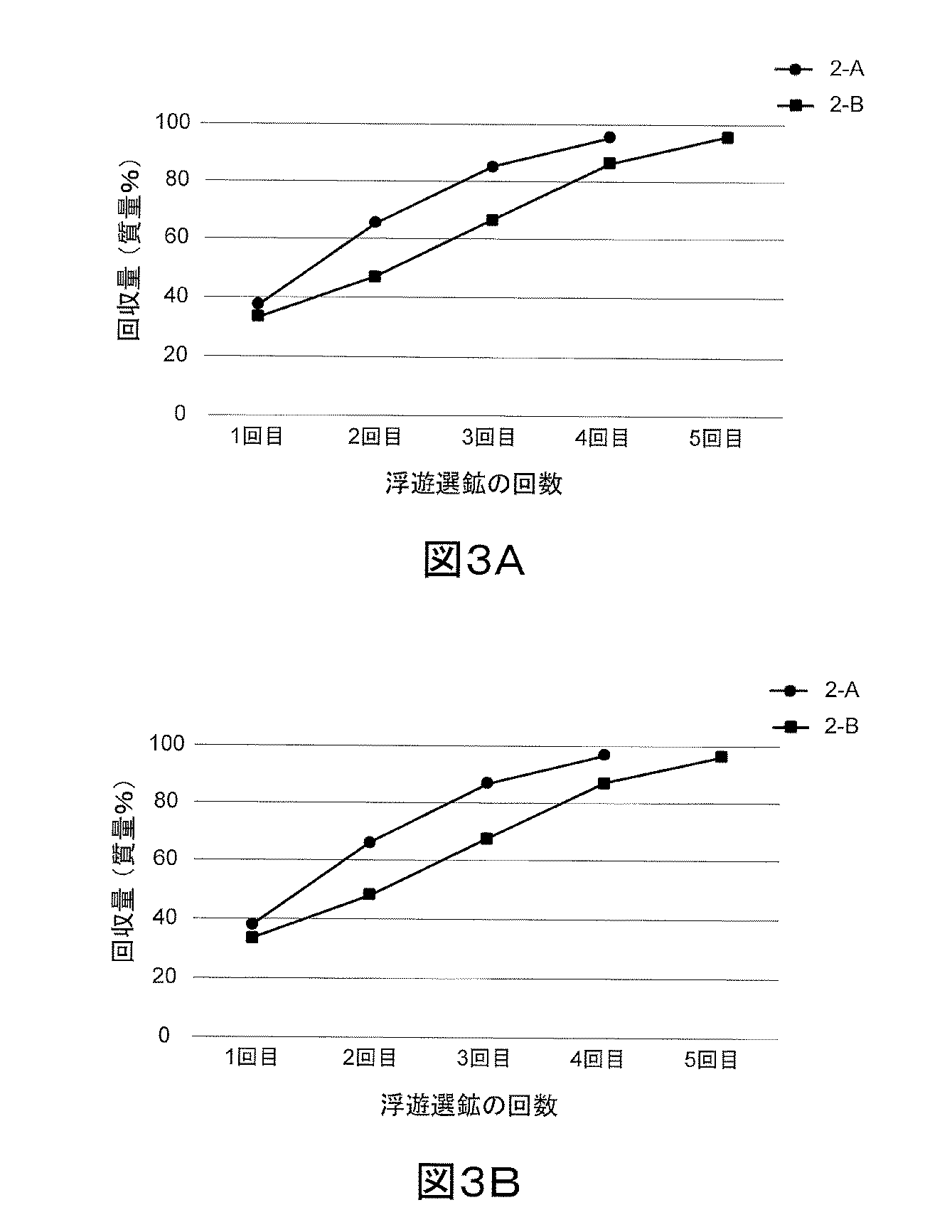
表1に示す製鋼スラグを、直径が5mm以下になるように粉砕した後、750℃で10分加熱した。加熱後は常温になるまで空冷した。その後、20.00gの加熱処理された製鋼スラグに0.2Lの水を加水して、製鋼スラグ粒子の最大粒径が100μm以下となるようにボールミルで湿式粉砕した。 The steelmaking slag shown in Table 1 was pulverized so as to have a diameter of 5 mm or less, and then heated at 750 ° C. for 10 minutes. After heating, it was air-cooled until it reached room temperature. Then, 0.2 L of water was added to 20.00 g of the heat-treated steelmaking slag, and wet pulverization was performed with a ball mill so that the maximum particle size of the steelmaking slag particles was 100 μm or less.
このようにして得られた、製鋼スラグ粒子が水中に分散してなるスラリーに、1.8Lの水を加水して、ドラム式の磁選機により磁選した。ドラムの空芯磁場強度は500G、スラリーの流量は6.83L/minとした。磁選後、0.5Lの水により回転式ドラムをリンスした。この磁選により、5.91gの固形分(磁着物)が回収された。 1.8 L of water was added to the slurry in which the steelmaking slag particles were dispersed in water and magnetically separated by a drum type magnetic separator. The air core magnetic field strength of the drum was 500 G, and the flow rate of the slurry was 6.83 L / min. After magnetic separation, the rotary drum was rinsed with 0.5 L of water. By this magnetic separation, 5.91 g of solid content (magnetic deposit) was recovered.
(試験1−A)
回転式ドラムの表面に捕捉されずに脱離した、非磁着物を含むスラリーのうち、1Lを用いて、以下の実験を行った。
(Test 1-A)
The following experiment was carried out using 1 L of the slurry containing a non-magnetic substance that was detached without being captured by the surface of the rotary drum.
捕収剤として、30ppmvのオレイン酸ナトリウム(第1の捕収剤)と、20ppmvのドデシルベンゼンスルホン酸ナトリウム(第2の捕収剤)とをスラリーに添加した。その後、スラリーをアジテア式の浮遊選鉱機に投入して、インペラを1000rpmで5分間回転させてコンディショニングを行った後、空気流量を6〜14L/minとして、マイクロバブルによる浮遊選鉱を5分間行った。浮上した泡沫を回収、ろ過および乾燥して得られた固形分について、秤量およびXRF分析により各元素の成分量を測定した。上記第1回目の浮遊選鉱により回収された固形分を「1−F1−A」とする。 As a scavenger, 30 ppmv of sodium oleate (first scavenger) and 20 ppmv of sodium dodecylbenzenesulfonate (second scavenger) were added to the slurry. After that, the slurry was put into an agitate flotation machine, the impeller was rotated at 1000 rpm for 5 minutes to perform conditioning, and then the air flow rate was set to 6 to 14 L / min, and the flotation by microbubbles was performed for 5 minutes. .. The amount of each element was measured by weighing and XRF analysis for the solid content obtained by collecting, filtering and drying the floating foam. The solid content recovered by the first flotation is referred to as "1-F1-A".
泡沫を回収した後の残渣スラリーに対して、30ppmvのオレイン酸ナトリウム(第1の捕収剤)と、20ppmvのドデシルベンゼンスルホン酸ナトリウム(第2の捕収剤)を添加して、同様の浮遊選鉱を5分間行い、浮上した泡沫の回収、ろ過、乾燥、ならびに秤量およびXRF分析による各元素の成分量の測定を行った。上記第2回目の浮遊選鉱により回収された固形分を「1−F2−A」とする。 To the residual slurry after collecting the foam, 30 ppmv of sodium oleate (first collector) and 20 ppmv of sodium dodecylbenzenesulfonate (second collector) were added, and the same flotation was performed. The beneficiation was carried out for 5 minutes, and the flotation was collected, filtered, dried, and the amount of each element was measured by weighing and XRF analysis. The solid content recovered by the second flotation is referred to as "1-F2-A".
さらに、同様の浮遊選鉱を行い、浮上した泡沫の回収、ろ過、乾燥およびXRF分析による各元素の成分量の測定を行った。上記第3回目の浮遊選鉱により回収された固形分を「1−F3−A」とする。また、上記第3回目の浮遊選鉱により回収されなかったスラリー残渣についても、ろ過、乾燥、ならびに秤量およびXRF分析による各元素の成分量の測定を行った。上記スラリー残渣を「1−sink−A」とする。 Further, the same flotation was carried out, and the amount of each element was measured by collecting, filtering, drying and XRF analysis of the floating foam. The solid content recovered by the third flotation is referred to as "1-F3-A". In addition, the slurry residue not recovered by the third flotation was also filtered, dried, and weighed and the component amount of each element was measured by XRF analysis. The slurry residue is referred to as "1-sink-A".
(試験1−B)
回転式ドラムの表面に捕捉されずに脱離した、非磁着物を含むスラリーのうち、別の1Lを用いて、以下の実験を行った。
(Test 1-B)
The following experiment was carried out using another 1 L of the slurry containing a non-magnetic substance that was detached without being captured by the surface of the rotary drum.
捕収剤として、100ppmvのドデシルアンモニウムアセテート(陽イオン性捕収剤)をスラリーに添加した。その後、スラリーをアジテア式の浮遊選鉱機に投入して、インペラを1000rpmで5分間回転させてコンディショニングを行った。その後、スラリーに、二酸化炭素(CO2)を吹き込んだ。二酸化炭素の吹き込みは、流量を0.24nL/minとして21分間行った。さらにその後、空気流量を6〜20L/minとして、マイクロバブルによる浮遊選鉱を7分間行った。浮上した泡沫を回収、ろ過および乾燥して得られた固形分について、秤量およびXRF分析により各元素の成分量を測定した。上記第1回目の浮遊選鉱により回収された固形分を「1−F1−B」とする。 As a scavenger, 100 ppmv of dodecyl ammonium acetate (cationic scavenger) was added to the slurry. Then, the slurry was put into an agitate flotation machine, and the impeller was rotated at 1000 rpm for 5 minutes for conditioning. Then, carbon dioxide (CO 2 ) was blown into the slurry. The carbon dioxide was blown in for 21 minutes at a flow rate of 0.24 nL / min. After that, the air flow rate was set to 6 to 20 L / min, and flotation by microbubbles was performed for 7 minutes. The amount of each element was measured by weighing and XRF analysis for the solid content obtained by collecting, filtering and drying the floating foam. The solid content recovered by the first flotation is referred to as "1-F1-B".
泡沫を回収した後の残渣スラリーに対して、30ppmvのドデシルアンモニウムアセテート(陽イオン性捕収剤)を添加して、同様の浮遊選鉱を5分間行い、浮上した泡沫の回収、ろ過、乾燥、ならびに秤量およびXRF分析による各元素の成分量の測定を行った。なお、浮遊選鉱中に、20滴のメチルイソブチルカービノール(起泡剤)をスラリー中に投入した。上記第2回目の浮遊選鉱により回収された固形分を「1−F2−B」とする。 To the residual slurry after collecting the foam, 30 ppmv of dodecyl ammonium acetate (cationic collector) was added, and the same flotation was performed for 5 minutes to collect, filter, dry, and float the foam. The amount of each element was measured by weighing and XRF analysis. During the flotation, 20 drops of methylisobutylcarbinol (foaming agent) was added to the slurry. The solid content recovered by the second flotation is referred to as "1-F2-B".
さらに、泡沫を回収した後の残渣スラリーに対して、30ppmvのドデシルアンモニウムアセテート(陽イオン性捕収剤)を添加して、同様の浮遊選鉱を4分間行い、浮上した泡沫の回収、ろ過、乾燥、ならびに秤量およびXRF分析による各元素の成分量の測定を行った。なお、浮遊選鉱中に、20滴のメチルイソブチルカービノール(起泡剤)をスラリー中に投入した。上記第3回目の浮遊選鉱により回収された固形分を「1−F3−B」とする。 Further, 30 ppmv of dodecylammonium acetate (cationic collector) was added to the residual slurry after collecting the foam, and the same flotation was performed for 4 minutes to collect, filter, and dry the floating foam. , And the component amount of each element was measured by weighing and XRF analysis. During the flotation, 20 drops of methylisobutylcarbinol (foaming agent) was added to the slurry. The solid content recovered by the third flotation is referred to as "1-F3-B".
さらに、泡沫を回収した後の残渣スラリーに対して、30ppmvのドデシルアンモニウムアセテート(陽イオン性捕収剤)を添加して、同様の浮遊選鉱を5分間行い、浮上した泡沫の回収、ろ過、乾燥、ならびに秤量およびXRF分析による各元素の成分量の測定を行った。なお、浮遊選鉱中に、20滴のメチルイソブチルカービノール(起泡剤)をスラリー中に投入した。上記第4回目の浮遊選鉱により回収された固形分を「1−F4−B」とする。 Further, 30 ppmv of dodecylammonium acetate (cationic collector) was added to the residual slurry after collecting the foam, and the same flotation was carried out for 5 minutes to collect, filter, and dry the floating foam. , And the component amount of each element was measured by weighing and XRF analysis. During the flotation, 20 drops of methylisobutylcarbinol (foaming agent) was added to the slurry. The solid content recovered by the fourth flotation is referred to as "1-F4-B".
さらに、泡沫を回収した後の残渣スラリーに対して、50ppmvのドデシルアンモニウムアセテート(陽イオン性捕収剤)を添加して、同様の浮遊選鉱を4分間行い、浮上した泡沫の回収、ろ過、乾燥、ならびに秤量およびXRF分析による各元素の成分量の測定を行った。上記第5回目の浮遊選鉱により回収された固形分を「1−F5−B」とする。また、上記第5回目の浮遊選鉱により回収されなかったスラリー残渣についても、ろ過、乾燥、ならびに秤量およびXRF分析による各元素の成分量の測定を行った。上記スラリー残渣を「1−sink−B」とする。 Further, 50 ppmv of dodecylammonium acetate (cationic collector) was added to the residual slurry after collecting the foam, and the same flotation was carried out for 4 minutes to collect, filter and dry the floating foam. , And the component amount of each element was measured by weighing and XRF analysis. The solid content recovered by the fifth flotation is referred to as "1-F5-B". In addition, the slurry residue not recovered by the fifth flotation was also filtered, dried, and weighed and the component amount of each element was measured by XRF analysis. The slurry residue is referred to as "1-sink-B".
(結果)
それぞれの試験において泡沫として回収された固形分およびスラリー残渣から得られた固形分についての、固形分の回収量(全固形分に対する質量%)、カルシウムの回収量(全固形分中のカルシウムの合計量に対する質量%)、および添加した捕収剤の量(オレイン酸ナトリウムを「NaOl」、ドデシルベンゼンスルホン酸ナトリウムを「NaDBS」、ドデシルアンモニウムアセテートを「DAA」と表す。)を、表2に示す。
(result)
The amount of solids recovered (mass% of total solids) and the amount of calcium recovered (total of calcium in total solids) for the solids recovered as foam and the solids obtained from the slurry residue in each test. Table 2 shows the amount of the collected agent added (sodium oleate is referred to as “NaOl”, sodium dodecylbenzenesulfonate is referred to as “NaDBS”, and dodecylammonium acetate is referred to as “DAA”). ..
また、それぞれの試験において、各回の浮遊選鉱により泡沫として回収された固形分の回収量(全固形分に対する質量%)を図2Aに、各回の浮遊選鉱により泡沫として回収されたカルシウムの回収量(全固形分中のカルシウムの合計量に対する質量%)を図2Bに、それぞれ示す。 Further, in each test, the amount of solids recovered as foam by each flotation (mass% with respect to total solids) is shown in FIG. 2A, and the amount of calcium recovered as foam by each flotation (mass%). (% by mass based on the total amount of calcium in the total solid content) is shown in FIG. 2B, respectively.
表2、図2Aおよび図2Bに示すように、浮遊選鉱により、製鋼スラグの磁選により選別された非磁着物を含むスラリーから、カルシウムを含む固形分を回収することができた。 As shown in Table 2, FIG. 2A and FIG. 2B, the solid content containing calcium could be recovered from the slurry containing the non-magnetic deposit selected by the magnetic separation of the steelmaking slag by flotation.
特に、捕収剤としてオレイン酸ナトリウム(第1の捕収剤)およびドデシルベンゼンスルホン酸ナトリウム(第2の捕収剤)を用いる(試験1−A)と、捕収剤としてドデシルアンモニウムアセテート(陽イオン性捕収剤)を用いたとき(試験1−B)よりも少ない捕収剤の量、かつ少ない浮遊選鉱の回数で、より多くの固形分を回収することができ、かつ、より多くのカルシウム成分を回収することができた。 In particular, when sodium oleate (first collector) and sodium dodecylbenzenesulfonate (second collector) are used as the flotation agent (Test 1-A), dodecyl ammonium acetate (cationic) is used as the flotation agent. More solids can be recovered and more solids can be recovered with less amount of scavenger and fewer flotations than when ionic scavenger) was used (Test 1-B). The calcium component could be recovered.
[実験2]
表3に記載の成分比率を有する製鋼スラグを準備した。なお、製鋼スラグの成分は、蛍光X線(XRF)分析によって測定した。
[Experiment 2]
Steelmaking slag having the component ratios shown in Table 3 was prepared. The components of the steelmaking slag were measured by fluorescent X-ray (XRF) analysis.
表1に示す製鋼スラグを、最大粒径が25mm以下になるように分級した後、750℃で10分加熱した。加熱後は常温になるまで空冷した。その後、加熱処理された製鋼スラグをボールミルで直径が100μm以下になるように乾式粉砕した。 The steelmaking slag shown in Table 1 was classified so that the maximum particle size was 25 mm or less, and then heated at 750 ° C. for 10 minutes. After heating, it was air-cooled until it reached room temperature. Then, the heat-treated steelmaking slag was dry-pulverized with a ball mill so that the diameter was 100 μm or less.
粉砕された製鋼スラグ粒子に同量の水を加水してスラリー化した後、固形分と水との比率が、質量比で1/50となるように加水し、ドラム式の磁選機により磁選した。ドラムの空芯磁場強度は3500T、スラリーの流量は6.83L/minとした。この磁選により、製鋼スラグ粒子のうち60質量%にあたる量の固形分(磁着物)が回収された。 The same amount of water was added to the crushed steelmaking slag particles to form a slurry, which was then added so that the ratio of solid content to water was 1/50 by mass ratio, and magnetically separated by a drum-type magnetic separator. .. The air core magnetic field strength of the drum was 3500 T, and the flow rate of the slurry was 6.83 L / min. By this magnetic separation, an amount of solid content (magnetic deposit) corresponding to 60% by mass of the steelmaking slag particles was recovered.
回転式ドラムの表面に捕捉されずに脱離した、非磁着物を含むスラリーのうち20.00gに対し、固形分と水との比率が、質量比で1/100となるように加水した。このようにして得られた、非磁着物を含むスラリーを用いて、以下の実験を行った。 Water was added so that the ratio of the solid content to water was 1/100 of the mass ratio of 20.00 g of the slurry containing the non-magnetic substance that was detached without being trapped on the surface of the rotary drum. The following experiment was carried out using the slurry containing the non-magnetic material thus obtained.
(試験2−A)
捕収剤として、20ppmvのオレイン酸ナトリウム(第1の捕収剤)と、20ppmvのドデシルベンゼンスルホン酸ナトリウム(第2の捕収剤)とをスラリーに添加した。その後、スラリーをアジテア式の浮遊選鉱機に投入して、インペラを1000rpmで5分間回転させてコンディショニングを行った後、空気流量を6〜8L/minとして、マイクロバブルによる浮遊選鉱を5分間行った。浮上した泡沫を回収、ろ過および乾燥して得られた固形分について、秤量およびXRF分析により各元素の成分量を測定した。上記第1回目の浮遊選鉱により回収された固形分を「2−F1−A」とする。
(Test 2-A)
As a scavenger, 20 ppmv of sodium oleate (first scavenger) and 20 ppmv of sodium dodecylbenzenesulfonate (second scavenger) were added to the slurry. Then, the slurry was put into an agitate flotation machine, the impeller was rotated at 1000 rpm for 5 minutes to perform conditioning, and then the air flow rate was set to 6 to 8 L / min, and the flotation by microbubbles was performed for 5 minutes. .. The amount of each element was measured by weighing and XRF analysis for the solid content obtained by collecting, filtering and drying the floating foam. The solid content recovered by the first flotation is referred to as "2-F1-A".
泡沫を回収した後の残渣スラリーに対して、20ppmvのオレイン酸ナトリウム(第1の捕収剤)と、20ppmvのドデシルベンゼンスルホン酸ナトリウム(第2の捕収剤)を添加して、同様の浮遊選鉱を5分間行い、浮上した泡沫の回収、ろ過、乾燥、ならびに秤量およびXRF分析による各元素の成分量の測定を行った。上記第2回目の浮遊選鉱により回収された固形分を「2−F2−A」とする。 To the residual slurry after collecting the foam, 20 ppmv of sodium oleate (first collector) and 20 ppmv of sodium dodecylbenzenesulfonate (second collector) were added, and the same flotation was performed. The beneficiation was carried out for 5 minutes, and the flotation was collected, filtered, dried, and the amount of each element was measured by weighing and XRF analysis. The solid content recovered by the second flotation is referred to as "2-F2-A".
さらに、泡沫を回収した後の残渣スラリーに対して、30ppmvのオレイン酸ナトリウム(第1の捕収剤)と、30ppmvのドデシルベンゼンスルホン酸ナトリウム(第2の捕収剤)を添加して、同様の浮遊選鉱を5分間行い、浮上した泡沫の回収、ろ過、乾燥、ならびに秤量およびXRF分析による各元素の成分量の測定を行った。上記第3回目の浮遊選鉱により回収された固形分を「2−F3−A」とする。 Further, 30 ppmv of sodium oleate (first collector) and 30 ppmv of sodium dodecylbenzenesulfonate (second collector) were added to the residual slurry after collecting the foam, and the same was performed. Floth flotation was carried out for 5 minutes, and the floating foam was collected, filtered, dried, and the amount of each element was measured by weighing and XRF analysis. The solid content recovered by the third flotation is referred to as "2-F3-A".
さらに、泡沫を回収した後の残渣スラリーに対して、30ppmvのオレイン酸ナトリウム(第1の捕収剤)と、30ppmvのドデシルベンゼンスルホン酸ナトリウム(第2の捕収剤)を添加して、同様の浮遊選鉱を5分間行い、浮上した泡沫の回収、ろ過、乾燥、ならびに秤量およびXRF分析による各元素の成分量の測定を行った。上記第4回目の浮遊選鉱により回収された固形分を「2−F4−A」とする。また、上記第4回目の浮遊選鉱により回収されなかったスラリー残渣についても、ろ過、乾燥、ならびに秤量およびXRF分析による各元素の成分量の測定を行った。上記スラリー残渣を「2−sink−A」とする。 Further, 30 ppmv of sodium oleate (first collector) and 30 ppmv of sodium dodecylbenzenesulfonate (second collector) were added to the residual slurry after collecting the foam, and the same was performed. Floth flotation was carried out for 5 minutes, and the floating foam was collected, filtered, dried, and the amount of each element was measured by weighing and XRF analysis. The solid content recovered by the fourth flotation is referred to as "2-F4-A". In addition, the slurry residue not recovered by the fourth flotation was also filtered, dried, and weighed and the component amount of each element was measured by XRF analysis. The slurry residue is referred to as "2-sink-A".
(試験2−B)
カチオン性高分子凝集剤として、10ppmvの三洋化成工業株式会社製「サンフロックC−009P」をスラリーに添加し、その後、捕収剤として、20ppmvのオレイン酸ナトリウム(第1の捕収剤)をスラリーに添加した。その後、スラリーをアジテア式の浮遊選鉱機に投入して、インペラを1000rpmで5分間回転させてコンディショニングを行った後、空気流量を8L/minとして、マイクロバブルによる浮遊選鉱を5分間行った。このとき、スラリーに、起泡剤として20滴のメチルイソブチルカービノール(起泡剤)をスラリー中に投入した。浮上した泡沫を回収、ろ過および乾燥して得られた固形分について、秤量およびXRF分析により各元素の成分量を測定した。上記第1回目の浮遊選鉱により回収された固形分を「2−F1−B」とする。
(Test 2-B)
As a cationic polymer flocculant, 10 ppmv of "Sunflock C-009P" manufactured by Sanyo Chemical Industries, Ltd. was added to the slurry, and then 20 ppmv of sodium oleate (first collector) was added as a collector. Added to the slurry. Then, the slurry was put into an agitate flotation machine, the impeller was rotated at 1000 rpm for 5 minutes to perform conditioning, and then the air flow rate was set to 8 L / min, and the flotation by microbubbles was performed for 5 minutes. At this time, 20 drops of methylisobutylcarbinol (foaming agent) was added to the slurry as a foaming agent. The amount of each element was measured by weighing and XRF analysis for the solid content obtained by collecting, filtering and drying the floating foam. The solid content recovered by the first flotation is referred to as "2-F1-B".
泡沫を回収した後の残渣スラリーに対して、20ppmvのオレイン酸ナトリウム(第1の捕収剤)を添加して、空気流量を18〜20L/minとした以外は同様の浮遊選鉱を5分間行い、浮上した泡沫の回収、ろ過、乾燥、ならびに秤量およびXRF分析による各元素の成分量の測定を行った。なお、浮遊選鉱中に、20滴のメチルイソブチルカービノール(起泡剤)をスラリー中に投入した。上記第2回目の浮遊選鉱により回収された固形分を「2−F2−B」とする。 The same flotation was carried out for 5 minutes except that 20 ppmv of sodium oleate (first collector) was added to the residual slurry after collecting the foam to set the air flow rate to 18 to 20 L / min. , Floth flotation was recovered, filtered, dried, and the amount of each element was measured by weighing and XRF analysis. During the flotation, 20 drops of methylisobutylcarbinol (foaming agent) was added to the slurry. The solid content recovered by the second flotation is referred to as "2-F2-B".
さらに、泡沫を回収した後の残渣スラリーに対して、30ppmvのオレイン酸ナトリウム(第1の捕収剤)を添加して、上記第2回目の浮遊選鉱と同様の浮遊選鉱を5分間行い、浮上した泡沫の回収、ろ過、乾燥、ならびに秤量およびXRF分析による各元素の成分量の測定を行った。なお、浮遊選鉱中に、20滴のメチルイソブチルカービノール(起泡剤)をスラリー中に投入した。上記第3回目の浮遊選鉱により回収された固形分を「2−F3−B」とする。 Further, 30 ppmv of sodium oleate (first collector) was added to the residual slurry after collecting the foam, and the same flotation as in the second flotation was performed for 5 minutes to float. The foam was collected, filtered, dried, and the amount of each element was measured by weighing and XRF analysis. During the flotation, 20 drops of methylisobutylcarbinol (foaming agent) was added to the slurry. The solid content recovered by the third flotation is referred to as "2-F3-B".
さらに、泡沫を回収した後の残渣スラリーに対して、20ppmvのオレイン酸ナトリウム(第1の捕収剤)を添加して、上記第2回目の浮遊選鉱と同様の浮遊選鉱を5分間行い、浮上した泡沫の回収、ろ過、乾燥、ならびに秤量およびXRF分析による各元素の成分量の測定を行った。なお、浮遊選鉱中に、20滴のメチルイソブチルカービノール(起泡剤)をスラリー中に投入した。上記第4回目の浮遊選鉱により回収された固形分を「2−F4−B」とする。 Further, 20 ppmv of sodium oleate (first collector) was added to the residual slurry after collecting the foam, and the same flotation as in the second flotation was performed for 5 minutes to float. The foam was collected, filtered, dried, and the amount of each element was measured by weighing and XRF analysis. During the flotation, 20 drops of methylisobutylcarbinol (foaming agent) was added to the slurry. The solid content recovered by the fourth flotation is referred to as "2-F4-B".
さらに、泡沫を回収した後の残渣スラリーに対して、10ppmvのオレイン酸ナトリウム(第1の捕収剤)を添加して、上記第2回目の浮遊選鉱と同様の浮遊選鉱を3分間行い、浮上した泡沫の回収、ろ過、乾燥、ならびに秤量およびXRF分析による各元素の成分量の測定を行った。なお、浮遊選鉱中に、20滴のメチルイソブチルカービノール(起泡剤)をスラリー中に投入した。上記第5回目の浮遊選鉱により回収された固形分を「2−F5−B」とする。また、上記第5回目の浮遊選鉱により回収されなかったスラリー残渣についても、ろ過、乾燥、ならびに秤量およびXRF分析による各元素の成分量の測定を行った。上記スラリー残渣を「2−sink−B」とする。 Further, 10 ppmv of sodium oleate (first collector) was added to the residual slurry after collecting the foam, and the same flotation as in the second flotation was performed for 3 minutes to float. The foam was collected, filtered, dried, and the amount of each element was measured by weighing and XRF analysis. During the flotation, 20 drops of methylisobutylcarbinol (foaming agent) was added to the slurry. The solid content recovered by the fifth flotation is referred to as "2-F5-B". In addition, the slurry residue not recovered by the fifth flotation was also filtered, dried, and weighed and the component amount of each element was measured by XRF analysis. The slurry residue is referred to as "2-sink-B".
(結果)
それぞれの試験において泡沫として回収された固形分およびスラリー残渣から得られた固形分についての、固形分の回収量(全固形分に対する質量%)、カルシウムの回収量(全固形分中のカルシウムの合計量に対する質量%)、および添加した捕収剤の量(オレイン酸ナトリウムを「NaOl」、ドデシルベンゼンスルホン酸ナトリウムを「NaDBS」、ドデシルアンモニウムアセテートを「DAA」と表す。)を、表4に示す。
(result)
The amount of solids recovered (mass% of total solids) and the amount of calcium recovered (total of calcium in total solids) for the solids recovered as foam and the solids obtained from the slurry residue in each test. Table 4 shows the amount of the collected agent added (sodium oleate is referred to as “NaOl”, sodium dodecylbenzenesulfonate is referred to as “NaDBS”, and dodecylammonium acetate is referred to as “DAA”). ..
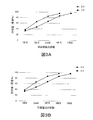
また、それぞれの試験において、各回の浮遊選鉱により泡沫として回収された固形分の回収量(全固形分に対する質量%)を図3Aに、各回の浮遊選鉱により泡沫として回収されたカルシウムの回収量(全固形分中のカルシウムの合計量に対する質量%)を図3Bに、それぞれ示す。 Further, in each test, the amount of solids recovered as foam by each flotation (mass% with respect to total solids) is shown in FIG. 3A, and the amount of calcium recovered as foam by each flotation (mass%). (Mass% based on the total amount of calcium in the total solid content) is shown in FIG. 3B, respectively.
表4、図3Aおよび図3Bに示すように、捕収剤としてオレイン酸ナトリウム(第1の捕収剤)およびドデシルベンゼンスルホン酸ナトリウム(第2の捕収剤)を併用する(試験2−A)と、より少ない浮遊選鉱の回数で、より多くの固形分を回収することができ、かつ、より多くのカルシウム成分を回収することができた。 As shown in Table 4, FIG. 3A and FIG. 3B, sodium oleate (first flotation agent) and sodium dodecylbenzenesulfonate (second flotation agent) are used in combination as a flotation agent (Test 2-A). ), And with a smaller number of flotations, more solids could be recovered and more calcium components could be recovered.
また、捕収剤を添加する前に、スラリーにカチオン性高分子凝集剤を添加すると(試験2−B)、より少ない浮遊選鉱の回数で、より多くの固形分を回収することができ、かつ、より多くのカルシウム成分を回収することができた。 In addition, if a cationic polymer flocculant is added to the slurry before the collection agent is added (Test 2-B), more solids can be recovered with a smaller number of flotations, and more solids can be recovered. , I was able to recover more calcium components.
本発明に係るカルシウムを含む固形分の回収方法は、スラリー化した製鋼スラグを湿式磁選した後の、カルシウム成分を含む非磁着物の固液分離による回収をより安価かつ容易に行えるため、製鉄におけるカルシウム資源の回収方法として有用である。 The method for recovering a solid content containing calcium according to the present invention can be recovered more inexpensively and easily by solid-liquid separation of a non-magnetic deposit containing a calcium component after wet magnetic separation of a slurry-made steelmaking slag, and thus in steelmaking. It is useful as a method for recovering calcium resources.
Claims (7)
前記スラリーに対し、浮遊選鉱を行う工程と、
を有する、カルシウムを含む固形分の回収方法。 The process of preparing a slurry containing a non-magnetic material selected by magnetic separation of steelmaking slag, and
A step of performing flotation on the slurry and
A method for recovering a solid content containing calcium.
Priority Applications (1)
| Application Number | Priority Date | Filing Date | Title |
|---|---|---|---|
| JP2020020586A JP7457303B2 (en) | 2020-02-10 | 2020-02-10 | Method for recovering calcium-containing solids |
Applications Claiming Priority (1)
| Application Number | Priority Date | Filing Date | Title |
|---|---|---|---|
| JP2020020586A JP7457303B2 (en) | 2020-02-10 | 2020-02-10 | Method for recovering calcium-containing solids |
Publications (2)
| Publication Number | Publication Date |
|---|---|
| JP2021123784A true JP2021123784A (en) | 2021-08-30 |
| JP7457303B2 JP7457303B2 (en) | 2024-03-28 |
Family
ID=77458335
Family Applications (1)
| Application Number | Title | Priority Date | Filing Date |
|---|---|---|---|
| JP2020020586A Active JP7457303B2 (en) | 2020-02-10 | 2020-02-10 | Method for recovering calcium-containing solids |
Country Status (1)
| Country | Link |
|---|---|
| JP (1) | JP7457303B2 (en) |
Citations (5)
| Publication number | Priority date | Publication date | Assignee | Title |
|---|---|---|---|---|
| JPS5383350A (en) * | 1976-12-29 | 1978-07-22 | Sumitomo Metal Mining Co | Method of removing suspended article by floating process |
| JPS6345119A (en) * | 1986-08-11 | 1988-02-26 | Nippon Kokan Kk <Nkk> | Recovery of lime and calcium fluoride |
| JPH08323321A (en) * | 1994-04-22 | 1996-12-10 | Mitsubishi Materials Corp | Treatment of fly ash |
| JP2006299394A (en) * | 2005-03-22 | 2006-11-02 | Taiheiyo Cement Corp | Method for treating fine powder containing calcium component and lead component |
| JP2018115366A (en) * | 2017-01-18 | 2018-07-26 | 日新製鋼株式会社 | Method for eluting calcium from steelmaking slag and method for recovering calcium from steelmaking slag |
Family Cites Families (1)
| Publication number | Priority date | Publication date | Assignee | Title |
|---|---|---|---|---|
| JP2019051472A (en) | 2017-09-14 | 2019-04-04 | 日新製鋼株式会社 | Magnetic separation method of steel-making slag, and magnetic separation device of steel-making slag |
-
2020
- 2020-02-10 JP JP2020020586A patent/JP7457303B2/en active Active
Patent Citations (5)
| Publication number | Priority date | Publication date | Assignee | Title |
|---|---|---|---|---|
| JPS5383350A (en) * | 1976-12-29 | 1978-07-22 | Sumitomo Metal Mining Co | Method of removing suspended article by floating process |
| JPS6345119A (en) * | 1986-08-11 | 1988-02-26 | Nippon Kokan Kk <Nkk> | Recovery of lime and calcium fluoride |
| JPH08323321A (en) * | 1994-04-22 | 1996-12-10 | Mitsubishi Materials Corp | Treatment of fly ash |
| JP2006299394A (en) * | 2005-03-22 | 2006-11-02 | Taiheiyo Cement Corp | Method for treating fine powder containing calcium component and lead component |
| JP2018115366A (en) * | 2017-01-18 | 2018-07-26 | 日新製鋼株式会社 | Method for eluting calcium from steelmaking slag and method for recovering calcium from steelmaking slag |
Also Published As
| Publication number | Publication date |
|---|---|
| JP7457303B2 (en) | 2024-03-28 |
Similar Documents
| Publication | Publication Date | Title |
|---|---|---|
| Huang et al. | A facile disposal of Bayer red mud based on selective flocculation desliming with organic humics | |
| CN102284372B (en) | Flotation method for carbonate minerals | |
| CA1078976A (en) | Beneficiation of lithium ores by froth flotation | |
| CN100427617C (en) | A method for comprehensive utilization of ironmaking blast furnace dust resources | |
| CN114798185B (en) | A flotation recovery method for high calcium, magnesium and high clay zinc carbonate | |
| CN103084274B (en) | Preparation method of high grade copper oxide concentrate | |
| CN107922993B (en) | Method for collecting high-grade scheelite concentrate and apparatus for collecting scheelite concentrate | |
| CN117000434B (en) | A lepidolite collector and a mineral processing method using the lepidolite collector | |
| Derqaoui et al. | Review of the reagents used in the direct flotation of phosphate ores | |
| Luo et al. | Improved flotation performance of hematite fines using citric acid as a dispersant | |
| CN116020655A (en) | A method for beneficiation and enrichment of lithium from sedimentary lithium-poor clay | |
| JPH08323321A (en) | Treatment of fly ash | |
| CN1954038B (en) | Method and reagents for separating finely divided ferrotitanium impurities from kaolin | |
| JP2006299394A (en) | Method for treating fine powder containing calcium component and lead component | |
| JP7457303B2 (en) | Method for recovering calcium-containing solids | |
| CN119237164B (en) | Mineral processing method for magnesium carbonate type low-grade fluorite ore | |
| CN104646173B (en) | Method for recovering manganese and carbon from low-grade carbon manganese ore | |
| CN117737452B (en) | A nickel alloy smelting method | |
| JP3178252B2 (en) | Metal recovery from fly ash | |
| CN108262155A (en) | The method for recycling particulate antimony oxide ore | |
| CN112317134A (en) | Compound dispersant for treating carbonate-containing iron ore and beneficiation method | |
| Ngobeni et al. | Selective flotation of mineralogically complex low-grade rare earth ore from Southern African deposit | |
| CN116060205A (en) | A process for recovering barite from the residual solid phase of thermal desorption of drilling oil-based cuttings | |
| El-Wekil et al. | Characterization and upgrading of Abu Shaar manganese ores using dry high-intensity magnetic separation | |
| JP6442636B1 (en) | Beneficiation method |
Legal Events
| Date | Code | Title | Description |
|---|---|---|---|
| RD01 | Notification of change of attorney |
Free format text: JAPANESE INTERMEDIATE CODE: A7426 Effective date: 20200304 |
|
| A521 | Request for written amendment filed |
Free format text: JAPANESE INTERMEDIATE CODE: A821 Effective date: 20200305 |
|
| A711 | Notification of change in applicant |
Free format text: JAPANESE INTERMEDIATE CODE: A712 Effective date: 20200901 |
|
| A621 | Written request for application examination |
Free format text: JAPANESE INTERMEDIATE CODE: A621 Effective date: 20230111 |
|
| A977 | Report on retrieval |
Free format text: JAPANESE INTERMEDIATE CODE: A971007 Effective date: 20231109 |
|
| A131 | Notification of reasons for refusal |
Free format text: JAPANESE INTERMEDIATE CODE: A131 Effective date: 20231114 |
|
| A521 | Request for written amendment filed |
Free format text: JAPANESE INTERMEDIATE CODE: A523 Effective date: 20231205 |
|
| TRDD | Decision of grant or rejection written | ||
| A01 | Written decision to grant a patent or to grant a registration (utility model) |
Free format text: JAPANESE INTERMEDIATE CODE: A01 Effective date: 20240206 |
|
| A61 | First payment of annual fees (during grant procedure) |
Free format text: JAPANESE INTERMEDIATE CODE: A61 Effective date: 20240306 |
|
| R150 | Certificate of patent or registration of utility model |
Ref document number: 7457303 Country of ref document: JP Free format text: JAPANESE INTERMEDIATE CODE: R150 |