JP5723084B2 - Method for preventing or treating sinusitis using redox potential aqueous solution - Google Patents
Method for preventing or treating sinusitis using redox potential aqueous solution Download PDFInfo
- Publication number
- JP5723084B2 JP5723084B2 JP2008551571A JP2008551571A JP5723084B2 JP 5723084 B2 JP5723084 B2 JP 5723084B2 JP 2008551571 A JP2008551571 A JP 2008551571A JP 2008551571 A JP2008551571 A JP 2008551571A JP 5723084 B2 JP5723084 B2 JP 5723084B2
- Authority
- JP
- Japan
- Prior art keywords
- water solution
- orp water
- solution
- chamber
- ppm
- Prior art date
- Legal status (The legal status is an assumption and is not a legal conclusion. Google has not performed a legal analysis and makes no representation as to the accuracy of the status listed.)
- Active
Links
- 238000000034 method Methods 0.000 title claims description 58
- 201000009890 sinusitis Diseases 0.000 title claims description 42
- 239000007864 aqueous solution Substances 0.000 title claims description 27
- XLYOFNOQVPJJNP-UHFFFAOYSA-N water Substances O XLYOFNOQVPJJNP-UHFFFAOYSA-N 0.000 claims description 504
- 239000000243 solution Substances 0.000 claims description 448
- 239000012266 salt solution Substances 0.000 claims description 61
- 238000011282 treatment Methods 0.000 claims description 58
- 239000000460 chlorine Substances 0.000 claims description 52
- 241000894007 species Species 0.000 claims description 49
- ZAMOUSCENKQFHK-UHFFFAOYSA-N Chlorine atom Chemical compound [Cl] ZAMOUSCENKQFHK-UHFFFAOYSA-N 0.000 claims description 42
- FAPWRFPIFSIZLT-UHFFFAOYSA-M Sodium chloride Chemical compound [Na+].[Cl-] FAPWRFPIFSIZLT-UHFFFAOYSA-M 0.000 claims description 42
- 229910052801 chlorine Inorganic materials 0.000 claims description 42
- 238000005868 electrolysis reaction Methods 0.000 claims description 38
- 239000000203 mixture Substances 0.000 claims description 35
- 208000015181 infectious disease Diseases 0.000 claims description 33
- 239000003814 drug Substances 0.000 claims description 30
- 239000011780 sodium chloride Substances 0.000 claims description 25
- OSVXSBDYLRYLIG-UHFFFAOYSA-N dioxidochlorine(.) Chemical compound O=Cl=O OSVXSBDYLRYLIG-UHFFFAOYSA-N 0.000 claims description 22
- 244000005700 microbiome Species 0.000 claims description 22
- 239000000969 carrier Substances 0.000 claims description 21
- QWPPOHNGKGFGJK-UHFFFAOYSA-N hypochlorous acid Chemical compound ClO QWPPOHNGKGFGJK-UHFFFAOYSA-N 0.000 claims description 19
- 238000004519 manufacturing process Methods 0.000 claims description 16
- 229940079593 drug Drugs 0.000 claims description 14
- 230000002265 prevention Effects 0.000 claims description 14
- SUKJFIGYRHOWBL-UHFFFAOYSA-N sodium hypochlorite Chemical compound [Na+].Cl[O-] SUKJFIGYRHOWBL-UHFFFAOYSA-N 0.000 claims description 14
- VEXZGXHMUGYJMC-UHFFFAOYSA-M Chloride anion Chemical compound [Cl-] VEXZGXHMUGYJMC-UHFFFAOYSA-M 0.000 claims description 12
- 239000004155 Chlorine dioxide Substances 0.000 claims description 11
- 241000193998 Streptococcus pneumoniae Species 0.000 claims description 11
- 235000019398 chlorine dioxide Nutrition 0.000 claims description 11
- 229940031000 streptococcus pneumoniae Drugs 0.000 claims description 11
- 229940124597 therapeutic agent Drugs 0.000 claims description 11
- 239000005708 Sodium hypochlorite Substances 0.000 claims description 10
- 239000012528 membrane Substances 0.000 claims description 10
- 239000002260 anti-inflammatory agent Substances 0.000 claims description 8
- 229940121363 anti-inflammatory agent Drugs 0.000 claims description 8
- 239000000850 decongestant Substances 0.000 claims description 7
- WQYVRQLZKVEZGA-UHFFFAOYSA-N hypochlorite Chemical compound Cl[O-] WQYVRQLZKVEZGA-UHFFFAOYSA-N 0.000 claims description 7
- 239000000739 antihistaminic agent Substances 0.000 claims description 6
- 229960005475 antiinfective agent Drugs 0.000 claims description 6
- 239000004599 antimicrobial Substances 0.000 claims description 6
- 239000003795 chemical substances by application Substances 0.000 claims description 6
- 239000008223 sterile water Substances 0.000 claims description 6
- KZBUYRJDOAKODT-UHFFFAOYSA-N Chlorine Chemical compound ClCl KZBUYRJDOAKODT-UHFFFAOYSA-N 0.000 claims description 5
- 241000606768 Haemophilus influenzae Species 0.000 claims description 5
- GUGOEEXESWIERI-UHFFFAOYSA-N Terfenadine Chemical compound C1=CC(C(C)(C)C)=CC=C1C(O)CCCN1CCC(C(O)(C=2C=CC=CC=2)C=2C=CC=CC=2)CC1 GUGOEEXESWIERI-UHFFFAOYSA-N 0.000 claims 2
- 230000001387 anti-histamine Effects 0.000 claims 2
- QBWCMBCROVPCKQ-UHFFFAOYSA-M chlorite Chemical compound [O-]Cl=O QBWCMBCROVPCKQ-UHFFFAOYSA-M 0.000 claims 2
- 229940005993 chlorite ion Drugs 0.000 claims 2
- 230000033116 oxidation-reduction process Effects 0.000 claims 2
- MHAJPDPJQMAIIY-UHFFFAOYSA-N Hydrogen peroxide Chemical compound OO MHAJPDPJQMAIIY-UHFFFAOYSA-N 0.000 description 131
- 210000004027 cell Anatomy 0.000 description 109
- 210000003630 histaminocyte Anatomy 0.000 description 60
- 210000001519 tissue Anatomy 0.000 description 53
- 238000012360 testing method Methods 0.000 description 43
- 239000000427 antigen Substances 0.000 description 42
- 102000036639 antigens Human genes 0.000 description 42
- 108091007433 antigens Proteins 0.000 description 42
- 241000700605 Viruses Species 0.000 description 40
- 241000894006 Bacteria Species 0.000 description 36
- 239000007844 bleaching agent Substances 0.000 description 36
- 238000006722 reduction reaction Methods 0.000 description 36
- 230000009467 reduction Effects 0.000 description 34
- 239000000758 substrate Substances 0.000 description 34
- 238000002360 preparation method Methods 0.000 description 31
- 241001465754 Metazoa Species 0.000 description 27
- 230000000694 effects Effects 0.000 description 26
- 230000004054 inflammatory process Effects 0.000 description 25
- 241000233866 Fungi Species 0.000 description 23
- 206010061218 Inflammation Diseases 0.000 description 23
- 208000027418 Wounds and injury Diseases 0.000 description 23
- 238000006243 chemical reaction Methods 0.000 description 22
- 238000004659 sterilization and disinfection Methods 0.000 description 22
- 206010052428 Wound Diseases 0.000 description 21
- 230000028327 secretion Effects 0.000 description 21
- 206010020751 Hypersensitivity Diseases 0.000 description 20
- 241000283973 Oryctolagus cuniculus Species 0.000 description 20
- 239000004744 fabric Substances 0.000 description 20
- -1 hypochlorite ions Chemical class 0.000 description 20
- 239000000463 material Substances 0.000 description 19
- 108090000695 Cytokines Proteins 0.000 description 18
- NTYJJOPFIAHURM-UHFFFAOYSA-N Histamine Chemical compound NCCC1=CN=CN1 NTYJJOPFIAHURM-UHFFFAOYSA-N 0.000 description 18
- HEMHJVSKTPXQMS-UHFFFAOYSA-M Sodium hydroxide Chemical compound [OH-].[Na+] HEMHJVSKTPXQMS-UHFFFAOYSA-M 0.000 description 18
- 238000001356 surgical procedure Methods 0.000 description 18
- 239000003085 diluting agent Substances 0.000 description 17
- 230000001954 sterilising effect Effects 0.000 description 17
- 239000000725 suspension Substances 0.000 description 17
- 206010009137 Chronic sinusitis Diseases 0.000 description 16
- 239000003242 anti bacterial agent Substances 0.000 description 16
- 208000027157 chronic rhinosinusitis Diseases 0.000 description 16
- 210000003491 skin Anatomy 0.000 description 16
- 102000004127 Cytokines Human genes 0.000 description 15
- 201000007100 Pharyngitis Diseases 0.000 description 15
- 230000000813 microbial effect Effects 0.000 description 15
- 208000024891 symptom Diseases 0.000 description 15
- 241000700159 Rattus Species 0.000 description 14
- 208000006673 asthma Diseases 0.000 description 14
- 238000004140 cleaning Methods 0.000 description 14
- 230000002829 reductive effect Effects 0.000 description 14
- 229940088710 antibiotic agent Drugs 0.000 description 13
- 239000003014 ion exchange membrane Substances 0.000 description 13
- 238000002156 mixing Methods 0.000 description 13
- 108060008682 Tumor Necrosis Factor Proteins 0.000 description 12
- 102000000852 Tumor Necrosis Factor-alpha Human genes 0.000 description 12
- 239000013566 allergen Substances 0.000 description 12
- 239000002609 medium Substances 0.000 description 12
- 239000000047 product Substances 0.000 description 12
- 206010028851 Necrosis Diseases 0.000 description 11
- 239000007789 gas Substances 0.000 description 11
- 230000017074 necrotic cell death Effects 0.000 description 11
- 230000008569 process Effects 0.000 description 11
- 230000000241 respiratory effect Effects 0.000 description 11
- 239000000523 sample Substances 0.000 description 11
- 239000000126 substance Substances 0.000 description 11
- 241000701161 unidentified adenovirus Species 0.000 description 11
- MZOFCQQQCNRIBI-VMXHOPILSA-N (3s)-4-[[(2s)-1-[[(2s)-1-[[(1s)-1-carboxy-2-hydroxyethyl]amino]-4-methyl-1-oxopentan-2-yl]amino]-5-(diaminomethylideneamino)-1-oxopentan-2-yl]amino]-3-[[2-[[(2s)-2,6-diaminohexanoyl]amino]acetyl]amino]-4-oxobutanoic acid Chemical compound OC[C@@H](C(O)=O)NC(=O)[C@H](CC(C)C)NC(=O)[C@H](CCCN=C(N)N)NC(=O)[C@H](CC(O)=O)NC(=O)CNC(=O)[C@@H](N)CCCCN MZOFCQQQCNRIBI-VMXHOPILSA-N 0.000 description 10
- 239000000443 aerosol Substances 0.000 description 10
- 238000004458 analytical method Methods 0.000 description 10
- 230000000845 anti-microbial effect Effects 0.000 description 10
- 230000015572 biosynthetic process Effects 0.000 description 10
- 210000000981 epithelium Anatomy 0.000 description 10
- 150000002500 ions Chemical class 0.000 description 10
- 239000001301 oxygen Substances 0.000 description 10
- 229910052760 oxygen Inorganic materials 0.000 description 10
- 230000004044 response Effects 0.000 description 10
- 239000007921 spray Substances 0.000 description 10
- HCAJQHYUCKICQH-VPENINKCSA-N 8-Oxo-7,8-dihydro-2'-deoxyguanosine Chemical compound C1=2NC(N)=NC(=O)C=2NC(=O)N1[C@H]1C[C@H](O)[C@@H](CO)O1 HCAJQHYUCKICQH-VPENINKCSA-N 0.000 description 9
- 241000193830 Bacillus <bacterium> Species 0.000 description 9
- 241000588724 Escherichia coli Species 0.000 description 9
- 241000589517 Pseudomonas aeruginosa Species 0.000 description 9
- 241000191967 Staphylococcus aureus Species 0.000 description 9
- 241000194017 Streptococcus Species 0.000 description 9
- 230000006907 apoptotic process Effects 0.000 description 9
- 238000003556 assay Methods 0.000 description 9
- QVGXLLKOCUKJST-UHFFFAOYSA-N atomic oxygen Chemical compound [O] QVGXLLKOCUKJST-UHFFFAOYSA-N 0.000 description 9
- 238000010790 dilution Methods 0.000 description 9
- 239000012895 dilution Substances 0.000 description 9
- 229960001340 histamine Drugs 0.000 description 9
- 238000000338 in vitro Methods 0.000 description 9
- 239000002243 precursor Substances 0.000 description 9
- 108090000623 proteins and genes Proteins 0.000 description 9
- 206010001076 Acute sinusitis Diseases 0.000 description 8
- 102000004190 Enzymes Human genes 0.000 description 8
- 108090000790 Enzymes Proteins 0.000 description 8
- 241000725303 Human immunodeficiency virus Species 0.000 description 8
- 241000699666 Mus <mouse, genus> Species 0.000 description 8
- 230000004913 activation Effects 0.000 description 8
- 230000002411 adverse Effects 0.000 description 8
- 208000026935 allergic disease Diseases 0.000 description 8
- 230000003833 cell viability Effects 0.000 description 8
- YZIYKJHYYHPJIB-UUPCJSQJSA-N chlorhexidine gluconate Chemical compound OC[C@@H](O)[C@@H](O)[C@H](O)[C@@H](O)C(O)=O.OC[C@@H](O)[C@@H](O)[C@H](O)[C@@H](O)C(O)=O.C1=CC(Cl)=CC=C1NC(=N)NC(=N)NCCCCCCNC(=N)NC(=N)NC1=CC=C(Cl)C=C1 YZIYKJHYYHPJIB-UUPCJSQJSA-N 0.000 description 8
- 230000001684 chronic effect Effects 0.000 description 8
- 230000006378 damage Effects 0.000 description 8
- 210000002950 fibroblast Anatomy 0.000 description 8
- 230000036541 health Effects 0.000 description 8
- 230000002458 infectious effect Effects 0.000 description 8
- 239000007788 liquid Substances 0.000 description 8
- 229920003023 plastic Polymers 0.000 description 8
- 239000004033 plastic Substances 0.000 description 8
- 150000003839 salts Chemical class 0.000 description 8
- 230000000638 stimulation Effects 0.000 description 8
- 241000713772 Human immunodeficiency virus 1 Species 0.000 description 7
- 206010020880 Hypertrophy Diseases 0.000 description 7
- CBENFWSGALASAD-UHFFFAOYSA-N Ozone Chemical compound [O-][O+]=O CBENFWSGALASAD-UHFFFAOYSA-N 0.000 description 7
- 230000000844 anti-bacterial effect Effects 0.000 description 7
- 230000001580 bacterial effect Effects 0.000 description 7
- 239000000872 buffer Substances 0.000 description 7
- 210000001180 ethmoid sinus Anatomy 0.000 description 7
- 238000011156 evaluation Methods 0.000 description 7
- 230000014509 gene expression Effects 0.000 description 7
- 230000002401 inhibitory effect Effects 0.000 description 7
- 229940021182 non-steroidal anti-inflammatory drug Drugs 0.000 description 7
- 150000002978 peroxides Chemical class 0.000 description 7
- 235000018102 proteins Nutrition 0.000 description 7
- 102000004169 proteins and genes Human genes 0.000 description 7
- 239000011734 sodium Substances 0.000 description 7
- 239000006228 supernatant Substances 0.000 description 7
- 108091032973 (ribonucleotides)n+m Proteins 0.000 description 6
- 108010001478 Bacitracin Proteins 0.000 description 6
- 241000222122 Candida albicans Species 0.000 description 6
- 108020004414 DNA Proteins 0.000 description 6
- WSFSSNUMVMOOMR-UHFFFAOYSA-N Formaldehyde Chemical compound O=C WSFSSNUMVMOOMR-UHFFFAOYSA-N 0.000 description 6
- 108090001005 Interleukin-6 Proteins 0.000 description 6
- 102000004889 Interleukin-6 Human genes 0.000 description 6
- 206010039085 Rhinitis allergic Diseases 0.000 description 6
- 230000005856 abnormality Effects 0.000 description 6
- 208000016150 acute pharyngitis Diseases 0.000 description 6
- 238000012387 aerosolization Methods 0.000 description 6
- 201000010105 allergic rhinitis Diseases 0.000 description 6
- 238000000889 atomisation Methods 0.000 description 6
- 229960003071 bacitracin Drugs 0.000 description 6
- 229930184125 bacitracin Natural products 0.000 description 6
- CLKOFPXJLQSYAH-ABRJDSQDSA-N bacitracin A Chemical compound C1SC([C@@H](N)[C@@H](C)CC)=N[C@@H]1C(=O)N[C@@H](CC(C)C)C(=O)N[C@H](CCC(O)=O)C(=O)N[C@@H]([C@@H](C)CC)C(=O)N[C@@H]1C(=O)N[C@H](CCCN)C(=O)N[C@@H]([C@@H](C)CC)C(=O)N[C@H](CC=2C=CC=CC=2)C(=O)N[C@@H](CC=2N=CNC=2)C(=O)N[C@H](CC(O)=O)C(=O)N[C@@H](CC(N)=O)C(=O)NCCCC1 CLKOFPXJLQSYAH-ABRJDSQDSA-N 0.000 description 6
- 210000004369 blood Anatomy 0.000 description 6
- 239000008280 blood Substances 0.000 description 6
- 239000003710 calcium ionophore Substances 0.000 description 6
- 229940095731 candida albicans Drugs 0.000 description 6
- 239000000645 desinfectant Substances 0.000 description 6
- 238000011534 incubation Methods 0.000 description 6
- 210000004072 lung Anatomy 0.000 description 6
- 230000001404 mediated effect Effects 0.000 description 6
- 210000004379 membrane Anatomy 0.000 description 6
- 238000002663 nebulization Methods 0.000 description 6
- 239000006199 nebulizer Substances 0.000 description 6
- 230000001590 oxidative effect Effects 0.000 description 6
- 229920000642 polymer Polymers 0.000 description 6
- 238000011084 recovery Methods 0.000 description 6
- 230000003612 virological effect Effects 0.000 description 6
- 108020005124 DNA Adducts Proteins 0.000 description 5
- 108010043121 Green Fluorescent Proteins Proteins 0.000 description 5
- 241000282412 Homo Species 0.000 description 5
- 241000191938 Micrococcus luteus Species 0.000 description 5
- 238000011887 Necropsy Methods 0.000 description 5
- 229930182555 Penicillin Natural products 0.000 description 5
- 206010072369 Pharyngeal exudate Diseases 0.000 description 5
- OUUQCZGPVNCOIJ-UHFFFAOYSA-M Superoxide Chemical compound [O-][O] OUUQCZGPVNCOIJ-UHFFFAOYSA-M 0.000 description 5
- 230000001154 acute effect Effects 0.000 description 5
- 206010001093 acute tonsillitis Diseases 0.000 description 5
- 102000007478 beta-N-Acetylhexosaminidases Human genes 0.000 description 5
- 108010085377 beta-N-Acetylhexosaminidases Proteins 0.000 description 5
- 238000004061 bleaching Methods 0.000 description 5
- 210000004081 cilia Anatomy 0.000 description 5
- 150000001875 compounds Chemical class 0.000 description 5
- 230000000120 cytopathologic effect Effects 0.000 description 5
- 229940124581 decongestants Drugs 0.000 description 5
- 230000003247 decreasing effect Effects 0.000 description 5
- 239000000835 fiber Substances 0.000 description 5
- 229940098803 hibiclens Drugs 0.000 description 5
- 230000001965 increasing effect Effects 0.000 description 5
- 108020004999 messenger RNA Proteins 0.000 description 5
- 239000003595 mist Substances 0.000 description 5
- 244000052769 pathogen Species 0.000 description 5
- 239000013612 plasmid Substances 0.000 description 5
- 150000003254 radicals Chemical class 0.000 description 5
- 210000002345 respiratory system Anatomy 0.000 description 5
- 201000003068 rheumatic fever Diseases 0.000 description 5
- 150000003431 steroids Chemical class 0.000 description 5
- 230000009885 systemic effect Effects 0.000 description 5
- 231100000331 toxic Toxicity 0.000 description 5
- 230000002588 toxic effect Effects 0.000 description 5
- 238000013518 transcription Methods 0.000 description 5
- 230000035897 transcription Effects 0.000 description 5
- 230000005951 type IV hypersensitivity Effects 0.000 description 5
- 208000027930 type IV hypersensitivity disease Diseases 0.000 description 5
- HVAUUPRFYPCOCA-AREMUKBSSA-N 2-O-acetyl-1-O-hexadecyl-sn-glycero-3-phosphocholine Chemical compound CCCCCCCCCCCCCCCCOC[C@@H](OC(C)=O)COP([O-])(=O)OCC[N+](C)(C)C HVAUUPRFYPCOCA-AREMUKBSSA-N 0.000 description 4
- 241000222178 Candida tropicalis Species 0.000 description 4
- 108010035532 Collagen Proteins 0.000 description 4
- 102000008186 Collagen Human genes 0.000 description 4
- 241000709687 Coxsackievirus Species 0.000 description 4
- 208000006313 Delayed Hypersensitivity Diseases 0.000 description 4
- 241000194032 Enterococcus faecalis Species 0.000 description 4
- 241000709661 Enterovirus Species 0.000 description 4
- ULGZDMOVFRHVEP-RWJQBGPGSA-N Erythromycin Chemical compound O([C@@H]1[C@@H](C)C(=O)O[C@@H]([C@@]([C@H](O)[C@@H](C)C(=O)[C@H](C)C[C@@](C)(O)[C@H](O[C@H]2[C@@H]([C@H](C[C@@H](C)O2)N(C)C)O)[C@H]1C)(C)O)CC)[C@H]1C[C@@](C)(OC)[C@@H](O)[C@H](C)O1 ULGZDMOVFRHVEP-RWJQBGPGSA-N 0.000 description 4
- 102000004144 Green Fluorescent Proteins Human genes 0.000 description 4
- VEXZGXHMUGYJMC-UHFFFAOYSA-N Hydrochloric acid Chemical compound Cl VEXZGXHMUGYJMC-UHFFFAOYSA-N 0.000 description 4
- UFHFLCQGNIYNRP-UHFFFAOYSA-N Hydrogen Chemical compound [H][H] UFHFLCQGNIYNRP-UHFFFAOYSA-N 0.000 description 4
- JGSARLDLIJGVTE-MBNYWOFBSA-N Penicillin G Chemical compound N([C@H]1[C@H]2SC([C@@H](N2C1=O)C(O)=O)(C)C)C(=O)CC1=CC=CC=C1 JGSARLDLIJGVTE-MBNYWOFBSA-N 0.000 description 4
- 108010003541 Platelet Activating Factor Proteins 0.000 description 4
- 239000004698 Polyethylene Substances 0.000 description 4
- 239000004743 Polypropylene Substances 0.000 description 4
- 240000004808 Saccharomyces cerevisiae Species 0.000 description 4
- 241000191963 Staphylococcus epidermidis Species 0.000 description 4
- 210000001744 T-lymphocyte Anatomy 0.000 description 4
- 108010059993 Vancomycin Proteins 0.000 description 4
- 230000007815 allergy Effects 0.000 description 4
- 150000001450 anions Chemical class 0.000 description 4
- 229940125715 antihistaminic agent Drugs 0.000 description 4
- 239000003443 antiviral agent Substances 0.000 description 4
- 230000000721 bacterilogical effect Effects 0.000 description 4
- 230000003115 biocidal effect Effects 0.000 description 4
- 238000004113 cell culture Methods 0.000 description 4
- 229920001436 collagen Polymers 0.000 description 4
- 230000003111 delayed effect Effects 0.000 description 4
- 201000010099 disease Diseases 0.000 description 4
- 208000037265 diseases, disorders, signs and symptoms Diseases 0.000 description 4
- 239000012153 distilled water Substances 0.000 description 4
- 238000009826 distribution Methods 0.000 description 4
- 239000000428 dust Substances 0.000 description 4
- 229940032049 enterococcus faecalis Drugs 0.000 description 4
- 230000007613 environmental effect Effects 0.000 description 4
- CJAONIOAQZUHPN-KKLWWLSJSA-N ethyl 12-[[2-[(2r,3r)-3-[2-[(12-ethoxy-12-oxododecyl)-methylamino]-2-oxoethoxy]butan-2-yl]oxyacetyl]-methylamino]dodecanoate Chemical compound CCOC(=O)CCCCCCCCCCCN(C)C(=O)CO[C@H](C)[C@@H](C)OCC(=O)N(C)CCCCCCCCCCCC(=O)OCC CJAONIOAQZUHPN-KKLWWLSJSA-N 0.000 description 4
- 208000024711 extrinsic asthma Diseases 0.000 description 4
- 230000006870 function Effects 0.000 description 4
- 230000002538 fungal effect Effects 0.000 description 4
- 210000002175 goblet cell Anatomy 0.000 description 4
- 239000005090 green fluorescent protein Substances 0.000 description 4
- 230000012010 growth Effects 0.000 description 4
- 230000035876 healing Effects 0.000 description 4
- 229920001903 high density polyethylene Polymers 0.000 description 4
- 239000004700 high-density polyethylene Substances 0.000 description 4
- 230000009610 hypersensitivity Effects 0.000 description 4
- 230000008595 infiltration Effects 0.000 description 4
- 238000001764 infiltration Methods 0.000 description 4
- 210000004969 inflammatory cell Anatomy 0.000 description 4
- 230000003434 inspiratory effect Effects 0.000 description 4
- 239000010410 layer Substances 0.000 description 4
- 210000004698 lymphocyte Anatomy 0.000 description 4
- 229910052751 metal Inorganic materials 0.000 description 4
- 239000002184 metal Substances 0.000 description 4
- 210000000214 mouth Anatomy 0.000 description 4
- 210000004400 mucous membrane Anatomy 0.000 description 4
- 210000003097 mucus Anatomy 0.000 description 4
- 210000003928 nasal cavity Anatomy 0.000 description 4
- 239000004745 nonwoven fabric Substances 0.000 description 4
- 230000036407 pain Effects 0.000 description 4
- 229940049954 penicillin Drugs 0.000 description 4
- 229920000573 polyethylene Polymers 0.000 description 4
- 229920001155 polypropylene Polymers 0.000 description 4
- 108020003175 receptors Proteins 0.000 description 4
- 102000005962 receptors Human genes 0.000 description 4
- 229910001415 sodium ion Inorganic materials 0.000 description 4
- 229960003165 vancomycin Drugs 0.000 description 4
- MYPYJXKWCTUITO-UHFFFAOYSA-N vancomycin Natural products O1C(C(=C2)Cl)=CC=C2C(O)C(C(NC(C2=CC(O)=CC(O)=C2C=2C(O)=CC=C3C=2)C(O)=O)=O)NC(=O)C3NC(=O)C2NC(=O)C(CC(N)=O)NC(=O)C(NC(=O)C(CC(C)C)NC)C(O)C(C=C3Cl)=CC=C3OC3=CC2=CC1=C3OC1OC(CO)C(O)C(O)C1OC1CC(C)(N)C(O)C(C)O1 MYPYJXKWCTUITO-UHFFFAOYSA-N 0.000 description 4
- MYPYJXKWCTUITO-LYRMYLQWSA-O vancomycin(1+) Chemical compound O([C@@H]1[C@@H](O)[C@H](O)[C@@H](CO)O[C@H]1OC1=C2C=C3C=C1OC1=CC=C(C=C1Cl)[C@@H](O)[C@H](C(N[C@@H](CC(N)=O)C(=O)N[C@H]3C(=O)N[C@H]1C(=O)N[C@H](C(N[C@@H](C3=CC(O)=CC(O)=C3C=3C(O)=CC=C1C=3)C([O-])=O)=O)[C@H](O)C1=CC=C(C(=C1)Cl)O2)=O)NC(=O)[C@@H](CC(C)C)[NH2+]C)[C@H]1C[C@](C)([NH3+])[C@H](O)[C@H](C)O1 MYPYJXKWCTUITO-LYRMYLQWSA-O 0.000 description 4
- 230000035899 viability Effects 0.000 description 4
- 230000003253 viricidal effect Effects 0.000 description 4
- 229920001817 Agar Polymers 0.000 description 3
- 241000228212 Aspergillus Species 0.000 description 3
- IJGRMHOSHXDMSA-UHFFFAOYSA-N Atomic nitrogen Chemical compound N#N IJGRMHOSHXDMSA-UHFFFAOYSA-N 0.000 description 3
- 206010003694 Atrophy Diseases 0.000 description 3
- 235000014469 Bacillus subtilis Nutrition 0.000 description 3
- 206010006482 Bronchospasm Diseases 0.000 description 3
- ZKQDCIXGCQPQNV-UHFFFAOYSA-N Calcium hypochlorite Chemical compound [Ca+2].Cl[O-].Cl[O-] ZKQDCIXGCQPQNV-UHFFFAOYSA-N 0.000 description 3
- 229920000742 Cotton Polymers 0.000 description 3
- 208000001840 Dandruff Diseases 0.000 description 3
- 238000008157 ELISA kit Methods 0.000 description 3
- 241000196324 Embryophyta Species 0.000 description 3
- 108090000176 Interleukin-13 Proteins 0.000 description 3
- 102000003816 Interleukin-13 Human genes 0.000 description 3
- 241000699670 Mus sp. Species 0.000 description 3
- 206010068319 Oropharyngeal pain Diseases 0.000 description 3
- 206010034839 Pharyngitis streptococcal Diseases 0.000 description 3
- 229920000297 Rayon Polymers 0.000 description 3
- 241000607715 Serratia marcescens Species 0.000 description 3
- 241000192087 Staphylococcus hominis Species 0.000 description 3
- 241001505901 Streptococcus sp. 'group A' Species 0.000 description 3
- 206010044013 Tonsillitis streptococcal Diseases 0.000 description 3
- 239000008272 agar Substances 0.000 description 3
- 230000037444 atrophy Effects 0.000 description 3
- 230000001363 autoimmune Effects 0.000 description 3
- 230000008901 benefit Effects 0.000 description 3
- 210000004204 blood vessel Anatomy 0.000 description 3
- 230000037396 body weight Effects 0.000 description 3
- 210000001185 bone marrow Anatomy 0.000 description 3
- 150000001720 carbohydrates Chemical class 0.000 description 3
- 235000014633 carbohydrates Nutrition 0.000 description 3
- 230000015556 catabolic process Effects 0.000 description 3
- 150000001768 cations Chemical group 0.000 description 3
- 230000020411 cell activation Effects 0.000 description 3
- 230000008859 change Effects 0.000 description 3
- 229960003333 chlorhexidine gluconate Drugs 0.000 description 3
- IMZMKUWMOSJXDT-UHFFFAOYSA-N cromoglycic acid Chemical compound O1C(C(O)=O)=CC(=O)C2=C1C=CC=C2OCC(O)COC1=CC=CC2=C1C(=O)C=C(C(O)=O)O2 IMZMKUWMOSJXDT-UHFFFAOYSA-N 0.000 description 3
- 238000005520 cutting process Methods 0.000 description 3
- 231100000433 cytotoxic Toxicity 0.000 description 3
- 230000001472 cytotoxic effect Effects 0.000 description 3
- 230000034994 death Effects 0.000 description 3
- 231100000517 death Toxicity 0.000 description 3
- 238000006731 degradation reaction Methods 0.000 description 3
- 238000001514 detection method Methods 0.000 description 3
- 238000000684 flow cytometry Methods 0.000 description 3
- UQSQSQZYBQSBJZ-UHFFFAOYSA-N fluorosulfonic acid Chemical compound OS(F)(=O)=O UQSQSQZYBQSBJZ-UHFFFAOYSA-N 0.000 description 3
- 210000001214 frontal sinus Anatomy 0.000 description 3
- 102000006602 glyceraldehyde-3-phosphate dehydrogenase Human genes 0.000 description 3
- 108020004445 glyceraldehyde-3-phosphate dehydrogenase Proteins 0.000 description 3
- 238000012333 histopathological diagnosis Methods 0.000 description 3
- 206010022000 influenza Diseases 0.000 description 3
- 208000014674 injury Diseases 0.000 description 3
- 239000002054 inoculum Substances 0.000 description 3
- 230000000670 limiting effect Effects 0.000 description 3
- 230000007774 longterm Effects 0.000 description 3
- 210000004962 mammalian cell Anatomy 0.000 description 3
- 210000004086 maxillary sinus Anatomy 0.000 description 3
- 238000005259 measurement Methods 0.000 description 3
- 230000003843 mucus production Effects 0.000 description 3
- 210000002850 nasal mucosa Anatomy 0.000 description 3
- 230000007935 neutral effect Effects 0.000 description 3
- 231100000956 nontoxicity Toxicity 0.000 description 3
- 238000007254 oxidation reaction Methods 0.000 description 3
- 239000008188 pellet Substances 0.000 description 3
- NLKNQRATVPKPDG-UHFFFAOYSA-M potassium iodide Chemical compound [K+].[I-] NLKNQRATVPKPDG-UHFFFAOYSA-M 0.000 description 3
- 230000000770 proinflammatory effect Effects 0.000 description 3
- 238000003757 reverse transcription PCR Methods 0.000 description 3
- 206010039083 rhinitis Diseases 0.000 description 3
- 210000003718 sphenoid sinus Anatomy 0.000 description 3
- 238000007619 statistical method Methods 0.000 description 3
- 238000003860 storage Methods 0.000 description 3
- 239000004094 surface-active agent Substances 0.000 description 3
- 239000012209 synthetic fiber Substances 0.000 description 3
- 229920002994 synthetic fiber Polymers 0.000 description 3
- 231100000057 systemic toxicity Toxicity 0.000 description 3
- 239000004753 textile Substances 0.000 description 3
- 206010044008 tonsillitis Diseases 0.000 description 3
- 241000712461 unidentified influenza virus Species 0.000 description 3
- 230000029663 wound healing Effects 0.000 description 3
- YXHLJMWYDTXDHS-IRFLANFNSA-N 7-aminoactinomycin D Chemical compound C[C@H]1OC(=O)[C@H](C(C)C)N(C)C(=O)CN(C)C(=O)[C@@H]2CCCN2C(=O)[C@@H](C(C)C)NC(=O)[C@H]1NC(=O)C1=C(N)C(=O)C(C)=C2OC(C(C)=C(N)C=C3C(=O)N[C@@H]4C(=O)N[C@@H](C(N5CCC[C@H]5C(=O)N(C)CC(=O)N(C)[C@@H](C(C)C)C(=O)O[C@@H]4C)=O)C(C)C)=C3N=C21 YXHLJMWYDTXDHS-IRFLANFNSA-N 0.000 description 2
- 108700012813 7-aminoactinomycin D Proteins 0.000 description 2
- 241000588626 Acinetobacter baumannii Species 0.000 description 2
- 241000588625 Acinetobacter sp. Species 0.000 description 2
- NLXLAEXVIDQMFP-UHFFFAOYSA-N Ammonia chloride Chemical compound [NH4+].[Cl-] NLXLAEXVIDQMFP-UHFFFAOYSA-N 0.000 description 2
- 108090000672 Annexin A5 Proteins 0.000 description 2
- 102000004121 Annexin A5 Human genes 0.000 description 2
- 208000023275 Autoimmune disease Diseases 0.000 description 2
- 244000063299 Bacillus subtilis Species 0.000 description 2
- 208000035143 Bacterial infection Diseases 0.000 description 2
- 241000606124 Bacteroides fragilis Species 0.000 description 2
- 102100031277 Calcineurin B homologous protein 1 Human genes 0.000 description 2
- UXVMQQNJUSDDNG-UHFFFAOYSA-L Calcium chloride Chemical compound [Cl-].[Cl-].[Ca+2] UXVMQQNJUSDDNG-UHFFFAOYSA-L 0.000 description 2
- 241000222120 Candida <Saccharomycetales> Species 0.000 description 2
- CURLTUGMZLYLDI-UHFFFAOYSA-N Carbon dioxide Chemical compound O=C=O CURLTUGMZLYLDI-UHFFFAOYSA-N 0.000 description 2
- 208000005623 Carcinogenesis Diseases 0.000 description 2
- 206010012438 Dermatitis atopic Diseases 0.000 description 2
- 238000002965 ELISA Methods 0.000 description 2
- 241000194031 Enterococcus faecium Species 0.000 description 2
- 241000194029 Enterococcus hirae Species 0.000 description 2
- 206010015946 Eye irritation Diseases 0.000 description 2
- WZUVPPKBWHMQCE-UHFFFAOYSA-N Haematoxylin Chemical compound C12=CC(O)=C(O)C=C2CC2(O)C1C1=CC=C(O)C(O)=C1OC2 WZUVPPKBWHMQCE-UHFFFAOYSA-N 0.000 description 2
- 101000979342 Homo sapiens Nuclear factor NF-kappa-B p105 subunit Proteins 0.000 description 2
- 102000009438 IgE Receptors Human genes 0.000 description 2
- 108010073816 IgE Receptors Proteins 0.000 description 2
- DGAQECJNVWCQMB-PUAWFVPOSA-M Ilexoside XXIX Chemical compound C[C@@H]1CC[C@@]2(CC[C@@]3(C(=CC[C@H]4[C@]3(CC[C@@H]5[C@@]4(CC[C@@H](C5(C)C)OS(=O)(=O)[O-])C)C)[C@@H]2[C@]1(C)O)C)C(=O)O[C@H]6[C@@H]([C@H]([C@@H]([C@H](O6)CO)O)O)O.[Na+] DGAQECJNVWCQMB-PUAWFVPOSA-M 0.000 description 2
- 208000001718 Immediate Hypersensitivity Diseases 0.000 description 2
- 108090000978 Interleukin-4 Proteins 0.000 description 2
- 108010002616 Interleukin-5 Proteins 0.000 description 2
- XEEYBQQBJWHFJM-UHFFFAOYSA-N Iron Chemical compound [Fe] XEEYBQQBJWHFJM-UHFFFAOYSA-N 0.000 description 2
- 241000588749 Klebsiella oxytoca Species 0.000 description 2
- 241000588747 Klebsiella pneumoniae Species 0.000 description 2
- TWRXJAOTZQYOKJ-UHFFFAOYSA-L Magnesium chloride Chemical compound [Mg+2].[Cl-].[Cl-] TWRXJAOTZQYOKJ-UHFFFAOYSA-L 0.000 description 2
- 241000124008 Mammalia Species 0.000 description 2
- 229910019093 NaOCl Inorganic materials 0.000 description 2
- 208000000592 Nasal Polyps Diseases 0.000 description 2
- GQPLMRYTRLFLPF-UHFFFAOYSA-N Nitrous Oxide Chemical compound [O-][N+]#N GQPLMRYTRLFLPF-UHFFFAOYSA-N 0.000 description 2
- 102100023050 Nuclear factor NF-kappa-B p105 subunit Human genes 0.000 description 2
- 239000004677 Nylon Substances 0.000 description 2
- 206010030113 Oedema Diseases 0.000 description 2
- WCUXLLCKKVVCTQ-UHFFFAOYSA-M Potassium chloride Chemical compound [Cl-].[K+] WCUXLLCKKVVCTQ-UHFFFAOYSA-M 0.000 description 2
- 206010063493 Premature ageing Diseases 0.000 description 2
- 208000032038 Premature aging Diseases 0.000 description 2
- 241000588770 Proteus mirabilis Species 0.000 description 2
- 206010070834 Sensitisation Diseases 0.000 description 2
- 201000003176 Severe Acute Respiratory Syndrome Diseases 0.000 description 2
- 241000607764 Shigella dysenteriae Species 0.000 description 2
- 206010040880 Skin irritation Diseases 0.000 description 2
- 206010072170 Skin wound Diseases 0.000 description 2
- 241001147691 Staphylococcus saprophyticus Species 0.000 description 2
- 241000193996 Streptococcus pyogenes Species 0.000 description 2
- 208000002847 Surgical Wound Diseases 0.000 description 2
- 102100027654 Transcription factor PU.1 Human genes 0.000 description 2
- 206010052779 Transplant rejections Diseases 0.000 description 2
- 206010045240 Type I hypersensitivity Diseases 0.000 description 2
- 206010054000 Type II hypersensitivity Diseases 0.000 description 2
- 206010053614 Type III immune complex mediated reaction Diseases 0.000 description 2
- 230000002159 abnormal effect Effects 0.000 description 2
- 238000005299 abrasion Methods 0.000 description 2
- 230000032683 aging Effects 0.000 description 2
- 239000013572 airborne allergen Substances 0.000 description 2
- 230000000172 allergic effect Effects 0.000 description 2
- 230000003321 amplification Effects 0.000 description 2
- 235000021120 animal protein Nutrition 0.000 description 2
- 230000003110 anti-inflammatory effect Effects 0.000 description 2
- 229940121375 antifungal agent Drugs 0.000 description 2
- 239000003429 antifungal agent Substances 0.000 description 2
- 208000010216 atopic IgE responsiveness Diseases 0.000 description 2
- 201000008937 atopic dermatitis Diseases 0.000 description 2
- 208000010668 atopic eczema Diseases 0.000 description 2
- 238000011888 autopsy Methods 0.000 description 2
- 229960004099 azithromycin Drugs 0.000 description 2
- MQTOSJVFKKJCRP-BICOPXKESA-N azithromycin Chemical compound O([C@@H]1[C@@H](C)C(=O)O[C@@H]([C@@]([C@H](O)[C@@H](C)N(C)C[C@H](C)C[C@@](C)(O)[C@H](O[C@H]2[C@@H]([C@H](C[C@@H](C)O2)N(C)C)O)[C@H]1C)(C)O)CC)[C@H]1C[C@@](C)(OC)[C@@H](O)[C@H](C)O1 MQTOSJVFKKJCRP-BICOPXKESA-N 0.000 description 2
- 208000022362 bacterial infectious disease Diseases 0.000 description 2
- 210000003651 basophil Anatomy 0.000 description 2
- 210000001772 blood platelet Anatomy 0.000 description 2
- 230000007885 bronchoconstriction Effects 0.000 description 2
- 239000001110 calcium chloride Substances 0.000 description 2
- 229910001628 calcium chloride Inorganic materials 0.000 description 2
- 230000036952 cancer formation Effects 0.000 description 2
- 229910002092 carbon dioxide Inorganic materials 0.000 description 2
- 229910002091 carbon monoxide Inorganic materials 0.000 description 2
- 231100000504 carcinogenesis Toxicity 0.000 description 2
- 230000030833 cell death Effects 0.000 description 2
- 230000006037 cell lysis Effects 0.000 description 2
- 230000001413 cellular effect Effects 0.000 description 2
- 230000010094 cellular senescence Effects 0.000 description 2
- 239000001913 cellulose Substances 0.000 description 2
- 239000002800 charge carrier Substances 0.000 description 2
- 239000013626 chemical specie Substances 0.000 description 2
- MAYPHUUCLRDEAZ-UHFFFAOYSA-N chlorine peroxide Inorganic materials ClOOCl MAYPHUUCLRDEAZ-UHFFFAOYSA-N 0.000 description 2
- 229960002626 clarithromycin Drugs 0.000 description 2
- AGOYDEPGAOXOCK-KCBOHYOISA-N clarithromycin Chemical compound O([C@@H]1[C@@H](C)C(=O)O[C@@H]([C@@]([C@H](O)[C@@H](C)C(=O)[C@H](C)C[C@](C)([C@H](O[C@H]2[C@@H]([C@H](C[C@@H](C)O2)N(C)C)O)[C@H]1C)OC)(C)O)CC)[C@H]1C[C@@](C)(OC)[C@@H](O)[C@H](C)O1 AGOYDEPGAOXOCK-KCBOHYOISA-N 0.000 description 2
- 238000004737 colorimetric analysis Methods 0.000 description 2
- 238000002591 computed tomography Methods 0.000 description 2
- 229920001577 copolymer Polymers 0.000 description 2
- 210000002895 cranial sinus Anatomy 0.000 description 2
- 229960000265 cromoglicic acid Drugs 0.000 description 2
- 229940109248 cromoglycate Drugs 0.000 description 2
- 238000004132 cross linking Methods 0.000 description 2
- 230000016396 cytokine production Effects 0.000 description 2
- 230000003436 cytoskeletal effect Effects 0.000 description 2
- 238000003745 diagnosis Methods 0.000 description 2
- 238000010586 diagram Methods 0.000 description 2
- 239000003937 drug carrier Substances 0.000 description 2
- 239000000975 dye Substances 0.000 description 2
- 230000008030 elimination Effects 0.000 description 2
- 238000003379 elimination reaction Methods 0.000 description 2
- 210000003979 eosinophil Anatomy 0.000 description 2
- 230000008378 epithelial damage Effects 0.000 description 2
- 230000008029 eradication Effects 0.000 description 2
- 229960003276 erythromycin Drugs 0.000 description 2
- 210000003527 eukaryotic cell Anatomy 0.000 description 2
- 238000002474 experimental method Methods 0.000 description 2
- 231100000013 eye irritation Toxicity 0.000 description 2
- 210000004709 eyebrow Anatomy 0.000 description 2
- 229920002313 fluoropolymer Polymers 0.000 description 2
- 238000009472 formulation Methods 0.000 description 2
- 239000012737 fresh medium Substances 0.000 description 2
- 210000004907 gland Anatomy 0.000 description 2
- 239000008187 granular material Substances 0.000 description 2
- 239000001963 growth medium Substances 0.000 description 2
- 238000007489 histopathology method Methods 0.000 description 2
- 210000005260 human cell Anatomy 0.000 description 2
- 239000001257 hydrogen Substances 0.000 description 2
- 229910052739 hydrogen Inorganic materials 0.000 description 2
- 230000028993 immune response Effects 0.000 description 2
- 210000000987 immune system Anatomy 0.000 description 2
- 238000003018 immunoassay Methods 0.000 description 2
- 230000001506 immunosuppresive effect Effects 0.000 description 2
- 230000001771 impaired effect Effects 0.000 description 2
- 238000001727 in vivo Methods 0.000 description 2
- 230000001939 inductive effect Effects 0.000 description 2
- 230000036512 infertility Effects 0.000 description 2
- 230000002757 inflammatory effect Effects 0.000 description 2
- 230000028709 inflammatory response Effects 0.000 description 2
- 239000003112 inhibitor Substances 0.000 description 2
- 230000005764 inhibitory process Effects 0.000 description 2
- 230000037041 intracellular level Effects 0.000 description 2
- 238000007912 intraperitoneal administration Methods 0.000 description 2
- 239000007928 intraperitoneal injection Substances 0.000 description 2
- 238000011835 investigation Methods 0.000 description 2
- 208000032839 leukemia Diseases 0.000 description 2
- 150000002617 leukotrienes Chemical class 0.000 description 2
- 229920001684 low density polyethylene Polymers 0.000 description 2
- 239000004702 low-density polyethylene Substances 0.000 description 2
- 210000002540 macrophage Anatomy 0.000 description 2
- 238000002595 magnetic resonance imaging Methods 0.000 description 2
- 239000003550 marker Substances 0.000 description 2
- 238000002483 medication Methods 0.000 description 2
- 239000006151 minimal media Substances 0.000 description 2
- 238000012544 monitoring process Methods 0.000 description 2
- 210000002864 mononuclear phagocyte Anatomy 0.000 description 2
- 210000003205 muscle Anatomy 0.000 description 2
- 238000002703 mutagenesis Methods 0.000 description 2
- 231100000350 mutagenesis Toxicity 0.000 description 2
- 239000013642 negative control Substances 0.000 description 2
- 230000003472 neutralizing effect Effects 0.000 description 2
- MWUXSHHQAYIFBG-UHFFFAOYSA-N nitrogen oxide Inorganic materials O=[N] MWUXSHHQAYIFBG-UHFFFAOYSA-N 0.000 description 2
- 239000000041 non-steroidal anti-inflammatory agent Substances 0.000 description 2
- 210000001331 nose Anatomy 0.000 description 2
- 238000003199 nucleic acid amplification method Methods 0.000 description 2
- 230000000474 nursing effect Effects 0.000 description 2
- 229920001778 nylon Polymers 0.000 description 2
- 230000008789 oxidative DNA damage Effects 0.000 description 2
- 230000004792 oxidative damage Effects 0.000 description 2
- 230000036542 oxidative stress Effects 0.000 description 2
- 229940094443 oxytocics prostaglandins Drugs 0.000 description 2
- 239000000123 paper Substances 0.000 description 2
- 210000003695 paranasal sinus Anatomy 0.000 description 2
- 238000007911 parenteral administration Methods 0.000 description 2
- 230000008506 pathogenesis Effects 0.000 description 2
- 230000001575 pathological effect Effects 0.000 description 2
- 239000000825 pharmaceutical preparation Substances 0.000 description 2
- 229940127557 pharmaceutical product Drugs 0.000 description 2
- 235000021118 plant-derived protein Nutrition 0.000 description 2
- 239000004417 polycarbonate Substances 0.000 description 2
- 229920000515 polycarbonate Polymers 0.000 description 2
- 229920000728 polyester Polymers 0.000 description 2
- 239000004800 polyvinyl chloride Substances 0.000 description 2
- 239000013641 positive control Substances 0.000 description 2
- 238000012545 processing Methods 0.000 description 2
- 239000003380 propellant Substances 0.000 description 2
- XJMOSONTPMZWPB-UHFFFAOYSA-M propidium iodide Chemical compound [I-].[I-].C12=CC(N)=CC=C2C2=CC=C(N)C=C2[N+](CCC[N+](C)(CC)CC)=C1C1=CC=CC=C1 XJMOSONTPMZWPB-UHFFFAOYSA-M 0.000 description 2
- 150000003180 prostaglandins Chemical class 0.000 description 2
- 108010008929 proto-oncogene protein Spi-1 Proteins 0.000 description 2
- 239000002964 rayon Substances 0.000 description 2
- 230000007115 recruitment Effects 0.000 description 2
- 230000027425 release of sequestered calcium ion into cytosol Effects 0.000 description 2
- 230000008521 reorganization Effects 0.000 description 2
- 238000001223 reverse osmosis Methods 0.000 description 2
- 201000000306 sarcoidosis Diseases 0.000 description 2
- 230000003248 secreting effect Effects 0.000 description 2
- 230000008313 sensitization Effects 0.000 description 2
- 238000013207 serial dilution Methods 0.000 description 2
- 229940007046 shigella dysenteriae Drugs 0.000 description 2
- 230000019491 signal transduction Effects 0.000 description 2
- 239000002356 single layer Substances 0.000 description 2
- 231100000475 skin irritation Toxicity 0.000 description 2
- 230000036556 skin irritation Effects 0.000 description 2
- 229910052708 sodium Inorganic materials 0.000 description 2
- 239000008227 sterile water for injection Substances 0.000 description 2
- 238000010998 test method Methods 0.000 description 2
- 239000003104 tissue culture media Substances 0.000 description 2
- 231100000041 toxicology testing Toxicity 0.000 description 2
- 239000006150 trypticase soy agar Substances 0.000 description 2
- 210000001944 turbinate Anatomy 0.000 description 2
- 230000009959 type I hypersensitivity Effects 0.000 description 2
- 230000008026 type II hypersensitivity Effects 0.000 description 2
- 241001529453 unidentified herpesvirus Species 0.000 description 2
- 210000002700 urine Anatomy 0.000 description 2
- 230000002792 vascular Effects 0.000 description 2
- 230000008728 vascular permeability Effects 0.000 description 2
- 239000003981 vehicle Substances 0.000 description 2
- 210000001835 viscera Anatomy 0.000 description 2
- XMAYWYJOQHXEEK-OZXSUGGESA-N (2R,4S)-ketoconazole Chemical compound C1CN(C(=O)C)CCN1C(C=C1)=CC=C1OC[C@@H]1O[C@@](CN2C=NC=C2)(C=2C(=CC(Cl)=CC=2)Cl)OC1 XMAYWYJOQHXEEK-OZXSUGGESA-N 0.000 description 1
- UFBJCMHMOXMLKC-UHFFFAOYSA-N 2,4-dinitrophenol Chemical group OC1=CC=C([N+]([O-])=O)C=C1[N+]([O-])=O UFBJCMHMOXMLKC-UHFFFAOYSA-N 0.000 description 1
- KZDCMKVLEYCGQX-UDPGNSCCSA-N 2-(diethylamino)ethyl 4-aminobenzoate;(2s,5r,6r)-3,3-dimethyl-7-oxo-6-[(2-phenylacetyl)amino]-4-thia-1-azabicyclo[3.2.0]heptane-2-carboxylic acid;hydrate Chemical compound O.CCN(CC)CCOC(=O)C1=CC=C(N)C=C1.N([C@H]1[C@H]2SC([C@@H](N2C1=O)C(O)=O)(C)C)C(=O)CC1=CC=CC=C1 KZDCMKVLEYCGQX-UDPGNSCCSA-N 0.000 description 1
- QNGVNLMMEQUVQK-UHFFFAOYSA-N 4-n,4-n-diethylbenzene-1,4-diamine Chemical compound CCN(CC)C1=CC=C(N)C=C1 QNGVNLMMEQUVQK-UHFFFAOYSA-N 0.000 description 1
- BSYNRYMUTXBXSQ-FOQJRBATSA-N 59096-14-9 Chemical compound CC(=O)OC1=CC=CC=C1[14C](O)=O BSYNRYMUTXBXSQ-FOQJRBATSA-N 0.000 description 1
- 101710187886 60S ribosomal protein L30 Proteins 0.000 description 1
- 102100040768 60S ribosomal protein L32 Human genes 0.000 description 1
- 208000030507 AIDS Diseases 0.000 description 1
- 241000238876 Acari Species 0.000 description 1
- RZVAJINKPMORJF-UHFFFAOYSA-N Acetaminophen Chemical compound CC(=O)NC1=CC=C(O)C=C1 RZVAJINKPMORJF-UHFFFAOYSA-N 0.000 description 1
- 229920000936 Agarose Polymers 0.000 description 1
- 208000035285 Allergic Seasonal Rhinitis Diseases 0.000 description 1
- APKFDSVGJQXUKY-KKGHZKTASA-N Amphotericin-B Natural products O[C@H]1[C@@H](N)[C@H](O)[C@@H](C)O[C@H]1O[C@H]1C=CC=CC=CC=CC=CC=CC=C[C@H](C)[C@@H](O)[C@@H](C)[C@H](C)OC(=O)C[C@H](O)C[C@H](O)CC[C@@H](O)[C@H](O)C[C@H](O)C[C@](O)(C[C@H](O)[C@H]2C(O)=O)O[C@H]2C1 APKFDSVGJQXUKY-KKGHZKTASA-N 0.000 description 1
- 206010002091 Anaesthesia Diseases 0.000 description 1
- 206010002198 Anaphylactic reaction Diseases 0.000 description 1
- 241000272814 Anser sp. Species 0.000 description 1
- 208000000104 Arthus reaction Diseases 0.000 description 1
- 201000002909 Aspergillosis Diseases 0.000 description 1
- 208000036641 Aspergillus infections Diseases 0.000 description 1
- BSYNRYMUTXBXSQ-UHFFFAOYSA-N Aspirin Chemical compound CC(=O)OC1=CC=CC=C1C(O)=O BSYNRYMUTXBXSQ-UHFFFAOYSA-N 0.000 description 1
- 208000023328 Basedow disease Diseases 0.000 description 1
- 102100026189 Beta-galactosidase Human genes 0.000 description 1
- 229920002799 BoPET Polymers 0.000 description 1
- WKBOTKDWSSQWDR-UHFFFAOYSA-N Bromine atom Chemical class [Br] WKBOTKDWSSQWDR-UHFFFAOYSA-N 0.000 description 1
- 208000009079 Bronchial Spasm Diseases 0.000 description 1
- 208000014181 Bronchial disease Diseases 0.000 description 1
- 206010006784 Burning sensation Diseases 0.000 description 1
- OKTJSMMVPCPJKN-UHFFFAOYSA-N Carbon Chemical compound [C] OKTJSMMVPCPJKN-UHFFFAOYSA-N 0.000 description 1
- 239000004215 Carbon black (E152) Substances 0.000 description 1
- 102000014914 Carrier Proteins Human genes 0.000 description 1
- 241000700198 Cavia Species 0.000 description 1
- 241000700199 Cavia porcellus Species 0.000 description 1
- 108010001857 Cell Surface Receptors Proteins 0.000 description 1
- 102000000844 Cell Surface Receptors Human genes 0.000 description 1
- 229920003043 Cellulose fiber Polymers 0.000 description 1
- 229930186147 Cephalosporin Natural products 0.000 description 1
- 206010008631 Cholera Diseases 0.000 description 1
- 206010009192 Circulatory collapse Diseases 0.000 description 1
- 102000000503 Collagen Type II Human genes 0.000 description 1
- 108010041390 Collagen Type II Proteins 0.000 description 1
- 208000035473 Communicable disease Diseases 0.000 description 1
- 102000000989 Complement System Proteins Human genes 0.000 description 1
- 108010069112 Complement System Proteins Proteins 0.000 description 1
- 241000711573 Coronaviridae Species 0.000 description 1
- 206010011224 Cough Diseases 0.000 description 1
- 102000001493 Cyclophilins Human genes 0.000 description 1
- 108010068682 Cyclophilins Proteins 0.000 description 1
- 201000003883 Cystic fibrosis Diseases 0.000 description 1
- 208000019505 Deglutition disease Diseases 0.000 description 1
- 206010012442 Dermatitis contact Diseases 0.000 description 1
- BXZVVICBKDXVGW-NKWVEPMBSA-N Didanosine Chemical compound O1[C@H](CO)CC[C@@H]1N1C(NC=NC2=O)=C2N=C1 BXZVVICBKDXVGW-NKWVEPMBSA-N 0.000 description 1
- BWGNESOTFCXPMA-UHFFFAOYSA-N Dihydrogen disulfide Chemical compound SS BWGNESOTFCXPMA-UHFFFAOYSA-N 0.000 description 1
- MYMOFIZGZYHOMD-UHFFFAOYSA-N Dioxygen Chemical compound O=O MYMOFIZGZYHOMD-UHFFFAOYSA-N 0.000 description 1
- 239000006144 Dulbecco’s modified Eagle's medium Substances 0.000 description 1
- 208000000059 Dyspnea Diseases 0.000 description 1
- 206010013975 Dyspnoeas Diseases 0.000 description 1
- 241000588914 Enterobacter Species 0.000 description 1
- 241000991587 Enterovirus C Species 0.000 description 1
- 206010015150 Erythema Diseases 0.000 description 1
- LFQSCWFLJHTTHZ-UHFFFAOYSA-N Ethanol Chemical compound CCO LFQSCWFLJHTTHZ-UHFFFAOYSA-N 0.000 description 1
- 208000010201 Exanthema Diseases 0.000 description 1
- 208000001860 Eye Infections Diseases 0.000 description 1
- 108010040476 FITC-annexin A5 Proteins 0.000 description 1
- 102000009109 Fc receptors Human genes 0.000 description 1
- 108010087819 Fc receptors Proteins 0.000 description 1
- 241000282326 Felis catus Species 0.000 description 1
- 206010017533 Fungal infection Diseases 0.000 description 1
- 102000001398 Granzyme Human genes 0.000 description 1
- 108060005986 Granzyme Proteins 0.000 description 1
- 208000015023 Graves' disease Diseases 0.000 description 1
- 208000031886 HIV Infections Diseases 0.000 description 1
- 208000037357 HIV infectious disease Diseases 0.000 description 1
- 208000030836 Hashimoto thyroiditis Diseases 0.000 description 1
- 241000238631 Hexapoda Species 0.000 description 1
- 101001066129 Homo sapiens Glyceraldehyde-3-phosphate dehydrogenase Proteins 0.000 description 1
- 101001002657 Homo sapiens Interleukin-2 Proteins 0.000 description 1
- 102000008100 Human Serum Albumin Human genes 0.000 description 1
- 108091006905 Human Serum Albumin Proteins 0.000 description 1
- 241001135569 Human adenovirus 5 Species 0.000 description 1
- 241000701085 Human alphaherpesvirus 3 Species 0.000 description 1
- 206010020850 Hyperthyroidism Diseases 0.000 description 1
- HEFNNWSXXWATRW-UHFFFAOYSA-N Ibuprofen Chemical compound CC(C)CC1=CC=C(C(C)C(O)=O)C=C1 HEFNNWSXXWATRW-UHFFFAOYSA-N 0.000 description 1
- 208000024781 Immune Complex disease Diseases 0.000 description 1
- 206010061598 Immunodeficiency Diseases 0.000 description 1
- 208000029462 Immunodeficiency disease Diseases 0.000 description 1
- 206010062016 Immunosuppression Diseases 0.000 description 1
- 208000022559 Inflammatory bowel disease Diseases 0.000 description 1
- 102000014150 Interferons Human genes 0.000 description 1
- 108010050904 Interferons Proteins 0.000 description 1
- 102000002397 Kinins Human genes 0.000 description 1
- 108010093008 Kinins Proteins 0.000 description 1
- 241000588915 Klebsiella aerogenes Species 0.000 description 1
- WHUUTDBJXJRKMK-VKHMYHEASA-N L-glutamic acid Chemical compound OC(=O)[C@@H](N)CCC(O)=O WHUUTDBJXJRKMK-VKHMYHEASA-N 0.000 description 1
- OUYCCCASQSFEME-QMMMGPOBSA-N L-tyrosine Chemical compound OC(=O)[C@@H](N)CC1=CC=C(O)C=C1 OUYCCCASQSFEME-QMMMGPOBSA-N 0.000 description 1
- 102100032352 Leukemia inhibitory factor Human genes 0.000 description 1
- 108090000581 Leukemia inhibitory factor Proteins 0.000 description 1
- OJMMVQQUTAEWLP-UHFFFAOYSA-N Lincomycin Natural products CN1CC(CCC)CC1C(=O)NC(C(C)O)C1C(O)C(O)C(O)C(SC)O1 OJMMVQQUTAEWLP-UHFFFAOYSA-N 0.000 description 1
- 229920010126 Linear Low Density Polyethylene (LLDPE) Polymers 0.000 description 1
- 241000186779 Listeria monocytogenes Species 0.000 description 1
- 102000034655 MIF Human genes 0.000 description 1
- 108060004872 MIF Proteins 0.000 description 1
- 108010046938 Macrophage Colony-Stimulating Factor Proteins 0.000 description 1
- 102100028123 Macrophage colony-stimulating factor 1 Human genes 0.000 description 1
- BYBLEWFAAKGYCD-UHFFFAOYSA-N Miconazole Chemical compound ClC1=CC(Cl)=CC=C1COC(C=1C(=CC(Cl)=CC=1)Cl)CN1C=NC=C1 BYBLEWFAAKGYCD-UHFFFAOYSA-N 0.000 description 1
- 241000588655 Moraxella catarrhalis Species 0.000 description 1
- 241000186366 Mycobacterium bovis Species 0.000 description 1
- 241000187479 Mycobacterium tuberculosis Species 0.000 description 1
- 241000204031 Mycoplasma Species 0.000 description 1
- 208000031888 Mycoses Diseases 0.000 description 1
- 239000005041 Mylar™ Substances 0.000 description 1
- 229920000557 Nafion® Polymers 0.000 description 1
- 239000012124 Opti-MEM Substances 0.000 description 1
- 208000005141 Otitis Diseases 0.000 description 1
- 101150026476 PAO1 gene Proteins 0.000 description 1
- 206010034133 Pathogen resistance Diseases 0.000 description 1
- KHGNFPUMBJSZSM-UHFFFAOYSA-N Perforine Natural products COC1=C2CCC(O)C(CCC(C)(C)O)(OC)C2=NC2=C1C=CO2 KHGNFPUMBJSZSM-UHFFFAOYSA-N 0.000 description 1
- 208000031845 Pernicious anaemia Diseases 0.000 description 1
- 206010057249 Phagocytosis Diseases 0.000 description 1
- 206010057009 Pharyngeal erythema Diseases 0.000 description 1
- 235000010627 Phaseolus vulgaris Nutrition 0.000 description 1
- 244000046052 Phaseolus vulgaris Species 0.000 description 1
- 108010064851 Plant Proteins Proteins 0.000 description 1
- 241000209504 Poaceae Species 0.000 description 1
- 229920001213 Polysorbate 20 Polymers 0.000 description 1
- 239000004793 Polystyrene Substances 0.000 description 1
- 229920005830 Polyurethane Foam Polymers 0.000 description 1
- 239000004372 Polyvinyl alcohol Substances 0.000 description 1
- 206010036303 Post streptococcal glomerulonephritis Diseases 0.000 description 1
- ZLMJMSJWJFRBEC-UHFFFAOYSA-N Potassium Chemical compound [K] ZLMJMSJWJFRBEC-UHFFFAOYSA-N 0.000 description 1
- 102000029797 Prion Human genes 0.000 description 1
- 108091000054 Prion Proteins 0.000 description 1
- 102100020847 Protein FosB Human genes 0.000 description 1
- 208000003251 Pruritus Diseases 0.000 description 1
- 201000004681 Psoriasis Diseases 0.000 description 1
- 229920001131 Pulp (paper) Polymers 0.000 description 1
- 206010037660 Pyrexia Diseases 0.000 description 1
- 238000012180 RNAeasy kit Methods 0.000 description 1
- 108700008625 Reporter Genes Proteins 0.000 description 1
- 208000004756 Respiratory Insufficiency Diseases 0.000 description 1
- 241000725643 Respiratory syncytial virus Species 0.000 description 1
- 241000702670 Rotavirus Species 0.000 description 1
- 241000710799 Rubella virus Species 0.000 description 1
- 241000607142 Salmonella Species 0.000 description 1
- 241001138501 Salmonella enterica Species 0.000 description 1
- 241000607720 Serratia Species 0.000 description 1
- 208000032023 Signs and Symptoms Diseases 0.000 description 1
- XUIMIQQOPSSXEZ-UHFFFAOYSA-N Silicon Chemical compound [Si] XUIMIQQOPSSXEZ-UHFFFAOYSA-N 0.000 description 1
- 229910021607 Silver chloride Inorganic materials 0.000 description 1
- 241000700584 Simplexvirus Species 0.000 description 1
- 208000021386 Sjogren Syndrome Diseases 0.000 description 1
- 208000006981 Skin Abnormalities Diseases 0.000 description 1
- 206010040943 Skin Ulcer Diseases 0.000 description 1
- 206010059516 Skin toxicity Diseases 0.000 description 1
- 206010041899 Stab wound Diseases 0.000 description 1
- 241000295644 Staphylococcaceae Species 0.000 description 1
- 206010041925 Staphylococcal infections Diseases 0.000 description 1
- 241000191940 Staphylococcus Species 0.000 description 1
- 241000191984 Staphylococcus haemolyticus Species 0.000 description 1
- 208000007107 Stomach Ulcer Diseases 0.000 description 1
- 206010042566 Superinfection Diseases 0.000 description 1
- 239000004098 Tetracycline Substances 0.000 description 1
- 108010018242 Transcription Factor AP-1 Proteins 0.000 description 1
- 108091023040 Transcription factor Proteins 0.000 description 1
- 102000040945 Transcription factor Human genes 0.000 description 1
- 208000003441 Transfusion reaction Diseases 0.000 description 1
- 206010066901 Treatment failure Diseases 0.000 description 1
- 241001045770 Trichophyton mentagrophytes Species 0.000 description 1
- 206010053613 Type IV hypersensitivity reaction Diseases 0.000 description 1
- 208000025865 Ulcer Diseases 0.000 description 1
- 208000024780 Urticaria Diseases 0.000 description 1
- HDOVUKNUBWVHOX-QMMMGPOBSA-N Valacyclovir Chemical compound N1C(N)=NC(=O)C2=C1N(COCCOC(=O)[C@@H](N)C(C)C)C=N2 HDOVUKNUBWVHOX-QMMMGPOBSA-N 0.000 description 1
- 208000036142 Viral infection Diseases 0.000 description 1
- 206010051513 Viral sinusitis Diseases 0.000 description 1
- 210000000683 abdominal cavity Anatomy 0.000 description 1
- 239000002250 absorbent Substances 0.000 description 1
- 230000002745 absorbent Effects 0.000 description 1
- 230000001133 acceleration Effects 0.000 description 1
- 229960001138 acetylsalicylic acid Drugs 0.000 description 1
- 229960004150 aciclovir Drugs 0.000 description 1
- MKUXAQIIEYXACX-UHFFFAOYSA-N aciclovir Chemical compound N1C(N)=NC(=O)C2=C1N(COCCO)C=N2 MKUXAQIIEYXACX-UHFFFAOYSA-N 0.000 description 1
- 230000002378 acidificating effect Effects 0.000 description 1
- 229920000122 acrylonitrile butadiene styrene Polymers 0.000 description 1
- 230000009471 action Effects 0.000 description 1
- 231100000569 acute exposure Toxicity 0.000 description 1
- 230000008578 acute process Effects 0.000 description 1
- 201000005638 acute proliferative glomerulonephritis Diseases 0.000 description 1
- 231100000293 acute skin toxicity Toxicity 0.000 description 1
- 230000007059 acute toxicity Effects 0.000 description 1
- 231100000403 acute toxicity Toxicity 0.000 description 1
- 210000002534 adenoid Anatomy 0.000 description 1
- 239000002671 adjuvant Substances 0.000 description 1
- 238000009098 adjuvant therapy Methods 0.000 description 1
- 239000000695 adrenergic alpha-agonist Substances 0.000 description 1
- 239000000808 adrenergic beta-agonist Substances 0.000 description 1
- 239000003463 adsorbent Substances 0.000 description 1
- 238000001042 affinity chromatography Methods 0.000 description 1
- 229960003805 amantadine Drugs 0.000 description 1
- DKNWSYNQZKUICI-UHFFFAOYSA-N amantadine Chemical compound C1C(C2)CC3CC2CC1(N)C3 DKNWSYNQZKUICI-UHFFFAOYSA-N 0.000 description 1
- 229940126575 aminoglycoside Drugs 0.000 description 1
- 235000019270 ammonium chloride Nutrition 0.000 description 1
- APKFDSVGJQXUKY-INPOYWNPSA-N amphotericin B Chemical compound O[C@H]1[C@@H](N)[C@H](O)[C@@H](C)O[C@H]1O[C@H]1/C=C/C=C/C=C/C=C/C=C/C=C/C=C/[C@H](C)[C@@H](O)[C@@H](C)[C@H](C)OC(=O)C[C@H](O)C[C@H](O)CC[C@@H](O)[C@H](O)C[C@H](O)C[C@](O)(C[C@H](O)[C@H]2C(O)=O)O[C@H]2C1 APKFDSVGJQXUKY-INPOYWNPSA-N 0.000 description 1
- 229960003942 amphotericin b Drugs 0.000 description 1
- 238000002266 amputation Methods 0.000 description 1
- 230000037005 anaesthesia Effects 0.000 description 1
- 229940035676 analgesics Drugs 0.000 description 1
- 238000000540 analysis of variance Methods 0.000 description 1
- 230000036783 anaphylactic response Effects 0.000 description 1
- 208000003455 anaphylaxis Diseases 0.000 description 1
- 150000008064 anhydrides Chemical class 0.000 description 1
- 239000000730 antalgic agent Substances 0.000 description 1
- 230000003266 anti-allergic effect Effects 0.000 description 1
- 230000000843 anti-fungal effect Effects 0.000 description 1
- 230000002924 anti-infective effect Effects 0.000 description 1
- 229940124599 anti-inflammatory drug Drugs 0.000 description 1
- 230000001754 anti-pyretic effect Effects 0.000 description 1
- 239000002221 antipyretic Substances 0.000 description 1
- 229940125716 antipyretic agent Drugs 0.000 description 1
- 230000004888 barrier function Effects 0.000 description 1
- 229960000686 benzalkonium chloride Drugs 0.000 description 1
- CADWTSSKOVRVJC-UHFFFAOYSA-N benzyl(dimethyl)azanium;chloride Chemical compound [Cl-].C[NH+](C)CC1=CC=CC=C1 CADWTSSKOVRVJC-UHFFFAOYSA-N 0.000 description 1
- 108010005774 beta-Galactosidase Proteins 0.000 description 1
- 239000011230 binding agent Substances 0.000 description 1
- 108091008324 binding proteins Proteins 0.000 description 1
- 230000033228 biological regulation Effects 0.000 description 1
- 229960000074 biopharmaceutical Drugs 0.000 description 1
- 238000001574 biopsy Methods 0.000 description 1
- 238000004159 blood analysis Methods 0.000 description 1
- 210000000601 blood cell Anatomy 0.000 description 1
- 230000036765 blood level Effects 0.000 description 1
- 210000000988 bone and bone Anatomy 0.000 description 1
- 229960000725 brompheniramine Drugs 0.000 description 1
- ZDIGNSYAACHWNL-UHFFFAOYSA-N brompheniramine Chemical compound C=1C=CC=NC=1C(CCN(C)C)C1=CC=C(Br)C=C1 ZDIGNSYAACHWNL-UHFFFAOYSA-N 0.000 description 1
- 238000013276 bronchoscopy Methods 0.000 description 1
- 239000000292 calcium oxide Substances 0.000 description 1
- BRPQOXSCLDDYGP-UHFFFAOYSA-N calcium oxide Chemical compound [O-2].[Ca+2] BRPQOXSCLDDYGP-UHFFFAOYSA-N 0.000 description 1
- ODINCKMPIJJUCX-UHFFFAOYSA-N calcium oxide Inorganic materials [Ca]=O ODINCKMPIJJUCX-UHFFFAOYSA-N 0.000 description 1
- 230000003185 calcium uptake Effects 0.000 description 1
- 229910052799 carbon Inorganic materials 0.000 description 1
- 239000001569 carbon dioxide Substances 0.000 description 1
- 230000001364 causal effect Effects 0.000 description 1
- 230000022131 cell cycle Effects 0.000 description 1
- 230000010261 cell growth Effects 0.000 description 1
- 210000000170 cell membrane Anatomy 0.000 description 1
- 230000007541 cellular toxicity Effects 0.000 description 1
- 229920002678 cellulose Polymers 0.000 description 1
- 238000005119 centrifugation Methods 0.000 description 1
- 229940124587 cephalosporin Drugs 0.000 description 1
- 150000001780 cephalosporins Chemical class 0.000 description 1
- 239000002738 chelating agent Substances 0.000 description 1
- 231100000481 chemical toxicant Toxicity 0.000 description 1
- 238000002512 chemotherapy Methods 0.000 description 1
- 229960005091 chloramphenicol Drugs 0.000 description 1
- WIIZWVCIJKGZOK-RKDXNWHRSA-N chloramphenicol Chemical compound ClC(Cl)C(=O)N[C@H](CO)[C@H](O)C1=CC=C([N+]([O-])=O)C=C1 WIIZWVCIJKGZOK-RKDXNWHRSA-N 0.000 description 1
- 150000003841 chloride salts Chemical class 0.000 description 1
- 229960003291 chlorphenamine Drugs 0.000 description 1
- SOYKEARSMXGVTM-UHFFFAOYSA-N chlorphenamine Chemical compound C=1C=CC=NC=1C(CCN(C)C)C1=CC=C(Cl)C=C1 SOYKEARSMXGVTM-UHFFFAOYSA-N 0.000 description 1
- 208000037976 chronic inflammation Diseases 0.000 description 1
- 230000006020 chronic inflammation Effects 0.000 description 1
- 229960002881 clemastine Drugs 0.000 description 1
- YNNUSGIPVFPVBX-NHCUHLMSSA-N clemastine Chemical compound CN1CCC[C@@H]1CCO[C@@](C)(C=1C=CC(Cl)=CC=1)C1=CC=CC=C1 YNNUSGIPVFPVBX-NHCUHLMSSA-N 0.000 description 1
- 229960002227 clindamycin Drugs 0.000 description 1
- KDLRVYVGXIQJDK-AWPVFWJPSA-N clindamycin Chemical compound CN1C[C@H](CCC)C[C@H]1C(=O)N[C@H]([C@H](C)Cl)[C@@H]1[C@H](O)[C@H](O)[C@@H](O)[C@@H](SC)O1 KDLRVYVGXIQJDK-AWPVFWJPSA-N 0.000 description 1
- 238000002052 colonoscopy Methods 0.000 description 1
- 230000001332 colony forming effect Effects 0.000 description 1
- 239000003086 colorant Substances 0.000 description 1
- 230000000052 comparative effect Effects 0.000 description 1
- 230000000295 complement effect Effects 0.000 description 1
- 230000009850 completed effect Effects 0.000 description 1
- 239000002131 composite material Substances 0.000 description 1
- 238000012790 confirmation Methods 0.000 description 1
- 230000008473 connective tissue growth Effects 0.000 description 1
- 239000000470 constituent Substances 0.000 description 1
- 208000010247 contact dermatitis Diseases 0.000 description 1
- 238000011109 contamination Methods 0.000 description 1
- 238000012937 correction Methods 0.000 description 1
- 230000007797 corrosion Effects 0.000 description 1
- 238000005260 corrosion Methods 0.000 description 1
- 239000002537 cosmetic Substances 0.000 description 1
- 229940111134 coxibs Drugs 0.000 description 1
- 238000012258 culturing Methods 0.000 description 1
- 150000001925 cycloalkenes Chemical class 0.000 description 1
- 239000003255 cyclooxygenase 2 inhibitor Substances 0.000 description 1
- 210000004292 cytoskeleton Anatomy 0.000 description 1
- 230000003013 cytotoxicity Effects 0.000 description 1
- 231100000135 cytotoxicity Toxicity 0.000 description 1
- KWGRBVOPPLSCSI-UHFFFAOYSA-N d-ephedrine Natural products CNC(C)C(O)C1=CC=CC=C1 KWGRBVOPPLSCSI-UHFFFAOYSA-N 0.000 description 1
- 238000005202 decontamination Methods 0.000 description 1
- 230000003588 decontaminative effect Effects 0.000 description 1
- 230000007812 deficiency Effects 0.000 description 1
- 230000002950 deficient Effects 0.000 description 1
- 239000008367 deionised water Substances 0.000 description 1
- 229910021641 deionized water Inorganic materials 0.000 description 1
- 238000003936 denaturing gel electrophoresis Methods 0.000 description 1
- 210000004262 dental pulp cavity Anatomy 0.000 description 1
- 230000001419 dependent effect Effects 0.000 description 1
- 230000000249 desinfective effect Effects 0.000 description 1
- 239000003599 detergent Substances 0.000 description 1
- 230000006866 deterioration Effects 0.000 description 1
- 238000011161 development Methods 0.000 description 1
- 230000018109 developmental process Effects 0.000 description 1
- 229960002656 didanosine Drugs 0.000 description 1
- 235000005911 diet Nutrition 0.000 description 1
- 230000037213 diet Effects 0.000 description 1
- 238000009792 diffusion process Methods 0.000 description 1
- 230000029087 digestion Effects 0.000 description 1
- 125000005442 diisocyanate group Chemical group 0.000 description 1
- 238000007865 diluting Methods 0.000 description 1
- 229910001882 dioxygen Inorganic materials 0.000 description 1
- 229960000520 diphenhydramine Drugs 0.000 description 1
- ZZVUWRFHKOJYTH-UHFFFAOYSA-N diphenhydramine Chemical compound C=1C=CC=CC=1C(OCCN(C)C)C1=CC=CC=C1 ZZVUWRFHKOJYTH-UHFFFAOYSA-N 0.000 description 1
- 210000001840 diploid cell Anatomy 0.000 description 1
- 231100000676 disease causative agent Toxicity 0.000 description 1
- 239000006185 dispersion Substances 0.000 description 1
- 230000009429 distress Effects 0.000 description 1
- 230000009977 dual effect Effects 0.000 description 1
- 208000019258 ear infection Diseases 0.000 description 1
- 230000000617 effect on degranulation Effects 0.000 description 1
- 238000002674 endoscopic surgery Methods 0.000 description 1
- 239000002158 endotoxin Substances 0.000 description 1
- 229940092559 enterobacter aerogenes Drugs 0.000 description 1
- 239000003344 environmental pollutant Substances 0.000 description 1
- 230000002255 enzymatic effect Effects 0.000 description 1
- YQGOJNYOYNNSMM-UHFFFAOYSA-N eosin Chemical compound [Na+].OC(=O)C1=CC=CC=C1C1=C2C=C(Br)C(=O)C(Br)=C2OC2=C(Br)C(O)=C(Br)C=C21 YQGOJNYOYNNSMM-UHFFFAOYSA-N 0.000 description 1
- 210000002615 epidermis Anatomy 0.000 description 1
- 231100000321 erythema Toxicity 0.000 description 1
- 238000001704 evaporation Methods 0.000 description 1
- 230000008020 evaporation Effects 0.000 description 1
- 201000005884 exanthem Diseases 0.000 description 1
- 230000007717 exclusion Effects 0.000 description 1
- 210000001723 extracellular space Anatomy 0.000 description 1
- 238000000605 extraction Methods 0.000 description 1
- 210000000416 exudates and transudate Anatomy 0.000 description 1
- 229960004396 famciclovir Drugs 0.000 description 1
- GGXKWVWZWMLJEH-UHFFFAOYSA-N famcyclovir Chemical compound N1=C(N)N=C2N(CCC(COC(=O)C)COC(C)=O)C=NC2=C1 GGXKWVWZWMLJEH-UHFFFAOYSA-N 0.000 description 1
- 210000003746 feather Anatomy 0.000 description 1
- 210000003608 fece Anatomy 0.000 description 1
- 229960003592 fexofenadine Drugs 0.000 description 1
- RWTNPBWLLIMQHL-UHFFFAOYSA-N fexofenadine Chemical compound C1=CC(C(C)(C(O)=O)C)=CC=C1C(O)CCCN1CCC(C(O)(C=2C=CC=CC=2)C=2C=CC=CC=2)CC1 RWTNPBWLLIMQHL-UHFFFAOYSA-N 0.000 description 1
- RFHAOTPXVQNOHP-UHFFFAOYSA-N fluconazole Chemical compound C1=NC=NN1CC(C=1C(=CC(F)=CC=1)F)(O)CN1C=NC=N1 RFHAOTPXVQNOHP-UHFFFAOYSA-N 0.000 description 1
- 229960004884 fluconazole Drugs 0.000 description 1
- XRECTZIEBJDKEO-UHFFFAOYSA-N flucytosine Chemical compound NC1=NC(=O)NC=C1F XRECTZIEBJDKEO-UHFFFAOYSA-N 0.000 description 1
- 229960004413 flucytosine Drugs 0.000 description 1
- 229940124307 fluoroquinolone Drugs 0.000 description 1
- 239000011888 foil Substances 0.000 description 1
- 235000013305 food Nutrition 0.000 description 1
- 210000003953 foreskin Anatomy 0.000 description 1
- 239000003205 fragrance Substances 0.000 description 1
- 230000000855 fungicidal effect Effects 0.000 description 1
- 239000000417 fungicide Substances 0.000 description 1
- 229910052949 galena Inorganic materials 0.000 description 1
- 230000002496 gastric effect Effects 0.000 description 1
- 208000021302 gastroesophageal reflux disease Diseases 0.000 description 1
- 238000002575 gastroscopy Methods 0.000 description 1
- 238000001502 gel electrophoresis Methods 0.000 description 1
- 230000000762 glandular Effects 0.000 description 1
- 239000011521 glass Substances 0.000 description 1
- 230000001434 glomerular Effects 0.000 description 1
- 229930195712 glutamate Natural products 0.000 description 1
- 150000004676 glycans Chemical class 0.000 description 1
- 239000003102 growth factor Substances 0.000 description 1
- 239000007952 growth promoter Substances 0.000 description 1
- 229940047650 haemophilus influenzae Drugs 0.000 description 1
- 210000004209 hair Anatomy 0.000 description 1
- 210000003780 hair follicle Anatomy 0.000 description 1
- 150000008282 halocarbons Chemical class 0.000 description 1
- 229910052736 halogen Inorganic materials 0.000 description 1
- 208000019622 heart disease Diseases 0.000 description 1
- 210000003709 heart valve Anatomy 0.000 description 1
- 230000002949 hemolytic effect Effects 0.000 description 1
- 208000006454 hepatitis Diseases 0.000 description 1
- 231100000283 hepatitis Toxicity 0.000 description 1
- 208000005252 hepatitis A Diseases 0.000 description 1
- 230000006801 homologous recombination Effects 0.000 description 1
- 238000002744 homologous recombination Methods 0.000 description 1
- 102000047486 human GAPDH Human genes 0.000 description 1
- 208000033519 human immunodeficiency virus infectious disease Diseases 0.000 description 1
- 229930195733 hydrocarbon Natural products 0.000 description 1
- 150000002430 hydrocarbons Chemical class 0.000 description 1
- 229960001680 ibuprofen Drugs 0.000 description 1
- 230000000984 immunochemical effect Effects 0.000 description 1
- 230000007813 immunodeficiency Effects 0.000 description 1
- 239000007943 implant Substances 0.000 description 1
- 230000006872 improvement Effects 0.000 description 1
- 230000002779 inactivation Effects 0.000 description 1
- 230000006698 induction Effects 0.000 description 1
- 208000027866 inflammatory disease Diseases 0.000 description 1
- 208000037797 influenza A Diseases 0.000 description 1
- 229940047124 interferons Drugs 0.000 description 1
- 230000003834 intracellular effect Effects 0.000 description 1
- 238000001990 intravenous administration Methods 0.000 description 1
- 239000002555 ionophore Substances 0.000 description 1
- 230000000236 ionophoric effect Effects 0.000 description 1
- 229910052742 iron Inorganic materials 0.000 description 1
- 239000002085 irritant Substances 0.000 description 1
- 231100000021 irritant Toxicity 0.000 description 1
- 230000007794 irritation Effects 0.000 description 1
- 229960004125 ketoconazole Drugs 0.000 description 1
- 210000003734 kidney Anatomy 0.000 description 1
- 230000002147 killing effect Effects 0.000 description 1
- 238000002357 laparoscopic surgery Methods 0.000 description 1
- XCAUINMIESBTBL-UHFFFAOYSA-N lead(ii) sulfide Chemical compound [Pb]=S XCAUINMIESBTBL-UHFFFAOYSA-N 0.000 description 1
- 230000003902 lesion Effects 0.000 description 1
- 231100001231 less toxic Toxicity 0.000 description 1
- 229940065725 leukotriene receptor antagonists for obstructive airway diseases Drugs 0.000 description 1
- 239000003199 leukotriene receptor blocking agent Substances 0.000 description 1
- 229960005287 lincomycin Drugs 0.000 description 1
- OJMMVQQUTAEWLP-KIDUDLJLSA-N lincomycin Chemical compound CN1C[C@H](CCC)C[C@H]1C(=O)N[C@H]([C@@H](C)O)[C@@H]1[C@H](O)[C@H](O)[C@@H](O)[C@@H](SC)O1 OJMMVQQUTAEWLP-KIDUDLJLSA-N 0.000 description 1
- 150000002632 lipids Chemical class 0.000 description 1
- LWXVCCOAQYNXNX-UHFFFAOYSA-N lithium hypochlorite Chemical compound [Li+].Cl[O-] LWXVCCOAQYNXNX-UHFFFAOYSA-N 0.000 description 1
- 210000004185 liver Anatomy 0.000 description 1
- 238000011068 loading method Methods 0.000 description 1
- 230000033001 locomotion Effects 0.000 description 1
- 229960003088 loratadine Drugs 0.000 description 1
- JCCNYMKQOSZNPW-UHFFFAOYSA-N loratadine Chemical compound C1CN(C(=O)OCC)CCC1=C1C2=NC=CC=C2CCC2=CC(Cl)=CC=C21 JCCNYMKQOSZNPW-UHFFFAOYSA-N 0.000 description 1
- 206010025135 lupus erythematosus Diseases 0.000 description 1
- 210000001165 lymph node Anatomy 0.000 description 1
- 239000003120 macrolide antibiotic agent Substances 0.000 description 1
- 229940041033 macrolides Drugs 0.000 description 1
- 229910001629 magnesium chloride Inorganic materials 0.000 description 1
- 235000011147 magnesium chloride Nutrition 0.000 description 1
- YZQBYALVHAANGI-UHFFFAOYSA-N magnesium;dihypochlorite Chemical compound [Mg+2].Cl[O-].Cl[O-] YZQBYALVHAANGI-UHFFFAOYSA-N 0.000 description 1
- 230000035800 maturation Effects 0.000 description 1
- 230000007246 mechanism Effects 0.000 description 1
- 230000010534 mechanism of action Effects 0.000 description 1
- 230000003340 mental effect Effects 0.000 description 1
- 230000002503 metabolic effect Effects 0.000 description 1
- 230000004060 metabolic process Effects 0.000 description 1
- 239000002207 metabolite Substances 0.000 description 1
- 150000002739 metals Chemical class 0.000 description 1
- 208000015688 methicillin-resistant staphylococcus aureus infectious disease Diseases 0.000 description 1
- 229960000282 metronidazole Drugs 0.000 description 1
- VAOCPAMSLUNLGC-UHFFFAOYSA-N metronidazole Chemical compound CC1=NC=C([N+]([O-])=O)N1CCO VAOCPAMSLUNLGC-UHFFFAOYSA-N 0.000 description 1
- 229960002509 miconazole Drugs 0.000 description 1
- 230000002906 microbiologic effect Effects 0.000 description 1
- 210000004088 microvessel Anatomy 0.000 description 1
- 230000009525 mild injury Effects 0.000 description 1
- 230000003278 mimic effect Effects 0.000 description 1
- 238000012986 modification Methods 0.000 description 1
- 230000004048 modification Effects 0.000 description 1
- 201000006417 multiple sclerosis Diseases 0.000 description 1
- 239000007922 nasal spray Substances 0.000 description 1
- 229940097496 nasal spray Drugs 0.000 description 1
- 210000000492 nasalseptum Anatomy 0.000 description 1
- 230000019079 negative regulation of cytokine secretion Effects 0.000 description 1
- 210000005036 nerve Anatomy 0.000 description 1
- 210000000944 nerve tissue Anatomy 0.000 description 1
- 238000006386 neutralization reaction Methods 0.000 description 1
- HYWYRSMBCFDLJT-UHFFFAOYSA-N nimesulide Chemical compound CS(=O)(=O)NC1=CC=C([N+]([O-])=O)C=C1OC1=CC=CC=C1 HYWYRSMBCFDLJT-UHFFFAOYSA-N 0.000 description 1
- 229960000965 nimesulide Drugs 0.000 description 1
- 229910052757 nitrogen Inorganic materials 0.000 description 1
- 239000001272 nitrous oxide Substances 0.000 description 1
- 231100000957 no side effect Toxicity 0.000 description 1
- 231100000344 non-irritating Toxicity 0.000 description 1
- 230000001473 noxious effect Effects 0.000 description 1
- 230000014207 opsonization Effects 0.000 description 1
- 229940127249 oral antibiotic Drugs 0.000 description 1
- 210000000056 organ Anatomy 0.000 description 1
- 230000008520 organization Effects 0.000 description 1
- 206010033072 otitis externa Diseases 0.000 description 1
- 230000002018 overexpression Effects 0.000 description 1
- 210000003101 oviduct Anatomy 0.000 description 1
- 229940124641 pain reliever Drugs 0.000 description 1
- 210000002741 palatine tonsil Anatomy 0.000 description 1
- 229960005489 paracetamol Drugs 0.000 description 1
- 239000012188 paraffin wax Substances 0.000 description 1
- 231100000915 pathological change Toxicity 0.000 description 1
- 230000036285 pathological change Effects 0.000 description 1
- 230000037361 pathway Effects 0.000 description 1
- 239000013610 patient sample Substances 0.000 description 1
- 150000002960 penicillins Chemical class 0.000 description 1
- 229930192851 perforin Natural products 0.000 description 1
- 239000002304 perfume Substances 0.000 description 1
- 210000003819 peripheral blood mononuclear cell Anatomy 0.000 description 1
- 206010034674 peritonitis Diseases 0.000 description 1
- 238000005502 peroxidation Methods 0.000 description 1
- 230000002688 persistence Effects 0.000 description 1
- 230000002085 persistent effect Effects 0.000 description 1
- 230000008782 phagocytosis Effects 0.000 description 1
- 239000008249 pharmaceutical aerosol Substances 0.000 description 1
- 239000000546 pharmaceutical excipient Substances 0.000 description 1
- 230000003285 pharmacodynamic effect Effects 0.000 description 1
- 230000000144 pharmacologic effect Effects 0.000 description 1
- 229960001802 phenylephrine Drugs 0.000 description 1
- SONNWYBIRXJNDC-VIFPVBQESA-N phenylephrine Chemical compound CNC[C@H](O)C1=CC=CC(O)=C1 SONNWYBIRXJNDC-VIFPVBQESA-N 0.000 description 1
- DHRLEVQXOMLTIM-UHFFFAOYSA-N phosphoric acid;trioxomolybdenum Chemical compound O=[Mo](=O)=O.O=[Mo](=O)=O.O=[Mo](=O)=O.O=[Mo](=O)=O.O=[Mo](=O)=O.O=[Mo](=O)=O.O=[Mo](=O)=O.O=[Mo](=O)=O.O=[Mo](=O)=O.O=[Mo](=O)=O.O=[Mo](=O)=O.O=[Mo](=O)=O.OP(O)(O)=O DHRLEVQXOMLTIM-UHFFFAOYSA-N 0.000 description 1
- 230000000704 physical effect Effects 0.000 description 1
- 230000006461 physiological response Effects 0.000 description 1
- 238000007747 plating Methods 0.000 description 1
- 231100000719 pollutant Toxicity 0.000 description 1
- 229920005646 polycarboxylate Polymers 0.000 description 1
- 229920000139 polyethylene terephthalate Polymers 0.000 description 1
- 239000005020 polyethylene terephthalate Substances 0.000 description 1
- 229920000098 polyolefin Polymers 0.000 description 1
- 239000000256 polyoxyethylene sorbitan monolaurate Substances 0.000 description 1
- 235000010486 polyoxyethylene sorbitan monolaurate Nutrition 0.000 description 1
- 229920001184 polypeptide Polymers 0.000 description 1
- 229920001282 polysaccharide Polymers 0.000 description 1
- 239000005017 polysaccharide Substances 0.000 description 1
- 229920002223 polystyrene Polymers 0.000 description 1
- 229920001343 polytetrafluoroethylene Polymers 0.000 description 1
- 239000004810 polytetrafluoroethylene Substances 0.000 description 1
- 239000011496 polyurethane foam Substances 0.000 description 1
- 229920002451 polyvinyl alcohol Polymers 0.000 description 1
- 229920000915 polyvinyl chloride Polymers 0.000 description 1
- 231100000683 possible toxicity Toxicity 0.000 description 1
- 239000011591 potassium Substances 0.000 description 1
- 229910052700 potassium Inorganic materials 0.000 description 1
- 239000001103 potassium chloride Substances 0.000 description 1
- 235000011164 potassium chloride Nutrition 0.000 description 1
- 239000000843 powder Substances 0.000 description 1
- 230000035935 pregnancy Effects 0.000 description 1
- 230000002028 premature Effects 0.000 description 1
- 102000004196 processed proteins & peptides Human genes 0.000 description 1
- 108090000765 processed proteins & peptides Proteins 0.000 description 1
- 230000000069 prophylactic effect Effects 0.000 description 1
- 229960003908 pseudoephedrine Drugs 0.000 description 1
- KWGRBVOPPLSCSI-WCBMZHEXSA-N pseudoephedrine Chemical compound CN[C@@H](C)[C@@H](O)C1=CC=CC=C1 KWGRBVOPPLSCSI-WCBMZHEXSA-N 0.000 description 1
- 238000000746 purification Methods 0.000 description 1
- 239000008213 purified water Substances 0.000 description 1
- 150000007660 quinolones Chemical class 0.000 description 1
- 230000005855 radiation Effects 0.000 description 1
- 230000001869 rapid Effects 0.000 description 1
- 206010037844 rash Diseases 0.000 description 1
- 238000006479 redox reaction Methods 0.000 description 1
- 239000004627 regenerated cellulose Substances 0.000 description 1
- 230000008929 regeneration Effects 0.000 description 1
- 238000011069 regeneration method Methods 0.000 description 1
- 230000022532 regulation of transcription, DNA-dependent Effects 0.000 description 1
- 230000010076 replication Effects 0.000 description 1
- 201000004193 respiratory failure Diseases 0.000 description 1
- 210000001533 respiratory mucosa Anatomy 0.000 description 1
- 108091008146 restriction endonucleases Proteins 0.000 description 1
- 206010039073 rheumatoid arthritis Diseases 0.000 description 1
- 108020004418 ribosomal RNA Proteins 0.000 description 1
- 238000005070 sampling Methods 0.000 description 1
- 229920006395 saturated elastomer Polymers 0.000 description 1
- 230000009962 secretion pathway Effects 0.000 description 1
- 239000004065 semiconductor Substances 0.000 description 1
- 230000009758 senescence Effects 0.000 description 1
- 239000012679 serum free medium Substances 0.000 description 1
- 206010040400 serum sickness Diseases 0.000 description 1
- 230000009528 severe injury Effects 0.000 description 1
- 208000037974 severe injury Diseases 0.000 description 1
- 206010040560 shock Diseases 0.000 description 1
- 238000002579 sigmoidoscopy Methods 0.000 description 1
- 230000011664 signaling Effects 0.000 description 1
- 229910052710 silicon Inorganic materials 0.000 description 1
- 239000010703 silicon Substances 0.000 description 1
- 229910052709 silver Inorganic materials 0.000 description 1
- 239000004332 silver Substances 0.000 description 1
- HKZLPVFGJNLROG-UHFFFAOYSA-M silver monochloride Chemical compound [Cl-].[Ag+] HKZLPVFGJNLROG-UHFFFAOYSA-M 0.000 description 1
- 231100000130 skin irritation / corrosion testing Toxicity 0.000 description 1
- 231100000438 skin toxicity Toxicity 0.000 description 1
- 210000000813 small intestine Anatomy 0.000 description 1
- 239000008234 soft water Substances 0.000 description 1
- 239000002904 solvent Substances 0.000 description 1
- 230000003330 sporicidal effect Effects 0.000 description 1
- 238000012453 sprague-dawley rat model Methods 0.000 description 1
- 238000005507 spraying Methods 0.000 description 1
- 230000007480 spreading Effects 0.000 description 1
- 238000003892 spreading Methods 0.000 description 1
- 239000003381 stabilizer Substances 0.000 description 1
- 238000010186 staining Methods 0.000 description 1
- 238000010561 standard procedure Methods 0.000 description 1
- 229940037649 staphylococcus haemolyticus Drugs 0.000 description 1
- 229940124530 sulfonamide Drugs 0.000 description 1
- 150000003456 sulfonamides Chemical class 0.000 description 1
- 230000004083 survival effect Effects 0.000 description 1
- 230000009747 swallowing Effects 0.000 description 1
- 230000008961 swelling Effects 0.000 description 1
- 230000017960 syncytium formation Effects 0.000 description 1
- 208000011580 syndromic disease Diseases 0.000 description 1
- 210000001258 synovial membrane Anatomy 0.000 description 1
- 238000003786 synthesis reaction Methods 0.000 description 1
- KKEYFWRCBNTPAC-UHFFFAOYSA-L terephthalate(2-) Chemical compound [O-]C(=O)C1=CC=C(C([O-])=O)C=C1 KKEYFWRCBNTPAC-UHFFFAOYSA-L 0.000 description 1
- 235000019364 tetracycline Nutrition 0.000 description 1
- 229940040944 tetracyclines Drugs 0.000 description 1
- 150000003522 tetracyclines Chemical class 0.000 description 1
- 230000001225 therapeutic effect Effects 0.000 description 1
- 238000002560 therapeutic procedure Methods 0.000 description 1
- 229920001169 thermoplastic Polymers 0.000 description 1
- 239000004416 thermosoftening plastic Substances 0.000 description 1
- 239000002562 thickening agent Substances 0.000 description 1
- 210000000115 thoracic cavity Anatomy 0.000 description 1
- 230000000451 tissue damage Effects 0.000 description 1
- 231100000827 tissue damage Toxicity 0.000 description 1
- 238000011200 topical administration Methods 0.000 description 1
- 239000003440 toxic substance Substances 0.000 description 1
- 231100000419 toxicity Toxicity 0.000 description 1
- 230000032258 transport Effects 0.000 description 1
- 239000006163 transport media Substances 0.000 description 1
- RYFMWSXOAZQYPI-UHFFFAOYSA-K trisodium phosphate Chemical class [Na+].[Na+].[Na+].[O-]P([O-])([O-])=O RYFMWSXOAZQYPI-UHFFFAOYSA-K 0.000 description 1
- 201000008827 tuberculosis Diseases 0.000 description 1
- 230000028063 type III hypersensitivity Effects 0.000 description 1
- 208000025883 type III hypersensitivity disease Diseases 0.000 description 1
- OUYCCCASQSFEME-UHFFFAOYSA-N tyrosine Natural products OC(=O)C(N)CC1=CC=C(O)C=C1 OUYCCCASQSFEME-UHFFFAOYSA-N 0.000 description 1
- 231100000397 ulcer Toxicity 0.000 description 1
- 229910021642 ultra pure water Inorganic materials 0.000 description 1
- 239000012498 ultrapure water Substances 0.000 description 1
- 230000002485 urinary effect Effects 0.000 description 1
- 210000004291 uterus Anatomy 0.000 description 1
- 210000001215 vagina Anatomy 0.000 description 1
- 229940093257 valacyclovir Drugs 0.000 description 1
- 230000008016 vaporization Effects 0.000 description 1
- 208000001319 vasomotor rhinitis Diseases 0.000 description 1
- 238000009423 ventilation Methods 0.000 description 1
- 230000007501 viral attachment Effects 0.000 description 1
- 230000009385 viral infection Effects 0.000 description 1
- 206010047470 viral myocarditis Diseases 0.000 description 1
- 230000003442 weekly effect Effects 0.000 description 1
- 230000002087 whitening effect Effects 0.000 description 1
- 239000002023 wood Substances 0.000 description 1
- 239000002759 woven fabric Substances 0.000 description 1
- ARAIBEBZBOPLMB-UFGQHTETSA-N zanamivir Chemical compound CC(=O)N[C@@H]1[C@@H](N=C(N)N)C=C(C(O)=O)O[C@H]1[C@H](O)[C@H](O)CO ARAIBEBZBOPLMB-UFGQHTETSA-N 0.000 description 1
- 229960001028 zanamivir Drugs 0.000 description 1
- 210000000216 zygoma Anatomy 0.000 description 1
- 150000003952 β-lactams Chemical class 0.000 description 1
Images

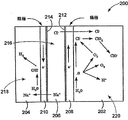

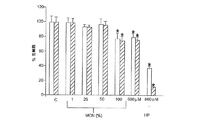
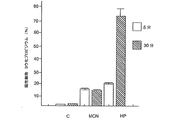
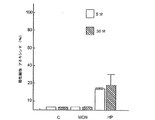

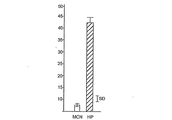
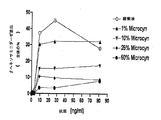
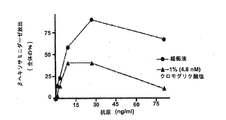

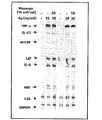
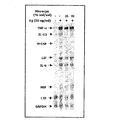

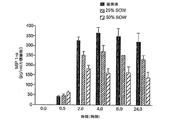

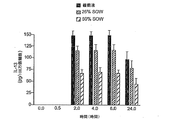
Classifications
-
- A—HUMAN NECESSITIES
- A61—MEDICAL OR VETERINARY SCIENCE; HYGIENE
- A61K—PREPARATIONS FOR MEDICAL, DENTAL OR TOILETRY PURPOSES
- A61K33/00—Medicinal preparations containing inorganic active ingredients
- A61K33/20—Elemental chlorine; Inorganic compounds releasing chlorine
-
- A—HUMAN NECESSITIES
- A61—MEDICAL OR VETERINARY SCIENCE; HYGIENE
- A61K—PREPARATIONS FOR MEDICAL, DENTAL OR TOILETRY PURPOSES
- A61K33/00—Medicinal preparations containing inorganic active ingredients
-
- A—HUMAN NECESSITIES
- A61—MEDICAL OR VETERINARY SCIENCE; HYGIENE
- A61K—PREPARATIONS FOR MEDICAL, DENTAL OR TOILETRY PURPOSES
- A61K33/00—Medicinal preparations containing inorganic active ingredients
- A61K33/40—Peroxides
-
- A—HUMAN NECESSITIES
- A61—MEDICAL OR VETERINARY SCIENCE; HYGIENE
- A61K—PREPARATIONS FOR MEDICAL, DENTAL OR TOILETRY PURPOSES
- A61K45/00—Medicinal preparations containing active ingredients not provided for in groups A61K31/00 - A61K41/00
- A61K45/06—Mixtures of active ingredients without chemical characterisation, e.g. antiphlogistics and cardiaca
-
- A—HUMAN NECESSITIES
- A61—MEDICAL OR VETERINARY SCIENCE; HYGIENE
- A61P—SPECIFIC THERAPEUTIC ACTIVITY OF CHEMICAL COMPOUNDS OR MEDICINAL PREPARATIONS
- A61P1/00—Drugs for disorders of the alimentary tract or the digestive system
- A61P1/02—Stomatological preparations, e.g. drugs for caries, aphtae, periodontitis
-
- A—HUMAN NECESSITIES
- A61—MEDICAL OR VETERINARY SCIENCE; HYGIENE
- A61P—SPECIFIC THERAPEUTIC ACTIVITY OF CHEMICAL COMPOUNDS OR MEDICINAL PREPARATIONS
- A61P1/00—Drugs for disorders of the alimentary tract or the digestive system
- A61P1/04—Drugs for disorders of the alimentary tract or the digestive system for ulcers, gastritis or reflux esophagitis, e.g. antacids, inhibitors of acid secretion, mucosal protectants
-
- A—HUMAN NECESSITIES
- A61—MEDICAL OR VETERINARY SCIENCE; HYGIENE
- A61P—SPECIFIC THERAPEUTIC ACTIVITY OF CHEMICAL COMPOUNDS OR MEDICINAL PREPARATIONS
- A61P11/00—Drugs for disorders of the respiratory system
- A61P11/02—Nasal agents, e.g. decongestants
-
- A—HUMAN NECESSITIES
- A61—MEDICAL OR VETERINARY SCIENCE; HYGIENE
- A61P—SPECIFIC THERAPEUTIC ACTIVITY OF CHEMICAL COMPOUNDS OR MEDICINAL PREPARATIONS
- A61P11/00—Drugs for disorders of the respiratory system
- A61P11/06—Antiasthmatics
-
- A—HUMAN NECESSITIES
- A61—MEDICAL OR VETERINARY SCIENCE; HYGIENE
- A61P—SPECIFIC THERAPEUTIC ACTIVITY OF CHEMICAL COMPOUNDS OR MEDICINAL PREPARATIONS
- A61P17/00—Drugs for dermatological disorders
-
- A—HUMAN NECESSITIES
- A61—MEDICAL OR VETERINARY SCIENCE; HYGIENE
- A61P—SPECIFIC THERAPEUTIC ACTIVITY OF CHEMICAL COMPOUNDS OR MEDICINAL PREPARATIONS
- A61P19/00—Drugs for skeletal disorders
- A61P19/02—Drugs for skeletal disorders for joint disorders, e.g. arthritis, arthrosis
-
- A—HUMAN NECESSITIES
- A61—MEDICAL OR VETERINARY SCIENCE; HYGIENE
- A61P—SPECIFIC THERAPEUTIC ACTIVITY OF CHEMICAL COMPOUNDS OR MEDICINAL PREPARATIONS
- A61P21/00—Drugs for disorders of the muscular or neuromuscular system
-
- A—HUMAN NECESSITIES
- A61—MEDICAL OR VETERINARY SCIENCE; HYGIENE
- A61P—SPECIFIC THERAPEUTIC ACTIVITY OF CHEMICAL COMPOUNDS OR MEDICINAL PREPARATIONS
- A61P25/00—Drugs for disorders of the nervous system
-
- A—HUMAN NECESSITIES
- A61—MEDICAL OR VETERINARY SCIENCE; HYGIENE
- A61P—SPECIFIC THERAPEUTIC ACTIVITY OF CHEMICAL COMPOUNDS OR MEDICINAL PREPARATIONS
- A61P29/00—Non-central analgesic, antipyretic or antiinflammatory agents, e.g. antirheumatic agents; Non-steroidal antiinflammatory drugs [NSAID]
-
- A—HUMAN NECESSITIES
- A61—MEDICAL OR VETERINARY SCIENCE; HYGIENE
- A61P—SPECIFIC THERAPEUTIC ACTIVITY OF CHEMICAL COMPOUNDS OR MEDICINAL PREPARATIONS
- A61P31/00—Antiinfectives, i.e. antibiotics, antiseptics, chemotherapeutics
-
- A—HUMAN NECESSITIES
- A61—MEDICAL OR VETERINARY SCIENCE; HYGIENE
- A61P—SPECIFIC THERAPEUTIC ACTIVITY OF CHEMICAL COMPOUNDS OR MEDICINAL PREPARATIONS
- A61P31/00—Antiinfectives, i.e. antibiotics, antiseptics, chemotherapeutics
- A61P31/04—Antibacterial agents
-
- A—HUMAN NECESSITIES
- A61—MEDICAL OR VETERINARY SCIENCE; HYGIENE
- A61P—SPECIFIC THERAPEUTIC ACTIVITY OF CHEMICAL COMPOUNDS OR MEDICINAL PREPARATIONS
- A61P31/00—Antiinfectives, i.e. antibiotics, antiseptics, chemotherapeutics
- A61P31/10—Antimycotics
-
- A—HUMAN NECESSITIES
- A61—MEDICAL OR VETERINARY SCIENCE; HYGIENE
- A61P—SPECIFIC THERAPEUTIC ACTIVITY OF CHEMICAL COMPOUNDS OR MEDICINAL PREPARATIONS
- A61P31/00—Antiinfectives, i.e. antibiotics, antiseptics, chemotherapeutics
- A61P31/12—Antivirals
-
- A—HUMAN NECESSITIES
- A61—MEDICAL OR VETERINARY SCIENCE; HYGIENE
- A61P—SPECIFIC THERAPEUTIC ACTIVITY OF CHEMICAL COMPOUNDS OR MEDICINAL PREPARATIONS
- A61P31/00—Antiinfectives, i.e. antibiotics, antiseptics, chemotherapeutics
- A61P31/12—Antivirals
- A61P31/14—Antivirals for RNA viruses
-
- A—HUMAN NECESSITIES
- A61—MEDICAL OR VETERINARY SCIENCE; HYGIENE
- A61P—SPECIFIC THERAPEUTIC ACTIVITY OF CHEMICAL COMPOUNDS OR MEDICINAL PREPARATIONS
- A61P31/00—Antiinfectives, i.e. antibiotics, antiseptics, chemotherapeutics
- A61P31/12—Antivirals
- A61P31/14—Antivirals for RNA viruses
- A61P31/16—Antivirals for RNA viruses for influenza or rhinoviruses
-
- A—HUMAN NECESSITIES
- A61—MEDICAL OR VETERINARY SCIENCE; HYGIENE
- A61P—SPECIFIC THERAPEUTIC ACTIVITY OF CHEMICAL COMPOUNDS OR MEDICINAL PREPARATIONS
- A61P31/00—Antiinfectives, i.e. antibiotics, antiseptics, chemotherapeutics
- A61P31/12—Antivirals
- A61P31/20—Antivirals for DNA viruses
-
- A—HUMAN NECESSITIES
- A61—MEDICAL OR VETERINARY SCIENCE; HYGIENE
- A61P—SPECIFIC THERAPEUTIC ACTIVITY OF CHEMICAL COMPOUNDS OR MEDICINAL PREPARATIONS
- A61P37/00—Drugs for immunological or allergic disorders
- A61P37/02—Immunomodulators
-
- A—HUMAN NECESSITIES
- A61—MEDICAL OR VETERINARY SCIENCE; HYGIENE
- A61P—SPECIFIC THERAPEUTIC ACTIVITY OF CHEMICAL COMPOUNDS OR MEDICINAL PREPARATIONS
- A61P37/00—Drugs for immunological or allergic disorders
- A61P37/08—Antiallergic agents
-
- A—HUMAN NECESSITIES
- A61—MEDICAL OR VETERINARY SCIENCE; HYGIENE
- A61P—SPECIFIC THERAPEUTIC ACTIVITY OF CHEMICAL COMPOUNDS OR MEDICINAL PREPARATIONS
- A61P43/00—Drugs for specific purposes, not provided for in groups A61P1/00-A61P41/00
-
- Y—GENERAL TAGGING OF NEW TECHNOLOGICAL DEVELOPMENTS; GENERAL TAGGING OF CROSS-SECTIONAL TECHNOLOGIES SPANNING OVER SEVERAL SECTIONS OF THE IPC; TECHNICAL SUBJECTS COVERED BY FORMER USPC CROSS-REFERENCE ART COLLECTIONS [XRACs] AND DIGESTS
- Y02—TECHNOLOGIES OR APPLICATIONS FOR MITIGATION OR ADAPTATION AGAINST CLIMATE CHANGE
- Y02A—TECHNOLOGIES FOR ADAPTATION TO CLIMATE CHANGE
- Y02A50/00—TECHNOLOGIES FOR ADAPTATION TO CLIMATE CHANGE in human health protection, e.g. against extreme weather
- Y02A50/30—Against vector-borne diseases, e.g. mosquito-borne, fly-borne, tick-borne or waterborne diseases whose impact is exacerbated by climate change
Landscapes
- Health & Medical Sciences (AREA)
- Life Sciences & Earth Sciences (AREA)
- Animal Behavior & Ethology (AREA)
- Pharmacology & Pharmacy (AREA)
- Chemical & Material Sciences (AREA)
- Veterinary Medicine (AREA)
- Public Health (AREA)
- Medicinal Chemistry (AREA)
- General Health & Medical Sciences (AREA)
- Organic Chemistry (AREA)
- Nuclear Medicine, Radiotherapy & Molecular Imaging (AREA)
- General Chemical & Material Sciences (AREA)
- Chemical Kinetics & Catalysis (AREA)
- Engineering & Computer Science (AREA)
- Bioinformatics & Cheminformatics (AREA)
- Epidemiology (AREA)
- Inorganic Chemistry (AREA)
- Virology (AREA)
- Communicable Diseases (AREA)
- Oncology (AREA)
- Pulmonology (AREA)
- Immunology (AREA)
- Molecular Biology (AREA)
- Physical Education & Sports Medicine (AREA)
- Neurology (AREA)
- Orthopedic Medicine & Surgery (AREA)
- Rheumatology (AREA)
- Dermatology (AREA)
- Pain & Pain Management (AREA)
- Neurosurgery (AREA)
- Biomedical Technology (AREA)
- Otolaryngology (AREA)
- Biotechnology (AREA)
- Pharmaceuticals Containing Other Organic And Inorganic Compounds (AREA)
- Medicinal Preparation (AREA)
- Medicines That Contain Protein Lipid Enzymes And Other Medicines (AREA)
- Acyclic And Carbocyclic Compounds In Medicinal Compositions (AREA)
- Medicines Containing Material From Animals Or Micro-Organisms (AREA)
Description
関連出願への相互参照
本特許出願は、2006年1月20日に出願された米国仮特許出願第60/760,635号;2006年1月20日に出願された同第60/760,567号;2006年1月20日に出願された同第60/760,645号;および2006年1月20日に出願された同第60/760,557号の利益を主張しており;これら全ては参照によって全体として本明細書に組み込まれる。
CROSS REFERENCE TO RELATED APPLICATIONS This patent application is a US Provisional Patent Application No. 60 / 760,635 filed on Jan. 20, 2006; No. 60 / 760,567 filed Jan. 20, 2006. Claims the benefit of 60 / 760,645 filed January 20, 2006; and 60 / 760,557 filed January 20, 2006; all of these Is incorporated herein by reference in its entirety.
発明の背景
副鼻腔(cranial sinuses)は、頬、眉および顎の骨内にある空気室である。これらの空気室には、眉領域の前頭洞、各頬骨の内側の上顎洞、鼻柱のちょうど後ろおよび目の間の篩骨洞、および鼻の上側領域中の篩骨の後ろおよび目の後ろに位置する蝶形骨洞が含まれる。副鼻腔は、呼吸器型上皮によって裏打ちされており、呼吸器型上皮は、粘液腺および微小血管に富んだ、下部を裏打ちする上皮下層を有している。
BACKGROUND OF THE INVENTION The cranial sinuses are air chambers in the cheek, eyebrows and jaw bones. These air chambers include the frontal sinus in the eyebrow area, the maxillary sinus inside each cheekbone, the ethmoid sinus just behind the nasal column and between the eyes, and the ethmoid behind and behind the eyes in the upper nose area The sphenoid sinus located at is included. The paranasal sinuses are lined by a respiratory epithelium, which has an underlying subepithelial layer rich in mucus glands and microvessels.
副鼻腔炎は、副鼻腔の上皮が炎症を起こす状態である。副鼻腔炎は、急性または慢性であり得る。ウイルスは、よく急性副鼻腔炎の原因となり、深刻な炎症を引き起こす。この炎症は、粘液産生を増大させ、鼻道を詰まらせる。副鼻腔の粘膜が膨潤するとき、空気および粘液は狭まった副鼻腔口の奥に閉じ込められる。この詰まりは、その人を細菌性副鼻腔炎にかかりやすくさせる。アレルギー性鼻炎(花粉症)などの鼻道の慢性的な炎症もまた、その人に急性副鼻腔炎の症状を発症しやすくさせる。例えば、湿気、冷気、アルコール、香水および他の環境条件によって引き起こされ得る血管運動神経性鼻炎もまた、その人を副鼻腔感染症にかかりやすくさせ得る。 Sinusitis is a condition in which the epithelium of the sinuses is inflamed. Sinusitis can be acute or chronic. Viruses often cause acute sinusitis and cause severe inflammation. This inflammation increases mucus production and clogs the nasal passages. As the mucous membrane of the sinuses swells, air and mucus are trapped behind the narrowed sinus mouth. This clogging makes the person susceptible to bacterial sinusitis. Chronic inflammation of the nasal passages such as allergic rhinitis (hay fever) also makes the person more susceptible to developing symptoms of acute sinusitis. For example, vasomotor rhinitis, which can be caused by moisture, cold, alcohol, perfume and other environmental conditions, can also make the person susceptible to sinus infections.
たいていの健康な人々は、ストレプトコッカス・ニューモニエ(Streptococcus pneumoniae)およびヘモフィルス・インフルエンザ(Haemophilus influenzae)などの細菌を上気道組織に寄生させている。狭まった副鼻腔口の奥に閉じ込められた粘液により、常在細菌が増殖および副鼻腔の上皮に侵入できるようになり、急性細菌感染症を引き起こす。同様に、真菌性感染症も急性副鼻腔炎を引き起こし得る。真菌は環境中に大量にいるが、それらは普通、健康な人々には無害である。しかしながら、アスペルギルス(Aspergillus)などの真菌は、免疫系がアスペルギルスに過敏な人々においては深刻な病気を引き起こし得る。 Most healthy people parasitize upper respiratory tract tissue with bacteria such as Streptococcus pneumoniae and Haemophilus influenzae. Mucus trapped behind the narrowed sinus ostium allows resident bacteria to grow and invade the sinus epithelium, causing acute bacterial infections. Similarly, fungal infections can cause acute sinusitis. Although fungi are abundant in the environment, they are usually harmless to healthy people. However, fungi such as Aspergillus can cause serious illness in people whose immune system is hypersensitive to Aspergillus.
慢性副鼻腔炎の病因はしばしば不明である。慢性副鼻腔炎は、しばしば喘息患者において生じる炎症性疾患である。埃、カビおよび花粉などの、アレルギー性鼻炎を引き起こす空中を浮遊するアレルゲンが慢性副鼻腔炎を助長または引き起こすこともあるが、慢性副鼻腔炎は感染性の病原によって引き起こされ得る。真菌中の抗原に対する免疫応答もまた、慢性副鼻腔炎の少なくとも一部の症例の原因となり得る。 The etiology of chronic sinusitis is often unknown. Chronic sinusitis is an inflammatory disease that often occurs in asthmatic patients. Chronic sinusitis can be caused by infectious pathogens, although airborne allergens that cause allergic rhinitis, such as dust, mold and pollen, can promote or cause chronic sinusitis. The immune response to the antigen in the fungus can also cause at least some cases of chronic sinusitis.
副鼻腔炎は、通常、充血除去剤、抗ヒスタミン剤、非ステロイド系抗炎症剤、ステロイド類、抗生物質、および抗ウイルス剤などの薬剤で治療される。これらの薬剤は各々、副作用および他の欠点を持つ。例えば、非ステロイド系抗炎症剤は、胃腸(gastronintestinal)および心臓血管の(cardiovasular)有害な副作用を生じ得る。加えて、抗生物質などの抗感染症剤の使用は、アレルギー反応を引き起こすことがあり、また、抗生物質耐性細菌を発生させ得る環境も引き起こし得る。ステロイド類は全身性の副作用を有し、使用を中止しないよう徐々に減らしていかなければならず、また、その免疫抑制効果のために、免疫抑制の結果として感染症が生じてしまうのを避けるよう注意深く使用しなければならない。薬物治療がうまくいかないとき、外科手術が副鼻腔炎を治療するための唯一の代替手段であるが、外科手術は、深刻な病的状態、苦痛をもたらすことがあり、また、回復を長引かせることがある。従って、副鼻腔炎の治療または予防のための、新規で安全かつ有効な方法が必要である。 Sinusitis is usually treated with drugs such as decongestants, antihistamines, non-steroidal anti-inflammatory agents, steroids, antibiotics, and antiviral agents. Each of these drugs has side effects and other drawbacks. For example, non-steroidal anti-inflammatory agents can produce adverse gastronintestinal and cardiovasular side effects. In addition, the use of anti-infective agents such as antibiotics can cause allergic reactions and can also cause an environment in which antibiotic resistant bacteria can be generated. Steroids have systemic side effects that must be gradually reduced to avoid discontinuation, and because of their immunosuppressive effects, avoid infectious diseases as a result of immunosuppression Must be used carefully. When medication is unsuccessful, surgery is the only alternative to treating sinusitis, but surgery can cause serious morbidity, distress, and prolong recovery is there. Accordingly, there is a need for new, safe and effective methods for the treatment or prevention of sinusitis.
本発明は、そのような方法を提供する。本発明のこれらおよび他の長所は、発明の更なる特徴とともに、本明細書に与える本発明の説明から明らかとなるであろう。 The present invention provides such a method. These and other advantages of the present invention, as well as further features of the invention, will be apparent from the description of the invention provided herein.
発明の概要
本発明は、患者における副鼻腔炎を治療または予防する方法を提供し、この方法は、該患者に治療有効量の酸化還元電位(ORP)水溶液を投与することを含み、ここで該溶液は少なくとも約24時間安定である。本発明に従って投与されるORP水溶液は、少なくとも約24時間安定であり、好ましくは少なくとも約2ヶ月間安定であり、より好ましくは少なくとも約6ヶ月間安定であり、最も好ましくは少なくとも約1年間(例えば、1年またはそれより長く)安定である。
The present invention provides a method of treating or preventing sinusitis in a patient, the method comprising administering to the patient a therapeutically effective amount of an aqueous redox potential (ORP) solution, wherein the method comprises: The solution is stable for at least about 24 hours. The ORP water solution administered in accordance with the present invention is stable for at least about 24 hours, preferably stable for at least about 2 months, more preferably stable for at least about 6 months, and most preferably at least about 1 year (eg, Stable (1 year or longer).
本発明によれば、ORP水溶液は、例えば、上部呼吸気道および/または副鼻腔の1つ以上の組織をORP水溶液と接触させるようにして、上部呼吸気道(例えば、上気道)および/または患者の1つ以上の副鼻腔に投与され得る。副鼻腔としては、例えば、前頭洞、上顎洞、篩骨洞および蝶形骨洞を挙げることができる。一つの実施形態において、ORP水溶液は、例えば、篩骨洞の1つ以上の組織をORP水溶液と接触させるようにして、患者の1つ以上の篩骨洞に投与される。 In accordance with the present invention, the ORP water solution is, for example, brought into contact with one or more tissues of the upper respiratory airway and / or the sinuses with the ORP water solution, eg, the upper respiratory airway (eg, upper airway) and / or the patient. One or more sinuses may be administered. Examples of the paranasal sinuses include the frontal sinus, maxillary sinus, ethmoid sinus and sphenoid sinus. In one embodiment, the ORP water solution is administered to one or more ethmoid sinuses of a patient, for example, such that one or more tissues of the ethmoid sinus are in contact with the ORP water solution.
本発明によれば、ORP水溶液は、例えば鼻腔内、経口またはその両方を含む、任意の好適な経路で投与され得る。更に、ORP水溶液は、例えば、液体、スプレー、ミストまたはエアロゾルなどの好適な形態で投与され得、また、例えば、エアロゾル化、ネブライゼーションおよびアトマイゼーションといった、任意の好適な方法で送達され得る。一つの実施形態において、ORP水溶液は、約0.1ミクロンから約100ミクロン、好ましくは1ミクロンから約10ミクロンの範囲内の直径を有する液滴の形態で投与される。 According to the present invention, the ORP water solution can be administered by any suitable route, including, for example, intranasally, orally, or both. Furthermore, the ORP water solution can be administered in a suitable form such as, for example, a liquid, spray, mist or aerosol, and can be delivered in any suitable manner such as, for example, aerosolization, nebulization and atomization. In one embodiment, the ORP water solution is administered in the form of droplets having a diameter in the range of about 0.1 microns to about 100 microns, preferably 1 micron to about 10 microns.
本発明の方法は、急性副鼻腔炎および慢性副鼻腔炎の治療または予防に有効であり得、例えば、1つ以上の副鼻腔または上部呼吸気道中の1つ以上の組織を侵すアレルギー反応、喘息、または炎症に起因する副鼻腔炎の治療または予防に有効であり得る。本発明の方法は、例えば1種以上の微生物による感染に起因する副鼻腔炎の治療または予防にも有効であり得、ここで前記1種以上の微生物には、ウイルス、細菌および真菌が含まれ得るが、それらは、好ましくはORP水溶液に感受性である。感受性ウイルスとしては、例えば、コクサッキーウイルス、アデノウイルス、ライノウイルスおよびインフルエンザウイルスを挙げることができる。感受性細菌としては、例えば、ストレプトコッカス・ニューモニエ、ヘモフィルス・インフルエンザ、スタフィロコッカス(staphylococci)、非肺炎球菌性ストレプトコッカス、コリネバクテリアおよび嫌気性菌を挙げることができる。感受性真菌としては、例えば、接合菌、アスペルギルスおよびカンジダを挙げることができる。 The methods of the invention may be effective in the treatment or prevention of acute sinusitis and chronic sinusitis, for example, allergic reactions affecting one or more sinuses or one or more tissues in the upper respiratory tract, asthma Or may be effective in the treatment or prevention of sinusitis resulting from inflammation. The methods of the present invention may also be effective in treating or preventing sinusitis, eg, caused by infection with one or more microorganisms, wherein the one or more microorganisms include viruses, bacteria and fungi. Although they are obtained, they are preferably sensitive to ORP water solutions. Examples of susceptible viruses include Coxsackie virus, adenovirus, rhinovirus and influenza virus. Examples of susceptible bacteria include Streptococcus pneumoniae, Haemophilus influenza, staphylococci, non-pneumococcal Streptococcus, corynebacteria and anaerobes. Sensitive fungi can include, for example, zygomycetes, Aspergillus and Candida.
本発明によれば、ORP水溶液は、単独で、または(例えば、希釈された)1種以上の好適な担体との組み合わせで、投与され得る。例えば、ORP水溶液は、最大約25%(重量/重量または体積/体積)の1種以上の好適な担体、最大約50%(重量/重量または体積/体積)の1種以上の好適な担体、最大約75%(重量/重量または体積/体積)の1種以上の好適な担体、最大約90%(重量/重量または体積/体積)の1種以上の好適な担体、最大約95%(重量/重量または体積/体積)またはそれを上回る1種以上の好適な担体と組み合わせることができる。好適な担体としては、例えば、水(例えば、蒸留水、無菌水(例、注射用の無菌水、無菌食塩水など))を挙げることができる。好適な担体としては、米国特許出願第10/916,278号(参照により本明細書中に組み込まれる)に記載された1種以上の担体も挙げることができる。 According to the present invention, the ORP water solution can be administered alone or in combination with one or more suitable carriers (eg, diluted). For example, the ORP water solution can contain up to about 25% (weight / weight or volume / volume) of one or more suitable carriers, up to about 50% (weight / weight or volume / volume) of one or more suitable carriers, Up to about 75% (weight / weight or volume / volume) of one or more suitable carriers, up to about 90% (weight / weight or volume / volume) of one or more suitable carriers, up to about 95% (weight) / Weight or volume / volume) or more can be combined with one or more suitable carriers. Suitable carriers include, for example, water (eg, distilled water, sterile water (eg, sterile water for injection, sterile saline, etc.)). Suitable carriers can also include one or more carriers described in US patent application Ser. No. 10 / 916,278, incorporated herein by reference.
本発明によれば、ORP水溶液は、単独で、または少なくとも1つの更なる治療剤(即ち、本発明に従って投与されるORP水溶液以外の1種以上の治療剤)と組み合わせて(または併用して)投与され得る。例えば、ORP水溶液は、抗ヒスタミン剤、充血除去剤、抗感染症剤(例えば、抗生物質、抗ウイルス剤または抗菌剤)、抗炎症剤およびそれらの組み合わせからなる群より選択された1種以上の治療剤との組み合わせまたは併用で投与され得る。 According to the present invention, the ORP water solution is used alone or in combination (or in combination) with at least one additional therapeutic agent (ie, one or more therapeutic agents other than the ORP water solution administered according to the present invention). Can be administered. For example, the ORP water solution is one or more therapeutic agents selected from the group consisting of antihistamines, decongestants, anti-infective agents (eg, antibiotics, antiviral agents or antibacterial agents), anti-inflammatory agents, and combinations thereof. In combination with or in combination.
発明の詳細な説明
本発明は、患者における副鼻腔炎(例えば、鼻副鼻腔炎、急性副鼻腔炎および慢性副鼻腔炎など)を予防または治療する方法を提供し、この方法は、該患者に治療有効量の酸化還元電位(ORP)水溶液(超酸化水(SOW)としても知られる)を投与することを含み、ここで該溶液は少なくとも約24時間安定である。本発明によれば、ORP水溶液は、例えば、上部呼吸気道または副鼻腔の1つ以上の組織をORP水溶液と接触させるようにして、上部呼吸気道(例えば、上気道)および/または患者の1つ以上の副鼻腔に投与され得る。副鼻腔には、例えば、前頭洞、上顎洞、篩骨洞および蝶形骨洞が含まれ得る。一つの実施形態において、ORP水溶液は、例えば、篩骨洞に存在する1つ以上の組織をORP水溶液と接触させるようにして、患者の1つ以上の篩骨洞に投与される。
DETAILED DESCRIPTION OF THE INVENTION The present invention provides a method for preventing or treating sinusitis (eg, rhinosinusitis, acute sinusitis and chronic sinusitis, etc.) in a patient, the method comprising: Administration of a therapeutically effective amount of a redox potential (ORP) aqueous solution (also known as superoxide water (SOW)), wherein the solution is stable for at least about 24 hours. In accordance with the present invention, the ORP water solution is one of the upper respiratory airway (eg, upper airway) and / or one of the patients, for example, such that one or more tissues of the upper respiratory airway or sinuses are in contact with the ORP water solution. It can be administered to the above sinuses. The sinuses can include, for example, the frontal sinus, maxillary sinus, ethmoid sinus and sphenoid sinus. In one embodiment, the ORP water solution is administered to one or more ethmoid sinuses of a patient, for example, such that one or more tissues present in the ethmoid sinus are contacted with the ORP water solution.
本発明によれば、ORP水溶液は、急性副鼻腔炎および慢性副鼻腔炎を含む副鼻腔炎を治療または予防(例えば、発症の阻害、進行の阻害、可能性の減少)するために有効な量で投与され得る。本発明に従って治療または予防可能な副鼻腔炎としては、例えば、有害刺激との接触、損傷、感染、炎症、自己免疫反応、過敏症、喘息およびアレルギー反応(細胞のヒスタミン放出と関連するアレルギー反応を含む)に起因する副鼻腔炎を挙げることができる。 In accordance with the present invention, an ORP water solution is effective in treating or preventing (eg, inhibiting onset, inhibiting progression, reducing likelihood) sinusitis, including acute and chronic sinusitis. Can be administered. Sinusitis that can be treated or prevented according to the present invention includes, for example, contact with noxious stimuli, injury, infection, inflammation, autoimmune reactions, hypersensitivity, asthma and allergic reactions (allergic reactions associated with cellular histamine release). And sinusitis caused by (including).
慢性副鼻腔炎とは、通常、少なくとも3週間継続する副鼻腔の炎症を意味するが、炎症は数ヶ月間または数年間までも継続することがある(しばしばそうなる)。アレルギーは、高い頻度で慢性副鼻腔炎に関係する。加えて、喘息患者は特に高い頻度で慢性副鼻腔炎を有する。埃、カビおよび花粉などの空中を浮遊するアレルゲン(アレルギー反応を誘発する物質)の吸入により、アレルギー反応(例えば、アレルギー性鼻炎)がしばしば引き起こされ、続いてアレルギー反応が副鼻腔炎(特に鼻副鼻腔炎または鼻炎)を助長する可能性がある。真菌類にアレルギーのある人々は、「アレルギー性真菌性副鼻腔炎」と呼ばれる状態を発現し得る。湿っぽい天候または空気中および建物内の汚染物質もまた、慢性副鼻腔炎に罹患しやすい人々に影響を及ぼし得る。 Chronic sinusitis usually refers to inflammation of the sinuses that lasts for at least 3 weeks, although inflammation can (and often does) continue for months or even years. Allergies are frequently associated with chronic sinusitis. In addition, asthmatic patients have a particularly high frequency of chronic sinusitis. Inhalation of airborne allergens (substances that induce allergic reactions) such as dust, mold and pollen often cause allergic reactions (eg, allergic rhinitis), followed by allergic reactions (particularly rhinosinusitis). Rhinitis or rhinitis). People who are allergic to fungi can develop a condition called “allergic fungal sinusitis”. Moist weather or air and pollutants in the building can also affect people susceptible to chronic sinusitis.
急性副鼻腔炎同様、慢性副鼻腔炎は、免疫不全または粘液の分泌もしくは移動の異常(例えば、免疫不全症、HIV感染症、嚢胞性繊維症、カルタゲナー症候群)を伴う患者においてより一般的である。加えて、一部の患者は、重篤な喘息、鼻ポリープ、ならびにアスピリンおよびアスピリン様医薬(いわゆる非ステロイド系抗炎症薬、即ちNSAID)に対する重篤な喘息反応を有する。これら後者の患者は、高い頻度で慢性副鼻腔炎を有する。 Like acute sinusitis, chronic sinusitis is more common in patients with immune deficiency or abnormal mucus secretion or movement (eg, immunodeficiency, HIV infection, cystic fibrosis, Cartagener syndrome) . In addition, some patients have severe asthma, nasal polyps, and severe asthmatic reactions to aspirin and aspirin-like medications (so-called non-steroidal anti-inflammatory drugs, or NSAIDs). These latter patients frequently have chronic sinusitis.
医者は、病歴、身体検査、X線および必要によりMRIまたはCTスキャン(磁気共鳴映像法およびコンピュータ断層撮影法)により副鼻腔炎を診断することができる。副鼻腔炎の診断および考えられる原因の同定後、医者は、炎症を低減しかつ症状を緩和するであろう治療コースを処方できる。急性副鼻腔炎の治療は、通常、鼻道の排液路の再構築、炎症原因の制御または排除、および痛みの緩和を必要とする。一般的に、医者は、うっ血を低減するための充血除去剤、細菌感染を制御するための抗生物質、およびもし痛みがあれば痛みを低減するための痛み止めを推奨する。薬剤での治療がうまくいかない場合、外科手術(例えば、アデノイドの除去、鼻ポリープの除去、鼻中隔彎曲の矯正、および副鼻腔の内視鏡手術など)が、慢性副鼻腔炎を治療するための唯一の代替手段である可能性がある。本発明に従って投与されるORP水溶液は、抗生物質および外科手術などのより侵襲的な療法を回避できる可能性のある代替手段として慢性副鼻腔炎の治療に用いることができると考えられる。 The doctor can diagnose sinusitis by medical history, physical examination, X-ray and optionally MRI or CT scan (magnetic resonance imaging and computed tomography). After diagnosis of sinusitis and identification of possible causes, the physician can prescribe a course of treatment that will reduce inflammation and relieve symptoms. Treatment of acute sinusitis usually requires reconstitution of the nasal drainage, control or elimination of the cause of inflammation, and pain relief. In general, doctors recommend decongestants to reduce congestion, antibiotics to control bacterial infections, and painkillers to reduce pain if there is pain. If treatment with drugs is unsuccessful, surgery (for example, removal of adenoids, removal of nasal polyps, correction of nasal septum curvature, and endoscopic surgery of sinuses) is the only way to treat chronic sinusitis It may be an alternative. It is believed that the ORP water solution administered in accordance with the present invention can be used to treat chronic sinusitis as an alternative that may avoid more invasive therapies such as antibiotics and surgery.
驚くべきことに、本発明に従って投与されるORP水溶液は、炎症を引き起こす主要な生物学的カスケードの一つである、肥満細胞の脱顆粒に対する非常に有効な阻害剤であることが分かっている。本発明に従って投与されるORP水溶液は、抗原で活性化されていようが、カルシウムイオノフォアで活性化されていようが関係なく、肥満細胞の脱顆粒を阻害する。これもまた驚くべきことに、本発明に従って投与されるORP水溶液は、肥満細胞における炎症促進性サイトカインの分泌を非選択的に阻害する。例えば、本発明のORP水溶液は、肥満細胞における例えばTNF−αおよびMIP 1−αの分泌を阻害できる。本発明に従って投与されるORP水溶液はまた、他のサイトカイン分泌細胞における炎症促進性サイトカインの分泌も阻害できると考えられる。これらの知見は、本発明に従って投与されるORP水溶液は、広範な抗炎症効果を示すはずであることを示している。 Surprisingly, the ORP water solution administered in accordance with the present invention has been found to be a very effective inhibitor of mast cell degranulation, one of the major biological cascades causing inflammation. The ORP water solution administered according to the present invention inhibits degranulation of mast cells, whether activated with an antigen or activated with a calcium ionophore. Again, surprisingly, the ORP water solution administered in accordance with the present invention non-selectively inhibits the secretion of pro-inflammatory cytokines in mast cells. For example, the ORP water solution of the present invention can inhibit secretion of, for example, TNF-α and MIP 1-α in mast cells. It is believed that the ORP water solution administered according to the present invention can also inhibit the secretion of pro-inflammatory cytokines in other cytokine secreting cells. These findings indicate that the ORP water solution administered according to the present invention should exhibit a broad anti-inflammatory effect.
本発明に従って投与されるORP水溶液は、最大約30分間、より好ましくは最大約15分間、なおより好ましくは最大約5分間、ORP水溶液と接触させたとき、好ましくは未処理の肥満細胞と比べて約50%を上回って、より好ましくは未処理の肥満細胞と比べて約80%を上回って、なおより好ましくは未処理の肥満細胞と比べて約90%を上回って、更により好ましくは未処理の肥満細胞と比べて約95%を上回って、肥満細胞の脱顆粒を阻害する。本発明の方法によれば、ORP水溶液を単独でまたは希釈剤(例えば、水または食塩溶液)と組み合わせて投与することによって、ヒスタミン分泌(例えば、脱顆粒由来)を治療的に阻害することができる。例としては、例えば、最大約50%(体積/体積)のORP水溶液/希釈剤の比率で、最大約25%(体積/体積)のORP水溶液/希釈剤の比率で、最大約10%(体積/体積)のORP水溶液/希釈剤の比率で、最大約5%(体積/体積)のORP水溶液/希釈剤の比率で、または更には最大約1%(体積/体積)のORP水溶液/希釈剤の比率で、ORP水溶液が希釈されている組成物を投与することにより、ヒスタミン分泌を治療的に阻害することができる。 The ORP water solution administered in accordance with the present invention is preferably compared to untreated mast cells when contacted with the ORP water solution for up to about 30 minutes, more preferably up to about 15 minutes, even more preferably up to about 5 minutes. More than about 50%, more preferably more than about 80% compared to untreated mast cells, even more preferably more than about 90% compared to untreated mast cells, even more preferably untreated Inhibits degranulation of mast cells by more than about 95% compared to that of mast cells. According to the methods of the present invention, histamine secretion (eg, derived from degranulation) can be therapeutically inhibited by administering an ORP water solution alone or in combination with a diluent (eg, water or saline solution). . Examples include, for example, up to about 50% (volume / volume) ORP water solution / diluent ratio and up to about 25% (volume / volume) ORP water solution / diluent ratio up to about 10% (volume ORP water solution / diluent ratio up to about 5% (volume / volume) ORP water solution / diluent ratio, or even up to about 1% (volume / volume) ORP water solution / diluent. In this ratio, histamine secretion can be therapeutically inhibited by administering a composition in which the ORP water solution is diluted.
本発明に従って投与されるORP水溶液はまた、好ましくは約50%を上回って、より好ましくは約60%を上回って、なおより好ましくは約70%を上回って、更により好ましくは約85%を上回って、TNF−αの分泌を阻害する。加えて、本発明に従って投与されるORP水溶液はまた、好ましくは25%を上回って、より好ましくは約50%を上回って、なおより好ましくは約60%を上回って、MIP1−αの分泌を阻害する。更に、本発明に従って投与されるORP水溶液はまた、好ましくは25%を上回って、より好ましくは約50%を上回って、なおより好ましくは約60%を上回って、IL−6および/またはIL−13の分泌を阻害する。本発明の方法によれば、ORP水溶液を単独でまたは希釈剤(例えば、水または食塩溶液)と組み合わせて投与することによって、サイトカイン分泌を治療的に阻害することができる。例としては、例えば、最大約50%(体積/体積)のORP水溶液/希釈剤で、最大約25%(体積/体積)のORP水溶液/希釈剤で、最大約10%(体積/体積)のORP水溶液/希釈剤で、最大約5%(体積/体積)のORP水溶液/希釈剤で、または更には最大約1%(体積/体積)のORP水溶液/希釈剤で、ORP水溶液が希釈されている組成物を投与することにより、サイトカイン分泌を治療的に阻害することができる。 The ORP water solution administered in accordance with the present invention is also preferably greater than about 50%, more preferably greater than about 60%, even more preferably greater than about 70%, and even more preferably greater than about 85%. Thus, secretion of TNF-α is inhibited. In addition, the ORP water solution administered in accordance with the present invention also inhibits MIP1-α secretion, preferably greater than 25%, more preferably greater than about 50%, and even more preferably greater than about 60%. To do. Furthermore, the ORP water solution administered in accordance with the present invention also preferably has greater than 25%, more preferably greater than about 50%, even more preferably greater than about 60%, with IL-6 and / or IL- Inhibits 13 secretion. According to the methods of the present invention, cytokine secretion can be therapeutically inhibited by administering an ORP water solution alone or in combination with a diluent (eg, water or saline solution). Examples include, for example, up to about 50% (volume / volume) ORP water solution / diluent, up to about 25% (volume / volume) ORP water solution / diluent, up to about 10% (volume / volume). ORP water solution / diluent is diluted with ORP water solution / diluent up to about 5% (volume / volume) ORP water solution / diluent or up to about 1% (volume / volume) ORP water solution / diluent. Administration of the composition can therapeutically inhibit cytokine secretion.
本発明に従って治療または予防可能な副鼻腔炎としては、感染に起因する副鼻腔炎も挙げることができる。一つの実施形態において、本発明は、副鼻腔炎の治療または予防方法を提供し、ここで前記副鼻腔炎は、例えば、ウイルス、細菌および真菌からなる群から選択される1以上の微生物によって引き起こされる感染に起因する。従って、本発明は、ウイルス性副鼻腔炎の治療または予防方法を提供し、ここで前記副鼻腔炎は1種以上のウイルスによる感染と関連し、前記ウイルスは、好ましくは、患者に投与されるORP水溶液に感受性である。感受性ウイルスとしては、例えば、HIV、コクサッキーウイルス、アデノウイルス、ライノウイルス、ヘルペスウイルス、インフルエンザウイルスおよびそれらの組み合わせからなる群から選択される1種以上のウイルスを挙げることができる。 Sinusitis that can be treated or prevented according to the present invention can also include sinusitis resulting from infection. In one embodiment, the present invention provides a method for the treatment or prevention of sinusitis, wherein the sinusitis is caused by one or more microorganisms selected from the group consisting of, for example, viruses, bacteria and fungi. Caused by infection. Accordingly, the present invention provides a method for the treatment or prevention of viral sinusitis, wherein the sinusitis is associated with infection by one or more viruses, and the virus is preferably administered to a patient. Sensitive to ORP water solution. Examples of the susceptible virus include one or more viruses selected from the group consisting of HIV, Coxsackie virus, adenovirus, rhinovirus, herpes virus, influenza virus, and combinations thereof.
本発明はまた、細菌性副鼻腔炎の治療または予防方法を提供し、ここで前記副鼻腔炎は1種以上の細菌による感染と関連し、前記細菌は、好ましくは、患者に投与されるORP水溶液に感受性である。感受性細菌としては、例えば、スタフィロコッカス、ストレプトコッカス、コリネバクテリア、嫌気性菌、および特にストレプトコッカス・ニューモニエおよびヘモフィルス・インフルエンザからなる群から選択される1種以上の細菌を挙げることができる。本発明は更に、真菌性副鼻腔炎の治療または予防方法を提供し、ここで前記副鼻腔炎は1種以上の真菌による感染と関連し、前記真菌は、好ましくは、患者に投与されるORP水溶液に感受性である。感受性真菌としては、例えば、接合菌、アスペルギルス症(aspergillosis)およびカンジダからなる群から選択される1種以上の真菌を挙げることができる。 The present invention also provides a method of treating or preventing bacterial sinusitis, wherein said sinusitis is associated with infection by one or more bacteria, said bacteria preferably being administered to a patient in an ORP. Sensitive to aqueous solutions. Sensitive bacteria can include, for example, one or more bacteria selected from the group consisting of staphylococcus, streptococcus, corynebacteria, anaerobes, and particularly streptococcus pneumoniae and hemophilus influenza. The present invention further provides a method of treating or preventing fungal sinusitis, wherein said sinusitis is associated with infection by one or more fungi, said fungi preferably being administered to a patient in an ORP. Sensitive to aqueous solutions. Sensitive fungi can include, for example, one or more fungi selected from the group consisting of zygomycetes, aspergillosis and candida.
本発明はまた、バイオフィルム中の細菌(例えば、バイオフィルム中のシュードモナス・エルギノーザ(Pseudomonas aeruginosa))を殺菌するための方法も提供する。本発明は更に、モラクセラ・カタラーリス(Moraexlla catarrhalis)および抗生物質(antibotic)耐性細菌(例えば、ペニシリン耐性ストレプトコッカス)を殺菌するための方法を提供する。本明細書中に開示する方法は、ORP水溶液を用いて細菌を殺すために本発明に従って用いることができ、バシトラシンを用いるよりも早い。 The present invention also provides a method for sterilizing bacteria in a biofilm (eg, Pseudomonas aeruginosa in a biofilm). The present invention further provides methods for killing Moraxella catarrhalis and antibotic resistant bacteria (eg, penicillin resistant Streptococcus). The methods disclosed herein can be used in accordance with the present invention to kill bacteria using an ORP water solution and are faster than using bacitracin.
本発明は更に、治療有効量の少なくとも1つの更なる治療剤(即ち、本発明に従って投与されるORP水溶液以外の1つ以上の治療剤)とともに(例えば、ORP水溶液と共投与することによって、ORP水溶液と併用投与することによって、またはORP水溶液と組み合わせることによって)、ORP水溶液を投与することを含み得る。更なる治療剤としては、例えば、抗ヒスタミン剤、充血除去剤、抗感染症剤(例えば、抗菌剤(例、抗生物質)、抗ウイルス剤および抗真菌剤)、抗炎症剤およびそれらの組み合わせからなる群から選択される1種以上の薬剤を挙げることができる。 The present invention further includes an ORP together with a therapeutically effective amount of at least one additional therapeutic agent (ie, one or more therapeutic agents other than an ORP water solution administered according to the present invention) (eg, by co-administering with an ORP water solution). Administering the ORP water solution by administering in combination with the aqueous solution or by combining with the ORP water solution. Further therapeutic agents include, for example, antihistamines, decongestants, anti-infective agents (eg, antibacterial agents (eg, antibiotics), antiviral agents and antifungal agents), anti-inflammatory agents and combinations thereof One or more kinds of drugs selected from can be mentioned.
好適な抗ヒスタミン剤としては、例えば、ジフェンヒドラミン、クロルフェニラミン、ブロムフェニラミン、ロラタジン、クレマスチン、フェキソフェナジン、それらの誘導体、およびそれらの組み合わせを挙げることができる。好適な充血除去剤としては、例えば、フェニレフリン、偽エフェドリン、他のα−およびβ−アドレナリン作動性アゴニスト、それらの誘導体、およびそれらの組み合わせを挙げることができる。好適な抗菌剤としては、例えば、ペニシリン類、セファロスポリン類または他のβ−ラクタム類、マクロライド類(例えば、エリスロマイシン、6−0−メチルエリスロマイシンおよびアジスロマイシン)、フルオロキノロン類、スルホンアミド類、テトラサイクリン類、アミノグリコシド類、クリンダマイシン、キノロン類、メトロニダゾール、バンコマイシン、クロラムフェニコール、それらの抗菌的に有効な誘導体、およびそれらの組み合わせを挙げることができる。好適な抗真菌剤としては、例えば、アンホテリシンB、フルコナゾール、フルシトシン、ケトコナゾール、ミコナゾール、それらの誘導体、およびそれらの組み合わせを挙げることができる。好適な抗ウイルス剤としては、例えば、アシクロビル、アマンタジン、ジダノシン、ファムシクロビル、フォートベイス、ガンシコルビル、バラシクロビル、ザナミビル、インターフェロン類、それらの誘導体、およびそれらの組み合わせを挙げることができる。好適な抗炎症剤としては、例えば、1種以上の抗炎症薬(例えば、1種以上の抗炎症性ステロイド類または1種以上の非ステロイド系抗炎症薬(NSAID))を挙げることができる。例示的な抗炎症薬としては、ロイコトリエン受容体アンタゴニスト、シクロフィリン類、FK結合タンパク質、ステロイド類およびNSAIDを挙げることができる。 Suitable antihistamines include, for example, diphenhydramine, chlorpheniramine, brompheniramine, loratadine, clemastine, fexofenadine, derivatives thereof, and combinations thereof. Suitable decongestants can include, for example, phenylephrine, pseudoephedrine, other α- and β-adrenergic agonists, derivatives thereof, and combinations thereof. Suitable antibacterial agents include, for example, penicillins, cephalosporins or other β-lactams, macrolides (eg erythromycin, 6-0-methylerythromycin and azithromycin), fluoroquinolones, sulfonamides, Mention may be made of tetracyclines, aminoglycosides, clindamycin, quinolones, metronidazole, vancomycin, chloramphenicol, their antimicrobially effective derivatives, and combinations thereof. Suitable antifungal agents can include, for example, amphotericin B, fluconazole, flucytosine, ketoconazole, miconazole, derivatives thereof, and combinations thereof. Suitable antiviral agents include, for example, acyclovir, amantadine, didanosine, famciclovir, fort base, gancicolvir, valacyclovir, zanamivir, interferons, derivatives thereof, and combinations thereof. Suitable anti-inflammatory agents can include, for example, one or more anti-inflammatory drugs (eg, one or more anti-inflammatory steroids or one or more non-steroidal anti-inflammatory drugs (NSAIDs)). Exemplary anti-inflammatory agents can include leukotriene receptor antagonists, cyclophilins, FK binding proteins, steroids and NSAIDs.
本発明によれば、ORP水溶液は、例えば、スプレー、エアロゾル化、ネブライゼーションおよびアトマイゼーションなどの任意の好適な方法によって、例えば、液体、スプレー、ミスト、エアロゾルまたはスチームとして、局所的に投与され得る。一つの実施形態において、ORP水溶液は、スプレー、ミストまたはエアロゾルとして、上部呼吸気道および/または1つ以上の副鼻腔に投与される。ORP水溶液がエアロゾル化、ネブライゼーションまたはアトマイゼーションによって投与される場合。一つの実施形態において、本発明の方法は、上部呼吸気道中の1つ以上の粘膜組織または1つ以上の副鼻腔をORO水溶液と接触させるようにして、約1ミクロンから約10ミクロンの範囲内の直径を有する液滴の形態でORP水溶液を投与することを含む。 According to the present invention, the ORP water solution can be administered locally by any suitable method such as, for example, spraying, aerosolization, nebulization and atomization, for example, as a liquid, spray, mist, aerosol or steam. . In one embodiment, the ORP water solution is administered to the upper respiratory tract and / or one or more sinuses as a spray, mist, or aerosol. When the ORP water solution is administered by aerosolization, nebulization or atomization. In one embodiment, the method of the present invention is in the range of about 1 micron to about 10 microns, such that one or more mucosal tissues or one or more sinuses in the upper respiratory airway are in contact with the ORO aqueous solution. Administering an ORP water solution in the form of droplets having a diameter of
本発明によれば、ORP水溶液は、ORP水溶液を単独で送達することによって、またはORP水溶液を1種以上の好適な担体(例えば、希釈剤)と組み合わせる(例えば、混合する)ことによって投与され得る。例えば、ORP水溶液は、器具(例えば、ネブライザーまたは混合物をスプレーとして投与可能な器具)のチャンバー中で1種以上の好適な担体と混合することができ、その結果生じる混合物は、例えば上部呼吸気道および/または1つ以上の副鼻腔に直接(例えば、鼻腔内(intranasallay)、経口またはその両方)、器具のチャンバーから送達することができる。あるいは、ORP水溶液は、マルチチャンバー器具(例えば、デュアルチャンバー器具)を用いて、1種以上の好適な担体(例えば、希釈剤)と混合することができ、前記マルチチャンバー中でORP水溶液および担体は、別々のチャンバー内に存在し、患者への送達時(例えば、その直前または同時)にORP水溶液および担体は組み合わされるよう、チャンバーから出るときにそれらは組み合わされかつ/または混合される。 According to the present invention, the ORP water solution can be administered by delivering the ORP water solution alone or by combining (eg, mixing) the ORP water solution with one or more suitable carriers (eg, diluents). . For example, the ORP water solution can be mixed with one or more suitable carriers in a chamber of a device (eg, a device capable of administering a nebulizer or mixture as a spray), and the resulting mixture can be, for example, the upper respiratory airway and It can be delivered directly to one or more sinuses (eg, intranasallay, orally, or both) from the chamber of the device. Alternatively, the ORP water solution can be mixed with one or more suitable carriers (eg, diluents) using a multi-chamber device (eg, dual chamber device) in which the ORP water solution and carrier are They are combined and / or mixed upon exiting the chamber so that the ORP water solution and carrier are combined in a separate chamber and delivered to the patient (eg, immediately before or simultaneously).
エアロゾル化、ネブライゼーションおよびアトマイゼーションに有用な方法ならびに器具は当分野で周知である。例えば、医療用ネブライザーが、定投与量の生理学的に活性な液体を、レシピエントによる吸入のために吸気気流へ送達するために使用されてきた。例えば、米国特許第6,598,602号(参照により本明細書に組み込まれる)を参照されたい。医療用ネブライザーは、吸気気体と共にエアロゾルを形成する液滴を生み出すように機能し得る。他の状況において、医療用ネブライザーは、水滴を吸気気流に注入するために使用されて、好適な水分含有量の気体をレシピエントに提供し得るが、これは、吸気気流がレスピレータ、ベンチレータまたは麻酔送達システムなどの機械的呼吸補助器によって提供される場合に特に有用である。 Methods and instruments useful for aerosolization, nebulization and atomization are well known in the art. For example, medical nebulizers have been used to deliver a fixed dose of physiologically active liquid to the inspiratory airflow for inhalation by the recipient. See, for example, US Pat. No. 6,598,602, which is incorporated herein by reference. The medical nebulizer can function to produce droplets that form an aerosol with the inspiratory gas. In other situations, a medical nebulizer may be used to inject water droplets into the inspiratory airflow to provide the recipient with a gas with a suitable moisture content, which may be a respirator, ventilator or anesthesia. It is particularly useful when provided by a mechanical respiratory aid such as a delivery system.
例示的なネブライザーは、例えば、WO95/01137に記載されており、これは、医療用液体の液滴を、マウスピースを通じたレシピエントの吸入によって生み出される通過気流(吸気気流)中に排出するように機能する携帯用器具を記載している。別の例は、米国特許第5,388,571号(参照により本明細書に組み込まれる)に見ることができ、これは、呼吸不全の患者に呼吸の制御および増強を提供し、液剤粒子を患者の気道および肺胞に送達するための、ネブライザーを含む陽圧ベンチレータシステムを記載している。米国特許第5,312,281号(参照により本明細書に組み込まれる)は、超音波ネブライザーを記載しており、これは、水または液体を低温で霧化し、ミストのサイズを調整することができると報告されている。更に、米国特許第5,287,847号(参照により本明細書に組み込まれる)は、医薬のエアロゾルを新生児、小児および成人に送達するための、測量可能な流速および排出体積を有する気体ネブライジング装置を記載している。更には、米国特許第5,063,922号(参照により本明細書に組み込まれる)は超音波アトマイザーを記載している。ORP水溶液はまた、肺および/または気道内の感染症の治療のためあるいは体のそのような部分における創傷の治癒のために、吸気システムの一部としてエアロゾル形態で投与されてもよい。 An exemplary nebulizer is described, for example, in WO 95/01137, which discharges medical liquid droplets into a passing air flow (inspiratory air flow) created by inhalation of the recipient through the mouthpiece. Describes a portable instrument that works. Another example can be found in US Pat. No. 5,388,571 (incorporated herein by reference), which provides respiratory control and enhancement for patients with respiratory failure, A positive pressure ventilator system including a nebulizer for delivery to a patient's airways and alveoli is described. US Pat. No. 5,312,281 (incorporated herein by reference) describes an ultrasonic nebulizer that can atomize water or liquid at low temperatures and adjust the size of the mist. It is reported that it can be done. In addition, US Pat. No. 5,287,847 (incorporated herein by reference) provides a gas nebulizing with a measurable flow rate and discharge volume for delivering pharmaceutical aerosols to newborns, children and adults. An apparatus is described. In addition, US Pat. No. 5,063,922 (incorporated herein by reference) describes an ultrasonic atomizer. The ORP water solution may also be administered in aerosol form as part of an inhalation system for the treatment of infections in the lungs and / or airways or for healing of wounds in such parts of the body.
より大規模な用途のために、これらに限定されないが、加湿器、噴霧器(mister)、噴霧器(fogger)、バポライザー、アトマイザー、ウォータースプレーおよび他のスプレー器具を含む好適な器具を使用してORP水溶液を空気中に分散してもよい。そのような器具は、継続的なORP水溶液の投与を可能にする。ノズル中で空気と水とを直接混合する排出装置を採用してもよい。ORP水溶液は、低圧蒸気などの蒸気に転換されて気流中に放出され得る。超音波加湿器、蒸気加湿器(stream humidifier)またはバポライザー、および気化式加湿器などの様々な種類の加湿器を用いてもよい。ORP水溶液を分散させるために使用される特定の器具は、換気システムに組み込まれて、家または保健医療施設(例えば、病院、養護施設など)の全体にわたるORP水溶液の広範な適用を提供し得る。ORP水溶液はまた、チャンバーまたはテント中で患者に投与することもでき、あるいはマスクを通してまたは内視鏡的に投与することもできる。 For larger applications, ORP water solutions using suitable equipment including, but not limited to, humidifiers, misters, foggers, vaporizers, atomizers, water sprays and other spray equipment May be dispersed in the air. Such a device allows for continuous administration of an ORP water solution. You may employ | adopt the discharge device which mixes air and water directly in a nozzle. The ORP water solution can be converted into steam, such as low pressure steam, and released into the air stream. Various types of humidifiers may be used, such as ultrasonic humidifiers, stream humidifiers or vaporizers, and vaporizing humidifiers. Certain instruments used to disperse the ORP water solution may be incorporated into a ventilation system to provide a wide range of ORP water solution applications throughout the home or health care facility (eg, hospital, nursing home, etc.). The ORP water solution can also be administered to the patient in a chamber or tent, or can be administered through a mask or endoscopically.
本明細書において示すように、本発明によれば、ORP水溶液は、単独でまたは1種以上の医薬上許容される担体と組み合わせて投与することができ、前記医薬上許容される担体としては、例えば、ビヒクル、アジュバント、賦形剤、希釈剤およびそれらの組み合わせなどを挙げることができる。そのような担体は、ORP水溶液中に存在する1種以上の化学種(chemical species)と相溶性があることが好ましい。当業者は、本発明に従って投与されるORP水溶液を投与するための適切な調剤および方法を容易に決定できる。投与量における任意の必要な調整が、例えば副作用および患者の全身状態の変化などの1つ以上の臨床上関係する要素の観点から技術を持つ施術者によって容易になされて、治療されている状態の性質および/または重篤度に対処することができる。 As indicated herein, according to the present invention, the ORP water solution can be administered alone or in combination with one or more pharmaceutically acceptable carriers, wherein the pharmaceutically acceptable carrier includes: For example, vehicles, adjuvants, excipients, diluents and combinations thereof can be mentioned. Such carriers are preferably compatible with one or more chemical species present in the ORP water solution. One skilled in the art can readily determine appropriate formulations and methods for administering the ORP water solution administered in accordance with the present invention. Any necessary adjustments in dosage will be readily made by the practitioner with the skill in view of one or more clinically relevant factors such as side effects and changes in the patient's general condition of the condition being treated. The nature and / or severity can be addressed.
例えば、ORP水溶液は、最大約25%(重量/重量または体積/体積)の好適な担体と、最大約50%(重量/重量または体積/体積)の好適な担体と、最大約75%(重量/重量または体積/体積)の好適な担体と、最大約90%(重量/重量または体積/体積)の好適な担体と、最大約95%(重量/重量または体積/体積)の好適な担体と、または更には最大約99%(重量/重量または体積/体積)もしくはそれを上回る好適な担体と、ORP水溶液を組み合わせることまたは希釈することによって調合され得る。好適な担体としては、例えば、水(例えば、蒸留水、無菌水(例えば注射用の無菌水、無菌食塩水など))を挙げることができる。好適な担体としてはまた、米国特許出願第10/916,278号(参照により本明細書に組み込まれる)に記載された1種以上の担体も挙げることができる。例示的な調剤としては、ORP水溶液が無菌水、無菌食塩水またはそれらの組み合わせで希釈されている溶液を挙げることができる。例えば、ORP水溶液は、最大約25%(体積/体積)の、最大約50%(体積/体積)の、最大約75%(体積/体積)の、最大約90%(体積/体積)の、最大約95%(体積/体積)の、または最大99%(体積/体積)もしくはそれを上回る、無菌水、無菌食塩水またはそれらの組み合わせによって希釈され得る。 For example, an ORP water solution can contain up to about 25% (weight / weight or volume / volume) suitable carrier, up to about 50% (weight / weight or volume / volume) suitable carrier, and up to about 75% (weight). / Weight or volume / volume) suitable carrier, up to about 90% (weight / weight or volume / volume) suitable carrier, and up to about 95% (weight / weight or volume / volume) suitable carrier. Or even by combining or diluting the ORP water solution with a suitable carrier up to or above about 99% (weight / weight or volume / volume) or more. Suitable carriers include, for example, water (eg, distilled water, sterile water (eg, sterile water for injection, sterile saline, etc.)). Suitable carriers can also include one or more carriers described in US patent application Ser. No. 10 / 916,278, incorporated herein by reference. Exemplary formulations can include solutions in which an ORP water solution is diluted with sterile water, sterile saline, or a combination thereof. For example, the ORP water solution can be up to about 25% (volume / volume), up to about 50% (volume / volume), up to about 75% (volume / volume), up to about 90% (volume / volume), It can be diluted with sterile water, sterile saline, or combinations thereof up to about 95% (volume / volume), or up to 99% (volume / volume) or more.
本発明に従って投与されるORP水溶液は、実質的に、正常な組織および正常な哺乳動物細胞への毒性を持たないことが見出されている。本発明に従って投与されるORP水溶液は、真核細胞の生存率の有意な減少、哺乳動物細胞におけるアポトーシスの有意な増加、細胞老化の有意な加速、および/または有意な酸化的DNA損傷を引き起こさない。無毒性は特に有利であって、また、本発明に従って投与されるORP水溶液の殺菌力は過酸化水素のそれとおおよそ同等であるが、過酸化水素と異なり、正常な組織および正常な哺乳動物細胞への毒性が実質的にないことを考えると、恐らくそれは驚くべきことですらある。これらの知見は、本発明に従って投与されるORP水溶液が、例えばヒトを含む哺乳動物における使用にとって安全であることを示している。 It has been found that the ORP water solution administered in accordance with the present invention has substantially no toxicity to normal tissues and normal mammalian cells. The ORP water solution administered in accordance with the present invention does not cause a significant decrease in viability of eukaryotic cells, a significant increase in apoptosis in mammalian cells, a significant acceleration of cellular senescence, and / or significant oxidative DNA damage . Non-toxicity is particularly advantageous, and the bactericidal power of the ORP water solution administered in accordance with the present invention is roughly equivalent to that of hydrogen peroxide, but unlike hydrogen peroxide, it is suitable for normal tissues and normal mammalian cells. Perhaps even surprising, given that there is virtually no toxicity. These findings indicate that the ORP water solution administered according to the present invention is safe for use in mammals, including for example humans.
本発明に従って投与されるORP水溶液において、細胞の生存率は、約5分から約30分間のORP水溶液への曝露後に、好ましくは少なくとも約65%、より好ましくは少なくとも約70%、なおより好ましくは少なくとも約75%である。更に、本発明に従って投与されるORP水溶液は、最大で約30分またはそれより短いORP水溶液との接触で(例えば、ORP水溶液との、約30分または約5分の接触後)、好ましくは最大約10%の細胞のみで、より好ましくは最大約5%の細胞のみで、なおより好ましくは最大約3%の細胞のみで、アネキシンVを細胞表面に顕在化させる。 In an ORP water solution administered in accordance with the present invention, the cell viability is preferably at least about 65%, more preferably at least about 70%, even more preferably at least after exposure to the ORP water solution for about 5 minutes to about 30 minutes. About 75%. Further, the ORP water solution administered according to the present invention is preferably in contact with an ORP water solution of up to about 30 minutes or less (eg after contact with the ORP water solution for about 30 minutes or about 5 minutes) Annexin V is manifested on the cell surface with only about 10% cells, more preferably only up to about 5% cells, and even more preferably only up to about 3% cells.
更には、本発明に従って投与されるORP水溶液は、ORP水溶液への慢性的な曝露後に、好ましくは約15%未満の細胞で、より好ましくは約10%未満の細胞で、なおより好ましくは約5%未満の細胞で、SA−β−ガラクトシダーゼ酵素を発現させる。本発明に従って投与されるORP水溶液は、好ましくは、同等の条件下で処理された細胞において過酸化水素によって引き起こされる酸化的DNA付加物形成のごく一部(例えば、同等の条件下で処理された細胞において過酸化水素によって通常引き起こされる酸化的DNA付加物形成の約20%未満、前記酸化的DNA付加物形成の約10%未満、または前記酸化的DNA付加物形成の約5%以下)を引き起こす。 Furthermore, the ORP water solution administered in accordance with the present invention preferably has less than about 15% cells, more preferably less than about 10% cells, even more preferably about 5% after chronic exposure to the ORP water solution. Express SA-β-galactosidase enzyme in less than% cells. The ORP water solution administered in accordance with the present invention is preferably a fraction of the oxidative DNA adduct formation caused by hydrogen peroxide in cells treated under equivalent conditions (eg, treated under equivalent conditions). Less than about 20% of the oxidative DNA adduct formation normally caused by hydrogen peroxide in cells, less than about 10% of the oxidative DNA adduct formation, or less than about 5% of the oxidative DNA adduct formation) .
本発明に従って投与されるORP水溶液は、有意なRNA分解を生じない。従って、ORP水溶液への曝露から約30分後または曝露から約3時間後にヒトの細胞培養物から抽出されて変性ゲル電気泳動によって分析されるRNAは、有意なRNA分解を通常示さず、また真核生物のリボソームRNA(即ち、28Sおよび18S)に対応する2本の別個の(discreet)バンドを通常示し、これは、本発明に従って投与されるORP水溶液がRNAを実質的に無傷のままにすることを示している。同様に、ORP水溶液への曝露から約30分後または曝露から約3時間後にヒトの細胞培養物から抽出されたRNAは、構成的なヒトGAPDH(グリセルアルデヒド−3−ホスフェートデヒドロゲナーゼ)遺伝子の逆転写および増幅(RT−PCR)に供されて、RT−PCR産物のゲル電気泳動で強いGAPDHバンドを生じ得る。対照的に、同様の時間の間HPで処理された細胞は、有意なRNA分解を示し、GAPDHのRT−PCR産物はあったとしてもごくわずかである。 The ORP water solution administered according to the present invention does not cause significant RNA degradation. Thus, RNA extracted from human cell cultures and analyzed by denaturing gel electrophoresis about 30 minutes after exposure to ORP water solution or about 3 hours after exposure usually does not show significant RNA degradation and is true. It usually shows two discreet bands corresponding to nuclear ribosomal RNA (ie, 28S and 18S), which leaves the ORP water solution administered in accordance with the present invention substantially intact. It is shown that. Similarly, RNA extracted from human cell cultures approximately 30 minutes after exposure to ORP water solution or approximately 3 hours after exposure is a reversal of the constitutive human GAPDH (glyceraldehyde-3-phosphate dehydrogenase) gene. Subjected to transcription and amplification (RT-PCR), gel electrophoresis of RT-PCR products can produce strong GAPDH bands. In contrast, cells treated with HP for a similar time show significant RNA degradation, with little, if any, GAPDH RT-PCR product.
一般的に、本発明に従って投与されるORP水溶液は、様々な異なる経路(例えば、非経口的、内視鏡的、または生物組織表面(例、皮膚および/または1つ以上の粘膜表面)に直接)で投与され得る。非経口投与としては、例えば、筋肉内、皮下、静脈内、動脈内、くも膜下腔内、膀胱内または滑膜腔内へのORP水溶液の投与を使用することを挙げることができる。ORP水溶液の内視鏡的な投与としては、例えば、鼻腔鏡検査法、気管支鏡検査法、結腸鏡検査法、S状結腸鏡検査法、子宮鏡検査法(hysterscopy)、腹腔鏡検査法(laproscopy)、関節鏡検査法(athroscopy)、胃鏡検査法または経尿道の方法の使用を挙げることができる。ORP水溶液の粘膜表面への投与としては、例えば、副鼻腔の、鼻の、口の、気管の、気管支の、食道の、胃の、小腸の、腹腔の、尿道の、肺胞の、尿道の、膣の、子宮の、卵管の、および滑膜の粘膜表面への投与を挙げることができる。非経口投与としてはまた、ORP水溶液を静脈内、皮下、筋肉内または腹腔内に投与することも挙げることができる。例えば、ORP水溶液は、例えば米国特許第5,334,383号および同第5,622,848号(参照により本明細書に組み込まれる)に記載されたようにして静脈内投与され得るが、それらは、ORP水溶液の静脈内投与によるウイルス性心筋炎、多発性硬化症およびAIDSの治療方法を記載している。 In general, ORP water solutions administered in accordance with the present invention can be directly applied to a variety of different routes (eg, parenteral, endoscopic, or biological tissue surfaces (eg, skin and / or one or more mucosal surfaces)). ). Parenteral administration can include, for example, using an ORP water solution administered intramuscularly, subcutaneously, intravenously, intraarterially, intrathecally, intravesically, or synovially. Endoscopic administration of ORP water solution includes, for example, rhinoscopy, bronchoscopy, colonoscopy, sigmoidoscopy, hysterscopy, laparoscopy ), The use of arthroscopy, gastroscopy, or transurethral methods. For example, sinus, nasal, oral, tracheal, bronchial, esophageal, gastric, small intestine, peritoneal, urethral, alveolar, urethral, and the like. There may be mentioned administration to the mucosal surface of the vagina, uterus, fallopian tube, and synovium. Parenteral administration can also include administering an ORP water solution intravenously, subcutaneously, intramuscularly or intraperitoneally. For example, ORP water solutions can be administered intravenously as described, for example, in US Pat. Nos. 5,334,383 and 5,622,848, which are incorporated herein by reference, Describes a method for treating viral myocarditis, multiple sclerosis and AIDS by intravenous administration of an ORP water solution.
本発明の文脈において、患者(例えば、哺乳動物、特にヒト)に投与される治療有効量は、適当な時間枠にわたって患者において治療的または予防的な反応をもたらすのに十分でなければならない。投与量は、当分野において周知の方法を用いて容易に決定され得る。当業者は、任意の特定の患者に対する具体的な投薬量レベルは、様々な治療上関係し得る要因に依存することを認識するであろう。例えば、投与量は、用いられる特定のORP水溶液の強度、状態の重篤度、患者の体重、患者の年齢、患者の肉体的および精神的状態、全般的な健康、性別、食事などに基づいて決定され得る。投与量の規模はまた、特定のORP水溶液の投与に付随する可能性のあるあらゆる副作用の存在、性質および程度に基づいて決定され得る。可能であれば常に、副作用を最小限に保つことが望ましい。 In the context of the present invention, a therapeutically effective amount administered to a patient (eg, a mammal, particularly a human) must be sufficient to produce a therapeutic or prophylactic response in the patient over an appropriate time frame. The dosage can be readily determined using methods well known in the art. One skilled in the art will recognize that the specific dosage level for any particular patient will depend on a variety of therapeutically relevant factors. For example, the dosage may be based on the strength of the particular ORP water solution used, the severity of the condition, the patient's weight, the patient's age, the patient's physical and mental condition, general health, sex, diet, etc. Can be determined. The size of the dosage can also be determined based on the presence, nature and extent of any side effects that may be associated with the administration of a particular ORP water solution. It is desirable to minimize side effects whenever possible.
具体的な投薬量のために考慮され得る因子としては、例えば、生物学的利用能、代謝プロファイル、投与時間、投与経路、排出速度、および特定の患者における特定のORP水溶液に関連した薬力学などを挙げることができる。他の因子としては、例えば、治療される特定の状態に関するORP水溶液の効力または有効性、治療過程前または治療経過中に現れる症状の重篤度などを挙げることができる。場合によっては、治療有効量を構成するものは、特定の状態の治療または予防のための特定のORP水溶液の有効性を、合理的に、臨床的に予測する1つ以上のアッセイ(例えば、バイオアッセイ)を用いることによっても部分的に決定され得る。 Factors that can be considered for a specific dosage include, for example, bioavailability, metabolic profile, administration time, route of administration, elimination rate, and pharmacodynamics associated with a particular ORP water solution in a particular patient. Can be mentioned. Other factors can include, for example, the efficacy or effectiveness of the ORP water solution for the particular condition being treated, the severity of symptoms appearing before or during the course of treatment. In some cases, a therapeutically effective amount comprises one or more assays (eg, biologics) that reasonably and clinically predict the effectiveness of a particular ORP water solution for the treatment or prevention of a particular condition. Can also be determined in part by using an assay.
本発明によれば、ORP水溶液は、患者(例えば、ヒト)に対して、副鼻腔炎を含む現存の状態を治療するために、単独で、または1種以上の更なる治療剤と組み合わせて投与され得る。ORP水溶液はまた、状態に関連した1種以上の原因物質に曝露されてきた患者(例えばヒト)に対して、単独で、または1種以上の更なる治療剤と組み合わせて、予防的に投与され得る。例えば、本発明に従って投与されるORP水溶液は、1種以上の感染性微生物(例えば、ウイルス、細菌、および/または真菌)に曝露されてきた患者に対して予防的に好ましく投与して、患者における微生物に関連する副鼻腔炎(および/または感染症)を阻害又は可能性を減少させるか、あるいはそのような曝露の結果として発現し得る副鼻腔炎(および/または感染症)の重篤度を低減することができる。 In accordance with the present invention, an ORP water solution is administered to a patient (eg, a human) alone or in combination with one or more additional therapeutic agents to treat existing conditions including sinusitis. Can be done. ORP water solutions are also administered prophylactically, alone or in combination with one or more additional therapeutic agents, to patients (eg, humans) who have been exposed to one or more causative agents associated with the condition. obtain. For example, an ORP water solution administered in accordance with the present invention is preferably administered prophylactically to a patient who has been exposed to one or more infectious microorganisms (eg, viruses, bacteria, and / or fungi) in the patient. The severity of sinusitis (and / or infection) that may inhibit or reduce the likelihood of microbial-related sinusitis (and / or infection) or develop as a result of such exposure; Can be reduced.
ORP水溶液を投与する好適な方法が利用可能であり、また、複数の投与経路を用いることができるとはいえ、一つの特定の経路が別の経路よりも迅速かつ有効な反応をもたらし得ることがあり得ることを当業者は理解するであろう。治療有効量は、個々の患者においてORP水溶液の「有効レベル」を達成するのに必要な投与量であり得る。治療有効量は、例えば、患者における状態を予防または治療するための、ORP水溶液(またはそこに含まれる1種以上の活性種)の血中レベル、組織内レベル(例えば、上部呼吸気道および/または副鼻腔の1つ以上の組織内のレベル)および/または細胞内レベルを達成するために個々の患者に投与される必要がある量として定義され得る。 Although a suitable method of administering an ORP water solution is available and multiple routes of administration can be used, one particular route can produce a faster and more effective response than another route. One skilled in the art will understand that this is possible. A therapeutically effective amount may be the dose necessary to achieve an “effective level” of an ORP water solution in an individual patient. A therapeutically effective amount can be, for example, a blood level of an ORP water solution (or one or more active species contained therein), a tissue level (eg, upper respiratory airway and / or for preventing or treating a condition in a patient). Level within one or more tissues of the sinuses) and / or the amount that needs to be administered to an individual patient to achieve intracellular levels.
投薬の好ましいエンドポイントとして有効レベルを用いる場合、実際の投与量および投与計画は、例えば、薬物動態、分布、代謝などにおける個体差によって変化し得る。有効レベルはまた、ORP水溶液が、1種以上の更なる治療剤(例えば、1種以上の抗感染症剤、1種以上の「緩和剤」、「調節剤」または「中和剤」(例、米国特許第5,334,383号および同第5,622,848号(参照により本明細書に組み込まれる)に記載されたようなもの)、および1種以上の抗炎症剤など)と組み合わせて用いられる場合、変化し得る。 When using effective levels as the preferred endpoint of dosing, actual dosages and dosing schedules can vary due to individual differences in, for example, pharmacokinetics, distribution, metabolism, and the like. Effective levels also include the ORP water solution being one or more additional therapeutic agents (eg, one or more anti-infective agents, one or more “palliatives”, “regulators” or “neutralizing agents” (eg, , U.S. Pat. Nos. 5,334,383 and 5,622,848 (as incorporated herein by reference), and one or more anti-inflammatory agents, etc.) Can be used.
有効レベルの決定および/またはモニタリングのために、適切な指標が用いられ得る。例えば、有効レベルは、適切な患者サンプル(例えば、血液および/または組織)の直接的な分析(例えば、分析化学)または間接的な分析(例えば、臨床化学的指標を用いる)によって決定され得る。有効レベルはまた、例えば、尿代謝産物の濃度、状態と関連するマーカー(例えば、ウイルス感染の場合のウイルス数)の変化、組織病理および免疫化学的分析、ならびに状態と関連する症状の低減などの直接的または間接的な観察によっても決定し得る。 Appropriate indicators can be used for determining and / or monitoring effective levels. For example, an effective level can be determined by direct analysis (eg, analytical chemistry) or indirect analysis (eg, using clinical chemistry indicators) of an appropriate patient sample (eg, blood and / or tissue). Effective levels also include, for example, urinary metabolite concentration, changes in markers associated with the condition (eg, number of viruses in case of viral infection), histopathology and immunochemical analysis, and reduction of symptoms associated with the condition, etc. It can also be determined by direct or indirect observation.
従来のORP水溶液は、極度に限られた品質保持期限を持っており、通常わずか数時間である。この短い寿命の結果、従来のORP水溶液の使用は、その製造が使用する場所の近くで行われることを必要とする。現実的な観点からは、このことは、施設(例えば、病院などの保健医療施設)が、そのような従来のORP水溶液を製造するために必要な設備を購入し、保管し、維持しなければならないことを意味している。更に、従来の製造技術では、充分な商業規模の量を製造して、広範な使用(例えば、保健医療施設用の一般的な殺菌剤として)を可能にすることはできなかった。 Conventional aqueous ORP solutions have extremely limited shelf life and are usually only a few hours. As a result of this short lifetime, the use of conventional ORP water solutions requires that the manufacture be performed near the location where it is used. From a practical point of view, this means that facilities (eg, health care facilities such as hospitals) must purchase, store and maintain the equipment necessary to produce such conventional ORP water solutions. It means not to be. Furthermore, conventional manufacturing techniques have not been able to produce sufficient commercial scale quantities to enable widespread use (eg, as a common disinfectant for health care facilities).
従来のORP水溶液とは異なり、本発明に従って投与されるORP水溶液は、その調製後少なくとも約20時間安定である。更に、本発明に従って投与されるORP水溶液は、通常環境的に安全であり、従って、コストのかかる廃棄手順の必要性を回避する。本発明に従って投与されるORP水溶液は、好ましくは少なくとも約1週間(例えば、1週間、2週間、3週間、4週間など)安定であり、より好ましくは少なくとも約2ヶ月間安定である。本発明に従って投与されるORP水溶液は、なおより好ましくは少なくとも約6ヶ月間安定である。本発明に従って投与されるORP水溶液は、更により好ましくは少なくとも約1年間安定であり、最も好ましくは約1年間を超えて(例えば、少なくとも約2年または少なくとも約3年)安定である。 Unlike conventional ORP water solutions, ORP water solutions administered in accordance with the present invention are stable for at least about 20 hours after their preparation. Furthermore, the ORP water solution administered in accordance with the present invention is usually environmentally safe, thus avoiding the need for costly disposal procedures. The ORP water solution administered according to the present invention is preferably stable for at least about 1 week (eg, 1 week, 2 weeks, 3 weeks, 4 weeks, etc.), more preferably stable for at least about 2 months. The ORP water solution administered according to the present invention is even more preferably stable for at least about 6 months. Even more preferably, the ORP water solution administered in accordance with the present invention is stable for at least about 1 year, and most preferably stable for more than about 1 year (eg, at least about 2 years or at least about 3 years).
安定性は、その調製後に所定の時間の間、通常の保存条件下(例えば、室温)でORP水溶液が1つ以上の用途(例えば、肥満細胞の脱顆粒の阻害、サイトカイン分泌の阻害、汚染除去、殺菌、滅菌、抗菌クレンジングおよび創傷のクレンジング)のために好適なままである能力に基づいて測ることができる。本発明に従って投与されるORP水溶液の安定性はまた、ORP水溶液が、好ましくは最大約90日間安定、より好ましくは最大約180日間安定である、加速条件下(例えば、約30℃から約60℃)での保存によっても測ることができる。 Stability is determined by the use of ORP water solution in one or more applications under normal storage conditions (eg, room temperature) for a predetermined time after its preparation (eg, inhibition of degranulation of mast cells, inhibition of cytokine secretion, decontamination) Sterilization, sterilization, antibacterial cleansing and wound cleansing) can be measured based on their ability to remain suitable. The stability of the ORP water solution administered according to the present invention is also determined under accelerated conditions (eg, from about 30 ° C. to about 60 ° C.), wherein the ORP water solution is preferably stable for up to about 90 days, more preferably up to about 180 days. ) Can also be measured by storage.
安定性はまた、ORP水溶液の品質保持期限の間の、溶液中に存在する1種以上の種(またはその前駆体)の経時的な濃度に基づいて測ることもできる。好ましくは、1種以上の種(例えば、遊離塩素および)の濃度は、ORP水溶液の調製から少なくとも約2ヶ月間、その初期濃度の約70%以上に維持される。より好ましくは、1種以上のそれらの種の濃度は、ORP水溶液の調製から少なくとも約2ヶ月間、その初期濃度の約80%以上に維持される。なおより好ましくは、1種以上のそのような種の濃度は、ORP水溶液の調製から少なくとも約2ヶ月間、その初期濃度の約90%以上に維持され、最も好ましくは約95%以上に維持される。 Stability can also be measured based on the concentration over time of one or more species (or precursors thereof) present in the solution during the shelf life of the ORP water solution. Preferably, the concentration of one or more species (eg, free chlorine and) is maintained at about 70% or more of its initial concentration for at least about 2 months from the preparation of the ORP water solution. More preferably, the concentration of the one or more species is maintained at about 80% or more of its initial concentration for at least about 2 months from the preparation of the ORP water solution. Even more preferably, the concentration of one or more such species is maintained at about 90% or more of its initial concentration for at least about 2 months from the preparation of the ORP water solution, and most preferably maintained at about 95% or more. The
安定性はまた、ORP水溶液への曝露後にサンプル中に存在する生物の量の減少に基づいて決定することもできる。生物濃度の減少の測定は、例えば、細菌、真菌、酵母またはウイルスを含む任意の好適な生物に基づいてなされ得る。安定性の決定に用いられ得る例示的な生物としては、例えば、エシェリヒア・コリ(Escherichia coli)、スタフィロコッカス・アウレウス(Staphylococcus aureus)、カンジダ・アルビカンス(Candida albicans)およびバチルス・アトロフェーアス(Bacillus athrophaeus)(かつてのB.スブチリス(B. subtilis))を挙げることができる。 Stability can also be determined based on a reduction in the amount of organisms present in the sample after exposure to the ORP water solution. Measurement of the reduction in organism concentration can be made based on any suitable organism including, for example, bacteria, fungi, yeasts or viruses. Exemplary organisms that can be used to determine stability include, for example, Escherichia coli, Staphylococcus aureus, Candida albicans, and Bacillus athrophaeus. (Formerly B. subtilis).
安定性はまた、ORP水溶液への曝露後にサンプル中に存在するエンドトキシン(例えば、リポ多糖類(lipopolysacharides))、成長因子、サイトカインおよび他のタンパク質および脂質の量の減少に基づいて決定することもできる。 Stability can also be determined based on a decrease in the amount of endotoxins (eg, lipopolysacharides), growth factors, cytokines and other proteins and lipids present in the sample after exposure to an ORP water solution. .
本発明に従って投与されるORP水溶液は、生存する微生物の濃度を4log(104)減少させることができる低レベルの殺菌剤として機能することができ、また、生存する微生物の濃度を6log(106)減少させることができる高レベルの殺菌剤としても機能することができる。本発明に従って投与されるORP水溶液は、好ましくは、溶液の調製から少なくとも約2ヶ月後の測定で、1分間の曝露後の総生物濃度において、少なくとも4log(104)の減少をもたらすことが可能である。ORP水溶液は、より好ましくは、溶液の調製から少なくとも約6ヶ月後の測定で、生物濃度の104〜106の減少が可能である。ORP水溶液は、なおより好ましくは、溶液の調製から少なくとも約1年後の測定で、そして最も好ましくはORP水溶液の調製から約1年より後(例えば、少なくとも約2年後または少なくとも約3年後)の測定で、生物濃度の104〜106の減少が可能である。 The ORP water solution administered in accordance with the present invention can function as a low level fungicide that can reduce the concentration of surviving microorganisms by 4 log (10 4 ), and the surviving microorganism concentration of 6 log (10 6 ) It can also function as a high level disinfectant that can be reduced. An ORP water solution administered in accordance with the present invention can preferably provide at least a 4 log (10 4 ) decrease in total biological concentration after 1 minute exposure, as measured at least about 2 months after preparation of the solution. It is. The ORP water solution is more preferably capable of reducing the biological concentration by 10 4 to 10 6 as measured at least about 6 months after preparation of the solution. The ORP water solution is still more preferably measured at least about 1 year after preparation of the solution, and most preferably after about 1 year (eg, at least about 2 years or at least about 3 years after preparation of the ORP water solution). ), It is possible to reduce the biological concentration by 10 4 to 10 6 .
例えば、ORP水溶液は、ORP水溶液の調製から少なくとも2ヶ月後の測定で、シュードモナス・エルギノーザ、エシェリヒア・コリ、エンテロコッカス・ヒラエ(Enterococcus hirae)、アシネトバクター・バウマニ(Acinetobacter baumannii)、アシネトバクタースピーシズ、バクテロイデス・フラギリス(Bacteroides fragilis)、エンテロバクター・エロゲネス(Enterobacter aerogenes)、エンテロコッカス・フェカリス(Enterococcus faecalis)、バンコマイシン耐性エンテロコッカス・フェシウム(Enterococcus faecium)(VRE、MDR)、ヘモフィルス・インフルエンザ、クレブシエラ・オキシトカ(Klebsiella oxytoca)、クレブシエラ・ニューモニエ(Klebsiella pneumoniae)、ミクロコッカス・ルテウス(Micrococcus luteus)、プロテウス・ミラビリス(Proteus mirabilis)、セラチア・マルセッセンス(Serratia marcescens)、スタフィロコッカス・アウレウス、スタフィロコッカス・エピデルミディス(Staphylococcus epidermidis)、スタフィロコッカス・ヘモリティカス(Staphylococcus haemolyticus)、スタフィロコッカス・ホミニス(Staphylococcus hominis)、スタフィロコッカス・サプロフィティカス(Staphylococcus saprophyticus)、ストレプトコッカス・ニューモニエ、ストレプトコッカス・ピオゲネス(Streptococcus pyogenes)、カンジダ・アルビカンスおよびカンジダ・トロピカリス(Candida tropicalis)からなる群から選択される生存する微生物サンプルの濃度を、30秒以内の曝露で、少なくとも約5log(105)減少させることが可能である。 For example, an ORP water solution can be measured at least two months after the preparation of the ORP water solution, Pseudomonas aeruginosa, Escherichia coli, Enterococcus hirae, Acinetobacter baumannii, Acinetobacter sp. (Bacteroides fragilis), Enterobacter aerogenes, Enterococcus faecalis, Vancomycin-resistant Enterococcus faecium (VRE, MDR), Haemophilus influenza, Klebsiella oxytoca (leoxy)・ Klebsiella pneumoniae, Micrococcus luteus, Proteus mirabilis, Serratia ・Russense (Serratia marcescens), Staphylococcus aureus, Staphylococcus epidermidis, Staphylococcus haemolyticus, Staphylococcus hominis, Staphylococcus hominis (Staphylococcus saprophyticus), Streptococcus pneumoniae, Streptococcus pyogenes, Candida albicans and Candida tropicalis concentration of a living microbial sample within 30 seconds exposure , By at least about 5 logs (10 5 ).
一つの実施形態において、本発明に従って投与されるORP水溶液は、ORP水溶液の調製から少なくとも約2ケ月後の測定で、エシェリヒア・コリ、シュードモナス・エルギノーザ、スタフィロコッカス・アウレウスおよびカンジダ・アルビカンスを含むがこれらに限定されない生存する微生物サンプルを、約1分間以内の曝露で、約1×10⁶から約1×10⁸生物数/mlの初期濃度から、約0生物数/mlの最終濃度へ減少させ得る。これは、約6log(106)から約8log(108)の生物濃度の減少に相当する。好ましくは、ORP水溶液は、調製から少なくとも約6ケ月後の測定で、より好ましくは調製から少なくとも約1年後の測定で、エシェリヒア・コリ、シュードモナス・エルギノーザ、スタフィロコッカス・アウレウスまたはカンジダ・アルビカンス生物の106〜108の減少を達成することが可能である。 In one embodiment, the ORP water solution administered in accordance with the present invention comprises Escherichia coli, Pseudomonas aeruginosa, Staphylococcus aureus and Candida albicans, as measured at least about 2 months after preparation of the ORP water solution. Non-limiting surviving microbial samples are reduced from an initial concentration of about 1 × 10 6 to about 1 × 10 8 organisms / ml to a final concentration of about 0 organisms / ml within about 1 minute of exposure. obtain. This corresponds to a reduction in biological concentration of about 6 log (10 6 ) to about 8 log (10 8 ). Preferably, the ORP water solution is an Escherichia coli, Pseudomonas aeruginosa, Staphylococcus aureus or Candida albicans organism as measured at least about 6 months after preparation, more preferably at least about 1 year after preparation. Of 10 6 to 10 8 can be achieved.
あるいは、本発明に従って投与されるORP水溶液は、ORP水溶液の調製から少なくとも約2ケ月後の測定で、約5分間以内の曝露で、バチルス・アトロフェーアス胞子の胞子懸濁液の濃度において約6log(106)の減少を生じさせ得る。好ましくは、本発明に従って投与されるORP水溶液は、調製から少なくとも約6ケ月後の測定で、より好ましくは調製から少なくとも約1年後の測定で、バチルス・アトロフェーアス胞子の濃度において約106の減少を達成し得る。 Alternatively, the ORP water solution administered in accordance with the present invention has a concentration of about 6 log (10 10) at a concentration of a spore suspension of Bacillus atropheas spore with an exposure within about 5 minutes, as measured at least about 2 months after preparation of the ORP water solution. 6 ) reduction can occur. Preferably, the ORP water solution administered in accordance with the present invention has a decrease of about 10 6 in the concentration of Bacillus atropheus spores as measured at least about 6 months after preparation, more preferably at least about 1 year after preparation. Can be achieved.
本発明に従って投与されるORP水溶液はまた、ORP水溶液の調製から少なくとも約2ケ月後の測定で、約30秒間以内の曝露で、バチルス・アトロフェーアス胞子の胞子懸濁液の濃度において約4log(104)の減少を生じさせ得る。好ましくは、ORP水溶液は、調製から少なくとも約6ケ月後の測定で、より好ましくは調製から少なくとも約1年後の測定で、バチルス・アトロフェーアス胞子の濃度において、この減少を達成し得る。 An ORP water solution administered in accordance with the present invention also has a concentration of about 4 log (10 4) at a concentration of a spore suspension of Bacillus atropheas spore with an exposure within about 30 seconds, as measured at least about 2 months after preparation of the ORP water solution. ). Preferably, the ORP water solution can achieve this reduction in the concentration of Bacillus atropheus spores as measured at least about 6 months after preparation, more preferably at least about 1 year after preparation.
本発明に従って投与されるORP水溶液は更に、ORP水溶液の調製から少なくとも約2ケ月後の測定で、約5分から約10分以内の曝露で、アスペルギリス・ニガー(Aspergillis niger)胞子などの真菌胞子の濃度において約6log(106)の減少を生じさせ得る。好ましくは、ORP水溶液は、調製から少なくとも約6ケ月後の測定で、より好ましくは調製から少なくとも約1年後の測定で、真菌胞子の濃度において106の減少を達成し得る。 The ORP water solution administered in accordance with the present invention further comprises fungal spores such as Aspergillis niger spores within about 5 to about 10 minutes of exposure, as measured at least about 2 months after preparation of the ORP water solution. It can cause about a 6 log (10 6 ) decrease in concentration. Preferably, the ORP water solution can achieve a 10 6 decrease in fungal spore concentration, as measured at least about 6 months after preparation, more preferably at least about 1 year after preparation.
本発明に従って投与されるORP水溶液は更に、ORP水溶液の調製から少なくとも約2ケ月後の測定で、約5分から約10分以内の曝露で、ヒト免疫不全ウイルス(HIV)およびアデノウイルスなどのウイルスの濃度において3log(103)を上回る減少を生じさせ得る。好ましくは、ORP水溶液は、調製から少なくとも約6ケ月後の測定で、より好ましくは調製から少なくとも約1年後の測定で、ウイルスの濃度において>103の減少を達成し得る。 The ORP water solution administered in accordance with the present invention can further contain viruses such as human immunodeficiency virus (HIV) and adenovirus with exposure within about 5 to about 10 minutes, as measured at least about 2 months after preparation of the ORP water solution. It can cause a decrease in concentration of over 3 log (10 3 ). Preferably, the ORP water solution can achieve a reduction of> 10 3 in virus concentration, as measured at least about 6 months after preparation, more preferably at least about 1 year after preparation.
本発明に従って投与されるORP水溶液は更に、ORP水溶液の調製から少なくとも約2ケ月後の測定で、約5分以内の曝露で、マイコバクテリウム・ボビス(Mycobacterium bovis)の増殖を完全に阻害できる。好ましくは、ORP水溶液は、調製から少なくとも約6ケ月後の測定で、より好ましくは調製から少なくとも約1年後の測定で、マイコバクテリウムの濃度において完全な阻害を達成し得る。 The ORP water solution administered according to the present invention can further completely inhibit the growth of Mycobacterium bovis within about 5 minutes of exposure, as measured at least about 2 months after preparation of the ORP water solution. Preferably, the ORP water solution can achieve complete inhibition in mycobacterial concentration, as measured at least about 6 months after preparation, more preferably at least about 1 year after preparation.
本発明に従って投与されるORP水溶液は、酸性であっても、中性であっても、塩基性であってもよく、通常約1から約14のpHを有し得る。このpH域内で、ORP水溶液は、例えば表面に対して、該表面を損傷したりORP水溶液と接触することになる対象物(ヒトの皮膚など)を害したりすることなく、適当な量で安全に適用され得る。好ましくは、本発明に従って投与されるORP水溶液のpHは、約3から約8である。より好ましくは、ORP水溶液のpHは約6.4から約7.8であり、なおより好ましくは、pHは約7.4から約7.6である。 The ORP water solution administered in accordance with the present invention may be acidic, neutral or basic and may usually have a pH of about 1 to about 14. Within this pH range, the ORP water solution can be safely used in an appropriate amount, for example, without damaging the surface or damaging an object (such as human skin) that will come into contact with the ORP water solution. Can be applied. Preferably, the pH of the ORP water solution administered in accordance with the present invention is from about 3 to about 8. More preferably, the pH of the ORP water solution is from about 6.4 to about 7.8, and even more preferably the pH is from about 7.4 to about 7.6.
本発明に従って投与されるORP水溶液は、約−1000ミリボルト(mV)から約+1150ミリボルト(mV)の酸化還元電位を持ち得る。この電位は、溶液が金属電極によって感知される電子を受容するか受け渡す傾向(即ち、潜在性)の尺度であり、同溶液中の参照電極と比較される。この電位は、例えば、例えば銀/塩化銀電極などの標準参照に対するORP水溶液のミリボルト単位での電気ポテンシャルを測定することを含む、標準的な技術によって測定され得る。 The ORP water solution administered in accordance with the present invention may have a redox potential of about -1000 millivolts (mV) to about +1150 millivolts (mV). This potential is a measure of the tendency (ie, the potential) of the solution to accept or deliver electrons sensed by the metal electrode and is compared to a reference electrode in the solution. This potential can be measured by standard techniques, including, for example, measuring the electrical potential in millivolts of an ORP water solution against a standard reference such as a silver / silver chloride electrode.
本発明に従って投与されるORP水溶液は、好ましくは、約−400mVから約+1300mVの電位を有する。より好ましくは、ORP水溶液は、約0mVから約+1250mVの電位を有し、なおより好ましくは約+500mVから約+1250mVの電位を有する。更により好ましくは、本発明に従って投与されるORP水溶液は、約+800mVから約+1100mVの電位を有し、最も好ましくは約+800mVから約+1000mVの電位を有する。 The ORP water solution administered in accordance with the present invention preferably has a potential of about -400 mV to about +1300 mV. More preferably, the ORP water solution has a potential of about 0 mV to about +1250 mV, and even more preferably has a potential of about +500 mV to about +1250 mV. Even more preferably, the ORP water solution administered in accordance with the present invention has a potential of about +800 mV to about +1100 mV, and most preferably has a potential of about +800 mV to about +1000 mV.
本発明に従って投与されるORP水溶液中には、様々なイオン種および他の種が存在してもよい。例えば、ORP水溶液は、塩素(例えば、遊離塩素)を含んでもよい。1種以上のこれらの種の存在は、少なくとも、細菌および真菌ならびにウイルスなどの様々な微生物を殺すORP水溶液の殺菌能に寄与すると思われる。いずれの特定の理論にも縛られることを望まないが、またはそれより多い(or more of)そのような種もまた、副鼻腔炎の治療または予防のためのORP水溶液の有効性に寄与し得ると思われる。 Various ionic and other species may be present in the ORP water solution administered in accordance with the present invention. For example, the ORP water solution may contain chlorine (for example, free chlorine). The presence of one or more of these species appears to contribute at least to the ability of the ORP water solution to kill various microorganisms such as bacteria and fungi and viruses. Without wishing to be bound by any particular theory, or more of such species may also contribute to the effectiveness of ORP water solutions for the treatment or prevention of sinusitis I think that the.
遊離塩素としては、典型的には、次亜塩素酸(HClO)、次亜塩素酸イオン(ClO−)、次亜塩素酸ナトリウム(NaOCl)、塩素イオン(Cl−)、溶解塩素ガス(Cl2)およびそれらの前駆体が挙げられるが、これらに限定されない。次亜塩素酸の次亜塩素酸イオンに対する比は、pHに依存する。pH7.4では、次亜塩素酸レベルは、通常約25ppmから約75ppmである。温度もまた、遊離塩素成分の割合に影響し得る。 Typically, free chlorine includes hypochlorous acid (HClO), hypochlorite ion (ClO − ), sodium hypochlorite (NaOCl), chlorine ion (Cl − ), dissolved chlorine gas (Cl 2). ) And their precursors. The ratio of hypochlorous acid to hypochlorite ion depends on the pH. At pH 7.4, hypochlorous acid levels are usually about 25 ppm to about 75 ppm. Temperature can also affect the proportion of free chlorine components.
塩素は、本発明に従って投与されるORP水溶液中に、任意の好適な量で存在し得る。これらの成分のレベルは、当該分野で公知の方法を含む任意の好適な方法によって測定され得る。 Chlorine can be present in any suitable amount in the ORP water solution administered in accordance with the present invention. The levels of these components can be measured by any suitable method, including methods known in the art.
遊離塩素と結合塩素の両方を含む塩素総含有量は、好ましくは、約50パーツ・パー・ミリオン(ppm)から約400ppmである。より好ましくは、塩素総含有量は、約80ppmから約150ppmである。 The total chlorine content, including both free chlorine and bound chlorine, is preferably from about 50 parts per million (ppm) to about 400 ppm. More preferably, the total chlorine content is from about 80 ppm to about 150 ppm.
塩素含有量は、DPD比色法(Lamotte社、チェスタータウン、メリーランド州)、または、例えば米国環境保護局によって確立された方法などの他の公知の方法のような、当該分野で公知の方法によって測定され得る。DPD比色法では、遊離塩素とN,N−ジエチル−p−フェニレンジアミン(DPD)との反応によって黄色が形成され、パーツ・パー・ミリオンでの出力を与える目盛り付きの熱量計でその強度が測定される。ヨウ化カリウムを更に添加することによって、溶液がピンク色に転じ、総塩素値が得られる。次いで、総塩素から遊離塩素を差し引くことによって、存在する結合塩素の量が決定される。 Chlorine content is determined by methods known in the art, such as the DPD colorimetric method (Lamotte, Chestertown, MD) or other known methods such as those established by the US Environmental Protection Agency. Can be measured. In the DPD colorimetric method, a yellow color is formed by the reaction of free chlorine and N, N-diethyl-p-phenylenediamine (DPD), and the intensity is measured by a calorimeter with a scale that gives output in parts per million. Measured. By further adding potassium iodide, the solution turns pink and the total chlorine value is obtained. The amount of bound chlorine present is then determined by subtracting free chlorine from the total chlorine.
ORP水溶液中に存在する酸化化学種の総量は、好ましくは、約2ミリモル濃度(mM)の範囲内であり、これには、上記の塩素種、超酸化水種および更なる種(例えばCl−、ClO3、Cl2 −、ClOxなどの測定するのが困難であり得る種を含む)が含まれる。 The total amount of oxidizing species present in the ORP water solution is preferably in the range of about 2 millimolar (mM), which includes the above-mentioned chlorine species, superoxide water species and additional species (eg Cl −). , ClO 3 , Cl 2 − , ClO x , and other species that may be difficult to measure).
一つの実施形態において、本発明に従って投与されるORP水溶液は、1種以上の塩素種および/または1種以上の更なる超酸化水種を含む。好ましくは、存在する塩素種は遊離塩素種である。遊離塩素種としては、次亜塩素酸(HOCl)、次亜塩素酸イオン(OCl−)、次亜塩素酸ナトリウム(NaOCl)、塩化物イオン(Cl−)、溶解塩素ガス(Cl2)、それらの前駆体、およびそれらの混合物からなる群から選択される1種以上の種を挙げることができる。 In one embodiment, the ORP water solution administered in accordance with the present invention comprises one or more chlorine species and / or one or more additional superoxide water species. Preferably, the chlorine species present is a free chlorine species. As free chlorine species, hypochlorous acid (HOCl), hypochlorite ion (OCl − ), sodium hypochlorite (NaOCl), chloride ion (Cl − ), dissolved chlorine gas (Cl 2 ), and the like One or more species selected from the group consisting of precursors thereof, and mixtures thereof.
遊離塩素種の総量は、好ましくは約10ppmから約400ppm、より好ましくは約50ppmから約200ppm、最も好ましくは約50ppmから約80ppmである。次亜塩素酸の量は、好ましくは、約15ppmから約35ppmである。次亜塩素酸ナトリウムの量は、好ましくは、約25ppmから約50ppmの範囲内である。 The total amount of free chlorine species is preferably from about 10 ppm to about 400 ppm, more preferably from about 50 ppm to about 200 ppm, and most preferably from about 50 ppm to about 80 ppm. The amount of hypochlorous acid is preferably from about 15 ppm to about 35 ppm. The amount of sodium hypochlorite is preferably in the range of about 25 ppm to about 50 ppm.
一つの実施形態において、ORP水溶液は、1種以上の塩素種、または1種および任意でそれより多い種のそれらの前駆体を含み、また、その調製から少なくとも約24時間、好ましくは少なくとも約1週間、より好ましくは少なくとも約(at about least)2ケ月間、なおより好ましくは少なくとも約6ケ月間、安定である。そのようなORP水溶液は、更により好ましくは少なくとも約1年間、最も好ましくは約1年を越えて(例えば、少なくとも約2年または少なくとも約3年)、安定である。 In one embodiment, the ORP water solution comprises one or more chlorine species, or one and optionally more species of their precursors, and at least about 24 hours from its preparation, preferably at least about 1 Stable for a week, more preferably at least about 2 months, and even more preferably at least about 6 months. Such an ORP water solution is even more preferably stable for at least about 1 year, most preferably for more than about 1 year (eg, at least about 2 years or at least about 3 years).
1種以上の塩素種、1種以上の更なる超酸化水種(例えば、1種以上の酸素種、溶解酸素)または1種以上のそれらの前駆体を含み、約6から約8のpHを有するORP水溶液もまた、好ましい。そのようなORP水溶液のpHは、より好ましくは約6.2から約7.8、最も好ましくは約7.4から約7.6である。本発明に従って投与される例示的なORP水溶液は、例えば、約15ppmから約35ppmの次亜塩素酸、約25ppmから約50ppmの次亜塩素酸ナトリウムを含み得、これらの成分と共にpHが約6.2から約7.8であり、かつ少なくとも約1週間(例えば、少なくとも約2ヶ月、少なくとも約6ヶ月、少なくとも約1年、または約1年を超えて(例えば、少なくとも約2年または少なくとも約3年))安定であり得る。 Including one or more chlorine species, one or more additional superoxide species (eg, one or more oxygen species, dissolved oxygen) or one or more precursors thereof, and having a pH of about 6 to about 8. An ORP water solution is also preferred. The pH of such an ORP water solution is more preferably from about 6.2 to about 7.8, and most preferably from about 7.4 to about 7.6. An exemplary ORP water solution administered in accordance with the present invention may contain, for example, from about 15 ppm to about 35 ppm hypochlorous acid, from about 25 ppm to about 50 ppm sodium hypochlorite, with a pH of about 6. 2 to about 7.8 and at least about 1 week (eg, at least about 2 months, at least about 6 months, at least about 1 year, or more than about 1 year (eg, at least about 2 years or at least about 3 Year)) can be stable.
決して本発明を限定するわけではないが、pHおよび他の変数(例えば、塩分)の制御により、例えば次亜塩素酸および次亜塩素酸イオンなどの1種以上の塩素種、および任意で過酸化水素またはそれらの前駆体を含む安定なORP水溶液を与えることができると思われる。 By no means limiting the present invention, the control of pH and other variables (eg, salinity) allows one or more chlorine species, such as hypochlorous acid and hypochlorite ions, and optionally peroxidation. It appears that stable ORP water solutions containing hydrogen or their precursors can be provided.
本発明に従って投与されるORP水溶液は、好ましくは、鉄への曝露でフリーラジカル(例えば、ヒドロキシルラジカル類など)をもたらし得る1種以上の酸化水種を含む。水酸化ナトリウム、二酸化塩素、過酸化水素およびオゾンは、次亜塩素酸塩(hypocholrite)と反応して他の化学種の消費および生成をもたらす可能性があることが報告されてきたとはいえ、ORP水溶液は、任意で、その製造中に生成される、例えば、水酸化ナトリウム(NaOH)、二酸化塩素(ClO2)、過酸化物(例えば、過酸化水素(H2O2))およびオゾン(O3)などの1種以上の化合物を含み得る。 The ORP water solution administered in accordance with the present invention preferably comprises one or more oxidized water species that can provide free radicals (eg, hydroxyl radicals, etc.) upon exposure to iron. Although it has been reported that sodium hydroxide, chlorine dioxide, hydrogen peroxide and ozone can react with hypocholrite leading to consumption and production of other species, ORP The aqueous solution is optionally produced during its manufacture, for example, sodium hydroxide (NaOH), chlorine dioxide (ClO 2 ), peroxides (eg hydrogen peroxide (H 2 O 2 )) and ozone (O 3 ) or more compounds may be included.
本発明に従って投与されるORP水溶液は、例えば電解プロセスまたは酸化還元反応による酸化還元法によって製造され得、そこでは、電気エネルギーが水溶液中で1つ以上の化学的な変化を引き起こすために使用される。好適なORP水溶液を調製するための例示的な方法は、例えば、米国特許出願公開US2005/0139808号および同US2005/0142157号(参照により本明細書に組み込まれる)に記載されている。 An ORP water solution administered in accordance with the present invention can be produced, for example, by an electrolysis process or a redox process by a redox reaction, where electrical energy is used to cause one or more chemical changes in the aqueous solution. . Exemplary methods for preparing suitable ORP water solutions are described, for example, in US Patent Application Publication Nos. US 2005/0139808 and US 2005/0142157, which are hereby incorporated by reference.
電解プロセスにおいて、電気エネルギーは、電流形態での一つの点から別の点への電荷の伝導によって、水中に導入され、水中を運ばれる。電流が生じ、存続するためには、水中に電荷担体が存在しなければならず、また、その担体を動かす力がなければならない。電荷担体は、金属および半導体の場合のように電子であり得、または溶液の場合は陽イオンおよび陰イオンであり得る。還元反応はカソードで起こり、酸化反応はアノードで起こる。起こると思われる還元および酸化反応の少なくとも一部は、国際出願WO03/048421 A1号に記載されている。 In the electrolysis process, electrical energy is introduced into and carried through water by conduction of charge from one point to another in the form of current. In order for current to occur and persist, there must be charge carriers in the water and the ability to move the carriers. The charge carriers can be electrons as in metals and semiconductors, or can be cations and anions in solution. The reduction reaction takes place at the cathode and the oxidation reaction takes place at the anode. At least some of the reduction and oxidation reactions that are likely to occur are described in International Application WO 03/048421 A1.
本明細書で使用される場合、アノードで生成される水をアノード水といい、カソードで生成される水をカソード水という。アノード水は、通常、電解反応で生成される酸化種を含有し、カソード水は、通常、該反応からの還元種を含有する。アノード水は、一般に、通常約1から約6.8の低いpHを有する。アノード水は、好ましくは、例えば塩素気体、塩化物イオン、塩酸および/または次亜塩素酸、あるいは1種以上のそれらの前駆体を含む様々な形態の塩素を含有する。例えば酸素気体、および任意で過酸化物および/またはオゾンあるいは1種以上のそれらの前駆体を含む様々な形態の酸素もまた、好ましくは存在する。カソード水は、一般に、通常約7.2から約11の高いpHを有する。カソード水は、水素気体、ヒドロキシルラジカルおよび/またはナトリウムイオンを含有し得る。 As used herein, water produced at the anode is referred to as anode water and water produced at the cathode is referred to as cathode water. Anode water usually contains oxidizing species produced by the electrolytic reaction, and cathode water usually contains reducing species from the reaction. Anodic water generally has a low pH, usually from about 1 to about 6.8. The anodic water preferably contains various forms of chlorine including, for example, chlorine gas, chloride ions, hydrochloric acid and / or hypochlorous acid, or one or more of their precursors. Various forms of oxygen are also preferably present, including for example oxygen gas and optionally peroxide and / or ozone or one or more of their precursors. Cathodic water generally has a high pH, usually from about 7.2 to about 11. The cathodic water may contain hydrogen gas, hydroxyl radicals and / or sodium ions.
本発明に従って投与されるORP水溶液は、アノード水(例えば、電解セルのアノードチャンバーで生成される水)とカソード水(例えば、電解セルのカソードチャンバーで生成される水)との混合物を含み得る。本発明に従って投与されるORP水溶液は、好ましくは、例えば該溶液の約10体積%から約90体積%の量でカソード水を含有する。より好ましくは、カソード水は、溶液の約10体積%から約50体積%の量、なおより好ましくは溶液の約20体積%から約40体積%(例えば、溶液の約20体積%から約30体積%)の量でORP水溶液中に存在する。更に、アノード水は、例えば、溶液の約50体積%から約90体積%の量でORP水溶液中に存在し得る。例示的なORP水溶液は、約10体積%から約50体積%のカソード水および約50体積%から約90体積%のアノード水を含有し得る。アノード水およびカソード水は、図1に示した3チャンバーの電解セルを使用して製造され得る。 The ORP water solution administered according to the present invention may comprise a mixture of anode water (eg, water produced in the anode chamber of the electrolysis cell) and cathode water (eg, water produced in the cathode chamber of the electrolysis cell). The ORP water solution administered in accordance with the present invention preferably contains cathodic water in an amount of, for example, from about 10% to about 90% by volume of the solution. More preferably, the cathode water is in an amount from about 10% to about 50% by volume of the solution, even more preferably from about 20% to about 40% by volume of the solution (eg, from about 20% to about 30% by volume of the solution). %) In the ORP water solution. Further, the anodic water can be present in the ORP water solution, for example, in an amount from about 50% to about 90% by volume of the solution. An exemplary ORP water solution may contain about 10% to about 50% by volume cathode water and about 50% to about 90% by volume anode water. Anode and cathode water can be produced using the three-chamber electrolysis cell shown in FIG.
本発明に従って投与されるORP水溶液は、好ましくは、アノードチャンバー、カソードチャンバー、およびアノードチャンバーとカソードチャンバーとの間に位置する塩溶液チャンバーを含む少なくとも1つの電解セルを用いて製造され、ここで少なくとも一部のアノード水およびカソード水は、ORP水溶液がアノード水およびカソード水を含むよう混ぜ合わせられる。例示的なORP水溶液の調製に用いられ得る例示的な3チャンバーの電解セルの図解を図2に示す。 The ORP water solution administered in accordance with the present invention is preferably prepared using at least one electrolysis cell comprising an anode chamber, a cathode chamber, and a salt solution chamber located between the anode and cathode chambers, wherein at least Some anode water and cathode water are combined such that the ORP water solution contains anode water and cathode water. A diagram of an exemplary three-chamber electrolysis cell that can be used to prepare an exemplary ORP water solution is shown in FIG.
電解セル100は、アノードチャンバー102、カソードチャンバー104および塩溶液チャンバー106を有する。塩溶液チャンバーは、アノードチャンバー102とカソードチャンバー104との間に位置する。アノードチャンバー102は、インレット108およびアウトレット110を有して、アノードチャンバー100を通る水の流れを可能にしている。同様に、カソードチャンバー104は、インレット112およびアウトレット114を有して、カソードチャンバー104を通る水の流れを可能にしている。塩溶液チャンバー106は、インレット116およびアウトレット118を有する。電解セル100は、好ましくは、全てのコンポーネントをひとまとめに保つためのハウジングを含む。
The
アノードチャンバー102は、アノード電極120およびアニオンイオン交換膜122によって塩溶液チャンバーから分離されている。アノード電極120と塩溶液チャンバー106との間に位置する膜122と共に、アノード電極120がアノードチャンバー102に隣接して配置されてもよい。あるいは、膜122と塩溶液チャンバー106との間に位置するアノード電極120と共に、膜122がアノードチャンバー102に隣接して配置されてもよい。
The
カソードチャンバー104は、カソード電極124およびカソードイオン交換膜126によって塩溶液チャンバーから分離されている。カソード電極124と塩溶液チャンバー106との間に位置する膜126と共に、カソード電極124がカソードチャンバー104に隣接して配置されてもよい。あるいは、膜126と塩溶液チャンバー106との間に位置するカソード電極124と共に、膜126がカソードチャンバー104に隣接して配置されてもよい。
The
電極は、好ましくは、金属から構成され、電位がアノードチャンバーとカソードチャンバーとの間に印加されるのを可能にする。金属電極は、一般に平面的であり、イオン交換膜と同様の寸法および断面積を有する。電極は、イオン交換膜の表面のかなりの部分がそれぞれのアノードチャンバーおよびカソードチャンバー中で水に露出されるように構成されている。これにより、塩溶液チャンバーとアノードチャンバーとカソードチャンバーとの間でのイオン種の移動が可能となる。好ましくは、電極は、電極表面にわたって均等に配置された複数の通路または開口部を有する。 The electrode is preferably composed of a metal and allows a potential to be applied between the anode chamber and the cathode chamber. The metal electrode is generally planar and has the same dimensions and cross-sectional area as the ion exchange membrane. The electrodes are configured such that a substantial portion of the surface of the ion exchange membrane is exposed to water in the respective anode and cathode chambers. This allows ionic species to move between the salt solution chamber, the anode chamber, and the cathode chamber. Preferably, the electrode has a plurality of passages or openings that are evenly distributed over the electrode surface.
電位源は、アノード電極120およびカソード電極124に接続され、アノードチャンバー102で酸化反応を、カソードチャンバー104で還元反応を引き起こす。
The potential source is connected to the
電解セル100で使用されるイオン交換膜122および126は、塩溶液チャンバー106とアノードチャンバー102との間での例えば塩化物イオン(Cl−)などのイオンの交換、および塩溶液塩溶液チャンバー106とカソードチャンバー104との間での例えばナトリウムイオン(Na+)などのイオンの交換を可能にする、任意の好適な素材から構成され得る。アノードイオン交換膜122およびカソードイオン交換膜126は、同一または異なる構成素材から作られていてもよい。好ましくは、アノードイオン交換膜は、フッ素化ポリマーを含む。好適なフッ素化ポリマーとしては、例えば、ペルフルオロスルホン酸ポリマー、ならびにペルフルオロスルホン酸/PTFEコポリマーおよびペルフルオロスルホン酸/TFEコポリマーなどのコポリマーが挙げられる。イオン交換膜は、素材の単層または複数層から構成され得る。好適なイオン交換膜ポリマーとしては、Nafion(登録商標)という商標のもとで販売されている1以上のイオン交換膜ポリマーが挙げられる。
The
電解セル100のアノードチャンバー102およびカソードチャンバー104のための水の源は、任意の好適な給水であり得る。水は、市の上水道からでもよく、あるいは電解セルでの使用前に前処理されてもよい。好ましくは、水は前処理され、軟水、精製水、蒸留水および脱イオン化水からなる群から選択される。より好ましくは、前処理された水の源は、逆浸透精製装置を用いて得られる超純水である。
The source of water for the
塩水(salt water)チャンバー106で使用するための塩水溶液としては、ORP水溶液を製造するために好適なイオン種を含有する任意の塩水溶液を挙げることができる。好ましくは、塩水溶液は、食塩溶液とも通常言われる、塩化ナトリウム(NaCl)塩水溶液である。他の好適な塩溶液としては、塩化カリウム、塩化アンモニウム、塩化マグネシウムなどの他の塩化物塩、ならびにカリウム塩および臭素塩などの他のハロゲン塩を挙げることができる。塩溶液は、塩の混合物を含有してもよい。
The aqueous salt solution for use in the
塩溶液は、任意の好適な濃度を有し得る。例えば、塩溶液は、飽和であっても濃縮されていてもよい。好ましくは、塩溶液は、飽和塩化ナトリウム溶液である。 The salt solution can have any suitable concentration. For example, the salt solution may be saturated or concentrated. Preferably, the salt solution is a saturated sodium chloride solution.
図2は、本発明と関連して有用な3チャンバーの電解セルで生成される種々のイオン種であると思われるものを示している。3チャンバーの電解セル200は、アノードチャンバー202、カソードチャンバー204および塩溶液チャンバー206を含む。アノード208およびカソード210への適切な電流の印加時に、塩溶液チャンバー206を通って流れる塩溶液中に存在するイオンは、アノードイオン交換膜212およびカソードイオン交換膜214を通じて、それぞれ、アノードチャンバー202およびカソードチャンバー204を通って流れる水中に移動する。
FIG. 2 illustrates what appears to be the various ionic species produced in a three chamber electrolysis cell useful in connection with the present invention. The three
陽イオンは、塩溶液チャンバー206を通って流れる塩溶液216から、カソードチャンバー204を通って流れるカソード水218に移動する。陰イオンは、塩溶液チャンバー206を通って流れる塩溶液216から、アノードチャンバー202を通って流れるアノード水220に移動する。
Cations move from the
好ましくは、塩溶液216は、ナトリウムイオン(Na+)と塩化物イオン(Cl−)イオンとの両方を含有する塩化ナトリウム(NaCl)水溶液である。陽イオンNa+は、塩溶液216からカソード水218に移動する。陰イオンCl−は、塩溶液216からアノード水220に移動する。
Preferably, the
ナトリウムイオンおよび塩化物イオンは、アノードチャンバー202およびカソードチャンバー204において、更なる反応を受け得る。例えば、塩化物イオンは、アノード水220中に存在する種々の酸素イオンおよび他の種(例えば、酸素含有フリーラジカル、O2、O3)と反応して、ClOn−およびClO−を生成し得る。酸素フリーラジカル、水素イオン(H+)、酸素(例えばO2として)、および任意でオゾン(O3)および過酸化物の形成を含む他の反応も、アノードチャンバー202で起こり得る。カソードチャンバー204において、水素気体(H2)、水酸化物イオン(OH−)、および他のラジカル、および任意で水酸化ナトリウム(NaOH)が形成され得る。
Sodium and chloride ions can undergo further reactions in the
ORP水溶液を製造するための装置はまた、少なくとも2つの3チャンバーの電解セルを含むように構成され得る。各電解セルは、アノードチャンバー、カソードチャンバー、及びアノードチャンバーとカソードチャンバーとを分離する塩溶液チャンバーを含む。装置は、電解セルによって生成されたアノード水および1つ以上の電解セルによって生成されたカソード水の一部を集めるための混合タンクを含む。好ましくは、装置は、電解セルの塩溶液チャンバーに供給される塩溶液の再利用を可能にするために塩再循環システムを更に含む。2つの電解セルを用いてORP水溶液を製造するための例示的なプロセスの図解を図3に示す。 An apparatus for producing an ORP water solution may also be configured to include at least two three-chamber electrolysis cells. Each electrolysis cell includes an anode chamber, a cathode chamber, and a salt solution chamber that separates the anode chamber and the cathode chamber. The apparatus includes a mixing tank for collecting a portion of the anode water produced by the electrolysis cell and the cathode water produced by the one or more electrolysis cells. Preferably, the apparatus further comprises a salt recirculation system to allow reuse of the salt solution supplied to the salt solution chamber of the electrolysis cell. An illustration of an exemplary process for producing an ORP water solution using two electrolysis cells is shown in FIG.
プロセス300は、2つの3チャンバーの電解セル、具体的には第1電解セル302および第2電解セル304を含む。水は、水源305から第1電解セル302のアノードチャンバー306およびカソードチャンバー308へ、ならびに第2電解セル304のアノードチャンバー310およびカソードチャンバー312へ、移送されるか、ポンプされるか、または他の方法で分配される。好都合なことに、このプロセスは、約1リットル/分から約50リットル/分のORP水溶液を製造できる。製造容量は、更なる電解セルを用いることによって増加され得る。本発明に従って投与されるORP水溶液の生産量を増加させるために、例えば3個、4個、5個、6個、7個、8個、9個、10個またはそれより多い3チャンバーの電解セルを用いてもよい。
The
アノードチャンバー306およびアノードチャンバー310で生成されるアノード水は、混合タンク314に集められる。カソードチャンバー308およびカソードチャンバー312で生成されるカソード水の一部は、混合タンク314に集められてアノード水と合わさる。本プロセスで生成されるカソード水の残りの部分は廃棄される。カソード水は、任意で、混合タンク314への添加前に、ガス分離器316および/またはガス分離器318に供されてもよい。ガス分離器は、製造プロセス中にカソード水中で形成される水素気体などの気体を除去する。
Anode water generated in the
混合タンク314は、再循環ポンプ315に任意で連結されて、電解セル302および304からのアノード水とカソード水の一部との均一な混合を可能とする。更に、混合タンク314は、ORP水溶液のレベルおよびpHをモニターするのに好適な器具を任意で含み得る。ORP水溶液は、混合タンクの場所またはその近くでの殺菌もしくは消毒に適用するために、ポンプ317を通じて混合タンク314から移送され得る。あるいは、ORP水溶液は、離れた場所(例えば、倉庫、病院など)への出荷のために1つ以上の好適な容器に分配され得る。
A
プロセス300は、塩溶液再循環システムを更に含んで、第1電解セル302の塩溶液チャンバー322へ、および第2電解セル304の塩溶液チャンバー324へ、塩溶液を与える。塩溶液は、塩タンク320において調製される。塩は、ポンプ321を通じて塩溶液チャンバー322および324へ移送される。好ましくは、塩溶液は、まず塩溶液チャンバー322、次いで塩溶液チャンバー324を通って順次流れる。あるいは、塩溶液は、両方の塩溶液チャンバーへ同時にポンプされ得る。
The
塩タンク320へ戻る前に、塩溶液は、混合タンク314中の熱交換器326を通って流れて、必要に応じてORP水溶液の温度を制御し得る。
Prior to returning to the
塩溶液中に存在するイオンは、第1電解セル302および第2電解セル304において、時間と共に枯渇する。アノード水およびカソード水へ移送されるイオンを補給するために更なるイオン源が混合タンク320に定期的に加えられ得る。更なるイオン源は、例えば、時間と共に下がる(即ち、酸性化する)ことがある塩溶液のpHを一定に保つために使用され得る。更なるイオン源は、例えば、例えば塩化ナトリウムなどの塩を含む任意の好適な化合物であり得る。好ましくは、アノード水およびカソード水へ移送されるナトリウムイオン(Na+)を補給するために水酸化ナトリウムが混合タンク320へ添加される。
The ions present in the salt solution are depleted with time in the
調製後、ORP水溶液は、例えば保健医療施設(例えば、病院、養護施設、医院、外来手術センター、歯科医院などを含む)などのエンドユーザーへの配給および販売のために、1種以上の好適な容器(例えば、密封容器)に移され得る。好適な容器としては、例えば、容器に入れられたORP水溶液の無菌性および安定性を維持する密封容器を挙げることができる。容器は、ORP水溶液と適合する任意の素材から構成され得る。好ましくは、容器は、一般に、ORP水溶液中に存在する1種以上のイオンまたは他の種と非反応性である。 After preparation, the ORP water solution is one or more suitable for distribution and sale to end users such as, for example, health care facilities (including hospitals, nursing homes, clinics, ambulatory surgery centers, dental clinics, etc.). It can be transferred to a container (eg, a sealed container). Suitable containers include, for example, sealed containers that maintain the sterility and stability of the ORP water solution contained in the container. The container may be composed of any material that is compatible with the ORP water solution. Preferably, the container is generally non-reactive with one or more ions or other species present in the ORP water solution.
好ましくは、容器は、プラスチックまたはガラスから構成される。容器が棚に保存されることが可能であるよう、プラスチックは硬質であり得る。あるいは、容器は、柔軟であり得る(例えば、例えば柔軟な袋などの軟質プラスチック製の容器)。 Preferably, the container is composed of plastic or glass. The plastic can be rigid so that the containers can be stored on the shelves. Alternatively, the container can be flexible (e.g., a soft plastic container such as a flexible bag).
好適なプラスチックとしては、例えば、ポリプロピレン、ポリエステルテレフタレート(PET)、ポリオレフィン、シクロオレフィン、ポリカーボネート、ABS樹脂、ポリエチレン、ポリ塩化ビニルおよびそれらの混合物が挙げられる。好ましくは、容器は、高密度ポリエチレン(HDPE)、低密度ポリエチレン(LDPE)および直鎖状低密度ポリエチレン(LLDPE)からなる群から選択される1種以上のポリエチレンを含む。最も好ましくは、容器は高密度ポリエチレンで構成される。 Suitable plastics include, for example, polypropylene, polyester terephthalate (PET), polyolefin, cycloolefin, polycarbonate, ABS resin, polyethylene, polyvinyl chloride, and mixtures thereof. Preferably, the container comprises one or more polyethylenes selected from the group consisting of high density polyethylene (HDPE), low density polyethylene (LDPE) and linear low density polyethylene (LLDPE). Most preferably, the container is composed of high density polyethylene.
容器は、好ましくは、ORP水溶液の分配を可能とする開口部を有する。容器の開口部は、任意の好適な方法で密封され得る。例えば、容器は、ネジ切りキャップまたは栓で密封され得る。任意で、開口部はホイルの層で更に密封され得る。 The container preferably has an opening that allows distribution of the ORP water solution. The opening of the container can be sealed in any suitable manner. For example, the container can be sealed with a threaded cap or stopper. Optionally, the opening can be further sealed with a layer of foil.
密封容器の上部の気体は、空気、またはORP水溶液中の1種以上の種と好ましくは反応しない任意の他の好適な気体であり得る。好適な上部の気体としては、例えば、窒素、酸素およびそれらの混合物が挙げられる。 The gas at the top of the sealed container can be air or any other suitable gas that preferably does not react with one or more species in the ORP water solution. Suitable upper gases include, for example, nitrogen, oxygen and mixtures thereof.
本発明に従って投与されるORP水溶液は、細胞介在性の炎症、ならびにSLE、自己免疫性甲状腺炎、サルコイドーシス、炎症性腸疾患、関節リウマチおよびリウマチ熱を含むがこれらに限定されない自己免疫反応に起因する炎症を治療または予防するためにも用いられ得る。本発明に従って投与されるORP水溶液は、感染(例えば、ウイルス、細菌および真菌からなる群から選択される1種以上の微生物による感染)に起因する炎症を治療または予防するために用いられ得、ここで前記炎症には、過敏症、および感染に起因する自己免疫介在性の炎症が含まれる。 ORP water solutions administered according to the present invention result from cell-mediated inflammation and autoimmune reactions including but not limited to SLE, autoimmune thyroiditis, sarcoidosis, inflammatory bowel disease, rheumatoid arthritis and rheumatic fever It can also be used to treat or prevent inflammation. The ORP water solution administered in accordance with the present invention can be used to treat or prevent inflammation resulting from infection (eg, infection by one or more microorganisms selected from the group consisting of viruses, bacteria and fungi), wherein The inflammation includes hypersensitivity and autoimmune-mediated inflammation resulting from infection.
本発明に従って投与されるORP水溶液は、上部呼吸器の状態に関連する炎症を治療または予防するためにも用いられ得る。炎症が上部呼吸器の状態と関連する場合、ORP水溶液は、好ましくは、例えばスプレー、ミスト、エアロゾルまたはスチームとして、該状態に侵された1つ以上の上気道組織と接触するようにして上気道に投与される。本明細書に記載した1つ以上の投与経路を含む任意の好適な方法が、上気道へORP水溶液を送達して、上部呼吸器の1つ以上の状態を本発明に従って治療または予防するために用いることが出来る。 The ORP water solution administered in accordance with the present invention may also be used to treat or prevent inflammation associated with upper respiratory conditions. Where inflammation is associated with an upper respiratory condition, the ORP water solution preferably is in contact with one or more upper airway tissues affected by the condition, for example as a spray, mist, aerosol or steam. To be administered. Any suitable method involving one or more routes of administration as described herein can deliver an ORP water solution to the upper respiratory tract to treat or prevent one or more conditions of the upper respiratory system according to the present invention. Can be used.
本発明に従って投与されるORP水溶液は、1つ以上の上部気道組織(例えば、本明細書に記載したような鼻孔組織)または肺組織を侵している炎症を予防または治療するためにも用いられ得る。そのような状態としては、例えば、本発明に従って投与されるORP水溶液で予防または治療可能である咽頭炎および喘息などが挙げられる。 The ORP water solution administered in accordance with the present invention may also be used to prevent or treat inflammation affecting one or more upper airway tissues (eg, nasal tissues as described herein) or lung tissues. . Such conditions include, for example, pharyngitis and asthma that can be prevented or treated with an ORP water solution administered according to the present invention.
咽頭炎に関して、世界中で、医局、診療所および救急治療室への全ての来診の1%から2%が咽頭炎を理由とすると見積もられている。合衆国およびメキシコにおいて、咽頭炎および扁桃炎は、1年につきそれぞれ約1500万および1200万件の診察を占めていると考えられる。これらの症例は、通常、様々な細菌およびウイルスによって引き起こされる。また、A群β溶血性ストレプトコッカスによって引き起こされた咽頭炎および扁桃炎は、貧困層におけるリウマチ熱の危険性を著しく上昇させ得る。しかしながら、咽頭炎の症例のわずか5%から15%がこの細菌によって引き起こされたものであり、急性の症例の残りは、疫学的な関連性のほとんどない細菌およびウイルスによるものであると考えられている。後者の症例は、数日のうちに自己限定的となる傾向があり、続発症を残さない。 Regarding pharyngitis, it is estimated that 1% to 2% of all visits to medical offices, clinics and emergency rooms are due to pharyngitis worldwide. In the United States and Mexico, sore throat and tonsillitis are thought to account for approximately 15 million and 12 million consultations per year, respectively. These cases are usually caused by various bacteria and viruses. Also, pharyngitis and tonsillitis caused by group A β-hemolytic Streptococcus can significantly increase the risk of rheumatic fever in the poor. However, only 5% to 15% of sore throat cases were caused by this bacterium, and the rest of the acute cases are believed to be due to bacteria and viruses with little epidemiological relevance Yes. The latter cases tend to be self-limiting within a few days and leave no sequelae.
世界中で多数の医者が、急性咽頭炎に対して見境なく抗生物質を処方していることが確認されている。患者はしばしば強い抗生物質を要求する傾向があるため、これは日常の診療で起きる。不幸なことに、連鎖球菌(streptococcal)咽頭炎/扁桃炎の臨床的に正確な診断を確立することは難しく、抗生物質での急性咽頭炎/扁桃炎の治療のコスト/便益比は疑わしい。メキシコなどの一部の国では、抗生物質のコストを賄うためおよび病気の結果失われた労働日数と関連する損失を賄うための政府財源の消費が著しく、これらは全て国家予算に対する深刻な損失を示している。 Numerous doctors around the world have been confirmed to prescribe antibiotics for acute pharyngitis. This occurs in routine practice because patients often tend to require strong antibiotics. Unfortunately, it is difficult to establish a clinically accurate diagnosis of streptococcal pharyngitis / tonsillitis, and the cost / benefit ratio of treatment of acute pharyngitis / tonsillitis with antibiotics is questionable. In some countries, such as Mexico, government funding is heavily consumed to cover the cost of antibiotics and to cover losses associated with lost workdays as a result of illness, all of which can cause serious losses to the national budget. Show.
本発明に従って投与されるORP水溶液は、急性咽頭炎および/または扁桃炎の治療または予防のための安全、有効かつコスト効率のよい補助療法を提供できると考えられる。急性咽頭炎/扁桃炎の経験的治療は、本発明に従ったORP水溶液の投与から始まり得、また、ストレプトコッカスの迅速試験の展開または結果に依存して、必要な場合にのみ抗生物質がそれから48〜72時間後に開始され得る。従って、本発明に従って投与されるORP水溶液は、抗生物質の使用を延期させることが可能であり得、それと同時に、咽頭炎/扁桃炎がA群ストレプトコッカス由来でなければ、患者の症状(symptomatology)を低減して患者の回復を加速し得る。連鎖球菌咽頭炎/扁桃炎の治療のための本発明に従って投与されるORP水溶液の抗生物質との補助的使用はまた、臨床応答の期間を短縮させ得、再発率を減少させ得る。 It is believed that the ORP water solution administered in accordance with the present invention can provide a safe, effective and cost effective adjuvant therapy for the treatment or prevention of acute pharyngitis and / or tonsillitis. Empirical treatment of acute pharyngitis / tonsillitis may begin with the administration of an ORP water solution according to the present invention, and depending on the development or results of a rapid test for Streptococcus, antibiotics are then only 48% needed. It can be started after 72 hours. Thus, an ORP water solution administered in accordance with the present invention may be able to postpone antibiotic use, while at the same time symptomatology if the pharyngitis / tonsillitis is not derived from Group A Streptococcus Can be reduced to accelerate patient recovery. Supplementary use of an ORP water solution administered in accordance with the present invention for the treatment of streptococcal pharyngitis / tonsillitis may also reduce the duration of clinical response and reduce the recurrence rate.
本発明に従って投与されるORP水溶液はまた、過敏症に関連する炎症の治療または予防のためにも用いられ得る。歴史的には、過敏性反応は、深刻な疾患が起因し得る4つのタイプのうちの1つとして分類されてきた。本発明に従って投与されるORP水溶液は、1つ以上のそのような反応を治療および/または予防(例えば、発症の阻害、進行の阻害、または可能性の減少)するために用いられ得る。I型過敏症は、通常、肥満細胞または好塩基球に結合した抗体との抗原の結合に起因する(参照により本明細書に組み込まれる、Kumar et al., Robbins & Cotran Pathologic Basis of Disease, 2004, pp. 193-268を参照されたい)。I型反応は、以前に抗原に感作されていた個体において、数分以内の抗原への曝露で起こる。ヒトでは、I型反応は、肥満細胞および好塩基球上のFc受容体に高い親和性を持つIgEによって介在される。 The ORP water solution administered in accordance with the present invention can also be used for the treatment or prevention of inflammation associated with hypersensitivity. Historically, hypersensitivity reactions have been classified as one of four types that can be attributed to serious disease. An ORP water solution administered in accordance with the present invention can be used to treat and / or prevent (eg, inhibit onset, inhibit progression, or reduce the likelihood of) one or more such reactions. Type I hypersensitivity usually results from antigen binding to antibodies bound to mast cells or basophils (Kumar et al., Robbins & Cotran Pathologic Basis of Disease, 2004, incorporated herein by reference). , pp. 193-268). Type I responses occur in individuals who have been sensitized to antigens before exposure to the antigen within minutes. In humans, type I responses are mediated by IgE, which has a high affinity for Fc receptors on mast cells and basophils.
I型過敏症における肥満細胞の役割は、それらが血管および神経付近の上皮表面下の組織に存在するため、特に重要である。アトピー性皮膚炎、アレルギー性鼻炎およびアトピー性喘息において観察される複数の臨床症状は、異なる罹患組織中にある肥満細胞のIgE抗原刺激によって引き起こされる。現在受け入れられているアトピー性喘息の発症機序に対する見解は、アレルゲンが、IgE産生肺肥満細胞(MC)を誘発することによってプロセスを開始させて、いわゆる即時相反応においてヒスタミン、ロイコトリエン、プロスタグランジン、キニン(kininis)、血小板活性化因子(PAF)などのメディエーターを放出させるということである(Kumar et al., pp. 193-268)。続いて、これらのメディエーターは、気管支収縮を引き起こし、血管透過性および粘液産生を亢進する。このモデルによれば、肥満細胞活性化に続いて、それらの細胞は腫瘍壊死因子アルファ(TNF−α)、IL−4、IL−5およびIL−6を含む様々なサイトカインを分泌し、それらが好酸球、抗塩基球、Tリンパ球、血小板および単核食細胞などの他の炎症性細胞の局所的動員および活性化に関与する。次に、これらの動員された細胞が、その後自律性となる可能性があり、また、喘息の症状を悪化させる可能性がある炎症反応の進行に寄与する。この遅延相反応は、周囲組織における変化を誘導する長期の炎症プロセスを構成する(Kumar et al., pp. 193-268参照)。臨床的には、I型反応は、アレルギー性鼻炎などの局所性の効果、または掻痒、蕁麻疹、呼吸困難および循環虚脱を伴って現れるアナフィラキシーにおいてみられるような全身性の効果を有し得る。 The role of mast cells in type I hypersensitivity is particularly important because they are present in tissues below the epithelial surface near blood vessels and nerves. The multiple clinical symptoms observed in atopic dermatitis, allergic rhinitis and atopic asthma are caused by IgE antigen stimulation of mast cells in different affected tissues. The currently accepted view on the pathogenesis of atopic asthma is that allergens initiate the process by inducing IgE-producing lung mast cells (MC), and in the so-called immediate phase reaction histamine, leukotrienes, prostaglandins , Release mediators such as kininis and platelet activating factor (PAF) (Kumar et al., Pp. 193-268). Subsequently, these mediators cause bronchoconstriction and enhance vascular permeability and mucus production. According to this model, following mast cell activation, the cells secrete various cytokines including tumor necrosis factor alpha (TNF-α), IL-4, IL-5 and IL-6, which Involved in the local recruitment and activation of other inflammatory cells such as eosinophils, anti-basophils, T lymphocytes, platelets and mononuclear phagocytes. These mobilized cells can then become autonomous and contribute to the progression of inflammatory reactions that can exacerbate asthma symptoms. This delayed phase response constitutes a long-term inflammatory process that induces changes in surrounding tissues (see Kumar et al., Pp. 193-268). Clinically, type I reactions can have local effects such as allergic rhinitis or systemic effects such as those seen in anaphylaxis that manifests with pruritus, urticaria, dyspnea and circulatory collapse.
II型過敏症は、細胞表面上および細胞外空間内の抗原を対象とする抗体によって介在される。これらの抗体は、細胞溶解を導き得るか、または標的分子のオプソニン化(他の細胞による食作用のための前処理)をもたらし得る。あるいは、抗体は、細胞表面受容体に導かれてそれを活性化し得る。II型反応に起因する状態としては、輸血反応、グレーブス病(甲状腺機能亢進症)、薬剤反応、悪性貧血および急性リウマチ熱が挙げられる。リウマチ熱においては、抗体はストレプトコッカス抗原に対して形成されるが、心臓弁(heat valve)などのヒト組織と交差反応する。 Type II hypersensitivity is mediated by antibodies directed against antigens on the cell surface and in the extracellular space. These antibodies can lead to cell lysis or can result in opsonization of the target molecule (pretreatment for phagocytosis by other cells). Alternatively, the antibody can be directed to a cell surface receptor to activate it. Conditions resulting from type II reactions include transfusion reactions, Graves' disease (hyperthyroidism), drug reactions, pernicious anemia and acute rheumatic fever. In rheumatic fever, antibodies are formed against Streptococcus antigens, but cross-react with human tissues such as heart valves.
III型過敏症は、抗体と他の宿主免疫系タンパク質(最も典型的には補体タンパク質)との複合体である免疫複合体によって引き起こされる。補体と結合してそれを活性化する(active)のは、抗体の通常の機能である。しかしながら、その結果生じる高分子の免疫複合体が適切に処理されない場合、それらは持続的な組織損傷をもたらし得る。マクロファージおよびPMNLは、免疫複合体によって活性化されて、これらの細胞による毒性化学物質の放出につながり得る。免疫複合体反応は局所的であり得、また、例えばアルサス反応などの状態をもたらし得るか、または血清病もしくは全身性エリテマトーデス(lupus erythematous)(SLE)の一部の特徴などの全身性の疾患を引き起こし得る。 Type III hypersensitivity is caused by immune complexes that are complexes of antibodies with other host immune system proteins (most typically complement proteins). It is the normal function of an antibody to bind and activate complement. However, if the resulting macromolecular immune complexes are not properly processed, they can lead to persistent tissue damage. Macrophages and PMNL can be activated by immune complexes, leading to the release of toxic chemicals by these cells. Immune complex reactions can be local and can result in conditions such as, for example, Arthus reaction, or systemic diseases such as serum sickness or some features of systemic lupus erythematous (SLE) Can cause.
IV型過敏症は細胞介在性であり、遅延型過敏症と呼ばれることもある。IV型過敏症は、Tリンパ球によって介在され、しばしば肉芽腫性反応の形成をもたらす。肉芽腫性反応においては、類上皮(epitheloid)細胞と呼ばれるマクロファージの一形態が、抗原を消化しようとするが失敗する。抗原の存続は、更なるリンパ球を誘引するサイトカインの放出につながり、慢性的な炎症の病巣をもたらす。病巣は、隣接する細胞にとって毒性であるグランザイムおよびパーフォリンを放出する、高濃度の細胞傷害性(cyotoxic)Tリンパ球を有する。IV型過敏症は、例えばシェーグレン症候群、サルコイドーシス、および接触皮膚炎などの自己免疫疾患の顕著な構成要素である。 Type IV hypersensitivity is cell mediated and is sometimes referred to as delayed type hypersensitivity. Type IV hypersensitivity is mediated by T lymphocytes and often results in the formation of granulomatous reactions. In the granulomatous reaction, a form of macrophage called epitheloid cells tries to digest the antigen but fails. Antigen persistence leads to the release of cytokines that attract additional lymphocytes, resulting in chronic inflammatory foci. The lesion has a high concentration of cyotoxic T lymphocytes that release granzymes and perforin that are toxic to neighboring cells. Type IV hypersensitivity is a prominent component of autoimmune diseases such as Sjogren's syndrome, sarcoidosis, and contact dermatitis.
病理的状態は、異なるタイプの過敏症反応を兼ね備え得る。自己免疫疾患においては、宿主抗原が、宿主にとって深刻な結果を持つ過敏症を促進する。例えば、SLEにおいて、宿主抗原は血液細胞に対してII型反応を誘導し、一方、III型反応は血管および腎糸球体の損傷をもたらす。更に、過敏症反応は、薬剤反応および移植による拒絶反応などの医原性の(iatragenic)状態においてもみられる。移植による拒絶反応は、II型およびIV型過敏症の構成要素を含む。 Pathological conditions can combine different types of hypersensitivity reactions. In autoimmune diseases, host antigens promote hypersensitivity with serious consequences for the host. For example, in SLE, host antigens induce type II responses to blood cells, while type III responses result in vascular and renal glomerular damage. In addition, hypersensitivity reactions are also found in iatragenic conditions such as drug reactions and transplant rejection. Transplant rejection includes components of type II and type IV hypersensitivity.
本発明に従って投与されるORP水溶液は、例えば1種以上の感染性病原体(例えば感染性微生物など)による感染の予防または治療のためにも用いられ得る。そのような微生物としては、例えば、ウイルス、細菌および真菌を挙げることができる。ウイルスとしては、例えば、アデノウイルス、ヘルペスウイルス、コクサッキーウイルス(coxsackie_virus)、HIV、ライノウイルスおよびインフルエンザウイルスからなる群から選択される1種以上のウイルスを挙げることができる。細菌としては、例えば、エシェリヒア・コリ、シュードモナス・エルギノーザ、スタフィロコッカス・アウレウスおよびマイコバクテリウム・ツベルクロシス(Mycobaterium tuberculosis)からなる群から選択される1種以上の細菌を挙げることができる。真菌としては、例えば、カンジダ・アルビカンス、バチルス・スブチリスおよびバチルス・アトロフェーアスからなる群から選択される1種以上の真菌を挙げることができる。 The ORP water solution administered according to the present invention can also be used for the prevention or treatment of infection by, for example, one or more infectious pathogens (such as infectious microorganisms). Such microorganisms can include, for example, viruses, bacteria and fungi. Examples of the virus include one or more viruses selected from the group consisting of adenovirus, herpes virus, coxsackie virus (coxsackie_virus), HIV, rhinovirus and influenza virus. Examples of the bacteria include one or more bacteria selected from the group consisting of Escherichia coli, Pseudomonas aeruginosa, Staphylococcus aureus, and Mycobaterium tuberculosis. Examples of the fungus include one or more fungi selected from the group consisting of Candida albicans, Bacillus subtilis, and Bacillus atropheus.
本発明に従って投与されるORP水溶液はまた、アデノウイルスに対して効果的であり得る。本発明に従って投与されるORP水溶液は、ORP水溶液への約20分間の曝露の後、より好ましくは約15分間の曝露の後、なおより好ましくは約10分間の曝露の後、好ましくは約2を上回る、より好ましくは約2.5を上回る、なおより好ましくは約3を上回る、アデノウイルス負荷におけるログ10の減少を達成する。本発明に従って投与されるORP水溶液はまた、ORP水溶液への約15分間の曝露の後、より好ましくは約10分間の曝露の後、なおより好ましくは約5分間の曝露の後、好ましくは約2を上回るログ減少係数で、より好ましくは約2.5を上回るログ減少係数で、なおより好ましくは約3を上回るログ減少係数で、HIV−1のウイルス負荷を減少させるために効果的であり得る。
The ORP water solution administered in accordance with the present invention may also be effective against adenovirus. The ORP water solution administered in accordance with the present invention preferably has about 2 minutes after exposure to the ORP water solution, more preferably after about 15 minutes exposure, even more preferably after about 10 minutes exposure. A
本発明の方法によれば、感染の予防または治療のためのORP水溶液の投与はまた、本明細書に記載するように、感染(または罹患組織)と関連する副鼻腔炎を予防または治療する役目を果たし得る。 According to the methods of the present invention, administration of an ORP water solution for prevention or treatment of infection also serves to prevent or treat sinusitis associated with infection (or diseased tissue), as described herein. Can fulfill.
本発明に従って投与されるORP水溶液はまた、例えば障害のあるまたは損傷した1つ以上の組織を治療有効量のORP水溶液に接触させることによって、障害のあるまたは損傷した組織を治療するためにも用いられ得る。障害のあるまたは損傷した組織を治療するために、任意の好適な方法が、障害のあるまたは損傷した組織を接触させるために用いることができる。例えば、障害のあるまたは損傷した組織は、障害のあるまたは損傷した組織を治療有効量のORP水溶液に接触させるようにして、該組織にORP水溶液を灌注することによって治療され得る。ORP水溶液は、障害のあるまたは損傷した組織を治療有効量のORP水溶液に接触させるようにして、本明細書に記載されたように、スチームまたはスプレーとして、あるいはエアロゾル化、ネブライゼーションまたはアトマイゼーションによって投与され得る。 ORP water solutions administered in accordance with the present invention are also used to treat damaged or damaged tissue, for example by contacting one or more damaged or damaged tissues with a therapeutically effective amount of ORP water solution. Can be. Any suitable method can be used to contact the damaged or damaged tissue to treat the damaged or damaged tissue. For example, damaged or damaged tissue can be treated by irrigating the ORP water solution into the damaged or damaged tissue in contact with a therapeutically effective amount of the ORP water solution. The ORP water solution can be used to contact the impaired or damaged tissue with a therapeutically effective amount of the ORP water solution, as described herein, as a steam or spray, or by aerosolization, nebulization or atomization. Can be administered.
本発明に従って投与されるORP水溶液は、例えば外科手術によって障害を持ったまたは損傷した組織の治療のために用いられ得る。例えば、ORP水溶液は、切開によって障害を持ったまたは損傷した組織を治療するために用いられ得る。更に、ORP水溶液は、口腔外科手術、グラフト手術、インプラント手術、トランスプラント手術、焼灼、切断、放射線照射、化学療法、およびそれらの組み合わせによって障害を持ったまたは損傷した組織の治療のために用いられ得る。口腔外科手術としては、例えば、例として根管手術、抜歯、歯肉手術などの歯科外科手術を挙げることができる。 The ORP water solution administered in accordance with the present invention can be used for the treatment of tissues that have been damaged or damaged, for example, by surgery. For example, an ORP water solution can be used to treat tissue that has been damaged or damaged by incision. In addition, ORP water solutions are used for the treatment of damaged or damaged tissue by oral surgery, graft surgery, implant surgery, transplant surgery, cauterization, amputation, radiation, chemotherapy, and combinations thereof. obtain. Examples of oral surgery include dental surgery such as root canal surgery, tooth extraction, and gingival surgery.
本発明に従って投与されるORP水溶液は、必ずしも外科手術によって引き起こされるものではない、1つ以上の、熱傷、切り傷、擦り傷、掻き傷、発疹、潰瘍、刺創、およびそれらの組み合わせなどによって障害を持ったまたは損傷した組織を治療するために用いられ得る。本発明に従って投与されるORP水溶液は、感染した、障害のあるまたは損傷した組織、あるいは感染によって障害を持ったまたは損傷した組織を治療するために用いられ得る。このような感染は、例えば、本明細書に記載したようなウイルス、細菌および真菌からなる群から選択される1種以上の微生物などの1種以上の感染性病原体によって引き起こされ得る。 The ORP water solution administered in accordance with the present invention is not necessarily caused by surgery and is impaired by one or more of burns, cuts, abrasions, scratches, rashes, ulcers, stab wounds, and combinations thereof Can be used to treat damaged or damaged tissue. The ORP water solution administered in accordance with the present invention can be used to treat infected, damaged or damaged tissue, or tissue damaged or damaged by infection. Such infection can be caused by one or more infectious pathogens such as, for example, one or more microorganisms selected from the group consisting of viruses, bacteria and fungi as described herein.
本発明によれば、障害のあるまたは損傷した組織を治療するためのORP水溶液の投与は、該障害または損傷(あるいは障害のあるまたは損傷した組織)と関連する副鼻腔炎を予防または治療する役目も果たし得る。 In accordance with the present invention, administration of an ORP water solution to treat a damaged or damaged tissue serves to prevent or treat sinusitis associated with the damaged or damaged (or damaged or damaged tissue). Can also fulfill.
本発明に従って投与されるORP水溶液はまた、様々な環境において、細菌、ウイルスおよび胞子を含む微生物を根絶するための殺菌剤としても使用され得(例えば、保健医療および医療機器の分野において、表面および医療機器を殺菌するため)、また、創傷ケア、医療機器の滅菌、食物の滅菌、医療関係者における手の殺菌、病院、消費者家庭および対バイオテロリズムにおいても適用され得る。ORP水溶液は、例えば表面を抗感染量のORP水溶液と接触させることによって、表面を殺菌するために用いられ得る。表面は、任意の好適な方法を用いて接触され得る。例えば、表面は、該表面を殺菌するために、ORP水溶液を該表面に注ぐことによって接触され得る。更に、表面は、該表面を殺菌するために、本明細書に記載したようにして、スチームまたはスプレーとして、あるいはエアロゾル化、ネブライゼーションまたはアトマイゼーションによって、ORP水溶液を表面に塗布することによって接触され得る。更に、ORP水溶液は、本明細書に記載したようにして、クリーニングワイプを用いて表面に塗布され得る。表面を殺菌することによって、該表面は、感染性微生物から浄化され得る。あるいは(または更には)、本発明に従って投与されるORP水溶液は、表面に塗布されて感染に対するバリアを提供し、それにより該表面を殺菌することができる。 The ORP water solution administered in accordance with the present invention can also be used as a disinfectant to eradicate microorganisms including bacteria, viruses and spores in various environments (eg, in the fields of health care and medical devices, surface and It can also be applied in wound care, medical device sterilization, food sterilization, hand sterilization in medical personnel, hospitals, consumer homes and bioterrorism. The ORP water solution can be used to sterilize the surface, for example by contacting the surface with an anti-infective amount of ORP water solution. The surface can be contacted using any suitable method. For example, a surface can be contacted by pouring an ORP water solution onto the surface to sterilize the surface. Furthermore, the surface is contacted by applying an ORP water solution to the surface, as described herein, as steam or spray, or by aerosolization, nebulization or atomization to sterilize the surface. obtain. Further, the ORP water solution can be applied to the surface using a cleaning wipe as described herein. By sterilizing the surface, the surface can be purified from infectious microorganisms. Alternatively (or additionally), the ORP water solution administered in accordance with the present invention can be applied to a surface to provide a barrier to infection, thereby sterilizing the surface.
表面としては、1種以上の生物表面、1種以上の無生物表面、およびそれらの組み合わせを挙げることができる。生物表面としては、例えば、例として、口腔、副鼻腔、頭蓋腔、腹腔および胸腔などの1種以上の体腔内の組織を挙げることができる。口腔内の組織としては、例えば、口組織、歯肉組織、舌組織および咽喉組織が挙げられる。生物学的な組織としてはまた、筋組織、骨組織、臓器組織、粘膜組織、血管組織、神経組織、およびそれらの組み合わせも挙げることができる。無生物表面としては、例えば、外科的にインプラント可能な器具、人工装具および医療器具が挙げられる。本発明の方法によれば、外科手術中に露出される可能性のある、内臓器官、内臓、筋肉などの表面が殺菌されて、例えば、外科的環境の無菌性を保つことができる。 The surface can include one or more biological surfaces, one or more inanimate surfaces, and combinations thereof. Biological surfaces can include, for example, tissues in one or more body cavities such as the oral cavity, sinuses, cranial cavity, abdominal cavity and thoracic cavity. Examples of tissues in the oral cavity include mouth tissue, gingival tissue, tongue tissue, and throat tissue. Biological tissue can also include muscle tissue, bone tissue, organ tissue, mucosal tissue, vascular tissue, nerve tissue, and combinations thereof. Inanimate surfaces include, for example, surgically implantable devices, prosthetic devices, and medical devices. According to the method of the present invention, the surfaces of internal organs, internal organs, muscles, and the like that may be exposed during surgery can be sterilized, for example, to maintain the sterility of the surgical environment.
ORP水溶液はまた、以下の1つ以上と関連する、炎症を含む様々な状態を治療するために、ヒト及び/又は動物に適用しても良い;手術/開放創傷クレンジング剤;皮膚病原体の殺菌(例えば、細菌、マイコプラズマ、ウイルス、真菌、プリオンに対して);戦闘の創傷の殺菌;創傷治癒の促進;熱傷治癒の促進;胃潰瘍の治療;創傷の洗浄;皮膚真菌;乾癬;水虫;結膜炎および他の眼の感染症;耳の感染症(例えば、外耳炎);肺/鼻/副鼻腔の感染症;ならびにヒトまたは動物の身体上または身体内の他の医療用途。組織細胞成長促進物としてのORP水溶液の使用は、米国特許出願公開2002/0160053号(参照により本明細書に組み込まれる)に更に記載されている。 ORP water solutions may also be applied to humans and / or animals to treat a variety of conditions, including inflammation, associated with one or more of the following; surgical / open wound cleansing agents; sterilization of skin pathogens ( For example, against bacteria, mycoplasma, viruses, fungi, prions); disinfection of combat wounds; accelerated wound healing; accelerated burn healing; treatment of gastric ulcers; wound cleaning; skin fungi; psoriasis; Ocular infections; ear infections (eg otitis externa); lung / nasal / sinus infections; and other medical uses on or in the human or animal body. The use of an ORP water solution as a tissue cell growth promoter is further described in US Patent Application Publication No. 2002/0160053, which is incorporated herein by reference.
本発明に従って用いられるORP水溶液での処理によって制御、減少、殺害または根絶され得る生物としては、例えば、シュードモナス・エルギノーザ、エシェリヒア・コリ、エンテロコッカス・ヒラエ、アシネトバクター・バウマニ、アシネトバクタースピーシズ、バクテロイデス・フラギリス、エンテロバクター・エロゲネス、エンテロコッカス・フェカリス、バンコマイシン耐性エンテロコッカス・フェシウム(VRE、MDR)、バンコマイシン耐性エシェリヒア・コリ、ヘモフィルス・インフルエンザ、クレブシエラ・オキシトカ、クレブシエラ・ニューモニエ、ミクロコッカス・ルテウス、プロテウス・ミラビリス、セラチア・マルセッセンス、スタフィロコッカス・アウレウス、スタフィロコッカス・エピデルミディス、スタフィロコッカス・ヘモリティカス、スタフィロコッカス・ホミニス、スタフィロコッカス・サプロフィティカス、ストレプトコッカス・ニューモニエ、ストレプトコッカス・ピオゲネス、サルモネラ・コレラスイス(Salmonella choleraesuis)、シゲラ・ディセンテリエ(Shigella dysenteriae)、および他の感受性細菌、ならびに例えばトリコフィトン・メンタグロフィテス(Trichophyton mentagrophytes)、カンジダ・アルビカンスおよびカンジダ・トロピカリスといった酵母が挙げられる。ORP水溶液は、本発明に従って、例えば、アデノウイルス、ヒト免疫不全ウイルス(HIV)、ライノウイルス、インフルエンザ(例えば、A型インフルエンザ)、肝炎(例えば、A型肝炎)、コロナウイルス(重症急性呼吸器症候群(SARS)の原因)、ロタウイルス、呼吸器合胞体ウイルス、単純ヘルペスウイルス、水痘帯状疱疹ウイルス、風疹ウイルス、および他の感受性ウイルスを含むウイルスを制御、減少、殺害または根絶するためにも用いられ得る。 Organisms that can be controlled, reduced, killed or eradicated by treatment with an ORP water solution used in accordance with the present invention include, for example, Pseudomonas aeruginosa, Escherichia coli, Enterococcus hirae, Acinetobacter baumannii, Acinetobacter sp., Bacteroides fragilis, Enterobacter erogenes, Enterococcus faecalis, Vancomycin-resistant Enterococcus faecium (VRE, MDR), Vancomycin-resistant Escherichia coli, Hemophilus influenza, Klebsiella oxytoca, Klebsiella pneumoniae, Micrococcus luteus, Proteus mirabilis sera , Staphylococcus aureus, Staphylococcus epidermidis, Staphyloco Cass haemolyticus, Staphylococcus hominis, Staphylococcus saprophyticus, Streptococcus pneumoniae, Streptococcus pyogenes, Salmonella cholera swiss (Salmonella choleraesuis), Shigella dysenteriae, Shigella dysenteriae, other bacteria And yeasts such as Trichophyton mentagrophytes, Candida albicans and Candida tropicalis. An ORP water solution can be used in accordance with the present invention, for example, adenovirus, human immunodeficiency virus (HIV), rhinovirus, influenza (eg, influenza A), hepatitis (eg, hepatitis A), coronavirus (severe acute respiratory syndrome) (Cause of SARS), also used to control, reduce, kill or eradicate viruses, including rotavirus, respiratory syncytial virus, herpes simplex virus, varicella-zoster virus, rubella virus, and other susceptible viruses obtain.
本発明に従って用いられるORP水溶液はまた、環境中に存在するアレルゲンの活性の制御においても用いられ得る。この文脈において、アレルゲンとしては、通常、罹患性のヒトまたは動物における有害な免疫反応、即ちアレルギーを誘発し得る、細菌、真菌、酵母またはウイルス以外の任意の物質が挙げられる。喘息は、1種以上のそのようなアレルゲンへの曝露後の一般的な生理反応である。アレルゲンは、生存能力のあるもの(即ち、生きているまたは死んでいる生物由来)、または生存能力のないもの(例えば、繊維製品などの非生命)のいずれであっても良く、また、例えば家庭および/または職場といった環境中に存在し得る。 The ORP water solution used according to the invention can also be used in the control of the activity of allergens present in the environment. In this context, allergens usually include any substance other than bacteria, fungi, yeasts or viruses that can provoke an adverse immune response, i.e. allergy, in an affected human or animal. Asthma is a common physiological response after exposure to one or more such allergens. Allergens can be either viable (ie, derived from living or dead organisms) or non-viable (eg, non-living such as textiles) and are And / or in an environment such as a workplace.
ORP水溶液で処理され得る蛋白質ベースの家庭のアレルゲンとしては、例えば、動物の毛皮、皮膚および排泄物、家庭のほこり、雑草、草、木、ダニ、花粉を挙げることができる。動物アレルゲンとしては、例えば、猫の上皮、犬の上皮、馬のフケ、牛のフケ、犬のフケ、モルモットの上皮、ガチョウの羽毛、マウスの上皮、マウスの尿、ラットの上皮、およびラットの尿を挙げることができる。 Examples of protein-based household allergens that can be treated with an ORP water solution include animal fur, skin and excreta, household dust, weeds, grasses, trees, ticks, and pollen. Animal allergens include, for example, cat epithelium, dog epithelium, horse dandruff, cow dandruff, dog dandruff, guinea pig epithelium, goose feathers, mouse epithelium, mouse urine, rat epithelium, and rat epithelium Can mention urine.
職業性アレルゲンとしては、例えば、植物もしくは動物蛋白質に通常由来する天然蛋白質などの高分子量の薬剤、およびジイソシアネートなどの低分子量の化学物質、および一部の繊維製品中に見られる他の物質を挙げることができる。職場に存在し得る他の化学アレルゲンとしては、例えば、無水物、抗生物質、木材粉塵および染料を挙げることができる。植物ゴム、酵素、動物蛋白質、昆虫、植物蛋白質、マメを含む多数の蛋白質が、職業性アレルゲンであり得る。 Occupational allergens include, for example, high molecular weight drugs such as natural proteins usually derived from plant or animal proteins, low molecular weight chemicals such as diisocyanates, and other substances found in some textile products. be able to. Other chemical allergens that may be present at work include, for example, anhydrides, antibiotics, wood dust and dyes. Numerous proteins, including plant gums, enzymes, animal proteins, insects, plant proteins, and beans can be occupational allergens.
ORP水溶液によって処理され得る更なるアレルゲンは、Korenblat and Wedner, Allergy Theory and Practice (1992)およびMiddleton, Jr., Allergy Principles and Practice (1993)に記載されている。 Further allergens that can be treated with an ORP water solution are described in Korenblat and Wedner, Allergy Theory and Practice (1992) and Middleton, Jr., Allergy Principles and Practice (1993).
ORP水溶液は、殺菌および消毒するために、任意の好適な方法で塗布され得る。例えば、医療用または歯科用機器を殺菌および消毒するために、その機器は、十分な時間の間ORP水溶液との接触を維持されて、機器上に存在する生物のレベルを所望のレベルまで減少させ得る。 The ORP water solution can be applied in any suitable manner to sterilize and disinfect. For example, to sterilize and disinfect medical or dental equipment, the equipment is maintained in contact with the ORP water solution for a sufficient amount of time to reduce the level of organisms present on the equipment to a desired level. obtain.
硬表面の殺菌および消毒のために、ORP水溶液は、ORP水溶液が保存されている容器から直接硬表面へ塗布され得る。例えば、ORP水溶液は、硬表面へ、注がれるか、スプレーされるか、または他の方法で直接塗布され得る。ORP水溶液はその後、例えば、布、織物またはペーパータオルなどの好適な素地を用いて硬表面上に広げられ得る。病院での適用においては、素地は好ましくは無菌である。あるいは、ORP水溶液は、最初に、布、織物またはペーパータオルなどの素地に塗布され得る。湿った素地はその後、硬表面と接触され得る。あるいは、ORP水溶液は、本明細書に記載したようにして、空気中に溶液を分散させることによって硬表面に塗布され得る。ORP水溶液は、同様の方法でヒトおよび動物へ塗布され得る。 For sterilization and disinfection of hard surfaces, the ORP water solution can be applied directly to the hard surface from the container in which the ORP water solution is stored. For example, the ORP water solution can be poured, sprayed or otherwise applied directly to the hard surface. The ORP water solution can then be spread on the hard surface using a suitable substrate such as, for example, a cloth, fabric or paper towel. For hospital applications, the substrate is preferably sterile. Alternatively, the ORP water solution can be first applied to a substrate such as a cloth, fabric or paper towel. The wet substrate can then be contacted with a hard surface. Alternatively, the ORP water solution can be applied to the hard surface by dispersing the solution in air as described herein. The ORP water solution can be applied to humans and animals in a similar manner.
ORP水溶液はまた、水不溶性素地および本明細書に記載されたようなORP水溶液を含むクリーニングワイプを用いて塗布され得、ここでORP水溶液は該素地に分注されている。ORP水溶液は、素地に浸み込まされるか、コートされるか、覆われるか、または他の方法で塗布され得る。好ましくは、素地は、クリーニングワイプのエンドユーザーへの配給前にORP水溶液で前処理される。 The ORP water solution can also be applied using a water-insoluble substrate and a cleaning wipe comprising an ORP water solution as described herein, wherein the ORP water solution is dispensed onto the substrate. The ORP water solution can be dipped into the substrate, coated, covered, or otherwise applied. Preferably, the substrate is pretreated with an ORP water solution prior to delivery of the cleaning wipe to the end user.
クリーニングワイプ用の素地は、任意の好適な水不溶性の吸収素材または吸着素材であり得る。多種の素材が素地として使用され得る。それは、十分な湿潤強度、磨耗性、厚み(loft)および多孔性を有しているべきである。更に、素地は、ORP水溶液の安定性に悪影響を与えてはならない。例としては、不織素地、織素地、ハイドロエンタングル素地およびスポンジが挙げられる。 The substrate for the cleaning wipe can be any suitable water-insoluble absorbent material or adsorbent material. A variety of materials can be used as the substrate. It should have sufficient wet strength, abrasion, loft and porosity. Furthermore, the substrate should not adversely affect the stability of the ORP water solution. Examples include nonwoven fabrics, woven fabrics, hydroentangling substrates and sponges.
素地は1以上の層を有してもよい。各層は、同一または異なる構成および磨耗性を有してもよい。異なる構成は、異なる組み合わせの素材の使用、または異なる製造プロセスの使用、あるいはそれらの組み合わせから生じ得る。素地は、水中で分解または分裂してはならない。素地は、処理される表面にORP水溶液を送達するための媒体をそれにより提供し得る。 The substrate may have one or more layers. Each layer may have the same or different configuration and wear characteristics. Different configurations may result from the use of different combinations of materials, or the use of different manufacturing processes, or combinations thereof. The substrate must not break down or break up in water. The substrate may thereby provide a vehicle for delivering the ORP water solution to the surface to be treated.
素地は、単一の不織シートまたは複数の不織シートであり得る。不織シートは、木材パルプ、合成繊維、天然繊維およびそれらの混合物から製造され得る。素地に使用するために好適な合成繊維としては、限定されないが、ポリエステル、レーヨン、ナイロン、ポリプロピレン、ポリエチレン、他のセルロースポリマー、およびそのような繊維の混合物を挙げることができる。不織物としては、メルトブローン、コフォーム(coform)、エアレイド、スパンボンド、ウェットレイド、ボンデッド−カーデッド(bonded-carded)織物素材、ハイドロエンタングル(スパンレースとしても知られる)素材、およびそれらの組み合わせを含む、不織繊維シート素材を挙げることができる。これらの素材は、合成もしくは天然繊維またはそれらの組み合わせを含み得る。結合剤が素地中に任意で存在し得る。 The substrate can be a single nonwoven sheet or a plurality of nonwoven sheets. Nonwoven sheets can be made from wood pulp, synthetic fibers, natural fibers and mixtures thereof. Synthetic fibers suitable for use in the substrate include, but are not limited to, polyester, rayon, nylon, polypropylene, polyethylene, other cellulosic polymers, and mixtures of such fibers. Nonwovens include meltblown, coform, airlaid, spunbond, wet laid, bonded-carded woven materials, hydroentangling (also known as spunlace) materials, and combinations thereof Nonwoven fiber sheet material can be mentioned. These materials can include synthetic or natural fibers or combinations thereof. A binder may optionally be present in the substrate.
好適な不織の水不溶性素地の例としては、Little Rapids Corporationから入手できるセルロース100%のWadding Grade 1804、American Non−wovens Corporationから入手できるポリプロピレン100%のニードルパンチ素材NB701−2.8−W/R、Ahlstrom Fibre Compositesから入手できるセルロース繊維と合成繊維との混合のHydraspun 8579、PGI Nonwovens Polymer Corpから入手できる70%ビスコース/30%PESのCode 9881が挙げられる。クリーニングワイプに使用するのに好適な不織素地の更なる例は、米国特許第4,781,974号、同第4,615,937号、同第4,666,621号および同第5,908,707号、ならびに国際特許出願公開WO98/03713号、同WO97/40814号および同WO96/14835号(これらは、参照により本明細書に組み込まれる)に記載されている。 Examples of suitable nonwoven water-insoluble substrates include 100% cellulose Wading Grade 1804 available from Little Rapids Corporation, 100% polypropylene needle punch material NB701-2.8-W / available from American Non-Wowens Corporation. R, Hydraspun 8579 of a mixture of cellulose and synthetic fibers available from Ahlstrom Fiber Composites, Code 9881 of 70% viscose / 30% PES available from PGI Nonwovens Polymer Corp. Further examples of nonwoven substrates suitable for use in cleaning wipes include U.S. Pat. Nos. 4,781,974, 4,615,937, 4,666,621, and 908,707 and International Patent Application Publication Nos. WO 98/03713, WO 97/40814, and WO 96/14835, which are incorporated herein by reference.
素地は、綿繊維、綿/ナイロンのブレンド、または他の繊維製品のような織素材から製造されてもよい。スポンジを製造するのに使用される再生セルロース、ポリウレタンフォームなどもまた使用に好適であり得る。 The substrate may be made from a woven material such as cotton fibers, cotton / nylon blends, or other textile products. Regenerated cellulose, polyurethane foam, etc. used to make sponges may also be suitable for use.
素地の液体負荷容量は、その乾燥重量の少なくとも約50%〜1000%、最も好ましくは少なくとも約200%〜800%であるべきである。これは、素地の重量の1/2倍から10倍の負荷として表される。素地の重量は、非限定的に、1平方メートル当り約0.01から約1,000グラムまで、最も好ましくは25から120グラム/m2まで変化し(「基本重量」という)、適当な形状および寸法に切られるか、打ち抜かれるか、または他の方法で寸法化されたシートまたは織物として通常製造される。クリーニングワイプは、非限定的に、好ましくは約25から約250ニュートン/m、より好ましくは約75〜170ニュートン/mである、特定の湿潤引っ張り強さを持つ。 The liquid load capacity of the substrate should be at least about 50% to 1000%, most preferably at least about 200% to 800% of its dry weight. This is expressed as a load of 1/2 to 10 times the weight of the substrate. The weight of the substrate varies, without limitation, from about 0.01 to about 1,000 grams per square meter, most preferably from 25 to 120 grams / m 2 (referred to as “basic weight”), Usually manufactured as a sheet or fabric cut to size, stamped or otherwise dimensioned. The cleaning wipe has a specific wet tensile strength that is preferably, but not limited to, about 25 to about 250 Newtons / m, more preferably about 75-170 Newtons / m.
ORP水溶液は、任意の好適な方法によって、素地に分配されるか、浸み込まされるか、コートされるか、覆われるか、または他の方法で塗布され得る。例えば、素地の個々の部分は、個別の量のORP水溶液で処理され得る。好ましくは、ORP水溶液による素地素材の連続織物の一括処理が行われる。素地素材の織物全体がORP水溶液に浸されてもよい。あるいは、素地織物が巻かれるとき、または不織素地の作製中であっても、ORP水溶液は織物上にスプレーまたは定量され得る。多量の個別に切断および寸法化された素地の部分は、製造業者によって、容器内でORP水溶液を染み込まされるかまたはコートされ得る。 The ORP water solution may be dispensed into the substrate, dipped, coated, covered, or otherwise applied by any suitable method. For example, individual portions of the substrate can be treated with individual amounts of the ORP water solution. Preferably, the batch processing of the continuous fabric of the base material with the ORP aqueous solution is performed. The entire base material fabric may be immersed in the ORP water solution. Alternatively, the ORP water solution can be sprayed or quantified onto the fabric, even when the substrate fabric is wound or during the preparation of the nonwoven fabric. A large amount of individually cut and dimensioned portions of the substrate can be soaked or coated with an ORP water solution in a container by the manufacturer.
クリーニングワイプは、ワイプの特性を向上させるために、任意で更なる成分を含んでもよい。例えば、クリーニングワイプは、ワイプの特性を向上させるために、ポリマー、界面活性剤、多糖類、ポリカルボキシレート、ポリビニルアルコール、溶媒、キレート剤、緩衝液、増粘剤、染料、着色剤、香料およびそれらの混合物を更に含んでもよい。これらの任意成分は、ORP水溶液の安定性に悪影響を与えてはならない。クリーニングワイプに任意で含まれ得る様々な成分の例は、米国特許第6,340,663号、同第6,649,584号および同第6,624,135号(これらは、参照により本明細書に組み込まれる)に記載されている。 The cleaning wipe may optionally include additional components to improve the properties of the wipe. For example, cleaning wipes are polymers, surfactants, polysaccharides, polycarboxylates, polyvinyl alcohol, solvents, chelating agents, buffers, thickeners, dyes, colorants, fragrances and to improve the properties of the wipes A mixture thereof may further be included. These optional components should not adversely affect the stability of the ORP water solution. Examples of various components that may optionally be included in the cleaning wipe are US Pat. Nos. 6,340,663, 6,649,584, and 6,624,135, which are hereby incorporated by reference. Embedded in the document).
クリーニングワイプは、ヒートシール可能または接着可能な熱可塑性オーバーラップ(ポリエチレン、マイラー(Mylar)など)で個別シールされ得る。ワイプは、より経済的な分配のために、多数の個別シートとしても包装され得る。クリーニングワイプは、まず素地の複数のシートをディスペンサー中に置き、それから素地シートを本発明に従って投与されるORP水溶液と接触させることによって調製され得る。あるいは、クリーニングワイプは、製造プロセス中にORP水溶液を素地に塗布し、それから湿った素地をディスペンサー中に装填することによって、連続織物として形成され得る。 The cleaning wipe can be individually sealed with a heat-sealable or glueable thermoplastic overlap (polyethylene, Mylar, etc.). The wipe can also be packaged as a number of individual sheets for a more economical distribution. A cleaning wipe may be prepared by first placing a plurality of sheets of substrate in a dispenser and then contacting the substrate sheet with an ORP water solution to be administered according to the present invention. Alternatively, the cleaning wipe can be formed as a continuous fabric by applying an ORP water solution to the substrate during the manufacturing process and then loading the wet substrate into the dispenser.
ディスペンサーとしては、これらに限定されないが、ふた付きのキャニスター、またはふた付きのタブが挙げられる。ディスペンサーのふたは、湿ったワイプを外部環境から密封し、かつ液体成分の早すぎる揮発を防止するために使用され得る。 Dispensers include, but are not limited to, canisters with lids or tabs with lids. The dispenser lid can be used to seal the wet wipes from the outside environment and prevent premature volatilization of the liquid components.
ディスペンサーは、素地とORP水溶液との両方に適合性のある任意の好適な素材から製造され得る。例えば、ディスペンサーは、高密度ポリエチレン、ポリプロピレン、ポリカーボネート、ポリエチレンテレフタレート(PET)、ポリ塩化ビニル(PVC)または他の硬質プラスチックなどのプラスチックから製造され得る。 The dispenser can be made from any suitable material that is compatible with both the substrate and the ORP water solution. For example, the dispenser can be made from a plastic such as high density polyethylene, polypropylene, polycarbonate, polyethylene terephthalate (PET), polyvinyl chloride (PVC) or other rigid plastic.
ワイプの連続織物は、ディスペンサーの最上部の細い開口部、最も好ましくはふたを通り抜け得る。その結果、織物から所望の長さまたは寸法のワイプを寸法化する手段が望ましいものとなり得る。非限定的な例として、ナイフの刃、鋸歯状の縁、または所望の寸法に織物を切断する他の手段を、ディスペンサーの最上部に備えることが出来て、切断縁としての細い開口部の役目を現実的に倍加する。あるいは、ワイプの連続織物は、均一または不均一な寸法または長さに、切り込み線を入れられるか、折り畳まれるか、分割されるか、ミシン目を入れられるか、または部分的に切断されても良く、ひいては鋭い切断縁の必要性を取り除く。更に、1枚のワイプの取り出しが次のワイプを推進するよう、ワイプは交互配置されてもよい。 The continuous wipe fabric can pass through the narrow opening at the top of the dispenser, most preferably through the lid. As a result, a means for dimensioning a desired length or dimension of wipe from a fabric may be desirable. As a non-limiting example, a knife blade, serrated edge, or other means of cutting the fabric to the desired dimensions can be provided at the top of the dispenser, serving as a narrow opening as a cutting edge. Is realistically doubled. Alternatively, the continuous fabric of wipes may be scored, folded, split, perforated, or partially cut into uniform or non-uniform dimensions or lengths Good and thus eliminates the need for sharp cutting edges. Furthermore, the wipes may be interleaved so that removal of one wipe drives the next wipe.
あるいは、本発明に従って投与されるORP水溶液は、空気などの気体状の媒体を通じて環境中に分散され得る。ORP水溶液は、任意の好適な手段で空気中に分散され得る。例えば、ORP水溶液は、任意の好適な寸法の液滴に形成され、室内に分散され得る。 Alternatively, the ORP water solution administered in accordance with the present invention can be dispersed in the environment through a gaseous medium such as air. The ORP water solution can be dispersed in air by any suitable means. For example, the ORP water solution can be formed into droplets of any suitable size and dispersed within the chamber.
小規模用途のために、ORP水溶液は、スタンドパイプおよびポンプを含むスプレーボトルを通じて分配され得る。あるいは、ORP水溶液は、エアロゾル容器中に詰められ得る。エアロゾル容器は、分配される製品、推進剤、容器およびバルブを含み得る。バルブは、アクチュエータおよび浸漬チューブの両方を含み得る。容器の内容物は、アクチュエータを下に押すことによって分配され得る。エアロゾル容器の種々の成分は、ORP水溶液と適合性があるべきである。好適な推進剤としては、液化ハロカーボン、炭化水素、またはハロカーボン−炭化水素混合、あるいは二酸化炭素、窒素または亜酸化窒素などの圧縮気体を挙げることができる。エアロゾルシステムは、好ましくは、寸法が約0.15μmから約5μmに及ぶ液滴を与える。 For small scale applications, the ORP water solution can be dispensed through a spray bottle including a standpipe and a pump. Alternatively, the ORP water solution can be packed in an aerosol container. Aerosol containers can include products to be dispensed, propellants, containers and valves. The valve may include both an actuator and a dip tube. The contents of the container can be dispensed by pushing the actuator down. The various components of the aerosol container should be compatible with the ORP water solution. Suitable propellants may include liquefied halocarbons, hydrocarbons, or halocarbon-hydrocarbon mixtures, or compressed gases such as carbon dioxide, nitrogen or nitrous oxide. The aerosol system preferably provides droplets ranging in size from about 0.15 μm to about 5 μm.
一部の用途のために、ORP水溶液は、漂白剤を任意で含有し得る。漂白剤としては、例えば、素地を明るくするかまたは白くする任意の好適な化合物を挙げることができる。漂白剤を含有するORP水溶液は、衣類を明るくすると共に、細菌および病原菌を殺菌および消毒するために家庭での洗濯に用いられ得る。好適な漂白剤としては、これらに限定されないが、塩素含有漂白剤、および場合により過酸化物含有漂白剤が挙げられる。漂白剤の混合物もまた、ORP水溶液に加えられ得る。好ましくは、漂白剤は、水溶液の形態でORP水溶液に加えられる。 For some applications, the ORP water solution may optionally contain a bleach. Bleaching agents can include, for example, any suitable compound that brightens or whitens the substrate. ORP water solutions containing bleach can be used in home laundry to lighten clothing and disinfect and disinfect bacteria and pathogens. Suitable bleaching agents include, but are not limited to, chlorine-containing bleaches, and optionally peroxide-containing bleaches. A mixture of bleaching agents can also be added to the ORP water solution. Preferably, the bleaching agent is added to the ORP water solution in the form of an aqueous solution.
好適な塩素含有漂白剤としては、例えば、塩素、次亜塩素酸塩、N−クロロ化合物、および場合により二酸化塩素を挙げることができる。好ましくは、ORP水溶液に加えられる塩素含有漂白剤は、次亜塩素酸ナトリウムまたは次亜塩素酸である。他の好適な塩素含有漂白剤としては、例えば、塩素、次亜塩素酸カルシウム、漂白液(例えば、次亜塩素酸カルシウムおよび塩化カルシウムとの水溶液)、漂白粉(例えば、次亜塩素酸カルシウム、水酸化カルシウム、塩化カルシウム、およびそれらの水和物の混合物)、二塩基性次亜塩素酸マグネシウム、次亜塩素酸リチウム、塩素化リン酸三ナトリウム、およびそれらの混合物が挙げられる。 Suitable chlorine-containing bleaching agents can include, for example, chlorine, hypochlorites, N-chloro compounds, and optionally chlorine dioxide. Preferably, the chlorine-containing bleach added to the ORP water solution is sodium hypochlorite or hypochlorous acid. Other suitable chlorine-containing bleaching agents include, for example, chlorine, calcium hypochlorite, bleaching solutions (eg, aqueous solutions with calcium hypochlorite and calcium chloride), bleaching powders (eg, calcium hypochlorite, water Calcium oxide, calcium chloride, and mixtures thereof), dibasic magnesium hypochlorite, lithium hypochlorite, chlorinated trisodium phosphate, and mixtures thereof.
ORP水溶液への漂白剤の添加は、任意の好適な方法で行われ得る。好ましくは、漂白剤を含有する水溶液が最初に調製される。漂白剤を含有する水溶液は、家庭用漂白剤(例えば、Clorox(登録商標)漂白剤)、または塩素含有漂白剤もしくは他の漂白剤のその他の好適な供給源を用いて調製され得る。漂白剤の溶液は、その後、ORP水溶液と混合され得る。 The addition of the bleaching agent to the ORP water solution can be performed by any suitable method. Preferably, an aqueous solution containing a bleaching agent is prepared first. Aqueous solutions containing bleach can be prepared using household bleach (eg, Clorox® bleach), or other suitable source of chlorine-containing bleach or other bleach. The bleach solution can then be mixed with the ORP water solution.
漂白剤は、任意の好適な量でORP水溶液に加えられ得る。好ましくは、漂白剤を含有するORP水溶液は、ヒトまたは動物の皮膚に対して非刺激性である。好ましくは、塩素含有漂白剤を含有するORP水溶液の塩化物イオン総含有量は、約1000ppmから約5000ppmであり、好ましくは約1000ppmから約3000ppmである。塩素含有漂白剤を含有するORP水溶液のpHは、好ましくは約8から約10であり、酸化還元電位は、好ましくは約+700mVから約+800mVである。 The bleaching agent can be added to the ORP water solution in any suitable amount. Preferably, the ORP water solution containing bleach is non-irritating to human or animal skin. Preferably, the total chloride ion content of the ORP water solution containing the chlorine-containing bleach is from about 1000 ppm to about 5000 ppm, preferably from about 1000 ppm to about 3000 ppm. The pH of the ORP water solution containing the chlorine-containing bleach is preferably about 8 to about 10, and the redox potential is preferably about +700 mV to about +800 mV.
以下の実施例は本発明を更に説明するが、当然ながら、決して本発明の範囲を限定するものとして解釈してはならない。 The following examples further illustrate the present invention, but of course should not be construed as in any way limiting the scope of the invention.
実施例1〜3
これらの実施例は、本発明に従って用いられるORP水溶液の独自の特徴を示している。実施例1〜3のORP水溶液のサンプルを、本明細書に記載の方法に基づいて分析し、各サンプルに存在するイオン種および他の化学種の物理的特性およびレベルを決定した。二酸化塩素、オゾンおよび過酸化水素について得られた結果は、そのような種を測定するために用いられる標準試験に基づいているが、これらの結果は、肯定的な試験結果を生じることもあり得る様々な種を示すものであり得る。さらに、二酸化塩素、オゾンおよび過酸化水素が次亜塩素酸塩(hypocholrite)と反応し、これらの消費および他の化合物(例、HClおよびO2)の生成をもたらすことが報告されている。ORP水溶液の各サンプルについて、pH、酸化還元電位(ORP)および存在するイオン種を表1に示す。
Examples 1-3
These examples illustrate the unique features of the ORP water solution used in accordance with the present invention. Samples of the ORP water solution of Examples 1-3 were analyzed based on the methods described herein to determine the physical properties and levels of ionic and other chemical species present in each sample. The results obtained for chlorine dioxide, ozone and hydrogen peroxide are based on standard tests used to measure such species, but these results can produce positive test results It can represent a variety of species. In addition, chlorine dioxide, ozone and hydrogen peroxide have been reported to react with hypocholrite leading to their consumption and the production of other compounds (eg, HCl and O 2 ). Table 1 shows the pH, redox potential (ORP) and ionic species present for each sample of the ORP water solution.

ORP水溶液は、例えば、殺菌、滅菌、クリーニング、ならびに/あるいは炎症、副鼻腔炎、腹膜炎または感染症の予防および/または治療における使用に好適な物理的特徴を有する。 The ORP water solution has physical characteristics suitable for use, for example, in sterilization, sterilization, cleaning, and / or prevention and / or treatment of inflammation, sinusitis, peritonitis or infection.
実施例4〜10
これらの実施例は、本発明に従う、ORP水溶液への種々の量での漂白剤の添加について示している。特に、これらの実施例は、組成物の抗菌活性および織物を漂白する能力を示している。
Examples 4-10
These examples illustrate the addition of various amounts of bleach to the ORP water solution according to the present invention. In particular, these examples demonstrate the antimicrobial activity of the composition and the ability to bleach fabrics.
[0185] 蒸留水を用いて10%Clorox(登録商標)漂白溶液を調製した。次いで、10%漂白溶液を用いて以下の溶液を調製した:80%ORP水溶液/20%漂白剤(実施例4);60%ORP水溶液/40%漂白剤(実施例5);40%ORP水溶液/60%漂白剤(実施例6);20%ORP水溶液/80%漂白剤(実施例7);および0%ORP水溶液/100%漂白剤(実施例8)。100%ORP水溶液/0%漂白剤(実施例9)、および0.01%Tween20界面活性剤を含むORP水溶液(実施例10)を含む2つの対照溶液も比較のために使用した。これらのサンプルの物理的特徴、特にpH、酸化還元電位(ORP)、塩素(Cl−)総含有量、および次亜塩素酸(HClO)含有量を決定し、二酸化塩素含有量および過酸化物含有量を分析した。その結果を表2に示す。
[0185] A 10% Clorox® bleach solution was prepared using distilled water. The following solutions were then prepared using 10% bleach solution: 80% ORP water solution / 20% bleach (Example 4); 60% ORP water solution / 40% bleach (Example 5); 40% ORP water solution / 60% bleach (Example 6); 20% ORP water solution / 80% bleach (Example 7); and 0% ORP water solution / 100% bleach (Example 8). Two control solutions comprising 100% ORP water solution / 0% bleach (Example 9) and ORP water solution containing 0.01
漂白剤の一部として加えた多量の塩素イオンは、n.d.記号で示したとおり、二酸化塩素および過酸化物のレベルの正確な測定を妨げた。また、二酸化塩素および過酸化物について得られた結果は、そのような種を測定するために用いられる標準試験に基づいているが、これらの結果は肯定的な試験結果を生じることもあり得る様々な種を示すものであり得る。さらに、二酸化塩素、オゾンおよび過酸化水素が次亜塩素酸塩(hypocholrite)と反応し、これらの消費および他の化合物(例、HClおよびO2)の生成をもたらすことが報告されている。これらの実施例が示すように、漂白剤の添加の有り無しでORP水溶液の次亜塩素酸レベルは同様である。 The large amount of chloride ion added as part of the bleach is n. d. As indicated by the symbol, accurate measurements of chlorine dioxide and peroxide levels were prevented. Also, the results obtained for chlorine dioxide and peroxide are based on standard tests used to measure such species, but these results may produce positive test results. May indicate a different species. In addition, chlorine dioxide, ozone and hydrogen peroxide have been reported to react with hypocholrite leading to their consumption and the production of other compounds (eg, HCl and O 2 ). As these examples show, the hypochlorous acid level of the ORP water solution is similar with and without the addition of bleach.
実施例4〜10のサンプルを、バチルス・スブチリス変種ニガー(Bacillus subtilis var. niger)胞子(SPS Medical of Rush,New Yorkから入手したATCC #9372)を用いる高胞子カウント試験に供した。胞子懸濁液を、(無菌フード中での蒸発によって)100マイクロリットルあたり4×10⁶胞子まで濃縮した。胞子懸濁液のサンプル100マイクロリットルを、実施例4〜10における各サンプル900マイクロリットルと混合した。表3に示すように、サンプルを1から5分間室温で培養した。示した時間に、100マイクロリットルの培養サンプルを個々のTSAプレート上にプレートし、35℃±2℃で24時間培養後、各プレート上に生じたコロニーの数を測定した。対照プレートは、開始時の胞子濃度が>1×10⁶胞子/100マイクロリットルであることを示していた。種々のサンプルについての種々の培養時間でのバチルス胞子の濃度(2回測定の平均として)を表3に示す。 The samples of Examples 4-10 were subjected to a high spore count test using Bacillus subtilis var. Niger spores (ATCC # 9372 obtained from SPS Medical of Rush, New York). The spore suspension was concentrated to 4 × 10 6 spores per 100 microliters (by evaporation in a sterile hood). A 100 microliter sample of the spore suspension was mixed with 900 microliters of each sample in Examples 4-10. As shown in Table 3, samples were incubated for 1 to 5 minutes at room temperature. At the indicated times, 100 microliters of culture samples were plated on individual TSA plates, and after culturing at 35 ° C. ± 2 ° C. for 24 hours, the number of colonies generated on each plate was measured. The control plate showed a starting spore concentration of> 1 × 10 6 spores / 100 microliters. Table 3 shows the concentration of Bacillus spores (as an average of duplicate measurements) at various incubation times for various samples.
これらの結果が示すように、2〜3分間培養したサンプルについて、漂白剤(10%の漂白剤水溶液として)の濃度が上昇するにつれて、殺菌されたバチルス胞子の量は減少した。しかし、5分間培養したサンプルについては、漂白剤の濃度は、バチルス胞子の殺菌に影響しない。さらに、この結果は、ORP水溶液への0.01%界面活性剤の添加が胞子の殺菌を減少させないことを示している。 These results show that for samples incubated for 2-3 minutes, the amount of sterilized Bacillus spores decreased as the concentration of bleach (as 10% aqueous bleach solution) increased. However, for samples incubated for 5 minutes, the concentration of the bleach does not affect the sterilization of Bacillus spores. Furthermore, the results show that the addition of 0.01% surfactant to the ORP water solution does not reduce spore sterilization.
実施例4〜10のサンプルを織物の漂白試験に供した。サンプルを試験した織物は、紺色の染みの斑点の付いた100%レーヨンの子供用Tシャツであった。染みの付いた織物の2インチ四方の切れ端を、50mLプラスチックチューブ中に入れた。織物の各切れ端を、実施例4〜10の溶液のサンプルで覆った。完全な漂白が得られるまでの経過時間(織物の白色化によって決定した)を表4に示す。 The samples of Examples 4-10 were subjected to a fabric bleaching test. The fabric from which the samples were tested was a 100% rayon children's T-shirt with a dark blue spot. A 2 inch square piece of stained fabric was placed in a 50 mL plastic tube. Each piece of fabric was covered with a sample of the solution of Examples 4-10. The time elapsed until complete bleaching (determined by whitening of the fabric) is shown in Table 4.
これらの実施例が示すように、組成物中のORP水溶液の濃度が上昇するにつれて、完全な漂白が達成されるまでの時間が増加する。 As these examples show, as the concentration of the ORP water solution in the composition increases, the time until complete bleaching is achieved increases.
実施例11
本研究の目的は、ウサギの鼻腔に滴として投与した場合の、被験(test)である例示的なORP水溶液であるMicrocynの安全性を評価することであった。33匹のウサギを、群Iおよび群IIの2つの群に無作為に割り当てた。群I(18匹)を対照群とし、群II(15匹)には被験物質を投与した。−1日目または0日目に、体重を記録し、選択したパラメーターの分析のために血液サンプルを集めた。0日目に、群Iの動物に500μLの無菌食塩水を投与し、群nのアニュアル(annual)に500μLの被験物質(50%濃度)を投与した。対照および被験物質は共に、右鼻孔に滴として1日2回投与した。1日目〜6日目に同じ方法で動物に投与した。鼻に特に注意を払って、薬理的および/または毒性効果の兆候について、動物を毎日観察した。研究が終わるまで体重を毎週記録した。7日目に各群の3分の1の動物を、採血、屠殺および剖検のために選抜した。残りの動物には14日目まで投与を継続し、14日目に各群の半分の動物を、採血、屠殺および剖検のために選抜した。21日目(7日の回復期間後)に、残りの動物を採血し、屠殺し、剖検した。両鼻孔由来の鼻粘膜サンプルを、病理組織学的分析のために各動物から採取した。
Example 11
The purpose of this study was to evaluate the safety of Microcyn, an exemplary ORP water solution that is a test when administered as a drop in the nasal cavity of a rabbit. Thirty-three rabbits were randomly assigned to two groups, Group I and Group II. Group I (18 animals) served as a control group, and Group II (15 animals) received the test substance. On day -1 or
剖検は、気道の巨視的観察から構成されていた。鼻道全体および関連する骨を採取し、緩衝ホルマリン中に固定した。気道において何らかの異常が見られるサンプルもまた、組織病理診断(histopathology)のために採取した。3つの生検サンプル(前部、中部および後部鼻孔)を鼻孔ごとに(処理した右側および非処理の左側)検査した。鼻粘膜の顕微鏡的組織病理診断としては:上皮の完全性、上皮繊毛の有無、炎症性細胞浸潤、浮腫、杯細胞の存在、腺の肥大、血管の数または特徴の変化、および任意の他の変化または観察を含んでいた。 The autopsy consisted of a macroscopic observation of the airways. The entire nasal passage and associated bone were collected and fixed in buffered formalin. Samples with any abnormalities in the airways were also taken for histopathology. Three biopsy samples (anterior, middle and posterior nostrils) were examined for each nostril (treated right side and untreated left side). Microscopic histopathological diagnosis of nasal mucosa: epithelial integrity, presence or absence of epithelial cilia, inflammatory cell infiltration, edema, goblet cell presence, gland hypertrophy, changes in number or characteristics of blood vessels, and any other Included changes or observations.
試験群からの結果(鼻の観察を含む生存中の観察、体重、血液分析、巨視的剖検、および組織病理診断の結果)を対照群と比較した。低刺激性の刺激に関して、試験群は、食塩水で処理した動物と有意な差はなかった。 Results from the study group (survival observations including nasal observations, body weight, blood analysis, macroscopic autopsy, and histopathological diagnosis results) were compared to the control group. With respect to mild stimuli, the test group was not significantly different from animals treated with saline.
実施例12
本実施例は、咽頭炎の治療に対する例示的なORP水溶液の有効性を決定するために使用できる臨床研究を示している。
Example 12
This example illustrates a clinical study that can be used to determine the effectiveness of an exemplary ORP water solution for the treatment of pharyngitis.
本研究で使用される一つのそのようなORP水溶液は、消毒剤として最近メキシコ市場に導入された「Microcyn 60」として知られている。Microcyn 60は、メキシコ保健事務局(the Secretariat of Health of Mexico)から得た認可に従う、殺菌、滅菌および創傷消毒活性を有する中性pHの超酸化溶液である。Microcyn 60は、純水および塩(NaCl)から調製され、低濃度のナトリウム(<55ppm)および塩素(<80ppm)、7.2から7.8の範囲内のpH、および840mVから960mVの範囲内の酸化還元電位を有する。Microcyn 60は、一つの濃度でのみ製造され、活性化または希釈される必要がない。
One such ORP water solution used in this study is known as “
この溶液は、逆浸透によって得られる水(これは、次いで、高電圧および塩化ナトリウムによって生み出される電気化学勾配に供せられる)から製造される。この方法において、電気化学勾配が生み出される複数のチャンバーで形成される反応種が制御された方法で選択され、Microcyn 60を作り出す。その結果は、高い酸化還元電位(+840mVから+960mV)およびその結果として高い抗菌活性を与える制御されたフリーラジカル含有量を有する溶液である。
This solution is made from water obtained by reverse osmosis, which is then subjected to an electrochemical gradient produced by high voltage and sodium chloride. In this method, reactive species formed in a plurality of chambers in which an electrochemical gradient is created are selected in a controlled manner to create
次亜塩素酸および次亜塩素酸ナトリウムは、Microcyn 60に含まれる最も豊富な成分であり、例えばとりわけ塩化物イオンなどの他のものは微量濃度であると考えられている。出願人は特定の理論に縛られることを望んでいないが、殺菌効果は必ずしも塩素の量のみに依存しているのではなく、酸素の活性種および/または酸素あるいは1種以上のそれらの前駆体にも依存し得ると考えられる。また、文献で報告されている他の超酸化溶液とは対照的に、Microcyn 60は、中性のpH(6.4〜7.8)を有し、腐食性ではなく、2年までの保存中安定である。これらの全ての特徴は、高水準の殺菌剤として有効であって、かつ無生物表面上および生物表面(例えば、組織)上の両方での使用に適合性のある超酸化溶液の製造を可能にした。
Hypochlorous acid and sodium hypochlorite are the most abundant components contained in
Microcyn 60が、2年の間その殺菌活性を失うこと無く、4℃から65℃という広く変動する温度条件で保存できることを加速安定性試験は示した。Microcyn 60は、その抗菌活性を失うこと無く、比較的厳しい条件下でさえ保存および分配することができる。対照的に、従来の溶液は、安定性がないため、意図する目的のための溶液を使用するためには、使用される場所(例えば、病院)またはその付近で、特殊かつコストのかかる設備で製造される必要があった。
Accelerated stability studies have shown that
Microcyn 60は、一つの濃度でのみ製造されるため、Microcyn 60の用量は、皮膚の単位面積あたりに塗布される容量の変化によってのみ変化し得る。毒物学的研究では、無傷の皮膚に局所的に塗布されるMicrocyn 60の用量は、約0.05から約0.07mL/cm2まで変化し;急性皮膚毒性の研究および皮膚刺激の調査では、Microcyn 60は、最大8.0mL/cm2の用量で塗布され得、そして深い創傷におけるその塗布を調査したものでは、Microcyn 60は、約0.09mL/cm2の用量で塗布された。
Since
4から24時間の曝露での単回塗布を使用してMicrocyn 60を無傷の皮膚に局所的に塗布する毒物学的研究を行った。1日に1回または2回、7日間のMicrocyn 60の複数回塗布をラットの深い創傷について評価した。
A toxicological study was performed in which
ウサギの無傷の皮膚で2つの研究を行い、急性刺激および皮膚毒性に関するMicrocyn 60の効果を評価した。Microcyn 60に曝露した動物のいずれにおいても、剖検時の皮膚における臨床的兆候、皮膚刺激または異常は見られなかった。
Two studies were conducted on intact rabbit skin to evaluate the effect of
深い創傷に局所的に塗布したMicrocyn60からの局所的および全身の毒性の特徴をラットで評価した。異常も、血液化学または血液細胞学のパラメーターにおける有意な差異も観察されず、剖検での異常性も観察されなかった。皮膚刺激のグレード付け、ならびに創傷および塗布した箇所の周辺組織の組織病理診断は、Microcyn60で処理した創傷と食塩水溶液で処理した対照群の創傷とでいかなる差異も示さなかった。
Rats were evaluated for local and systemic toxicity characteristics from
Microcyn 60の全身毒性も、マウスにおける腹腔内注射により評価した。このために、単回用量(50mL/kg)のMicrocyn 60を腹腔内経路で5匹のマウスに注射した。同様にして、単回用量(50mL/kg)の食塩水溶液(0.9%塩化ナトリウム)を5匹の対照マウスに注射した。この調査では、単回腹腔内用量のMicrocyn 60を受けたいずれの動物においても、死亡も全身毒性のいかなる証拠も観察されず、LD50は50mL/kgを上回ることが示された。
The systemic toxicity of
Microcyn60を経口経路でラットに投与して吸収させ、製品のあらゆる内在性の毒性効果を特徴付けた。本研究において、単回用量(4.98mL/kg)を食道管経路で3匹のSprague−Dawley系のアルビノラットに投与した。死亡も無く、単回経口用量のMicrocyn 60に曝露されたいずれの動物の剖検においても、臨床的症状も異常も無かった。
局所的に塗布したMicrocyn 60の眼球刺激に対する可能性についても、ウサギで評価した。眼球経路での局所投与によりMicrocyn 60に曝露されたいずれの動物においても、眼球刺激も他のいかなる臨床的症状も観察されなかった。
The potential of topically applied
Microcyn 60を吸入経路でラットに適用し、吸入による潜在的な急性毒性を決定した。全ての動物が、曝露後の活動性および立毛において、非常にわずかまたはわずかな減少を示したが、それらは翌日には全て無症候性であった。吸入によりMicrocyn 60に曝露された動物の剖検では、死亡も異常も観察されなかった。
Microcyn 60による皮膚の感作の可能性の評価を、改良した閉塞パッチ法(Buehler)を用いてモルモットで行った。簡易処理のチャレンジ後の対照群の動物においても、当該処理でのチャレンジ後の評価(誘導によって処理)した動物においても、刺激は観察されなかった。これらの研究はMicrocyn 60が感作反応を引き起こさないことを示している。
Evaluation of the potential for sensitization of the skin with
このようにして、経口および吸入経路、または腹腔内注射によって、無傷の皮膚、深く開いた皮膚の創傷、結膜嚢内に適用されたとき、Microcyn 60は製品と関連する副作用を示していない。また、優れた消毒および美容の結果で、皮膚および粘膜における非常に多様な性質の創傷を有する500人を超える患者を治療した経験もある。従って、局所的に塗布されたMicrocyn 60は、この臨床試験において、有効かつ耐容性良好のはずである。
In this way,
Microcyn 60は、透明な240mLの密閉されたPETボトルに詰められる。この製品は環境温度で保存され、そのようなボトル中で2年間まで安定なままである。Microcyn 60は、その高い生物学的安全性の特性より、汚染または腐食の危険性無しで、例えば流しへ出して、安全に処分され得る。
合衆国およびメキシコの両方において、Microcyn 60を用いた複数の微生物試験が行われてきた。曝露の最初の数秒で90%を上回る細菌の根絶が起こる。この基準に従ってMicrocyn 60が示す抗菌活性および抗真菌活性を表5に要約する。
Multiple microbial
殺胞子活性試験をPAHO[汎米保健機構]/WHOプロトコルに従って行った。 The sporicidal activity test was performed according to the PAHO [Pan American Health Organization] / WHO protocol.
Microcyn60の殺ウイルス活性は、HIVおよびポリオウイルスに対して合衆国で行われた研究で最近確認され、リステリア・モノサイトゲネス(Listeria monocytogenes)、MRSAおよびマイコバクテリウム・ツベルクロシスに対する活性もまた実証されている。このように、Microcyn 60は、推奨されるように投与されるとき、1分から15分の曝露で、細菌、真菌、ウイルスおよび胞子を根絶できることが示されている。
The virucidal activity of
この臨床試験においては、A群β溶血性ストレプトコッカスによって引き起こされた急性咽頭炎/扁桃炎を有し、かつ治療を受けていない患者40人を採用する。包含基準は以下の通りである:年齢12歳から40歳かつ2つ以上の下記症状:口腔咽頭の灼熱感;嚥下痛;咽頭紅斑または扁桃腺の紅斑(浸出液有りまたは無し);頸部リンパ節腫脹;およびA群ストレプトコッカス抗原(StrepA試験−Abbott Labs)について陽性の免疫アッセイ。除外基準は以下の通りである:>38℃の熱;気管支痙攣(クリニックにより除外);重度の咳;副鼻腔炎−鼻炎(クリニックにより除外);食道逆流(クリニックにより除外);本試験前の2週間内における抗生物質の使用;最近8週間で別の臨床試験に参加した患者;リウマチ熱;ストレプトコッカス感染後糸球体腎炎;重度の慢性心臓病;重度の腎、肝または肺不全;および妊娠または授乳。 This clinical trial employs 40 patients with acute pharyngitis / tonsillitis caused by group A β-hemolytic Streptococcus and who have not been treated. Inclusion criteria are as follows: Age 12 to 40 and two or more of the following symptoms: Oropharyngeal burning sensation; swallowing pain; pharyngeal erythema or erythema of the tonsils (with or without exudate); cervical lymph nodes Swelling; and immunoassay positive for Group A Streptococcus antigen (StrepA test-Abbott Labs). Exclusion criteria are: fever> 38 ° C; bronchospasm (excluded by clinic); severe cough; sinusitis-rhinitis (excluded by clinic); esophageal reflux (excluded by clinic); Antibiotic use within 2 weeks; patients who participated in another clinical trial in the last 8 weeks; rheumatic fever; post-streptococcal glomerulonephritis; severe chronic heart disease; severe kidney, liver or lung failure; and pregnancy or Breastfeeding.
本試験の開始時点で、患者はパラセタモールおよびアセチルサリチル酸を含む解熱剤や鎮痛剤のような併用薬を使用し得るが、イブプロフェン、メスリド、COX−2阻害剤またはステロイドなどの抗炎症剤は使用し得ない。患者が任意の具体的な試験の手順を受ける前に、書面によるインフォームド・コンセントを得なければならない。 At the start of the study, patients may use concomitant medications such as antipyretics and analgesics containing paracetamol and acetylsalicylic acid, but may not use anti-inflammatory agents such as ibuprofen, mesulide, COX-2 inhibitors or steroids. Absent. Written informed consent must be obtained before the patient undergoes any specific test procedure.
患者は3回の来診で評価される。1回目の来診では、患者は臨床的に急性咽頭炎/扁桃炎を示し、病歴がとられ、医学検査、ストレプトコッカスについての簡易免疫アッセイ、および咽頭滲出物の採取が行われる。適格であるとの告知後、およびインフォームド・コンセントの書類にサインした後、患者は、それぞれ30秒で5mLのMicrocyn 60での2回の口腔咽頭の洗浄を処方される。それらのリンスは、3日間、3時間ごとに1日合計4回行われる。
Patients will be evaluated on 3 visits. At the first visit, the patient clinically presents with acute pharyngitis / tonsillitis, a medical history, a medical examination, a simple immunoassay for Streptococcus, and collection of pharyngeal exudates. After being notified of eligibility and signing the informed consent document, the patient is prescribed two oropharyngeal washes with 5
2回目は、Microcyn 60での処置の72時間後になされる。2回目の来診では、臨床的進展およびMicrocyn60の副作用が評価される。新たな咽頭滲出物が採取され、臨床的進展に従って、続く治療が抗生物質を用いるものであるのか、あるいは苦痛緩和剤を用いるものであるのかが決定される。3回目の来診が10日後にされて、患者は解放される。
The second is done 72 hours after treatment with
本試験において適格であり臨床的に評価されるためには、各患者は、培養によって確認されるA β溶血性連鎖球菌咽頭炎/扁桃炎を示していなければならない。全ての患者は、それぞれ30秒で5mLのMicrocyn 60での18回のすすぎ、または72時間の間に最大24回のすすぎを遵守しなければならない。
To be eligible and clinically evaluated in this study, each patient must have Aβ hemolytic streptococcal pharyngitis / tonsillitis confirmed by culture. All patients must adhere to 18 rinses with 5
有効性の第1パラメーターは、Microcyn 60投与後に採取された培養物と比較しての、初期培養物の細菌負荷における3桁の減少である。この細菌学的評価は、Microcyn 60での処置の72時間後に実現される。有効性の第2パラメーターは、咽頭痛および嚥下障害の減少に特に重きが置かれた、臨床的に報告される改善である。臨床症状は、来診1、2および3で報告される。
The first parameter of efficacy is a three-digit decrease in the bacterial load of the initial culture compared to cultures taken after
耐容性は、有害事象の報告によって評価される。有害事象は、治療の過程で現れる、該消毒剤に関連するまたは関連しない、Microcyn 60での治療を受ける患者の任意の症候的な申告として定義される。
Tolerability is assessed by reporting adverse events. An adverse event is defined as any symptomatic declaration of a patient undergoing treatment with
細菌学的有効性の結果(有効性の主要基準)は、臨床症状とは関係なく細菌学者によって発表される。A群ストレプトコッカス抗原についての試験および咽頭滲出物の初期培養は、Microcyn 60の投与前に、「評価のスケジュール」に従って、1回目の来診(来診1)において行われる。咽頭滲出物の2回目の採取および培養は、Microcyn 60の投与から72時間後に行われる(来診2)。アンチバイオグラムが全ての培養物に対してなされ、標準拡散ディスク試験によって、ペニシリン、エリスロマイシン、クラリスロマイシンおよびリンコマイシンに対する細菌耐性を決定する。細菌学的有効性は、初期培養物と、Microcyn 60の投与から72時間後に採取した培養物との間の細菌数の3桁の減少として定義される。
The results of bacteriological efficacy (the main criterion of efficacy) are published by bacteriologists independent of clinical symptoms. Tests for Group A Streptococcus antigen and initial culture of pharyngeal exudates are performed at the first visit (Visit 1) according to the “Evaluation Schedule” prior to administration of
細菌学的失敗は、処置後72時間での培養物中の細菌数の3桁未満の減少によって示される。不確かな応答は、サンプルの搬送が48時間を超えて遅延されたケース、スワブが搬送培地中に含浸されなかったケース、またはサンプルが失われたケースで記録される。これらのケースは、本試験の分析外であり、40人の適格患者のケースが完了するまで、新たなケースによって置き換えられる。 Bacteriological failure is indicated by less than three orders of magnitude reduction in the number of bacteria in the culture 72 hours after treatment. Uncertain responses are recorded in cases where sample transport was delayed for more than 48 hours, swabs were not impregnated in the transport medium, or samples were lost. These cases are outside the analysis of this study and will be replaced by new cases until the 40 eligible patient cases are completed.
患者がMicrocyn 60の投与を終了するとき、そして2回目の来診から、追跡および報告段階が始まる。この評価では、臨床的進展およびあり得る副作用の存在に従って、患者は以下のように分類される:
The follow-up and reporting phase begins when the patient finishes the administration of
初期兆候および症状がなくならなかった場合、または全身症状を伴う全般的な状態の悪化がある場合、治療上の失敗。これらの場合、プロカインペニシリン、クラリスロマイシンまたはアジスロマイシンなどの経口抗生物質が、治療する医師が指示する用量および回数で処方され、1週間のうちに評価される。 Treatment failure if initial signs and symptoms have not disappeared or if there is a generalized deterioration with systemic symptoms. In these cases, oral antibiotics such as procaine penicillin, clarithromycin or azithromycin are prescribed at the dose and frequency indicated by the treating physician and are evaluated within a week.
来診1で存在した症状および徴候がなくなった場合、臨床上治癒。急性プロセスが解消されるこれらの場合、患者は解放され、臨床的に治癒したと報告される。いずれの場合にも、患者は、3回目の検査来診のために、1週間のうちに戻るように求められる。
If the symptoms and signs present at
不確かな進展。何らかのもっともな理由(例えば、重感染)のために臨床的に評価することができなかった任意の患者の進展、または評価が非常に遅く、72時間よりも後になされた場合。これらの場合、72時間での咽頭滲出物および培養物の結果を記録することが可能ならば、患者はまだ、本試験の分析に含めることができる。 Uncertain progress. The progress of any patient that could not be clinically evaluated for any good reason (eg, a superinfection), or the evaluation was very slow and was made after 72 hours. In these cases, patients can still be included in the analysis of this study if it is possible to record the pharyngeal exudates and culture results at 72 hours.
本臨床試験で使用する統計的分析は、72時間の期間中に、それぞれ30秒のMicrocyn 60での少なくとも18回のすすぎを受けた全ての患者を考慮に入れる。これと同じ基準が、耐容性の分析において任意の患者を含めるために考慮される。有効性の分析についての主要な基準は、Microcyn 60での治療後72時間で行われる、培養物におけるβ溶血性ストレプトコッカスの細菌数の3桁の減少である。統計的分析は、Wilcoxonペアサンプル試験によって実現される。定量的変数についてのANOVA試験を用いて、臨床的変数の統計的分析は実現される。評価可能な最小の患者数は30人である。
The statistical analysis used in this clinical trial takes into account all patients who received at least 18 rinses with a
有害事象は、医薬製品が投与される臨床研究の患者または対象における任意の不利な医学的出来事であり、必ずしもその医薬との因果関係を有するわけではない。従って、有害事象は、医薬製品の使用と一時的に関連した、任意の好ましくなくかつ意図しない兆候(異常な検査所見を含む)、症状または疾患であり得る(それが、この使用に関連していると考えられようが、そうでなかろうが)。試験の間に悪化する、以前から存在している状態は、有害事象として報告される。 An adverse event is any adverse medical event in a clinical study patient or subject to whom a pharmaceutical product is administered, and does not necessarily have a causal relationship to that medication. Thus, an adverse event can be any undesirable and unintended sign (including abnormal laboratory findings), symptom or disease that is temporarily associated with the use of a pharmaceutical product (which is related to this use). It may or may not be considered). Preexisting conditions that worsen during the study are reported as adverse events.
強度が中程度から重度である有害事象の場合、治療は、72時間の継続期間の任意の時点で中止される。その後の治療は、治療する医師によって決定される。このようにして、本実施例に基づいて、副鼻腔炎の治療に対する本発明のORP水溶液の有効性が示される。 For adverse events with moderate to severe intensity, treatment is discontinued at any point in the 72 hour duration. Subsequent treatment is determined by the treating physician. Thus, based on this example, the effectiveness of the ORP water solution of the present invention for the treatment of sinusitis is shown.
実施例13
本実施例は、アデノウイルス血清型5に対する例示的なORP水溶液の殺ウイルス活性を示している。本実施例では、E1a、部分的にE1−b、および部分的にE3欠損であるヒトアデノウイルス5型に基づいたアデノウイルス(Ad)ベクターを用いた。pCMVの転写調節下の緑色蛍光タンパク質(GFP)レポーター遺伝子を含むシャトルプラスミドを調製した(pAd−Track)。このpShuttleプラスミドとAdEasy1プラスミドとの相同的組み換えをエレクトロコンピテント細菌内で行った。挿入を有するクローンを、制限エンドヌクレアーゼ消化により試験した。確認されたら、大規模な増幅のために、超らせんプラスミドDMAをDH10B細胞に形質転換した。続いて、293細胞(ATCC 1573)を無血清培地(OptiMEM(登録商標)−GIBCO)で培養し、Padで消化した組み換えプラスミドでトランスフェクトした。細胞変性効果について感染細胞をモニターし、それらを収集し、凍結解凍を3サイクルして溶解した。得られたウイルス(AdGFP)を製造者の使用説明書に従ってAdenoPureカラム(BD Clontech)で精製した。ウイルスをOD260/280で定量した。最終収量は1.52X1011pfu/mLであった。
Example 13
This example shows the virucidal activity of an exemplary ORP water solution against adenovirus serotype 5. In this example, an adenovirus (Ad) vector based on human adenovirus type 5 that is E1a, partially E1-b, and partially E3 deficient was used. A shuttle plasmid containing a green fluorescent protein (GFP) reporter gene under the transcriptional control of pCMV was prepared (pAd-Track). Homologous recombination between this pShuttle plasmid and AdEasy1 plasmid was performed in electrocompetent bacteria. Clones with inserts were tested by restriction endonuclease digestion. Once confirmed, the supercoiled plasmid DMA was transformed into DH10B cells for large scale amplification. Subsequently, 293 cells (ATCC 1573) were cultured in serum-free medium (OptiMEM®-GIBCO) and transfected with a recombinant plasmid digested with Pad. Infected cells were monitored for cytopathic effects, collected and lysed by 3 cycles of freeze-thaw. The resulting virus (AdGFP) was purified on an AdenoPure column (BD Clontech) according to the manufacturer's instructions. Virus was quantified at OD260 / 280. The final yield was 1.52 × 10 11 pfu / mL.
緑色蛍光タンパク質遺伝子をコードしているアデノウイルス(AdGFP)の不活性化に対するORP水溶液の効果を、蛍光活性化フローサイトメトリーを用いて、対照AdGFPウイルスまたはORP水溶液処理したAdGFPのいずれかを感染させたHeLa細胞由来の蛍光発光の検出に基づく試験を用いて評価した。HeLa細胞の感染は常に7.5X107pfu/mL(即ち150m.o.i.)で行った。試験条件において、細胞は光学顕微鏡下では正常に見えた。対照HeLa細胞において測定されたバックグラウンド蛍光は0.06%であった。対照AdGFPによる感染後、HeLa細胞の88.51%がGFPを発現した。ORP水溶液に対する曝露後、アデノウイルスの感染性は曝露期間に反比例して減少した。従って、1、5および10分間ORP水溶液処理したウイルスは、HeLa細胞培養物のそれぞれ2.8%、0.13%、および0.09%においてのみGFPを発現し得た。全ての試験条件についての自己蛍光および初期ウイルス負荷(即ち7.5X107pfu)を考慮すると、対照AdGFP−HeLa群における感染力価は、6.6X107pfuであった。ウイルスがORP水溶液で処理されていた群において、ORP水溶液に対する1、5および10分間のウイルス曝露で、感染力価はそれぞれ2.0X106、5.2X104および2.2X104であった。従って、ORP水溶液に対する1、5および10分間のウイルス曝露で、ログ10減少係数は、1.5、3.1および3.5であった。総合すると、これらの結果は、ORP水溶液に対する5分間のウイルス曝露で、ウイルス負荷における>3のログ10減少を達成することを示している。
The effect of ORP water solution on the inactivation of adenovirus encoding green fluorescent protein gene (AdGFP) was examined using fluorescence activated flow cytometry to infect either control AdGFP virus or ORGFP solution treated with ORP water solution. Evaluation was performed using a test based on detection of fluorescence emission from HeLa cells. Infection of HeLa cells was always performed at 7.5 × 10 7 pfu / mL (
実施例14
本実施例は、無生物の環境表面の殺菌に関する米国環境保護局のプロトコルを用いて、HIVに対する例示的なORP水溶液の殺ウイルスの有効性を示している。
Example 14
This example demonstrates the effectiveness of an exemplary ORP water solution virucidal against HIV using the US Environmental Protection Agency protocol for sterilization of inanimate environmental surfaces.
HIV−1のSF33株を本試験に用いた。健康なドナー由来の抹消血単核細胞をPHA(3μg/mL、Sigma)およびヒトIL−2(20U/mL、Roche)を用いてHUT培地中で3日間活性化した。細胞を洗浄し、SF33株を感染させた。4日目および6日目に上清を回収し、ELISA(Beckman Coulter)によってHIV−1 p24抗原に対して試験した。3000RPMで20分間室温にて上清を遠心して細胞およびデブリを除去した。上清を除去し、分注し、ウイルスを使用する日まで−80℃で保存した。
HIV-1 strain SF33 was used in this study. Peripheral blood mononuclear cells from healthy donors were activated in HUT medium for 3 days with PHA (3 μg / mL, Sigma) and human IL-2 (20 U / mL, Roche). Cells were washed and infected with SF33 strain. Supernatants were collected on
凍結アリコートを、その使用直前に2分間37℃で解凍した。HUT培地中の段階的な対数希釈物(−1から−5)を用いた。ウイルスのフィルムを、0.2mlのウイルス接取材料を55cm2無菌ポリスチレンペトリ皿の底面に均一に広げることで調製した。ウイルスフィルムを、視覚的に乾燥しているように見えるまで(20分間)、生物学的に安全なキャビネット内において室温(21℃)で風乾した。(ウイルス株(SF33)が複製および細胞変性効果を惹起し得ることを確実にするために、乾燥されることなくHUT培地中に残っていたウイルス懸濁液を用いて手順を繰り返した。) The frozen aliquot was thawed at 37 ° C. for 2 minutes just before its use. Serial log dilutions (-1 to -5) in HUT medium were used. A viral film was prepared by evenly spreading 0.2 ml of viral attachment material on the bottom of a 55 cm 2 sterile polystyrene petri dish. The viral film was air dried at room temperature (21 ° C.) in a biological safe cabinet until it appeared visually dry (20 minutes). (To ensure that the virus strain (SF33) could elicit replication and cytopathic effects, the procedure was repeated with the virus suspension remaining in the HUT medium without being dried.)
対照フィルムを2mlのHUT培地に5分間曝露した。次いで、このウイルスを擦り取り希釈した。別々の乾燥フィルムを各2mlのORP水溶液に5分間室温で曝露した。その曝露時間の後、プレートを擦り取り、これらの中身を再懸濁した。ウイルス−ORP水溶液混合液をすぐにHUT培地で希釈した(10:1)。この得られた懸濁液の段階的な対数希釈物を感染性についてアッセイした。(ORP水溶液のMT−2細胞への起こり得る直接的な細胞毒性効果を制御するために、ORP水溶液の2mlアリコートを培地内で段階的に希釈し(10:1から10:5)、MT−2細胞培養物に接種した。) The control film was exposed to 2 ml of HUT medium for 5 minutes. The virus was then scraped and diluted. Separate dry films were exposed to 2 ml of each ORP water solution for 5 minutes at room temperature. After the exposure time, the plates were scraped and their contents resuspended. The virus-ORP aqueous solution mixture was immediately diluted with HUT medium (10: 1). A serial log dilution of the resulting suspension was assayed for infectivity. (To control the possible direct cytotoxic effect of ORP water solution on MT-2 cells, a 2 ml aliquot of ORP water solution is diluted serially in the medium (10: 1 to 10: 5) 2 cell cultures were inoculated.)
MT−2細胞株を、感染性アッセイにおける指標の細胞株として用いた。この株はHIV−1に感染した場合に合胞体形成からなる細胞変性効果を示す。4つのマイクロウェルに、試験(ORP水中で再構成)群および対照(対照培地で再構成)群由来の再構成ウイルス懸濁液の各希釈液を0.2ml接種した。感染していない細胞対照を試験培地のみと接種した。培養物を37℃および5%CO2でインキュベートした。 The MT-2 cell line was used as the indicator cell line in the infectivity assay. This strain exhibits a cytopathic effect consisting of syncytium formation when infected with HIV-1. Four microwells were inoculated with 0.2 ml of each dilution of the reconstituted virus suspension from the test (reconstituted in ORP water) and control (reconstituted in control media) groups. Uninfected cell controls were inoculated with test medium only. Cultures were incubated at 37 ° C. and 5% CO 2 .
細胞変性効果の有無について、また、ELISAによってp24−HIV−1抗原の存在について、培養物を2日ごとに定期的に記録した。対照HIV−1による実験的感染は、感染MT−2培養物における細胞変性効果および上清中へのAg p24タンパク質の放出に作用した。対照的に、ORP水溶液による5分間のHIV−1の処理は、両方のアッセイによってMT−2培養物において測定されたようにウイルス負荷における>3のログ減少係数を実現した。従って、これらの結果は、無生物表面におけるHIV−1の殺ウイルス活性に関するEPAの要件と適合する効果水準を示している。 Cultures were recorded periodically every 2 days for the presence or absence of cytopathic effects and for the presence of p24-HIV-1 antigen by ELISA. Experimental infection with control HIV-1 affected the cytopathic effect in infected MT-2 cultures and the release of Ag p24 protein into the supernatant. In contrast, treatment of HIV-1 with ORP water solution for 5 minutes achieved> 3 log reduction factors in viral load as measured in MT-2 cultures by both assays. Thus, these results indicate a level of efficacy that is compatible with EPA requirements for HIV-1 virucidal activity on inanimate surfaces.
実施例15
本実施例は、過酸化水素(HP)に対する例示的なORP水溶液の、ヒト2倍体線維芽細胞(HDF)の生存率に対する影響を示している。この潜在的な毒性を試験するために、HDFをインビトロでORP水溶液および過酸化水素(HP)に曝露した。HPは真核細胞に対して毒性があることが知られており、アポトーシスおよびネクローシスを増加させ、細胞の生存率を減少させる。本実施例において、細胞の生存率、アポトーシスおよびネクローシスを、純粋なORP水溶液および880mMのHP(HPの消毒用途で採用される濃度)に5分および30分間曝露したHDFにおいて測定した。
Example 15
This example shows the effect of an exemplary ORP water solution on hydrogen peroxide (HP) on human diploid fibroblast (HDF) viability. To test this potential toxicity, HDF was exposed to ORP water solution and hydrogen peroxide (HP) in vitro. HP is known to be toxic to eukaryotic cells, increasing apoptosis and necrosis and decreasing cell viability. In this example, cell viability, apoptosis and necrosis were measured in HDF exposed to pure ORP water solution and 880 mM HP (concentration employed in HP disinfection applications) for 5 and 30 minutes.
HDFの培養物を3つの異なる包皮から得、それらをこの試験の目的でプールし、一緒に凍結保存した。全ての実験について、2倍体細胞のみを用いた。細胞周期の解析において、DNAの2倍性を、少なくとも20000の全事象から集めたCV</=7%の単一G0−G1ピークおよび対応するG2/Mピークの存在として定義した。図4A−4Cは、曝露時間5分および30分をそれぞれ白棒および黒棒で表した結果を開示している。これらのパラメーターの同時解析を、同じ細胞集団内で、A)7−アミノアクチノマイシンD(7AAD);B)アネキシンV−FITC;およびC)ヨウ化プロピジウムを用いるフローサイトメトリーによって行った。図4A−4Cは、平均±SD(n=3)として表したパーセント値を開示している。 HDF cultures were obtained from three different foreskins, which were pooled for the purpose of this study and stored frozen together. For all experiments, only diploid cells were used. In cell cycle analysis, DNA diploidy was defined as the presence of a single G0-G1 peak and a corresponding G2 / M peak of CV </ == 7% collected from all 20,000 events. 4A-4C disclose the results of exposure times 5 minutes and 30 minutes represented by white and black bars, respectively. Simultaneous analysis of these parameters was performed by flow cytometry using A) 7-aminoactinomycin D (7AAD); B) Annexin V-FITC; and C) propidium iodide in the same cell population. 4A-4C disclose percentage values expressed as mean ± SD (n = 3).
細胞の生存率は、5分間のORP水溶液およびHPへの曝露後、それぞれ75%および55%であった(図4A)。曝露を30分間に延長した場合、細胞の生存率は、それぞれ60%および5%にまで更に低下した。両時間でのフローサイトメトリー解析において15%の細胞がヨウ化プロピジウムを取り込んだため(図4C)、明らかにORP水溶液はネクローシスによる細胞死を引き起こした。ORP水溶液処理した細胞の3%しかアネキシンV(アポトーシスのマーカー)を細胞表面に顕在化させなかったため(図4B)、アポトーシスはORP水溶液が細胞死を引き起こすメカニズムではなさそうである。このパーセンテージは、対照群において測定されたものと実質的に同様であった。一方、HPは、5分および30分の曝露後、処理した細胞の20%および75%でネクローシスを、15%および20%でアポトーシスをそれぞれ引き起こした。要するにこれらの結果は、(未希釈の)ORP水溶液はHDFに対して、消毒的な濃度のHPよりもはるかに毒性が低いことを示している。 Cell viability was 75% and 55% after 5 minutes exposure to ORP water solution and HP, respectively (FIG. 4A). When exposure was extended to 30 minutes, cell viability was further reduced to 60% and 5%, respectively. Clearly, the ORP water solution caused cell death by necrosis because 15% of the cells incorporated propidium iodide in the flow cytometric analysis at both times (FIG. 4C). Since only 3% of cells treated with ORP water solution revealed Annexin V (a marker of apoptosis) on the cell surface (FIG. 4B), apoptosis is unlikely to be the mechanism by which ORP water solution causes cell death. This percentage was substantially similar to that measured in the control group. On the other hand, HP caused necrosis in 20% and 75% of treated cells and apoptosis in 15% and 20%, respectively, after 5 min and 30 min exposure. In summary, these results indicate that the (undiluted) ORP water solution is much less toxic to HDF than sanitary concentrations of HP.
実施例16
本実施例は、HDFにおける酸化的DNA損傷およびDNA付加体8−ヒドロキシ−2’−デオキシグアノシン(8−OHdG)の形成への、過酸化水素(HP)と比較した例示的なORP水溶液の影響を示している。細胞内での8−OHdG付加体の生成は、DNAの特定の残基における酸化的損傷のマーカーであることが知られている。さらに、この付加体の高い細胞内レベルは、突然変異生成、発癌および細胞の老化と相関がある。
Example 16
This example demonstrates the effect of an exemplary ORP water solution compared to hydrogen peroxide (HP) on oxidative DNA damage in HDF and the formation of DNA adduct 8-hydroxy-2'-deoxyguanosine (8-OHdG). Is shown. Intracellular production of 8-OHdG adducts is known to be a marker of oxidative damage at specific residues of DNA. Furthermore, high intracellular levels of this adduct correlate with mutagenesis, carcinogenesis and cellular senescence.
図5は、30分間の対照処理、ORP水溶液処理およびHP処理後の、HDF由来のDNAサンプル中に存在する8−OHdG付加体のレベルを示している。曝露直後(T0、白棒)またはチャレンジ期間から3時間後(T3、黒棒)に、DNAを抽出した。DNAを消化し、8−OHdG付加体を、ELISAキットで製造者の使用説明書の通りに測定した。値は平均±SD(n=3)で示している(ng/mL)。ORP水溶液への30分間の曝露は、30分間のインキュベーション後の対照細胞と比較して、処理した細胞における付加体の形成を増加させなかった。一方、500μMのHPでの30分間の処理は、対照処理またはORP水溶液処理した細胞と比較して8−OHdG付加体の数を約25倍増加させた。 FIG. 5 shows the level of 8-OHdG adduct present in HDF-derived DNA samples after 30 minutes of control treatment, ORP water solution treatment and HP treatment. DNA was extracted immediately after exposure (T0, white bars) or 3 hours after the challenge period (T3, black bars). DNA was digested and 8-OHdG adducts were measured with an ELISA kit as per manufacturer's instructions. Values are shown as mean ± SD (n = 3) (ng / mL). 30 minutes exposure to ORP water solution did not increase adduct formation in the treated cells compared to control cells after 30 minutes incubation. On the other hand, treatment with 500 μM HP for 30 minutes increased the number of 8-OHdG adducts about 25-fold compared to cells treated with control or ORP water solution.
ORP水溶液処理した細胞は、ORP水溶液への曝露後3時間の間、添加DMEM中に放置された場合、8−OHdG付加体のレベルを減少することが可能であった。同じ3時間の回復期間を与えたにも関わらず、HP処理した細胞はそれでもまだ、対照処理またはORP水溶液処理した細胞よりも約5倍多い付加体を示した。要するに、これらの結果は、ORP水溶液への急性曝露は有意なDNA酸化的損傷を引き起こさないことを示している。これらの結果はまた、ORP水溶液はインビトロまたはインビボでの突然変異形成または発癌を引き起こさないらしいことを示している。 Cells treated with an ORP water solution were able to reduce the level of 8-OHdG adducts when left in added DMEM for 3 hours after exposure to the ORP water solution. Despite giving the same 3 hour recovery period, HP-treated cells still showed about 5 times more adduct than control-treated or ORP water solution-treated cells. In summary, these results indicate that acute exposure to ORP water solution does not cause significant DNA oxidative damage. These results also indicate that the ORP water solution does not appear to cause mutagenesis or carcinogenesis in vitro or in vivo.
実施例17
本実施例は、HPと対比した、低濃度の例示的なORP水溶液への慢性曝露の、HDFへの影響を示している。慢性の酸化ストレスは、細胞の早期老化を引き起こすことが知られている。長期の酸化ストレスを模倣するために、20集団の倍増の間、初代HDF培養物を低濃度のORP水溶液(10%)またはHP(5μM)に慢性的に曝露した。SA−β−ガラクトシダーゼ酵素の発現および活性は、以前からインビボおよびインビトロでの老化プロセスと関連付けられてきた。本実施例においては、SA−β−ガラクトシダーゼ酵素の発現を、ORP水溶液またはHPに対するHDFの1ヵ月の継続的な曝露後に解析した。結果を図6に示す。酵素SA−β−ガラクトシダーゼの発現を、20の顕微鏡視野における青色の細胞の数をカウントすることにより解析した。(染色パターンの例については、パネルAを参照されたい。)パネルBは、SA−β−ガラクトシダーゼを過剰発現している細胞の数により示されるように(n=3)、HP処理のみが細胞の老化を加速させたことを示している。低用量のHPでの慢性的な処理は、86%の細胞においてSA−β−Galの発現を増加させたが、ORP水溶液での処理はこのタンパク質の過剰発現を引き起こさなかった。ORP水溶液は細胞の早期老化を引き起こすものではないということが本実施例より結論付けられ得る。
Example 17
This example demonstrates the effect on HDF of chronic exposure to a low concentration of an exemplary ORP water solution compared to HP. Chronic oxidative stress is known to cause premature aging of cells. To mimic long-term oxidative stress, primary HDF cultures were chronically exposed to low concentrations of ORP water solution (10%) or HP (5 μM) during doubling of 20 populations. SA-β-galactosidase enzyme expression and activity has been previously associated with aging processes in vivo and in vitro. In this example, SA-β-galactosidase enzyme expression was analyzed after 1 month of continuous exposure of HDF to ORP water solution or HP. The results are shown in FIG. The expression of the enzyme SA-β-galactosidase was analyzed by counting the number of blue cells in 20 microscopic fields. (See Panel A for examples of staining patterns.) Panel B shows that only HP treatment is cells as indicated by the number of cells overexpressing SA-β-galactosidase (n = 3). It shows that the aging of accelerating was accelerated. Chronic treatment with low doses of HP increased SA-β-Gal expression in 86% of cells, but treatment with ORP water solution did not cause overexpression of this protein. It can be concluded from this example that the ORP water solution does not cause premature aging of cells.
実施例18
本実施例は、例示的なORP水溶液(Mycrocyn)の、肥満細胞の脱顆粒の阻害における有効性を示している。肥満細胞は、I型過敏性疾患において役割を果たす主要なものとして認識されてきた。アトピー性皮膚炎、アレルギー性鼻炎、およびアトピー性喘息において観察される複数の臨床症状は、異なる罹患組織にある肥満細胞のIgE抗原刺激によって引き起こされる。アトピー性喘息の発症機序について現在認められている見解は、アレルゲンが、IgE産生肺肥満細胞(MC)を誘発することによってプロセスを開始させて、いわゆる即時相反応においてヒスタミン、ロイコトリエン、プロスタグランジン、キニン、血小板活性化因子(PAF)などのメディエーターを放出させるということである。続いて、これらのメディエーターは、気管支収縮を引き起こし、血管透過性および粘液産生を亢進する。このモデルによれば、肥満細胞活性化に続いて、それらの細胞は腫瘍壊死因子アルファ(TNF−α)、IL−4、IL−5およびIL−6を含む様々なサイトカインを分泌し、それらが好酸球、抗塩基球、Tリンパ球、血小板および単核食細胞などの他の炎症性細胞の局所的動員および活性化に関与する。次に、これらの動員された細胞が、その後自律性となる可能性があり、また、喘息の症状を悪化させる可能性がある炎症反応の進行に寄与する。この遅延相反応は、周囲組織における可塑的な変化を誘導し得る長期の炎症プロセスを構成する(Kumar et al., pp. 193-268参照)。
Example 18
This example demonstrates the effectiveness of an exemplary ORP water solution (Mycrocyn) in inhibiting mast cell degranulation. Mast cells have been recognized as a major player playing a role in type I hypersensitivity diseases. Multiple clinical symptoms observed in atopic dermatitis, allergic rhinitis, and atopic asthma are caused by IgE antigen stimulation of mast cells in different affected tissues. The currently recognized view of the pathogenesis of atopic asthma is that allergens initiate the process by inducing IgE-producing lung mast cells (MC), and in the so-called immediate phase reaction histamine, leukotrienes, prostaglandins. In other words, mediators such as kinin and platelet activating factor (PAF) are released. Subsequently, these mediators cause bronchoconstriction and enhance vascular permeability and mucus production. According to this model, following mast cell activation, the cells secrete various cytokines including tumor necrosis factor alpha (TNF-α), IL-4, IL-5 and IL-6, which Involved in the local recruitment and activation of other inflammatory cells such as eosinophils, anti-basophils, T lymphocytes, platelets and mononuclear phagocytes. These mobilized cells can then become autonomous and contribute to the progression of inflammatory reactions that can exacerbate asthma symptoms. This delayed phase reaction constitutes a long-term inflammatory process that can induce plastic changes in surrounding tissues (see Kumar et al., Pp. 193-268).
肥満細胞の抗原刺激は、IgEに対する高親和性の受容体(FcεRI受容体)の活性化を通じて起こり、ここで前記受容体は、IgEに結合し、その後、受容体結合IgEの特異抗原との相互作用によって集合し得る多量体タンパク質である。その構造は4つのポリペプチド(IgE結合α鎖、そのシグナル伝達能力を増幅する役目を果たすβ鎖、およびコードする免疫受容体チロシン(ITAM)活性化モチーフを通じた主要なシグナルトランスデューサーである、ジスルフィド結合した2つのγ鎖)を含む。この受容体の架橋結合により活性化されるシグナル伝達経路は、骨髄由来肥満細胞(BMMC)、ラット白血病細胞株RBL 2H3、マウスおよびラットの腹膜肥満細胞、およびMC−9のようなその他の肥満細胞株を用いて特徴付けられてきた。これら全てにおいて、IgEに結合した抗原の存在が、肥満細胞の脱顆粒、カルシウム動員、細胞骨格再構成およびサイトカイン産生を最終的にもたらすサイトカイン遺伝子の転写を活性化する様々な転写因子(NFAT、NFκB、AP−1、PU.1、SP1、Etsなど)の活性化を引き起こす。 Mast cell antigen stimulation occurs through activation of a high affinity receptor for IgE (FcεRI receptor), where the receptor binds to IgE and then interacts with a specific antigen of receptor-bound IgE. It is a multimeric protein that can be assembled by action. Its structure is a disulfide, a major signal transducer through four polypeptides (IgE-binding alpha chain, beta chain that serves to amplify its signaling ability, and an encoded immunoreceptor tyrosine (ITAM) activation motif. 2 linked γ chains). Signal transduction pathways activated by cross-linking of this receptor include bone marrow derived mast cells (BMMC), rat leukemia cell line RBL 2H3, mouse and rat peritoneal mast cells, and other mast cells such as MC-9. Have been characterized using strains. In all of these, the presence of an IgE-bound antigen activates a variety of transcription factors (NFAT, NFκB) that activate transcription of cytokine genes that ultimately result in mast cell degranulation, calcium mobilization, cytoskeletal reorganization and cytokine production. , AP-1, PU.1, SP1, Ets, etc.).
成熟したマウスの骨髄由来肥満細胞(BMMC)にモノクローナル抗ジニトロフェノールIgE(300ng/100万細胞)を37℃で4時間ロードした。培養培地を除去し、細胞を生理的緩衝液(Tyrode‘s Buffer/BSA)中に再懸濁した。次いで、細胞を異なる濃度の(Microcynでの実施形態における)ORP水溶液で15分間37℃で処理した。緩衝液を除去し、細胞を新たなTyrode’s/BSA中に再懸濁し、37℃で30分間インキュベートする間、様々な濃度の抗原(ジニトロフェノールに結合するヒトアルブミン)で刺激した。脱顆粒を、刺激された細胞の上清およびペレット中でのβ−ヘキソサミニダーゼの活性測定によって測定したが、それにはこの酵素が異なる糖質を加水分解する(hydrolize)能力に基づく比色分析反応を用いた。(β−ヘキソサミニダーゼは、肥満細胞中のヒスタミンを含有するのと同じ顆粒中にあることが示されている。)結果(図7)は、脱顆粒はORP水溶液の濃度が上昇するにつれて有意に減少することを示している。 Mature mouse bone marrow derived mast cells (BMMC) were loaded with monoclonal anti-dinitrophenol IgE (300 ng / 1 million cells) at 37 ° C. for 4 hours. The culture medium was removed and the cells were resuspended in physiological buffer (Tyrode's Buffer / BSA). The cells were then treated with different concentrations of ORP water solution (in the Microcyn embodiment) for 15 minutes at 37 ° C. Buffer was removed and cells were resuspended in fresh Tyrode's / BSA and stimulated with various concentrations of antigen (human albumin bound to dinitrophenol) while incubating at 37 ° C. for 30 minutes. Degranulation was measured by measuring the activity of β-hexosaminidase in the supernatants and pellets of stimulated cells, which is a colorimetric based on the ability of the enzyme to hydrolyze different carbohydrates Analytical reaction was used. (Β-hexosaminidase has been shown to be in the same granule that contains histamine in mast cells.) The results (FIG. 7) show that degranulation increases as the concentration of the ORP water solution increases. It shows a significant decrease.
驚くべきことに、肥満細胞の脱顆粒に対するORP水溶液(Microcyn)の阻害効果は、臨床的に有効な「肥満細胞安定剤」であり、確立されている抗アレルギー性化合物であるクロモグリク酸ナトリウム(Intel(商標))で観察されたものと類似している。脱顆粒を、刺激された細胞のペレットおよび上清におけるβ−ヘキソサミニダーゼの酵素活性によって再度測定したが、それにはこの酵素が異なった糖質を加水分解する(hydrolize)能力に基づく比色分析反応を用いた。抗DNPモノクローナル(monocional)IgEをロードした細胞を、15分間の前培養有りまたは無しで、クロモグリク酸ナトリウム(Intel(商標))を用いて刺激した。クロモグリク酸塩は、脱顆粒の減少においてORP水溶液と同じ程度しか有効でなかった(図7を図8と比較されたい;どちらも少なくとも約50%の脱顆粒の減少を達成している)。 Surprisingly, the inhibitory effect of ORP water solution (Microcyn) on degranulation of mast cells is a clinically effective “mast cell stabilizer” and the established antiallergic compound sodium cromoglycate (Intel) (Trademark)). Degranulation was again measured by the enzymatic activity of β-hexosaminidase in stimulated cell pellets and supernatants, which were colorimetric based on the ability of the enzyme to hydrolyze different carbohydrates. Analytical reaction was used. Cells loaded with anti-DNP monoclonal (monocional) IgE were stimulated with sodium cromoglycate (Intel ™) with or without 15 minutes pre-culture. Cromoglycate was only as effective as ORP water solution in reducing degranulation (compare FIG. 7 with FIG. 8; both achieving at least about 50% reduction in degranulation).
実施例19
本実施例は、例示的なORP水溶液の、カルシウムイオノフォアによる肥満細胞の活性化に対する阻害活性を示している。
Example 19
This example demonstrates the inhibitory activity of an exemplary ORP water solution on mast cell activation by calcium ionophores.
肥満細胞は、カルシウムイオノフォアによって引き起こされるカルシウム流の活性化を通じて刺激され得る。カルシウムイオノフォアによって活性化されるシグナル伝達経路は、骨髄由来肥満細胞(BMMC)、ラット白血病細胞株RBL 2H3、マウスおよびラットの腹膜肥満細胞、並びにMC−9のようなその他の肥満細胞株を用いて特徴付けられてきた。これらの系の全てにおいて、カルシウム動員は、肥満細胞の脱顆粒(例、ヒスタミン放出)、細胞骨格再構成、およびサイトカインの産生および分泌を最終的にもたらすサイトカイン遺伝子の転写を活性化する様々な転写因子(例、NFAT、NFκB、AP−1、PU.1、SP1、Ets.)の活性化を引き起こす。 Mast cells can be stimulated through the activation of calcium flux caused by calcium ionophores. Signal transduction pathways activated by calcium ionophores use bone marrow derived mast cells (BMMC), rat leukemia cell line RBL 2H3, mouse and rat peritoneal mast cells, and other mast cell lines such as MC-9. Has been characterized. In all of these systems, calcium mobilization activates a variety of transcripts that activate mast cell degranulation (eg, histamine release), cytoskeletal reorganization, and transcription of cytokine genes that ultimately result in cytokine production and secretion. Causes activation of factors (eg, NFAT, NFκB, AP-1, PU.1, SP1, Ets.).
成熟したマウスのBMMCにモノクローナル抗ジニトロフェノールIgE(300ng/100万細胞)を37℃で4時間ロードした。培養培地を除去し、細胞を生理的緩衝液(Tyrode‘s Buffer/BSA)中に再懸濁した。次いで、細胞を異なる濃度のORP水溶液(Microcyn)で15分間37℃で処理した。緩衝液を除去し、細胞を新たなTyrode’s/BSA中に再懸濁し、37℃で30分間インキュベートする間、カルシウムイオノフォア(100mM A23187)で刺激した。脱顆粒を、刺激された細胞の上清およびペレット中でのβ−ヘキソサミニダーゼの活性測定によって測定したが、それにはこの酵素が異なる糖質を加水分解する能力に基づく比色分析反応を用いた。(β−ヘキソサミニダーゼは、肥満細胞中のヒスタミンを含有するのと同じ顆粒中にあることが示されている。)結果(図9)は、脱顆粒はORP水溶液の濃度が上昇するにつれて有意に減少することを示している。 Mature mouse BMMCs were loaded with monoclonal anti-dinitrophenol IgE (300 ng / million cells) at 37 ° C. for 4 hours. The culture medium was removed and the cells were resuspended in physiological buffer (Tyrode's Buffer / BSA). Cells were then treated with different concentrations of ORP water solution (Microcyn) for 15 minutes at 37 ° C. Buffer was removed and cells were resuspended in fresh Tyrode's / BSA and stimulated with calcium ionophore (100 mM A23187) while incubating for 30 minutes at 37 ° C. Degranulation was measured by measuring the activity of β-hexosaminidase in the supernatant and pellet of stimulated cells, which was performed by a colorimetric reaction based on the ability of the enzyme to hydrolyze different carbohydrates. Using. (Β-hexosaminidase has been shown to be in the same granules that contain histamine in mast cells.) The results (FIG. 9) show that degranulation increases as the concentration of the ORP water solution increases. It shows a significant decrease.
これらの結果は、ORP水溶液がヒスタミン放出の非特異的な阻害剤であることを示唆している。従って、ORP水溶液(様々な濃度であっても)は、刺激物(例、抗原またはイオノフォア)に関係なく、肥満細胞の脱顆粒を阻害するであろう。いずれの理論によっても縛られることを望まないが、ORP水溶液は恐らく、原形質膜および/または細胞骨格のレベルで分泌経路系を改変する。ORP水溶液の作用機序は非特異的であると考えられているため、ORP水溶液は広範な臨床応用の可能性を有し得ると考えられる。 These results suggest that the ORP water solution is a non-specific inhibitor of histamine release. Thus, an ORP water solution (even at various concentrations) will inhibit mast cell degranulation regardless of the irritant (eg, antigen or ionophore). While not wishing to be bound by any theory, the ORP water solution probably modifies the secretory pathway system at the plasma membrane and / or cytoskeleton level. Since the mechanism of action of an ORP water solution is believed to be non-specific, it is thought that an ORP water solution may have a wide range of clinical applications.
実施例20
本実施例は、例示的なORP水溶液の、肥満細胞のサイトカイン遺伝子の転写の活性化に対する影響を示している。
Example 20
This example demonstrates the effect of an exemplary ORP water solution on activation of mast cell cytokine gene transcription.
図10Aおよび10Bは、実施例20に記載したようにして15分間様々な濃度のORP水溶液で処理し、さらに抗原によって刺激した肥満細胞由来のRNAaseプロテクションアッセイである。刺激後、アフィニティークロマトグラフィーカラム(RNAeasy kit,Qiagene)を用いてmRNAを抽出し、標準的なキット条件(Clontech,Becton & Dickinson)を用いてRNAseプロテクションアッセイを行い、抗原チャレンジ後の異なるサイトカインのmRNA産生を検出した。サイトカインとしては、TNF−α、LIF、IL13、M−CSF、IL6、MIFおよびL32が含まれていた。 FIGS. 10A and 10B are RNAase protection assays derived from mast cells treated with various concentrations of ORP water solution for 15 minutes as described in Example 20 and stimulated with antigen. After stimulation, mRNA is extracted using an affinity chromatography column (RNAeasy kit, Qiagene), RNAse protection assay is performed using standard kit conditions (Clontech, Becton & Dickinson), and mRNA of different cytokines after antigen challenge Production was detected. Cytokines included TNF-α, LIF, IL13, M-CSF, IL6, MIF and L32.
図10Aおよび10Bは、ORP水溶液(Microcyn)は、実験のために用いたORP水溶液または抗原の濃度に関わりなく、肥満細胞における抗原チャレンジ後のサイトカインmRNAレベルを改変しなかったことを示している。 FIGS. 10A and 10B show that the ORP water solution (Microcyn) did not alter cytokine mRNA levels after antigen challenge in mast cells, regardless of the ORP water solution or antigen concentration used for the experiments.
本試験において、炎症促進性遺伝子の転写物のレベル(即ち、刺激された肥満細胞のRNA含有量)は、ORP水溶液処理した肥満細胞において、様々な濃度の抗原での刺激後に変化しなかった。従って、ORP水溶液は、これらのサイトカインの分泌経路を、それらの転写に影響を与えることなく阻害した。 In this study, the level of pro-inflammatory gene transcripts (ie, stimulated mast cell RNA content) did not change in ORP water treated mast cells after stimulation with various concentrations of antigen. Therefore, the ORP water solution inhibited the secretion pathway of these cytokines without affecting their transcription.
実施例21
本実施例は、例示的なORP水溶液の、肥満細胞のTNF−α分泌に対する阻害活性を示している。
Example 21
This example demonstrates the inhibitory activity of an exemplary ORP water solution on mast cell TNF-α secretion.
実施例20に記載したようにして肥満細胞を様々な濃度のORP水溶液で15分間処理し、さらに抗原で刺激した。その後、組織培養培地を交換し、TNF−αのレベルを測定するために新たな培地のサンプルを様々な期間(2〜8時間)で採集した。サンプルを凍結し、さらに市販のELISAキット(Biosource)を用いて、製造者の使用説明書に従って解析した。 Mast cells were treated with various concentrations of ORP water solution for 15 minutes as described in Example 20 and then stimulated with antigen. The tissue culture medium was then changed and fresh medium samples were collected at various time periods (2-8 hours) to measure the level of TNF-α. Samples were frozen and further analyzed using a commercially available ELISA kit (Biosource) according to the manufacturer's instructions.
図11は、ORP水溶液で処理した細胞から抗原刺激後に培地に分泌されたTNF−αのレベルが、非処理の細胞と比較して有意に減少したことを示している。 FIG. 11 shows that the level of TNF-α secreted into the medium after antigen stimulation from cells treated with ORP water solution was significantly reduced compared to untreated cells.
従って、ORP水溶液は、抗原刺激された肥満細胞のTNF−α分泌を阻害した。これらの結果は、ORP水溶液の使用が外科手術処置後の様々な創傷における炎症反応を減少し得るという臨床上の観察に合致している。 Therefore, the ORP water solution inhibited TNF-α secretion of antigen-stimulated mast cells. These results are consistent with clinical observation that the use of ORP water solution can reduce the inflammatory response in various wounds after surgical procedures.
実施例22
本実施例は、例示的なORP水溶液の、肥満細胞のMIP 1−α分泌への阻害活性を示している。
Example 22
This example demonstrates the inhibitory activity of an exemplary ORP water solution on mast cell MIP 1-α secretion.
実施例20に記載したようにして肥満細胞を様々な濃度のORP水溶液(Microcyn)で15分間処理し、さらに抗原で刺激した。その後、組織培養培地を交換し、MIP 1−αのレベルを測定するために新たな培地のサンプルを様々な期間(2〜8時間)で採集した。サンプルを凍結し、さらに市販のELISAキット(Biosource)を用いて、製造者の使用説明書に従って解析した。 Mast cells were treated with various concentrations of ORP water solution (Microcyn) for 15 minutes as described in Example 20 and further stimulated with antigen. The tissue culture medium was then changed and fresh medium samples were collected at various time periods (2-8 hours) to measure MIP 1-α levels. Samples were frozen and further analyzed using a commercially available ELISA kit (Biosource) according to the manufacturer's instructions.
図12は、ORP水溶液で処理した細胞から抗原刺激後に培地に分泌されたMIP 1−αのレベルが、非処理の細胞と比較して有意に減少したことを示している。 FIG. 12 shows that the level of MIP 1-α secreted into the medium after antigen stimulation from cells treated with ORP water solution was significantly reduced compared to untreated cells.
従って、ORP水溶液は、抗原刺激された肥満細胞のMIP 1−α分泌を阻害した。これらの結果は、ORP水溶液の使用が外科手術処置後の様々な創傷における炎症反応を減少し得るという臨床上の観察に合致している。 Thus, the ORP water solution inhibited MIP 1-α secretion of antigen-stimulated mast cells. These results are consistent with clinical observation that the use of ORP water solution can reduce the inflammatory response in various wounds after surgical procedures.
IL−6およびIL−13分泌を測定する類似の試験の結果を、図13および14に示す。 The results of similar tests measuring IL-6 and IL-13 secretion are shown in FIGS.
実施例19−21および本実施例は、ORP水溶液がIgE受容体の架橋によって開始される即時相および遅延相のアレルギー反応を阻害し得ることをさらに示している。 Examples 19-21 and this example further demonstrate that ORP water solutions can inhibit immediate and delayed phase allergic reactions initiated by cross-linking of IgE receptors.
実施例22
本実施例は、ウサギの鼻腔にスプレーされた場合の例示的なORP水溶液(Microcyn)の安全性を示している。
Example 22
This example demonstrates the safety of an exemplary ORP water solution (Microcyn) when sprayed into the nasal cavity of a rabbit.
42匹のウサギを無作為に4つの群に割り当てた;群I、群II、群IIIおよび群IV(表6)。ウサギを以下のように処理した:0日目に、群Iのウサギに無菌食塩水を投与し、群IIのウサギに塩化ベンザルコニウムを投与した。0日目にはまた、Microcynを群IIIおよび群IVにそれぞれ40ppmおよび80ppmで投与した。すべての物を右の鼻孔への経鼻スプレーによって投与した。7日目に、第8回目の投与の後、各群からの3分の1のウサギを屠殺および剖検した。残りの動物に14日目まで毎日投与を行い、14日目に各群からの残りの動物の半分を屠殺および剖検した。投与しない7日間の後、21日目に、残りのウサギを屠殺および剖検した。
42 rabbits were randomly assigned to 4 groups; Group I, Group II, Group III and Group IV (Table 6). Rabbits were treated as follows: On
両鼻孔由来の鼻粘膜のサンプルを各ウサギから採取し、組織病理学的分析のためにホルマリン中で保存した。ホルマリン保存した組織を切り取り、パラフィンに包埋し、切片にし、そしてヘマトキシリンおよびエオシンで染色した。有資格の獣医病理学者が上に列挙したすべての組織を検査した。鼻腔を、鼻孔レベルI、IIおよびIIIと呼ばれる3レベルで切片にし、左側および右側を評価した。レベル1は最前部の切片であり、全てではないが一部の切片は、上皮を含有する毛嚢を含んでいた。この領域のほとんどは重層扁平上皮によって裏打ちされている。レベルIIは鼻孔から約1/3後方であって、かつ鋤鼻器、および鼻甲介の大部分を含む。レベルIIIは鼻孔から約2/3後方であって、かつ鼻甲介のより小さい部分を含むことが多い。各レベルで、上皮の完全性、上皮の繊毛、炎症性細胞、浮腫、杯細胞、腺肥大および血管について鼻腔を評価した。切片を以下のようにグレード付けした:「最小度」は最も少ない量の変化を表しており、同定するためには注意深い探索を普通は必要とし;「軽度」は少ないが、容易に同定できる損傷であり;「中度」は組織の大部分は占めないが広範または大きな損傷であり;「顕著」は大きく、組織の大部分を占めることが多い重度の損傷である。
Samples of nasal mucosa from both nostrils were taken from each rabbit and stored in formalin for histopathological analysis. Formalin preserved tissue was excised, embedded in paraffin, sectioned and stained with hematoxylin and eosin. All tissues listed above were examined by a qualified veterinary pathologist. The nasal cavity was sectioned at three levels called nostril levels I, II and III, and the left and right sides were evaluated.
鼻孔組織における病理学的変化は一般的にレベルIIおよびIIIに限られ、グループIVの7日目の1匹のウサギを除いて、14日目まではみられなかった。14日目に、最小度乃至軽度の病巣上皮の壊死、肥大、および/または上皮(epithial)の繊毛の萎縮の発生率または重症度のいずれかにおける用量と無関係の増大が、群Iまたは群IIのウサギにおいて見られるそれらと比較した場合、群IIIおよび群IVの両方からの一部のウサギにおいて生じた。上皮の損傷にはリンパ球の炎症性細胞の病巣浸潤が伴い、その存在は21日目まで持続した。21日目には、壊死または繊毛萎縮といった上皮の損傷はもはや、処理したウサギで観察されなかった。その時点で2つの切片において見られた最小度の病巣上皮の肥大は、本調査の処理段階中であったため、再生/回復の変化であると考えられる。Microcyn処理した一部のウサギは、21日目の時点で杯細胞乏化または杯細胞肥大のいずれかとなったが、これらの変化は対照において見られたものと差異はなかった。リンパ球の炎症性浸潤が21日の試験期間の終了時における主要な結果だった。対照の1匹のウサギは、21日目に最小度の病巣上皮の壊死となっていたが、これは偶然の結果と考えられた。 Pathological changes in nostril tissue were generally limited to levels II and III and were not seen until day 14, except for one rabbit on day 7 of group IV. On day 14, a dose-independent increase in either the incidence or severity of minimal to mild focal epithelial necrosis, hypertrophy, and / or epithial cilia atrophy is seen in Group I or Group II. Occurred in some rabbits from both group III and group IV when compared to those found in other rabbits. Epithelial damage was accompanied by focal infiltration of lymphocyte inflammatory cells, which persisted until day 21. On day 21, epithelial damage such as necrosis or cilia atrophy was no longer observed in treated rabbits. The minimal focal epithelial hypertrophy seen in the two sections at that time was considered a change in regeneration / recovery because it was in the processing phase of the study. Some rabbits treated with Microcyn either had goblet cell depletion or goblet cell hypertrophy at day 21, but these changes were not different from those seen in controls. Inflammatory infiltration of lymphocytes was the primary outcome at the end of the 21 day study period. One control rabbit had minimal focal epithelial necrosis on day 21, which was considered a coincidental result.
最小度乃至軽度の損傷の発生率または重症度に対する、用量と関係した明白な影響はなかった。軽度のリンパ球浸潤および病巣上皮の肥大は、正常であり、治癒/回復に関連する予期される変化であると考えられた。Microcynを全てのウサギの右の鼻孔に投与したが、両側間での損傷パターン/発生率に実質的な差異はなかった。 There was no apparent dose-related effect on the incidence or severity of minimal to mild damage. Mild lymphocyte infiltration and focal epithelial hypertrophy were normal and considered to be expected changes associated with healing / recovery. Microcyn was administered to the right nostril of all rabbits, but there was no substantial difference in injury pattern / incidence between the sides.
本実施例は、40または80ppmのMicrocynのウサギへの毎日の鼻内投与が、(7日ではなく)14日の処理によって、病巣鼻腔上皮の壊死、肥大、および/または上皮繊毛の萎縮といった最小度乃至軽度の損傷を引き起こしたことを示している。 This example shows that daily intranasal administration of 40 or 80 ppm Microcyn rabbits with minimal 14 days treatment (rather than 7 days), such as focal nasal epithelial necrosis, hypertrophy, and / or epithelial cilia atrophy It indicates that it caused moderate to minor damage.
実施例24
この調査は、例示的なORP水溶液Dermacynには毒性がないことを示している。
Example 24
This study shows that the exemplary ORP water solution Dermacyn is not toxic.
この調査は、ISO 10993−5:1999の基準に従って行い、例示的なORP水溶液Dermacynが細胞毒性を引き起こす可能性を決定した。0.1mLのDermacynを含むフィルターディスクをアガロース表面に置き、マウス繊維芽細胞(L−929)の単層に直接重層した。調製したサンプルを、5% CO2の存在下、37℃での24時間のインキュベーション後、細胞毒性の損傷について観察した。観察結果を陽性および陰性対照のサンプルと比較した。Dermacynを含有するサンプルは、細胞溶解または毒性のいかなる証拠も示さず、一方陽性および陰性対照は予想された通りであった。 This study was conducted according to the standards of ISO 10993-5: 1999 to determine the potential of an exemplary ORP water solution Dermacyn to cause cytotoxicity. A filter disc containing 0.1 mL of Dermacyn was placed on the agarose surface and directly overlaid on a monolayer of mouse fibroblasts (L-929). The prepared samples were observed for cytotoxic damage after 24 hours incubation at 37 ° C. in the presence of 5% CO 2 . The observations were compared with positive and negative control samples. Samples containing Dermacyn did not show any evidence of cell lysis or toxicity, while positive and negative controls were as expected.
この調査に基づいて、Dermacynはマウス繊維芽細胞に対して細胞毒性効果を生じないと結論付けた。 Based on this investigation, it was concluded that Dermacyn did not produce a cytotoxic effect on mouse fibroblasts.
実施例25
この調査は16匹のラットで行い、例示的なORP水溶液Dermacynの局所耐容性および全層皮膚創傷治癒のモデルにおける創傷床の組織病理への影響を評価した。創傷を対象ラットの両側に作った。治癒過程の間、皮膚切片を左側または右側のいずれかに置いた(例えば、それぞれDermacyn(登録商標)処理および食塩水処理)。
Example 25
This study was conducted in 16 rats to evaluate the local tolerability of exemplary ORP water solution Dermacyn and the impact on wound bed histopathology in a model of full thickness skin wound healing. Wounds were made on both sides of the subject rat. During the healing process, skin sections were placed on either the left or right side (eg, Dermacyn® treatment and saline treatment, respectively).
Dermacynおよび食塩水処理した外科創傷部位のマッソントリクローム染色切片およびII型コラーゲン染色切片を有資格の獣医病理学者によって評価した。結合組織の増殖の現われとしての2型コラーゲンの発現量、繊維芽細胞の形態およびコラーゲンの形成、横断面における新表皮の存在、炎症および皮膚潰瘍化の程度について、切片を評価した。
Masson trichrome stained sections and type II collagen stained sections of surgical wound sites treated with Dermacyn and saline were evaluated by a qualified veterinary pathologist. Sections were evaluated for expression of
結果は、Dermacynはラットにおいて十分に耐容されたことを示している。いずれかの側の創傷(それぞれDermacyn処理および食塩水処理)からの皮膚切片において、処理に関連した組織病理学的な損傷はなかった。食塩水処理およびDermacyn(登録商標)処理した創傷部位の間に、関連性のある組織病理学的な差異は無く、これはDermacyn処理が十分に耐容されたことを示している。食塩水処理およびDermacyn処理した創傷部位の間に2型コラーゲン発現の有意な差異は無く、これはDermacynが創傷治癒の間、繊維芽細胞またはコラーゲンの合成に副作用を及ぼさないことを示している。
The results show that Dermacyn was well tolerated in rats. There was no treatment-related histopathological damage in skin sections from wounds on either side (Dermacyn treatment and saline treatment, respectively). There were no relevant histopathological differences between saline and Dermacyn treated wound sites, indicating that Dermacyn treatment was well tolerated. There was no significant difference in
実施例26
本実施例は、例示的な酸化還元電位水Microcynの有効な抗菌性溶液としての本発明に従った使用を示している。
Example 26
This example illustrates the use according to the present invention as an effective antibacterial solution of exemplary redox potential water Microcyn.
Microcyn酸化還元電位水を用いて、インビトロでの時間−殺菌評価を行った。Microcynを、Tentative Final Monograph, Federal Register, 17 June 1994, vol. 59: 116, pg. 31444に記載されているようにして、50の異なる微生物株(25のAmerican Type Culture Collection (ATCC)の株および25のそれらと同種の臨床分離株)のチャレンジ懸濁液に対して評価した。各チャレンジ株の初期集団からのパーセント減少率およびLog10減少率を、30秒間、1分間、3分間、5分間、7分間、9分間、11分間、13分間、15分間および20分間のMicrocynへの曝露後に決定した。全ての寒天プレーティングは重複して行い、Microcynを99%(v/v)濃度で評価した。全ての試験は、米国連邦規則第21条第58章に定められた通り、優良試験所基準(Good Laboratory Practices)に従って行った。 In vitro time-sterilization evaluation was performed using Microcyn redox potential water. Microcyn was prepared as described in Tentative Final Monograph, Federal Register, 17 June 1994, vol. 59: 116, pg. 31444, with 50 different microbial strains (25 American Type Culture Collection (ATCC) strains and 25 challenge suspensions of the same kind of clinical isolates). Percentage reduction and Log 10 reduction from the initial population of each challenge strain to 30 seconds, 1 minute, 3 minutes, 5 minutes, 7 minutes, 9 minutes, 11 minutes, 13 minutes, 15 minutes and 20 minutes of Microcyn Determined after exposure. All agar plating was performed in duplicate, and Microcyn was evaluated at 99% (v / v) concentration. All tests were conducted in accordance with Good Laboratory Practices as set forth in Article 21, Chapter 58 of the US Federal Regulations.
以下の表は、5.0Log10を上回って減少した、試験した全ての集団についての30秒の曝露指標での上述したインビトロでの時間−殺菌評価の結果をまとめている。 The table below summarizes the results of the in vitro time-bacteria assessment described above with a 30 second exposure index for all tested populations that decreased by more than 5.0 Log 10 .
これらの微生物の減少を5.0log10未満で測定したが、Microcynはまた、表8に含まれない残りの3種に対する抗菌活性も示した。より具体的には、Microcynへの30秒の曝露により、ストレプトコッカス・ニューモニエ(臨床分離株; BSLI #072605Spn1)の集団は、この種の検出限界である4.5Log10を超えて減少した。さらに、カンジダ・トロピカリス(ATCC #750)でのチャレンジにおいて、Microcynは、30秒の曝露後、3.0Log10を超える微生物の減少を示した。それに加えて、カンジダ・トロピカリス(BSLI #042905Ct)でのチャレンジにおいて、Microcynは、20分の曝露後、3.0Log10を超える微生物の減少を示した。 Although the reduction of these microorganisms was measured at less than 5.0 log 10 , Microcyn also showed antimicrobial activity against the remaining three species not included in Table 8. More specifically, exposure to Microcyn for 30 seconds reduced the population of Streptococcus pneumoniae (clinical isolate; BSLI # 072605Spn1) beyond this type of detection limit of 4.5 Log 10 . In addition, in a challenge with Candida tropicalis (ATCC # 750), Microcyn showed a microbial reduction in excess of 3.0 Log 10 after 30 seconds of exposure. In addition, in a challenge with Candida tropicalis (BSLI # 042905Ct), Microcyn showed a microbial reduction in excess of 3.0 Log 10 after 20 minutes of exposure.
このインビトロの時間−殺菌評価の例示的な結果は、Microcyn酸化還元電位水が、広い範囲のチャレンジ微生物に対して急速な(即ち、ほとんどの場合30秒未満)抗菌活性を示すことを示している。評価した50のグラム陽性、グラム陰性および酵母種のうちの47の微生物集団は、製品への30秒以内の曝露で、5.0Log10を超えて減少した。 The exemplary results of this in vitro time-sterilization assessment show that Microcyn redox potential water exhibits rapid (ie, in most cases less than 30 seconds) antimicrobial activity against a wide range of challenge microorganisms. . 47 microbial populations out of the 50 gram positive, gram negative and yeast species evaluated decreased by more than 5.0 Log 10 within 30 seconds of exposure to the product.
実施例27
本実施例は、HIBICLENS(登録商標)グルコン酸クロルヘキシジン溶液4.0%(w/v)および0.9%塩化ナトリウム洗浄液(USP)と対比した、本発明に従って用いた例示的な酸化還元電位水Microcynの抗菌活性の比較を示している。
Example 27
This example illustrates an exemplary redox potential water used in accordance with the present invention as compared to a HIBICLENS® chlorhexidine gluconate solution 4.0% (w / v) and 0.9% sodium chloride wash (USP). 2 shows a comparison of the antimicrobial activity of Microcyn.
インビトロの時間−殺菌評価を、参考製品としてHIBICLENS(登録商標)グルコン酸クロルヘキシジン溶液4.0%(w/v)および無菌性0.9%塩化ナトリウム洗浄溶液(USP)を用いて実施例26に記載したようにして行った。各参考製品を、Tentative Final Monographにおいて具体的に表示された、10のAmerican Type Culture Collection (ATCC)株の懸濁液に対して評価した。集めたデータを次に、実施例26において記録されたMicrocynの微生物減少活性に対して解析した。 In vitro time-sterilization evaluation is described in Example 26 using HIBICLES® chlorhexidine gluconate solution 4.0% (w / v) and sterile 0.9% sodium chloride wash solution (USP) as reference products. Performed as described. Each reference product was evaluated against a suspension of 10 American Type Culture Collection (ATCC) strains, specifically labeled in the Tentative Final Monograph. The collected data was then analyzed for Microcyn's microbiological activity recorded in Example 26.
Microcyn酸化還元電位水は、チャレンジ株のうち5つの微生物集団を、HIBICLENS(登録商標)グルコン酸クロルヘキシジン溶液で観察されるのと遜色無い水準まで減少させた。MicrocynとHIBICLENS(登録商標)との両方とも、以下の種:エシェリヒア・コリ(ATCC #11229及びATCC #25922)、シュードモナス・エルギノーザ(ATCC #15442及びATCC #27853)及びセラチア・マルセッセンス(ATCC #14756)への30秒の曝露後、5.0Log10を超える微生物の減少を与えた。更に、上記表7に示したように、Microcynは、ミクロコッカス・ルテウス(ATCC #7468)に対して、30秒の曝露後に5.8420Log10の減少を与えることによる優れた抗菌活性を示した。しかしながら、30秒の曝露後、HIBICLENS(登録商標)は試験の検出限度(この具体的ケースにおいては、4.8Log10を上回る)まで集団を減少させたため、ミクロコッカス・ルテウス(ATCC #7468)の活性のHIBICLENS(登録商標)との直接的な比較は不可能であった。なお、無菌性0.9%塩化ナトリウム洗浄溶液は、上述した6つのチャレンジ株のそれぞれの微生物集団を、全20分の曝露後に0.3Log10未満減少させた。 Microcyn redox potential water reduced the microbial population of five of the challenge strains to a level comparable to that observed with HIBICLENS® chlorhexidine gluconate solution. Both Microcyn and HIBICLENS® include the following species: Escherichia coli (ATCC # 11229 and ATCC # 25922), Pseudomonas aeruginosa (ATCC # 15442 and ATCC # 27853) and Serratia marcescens (ATCC # 14756) After 30 seconds of exposure, a microbial reduction of more than 5.0 Log 10 was given. Furthermore, as shown in Table 7 above, Microcyn showed excellent antimicrobial activity against Micrococcus luteus (ATCC # 7468) by giving a reduction of 5.8420 Log 10 after 30 seconds of exposure. However, after 30 seconds of exposure, the activity of Micrococcus luteus (ATCC # 7468) was reduced because HIBICLENS® reduced the population to the detection limit of the test (in this specific case, greater than 4.8 Log 10). A direct comparison with HIBICLENS (R) was not possible. Note that the sterile 0.9% sodium chloride wash solution reduced the microbial population of each of the six challenge strains described above by less than 0.3 Log 10 after a total of 20 minutes of exposure.
Microcyn酸化還元電位水は、試験した4つのチャレンジ株:エンテロコッカス・フェカリス(ATCC #29212)、スタフィロコッカス・アウレウス(ATCC #6538及びATCC #29213)及びスタフィロコッカス・エピデルミディス(ATCC #12228)について、HIBICLENS(登録商標)と塩化ナトリウム洗浄液の両方よりも強い抗菌活性を与えた。以下の表にこれら4種についてのインビトロの時間−殺菌評価の微生物減少結果をまとめた。 Microcyn redox potential water was used for the four challenge strains tested: Enterococcus faecalis (ATCC # 29212), Staphylococcus aureus (ATCC # 6538 and ATCC # 29213) and Staphylococcus epidermidis (ATCC # 12228), It provided stronger antimicrobial activity than both HIBICLESN® and sodium chloride wash. The following table summarizes the microbial reduction results of in vitro time-sterilization assessment for these four species.
この比較のインビトロの時間−殺菌評価の結果は、Microcyn酸化還元電位水が、エシェリヒア・コリ(ATCC #11229およびATCC #25922)、シュードモナス・エルギノーザ(ATCC #15442およびATCC #27853)、セラチア・マルセッセンス(ATCC #14756)およびミクロコッカス・ルテウス(ATCC #7468)に対してHIBICLENS(登録商標)と遜色ない抗菌活性を示すだけでなく、エンテロコッカス・フェカリス(ATCC #29212)、スタフィロコッカス・アウレウス(ATCC #6538およびATCC #29213)およびスタフィロコッカス・エピデルミディス(ATCC #12228)に対してより効果的な治療を与えることを示している。表8に示すように、Microcynは、一部の種において、より急速な抗菌反応(即ち、30秒未満)を実証している。さらに、Microcynへの曝露は、表8に記載した全ての種において、全微生物のより大きな減少をもたらす。 The results of this comparative in vitro time-bactericidal assessment show that Microcyn redox potential water was found to be from Escherichia coli (ATCC # 11229 and ATCC # 25922), Pseudomonas aeruginosa (ATCC # 15442 and ATCC # 27853), Serratia marcescens ( ATCC # 14756) and Micrococcus luteus (ATCC # 7468) not only have antimicrobial activity comparable to HIBICLES®, but also enterococcus faecalis (ATCC # 29212), Staphylococcus aureus (ATCC # 2924) 6538 and ATCC # 29213) and Staphylococcus epidermidis (ATCC # 12228) have been shown to give more effective treatment. As shown in Table 8, Microcyn has demonstrated a more rapid antimicrobial response (ie, less than 30 seconds) in some species. Furthermore, exposure to Microcyn results in a greater reduction of total microorganisms in all species listed in Table 8.
実施例28
本実施例は、ペニシリン耐性ストレプトコッカス・ニューモニエ(ATCC 51915)に対するORP水溶液の有効性を示している。
Example 28
This example demonstrates the effectiveness of an ORP water solution against penicillin resistant Streptococcus pneumoniae (ATCC 51915).
凍結培養物を用いて、複数のBAPのプレートに接種し、2〜3日間35〜37℃でCO2と共にインキュベートすることによって、ストレプトコッカス・ニューモニエの培養物を調製した。インキュベーション後、3〜7mLの無菌希釈液/培地を各寒天プレートに移し、綿棒で採取して微生物を懸濁した。全てのプレートの懸濁液を集め、滅菌チューブに移し、4.0McFarland標準液と比較した。懸濁液を滅菌ガーゼに通して濾過し、試験手順に使用する前にボルテックス混合した。
Streptococcus pneumoniae cultures were prepared by inoculating multiple BAP plates using frozen cultures and incubating with
微生物懸濁液0.1mlの接種材料を49.9mlのMicrocynまたは対照物質に添加した。各曝露期間において、試験混合物をスワーリングして混合した。試験混合物を15秒、30秒、60秒、120秒、5分、および15分間25.0℃で曝露した。 Microbial suspension 0.1 ml of inoculum was added to 49.9 ml of Microcyn or control substance. During each exposure period, the test mixture was swirled and mixed. The test mixture was exposed for 15 seconds, 30 seconds, 60 seconds, 120 seconds, 5 minutes, and 15 minutes at 25.0 ° C.
1.0mlのサンプルを試験混合物から取り出し、中和される接種試験混合物の100倍希釈に相当する9.0mlの中和剤に添加した。100倍中和した接種試験混合物の5mlアリコートを、10mlのButterfield‘s Bufferで予め湿らせた0.45マイクロリットルのフィルター装置に移した。フィルターを約50mlのButterfield’s Bufferですすぎ、無菌的に装置から取り出し、BAPのプレートに移した。さらに1:10の段階希釈液を調製し、中和した接種試験混合物の10−3〜10−4希釈液の1.0mlアリコートをBAPにデュプリケートでプレートした。 A 1.0 ml sample was removed from the test mixture and added to 9.0 ml of neutralizing agent corresponding to a 100-fold dilution of the inoculated test mixture to be neutralized. A 5 ml aliquot of the 100-fold neutralized inoculum test mixture was transferred to a 0.45 microliter filter device pre-wetted with 10 ml of Butterfield's Buffer. The filter was rinsed with approximately 50 ml of Butterfield's Buffer, aseptically removed from the apparatus and transferred to a BAP plate. A further 1:10 serial dilution was prepared and 1.0 ml aliquots of 10-3 to 10-4 dilutions of the neutralized inoculum test mixture were plated in duplicate on BAP.
細菌の継代培養のプレートを48±4時間35〜37℃、C02下でインキュベートした。継代培養のプレートを検査前に2日間2〜8℃で冷蔵した。インキュベーションおよび保存の後、寒天プレートを増殖の存在について視覚的に観察した。コロニー形成単位を数え、各曝露時間における生存数を決定した。増殖を示している代表的な継代培養物を、試験微生物の確認のために適切に検査した。 Bacterial subculture plates were incubated for 48 ± 4 hours at 35-37 ° C. under C02. Subculture plates were refrigerated at 2-8 ° C. for 2 days prior to testing. After incubation and storage, the agar plates were visually observed for the presence of growth. Colony forming units were counted and the number of survivors at each exposure time was determined. A representative subculture showing growth was examined appropriately for confirmation of the test microorganism.
例示的なORP水溶液Microcynは、25.0℃での15秒、30秒、60秒、120秒、5分および15分の接触時間後、ペニシリン耐性ストレプトコッカス・ニューモニエ(ATCC 51915)の>99.93197279%の減少を示した。 An exemplary ORP water solution Microcyn is> 99.93197279 of Penicillin-resistant Streptococcus pneumoniae (ATCC 51915) after contact times of 15 seconds, 30 seconds, 60 seconds, 120 seconds, 5 minutes and 15 minutes at 25.0 ° C. % Decrease.
実施例29
本実施例の目的は、細菌懸濁液アッセイを使用して、バシトラシンと対比した、例示的なORP水溶液(Dermacyn)の微生物活性を決定することである。
Example 29
The purpose of this example is to determine the microbial activity of an exemplary ORP water solution (Dermacyn) versus bacitracin using a bacterial suspension assay.
Dermacynは使用準備済みの製品であり、従って試験の間の希釈の実行は必要とされなかった。バシトラシンは高濃度の補水液(re-hydrated solution)であり、33ユニット/mlに希釈する必要がある。 Dermacyn was a ready-to-use product and therefore no dilution runs were required between tests. Bacitracin is a highly concentrated re-hydrated solution that needs to be diluted to 33 units / ml.
購入した2.5x10⁷/mlのB.アトロフェーアス(B. atropheus)胞子懸濁液を試験に用いた。さらにシュードモナス・エルギノーザおよびスタフィロコッカス・アウレウスの新たな懸濁液を調製し、分光光度計を用いて測定し、力価が許容範囲にあることを確実にした。 Purchased 2.5 x 10⁷ / ml B.I. B. atropheus spore suspension was used for the test. In addition, new suspensions of Pseudomonas aeruginosa and Staphylococcus aureus were prepared and measured using a spectrophotometer to ensure that the titer was within an acceptable range.
9マイクロリットルの試験物質を100ulの微生物懸濁液に添加した。試験混合液を、20秒、5分および20分の接触時間の間20℃に維持した。1.0mlの試験混合液(混合液全体)を9,0mlの中和剤に20分間添加し(これが最初の中和チューブ(original neutralization tube)即ちONTである)1.0mlの中和された試験混合物を、5分および20分の接触時間の間、トリプトソイ寒天上にデュプリケートでプレートした。さらなる希釈液およびスプレッドプレートを20秒の時点に関して用い、カウント可能なプレートを得た。 Nine microliters of test substance was added to 100 ul of microbial suspension. The test mixture was maintained at 20 ° C. for a contact time of 20 seconds, 5 minutes and 20 minutes. 1.0 ml of test mixture (whole mixture) was added to 9.0 ml of neutralizer for 20 minutes (this is the original neutralization tube or ONT) 1.0 ml of neutralized The test mixture was plated in duplicate on tryptic soy agar for a contact time of 5 minutes and 20 minutes. Additional dilutions and spread plates were used for the 20 second time point to obtain countable plates.
全てのプレートを30℃〜35℃で合計3日間インキュベートし、インキュベーションの各日後に評価した。懸濁液を試験している間にDermacynおよびバシトラシンに曝露された微生物数を決定するために4回の10倍希釈を行い、最後の2回の希釈液1.0mlを、適用可能な場合に、デュプリケートでプレートした。 All plates were incubated at 30 ° C. to 35 ° C. for a total of 3 days and evaluated after each day of incubation. Four 10-fold dilutions were made to determine the number of microorganisms exposed to Dermacyn and bacitracin while testing the suspension, and 1.0 ml of the last two dilutions were applied where applicable. Plated in duplicate.
試験微生物にチャレンジされた場合、Dermacynは、全ての時点の増殖性細菌(vegetative bacteria)並びに5分および20分時点の胞子の完全な根絶(>4logの減少)を示した。バシトラシンは約1logの減少を引き起こすのみであった。20秒時点のMicrocynは、胞子における多少の減少を示した。バシトラシンは、試験期間中に細菌または胞子集団を低下させた証拠を示さなかった。 When challenged with the test microorganism, Dermacyn showed complete eradication (> 4 log reduction) of vegetative bacteria at all time points and spores at 5 and 20 minutes time points. Bacitracin only caused about 1 log reduction. Microcyn at 20 seconds showed some decrease in spores. Bacitracin showed no evidence of reducing the bacterial or spore population during the study period.
実施例30
本実施例は、バイオフィルム中の細菌に対する2つの例示的なORP水溶液(M1およびM2)の有効性を示している。
Example 30
This example demonstrates the effectiveness of two exemplary ORP water solutions (M1 and M2) against bacteria in biofilms.
全ての試験に関する親株は、P.エルギノーザPAO1である。全てのプランクトン株は、220rpmの振盪フラスコ内の最少培地(1リットルあたり2.56gのNa2HPO4、2.08gのKH2PO4、1.0gのNH4Cl、0.04gのCaCl2・2H2O、0.5gのMgSO4・7H2O、0.1mgのCuSO4・5H2O、0.1mgのZnSO4・H2O、0.1mgのFeSO4・7H2O、および0.004mgのMnCl2・4H2O、pH 7.2)中で好気的に成育させた。バイオフィルムを下記のとおり、最少培地中22℃で成育させた。グルタミン酸塩(130mg/リットル)を単一炭素源として用いた。 The parent strain for all studies is P.I. It is Elginosa PAO1. All plankton strains were stored in minimal media (2.56 g Na 2 HPO 4 , 2.08 g KH 2 PO 4 , 1.0 g NH 4 Cl, 0.04 g CaCl 2 per liter in a 220 rpm shake flask. 2H 2 O, 0.5 g MgSO 4 .7H 2 O, 0.1 mg CuSO 4 .5H 2 O, 0.1 mg ZnSO 4 .H 2 O, 0.1 mg FeSO 4 .7H 2 O, and Grown aerobically in 0.004 mg MnCl 2 .4H 2 O, pH 7.2). Biofilms were grown at 22 ° C. in minimal media as described below. Glutamate (130 mg / liter) was used as the single carbon source.
バイオフィルムを、以前に記載されているようにして(参照により本明細書に組み込まれる、Sauer et.al., J. Bacteriol. 184:1140-1154 (2002))成育させた。簡潔に述べれば、貫流型連続流動チューブリアクターシステム(once-through continuous flow tube reactor system)のシリコンチューブの内表面を用いて22℃でバイオフィルムを育てた。バイオフィルムを流動条件下での成育3日後(成熟段階1)、6日後(成熟段階2)および9日後(分散段階)に採取した。バイオフィルムの細胞を、チューブをその全長に沿ってつねることで管腔から細胞材料を押し出すことにより、内表面から採取した。得られた細胞ペーストを、氷上で回収した。サンプリング前に、大半の液体をチューブからパージして、分離した浮遊細胞からの干渉を防止した。 Biofilms were grown as previously described (Sauer et.al., J. Bacteriol. 184: 1140-1154 (2002), incorporated herein by reference). Briefly, the biofilm was grown at 22 ° C. using the inner surface of a silicon tube of an once-through continuous flow tube reactor system. Biofilms were harvested after 3 days of growth under flow conditions (maturity stage 1), 6 days (maturation stage 2) and 9 days (dispersion stage). Biofilm cells were harvested from the inner surface by pushing the cellular material out of the lumen by twisting the tube along its entire length. The resulting cell paste was collected on ice. Prior to sampling, most of the liquid was purged from the tube to prevent interference from isolated suspended cells.
浮遊およびバイオフィルム細胞の集団の大きさを、段階希釈のプレートカウントを用いることによりCFU数で決定した。そうするために、バイオフィルムを様々な時間でのSOSへの曝露後に内表面から採取した。貫流型流動セル中で成育したバイオフィルムの画像を、オリンパスBX60顕微鏡(Olympus,Melville,NY)および100倍の倍率のA100PL対物レンズを用いて透過光により観た。画像を、Magnafire冷却式3チップ電荷結合素子カメラ(Optronics Inc.,Galena,CA)および30分間の露光を用いて記録した。さらに、LSM 510 Meta倒立顕微鏡(Zeiss,Heidelberg,Germany)を用いて共焦点レーザー走査顕微鏡観察を行った。画像をLD−Apochrome 40_/0.6レンズおよびLSM 510 Metaソフトウェア(Zeiss)を用いて得た。 The size of the floating and biofilm cell population was determined by CFU number by using serial dilution plate counts. To do so, biofilms were taken from the inner surface after exposure to SOS at various times. Images of biofilm grown in a once-through flow cell were viewed in transmitted light using an Olympus BX60 microscope (Olympus, Melville, NY) and a 100 × magnification A100PL objective. Images were recorded using a Magnafire cooled 3-chip charge coupled device camera (Optronics Inc., Galena, Calif.) And 30 minutes exposure. Furthermore, confocal laser scanning microscope observation was performed using an LSM 510 Meta inverted microscope (Zeiss, Heidelberg, Germany). Images were obtained using an LD-Apochrome 40_ / 0.6 lens and LSM 510 Meta software (Zeiss).
60分以内の処理でM1処理したバイオフィルムについて、2logの減少が観察され。この結果は、M1での処理は、10.8分(+/−2.8分)ごとに、バイオフィルムの生存率において50%の減少をもたらすことを示している。 A 2 log reduction is observed for M1 treated biofilms within 60 minutes of treatment. This result indicates that treatment with M1 results in a 50% reduction in biofilm viability every 10.8 minutes (+/− 2.8 minutes).
しかしながら、M2での処理は、4.0分(+/−1.2分)ごとに、バイオフィルムの生存率において50%の減少をもたらすことを結果は示していたため、全体的には、M2は、バイオフィルムの殺菌においてM1よりも若干効果的であった。 However, the results showed that treatment with M2 resulted in a 50% reduction in biofilm viability every 4.0 minutes (+/− 1.2 minutes), so overall, M2 Was slightly more effective than M1 in biofilm sterilization.
従って、ORP水はバイオフィルム中の細菌に対して効果的である。 Therefore, ORP water is effective against bacteria in the biofilm.
出版物、特許出願及び特許を含む本明細書で挙げた全ての文献は、各文献が個別且つ具体的に参照によって組み込まれると表示され、その全体が本明細書に示されたのと同程度に、参照によって本明細書に組み込まれる。 All references cited in this specification, including publications, patent applications and patents, are indicated as each reference is individually and specifically incorporated by reference, and to the same extent as shown herein in its entirety. Which is incorporated herein by reference.
本発明を説明する文脈(特に添付の特許請求の範囲の文脈)における用語「a」及び「an」及び「the」並びに同様の指示対象の使用は、本明細書に別段の指示がないか又は明らかに文脈に矛盾しない限り、単数及び複数の両方を含むと解釈されるべきである。用語「含む(comprising)」、「有する(having)」、「含む(including)」及び「含有する(containing)」は、別段の記載が無ければ、オープンエンドの用語(即ち、「含むが、それに限定されない」ということを意味する)として解釈されるべきである。本明細書における値の範囲の列挙は、本明細書に別段の指示がない限り、その範囲内に入る各個別の値を個別に言及する簡易な方法としての役目を持つことを単に意図しており、各個別の値は、それが個別に本明細書に列挙されたかのように本明細書に組み込まれる。本明細書に記載した全ての方法は、本明細書に別段の指示がない限り、または明らかに文脈に矛盾しない限り、任意の好適な順序で実行され得る。本明細書で与えた、任意及び全ての例、又は例示的な言葉使い(例、「のような(such as)」の使用は、本発明をより良く明らかにすることを単に意図しており、別段の請求が無ければ、本発明の範囲を制限しない。本明細書中の言葉使いは、あらゆる非請求の要素が本発明の実施に不可欠であることを指示していると解釈されてはならない。 The use of the terms “a” and “an” and “the” and similar indicating objects in the context of describing the present invention (especially in the context of the appended claims) It should be construed as including both singular and plural unless clearly contradicted by context. The terms “comprising”, “having”, “including”, and “containing”, unless stated otherwise, are open-ended terms (ie, “including, Meaning "not limited"). The recitation of value ranges herein is merely intended to serve as a convenient way to individually reference each individual value that falls within that range, unless otherwise indicated herein. Each individual value is incorporated herein as if it were individually listed herein. All methods described herein can be performed in any suitable order unless otherwise indicated herein or otherwise clearly contradicted by context. The use of any and all examples, or exemplary wording (eg, “such as”) given herein is simply intended to better clarify the present invention. Unless otherwise claimed, the scope of the invention is not limited, and the wording used herein should not be construed to indicate that any unclaimed element is essential to the practice of the invention. Don't be.
本発明の好ましい実施形態を、発明者らが知っている本発明を実施するための最良の形態を含めて本明細書に記載している。これらの好ましい実施形態の変形は、上述の記載を読めば当業者には明らかとなり得る。発明者らは、当業者がそのような変形を適宜採用することを予期しており、また、発明者らは、本発明が本明細書に具体的に記載したのとは別の方法で実施されることを意図している。従って、本発明は、本明細書に添付の特許請求の範囲に列挙した対象の、適用法によって認められるあらゆる修正及び同等物を含む。更に、上述の要素のあらゆる可能な変形でのあらゆる組み合わせが、本明細書に別段の指示がない限り、又は明らかに文脈に矛盾しない限り、本発明に包含される。 Preferred embodiments of this invention are described herein, including the best mode known to the inventors for carrying out the invention. Variations of these preferred embodiments will become apparent to those skilled in the art after reading the above description. The inventors anticipate that those skilled in the art will adopt such variations as appropriate, and that the inventors have implemented the invention in a manner different from that specifically described herein. Intended to be. Accordingly, this invention includes all modifications and equivalents of the subject matter recited in the claims appended hereto as permitted by applicable law. Moreover, any combination of the above-described elements in all possible variations is encompassed by the invention unless otherwise indicated herein or otherwise clearly contradicted by context.
Claims (16)
該副鼻腔炎は、ストレプトコッカス・ニューモニエ、及びヘモフィルス・インフルエンザからなる群から選択される1種以上の微生物による感染に起因するものであり、
該溶液は少なくとも2ヶ月間安定であり、かつ該溶液は6.4から7.8のpHを有し、
該溶液は、50ppmから80ppmの遊離塩素種の総含有量を有し、
該遊離塩素種は、次亜塩素酸、次亜塩素酸イオン、次亜塩素酸ナトリウム、亜塩素酸イオン、塩化物イオン、溶解塩素ガス、二酸化塩素およびそれらの混合物からなる群から選択され、
該溶液は、カソード水及びアノード水を含み、且つ
該酸化還元電位水溶液は、同時にアノード電極及びカソード電極に電流を与えながら、水を電解セルのアノードチャンバー及びカソードチャンバーを通って流れさせ、且つ塩溶液を塩溶液チャンバーを通って流れさせることにより、酸化還元電位水溶液を得ること、を含むプロセスにより得られたものであり、
該電解セルにおいて、(i)該塩溶液チャンバーは、該アノードチャンバーと該カソードチャンバーの間に位置し、(ii)該アノードチャンバーは、アノード電極及び第1の膜により該塩溶液チャンバーから分離されており、且つ(iii)該カソードチャンバーは、カソード電極及び第2の膜により該塩溶液チャンバーから分離されている、使用。 Use of an aqueous redox potential solution for the manufacture of a medicament for the treatment or prevention of sinusitis, comprising:
The sinusitis is caused by infection with one or more microorganisms selected from the group consisting of Streptococcus pneumoniae and Haemophilus influenza.
The solution is stable for at least 2 months, and the solution has a pH of 6.4 to 7.8;
The solution has a total content of free chlorine species of 50 ppm to 80 ppm;
The free chlorine species is selected from the group consisting of hypochlorous acid, hypochlorite ion, sodium hypochlorite, chlorite ion, chloride ion, dissolved chlorine gas, chlorine dioxide and mixtures thereof ;
The solution is seen containing a cathode water and anode water, and
The redox potential aqueous solution is configured to cause water to flow through the anode chamber and the cathode chamber of the electrolysis cell and a salt solution to flow through the salt solution chamber while simultaneously applying current to the anode electrode and the cathode electrode. Obtaining an oxidation-reduction potential aqueous solution,
In the electrolysis cell, (i) the salt solution chamber is located between the anode chamber and the cathode chamber; (ii) the anode chamber is separated from the salt solution chamber by an anode electrode and a first membrane. And (iii) the cathode chamber is separated from the salt solution chamber by a cathode electrode and a second membrane .
該溶液は少なくとも2ヶ月間安定であり、かつ該溶液は6.4から7.8のpHを有し、
該溶液は、50ppmから80ppmの遊離塩素種の総含有量を有し、
該遊離塩素種は、次亜塩素酸、次亜塩素酸イオン、次亜塩素酸ナトリウム、亜塩素酸イオン、塩化物イオン、溶解塩素ガス、二酸化塩素およびそれらの混合物からなる群から選択され、
該溶液は、カソード水及びアノード水を含み、且つ
該酸化還元電位水溶液は、同時にアノード電極及びカソード電極に電流を与えながら、水を電解セルのアノードチャンバー及びカソードチャンバーを通って流れさせ、且つ塩溶液を塩溶液チャンバーを通って流れさせることにより、酸化還元電位水溶液を得ること、を含むプロセスにより得られたものであり、
該電解セルにおいて、(i)該塩溶液チャンバーは、該アノードチャンバーと該カソードチャンバーの間に位置し、(ii)該アノードチャンバーは、アノード電極及び第1の膜により該塩溶液チャンバーから分離されており、且つ(iii)該カソードチャンバーは、カソード電極及び第2の膜により該塩溶液チャンバーから分離されている、薬剤。 A drug for the treatment or prevention of sinusitis caused by infection with one or more microorganisms selected from the group consisting of Streptococcus pneumoniae and Haemophilus influenza, comprising an aqueous redox potential solution,
The solution is stable for at least 2 months, and the solution has a pH of 6.4 to 7.8;
The solution has a total content of free chlorine species of 50 ppm to 80 ppm;
The free chlorine species is selected from the group consisting of hypochlorous acid, hypochlorite ion, sodium hypochlorite, chlorite ion, chloride ion, dissolved chlorine gas, chlorine dioxide and mixtures thereof ;
The solution is seen containing a cathode water and anode water, and
The redox potential aqueous solution is configured to cause water to flow through the anode chamber and the cathode chamber of the electrolysis cell and a salt solution to flow through the salt solution chamber while simultaneously applying current to the anode electrode and the cathode electrode. Obtaining an oxidation-reduction potential aqueous solution,
In the electrolysis cell, (i) the salt solution chamber is located between the anode chamber and the cathode chamber; (ii) the anode chamber is separated from the salt solution chamber by an anode electrode and a first membrane. And (iii) the cathode chamber is separated from the salt solution chamber by a cathode electrode and a second membrane .
Applications Claiming Priority (9)
| Application Number | Priority Date | Filing Date | Title |
|---|---|---|---|
| US76055706P | 2006-01-20 | 2006-01-20 | |
| US76064506P | 2006-01-20 | 2006-01-20 | |
| US76056706P | 2006-01-20 | 2006-01-20 | |
| US76063506P | 2006-01-20 | 2006-01-20 | |
| US60/760,645 | 2006-01-20 | ||
| US60/760,635 | 2006-01-20 | ||
| US60/760,557 | 2006-01-20 | ||
| US60/760,567 | 2006-01-20 | ||
| PCT/US2007/060856 WO2007085019A2 (en) | 2006-01-20 | 2007-01-22 | Methods of treating or preventing sinusitis with oxidative reductive potential water solution |
Publications (3)
| Publication Number | Publication Date |
|---|---|
| JP2009523830A JP2009523830A (en) | 2009-06-25 |
| JP2009523830A5 JP2009523830A5 (en) | 2010-04-22 |
| JP5723084B2 true JP5723084B2 (en) | 2015-05-27 |
Family
ID=38198117
Family Applications (3)
| Application Number | Title | Priority Date | Filing Date |
|---|---|---|---|
| JP2008551571A Active JP5723084B2 (en) | 2006-01-20 | 2007-01-22 | Method for preventing or treating sinusitis using redox potential aqueous solution |
| JP2008551570A Expired - Fee Related JP5449780B2 (en) | 2006-01-20 | 2007-01-22 | Method for treating or preventing inflammation and hypersensitivity using redox potential aqueous solution |
| JP2008551573A Pending JP2009523832A (en) | 2006-01-20 | 2007-01-22 | Method for treating or preventing peritonitis using redox potential aqueous solution |
Family Applications After (2)
| Application Number | Title | Priority Date | Filing Date |
|---|---|---|---|
| JP2008551570A Expired - Fee Related JP5449780B2 (en) | 2006-01-20 | 2007-01-22 | Method for treating or preventing inflammation and hypersensitivity using redox potential aqueous solution |
| JP2008551573A Pending JP2009523832A (en) | 2006-01-20 | 2007-01-22 | Method for treating or preventing peritonitis using redox potential aqueous solution |
Country Status (8)
| Country | Link |
|---|---|
| US (7) | US20070196357A1 (en) |
| EP (3) | EP1993572A2 (en) |
| JP (3) | JP5723084B2 (en) |
| KR (3) | KR101499824B1 (en) |
| AU (3) | AU2007205860B2 (en) |
| BR (3) | BRPI0706677A2 (en) |
| CA (3) | CA2637178C (en) |
| WO (3) | WO2007085021A2 (en) |
Families Citing this family (96)
| Publication number | Priority date | Publication date | Assignee | Title |
|---|---|---|---|---|
| US6702949B2 (en) | 1997-10-24 | 2004-03-09 | Microdiffusion, Inc. | Diffuser/emulsifier for aquaculture applications |
| US9168318B2 (en) * | 2003-12-30 | 2015-10-27 | Oculus Innovative Sciences, Inc. | Oxidative reductive potential water solution and methods of using the same |
| NO20043150D0 (en) * | 2004-07-23 | 2004-07-23 | Ntnu Technology Transfer As | "Heat recovery method and equipment" |
| CA2602411C (en) | 2005-03-23 | 2015-02-24 | Oculus Innovative Sciences, Inc. | Method of treating second and third degree burns using oxidative reductive potential water solution |
| US9498548B2 (en) * | 2005-05-02 | 2016-11-22 | Oculus Innovative Sciences, Inc. | Method of using oxidative reductive potential water solution in dental applications |
| SI1945576T1 (en) * | 2005-10-28 | 2013-02-28 | Apr Nanotechnologies S.A. | Device comprising an electrode with nanocoating for preparing a highly stable aqueous solution and method for making this aqueous solution |
| EP1993572A2 (en) * | 2006-01-20 | 2008-11-26 | Oculus Innovative Sciences, Inc. | Methods of treating or preventing sinusitis with oxidative reductive potential water solution |
| EP1986952A4 (en) * | 2006-02-22 | 2011-03-30 | Puricore Inc | Methods of treating cystic fibrosis |
| US8784898B2 (en) | 2006-10-25 | 2014-07-22 | Revalesio Corporation | Methods of wound care and treatment |
| WO2008115290A2 (en) | 2006-10-25 | 2008-09-25 | Revalesio Corporation | Methods of wound care and treatment |
| EP2086668B1 (en) | 2006-10-25 | 2016-11-16 | Revalesio Corporation | Mixing device and method |
| US8609148B2 (en) | 2006-10-25 | 2013-12-17 | Revalesio Corporation | Methods of therapeutic treatment of eyes |
| AU2007308840C1 (en) | 2006-10-25 | 2014-09-25 | Revalesio Corporation | Methods of therapeutic treatment of eyes and other human tissues using an oxygen-enriched solution |
| US8445546B2 (en) | 2006-10-25 | 2013-05-21 | Revalesio Corporation | Electrokinetically-altered fluids comprising charge-stabilized gas-containing nanostructures |
| US8784897B2 (en) | 2006-10-25 | 2014-07-22 | Revalesio Corporation | Methods of therapeutic treatment of eyes |
| US9999635B2 (en) | 2007-01-16 | 2018-06-19 | Realm Therapeutics, Inc. | Methods and compositions for treating inflammatory disorders |
| WO2008089268A2 (en) | 2007-01-16 | 2008-07-24 | Puricore, Inc. | Methods and compositions for treating conditions associated with infection and/or inflammation |
| US20080288019A1 (en) * | 2007-01-31 | 2008-11-20 | Adam Heller | Electrochemical management of pain |
| WO2008114553A1 (en) * | 2007-03-22 | 2008-09-25 | Taiko Pharmaceutical Co., Ltd. | Allergen inactivator |
| EP2155300A1 (en) | 2007-04-05 | 2010-02-24 | Velomedix, Inc | Automated therapy system and method |
| SG186670A1 (en) | 2007-04-25 | 2013-01-30 | Akuatech S R L | Highly stable electrolytic water with reduced nmr half line width |
| JP5196864B2 (en) * | 2007-05-14 | 2013-05-15 | キヤノン株式会社 | Probe set, probe carrier and inspection method |
| CA2693774A1 (en) | 2007-07-09 | 2009-01-15 | Velomedix, Inc. | Hypothermia devices and methods |
| WO2009013019A2 (en) * | 2007-07-26 | 2009-01-29 | Azad Pharma Ag | Pharmaceutical preparations comprising electrochemically activated hypochlorite solutions |
| US8162924B2 (en) * | 2007-08-17 | 2012-04-24 | The Invention Science Fund I, Llc | System, devices, and methods including actively-controllable superoxide water generating systems |
| US8460229B2 (en) | 2007-08-17 | 2013-06-11 | The Invention Science Fund I, Llc | Systems, devices, and methods including catheters having components that are actively controllable between transmissive and reflective states |
| US8753304B2 (en) | 2007-08-17 | 2014-06-17 | The Invention Science Fund I, Llc | Systems, devices, and methods including catheters having acoustically actuatable waveguide components for delivering a sterilizing stimulus to a region proximate a surface of the catheter |
| US8647292B2 (en) | 2007-08-17 | 2014-02-11 | The Invention Science Fund I, Llc | Systems, devices, and methods including catheters having components that are actively controllable between two or more wettability states |
| US8702640B2 (en) | 2007-08-17 | 2014-04-22 | The Invention Science Fund I, Llc | System, devices, and methods including catheters configured to monitor and inhibit biofilm formation |
| US8366652B2 (en) | 2007-08-17 | 2013-02-05 | The Invention Science Fund I, Llc | Systems, devices, and methods including infection-fighting and monitoring shunts |
| US8734718B2 (en) | 2007-08-17 | 2014-05-27 | The Invention Science Fund I, Llc | Systems, devices, and methods including catheters having an actively controllable therapeutic agent delivery component |
| US8029740B2 (en) * | 2008-07-11 | 2011-10-04 | The Invention Science Fund I, Llc | Event-triggered self-sterilization of article surfaces |
| US20090048648A1 (en) * | 2007-08-17 | 2009-02-19 | Searete Llc, A Limited Liability Corporation Of The State Of Delaware | Self-sterilizing device |
| US8706211B2 (en) | 2007-08-17 | 2014-04-22 | The Invention Science Fund I, Llc | Systems, devices, and methods including catheters having self-cleaning surfaces |
| US8114346B2 (en) | 2007-08-17 | 2012-02-14 | The Invention Science Fund I, Llc | Event-triggered ultraviolet light sterilization of surfaces |
| US9745567B2 (en) | 2008-04-28 | 2017-08-29 | Revalesio Corporation | Compositions and methods for treating multiple sclerosis |
| US10125359B2 (en) | 2007-10-25 | 2018-11-13 | Revalesio Corporation | Compositions and methods for treating inflammation |
| US9523090B2 (en) | 2007-10-25 | 2016-12-20 | Revalesio Corporation | Compositions and methods for treating inflammation |
| JP5483820B2 (en) * | 2007-11-29 | 2014-05-07 | 株式会社マンダム | Antibacterial composition and deodorant |
| DE102008011807A1 (en) * | 2008-02-29 | 2009-09-10 | Aquagroup Ag | Process for in-process decontamination in food processing and treatment and for reducing the germ content of cosmetics, pharmaceuticals, daily care products and animal and vegetable foods, as well as for the treatment of surfaces |
| BRPI0911757A2 (en) | 2008-05-01 | 2013-09-17 | Revalesio Corp | compositions and methods for treating digestive disorders. |
| WO2010009064A2 (en) * | 2008-07-15 | 2010-01-21 | Basf Corporation | Non-cytotoxic chlorine dioxide fluids |
| US9101537B2 (en) | 2008-07-25 | 2015-08-11 | Reven Pharmaceuticals, Inc. | Compositions and methods for the prevention and treatment of cardiovascular diseases |
| WO2010025305A1 (en) * | 2008-08-27 | 2010-03-04 | Drug Enhancement Company Of America, Llc | Use of non-toxic antimicrobial, oxychlorine, hypochlorous acid and superoxidized water products |
| US9474831B2 (en) | 2008-12-04 | 2016-10-25 | Gearbox, Llc | Systems, devices, and methods including implantable devices with anti-microbial properties |
| EP2384168B1 (en) | 2008-12-04 | 2014-10-08 | Searete LLC | Actively-controllable sterilizing excitation delivery implants |
| US8585627B2 (en) | 2008-12-04 | 2013-11-19 | The Invention Science Fund I, Llc | Systems, devices, and methods including catheters configured to monitor biofilm formation having biofilm spectral information configured as a data structure |
| EP2376093B1 (en) | 2008-12-22 | 2020-07-15 | Sonoma Pharmaceuticals, Inc. | Treating or preventing biofilm associated infections with free available chlorine water |
| US8311625B2 (en) | 2009-02-04 | 2012-11-13 | Basf Corporation | Chlorine dioxide treatment for biological tissue |
| MX2011009950A (en) * | 2009-03-23 | 2012-02-28 | Kross Link Lab Inc | Method for suppressing or preventing fibrous adhesion formation using a multicomponent aqueous oxychlorine composition prepared on-site. |
| US8815292B2 (en) | 2009-04-27 | 2014-08-26 | Revalesio Corporation | Compositions and methods for treating insulin resistance and diabetes mellitus |
| AU2010247866A1 (en) * | 2009-05-11 | 2011-12-22 | Oculus Innovative Sciences, Inc. | Methods of treating or preventing influenza associated illness with oxidative reductive potential water solutions |
| CA2765696C (en) | 2009-06-15 | 2018-03-06 | Oculus Innovative Sciences, Inc. | Solution containing hypochlorous acid and methods of using same |
| EP2954901A1 (en) * | 2009-06-17 | 2015-12-16 | APR Nanotechnologies S.A. | Methods of treating outer eye disorders using high orp acid water and compositions thereof |
| US20130108714A1 (en) | 2010-01-19 | 2013-05-02 | Sinox Pharma, Inc. | Method of treating sinusitis, including chronic sinusitis |
| JP6075732B2 (en) | 2010-04-13 | 2017-02-08 | ケーシーアイ ライセンシング インク | Compositions containing reactive components and wound dressings, devices and methods |
| JP5951596B2 (en) | 2010-04-14 | 2016-07-13 | ハイポ−ストリーム・リミテッド | Device for preparing diluted disinfectant solution |
| BR112012028540A2 (en) | 2010-05-07 | 2016-07-26 | Revalesio Corp | compositions and methods for improving physiological performance and recovery time |
| US9622670B2 (en) | 2010-07-09 | 2017-04-18 | Potrero Medical, Inc. | Method and apparatus for pressure measurement |
| JP2013532661A (en) | 2010-07-22 | 2013-08-19 | リベン ファーマシューティカルズ インコーポレイテッド | Methods of treating or ameliorating diseases and methods of improving behavior involving the use of magnetic dipole stabilization solutions |
| JP2013533320A (en) | 2010-08-12 | 2013-08-22 | レバレジオ コーポレイション | Compositions and methods for treating tauopathy |
| US11452778B2 (en) | 2011-03-18 | 2022-09-27 | Urgo Us, Inc. | Stabilized hypohalous acid solutions |
| US9381214B2 (en) | 2011-03-18 | 2016-07-05 | Puricore, Inc. | Methods for treating skin irritation |
| CN103796515B (en) | 2011-03-18 | 2017-05-03 | 瑞尔姆治疗股份有限公司 | Stable hypohalous acid solution |
| ITRM20110390A1 (en) | 2011-07-21 | 2013-01-22 | Eramo Alessandra D | PRODUCT TO STIMULATE THE ENDOGENOUS PRODUCTION OF INFLAMMATION MEDIATORS. |
| KR101297712B1 (en) | 2011-11-02 | 2013-08-20 | (주)그린제약 | Biocide/disinfection agent containing hypochlorous acid water and soy protein |
| US9101678B2 (en) | 2011-11-03 | 2015-08-11 | Elwha Llc | Heat-sanitization of surfaces |
| US20150079039A1 (en) * | 2012-04-13 | 2015-03-19 | The Regents Of The University Of California | Sinusitis diagnostics and treatments |
| US9815714B2 (en) * | 2012-12-11 | 2017-11-14 | Slate Group, Llc | Process for generating oxygenated water |
| MX373524B (en) | 2013-05-22 | 2020-04-21 | Sanfer Farma S A P I De C V | STABILIZED HYPOCHLOROUS ACID SOLUTION AND ITS USE. |
| WO2015061753A1 (en) * | 2013-10-24 | 2015-04-30 | Reoxcyn Discoveries Group, Inc. | Redox signaling gel formulation |
| AU2014343506C1 (en) | 2013-10-29 | 2023-06-01 | Hypo-Stream Limited | Anti-inflammatory solution comprising sodium hypochlorite |
| DE102014204142B4 (en) * | 2014-03-06 | 2016-05-25 | Hans-Jürgen Dörfer | Process for the preparation of aqueous chlorine dioxide solutions and use of an apparatus for carrying out the process |
| US10617716B2 (en) * | 2014-12-16 | 2020-04-14 | Urgo Us, Inc. | Hypochlorous acid formulations and methods for treating skin conditions |
| SG11201704925WA (en) | 2014-12-16 | 2017-07-28 | Realm Therapeutics Inc | Hypochlorous acid formulations and methods for treating skin conditions |
| US10094030B2 (en) | 2015-02-03 | 2018-10-09 | Tipul Biotechnology, LLC | Devices and methods for electrolytic production of disinfectant solution from salt solution in a container |
| WO2018109169A1 (en) | 2016-12-15 | 2018-06-21 | Adept Water Technologies A/S | Device for producing aqueous liquid having free available chlorine (fac) |
| EP3645017A4 (en) | 2017-06-28 | 2021-05-19 | Collidion, Inc. | COMPOSITIONS, METHODS AND USES FOR CLEANING, DISINFECTION AND / OR STERILIZATION |
| US12115208B2 (en) * | 2017-10-12 | 2024-10-15 | High Point University | Small-molecule adjuvants for antibiotics to address antibiotic resistance |
| DE102017131104A1 (en) * | 2017-12-22 | 2019-06-27 | B. Braun Avitum Ag | Blood treatment machine with SOS generator and disinfection process |
| SG11202006664UA (en) | 2018-01-14 | 2020-08-28 | Collidion Inc | Compositions, kits, methods and uses for cleaning, disinfecting, sterilizing and/or treating |
| FR3088543B1 (en) * | 2018-11-21 | 2021-03-19 | Waterdiam France | Treatment of skin conditions with electrolyzed water |
| CN109172601A (en) * | 2018-08-20 | 2019-01-11 | 四川建元天地环保科技有限公司 | Electrolyte is eliminating the purposes in pseudomonas aeruginosa |
| EP3927351A4 (en) | 2019-02-20 | 2023-01-04 | Biiosmart Technologies LLC | INTRAVENOUS HYPOCHLOROUS ACID SOLUTION, PREPARATION AND METHOD OF USE |
| US20200281969A1 (en) * | 2019-03-05 | 2020-09-10 | Wonder Spray, LLC | Inhibiting viral and bacterial activity using low concentration hypochlorous acid solutions |
| WO2020252433A1 (en) * | 2019-06-14 | 2020-12-17 | Collidion, Inc. | Compositions, kits, methods and uses for preventing microbial growth |
| IL295553A (en) | 2020-02-14 | 2022-10-01 | Collidion Inc | Compositions, kits, methods and uses for cleaning, disinfecting, sterilizing and/ or treating |
| JP2021171322A (en) * | 2020-04-24 | 2021-11-01 | ニプロ株式会社 | System for introducing hypochlorous acid into respiratory organs |
| US11642372B2 (en) | 2020-05-01 | 2023-05-09 | Tygrus, LLC | Therapeutic material with low pH and low toxicity active against at least one pathogen for addressing patients with respiratory illnesses |
| US12042514B2 (en) | 2020-05-01 | 2024-07-23 | Tygrus, LLC | Therapeutic material with low pH and low toxicity active against at least one pathogen for addressing patients with respiratory illnesses |
| US20240091253A1 (en) * | 2020-05-01 | 2024-03-21 | Tygrus, LLC | THERAPEUTIC MATERIAL WITH LOW pH AND LOW TOXICITY ACTIVE AGAINST AT LEAST ONE PATHOGEN FOR ADDRESSING PATIENTS WITH RESPIRATORY ILLNESSES |
| US20220133786A1 (en) * | 2020-05-01 | 2022-05-05 | Tygrus, LLC | THERAPEUTIC MATERIAL WITH LOW pH AND LOW TOXICITY ACTIVE AGAINST AT LEAST ONE PATHOGEN FOR ADDRESSING PATIENTS WITH RESPIRATORY ILLNESSES |
| US11826382B2 (en) | 2020-05-01 | 2023-11-28 | Tygrus, LLC | Therapeutic material with low pH and low toxicity active against at least one pathogen for addressing patients with respiratory illnesses |
| DE102020113383A1 (en) * | 2020-05-18 | 2021-11-18 | Cytopharma Gmbh | Pharmaceutical preparation for use in the treatment of SIRS |
| MY205402A (en) * | 2021-03-12 | 2024-10-20 | Bactiguard Ab | Electro-activated super oxidized water and method of synthesizing the same |
| JP7385616B2 (en) * | 2021-03-22 | 2023-11-22 | 株式会社日本トリム | Electrolyzed water generator |
Family Cites Families (412)
| Publication number | Priority date | Publication date | Assignee | Title |
|---|---|---|---|---|
| US3066095A (en) | 1959-09-30 | 1962-11-27 | Hagan Chemicals & Controls Inc | Water purification agents and method of using same |
| US3616355A (en) | 1968-08-05 | 1971-10-26 | Kdi Chloro Guard Corp | Method of generating enhanced biocidal activity in the electroylsis of chlorine containing solutions and the resulting solutions |
| GB1367067A (en) | 1970-10-06 | 1974-09-18 | Wilkinson Sword Ltd | Compositions containing a source of hypochlorite ions |
| GB1422795A (en) | 1972-05-31 | 1976-01-28 | Bunyan J | Antiseptic and non-toxic substance and a method of making the same |
| US3975246A (en) | 1973-06-09 | 1976-08-17 | Sachs-Systemtechnik Gmbh | Method of disinfecting water |
| US3975247A (en) | 1974-01-23 | 1976-08-17 | Stralser Bernard J | Treating sewage and recovering usable water and solids |
| DE2442078A1 (en) | 1974-09-03 | 1976-03-18 | Sachs Systemtechnik Gmbh | METHOD AND DEVICE FOR THE DISINICIATION AND DETOXIFICATION OF LIQUIDS BY ANODIC OXYDATION WITH THE ADDITION OF SILVER |
| US3949742A (en) | 1974-09-20 | 1976-04-13 | Frigitronics, Inc. | Medical dressing |
| DE2607906A1 (en) | 1976-02-26 | 1977-09-01 | Hans Einhell Inh Josef Thannhu | ELECTROLYSIS CELL FOR WATER TREATMENT |
| US4146578A (en) | 1977-12-27 | 1979-03-27 | Olin Corporation | Hypochlorous acid process |
| US4190638A (en) | 1978-06-07 | 1980-02-26 | Ppg Industries, Inc. | Production of hypochlorous acid |
| US4242446A (en) * | 1978-07-26 | 1980-12-30 | Coulter Electronics, Inc. | Method for determining a substance in a biological fluid and reagent combination for use in the method |
| WO1980001139A1 (en) * | 1978-12-06 | 1980-06-12 | Svedman Paul | Device for treating tissues,for example skin |
| US4236992A (en) | 1979-08-06 | 1980-12-02 | Themy Constantinos D | High voltage electrolytic cell |
| JPS5684089U (en) | 1979-11-30 | 1981-07-07 | ||
| US4296103A (en) * | 1980-08-08 | 1981-10-20 | Felipe Laso | Stabilized solution of chlorine oxides |
| DE3046324A1 (en) | 1980-12-09 | 1982-12-16 | Rudolf Dr.med. 6900 Heidelberg Anderson | Microbicide effective against microbes which affect the lungs - contains calcium hypochlorite and water which produce hypochlorous acid, which produces iso:hypochlorous acid which releases active oxygen |
| SU1296156A1 (en) | 1985-02-14 | 1987-03-15 | Ю.Ф. Исаков, В.А. Михедьсон, С.А. Байдин, Г.А. Гинодман, А.А. Нурмухамедов, Д.Д. Казанский .А. ФатjaxoB | Method of healing wounds |
| US4670252A (en) | 1985-05-24 | 1987-06-02 | The Procter & Gamble Company | Treatment of oral diseases |
| US4615937A (en) | 1985-09-05 | 1986-10-07 | The James River Corporation | Antimicrobially active, non-woven web used in a wet wiper |
| US4693832A (en) | 1985-11-27 | 1987-09-15 | Quantum Technologies, Inc. | Preparation of safe drinking water |
| US4970216A (en) | 1986-03-17 | 1990-11-13 | Richardson Vicks, Inc. | Skin treatment composition and method |
| US4666621A (en) * | 1986-04-02 | 1987-05-19 | Sterling Drug Inc. | Pre-moistened, streak-free, lint-free hard surface wiping article |
| US4781974A (en) * | 1986-04-23 | 1988-11-01 | James River Corporation | Antimicrobially active wet wiper |
| IT1207620B (en) | 1987-02-27 | 1989-05-25 | Castellini Spa | METHOD AND EQUIPMENT FOR COLD STELIZATION OF SURGICAL INSTRUMENTS, IN PARTICULAR FOR DENTAL INSTRUMENTS |
| US5906810A (en) * | 1987-03-17 | 1999-05-25 | Turner; Robert E. | Formulations and uses thereof in the prevention and treatment of oral lesions |
| US4767511A (en) * | 1987-03-18 | 1988-08-30 | Aragon Pedro J | Chlorination and pH control system |
| US5388571A (en) | 1987-07-17 | 1995-02-14 | Roberts; Josephine A. | Positive-pressure ventilator system with controlled access for nebulizer component servicing |
| FI82808C (en) * | 1987-12-31 | 1991-04-25 | Etelae Haemeen Keuhkovammayhdi | Ultraljudfinfördelningsanordning |
| JPH0249798B2 (en) | 1988-01-28 | 1990-10-31 | Kogyo Gijutsuin | JUKIKAGOBUTSUGANJUSUINOSHORIHOHO |
| JPH01218682A (en) | 1988-02-29 | 1989-08-31 | Tatsuo Okazaki | Method for regulating electrolytic water and apparatus thereof |
| JPH078768B2 (en) | 1988-06-06 | 1995-02-01 | ジプコム株式会社 | Sterilized water |
| JP2638611B2 (en) | 1988-06-17 | 1997-08-06 | 紀久雄 及川 | Method for producing stabilized chlorine dioxide aqueous solution |
| DE3929411A1 (en) * | 1988-09-22 | 1990-03-29 | Siegfried Natterer | Pharmaceutical preparation and process for its preparation |
| JPH0293088A (en) | 1988-09-29 | 1990-04-03 | Permelec Electrode Ltd | Water electrolysis method and device |
| US5037627A (en) | 1988-10-31 | 1991-08-06 | Olin Corporation | Hypochlorous acid process |
| JPH02149395A (en) | 1988-11-30 | 1990-06-07 | Jipukomu Kk | Apparatus and method of preparing aqueous disinfectant |
| US4979938A (en) * | 1989-05-11 | 1990-12-25 | Iomed, Inc. | Method of iontophoretically treating acne, furuncles and like skin disorders |
| SE466196B (en) | 1989-06-13 | 1992-01-13 | Pavel Voracek | PROCEDURE AND DEVICE FOR ELECTRICAL TREATMENT OF AN ELECTROLYTIC SOLUTION AND SOLUTION FRACTIONS PREPARED ACCORDING TO THE PROCEDURE |
| US6638413B1 (en) | 1989-10-10 | 2003-10-28 | Lectro Press, Inc. | Methods and apparatus for electrolysis of water |
| US5271943A (en) | 1989-10-27 | 1993-12-21 | Scott Health Care | Wound gel compositions containing sodium chloride and method of using them |
| JPH03236315A (en) | 1989-12-05 | 1991-10-22 | Nippon Oil & Fats Co Ltd | Antipsychotic agent |
| US5152757A (en) | 1989-12-14 | 1992-10-06 | Brigham And Women's Hospital | System for diagnosis and treatment of wounds |
| US5126057A (en) | 1990-01-22 | 1992-06-30 | Auburn Research Foundation | Disinfecting with N,N'-dihaloimidazolidin-4-ones |
| US5084011A (en) * | 1990-01-25 | 1992-01-28 | Grady Daniel J | Method for oxygen therapy using hyperbarically oxygenated liquid |
| US5622848A (en) | 1990-05-23 | 1997-04-22 | Medical Discoveries, Inc. | Electrically hydrolyzed salines as microbiocides for in vitro treatment of contaminated fluids containing blood |
| US5334383A (en) * | 1990-05-23 | 1994-08-02 | Medical Discoveries, Inc. | Electrically hydrolyzed salines as in vivo microbicides for treatment of cardiomyopathy and multiple sclerosis |
| US5128136A (en) | 1990-07-16 | 1992-07-07 | The Oregon Health Sciences University | Wound healing kit comprised of gelable collagen |
| US5187154A (en) * | 1990-12-13 | 1993-02-16 | Board Of Regents, The University Of Texas System | Diagnosis and treatment of humans with diabetes or at risk to develop diabetes |
| US5244768A (en) * | 1991-02-15 | 1993-09-14 | Fuji Xerox Co., Ltd. | Manufacturing process for an electrophotographic toner |
| GB2253860B (en) | 1991-03-12 | 1995-10-11 | Kirk And Charashvili Internati | The electrochemical treatment of water and a device for electrochemically treating water |
| JP3236315B2 (en) | 1991-08-27 | 2001-12-10 | 修生 澄田 | Pure water electrolysis tank with an intermediate chamber |
| US5152915A (en) | 1991-09-03 | 1992-10-06 | Olin Corporation | Recovery of dichlorine monoxide from hypochlorous acid solutions |
| US5636643A (en) | 1991-11-14 | 1997-06-10 | Wake Forest University | Wound treatment employing reduced pressure |
| EP0546964B1 (en) * | 1991-12-10 | 1997-04-09 | TDK Corporation | An ultrasonic wave nebulizer |
| JP3247134B2 (en) | 1991-12-27 | 2002-01-15 | 修生 澄田 | Liquid in which hydrogen ion or hydroxide ion and redox substance coexist by electrolysis of pure water and method for producing the same |
| JP2611080B2 (en) | 1992-02-20 | 1997-05-21 | 英雄 早川 | Water reforming method |
| JP2615308B2 (en) | 1992-02-20 | 1997-05-28 | 英雄 早川 | Water reforming method |
| US5639441A (en) * | 1992-03-06 | 1997-06-17 | Board Of Regents Of University Of Colorado | Methods for fine particle formation |
| US5622725A (en) * | 1992-03-20 | 1997-04-22 | Alcide Corporation | Wound disinfection and repair |
| GB2274113B (en) * | 1992-04-03 | 1996-05-15 | Bakhir Vitold M | Apparatus for electrochemical treatment of water |
| US5287847A (en) | 1992-07-24 | 1994-02-22 | Vortran Medical Technology, Inc. | Universal nebulizer |
| US6544502B2 (en) * | 1992-09-11 | 2003-04-08 | Wasatch Pharmaceutical Inc. | Skin treatment with a water soluble antibiotic dissolved in an electrolyzed water |
| JPH06206825A (en) | 1992-12-11 | 1994-07-26 | Nippon Rooshiyon Kk | Remedies for skin diseases caused by ringworm, eczema, etc. and skin bactericidal activators |
| JPH06182345A (en) | 1992-12-21 | 1994-07-05 | Tonen Corp | Water purification equipment |
| GB9227020D0 (en) | 1992-12-24 | 1993-02-17 | Solvay Interox Ltd | Microbicidual compositions |
| EP0612694B1 (en) | 1993-02-22 | 1998-05-06 | Nippon Intek Co., Ltd. | Method and device for producing electrolytic water |
| JP2623204B2 (en) | 1993-02-26 | 1997-06-25 | 英雄 早川 | Water reforming method |
| JPH06312183A (en) | 1993-04-28 | 1994-11-08 | Shinko Pantec Co Ltd | Method and apparatus for producing electrolytic ion water |
| DE4317174A1 (en) * | 1993-05-22 | 1994-11-24 | Bosch Gmbh Robert | Composite system with at least two inorganic ceramic layers and process for their production |
| JPH06335685A (en) | 1993-05-28 | 1994-12-06 | Funai Electric Co Ltd | Ionized water generator |
| JP2652609B2 (en) | 1993-05-31 | 1997-09-10 | ミズ株式会社 | Electrolyzed water generator |
| JPH0710762A (en) | 1993-06-25 | 1995-01-13 | Miura Denshi Kk | Gargle for stomatitis |
| JP3325081B2 (en) | 1993-06-28 | 2002-09-17 | 英雄 早川 | Water purification method and apparatus |
| BR9406968A (en) | 1993-06-29 | 1996-08-06 | Voges Innovation Pty Ltd | Dispenser |
| JP3458341B2 (en) | 1993-07-12 | 2003-10-20 | 有限会社コヒーレントテクノロジー | Method for producing washing water containing hydrogen ions or hydroxyl ions in excess of counter ions and obtained washing water |
| JP3321256B2 (en) | 1993-07-30 | 2002-09-03 | ミズ株式会社 | Water storage type electrolyzed water generator |
| JP3504344B2 (en) | 1993-08-31 | 2004-03-08 | 三浦電子株式会社 | Livestock skin disease treatment water |
| JPH07104221A (en) | 1993-10-01 | 1995-04-21 | Tomey Technol Corp | Method for cleaning and sterizing contact lens |
| US5965452A (en) | 1996-07-09 | 1999-10-12 | Nanogen, Inc. | Multiplexed active biologic array |
| JP3500173B2 (en) | 1993-12-01 | 2004-02-23 | ホシザキ電機株式会社 | Electrolyzed water production equipment |
| JP3420820B2 (en) | 1994-02-05 | 2003-06-30 | ペルメレック電極株式会社 | Method and apparatus for producing electrolytic acidic water |
| JP3324260B2 (en) | 1994-02-28 | 2002-09-17 | 宮▲崎▼ 浩司 | Corner building tile roofing structure |
| JP2737643B2 (en) | 1994-03-25 | 1998-04-08 | 日本電気株式会社 | Method and apparatus for producing electrolytically activated water |
| US5599438A (en) | 1994-03-25 | 1997-02-04 | Nec Corporation | Method for producing electrolyzed water |
| JP2830733B2 (en) * | 1994-03-25 | 1998-12-02 | 日本電気株式会社 | Electrolytic water generation method and electrolysis water generation mechanism |
| JP3468835B2 (en) * | 1994-05-09 | 2003-11-17 | ホシザキ電機株式会社 | Electrolyzed water generator |
| JPH07323289A (en) | 1994-05-30 | 1995-12-12 | Janome Sewing Mach Co Ltd | Superoxidized water and method therefor |
| JPH07328640A (en) | 1994-06-02 | 1995-12-19 | Nippon Intec Kk | Effect judging method of electrolytic sterilization washing water and device therefor |
| JP3396853B2 (en) | 1994-06-21 | 2003-04-14 | 有限会社コヒーレントテクノロジー | Water production method and obtained water |
| JP2949322B2 (en) | 1994-07-19 | 1999-09-13 | 株式会社アロンワールド | Ionized water, its production method and production apparatus |
| US5858201A (en) * | 1994-07-29 | 1999-01-12 | Toto, Ltd. | Strong acid sterilizing liquid containing hypochlorous acid at a low concentration, method and apparatus for generating same, and apparatus for generating and dispensing same |
| JPH0852476A (en) | 1994-08-12 | 1996-02-27 | Janome Sewing Mach Co Ltd | Superoxidized water forming device |
| JP3465367B2 (en) * | 1994-08-23 | 2003-11-10 | 東陶機器株式会社 | Ion-rich water generator |
| JPH0861788A (en) | 1994-08-25 | 1996-03-08 | Kozo Yamanoi | Solar heat water heater |
| US5507932A (en) * | 1994-08-26 | 1996-04-16 | Schlumberger Technology Corporation | Apparatus for electrolyzing fluids |
| US6117285A (en) | 1994-08-26 | 2000-09-12 | Medical Discoveries, Inc. | System for carrying out sterilization of equipment |
| JP3488294B2 (en) | 1994-10-14 | 2004-01-19 | 忠正 中村 | Water treatment method and treatment device |
| JP2857334B2 (en) * | 1994-10-18 | 1999-02-17 | 行正 佐藤 | Electrolytic ionic water generator |
| KR100227969B1 (en) | 1994-10-20 | 1999-11-01 | 사카모토 시게토시 | Electrolyzed Water Generator |
| JPH08126886A (en) * | 1994-10-28 | 1996-05-21 | Japan Organo Co Ltd | Method and apparatus for producing ultrapure water |
| JP3181795B2 (en) | 1994-10-28 | 2001-07-03 | オルガノ株式会社 | Electrolyzed water production equipment |
| JPH08126873A (en) | 1994-10-28 | 1996-05-21 | Nec Corp | Method and device for cleaning electronic components |
| JP3181796B2 (en) * | 1994-10-28 | 2001-07-03 | 日本電気株式会社 | Electrolyzed water production equipment |
| JP3417565B2 (en) | 1994-11-09 | 2003-06-16 | ザ、プロクター、エンド、ギャンブル、カンパニー | Cleaning wipe products treated with water-in-lipid emulsion |
| DK173485B1 (en) | 1994-12-02 | 2000-12-18 | Thure Barsoee Carnfeldt | Process for disinfecting or sterilizing food, feed, machinery and equipment for food and feedstuffs |
| JPH08164192A (en) | 1994-12-15 | 1996-06-25 | Life Sapooto:Kk | Vegetative deodorant |
| WO1996020703A1 (en) | 1995-01-06 | 1996-07-11 | Australian Biomedical Company Pty. Ltd. | Compounds for veterinary and medicinal applications |
| JPH08252310A (en) | 1995-01-17 | 1996-10-01 | Miura Denshi Kk | Method and apparatus for cleaning and sterilizing artificial dialysis equipment using electrolyzed acidic water |
| EP0723936B1 (en) * | 1995-01-30 | 1999-05-12 | First Ocean Co., Ltd. | A composite electrode construction for electrolysis of water |
| US5876743A (en) | 1995-03-21 | 1999-03-02 | Den-Mat Corporation | Biocompatible adhesion in tissue repair |
| US6007693A (en) | 1995-03-30 | 1999-12-28 | Bioquest | Spa halogen generator and method of operating |
| US5578022A (en) | 1995-04-12 | 1996-11-26 | Scherson; Daniel A. | Oxygen producing bandage and method |
| JP3313263B2 (en) | 1995-04-15 | 2002-08-12 | 株式会社東芝 | Electrolytic water generation method, its generation apparatus, and semiconductor manufacturing apparatus |
| HU213450B (en) | 1995-04-26 | 1997-06-30 | Ladanyi Jozsef | Gel contains gelatin and process for producing it |
| JP2832171B2 (en) | 1995-04-28 | 1998-12-02 | 信越半導体株式会社 | Apparatus and method for cleaning semiconductor substrate |
| JPH08326124A (en) | 1995-05-31 | 1996-12-10 | Isao Ueno | Toilet with washer |
| US5628888A (en) | 1996-03-28 | 1997-05-13 | Rscecat, Usa, Inc. | Apparatus for electrochemical treatment of water and/or water solutions |
| US5871623A (en) * | 1995-05-31 | 1999-02-16 | Rscecat, Usa, Inc. | Apparatus for electrochemical treatment of water and/or water solutions |
| US5792090A (en) * | 1995-06-15 | 1998-08-11 | Ladin; Daniel | Oxygen generating wound dressing |
| JP3193295B2 (en) * | 1995-07-07 | 2001-07-30 | 株式会社日本トリム | Dialysis machine |
| JPH0925236A (en) | 1995-07-12 | 1997-01-28 | Koichiro Kameyama | Zinc-containing alkaline electrolyzed water |
| JP3153473B2 (en) | 1995-08-17 | 2001-04-09 | 株式会社カイゲン | Disinfection device for medical equipment |
| CN1148322C (en) | 1996-10-18 | 2004-05-05 | 水株式会社 | Reductive electrolyzed water and method for producing same |
| FR2740335B1 (en) * | 1995-10-26 | 1997-12-19 | Oreal | USE OF LANTHANIDE, LITHIUM, TIN, ZINC, MANGANESE OR YTTRIUM SALT AS A SUBSTANCE P ANTAGONIST |
| JPH09157173A (en) * | 1995-11-02 | 1997-06-17 | Asahi Glass Eng Kk | Hydroxyl radical-containing acidic water |
| JP3312837B2 (en) * | 1995-11-30 | 2002-08-12 | アルプス電気株式会社 | Ion water production apparatus and production method, electrolytic ionic water production system and production method |
| US5928491A (en) | 1996-01-23 | 1999-07-27 | Maruko & Co., Ltd. | Plant compatible electrolyte composition as well as electrolyte ionized water production device and methods |
| US5858202A (en) * | 1996-01-30 | 1999-01-12 | Zenkoku-Mokko-Kikai-Kan, Inc. | Method for producing electrolytic water and apparatus for producing the same |
| JP3481761B2 (en) * | 1996-01-30 | 2003-12-22 | 忠正 中村 | Method of generating electrolyzed water |
| US5635040A (en) * | 1996-03-11 | 1997-06-03 | Rscecat, Usa, Inc. | Electrochemical cell |
| US5783052A (en) * | 1996-03-11 | 1998-07-21 | Rscecat, Usa, Inc. | Electrochemical cell |
| JP3785219B2 (en) * | 1996-03-27 | 2006-06-14 | ペルメレック電極株式会社 | Method for producing acidic water and alkaline water |
| US5985110A (en) | 1996-03-28 | 1999-11-16 | Bakhir; Vitold M. | Apparatus for electrochemical treatment of water and/or water solutions |
| JP3716042B2 (en) | 1996-04-24 | 2005-11-16 | ペルメレック電極株式会社 | Acid water production method and electrolytic cell |
| BR9709204A (en) | 1996-04-30 | 1999-08-10 | Procter & Gamble | Cleaning articles treated with a high internal phase reverse emulsion |
| US5662625A (en) * | 1996-05-06 | 1997-09-02 | Gwr Medical, L.L.P. | Pressure controllable hyperbaric device |
| JPH11169856A (en) | 1996-06-04 | 1999-06-29 | Mizu Kk | Electrolytic water producing device |
| WO1997049638A1 (en) | 1996-06-26 | 1997-12-31 | Ist S.A. | Method and device for the activation of liquids |
| US20040171998A1 (en) | 2000-07-21 | 2004-09-02 | Marasco Patrick V. | Isolated wound-treatment arrangement |
| US6028018A (en) | 1996-07-24 | 2000-02-22 | Kimberly-Clark Worldwide, Inc. | Wet wipes with improved softness |
| JPH1043764A (en) * | 1996-08-06 | 1998-02-17 | First Ocean Kk | Electrode for electrolizing water and sterilizing method of water using the same |
| US5728274A (en) * | 1996-08-13 | 1998-03-17 | Hoshizaki Denki Kabushiki Kaisha | Production system of electrolyzed water |
| JP3408394B2 (en) * | 1996-08-27 | 2003-05-19 | 株式会社日本トリム | Method for producing electrolytic hydrogen dissolved water and apparatus for producing the same |
| JPH1080686A (en) | 1996-09-09 | 1998-03-31 | Takazono Sangyo Kk | Strong acidic water generating device |
| GB2316090B (en) * | 1996-09-26 | 1998-12-23 | Julian Bryson | Method and apparatus for producing a sterilising solution |
| US6007696A (en) * | 1996-09-28 | 1999-12-28 | Kabushiki Kaisha Toshiba | Apparatus and method for manufacturing electrolytic ionic water and washing method using electroyltic ionic water |
| GB2316091B (en) * | 1996-10-23 | 1999-06-16 | Julian Bryson | Electrolytic treatment of aqueous salt solutions |
| US5728287A (en) * | 1996-10-31 | 1998-03-17 | H2 O Technologies, Ltd. | Method and apparatus for generating oxygenated water |
| JPH10128331A (en) | 1996-11-05 | 1998-05-19 | Coherent Technol:Kk | Sterilized water production apparatus and sterilized water production method |
| JPH1157720A (en) * | 1996-11-07 | 1999-03-02 | Honda Motor Co Ltd | Electrolytic functional water, its production method and production apparatus |
| JP3455035B2 (en) * | 1996-11-14 | 2003-10-06 | 株式会社東芝 | Electrolytic ionic water generation device and semiconductor manufacturing device |
| US5908707A (en) * | 1996-12-05 | 1999-06-01 | The Procter & Gamble Company | Cleaning articles comprising a high internal phase inverse emulsion and a carrier with controlled absorbency |
| RU2119802C1 (en) | 1996-12-18 | 1998-10-10 | Стерилокс Текнолоджиз, Инк. | Device for performing electrochemical treatment of liquid media |
| JP3366986B2 (en) | 1996-12-27 | 2003-01-14 | 高橋金属株式会社 | Washing water |
| US5919129A (en) | 1997-01-09 | 1999-07-06 | The United States Of America As Represented By The Secretary Of The Army | Fiber optic periodontal endoscope |
| US5941859A (en) | 1997-03-17 | 1999-08-24 | Lerman; Benjamin S. | Wound irrigation shield with fluid scavenging |
| RU2110483C1 (en) | 1997-03-24 | 1998-05-10 | Стерилокс Текнолоджиз, Инк. | Electrochemical water treatment apparatus |
| US5963435A (en) | 1997-03-25 | 1999-10-05 | Gianna Sweeney | Apparatus for coating metal with oxide |
| US5759478A (en) * | 1997-03-27 | 1998-06-02 | Viskase Corporation | Mandrel structure for use in manufacture of cellulose food casing |
| JPH10286571A (en) | 1997-04-16 | 1998-10-27 | Permelec Electrode Ltd | Electrolyzer for producing acidic and alkaline water |
| US5888528A (en) | 1997-05-19 | 1999-03-30 | Bernard Technologies, Inc. | Sustained release biocidal powders |
| JPH10314740A (en) | 1997-05-19 | 1998-12-02 | Permelec Electrode Ltd | Electrolytic bath for acidic water production |
| RO117540B1 (en) | 1997-06-13 | 2002-04-30 | Scchimcomplex Sa Borzesti | Disinfectant and detergent composition |
| US6093292A (en) | 1997-06-17 | 2000-07-25 | Shimadzu Corporation | Electrolyte producing apparatus with monitoring device |
| TW502130B (en) | 1997-06-17 | 2002-09-11 | Toshiba Corp | Cleaning method of substrate |
| RU2132821C1 (en) | 1997-06-25 | 1999-07-10 | Стерилокс Текнолоджиз, Инк. | Electrolytic water treatment device |
| AU8168198A (en) | 1997-06-27 | 1999-01-19 | Lynntech, Inc. | Method and apparatus for injecting hydrogen into a catalytic converter |
| US5964089A (en) * | 1997-06-27 | 1999-10-12 | Lynntech, Inc | Diagnostics and control of an on board hydrogen generation and delivery system |
| EP0998928A4 (en) * | 1997-07-09 | 2002-10-24 | Toray Industries | Antitussives |
| US6143163A (en) | 1997-08-06 | 2000-11-07 | Permelec Electrode Ltd. | Method of water electrolysis |
| US5932171A (en) | 1997-08-13 | 1999-08-03 | Steris Corporation | Sterilization apparatus utilizing catholyte and anolyte solutions produced by electrolysis of water |
| US5944978A (en) | 1997-08-21 | 1999-08-31 | Omco Co., Ltd. | Cleaning method of an electrolyzed water forming apparatus and an electrolyzed water forming apparatus having mechanism for conducting the method |
| US5928488A (en) | 1997-08-26 | 1999-07-27 | David S. Newman | Electrolytic sodium sulfate salt splitter comprising a polymeric ion conductor |
| WO1999010286A1 (en) | 1997-08-27 | 1999-03-04 | Miz Co., Ltd. | Electrolytic cell and electrolyzed water generating device |
| CN1293805C (en) | 1997-10-10 | 2007-01-10 | 纯生物科学公司 | Disinfectant and method of making |
| US6294073B1 (en) | 1997-10-22 | 2001-09-25 | Chemicoat & Co., Ltd. | Manufacturing method and apparatus of alkaline ionized water |
| US20040131695A1 (en) | 1997-10-23 | 2004-07-08 | Radical Waters Ip (Pty) Ltd. | Use of an aqueous solution in the treatment of live animals |
| CN1136153C (en) | 1997-10-23 | 2004-01-28 | 星崎电机株式会社 | Electrolyzed water production apparatus |
| JPH10113664A (en) | 1997-11-13 | 1998-05-06 | Aiken Kogyo Kk | Sterilized water having high electron activity |
| JP3952228B2 (en) | 1997-11-19 | 2007-08-01 | 有限会社コヒーレントテクノロジー | Electrolysis apparatus and electrolysis method |
| ES2217607T3 (en) | 1997-12-04 | 2004-11-01 | Steris Corporation | CHEMICAL MODIFICATION OF ELECTROCHEMICALLY ACTIVATED WATER. |
| JPH11172482A (en) | 1997-12-10 | 1999-06-29 | Shinko Plant Kensetsu Kk | Ozonized water producing device and production of ozonized water with the device |
| DE69833038T2 (en) * | 1997-12-26 | 2006-08-03 | Morinaga Milk Industry Co. Ltd. | METHOD FOR STERILIZING AND PACKAGING ARTICLES |
| US6171551B1 (en) * | 1998-02-06 | 2001-01-09 | Steris Corporation | Electrolytic synthesis of peracetic acid and other oxidants |
| JPH11226092A (en) | 1998-02-12 | 1999-08-24 | Trp:Kk | Method and apparatus for sterilizing and cleaning medical equipment |
| JPH11239790A (en) | 1998-02-25 | 1999-09-07 | Yoshiya Okazaki | Electrolytic water-making apparatus and washing method therefor |
| TW477833B (en) | 1998-02-27 | 2002-03-01 | Amano Corp | Apparatus for producing electrolytic water |
| US5948220A (en) | 1998-02-27 | 1999-09-07 | Hoshizaki Denki Kabushiki Kaisha | Production system of electrolyzed water |
| JP3896210B2 (en) | 1998-03-06 | 2007-03-22 | ホシザキ電機株式会社 | Electrolyzed water generator |
| JP3443310B2 (en) | 1998-03-09 | 2003-09-02 | ホシザキ電機株式会社 | Electrolyzed water generator |
| JPH11269686A (en) | 1998-03-18 | 1999-10-05 | Permelec Electrode Ltd | Production of hydrogen peroxide and electrolytic cell for production of hydrogen peroxide |
| US20020025921A1 (en) | 1999-07-26 | 2002-02-28 | Petito George D. | Composition and method for growing, protecting, and healing tissues and cells |
| US20030089618A1 (en) | 1998-04-10 | 2003-05-15 | Miz Co., Ltd. | Reducing electrolyzed water and method for producing same |
| CN1231994A (en) | 1998-04-13 | 1999-10-20 | 王守林 | Domestic ozone water oxygen-enriched water generator |
| JP3783150B2 (en) | 1998-04-24 | 2006-06-07 | 株式会社オメガ | Ice having sterilizing power and method for producing the same |
| US6126810A (en) | 1998-04-27 | 2000-10-03 | Steris Corporation | Generation of active chlorine in the presence of an organic load from sodium chloride in water |
| JPH11320259A (en) | 1998-05-15 | 1999-11-24 | Michiko Suzuki | Electric discharge machining method and device for performing the same |
| JP2000042556A (en) | 1998-05-28 | 2000-02-15 | Shimadzu Corp | Electrolyzed water production equipment |
| RU2142917C1 (en) | 1998-06-30 | 1999-12-20 | Попов Алексей Юрьевич | Method and device for electrochemical treatment of water |
| US6368592B1 (en) * | 1998-07-17 | 2002-04-09 | Massachusetts Institute Of Technology | Method of delivering oxygen to cells by electrolyzing water |
| US6458109B1 (en) | 1998-08-07 | 2002-10-01 | Hill-Rom Services, Inc. | Wound treatment apparatus |
| JP2000051858A (en) | 1998-08-10 | 2000-02-22 | Osamu Miyake | Electrolytic ionic water maker |
| US6033539A (en) * | 1998-08-21 | 2000-03-07 | Gablenko; Viacheslav G. | Units for electro-chemical synthesis of water solution |
| JP2000070171A (en) | 1998-08-26 | 2000-03-07 | Trp:Kk | Wet wiper for disinfection and its feeding device |
| US6342150B1 (en) | 1998-09-09 | 2002-01-29 | Thomas Clay Sale | Redox water treatment system |
| JP2000084559A (en) | 1998-09-09 | 2000-03-28 | Hideo Hayakawa | Water treatment |
| TW523547B (en) | 1998-10-05 | 2003-03-11 | Miz Co Ltd | Method of producing detergent and the apparatus thereof |
| US6669391B2 (en) | 1998-11-09 | 2003-12-30 | The Procter & Gamble Company | Cleaning composition, pad, wipe, implement, and system and method of use thereof |
| US6280594B1 (en) | 1998-12-01 | 2001-08-28 | Tateki Yamaoka | Device for producing ion water and partition wall for device for producing ion water |
| WO2000033757A1 (en) | 1998-12-09 | 2000-06-15 | Advanced H¿2?O Inc. | A system for decontamination of dental unit waterlines using electrolyzed water |
| JP2000189972A (en) | 1998-12-28 | 2000-07-11 | Nippon Intek Kk | Oxidation-reduction potential water, production device of oxidation-reduction potential water, and additive |
| DE10011829C2 (en) | 1999-03-15 | 2002-08-08 | Nhk Spring Co Ltd | Actuator for a vehicle occupant restraint system |
| JP4583530B2 (en) * | 1999-03-19 | 2010-11-17 | オルガノ株式会社 | Heat exchange water and its supply device |
| US6277266B1 (en) | 1999-03-23 | 2001-08-21 | Tateki Yamaoka | Device for producing ion water and partition wall for device for producing ion water |
| US6258225B1 (en) | 1999-03-23 | 2001-07-10 | Tateki Yamaoka | Device for producing ion water |
| US6436445B1 (en) | 1999-03-26 | 2002-08-20 | Ecolab Inc. | Antimicrobial and antiviral compositions containing an oxidizing species |
| US7011940B1 (en) | 1999-04-14 | 2006-03-14 | Medical Discovery Partners Llc | Quality control for cytochemical assays |
| US20020006961A1 (en) | 1999-05-14 | 2002-01-17 | Katz Stanley E. | Method and composition for treating mammalian nasal and sinus diseases caused by inflammatory response |
| EP1191923A4 (en) | 1999-06-11 | 2004-05-06 | Henceforth Hibernia Inc | Prophylactic, therapeutic and industrial antioxidant compositions enhanced with stabilized atomic hydrogen/free electrons and methods to prepare and use such compositions |
| US6462250B1 (en) | 1999-06-22 | 2002-10-08 | Canon Kabushiki Kaisha | Method for decomposing halogenated aliphatic hydrocarbon compounds having adsorption process and apparatus for decomposition having adsorption means |
| EP1065265B1 (en) | 1999-06-30 | 2008-09-24 | Kao Corporation | Germicidal detergent composition |
| ES2203377T3 (en) | 1999-06-30 | 2004-04-16 | Kao Corporation | VIRUCIDE AND SPORTS COMPOUND. |
| SE9902627D0 (en) | 1999-07-08 | 1999-07-08 | Siemens Elema Ab | Medical nebulizer |
| GB9918458D0 (en) | 1999-08-06 | 1999-10-06 | Sterilox Med Europ Ltd | Method and apparatus for the electrochemical processing of aqueous salt solutions |
| EP1074515B1 (en) | 1999-08-06 | 2007-10-03 | PuriCore International Limited | Electrochemical treatment of an aqueous solution |
| GB2355190B (en) * | 1999-08-23 | 2004-07-28 | Sterilox Medical | Improvements in or relating to sterilising preparations |
| TW546257B (en) | 1999-09-01 | 2003-08-11 | Nihon Trim Co Ltd | Method and apparatus for producing electrolytic reduced water |
| JP2001079548A (en) | 1999-09-16 | 2001-03-27 | Kaneko Agricult Mach Co Ltd | Ionized water and, oxidation and reduction water production device |
| EP1231298A4 (en) * | 1999-09-27 | 2005-12-28 | Shinko Pantec Co Ltd | ELECTRODE PLATE FOR USE IN A WATER ELECTROLYSIS DEVICE, ELECTRODE PLATE UNIT, FIXED ELECTROLYTE MEMBRANE UNIT AND ELECTROLYTIC CELL |
| US6592907B2 (en) | 1999-10-04 | 2003-07-15 | Hampar L. Karagoezian | Synergistic antimicrobial ophthalmic and dermatologic preparations containing chlorite and hydrogen peroxide |
| JP2001113276A (en) | 1999-10-14 | 2001-04-24 | Kaneko Agricult Mach Co Ltd | Ion water and oxidation-reduction water making apparatus |
| US6333054B1 (en) | 1999-10-21 | 2001-12-25 | Amuchina S.P.A. | Topical, non-cytotoxic, antimicrobial hydrogel with thixotropic properties |
| JP2001139477A (en) * | 1999-11-17 | 2001-05-22 | Coherent Technology:Kk | Tissue cell growth promoting solution at the wound site |
| US6340663B1 (en) | 1999-11-24 | 2002-01-22 | The Clorox Company | Cleaning wipes |
| CN1433270A (en) | 1999-12-10 | 2003-07-30 | 花王株式会社 | Microbicide compositions |
| US7393522B2 (en) | 2000-01-12 | 2008-07-01 | Novabay Pharmaceuticals, Inc. | Physiologically balanced, ionized, acidic solution and methodology for use in wound healing |
| US20030185704A1 (en) | 2000-01-12 | 2003-10-02 | Suzanne Bernard | Physiologically balanced, ionized, acidic solution and methodology for use in wound healing |
| US6426066B1 (en) | 2000-01-12 | 2002-07-30 | California Pacific Labs, Inc. | Use of physiologically balanced, ionized, acidic solution in wound healing |
| JP4462513B2 (en) | 2000-01-12 | 2010-05-12 | 有限会社コヒーレントテクノロジー | Electrolyzed water manufacturing method, cleaning water, and cleaning method |
| US6878287B1 (en) | 2000-02-04 | 2005-04-12 | Radical Waters Ip (Pty) Limited | Dental equipment and method of operating such equipment |
| JP2004129314A (en) | 2000-03-17 | 2004-04-22 | Soichi Sato | Cogeneration system equipped with capacitor device |
| JP2001259640A (en) | 2000-03-23 | 2001-09-25 | Asahi Pretec Corp | Device and method for manufacturing and supplying electrolyzed water having bactericidal property |
| JP4090665B2 (en) | 2000-04-11 | 2008-05-28 | ファースト・オーシャン株式会社 | Electrolyzed water production method |
| IT1317329B1 (en) | 2000-04-13 | 2003-06-16 | Nottington Holding Bv | BREATHABLE FOOTWEAR. |
| JP3888835B2 (en) | 2000-05-10 | 2007-03-07 | 花王株式会社 | Disinfection and deodorization method and disinfection and deodorization tool |
| JP3602773B2 (en) * | 2000-06-08 | 2004-12-15 | 株式会社ミクニ | Anode electrolyzed water and method for producing the same |
| DE50007781D1 (en) | 2000-06-10 | 2004-10-21 | Degussa | Photocatalytic process |
| US6767891B2 (en) | 2000-06-14 | 2004-07-27 | Chanda Zaveri | Peptides with wound healing activity |
| US20020023847A1 (en) * | 2000-06-23 | 2002-02-28 | Shinichi Natsume | Cleansing system and method using water electrolysis |
| CA2414116A1 (en) | 2000-07-07 | 2002-01-17 | Radical Waters Ip (Pty) Ltd. | Method of and equipment for washing, disinfecting and/or sterilizing health care devices |
| US20020168418A1 (en) | 2000-08-04 | 2002-11-14 | H20 Technologies, Ltd. | Method and apparatus for treating water for use in improving the intestinal flora of livestock and poultry |
| DE10038457B4 (en) | 2000-08-07 | 2008-09-25 | Cognis Ip Management Gmbh | Process for the production of sterols and tocopherols |
| JP4607296B2 (en) | 2000-08-08 | 2011-01-05 | ジャパンマテックス株式会社 | Reduced water production equipment |
| US6531158B1 (en) | 2000-08-09 | 2003-03-11 | Impax Laboratories, Inc. | Drug delivery system for enhanced bioavailability of hydrophobic active ingredients |
| US6358395B1 (en) | 2000-08-11 | 2002-03-19 | H20 Technologies Ltd. | Under the counter water treatment system |
| WO2003103522A1 (en) | 2002-06-10 | 2003-12-18 | Map Technologies Llc | Methods and devices for electrosurgical electrolysis |
| JP3299250B2 (en) | 2000-08-21 | 2002-07-08 | 修生 澄田 | Pure water electrolysis tank with an intermediate chamber |
| JP2002079248A (en) | 2000-09-06 | 2002-03-19 | Tominaga Oil Pump Mfg Co Ltd | Electrolytic water making apparatus |
| KR100389917B1 (en) | 2000-09-06 | 2003-07-04 | 삼성전자주식회사 | Wet process for fabrication of semiconductor device using electrolytically ionized anode water and/or cathod water and electrolytically ionized anode water and/or cathode water used therein |
| US20020032141A1 (en) | 2000-09-08 | 2002-03-14 | Gene Harkins | System and method to clean and disinfect hard surfaces using electrolyzed acidic water produced from a solution of NaCl |
| US6638364B2 (en) | 2000-09-08 | 2003-10-28 | Electric Aquagenics Unlimited | System to clean and disinfect carpets, fabrics, and hard surfaces using electrolyzed alkaline water produced from a solution of NaCl |
| AU2001294855A1 (en) | 2000-09-28 | 2002-04-08 | Proton Energy Systems, Inc. | Regenerative electrochemical cell system and method for use thereof |
| US20020090428A1 (en) | 2000-10-12 | 2002-07-11 | Warf C. Cayce | Treatment fluid application apparatus for foodstuffs and methods related thereto |
| JP2002145787A (en) * | 2000-11-02 | 2002-05-22 | Kanebo Ltd | External preparation |
| KR100655834B1 (en) | 2000-11-22 | 2006-12-08 | 오츠카 세이야쿠 가부시키가이샤 | O / V type emulsion composition and preparation method thereof |
| JP2002165868A (en) * | 2000-12-05 | 2002-06-11 | Kanebo Ltd | Aerosol products |
| JP3805621B2 (en) | 2000-12-19 | 2006-08-02 | 株式会社富永製作所 | Electrolyzed water generator |
| US7122018B2 (en) | 2000-12-26 | 2006-10-17 | Sensormedics Corporation | Device and method for treatment of wounds with nitric oxide |
| US6432077B1 (en) | 2000-12-26 | 2002-08-13 | Sensormedics Corporation | Device and method for treatment of surface infections with nitric oxide |
| JP2002201296A (en) | 2000-12-28 | 2002-07-19 | Yunippu:Kk | Method for modifying surface of plastic base material |
| US6540733B2 (en) | 2000-12-29 | 2003-04-01 | Corazon Technologies, Inc. | Proton generating catheters and methods for their use in enhancing fluid flow through a vascular site occupied by a calcified vascular occlusion |
| US6605308B2 (en) | 2001-01-16 | 2003-08-12 | Tomoco2 Equipment Company | Pathogen management system |
| US6620315B2 (en) | 2001-02-09 | 2003-09-16 | United States Filter Corporation | System for optimized control of multiple oxidizer feedstreams |
| US6844026B2 (en) | 2001-02-12 | 2005-01-18 | Rhodia Chimie | Preparation of particles by hydrolysis of a metal cation in the presence of a polymer |
| US7011739B2 (en) | 2001-03-22 | 2006-03-14 | Gene Harkins | Method for sanitizing shells of eggs using electrolyzed oxidizing water |
| US6921743B2 (en) | 2001-04-02 | 2005-07-26 | The Procter & Gamble Company | Automatic dishwashing compositions containing a halogen dioxide salt and methods for use with electrochemical cells and/or electrolytic devices |
| US6866756B2 (en) | 2002-10-22 | 2005-03-15 | Dennis Klein | Hydrogen generator for uses in a vehicle fuel system |
| WO2002081808A1 (en) | 2001-04-05 | 2002-10-17 | Sanyo Electric Co., Ltd. | Electric washing machine |
| US6767342B1 (en) | 2001-04-23 | 2004-07-27 | Evelyna D. Cantwell | Oxygen bandage system |
| GB2374819B (en) | 2001-04-27 | 2004-12-01 | Sterilox Tech Int Ltd | Oxidation-resistant coatings |
| JP2002338498A (en) * | 2001-05-17 | 2002-11-27 | Takeda Chem Ind Ltd | Liquid for internal use |
| TWI320713B (en) | 2001-06-01 | 2010-02-21 | Neochemir Inc | |
| JP2002363017A (en) | 2001-06-01 | 2002-12-18 | Tadashi Inoue | Antiseptic solution |
| JP3338435B2 (en) | 2001-06-04 | 2002-10-28 | 修生 澄田 | Method for producing liquid in which hydrogen ion or hydroxide ion and redox substance coexist by electrolysis of pure water |
| JP3619828B2 (en) | 2001-06-21 | 2005-02-16 | 三洋電機株式会社 | Electrolysis electrode, production method thereof, electrolysis method using electrolysis electrode, and electrolyzed water generator |
| KR100726057B1 (en) | 2001-06-29 | 2007-06-08 | 미즈 가부시키가이샤 | Antioxidant Method and Antioxidant Function |
| KR20030005777A (en) | 2001-07-10 | 2003-01-23 | 삼성전자 주식회사 | Semiconductor cleaning process using electrolytic ionized water and diluted HF solution at the same time |
| JP2003093479A (en) * | 2001-07-18 | 2003-04-02 | Sanyo Electric Co Ltd | Sterilization method and electrolyzed water generator |
| US6656334B2 (en) | 2001-07-23 | 2003-12-02 | Skydon Corp. | Modified electrolysis cell and a housing for the same |
| WO2003010094A1 (en) | 2001-07-26 | 2003-02-06 | H20 Technologies, Ltd. | Apparatus and methods for cleaning and controlling bacteria growth in fluid supply lines |
| JP5140218B2 (en) | 2001-09-14 | 2013-02-06 | 有限会社コヒーレントテクノロジー | Electrolyzer for producing charged anode water suitable for surface cleaning and surface treatment, method for producing the same, and method of use |
| US7183048B2 (en) | 2001-09-15 | 2007-02-27 | Icf Technologies, Inc. | Kits and methods for determining the effectiveness of sterilization of disinfection processes |
| US6833206B2 (en) | 2001-09-28 | 2004-12-21 | Daimlerchrysler Ag | Auxiliary power supply for a vehicle with a combustion engine and method for operating same |
| CN1272020C (en) | 2001-10-01 | 2006-08-30 | 阿奎拉布西股份有限公司 | Composition of hypochlorous acid and its applications |
| US20040171701A1 (en) | 2001-11-02 | 2004-09-02 | Technology Convergence Inc. | Methanol production process |
| US6756142B2 (en) | 2001-10-31 | 2004-06-29 | Motorola, Inc. | Fuel cell using non-linear positive temperature coefficient material |
| JP2003144001A (en) | 2001-11-08 | 2003-05-20 | Hoshizaki Electric Co Ltd | Raising water for marine organism, method and apparatus for producing raising water |
| US6833207B2 (en) | 2001-11-09 | 2004-12-21 | Hydrogenics Corporation | Unitized regenerative fuel cell with bifunctional fuel cell humidifier and water electrolyzer |
| US20050029093A1 (en) | 2001-11-13 | 2005-02-10 | Suha Rawhani | Electrochemical activaton system suitable for producing electrochemically-activated solutions through use of an electrolytic cell exchange module |
| JP2003145153A (en) | 2001-11-13 | 2003-05-20 | Sugano Minoru | Method and apparatus for producing electrolyzed water |
| EP1314699B1 (en) | 2001-11-23 | 2007-06-06 | Hoshizaki Denki Kabushiki Kaisha | Method for cleaning an electrolyzed water production apparatus |
| US6624135B2 (en) | 2001-11-26 | 2003-09-23 | S.C. Johnson & Son, Inc. | Cleaning sheet |
| US8062500B2 (en) | 2001-12-05 | 2011-11-22 | Oculus Innovative Sciences, Inc. | Method and apparatus for producing negative and positive oxidative reductive potential (ORP) water |
| CN1803147B (en) | 2001-12-11 | 2010-08-04 | 王小兵 | The Effect of Buffers on Plaque Acidification |
| TW562673B (en) | 2001-12-14 | 2003-11-21 | Sanyo Electric Co | Foot warming bath device |
| US20050178920A1 (en) | 2002-01-22 | 2005-08-18 | Wilson Thomas R. | Spacecraft propulsion system |
| EP1473386A4 (en) | 2002-01-29 | 2005-04-06 | Mitsubishi Corp | APPARATUS FOR PRODUCING HIGH PRESSURE HYDROGEN AND PROCESS FOR PRODUCING THE SAME |
| JP3848882B2 (en) | 2002-02-13 | 2006-11-22 | ニッポン高度紙工業株式会社 | High ion conductive solid electrolyte and electrochemical system using the solid electrolyte |
| JP2003236543A (en) | 2002-02-14 | 2003-08-26 | Hideo Hayakawa | Alternating current electrolysis method and apparatus for liquid |
| AU2002306601A1 (en) | 2002-02-20 | 2003-09-09 | H2O Technologies, Ltd. | Under the counter water treatment system |
| AU2003213711A1 (en) | 2002-03-06 | 2003-09-22 | The University Of Georgia Research Foundation, Inc. | Method and apparatus for electrolyzing water |
| US6733435B2 (en) | 2002-03-08 | 2004-05-11 | Canedo Luis | Electromagnetic method of treatment of lesions associated with inadequate blood perfusion, partial denervation, tissue loss, pain, edema, inflammation and infection |
| JP2003311270A (en) | 2002-04-18 | 2003-11-05 | First Ocean Kk | Liquid distributor |
| US20050139465A1 (en) | 2002-05-08 | 2005-06-30 | Shoji Kasuya | Electrolyzed water spraying device |
| KR100479627B1 (en) | 2002-05-25 | 2005-04-06 | 유니셈 주식회사 | Wet pre-treatment apparatus and method for treating an effluent gas |
| US6899903B2 (en) * | 2002-06-25 | 2005-05-31 | Patrick Quillin | Composition for cleansing the sinuses |
| JP2004047827A (en) | 2002-07-12 | 2004-02-12 | Mec Kk | Manufacturing method of printed circuit board |
| JP3954458B2 (en) | 2002-07-16 | 2007-08-08 | 株式会社コスモス.エンタープライズ | Water purification pot and water purification method using the same |
| JP2004058006A (en) | 2002-07-31 | 2004-02-26 | First Ocean Kk | Method of manufacturing electrolytic water |
| US20040081705A1 (en) | 2002-09-18 | 2004-04-29 | Mana Gotou | Digestion promoter for ruminant animal and breeding method of ruminant animal |
| US20040055896A1 (en) * | 2002-09-20 | 2004-03-25 | Sterilox Technologies, Inc. | Biocidal solution |
| US6843448B2 (en) | 2002-09-30 | 2005-01-18 | Daniel W. Parmley | Lighter-than-air twin hull hybrid airship |
| JP2004121607A (en) | 2002-10-03 | 2004-04-22 | Harasawa Pharmaceutical Co Ltd | Bactericidal and deodorant agent composition |
| DE10250926A1 (en) | 2002-10-31 | 2004-05-19 | Microlas Lasersystem Gmbh | Laser system which combines beams of two or more lasers, has beams directed onto beam splitter and mirror, so that reflected radiation passes through beam splitter and back to resonator |
| US6855233B2 (en) | 2002-11-15 | 2005-02-15 | Kinji Sawada | Apparatus for production of strong alkali and acid electrolytic solution |
| JP2004173628A (en) | 2002-11-28 | 2004-06-24 | Fuso Pharmaceutical Industries Ltd | Probe for detecting haemophilus influenzae and detection method using the same |
| JP3891119B2 (en) | 2003-01-17 | 2007-03-14 | 松下電工株式会社 | Electrolyzed water generator |
| JP3891118B2 (en) | 2003-01-17 | 2007-03-14 | 松下電工株式会社 | Electrolyzed water generator |
| JP3849644B2 (en) | 2003-01-17 | 2006-11-22 | 松下電工株式会社 | Electrolyzed water generator |
| JP3891120B2 (en) | 2003-01-17 | 2007-03-14 | 松下電工株式会社 | Electrolyzed water generator |
| JP4244645B2 (en) | 2003-01-31 | 2009-03-25 | パナソニック電工株式会社 | Electrolyzed water generator |
| ATE504674T1 (en) | 2003-02-21 | 2011-04-15 | Avalence Llc | ELECTROLYSIS APPARATUS AND METHOD FOR PRODUCING HYDROGEN |
| WO2004079840A2 (en) | 2003-02-28 | 2004-09-16 | Evat, Inc. | Three-dimensional flow-through electrode and electrochemical cell |
| WO2004079051A1 (en) | 2003-03-04 | 2004-09-16 | FRS WATERWATER, INC. (d.b.a. WATERWARE, INC.) | High electric field electrolysis cell |
| JP2006513849A (en) | 2003-03-04 | 2006-04-27 | エフアールエス ウォーターウェア インコーポレイテッド | Water as a free radical solution |
| JP2004267956A (en) * | 2003-03-11 | 2004-09-30 | Mikuni Corp | Method for producing mixed electrolyzed water |
| JP2004273961A (en) | 2003-03-12 | 2004-09-30 | Ebara Corp | Cleaning equipment for cleaning metal wiring formed substrates |
| PT1601689E (en) | 2003-03-13 | 2008-01-04 | Glaxosmithkline Biolog Sa | Purification process for bacterial cytolysin |
| US7923030B2 (en) | 2003-03-14 | 2011-04-12 | Sol-Gel Technologies, Inc. | Agent-encapsulating micro- and nanoparticles, methods for preparation of same and products containing same |
| US7014932B2 (en) | 2003-03-19 | 2006-03-21 | Proton Energy Systems, Inc. | Drainage system and process for operating a regenerative electrochemical cell system |
| AU2003901316A0 (en) | 2003-03-21 | 2003-04-03 | The Royal Alexandra Hospital For Children | Regulation of cell surface proteins |
| JP4041422B2 (en) | 2003-03-26 | 2008-01-30 | ニッポン高度紙工業株式会社 | Solid electrolyte and electrochemical system using the solid electrolyte |
| GB2400611B (en) | 2003-04-15 | 2006-03-15 | Empower Corp H | An integrated renewable energy system |
| US8912174B2 (en) * | 2003-04-16 | 2014-12-16 | Mylan Pharmaceuticals Inc. | Formulations and methods for treating rhinosinusitis |
| JP4040028B2 (en) | 2003-04-16 | 2008-01-30 | 三洋電機株式会社 | Method and system for treating water to be treated containing organic matter and nitrogen compound |
| US20040224981A1 (en) | 2003-05-01 | 2004-11-11 | Nebojsa Janjic | Antibacterial methods and compositions |
| US20040226894A1 (en) | 2003-05-12 | 2004-11-18 | Tatsuo Okazaki | Method of preparing a sterile water containing hypochlorous or chlorous acid, package of sterile source materials, and sterile water preparation kit |
| MXPA05012437A (en) | 2003-05-19 | 2006-01-30 | Procter & Gamble | Compositions, devices and methods for stabilizing and increasing the efficacy of halogen dioxide solutions. |
| US20040244537A1 (en) | 2003-06-05 | 2004-12-09 | Runyon Dale Leroy | Processing coal combustion products (CCP), ore, or other material using functionally electrolyzed water (FEW) |
| US6856916B2 (en) * | 2003-06-13 | 2005-02-15 | Wen-Shing Shyu | Locating system of oxidation/reduction potential of electrolysis water and the constant output method of calibration and compensation thereof |
| US7453164B2 (en) | 2003-06-16 | 2008-11-18 | Polestar, Ltd. | Wind power system |
| US7445800B2 (en) | 2003-06-25 | 2008-11-04 | Eau Technologies, Inc. | Method for remediating mold and mildew using acidic electrolyzed water |
| JP2005013520A (en) | 2003-06-26 | 2005-01-20 | Spring:Kk | Bathtub apparatus and method of operating bathtub |
| KR100412258B1 (en) | 2003-07-01 | 2003-12-31 | 주식회사 에스에프에이 | The process for cleaning a glass surface in manufacturing lcd |
| ITPD20030166A1 (en) | 2003-07-22 | 2005-01-23 | Geox Spa | BREATHABLE AND WATERPROOF SOLE FOR FOOTWEAR, PARTICULARLY BUT NOT ONLY FOR OPEN-SHOE FOOTWEAR SUCH AS SANDALS, SABO 'AND SIMILAR AND SHOE MADE WITH SUCH SOLE |
| JP2005058848A (en) * | 2003-08-08 | 2005-03-10 | Spring:Kk | Production method for water used for washing, disinfecting, and wound healing, its production apparatus, and water used for washing, disinfecting, and wound healing |
| JP4994033B2 (en) | 2003-08-18 | 2012-08-08 | ノバベイ・ファーマシューティカルズ・インコーポレイテッド | N, N-dihalogenated amino acids and derivatives |
| US20050064259A1 (en) * | 2003-09-24 | 2005-03-24 | Protonetics International, Inc. | Hydrogen diffusion electrode for protonic ceramic fuel cell |
| US20050067300A1 (en) | 2003-09-25 | 2005-03-31 | The Procter & Gamble Company | Electrolysis device for treating a reservoir of water |
| DE10349158A1 (en) | 2003-10-22 | 2005-06-16 | Airbus Deutschland Gmbh | Device for water supply in aircraft |
| JP4653945B2 (en) | 2003-10-24 | 2011-03-16 | ミズ株式会社 | Pharmacologically functional water and its use |
| GB0518826D0 (en) | 2005-09-15 | 2005-10-26 | Smith & Nephew | Apparatus with actives from tissue - exudialysis |
| JP4353772B2 (en) | 2003-11-07 | 2009-10-28 | 三洋電機株式会社 | Electrolyzed water generator |
| US20050101838A1 (en) * | 2003-11-12 | 2005-05-12 | Camillocci Philip L. | Endoscope cover |
| US7592300B2 (en) | 2003-11-24 | 2009-09-22 | The Dial Corporation | Antimicrobial compositions containing an aromatic carboxylic acid and a hydric solvent |
| GB0328124D0 (en) | 2003-12-04 | 2004-01-07 | Daly James | Membrane electrolyser with a two part end design |
| KR100542895B1 (en) | 2003-12-22 | 2006-01-11 | 재단법인 포항산업과학연구원 | Electrolytic ballast water treatment method and treatment apparatus using sodium hypochlorite |
| US20050196462A1 (en) | 2003-12-30 | 2005-09-08 | Oculus Innovative Sciences, Inc. | Topical formulation containing oxidative reductive potential water solution and method for using same |
| US9168318B2 (en) * | 2003-12-30 | 2015-10-27 | Oculus Innovative Sciences, Inc. | Oxidative reductive potential water solution and methods of using the same |
| CA2553943C (en) * | 2003-12-30 | 2014-02-11 | Oculus Innovative Sciences, Inc. | Oxidative reductive potential water solution, processes for producing same and methods of using the same |
| US20050139808A1 (en) * | 2003-12-30 | 2005-06-30 | Oculus Innovative Sciences, Inc. | Oxidative reductive potential water solution and process for producing same |
| US7374655B2 (en) | 2004-01-12 | 2008-05-20 | Novastron | Electrochemical water purifier |
| PL1753829T3 (en) | 2004-02-03 | 2008-07-31 | Akzo Nobel Coatings Int Bv | Antifouling compositions comprising a polymer with salt groups |
| MXPA06009051A (en) | 2004-02-10 | 2007-02-21 | Integrated Botan Technologies | Methods and compositions for the treatment of inflammation. |
| US20050178349A1 (en) | 2004-02-17 | 2005-08-18 | Tse Kwong W. | Multi-fueled internal combustion engine |
| US7510640B2 (en) | 2004-02-18 | 2009-03-31 | General Motors Corporation | Method and apparatus for hydrogen generation |
| ATE399524T1 (en) | 2004-02-19 | 2008-07-15 | Reckitt & Colman Overseas | SKIN CARE PRODUCTS THAT CONTAIN SALICYLIC ACID |
| FI20040279L (en) | 2004-02-23 | 2005-08-24 | Pohjoisen Kantaperuna Oy | Method and arrangement for washing and disinfecting roots |
| US7238272B2 (en) | 2004-02-27 | 2007-07-03 | Yoichi Sano | Production of electrolytic water |
| US7000395B2 (en) | 2004-03-11 | 2006-02-21 | Yuan Ze University | Hybrid clean-energy power-supply framework |
| US20050209518A1 (en) | 2004-03-17 | 2005-09-22 | Therafuse, Inc. | Self-calibrating body analyte monitoring system |
| AU2005227888A1 (en) | 2004-03-23 | 2005-10-13 | The Clorox Company | Method for diluting hypochlorite |
| US7157412B2 (en) | 2004-04-07 | 2007-01-02 | Advanced Medical Optics, Inc. | Alkylamine as an antimicrobial agent in ophthalmic compositions |
| US7758807B2 (en) | 2004-04-20 | 2010-07-20 | The Clorox Company | Microbial control with reduced chlorine |
| WO2005117914A2 (en) | 2004-06-04 | 2005-12-15 | Sterilox Technologies, Inc. | Biocidal solution |
| US20060008908A1 (en) * | 2004-07-08 | 2006-01-12 | Giles Brian C | Method and composition for longevity assurance |
| EP1650329A3 (en) | 2004-10-21 | 2007-11-07 | Trust Sterile Services Limited | Apparatus and method for electrolytic cleaning |
| DE102004056456A1 (en) | 2004-11-23 | 2006-05-24 | Eugen Malamutmann | Treatment device for wounds |
| US7749370B2 (en) * | 2005-02-03 | 2010-07-06 | Osao Sumita | Manufacturing method of oxidative water to be employed for sterilization |
| JP2008530022A (en) | 2005-02-04 | 2008-08-07 | コーリー ファーマシューティカル グループ,インコーポレイテッド | Aqueous gel formulation containing immune response modifier |
| CA2602411C (en) * | 2005-03-23 | 2015-02-24 | Oculus Innovative Sciences, Inc. | Method of treating second and third degree burns using oxidative reductive potential water solution |
| CN101163491B (en) | 2005-03-23 | 2017-04-19 | 奥古露丝创新科学公司 | Method of treating skin ulcers using oxidative reductive potential water solution |
| US20060241002A1 (en) | 2005-04-26 | 2006-10-26 | Rogozinski Wallace J | Sodium hypochlorite gel composition |
| US9498548B2 (en) * | 2005-05-02 | 2016-11-22 | Oculus Innovative Sciences, Inc. | Method of using oxidative reductive potential water solution in dental applications |
| US20060263240A1 (en) | 2005-05-06 | 2006-11-23 | Electric Aquagenics Unlimited | Electrolyzed water treatment for face and hands |
| US20060275387A1 (en) | 2005-06-03 | 2006-12-07 | BAGLEY David | Processed water and therapeutic uses thereof |
| WO2007025244A2 (en) | 2005-08-25 | 2007-03-01 | Houle Philip R | Treatment systems for delivery of sensitizer solutions |
| EP2010245B1 (en) | 2005-11-21 | 2015-10-14 | Joshua David Smith | Wound care system |
| EP1993572A2 (en) | 2006-01-20 | 2008-11-26 | Oculus Innovative Sciences, Inc. | Methods of treating or preventing sinusitis with oxidative reductive potential water solution |
| US7779625B2 (en) | 2006-05-11 | 2010-08-24 | Kalypto Medical, Inc. | Device and method for wound therapy |
| US20080243096A1 (en) | 2006-10-05 | 2008-10-02 | Paul Svedman | Device For Active Treatment and Regeneration of Tissues Such as Wounds |
| WO2008057468A1 (en) | 2006-11-02 | 2008-05-15 | Curis, Inc. | Small organic molecule regulators of cell proliferation |
| WO2008089268A2 (en) | 2007-01-16 | 2008-07-24 | Puricore, Inc. | Methods and compositions for treating conditions associated with infection and/or inflammation |
| TWI444191B (en) | 2007-02-16 | 2014-07-11 | Taiko Pharmaceutical Co Ltd | Broad anti-virus pharmacological composition having superior shelf stability |
| WO2008112940A1 (en) | 2007-03-13 | 2008-09-18 | Oculus Innovative Sciences, Inc. | Antimicrobial solutions containing dichlorine monoxide and methods of making and using the same |
| EP2337544A2 (en) | 2007-04-30 | 2011-06-29 | Living Proof, Inc. | Use of matrix metalloproteinase inhibitors in skin care |
| WO2009149208A1 (en) * | 2008-06-03 | 2009-12-10 | Oculus Innovative Sciences, Inc. | Method and apparatus for treating a wound |
| EP2376093B1 (en) * | 2008-12-22 | 2020-07-15 | Sonoma Pharmaceuticals, Inc. | Treating or preventing biofilm associated infections with free available chlorine water |
| CA2765696C (en) | 2009-06-15 | 2018-03-06 | Oculus Innovative Sciences, Inc. | Solution containing hypochlorous acid and methods of using same |
| US10265341B2 (en) | 2009-07-30 | 2019-04-23 | Sonoma Pharmaceuticals, Inc. | Hydrogel formulation comprising oxidative reductive potential water |
| MX373524B (en) | 2013-05-22 | 2020-04-21 | Sanfer Farma S A P I De C V | STABILIZED HYPOCHLOROUS ACID SOLUTION AND ITS USE. |
-
2007
- 2007-01-22 EP EP07718192A patent/EP1993572A2/en not_active Withdrawn
- 2007-01-22 JP JP2008551571A patent/JP5723084B2/en active Active
- 2007-01-22 AU AU2007205860A patent/AU2007205860B2/en not_active Ceased
- 2007-01-22 CA CA2637178A patent/CA2637178C/en not_active Expired - Fee Related
- 2007-01-22 WO PCT/US2007/060860 patent/WO2007085021A2/en not_active Ceased
- 2007-01-22 KR KR1020087020287A patent/KR101499824B1/en not_active Expired - Fee Related
- 2007-01-22 EP EP07717981.0A patent/EP1993570B1/en not_active Not-in-force
- 2007-01-22 KR KR1020087020289A patent/KR101499822B1/en not_active Expired - Fee Related
- 2007-01-22 JP JP2008551570A patent/JP5449780B2/en not_active Expired - Fee Related
- 2007-01-22 CA CA2637197A patent/CA2637197C/en not_active Expired - Fee Related
- 2007-01-22 BR BRPI0706677-5A patent/BRPI0706677A2/en not_active Application Discontinuation
- 2007-01-22 WO PCT/US2007/060854 patent/WO2007085018A2/en not_active Ceased
- 2007-01-22 US US11/656,087 patent/US20070196357A1/en not_active Abandoned
- 2007-01-22 US US11/656,328 patent/US8147444B2/en not_active Expired - Fee Related
- 2007-01-22 AU AU2007205863A patent/AU2007205863B2/en not_active Ceased
- 2007-01-22 EP EP07718160.0A patent/EP1993571B1/en active Active
- 2007-01-22 US US11/656,088 patent/US20070196434A1/en not_active Abandoned
- 2007-01-22 BR BRPI0706671-6A patent/BRPI0706671A2/en not_active Application Discontinuation
- 2007-01-22 BR BRPI0706676A patent/BRPI0706676B8/en active IP Right Grant
- 2007-01-22 AU AU2007205861A patent/AU2007205861B2/en not_active Ceased
- 2007-01-22 WO PCT/US2007/060856 patent/WO2007085019A2/en not_active Ceased
- 2007-01-22 JP JP2008551573A patent/JP2009523832A/en active Pending
- 2007-01-22 KR KR1020087020291A patent/KR20080093135A/en not_active Ceased
- 2007-01-22 CA CA2637175A patent/CA2637175C/en not_active Expired - Fee Related
-
2009
- 2009-12-21 US US12/643,191 patent/US9072726B2/en active Active
-
2012
- 2012-03-30 US US13/436,288 patent/US8834445B2/en active Active
-
2015
- 2015-07-07 US US14/793,649 patent/US9782434B2/en active Active
-
2017
- 2017-10-10 US US15/729,138 patent/US20180028562A1/en not_active Abandoned
Also Published As
Similar Documents
| Publication | Publication Date | Title |
|---|---|---|
| JP5449780B2 (en) | Method for treating or preventing inflammation and hypersensitivity using redox potential aqueous solution | |
| CN101405012B (en) | Use the method for oxidative reductive potential water solution treatment or prevention of inflammation and allergy | |
| HK1130683A (en) | Methods of treating or preventing sinusitis with oxidative reductive potential water solution | |
| HK1130675B (en) | Methods of treating or preventing inflammation and hypersensitivity with oxidative reductive potential water solution | |
| HK1130673A (en) | Methods of treating or preventing peritonitis with oxidative reductive potential water solution |
Legal Events
| Date | Code | Title | Description |
|---|---|---|---|
| A521 | Request for written amendment filed |
Free format text: JAPANESE INTERMEDIATE CODE: A523 Effective date: 20100121 |
|
| A621 | Written request for application examination |
Free format text: JAPANESE INTERMEDIATE CODE: A621 Effective date: 20100121 |
|
| A521 | Request for written amendment filed |
Free format text: JAPANESE INTERMEDIATE CODE: A523 Effective date: 20100308 |
|
| A131 | Notification of reasons for refusal |
Free format text: JAPANESE INTERMEDIATE CODE: A131 Effective date: 20120724 |
|
| A601 | Written request for extension of time |
Free format text: JAPANESE INTERMEDIATE CODE: A601 Effective date: 20121024 |
|
| A602 | Written permission of extension of time |
Free format text: JAPANESE INTERMEDIATE CODE: A602 Effective date: 20121031 |
|
| A521 | Request for written amendment filed |
Free format text: JAPANESE INTERMEDIATE CODE: A523 Effective date: 20130124 |
|
| A02 | Decision of refusal |
Free format text: JAPANESE INTERMEDIATE CODE: A02 Effective date: 20130618 |
|
| A521 | Request for written amendment filed |
Free format text: JAPANESE INTERMEDIATE CODE: A523 Effective date: 20131018 |
|
| A521 | Request for written amendment filed |
Free format text: JAPANESE INTERMEDIATE CODE: A821 Effective date: 20131205 |
|
| A911 | Transfer to examiner for re-examination before appeal (zenchi) |
Free format text: JAPANESE INTERMEDIATE CODE: A911 Effective date: 20140106 |
|
| A912 | Re-examination (zenchi) completed and case transferred to appeal board |
Free format text: JAPANESE INTERMEDIATE CODE: A912 Effective date: 20140124 |
|
| A601 | Written request for extension of time |
Free format text: JAPANESE INTERMEDIATE CODE: A601 Effective date: 20141015 |
|
| A602 | Written permission of extension of time |
Free format text: JAPANESE INTERMEDIATE CODE: A602 Effective date: 20141020 |
|
| RD04 | Notification of resignation of power of attorney |
Free format text: JAPANESE INTERMEDIATE CODE: A7424 Effective date: 20141021 |
|
| A601 | Written request for extension of time |
Free format text: JAPANESE INTERMEDIATE CODE: A601 Effective date: 20141114 |
|
| A602 | Written permission of extension of time |
Free format text: JAPANESE INTERMEDIATE CODE: A602 Effective date: 20141119 |
|
| A601 | Written request for extension of time |
Free format text: JAPANESE INTERMEDIATE CODE: A601 Effective date: 20141215 |
|
| A602 | Written permission of extension of time |
Free format text: JAPANESE INTERMEDIATE CODE: A602 Effective date: 20141218 |
|
| A61 | First payment of annual fees (during grant procedure) |
Free format text: JAPANESE INTERMEDIATE CODE: A61 Effective date: 20150327 |
|
| R150 | Certificate of patent or registration of utility model |
Ref document number: 5723084 Country of ref document: JP Free format text: JAPANESE INTERMEDIATE CODE: R150 |
|
| R250 | Receipt of annual fees |
Free format text: JAPANESE INTERMEDIATE CODE: R250 |
|
| R250 | Receipt of annual fees |
Free format text: JAPANESE INTERMEDIATE CODE: R250 |