JP6082995B2 - Communication method and communication system - Google Patents
Communication method and communication system Download PDFInfo
- Publication number
- JP6082995B2 JP6082995B2 JP2013175011A JP2013175011A JP6082995B2 JP 6082995 B2 JP6082995 B2 JP 6082995B2 JP 2013175011 A JP2013175011 A JP 2013175011A JP 2013175011 A JP2013175011 A JP 2013175011A JP 6082995 B2 JP6082995 B2 JP 6082995B2
- Authority
- JP
- Japan
- Prior art keywords
- station
- control frame
- wireless
- hop
- communication
- Prior art date
- Legal status (The legal status is an assumption and is not a legal conclusion. Google has not performed a legal analysis and makes no representation as to the accuracy of the status listed.)
- Active
Links
Images




Landscapes
- Mobile Radio Communication Systems (AREA)
Description
本発明は、無線通信ネットワークにおける通信技術、特に、送信局と受信局との間に中継局が存在する無線通信ネットワークにおける通信技術に関する。 The present invention relates to a communication technique in a wireless communication network, and more particularly to a communication technique in a wireless communication network in which a relay station exists between a transmitting station and a receiving station.
近年、無線通信ネットワークの通信品質を向上させるために、送信局と受信局との間に中継局を導入する協力中継伝送が注目されている。無線リンクの観点からは、協力中継伝送における種々の物理層での信号処理技術について、例えば、AF(Amplify and Forward)やDF(Decode and Forward)や分散自空間符号などが提案されている。
一方、多数の無線リンクによって構築される無線通信ネットワークの観点からは、協力中継伝送における種々の媒体アクセス制御(MAC:Media Access Control)層でのプロトコルが提案されている。このように、通信ネットワークの各階層において、協力中継伝送の導入に向けた検討が展開されている。
In recent years, cooperative relay transmission in which a relay station is introduced between a transmitting station and a receiving station has attracted attention in order to improve the communication quality of a wireless communication network. From the viewpoint of the radio link, for example, AF (Amplify and Forward), DF (Decode and Forward), and distributed self-space code have been proposed as signal processing techniques in various physical layers in cooperative relay transmission.
On the other hand, from the viewpoint of a wireless communication network constructed by a large number of wireless links, various protocols in a medium access control (MAC) layer in cooperative relay transmission have been proposed. In this way, studies for introducing cooperative relay transmission are being developed in each layer of the communication network.
一般的には、協力中継伝送は2ホップ以上のマルチホップ伝送となる。マルチホップ伝送では、シングルホップ伝送のように1ホップの無線媒体を予約するだけでなく、マルチホップ広域空間にわたる無線媒体を予約する。
1ホップの無線媒体の予約手法として、無線LAN (Local area network) の標準規格として普及しているIEEE(the Institute of Electrical and Electronic Engineers)802.11標準規格(例えば、非特許文献1を参照)で規定されるDCF(Distributed Coordination Function) 方式がある。
また、CoopMAC(Cooperative MAC protocol)として、2ホップまでのマルチホップ協力中継伝送における伝送プロトコルが提案されている(例えば、非特許文献2を参照)。
In general, cooperative relay transmission is multi-hop transmission of two or more hops. In multi-hop transmission, not only a one-hop wireless medium is reserved as in single-hop transmission, but also a wireless medium over a multi-hop wide space is reserved.
IEEE (the Institute of Electrical and Electronic Engineers) 802.11 standard that is widely used as a wireless LAN (Local area network) standard as a one-hop wireless medium reservation method (see Non-Patent
Also, a transmission protocol in multi-hop cooperative relay transmission up to 2 hops has been proposed as CoopMAC (Cooperative MAC protocol) (see, for example, Non-Patent Document 2).
任意のホップ数を想定したマルチホップ広域空間にわたる無線リソースの予約を行う技術としてEMAC方式がある(例えば、非特許文献3を参照)。しかし、EMAC方式では、無線リソース情報の集約および集約した情報に基づいた制御情報の通知などを考慮していない。 There is an EMAC method as a technique for reserving radio resources over a multi-hop wide area assuming an arbitrary number of hops (see, for example, Non-Patent Document 3). However, the EMAC scheme does not consider aggregation of radio resource information and notification of control information based on the aggregated information.
DCF方式は、元来1ホップの伝送を想定した技術である。DCF方式を用いてマルチホップ伝送におけるトラフィックの生起端末から宛先端末へ至るEnd−to−endでデータ伝送を行うには、各ホップでランダムな媒体アクセスを行う必要がある。そのため、DCF方式では、各ホップでの媒体アクセスに伴って生じる衝突やランダムバックオフ制御などに起因する多大なオーバヘッドが生じ、無線リソースの浪費を招く。 The DCF method is a technology that originally assumes transmission of one hop. In order to perform data transmission with end-to-end from the source terminal of traffic in multi-hop transmission to the destination terminal using the DCF method, it is necessary to perform random medium access at each hop. Therefore, in the DCF method, a great overhead is caused due to a collision caused by medium access at each hop, random back-off control, and the like, resulting in waste of radio resources.
CoopMACでは、2ホップまでの協力中継伝送だけを想定しているため、よりホップ数の多い協力中継伝送への拡張は自明ではない。 In CoopMAC, only cooperative relay transmission up to 2 hops is assumed, so extension to cooperative relay transmission with a larger number of hops is not obvious.
EMAC方式は、任意のホップ数を想定したEnd−to−endの広域空間にわたる無線媒体を予約し、予約した無線媒体において、トラフィックの生起端末から単一もしくは複数の中継端末を経て宛先端末へEnd−to−endでデータ伝送を行う技術である。これにより、マルチホップ伝送経路上の各ホップでのランダムな媒体アクセスが不要となる。そのため、DCF方式で問題視されるオーバヘッドを削減し、伝送効率の向上が可能となる。 The EMAC scheme reserves a wireless medium over an end-to-end wide-area space assuming an arbitrary number of hops, and in the reserved wireless medium, the traffic is generated from the terminal to the destination terminal via one or a plurality of relay terminals. This is a technology for performing data transmission by -to-end. This eliminates the need for random media access at each hop on the multi-hop transmission path. For this reason, overhead that is problematic in the DCF method can be reduced, and transmission efficiency can be improved.
しかしながら、EMAC方式では、通信リソース情報の集約および集約したリソース情報に基づいた制御情報の通知などを考慮していないため、通信リソースが十分活用されていない。 However, in the EMAC scheme, communication resources are not fully utilized because communication resource information aggregation and control information notification based on the aggregated resource information are not considered.
マルチホップ協力中継伝送について、無線媒体のアクセス予約と無線リソース情報の集約と無線リソース制御情報の通知とを、同一のフレームシーケンスで実現する仕組みが求められている。 For multi-hop cooperative relay transmission, there is a need for a mechanism that realizes wireless medium access reservation, aggregation of radio resource information, and notification of radio resource control information in the same frame sequence.
上記事情に鑑み、本発明は、無線媒体のアクセス予約と無線リソース情報の集約と無線リソース制御情報の通知とを、同一のフレームシーケンスで実現する通信方法及び通信システムを提供することにある。 In view of the above circumstances, an object of the present invention is to provide a communication method and a communication system that realizes access reservation of a radio medium, aggregation of radio resource information, and notification of radio resource control information in the same frame sequence.
本発明の一態様は、無線通信ネットワークの任意のホップ数を有するマルチホップ伝送に参加する複数の無線局の間の通信方法において、無線通信を開始する開始局が前記無線通信ネットワーク内での通信権を取得する段階と、前記通信権を取得した開始局が、前記マルチホップ伝送の前に処理される前処理制御フレームに各ホップの送信局に対する傍聴局を記録する段階と、前記通信権を取得した開始局が、前記前処理制御フレームの処理結果に基づいて、各ホップの送信局に対する傍聴局をデータフレームに記録して前記マルチホップ伝送を実行する段階とを有する。 One aspect of the present invention is a communication method between a plurality of wireless stations participating in multi-hop transmission having an arbitrary number of hops in a wireless communication network, wherein a start station that starts wireless communication communicates within the wireless communication network. Acquiring a right, recording a listening station for each hop transmitting station in a pre-processing control frame processed before the multi-hop transmission by the starting station that acquired the communication right, and the communication right The acquired starting station has a step of recording the hearing station for each hop transmitting station in a data frame based on the processing result of the preprocessing control frame and executing the multi-hop transmission.
本発明の一態様においては、前記前処理制御フレームは、前方向け制御フレームリレーと後方向け制御フレームリレーとを含み、前記通信権を取得した開始局は、前記前方向け制御フレームリレーに基づいて、前記マルチホップ伝送に参加する各無線局における無線媒体のアクセス予約と、アクセス予約した前記無線媒体のリソース情報の集約を行うと共に、前記後方向け制御フレームリレーに基づいて、集約したリソース情報に基づいたリソース制御の情報を前記マルチホップ伝送に参加する各無線局に通知する。 In one aspect of the present invention, the preprocessing control frame includes a forward control frame relay and a backward control frame relay, and the start station that has acquired the communication right is based on the forward control frame relay, Based on the aggregated resource information based on the backward control frame relay, while performing the access reservation of the wireless medium in each wireless station participating in the multi-hop transmission, and collecting the resource information of the wireless medium that has reserved the access Resource control information is notified to each wireless station participating in the multi-hop transmission.
本発明の一態様においては、前記前処理制御フレームは、前記マルチホップ伝送の中継局までの経路において、前記前方向け制御フレームリレーと前記後方向け制御フレームリレーとを含む。 In one aspect of the present invention, the preprocessing control frame includes the forward control frame relay and the backward control frame relay in a route to the relay station for the multi-hop transmission.
本発明の一態様においては、前記開始局は、媒体アクセス制御方式に基づいて、前記無線通信ネットワーク内での通信権を取得する。 In one aspect of the present invention, the start station acquires a communication right in the wireless communication network based on a medium access control method.
本発明の一態様は、無線通信ネットワークの任意のホップ数を有するマルチホップ伝送に参加する複数の無線局を含む通信システムにおいて、無線通信を開始する開始局は、前記無線通信ネットワーク内での通信権を取得し、前記マルチホップ伝送の前に処理される前処理制御フレームに各ホップの送信局に対する傍聴局を記録し、前記前処理制御フレームの処理結果に基づいて、各ホップの送信局に対する傍聴局をデータフレームに記録して前記マルチホップ伝送を実行する。 One aspect of the present invention is a communication system including a plurality of wireless stations participating in multi-hop transmission having an arbitrary number of hops in a wireless communication network, wherein a starting station that starts wireless communication is communication within the wireless communication network. Obtain the right, record the listening station for each hop transmitting station in the preprocessing control frame processed before the multi-hop transmission, and based on the processing result of the preprocessing control frame, for each hop transmitting station The station is recorded in a data frame and the multi-hop transmission is performed.
本発明によれば、無線媒体のアクセス予約と無線リソース情報の集約と無線リソース制御情報の通知とを、同一のフレームシーケンスで実現することができる。 ADVANTAGE OF THE INVENTION According to this invention, the access reservation of a radio | wireless medium, aggregation of radio | wireless resource information, and the notification of radio | wireless resource control information are realizable by the same frame sequence.
〔実施の形態1〕
図1は、本発明の一実施形態に係るマルチホップ協力中継伝送方法(通信方法)における構成図である。
図1において、無線局S1及び無線局S2とは、同一の無線通信ネットワークに属し、通信を行う任意の1つの無線局のペアである。無線局S1と無線局S2との間の通信方向は限定されない。
次に、無線局R1、R2、・・・、RPは、無線局S1と無線局S2との間の通信に協力する中継局を表している。図1において、無記名の丸印は、無線局S1と無線局S2との間の通信に協力せず中継局として選ばれていない無線局である。なお、上記の無線局は、AP(Access Point)あるいはSTA(Station)端末の他、任意の形態のものであってよい。
[Embodiment 1]
FIG. 1 is a configuration diagram of a multihop cooperative relay transmission method (communication method) according to an embodiment of the present invention.
In FIG. 1, a radio station S1 and a radio station S2 are a pair of any one radio station that belongs to the same radio communication network and performs communication. The communication direction between the radio station S1 and the radio station S2 is not limited.
Next, radio stations R1, R2,..., RP represent relay stations that cooperate in communication between the radio stations S1 and S2. In FIG. 1, an unmarked circle is a radio station that is not selected as a relay station without cooperating with communication between the radio station S1 and the radio station S2. The wireless station may be of any form other than an AP (Access Point) or STA (Station) terminal.
図2は、各無線局(無線局S1、無線局S2、無線局R1、無線局R2、・・・、無線局RP)の内部構成を示すブロック図であり、本実施形態と関係する機能ブロックのみ抽出して示してある。同図に示すように、無線局10は、アンテナ11、無線通信部12、及び通信制御部13を備える。
アンテナ11は、無線信号を送受信する。同図においては、アンテナ11を複数備える場合を示しているが、1つでもよい。
無線通信部12は、無線信号の送信処理、受信処理、及び中継処理を行う。中継処理は、受信処理によってアンテナ11が受信した無線信号を復調・復号して得たデータを、送信処理によって符号化・変調してアンテナ11に出力してもよく、アンテナ11が受信した無線信号の増幅のみを行ってアンテナ11に出力してもよい。
通信制御部13は、無線通信部12を制御し、ルート選択部14、通信権取得部15、前処理制御部16、前方向け制御部17、後方向け制御部18、及び伝送制御部19を備える。
FIG. 2 is a block diagram showing an internal configuration of each radio station (radio station S1, radio station S2, radio station R1, radio station R2,..., Radio station RP), and functional blocks related to the present embodiment. Only extracted and shown. As shown in the figure, the
The
The
The
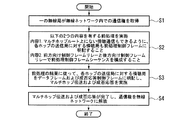
図3は、マルチホップ協力中継伝送方法の処理の流れの具体例を示すフローチャートである。
まず、マルチホップ伝送を開始する一の無線局が、無線通信ネットワークの中での通信権を取得する(S1)。前提として、無線通信ネットワークの中で送信フレームがもつ無線局同士が媒体アクセス方式に従い通信権を競合する。例えば、無線LANの場合では、CSMA/CA(Carrier Sense Multiple Access with Collision Avoidance)方式で送信フレームがもつ複数の無線局が通信権を競い合う。図1では、例えば無線局S1がネットワーク内での通信権を取得する。
FIG. 3 is a flowchart showing a specific example of the processing flow of the multi-hop cooperative relay transmission method.
First, one wireless station that starts multi-hop transmission acquires a communication right in the wireless communication network (S1). As a premise, wireless stations included in a transmission frame in a wireless communication network compete for communication rights according to the medium access method. For example, in the case of a wireless LAN, a plurality of wireless stations included in a transmission frame compete for communication rights using a CSMA / CA (Carrier Sense Multiple Access with Collision Avoidance) method. In FIG. 1, for example, the wireless station S1 acquires a communication right in the network.
次に、開始局は、通信権を取得したマルチホップ伝送の開始局からマルチホップ伝送の終了局あてにデータ伝送ができるように、前処理を実施する(S2)。
本ステップの前処理は、以下の2つの内容を有している。
(内容1)マルチホップルート上にない傍聴通信もできるように、各ホップの送信局に対する傍聴局も前処理制御フレームに記録すること。
(内容2)前方向け制御フレームリレーと後方向け制御フレームリレーで前処理制御フレームシーケンスを構成すること。
開始局から終了局へ向けた方向を前方、逆に終了局から開始局へ向けた方向を後方と定義する。更に、制御フレームリレーとはある通信ルートに沿って、その通信ルート上にある複数の無線局を経由し、制御フレームを通信ルートの終端から始端までに伝送することを意味する。
また、前方向け制御フレームリレーとは、開始局から終了局へ向けた方向で制御フレームを開始局から終了局へ伝送することを意味する。同様に、後方向け制御フレームリレーとは、終了局から開始局へ向けた方向で制御フレームを終了局から開始局へ伝送することを意味する。
Next, the start station performs preprocessing so that data transmission can be performed from the start station of the multi-hop transmission that has acquired the communication right to the end station of the multi-hop transmission (S2).
The preprocessing of this step has the following two contents.
(Content 1) Record the listening station for the transmitting station of each hop in the pre-processing control frame so that the listening communication not on the multi-hop route can be performed.
(Content 2) A pre-processing control frame sequence is composed of a forward control frame relay and a backward control frame relay.
The direction from the start station to the end station is defined as forward, and conversely, the direction from the end station to the start station is defined as backward. Further, the control frame relay means that a control frame is transmitted from the end of the communication route to the start end via a plurality of wireless stations on the communication route along a certain communication route.
The forward control frame relay means that a control frame is transmitted from the start station to the end station in a direction from the start station to the end station. Similarly, the backward control frame relay means that the control frame is transmitted from the end station to the start station in the direction from the end station to the start station.
制御フレームシーケンスでは、まず、前方向け制御フレームリレーを通じて、マルチホップ伝送に参加する各無線局における無線媒体のアクセス予約と、予約した媒体のリソース情報の集約を行う。次に、後方向け制御フレームリレーを通じて、集約したリソース情報に基づいたリソース制御の情報をマルチホップ伝送に参加する各無線局に通知する。これらの2つの制御フレームリレーの実施を通じて、マルチホップ伝送の準備を整える。 In the control frame sequence, first, through the forward control frame relay, the wireless medium access reservation in each wireless station participating in the multi-hop transmission and the resource information of the reserved medium are aggregated. Next, resource control information based on the aggregated resource information is notified to each wireless station participating in multi-hop transmission through a backward control frame relay. Prepare for multi-hop transmission through the implementation of these two control frame relays.
次に、開始局は、前処理の結果に従って、マルチホップ伝送および成否応答を実施する(S3)。
本ステップのマルチホップ伝送および成否応答は、マルチホップルート上にない傍聴通信もできるように、各ホップの送信局に対する傍聴局もデータフレームおよび成否応答制御フレームに記録すること、という内容を有している。
Next, the start station performs multi-hop transmission and a success / failure response according to the result of the preprocessing (S3).
The multi-hop transmission and success / failure response of this step has the content that the listening station for the transmitting station of each hop is also recorded in the data frame and the success / failure response control frame so that the listening communication not on the multi-hop route is possible. ing.
次に、マルチホップ伝送および成否応答が完了した後は、無線通信ネットワークに通信権を解放する(S4)。無線通信ネットワークに属する送信フレームが有する複数の無線局が媒体アクセス制御方式(例えば無線LANで使用するCSMA/CA方式など)を使って、再び無線通信媒体の通信権の競合を開始する。 Next, after the multi-hop transmission and the success / failure response are completed, the communication right is released to the wireless communication network (S4). A plurality of wireless stations included in a transmission frame belonging to a wireless communication network starts a competition for communication rights of the wireless communication medium again using a medium access control method (for example, a CSMA / CA method used in a wireless LAN).
本実施形態では、任意のホップ数を想定した上、無線媒体のアクセス予約と、無線リソース情報の集約と、無線リソース制御情報の通知と、を統一した制御フレームシーケンスで実現する仕組みを確立する。 The present embodiment establishes a mechanism that realizes wireless medium access reservation, aggregation of radio resource information, and notification of radio resource control information with a unified control frame sequence, assuming an arbitrary number of hops.
無線通信リソース情報とは、ある無線局ペア間の通信に利用できるさまざまな情報を意味する。無線通信リソース情報の例としては、無線伝搬路情報(CSI: Channel State Information)、受信信号対雑音電力比(SNR: Signal to Noise power Ratio)情報、変調方式符号化方式(MCS: Modulation Coding Scheme)情報、トラフィック(TSI: Traffic State Information)情報などの種々の通信リンクに関連する情報がある。無線通信リソース情報は、これらの例に限定されない。 The wireless communication resource information means various information that can be used for communication between a certain wireless station pair. Examples of radio communication resource information include radio channel information (CSI: Channel State Information), received signal-to-noise power ratio (SNR) information, modulation coding scheme (MCS). There is information related to various communication links such as information and traffic (TSI: Traffic State Information) information. The wireless communication resource information is not limited to these examples.
図3のステップS2における前処理について詳細に説明する。高効率なマルチホップ伝送を実現するには、前処理として、無線通信媒体のアクセス予約と、予約した媒体のリソース情報の集約と、リソース制御情報の通知とが必要である。 The preprocessing in step S2 in FIG. 3 will be described in detail. In order to realize high-efficiency multi-hop transmission, it is necessary to perform access reservation of the wireless communication medium, aggregation of resource information of the reserved medium, and notification of resource control information as preprocessing.
図4を参照して、中継局3個、開始無線局から終了無線局の間に4ホップあるマルチホップ伝送について、前処理の内容を説明する。なお、任意の中継局数およびホップ数あるマルチホップ伝送についても、ここで説明する前処理を自明に適用できる。
図4は、中継局が3個のマルチホップ伝送処理方法における構成図である。前処理の制御フレームシーケンスは4つの時間ステップが有する前方向け制御フレームリレー〔図4(a)参照〕と、4つの時間ステップが有する後方向け制御フレームリレー〔図4(b)参照〕で構成される。
With reference to FIG. 4, the contents of preprocessing will be described for multi-hop transmission with three relay stations and four hops between a start radio station and an end radio station. Note that the preprocessing described here can be applied to multi-hop transmission with an arbitrary number of relay stations and hops.
FIG. 4 is a configuration diagram in the multi-hop transmission processing method with three relay stations. The pre-processing control frame sequence is composed of a forward control frame relay having four time steps (see FIG. 4A) and a backward control frame relay having four time steps (see FIG. 4B). The
前方向け制御フレームリレーの内訳として、時間ステップ#1で無線局S1から無線局R1へ無線リンクL−S1R1を通じて、制御フレームを伝送する。また、前方向け制御フレームリレーの内訳として、時間ステップ#2で無線局R1から無線局R2へ無線リンクL−R1R2を通じて、制御フレームを伝送する。また、前方向け制御フレームリレーの内訳として、時間ステップ#3で無線局R2から無線局R3へ無線リンクL−R2R3を通じて、制御フレームを伝送する。また、前方向け制御フレームリレーの内訳として、時間ステップ#4で無線局R3から無線局S2へ無線リンクL−R3S2を通じて、制御フレームを伝送する。
無線リンク情報は、ある無線局ペア間の通信に利用できるさまざまな情報を意味する。例えば、無線リンク情報として、無線伝搬路情報(CSI:Channel State Information)、受信信号対雑音電力比(SNR:Signal to Noise power Ratio)情報、変調方式符号化方式(MCS:Modulation Coding Scheme)情報、トラフィック(TSI:Traffic State Information)情報などのさまざまな無線リンクに関連する情報が考えられる。無線伝搬路情報、受信信号対雑音電力比情報は、無線通信部12におけるトレーニング信号などの受信状態から間接的な情報として得ることができる。また、変調方式符号化方式は、送信元の無線局10が前処理制御フレームなどに設定した情報から直接得ることができる。また、トラフィック情報は、無線通信部12において受信した無線信号の送信元を監視することにより得ることができる。
As a breakdown of the forward control frame relay, at
The wireless link information means various information that can be used for communication between a certain wireless station pair. For example, as radio link information, radio channel information (CSI: Channel State Information), received signal to noise power ratio (SNR) information, modulation coding scheme (MCS) information, Information related to various wireless links such as traffic (TSI: Traffic State Information) information can be considered. The wireless propagation path information and the received signal-to-noise power ratio information can be obtained as indirect information from the reception state of the training signal or the like in the
後方向け制御フレームリレーの内訳として、時間ステップ#5で無線局S2から無線局R3へ制御フレームを伝送する。また、後方向け制御フレームリレーの内訳として、時間ステップ#6で無線局R3から無線局R2へ制御フレームを伝送する。また、後方向け制御フレームリレーの内訳として、時間ステップ#7で無線局R2から無線局R1へ制御フレームを伝送する。また、後方向け制御フレームリレーの内訳として、時間ステップ#8で無線局R1から無線局S1へ制御フレームを伝送する。
As a breakdown of the backward control frame relay, the control frame is transmitted from the radio station S2 to the radio station R3 at
前方向け制御フレームおよび後方向け制御フレームには、マルチホップ伝送に参加するすべての無線局のアドレスを、送信局グループTG(Transmitter Group)と受信局グループRG(Receiver Group)に分解した上、順番をつけて記載する。 In the forward control frame and backward control frame, the addresses of all radio stations participating in multi-hop transmission are disassembled into a transmitter station group TG (Transmitter Group) and a receiver station group RG (Receiver Group), and the order is Put it on.
図5は、送信局グループTGと受信局グループRGとをそれぞれ前方向け制御フレーム〔図5(a)参照〕と後方向け制御フレーム〔図5(b)参照〕とに記載する時の記入例を示す図である。
前方向け制御フレームリレーを実施する際、時間ステップ#2の単一ホップR1からR2で伝送される制御フレームに記載するTG、RGの記入例は次のように示す。
FIG. 5 shows an example of entry when the transmitting station group TG and the receiving station group RG are described in the forward control frame [see FIG. 5 (a)] and the backward control frame [see FIG. 5 (b)], respectively. FIG.
When implementing forward control frame relay, an example of entry of TG and RG described in the control frame transmitted from the single hop R1 to R2 at
時間ステップ#2のホップR1からR2に移行する。
TG : S1,R1
RG : R2,R3,S2
Transition from hop R1 to R2 at
TG: S1, R1
RG: R2, R3, S2
送信局グループTGには、これまでに送信した無線局S1,R1のアドレスを順番に記載する。
受信局グループRGには、受信可能な無線局R2,R3,S2のアドレスを順番に記載する。
送信局グループTGの第1番目に記載される無線局は、マルチホップ伝送の開始局である。マルチホップ伝送の開始局は、図5の例では、無線局S1に相当する。
受信局グループRGの最後番目に記載される無線局は、マルチホップ伝送の終了局である。マルチホップ伝送の終了局は、図5の例では、無線局S2に相当する。
送信局グループTGの最後番目に記載される無線局は、現在制御フレームリレーを実施している単一ホップR1からR2の送信局である。本送信局は、図5の例では、無線局R1に相当する。
受信局グループRGの第一番目に記載される無線局は、現在制御フレームリレーを実施している単一ホップR1からR2の送信局R1に対する受信局である。本受信局は、図5の例では、無線局R2に相当する。
受信局グループRGの第2番目から最後番目までに記載されている無線局は、現在制御フレームリレーを実施している単一ホップR1からR2の送信局R1に対する傍聴局である。本傍聴局は、図5の例では、無線局R3,S2に相当する。
In the transmitting station group TG, the addresses of the radio stations S1 and R1 transmitted so far are described in order.
In the receiving station group RG, addresses of receivable radio stations R2, R3, and S2 are described in order.
The first radio station described in the transmission station group TG is a start station of multihop transmission. The start station of multihop transmission corresponds to the radio station S1 in the example of FIG.
The radio station described at the end of the receiving station group RG is a multi-hop transmission end station. The end station of multihop transmission corresponds to the radio station S2 in the example of FIG.
The radio station described at the end of the transmission station group TG is a single-hop R1 to R2 transmission station that is currently implementing control frame relay. This transmission station corresponds to the radio station R1 in the example of FIG.
The first radio station described in the receiving station group RG is a receiving station for the transmitting station R1 of the single hop R1 to R2 that is currently implementing the control frame relay. This receiving station corresponds to the radio station R2 in the example of FIG.
The radio stations described from the second to the last in the receiving station group RG are hearing stations for the transmitting station R1 of the single hop R1 to R2 that are currently implementing the control frame relay. This hearing station corresponds to the radio stations R3 and S2 in the example of FIG.
単一ホップR1からR2の受信局R2は、送信局R1からの制御フレームを受け取り、所定の処理を行った後は、自ら次の単一ホップR2からR3における送信局R2となり、その送信局R2に対する受信局R3および傍聴局S2に向けて更新した制御フレームを終点局に向けてリレーする。その制御フレームに記載する送信局グループTGと受信局グループRGを次のように更新する。 The receiving station R2 of the single hop R1 to R2 receives the control frame from the transmitting station R1, and after performing a predetermined process, the receiving station R2 itself becomes the transmitting station R2 in the next single hop R2 to R3, and the transmitting station R2 The control frame updated toward the receiving station R3 and the listening station S2 is relayed toward the end station. The transmitting station group TG and the receiving station group RG described in the control frame are updated as follows.
1つ前の単一ホップR1からR2の受信局として受け取った制御フレームに、記載されていた受信局グループRGの第1番目の無線局R2のアドレスを記載されていた送信局グループTGの最後番目の無線局アドレスの後ろに移動する。その結果、送信局グループTGと受信局グループRGとは以下になる。 The last of the transmitting station group TG in which the address of the first radio station R2 of the described receiving station group RG is described in the control frame received as the receiving station of the previous single hop R1 to R2 Move behind the radio station address. As a result, the transmitting station group TG and the receiving station group RG are as follows.
時間ステップ#2のホップR1からR2に移行する。
TG:S1,R1
RG:R2,R3,S2
TG,RGを更新する。
時間ステップ#3のホップR2からR3に移行する。
TG:S1,R1,R2
RG:R3,S2
次の単一ホップR3からS2への送信グループTGと受信グループRGとの更新も同様である。
Transition from hop R1 to R2 at
TG: S1, R1
RG: R2, R3, S2
TG and RG are updated.
Transition from hop R2 to R3 at
TG: S1, R1, R2
RG: R3, S2
The same applies to the update of the transmission group TG and the reception group RG from the next single hop R3 to S2.
次に、後方向け制御フレームリレーを実施する際の時間ステップ#6の単一ホップR3からR2で伝送される制御フレームに記載するTG、RGの記入例を次に示す。
Next, an example of entry of TG and RG described in the control frame transmitted from the single hop R3 to R2 at
時間ステップ#6のホップR3からR2に移行する。
TG:S2,R3
RG:R2,R1,S1
Transition from hop R3 to R2 at
TG: S2, R3
RG: R2, R1, S1
前方向け制御フレームリレーと同様に、S2はマルチホップ伝送の開始局、S1はマルチホップ伝送の終了局、R3は現在制御フレームリレーを実施している単一ホップR3からR2の送信局、R2とR1及びS1とは、それぞれ送信局R3に対する受信局と傍聴局とである。以降の時間ステップ#7、#8の単一ホップでの送信グループTGと受信グループRGの更新も同様に類推できる。
Similar to the forward control frame relay, S2 is a multi-hop transmission start station, S1 is a multi-hop transmission end station, R3 is a single-hop R3 to R2 transmitting station that currently performs control frame relay, and R2 R1 and S1 are a receiving station and a listening station for the transmitting station R3, respectively. Subsequent updating of the transmission group TG and reception group RG in a single hop at
ただし、上記制御フレームの送信局グループTGと受信局グループRGとのいずれにも記載されていない無線局は、上記制御フレームを受信した後にNAV(Network Allocation Vector)をはって、マルチホップ伝送に参加する無線局との無線媒体での衝突を回避する。 However, radio stations that are not described in either the transmitting station group TG or the receiving station group RG of the control frame receive multi-hop transmission by receiving a network allocation vector (NAV) after receiving the control frame. Avoid collisions in the wireless medium with participating wireless stations.
また、送信局と受信局の間の無線リンクを所望リンクとし、送信局と傍聴局との間の無線リンクを傍聴リンクとする。図5の例では、無線局R1と無線局R2との間の無線リンクは所望リンクであり、無線局R1と無線局R3,無線局S2との間の無線リンクは傍聴リンクである。
図5では、所望リンクを実線で示し、傍聴リンクを点線で示している。所望リンクでは送信局と受信局との間の通信は可能であるが、傍聴リンクでは送信局と傍聴局との間の通信は可能あるいは不能の両方の可能性がある。通信不能とは送信局と傍聴局との間の通信が正確にできないことを意味する。
In addition, a wireless link between the transmitting station and the receiving station is set as a desired link, and a wireless link between the transmitting station and the listening station is set as a listening link. In the example of FIG. 5, the radio link between the radio station R1 and the radio station R2 is a desired link, and the radio link between the radio station R1 and the radio stations R3 and S2 is a listening link.
In FIG. 5, the desired link is indicated by a solid line, and the listening link is indicated by a dotted line. While communication between the transmitting station and receiving station is possible on the desired link, communication between the transmitting station and the listening station may or may not be possible on the listening link. Inability to communicate means that communication between the transmitting station and the hearing station cannot be performed accurately.
図5から分かるように、前方向けマルチホップ伝送の開始局となる無線局S1と終了局となる無線局S2との間には所望リンクは4個あるのに対して、傍聴リンクは6個ある。所望リンクと傍聴リンクとを併せて全部で10個の無線リンクがある。傍聴リンク通信は、上記制御フレームの中に各単一ホップの送信局に対する受信局以外に、傍聴局も記録することによって得られた増分の通信リソースである。 As can be seen from FIG. 5, there are four desired links between the radio station S1 which is the start station of the forward multi-hop transmission and the radio station S2 which is the end station, but there are six listening links. . There are a total of 10 wireless links, including the desired link and the listening link. Hearing link communication is an incremental communication resource obtained by recording the station as well as the receiving station for each single-hop transmitting station in the control frame.
このように、マルチホップ伝送に参加するすべての無線局のアドレスを制御フレームに記載するだけではなく、各単一ホップの送信局に対する受信局以外に、傍聴局も記録することによって、次のような利点A,B,が得られる。
A,所望リンク通信と傍聴リンク通信との両方が可能となる。そのため、協力中継伝送を実施できるパターンが増え、その結果マルチホップ伝送ルートの選択肢が増える。
B,既定の伝送ルートを変更しなくても、制御フレームやデータフレームを伝送する際に、各無線局が異なる時間ステップで受け取った同一信号に対して、ダイバシティー合成受信処理が適用できる。
In this way, not only the addresses of all radio stations participating in multi-hop transmission are described in the control frame, but also the listening station is recorded in addition to the receiving station for each single-hop transmitting station as follows. Advantages A and B can be obtained.
A, Both desired link communication and listening link communication are possible. This increases the number of patterns in which cooperative relay transmission can be carried out, resulting in an increase in choices for multi-hop transmission routes.
B, Diversity combining reception processing can be applied to the same signal received by each wireless station at different time steps when transmitting a control frame or a data frame without changing the default transmission route.
ここからは、図4及び図5のマルチホップ伝送構成に対して、統一した制御フレームシーケンスを用いて、各無線局の媒体アクセス予約と、予約した無線媒体のリソース情報(つまり、マルチホップ伝送に関連する各無線通信リンクにおける情報)の集約と、無線リソース制御情報(つまり、マルチホップ伝送に関連する各無線局における無線リソースの割当パターンなどの情報)の通知と、を具体的なフレームシーケンスを通して実現する方法を説明する。 From here, for the multi-hop transmission configurations of FIG. 4 and FIG. 5, using a unified control frame sequence, the medium access reservation of each wireless station and the resource information of the reserved wireless medium (that is, for multi-hop transmission). Aggregation of information related to each radio communication link) and notification of radio resource control information (that is, information such as radio resource allocation pattern in each radio station related to multi-hop transmission) through a specific frame sequence A method for realizing this will be described.
図6は、上記のフレームシーケンスの具体例を示す。図6において、横軸は時間を示している。図6には、6つの時間軸があり、一番上部の時間軸は、無線局S1,S2,R1,R2,R3が送信する制御フレームを時間順に整理した前処理制御フレームシーケンスの全体である。残り下部の5つの時間軸には、それぞれ無線局S1,R1,R2,R3,S2が送信局として送信する制御フレームと、無線局S1,R1,R2,R3,S2が受信局および傍聴局として受け取る無線伝搬後の制御フレームを時間順に整理している。図6において、傍聴した制御フレームは点線枠で示される。 FIG. 6 shows a specific example of the above frame sequence. In FIG. 6, the horizontal axis represents time. In FIG. 6, there are six time axes, and the uppermost time axis is the entire pre-processing control frame sequence in which control frames transmitted by the radio stations S1, S2, R1, R2, and R3 are arranged in time order. . The remaining five time axes have control frames transmitted by the radio stations S1, R1, R2, R3, and S2 as transmitting stations, and radio stations S1, R1, R2, R3, and S2 as receiving stations and listening stations, respectively. The received control frames after radio propagation are arranged in order of time. In FIG. 6, the control frame that was observed is indicated by a dotted frame.
ここでは、無線LANで採用されている衝突防止制御策RTS(Request To Send:送信要求)制御フレームと、CTS(Clear To Send:受信準備完了)制御フレームを拡張して利用する形を想定するが、他の制御フレームあるいは無線LAN以外のシステムの制御フレームの利用を想定してもよい。また、制御フレーム間の時間間隔は無線LANで用いるSIFS(Short InterFrame Space)とする。 Here, it is assumed that the anti-collision control RTS (Request To Send) control frame and the CTS (Clear To Send) control frame adopted in the wireless LAN are extended and used. The use of other control frames or control frames of systems other than the wireless LAN may be assumed. The time interval between control frames is SIFS (Short InterFrame Space) used in the wireless LAN.
リソース情報は、取得する方法によって、未知のものとして推定することによって得るタイプと、既知のものとして情報を直接受け取って得るタイプとの2種類に分類できる。本実施形態では、両方のタイプのリソース情報の利用に対応する。 Depending on the acquisition method, the resource information can be classified into two types: a type obtained by estimation as unknown and a type obtained by directly receiving information as known. In the present embodiment, both types of resource information are used.
以下、前方向け制御フレームリレーとして時間ステップ#1〜#4を説明する。
時間ステップ#1において、ホップS1からR1では、送信局グループTGと受信局グループRGとを更新して、送信局S1が受信局R1と傍聴局R2,R3,S2宛に拡張RTS(Extended RTS)制御フレームを前方向けリレーする。
その拡張RTSに関する各関連無線局での詳細なやりとりは、下部にある各無線局に関連する時間軸に分解して記載している。ホップS1からR1の送信局S1がトレーニング信号を含んだ拡張RTSを送信する。受信局R1と傍聴局R2,R3,S2はその拡張RTSフレームを受信し、その中のトレーニング信号を利用して、S1との間の未知の無線リソース情報L−S1R1、L−S1R2、L−S1R3、L−S1S2を推定する。
Hereinafter, time steps # 1 to # 4 will be described as a forward control frame relay.
In
Detailed exchanges at each related radio station regarding the extended RTS are described in the time axis related to each radio station at the bottom. The transmitting station S1 of hops S1 to R1 transmits an extended RTS including a training signal. The receiving station R1 and the listening stations R2, R3, and S2 receive the extended RTS frame, and use the training signal therein, and the unknown radio resource information L-S1R1, L-S1R2, L- S1R3 and L-S1S2 are estimated.
時間ステップ#2において、ホップR1からR2では、送信局グループTGと受信局グループRGとを更新して、送信局R1が受信局R2と傍聴局R3,S2とを宛先に拡張したCTS(Extended CTS)制御フレームを前方向けリレーする。その拡張CTS制御フレームには、トレーニング信号以外に時間ステップ#1で得たリソース情報L−S1R1が追加されている。ホップR1からR2の受信局R2と傍聴局R3,S2とは、送信局R1からの拡張CTSフレームを受信し、その中のトレーニング信号を利用して無線局R1との間の未知の無線リソース情報L−R1R2、L−R1R3、L−R1S2を推定する。更に、拡張CTSに含まれる既知の無線リソース情報L−S1R1を受け取る。
In
時間ステップ#3において、ホップR2からR3では、送信局グループTGと受信局グループRGとを更新して、送信局R2が受信局R3と傍聴局S2宛に拡張したCTS制御フレームを前方向けリレーする。その拡張CTS制御フレームには、トレーニング信号以外に時間ステップ#1及び#2で得たリソース情報L−R1R2、L−S1R2が追加されている。ホップR2からR3の受信局R3と傍聴局S2は送信局R2からの拡張CTSフレームを受信し、その中のトレーニング信号を利用してR2との間の未知の無線リソース情報L−R2R3、L−R2S2を推定する。ホップR2からR3の受信局R3と傍聴局S2は、拡張CTSに含まれる既知の無線リソース情報L−R1R2、L−S1R2、L−S1R1を受け取る。
At
時間ステップ#4において、ホップR3からS2では、送信局グループTGと受信局グループRGとを更新して、送信局R3が受信局S2宛に拡張したCTS制御フレームを前方向けリレーする。拡張CTS制御フレームには、トレーニング信号以外に時間ステップ#2及び#3で得たリソース情報L−R1R3、L−R2R3が追加されている。ホップR3からS2の受信局S2は送信局R3からの拡張CTSフレームを受信し、その中のトレーニング信号を利用して無線局R3との間の未知の無線リソース情報L−R3S2を推定する。ホップR3からS2の受信局S2は、拡張CTSに含まれる既知の無線リソース情報L−R1R3、L−R2R3を受け取る。
At
ここでは、傍聴リンクS1R3が通信不能のために、時間ステップ#1においてリソース情報L−S1R3の推定ができなかった、あるいは、制御フレームのオーバヘッドを減らすため、リソース情報L−S1R3を送信局R3が送信する制御フレームに追加しない。このように、リレーする制御フレームの送信局グループTGと受信局グループRGの更新は必要であるが、リソース情報の追加はシステムの要求条件に応じて決めればよい。
Here, since the communication link S1R3 cannot communicate, the resource information L-S1R3 could not be estimated at
図6から読み取れるように、時間ステップ#1〜#4までの前方向け制御フレームリレーを通して、開始局S1と終了局S2との間のマルチホップ伝送に参加する各無線局における無線媒体のアクセス予約ができる。また、所望リンク通信と傍聴リンク通信(傍聴リンクが全部通信可能と仮定する)の両方を利用して、無線局R1、R2、R3、S2にそれぞれ1個、3個、6個、9個のリソース情報を集約できる。
As can be seen from FIG. 6, through the forward control frame relay from
無線局R1、R2、R3、S2の一部は集約したリソース情報に基づいて、ルートの再選択やサブチャネルの割当などのリソース制御を行うことができる。マルチホップ伝送を制御情報に従って実施するには、その制御情報をマルチホップ伝送に参加する自身以外の無線局に通知する必要がある。 Some of the radio stations R1, R2, R3, and S2 can perform resource control such as route reselection and subchannel allocation based on the aggregated resource information. In order to implement multi-hop transmission according to control information, it is necessary to notify the control information to wireless stations other than itself that participate in the multi-hop transmission.
以下、後方向け制御フレームリレーとして時間ステップ#5〜#8を説明する。
時間ステップ#5において、ホップS2からR3では、送信局グループTGと受信局グループRGとを更新して、送信局S2が受信局R3と傍聴局R3,R2,S1宛に拡張CTS制御フレームを後方向けリレーする。拡張CTS制御フレームには、リソース制御情報S2−RCI(Resource Control Information)を含む。ホップS2からR3の受信局R3、傍聴局R2,R1,S1は送信局S2からの拡張CTSフレームを受信し、拡張CTSフレームに含まれるリソース制御情報S2−RCIを受け取る。
In the following, time steps # 5 to # 8 will be described as a backward control frame relay.
At
時間ステップ#6において、ホップR3からR2では、送信局グループTGと受信局グループRGを更新して、送信局R3が受信局R2と傍聴局R1,S1宛に拡張したCTS制御フレームを後方向けリレーする。拡張CTS制御フレームは、リソース制御情報R3−RCIを含む。ホップR3からR2の受信局R2及び傍聴局R1,S1は、送信局R3からの拡張CTSフレームを受信し、拡張CTSフレームに含まれるリソース制御情報R3−RCIを受け取る。
At
時間ステップ#7において、ホップR2からR1では、送信局グループTGと受信局グループRGを更新して、送信局R2が受信局R1及び傍聴局S1宛に拡張したCTS制御フレームを後方向けリレーする。拡張CTS制御フレームは、リソース制御情報R2−RCIを含む。ホップR2、R1の受信局R1傍聴局S1は送信局R2からの拡張CTSフレームを受信し、拡張CTSに含まれるリソース制御情報R2−RCIを受け取る。
At
時間ステップ#8において、ホップR1からS1では、送信局グループTGと受信局グループRGとを更新して、送信局R1が受信局S1宛に拡張したCTS制御フレームを後方向けリレーする。拡張CTS制御フレームは、リソース制御情報R1−RCIを含む。ホップR1からS1の受信局S1は送信局R1からの拡張CTSフレームを受信し、拡張CTSフレームに含まれるリソース制御情報R1−RCIを受け取る。
In
図6から読み取れるように、時間ステップ#5〜#8までの後方向け制御フレームリレーを通して、終了局S2から開始局S1に向かって、マルチホップ伝送に参加する各無線局にリソース制御情報を通知できる。
リソース制御情報R1−RCI、R2−RCI、R3−RCI、S2−RCIはそれぞれ前者が後者の部分集合である。
As can be seen from FIG. 6, the resource control information can be notified to each radio station participating in multi-hop transmission from the end station S2 to the start station S1 through the backward control frame relay from
The resource control information R1-RCI, R2-RCI, R3-RCI, and S2-RCI are each a subset of the former and the latter.
図5からも読み取れるように、傍聴リンク通信を利用すれば、各無線局が異なる時間ステップで受け取った同一情報を含む前方向け制御フレームおよび後方向け制御フレームに対して、ダイバシティー合成受信処理が適用できる。従って、傍聴リンクの使用はマルチホップ伝送に起因する誤り伝搬の軽減にも役立つ。 As can be seen from FIG. 5, if listening link communication is used, diversity combining reception processing is applied to the forward control frame and the backward control frame including the same information received by each wireless station at different time steps. it can. Therefore, the use of a listening link also helps to reduce error propagation due to multi-hop transmission.
〔実施の形態2〕
本実施形態が、実施の形態1と異なるのは、下記の点である。
まず、通信放送性から、あるホップの送信局が送信する前方向け制御フレームリレーは、そのホップの受信局が受け取れると同時に、1つ前のホップの送信局も受け取ることができることである。したがって、あるホップの送信局が前方向け制御フレームを送信すると、そのホップの受信局に対する予約の機能があると同時に、1つ前のホップの送信局に対して受信局として予約されたかどうかの成否応答〔ACK(ACKnowledge)〕の機能もある。
[Embodiment 2]
This embodiment is different from the first embodiment in the following points.
First, from the viewpoint of communication broadcasting, the forward control frame relay transmitted by a certain hop transmitting station can be received by the hop receiving station at the same time that the hop receiving station can be received. Therefore, when a transmitting station of a hop transmits a forward control frame, there is a reservation function for the receiving station of the hop, and at the same time, whether or not it is reserved as a receiving station for the transmitting station of the previous hop. There is also a response [ACK (ACKnowledge)] function.
あるホップにたどり着いた時点で、そのホップの送信局(終了局でないとする)がSIFS間隔を経ても、続けて前向け制御フレームを送信しなければ、1つ前のホップの送信局は自分による受信局への予約が失敗したと判断する。
その場合は、オーバヘッドを減らすために、開始局から終了局までのマルチホップ伝送を実施するために前方向け制御フレームリレーによる媒体予約を最初からやり直すのではなく、最後に予約できた中継局を終了局と見なして、前方向け制御フレームリレーを終了させ、後方向け制御フレームリレーをその中継局から開始局に向かって実施する。
When a certain hop is reached, if the transmitting station of the hop (assuming that it is not the end station) passes the SIFS interval and does not continue to transmit a forward control frame, the transmitting station of the previous hop is determined by itself. It is determined that the reservation to the receiving station has failed.
In that case, in order to reduce the overhead, the relay station that was able to reserve at the end is terminated instead of starting the media reservation by the forward control frame relay from the beginning in order to perform multi-hop transmission from the start station to the end station. Considering the station, the forward control frame relay is terminated, and the backward control frame relay is performed from the relay station toward the start station.
上記の前処理が終了すれば、開始局から予約できた最後の中継局との間のマルチホップ伝送およびその成否応答を実施する。それらが完了すれば、無線通信ネットワークに通信権を解放する。
図7は、上記のフレームシーケンスの具体例を示す。
When the above pre-processing is completed, multi-hop transmission with the last relay station that can be reserved from the start station and its success / failure response are performed. When they are completed, the communication right is released to the wireless communication network.
FIG. 7 shows a specific example of the above frame sequence.
上記の各実施形態によれば、任意のホップ数を想定した上、無線媒体のアクセス予約と、無線リソース情報の集約と、無線リソース制御情報の通知と、を統一した制御フレームシーケンスで実現することができる。
すなわち、任意のホップ数が有するマルチホップ協力中継伝送について、無線媒体のアクセス予約と、無線リソース情報(つまり、マルチホップ伝送に関連する各無線通信リンクにおける情報)の集約と、無線リソース制御情報(つまり、マルチホップ伝送に関連する各無線局における無線リソースの割当パターンなどの情報)の通知と、を統一したフレームシーケンスを通じて実現できる。
上記の各実施形態によれば、従来の無線通信ネットワークに比べて、より高いシステムスループット、短い伝送遅延などの向上した通信品質が実現できる。
According to each of the above embodiments, assuming an arbitrary number of hops, the wireless medium access reservation, the aggregation of radio resource information, and the notification of radio resource control information can be realized by a unified control frame sequence Can do.
That is, for multi-hop cooperative relay transmission having an arbitrary number of hops, wireless medium access reservation, radio resource information (that is, information in each radio communication link related to multi-hop transmission), radio resource control information ( That is, notification of information (such as an allocation pattern of radio resources in each radio station related to multi-hop transmission) can be realized through a unified frame sequence.
According to each of the above embodiments, improved communication quality such as higher system throughput and shorter transmission delay can be realized as compared with the conventional wireless communication network.
以上、この発明の実施形態について図面を参照して詳述してきたが、具体的な構成はこの実施形態に限られるものではなく、この発明の要旨を逸脱しない範囲の設計も含まれる。なお、当然ながら、上述した実施の形態および複数の変形例は、その内容が相反しない範囲で組み合わせることができる。また、上述した実施の形態および変形例では、各部の構造などを具体的に説明したが、その構造などは本願発明を満足する範囲で各種に変更することができる。 The embodiment of the present invention has been described in detail with reference to the drawings. However, the specific configuration is not limited to this embodiment, and includes a design that does not depart from the gist of the present invention. Needless to say, the above-described embodiment and a plurality of modifications can be combined within a range in which the contents do not conflict with each other. Further, in the above-described embodiments and modifications, the structure of each part has been specifically described, but the structure and the like can be changed in various ways within a range that satisfies the present invention.
10…無線局, 11…アンテナ, 12…無線通信部, 13…通信制御部, 14…ルート選択部, 15…通信権取得部, 16…前処理制御部, 17…前方向け制御部, 18…後方向け制御部, 19…伝送制御部
DESCRIPTION OF
Claims (3)
無線通信を開始する開始局が前記無線通信ネットワーク内での通信権を取得する段階と、
前記通信権を取得した開始局が、前記マルチホップ伝送の前に処理される前処理制御フレームに各ホップの送信局に対する傍聴局を記録する段階と、
前記通信権を取得した開始局が、前記前処理制御フレームの処理結果に基づいて、各ホップの送信局に対する傍聴局をデータフレームに記録して前記マルチホップ伝送を実行する段階とを有し、
前記前処理制御フレームは、前方向け制御フレームリレーと後方向け制御フレームリレーとを含み、
前記通信権を取得した開始局は、
前記前方向け制御フレームリレーに基づいて、前記マルチホップ伝送に参加する各無線局における無線媒体のアクセス予約と、アクセス予約した前記無線媒体のリソース情報の集約を行うと共に、
前記後方向け制御フレームリレーに基づいて、集約したリソース情報に基づいたリソース制御の情報を前記マルチホップ伝送に参加する各無線局に通知し、
前記マルチホップ伝送に参加する各無線局は、
前記前方向け制御フレームリレーを送信した後、当該前方向け制御フレームリレーの受信局が所定時間を経ても前記前方向け制御フレームを送信しなかった場合は、前記前方向け制御フレームリレーを終了させ、前記後方向け制御フレームリレーを自局から前記開始局に向かって実施する通信方法。 In a communication method between a plurality of wireless stations participating in multi-hop transmission having an arbitrary number of hops in a wireless communication network,
A starting station for starting wireless communication obtains a communication right in the wireless communication network;
The starting station that has acquired the communication right records the listening station for each hop transmitting station in a pre-processing control frame that is processed before the multi-hop transmission;
Starting station acquires the communication right, based on the processing result of the pretreatment control frame, and record the hearing station data frame possess a step of performing the multi-hop transmission for the transmitting station for each hop,
The preprocessing control frame includes a front control frame relay and a rear control frame relay,
The starting station that acquired the communication right is
Based on the forward control frame relay, performing access reservation of the wireless medium in each wireless station participating in the multi-hop transmission, and collecting resource information of the wireless medium that has reserved access,
Based on the backward control frame relay, the resource control information based on the aggregated resource information is notified to each wireless station participating in the multi-hop transmission,
Each radio station participating in the multi-hop transmission is
After transmitting the forward control frame relay, if the forward control frame relay receiving station does not transmit the forward control frame even after a predetermined time, terminate the forward control frame relay, A communication method for performing a backward control frame relay from its own station toward the start station .
無線通信を開始する開始局は、
前記無線通信ネットワーク内での通信権を取得し、
前記マルチホップ伝送の前に処理される前処理制御フレームに各ホップの送信局に対する傍聴局を記録し、
前記前処理制御フレームの処理結果に基づいて、各ホップの送信局に対する傍聴局をデータフレームに記録して前記マルチホップ伝送を実行し、
前記前処理制御フレームは、前方向け制御フレームリレーと後方向け制御フレームリレーとを含み、
前記通信権を取得した開始局は、
前記前方向け制御フレームリレーに基づいて、前記マルチホップ伝送に参加する各無線局における無線媒体のアクセス予約と、アクセス予約した前記無線媒体のリソース情報の集約を行うと共に、
前記後方向け制御フレームリレーに基づいて、集約したリソース情報に基づいたリソース制御の情報を前記マルチホップ伝送に参加する各無線局に通知し、
前記マルチホップ伝送に参加する各無線局は、
前記前方向け制御フレームリレーを送信した後、当該前方向け制御フレームリレーの受信局が所定時間を経ても前記前方向け制御フレームを送信しなかった場合は、前記前方向け制御フレームリレーを終了させ、前記後方向け制御フレームリレーを自局から前記開始局に向かって実施する通信システム。 In a communication system including a plurality of wireless stations participating in multi-hop transmission having an arbitrary number of hops in a wireless communication network,
The starting station that starts wireless communication is
Obtaining a communication right in the wireless communication network;
Record the listening station for each hop transmitting station in a pre-processing control frame that is processed before the multi-hop transmission,
Based on the processing result of the pre-processing control frame, record the hearing station for the transmission station of each hop in the data frame and execute the multi-hop transmission ,
The preprocessing control frame includes a front control frame relay and a rear control frame relay,
The starting station that acquired the communication right is
Based on the forward control frame relay, performing access reservation of the wireless medium in each wireless station participating in the multi-hop transmission, and collecting resource information of the wireless medium that has reserved access,
Based on the backward control frame relay, the resource control information based on the aggregated resource information is notified to each wireless station participating in the multi-hop transmission,
Each radio station participating in the multi-hop transmission is
After transmitting the forward control frame relay, if the forward control frame relay receiving station does not transmit the forward control frame even after a predetermined time, terminate the forward control frame relay, A communication system for performing a backward control frame relay from the own station toward the start station .
Priority Applications (1)
| Application Number | Priority Date | Filing Date | Title |
|---|---|---|---|
| JP2013175011A JP6082995B2 (en) | 2013-08-26 | 2013-08-26 | Communication method and communication system |
Applications Claiming Priority (1)
| Application Number | Priority Date | Filing Date | Title |
|---|---|---|---|
| JP2013175011A JP6082995B2 (en) | 2013-08-26 | 2013-08-26 | Communication method and communication system |
Publications (2)
| Publication Number | Publication Date |
|---|---|
| JP2015043547A JP2015043547A (en) | 2015-03-05 |
| JP6082995B2 true JP6082995B2 (en) | 2017-02-22 |
Family
ID=52696882
Family Applications (1)
| Application Number | Title | Priority Date | Filing Date |
|---|---|---|---|
| JP2013175011A Active JP6082995B2 (en) | 2013-08-26 | 2013-08-26 | Communication method and communication system |
Country Status (1)
| Country | Link |
|---|---|
| JP (1) | JP6082995B2 (en) |
Family Cites Families (4)
| Publication number | Priority date | Publication date | Assignee | Title |
|---|---|---|---|---|
| CN100521648C (en) * | 2001-09-27 | 2009-07-29 | 艾利森电话股份有限公司 | Multi-forwarding routing method of distributed wireless local area network |
| JP2005191922A (en) * | 2003-12-25 | 2005-07-14 | Matsushita Electric Ind Co Ltd | Communication device, relay device, and communication method |
| JP2006140943A (en) * | 2004-11-15 | 2006-06-01 | Mitsubishi Electric Corp | Multi-pop wireless communication system, multi-pop wireless communication method, and relay base station node |
| JP2006325142A (en) * | 2005-05-20 | 2006-11-30 | Matsushita Electric Ind Co Ltd | Wireless terminal and communication method thereof |
-
2013
- 2013-08-26 JP JP2013175011A patent/JP6082995B2/en active Active
Also Published As
| Publication number | Publication date |
|---|---|
| JP2015043547A (en) | 2015-03-05 |
Similar Documents
| Publication | Publication Date | Title |
|---|---|---|
| EP2494845B1 (en) | Method for forwarding in peer-to-peer wireless communications | |
| JP3792662B2 (en) | Multi-hop transfer method and mobile terminal capable of multi-hop transfer | |
| US7822009B2 (en) | Distributed medium access protocol for wireless mesh networks | |
| JP7710470B2 (en) | Multi-user (MU) communication in wireless mesh networks | |
| CN103763076B (en) | Implementation method of cooperative MAC protocol based on asynchronous multi-channel in vehicular ad hoc network | |
| EP3030013A1 (en) | Wireless communication apparatus and wireless communication method | |
| Takata et al. | A dual access mode MAC protocol for ad hoc networks using smart antennas | |
| Dang et al. | Multi-channel MAC protocol with Directional Antennas in wireless ad hoc networks | |
| Sami et al. | An energy-aware cross-layer cooperative MAC protocol for wireless ad hoc networks | |
| CN101997582A (en) | Cooperative communication method and apparatus based on super frame | |
| CN120166375A (en) | A UAV swarm networked measurement, control and communication system and communication method | |
| CN104202790B (en) | A kind of MIMO-CCRN bottleneck effect removing methods based on power adaptive | |
| CN111343687B (en) | Network data transmission method and device based on multi-relay cooperation and electronic equipment | |
| KR101802967B1 (en) | Method and apparatus for configuring multi-hop network | |
| Mainaud et al. | Cooperative communication for wireless sensors network: a mac protocol solution | |
| Jain et al. | A cross layer MAC with explicit synchronization through intelligent feedback for multiple beam antennas | |
| JP6082995B2 (en) | Communication method and communication system | |
| CN107529227B (en) | Denoising forwarding bidirectional relay time slot allocation method | |
| Li et al. | Cross layer optimization for cooperative mobile ad-hoc UAV network | |
| Sheu et al. | A cooperative MAC protocol based on 802.11 in wireless ad hoc networks | |
| CN105610475B (en) | A kind of collaboration method of the bi-directional relaying based on network code | |
| Guo et al. | Performance of a cooperative relay-based auto-rate MAC protocol for wireless ad hoc networks | |
| Palacios et al. | Coding-aware MAC: Providing channel access priority for network coding with reverse direction DCF in IEEE 802.11-based wireless networks | |
| Xu et al. | Interference aware routing and scheduling in wireless backhaul networks with smart antennas | |
| Wang et al. | MAC protocol supporting physical-layer network coding with overhearing |
Legal Events
| Date | Code | Title | Description |
|---|---|---|---|
| A621 | Written request for application examination |
Free format text: JAPANESE INTERMEDIATE CODE: A621 Effective date: 20150721 |
|
| A521 | Request for written amendment filed |
Free format text: JAPANESE INTERMEDIATE CODE: A821 Effective date: 20150721 |
|
| A977 | Report on retrieval |
Free format text: JAPANESE INTERMEDIATE CODE: A971007 Effective date: 20160428 |
|
| A131 | Notification of reasons for refusal |
Free format text: JAPANESE INTERMEDIATE CODE: A131 Effective date: 20160510 |
|
| A521 | Request for written amendment filed |
Free format text: JAPANESE INTERMEDIATE CODE: A523 Effective date: 20160705 |
|
| TRDD | Decision of grant or rejection written | ||
| A01 | Written decision to grant a patent or to grant a registration (utility model) |
Free format text: JAPANESE INTERMEDIATE CODE: A01 Effective date: 20161220 |
|
| A61 | First payment of annual fees (during grant procedure) |
Free format text: JAPANESE INTERMEDIATE CODE: A61 Effective date: 20161226 |
|
| R150 | Certificate of patent or registration of utility model |
Ref document number: 6082995 Country of ref document: JP Free format text: JAPANESE INTERMEDIATE CODE: R150 |
|
| R250 | Receipt of annual fees |
Free format text: JAPANESE INTERMEDIATE CODE: R250 |
|
| R250 | Receipt of annual fees |
Free format text: JAPANESE INTERMEDIATE CODE: R250 |
|
| R250 | Receipt of annual fees |
Free format text: JAPANESE INTERMEDIATE CODE: R250 |
|
| R250 | Receipt of annual fees |
Free format text: JAPANESE INTERMEDIATE CODE: R250 |
|
| R250 | Receipt of annual fees |
Free format text: JAPANESE INTERMEDIATE CODE: R250 |
|
| R250 | Receipt of annual fees |
Free format text: JAPANESE INTERMEDIATE CODE: R250 |
|
| S533 | Written request for registration of change of name |
Free format text: JAPANESE INTERMEDIATE CODE: R313533 |
|
| R350 | Written notification of registration of transfer |
Free format text: JAPANESE INTERMEDIATE CODE: R350 |
|
| R250 | Receipt of annual fees |
Free format text: JAPANESE INTERMEDIATE CODE: R250 |