KR20140053902A - A container handling and flow system, use thereof and method of handling containers - Google Patents
A container handling and flow system, use thereof and method of handling containers Download PDFInfo
- Publication number
- KR20140053902A KR20140053902A KR1020137032236A KR20137032236A KR20140053902A KR 20140053902 A KR20140053902 A KR 20140053902A KR 1020137032236 A KR1020137032236 A KR 1020137032236A KR 20137032236 A KR20137032236 A KR 20137032236A KR 20140053902 A KR20140053902 A KR 20140053902A
- Authority
- KR
- South Korea
- Prior art keywords
- container
- base elements
- containers
- elements
- base
- Prior art date
- Legal status (The legal status is an assumption and is not a legal conclusion. Google has not performed a legal analysis and makes no representation as to the accuracy of the status listed.)
- Abandoned
Links
Images









Classifications
-
- B—PERFORMING OPERATIONS; TRANSPORTING
- B65—CONVEYING; PACKING; STORING; HANDLING THIN OR FILAMENTARY MATERIAL
- B65D—CONTAINERS FOR STORAGE OR TRANSPORT OF ARTICLES OR MATERIALS, e.g. BAGS, BARRELS, BOTTLES, BOXES, CANS, CARTONS, CRATES, DRUMS, JARS, TANKS, HOPPERS, FORWARDING CONTAINERS; ACCESSORIES, CLOSURES, OR FITTINGS THEREFOR; PACKAGING ELEMENTS; PACKAGES
- B65D90/00—Component parts, details or accessories for large containers
-
- B—PERFORMING OPERATIONS; TRANSPORTING
- B65—CONVEYING; PACKING; STORING; HANDLING THIN OR FILAMENTARY MATERIAL
- B65D—CONTAINERS FOR STORAGE OR TRANSPORT OF ARTICLES OR MATERIALS, e.g. BAGS, BARRELS, BOTTLES, BOXES, CANS, CARTONS, CRATES, DRUMS, JARS, TANKS, HOPPERS, FORWARDING CONTAINERS; ACCESSORIES, CLOSURES, OR FITTINGS THEREFOR; PACKAGING ELEMENTS; PACKAGES
- B65D90/00—Component parts, details or accessories for large containers
- B65D90/12—Supports
- B65D90/16—Skids
-
- B—PERFORMING OPERATIONS; TRANSPORTING
- B61—RAILWAYS
- B61D—BODY DETAILS OR KINDS OF RAILWAY VEHICLES
- B61D5/00—Tank wagons for carrying fluent materials
- B61D5/08—Covers or access openings; Arrangements thereof
-
- B—PERFORMING OPERATIONS; TRANSPORTING
- B65—CONVEYING; PACKING; STORING; HANDLING THIN OR FILAMENTARY MATERIAL
- B65D—CONTAINERS FOR STORAGE OR TRANSPORT OF ARTICLES OR MATERIALS, e.g. BAGS, BARRELS, BOTTLES, BOXES, CANS, CARTONS, CRATES, DRUMS, JARS, TANKS, HOPPERS, FORWARDING CONTAINERS; ACCESSORIES, CLOSURES, OR FITTINGS THEREFOR; PACKAGING ELEMENTS; PACKAGES
- B65D88/00—Large containers
- B65D88/02—Large containers rigid
- B65D88/10—Large containers rigid parallelepipedic
-
- B—PERFORMING OPERATIONS; TRANSPORTING
- B65—CONVEYING; PACKING; STORING; HANDLING THIN OR FILAMENTARY MATERIAL
- B65D—CONTAINERS FOR STORAGE OR TRANSPORT OF ARTICLES OR MATERIALS, e.g. BAGS, BARRELS, BOTTLES, BOXES, CANS, CARTONS, CRATES, DRUMS, JARS, TANKS, HOPPERS, FORWARDING CONTAINERS; ACCESSORIES, CLOSURES, OR FITTINGS THEREFOR; PACKAGING ELEMENTS; PACKAGES
- B65D90/00—Component parts, details or accessories for large containers
- B65D90/0006—Coupling devices between containers, e.g. ISO-containers
-
- B—PERFORMING OPERATIONS; TRANSPORTING
- B65—CONVEYING; PACKING; STORING; HANDLING THIN OR FILAMENTARY MATERIAL
- B65D—CONTAINERS FOR STORAGE OR TRANSPORT OF ARTICLES OR MATERIALS, e.g. BAGS, BARRELS, BOTTLES, BOXES, CANS, CARTONS, CRATES, DRUMS, JARS, TANKS, HOPPERS, FORWARDING CONTAINERS; ACCESSORIES, CLOSURES, OR FITTINGS THEREFOR; PACKAGING ELEMENTS; PACKAGES
- B65D90/00—Component parts, details or accessories for large containers
- B65D90/12—Supports
- B65D90/18—Castors, rolls, or the like; e.g. detachable
-
- B—PERFORMING OPERATIONS; TRANSPORTING
- B65—CONVEYING; PACKING; STORING; HANDLING THIN OR FILAMENTARY MATERIAL
- B65D—CONTAINERS FOR STORAGE OR TRANSPORT OF ARTICLES OR MATERIALS, e.g. BAGS, BARRELS, BOTTLES, BOXES, CANS, CARTONS, CRATES, DRUMS, JARS, TANKS, HOPPERS, FORWARDING CONTAINERS; ACCESSORIES, CLOSURES, OR FITTINGS THEREFOR; PACKAGING ELEMENTS; PACKAGES
- B65D2590/00—Component parts, details or accessories for large containers
- B65D2590/0083—Computer or electronic system, e.g. GPS systems
Landscapes
- Engineering & Computer Science (AREA)
- Mechanical Engineering (AREA)
- Transportation (AREA)
- Warehouses Or Storage Devices (AREA)
- Packages (AREA)
Abstract
콘테이너 취급 및 흐름 시스템은 콘테이너들의 상부에 장착되기 위한 복수개의 베이스 요소(1,31)들 및 베이스 요소들을 콘테이너의 코너 맞춤부(14)상에 잠그기 위한 고정구들을 포함한다. 베이스 요소들은 신장되고, 취급되어야 하는 콘테이너들의 폭에 대응하는 길을 가지며, 상기 시스템은 상이한 콘테이너 표준들에 대응하는 상이한 길이들의 베이스 요소들을 포함할 수 있다. 고정구들은 코너 맞춤부들 사이의 거리에 대응하는 거리에서 베이스 요소의 각각의 단부에 하나씩 배치된다. 베이스 요소들은 제 1 콘테이너상에 장착된 한쌍의 베이스 요소들을 가로질러 움직이거나 도는 그 위에 놓이는 제 2 콘테이너 또는 그 이상의 콘테이너들의 하중을 허용하기에 충분한 강도 및 강성도를 가진다. The container handling and flow system includes a plurality of base elements (1, 31) for mounting on top of the containers and fixtures for locking the base elements on the corner fittings (14) of the container. The base elements are elongated and have a length corresponding to the width of the containers to be handled, and the system may include base elements of different lengths corresponding to different container standards. The fixtures are disposed one at each end of the base element at a distance corresponding to the distance between the corner fittings. The base elements have sufficient strength and stiffness to allow the load of the second or more containers to move across or on a pair of base elements mounted on the first container.
Description
본 발명은 콘테이너들에 장착되는 복수개의 베이스 요소들 및 베이스 요소들을 콘테이너의 코너 맞춤부에 잠그기 위한 고정구(fastener)들을 포함하는, 콘테이너 취급, 작동 및 흐름 시스템에 관한 것이다. The present invention relates to a container handling, operation and flow system comprising a plurality of base elements mounted on containers and fasteners for locking the base elements to the corner fitting of the container.
상기의 시스템은 탑재 선박들에서 뿐만 아니라 콘테이너 터미널에서 신속하고 용이한 콘테이너 취급을 제공하며, 국제 출원 PCT/DK 2008/050245 에 개시되어 있다. 이들 베이스 요소들은 터미널 및 탑재 선박들에서 콘테이너들상에 놓이도록 설계된다. ISO 선적 콘테이너들과 같이, 비어 있는 콘테이너들 및 로딩된 콘테이너들은 베이스 요소들 위에서 전달될 수 있거나 또는 구를 수 있는데, 베이스 요소들이 바람직스럽게는 경로를 형성하도록 구성되고, 베이스 요소들은 또한 장비를 운반하도록 이용되고, 특히 크레인, 셔틀 및 다른 베이스 요소들을 운반하는데 이용될 수도 있다. The above system provides quick and easy container handling in container terminals as well as in onboard vessels and is disclosed in the international application PCT / DK 2008/050245. These base elements are designed to lie on the containers at the terminals and onboard vessels. Empty containers and loaded containers, such as ISO shipping containers, may or may not be carried on the base elements, wherein the base elements are preferably configured to form a path, And may be used to transport cranes, shuttles, and other base elements, among others.
미래에는 콘테이너 수송이 전세계적으로 계속 발생될 것이라는 점이 예상된다. 더 크고 새로운 콘테이너 선박 설계에 대한 계속되는 경향은 허브 및 스포크 선적(hub-and-spoke shipment)의 증가하는 관련성 때문에 항구 및 환적 허브(transhipment hub)의 중요성을 증가시킨다. 더욱이, 고객은 무경험의 공급 체인을 요구하는데, 이것은 최적의 교환 및 직접적인 수송에 의하여 보다 효율적이고 진보된 공급 체인을 통하여 가능해진다. 특히 터미널, 창고 및 선박의 생산성 및 기능은 새로운 기술 및 방법을 필요로 하는 전체 체인(chain)에서 높은 수준의 효율을 달성하는 이러한 과정에서 필수적인 인자들이다. It is expected that container shipping will continue to occur globally in the future. The continuing trend toward larger and newer container ship designs increases the importance of harbors and transhipment hubs due to the growing relevance of hub-and-spoke shipment. Moreover, customers require inexperienced supply chains, which are made possible through more efficient and advanced supply chains by optimal exchange and direct transport. In particular, the productivity and functionality of terminals, warehouses and vessels are essential factors in this process to achieve a high level of efficiency in the entire chain requiring new technologies and methods.
콘테이너 터미널의 작동은 4 개의 그룹들로 차별화될 수 있다: 즉, 선박 정박, 크레인 작업, 내부 터미널 수송 및 콘테이너들의 최적의 저장 및 적층이다. 항구는 일반적으로 상기 모든 인자들을 고려하여 필요로 하는 콘테이너 교환 체적에 대하여 가장 짧을 수 있는 정박 시간을 달성하도록 노력한다. 이러한 매우 특징적이고 복잡한 작업에 대하여 항구들은 때때로 미리 최대 한달간의 계획 시간을 필요로 하며, 왜냐하면 최상의 전체적인 솔루션을 달성하려면 많은 제한적이고 충돌하는 변수들이 고려되고 관리될 필요가 있기 때문이다. 콘테이너들은 종종 터미널, 창고, 선박등의 내외로 움직일 필요가 있다. 따라서 콘테이너들 및 그들의 수송을 위하여 최적의 저장 장소들을 결정하도록 복잡한 데이터 계산이 수행된다. 항구의 작업을 단순화시키고 바람에 대한 안정성 및 적층의 안전성을 위하여 터미널에서의 콘테이너의 적층은 오늘날 종종 3 내지 5 층 높이로만 적층되며, 그렇지 않으면 안정성이 보장될 수 없다. 또한 현재 채용된 장비 및, 높아진 적층체에서 필요한 하나의 콘테이너에 접근할 수 있도록 콘테이너들을 빈번하게 다시 적층시켜야 하는 필요성은 조직하기에 너무 복잡하고 경제적으로 너무 비효율적이다. 더욱이, 실제의 작업은 야적장(yard)의 과부하된 면적, 크레인 간섭, 교통 혼잡, 장비 불량 또는 저장의 문제들 때문에 항상 느려진다. 그러한 문제점들은 전체 시스템에 급속하게 퍼지며 모든 관련된 작동들에 부정적으로 영향을 미친다. 결과적으로, 선박들의 정박 시간은 길고, 터미널에 대한 투자는 비싸지며, 터미널의 작업은 복잡하고, 시끄럽고 에너지 소비가 많고, 조직 및 유지 관리가 곤란하며, 불안정하고 제한적이다. The operation of the container terminal can be differentiated into four groups: vessel anchoring, crane operation, internal terminal transport and optimal storage and stacking of containers. The port generally tries to achieve the shortest anchoring time for the container change volume required, taking all of the above factors into account. For these very characteristic and complex tasks, harbors sometimes require up to a month of planning time in advance, because many limited and conflicting variables need to be considered and managed to achieve the best overall solution. Containers often need to move in and out of terminals, warehouses, ships, and so on. Complex data calculations are thus performed to determine the optimal storage locations for containers and their transport. The stacking of containers in terminals for lamination and stacking of the vessels is often stacked only three to five stories high today, in order to simplify the operation of the harbor and ensure stability to the wind and otherwise stability can not be guaranteed. Also, the need to frequently re-stack the containers to allow access to the currently employed equipment and the one container required in the raised stack is too complex and economically too inefficient to organize. Moreover, actual work is always slowed down by overloaded areas of the yard, crane interference, traffic congestion, equipment failure, or storage problems. Such problems spread rapidly throughout the system and negatively affect all related operations. As a result, vessels' docking time is long, their investment in terminals is expensive, the operation of the terminals is complex, loud and energy consuming, difficult to organize and maintain, unstable and limited.
따라서 본 발명의 목적은 콘테이너 취급 및 흐름 시스템을 제공하는 것으로서, 이것은 과정이 더욱 최적화되고 단순화된 것이며 기술의 성능 및 기능은 증가되고 작업 비용 및 배출은 감소된 것이다. It is therefore an object of the present invention to provide a container handling and flow system, which is a more optimized and simplified process, with increased performance and functionality of the technology, reduced operating costs and emissions.
이러한 목적은 베이스 요소들이 신장되고, 취급되어야 하는 콘테이너들의 폭에 대응하는 길이를 가지는 콘테이너 취급 및 흐름 시스템에 의하여 달성되는데, 상기 시스템은 상이한 콘테이너 표준들에 대응하는 상이한 길이들의 베이스 요소들을 포함할 수 있고, 고정구들은 코너 맞춤부들 사이의 거리에 대응하는 거리에서 베이스 요소의 각각의 단부에 하나씩 배치되고, 상기 베이스 요소들은 하나 이상의 콘테이너(들)의 하중을 전달하고 베이스 요소들의 쌍을 가로질러 움직이거나 그것의 상부에 놓이는 것을 허용하기에 충분한 강도 및 강성도를 가진다. This object is achieved by a container handling and flow system in which the base elements have a length corresponding to the width of the containers to be elongated and handled, the system may comprise base elements of different lengths corresponding to different container standards And the fasteners are disposed one at each end of the base element at a distance corresponding to the distance between the corner fittings, the base elements carrying a load of one or more container (s) and moving across a pair of base elements It has sufficient strength and stiffness to allow it to rest on top of it.
이제 베이스 요소들은 PCT/DK2008/050245 에서 보다 상당히 작고, 따라서 취급 및 저장이 용이하기 때문에, 콘테이너 취급에서의 값비싼 크레인의 필요성이 감소될 수 있다. 베이스 요소들은 수송 체인 및 저장의 전체 또는 적어도 일부를 따라서 초기 위치(A)로부터 최종 위치(B)로 전체 선적 시간에 걸쳐 콘테이너들에 설치될 수도 있다. 이러한 유연성은 수요의 실제 지점에서의 기본 시설 용량 및 올바른 취급을 보장한다. 이것은 전세계의 많은 항구들이 기본 시설의 병목 현상을 겪는 현재에는 불가능하며, 오늘날의 기술을 가지고 매우 위험하고 비용이 많이 드는 장기간의 투자로써 그것을 극복하는 것은 수년이 걸릴 것이다. 신규한 본 발명으로서 용이한 솔루션이 제공되며, 이것은 취급되는 체적을 용이하게 조절할 수 있다. Now the base elements are considerably smaller than in PCT / DK2008 / 050245 and therefore the need for costly cranes in container handling can be reduced because of their ease of handling and storage. The base elements may be installed in the containers throughout the entire loading time from the initial position (A) to the final position (B) along all or at least part of the transport chain and storage. This flexibility ensures basic facility capacity and correct handling at the actual point of demand. This is not possible today as many ports around the globe are experiencing bottlenecks in infrastructure, and it will take years to overcome them with today's technology as a very risky and costly long-term investment. As a novel invention, an easy solution is provided, which can easily control the volumes to be handled.
동일한 콘테이너의 요소들의 쌍에서 또는 동일한 열(row)에서 서로 인접하거나 또는 나란히 배치된 2 개 이상의 콘테이너들의 폭에 걸쳐 있을 수 있는 베이스 요소들을 제공할 수 있다. 이러한 방식으로 콘테이너들이 선박에서 탑재되거나 또는 터미널 또는 창고에 저장되면서 적층될 때 베이스 요소들은 증가된 안정성을 제공하도록 이용될 수 있다. 그러나 상호 연결은 2 개 또는 그 이상의 콘테이너들을 단일 유닛으로 상호 연결하기 위하여 이용될 수도 있으며, 단일 유닛은 하나로서 취급될 수 있다. 특히 단일 유닛의 사용은 고정구들에 대한 특정의 수요를 설정하는데, 이것은 전통적인 트위스트 락(twist lock)들을 포함하는 임의의 종류일 수 있다. 베이스 요소들의 구조적인 설계는 하나 이상의 적층체에서 아래에 위치된 하나 이상의 콘테이너들로 하중을 전달하고 다른 것들과 연결되거나 또는 그 자체에서 위에 있는 콘테이너들 및 상품들로부터 무거운 하중을 취하도록 특히 만들어질 수 있다. To provide base elements that can span the width of two or more containers placed in pairs or in adjacent rows of the same container or in the same row. The base elements can be used to provide increased stability when the containers are stacked in such a manner that the containers are mounted on a ship or stored in a terminal or a warehouse. However, the interconnect may be used to interconnect two or more containers into a single unit, and a single unit may be treated as one. In particular, the use of a single unit sets a particular demand for fixtures, which can be of any kind, including conventional twist locks. The structural design of the base elements is particularly made to transfer loads from one or more stacked containers below one or more stacks and to take heavy loads from containers and goods that are connected to or are on top of others .
베이스 요소들은 콘테이너의 상부 또는 저부에 장착될 수 있거나 또는 상부 및 저부 양쪽에 장착될 수 있다. 그러한 상부 베이스 요소들 및 저부 베이스 요소들은 동일할 필요가 없으며, 상부 및/또는 저부 베이스 요소들의 적어도 일부는 서로 맞물리게 되도록 설계됨으로써, 다른 콘테이너들의 상부 베이스 요소들의 상부에 놓인 저부 베이스 요소들은 제 위치에 유지될 수 있는 것이 바람직스럽다. 이것은 트위스트 락과 같은 고정구로 상부 및 저부 베이스 요소들을 서로 정지 방식으로 잠금으로써 달성될 수 있거나, 또는 베이스 요소들중 하나에는 홈을 제공하고 다른 하나에는 돌출부를 제공함으로써 달성될 수 있으며, 따라서 최상부 콘테이너는 최하부 콘테이너를 가로질러 움직일 수 있지만, 길이 방향으로 움직이는 것이 방지된다. 이러한 2 가지 유형의 상호 잠금은 물론 조합될 수 있다. The base elements can be mounted on the top or bottom of the container or can be mounted on both the top and bottom. The upper base elements and the lower base elements do not need to be identical and at least some of the upper and / or lower base elements are designed to engage with each other such that the lower base elements placed on top of the upper base elements of the other containers It is desirable that it can be maintained. This can be accomplished by locking the upper and lower base elements stationary with each other with a fixture such as a twist lock or by providing a groove in one of the base elements and a projection in the other, Can move across the lowermost container, but is prevented from moving in the longitudinal direction. These two types of mutual locking can of course be combined.
바람직스럽게는 베이스 요소들중 적어도 일부에 롤러, 휘일 또는 콘베이어가 설치되며, 이들은 적어도 하나의 콘테이너를 움직일 수 있는 롤러 모터, 콘베이어 구동부, 푸쉬/풀(push/pull) 시스템 또는 그와 유사한 것에 의해 구동되거나 또는 수동적(passive)일 수 있다. 이상적으로는 공통적인 표준의 ISO 콘테이너가 저부 베이스 요소들과 같은, 추가의 요소들 또는 부착부들의 필요성 없이 요소로부터 요소로 롤러 또는 휘일들 위로 움직일 수 있도록, 상부 베이스 요소들의 휘일 또는 롤러들이 만들어져야 한다. 이것은 작은 치수의 휘일 또는 롤러들을 이용하고 그리고/또는 휘일들을 함께 인접하게 배치하고 그리고/또는 대각선으로 배치하고 그리고/또는 휘일들을 서로 겹쳐지게 위치시킴으로써 달성될 수 있다. 이것은 특히 터미널 및 창고에서 콘테이너들을 취급하는데 이용되는 크레인 및 유사 장비의 필요성을 감소시키지만, 또한 탑재 선박에서도 그러하다. 이상적으로는 하나 이상의 콘테이너를 움직이고 그리고/또는 일련의 다수 요소들에 걸쳐 콘테이너들을 움직이는데 충분한 동력을 가진, 전기, 하이브리드, 연료 전지, 자기 또는 그와 유사한 것과 같은 엔진을 구동 유닛이 가져야 한다. 또한 베이스 요소들중 적어도 일부에 그것들을 가로질러 움직이는 콘테이너 또는 다른 유닛을 정지시킬 수 있거나 또는 적어도 느리게 할 수 있고 가능하게는 그렇게 함으로써 운동 에너지를 다시 얻을 수 있는 브레이크들이 제공되는 것이 유리하다. 베이스 요소들이 바람직스럽게는 진동 감쇠기를 포함하여야 하는데, 이것은 요소들상의 동력학적 하중 분포를 최적화시킬 것이다. 그러한 진동 감쇠기들은 전체적인 베이스 요소를 따라서 통합될 수 있거나 또는 콘테이너에 대한 연결 지점들에서만 찾을 수 있다. Preferably, at least some of the base elements are provided with rollers, wheels or conveyors, which are driven by a roller motor, a conveyor drive, a push / pull system or the like capable of moving at least one container Or may be passive. Ideally, the wheels or rollers of the upper base elements should be made so that a common standard ISO container can be moved over the rollers or wheels from element to element without the need for additional elements or attachments, such as bottom base elements do. This can be accomplished by using wheels or rollers of small dimensions and / or by placing the wheels adjacent and / or diagonally together and / or by superimposing the wheels on top of each other. This particularly reduces the need for crane and similar equipment used to handle containers in terminals and warehouses, but is also the case for onboard vessels. Ideally, the drive unit should have an engine such as an electric, hybrid, fuel cell, magnetic or the like, having sufficient power to move one or more containers and / or move the containers across a series of multiple elements. It is also advantageous that at least some of the base elements are capable of stopping or at least slowing the container or other unit moving across them and possibly also providing brakes that can again obtain kinetic energy by doing so. The base elements should preferably include a vibration damper, which will optimize the dynamic load distribution on the elements. Such vibration attenuators may be integrated along the entire base element or may only be found at connection points to the container.
그러나, 만약 대향하는 베이스 요소들 (저부 또는 상부, 각각)이 휘일 또는 롤러들을 가지거나, 또는 만약 휘일 또는 롤러들이 PCT/DK2009/050168 에 개시된 것과 같은 콘테이너들 안에 통합되었다면 상부 또는 저부 베이스 요소들로서 간단한 브리지들을 이용할 수 있다. However, if the opposite base elements (bottom or top, respectively) have wheels or rollers, or if the wheels or rollers are integrated in containers such as those disclosed in PCT / DK2009 / 050168, Bridges are available.
베이스 요소들의 설계 세부 사항은 물론 내장된 기능 요소들의 수 및 그것의 의도된 목적에 달려 있을 것이지만, 길이 방향에서 만곡된 측부를 가진 브리지(bridge)로서 형상화된 베이스 요소들은 서스펜션 또는 감쇠 수단을 포함하거나 또는 포함하지 않으면서 우수한 하중 지탱 성능을 제공하며, 동시에 중량 및 필요한 투자를 저감되게 유지한다. The design details of the base elements will, of course, depend on the number of built-in functional elements and their intended purpose, but the base elements shaped as a bridge with longitudinally curved sides may include suspension or damping means Or not include, while at the same time keeping weight and required investment down.
콘테이너 취급 및 흐름 시스템은: 운반부(carrier), 크레인, 묶음 장치(lashing device), 공급 및/또는 안정화 요소들, 물, 바람 및 태양광에 대한 보호를 위한 지붕 및/또는 측벽 시스템, 안전 및 보안 솔루션, 광(light), 램프(lamp), 폐쇄 회로 텔레비젼(CCTV) 및 제어 카메라, 원격 제어 유닛, 무선 시스템 또는 블루투스(Bluetooth) 시스템, 네트워크 솔루션, RFID 및/또는 메모리 및 제어 칩, 젠셋(Genset), 엔진, 파워팩(Power Pack), 플라이 휘일, 배터리, 캐패시터, 충전기, 냉각 시스템, 홈이 있는 트랙(grooved track), 콘테이너, 적층체(stacks) 및 선박(vessel)들을 위한 중량 균형 및 트리밍(trimming) 수단, 예를 들어, 거리, 콘테이너 및 적층 안정성, 손상, 움직임, 날씨등을 감지하기 위한 센서들, 공기/기체 또는 전기의 공급부로 이루어진 그룹으로부터 선택된 하나 이상의 기능 요소들을 더 포함할 수 있고, 상기 기능 요소들은 분리되거나 또는 연결되어 그룹화된 유닛(들)이거나 또는 베이스 요소들에 통합된다. 각각의 기능 요소는 대신에 베이스 요소들을 통하여 또는 베이스 요소들을 따라서 구동되는 셔틀 안에 장착되거나 또는 통합될 수 있고 그러한 방식으로 표준의 베이스 요소 또는 콘테이너의 비용을 감소시킨다는 점이 언급될 필요가 있다. 그러한 추가적인 기능들에 기인하여 선박, 터미널 또는 창고에서의 콘테이너의 위치 찾기는 단순화되는데, 왜냐하면 콘테이너들은 어느 곳에든 적층될 수 있고 모듈 방식으로 역할을 할 수 있으며 추가적인 지면 공간을 필요로 하지 않으면서 이전의 경우에서와 같이 특별한 슬롯에만 있지 않기 때문이다. 둘째, 이러한 해법은 상기의 기능들이 터미널의 기본 시설에 통합되는 매우 값비싼 터미널 배치를 회피한다. 오늘날 상기 기능 요소들은 종종 터미널의 기본 시설에 통합되어야 하며, 여기에서는 무거운 하중이 위로 운반될 필요가 있는데, 이러한 것은 구현하는 것이 비싸고 표면 공간을 필요로 하며, 일상적인 작업을 저해하고 그리고/또는 일상적인 작업을 상실시킨다. 셋째, 콘테이너들 및 그것의 움직임을 모니터하는 것은 작업의 양호한 제어에 기여할 수 있다. Container handling and flow systems include: roof and / or sidewall systems for protection against carriers, cranes, lashing devices, supply and / or stabilizing elements, water, wind and sunlight, Security solutions, light, lamps, CCTV and control cameras, remote control units, wireless systems or Bluetooth systems, network solutions, RFID and / or memory and control chips, Weight balance and trim for gensets, engines, power packs, flywheels, batteries, capacitors, chargers, cooling systems, grooved tracks, containers, stacks and vessels sensors for sensing distance, container and lamination stability, damage, movement, weather, etc., and one or more functional elements selected from the group consisting of air / gas or electricity supply, It may further include, and the functional elements, or separate, or are (s) connected to the grouping unit, or are integrated in the base element. It should be noted that each functional element may instead be mounted or integrated in the shuttle which is driven through the base elements or along the base elements, thereby reducing the cost of the standard base element or container in that way. Due to such additional functions, the positioning of the container in a vessel, terminal or warehouse is simplified because the containers can be stacked anywhere and can act modularly and without requiring additional floor space, As in the case of FIG. Second, this solution avoids a very expensive terminal deployment where the above functions are integrated into the terminal's infrastructure. Today, these functional elements often have to be integrated into the terminal's infrastructure, where heavy loads need to be carried up, which is expensive to implement, requires surface space, hinders everyday work and / Loss of work. Third, monitoring containers and their movement can contribute to good control of the job.
특히 상이하게 설치된 베이스 요소들 및 다른 유닛들의 조합을 이용하는 것이 바람직스러운데, 왜냐하면 사용 이전에 필요한 특징들을 가진 베이스 요소들 및 다른 유닛들을 모듈 방식으로 설치할 수 있기 때문이다. It is particularly advantageous to use differently installed base elements and a combination of different units, since base elements and other units with the necessary features before use can be installed modularly.
상부 베이스 요소들이 설치된 콘테이너들은 다른 콘테이너들에 대한 경로를 형성하도록 구성될 수 있고 그리고/또는 터미널에서 또는 선박에서 구성될 수 있어서, 이들은 기능 요소들을 가지거나 또는 가지지 않는 셔틀 및/또는 소형 박스 공급 및 교환 운반부 및/또는 콘테이너에 대한 접근 경로를 형성한다. The containers in which the upper base elements are installed can be configured to form a path for the other containers and / or can be constructed at the terminal or at the vessel, so that they can be used for shuttle and / Thereby forming an access path to the exchange carrier and / or the container.
탑재 선박에서 갑판에 있는 콘테이너 적층체들의 하부 열에 있는 콘테이너들의 적어도 일부를 묶어서 콘테이너들이 악천후에 미끄러지거나 또는 기울어지는 것을 억제하고 선박의 불안정성, 화물의 분실 및/또는 선박 구조체에 대한 손상을 야기하는 것을 억제할 필요가 항상 있지만, 본 발명에 따르면 묶음(lashing)은 지상에서도 이용되어 강한 바람 및 예를 들어 콘테이너 적층체를 움직일 때 동력학적 하중에 대하여 콘테이너들을 안정화시킬 수 있다. 따라서 베이스 요소들이 콘테이너를 충분히 묶어서 고정시키도록 벽돌 양식(brick mode) 또는 다른 유형으로 상호 연결되는 것이 바람직스럽다. 대안으로서 베이스 요소들중 적어도 일부는 묶음 요소들의 부착을 위하여 커넥터, 트랙 또는 다른 유형의 묶음 요소들을 포함할 수 있다. 통상적인 묶음 장비는 예를 들어 독일 특허 DE 10005887A1 에 공지되어 있으며, 따라서 여기에서는 상세하게 설명되지 않는다. At least some of the containers in the lower row of container stacks on the deck are tied to prevent the containers from slipping or tilting in bad weather and causing instability of the ship, loss of cargo and / or damage to the ship structure However, according to the present invention, lashings are also used on the ground to stabilize containers against dynamic loads when strong winds and, for example, container stacks are moved. It is therefore desirable that the base elements be interconnected in brick mode or other types so as to sufficiently tie and secure the container. Alternatively, at least some of the base elements may include connectors, tracks, or other types of bundle elements for attachment of the bundle elements. Conventional bundling equipment is known, for example, from German patent DE 10005887A1 and therefore is not described in detail here.
묶음 기능이 베이스 요소의 일부로서 제공될 때, 필요할 경우마다 콘테이너들 및 적층체들을 안전하게 묶고 안정화시킬 수 있으며, 이것이 선택적으로는 자동 방식으로 이루어져서, 모든 열의 적층체(stack) 및/또는 그들 사이에서 빠른 속도 및 유연성 있는 묶음을 제공한다. 베이스 요소들에 있는 개구들 안으로 잠길 수 있는 전통적인 묶음 장비와는 별도로, 상부 베이스 요소 및 저부 베이스 요소의 상호 연결 또는 인접한 콘테이너들을 상호 연결하는 가외의 긴 요소들의 이용은 필요한 안정화를 제공할 수 있거나 또는 전통적인 묶음을 보완할 수 있다. 대안으로서, 아암이 제공된 셔틀 운반부가 설치되고 전통적이거나 또는 개량된 묶음 수단을 떼어내서 공통의 콘테이너 맞춤부 및/또는 베이스 요소들로 이루어진 묶음 시스템(lashing system)도 생각할 수 있다. When the bundling function is provided as part of the base element it is possible to safely tie and stabilize the containers and stacks whenever necessary and this can optionally be done in an automatic manner so that all stacks of heat and / It provides fast speed and flexible bundling. Apart from the traditional bundling equipment which can be locked into the openings in the base elements, the use of interconnections of the upper and lower base elements or other elongate elements interconnecting adjacent containers may provide the necessary stabilization, Traditional bundles can be supplemented. Alternatively, a lashing system consisting of a common container fitting and / or base elements can be conceived with the shuttle carrying part provided with the arms provided and the traditional or improved bundling means removed.
이러한 방식으로, 위험한 위치에 하역 인원을 배치할 필요성 없이 원격으로 관리될 수 있는 단순하고 효율적인 시스템이 만들어진다. 추가적으로, 그러한 시스템은 현재가지 알려진 묶음에 관한 솔루션보다 작동시에 훨씬 빠를 뿐만 아니라 더욱 유연성이 있다. 물론 그러한 솔루션들은, 강성도(stiffness) 및 안전성을 더욱 제공하도록, 예를 들어 PCT/DK2009/050168 에서 설명된 것과 같은 더 유연성 있는 콘테이너 또는 개방된 측면이 있는 콘테이너들에 대하여 선박, 터미널 또는 창고에서 유연하고 자동적으로 움직일 수 있는 안정화된 실시예로서 이용되는 것을 상상할 수 있다. In this way, a simple and efficient system can be created that can be remotely managed without the need to position the cargo personnel in hazardous locations. In addition, such a system is much faster and more flexible in operation than currently known bundling solutions. Of course, such solutions may also be used to provide more flexibility in stiffness and safety, for example in flexible containers such as those described in PCT / DK2009 / 050168 or flexible And can be used as a stabilized embodiment that can move automatically.
유연성 있는 묶음 기능은 터미널, 창고 또는 그와 유사한 곳에서 콘테이너 적층체들을 지지하도록 사용될 수도 있는데, 콘테이너 적층체들은 서로의 위에 놓여서 흐름의 과정에서 베이스 요소들 또는 트랙들상에서 터미널 또는 창고를 통하여 움직인다. 바람직한 콘테이너 흐름 과정에서, 모든 콘테이너 또는 많은 콘테이너들이 움직일 수 있는데, 이것은 처음에 터미널 또는 창고에서 들어올림(lifting) 없이 ISO 콘테이너들의 교환을 가능하게 한다. 콘테이너들은 필요할 때마다 베이스 요소들상에서 전방으로, 후방으로 또는 측방향으로 단지 굴려지고/움직일 뿐이다. 콘테이너는 리프트 수단, 구동 수단 또는 구름 수단을 가지거나 또는 가지지 않으면서 하나의 적층체로부터 다른 적층체로, 또는 하나의 적층체로부터 고정된 선반 시스템(shelf system)으로, 그리고/또는 특별한 운반부로 움직일 수 있다. 그러한 완전한 흐름 시스템은 유연성 있는 솔루션을 만드는데, 이는 콘테이너 적층체들이 서로에 대하여 가능한 한 인접하게 배치될 수 있고 필요할 때 떨어져서 움직일 수 있으므로 제한된 영역들에서 최적의 공간 이용을 허용하면서, 콘테이너들이 효율적으로 제거되고 위치되는 것을 허용하며, 이는 오늘날의 항구에서의 솔루션보다 공간 효율적인 것이다. 둘째, 현대적인 소프트웨어 및 시뮬레이션 흐름 솔루션들을 이용함으로써 콘테이너 위치가 빈번하게 변화되고, 따라서 빈번하게 접근 가능하고 시간뿐만 아니라 경제적으로도 보다 효율적으로 변화 가능하므로, 콘테이너들을 들어올릴 필요성은 감소된다. The flexible bundling function may be used to support container stacks at terminals, warehouses or the like, wherein the container stacks are placed on top of each other and move through the terminal or warehouse on the base elements or tracks in the course of the flow. In the preferred container flow process, all containers or many containers can be moved, which enables the exchange of ISO containers at first without lifting at the terminal or warehouse. The containers are only rolled / moved forward, backward, or laterally on the base elements as needed. The container may be moved from one laminate to another, with or without lift means, drive means or rolling means, or from one laminate to a fixed shelf system and / or to a special carriage have. Such a complete flow system creates a flexible solution, which allows container stacks to be positioned as close as possible to one another and as far apart as needed, allowing for optimal use of space in confined areas, And is more space efficient than solutions in today's ports. Second, the use of modern software and simulation flow solutions reduces the need to lift containers because the container locations are frequently changed, and therefore frequently accessible, changeable in time as well as economically more efficiently.
이상적인 솔루션에서 이러한 과정은 경사진 지지 표면과 조합됨으로써 에너지의 필요성을 감소시킬 수 있다. 경사는 터미널 또는 창고의 일 단부로부터 다른 단부로 통합된 측면로(sideways)들을 가지거나 가지지 않으면서 직선을 형성할 수 있거나, 또는 선(lines) 및 곡선(curves)들에서 구축될 수 있어서 콘테이너가 부두로 구르고/움직이는 것을 허용한다. 3 차원 경사 표면 구조가 상상될 수 있지만, 실현되기에는 비용이 너무 많이 든다. 따라서 한번 또는 몇번에 걸쳐 들어올림(lifting)이 발생되며 터미널 또는 창고에 있는 하나 또는 몇 군데의 장소에 들어올림이 집중될 수 있다. 경사의 효과를 보상하도록, 저부 콘테이너 운반부 또는 저부 베이스 요소들이 경사 각도에 대하여 네가티브 수동 형태(negative passive form)로 만들어져서 콘테이너 적층체 자체가 각도를 가지지 않거나 또는 거의 가지지 않는 것을 보장하는데, 콘테이너 적층체의 각도는 화물의 안전성 및 작업의 안전을 위하여 회피되어야 한다. 물론, 베이스 요소들 또는 저부 운반부들에 대하여 통합된 유닛으로서 또는 분리된 유닛으로서 적층체들의 높이 수준 평형화를 위하여 능동 유압 장치를 채용할 수도 있다. 네가티브 요소 및/또는 유압 장치들은 2 개 이상의 콘테이너 적층체들을 동일한 높이 수준으로 가져가는 형상으로 구성되어 화물의 집어 올림(pick-up) 및 교환을 위하여 부착부를 따라서 구동하는 셔틀 및 운반부의 작업을 용이하게 할 수 있다. 경사 솔루션들은 에너지, 배출 개스, 작업 계획의 복잡성 및 시간 요건과 관련된 환적 허브(transhipment hub)에 대해서만 주된 장점이 있는 것은 아니다. 그러한 유연성 개념은 콘테이너들의 버퍼 경로들이 PCT/DK2008/050245 에 개시된 바와 같은 상부 수준에서 구축되는 것을 허용할 뿐만 아니라, 이제 콘테이너 바닥들의 모든 수준들에서도 가능하게 되어 그 경우에 모든 적층된 콘테이너들이 움직일 수 있다. 따라서 터미널들에서 전체 선박 화물들이 시간에 걸쳐 함께 최적으로 움직일 수 있고 저장될 수 있으며, 콘테이너 화물들은 최상으로 가능한 선적 효율을 위하여 최적으로 교환될 수 있다. 이러한 종류의 새로운 유연성은 향상된 내부 터미널/창고 수송 시스템 및 선박, 트럭 및 기차의 빠른 선적 및 하역 과정을 허용할 뿐만 아니라, 터미널/창고에서 전체적인 작업 시간을 감소시키면서 향상된 공간 최적화 콘테이너 적층 방법을 허용한다. 본 발명의 일부는 또한 필요한 소프트웨어 및 제어 관리 시스템에 관한 것으로서, 이것은 올바른 ISO-콘테이너가 터미널 또는 창고 안에서 소망되는 시간에 필요한 장소에 있고, 모든 움직임을 추적하고 원활하고 에너지 효율적인 작동을 가능하게 함으로써 올바른 화물이 선적되는 것을 보장한다. 그러한 시스템은 중앙 외부 시스템으로부터 제어될 수 있고, 가능하게는 세계의 다른 지점들로부터 네트워크 시스템들을 통해 원격으로 제어될 수 있지만, 베이스 요소들, 운반부들 및/또는 셔틀들에 포함된 자율 시스템들에 의해 분산화된 방식으로 조직되는 것이 바람직스러우며, 이는 모듈화된 흐름 솔루션의 효율, 유지 관리 및 작동 안정성을 향상시킬 것이다. 그러나, 그러한 분산된 시스템들은 전체적으로 관리 감독 및 고객 수요의 만족을 위하여 외부 네트워크들과의 데이터 및 정보 교환을 위한 인터페이스를 가진다. In an ideal solution, this process can reduce the need for energy by being combined with the inclined support surface. The warp can form a straight line with or without sideways integrated from one end of the terminal or warehouse, or it can be constructed from lines and curves, Allows to roll / move to the pier. Although a three-dimensional inclined surface structure can be conceived, it is too expensive to be realized. Thus lifting occurs once or several times and the lifting can be concentrated in one or several places in the terminal or warehouse. In order to compensate for the effect of inclination, the bottom container transport or bottom base elements are made in a negative passive form with respect to the tilt angle to ensure that the container stack itself has no or little angle, The angle of the sieve shall be avoided for the safety of the cargo and the safety of the work. Of course, active hydraulics may also be employed for height level equalization of the stacks as an integrated unit for base elements or bottom conveyors or as a separate unit. Negative elements and / or hydraulic devices may be configured to take two or more container stacks at the same height level to facilitate the operation of the shuttle and carrier to drive along the attachment for pick-up and exchange of cargo . Tilt solutions do not have major advantages solely on transhipment hubs related to energy, exhaust gas, work planning complexity, and time requirements. Such a concept of flexibility not only allows the buffer paths of the containers to be constructed at the upper level as described in PCT / DK2008 / 050245, but is now also possible at all levels of the container floors so that all stacked containers can be moved have. Thus, at the terminals, the entire vessel cargo can be moved and stored together optimally over time, and the container cargoes can be exchanged optimally for the best possible shipping efficiency. This new kind of flexibility allows for improved internal terminal / warehouse transport systems and fast loading and unloading of vessels, trucks and trains as well as improved space-optimized container stacking methods while reducing overall work time in the terminal / warehouse . Some of the present invention also relates to a necessary software and control management system, which ensures that the correct ISO-container is in place at the desired time within the terminal or warehouse, enabling all operations to be tracked and smooth and energy- Ensure that cargo is shipped. Such a system may be controlled from a central external system and possibly remotely controlled via network systems from other points in the world, but may be controlled by other systems, such as base stations, carriers and / To be organized in a decentralized manner, which will improve the efficiency, maintenance and operational stability of the modularized flow solution. However, such distributed systems as a whole have interfaces for exchanging data and information with external networks for supervision and satisfaction of customer demand.
더욱이, 그러한 시스템은 PCT/DK2009/50167 에 설명된 것과 같은 개방 측면 콘테이너들 및, 효율적인 전세계 수송 체인을 가능하게 하는, 트럭, 기차, 자동차등과 같은 수송을 위한 상기 수단들 또는 다른 수단들 사이의 화물의 교환에 최적이다. 이러한 목적을 위하여 콘테이너 취급 및 흐름 시스템은 콘테이너에 통합되거나 또는 직접적으로 장착되기 위한 부착 또는 조절 부재들을 더 포함할 수 있다. 이들은 예를 들어 콘테이너들의 상부 코너 맞춤부들에 부착되어 그들의 길이에 걸쳐 있는 레일 요소들일 수 있으며, 따라서 이들이 적재물 운반부들을 위한 지탱부로서의 역할을 할 수 있고, 따라서 PCT/DK2009/050167 에 설명된 것과 같은 예를 들어 박스들에 대하여, 콘테이너 적재물의 신속하고 용이한 교환을 허용하는 완전히 기능적인 창고 시스템을 구축할 수 있게 한다. 그러한 부착 부재들은 적재물을 최적으로 분배하고 보다 높은 유연성을 허용하도록 적절한 네가티브 패턴(negative pattern)들에 의하여 현존하는 콘테이너 프로파일 및/또는 포크리프트 구멍(forklift holes)/요부들을 이용할 수 있다. Furthermore, such a system may be used for opening side containers such as those described in PCT / DK2009 / 50167, as well as between those means or other means for transport such as trucks, trains, cars, etc., It is most suitable for cargo exchange. For this purpose, the container handling and flow system may further include attachment or adjustment members for being integrated into the container or directly mounted. These may be, for example, rail elements that are attached to the upper corner fittings of the containers and span their length, so that they can serve as support for the load carriers and thus can be used as described in PCT / DK2009 / 050167 For example, for boxes, it is possible to build a fully functional warehouse system that allows quick and easy exchange of container loads. Such attachment members can utilize existing container profiles and / or forklift holes / recesses by appropriate negative patterns to optimally distribute the load and allow for greater flexibility.
베이스 요소들의 장착에 관하여, 이것은 몇가지 방법으로 수행될 수 있지만, 노무 비용을 최소로 유지하도록, 바람직스럽게는 창고 또는 콘테이너 터미널에 있는 제 1 접촉 지점에서, 로봇 또는 기계 시스템에 의해 장착되는 것이 바람직스럽다. 베이스 요소들을 각각 저장 및 전달하기 위한 저장 설비 및/또는 공급 시스템들은 본 발명에 따른 시스템의 유리한 일부로서, 이것은 장착 설비에 인접하여 제공될 수 있거나 또는 다른 곳에 제공될 수 있다. 장착, 저장 또는 전달 장비는 하나 이상의 제어 유닛들을 포함하거나 그들에 의해 보완되어, 적절하게 기능하는 사용 준비된 요소들의 설치를 보장한다. With respect to the mounting of the base elements, this can be done in several ways, but it is desirable to be mounted by a robot or mechanical system, preferably at a first contact point in the warehouse or container terminal, so as to keep the labor cost to a minimum . Storage and / or supply systems for storing and delivering the base elements, respectively, are an advantageous part of the system according to the invention, which can be provided adjacent to the mounting facility or provided elsewhere. The mounting, storing or delivering equipment includes or is supplemented by one or more control units to ensure the installation of appropriately functioning ready-to-use elements.
대안으로서, 또는 보완되는 것으로서, 콘테이너 취급 및 흐름 시스템은 베이스 요소들을 다른 콘테이너들에 장착하거나 또는 분리시키도록, 이미 장착되었던 다른 베이스 요소들을 따라서 또는 이미 장착되었던 다른 베이스 요소들로 주행하기 위한 장착 운반부들을 더 포함할 수 있어서, 그 어떤 지점에서라도 유연성 있는 설치를 허용한다. 그러나 이것은 베이스 요소의 설계에 특정의 한계를 설정할 수 있다. 일 예로서, 장착 위치에서 볼 때, 베이스 요소의 높이는 그것의 폭보다 크고, 따라서 자체 길이의 축 둘레로 90 도 회전되었을 때 베이스 요소들이 개재되어 있는 서로의 상부에 장착된 2 개의 콘테이너들 사이 공간을 통과할 수 있다. 이러한 방식으로, 베이스 요소들은 최소한의 노력 및 장비로써 탑재 선박 또는 터미널에서 콘테이너들에 의해 형성된 어레이(array)의 실질적으로 그 어떤 장소에라도 갈 수 있다. 마찬가지 이유로 베이스 요소들은 특정적으로 설계되어 홈이 있는 경로(grooved path)를 포함할 수 있는데, 여기에서 예비 요소들은 당겨지거나 또는 밀리는 것에 의해 움직여질 수 있고 그리고/또는 놓여질 수 있다. 물론 그러한 홈이 있는 경로들은 위에서 설명되었던 모듈 방식으로 설계된 기능 요소들을 위하여 이용될 수도 있다. Alternatively, or as a supplement, the container handling and flow system may be configured to mount or separate base components to or from other base components that have already been mounted, It can contain more parts, allowing flexible installation at any point. However, it can set specific limits on the design of the base element. As an example, when viewed from the mounting position, the height of the base element is greater than its width, and thus, when rotated about 90 degrees about its own length axis, between two containers mounted on top of each other, Lt; / RTI > In this way, the base elements can be moved to virtually any location in the array formed by the containers in the loading vessel or terminal with minimal effort and equipment. For the same reason, the base elements may be specially designed to include a grooved path, where the spare elements can be moved and / or placed by being pulled or pushed. Of course, such grooved paths may be used for the modularly designed functional elements described above.
특히 본 발명에 따른 콘테이너 취급 및 흐름 시스템을 이용하여 콘테이너들이 다른 위치로 전달되어야 한다면, 선박, 트럭 또는 기차에 전달될 때 베이스 요소들이 콘테이너상에 남겨지는 것이 유리할 수 있다. 이것은 베이스 요소들의 분리 및 차후의 재장착을 회피시키며, 만약 베이스 요소들에 예를 들어 묶음 기능들이 제공된다면 수송하는 동안에 이용될 수도 있다. 장착은 항해하는 동안 콘테이너의 하중 위치들을 변화시킬 가능성을 제공함으로써 선박 및/또는 콘테이너들 내부의 화물을 다음의 행선지에 대하여 최적으로 준비시키며, 이는 최적화된 공급 체인(supply chain)들에 의해 정박 시간 및 취급의 필요성을 감소시킨다. 본 발명의 일부는 따라서 적절한 콘테이너 선박 디자인에 관한 것이며, 여기에서 콘테이너들은 동서남북 방향에서 선체 내부 뿐만 아니라 덱크상의 하나의 적층체로부터 다른 적층체로, 그리고/또는 하나의 열(row)로부터 다른 열로 본 발명에 따른 요소들 또는 수단에 의해 움직여질 수 있다. 이러한 목적을 위해, 그러나 그에 제한되지는 않는 것에 의해, 베이스 요소들은 추가적인 수직 및 수평 강화 부재들에 연결될 수 있게 만들어지며 모듈화된 시스템에서 완전하게 기능적인 선반(shelf) 및 저장 시스템으로서 구축될 수 있다. It may be advantageous if the containers are to be transported to another location, in particular using the container handling and flow system according to the invention, that the base elements are left on the container as they are delivered to the vessel, truck or train. This avoids separation and subsequent re-mounting of the base elements and may be used during transport if base elements are provided, for example, with bundling functions. The mounting optimally prepares the cargo within the vessel and / or containers for the next destination by providing the possibility of changing the load locations of the container during navigation, which is optimized by the supply chains And the need for handling. Part of the present invention therefore relates to an appropriate container vessel design wherein the containers may be arranged in a manner not only within the hull as well as inside the hull, from one laminate over deck to another laminate, and / or from one row to another, By means of elements or means according to FIG. For this purpose, but not limited thereto, the base elements are made to be connectable to additional vertical and horizontal reinforcement members and can be constructed as a fully functional shelf and storage system in a modular system .
베이스 요소들은 강철과 같은 금속, 플라스틱 및 섬유 강화 재료들을 포함하는 복합체들로 이루어진 그룹으로부터 선택된 하나 이상의 재료들로 만들어지는 것이 바람직스럽다. 그 어떤 경우에도 재료는 상품 및/또는 콘테이너들을 움직임으로써 발생되는 힘을 전달 및/또는 흡수하는데 적절하여야 한다. The base elements are preferably made of one or more materials selected from the group consisting of composites comprising metals such as steel, plastic and fiber reinforced materials. In any case, the material should be suitable for transmitting and / or absorbing forces generated by moving the goods and / or containers.
다음에서, 본 발명은 도면을 참조하여 더 상세하게 설명될 것이다. In the following, the present invention will be described in more detail with reference to the drawings.
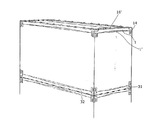
도 1 은 상부 베이스 요소의 제 1 유형을 가진 콘테이너의 사시도이다.
도 2 는 상부 베이스 요소의 제 2 유형을 가진 콘테이너의 사시도이다.
도 3 및 도 4 는 상부 베이스 요소의 제 3 및 제 4 유형의 측면도이다.
도 5 는 상부 베이스 요소 및 저부 베이스 요소의 제 5 유형을 가지고 서로의 상부에 있는 2 개의 콘테이너들에 대한 사시도이다.
도 6a 내지 도 6c 는 협동하는 상부 및 저부 베이스 요소들의 상이한 유형들에 대한 단면도이다.
도 7 은 상부 베이스 요소의 제 6 유형의 장착에 대한 사시도이다.
도 8 은 상부 베이스 요소들 및 조절 부재들을 가진 일련의 콘테이너들의 사시도이다.
도 9 내지 도 11 은 묶음의 예를 도시하는 단부에 대한 도면이다.
도 12a 내지 도 12c 는 부착 부재들의 상이한 유형들에 대한 단면도이다.
도 13 및 도 14 는 콘테이너들의 3 차원 어레이(array)들의 사시도이다.
도 15 는 창고 솔루션의 사시도이다.
도 16a 내지 도 16c 는 도 15 의 창고에서 콘테이너의 설치를 도시하는 단면도이다. 1 is a perspective view of a container having a first type of upper base element.
2 is a perspective view of a container having a second type of upper base element.
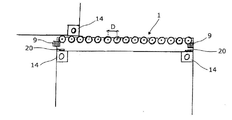
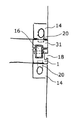
Figures 3 and 4 are side views of third and fourth types of upper base elements.
5 is a perspective view of two containers on top of each other with a fifth type of upper base element and a lower base element.
6A-6C are cross-sectional views of different types of cooperating upper and lower base elements.
7 is a perspective view of the mounting of the sixth type of upper base element.
8 is a perspective view of a series of containers with upper base elements and adjustment members.
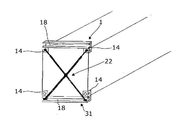
Figs. 9 to 11 are views showing the end portion showing an example of the bundle.
12A-12C are cross-sectional views of different types of attachment members.
Figures 13 and 14 are perspective views of three-dimensional arrays of containers.
15 is a perspective view of a warehouse solution.
16A to 16C are sectional views showing the installation of containers in the warehouse of Fig.
도 1 에는 각각의 단부에서 콘테이너의 폭을 가로질러 걸쳐지도록 상부 코너 맞춤부(corner fitting, 14)에 부착된 상부 베이스 요소(1)들을 가지는 콘테이너가 도시되어 있다. 이러한 목적을 위하여 트위스트 잠금부(twist locks)와 같은 고정구(fastener, 미도시)가 제공되는데, 이것은 바람직스럽기는 하지만 베이스 요소들에 반드시 통합될 필요는 없다. Figure 1 shows a container with
상부 표면들에서 베이스 요소(1)들에는 휘일(wheel, 16)들이 제공된다. 이들은 수동적이어서 단순하게 다른 콘테이너가 실질적인 마찰 없이 그 위로 통과되는 것을 허용하거나, 또는 능동적이어서 베이스 요소의 상부에 안착된 콘테이너가 움직일 수 있도록 할 수 있다. 후자의 경우에, 베이스 요소는 내부 모터(미도시)를 포함하고, 도 1 에 도시된 걸림부(hitch, 9) 및 적절한 연결 소켓을 통하여 전력이 공급된다. On the upper surfaces, the base elements (1) are provided with wheels (16). These are passive so that they can simply allow another container to pass over it without substantial friction, or actively allow the container seated on top of the base element to move. In the latter case, the base element includes an internal motor (not shown) and is powered via a
이러한 방식으로, 베이스 요소들을 가로질러 움직이거나 베이스 요소들의 위에 놓이는 콘테이너를 참조할 때마다, 이것은 리프트 장치(lifting devices) 또는 다른 유형의 저장 유닛들과 같은 다른 대상물에도 적용된다는 점이 이해되어야 한다. In this manner, it should be understood that whenever reference is made to a container that moves across base elements or overlying base elements, it also applies to other objects such as lifting devices or other types of storage units.
콘테이너로부터 이탈되게 향하는 베이스 요소들의 측부 표면들에는 길이 방향 돌출부(17)들이 제공되는데, 이들은 이후에 설명되는 바와 같이 추가적인 장비를 위한 레일로서의 역할을 하거나 또는 다른 베이스 요소와의 연결을 위한 역할을 할 수 있다. 마지막으로, 베이스 요소들의 단부 표면들에는 다른 베이스 요소들과의 상호 연결을 위한 연결구(9)가 제공된다. 이들 연결구들은 오직 기계적인 연결을 위해서만 사용되는 단순한 돌출부들일 수 있거나, 또는 예를 들어 내부 모터에 에너지를 공급하기 위한 전기 연결구일 수 있거나, 또는 이후에 설명되는 바와 같이 베이스 요소들에 포함된 임의의 기능적인 요소들에 따른 유체 연결구 또는 그와 유사한 것일 수 있다. 여기에서 연결구(9)들은 베이스 요소들의 일 단부에만 도시되어 있으나, 대향하는 단부 표면들에도 연결구들이 제공될 수 있다는 점이 이해되어야 한다. 이들은 도시된 것들과 동일할 수 있지만, 베이스 요소의 대향하는 단부들에 있는 연결구들이 예를 들어 플러그 및 소켓으로서 협동하도록 이루어지는 것이 바람직스럽다. The side surfaces of the base elements facing away from the container are provided with
도 2 에는 상부 베이스 요소(1)들에 길이 방향 돌출부(17) 대신 홈 트랙(grooved track, 18)들이 제공되는 제 2 실시예가 도시되어 있다. 더욱이, 베이스 요소들은 여기에서 만곡된 하측부(1')로서 이루어지는데, 이것은 베이스 요소의 중량과 강도 사이의 최상으로 가능한 균형을 제공하기 위하여, 단순한 브리지의 형상을 제공한다.Figure 2 shows a second embodiment in which the
도 1 과의 다른 차이점은 조절 부재(19)들이 콘테이너 측부들을 따라서 콘테이너의 길이에 걸쳐짐으로써, 프레임이 콘테이너의 상부에 형성되도록 베이스 요소(1)들의 단부들을 상호 연결시킨다. 이것은 콘테이너들의 적층체에 강도 및 강성도(stiffness)를 제공할 뿐만 아니라, 조절 부재들도 만곡된 하측부(19')를 가짐으로써, 다른 콘테이너들이 콘테이너의 길이 방향에서 가로질러 움직이는 것을 허용하기도 한다. 이러한 목적을 위하여 조절 부재들에도 휘일(16)들이 제공되고 이러한 경우에는 베이스 요소들 및 조절 부재들 양쪽에 있는 모든 휘일들이 바람직스럽게는 수축 가능하거나 또는 회전 가능하여, 도 2 에 도시된 방향에 직각으로 움직일 때 마찰을 회피한다. 1 is that the
도 3 은 상부 베이스 요소(1)의 제 3 실시예를 도시하지만, 다른 베이스 요소들에 연결되기 위한 휘일(16) 및 연결구(9)를 가진다. 이러한 베이스 요소에는 고정구(20)들이 더 제공되는데, 고정구는 베이스 요소가 장착되는 콘테이너 및, 베이스 요소의 상부에 잠재적으로 배치될 수 있는 콘테이너에 대한 연결을 위한 것이다. 더욱이, 연결구(20')들이 이후에 설명되는 바와 같이 저부 베이스 요소들 또는 운반부들과의 상호 연결을 위하여 제공된다. 마지막으로, 베이스 요소의 상부에 배치된 콘테이너를 정지되게 유지하거나 또는 콘테이너가 베이스 요소를 가로질러 움직이는 것을 정지시키기 위하여 도 3 의 베이스 요소에는 휘일들을 정지시키거나 제동하기 위한 브레이크들이 제공된다. 브레이크들에 의해 느려지거나 또는 정지될 때, 콘테이너 또는 그와 유사한 것의 운동 에너지를 저장하고 축적하는 것을 제공할 수 있고, 베이스 요소는 배터리 또는 다른 적절한 하드웨어(미도시)를 포함할 수 있다. 축적된 에너지는 내부 모터를 구동하기 위하여 이용될 수 있거나, 또는 이후에 설명되는 바와 같이 다른 기능 요소들을 제공하는데 이용될 수 있다. Figure 3 shows a third embodiment of the
도 1 내지 도 3 에 도시된 상부 베이스 요소(1)의 실시예들은 저부 베이스 요소들이 장착된 콘테이너들을 운반하는데 매우 적합하며, 이는 상대적으로 매끄러운 하측부를 제공한다. 그러나, 만약 저부 베이스 요소들 없이 콘테이너들을 운반한다면, 도 4 에 도시된 것과 같은 디자인이 편리할 것이다. 당업자에게 공지된 바와 같이, 대부분의 화물 콘테이너들은 모든 하중을 코너 맞춤부(14)를 통해서 전달하도록 만들어지는 반면에, 벽들과 그 사이의 가장자리들은 제한된 하중 지탱 성능을 가진다. 따라서 코너 맞춤부들은 콘테이너의 측부, 저부 및 지붕을 약간 넘게 돌출됨으로써, 콘테이너가 다른 콘테이너의 상부 또는 수평 표면(level surface)상에 놓일 때 코너 맞춤부들만 접촉 지점이 된다. 그러나, 휘일들과의 접촉 지점들 사이 거리가 상대적으로 멀리 있는 도 1 내지 도 3 의 베이스 요소들상에서와 같이 일련의 휘일(16)들 위로 통과될 때, 코너 맞춤부들은 접촉을 상실하고, 콘테이너상의 하중은 저부상의 지점에 있게 되며, 이는 휘일과 접촉하게 된다. 이를 회피하기 위하여, 휘일들, 롤러들 또는 볼들 사이의 중심 거리(D)는, 이동 방향의 과정에 따라서, 취급되어야 하는 콘테이너들의 코너 맞춤부들의 폭보다 작아야 한다. 따라서 ISO 콘테이너들에 대하여 그 거리는 이동이 콘테이너를 가로지를 때 162 mm 보다 작아야 하고, 이동이 길이 방향일 때 178 mm 보다 작아야 한다. 이러한 측면에서 도 3 및 도 4 는 측정을 위해서 만들어진 것은 아니며, 오직 예시적인 스케치로서 의도되었다는 점이 주목되어야 한다. Embodiments of the
물론 대안은 벨트 또는 체인을 이용하는 것으로서, 이는 전체적으로 또는 실질적으로 연속적인 지지를 제공하지만, 휘일 또는 롤러들이 일반적으로 유지 관리를 덜 필요로 하는 경향이 있다. 특히 하나 또는 몇개의 휘일들이 고장날지라도 베이스 요소들이 이용될 수 있기 때문이다.The alternative, of course, is to use a belt or chain, which provides overall or substantially continuous support, but the wheels or rollers generally tend to require less maintenance. Especially since base elements can be used even if one or several wheels fail.
도 2 에서와 같은 조절 부재들이 제공되어 있는 상부 베이스 요소(1)의 제 5 유형은 도 5 에 도시되어 있다. 이들 베이스 요소(1)들도 만곡된 하측부(1')를 가지지만, 길이 방향 돌출부도 홈도 가지지 않으며, 따라서 단순화된 유형으로 간주될 수 있다. 휘일들은 여기에서 볼(16')들로 대체되며, 그에 의해 휘일 또는 롤러들이 위에서 설명된 바와 같이 고정된 축을 가지는 것과 관련된 잠재적인 방향성의 문제점을 회피한다. A fifth type of
도 5 에 도시된 최상부 콘테이너는 부착 구조 및 양식(mode)과 관련하여 상부 베이스 요소(1)들에 대응하는 저부 베이스 요소(31)들의 한 세트를 더 포함하지만, 볼 또는 휘일들이 없다. 상부 베이스 요소들과 같이, 저부 베이스 요소들에도 조절 부재(32)들이 추가됨으로써, 프레임이 콘테이너의 하부에 형성되지만, 조절 부재들은 위에서 설명된 바와 같이 콘테이너들이 길이 방향으로 서로의 위로 움직일 수 있도록 상부 또는 저부에 존재할 필요성만이 있다. The top container shown in Figure 5 further includes a set of
이제 도 6a 내지 도 6c 를 참조하면, 상부 베이스 요소(1)들 및 저부 베이스 요소(31)들의 3 가지 가능한 조합들이 도시되어 있으며, 도 6a 의 상부 베이스 요소는 도 1 의 상부 베이스 요소에 대응하고, 도 6b 의 상부 베이스 요소는 도 2 의 상부 베이스 요소에 대응한다. 볼(16') 대신에 휘일(16)을 가진다는 점을 제외하고, 도 6c 의 상부 베이스 요소는 도 5 의 상부 베이스에 대응한다. 이해될 수 있는 바로서, 저부 베이스 요소(31)들에는 모두 휘일들을 위한 트랙(track)으로서의 역할을 하는 홈이 제공되며, 따라서 최상부 콘테이너를 제 위치에 유지하는데 기여하지만, 휘일들의 일 측부상에 상승된 가장자리를 제공하는 것으로 충분할 수 있다. 더욱이, 상부 및 저부 베이스 요소들의 기능은 휘일 또는 볼들이 상부 베이스 요소들에 있는 대신에 저부 베이스 요소들에 제공되도록 교환될 수 있고, 이후에 설명되는 것들을 포함하는 다른 기능 요소들을 위하여 그 반대로도 될 수 있다. 6a to 6c, there are shown three possible combinations of
상부 베이스 요소(1)들의 보다 복잡한 실시예는 도 7 에 도시되어 있으며, 여기에서 좌측의 것은 장착 상태로 도시되어 있는 반면에, 우측의 것은 원격 작동 운반부(13)에 의해서 장착되기 전의 상태로 도시되어 있다. 여기에 도시된 유형에서 운반부 및 베이스 플레이트 요소 자체는 얇은(slim) 형태로 구성됨으로써, 베이스 요소를 운반하는 동안에도 서로의 위에 장착된 2 개의 콘테이너들 사이에서 운반부가 통과할 수 있다. 이러한 목적을 위하여 베이스 요소는 확장 가능하거나, 가능하게는 망원경식으로(telescopic) 팽창 가능하거나, 또는 높이 보다 작은 폭을 가져서 도 7 에 도시된 눕혀진 위치에서 운반되고 다음에 장착을 위하여 화살표(M)로 표시된 길이 방향 축 둘레에서 회전될 수 있다. A more complex embodiment of the
도 7 에 있는 베이스 요소의 구조에 더하여, 이러한 베이스 요소는 휘일 또는 그와 유사한 것을 가지지 않지만, 궤도상에 다른 콘테이너의 저부 베이스 요소의 휘일들을 유지시키기 위한 돌출 가장자리(2)가 그에 제공된다. 베이스 요소들은 도 2 및 도 6b 에 도시된 것과 같은 트랙(18)들과, 여기에서는 트위스트-락(twist-lock)들인, 콘테이너 코너 맞춤부(14)들에 대한 연결을 위한 고정구(20), 여기에서 데이터 및 전기 전달을 위한 유도 유닛(8)의 형태인, 베이스 요소로부터 베이스 요소로의 커넥터들 및, 냉각 공기 교환을 위한 분리 커넥터(9)를 더 포함한다.In addition to the structure of the base element in Fig. 7, such a base element does not have a wheel or the like, but on its track there is provided a
도 7 에서 베이스 요소들에 있는 추가적인 기능 요소들은, 전력 공급 소켓(5), 특히 포트홀(Porthole) 또는 콘에어(Conair) 콘테이너들을 위한, 냉각 유체 소켓(6), 콘테이너로부터 베이스 요소를 분리하기 위한 수동 핸들 바아(7), 잠금(locking) 또는 묶음(lashing) 구멍(15), 및 장착된 상태의 콘테이너를 향하는 측부 표면상의 홈(10,12)들이며, 상기 홈(groove)들은 여기에서 트위스트 락(twist lock)의 네가티브(negative) 형태로 있게 하는 식으로, 추가적인 요소들을 제 위치에 유지하도록 하기 위한 것이고, 또한 원격 운반부가 요소들을 따라서 각각 구동될 수 있도록 하기 위한 것이다. 마지막으로, 위성 감시 장비에 의해 보조될 수 있는 CCTV 장비(4), RFID 칩, 카메라 및/또는 원격 작동 제어 유닛이 효율적인 전자 모니터 작용 및 콘테이너들의 취급을 위하여 제공된다. 더욱이, 예를 들어 베이스 요소에 있는 위성 및/또는 CCTV 와 같은 통합된 기능 요소들과 함께, 콘테이너들은 네트워크 또는 웹-기반(web-based) 솔루션을 통해 전세계적으로 상시 제어되고 모니터될 수 있다. 상이한 콘테이너 솔류션들이 시중에 존재하거나 또는 원격 작동 유닛들이 이러한 기능을 아직 제공하지 않기 때문에 솔루션들은 현재 종종 불가능하다. 그러한 시스템들은 원칙적으로 실제 콘테이너들에 맞춰질 수 있지만, 그것은 경제적인 것이 아니며 타당하게 작동 가능한 것도 아니다. 그러나, 그러한 해법들을 베이스 요소들에 통합함으로써, 그러한 서비스들은 공지된 콘테이너, ISO 또는 다른 것의 표준을 변화시키지 않으면서 제공될 수 있다. The additional functional elements in the base elements in Fig. 7 are the cooling fluid sockets 6 for the
도 7 에 도시된 바와 같이, 베이스 요소에는 외부 측면상에 홈 트랙(grooved track)들이 제공될 수 있으며, 즉, 장착된 상태의 콘테이너로부터 이탈되게 면하는 측부 표면 및, 반대편의 내부 측면상에 홈 트랙(grooved track)들이 제공될 수 있다. 이들 홈들의 사용예는 도 8 에 도시되어 있는데, 여기에서 조절 요소(34,35)들에는 그들의 측부상에 돌출 돌기(35)들이 제공되며, 상기 돌출 돌기들은 홈 안에 삽입된다. 여기에 도시된 조절 요소(33,34)들은 다른 장비를 위한 트랙으로서의 역할을 하도록 의도된 측부상의 홈들도 가지며, 이들은 2 개의 베이스 요소들을 겹치게 하기 때문에 콘테이너들에 의해 형성된 그룹 또는 어레이(array)를 안정화시키는데 기여한다. As shown in Figure 7, the base element may be provided with grooved tracks on the outer side, i.e., a side surface that faces away from the mounted container and a groove on the opposite side of the inner side Grooved tracks may be provided. An example of the use of these grooves is shown in Figure 8, wherein the adjusting
콘테이너로부터 이탈되게 향하는 홈 트랙(grooved track)들의 다른 사용예는 도 9 에 도시되어 있는데, 여기에서 상부 베이스 요소(1) 및 저부 베이스 요소(31) 양쪽에 있는 홈(18)들은 묶음 장치(lashing device, 21)의 부착을 위해 이용된다. 이러한 묶음(lashing)은 콘테이너에 가외의 강성(stiffness)을 제공하며, 따라서 다른 콘테이너들이 차후에 상부에 배치될 때 증가된 안정성을 제공한다. 그러나, 콘테이너의 저부에 나타난 요소는 아래에 있는 콘테이너(미도시)의 상부 베이스 요소도 나타내며, 그 경우에 묶음 장치(21)는 2 개의 콘테이너들을 단위체로서 함께 유지한다. 마찬가지로 콘테이너의 상부에 나타난 요소는 그 위의 콘테이너(미도시)의 저부 베이스 요소일 수 있다. Another example of the use of grooved tracks deviating from the container is shown in Figure 9 wherein the
묶음 장치(22)가 콘테이너의 코너 맞춤부(14)에 부착된다는 점에서 도 10 의 실시예는 도 9 의 실시예와 약간 상이하다. 여기에서는 상부 코너 맞춤부이지만, 저부 코너 맞춤부일 수도 있다. 더욱이, 여기에 도시된 묶음 장치(22)는 도 9 에 도시된 묶음 장치(21)보다 훨씬 얇으며, 이것은 수요에 따라서 특히 상이한 강도(strength)를 가진 몇가지 상이한 유형의 장치가 채용될 수 있다는 점을 나타내도록 의도된다. 만약 매우 얇고 접힐 수 있는 디자인을 허용하는 재료로부터 만들어진다면, 묶음 장치는 사용중이지 않을 때 상부 및/또는 저부 베이스 요소들에 있는 홈 또는 요부 안에 수용될 수 있다. The embodiment of FIG. 10 differs slightly from the embodiment of FIG. 9 in that the
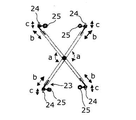
도 9 및 도 10 의 묶음 장치(21,22)들의 기능은 도 11 에 도시되어 있다. 도시된 바와 같이, 이것은 전체적으로 X 의 형상을 가지는데, 여기에서 다리들 사이의 각도는 화살표(a)로 표시된 바에 따라서 변화될 수 있고, 단부 부재(23)들은 화살표(b)로 표시된 길이를 조절하도록 다리들의 내외로 수축 신장(telescoping)될 수 있다. 이러한 방식으로 묶음 장치의 크기는 특정의 한계들 내에서 상이한 콘테이너 표준들에 조절될 수 있지만, 보다 중요하게는, 접혀진 상태에서 의도된 사용 위치로 저장 및 이동될 수 있고 다음에 부착을 위해 연장될 수 있다. 이러한 목적을 위하여, 단부 부재(23)들에는 베이스 요소들 및/또는 코너 맞춤부들과 맞물리기 위한 휘일(25) 및 커넥터(24)들이 제공되는데, 커넥터(24)들이 바람직스럽게는 화살표(C)로 표시된 바와 같이 전진 맞물림 위치와 수축 위치 사이에서 움직일 수 있다. 바람직하게는, 묶음 장치의 상이한 부분들의 움직임이 자동화되고, 바람직스럽게는 원격 제어됨으로써, 묶음 작용이 작업자의 개입 없이 또는 작업자의 적은 개입으로 이루어질 수 있다. The functions of the
그러나 콘테이너들의 묶음은 단순 중첩의 벽돌 배치(brick arrangement) 및 상부 및/또는 저부 베이스 요소들의 상호 연결에 의해 달성될 수도 있어서, 하나의 콘테이너는 2 개의 이웃하는 콘테이너들 사이의 간극 위에 그것의 중간부가 있도록 배치된다. 도 3 에서 베이스 요소상에 도시된 커넥터(20')들은 이러한 목적을 위해서 이용될 수 있다. However, the bundle of containers may be accomplished by a brick arrangement of simple overlap and interconnections of the top and / or bottom base elements such that one container has its middle portion on the gap between two neighboring containers . The connectors 20 'shown on the base element in Fig. 3 can be used for this purpose.
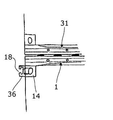
도 8 에 도시된 조절 요소(33)들에 대한 대안은 도 12a 내지 도 12c 에 도시된 것과 같은 부착 요소들이며, 이들은 능동형이거나, 또는 자체 구동 유닛이거나, 또는 순수한 수동 부착부들일 수 있는, 안정화 수단, 강화 수단, 묶음 수단 또는 공급 수단용으로 이용된다. 이들 부착 요소(36,37,38)들은 콘테이너의 코너 맞춤부(14)의 측부에 직접 연결됨으로써 코너 맞춤부의 상부 측면에 부착되는 상부 베이스 요소(1)들과 원칙적으로 독립적이라는 점에서 조절 요소들과 상이하다. 그러나, 베이스 요소와 그러한 부착부의 조합된 해법도 생각될 수 있다. 도 12a 의 부착 요소(36)는 도 2 및 도 6b 에 도시된 것에 대응하는 홈(18)을 구성하고 도 12b 의 부착 요소(37)는 도 1 및 도 6a 에 도시된 것에 대응하는 돌출부(17)를 구성하는 반면에, 도 12c 의 부착 요소(38)는 선반부(ledge, 39)를 구성한다. 고무 또는 그와 유사한 것으로 만들어진 거리 유지부(40)는 콘테이너들 사이의 최소 간격을 보장하며, 콘테이너 흐름 저장 해법에서 보호 및 정지 부재들로서의 역할을 한다. 그러나, 그러한 거리 유지부는 커넥터 또는 전력 공급부로서 구성될 수도 있다. An alternative to the
도 13 은 도 12c 에 도시된 것과 같이 상부 베이스 요소(1), 저부 베이스 요소(31) 및 부착 요소(38)들을 가진 콘테이너들의 3 차원 어레이(array)의 사시도이다. 도시된 바와 같이, 부착 요소(38)들은 실질적으로 콘테이너와 같은 길이를 가지면서 하나의 코너 맞춤부로부터 다른 코너 맞춤부로 걸쳐져 있으며, 길이를 따라서 간격을 두어 작은 강화부(41)들을 가진다. 도 13 에 도시된 예에서 공통의 베이스 요소 또는 개량된 베이스 요소는 지지 표면에 직접 장착되며, 즉, 지면, 바닥 또는 덱크에 직접 장착된다. 따라서, 표준적인 통합 콘테이너 맞춤부로부터 알려진 바와 같은 네가티브 잠금 구멍(negative locking holes)들은 지지 표면에 제공된다. 그러한 시스템은 매우 유연성이 있고 다양한 콘테이너 크기 및 체적들에 대하여 조절 가능하다. Figure 13 is a perspective view of a three dimensional array of containers having an
도 14 는 선반(ledge) 유형의 부착 부재들의 이용에 대한 예를 도시하는데, 여기에서 픽업 운반부(pick-up carrier, 29)는 콘테이너들 사이에 형성된 경로 또는 통로들을 따라서 부착 요소들상에서 주행하여, 화물(3)을 개방된 측부의 콘테이너의 내외로 취한다. 운반부는 어레이 수단(array means)에서 콘테이너들에 이용된 베이스 요소(1,31)들과 대략 동일한 높이 및 폭을 가져서 운반부들이 전체 콘테이너들을 운반 또는 저장하는데 이용될 수도 있지만, 부착 요소들 및 어레이의 콘테이너들에 대한 그들의 연결은 물론 그에 따라서 치수가 정해져야 한다. 운반부들은 지면 또는 다른 지지 표면상에서 주행될 수도 있고 또는 콘테이너들의 적층체 상부에 놓일 수 있으며, 이들 운반부들중 어느 것이라도 전체 콘테이너 또는 다른 하중을 들어올리고 내리는 수단을 포함할 수 있다. 14 shows an example of the use of a ledge-type attachment members, wherein a pick-up
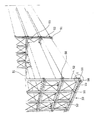
기능 요소들을 수용하고 하중을 전달하기 위하여 베이스 요소들을 사용하는 배후의 기본적인 개념은 도 15 에 도시된 창고에서의 솔루션(solution)으로 채용될 수도 있다. 여기에서 콘테이너들은 도 2b, 도 6b, 도 7 및 도 8 에 있는 베이스 요소들과 유사한 선반 요소(shelf element, 51), 기둥(52) 및 브레이싱(bracing, 53)으로 만들어진 랙(rack, 50)에 저장되는데, 브레이싱이 유리하게는 도 9 내지 도 11 에 도시된 묶음 장치일 수 있다. 선반 요소들에는 휘일(56)들이 제공되어, 휘일이 있는 저부 베이스 요소들이 제공되지 않은 경우에도 콘테이너들이 그 위에 놓여서 랙의 내외로 용이하게 움직일 수 있게 한다. 선반 요소(51)들은 홈(58)들을 더 포함하는데, 상기 홈들은 이러한 실시예에서 콘테이너들에 의해 점유되지 않은 공간들 안에 적절한 선반(shelves)들을 유지하는, 콘테이너들 사이에서 주행하는 장비를 위한 트랙으로서의 역할을 할 수 있다. The underlying concept behind using base elements to accept functional elements and deliver loads may be employed as a solution in the warehouse shown in FIG. Wherein the containers are provided with a
도 16a 내지 도 16c 는 도 15 에서 E 로 표시된 상세도의 상이한 실시예들을 도시한다. 도 16a 의 실시예는 도 15 에 도시된 것에 대응하며, 여기에서 선반 요소(51)들에는 휘일(56)들이 제공되고 콘테이너(55)에는 저부 베이스 요소(31)가 장착되는데, 이것은 코너 맞춤부(14)에 상호 연결되고 휘일들과의 접촉 지점으로부터의 하중들을 분배하는 역할을 한다. Figs. 16A-16C show different embodiments of the detail shown by E in Fig. The embodiment of Figure 16A corresponds to that shown in Figure 15 wherein the
도 16b 는 상이한 2 개의 실시예들을 도시하며, 즉, 우측의 예에서 저부 베이스 요소(31)에는 선반 요소(51)의 홈 안에서 주행하는 휘일(46)들이 제공되고, 좌측의 예에서 선반 요소(51)에는 콘테이너들을 운반하기 위한 하나 또는 그 이상의 휘일이 있는 주행부(runner)가 제공된다.Figure 16b shows two different embodiments, in which the
마지막으로, 도 16c 는 혼합형 솔루션으로서 지칭될 수 있는 것을 도시하는데, 여기에서 휘일(56)들은 선반 요소의 홈 안에 삽입된 삽입 부재(59)상에 제공된다. 이것은 창고 시스템의 유연성을 증가시키는데, 왜냐하면 그러한 삽입 부재들이 용이하게 제거될 수 있고 상이한 기능을 가진 다른 것에 의해 대체될 수 있기 때문이다. Finally, FIG. 16C shows what can be referred to as a hybrid solution, wherein the
도 15 는 각각의 콘테이너가 움직일 수 있는 완성된 콘테이너 적층체 흐름 시스템을 도시하며, 도 13 및 도 14 는 다른 한편으로 적층된 시스템을 도시하는데, 여기에서는 단일의 콘테이너가 움직일 수 없고 (도시되지 않은) 움직이는 요소는 최하부 콘테이너의 아래에 장착되거나 또는 콘테이너들이 단순히 지면상에 적층된다. Figure 15 shows a completed container stack flow system in which each container is movable, Figures 13 and 14 show a stacked system on the other, where a single container is immovable (not shown) ) The moving element is mounted underneath the lowermost container or the containers are simply stacked on the ground.
본 발명은 위에서 설명되고 도면에 도시된 실시예들에 제한되지 않고, 오직 청구 범위에 의해서 정해지며, 이들 실시예들 각각에서 설명된 특징들은 본 발명의 범위를 이탈하지 않으면서 설명된 것과 다른 방식으로 조합될 수 있다는 점이 이해되어야 한다. 예를 들어, 상부 베이스 요소와 관련하여 위에서 설명된 특징들은 저부 베이스 요소에서 채용될 수 있다. It is to be understood that the invention is not limited to the embodiments described above and illustrated in the drawings, but is only defined by the claims, and the features described in each of these embodiments may be implemented in other ways than described, As shown in FIG. For example, the features described above with respect to the upper base element can be employed in the lower base element.
1. 베이스 요소 14. 코너 맞춤부
16. 휘일 17. 돌출부 1.
16.
Claims (23)
베이스 요소들은 신장(伸長)되어 있고 취급되어야 하는 콘테이너들의 폭에 대응하는 길이를 가지며, 상기 콘테이너의 취급 및 흐름 시스템은 상이한 콘테이너 표준들에 대응하는 상이한 길이들의 베이스 요소들을 포함하고,
고정구들은 코너 맞춤부들 사이의 거리에 대응하는 거리에서 베이스 요소의 각각의 단부에 하나씩 배치되고, 상기 베이스 요소들은 한쌍의 베이스 요소들을 가로질러 움직이거나 또는 한쌍의 베이스 요소들 위에 놓이는 하나 이상의 콘테이너들의 하중 전달을 허용하기에 충분한 강도(strength) 및 강성도(stiffness)를 가지는 것을 특징으로 하는, 콘테이너 취급 및 흐름 시스템. A container handling and flow system, comprising: a plurality of base elements for mounting on a container; and fasteners for locking the base elements to a corner fitting of the container,
The base elements have a length corresponding to the width of the containers to be handled and to be handled and the handling and flow system of the container comprises base elements of different lengths corresponding to different container standards,
The fasteners are disposed one by one at each end of the base element at a distance corresponding to the distance between the corner fittings and wherein the base elements are movable across a pair of base elements or a load of one or more containers placed on a pair of base elements Wherein the container has sufficient strength and stiffness to permit delivery of the container.
나란히 배치된 2 개 이상의 콘테이너들의 폭에 걸쳐 있을 수 있는 베이스 요소들을 더 포함하는, 콘테이너 취급 및 흐름 시스템. The method according to claim 1,
Further comprising base elements that can span the width of two or more containers disposed side by side.
베이스 요소들중 적어도 일부에는, 적어도 하나의 콘테이너를 움직일 수 있는 롤러 모터들, 콘베이어 구동부들, 푸쉬/풀(push/pull) 시스템들 또는 그와 유사한 것에 의해 구동되거나 또는 수동적(passive)일 수 있는, 롤러들, 휘일들 또는 콘베이어들, 브레이크들, 진동 감쇠기들 및/또는 운동 에너지를 재생/수집하는 수단이 설치되는, 콘테이너 취급 및 흐름 시스템. The apparatus according to any one of the preceding claims,
At least some of the base elements may be driven by roller motors, conveyor drives, push / pull systems or the like capable of moving at least one container, or may be passive , Rollers, wheels or conveyors, brakes, vibration dampers and / or means for regenerating / collecting kinetic energy.
운반부들(carriers), 크레인들, 묶음 장치(lashing), 공급 및/또는 안정화 요소들, 물, 바람 및 태양광에 대한 보호를 위한 지붕 및/또는 측벽 시스템, 안전 및 보안 솔루션, 광(light), 램프(lamp), CCTV 및 제어 카메라, 원격 제어 유닛, 무선 시스템 또는 블루투스(Bluetooth) 시스템, 네트워크 솔루션, RFID 및/또는 메모리 및 제어 칩, 젠셋(Genset), 엔진, 파워팩(Power Pack), 플라이 휘일, 배터리, 캐패시터, 충전기, 냉각 시스템, 홈 트랙(grooved track), 콘테이너, 적층체 및 선박(vessel)들을 위한 중량 균형 및 트리밍(trimming) 수단, 거리, 콘테이너 및 적층 안정성, 손상, 움직임, 날씨등을 감지하기 위한 센서들, 공기/기체 또는 전기의 공급부로 이루어진 그룹으로부터 선택된 하나 이상의 기능 요소들을 더 포함하고, 상기 기능 요소들은 분리된 유닛들이거나 또는 베이스 요소들 또는 운반부들에 통합되는, 콘테이너 취급 및 흐름 시스템. The apparatus according to any one of the preceding claims,
Roof and / or side wall systems for protection against water, wind and sunlight, safety and security solutions, light, , Lamps, CCTV and control cameras, remote control units, wireless systems or Bluetooth systems, network solutions, RFID and / or memory and control chips, gensets, engines, power packs, Weight balancing and trimming means for wheels, batteries, capacitors, chargers, cooling systems, grooved tracks, containers, laminates and vessels, distance, container and stacking stability, damage, movement, weather Sensors for sensing the air / gas or electricity, and a supply of air / gas or electricity, wherein the functional elements are separate units or base elements Lt; RTI ID = 0.0 > a < / RTI > container handling and flow system.
적어도 일부 베이스 요소들은 상호 연결될 수 있거나 또는 묶음 요소들의 부착을 위한 커넥터들 또는 트랙들 또는 묶음 요소(lashing element)들을 포함할 수 있고, 묶음 요소들 또는 커넥터들이 바람직스럽게는 자동적으로 작동될 수 있는, 콘테이너 취급 및 흐름 시스템. The apparatus according to any one of the preceding claims,
At least some of the base elements may be interconnected or may include connectors or tracks or lashing elements for attachment of the bundle elements, and the bundle elements or connectors may preferably be automatically operated, Container handling and flow systems.
콘테이너들에 통합되거나 또는 직접 장착되기 위한 조절 부재들 또는 부착 부재들을 더 포함하는, 콘테이너 취급 및 흐름 시스템. The apparatus according to any one of the preceding claims,
The container handling and flow system further comprises adjustment members or attachment members to be integrated or directly mounted in the containers.
베이스 요소들은 길이 방향으로 만곡된 측부를 가진 브리지(bridge)로서 형상화되는, 콘테이너 취급 및 흐름 시스템. The apparatus according to any one of the preceding claims,
Wherein the base elements are shaped as a bridge with longitudinally curved sides.
베이스 요소들을 각각 저장 및 전달하기 위한 저장 설비 및/또는 공급 시스템 및/또는 바람직스럽게는 원격 통신을 가진 전자 제어 시스템을 더 포함하는, 콘테이너 취급 및 흐름 시스템. The apparatus according to any one of the preceding claims,
Further comprising an electronic control system having a storage facility and / or a supply system and / or preferably a remote communication for storing and delivering the base elements, respectively.
베이스 요소들을 다른 콘테이너들상에 장착 또는 분리하고 그리고/또는 공급물들을 전달하도록, 이미 장착되었던 다른 베이스 요소들을 따라서 또는 이미 장착되었던 다른 베이스 요소들로 주행하기 위한 장착 및/또는 공급 운반부들을 더 포함하는, 콘테이너 취급 및 흐름 시스템. The apparatus according to any one of the preceding claims,
Further comprises mounting and / or supply carriers for driving the base elements along other base elements that have already been mounted, or other base elements that have already been mounted, for mounting or dismounting the base elements on other containers and / Container handling and flow systems, including.
베이스 요소의 적어도 하나의 유형의 높이는 장착된 위치에서 볼 때 폭보다 큰, 콘테이너 취급 및 흐름 시스템. The apparatus according to any one of the preceding claims,
Wherein the height of at least one type of base element is greater than the width when viewed in the mounted position.
베이스 요소들은 강철과 같은 금속, 플라스틱 및, 섬유 감화 재료를 포함하는 복합체로 이루어진 그룹으로부터 선택된 하나 이상의 재료들로 만들어지는, 콘테이너 취급 및 흐름 시스템. The apparatus according to any one of the preceding claims,
Wherein the base elements are made of one or more materials selected from the group consisting of a metal such as steel, a plastic, and a composite comprising a fiber-attenuating material.
(b) 베이스 요소들상의 고정구(fastener)들을 이용하여 제 1 콘테이너의 코너 맞춤부들에 베이스 요소들을 잠그는 단계로서, 상기 코너 맞춤부(corner fitting)들은 제 1 콘테이너의 동일한 단부에서 대향하는 코너들에 위치되는, 베이스 요소들의 잠금(locking) 단계;
(c) 한쌍의 베이스 요소들의 상부에 놓이거나 또는 한쌍의 베이스 요소들을 가로질러 움직이는 하나 이상의 콘테이너들의 하중이 베이스 요소들을 통하여 전달될 수 있도록 적층체(stacks)에 있는 제 1 콘테이너를 적어도 하나의 다른 콘테이너와 배치하는 단계;를 포함하는, 콘테이너들의 취급 방법. (a) disposing at least two base elements on a first container;
(b) locking the base elements to the corner fittings of the first container using fasteners on the base elements, the corner fittings being attached to opposite corners at the same end of the first container Locking the base elements;
(c) placing a first container in the stacks on at least one of the first and second base elements so that a load of one or more containers placed on top of the pair of base elements or moving across the pair of base elements can be transmitted through the base elements. And placing the container with a container.
적층체에 콘테이너들을 배치하기 전에 콘테이너들의 상부 및 저부 양쪽에 베이스 요소들을 장착하는 단계를 더 포함하고, 상기 상부 및 저부 베이스 요소들은 상이한 구성일 수 있는, 콘테이너들의 취급 방법. 14. The method of claim 13,
Further comprising the step of mounting base elements on both the top and bottom of the containers prior to placing the containers in the stack, wherein the top and bottom base elements may be of different configurations.
베이스 요소들은 로봇 시스템 또는 기계 시스템에 의하여, 바람직스럽게는 창고 또는 콘테이너 터미널에 있는 제 1 접촉 지점에서 장착되는, 콘테이너들의 취급 방법. The method according to claim 13 or 14,
Wherein the base elements are mounted at a first point of contact in a warehouse or container terminal, preferably by a robotic system or a mechanical system.
베이스 요소들이 설치된 콘테이너들은 다른 콘테이너들을 위한 경로를 형성하도록 배치되는, 콘테이너들의 취급 방법. 16. The method according to any one of claims 13 to 15,
Wherein the containers in which the base elements are installed are arranged to form a path for the other containers.
베이스 요소들이 설치된 콘테이너들은 콘테이너 운반부(container carrier)들에 대한 접근 경로들을 형성하도록 터미널들 또는 선박들에 배치되는, 콘테이너들의 취급 방법. 17. The method according to any one of claims 13 to 16,
Wherein the containers in which the base elements are installed are disposed in the terminals or vessels to form access paths to the container carriers.
2 개 이상의 콘테이너들이 베이스 요소들을 이용하여 상호 연결되어 움직일 수 있는 유닛(unit)을 형성하는, 콘테이너들의 취급 방법. 18. The method according to any one of claims 13 to 17,
Wherein two or more containers are interconnected using base elements to form a moveable unit.
베이스 요소들은 선박, 트럭 또는 기차에 전달될 때 콘테이너상에 남겨지는, 콘테이너들의 취급 방법. 19. The method according to any one of claims 13 to 18,
Wherein the base elements are left on the container when delivered to a vessel, truck or train.
콘테이너들은 운반부 또는 베이스 요소들상으로 적층되고, 실질적으로 들어올려지지 않으면서 터미널, 창고 또는 선박을 통한 경로들상에서 움직여지는, 콘테이너들의 취급 방법. The method according to any one of claims 13 to 19,
Wherein the containers are stacked on a carrier or base element and are moved on a path through a terminal, a warehouse or a vessel without being substantially lifted.
경로들은 경사지고, 콘테이너들이 바람직스럽게는 음의 높이 평형화 운반부들(negative height equalizaton carriers)상에 배치되는, 콘테이너들의 취급 방법. 21. The method of claim 20,
Wherein the paths are inclined and the containers are preferably disposed on negative height equalization carriers.
다른 열(rows)/적층체(stacks)들로 재배치되어야 하는 콘테이너들은 운반부들로 움직이는, 콘테이너들의 취급 방법. 22. The method according to any one of claims 13 to 21,
Wherein the containers to be relocated to different rows / stacks are moved to the carriers.
터미널, 창고 또는 선박내에서의 콘테이너들의 취급 및 작업은 콘테이너들을 최적으로 움직이고 위치시키도록 중앙 제어되거나 또는 자율 제어되는 작동 시스템 및 소프트웨어에 의해 제어되는, 콘테이너들의 취급 방법.23. The method according to any one of claims 13 to 22,
The handling and handling of containers within a terminal, warehouse or ship is controlled by an operating system and software that is centrally or autonomously controlled to optimally move and position the containers.
Applications Claiming Priority (1)
| Application Number | Priority Date | Filing Date | Title |
|---|---|---|---|
| PCT/IB2011/051994 WO2012150484A1 (en) | 2011-05-05 | 2011-05-05 | A container handling and flow system, use thereof and method of handling containers |
Publications (1)
| Publication Number | Publication Date |
|---|---|
| KR20140053902A true KR20140053902A (en) | 2014-05-08 |
Family
ID=44626765
Family Applications (1)
| Application Number | Title | Priority Date | Filing Date |
|---|---|---|---|
| KR1020137032236A Abandoned KR20140053902A (en) | 2011-05-05 | 2011-05-05 | A container handling and flow system, use thereof and method of handling containers |
Country Status (7)
| Country | Link |
|---|---|
| US (1) | US20140178171A1 (en) |
| EP (1) | EP2714550A1 (en) |
| KR (1) | KR20140053902A (en) |
| CN (1) | CN103826993B (en) |
| BR (1) | BR112013028509A2 (en) |
| SG (1) | SG194803A1 (en) |
| WO (1) | WO2012150484A1 (en) |
Cited By (1)
| Publication number | Priority date | Publication date | Assignee | Title |
|---|---|---|---|---|
| KR20170027491A (en) | 2015-09-02 | 2017-03-10 | 대우조선해양 주식회사 | The Lashing Device Of The Ships |
Families Citing this family (15)
| Publication number | Priority date | Publication date | Assignee | Title |
|---|---|---|---|---|
| US9487351B2 (en) * | 2012-07-23 | 2016-11-08 | Jointainer, Llc | Modifiable containers and interconnectors |
| KR101556196B1 (en) * | 2013-06-07 | 2015-09-30 | 삼성중공업 주식회사 | Fixed socket of container |
| USD721890S1 (en) * | 2013-06-30 | 2015-02-03 | Compadre LLC | Shipping cube |
| US9540809B1 (en) * | 2013-10-09 | 2017-01-10 | Maxwell C Mirho | Modular components for reconfigurable and self-validating athletic structures |
| CN104734863B (en) * | 2015-03-04 | 2018-12-07 | 上海鸿研物流技术有限公司 | Power management method and device for recyclable logistics appliance |
| CN106988566B (en) * | 2016-01-21 | 2022-05-10 | 维谛公司 | System and method for modular data center |
| CN106940561B (en) * | 2017-02-20 | 2020-11-24 | 上海大学 | A mobile robot control system for container loading and unloading |
| GB2562105A (en) * | 2017-05-05 | 2018-11-07 | Ap Moeller Maersk As | Container accessory |
| NO345802B1 (en) * | 2018-03-21 | 2021-08-16 | Container Living Holding ApS | Reconstructable apartment system for residential purposes |
| WO2020009656A1 (en) * | 2018-07-06 | 2020-01-09 | Psa International Pte Ltd | Apparatus and method for container coning and/or deconing |
| CN109129504B (en) * | 2018-09-06 | 2021-05-18 | 大连理工大学 | Pneumatic jacking disaster relief robot |
| CN112623531B (en) * | 2019-10-08 | 2022-05-27 | 其士(建筑)有限公司 | Container unit, its interlocking structure and its connection method |
| JP7005674B2 (en) * | 2020-03-30 | 2022-02-10 | 財團法人精密機械研究發展中心 | Rack modules, rack warehouses and rack warehouse systems |
| CN111824606B (en) * | 2020-08-06 | 2022-05-13 | 江苏金马云物流科技有限公司 | Shock attenuation container for boats and ships |
| PE20250897A1 (en) * | 2022-07-29 | 2025-03-28 | Trevor Pan | SYSTEM FOR CARGO TRANSPORTATION |
Family Cites Families (32)
| Publication number | Priority date | Publication date | Assignee | Title |
|---|---|---|---|---|
| US3367615A (en) * | 1966-01-19 | 1968-02-06 | Russell L. Turpen | Universal bolster |
| US3543951A (en) * | 1968-07-19 | 1970-12-01 | Midland Ross Corp | Cargo-container stack and stack reinforcing and lash-down apparatus |
| US3468437A (en) * | 1968-08-14 | 1969-09-23 | American Export Isbrandt | System for handling cargo containers |
| NL7000818A (en) * | 1970-01-21 | 1971-07-23 | ||
| US3776169A (en) * | 1971-07-02 | 1973-12-04 | Peck & Hale | Container stowing system |
| US3735713A (en) * | 1972-03-23 | 1973-05-29 | Pullman Inc | Cargo transporting device |
| US4008916A (en) * | 1975-11-06 | 1977-02-22 | Ide Allan R | Load unitizer |
| US4128180A (en) * | 1977-08-10 | 1978-12-05 | Donald Mellious | Apparatus for adapting material handling equipment for container unloading and method of using |
| US4768914A (en) * | 1986-01-13 | 1988-09-06 | Peter Sing | Storage system |
| EP0511995A4 (en) * | 1990-01-19 | 1993-03-31 | David Lester Gilbert | Storage apparatus |
| US5183375A (en) * | 1991-01-18 | 1993-02-02 | Stoughton Trailers, Inc. | Container stacking apparatus |
| EP0834459B1 (en) * | 1996-10-04 | 2003-08-27 | Noell Crane Systems GmbH | Container transport system with rails |
| US6027291A (en) * | 1997-10-22 | 2000-02-22 | International Transport Logistics, Inc. | Stacking apparatus for containers |
| US6422795B2 (en) * | 1998-01-16 | 2002-07-23 | Anthony J. Holt | Cargo lash to bar |
| WO2001019712A1 (en) * | 1999-09-14 | 2001-03-22 | William Hagenzieker | Cargo-transfer apparatus and method |
| US6507316B2 (en) * | 1999-12-21 | 2003-01-14 | Lucent Technologies Inc. | Method for mounting patch antenna |
| DE10005887B4 (en) | 1999-12-28 | 2007-03-01 | Macgregor-Conver Gmbh | Lashing device and method for lashing containers on board ships |
| ATE340750T1 (en) * | 2000-10-02 | 2006-10-15 | Philip Tomkins | TRANSPORT BACKING FRAME |
| US6842665B2 (en) * | 2000-12-21 | 2005-01-11 | James P. Karlen | Stowage and retrieval system |
| US6793448B2 (en) * | 2002-10-25 | 2004-09-21 | Itl Technologies, Inc. | Adaptive rails for stacking/securing different sized shipping containers |
| US7011479B2 (en) * | 2003-07-21 | 2006-03-14 | Itl Technologies, Inc. | Shipping platform |
| US7140821B2 (en) * | 2003-07-21 | 2006-11-28 | Itl Technologies, Inc. | Roll on/roll off ramp-deck transport platform |
| US7040848B2 (en) * | 2003-07-21 | 2006-05-09 | Itl Technologies, Inc. | Transport platform |
| US7118314B2 (en) * | 2004-08-20 | 2006-10-10 | Oshkosh Truck Corporation | Pallet system |
| US7484918B2 (en) * | 2006-03-10 | 2009-02-03 | John Basco Brewster | Container securement device and system |
| US8313278B2 (en) * | 2007-03-01 | 2012-11-20 | The Boeing Company | Modular interchangeable cargo deck |
| CN101254846A (en) * | 2007-03-02 | 2008-09-03 | 中国国际海运集装箱(集团)股份有限公司 | How to make the chassis of the bench box |
| US20080240900A1 (en) * | 2007-03-29 | 2008-10-02 | Eric Reisenauer | System for storage and retrieval |
| CN102171132B (en) * | 2008-10-03 | 2016-12-07 | 简斯-克里斯蒂安·赫罗德 | Container handling system and method for handling containers |
| FR2959732B1 (en) * | 2010-05-04 | 2012-08-10 | Eric Ferchaud | METHOD FOR LOADING A GOODS GOOD TANK ON A CONTAINER SHIP |
| CN101891046B (en) * | 2010-07-22 | 2011-09-07 | 无锡西埃尔斯机械有限公司 | Built-in mobile pallet of container |
| US8353647B2 (en) * | 2010-09-29 | 2013-01-15 | Raildecks (2009), Inc. | Collapsible intermodal transport platform |
-
2011
- 2011-05-05 US US14/115,687 patent/US20140178171A1/en not_active Abandoned
- 2011-05-05 SG SG2013082011A patent/SG194803A1/en unknown
- 2011-05-05 CN CN201180071795.XA patent/CN103826993B/en not_active Expired - Fee Related
- 2011-05-05 BR BR112013028509A patent/BR112013028509A2/en not_active IP Right Cessation
- 2011-05-05 EP EP11723683.6A patent/EP2714550A1/en not_active Withdrawn
- 2011-05-05 WO PCT/IB2011/051994 patent/WO2012150484A1/en not_active Ceased
- 2011-05-05 KR KR1020137032236A patent/KR20140053902A/en not_active Abandoned
Cited By (1)
| Publication number | Priority date | Publication date | Assignee | Title |
|---|---|---|---|---|
| KR20170027491A (en) | 2015-09-02 | 2017-03-10 | 대우조선해양 주식회사 | The Lashing Device Of The Ships |
Also Published As
| Publication number | Publication date |
|---|---|
| WO2012150484A1 (en) | 2012-11-08 |
| US20140178171A1 (en) | 2014-06-26 |
| BR112013028509A2 (en) | 2017-01-10 |
| SG194803A1 (en) | 2013-12-30 |
| CN103826993A (en) | 2014-05-28 |
| CN103826993B (en) | 2017-03-22 |
| EP2714550A1 (en) | 2014-04-09 |
Similar Documents
| Publication | Publication Date | Title |
|---|---|---|
| KR20140053902A (en) | A container handling and flow system, use thereof and method of handling containers | |
| US12054345B2 (en) | Movable dense storage and picking device, modular warehouse system and method for assembling the same | |
| EP2082981B1 (en) | Loading/unloading system for container terminal | |
| CN113320994B (en) | Automatic container storage, processing and transfer system | |
| EP2346772B1 (en) | A container handling system comprising a crane and a plurality of base elements which can be mounted on top of containers for supporting the crane and transporting the containers | |
| CN103587543B (en) | Handling and loading system for rail-supported transport | |
| US7686558B2 (en) | Arrangement scheme of a container wharf and the container loading/unloading process | |
| EP2146894B1 (en) | Port storage and distribution system for international shipping containers | |
| WO2013169110A1 (en) | Overhead crane, assembly of at least two overhead cranes, automated guided vehicle, and assembly thereof | |
| KR101298895B1 (en) | Container terminal system | |
| CN101734460A (en) | Automatic management shelf and driving method | |
| KR20170033259A (en) | Stacker crane with an intermediate storage area for containers | |
| US20160122139A1 (en) | Container terminal | |
| CN104555318A (en) | Circulatory transportation system using super capacitor powered car | |
| CN214420251U (en) | A mobile power exchange device | |
| KR20110041781A (en) | Container loading device | |
| EP3450298A1 (en) | Method for transferring standardised containers between a container ship and a quay | |
| US20160194164A1 (en) | Equipment and method for moving containers | |
| WO2023170331A1 (en) | A storage unit, a system and a method for storing and handling shipping containers | |
| EP4530244A1 (en) | Ceiling suspension arrangement for lifting, transferring and lowering containers, method for operating the ceiling suspension arrangement, and container port equipped with the ceiling suspension arrangement | |
| JP2000198546A (en) | Container terminal | |
| CN214358237U (en) | Packing box grabbing mechanism of goods storage trolley | |
| JP2000203720A (en) | Container terminal | |
| EP4530145A1 (en) | Automatable system for the transport of transport cabins; logistics system and method for handling of a plurality of cabins | |
| WO2014193241A1 (en) | Storage structure for storing cargo |
Legal Events
| Date | Code | Title | Description |
|---|---|---|---|
| PA0105 | International application |
Patent event date: 20131204 Patent event code: PA01051R01D Comment text: International Patent Application |
|
| PG1501 | Laying open of application | ||
| A201 | Request for examination | ||
| PA0201 | Request for examination |
Patent event code: PA02012R01D Patent event date: 20160504 Comment text: Request for Examination of Application |
|
| E902 | Notification of reason for refusal | ||
| PE0902 | Notice of grounds for rejection |
Comment text: Notification of reason for refusal Patent event date: 20170728 Patent event code: PE09021S01D |
|
| E902 | Notification of reason for refusal | ||
| PE0902 | Notice of grounds for rejection |
Comment text: Notification of reason for refusal Patent event date: 20180626 Patent event code: PE09021S01D |
|
| E701 | Decision to grant or registration of patent right | ||
| PE0701 | Decision of registration |
Patent event code: PE07011S01D Comment text: Decision to Grant Registration Patent event date: 20190424 |
|
| NORF | Unpaid initial registration fee | ||
| PC1904 | Unpaid initial registration fee |