US10034883B2 - Mesoporous dosage forms for poorly soluble drugs - Google Patents
Mesoporous dosage forms for poorly soluble drugs Download PDFInfo
- Publication number
- US10034883B2 US10034883B2 US15/034,055 US201415034055A US10034883B2 US 10034883 B2 US10034883 B2 US 10034883B2 US 201415034055 A US201415034055 A US 201415034055A US 10034883 B2 US10034883 B2 US 10034883B2
- Authority
- US
- United States
- Prior art keywords
- poorly soluble
- mesoporous material
- mesoporous
- loaded
- polymer
- Prior art date
- Legal status (The legal status is an assumption and is not a legal conclusion. Google has not performed a legal analysis and makes no representation as to the accuracy of the status listed.)
- Active
Links
Images


Classifications
-
- A—HUMAN NECESSITIES
- A61—MEDICAL OR VETERINARY SCIENCE; HYGIENE
- A61K—PREPARATIONS FOR MEDICAL, DENTAL OR TOILETRY PURPOSES
- A61K31/00—Medicinal preparations containing organic active ingredients
- A61K31/33—Heterocyclic compounds
- A61K31/395—Heterocyclic compounds having nitrogen as a ring hetero atom, e.g. guanethidine or rifamycins
- A61K31/535—Heterocyclic compounds having nitrogen as a ring hetero atom, e.g. guanethidine or rifamycins having six-membered rings with at least one nitrogen and one oxygen as the ring hetero atoms, e.g. 1,2-oxazines
- A61K31/5375—1,4-Oxazines, e.g. morpholine
- A61K31/5377—1,4-Oxazines, e.g. morpholine not condensed and containing further heterocyclic rings, e.g. timolol
-
- A—HUMAN NECESSITIES
- A61—MEDICAL OR VETERINARY SCIENCE; HYGIENE
- A61K—PREPARATIONS FOR MEDICAL, DENTAL OR TOILETRY PURPOSES
- A61K31/00—Medicinal preparations containing organic active ingredients
- A61K31/185—Acids; Anhydrides, halides or salts thereof, e.g. sulfur acids, imidic, hydrazonic or hydroximic acids
- A61K31/19—Carboxylic acids, e.g. valproic acid
- A61K31/192—Carboxylic acids, e.g. valproic acid having aromatic groups, e.g. sulindac, 2-aryl-propionic acids, ethacrynic acid
-
- A—HUMAN NECESSITIES
- A61—MEDICAL OR VETERINARY SCIENCE; HYGIENE
- A61K—PREPARATIONS FOR MEDICAL, DENTAL OR TOILETRY PURPOSES
- A61K9/00—Medicinal preparations characterised by special physical form
- A61K9/14—Particulate form, e.g. powders, Processes for size reducing of pure drugs or the resulting products, Pure drug nanoparticles
- A61K9/141—Intimate drug-carrier mixtures characterised by the carrier, e.g. ordered mixtures, adsorbates, solid solutions, eutectica, co-dried, co-solubilised, co-kneaded, co-milled, co-ground products, co-precipitates, co-evaporates, co-extrudates, co-melts; Drug nanoparticles with adsorbed surface modifiers
- A61K9/143—Intimate drug-carrier mixtures characterised by the carrier, e.g. ordered mixtures, adsorbates, solid solutions, eutectica, co-dried, co-solubilised, co-kneaded, co-milled, co-ground products, co-precipitates, co-evaporates, co-extrudates, co-melts; Drug nanoparticles with adsorbed surface modifiers with inorganic compounds
-
- A—HUMAN NECESSITIES
- A61—MEDICAL OR VETERINARY SCIENCE; HYGIENE
- A61K—PREPARATIONS FOR MEDICAL, DENTAL OR TOILETRY PURPOSES
- A61K9/00—Medicinal preparations characterised by special physical form
- A61K9/14—Particulate form, e.g. powders, Processes for size reducing of pure drugs or the resulting products, Pure drug nanoparticles
- A61K9/16—Agglomerates; Granulates; Microbeadlets ; Microspheres; Pellets; Solid products obtained by spray drying, spray freeze drying, spray congealing,(multiple) emulsion solvent evaporation or extraction
- A61K9/1605—Excipients; Inactive ingredients
- A61K9/1611—Inorganic compounds
-
- A—HUMAN NECESSITIES
- A61—MEDICAL OR VETERINARY SCIENCE; HYGIENE
- A61P—SPECIFIC THERAPEUTIC ACTIVITY OF CHEMICAL COMPOUNDS OR MEDICINAL PREPARATIONS
- A61P29/00—Non-central analgesic, antipyretic or antiinflammatory agents, e.g. antirheumatic agents; Non-steroidal antiinflammatory drugs [NSAID]
-
- A—HUMAN NECESSITIES
- A61—MEDICAL OR VETERINARY SCIENCE; HYGIENE
- A61P—SPECIFIC THERAPEUTIC ACTIVITY OF CHEMICAL COMPOUNDS OR MEDICINAL PREPARATIONS
- A61P7/00—Drugs for disorders of the blood or the extracellular fluid
- A61P7/02—Antithrombotic agents; Anticoagulants; Platelet aggregation inhibitors
Definitions
- the present invention relates to an improved drug delivery system for poorly soluble drugs. More particularly, the present invention provides new mesoporous material based dosage forms which can improve the dissolution and bioavailability of the poorly soluble drugs. The invention is further related to the corresponding uses and processes. A specific aspect of the present invention is directed to a new dosage form for rivaroxaban.
- Drug lipophilicity represents a major concern in the development of efficient oral drug delivery and affects a substantial number of new drug candidates.
- several technologies are now available to improve the dissolution of lipophilic drugs (e.g. use of surfactants, prodrugs, cyclodextrin inclusions, lipid based formulations, microemulsions, liposomes) these methods are usually complex to perform. Therefore, there is still a need for improved and economical dosage forms having appropriate biopharmaceutical properties.
- Nanotechnologies have become an important aspect in the development of improved drug delivery systems. Besides the nanosizing of the active ingredient itself, formulators have also considered the use of nanosized excipients.
- Mesoporous materials have pores within their structures which can be loaded with active ingredients.
- Mesoporous materials are particularly suitable drug delivery carriers for poorly soluble drugs. Once the drug is loaded inside the pores of the mesoporous material, it is believed that the drug maintains in an amorphous or molecularly dispersed state due to a lack of space to crystallize.
- the drug can be loaded inside of the mesoporous carrier and/or mesoporous matrix and released for dissolution in an aqueous environment.
- Porous silica materials have already been disclosed in the prior art.
- Mesoporous silicas such as the MCM family, were materials prepared first by the Mobil Oil Company.
- Several other methods have been developed leading to a great variety of materials having e.g. different pore shapes and size distributions. Examples of such materials are the SBA-15 or 157 MSU products. These materials are for example disclosed in the review of Carrillo et al. “Well ordered mesoporous interconnected silica spheres prepared using extremely low surfactant concentrations”, Mater. Chem. Phys. 129 (2011) 261-269.
- these materials are difficult to formulate since they exhibit poor flowability and compression properties.
- the article of Vialpando et al., J. of Pharm. Sc. (2013) discloses a comparison between the agglomerations of ordered and non-ordered mesoporous silica materials made by steam and melt granulations. According to Vialpando, the active ingredient on the surface of the particles remains in a crystallized form and does not therefore allow achieving an improved dissolution.
- a first aspect of the invention is directed to a pharmaceutical dosage form comprising particles of a mesoporous material loaded with a poorly soluble active pharmaceutical ingredient, wherein the external surfaces of the mesoporous particles are at least partially covered with a polymer solid dispersion of said active pharmaceutical ingredient.
- the polymer solid dispersion of the poorly soluble active ingredient is an amorphous solid dispersion or a solid solution.
- the external surface of the particles of the mesoporous material is covered, e.g. coated, with the solid dispersion.
- the mesoporous material is a silica based material, preferably an ordered or a non-ordered (disordered) silica or a mixture thereof. According to certain embodiments, the mesoporous material is a non-ordered silica. According to certain embodiments, the mesoporous material is an ordered silica.
- the mesoporous material has a pore size in the range of 2 to 50 nm, preferably in the range of 2 to 20 nm, more preferably in the range of 3 to 15 nm, even more preferably in the range of 3 to 12 nm, and most preferably in the range of 3 to 10 nm.
- the polymer for the solid dispersion may be selected from cellulose derivatives, polyacrylates, polyvinyl derivatives, polyalkylene oxides, polyamino saccharides and mixtures thereof.
- a derivative in this regard thereby relates to a compound that is derived from the original compound, e.g. in case of a cellulose derivative from cellulose, by any derivatization reaction, thus leading to a product with similar chemical structure.
- the poorly soluble drug may be selected from BCS (Biopharmaceutical Classification System) Class II and IV drugs, optionally as described in e.g. Wu et al. “Predicting Drug Disposition via Application of BCS: Transport/Absorption/Elimination Interplay and Development of a Biopharmaceutics Drug Disposition Classification System”; Pharm. Res., Vol. 22, No. 1, January 2005.
- BCS Biopharmaceutical Classification System
- said poorly soluble drug/poorly soluble active pharmaceutical ingredient may be selected from the group comprising antihypertensives, antianxiety agents, anticardiovascular disorder agents, anticoagulants, antiplatelets, anticonvulsants, blood glucose-lowering agents, decongestants, antihistamines, antitussives, antineoplastics, beta blockers, anti-inflammatories, antipsychotic agents, cognitive enhancers, cholesterol-reducing agents, antiobesity agents, autoimmune disorder agents, anti-impotence agents, antibacterial and antifungal agents, hypnotic agents, anti-Parkinsonism agents, anti-Alzheimer's disease agents, antibiotics, anti-depressants, antiviral agents, tyrosine kinase inhibitors agents, and mixtures thereof.
- the poorly soluble drug/poorly soluble active pharmaceutical ingredient may be selected from the group comprising antithrombotic, antiplatelets, anticoagulants, such as vorapaxar, rivaroxaban, anti-fungals, such as intraconazole, fluoconazole, terconazole, ketoconazole, griseofulvin, and griseoverdin, anti-infectives such as sulfasalazine, anti-malaria drugs (e.g. atovaquone), immune system modulators (e.g. cyclosporin), cardiovascular drugs (e.g.
- antithrombotic antiplatelets
- anticoagulants such as vorapaxar, rivaroxaban
- anti-fungals such as intraconazole, fluoconazole, terconazole, ketoconazole, griseofulvin, and griseoverdin
- anti-infectives such as sulfasalazine, anti-malaria drugs (e.g. atovaquone), immune system modulators (e
- ibuprofen analgesic
- ritonavir nevirapine
- lopinavir antiviral
- clofazinine leprostatic
- diloxanide furoate anti-amebic
- glibenclamide anti-diabetes
- nifedipine anti-anginal
- spironolactone diuretic
- sterols or steroids such as danazol, carbamazepine
- anti-virals such as acyclovir
- antibiotics such as amoxicillin, tetracycline, or metronidazole
- acid suppressants H2 blockers including cimetidine, ranitidine, famotidine, and nizatidine
- proton pump inhibitors including omeprazole, lansoprazole, rabeprazole, esomeprazole, and pantoprazole
- mucolytic agents megaldrate
- acetazolamide acetazolamide
- prostaglandine E2 prostaglandine F2 and prostaglandine E1, cytotoxics, e.g. paclitaxel, doxorubicin, daunorubicin, epirubicin, idarubicin, zorubicin, mitoxantrone, amsacrine, vinblastine, vincristine, vindesine, dactiomycine, bleomycine, metallocenes, e.g. titanium metallocene dichloride, lipid-drug conjugates, e.g.
- cytotoxics e.g. paclitaxel, doxorubicin, daunorubicin, epirubicin, idarubicin, zorubicin, mitoxantrone, amsacrine, vinblastine, vincristine, vindesine, dactiomycine, bleomycine, metallocenes, e.g. titanium metallocene dichloride,
- anti-infectives such as clindamycin, antiparasitic drugs, e.g chloroquine, mefloquine, primaquine, vancomycin, vecuronium, pentamidine, metronidazole, nimorazole, tinidazole, atovaquone, buparvaquone, nifurtimoxe, anti-inflammatory drugs, e.g. methotrexate, azathioprine, androgen receptor antagonists, e.g. enzalutamide, drugs used for the treatment of insomnia, e.g. suvorexant, their pharmaceutically acceptable salts, hydrates and mixtures thereof.
- anti-infectives such as clindamycin, antiparasitic drugs, e.g chloroquine, mefloquine, primaquine, vancomycin, vecuronium, pentamidine, metronidazole, nimorazole, tinidazole, atovaquone,
- the poorly soluble drug is rivaroxaban, its pharmaceutically acceptable salts, hydrates or mixtures thereof.
- the poorly soluble drug represents between 5 and 60% wt of the total weight of the mesoporous material and active ingredient, preferably between 10 and 50% wt, and more preferably between 20 and 40% wt.
- the weight ratio between the active ingredient and the polymer is preferably between 1:10 to 2:1, more preferably in the range of 1:6 to 1.5:1 and most preferably in the range of 2:5 to 1:1.
- the pharmaceutical dosage forms comprise less than 5% wt of the poorly soluble drug in a crystalline form, preferably less than 1% wt. More preferably, the pharmaceutical dosage forms are free of crystalline forms of the poorly soluble drug/poorly soluble active pharmaceutical ingredient. In certain aspects, the poorly soluble active pharmaceutical ingredient is in an amorphous or molecularly dispersed state.
- the pharmaceutical dosage forms may be in the form of tablets or capsules.
- Another aspect of the present invention is directed to the pharmaceutical dosage forms according to the invention for the prophylaxis and/or treatment of thromboembolic disorders, wherein the poorly soluble drug is rivaroxaban.
- the poorly soluble drug is rivaroxaban in an amount of 10, 15 or 20 mg, preferably 20 mg.
- the pharmaceutical dosage form is prepared by hot melt extrusion or by hot melt granulation.
- Another aspect of the present invention is directed to the process of a preparation of a pharmaceutical dosage form of a poorly soluble active pharmaceutical ingredient which comprises loading the poorly soluble active pharmaceutical ingredient onto and into a mesoporous material, and dispersing the mesoporous material loaded with the active pharmaceutical ingredient with at least one polymer to prepare a solid dispersion of at least one polymer with a mesoporous material loaded with said active pharmaceutical ingredient.
- the pharmaceutical dosage form is prepared by hot melt granulation of the at least one polymer and the mesoporous material loaded with the active pharmaceutical ingredient.
- the particles are at least partially covered, e.g. coated, with the solid dispersion, preferably entirely covered, e.g. coated.
- the solid dispersion is prepared by hot melt extrusion of the at least one polymer and the mesoporous material loaded with the active pharmaceutical ingredient.
- the weight ratio between the polymer and the mesoporous material is preferably between 1:3 to 3:1, more preferably in the range of 1:2 to 2:1 and most preferably in the range of 2:3 to 3:2.
- fillers like talcum, may further be added to the composition prior to the preparation of the solid dispersion.
- the solid dispersion may further be milled.
- the product may further be compressed or formulated in a pharmaceutical dosage form, e.g. in a tablet or a capsule, preferably a tablet.
- Another aspect of the present invention is directed to the use of a polymer solid dispersion on a mesoporous material loaded with rivaroxaban or a pharmaceutically acceptable salt or hydrate thereof to improve the bioavailability of rivaroxaban.
- a further aspect is directed to a pharmaceutical dosage form prepared by the process according to the invention.
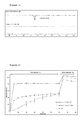
- FIG. 1 illustrates the DSC (differential scanning calorimetry) analysis of the silica samples prepared and loaded (40% wt) with ibuprofen as disclosed in example 1 and of bulk ibuprofen.
- FIG. 2 illustrates the DSC analysis of the silica samples prepared and loaded (20% wt) with rivaroxaban as disclosed in example 2 and of bulk rivaroxaban.
- FIG. 3 illustrates the DSC analysis of the samples of example 3 (silica loaded with ibuprofen) measured before and after hot melt extrusion (HME).
- FIG. 4 illustrates the pH dependent dissolution profiles of the samples prepared in example 3 (bulk ibuprofen, silica loaded with ibuprofen and silica loaded with ibuprofen after HME).
- FIG. 5 illustrates the DSC analyses of the mesoporous magnesium alumino-metasilicate samples loaded (24%) with rivaroxaban measured before and after hot melt extrusion of Example 4.
- FIG. 6 illustrates the dissolution profiles of bulk micronized rivaroxaban, marketed reference Xarelto® 20 mg and the samples prepared in example 4: mesoporous carrier loaded with rivaroxaban and mesoporous carrier loaded with rivaroxaban after HME.
- the poorly soluble drug/poorly soluble active pharmaceutical ingredient according to the present invention may be selected from BCS (Biopharmaceutical Classification System of the Food and Drug Administration; “FDA”) Class II and IV drugs.
- BCS Biopharmaceutical Classification System of the Food and Drug Administration
- the solubility classification of a drug in the BCS is based on the highest dose strength in an IR (immediate release) product.
- a drug substance is considered highly soluble when the highest strength is soluble in 250 ml or less of aqueous media over the pH range of 1.0-7.5 at 37° C.; otherwise, the drug substance is considered poorly soluble, as e.g. defined in Wu et al.
- a poor solubility is considered when the highest strength of the drug substance, i.e. an active pharmaceutical ingredient, is not soluble in 250 ml or less of aqueous media over the pH range of 1.0-7.5 at 37° C.
- the highest strength of the drug substance thereby depends on the drug substance and can vary, depending on the drug substance.
- the highest strengths of drug substances are easily available for known drugs, particularly the ones described with regard to this invention, from literature, e.g. the above article of Wu et al. and articles cited therein.
- said poorly soluble drug may be selected from the group comprising antihypertensives, antianxiety agents, anticardiovascular disorder agents, antiplatelets, anticlotting agents, anticonvulsants, blood glucose-lowering agents, decongestants, antihistamines, antitussives, antineoplastics, beta blockers, anti-inflammatories, antipsychotic agents, cognitive enhancers, cholesterol-reducing agents, antiobesity agents, autoimmune disorder agents, anti-impotence agents, antibacterial and antifungal agents, hypnotic agents, anti-Parkinsonism agents, anti-Alzheimer's disease agents, antibiotics, anti-depressants, antiviral agents, tyrosine kinase inhibitors agents, and mixtures thereof.
- the poorly soluble drugs are selected from the group comprising antithrombotic, antiplatelets, anticoagulants, such as vorapaxar, rivaroxaban, anti-fungals, such as intraconazole, fluoconazole, terconazole, ketoconazole, griseofulvin, and griseoverdin, anti-infectives such as sulfasalazine, anti-malaria drugs (e.g. atovaquone), immune system modulators (e.g. cyclosporin), cardiovascular drugs (e.g.
- ibuprofen analgesic
- ritonavir nevirapine
- lopinavir antiviral
- clofazinine leprostatic
- diloxanide furoate anti-amebic
- glibenclamide anti-diabetes
- nifedipine anti-anginal
- spironolactone diuretic
- sterols or steroids such as danazol, carbamazepine
- anti-virals such as acyclovir
- antibiotics such as amoxicillin, tetracycline, or metronidazole
- acid suppressants H2 blockers including cimetidine, ranitidine, famotidine, and nizatidine
- proton pump inhibitors including omeprazole, lansoprazole, rabeprazole, esomeprazole, and pantoprazole
- mucolytic agents megaldrate
- acetazolamide acetazolamide
- prostaglandine E2 prostaglandine F2 and prostaglandine E1, cytotoxics, e.g. paclitaxel, doxorubicin, daunorubicin, epirubicin, idarubicin, zorubicin, mitoxantrone, amsacrine, vinblastine, vincristine, vindesine, dactiomycine, bleomycine, metallocenes, e.g. titanium metallocene dichloride, lipid-drug conjugates, e.g.
- cytotoxics e.g. paclitaxel, doxorubicin, daunorubicin, epirubicin, idarubicin, zorubicin, mitoxantrone, amsacrine, vinblastine, vincristine, vindesine, dactiomycine, bleomycine, metallocenes, e.g. titanium metallocene dichloride,
- anti-infectives such as clindamycin, antiparasitic drugs, e.g chloroquine, mefloquine, primaquine, vancomycin, vecuronium, pentamidine, metronidazole, nimorazole, tinidazole, atovaquone, buparvaquone, nifurtimoxe, anti-inflammatory drugs, e.g. methotrexate, azathioprine, androgen receptor antagonists, e.g. enzalutamide, drugs used for the treatment of insomnia, e.g. suvorexant, their pharmaceutically acceptable salts, hydrates and mixtures thereof.
- anti-infectives such as clindamycin, antiparasitic drugs, e.g chloroquine, mefloquine, primaquine, vancomycin, vecuronium, pentamidine, metronidazole, nimorazole, tinidazole, atovaquone,
- the poorly soluble drug is rivaroxaban, its pharmaceutically acceptable salts, hydrates or mixtures thereof.
- active ingredient respectively “active pharmaceutical ingredient” within the present invention is directed either to one or a mixture of several active ingredients, respective active pharmaceutical ingredients.
- present pharmaceutical dosage forms comprise active ingredients, particularly active pharmaceutical ingredients.
- Rivaroxaban belongs to a class of non-peptidic factor Xa inhibitors which have an oxazolidinone core structure. Rivaroxaban was originally disclosed in the patent application WO 2001/047919 for the oral prophylaxis and treatment of thromboembolic disorders. It shows a very poor solubility in water, physiological media and most solvents. It thus requires complex formulation efforts to provide an efficient administration of rivaroxaban to the patient.
- a new dosage form has now been surprisingly found which exhibits improved dissolution profiles.
- the new dosage form according to the present invention shows a substantially better dissolution profile of rivaroxaban than the currently marketed product Xarelto® 20 mg.
- the pharmaceutical dosage forms according to the present invention comprise mesoporous particles which particles are loaded with a poorly soluble active pharmaceutical ingredient and are at least partially, preferably homogeneously, covered, e.g. coated, with a polymer solid dispersion.
- a mesoporous material is defined as of a material having pore diameters between 2 and 50 nm in comparison to microporous materials which pore diameters are less than 2 nm and macroporous materials which pore diameters are greater than 50 nm.
- a similar definition can be found in e.g. J. Rouquerol et al. “Recommendations for the characterization of porous solids (Technical Report)”, Pure & Appl. Chem. Vol. 66 (8): 1739-1758 (1994), which is incorporated herein with regard to mesoporous material.
- mesoporous material as used herein means any material having fine pores with the above pore diameters, and is not particularly limited. It can comprise according to certain aspects of the invention silica or alumina based materials or other materials, e.g. silica (SiO 2 ), e.g. Syloid® like Syloid® AL-1FP or Syloid® 72FP, alumina, magnesium alumino-metasilicates like Al 2 O 3 .MgO.1.7SiO 2 .xH 2 O, e.g. Neusilin® US2, further mixed inorganic oxides, CaCO3, clay, or further materials as also mentioned in WO 2012/072580 and WO2014/078435, e.g.
- the silica based mesoporous materials are the most advantageous materials. Suitable materials are e.g. the silica based materials available from the companies Nanologica, Formac, Merck Millipore, Fuji or Grace.
- mesoporous material may be either non-ordered or ordered in mesostructures. In the latter situation, the voids between the atoms are arranged in an ordered manner depending on the conditions of the preparation process.
- the mesoporous material is ordered. According to certain aspects, the mesoporous material is non-ordered.
- the mesoporous particles are loaded with the active ingredient(s) and at least partially covered, e.g. coated, with a polymer solid dispersion.
- a polymer solid dispersion This means that at least part of the external surface of the particles is covered with the polymer solid dispersion.
- This polymer solid dispersion hereinafter sometimes also referred to as a solid dispersion, is a dispersion of the active pharmaceutical ingredient in at least one polymer wherein the active pharmaceutical ingredient is in an amorphous or molecularly dispersed state.
- the active pharmaceutical ingredient on the external surfaces of the mesoporous material is dispersed in the at least one polymer.
- a substantial part of the external surface of the particles is covered with the solid dispersion.
- the particles are completely covered, e.g. coated, with the solid dispersion.
- a complete coating is achieved when the mesoporous particles are e.g. hot melt extruded with one or several suitable polymers.
- the polymer substantially does not enter the pores of the mesoporous material, in particular using the process of the present invention. According to certain aspects of the invention, the polymer does not enter the pores of the mesoporous material.
- the loading of the active ingredient into and onto the mesoporous material can be performed by the methods known to the skilled man.
- Preferable methods are e.g. the organic solvent immersion, the incipient wetness impregnation or the melt methods. Said methods are disclosed e.g. in Limnell et al., “Drug Delivery Formulations of Ordered and Nonordered Mesoporous Silica: Comparison of Three Drug Loading Methods”, J. Pharm. Sc. Vol. 100 (8) (2011) and in Mellaerts et al.
- the active ingredient is dissolved in an appropriate solvent to provide a solution which is then applied onto the mesoporous material.
- the amount of loaded active ingredient is expressed in weight percentage based on the total weight of the amount of mesoporous material and the active ingredient.
- Mesoporous materials may be loaded with up to 60% wt of active ingredient(s). Typically, the mesoporous particles are loaded with about 30% wt of the active ingredient(s).
- the drug can be dissolved, dispersed in an amorphous state or dispersed in a crystalline state.
- Thermodynamically stable formulations are achieved when the drug is either completely dissolved below its saturation solubility in the polymer or it is dispersed in a crystalline form.
- the active ingredient When the active ingredient is dissolved below its saturation solubility, it results in a solid solution.
- the drug concentration exceeds its saturation solubility, the drug may crystallize or precipitate out of the polymer during storage, hence changing its dissolution and biopharmaceutical properties.
- the active ingredient is in a crystalline form, the system remains quite stable.
- Solid dispersion techniques are known and applied as such to enhance the dissolution of poorly soluble drugs as an alternative to the micronization or the use of surfactants.
- solid dispersions have not been disclosed as a covering or coating material for loaded mesoporous particles.
- polymer solid dispersion as used herein particularly means the dispersion of the amorphous or dissolved active pharmaceutical ingredient(s) in an inert carrier matrix, preferably prepared by the melting of a polymer. Both dispersion types show dissolution advantages, although the amorphous solid dispersions are usually considered as thermodynamically unstable.
- the applicant believes that the active ingredient on the external surface of the mesoporous material may re-crystallize due to the available space outside the pores. Such phenomenon not only prevents the dissolution of the active ingredient deposited on the external surface of the mesoporous material, which thus limits the loading capacity of the final dosage form, but it also blocks the pores and entraps the active ingredient contained inside the pores, which substantially impacts the dissolution of the loaded active ingredient.
- the polymer solid dispersion according to the present invention does not enter into the pores of the mesoporous particles, as a polymer in an organic or an aqueous solution could do, and would therefore prevent the desorption of the active ingredient already loaded inside the structure of the carrier.
- the dosage forms according to the present invention overcome the above cited problems by converting substantially all the crystalline particles of the active ingredient on the external surface of the mesoporous particles in an amorphous or molecularly dispersed and soluble form, while ensuring the dissolution of the drug loaded in the pores of the mesoporous carrier.
- the dosage forms according to the present invention comprise less than 5% wt, preferably less than 1% wt of crystalline forms of the active ingredient(s). More preferably, the dosage forms according to the present invention are free of crystalline forms of the active ingredient(s).
- the polymer solid dispersion on the external surface of the mesoporous particles can further increase the dissolution rate of the active pharmaceutical ingredient as a whole in comparison to the dissolution of loaded mesoporous materials without a polymer solid dispersion.
- the solid dispersion according to the present invention may comprise one or more polymers selected from the group of cellulose derivatives, polyacrylates, polyvinyl derivatives, polyalkylene oxides, polyamino saccharides, and mixtures thereof.
- a derivative of a polymer in this regard thereby relates to a compound that is derived from the original polymer, e.g. in case of a cellulose derivative from cellulose, by any derivatization reaction, thus leading to a product with similar chemical structure.
- polymers may be alkyl cellulose (e.g., methyl cellulose and ethyl cellulose), cellulose acetate phthalate (CAP), hydroxyalkyl cellulose (e.g., hydroxymethyl cellulose, hydroxyethyl cellulose, hydroxypropyl cellulose, and hydroxybutyl cellulose), hydroxyalkylalkyl cellulose (e.g., hydroxyethylmethyl cellulose and hydroxypropylmethyl cellulose (HPMC) hydroxyalkylalkyl cellulose ester (e.g., hydroxypropylmethyl cellulose phthalate (HPMCP)), hydroxypropylmethyl cellulose acetate succinate (HPMCAS), carboxyalkyl cellulose (e.g., carboxymethyl cellulose and alkali metal salts thereof, such as sodium salts), carboxyalkylalkyl cellulose (e.g., carboxymethylethyl cellulose), carboxyalkyl cellulose ester (e.g., carboxymethyl cellulose
- the solid dispersion is prepared by using cellulose derivatives, polyvinyl derivatives, polyacrylates and copolymers and mixtures thereof.
- suitable polymers for solubilizing or dispersing the active ingredient(s) in an amorphous form in a final solid dispersion are e.g.
- polyvinylpyrrolidone polyvinyl caprolactam-polyvinyl acetate-PEG graft copolymer, hydroxypropyl cellulose, polyethylenglycol, polymethacrylate, polymethylmethacrylate, polyethylenoxide, polyoxyethylene polyoxypropylen block copolymer, vinylpyrrolidone vinylacetate copolymer, or mixtures thereof.
- the present invention solves the above problems by using a polymer to cover the external surface of the mesoporous particles, allowing the polymer to dissolve the crystalline active pharmaceutical ingredient on the external surface of the mesoporous particles or disperse other forms of the active pharmaceutical ingredient.
- the amount of the crystalline active pharmaceutical ingredient on the external surface of the mesoporous particles is only a part of the whole amount of the active pharmaceutical ingredient.
- the dosage forms according to the present invention thus require lower amounts of the polymer(s) than the dosage forms of the prior art.
- the dosage forms according to the present invention do not impact the size of the final forms while ensuring the stability of the active pharmaceutical ingredient contained therein.
- the dosage forms according to the present invention can thus increase the loading capability of said dosage forms.
- a process of a preparation of a pharmaceutical dosage form of a poorly soluble active ingredient, preferably a poorly soluble active pharmaceutical ingredient which comprises the preparation of a solid dispersion of at least one polymer with a mesoporous material loaded with said active ingredient.
- Another aspect of the present invention is directed to the process of a preparation of a pharmaceutical dosage form of a poorly soluble active pharmaceutical ingredient which comprises loading the poorly soluble active pharmaceutical ingredient onto and into a mesoporous material, and dispersing the mesoporous material loaded with the active pharmaceutical ingredient with at least one polymer to prepare a solid dispersion of at least one polymer with a mesoporous material loaded with said active pharmaceutical ingredient.
- the active pharmaceutical ingredient is loaded into and onto the mesoporous material using methods known in the art, e.g. the solvent immersion, the incipient wetness impregnation or the melt method.
- the remaining solvent is removed from the system by the methods known in the art, e.g. by drying processes. Suitable methods to remove the solvents are disclosed e.g. in WO 9833485, which is incorporated herein with regard to solvent removal.
- Suitable solvents for dissolving a poorly soluble drug and achieving a substantial loading of the drug are known to the man skilled in the art.
- the solvent is selected from the solvents disclosed in ICH Harmonized Tripartite Guideline; Impurities: Guideline for Residual Solvents Q3C (R5), current Step 4 version; 4 Feb. 2011.
- Suitable solvents may be e.g.
- DMSO dimethyl sulfoxide
- DMF dimethyl formamide
- ethanol ethyl acetate, ethyl ether, ethyl formate
- Suitable solvents for rivaroxaban may be e.g. acetic acid, acetone, DMSO, DMF, ethanol and mixtures thereof.
- the amount of rivaroxaban loaded in the mesoporous particles is in the range of 10 to 50% wt and more preferably in the range of 20 to 40% wt.
- the loaded mesoporous material can be subjected to a hot melt granulation or a hot melt extrusion with the appropriate polymer(s).
- a hot melt extrusion which enables a homogeneous covering, e.g. coating, of the mesoporous particles with the melted polymer.
- Appropriate apparatus are available in the art from e.g. Schunbach, J., “Melt extrusion: From process to drug delivery technology”, European Journal of Pharmaceutics and Biopharmaceutics 54 (2002), 107-117, which is incorporated herein with regard to melt extrusion.
- the total amount of polymer(s) used in the melting process can be lower in comparison to the amount of mesoporous material.
- the weight ratio between the polymer and the mesoporous material is preferably between 1:3 to 3:1, more preferably in the range of 1:2 to 2:1 and most preferably in the range of 2:3 to 3:2.
- the total amount of polymers used in the melting process according to the present invention is lower in comparison to the typical hot melt extrusion.
- the weight ratio between the active pharmaceutical ingredient and the polymer is preferably between 1:10 to 2:1, more preferably in the range of 1:6 to 1.5:1 and most preferably in the range of 2:5 to 1:1.
- the hot melt composition may further comprise a filler to improve the tackiness of the texture of the resulting product, making it easier to handle.
- Suitable fillers are e.g. non-mesoporous silica, talcum, magnesium stearate or mixtures thereof. Such fillers are particularly useful for the hot melt extrusion.
- the hot melt composition may further comprise a plasticizer. Suitable plasticizers are e.g.
- polyalkylene oxide polyalkylene oxide, glycerin, polyethylene glycols, polyethylene glycol monomethyl ether, d- ⁇ -tocopheryl PEG 1000 succinate, macrogol glycerol hydroxystearate, poloxamers, propylene glycol, sorbitol sorbitan solution, acetyl tributyl citrate, acetyl triethyl citrate, castor oil, diacetylated monoglycerides, dibutyl sebacate, diethyl phthalate, triacetin, tributyl citrate, triethyl citrate and mixtures thereof.
- melt or extrudates are collected, optionally milled and formulated into pharmaceutical dosage forms.
- the pharmaceutical dosage forms may optionally contain further pharmaceutical excipients known to the man skilled in the art.
- Suitable excipients are known in the art and disclosed e.g. in “Handbook of Pharmaceutical excipients”, 2nd Ed. 25 1994, American Pharmaceutical Association, Washington, Wade A., Weller P J and in Rowe et al., “Handbook of Pharmaceutical Excipients”, 7th Ed., London: Pharmaceutical Press, 2012, which are incorporated herein with regard to excipients.
- Suitable pharmaceutical dosage forms are tablets, microtablets, sachets, slugs, capsules, granulates or compressed granulates.
- Preferable dosage forms are tablets or capsules.
- the filter temperature was pre-heated to 60° C., the cover temperature to 45° C. and the condenser cooled down to 5° C. 300 ml of mesoporous silica (Syloid AL-1 FP having a pore diameter of 3.2 nm) was filled into the bowl. Once the system was closed, the system was inertized three times ensuring the oxygen replacement by nitrogen.
- the incipient wetness impregnation method was used to load the ibuprofen into the mesoporous silica.
- a nitrogen flow of 30 ml min ⁇ 1 was maintained during the whole process.
- 40% of ibuprofen (by weight based on the total amount of active ingredient and the carrier) was dissolved in a volume of absolute ethanol of about 4 times that of the silica pore volume, i.e. a volume of 160 ml, resulting in a solution “S”.
- the solution “S” was added dropwise to the mesoporous silica through a peristaltic pump.
- the speed of the impeller was set to 50 rpm during the impregnation process. After addition of the solution, the suspension was stirred for another 10 min at 100 rpm before drying.
- DSC was performed in order to assess the physical state of the drug compound.
- Silica sample (4-8 mg) was heated from 25° C. to 150° C. using a heating rate of 10° C. min ⁇ 1 . All experiments were performed in 40 ⁇ l closed aluminium pans. Samples were analyzed in triplicate.
- the results are illustrated in FIG. 1 .
- the DSC analysis shows a melting peak for the ibuprofen adsorbed on Syloid AL-1 FP showing that a crystalline fraction was present. As the peak is sharp and the melting temperature is not depressed, this crystalline part is exclusively located on the external surface of the silica. This fraction represents 22.18% of the ibuprofen load.
- the solution “S” was prepared by dissolving rivaroxaban in a DMSO/acetone mixture (DMSO:acetone 2:8 by volume) in a volume of about 6 times of the pore volume of the mesoporous material.
- the solution “S” was added dropwise to the Syloid 72 FP material through a peristaltic pump.
- the impeller was set to 50 rpm during the impregnation process.
- DSC measures were performed. Each sample was heated from 30° C. to 270° C. using a heating rate of 10° C. min ⁇ 1 .
- Example 01972 A sample of silica (Syloid Al-1 FP) loaded with 40% wt ibuprofen (“IBU”) prepared according to example 1 (sample 01972) was extruded together with Eudragit® E PO polymer (Poly(butyl methacrylate-co-(2-dimethylaminoethyl) methacrylate-co-methyl methacrylate) 1:2:1; Evonik).
- the hot melt extrusion (“HME”) compositions are illustrated in table 1.
- Hot-melt extrusion was carried out using twin-screw extruder (ZE9, Three-Tec). Screws were co-rotated at a speed of approximately 200 rpm.
- the extrudates were collected and milled.
- this formulation (without any crystal) contained more API than polymer (Total API/Polymer Ratio>1), which is extremely high compared to the ratio obtained from typical polymer solid dispersions (ratio ⁇ 0.6).
- a dissolution test was conducted over 120 min in an acidic medium (pH 1.0) and then in a pH 7.2 buffer.
- the dissolution profile of ibuprofen was measured using a USP 2 dissolution tester with an online flow cell UV-vis analysis system.
- the in vitro release studies were carried out in 700 ml of degassed 0.1 M HCl equilibrated to a temperature of 37° C. and was placed in the vessel (acid stage). 20 mg of pure ibuprofen crystals and the corresponding amount of 20 mg ibuprofen from the loaded silica samples were used for the dissolution testing.
- the dissolution medium was completed by adding to the HCl 300 ml of degassed 0.2 M trisodium phosphate dodecahydrate buffer equilibrated to 37° C. and adjusted to a pH of 7.2 with 1 M sodium hydroxide (buffer stage).
- the stirring rate in the acid stage was 100 rpm and in the buffer stage it was 150 rpm.
- Samples were taken by auto sampling system equipped with filters respectively at intervals of 5 min and 10 min. After each measurement, the liquid samples were conveyed back to the dissolution vessels by a peristaltic pump. UV measurements were taken at a wavelength of 222 nm (reference wavelength 400 nm).
- the dissolution of the loaded silica sample is faster than the dissolution of pure ibuprofen crystals.
- the dissolution of the loaded silica sample is slower due to the crystalline part on the external surfaces of the mesoporous particles compared to the dissolution of the hot melt extruded sample.
- RIVA mesoporous magnesium alumino-metasilicate loaded with rivaroxaban
- Neusilin® US2 (2.69 g) was loaded with 24 wt. % (0.83 g) of Rivaroxaban and DSC measures were performed using the same protocol as described in example 2.
- results present a sharp endothermic peak at 231° C., showing crystals on the external surface of the Neusilin®, as can be seen in FIG. 5 , bottom line.
- melting enthalpy of pure rivaroxaban one can see that 45.61% of the loaded API are crystalline outside of the pores, and 54.39% are amorphous or molecularly dispersed, as shown in table 2, left column regarding bulk RIVA or RIVA loaded in silica.
- Hot-melt extrusion was carried out using twin-screw extruder (ZE9, Three-Tec). Screws were co-rotated at a speed of approximately 100 rpm.
- the extrudates were collected and milled.
- the dissolution profile of Rivaroxaban was measured using a USP 2 dissolution tester with an online flow cell UV-vis analysis system.
- the hot melt extruded samples display an increased solubility (supersaturation) compared to the loaded silica samples without thermic treatment.
- the solubility is increased by a factor of 2.1 after 60 minutes.
Landscapes
- Health & Medical Sciences (AREA)
- Chemical & Material Sciences (AREA)
- Veterinary Medicine (AREA)
- Medicinal Chemistry (AREA)
- Pharmacology & Pharmacy (AREA)
- Life Sciences & Earth Sciences (AREA)
- Animal Behavior & Ethology (AREA)
- General Health & Medical Sciences (AREA)
- Public Health (AREA)
- Bioinformatics & Cheminformatics (AREA)
- Engineering & Computer Science (AREA)
- Epidemiology (AREA)
- Inorganic Chemistry (AREA)
- Nuclear Medicine, Radiotherapy & Molecular Imaging (AREA)
- Organic Chemistry (AREA)
- Chemical Kinetics & Catalysis (AREA)
- General Chemical & Material Sciences (AREA)
- Pain & Pain Management (AREA)
- Rheumatology (AREA)
- Diabetes (AREA)
- Hematology (AREA)
- Medicinal Preparation (AREA)
- Pharmaceuticals Containing Other Organic And Inorganic Compounds (AREA)
- Acyclic And Carbocyclic Compounds In Medicinal Compositions (AREA)
Applications Claiming Priority (4)
| Application Number | Priority Date | Filing Date | Title |
|---|---|---|---|
| EP13005247 | 2013-11-07 | ||
| EP13005247.5 | 2013-11-07 | ||
| EP20130005247 EP2870960A1 (fr) | 2013-11-07 | 2013-11-07 | Formes galéniques mésoporeuses pour les principes actifs faiblement solubles |
| PCT/EP2014/073886 WO2015067682A1 (fr) | 2013-11-07 | 2014-11-06 | Formes pharmaceutiques mésoporeuses pour médicaments difficilement solubles |
Publications (2)
| Publication Number | Publication Date |
|---|---|
| US20160263123A1 US20160263123A1 (en) | 2016-09-15 |
| US10034883B2 true US10034883B2 (en) | 2018-07-31 |
Family
ID=49552153
Family Applications (1)
| Application Number | Title | Priority Date | Filing Date |
|---|---|---|---|
| US15/034,055 Active US10034883B2 (en) | 2013-11-07 | 2014-11-06 | Mesoporous dosage forms for poorly soluble drugs |
Country Status (5)
| Country | Link |
|---|---|
| US (1) | US10034883B2 (fr) |
| EP (2) | EP2870960A1 (fr) |
| AU (1) | AU2014345629B2 (fr) |
| CA (1) | CA2924706C (fr) |
| WO (1) | WO2015067682A1 (fr) |
Cited By (1)
| Publication number | Priority date | Publication date | Assignee | Title |
|---|---|---|---|---|
| US12459829B2 (en) | 2018-11-07 | 2025-11-04 | Disruptive Pharma Ab | Amorphous active pharmaceutical ingredients comprising substantially amorphous mesoporous magnesium carbonate |
Families Citing this family (8)
| Publication number | Priority date | Publication date | Assignee | Title |
|---|---|---|---|---|
| EP3324946A1 (fr) * | 2015-07-20 | 2018-05-30 | Sanovel Ilac Sanayi ve Ticaret A.S. | Préparations pharmaceutiques de dabigatran sous forme de base libre |
| WO2017055591A1 (fr) | 2015-09-30 | 2017-04-06 | Grace Gmbh & Co. Kg | Amorphisation sèche activée par un processus chimico-mécanique au moyen d'un équilibre de broyage parmi des particules de silice mésoporeuse |
| WO2019051440A1 (fr) * | 2017-09-11 | 2019-03-14 | Board Of Regents, The University Of Texas System | Compositions de médicaments contenant des supports poreux fabriquées par des procédés thermiques ou basés sur la fusion |
| WO2019134971A1 (fr) * | 2018-01-04 | 2019-07-11 | Sandoz Ag | Particules encapsulées comprenant un principe pharmaceutiquement actif |
| CN108186577A (zh) * | 2018-03-09 | 2018-06-22 | 武汉工程大学 | 一种利伐沙班固体分散体及其制备方法和制剂 |
| WO2019191132A1 (fr) * | 2018-03-27 | 2019-10-03 | The Regents Of The University Of California | Formulations d'administration de médicament |
| EP4076501A4 (fr) * | 2019-12-16 | 2024-05-08 | Rutgers, the State University of New Jersey | Procédés continus de fabrication de supports poreux imprégnés et de fabrication de supports poreux imprégnés contenant des produits pharmaceutiques |
| US12458602B2 (en) * | 2021-05-06 | 2025-11-04 | The Chinese University Of Hong Kong | Realizing the nano-amorphous state of materials inside nano-porous templates |
Citations (3)
| Publication number | Priority date | Publication date | Assignee | Title |
|---|---|---|---|---|
| EP2279728A1 (fr) | 2009-07-31 | 2011-02-02 | Ranbaxy Laboratories Limited | Formes galéniques solides des inhibiteurs de la protéase du VIH |
| WO2011054046A1 (fr) | 2009-11-06 | 2011-05-12 | The University Of Queensland And The State Of Queensland Acting Through Its Department Of Primary Industries And Fisheries | Particules à libération contrôlée et leur procédé de préparation |
| WO2012035074A1 (fr) * | 2010-09-14 | 2012-03-22 | Nanologica Ab | Véhicules d'administration à sursaturation pour principes actifs pharmaceutiques et cosmétiques faiblement hydrosolubles |
-
2013
- 2013-11-07 EP EP20130005247 patent/EP2870960A1/fr not_active Withdrawn
-
2014
- 2014-11-06 WO PCT/EP2014/073886 patent/WO2015067682A1/fr not_active Ceased
- 2014-11-06 AU AU2014345629A patent/AU2014345629B2/en not_active Ceased
- 2014-11-06 CA CA2924706A patent/CA2924706C/fr active Active
- 2014-11-06 US US15/034,055 patent/US10034883B2/en active Active
- 2014-11-06 EP EP14793578.7A patent/EP3065707B1/fr active Active
Patent Citations (3)
| Publication number | Priority date | Publication date | Assignee | Title |
|---|---|---|---|---|
| EP2279728A1 (fr) | 2009-07-31 | 2011-02-02 | Ranbaxy Laboratories Limited | Formes galéniques solides des inhibiteurs de la protéase du VIH |
| WO2011054046A1 (fr) | 2009-11-06 | 2011-05-12 | The University Of Queensland And The State Of Queensland Acting Through Its Department Of Primary Industries And Fisheries | Particules à libération contrôlée et leur procédé de préparation |
| WO2012035074A1 (fr) * | 2010-09-14 | 2012-03-22 | Nanologica Ab | Véhicules d'administration à sursaturation pour principes actifs pharmaceutiques et cosmétiques faiblement hydrosolubles |
Non-Patent Citations (6)
| Title |
|---|
| European Medicines Agency: CHMP Assessment Report for Xarelto, 2008, pp. 1-56. * |
| Extended European Search Report for EP 13005247.5 dated May 8, 2014. |
| International Search Report and Written Opinion for PCT/EP2014/073886 dated Jan. 7, 2015. |
| Shi, Zuetao et al., "Novel Mesoporous Silica-Based Antibiotic Releasing Scaffold for Bone Repair," ScienceDirect, Acta Biomaterialia (2009) vol. 5, pp. 1697-1707. |
| ZHAO D., ET AL.: "CONTINUOUS MESOPOROUS SILICA FILMS WITH HIGHLY ORDERED LARGE PORE STRUCTURES.", ADVANCED MATERIALS, WILEY - V C H VERLAG GMBH & CO. KGAA, DE, vol. 10., no. 16., 10 November 1998 (1998-11-10), DE, pages 1380 - 1385., XP000785447, ISSN: 0935-9648, DOI: 10.1002/(SICI)1521-4095(199811)10:16<1380::AID-ADMA1380>3.3.CO;2-# |
| Zhao, Dongyuan et al., "Contiuous Mesoporous Silica Films with Highly Ordered Large Pore Structures," Advanced Materials, (1998) vol. 6156, pp. 1380-1385 (XP-000785447). |
Cited By (1)
| Publication number | Priority date | Publication date | Assignee | Title |
|---|---|---|---|---|
| US12459829B2 (en) | 2018-11-07 | 2025-11-04 | Disruptive Pharma Ab | Amorphous active pharmaceutical ingredients comprising substantially amorphous mesoporous magnesium carbonate |
Also Published As
| Publication number | Publication date |
|---|---|
| CA2924706A1 (fr) | 2015-05-14 |
| US20160263123A1 (en) | 2016-09-15 |
| EP3065707A1 (fr) | 2016-09-14 |
| AU2014345629A1 (en) | 2016-03-31 |
| AU2014345629B2 (en) | 2019-08-15 |
| EP2870960A1 (fr) | 2015-05-13 |
| EP3065707B1 (fr) | 2021-06-16 |
| WO2015067682A1 (fr) | 2015-05-14 |
| CA2924706C (fr) | 2021-01-19 |
Similar Documents
| Publication | Publication Date | Title |
|---|---|---|
| US10034883B2 (en) | Mesoporous dosage forms for poorly soluble drugs | |
| RU2351316C2 (ru) | Лекарственные формы с замедленным высвобождением зипразидона | |
| JP2021178871A (ja) | エンザルタミドの製剤 | |
| US8663697B2 (en) | Solid dispersion preparation | |
| US20070248682A1 (en) | Solid preparation comprising enteric solid dispersion | |
| ES3018260T3 (en) | Method for producing an apixaban granulate | |
| JP2021524845A (ja) | 高い活性薬剤ローディングを有する固体剤形 | |
| EP2902016A1 (fr) | Comprimé Febuxostat | |
| CA2860098A1 (fr) | Systeme de pastille a unites multiples a liberation immediate | |
| JP7224337B2 (ja) | 3-フルオロ-4-[7-メトキシ-3-メチル-8-(1-メチル-1H-ピラゾール-4-イル)-2-オキソ-2,3-ジヒドロ-イミダゾ[4,5-c]キノリン-1-イル]-ベンゾニトリル含む医薬製剤 | |
| WO2019219823A1 (fr) | Dispersion solide contenant du ritonavir | |
| WO2010111264A2 (fr) | Préparations de rasagiline | |
| US20090088424A1 (en) | Methods and compositions for controlling the bioavailability of poorly soluble drugs | |
| EP2179725A1 (fr) | Composition pharmaceutique comprenant du lévétiracetam | |
| ES2663721T3 (es) | Formulaciones de olmesartán | |
| WO2016012898A1 (fr) | Composition pharmaceutique orale de lurasidone | |
| JP2008511609A (ja) | 低−溶解性薬物の速放及び徐放を組み合わせた制御放出型投薬形態 | |
| EP1928421A2 (fr) | Formulations contenant du glimepiride et/ou ses sels | |
| JP2013047258A (ja) | 腸溶性固体分散体を含んでなる固形製剤 | |
| EP3518904A1 (fr) | Composition pharmaceutique comprenant du deferasirox | |
| US20080182908A1 (en) | Pharmaceutical compositions comprising memantine | |
| JP2009538905A (ja) | 感湿性薬物を含んで成る安定性製剤及びその製造方法 | |
| EP4456983A1 (fr) | Compositions pharmaceutiques comprenant du macitentan comme principe actif et d'autres excipients pertinents |
Legal Events
| Date | Code | Title | Description |
|---|---|---|---|
| AS | Assignment |
Owner name: SIEGFRIED AG, SWITZERLAND Free format text: ASSIGNMENT OF ASSIGNORS INTEREST;ASSIGNOR:PRINDERRE, PASCAL;REEL/FRAME:038447/0279 Effective date: 20160406 |
|
| STCF | Information on status: patent grant |
Free format text: PATENTED CASE |
|
| MAFP | Maintenance fee payment |
Free format text: PAYMENT OF MAINTENANCE FEE, 4TH YEAR, LARGE ENTITY (ORIGINAL EVENT CODE: M1551); ENTITY STATUS OF PATENT OWNER: LARGE ENTITY Year of fee payment: 4 |
|
| FEPP | Fee payment procedure |
Free format text: MAINTENANCE FEE REMINDER MAILED (ORIGINAL EVENT CODE: REM.); ENTITY STATUS OF PATENT OWNER: LARGE ENTITY |