US5578451A - Methods and systems for screening potential alzheimer's disease therapeutics - Google Patents
Methods and systems for screening potential alzheimer's disease therapeutics Download PDFInfo
- Publication number
- US5578451A US5578451A US08/371,930 US37193095A US5578451A US 5578451 A US5578451 A US 5578451A US 37193095 A US37193095 A US 37193095A US 5578451 A US5578451 A US 5578451A
- Authority
- US
- United States
- Prior art keywords
- app
- molecule
- seq
- disease
- alzheimer
- Prior art date
- Legal status (The legal status is an assumption and is not a legal conclusion. Google has not performed a legal analysis and makes no representation as to the accuracy of the status listed.)
- Expired - Fee Related
Links
Images




Classifications
-
- C—CHEMISTRY; METALLURGY
- C07—ORGANIC CHEMISTRY
- C07K—PEPTIDES
- C07K14/00—Peptides having more than 20 amino acids; Gastrins; Somatostatins; Melanotropins; Derivatives thereof
- C07K14/435—Peptides having more than 20 amino acids; Gastrins; Somatostatins; Melanotropins; Derivatives thereof from animals; from humans
- C07K14/46—Peptides having more than 20 amino acids; Gastrins; Somatostatins; Melanotropins; Derivatives thereof from animals; from humans from vertebrates
- C07K14/47—Peptides having more than 20 amino acids; Gastrins; Somatostatins; Melanotropins; Derivatives thereof from animals; from humans from vertebrates from mammals
- C07K14/4701—Peptides having more than 20 amino acids; Gastrins; Somatostatins; Melanotropins; Derivatives thereof from animals; from humans from vertebrates from mammals not used
- C07K14/4722—G-proteins
-
- C—CHEMISTRY; METALLURGY
- C07—ORGANIC CHEMISTRY
- C07K—PEPTIDES
- C07K14/00—Peptides having more than 20 amino acids; Gastrins; Somatostatins; Melanotropins; Derivatives thereof
- C07K14/435—Peptides having more than 20 amino acids; Gastrins; Somatostatins; Melanotropins; Derivatives thereof from animals; from humans
- C07K14/46—Peptides having more than 20 amino acids; Gastrins; Somatostatins; Melanotropins; Derivatives thereof from animals; from humans from vertebrates
- C07K14/47—Peptides having more than 20 amino acids; Gastrins; Somatostatins; Melanotropins; Derivatives thereof from animals; from humans from vertebrates from mammals
- C07K14/4701—Peptides having more than 20 amino acids; Gastrins; Somatostatins; Melanotropins; Derivatives thereof from animals; from humans from vertebrates from mammals not used
- C07K14/4711—Alzheimer's disease; Amyloid plaque core protein
-
- G—PHYSICS
- G01—MEASURING; TESTING
- G01N—INVESTIGATING OR ANALYSING MATERIALS BY DETERMINING THEIR CHEMICAL OR PHYSICAL PROPERTIES
- G01N33/00—Investigating or analysing materials by specific methods not covered by groups G01N1/00 - G01N31/00
- G01N33/48—Biological material, e.g. blood, urine; Haemocytometers
- G01N33/50—Chemical analysis of biological material, e.g. blood, urine; Testing involving biospecific ligand binding methods; Immunological testing
- G01N33/68—Chemical analysis of biological material, e.g. blood, urine; Testing involving biospecific ligand binding methods; Immunological testing involving proteins, peptides or amino acids
- G01N33/6893—Chemical analysis of biological material, e.g. blood, urine; Testing involving biospecific ligand binding methods; Immunological testing involving proteins, peptides or amino acids related to diseases not provided for elsewhere
- G01N33/6896—Neurological disorders, e.g. Alzheimer's disease
-
- A—HUMAN NECESSITIES
- A61—MEDICAL OR VETERINARY SCIENCE; HYGIENE
- A61K—PREPARATIONS FOR MEDICAL, DENTAL OR TOILETRY PURPOSES
- A61K38/00—Medicinal preparations containing peptides
-
- Y—GENERAL TAGGING OF NEW TECHNOLOGICAL DEVELOPMENTS; GENERAL TAGGING OF CROSS-SECTIONAL TECHNOLOGIES SPANNING OVER SEVERAL SECTIONS OF THE IPC; TECHNICAL SUBJECTS COVERED BY FORMER USPC CROSS-REFERENCE ART COLLECTIONS [XRACs] AND DIGESTS
- Y10—TECHNICAL SUBJECTS COVERED BY FORMER USPC
- Y10S—TECHNICAL SUBJECTS COVERED BY FORMER USPC CROSS-REFERENCE ART COLLECTIONS [XRACs] AND DIGESTS
- Y10S435/00—Chemistry: molecular biology and microbiology
- Y10S435/975—Kit
Definitions
- the field of the invention is Alzheimer's disease therapeutics.
- AD Alzheimer's disease
- ⁇ -amyloid protein a 39-43 amino acid peptide (Glenner and Wong, biochem. biophys. Res. Commun. 120:885-890, 1984; Masters et al., Proc. Natl. Acad. Aci.
- amyloid precursor protein which is known to have a number of isoforms in humans (APP 695 , Kang et al., Nature 325:733-736, 1987; APP 751 , Ponte et al., Nature 331:525-527, 1988, and Tanzi et al., Nature 331:528-530, 1988; and APP 770 , Kitaguchi et al., Nature 331:530-532, 1988).
- the amino terminal of ⁇ -amyloid is generated by cleavage of a peptide bond of APP which in APP 695 lies between Met596 and Asp597.
- G protein a major GTP-binding protein
- G protein a major GTP-binding protein
- G protein a major GTP-binding protein
- G o a major GTP-binding protein
- G oA Two isoforms of G o , known as G o1 (or G oA ) and G o2 (or G oB ), have been identified; they have slight amino acid differences in their ⁇ subunits, and are together referred to herein as G o .
- FIG. 4a SEQ ID NO: 2
- FIG. 4b SEQ ID NO: 28
- the finding that APP associates with G o is consistent with related findings concerning other G proteins, as disclosed in a second, commonly assigned application (U.S. Ser. No. 08/019,073) having the same inventor and filing date as the present application, which second application is herein incorporated by reference.
- the cytoplasmic APP 695 sequence His 657 -Lys 676 (SEQ ID NO: 1) possesses a specific G o -activating function, and is necessary for complex formation of this APP with G o ; this sequence, sometimes referred to as the "couplone" region of APP, is completely conserved in APP 751 and APP 770 , as well as in mouse APP 695 .
- This provides evidence that APP is a receptor coupled to G o , and suggests that abnormal APP-G o signalling is involved in the Alzheimer's disease process.
- the invention includes a method of identifying a therapeutic useful for treating or preventing Alzheimer's disease, which method includes the steps of
- the determining step may be accomplished by, for example, immmunoprecipitating the first molecule with an antibody specific for APP, and detecting the presence or amount of the second molecule which co-precipitates with the first molecule.
- the second molecule can be immunoprecipitated with an antibody specific for G o , following which the presence or amount of the first molecule which co-precipitates with the second molecule is determined.
- the determination step may be accomplished by contacting the second molecule with a substrate which is or includes GTP or an analog of GTP [such as GTP ⁇ S or Gpp(NH)p], and detecting or measuring the binding of the substrate to the second molecule, wherein such binding is evidence of activation of the second molecule by the first molecule.
- the contacting step is carried out in a cell-free system; the Mg 2+ concentration at which the contacting step is carried out is between approximately 1'10 -7 and 1 ⁇ 10 -2 M, and the first molecule includes the cytoplasmic tail portion of APP 695 from residues 649 to 695 (SEQ ID NO: 6) and/or the membrane-spanning portion of APP 695 from residues 639 to 648 (SEQ ID NO: 7) (the entire membrane-spanning segment of APP 695 being from residues 625 to 648, SEQ ID NO: 8); the first molecule more preferably includes substantially all of APP (SEQ ID NO: 9).
- the second molecule preferably contains two or three of the putative APP-associating regions referred to above, and may also contain one or more of the GTP-binding regions of G o , corresponding to residues 35 to 50 (SEQ ID NO: 10), residues 201 to 218 (SEQ ID NO: 29), or residues 263 to 274 (SEQ ID NO: 30) of G o1 [Kaziro, "Structure of the genes coding for the ⁇ subunits of G proteins", Ch.
- the invention also includes a system (e.g., a cell-free in vitro system) for screening candidate Alzheimer's disease therapeutics, which system includes a first polypeptide containing a sequence essentially identical to that of peptide 20 (SEQ ID NO: 1), and a second polypeptide containing a sequence essentially identical to one, two or three of the putative APP-associating regions of G o (SEQ ID NOs: 3, 4, and 5); the system may also include a means for detecting either (a) the association of the first polypeptide with the second polypeptide, or (b) the activation of the second polypeptide by the first polypeptide.
- a system e.g., a cell-free in vitro system for screening candidate Alzheimer's disease therapeutics
- system includes a first polypeptide containing a sequence essentially identical to that of peptide 20 (SEQ ID NO: 1), and a second polypeptide containing a sequence essentially identical to one, two or three of the putative APP-
- the first polypeptide may conveniently be anchored to a solid material (e.g., a cellular membrane, a polystyrene surface, or a standard matrix material), or may be in a phospholipid vesicle. It may include a sequence essentially identical to the membrane-spanning region of APP, and/or a sequence essentially identical to the entire cytoplasmic tail of APP.
- the second molecule preferably contains the GTP-binding domain of G o , and more preferably contains the entire sequence of G o .
- the invention also features a method for diminishing the activation of G o in a neuronal cell by treating the cell with a compound, such as a peptide fragment of G o or of the cytoplasmic tail of APP, which blocks association of neuronal G o with, and/or activation of neuronal G o by, the cytoplasmic tail of APP.
- a compound such as a peptide fragment of G o or of the cytoplasmic tail of APP, which blocks association of neuronal G o with, and/or activation of neuronal G o by, the cytoplasmic tail of APP.
- the cell may be so treated in vivo (i.e., in an animal, e.g. a mammal such as a human or other primate, cow, horse, pig, sheep, goat, dog, cat, rat, mouse, guinea pig, hamster, or rabbit) or in vitro.
- This method may be used to prevent or treat the symptoms of Alzheimer's disease in a patient.
- a compound may include, for example, a peptide having fewer than 50 amino acids (preferably 40 or fewer, and more preferably 30 or fewer), and containing the sequence of peptide 20 .
- a DNA molecule e.g., a plasmid or viral DNA
- a therapeutic composition containing, in a pharmaceutically acceptable carrier, either the peptide or the DNA molecule.
- the invention features a method for identifying a ligand for which APP is a receptor, which method includes the steps of
- FIG. 1(a) is a schematic diagram illustrating the structural organization of APP.
- the hatched box contains the sequence of the ⁇ /A 4 protein; the black box contains the so-called "Peptide 20" or couplone sequence; filled circles are N-glycosylation sites.
- the numbers designate amino acid sequence numbers corresponding to APP 695 .
- FIG. 1(b) is a bar graph illustrating the effects of synthetic APP peptides on G o .
- values represent the mean ⁇ S.E. of three experiments.
- FIG. 1(c) is a graph illustrating the time course of the action of peptide 20 on G o . Values represent the mean of three experiments. Since the S.E. was ⁇ 5% of each value in this figure, the error bars are not indicated.
- FIG. 1(d) is a graph illustrating the effects of peptide 20 variants on G o .
- FIG. 1(e) is a graph illustrating the effect linkage with a transmembrane region has on the action of peptide 20 on G o .
- FIG. 1(f) is a graph illustrating the effect of pertussis toxin on peptide 20-induced stimulation of GTP- ⁇ S binding to G o .
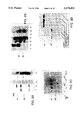
- FIGS. 2a-2d is a set of SDS-PAGE gels analyzed by immunoblotting, which illustrate the immunoprecipitation of APP and G o by an anti-APP antibody from brain membranes.
- FIG. 3a is a schematic diagram of the construction method used to prepare recombinant mutant APP cDNAs. Regions labeled ATG, TAA, TGA signify original translation and termination sites and a newly inserted termination site, respectively.
- FIG. 3b is a schematic diagram comparing the structures of authentic APP 695 and the two recombinant mutant APP polypeptides, ⁇ N and ⁇ C.
- FIG. 3c is an immunoblot analysis of Sf9 membranes using anti-Alz 90, 1C1, and 4G5.
- FIG. 3d is an immunoblot analysis of the 22C11-precipitate from an Sf9 membrane-G o reconstitution mixture.
- FIG. 3e is an immunoblot illustrating dissociation of G o from APP by activation of G o .
- FIGS. 3c-e were reproduced at least three times.
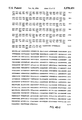
- FIG. 4a is the cDNA sequence and deduced amino acid sequence of G o1 ⁇ (Strathmann et al., Proc. Natl. Acad. Sci. USA 87:6477-6481, 1990) (SEQ ID NO: 2).
- FIG. 4b is the cDNA sequence and deduced amino acid sequence of G o2 ⁇ (Strathmann et al.) (SEQ ID NO: 28).
- IGF-IIR insulin-like growth factor II receptor
- the structural determinants for the G i -activating function in IGF-IIR were defined as (i) two basic residues at the N-terminal region of the amino acid sequence, and (ii) a C-terminal motif of B--B--X--B or B--B--X--X--B (where B is a basic residue and X is a non-basic residue) (Okamoto et al., Cell 62:709-717, 1990).
- B is a basic residue and X is a non-basic residue
- the sequence His 657 -Lys 676 is the only such region in the cytoplasmic domain of APP695.
- APP751 Pule et al., Nature 331:525-527, 1988; Tanzi et al., Nature 331:528-530, 1988
- APP770 Kertaguchi et al., Nature 331:530-532, 1988
- mouse APP695 Yamada et al., Biochem. Biophys. Res. Commun. 149:665-671, 1987
- peptide 20 A peptide corresponding to the His 657 -Lys 676 region of APP [HHGVVEVDAAVTPEERHLSK (SEQ ID NO: 1)] was synthesized and purified by standard methods using solid phase synthesis; this peptide is referred to as "peptide 20".
- peptides corresponding to other regions of APP 695 APP(1-10), MLPGLALLLL (SEQ ID NO: 11); APP(597-606) , DAEFRHDSGY (SEQ ID NO: 12); APP(677-695), MQQNGYENPTYKFFEQMQN (SEQ ID NO: 13); and APP(639-648), TVIVITLVML (SEQ ID NO: 7), a portion of the transmembrane region of APP; as well as the following variants of peptide 20: HGVVEVDAAVTPEERHLSK (H-deleted, SEQ ID NO: 14); GVVEVDAAVTPEERHLSK (HH-deleted, SEQ ID NO: 15); HHGVVEVDAAVTPEE (RHLSK-deleted, SEQ ID NO: 16); KQYTSIHHGVVEVDAAVTPEERHLSK (KQYTSI-added, SEQ ID NO: 17); and TVIVITLVML (SEQ ID
- Trimeric G o was purified to homogeneity from bovine brain as described (Katada et al., FEBS Lett. 213:353-358, 1987). This G o preparation was stored in 20 mM Hepes/NaOH (pH 7.4), 1 mM EDTA, and 0.7% CHAPS, and diluted ⁇ 10 fold for assays. G i3 ⁇ , which was used in combination with 1.5-fold concentrated G ⁇ (Okamoto et al., Natl. Acad. Sci. U.S.A. 88:8020-8023, 1991), was prepared as described by Morishita et al., Biochim. Biophys. Acta 161:1280-1285, 1989.
- G proteins were prepared as described by Matsui et al., J. Biol. Chem. 263:11071-4, 1988; G ⁇ was purified from bovine brain as set forth in Katada et al., FEBS Lett. 213:353-358, 1987.
- GTP ⁇ S binding to G o was assayed in a buffer containing 50 mM Hepes/NaOH (pH 7.4), 100 ⁇ M EDTA, 120 ⁇ M MgCl 2 , and 60 nM [ 35 S]GTP ⁇ S (DuPont-New England Nuclear) at 37° C., and the fraction of total G o bound to GTP ⁇ S was measured as described (Okamoto et al., Cell 62:709-717, 1990). GTP ⁇ S binding to peptides was negligible.
- the total amount of G o in a given preparation was defined as the saturation amount of GTP ⁇ S bound to G o following a 30-min incubation of G o with 10 mM Mg 2+ and ⁇ 60 nM GTP ⁇ S at 30° C.
- Mg 2+ concentration was set by using Mg-EDTA buffer (Birnbaumer et al., J. Eur. J. Biochem. 136:107-112, 1983).
- Bovine brain membranes prepared as described (Katada et al., FEBS Lett. 213:353-358, 1987) and suspended in buffer A [10 mM Hepes/NaOH (pH 7.4), 1 mM EDTA, 10 mM acetic acid, and 250 mM sucrose, plus a mixture (termed "PAL") of 2 mM PMSF, 20 ⁇ g/ml aprotinin, and 20 ⁇ M leupeptin], were centrifuged and the pellet was solubilized for 1 h at 4° C.
- buffer A 10 mM Hepes/NaOH (pH 7.4), 1 mM EDTA, 10 mM acetic acid, and 250 mM sucrose, plus a mixture (termed "PAL") of 2 mM PMSF, 20 ⁇ g/ml aprotinin, and 20 ⁇ M leupeptin
- buffer B 10 mM Hepes/NaOH (ph 7.4), 1 mM EDTA, 120 mM NaCl, 0.5% CHAPS, and PAL.
- buffer C 20 mM Hepes/NaOH (pH 7.4), 1 mM EDTA, 120 mM NaCl, and PAL
- BSA BSA with 22C11-coated protein G-Sepharose, which had been prepared by incubating protein G-Sepharose (Pharmacia) with anti-APP monoclonal antibody 22C11 (Boehringer Mannheim) for 1 h at 4° C.
- the sheet was incubated with the first antibody [1 ⁇ g/ml of 22C11; 1/1000 dilution of anti-G o ⁇ monoclonal antibody GC/2 (DuPont-New England Nuclear); 1/1000 dilution of 1C1, a monoclonal antibody against the C-terminal peptide 677-695 of APP 695 ] for 4 h, and then exposed to horseradish peroxidase-conjugated goat IgG reactive for mouse or rabbit immunoglobulins for 2-4 h at room temperature.
- the antigenic bands were detected with an ECL detection kit (Amersham).
- YL1/2 SERA Lab
- an anti-tubulin antibody was used at 1:500 dilution for immunodetection.
- 1(d) indicates which aspects of primary structure determine the G o -activator function of peptide 20 (SEQ ID NO: 1). Deletion of either one or both of the N-terminal His residues nullified G o -activator function of the peptide.
- the peptide (SEQ ID NO: 16) in which the C-terminal five residues of peptide 20 (SEQ ID NO: 1) has been deleted is several times less potent than peptide 20 (SEQ ID NO: 1).
- G o reconstituted in phospholipid vesicles was incubated with transmembrane region-connected peptide 20 (TVIVITLVMLHHGVVEVDAAVTPEERHLSK, SEQ ID NO: 18; ⁇ ) or the partial sequence of the APP transmembrane domain alone (TVIVITLVML, SEQ ID NO: 7; ⁇ ).
- Transmembrane region-connected peptide 20 SEQ ID NO: 18 was also incubated with G o in the absence of phospholipids and the presence of 0.07% CHAPS ( ⁇ ).
- transmembrane region-connected peptide 20 (SEQ ID NO: 18) stimulated G o reconstituted in phospholipid vesicles with a potency 10 times greater than that of peptide 20 (SEQ ID NO: 1).
- the transmembrane region alone (SEQ ID NO: 7) was without effect on G o .
- transmembrane region-connected peptide 20 (SEQ ID NO: 18) showed an effect on G o no more potent than peptide 20 (SEQ ID NO: 1).
- this transmembrane region-connected peptide (SEQ ID NO: 18) is attributed to the peptide 20 (SEQ ID NO: 1) sequence; the potentiating effect of the transmembrane region may be exerted by interactions with phospholipids.
- ADP-ribosylation of G o was accomplished by incubating G o reconstituted in phospholipid vesicles with 10 ⁇ g/ml preactivated pertussis toxin in the presence of 10 ⁇ M NAD for 15 min at 30° C. as described (Okamoto et al,, Cell 62:709-717, 1990). Preactivation of pertussis toxin (Funakoshi, Japan) was carried out by treating the toxin with 100 ⁇ M ATP and 1 mM DTT for 10 min at 30° C.
- Reconstitution of G o into phospholipid vesicles was accomplished with 1 mg/ml phosphatidylcholine (Sigman, P-5638) at a final G o concentration of 50.2 nM in a buffer containing 20 mM Hepes/NaOH (pH 7.4), 0.1 mM EDTA, 1 mM DTT, and 100 mM NaCl by the gel filtration method (Nishimoto et al., J. Biol. Chem. 264:14029-14038, 1989). In a final incubation for GTP ⁇ S binding, 5 nM of reconstituted G o was used.
- peptide 20 (SEQ ID NO: 1) produced 2-3 fold stimulation of GTP ⁇ S binding to G o in the mid-range of Mg 2+ concentrations, the effect of peptide 20 (SEQ ID NO: 1) could not be observed at low ( ⁇ 100 nM) or high ( ⁇ 10 mM) Mg 2+ concentrations.
- Peptide 20 (SEQ ID NO: 1) had little effect on G proteins other than G o : G i1 , G i2 , G i3 , G S , c-Ki-ras p21 and smg p25A were not stimulated by this peptide (data not shown).
- peptide 20 (SEQ ID NO: 1) activates G o in a receptor-like manner, suggesting that APP interacts directly with G o through the peptide 20 (SEQ ID NO: 1) region.
- Lane 1 shows a control immunoblot with GC/2, in which a buffer solution rather than the bovine brain membrane preparation was immunoprecipitated with 22C11.
- Lane 7 indicates immunoblotting with GC/2 of the precipitate resulting from immunoprecipitation of brain membranes with control rabbit IgG, rather than 22C11.
- the identity of the 39-kDa protein in lane 2 as G o was verified by its absence in the non-membrane control (lane 1); by its staining with another G o ⁇ -specific antibody, ⁇ GO1 (Morishita et al., Eur. J. Biochem. 174:7-94, 1988) (data not shown); and by a diminution of staining of this band in the presence of excess soluble G o (lane 3).
- the 22C11-precipitate also contained immunoreactivity of G ⁇ in a doublet at 35-36-kDa (lane 6).
- the 22C11-precipitate did not react with an anti-Gi ⁇ antibody AS/7 (lane 5).
- the antibody GA/1 detected only a 39-kDa band in the 22C11-precipitate (lane 4).
- the control rabbit IgG immunoprecipitate did not produce anti-G o -immunoreactive bands corresponding to either APP or G o (lane 7).
- Mg 2+ concentrations between 1 ⁇ M and 1 mM resulted in maximal immunoprecipitation of G o .
- concentrations >10 mM relatively little G o was precipitated.
- immunoprecipitation of APP by 22C11 was not affected by Mg 2+ concentration (data not shown).
- FIG. 2d illustrates the results of an experiment indicating that peptide 20 (SEQ ID NO: 1) prevents the 22C11-mediated co-precipitation of G o , whereas it did not affect the precipitation of APP by 22C11.
- a control peptide (SEQ ID NO: 13) representing a segment of APP different from that represented by peptide 20 (SEQ ID NO: 1) had no discernable effect on 22C11-mediated co-precipitation of G o .
- solubilized brain membranes were incubated with 22C11-coated beads in the presence of 10 ⁇ M peptide 20 (SEQ ID NO: 1; 2nd and 5th lanes) or 10 ⁇ M of the control peptide, peptide 677-695 of APP (SEQ ID NO: 13; 3rd and 6th lanes), or in the absence of both of these peptides (1st and 4th lanes).
- an anti-mouse IgG antibody different from that used in (a) was employed.
- a baculovirus DNA encoding full-length APP 695 was prepared as outlined in FIG. 3a.
- Authentic mouse APP 695 cDNA (SEQ ID NO: 9) was provided by Dr. Yoshiyuki Sakaki (University of Tokyo, Japan) (Yamada et al., Biochem. Biophys. Res. Commun. 149:665-671, 1987) in the vector pUC18.
- the HindIII-BamHI fragment containing the entire coding region was initially subcloned into the vector pBR322 (pBR-APP). A single BamHI site was inserted immediately before the ATG codon of the HindIII-SphI fragment.
- This BamHI site was inserted to permit efficient expression of the encoded APP protein in baculovirus-infected cells.
- the BamHI site-inserted APP 695 -coding DNA (BamHI-APP 695 ) was constructed from the HindIII-SphI fragment and pBR-APP, utilizing their internal KpnI sites, and subcloned into pUC18.
- BamHI-APP 695 was constructed from the HindIII-SphI fragment and pBR-APP, utilizing their internal KpnI sites, and subcloned into pUC18.
- BamHI-APP 695 was constructed from the HindIII-SphI fragment and pBR-APP, utilizing their internal KpnI sites, and subcloned into pUC18.
- BamHI-APP 695 two truncation mutants were generated and subcloned into pUC18. These mutants possess an insertion of two TGA codons immediately before ( ⁇ N) or
- Each BamHI-BamHI fragment of these respective APP-variation-encoding pUC18 plasmids was inserted into the baculovirus transfer/expression vector pVL1393 (Invitrogen). The entire region that had been through a single-stranded intermediate was sequenced to confirm the absence of unwanted nucleotide changes. New insertions were generated by oligonucleotide-directed mutagenesis with a kit (Takara) by the method of Kunkel et al. (Meth. Enzymol. 154:367-382, 1987).
- a restriction fragment encoding the ATG start codon was subcloned into the vector M13mp18 and a single stranded template was generated.
- An oligonucleotide primer (CCACGCAGGATCACGGGATCCATGCTGCCCAGCTTG; SEQ ID NO: 19) was used to introduce GGATCC (SEQ ID NO: 20) immediately before the start codon.
- the phage was used to transform E. coli strain JM109. Plaques were selected and single stranded DNA was sequenced. A restriction fragment containing the mutated region was subcloned into pBR-APP.
- oligonucleotide primers [CAGTACACATCCATCTGATGACATCATGGCGTGGTG (SEQ ID NO: 21) and CGCCATCTCTCCAGTGATGAATGCAGCAGAACGGA (SEQ ID NO: 22)] and the M13mp19 vector were used to introduce two sequential TGA stop codons.
- baculoviruses incorporating these APP cDNAs were generated using selection by immunoblot analysis with 22C11, and recovered by infecting Sf9 cells (Invitrogen).
- the centrifugation precipitate was subjected to SDS-PAGE, electroblotting, and immunodetection with the first antibodies (1 ⁇ g/ml of 22C11; 10 ⁇ g/ml of anti-Alz 90; 1/1000 dilution of 1C1; 1/500 dilution of 4G5; 0.1 ⁇ g/ml of ⁇ GO1) and the second goat anti-mouse or anti-rabbit IgGs conjugated with HRP.
- the three APP constructs prepared as described above are compared in the schematic diagram of FIG. 3b.
- the polypeptides encoded by all three constructs retain the entire transmembrane and extracellular domains of APP; while ⁇ N (SEQ ID NO: 23) lacks all of the peptide 20 residues as well as the sequence on the carboxy terminal side of the peptide 20 region, AC (SEQ ID NO: 24) retains the peptide 20 sequence and is missing only the latter sequence.
- Sf9 cells were infected, using standard methods, by recombinant baculoviruses encoding full length APP 695 cDNA (SEQ ID NO: 9), APP 1-656 cDNA (AN; SEQ ID NO: 23), or APP 1-676 cDNA ( ⁇ C; SEQ ID N0: 24). In uninfected Sf9 cells, no immunoreactivity for anti-APP or anti-G o antibodies was detected (data not shown).
- Sf9-APP 695 Sf9- ⁇ N, and Sf9- ⁇ C, respectively
- Sf9-APP 695 Sf9- ⁇ N, and Sf9- ⁇ C, respectively
- Membranes from all three types of infected cells showed approximately equivalent reactivity to the antibody, indicating that at least this portion of the extracellular domain was intact on each of the three and that all three cell types express approximately equal amounts of recombinant protein.
- the antibody used was 1C1
- a mouse monoclonal prepared against a peptide corresponding to residues 677-695 of APP SEQ ID NO: 13
- only Sf9-APP 695 membranes were reactive, indicating that the region corresponding to the C-terminal portion of the cytoplasmic domain is missing from both ⁇ N (SEQ ID NO: 23) and ⁇ C (SEQ ID NO: 24) (FIG. 3c, middle panel).
- the 22C11-precipitates from these Sf9 membranes expressing various forms of APP were exposed to purified G o , reprecipitated with 22C11, and subjected to immunoblot analysis using anti-G o ⁇ antibody ⁇ GO1 (FIG. 3d, left four lanes) and by 22C11 (right four lanes).
- ⁇ GO1 (Morishita et al., Eur. J. Biochem. 174:87-94, 1988) was provided by Dr. Tomiko Asano; similar results were obtained when antibody GC/2 was substituted.
- the control lanes are 22C11-precipitate exposed to G o in the absence of Sf9 membranes.
- APP functions as a receptor coupled to G o through the G o -activator cytoplasmic domain His 657 -Lys 676 (SEQ ID NO: 1).
- APP has a point mutation in at least one form of familial Alzheimer's disease (Goate et al., Nature 349:704-706, 1991).
- a structural alteration of APP is therefore thought to be one cause of Alzheimer's disease, although it remains unknown how the mutation might produce the disease.
- One novel possibility suggested by this study is that the cytoplasmic, C-terminal fragment of APP is pathogenic. It has been suggested (Abraham et al., Biotechnology 7:147-153, 1989; Shivers et al., EMBO J.
- the screening method of the invention can be carried out as follows:
- the assay used can be a very simple cell-free assay employing a first polypeptide consisting essentially of the couplone, or G o -binding portion, of APP (SEQ ID NO: 1) and a second polypeptide consisting essentially of an APP-binding portion of G o .
- This APP-binding portion of G o may be the 15-residue segment identified as the anticouplone portion of G o (SEQ ID NO: 3), or it may be one or both of the two flanking regions, residues 1-3 (SEQ ID NO: 4) and residues 19-36 (SEQ ID NO: 5) of G o .
- APP and/or G o can be used, or the appropriate portions of APP and/or G o can be linked to other polypeptides to form hybrid polypeptides with characteristics (such as altered immunoreactivity or enzymatic activity) that would improve detection of the endpoint of the assay.
- the assay is carried out by contacting the APP-based polypeptide with the G o -based polypeptide in the presence of a candidate compound, in parallel with a control assay containing no candidate compound, and determining whether the candidate compound inhibits co-immunoprecipitation of the first and second polypeptides (using either an antibody specific for the first polypeptide or an antibody specific for the second polypeptide).
- activation of the second (G o ) polypeptide may be the measured criterion: if so, the second polypeptide must include the GTP-binding region of G o (SEQ ID NO: 10), and GTP or an appropriate non-hydrolyzable analog thereof (such as GTP ⁇ S or Gpp(NH)p) must be included in the assay.
- the assay may also be carried out using phospholipid vesicles prepared by standard methods (e.g., as described by Nishimoto et al., J. Biol. Chem.
- the first (APP) polypeptide includes a region of hydrophobic amino acids [such as all (SEQ ID NO: 8) or a portion (e.g., SEQ ID NO: 7) of the transmembrane region of APP) that permit it to be anchored in the phospholipid bilayer.
- the assay may be carried out using intact cells or red cell ghosts which contain APP and G o , or appropriate portions thereof.
- the cells may express the first and second polypeptides naturally or by virtue of genetic engineering, or the polypeptides may be introduced directly into the cells or ghosts by standard means.
- the progress of Alzheimer's disease may be halted or reversed by treating a patient with a compound which diminishes the activation of neural G o by truncated APP.
- a compound may be identified in a screening assay as described above, or may consist essentially of a polypeptide containing the amino acid sequence of (a) the couplone region of APP (SEQ ID NO: 1), (b) the anticouplone region of G o (SEQ ID NO: 3), or (c) the APP-associating region(s) of G o (SEQ ID NO: 4 and/or 5), or a combination of (b) and (c).
- Such polypeptides may be produced in quantity by standard recombinant means, or by standard synthetic techniques.
- the carboxy and amino termini may be derivatized (e.g., with ester or amide groups), some or all of the amino acids may be replaced with D-amino acids, or particularly sensitive peptide linkages may be substituted with non-peptide bonds using standard methodology.
- the polypeptides may be altered to increase lipophilicity (e.g., by esterification to a bulky lipophilic moiety such as cholesteryl) or to supply a cleavable "targetor" moiety that enhances retention on the brain side of the barrier (Bodor et al., Science 257:1698-1700, 1992).
- the polypeptide may be linked to an antibody to the transferrin receptor, in order to exploit that receptor's role in transporting iron across the blood-brain barrier, as taught by Friden et al., Science 259:373-377, 1993. It is expected that an intravenous dosage equivalent to approximately 1 to 100 ⁇ moles of the polypeptide of the invention per kg per day, or an intrathecally administered dosage of approximately 0.1 to 50 ⁇ moles per kg per day, will be effective in blocking activation of G o in an Alzheimer's patient. If the polypeptide is sufficiently protected from proteolytic degradation, as described above, it may also be administered orally in appropriately higher doses. Alternatively, the compound may be incorporated into a slow-release implant to ensure a relatively constant supply of the therapeutic to the patient's brain.
Landscapes
- Health & Medical Sciences (AREA)
- Life Sciences & Earth Sciences (AREA)
- Chemical & Material Sciences (AREA)
- Engineering & Computer Science (AREA)
- Molecular Biology (AREA)
- Biomedical Technology (AREA)
- Organic Chemistry (AREA)
- Biochemistry (AREA)
- Proteomics, Peptides & Aminoacids (AREA)
- Medicinal Chemistry (AREA)
- General Health & Medical Sciences (AREA)
- Immunology (AREA)
- Biophysics (AREA)
- Urology & Nephrology (AREA)
- Hematology (AREA)
- Gastroenterology & Hepatology (AREA)
- Genetics & Genomics (AREA)
- Zoology (AREA)
- Toxicology (AREA)
- Neurology (AREA)
- Biotechnology (AREA)
- General Physics & Mathematics (AREA)
- Pathology (AREA)
- Analytical Chemistry (AREA)
- Physics & Mathematics (AREA)
- Food Science & Technology (AREA)
- Microbiology (AREA)
- Cell Biology (AREA)
- Neurosurgery (AREA)
- Peptides Or Proteins (AREA)
Priority Applications (1)
| Application Number | Priority Date | Filing Date | Title |
|---|---|---|---|
| US08/371,930 US5578451A (en) | 1993-02-18 | 1995-01-12 | Methods and systems for screening potential alzheimer's disease therapeutics |
Applications Claiming Priority (2)
| Application Number | Priority Date | Filing Date | Title |
|---|---|---|---|
| US1920893A | 1993-02-18 | 1993-02-18 | |
| US08/371,930 US5578451A (en) | 1993-02-18 | 1995-01-12 | Methods and systems for screening potential alzheimer's disease therapeutics |
Related Parent Applications (1)
| Application Number | Title | Priority Date | Filing Date |
|---|---|---|---|
| US1920893A Continuation | 1993-02-18 | 1993-02-18 |
Publications (1)
| Publication Number | Publication Date |
|---|---|
| US5578451A true US5578451A (en) | 1996-11-26 |
Family
ID=21791999
Family Applications (1)
| Application Number | Title | Priority Date | Filing Date |
|---|---|---|---|
| US08/371,930 Expired - Fee Related US5578451A (en) | 1993-02-18 | 1995-01-12 | Methods and systems for screening potential alzheimer's disease therapeutics |
Country Status (2)
| Country | Link |
|---|---|
| US (1) | US5578451A (fr) |
| WO (1) | WO1994019692A1 (fr) |
Cited By (23)
| Publication number | Priority date | Publication date | Assignee | Title |
|---|---|---|---|---|
| WO1998016557A1 (fr) * | 1996-10-11 | 1998-04-23 | The General Hospital Corporation | Dosages pour recepteurs lies a la proteine g |
| US5962419A (en) * | 1995-01-06 | 1999-10-05 | Sibia Neurosciences, Inc. | Peptide and peptide analog protease inhibitors |
| US6043283A (en) * | 1996-09-20 | 2000-03-28 | Baylor College Of Medicine | Tyramine compounds and their neuronal effects |
| US6071493A (en) * | 1996-09-20 | 2000-06-06 | Baylor College Of Medicine | Method of screening for an agent that inhibits mononuclear phagocyte-plaque component complex formation |
| US6331440B1 (en) | 1995-12-12 | 2001-12-18 | Karolinska Innovations Ab | Peptide binding the KLVFF-sequence of amyloid-β |
| KR20020007432A (ko) * | 2000-07-13 | 2002-01-29 | 박현석 | 멜라노트랜스페린에 대한 단클론 항체를 유효성분으로포함하는 알츠하이머병의 진단시약 |
| WO2002004949A3 (fr) * | 2000-07-11 | 2002-10-03 | Molecular Geriatrics Corp | Reactifs et procedes permettant d'identifier des liants |
| US20050090439A1 (en) * | 1999-11-29 | 2005-04-28 | Robert Chalifour | Vaccine for the prevention and treatment of Alzheimer's and amyloid related diseases |
| US7060670B1 (en) | 1999-05-05 | 2006-06-13 | Neurochem (International) Limited | Stereoselective antifibrillogenic peptides and peptidomimetics thereof |
| US20060182684A1 (en) * | 2003-01-03 | 2006-08-17 | Richard Beliveau | Method for transporting a compound across the blood-brain barrier |
| US20060189515A1 (en) * | 2005-02-18 | 2006-08-24 | Angiochem, Inc. | Molecules for transporting a compound across the blood-brain barrier |
| US20070264276A1 (en) * | 1999-11-29 | 2007-11-15 | Robert Chalifour | Vaccine for the prevention and treatment of Alzheimer's and amyloid related diseases |
| US20090016959A1 (en) * | 2005-02-18 | 2009-01-15 | Richard Beliveau | Delivery of antibodies to the central nervous system |
| US20090082277A1 (en) * | 2005-07-15 | 2009-03-26 | Angiochem, Inc. | Potentiation of anticancer agents |
| US20100256055A1 (en) * | 2008-12-05 | 2010-10-07 | Angiochem Inc. | Conjugates of neurotensin or neurotensin analogs and uses thereof |
| US20100297120A1 (en) * | 2007-05-29 | 2010-11-25 | Angiochem Inc. | Aprotinin-like polypeptides for delivering agents conjugated thereto to tissues |
| US20110112036A1 (en) * | 2008-04-18 | 2011-05-12 | Angiochem Inc. | Pharmaceutical compositions of paclitaxel, paclitaxel analogs or paclitaxel conjugates and related methods of preparation and use |
| US8828925B2 (en) | 2008-10-15 | 2014-09-09 | Angiochem Inc. | Etoposide and doxorubicin conjugates for drug delivery |
| US8853353B2 (en) | 2008-12-17 | 2014-10-07 | Angiochem, Inc. | Membrane type-1 matrix metalloprotein inhibitors and uses thereof |
| US8921314B2 (en) | 2008-10-15 | 2014-12-30 | Angiochem, Inc. | Conjugates of GLP-1 agonists and uses thereof |
| US9161988B2 (en) | 2009-07-02 | 2015-10-20 | Angiochem Inc. | Multimeric peptide conjugates and uses thereof |
| US9173891B2 (en) | 2009-04-20 | 2015-11-03 | Angiochem, Inc. | Treatment of ovarian cancer using an anticancer agent conjugated to an angiopep-2 analog |
| US10980892B2 (en) | 2015-06-15 | 2021-04-20 | Angiochem Inc. | Methods for the treatment of leptomeningeal carcinomatosis |
Families Citing this family (6)
| Publication number | Priority date | Publication date | Assignee | Title |
|---|---|---|---|---|
| FR2740454B1 (fr) * | 1995-10-26 | 1997-11-21 | Rhone Poulenc Rorer Sa | Peptides capables d'inhiber l'endocytose de l'app et sequences nucleotidiques correspondantes |
| JP2001500852A (ja) * | 1996-08-27 | 2001-01-23 | プレーシス ファーマスーティカルズ インコーポレイテッド | D―アミノ酸を含むβ―アミロイドペプチド凝集のモジュレーター |
| WO1998021327A1 (fr) * | 1996-11-08 | 1998-05-22 | Rhone-Poulenc Rorer S.A. | Peptides capables d'inhiber l'endocytose de l'app et sequences nucleotidiques correspondantes |
| AU1197999A (en) * | 1997-10-24 | 1999-05-17 | Rockefeller University, The | Treatment and prevention of neurodegenerative diseases using modulators of the interaction of app and a polypeptide defining a pi domain |
| WO2004013172A2 (fr) * | 2002-07-24 | 2004-02-12 | Innogenetics N.V. | Prevention, traitement et diagnostic de maladies associees a la formation et/ou a l'agregation de la beta-amyloide |
| JP4077448B2 (ja) | 2004-07-30 | 2008-04-16 | 松下電器産業株式会社 | 蛍光ランプ、照明装置及び蛍光ランプの製造方法 |
-
1994
- 1994-02-17 WO PCT/US1994/001712 patent/WO1994019692A1/fr not_active Ceased
-
1995
- 1995-01-12 US US08/371,930 patent/US5578451A/en not_active Expired - Fee Related
Non-Patent Citations (68)
| Title |
|---|
| Bodor et al., "A Strategy for Delivery of Peptides into the Central Nervous System by Sequential Metabolism", Science 257:1698-1700, 1992. |
| Bodor et al., A Strategy for Delivery of Peptides into the Central Nervous System by Sequential Metabolism , Science 257:1698 1700, 1992. * |
| Dyrks et al., "Identification, Transmembrane Orientation and Biogenesis of the Amyloid A4 Precursor of Alzheimer's Disease", EMBO J. 7:949-957, 1988. |
| Dyrks et al., Identification, Transmembrane Orientation and Biogenesis of the Amyloid A4 Precursor of Alzheimer s Disease , EMBO J. 7:949 957, 1988. * |
| Glenner et al., "Alzheimer's Disease: Initial Report of the Purification and Characterization of a Novel Cerebrovascular Amyloid Protein", Biochem Biophys. Res. Commun. 120:885-890, 1984. |
| Glenner et al., Alzheimer s Disease: Initial Report of the Purification and Characterization of a Novel Cerebrovascular Amyloid Protein , Biochem Biophys. Res. Commun. 120:885 890, 1984. * |
| Goate et al., "Segregation of a Missense Mutation in the Mykloid Precursor Protein Gene with Familial Alzheimer's Disease", Nature 349:704-706, 1991. |
| Goate et al., Segregation of a Missense Mutation in the Mykloid Precursor Protein Gene with Familial Alzheimer s Disease , Nature 349:704 706, 1991. * |
| Granneman et al., "Developmental Expression of Go in Neuronal Cultures from Rat Mesencephalon and Hypothalamus", J. Neurochemistry 54:1995-2001, 1990. |
| Granneman et al., Developmental Expression of G o in Neuronal Cultures from Rat Mesencephalon and Hypothalamus , J. Neurochemistry 54:1995 2001, 1990. * |
| Guillen et al., "A Go -Like Protein in Drosophila Melanogaster and Its Expression in Memory Mutants", EMBO J. 9:1449-1455, 1990. |
| Guillen et al., A G o Like Protein in Drosophila Melanogaster and Its Expression in Memory Mutants , EMBO J. 9:1449 1455, 1990. * |
| Gunnersen et al., Preliminary Characterization of a Novel Alzheimer s Disease Protein, FASEB Journal 5:A456, abstract 494, 1991. * |
| Gunnersen et al., Preliminary Characterization of a Novel Alzheimer's Disease Protein, FASEB Journal 5:A456, abstract 494, 1991. |
| Higashijima et al., "Mastoparan, A Peptide Toxin from Wasp Venom, Mimics Receptors by Activating GTP-Binding Regulatory Proteins (G Proteins)", J. Biol. Chem. 263:6491-6494, 1988. |
| Higashijima et al., Mastoparan, A Peptide Toxin from Wasp Venom, Mimics Receptors by Activating GTP Binding Regulatory Proteins (G Proteins) , J. Biol. Chem. 263:6491 6494, 1988. * |
| Kametani et al., "Demonstration of a 72 K β-Protein Precursos Fragment in Alzheimer and Normal Aged Brain", Biomedical Research 10:179-183, 1989. |
| Kametani et al., Demonstration of a 72 K Protein Precursos Fragment in Alzheimer and Normal Aged Brain , Biomedical Research 10:179 183, 1989. * |
| Kang et al., "The Precursor of Alzheimer's Disease Amyloid A4 Protein Resembles a Cell-Surface Receptor", Nature 325:733-736, 1987. |
| Kang et al., The Precursor of Alzheimer s Disease Amyloid A4 Protein Resembles a Cell Surface Receptor , Nature 325:733 736, 1987. * |
| Katada et al., "A New GTP-Binding Protein in Brain Tissues Serving as the Specific Substrate of Islet-Activating Protein, Pertussis Toxin", 213:353-358, 1987. |
| Katada et al., A New GTP Binding Protein in Brain Tissues Serving as the Specific Substrate of Islet Activating Protein, Pertussis Toxin , 213:353 358, 1987. * |
| Kaziro, Ch. 11, "Structures of the Genes Coding for the α Subunits of G Proteins", In ADP-Ribosylating Toxins and G Proteins, pp. 189-206, 1988. |
| Kaziro, Ch. 11, Structures of the Genes Coding for the Subunits of G Proteins , In ADP Ribosylating Toxins and G Proteins, pp. 189 206, 1988. * |
| Kitaguchi et al., "Novel Precursors of Alzheimer's Disease Amyloid Protein Shows Protease Inhibitory Activity", Nature 331:530-532, 1988. |
| Kitaguchi et al., Novel Precursors of Alzheimer s Disease Amyloid Protein Shows Protease Inhibitory Activity , Nature 331:530 532, 1988. * |
| Klausner, R. D., et al., "Protein Degradation in the Endoplasmic Reticulum", 1990, Cell, vol. 62, pp. 611-614. |
| Klausner, R. D., et al., Protein Degradation in the Endoplasmic Reticulum , 1990, Cell , vol. 62, pp. 611 614. * |
| Lemaire et al., The PreA4(695) Precursor Protein of Alzheimer s Disease A4 Amyloid is Encoded by 16 Exons, Nucleic Acids Research 17:517 522, 1989. * |
| Lemaire et al., The PreA4(695) Precursor Protein of Alzheimer's Disease A4 Amyloid is Encoded by 16 Exons, Nucleic Acids Research 17:517-522, 1989. |
| Matsui et al., "Nucleotide and Deduced Amino Acid Sequences of a GTP-Binding Protein Family with Molecular Weights of 25,000 from Bovine Brain", J. Biol. Chem. 263:11071-4, 1988. |
| Matsui et al., Nucleotide and Deduced Amino Acid Sequences of a GTP Binding Protein Family with Molecular Weights of 25,000 from Bovine Brain , J. Biol. Chem. 263:11071 4, 1988. * |
| Morishita et al., "Purification and Indentification of Two Pertussis-Toxin-Sensitive GTP-Binding Proteins of Bovine Spleen", Bio. and Biophys Research Comm. 161:1280-1285, 1989. |
| Morishita et al., Purification and Indentification of Two Pertussis Toxin Sensitive GTP Binding Proteins of Bovine Spleen , Bio. and Biophys Research Comm. 161:1280 1285, 1989. * |
| Nishimoto et al., "Possible Direct Linkage of Insulin-Like Growth Factor-II Receptor with Guanine Nucleotide-Binding Proteins", J. Biol. Chem. 264:14029-14038, 1989. |
| Nishimoto et al., Alzheimer amyloid precursor complexes with brain GTP binding protein G o . Nature 362 (6415): 74 79. 1993. * |
| Nishimoto et al., Alzheimer amyloid precursor complexes with brain GTP-binding protein Go. Nature 362 (6415): 74-79. 1993. |
| Nishimoto et al., Possible Direct Linkage of Insulin Like Growth Factor II Receptor with Guanine Nucleotide Binding Proteins , J. Biol. Chem. 264:14029 14038, 1989. * |
| Okamoto et al., "A Simple Structure Encodes G Protein-Activating Function of the IGF-II/Mannose 6-Phosphate Receptor", Cell 62:709-717, 1990. |
| Okamoto et al., "Analysis of Stimulation-G Protein Subunit Coupling by Using Active Insulin-Like Growth Factor II Receptor Peptide", Proc. Natl. Acad. Sci. USA 88:8020-8023, 1991. |
| Okamoto et al., A Simple Structure Encodes G Protein Activating Function of the IGF II/Mannose 6 Phosphate Receptor , Cell 62:709 717, 1990. * |
| Okamoto et al., Analysis of Stimulation G Protein Subunit Coupling by Using Active Insulin Like Growth Factor II Receptor Peptide , Proc. Natl. Acad. Sci. USA 88:8020 8023, 1991. * |
| Peptide Inhibitors of ADP Ribosylation by Pertussis Toxin Are Substrates with Affinities Comparable to Those of the Trimeric GTP Binding Proteins , Molecular Pharmacology, 42:760 764, 1992, Rolf Graf et al. * |
| Peptide Inhibitors of ADP-Ribosylation by Pertussis Toxin Are Substrates with Affinities Comparable to Those of the Trimeric GTP-Binding Proteins, Molecular Pharmacology, 42:760-764, 1992, Rolf Graf et al. |
| Ponte et al., "A New A4 Amyloid mRNA Contains a Domain Homologous to Serine Proteinase Inhibitors", Nature 331:525-527, 1988. |
| Ponte et al., A New A4 Amyloid mRNA Contains a Domain Homologous to Serine Proteinase Inhibitors , Nature 331:525 527, 1988. * |
| Ranty et al., "Truncation of Ribulose-1, 5-Bisphosphate Carboxylase/Oxygenase (Rubisco) from Rhodospirillum rubrum Affects the Holoenzyme Assembly and Activity", EMBO J. 9:1365-1373, 1990. |
| Ranty et al., Truncation of Ribulose 1, 5 Bisphosphate Carboxylase/Oxygenase (Rubisco) from Rhodospirillum rubrum Affects the Holoenzyme Assembly and Activity , EMBO J. 9:1365 1373, 1990. * |
| Selkoe et al., "Amyloid β Protein Precursor and the Pathogenesis of Alzheimer's Disease", Cell 58:611-612, 1989. |
| Selkoe et al., Amyloid Protein Precursor and the Pathogenesis of Alzheimer s Disease , Cell 58:611 612, 1989. * |
| Shivers et al., "Alzheimer's Disease Amyloidogenic Glycoprotein:Expression Pattern in Rat Brain Suggests a Role in Cell Contact", EMBO J. 7:1365-1370, 1988. |
| Shivers et al., Alzheimer s Disease Amyloidogenic Glycoprotein:Expression Pattern in Rat Brain Suggests a Role in Cell Contact , EMBO J. 7:1365 1370, 1988. * |
| Strathmann et al., "Alternative Splicing Produces Transcripts Encoding Two Forms of the α Subunit of GTP-Binding Protein Go ", Proc. Natl. Acad. Sci. USA 87:6477-6481, 1990. |
| Strathmann et al., Alternative Splicing Produces Transcripts Encoding Two Forms of the Subunit of GTP Binding Protein G o , Proc. Natl. Acad. Sci. USA 87:6477 6481, 1990. * |
| Strittmatter et al., "Go is a Major Growth Cone Protein Subject to Regulation by GAP-43", Nature 344:836-841, 1990. |
| Strittmatter et al., "The Neuronal Growth Cone as a Specialized Transduction System", Bioessays 13:127-134, 1990. |
| Strittmatter et al., G o is a Major Growth Cone Protein Subject to Regulation by GAP 43 , Nature 344:836 841, 1990. * |
| Strittmatter et al., The Neuronal Growth Cone as a Specialized Transduction System , Bioessays 13:127 134, 1990. * |
| Tanzi et al., "Protease Inhibitor Domain Encoded by an Amyloid Protein Precursor mRNA Associated with Alzheimer's Disease", Nature 331:528-530, 1988. |
| Tanzi et al., Protease Inhibitor Domain Encoded by an Amyloid Protein Precursor mRNA Associated with Alzheimer s Disease , Nature 331:528 530, 1988. * |
| Ui et al., Islet Activating Protein, Pertussis Toxin: A Specific Uncoupler of Receptor Mediated Inhibition of Adenylate Cyclase, Advances in Cyclic Nucleotide and Protein Phosphorylation Research 17:145 151, 1984. * |
| Ui et al., Islet-Activating Protein, Pertussis Toxin: A Specific Uncoupler of Receptor-Mediated Inhibition of Adenylate Cyclase, Advances in Cyclic Nucleotide and Protein Phosphorylation Research 17:145-151, 1984. |
| Weldemann et al., "Indentification, Biogenesis, and Localization of Precursors of Alzheimer's Disease A4 Amyloid Protein", Cell 57:115-126, 1989. |
| Weldemann et al., Indentification, Biogenesis, and Localization of Precursors of Alzheimer s Disease A4 Amyloid Protein , Cell 57:115 126, 1989. * |
| Yamada et al., "Complementary DNA for Themouse Homolog of the Human Amyloid Beta Protein Precursor", Biochem. Biophys. Res. Commun. 149:665-671, 1987. |
| Yamada et al., Complementary DNA for Themouse Homolog of the Human Amyloid Beta Protein Precursor , Biochem. Biophys. Res. Commun. 149:665 671, 1987. * |
| Yankner et al., "Neurotoxicity of a Fragment of the Amyloid Precursor Associated with Alzheimer's Disease", Science 245:417-420, 1989. |
| Yankner et al., Neurotoxicity of a Fragment of the Amyloid Precursor Associated with Alzheimer s Disease , Science 245:417 420, 1989. * |
Cited By (44)
| Publication number | Priority date | Publication date | Assignee | Title |
|---|---|---|---|---|
| US6051684A (en) * | 1995-01-06 | 2000-04-18 | Sibia Neurosciences Inc. | Methods of treating neurodegenerative disorders using protease inhibitors |
| US5962419A (en) * | 1995-01-06 | 1999-10-05 | Sibia Neurosciences, Inc. | Peptide and peptide analog protease inhibitors |
| US6153171A (en) * | 1995-01-06 | 2000-11-28 | Sibia Neurosciences, Inc. | Methods for identifying compounds effective for treating neurodegenerative disorders and for monitoring the therapeutic intervention therefor |
| US6331440B1 (en) | 1995-12-12 | 2001-12-18 | Karolinska Innovations Ab | Peptide binding the KLVFF-sequence of amyloid-β |
| US20040157781A1 (en) * | 1995-12-12 | 2004-08-12 | Karolinska Innovations Ab | Peptide binding the KLVFF-sequence of amyloid-beta |
| US7288523B2 (en) | 1995-12-12 | 2007-10-30 | Neurochem (International) Limited | Peptide binding the KLVFF-sequence of amyloid-β |
| US20020094957A1 (en) * | 1995-12-12 | 2002-07-18 | Christer Nordstedt | Peptide binding the KLVFF-sequence of amyloid-beta |
| US6071493A (en) * | 1996-09-20 | 2000-06-06 | Baylor College Of Medicine | Method of screening for an agent that inhibits mononuclear phagocyte-plaque component complex formation |
| US6043283A (en) * | 1996-09-20 | 2000-03-28 | Baylor College Of Medicine | Tyramine compounds and their neuronal effects |
| US6451544B2 (en) | 1996-09-20 | 2002-09-17 | Baylor College Of Medicine | Identification of agents that protect against inflammatory injury to neurons |
| US6475745B1 (en) | 1996-09-20 | 2002-11-05 | Baylor College Of Medicine | Identification of agents that protect against inflammatory injury to neurons |
| US6475742B2 (en) | 1996-09-20 | 2002-11-05 | Baylor College Of Medicine | Identification of agents that protect against inflammatory injury to neurons |
| WO1998016557A1 (fr) * | 1996-10-11 | 1998-04-23 | The General Hospital Corporation | Dosages pour recepteurs lies a la proteine g |
| US7060670B1 (en) | 1999-05-05 | 2006-06-13 | Neurochem (International) Limited | Stereoselective antifibrillogenic peptides and peptidomimetics thereof |
| US20060199771A1 (en) * | 1999-05-05 | 2006-09-07 | Neurochem (International) Limited | Stereoselective antifibrillogenic peptides and peptidomimetics thereof |
| US20050090439A1 (en) * | 1999-11-29 | 2005-04-28 | Robert Chalifour | Vaccine for the prevention and treatment of Alzheimer's and amyloid related diseases |
| US20070135337A2 (en) * | 1999-11-29 | 2007-06-14 | Neurochem (International) Limited | Vaccine for the Prevention and Treatment of Alzheimer's and Amyloid Related Diseases |
| US20070264276A1 (en) * | 1999-11-29 | 2007-11-15 | Robert Chalifour | Vaccine for the prevention and treatment of Alzheimer's and amyloid related diseases |
| WO2002004949A3 (fr) * | 2000-07-11 | 2002-10-03 | Molecular Geriatrics Corp | Reactifs et procedes permettant d'identifier des liants |
| KR20020007432A (ko) * | 2000-07-13 | 2002-01-29 | 박현석 | 멜라노트랜스페린에 대한 단클론 항체를 유효성분으로포함하는 알츠하이머병의 진단시약 |
| US20060182684A1 (en) * | 2003-01-03 | 2006-08-17 | Richard Beliveau | Method for transporting a compound across the blood-brain barrier |
| US9221867B2 (en) | 2003-01-06 | 2015-12-29 | Angiochem Inc. | Method for transporting a compound across the blood-brain barrier |
| US20080299039A1 (en) * | 2005-02-18 | 2008-12-04 | Angiochem Inc. | Aprotinin Polypeptides for Transporting a Compound Across the Blood-Brain Barrier |
| US8828949B2 (en) | 2005-02-18 | 2014-09-09 | Angiochem, Inc. | Aprotinin polypeptides for transporting a compound across the blood-brain barrier |
| US20060189515A1 (en) * | 2005-02-18 | 2006-08-24 | Angiochem, Inc. | Molecules for transporting a compound across the blood-brain barrier |
| US7557182B2 (en) | 2005-02-18 | 2009-07-07 | Angiochem Inc. | Molecules for transporting a compound across the blood-brain barrier |
| US20090016959A1 (en) * | 2005-02-18 | 2009-01-15 | Richard Beliveau | Delivery of antibodies to the central nervous system |
| US20110171128A1 (en) * | 2005-02-18 | 2011-07-14 | Angiochem Inc. | Aprotinin polypeptides for transporting a compound across the blood-brain barrier |
| US7902156B2 (en) | 2005-02-18 | 2011-03-08 | Angiochem Inc. | Aprotinin polypeptides for transporting a compound across the blood-brain barrier |
| US8969310B2 (en) | 2005-07-15 | 2015-03-03 | Angiochem Inc. | Potentiation of anticancer agents |
| US9713646B2 (en) | 2005-07-15 | 2017-07-25 | Angiochem Inc. | Potentiation of anticancer agents |
| US20090082277A1 (en) * | 2005-07-15 | 2009-03-26 | Angiochem, Inc. | Potentiation of anticancer agents |
| US20100297120A1 (en) * | 2007-05-29 | 2010-11-25 | Angiochem Inc. | Aprotinin-like polypeptides for delivering agents conjugated thereto to tissues |
| US9365634B2 (en) | 2007-05-29 | 2016-06-14 | Angiochem Inc. | Aprotinin-like polypeptides for delivering agents conjugated thereto to tissues |
| US8710013B2 (en) | 2008-04-18 | 2014-04-29 | Angiochem Inc. | Pharmaceutical compositions of paclitaxel, paclitaxel analogs or paclitaxel conjugates and related methods of preparation and use |
| US20110112036A1 (en) * | 2008-04-18 | 2011-05-12 | Angiochem Inc. | Pharmaceutical compositions of paclitaxel, paclitaxel analogs or paclitaxel conjugates and related methods of preparation and use |
| US8921314B2 (en) | 2008-10-15 | 2014-12-30 | Angiochem, Inc. | Conjugates of GLP-1 agonists and uses thereof |
| US8828925B2 (en) | 2008-10-15 | 2014-09-09 | Angiochem Inc. | Etoposide and doxorubicin conjugates for drug delivery |
| US20100256055A1 (en) * | 2008-12-05 | 2010-10-07 | Angiochem Inc. | Conjugates of neurotensin or neurotensin analogs and uses thereof |
| US9914754B2 (en) | 2008-12-05 | 2018-03-13 | Angiochem Inc. | Conjugates of neurotensin or neurotensin analogs and uses thereof |
| US8853353B2 (en) | 2008-12-17 | 2014-10-07 | Angiochem, Inc. | Membrane type-1 matrix metalloprotein inhibitors and uses thereof |
| US9173891B2 (en) | 2009-04-20 | 2015-11-03 | Angiochem, Inc. | Treatment of ovarian cancer using an anticancer agent conjugated to an angiopep-2 analog |
| US9161988B2 (en) | 2009-07-02 | 2015-10-20 | Angiochem Inc. | Multimeric peptide conjugates and uses thereof |
| US10980892B2 (en) | 2015-06-15 | 2021-04-20 | Angiochem Inc. | Methods for the treatment of leptomeningeal carcinomatosis |
Also Published As
| Publication number | Publication date |
|---|---|
| WO1994019692A1 (fr) | 1994-09-01 |
Similar Documents
| Publication | Publication Date | Title |
|---|---|---|
| US5578451A (en) | Methods and systems for screening potential alzheimer's disease therapeutics | |
| Nishimoto et al. | Alzheimer amyloid protein precursor complexes with brain GTP-binding protein Go | |
| Maruyama et al. | Formation of amyloid-like fibrils in COS cells overexpressing part of the Alzheimer amyloid protein precursor | |
| US5948763A (en) | Peptides and pharmaceutical compositions thereof for treatment of disorders or diseases associated with abnormal protein folding into amyloid or amyloid-like deposits | |
| US6022859A (en) | Inhibitors of β-amyloid toxicity | |
| US6780971B2 (en) | Compositions for inhibiting the aggregation pathway of α-synuclein | |
| Mattson et al. | Calcium-destabilizing and neurodegenerative effects of aggregated β-amyloid peptide are attenuated by basic FGF | |
| Zhang et al. | Synaptotagmin I is a high affinity receptor for clathrin AP-2: implications for membrane recycling | |
| AU719038B2 (en) | Methods for diagnosing and treating Alzheimer's disease | |
| Yokoyama et al. | Mechanism of SNARE protein binding and regulation of Cav2 channels by phosphorylation of the synaptic protein interaction site | |
| US8450277B2 (en) | Methods for reducing botulinum neurotoxin A toxicity | |
| JPH10509736A (ja) | βA4ペプチドに特異的なモノクローナル抗体 | |
| Okamoto et al. | Intrinsic signaling function of APP as a novel target of three V642 mutations linked to familial Alzheimer's disease. | |
| Chan et al. | Molecular determinants of metabotropic glutamate receptor 1B trafficking | |
| JPH11507538A (ja) | β−セクレターゼ、β−セクレターゼに対する抗体、及びβ−セクレターゼ阻害を検出するためのアッセイ | |
| Spilker et al. | Calcium–myristoyl switch, subcellular localization, and calcium-dependent translocation of the neuronal calcium sensor protein VILIP-3, and comparison with VILIP-1 in hippocampal neurons☆ | |
| Kursula et al. | Calcium‐dependent interaction between the large myelin‐associated glycoprotein and S100β | |
| Mei et al. | Regulation of microtubule‐associated protein 1B (MAP1B) subunit composition | |
| Ramos et al. | Single channel function of inositol 1, 4, 5-trisphosphate receptor type-1 and-2 isoform domain-swap chimeras | |
| JP5939528B2 (ja) | カルモジュリン様皮膚タンパク質を有効成分として含む医薬組成物 | |
| Chung | Cytoskeleton proteins in synapses | |
| US20050159354A1 (en) | Reagents and methods for treating epilepsy, traumatic injury and other pathologies of the brain | |
| Zhou | The mechanism of action of agrin | |
| Ajit et al. | Deepa Ajit, Hanna Trzeciakiewicz, Jui-Heng Tseng, Connor M. Wander, Youjun Chen | |
| Sohn | Sequence requirements for the thick filament assembly of sarcomeric myosin |
Legal Events
| Date | Code | Title | Description |
|---|---|---|---|
| REMI | Maintenance fee reminder mailed | ||
| LAPS | Lapse for failure to pay maintenance fees | ||
| FP | Lapsed due to failure to pay maintenance fee |
Effective date: 20001126 |
|
| STCH | Information on status: patent discontinuation |
Free format text: PATENT EXPIRED DUE TO NONPAYMENT OF MAINTENANCE FEES UNDER 37 CFR 1.362 |