US5626841A - Use of intra-platelet urokinase-type plasminogen activators for long-term inhibition of thrombosis - Google Patents
Use of intra-platelet urokinase-type plasminogen activators for long-term inhibition of thrombosis Download PDFInfo
- Publication number
- US5626841A US5626841A US08/254,922 US25492294A US5626841A US 5626841 A US5626841 A US 5626841A US 25492294 A US25492294 A US 25492294A US 5626841 A US5626841 A US 5626841A
- Authority
- US
- United States
- Prior art keywords
- pro
- patient
- platelets
- days
- thrombolytic
- Prior art date
- Legal status (The legal status is an assumption and is not a legal conclusion. Google has not performed a legal analysis and makes no representation as to the accuracy of the status listed.)
- Expired - Fee Related
Links
- 208000007536 Thrombosis Diseases 0.000 title claims description 30
- 229940127126 plasminogen activator Drugs 0.000 title description 7
- 102000001938 Plasminogen Activators Human genes 0.000 title description 6
- 108010001014 Plasminogen Activators Proteins 0.000 title description 6
- 230000007774 longterm Effects 0.000 title description 5
- 230000005764 inhibitory process Effects 0.000 title description 3
- 230000002537 thrombolytic effect Effects 0.000 claims abstract description 45
- 238000000034 method Methods 0.000 claims abstract description 31
- 239000003146 anticoagulant agent Substances 0.000 claims abstract description 30
- 230000009885 systemic effect Effects 0.000 claims abstract description 27
- 206010038563 Reocclusion Diseases 0.000 claims abstract description 24
- 238000002560 therapeutic procedure Methods 0.000 claims abstract description 21
- 238000011282 treatment Methods 0.000 claims abstract description 12
- 238000011360 adjunctive therapy Methods 0.000 claims abstract description 6
- 108010073863 saruplase Proteins 0.000 claims abstract description 4
- 230000001404 mediated effect Effects 0.000 claims description 14
- 108090000190 Thrombin Proteins 0.000 claims description 13
- 229960004072 thrombin Drugs 0.000 claims description 13
- 230000000153 supplemental effect Effects 0.000 claims description 10
- 238000002347 injection Methods 0.000 claims description 8
- 239000007924 injection Substances 0.000 claims description 8
- 230000004913 activation Effects 0.000 claims description 6
- 238000010254 subcutaneous injection Methods 0.000 claims description 6
- 230000002035 prolonged effect Effects 0.000 claims description 5
- 239000007929 subcutaneous injection Substances 0.000 claims description 5
- 238000001990 intravenous administration Methods 0.000 claims description 4
- 238000011866 long-term treatment Methods 0.000 claims 1
- 239000012528 membrane Substances 0.000 abstract description 25
- 230000001939 inductive effect Effects 0.000 abstract description 10
- 230000015572 biosynthetic process Effects 0.000 abstract description 9
- 238000002399 angioplasty Methods 0.000 abstract description 6
- 230000001965 increasing effect Effects 0.000 abstract description 4
- 230000002401 inhibitory effect Effects 0.000 abstract description 2
- 210000001772 blood platelet Anatomy 0.000 description 132
- 210000002381 plasma Anatomy 0.000 description 26
- 210000004369 blood Anatomy 0.000 description 24
- 239000008280 blood Substances 0.000 description 24
- 238000010348 incorporation Methods 0.000 description 21
- 230000000694 effects Effects 0.000 description 16
- 239000000872 buffer Substances 0.000 description 13
- 239000003527 fibrinolytic agent Substances 0.000 description 13
- 229960000103 thrombolytic agent Drugs 0.000 description 13
- 102000009123 Fibrin Human genes 0.000 description 11
- 108010073385 Fibrin Proteins 0.000 description 11
- BWGVNKXGVNDBDI-UHFFFAOYSA-N Fibrin monomer Chemical compound CNC(=O)CNC(=O)CN BWGVNKXGVNDBDI-UHFFFAOYSA-N 0.000 description 11
- 229950003499 fibrin Drugs 0.000 description 11
- 238000011534 incubation Methods 0.000 description 11
- 241000282472 Canis lupus familiaris Species 0.000 description 10
- 239000002253 acid Substances 0.000 description 9
- 230000009089 cytolysis Effects 0.000 description 9
- 238000005406 washing Methods 0.000 description 9
- 206010062542 Arterial insufficiency Diseases 0.000 description 8
- 108010022233 Plasminogen Activator Inhibitor 1 Proteins 0.000 description 7
- 102100039418 Plasminogen activator inhibitor 1 Human genes 0.000 description 7
- 239000003795 chemical substances by application Substances 0.000 description 7
- HTTJABKRGRZYRN-UHFFFAOYSA-N Heparin Chemical compound OC1C(NC(=O)C)C(O)OC(COS(O)(=O)=O)C1OC1C(OS(O)(=O)=O)C(O)C(OC2C(C(OS(O)(=O)=O)C(OC3C(C(O)C(O)C(O3)C(O)=O)OS(O)(=O)=O)C(CO)O2)NS(O)(=O)=O)C(C(O)=O)O1 HTTJABKRGRZYRN-UHFFFAOYSA-N 0.000 description 6
- 241000283973 Oryctolagus cuniculus Species 0.000 description 6
- 102000013566 Plasminogen Human genes 0.000 description 6
- 108010051456 Plasminogen Proteins 0.000 description 6
- 108010023197 Streptokinase Proteins 0.000 description 6
- 238000005119 centrifugation Methods 0.000 description 6
- 229960002897 heparin Drugs 0.000 description 6
- 229920000669 heparin Polymers 0.000 description 6
- 239000003112 inhibitor Substances 0.000 description 6
- 229960005202 streptokinase Drugs 0.000 description 6
- 208000024172 Cardiovascular disease Diseases 0.000 description 5
- 102000008946 Fibrinogen Human genes 0.000 description 5
- 108010049003 Fibrinogen Proteins 0.000 description 5
- 102000003978 Tissue Plasminogen Activator Human genes 0.000 description 5
- 108090000373 Tissue Plasminogen Activator Proteins 0.000 description 5
- 208000032109 Transient ischaemic attack Diseases 0.000 description 5
- 229940012952 fibrinogen Drugs 0.000 description 5
- 230000020764 fibrinolysis Effects 0.000 description 5
- 201000010875 transient cerebral ischemia Diseases 0.000 description 5
- 230000001052 transient effect Effects 0.000 description 5
- KKJUPNGICOCCDW-UHFFFAOYSA-N 7-N,N-Dimethylamino-1,2,3,4,5-pentathiocyclooctane Chemical compound CN(C)C1CSSSSSC1 KKJUPNGICOCCDW-UHFFFAOYSA-N 0.000 description 4
- 208000032843 Hemorrhage Diseases 0.000 description 4
- FAPWRFPIFSIZLT-UHFFFAOYSA-M Sodium chloride Chemical compound [Na+].[Cl-] FAPWRFPIFSIZLT-UHFFFAOYSA-M 0.000 description 4
- 208000007814 Unstable Angina Diseases 0.000 description 4
- 235000001014 amino acid Nutrition 0.000 description 4
- 230000002785 anti-thrombosis Effects 0.000 description 4
- 208000034158 bleeding Diseases 0.000 description 4
- 230000000740 bleeding effect Effects 0.000 description 4
- 210000004204 blood vessel Anatomy 0.000 description 4
- 239000000282 fibrinogen degradation product Substances 0.000 description 4
- 238000001802 infusion Methods 0.000 description 4
- 229940012957 plasmin Drugs 0.000 description 4
- 239000000106 platelet aggregation inhibitor Substances 0.000 description 4
- 238000011321 prophylaxis Methods 0.000 description 4
- 230000001225 therapeutic effect Effects 0.000 description 4
- 229960000187 tissue plasminogen activator Drugs 0.000 description 4
- IAZDPXIOMUYVGZ-UHFFFAOYSA-N Dimethylsulphoxide Chemical compound CS(C)=O IAZDPXIOMUYVGZ-UHFFFAOYSA-N 0.000 description 3
- 102000010911 Enzyme Precursors Human genes 0.000 description 3
- 108010062466 Enzyme Precursors Proteins 0.000 description 3
- 241000588724 Escherichia coli Species 0.000 description 3
- 108090000435 Urokinase-type plasminogen activator Proteins 0.000 description 3
- 102000003990 Urokinase-type plasminogen activator Human genes 0.000 description 3
- 230000009471 action Effects 0.000 description 3
- 229940127218 antiplatelet drug Drugs 0.000 description 3
- 230000036765 blood level Effects 0.000 description 3
- 230000003197 catalytic effect Effects 0.000 description 3
- 210000004027 cell Anatomy 0.000 description 3
- 238000000151 deposition Methods 0.000 description 3
- 230000008021 deposition Effects 0.000 description 3
- 238000010494 dissociation reaction Methods 0.000 description 3
- 230000005593 dissociations Effects 0.000 description 3
- 210000003743 erythrocyte Anatomy 0.000 description 3
- 230000002008 hemorrhagic effect Effects 0.000 description 3
- 238000000338 in vitro Methods 0.000 description 3
- 238000010253 intravenous injection Methods 0.000 description 3
- 239000000463 material Substances 0.000 description 3
- 230000007246 mechanism Effects 0.000 description 3
- 208000010125 myocardial infarction Diseases 0.000 description 3
- 239000008188 pellet Substances 0.000 description 3
- 238000002360 preparation method Methods 0.000 description 3
- 230000002265 prevention Effects 0.000 description 3
- GMVPRGQOIOIIMI-DWKJAMRDSA-N prostaglandin E1 Chemical compound CCCCC[C@H](O)\C=C\[C@H]1[C@H](O)CC(=O)[C@@H]1CCCCCCC(O)=O GMVPRGQOIOIIMI-DWKJAMRDSA-N 0.000 description 3
- 238000002741 site-directed mutagenesis Methods 0.000 description 3
- 238000007920 subcutaneous administration Methods 0.000 description 3
- 238000007805 zymography Methods 0.000 description 3
- IAKHMKGGTNLKSZ-INIZCTEOSA-N (S)-colchicine Chemical compound C1([C@@H](NC(C)=O)CC2)=CC(=O)C(OC)=CC=C1C1=C2C=C(OC)C(OC)=C1OC IAKHMKGGTNLKSZ-INIZCTEOSA-N 0.000 description 2
- JKMHFZQWWAIEOD-UHFFFAOYSA-N 2-[4-(2-hydroxyethyl)piperazin-1-yl]ethanesulfonic acid Chemical compound OCC[NH+]1CCN(CCS([O-])(=O)=O)CC1 JKMHFZQWWAIEOD-UHFFFAOYSA-N 0.000 description 2
- BSYNRYMUTXBXSQ-UHFFFAOYSA-N Aspirin Chemical compound CC(=O)OC1=CC=CC=C1C(O)=O BSYNRYMUTXBXSQ-UHFFFAOYSA-N 0.000 description 2
- 201000001320 Atherosclerosis Diseases 0.000 description 2
- KRKNYBCHXYNGOX-UHFFFAOYSA-K Citrate Chemical compound [O-]C(=O)CC(O)(CC([O-])=O)C([O-])=O KRKNYBCHXYNGOX-UHFFFAOYSA-K 0.000 description 2
- 201000000057 Coronary Stenosis Diseases 0.000 description 2
- DHMQDGOQFOQNFH-UHFFFAOYSA-N Glycine Chemical compound NCC(O)=O DHMQDGOQFOQNFH-UHFFFAOYSA-N 0.000 description 2
- 239000007995 HEPES buffer Substances 0.000 description 2
- TWRXJAOTZQYOKJ-UHFFFAOYSA-L Magnesium chloride Chemical compound [Mg+2].[Cl-].[Cl-] TWRXJAOTZQYOKJ-UHFFFAOYSA-L 0.000 description 2
- 102000018697 Membrane Proteins Human genes 0.000 description 2
- 108010052285 Membrane Proteins Proteins 0.000 description 2
- 241001465754 Metazoa Species 0.000 description 2
- 206010060860 Neurological symptom Diseases 0.000 description 2
- 208000002193 Pain Diseases 0.000 description 2
- UIIMBOGNXHQVGW-UHFFFAOYSA-M Sodium bicarbonate Chemical compound [Na+].OC([O-])=O UIIMBOGNXHQVGW-UHFFFAOYSA-M 0.000 description 2
- 229960001138 acetylsalicylic acid Drugs 0.000 description 2
- 230000001154 acute effect Effects 0.000 description 2
- 150000001413 amino acids Chemical class 0.000 description 2
- 230000008901 benefit Effects 0.000 description 2
- 210000004556 brain Anatomy 0.000 description 2
- 150000001720 carbohydrates Chemical group 0.000 description 2
- 239000005018 casein Substances 0.000 description 2
- BECPQYXYKAMYBN-UHFFFAOYSA-N casein, tech. Chemical compound NCCCCC(C(O)=O)N=C(O)C(CC(O)=O)N=C(O)C(CCC(O)=N)N=C(O)C(CC(C)C)N=C(O)C(CCC(O)=O)N=C(O)C(CC(O)=O)N=C(O)C(CCC(O)=O)N=C(O)C(C(C)O)N=C(O)C(CCC(O)=N)N=C(O)C(CCC(O)=N)N=C(O)C(CCC(O)=N)N=C(O)C(CCC(O)=O)N=C(O)C(CCC(O)=O)N=C(O)C(COP(O)(O)=O)N=C(O)C(CCC(O)=N)N=C(O)C(N)CC1=CC=CC=C1 BECPQYXYKAMYBN-UHFFFAOYSA-N 0.000 description 2
- 235000021240 caseins Nutrition 0.000 description 2
- 230000008859 change Effects 0.000 description 2
- 238000006243 chemical reaction Methods 0.000 description 2
- 238000003776 cleavage reaction Methods 0.000 description 2
- 238000002474 experimental method Methods 0.000 description 2
- WQPDUTSPKFMPDP-OUMQNGNKSA-N hirudin Chemical class C([C@@H](C(=O)N[C@@H](CCC(O)=O)C(=O)N[C@@H](CCC(O)=O)C(=O)N[C@@H]([C@@H](C)CC)C(=O)N1[C@@H](CCC1)C(=O)N[C@@H](CCC(O)=O)C(=O)N[C@@H](CCC(O)=O)C(=O)N[C@@H](CC=1C=CC(OS(O)(=O)=O)=CC=1)C(=O)N[C@@H](CC(C)C)C(=O)N[C@@H](CCC(N)=O)C(O)=O)NC(=O)[C@H](CC(O)=O)NC(=O)CNC(=O)[C@H](CC(O)=O)NC(=O)[C@H](CC(N)=O)NC(=O)[C@H](CC=1NC=NC=1)NC(=O)[C@H](CO)NC(=O)[C@H](CCC(N)=O)NC(=O)[C@H]1N(CCC1)C(=O)[C@H](CCCCN)NC(=O)[C@H]1N(CCC1)C(=O)[C@@H](NC(=O)CNC(=O)[C@H](CCC(O)=O)NC(=O)CNC(=O)[C@@H](NC(=O)[C@@H](NC(=O)[C@H]1NC(=O)[C@H](CCC(N)=O)NC(=O)[C@H](CC(N)=O)NC(=O)[C@H](CCCCN)NC(=O)[C@H](CCC(O)=O)NC(=O)CNC(=O)[C@H](CC(O)=O)NC(=O)[C@H](CO)NC(=O)CNC(=O)[C@H](CC(C)C)NC(=O)[C@H]([C@@H](C)CC)NC(=O)[C@@H]2CSSC[C@@H](C(=O)N[C@@H](CCC(O)=O)C(=O)NCC(=O)N[C@@H](CO)C(=O)N[C@@H](CC(N)=O)C(=O)N[C@H](C(=O)N[C@H](C(NCC(=O)N[C@@H](CCC(N)=O)C(=O)NCC(=O)N[C@@H](CC(N)=O)C(=O)N[C@@H](CCCCN)C(=O)N2)=O)CSSC1)C(C)C)NC(=O)[C@H](CC(C)C)NC(=O)[C@H]1NC(=O)[C@H](CC(C)C)NC(=O)[C@H](CC(N)=O)NC(=O)[C@H](CCC(N)=O)NC(=O)CNC(=O)[C@H](CO)NC(=O)[C@H](CCC(O)=O)NC(=O)[C@H]([C@@H](C)O)NC(=O)[C@@H](NC(=O)[C@H](CC(O)=O)NC(=O)[C@@H](NC(=O)[C@H](CC=2C=CC(O)=CC=2)NC(=O)[C@@H](NC(=O)[C@@H](N)C(C)C)C(C)C)[C@@H](C)O)CSSC1)C(C)C)[C@@H](C)O)[C@@H](C)O)C1=CC=CC=C1 WQPDUTSPKFMPDP-OUMQNGNKSA-N 0.000 description 2
- 230000002209 hydrophobic effect Effects 0.000 description 2
- 238000001727 in vivo Methods 0.000 description 2
- 150000002632 lipids Chemical class 0.000 description 2
- 239000000203 mixture Substances 0.000 description 2
- 230000037361 pathway Effects 0.000 description 2
- 230000000737 periodic effect Effects 0.000 description 2
- 230000033885 plasminogen activation Effects 0.000 description 2
- 125000002924 primary amino group Chemical group [H]N([H])* 0.000 description 2
- 230000000069 prophylactic effect Effects 0.000 description 2
- 208000037803 restenosis Diseases 0.000 description 2
- 230000007017 scission Effects 0.000 description 2
- 239000011780 sodium chloride Substances 0.000 description 2
- 239000006228 supernatant Substances 0.000 description 2
- 208000024891 symptom Diseases 0.000 description 2
- 238000012360 testing method Methods 0.000 description 2
- 230000002792 vascular Effects 0.000 description 2
- UFBJCMHMOXMLKC-UHFFFAOYSA-N 2,4-dinitrophenol Chemical compound OC1=CC=C([N+]([O-])=O)C=C1[N+]([O-])=O UFBJCMHMOXMLKC-UHFFFAOYSA-N 0.000 description 1
- 239000005541 ACE inhibitor Substances 0.000 description 1
- 206010002383 Angina Pectoris Diseases 0.000 description 1
- 206010002388 Angina unstable Diseases 0.000 description 1
- 208000031104 Arterial Occlusive disease Diseases 0.000 description 1
- 229940127291 Calcium channel antagonist Drugs 0.000 description 1
- 206010011091 Coronary artery thrombosis Diseases 0.000 description 1
- XFXPMWWXUTWYJX-UHFFFAOYSA-N Cyanide Chemical compound N#[C-] XFXPMWWXUTWYJX-UHFFFAOYSA-N 0.000 description 1
- 206010051055 Deep vein thrombosis Diseases 0.000 description 1
- KCXVZYZYPLLWCC-UHFFFAOYSA-N EDTA Chemical compound OC(=O)CN(CC(O)=O)CCN(CC(O)=O)CC(O)=O KCXVZYZYPLLWCC-UHFFFAOYSA-N 0.000 description 1
- 102000004190 Enzymes Human genes 0.000 description 1
- 108090000790 Enzymes Proteins 0.000 description 1
- WQZGKKKJIJFFOK-GASJEMHNSA-N Glucose Natural products OC[C@H]1OC(O)[C@H](O)[C@@H](O)[C@@H]1O WQZGKKKJIJFFOK-GASJEMHNSA-N 0.000 description 1
- 239000004471 Glycine Substances 0.000 description 1
- 102000007625 Hirudins Human genes 0.000 description 1
- 108010007267 Hirudins Proteins 0.000 description 1
- 206010061218 Inflammation Diseases 0.000 description 1
- 208000008839 Kidney Neoplasms Diseases 0.000 description 1
- QNAYBMKLOCPYGJ-REOHCLBHSA-N L-alanine Chemical compound C[C@H](N)C(O)=O QNAYBMKLOCPYGJ-REOHCLBHSA-N 0.000 description 1
- 108010023244 Lactoperoxidase Proteins 0.000 description 1
- 102000045576 Lactoperoxidases Human genes 0.000 description 1
- PHSRRHGYXQCRPU-AWEZNQCLSA-N N-(3-oxododecanoyl)-L-homoserine lactone Chemical compound CCCCCCCCCC(=O)CC(=O)N[C@H]1CCOC1=O PHSRRHGYXQCRPU-AWEZNQCLSA-N 0.000 description 1
- 208000031481 Pathologic Constriction Diseases 0.000 description 1
- 208000018262 Peripheral vascular disease Diseases 0.000 description 1
- 108090000113 Plasma Kallikrein Proteins 0.000 description 1
- 102000015795 Platelet Membrane Glycoproteins Human genes 0.000 description 1
- 108010010336 Platelet Membrane Glycoproteins Proteins 0.000 description 1
- 101800004937 Protein C Proteins 0.000 description 1
- 102000017975 Protein C Human genes 0.000 description 1
- 208000010378 Pulmonary Embolism Diseases 0.000 description 1
- 101800001700 Saposin-D Proteins 0.000 description 1
- 229940122388 Thrombin inhibitor Drugs 0.000 description 1
- GBOGMAARMMDZGR-UHFFFAOYSA-N UNPD149280 Natural products N1C(=O)C23OC(=O)C=CC(O)CCCC(C)CC=CC3C(O)C(=C)C(C)C2C1CC1=CC=CC=C1 GBOGMAARMMDZGR-UHFFFAOYSA-N 0.000 description 1
- 102000004504 Urokinase Plasminogen Activator Receptors Human genes 0.000 description 1
- 108010042352 Urokinase Plasminogen Activator Receptors Proteins 0.000 description 1
- 206010047249 Venous thrombosis Diseases 0.000 description 1
- 238000010521 absorption reaction Methods 0.000 description 1
- 239000012190 activator Substances 0.000 description 1
- 206010000891 acute myocardial infarction Diseases 0.000 description 1
- 235000004279 alanine Nutrition 0.000 description 1
- 102000003801 alpha-2-Antiplasmin Human genes 0.000 description 1
- 108090000183 alpha-2-Antiplasmin Proteins 0.000 description 1
- 229940044094 angiotensin-converting-enzyme inhibitor Drugs 0.000 description 1
- 239000004019 antithrombin Substances 0.000 description 1
- 229960004676 antithrombotic agent Drugs 0.000 description 1
- 208000021328 arterial occlusion Diseases 0.000 description 1
- 210000001367 artery Anatomy 0.000 description 1
- 238000000376 autoradiography Methods 0.000 description 1
- 150000001540 azides Chemical class 0.000 description 1
- 239000002876 beta blocker Substances 0.000 description 1
- 229940097320 beta blocking agent Drugs 0.000 description 1
- 230000023555 blood coagulation Effects 0.000 description 1
- -1 calcium antagonists Substances 0.000 description 1
- 230000015556 catabolic process Effects 0.000 description 1
- 210000000170 cell membrane Anatomy 0.000 description 1
- 230000012292 cell migration Effects 0.000 description 1
- 230000002490 cerebral effect Effects 0.000 description 1
- 229960001338 colchicine Drugs 0.000 description 1
- 230000009918 complex formation Effects 0.000 description 1
- 238000010668 complexation reaction Methods 0.000 description 1
- 238000007887 coronary angioplasty Methods 0.000 description 1
- 208000029078 coronary artery disease Diseases 0.000 description 1
- 208000002528 coronary thrombosis Diseases 0.000 description 1
- GBOGMAARMMDZGR-JREHFAHYSA-N cytochalasin B Natural products C[C@H]1CCC[C@@H](O)C=CC(=O)O[C@@]23[C@H](C=CC1)[C@H](O)C(=C)[C@@H](C)[C@@H]2[C@H](Cc4ccccc4)NC3=O GBOGMAARMMDZGR-JREHFAHYSA-N 0.000 description 1
- GBOGMAARMMDZGR-TYHYBEHESA-N cytochalasin B Chemical compound C([C@H]1[C@@H]2[C@@H](C([C@@H](O)[C@@H]3/C=C/C[C@H](C)CCC[C@@H](O)/C=C/C(=O)O[C@@]23C(=O)N1)=C)C)C1=CC=CC=C1 GBOGMAARMMDZGR-TYHYBEHESA-N 0.000 description 1
- 230000006378 damage Effects 0.000 description 1
- 230000007423 decrease Effects 0.000 description 1
- 238000006731 degradation reaction Methods 0.000 description 1
- 230000001419 dependent effect Effects 0.000 description 1
- 239000008121 dextrose Substances 0.000 description 1
- 239000012153 distilled water Substances 0.000 description 1
- 231100000673 dose–response relationship Toxicity 0.000 description 1
- 229940079593 drug Drugs 0.000 description 1
- 239000003814 drug Substances 0.000 description 1
- 238000001493 electron microscopy Methods 0.000 description 1
- 210000002889 endothelial cell Anatomy 0.000 description 1
- 229940088598 enzyme Drugs 0.000 description 1
- 108010094102 enzymobeads Proteins 0.000 description 1
- 239000012530 fluid Substances 0.000 description 1
- 239000000499 gel Substances 0.000 description 1
- 238000001502 gel electrophoresis Methods 0.000 description 1
- 239000003102 growth factor Substances 0.000 description 1
- 239000001963 growth medium Substances 0.000 description 1
- 230000023597 hemostasis Effects 0.000 description 1
- 229940006607 hirudin Drugs 0.000 description 1
- 230000002779 inactivation Effects 0.000 description 1
- 230000004054 inflammatory process Effects 0.000 description 1
- 230000003993 interaction Effects 0.000 description 1
- 238000009830 intercalation Methods 0.000 description 1
- 230000002687 intercalation Effects 0.000 description 1
- 201000004332 intermediate coronary syndrome Diseases 0.000 description 1
- 208000028867 ischemia Diseases 0.000 description 1
- 238000002955 isolation Methods 0.000 description 1
- 229940057428 lactoperoxidase Drugs 0.000 description 1
- 230000003902 lesion Effects 0.000 description 1
- 230000000670 limiting effect Effects 0.000 description 1
- 238000011068 loading method Methods 0.000 description 1
- 229910001629 magnesium chloride Inorganic materials 0.000 description 1
- 230000002503 metabolic effect Effects 0.000 description 1
- 230000005012 migration Effects 0.000 description 1
- 238000013508 migration Methods 0.000 description 1
- 238000002156 mixing Methods 0.000 description 1
- 210000001616 monocyte Anatomy 0.000 description 1
- 230000035772 mutation Effects 0.000 description 1
- 150000002823 nitrates Chemical class 0.000 description 1
- 102000039446 nucleic acids Human genes 0.000 description 1
- 108020004707 nucleic acids Proteins 0.000 description 1
- 150000007523 nucleic acids Chemical class 0.000 description 1
- 230000003204 osmotic effect Effects 0.000 description 1
- 230000007310 pathophysiology Effects 0.000 description 1
- 230000002093 peripheral effect Effects 0.000 description 1
- 230000036470 plasma concentration Effects 0.000 description 1
- 210000004623 platelet-rich plasma Anatomy 0.000 description 1
- 229920001184 polypeptide Polymers 0.000 description 1
- 230000002980 postoperative effect Effects 0.000 description 1
- 230000003389 potentiating effect Effects 0.000 description 1
- 238000011533 pre-incubation Methods 0.000 description 1
- MFDFERRIHVXMIY-UHFFFAOYSA-N procaine Chemical compound CCN(CC)CCOC(=O)C1=CC=C(N)C=C1 MFDFERRIHVXMIY-UHFFFAOYSA-N 0.000 description 1
- 229960004919 procaine Drugs 0.000 description 1
- 102000004196 processed proteins & peptides Human genes 0.000 description 1
- 108090000765 processed proteins & peptides Proteins 0.000 description 1
- 229960000856 protein c Drugs 0.000 description 1
- 230000003331 prothrombotic effect Effects 0.000 description 1
- 238000010188 recombinant method Methods 0.000 description 1
- 230000009467 reduction Effects 0.000 description 1
- 230000002829 reductive effect Effects 0.000 description 1
- 238000011160 research Methods 0.000 description 1
- 230000002441 reversible effect Effects 0.000 description 1
- 150000003839 salts Chemical class 0.000 description 1
- 229910000030 sodium bicarbonate Inorganic materials 0.000 description 1
- 238000002415 sodium dodecyl sulfate polyacrylamide gel electrophoresis Methods 0.000 description 1
- 238000000527 sonication Methods 0.000 description 1
- 241000894007 species Species 0.000 description 1
- 238000001228 spectrum Methods 0.000 description 1
- 230000002269 spontaneous effect Effects 0.000 description 1
- 238000004544 sputter deposition Methods 0.000 description 1
- 238000010561 standard procedure Methods 0.000 description 1
- 230000008961 swelling Effects 0.000 description 1
- 239000003868 thrombin inhibitor Substances 0.000 description 1
- 230000001732 thrombotic effect Effects 0.000 description 1
- 230000007838 tissue remodeling Effects 0.000 description 1
- 210000004881 tumor cell Anatomy 0.000 description 1
- 210000002700 urine Anatomy 0.000 description 1
- 229960005356 urokinase Drugs 0.000 description 1
- 208000019553 vascular disease Diseases 0.000 description 1
- 210000003462 vein Anatomy 0.000 description 1
- XLYOFNOQVPJJNP-UHFFFAOYSA-N water Chemical compound O XLYOFNOQVPJJNP-UHFFFAOYSA-N 0.000 description 1
- 230000003442 weekly effect Effects 0.000 description 1
Images


Classifications
-
- A—HUMAN NECESSITIES
- A61—MEDICAL OR VETERINARY SCIENCE; HYGIENE
- A61K—PREPARATIONS FOR MEDICAL, DENTAL OR TOILETRY PURPOSES
- A61K38/00—Medicinal preparations containing peptides
- A61K38/16—Peptides having more than 20 amino acids; Gastrins; Somatostatins; Melanotropins; Derivatives thereof
- A61K38/43—Enzymes; Proenzymes; Derivatives thereof
- A61K38/46—Hydrolases (3)
- A61K38/48—Hydrolases (3) acting on peptide bonds (3.4)
- A61K38/49—Urokinase; Tissue plasminogen activator
Definitions
- the invention relates to the administration of urokinase-type plasminogen activators ("u-PA”), such as pro-urokinase (“pro-UK”), to patients.
- u-PA urokinase-type plasminogen activators
- pro-UK pro-urokinase
- Thrombolytic therapy e.g., with streptokinase (“SK”) or tissue-type plasminogen activator (“tPA”)
- SK streptokinase
- tPA tissue-type plasminogen activator
- Angioplasty e.g., percutaneous transluminal coronary angioplasty (“PTCA”)
- PTCA percutaneous transluminal coronary angioplasty
- Such therapies are associated with an undesirably high rate of reocclusion, and often reinfarction, which can occur within hours after successful lysis, and substantially attenuates the therapeutic effect.
- reocclusions occur in about 29% of patients treated with tPA, Morrie et al., Am Heart, 122: 375-380 (1991), Kalbées, et al., Am. J. Cardiol., 69: 1120-1127 (1992), and in about 10% of patients treated with SK, Yusuf et al., J.A.M.A., 260: 2088-2093 (1988).
- about 30% of the stenoses opened by PTCA reocclude within three months.
- adjunctive therapies have been developed for use after thrombolysis.
- aspirin, heparin, thrombin inhibitors, platelet inhibitors, monoclonal antibodies to platelet glycoprotein IIb/IIIa, and activated protein C have all been identified as potential agents for use in adjunctive strategies.
- ⁇ -blockers, calcium antagonists, angiotensin-converting enzyme inhibitors, and nitrates also may be useful adjuncts to thrombolytic therapy.
- pro-UK urinary-type plasminogen activator, which is a naturally occurring plasminogen activator consisting of a single-chain polypeptide made up of 411 amino acids; hence, pro-UK is also referred to as single chain urokinase-plasminogen activator ("scu-PA").
- scu-PA single chain urokinase-plasminogen activator
- pro-UK is rapidly cleared from the plasma, and as described in, e.g., Collen et al. Am. J. Cardiol., 60: 431-434 (1987), has a half-life (T.sub. 1/2) of about eight minutes. Therefore, when used for therapeutic purposes, pro-UK is typically administered by infusion which, when terminated, is followed by rapid clearance of the drug from the plasma.
- Pro-UK has been used in clinical trials for therapeutic thrombolysis, e.g., in patients with myocardial infarction, pulmonary embolism, or deep vein thrombosis.
- U.S. Pat. No. 5,055,295 (Welzel et al.) describes the lysis of blood clots with combinations of pro-UK and UK in post-operative patients, and in patients who had a myocardial infarction or deep vein thrombi.
- pro-UK Bolus injections of pro-UK are associated with a short plasma half-life and the absence of fibrin clot binding. However, when preceded by a bolus of UK (2.5 mg) or tPA (5 mg), the thrombolytic effect of pro-UK is synergistically promoted, and lower rates of infusion of pro-UK are efficacious (40 mg/h instead of 60-80 mg/h). See, e.g., Gurewich et al., Thromb. Res., 44: 217-228 (1986).
- Applicant has discovered a new method of long-term inhibition of thrombosis, for example, as adjunctive therapy for use after thrombolysis or angioplasty, based on the finding that, in addition to blood plasma, an important reservoir for u-PA, e.g., pro-UK, is the blood platelet.
- an important reservoir for u-PA e.g., pro-UK
- the patient's platelets rapidly incorporate significant amounts of pro-UK, enriching their normal content by about 100-fold.
- the u-PA e.g., pro-UK
- the u-PA does not dissociate from the platelets, even after acid washing, which indicates that it is not bound to a surface protein but rather is incorporated by the platelet, and in particular, by the platelet membrane.
- pro-UK in platelets is not cleared from the circulation, but remains in the bloodstream for as long as the platelets remain intact and in the circulation (T.sub. 1/2 ⁇ 4 to 5 days or longer).
- u-PA covers native, recombinant, and certain mutant forms of u-PA, e.g., pro-UK and forms of UK which are incorporated by platelets, and which can be administered to a patient without inducing a systemic effect.
- the term "purified pro-UK” covers pro-UK or pro-UK mutants which include the A-chain domain, which applicant has discovered is required for platelet incorporation. Since a forming thrombus is rich in thrombin, which inactivates pro-UK, a thrombin-resistant mutant (such as can be made by site-directed mutagenesis of Arg-156 to Alanine or Glycine) is preferred to obtain the maximum effect from the intra-platelet pro-UK.
- systemic effect covers a variety of undesirable, and potentially dangerous, conditions in the vascular system of a patient known to accompany the administration of thrombolytic agents such as tPA, SK, UK, or pro-UK in high doses.
- thrombolytic agents such as tPA, SK, UK, or pro-UK in high doses.
- the term includes fibrinogenolysis, plasminemia, and other interference with blood coagulation throughout the body.
- Incorporation also appears to be somewhat species specific, in that rabbit platelets do not incorporate any type of pro-UK, whereas dog platelets, which contain a significant amount of endogenous dog pro-UK, incorporate human pro-UK in vitro, and in vivo after bolus injection (e.g, 0.5 mg/kg).
- the platelet serves as a carrier to transport the u-PA, e.g., pro-UK, to the site of a platelet-mediated forming thrombus.
- u-PA e.g., pro-UK
- This "intra-platelet membrane" pro-UK is subsequently activated locally and serves as a potent inhibitor of thrombotic occlusions, especially in arteries where thrombosis is known to be platelet-mediated and thrombi are platelet-rich (commonly called white thrombi).
- this plasminogen activator is especially effective against platelet-rich thrombi, whereas platelets are known to block the activity of other activators, e.g., t-PA or SK, due to the platelets' rich content of inhibitors, i.e., ⁇ -2 antiplasmin and plasminogen activator inhibitor-1.
- the pro-UK-loaded platelets accumulate wherever a new blood clot is about to form, and there allow the pro-UK to exert its local anti-thrombotic effect, which is resistant to inhibitors, to prevent occlusive thrombus formation.
- the invention features a method of adjunctive therapy to inhibit reocclusion in a patient after thrombolytic treatment, by administering to the patient a bolus of an amount of purified pro-urokinase ("pro-UK") that inhibits the formation of occlusive thrombi without inducing a systemic effect in the patient, e.g., 5 to 40 mg, the amount of pro-UK is administered after the completion of the thrombolytic treatment and periodically, e.g., once every 1 to 10 days, thereafter for the period of risk of reocclusion, wherein the pro-UK becomes incorporated by platelets of the patient for subsequent activation during thrombosis to inhibit reocclusion in the patient.
- pro-UK purified pro-urokinase
- rethrombosis includes any formation of a new thrombus after any form of thrombolysis, e.g., with UK, t-PA, SK, or high dosage pro-UK, to remove thrombi.
- reocclusion includes any rethrombosis and restenosis, and any other form of closure of a blood vessel mediated by platelets, that occurs after any form of thrombolytic treatment, e.g., thrombolysis and angioplasty.
- occlusive thrombus means any thrombus that partially or completely occludes a blood vessel.
- the period of risk of reocclusion after thrombolytic treatment is typically about 3 months. In the first 48 hours after treatment, the risk is between 5 and 30 percent. From 48 hours to three months, the risk is an additional 30 percent, i.e., a vessel that is open after 48 hours still has a 30% chance of reocclusion within the next three months.
- Administration involves either an intravenous or subcutaneous bolus, e.g., 5 to 40 mg, depending on the threshold level of pro-UK that will induce a systemic effect in a particular patient, once every 1 to 10, or 1 to 5 days for the risk period.
- the latter is suitable for self-administration over long periods.
- the pro-UK may be recombinantly produced, and/or may be a thrombin-resistant mutant form of pro-UK, e.g., containing a mutation at amino acid locations 135, 156, or 157.
- the pro-UK is administered after thrombolytic treatment by daily intravenous bolus injections of 5 to 30 mg for 1 to 2 weeks, followed by subcutaneous injections of 5 to 30 mg every 1 to 5 days for at least 3 months.
- the invention also features a method of inhibiting the formation of platelet-mediated thrombi in a clot-free patient, by periodically, e.g., once every 1 to 10 days, administering to the patient a bolus of an amount of purified pro-UK, e.g., pro-UK or thrombin-resistant mutant pro-UK, that inhibits the formation of occlusive thrombi without inducing a systemic effect in the patient, wherein the pro-UK becomes incorporated by platelets of the patient for subsequent activation during thrombosis to inhibit platelet-mediated thrombosis.
- Administration can be by an intravenous or subcutaneous injection of a bolus of, e.g., 5 to 40 mg, once every 1 to 5 days.
- the invention features a method of prophylactic treatment against cardiovascular disease, e.g., atherosclerosis, in a patient, by administering to the patient a bolus of an amount of purified pro-UK that inhibits platelet-mediated fibrin deposition without inducing a systemic effect in the patient, the amount of pro-UK is administered once or twice weekly, wherein the pro-UK becomes incorporated by platelets of the patient for subsequent activation during thrombosis to inhibit platelet-mediated fibrin deposition and resultant cardiovascular disease.
- cardiovascular disease e.g., atherosclerosis
- the invention also features a method of prolonged thrombolytic therapy with pro-UK in a patient by enriching the content of pro-UK in the platelets of the patient, by administering to the patient a thrombolytic dosage of purified pro-UK and thereafter administering a bolus of a supplemental dosage of pro-UK in an amount that lyses existing thrombi and inhibits the formation of new occlusive thrombi without inducing a systemic effect in the patient, the supplemental dosage of pro-UK is administered at periodic intervals for the duration of therapy, wherein the pro-UK is incorporated by the platelets of the patient and extends the effective half-life of the thrombolytic effect of pro-UK, by a factor of about 1000-fold.
- the term "increasing the effective half-life of pro-UK” covers raising the half-life of pro-UK in plasma, which is about 7 to 8 minutes, to the effective "half-life" of the platelets in the bloodstream, which is about 4 to 5 days.
- the thrombolytic dosage of pro-UK is infused at a dosage of up to about 80 mg/hour, and the supplemental dosage of pro-UK is administered subcutaneously or intravenously in a bolus of 5 to 40 mg.
- the supplemental dosage of pro-UK may be administered once every 1 to 5 days and starting within 1 to 3 days after the thrombolytic administration.
- the invention also features a method of long-term inhibition of thrombosis in a patient, by periodically administering to the patient a bolus of purified pro-UK in an amount that inhibits thrombosis without inducing a systemic effect in the patient, e.g., 5 to 40 mg, below that which would induce a systemic effect in the patient, wherein the pro-UK becomes incorporated by the platelets of the patient and remains there for the intravascular life of the intact platelet.
- the pro-UK may be administered once every 2 to 5 days for a period of at least 3 months.
- the invention also features a method of treating transient arterial insufficiency in a patient, by administering a bolus of purified pro-UK to the patient in an amount that inhibits the formation of occlusive thrombi without inducing a systemic effect in the patient, the amount of pro-UK is administered daily during symptomatic periods, e.g., during periods of neurological symptoms or pain caused by arterial insufficiency, and once every 1 to 3 days thereafter until the arterial insufficiency is stabilized.
- the transient arterial insufficiency may be in the heart and cause unstable angina pectoris, or may be in the brain and cause transient ischemic attacks.
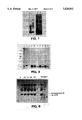
- FIG. 1 is a zymogram of washed platelets and platelet-poor plasma with added pro-UK, with and without acid washing.
- FIG. 2 is a schematic representation of the primary amino acid sequence of single chain pro-UK (SEQ ID NO: 1).
- FIG. 3 is a zymogram of washed platelets and platelet-poor plasma incubated with recombinant pro-UK (rec-pro-UK).
- FIG. 4A is a schematic of the proposed two-step mechanism for u-PA incorporation into platelet membranes.
- FIG. 4B is a graphical representation of the free energy of the mechanism of FIG. 4A.
- FIG. 5 is a zymogram showing endogenous and rec-pro-UK incorporated into platelets but not red blood cells from the same blood.
- FIG. 6 is a zymogram showing platelets isolated from whole blood incubated for 30 minutes with 0 to 10 ng/ml rec-pro-UK.
- Pro-UK incorporated into young platelets has a T.sub. 1/2 which is about 1,000-fold longer than pro-UK in plasma.
- the pro-UK administered to a patient that becomes incorporated into the platelets gains an exceptionally long duration of action which cannot be approximated by any other known method.
- the anti-thrombotic action of intra-platelet pro-UK is greatly enhanced compared to that of endogenous pro-UK in plasma, because this form of pro-UK is concentrated directly in forming blood clots, which provides a substantially localized and specific effect.
- Applicant has conducted various in vitro and animal studies to determine the specificity, effective half-life, and anti-thrombotic effect of the newly discovered intra-platelet membrane u-PA.
- Native pro-UK purified from the culture medium of a human kidney tumor cell was obtained from Collaborative Research Inc. (Bedford, Mass.).
- Recombinant pro-UK (rec-pro-UK) from E. coli was obtained from Farmitalia Carlo Erba (Milan, Italy).
- LMW-UK was obtained from Abbott Laboratories (Chicago, Ill.).
- PPP Platelet-rich plasma
- PGE 1 prostaglandin E 1
- HEPES Tyrodes-albumin buffer (“HTA") containing 128 nM NaCl, 8.9 mM NaHCO 3 , 5.6 mM dextrose, 10 mM HEPES 0.35 mg/ml BSA, 12 mM KCl, 3 mM KCl, 3 mM KH 2 PO 4 , and 3 mM MgCl 2 , with a pH of 7.5.
- HTA HEPES Tyrodes-albumin buffer
- FIG. 1 is a zymogram which shows the endogenous u-PA intrinsic to platelets and plasma.
- Lane 1 shows platelets (1 ⁇ 10 8 ) washed once in HTA buffer with a dominant plasminogen activator band of activity at ⁇ 53 kDa corresponding to u-PA.
- a band at ⁇ 70 kDa corresponds to tPA, which has previously been shown to bind to platelets by a specific, low affinity binding site.
- a ⁇ 100 kDa band was seen in the platelets, consistent with a UK: plasminogen activator inhibitor-1 ("PAI-1") complex.
- PAI-1 plasminogen activator inhibitor-1
- Lane 2 shows the corresponding PPP, which also showed a band of u-PA activity, and a 120 kDa band consistent with a tPA: PAI-1 complex.
- the UK: PAI-1 complex was invariably absent in the PPP (lane 2).
- washed platelets were incubated (37° C.) in PPP or HTA buffer (4 ⁇ 10 8 platelets/ml), enriched with 0.5 g/ml of native pro-UK or rec-pro-UK, HMW-UK, LMW-UK (which is missing most of the A chain), tPA, or streptokinase for 5 minutes.
- the two UK preparations, tPA, and streptokinase were incubated only in the buffer to avoid complexation with inhibitors naturally found in plasma.
- the platelets were recovered by centrifugation (725 ⁇ g for 15 min.), washed twice in HTA buffer, resuspended in bank plasma, and reincubated for 0.5, 1, 2 and 22 hours.
- the platelets were recovered by centrifugation, washed twice in HTA buffer and examined by zymography on plasminogen enriched casein plates.
- the corresponding PPP (20 ⁇ l) at the end of each incubation period was examined alongside the platelets.
- u-PA incorporation of u-PA into the platelet membrane is specific for HMW (53 kDa) u-PA, either native glycosylated or recombinant unglycosylated, and either the single-chain proenzyme (pro-UK) or the two-chain enzyme (HMW-UK).
- pro-UK single-chain proenzyme
- HMW-UK two-chain enzyme
- LMW 33 kDa
- u-PA which lacks the A-chain
- t-PA tissue plasminogen activator
- streptokinase streptokinase
- the two arrows in FIG. 2 indicate the plasmin cleavage (activation) site (Lys 158 -Ile 159 ) and the thrombin cleavage site (Arg 155 -Phe 156 ) in the primary amino acid sequence of single chain u-PA (pro-UK).
- Platelets loaded with pro-UK were washed in acid to determine whether intra-platelet membrane pro-UK could be dissociated from the platelets.
- a pellet of ⁇ 1 ⁇ 10 8 washed platelets loaded with pro-UK as described above was resuspended in 1.0 ml of 20 mM citrate (pH 4.5), 0.15 M NaCl, and 0.3 mg/ml BSA. After 5 min., the platelets were spun down and resuspended in 10 ml of HTA buffer. After an additional 5 min., the platelet pellet was recovered by centrifugation and then analyzed by zymography. Acid washing by this procedure was shown to completely remove platelet-bound tPA and prekallikrein, but not intra-platelet pro-UK.
- FIG. 3 also shows a small but unchanging amount of rec-u-PA activity in the corresponding PPP at the end of each incubation period (lanes 6, 8, and 10) indicating that a fraction of the rec-pro-UK was released within the first 30 minutes, probably representing the unincorporated portion.
- the bulk of the intra-platelet rec-pro-UK remained unaffected by the incubation, regardless of the length of the incubation period, consistent with incorporation into the platelets.
- this portion of the rec-pro-UK also resisted dissociation by acid washing as shown for native pro-UK in FIG. 1.
- Platelets were then broken up by three 10 minute sonications followed by centrifugation at 10,000 g for 10 minutes. The platelet membranes were then separated from the supernatant by centrifugation at 100,000 g for about 10 minutes. All of the endogenous and the exogenous pro-UK was found by zymography to be firmly associated with the membrane, which indicated that the pro-UK was incorporated into the platelet membrane.
- u-PA binds transiently with a platelet membrane protein yet to be identified in a high-affinity interaction that leads to a conformational change in the u-PA that exposes a hydrophobic region of the A-chain.
- this hydrophobic region of the A-chain of u-PA is introduced into the plasma membrane lipid layer resulting in rapid intercalation of this A-chain region into the lipid layer of the membrane.
- the catalytic domain on the u-PA B-chain remains outside of the platelet membrane, because the plasminogen activation activity of platelet membrane-bound u-PA is unimpaired. This pathway is illustrated schematically in FIG. 4A.
- u-PA incorporation of u-PA into the platelet membrane is energy independent in that it is not inhibited by cold temperature (4° C.) or by a wide spectrum of metabolic or other inhibitors (cytochalasin B at 30 ⁇ g/ml, colchicine at 20 ⁇ M, procaine at 0.4%, dinitrophenol at 5 mM, azide at 0.1%, Na cyanide at 5 mM, EDTA at 5 mM, DMSO at 3.0%, PGE 1 at 1.0 ⁇ M).
- FIG. 4B graphically illustrates the direction of free energy in the pathway depicted in FIG. 4A.
- Platelet uptake of pro-UK in whole blood also was found to be sensitive to very small concentrations of pro-UK.
- zymographically detectable quantities were taken up at a concentration of ⁇ 0.5 ng/ml.
- Rec-pro-UK from E. coli was used in these experiments because it is non-glycosylated and therefore migrates ahead of the endogenous native pro-UK on SDS gel electrophoresis.
- a concentration of about 4 ng/ml about 20% of this amount was incorporated into the platelets, which is about the same percentage of endogenous pro-UK found in platelets in normal human blood. This is illustrated by the zymogram shown in FIG. 6, which shows platelets isolated from whole blood incubated for 30 minutes with 0, 0.5, 1.0, 2.0, 4.0, and 10 ng/ml rec-pro-UK (lanes 1 through 6, respectively).
- rabbit platelets do not incorporate human pro-UK.
- a 0.5 mg/kg bolus of pro-UK was injected intravenously into rabbits, and the plasma and platelets were tested at 0 min., 15 min., 30 min., and hourly thereafter for 5 hours. None of the human rec-pro-UK was incorporated into the rabbit platelets.
- Applicant also found that rabbit platelets do not appear to contain any endogenous rabbit pro-UK, whereas dog platelets contain substantial amounts of dog pro-UK.
- u-PA intra-platelet u-PA
- pro-UK has a lifetime in the plasma equal to that of its platelet carrier, it will last 4 to 5 days on average, depending upon the age of the particular platelet by which it was incorporated.
- u-PA such as pro-UK is preferably administered once every 1 to 3 days in a single bolus of a small amount that will not induce a systemic effect, e.g., about 5 to about 40 mg, depending on the particular patient.
- the upper dosage limit depends on a number of factors that can be used to estimate a threshold level of pro-UK in the blood above which systemic effects will occur in a specific patient.
- the pro-UK dosage must be kept below this level. This threshold is higher in patients with greater weight and/or a higher PAI-1 level, and is monitored by measuring the levels of plasminogen, fibrinogen, and fibrinogen degradation products in the blood.
- This threshold is determined as follows. First, the baseline blood levels of plasminogen and fibrinogen are measured for each patient using standard techniques. In addition, the blood is tested for fibrinogen degradation products, to confirm that there are none. A dosage of pro-UK of about 0.3 to 0.4 mg/kg (about 20-30 mg for a 70 kg patient) is then administered, and the patient's blood levels of plasminogen, fibrinogen, and fibrinogen degradation products are monitored. The pro-UK dosage is too high if a systemic effect is observed, i.e., the baseline levels of plasminogen or fibrinogen are depleted by 20% or more, or if the concentration of fibrinogen degradation products rises above about 100 mg/ml of blood.
- a somewhat lower dosage e.g., about 5 mg less than the first dose
- a somewhat higher dosage may be administered the next day.
- the desired dosage i.e., the highest dosage of pro-UK that does not induce a systemic effect
- Subcutaneous administration gives varying absorption rates, and can therefore be carried out with somewhat higher dosages.
- the bolus may also be injected subcutaneously once every 1 to 3 days, and preferably daily, which provides the long-term prophylaxis according to the invention, and the added benefit of self-administration.
- Reocclusion often occurs within hours after successful lysis of a thrombus with tPA, SK, and other thrombolytic agents, and substantially attenuate the therapeutic effect of these agents. Attempts have been made to prevent such reocclusion by the administration of heparin; however, heparin has been shown to be relatively ineffective to prevent reocclusions following coronary thrombolysis, and a number of new agents are being tested to deal with this problem. However, all these agents induce a systemic effect which is associated with an increased risk of bleeding.
- a bolus of 5 to 40 mg of pro-UK is administered intravenously immediately, or within a few hours or a day, after the completion of thrombolytic therapy, and additional boluses of the same dosage are administered intravenously thereafter once daily throughout hospitalization, which is typically about 10 days. Thereafter, subcutaneous or intravenous injections of a similar dosage every 1 to 3 days are administered during the "risk period," which is about three months after thrombolysis, since it is known that there is about a 30% reocclusion rate in the first three months after coronary thrombolysis.
- the dosage of pro-UK is an amount which effectively inhibits thrombus formation, but does not cause a systemic effect.
- pro-UK should be administered to the patient immediately after the tPA infusion is finished.
- pro-UK may be administered at any time within several hours after the completion of SK therapy.
- pro-UK fibrin specific, and therefore do not give rise to a systemic effect.
- this form of prolonged thrombolytic therapy will be accompanied by a lower incidence of hemorrhagic side effects then traditional anti-thrombotic agents, e.g., heparin, anti-thrombins, and anti-platelet agents.
- anti-platelet agents such as heparin, hirudin, and aspirin
- any thrombolytic agent does not pose a contra-indication to the use of pro-UK according to the invention.
- PTCA for coronary artery stenoses
- a principal limitation of PTCA for coronary artery stenoses is that about 30% of these lesions reocclude within three months.
- the pathophysiology of restenosis is not completely understood, it is generally believed to be mediated at least in part by platelets. No effective therapy or prevention has been established.
- this incidence of reocclusion is reduced by the administration of a bolus of 5 to 30 or 40 mg pro-UK injected intravenously immediately to within one day after completion of angioplasty, followed by subcutaneous injections of the same dosage boluses once every 1 to 3 days for at least 3 months.
- pro-UK is a zymogen, it is essentially inert in blood at these dosages, and is therefore essentially free of undesirable side-effects such as systemic fibrinolysis or bleeding.
- Transient arterial insufficiency occurs when a diseased blood vessel is partially or completely occluded by the presence of fibrin and platelets at a site of damage in the vessel.
- Such an insufficiency in the brain results in so-called transient ischemic attacks, and in the heart results in unstable angina pectoris.
- transient ischemic attacks may also give rise to a stroke.
- Unstable angina pectoris which is often due to "sputtering" coronary thrombosis, may herald an impending heart attack.
- Thrombolytic therapy with available agents has not met with much success for these indications, because of their short duration of action, prothrombotic effects, and hemorrhagic complications with prolonged administration.
- bolus intravenous, or alternatively subcutaneous, daily injections of pro-UK in an amount below that which would cause a systemic effect, during periods of ischemia and associated symptoms, and once every 1 to 3 days thereafter at the same dosage level until the arterial insufficiency has stabilized, should be very effective due to the incorporation of pro-UK by platelets, which are generally believed to have a significant role in these transient arterial insufficiencies.
- Atherosclerosis and thrombosis in the arterial circulation are believed, in large part, to be platelet-mediated.
- intravenous or subcutaneous injections of an amount of purified pro-UK that inhibits platelet-mediated fibrin deposition without inducing a systemic effect in the patient e.g., 1 to 40 mg of pro-UK, at regular intervals, e.g., every 3 to 10 days, should be a safe and effective prophylactic treatment for cardiovascular disease.
- Cardiovascular disease includes coronary disease such as angina, cerebral vascular disease such as transient ischemic attacks, and peripheral vascular disease such as peripheral arterial occlusions.
- pro-UK mutants resistant to plasmin and/or thrombin e.g., Phe-157 to Asp, and Lys-135 to Gln and Phe-157 to Asp
- pro-UK mutants resistant to plasmin and/or thrombin have been constructed by site-directed mutagenesis with the aim of producing more efficient thrombolytic agents, e.g., as described in Miyake, T. et al., J. Biochem. (Tokyo), 104: 643-647 (1988), which is incorporated herein by reference.
- Recombinant mutant pro-UKs have also been expressed in E. coli as described in Eguchi et al., J. Biochem. (Tokyo), 108: 72-79 (1990), which is incorporated herein by reference.
- Arg-156 pro-UK mutants can be made by site-directed mutagenesis to produce the preferred thrombin-resistant pro-UK mutants.
- these pro-UK mutants show efficient clot lysis, compared with wild type and rec-pro-UK.
- these mutants In the absence of thrombin, when measured by a fibrin plate method in a purified system, these mutants typically have lower specific activities than wild type or rec-pro-UK, because their catalytic constants for conversion to the two-chain form (UK) by plasmin are lower.
- the Gln-135/Asp-157 mutant lysed clots as efficiently as rec-pro-UK by retaining the single-chain form, whereas the rec-pro-UK was partially converted to the two-chain form.
- thrombin-resistant mutant pro-UK that becomes incorporated into platelets may be especially well suited for the above described novel applications of pro-UK and may be substituted for pro-UK in all the indications listed.
Landscapes
- Health & Medical Sciences (AREA)
- Life Sciences & Earth Sciences (AREA)
- Engineering & Computer Science (AREA)
- Medicinal Chemistry (AREA)
- Proteomics, Peptides & Aminoacids (AREA)
- Chemical & Material Sciences (AREA)
- Bioinformatics & Cheminformatics (AREA)
- Immunology (AREA)
- Biomedical Technology (AREA)
- Pharmacology & Pharmacy (AREA)
- Gastroenterology & Hepatology (AREA)
- Epidemiology (AREA)
- Animal Behavior & Ethology (AREA)
- General Health & Medical Sciences (AREA)
- Public Health (AREA)
- Veterinary Medicine (AREA)
- Medicines That Contain Protein Lipid Enzymes And Other Medicines (AREA)
Priority Applications (1)
| Application Number | Priority Date | Filing Date | Title |
|---|---|---|---|
| US08/254,922 US5626841A (en) | 1993-02-05 | 1994-06-07 | Use of intra-platelet urokinase-type plasminogen activators for long-term inhibition of thrombosis |
Applications Claiming Priority (2)
| Application Number | Priority Date | Filing Date | Title |
|---|---|---|---|
| US1420793A | 1993-02-05 | 1993-02-05 | |
| US08/254,922 US5626841A (en) | 1993-02-05 | 1994-06-07 | Use of intra-platelet urokinase-type plasminogen activators for long-term inhibition of thrombosis |
Related Parent Applications (1)
| Application Number | Title | Priority Date | Filing Date |
|---|---|---|---|
| US1420793A Continuation-In-Part | 1993-02-05 | 1993-02-05 |
Publications (1)
| Publication Number | Publication Date |
|---|---|
| US5626841A true US5626841A (en) | 1997-05-06 |
Family
ID=21764115
Family Applications (1)
| Application Number | Title | Priority Date | Filing Date |
|---|---|---|---|
| US08/254,922 Expired - Fee Related US5626841A (en) | 1993-02-05 | 1994-06-07 | Use of intra-platelet urokinase-type plasminogen activators for long-term inhibition of thrombosis |
Country Status (3)
| Country | Link |
|---|---|
| US (1) | US5626841A (fr) |
| EP (1) | EP0682700A4 (fr) |
| WO (1) | WO1994018315A1 (fr) |
Cited By (15)
| Publication number | Priority date | Publication date | Assignee | Title |
|---|---|---|---|---|
| WO1998025641A1 (fr) * | 1996-12-09 | 1998-06-18 | Hadasit Medical Research Services & Development Company Ltd. | UTILISATIONS EN MEDECINE DE COMPLEXE scuPA/suPAR |
| US5990280A (en) * | 1994-03-07 | 1999-11-23 | Ludwig Institue For Cancer Research | Glioblastoma-derived angiogenesis inhibiting factor |
| RU2216348C1 (ru) * | 2002-11-14 | 2003-11-20 | Общество с ограниченной ответственностью "Научно-производственное предприятие "Техноген" | Фармацевтическая композиция, обладающая тромболитическим и фибринолитическим действием |
| US6759042B2 (en) | 1999-06-04 | 2004-07-06 | Thrombotech Ltd | Use of cross-linked, covalently bound urokinase plasminogen activator (scuPA)-urokinase plasminogen activator receptor (suPAR) complex as a fibrinolytic agent |
| US20040175374A1 (en) * | 2000-02-10 | 2004-09-09 | Wolkers Williem F. | Therapeutic platelets and methods |
| US20050019863A1 (en) * | 2003-04-18 | 2005-01-27 | Paolo Sarmientos | Methods of making pro-urokinase mutants |
| US20050031607A1 (en) * | 2003-04-18 | 2005-02-10 | Victor Gurewich | Methods, devices, and compositions for lysis of occlusive blood clots while sparing wound sealing clots |
| US20100143325A1 (en) * | 2008-12-09 | 2010-06-10 | Vascular Laboratory, Inc. | Composition And Methods Involving Thrombolytic Agents |
| US7837992B2 (en) | 2006-06-22 | 2010-11-23 | Beth Israel Deaconess Medical Center | C-1 inhibitor prevents non-specific plasminogen activation by a prourokinase mutant without impeding fibrin-specific fibrinolysis |
| RU2414194C1 (ru) * | 2009-07-20 | 2011-03-20 | Государственное образовательное учреждение высшего профессионального образования "Волгоградский государственный медицинский университет Федерального агентства по здравоохранению и социальному развитию" | Способ лечения фибриноидного синдрома после экстракции катаракты с имплантацией интраокулярной линзы |
| US20110229454A1 (en) * | 2008-03-31 | 2011-09-22 | Jianning Liu | Use of Prourokinase and Variants Thereof in Facilitated Percutaneous Coronary Intervention in Patients with Acute Myocardial Infarction |
| WO2016073514A2 (fr) | 2014-11-03 | 2016-05-12 | Thrombolytic Science, Llc | Méthodes et compositions pour thrombolyse sûre et efficace |
| CN106867984A (zh) * | 2015-12-11 | 2017-06-20 | 上海天士力药业有限公司 | 一种重组人尿激酶原的纯化方法 |
| US11154596B2 (en) | 2017-06-16 | 2021-10-26 | Thrombolytic Science, Llc | Methods for thrombolysis |
| US11291711B2 (en) * | 2015-11-03 | 2022-04-05 | Prometic Biotherapeutics, Inc. | Plasminogen replacement therapy for plasminogen-deficiency |
Citations (4)
| Publication number | Priority date | Publication date | Assignee | Title |
|---|---|---|---|---|
| USRE32271E (en) * | 1979-11-13 | 1986-10-28 | Isolation of plasminogen activators useful as therapeutic and diagnostic agents | |
| EP0395918A2 (fr) * | 1989-04-13 | 1990-11-07 | Vascular Laboratory, Inc. | Complexe d'activateur de plasminogène de pro-urokinase pure liée de manière covalente par un pont disulfure à de la sérum albumine humaine |
| US5055295A (en) * | 1986-10-03 | 1991-10-08 | Vascular Laboratory, Inc. | Lysis of fibrin blood clots with urokinase and pro-urokinase |
| US5188829A (en) * | 1987-08-19 | 1993-02-23 | Sagami Chemical Research Center | Rapidly acting prourokinase |
-
1994
- 1994-02-02 EP EP94907411A patent/EP0682700A4/fr not_active Withdrawn
- 1994-02-02 WO PCT/US1994/001215 patent/WO1994018315A1/fr not_active Ceased
- 1994-06-07 US US08/254,922 patent/US5626841A/en not_active Expired - Fee Related
Patent Citations (4)
| Publication number | Priority date | Publication date | Assignee | Title |
|---|---|---|---|---|
| USRE32271E (en) * | 1979-11-13 | 1986-10-28 | Isolation of plasminogen activators useful as therapeutic and diagnostic agents | |
| US5055295A (en) * | 1986-10-03 | 1991-10-08 | Vascular Laboratory, Inc. | Lysis of fibrin blood clots with urokinase and pro-urokinase |
| US5188829A (en) * | 1987-08-19 | 1993-02-23 | Sagami Chemical Research Center | Rapidly acting prourokinase |
| EP0395918A2 (fr) * | 1989-04-13 | 1990-11-07 | Vascular Laboratory, Inc. | Complexe d'activateur de plasminogène de pro-urokinase pure liée de manière covalente par un pont disulfure à de la sérum albumine humaine |
Non-Patent Citations (26)
| Title |
|---|
| Badylak et al., Thromb. Res. , 52:294 312 (1988). * |
| Badylak et al., Thromb. Res., 52:294-312 (1988). |
| Bode et al., Circulation, 84:805 813 (1991). * |
| Bode et al., Circulation, 84:805-813 (1991). |
| Declerck et al., Thromb. Haemostas. , 67:95 100 (1992). * |
| Declerck et al., Thromb. Haemostas., 67:95-100 (1992). |
| Eguchi et al., J. Biochem. ( Tokyo ), 108:72 19 (1990). * |
| Eguchi et al., J. Biochem. (Tokyo), 108:72-19 (1990). |
| Gurewich et al., Thromb. Res. , 44:217 228 (1986). * |
| Gurewich et al., Thromb. Res., 44:217-228 (1986). |
| Gurewich, Sem. Thromb. Hemostasis , 15:123 128 (1989). * |
| Gurewich, Sem. Thromb. Hemostasis, 15:123-128 (1989). |
| Gurewich, V. et al., "The Selective Uptake of High Molecular Weight Urokinase-Type Plasminogen Activator by Human Platelets", Fibrinolysis 9:188-195 (1995). |
| Gurewich, V. et al., The Selective Uptake of High Molecular Weight Urokinase Type Plasminogen Activator by Human Platelets , Fibrinolysis 9:188 195 (1995). * |
| Miyake et al., J. Biochem. ( Tokyo ), 104:643 647 (1988). * |
| Miyake et al., J. Biochem. (Tokyo), 104:643-647 (1988). |
| Park et al., Blood , 73:1421 1425 (1989). * |
| Park et al., Blood, 73:1421-1425 (1989). |
| Rao et al., Thromb. Res. ,62:319 334 (1991). * |
| Rao et al., Thromb. Res.,62:319-334 (1991). |
| Roberts, Amer. J. Cardiol. , 67:1A 2A (1991). * |
| Roberts, Amer. J. Cardiol., 67:1A-2A (1991). |
| Vaughan et al., Fibrinolysis , 4:141 146 (1990). * |
| Vaughan et al., Fibrinolysis, 4:141-146 (1990). |
| Vaughan et al., J. Biol. Chem. , 264:15869 15874 (1989). * |
| Vaughan et al., J. Biol. Chem., 264:15869-15874 (1989). |
Cited By (24)
| Publication number | Priority date | Publication date | Assignee | Title |
|---|---|---|---|---|
| US5990280A (en) * | 1994-03-07 | 1999-11-23 | Ludwig Institue For Cancer Research | Glioblastoma-derived angiogenesis inhibiting factor |
| WO1998025641A1 (fr) * | 1996-12-09 | 1998-06-18 | Hadasit Medical Research Services & Development Company Ltd. | UTILISATIONS EN MEDECINE DE COMPLEXE scuPA/suPAR |
| US6759042B2 (en) | 1999-06-04 | 2004-07-06 | Thrombotech Ltd | Use of cross-linked, covalently bound urokinase plasminogen activator (scuPA)-urokinase plasminogen activator receptor (suPAR) complex as a fibrinolytic agent |
| US20040175374A1 (en) * | 2000-02-10 | 2004-09-09 | Wolkers Williem F. | Therapeutic platelets and methods |
| RU2216348C1 (ru) * | 2002-11-14 | 2003-11-20 | Общество с ограниченной ответственностью "Научно-производственное предприятие "Техноген" | Фармацевтическая композиция, обладающая тромболитическим и фибринолитическим действием |
| US20050019863A1 (en) * | 2003-04-18 | 2005-01-27 | Paolo Sarmientos | Methods of making pro-urokinase mutants |
| US20050031607A1 (en) * | 2003-04-18 | 2005-02-10 | Victor Gurewich | Methods, devices, and compositions for lysis of occlusive blood clots while sparing wound sealing clots |
| US7070958B2 (en) | 2003-04-18 | 2006-07-04 | Thrombolytic Science, Inc. | Methods of making pro-urokinase mutants |
| US7074401B2 (en) | 2003-04-18 | 2006-07-11 | Thrombolytic Science, Inc. | Methods, devices, and compositions for lysis of occlusive blood clots while sparing wound sealing clots |
| US20070148160A1 (en) * | 2003-04-18 | 2007-06-28 | Thrombolytic Science, Inc. | Methods, devices, and compositions for lysis of occlusive blood clots while sparing wound sealing clots |
| US20090226413A1 (en) * | 2003-04-18 | 2009-09-10 | Thrombolytic Science, Inc. | Methods, Devices, And Compositions For Lysis Of Occlusive Blood Clots While Sparing Wound Sealing Clots |
| US7837992B2 (en) | 2006-06-22 | 2010-11-23 | Beth Israel Deaconess Medical Center | C-1 inhibitor prevents non-specific plasminogen activation by a prourokinase mutant without impeding fibrin-specific fibrinolysis |
| US20110229454A1 (en) * | 2008-03-31 | 2011-09-22 | Jianning Liu | Use of Prourokinase and Variants Thereof in Facilitated Percutaneous Coronary Intervention in Patients with Acute Myocardial Infarction |
| US9211317B2 (en) * | 2008-03-31 | 2015-12-15 | Jianning Liu | Method of using prourokinase in facilitated percutaneous coronary intervention in patients with acute myocardial infarction |
| US20100143325A1 (en) * | 2008-12-09 | 2010-06-10 | Vascular Laboratory, Inc. | Composition And Methods Involving Thrombolytic Agents |
| RU2414194C1 (ru) * | 2009-07-20 | 2011-03-20 | Государственное образовательное учреждение высшего профессионального образования "Волгоградский государственный медицинский университет Федерального агентства по здравоохранению и социальному развитию" | Способ лечения фибриноидного синдрома после экстракции катаракты с имплантацией интраокулярной линзы |
| WO2016073514A2 (fr) | 2014-11-03 | 2016-05-12 | Thrombolytic Science, Llc | Méthodes et compositions pour thrombolyse sûre et efficace |
| EP3708226A1 (fr) | 2014-11-03 | 2020-09-16 | Thrombolytic Science, LLC | Procédés et compositions pour une thrombolyse sûre et efficace |
| US11213574B2 (en) | 2014-11-03 | 2022-01-04 | Thrombolytic Science, Llc | Methods for safe and effective thrombolysis using sequential administration of tissue plasminogen activator and mutant pro-urokinase |
| US12590301B2 (en) | 2014-11-03 | 2026-03-31 | Thrombolytic Science, Llc | Methods for safe and effective thrombolysis using sequential administration of tissue plasminogen activator and mutant pro-urokinase |
| US11291711B2 (en) * | 2015-11-03 | 2022-04-05 | Prometic Biotherapeutics, Inc. | Plasminogen replacement therapy for plasminogen-deficiency |
| CN106867984A (zh) * | 2015-12-11 | 2017-06-20 | 上海天士力药业有限公司 | 一种重组人尿激酶原的纯化方法 |
| CN106867984B (zh) * | 2015-12-11 | 2021-11-12 | 天士力生物医药股份有限公司 | 一种重组人尿激酶原的纯化方法 |
| US11154596B2 (en) | 2017-06-16 | 2021-10-26 | Thrombolytic Science, Llc | Methods for thrombolysis |
Also Published As
| Publication number | Publication date |
|---|---|
| WO1994018315A1 (fr) | 1994-08-18 |
| EP0682700A1 (fr) | 1995-11-22 |
| EP0682700A4 (fr) | 1997-05-28 |
Similar Documents
| Publication | Publication Date | Title |
|---|---|---|
| Mueller et al. | Thrombolysis in myocardial infarction (TIMI): comparative studies of coronary reperfusion and systemic fibrinogenolysis with two forms of recombinant tissue-type plasminogen activator | |
| US5759542A (en) | Compositions and methods for the delivery of drugs by platelets for the treatment of cardiovascular and other diseases | |
| US5626841A (en) | Use of intra-platelet urokinase-type plasminogen activators for long-term inhibition of thrombosis | |
| Gruber et al. | Antithrombotic effects of combining activated protein C and urokinase in nonhuman primates. | |
| AU630477B2 (en) | Factor xa based anticoagulant compositions | |
| US5582862A (en) | Antibodies that bind to α2-antiplasmin crosslinked to fibrin which do not inhibit plasma α2-antiplasmin | |
| EP0395918A2 (fr) | Complexe d'activateur de plasminogène de pro-urokinase pure liée de manière covalente par un pont disulfure à de la sérum albumine humaine | |
| EP0307847A2 (fr) | Agent thrombolytique | |
| Markland | Fibrolase, an active thrombolytic enzyme in arterial and venous thrombosis model systems | |
| US8187592B2 (en) | C1-inhibitor prevents non-specific plasminogen activation by a prourokinase mutant without impeding fibrin-specific fibrinolysis | |
| EP0253582A1 (fr) | Activateur tissulaire modifié du plasminogène | |
| EP1414479A1 (fr) | Peptide destine a la regulation de l'activateur tissulaire du plasminogene | |
| EP1507547B1 (fr) | Peptides regulant les activateurs du plasminogene de l'urokinase (upa) et du type de tissu (tpa) et procede d'optimisation de l'efficacite therapeutique | |
| US20060069035A1 (en) | Peptide for regulation of urokinase plasminogen activator and method of optimizing therapeutic efficacy | |
| Pâques | Streptokinase or urokinase: The choice between them | |
| Gaffhey | Tissue plasminogen activator for thrombolytic therapy: expectation versus reality | |
| US7271143B1 (en) | Peptides for regulation of urokinase (uPA) and tissue type (tPA) plasminogen activator and method of optimizing therapeutic efficacy | |
| Hanna et al. | Therapy with thrombolytic agents in coronary artery disease | |
| Hirsh et al. | Use of plasminogen activators in venous thrombosis | |
| Lerakis et al. | New thrombolytics: What is under development? | |
| Sherry | Bleeding complications in thrombolytic therapy | |
| Hillis et al. | Thrombolytic Therapy in Arterial Disease. I: Available Agents | |
| Smitherman | Antithrombotic and thrombolytic therapy for coronary heart disease: consensus and controversy | |
| Lubin et al. | Strategies for the design of novel thrombolytic and antithrombolytic agents | |
| Mac Hale et al. | Intrinsic Anticoagulation: Protein C, Protein S, and Thrombomodulin |
Legal Events
| Date | Code | Title | Description |
|---|---|---|---|
| REMI | Maintenance fee reminder mailed | ||
| LAPS | Lapse for failure to pay maintenance fees | ||
| FP | Lapsed due to failure to pay maintenance fee |
Effective date: 20010506 |
|
| STCH | Information on status: patent discontinuation |
Free format text: PATENT EXPIRED DUE TO NONPAYMENT OF MAINTENANCE FEES UNDER 37 CFR 1.362 |