US5834922A - Secondary battery power storage system - Google Patents
Secondary battery power storage system Download PDFInfo
- Publication number
- US5834922A US5834922A US08/606,226 US60622696A US5834922A US 5834922 A US5834922 A US 5834922A US 60622696 A US60622696 A US 60622696A US 5834922 A US5834922 A US 5834922A
- Authority
- US
- United States
- Prior art keywords
- secondary battery
- electric power
- discharge
- charge
- storage system
- Prior art date
- Legal status (The legal status is an assumption and is not a legal conclusion. Google has not performed a legal analysis and makes no representation as to the accuracy of the status listed.)
- Ceased
Links
Images


Classifications
-
- H—ELECTRICITY
- H02—GENERATION; CONVERSION OR DISTRIBUTION OF ELECTRIC POWER
- H02J—ELECTRIC POWER NETWORKS; CIRCUIT ARRANGEMENTS OR SYSTEMS FOR SUPPLYING OR DISTRIBUTING ELECTRIC POWER; SYSTEMS FOR STORING ELECTRIC ENERGY
- H02J7/00—Circuit arrangements for charging or discharging batteries or for supplying loads from batteries
- H02J7/855—Circuit arrangements for charging or discharging batteries or for supplying loads from batteries with circuits adapted for supplying loads from the battery
-
- B—PERFORMING OPERATIONS; TRANSPORTING
- B60—VEHICLES IN GENERAL
- B60L—PROPULSION OF ELECTRICALLY-PROPELLED VEHICLES; SUPPLYING ELECTRIC POWER FOR AUXILIARY EQUIPMENT OF ELECTRICALLY-PROPELLED VEHICLES; ELECTRODYNAMIC BRAKE SYSTEMS FOR VEHICLES IN GENERAL; MAGNETIC SUSPENSION OR LEVITATION FOR VEHICLES; MONITORING OPERATING VARIABLES OF ELECTRICALLY-PROPELLED VEHICLES; ELECTRIC SAFETY DEVICES FOR ELECTRICALLY-PROPELLED VEHICLES
- B60L50/00—Electric propulsion with power supplied within the vehicle
- B60L50/50—Electric propulsion with power supplied within the vehicle using propulsion power supplied by batteries or fuel cells
-
- B—PERFORMING OPERATIONS; TRANSPORTING
- B60—VEHICLES IN GENERAL
- B60L—PROPULSION OF ELECTRICALLY-PROPELLED VEHICLES; SUPPLYING ELECTRIC POWER FOR AUXILIARY EQUIPMENT OF ELECTRICALLY-PROPELLED VEHICLES; ELECTRODYNAMIC BRAKE SYSTEMS FOR VEHICLES IN GENERAL; MAGNETIC SUSPENSION OR LEVITATION FOR VEHICLES; MONITORING OPERATING VARIABLES OF ELECTRICALLY-PROPELLED VEHICLES; ELECTRIC SAFETY DEVICES FOR ELECTRICALLY-PROPELLED VEHICLES
- B60L58/00—Methods or circuit arrangements for monitoring or controlling batteries or fuel cells, specially adapted for electric vehicles
- B60L58/10—Methods or circuit arrangements for monitoring or controlling batteries or fuel cells, specially adapted for electric vehicles for monitoring or controlling batteries
- B60L58/18—Methods or circuit arrangements for monitoring or controlling batteries or fuel cells, specially adapted for electric vehicles for monitoring or controlling batteries of two or more battery modules
- B60L58/21—Methods or circuit arrangements for monitoring or controlling batteries or fuel cells, specially adapted for electric vehicles for monitoring or controlling batteries of two or more battery modules having the same nominal voltage
-
- H—ELECTRICITY
- H02—GENERATION; CONVERSION OR DISTRIBUTION OF ELECTRIC POWER
- H02J—ELECTRIC POWER NETWORKS; CIRCUIT ARRANGEMENTS OR SYSTEMS FOR SUPPLYING OR DISTRIBUTING ELECTRIC POWER; SYSTEMS FOR STORING ELECTRIC ENERGY
- H02J13/00—Circuit arrangements for providing remote monitoring or remote control of equipment in a power distribution network
- H02J13/13—Circuit arrangements for providing remote monitoring or remote control of equipment in a power distribution network characterised by the transmission of data to equipment in the power network
- H02J13/1321—Circuit arrangements for providing remote monitoring or remote control of equipment in a power distribution network characterised by the transmission of data to equipment in the power network using a wired telecommunication network or a data transmission bus
-
- H—ELECTRICITY
- H02—GENERATION; CONVERSION OR DISTRIBUTION OF ELECTRIC POWER
- H02J—ELECTRIC POWER NETWORKS; CIRCUIT ARRANGEMENTS OR SYSTEMS FOR SUPPLYING OR DISTRIBUTING ELECTRIC POWER; SYSTEMS FOR STORING ELECTRIC ENERGY
- H02J13/00—Circuit arrangements for providing remote monitoring or remote control of equipment in a power distribution network
- H02J13/18—Circuit arrangements for providing remote monitoring or remote control of equipment in a power distribution network characterised by the remotely-controlled equipment, e.g. converters or transformers
- H02J13/333—Circuit arrangements for providing remote monitoring or remote control of equipment in a power distribution network characterised by the remotely-controlled equipment, e.g. converters or transformers the equipment forming part of substations
-
- H—ELECTRICITY
- H02—GENERATION; CONVERSION OR DISTRIBUTION OF ELECTRIC POWER
- H02J—ELECTRIC POWER NETWORKS; CIRCUIT ARRANGEMENTS OR SYSTEMS FOR SUPPLYING OR DISTRIBUTING ELECTRIC POWER; SYSTEMS FOR STORING ELECTRIC ENERGY
- H02J7/00—Circuit arrangements for charging or discharging batteries or for supplying loads from batteries
-
- H—ELECTRICITY
- H02—GENERATION; CONVERSION OR DISTRIBUTION OF ELECTRIC POWER
- H02J—ELECTRIC POWER NETWORKS; CIRCUIT ARRANGEMENTS OR SYSTEMS FOR SUPPLYING OR DISTRIBUTING ELECTRIC POWER; SYSTEMS FOR STORING ELECTRIC ENERGY
- H02J7/00—Circuit arrangements for charging or discharging batteries or for supplying loads from batteries
- H02J7/34—Parallel operation in networks using both storage and other DC sources, e.g. providing buffering
-
- H—ELECTRICITY
- H02—GENERATION; CONVERSION OR DISTRIBUTION OF ELECTRIC POWER
- H02J—ELECTRIC POWER NETWORKS; CIRCUIT ARRANGEMENTS OR SYSTEMS FOR SUPPLYING OR DISTRIBUTING ELECTRIC POWER; SYSTEMS FOR STORING ELECTRIC ENERGY
- H02J7/00—Circuit arrangements for charging or discharging batteries or for supplying loads from batteries
- H02J7/40—Circuit arrangements for charging or discharging batteries or for supplying loads from batteries characterised by the exchange of charge or discharge related data
- H02J7/44—Circuit arrangements for charging or discharging batteries or for supplying loads from batteries characterised by the exchange of charge or discharge related data between battery management systems and power sources
-
- H—ELECTRICITY
- H02—GENERATION; CONVERSION OR DISTRIBUTION OF ELECTRIC POWER
- H02J—ELECTRIC POWER NETWORKS; CIRCUIT ARRANGEMENTS OR SYSTEMS FOR SUPPLYING OR DISTRIBUTING ELECTRIC POWER; SYSTEMS FOR STORING ELECTRIC ENERGY
- H02J7/00—Circuit arrangements for charging or discharging batteries or for supplying loads from batteries
- H02J7/485—Circuit arrangements for charging or discharging batteries or for supplying loads from batteries with provisions for charging different types of batteries
-
- Y—GENERAL TAGGING OF NEW TECHNOLOGICAL DEVELOPMENTS; GENERAL TAGGING OF CROSS-SECTIONAL TECHNOLOGIES SPANNING OVER SEVERAL SECTIONS OF THE IPC; TECHNICAL SUBJECTS COVERED BY FORMER USPC CROSS-REFERENCE ART COLLECTIONS [XRACs] AND DIGESTS
- Y02—TECHNOLOGIES OR APPLICATIONS FOR MITIGATION OR ADAPTATION AGAINST CLIMATE CHANGE
- Y02B—CLIMATE CHANGE MITIGATION TECHNOLOGIES RELATED TO BUILDINGS, e.g. HOUSING, HOUSE APPLIANCES OR RELATED END-USER APPLICATIONS
- Y02B90/00—Enabling technologies or technologies with a potential or indirect contribution to GHG emissions mitigation
- Y02B90/20—Smart grids as enabling technology in buildings sector
-
- Y—GENERAL TAGGING OF NEW TECHNOLOGICAL DEVELOPMENTS; GENERAL TAGGING OF CROSS-SECTIONAL TECHNOLOGIES SPANNING OVER SEVERAL SECTIONS OF THE IPC; TECHNICAL SUBJECTS COVERED BY FORMER USPC CROSS-REFERENCE ART COLLECTIONS [XRACs] AND DIGESTS
- Y02—TECHNOLOGIES OR APPLICATIONS FOR MITIGATION OR ADAPTATION AGAINST CLIMATE CHANGE
- Y02E—REDUCTION OF GREENHOUSE GAS [GHG] EMISSIONS, RELATED TO ENERGY GENERATION, TRANSMISSION OR DISTRIBUTION
- Y02E60/00—Enabling technologies; Technologies with a potential or indirect contribution to GHG emissions mitigation
-
- Y—GENERAL TAGGING OF NEW TECHNOLOGICAL DEVELOPMENTS; GENERAL TAGGING OF CROSS-SECTIONAL TECHNOLOGIES SPANNING OVER SEVERAL SECTIONS OF THE IPC; TECHNICAL SUBJECTS COVERED BY FORMER USPC CROSS-REFERENCE ART COLLECTIONS [XRACs] AND DIGESTS
- Y02—TECHNOLOGIES OR APPLICATIONS FOR MITIGATION OR ADAPTATION AGAINST CLIMATE CHANGE
- Y02E—REDUCTION OF GREENHOUSE GAS [GHG] EMISSIONS, RELATED TO ENERGY GENERATION, TRANSMISSION OR DISTRIBUTION
- Y02E60/00—Enabling technologies; Technologies with a potential or indirect contribution to GHG emissions mitigation
- Y02E60/10—Energy storage using batteries
-
- Y—GENERAL TAGGING OF NEW TECHNOLOGICAL DEVELOPMENTS; GENERAL TAGGING OF CROSS-SECTIONAL TECHNOLOGIES SPANNING OVER SEVERAL SECTIONS OF THE IPC; TECHNICAL SUBJECTS COVERED BY FORMER USPC CROSS-REFERENCE ART COLLECTIONS [XRACs] AND DIGESTS
- Y02—TECHNOLOGIES OR APPLICATIONS FOR MITIGATION OR ADAPTATION AGAINST CLIMATE CHANGE
- Y02T—CLIMATE CHANGE MITIGATION TECHNOLOGIES RELATED TO TRANSPORTATION
- Y02T10/00—Road transport of goods or passengers
- Y02T10/60—Other road transportation technologies with climate change mitigation effect
- Y02T10/70—Energy storage systems for electromobility, e.g. batteries
-
- Y—GENERAL TAGGING OF NEW TECHNOLOGICAL DEVELOPMENTS; GENERAL TAGGING OF CROSS-SECTIONAL TECHNOLOGIES SPANNING OVER SEVERAL SECTIONS OF THE IPC; TECHNICAL SUBJECTS COVERED BY FORMER USPC CROSS-REFERENCE ART COLLECTIONS [XRACs] AND DIGESTS
- Y02—TECHNOLOGIES OR APPLICATIONS FOR MITIGATION OR ADAPTATION AGAINST CLIMATE CHANGE
- Y02T—CLIMATE CHANGE MITIGATION TECHNOLOGIES RELATED TO TRANSPORTATION
- Y02T90/00—Enabling technologies or technologies with a potential or indirect contribution to GHG emissions mitigation
- Y02T90/10—Technologies relating to charging of electric vehicles
- Y02T90/16—Information or communication technologies improving the operation of electric vehicles
- Y02T90/167—Systems integrating technologies related to power network operation and communication or information technologies for supporting the interoperability of electric or hybrid vehicles, i.e. smartgrids as interface for battery charging of electric vehicles [EV] or hybrid vehicles [HEV]
-
- Y—GENERAL TAGGING OF NEW TECHNOLOGICAL DEVELOPMENTS; GENERAL TAGGING OF CROSS-SECTIONAL TECHNOLOGIES SPANNING OVER SEVERAL SECTIONS OF THE IPC; TECHNICAL SUBJECTS COVERED BY FORMER USPC CROSS-REFERENCE ART COLLECTIONS [XRACs] AND DIGESTS
- Y04—INFORMATION OR COMMUNICATION TECHNOLOGIES HAVING AN IMPACT ON OTHER TECHNOLOGY AREAS
- Y04S—SYSTEMS INTEGRATING TECHNOLOGIES RELATED TO POWER NETWORK OPERATION, COMMUNICATION OR INFORMATION TECHNOLOGIES FOR IMPROVING THE ELECTRICAL POWER GENERATION, TRANSMISSION, DISTRIBUTION, MANAGEMENT OR USAGE, i.e. SMART GRIDS
- Y04S10/00—Systems supporting electrical power generation, transmission or distribution
- Y04S10/12—Monitoring or controlling equipment for energy generation units, e.g. distributed energy generation [DER] or load-side generation
- Y04S10/126—Monitoring or controlling equipment for energy generation units, e.g. distributed energy generation [DER] or load-side generation the energy generation units being or involving electric vehicles [EV] or hybrid vehicles [HEV], i.e. power aggregation of EV or HEV, vehicle to grid arrangements [V2G]
-
- Y—GENERAL TAGGING OF NEW TECHNOLOGICAL DEVELOPMENTS; GENERAL TAGGING OF CROSS-SECTIONAL TECHNOLOGIES SPANNING OVER SEVERAL SECTIONS OF THE IPC; TECHNICAL SUBJECTS COVERED BY FORMER USPC CROSS-REFERENCE ART COLLECTIONS [XRACs] AND DIGESTS
- Y04—INFORMATION OR COMMUNICATION TECHNOLOGIES HAVING AN IMPACT ON OTHER TECHNOLOGY AREAS
- Y04S—SYSTEMS INTEGRATING TECHNOLOGIES RELATED TO POWER NETWORK OPERATION, COMMUNICATION OR INFORMATION TECHNOLOGIES FOR IMPROVING THE ELECTRICAL POWER GENERATION, TRANSMISSION, DISTRIBUTION, MANAGEMENT OR USAGE, i.e. SMART GRIDS
- Y04S40/00—Systems for electrical power generation, transmission, distribution or end-user application management characterised by the use of communication or information technologies, or communication or information technology specific aspects supporting them
- Y04S40/12—Systems for electrical power generation, transmission, distribution or end-user application management characterised by the use of communication or information technologies, or communication or information technology specific aspects supporting them characterised by data transport means between the monitoring, controlling or managing units and monitored, controlled or operated electrical equipment
- Y04S40/124—Systems for electrical power generation, transmission, distribution or end-user application management characterised by the use of communication or information technologies, or communication or information technology specific aspects supporting them characterised by data transport means between the monitoring, controlling or managing units and monitored, controlled or operated electrical equipment using wired telecommunication networks or data transmission busses
Definitions
- the present invention relates to a secondary battery electric power storage system and, more particularly, to a battery system which is provided with evaluation means of the soundness and the residual power of a battery, the distribution of the surplus electric power of a battery, and the optimum charge/discharge control of a battery.
- Most secondary batteries for automobiles, uninterrupted power supplies and the like have been lead-acid batteries.
- the residual capacity of the battery must be known as accurately as possible. Charging systems, temperature management and methods of determining the residual capacity for each of those batteries have been proposed. There have been known, for example, methods of detecting the residual capacity on the basis of only voltage (Japanese Patent Laidopen (Kokai) Nos. 58-85179 and 61-135335), a method of managing the residual capacity on the basis of voltage and current (Japanese Patent Laid-open (Kokai) No. 52-32542), methods of managing the residual capacity on the basis of current and time (Japanese Patent Laidopen Nos.
- the capacity of a battery is dependent also on the charge and discharge history of the battery. For example, the capacity of nickel-cadmium batteries and nickel-metal hydride batteries decreases due to memory effect if shallow discharge and charge are repeated. In lithium batteries, lithium is accumulated on the positive electrode and material forms on the negative electrode to degrade the battery. If the charge/discharge balance is destroyed, the power of the lithium battery must be discharged after due consideration of the charge capacity. It is very important with combination batteries to know the charged capacity.
- nickel-metal hydride batteries Since the variation of the voltage of nickel-metal hydride batteries, as compared with that of nickel-cadmium batteries, in the final stage of charging is obscure, nickel-metal hydride batteries may be overcharged causing drying of the electrolyte or increase in the internal pressure and entailing safety problems unless nickel-hydrogen batteries are charged after due consideration of the discharge capacity. Since the capacity of batteries is greatly dependent on temperature, charging rate and discharging rate, the charge and discharge history of batteries must be taken into account. Charging systems have been studied with such problems in view.
- a charging system disclosed in Japanese Patent Laid-open (Kokai) No.4-308429 charges a battery after detecting the fully discharged condition of the battery from the end voltage or time to solve problems due to memory effect
- a charging system disclosed in Japanese Patent Laid-open (Kokai) No. 61-81139 charges a battery after detecting the fully discharged condition of the battery from the end voltage or time to prevent overcharge.
- a method of determining the residual capacity of a battery on the basis of the specific gravity of the electrolyte is applicable only to lead-acid batteries.
- a method of managing the residual voltage on the basis of the voltage is effective when applied to lead-acid batteries and lithium batteries the voltage of which varies comparatively widely during charging and discharging, the same is unsuitable for application to nickel-cadmium batteries and nickel-metal hydride batteries the residual capacity of which cannot be determined on the basis of only the voltage. It is difficult to predict the residual capacity accurately on the basis of current and temperature or on the basis of time besides on the basis of voltage under operating condition where discharge rate changes.
- Japanese Patent Laid-open (Kokai)No. 4-308429 Japanese Patent Laid-open (Kokai)No. 4-308429
- Japanese Patent Laid-open (Kokai) No. 61-81139 are intended to suppress the deterioration of a battery and to simplify a charging method when the battery is used as the power supply of portable apparatuses.
- Such a charge/discharge control method taking the characteristics and the history of batteries has not been proposed.
- the present invention provides a secondary battery electric power storage system comprising a secondary battery connected to a load, and a connection unit capable of being connected to a power system and connected to the secondary battery and a plurality of loads, characterized by a controller for controlling the connection unit according to information about the secondary battery and the plurality of loads.
- a secondary battery electric power storage system comprising:
- a detecting device for detecting a residual electric power of said secondary battery
- connection unit connected to a power source and to said secondary battery
- connection unit connected to said connection unit;
- connection unit discharges electric power of said secondary battery to said load when said residual electric power is larger than a predetermined value and when the residual electric power is smaller than the predetermined value, the electric power is discharged to said power system or said load through said connection unit, prior to charging of said secondary battery.
- a secondary battery electric power storage system wherein said secondary battery is connected to a plurality of loads, and wiring is provided for signaling and for transmitting information on said loads and said secondary battery to said control unit, wherein said connection unit distributes electric power of said secondary battery among said loads when said residual electric power is larger than the predetermined value.
- a secondary battery electric power storage system comprising: a secondary battery connectable to a load; a connection unit connectable to the secondary battery, said connection unit being connectable to a power system and either a plurality of loads or a plurality of electric power storage units; a detecting device for detecting a residual electric power in the secondary battery; and a control unit for controlling the connection unit on the basis of information from the secondary battery and at least one of the loads or electric power storage units, wherein electric power in the secondary battery is discharged to at least one of the loads when the residual electric power is larger than the predetermined value, and the residual electric power is discharged to the power system or to at least one of the loads or electric power storage units when the residual electric power is smaller than the predetermined value, prior to charging of the secondary battery.
- a secondary battery electric power storage system comprising: a secondary battery connected to a load; a connection unit connectable to the secondary battery, said connection unit being connectable to a power system and either a plurality of loads or a plurality of electric power storage units; a detecting device for detecting a residual electric power in the secondary battery; and a control unit for controlling the connection unit on the basis of information from the secondary battery and at least one of the loads or electric power storage units, wherein electric power in the secondary battery is discharged to at least one of the loads when the residual electric power is larger than the predetermined value, and the residual electric power is discharged to the power system or to at least one of the loads or electric power storage units when the residual electric power is smaller than the predetermined value, prior to charging of the secondary battery.
- connection unit is connected to either a plurality of loads or a electric power storage units, and said signal line for transmitting information on either said loads or said electric power storage units and said secondary battery to said control unit, wherein said connection unit distributes electric power of said secondary battery among said either said loads or said electric power storage units when said residual electric power is larger than the predetermined value.
- the secondary battery electric power storage system is characterized by a signal line to transmit the information about the operating condition of the plurality of loads to the controller, and a signal line for transmitting information about the surplus electric power of the secondary battery to the controller.
- the secondary battery electric power storage system may be provided with at least either a measuring means associated with the plurality of loads to measure information about operating condition or a measuring means associated with the secondary battery to measure information about the surplus electric power.
- the measuring means may be ordinary measuring means (sensors) suitable for the purpose of measurement.
- the secondary battery electric power storage system is characterized also by the connection of a plurality of electric power storage units to the connection unit, and the connection of the plurality of electric power storage units and the controller by an information transmitting means.
- the plurality of electric power storage units may be provided with a measuring means for measuring the condition of power storage.
- the measuring means may be an ordinary measuring means (sensor) suitable for the purpose of measurement.
- the present invention is applicable to, for example, the secondary batteries of electric vehicles, the second batteries of hotwater supply systems, secondary batteries for illumination, secondary batteries for air-conditioning systems, buildings, factories, apartment houses, cities and general residential buildings provided with power supply facilities, such as emergency power supplies, and transport facilities using electric power.
- the controller is provided with a clock or a timer.
- the present invention provides also a secondary battery electric power storage system comprising a secondary battery connected to loads, and a connection unit capable of being connected to a power system, and connected to the secondary battery and at least either a plurality of loads or a plurality of electric power storage units, characterized in that a load to which power is to be fed and the capacity are selected on the basis of information about the secondary battery, the plurality of loads and the plurality of electric power storage units, and the surplus electric power remaining in the secondary battery after feeding the power stored in the secondary battery to the loads is fed to the selected load.
- a load to which electric power is to be fed and the capacity are selected on the basis of at least one of information about the surplus electric power of the secondary battery, information about the operating condition of the plurality of loads and information about the power storage condition of the electric power storage units, and power is fed to the selected load.
- the electric power storage system of the present invention may employ the following secondary battery electric power storage system for controlling the power system or operations for charging and discharging electric power stored in a secondary battery and a plurality of electric power storage units.
- the present invention provides an electric power storage system comprising a connection unit connectable to a power system, and connected to at least either a plurality of loads or a plurality of electric power storage units, a controller for controlling the connection unit, and a connecting means for connecting a secondary battery, characterized in that the controller controls the connection unit on the basis of information from at least one of the plurality of loads, the plurality of electric power storage units and the connecting means.
- the secondary battery electric power storage system is characterized also by an information transmitting means interposed between at least one of the plurality of loads, the plurality of electric power storage units and the connecting means, and the controller.
- a secondary battery is connected for charging and discharging to the secondary battery power storage system to use power effectively.
- At least one of the plurality of loads, the plurality of electric power storage units and the connecting means is provided with measuring means for measuring various values, associated with the information transmitting means.
- the information transmitting means transmits information measured by the measuring means.
- the secondary battery to be employed in the present invention is provided with a measuring means for measuring the amount of electric power charged in the secondary battery and the amount of electric power discharged from the secondary battery, and a computer that calculates the residual power of the secondary battery.
- the secondary battery electric power storage system is provided with a measuring means for measuring the condition of the secondary battery, and a computer provided with a memory capable of storing measured data measured by the measuring means, arithmetic programs and information including data on the characteristics of the secondary battery, and a controller for processing the information stored in the memory and information given thereto from external devices, and it is desirable that the information stored in the secondary battery can be transmitted by the information transmitting means.
- the secondary battery to be used by the present invention is at least one of secondary batteries including lead-acid batteries, nickel-cadmium batteries, nickel hydrogen batteries and lithium batteries, or any combination of these secondary batteries.
- the secondary battery is provided with a storage device capable of storing at least the measured data and the arithmetic programs.
- the plurality of electric power storage units are at least a plurality of secondary batteries, such as lead-acid batteries, nickel-cadmium batteries, nickel-metal hydride batteries or lithium batteries, a plurality of heat storage and heat exchanger systems, a plurality of superconducting type electric power storage systems, or any combinations of these batteries and electric power storage systems.
- secondary batteries such as lead-acid batteries, nickel-cadmium batteries, nickel-metal hydride batteries or lithium batteries, a plurality of heat storage and heat exchanger systems, a plurality of superconducting type electric power storage systems, or any combinations of these batteries and electric power storage systems.
- the connection unit is provided with an ac-dc conversion means and a switching means.
- the ac-dc conversion means such as a thyristor, enables the control of power factor.
- the switching means switches circuits connecting the power system to the secondary battery, the plurality of loads and the plurality of electric power storage units depending on the operating condition of the surrounding loads.
- the secondary battery electric power storage system is provided with a power measuring means for measuring the amount of power fed or received through the connection unit, such as a measuring means for measuring the amount of charged electric power and the amount of discharged electric power, and an information transmitting means for transmitting the measured data to the controller for controlling the connection unit.
- the secondary battery or the plurality of electric power storage units may be provided with a measuring means for measuring the amount of charged electric power and that of discharged electric power.
- the means for measuring the amount of charged electric power and that of discharged electric power is a sensor, such as an ammeter voltmeter or a Coulomb meter.
- the controller for controlling the connection unit is capable of selecting a load to which the secondary battery and the electric power storage units feed power on the basis of information about the amount of the surplus electric power of the secondary battery, operating condition of the plurality of loads and the power storage condition of the plurality of electric power storage units.
- the secondary battery power storage system may be provided with a calculating means for calculating the amount of charged electric power and that of discharged electric power on the basis of information from the secondary battery, the plurality of loads and the plurality of electric power storage units and with a memorizing means.
- the information about the operating condition of the plurality of loads is information about power necessary for operating the plurality of loads or the current power demand of the plurality of loads. Preferably, information about scheduled operating time and such is used.
- the information transmitting means is, for example, a signal line. Information may be transmitted by means of radiowaves.
- the information about the surplus electric power is, for example, a measured amount of surplus electric power, data on optimum charge and discharge characteristics (charge and discharge modes) and the charge and discharge history of the secondary battery.
- the plurality of loads has at least one load
- the plurality of electric power storage units has at least one electric power storage unit.
- a secondary battery electric power storage system in accordance with the present invention comprises a secondary battery mounted on a load, such as an electric vehicle, a connection unit capable of being connected to a power system, such as a charge stand, and connected to the secondary battery, a plurality of electric power storage units capable of being connected to the power system, and connected through the connection unit in parallel to the secondary battery, a plurality of loads connected to the plurality of electric power storage unit, a plurality of loads connected to the connection unit.
- connection unit capable of being connected to the power system may be connected to the secondary battery, the plurality of loads and the plurality of electric power storage units.
- the present invention is capable of controlling charge and discharge of the plurality of loads, the plurality of electric power storage units and the secondary battery on the basis of information from the plurality of loads, the plurality of electric power storage units and the secondary battery.
- necessary power can be measured by a power measuring means on the basis of the operating condition of the plurality of loads.
- the surplus electric power of the secondary battery, the power storage condition of the plurality of electric power storage units, and the discharge characteristic and the available capacity of the battery are determined, a load to which power is to be fed is selected from among the plurality of loads or the plurality of electric power storage units, and the surplus electric power can be fed through the connection unit to the selected load.
- power may be stored in the electric power storage units and then power may be fed from the electric power storage units to the plurality of loads.
- the surplus electric power can be effectively distributed and the residual power can be discharged after determining the amount of available power from the residual power. Therefore, the soundness of the battery can be secured and discharge control can be efficiently carried out.
- the residual capacity of the secondary battery is determined before charging, and whether the secondary battery is to be charged or whether the secondary battery is discharged is determined on the basis the residual capacity of the secondary battery.
- the intrinsic optimum charge and discharge characteristics of the secondary battery, and the power demand of the plurality of loads or the power storage condition of the plurality of electric power storage units are measured and a load to which power is to be fed is selected.
- the plurality of loads has a plurality of loads, it is preferable to measure the power demand of each load.
- the plurality of electric power storage units has a plurality of electric power storage units, it is preferable to determine the power storage condition of each electric power storage unit.
- a load to which power is to be fed and the amount of power to be fed are determined selectively after examining power demand to see if the power demand can be supplied by the secondary battery and to see if the output current density (large-current discharge or small-current discharge) is appropriate to the secondary battery, and then the connection unit connects the secondary battery to the selected load to feed power to the latter by orders of controller.
- the soundness of the battery can be secured and electric power can be efficiently used by accumulating electric power in night period rate hours in the night and using the accumulated electric power in the daytime.
- the secondary battery is charged through the connection unit with electric power during night period rate hours, the surplus electric power of the secondary battery is fed (discharged) to the connection unit connected to the secondary battery, and electric power is fed (discharged) through the connection unit to the plurality of electric power storage units, the plurality of loads connected to the plurality of electric power storage units and the plurality of loads connected to the connection unit in day period rate hours.
- Inexpensive night period rate electric power can be stored and used, and then the stored electric power can be sold through the connection unit that can be connected to the secondary battery to consumers in day.
- the controller When selling the stored electric power, it is preferable to determine the power demand of the plurality of loads on the basis of information about operating condition received from a plurality of electric power storage units or the plurality of loads by the controller connected to the connection unit connected to the secondary batteries, to select a load to which electric power is to be fed, taking into consideration the available power capacity of the secondary battery, and to feed the surplus electric power of the secondary battery through the connection unit to the selected load.
- the soundness and the original power capacity of the battery can be known by discharging the surplus electric power.
- the original power capacity of the battery can be known from charged capacity after discharge of nearly 100% of the full capacity of the battery (nearly exhausted state). It is desirable, if possible, to know the capacity of the battery every time the battery is discharged or charged to know the soundness of the battery.
- the secondary battery employed in the present invention is provided with, for example, measuring means (sensors) for acquiring data, an A/D converter for converting the data acquired by the measuring means and giving the converted data to a computer, a memory storing data on the charge and discharge history, arithmetic programs, an indication program and data on the standard characteristics, and a controller for processing the information stored in the memory and information placed into the memory by external devices.
- measuring means sensors
- A/D converter for converting the data acquired by the measuring means and giving the converted data to a computer
- a memory storing data on the charge and discharge history
- arithmetic programs for processing the information stored in the memory and information placed into the memory by external devices.
- a controller for processing the information stored in the memory and information placed into the memory by external devices.
- the arithmetic programs and the indication program are an arithmetic program defining a procedure for determining discharged capacity by integrating discharge current, an arithmetic program defining a procedure for determining charged capacity by integrating charge current, an arithmetic program defining a procedure for determining converted charged capacity, i.e., available capacity under a discharge rate and a temperature condition at the time when discharge current data is received from the discharge efficiency and the temperature characteristic, determined by converting charged capacity in a real-time mode, an arithmetic program defining a procedure for determining surplus electric power discharged capacity by integrating surplus electric power discharge current data, and an indication program defining a procedure for indicating the surplus electric power discharged capacity determined by the procedure defined by the arithmetic program.
- Discharge current data, discharge voltage data and discharge temperature data on the discharge history are measured by measuring means (sensors) when the secondary battery feeds electric power to the loads, and the measured data are transferred through an A/D converter to a computer provided with a memory and a controller.
- Charging current data, charge voltage data and charge temperature data on the charge history are measured when the secondary battery is charged with electric power through the connection unit connected to the secondary battery in the night, and the measured data are transferred through the A/D converter to the computer.
- Surplus electric power discharge current data, surplus electric power discharge voltage data and surplus electric power discharge temperature or surplus electric power discharge history are measured by sensors when the secondary battery discharges surplus electric power through the connection unit connected to the secondary battery, and the measured data are transferred through the A/D converter to the computer.
- the soundness of the battery can be known from those measured data.
- a discharged capacity discharged to the loads and a surplus electric power discharged capacity discharged to the connection unit can be known from the discharge current data and the surplus electric power discharge current, and the discharge operation of the secondary battery can be controlled so that the battery may not be discharged to a voltage below the final discharge voltage, i.e., so that the secondary battery may not be overdischarged, by using the discharge voltage data and the surplus electric power discharge voltage data.
- the charged capacity charged into the secondary battery can be known from the charge current data.
- the increase of the voltage of a lithium battery to its final charge voltage can be known from the charge voltage data and hence the overcharge of the lithium battery can be prevented.
- the final charge voltage of a nickel-cadmium battery can be known from the variation of the voltage in the final stage of charging operation and hence charging can be terminated before the nickel-cadmium battery is overcharged.
- a nickel-metal hydride battery has a small voltage variation in the final stage of charging. Therefore, it is desirable to take temperature variation into consideration in addition to voltage variation in determining the time to stop charging to prevent overcharge.
- abnormal rise of temperature is an indication of the abnormal condition of the batteries. Since charging efficiency and discharging efficiency are dependent on temperature, it is preferable to use temperature data in correcting charged capacity and discharged capacity because charged capacity and discharged capacity are dependent on temperature.
- the aforesaid data are corrected for charging rate, discharging rate and temperature.
- the standard characteristic data such as the inherent charging efficiency, discharging efficiency and temperature characteristic, of the secondary battery are stored in the memory.
- the charge current data and the discharge current data given to the A/D converter are integrated to determine charged capacity and discharged capacity.
- the charged capacity is converted in a real-time mode into a converted charged capacity, i.e., a capacity available at the discharge rate and under the temperature condition at the time when the discharge current data is obtained, on the basis of the charging efficiency, the discharging efficiency and the temperature characteristic stored in the memory.
- the discharged capacity is subtracted from the converted charged capacity determined in the real-time mode to determine a residual capacity.
- the residual capacity at the current temperature and at the current discharge rate can be indicated.
- the possible distance of travel of an electric vehicle is dependent on the condition of the road, namely, the possible distance of travel along a downhill is longer than that along an uphill
- the possible distance of travel can be estimated on the basis of the discharging efficiency according to the condition of the road, and the estimated possible distance of travel can be indicated.
- Surplus electric power discharge capacity can be determined by integrating the surplus electric power discharge current data and the surplus electric power discharge capacity can be indicated. Since the surplus electric power discharge capacity is selling electric energy for sale, the surplus electric power discharge capacity is transferred to the connection unit connected to the secondary battery and the power system, the plurality of electric power storage units or the plurality of loads. Preferably the connection unit is capable of measuring and indicating the capacity.
- the optimum charge and discharge conditions are pieces of information about a discharge method specifying, for example, at least one of maximum discharge capacity, discharge current, discharge voltage, discharge time and a lower limit voltage.
- discharging conditions as battery characteristic data including discharge modes, such as a constant-current discharge mode, a constant-voltage discharge mode, a pulse discharge mode and combinations of those discharge modes, an optimum current, an optimum voltage, and discharge cutting mode, such as a time-cut mode and a voltage-cut mode, is stored beforehand in the memory.
- Charging information specifying charging conditions similar to the discharging conditions are used for charging. If even one of the batteries of a battery set is deteriorated, the deteriorated battery will be overdischarged and the cycle life of the same is shorted significantly. It is desirable to use a control method determined by taking into consideration the type the scale and the security of the battery to execute time-cut or voltage-cut on the basis of monitored voltage variation.
- the available discharge capacity that can be discharged in the future (next) discharge cycle and the cycle life of the secondary battery can be estimated from the past charge capacities of the secondary battery and the mode of change of charged capacity.
- causes of reduction of the capacity of the secondary battery such as the exhaustion of the electrolyte, the deterioration of the positive electrode and the deterioration of the negative electrode, can be determined from the mode of reduction of the capacity.
- Overdischarge of the battery can be prevented by determining the available discharge capacity and the possible discharge time of the battery and discharging the surplus power accordingly.
- the secondary battery is charged in a mode conforming to the optimum charge conditions stored in the memory when charging the secondary battery through the connection unit at night, in which overcharge of the secondary battery can be prevented by determining the available discharge capacity and the possible discharge time, and charging the secondary battery accordingly.
- the discharge of the surplus electric power is interrupted when the surplus electric power is not discharged completely.
- the charge capacity determined in the preceding charge cycle is used as charge capacity.
- the surplus electric power discharge capacity is determined on the basis of the residual capacity, taking into consideration the type of the battery to secure the soundness of the battery. For example, since a nickel-cadmium battery and a nickel-metal hydride battery are subject to large self-discharge and have a memory effect, it is preferable to discharge 95% to 100% of a discharge capacity in a mode conforming to optimum discharge conditions revised for the future available discharge capacity of the batteries when the residual capacity is in the range of 0% to 85% of the charge capacity.
- the residual capacity When the residual capacity is 85% or above of the charge capacity, it is better not to discharge the surplus electric power. Thus, charging and discharging are simplified and the memory effect can be prevented. Since a lithium battery or the like is subject to a comparatively small self-discharge and the cycle life of a lithium battery or the like is reduced when the same is discharged deep, it is desirable to discharge the surplus electric power corresponding to 80% to 95% of the discharge capacity in a mode conforming to optimum discharge conditions revised for the available discharge capacity of the battery, when the residual capacity is in the range of 5% to 80% of the charge capacity. When the residual capacity is less than 5% of the charge capacity, it is better not to discharge the surplus electric power because further discharge reduces the cycle life of the battery. When the residual capacity is 80% or above of the charge capacity, it is desirable not to discharge the surplus electric power to simplify charging and discharging.
- the whole capacity of battery can be known at every discharge and the residual capacity of the battery can be accurately determined when the surplus electric power is discharged with the performance of the battery being taking into consideration.
- the cycle life of the battery and the future capacity of the battery can be estimated from the whole capacity of the battery and the residual capacity. Accordingly, charge/discharge control can be carried out according to the change of the performance of the battery and thereby the soundness of the battery is enhanced.
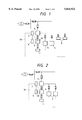
- FIG. 1 is a block diagram of a secondary battery electric power storage system in accordance with the present invention
- FIG. 2 is a block diagram of a secondary battery electric power storage system in accordance with the present invention.
- FIG. 3 is a block diagram of a secondary battery electric power storage system in accordance with the present invention.
- FIG. 4 is a block diagram of a secondary battery electric power storage system in accordance with the present invention.
- FIG. 5 is a flow chart of a procedure for controlling a secondary battery, in accordance with the present invention.
- FIG. 6 is a graph showing the charge/discharge cycle characteristics of secondary batteries in a second embodiment according to the present invention.
- FIG. 7 is a graph comparatively showing residual capacity indications and actual residual capacities in the second embodiment according to the present invention.
- FIG. 8 is a graph showing the charge/discharge cycles of secondary batteries in a third embodiment according to the present invention.
- FIG. 9 is a graph comparatively showing residual capacity indications and residual capacities in a comparative example 1.
- FIG. 10 is a graph showing the charge/discharge cycle characteristics of secondary batteries in the comparative example 1.
- FIG. 1 shows a secondary battery electric power storage system in a first embodiment according to the present invention.
- a secondary battery load 1 and a connection unit 2 connectable to a power system are connected to a secondary battery 3.
- a plurality of electric power storage units 4 are placed in parallel combination with the connection unit 2 connected to a power supply system.
- a plurality of loads 5 are connected to the charge/discharge unit 2 or the electric power storage units 4.
- a signal line 30 indicated by broken lines, is connected to a controller 7 included in the connection unit 2.
- Detecting device 40 detects residual electric power in the secondary battery.
- the secondary battery electric power storage system is provided with a means, not shown in FIGS. 1 to 4, for supplying electric power directly from the power supply system to the loads 5 or the electric power storage units 4, bypassing the connection unit 2.
- a means not shown in FIGS. 1 to 4 for supplying electric power directly from the power supply system to the loads 5 or the electric power storage units 4, bypassing the connection unit 2.
- the secondary battery electric power storage system is provided with such a means, it is desirable that the secondary battery electric power storage system is provided with a signal line for transmitting signals representing measured values, such as the amount of electric power used to the controller 7 of the connection unit 2. Amounts of electric power applied to and delivered from the secondary battery 3 and the electric power storage units 4 are measured by measuring devices and measured data is sent through the signal line to the controller 7 of the connection unit 2.
- the secondary battery 3, the electric power storage units 4 and the loads 5 are provided with sensors (measuring means).
- the secondary battery 3 is connected to the charge/discharge unit 2 to charge the secondary battery 3 with night period rate electric power. After the secondary battery has been charged, the secondary battery 3 is connected to the secondary battery load 1 to discharge the secondary battery 3. After discharging, the secondary battery 3 is disconnected from the secondary load 1 and connected to the connection unit 2 to discharge the surplus electric power of the secondary batter 3 in the day period rate hours.
- a controller 6 included in the secondary battery 3 controls the secondary battery 3 for discharging the surplus electric power remaining after charging the secondary battery load 1, i.e., the residual capacity in a mode conforming to optimum discharging conditions in the day period rate hours. The discharge of the surplus electric power is stopped in the night period rate hours and the secondary battery is charged.
- the charge capacity does not correspond to the capacity of the battery because the battery has the residual capacity. Therefore, the charge capacity used in the preceding charge cycle is used as the charge capacity to be taken into consideration in indicating the residual capacity.
- the controller 7 of the connection unit 2 measures the amounts of electric power required by the electric power storage units 4 or the loads 5, selects the electric power storage unit or the load and controls the secondary battery 3 to supply the surplus electric power to the selected electric power storage unit or the load.
- FIG. 2 shows an embodiment of the present invention.
- a secondary battery load 1 and a connection unit 2 connectable to a power system are connected to a secondary battery 3, and electric power storage units 4 are placed in parallel combination with the connection unit 2.
- FIG. 3 shows an embodiment of the present invention.
- a secondary battery load 1 and a connection unit 2 connectable to a power system are connected to a secondary battery 3, and loads 5 are connected to the connection unit 2.
- FIG. 4 shows an embodiment of the present invention.
- a secondary battery load 1 and a connection unit 2 connectable to a power system are connected to a secondary battery 3, and series circuits each of an electric power storage unit 4 and a load 5 are placed in parallel connection with the connection unit 2.
- FIG. 5 is a flow chart of a control procedure to be carried out by the controllers 6 of the secondary batteries 3 of FIGS. 1 to 4.
- the control procedure will be described hereinafter with reference to FIGS. 1 to 5.
- the secondary battery 3 is provided with the controller 6, an A/D converter 8 and a memory 9.
- the memory 9 is capable of storing standard characteristic data on the intrinsic characteristics of the secondary battery 3 including charging efficiency 10, discharging efficiency 11, temperature characteristics 12 and optimum charge and discharge conditions 13.
- the optimum charge and discharge conditions 13 specify charge and discharge modes, such as a constant-current charge mode, constant discharge mode, a constant-voltage discharge mode and a constant-voltage discharge mode, currents and voltages, cut voltages, charge capacities, discharge capacities, charge times and discharge times.
- an A/D converter receives charge operation data including charge current data 14, charge voltage data 15 and charge temperature data 16.
- the charge voltage data 15 is necessary for terminating charging at a cut voltage.
- the charge temperature data 16 is used for detecting the final charge stage for a nickel-metal hydride battery.
- the temperature data 15 is used also for detecting the abnormal condition of the battery when the temperature of the battery rises abnormally.
- the charge current data 14 is integrated to obtain a charged capacity.
- the A/D converter 8 receives discharge operation data including discharge current data 17, discharge voltage data 18 and discharge temperature data 19.
- the discharge voltage data 18 is necessary for terminating discharge at a cut voltage.
- the discharge current data 17 is integrated to obtain a discharged capacity.
- the discharged capacity is converted in a real-time mode for a discharging rate and a temperature represented by the discharge temperature data 19 into an available discharge capacity, i.e., converted charge capacity, for determining a residual capacity.
- the residual capacity is obtained by subtracting the discharged capacity from the converted charge capacity.
- the discharge operation of the secondary battery 3 is controlled according to the optimum charge and discharge conditions 13.
- the A/D converter 8 receives surplus electric power discharge operation data including surplus electric power discharge current data 20, surplus electric power discharge voltage data 21 and surplus electric power temperature data 22.
- the surplus electric power discharge current data 20 is integrated to obtain a surplus electric power discharge capacity, and the surplus electric power discharge capacity is indicated.
- the surplus electric power discharge capacity can be transferred through the connection unit 2 to the electric power storage units 4 and the loads 5.
- FIG. 6 shows the charge and discharge cycle characteristics of secondary batteries and FIG. 7 shows the variation of the difference between residual capacity indication and actual residual capacity with the number of charge and discharge cycles.
- the capacities of a lead-acid battery B, a nickel-cadmium battery D, a nickel-hydrogen battery A and lithium battery E decrease slightly as the number of charge and discharge cycles increases, and the possible numbers of charge and discharge cycles for those batteries are not less than 1000.
- the difference between the residual capacity indication and the actual residual capacity is very small.
- a controller 6 controls the secondary battery 3 for discharging so that 95% to 100% of a discharge capacity corresponding to an available discharge capacity is discharged in a mode conforming to optimum discharge conditions when the residual capacity is 0 to 85% of the charge capacity of the secondary battery 3.
- the controller 6 controls the secondary battery 3 so that 80% to 95% of a discharge capacity corresponding to an available discharge capacity is discharged in a mode conforming to optimum discharge conditions when the residual capacity is 5% to 80% of the charge capacity.
- the residual capacity is 5% or below of the charge capacity, surplus electric power discharge is not performed.
- the residual capacity is 80% or above of the charge capacity, surplus electric power discharge is not performed.
- FIG. 8 shows the charge and discharge cycle characteristics of batteries under the control operation of the controller.
- the capacities of a nickel-cadmium battery, a nickel-metal hydride battery and a lithium battery decrease scarcely as the number of charge and discharge cycles increases.
- the possible numbers of charge and discharge cycles for those batteries are not less than 1200.
- a secondary battery load 1 and a connection unit 2 are connected to a secondary battery 3.
- the secondary battery 3 is connected to the connection unit 2 and the secondary battery 3 is charged with night period rate electric power.
- the secondary battery 3 is connected to the secondary battery load 1 and the electric power stored in the secondary battery 3 is discharged into the secondary battery load 1.
- the secondary battery 3 is disconnected from the secondary battery load 1 and is connected to the connection unit 2 to charge the secondary battery 3 with night period rate electric power.
- the residual capacity of the secondary battery is determined by subtracting a discharged capacity from an initial capacity.
- FIG. 9 shows the difference between residual capacity indication and actual residual capacity. As is obvious from FIG.
- FIG. 10 shows the charge and discharge cycle characteristics of batteries.
- the capacities of a lead-acid battery, a nickel-cadmium battery, a nickel-metal hydride battery and a lithium battery decrease greatly as the number of charge and discharge cycles increases, and the lives of those batteries are in the range of 500 to 700 charge and discharge cycles.
- the soundness of the battery can be secured, and charging and discharging are carried out efficiently.
- the secondary battery can be charged with inexpensive night period rate electric power in the night and the surplus electric power can be supplied to loads in the day time.
Landscapes
- Engineering & Computer Science (AREA)
- Power Engineering (AREA)
- Life Sciences & Earth Sciences (AREA)
- Sustainable Development (AREA)
- Sustainable Energy (AREA)
- Transportation (AREA)
- Mechanical Engineering (AREA)
- Secondary Cells (AREA)
- Charge And Discharge Circuits For Batteries Or The Like (AREA)
Priority Applications (5)
| Application Number | Priority Date | Filing Date | Title |
|---|---|---|---|
| US08/606,226 US5834922A (en) | 1993-12-27 | 1996-02-23 | Secondary battery power storage system |
| US09/134,708 US6034507A (en) | 1993-12-27 | 1998-08-14 | Electric vehicle with secondary battery power storage system |
| US09/708,562 USRE37678E1 (en) | 1993-12-27 | 2000-11-09 | Secondary battery power storage system |
| US10/090,738 USRE39749E1 (en) | 1993-12-27 | 2002-03-06 | Electric vehicle with secondary battery power storage system |
| US10/090,737 USRE39908E1 (en) | 1993-12-27 | 2002-03-06 | Secondary battery power storage system |
Applications Claiming Priority (4)
| Application Number | Priority Date | Filing Date | Title |
|---|---|---|---|
| JP5331000A JP2979939B2 (ja) | 1993-12-27 | 1993-12-27 | 二次電池システムの運転方法 |
| JP5-331000 | 1993-12-27 | ||
| US36337294A | 1994-12-23 | 1994-12-23 | |
| US08/606,226 US5834922A (en) | 1993-12-27 | 1996-02-23 | Secondary battery power storage system |
Related Parent Applications (2)
| Application Number | Title | Priority Date | Filing Date |
|---|---|---|---|
| US36337294A Continuation | 1993-12-27 | 1994-12-23 | |
| US09/708,562 Continuation USRE37678E1 (en) | 1993-12-27 | 2000-11-09 | Secondary battery power storage system |
Related Child Applications (3)
| Application Number | Title | Priority Date | Filing Date |
|---|---|---|---|
| US09/134,708 Continuation US6034507A (en) | 1993-12-27 | 1998-08-14 | Electric vehicle with secondary battery power storage system |
| US09/708,562 Reissue USRE37678E1 (en) | 1993-12-27 | 2000-11-09 | Secondary battery power storage system |
| US10/090,737 Reissue USRE39908E1 (en) | 1993-12-27 | 2002-03-06 | Secondary battery power storage system |
Publications (1)
| Publication Number | Publication Date |
|---|---|
| US5834922A true US5834922A (en) | 1998-11-10 |
Family
ID=18238717
Family Applications (4)
| Application Number | Title | Priority Date | Filing Date |
|---|---|---|---|
| US08/606,226 Ceased US5834922A (en) | 1993-12-27 | 1996-02-23 | Secondary battery power storage system |
| US09/134,708 Ceased US6034507A (en) | 1993-12-27 | 1998-08-14 | Electric vehicle with secondary battery power storage system |
| US09/708,562 Expired - Lifetime USRE37678E1 (en) | 1993-12-27 | 2000-11-09 | Secondary battery power storage system |
| US10/090,738 Expired - Lifetime USRE39749E1 (en) | 1993-12-27 | 2002-03-06 | Electric vehicle with secondary battery power storage system |
Family Applications After (3)
| Application Number | Title | Priority Date | Filing Date |
|---|---|---|---|
| US09/134,708 Ceased US6034507A (en) | 1993-12-27 | 1998-08-14 | Electric vehicle with secondary battery power storage system |
| US09/708,562 Expired - Lifetime USRE37678E1 (en) | 1993-12-27 | 2000-11-09 | Secondary battery power storage system |
| US10/090,738 Expired - Lifetime USRE39749E1 (en) | 1993-12-27 | 2002-03-06 | Electric vehicle with secondary battery power storage system |
Country Status (4)
| Country | Link |
|---|---|
| US (4) | US5834922A (de) |
| EP (2) | EP0660489B1 (de) |
| JP (1) | JP2979939B2 (de) |
| DE (1) | DE69425951T2 (de) |
Cited By (18)
| Publication number | Priority date | Publication date | Assignee | Title |
|---|---|---|---|---|
| US5929604A (en) * | 1997-06-18 | 1999-07-27 | Ericsson, Inc. | Battery-discharge-protection system for electronic accessories used in vehicles containing a battery |
| US6034507A (en) * | 1993-12-27 | 2000-03-07 | Hitachi, Ltd. | Electric vehicle with secondary battery power storage system |
| US20010045813A1 (en) * | 2000-04-14 | 2001-11-29 | Fumio Suzuki | Charging apparatus, charging method, charging system, and recording medium onto which is recorded a charging method |
| US6456041B1 (en) * | 1998-12-28 | 2002-09-24 | Yamaha Hatsudoki Kanushiki Kaisha | Power supply system for electric vehicle |
| USRE39908E1 (en) | 1993-12-27 | 2007-11-06 | Hitachi, Ltd. | Secondary battery power storage system |
| US20090118962A1 (en) * | 2007-11-04 | 2009-05-07 | Gm Global Technology Operations, Inc. | Method for controlling output power of an energy storage device in a powertrain system |
| US20110077792A1 (en) * | 2009-09-03 | 2011-03-31 | Shimizu Corporation | Method for controlling distributed power sources |
| US20110118924A1 (en) * | 2009-11-18 | 2011-05-19 | Hitachi, Ltd. | Control System for Electric Vehicle, and Electric Vehicle Equipped Therewith |
| US20110193516A1 (en) * | 2009-09-10 | 2011-08-11 | Hitachi Engineering & Services Co., Ltd. | Power storage apparatus of power generation system and operating method of power storage apparatus |
| US20120191278A1 (en) * | 2011-01-26 | 2012-07-26 | Toyota Motor Engineering & Manufacturing North America, Inc. | System and method for maintaining the speed of a vehicle |
| US20130103333A1 (en) * | 2010-09-27 | 2013-04-25 | Mitsubishi Heavy Industries, Ltd. | Battery system |
| US8700511B2 (en) | 2010-05-10 | 2014-04-15 | Panasonic Corporation | Control device, charge storage system, control method, and computer program |
| US20150100261A1 (en) * | 2012-12-28 | 2015-04-09 | Huawei Device Co., Ltd. | Method and Terminal for Displaying Battery Power |
| US20150137753A1 (en) * | 2013-11-19 | 2015-05-21 | Hyundai Motor Company | Charging demand verification method of -eco-friendly vehicle and system used therein |
| US20160294021A1 (en) * | 2013-11-01 | 2016-10-06 | Nec Corporation | Charging apparatus, electricity storage system, charging method, and program |
| EP2811311A4 (de) * | 2012-01-31 | 2016-10-12 | Univ Osaka City | Batteriesystem und ladungs-/entladungsmessungsvorrichtung |
| US20200086754A1 (en) * | 2017-09-13 | 2020-03-19 | State Grid Chongqing Electric Power Co. Electric Power Research Institute | Mobile charging apparatus and method for charging an electric vehicle |
| US11456610B2 (en) * | 2019-02-20 | 2022-09-27 | Samsung Sdi Co., Ltd. | Internal short sensing battery control apparatus and battery control method |
Families Citing this family (49)
| Publication number | Priority date | Publication date | Assignee | Title |
|---|---|---|---|---|
| US6522361B2 (en) * | 1996-03-08 | 2003-02-18 | Sony Corporation | Electronic apparatus having the function of displaying the battery residual quantity and method for displaying the battery residual quantity |
| EP0983627B1 (de) * | 1997-04-08 | 2003-03-05 | Reipur Technology A/S | Stromversorgungs- und steuervorrichtung für eine anzahl externer geräte |
| JP3715089B2 (ja) | 1997-09-15 | 2005-11-09 | 本田技研工業株式会社 | バッテリ充電装置 |
| EP0973240A1 (de) * | 1998-07-16 | 2000-01-19 | ICO Services Ltd. | Steuervorrichtung für wiederaufladbare Batterie |
| US6191556B1 (en) * | 1999-10-12 | 2001-02-20 | International Business Machines Corporation | Method and apparatus for estimating the service life of a battery |
| US6785551B1 (en) | 2000-04-07 | 2004-08-31 | Ford Motor Company | Method of providing dynamic regionally relevant data to a mobile environment |
| US6211654B1 (en) * | 2000-07-06 | 2001-04-03 | Telcordia Technologies, Inc. | Method for predicting battery capacity |
| FR2824963B1 (fr) * | 2001-05-18 | 2004-12-24 | Sagem | Reseau de distribution electrique automobile |
| JP3820184B2 (ja) * | 2002-05-30 | 2006-09-13 | 松下電器産業株式会社 | 二次電池の交換方法 |
| US7245033B2 (en) * | 2002-11-21 | 2007-07-17 | Energy & Engine Technology Corporation | Auxiliary heating and air conditioning unit for a diesel powered transport vehicle |
| US6924567B2 (en) * | 2003-10-08 | 2005-08-02 | Energy & Engine Technology Corporation | Method and system for managing battery power |
| US7508165B2 (en) * | 2004-10-19 | 2009-03-24 | Denso Corporation | Cell voltage equalization apparatus for combined battery pack including circuit driven by power supplied by the combined battery pack |
| JP4085334B2 (ja) * | 2004-11-09 | 2008-05-14 | 株式会社デンソー | 二電源型車両用電源装置 |
| US20070024246A1 (en) * | 2005-07-27 | 2007-02-01 | Flaugher David J | Battery Chargers and Methods for Extended Battery Life |
| JP5335207B2 (ja) * | 2007-07-05 | 2013-11-06 | キヤノン株式会社 | 電子機器 |
| KR100971343B1 (ko) * | 2007-09-28 | 2010-07-20 | 삼성에스디아이 주식회사 | 온도보상 전류측정 장치를 이용한 배터리팩 |
| JP4305553B2 (ja) * | 2007-10-23 | 2009-07-29 | トヨタ自動車株式会社 | 電動車両 |
| US8624558B2 (en) * | 2007-11-30 | 2014-01-07 | Telecom Italia S.P.A. | Electricity supply apparatus of an industrial site |
| JP4535298B2 (ja) * | 2008-04-07 | 2010-09-01 | トヨタ自動車株式会社 | 車両の電源装置 |
| JP5186446B2 (ja) * | 2009-07-06 | 2013-04-17 | 関西電力株式会社 | 放電制御装置、無停電電源装置、および負荷平準化システム |
| JP2011035975A (ja) * | 2009-07-30 | 2011-02-17 | Toyota Motor Corp | 車両および車両の制御方法 |
| CA2787294A1 (en) * | 2010-01-18 | 2011-07-21 | Generac Power Systems, Inc. | Smart battery charging system for electrical generator |
| JP2011205747A (ja) * | 2010-03-24 | 2011-10-13 | Sanyo Electric Co Ltd | バッテリ充電装置 |
| FR2962265A1 (fr) * | 2010-07-02 | 2012-01-06 | Renault Sa | Transmission de donnees de fonctionnement d'une batterie d'alimentation d'un moteur d'entrainement d'un vehicule automobile. |
| KR20130124478A (ko) * | 2010-07-02 | 2013-11-14 | 르노 에스.아.에스. | 자동차의 구동 모터를 충전하는 배터리의 동작과 관련된 데이터의 전송 |
| WO2012004897A1 (ja) * | 2010-07-08 | 2012-01-12 | トヨタ自動車株式会社 | 情報提供装置および情報提供方法 |
| JP5164184B2 (ja) * | 2010-07-27 | 2013-03-13 | トヨタ自動車株式会社 | エネルギマネージメントシステム |
| JP5481305B2 (ja) * | 2010-07-30 | 2014-04-23 | 株式会社東芝 | 出力配分制御装置 |
| JP5598914B2 (ja) * | 2010-08-05 | 2014-10-01 | 三洋電機株式会社 | 電力供給システム |
| JPWO2012133274A1 (ja) * | 2011-03-30 | 2014-07-28 | 三洋電機株式会社 | 蓄電システム及び移動体 |
| CN102222964B (zh) * | 2011-06-28 | 2013-06-19 | 中国科学院广州能源研究所 | 一种储能系统的均衡系统 |
| CN102231544B (zh) * | 2011-06-28 | 2013-07-31 | 中国科学院广州能源研究所 | 储能系统的外接电池组式补电均衡系统 |
| JP5716829B2 (ja) * | 2011-08-08 | 2015-05-13 | トヨタ自動車株式会社 | 車両、車両の制御方法および車両の制御装置 |
| JP2013102574A (ja) * | 2011-11-07 | 2013-05-23 | Sony Corp | 充電制御方法および放電制御方法、充電装置コントローラおよび放電装置コントローラならびに充電制御プログラムおよび放電制御プログラム |
| JP5978596B2 (ja) * | 2011-11-07 | 2016-08-24 | ソニー株式会社 | 制御装置および制御方法 |
| JP5542781B2 (ja) | 2011-11-10 | 2014-07-09 | 株式会社日立製作所 | 蓄電池制御システム及び蓄電池制御方法 |
| CN102664432A (zh) * | 2012-03-23 | 2012-09-12 | 东莞新能德科技有限公司 | 基于双向能量转移的均衡电池组系统 |
| KR101690148B1 (ko) * | 2013-04-17 | 2017-01-10 | 주식회사 케이티 | V2g 환경에서 전기차의 배터리 충방전 제어 시스템 및 전력거래를 위한 전기차의 배터리 충방전 최적 효율 제어 방법 |
| CN103414232B (zh) * | 2013-09-04 | 2016-01-06 | 湖南科技大学 | 一种低成本、超长寿命阶梯缓冲渐变式蓄电系统 |
| JP6398170B2 (ja) * | 2013-10-11 | 2018-10-03 | 株式会社村田製作所 | リチウムイオン二次電池、電池パック、電動車両、電力貯蔵システム、電動工具および電子機器 |
| CN103762390B (zh) * | 2013-10-28 | 2016-01-27 | 苏州佳世达电通有限公司 | 充电方法及行动电子装置 |
| WO2015170270A2 (en) * | 2014-05-09 | 2015-11-12 | Tanhum Aharoni | Improved energetic efficacy electrical system for generating power to rechargeable battery from versatile energy sources |
| CN105467324B (zh) | 2014-09-30 | 2020-03-03 | 株式会社杰士汤浅国际 | 电池劣化判定装置、电池劣化判定方法以及电池组 |
| JP7269892B2 (ja) * | 2017-06-14 | 2023-05-09 | ハダル, インコーポレイテッド | エネルギー源による寄生電力損失を低減させるためのシステムおよび方法 |
| US10703218B2 (en) * | 2018-08-03 | 2020-07-07 | Ford Global Technologies, Llc | System and method for selecting converters to pass non-zero current in distributed converter system |
| US10766371B1 (en) | 2019-02-22 | 2020-09-08 | Ford Global Technologies, Llc | System and method to improve range and fuel economy of electrified vehicles using life balancing |
| TWI744721B (zh) * | 2019-11-19 | 2021-11-01 | 廣達電腦股份有限公司 | 電池裝置及其控制方法 |
| CN112104046B (zh) * | 2020-09-25 | 2022-08-30 | 深圳市福光动力通信设备有限公司 | 一种并联电池组均衡充放电控制方法及其系统 |
| KR102255771B1 (ko) * | 2021-02-24 | 2021-05-26 | 이온어스(주) | 충전 스테이션을 통한 차량의 충방전 제어 방법, 장치 및 시스템 |
Citations (14)
| Publication number | Priority date | Publication date | Assignee | Title |
|---|---|---|---|---|
| US3445744A (en) * | 1968-02-23 | 1969-05-20 | Hughes Aircraft Co | Device for and the method of charging batteries |
| US4564798A (en) * | 1982-10-06 | 1986-01-14 | Escutcheon Associates | Battery performance control |
| US4575679A (en) * | 1983-05-10 | 1986-03-11 | General Electric Co. | Automatic load shed control for spacecraft power system |
| US4583034A (en) * | 1984-07-13 | 1986-04-15 | Martin Robert L | Computer programmed battery charge control system |
| EP0225106A1 (de) * | 1985-11-19 | 1987-06-10 | British Aerospace Public Limited Company | Anzeigegerät für den Ladezustand einer Batterie |
| JPS6412828A (en) * | 1987-07-06 | 1989-01-17 | Hitachi Ltd | Power supply controller |
| EP0334474A2 (de) * | 1988-02-18 | 1989-09-27 | Fuji Electric Co., Ltd. | Steuergerät für ein Generatorsystem mit Brennstoffzellen |
| WO1990003682A1 (en) * | 1988-09-30 | 1990-04-05 | Motorola, Inc. | Battery and charging system therefor |
| JPH02273037A (ja) * | 1989-04-12 | 1990-11-07 | Mitsubishi Electric Corp | 蓄電池監視装置 |
| DE3939522A1 (de) * | 1989-11-30 | 1991-06-20 | Hoppe Wolfgang | Verfahren zur vergleichmaessigung des lastganges im oefftentlichen energieversorgungsnetz durch energieeinspeisung oder -entnahme mittels spezieller, durch rundsteuersignale, funksignale oder lichtwellenleitersignale, angesteuerter lade-/entladestromrichter in regenerativen energieerzeugungsanlagen |
| US5254929A (en) * | 1991-04-09 | 1993-10-19 | Yang Tai Her | Intermediate storage battery charging system |
| US5334926A (en) * | 1992-03-31 | 1994-08-02 | Nissan Motor Co., Ltd. | Electric power system for automotive vehicle |
| US5481175A (en) * | 1993-12-20 | 1996-01-02 | Motorola, Inc. | System and method for charging auxiliary batteries |
| US5530335A (en) * | 1993-05-11 | 1996-06-25 | Trw Inc. | Battery regulated bus spacecraft power control system |
Family Cites Families (15)
| Publication number | Priority date | Publication date | Assignee | Title |
|---|---|---|---|---|
| SE420105B (sv) | 1980-01-25 | 1981-09-14 | Nordstjernan Rederi Ab | Slitageresistent gjutjern |
| JPS5713933A (en) * | 1980-06-24 | 1982-01-25 | Tokyo Shibaura Electric Co | Dc power source circuit switching device |
| US4757425A (en) * | 1985-11-25 | 1988-07-12 | The F. J. Westcott Co. | Photographic light diffuser |
| NL8601243A (nl) * | 1986-05-15 | 1987-12-01 | Philips Nv | Inrichting voor het weergeven van de ladingstoestand van een batterij. |
| US5089762A (en) * | 1986-12-12 | 1992-02-18 | Sloan Jeffrey M | Battery disconnect device |
| JP2576525B2 (ja) * | 1987-08-31 | 1997-01-29 | ソニー株式会社 | 不揮発性メモリ付電池装置 |
| JPH0196833A (ja) * | 1987-10-07 | 1989-04-14 | Matsushita Electric Ind Co Ltd | 光ディスク装置 |
| JPS63118591A (ja) | 1987-10-08 | 1988-05-23 | 高砂工業株式会社 | 瓦の燻化室内の燻化ガス攪拌装置 |
| JPH0691336B2 (ja) * | 1988-05-09 | 1994-11-14 | 松下電器産業株式会社 | 回路基板の電磁シールド方法 |
| US5150031A (en) * | 1988-09-30 | 1992-09-22 | Motorola, Inc. | Battery charging system |
| JPH03108679A (ja) * | 1989-09-22 | 1991-05-08 | Aisin Seiki Co Ltd | 放電容量制御回路 |
| JPH0458493A (ja) * | 1990-06-26 | 1992-02-25 | Matsushita Electric Works Ltd | 点灯装置 |
| JPH05160774A (ja) * | 1991-12-09 | 1993-06-25 | Matsushita Electric Ind Co Ltd | 携帯電話車載充電装置 |
| JP2979939B2 (ja) * | 1993-12-27 | 1999-11-22 | 株式会社日立製作所 | 二次電池システムの運転方法 |
| JP3108679B2 (ja) | 1998-05-12 | 2000-11-13 | テルモ株式会社 | 採血針 |
-
1993
- 1993-12-27 JP JP5331000A patent/JP2979939B2/ja not_active Expired - Lifetime
-
1994
- 1994-12-21 EP EP94120263A patent/EP0660489B1/de not_active Expired - Lifetime
- 1994-12-21 DE DE69425951T patent/DE69425951T2/de not_active Expired - Lifetime
- 1994-12-21 EP EP99114157A patent/EP0969580A3/de not_active Withdrawn
-
1996
- 1996-02-23 US US08/606,226 patent/US5834922A/en not_active Ceased
-
1998
- 1998-08-14 US US09/134,708 patent/US6034507A/en not_active Ceased
-
2000
- 2000-11-09 US US09/708,562 patent/USRE37678E1/en not_active Expired - Lifetime
-
2002
- 2002-03-06 US US10/090,738 patent/USRE39749E1/en not_active Expired - Lifetime
Patent Citations (14)
| Publication number | Priority date | Publication date | Assignee | Title |
|---|---|---|---|---|
| US3445744A (en) * | 1968-02-23 | 1969-05-20 | Hughes Aircraft Co | Device for and the method of charging batteries |
| US4564798A (en) * | 1982-10-06 | 1986-01-14 | Escutcheon Associates | Battery performance control |
| US4575679A (en) * | 1983-05-10 | 1986-03-11 | General Electric Co. | Automatic load shed control for spacecraft power system |
| US4583034A (en) * | 1984-07-13 | 1986-04-15 | Martin Robert L | Computer programmed battery charge control system |
| EP0225106A1 (de) * | 1985-11-19 | 1987-06-10 | British Aerospace Public Limited Company | Anzeigegerät für den Ladezustand einer Batterie |
| JPS6412828A (en) * | 1987-07-06 | 1989-01-17 | Hitachi Ltd | Power supply controller |
| EP0334474A2 (de) * | 1988-02-18 | 1989-09-27 | Fuji Electric Co., Ltd. | Steuergerät für ein Generatorsystem mit Brennstoffzellen |
| WO1990003682A1 (en) * | 1988-09-30 | 1990-04-05 | Motorola, Inc. | Battery and charging system therefor |
| JPH02273037A (ja) * | 1989-04-12 | 1990-11-07 | Mitsubishi Electric Corp | 蓄電池監視装置 |
| DE3939522A1 (de) * | 1989-11-30 | 1991-06-20 | Hoppe Wolfgang | Verfahren zur vergleichmaessigung des lastganges im oefftentlichen energieversorgungsnetz durch energieeinspeisung oder -entnahme mittels spezieller, durch rundsteuersignale, funksignale oder lichtwellenleitersignale, angesteuerter lade-/entladestromrichter in regenerativen energieerzeugungsanlagen |
| US5254929A (en) * | 1991-04-09 | 1993-10-19 | Yang Tai Her | Intermediate storage battery charging system |
| US5334926A (en) * | 1992-03-31 | 1994-08-02 | Nissan Motor Co., Ltd. | Electric power system for automotive vehicle |
| US5530335A (en) * | 1993-05-11 | 1996-06-25 | Trw Inc. | Battery regulated bus spacecraft power control system |
| US5481175A (en) * | 1993-12-20 | 1996-01-02 | Motorola, Inc. | System and method for charging auxiliary batteries |
Non-Patent Citations (3)
| Title |
|---|
| Communication Pursuant to Article 96(2) and Rule 51(2) EPC, (Jun. 2, 1998). * |
| Steffens, Technische Rundschau, "Minikraftwerke in Kundennahe", 20 Sep. 1989, vol. 81, No. 42 pp. 86-89. |
| Steffens, Technische Rundschau, Minikraftwerke in Kundenn a he , 20 Sep. 1989, vol. 81, No. 42 pp. 86 89. * |
Cited By (31)
| Publication number | Priority date | Publication date | Assignee | Title |
|---|---|---|---|---|
| US6034507A (en) * | 1993-12-27 | 2000-03-07 | Hitachi, Ltd. | Electric vehicle with secondary battery power storage system |
| USRE37678E1 (en) | 1993-12-27 | 2002-04-30 | Hitachi, Ltd. | Secondary battery power storage system |
| USRE39749E1 (en) | 1993-12-27 | 2007-07-31 | Hitachi, Ltd. | Electric vehicle with secondary battery power storage system |
| USRE39908E1 (en) | 1993-12-27 | 2007-11-06 | Hitachi, Ltd. | Secondary battery power storage system |
| US5929604A (en) * | 1997-06-18 | 1999-07-27 | Ericsson, Inc. | Battery-discharge-protection system for electronic accessories used in vehicles containing a battery |
| US6456041B1 (en) * | 1998-12-28 | 2002-09-24 | Yamaha Hatsudoki Kanushiki Kaisha | Power supply system for electric vehicle |
| US20010045813A1 (en) * | 2000-04-14 | 2001-11-29 | Fumio Suzuki | Charging apparatus, charging method, charging system, and recording medium onto which is recorded a charging method |
| US7259539B2 (en) | 2000-04-14 | 2007-08-21 | Zip Charge Corporation | Method and apparatus for charging a rechargeable battery |
| US8135532B2 (en) * | 2007-11-04 | 2012-03-13 | GM Global Technology Operations LLC | Method for controlling output power of an energy storage device in a powertrain system |
| US20090118962A1 (en) * | 2007-11-04 | 2009-05-07 | Gm Global Technology Operations, Inc. | Method for controlling output power of an energy storage device in a powertrain system |
| US8401712B2 (en) * | 2009-09-03 | 2013-03-19 | Shimizu Corporation | Method for controlling distributed power sources |
| US20110077792A1 (en) * | 2009-09-03 | 2011-03-31 | Shimizu Corporation | Method for controlling distributed power sources |
| US20110193516A1 (en) * | 2009-09-10 | 2011-08-11 | Hitachi Engineering & Services Co., Ltd. | Power storage apparatus of power generation system and operating method of power storage apparatus |
| US8575886B2 (en) * | 2009-09-10 | 2013-11-05 | Hitachi Engineering & Services Co., Ltd. | Power storage apparatus of power generation system and operating method of power storage apparatus |
| EP2367256A3 (de) * | 2009-09-10 | 2014-03-26 | Hitachi Engineering & Services Co., Ltd. | Energiespeichervorrichtung eines Energieerzeugungssystems und Betriebsverfahren für eine Energiespeichervorrichtung |
| EP2325973A3 (de) * | 2009-11-18 | 2016-05-25 | Hitachi, Ltd. | Steuersystem für Elektrofahrzeug und Elektrofahrzeug damit |
| US20110118924A1 (en) * | 2009-11-18 | 2011-05-19 | Hitachi, Ltd. | Control System for Electric Vehicle, and Electric Vehicle Equipped Therewith |
| US20140236409A1 (en) * | 2009-11-18 | 2014-08-21 | Hitachi, Ltd. | Control System for Electric Vehicle, and Electric Vehicle Equipped Therewith |
| US8700511B2 (en) | 2010-05-10 | 2014-04-15 | Panasonic Corporation | Control device, charge storage system, control method, and computer program |
| US20130103333A1 (en) * | 2010-09-27 | 2013-04-25 | Mitsubishi Heavy Industries, Ltd. | Battery system |
| US10099560B2 (en) * | 2011-01-26 | 2018-10-16 | Toyota Motor Engineering & Manufacturing North America, Inc. | System and method for maintaining the speed of a vehicle |
| US20120191278A1 (en) * | 2011-01-26 | 2012-07-26 | Toyota Motor Engineering & Manufacturing North America, Inc. | System and method for maintaining the speed of a vehicle |
| EP2811311A4 (de) * | 2012-01-31 | 2016-10-12 | Univ Osaka City | Batteriesystem und ladungs-/entladungsmessungsvorrichtung |
| US9709634B2 (en) | 2012-01-31 | 2017-07-18 | Osaka City University | Battery system and charge/discharge measuring apparatus |
| US20150100261A1 (en) * | 2012-12-28 | 2015-04-09 | Huawei Device Co., Ltd. | Method and Terminal for Displaying Battery Power |
| US10345382B2 (en) * | 2012-12-28 | 2019-07-09 | Huawei Device Co., Ltd. | Method and terminal for displaying battery power |
| US20160294021A1 (en) * | 2013-11-01 | 2016-10-06 | Nec Corporation | Charging apparatus, electricity storage system, charging method, and program |
| US20150137753A1 (en) * | 2013-11-19 | 2015-05-21 | Hyundai Motor Company | Charging demand verification method of -eco-friendly vehicle and system used therein |
| US20200086754A1 (en) * | 2017-09-13 | 2020-03-19 | State Grid Chongqing Electric Power Co. Electric Power Research Institute | Mobile charging apparatus and method for charging an electric vehicle |
| US10787092B2 (en) * | 2017-09-13 | 2020-09-29 | State Grid Chongqing Electric Power Co. Electric Power Research Institute | Mobile charging apparatus and method for charging an electric vehicle |
| US11456610B2 (en) * | 2019-02-20 | 2022-09-27 | Samsung Sdi Co., Ltd. | Internal short sensing battery control apparatus and battery control method |
Also Published As
| Publication number | Publication date |
|---|---|
| EP0969580A2 (de) | 2000-01-05 |
| EP0660489A2 (de) | 1995-06-28 |
| US6034507A (en) | 2000-03-07 |
| JPH07192769A (ja) | 1995-07-28 |
| JP2979939B2 (ja) | 1999-11-22 |
| EP0660489B1 (de) | 2000-09-20 |
| USRE37678E1 (en) | 2002-04-30 |
| DE69425951T2 (de) | 2001-04-26 |
| EP0660489A3 (de) | 1995-08-30 |
| EP0969580A3 (de) | 2000-07-26 |
| DE69425951D1 (de) | 2000-10-26 |
| USRE39749E1 (en) | 2007-07-31 |
Similar Documents
| Publication | Publication Date | Title |
|---|---|---|
| USRE37678E1 (en) | Secondary battery power storage system | |
| US5543245A (en) | System and method for monitoring battery aging | |
| CA2310357C (en) | Battery accumulating apparatus | |
| US9297859B2 (en) | Battery-state monitoring system | |
| US9331512B2 (en) | Power control device and power control method for measuring open-circuit voltage of battery | |
| KR102418517B1 (ko) | Soc-soh기반 선박 배터리 제어 관리 시스템 | |
| US5307001A (en) | Battery charging method and apparatus | |
| CN106364354B (zh) | 一种汽车充电控制系统及汽车充电控制方法 | |
| WO2010047046A1 (ja) | 故障診断回路、電源装置、及び故障診断方法 | |
| USRE39908E1 (en) | Secondary battery power storage system | |
| US20240356341A1 (en) | Battery management system | |
| JPH07501199A (ja) | バッテリー管理システム | |
| CN119994991B (zh) | 一种基于微网监控的光伏储能系统 | |
| CN1077032A (zh) | 蓄电池及直流供电系统的监控仪 | |
| JP3304883B2 (ja) | 二次電池システム | |
| RU2134477C1 (ru) | Автоматизированная система заряда аккумуляторных батарей | |
| CN119795990A (zh) | 微电网充放电管理方法、装置、电网控制设备及车辆 | |
| CN107340480B (zh) | 一种智能汽车蓄电池传感器 | |
| CN210898547U (zh) | 电动汽车退役电池母线耦合双向充放电通讯基站电源设备 | |
| Stevens et al. | Field investigation of the relationship between battery size and PV system performance | |
| KR102918513B1 (ko) | 안정적인 전력 공급이 가능한 마이크로그리드 | |
| KR102311062B1 (ko) | 지능형 전력계량 인프라 시스템의 백업 전원 공급 장치 | |
| Kshirsagar et al. | Study of Battery Management System with Analysis of Ni-mh lithium-ion Batteries [J] | |
| CN219535713U (zh) | 一种能量管理系统 | |
| JP2000341876A (ja) | 太陽光発電装置 |
Legal Events
| Date | Code | Title | Description |
|---|---|---|---|
| STCF | Information on status: patent grant |
Free format text: PATENTED CASE |
|
| FEPP | Fee payment procedure |
Free format text: PAYOR NUMBER ASSIGNED (ORIGINAL EVENT CODE: ASPN); ENTITY STATUS OF PATENT OWNER: LARGE ENTITY |
|
| RF | Reissue application filed |
Effective date: 20001109 |
|
| RF | Reissue application filed |
Effective date: 20001109 |
|
| RF | Reissue application filed |
Effective date: 20020306 |