US6150419A - Agmatine as a treatment for neuropathic pain - Google Patents
Agmatine as a treatment for neuropathic pain Download PDFInfo
- Publication number
- US6150419A US6150419A US09/502,202 US50220200A US6150419A US 6150419 A US6150419 A US 6150419A US 50220200 A US50220200 A US 50220200A US 6150419 A US6150419 A US 6150419A
- Authority
- US
- United States
- Prior art keywords
- agmatine
- induced
- allodynia
- nmda
- mice
- Prior art date
- Legal status (The legal status is an assumption and is not a legal conclusion. Google has not performed a legal analysis and makes no representation as to the accuracy of the status listed.)
- Expired - Fee Related
Links
Images

Classifications
-
- A—HUMAN NECESSITIES
- A61—MEDICAL OR VETERINARY SCIENCE; HYGIENE
- A61K—PREPARATIONS FOR MEDICAL, DENTAL OR TOILETRY PURPOSES
- A61K31/00—Medicinal preparations containing organic active ingredients
- A61K31/13—Amines
- A61K31/155—Amidines (), e.g. guanidine (H2N—C(=NH)—NH2), isourea (N=C(OH)—NH2), isothiourea (—N=C(SH)—NH2)
-
- A—HUMAN NECESSITIES
- A61—MEDICAL OR VETERINARY SCIENCE; HYGIENE
- A61P—SPECIFIC THERAPEUTIC ACTIVITY OF CHEMICAL COMPOUNDS OR MEDICINAL PREPARATIONS
- A61P25/00—Drugs for disorders of the nervous system
- A61P25/02—Drugs for disorders of the nervous system for peripheral neuropathies
Definitions
- the present invention relates generally to a treatment for chronic pain in general and neuropathic pain in particular. More particularly, the present invention relates to using agmatine as a treatment for neuropathic pain.
- a large number of disease states e.g., cancer, AIDS), inflammatory conditions (e.g., arthritis), metabolic disorders (e.g., diabetes) and injuries (e.g., amputations) can give rise to chronic pain, pain persisting more than a few months; other forms of chronic pain have no known origin and are termed idiopathic.
- Neuropathic pain, pain deriving from dysfunction of the central or peripheral nervous system may also be a consequence of damage to peripheral nerves or to regions of the central nervous system, may result from disease or may be idiopathic.
- the common feature of each of these forms of pain is that a person may endure unrelenting pain that is usually resistant to common forms of analgesic therapy.
- Symptoms of neuropathic pain include unusual sensations of burning, tingling, electricity, pins and needles, stiffness, numbness in the extremities, feelings of bodily distortion, allodynia (pain evoked by innocuous stimulation of the skin), and hyperpathia (an exaggerated pain response persisting long after the pain stimuli cease).
- neuropathic pain Several common causes of neuropathic pain are diabetes, cancer chemotherapy, herpes zoster infection, cervical or lumbar root compression owing to degenerative spine disease, malignant lesions of nerve plexus or root, nerve degeneration, such as from amputation, HIV infection, and lesions of central pain pathways, including spinothalamic tract, thalamus, or thalamic radiations. (Max, 1991).
- neuropathic pain include drug-induced, or toxic, neuropathies.
- anti-virals ddI and ddC commonly cause peripheral neuropathies, as do phenytoin (a seizure medication), isoniazid (a tuberculosis medication), vincristine (a cancer chemotherapeutic agent), high dose vitamins, and folic acid antagonists.
- analgesics such as morphine, codeine, tramadol, and aspirin have proven effective by temporarily alleviating neuropathic pain.
- analgesic effects of these compounds are almost always transient; the vast majority of patients treated with these analgesics; continue to experience pain unless readministered the analgesic.
- narcotic analgesics e.g., morphine
- non-narcotic analgesics e.g., clonidine, an alpha-2 adrenergic receptor agonist
- opioid analgesics induce contraindicating side effects including constipation (opioid), hypotension (adrenergic), respiratory depression (opioid), pharmacological tolerance (opioid and adrenergic), physical dependence/withdrawal (opioid), sedation (opioid and adrenergic), and dry mouth (adrenergic).
- NMDA N-methyl-D-aspartate
- NMDA receptor antagonists e.g., dextromethorphan, ketamine
- post-treatment with agmatine produces a chronic and perhaps permanent reversal of pain-related behaviors induced by chemical treatment or spinal nerve ligation.
- Agmatine is thought to be an endogenous ligand for the imidazoline receptor (Li. et. al. 1994).
- agmatine also blocks the enzyme neuronal nitric oxide synthase (nNOS) (Galea, 1996) which is selectively found in neurons as well as inducible nitric oxide synthase (iNOS) (Auguet et al. 1995 and Galea et al. 1996), which is induced in immune cells by inflammatory stimuli.
- nNOS neuronal nitric oxide synthase
- iNOS inducible nitric oxide synthase
- agmatine can antagonize NMDA receptors (Yang and Reis, 1997), we have determined that the doses required for the anti-neuropathic pain therapetic effect claimed herein is maximum far below the dose necessary for blockade of these receptors. This result suggests that other mechanisms are responsible for the therapeutic effects of agmatine that we claim here.
- Phencyclidine selectively blocks a spinal action of N-Methyl-D-Aspartate in mice. Neurosci. Lett. 67: 191-197.
- the present invention is a method and composition of treating neuropathic pain by administering an effective amount of agmatine.
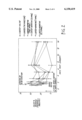
- FIG. 1 is a graph demonstrating that agmatine induces dose-dependent rescue from permanent dynorphin-induced allodynia in mice.
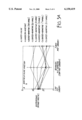
- FIG. 2 is a graph demonstrating that agmatine induces dose-dependent rescue from permanent L5 ligation-induced allodynia in mice.
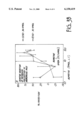
- FIG. 3A is a graph of various treatment modes for rescue from permanent L5-ligation-induced allodynia in mice at 2 hours post agmatine treatment.
- FIG. 3B is a graph of agmatine inhibition of NMDA-induced behavior.
- the present invention is a method of treating neuropathic pain using agmatine.
- Agmatine is an endogenous amine that is produced by the enzymatic decarboxylation of the amino acid arginine.
- agmatine interacts with NMDA (Yang and Reis 1997), alpha-2-adrenergic (Pinthong), and imidazoline (Li et al. 1994) receptors in addition to different isoforms of nitric oxide synthase (Auguet et. al., 1995 and Galea et. al., 1996). It may be through one or a combination of these interactions that agmatine moderates and/or reverses plastic events in the central or peripheral nervous system, such as the spinal cord, that result in undesirable clinical sequelae, such as tolerance to opioids and neuropathic pain.
- agmatine after neuropathic pain-inducing event thereby returns the patient to a non-pain, pre-injury state. It is also believed that the administration of agmatine prior to neuropathic pain-inducing event will avoid or substantially reduce the neuropathic pain experienced from the precipitating event.
- mice treated with dynorphin A respond to von Frey filaments of low force (0.4 mN); with a frequency of 60-80% by comparison, control mice respond with a frequency of 10% to the same force (0.4 mN) and same stimulation number.
- the difference between the dynorphin-treated and the control mice represents a hypersensitivity of the dynorphin-treated mice to that level of mechanical force. This hypersensitivity indicates an increased sensitivity to stimuli that are normally not noxious and is thought to be a measure of allodynia and to represent neuropathic pain.
- Dynorphin A-treated mice that are administered agmatine one day after the chemical insult no longer respond to von Frey filament stimulation at the same level as dynorphin A-treated mice that did not receive agmatine post-treatment.
- the agmatine-treated mice respond comparably to saline-pretreated control mice.
- agmatine within a day of dynorphin-induced spinal injury rescues the spinal cord from development of dynorphin-induced allodynia. Intrathecal administration of agmatine also exhibits similar results when the injection is provided within 2-3 days of the dynorphin-induced spinal injury.
- Agmatine administered according to the present invention at doses of up to 100 nanomoles is without analgesic effect and, in contrast to the analgesics, agmatine appears to rescue animals from their persistent pain state permanently because agmatine reduces sensitivity to the control levels throughout the study period of 24 days.
- An advantage of administering agmatine according to the present invention as compared to the use of other NOS inhibitors and NMDA receptor antagonists is an apparent lack of side effects.
- other NOS inhibitors and NMDA receptor antagonists display spinal toxicity, including hindlimb paralysis and/or hyperlocomotion when evaluated using laboratory animals.
- other non-competitive NMDA receptor antagonists, such as ketamine, that are being investigated for therapeutic application are thought to possess abuse potential. (Bratzke et al.1988, Corbett, 1989, and Dillman, 1995.)
- Agmatine may be administered orally, sub-lingually, intranasally, buccally, parenterally, intrathecally, epidurally, topically, or rectally.
- agmatine may be formed into a suspension, a solution, or an emulsion in an aqueous or oily vehicle to assist in administering the agmatine.
- Agmatine may also be mixed with suspending agents, stabilizing agents, or dispersing agents.
- Effective administration levels of agmatine will vary upon the state and circumstances of the patient being treated. As those skilled in the art will recognize, many factors that modify the action of an active ingredient will be taken into account by a treating physician such as the age, body weight, sex, diet and condition of the patient, the lapse of time between the injury and the administration of agmatine, and the administration technique. A person of ordinary skill in the art will be able to ascertain the optimal dosage for a given set of conditions in view of the experimental data contained herein.
- Dalo and Larson (1990) observed NMDA-antagonism behavior in mice for ketamine with an ED60 of about 78 ng (0.3 nmol) of ketamine (an NMDA-receptor antagonist in clinical development) per mouse.
- the intrathecal dose range where ketamine is active in humans is about 1 mg (3.6 uMol) (Yang et. al., 1996).
- NMDA-antagonism doses for agmatine for intrathecal administration is about 82 mg (360 uMol) in humans.
- the doses required to reverse agmatine-induced allodynia are approximately 100-fold lower than that used to antagonize the NMDA-induced behavior. Therefore we estimate the anti-allodynic doses for agmatine will be about 0.82 mg (3.6 uMol) in humans. We predict the effective intrathecal dose range for humans to be approximately 0.03-10 mg.
- Example 3 represents a comparison between the abilities of higher doses agmatine to 1) acutely inhibit mechanical allodynia induced by L5 ligation, and 2) acutely inhibit nociceptive behaviors (biting) induced by intrathecal administration of 0.3 nmol of the excitatory amino acid analog N-methyl-D-aspartate (NMDA). These examples are not intended to limit the scope of the present invention.
- Agmatine was tested for possible reversal of allodynia induced by one of two methods: dynorphin-induced allodynia and L5 spinal nerve ligation-induced allodynia.
- All experimental subjects were 15-25 g male ICR mice (Harlan, Madison, Wis.). All mice were housed in groups of ten in temperature- and humidity-controlled environments for four-five days before experimentation. All animals were maintained on a 12 hr light/dark cycle and had free access to food and water. Each animal was used only once. Baseline measurements (Day 0) were taken on all subjects prior to dynorphin injection or L5 spinal nerve ligation. To induce allodynia by chemical manipulation.
- dynorphin was injected intrathecally (3 nmol, i.t., Laughlin et. al., 1997).
- the L5 spinal nerves were ligated according to the method of Kim and Chung, 1992, as modified for mice by Chung and Chung, 1997. Briefly described, under deep halothane (2-3%) anesthesia, the left paraspinal muscle of a mouse was separated from the spinous processes at the L4-S2 levels and removed. At this stage, the L6 transverse process and the rostral tip of the sacrum were visible. The L6 transverse process was then be removed to identify the L4-L6 spinal nerves visually.
- the L5 spinal nerves was tightly tied (ligated) with 6-0 silk thread. After hemostasis was confirmed, the wound was sutured with 3-0 silk thread and the skin closed with sterile wound clips. The animal was then placed in a moderately heated oxygen-enriched plastic enclosure to facilitate recovery. The animals were fully mobile within thirty minutes of cessation of anesthetic. As a control, in a separate group of animals, a sham surgery identical to the above was performed. The only difference with the sham operated animals was that their L5 spinal nerves were not ligated.
- the left paw represents the paw ipsilateral to the injured nerve and demonstrates increased sensitivity relative to that of the right paw, which is contralateral to the site of injury.
- L 5.4% (s.e.m. 2.4); R: 12% (s.e.m.: 3.2) p>0.05.
- Naive+Agmatine required as a control for changes induced by agmatine on normal subjects.
- Saline or Sham+Agmatine required as a control for changes induced by agmatine in saline-injected subjects.
- Dynorphin or L5+ Saline required to see if the chemical or mechanical manipulation was effective in inducing mechanical allodynia.
- Dynorphin or L5+ Agmatine The experimental group demonstrates whether the compound was effective in rescuing the subject from dynorphin-induced allodynia.
- Intrathecal administration of agmatine produced a dose-related inhibition of mechanical allodynia measured 120 minutes post injection (FIG. 2). These data were analyzed for dose-dependency and expressed as a percent inhibition of the allodynic peak (percent response 1 day post-surgery). Each mouse served as its own control and % inhibition was determined using to the following equation:
- the ED50 value and confidence limits were calculated according to the method of Talarida and Murray (1987). Groups of 6 to 8 animals were used for each dose and/or each pretreatment.
- NMDA N-methyl-D-aspartate
- FIG. 1 A first figure.
- FIG. 1 depicts the induction in mice of an apparently permanent allodynic (hyperresponsive to non-noxious, cutaneous stimuli) state after an intrathecal injection of a high dose of the peptide dynorphin A (1-17) (open upward triangles).
- Injection of high (open squares: 60 nmol) or low (open diamonds: 0.01 nmol) doses of agmatine are ineffective in reversing dynorphin-induced allodynia. This result suggests that agmatine may restore normal sensation to subjects experiencing neuropathic pain if it is administered at an appropriate dose at an appropriate time after the pain-initiating event or events. This experiment has been replicated.
- FIGS. 3A and 3B are identical to FIGS. 3A and 3B.
- FIG. 3A is an expanded representation of the 120 minute post-agmatine time point in FIG. 2; downward deflections represent agmatine-induced, dose-dependent inhibition of allodynia. Higher doses of agmatine are generally more efficacious than lower doses.
- Agmatine-induced dose-dependent inhibition of the allodynia graphed in part A yields a dose-inhibition curve (closed circles, ED 50 value: 36 nmol). This dose-inhibition curve is compared to agmatine-induced inhibition of behavior elicited by a constant dose of intrathecally administered NMDA (open circles, ED 50 value: 30 nmol). These data show that the intrathecal doses of agmatine (10-100 nmol, i.t.) that acutely attenuate (but do not chronically rescue mice from (FIG. 1, 2)) allodynia are the same doses that inhibit NMDA-induced behavior.
- agmatine to reduce sensitivity in allodynic mice, therefore, appears to be specific to that indication and this selectivity distinguishes agmatine from currently used analgesics.
- doses greater than 10 nmol i.t. or 30 mg/kg i.p. (intraperitoneal) or 100 mg/kg p.o. (per os)
- agmatine is capable, however, of inhibiting scratching behavior induced by intrathecal injection of NMDA.
- Doses lower than 1 nmol i.t. (or 3 mg/kg i.p. or 10 mg/kg p.o.) do not inhibit this behavior in rodents.
- agmatine acts as an antagonist at the NMDA receptor. These doses are ineffective for long term relief of dynorphin or L5-ligation induced allodynia. Lower doses that are ineffective for antagonizing the NMDA-induced behavior are effective for reversing allodynia induced by L5k-ligation or intrathecal administration of dynorphin. Taken together, these results indicate that agmatine exerts its anti-allodynic effect through different (as yet undefined) mechanisms from NMDA receptor antagonism.
Landscapes
- Health & Medical Sciences (AREA)
- Chemical & Material Sciences (AREA)
- Medicinal Chemistry (AREA)
- Pharmacology & Pharmacy (AREA)
- Life Sciences & Earth Sciences (AREA)
- Animal Behavior & Ethology (AREA)
- General Health & Medical Sciences (AREA)
- Public Health (AREA)
- Veterinary Medicine (AREA)
- Epidemiology (AREA)
- Biomedical Technology (AREA)
- Nuclear Medicine, Radiotherapy & Molecular Imaging (AREA)
- Engineering & Computer Science (AREA)
- Neurology (AREA)
- Neurosurgery (AREA)
- Chemical Kinetics & Catalysis (AREA)
- General Chemical & Material Sciences (AREA)
- Bioinformatics & Cheminformatics (AREA)
- Organic Chemistry (AREA)
- Pharmaceuticals Containing Other Organic And Inorganic Compounds (AREA)
- Medicines That Contain Protein Lipid Enzymes And Other Medicines (AREA)
- Organic Low-Molecular-Weight Compounds And Preparation Thereof (AREA)
- Acyclic And Carbocyclic Compounds In Medicinal Compositions (AREA)
- Nitrogen And Oxygen Or Sulfur-Condensed Heterocyclic Ring Systems (AREA)
Priority Applications (1)
| Application Number | Priority Date | Filing Date | Title |
|---|---|---|---|
| US09/502,202 US6150419A (en) | 1997-08-15 | 2000-02-10 | Agmatine as a treatment for neuropathic pain |
Applications Claiming Priority (3)
| Application Number | Priority Date | Filing Date | Title |
|---|---|---|---|
| US5584797P | 1997-08-15 | 1997-08-15 | |
| PCT/US1998/017033 WO1999008669A1 (en) | 1997-08-15 | 1998-08-17 | Agmatine as a treatment for neuropathic pain |
| US09/502,202 US6150419A (en) | 1997-08-15 | 2000-02-10 | Agmatine as a treatment for neuropathic pain |
Related Parent Applications (1)
| Application Number | Title | Priority Date | Filing Date |
|---|---|---|---|
| PCT/US1998/017033 Continuation WO1999008669A1 (en) | 1997-08-15 | 1998-08-17 | Agmatine as a treatment for neuropathic pain |
Publications (1)
| Publication Number | Publication Date |
|---|---|
| US6150419A true US6150419A (en) | 2000-11-21 |
Family
ID=22000542
Family Applications (1)
| Application Number | Title | Priority Date | Filing Date |
|---|---|---|---|
| US09/502,202 Expired - Fee Related US6150419A (en) | 1997-08-15 | 2000-02-10 | Agmatine as a treatment for neuropathic pain |
Country Status (6)
| Country | Link |
|---|---|
| US (1) | US6150419A (de) |
| EP (1) | EP1014959B1 (de) |
| AT (1) | ATE279919T1 (de) |
| AU (1) | AU9021298A (de) |
| DE (1) | DE69827149T2 (de) |
| WO (1) | WO1999008669A1 (de) |
Cited By (29)
| Publication number | Priority date | Publication date | Assignee | Title |
|---|---|---|---|---|
| WO2001095897A1 (en) * | 2000-06-15 | 2001-12-20 | University Of Kentucky Research Foundation | Agmatine and agmatine analogs in the treatment of epilepsy, seizure, and electroconvulsive disorders |
| US6562865B1 (en) * | 1999-08-20 | 2003-05-13 | Ortho-Mcneil Pharmaceutical, Inc. | Composition comprising a tramadol material and an anticonvulsant drug |
| US20050282887A1 (en) * | 2004-06-16 | 2005-12-22 | Mccomsey David F | Novel sulfamate and sulfamide derivatives useful for the treatment of epilepsy and related disorders |
| US20060041008A1 (en) * | 2004-06-16 | 2006-02-23 | Mccomsey David F | Novel sulfamate and sulfamide derivatives useful for the treatment of epilepsy and related disorders |
| US20060047001A1 (en) * | 2004-08-24 | 2006-03-02 | Parker Michael H | Novel benzo-fused heteroaryl sulfamide derivatives useful as anticonvulsant agents |
| US20060199237A1 (en) * | 2005-03-02 | 2006-09-07 | Smith Daniel J | Clinical assay for monitoring of agmatine |
| US20060270856A1 (en) * | 2005-05-20 | 2006-11-30 | Abdel-Magid Ahmed F | Process for preparation of sulfamide derivatives |
| US20070155823A1 (en) * | 2005-12-19 | 2007-07-05 | Smith-Swintosky Virginia L | Use of benzo-fused heterocycle sulfamide derivatives as neuroprotective agents |
| US20070155827A1 (en) * | 2005-12-19 | 2007-07-05 | Smith-Swintosky Virginia L | Use of benzo-fused heterocycle sulfamide derivatives for the treatment of depression |
| US20070155825A1 (en) * | 2005-12-19 | 2007-07-05 | Smith-Swintosky Virginia L | Use of benzo-fused heterocycle sulfamide derivatives for the treatment of substance abuse and addiction |
| US20070155822A1 (en) * | 2005-12-19 | 2007-07-05 | Smith-Swintosky Virginia L | Use of benzo-fused heterocycle sulfamide derivatives for the treatment of pain |
| US20070155826A1 (en) * | 2005-12-19 | 2007-07-05 | Smith-Swintosky Virginia L | Use of benzo-fused heterocyle sulfamide derivatives for the treatment of mania and bipolar disorder |
| US20070155821A1 (en) * | 2005-12-19 | 2007-07-05 | Smith-Swintosky Virginia L | Use of benzo-fused heterocycle sulfamide derivatives for lowering lipids and lowering blood glucose levels |
| US20070191452A1 (en) * | 2006-02-15 | 2007-08-16 | Smith-Swintosky Virginia L | Use of benzo-heteroaryl sulfamide derivatives for the treatment of pain |
| US20070191461A1 (en) * | 2006-02-15 | 2007-08-16 | Smith-Swintosky Virginia L | Use of benzo-heteroaryl sulfamide derivatives for the treatment of migraine |
| US20070191474A1 (en) * | 2006-02-15 | 2007-08-16 | Smith-Swintosky Virginia L | Use of benzo-fused heterocyle sulfamide derivatives for the treatment of migraine |
| US20070191449A1 (en) * | 2006-02-15 | 2007-08-16 | Smith-Swintosky Virginia L | Use of Benzo-Heteroaryl Sulfamide Derivatives for the Treatment of Depression |
| US20070293440A1 (en) * | 2006-05-19 | 2007-12-20 | Smith-Swintosky Virginia L | Co-therapy for the treatment of epilepsy and related disorders |
| US20080027131A1 (en) * | 2005-12-19 | 2008-01-31 | Smith-Swintosky Virginia L | Use of benzo-fused heterocycle sulfamide derivatives for the treatment of obesity |
| US20090247617A1 (en) * | 2008-03-26 | 2009-10-01 | Abdel-Magid Ahmed F | Process for the preparation of benzo-fused heteroaryl sulfamates |
| US20090247616A1 (en) * | 2008-03-26 | 2009-10-01 | Smith-Swintosky Virginia L | Use of benzo-fused heterocyle sulfamide derivatives for the treatment of anxiety |
| US20100063138A1 (en) * | 2008-07-22 | 2010-03-11 | Mccomsey David F | Novel substituted sulfamide derivatives |
| WO2010030470A1 (en) * | 2008-09-11 | 2010-03-18 | Gilad Gad M | Agmatine containing dietary supplements, nutraceuticals, and foods |
| US20100172890A1 (en) * | 2008-09-11 | 2010-07-08 | Gad Gilad | Agmatine containing dietary supplements, nutraceuticals, and foods |
| US8809385B2 (en) | 2008-06-23 | 2014-08-19 | Janssen Pharmaceutica Nv | Crystalline form of (2S)-(-)-N-(6-chloro-2,3-dihydro-benzo[1,4]dioxin-2-ylmethyl)-sulfamide |
| WO2020132195A1 (en) * | 2018-12-21 | 2020-06-25 | Strontium Neurogenics Inc. | Strontium based compositions and formulations for pain, pruritus, and inflammation |
| WO2021048871A1 (en) | 2019-09-15 | 2021-03-18 | Celagenex Research (India) Pvt. Ltd. | Synergistic bioactive compositions for treating neurological disorders |
| US20220002238A1 (en) * | 2018-11-07 | 2022-01-06 | Regents Of The University Of Minnesota | Analgesic and anti-addictive compositions for treatment of chronic pain and opioid addiction |
| US11622949B1 (en) | 2022-08-04 | 2023-04-11 | Gad M. Gilad | Agmatine compositions for treatment of osteoarthritis |
Families Citing this family (4)
| Publication number | Priority date | Publication date | Assignee | Title |
|---|---|---|---|---|
| GB9908175D0 (en) * | 1999-04-09 | 1999-06-02 | Lilly Co Eli | Method of treating neurological disorders |
| WO2002100434A1 (en) | 2001-06-07 | 2002-12-19 | The General Hospital Corporation | Treatment of neuropathic pain with n-methyl-d-aspartate (nmda) receptor antagonists |
| KR100854207B1 (ko) | 2007-04-04 | 2008-08-26 | 성공제 | 아그마틴의 망막 신경절 세포 보호 용도 |
| FR2985427B1 (fr) | 2012-01-10 | 2016-07-15 | Nutrialys Medical Nutrition Sa | Compositions contenant de l'agmatine et leurs utilisations dans la preparation de medicaments ou de substances nutraceutiques |
Citations (5)
| Publication number | Priority date | Publication date | Assignee | Title |
|---|---|---|---|---|
| US5352683A (en) * | 1993-03-05 | 1994-10-04 | Virginia Commonwealth University Medical College Of Virginia | Method for the treatment of chronic pain |
| US5534495A (en) * | 1993-05-25 | 1996-07-09 | Advanced Peptides And Biotechnology Sciences | Treatment of non-HIV neuropathic pain syndromes |
| WO1996032100A1 (en) * | 1995-04-14 | 1996-10-17 | The Regents Of The University Of California | Compositions and methods for treating pain |
| US5587454A (en) * | 1991-12-30 | 1996-12-24 | Neurex Corporation | Omega conopeptide compositions |
| US5677349A (en) * | 1995-04-27 | 1997-10-14 | Gilad; Gad M. | Agmatine for the treatment of neurotrauma and neurodegenerative diseases |
Family Cites Families (4)
| Publication number | Priority date | Publication date | Assignee | Title |
|---|---|---|---|---|
| US4507321A (en) * | 1982-02-17 | 1985-03-26 | The Research Foundation Of State University Of New York | Epithelial cell growth regulating composition containing polyamines and a method of using same |
| AT393079B (de) * | 1989-03-06 | 1991-08-12 | Lubec Gert | Pharmazeutische verwendung von agmatin |
| SE468881B (sv) * | 1991-01-09 | 1993-04-05 | Kabi Pharmacia Ab | Anvaendning av vissa foereningar foer framstaellning av laekemedel foer behandling av endotoxininducerade effekter samt saett att avlaegsna endotoxiner ur diverse loesningar |
| US5574059A (en) * | 1995-10-27 | 1996-11-12 | Cornell Research Foundation, Inc. | Treating disorders mediated by vascular smooth muscle cell proliferation |
-
1998
- 1998-08-17 EP EP98942082A patent/EP1014959B1/de not_active Expired - Lifetime
- 1998-08-17 WO PCT/US1998/017033 patent/WO1999008669A1/en not_active Ceased
- 1998-08-17 AU AU90212/98A patent/AU9021298A/en not_active Abandoned
- 1998-08-17 AT AT98942082T patent/ATE279919T1/de not_active IP Right Cessation
- 1998-08-17 DE DE69827149T patent/DE69827149T2/de not_active Expired - Lifetime
-
2000
- 2000-02-10 US US09/502,202 patent/US6150419A/en not_active Expired - Fee Related
Patent Citations (5)
| Publication number | Priority date | Publication date | Assignee | Title |
|---|---|---|---|---|
| US5587454A (en) * | 1991-12-30 | 1996-12-24 | Neurex Corporation | Omega conopeptide compositions |
| US5352683A (en) * | 1993-03-05 | 1994-10-04 | Virginia Commonwealth University Medical College Of Virginia | Method for the treatment of chronic pain |
| US5534495A (en) * | 1993-05-25 | 1996-07-09 | Advanced Peptides And Biotechnology Sciences | Treatment of non-HIV neuropathic pain syndromes |
| WO1996032100A1 (en) * | 1995-04-14 | 1996-10-17 | The Regents Of The University Of California | Compositions and methods for treating pain |
| US5677349A (en) * | 1995-04-27 | 1997-10-14 | Gilad; Gad M. | Agmatine for the treatment of neurotrauma and neurodegenerative diseases |
Non-Patent Citations (32)
| Title |
|---|
| A. Dray et al, New Pharmacological strategies for pain relief, Annu. Rev. Pharmacol. Toxicol, pp. 36 253 80, 1996. * |
| A. Dray et al, New Pharmacological strategies for pain relief, Annu. Rev. Pharmacol. Toxicol, pp. 36-253-80, 1996. |
| Andy Dray et al., Pharmacology of chronic pain, TiPS, vol 15, pp. 190 197, 1994. * |
| Andy Dray et al., Pharmacology of chronic pain, TiPS, vol 15, pp. 190-197, 1994. |
| Anthony H. Dickenson, Central acute pain mechanisms, Annals of Medicine 27:223 227, 1995. * |
| Anthony H. Dickenson, Central acute pain mechanisms, Annals of Medicine 27:223-227, 1995. |
| Bradley S. Galer, MD, Neuropathic pain of peripheral origin: Advances in pharmacologic treatment, Neurology 45 (Suppl 9), pp. S17 S25, 1995. * |
| Bradley S. Galer, MD, Neuropathic pain of peripheral origin: Advances in pharmacologic treatment, Neurology 45 (Suppl 9), pp. S17-S25, 1995. |
| Brochure, Pain Terms, pp. 210 211, (1997). * |
| Brochure, Pain Terms, pp. 210-211, (1997). |
| Brochure, The UCSF Pain Clinical Research Center (PCRC), 1997. * |
| Brochure, Triggering Mechanism of Neuropathic Pain, 1997. * |
| Chemical Abstracts, vol. 112, No. 11, issued Mar. 12, 1990, Ralph H. Loring, "Agmatine acts as an antagonist of neuronal nicotinic receptors", p. 145, column 2, abstract no. 92350w, br. J. Pharmacol., 99(1), pp. 207-11, see entire abstract. |
| Chemical Abstracts, vol. 112, No. 11, issued Mar. 12, 1990, Ralph H. Loring, Agmatine acts as an antagonist of neuronal nicotinic receptors , p. 145, column 2, abstract no. 92350w, br. J. Pharmacol., 99(1), pp. 207 11, see entire abstract. * |
| Clifford J. Woolf et al., The pathophysiology of chronic pain increased sensitivity of low threshold A fiber inputs, Current Opinion in Neurobiology 1994, 4:425 534. * |
| Clifford J. Woolf et al., The pathophysiology of chronic pain -increased sensitivity of low threshold Aβ-fiber inputs, Current Opinion in Neurobiology 1994, 4:425-534. |
| Fernando Cervero et al, From acute to chronic pain: mechanisms and hypotheses, Progress in Brain Research, vol. 110, pp. 3 15, 1996. * |
| Fernando Cervero et al, From acute to chronic pain: mechanisms and hypotheses, Progress in Brain Research, vol. 110, pp. 3-15, 1996. |
| Gad M. Gilad et al, Agmatine treatment is neuroprotective in rodent brain injury models, Life Science, vol. 58, No. 2, pp pl 41 46, 1996. * |
| Gad M. Gilad et al, Agmatine treatment is neuroprotective in rodent brain injury models, Life Science, vol. 58, No. 2, pp pl 41-46, 1996. |
| Gad M. Gildad et al., Accumulation of exogenous polyamines in gerbil brain after ischemia, Molecular and Chemical Neuropathology, vol. 18, pp. 197 210, 1993. * |
| Gad M. Gildad et al., Accumulation of exogenous polyamines in gerbil brain after ischemia, Molecular and Chemical Neuropathology, vol. 18, pp. 197-210, 1993. |
| Gilbert R. Gonzales, MD., Central Pain: Diagnosis and treatment strategies, Neurology 45 (Suppl 9), pp. S11 S16, 1995. * |
| Gilbert R. Gonzales, MD., Central Pain: Diagnosis and treatment strategies, Neurology 45 (Suppl 9), pp. S11-S16, 1995. |
| John J. Bonica, The Management of Pain, Second Edition, vol. 1, pp. 1 17, 1990. * |
| John J. Bonica, The Management of Pain, Second Edition, vol. 1, pp. 1-17, 1990. |
| Terence J. Coderre et al., Contribution of central neuroplasticity to pathological pain: review of clinical and experimental evidence, pp 259 285, 1992. * |
| Terence J. Coderre et al., Contribution of central neuroplasticity to pathological pain: review of clinical and experimental evidence, pp 259-285, 1992. |
| Tinna M. Laughlin et al., Spinally administered dynorphin A produces long lasting allodynia: involvement of NMDA but not opioid receptors, International Association for the Study of Pain, pp. 253 260, 1997. * |
| Tinna M. Laughlin et al., Spinally administered dynorphin A produces long-lasting allodynia: involvement of NMDA but not opioid receptors, International Association for the Study of Pain, pp. 253-260, 1997. |
| W.D. Willis et al., Neuroanatomy of the pain system and of teh pathways that modulate pain, Journal of Clinical Neurophysiology, vol. 14, No. 1, pp. 2 31, 1997. * |
| W.D. Willis et al., Neuroanatomy of the pain system and of teh pathways that modulate pain, Journal of Clinical Neurophysiology, vol. 14, No. 1, pp. 2-31, 1997. |
Cited By (44)
| Publication number | Priority date | Publication date | Assignee | Title |
|---|---|---|---|---|
| US6562865B1 (en) * | 1999-08-20 | 2003-05-13 | Ortho-Mcneil Pharmaceutical, Inc. | Composition comprising a tramadol material and an anticonvulsant drug |
| US20020065323A1 (en) * | 2000-06-15 | 2002-05-30 | Crooks Peter A. | Agmatine and agmatine analogs in the treatment of epilepsy, seizure, and electroconvulsive disorders |
| WO2001095897A1 (en) * | 2000-06-15 | 2001-12-20 | University Of Kentucky Research Foundation | Agmatine and agmatine analogs in the treatment of epilepsy, seizure, and electroconvulsive disorders |
| US7816407B2 (en) * | 2000-06-15 | 2010-10-19 | University Of Kentucky Research Foundation | Agmatine and agmatine analogs in the treatment of epilepsy, seizure, and electroconvulsive disorders |
| US20050282887A1 (en) * | 2004-06-16 | 2005-12-22 | Mccomsey David F | Novel sulfamate and sulfamide derivatives useful for the treatment of epilepsy and related disorders |
| US20060041008A1 (en) * | 2004-06-16 | 2006-02-23 | Mccomsey David F | Novel sulfamate and sulfamide derivatives useful for the treatment of epilepsy and related disorders |
| US8084490B2 (en) | 2004-06-16 | 2011-12-27 | Janssen Pharmaceutica N.V. | Sulfamate and sulfamide derivatives useful for the treatment of epilepsy and related disorders |
| US20060047001A1 (en) * | 2004-08-24 | 2006-03-02 | Parker Michael H | Novel benzo-fused heteroaryl sulfamide derivatives useful as anticonvulsant agents |
| US20060199237A1 (en) * | 2005-03-02 | 2006-09-07 | Smith Daniel J | Clinical assay for monitoring of agmatine |
| US8283478B2 (en) | 2005-05-20 | 2012-10-09 | Janssen Pharmaceutica Nv | Process for preparation of sulfamide derivatives |
| US20060270856A1 (en) * | 2005-05-20 | 2006-11-30 | Abdel-Magid Ahmed F | Process for preparation of sulfamide derivatives |
| US20070155825A1 (en) * | 2005-12-19 | 2007-07-05 | Smith-Swintosky Virginia L | Use of benzo-fused heterocycle sulfamide derivatives for the treatment of substance abuse and addiction |
| US20070155826A1 (en) * | 2005-12-19 | 2007-07-05 | Smith-Swintosky Virginia L | Use of benzo-fused heterocyle sulfamide derivatives for the treatment of mania and bipolar disorder |
| US20070155821A1 (en) * | 2005-12-19 | 2007-07-05 | Smith-Swintosky Virginia L | Use of benzo-fused heterocycle sulfamide derivatives for lowering lipids and lowering blood glucose levels |
| US8716231B2 (en) | 2005-12-19 | 2014-05-06 | Janssen Pharmaceutica Nv | Use of benzo-fused heterocycle sulfamide derivatives for the treatment of pain |
| US8691867B2 (en) | 2005-12-19 | 2014-04-08 | Janssen Pharmaceutica Nv | Use of benzo-fused heterocycle sulfamide derivatives for the treatment of substance abuse and addiction |
| US8497298B2 (en) | 2005-12-19 | 2013-07-30 | Janssen Pharmaceutica Nv | Use of benzo-fused heterocycle sulfamide derivatives for lowering lipids and lowering blood glucose levels |
| US8492431B2 (en) | 2005-12-19 | 2013-07-23 | Janssen Pharmaceutica, N.V. | Use of benzo-fused heterocycle sulfamide derivatives for the treatment of obesity |
| US20070155822A1 (en) * | 2005-12-19 | 2007-07-05 | Smith-Swintosky Virginia L | Use of benzo-fused heterocycle sulfamide derivatives for the treatment of pain |
| US20080027131A1 (en) * | 2005-12-19 | 2008-01-31 | Smith-Swintosky Virginia L | Use of benzo-fused heterocycle sulfamide derivatives for the treatment of obesity |
| US8937096B2 (en) | 2005-12-19 | 2015-01-20 | Janssen Pharmaceutica Nv | Use of benzo-fused heterocyle sulfamide derivatives for the treatment of mania and bipolar disorder |
| US20070155827A1 (en) * | 2005-12-19 | 2007-07-05 | Smith-Swintosky Virginia L | Use of benzo-fused heterocycle sulfamide derivatives for the treatment of depression |
| US20070155823A1 (en) * | 2005-12-19 | 2007-07-05 | Smith-Swintosky Virginia L | Use of benzo-fused heterocycle sulfamide derivatives as neuroprotective agents |
| US20070191474A1 (en) * | 2006-02-15 | 2007-08-16 | Smith-Swintosky Virginia L | Use of benzo-fused heterocyle sulfamide derivatives for the treatment of migraine |
| US20070191449A1 (en) * | 2006-02-15 | 2007-08-16 | Smith-Swintosky Virginia L | Use of Benzo-Heteroaryl Sulfamide Derivatives for the Treatment of Depression |
| US20070191461A1 (en) * | 2006-02-15 | 2007-08-16 | Smith-Swintosky Virginia L | Use of benzo-heteroaryl sulfamide derivatives for the treatment of migraine |
| US20070191452A1 (en) * | 2006-02-15 | 2007-08-16 | Smith-Swintosky Virginia L | Use of benzo-heteroaryl sulfamide derivatives for the treatment of pain |
| US8853263B2 (en) | 2006-05-19 | 2014-10-07 | Janssen Pharmaceutica Nv | Co-therapy for the treatment of epilepsy and related disorders |
| US20070293440A1 (en) * | 2006-05-19 | 2007-12-20 | Smith-Swintosky Virginia L | Co-therapy for the treatment of epilepsy and related disorders |
| US20090247616A1 (en) * | 2008-03-26 | 2009-10-01 | Smith-Swintosky Virginia L | Use of benzo-fused heterocyle sulfamide derivatives for the treatment of anxiety |
| US20090247617A1 (en) * | 2008-03-26 | 2009-10-01 | Abdel-Magid Ahmed F | Process for the preparation of benzo-fused heteroaryl sulfamates |
| US8809385B2 (en) | 2008-06-23 | 2014-08-19 | Janssen Pharmaceutica Nv | Crystalline form of (2S)-(-)-N-(6-chloro-2,3-dihydro-benzo[1,4]dioxin-2-ylmethyl)-sulfamide |
| US20100063138A1 (en) * | 2008-07-22 | 2010-03-11 | Mccomsey David F | Novel substituted sulfamide derivatives |
| US8815939B2 (en) | 2008-07-22 | 2014-08-26 | Janssen Pharmaceutica Nv | Substituted sulfamide derivatives |
| US20100172890A1 (en) * | 2008-09-11 | 2010-07-08 | Gad Gilad | Agmatine containing dietary supplements, nutraceuticals, and foods |
| US8916612B2 (en) | 2008-09-11 | 2014-12-23 | Gad Gilad | Agmatine containing dietary supplements, nutraceuticals, and foods |
| WO2010030470A1 (en) * | 2008-09-11 | 2010-03-18 | Gilad Gad M | Agmatine containing dietary supplements, nutraceuticals, and foods |
| US9585852B2 (en) | 2008-09-11 | 2017-03-07 | Gad Gilad | Agmatine containing dietary supplements, nutraceuticals and foods |
| US20220002238A1 (en) * | 2018-11-07 | 2022-01-06 | Regents Of The University Of Minnesota | Analgesic and anti-addictive compositions for treatment of chronic pain and opioid addiction |
| US12098118B2 (en) * | 2018-11-07 | 2024-09-24 | Regents Of The University Of Minnesota | Analgesic and anti-addictive compositions for treatment of chronic pain and opioid addiction |
| WO2020132195A1 (en) * | 2018-12-21 | 2020-06-25 | Strontium Neurogenics Inc. | Strontium based compositions and formulations for pain, pruritus, and inflammation |
| WO2021048871A1 (en) | 2019-09-15 | 2021-03-18 | Celagenex Research (India) Pvt. Ltd. | Synergistic bioactive compositions for treating neurological disorders |
| US12036193B2 (en) | 2019-09-15 | 2024-07-16 | Celagenex Research (India) Pvt. Ltd. | Synergistic bioactive compositions for treating neurological disorders |
| US11622949B1 (en) | 2022-08-04 | 2023-04-11 | Gad M. Gilad | Agmatine compositions for treatment of osteoarthritis |
Also Published As
| Publication number | Publication date |
|---|---|
| WO1999008669A1 (en) | 1999-02-25 |
| AU9021298A (en) | 1999-03-08 |
| ATE279919T1 (de) | 2004-11-15 |
| DE69827149D1 (de) | 2004-11-25 |
| EP1014959A4 (de) | 2001-05-09 |
| DE69827149T2 (de) | 2006-03-09 |
| EP1014959A1 (de) | 2000-07-05 |
| EP1014959B1 (de) | 2004-10-20 |
Similar Documents
| Publication | Publication Date | Title |
|---|---|---|
| US6150419A (en) | Agmatine as a treatment for neuropathic pain | |
| Eide et al. | Continuous subcutaneous administration of theN-methyl-D-aspartic acid (NMDA) receptor antagonist ketamine in the treatment of post-herpetic neuralgia | |
| US6211171B1 (en) | Use of antidepressants for local analgesia | |
| Dougherty et al. | Neural changes in acute arthritis in monkeys. I. Parallel enhancement of responses of spinothalamic tract neurons to mechanical stimulation and excitatory amino acids | |
| Woolf et al. | The induction and maintenance of central sensitization is dependent onN-methyl-d-aspartic acid receptor activation; implications for the treatment of post-injury pain hypersensitivity states | |
| Dougherty et al. | Enhancement of spinothalamic neuron responses to chemical and mechanical stimuli following combined micro-iontophoretic application of N-methyl-D-aspartic acid and substance P | |
| CA2184077C (en) | Nasal and ocular administration of ketamine to manage pain and for detoxification | |
| Dickenson et al. | Antagonism at the glycine site on the NMDA receptor reduces spinal nociception in the rat | |
| Argoff et al. | Treatment of postherpetic neuralgia: a review of therapeutic options | |
| US5891842A (en) | Methodology for eliciting an analgesic response in a living subject | |
| DE60008374T2 (de) | Anästhetische zubereitung enthaltend einen nmda-antagonisten und einen alpha-2 adrenergen agonisten | |
| Grass et al. | N‐methyl‐d‐aspartate receptor antagonists potentiate morphine's antinociceptive effect in the rat | |
| Lecci et al. | Involvement of spinal tachykinin NK1 and NK2 receptors in detrusor hyperreflexia during chemical cystitis in anaesthetized rats | |
| EP2201943A1 (de) | Neue Verwendung einer Peptidklasse von Verbindungen zur Behandlung von diabetischem neuropathischen Schmerz | |
| Laird et al. | Effects of a partial agonist and a full antagonist acting at the glycine site of the NMDA receptor on inflammation‐induced mechanical hyperalgesia in rats | |
| Luo et al. | The effects of intrathecal morphine and clonidine on the prevention and reversal of spinal cord hyperexcitability following sciatic nerve section in the rat | |
| Rattan et al. | Effect on morphine-induced catalepsy, lethality, and analgesia by a benzodiazepine receptor agonist midazolam in the rat | |
| Chen et al. | Clonidine attenuates morphine withdrawal and subsequent drug sensitization in rhesus monkeys | |
| US6437093B1 (en) | Methods of treatment comprising administration of Substance P | |
| Nicolodi et al. | Hypothalamic modulation of nociception and reproduction in cluster headache. II. Testosterone‐induced increase of sexual activity in males with cluster headache | |
| Adam et al. | Effects of sufentanil and NMDA antagonists on a C‐fibre reflex in the rat | |
| Méen et al. | Involvement of N-methyl-D-aspartate receptors in nociception in the cyclophosphamide-induced vesical pain model in the conscious rat | |
| Ishikawa et al. | Nerve growth factor inducer, 4-methyl catechol, potentiates central sensitization associated with acceleration of spinal glutamate release after mustard oil paw injection in rats | |
| Advokat et al. | Morphine and dextrorphan lose antinociceptive activity but exhibit an antispastic action in chronic spinal rats | |
| Hao et al. | Depression off the flexor reflex by systemic morphine increases in chronically spinalized rats |
Legal Events
| Date | Code | Title | Description |
|---|---|---|---|
| FEPP | Fee payment procedure |
Free format text: PAYOR NUMBER ASSIGNED (ORIGINAL EVENT CODE: ASPN); ENTITY STATUS OF PATENT OWNER: SMALL ENTITY |
|
| FPAY | Fee payment |
Year of fee payment: 4 |
|
| FEPP | Fee payment procedure |
Free format text: PAYER NUMBER DE-ASSIGNED (ORIGINAL EVENT CODE: RMPN); ENTITY STATUS OF PATENT OWNER: SMALL ENTITY Free format text: PAYOR NUMBER ASSIGNED (ORIGINAL EVENT CODE: ASPN); ENTITY STATUS OF PATENT OWNER: SMALL ENTITY |
|
| FPAY | Fee payment |
Year of fee payment: 8 |
|
| REMI | Maintenance fee reminder mailed | ||
| LAPS | Lapse for failure to pay maintenance fees | ||
| STCH | Information on status: patent discontinuation |
Free format text: PATENT EXPIRED DUE TO NONPAYMENT OF MAINTENANCE FEES UNDER 37 CFR 1.362 |
|
| FP | Lapsed due to failure to pay maintenance fee |
Effective date: 20121121 |