US6635248B1 - Single-chain antibody fragments for transferring substances into cells - Google Patents
Single-chain antibody fragments for transferring substances into cells Download PDFInfo
- Publication number
- US6635248B1 US6635248B1 US09/497,997 US49799700A US6635248B1 US 6635248 B1 US6635248 B1 US 6635248B1 US 49799700 A US49799700 A US 49799700A US 6635248 B1 US6635248 B1 US 6635248B1
- Authority
- US
- United States
- Prior art keywords
- cells
- antibody
- isolated polypeptide
- tyr
- gly
- Prior art date
- Legal status (The legal status is an assumption and is not a legal conclusion. Google has not performed a legal analysis and makes no representation as to the accuracy of the status listed.)
- Expired - Fee Related
Links
Images




Classifications
-
- C—CHEMISTRY; METALLURGY
- C07—ORGANIC CHEMISTRY
- C07K—PEPTIDES
- C07K16/00—Immunoglobulins [IG], e.g. monoclonal or polyclonal antibodies
- C07K16/08—Immunoglobulins [IG], e.g. monoclonal or polyclonal antibodies against material from viruses
- C07K16/10—RNA viruses
- C07K16/112—Retroviridae (F), e.g. leukemia viruses
- C07K16/114—Lentivirus (G), e.g. human immunodeficiency virus [HIV], feline immunodeficiency virus [FIV] or simian immunodeficiency virus [SIV]
- C07K16/1147—Regulatory proteins, e.g. trans-activator of transcription [TAT], rev or vacuolar protein targeting [VPT]
-
- A—HUMAN NECESSITIES
- A61—MEDICAL OR VETERINARY SCIENCE; HYGIENE
- A61K—PREPARATIONS FOR MEDICAL, DENTAL OR TOILETRY PURPOSES
- A61K47/00—Medicinal preparations characterised by the non-active ingredients used, e.g. carriers or inert additives; Targeting or modifying agents chemically bound to the active ingredient
- A61K47/50—Medicinal preparations characterised by the non-active ingredients used, e.g. carriers or inert additives; Targeting or modifying agents chemically bound to the active ingredient the non-active ingredient being chemically bound to the active ingredient, e.g. polymer-drug conjugates
- A61K47/51—Medicinal preparations characterised by the non-active ingredients used, e.g. carriers or inert additives; Targeting or modifying agents chemically bound to the active ingredient the non-active ingredient being chemically bound to the active ingredient, e.g. polymer-drug conjugates the non-active ingredient being a modifying agent
- A61K47/62—Medicinal preparations characterised by the non-active ingredients used, e.g. carriers or inert additives; Targeting or modifying agents chemically bound to the active ingredient the non-active ingredient being chemically bound to the active ingredient, e.g. polymer-drug conjugates the non-active ingredient being a modifying agent the modifying agent being a protein, peptide or polyamino acid
-
- A—HUMAN NECESSITIES
- A61—MEDICAL OR VETERINARY SCIENCE; HYGIENE
- A61K—PREPARATIONS FOR MEDICAL, DENTAL OR TOILETRY PURPOSES
- A61K47/00—Medicinal preparations characterised by the non-active ingredients used, e.g. carriers or inert additives; Targeting or modifying agents chemically bound to the active ingredient
- A61K47/50—Medicinal preparations characterised by the non-active ingredients used, e.g. carriers or inert additives; Targeting or modifying agents chemically bound to the active ingredient the non-active ingredient being chemically bound to the active ingredient, e.g. polymer-drug conjugates
- A61K47/51—Medicinal preparations characterised by the non-active ingredients used, e.g. carriers or inert additives; Targeting or modifying agents chemically bound to the active ingredient the non-active ingredient being chemically bound to the active ingredient, e.g. polymer-drug conjugates the non-active ingredient being a modifying agent
- A61K47/68—Medicinal preparations characterised by the non-active ingredients used, e.g. carriers or inert additives; Targeting or modifying agents chemically bound to the active ingredient the non-active ingredient being chemically bound to the active ingredient, e.g. polymer-drug conjugates the non-active ingredient being a modifying agent the modifying agent being an antibody, an immunoglobulin or a fragment thereof, e.g. an Fc-fragment
- A61K47/6835—Medicinal preparations characterised by the non-active ingredients used, e.g. carriers or inert additives; Targeting or modifying agents chemically bound to the active ingredient the non-active ingredient being chemically bound to the active ingredient, e.g. polymer-drug conjugates the non-active ingredient being a modifying agent the modifying agent being an antibody, an immunoglobulin or a fragment thereof, e.g. an Fc-fragment the modifying agent being an antibody or an immunoglobulin bearing at least one antigen-binding site
- A61K47/6883—Polymer-drug antibody conjugates, e.g. mitomycin-dextran-Ab; DNA-polylysine-antibody complex or conjugate used for therapy
-
- A—HUMAN NECESSITIES
- A61—MEDICAL OR VETERINARY SCIENCE; HYGIENE
- A61P—SPECIFIC THERAPEUTIC ACTIVITY OF CHEMICAL COMPOUNDS OR MEDICINAL PREPARATIONS
- A61P31/00—Antiinfectives, i.e. antibiotics, antiseptics, chemotherapeutics
- A61P31/12—Antivirals
-
- A—HUMAN NECESSITIES
- A61—MEDICAL OR VETERINARY SCIENCE; HYGIENE
- A61P—SPECIFIC THERAPEUTIC ACTIVITY OF CHEMICAL COMPOUNDS OR MEDICINAL PREPARATIONS
- A61P31/00—Antiinfectives, i.e. antibiotics, antiseptics, chemotherapeutics
- A61P31/12—Antivirals
- A61P31/14—Antivirals for RNA viruses
- A61P31/18—Antivirals for RNA viruses for HIV
-
- A—HUMAN NECESSITIES
- A61—MEDICAL OR VETERINARY SCIENCE; HYGIENE
- A61P—SPECIFIC THERAPEUTIC ACTIVITY OF CHEMICAL COMPOUNDS OR MEDICINAL PREPARATIONS
- A61P31/00—Antiinfectives, i.e. antibiotics, antiseptics, chemotherapeutics
- A61P31/12—Antivirals
- A61P31/20—Antivirals for DNA viruses
- A61P31/22—Antivirals for DNA viruses for herpes viruses
-
- C—CHEMISTRY; METALLURGY
- C07—ORGANIC CHEMISTRY
- C07K—PEPTIDES
- C07K16/00—Immunoglobulins [IG], e.g. monoclonal or polyclonal antibodies
- C07K16/18—Immunoglobulins [IG], e.g. monoclonal or polyclonal antibodies against material from animals or humans
-
- C—CHEMISTRY; METALLURGY
- C07—ORGANIC CHEMISTRY
- C07K—PEPTIDES
- C07K16/00—Immunoglobulins [IG], e.g. monoclonal or polyclonal antibodies
- C07K16/18—Immunoglobulins [IG], e.g. monoclonal or polyclonal antibodies against material from animals or humans
- C07K16/28—Immunoglobulins [IG], e.g. monoclonal or polyclonal antibodies against material from animals or humans against receptors, cell surface antigens or cell surface determinants
-
- C—CHEMISTRY; METALLURGY
- C07—ORGANIC CHEMISTRY
- C07K—PEPTIDES
- C07K16/00—Immunoglobulins [IG], e.g. monoclonal or polyclonal antibodies
- C07K16/44—Immunoglobulins [IG], e.g. monoclonal or polyclonal antibodies against material not provided for elsewhere, e.g. haptens, metals, DNA, RNA, amino acids
-
- A—HUMAN NECESSITIES
- A61—MEDICAL OR VETERINARY SCIENCE; HYGIENE
- A61K—PREPARATIONS FOR MEDICAL, DENTAL OR TOILETRY PURPOSES
- A61K39/00—Medicinal preparations containing antigens or antibodies
- A61K2039/505—Medicinal preparations containing antigens or antibodies comprising antibodies
-
- A—HUMAN NECESSITIES
- A61—MEDICAL OR VETERINARY SCIENCE; HYGIENE
- A61K—PREPARATIONS FOR MEDICAL, DENTAL OR TOILETRY PURPOSES
- A61K38/00—Medicinal preparations containing peptides
-
- C—CHEMISTRY; METALLURGY
- C07—ORGANIC CHEMISTRY
- C07K—PEPTIDES
- C07K2317/00—Immunoglobulins specific features
- C07K2317/50—Immunoglobulins specific features characterized by immunoglobulin fragments
- C07K2317/56—Immunoglobulins specific features characterized by immunoglobulin fragments variable (Fv) region, i.e. VH and/or VL
- C07K2317/565—Complementarity determining region [CDR]
-
- C—CHEMISTRY; METALLURGY
- C07—ORGANIC CHEMISTRY
- C07K—PEPTIDES
- C07K2317/00—Immunoglobulins specific features
- C07K2317/80—Immunoglobulins specific features remaining in the (producing) cell, i.e. intracellular antibodies or intrabodies
-
- C—CHEMISTRY; METALLURGY
- C07—ORGANIC CHEMISTRY
- C07K—PEPTIDES
- C07K2319/00—Fusion polypeptide
-
- C—CHEMISTRY; METALLURGY
- C12—BIOCHEMISTRY; BEER; SPIRITS; WINE; VINEGAR; MICROBIOLOGY; ENZYMOLOGY; MUTATION OR GENETIC ENGINEERING
- C12N—MICROORGANISMS OR ENZYMES; COMPOSITIONS THEREOF; PROPAGATING, PRESERVING, OR MAINTAINING MICROORGANISMS; MUTATION OR GENETIC ENGINEERING; CULTURE MEDIA
- C12N2710/00—MICROORGANISMS OR ENZYMES; COMPOSITIONS THEREOF; PROPAGATING, PRESERVING, OR MAINTAINING MICROORGANISMS; MUTATION OR GENETIC ENGINEERING; CULTURE MEDIA dsDNA viruses
- C12N2710/00011—Details
- C12N2710/16011—Herpesviridae
- C12N2710/16111—Cytomegalovirus, e.g. human herpesvirus 5
-
- C—CHEMISTRY; METALLURGY
- C12—BIOCHEMISTRY; BEER; SPIRITS; WINE; VINEGAR; MICROBIOLOGY; ENZYMOLOGY; MUTATION OR GENETIC ENGINEERING
- C12N—MICROORGANISMS OR ENZYMES; COMPOSITIONS THEREOF; PROPAGATING, PRESERVING, OR MAINTAINING MICROORGANISMS; MUTATION OR GENETIC ENGINEERING; CULTURE MEDIA
- C12N2710/00—MICROORGANISMS OR ENZYMES; COMPOSITIONS THEREOF; PROPAGATING, PRESERVING, OR MAINTAINING MICROORGANISMS; MUTATION OR GENETIC ENGINEERING; CULTURE MEDIA dsDNA viruses
- C12N2710/00011—Details
- C12N2710/16011—Herpesviridae
- C12N2710/16611—Simplexvirus, e.g. human herpesvirus 1, 2
-
- C—CHEMISTRY; METALLURGY
- C12—BIOCHEMISTRY; BEER; SPIRITS; WINE; VINEGAR; MICROBIOLOGY; ENZYMOLOGY; MUTATION OR GENETIC ENGINEERING
- C12N—MICROORGANISMS OR ENZYMES; COMPOSITIONS THEREOF; PROPAGATING, PRESERVING, OR MAINTAINING MICROORGANISMS; MUTATION OR GENETIC ENGINEERING; CULTURE MEDIA
- C12N2770/00—MICROORGANISMS OR ENZYMES; COMPOSITIONS THEREOF; PROPAGATING, PRESERVING, OR MAINTAINING MICROORGANISMS; MUTATION OR GENETIC ENGINEERING; CULTURE MEDIA ssRNA viruses positive-sense
- C12N2770/00011—Details
- C12N2770/32011—Picornaviridae
- C12N2770/32611—Poliovirus
-
- Y—GENERAL TAGGING OF NEW TECHNOLOGICAL DEVELOPMENTS; GENERAL TAGGING OF CROSS-SECTIONAL TECHNOLOGIES SPANNING OVER SEVERAL SECTIONS OF THE IPC; TECHNICAL SUBJECTS COVERED BY FORMER USPC CROSS-REFERENCE ART COLLECTIONS [XRACs] AND DIGESTS
- Y02—TECHNOLOGIES OR APPLICATIONS FOR MITIGATION OR ADAPTATION AGAINST CLIMATE CHANGE
- Y02A—TECHNOLOGIES FOR ADAPTATION TO CLIMATE CHANGE
- Y02A50/00—TECHNOLOGIES FOR ADAPTATION TO CLIMATE CHANGE in human health protection, e.g. against extreme weather
- Y02A50/30—Against vector-borne diseases, e.g. mosquito-borne, fly-borne, tick-borne or waterborne diseases whose impact is exacerbated by climate change
Definitions
- the present invention relates to active transfer of haptens, proteins, peptides, nucleic acids and other molecules into cells. More particularly, the present invention relates to novel polypeptides which can effectively penetrate into cells, in particular eukaryotic cells, and transport thereto a substance of interest which is capable of constituting novel antiviral compositions. This invention is of major importance as it has application in a variety of fields, in particular that of gene therapy and vaccines.
- transferring substances into cells in vitro or ex vivo can be used either to produce proteins or peptides, or to regulate gene expression, or to analyse the properties of a given substance in that cell.
- the transfer of a substance to a cell can also act to create models for studying diseases in animals or for studying the effect of a given compound on an organism.
- the present invention thus aims to provide a novel type of vector which is both effective and is more innocuous than viral vectors in current use.
- the present application relates to novel polypeptides with advantageous properties both for transferring of substances into cells and as antiviral agents.
- the primary structure of these polypeptides is much simpler than antibodies and they are of reduced size. Further, preparation is easy and their potential applications are highly varied.
- the present invention stems from the discovery by the inventors that it is possible to identify, from whole antibodies, limited regions carrying a cellular penetration activity.
- the invention also stems from the discovery that it is possible to isolate, from whole antibodies, in particular from a single chain of these antibodies, peptides or polypeptides endowed with cell penetration activity.
- the present invention constitutes the first demonstration that a fragment of a single chain of an antibody can effectively penetrate into cells.
- the present invention also constitutes the first demonstration that such a fragment is also capable, advantageously, of transporting a substance of interest into said cell, and can preferably have an antiviral activity.
- the present invention thus provides novel molecules which are particularly adapted to transfer biologically active substances into eukaryotic cells, particularly mammalian cells.
- the invention provides a polypeptide characterized in that:
- the invention concerns a polypeptide characterized in that:
- amino acid sequence constitute by one or more different antibody fragment(s);
- the polypeptides thus comprise one or more fragment(s) of an antibody which may or may not be different.
- antibodies molecules from the immunoglobulin superfamily
- antibodies are constituted by four chains which are associated together (for example IgG) two heavy chains H, and two light chains L (FIG. 1 ). These four chains are associated together post-synthesis to form a molecule with a molecular weight of about 150,000 kD.
- the antigenic specificity of antibodies is provided by variable domains involving a number of regions of a heavy chain and a number of regions of a light chain (FIG. 1 ).
- Polypeptides can also be constituted by sequences originating from other immunoglobulin representatives such as IgM.
- Each heavy chain of an antibody is composed of about 450 amino acids, and comprises different domains termed the constant domain (C), variable domain (V) and joining domains (D and J).
- C constant domain
- V variable domain
- D and J joining domains
- CDR Complementarity Determining Region
- sequence alignment C. Janeway and P. Travers, 1996, Immunobiology, Academic Press, “The Structure of a Typical Antibody Molecule”.
- sequences of the variable regions reference should also be made to the article by T. T. Wu and E. Kabat (J. Exp. Med., 1970, Vol. 132, p. 211-250).
- CDR motifs themselves comprise hypervariable regions.
- the present application stems from the demonstration that it is possible to obtain regions which are limited in size and of simple structure with particularly advantageous properties from the antibody structure.
- the Applicant has succeeded in constructing polypeptides with a single chain, with the capability of penetrating into cells and of transporting thereto substances of interest.
- the properties of the polypeptides of the invention are all the more remarkable since their sequences corresponding to those of one or more fragments of only one of the chains of an antibody and thus in order to be active, there is no need for constant regions originating from a heavy chain and a light chain.
- Polypeptides of the invention obtained by chemical synthesis have the same properties.
- polypeptide as used in the present invention defines a molecule comprising a concatenation of amino acids, with a size in the range 3 to 100 amino acids, for example less than 60 amino acids. Still more preferably, it is a molecule comprising a concatenation of 3 to 60 amino acids, advantageously 3 to 30. Particularly preferred polypeptides advantageously comprise more than about 10 amino acids.
- the polypeptide of the invention can also comprise certain structural modifications, of a chemical or enzymatic nature for example. Thus the polypeptide of the invention can comprise certain functional groups which, by chemical or enzymatic reaction, can couple with another substance.
- the polypeptides of the invention can also be chemically modified in order to render them more resistant to proteases or less visible to the immune system.
- polypeptides of the invention can be obtained by any method which is known to the skilled person, in particular by chemical synthesis, for example using peptide synthesisers, or by fragmentation or deletion from larger polypeptides, natural or otherwise. They can also be prepared using recombinant DNA techniques, by expression of a corresponding nucleic acid in a eukaryotic or prokaryotic host cell. Clearly, they can result from combinations of these different methods.
- polypeptides of the invention can be produced from libraries of nucleic acids or peptides, such as synthesised combinatorial libraries.
- unique peptide motif means that, in contrast to antibodies or Fab or F(ab′)2 type antibody fragments, for example, the polypeptides of the invention comprise only a single chain of amino acids.
- peerated peptide motif means that the polypeptides of the invention can comprise different peptide blocks assembled together, optionally chemically, to form a single chain.
- penetrate or “penetrating” as used in the present invention means a polypeptide which is capable of passing from the external medium to the intracellular medium, in particular into the cell cytoplasm.
- This capacity can be determined in different manners, in particular using a cell penetration test comprising initial incubation of the polypeptide to be studied in the presence of culture cells followed, after fixing and permeabilisation of these cells, by revealing the presence of said polypeptide inside said cell. Revealing can be achieved by a further incubation with labelled antibodies directed against said polypeptide and detection, in the cytoplasm or in the immediate proximity of the nucleus or even in the nucleus, of the antigen-antibody type immunological reaction between the polypeptlde and the labelled antibody.
- a previously labelled polypeptide of the invention followed by detection of said labelling in these cellular compartments can also be used for revealing.
- Such a cell penetration test has been described, for example, in International patent application WO 97/02840.
- the present invention stems from demonstrating the existence of reduced regions of an antibody endowed with cell penetration properties and which can also act to transport substances of interest. More particularly, the inventors have sought the presence of regions endowed with cell penetration properties and which could be used as a vector in place of whole antibodies in the structure of certain penetrating antibodies such as those described in WO 97/02840. To this end, the inventors have first determined the complete sequence of heavy and light chains of three particular monoclonal antibodies, J20.8, F4.1 and F14.6. These antibodies are anti-DNA antibodies, polyreactive, which are produced by hybridoma deposited at the CNCM [National Collection of Micro-organism Cultures] under numbers I-1605, I-6506 and I-1607 (see patent application cited above). Alignment of these sequences and their comparative analysis have revealed the following remarkable elements:
- polypeptides were then tested for their capacity to penetrate into cells.
- the results obtained show that, remarkably, certain of these polypeptides have the capacity to penetrate effectively into cells.
- the results obtained show that the group of polypeptides which comprise all or a portion of the CDR3 region are capable of penetrating into cells.
- polypeptides of the invention are thus constituted by a unique chain comprising at least one fragment of the heavy chain of an antibody. Still more preferably, they comprise at least a fragment of the variable region of the heavy chain of an antibody.
- the invention concerns polypeptides as defined above comprising all or a portion of the CDR3 region of an antibody.
- polypeptides also containing all or a portion of the CDR2 region also have the capability of penetrating into cells.
- polypeptides which combine all or a portion of the CDR3 region and all or a portion of the CDR2 region have entirely remarkable cell penetration capacities.
- polypeptides of the invention comprise all or a portion of the CDR2 region of an antibody.
- polypeptides of the invention more preferably comprise all or a portion of the CDR3 region and all or a portion of the CDR2 region.
- This type of polypeptide is particularly advantageous as it is capable of mass penetration into the interior of living cells.
- the expression “all or a portion” as used in the present application means that the polypeptides of the invention can comprise either the whole of the CDR region concerned of an antibody, or only a portion thereof, it being understood that the polypeptide retains a cell penetration capacity (functional homologue).
- a portion of the CDR region can consist of a CDR region which is free of one or more terminal amino acids, in particular one, two or three terminal amino acids. It may also be a CDR region where one or more internal residues have been deleted or substituted by other amino acids, preferably amino acids of the same nature (for example basic amino acids).
- less than 30% of the internal residues of the CDR region are modified, preferably less than 20% and more preferably less than 15%.
- Preferred polypeptides of the invention are thus polypeptides comprising all or a portion of a CDR3 region of an antibody.
- CDR3 regions with sequence SEQ ID NO 1, 2, 3, 8 or the sequences shown in FIG. 2 and FIG. 3 or any functional homologue can be cited.
- the antibody fragments can themselves constitute the polypeptide of the invention. They can also be modified by adding residues to one or both of their extremities. In particular, it may be advantageous to add amino acids which give the fragment, in particular the CDR region, a better spatial configuration. It may also be advantageous to add one or more essentially basic amino acids, lysine and/or arginine in type, to stabilise the polypeptide and increase its interaction with the cell membranes. Further, as indicated above, the polypeptides of the invention may comprise several regions of an antibody chain, such as a CDR2 region and a CDR3 region. These regions can in particular be fused together or spaced by amino acids as described above.
- polypeptides of the invention are polypeptides comprising a CDR3 region of an antibody or polypeptides essentially comprising a fusion between the CDR3 region of an antibody and the CDR2 region of an antibody.
- polypeptides are the CDR3 polypeptides and the CDR2-3 polypeptide the sequences for which are given in the Examples.
- polypeptides comprising the CDR3 region and more particularly those comprising the CDR3 region and the CDR2 region, clearly show that:
- polypeptides of the invention in particular of type CDR3 and CDR2-3, and their peptide-streptavidin-enzyme complexes are transported in large quantities into a large proportion of human peripheral cells and particularly into activated T lymphocytes.
- polypeptides of the invention can be constructed using different techniques which are known to the skilled person (supra), starting from any given antibody, in particular any given monoclonal antibody.
- the polypeptides of the invention are obtained by chemical synthesis or are constructed from a fragment or several fragments of one or more penetrating antibody(ies), preferably a penetrating monoclonal antibody.
- penetrating antibody(ies) preferably a penetrating monoclonal antibody.
- DLE disseminated lupus erythematosus
- any antibody can be selected with a view of determining its penetrating character.
- This selection can be made, for example, using a cell penetration test comprising initial incubation of the antibody under study in the presence of cells, in particular cells into which it is desired to transport a substance of interest, followed by fixing and permeabilisation of these cells, revealing the presence or the absence of this antibody in the plasmic membrane, the cytoplasm or in the immediate proximity of the nucleus or even in the nucleus.
- Revealing can, for example, be effected by incubation with a second labelled antibody, directed against the test antibody, followed by detection of the immunological reaction of the antigen-antibody type between these two antibodies.
- a test has been described in detail, for example in French patent FR-9508316.
- the fragment of antibody used to construct a polypeptide of the invention is a fragment of a polyreactive antibody, in particular penetrating and polyreactive.
- a polyreactive antibody is an antibody which is capable of recognising several different antigens. In general, such antibodies have a particularly high affinity for a particular type of antigen and are capable of recognising one or more other antigens with a lower affinity.
- the polyreactivity of antibodies can be demonstrated by any conventional immunological technique, such as the methodology described by Sibille et al. (Eur. J. Immuno. 1997, 27: 1221-1228).
- the polyreactive antibodies used in constructing the polypeptides of the invention are capable of reacting with nucleic acids, free or complexed with proteins (anti-DNA antibodies). This property can be demonstrated using the ELISA technique or by passing the antibodies over a column or any other support on which DNA has already been immobilised. The anti-DNA antibodies are thus retained on the support and can be eluted and isolated using conventional techniques.
- the avidity for DNA of the anti-DNA antibodies used in the context of the invention is of the order of 1 ⁇ 10 6 M to 2 ⁇ 10 7 M.
- these antibodies recognise genomic DNA, in particular genomic DNA.
- the antibodies used are polyreactive antibodies which recognise the genomic DNA of human hematopoietic cells. Still more preferably, they are antibodies which are capable of reacting with nucleic acids and recognise, inter alia, proteins such as Tat from the HIV retrovirus, and/or constituents of the cell surface and of the cell cytoskeleton.
- the selected antibody is then used as follows:
- the CDR regions are localised by sequence alignment with other sequences of antibody chains, or by any other technique;
- the fragment obtained may be modified by addition, deletion or substitution of amino acids
- the cell penetration capacity of the polypeptide obtained is then tested under the conditions described above, also the capacity of transporting substances such as fluorescein or peroxidase.
- steps c), d) and e) or d) and e) are repeated so as to improve the penetration efficacy or the general properties of the polypeptides of the invention.
- the polypeptide obtained is then used in a coupling reaction with a given substance to generate a vector as will be defined below.
- peptides or combinations of peptides or nucleic acids of these libraries are then prepared, optionally modified and tested for their activity using steps c) to e) of the above method.
- the prepared fragments comprise all or a portion of the CDR3 region of an antibody.
- modifications can, for example, consist of introducing certain supplemental amino acids, either simply for technical reasons (ease of synthesis, coupling between different regions, etc) or for structural or physicochemical reasons. Concerning amino acids for “filling”, amino acids which are relatively neutral on the structural and physicochemical level are advantageously used. Regarding structural reasons, as indicated above, adding residues can improve the conformation of the polypeptide and thus potentialise its activity. As an example, introducing nuclear localisation factor sequences (NLF) can increase the intranuclear transfer potentials. Further, it may also be desirable to increase the basic nature of the polypeptides.
- NNF nuclear localisation factor sequences
- polypeptides have been constructed which carry lysine residues on the N-terminal side.
- the number of lysine residues is less than 30, more preferably between 10 and 20.
- the polypeptide of the invention as prepared preferably comprises at most 100 amino acids. Still more preferably, it comprises 3 to 60 amino acids, preferably 3 to 40 amino acids.
- the invention concerns the use of a polypeptide as defined above to transfer substances into cells, in vitro, ex vivo or in vivo.
- the invention concerns a vector for transferring a substance into a cell, characterized in that it comprises a polypeptide as defined above to which said substance is coupled.
- the polypeptide comprises a sequence of amino acids endowing it with the ability to penetrate into cells enabling it to transport into said cell substances of biological interest which are associated therewith, for example haptens or macro-molecules of hundreds to thousands of kD, such as drugs, proteins or nucleic acids.
- sequence of amino acids and the substances of therapeutic interest associated with it can, for example, be coupled or bonded via covalent or non covalent bonds.
- a polypeptide of the invention is advantageously constituted by peptides or macro-molecules with the capability of penetrating into living cells, and more particularly from peptide derivatives of antibodies or antibody fragments as described in International patent application WO 97/02840 or from other peptides comprising one or more hypervariable antibody portions, or synthetic molecules, not directly related to an antibody type structure, which can be obtained, for example, by screening a peptide library for cell penetration.
- a particular polypeptide of the invention is thus composed of a unique or repeated peptide motif, and comprises a sequence of amino acids which endow it with the capacity to penetrate into cells and transport a substance of interest thereto, this sequence being capable of being obtained by screening a peptide library for cell penetration.
- the conditions for screening such libraries have been described above.
- a further particular polypeptide of the invention is composed of a unique or repeated peptide motif and comprises a sequence of amino acids which endow it with the ability to penetrate into cells and transport thereto a substance of interest, this sequence being composed of a peptide comprising one or more hypervariable antibody portions.
- the coupled substance can be any product of interest, in particular a biological, pharmaceutical or agro-alimentary product.
- it may be a nucleic acid, such as a ribonucleic acid or a deoxyribonucleic acid.
- This nucleic acid can also be from a variety of origins, in particular human, viral, animal, eukaryotic or prokaryotic, plant, synthetic, etc . . .
- This nucleic acid can also be a variety of sizes, from a simple oligonucleotide to a genome or a fraction thereof. In particular, it may be a viral genome or a plasmid.
- the substance can also be a protein, such as an enzyme, hormone, cytokine, apolipoprotein, growth factor, etc . . .
- a particular type of substance is represented by antigens.
- the polypeptides of the invention can advantageously act as an adjuvant and stimulate the immune response directed against an antigen.
- the substance can be any active principle of a drug, be it a chemical, biochemical or synthetic product.
- Coupled means any type of interaction enabling a physical association between the substance and the polypeptide.
- the interaction is sufficiently stable for the vector not to dissociate before cell penetration.
- the preferred coupling is covalent coupling.
- Covalent coupling can be effected by different techniques which are known to the skilled person. In particular, it can be effected using maleimide, succinimide, peptide, disulphide and thioether bonds. Reference should be made in this respect to “Bioconjugate Techniques” by Greg T. HERMANSON (Academic Press, 1996).
- a particular method consists, for example, of adding a cystein residue which can be readily used for disulphide, thioether, amine or acid bonds to one extremity of the polypeptide of the invention.
- a further approach consists of chemically coupling a biotin group, which then enables any substance bonded to streptavidin to be coupled. Coupling can also be effected using p-benzoquinone (FR-7537392 and U.S. Pat. No. 4,925,921, for example).
- a vector of the invention can comprise a polypeptide as described above to which a number of identical or different substances are coupled.
- polypeptides of the invention have the ability not only to penetrate into cells, but also to transport substances of interest thereto.
- the examples demonstrate enzyme type protein transport. It should be understood that enzymes can be substituted by any other molecule of interest such as nucleic acids, peptides or drugs, under the same conditions.
- a peptide of the invention advantageously comprises a region constituted by basic amino acids, for example lysine in type, enabling a complex (polyplex) to be formed with the negatively charged nucleic acids.
- the invention concerns the use of a peptide as defined above, carrying a polylysine region, for transferring nucleic acids (i.e., plasmids, cosmids, linear fragments, genes, antigens, antisense, oligonucleotides, etc) into cells.
- nucleic acids i.e., plasmids, cosmids, linear fragments, genes, antigens, antisense, oligonucleotides, etc
- the invention thus provides a peptide comprising a polylysine region and a region derived from a penetrating polyreactive antibody, and capable of penetrating into cells.
- the polylysine region advantageously comprises 5 to 30 lysine residues, preferably 5 to 20, which are advantageously not interrupted by other residues.
- the region derived from the penetrating antibody can be defined as above.
- Such a polypeptide advantageously comprises less than 100 residues, as explained above.
- mice received several injections with the streptavidin-peroxidase conjugate alone or complexed with a polypeptide of the invention.
- the results obtained show that the use of a polypeptide of the invention can increase by on average 4 to 8 times the titer of anti-streptavidin antibodies and anti-peroxidase antibodies.
- the invention also concerns a method for transferring a substance into a cell in vitro, ex vivo or in vivo comprising:
- contact can be effected by simple incubation of the cells with the coupling product (vector).
- contact is generally effected by administering the coupling product (vector) to the organism under consideration.
- the vector can comprise one or more molecules of interest.
- the vector is generally formed by incubating the peptide and the nucleic acids in a medium enabling them to form a complex. The respective quantities of the partners are easily adjusted by the skilled person as a function of the nature of the peptide (length and charge), nucleic acid and cell type.
- coupling can be carried out at peptide concentrations of 0.01 to 100 nmoles of peptide per ⁇ g of nucleic acid, preferably 0.01 to 10 nmoles/ ⁇ g.
- a stabilising agent or facilitator such as glycerol.
- the results shown in the examples show that in the presence of glycerol, the transfection efficacy of nucleic acids can be improved by a factor of close to 40.
- a particular implementation of the method of the invention comprises bringing cells into contact with the coupling product in the presence of a stabilising agent, in particular glycerol.
- transfection is carried out in vitro or ex vivo in the presence of glycerol, at concentrations or 0.1 to 2 M, for example. It should be understood that these concentrations can be adjusted by the skilled person.
- the invention provides a cell, in particular a eukaryotic cell, containing a polypeptide or a vector as defined above.
- This cell is advantageously a mammalian cell, in particular an animal or human cell.
- it may be a cell of the hematopoietic system, such as a progenitor cell or a strain cell or a lymphocyte cell (T, B). It may also be a cell presenting the antigen such as macrophages or dendritic cells.
- polypeptides of the invention and the polyreactive antibodies are endowed with their own biological properties.
- the invention demonstrates that these polypeptides (peptide derivatives) or antibodies are capable of inducing a biological effect which is distinct from their ability to vectorise active substances.
- the present invention shows in particular that these antibodies and peptide derivatives are capable by themselves of exerting an antiviral activity on different cell populations and on different types of virus.
- the present invention thus also concerns a novel approach to inhibiting viral replication and/or infection in cells.
- the present invention concerns the use of particular antibodies or antibody fragments as antiviral agents, in particular to inhibit viral replication and/or infection in cells.
- the invention also describes a novel method for treating cells to render them more resistant to viral replication and/or infection.
- the invention also concerns populations of cells treated by antibodies or polypeptides which are less sensitive to viral replication and/or infection. This property can be implemented in vitro, ex vivo or in vivo, optionally in combination with other agents, to reduce infection and development of a virus, in particular infection and/or replication of the human acquired immunodeficiency virus, polio virus, herpes virus or cytomegalovirus, for example.
- the invention concerns the use of one or more polypeptides as defined above in preparing an antiviral composition. More particularly the invention concerns the use of one or more antibodies or antibody fragments in preparing an antiviral composition, characterized in that said antibodies or antibody fragments are polyreactive and are capable of binding to a nucleic acid, preferably DNA.
- an antiviral composition as defined in the invention consists of a composition which is capable of inhibiting infection of a target cell by a virus and/or replication of a virus in a target cell.
- this aspect of the present invention stems from the demonstration of the unexpected biological properties of the polypeptides described above and, more generally, of certain polyreactive antibodies, i.e., susceptible of recognising a plurality of antigens, and more specifically having the capability to bind DNA.
- the invention concerns the use of polyreactive antibodies or antibody fragments, or anti-DNA and penetrating derivative polypeptides, as an antiviral agent.
- the polyreactive antibodies or antibody fragments used are preferably capable of recognising at least one proteic antigen of cellular and/or viral origin. More particularly, in addition to DNA, these antibodies or antibody fragments recognise at least one viral antigen such as a viral protein envelope antigen.
- the invention concerns the use of polyreactive antibodies or antibody fragments which are capable of binding a protein or a peptide of the human acquired immunodeficiency virus (HIV). This property can be tested using any conventional immunological technique. Thus HIV proteins or peptides can be immobilised on any suitable support (plate, column, beads, etc.), and to incubate this support with the antibodies.
- an antigen-antibody complex can then be detected using any conventional technique (immunofluorescence, enzymatic reaction, etc.).
- the avidity for HIV proteins or peptides of the anti-DNA antibodies used in the invention is of the order of 10 6 to 10 7 M.
- the antibodies used have the capability of binding HIV Tat and/or rev proteins, more preferably the Tat protein or a peptide of that protein.
- Particular peptides which can be cited are peptides comprising residues 22-37 and 46-60 of the HIV Tat protein.
- the antibodies used can be polyclonal or monoclonal antibodies.
- Polyclonal antibodies can be isolated directly from the serum of subjects (immunised or not immunised, healthy or diseased) by removing blood and isolating antibodies in the presence of immunoadsorbents (for example protein A coupled to a sepharose type support).
- Immunadsorbents for example protein A coupled to a sepharose type support.
- Polyclonal antibodies which can be used in the invention can in particular be obtained from healthy or diseased animal serum, in particular from rodents, more particularly from mice. They may in particular be autoimmune lupic mice which have high levels of natural antibodies recognising various antigens.
- Polyclonal antibodies can also be obtained from human serum, for example from patients with disseminated lupus erythematosus, which are also known to present a high natural level of polyreactive antibodies. Concerning monoclonal antibodies, they can be prepared using conventional immunological techniques, by removing splenocytes from immunised or non immunised animals, healty or pathological, fusion with myeloma cells, then clonal dilution and selection of hybridomas producing antibodies. These techniques have been widely documented, in particular by S. L. Morriso and V. T. Oi, in “Advances in Immunology (1989), 44: 65-92; J. G. R.
- the antibodies used can be immunoglobulins of different types, in particular IgG or IgM. It should be understood that other types of antibodies can also be used (IgE, IgA, etc.) provided that they have the required properties.
- any polypeptide of the invention is also possible, also any fragment of these antibodies which retains the required properties.
- These fragments can also be (Fab′)2, (Fab′) or ScFv fragments. These fragments can result from enzymatic antibody digestion, or can be obtained by recombination or by synthesis. The preparation of such fragments (for example by enzymatic treatments) has been widely documented in the literature and can thus be carried out by the skilled person using simple routine operations starting from antibody preparations.
- this aspect of the present invention stems in part from the discovery of the antiviral properties of such polypeptides, antibodies and fragments, in particular their ability to inhibit viral replication in a target cell or infection of a target cell by a virus.
- infection means penetration of the virus or viral genome into the target cell
- replication essentially means replication of the viral genome in said target cell.
- the present invention can be employed to inhibit the cycle of different viruses, more particularly a RNA virus (retrovirus) or a DNA virus. Further, it may be a virus with tropism for man or for different animals, in particular mammals (dogs, cats, rabbits, cattle, etc.) More preferably, the present invention can inhibit a virus such as the human immunodeficiency virus (HIV), polio virus, herpes virus or cytomegalovirus (CMV).
- HIV human immunodeficiency virus
- polio virus polio virus
- herpes virus herpes virus
- CMV cytomegalovirus
- a particular implementation of the invention comprises the use of one or more polyreactive antibodies or fragments of such antibody for preparing a composition intended to inhibit infection of a target cell by HIV and/or replication of HIV in a target cell, characterized in that said antibodies or antibody fragments have the ability to bind DNA. More preferably, the antibodies used also have the ability to bind a protein or a peptide of the human acquired immunodeficiency virus. More particularly, the invention can be used to inhibit infection and/or replication of different strains of HIV, in particular HIV-1 and HIV-2.
- the invention concerns the use of one or more polypeptides as described above to prepare a composition intended to inhibit viral replication and/or infection.
- target cell means any cell which is naturally susceptible of being infected by a virus, preferably susceptible of enabling replication of the virus.
- the target cells are constituted by cells of the immune system, in particular lymphocytic cells. More specific examples of HIV target cells are T lymphocytes, in particular auxiliary T lymphocytes (CD4+).
- Other HIV target cells for the invention are more generally constituted by peripheral mononuclear cells, in particular human (PBMC).
- PBMC peripheral mononuclear cells
- polio virus an example of target cells are epithelial cells.
- the present invention can be employed to interfere with the development of a virus in any type of target cell for the antibodies used.
- a polypeptide of the invention is derived from recombinant ScFv fragments, capable of reacting with DNA or with other anionic or cationic macromolecules, in particular heparin and heparin sulphate, and obtained from lymphocytes originating from normal patients or patients with different diseases in particular disseminated lupus erythrematosus.
- the mechanism(s) for the action of the compounds of the invention still have to be elucidated.
- the herpes virus in particular the human herpes virus for example the type 1 herpes simplex virus or cytomegalovirus (CMV) appears to indicate that the peptides of the invention affix to cellular receptors used by the virus themselves to penetrate into the host cells. Fixing of peptides on these receptors is followed by internalisation of the peptide-receptor complexes, which results in a reduction in the number of cellular receptors remaining available to fix the virus. This reduction sometimes appears to be especially significant as in the case of CMV.
- other mechanisms in particular on the level of the nucleus, could also be involved in the unexpected properties of these antibodies and derivatives.
- the antiviral activity of the polypeptides means a significant reduction in replication or infection.
- the inhibition produced by the polypeptides or antibodies of the invention corresponds to a reduction by a factor of at least 1.5 with respect to the level of infection and/or replication in the same cells or cell populations in the absence of treatment. More preferably, inhibition corresponds to a reduction by a factor of at least 4.
- This inhibition can be quantified, for example by measuring the viral plaques, the levels of viral antigens present in the cells, cell viability, etc . . .
- the inhibition efficacy is evaluated by measuring the levels of viral antigens such as p24 and/or gp120 antigens, for HIV.
- the invention concerns the use of antibodies or polypeptides to induce an inhibition of a factor of at least 2 in viral replication in the target cells.
- the invention comprises using a single type of polypeptide or antibody or antibody fragment as defined above.
- a single compound it is in fact possible to inhibit HIV-1 replication in target cells by a factor of more than 10, in particular of the order of 100.
- the use of a single compound can also produce an inhibition by a factor of more than 2 in the replication of type-1 polio virus in target cells.
- TK ⁇ HSV-1 thymidine-kinase ⁇
- K19-pF4.1 inhibited the infection of cells by CMV by almost 100%. It is important to note that even the synthesis of early antigens was completely inhibited (detection both by immunofluorescence and radiolabelling, followed by immunoprecipitation).
- the invention comprises the use of a plurality of polypeptides, antibodies and/or antibody fragments as defined above.
- certain of these compounds, in combination can exert a synergistic inhibition effect on viral replication in target cells.
- certain antibodies, alone have a moderate inhibiting activity but in combination induce an inhibition of HIV-1 replication in target cells by a factor of more than 10, in particular of the order of 100.
- the invention also comprises the use of one or more polypeptides, antibodies and/or antibody fragments as defined above in combination with one or more antiviral agents.
- antiviral agents are AZT, DDI and antiproteases.
- the present application also concerns a product comprising:
- polypeptides one or more polypeptides, antibodies and/or antibody fragments as defined above;
- an antiviral agent for simultaneous, separate or intermittent use.
- the present invention can be used to inhibit viral replication and/or infection in vitro, ex vivo or in vivo.
- the target cells are generally incubated in the presence of compounds as defined above.
- the doses of the polypeptides, antibodies or antibody fragments used are generally in the range about 1 to 500 ⁇ g per 10 6 cells, preferably about 1 to 100 ⁇ g/10 6 cells. These doses can of course be adapted by the skilled person without difficulty. Incubation is carried out in any suitable cell culture medium, and under the normal temperature conditions (for example between ambient temperature and about 37° C.).
- the media used are any mammal cell culture media known to the skilled person, such as RPMI, DMEM, MEM, etc . . .
- Incubation can be carried out using any suitable apparatus such as a dish, flask, ampoule, pouch, tube, syringe, etc., preferably under sterile conditions.
- incubation is carried out for a period in the range about 1 hour to about 5 days, depending on the use and aim.
- cells can be incubated for a period in the range from about 1 hour to about 12 hours.
- the incubated cells can then be administered to a subject (autologous), and the subject can also receive one or more administrations of antibodies or antibody fragments.
- the compounds can be administered by different routes, such as systemic, intramuscular, or sub-cutaneously, for example.
- Preferred routes are systemic (in particular i.v.) and sub-cutaneous.
- the doses used can also be adapted by the skilled person as a function of the stage of the subject, the desired aim and the number and/or frequency of administrations.
- the invention is employed to inhibit viral infection or replication in target cells ex vivo.
- target cells are removed from a subject (PBMC, for example), incubated ex vivo with compounds as defined above (for example for 1 to 6 hours, at 37° C., in a sterile pouch), then re-administered to the subject.
- the subject can also receive one or more administrations of the compounds, optionally in combination with one or more other antiviral agents.
- the compounds or compositions as described above are particularly suitable for preventive use, i.e., to inhibit viral replication or infection in healthy or seropositive subjects but who have not developed the symptoms of the disease.
- the invention can also be used as a maintenance treatment, used alone or in combination with other antiviral agents, as explained above.
- the invention thus also concerns a method for improving the efficacy of antiviral agents comprising the combined use of polypeptide, antibody or antibody fragments as defined above.
- the invention also concerns a method for modifying a cell with the aim of reducing infection of this cell by a virus and/or replication of a virus in this cell (i.e., to improve viral resistance of this cell), comprising bringing said cell into contact with one or more polypeptides, antibodies or antibody fragments as defined above.
- the invention also concerns any population of cells incubated in the presence of polypeptides, antibodies or antibody fragments as defined above. More particularly, such populations can be PBMC cells or other cells of the immune system, optionally packaged in a sterile container.
- a cellular composition generally comprises 10 5 to 10 8 cells.
- the invention also concerns a pharmaceutical composition
- a pharmaceutical composition comprising, in association with a physiologically acceptable vehicle, a vector as defined above in which the substance is an active principle of a drug.
- the invention still further concerns a vaccine comprising, in association with a physiologically acceptable vehicle, a vector as defined above in which the substance is an antigen.
- FIG. 1 Diagram of the structure of an antibody.
- FIG. 2 Peptide sequence (SEQ ID NOS: 25-29) of the variable regions of the heavy chain of penetrating monoclonal antibody. The CDR regions are shown. “ ⁇ ” means identical amino acids.
- FIG. 3 Sequence for CDR2 (SEQ ID NOS: 30-32) and CDR3 (SEQ ID NOS: 33-35) regions of the VH domains in cells penetrating anti-DNA antibody.
- FIG. 4 ELISA demonstration of the in vivo adjuvant effect of the polypeptides of the invention.
- FIG. 5 DNA transfection activity of the CDR2-3-PL19 peptide in CCL39 cells.
- FIG. 6 Polyfection of 3T3 cells by the K19-P3 peptide at different peptide/plasmid ratios.
- FIG. 7 Polyfection of 3T3 cells by the K19-P3 peptide as a function of incubation time of the cells with the complex.
- FIG. 8 Polyfection of 3T3 cells in the absence (FIG. 8 a ) or presence (FIG. 8 b ) of a facilitator agent: glycerol.
- FIG. 9 Polyfection of CCL39 cells in the absence (FIG. 9 a ) or presence (FIG. 9 b ) of a facilitator agent: glycerol.
- FIG. 10 Infectious titers and determination of the p24 antigen of HIV1 produced in a culture medium for human circulating mononuclear cells (PBMC) treated with different preparations of antibody and infected with HIV1 Lai. Average values for three independent experiments.
- PBMC human circulating mononuclear cells
- FIG. 11 Infectious titers and determination of the p24 antigen of HIV1 produced in human PBMC culture medium treated with different preparations of polypeptides or antibody and infected with strain HIV1 BX 08.
- 11 A and 11 B Measurement of infectious titers on day 13 in two series of independent experiments (experiments III and V).
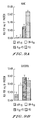
- FIG. 12 Inhibition of replication of polio virus by polypeptides by measuring the viral titer reduction factor on day 5.
- Solid bars wild-type polio virus strain.
- Hatched bars attenuated polio virus strain.
- FIG. 13 Demonstration of inhibition of CMV protein synthesis after treatment with K19-pF4.1 (PL) polypeptide, P3 peptide, or no peptide (NT), before viral infection ( 13 a , 13 b ), during viral infection ( 13 c ) or after viral infection ( 13 d ). It was revealed using an anti-pp150 antibody (for late proteins), anti-pp65 (for early proteins) and anti-IE (for very early proteins).
- PL K19-pF4.1
- NT no peptide
- BALB/c (NZB ⁇ NZW) F1 mice were kept in the animal house at the Institut Pasteur.
- Cells from different species and from different tissues were used: PtK2 cells (kidney fibroblasts), GMA-32 cells (hamster lung), 3T3 cells (mouse embryo fibroblasts), CCL39 cells (hamster fibroblasts), HeLa cells (human cervical carcinoma), VERO cells (monkey kidney), HEp-2 cells (human larynx carcinoma), JURKAT cells and CEM cells (human T lymphoblasts) all available from the ATCC Collection.
- monoclonal antibodies J20.8, F4.1 and F14.6 have been described in French patent application FR-9508316. These antibodies are polyreactive anti-DNA antibodies and also recognise different antigens such as peptides 22-37 and 46-60 from the Tat protein. These antibodies are murine IgG2a cells.
- the anti-Tat antibody used is a monoreactive murine IgG1 monoclonal antibody recognising the Tat protein of HIV-1.
- the peptides were synthesised using techniques which are known to the skilled person. Thus the peptides were produced by solid phase synthesis on Fmoc resin. Trifluoroacetic acid (TFA) was used for cleavage and the peptides were purified on a semi-preparative HPLC-RPC5 column (Eurosil Bioselect 5 ⁇ , 300 A (1;6 ⁇ 25 cm) and eluted at 1.1 ml/min with a 0.1% TFA solution and an acetonitrile gradient (10-70%). The lyophilised peptides were dissolved in 0.15 mM NaCl and sterilised with a 0.22 ⁇ m filter. To determine the peptide concentration, aliquots were hydrolysed at 110° C. in the presence of 6N HCl—2% phenol then analysed using a Beckman 6300 amino acid analyser.
- TFA Trifluoroacetic acid
- HIV-1 BX08 strain primary isolate, sub-type B
- HIV-1 Lai strain HIV-1 Lai strain
- polio virus type 1 wild type PV1 Mahoney strain and attenuated Sabin PV1
- cytomegalovirus Ad169 strain Herpes Virus Simplex type I.
- the oligonucleotide primers used to generate the complementary DNA were:
- the PCR amplification products were then purified using a Geneclean kit (Bio 101, Vista, Calif.). Chemical sequencing was carried out by Genome Express. (Grenoble, France). The nucleotide sequences were analysed using GENBANK and EMBL databases held at the Institut Pasteur (Information Science Unit) using GCG sequence analysis software (GCG) (Devereux J., “The GCG Sequence Analysis Software Package”, 1989), and the corresponding amino acid sequences were deduced.
- GCG sequence analysis software GCG sequence analysis software
- the sequence for the VH regions of these antibodies is shown in FIG. 2 . Alignment of these sequences enables the CDR regions (CDR1, CDR2 and CDR3) present in these sequences to be localised. This alignment also demonstrates the existence of a substantial structural homology between the CDR2 regions and the common structural characteristics between the CDR3 regions, in particular the presence of basic residues (arginine and lysine).
- the sequences for the CDR2 and CDR3 regions of other antibodies are shown in FIG. 3 .
- polypeptides comprising all or a portion of the CDR3 region and/or the CDR2 region of the antibodies were prepared. Synthesis was carried out by peptide synthesisers (see Method and Apparatus section). The following polypeptides were synthesised, where m is 1 or 0:
- a variation of this sequence is, for example the sequence TRQKYNKRA(MDYWGQGT) m .
- SEQ ID NO:16 A further variation (functional homologue) is, for example, the sequence Ala-Arg-Gln-Lys-Tyr-Asn-Lys-Arg-Ala-Met-Asp-Tyr (SEQ ID no 8).
- a variation of this sequence is, for example the sequence TRQKYNKKRG(MDYWGQGT) m . (SEQ ID NO:17)
- a variation of this sequence is, for example the sequence TRGARATWDW(FAYWGQGT) m . (SEQ ID NO:18)
- formula (a-b-c) m means that a single, some or all of the residues mentioned in brackets are present or not present.
- a variation of this sequence is, for example, the sequence VAYISRGGVSTYYSDTVKGRFTRQKYNKRAVAY. (SEQ ID NO:23)
- An active group was introduced into sequence SEQ ID no 9 via cystein to enabling coupling to another substance.
- Biotinyl-VAYISRGGVSTYYSDTVKGRFT Biotinyl-Val-Ala-Tyr-Ile-Ser-Arg-Gly-Gly-Val-Ser-Thr-Tyr-Tyr-Ser-Asp-Thr-Val-Lys-Gly-Arg-Phe-Thr), corresponding to sequence SEQ ID no 4.
- Biotinyl-Ala-Arg-Gln-Lys-Tyr-Asn-Lys-Arg-Ala-Met-Asp-Tyr (corresponding to sequence SEQ ID no 8).
- the cells were then incubated with a solution of streptavidin conjugated with 5 ⁇ g/ml of peroxidase in PBS for 30 minutes, then washed with PBS and incubated in the peroxidase cytochemical substrate (diaminobenzidine+H 2 O 2 ) After washing, the cells were examined microscopically.
- results obtained show that after 1 hour of culture, the polypeptides comprising all or a portion of a CDR3 were visible by peroxidase coloration in the cytoplasm of all of the cells and in the nucleus of a large number of cells.
- the results also show that the polypeptide CDR2-3 (in particular the pF4.1 polypeptide with sequence SEQ ID no 7) penetrated massively and rapidly into the cells and most reached the nucleus of said cells.
- This example illustrates how the polypeptides of the invention can be coupled to an active substance and used to transport said substance into cells.
- the vectors were prepared by incubating 1.4 ⁇ g of biotinylated CDR2-3 polypeptide (pF4.1) with 10 ⁇ g of streptavidin conjugated with peroxidase or with alkaline phosphatase in a volume of 10 ⁇ l for 15 minutes at laboratory temperature. The mixture was then diluted in 0.5 ml of complete culture medium before being deposited on the cells in culture.
- pF4.1 biotinylated CDR2-3 polypeptide
- the cells were washed with PBS, fixed with p-paraformaldehyde, washed then incubated in the peroxidase cytochemical substrate (diaminobenzidine+H 2 CO 2 ) or that of alkaline phosphatase (Naphthol AsMx+Fast Red tetrazolium salt).
- the peroxidase cytochemical substrate diaminobenzidine+H 2 CO 2
- alkaline phosphatase Naphthol AsMx+Fast Red tetrazolium salt
- a CDR2-3-PL19 (polylysine) (also termed K19-P3 or K19-pF4.1) was synthesised and purified (ALTERGEN).
- the sequence of the polypeptide is as follows:
- CCL39 cells hamster fibroblasts
- FCS fetal calf serum
- Transfections were carried out in MEM+10% FCS with no other auxiliary agent (CHLOROQUINE).
- the peptide-PL and free polylysine PL were complexed with the pCMVLUC plasmid (respectively 24 ⁇ g and 70 ⁇ g per 6 ⁇ g of plasmid) for 30 minutes. The complex was then added dropwise to the CCL39. After incubating for 5 hours, the medium was replaced with fresh medium. Luciferase expression was assayed 24 hours later.
- the cells were washed twice with PBS. After washing, the cells were lysed with 100 ⁇ l of lyse buffer (PROMEGA) for 10-15 minutes. The cells were then centrifuged for 7 minutes at 4° C. to remove cellular debris. 20 ⁇ l of this lysate was mixed with 100 ⁇ l of luciferase buffer (PROMEGA). The relative luciferase units (RLU) were recorded on a LUMAT LB9501 (BERTHOLD) The protein concentration was determined using a BIORAD PROTEIN ASSAY-1 kit and the amount of luciferase in each sample was normalised per mg of protein, each transfection being carried out three times.
- PROMEGA lyse buffer
- RLU relative luciferase units
- results obtained are shown in FIG. 5 . They show that in complete medium and with no auxiliary agent, the peptide-PL transfects with an efficacy of 2 ⁇ 10 6 RLU/mg of proteins, i.e., about 1000 times more than polylysine alone and more than a peptide recently described (Wadhwa et al., Bioconjugate Chem. 1997, 8:81-88), but where the activity was dependent on the presence of 100 ⁇ M of chloroquine.
- Transfecting cells with the CDRK19-P3 polypeptide is thus particularly advantageous since it can be carried out in a complete culture medium and in the absence of auxiliary agent.
- Current transfection systems using polylysine all require the addition of an auxiliary agent, usually chloroquine which is toxic for the cells. This chloroquine prevents degradation in the lysosomes of conugate-polylysine complexes internalised by the conventional endocytosis route.
- the present invention does not require the use of such auxiliary agents.
- This example illustrates the transfer properties of nucleic acids of the peptides of the invention in 3T3 cells.
- 3T3 cells (8 ⁇ 10 4 cells) were distributed into 24 well plates the day prior to transfection.
- Polyplexes between the pCMV LUC plasmid and the K19-P3 peptide or control peptides CW-K19 and K19 were prepared by incubating 3 ⁇ g of plasmid in 50 ⁇ l of 0.15 M NaCl for 20 minutes at 20° C., with different quantities of peptide. More particularly, the polyplexes were produced in stoichiometries of 0.05 to 1.4 nmoles of peptides per ⁇ g of DNA.
- the cells were washed, then incubated for different periods with 0.5 ml of complete culture medium.
- the polyplexes were added to the cells for 1 h 15, 2 h 30, 5 h 30 and 24 h at 37° C. in a moist atmosphere (92% air, 8% CO 2 ).
- the medium was eliminated and the cells incubated again for 24 hours at 37° C. in 1 ml of fresh medium.
- Each experiment was carried out at least three times.
- the luciferase activity was determined as for Example 5.
- FIG. 7 also shows that, at a charge ratio R of 4.4, exposure of cells for 24 hours to the polyplex did not induce any toxicity.
- R charge ratio
- transfection efficacy can be improved using a composition comprising a peptide of the invention and a stabiliser such as glycerol.
- transfections were carried out on 3T3 cells and CCL39 cells, as described in Example 6, in a complete medium containing or not containing glycerol (0.23 M) in a peptide/DNA charge ratio of 2.2 (incubation for 5 h 30 at 37° C.).
- transfection was carried out in the presence of polyethylene immine (PEI), 25 kDa (Aldrich, St Louis, Mo.) in a charge ratio of 2.2 in the presence of glycerol and 5 in the absence of glycerol.
- PEI polyethylene immine
- 25 kDa Aldrich, St Louis, Mo.
- FIGS. 8 and 9 show that the transfection efficacy of the peptides of the invention, which are non toxic and of a simple, defined structure, are higher than 25kDa PEI in the presence of glycerol, both for 3T3 cells and for CCL39 cells.
- the vector was formed by incubating 14 ⁇ g of biotinylated CDR2-3 polypeptide+40 ⁇ g of streptavidin conjugated with peroxidase (Sigma) for 15 minutes then diluting in 0.1 ml of PBS before being injected into each mouse. Injection was via the pads.
- the control mice received 40 ⁇ g of streptavidin conjugated with peroxidase in 0.1 ml of PBS.
- mice were bled every week. A repeat injection was carried out under the same conditions one month after the first injection.
- An ELISA test showed that the mice which had received the CDR2-3-streptavidin conjugated with peroxidase complex responded with anti-streptavidin and anti-peroxidase IgG antibodies, but with very few IgM, with substantially higher values than those which had received streptavidin conjugated with peroxidase alone and from the 14 th day (FIG. 4 ).
- the repeat injection caused an increase in the antibody titer in the two groups, but the values were always higher in the group which had received the complex.
- the polypeptides of the invention are capable of increasing the titer of antibodies directed against a given antigen by a factor of at least 4 to 8.
- This example illustrates the antiviral properties of polyreactive antibodies of the invention on HIV-1 Lai strain.
- the target HIV cells used were human peripheral blood mononuclear cells (PBMC). These cells were obtained from healthy subjects using any technique which is known to the skilled person (Ficoll gradients, leukapheresis, etc.).
- PBMC cells were activated by phytohemagglutinin for about 3 days and kept in culture at 37° C. in a CO 2 atmosphere in the presence of interleukin-2.
- the p24 protein was assayed in cell culture supernatants using an ELISA test employing a commercially available kit (Diagnostic Pasteur).
- PBMC Human peripheral blood mononuclear cells
- PBMC Human peripheral blood mononuclear cells
- the cells were infected with successive dilutions of HIV-1 Lai (1 hour at 37° C.), washed, incubated with fresh culture medium in the presence or not in the presence of antibody and the supernatant was examined every 3 or 4 days for the presence of the P24 antigen of HIV-1 to evaluate the level of viral replication in treated or untreated cells.
- the results of these titrations of HIV-1 Lai on PBMC cells treated or not treated with the antibodies are shown in FIG. 10 .
- PBMC peripheral blood mononuclear cells
- P3 peptide this peptide corresponds to the peptide pF4.1 in SEQ ID no 7.
- P3PL peptide this peptide corresponds to peptide K19-pF4.1of SEQ ID no 10.
- the cells were also incubated in the presence of AZT.
- the cells were washed in fresh culture medium then infected with 0.5 ml of a viral HIV-1 BX 08 strain dilution, (10 ⁇ 3 to 10 ⁇ 5 or 10 ⁇ 1 to 10 ⁇ 4 depending on the experiment) into a stock of 2 ⁇ 10 6 cells for 1 hour at 37° C.
- the cells were then washed 3 times in fresh medium and re-suspended in medium containing the above peptides or antibodies (12.5 ⁇ g or 25 ⁇ g) and distributed over 48 well plates in an amount of 4 wells per dose of virus and peptide/antibody.
- the culture medium, containing peptides/antibodies was changed every 3 or 4 days.
- viral production (consequence of infection and replication) was estimated by assaying the p24 antigen in the culture supernatants, under the conditions described in the Method and Apparatus section.
- FIGS. 11A, 11 B and 11 C The results of several series of experiments are shown in FIGS. 11A, 11 B and 11 C.
- This example illustrates the antiviral properties of the products of the invention for polio virus.
- the inhibiting power of the peptides was evaluated by measuring the titer reduction factor of a viral suspension of polio virus in the presence of peptide.
- the viral suspension titer was determined in terms of the cytopathogenic 50 dose (CPD50) per ml on Hep-2c human epithelial cells using a dilution limit microtechnique (Melnick et al., 1979, Melnick, J.
- the titer reduction factor thus corresponds to the ratio between the titer for the viral suspension in the absence of peptide and that in the presence of the test peptide.
- K19PT corresponding to an ovalbumin peptide with 20 amino acids carrying 19 N-terminal lysines.
- Wild type polio virus type 1 strain PV1/Mahoney
- Attenuated polio virus type 1 strain PV1/Sabin.
- Hep-2c human epithelial cells originating from an epidermoid carcinoma of the larynx.
- the cells were placed in culture. To this end, a suspension of 2.5 ⁇ 10 5 cells/ml in a MEM medium, 10% foetal calf serum (FCS), 0.5% gentamycin was prepared, and 5 plates of 96 wells were seeded with 200 ⁇ l/well (i.e., 5 ⁇ 10 4 cells/well). The cells were incubated at 37° C. in the presence of 5% CO 2 .
- FCS foetal calf serum
- the cells were pre-incubated with the peptides for 2 hours.
- the peptides indicated above were diluted to 50 ⁇ g/ml in MEM medium, 10% FCS, 0.5% gentamycin.
- the wells were emptied by aspiration, then 100 ⁇ l/well of medium+peptide (one plate per peptide) was added.
- As a control a plate was prepared with 100 ⁇ l/well or medium with no peptide for titrating viral suspension in the absence of peptide. The mixture was incubated for 2 hours at 37° C. in the presence of 5% of CO 2 .
- dilutions of viral suspensions were prepared, of 10 in 10 up to 10 ⁇ 4 , then dilutions of 4 in 4 up to 10 ⁇ 8.8 in MEM medium, with no FCS, 0.5% gentamycin (50 ⁇ l/well and 4 wells/dilution).
- the peptides were diluted in MEM medium, 3% FCS, 0.5% gentamycin so as to obtain a final concentration of 25 ⁇ g/ml of peptide (knowing that for the test, 150 ⁇ l of medium containing the peptide was added to 50 ⁇ l of viral dilution).
- the infection step was carried out by emptying the wells (by aspiration) then adding the following elements:
- the CPD50/ml titers were determined as described above.
- results obtained are shown in the Table below and in FIG. 12 . These results show the capacity of the polypeptides of the invention, used alone, to inhibit replication of different strains of polio virus.
- This example illustrates the antiviral properties of compounds of the invention on cytomegalovirus.
- Human diploid fibroblasts and primary human astrocytomas (U373MG) were used. They were cultivated in a Dulbecco medium with a supplemental 2 mM of glutamine and 10% of foetal calf serum.
- the compound used was the K19pF4-1 peptide derivative.
- the CMV Ad169 strain (ATCC VR538) was used. CMV titration was carried out by counting the plaques formed under carboxymethyl cellulose (0.6%).
- the cells were treated with trypsine, washed, distributed in the wells of culture plates in an amount of 10 5 per well and cultivated for 6 to 24 hours.
- the polypeptides, in sterile solution, were added to the cultures in a final concentration of 25 to 50 ⁇ g/ml.
- the cells were infected in an infection multiplicity of 1 pfu/cell.
- polypeptides were added 4 hours before viral infection
- polypeptides were added after absorption of the virus on the cells (2 hours at 37° C.).
- the results show that the K19-pF4.1 polypeptide significantly inhibits CMV replication when the cells are treated with this polypeptide before viral infection.
- the peptide is also effective, but can be to a lesser extent (appearance of early antigens).
- This example illustrates the antiviral properties of the compounds of the invention on the herpes simplex virus.
- the antiviral activity was determined by measuring the cytopathogenic effect (CPE) induced by a HSV-1 TK + virus (i.e., expressing thymidine kinase) and by a HSV-1 TK ⁇ virus (i.e., not expressing thymidine kinase, and thus insensitive to AZT).
- CPE cytopathogenic effect
- Acyclovir® was used as the reference anti HSV-1 TK + compound (2 mg, MW 225, Wellcome).
- the Acyclovir was dissolved n 2 ml of DMEM 1 ⁇ medium supplemented with antibiotics, then 50 ⁇ l of 1N NaOH was added.
- the volume was adjusted to 4.44 ml with DMEM 1 ⁇ medium, AB, and the pH was adjusted to 7-7.4 using 1N HCl.
- the neutralised solutions were sterilised on 0.45 ⁇ m filters, then preserved in aliquots at ⁇ 20° C.
- the solution (10 ⁇ 2 M) was diluted to 1/10 to 1/10 4 just before use (from 10 ⁇ 3 M) and added in an amount of 50 ⁇ l 1 hour after infection.
- the viral stocks (HSV-1 TK + , seventh passage over Vero cells, and HSV-1 TK ⁇ , fourth passage) were diluted to 1/100 in culture medium prior to distribution on plates (50 ⁇ l/well).
- the CPE inhibition test is a semi-quantitative test which measures the % survival of the cells.
- Vero cells were trypsinised (trypsin-versene, Eurobio), distributed in flat bottomed 96-well plates (Falcon) in an amount of 2 ⁇ 10 4 cells per well, in 50 ⁇ l of DMEM medium (Bioproducts) supplemented with antibiotics, L-glutamine and 5% FCS (Eurobio), then incubated for 24 hours.
- the peptide/antibodies, sterilised on a 0.22 ⁇ M filter, were added in an amount of 50 to 400 ⁇ g/ml (i.e., 20 to 2.5 ⁇ g/well) using the following schedule:
- H-24 cells into culture
- Reference cells non infected and non treated, incubated with Neutral Red;
- Reference virus infected cells with different dilutions of a factor of 2 of virus, from 100% CPE (dilution 1/1) to 12.5% CPE (1/8 dilution);
- Antiviral reference cells treated with acyclovir and infected
- Toxicity reference non infected cells, treated with different peptides/antibodies.
- Viral activity was determined as follows:
- AI 100 ⁇ (OD cell+virus+peptide) ⁇ OD(ref virus 100% CPE OD ref cells ⁇ OD ref virus 100% CPE.
- results obtained are shown in the following tables.
- the results clearly show an inhibition of the CPE effect induced by a HSV-1 TK + and TK ⁇ virus.
- the observed effect is particularly pronounced for the K19-pJ20.8 peptide, which is very active against the two viral strains, in particular with incubation prior to or simultaneously with viral infection.
- results presented below thus demonstrate the important antiviral properties of the antibodies/peptides of the invention, used alone or in combination, on different types of virus such as HIV, polio virus, CMV and HSV-1. These results illustrate the applications of the products of the invention to minimise the effects of viral infection in vitro, ex vivo or in vivo.
- Control tables REFERENCE VIRUS Dilution HSV1 TK + HSV1 TK ⁇ 0/0 (control cell) 1.292 ⁇ 0.146 1.292 ⁇ 0.146 1/1 0.163 ⁇ 0.060 0.297 ⁇ 0.068 1/2 0.206 ⁇ 0.062 0.246 ⁇ 0.072 1/4 0.217 ⁇ 0.041 0.252 ⁇ 0.058 1/8 0.227 ⁇ 0.039 0.289 ⁇ 0.029 ANTIVIRAL REFERENCE (ACYCLOVIR ®) Conc.
- polypeptides of the invention comprising an antibody region, preferably comprising all or a portion of a CDR3, are capable (i) of effectively penetrating into cells; (ii) of transporting substances thereto, in particular large size substances; (iii), of acting as an adjuvant in vivo by stimulating the immune response against a given antigen; and (iv) of exerting an antiviral activity.
- the polypeptides of the invention even appear to be able to transport substances to the cell nuclei, which is of obvious interest when the substances are nucleic acids or molecules acting on nucleic acids.
- polypeptides of the invention appear to use a cell penetration mechanism which is different from the majority of vectors used up to the present time.
- polypeptides of the invention appear to escape the lysosomes, which constitutes an additional advantage in that in general, substantial degradation occurs in those cellular compartments.
Landscapes
- Health & Medical Sciences (AREA)
- Chemical & Material Sciences (AREA)
- Life Sciences & Earth Sciences (AREA)
- Organic Chemistry (AREA)
- General Health & Medical Sciences (AREA)
- Medicinal Chemistry (AREA)
- Immunology (AREA)
- Molecular Biology (AREA)
- Proteomics, Peptides & Aminoacids (AREA)
- Virology (AREA)
- Biophysics (AREA)
- Biochemistry (AREA)
- Genetics & Genomics (AREA)
- Animal Behavior & Ethology (AREA)
- Pharmacology & Pharmacy (AREA)
- Public Health (AREA)
- Veterinary Medicine (AREA)
- Engineering & Computer Science (AREA)
- Bioinformatics & Cheminformatics (AREA)
- Epidemiology (AREA)
- Nuclear Medicine, Radiotherapy & Molecular Imaging (AREA)
- Oncology (AREA)
- Chemical Kinetics & Catalysis (AREA)
- General Chemical & Material Sciences (AREA)
- Communicable Diseases (AREA)
- Biotechnology (AREA)
- Tropical Medicine & Parasitology (AREA)
- AIDS & HIV (AREA)
- Peptides Or Proteins (AREA)
- Micro-Organisms Or Cultivation Processes Thereof (AREA)
- Preparation Of Compounds By Using Micro-Organisms (AREA)
- Medicines That Contain Protein Lipid Enzymes And Other Medicines (AREA)
- Medicines Containing Antibodies Or Antigens For Use As Internal Diagnostic Agents (AREA)
- Medicinal Preparation (AREA)
- Medicines Containing Material From Animals Or Micro-Organisms (AREA)
Priority Applications (2)
| Application Number | Priority Date | Filing Date | Title |
|---|---|---|---|
| US10/460,471 US7628987B2 (en) | 1997-08-04 | 2003-06-13 | Vectors derived from antibodies for transferring substances into cells |
| US11/482,834 US20070098741A1 (en) | 1997-08-04 | 2006-07-10 | Vectors derived from antibodies for transferring substances into cells |
Applications Claiming Priority (3)
| Application Number | Priority Date | Filing Date | Title |
|---|---|---|---|
| FR9709972 | 1997-08-04 | ||
| FR9709972A FR2766826B1 (fr) | 1997-08-04 | 1997-08-04 | Vecteurs derives d'anticorps pour le transfert de substances dans les cellules |
| PCT/FR1998/001740 WO1999007414A1 (fr) | 1997-08-04 | 1998-08-04 | Vecteurs derives d'anticorps pour le transfert de substances dans les cellules |
Related Parent Applications (1)
| Application Number | Title | Priority Date | Filing Date |
|---|---|---|---|
| PCT/FR1998/001740 Continuation WO1999007414A1 (fr) | 1997-08-04 | 1998-08-04 | Vecteurs derives d'anticorps pour le transfert de substances dans les cellules |
Related Child Applications (1)
| Application Number | Title | Priority Date | Filing Date |
|---|---|---|---|
| US10/460,471 Division US7628987B2 (en) | 1997-08-04 | 2003-06-13 | Vectors derived from antibodies for transferring substances into cells |
Publications (1)
| Publication Number | Publication Date |
|---|---|
| US6635248B1 true US6635248B1 (en) | 2003-10-21 |
Family
ID=9510010
Family Applications (3)
| Application Number | Title | Priority Date | Filing Date |
|---|---|---|---|
| US09/497,997 Expired - Fee Related US6635248B1 (en) | 1997-08-04 | 2000-02-04 | Single-chain antibody fragments for transferring substances into cells |
| US10/460,471 Expired - Fee Related US7628987B2 (en) | 1997-08-04 | 2003-06-13 | Vectors derived from antibodies for transferring substances into cells |
| US11/482,834 Abandoned US20070098741A1 (en) | 1997-08-04 | 2006-07-10 | Vectors derived from antibodies for transferring substances into cells |
Family Applications After (2)
| Application Number | Title | Priority Date | Filing Date |
|---|---|---|---|
| US10/460,471 Expired - Fee Related US7628987B2 (en) | 1997-08-04 | 2003-06-13 | Vectors derived from antibodies for transferring substances into cells |
| US11/482,834 Abandoned US20070098741A1 (en) | 1997-08-04 | 2006-07-10 | Vectors derived from antibodies for transferring substances into cells |
Country Status (8)
| Country | Link |
|---|---|
| US (3) | US6635248B1 (fr) |
| EP (1) | EP1001815B1 (fr) |
| JP (2) | JP4365022B2 (fr) |
| AT (1) | ATE532533T1 (fr) |
| AU (1) | AU8988098A (fr) |
| CA (1) | CA2298934C (fr) |
| FR (1) | FR2766826B1 (fr) |
| WO (1) | WO1999007414A1 (fr) |
Cited By (5)
| Publication number | Priority date | Publication date | Assignee | Title |
|---|---|---|---|---|
| US20030199677A1 (en) * | 2000-03-01 | 2003-10-23 | Eustrate Avrameas | Amino acid sequences facilitating penetration of a substance of interest into cells and/or cell nuclei |
| US20050130884A1 (en) * | 2000-02-07 | 2005-06-16 | Brandt Curtis R. | Pharmacologically active antiviral peptides and methods of their use |
| US20060233790A1 (en) * | 2002-03-22 | 2006-10-19 | Shiroh Futaki | Immunoglobulin/hydrophilic peptide complexes |
| US20110200624A1 (en) * | 2008-07-31 | 2011-08-18 | Molecular Transfer, Inc. | Novel peptides for use in transfection |
| US9156889B2 (en) | 2011-02-02 | 2015-10-13 | Microbial Chemistry Research Foundation | Drug transporter permeating blood-brain barrier, peptide and use thereof |
Families Citing this family (22)
| Publication number | Priority date | Publication date | Assignee | Title |
|---|---|---|---|---|
| EP1052288A1 (fr) * | 1999-05-10 | 2000-11-15 | Transgene S.A. | Complexe pour le transfert d'une substance anionique dans une cellule |
| EP1052287A3 (fr) * | 1999-05-10 | 2003-07-09 | Transgene S.A. | Complexe pour le transfert d'une substance anionique d'intérêt dans une cellule |
| FR2805821B1 (fr) | 2000-03-01 | 2004-01-16 | Diatos | Sequences d'acides amines facilitant la penetration d'une substance d'interet a l'interieur des cellules et/ou des noyaux cellulaires |
| US7033597B2 (en) | 2000-10-13 | 2006-04-25 | Université de Lausanne | Intracellular delivery of biological effectors |
| US6960648B2 (en) | 2000-10-13 | 2005-11-01 | Universite De Lausanne | Intracellular delivery of biological effectors |
| US7049286B2 (en) | 2001-08-30 | 2006-05-23 | Diatos, S.A. | Insulin conjugates and methods of use thereof |
| EP1512696A1 (fr) * | 2003-08-14 | 2005-03-09 | Diatos | Séquences d'acides aminés facilitant la pénétration d'une substance d'intérêt dans les cellules et/ou le noyau |
| ES2330115T3 (es) | 2003-08-14 | 2009-12-04 | Cellectis | Composicion antibacteriana, mas particilarmente contra las bacterias gram-negativas, que comprende un peptido y un agente antibacteriano ventajosamente hidrofobo. |
| US7265092B2 (en) | 2004-09-30 | 2007-09-04 | Kai Pharmaceuticals, Inc. | Pharmaceutical formulation |
| WO2006122787A1 (fr) | 2005-05-18 | 2006-11-23 | Ablynx Nv | Proteines de liaison a l'albumine serique |
| EP1797901A1 (fr) | 2005-12-16 | 2007-06-20 | Diatos | Conjugués peptidiques pénétrant dans les cellules en tant que vecteurs pour l'administration d'acides nucléiques |
| EP1818395A1 (fr) | 2006-02-08 | 2007-08-15 | Diatos | Compositions et méthodes pour le traitement de maladies lysosomales |
| KR101394768B1 (ko) * | 2006-03-30 | 2014-05-21 | 드라이스 파마슈티컬스 아이엔씨 | 캄토테신-세포 투과 펩티드 결합체 및 이를 포함하는 약학 조성물 |
| WO2008074839A2 (fr) | 2006-12-19 | 2008-06-26 | Ablynx N.V. | Séquences d'acides aminés dirigées contre les gpcr et polypeptides les contenant pour le traitement de maladies et de troubles liés au gpcr |
| EP2102244A2 (fr) | 2006-12-19 | 2009-09-23 | Ablynx N.V. | Séquences d'acides aminés dirigées contre une métalloprotéinase de la famille adam et polypeptides les comprenant à des fins de traitement de maladies et troubles liés à adam |
| CA2676340A1 (fr) * | 2007-01-19 | 2008-07-24 | Kai Pharmaceuticals, Inc. | Procedes d'utilisation de composes inhibiteurs epsilon pour l'attenuation de la douleur |
| AU2009235467A1 (en) | 2008-04-07 | 2009-10-15 | Ablynx Nv | Single variable domains against the Notch pathways |
| NZ595461A (en) | 2009-04-10 | 2013-01-25 | Ablynx Nv | Improved amino acid sequences directed against il-6r and polypeptides comprising the same for the treatment of il-6r related diseases and disorders |
| ES2643034T3 (es) | 2009-06-05 | 2017-11-21 | Ablynx N.V. | Construcciones de Nanobody contra el virus respiratorio sincicial humano (VRSH) trivalentes para la prevención y/o el tratamiento de infecciones de las vías respiratorias |
| WO2011064382A1 (fr) | 2009-11-30 | 2011-06-03 | Ablynx N.V. | Séquences d'acides aminés améliorées dirigées contre le virus syncytial respiratoire humain (hrsv) et polypeptides comprenant celles-ci pour la prévention et/ou le traitement d'infections du tractus respiratoire |
| CA2827170A1 (fr) | 2011-02-11 | 2012-08-16 | David M. Hilbert | Complexes plurispecifiques monovalents et multivalents et leurs utilisations |
| WO2014087010A1 (fr) | 2012-12-07 | 2014-06-12 | Ablynx N.V. | Polypeptides améliorés dirigés contre ige |
Citations (7)
| Publication number | Priority date | Publication date | Assignee | Title |
|---|---|---|---|---|
| US5296348A (en) | 1989-05-16 | 1994-03-22 | The Wistar Institute Of Anatomy And Biology | Methods for screening monoclonal antibodies for therapeutic use |
| US5521291A (en) | 1991-09-30 | 1996-05-28 | Boehringer Ingelheim International, Gmbh | Conjugates for introducing nucleic acid into higher eucaryotic cells |
| US5597573A (en) * | 1989-05-04 | 1997-01-28 | Igen, Inc. | Lipid-A analogs: new monosaccharide and disaccharide intermediates for eliciting therapeutic antibodies and for antitumor and antiviral activities |
| US5606017A (en) | 1992-01-23 | 1997-02-25 | Bristol-Myers Squibb Company | Thioether conjugates |
| US5635383A (en) | 1987-04-22 | 1997-06-03 | The University Of Connecticut | Method for the introduction of genes into mammalian cells by a soluble molecular complex comprising a receptor ligand and a polycation |
| US5733782A (en) | 1993-10-25 | 1998-03-31 | Creative Biomolecules, Inc. | Methods and compositions for high protein production from non-native DNA |
| US5861156A (en) * | 1993-01-08 | 1999-01-19 | Creative Biomolecules | Methods of delivering agents to target cells |
Family Cites Families (5)
| Publication number | Priority date | Publication date | Assignee | Title |
|---|---|---|---|---|
| AU675929B2 (en) * | 1992-02-06 | 1997-02-27 | Curis, Inc. | Biosynthetic binding protein for cancer marker |
| DE4412629A1 (de) * | 1993-04-14 | 1995-01-26 | Boehringer Mannheim Gmbh | Nukleinsäure-transferpeptide und deren Verwendung zur Einschleusung von Nukleinsäuren in eukaryontische Zellen |
| US5851829A (en) * | 1993-07-16 | 1998-12-22 | Dana-Farber Cancer Institute | Method of intracellular binding of target molecules |
| FR2736642B1 (fr) * | 1995-07-10 | 1997-09-12 | Pasteur Institut | Immunovecteurs, notamment anticorps et fragments d'anticorps utilisables pour le transport intracellulaire et intranucleaire de principes biologiquement actifs notamment d'haptenes, de proteines et d'acides nucleiques |
| WO1997032602A1 (fr) * | 1996-03-08 | 1997-09-12 | The Regents Of The University Of California | Systeme de liberation utilisant mab 3e10 et ses mutants et/ou ses fragments fonctionnels |
-
1997
- 1997-08-04 FR FR9709972A patent/FR2766826B1/fr not_active Expired - Fee Related
-
1998
- 1998-08-04 CA CA2298934A patent/CA2298934C/fr not_active Expired - Fee Related
- 1998-08-04 JP JP2000507001A patent/JP4365022B2/ja not_active Expired - Fee Related
- 1998-08-04 EP EP98941540A patent/EP1001815B1/fr not_active Expired - Lifetime
- 1998-08-04 AT AT98941540T patent/ATE532533T1/de active
- 1998-08-04 AU AU89880/98A patent/AU8988098A/en not_active Abandoned
- 1998-08-04 WO PCT/FR1998/001740 patent/WO1999007414A1/fr not_active Ceased
-
2000
- 2000-02-04 US US09/497,997 patent/US6635248B1/en not_active Expired - Fee Related
-
2003
- 2003-06-13 US US10/460,471 patent/US7628987B2/en not_active Expired - Fee Related
-
2006
- 2006-07-10 US US11/482,834 patent/US20070098741A1/en not_active Abandoned
-
2009
- 2009-04-15 JP JP2009099323A patent/JP4482054B2/ja not_active Expired - Lifetime
Patent Citations (7)
| Publication number | Priority date | Publication date | Assignee | Title |
|---|---|---|---|---|
| US5635383A (en) | 1987-04-22 | 1997-06-03 | The University Of Connecticut | Method for the introduction of genes into mammalian cells by a soluble molecular complex comprising a receptor ligand and a polycation |
| US5597573A (en) * | 1989-05-04 | 1997-01-28 | Igen, Inc. | Lipid-A analogs: new monosaccharide and disaccharide intermediates for eliciting therapeutic antibodies and for antitumor and antiviral activities |
| US5296348A (en) | 1989-05-16 | 1994-03-22 | The Wistar Institute Of Anatomy And Biology | Methods for screening monoclonal antibodies for therapeutic use |
| US5521291A (en) | 1991-09-30 | 1996-05-28 | Boehringer Ingelheim International, Gmbh | Conjugates for introducing nucleic acid into higher eucaryotic cells |
| US5606017A (en) | 1992-01-23 | 1997-02-25 | Bristol-Myers Squibb Company | Thioether conjugates |
| US5861156A (en) * | 1993-01-08 | 1999-01-19 | Creative Biomolecules | Methods of delivering agents to target cells |
| US5733782A (en) | 1993-10-25 | 1998-03-31 | Creative Biomolecules, Inc. | Methods and compositions for high protein production from non-native DNA |
Non-Patent Citations (5)
| Title |
|---|
| Avrameas: Polyreactive Anti-DNA Monoclonal Antibodies and a Derived Peptide as Vectors for the Intracytoplasmic and Intranuclear Translocation of Macromolecules: PNAS, vol. 95, May 1998, pp. 5601-5606, XP002087950. |
| Jin et al, The anticoagulant activation of antithrombin by heparin, PNAS USA 94:14683-14688 (Dec. 1997).* * |
| Vlahakos et al, "Murine Monoclonal Anti-DNA Antibodies Penetrate Cells, Bind to Nuclei and Induce Glomeular Proliferation and Proteinuria in vivo", Journal of the American Society of Nephrology, vol. 2, 1992, pp. 1345-1354, XP002063435. |
| Zack et al, "DNA Mimics a Self-Protein that may be a Target for some Anti-DNA Antibodies in Systemic Lupus Erythematosus", Journal of Immunology, vol. 154, 1995, pp. 1987-1994, XP002063314. |
| Zack et al, "Mechanisms of Cellular Penetration and Nuclear Localization of an Anti-Double Strand DNA Autoantibody", Journal of Immunology, vol. 157, 1996, pp. 2082-2088. |
Cited By (10)
| Publication number | Priority date | Publication date | Assignee | Title |
|---|---|---|---|---|
| US20050130884A1 (en) * | 2000-02-07 | 2005-06-16 | Brandt Curtis R. | Pharmacologically active antiviral peptides and methods of their use |
| US7371809B2 (en) * | 2000-02-07 | 2008-05-13 | Wisconsin Alumni Research Foundation | Pharmacologically active antiviral peptides |
| US20090253624A1 (en) * | 2000-02-07 | 2009-10-08 | Wisconsin Alumni Research Foundation | Pharmacologically active antiviral peptides and methods of use |
| US8748565B2 (en) | 2000-02-07 | 2014-06-10 | Wisconsin Alumni Reseach Foundation | Pharmacologically active antiviral peptides and methods of their use |
| US8748566B2 (en) | 2000-02-07 | 2014-06-10 | Wisconsin Alumni Research Foundation | Pharmacologically active antiviral peptides and methods of use |
| US20030199677A1 (en) * | 2000-03-01 | 2003-10-23 | Eustrate Avrameas | Amino acid sequences facilitating penetration of a substance of interest into cells and/or cell nuclei |
| US8003595B2 (en) | 2000-03-01 | 2011-08-23 | Cellectis | Amino acid sequences facilitating penetration of a substance of interest into cells and/or cell nuclei |
| US20060233790A1 (en) * | 2002-03-22 | 2006-10-19 | Shiroh Futaki | Immunoglobulin/hydrophilic peptide complexes |
| US20110200624A1 (en) * | 2008-07-31 | 2011-08-18 | Molecular Transfer, Inc. | Novel peptides for use in transfection |
| US9156889B2 (en) | 2011-02-02 | 2015-10-13 | Microbial Chemistry Research Foundation | Drug transporter permeating blood-brain barrier, peptide and use thereof |
Also Published As
| Publication number | Publication date |
|---|---|
| FR2766826B1 (fr) | 2001-05-18 |
| US20070098741A1 (en) | 2007-05-03 |
| JP2009159988A (ja) | 2009-07-23 |
| JP4365022B2 (ja) | 2009-11-18 |
| WO1999007414A1 (fr) | 1999-02-18 |
| EP1001815B1 (fr) | 2011-11-09 |
| US20030206900A1 (en) | 2003-11-06 |
| AU8988098A (en) | 1999-03-01 |
| EP1001815A1 (fr) | 2000-05-24 |
| CA2298934C (fr) | 2011-04-26 |
| ATE532533T1 (de) | 2011-11-15 |
| JP2001513335A (ja) | 2001-09-04 |
| US7628987B2 (en) | 2009-12-08 |
| FR2766826A1 (fr) | 1999-02-05 |
| CA2298934A1 (fr) | 1999-02-18 |
| JP4482054B2 (ja) | 2010-06-16 |
Similar Documents
| Publication | Publication Date | Title |
|---|---|---|
| US6635248B1 (en) | Single-chain antibody fragments for transferring substances into cells | |
| Hussain et al. | Antigenic analysis of equine infectious anemia virus (EIAV) variants by using monoclonal antibodies: epitopes of glycoprotein gp90 of EIAV stimulate neutralizing antibodies | |
| CA2094713A1 (fr) | Methode de neutralisation des anticorps monoclonaux humains specifiques a la boucle v3 et au site de liaison des lymphocytes cd-4 du vih-1 gp120 | |
| CN106046155A (zh) | 用于治疗hbv感染及相关疾病的多肽及抗体 | |
| JP2569185B2 (ja) | 抗hiv応答を喚起する合成抗原 | |
| US10030069B2 (en) | High affinity human antibodies to human cytomegalovirus (CMV) gB protein | |
| Cordell et al. | Rat monoclonal antibodies to nonoverlapping epitopes of human immunodeficiency virus type 1 gp120 block CD4 binding in vitro | |
| NL8701950A (nl) | Monoclonale antilichamen en peptiden, geschikt voor de behandeling en diagnose van hiv infecties. | |
| Flaegstad et al. | Inoculation with BK virus may break immunological tolerance to histone and DNA antigens. | |
| AU678225B2 (en) | Therapeutic strategies for immunoinfective cluster virus infections | |
| Duan et al. | Molecular and virological effects of intracellular anti-Rev single-chain variable fragments on the expression of various human immunodeficiency virus-1 strains | |
| CN115160435A (zh) | 一种双特异性抗hiv-1抗体 | |
| AU770208B2 (en) | Regulatory/unfolding peptides of ezrin | |
| EP0581353A1 (fr) | Anticorps monoclonaux dirigés contre HIV-1 gp120, lignées cellulaires les produisant et structures epitopiques correspondantes | |
| WO1996037234A1 (fr) | Immunisation intracellulaire | |
| CA2429755A1 (fr) | Traitement et prevention de l'infection par le virus epstein-barr (ebv) et des troubles qui lui sont associes | |
| Böldicke et al. | Human Monoclonal Antibodies to Cytomegalovirus: Characterization and Recombinant Expression of a Glycoprotein‐B‐Specific Antibody | |
| JPH06506947A (ja) | 抗ウィルスハイブリッド抗体 | |
| CN116457009A (zh) | 编码包含人IgG1的经修饰的Fc区和至少一种异源抗原的多肽的核酸 | |
| HK1002284A1 (en) | Novel implant and novel vector for the treatment of acquired diseases | |
| HK1002284B (en) | Novel implant and novel vector for the treatment of acquired diseases | |
| JPH02501932A (ja) | 宿主の感受性細胞と病原体との間の相互作用の変調におけるジニトロ‐トリニトロフェニル及びその誘導体又は抗ニトロフェニル抗体の適用 |
Legal Events
| Date | Code | Title | Description |
|---|---|---|---|
| AS | Assignment |
Owner name: INSTITUT PASTEUR, FRANCE Free format text: ASSIGNMENT OF ASSIGNORS INTEREST;ASSIGNORS:TERNYNCK, THERESE;AVRAMEAS, ALEXANDRE;BUTTIN, GERARD;AND OTHERS;REEL/FRAME:010948/0140;SIGNING DATES FROM 20000511 TO 20000609 Owner name: UNIVERSITE PIERRE ET MARIE CURIE, FRANCE Free format text: ASSIGNMENT OF ASSIGNORS INTEREST;ASSIGNORS:TERNYNCK, THERESE;AVRAMEAS, ALEXANDRE;BUTTIN, GERARD;AND OTHERS;REEL/FRAME:010948/0140;SIGNING DATES FROM 20000511 TO 20000609 |
|
| FPAY | Fee payment |
Year of fee payment: 4 |
|
| FPAY | Fee payment |
Year of fee payment: 8 |
|
| REMI | Maintenance fee reminder mailed | ||
| LAPS | Lapse for failure to pay maintenance fees | ||
| STCH | Information on status: patent discontinuation |
Free format text: PATENT EXPIRED DUE TO NONPAYMENT OF MAINTENANCE FEES UNDER 37 CFR 1.362 |
|
| FP | Lapsed due to failure to pay maintenance fee |
Effective date: 20151021 |