US8741312B2 - High yield yellow fever virus strain with increased propagation in cells - Google Patents
High yield yellow fever virus strain with increased propagation in cells Download PDFInfo
- Publication number
- US8741312B2 US8741312B2 US13/012,917 US201113012917A US8741312B2 US 8741312 B2 US8741312 B2 US 8741312B2 US 201113012917 A US201113012917 A US 201113012917A US 8741312 B2 US8741312 B2 US 8741312B2
- Authority
- US
- United States
- Prior art keywords
- virus
- yellow fever
- amino acid
- fever virus
- protein
- Prior art date
- Legal status (The legal status is an assumption and is not a legal conclusion. Google has not performed a legal analysis and makes no representation as to the accuracy of the status listed.)
- Active, expires
Links
Images


Classifications
-
- A—HUMAN NECESSITIES
- A61—MEDICAL OR VETERINARY SCIENCE; HYGIENE
- A61K—PREPARATIONS FOR MEDICAL, DENTAL OR TOILETRY PURPOSES
- A61K39/00—Medicinal preparations containing antigens or antibodies
- A61K39/12—Viral antigens
-
- A—HUMAN NECESSITIES
- A61—MEDICAL OR VETERINARY SCIENCE; HYGIENE
- A61P—SPECIFIC THERAPEUTIC ACTIVITY OF CHEMICAL COMPOUNDS OR MEDICINAL PREPARATIONS
- A61P31/00—Antiinfectives, i.e. antibiotics, antiseptics, chemotherapeutics
- A61P31/12—Antivirals
- A61P31/14—Antivirals for RNA viruses
-
- A—HUMAN NECESSITIES
- A61—MEDICAL OR VETERINARY SCIENCE; HYGIENE
- A61P—SPECIFIC THERAPEUTIC ACTIVITY OF CHEMICAL COMPOUNDS OR MEDICINAL PREPARATIONS
- A61P37/00—Drugs for immunological or allergic disorders
- A61P37/02—Immunomodulators
- A61P37/04—Immunostimulants
-
- C—CHEMISTRY; METALLURGY
- C12—BIOCHEMISTRY; BEER; SPIRITS; WINE; VINEGAR; MICROBIOLOGY; ENZYMOLOGY; MUTATION OR GENETIC ENGINEERING
- C12N—MICROORGANISMS OR ENZYMES; COMPOSITIONS THEREOF; PROPAGATING, PRESERVING, OR MAINTAINING MICROORGANISMS; MUTATION OR GENETIC ENGINEERING; CULTURE MEDIA
- C12N7/00—Viruses; Bacteriophages; Compositions thereof; Preparation or purification thereof
-
- A—HUMAN NECESSITIES
- A61—MEDICAL OR VETERINARY SCIENCE; HYGIENE
- A61K—PREPARATIONS FOR MEDICAL, DENTAL OR TOILETRY PURPOSES
- A61K39/00—Medicinal preparations containing antigens or antibodies
- A61K2039/51—Medicinal preparations containing antigens or antibodies comprising whole cells, viruses or DNA/RNA
- A61K2039/525—Virus
- A61K2039/5252—Virus inactivated (killed)
-
- A—HUMAN NECESSITIES
- A61—MEDICAL OR VETERINARY SCIENCE; HYGIENE
- A61K—PREPARATIONS FOR MEDICAL, DENTAL OR TOILETRY PURPOSES
- A61K39/00—Medicinal preparations containing antigens or antibodies
- A61K2039/555—Medicinal preparations containing antigens or antibodies characterised by a specific combination antigen/adjuvant
- A61K2039/55505—Inorganic adjuvants
-
- A—HUMAN NECESSITIES
- A61—MEDICAL OR VETERINARY SCIENCE; HYGIENE
- A61K—PREPARATIONS FOR MEDICAL, DENTAL OR TOILETRY PURPOSES
- A61K39/00—Medicinal preparations containing antigens or antibodies
- A61K2039/555—Medicinal preparations containing antigens or antibodies characterised by a specific combination antigen/adjuvant
- A61K2039/55511—Organic adjuvants
- A61K2039/55566—Emulsions, e.g. Freund's adjuvant, MF59
-
- C—CHEMISTRY; METALLURGY
- C12—BIOCHEMISTRY; BEER; SPIRITS; WINE; VINEGAR; MICROBIOLOGY; ENZYMOLOGY; MUTATION OR GENETIC ENGINEERING
- C12N—MICROORGANISMS OR ENZYMES; COMPOSITIONS THEREOF; PROPAGATING, PRESERVING, OR MAINTAINING MICROORGANISMS; MUTATION OR GENETIC ENGINEERING; CULTURE MEDIA
- C12N2770/00—MICROORGANISMS OR ENZYMES; COMPOSITIONS THEREOF; PROPAGATING, PRESERVING, OR MAINTAINING MICROORGANISMS; MUTATION OR GENETIC ENGINEERING; CULTURE MEDIA ssRNA viruses positive-sense
- C12N2770/00011—Details
- C12N2770/24011—Flaviviridae
- C12N2770/24111—Flavivirus, e.g. yellow fever virus, dengue, JEV
- C12N2770/24121—Viruses as such, e.g. new isolates, mutants or their genomic sequences
-
- C—CHEMISTRY; METALLURGY
- C12—BIOCHEMISTRY; BEER; SPIRITS; WINE; VINEGAR; MICROBIOLOGY; ENZYMOLOGY; MUTATION OR GENETIC ENGINEERING
- C12N—MICROORGANISMS OR ENZYMES; COMPOSITIONS THEREOF; PROPAGATING, PRESERVING, OR MAINTAINING MICROORGANISMS; MUTATION OR GENETIC ENGINEERING; CULTURE MEDIA
- C12N2770/00—MICROORGANISMS OR ENZYMES; COMPOSITIONS THEREOF; PROPAGATING, PRESERVING, OR MAINTAINING MICROORGANISMS; MUTATION OR GENETIC ENGINEERING; CULTURE MEDIA ssRNA viruses positive-sense
- C12N2770/00011—Details
- C12N2770/24011—Flaviviridae
- C12N2770/24111—Flavivirus, e.g. yellow fever virus, dengue, JEV
- C12N2770/24134—Use of virus or viral component as vaccine, e.g. live-attenuated or inactivated virus, VLP, viral protein
-
- Y—GENERAL TAGGING OF NEW TECHNOLOGICAL DEVELOPMENTS; GENERAL TAGGING OF CROSS-SECTIONAL TECHNOLOGIES SPANNING OVER SEVERAL SECTIONS OF THE IPC; TECHNICAL SUBJECTS COVERED BY FORMER USPC CROSS-REFERENCE ART COLLECTIONS [XRACs] AND DIGESTS
- Y02—TECHNOLOGIES OR APPLICATIONS FOR MITIGATION OR ADAPTATION AGAINST CLIMATE CHANGE
- Y02A—TECHNOLOGIES FOR ADAPTATION TO CLIMATE CHANGE
- Y02A50/00—TECHNOLOGIES FOR ADAPTATION TO CLIMATE CHANGE in human health protection, e.g. against extreme weather
- Y02A50/30—Against vector-borne diseases, e.g. mosquito-borne, fly-borne, tick-borne or waterborne diseases whose impact is exacerbated by climate change
Definitions
- the Yellow Fever virus is endemic, that is, continuously present with low levels of infection in some tropical areas of Africa and the Americas, where it regularly amplifies into epidemics. Other parts of the world, including coastal regions of South America, the Caribbean islands, and Central and North America, are infested with the mosquito vector capable of transmitting the virus and are therefore considered at risk for yellow fever epidemics (World Health Organization Fact Sheet No. 100, revised December, 2001).
- the Yellow Fever (YF) virus is in the genus Flavivirus , in the family Flaviviridae.
- the YF virus is enzootic, maintained and transmitted by canopy breeding mosquitoes to monkeys in the rainforests.
- the “urban cycle” begins when humans become infected by entering the rainforests and are bitten by YF-infected mosquitoes.
- the “urban cycle” continues with peridomestic transmission from humans to mosquitoes and thence to other humans, and can result in yellow fever epidemics in villages and cities. Illness ranges in severity from a self-limited febrile illness to severe hepatitis and fatal hemorrhagic disease.
- Patients with yellow fever may be viremic, i.e., have virus in their blood, for 3 to 6 days during the early phase of illness. This phase may be followed by a short period of symptom remission.
- the toxic phase develops as the fever returns, with clinical symptoms including, for example, high fever and nausea, hemorrhagic symptoms, including hematemesis (black vomit), epistaxis (nose bleed), gum bleeding, and petechial and purpuric hemorrhages (bruising). Deepening jaundice and proteinuria frequently occur in severe cases.
- Steps to prevent yellow fever include use of insect repellent, protective clothing, and vaccination with the available, but risky attenuated vaccine.
- a problem with any potential inactivated virus is that it may need to be delivered at a higher titer than the existing live attenuated vaccines, because the latter can expand antigenic mass during cycles of replication in the host whereas an inactivated vaccine contains a fixed dose of antigen. Therefore, in order to develop a sufficiently potent inactivated vaccine, it is desirable to modify the YF virus in order to produce a high yield of virus in the conditioned medium (also called supernatant fluid) of a cell culture. It is highly desirable to use the attenuated 17D vaccine strain for vaccine manufacturing, since the 17D strain can be manipulated at a lower level of biocontainment than the wild-type virulent YF virus. However, the attenuated 17D vaccine strain yields in cell culture are inherently lower than yields of wild-type virus. For these reasons, modifications of the 17D vaccine strain to achieve higher yields in cell culture used for vaccine production would be useful.
- the invention provides a vaccine comprising a strain or strains of Yellow Fever virus which have been adapted to propagate in Vero cells to higher yields than an unadapted virus.
- Unadapted virus is defined to mean that Yellow Fever virus vaccine known as 17D. Sequence analysis of examples of such strains demonstrates that an adapted virus possessing a mutation in the envelope (E) protein resulting in a lysine to arginine substitution in amino acid residue 160 has improved properties.
- the invention also provides for vaccines comprising a Yellow Fever virus containing one or more mutations in the E protein, that result in increased propagation in Vero cells and in higher yields when using serum free culture medium than the unadapted virus.
- adapted Yellow Fever virus strains which propagate in Vero cells to higher yields than unadapted virus have been identified. These include modified Yellow Fever virus strains wherein the nucleic acid molecules of said modified Yellow Fever virus strains comprise at least one amino acid mutation selected from: an amino acid mutation in the NS1 protein, an amino acid mutation in the NS2A protein, and an amino acid mutation in the NS4B protein, optionally wherein said at least one amino acid mutation is in further combination with an amino acid mutation in the envelope protein.
- Preferred embodiments include 1) a strain having three mutations: a) a lysine to arginine substitution in amino acid residue 160 (lys 160 arg) in the E protein, b) a threonine to isoleucine substitution in amino acid residue 317 (thr 317 ile) in the non-structural protein 1 (NS1), and c) a phenylalanine to leucine substitution in amino acid residue 170 (phe 170 leu) in the non-structural protein 2A (NS2A); and 2) a strain with a mutation in the non-structural protein 4B (NS4B), resulting in an isoleucine to methionine substitution at amino acid residue 113 (ile 113 met).
- the invention provides for vaccines comprising a Yellow Fever virus containing one or more mutations selected from: a mutation in the NS1 protein optionally combined with a mutation in the E protein; a mutation in the NS2A protein optionally combined with a mutation in the E protein; and a mutation in the NS4B protein optionally combined with a mutation in the E protein that result in increased propagation in Vero cells and in higher yields than the unadapted virus.
- the Yellow Fever virus is the prototype species in the genus Flavivirus , in the family Flaviviridae. Structural and functional studies of the E protein of tick-borne encephalitis (TBE) virus, a fast-growing, virulent member of the flavivirus genus, indicate that Domains I and II in the E protein of TBE participate in an acidic pH-dependent conformational change that facilitates flavivirus membrane fusion with the host and subsequent infectivity. The junction of Domains I and II function as a ‘molecular hinge’ resulting in a major rearrangement of these domains from of the normal dimeric structure of the E protein at acid pH into a homotrimeric state. [Rey F A et al.
- Lys 160 in the E protein of Yellow Fever virus is located in the molecular hinge region between Domains I and II. Mutations in this region could alter the acid-dependent conformational change in region Domain I of the E protein required for fusion and virus internalization into the cell cytoplasm. Without being bound by theory, higher yields seen with the lysine to arginine change at amino acid 160 in Domain I of the E protein of the adapted Yellow Fever virus strain may be due to an increased affinity for protons that arginine provides as compared with lysine, that results in enhanced membrane fusion with the host and more efficient infectivity.
- the side chains of lysine and arginine have pKa values of 10.53 and 12.48, respectively, indicating a one hundred fold greater affinity for protons in arginine than in lysine.
- the increased affinity for protons that the side chain of arginine shows relative to lysine's side chain may enhance the rate and efficiency of E protein conformational change at the molecular hinge, membrane fusion, and flavivirus infectivity, resulting in higher yields of virus in the adapted virus strain.
- Flavivirus Other members within the genus Flavivirus include West Nile, dengue, and Japanese encephalitis viruses.
- the non-structural proteins found in West Nile Virus are known to be directly or indirectly involved in viral RNA synthesis. Amino acid substitutions in the non-structural proteins of these viruses have been shown to affect the yields of mutant viruses grown in Vero cells. For example, a proline to leucine substitution at amino acid 250 in the NS1 protein of the flavivirus Kunjin, a West Nile Virus subtype, grows at 100-fold lower titers than wild-type virus. Similarly, mutation of the C-terminal sites in the NS2A protein of yellow fever virus was shown to be lethal for virus replication. Brinton Mass. The molecular biology of west nile virus: a new invader of the western hemisphere. Annual Review of Microbiology 56: 371-402 (2002).
- the invention provides a modified Yellow Fever virus strain that results in increased propagation in Vero cells and a higher yield in the conditioned medium of a cell culture relative to the unadapted virus comprising at least one mutation relative to the unadapted virus selected from: a mutation in the E protein, a mutation in the NS1 protein, a mutation in the NS2A protein, and a mutation in the NS4B protein, optionally wherein said at least one mutation in the NS1 protein, the NS2A protein, or the NS4B protein is in further combination with a mutation of the E protein.
- the invention thus provides for Yellow Fever viruses, and vaccines containing them, comprising a modified nucleic acid molecule encoding an E protein, the virus being capable of propagating in Vero cells to higher yields than the unadapted virus.
- Preferred embodiments include viruses comprising a modified E protein with an increased pKa within 20 amino acids, or within 10 Angstroms, of lysine 160 in the E protein.
- the invention provides a nucleic acid molecule comprising a sequence encoding a modified envelope protein of the Yellow Fever virus, wherein said nucleic acid molecule comprises a nucleotide mutation in the codon for the amino acid at position 160 of the envelope protein.
- the invention provides a nucleic acid molecule comprising a sequence encoding at least one modified nucleic acid relative to the nucleic acid of the unadapted virus, wherein said at least one modified nucleic acid is selected from: a modified nucleic acid of the NS1 protein, a modified nucleic acid of the NS2A protein and a modified nucleic acid of the NSB4 protein, optionally wherein said at least one modified nucleic acid is in further combination with a modified nucleic acid of the envelope protein of the Yellow Fever virus, wherein said optional modified nucleic acid of the envelope protein comprises a nucleotide mutation in the codon for the amino acid at position 160 of the envelope protein.
- the nucleotide mutation in the codon for the amino acid at position 160 of the envelope protein results in a change from AAG to AGG, AGA, CGC, CGA, CGG or CGU.
- the invention provides for vectors, constructs, modified Yellow Fever virus strains, and cells comprising or containing such a nucleic acid molecule or a protein encoded thereby.
- the invention provides a modified Yellow Fever virus strain, wherein the nucleic acid molecule of said strain comprises a sequence encoding an envelope protein of the Yellow Fever virus, wherein said envelope protein comprises an amino acid mutation at position 160 of the envelope protein.
- the invention provides a modified Yellow Fever virus strain, wherein the nucleic acid molecule of said strain comprises a sequence encoding an envelope protein of the Yellow Fever virus, wherein said envelope protein optionally comprises an amino acid mutation at position 160 of the envelope protein.
- the invention provides a nucleic acid molecule comprising a sequence encoding an envelope protein of the Yellow Fever virus, wherein said envelope protein comprises an amino acid mutation at position 160 of the envelope protein.
- the invention optionally provides a nucleic acid molecule comprising a sequence encoding an envelope protein of the Yellow Fever virus, wherein said envelope protein comprises an amino acid mutation at position 160 of the envelope protein.
- the invention provides for vectors, constructs, modified Yellow Fever virus strains, and cells comprising or containing such nucleic acid molecules or proteins encoded thereby.
- the nucleic acid molecules preferably comprise a sequence encoding a modified envelope protein of the Yellow Fever virus, wherein said nucleic acid molecule encodes the protein sequence in SEQ ID NO. 4, 6, or 7.
- the invention provides a method for enhancing the propagation of Yellow Fever virus in cells.
- the method comprises mutating a nucleic acid molecule comprising a sequence encoding the envelope protein of the Yellow Fever virus, wherein the mutation comprises a nucleotide mutation in the codon for the amino acid at position 160 of the envelope protein.
- the method optionally comprises mutating a nucleic acid molecule comprising a sequence encoding the envelope protein of the Yellow Fever virus, wherein the mutation comprises a nucleotide mutation in the codon for the amino acid at position 160 of the envelope protein.
- the method comprises mutating a nucleic acid molecule comprising a sequence encoding the envelope protein of the Yellow Fever virus, wherein said mutation comprises an amino acid mutation at position 160 of the envelope protein.
- the method optionally comprises mutating a nucleic acid molecule comprising a sequence encoding the envelope protein of the Yellow Fever virus, wherein said mutation comprises an amino acid mutation at position 160 of the envelope protein.
- the word “mutating” is intended to mean selecting for a mutation, or introducing a mutation.
- the relevant mutant viruses can be obtained by a method of selection and evolutionary pressure during passages in a specific host cell line (such as Vero cells) or by site-directed mutagenesis using infectious clone technology well known in the art. However, the former method is preferred because it identifies mutated viruses by virtue of the desired phenotypic characteristic (increased yields in Vero cell cultures).
- the invention provides a modified Yellow Fever virus strain, wherein the nucleic acid molecule of said strain comprises a nucleotide mutation in the codon for amino acids flanking the E160 codon selected from position 134, 137, 144, 148, 157, 160, 175, or 177 of the envelope protein of Yellow Fever virus.
- the invention provides a modified Yellow Fever virus strain, wherein the nucleic acid molecule of said strain optionally comprises a nucleotide mutation in the codon for amino acids flanking the E160 codon selected from position 134, 137, 144, 148, 157, 160, 175, or 177 of the envelope protein of Yellow Fever virus.
- the mutated codon within 20 amino acids flanking the E160 mutation results in an amino acid mutation in the envelope protein at that position, wherein the pKa value of the side chain of the mutated amino acid is higher than the pKa value of the side chain of the original amino acid at that position.
- the invention provides for Yellow Fever viruses, and vaccines containing them, comprising a modified nucleic acid molecule encoding an NS1 protein, the virus being capable of propagating in Vero cells to higher yields than the unadapted virus.
- Preferred embodiments include viruses comprising a modified NS1 protein and a modified E protein.
- a more preferred embodiment includes viruses comprising a modified NS1 protein and a modified E protein with an increased pKa within 20 amino acids, or within 10 Angstroms, of lysine 160 in the E protein.
- the invention provides for Yellow Fever viruses, and vaccines containing them, comprising a modified nucleic acid molecule encoding an NS2A protein, the virus being capable of propagating in Vero cells to higher yields than the unadapted virus.
- Preferred embodiments include viruses comprising a modified NS2A protein and a modified E protein.
- a more preferred embodiment includes viruses comprising a modified NS2A protein and a modified E protein with an increased pKa within 20 amino acids, or within 10 Angstroms, of lysine 160 in the E protein.
- the invention provides for Yellow Fever viruses, and vaccines containing them, comprising a modified nucleic acid molecule encoding an NS1 protein and an NS2A protein, the virus being capable of propagating in Vero cells to higher yields than the unadapted virus.
- Preferred embodiments include viruses comprising a modified NS1 protein, a modified NS2 protein, and a modified E protein.
- a more preferred embodiment includes viruses comprising a modified NS1 protein, a modified NS2 protein, and a modified E protein with an increased pKa within 20 amino acids, or within 10 Angstroms, of lysine 160 in the E protein.
- the invention provides for Yellow Fever viruses, and vaccines containing them, comprising a modified nucleic acid molecule encoding an NS4B protein, the virus being capable of propagating in Vero cells to higher yields than the unadapted virus.
- the invention provides a nucleic acid molecule comprising a sequence encoding a modified non-structural protein 1 of the Yellow Fever virus, wherein said nucleic acid molecule comprises a nucleotide mutation in the codon for the amino acid at position 317 of the non-structural protein 1.
- the nucleotide mutation in the codon for the amino acid at position 317 of the non-structural protein 1 results in a change from ACA to AUA.
- the invention provides for vectors, constructs, modified Yellow Fever virus strains, and cells comprising or containing such a nucleic acid molecule or a protein encoded thereby.
- the invention provides a nucleic acid molecule comprising a sequence encoding a modified non-structural protein 2A of the Yellow Fever virus, wherein said nucleic acid molecule comprises a nucleotide mutation in the codon for the amino acid at position 170 of the non-structural protein 2A.
- the nucleotide mutation in the codon for the amino acid at position 170 of the non-structural protein 2A results in a change from UUU to CUU.
- the invention provides for vectors, constructs, modified Yellow Fever virus strains, and cells comprising or containing such a nucleic acid molecule or a protein encoded thereby.
- the invention provides a nucleic acid molecule comprising a sequence encoding a modified non-structural protein 4B of the Yellow Fever virus, wherein said nucleic acid molecule comprises a nucleotide mutation in the codon for the amino acid at position 113 of the non-structural protein 4B.
- the nucleotide mutation in the codon for the amino acid at position 113 of the non-structural protein 4B results in a change from AUA to AUG.
- the invention provides for vectors, constructs, modified Yellow Fever virus strains, and cells comprising or containing such a nucleic acid molecule or a protein encoded thereby.
- the invention provides a modified Yellow Fever virus strain, wherein the nucleic acid molecule of said strain comprises a sequence encoding proteins of the Yellow Fever virus, wherein said proteins comprise an amino acid mutation at position 160 of the envelope protein, at position 317 of the NS1 protein, at position 170 of the NS2A protein, or at position 113 of the NS4B protein.
- the invention provides a nucleic acid molecule comprising a sequence encoding an envelope protein, an NS1 non-structural protein, an NS2A non-structural protein, or an NS4B non-structural protein of the Yellow Fever virus, wherein said proteins comprise an amino acid mutation at position 160 of the envelope protein, at position 317 of the NS1 protein, at position 170 of the NS2A protein, or at position 113 of the NS4B protein.
- the invention provides for vectors, constructs, modified Yellow Fever virus strains, and cells comprising or containing such a nucleic acid molecule or proteins encoded thereby.
- the nucleic acid molecules preferably comprise a sequence encoding a modified protein of the Yellow Fever virus, wherein said nucleic acid molecule encodes the protein sequence in SEQ ID NO: 7 and SEQ ID NO: 8.
- the invention provides a method for enhancing the propagation of Yellow Fever virus in cells.
- the method comprises mutating a nucleic acid molecule comprising a sequence encoding the envelope protein, the NS1 non-structural protein, the NS2A non-structural protein, or the NS4B non-structural protein of the Yellow Fever virus, wherein said mutations comprise an amino acid mutation at position 160 of the envelope protein, at position 317 of the NS1 protein, at position 170 of the NS2A protein, or at position 113 of the NS4B protein.
- the word “mutating” is intended to mean selecting for a mutation, or introducing a mutation.
- the invention provides a modified Yellow Fever virus strain, wherein the nucleic acid molecule of said strain comprises a nucleotide mutation in the codon for amino acids 317 of the NS1 protein, 170 of the NS2A protein, or 113 of the NS4B protein, and wherein the nucleic acid molecule also comprises a nucleotide mutation in the codon for amino acids flanking the E160 codon selected from position 134, 137, 144, 148, 157, 160, 175, or 177 of the envelope protein of Yellow Fever virus.
- the mutated codon within 20 amino acids flanking the E160 mutation results in an amino acid mutation in the envelope protein at that position, wherein the pKa value of the side chain of the mutated amino acid is higher than the pKa value of the side chain of the original amino acid at that position.
- the invention also provides methods of making and using the nucleic acid molecules, modified E proteins, modified NS1 proteins, modified NS2A proteins, modified NS4B proteins, modified Yellow Fever viruses, vectors, constructs and cells containing the same.
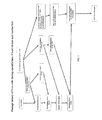
- FIG. 1 is a schematic representation of the passage history of Vero cells during the manufacture of the disclosed yellow fever vaccine.
- FIG. 2 is a schematic representation of the preparation of the virus seeds.
- FIG. 3A is a schematic of the process used for 10 serial passages (P1 through P10) to modify the nucleotide sequence of the viral genome virus to develop a seed virus with enhanced growth in Vero cells for preparation of an inactivated Yellow Fever virus candidate.
- FIG. 3B is a graphical representation of the virus replication for passage one (P1) and passage 11 (P11) of the initial experiment, in which P11 virus differs from P1 by a single mutation at E160 (lys ⁇ arg)
- FIG. 3C is a graphical representation of a repeat passaging study of passage one (Bp1, Cp1) and passage 11 (B-p11, C-p11) virus performed in a series of experiments: Series B and C.
- FIG. 4A-L depicts the consensus alignment of the P1 and P11 nucleic acid sequences.
- the starting nucleic acid sequence, P1 is identified herein as SEQ ID NO: 1.
- a comparison of the P1 passage and the P11 passage revealed a genetic mutation at nucleotide residue #211 of SEQ ID NO: 1, and a second mutation at nucleotide residue #1452 of SEQ ID NO: 1.
- P1 consensus corresponds to SEQ ID NO.1
- P11 consensus corresponds to SEQ ID NO. 2 having the codon mutation at envelope protein amino acid position 160.
- FIG. 5A-J depicts the amino acid sequence of P1 and P11, with the Series B-P1 and Series B3-P11 amino acid sequences from the repeat passaging study.
- the amino acid sequence for P1 is identified herein as SEQ ID NO: 3.
- a comparison of the amino acid sequence for P1 and that of P11 revealed a mutation at amino acid residue 160 of the envelope protein (E160) (amino acid 445 of the P1 amino acid sequence in FIG. 5B ).
- Series B-P1 and Series B3-P11 present partial amino acid sequences from the repeat passaging study.
- the amino acid sequence for B-P1 is identified herein as SEQ ID NO: 5.
- FIG. 6 depicts the comparative 50% plaque reduction neutralization test (PRNT50) titers between treatment groups of BALB/c and CD-1 strain mice in a preliminary mouse study (M-9003-002) of the efficacy of inactivated Yellow Fever vaccine.
- PRNT50 plaque reduction neutralization test
- FIG. 7 is a graphical representation of PRNT50 antibody titers for the preliminary mouse study (M-9003-002).
- FIG. 8A-EE depicts the consensus alignment of the P1, B-P1, C-P1, B3-P11 and C1-P11 nucleic acid sequences.
- the nucleic acid sequence, P1 is identified herein as SEQ ID NO: 15.
- the nucleic acid sequence, B-P1, is identified herein as SEQ ID NO: 9.
- the nucleic acid sequence, B3-P11 is identified herein as SEQ ID NO: 11.
- the nucleic acid sequence, C-P1 is identified herein as SEQ ID NO: 12.
- a comparison of the B-P1 passage and the B3-P11 passage revealed a genetic mutation in B3-P11 at nucleotide residue #1452 of SEQ ID NO: 15, a second mutation in B3-P11 at nucleotide residue #3402 of SEQ ID NO: 15, and a third mutation in B3-P11 at nucleotide residue #4016 of SEQ ID NO: 15.
- a comparison of the C-P1 passage and the C1-P11 passage revealed a genetic mutation in C1-P11 at nucleotide residue #7225 of SEQ ID NO: 15.
- SEQ ID NO: 11 corresponds to B3-P11, and has the codon mutations at envelope protein amino acid position 160, non-structural protein 1 amino acid position 317, and non-structural protein 2A amino acid position 170.
- SEQ ID NO.12 corresponds to C1-P11, and has the codon mutation at non-structural protein 4B amino acid position 113.
- FIG. 9A-F depicts the amino acid sequence of B-P1 and B3-P11 from the repeat passaging study.
- the amino acid sequence for B-P1 is identified herein as SEQ ID NO: 13.
- a comparison of the amino acid sequence for B-P1 and that of B3-P11 revealed a mutation at amino acid residue 160 of the envelope protein (E160) (amino acid 445 in FIG. 9A ), a mutation at amino acid residue 317 of the non-structural protein 1 (NS1-317) (amino acid 1095 in FIG. 9B ), and a mutation at amino acid residue 170 of the non-structural protein 2A (NS2A-170) (amino acid 1300 in FIG. 9C ).
- Series B-P1 and Series B3-P11 present complete amino acid sequences from the repeat passaging study.
- FIG. 10A-F depicts the amino acid sequence of C-P1 and C1-P11 from the repeat passaging study.
- the amino acid sequence for C-P1 is identified herein as SEQ ID NO: 14.
- a comparison of the amino acid sequence for C-P1 and that of C1-P11 revealed a mutation at amino acid residue 113 of the non-structural protein 4B (NS4B-113) (amino acid 2369 in FIG. 10E ).
- Series C-P1 and Series C1-P11 present complete amino acid sequences from the repeat passaging study.
- the invention relates to compositions and methods for use in preventing Yellow Fever virus infection.
- a method of producing an inactivated Yellow Fever virus candidate comprising the serial passage of the YF 17D virus (i.e., an “unadapted virus”) in certified African green monkey kidney cells (VERO) to increase the titer to yield a sufficient antigenic mass to induce a protective immune response and/or modify the nucleotide sequence of the viral genome.
- This method has been repeated and shown to be reproducible.
- One embodiment of the invention is a modified Yellow Fever (YF) virus that will grow to high titers in Vero cells.
- Another embodiment of the invention is a vaccine comprising a whole virion, chemically inactivated Yellow Fever (YF) virus prepared from serum-free conditioned medium from Vero cells infected with 17D virus.
- the virus has been purified from host cell DNA and proteins by depth filtration, ultrafiltration, diafiltration, and chromatographic separation. The method is described in U.S. Application Ser. No. 61/228,026 filed on Jul. 23, 2009, and its corresponding International Application No. PCT/US2010/043013 filed on Jul. 23, 2010, which are each incorporated herein by reference.
- the purified virus may be inactivated by using a method that ensures preservation of critical, neutralizing epitopes.
- the virus can be inactivated using formalin, heat, UV, gamma irradiation or beta-propiolactone.
- a purified, inactivated virus may be formulated with an adjuvant, such as adsorbed to aluminum hydroxide adjuvant, and stored as a liquid at temperatures of from about 2 degrees Celsius (2° C.) to about 8 degrees Celsius (8° C.).
- a vaccine containing the purified, inactivated virus is believed to be safer than the currently available attenuated, live YF virus vaccine because the disclosed inactivated YF virus vaccine is non-replicating.
- the inventors of the present subject matter have now developed a safer, inactivated, non-replicating YF vaccine that will elicit a neutralizing antibody response while eliminating the potential for neurotropic and viscerotropic adverse events.
- the improved vaccine can be manufactured by modern methods in Vero cells without animal derived proteins, and therefore it can be used safely in persons (including egg-allergic persons) for whom the live vaccine (produced in hens' eggs) is contraindicated or for whom warnings appear in the label. Such warnings would include, for example warnings to immunosuppressed persons, persons with thymic disease, egg-allergic persons, infants ⁇ 9 months, and the elderly.
- the Vero cells used in the virus development phase were obtained from the World Health Organization (W.H.O.) seed lot, WHO Vero 10-87 Cell Bank at Passage 134.
- the WHO Vero 10-87 Cell Bank was originally made by the Institut Merieux using the ATCC Vero cell line CCL81 at Passage 129.
- the cells were thawed into OptiPROTM SFM (serum-free medium) supplemented with 5% fetal bovine serum which was removed 24 hours later and replaced with OptiPROTM SFM medium without fetal bovine serum.
- the serum certified as being of USA origin, was gamma irradiated and had been tested for adventitious agents by the manufacturer; additional testing for sterility, mycoplasma, and adventitious viruses was performed on this material by WuXi AppTec. All subsequent passages of Vero cells to make the cell banks, virus seeds, and vaccine were made in OptiPROTMSFM without serum. No other animal derived materials or products were used in producing the cell banks or the final vaccine according to an embodiment of the invention.
- Vero cells had an established provenance and were free from regulatory concerns about Bovine spongiform encephalitis (BSE). Serum-free growth medium was employed in propagating cells.
- the passage history of Vero cells during the manufacture of the disclosed yellow fever vaccine is shown schematically in FIG. 1 .
- the WHO cells were received at Passage 134, the Master Cell Bank (MCB) and Working Cell bank (MWCB) were banked at Passages 139 and 143 respectively.
- the cells were further expanded a maximum of 11 passages to Passage 154 during cell expansion in stationary cultures prior to seeding of the bioreactor used for virus production.
- the estimated number of population doublings in the bioreactor is calculated to be 1 to 3.
- FIG. 2 is a schematic representation of the preparation of Virus seeds according to an embodiment of the invention.
- An important safety factor for the disclosed vaccine is the use of the attenuated YF 17D vaccine for manufacture.
- the attenuated virus used as a starting material was a commercial vaccine, YF-VAX® (Sanofi Pasteur, Swiftwater Pa.) which had undergone various tests for adventitious agents.
- the original YF-VAX® material used to inoculate Vero cells was derived from embryonated hens' eggs, and contained hydrolyzed porcine gelatin as a stabilizer. However, the likelihood of carry-over of an adventitious agent from eggs was mitigated by use of RNA transfection to produce the Pre-Master Virus Seed.
- the cells were propagated in OptiPro-SFM medium (Invitrogen, Grand Island, N.Y.).
- OptiPro-SFM medium Invitrogen, Grand Island, N.Y.
- MOI multiplicity of infection
- CPE cytopathic effect
- Passage 1 (P1) virus was diluted 10 ⁇ 1 through 10 ⁇ 8 and each dilution was inoculated onto confluent monolayers of three (3) Vero cell cultures propagated in sterile 12 well plates from which growth medium had been removed.
- Log 10 dilutions were prepared by transferring 0.2 ml of virus to 1.8 ml of phosphate buffered saline (PBS) to equal a 10 ⁇ 1 dilution.
- CPE cytopathic effect
- CPE (2+) developed in these cultures
- five 0.5 ml aliquots of the medium were harvested from the cultures that received the highest dilution or next to the highest dilution of inoculum.
- the five aliquots were prepared and stored as passage 2 (P2) at ⁇ 80° C.
- the strategy was to select the virus population that replicated at or near the highest log 10 dilution based on the appearance of CPE in the cells. As such, the virus population selected would be the population that was best adapted to replicate in the cells with possible genetic changes that will allow for an increase in viral titer.
- log 10 dilutions were prepare of an aliquot of the P2 virus and used to infect cultures of Vero cell propagated in 12-well plates as described for passage one YF virus. Similar methods were employed to complete 10 serial passages of the virus.
- each of the aliquots used as the inoculum was also tested to determine the infectivity titers by plaque assay in Vero cells.
- plaque assay in Vero cells.
- Each plaque was suspended in 0.3 ml of medium containing Human Serum Albumin (HSA) to protect the virus infectivity during freezing and stored at ⁇ 80° C.
- HSA Human Serum Albumin
- the series of passages (P1 to P10) of the YF 17D virus in Vero static cultures at dilutions of 10 ⁇ 1 to 10 ⁇ 8 were performed at the University of Texas Medical Branch (Galveston, Tex.).
- the strategy was to select the virus population that replicated at or near the highest log10 dilution based on the microscopic appearance of CPE in the Vero cells.
- the high yield virus population that showed CPE at the highest dilution was sequenced.
- the “high yield” virus was adapted for increased replication in Vero cells by 10 serial virus passages at terminal dilution in Vero cells.
- Virus Passage 10 a single plaque forming unit was picked and passed in fluid culture to produce a mini-seed stock at Virus Passage 11.
- the graph in FIG. 3B shows comparative growth curves of P1 and P11 viruses, that had been inoculated at high MOI; the data indicate that the P11 virus has a higher peak titer than the P1 virus.
- This virus (P11) showed a 3-7 fold increased replication capacity in Vero cells compared to the YF 17D at Virus Passage 1.
- the Virus Passage 11 virus stock was used for RNA extraction and the RNA used to produce cGMP grade virus seeds.
- capsid refers to the shell of protein that surrounds and protects the nucleic acid of a virus.
- the change in the C gene was silent (no amino acid change), whereas the E gene mutation resulted in an amino acid (Lys ⁇ Arg) mutation.
- the first mutation was an A to G conversion at nucleotide residue #211, according to SEQ ID NO: 1, which resulted in a change in the codon for the amino acid at position 31 of the capsid protein (C31) from ACA to ACG. This mutation, however, did not change the amino acid residue at this position.
- the second mutation was an A to G conversion at nucleotide residue #1452, according to SEQ ID NO: 1, which resulted in a change in the codon for the amino acid at position 160 of the envelope protein (E160) from AAG to AGG. This mutation resulted in a Lysine to Arginine substitution at this position.
- a consensus alignment of the nucleic acid and amino acid sequences for P1 and P11 are depicted in FIGS. 4 and 5 .
- virus from P10 was purified by plaque formation.
- the virus isolated from one plaque was inoculated into a T 150 flask.
- the conditioned medium from this flask was harvested when 50 percent of the cells exhibited CPE.
- This material was aliquoted in one mL aliquots and designated P11.
- the P11 virus was then used as the source of RNA for transfection of Vero cells.
- the P11 titer of plaque forming units was determined to be 8.5 ⁇ 10 7 plaque forming units (PFU).
- the RNA isolated from the P 11 virus was used to transfect cells to produce a Pre-Master Seed.
- the Pre-Master Seed virus was passaged in additional cultures of Vero cells to produce a Master and Working Virus Seed stock.
- the Master Virus Seed was produced in Vero cells under serum-free conditions using a single vial of the Pre-Master Seed as the virus inoculum, as represented schematically in FIG. 2 .
- Cells from the Manufacturer's Working Cell Bank (MWCB) of Vero cells at Passage 143 were expanded to eleven (11) 225 cm 3 T-flasks. Once the cells became confluent, one flask was trypsinized and used to determine cell number and also to seed additional flasks used to produce the Working Virus Seed.
- the OptiPROTM SFM medium was removed from the remaining 10 T-flasks and the cells were inoculated with Pre-Master Seed virus at a multiplicity of infection (MOI) ⁇ 0.01 PFU/cell.
- MOI multiplicity of infection
- the virus was allowed to adsorb for 60 ( ⁇ 5) minutes at 37° ⁇ 2° C., after which pre-warmed OptiPROTM SFM medium was added to the flasks. The infected culture was then incubated at 37° ⁇ 2° C. with ⁇ 5% CO 2.
- the virus propagation process was terminated by harvesting the cell culture fluid.
- the virus-containing culture fluid was pooled from all flasks, centrifuged to remove cell debris, and mixed with sterile 70% sorbitol to a final sorbitol concentration of 7%. This mixture was filled into 4 mL cryovials at 2 mL per vial and frozen at ⁇ 60° C.
- the frozen virus stock constitutes the YF 17D MVS.
- the highest Vero cell passage level used for production of the MVS was 147.
- the Working Virus Seed was produced as shown in FIG. 2 , from a single vial of the MVS under cGMP conditions. Starting with cells in the 11th T225 flask used to determine the cell density in the production of MVS, four T225 flasks were seeded at a cell density 1 ⁇ 10 6 viable cells per flasks, Passage 147. The cells were passaged into 4 new T225 flasks to allow time for the production of the Master Seed Stock. Cells at Passage 148 were then seeded into eleven T225 flasks for the production of the WVS.
- the cell density in one flask was determined. This cell density was used to estimate the cell density in the remaining ten flasks and the cells in the 10 flasks were infected with virus from the MVS at a MOI of 0.01 PFU/cell.
- the medium was removed from the flasks and then diluted virus was added in phosphate buffered saline. After one hour fresh medium was added to each flask and the cells were returned to the incubator. The cells were observed microscopically for CPE. When CPE was greater than 80% the virus was harvested. The medium from the 10 flasks was centrifuged to remove cellular debris and the clarified supernatant was pooled into one vessel.
- Sorbitol (final concentration 7%) was added to the virus-containing supernatant as a cryo-preservative.
- the pooled virus was aliquoted into 4 mL cryovials, two mL per vial.
- the filled vials were stored at ⁇ 60° C. Once frozen, one vial from the end of the bank was tested in a plaque assay in Vero cells to determine the virus titer.
- the original YF virus and P11 harvest of YF virus were titrated by plaque assay in Vero cells to determine the infectivity titers expressed as plaque forming units (PFU) (Table 1).
- the original YF-VAX 17D vaccine contained 10 3.7 log 10 per ml in Vero cells.
- the peak titer for passage one was 6.68 log 10 per ml and remained at about the same titer through P6 and then increased significantly to 7.67 log 10 by P10.
- there was a 1.0 log 10 (10-fold) increase in the titer of the passage 10 (7.67 log 10 ) over the titer (6.68 log 10 ) of the P1 virus see Table 2.
- conditioned medium (2 mL) was removed from the cultures, stabilized with 2% HSA and frozen (duplicate one ml samples) at ⁇ 80° C. Log 10 dilutions of each sample were tested in Vero cells to determine the infectivity titer and the growth curves were plotted over time.
- the growth curve results using an MOI of 1.0 indicated that the P1 YF virus increased from a titer of 4.09 log 10 at 0 hours; or at the time of inoculation to a maximum titer of 6.28 log 10 at 48 hours post inoculation (PI) and the titers showed a slight decrease of 6.21 and 6.18 log 10 at 60 and 72 hours PI, respectively.
- the results for passage 11 (P11) showed an increase in titers over the passage one virus (P1).
- the titer was 4.15 log 10 and reached a maximum titer of 6.83 log 10 at 48 hours P.I. and had decreased to a titer of 6.54 log 10 at 72 hours P.I (see Table 3).
- the peak virus titer at approximately 48 hours for the P11 virus was 0.55 log 10 or 3.5 times higher than for the P1 virus.
- the disclosed modified YF virus produced by the serial passage of the attenuated YF 17D virus vaccine in certified African green monkey kidney cells (Vero) showed enhanced productivity in cells.
- the methods of the invention involve vaccination of subjects with the modified, inactivated YF virus to produce immunity to Yellow Fever.
- Bioreactors containing approximately 5 g/L of Cytodex 1 microcarriers were seeded with approximately 5 ⁇ 10 5 Verocells/mL in OptiPROTM SFM medium. The cells were allowed to propagate for 3 to 4 days until cells attached to the microcarriers achieved a density of ⁇ 7 ⁇ 10 5 nuclei per mL. For virus inoculation, the agitation and parameter controls are turned off and the microcarriers and cells are allowed to settle. Approximately 75% of the medium volume was removed through a 90 ⁇ m sieve tube which is designed to retain microcarriers in the reactor. WVS virus is introduced at a MOI of ⁇ 0.01 PFU/cell.
- the initial source of the YFV 17D virus was from a single vial of YF-VAX® (Sanofi Pasteur, Swiftwater Pa.).
- the vial was originally reconstituted and dispensed into aliquots. One of these aliquots was used for the repeat experiments.
- the repeat serial passaging was performed in duplicate such that there were two runs of the study, performed in parallel, referred to here as series B and C.
- the virus sample was diluted in serial 10-fold dilutions, and the diluted virus was used to inoculate Vero cells seeded in 12 well plates.
- the serial dilutions performed at each passage were inoculated in duplicate such that one set of plates was used for the preparing the next passage of virus, inoculating 4 wells per dilution, and the other set of plates was used to determine the titer of the passaged virus, inoculating 2 wells per dilution.
- the dilution selected for passaging the virus was the last dilution where generalized cytopathic effect (CPE) was observed, three to four days after infection.
- CPE generalized cytopathic effect
- the media from the four wells was pooled for the next passage.
- the titer of the virus was determined by plaque assay using an immunostain to visualize and count the plaques. The immunostain method allowed for determining the titer after 3 days of infection.
- the P1 stock virus from each series was compared to the P11 stocks for each series. Since the volume of the P1 stocks would have been limiting for this, an aliquot of P1 virus from each series was diluted three-fold, then aliquots made from the diluted virus to generate P1 stocks for the growth curve. For the P11 stocks, three stocks from the B series were analyzed, and the two from the C series. Prior to the growth curve studies, aliquots of the virus stocks were assayed to confirm the level of infectivity.
- the growth curve analysis was performed by infecting Vero cells in T25 flasks, at low MOI of 0.001 PFU/cell. The study was conducted under serum free conditions using OptiPRO SFM as the culture medium. After diluting the virus stocks to achieve the target 0.001 MOI, a sample was reserved to confirm the titer of the inoculum. The virus inocula were allowed to adsorb to the cells for approximately one hour. After adsorption, the monolayers were washed three times then the cultures were fed with 8 ml of medium. At each time point, 1 mL was removed from each culture, and 1 mL fresh media was added back. The reserved one mL of medium was clarified by centrifugation and stored at ⁇ 80° C.
- Table 6 summarizes the nucleotide and amino acid changes found in the modified Yellow Fever viruses obtained from the original and repeat passage studies.
- a Yellow Fever viral strain was produced to develop a safer, inactivated, non-replicating vaccine that will elicit a neutralizing antibody response while eliminating the potential for neurotropic and viscerotropic adverse events for the prevention of human disease. Additional Yellow Fever virus strains are produced to develop safer, inactivated, non-replicating vaccines that will elicit a neutralizing antibody response while eliminating the potential for neurotropic and viscerotropic adverse events for the prevention of human disease.
- the invention provides a modified Yellow Fever virus strain, wherein the nucleic acid molecule of said strain comprises an amino acid mutation at one or more positions flanking the 160 mutation, for example residues 134, 137, 144, 148, 157, 160, 175, 177 of the envelope protein.
- the invention provides a modified Yellow Fever virus strain, wherein the nucleic acid molecule of said strain comprises at least one amino acid mutation selected from: an amino acid mutation in the NS1 protein, an amino acid mutation in the NS2A protein, an amino acid mutation in the NS4B protein, optionally wherein said at least one amino acid mutation is in further combination with an amino acid mutation at one or more positions 134, 137, 144, 148, 157, 160, 175, 177 of the envelope protein.
- the amino acid mutation(s) at position 157 is lysine to arginine; at position 148 is lysine to arginine; at position 144 is histidine to arginine, tyrosine or lysine; at position 137 is tyrosine to arginine or lysine, at position 175 is tyrosine to arginine or lysine; and/or at position 177 is lysine to arginine.
- the invention also provides a modified Yellow Fever virus strain, wherein the nucleic acid molecule of said strain comprises an amino acid mutation at one or more positions flanking the 160 mutation, for example residues 134, 137, 144, 148, 157, 160, 175, 177 of the envelope protein, in combination with mutations at one or more positions 317 of NS1, 170 of NS2A, 113 of NS4B.
- the cells are selected from Vero cells.
- Other cells suitable for propagation of the Yellow Fever virus may utilized, including but not limited to, primary chick embryo, primary duck embryo, primary dog kidney, primary rabbit kidney, WI-38, MRC-5, or fetal rhesus lung.
- the nucleotide mutation in the codon for the amino acid at position 160 of the envelope protein results in a change from AAG to AGG, AGA, CGC, CGA, CGG or CGU.
- the amino acid mutation at position 160 is lysine to arginine.
- the amino acid mutation at position 317 of NS1 is threonine to isoleucine
- at position 170 of NS2A is phenylalanine to leucine
- at position 113 of NS4B is isoleucine to methionine.
- a mucosal route such as the intranasal oral route
- a mucosal route such as the intranasal oral route
- Selection of an appropriate amount of virus to administer can be determined by those of skill in this art, and this amount can vary due to numerous factors, e.g., the size and general health of the subject to whom the virus is to be administered.
- the subject can be vaccinated a single time or, if necessary, follow-up immunization can take place.
- the vaccines can be administered as primary prophylactic agents to a subject that is at risk of Yellow Fever virus infection.
- adjuvants can be used to enhance the immunogenicity of the Yellow Fever virus vaccines. Selection of appropriate adjuvants can readily be carried out by those of skill in this art.
- the live virus can be inactivated by treatment with ⁇ -propiolactone (BPL), rendering the virus inactive.
- BPL ⁇ -propiolactone
- suitable methods of virus inactivation include, but are not limited to, formalin, ultraviolet radiation, ethylenimine, acetylethylenimine, and binary ethylenimine.
- mice Female BALB/c and CD-1 strain mice (6 weeks of age) were acclimated in designated isolators in a restricted virus animal facility. Serum sample were collected Study Day 28 or 42 upon sacrifice. Mice were housed at 5 mice per cage and each animal was uniquely identified on the cage cards, and by ear notch. Mice were acclimated for a week prior to the initiation of any treatments. Mice received sterilized food and water and were housed in sterilized polycarbonate cages with sterilized bedding with a 12-hour light cycle (on at 6 am and off at 6 pm). General health was evaluated by technical staff daily and by a veterinarian weekly and as needed for health issues. Body weights were collected on Day 0 prior to immunization and on Day 28 and 42.
- Body weight was determined on Day 0 prior to immunization. Immunization was given by either the i.m. (alum formulations) or s.c. (live virus or inactivated vaccine with Freund's adjuvant) route. Injections were given with mice under light anesthesia with suboptimal dose of ketamine/xylazine mixture.
- s.c. route with live virus a volume of 100 ⁇ l of vaccine in a 1 ml syringe fitted with a 27 gauge needle is injected between the skin and underlying layers of tissue in the scapular region on the backs of mice.
- a volume of 100 ⁇ l of vaccine in a 0.5 ml insulin syringe is injected into the muscle bundles of 2 rear upper legs of mice (50 ⁇ l/leg).
- Alum-formulated vaccine prepared the day prior to immunization as a suspension and the vaccine was well mixed prior to filling each syringe.
- Alum-formulated preparations were administered by the i.m. route, a volume of 100 ⁇ l of vaccine in a 0.5 ml insulin syringe was injected into the muscle bundles of 2 rear upper legs of mice (50 ⁇ l/leg).
- Freund's adjuvanted vaccine was formulated the day of vaccination by placing 2 ml of antigen solution into a glass syringe, and 2 ml of the adjuvant into another glass syringe.
- the syringes were connected through the luer fitting to the 3-way valve.
- the plunger from the antigen solution was carefully depressed first, pushing the antigen into the oil of the adjuvant.
- the plungers were alternately pushed, to mix the adjuvant and the antigen solution into an emulsion (approximately 8 to 10 minutes).
- a 0.5 ml volume was delivered s.c. between the skin and underlying layers of tissue in the scapular region on the backs of mice (Formulation with Freund's adjuvant).
- Live Yellow Fever (YF VaxTM) vaccine was reconstituted with 0.6 ml of supplied saline to a virus concentration of approximately 1.1 ⁇ 10 5 PFU/ml.
- the inactivated whole virion vaccine adsorbed to 0.2% aluminum hydroxide (“alum”) adjuvant was prepared no more than 2 weeks prior to day of dosing.
- mice Groups of 5 mice each were dosed with as outlined in Table 7. Serum samples were collected by cardiac puncture 14 or 28 days post last vaccination.
- Plaque reduction neutralization test was performed using a dilution of 17D virus which, in the absence of neutralization, produces 10-40 plaque forming units per well in 12 well plates.
- An equal volume of serially diluted mouse serum was incubated with virus for 16-20 h at 4° C. and then the inoculated into duplicate wells of Vero cells in 12 well plates. After virus absorption for 60 minutes at 37° C., the wells are overlaid with medium containing 0.75% methylcellulose, incubated for 4 days at 37° C., fixed and stained with crystal violet and plaques counted using a stereomicroscope over light box.
- the 50% plaque reduction titer represents the final mouse serum dilution resulting in less than 50% of the average plaque counts when no serum is added.
- the plaque reduction neutralization test (PRNT) responses and titers are shown in Table 8 and FIGS. 6 and 7 .
- the PRNT test is currently the generally accepted standard for antibodies against Yellow Fever virus. All mice, regardless of strain, receiving 2 or 3 doses of inactivated vaccine given either without adjuvant (Group 7), with alum (Groups 1, 2, 3, 4, 9, 10, 11), or with Freund's adjuvant (Groups 5, 6) developed neutralizing antibody responses. Titers of greater than 4096 were found in 5 of 5 BALB/c mice immunized with 3 doses of alum bound inactivated virus at the 10 7 EU/dose.
- mice immunized with 3 doses of inactivated virus delivered with Freund's adjuvant (Group 6, titers 16-128).
- CD1 mice immunized with 2 doses of alum bound inactivated virus at the 10 8 EU/dose level achieved higher titers (Group 9; titers 512-1024) than did similarly immunized BALB/c mice (Group 3; titers of 32-64).
- each symbol represents an individual mouse.
- Treatment groups are shown in Tables 7 and 8. For Group 6 (*) the highest dilution of serum tested was 1:128. For Group 9 (**) the highest dilution of serum tested was 1:2048.
- mice with plaque reduction neutralization activity % Strain Schedule Positive Group of mice Vaccine Vaccination Sacrifice (+/total) 1 BALB/c 10 8 BPL-inactivated Day 0, 14 Day 28 100% in 0.2% alum (5/5) 2 BALB/c 10 8 BPL-inactivated Day 0, 14, Day 42 100% in 0.2% alum 28 (5/5) 3 BALB/c 10 7 BPL-inactivated Day 0, 14 Day 28 100% in 0.2% alum (5/5) 4 BALB/c 10 7 BPL-inactivated Day 0, 14, Day 42 100% in 0.2% alum 28 (5/5) 5 BALB/c 10 8 BPL-inactivated Day 0, 14, Day 42 100% in Freund's 28 (5/5) complete/incomplete 6 BALB/c 10 7 BPL-inactivated Day 0, 14, Day 42 100% in Freund's 28 (5/5) complete/incomplete 7 BALB/c 10 8 BPL-inactivated Day 0, 14, Day 42 100% no adjuvant 28 (5/5) 8 BALB/c Live YF Vax ® Day 0 Day
Landscapes
- Health & Medical Sciences (AREA)
- Life Sciences & Earth Sciences (AREA)
- Chemical & Material Sciences (AREA)
- Immunology (AREA)
- Virology (AREA)
- Medicinal Chemistry (AREA)
- General Health & Medical Sciences (AREA)
- Organic Chemistry (AREA)
- Bioinformatics & Cheminformatics (AREA)
- Engineering & Computer Science (AREA)
- Microbiology (AREA)
- Wood Science & Technology (AREA)
- Animal Behavior & Ethology (AREA)
- Pharmacology & Pharmacy (AREA)
- Public Health (AREA)
- Veterinary Medicine (AREA)
- Genetics & Genomics (AREA)
- Zoology (AREA)
- Mycology (AREA)
- Epidemiology (AREA)
- Biochemistry (AREA)
- Biomedical Technology (AREA)
- Biotechnology (AREA)
- General Engineering & Computer Science (AREA)
- Nuclear Medicine, Radiotherapy & Molecular Imaging (AREA)
- General Chemical & Material Sciences (AREA)
- Chemical Kinetics & Catalysis (AREA)
- Oncology (AREA)
- Communicable Diseases (AREA)
- Molecular Biology (AREA)
- Micro-Organisms Or Cultivation Processes Thereof (AREA)
- Medicines Containing Antibodies Or Antigens For Use As Internal Diagnostic Agents (AREA)
Priority Applications (2)
| Application Number | Priority Date | Filing Date | Title |
|---|---|---|---|
| US13/012,917 US8741312B2 (en) | 2009-07-31 | 2011-01-25 | High yield yellow fever virus strain with increased propagation in cells |
| US14/267,942 US9655960B2 (en) | 2009-07-31 | 2014-05-02 | High yield yellow fever virus strain with increased propagation in cells |
Applications Claiming Priority (3)
| Application Number | Priority Date | Filing Date | Title |
|---|---|---|---|
| US23048309P | 2009-07-31 | 2009-07-31 | |
| PCT/US2010/043010 WO2011014416A2 (fr) | 2009-07-31 | 2010-07-23 | Souche du virus de la fièvre jaune à haut rendement avec propagation accrue dans des cellules |
| US13/012,917 US8741312B2 (en) | 2009-07-31 | 2011-01-25 | High yield yellow fever virus strain with increased propagation in cells |
Related Parent Applications (1)
| Application Number | Title | Priority Date | Filing Date |
|---|---|---|---|
| PCT/US2010/043010 Continuation-In-Part WO2011014416A2 (fr) | 2009-07-31 | 2010-07-23 | Souche du virus de la fièvre jaune à haut rendement avec propagation accrue dans des cellules |
Related Child Applications (1)
| Application Number | Title | Priority Date | Filing Date |
|---|---|---|---|
| US14/267,942 Division US9655960B2 (en) | 2009-07-31 | 2014-05-02 | High yield yellow fever virus strain with increased propagation in cells |
Publications (2)
| Publication Number | Publication Date |
|---|---|
| US20110287519A1 US20110287519A1 (en) | 2011-11-24 |
| US8741312B2 true US8741312B2 (en) | 2014-06-03 |
Family
ID=43529916
Family Applications (2)
| Application Number | Title | Priority Date | Filing Date |
|---|---|---|---|
| US13/012,917 Active 2031-03-26 US8741312B2 (en) | 2009-07-31 | 2011-01-25 | High yield yellow fever virus strain with increased propagation in cells |
| US14/267,942 Active 2030-09-22 US9655960B2 (en) | 2009-07-31 | 2014-05-02 | High yield yellow fever virus strain with increased propagation in cells |
Family Applications After (1)
| Application Number | Title | Priority Date | Filing Date |
|---|---|---|---|
| US14/267,942 Active 2030-09-22 US9655960B2 (en) | 2009-07-31 | 2014-05-02 | High yield yellow fever virus strain with increased propagation in cells |
Country Status (7)
| Country | Link |
|---|---|
| US (2) | US8741312B2 (fr) |
| EP (1) | EP2459709B1 (fr) |
| BR (1) | BR112012001548B1 (fr) |
| CA (8) | CA3150430A1 (fr) |
| DK (1) | DK2459709T3 (fr) |
| ES (1) | ES2524975T3 (fr) |
| WO (1) | WO2011014416A2 (fr) |
Cited By (2)
| Publication number | Priority date | Publication date | Assignee | Title |
|---|---|---|---|---|
| WO2017210215A1 (fr) | 2016-05-31 | 2017-12-07 | The Government Of The United States Of America As Represented By The Secretary Of The Army | Vaccin contre le virus zika et procédés d'utilisation |
| WO2023283593A1 (fr) * | 2021-07-07 | 2023-01-12 | Codagenix Inc. | Virus de la fièvre jaune déoptimisé et méthodes et utilisations de celui-ci |
Families Citing this family (8)
| Publication number | Priority date | Publication date | Assignee | Title |
|---|---|---|---|---|
| CA3150430A1 (fr) | 2009-07-31 | 2011-02-03 | Pnuvax Inc. | Souche du virus de la fievre jaune a haut rendement avec propagation accrue dans des cellules |
| AR079970A1 (es) * | 2010-07-23 | 2012-02-29 | Xcellerex Inc | Cepas de alto rendimiento del virus de la fiebre amarilla con una propagacion incrementada en las celulas |
| AU2013306080B2 (en) | 2012-08-24 | 2019-01-31 | Global Life Sciences Solutions Usa Llc | Virus purification and formulation process |
| WO2019193183A2 (fr) * | 2018-04-05 | 2019-10-10 | Curevac Ag | Nouvelles molécules d'acide nucléique de fièvre jaune pour la vaccination |
| EP3549603A1 (fr) * | 2018-04-06 | 2019-10-09 | Sanofi Pasteur | Souche vivante atténuée du virus de la fièvre jaune adaptée pour se développer sur des cellules vero et composition vaccinale la contenant |
| EP4233897A4 (fr) * | 2020-10-23 | 2024-10-02 | SK Bioscience Co., Ltd. | Composition de vaccin ou kit destiné à réduire la taille ou le volume d'un tissu cible, contenant un matériel génétique qui code pour un antigène étranger |
| EP4512420A4 (fr) * | 2022-04-22 | 2026-04-08 | Sk Bioscience Co Ltd | Composition pour réduire la taille ou le volume d'un tissu cible ou kit la comprenant |
| WO2026052882A1 (fr) * | 2024-09-09 | 2026-03-12 | Valneva Austria Gmbh | Compositions de virus de la fièvre jaune (yfv) et leur production |
Citations (17)
| Publication number | Priority date | Publication date | Assignee | Title |
|---|---|---|---|---|
| US4810492A (en) | 1986-06-05 | 1989-03-07 | The Research Foundation For Microbial Diseases Of Osaka University | Flavivirus antigen |
| US6432411B1 (en) | 1999-07-13 | 2002-08-13 | Hawaii Biotechnology Group | Recombinant envelope vaccine against flavivirus infection |
| WO2003054174A1 (fr) | 2001-12-10 | 2003-07-03 | Baxter Healthcare S.A. | Procede ameliore de production en serie d'antigene viral |
| US6589531B1 (en) | 2000-01-21 | 2003-07-08 | The Regents Of The University Of California | Recombinant yellow fever virus and method of use thereof |
| WO2004009764A2 (fr) | 2002-07-19 | 2004-01-29 | Board Of Regents, The University Of Texas System | Procedes et compositions associes a des souches virales de fievre jaune alterees |
| US20050002968A1 (en) | 2002-01-15 | 2005-01-06 | Monath Thomas P. | Flavivirus vaccines |
| US6962708B1 (en) | 1997-02-28 | 2005-11-08 | Acambis, Inc. | Chimeric flavivirus vaccines |
| US7049428B1 (en) | 1998-03-04 | 2006-05-23 | Washington University | HCV variants |
| US7060280B2 (en) | 2003-06-11 | 2006-06-13 | Academia Sinica | Immunization against flavivirus |
| US20070031451A1 (en) | 2005-08-08 | 2007-02-08 | Oregon Health And Science University | Inactivating pathogens with hydrogen peroxide for vaccine production |
| US7227011B2 (en) | 1998-06-04 | 2007-06-05 | United States Of America As Represented By The Secretary Of The Department Of Health And Human Services, Centers For Disease Control And Prevention | Nucleic acid vaccines for prevention of flavivirus infection |
| US20070269458A1 (en) | 2004-10-20 | 2007-11-22 | Acambis Inc. | Vaccines Against Japanese Encephalitis Virus and West Nile Virus |
| US7417136B1 (en) | 1998-06-04 | 2008-08-26 | The United States Of America As Represented By The Secretary, Department Of Health And Human Services, Centers For Disease Control And Prevention | Nucleic acid vaccines for prevention of flavivirus infection |
| US20080248064A1 (en) | 2004-07-27 | 2008-10-09 | Chang Gwong-Jen J | Localization and Characterization of Flavivirus Envelope Gylcoprotein Cross-Reactive Epitopes and Methods for their Use |
| US20090263470A1 (en) | 2004-05-28 | 2009-10-22 | Beth-Ann Coller | Vaccine Compositions Comprising Virosomes and a Saponin Adjuvant |
| US20100158938A1 (en) | 2002-05-31 | 2010-06-24 | Farshad Guirakhoo | Tetravalent Dengue Vaccines |
| WO2011014416A2 (fr) | 2009-07-31 | 2011-02-03 | Xcellerex, Inc. | Souche du virus de la fièvre jaune à haut rendement avec propagation accrue dans des cellules |
-
2010
- 2010-07-23 CA CA3150430A patent/CA3150430A1/fr active Pending
- 2010-07-23 CA CA2973863A patent/CA2973863C/fr active Active
- 2010-07-23 CA CA3150404A patent/CA3150404A1/fr active Pending
- 2010-07-23 ES ES10804909.9T patent/ES2524975T3/es active Active
- 2010-07-23 CA CA3150329A patent/CA3150329A1/fr active Pending
- 2010-07-23 DK DK10804909.9T patent/DK2459709T3/en active
- 2010-07-23 BR BR112012001548-6A patent/BR112012001548B1/pt active IP Right Grant
- 2010-07-23 WO PCT/US2010/043010 patent/WO2011014416A2/fr not_active Ceased
- 2010-07-23 CA CA3150411A patent/CA3150411C/fr active Active
- 2010-07-23 CA CA2768997A patent/CA2768997C/fr active Active
- 2010-07-23 EP EP10804909.9A patent/EP2459709B1/fr active Active
- 2010-07-23 CA CA3150417A patent/CA3150417C/fr active Active
- 2010-07-23 CA CA3150333A patent/CA3150333A1/fr active Pending
-
2011
- 2011-01-25 US US13/012,917 patent/US8741312B2/en active Active
-
2014
- 2014-05-02 US US14/267,942 patent/US9655960B2/en active Active
Patent Citations (25)
| Publication number | Priority date | Publication date | Assignee | Title |
|---|---|---|---|---|
| US4810492A (en) | 1986-06-05 | 1989-03-07 | The Research Foundation For Microbial Diseases Of Osaka University | Flavivirus antigen |
| US6962708B1 (en) | 1997-02-28 | 2005-11-08 | Acambis, Inc. | Chimeric flavivirus vaccines |
| US7049428B1 (en) | 1998-03-04 | 2006-05-23 | Washington University | HCV variants |
| US7632510B2 (en) | 1998-06-04 | 2009-12-15 | The United States Of America As Represented By The Department Of Health And Human Services, Centers For Disease Control And Prevention | Methods of inducing flavivirus immune responses through the administration of recombinant flaviviruses comprising an engineered japanese encephalitis virus signal sequence |
| US7662394B2 (en) | 1998-06-04 | 2010-02-16 | The United States Of America As Represented By The Department Of Health And Human Services | Nucleic acids encoding chimeric Flavivirus immunogens comprising the Japanese encephalitis virus (JEV) PRM signal sequence |
| US20100003273A1 (en) | 1998-06-04 | 2010-01-07 | The Government of the United States of America, as represented by the Secretary of the | Nucleic acid vaccines for prevention of flavivirus infection |
| US7521177B2 (en) | 1998-06-04 | 2009-04-21 | The United States Of America As Represented By The Department Of Health And Human Services | Flavivirus detection methods employing recombinant antigens comprising a Japanese encephalitis (JEV) signal sequence |
| US7227011B2 (en) | 1998-06-04 | 2007-06-05 | United States Of America As Represented By The Secretary Of The Department Of Health And Human Services, Centers For Disease Control And Prevention | Nucleic acid vaccines for prevention of flavivirus infection |
| US20100040643A1 (en) | 1998-06-04 | 2010-02-18 | The Govt. of the U.S.A. as represented by the Secretary, Dept. of Health & Human Services | Flavivirus immunogens and methods of use |
| US7417136B1 (en) | 1998-06-04 | 2008-08-26 | The United States Of America As Represented By The Secretary, Department Of Health And Human Services, Centers For Disease Control And Prevention | Nucleic acid vaccines for prevention of flavivirus infection |
| US20080241186A1 (en) | 1998-06-04 | 2008-10-02 | The Government of the United States of America as Represented by the Secretary, Centers for | Nucleic acid vaccines for prevention of flavivirus infection |
| US6432411B1 (en) | 1999-07-13 | 2002-08-13 | Hawaii Biotechnology Group | Recombinant envelope vaccine against flavivirus infection |
| US6893643B2 (en) | 2000-01-21 | 2005-05-17 | The Regents Of The University Of California | Recombinant yellow fever virus and methods of use thereof |
| US6589531B1 (en) | 2000-01-21 | 2003-07-08 | The Regents Of The University Of California | Recombinant yellow fever virus and method of use thereof |
| WO2003054174A1 (fr) | 2001-12-10 | 2003-07-03 | Baxter Healthcare S.A. | Procede ameliore de production en serie d'antigene viral |
| EP1894998A1 (fr) | 2001-12-10 | 2008-03-05 | Baxter Healthcare S.A. | Procédé amélioré pour la production de virus à grande échelle |
| US20050002968A1 (en) | 2002-01-15 | 2005-01-06 | Monath Thomas P. | Flavivirus vaccines |
| US20100158938A1 (en) | 2002-05-31 | 2010-06-24 | Farshad Guirakhoo | Tetravalent Dengue Vaccines |
| WO2004009764A2 (fr) | 2002-07-19 | 2004-01-29 | Board Of Regents, The University Of Texas System | Procedes et compositions associes a des souches virales de fievre jaune alterees |
| US7060280B2 (en) | 2003-06-11 | 2006-06-13 | Academia Sinica | Immunization against flavivirus |
| US20090263470A1 (en) | 2004-05-28 | 2009-10-22 | Beth-Ann Coller | Vaccine Compositions Comprising Virosomes and a Saponin Adjuvant |
| US20080248064A1 (en) | 2004-07-27 | 2008-10-09 | Chang Gwong-Jen J | Localization and Characterization of Flavivirus Envelope Gylcoprotein Cross-Reactive Epitopes and Methods for their Use |
| US20070269458A1 (en) | 2004-10-20 | 2007-11-22 | Acambis Inc. | Vaccines Against Japanese Encephalitis Virus and West Nile Virus |
| US20070031451A1 (en) | 2005-08-08 | 2007-02-08 | Oregon Health And Science University | Inactivating pathogens with hydrogen peroxide for vaccine production |
| WO2011014416A2 (fr) | 2009-07-31 | 2011-02-03 | Xcellerex, Inc. | Souche du virus de la fièvre jaune à haut rendement avec propagation accrue dans des cellules |
Non-Patent Citations (24)
| Title |
|---|
| Beasley, D., et al., Virus Research, vol. 176, No. 1-2, 2013, p. 280-284. |
| Berry, J.M., et al. "Production of Reovirus Type-1 and Type-3 from Vero Cells Grown on Solid and Macroporous Microcarriers." Biotechnology and Bioengineering, vol. 62, No. 1, Jan. 5, 1999, pp. 12-19. |
| Caij, A., et al. "High titre Hog Cholera virus production on Cytodex 3® microcarrier cultures." Archives of Virology © by Springer-Verlag 1989 Arch Virol (1989) 105: 113-118. |
| Chang, G. J. et al., "Nucleotide sequence variation of the envelope protein gene identifies two distinct genotypes of yellow fever virus.", Journal of Virology, vol. 69, No. 9, pp. 5773-5780, Jan. 1, 1995. |
| Database UniProt [Online], "SubName: Full=Envelope glycoprotein; Flags:Fragment;" Dec. 15, 2009. |
| Extended European Search Report dated Jan. 2, 2014 issued on corresponding EP application No. 11809985.2. |
| International Preliminary Report on Patentability, dated Feb. 9, 2012, for PCT/US2010/043010 (the parent case, 8 pages (in English). |
| International Search Report and Written Opinion, dated Aug. 18, 2011, for PCT/US2011/022347 (the parent case), 13 pages (in English). |
| International Search Report and Written Opinion, dated Mar. 2, 2011, for PCT/US2010/043010 (the parent case), 12 pages (in English). |
| Kessler, N., et al, "Suitability of MDCK Cells Grown in a Serum-Free Medium for Influenza Virus Production." Brown F. Robertson JS, Schild GC, Wood JM (eds): Inactivated Influenza Vaccines Prepared in Cell Culture, Dev Biol Stand, Basel karger, 1999, vol. 98, pp. 13-21. |
| Lee, Eva, et al. "E Protein Domain III Determinants of Yellow Fever Virus 17D Vaccine Strain Enhance Binding to Glycosaminoglycans, Impede Virus Spread, and Attenuate Virulence," Journal of Virology, 6024-6033 (Jun. 2008). |
| Merten, O-W., et al. "Production of Influenza Virus in Serum-Free Mammalian Cell Cultures." Brown F, Robertson JS, Schild GC, Wood JM (eds): Inactivated Influenza Vaccines Prepared in Cell Culture, Dev Biol Stand, Basel, Karger, 1999, vol. 98, pp. 23-37. |
| Monath, T., et al., American Journal of Tropical Medicine and Hygiene, vol. 83, No. 5, Suppl. S, 2010, p. 16. |
| Monath, T., Vaccine, vol. 28, No. 22, 2010, p. 3827-3840. |
| Monath, Thomas P., et al. "Single Mutation in the Flavivirus Envelope Protein Hinge Region Increases Neurovirulence for Mice and Monkeys but Decreases Viscerotropism for Monkeys: Relevance to Development and Safety Testing of Live, Attenuated Vaccines," Journal of Virology, 1932-1943 (Feb. 2002). |
| Rourou, Samia, et al. "A microcarrier cell culture process for propagating rabies virus in Vero cells grown in a stirred bioreactor under fully animal component free conditions." Elsevier Ltd.-Vaccine 25 (2007) 3879-3889. |
| Schlesinger, Jacob J., et al. "Replication of yellow fever virus in the mouse central nervous system: comparison of neuroadapted and non-neuroadaped virus and partial sequence analysis of the neuroadapted strain," Journal of General Virology, 77, 1277-1285 (1996). |
| Search History by International Searching Authority mail date Aug. 18, 2011, for PCT/US2011/022347 (the parent case), 3 pages (in English). |
| Search History by International Searching Authority mail date Mar. 2, 2011, for PCT/US2010/043010 (the parent case), 7 pages (in English). |
| Search Report and Written Opinion from corresponding EP Application No. 10804909.9-1405 dated Feb. 11, 2013. |
| Sheets, Rebecca, "History and Characterization of the Vero Cell Line," A report prepared by CDR Rebecca Sheets, Ph.D., USPHS CBER/OVRR/DVRPA/VVB for the Vaccines and related Biological Products Advisory Committee Meeting to be held on May 12, 2000. Time Stamped: May 8, 2000. |
| Souza, M., et al., Vaccine, vol. 27, No. 46, 2009, p. 6420-6423. |
| Wang, Eryu, et al. "Comparison of the genomes of the wild-type French viscerotropic strain of yellow fever virus with its vaccine derivative French neurotropic vaccine." Journal of General Virology, (1995) 76, 2749-2755. |
| Yokomizo, A.Y., et al. "Rabies Virus Production in High Vero Cell Density Cultures on Macroporous Microcarriers." Biotechnology and Bioengineering, vol. 85, No. 5, Mar. 5, 2004, pp. 506-515. |
Cited By (3)
| Publication number | Priority date | Publication date | Assignee | Title |
|---|---|---|---|---|
| WO2017210215A1 (fr) | 2016-05-31 | 2017-12-07 | The Government Of The United States Of America As Represented By The Secretary Of The Army | Vaccin contre le virus zika et procédés d'utilisation |
| US11033615B2 (en) | 2016-05-31 | 2021-06-15 | The Government of the United States, As Represented by the Secretary of the Army Fort Detrick, Maryland | Zika virus vaccine and methods of production |
| WO2023283593A1 (fr) * | 2021-07-07 | 2023-01-12 | Codagenix Inc. | Virus de la fièvre jaune déoptimisé et méthodes et utilisations de celui-ci |
Also Published As
| Publication number | Publication date |
|---|---|
| CA3150404A1 (fr) | 2011-02-03 |
| CA2973863A1 (fr) | 2011-02-03 |
| US20110287519A1 (en) | 2011-11-24 |
| EP2459709A4 (fr) | 2013-03-13 |
| DK2459709T3 (en) | 2014-12-01 |
| EP2459709B1 (fr) | 2014-09-03 |
| EP2459709A2 (fr) | 2012-06-06 |
| CA3150417C (fr) | 2023-09-12 |
| CA2768997C (fr) | 2017-09-12 |
| CA3150411C (fr) | 2023-09-12 |
| US20140322270A1 (en) | 2014-10-30 |
| WO2011014416A2 (fr) | 2011-02-03 |
| CA3150329A1 (fr) | 2011-02-03 |
| BR112012001548B1 (pt) | 2020-03-17 |
| WO2011014416A3 (fr) | 2011-05-19 |
| CA3150417A1 (fr) | 2011-02-03 |
| US9655960B2 (en) | 2017-05-23 |
| CA3150333A1 (fr) | 2011-02-03 |
| CA2973863C (fr) | 2022-05-17 |
| CA2768997A1 (fr) | 2011-02-03 |
| CA3150430A1 (fr) | 2011-02-03 |
| CA3150411A1 (fr) | 2011-02-03 |
| ES2524975T3 (es) | 2014-12-16 |
Similar Documents
| Publication | Publication Date | Title |
|---|---|---|
| US9655960B2 (en) | High yield yellow fever virus strain with increased propagation in cells | |
| US20100158938A1 (en) | Tetravalent Dengue Vaccines | |
| KR20220144415A (ko) | 백신 조성물 | |
| CN107050445A (zh) | 灭活登革热病毒疫苗 | |
| US20120294889A1 (en) | Chimeric Flavivirus Vaccines | |
| US20180228887A1 (en) | Compositions, methods of administration and uses for trivalent dengue virus formulations | |
| EP3481849A1 (fr) | Vaccins de virus zika à virus de la dengue/zika chimère vivants-atténués | |
| EP2596098B1 (fr) | Souche de virus de la fièvre jaune à rendement élevé avec propagation augmentée dans des cellules | |
| KR20120027381A (ko) | 일본뇌염 백신 및 그것의 제조 방법 | |
| CN106574271A (zh) | 嵌合西尼罗/登革病毒和使用方法 | |
| KR102365464B1 (ko) | 지카바이러스 재조합 서브유닛 백신의 개발 및 이의 제조방법 | |
| WO2005014803A1 (fr) | Vaccin contre le virus du nil occidental | |
| EP1002054B1 (fr) | Procede de production de virus dans des cultures cellulaires | |
| To | Insect Cell-Expressed Recombinant Viral Glycoproteins Are Effective Immunogens | |
| Gupta et al. | Vaccines for Japanese Encephalitis | |
| MX2008001978A (en) | Vaccination against dengue virus infection |
Legal Events
| Date | Code | Title | Description |
|---|---|---|---|
| AS | Assignment |
Owner name: MIDCAP FUNDING III, LLC, MARYLAND Free format text: SECURITY AGREEMENT;ASSIGNOR:XCELLEREX, INC.;REEL/FRAME:026662/0001 Effective date: 20110719 |
|
| AS | Assignment |
Owner name: GE HEALTHCARE BIO-SCIENCES CORP., NEW JERSEY Free format text: MERGER;ASSIGNOR:XCELLEREX, INC.;REEL/FRAME:032184/0086 Effective date: 20131014 |
|
| STCF | Information on status: patent grant |
Free format text: PATENTED CASE |
|
| AS | Assignment |
Owner name: XCELLEREX, INC., MASSACHUSETTS Free format text: ASSIGNMENT OF ASSIGNORS INTEREST;ASSIGNORS:LEE, CYNTHIA K.;MONATH, THOMAS P.;GUERTIN, PATRICK M.;AND OTHERS;SIGNING DATES FROM 20090609 TO 20090730;REEL/FRAME:042030/0317 |
|
| FEPP | Fee payment procedure |
Free format text: ENTITY STATUS SET TO UNDISCOUNTED (ORIGINAL EVENT CODE: BIG.) Free format text: ENTITY STATUS SET TO SMALL (ORIGINAL EVENT CODE: SMAL) |
|
| MAFP | Maintenance fee payment |
Free format text: PAYMENT OF MAINTENANCE FEE, 4TH YR, SMALL ENTITY (ORIGINAL EVENT CODE: M2551) Year of fee payment: 4 |
|
| FEPP | Fee payment procedure |
Free format text: ENTITY STATUS SET TO UNDISCOUNTED (ORIGINAL EVENT CODE: BIG.) |
|
| AS | Assignment |
Owner name: XCELLEREX, INC., MASSACHUSETTS Free format text: RELEASE BY SECURED PARTY;ASSIGNOR:MIDCAP FUNDING III, LLC;REEL/FRAME:052041/0265 Effective date: 20200107 |
|
| AS | Assignment |
Owner name: PNUVAX INC., CANADA Free format text: ASSIGNMENT OF ASSIGNORS INTEREST;ASSIGNOR:GLOBAL LIFE SCIENCES SOLUTIONS USA LLC;REEL/FRAME:052309/0122 Effective date: 20200319 Owner name: GLOBAL LIFE SCIENCES SOLUTIONS USA LLC, MASSACHUSETTS Free format text: CHANGE OF NAME;ASSIGNOR:GE HEALTHCARE BIO-SCIENCES CORP.;REEL/FRAME:052314/0417 Effective date: 20190826 |
|
| FEPP | Fee payment procedure |
Free format text: ENTITY STATUS SET TO SMALL (ORIGINAL EVENT CODE: SMAL); ENTITY STATUS OF PATENT OWNER: SMALL ENTITY |
|
| MAFP | Maintenance fee payment |
Free format text: PAYMENT OF MAINTENANCE FEE, 8TH YR, SMALL ENTITY (ORIGINAL EVENT CODE: M2552); ENTITY STATUS OF PATENT OWNER: SMALL ENTITY Year of fee payment: 8 |
|
| FEPP | Fee payment procedure |
Free format text: MAINTENANCE FEE REMINDER MAILED (ORIGINAL EVENT CODE: REM.); ENTITY STATUS OF PATENT OWNER: SMALL ENTITY |