WO1995017896A1 - Percutaneously absorbable preparation - Google Patents
Percutaneously absorbable preparation Download PDFInfo
- Publication number
- WO1995017896A1 WO1995017896A1 PCT/JP1994/002237 JP9402237W WO9517896A1 WO 1995017896 A1 WO1995017896 A1 WO 1995017896A1 JP 9402237 W JP9402237 W JP 9402237W WO 9517896 A1 WO9517896 A1 WO 9517896A1
- Authority
- WO
- WIPO (PCT)
- Prior art keywords
- weight
- preparation according
- percutaneous absorption
- acid
- amount
- Prior art date
- Legal status (The legal status is an assumption and is not a legal conclusion. Google has not performed a legal analysis and makes no representation as to the accuracy of the status listed.)
- Ceased
Links
Classifications
-
- A—HUMAN NECESSITIES
- A61—MEDICAL OR VETERINARY SCIENCE; HYGIENE
- A61K—PREPARATIONS FOR MEDICAL, DENTAL OR TOILETRY PURPOSES
- A61K31/00—Medicinal preparations containing organic active ingredients
- A61K31/56—Compounds containing cyclopenta[a]hydrophenanthrene ring systems; Derivatives thereof, e.g. steroids
- A61K31/565—Compounds containing cyclopenta[a]hydrophenanthrene ring systems; Derivatives thereof, e.g. steroids not substituted in position 17 beta by a carbon atom, e.g. estrane, estradiol
- A61K31/568—Compounds containing cyclopenta[a]hydrophenanthrene ring systems; Derivatives thereof, e.g. steroids not substituted in position 17 beta by a carbon atom, e.g. estrane, estradiol substituted in positions 10 and 13 by a chain having at least one carbon atom, e.g. androstanes, e.g. testosterone
- A61K31/569—Compounds containing cyclopenta[a]hydrophenanthrene ring systems; Derivatives thereof, e.g. steroids not substituted in position 17 beta by a carbon atom, e.g. estrane, estradiol substituted in positions 10 and 13 by a chain having at least one carbon atom, e.g. androstanes, e.g. testosterone substituted in position 17 alpha, e.g. ethisterone
-
- A—HUMAN NECESSITIES
- A61—MEDICAL OR VETERINARY SCIENCE; HYGIENE
- A61K—PREPARATIONS FOR MEDICAL, DENTAL OR TOILETRY PURPOSES
- A61K31/00—Medicinal preparations containing organic active ingredients
- A61K31/56—Compounds containing cyclopenta[a]hydrophenanthrene ring systems; Derivatives thereof, e.g. steroids
- A61K31/565—Compounds containing cyclopenta[a]hydrophenanthrene ring systems; Derivatives thereof, e.g. steroids not substituted in position 17 beta by a carbon atom, e.g. estrane, estradiol
-
- A—HUMAN NECESSITIES
- A61—MEDICAL OR VETERINARY SCIENCE; HYGIENE
- A61K—PREPARATIONS FOR MEDICAL, DENTAL OR TOILETRY PURPOSES
- A61K31/00—Medicinal preparations containing organic active ingredients
- A61K31/56—Compounds containing cyclopenta[a]hydrophenanthrene ring systems; Derivatives thereof, e.g. steroids
- A61K31/565—Compounds containing cyclopenta[a]hydrophenanthrene ring systems; Derivatives thereof, e.g. steroids not substituted in position 17 beta by a carbon atom, e.g. estrane, estradiol
- A61K31/567—Compounds containing cyclopenta[a]hydrophenanthrene ring systems; Derivatives thereof, e.g. steroids not substituted in position 17 beta by a carbon atom, e.g. estrane, estradiol substituted in position 17 alpha, e.g. mestranol, norethandrolone
-
- A—HUMAN NECESSITIES
- A61—MEDICAL OR VETERINARY SCIENCE; HYGIENE
- A61K—PREPARATIONS FOR MEDICAL, DENTAL OR TOILETRY PURPOSES
- A61K31/00—Medicinal preparations containing organic active ingredients
- A61K31/56—Compounds containing cyclopenta[a]hydrophenanthrene ring systems; Derivatives thereof, e.g. steroids
- A61K31/575—Compounds containing cyclopenta[a]hydrophenanthrene ring systems; Derivatives thereof, e.g. steroids substituted in position 17 beta by a chain of three or more carbon atoms, e.g. cholane, cholestane, ergosterol, sitosterol
-
- A—HUMAN NECESSITIES
- A61—MEDICAL OR VETERINARY SCIENCE; HYGIENE
- A61K—PREPARATIONS FOR MEDICAL, DENTAL OR TOILETRY PURPOSES
- A61K9/00—Medicinal preparations characterised by special physical form
- A61K9/06—Ointments; Bases therefor; Other semi-solid forms, e.g. creams, sticks, gels
-
- A—HUMAN NECESSITIES
- A61—MEDICAL OR VETERINARY SCIENCE; HYGIENE
- A61K—PREPARATIONS FOR MEDICAL, DENTAL OR TOILETRY PURPOSES
- A61K9/00—Medicinal preparations characterised by special physical form
- A61K9/70—Web, sheet or filament bases ; Films; Fibres of the matrix type containing drug
- A61K9/7023—Transdermal patches and similar drug-containing composite devices, e.g. cataplasms
- A61K9/703—Transdermal patches and similar drug-containing composite devices, e.g. cataplasms characterised by shape or structure; Details concerning release liner or backing; Refillable patches; User-activated patches
- A61K9/7038—Transdermal patches of the drug-in-adhesive type, i.e. comprising drug in the skin-adhesive layer
- A61K9/7046—Transdermal patches of the drug-in-adhesive type, i.e. comprising drug in the skin-adhesive layer the adhesive comprising macromolecular compounds
- A61K9/7053—Transdermal patches of the drug-in-adhesive type, i.e. comprising drug in the skin-adhesive layer the adhesive comprising macromolecular compounds obtained by reactions only involving carbon to carbon unsaturated bonds, e.g. polyvinyl, polyisobutylene, polystyrene
-
- A—HUMAN NECESSITIES
- A61—MEDICAL OR VETERINARY SCIENCE; HYGIENE
- A61K—PREPARATIONS FOR MEDICAL, DENTAL OR TOILETRY PURPOSES
- A61K9/00—Medicinal preparations characterised by special physical form
- A61K9/70—Web, sheet or filament bases ; Films; Fibres of the matrix type containing drug
- A61K9/7023—Transdermal patches and similar drug-containing composite devices, e.g. cataplasms
- A61K9/703—Transdermal patches and similar drug-containing composite devices, e.g. cataplasms characterised by shape or structure; Details concerning release liner or backing; Refillable patches; User-activated patches
- A61K9/7038—Transdermal patches of the drug-in-adhesive type, i.e. comprising drug in the skin-adhesive layer
- A61K9/7046—Transdermal patches of the drug-in-adhesive type, i.e. comprising drug in the skin-adhesive layer the adhesive comprising macromolecular compounds
- A61K9/7053—Transdermal patches of the drug-in-adhesive type, i.e. comprising drug in the skin-adhesive layer the adhesive comprising macromolecular compounds obtained by reactions only involving carbon to carbon unsaturated bonds, e.g. polyvinyl, polyisobutylene, polystyrene
- A61K9/7061—Polyacrylates
-
- A—HUMAN NECESSITIES
- A61—MEDICAL OR VETERINARY SCIENCE; HYGIENE
- A61K—PREPARATIONS FOR MEDICAL, DENTAL OR TOILETRY PURPOSES
- A61K9/00—Medicinal preparations characterised by special physical form
- A61K9/70—Web, sheet or filament bases ; Films; Fibres of the matrix type containing drug
- A61K9/7023—Transdermal patches and similar drug-containing composite devices, e.g. cataplasms
- A61K9/703—Transdermal patches and similar drug-containing composite devices, e.g. cataplasms characterised by shape or structure; Details concerning release liner or backing; Refillable patches; User-activated patches
- A61K9/7038—Transdermal patches of the drug-in-adhesive type, i.e. comprising drug in the skin-adhesive layer
- A61K9/7046—Transdermal patches of the drug-in-adhesive type, i.e. comprising drug in the skin-adhesive layer the adhesive comprising macromolecular compounds
- A61K9/7069—Transdermal patches of the drug-in-adhesive type, i.e. comprising drug in the skin-adhesive layer the adhesive comprising macromolecular compounds obtained otherwise than by reactions only involving carbon to carbon unsaturated bonds, e.g. polysiloxane, polyesters, polyurethane, polyethylene oxide
-
- A—HUMAN NECESSITIES
- A61—MEDICAL OR VETERINARY SCIENCE; HYGIENE
- A61K—PREPARATIONS FOR MEDICAL, DENTAL OR TOILETRY PURPOSES
- A61K9/00—Medicinal preparations characterised by special physical form
- A61K9/70—Web, sheet or filament bases ; Films; Fibres of the matrix type containing drug
- A61K9/7023—Transdermal patches and similar drug-containing composite devices, e.g. cataplasms
- A61K9/703—Transdermal patches and similar drug-containing composite devices, e.g. cataplasms characterised by shape or structure; Details concerning release liner or backing; Refillable patches; User-activated patches
- A61K9/7038—Transdermal patches of the drug-in-adhesive type, i.e. comprising drug in the skin-adhesive layer
- A61K9/7076—Transdermal patches of the drug-in-adhesive type, i.e. comprising drug in the skin-adhesive layer the adhesive comprising ingredients of undetermined constitution or reaction products thereof, e.g. rosin or other plant resins
Definitions
- the present invention relates to a transdermally absorbable preparation.
- 3-Ketodesgestrel and its 17-ester are a type of progestogen, and are known to have contraceptive effects and alleviation of menopause.
- 17-; 3-estradiol and esters thereof are a kind of estrogen, and are known to be effective in reducing menopausal disorders, osteoporosis, and menstrual disorders.
- co-administration of 17- ⁇ -estradiol and a progestogen is also known to be effective in contraceptive effects and in reducing menopause (eg, CONTRACEPTION, V0 L. 17: 19-25 (1978 3)
- progestogens have the drawback that they have large side effects and, when administered in large amounts, may cause cerebral thrombosis, cerebral infarction, arteriosclerosis, angina, myocardial infarction, uterine cancer and the like.
- estrogen when administered in large doses continuously, has the disadvantage of increasing the risk of endometriosis, uterine cancer, etc., and adversely affecting lipid metabolism, blood coagulation, cardiovascular, etc. there were.
- when administered orally it had the disadvantage of causing cholecystitis and cholelithiasis.
- oral administration has a drawback that the efficacy is lower than that of injection.
- Japanese Patent Application Laid-Open No. Sho 61-106508 discloses that a tubular ring formed of a porous film of a polymer such as polysiloxane or polyurethane is divided into two tanks. In addition, a vaginal ring release system with progestogen and estrogen in each tank is described.
- the former implants are implanted subcutaneously or used locally in the uterus or cervix, and must be implanted subcutaneously by physician surgery. It has the drawback that it is expensive because it is limited in time and parts, and it has the drawback that it takes a long time to wear it locally when used locally and that it feels strange when worn.
- vaginal ring release system has the drawback that it is difficult to manufacture, requires a long time to be worn, and has an uncomfortable feeling when worn.
- the present invention can be easily manufactured, can be easily used, and can be uniformly used over a long period of time for 3-ketodesogestrel and its 17_ester, or 17-ester or 3-ketodesogestrel and its 1
- the first percutaneous absorption preparation of the present invention is a kind selected from the group consisting of a base, 3-ketodesogester and 17-ester thereof. And / or one or more drugs selected from the group consisting of 17-S-estradiol and its esters.
- the second transdermal preparation of the present invention comprises, on one surface of the support layer, one or more drugs selected from the group consisting of an adhesive, a 3-ketodesogestrel and a 17-ester thereof, and optionally a drug.
- the adhesive base layer is formed of one or more drugs selected from the group consisting of 17- ⁇ -estradiol and esters thereof.
- the drug used in the present invention is 3-ketodesogester and its 17-ester, and Z or 17- / S-estradiol and its ester, and 17- ⁇ -estradiol.
- the ester of all may be a monoester or a diester.
- the esters of 3-ketodesogestrel and 17-iS-estradiol can be obtained by esterifying 3-ketodesogestrel and 1 ⁇ -estradiol with an acid.
- the acid include organic monocarboxylic acids such as acetic acid, valeric acid, benzoic acid, propionic acid, sipionic acid, pendecylenic acid and enanthic acid.
- Drugs of the first transdermal preparation (1 or more drugs selected from the group consisting of 3—ketodesogester and its 17—ester, and / or 17——the group consisting of estradiol and its ester
- the amount of at least one drug selected from the group below is less effective if the amount is too small, and if the amount is too large, it will be precipitated from the base material.
- it is from 1 to 20% by weight, more preferably from 0.05 to 5% by weight. 15% by weight, particularly preferably 0.1 to 10% by weight
- the weight ratio of the former drug and the latter drug is not particularly limited, but is generally 1:10 to: L0: 1. And preferably 1: 5 to 5: 1.
- the base used in the first percutaneous absorption preparation may be any one that can dissolve the above drug and is pharmaceutically acceptable, and has been used in the past for ointments, creams and gels.
- bases such as reels, bases and lotions can be used.
- inorganic fillers such as silica, zinc oxide and titanium oxide; humectants such as sorbitol; viscosity modifiers; anti-aging agents; pH regulators and the like are added.
- a transdermal absorption enhancer may be added to the first transdermal absorption product as needed.
- the percutaneous absorption enhancer to be used is N-acyl sarcosine or a salt thereof; monocarboxylic acid having 8 to 14 carbon atoms or a salt thereof; a dicarboxylic acid having 2 to 8 carbon atoms or a salt thereof; A fatty acid amide, which is a reaction product of an aliphatic monocarboxylic acid having 8 to 16 carbon atoms and a mono- or diethanolamine; and a fatty acid amide having 10 to 18 carbon atoms. Examples thereof include higher fatty acid esters, which are reaction products of higher fatty acids and alcohols having 1 to 18 carbon atoms. These are used alone or in combination of two or more.
- N-acyl sarcosine or a salt thereof examples include N-lau-leunoresarcosine, N-stearoylsarcosine, N-leoinolesarcosine, and N-no.
- Lumi toyzole sarcosine, sarcosine fatty acid and the like, and salts of these N-acyl sarcosine such as sodium salt, potassium salt, magnesium salt, calcium salt, aluminum salt and the like.
- the monocarboxylic acid having 8 to 14 carbon atoms or a salt thereof becomes strongly acidic and cannot be applied to the human body. If it is 15 or more, the absorption promoting effect will be reduced, so it is limited to 8 to 14, and it is limited to saturated fatty acids such as capric acid, nonanoic acid, caprylic acid, lauric acid, and myristic acid. Chain monocarboxylic acids and salts of these monocarboxylic acids such as sodium salts, potassium salts, magnesium salts, calcium salts, and aluminum salts are preferably used.
- the above dicarboxylic acid having 2 to 8 carbon atoms or a salt thereof is limited to 2 to 8 since the absorption promoting effect is reduced when the number of carbon atoms is 9 or more. Therefore, oxalic acid, malonic acid, Saturated aliphatic linear dicarboxylic acids such as acid, glutaric acid, pimelic acid and suberic acid, unsaturated aliphatic linear dicarbonic acids such as fumaric acid and maleic acid, phthalic acid, isophthalic acid, Aromatic dicarboxylic acids such as terephthalic acid and salts of these dicarboxylic acids such as sodium salt, potassium salt, magnesium salt, calcium salt and aluminum salt are preferably used.
- Hydroxydicarboxylic acid or a salt thereof having 3 to 8 carbon atoms is limited to 3 to 8 since the absorption promoting effect is reduced when the number of carbon atoms is 9 or more, and is limited to 3 to 8; Salts such as sodium salt, potassium salt, magnesium salt, calcium salt, and aluminum salt are preferably used.
- the fatty acid amide is a reaction product of an aliphatic monocarboxylic acid having 8 to 16 carbon atoms and a mono- or diethanolamine.
- Aliphatic monocarboxylic acids tend to volatilize when the number of carbon atoms is 7 or less, and decrease the absorption promotion effect when the number of carbon atoms is 17 or more.Therefore, they are limited to 8 to 16; Saturated aliphatic monocarboxylic acids such as formic acid, myristic acid, capric acid, and caprylic acid.
- Particularly preferred fatty acid amides are Diethanol laurate.
- the higher fatty acids are limited to 10 to 18; Fatty acid, palmitic acid, myristic acid, capric acid, stearic acid, etc .; saturated aliphatic monocarboxylic acids; palmitoleic acid, oleic acid, vaccenic acid, linoleic acid Examples thereof include unsaturated aliphatic monocarboxylic acids such as acid and linolenic acid and saturated aliphatic dicarboxylic acids such as sebacic acid. These higher fatty acids may be used alone or in combination of two or more.
- the above alcohols are limited to 1 to 18 since the absorption promotion effect is reduced when the number of carbon atoms is 19 or more, and are limited to 1 to 18; methyl alcohol, ethyl alcohol, propyl alcohol, isopropyrazolecol, and butyl alcohol.
- Aliphatic saturated alcohols such as alcohol, pentyl alcohol, hexyl alcohol, heptyl alcohol, octyl alcohol, decyl alcohol, and cetyl alcohol are preferably used, and these alcohols may be used alone or in combination of two or more.
- isopropyl myristate and isopropyl palmitate are preferably used.
- the content is preferably 0.1 to 20% by weight, more preferably 1 to 15% by weight, particularly preferably 3 to: LO% by weight in the absorption preparation.
- the composition of the first transdermal absorption preparation is as described above, and the drug and the percutaneous absorption enhancer added as necessary are mixed and dissolved in the base.
- this preparation is obtained. It is preferably in the form of an ointment, cream, gel, paste, lotion, etc., and is prepared by standard pharmaceutical preparation methods.
- cataplasms include cellulose acetate, ethyl cellulose, polyethylene terephthalate, vinyl acetate-vinyl chloride copolymer, ethylene monoacetate copolymer, polyvinyl chloride, polyvinylidene chloride, and nylon. It can be obtained by forming a layer comprising a drug and a base and, if necessary, a transdermal absorption enhancer on one surface of a support such as polyurethane, aluminum, nonwoven fabric, and woven fabric.
- Ointment is preferred as the dosage form of the first transdermal absorption preparation.
- a gel comprising polyacrylic acid or a salt thereof, polyethylene glycol or propylene glycol, a lower alcohol (for example, ethyl alcohol, isopropyl alcohol, etc.) and water is preferable.
- the amount of polyacrylic acid or a salt thereof is preferably from 0.01 to 3% by weight in the ointment, more preferably from 0.5 to 2.3% by weight.
- the amount of polyethylene glycol or propylene glycol is preferably from 5 to 45% by weight in the ointment, more preferably from 10 to 44% by weight.
- the amount of lower alcohol is preferably from 20 to 65% by weight in the ointment, more preferably from 25 to 64% by weight.
- the amount of water is preferably from 5 to 30% by weight in the ointment, more preferably from 10 to 28% by weight.
- fatty acid amides are preferred, and diethanol laurate is particularly preferred.
- the amount of diethanol laurate is preferably 0.1 to 20% by weight in the ointment. More preferably, it is 1 to 15% by weight, particularly preferably 3 to 10% by weight.
- a preferred embodiment of the first percutaneous absorption preparation contains polyacrylic acid or a salt thereof as a base and diethanol laurate as a percutaneous absorption enhancer. Such a formulation forms a harder gel. Harder gels tend to spread on the body surface. •
- the above formulation contains steroid as a drug.
- the drug is preferably a progestogenic compound.
- the drug is more preferably a 191-nor-testosterone derivative.
- 1 9-Rote testosterone derivatives are desogestrel, 3-ketodesogestrel, reponorugestrel, gestostene, norgestrel, norgestrienone, norletisterone, norlethindron, norgestimet and their derivatives.
- the drug of the above preparation further contains an estrogen compound.
- the estrogen compound is selected from the group consisting of ethinyl estradiol, / S-estradiol and their esters.
- Percutaneous absorption preparations whose preparation contains a drug selected from the group consisting of 3-ketodesgestrel, ⁇ -estradiol and esters thereof are preferred.
- the amount of diethanol laurate in the above preparation is preferably 0.1 to 20% by weight, more preferably 3 to: LO% by weight in the preparation.
- a second transdermal preparation having a sticky base layer formed of at least one drug selected from the group consisting of
- the support used in the second percutaneous absorption preparation is preferably a substance that is impermeable or hardly permeable to the drug and is flexible, for example, cellulose acetate, ethylcellulose, polyethylene, and polyethylene.
- the drugs used in the second transdermal formulation are the same as those described above for the first transdermal formulation.
- Drugs of the second transdermal formulation are less effective when the amount is small, and the amount of the drug is reduced from the base when the amount is large. It is preferably from 0.1 to 20% by weight, more preferably from 0.1 to 15% by weight, particularly preferably from 0.5 to 12% by weight.
- the weight ratio of the former drug to the latter drug is not particularly limited, but generally, Is 1:10 to ⁇ 0: 1, preferably 1: 5 to 5: 1.
- the pressure-sensitive adhesive used in the second transdermal absorption preparation may be any pharmaceutically acceptable, and any conventionally known pressure-sensitive adhesive can be used.
- an acrylic pressure-sensitive adhesive examples include rubber-based adhesives, silicone-based adhesives, and urethane-based adhesives, and any properties such as solvent-based, emulsion-based, and hot-melt-based adhesives can be used.
- the above-mentioned acryl-based adhesive is a pressure-sensitive adhesive mainly composed of alkyl (meth) acrylate, and is a functional compound copolymerizable with alkyl (meth) acrylate and acrylate. It may be a copolymer with a functional monomer or a polyfunctional monomer.
- Alkyl (meta) acrylates include methyl (meta) acrylate, ethyl (meth) acrylate, butyl (meta) acrylate, and 2_ Ethylhexyl (meta) acrylate, n-octyl (meta) acrylate, dodecyl (meta) acrylate, and the like.
- the cohesive strength is improved but the cohesive strength is reduced.
- the cohesive strength is reduced but the cohesive strength is reduced.
- the functional monomers include (meth) acrylic acid, 2-hydroxyl (meth) acrylate, 2-hydroxypropyl (meta) acrylate, and glycidylmethacrylate. Relate, N—methylol (meta) acrylate, N—butoxymethyla Crillamide and the like.
- metal hydroxides such as sodium hydroxide and calcium hydroxide, isocyanates, epoxy resins, melamine resins, urea resins, ammonia, etc.
- crosslinking can be performed, and the cohesive force of the pressure-sensitive adhesive can be improved.
- polyfunctional monomers are copolymerized to improve the cohesive strength of the pressure-sensitive adhesive.
- 1,6 — hexane glycol dimethacrylate, tetraethylene Lengglycol diacrylate, trimethylolpropane triacrylate, divinylbenzene, divinyltoluene, diaryl phthalate, diarynolemate, diary adipate, diary Examples include zoleglycolate, triluyluisocyanurate, and diethylene glycol bisullicone.
- the acrylic pressure-sensitive adhesive may be composed of a copolymer containing an alkyl (meth) acrylate as a monomer unit and a vinyl compound copolymerizable therewith.
- examples thereof include vinyl acetate, acrylonitrile, styrene, and N-vinyl 2-pyrrolidone.
- a copolymer of 55-95% by weight of 2-ethylhexyl acrylate and 45-5% by weight of N-vinyl-2-pyrrolidone and 0-0.5% by weight of a polyfunctional monomer is used.
- Acrylic adhesives are preferred.
- a pressure-sensitive adhesive composed of a copolymer containing a plurality of (methyl) alkyl acrylates as monomer units is also used.
- 2-ethylhexylmethacrylate 65 to 90% by weight
- 2-ethylhexylatalylate 5 to 30% by weight
- an acrylic adhesive comprising a copolymer of 5 to 30% by weight of silmethacrylate and 0 to 0.5% by weight of a polyfunctional monomer is preferred.
- the above-mentioned acrylic pressure-sensitive adhesive has an alkyl (meth) acrylate as a main component, and other components may be appropriately determined according to required performance.
- a functional monomer is generally used. Is copolymerized in the pressure-sensitive adhesive in an amount of not more than 20% by weight, preferably 1 to 10% by weight. The amount of the polyfunctional monomer is generally from 0 to 0.5% by weight in the adhesive.
- the vinyl compound is generally copolymerized in the pressure-sensitive adhesive in an amount of 50% by weight or less, preferably 40% by weight or less.
- a tackifier, a filler, and the like may be added to the above-mentioned acrylic adhesive within a pharmaceutically acceptable range.
- the rubber-based pressure-sensitive adhesives include natural rubber, styrene-butadiene lanthanum, polyisobutylene, styrene-isoprene-styrene block copolymer, and styrene-butadiene-styrene block copolymer.
- Adhesive containing rubber such as polymer, styrene-olefin-styrene-styrene block copolymer, etc., which is generally rosin, hydrogenated rosin, rosin ester, terpene resin, terpene phenol A tackifier such as resin, petroleum resin, coumarone resin, and coumarone-indene resin is added.
- oils such as armor oil, olive oil, camellia oil, laccase oil, sesame oil, soybean oil, mink oil, cottonseed oil, corn oil, safflower oil, coconut oil, castor oil, oleic acid, Liquid paraffin or the like may be added.
- a transdermal absorption enhancer may be added to the adhesive base layer as needed.
- the dermal absorption enhancer used is the same as that described above for the first dermal absorption preparation.
- the content is preferably 0.1 to 20% by weight, more preferably 1 to 15% by weight, and particularly preferably 3 to 10% by weight in the active base layer.
- the thickness of the adhesive base layer is not particularly limited, but when the thickness is small, a large amount of the drug must be added, and the sticking property decreases, and when the thickness is large, the drug in the formulation is not effectively used. Therefore, the performance is not improved simply by increasing the cost. Therefore, 20 to 200 zm is preferable, and more preferably 30 to 100 m.
- composition of the second transdermal preparation is as described above, and any method may be used for its production.
- a solvent-based or emulsion-based adhesive and a drug and if necessary, A method of mixing an absorption enhancer, coating and drying on a support, a method of coating on a release paper, drying, and then transferring it to a support, a hot-melt adhesive and a drug and, if necessary, promoting absorption And a method of mixing the agents and applying the mixture on a support.
- 3-Ketodesgestrel and its 17-ester are relatively unstable compounds, and will degrade over time, especially in the presence of acids.
- the oxygen permeability of small Fi Lum especially oxygen permeability Chikaraku SO c mS Zm 2 ⁇ atm ⁇ 2 4 hrs (2 5 ° C) rather then preferred that packaged in the following full I Lum, the Fi Lum Examples include aluminum sheets, polyvinylidene chloride films, polyvinylidene chloride-polyethylene laminated films, and polychlorinated films. Vinylidene-polypropylene laminated film, polyvinylidene-polyvinyl chloride laminated film, polyvinyl alcohol finolem, Nylon finolem and the like.
- the above-mentioned oxygen scavenger is capable of adsorbing, absorbing or removing oxygen, and any conventionally known oxygen scavenger can be used.
- any conventionally known oxygen scavenger can be used.
- Ageless Z-20 manufactured by Mitsubishi Gas Chemical Co., Ltd. It is commercially available under the name F (manufactured by Toppan Printing).
- the constitutions of the first and second percutaneous absorption preparations of the present invention are as described above, and can be easily produced, easily used, and uniformly over a long period of time, 3-ketodesogester or 17-ester thereof. And / or 17 — — Estradiol and its esters can be supplied through keratinous skin.
- transdermal absorption enhancer is dissolved in the base or the adhesive base layer have excellent percutaneous absorption.
- the percutaneous absorption preparation of the present invention can be effectively used for contraception, reduction of menopause, osteoporosis, menstrual abnormalities and the like.
- Figure 1 is a graph showing the results of the permeation test (3-ketodesogestor) of Examples 1 to 4.
- FIG. 2 is a graph showing the results of blood concentrations (3-ketodesogestrel) of Examples 1 to 4 and Comparative Example 1.
- FIG. 3 is a graph showing the results of the permeation test (3-ketodesogestrel) of Examples 5 to 9.
- FIG. 4 is a graph showing the results of the permeation test (3-ketodesogester) of Examples 10 to 14.
- Fig. 5 is a graph showing the results of a permeation test (3-ketodesogestre) of Examples 15 to 19;
- FIG. 6 is a graph showing the results of the permeation test (3-ketodesogester) of Examples 20 to 24.
- FIG. 7 is a graph showing the results of the blood concentration (3—ketodesogestrel) of Examples 10, 11, 15, 16, 20, and 21.
- FIG. 8 is a graph showing the results of a permeation test (3-ketodesogestrel) of Examples 25 to 28.
- FIG. 9 is a graph showing the results of the permeation test (17—9-estradiol) of Examples 25-28.
- FIG. 10 is a graph showing the results of blood concentrations (3-ketodesogestrel) of Examples 25 to 28 and Comparative Example 2.
- FIG. 11 is a graph showing the results of blood concentrations (1 ⁇ _yS-estradiol) of Examples 25 to 28 and Comparative Example 2.
- FIG. 12 is a graph showing the results of the permeation test (3-ketodesogestrel) of Examples 29 to 33.
- FIG. 13 is a graph showing the results of the transmission test (17- / 9-estradiol) of Examples 29 to 33.
- FIG. 14 is a graph showing the results of the permeation test (3-ketodesogester) of Examples 34 to 38.
- FIG. 15 is a graph showing the results of the permeation test (17 — ⁇ -estradiol) of Examples 34 to 38.
- Figure 16 is a graph showing the results of the permeation tests (3-ketodesogestres) of Examples 39-43.
- FIG. 17 is a graph showing the results of the permeation test (17- ⁇ -estradiol) of Examples 39-43.
- FIG. 18 is a graph showing the results of the permeation test (3-ketodesogester) of Examples 44 to 48.
- FIG. 19 is a graph showing the results of the transmission test (17- ⁇ 3-estradiol) of Examples 44-48.
- FIG. 20 is a graph showing the results of the blood concentrations (3-ketodesogestrel) of Examples 34, 39 and 44.
- FIG. 21 is a graph showing the results of the blood concentration (17 ⁇ ) S-estradiol) of Examples 34, 39 and 44.
- FIG. 22 is a graph showing the results of the transmission test (17-) 9-estradiol of Examples 49-52.
- FIG. 23 is a graph showing the results of the transmission test (17-3-ester) of Examples 53 to 56.
- Fig. 24 is a graph showing the results of the permeation test (17-/ S-engineering diol) of Examples 57 to 61.
- FIG. 25 is a graph showing the results of the permeation test (17-91 estrall) of Examples 62 to 65, 68 and 77.
- FIG. 26 is a graph showing the results of the transmission test (17-iS-estradiol) of Examples 66, 67, and 69-71.
- FIG. 27 is a graph showing the results of the permeation test (17—S-Restradiol) of Examples 72 to 76. ' ⁇ .
- FIG. 28 is a daraf showing the results of the permeation test (17-iS-estradiol) of Examples 92, 93, 96 and 105.
- FIG. 29 is a graph showing the results of the transmission test (17 1 ⁇ 1 estradiol) of Examples 94, 95, 97, and 99.
- Figure 30 shows the permeation test (1 ⁇ - ⁇ ) of Examples 100 to 104. This is a graph showing the results of (stradiol).
- FIG. 31 is a graph showing the results of the transmission test (17-one-estradiol) of Examples 98 and 106 to 108.
- FIG. 32 is a graph showing the results of a permeation test (3-ketodesogestrel) of Examples 78, 79, 82 and 91.
- FIG. 33 is a graph showing the results of a permeation test (3-ketodesogestrel) of Examples 80, 81, and 83 to 85.
- Fig. 34 is a graph showing the results of the permeation test (3-ketodesogester) of Examples 86 to 90.
- FIG. 35 is a graph showing the results of a permeation test (3-ketodesogestrel) of Examples 92, 93, 96, and 105.
- FIG. 36 is a graph showing the results of a permeation test (3-ketodesogestrel) of Examples 94, 95, 97, and 99.
- FIG. 37 is a graph showing the results of a transmission test (3-ketodeso gestre) of Examples 100 to 104.
- FIG. 38 is a graph showing the results of the transmission test (3-ketodesogestrel) of Examples 98 and 106 to 108.
- FIG. 39 is a graph showing the results of the blood concentration (17—; 9-estradiol) of Examples 49-53, 57, and 62.
- FIG. 40 is a graph showing the results of the permeation test (17-jS-estradiol) of Examples 70, 72, 74, 98, 100, and 102, wherein polyacrylic acid was used. It compares the effect of concentration on skin permeation.
- FIG. 41 is a daraf showing the results of the permeation test (3-ketodesogestrel) of Examples 84, 86, 88, 98, 100, and 102, and polyacrylic acid. It compares the effect of concentration on skin permeation.
- Fig. 42 is a graph showing the results of the transmission test (17-/ 5-estradiol) of Examples 67, 68, 73, 95, 96 and 101, It is a comparison of the effects of polyethylene glycol # 400 concentration on skin penetration.
- FIG. 43 is a graph showing the results of the permeation test (3—ketodesogestrel) of Examples 81, 82, 87, 95, 96, and 101.
- Polyethylene glycol # 400 It compares the effect of concentration on skin permeation.
- FIG. 44 is a graph showing the results of the permeation test (17— / S—estradiol) of Examples 70, 75, 76, 98, 103, and 104. It compares the effect of coal concentration on skin permeation.
- FIG. 45 is a daraf showing the results of the permeation tests (3—ketodesogestrel) of Examples 84, 89, 90, 98, 103 and 104, showing the propylene glycol concentration. It compares the effect on skin penetration.
- Fig. 46 is a daraf showing the results of the permeation test (17- / S-estradiol) of Examples 66, 68, 69, 94, 96, and 97, with water or ethyl. It compares the effect of alcohol concentration on skin permeation.
- Figure 47 is a daraf showing the results of the permeation test (3-ketodesogestrel) of Examples 80, 82, 83, 94, 96, and 97. Skin with water or ethyl alcohol concentrations was shown. It compares the effect on transmission.
- Fig. 48 is a graph showing the results of the permeation test (17- ⁇ -estradiol) of Examples 68, 71, 96, and 99, showing the permeation of ethyl alcohol and isopropyl alcohol to the skin. of It compares the effects.
- Figure 49 is a graph showing the results of the permeation test (3-ketodesogestrel) of Examples 82, 85, 96, and 99. The skin of ethyl alcohol and isopropyl alcohol is shown. It compares the effect on transmission.
- FIG. 50 is a graph showing the results of the permeation test (17 — ⁇ -i-estradiol) of Examples 68, 70, 96, and 98, and shows the results of polyethylene glycol # 400 and It compares the effects of propylene glycol on skin permeation.
- FIG. 51 is a graph showing the results of the permeation test (3—ketodesogestrel) of Examples 82, 84, 96, and 98, and shows the results of polyethylene glycol # 400 and propylene glycol. It compares the effect of coal on skin permeation.
- Figure 52 is a graph showing the results of the permeation test (3-ketodeso gestrel) of Examples 109 to 116.
- FIG. 53 is a graph showing the results of the permeation test (3-ketodeso gestrel) of Examples 11-17 to 122.
- FIG. 54 is a graph showing the results of the transmission test (3-ketodeso gestrel) of Examples 123 to 130.
- FIG. 55 is a graph showing the results of the permeation test (3-ketodeso gestrel) of Examples 13 1 to 13 38.
- Figure 56 is a graph showing the results of the permeation test (3-ketodeso gestre) of Examples 1339 to 144.
- Figure 57 is a graph showing the results of the permeation test (3-ketodeso gestre) of Examples 144-152.
- FIG. 58 is a graph showing the results of the permeation test (17——estradiol) of Examples 13 1 to 13 38.
- FIG. 59 is a graph showing the results of the permeation test (17 / 9-estradiol) of Examples 1339 to 144.
- FIG. 60 is a graph showing the results of the transmission test (17-estradiol) of Examples 144 to 152.
- FIG. 61 shows the blood concentrations (3-ketodesogester) of Examples 109, 117, 118, 120, 122 to 122, 128 and 129. It is a graph which shows a result.
- Fig. 62 shows the results of the blood concentrations (3-ketodesogestrel) of Examples 131, 1339, 140, 144, 144 to 144, 150, and 151.
- FIG. 62 shows the results of the blood concentrations (3-ketodesogestrel) of Examples 131, 1339, 140, 144, 144 to 144, 150, and 151.
- FIG. 63 is a graph showing the results of blood concentrations (17-) S-estradiol) of Examples 131, 1339, 140, 142, 144 and 146. is there.
- FIG. 64 is a graph showing the results of the blood concentration (17- ⁇ -estradiol) of Examples 144, 150, and 51.
- FIG. 65 is a perspective view showing a diffusion cell. BEST MODE FOR CARRYING OUT THE INVENTION
- the specified amounts (parts by weight) of the bases ⁇ [Plastibase (Taisho Pharmaceutical Co., Ltd.), Bentonite magma (10 parts by weight of bentonite, 10 parts by weight of glycerin, and A mixed dispersion of 80 parts by weight of water), macrogol ointment [polyethylene glycol 400 (average molecular weight) 50 parts by weight and polyethylene glycol 400 (average molecular weight) 50] Parts by weight], and polyacrylic acid gel [predetermined amount (parts by weight) Acrylic acid gel D (a gel composed of polyacrylic acid, water, polyethylene glycol # 400 (average molecular weight), propylene glycol, ethyl alcohol and isopropyl alcohol)]]]
- the obtained preparation was subjected to a skin permeation test of the drug using the diffusion cell 1 shown in FIG.
- the diffusion cell 1 is composed of a bottomed cylindrical receptor tank 2 and a bottomed cylindrical donor tank 3 arranged on the tank 2.
- An opening 4 is provided at the center of the bottom wall of the donor tank 3, and the bottom wall extends in the peripheral direction and a flange 5 is provided.
- a flange 6 is provided at the upper part of the receptor tank 2, and a laterally protruding sample ring 7 is attached to a side wall.
- the flange 5 and the flange 6 are overlapped facing each other, and the donor tank 3 and the receptor tank 2 are stacked airtightly and concentrically.
- a magnet stirrer 9 is provided inside the receptor tank 2.
- a hairless mouse (6 weeks old, male) was killed by cervical dislocation, the back skin was immediately peeled off, and the subcutaneous fat and muscle layer were removed to obtain a skin piece 8 of about 5 cm ⁇ 5 cm.
- the obtained skin piece 8 was sandwiched between the flanges 5 and 6 of the diffusion cell 1, and the opening 4 of the dowel layer 3 was completely closed with the skin piece 8.
- Circular (10 cm ") poly (ethylene terephthalate) fisosolem 10 is uniformly coated with 20 mg of the obtained percutaneous absorption preparation, and the percutaneous absorption preparation layer is in contact with the skin piece 8 Thus, it was attached to the center of skin piece 8.
- the receptor solution N a H 2 PO
- X is 5 xl O _ 4 mol / 1
- N a C 1 force 1.
- gentamicin strength 10 ppm A 1N aqueous solution of Na0H was added to a dissolved aqueous solution to adjust the pH to 7.2.To 80 parts by weight of an aqueous solution, polyethylene glycol 400 was added to 20 parts by weight. Obtained by dissolution.
- a percutaneous absorption preparation was obtained from predetermined amounts (parts by weight) of a base, a drug, and a percutaneous absorption enhancer shown in Tables 6 to 11.
- Figure 40 shows the effects of the base components (polyacrylic acid, polyethylene glycol # 400, propylene glycol, ethyl alcohol and isopropyl alcohol) and their concentration on skin permeation. Shown in 5 1.
- Example 10 9 to 15 2
- a predetermined amount (parts by weight) of the monomer and ethyl acetate (40.0 parts by weight) shown in Table 12 were supplied to a separable flask equipped with a stirrer and a cooling device, and the mixture was heated to 60 while stirring and purging with nitrogen. Warmed up.
- a solution in which 2.0 parts by weight of lauroyl peroxide was dissolved in 100.0 parts by weight of cyclohexane was divided into 10 parts, and the 1 was added to a separable flask to initiate polymerization. The remaining 9 was added at 1-hour intervals from the 5th hour after the start of the reaction, and the reaction was continued for another 19 hours after the addition was completed.
- a predetermined amount (parts by weight) of the monomer and ethyl acetate shown in Table 12 (256.0 parts by weight) was supplied to a separable flask equipped with a stirrer and a cooling device, and the mixture was stirred at 70 ° C while being purged with nitrogen. Temperature rise did.
- a solution prepared by dissolving 2.0 parts by weight of lauroyl peroxide in 100.0 parts by weight of cyclohexane was divided into 10 parts, and the 1 was added to a separable flask to initiate polymerization. From the 5th hour after the start of the polymerization, the remaining 9 was added at hourly intervals, and the reaction was continued for another 19 hours after the addition was completed.
- Predetermined amount (parts by weight) of adhesive, 3-ketodesogestrel, 17-S-estradiol, N-lau mouth isolesarcosin, maleic acid, lipophilic acid as shown in Tables 13 to 16 Ngoic acid, capric acid, diethanolamine amide, and isopropyl myristate were supplied to a dissolver and mixed uniformly.
- the resulting mixture is applied onto a silicone-treated polyethylene phthalate finolem (40 ⁇ m in thickness) and dried to form an adhesive layer having a thickness of 60.
- Example 1 109, 1 17, 1 18, 1 2 0, 1 2 2 to 1 2 4, 1 2 8, 1 2 9, 1 3 1, 1 3 9, 1 4 0, 1 4 2,
- the blood concentration of the drug was measured for the preparations obtained in 144 to 146, 150, and 151.
- the entire back of a Wistar rat (7-week-old, male) was shaved to make sure there were no scratches or irritation.
- 24 hours after shaving a 1-inch angle preparation was obtained over the entire surface.
- Blood was collected at 5, 18 and 24 hours after application. Using the collected blood, the drug concentration in the blood was measured by the radioimmunoassay method, and the results are shown in Figs.
- Examples 10 9 1 2 3 1 2 4 1 2 5 1 2 6 1 3 1 4 5 1 4 6 1 4 7 ...
- the agent was packaged in a packaging material by the following method, stored at 25 ° C., 40 ° C. and 60 ° C. for 30 days, and the residual ratio to the initial content of 3-ketodesogestrel was measured.
- Packaging method 1 Polyethylene terephthalate phenol (1.2 m thick) and polyethylene film (13 // m thick) are laminated on one side of aluminum film (9 m thick) A polyolefin film (10 cm square), on which a polyethylene film (thickness: 40 yum) was laminated, was opposed to the polyethylene film, and the formulation was sealed with a heat seal.
- Packing method 2 Preparation and oxygen absorber (3 Ageless Z-20, manufactured by Ryo Gas Chemical Co., Ltd., and oxygen absorption capacity 20 cm3).
- Tables 17 to 18 show the measurement results of the residual ratio.
- Packaging method Initial 25. C Save 40 and save 60. C save
- the transdermally absorbable preparation of the present invention can be easily produced and used easily, and can be uniformly used for a long period of time for 3-ketodesogestrel or its 17-ester, and Z or 17-S-estradiol. Can supply the ester through the keratinous skin.
- the percutaneous absorption preparation of the present invention can be effectively used for contraception, reduction of menopause, osteoporosis, menstrual abnormalities and the like.
Landscapes
- Health & Medical Sciences (AREA)
- Bioinformatics & Cheminformatics (AREA)
- Engineering & Computer Science (AREA)
- Life Sciences & Earth Sciences (AREA)
- Epidemiology (AREA)
- Pharmacology & Pharmacy (AREA)
- Animal Behavior & Ethology (AREA)
- General Health & Medical Sciences (AREA)
- Public Health (AREA)
- Veterinary Medicine (AREA)
- Medicinal Chemistry (AREA)
- Chemical & Material Sciences (AREA)
- Dermatology (AREA)
- Botany (AREA)
- Pharmaceuticals Containing Other Organic And Inorganic Compounds (AREA)
- Medicinal Preparation (AREA)
Description


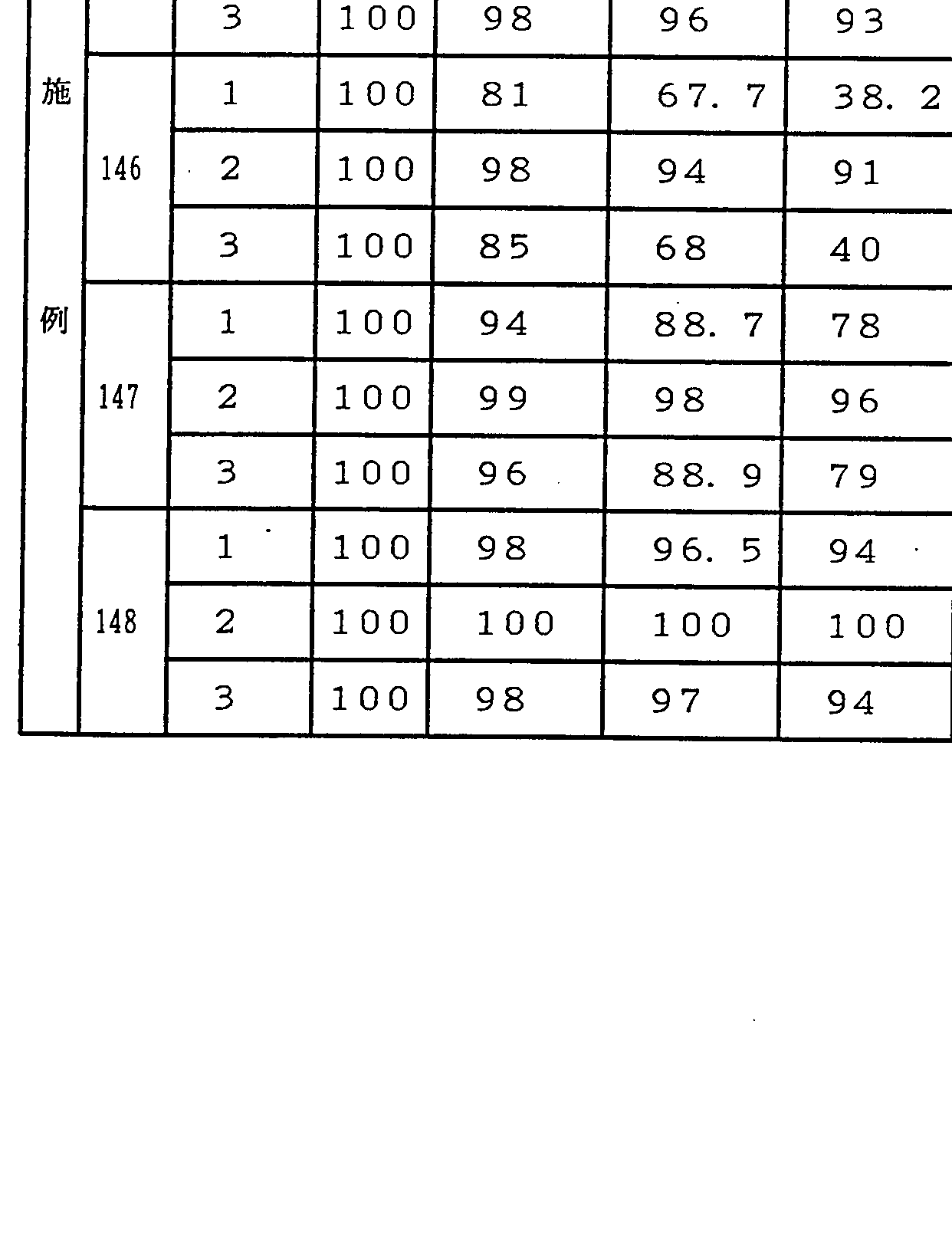
Claims
Priority Applications (6)
| Application Number | Priority Date | Filing Date | Title |
|---|---|---|---|
| BR9408457A BR9408457A (pt) | 1993-12-27 | 1994-12-26 | Preparação farmacêutica percutânia |
| NZ277552A NZ277552A (en) | 1993-12-27 | 1994-12-26 | Steroid preparation which is percutaneously absorbable |
| FI962618A FI962618A7 (fi) | 1993-12-27 | 1994-12-26 | Perkutaanisesti absorboituva valmiste |
| EP95903976A EP0737477A4 (en) | 1993-12-27 | 1994-12-26 | TRANSDERMAL PHARMACEUTICAL PREPARATION |
| AU12818/95A AU692504B2 (en) | 1993-12-27 | 1994-12-26 | Percutaneously absorbable preparation |
| NO962694A NO962694D0 (no) | 1993-12-27 | 1996-06-26 | Percutant farmasöytisk preparat |
Applications Claiming Priority (4)
| Application Number | Priority Date | Filing Date | Title |
|---|---|---|---|
| JP33305893 | 1993-12-27 | ||
| JP33306093 | 1993-12-27 | ||
| JP5/333060 | 1993-12-27 | ||
| JP5/333058 | 1993-12-27 |
Publications (1)
| Publication Number | Publication Date |
|---|---|
| WO1995017896A1 true WO1995017896A1 (en) | 1995-07-06 |
Family
ID=26574380
Family Applications (1)
| Application Number | Title | Priority Date | Filing Date |
|---|---|---|---|
| PCT/JP1994/002237 Ceased WO1995017896A1 (en) | 1993-12-27 | 1994-12-26 | Percutaneously absorbable preparation |
Country Status (13)
| Country | Link |
|---|---|
| EP (1) | EP0737477A4 (ja) |
| CN (1) | CN1135716A (ja) |
| AU (1) | AU692504B2 (ja) |
| BR (1) | BR9408457A (ja) |
| CA (1) | CA2176824A1 (ja) |
| CZ (1) | CZ187796A3 (ja) |
| FI (1) | FI962618A7 (ja) |
| HU (1) | HUT75159A (ja) |
| MX (1) | MX9500159A (ja) |
| NO (1) | NO962694D0 (ja) |
| NZ (1) | NZ277552A (ja) |
| WO (1) | WO1995017896A1 (ja) |
| ZA (1) | ZA9410333B (ja) |
Cited By (9)
| Publication number | Priority date | Publication date | Assignee | Title |
|---|---|---|---|---|
| WO1997003709A1 (de) * | 1995-07-17 | 1997-02-06 | Schering Aktiengesellschaft | Mittel zur transdermalen applikation enthaltend ester des 3-ketodegestrel |
| JPH09131404A (ja) * | 1995-11-01 | 1997-05-20 | Roussel Uclaf | 腟内薬剤放出器具 |
| WO1998002147A3 (de) * | 1996-07-11 | 1998-03-12 | Schering Ag | Transdermale therapeutische systeme |
| EP0921774A4 (en) * | 1996-07-19 | 1999-08-25 | Theratech Inc | TRANSDERMAL DRUG DELIVERY MATRIX FOR THE COADMINISTRATION OF ESTRADIOL AND ANOTHER STEROID |
| WO2004014395A1 (ja) * | 2002-08-09 | 2004-02-19 | Teikoku Seiyaku Co.,Ltd. | 女性ホルモン含有貼付剤 |
| JP2004075538A (ja) * | 2002-08-09 | 2004-03-11 | Teikoku Seiyaku Co Ltd | ノルエチステロン含有外用貼付剤 |
| JP2004075537A (ja) * | 2002-08-09 | 2004-03-11 | Teikoku Seiyaku Co Ltd | エストラジオール含有貼付剤 |
| US7611727B2 (en) | 2003-02-20 | 2009-11-03 | Besins International Belgique | Pharmaceutical composition for transdermal or transmucous administration |
| US10080760B2 (en) | 2009-10-27 | 2018-09-25 | Besins Healthcare Luxembourg Sarl | Transdermal pharmaceutical compositions comprising active agents |
Families Citing this family (24)
| Publication number | Priority date | Publication date | Assignee | Title |
|---|---|---|---|---|
| IT1297139B1 (it) * | 1997-12-23 | 1999-08-03 | Pulitzer Italiana | Composizioni per la somministrazione transdermica e dermica di sostanze biologicamente attive |
| DE19834006A1 (de) * | 1998-07-29 | 2000-02-24 | Lohmann Therapie Syst Lts | Estradiolhaltiges Pflaster zur transdermalen Applikation von Hormonen |
| CA2377609C (en) * | 1999-06-21 | 2009-04-21 | Columbia Laboratories (Bermuda) Limited | Programming ovulation |
| USRE44145E1 (en) | 2000-07-07 | 2013-04-09 | A.V. Topchiev Institute Of Petrochemical Synthesis | Preparation of hydrophilic pressure sensitive adhesives having optimized adhesive properties |
| US6503894B1 (en) | 2000-08-30 | 2003-01-07 | Unimed Pharmaceuticals, Inc. | Pharmaceutical composition and method for treating hypogonadism |
| US8541021B2 (en) | 2001-05-01 | 2013-09-24 | A.V. Topchiev Institute Of Petrochemical Synthesis | Hydrogel compositions demonstrating phase separation on contact with aqueous media |
| WO2002087645A1 (en) | 2001-05-01 | 2002-11-07 | A.V. Topchiev Institute Of Petrochemical Synthesis | Hydrogel compositions |
| US8206738B2 (en) | 2001-05-01 | 2012-06-26 | Corium International, Inc. | Hydrogel compositions with an erodible backing member |
| US20050113510A1 (en) | 2001-05-01 | 2005-05-26 | Feldstein Mikhail M. | Method of preparing polymeric adhesive compositions utilizing the mechanism of interaction between the polymer components |
| US8840918B2 (en) | 2001-05-01 | 2014-09-23 | A. V. Topchiev Institute of Petrochemical Synthesis, Russian Academy of Sciences | Hydrogel compositions for tooth whitening |
| US20050215727A1 (en) | 2001-05-01 | 2005-09-29 | Corium | Water-absorbent adhesive compositions and associated methods of manufacture and use |
| AU2002316053A1 (en) | 2001-05-01 | 2002-11-11 | A.V. Topchiev Institute Of Petrochemical Synthesis | Two-phase, water-absorbent bioadhesive composition |
| TW200404552A (en) * | 2002-05-30 | 2004-04-01 | Akzo Nobel Nv | Self administered contraception |
| TW200403065A (en) * | 2002-05-30 | 2004-03-01 | Akzo Nobel Nv | New etonogestrel esters |
| TW200400041A (en) * | 2002-05-30 | 2004-01-01 | Akzo Nobel Nv | Use of new etonogestrel esters |
| FR2848112B1 (fr) * | 2002-12-10 | 2007-02-16 | Besins Int Belgique | Composition pharmaceutique pour administration transdermique ou transmuqueuse comprenant au moins un progestatif et/ou au moins un oestrogene, son procede de preparation et ses utilisations |
| AU2003296810A1 (en) * | 2002-12-10 | 2004-07-09 | Besins International Belgique | Pharmaceutical composition for transdermal or transmucous administration comprising a progestin or an estrogen, method for preparing same and uses thereof |
| AU2004233997C1 (en) | 2003-04-29 | 2014-01-30 | Massachusetts Institiute Of Technology | Methods and devices for the sustained release of multiple drugs |
| WO2005074894A1 (en) | 2004-01-30 | 2005-08-18 | Corium International | Rapidly dissolving film for delivery of an active agent |
| MX2007001512A (es) | 2004-08-05 | 2007-04-20 | Corium Int Inc | Composicion adhesiva. |
| US20060121102A1 (en) * | 2004-09-27 | 2006-06-08 | Chia-Ming Chiang | Transdermal systems for the delivery of estrogens and progestins |
| ES3012497T3 (en) | 2005-10-12 | 2025-04-09 | Besins Healthcare Lu Sarl | Improved testosterone gel and method of use |
| CA2751884C (en) | 2009-01-14 | 2018-09-25 | Corium International, Inc. | Transdermal administration of tamsulosin |
| US20140093555A1 (en) * | 2012-09-28 | 2014-04-03 | Nitto Denko Corporation | Patch preparation containing amine oxide |
Citations (4)
| Publication number | Priority date | Publication date | Assignee | Title |
|---|---|---|---|---|
| JPS60188315A (ja) * | 1984-03-07 | 1985-09-25 | Yamanouchi Pharmaceut Co Ltd | グリチルレチン酸配合鎮痒プラスター |
| JPS6296430A (ja) * | 1985-10-23 | 1987-05-02 | Sekisui Chem Co Ltd | 経皮・経粘膜製剤 |
| JPH0317018A (ja) * | 1989-06-14 | 1991-01-25 | Sekisui Chem Co Ltd | 経皮吸収製剤 |
| WO1992008449A1 (en) * | 1990-11-09 | 1992-05-29 | Teikoku Seiyaku Kabushiki Kaisha | Procaterol-containing plaster |
Family Cites Families (8)
| Publication number | Priority date | Publication date | Assignee | Title |
|---|---|---|---|---|
| US4883669A (en) * | 1985-02-25 | 1989-11-28 | Rutgers, The State University Of New Jersey | Transdermal absorption dosage unit for estradiol and other estrogenic steroids and process for administration |
| US4818540A (en) * | 1985-02-25 | 1989-04-04 | Rutgers, The State University Of New Jersey | Transdermal fertility control system and process |
| US4906169A (en) * | 1986-12-29 | 1990-03-06 | Rutgers, The State University Of New Jersey | Transdermal estrogen/progestin dosage unit, system and process |
| US5023084A (en) * | 1986-12-29 | 1991-06-11 | Rutgers, The State University Of New Jersey | Transdermal estrogen/progestin dosage unit, system and process |
| US5200190A (en) * | 1988-10-11 | 1993-04-06 | Sekisui Kagaku Kogyo Kabushiki Kaisha | Percutaneous pharmaceutical preparation |
| US5314694A (en) * | 1990-10-29 | 1994-05-24 | Alza Corporation | Transdermal formulations, methods and devices |
| DE4227989A1 (de) * | 1992-08-21 | 1994-06-09 | Schering Ag | Mittel zur transdermalen Applikation enthaltend 3-Keto-desogestrel |
| JPH07101864A (ja) * | 1993-10-01 | 1995-04-18 | Sekisui Chem Co Ltd | 経皮吸収貼付剤 |
-
1994
- 1994-12-26 HU HU9601763A patent/HUT75159A/hu unknown
- 1994-12-26 FI FI962618A patent/FI962618A7/fi unknown
- 1994-12-26 NZ NZ277552A patent/NZ277552A/en unknown
- 1994-12-26 CZ CZ961877A patent/CZ187796A3/cs unknown
- 1994-12-26 EP EP95903976A patent/EP0737477A4/en not_active Withdrawn
- 1994-12-26 WO PCT/JP1994/002237 patent/WO1995017896A1/ja not_active Ceased
- 1994-12-26 BR BR9408457A patent/BR9408457A/pt not_active Application Discontinuation
- 1994-12-26 CA CA002176824A patent/CA2176824A1/en not_active Abandoned
- 1994-12-26 CN CN94194245.7A patent/CN1135716A/zh active Pending
- 1994-12-26 AU AU12818/95A patent/AU692504B2/en not_active Ceased
- 1994-12-27 ZA ZA9410333A patent/ZA9410333B/xx unknown
-
1995
- 1995-01-02 MX MX9500159A patent/MX9500159A/es unknown
-
1996
- 1996-06-26 NO NO962694A patent/NO962694D0/no unknown
Patent Citations (4)
| Publication number | Priority date | Publication date | Assignee | Title |
|---|---|---|---|---|
| JPS60188315A (ja) * | 1984-03-07 | 1985-09-25 | Yamanouchi Pharmaceut Co Ltd | グリチルレチン酸配合鎮痒プラスター |
| JPS6296430A (ja) * | 1985-10-23 | 1987-05-02 | Sekisui Chem Co Ltd | 経皮・経粘膜製剤 |
| JPH0317018A (ja) * | 1989-06-14 | 1991-01-25 | Sekisui Chem Co Ltd | 経皮吸収製剤 |
| WO1992008449A1 (en) * | 1990-11-09 | 1992-05-29 | Teikoku Seiyaku Kabushiki Kaisha | Procaterol-containing plaster |
Non-Patent Citations (1)
| Title |
|---|
| See also references of EP0737477A4 * |
Cited By (11)
| Publication number | Priority date | Publication date | Assignee | Title |
|---|---|---|---|---|
| WO1997003709A1 (de) * | 1995-07-17 | 1997-02-06 | Schering Aktiengesellschaft | Mittel zur transdermalen applikation enthaltend ester des 3-ketodegestrel |
| JPH09131404A (ja) * | 1995-11-01 | 1997-05-20 | Roussel Uclaf | 腟内薬剤放出器具 |
| WO1998002147A3 (de) * | 1996-07-11 | 1998-03-12 | Schering Ag | Transdermale therapeutische systeme |
| EP0921774A4 (en) * | 1996-07-19 | 1999-08-25 | Theratech Inc | TRANSDERMAL DRUG DELIVERY MATRIX FOR THE COADMINISTRATION OF ESTRADIOL AND ANOTHER STEROID |
| JP2006342186A (ja) * | 1996-07-19 | 2006-12-21 | Watson Pharmaceuticals Inc | エストラジオールおよび他のステロイドを同時投与するための経皮薬物送達マトリックス |
| WO2004014395A1 (ja) * | 2002-08-09 | 2004-02-19 | Teikoku Seiyaku Co.,Ltd. | 女性ホルモン含有貼付剤 |
| JP2004075538A (ja) * | 2002-08-09 | 2004-03-11 | Teikoku Seiyaku Co Ltd | ノルエチステロン含有外用貼付剤 |
| JP2004075537A (ja) * | 2002-08-09 | 2004-03-11 | Teikoku Seiyaku Co Ltd | エストラジオール含有貼付剤 |
| US7611727B2 (en) | 2003-02-20 | 2009-11-03 | Besins International Belgique | Pharmaceutical composition for transdermal or transmucous administration |
| US10080760B2 (en) | 2009-10-27 | 2018-09-25 | Besins Healthcare Luxembourg Sarl | Transdermal pharmaceutical compositions comprising active agents |
| US11040043B2 (en) | 2009-10-27 | 2021-06-22 | Besins Healthcare Luxembourg Sarl | Transdermal pharmaceutical compositions comprising active agents |
Also Published As
| Publication number | Publication date |
|---|---|
| CA2176824A1 (en) | 1995-07-06 |
| FI962618L (fi) | 1996-06-25 |
| HU9601763D0 (en) | 1996-09-30 |
| CN1135716A (zh) | 1996-11-13 |
| FI962618A0 (fi) | 1996-06-25 |
| CZ187796A3 (en) | 1997-01-15 |
| AU692504B2 (en) | 1998-06-11 |
| NO962694L (no) | 1996-06-26 |
| AU1281895A (en) | 1995-07-17 |
| EP0737477A1 (en) | 1996-10-16 |
| BR9408457A (pt) | 1997-08-05 |
| FI962618A7 (fi) | 1996-06-25 |
| MX9500159A (es) | 1997-06-28 |
| ZA9410333B (en) | 1995-12-04 |
| EP0737477A4 (en) | 1998-04-01 |
| NZ277552A (en) | 1998-01-26 |
| NO962694D0 (no) | 1996-06-26 |
| HUT75159A (en) | 1997-04-28 |
Similar Documents
| Publication | Publication Date | Title |
|---|---|---|
| WO1995017896A1 (en) | Percutaneously absorbable preparation | |
| AU709286B2 (en) | Transdermal estradiol/progestogen agent patch and its production | |
| US5693335A (en) | Skin permeation enhancer composition for use with sex steroids | |
| FI115034B (fi) | Menetelmä uudelleenkiteytymättömän estradiolia sisältävän laastarin valmistamiseksi | |
| JP3273430B2 (ja) | エストロゲン含有ゲル製剤 | |
| JP4841781B2 (ja) | 改良された経皮的避妊薬送達系および方法 | |
| US20050202073A1 (en) | Transdermal systems containing multilayer adhesive matrices to modify drug delivery | |
| WO2002032431A1 (fr) | Compositions pour preparations externes | |
| JP2005528356A (ja) | 改善された粘着力を有する酢酸ビニル−ビニルピロリドン共重合体に基づく活性物質貯留部を備えた、ホルモン含有経皮治療システム | |
| TW438598B (en) | Composition and methods for transdermal delivery of acid-labile drugs | |
| CN110573160B (zh) | 贴附剂 | |
| JP2971224B2 (ja) | エストラジオール経皮吸収貼付剤 | |
| JPH04342532A (ja) | 経皮吸収貼付剤 | |
| JPH07101864A (ja) | 経皮吸収貼付剤 | |
| JP3547774B2 (ja) | 経皮吸収製剤 | |
| JP3295735B2 (ja) | エストリオール経皮投与貼付剤 | |
| WO2000025792A1 (fr) | Preparation adhesive contenant de l'oestradiol | |
| JP2507068B2 (ja) | 経皮吸収製剤 | |
| JP3226395B2 (ja) | 経皮吸収貼付剤 | |
| JPWO1995017896A1 (ja) | 経皮吸収製剤 | |
| JP3534843B2 (ja) | 経皮吸収貼付剤 | |
| JP3305101B2 (ja) | 経皮吸収製剤 | |
| JPH04342531A (ja) | 経皮吸収製剤 | |
| JPH0317018A (ja) | 経皮吸収製剤 | |
| CN108606963B (zh) | 含有屈螺酮和雌激素的复方避孕贴、制备方法及应用 |
Legal Events
| Date | Code | Title | Description |
|---|---|---|---|
| WWE | Wipo information: entry into national phase |
Ref document number: 94194245.7 Country of ref document: CN |
|
| AK | Designated states |
Kind code of ref document: A1 Designated state(s): AM AT AU BB BG BR BY CA CH CN CZ DE DK EE ES FI GB GE HU JP KE KG KR KZ LK LR LT LU LV MD MG MN MW NL NO NZ PL PT RO RU SD SE SI SK TJ TT UA US UZ VN |
|
| AL | Designated countries for regional patents |
Kind code of ref document: A1 Designated state(s): KE MW SD SZ AT BE CH DE DK ES FR GB GR IE IT LU MC NL PT SE BF BJ CF CG CI CM GA GN ML MR NE SN TD TG |
|
| DFPE | Request for preliminary examination filed prior to expiration of 19th month from priority date (pct application filed before 20040101) | ||
| 121 | Ep: the epo has been informed by wipo that ep was designated in this application | ||
| WWE | Wipo information: entry into national phase |
Ref document number: 1995903976 Country of ref document: EP |
|
| WWE | Wipo information: entry into national phase |
Ref document number: 2176824 Country of ref document: CA |
|
| WWE | Wipo information: entry into national phase |
Ref document number: 962618 Country of ref document: FI Ref document number: 277552 Country of ref document: NZ |
|
| WWE | Wipo information: entry into national phase |
Ref document number: PV1996-1877 Country of ref document: CZ |
|
| WWP | Wipo information: published in national office |
Ref document number: 1995903976 Country of ref document: EP |
|
| REG | Reference to national code |
Ref country code: DE Ref legal event code: 8642 |
|
| ENP | Entry into the national phase |
Ref document number: 1996 635931 Country of ref document: US Date of ref document: 19961114 Kind code of ref document: A |
|
| WWP | Wipo information: published in national office |
Ref document number: PV1996-1877 Country of ref document: CZ |
|
| WWR | Wipo information: refused in national office |
Ref document number: PV1996-1877 Country of ref document: CZ |
|
| WWW | Wipo information: withdrawn in national office |
Ref document number: 1995903976 Country of ref document: EP |