WO2001026656A2 - Derives d'heterocycles a 5 chainons et leur application comme inhibiteurs de monoamine oxydase - Google Patents
Derives d'heterocycles a 5 chainons et leur application comme inhibiteurs de monoamine oxydase Download PDFInfo
- Publication number
- WO2001026656A2 WO2001026656A2 PCT/FR2000/002805 FR0002805W WO0126656A2 WO 2001026656 A2 WO2001026656 A2 WO 2001026656A2 FR 0002805 W FR0002805 W FR 0002805W WO 0126656 A2 WO0126656 A2 WO 0126656A2
- Authority
- WO
- WIPO (PCT)
- Prior art keywords
- radical
- imidazol
- alkyl
- hydrogen atom
- methyl
- Prior art date
- Legal status (The legal status is an assumption and is not a legal conclusion. Google has not performed a legal analysis and makes no representation as to the accuracy of the status listed.)
- Ceased
Links
- 0 CC(C)=C(C)*C([C@@](*)NI)=NC Chemical compound CC(C)=C(C)*C([C@@](*)NI)=NC 0.000 description 13
- XKIWLMDMULZBTO-UHFFFAOYSA-N CC(C)c1cc(C(C)=O)cc(C(C)C)c1O Chemical compound CC(C)c1cc(C(C)=O)cc(C(C)C)c1O XKIWLMDMULZBTO-UHFFFAOYSA-N 0.000 description 1
- UVYYQAXNOURFPH-UHFFFAOYSA-N CC(C)c1cccc(C(C)C)c1OC(C)=O Chemical compound CC(C)c1cccc(C(C)C)c1OC(C)=O UVYYQAXNOURFPH-UHFFFAOYSA-N 0.000 description 1
Classifications
-
- C—CHEMISTRY; METALLURGY
- C07—ORGANIC CHEMISTRY
- C07D—HETEROCYCLIC COMPOUNDS
- C07D277/00—Heterocyclic compounds containing 1,3-thiazole or hydrogenated 1,3-thiazole rings
- C07D277/02—Heterocyclic compounds containing 1,3-thiazole or hydrogenated 1,3-thiazole rings not condensed with other rings
- C07D277/20—Heterocyclic compounds containing 1,3-thiazole or hydrogenated 1,3-thiazole rings not condensed with other rings having two or three double bonds between ring members or between ring members and non-ring members
- C07D277/22—Heterocyclic compounds containing 1,3-thiazole or hydrogenated 1,3-thiazole rings not condensed with other rings having two or three double bonds between ring members or between ring members and non-ring members with only hydrogen atoms, hydrocarbon or substituted hydrocarbon radicals, directly attached to ring carbon atoms
- C07D277/28—Radicals substituted by nitrogen atoms
-
- A—HUMAN NECESSITIES
- A61—MEDICAL OR VETERINARY SCIENCE; HYGIENE
- A61K—PREPARATIONS FOR MEDICAL, DENTAL OR TOILETRY PURPOSES
- A61K31/00—Medicinal preparations containing organic active ingredients
- A61K31/33—Heterocyclic compounds
- A61K31/395—Heterocyclic compounds having nitrogen as a ring hetero atom, e.g. guanethidine or rifamycins
- A61K31/41—Heterocyclic compounds having nitrogen as a ring hetero atom, e.g. guanethidine or rifamycins having five-membered rings with two or more ring hetero atoms, at least one of which being nitrogen, e.g. tetrazole
- A61K31/4164—1,3-Diazoles
- A61K31/417—Imidazole-alkylamines, e.g. histamine, phentolamine
-
- A—HUMAN NECESSITIES
- A61—MEDICAL OR VETERINARY SCIENCE; HYGIENE
- A61K—PREPARATIONS FOR MEDICAL, DENTAL OR TOILETRY PURPOSES
- A61K31/00—Medicinal preparations containing organic active ingredients
- A61K31/33—Heterocyclic compounds
- A61K31/395—Heterocyclic compounds having nitrogen as a ring hetero atom, e.g. guanethidine or rifamycins
- A61K31/41—Heterocyclic compounds having nitrogen as a ring hetero atom, e.g. guanethidine or rifamycins having five-membered rings with two or more ring hetero atoms, at least one of which being nitrogen, e.g. tetrazole
- A61K31/4164—1,3-Diazoles
- A61K31/4178—1,3-Diazoles not condensed 1,3-diazoles and containing further heterocyclic rings, e.g. pilocarpine, nitrofurantoin
-
- A—HUMAN NECESSITIES
- A61—MEDICAL OR VETERINARY SCIENCE; HYGIENE
- A61K—PREPARATIONS FOR MEDICAL, DENTAL OR TOILETRY PURPOSES
- A61K31/00—Medicinal preparations containing organic active ingredients
- A61K31/33—Heterocyclic compounds
- A61K31/395—Heterocyclic compounds having nitrogen as a ring hetero atom, e.g. guanethidine or rifamycins
- A61K31/41—Heterocyclic compounds having nitrogen as a ring hetero atom, e.g. guanethidine or rifamycins having five-membered rings with two or more ring hetero atoms, at least one of which being nitrogen, e.g. tetrazole
- A61K31/42—Oxazoles
-
- A—HUMAN NECESSITIES
- A61—MEDICAL OR VETERINARY SCIENCE; HYGIENE
- A61K—PREPARATIONS FOR MEDICAL, DENTAL OR TOILETRY PURPOSES
- A61K31/00—Medicinal preparations containing organic active ingredients
- A61K31/33—Heterocyclic compounds
- A61K31/395—Heterocyclic compounds having nitrogen as a ring hetero atom, e.g. guanethidine or rifamycins
- A61K31/41—Heterocyclic compounds having nitrogen as a ring hetero atom, e.g. guanethidine or rifamycins having five-membered rings with two or more ring hetero atoms, at least one of which being nitrogen, e.g. tetrazole
- A61K31/42—Oxazoles
- A61K31/421—1,3-Oxazoles, e.g. pemoline, trimethadione
-
- A—HUMAN NECESSITIES
- A61—MEDICAL OR VETERINARY SCIENCE; HYGIENE
- A61K—PREPARATIONS FOR MEDICAL, DENTAL OR TOILETRY PURPOSES
- A61K31/00—Medicinal preparations containing organic active ingredients
- A61K31/33—Heterocyclic compounds
- A61K31/395—Heterocyclic compounds having nitrogen as a ring hetero atom, e.g. guanethidine or rifamycins
- A61K31/41—Heterocyclic compounds having nitrogen as a ring hetero atom, e.g. guanethidine or rifamycins having five-membered rings with two or more ring hetero atoms, at least one of which being nitrogen, e.g. tetrazole
- A61K31/425—Thiazoles
- A61K31/426—1,3-Thiazoles
-
- A—HUMAN NECESSITIES
- A61—MEDICAL OR VETERINARY SCIENCE; HYGIENE
- A61K—PREPARATIONS FOR MEDICAL, DENTAL OR TOILETRY PURPOSES
- A61K31/00—Medicinal preparations containing organic active ingredients
- A61K31/33—Heterocyclic compounds
- A61K31/395—Heterocyclic compounds having nitrogen as a ring hetero atom, e.g. guanethidine or rifamycins
- A61K31/41—Heterocyclic compounds having nitrogen as a ring hetero atom, e.g. guanethidine or rifamycins having five-membered rings with two or more ring hetero atoms, at least one of which being nitrogen, e.g. tetrazole
- A61K31/425—Thiazoles
- A61K31/427—Thiazoles not condensed and containing further heterocyclic rings
-
- A—HUMAN NECESSITIES
- A61—MEDICAL OR VETERINARY SCIENCE; HYGIENE
- A61K—PREPARATIONS FOR MEDICAL, DENTAL OR TOILETRY PURPOSES
- A61K31/00—Medicinal preparations containing organic active ingredients
- A61K31/33—Heterocyclic compounds
- A61K31/395—Heterocyclic compounds having nitrogen as a ring hetero atom, e.g. guanethidine or rifamycins
- A61K31/435—Heterocyclic compounds having nitrogen as a ring hetero atom, e.g. guanethidine or rifamycins having six-membered rings with one nitrogen as the only ring hetero atom
- A61K31/44—Non condensed pyridines; Hydrogenated derivatives thereof
- A61K31/445—Non condensed piperidines, e.g. piperocaine
- A61K31/4523—Non condensed piperidines, e.g. piperocaine containing further heterocyclic ring systems
- A61K31/454—Non condensed piperidines, e.g. piperocaine containing further heterocyclic ring systems containing a five-membered ring with nitrogen as a ring hetero atom, e.g. pimozide, domperidone
-
- A—HUMAN NECESSITIES
- A61—MEDICAL OR VETERINARY SCIENCE; HYGIENE
- A61K—PREPARATIONS FOR MEDICAL, DENTAL OR TOILETRY PURPOSES
- A61K31/00—Medicinal preparations containing organic active ingredients
- A61K31/33—Heterocyclic compounds
- A61K31/395—Heterocyclic compounds having nitrogen as a ring hetero atom, e.g. guanethidine or rifamycins
- A61K31/495—Heterocyclic compounds having nitrogen as a ring hetero atom, e.g. guanethidine or rifamycins having six-membered rings with two or more nitrogen atoms as the only ring heteroatoms, e.g. piperazine or tetrazines
- A61K31/496—Non-condensed piperazines containing further heterocyclic rings, e.g. rifampin, thiothixene or sparfloxacin
-
- A—HUMAN NECESSITIES
- A61—MEDICAL OR VETERINARY SCIENCE; HYGIENE
- A61P—SPECIFIC THERAPEUTIC ACTIVITY OF CHEMICAL COMPOUNDS OR MEDICINAL PREPARATIONS
- A61P1/00—Drugs for disorders of the alimentary tract or the digestive system
-
- A—HUMAN NECESSITIES
- A61—MEDICAL OR VETERINARY SCIENCE; HYGIENE
- A61P—SPECIFIC THERAPEUTIC ACTIVITY OF CHEMICAL COMPOUNDS OR MEDICINAL PREPARATIONS
- A61P1/00—Drugs for disorders of the alimentary tract or the digestive system
- A61P1/04—Drugs for disorders of the alimentary tract or the digestive system for ulcers, gastritis or reflux esophagitis, e.g. antacids, inhibitors of acid secretion, mucosal protectants
-
- A—HUMAN NECESSITIES
- A61—MEDICAL OR VETERINARY SCIENCE; HYGIENE
- A61P—SPECIFIC THERAPEUTIC ACTIVITY OF CHEMICAL COMPOUNDS OR MEDICINAL PREPARATIONS
- A61P1/00—Drugs for disorders of the alimentary tract or the digestive system
- A61P1/14—Prodigestives, e.g. acids, enzymes, appetite stimulants, antidyspeptics, tonics, antiflatulents
-
- A—HUMAN NECESSITIES
- A61—MEDICAL OR VETERINARY SCIENCE; HYGIENE
- A61P—SPECIFIC THERAPEUTIC ACTIVITY OF CHEMICAL COMPOUNDS OR MEDICINAL PREPARATIONS
- A61P25/00—Drugs for disorders of the nervous system
-
- A—HUMAN NECESSITIES
- A61—MEDICAL OR VETERINARY SCIENCE; HYGIENE
- A61P—SPECIFIC THERAPEUTIC ACTIVITY OF CHEMICAL COMPOUNDS OR MEDICINAL PREPARATIONS
- A61P25/00—Drugs for disorders of the nervous system
- A61P25/02—Drugs for disorders of the nervous system for peripheral neuropathies
-
- A—HUMAN NECESSITIES
- A61—MEDICAL OR VETERINARY SCIENCE; HYGIENE
- A61P—SPECIFIC THERAPEUTIC ACTIVITY OF CHEMICAL COMPOUNDS OR MEDICINAL PREPARATIONS
- A61P25/00—Drugs for disorders of the nervous system
- A61P25/04—Centrally acting analgesics, e.g. opioids
-
- A—HUMAN NECESSITIES
- A61—MEDICAL OR VETERINARY SCIENCE; HYGIENE
- A61P—SPECIFIC THERAPEUTIC ACTIVITY OF CHEMICAL COMPOUNDS OR MEDICINAL PREPARATIONS
- A61P25/00—Drugs for disorders of the nervous system
- A61P25/06—Antimigraine agents
-
- A—HUMAN NECESSITIES
- A61—MEDICAL OR VETERINARY SCIENCE; HYGIENE
- A61P—SPECIFIC THERAPEUTIC ACTIVITY OF CHEMICAL COMPOUNDS OR MEDICINAL PREPARATIONS
- A61P25/00—Drugs for disorders of the nervous system
- A61P25/08—Antiepileptics; Anticonvulsants
-
- A—HUMAN NECESSITIES
- A61—MEDICAL OR VETERINARY SCIENCE; HYGIENE
- A61P—SPECIFIC THERAPEUTIC ACTIVITY OF CHEMICAL COMPOUNDS OR MEDICINAL PREPARATIONS
- A61P25/00—Drugs for disorders of the nervous system
- A61P25/14—Drugs for disorders of the nervous system for treating abnormal movements, e.g. chorea, dyskinesia
-
- A—HUMAN NECESSITIES
- A61—MEDICAL OR VETERINARY SCIENCE; HYGIENE
- A61P—SPECIFIC THERAPEUTIC ACTIVITY OF CHEMICAL COMPOUNDS OR MEDICINAL PREPARATIONS
- A61P25/00—Drugs for disorders of the nervous system
- A61P25/14—Drugs for disorders of the nervous system for treating abnormal movements, e.g. chorea, dyskinesia
- A61P25/16—Anti-Parkinson drugs
-
- A—HUMAN NECESSITIES
- A61—MEDICAL OR VETERINARY SCIENCE; HYGIENE
- A61P—SPECIFIC THERAPEUTIC ACTIVITY OF CHEMICAL COMPOUNDS OR MEDICINAL PREPARATIONS
- A61P25/00—Drugs for disorders of the nervous system
- A61P25/18—Antipsychotics, i.e. neuroleptics; Drugs for mania or schizophrenia
-
- A—HUMAN NECESSITIES
- A61—MEDICAL OR VETERINARY SCIENCE; HYGIENE
- A61P—SPECIFIC THERAPEUTIC ACTIVITY OF CHEMICAL COMPOUNDS OR MEDICINAL PREPARATIONS
- A61P25/00—Drugs for disorders of the nervous system
- A61P25/24—Antidepressants
-
- A—HUMAN NECESSITIES
- A61—MEDICAL OR VETERINARY SCIENCE; HYGIENE
- A61P—SPECIFIC THERAPEUTIC ACTIVITY OF CHEMICAL COMPOUNDS OR MEDICINAL PREPARATIONS
- A61P25/00—Drugs for disorders of the nervous system
- A61P25/28—Drugs for disorders of the nervous system for treating neurodegenerative disorders of the central nervous system, e.g. nootropic agents, cognition enhancers, drugs for treating Alzheimer's disease or other forms of dementia
-
- A—HUMAN NECESSITIES
- A61—MEDICAL OR VETERINARY SCIENCE; HYGIENE
- A61P—SPECIFIC THERAPEUTIC ACTIVITY OF CHEMICAL COMPOUNDS OR MEDICINAL PREPARATIONS
- A61P25/00—Drugs for disorders of the nervous system
- A61P25/30—Drugs for disorders of the nervous system for treating abuse or dependence
-
- A—HUMAN NECESSITIES
- A61—MEDICAL OR VETERINARY SCIENCE; HYGIENE
- A61P—SPECIFIC THERAPEUTIC ACTIVITY OF CHEMICAL COMPOUNDS OR MEDICINAL PREPARATIONS
- A61P29/00—Non-central analgesic, antipyretic or antiinflammatory agents, e.g. antirheumatic agents; Non-steroidal antiinflammatory drugs [NSAID]
-
- A—HUMAN NECESSITIES
- A61—MEDICAL OR VETERINARY SCIENCE; HYGIENE
- A61P—SPECIFIC THERAPEUTIC ACTIVITY OF CHEMICAL COMPOUNDS OR MEDICINAL PREPARATIONS
- A61P29/00—Non-central analgesic, antipyretic or antiinflammatory agents, e.g. antirheumatic agents; Non-steroidal antiinflammatory drugs [NSAID]
- A61P29/02—Non-central analgesic, antipyretic or antiinflammatory agents, e.g. antirheumatic agents; Non-steroidal antiinflammatory drugs [NSAID] without antiinflammatory effect
-
- A—HUMAN NECESSITIES
- A61—MEDICAL OR VETERINARY SCIENCE; HYGIENE
- A61P—SPECIFIC THERAPEUTIC ACTIVITY OF CHEMICAL COMPOUNDS OR MEDICINAL PREPARATIONS
- A61P3/00—Drugs for disorders of the metabolism
- A61P3/04—Anorexiants; Antiobesity agents
-
- A—HUMAN NECESSITIES
- A61—MEDICAL OR VETERINARY SCIENCE; HYGIENE
- A61P—SPECIFIC THERAPEUTIC ACTIVITY OF CHEMICAL COMPOUNDS OR MEDICINAL PREPARATIONS
- A61P3/00—Drugs for disorders of the metabolism
- A61P3/08—Drugs for disorders of the metabolism for glucose homeostasis
- A61P3/10—Drugs for disorders of the metabolism for glucose homeostasis for hyperglycaemia, e.g. antidiabetics
-
- A—HUMAN NECESSITIES
- A61—MEDICAL OR VETERINARY SCIENCE; HYGIENE
- A61P—SPECIFIC THERAPEUTIC ACTIVITY OF CHEMICAL COMPOUNDS OR MEDICINAL PREPARATIONS
- A61P31/00—Antiinfectives, i.e. antibiotics, antiseptics, chemotherapeutics
- A61P31/12—Antivirals
-
- A—HUMAN NECESSITIES
- A61—MEDICAL OR VETERINARY SCIENCE; HYGIENE
- A61P—SPECIFIC THERAPEUTIC ACTIVITY OF CHEMICAL COMPOUNDS OR MEDICINAL PREPARATIONS
- A61P31/00—Antiinfectives, i.e. antibiotics, antiseptics, chemotherapeutics
- A61P31/12—Antivirals
- A61P31/14—Antivirals for RNA viruses
- A61P31/18—Antivirals for RNA viruses for HIV
-
- A—HUMAN NECESSITIES
- A61—MEDICAL OR VETERINARY SCIENCE; HYGIENE
- A61P—SPECIFIC THERAPEUTIC ACTIVITY OF CHEMICAL COMPOUNDS OR MEDICINAL PREPARATIONS
- A61P33/00—Antiparasitic agents
-
- A—HUMAN NECESSITIES
- A61—MEDICAL OR VETERINARY SCIENCE; HYGIENE
- A61P—SPECIFIC THERAPEUTIC ACTIVITY OF CHEMICAL COMPOUNDS OR MEDICINAL PREPARATIONS
- A61P37/00—Drugs for immunological or allergic disorders
- A61P37/02—Immunomodulators
- A61P37/06—Immunosuppressants, e.g. drugs for graft rejection
-
- A—HUMAN NECESSITIES
- A61—MEDICAL OR VETERINARY SCIENCE; HYGIENE
- A61P—SPECIFIC THERAPEUTIC ACTIVITY OF CHEMICAL COMPOUNDS OR MEDICINAL PREPARATIONS
- A61P39/00—General protective or antinoxious agents
- A61P39/02—Antidotes
-
- A—HUMAN NECESSITIES
- A61—MEDICAL OR VETERINARY SCIENCE; HYGIENE
- A61P—SPECIFIC THERAPEUTIC ACTIVITY OF CHEMICAL COMPOUNDS OR MEDICINAL PREPARATIONS
- A61P39/00—General protective or antinoxious agents
- A61P39/06—Free radical scavengers or antioxidants
-
- A—HUMAN NECESSITIES
- A61—MEDICAL OR VETERINARY SCIENCE; HYGIENE
- A61P—SPECIFIC THERAPEUTIC ACTIVITY OF CHEMICAL COMPOUNDS OR MEDICINAL PREPARATIONS
- A61P43/00—Drugs for specific purposes, not provided for in groups A61P1/00-A61P41/00
-
- C—CHEMISTRY; METALLURGY
- C07—ORGANIC CHEMISTRY
- C07D—HETEROCYCLIC COMPOUNDS
- C07D233/00—Heterocyclic compounds containing 1,3-diazole or hydrogenated 1,3-diazole rings, not condensed with other rings
- C07D233/54—Heterocyclic compounds containing 1,3-diazole or hydrogenated 1,3-diazole rings, not condensed with other rings having two double bonds between ring members or between ring members and non-ring members
- C07D233/64—Heterocyclic compounds containing 1,3-diazole or hydrogenated 1,3-diazole rings, not condensed with other rings having two double bonds between ring members or between ring members and non-ring members with substituted hydrocarbon radicals attached to ring carbon atoms, e.g. histidine
-
- C—CHEMISTRY; METALLURGY
- C07—ORGANIC CHEMISTRY
- C07D—HETEROCYCLIC COMPOUNDS
- C07D261/00—Heterocyclic compounds containing 1,2-oxazole or hydrogenated 1,2-oxazole rings
- C07D261/02—Heterocyclic compounds containing 1,2-oxazole or hydrogenated 1,2-oxazole rings not condensed with other rings
- C07D261/04—Heterocyclic compounds containing 1,2-oxazole or hydrogenated 1,2-oxazole rings not condensed with other rings having one double bond between ring members or between a ring member and a non-ring member
-
- C—CHEMISTRY; METALLURGY
- C07—ORGANIC CHEMISTRY
- C07D—HETEROCYCLIC COMPOUNDS
- C07D263/00—Heterocyclic compounds containing 1,3-oxazole or hydrogenated 1,3-oxazole rings
- C07D263/02—Heterocyclic compounds containing 1,3-oxazole or hydrogenated 1,3-oxazole rings not condensed with other rings
- C07D263/30—Heterocyclic compounds containing 1,3-oxazole or hydrogenated 1,3-oxazole rings not condensed with other rings having two or three double bonds between ring members or between ring members and non-ring members
- C07D263/32—Heterocyclic compounds containing 1,3-oxazole or hydrogenated 1,3-oxazole rings not condensed with other rings having two or three double bonds between ring members or between ring members and non-ring members with only hydrogen atoms, hydrocarbon or substituted hydrocarbon radicals, directly attached to ring carbon atoms
-
- C—CHEMISTRY; METALLURGY
- C07—ORGANIC CHEMISTRY
- C07D—HETEROCYCLIC COMPOUNDS
- C07D277/00—Heterocyclic compounds containing 1,3-thiazole or hydrogenated 1,3-thiazole rings
- C07D277/02—Heterocyclic compounds containing 1,3-thiazole or hydrogenated 1,3-thiazole rings not condensed with other rings
- C07D277/20—Heterocyclic compounds containing 1,3-thiazole or hydrogenated 1,3-thiazole rings not condensed with other rings having two or three double bonds between ring members or between ring members and non-ring members
- C07D277/22—Heterocyclic compounds containing 1,3-thiazole or hydrogenated 1,3-thiazole rings not condensed with other rings having two or three double bonds between ring members or between ring members and non-ring members with only hydrogen atoms, hydrocarbon or substituted hydrocarbon radicals, directly attached to ring carbon atoms
- C07D277/24—Radicals substituted by oxygen atoms
-
- C—CHEMISTRY; METALLURGY
- C07—ORGANIC CHEMISTRY
- C07D—HETEROCYCLIC COMPOUNDS
- C07D403/00—Heterocyclic compounds containing two or more hetero rings, having nitrogen atoms as the only ring hetero atoms, not provided for by group C07D401/00
- C07D403/02—Heterocyclic compounds containing two or more hetero rings, having nitrogen atoms as the only ring hetero atoms, not provided for by group C07D401/00 containing two hetero rings
- C07D403/04—Heterocyclic compounds containing two or more hetero rings, having nitrogen atoms as the only ring hetero atoms, not provided for by group C07D401/00 containing two hetero rings directly linked by a ring-member-to-ring-member bond
-
- C—CHEMISTRY; METALLURGY
- C07—ORGANIC CHEMISTRY
- C07D—HETEROCYCLIC COMPOUNDS
- C07D403/00—Heterocyclic compounds containing two or more hetero rings, having nitrogen atoms as the only ring hetero atoms, not provided for by group C07D401/00
- C07D403/02—Heterocyclic compounds containing two or more hetero rings, having nitrogen atoms as the only ring hetero atoms, not provided for by group C07D401/00 containing two hetero rings
- C07D403/06—Heterocyclic compounds containing two or more hetero rings, having nitrogen atoms as the only ring hetero atoms, not provided for by group C07D401/00 containing two hetero rings linked by a carbon chain containing only aliphatic carbon atoms
-
- C—CHEMISTRY; METALLURGY
- C07—ORGANIC CHEMISTRY
- C07D—HETEROCYCLIC COMPOUNDS
- C07D405/00—Heterocyclic compounds containing both one or more hetero rings having oxygen atoms as the only ring hetero atoms, and one or more rings having nitrogen as the only ring hetero atom
- C07D405/02—Heterocyclic compounds containing both one or more hetero rings having oxygen atoms as the only ring hetero atoms, and one or more rings having nitrogen as the only ring hetero atom containing two hetero rings
- C07D405/06—Heterocyclic compounds containing both one or more hetero rings having oxygen atoms as the only ring hetero atoms, and one or more rings having nitrogen as the only ring hetero atom containing two hetero rings linked by a carbon chain containing only aliphatic carbon atoms
-
- C—CHEMISTRY; METALLURGY
- C07—ORGANIC CHEMISTRY
- C07D—HETEROCYCLIC COMPOUNDS
- C07D409/00—Heterocyclic compounds containing two or more hetero rings, at least one ring having sulfur atoms as the only ring hetero atoms
- C07D409/02—Heterocyclic compounds containing two or more hetero rings, at least one ring having sulfur atoms as the only ring hetero atoms containing two hetero rings
- C07D409/06—Heterocyclic compounds containing two or more hetero rings, at least one ring having sulfur atoms as the only ring hetero atoms containing two hetero rings linked by a carbon chain containing only aliphatic carbon atoms
-
- C—CHEMISTRY; METALLURGY
- C07—ORGANIC CHEMISTRY
- C07D—HETEROCYCLIC COMPOUNDS
- C07D413/00—Heterocyclic compounds containing two or more hetero rings, at least one ring having nitrogen and oxygen atoms as the only ring hetero atoms
- C07D413/02—Heterocyclic compounds containing two or more hetero rings, at least one ring having nitrogen and oxygen atoms as the only ring hetero atoms containing two hetero rings
- C07D413/06—Heterocyclic compounds containing two or more hetero rings, at least one ring having nitrogen and oxygen atoms as the only ring hetero atoms containing two hetero rings linked by a carbon chain containing only aliphatic carbon atoms
-
- C—CHEMISTRY; METALLURGY
- C07—ORGANIC CHEMISTRY
- C07D—HETEROCYCLIC COMPOUNDS
- C07D417/00—Heterocyclic compounds containing two or more hetero rings, at least one ring having nitrogen and sulfur atoms as the only ring hetero atoms, not provided for by group C07D415/00
- C07D417/02—Heterocyclic compounds containing two or more hetero rings, at least one ring having nitrogen and sulfur atoms as the only ring hetero atoms, not provided for by group C07D415/00 containing two hetero rings
- C07D417/04—Heterocyclic compounds containing two or more hetero rings, at least one ring having nitrogen and sulfur atoms as the only ring hetero atoms, not provided for by group C07D415/00 containing two hetero rings directly linked by a ring-member-to-ring-member bond
-
- C—CHEMISTRY; METALLURGY
- C07—ORGANIC CHEMISTRY
- C07D—HETEROCYCLIC COMPOUNDS
- C07D417/00—Heterocyclic compounds containing two or more hetero rings, at least one ring having nitrogen and sulfur atoms as the only ring hetero atoms, not provided for by group C07D415/00
- C07D417/02—Heterocyclic compounds containing two or more hetero rings, at least one ring having nitrogen and sulfur atoms as the only ring hetero atoms, not provided for by group C07D415/00 containing two hetero rings
- C07D417/06—Heterocyclic compounds containing two or more hetero rings, at least one ring having nitrogen and sulfur atoms as the only ring hetero atoms, not provided for by group C07D415/00 containing two hetero rings linked by a carbon chain containing only aliphatic carbon atoms
Definitions
- the present invention relates to the use of compounds of general formula (I) for preparing a medicament intended to inhibit monoamine oxidases (MAO) and / or lipid peroxidation and / or to act as modulators of the sodium channels. It also relates, as medicaments, to compounds of general formula (II) defined below. It also relates to new compounds of general formula (III).
- the compounds mentioned above often exhibit 2 or 3 of the activities mentioned above, which give them advantageous pharmacological properties.
- the new derivatives described correspond to the general formula (I ) can produce beneficial or favorable effects in the treatment of pathologies where these enzymes and / or these radical species are involved. Especially :
- disorders of the central or peripheral nervous system such as, for example, neurological diseases in which we can notably cite Parkinson's disease, cerebral or spinal cord trauma, cerebral infarction, sub arachnoid hemorrhage, epilepsy , aging, senile dementias, Alzheimer's disease, Huntington's chorea, amyotrophic lateral sclerosis, peripheral neuropathies, pain;
- autoimmune and viral diseases such as lupus, AIDS, parasitic and viral infections, diabetes and its complications, multiple sclerosis.
- the advantage of a combination of MAO inhibitor and lipid peroxidation inhibitor activities is for example well illustrated in Parkinson's disease.
- This pathology is characterized by a loss of dopaminergic neurons in the nigrostriatal pathway, the cause of which is partly linked to oxidative stress due to ROS.
- Exogenous dopamine from L Dopa is used therapeutically to maintain sufficient dopamine levels.
- MAO inhibitors are also used with L Dopa to avoid its metabolic degradation but do not act on ROS. Compounds acting on both MAO and ROS will therefore have a definite advantage.
- the modulating nature of the sodium channels is very useful for therapeutic indications such as:
- Neuropathic pain such as trigeminal neuralgia, post-herpetic pain, diabetic neuropathy, glosopharyngeal neuralgia, radiculopathy and neuropathy secondary to metastatic infiltration, adiposis dolorosa and pain related to burns,
- EP 432 740 describes derivatives of hydroxyphenylthiazoles, which can be used in the treatment of inflammatory diseases, in particular rheumatic diseases. These hydroxyphenylthiazole derivatives show properties of free radical scavengers and inhibitors of arachidonic acid metabolism (they inhibit lipoxygenase and cyclooxygenase).
- imidazole derivatives with structures close to or identical to those of compounds corresponding to the general formula (I) according to the invention have also been described by the applicant in PCT patent application WO 99/64401 as agonists or somatostatin antagonists. Said imidazole derivatives however have therapeutic properties in fields different from those indicated above (the suppression of growth hormone and the treatment of anomegaly, the treatment of restenosis, the inhibition of acid secretion gastric and prevention of gastrointestinal bleeding in particular).
- RI represents one of the aryl, heteroaryl, aralkyl or cycloalkyl radicals optionally substituted with one to three substituents chosen independently from a halogen atom, the radical CF 3 , CN, OH, alkyl or alkoxy, SO 2 R9 with R9 representing NH 2 or NHCH 3 ;
- X represents NR2, R2 represents H or alkyl
- Y represents N or CR3
- Z represents CR3 or N; provided, however, that Y and Z are not both CR3 or N at the same time;
- R3 represents H, alkyl, halogen, hydroxyalkyl or phenyl optionally substituted with 1 to 3 subtituants chosen from H, CF 3 , CN, SO 2 NH 2 , OH, alkyl or alkoxy;
- m represents 0, 1 or 2;
- R4 represents H or alkyl; when Z represents CR3, then R3 and R4 can also represent together - (CH 2 ) nl - with ni integer from 2 to 4 or R2 and R4 can also represent together - (CH 2 ) n2 - with n2 integer from 2 to 4;
- R5 and R6 independently represent H, alkyl, alkoxy, aryl or aralkyl
- NR5R6 can also represent together (in particular):
- radical 2- (1,2,3,4-tetrahydroquinolyl) optionally substituted - a radical in which R7 represents one of the phenyl, benzyl or phenethyl radicals in which the phenyl ring can be substituted; a radical
- W is N and R8 represents H, CF 3 , one of the phenyl, pyridyl or pyrimidinyl radicals optionally substituted 1 to 2 times with radicals chosen from halogen, OH, alkyl or alkoxy, or
- W is CH and R8 represents optionally substituted phenyl or optionally substituted aralkyl on the aryl group;
- RI represents in particular an alkyl, optionally substituted phenyl or optionally substituted heterocyclic aryl radical;
- R2 represents H or phenylalkyl
- R4 represents H, quinolyl, 3-4-methylenedioxyphenyl or one of the phenyl or pyridyl radicals optionally substituted, by one or more radicals chosen in particular from alkyl, alkoxy, alkylthio, optionally protected hydroxy, amino, alkylamino, dialkylamino;
- Y is a phenylene radical substituted by a phenyl, phenoxy or phenylalkoxy radical, or a group of formula -CH (R3) -, in which R3 represents H or a radical of formula - (CH 2 ) n -R6, in which R6 represents a hydroxy radical possibly protected, acyl, carboxy, acylamino, alkoxy, phenylalkoxy, alkylthio, optionally substituted phenyl, optionally substituted pyridyl, pyrazinyl, pyrimidinyl, furyl, imidazolyl, naphthyl, N-alkylindolyl or 3,4-methylenedioxyphenyl and n is an integer from 0 to 3 ; R2 and R3 taken together with the carbon atoms which carry them which can form a phenyl group;
- X represents S or NR9
- R9 representing H, an alkyl or cycloalkyl radical, or also a benzyl radical optionally substituted once on its phenyl part by H, alkyl or alkoxy;
- Het is a 5-membered heterocycle comprising 2 heteroatoms and such that the general formula (I) corresponds exclusively to one of the following sub-formulas:
- A represents
- R 3 represents a hydrogen atom, the OH group or an alkoxy or alkyl radical, either a radical
- R 4 , R 5 , R 6 , R 7 and R 8 independently represent a hydrogen atom, a halogen, the OH group or an alkyl, alkoxy, cyano, nitro or NR ⁇ R 1 ', R i o and R n representing, independently, a hydrogen atom, an alkyl radical or a group -COR 12 , or else R 10 and R 11 forming together with the nitrogen atom an optionally substituted heterocycle counting from 4 to 7 chain links and from 1 to 3 heteroatoms including the nitrogen atom already present, the additional heteroatoms being independently chosen from the group consisting of O, N and S atoms, said heterocycle possibly being for example azetidine, pyrrolidine, piperidine, piperazine, morpholine or thiomorpholine,
- R 12 representing a hydrogen atom or an alkyl, alkoxy or NR 13 radical
- R 14 R 13 and R 14 independently representing a hydrogen atom or an alkyl radical, or alternatively R 13 and R 14 forming together with l nitrogen atom an optionally substituted heterocycle with 4 to 7 members and 1 to 3 heteroatoms including the nitrogen atom already present, the additional heteroatoms being independently selected from the group consisting of O, N and S atoms, said atom heterocycle which can for example be azetidine, py ⁇ olidine, piperidine, piperazine, morpholine or thiomorpholine
- R 9 represents a hydrogen atom, an alkyl radical or a group -COR 15
- R 15 representing a hydrogen atom or an alkyl or alkoxy radical or NR 16 R 17
- R 16 and R 17 independently representing a hydrogen atom or an alkyl radical, or alternatively R 16 and R 17 forming together with the nitrogen atom an optionally substituted heterocycle having 4 to 7 members and 1 to 3 heteroatoms including the nitrogen atom already present, the additional heteroatoms being independently chosen from the group consisting of O, N and S atoms, said heterocycle possibly being for example azetidine, pyrrolidine, piperidine, piperazine, morpholine or thiomorpholine, and W n 'does not exist, or represents a bond, or -O-, -S- or -NR 18 -, in which R 18 represents a hydrogen atom or an alkyl radical; either a radical
- Q represents H, -OR 22 , -SR 22 , -NR 23 R 24 , a phenyl radical optionally substituted by one or more substituents independently chosen from a halogen atom, an OH radical, cyano, nitro, alkyl, alkoxy or - NR ⁇ R 11 and a group of two substituents representing together a methylene dioxy or ethylenedioxy radical, or Q represents a radical -COPh, -SO 2 Ph or -CH 2 Ph, said radical -COPh, -SO 2 Ph or -CH 2 Ph being optionally substituted on its aromatic part by one or more substituents chosen independently from an alkyl or alkoxy radical and a halogen atom, R 10 and R 11 representing, independently, a hydrogen atom, an alkyl radical or a group -COR 12 , or else R 10 and R 11 forming together with the nitrogen atom an optionally substituted heterocycle having 4 to 7 members and 1 to 3 heteroatoms including the nitrogen
- R 12 representing a hydrogen atom, an alkyl or alkoxy radical or NR 13 R 14 , R 13 and R 14 independently representing a hydrogen atom or an alkyl radical, or alternatively R 13 and R 14 forming together with l nitrogen atom an optionally substituted heterocycle with 4 to 7 members and 1 to 3 heteroatoms including the nitrogen atom already present, the additional heteroatoms being independently selected from the group consisting of O, N and S atoms, said atom heterocycle which may for example be azetidine, pyrrolidine, piperidine, piperazine, morpholine or thiomorpholine, R 22 representing a hydrogen atom, an alkyl radical or an aryl radical optionally substituted by one or more substituents chosen from alkyl, OH, halogen radicals, nitro and alkoxy,
- R 23 and R 24 independently representing a hydrogen atom, an alkyl radical or a -CO-R 25 radical, R 25 representing an alkyl radical, and R 19 , R 20 and R 21 represent, independently, a hydrogen, a halogen, the group OH or SR 26 , or an alkyl, cycloalkyl, alkenyl, alkoxy, cyano, nitro, -SO 2 NHR 49 , -CONHR 55 radical.
- R 26 representing a hydrogen atom or an alkyl radical
- R 27 and R 28 representing , independently, a hydrogen atom, an alkyl radical or a group -COR 29 , or alternatively R 27 and R 28 forming together with the nitrogen atom an optionally substituted heterocycle having 4 to 7 members and 1 to 3 heteroatoms including the nitrogen atom already present, the additional heteroatoms being independently selected from the group consisting of O, N and S atoms, said heterocycle possibly being for example azetidine, pyrrolidine, piperidine, piperazine, morpholine or thiomorpholine,
- R 49 and R 55 representing, independently each time they occur, a hydrogen atom or an alkyl or alkylcarbonyl radical, q representing an integer from 0 to 2, R 56 and R 57 representing, independently whenever they are involved, a hydrogen atom or an alkyl or alkoxy radical,
- R 29 representing a hydrogen atom, an alkyl, alkoxy or -NR 30 radical R 1 , R 30 and R 31 independently representing a hydrogen atom or an alkyl radical, or else R 30 and R 31 forming together with the nitrogen atom an optionally substituted heterocycle with 4 to 7 members and 1 to 3 heteroatoms including the nitrogen atom already present, the additional heteroatoms being independently chosen from the group consisting of O, N and S atoms, the said heterocycle possibly being, for example, azetidine, pyrrolidine, piperidine, piperazine, morpholine or thiomorpholine,
- R 32 represents a hydrogen atom or an alkyl radical
- R 32 represents a hydrogen atom or an alkyl radical
- R 32 represents a hydrogen atom or an alkyl radical
- R 33 represents a hydrogen atom or an alkyl radical, - ⁇ -NR 34 R 35 or - ⁇ -CHR 36 R 37 ,
- ⁇ representing a linear or branched alkylene radical containing from 1 to 6 carbon atoms
- R 34 and R 35 representing, independently, a hydrogen atom or an alkyl radical
- R 36 and R 37 representing, independently, a hydrogen atom or a carbocyclic or heterocyclic aryl radical optionally substituted by one or more substituents chosen from alkyl, OH, halogen, nitro, alkoxy or NR ⁇ R 1 '
- R 10 and R 1 1 radicals independently representing a hydrogen atom, an alkyl radical or a group -COR 12 , or alternatively R 10 and R 1 1 forming together with the nitrogen atom an optionally substituted heterocycle having 4 to 7 members and from 1 to 3 heteroatoms including the nitrogen atom already present, the additional heteroatoms being independently chosen from the group consisting of O atoms, N and S, said heterocycle possibly being for example azetidine, pyrrolidine, piperidine, piperazine, morpholine or thiomorpholine,
- R 12 representing a hydrogen atom or an alkyl, alkoxy or NR 13 radical
- A represents an alkyl, cycloalkyl or cycloalkylalkyl radical
- X represents S or NR 38 .
- R 38 representing a hydrogen atom or an alkyl, cyanoalkyl, aralkyl, alkylcarbonyl or aralkylcarbonyl radical
- Y represents O or S;
- R 1 represents a hydrogen atom, an alkyl, aminoalkyl, alkoxyalkyl, cycloalkyl, cycloalkylalkyl, trifluoromethylalkyl, alkenyl, allenyl, allenylalkyl, alkynyl, cyanoalkyl radical - - (CH 2 ) g -Z 1 R 39 , - (CH 2 ) g -COR 40 , - (CH 2 ) g -NHCOR 70 , aryl, aralkyl, arylcarbonyl, heteroarylalkyl or aralkylcarbonyl, the aryl group of aryl, aralkyl, arylcarbonyl, heteroarylalkyl or aralkylcarbonyl, the aryl group of aryl, aralkyl, arylcarbonyl, heteroarylalkyl or aralkylcarbonyl radicals
- B represents a hydrogen atom, an alkyl radical, a - (CH) g -Z 3 R 44 radical or a carbocyclic aryl radical optionally substituted 1 to 3 times with radicals chosen from the group consisting of a halogen atom, a linear or branched alkyl or alkoxy radical containing from 1 to 6 carbon atoms, a hydroxy, cyano or nitro radical, an amino, alkylamino or dialkylamino radical and a carbocyclic aryl radical,
- Z 3 representing a bond, -O-, -NR 45 - or -S-,
- R 44 and R 45 independently representing a hydrogen atom or an alkyl, alkenyl, alkynyl, allenyl, allenylalkyl or cyanoalkyl radical; ⁇ represents one of the radicals NR 46 R 47 or OR 48 , in which:
- R 46 and R 47 independently represent a hydrogen atom or an alkyl, cycloalkyl, cycloalkylalkyl, alkenyl, alkynyl, allenyl, allenylalkyl, cyanoalkyl radical - - (CH 2 ) g -ZR 50 , - (CH 2 ) k - COR 51 , - (CH 2 ) k -COOR 51 , - (CH 2 ) k -CONHR 51 or -SO 2 R 51 , or a radical chosen from aryl, aralkyl, aryloxyalkyl, arylcarbonyl, arylimino, aralkylcarbonyl, heteroaryl radicals and in particular pyridinyl, pyridinylalkyl or pyridinylcarbonyl, the aryl or heteroaryl group of the said aryl, aralkyl, aryloxyalkyl, arylcarbonyl
- Z 4 and Z 5 representing a bond, -O-, -NR 52 - or -S-, or R 46 and R 47 taken together form with the nitrogen atom a non-aromatic heterocycle of 4 to 8 members, the elements of the chain being chosen from a group composed of -CH (R 53 ) -, -NR 54 -, -O-, -S- and -CO-, said heterocycle possibly being for example an azetidine, a piperazine, a homopiperazine, 3,5-dioxopiperazine, piperidine, pyrrolidine, morpholine or thiomorpholine, R 50 and R 52 , representing, independently whenever they occur, a hydrogen atom or an alkyl, alkenyl, alkynyl radical, allenyl, allenylalkyl or cyanoalkyl,
- R 51 representing, independently each time they occur, a hydrogen atom, one of the cycloalkyl or cycloalkylalkyl radicals in which the cycloalkyl radical has from 3 to 7 carbon atoms, a linear or branched alkyl radical having 1 with 8 carbon atoms, an alkenyl, alkynyl, allenyl, allenylalkyl, cyanoalkyl, alkoxyalkyl or NR 58 R 59 radical, or also an aryl or aralkyl radical, said aryl or aralkyl radical possibly being substituted by one or more substituents chosen independently from one halogen atom and an alkyl or alkoxy radical, R 58 and R 59 representing, independently, a hydrogen atom or an alkyl, alkenyl, alkynyl, allenyl, allenylalkyl or cyanoalkyl radical, R 53 and R 54 representing, independently, a d atom 'hydrogen or a radical
- Z 7 representing a bond, -O-, -NR 62 - or -S-,
- R 60 and R 62 independently representing a hydrogen atom or an alkyl, alkenyl, allenyl, allenylalkyl, alkynyl, cyanoalkyl, aryl, aralkyl, arylcarbonyl, aralkylcarbonyl, pyridinyl, pyridinylalkyl or pyridinylcarbonyl group, the aryl or pyridinyl group of the radicals aryl, aralkyl, arylcarbonyl, aralkylcarbonyl, pyridinyl, pyridinylalkyl or pyridinylcarbonyl being optionally substituted by a or several substituents chosen from the group consisting of alkyl, halogen, nitro, alkoxy, cyano, cyanoalkyl, - (CH 2 ) k -Z 8 R 63 and - (CH 2 ) -COR 64 ,
- R 61 representing a hydrogen atom, an alkyl, allenyl, allenylalkyl, alkenyl, alkynyl, cyanoalkyl, alkoxy or NR 65 R 66 , R 65 and R 66 radical representing, independently, a hydrogen atom or an alkyl, allenyl radical , allenylalkyl, alkenyl, alkynyl or cyanoalkyl, Z 8 representing a bond, -O-, -NR 67 - or -S-,
- R 63 and R 67 representing, independently, a hydrogen atom, an alkyl, allenyl, allenylalkyl, alkenyl, alkynyl or cyanoalkyl radical
- R 64 representing a hydrogen atom, an alkyl, allenylalkyl, alkenyl, alkenyl, alkynyl radical, cyanoalkyl, alkoxy or NR 68 R 69 ,
- R 68 and R 69 representing, independently, a hydrogen atom or an alkyl, allenyl, allenylalkyl, alkenyl, alkynyl or cyanoalkyl radical,
- R 48 represents a hydrogen atom or an alkyl, alkynyl or cyanoalkyl radical
- A represents the 4-hydroxy-2,3-di-tert-butyl-phenyl radical
- monoamine oxidases in particular monoamine oxidase B
- these compounds will have at least two of the activities mentioned above. In particular, they will both inhibit MAO and trap ROS or they will have both antagonistic activity with respect to the channels sodium and a tricky activity of ROS. In some cases, the compounds of general formula (I) will even combine the three activities.
- alkyl when no further details are given, is meant a linear or branched alkyl radical containing from 1 to 6 carbon atoms.
- cycloalkyl when it is not given more precision, is meant a carbon monocyclic system containing from 3 to 7 carbon atoms.
- alkenyl when it is not given more precision, is meant a linear or branched alkyl radical having from 1 to 6 carbon atoms and having at least one unsaturation (double bond).
- alkynyl when no further details are given, is meant a linear or branched alkyl radical containing from 1 to 6 carbon atoms and having at least one double unsaturation (triple bond).
- carbocyclic or heterocyclic aryl is meant a carbocyclic (in particular, the phenyl radical which may be abbreviated as Ph) or heterocyclic system comprising at least one aromatic ring, a system being said to be heterocyclic when at least one of the rings which make it up includes a heteroatom (O, N or S).
- heterocycle is meant a mono- or polycyclic system, said system comprising at least one heteroatom chosen from O, N and S and being saturated, partially or completely unsaturated or aromatic.
- heteroaryl is meant a heterocycle as defined above in which at least one of the rings which compose it is aromatic.
- haloalkyl is meant an alkyl radical in which at least one of the hydrogen atoms (and possibly all) is replaced by a halogen atom.
- an optionally substituted radical is understood to mean a radical comprising one or more substituents independently chosen from the group consisting of a halogen atom and alkyl and alkoxy radicals.
- alkylthio, alkoxy, haloalkyl, alkoxyalkyl, trifluoromethylalkyl, cycloalkylalkyl, haloalkoxy, aminoalkyl, alkenyl, alkynyl, allenylalkyl, cyanoalkyl and aralkyl respectively means the alkylthio, alkoxy, haloalkyl, alkoxyalkyl, trifluoromethylalkyl, cycloalkylalkyl, haloalkoxy, aminoalkyl, alkenyl , alkynyl, allenylalkyl, cyanoalkyl and aralkyl in which the alkyl radical (alkyl radicals) has (have) the meaning (s) indicated above.
- heterocycle in particular the thiophene, piperidine, piperazine, quinoline, indoline and indole radicals.
- linear or branched alkyl having from 1 to 6 carbon atoms is meant in particular the methyl, ethyl, propyl, isopropyl, butyl, isobutyl, sec-butyl and tert-butyl, pentyl, neopentyl, isopentyl, hexyl, isohexyl radicals.
- halogen is meant the fluorine, chlorine, bromine or iodine atoms.
- the compounds according to the invention will be such that they correspond to the general formula (I):
- A represents
- R 3 represents a hydrogen atom, the OH group or an alkoxy or alkyl radical
- R 4 , R 5 , R 6 , R 7 and R 8 independently represent a hydrogen atom, a halogen, the OH group or an alkyl, alkoxy, cyano, nitro or NR ⁇ R 1 1 , R radical 10 and R 1 'independently representing a hydrogen atom or an alkyl radical
- R 9 represents a hydrogen atom or an alkyl radical, and W does not exist, or represents a bond, or -O-, -S - or -NR 18 -, in which R 18 represents a hydrogen atom or an alkyl radical;
- Q represents H, -OR 22 , -SR 22 , -NR 23 R 24 , a phenyl radical optionally substituted by one or more substituents independently chosen from a halogen atom, an OH radical, cyano, nitro, alkyl, alkoxy or - NR ⁇ R 1 1 and a group of two substituents representing together a methylene dioxy or ethylenedioxy radical, or also Q represents a radical -COPh, -OPh, -SPh, -SO 2 Ph or -CH 2 Ph, said radical -COPh, -OPh, -SPh, -SO 2 Ph or -CH 2 Ph being optionally substituted on its aromatic part by one or more substituents chosen independently from an alkyl or alkoxy radical and a halogen atom,
- R i o e t RU representing, independently, a hydrogen atom or an alkyl radical, or else R 10 and R 1 1 forming together with the nitrogen atom an optionally substituted heterocycle having 4 to 7 members and 1 with 3 heteroatoms including the nitrogen atom already present, the additional heteroatoms being independently chosen from the group consisting of O, N and S atoms, said heterocycle possibly being for example azetidine, pyrrolidine, piperidine, piperazine, morpholine or thiomorpholine,
- R 22 representing a hydrogen atom, an alkyl radical or an aryl radical optionally substituted by one or more substituents chosen from the alkyl, OH, halogen, nitro and alkoxy radicals
- R 23 and R 24 independently representing an atom hydrogen, an alkyl radical or a -CO-R 25 radical
- R 25 representing an alkyl radical
- R 19 , R 20 and R 21 represent, independently, a hydrogen, a halogen, the OH or SR 26 group , or an alkyl, cycloalkyl, alkenyl, alkoxy, cyano, nitro, - SO group 2 NHR 49 , -CONHR 55 , -S (O) q R 56 , -NH (CO) R 57 , -CF 3 , -OCF 3 or NR 27 R 28 , R 26 representing a hydrogen atom or an alkyl radical ,
- R 27 and R 28 independently representing a hydrogen atom, an alkyl radical or a group -COR 29 , or else R 27 and R 28 forming together with the nitrogen atom an optionally substituted heterocycle counting from 4 to 7 chain links and from 1 to 3 heteroatoms including the nitrogen atom already present, the additional heteroatoms being independently chosen from the group consisting of O, N and S atoms, said heterocycle possibly being for example azetidine, py ⁇ olidine, piperidine, piperazine, morpholine or thiomorpholine,
- R 49 and R 55 representing, independently each time they occur, a hydrogen atom or an alkyl or alkylcarbonyl radical, q representing an integer from 0 to 2,
- R 56 and R 57 representing, independently each time they occur, a hydrogen atom or an alkyl or alkoxy radical
- R 29 representing a hydrogen atom, an alkyl, alkoxy or -NR 30 R 31 radical
- R 30 and R 31 independently representing a hydrogen atom or an alkyl radical, or alternatively R 30 and R 31 forming together with the nitrogen atom an optionally substituted heterocycle having 4 to 7 members and 1 to 3 heteroatoms including the nitrogen atom already present, the additional heteroatoms being independently selected from the group consisting of O, N and S atoms, said heterocycle may for example be azetidine, pyrrolidine, piperidine, piperazine, morpholine or thiomorpholine,
- R 32 represents a hydrogen atom or an alkyl radical
- R 33 represents a hydrogen atom or an alkyl radical, - ⁇ -NR 34 R 35 or
- ⁇ representing a linear or branched alkylene radical containing from 1 to 6 carbon atoms
- R 34 and R 35 representing, independently, a hydrogen atom or an alkyl radical
- R 36 and R 37 representing, independently, a hydrogen atom or a carbocyclic or heterocyclic aryl radical optionally substituted by one or more substituents chosen from alkyl, OH, halogen, nitro, alkoxy or NR ⁇ R 11
- R 10 and R 11 radicals representing, independently, a hydrogen atom, an alkyl radical, or else R 10 and R 1 1 forming together with the atom d nitrogen an optionally substituted heterocycle with 4 to 7 members and from 1 to 3 heteroatoms including the nitrogen atom already present, the additional heteroatoms being independently chosen from the group consisting of O, N and S atoms, said heterocycle being for example azetidine, py ⁇ olidine, piperidine, pifugrazine, morpholine or thiomorpholine
- A represents an alkyl, cycloalkyl or cycloalkylalkyl radical
- X represents S or NR 38 , R 38 representing a hydrogen atom or an alkyl, cyanoalkyl, aralkyl, alkylcarbonyl or aralkylcarbonyl radical,
- Y represents O or S
- R 1 represents a hydrogen atom, an alkyl, aminoalkyl, alkoxyalkyl, cycloalkyl, cycloalkylalkyl, trifluoromethylalkyl, alkenyl, allenyl, allenylalkyl, alkynyl, cyanoalkyl radical - - (CH 2 ) g -Z 1 R 39 , - (CH 2 ) g -COR 40 , - (CH 2 ) g -NHCOR 70 , aryl, aralkyl, arylcarbonyl, heteroarylalkyl or aralkylcarbonyl, the aryl group of aryl, aralkyl, arylcarbonyl, heteroarylalkyl or aralkylcarbonyl, the aryl group of aryl, aralkyl, arylcarbonyl, heteroarylalkyl or aralkylcarbonyl radicals being itself optionally substituted by one or
- Z 1 and Z 2 representing a bond, -O-, -NR 41 - or -S-,
- R 39 and R 41 representing, independently each time they intervene, a hydrogen atom or an alkyl, alkenyl, alkynyl or cyanoalkyl radical
- R 40 representing, independently each time it intervenes, a hydrogen atom or an alkyl, allenyl, allenylalkyl, alkenyl, alkynyl, cyanoalkyl, alkoxy or NR 42 R 43 radical
- R 42 and R 43 representing, independently each time they occur, a hydrogen atom or an alkyl, allenyl, allenylalkyl, alkenyl, alkynyl or cyanoalkyl radical
- R 2 represents a hydrogen atom, an alkyl radical, aminoalkyl, alkoxyalkyl, cycloalkyl, cycloalkylalkyl, trifluoromethylalkyl or - (CH 2 ) g -NHCOR 71 , or one of the aralkyl or heteroarylalkyl radicals optionally substituted on the aryl or heteroaryl group by one or more groups chosen independently from the group consisting of d a halogen atom and an alkyl, alkoxy, hydroxy, cyano, nitro, amino, alkylamino or dialkylamino radical, R 70 and R 71 independently representing an alkyl or alkoxy radical;
- B represents a hydrogen atom, an alkyl radical, a - (CH 2 ) g -Z 3 R 44 radical or a carbocyclic aryl radical optionally substituted 1 to 3 times with radicals chosen from the group consisting of a halogen atom , a linear or branched alkyl or alkoxy radical containing 1 to 6 carbon atoms, a hydroxy, cyano or nitro radical, an amino, alkylamino or dialkylamino radical and a carbocyclic aryl radical, Z 3 representing a bond, -O-, -NR 45 - or -S-,
- R 44 and R 45 independently representing a hydrogen atom or an alkyl, alkenyl, alkynyl, allenyl, allenylalkyl or cyanoalkyl radical;
- ⁇ represents one of the radicals NR 46 R 47 or OR 48 , in which: R 46 and R 47 independently represent a hydrogen atom or an alkyl, cycloalkyl, cycloalkylalkyl, alkenyl, alkynyl, allenyl, allenylalkyl, cyanoalkyl radical , - (CH 2 ) g -Z 4 R 50 , - (CH 2 ) k -COR 51 , - (CH 2 ) k -COOR 51 , - (CH 2 ) k -CONHR 51 or -SO 2 R 51 , or another radical chosen from the aryl, aralkyl, aryloxyalkyl, arylcarbonyl, arylimino, aralkylcarbonyl, heteroaryl and in particular pyridinyl, pyridinylalkyl or pyridinylcarbonyl radicals, the aryl or heteroaryl group of said aryl
- R 50 and R 52 representing, independently each time they occur, a hydrogen atom or an alkyl, alkenyl, alkynyl, alkoxy, allenyl, allenylalkyl or cyanoalkyl radical,
- R 51 representing, independently each time they occur, a hydrogen atom, one of the cycloalkyl or cycloalkylalkyl radicals in which the cycloalkyl radical has from 3 to 7 carbon atoms, a linear or branched alkyl radical having 1 with 8 carbon atoms, an alkenyl, alkynyl, allenyl, allenylalkyl, cyanoalkyl, alkoxyalkyl or NR 58 R 59 radical, or also an aryl or aralkyl radical, said aryl or aralkyl radical possibly being substituted by one or more substituents chosen independently from one halogen atom and an alkyl or alkoxy radical,
- R 58 and R 59 representing, independently, a hydrogen atom or an alkyl, alkenyl, alkynyl, allenyl, allenylalkyl or cyanoalkyl radical,
- R 53 and R 54 representing, independently, a hydrogen atom or a radical - (CH 2 ) k -Z 7 R 6 ° or - (CH 2 ) k -COR 61 , Z 7 representing a bond, -O-; -NR 62 - or -S-,
- R 60 and R 62 independently representing a hydrogen atom or an alkyl, alkenyl, allenyl, allenylalkyl, alkynyl, cyanoalkyl, aryl, aralkyl, arylcarbonyl radical, aralkylcarbonyl, pyridinyl, pyridinylalkyl or pyridinylcarbonyl, the aryl or pyridinyl group of the aryl, aralkyl, arylcarbonyl, aralkylcarbonyl, pyridinyl, pyridinylalkyl or pyridinylcarbonyl radicals being optionally substituted by one or more substituents chosen from the group consisting of alkoxy, halogen, alkoxy, , cyano, cyanoalkyle, - (CH 2 ) k -Z 8 R 63 and - (CH 2 ) k -COR 64 ,
- R 61 representing a hydrogen atom, an alkyl, allenyl, allenylalkyl, alkenyl, alkynyl, cyanoalkyl, alkoxy or NR 65 R 66 radical,
- R 65 and R 66 independently represent a hydrogen atom or an alkyl, allenyl, allenylalkyl, alkenyl, alkynyl or cyanoalkyl radical, Z 8 representing a bond, -O-, -NR 67 - or -S-,
- R 63 and R 67 independently representing a hydrogen atom, an alkyl, allenyl, allenylalkyl, alkenyl, alkynyl or cyanoalkyl radical,
- R 64 representing a hydrogen atom, an alkyl, allenylalkyl, alkenyl, alkenyl, alkynyl, cyanoalkyl, alkoxy or NR 68 R 69 , R 68 and R 69 radical representing, independently, a hydrogen atom or an alkyl, allenyl radical , allenylalkyl, alkenyl, alkynyl or cyanoalkyl,
- R 48 represents a hydrogen atom or an alkyl, alkynyl or cyanoalkyl radical
- A represents exclusively the 4-hydroxy-2,3-di-tert-butyl-phenyl radical
- R 1 and R 2 both represent H
- R 3 represents a hydrogen atom, the OH group or an alkoxy or alkyl radical
- R 4 , R 5 , R 6 , R 7 and R 8 independently represent a hydrogen atom, the OH group or an alkyl or alkoxy radical
- R 9 represents a hydrogen atom or an alkyl radical, and W does not exist, or represents a bond, -O-, -S- or -NR 18 -, R 18 representing a hydrogen atom or an alkyl radical ;
- Q represents H, -OR 22 , -SR 22 or a phenyl radical optionally substituted by one or more substituents independently chosen from a halogen atom, an OH radical, cyano, nitro, alkyl, alkoxy or -NR ⁇ R 1 1 and a group of two substituents representing together a methylene dioxy or ethylenedioxy radical, or alternatively Q represents a radical —OPh, -SPh, -SO 2 Ph or -CH 2 Ph, said radical -OPh, -SPh, -SO 2 Ph or -CH 2 Ph being optionally substituted on its aromatic part by one or more substituents chosen from an alkyl or alkoxy radical and a halogen atom, R 10 and R 1 1 independently representing a hydrogen atom or an alkyl radical;
- R 22 representing a hydrogen atom, an alkyl radical or an aryl radical optionally substituted by one or more substituents chosen from the alkyl, OH, halogen, nitro and alkoxy radicals
- R 19 , R 20 and R 21 represent, independently, hydrogen, halogen, OH or SR 26 , or an alkyl, cycloalkyl, alkenyl, alkoxy, cyano, nitro radical, -SO 2 NHR 49 , -CONHR 55 , -S (O) q R 56 , -NH ( CO) R 57 , -CF 3 , -OCF 3 or NR 27 R 28 ,
- R 26 representing a hydrogen atom or an alkyl radical
- R 27 and R 28 representing, independently, a hydrogen atom, an alkyl radical or a group -COR 29 , or also R 27 and R 28 forming together with the nitrogen atom which carries them a 5 to 6-membered heterocycle chosen from - CH 2 -, -NH- and -O-,
- R 49 and R 55 representing, independently each time they occur, a hydrogen atom or an alkyl or alkylcarbonyl radical, q representing an integer from 0 to 2,
- R 56 and R 57 independently representing, each time they occur, a hydrogen atom or an alkyl or alkoxy radical
- R 29 representing a hydrogen atom, an alkyl, alkoxy or -NR 30 radical
- R 31 , R 30 and R 31 representing, independently, a hydrogen atom or an alkyl radical
- R 32 represents a hydrogen atom or an alkyl radical
- T represents the radical - (CH 2 ) 2 - finally be the radical
- R 33 represents a hydrogen atom or an alkyl radical
- ⁇ representing a linear or branched alkylene radical containing from 1 to 6 carbon atoms
- R 34 and R 35 representing, independently, a hydrogen atom or an alkyl radical
- R 36 and R 37 representing, independently, a hydrogen atom or a carbocyclic or heterocyclic aryl radical optionally substituted by one or more substituents chosen from alkyl, OH, halogen, nitro, alkoxy or NR 10 R n radicals,
- R 10 and R 1 1 independently representing a hydrogen atom, an alkyl radical or a group -COR 12 , or alternatively R 10 and R 1 1 forming together with the nitrogen atom an optionally substituted heterocycle having 4 with 7 links and from 1 to 3 heteroatoms including the nitrogen atom already present, the additional heteroatoms being chosen independently from the group consisting of O, N and S atoms, said heterocycle possibly being for example azetidine, py ⁇ olidine, piperidine, piperazine , morpholine or thiomorpholine, R 12 representing a hydrogen atom or an alkyl, alkoxy or NR 13 R 14 radical,
- R 13 and R 14 independently representing a hydrogen atom or an alkyl radical, or else R 13 and R 14 forming together with the nitrogen atom an optionally substituted heterocycle having 4 to 7 members and from 1 to 3 heteroatoms including the nitrogen atom already present, the additional heteroatoms being independently selected from the group consisting of O, N and S atoms, such as for example azetidine, pyrrolidine, piperidine, piperazine, morpholine or thiomorpholine, and T represents the radical - (CH 2 ) -; resentant: - or the radical NR 46 R 47 in which R 46 and R 47 independently represent a hydrogen atom or an alkyl, cycloalkyl, cycloalkylalkyl, alkenyl, alkynyl, allenyl, allenylalkyl, cyanoalkyl radical - - (CH 2 ) k - COR 51 ,
- R 51 representing a hydrogen atom or an alkyl, alkenyl, alkynyl or alkoxyalkyl radical
- the radical Q is preferably in the para position relative to the heterocycle Het.
- the compounds of general formula (I) or their salts are more specifically intended to have an MAO inhibiting activity and / or ROS and they will preferably be such that
- A represents
- R 3 represents a hydrogen atom, the OH group or an alkoxy or alkyl radical
- R 4 , R 5 , R 6 , R 7 and R 8 independently represent a hydrogen atom, a halogen, the OH group or an alkyl, alkoxy or NR ⁇ R 1! ,
- R 10 and R 1 1 representing, independently, a hydrogen atom or an alkyl radical, or else R 10 and R 1 1 forming together with the nitrogen atom an optionally substituted heterocycle having 4 to 7 members and 1 with 3 heteroatoms including the nitrogen atom already present, the additional heteroatoms being independently selected from the group consisting of O, N and S atoms, said heterocycle possibly being, for example, azetidine, py ⁇ olidine, piperidine, piperazine, morpholine or thiomorpholine,
- R 9 represents a hydrogen atom or an alkyl radical, and W does not exist, or represents a bond, or -O-, -S- or -NR 18 -, in which R 18 represents a hydrogen atom or an alkyl radical,
- Q represents -OR 22 , -SR 22 , -NR 23 R 24 , a phenyl radical optionally substituted by one or more substituents chosen independently from a halogen atom and an OH, cyano, nitro, alkyl, alkoxy or -NR 'radical O R 1 l ,
- R i o and R 1 1 representing, independently, a hydrogen atom or an alkyl radical, or else R 10 and R 11 forming together with the nitrogen atom an optionally substituted heterocycle having 4 to 7 members and 1 with 3 heteroatoms including the nitrogen atom already present, the additional heteroatoms being independently chosen from the group consisting of O, N and S atoms, said heterocycle possibly being for example azetidine, pyrrolidine, piperidine, piperazine, morpholine or thiomorpholine,
- R 22 representing a hydrogen atom, an alkyl radical or an aryl radical optionally substituted by one or more substituents chosen from the alkyl, OH, halogen, nitro and alkoxy radicals
- R 23 and R 24 independently representing an atom hydrogen or an alkyl radical
- R 19 , R 20 and R 21 represent, independently, a hydrogen, a halogen, the OH or SR 26 group , or an alkyl, alkenyl, alkoxy or NR 27 R 28 , R 26 radical representing a hydrogen atom or an alkyl radical
- R 27 and R 28 independently representing a hydrogen atom or an alkyl radical, or alternatively R 27 and R 28 forming together with the nitrogen atom an optionally substituted heterocycle having 4 to 7 members and 1 to 3 heteroatoms including the nitrogen atom already present, the additional heteroatoms being independently selected from the group consisting of O, N and S atoms, said heterocycle possibly being for example azetidine, pyrrolidine, piperidine, piperazine, morpholine or thiomorpholine,
- R 32 represents a hydrogen atom or an alkyl radical
- R 33 represents a hydrogen atom or an alkyl radical, - ⁇ -NR 34 R 35 or - ⁇ -CHR 36 R 37 ,
- ⁇ representing a linear or branched alkylene radical containing from 1 to 6 carbon atoms
- R 34 and R 35 representing, independently, a hydrogen atom or an alkyl radical
- R 36 and R 37 representing, independently, a hydrogen atom or a carbocyclic or heterocyclic aryl radical optionally substituted by one or more substituents chosen from alkyl, OH, halogen, nitro, alkoxy or NR 10 R ⁇
- R 10 and R 11 radicals representing, independently, a hydrogen atom or an alkyl radical, or else R 10 and R 1 1 forming together with the atom d nitrogen an optionally substituted heterocycle with 4 to 7 members and from 1 to 3 heteroatoms including the nitrogen atom already present, the additional heteroatoms being independently chosen from the group consisting of O, N and S atoms, said heterocycle being for example azetidine, pyrrolidine, piperidine, piperazine, morpholine or thiomorpholine
- X represents S or NR 38 .
- R 38 representing a hydrogen atom or an alkyl or cyanoalkyl radical
- Y represents O or S
- R 1 represents a hydrogen atom, an alkyl, cycloalkyl, alkenyl, allenyl, allenylalkyl, alkynyl, cyanoalkyl radical - - (CH 2 ) g -Z 1 R 39 , - (CH 2 ) g -COR 40 , aryl, aralkyl , arylcarbonyl, or aralkylcarbonyl, the aryl grouping of the aryl, aralkyl, arylcarbonyl, or aralkylcarbonyl radicals itself being optionally substituted by one or more substituents chosen from the group consisting of alkyl, halogen, alkoxy, nitro, cyano, cyanoalkyl radicals, - (CH 2 ) k -Z 2 R 39 or - (CH 2 ) k -COR 40 ,
- Z 1 and Z 2 representing a bond, -O-, -NR 41 - or -S-,
- R 39 and R 41 representing, independently each time they occur, a hydrogen atom or an alkyl, alkenyl, alkynyl or cyanoalkyl radical
- R 40 representing, independently each time it occurs, a hydrogen atom or an alkyl, allenyl, allenylalkyl, alkenyl, alkynyl, cyanoalkyl, alkoxy or NR 42 R 43 radical
- R 42 and R 43 representing, independently each time they occur, a hydrogen atom or an alkyl, allenyl, allenylalkyl, alkenyl, alkynyl or cyanoalkyl radical, and R 2 represents a hydrogen atom or an alkyl radical;
- B represents a hydrogen atom or a radical - (CH 2 ) g -Z 3 R 44 , Z 3 representing a bond, -O-, -NR 45 - or -S-, R 44 and R 45 representing, independently, a hydrogen atom or an alkyl, alkenyl, alkynyl, allenyl, allenylalkyl or cyanoalkyl radical;
- ⁇ represents one of the radicals NR 46 R 47 or OR 48 , in which:
- R 46 and R 47 independently represent a hydrogen atom or an alkyl, cycloalkyl, alkenyl, alkynyl, allenyl, allenylalkyl, cyanoalkyl radical - - (CH 2 ) g -Z 4 R 50 or - (CH 2 ) k - COR 51 , or else a radical chosen from aryl, aralkyl, arylcarbonyl, aralkylcarbonyl, pyridinyl, pyridinylalkyl or pyridinylcarbonyl radicals, the aryl or heteroaryl group of said aryl, aralkyl, arylcarbonyl, aralkylcarbonyl, pyridinylalkyl or pyridylcarbonyl radicals substituents independently selected from halogen, alkyl, alkoxy, nitro, cyano, cyanoalkyl, amino, alkylamino, dialkylamino,
- R 51 representing, independently each time they occur, a hydrogen atom, a linear or branched alkyl radical having 1 to 8 carbon atoms, an alkenyl, alkynyl, allenyl, allenylalkyl, cyanoalkyl or NR 58 R 59 radical
- R 58 and R 59 representing, independently, a hydrogen atom or an alkyl, alkenyl, alkynyl, alkoxy, allenyl, allenylalkyl or cyanoalkyl radical
- R 53 and R 54 representing, independently, a hydrogen atom or a radical - (CH 2 ) k -Z 7 R o or - (CH 2 ) k -COR 61 , Z 7 representing a bond, -O-, - NR 62 - or -S-,
- R 60 and R 62 independently representing a hydrogen atom or an alkyl, alkenyl, allenyl, allenylalkyl, alkynyl, cyanoalkyl, aryl, aralkyl, arylcarbonyl, aralkylcarbonyl, pyridinyl, pyridinylalkyl or pyridinylcarbonyl group, the aryl or pyridinyl group of the radicals aryl, aralkyl, arylcarbonyl, aralkylcarbonyl, pyridinyl, pyridinylalkyl or pyridinylcarbonyl being optionally substituted by one or more substituents chosen from the group consisting of alkyl, halogen, nitro, alkoxy, cyano, cyanoalkyl, - (CH 2 ) k -Z 8 R 63 and - (CH 2 ) k -COR 64 ,
- R 61 representing a hydrogen atom, an alkyl, allenyl, allenylalkyl, alkenyl, alkynyl, cyanoalkyl, alkoxy or NR 65 R 66 radical,
- R 65 and R 66 independently represent a hydrogen atom or an alkyl, allenyl, allenylalkyl, alkenyl, alkynyl or cyanoalkyl radical, Z 8 representing a bond, -O-, -NR 67 - or -S-,
- R 63 and R 67 independently representing a hydrogen atom, an alkyl, allenyl, allenylalkyl, alkenyl, alkynyl or cyanoalkyl radical,
- R 64 representing a hydrogen atom, an alkyl, allenylalkyl, alkenyl, alkenyl, alkynyl, cyanoalkyl, alkoxy or NR 68 R 69 , R 68 and R 69 radical representing, independently, a hydrogen atom or an alkyl, allenyl radical , allenylalkyl, alkenyl, alkynyl or cyanoalkyl,
- R 48 represents a hydrogen atom or an alkyl, alkynyl or cyanoalkyl radical
- the compounds of general formula (I) when they are intended to have an MAO and / or ROS inhibiting activity, will be such as:
- A represents
- R 3 represents a hydrogen atom, the OH group or an alkoxy or alkyl radical, either a radical
- R 4 , R 5 , R 6 , R 7 and R 8 represent, independently, a hydrogen atom, or an alkyl or alkoxy radical
- R 9 represents a hydrogen atom, and W does not exist, or represents a bond, or -O-, -S- or -NR 18 -, in which R 18 represents a hydrogen atom or an alkyl radical;
- Q represents -OR 22 , -SR 22 or a phenyl radical substituted by an OH radical and optionally one or more additional substituents chosen independently from a halogen atom and an OH, alkyl or alkoxy radical
- R 22 representing a hydrogen atom or an alkyl radical
- R 19 , R 20 and R 21 represent, independently, a hydrogen, a halogen, the group OH or SR 26 , or an alkyl or alkoxy radical
- R 26 representing a hydrogen atom or an alkyl radical
- R 32 represents a hydrogen atom or an alkyl radical
- R 32 represents a hydrogen atom or an alkyl radical
- R 32 represents a hydrogen atom or an alkyl radical
- R 33 represents a hydrogen atom or an alkyl radical, - ⁇ -NR 34 R 35 or - ⁇ -CHR 36 R 37 ,
- ⁇ representing a linear or branched alkylene radical containing from 1 to 6 carbon atoms
- R 34 and R 35 representing, independently, a hydrogen atom or an alkyl radical
- R 36 and R 37 representing, independently, a hydrogen atom or a carbocyclic or heterocyclic aryl radical optionally substituted by one or more substituents chosen from alkyl, OH, halogen, nitro or alkoxy radicals
- X represents S or NR 38 .
- R 38 representing a hydrogen atom or an alkyl or cyanoalkyl radical
- Y represents O or S
- R 1 represents a hydrogen atom, an alkyl, cycloalkyl, alkenyl, allenyl, allenylalkyl, alkynyl, cyanoalkyl radical - - (CH 2 ) g -Z 1 R 39 , - (CH 2 ) g -COR 40 , aryl, aralkyl , arylcarbonyl, or aralkylcarbonyl, the aryl grouping of the aryl, aralkyl, arylcarbonyl, or aralkylcarbonyl radicals itself being optionally substituted by one or more substituents chosen from the group consisting of alkyl, halogen, alkoxy, nitro, cyano, cyanoalkyl radicals, - (CH 2 ) -Z 2 R 39 or - (CH 2 ) k -COR 40 , Z 1 and Z 2 representing a bond, -O-, -NR 41 - or -S-,
- R 39 and R 41 representing, independently each time they intervene, a hydrogen atom or an alkyl, alkenyl, alkynyl or cyanoalkyl radical
- R 40 representing, independently each time it intervenes, a hydrogen atom or an alkyl, allenyl, allenylalkyl, alkenyl, alkynyl, cyanoalkyl, alkoxy or NR 42 R 43 radical
- R 42 and R 43 representing, independently each time they occur, a hydrogen atom or an alkyl, allenyl, allenylalkyl, alkenyl, alkynyl or cyanoalkyl radical, and R 2 represents a hydrogen atom or an alkyl radical
- B represents a hydrogen atom or a radical - (CH 2 ) g -Z 3 R 44 , Z 3 representing a bond, -O-, -NR 45 - or -S-,
- R 44 and R 45 independently representing a hydrogen atom or an alkyl, alkenyl, alkynyl, allenyl, allenylalkyl or cyanoalkyl radical;
- ⁇ represents one of the radicals NR 46 R 47 or OR 48 , in which: R 46 and R 47 independently represent a hydrogen atom or an alkyl, cycloalkyl, alkenyl, alkynyl, allenyl, allenylalkyl, cyanoalkyl radical, - (CH 2 ) g -Z 4 R 50 or - (CH 2 ) k -COR 51 , or also a radical chosen from aryl, aralkyl, arylcarbonyl, aralkylcarbonyl, pyridinyl, pyridinylalkyl or pyridinylcarbonyl radicals, the aryl or heteroaryl group of said radicals aryl, aralkyl, arylcarbonyl, aralkylcarbonyl, pyridinylalkyl or pyridinylcarbonyl being optionally substituted by one or more substituents independently chosen from halogen, alkyl, alkoxy
- R 51 representing, independently each time they occur, a hydrogen atom, a linear or branched alkyl radical having 1 to 8 carbon atoms, an alkenyl, alkynyl, allenyl, allenylalkyl, cyanoalkyl or NR 58 R 59 radical ,
- R 58 and R 59 representing, independently, a hydrogen atom or an alkyl, alkenyl, alkynyl, allenyl, allenylalkyl or cyanoalkyl radical,
- R 53 and R 54 representing, independently, a hydrogen atom or a radical - (CH 2 ) k -Z 7 R 60 or .
- R 60 and R 62 independently representing a hydrogen atom or an alkyl, alkenyl, allenyl, allenylalkyl, alkynyl, cyanoalkyl, aryl, aralkyl, arylcarbonyl, aralkylcarbonyl, pyridinyl, pyridinylalkyl or pyridinylcarbonyl group, the aryl or pyridinyl group of the radicals aryl, aralkyl, arylcarbonyl, aralkylcarbonyl, pyridinyl, pyridinylalkyl or pyridinylcarbonyl being optionally substituted by one or more substituents chosen from the group consisting of alkyl, halogen, nitro, alkoxy, cyano, cyanoalkyl, - (CH 2 ) k -Z 8 R 63 and - (CH 2 ) -COR 64 , R 61 representing a hydrogen
- R65 and R 66 independently representing a hydrogen atom or an alkyl, allenyl, allenylalkyl, alkenyl, alkynyl or cyanoalkyl radical, Z 8 representing a bond, -O-, -NR 67 - or -S-,
- R 63 and R 67 independently representing a hydrogen atom, an alkyl, allenyl, allenylalkyl, alkenyl, alkynyl or cyanoalkyl radical,
- R 64 representing a hydrogen atom, an alkyl, allenylalkyl, alkenyl, alkenyl, alkynyl, cyanoalkyl, alkoxy or NR 68 R 69 , R 68 and R 69 radical representing, independently, a hydrogen atom or an alkyl, allenyl radical , allenylalkyl, alkenyl, alkynyl or cyanoalkyl,
- R 48 represents a hydrogen atom or an alkyl, alkynyl or cyanoalkyl radical
- R 4 , R 5 , R 6 , R 7 and R 8 represent, independently, a hydrogen atom, or an alkyl or alkoxy radical
- R 9 represents a hydrogen atom, and W does not exist, or represents a bond, -O- or -S-, either the radical
- R 19 , R 20 and R 21 represent radicals chosen independently from the alkyl, alkoxy, alkylthio, amino, alkylamino or dialkylamino radicals and the third represents a radical chosen from a hydrogen atom and alkyl, alkoxy, alkylthio, amino, alkylamino or dialkylamino radicals, or in which Q represents a phenyl radical substituted by an OH radical and one or more radicals chosen independently from a halogen atom and an OH, alkyl, alkoxy or -NR radical 10 R n in which R 10 and R 11 independently represent a hydrogen atom or an alkyl radical,
- T represents -CH 2 - and R 33 represents a hydrogen atom, an aminoalkyl, alkylaminoalkyl or dialkylaminoalkyl radical;
- n 0 or 1
- a radical NR 46 R 47 such as NR 46 R 47 represents the piperidinyl radical or the N-piperazinyl radical optionally N-substituted by an alkyl radical or in which one of R 46 and R 47 represents H or a hydroxyalkyl, alkynyl or cyanoalkyl radical and the other represents H or an alkyl radical,
- R 48 represents a hydrogen atom or an alkyl, alkynyl or cyanoalkyl radical.
- the compound corresponds to the general sub-formula (I), or (I) 2 in which X represents S or the compound corresponds to the general formula (I) 3 in which Y represents O;
- A represents the radical
- n 0 or 1
- an NR 46 R 47 radical such as NR 46 R 47 represents an N-piperazinyl radical or in which one of R 46 and R 47 represents H or a hydroxyalkyl, alkynyl or cyanoalkyl radical and the other represents H or an alkyl radical, - or the OH radical.
- the compounds of Examples 1 to 30, 210, 291, 316, 319 to 323, 329 to 336 and 346 to 349 will be preferred when an activity activity MAO and / or ROS inhibitor will be sought first.
- the compounds of Examples 1, 3, 6, 22, 24, 26 to 29, 323 and 332 (sometimes described in the form of salts), or their pharmaceutically acceptable salts, will be preferred when an activity inhibiting activity of MAO and / or ROS will be sought first.
- the compounds of general formula (I) or their pharmaceutically acceptable salts will be more especially intended to have a modulating activity of the sodium channels and they will then preferably be such that they correspond to the general sub-formulas (I). and (I) 2 and that:
- A represents
- Q represents H, -OR 22 , -SR 22 or a phenyl radical optionally substituted by one or more substituents independently chosen from a halogen atom, an alkyl or alkoxy radical and a group of two substituents representing together a methylenedioxy or ethylenedioxy radical, or Q represents a radical -COPh, -OPh, -SPh, -SO 2 Ph or -CH 2 Ph, said radical -COPh, -OPh, -SPh, -SO 2 Ph or -CH 2 Ph being optionally substituted on its part aromatic with one or more substituents independently selected from an alkyl or alkoxy radical and a halogen atom, R 22 representing a hydrogen atom or an alkyl radical, and R 19 , R 20 and R 21 independently represent hydrogen, halogen , the OH group or an alkyl, alkoxy, cyano, nitro, cycloalkyl radical, -SO 2 NHR 49 , -CONHR
- R 27 and R 28 independently representing a hydrogen atom or an alkyl radical or R 27 and R 28 forming together with the nitrogen atom which carries them a 5 to 6-membered heterocycle chosen from -CH 2 -, -NH- and -O-, R 49 and R 55 representing, independently each time they occur, a hydrogen atom or an alkyl or alkylcarbonyl radical, q representing an integer from 0 to 2,
- R 56 and R 57 representing, independently each time they occur, a hydrogen atom or an alkyl or alkoxy radical
- R 4 , R 5 , R 6 , R 7 and R 8 independently represent a hydrogen atom, a halogen, the OH group or an alkyl, alkoxy or NR radical 'R 1 ', R 10 and R 11 independently representing a hydrogen atom or an alkyl radical, or alternatively R 10 and R 11 forming together with the nitrogen atom an optionally substituted heterocycle having 4 to 7 members and 1 to 3 heteroatoms including the atom of nitrogen already present, the additional heteroatoms being independently chosen from the group consisting of O, N and S atoms, said heterocycle possibly being, for example azetidine, pyrrolidine, piperidine, piperazine, morpholine or thiomorpholine, R 9 represents a hydrogen atom or an alkyl radical, and W does not exist, or represents a bond, or -O-, -S- or -NR 18 -, in which R 18 represents a hydrogen atom or an alkyl radical;
- R 32 represents a hydrogen atom or an alkyl radical
- A represents an alkyl, cycloalkyl or cycloalkylalkyl radical
- B represents a hydrogen atom, a linear or branched alkyl radical containing from 1 to 6 carbon atoms or an optionally substituted carbocyclic aryl radical from 1 to 3 times with radicals chosen from the group consisting of a halogen atom, an alkyl or alkoxy radical, a hydroxy, cyano or nitro radical, an amino, alkylamino or dialkylamino radical and a carbocyclic aryl radical ;
- X represents NR 38 or S, R 38 representing a hydrogen atom or an alkyl, aralkyl, alkylcarbonyl or aralkylcarbonyl radical,
- R 1 and R 2 independently represent a hydrogen atom, an alkyl, cycloalkyl, cycloalkylalkyl, alkoxyalkyl, aminoalkyl, - (CH 2 ) g -NH-CO-R 70 radical or an aralkyl or heteroarylalkyl radical optionally substituted on the aryl or heteroaryl group by one or more groups chosen from the group consisting of a halogen atom, an alkyl or alkoxy radical, a hydroxy, cyano or nitro radical and an amino, alkylamino or dialkylamino radical,
- R 70 representing, independently each time it occurs, an alkyl or alkoxy radical
- R 1 and R 2 taken together possibly forming with the carbon atom which carries them a carbocycle of 3 to 7 members;
- ⁇ represents OH or a radical NR 46 R 47 , in which:
- R 46 and R 47 independently represent a hydrogen atom or an alkyl, cycloalkyl or cycloalkylalkyl radical, -CO-NH-R 51 , -CO-OR 51 or -SO 2 -R 72 or one of the heteroaryl radicals , aralkyl, aryloxyalkyle or arylimino optionally substituted on the heteroaryl or aryl group by one or more groups chosen from the group consisting of a halogen atom, a linear or branched alkyl or alkoxy radical having 1 to 6 carbon atoms, d a hydroxy, cyano or nitro radical of an amino, alkylamino or dialkylamino radical, R 51 representing a hydrogen atom, one of the cycloalkyl or cycloalkylalkyl radicals in which the cycloalkyl radical has from 3 to 7 carbon atoms, a linear or branched alkyl radical containing from 1 to 8 carbon atoms, an al
- g represents an integer from 1 to 6; and finally n represents an integer from 0 to 6.
- the compounds of general formula (I) (or their pharmaceutically acceptable salts) intended to have a modulating activity of the sodium channels will correspond to the general sub-formulas (I), and (I) 2 and will be such that:
- A represents the radical
- Q represents H, -OR 22 , -SR 22 or a phenyl radical optionally substituted by one or more substituents independently chosen from a halogen atom and an alkyl or alkoxy radical, or alternatively Q represents a radical -COPh, -OPh, - SPh, -SO 2 Ph or -CH 2 Ph, said radical -COPh, -OPh, -SPh, -SO 2 Ph or -CH 2 Ph being optionally substituted on its aromatic part by one or more substituents chosen from an alkyl radical or alkoxy and a halogen atom, R 22 representing a hydrogen atom or an alkyl radical, and R 19 , R 20 and R 21 represent, independently, a hydrogen, a halogen, the OH group or an alkyl, alkoxy or cyano radical, nitro, cycloalkyle, -SO 2 NHR 49 , -CONHR 55 , -S (O) q R 56 , -NH (
- R 27 and R 28 independently representing a hydrogen atom or an alkyl radical or R 27 and R 28 forming together with the nitrogen atom which carries them a 5 to 6-membered heterocycle chosen from -CH 2 -, -NH- and -O-, R 49 and R 55 representing, independently each time they occur, a hydrogen atom or an alkyl or alkylcarbonyl radical, q representing an integer from 0 to 2,
- R 56 and R 57 representing, independently each time they occur, a hydrogen atom or an alkyl or alkoxy radical
- A represents an alkyl, cycloalkyl or cycloalkylalkyl radical
- B represents a hydrogen atom, a linear or branched alkyl radical having 1 to 6 carbon atoms or a carbocyclic aryl radical optionally substituted 1 to 3 times with radicals chosen from the group consisting of a halogen atom, an alkyl or alkoxy radical, a hydroxy, cyano or nitro radical, an amino, alkylamino or dialkylamino radical and a carbocyclic aryl radical;
- X represents NR 38 or S,
- R 38 representing a hydrogen atom or an alkyl, aralkyl, alkylcarbonyl or aralkylcarbonyl radical
- R 1 and R 2 independently represent a hydrogen atom, an alkyl, cycloalkyl, cycloalkylalkyl, alkoxyalkyl, aminoalkyl, - (CH 2 ) g -NH-CO-R 70 radical or an aralkyl or heteroarylalkyl radical optionally substituted on the aryl or heteroaryl group by one or more groups chosen from the group consisting of a halogen atom, an alkyl or alkoxy radical, a hydroxy, cyano or nitro radical and an amino, alkylamino or dialkylamino radical, R 70 representing, independently whenever it occurs, an alkyl or alkoxy radical;
- R 1 and R 2 taken together possibly forming with the carbon atom which carries them a carbocycle of 3 to 7 members;
- ⁇ represents the radical NR 46 R 47 , in which: R 46 and R 47 independently represent a hydrogen atom or an alkyl, cycloalkyl or cycloalkylalkyl radical, -CO-NH-R 51 , -CO-OR 51 or - SO 2 -R 72 or one of the heteroaryl, aralkyl, aryloxyalkyl or arylimino radicals optionally substituted on the heteroaryl or aryl group by one or more groups chosen from the group consisting of a halogen atom, a linear alkyl or alkoxy radical or branched with 1 to 6 carbon atoms, a hydroxy, cyano or nitro radical, an amino, alkylamino or dialkylamino radical,
- R 51 representing a hydrogen atom, one of the cycloalkyl or cycloalkylalkyl radicals in which the cycloalkyl radical has from 3 to 7 carbon atoms, a linear or branched alkyl radical having from 1 to 8 carbon atoms, an alkoxyalkyl radical or also an aryl or aralkyl radical, said aryl or aralkyl radical possibly being substituted by one or more substituents independently chosen from a halogen atom and an alkyl or alkoxy radical, and R 72 representing an alkyl radical, or one of the phenyl or aralkyl radicals optionally substituted on the aromatic ring by one or more radicals chosen from a halogen atom, an alkyl or alkoxy radical; and finally
- n an integer from 0 to 6.
- these compounds of general sub-formula (I) or (I ) 2 comprising at least one of the following characteristics: • A represents:
- R 19 , R 20 and R 21 independently represent a hydrogen atom, a halogen atom, the OH group or an alkyl, alkoxy, cyano, nitro, cycloalkyl radical, -SO 2 NHR 49 , -CONHR 55 , -S (O) q R 56 , -NH (CO) R 57 , -CF 3 , -OCF 3 or NR 7 R 28 , R 27 and R 28 representing, independently, a hydrogen atom or an alkyl radical or R 27 and R 28 forming together with the nitrogen atom which carries them a heterocycle of 5 to 6 members chosen from -CH 2 -, -NH- and -O-, R 49 and R 55 representing, independently each time they
- B represents H, alkyl or phenyl
- n 0 or 1
- R 1 and R 2 are such that:
- R 1 and R 2 independently represent H, an alkyl, cycloalkyl and in particular cyclohexyl, cycloalkylalkyl radical, or an aralkyl or heteroarylalkyl radical optionally substituted on the aryl or heteroaryl group by one or more groups chosen from the group consisting of a halogen atom, an alkyl or alkoxy radical; in particular, R 1 represents a linear or branched alkyl radical having 2 to 6 carbon atoms, and preferably 4 to 6 carbon atoms, the cyclohexyl radical or the optionally substituted indolylmethyl radical and R 2 represents H; - or R 1 and R 2 taken together form with the carbon atom which carries them a carbocycle of 3 to 7 members;
- ⁇ represents an OH radical or preferably a NR 46 R 47 radical in which R 46 represents H, an alkyl radical and in particular isopropyl, n-pentyl or n-hexyl, a cycloalkylalkyl radical, a cycloalkyl radical and in particular cyclobutyl, cyclopentyl or cyclohexyl, an alkylcarbonyl radical, an alkoxycarbonyl radical, a (cycloalkyl) oxycarbonyl radical, a cycloalkylalkoxycarbonyl radical, an alkylaminocarbonyl radical or also a benzyl radical optionally substituted by an alkoxy radical, and R 47 represents H;
- X represents S or preferably the NR 38 radical in which R 38 represents a hydrogen atom or an alkyl, aralkyl, alkylcarbonyl or aralkylcarbonyl radical.
- R 19 , R 20 and R 21 represent, independently , a hydrogen atom, a halogen atom or an alkyl, alkoxy, cyano, cycloalkyl, -CF 3 or NR 27 R 28 , R 27 and R 28 radical independently representing a hydrogen atom or an alkyl or R radical 27 and R 28 forming together with the nitrogen atom which carries them a heterocycle of 5 to 6 members chosen from -CH 2 - and -NH-;
- R 1 represents H, an alkyl, cycloalkyl and in particular cyclohexyl radical, and R 2 represents H;
- ⁇ represents a NR 46 R 47 radical in which R 46 represents a cycloalkylalkyl radical, a cycloalkyl radical and in particular cyclobutyl or cyclohexyl, an alkoxycarbonyl radical, a (cycloalkyl) oxycarbonyl radical, a cycloalkylalkoxycarbonyl radical or also a benzyl radical optionally substituted by an alkoxy radical, and R 47 represents H;
- R 1 and R 2 will preferably represent hydrogen atoms.
- salts sometimes described as salts
- Het is such that the compounds of general formula (I) correspond to one of the general sub-formulas (I), and (I) 2 in which X represents NH or S or to the general sub-formula (I) 3 in which Y represents O;
- A represents a radical
- B represents a hydrogen atom
- n 0 or 1
- R 1 and R 2 both represent a hydrogen atom
- R 46 represents a hydrogen atom or an alkyl, alkynyl, hydroxyalkyl or cyanoalkyl radical and R 47 represents a hydrogen atom or an alkyl radical or alternatively R 46 and R 47 form together with the nitrogen atom which carries them a non-aromatic heterocycle of 5 to 7 members, the complementary members being chosen from -CH 2 - and -NH-;
- the compounds of general formula (I) which can be used to prepare a medicament intended both to inhibit MAO and lipid peroxidation and to modulate the sodium channels will be such as:
- Het is such that the compounds of general formula (I) correspond to the general sub-formula (I), in which X represents S or to the general sub-formula (I) 3 in which Y represents O;
- A represents a radical
- B represents a hydrogen atom
- n 0 or 1
- R 1 and R 2 both represent a hydrogen atom
- ⁇ represents a radical NR 46 R 47 in which R 46 represents a hydrogen atom or an alkyl, hydroxyalkyl or cyanoalkyl radical and R 47 represents a hydrogen atom or an alkyl radical or alternatively R 46 and R 47 form together with the nitrogen atom which carries them an N-piperazinyl radical.
- n will preferably represent 0 when Het is such that the compounds of general formula ( I) correspond to the general sub-formula (I), in which X represents S and preferably 1 when Het is such that the compounds of general formula (I) correspond to the general sub-formula (I) 3 in which Y represents O.
- Examples 1, 3, 6, 24, 26, 28 and 29 (sometimes described in the form of salts) or their pharmaceutically acceptable salts will be preferred when it is desired to prepare a medicament intended both to inhibit the MAO and lipid peroxidation and to modulate the sodium channels.
- the invention also provides, as medicaments, the compounds of general formula (II)
- Het is a 5-membered heterocycle comprising 2 heteroatoms and such that general formula (II) corresponds exclusively to one of the following sub-formulas
- A represents
- R 3 represents a hydrogen atom, the OH group or an alkoxy or alkyl radical
- R 4 , R 5 , R 6 , R 7 and R 8 independently represent a hydrogen atom, a halogen, the OH group or an alkyl, alkoxy, cyano, nitro or NR ⁇ R 11 , R 10 radical and R 1 1 independently representing a hydrogen atom, an alkyl radical or a group -COR 12 , or else R 10 and R 11 forming together with the nitrogen atom an optionally substituted heterocycle having 4 to 7 members and from 1 to 3 heteroatoms including the nitrogen atom already present, the additional heteroatoms being independently selected from the group consisting of O, N and S atoms, R 12 representing a hydrogen atom or an alkyl, alkoxy or NR 13 R 14 , R radical, R 13 and R 14 independently representing a hydrogen atom or an alkyl radical, or alternatively R 13 and R 14 forming together with the nitrogen atom an optionally substituted heterocycle having 4 to 7 members and 1 to 3 heteroatoms including the nitrogen atom already present, the additional hetero atoms
- R 16 and R 17 independently representing a hydrogen atom or an alkyl radical, or alternatively R 16 and R 17 forming together with the nitrogen atom an optionally substituted heterocycle having 4 to 7 members and 1 to 3 heteroatoms including the nitrogen atom already present, the additional heteroatoms being independently selected from the group consisting of O, N and S atoms, and W does not exist, or represents a bond, or -O-, -S- or -NR 18 -, in which R 18 represents a hydrogen atom or an alkyl radical;
- Q represents H, -OR 22 , -SR 22 , -NR 3 R 24 , a phenyl radical optionally substituted by one or more substituents chosen independently from a halogen atom, an OH radical, cyano, nitro, alkyl, alkoxy or - NR 10 R ⁇ and a group of two substituents representing together a methylene dioxy or ethylenedioxy radical, or also Q represents a radical -COPh, -SO 2 Ph or -CH 2 Ph, said radical -COPh, -SO 2 Ph or -CH 2 Ph being optionally substituted on its aromatic part by one or more substituents chosen independently from an alkyl or alkoxy radical and a halogen atom,
- R i o e t RU independently representing a hydrogen atom, an alkyl radical or a group -COR 12 , or else R 10 and R 11 forming together with the nitrogen atom an optionally substituted heterocycle counting from 4 to 7 links and from 1 to 3 heteroatoms including the nitrogen atom already present, the additional heteroatoms being independently chosen from the group consisting of atoms O, N and S, R 12 representing a hydrogen atom, an alkyl or alkoxy radical or NR 13 R 14 , R 13 and R 14 independently representing a hydrogen atom or an alkyl radical, or else R 13 and R 14 forming together with the nitrogen atom an optionally substituted heterocycle having 4 to 7 members and 1 to 3 heteroatoms including the nitrogen atom already present, the additional heteroatoms being independently selected from the group consisting of O, N and S atoms,
- R 22 representing a hydrogen atom, an alkyl radical or an aryl radical optionally substituted by one or more substituents chosen from the alkyl, OH, halogen, nitro and alkoxy radicals
- R 23 and R 24 independently representing an atom hydrogen, an alkyl radical or a -CO-R 25 radical
- R 25 representing an alkyl radical
- R 19 , R 20 and R 21 independently represent a hydrogen, a halogen, the OH or SR 26 group , or an alkyl, cycloalkyl, alkenyl, alkoxy, cyano, nitro, -SO group 2 NHR 49 , -CONHR 55 , -S (O) q R 56 , -NH (CO) R 57 , -CF 3 , -OCF 3 or NR 27 R 28 , R 26 representing a hydrogen atom or an alkyl radical ,
- R 27 and R 28 independently representing a hydrogen atom, an alkyl radical or a group -COR 29 , or else R 27 and R 28 forming together with the nitrogen atom an optionally substituted heterocycle counting from 4 to 7 chain links and from 1 to 3 heteroatoms including the nitrogen atom already present, the additional heteroatoms being independently chosen from the group consisting of O, N and S atoms,
- R 49 and R 55 representing, independently each time they occur, a hydrogen atom or an alkyl or alkylcarbonyl radical, q representing an integer from 0 to 2,
- R 56 and R 57 representing, independently each time they occur, a hydrogen atom or an alkyl or alkoxy radical
- R 29 representing a hydrogen atom, an alkyl, alkoxy or -NR 30 radical
- R 31 , R 30 and R 31 representing, independently, a hydrogen atom or an alkyl radical, or alternatively R 30 and R 31 forming together with the nitrogen atom an optionally substituted heterocycle with 4 to 7 members and 1 to 3 heteroatoms including the nitrogen atom already present, the additional heteroatoms being independently chosen from the group consisting of O, N and S atoms, either a radical
- R 32 represents a hydrogen atom or an alkyl radical
- R 33 represents a hydrogen atom or an alkyl radical, - ⁇ -NR 34 R 35 or - ⁇ -CHR 36 R 37 ,
- ⁇ representing a linear or branched alkylene radical having from 1 to 6 carbon atoms
- R 34 and R 35 representing, independently, a hydrogen atom or an alkyl radical
- R 36 and R 37 representing, independently, a hydrogen atom or a carbocyclic or heterocyclic aryl radical optionally substituted by one or more substituents chosen from alkyl, OH, halogen, nitro, alkoxy or NR 10 R n , R i o and R 11 representing, independently, a hydrogen atom, a alkyl radical or a group -COR 12 , or else R 10 and R 11 forming together with the nitrogen atom an optionally substituted heterocycle having 4 to 7 members and from 1 to 3 heteroatoms including the nitrogen atom already present , the additional heteroatoms being independently selected from the group consisting of O, N and S atoms, R 12 representing a hydrogen atom or an alkyl, alkoxy or NR 13 R 14 radical, R 13 and R 14 representing, independently t,
- X represents S or NR 38 .
- R 38 representing a hydrogen atom or an alkyl, cyanoalkyl, aralkyl, alkylcarbonyl or aralkylcarbonyl radical
- Y represents O or S
- R 1 represents a hydrogen atom, an alkyl, aminoalkyl, alkoxyalkyl, cycloalkyl, cycloalkylalkyl, trifluoromethylalkyl, alkenyl, allenyl, allenylalkyl, alkynyl, cyanoalkyl radical - - (CH 2 ) g -Z 1 R 39 , - (CH 2 ) g -COR 40 , - (CH 2 ) g -NHCOR 70 , aryl, aralkyl, arylcarbonyl, heteroarylalkyl or aralkylcarbonyl, the aryl group of aryl, aralkyl, arylcarbonyl, heteroarylalkyl or aralkylcarbonyl, the aryl group of aryl, aralkyl, arylcarbonyl, heteroarylalkyl or aralkylcarbonyl radicals being itself optionally substituted by one or
- Z 1 and Z 2 representing a bond, -O-, -NR 41 - or -S-, R 39 and R 41 representing, independently each time they occur, a hydrogen atom or an alkyl or alkenyl radical, alkynyl or cyanoalkyl
- R 40 representing, independently each time it occurs, a hydrogen atom or an alkyl, allenyl, allenylalkyl, alkenyl, alkynyl, cyanoalkyl, alkoxy or NR 42 R 43 , R 42 and R 43 radical representing , independently, independently each time they occur, a hydrogen atom or an alkyl, allenyl, allenylalkyl, alkenyl, alkynyl or cyanoalkyl radical
- R 2 represents a hydrogen atom, an alkyl, aminoalkyl, alkoxyalkyl radical, cycloalkyl, cycloalkylalkyle, trifluoromethylalkyle or - (CH 2 ) g
- B represents a hydrogen atom, an alkyl radical, a - (CH 2 ) g -Z 3 R 44 radical or a carbocyclic aryl radical optionally substituted 1 to 3 times with radicals chosen from the group consisting of a halogen atom , a linear or branched alkyl or alkoxy radical containing 1 to 6 carbon atoms, a hydroxy, cyano radical or nitro, of an amino, alkylamino or dialkylamino radical and of a carbocyclic aryl radical,
- Z 3 representing a bond, -O-, -NR 45 - or -S-,
- R 44 and R 45 independently representing a hydrogen atom or an alkyl, alkenyl, alkynyl, allenyl, allenylalkyl or cyanoalkyl radical;
- ⁇ represents one of the radicals NR 46 R 47 or OR 48 , in which:
- R 46 and R 47 independently represent a hydrogen atom or an alkyl, cycloalkyl, cycloalkylalkyl, alkenyl, alkynyl, allenyl, allenylalkyl, cyanoalkyl radical - - (CH 2 ) g -Z 4 R 50 , - (CH 2 ) k -COR 51 , - (CH 2 ) k -COOR 51 , - (CH 2 ) k -CONHR 51 or -SO 2 R 51 , or a radical chosen from aryl, aralkyl, aryloxyalkyl, arylcarbonyl, arylimino, aralkylcarbonyl radicals , heteroaryl and in particular pyridinyl, pyridinylalkyl or pyridinylcarbonyl, the aryl or heteroaryl group of the said aryl, aralkyl, aryloxyalkyl, arylcarbon
- Z 4 and Z 5 representing a bond, -O-, -NR 52 - or -S-, or R 46 and R 47 taken together form with the nitrogen atom a non-aromatic heterocycle of 4 to 8 members, the elements of the chain being chosen from a group composed of -CH (R 53 ) -, -NR 54 -, -O-, -S- and -CO-,
- R 50 and R 52 representing, independently each time they occur, a hydrogen atom or an alkyl, alkenyl, alkynyl, allenyl, allenylalkyl or cyanoalkyl radical,
- R 51 representing, independently each time they occur, a hydrogen atom, one of the cycloalkyl or cycloalkylalkyl radicals in which the cycloalkyl radical has from 3 to 7 carbon atoms, a linear or branched alkyl radical having 1 with 8 carbon atoms, an alkenyl, alkynyl, allenyl, allenylalkyl, cyanoalkyl, alkoxyalkyl or NR 58 R 59 radical, or also an aryl or aralkyl radical, said aryl or aralkyl radical possibly being substituted by one or more substituents chosen independently from one halogen atom and an alkyl or alkoxy radical,
- R 58 and R 59 representing, independently, a hydrogen atom or an alkyl, alkenyl, alkynyl, allenyl, allenylalkyl or cyanoalkyl radical,
- R 53 and R 54 representing, independently, a hydrogen atom or a radical - (CH 2 ) k -Z 7 R 60 or - (CH 2 ) k -COR 61 , Z 7 representing a bond, -O-, - NR 62 - or -S-,
- E t R60 R62 representing, independently, a hydrogen atom or an alkyl, alkenyl, allenyl, allenylalkyl, alkynyl, cyanoalkyl, aryl, aralkyl, arylcarbonyl, aralkylcarbonyl, pyridinyl, pyridinylalkyl or pyridinylcarbonyl, the aryl or pyridinyl group of the aryl, aralkyl, arylcarbonyl, aralkylcarbonyl, pyridinyl, pyridinylalkyl or pyridinylcarbonyl radicals being optionally substituted by one or more substituents chosen from the group consisting of alkoxy, halogen, alkoxy, , cyano, cyanoalkyle, - (CH 2 ) -Z 8 R 63 and - (CH 2 ) k -COR 64 ,
- R 61 representing a hydrogen atom, an alkyl, allenyl, allenylalkyl, alkenyl, alkynyl, cyanoalkyl, alkoxy or NR 65 R 66 radical,
- R65 and R 66 independently representing a hydrogen atom or an alkyl, allenyl, allenylalkyl, alkenyl, alkynyl or cyanoalkyl radical, Z 8 representing a bond, -O-, -NR 67 - or -S-,
- R 63 and R 67 independently representing a hydrogen atom, an alkyl, allenyl, allenylalkyl, alkenyl, alkynyl or cyanoalkyl radical,
- R 64 representing a hydrogen atom, an alkyl, allenylalkyl, alkenyl, alkenyl, alkynyl, cyanoalkyl, alkoxy or NR 68 R 69 , R 68 and R 69 radical representing, independently, a hydrogen atom or an alkyl, allenyl radical , allenylalkyl, alkenyl, alkynyl or cyanoalkyl,
- R 48 represents a hydrogen atom or an alkyl, alkynyl or cyanoalkyl radical
- A represents the 4-hydroxy-2,3-di-tert-butyl-phenyl radical
- - Het is a thiazole, oxazole or isoxazoline ring, and A represents a radical
- R 3 represents a hydrogen atom, the OH group or an alkoxy or alkyl radical, or A represents a radical
- R 4 , R 5 , R 6 , R 7 and R 8 independently represent a hydrogen atom, a halogen, the OH group or an alkyl, alkoxy, cyano, nitro or NR 10 R ⁇ , R 10 radical and R 1 1 representing, independently, a hydrogen atom or an alkyl radical
- R 9 represents a hydrogen atom or an alkyl radical, and W does not exist, or represents a bond, or -O-, -S- or -NR 18 -, in which R 18 represents a hydrogen atom or an alkyl radical, or A represents a radical
- Q represents OH or Q represents a phenyl radical substituted by an OH radical and one or more radicals chosen independently from a halogen atom and an OH, alkyl, alkoxy or -NR 10 R "radical in which R 10 and R 11 independently represent a hydrogen atom or an alkyl radical, or alternatively A represents a radical
- R 33 represents a hydrogen atom or an alkyl radical, - ⁇ -NR 34 R 35 or - ⁇ -CHR 36 R 37 , ⁇ representing a linear or branched alkylene radical containing from 1 to 6 carbon atoms
- R 34 and R 35 representing, independently, a hydrogen atom or an alkyl radical
- R 36 and R 37 representing, independently, a hydrogen atom or a carbocyclic or heterocyclic aryl radical optionally substituted by one or more substituents chosen from alkyl, OH, halogen, nitro, alkoxy or NR 'R 1 1 , R 10 and R 11 radicals representing, independently, a hydrogen atom, an alkyl radical, or else R 10 and R 11 forming together with the atom d nitrogen an optionally substituted heterocycle with 4 to 7 members and 1 to 3 heteroatoms including the nitrogen atom already present, the additional heteroatoms being independently chosen from the group consisting of O, N and S atoms, said heterocycle possibly being re for example a
- A represents a radical
- Q represents OH
- ⁇ represents NR 46 R 47 in which R 46 or R 47 represents an aminophenyl, nitrophenyl, aminophenylcarbonyl, nitrophenylcarbonyl, aminophenylalkyl or nitrophenylalkyl radical;
- - A represents a radical
- B represents a carbocyclic aryl radical optionally substituted from 1 to 3 times by radicals chosen from the group consisting of a halogen atom, a linear or branched alkyl or alkoxy radical containing 1 to 6 carbon atoms, a radical hydroxy, cyano or nitro, of an amino, alkylamino or dialkylamino radical and of a carbocyclic aryl radical, and one of R 1 and R 2 represents one of the optionally substituted arylalkyl or heteroarylalkyl radicals;
- - A represents a cycloalkyl or cycloalkylalkyl radical
- R 46 and R 47 represents NR 46 R 47 and one of R 46 and R 47 represents an alkenyl, allenyl, allenylalkyl, alkynyl, cyanoalkyl or hydroxyalkyl radical;
- R 1 and R 2 represents a cycloalkyl or cycloalkylalkyl radical
- R 1 and R 2 represents H
- A represents a biphenyl, phenoxyphenyl, phenylthiophenyl, phenylcarbonylphenyl or phenylsulfonylphenyl radical;
- Het is an oxazole, thiazole or isoxazoline cycle
- A represents a radical
- R 3 represents a hydrogen atom, the OH group or an alkoxy or alkyl radical, or A represents a radical
- R 4 , R 5 , R 6 , R 7 , R 8 and R 9 represent hydrogen atoms and W does not exist, or represents a bond, or -O-, -S- or -NR 18 - in which R 18 represents a hydrogen atom or an alkyl radical, or A represents a radical
- Q represents OH and two of the radicals R 19 , R 20 and R 21 represent alkyl radicals, or in which Q represents a phenyl radical substituted by an OH radical and one or more radicals chosen independently from a halogen atom and an OH radical , alkyl, alkoxy or -NR 10 R n in which R 10 and R 11 independently represent a hydrogen atom or an alkyl radical, or A represents a radical
- R 32 represents a hydrogen atom or an alkyl radical and T represents - (CH 2 ) 2 -, or finally A represents a radical
- T represents the radical -CH 2 - and the radical R 33 represents a hydrogen atom or a radical - ⁇ -NR 34 R 35 , ⁇ representing a linear or branched alkylene radical having 1 to 6 carbon atoms, and R 34 and R 35 representing, independently, a hydrogen atom or an alkyl radical,
- R 1 and R 2 represent, independently, a hydrogen atom or an alkyl radical
- ⁇ represents a radical NR 46 R 47 in which one of R 46 and R 47 represents an alkyl, alkenyl radical, allenyl, allenylalkyl, alkynyl, cyanoalkyl or hydroxyalkyl and the other represents a hydrogen atom or an alkyl radical; or
- A represents a radical
- Q represents a hydrogen atom or a radical -OR 22 or -SR 22 in which R 22 represents an alkyl radical or an aryl radical optionally substituted by one or more substituents chosen from the alkyl, OH, halogen, nitro and alkoxy, R 19 , R 20 and R 21 independently represent a hydrogen, a halogen, an SR 26 radical, or an alkyl, cycloalkyl, alkenyl, alkoxy, cyano, nitro, -SO 2 NHR 49 , -CONHR 55 , -S radical.
- R 56 representing an alkyl radical
- R 27 and R 28 representing, independently, a hydrogen atom or an alkyl radical or R 27 and R 28 forming together with the nitrogen atom which carries them a heterocycle of 5 to 6 members chosen from -CH 2 -, -NH- and -O-, R 49 and R 55 representing, independently each time they occur, a hydrogen atom or an alkyl or alkylcarbonyl radical, q representing an integer from 0 to 2,
- R 56 and R 57 representing, independently each time they occur, a hydrogen atom or an alkyl or alkoxy radical, and one of R 1 and R 2 represents a cycloalkyl or cycloalkylalkyl radical or else none of R 1 and R 2 does not represent a hydrogen atom; or finally
- A represents an optionally substituted biphenyl radical or the cyclohexylphenyl radical
- R 1 and R 2 each represent a hydrogen atom
- ⁇ represents a radical NR 46 R 47 in which R 46 represents a radical -COOR 51 , R 51 representing an alkyl, cycloalkyl, cycloalkylalkyl or alkoxyalkyl radical and R 47 representing a hydrogen atom.
- A represents a radical
- Het represents an imidazole ring.
- the medicaments of general formula (II) will be chosen from the compounds described (sometimes in the form of salts) in Examples 1 to 35, 52, 57, 61, 80, 82, 83, 85 to 87, 90, 94 , 113, 115, 123, 127, 130, 132, 134, 138, 139, 147, 152, 154, 161, 164, 169, 171 to 173, 176 to 180, 203, 237 to 239, 243 to 247, 249, 251, 255, 258 to 262, 264 to 271, 273 to 275 and 277 to 349 or the pharmaceutically acceptable salts of these compounds.
- the drugs of general formula (II) will be chosen from the compounds described (sometimes in the form of salts) in Examples 1, 3, 6, 7, 11, 17, 24, 26 to 35, 57, 61, 82 , 83, 85 to 87, 94, 113, 123, 130, 132, 134, 138, 139, 152, 154, 164, 169, 171 to 173, 176 to 178, 203, 237 to 239, 243 to 247, 249 , 255, 258, 259, 261, 262, 264 to 271, 273 to 275, 277 to 281, 283 to 288, 293 to 313, 321, 323, 324, 332 and 338 to 340 or the pharmaceutically acceptable salts of these compounds .
- the invention also relates, as new industrial products, to the compounds of general formula (III)
- Het is a 5-membered heterocycle comprising 2 heteroatoms and such that the general formula (III) corresponds exclusively to one of the following sub-formulas:
- A represents
- R 3 represents a hydrogen atom, the OH group or an alkoxy or alkyl radical
- R 4 , R 5 , R 6 , R 7 and R 8 independently represent a hydrogen atom, a halogen, the OH group or an alkyl, alkoxy, cyano, nitro or NR ⁇ R 11 radical,
- R 10 and R 1 1 independently representing a hydrogen atom, an alkyl radical or a group -COR 12 , or else R 10 and R 11 forming together with the nitrogen atom an optionally substituted heterocycle having from 4 to 7 links and from 1 to 3 heteroatoms including the nitrogen atom already present, the additional heteroatoms being independently chosen from the group consisting of atoms O, N and S, R 12 representing a hydrogen atom or an alkyl or alkoxy radical or NR 13 R 14 , R 13 and R 14 representing, independently, a hydrogen atom or an alkyl radical, or else R 13 and R 14 forming together with the nitrogen atom an optionally substituted heterocycle counting from 4 to 7 chain links and from 1 to 3 heteroatoms including the nitrogen atom already present, the additional heteroatoms being independently chosen from the group consisting of O, N and S atoms, R 9 represents a hydrogen atom, an alkyl radical or a group -COR 15 ,
- R 15 representing a hydrogen atom or an alkyl, alkoxy or NR 16 radical R 17 , RI 6 and R i7 representing, independently, a hydrogen atom or an alkyl radical, or else R ' 6 and R 17 forming together with the nitrogen atom an optionally substituted heterocycle with 4 to 7 members and 1 to 3 heteroatoms including the nitrogen atom already present, the additional hetero atoms being independently selected from the group consisting of O, N and S atoms, and W does not exist, or represents a bond, or -O-, -S- or -NR 18 -, in which R 18 represents a hydrogen atom or an alkyl radical;
- Q represents H, -OR 22 , -SR 22 , -NR 23 R 24 , a phenyl radical optionally substituted by one or more substituents independently chosen from a halogen atom, an OH radical, cyano, nitro, alkyl, alkoxy or - NR 10 R ⁇ and a group of two substituents representing together a methylene dioxy or ethylenedioxy radical, or also Q represents a radical -COPh, -SO 2 Ph or -CH 2 Ph, said radical -COPh, -SO 2 Ph or -CH 2 Ph being optionally substituted on its aromatic part by one or more substituents chosen independently from an alkyl or alkoxy radical and a halogen atom, R 10 and R 1 1 representing, independently, a hydrogen atom, an alkyl radical or a group - COR 12 , or else R 10 and R 1 1 forming together with the nitrogen atom an optionally substituted heterocycle having 4 to 7 members and from 1 to 3 heteroatom
- R 23 and R 24 independently representing a hydrogen atom, an alkyl radical or a -CO-R 25 radical, R 25 representing an alkyl radical, and R 19 , R 20 and R 21 represent, independently, a hydrogen, a halogen, the group OH or SR 26 , or an alkyl, cycloalkyl, alkenyl, alkoxy, cyano, nitro, -SO 2 NHR 49 , -CONHR 55 radical.
- R 56 representing a hydrogen atom or an alkyl radical
- R 27 and R 28 representing , independently, a hydrogen atom, an alkyl radical or a group -COR 29 , or alternatively R 27 and R 28 forming together with the nitrogen atom an optionally substituted heterocycle having 4 to 7 members and 1 to 3 heteroatoms including the nitrogen atom already present, the additional heteroatoms being independently chosen from the group consisting of atoms O, N and S, R 49 and R 55 representing, independently each time they occur, a hydrogen atom or an alkyl or alkylcarbonyl radical, q representing an integer from 0 to 2,
- R 56 and R 57 representing, independently each time they occur, a hydrogen atom or an alkyl or alkoxy radical
- R 29 representing a hydrogen atom, an alkyl, alkoxy or -NR 30 R 31 radical
- R 30 and R 31 independently representing a hydrogen atom or an alkyl radical, or alternatively R 30 and R 31 forming together with the nitrogen atom an optionally substituted heterocycle having 4 to 7 members and 1 to 3 heteroatoms including the nitrogen atom already present, the additional heteroatoms being independently selected from the group consisting of O, N and S atoms,
- R 32 represents a hydrogen atom or an alkyl radical
- R 33 represents a hydrogen atom or an alkyl radical, - ⁇ -NR 34 R 35 or - ⁇ -CHR 36 R 37 ,
- R 34 and R 35 representing, independently, a hydrogen atom or an alkyl radical
- R 36 and R 37 representing, independently, a hydrogen atom or a carbocyclic or heterocyclic aryl radical optionally substituted by one or more substituents chosen from the alkyl, OH, halogen, nitro, alkoxy or NR ' O R 1 ', R i o and R ⁇ radicals representing, independently, a hydrogen atom , an alkyl radical or a group -COR 12 , or else R 10 and R 1 1 forming together with the nitrogen atom an optionally substituted heterocycle having 4 to 7 members and 1 to 3 heteroatoms including the atom nitrogen already present, the additional heteroatoms being independently chosen from the group consisting of O, N and S atoms, R 12 representing a hydrogen atom or an alkyl, alkoxy or NR 1 R 14 radical, R 13 and R 14 representing, independently n
- A represents an alkyl, cycloalkyl or cycloalkylalkyl radical
- X represents S or NR 38 .
- R 38 representing a hydrogen atom or an alkyl, cyanoalkyl, aralkyl, alkylcarbonyl or aralkylcarbonyl radical
- Y represents O or S
- R 1 represents a hydrogen atom, an alkyl, aminoalkyl, alkoxyalkyl, cycloalkyl, cycloalkylalkyl, trifluoromethylalkyl, alkenyl, allenyl, allenylalkyl, alkynyl, cyanoalkyl radical - - (CH 2 ) g -Z 1 R 39 , - (CH 2 ) g -COR 40 , - (CH 2 ) g -NHCOR 70 , aryl, aralkyl, arylcarbonyl, heteroarylalkyl or aralkylcarbonyl, the aryl group of aryl, aralkyl, arylcarbonyl, heteroarylalkyl or aralkylcarbonyl, the aryl group of aryl, aralkyl, arylcarbonyl, heteroarylalkyl or aralkylcarbonyl radicals being itself optionally substituted by one or
- Z 1 and Z 2 representing a bond, -O-, -NR 41 - or -S-, R 39 and R 41 representing, independently each time they intervene, a hydrogen atom or an alkyl, alkenyl, alkynyl or cyanoalkyl radical, R 40 representing, independently each time it intervenes, a hydrogen atom or an alkyl, allenyl, allenylalkyl, alkenyl, alkynyl, cyanoalkyl, alkoxy or NR 42 R 43 radical,
- R 42 and R 43 representing, independently, independently whenever they occur, a hydrogen atom or an alkyl, allenyl, allenylalkyl, alkenyl, alkynyl or cyanoalkyl radical
- R 2 represents a hydrogen atom, a radical alkyl, aminoalkyl, alkoxyalkyl, cycloalkyl, cycloalkylalkyl, trifluoromethylalkyl or - (CH 2 ) g -NHCOR 71 , or alternatively one of the aralkyl or heteroarylalkyl radicals optionally substituted on the aryl or heteroaryl group by one or more groups chosen independently from the group composed of a halogen atom and an alkyl, alkoxy, hydroxy, cyano, nitro, amino, alkylamino or dialkylamino radical, R 70 and R 71 independently representing an alkyl or alkoxy radical;
- B represents a hydrogen atom, an alkyl radical, a - (CH 2 ) g -Z 3 R 44 radical or a carbocyclic aryl radical optionally substituted 1 to 3 times with radicals chosen from the group consisting of a halogen atom , a linear or branched alkyl or alkoxy radical containing 1 to 6 carbon atoms, a hydroxy, cyano or nitro radical, an amino, alkylamino or dialkylamino radical and a carbocyclic aryl radical,
- Z 3 representing a bond, -O-, -NR 45 - or -S-, R 44 and R 45 independently representing a hydrogen atom or an alkyl, alkenyl, alkynyl, allenyl, allenylalkyl or cyanoalkyl radical;
- ⁇ represents one of the radicals NR 46 R 47 or OR 48 , in which:
- R 46 and R 47 independently represent a hydrogen atom or an alkyl, cycloalkyl, cycloalkylalkyl, alkenyl, alkynyl, allenyl, allenylalkyl, cyanoalkyl radical - - (CH 2 ) g -Z 4 R 50 , - (CH 2 ) k -COR 51 , - (CH 2 ) k -COOR 51 , - (CH 2 ) k -CONHR 51 or -SO 2 R 51 , or a radical chosen from aryl, aralkyl, aryloxyalkyl, arylcarbonyl, arylimino, aralkylcarbonyl radicals , heteroaryl and in particular pyridinyl, pyridinylalkyl or pyridinylcarbonyl, the aryl or heteroaryl group of said aryl, aralkyl, aryloxyalkyl, arylcarbony
- Z 4 and Z 5 representing a bond, -O-, -NR 52 - or -S-, or R 46 and R 47 taken together form with the nitrogen atom a non-aromatic heterocycle of 4 to 8 members, the elements of the chain being chosen from a group composed of -CH (R 53 ) -, -NR 54 -, -O-, -S- and -CO-,
- R 50 and R 52 representing, independently each time they intervene, a hydrogen atom or an alkyl, alkenyl, alkynyl, allenyl, allenylalkyl or cyanoalkyl radical
- R 51 representing, independently each time they intervene, a hydrogen atom, one of the cycloalkyl or cycloalkylalkyl radicals in which the cycloalkyl radical has from 3 to 7 carbon atoms, a linear or branched alkyl radical having from 1 to 8 carbon atoms, an alkenyl, alkynyl, allenyl radical , allenylalkyl, cyanoalkyl, alkoxyalkyl or NR 58 R 59 , or also an aryl or aralkyl radical, said aryl or aralkyl radical possibly being substituted by one or more substituents chosen independently from a halogen atom and an alkyl or alkoxy radical
- R 58 and R 59 representing, independently, a
- Z 7 representing a bond, -O-, -NR 62 - or -S-,
- R 60 and R 62 independently representing a hydrogen atom or an alkyl, alkenyl, allenyl, allenylalkyl, alkynyl, cyanoalkyl, aryl, aralkyl, arylcarbonyl, aralkylcarbonyl, pyridinyl, pyridinylalkyl or pyridinylcarbonyl group, the aryl or pyridinyl group of the radicals aryl, aralkyl, arylcarbonyl, aralkylcarbonyl, pyridinyl, pyridinylalkyl or pyridinylcarbonyl being optionally substituted by one or more substituents chosen from the group consisting of alkyl, halogen, nitro, alkoxy, cyano, cyanoalkyl, - (CH 2 ) k -Z 8 R 63 and - (CH 2 ) k -COR 64 ,
- R 61 representing a hydrogen atom, an alkyl, allenyl, allenylalkyl, alkenyl, alkynyl, cyanoalkyl, alkoxy or NR 65 R 66 radical,
- R65 and R 66 representing, independently, a hydrogen atom or an alkyl, allenyl, allenylalkyl, alkenyl, alkynyl or cyanoalkyl radical
- Z 8 representing a bond, -O-, -NR 67 - or -S-,
- R 63 and R 67 independently representing a hydrogen atom, an alkyl, allenyl, allenylalkyl, alkenyl, alkynyl or cyanoalkyl radical,
- R 64 representing a hydrogen atom, an alkyl, allenylalkyl, alkenyl, alkenyl, alkynyl, cyanoalkyl, alkoxy or NR 68 R 69 radical
- R68 and R 69 representing, independently, a hydrogen atom or an alkyl, allenyl, allenylalkyl, alkenyl, alkynyl or cyanoalkyl radical
- R 48 represents a hydrogen atom or an alkyl, alkynyl or cyanoalkyl radical
- A represents the 4-hydroxy-2,3-di-tert-butyl-phenyl radical
- ⁇ does not represent a radical NR 46 R 47 in which R 46 or R 47 are chosen from a hydrogen atom and an alkyl radical or a radical NR 46 R 47 in which R 46 or R 47 represents an aminophenyl, nitrophenyl, aminophenylcarbonyl, nitrophenylcarbonyl, aminophenylalkyl or nitrophenylalkyl radical;
- B represents an aryl carbocyclic radical optionally substituted from 1 to 3 times by radicals chosen from the group consisting of a halogen atom, of a linear or branched alkyl or alkoxy radical containing from 1 to 6 carbon atoms, of a hydroxy, cyano or nitro radical, of an amino, alkylamino or dialkylamino radical and of a carbocyclic aryl radical, and one of R 1 and R 2 represents one of the optionally substituted arylalkyl or heteroarylalkyl radicals;
- - A represents a cycloalkyl or cycloalkylalkyl radical
- R 46 and R 47 represents NR 46 R 47 and one of R 46 and R 47 represents an alkenyl, allenyl, allenylalkyl, alkynyl, cyanoalkyl or hydroxyalkyl radical;
- R 1 and R 2 represents a cycloalkyl or cycloalkylalkyl radical
- R 1 and R 2 represents H
- A represents a biphenyl, phenoxyphenyl, phenylthiophenyl, phenylcarbonylphenyl or phenylsulfonylphenyl radical;
- the compounds of general formula (III) will be both ROS and MAO inhibitors and will include at least one of the following characteristics:
- R 19 , R 20 and R 21 represent radicals chosen independently from the alkyl, alkoxy, alkylthio, amino, alkylamino or dialkylamino radicals and the third represents a radical chosen from a hydrogen atom and alkyl, alkoxy, alkylthio, amino, alkylamino or dialkylamino radicals;
- the compounds of general formula (III) will be modulators of sodium channels and will optionally include one of the following two characteristics:
- A represents a radical
- Q represents a hydrogen atom or a radical -OR 22 or -SR 22 in which R 22 represents an alkyl radical or an aryl radical optionally substituted by one or more substituents chosen from the alkyl, OH, halogen, nitro and alkoxy,
- R 19 , R 20 and R 21 independently represent a hydrogen, a halogen, an SR 26 radical, or an alkyl, cycloalkyl, alkenyl, alkoxy, cyano, nitro, -SO 2 NHR 49 , -CONHR 55 , -S radical.
- R 27 and R 28 independently representing a hydrogen atom or an alkyl radical or R 27 and R 28 forming together with the nitrogen atom which carries them a 5 to 6-membered heterocycle chosen from -CH 2 -, -NH- and -O-, R 49 and R 55 representing, independently each time they occur, a hydrogen atom or an alkyl or alkylcarbonyl radical, q representing an integer from 0 to 2,
- A represents a biphenyl or cyclohexylphenyl radical
- R 1 and R 2 each represent a hydrogen atom, and ⁇ represents a radical NR 46 R 47 in which R 46 represents a radical -COOR 51 ,
- R 51 representing an alkyl, cycloalkyl, cycloalkylalkyl or alkoxyalkyl radical and R 47 representing a hydrogen atom.
- the compounds of general formula (III) modulating sodium channels will be such that Het represents an imidazole cycle (that is to say that they will correspond to one of the general formulas (III), or (III) 2 in which X represents a NR 38 radical in which R 38 is as defined above).
- the compounds of general formula (III) will preferably be chosen from the compounds described (sometimes in the form of salts) in Examples 1 to 7, 9, 10, 24, 26 to 35, 52, 57, 61, 80, 82, 83, 85 to 87, 90, 94, 113, 115, 123, 127, 130, 132, 134, 138, 139, 147, 152, 154, 161, 164, 169, 171 to 173, 176 to 180, 203, 237 to 239, 243 to 247, 249, 251, 255, 258 to 262, 264 to 271, 273 to 275, 277 to 333 and 335 to 349, or the salts of these compounds.
- the compounds of general formula (III) will be chosen from the compounds described (sometimes in the form of salts) in Examples 1, 3, 6, 7, 24, 26 to 35, 57, 61, 82, 83, 85 at 87, 94, 113, 123, 130, 132, 134, 138, 139, 152, 154, 164, 169, 171 at 173, 176 to 178, 203, 237 to 239, 243 to 247, 249, 255, 258 , 259, 261, 262, 264 to 271, 273 to 275, 277 to 281, 283 to 288, 293 to 313, 321, 323, 324, 332 and 338 to 340 or the salts of these compounds.
- the compounds according to the present invention may contain asymmetric carbon atoms. Consequently, the compounds according to the present invention have two possible enantiomeric forms, that is to say the "R” and “S” configurations.
- the present invention includes the two enantiomeric forms and all combinations of these forms, including the "RS” racemic mixtures. For the sake of simplicity, when none specific configuration is not indicated in the structural formulas, it should be understood that the two enantiomeric forms and their mixtures are represented.
- the invention also relates to pharmaceutical compositions containing, as active principle, a compound of general formula (II) or a pharmaceutically acceptable salt of a compound of general formula (II), as well as the use of the compounds of general formula (II) for preparing a medicament intended to inhibit monoamine oxidases, in particular monoamine oxidase B, to inhibit lipid peroxidation, to have a modulating activity vis-à-vis the sodium channels or to possess two of the three or the three abovementioned activities.
- the invention further relates, as medicaments, to the compounds of general formula (III) or their pharmaceutically acceptable salts. It also relates to pharmaceutical compositions containing, as active principle, a compound of general formula (III) or a pharmaceutically acceptable salt of a compound of general formula (III), as well as the use of the compounds of general formula ( III) to prepare a medicament intended to inhibit monoamine oxidases, in particular monoamine oxidase B, to inhibit lipid peroxidation, to have a modulating activity with respect to sodium channels or to have two of the three or the three abovementioned activities.
- the compounds of general formula (I), (II) or (III) can be used to prepare a medicament intended to treat one of the disorders or one of the following diseases: Parkinson's disease, senile dementias , Alzheimer's disease, Huntington's chorea, amyotrophic lateral sclerosis, schizophrenia, depressions, psychoses, migraine or pain and in particular neuropathic pain.
- pharmaceutically acceptable salt means in particular the addition salts of inorganic acids such as hydrochloride, hydrobromide, iodhydrate, sulfate, phosphate, diphosphate and nitrate or organic acids such as acetate, maleate, fumarate, tartrate, succinate, citrate , lactate, methanesulfonate, p-toluenesulfonate, pamoate and stearate.
- inorganic acids such as hydrochloride, hydrobromide, iodhydrate, sulfate, phosphate, diphosphate and nitrate or organic acids such as acetate, maleate, fumarate, tartrate, succinate, citrate , lactate, methanesulfonate, p-toluenesulfonate, pamoate and stearate.
- bases such as sodium or potassium hydroxide.
- the pharmaceutical composition can be in the form of a solid, for example powders, granules, tablets, capsules, liposomes or suppositories.
- Suitable solid supports can be, for example, calcium phosphate, magnesium stearate, talc, sugars, lactose, dextrin, starch, gelatin, cellulose, methyl cellulose, sodium carboxymethyl cellulose, polyvinylpyrrolidine and wax.
- compositions containing a compound of the invention can also be presented in liquid form, for example, solutions, emulsions, suspensions or syrups.
- suitable liquid carriers can be, for example, water, organic solvents such as glycerol or glycols, as well as their mixtures, in varying proportions, in water.
- a medicament according to the invention can be done topically, orally, parenterally, by intramuscular injection, etc.
- the administration dose envisaged for a medicament according to the invention is between 0.1 mg to 10 g depending on the type of active compound used.
- the compounds of general formula (I) can be prepared by the methods described below.
- the amines and carboxamides of general formula (I), scheme 2, in which A, B, R 1 , R 2 , R 46 , R 47 , Het and n are as defined above, are prepared by deprotection for example , in the case where Gp represents SEM, with tert-butylammonium fluoride (TBAF) in THF, of the amine of general formula (IV) to release the amine from the heterocycle of the compound of general formula (I) .
- TBAF tert-butylammonium fluoride
- the protected amines of general formula (IV) are accessible by a general synthetic route described in Biorg. and Med. Chem. Lett., 1993, 3, 915 and Tetrahedron Lett., 1993. 34, 1901 and more particularly in PCT patent application WO 98/58934.
- Channel 2 Het is imidazole, oxazole or thiazole and ⁇ is NR 46 R 47
- ⁇ represents an alkyl radical , cycloalkylalkyl, arylalkyl, aryl, allenyl, allenylalkyl, alkenyl, alkynyl, cyanoalkyl or hydroxyalkyl and ⁇ 'represents an alkyl, cycloalkylalkyl, arylalkyl or aryl radical when g or k does not represent 0, or ⁇ ' represents an alkyl, cycloalkylalkyl radical, arylalkyl or an aryl radical preferably deactivated (that is to say an aryl radical substituted by an electron attracting group such as for example a nitro or cyano group) when g or k represents 0, are prepared by condensation of the amines of general formula (V) with the
- the compounds of general formula (V) are converted into the corresponding compounds of general formula (I) by reaction with the halogen derivatives of general formula ( XI) in a solvent such as acetonitrile, dichloromethane or acetone and in the presence of a base such as for example triethylamine or potassium carbonate at a temperature between room temperature and the reflux temperature of the solvent.
- a solvent such as acetonitrile, dichloromethane or acetone
- a base such as for example triethylamine or potassium carbonate
- the derivatives of general formula (V) are in particular accessible by a general synthetic route described in Biorg. and Med. Chem. Lett, 1993, 3, 915 and Tetrahedron Lett., 1993. 34, 1901, and more particularly in patent application WO 98/58934.
- R 46 H
- the compounds of general formula (V) can be prepared, for example, according to a protocol described in patent application WO 98/58934 (using the appropriate amino acid in place of N-Boc- sarcosinamide).
- R 47 represents a cycloalkyl radical
- the amines of general formula (I), scheme 3bis, in which A, B, R 1 , R 2 , R 46 , Het and n are as defined above and i represents an integer from 0 to 4 are prepared by condensation of the amines of general formula (V) with the cycloalkyl ketones of general formula (XIV) in the presence of a reducing agent such as sodium triacetoxyborohydride or sodium borohydride in an aliphatic alcohol lower like methanol and possibly in the presence of molecular sieves at room temperature.
- a reducing agent such as sodium triacetoxyborohydride or sodium borohydride in an aliphatic alcohol lower like methanol and possibly in the presence of molecular sieves at room temperature.
- the sulfonamides of general formula (I), scheme 3t ⁇ r, in which A, B, R 1 , R 2 , R 46 , Het and n are as defined above, R 47 represents a radical -SO 2 - ⁇ and ⁇ represents an alkyl, cycloalkyl, cycloalkylalkyl or arylalkyl radical, are prepared by condensation of the amines of general formula (V) with the sulfochlorides of general formula (XV) under conventional conditions, for example in a solvent such as dimethylformamide at room temperature.
- ureas of general formula (I), scheme 3qu ⁇ ter, in which A, B, R 1 , R 2 , R 46 , Het and n are as defined above, R 47 represents a radical -CO-NH- ⁇ and ⁇ represents an alkyl, cycloalkyl, cycloalkylalkyl or arylalkyl radical, are prepared by reaction of the amines of general formula (V) with the isocyanates of general formula (XVI) in an inert solvent such as dichloromethane or 1,2-dichloroethane.
- Lane 3 Het is oxazole or thiazole, R 1 and R 2 are both H and ⁇ is OH.
- the alcoholic derivatives of general formula (I), scheme 4, in which A, B, Het and n are as defined above and R 1 and R 2 are hydrogen atoms are obtained by reduction of the acids or esters of general formula (VI) (accessible by a general synthetic route described in J. Med Chem., 1996, 39, 237-245 and PCT patent application WO 99/09829). This reduction can, for example, be carried out by the action of boron hydride or lithium aluminum or alternatively diisobutyl aluminum hydride in an aprotic polar solvent such as tetrahydrofuran.
- Channel 4 Het is oxazole or thiazole and ⁇ is NR 46 ⁇ R) 4 '7
- the amines of general formula (I), scheme 5, in which A, B, R 1 , R 2 , R 46 , R 47 , Het, and n are as defined above, are prepared by condensation of the primary amines or secondary of general formula R 46 -NHR 47 with the compounds of general formula (VII) (in which L preferably represents a halogen atom Hal, but can also represent a mesylate or tosylate group) according to a general synthetic route described in J. Med. Chem., 1996, 39, 237-245 and PCT patent application WO 99/09829 or US patent 4,123,529.
- This synthetic route can in particular be used when R 46 and R 47 taken together form with the nitrogen atom which carries them a non-aromatic heterocycle of 4 to 8 members.
- the reaction typically takes place in an anhydrous solvent (for example dimethylformamide, dichloromethane, tetrahydrofuran or acetone) in the presence of a base (for example Na j CO j or K 2 CO 3 in the presence of triethylamine), and preferably by heating.
- anhydrous solvent for example dimethylformamide, dichloromethane, tetrahydrofuran or acetone
- a base for example Na j CO j or K 2 CO 3 in the presence of triethylamine
- ⁇ is a radical NR 46 R 47 in which R 47 is a radical comprising a termination of the aminophenylene, alkylaminophenylene or dialkylaminophenylene type
- a solvent such as for example methanol, ethanol, dichloromethane or te
- the reduction of the nitro function can also be carried out, for example, by heating the product in an appropriate solvent such as ethyl acetate with a little ethanol in the presence of SnCl (J. Heterocyclic Chem. (1987), 24, 927-930; Tetrahedron Letters (1984), 25 (8), 839-842) or in the presence of SnCl 2 / Zn (Synthesis (1996), 9,1076-1078), using NaBH 4 - BiCl 3 (Synth. Corn.
- an appropriate solvent such as ethyl acetate with a little ethanol
- SnCl J. Heterocyclic Chem. (1987), 24, 927-930; Tetrahedron Letters (1984), 25 (8), 839-842
- SnCl 2 / Zn Snthesis (1996), 9,1076-1078)
- R 47 is a radical of the aminophenylene, alkylaminophenylene or dialkylaminophenylene type (Alk and Alk 'are identical or different alkyl radicals)
- the compound of general formula (IX) is reduced to lead to the aniline derivative of general formula (I) and optionally mono- or di-alkylated according to conventional reactions known to those skilled in the art.
- the mono-alkylation is carried out by reductive amination with an aldehyde or by nucleophilic substitution by reaction with an equivalent of haloalkyl Alk-Hal.
- a second alkylation can then be carried out if necessary by means of a haloalkyl Alk'-Hal.
- Channel 7 Het is imidazole, oxazole or thiazole and ⁇ is OH
- This channel can be used when ⁇ is OH.
- R 1 and R 2 may not be hydrogen atoms.
- the compounds of general formula (I) can be obtained, scheme 8, by deprotection of the protected alcohol of general formula (X).
- Gp ′ is a protective group of silyl type
- the deprotection can be done, for example, by addition of tetra-tert-butylammonium fluoride in a solvent such as tetrahydrofuran.
- the deprotection will be made by hydrogenation in a solvent such as for example methanol, ethanol, dichloromethane or tetrahydrofuran.
- deprotection can be carried out, for example, using sodium or potassium carbonate in an alcoholic solvent such as methanol.
- a person skilled in the art will usefully consult the following document: Protective groups in organic synthesis, 2nd ed., (John Wiley & Sons Inc., 1991).
- Channel 8 Het is imidazole, oxazole or thiazole and ⁇ is OR 48 with R 48 H
- a solvent such as dichloromethane, acetonitrile, anhydrous tetrahydrofuran or anhydrous ether
- a base such as potassium or sodium carbonate, sodium hydride or triethylamine.
- radicals A, B, R 1 and R 2 comprise alcohol, phenol, amino or aniline functions
- R 38 is not H
- the protected amine function is then deprotected under conventional conditions in a strong acid medium (for example: trifluoroacetic acid or HCl in an organic solvent when it is a protective group of carbamate type), releasing the amine of general formula (V).
- a strong acid medium for example: trifluoroacetic acid or HCl in an organic solvent when it is a protective group of carbamate type
- A represents an indolinyl or tetrahydroquinolyl radical in which R 33 does not represent H.
- R 33 represents an alkyl or aralkyl radical
- the steps of protection and deprotection will be useless.
- A represents a radical of the 4- (4-hydroxyphenyl) -phenyl type
- the compounds of general formula (Vi) are accessible from methods of the literature such as, for example, J. Org. Chem., (1994), 59 (16), 4482-4489.
- the carbazole of general formula (XXIII) is protected using acetic anhydride to give the compound of general formula (XXIV), which is subjected to a Friedel-Crafts reaction (substituted chloroacetyl chloride of general formula (XVIII) such as previously defined in a solvent such as disulfide carbon and in the presence of alumimum chloride) to yield the compound of general formula (XXV).
- a Friedel-Crafts reaction substituted chloroacetyl chloride of general formula (XVIII) such as previously defined in a solvent such as disulfide carbon and in the presence of alumimum chloride
- the acyl group protecting the amine function is hydrolyzed in the presence of acid, for example an AcOH / HCl mixture, to lead to the compound of general formula (V.ii).
- the intermediates of general formula (V.ii) in which A represents a phenothiazinyl radical can be prepared according to a protocol slightly modified compared to that described for the phenothiazinyl radical in Arzneistoffmaschine (1962), 12, 48, which is summarized in diagram 3.9 below (see also the examples).
- the phenothiazine of general formula (XXVI) is protected by using chloroacetyl chloride to give the compound of general formula (XXVII), which is then subjected to a Friedel-Crafts reaction (compound of general formula (XVIII) in a solvent such as carbon disulfide in the presence of aluminum chloride) to yield the compound of general formula (XXVIII).
- the hydrolysis with HCl / acetic acid is accompanied by a halogen exchange and makes it possible to obtain the chloroketone of general formula (V.ii).
- the phenol or aniline functions resulting from the nature of the substituents R 4 , R 5 , R 6 , R 7 and R 8 can lead those skilled in the art to add to the steps represented in scheme 3.9 protection steps (and , later in the synthesis of the compounds of general formula (I), deprotection) of these functions so that they do not interfere with the rest of the chemical synthesis.
- the intermediates of general formula (Vi) bw and (V.ii) bs in which A represents a phenylaminophenyl radical can be prepared according to a slightly modified protocol compared to that described for the phenylaminophenyl radical in Chem Ber. (1986), 119, 3165-3197. This protocol is summarized in Figure 3.10 below.
- the compounds of general formula (Vi) are prepared from the compounds of general formula (XXXII) by a substitution reaction with a Grignard reagent, MeMgCI (J. Het. Chem. (1990), 27, 1709-1712) or with MeLi (J. Med. Chem. (1992), 35, 13).
- a Grignard reagent MeMgCI (J. Het. Chem. (1990), 27, 1709-1712) or with MeLi (J. Med. Chem. (1992), 35, 13).
- MeMgCI J. Het. Chem. (1990), 27, 1709-1712
- MeLi J. Med. Chem. (1992), 35, 13
- the compound of general formula (V.ii) in which R 32 represents a hydrogen atom or an alkyl radical can be prepared according to a 3-step process only (cf. diagram 3.12 - see also the examples).
- the bromination in the last step of the compound of general formula (Vi) to give the compound of general formula (V.ii) will preferably be carried out according to J. Am. Chem. Soc. (1999), 121, 24.
- 2,6-Diisopropylphenol is acetylated according to methods known to those skilled in the art, for example by reacting it with acetic acid in the presence of trifluoroacetic acid anhydride or with acetyl chloride in the presence of 'a base such as K 2 CO 3 for example.
- the acetyl homologue of 2,6-diisopropylphenol is then subjected to a Fries rearrangement in the presence of aluminum chloride in a solvent such as nitrobenzene to yield the compound of formula (Vi). Then the compound of formula (Vi) is acetylated to yield the compound of formula (V ⁇ ) ter.
- a bromination is then carried out with CuBr 2 as previously described to lead to the compound of formula ⁇ ) ter.
- the deprotection step to release the phenol function will intervene later in the synthesis of the compounds of general formula (I) (at the time deemed most suitable by those skilled in the art).
- a represents a radical of dimethoxyphenol type the compounds of general formula ⁇ V ⁇ ) ter can be prepared in a similar manner to the synthesis described for the compound of formula V ⁇ ) ter derived from 2,6-diisopropylphenol, with possibly some minor modifications to the reach of the skilled person.
- the acids of general formula (XXXVI) are subjected to coupling with N, O-dimethylhydroxylamine (Syn. Commun. (1995), 25, (8), 1255; Tetrahedron Lett. (1999), 40, (3), 411-414) in a solvent such as dimethylforrnamide or dichloromethane, in the presence of a base such as triethylamine with dicyclohexylcarbodiimide or 1- (3-dimethylaminopropyl) - 3-ethylcarbodiimide hydrochloride and hydroxybenzotriazole, to conduct to intermediaries of general formula (XXXVII).
- a base such as triethylamine with dicyclohexylcarbodiimide or 1- (3-dimethylaminopropyl) - 3-ethylcarbodiimide hydrochloride and hydroxybenzotriazole
- solvents such as ether or anhydrous tetrahydrofuran.
- the protected amino acids of general formula (XXXVIII) are obtained by protecting the amino acids co ⁇ espondants by a group of carbamate type according to methods known to those skilled in the art.
- the acids of general formula (XXXVIII) are then subjected to coupling with N, O-dimethylhydroxylamine (Syn. Commun. (1995), 25, (8), 1255; Tetrahedron Lett. (1999), 40, (3) , 411-414) in a solvent such as dimethylformamide or dichloromethane, in the presence of a base such as triethylamine with.
- the bromo or chloroacetophenones of general formula (V.vii) are now accessible from the acetophenone of general formula (XLI) under the conditions previously described.
- the acid derivatives of general formula (V.iii) can be obtained, scheme 3.17, directly by reaction of the commercial amino acid of general formula (V.vi) with compounds of type (ar) alkylchloroformates or di (ar) alkylcarbonates ( ⁇ represents an alkyl or benzyl radical) under conventional conditions known to those skilled in the art.
- the thiocarboxamides of general formula (Vv) can be obtained in three stages from the compounds of general formula (V.vi) as indicated in scheme 3.18 below.
- the amino function of the amino acid of general formula (V.vi) is first protected under conventional conditions with tBu-O-CO-Cl or (tBu-O-CO) 2 O (or other known protecting groups skilled in the art), then the intermediate obtained is converted to its corresponding amide by methods described in the literature (cf. for example, J. Chem. Soc, Perkin Trans. 1, (1998), 20, 3479 -3484 or PCT patent application WO 99/09829).
- the carboxamide is converted into the thiocarboxamide of general formula (Vv), for example by reaction with the Lawesson reagent in a solvent such as dioxane or tetrahydrofuran at a temperature preferably between room temperature and that of the reflux of the mixture, or using (P 2 S 5 ) 2 under conditions conventional for a person skilled in the art.
- a solvent such as dioxane or tetrahydrofuran
- the thiocarboxamides of general formula (Vv) can also be obtained, scheme 3.19, by adding H 2 S to the cyano derivatives of general formula (Vx) corresponding under conventional conditions known to those skilled in the art.
- the carboxamides of general formula (Vll.ii) are treated under conventional conditions to give the thiocarboxamide of general formula (Vll.iii), for example by the Lawesson reagent or also using (P 2 S 5 ) 2 under standard conditions for those skilled in the art.
- the acid of general formula (Vll.i) is activated by the action of l, l'-carbonyldiimidazole and then treated with methylamine in a polar aprotic solvent such as, for example, tetrahydrofuran.
- the intermediate carboxamide obtained is converted into the thiocarboxamide of general formula (Vl.i) under conventional conditions, for example using the Lawesson reagent or also using (P 2 S 5 ) 2 under conventional conditions for the skilled person.
- the thiocarboxamide of general formula (Vll.iii) or (Vl.i) is then reacted with the compound of general formula (Vl.ii), for example by heating under reflux in a solvent such as benzene, dioxane or dimethylformamide.
- ester of general formula (Vl.iii) obtained can then be saponified by the action of a base such as for example potassium hydroxide in an alcoholic medium or LiOH in tetrahydrofuran to give the acid of general formula (VI).
- a base such as for example potassium hydroxide in an alcoholic medium or LiOH in tetrahydrofuran to give the acid of general formula (VI).
- the carboxamides of general formula (Vll.ii) are reacted with the compound of general formula (Vl.ii) by heating, for example at reflux, in the absence or in the presence of a solvent such as dimethylformamide.
- the ester of general formula (Vl.iv) obtained can then be saponified by the action of a base such as for example potassium hydroxide in an alcoholic medium or LiOH in tetrahydrofuran to give the acid of general formula (VI).
- the acids of general formula (VI) derived from isoxazolines can be prepared as follows: the commercial aldehydes of general formula (VI.v) are reacted with the hydroxylamine hydrochloride.
- the oxime of general formula (Vl.vi) thus obtained is activated in the form of oxime chloride, of general formula (Vl.vii), by reaction with N-chlorosuccinimide in DMF before reacting with the esters of formula general (Vl.viii) (in which Alk represents an alkyl radical) to lead to isoxazoline derivatives according to an experimental protocol described in the literature (Tetrahedron Lett., 1996, 37 (26), 4455; J. Med.
- non-commercial unsaturated esters of general formula (VI.x) can be prepared according to methods described in the literature (J Med. Chem., 1987, 30, 193; J. Org. Chem., 1980, 45, 5017). Preparation of thiazoles and oxazoles of general formula (VII)
- This synthetic route is useful for then preparing compounds corresponding to the general sub-formulas (I), and (I) 3 .
- the thiazoles of general formula (VII) intended for the preparation of compounds of general formula (I) 3 can be prepared according to the method summarized in scheme 5.2.
- the carboxamide of general formula (Vll.ii) is converted into the corresponding thiocarboxamide of general formula (Vll.iii) in the presence of Lawesson's reagent in a solvent such as dioxane or benzene at a temperature preferably between room temperature and that of the reflux of the mixture.
- the thiocarboxamide of general formula (Vll.iii) is then treated with the ⁇ -halogen keto ester of general formula (Vll.iv) in which Alk represents an alkyl radical (for example methyl, ethyl or tert-butyl), to give the ester of general formula (VII.v), which is reduced to the co ⁇ espondant alcohol of general formula (Vll.vi), for example by action of lithium aluminum hydride or diisobutylaluminum hydride in a solvent such as tetrahydrofuran.
- Alk represents an alkyl radical (for example methyl, ethyl or tert-butyl)
- the thiazoles of general formula (VII) intended for the preparation of compounds of general formula (I) can be prepared according to the method summarized in scheme 5.3.
- the cyano derivative of general formula (VII. Vii) in which Gp 'is a protective group for an alcohol function (for example a benzyl group or -CO-p in which p represents alkyl, for example methyl or tert-butyl) is converted in thiocarboxamide co ⁇ espondant of general formula (Vll.viii) by the action of H 2 S in a solvent such as ethanol in the presence of triethanolamine at a temperature preferably between room temperature and that of the reflux of the mixture.
- the thiocarboxamide of general formula (Vll.viii) is then treated with the ⁇ -halogen ketone of general formula (Vll.ix) to give the compound of general formula (VII.x), which is deprotected to give the corresponding alcohol of general formula (Vll.xi) according to methods known to those skilled in the art (for example when Gp ′ is a protective group of acetate type, this is removed in situ by the action of an aqueous sodium carbonate solution) .
- the oxazoles of general formula (VII) intended for the preparation of compounds of general formula (I) 3 can be prepared according to the method summarized in scheme 5.4.
- the carboxamide of general formula (Vll.ii) is treated with the ⁇ -halogen keto ester of general formula (Vll.iv) in which Alk represents an alkyl radical (for example methyl, ethyl or tert-butyl), to give the ester / the acid of general formula (Vll.xii).
- R 1 and R 2 both represent H
- the protected amino acids of general formula (VIII) are either commercial or obtained by protecting commercial amino acids with a carbamate group according to methods known to those skilled in the art.
- Example 1 4- [3,5-bis (1,1-dimethylethyl) -4-hydroxyphenyl] -N-methyl- 2-thiazolemethanamine:
- the expected product is obtained after chromatography on a silica column (eluent: 20% ethyl acetate in heptane) in the form of an oil which crystallizes very slowly in the refrigerator with a yield of 28%. Melting point: 126.5-127.3 ° C.
- Example 13 4- (2 - ⁇ [(4-aminobenzyl) (methyl) amino] methyl ⁇ -1,3-thiazol-4-yl) - 2,6-di (terr-butyl) phenol:
- Example 16 4- [3,5-bis (1,1-dimethylethyl) -4-hydroxyphenyl] -N-methyl- N- (4-aminophenyl) -2-thiazolemethanamine:
- Example 17 4- [3,5-bis (1,1-dimethylethyl) -4-hydroxyphenyl] -N-methyl-1H-imidazole-2-methanamine:
- Example 18 4- [3,5-bis (1,1-dimethylethyl) -4-hydroxyphenyl] -N-methyl- N- (4-nitrophenyl) -1H-imidazole-2-methanamine:
- Example 19 4- [3,5-bis (1,1-dimethylethyl) -4-hydroxyphenyl] -N-methyl- N- (4-aminophenyl) -1H-imidazole-2-methanamine:
- Example 20 4- [3,5-bis- (1,1-dimethylethyl) -4-hydroxyphenyl] -N-methyl- N- (4-nitrobenzoyl) -1H-imidazole-2-methanamine:
- Example 21 4- [3,5-bis- (1,1-dimethylethyl) -4-hydroxyphenyl] -N-methyl- N- (4-aminobenzoyl) -lH-imidazole-2-methan amine:
- Example 23 The compound of Example 23 can be obtained according to procedures described in PCT patent application WO 99/09829.
- the compound of Example 23 is transformed into the bromine derivative, intermediate 3, according to the procedure indicated in scheme l (c) of PCT application WO 99/09829. Then the bromine derivative (0.5 g; 1.31 mmol) is added to a solution of 0.34 ml N-methylpropargylamine (3.94 mmol) and potassium carbonate (1.11 g) in dimethylformamide (20 ml). After stirring overnight at 80 ° C., the reaction mixture is concentrated under vacuum and the residue is diluted with dichloromethane and 50 ml of a saturated NaCl solution. After stirring and decantation, the organic phase is separated and dried over magnesium sulfate, filtered and concentrated in vacuo.
- Example 29 2,6-ditert-butyl-4- ⁇ 4- [2- (1-piperazinyl) ethyl] -1,3-oxazol-2-yl ⁇ phenol hydrochloride:
- this compound can be obtained using an analogous method, but using 2-chloro-1- (10H-phenothiazin-2-yl) ethanone instead of 2-bromo-1- (10H-phenothiazin-2-yl ) ethanone:
- Tert-butyl 2-thioxoethyl (methyl) carbamate (0.204 g; 1.0 mmol; described for example in PCT patent application WO 98/58934) are dissolved in toluene and the mixture is brought to reflux for 18 hours. After evaporation of the toluene and cooling of the reaction mixture to 0 ° C, the latter is taken up in a 4N solution of HCl in dioxane (10 ml) and the mixture stirred for one hour at 0 ° C before allowing the temperature to return to room temperature. The solid formed is filtered and rinsed with ether. The expected product is obtained after purification by crystallization from hot glacial acetic acid to yield a greenish solid. Melting point:> 275 ° C.
- a mixture of ⁇ - (butoxycarbonyl) - ⁇ -alanine (prepared in step 31.1; 5.67 g; 0.03 mol) and cesium carbonate (4.89 g; 0.015 mol) in 100 ml of ethanol is stirred at 23 ° C for 1 hour.
- the ethanol is removed by evaporation under reduced pressure in a rotary evaporator.
- the mixture obtained is dissolved in 100 ml of dimethylformamide and then 4-phenyl-bromoacetophenone (8.26 g; 0.03 mol) is added. After 16 hours of stirring, the solvent is evaporated under reduced pressure.
- the mixture obtained is taken up in ethyl acetate and then the cesium bromide is filtered.
- a mixture containing valeric acid (0.24 ml; 0.002 mol), dicyclohexylcarbodiimide (2.2 ml; 1M solution in methylene chloride) and 1-hydroxybenzotriazole hydrate (336 mg; 0.0022 mol) in 15 ml of dimethylformamide (DMF) is stirred at 23 ° C for thirty minutes.
- the 2- (4- [1, 1-biphenyl] -4-yl-1H-imidazol-2-yl) ethylamine prepared above is added and then the mixture is stirred for 48 hours at 23 ° C.
- the dicyclohexylurea formed is filtered then the DMF evaporated under reduced pressure.
- This compound is obtained according to a procedure analogous to the preparation of the compound of step 31.2 of Example 31 using Boc-aminocyclohexylglycine (9.4 g; 0.036 mol) in place of N- (butoxycarbonyl) - ⁇ -alanine and parafluorobromoacetophenone (7.9 g; 0.036 mol) in place of 4-phenyl- bromoacetophenone.
- Boc-aminocyclohexylglycine (9.4 g; 0.036 mol) in place of N- (butoxycarbonyl) - ⁇ -alanine and parafluorobromoacetophenone (7.9 g; 0.036 mol) in place of 4-phenyl- bromoacetophenone.
- a white powder is obtained with a yield of
- This compound is prepared according to a procedure analogous to that of step 32.2 of Example 32 using (S) -cyclohexyl [4- (4-fluorophenyl) -1H-imidazol-2-yl] tert-methylcarbamate. butyl (7.5 g; 0.02 mol) as the starting compound. A white powder is obtained with a yield of 92%.
- This compound is obtained according to a procedure analogous to that of step 31.2 of Example 31, using 2 - [(tert-butoxycarbonyl) amino] octanoic acid (8.1 g; 0.0314 mol) to instead of N- (butoxycarbonyl) - ⁇ -alanine and 2-bromo-1-cyclohexylethanone (6.4 g; 0.0314 mol) in place of 4-phenyl-bromoacetophenone.
- An oil is obtained which is sufficiently clean to be used in the following reaction (yield of 88%).
- This compound is obtained according to a procedure analogous to that of step 31.2 of Example 31 using 2 - [(tert-butoxycarbonyl) amino] -6-methylheptanoic acid (3.5 g; 0.0135 mol ) in place of N- (butoxycarbonyl) - ⁇ -alanine and 3-bromophenacyl bromide (3.75 g; 0.0135 mol) in place of 4-phenyl-bromoacetophenone.
- This compound is obtained according to a procedure analogous to that of step 32.2 of Example 32 using as starting compound l- [4- (3-bromophenyl) -lH- imidazol-2-yl] -5- tert-butyl methylhexylcarbamate (obtained in step 37.2; 3.5 g; 0.008 mol).
- This compound is obtained according to a procedure analogous to that of step 35.3 of Example 35 using as starting amine 1- [4- (3-bromophenyl) -1H-imidazol-2-yl] -5-methyl -l-hexanamine (obtained in step 7.3; 0.8 g; 0.0019 mol) and as ketone cyclohexanone (0.32 ml; 0.0023 mol).
- This compound is obtained according to a procedure analogous to that of step 31.2 of Example 31 using 2 - [(tert-butoxycarbonyl) amino] octanoic acid (6.2 g; 0.024 mol) in place of N- (butoxycarbonyl) - ⁇ -alanine and 2-bromo-4-fluoroacetophenone (5.2 g; 0.024 mol) in place of 4-phenyl-bromoacetophenone.
- a white powder is obtained (yield: 58%) which is sufficiently clean to be used as it is for the following.
- This compound is obtained according to a procedure analogous to that of step 35.3 of Example 35 using as starting amine l- [4- (4-fluorophenyl) -lH-imidazol- 2-yl] -l - heptanamine (0.5 g; 0.0014 mol) and as ketone cyclohexanone (0.17 ml; 0.0014 mol).
- Triethylamine (0.83 ml; 0.006 mol) is added at 23 ° C to a solution containing (1R) -l- (1-benzyl-4-tert-butyl-1H-imidazol-2-yl) - 2- (1H-indol-3-yl) ethanamine (0.7 g; 0.002 mol; prepared under experimental conditions analogous to the preceding ones and using the appropriate reagents and reaction products) in 15 ml of acetonitrile. The mixture is stirred for one hour at 23 ° C. and then benzyl chloride (0.23 ml; 0.002 mol) is added. Stirring is continued for 16 hours.
- the reaction mixture is concentrated using a rotary evaporator and the oil obtained is taken up with ethyl acetate and water.
- the aqueous phase is extracted with ethyl acetate and washed with water and then with a saturated solution of sodium chloride.
- the solvents are evaporated in vacuo.
- N-benzyl (4- [l, -biphenyl] -4-yl-1H-imidazol-2-yl) methanamine (1 g; 0.0024 mol; prepared under experimental conditions similar to the previous ones and using the reagents starting materials and suitable reaction products) is diluted in 15 ml of dimethylformamide.
- Potassium carbonate (1 g; 0.0073 mol) is added at 23 ° C and then hexane bromide (0.34 ml; 0.0024 mol) is added relatively slowly.
- the reaction mixture is brought to around 70 ° C for 3 hours before being poured into ice water.
- the mixture is extracted with ethyl acetate and the organic phase washed with water.
Landscapes
- Health & Medical Sciences (AREA)
- Chemical & Material Sciences (AREA)
- Organic Chemistry (AREA)
- Life Sciences & Earth Sciences (AREA)
- Veterinary Medicine (AREA)
- General Health & Medical Sciences (AREA)
- Public Health (AREA)
- Pharmacology & Pharmacy (AREA)
- Animal Behavior & Ethology (AREA)
- Medicinal Chemistry (AREA)
- Nuclear Medicine, Radiotherapy & Molecular Imaging (AREA)
- General Chemical & Material Sciences (AREA)
- Chemical Kinetics & Catalysis (AREA)
- Engineering & Computer Science (AREA)
- Bioinformatics & Cheminformatics (AREA)
- Epidemiology (AREA)
- Neurosurgery (AREA)
- Neurology (AREA)
- Biomedical Technology (AREA)
- Pain & Pain Management (AREA)
- Psychiatry (AREA)
- Diabetes (AREA)
- Immunology (AREA)
- Virology (AREA)
- Toxicology (AREA)
- Communicable Diseases (AREA)
- Obesity (AREA)
- Rheumatology (AREA)
- Oncology (AREA)
- Hematology (AREA)
- Tropical Medicine & Parasitology (AREA)
- Psychology (AREA)
- Nutrition Science (AREA)
- Transplantation (AREA)
- Endocrinology (AREA)
- Molecular Biology (AREA)
- Biochemistry (AREA)
- Emergency Medicine (AREA)
- Hospice & Palliative Care (AREA)
- Child & Adolescent Psychology (AREA)
Abstract
Description


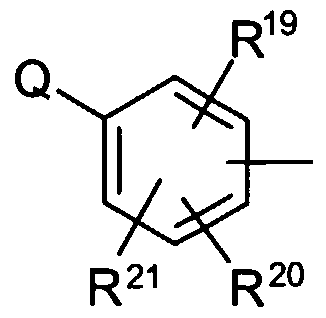

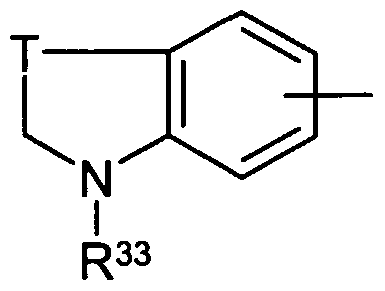


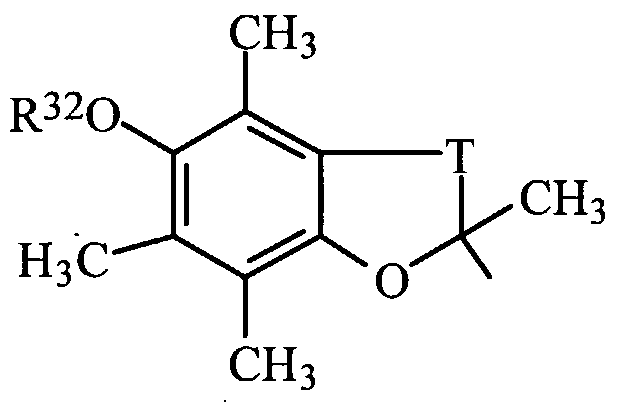


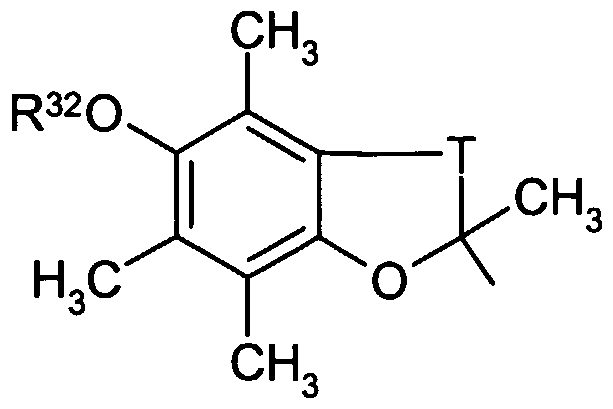
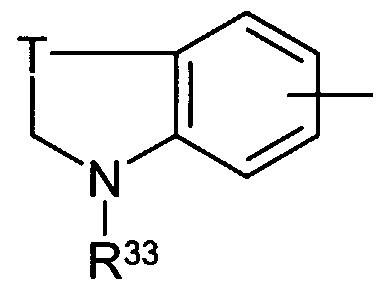


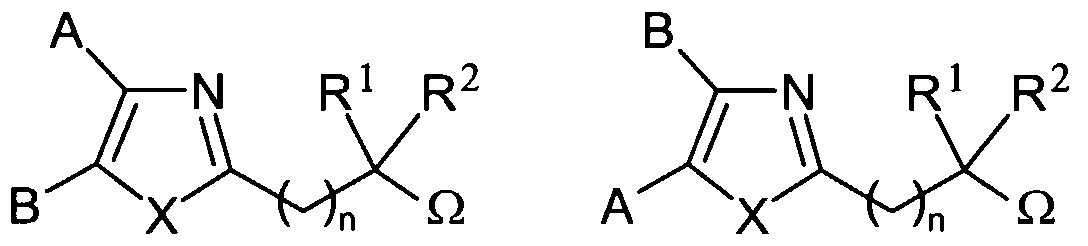


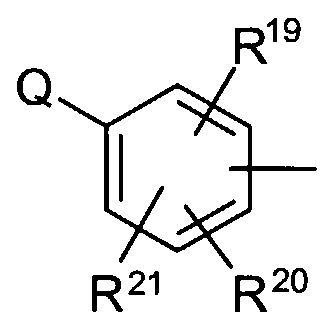

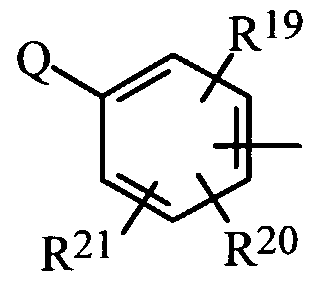


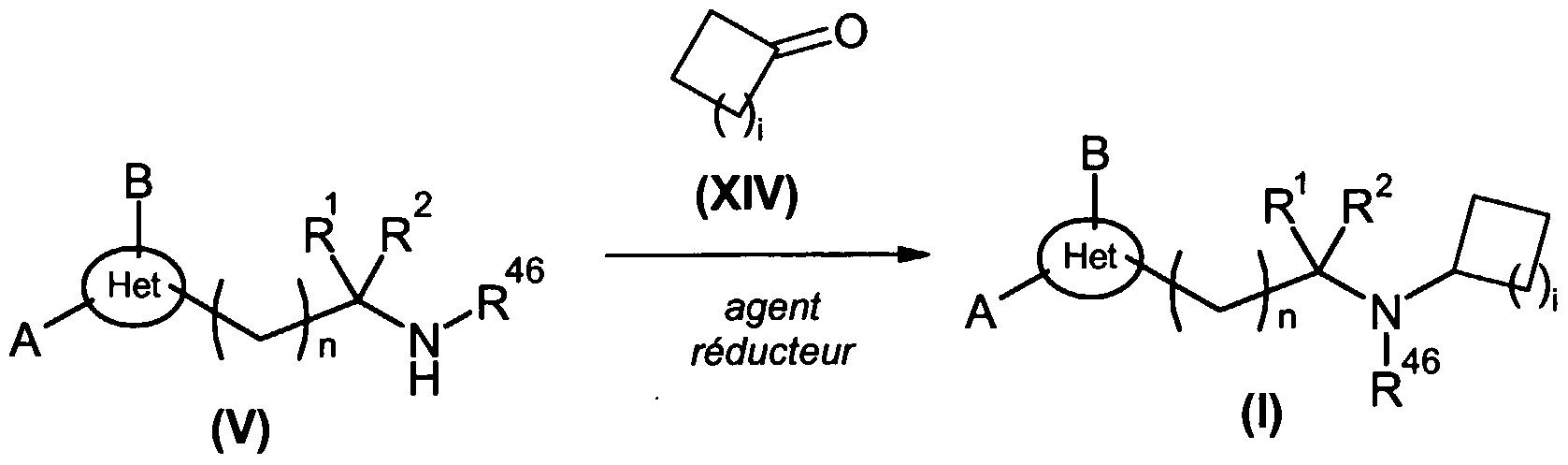


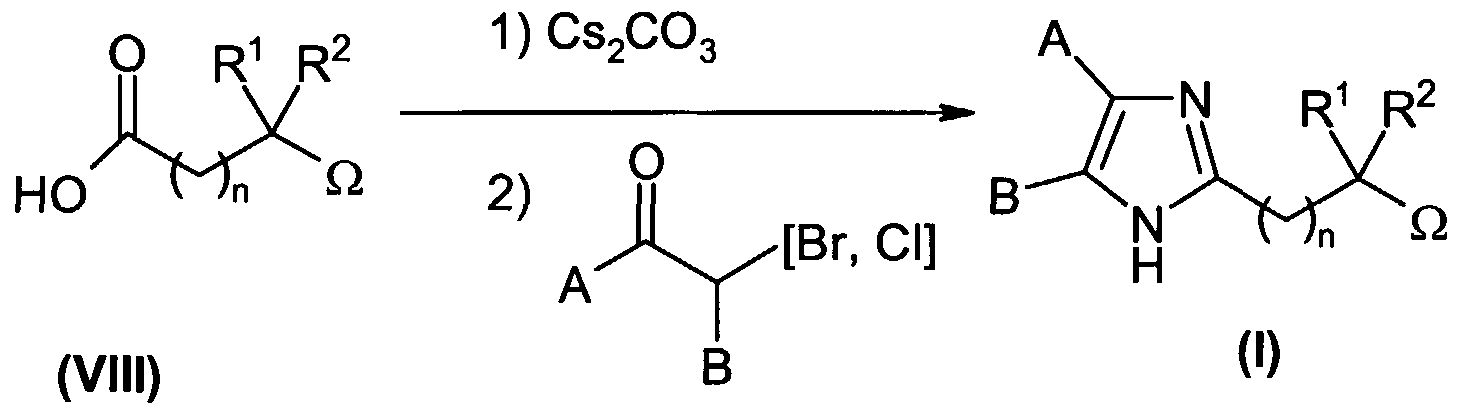


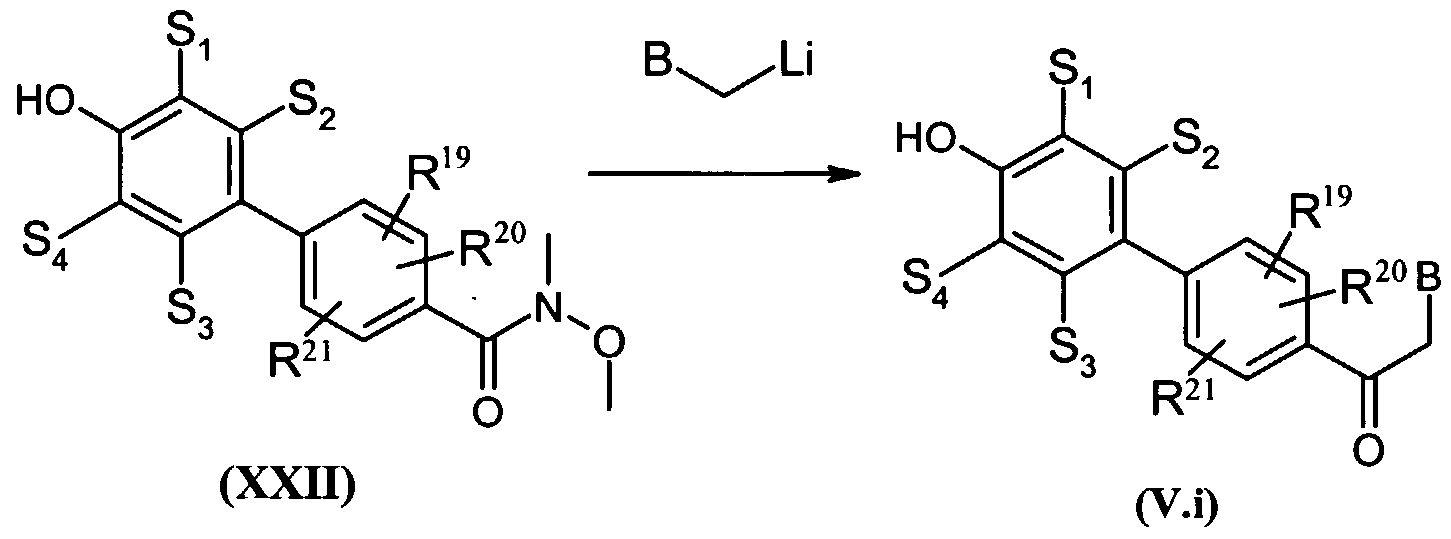





Claims


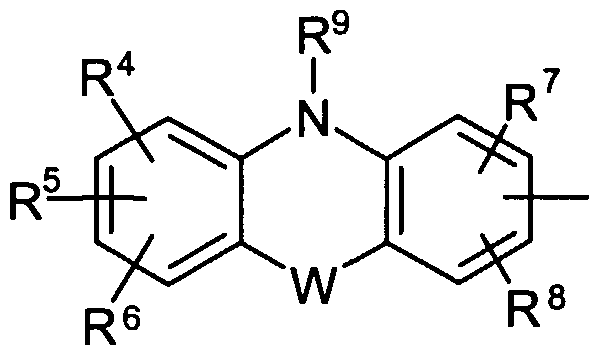
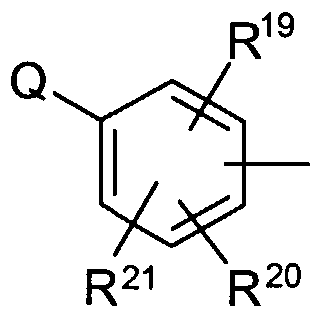


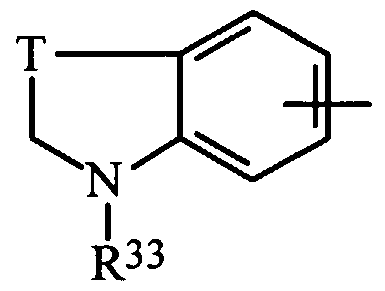


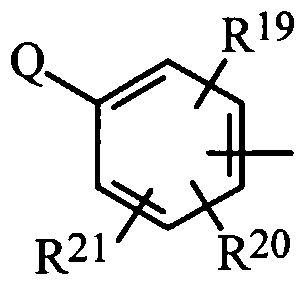


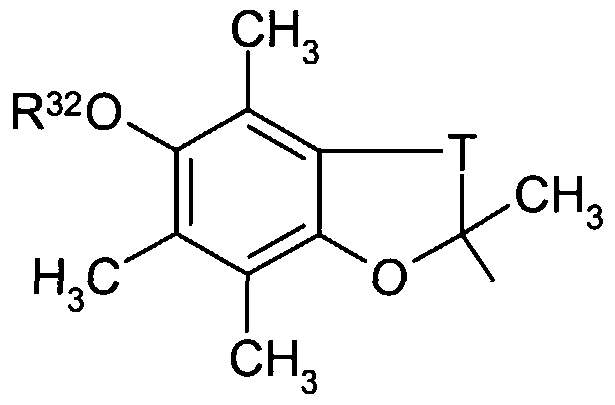


Priority Applications (22)
| Application Number | Priority Date | Filing Date | Title |
|---|---|---|---|
| IL14889600A IL148896A0 (en) | 1999-10-11 | 2000-10-10 | 5-membered heterocycle derivatives, production thereof and use thereof as medicaments |
| BR0014649-8A BR0014649A (pt) | 1999-10-11 | 2000-10-10 | Utilização de um produto, medicamento, composto e composição farmacêutica |
| EP00967988A EP1223933B1 (fr) | 1999-10-11 | 2000-10-10 | Dérivés d'hétérocycles à 5 chainons et leur application comme inhibiteurs de monoamine oxydase |
| PL355147A PL215580B1 (pl) | 1999-10-11 | 2000-10-10 | 4-[2-(aminometylo)-1,3-tiazol-4-ilo]-2,6-di(tert-butylo) fenol i jego zastosowanie jako leku |
| HK03101645.4A HK1049957B (zh) | 1999-10-11 | 2000-10-10 | 5-元杂环衍生物、其制备及其作为药物的用途 |
| JP2001529718A JP4972263B2 (ja) | 1999-10-11 | 2000-10-10 | 5員複素環誘導体、その製造方法及びその医薬としての使用 |
| HU0203841A HU228254B1 (en) | 1999-10-11 | 2000-10-10 | 5-membered heteroaromatic compound and pharmaceutical compositions containing it |
| DE60030574T DE60030574T2 (de) | 1999-10-11 | 2000-10-10 | Fünfgliedrige derivate von heterozyklen und ihre verwendung als monoaminoxidase-inhibitoren |
| MXPA02003665A MXPA02003665A (es) | 1999-10-11 | 2000-10-10 | Derivados de heterociclos de 5 miembros, su preparacion y su uso como medicamentos. |
| AU77965/00A AU783129B2 (en) | 1999-10-11 | 2000-10-10 | 5-membered heterocycle derivatives, production thereof and use thereof as medicaments |
| NZ518304A NZ518304A (en) | 1999-10-11 | 2000-10-10 | 5-membered heterocycle derivatives, their production and use to inhibit monoamine oxydases (MAO) and/or lipidic peroxidation and/or to act as modulators of the sodium channels |
| CA2388505A CA2388505C (fr) | 1999-10-11 | 2000-10-10 | Derives d'heterocycles a 5 chainons, leur preparation et leur application a titre de medicaments |
| IL148896A IL148896A (en) | 1999-10-11 | 2002-03-26 | Use of thiazole derivatives for drug preparation, pharmaceutical preparations containing them and one such compound |
| NO20021689A NO331874B1 (no) | 1999-10-11 | 2002-04-10 | 4-[2(aminometyl)-1,3-tiazol-4-yl]-2,6-di(tert-butyl)fenol, anvendelse som medikamenter samt anvendelse for behandling av sykdom. |
| US10/915,001 US7291641B2 (en) | 1999-10-11 | 2004-08-10 | Derivatives of heterocycles with 5 members, their preparation and their use as medicaments |
| US10/575,249 US20070054900A1 (en) | 1999-10-11 | 2004-10-08 | 4-Phenlthiazole and 4-phenylimidizole derivatives and their use as medicaments for the treatment of neurodegenerative diseases, pain and epilepsy |
| US11/256,901 US20070021390A1 (en) | 1999-10-11 | 2005-10-24 | Derivatives of heterocycles with 5 members, their preparation and their use as medicaments |
| CY20061101600T CY1106237T1 (el) | 1999-10-11 | 2006-11-08 | Ετepοκυκλικα παραγωγα με 5 μελη στο δακτυλιο και εφαρμογη αυτων ως παρεμποδιστων της μονοαμινο οξυδασης |
| US11/708,531 US20070179153A1 (en) | 1999-10-11 | 2007-02-20 | Derivatives of heterocycles with 5 members, their preparation and their use as medicaments |
| IL185118A IL185118A0 (en) | 1999-10-11 | 2007-08-08 | 5-membered heterocycle derivatives,production thereof and use thereof as medicaments |
| US12/001,439 US7956075B2 (en) | 1999-10-11 | 2007-12-11 | Derivatives of heterocycles with 5 members, their preparation and their use as medicaments |
| US13/053,092 US8288560B2 (en) | 1999-10-11 | 2011-03-21 | Derivatives of heterocycles with 5 members, their preparation and their use as medicaments |
Applications Claiming Priority (6)
| Application Number | Priority Date | Filing Date | Title |
|---|---|---|---|
| FR9912643A FR2799461B1 (fr) | 1999-10-11 | 1999-10-11 | Derives d'heterocycles a 5 chainons, leur preparation et leur application a titre de medicaments |
| FR99/12643 | 1999-10-11 | ||
| FR00/10151 | 2000-08-01 | ||
| FR0010151A FR2812546B1 (fr) | 2000-08-01 | 2000-08-01 | Derives d'heterocycles a 5 chainons, leur preparation et leur application a titre de medicaments |
| FR0011169 | 2000-09-01 | ||
| FR00/11169 | 2000-09-01 |
Related Child Applications (4)
| Application Number | Title | Priority Date | Filing Date |
|---|---|---|---|
| US10089993 A-371-Of-International | 2000-10-10 | ||
| PCT/FR2002/001218 Continuation-In-Part WO2002083656A2 (fr) | 1999-10-11 | 2002-04-09 | Derives d'heterocycles a 5 chainons et leur utilisation en tant qu'inhibiteurs de la mao et/ou peroxydation lipidique, leur preparation et leur application comme medicaments |
| US10/681,002 Continuation-In-Part US20040132788A1 (en) | 1999-10-11 | 2003-10-08 | Derivatives of heterocycles with 5 members, their preparation and their use as medicaments |
| US11/256,901 Division US20070021390A1 (en) | 1999-10-11 | 2005-10-24 | Derivatives of heterocycles with 5 members, their preparation and their use as medicaments |
Publications (2)
| Publication Number | Publication Date |
|---|---|
| WO2001026656A2 true WO2001026656A2 (fr) | 2001-04-19 |
| WO2001026656A3 WO2001026656A3 (fr) | 2002-04-18 |
Family
ID=27248695
Family Applications (1)
| Application Number | Title | Priority Date | Filing Date |
|---|---|---|---|
| PCT/FR2000/002805 Ceased WO2001026656A2 (fr) | 1999-10-11 | 2000-10-10 | Derives d'heterocycles a 5 chainons et leur application comme inhibiteurs de monoamine oxydase |
Country Status (27)
| Country | Link |
|---|---|
| US (4) | US20070021390A1 (fr) |
| EP (3) | EP1589007B1 (fr) |
| JP (1) | JP4972263B2 (fr) |
| KR (2) | KR20070068491A (fr) |
| CN (1) | CN100488506C (fr) |
| AR (1) | AR029006A1 (fr) |
| AT (2) | ATE522213T1 (fr) |
| AU (1) | AU783129B2 (fr) |
| BR (1) | BR0014649A (fr) |
| CA (1) | CA2388505C (fr) |
| CY (1) | CY1106237T1 (fr) |
| CZ (1) | CZ304331B6 (fr) |
| DE (1) | DE60030574T2 (fr) |
| DK (2) | DK1589007T3 (fr) |
| ES (2) | ES2270873T3 (fr) |
| HK (1) | HK1049957B (fr) |
| HU (1) | HU228254B1 (fr) |
| IL (3) | IL148896A0 (fr) |
| MX (1) | MXPA02003665A (fr) |
| MY (1) | MY145388A (fr) |
| NO (1) | NO331874B1 (fr) |
| NZ (2) | NZ518304A (fr) |
| PL (1) | PL215580B1 (fr) |
| PT (2) | PT1589007E (fr) |
| RU (1) | RU2271355C2 (fr) |
| TW (2) | TWI283577B (fr) |
| WO (1) | WO2001026656A2 (fr) |
Cited By (34)
| Publication number | Priority date | Publication date | Assignee | Title |
|---|---|---|---|---|
| FR2823208A1 (fr) * | 2001-04-10 | 2002-10-11 | Sod Conseils Rech Applic | Derives d'heterocycles a 5 chainons, leur preparation et leur application a titre de medicaments |
| FR2825926A1 (fr) * | 2001-06-14 | 2002-12-20 | Sod Conseils Rech Applic | Derives d'imidazoles modulant les canaux sodiques |
| WO2002083656A3 (fr) * | 2001-04-10 | 2003-01-03 | Sod Conseils Rech Applic | Derives d'heterocycles a 5 chainons et leur utilisation en tant qu'inhibiteurs de la mao et/ou peroxydation lipidique, leur preparation et leur application comme medicaments |
| FR2827772A1 (fr) * | 2001-07-26 | 2003-01-31 | Sod Conseils Rech Applic | Utilisation de derives de thiazoles pour preparer un medicament destine a proteger les mitochondries |
| WO2003062232A1 (fr) * | 2002-01-25 | 2003-07-31 | Societe De Conseils De Recherche Et D'applications Scientifiques (S.C.R.A.S.) | Derives de thiazoles utiles dans le traitement de maladies neurologiques |
| WO2003026632A3 (fr) * | 2001-09-26 | 2003-08-21 | Theravance Inc | Composes phenoliques substitues utiles pour l'anesthesie et la sedation |
| FR2842808A1 (fr) * | 2002-07-25 | 2004-01-30 | Sod Conseils Rech Applic | Nouveaux derives d'arylimidazoles, leur preparation et leurs applications therapeutiques |
| JP2004517121A (ja) * | 2000-12-28 | 2004-06-10 | ソシエテ・ド・コンセイユ・ド・ルシエルシエ・エ・ダアツプリカーション・シヤンテイフイツク・(エス.セー.エール.アー.エス) | 2−ピペリジルイミダゾール類から誘導されるナトリウムチャネルモジュレーター |
| WO2004014902A3 (fr) * | 2002-08-09 | 2004-07-08 | Astrazeneca Ab | Nouveaux composes |
| WO2004071448A3 (fr) * | 2003-02-12 | 2004-10-14 | Transtech Pharma Inc | Derives d'azole substitues comme agents therapeutiques |
| WO2004014370A3 (fr) * | 2002-08-09 | 2004-10-21 | Astrazeneca Ab | Nouveaux composes |
| WO2005021540A1 (fr) * | 2003-08-27 | 2005-03-10 | Sk Corporation | Derives d'acide chromancarboxylique utilises dans le traitement du diabete et des troubles lipidiques |
| WO2005035510A1 (fr) * | 2003-10-08 | 2005-04-21 | Societe De Conseils De Recherches Et D'applications Scientifiques (S.C.R.A.S.) | Derives du 4-phenylthiazole et du 4-phenylimidazole et leur utilisation comme medicaments pour le traitement de maladies neurodegeneratives. la douleur et l'epilepsie |
| US7022705B2 (en) | 2001-10-25 | 2006-04-04 | Astrazeneca Ab | Isoxazoline derivatives useful as antimicrobials |
| FR2888116A1 (fr) * | 2005-07-08 | 2007-01-12 | Sod Conseils Rech Applic | Derives de thiazoles pour traiter les dyskinesies |
| US7163952B2 (en) | 2001-12-03 | 2007-01-16 | Japan Tobacco Inc. | Azole compound and medicinal use thereof |
| EP1704135A4 (fr) * | 2003-12-23 | 2007-10-24 | Abraxis Bioscience Inc | Analogues du propofol, procede permettant de les preparer et methodes permettant de les utiliser |
| WO2008055945A1 (fr) | 2006-11-09 | 2008-05-15 | Probiodrug Ag | Dérivés 3-hydr0xy-1,5-dihydr0-pyrr0l-2-one utiles en tant qu' inhibiteurs de la glutaminyl-cyclase dans le traitement des ulcères, du cancer et d'autres maladies |
| WO2008065141A1 (fr) | 2006-11-30 | 2008-06-05 | Probiodrug Ag | Nouveaux inhibiteurs de glutaminylcyclase |
| WO2008104580A1 (fr) | 2007-03-01 | 2008-09-04 | Probiodrug Ag | Nouvelle utilisation d'inhibiteurs de la glutaminyl cyclase |
| US7453002B2 (en) | 2004-06-15 | 2008-11-18 | Bristol-Myers Squibb Company | Five-membered heterocycles useful as serine protease inhibitors |
| US7456200B2 (en) | 2002-08-09 | 2008-11-25 | Astrazeneca Ab | Compounds |
| US7576221B2 (en) * | 2004-06-18 | 2009-08-18 | Novartis Vaccines And Diagnostics, Inc. | Substituted imidazole derivatives |
| US7732162B2 (en) | 2003-05-05 | 2010-06-08 | Probiodrug Ag | Inhibitors of glutaminyl cyclase for treating neurodegenerative diseases |
| US7820646B2 (en) | 2007-01-05 | 2010-10-26 | Novartis Vaccines And Diagnostics, Inc. | Cyclized derivatives as Eg-5 inhibitors |
| WO2011029920A1 (fr) | 2009-09-11 | 2011-03-17 | Probiodrug Ag | Dérivés hétérocycliques en tant qu'inhibiteurs de glutaminyle cyclase |
| CN102083497A (zh) * | 2008-03-28 | 2011-06-01 | 马格福斯纳米技术股份公司 | 用于加热生物组织中的磁性或可磁化物质的交变磁场治疗施源器 |
| WO2011107530A2 (fr) | 2010-03-03 | 2011-09-09 | Probiodrug Ag | Nouveaux inhibiteurs |
| WO2011110613A1 (fr) | 2010-03-10 | 2011-09-15 | Probiodrug Ag | Inhibiteurs hétérocycliques de la glutaminyl cyclase (qc, ec 2.3.2.5) |
| WO2011131748A2 (fr) | 2010-04-21 | 2011-10-27 | Probiodrug Ag | Nouveaux inhibiteurs |
| WO2012123563A1 (fr) | 2011-03-16 | 2012-09-20 | Probiodrug Ag | Dérivés de benzimidazole en tant qu'inhibiteurs de la glutaminyl cyclase |
| EP2865670A1 (fr) | 2007-04-18 | 2015-04-29 | Probiodrug AG | Dérivés de thio-urée utilisés comme inhibiteurs de la glutaminyl cyclase |
| EP3461819A1 (fr) | 2017-09-29 | 2019-04-03 | Probiodrug AG | Inhibiteurs de la glutaminyl-cyclase |
| CN115000305A (zh) * | 2022-05-09 | 2022-09-02 | 广州光达创新科技有限公司 | 一种小分子共轭材料及其在量子点光探测器和阵列中的应用 |
Families Citing this family (23)
| Publication number | Priority date | Publication date | Assignee | Title |
|---|---|---|---|---|
| TWI283577B (en) * | 1999-10-11 | 2007-07-11 | Sod Conseils Rech Applic | Pharmaceutical composition of imidazole derivatives acting as modulators of sodium channels and the use thereof |
| WO2004089918A1 (fr) * | 2003-04-09 | 2004-10-21 | Japan Tobacco Inc. | Compose pentacyclique heteroaromatique et son usage medical |
| EP1533295A1 (fr) * | 2003-11-24 | 2005-05-25 | Newron Pharmaceuticals S.p.A. | Dérivés de cyclopentyle |
| EP1828171B1 (fr) * | 2004-12-10 | 2014-03-12 | Istituto Di Ricerche Di Biologia Molecolare P. Angeletti S.P.A. | Derives heterocycliques utilises comme inhibiteurs d'histone desacetylase (hdac) |
| CA2594946A1 (fr) * | 2005-01-19 | 2006-07-27 | Merck & Co., Inc | Carbinamines tertiaires incluant des heterocycles substitues, agissant en tant qu'inhibiteurs de la beta-secretase et utilisees dans le traitement de la maladie d'alzheimer |
| TW200848417A (en) * | 2007-02-22 | 2008-12-16 | Organon Nv | Indole derivatives |
| WO2008107335A1 (fr) * | 2007-03-05 | 2008-09-12 | F. Hoffmann-La Roche Ag | Aminoamides comme antagonistes de l'orexine |
| US20110190356A1 (en) * | 2008-08-19 | 2011-08-04 | Knopp Neurosciences Inc. | Compositions and Methods of Using (R)- Pramipexole |
| GB0822486D0 (en) * | 2008-12-10 | 2009-01-14 | Univ Liverpool | Compounds for use in the treatment of pain |
| KR101220182B1 (ko) * | 2009-02-25 | 2013-01-11 | 에스케이바이오팜 주식회사 | 치환된 아졸 유도체 화합물, 이를 포함하는 약제학적 조성물 및 이를 이용한 파킨슨씨 병 치료방법 |
| RU2506082C2 (ru) * | 2011-05-24 | 2014-02-10 | Государственное учебно-научное учреждение Химический факультет Московского государственного университета им. М.В. Ломоносова | Антигипотоническое средство |
| CA2850925C (fr) * | 2011-10-26 | 2017-01-10 | Pfizer Limited | Derives de (4-phenylimidazol-2-yl) ethylamine utiles comme modulateurs de canal de sodium |
| WO2013096816A1 (fr) | 2011-12-22 | 2013-06-27 | Biogen Idec Ma Inc. | Synthèse améliorée de composés substitués par amine de 4,5,6,7-tétrahydrobenzothiazole |
| WO2013131018A1 (fr) * | 2012-03-02 | 2013-09-06 | Zalicus Pharmaceuticals Ltd. | Inhibiteurs biaryle du canal sodique |
| US9662313B2 (en) | 2013-02-28 | 2017-05-30 | Knopp Biosciences Llc | Compositions and methods for treating amyotrophic lateral sclerosis in responders |
| PL3019167T3 (pl) | 2013-07-12 | 2021-06-14 | Knopp Biosciences Llc | Leczenie podwyższonych poziomów eozynofili i/lub bazofili |
| DK3033081T3 (da) | 2013-08-13 | 2021-05-31 | Knopp Biosciences Llc | Sammensætninger og fremgangsmåder til behandling af kronisk urticaria |
| EP3038467B1 (fr) | 2013-08-13 | 2020-07-29 | Knopp Biosciences LLC | Compositions et méthodes de traitement de troubles des cellules plasmatiques et de troubles prolymphocytaires à cellules b |
| WO2020051424A1 (fr) * | 2018-09-07 | 2020-03-12 | Pic Therapeutics | Inhibiteurs d'eif4e et leurs utilisations |
| TW202146393A (zh) | 2020-03-03 | 2021-12-16 | 美商皮克醫療公司 | Eif4e抑制劑及其用途 |
| WO2022015782A1 (fr) * | 2020-07-15 | 2022-01-20 | Board Of Trustees Of Michigan State University | Compositions et procédés associés pour le recyclage en boucle fermée de polyesters |
| CA3229560A1 (fr) | 2021-08-25 | 2023-03-02 | Christopher L. Vandeusen | Inhibiteurs d'eif4e et leurs utilisations |
| US12157732B2 (en) | 2021-08-25 | 2024-12-03 | PIC Therapeutics, Inc. | eIF4E inhibitors and uses thereof |
Family Cites Families (29)
| Publication number | Priority date | Publication date | Assignee | Title |
|---|---|---|---|---|
| FR4244E (fr) | 1905-08-25 | Francisque Voland | Dispositien nouvelle de métier à tisser, en vue de l'obtention d'un tissu biaisé | |
| US1743083A (en) * | 1928-02-03 | 1930-01-07 | Winthrop Chem Co | Catechol thiazoles and process of making the same |
| FR2132632A1 (en) * | 1971-04-07 | 1972-11-24 | Berlin Chemie Veb | Prepn of 2-aminomethyl imidazole derivs - hypotensives mao inhibitors anticonvulsant s, antiphlogistics, choleretics and ant |
| US4123529A (en) | 1976-04-23 | 1978-10-31 | Lilly Industries Limited | Phenylpiperazine derivatives |
| DE2702714A1 (de) | 1977-01-24 | 1978-07-27 | Lek Tovarna Farmacevtskih | Verfahren zur herstellung von phenothiazin-derivaten |
| US4348404A (en) * | 1980-07-21 | 1982-09-07 | E. I. Du Pont De Nemours And Company | Antiinflammatory 4,5-diaryl-α-polyfluoroalkyl-1H-imidazole-2-methanamines |
| US4372964A (en) * | 1980-10-30 | 1983-02-08 | E. I. Du Pont De Nemours And Company | Antiinflammatory 4,5-diaryl-1H-imidazole-2-methanols |
| JPS62132871A (ja) * | 1985-12-03 | 1987-06-16 | Yamanouchi Pharmaceut Co Ltd | 新規チアゾ−ル誘導体 |
| JP3003148B2 (ja) * | 1989-01-05 | 2000-01-24 | 藤沢薬品工業株式会社 | チアゾール化合物、その製造法およびそれを含有する医薬組成物 |
| EP0388909A3 (fr) * | 1989-03-22 | 1991-05-08 | Fujisawa Pharmaceutical Co., Ltd. | Thiazoles, procédés pour les préparer et compositions pharmaceutiques les contenant |
| DE3941438A1 (de) * | 1989-12-15 | 1991-06-20 | Hoechst Ag | Neue 2-substituierte 4-(3-alkyl-5-tert.-butyl-4-hydroxy-phenyl)-thiazole, verfahren zu ihrer herstellung, die sie enthaltenden arzneimittel und ihre verwendung |
| GB9204958D0 (en) * | 1992-03-06 | 1992-04-22 | Fujisawa Pharmaceutical Co | Thiazole derivatives |
| NZ290008A (en) * | 1994-06-29 | 1998-08-26 | Smithkline Beecham Corp | Vitronectin receptor antagonists, comprising a fibrinogen antagonist analogue linked to a heterocycle |
| US5620999A (en) * | 1994-07-28 | 1997-04-15 | Weier; Richard M. | Benzenesulfonamide subtituted imidazolyl compounds for the treatment of inflammation |
| EP0793653A1 (fr) * | 1994-11-23 | 1997-09-10 | Neurogen Corporation | Certains derives 4-aminomethyl 2-substitues de l'imidazole et derives 2-aminomethyl 4-substitues de l'imidazole, nouvelles categories de ligands specifiques du sous-type du recepteur de la dopamine |
| FR2727969B1 (fr) * | 1994-12-09 | 1997-01-17 | Roussel Uclaf | Nouveaux derives de l'erythromycine, leur procede de preparation et leur application comme medicaments |
| DE69722258T2 (de) * | 1996-10-07 | 2004-03-18 | Eli Lilly And Co., Indianapolis | Neue verbindungen nutlich als neuroschützende mittel |
| EP0946587A2 (fr) * | 1996-12-16 | 1999-10-06 | Fujisawa Pharmaceutical Co., Ltd. | Nouveaux composes amide |
| FR2764889B1 (fr) * | 1997-06-20 | 2000-09-01 | Sod Conseils Rech Applic | Nouveaux derives du 2-(iminomethyl)amino-phenyle, leur preparation, leur application a titre de medicaments et les compositions pharmaceutiques les contenant |
| US6335445B1 (en) * | 1997-03-24 | 2002-01-01 | Societe De Conseils De Recherches Et D'applications Scientifiques (S.C.R.A.S.) | Derivatives of 2-(iminomethyl)amino-phenyl, their preparation, their use as medicaments and the pharmaceutical compositions containing them |
| CA2302294A1 (fr) * | 1997-08-28 | 1999-03-04 | Harlan Edgar Shannon | Procede de traitement d'une douleur |
| CA2305538A1 (fr) * | 1997-10-06 | 1999-04-15 | David Lee Varie | Nouveaux composes utiles en tant qu'agents neuroprotecteurs |
| DK1086086T3 (da) * | 1998-06-12 | 2005-01-24 | Sod Conseils Rech Applic | Imidazolylderivater og anvendelse deraf som somatostatinreceptorligander |
| HUP0302962A2 (hu) * | 1998-06-12 | 2003-12-29 | Societe De Conseils De Recherches Et D'applications Scientifiques S.A.S. | Béta-karbolinszármazékok, ezeket a vegyületeket tartalmazó gyógyászati készítmények és a vegyületek alkalmazása |
| ES2215420T3 (es) * | 1998-12-31 | 2004-10-01 | Societe De Conseils De Recherches Et D'applications Scientifiques S.A.S. | Inhibidores de la prenil-transferasa. |
| TW502019B (en) * | 1999-03-26 | 2002-09-11 | Cocensys Inc | Aryl substituted pyrazoles, imidazoles, oxazoles, thiazoles and pyrroles, and the use thereof |
| TWI283577B (en) | 1999-10-11 | 2007-07-11 | Sod Conseils Rech Applic | Pharmaceutical composition of imidazole derivatives acting as modulators of sodium channels and the use thereof |
| JP2004516271A (ja) | 2000-12-20 | 2004-06-03 | アストラゼネカ・アクチエボラーグ | 治療法 |
| TWI248438B (en) | 2001-04-10 | 2006-02-01 | Sod Conseils Rech Applic | Derivatives of heterocycles with 5 members, their preparation and their use as medicaments |
-
2000
- 2000-10-09 TW TW089121109A patent/TWI283577B/zh not_active IP Right Cessation
- 2000-10-09 TW TW093132951A patent/TWI292316B/zh not_active IP Right Cessation
- 2000-10-10 PT PT50767490T patent/PT1589007E/pt unknown
- 2000-10-10 EP EP05076749.0A patent/EP1589007B1/fr not_active Expired - Lifetime
- 2000-10-10 KR KR1020077013941A patent/KR20070068491A/ko not_active Abandoned
- 2000-10-10 ES ES00967988T patent/ES2270873T3/es not_active Expired - Lifetime
- 2000-10-10 CZ CZ2002-1292A patent/CZ304331B6/cs not_active IP Right Cessation
- 2000-10-10 HK HK03101645.4A patent/HK1049957B/zh not_active IP Right Cessation
- 2000-10-10 CN CNB008158479A patent/CN100488506C/zh not_active Expired - Fee Related
- 2000-10-10 CA CA2388505A patent/CA2388505C/fr not_active Expired - Fee Related
- 2000-10-10 DE DE60030574T patent/DE60030574T2/de not_active Expired - Lifetime
- 2000-10-10 MX MXPA02003665A patent/MXPA02003665A/es active IP Right Grant
- 2000-10-10 DK DK05076749.0T patent/DK1589007T3/en active
- 2000-10-10 AU AU77965/00A patent/AU783129B2/en not_active Ceased
- 2000-10-10 HU HU0203841A patent/HU228254B1/hu not_active IP Right Cessation
- 2000-10-10 DK DK00967988T patent/DK1223933T3/da active
- 2000-10-10 JP JP2001529718A patent/JP4972263B2/ja not_active Expired - Fee Related
- 2000-10-10 MY MYPI20004725A patent/MY145388A/en unknown
- 2000-10-10 EP EP00967988A patent/EP1223933B1/fr not_active Expired - Lifetime
- 2000-10-10 RU RU2002112227/15A patent/RU2271355C2/ru not_active IP Right Cessation
- 2000-10-10 ES ES05076749.0T patent/ES2544856T3/es not_active Expired - Lifetime
- 2000-10-10 IL IL14889600A patent/IL148896A0/xx active IP Right Grant
- 2000-10-10 BR BR0014649-8A patent/BR0014649A/pt not_active IP Right Cessation
- 2000-10-10 WO PCT/FR2000/002805 patent/WO2001026656A2/fr not_active Ceased
- 2000-10-10 AT AT02076763T patent/ATE522213T1/de not_active IP Right Cessation
- 2000-10-10 KR KR1020027004578A patent/KR100731698B1/ko not_active Expired - Fee Related
- 2000-10-10 EP EP02076763A patent/EP1228760B1/fr not_active Expired - Lifetime
- 2000-10-10 PL PL355147A patent/PL215580B1/pl not_active IP Right Cessation
- 2000-10-10 NZ NZ518304A patent/NZ518304A/en not_active IP Right Cessation
- 2000-10-10 NZ NZ533429A patent/NZ533429A/en not_active IP Right Cessation
- 2000-10-10 PT PT00967988T patent/PT1223933E/pt unknown
- 2000-10-10 AT AT00967988T patent/ATE338547T1/de active
- 2000-10-11 AR ARP000105353A patent/AR029006A1/es active IP Right Grant
-
2002
- 2002-03-26 IL IL148896A patent/IL148896A/en not_active IP Right Cessation
- 2002-04-10 NO NO20021689A patent/NO331874B1/no not_active IP Right Cessation
-
2005
- 2005-10-24 US US11/256,901 patent/US20070021390A1/en not_active Abandoned
-
2006
- 2006-11-08 CY CY20061101600T patent/CY1106237T1/el unknown
-
2007
- 2007-02-20 US US11/708,531 patent/US20070179153A1/en not_active Abandoned
- 2007-08-08 IL IL185118A patent/IL185118A0/en not_active IP Right Cessation
- 2007-12-11 US US12/001,439 patent/US7956075B2/en not_active Expired - Fee Related
-
2011
- 2011-03-21 US US13/053,092 patent/US8288560B2/en not_active Expired - Fee Related
Cited By (64)
| Publication number | Priority date | Publication date | Assignee | Title |
|---|---|---|---|---|
| JP2004517121A (ja) * | 2000-12-28 | 2004-06-10 | ソシエテ・ド・コンセイユ・ド・ルシエルシエ・エ・ダアツプリカーション・シヤンテイフイツク・(エス.セー.エール.アー.エス) | 2−ピペリジルイミダゾール類から誘導されるナトリウムチャネルモジュレーター |
| WO2002083656A3 (fr) * | 2001-04-10 | 2003-01-03 | Sod Conseils Rech Applic | Derives d'heterocycles a 5 chainons et leur utilisation en tant qu'inhibiteurs de la mao et/ou peroxydation lipidique, leur preparation et leur application comme medicaments |
| FR2823208A1 (fr) * | 2001-04-10 | 2002-10-11 | Sod Conseils Rech Applic | Derives d'heterocycles a 5 chainons, leur preparation et leur application a titre de medicaments |
| JP2004531526A (ja) * | 2001-04-10 | 2004-10-14 | ソシエテ・ド・コンセイユ・ド・ルシエルシエ・エ・ダアツプリカーション・シヤンテイフイツク・(エス.セー.エール.アー.エス) | 5員複素間誘導体、その製造法及びその医薬としての使用 |
| WO2002102375A3 (fr) * | 2001-06-14 | 2003-09-25 | Sod Conseils Rech Applic | Derives d'imidazoles modulant les canaux sodiques |
| FR2825926A1 (fr) * | 2001-06-14 | 2002-12-20 | Sod Conseils Rech Applic | Derives d'imidazoles modulant les canaux sodiques |
| US7157483B2 (en) | 2001-06-14 | 2007-01-02 | Societe De Conseils De Recherches Et D'applications Scientifiques (S.C.R.A.S.) | Imidazole derivatives modulating the sodium channels |
| FR2827772A1 (fr) * | 2001-07-26 | 2003-01-31 | Sod Conseils Rech Applic | Utilisation de derives de thiazoles pour preparer un medicament destine a proteger les mitochondries |
| WO2003009843A1 (fr) * | 2001-07-26 | 2003-02-06 | Societe De Conseils De Recherches Et D'applications Scientifiques (S.C.R.A.S.) | Utilisation de derives de thiazoles pour preparer un medicament destine a proteger les mithochondries |
| US7345066B2 (en) | 2001-07-26 | 2008-03-18 | Societe De Conseils De Recherches Et D'applications Scientifiques (S.C.R.A.S.) | Use of thiazole derivatives for preparing a medicine for protecting mitochondria |
| WO2003026632A3 (fr) * | 2001-09-26 | 2003-08-21 | Theravance Inc | Composes phenoliques substitues utiles pour l'anesthesie et la sedation |
| US7226946B2 (en) | 2001-09-26 | 2007-06-05 | Theravance, Inc. | Substituted phenol compounds useful for anesthesia and sedation |
| US6815555B2 (en) | 2001-09-26 | 2004-11-09 | Theravance, Inc. | Substituted phenol compounds useful for anesthesia and sedation |
| US7022705B2 (en) | 2001-10-25 | 2006-04-04 | Astrazeneca Ab | Isoxazoline derivatives useful as antimicrobials |
| US7163952B2 (en) | 2001-12-03 | 2007-01-16 | Japan Tobacco Inc. | Azole compound and medicinal use thereof |
| WO2003062232A1 (fr) * | 2002-01-25 | 2003-07-31 | Societe De Conseils De Recherche Et D'applications Scientifiques (S.C.R.A.S.) | Derives de thiazoles utiles dans le traitement de maladies neurologiques |
| FR2835254A1 (fr) * | 2002-01-25 | 2003-08-01 | Sod Conseils Rech Applic | Derives de thiazoles dans le traitement de maladies neurologiques |
| RU2323216C2 (ru) * | 2002-07-25 | 2008-04-27 | Сосьете Де Консей Де Решерш Э Д`Аппликасьон Сьентифик (С.К.Р.А.С.) | Новые производные арилимидазола, их препараты и их терапевтические применения |
| CN100340556C (zh) * | 2002-07-25 | 2007-10-03 | 科学研究和应用咨询公司 | 新芳基咪唑衍生物、其制备及其治疗用途 |
| WO2004011402A3 (fr) * | 2002-07-25 | 2004-04-29 | Sod Conseils Rech Applic | Derives d'arylimidazoles et leur utilisation en tant qu’inhibiteurs de no synthases et en tant que modulateurs des canaux sodiques |
| JP2005533857A (ja) * | 2002-07-25 | 2005-11-10 | ソシエテ・ド・コンセイユ・ド・ルシエルシエ・エ・ダアツプリカーション・シヤンテイフイツク・(エス.セー.エール.アー.エス) | 新規アリールイミダゾール誘導体、その製造方法及びその医薬用途 |
| FR2842808A1 (fr) * | 2002-07-25 | 2004-01-30 | Sod Conseils Rech Applic | Nouveaux derives d'arylimidazoles, leur preparation et leurs applications therapeutiques |
| US7192975B2 (en) | 2002-07-25 | 2007-03-20 | Societe De Conseils De Recherches Et D''applications Scientifiques (S.C.R.A.S.) | Arylimidazole derivatives, preparation and therapeutic used thereof |
| WO2004014370A3 (fr) * | 2002-08-09 | 2004-10-21 | Astrazeneca Ab | Nouveaux composes |
| US7074809B2 (en) | 2002-08-09 | 2006-07-11 | Astrazeneca Ab | Compounds |
| WO2004014902A3 (fr) * | 2002-08-09 | 2004-07-08 | Astrazeneca Ab | Nouveaux composes |
| US7456200B2 (en) | 2002-08-09 | 2008-11-25 | Astrazeneca Ab | Compounds |
| WO2004071448A3 (fr) * | 2003-02-12 | 2004-10-14 | Transtech Pharma Inc | Derives d'azole substitues comme agents therapeutiques |
| US8809010B2 (en) | 2003-05-05 | 2014-08-19 | Probiodrug Ag | Method for prophylactic treatment of alzheimer's disease using inhibitors of glutaminyl cyclase and glutamate cyclases |
| US7732162B2 (en) | 2003-05-05 | 2010-06-08 | Probiodrug Ag | Inhibitors of glutaminyl cyclase for treating neurodegenerative diseases |
| US7446127B2 (en) | 2003-08-27 | 2008-11-04 | Sk Holdings Co, Ltd. | Chroman carboxylic acid derivatives for the treatment of diabetes and lipid disorders |
| KR101118574B1 (ko) | 2003-08-27 | 2012-02-27 | 에스케이바이오팜 주식회사 | 당뇨병 및 지질 질환 치료용 크로만 카르복시 산 유도체 |
| WO2005021540A1 (fr) * | 2003-08-27 | 2005-03-10 | Sk Corporation | Derives d'acide chromancarboxylique utilises dans le traitement du diabete et des troubles lipidiques |
| WO2005035510A1 (fr) * | 2003-10-08 | 2005-04-21 | Societe De Conseils De Recherches Et D'applications Scientifiques (S.C.R.A.S.) | Derives du 4-phenylthiazole et du 4-phenylimidazole et leur utilisation comme medicaments pour le traitement de maladies neurodegeneratives. la douleur et l'epilepsie |
| EP1704135A4 (fr) * | 2003-12-23 | 2007-10-24 | Abraxis Bioscience Inc | Analogues du propofol, procede permettant de les preparer et methodes permettant de les utiliser |
| US7586008B2 (en) | 2003-12-23 | 2009-09-08 | Abraxis Bioscience, Inc. | Propofol analogs, process for their preparation, and methods of use |
| US9617224B2 (en) | 2004-06-15 | 2017-04-11 | Bristol-Myers Squibb Company | Five-membered heterocycles useful as serine protease inhibitors |
| US8716492B2 (en) | 2004-06-15 | 2014-05-06 | Bristol-Myers Squibb Company | Five-membered heterocycles useful as serine protease inhibitors |
| US7453002B2 (en) | 2004-06-15 | 2008-11-18 | Bristol-Myers Squibb Company | Five-membered heterocycles useful as serine protease inhibitors |
| US8101778B2 (en) | 2004-06-15 | 2012-01-24 | Bristol-Myers Squibb Company | Five-membered heterocycles useful as serine protease inhibitors |
| US10112936B2 (en) | 2004-06-15 | 2018-10-30 | Bristol-Myers Squibb Company | Five-membered heterocycles useful as serine protease inhibitors |
| US9079860B2 (en) | 2004-06-15 | 2015-07-14 | Bristol-Myers Squibb Company | Five-membered heterocycles useful as serine protease inhibitors |
| US7576221B2 (en) * | 2004-06-18 | 2009-08-18 | Novartis Vaccines And Diagnostics, Inc. | Substituted imidazole derivatives |
| US8318791B2 (en) | 2004-06-18 | 2012-11-27 | Novartis Vaccines And Diagnostics, Inc. | Substituted imidazole derivatives |
| US8735599B2 (en) | 2004-06-18 | 2014-05-27 | Novartis Vaccines And Diagnostics, Inc. | Substituted imidazole derivates |
| US9918967B2 (en) | 2005-07-08 | 2018-03-20 | Ipsen Pharma S.A.S. | Thiazole derivatives for treating dyskinesias caused by a chemical treatment |
| US9006274B2 (en) | 2005-07-08 | 2015-04-14 | Ipsen Pharma S.A.S. | Thiazole derivatives for treating dyskinesias caused by a chemical treatment |
| WO2007006942A1 (fr) * | 2005-07-08 | 2007-01-18 | Societe De Conseils De Recherches Et D'applications Scientifique (S.C.R.A.S.) | Derives de thiazoles pour traiter les dyskinesies provoquees par un traitement chimique |
| WO2007006941A1 (fr) * | 2005-07-08 | 2007-01-18 | Societe De Conseils De Recherches Et D'applications Scientifiques (S.C.R.A.S.) | Derives de thiazoles pour traiter le syndrome des jambes sans repos |
| FR2888116A1 (fr) * | 2005-07-08 | 2007-01-12 | Sod Conseils Rech Applic | Derives de thiazoles pour traiter les dyskinesies |
| WO2008055945A1 (fr) | 2006-11-09 | 2008-05-15 | Probiodrug Ag | Dérivés 3-hydr0xy-1,5-dihydr0-pyrr0l-2-one utiles en tant qu' inhibiteurs de la glutaminyl-cyclase dans le traitement des ulcères, du cancer et d'autres maladies |
| WO2008065141A1 (fr) | 2006-11-30 | 2008-06-05 | Probiodrug Ag | Nouveaux inhibiteurs de glutaminylcyclase |
| US7820646B2 (en) | 2007-01-05 | 2010-10-26 | Novartis Vaccines And Diagnostics, Inc. | Cyclized derivatives as Eg-5 inhibitors |
| EP2481408A2 (fr) | 2007-03-01 | 2012-08-01 | Probiodrug AG | Nouvelle utilisation d'inhibiteurs glutaminyle cyclase |
| WO2008104580A1 (fr) | 2007-03-01 | 2008-09-04 | Probiodrug Ag | Nouvelle utilisation d'inhibiteurs de la glutaminyl cyclase |
| EP2865670A1 (fr) | 2007-04-18 | 2015-04-29 | Probiodrug AG | Dérivés de thio-urée utilisés comme inhibiteurs de la glutaminyl cyclase |
| CN102083497A (zh) * | 2008-03-28 | 2011-06-01 | 马格福斯纳米技术股份公司 | 用于加热生物组织中的磁性或可磁化物质的交变磁场治疗施源器 |
| WO2011029920A1 (fr) | 2009-09-11 | 2011-03-17 | Probiodrug Ag | Dérivés hétérocycliques en tant qu'inhibiteurs de glutaminyle cyclase |
| WO2011107530A2 (fr) | 2010-03-03 | 2011-09-09 | Probiodrug Ag | Nouveaux inhibiteurs |
| WO2011110613A1 (fr) | 2010-03-10 | 2011-09-15 | Probiodrug Ag | Inhibiteurs hétérocycliques de la glutaminyl cyclase (qc, ec 2.3.2.5) |
| WO2011131748A2 (fr) | 2010-04-21 | 2011-10-27 | Probiodrug Ag | Nouveaux inhibiteurs |
| WO2012123563A1 (fr) | 2011-03-16 | 2012-09-20 | Probiodrug Ag | Dérivés de benzimidazole en tant qu'inhibiteurs de la glutaminyl cyclase |
| EP3461819A1 (fr) | 2017-09-29 | 2019-04-03 | Probiodrug AG | Inhibiteurs de la glutaminyl-cyclase |
| CN115000305A (zh) * | 2022-05-09 | 2022-09-02 | 广州光达创新科技有限公司 | 一种小分子共轭材料及其在量子点光探测器和阵列中的应用 |
Also Published As
Similar Documents
| Publication | Publication Date | Title |
|---|---|---|
| EP1589007B1 (fr) | Dérivés d'hétérocycles à 5 chainons, leur préparation et leur application comme médicaments | |
| US7291641B2 (en) | Derivatives of heterocycles with 5 members, their preparation and their use as medicaments | |
| US20040132788A1 (en) | Derivatives of heterocycles with 5 members, their preparation and their use as medicaments | |
| CA2443403C (fr) | Derives d'heterocycles a 5 chainons et leur utilisation en tant qu'inhibiteurs de la mao et/ou peroxydation lipidique, leur preparation et leur application comme medicaments | |
| ES2370274T3 (es) | Derivados de heterociclos de 5 miembros, su preparación y su aplicación como medicamentos. | |
| KR100822085B1 (ko) | 5-원 헤테로사이클 유도체, 이의 제조 방법 및의약으로서의 이의 용도 | |
| RU2380362C2 (ru) | Производные пятичленных гетероциклов, способ их получения и их применение в качестве лекарственных средств | |
| FR2812546A1 (fr) | Derives d'heterocycles a 5 chainons, leur preparation et leur application a titre de medicaments | |
| FR2823208A1 (fr) | Derives d'heterocycles a 5 chainons, leur preparation et leur application a titre de medicaments |
Legal Events
| Date | Code | Title | Description |
|---|---|---|---|
| AK | Designated states |
Kind code of ref document: A2 Designated state(s): AE AG AL AM AT AU AZ BA BB BG BR BY BZ CA CH CN CR CU CZ DE DK DM DZ EE ES FI GB GD GE GH GM HR HU ID IL IN IS JP KE KG KP KR KZ LC LK LR LS LT LU LV MA MD MG MK MN MW MX MZ NO NZ PL PT RO RU SD SE SG SI SK SL TJ TM TR TT TZ UA UG US UZ VN YU ZA ZW |
|
| AL | Designated countries for regional patents |
Kind code of ref document: A2 Designated state(s): GH GM KE LS MW MZ SD SL SZ TZ UG ZW AM AZ BY KG KZ MD RU TJ TM AT BE CH CY DE DK ES FI FR GB GR IE IT LU MC NL PT SE BF BJ CF CG CI CM GA GN GW ML MR NE SN TD TG |
|
| 121 | Ep: the epo has been informed by wipo that ep was designated in this application | ||
| DFPE | Request for preliminary examination filed prior to expiration of 19th month from priority date (pct application filed before 20040101) | ||
| WWE | Wipo information: entry into national phase |
Ref document number: 148896 Country of ref document: IL |
|
| WWE | Wipo information: entry into national phase |
Ref document number: 2388505 Country of ref document: CA |
|
| WWE | Wipo information: entry into national phase |
Ref document number: 10089993 Country of ref document: US Ref document number: IN/PCT/2002/00415/MU Country of ref document: IN |
|
| WWE | Wipo information: entry into national phase |
Ref document number: 77965/00 Country of ref document: AU Ref document number: 1020027004578 Country of ref document: KR |
|
| ENP | Entry into the national phase |
Ref document number: 2001 529718 Country of ref document: JP Kind code of ref document: A |
|
| WWE | Wipo information: entry into national phase |
Ref document number: 518304 Country of ref document: NZ Ref document number: PA/a/2002/003665 Country of ref document: MX Ref document number: PV2002-1292 Country of ref document: CZ |
|
| AK | Designated states |
Kind code of ref document: A3 Designated state(s): AE AG AL AM AT AU AZ BA BB BG BR BY BZ CA CH CN CR CU CZ DE DK DM DZ EE ES FI GB GD GE GH GM HR HU ID IL IN IS JP KE KG KP KR KZ LC LK LR LS LT LU LV MA MD MG MK MN MW MX MZ NO NZ PL PT RO RU SD SE SG SI SK SL TJ TM TR TT TZ UA UG US UZ VN YU ZA ZW |
|
| AL | Designated countries for regional patents |
Kind code of ref document: A3 Designated state(s): GH GM KE LS MW MZ SD SL SZ TZ UG ZW AM AZ BY KG KZ MD RU TJ TM AT BE CH CY DE DK ES FI FR GB GR IE IT LU MC NL PT SE BF BJ CF CG CI CM GA GN GW ML MR NE SN TD TG |
|
| WWE | Wipo information: entry into national phase |
Ref document number: 2000967988 Country of ref document: EP |
|
| ENP | Entry into the national phase |
Ref document number: 2002 2002112227 Country of ref document: RU Kind code of ref document: A |
|
| WWE | Wipo information: entry into national phase |
Ref document number: 008158479 Country of ref document: CN |
|
| WWP | Wipo information: published in national office |
Ref document number: 1020027004578 Country of ref document: KR |
|
| WWP | Wipo information: published in national office |
Ref document number: 2000967988 Country of ref document: EP |
|
| WWP | Wipo information: published in national office |
Ref document number: PV2002-1292 Country of ref document: CZ |
|
| WWG | Wipo information: grant in national office |
Ref document number: 518304 Country of ref document: NZ |
|
| WWP | Wipo information: published in national office |
Ref document number: 518304 Country of ref document: NZ |
|
| WWG | Wipo information: grant in national office |
Ref document number: 77965/00 Country of ref document: AU |
|
| WWG | Wipo information: grant in national office |
Ref document number: 2000967988 Country of ref document: EP |
|
| WWE | Wipo information: entry into national phase |
Ref document number: 185118 Country of ref document: IL |