WO2004050656A1 - 1,3−ジヒドロ−イミダゾール縮合環化合物 - Google Patents

1,3−ジヒドロ−イミダゾール縮合環化合物 Download PDF

Info

Publication number
WO2004050656A1
WO2004050656A1 PCT/JP2003/015402 JP0315402W WO2004050656A1 WO 2004050656 A1 WO2004050656 A1 WO 2004050656A1 JP 0315402 W JP0315402 W JP 0315402W WO 2004050656 A1 WO2004050656 A1 WO 2004050656A1
Authority
WO
WIPO (PCT)
Prior art keywords
group
compound
formula
methyl
atom
Prior art date
Legal status (The legal status is an assumption and is not a legal conclusion. Google has not performed a legal analysis and makes no representation as to the accuracy of the status listed.)
Ceased
Application number
PCT/JP2003/015402
Other languages
English (en)
French (fr)
Inventor
Kazunobu Kira
Richard Clark
Seiji Yoshikawa
Taisuke Uehara
Current Assignee (The listed assignees may be inaccurate. Google has not performed a legal analysis and makes no representation or warranty as to the accuracy of the list.)
Eisai Co Ltd
Original Assignee
Eisai Co Ltd
Priority date (The priority date is an assumption and is not a legal conclusion. Google has not performed a legal analysis and makes no representation as to the accuracy of the date listed.)
Filing date
Publication date
Priority to CA002507763A priority Critical patent/CA2507763A1/en
Priority to EP03812368A priority patent/EP1568699A4/en
Priority to NZ540495A priority patent/NZ540495A/en
Priority to BR0316991-0A priority patent/BR0316991A/pt
Priority to JP2004556886A priority patent/JP4279784B2/ja
Priority to MXPA05005983A priority patent/MXPA05005983A/es
Priority to HK06106475.5A priority patent/HK1086556B/xx
Priority to US10/537,227 priority patent/US7524847B2/en
Application filed by Eisai Co Ltd filed Critical Eisai Co Ltd
Priority to AU2003302657A priority patent/AU2003302657B8/en
Publication of WO2004050656A1 publication Critical patent/WO2004050656A1/ja
Priority to IL168784A priority patent/IL168784A/en
Anticipated expiration legal-status Critical
Priority to NO20053246A priority patent/NO20053246L/no
Ceased legal-status Critical Current

Links

Classifications

    • CCHEMISTRY; METALLURGY
    • C07ORGANIC CHEMISTRY
    • C07DHETEROCYCLIC COMPOUNDS
    • C07D473/00Heterocyclic compounds containing purine ring systems
    • C07D473/02Heterocyclic compounds containing purine ring systems with oxygen, sulphur, or nitrogen atoms directly attached in positions 2 and 6
    • C07D473/18Heterocyclic compounds containing purine ring systems with oxygen, sulphur, or nitrogen atoms directly attached in positions 2 and 6 one oxygen and one nitrogen atom, e.g. guanine
    • CCHEMISTRY; METALLURGY
    • C07ORGANIC CHEMISTRY
    • C07DHETEROCYCLIC COMPOUNDS
    • C07D473/00Heterocyclic compounds containing purine ring systems
    • C07D473/26Heterocyclic compounds containing purine ring systems with an oxygen, sulphur, or nitrogen atom directly attached in position 2 or 6, but not in both
    • C07D473/32Nitrogen atom
    • C07D473/34Nitrogen atom attached in position 6, e.g. adenine
    • AHUMAN NECESSITIES
    • A61MEDICAL OR VETERINARY SCIENCE; HYGIENE
    • A61PSPECIFIC THERAPEUTIC ACTIVITY OF CHEMICAL COMPOUNDS OR MEDICINAL PREPARATIONS
    • A61P1/00Drugs for disorders of the alimentary tract or the digestive system
    • AHUMAN NECESSITIES
    • A61MEDICAL OR VETERINARY SCIENCE; HYGIENE
    • A61PSPECIFIC THERAPEUTIC ACTIVITY OF CHEMICAL COMPOUNDS OR MEDICINAL PREPARATIONS
    • A61P15/00Drugs for genital or sexual disorders; Contraceptives
    • A61P15/08Drugs for genital or sexual disorders; Contraceptives for gonadal disorders or for enhancing fertility, e.g. inducers of ovulation or of spermatogenesis
    • AHUMAN NECESSITIES
    • A61MEDICAL OR VETERINARY SCIENCE; HYGIENE
    • A61PSPECIFIC THERAPEUTIC ACTIVITY OF CHEMICAL COMPOUNDS OR MEDICINAL PREPARATIONS
    • A61P19/00Drugs for skeletal disorders
    • A61P19/08Drugs for skeletal disorders for bone diseases, e.g. rachitism, Paget's disease
    • A61P19/10Drugs for skeletal disorders for bone diseases, e.g. rachitism, Paget's disease for osteoporosis
    • AHUMAN NECESSITIES
    • A61MEDICAL OR VETERINARY SCIENCE; HYGIENE
    • A61PSPECIFIC THERAPEUTIC ACTIVITY OF CHEMICAL COMPOUNDS OR MEDICINAL PREPARATIONS
    • A61P25/00Drugs for disorders of the nervous system
    • AHUMAN NECESSITIES
    • A61MEDICAL OR VETERINARY SCIENCE; HYGIENE
    • A61PSPECIFIC THERAPEUTIC ACTIVITY OF CHEMICAL COMPOUNDS OR MEDICINAL PREPARATIONS
    • A61P29/00Non-central analgesic, antipyretic or antiinflammatory agents, e.g. antirheumatic agents; Non-steroidal antiinflammatory drugs [NSAID]
    • AHUMAN NECESSITIES
    • A61MEDICAL OR VETERINARY SCIENCE; HYGIENE
    • A61PSPECIFIC THERAPEUTIC ACTIVITY OF CHEMICAL COMPOUNDS OR MEDICINAL PREPARATIONS
    • A61P3/00Drugs for disorders of the metabolism
    • AHUMAN NECESSITIES
    • A61MEDICAL OR VETERINARY SCIENCE; HYGIENE
    • A61PSPECIFIC THERAPEUTIC ACTIVITY OF CHEMICAL COMPOUNDS OR MEDICINAL PREPARATIONS
    • A61P3/00Drugs for disorders of the metabolism
    • A61P3/04Anorexiants; Antiobesity agents
    • AHUMAN NECESSITIES
    • A61MEDICAL OR VETERINARY SCIENCE; HYGIENE
    • A61PSPECIFIC THERAPEUTIC ACTIVITY OF CHEMICAL COMPOUNDS OR MEDICINAL PREPARATIONS
    • A61P3/00Drugs for disorders of the metabolism
    • A61P3/06Antihyperlipidemics
    • AHUMAN NECESSITIES
    • A61MEDICAL OR VETERINARY SCIENCE; HYGIENE
    • A61PSPECIFIC THERAPEUTIC ACTIVITY OF CHEMICAL COMPOUNDS OR MEDICINAL PREPARATIONS
    • A61P3/00Drugs for disorders of the metabolism
    • A61P3/08Drugs for disorders of the metabolism for glucose homeostasis
    • A61P3/10Drugs for disorders of the metabolism for glucose homeostasis for hyperglycaemia, e.g. antidiabetics
    • AHUMAN NECESSITIES
    • A61MEDICAL OR VETERINARY SCIENCE; HYGIENE
    • A61PSPECIFIC THERAPEUTIC ACTIVITY OF CHEMICAL COMPOUNDS OR MEDICINAL PREPARATIONS
    • A61P31/00Antiinfectives, i.e. antibiotics, antiseptics, chemotherapeutics
    • A61P31/12Antivirals
    • A61P31/14Antivirals for RNA viruses
    • A61P31/18Antivirals for RNA viruses for HIV
    • AHUMAN NECESSITIES
    • A61MEDICAL OR VETERINARY SCIENCE; HYGIENE
    • A61PSPECIFIC THERAPEUTIC ACTIVITY OF CHEMICAL COMPOUNDS OR MEDICINAL PREPARATIONS
    • A61P35/00Antineoplastic agents
    • AHUMAN NECESSITIES
    • A61MEDICAL OR VETERINARY SCIENCE; HYGIENE
    • A61PSPECIFIC THERAPEUTIC ACTIVITY OF CHEMICAL COMPOUNDS OR MEDICINAL PREPARATIONS
    • A61P37/00Drugs for immunological or allergic disorders
    • A61P37/02Immunomodulators
    • AHUMAN NECESSITIES
    • A61MEDICAL OR VETERINARY SCIENCE; HYGIENE
    • A61PSPECIFIC THERAPEUTIC ACTIVITY OF CHEMICAL COMPOUNDS OR MEDICINAL PREPARATIONS
    • A61P37/00Drugs for immunological or allergic disorders
    • A61P37/08Antiallergic agents
    • AHUMAN NECESSITIES
    • A61MEDICAL OR VETERINARY SCIENCE; HYGIENE
    • A61PSPECIFIC THERAPEUTIC ACTIVITY OF CHEMICAL COMPOUNDS OR MEDICINAL PREPARATIONS
    • A61P43/00Drugs for specific purposes, not provided for in groups A61P1/00-A61P41/00
    • AHUMAN NECESSITIES
    • A61MEDICAL OR VETERINARY SCIENCE; HYGIENE
    • A61PSPECIFIC THERAPEUTIC ACTIVITY OF CHEMICAL COMPOUNDS OR MEDICINAL PREPARATIONS
    • A61P5/00Drugs for disorders of the endocrine system
    • AHUMAN NECESSITIES
    • A61MEDICAL OR VETERINARY SCIENCE; HYGIENE
    • A61PSPECIFIC THERAPEUTIC ACTIVITY OF CHEMICAL COMPOUNDS OR MEDICINAL PREPARATIONS
    • A61P9/00Drugs for disorders of the cardiovascular system
    • CCHEMISTRY; METALLURGY
    • C07ORGANIC CHEMISTRY
    • C07DHETEROCYCLIC COMPOUNDS
    • C07D471/00Heterocyclic compounds containing nitrogen atoms as the only ring hetero atoms in the condensed system, at least one ring being a six-membered ring with one nitrogen atom, not provided for by groups C07D451/00 - C07D463/00
    • C07D471/02Heterocyclic compounds containing nitrogen atoms as the only ring hetero atoms in the condensed system, at least one ring being a six-membered ring with one nitrogen atom, not provided for by groups C07D451/00 - C07D463/00 in which the condensed system contains two hetero rings
    • C07D471/04Ortho-condensed systems
    • CCHEMISTRY; METALLURGY
    • C07ORGANIC CHEMISTRY
    • C07DHETEROCYCLIC COMPOUNDS
    • C07D473/00Heterocyclic compounds containing purine ring systems
    • C07D473/02Heterocyclic compounds containing purine ring systems with oxygen, sulphur, or nitrogen atoms directly attached in positions 2 and 6
    • C07D473/16Heterocyclic compounds containing purine ring systems with oxygen, sulphur, or nitrogen atoms directly attached in positions 2 and 6 two nitrogen atoms
    • CCHEMISTRY; METALLURGY
    • C07ORGANIC CHEMISTRY
    • C07DHETEROCYCLIC COMPOUNDS
    • C07D473/00Heterocyclic compounds containing purine ring systems
    • C07D473/02Heterocyclic compounds containing purine ring systems with oxygen, sulphur, or nitrogen atoms directly attached in positions 2 and 6
    • C07D473/24Heterocyclic compounds containing purine ring systems with oxygen, sulphur, or nitrogen atoms directly attached in positions 2 and 6 one nitrogen and one sulfur atom
    • CCHEMISTRY; METALLURGY
    • C07ORGANIC CHEMISTRY
    • C07DHETEROCYCLIC COMPOUNDS
    • C07D473/00Heterocyclic compounds containing purine ring systems
    • C07D473/26Heterocyclic compounds containing purine ring systems with an oxygen, sulphur, or nitrogen atom directly attached in position 2 or 6, but not in both
    • C07D473/32Nitrogen atom
    • CCHEMISTRY; METALLURGY
    • C07ORGANIC CHEMISTRY
    • C07DHETEROCYCLIC COMPOUNDS
    • C07D473/00Heterocyclic compounds containing purine ring systems
    • C07D473/40Heterocyclic compounds containing purine ring systems with halogen atoms or perhalogeno-alkyl radicals directly attached in position 2 or 6

Definitions

  • the present invention relates to novel compounds having DP PIV inhibitory activity, c relates useful 1, 3-dihydro one imidazole fused ring compound Particularly DPPIV inhibitor
  • Dipeptidyl peptidase-IV is a serine protease that specifically hydrolyzes one X-Pro (X may be any amino acid) dipeptide from the free N-terminus of a polypeptide chain. It is one kind of.
  • Glucose-dependent Peptide-1 and GIP Glucose-dependent Insulinotropic Polypeptide secreted from the intestinal tract after meals by this DPP IV 5) ⁇ ?, inactive '[4.
  • DPP IV Glucose-dependent Insulinotropic Polypeptide
  • the DPPP IV inhibitor can be a useful therapeutic or preventive agent for GLP-1, GIP-related diseases such as obesity and diabetes.
  • Non-Patent Document 2 Prevention and treatment of AIDS (see Non-Patent Document 2)
  • Non-patent Documents 5, 6 (4) Prevention and treatment of hyperlipidemia, diabetes and obesity (Non-patent Documents 5, 6)
  • Non-Patent Document 8 Prevention and treatment of inflammatory diseases, autoimmune diseases, and rheumatoid arthritis.
  • DPP IV inhibitors Although some DPP IV inhibitors are known (see Patent Documents 2 to 11), DPP IV inhibitors having a 1,3-dihydro-imidazole fused ring are not known.
  • Non-Patent Document 7 Agents and actions, 32, 125-127, 1991.
  • an object of the present invention is to search for and find a compound having a DPPIV inhibitory activity that is useful as a therapeutic or prophylactic agent for the above-mentioned diseases (particularly, diabetes diseases and the like). Disclosure of the invention
  • the present inventors have conducted intensive studies to solve the above-mentioned object, and as a result, succeeded in synthesizing a novel 1,3-dihydro-imidazo / di-conjugated compound, and these compounds have excellent DPPIV inhibition.
  • the present invention was found to have an effect, and the present invention was completed.
  • the present invention includes the following.
  • T 1 is 1 or 2 nitrogen atoms in the ring, and may have a substituent Means a 4- to 12-membered heterocyclic ring that is monocyclic or bicyclic
  • X 3 is an oxygen atom, a sulfur atom or a formula
  • X 4 is a hydrogen atom, which may have a substituent Ci-e alkyl group, optionally have a substituent C 3 - 8 cycloalkyl group, or may have a substituent group C 6 _ means one 0 Ariru Ji 6 alkyl group;
  • X 1 is optionally substituted alkyl group, but it may also have a substituent C 2 - 6 alkenyl group which may have a substituent C 2 _ 6 alkyl group , which may have a substituent C 6 _ 10 Ariru group, Te to be or 5-10 membered substituted Roariru group which may have a substituent C 6 - i.
  • Ariru CI- 6 alkyl group or 5 may have a substituent group: you mean Teroari Ichiru 0 6 alkyl group to the L 0 members;
  • Z 2 and Z 3 each independently represent a nitrogen atom, a formula 1 CR 1 -carbonyl group or a formula 1 NR 2 —;
  • the formula Means a double bond or a single bond
  • R ⁇ RR 3 and X 2 each independently represent a hydrogen atom, a 4- to 8-membered heterocyclic group which may have a substituent, or a group represented by the formula: A ° —A 1 —A 2 To
  • a G is selected from a single bond or the following substituent group A:! Means a C- 6 alkylene group which may have up to 3 groups;
  • a 1 is a single bond, an oxygen atom, a sulfur atom, a sulfuryl group, a sulfonyl group, a carbonyl group, a formula—o—CO—, a formula—CO—O—, a formula—NR A— , and a formula—CO—NR A— , Formula 1 NR A — CO—, Formula 1 SO 2 — NR A — or Formula 1 NR A
  • a 2 and R A each independently represent a hydrogen atom, a cyano group, ⁇ 6 alkyl group, C 3 - 8 cycloalkyl group, C 2 one 6 alkenyl, C 2 - 6 alkynyl group, Ji.
  • Aryl means Ci- 6 alkyl group;
  • a 2 and RA may each independently have 1 to 3 groups selected from the following substituent group A.
  • Substituent group A includes a hydroxyl group, a mercapto group, a cyano group, a halogen atom,. ! DOO 6 alkyl le group, C 3 _ 8 cycloalkyl group, C 2 - 6 alkenyl group, C 2 - 6 alkyl groups, C 6 _ 0 Ariru group, 5: Teroariru group to L 0-membered, 4 8-membered heterocyclic group,.
  • X 3 a means an oxygen atom or a sulfur atom
  • T 1 a is 1 or 2 nitrogen atoms in the ring, means an amino group or a C _ 6 Arukirua amino group may have a monocyclic 4-8 membered heterocyclic ring;
  • X la is a hydrogen atom, C 2 _ 6 alkenyl, C 2 - means a 6 Arukiniru group or a benzyl group;
  • R 1 a and R 2 a are each independently a hydrogen atom, a halogen atom, an alkyl group, Shiano group, or a group of the formula one A Ga - refers to the group represented by A la;
  • a ° a is an oxygen atom, a sulfur atom or a NA 2a - means a group represented by;
  • a la is a hydrogen atom, C - 6 alkyl group, C 2 - 6 alkenyl group, C 2 _ 6 Arukini group, phenyl Group, cyanophenyl group, carpamoyl fuel group, benzyl group, pyridylmethyl group or pyridyl group;
  • a 2a represents a hydrogen atom or an alkyl group
  • X 2a is a hydrogen atom, C 2 _ 6 alkenyl, C 2 - 6 alkynyl group, cyclohexenyl group cyclohexylene, 1H-pyridin-one 2-Oniru group, 1-methyl-1H-pyridin-one-2-one Iru group, Substituent Group
  • An alkyl group optionally having a group selected from B, a phenyl group optionally having a group selected from the following Substituent Group B, and a group selected from the following Substituent Group B and heteroaryl groups may be 5 or 6-membered, which may have a group selected group from a good phenyl C _ 6 alkyl group or the following substituent group B may have a selected from the following substituent group B Pyridyl — means a 6-alkyl group;
  • Substituent group B a chlorine atom, a bromine atom, Shiano group, C - 6 alkyl group, C 2 - 6 an alkenyl group, C 2 - 6 alkynyl group, C 3 _ 8 cycloalkyl group, - 6 alkoxy group, Karupamoiru group refers to a group consisting of carboxyl group Contact Yopi C DOO 6 alkoxy Cal Poni Le group. ] The compound represented by these, its salt, or those hydrate.
  • T lb represents a piperazine-11-yl group, 3-amino-1-piperidine-11-yl group or 3-methylamino-piperidine-11-inole group;
  • X ib represents a 2- pentyl group, a 2-butul group, a 3-methyl-12-butur group, a 2-butul group or a benzyl group;
  • R la and X 2a are the same as X la and X 2a described in [2]. ] The compound represented by these, its salt, or those hydrates.
  • R la is a hydrogen atom, a chlorine atom, a cyano group, a methoxy group, an ethoxy group, an i-pyroxy group, a methylthio group, an aryloxy group, a 2-butynyloxy group, a phenyloxy group, or a cyanophenyloxy group
  • X 2 a is a hydrogen atom, a methyl group, an ethyl group, an n-propyl group, a 2-methylpropyl group, a formula CH 2 —R 10 (where R 10 is a carpamoyl group, a carboxyl group, A xycarbonyl group, a cyano group, a cyclopropyl group or a methoxy group.), A 3-cyanopropyl group, an aryl group, a 2-propynyl group, a 2-butynyl group, a 2-methyl-1-propane group Nyl, 2-cyclohexyl, cyclopyridyl, methoxypyridyl, methoxypyrimidyl, pyridyl, furyl, phenyl, phenyl, pyridylmethyl, 1H-pyridin-2-one-5 —Inole group, 1-methyl — 1 H-pyridin-2-one-1-Ino
  • the substituent group Y is a group consisting of a chlorine atom, a bromine atom, a methoxy group, a cyano group, a vinyl group, and a methyl group; (2) to (5), or a salt thereof, or a compound thereof. Hydrate.
  • X 2a is a methyl group, an n-propyl group, an aryl group, a 2-propyl group, a 2-butyl group, a cyclopropylmethyl group, a pheninole group, a 3-pyridyl group, a 3-furyl group, a 3 1-Cheninole group, 2-methoxy-5-pyrimidinyl group, 2-methoxy-5-pyridinyl [2] to [5], a 2-chloro-4_pyridyl group or a 1H-pyridin-2-one-15-yl group, or a salt thereof or a hydration thereof. object.
  • a medicament comprising the compound according to [1], a salt thereof, or a hydrate thereof.
  • a dipeptidinolepeptidase IV inhibitor comprising the compound according to [1], a salt thereof, or a hydrate thereof.
  • a pharmaceutical composition comprising the compound according to [1], a salt thereof, or a hydrate thereof, and a formulation auxiliary.
  • a prophylactic or therapeutic agent for diabetes mellitus comprising the compound according to [1], a salt thereof, or a hydrate thereof.
  • a method for treating or preventing a disease in which dipeptidyl peptidase IV inhibition is effective comprising administering to a patient a pharmacologically effective amount of the compound according to [1], a salt thereof, or a hydrate thereof.
  • the structural formula of a compound may represent a certain isomer for convenience, but the present invention is based on all geometric isomers and asymmetric carbon generated in the structure of the compound. It includes isomers such as optical isomers, stereoisomers, and tautomers, and isomer mixtures, and is not limited to the description of formulas for convenience. Either one isomer or a mixture may be used. Therefore, a power having an asymmetric carbon atom in the molecule and possibly having an optically active or racemic form is not particularly limited in the present invention, and any of ⁇ is included.
  • polymorphism may exist, but is not similarly limited, and any one of the crystal forms may be single or a mixture, and either an anhydride or a hydrate may be used. Good. Further, the compound of the present invention may be a solvate which has absorbed some other solvent.
  • the present invention also includes compounds that undergo the metabolism such as oxidation, reduction, hydrolysis, and conjugation in the living body and still exhibit a desired activity, and the present invention further includes oxidation, reduction, hydrolysis, and the like in the living body. And the compounds which produce the compound of the present invention upon metabolism of the present invention.
  • ⁇ 6 alkyl group is a monovalent group derived from an aliphatic hydrocarbon having from! To 6 aliphatic hydrocarbons by removing one hydrogen atom, and having 1 to 6 carbon atoms.
  • the "C 2 _ 6 alkenyl group” means a straight or branched ⁇ Luque two Le group number 2 to 6 carbon atoms, Bulle groups as specific examples, Ariru group, 1 one pro Examples include a beer group, a 1-methylvinyl group, a 1-pteninole group, a 2-pthyl group, a 3-pthenyl group, a pentenyl group, and a hexenyl group.
  • C 2 6 alkynyl group means a straight or branched ⁇ Rukiniru group number 2 to 6 carbon atoms, Echuru group Specific examples, 1 one prop - group, 2 —Propynyl group, butul group, penture group, hexyl group and the like.
  • the - and "C 3 8 cycloalkyl group” means a cyclic aliphatic hydrocarbon group having 3 to 8 carbon atoms, and specific examples, cyclohexyl cyclopropyl group, Shikuropuchiru group, cyclopentyl group, cyclohexylene Group, cycloheptyl group, cyclooctyl group and the like.
  • C 6 alkylene group means a divalent group derived by removing one arbitrary hydrogen atom from the above-defined “. ⁇ 6 alkyl group”, and specific examples thereof include a methylene group , 1,2-ethylene, 1,1-ethylene, 1,3-propylene, tetramethylene, pentamethylene, and hexamethylene.
  • Bok 6 alkyl group is bonded to oxygen radicals defined above, specific examples, methoxy, ethoxy, 1-propylidene Ruokishi group, 2 —Propyloxy group, 2-methyl-1-propyloxy group, 2-methyl-2-propyloxy group, .1 monobutyloxy group, 2-butyloxy group, 1 ⁇ ° -ethyloxy group, 2-pentyloxy group, 3-pentyloxy group, 2 —Methyl-1-butyloxy group, 3-methyl-1-butyloxy group, 2-methyl-1-butyloxy group, 3-methyl-2-butyloxy group, 2,2-dimethyl-1-propyloxy group, 1-hexyloxy group, 2-hexyloxy group, 3-hexyloxy group, 2-methyl-1-pentyloxy group, 3-methyl-1-pentyloxy group, 4-methyl 1-pentyloxy group, 2-methyl
  • 0 6 alkoxy Cal Poni Le group rc of the definitions - means that a 6-carbonyl group which alkoxy group "is bonded, as a specific example, Metokishikarupo - group, ethoxycarbonyl group, 1- Examples include a propyloxycarbonyl group, a 2-propyloxycarbonyl group, a 2-methyl-11-propyloxycarbonyl group, and a 2-methyl-21-propyloxycarbonyl group.
  • the “0 ⁇ 6 alkylthio group” means a sulfur atom to which the above-mentioned “dialkyl group” is bonded, and specific examples thereof include a methylthio group, an ethylthio group, an 11-propylthio group, a 2-propylthio group, 2-methyl-1-propylthio group, 2-methyl-2-propylthio group, 1-butylthio group, 2-butylthio group, 1-pentylthio group, 2-pentylthio group, 3-pentylthio group, 2-methyl-1- Butylthio group, 3-methyl-1-pentynolethio group, 2-methyl-2-butylthio group, 3-methyl-2-butylthio group, 2,2-dimethyl-11-propylthio group, 1-hexylthio group, 2-hexylthio Group, 3-hexylthio group, 2-methyl-1-pentylthio group, 3-methyl-1-pentyl
  • hetero atom means a sulfur atom, an oxygen atom or a nitrogen atom.
  • the number of atoms constituting the ring of the cyclic group is 4 to 8
  • the "4- to 8-membered hetero ring” include a pyrrolidine ring, a piperidine ring, an azepan ring, a tetrahydrofuran ring, a tetrahydrovirane ring, a morpholine ring, a thiomorpholine ring, a piperazine ring, a thiazolidine ring, and a dioxane.
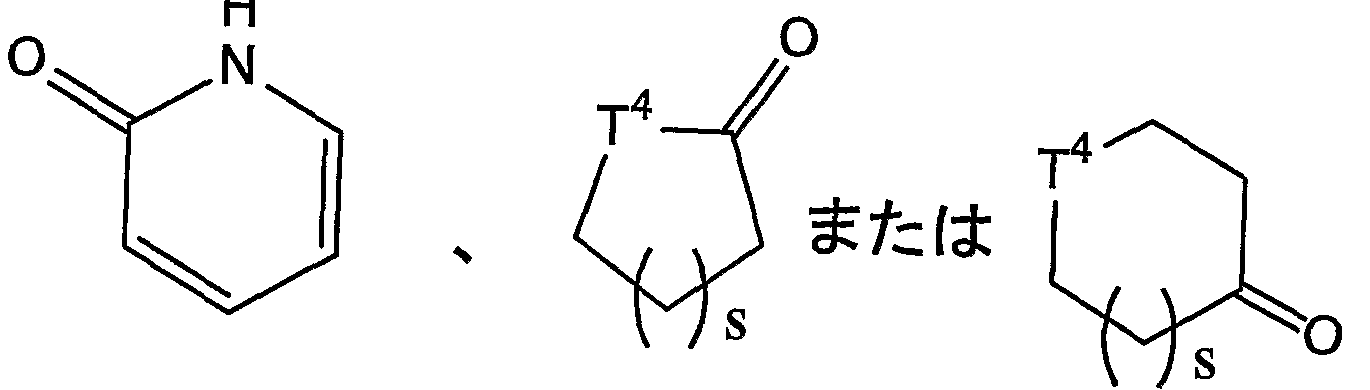
  • T 4 is a methylene group, an oxygen atom or a NT 5 wherein - (wherein, T 5 is the group represented by represents a hydrogen atom or an alkyl group). And the like) and the like.
  • the above “4 to 8 membered heterocyclic group” means a monovalent group derived by removing one hydrogen atom at an arbitrary position from the above defined “4 to 8 membered heterocyclic group”.
  • C 6 -i. Aryl group refers to an aromatic hydrocarbon cyclic group having 6 to 10 carbon atoms, and specific examples thereof include a phenyl group, a 1-naphthinole group, and a 2-naphthyl group. Can be exacerbated.
  • a 5- to 10-membered heteroaryl ring refers to an aromatic ring having 5 to 10 atoms constituting a ring of a cyclic group and containing a hetero atom in the atoms constituting the ring of the cyclic group.
  • Ring of family And specific examples thereof include a pyridine ring, a thiophene ring, a furan ring, a pyrrole ring, an oxazole ring, an isoxazole ring, a thiazole ring, an isothiazole ring, an imidazole ring, a triazole ring, a pyrazole ring, a flazane ring, and a thiadiazole ring.
  • Examples include a lysine ring, a pyridine ring having a pyrrole, a pyrimidine ring having a pyrrole, and a pyrido
  • the above “5- to 10-membered heteroaryl group” refers to a monovalent group that can be derived by removing one hydrogen atom at any position from the above-defined “5- to 10-membered heteroaryl ring”. I do. Any hydrogen atom in the above definition is a ". 6 _ 1 0 Ariru. 1 _ 6 Arukiru group”"shooting 6 alkyl group” means a defined group obtained by substituting at ".. Ariru group”, specifically Examples include benzyl, phenethyl, 3-phenyl-11-propyl and the like.
  • 5- or 6-membered heteroaryl ring refers to a cyclic group in which the number of atoms constituting the ring is 5 or 6, and one or more heteroatoms are contained in the atoms constituting the ring of the cyclic group.
  • aromatic ring contained therein, and specific examples thereof include a pyridine ring, a thiophene ring, a furan ring, a pyrrole ring, an oxazole ring, an isoxazono V, a thiazolyl ring, an isothiazole ring, an imidazole ring, a triazole ring, Examples include a pyrazole ring, a thiadiazole ring, an oxadiazole ring, a pyridazine ring, a pyrimidine ring, and a pyrazine ring.
  • the “5- or 6-membered heteroaryl group” means a monovalent group derived from the “5- or 6-membered aromatic heteroaryl ring” by removing one hydrogen atom at any position.
  • the above “pyridyl group” means a 2-pyridyl group, a 3-pyridyl group or a 4-pyridyl group.
  • furyl group means a 2-furyl group or a 3-furyl group.
  • Chenyl group means a 2-Chenyl group or a 3-Chenyl group.
  • cyclohexeninole group means a 1-cyclohexeninole group, a 2-cyclohexenyl group or a 3-cyclohexenyl group.
  • 1-methyl-1-H-pyridin-2-one-yl group is a monovalent group derived by removing one arbitrary hydrogen atom from “1-methyl-1-H-pyridin-2-one”.
  • phenyl C i_ 6 alkyl group the definition arbitrary hydrogen atom of "0 ⁇ 6 alkyl group” in means substituted group phenyl group, specific examples base Njiru group, Hue Nechiru group And 3-phenyl-11-propyl group.
  • pyridylalkyl group means a group in which any hydrogen atom in the above-defined “0 ⁇ 6 alkyl group” is substituted by the above-defined “pyridyl group”, and specific examples thereof include 2-pyridylmethyl Group, 3-pyridylmethyl group or 4-pyridylmethyl group.
  • pyridylmethyl group means a 2-pyridylmethyl group, a 3-pyridylmethyl group or a 4-pyridylmethyl group.
  • pyridyloxy group means a 2-pyridyloxy group, a 3-pyridyloxy group or a 4-pyridyloxy group.
  • pyridylmethyloxy group means a 2-pyridylmethyloxy group, a 3-pyridylmethyloxy group or a 4-pyridylmethyloxy group.
  • cyanophenyl group means a 2-cyanophenyl group, a 3-cyanophenyl group or a 4-cyanophenyl group.
  • carboxy group means a 2-cyanophenyloxy group, a 3-cyanophenyl group or a 4-cyanophenyl group.
  • carboxy group means a 2-carpamoyl phenyloxy group, a 3-carpamoyl phenyloxy group or a 4-carpamoyl phenyloxy group.
  • cyclopyridyl group means a group in which any hydrogen atom in the above-defined “pyridyl group” is replaced by a chlorine atom, and specific examples thereof include 2-cyclopyridine-3-yl group, 2 —Cross pyridine-14-inole group or 6—Cross pyridine-13- ⁇ (
  • methoxypyridyl group means a group in which an arbitrary hydrogen atom in the above-defined “pyridyl group” is substituted with a methoxy group, and specific examples thereof include 2-methoxypyridine-13-inole group and 2-methoxypyridine. And a 14-yl group or a 6-methoxypyridine-13-yl group.
  • methoxypyrimidyl group means a group in which an arbitrary hydrogen atom in the above-defined “pyrimidinole group” is substituted with a methoxy group, and specific examples thereof include a 2-methoxypyrimidine-15-yl group and a 2-methoxypyrimidyl group. —Methoxypyrimidine-14-yl group and the like.
  • the number of atoms constituting the ring of the cyclic group is 4 to 12,
  • a non-aromatic ring that is monocyclic or bicyclic.
  • T la means “a monocyclic 4- to 8-membered heterocyclic group which may have an amino group or a 6- alkylamino group having 1 or 2 nitrogen atoms in the ring”,
  • the number of atoms constituting the ring of the cyclic group is 4 to 8,
  • Ci- 6 alkylamino group means that the above-defined “0 ⁇ 6 alkyl group” is a nitrogen atom having one or two bonded atoms, and specific examples thereof include a methylamino group, an ethylamino group, and a propyl group. Examples include an amino group, a dimethylamino group, a getylamino group, and a dipyramino group.
  • T la is preferably a piperazine-1 -yl group, [1.4] diazepan-11-yl group, [1.5] diazocan-11-yl group, an amino group or — 6 azetidine-11-yl group which may have alkylamino group, amino group or C- 6 pyrrolidine-11-yl group which may have alkylamino group, amino group or C ⁇ e alkylamino group A pyridine or an amino or alkylamino group which may have a pyridine or an amino group; Azocanyl group which may be (2) More preferably the formula
  • R 5D represents an amino group or a methylamino group
  • one of R 51 and R 52 represents an amino group or a methylamino group, and the other represents a hydrogen atom
  • R 53 And one of R 54 represents an amino group or a methylamino group, and the other represents a hydrogen atom
  • any one of R 55 to: 57 represents an amino group or a methylamino group; The remaining two are hydrogen atoms.
  • T lb means piperazine-11-yl group, 3-amino-biperidine-11-yl group or 3-methylamino-1-piperidine-11-yl group, preferably piperazine-11-yl Group.
  • x3a is a force meaning an oxygen atom or a sulfur atom, and is preferably an oxygen atom.
  • X la is a hydrogen atom, C 2 _ 6 alkenyl, C 2 _6 alkynyl group or a benzyl group
  • (1) preferably a hydrogen atom, a 2- ⁇ nthyl group, a 2-butynyl group, a 3-methynole-1-butul group, a benzyl group or a 2-ptul group,
  • X lb represents a hydrogen atom, a 2-pentulyl group, a 2-butynyl group, a 3-methynole-1-butenyl group, a benzyl group or a 2-butulyl group,
  • R la is "hydrogen atom, a halogen atom, an alkyl group, Shiano group, or a group of the formula one A 0 a - in A la (wherein, A ° a is an oxygen atom, a sulfur atom or a NA 2a - meaning a group represented by and, A la is a hydrogen atom, C ⁇ 6 alkyl group, C 2 - 6 alkenyl group, C 2 _ 6 alkynyl group, phenyl group, Shianofueniru group, Scarpa carbamoyl-phenylalanine group, a benzyl group, a pyridylmethyl group or a pyridyl group A 2a «means a hydrogen atom or a 6- alkyl group).
  • X 2 a is a hydrogen atom, C 2 - 6 alkenyl group, C - 6 alkynyl group, cyclohexenyl group cyclohexylene, 1 H- pyridin one 2-Oniru group, 1-methyl-one 1 H- pyridin one-2-one Iru group,
  • a 5- or 6-membered heteroaryl group, a phenylalkyl group optionally having a group selected from the following substituent group B, or a group selected from the following substituent group B means a pyridyl C _ 6 alkyl group (location substituent group B a chlorine atom, a bromine atom, Shiano group, - 6 alkyl group, C 2 - 6 alkenyl group, C 2
  • a hydrogen atom a methyl group, an ethyl group, an n-propyl group, a 2-methylpropyl group, a formula CH 2 —R 10 (wherein R 10 is a carpamoyl group, a lipoxyl group , A methoxycarbonyl group, a cyano group, a cyclopropyl group or a methoxy group), a 3-cyanopropyl group, an aryl group, a 2-propyl group, a 2-butyr group, a 2-methyl-2- group.
  • T la or T lb, X, Xla or XLB, R1a showed a suitable base in significance of X2a, T la or T lb, X 3 a, Xla or XLB, R1a, group or al suitably made of X
  • X Compounds obtained by selecting any group and arbitrarily combining them can be mentioned as specific compounds.
  • Formula 1 — 2 — ⁇ 3 (wherein ⁇ 2 is a single bond, — 6 alkylene group, oxygen atom, sulfur atom, sulfinyl group, sulfol group, carbonyl group, formula 1 O—CO—, Formula—CO—O—, Formula—NR T— , Formula—CO_NR T _, Formula—NR T —CO—, Formula—S0 2 —NR T —or Formula—NR T —S0 2— and, T 3 Oyopi 1 ⁇ are their respective independently a hydrogen atom, C - 6 alkyl group, - 6 alkoxy groups, C 3 one 8 Shikuroa alkyl group, C 2 - 6 alkenyl group, C 2 _ 6 alkynyl groups, C 6 -.
  • Ariru group means a heterocyclic groups 5 to 0-membered Teroariru group, the 4-8 membered however, T 3 and R ⁇ may each independently have 1 to 3 groups selected from the group consisting of the following substituents ⁇ . Except where T 2 is a is T 3 is hydrogen atom single bonds.
  • salts in the present invention include a salt with an inorganic acid, a salt with an organic acid, a salt with an inorganic base, a salt with an organic base, and a salt with an acidic or basic amino acid.
  • pharmaceutically acceptable salts are preferred.
  • salts with inorganic acids include, for example, salts with hydrochloric acid, hydrobromic acid, sulfuric acid, nitric acid, phosphoric acid, and the like.
  • Preferred examples of salts with organic acids include, for example, acetic acid, succinic acid And salts with fumaric acid, maleic acid, tartaric acid, citric acid, lactic acid, stearic acid, benzoic acid, methanesulfonic acid, P-toluenesulfonic acid, and the like.
  • Preferred examples of the salt with an inorganic base include an alkali metal salt such as a sodium salt and a potassium salt, an alkaline earth metal salt such as a calcium salt and a magnesium salt, an aluminum salt, and an ammonium salt.
  • Preferred examples of the salt with an m-containing group include salts with getinoleamine, diethanolamine, meglumine, N, N, -dibenzylethylenediamine and the like.
  • Preferred examples of the salt with an acidic amino acid include, for example, salts with aspartic acid and glutamic acid.
  • Preferred examples of the salt with a basic amino acid include, for example, salts with arginine, lysine, orditin and the like. Salt.
  • UU 2 is a leaving group (a chlorine atom, a bromine atom, an iodine atom, a methanesulfonyloxy group, a p-toluenes / refonyl group) Okishi group, one B (OH) 2 4, 4 5, 5- tetramethyl-1, 3 2 Jioki Saporan one 2-I group or the formula one Sn (R z) 3 (where, 1 ⁇ in. 1 over 6 means an alkyl group, such as a group represented by parentheses).
  • Ha 1 represents a halogen atom such as a chlorine atom, a bromine atom, and an iodine atom.
  • M 1 is a hydrogen atom, a sodium atom, a lithium atom, a lithium atom, —MgCl—MgBr, one Sn (R z ) 3 (where R z has the same meaning as defined above;), etc.
  • Means Y represents a halogen atom such as a chlorine atom, a bromine atom and an iodine atom, or a hydrogen atom.
  • PP 2 each independently represents a protecting group for an amino group such as a benzyl group, a piperyloxymethyl group, a t-toxycanolepodinole group, and a cyanoethyl group.
  • T 2 b are you mean T 1 having an amino group attached the same meaning of group or coercive Mamorumoto (such as t-hept propoxycarbonyl Interview le group) and T 1.
  • a substituent is introduced into the 7-position amino group of compound (la) by subjecting compound (1a) [CAS No. 1076-22-8] to a substitution reaction with compound (1a-2). This is a step of obtaining a compound (2a).
  • the compound (la-2) is an electrophile represented by the formula X 1 —U 1 (wherein X 1 and U 1 have the same meanings as defined above), specifically, eodomethane, eodoethane, Alkyl halides such as eodopropane and benzylpromide, arylpromide,
  • phenolic halide such as 1-promo-3-methyl-12-butene or alkynyl halide such as propanolegyl bromide or 1-bromo-2-butyne
  • the reaction conditions for the substitution reaction are not particularly limited, but, for example, in a solvent such as dimethyl sulfoxide, N, N-dimethylformamide, N-methylpyrrolidone, dioxane, tetrahydrofuran, tonoleene, zK lithium oxide, hydroxide Sodium, potassium heptamate, lithium carbonate, sodium carbonate, potassium carbonate, cesium carbonate, lithium hydride, sodium hydride, 7_potassium borohydride, butyllithium, methyllithium, lithium bistrimethylsilylamide, sodium bistrimethylsilylamide,
  • the reaction can be performed at a temperature of 0 ° C to 150 ° C in the presence of a base such as potassium bistrimethylsilylamide. In this case, it is preferable to use 1 to 2 equivalents of the base with respect to the compound (la).
  • X 1 to be introduced may have a substituent C 6 — 10 aryl group or may have a substituent 5 to: L 0 member ⁇ 8 ⁇ compound of a heteroaryl group (1 As a-2), specifically, the reaction can be carried out using, for example, arylpoic acid or heteroarylpoic acid. In this case, it is preferable to use 1 to 10 equivalents of the compound (1a-2) with respect to the compound (la).
  • a solvent such as dichloromethane, chloroform, 1,4-dioxane, 1,4-dioxane, tetrahydrofuran, toluene, pyridine, N, N-dimethylformamide, N-methylpyrrolidone, triethylamine, diisopropylethylamine, pyridine, N 0 ° in the presence of a base such as N, N-dimethylaminopyridine or a copper catalyst such as copper acetate (11), copper trifluoroacetate (I 1), copper chloride (11) or copper iodide (II).
  • the reaction can be carried out at a temperature between C and 150 ° C. In this case, it is preferable to use 0.1 to 2 equivalents of the copper catalyst with respect to the compound (la).
  • This step is a step of reacting compound (2a) with a halogenating agent to obtain compound (3a).
  • halogenating agent examples include N-chlorosuccinimide, N-bromosuccinimide, N-odosuccinimide and the like. It is preferable to use 1 to 4 equivalents of such a halogenating agent with respect to the conjugate (2a).
  • the reaction conditions for the halogenation are not particularly limited. However, in a solvent such as acetonitrile, N, N-dimethylformamide, N-methylpyrrolidone, 1,4-dioxane, tetrahydrofuran, dimethoxyethane, etc.
  • a solvent such as acetonitrile, N, N-dimethylformamide, N-methylpyrrolidone, 1,4-dioxane, tetrahydrofuran, dimethoxyethane, etc.
  • the reaction can be performed at temperatures between C and 150 ° C.
  • This step is a step of chlorinating the compound (3a) to obtain the compound (4a).
  • reaction conditions are not particularly limited, compound (3a) and oxychloride phosphorus, phosphorus pentachloride, or a mixture thereof in a solvent or without solvent may be used in the range of 0 to 15%.
  • the reaction can be performed at a temperature of C.
  • the solvent for example, toluene, acetonitrile, dichloroethane and the like can be used.
  • Step A4 This step is a step of obtaining a compound (5a) by a hydrolytic reaction of the compound (4a).
  • a base such as sodium acetate, potassium carbonate, sodium hydroxide, etc.
  • a solvent such as dimethyl sulfoxide (hydrated), N-methylpyrrolidone (hydrated), tetrahydrofuran (hydrated) or water, or a mixed solvent thereof at 0 ° C
  • the reaction can be performed at 150 ° C.
  • the base is preferably used in an amount of 1 to: L 0 equivalent to the compound (4a).
  • This step is a step for obtaining a compound (6a) by subjecting the compound (5a) to a substitution reaction with the compound (5a-2). If X 2 is a hydrogen atom, skip this step. Can be.
  • Compound (5 a- 2) has the formula X 2 - U 2 (wherein, X 2 and U 2 are defined respectively the same meaning) electrophile represented by, specifically Yodometan, Yodoeta down
  • alkyl halides such as thiopropane, benzyl bromide, etc., arylpromide, alkenyl halides such as 1-promo 3-methyl-2-butene, or alkynyl halides such as propargyl lobe amide, 1-promo 2-butyne, etc.
  • the reaction is carried out under the following conditions. It can be performed. In this case, it is preferable to use 1 to 2 equivalents of the compound (5a-2) with respect to the compound (5a).
  • the reaction conditions for the substitution reaction are not particularly limited, but, for example, in a solvent such as dimethylsulfoxide / N, N-dimethylformamide, ⁇ -methinolepyrrolidone, dioxane, tetrahydrofuran, toluene, etc.
  • a solvent such as dimethylsulfoxide / N, N-dimethylformamide, ⁇ -methinolepyrrolidone, dioxane, tetrahydrofuran, toluene, etc.
  • the reaction can be carried out at a temperature of 0 ° C. to 150 ° C. in the presence of a base such as noresylylamide and potassium bistrimethyl
  • X 2 is introduced an optionally substituted C 6 _ also.
  • the 5- to 10-membered heteroaryl group optionally having an aryl group or a substituent (5a-2) include, for example, arylboronic acid or The reaction can be carried out using heteroarylboronic acid or the like. In this case, it is preferable to use the compound (5a-2) in an amount of 1 to 10 equivalents to the compound (5a).
  • reaction can be carried out at a temperature of 0 to 150 ° C. in the presence of a copper catalyst such as copper (I 1), copper chloride (11) or copper (II) iodide. In this case, it is preferable to use 0.1 to 2 equivalents of the copper catalyst based on the compound (5a).
  • a copper catalyst such as copper (I 1), copper chloride (11) or copper (II) iodide. In this case, it is preferable to use 0.1 to 2 equivalents of the copper catalyst based on the compound (5a).
  • This step is a step of reacting compound (6a) with compound (7a) to obtain compound (8a).
  • the compound (7a) is preferably used in an amount of 1 to 4 equivalents based on the compound (6a).
  • reaction conditions are not particularly limited, for example, in a solvent such as N, N-dimethylformamide, N-methylpyrrolidone, methanol, ethanol, 1,4-dioxane, acetonitrile, toluene, xylene, or no solvent.
  • a solvent such as N, N-dimethylformamide, N-methylpyrrolidone, methanol, ethanol, 1,4-dioxane, acetonitrile, toluene, xylene, or no solvent.
  • a solvent such as N, N-dimethylformamide, N-methylpyrrolidone, methanol, ethanol, 1,4-dioxane, acetonitrile, toluene, xylene, or no solvent.
  • compound (6a) and compound (7a) are mixed in the presence or absence of a base such as triethylamine, sodium hydrogen carbonate, or potassium carbonate, and mixed at a temperature of 0
  • a substituent is introduced into the 2-position of the compound (8a) by subjecting the compound (8a) to a substitution reaction with the compound (8a-2). This is the step of obtaining
  • a compound (8a-2) the presence of a suitable base represented by the formula I ⁇ -M 1 (wherein R 1 and M 1 have the same meanings as defined above, respectively)
  • a suitable base represented by the formula I ⁇ -M 1 (wherein R 1 and M 1 have the same meanings as defined above, respectively)
  • Any compound that can be a nucleophilic reactant in the presence or absence of the compound may be used, but preferred examples include alkyl alcohols such as methanol, ⁇ -propanol, isopropanol and benzyl alcohol, and aryl alcohols such as phenol and salicylamide.
  • Alkylamines such as ammonia, methylamine, dimethylamine, and getylamine; arylamines such as aniline; alkylmercaptans such as methanethiol and o-butylmercaptan; arylmercaptans such as thiophenol; and other organic lithium reactants; Grignard reagents, organocopper reagents and the like can be mentioned.
  • the compound (8a-2) is 1 to L to the compound (8a): 0 equivalent or 5 to 10 by weight ratio. It is preferable to use 0 times.
  • reaction solvent acetonitrile, N, N-dimethylformamide, N-methylpyrrolidone, 1,4-dioxane, tetrahydrofuran, dimethoxyethane, methanol / ethanol, etc. can be used.
  • the reaction can be carried out in the presence of a base or in the absence of a base.
  • a base lithium hydroxide, sodium hydroxide, hydroxide hydroxide, lithium carbonate, Sodium carbonate, potassium carbonate, cesium carbonate, lithium hydride, sodium hydride, potassium hydride, butyllithium, methyllithium, dimethylbistrimethylsilylamide, sodium bistrimethylsilylamide, potassium bistrimethylsilylamide, triethylamine, etc.
  • the reaction can be carried out at a temperature of 0 ° C to 150 ° C.
  • a compound (8 a- 2) M 1 a is M g C l, in M g B r, S n ( R z) 3 (wherein, the R z same as defined above
  • the compound (8a) can be reacted with a compound (meaning meaning) to obtain a compound (9a).
  • the compound (8a-2) is used in an amount of 1 to 50 equivalents to the compound (8a).
  • reaction solvent acetonitrile, N, N-dimethylformamide, N-methylpyrrolidone, 1,4-dioxane, tetrahydrofuran, dimethoxyethane and the like can be used.
  • the metal catalyst examples include a palladium catalyst and a copper catalyst.
  • the palladium insect medium examples include tetrakistripheninolephosphine palladium, palladium acetate, dibenzylideneacetone palladium, and the like.
  • the catalyst Iowidai copper and the like can be used.
  • the metal catalyst is preferably used in an amount of 0.01 to 2 equivalents to the compound (8a).
  • the reaction can be carried out in the presence of an organophosphorus ligand.
  • the reaction is carried out in the presence of an organic phosphorus-based ligand such as ortho tolyl phosphine, diphenylphosphinophene or the like.
  • the organic ligand is preferably used in an amount of 1 to 5 equivalents to the metal catalyst.
  • the reaction can be carried out in the presence of a base or in the absence of a base, but the reaction is carried out in the presence of a base # ⁇ , and as the base, lithium 7 oxide, sodium hydroxide, 7R oxidizing room, lithium carbonate, Sodium carbonate, potassium carbonate, cesium carbonate, lithium hydride, sodium hydride, lithium hydride, potassium phosphate, lithium bistrimethylsilylamide, sodium bistrimethylsilylamide, potassium bistrimethylsilylamide, triethylamine and the like can be used.
  • the reaction can be carried out at a reaction temperature of 0 to 150 ° C.
  • deprotection can be performed using an anhydrous hydrogen chloride methanol solution, an anhydrous hydrogen chloride ethanol solution, an anhydrous hydrogen chloride dioxane solution, trifluoroacetic acid or formic acid.
  • Step B 1 This step is a step of obtaining a compound (2b) by protecting the 9-position amino group of the compound (lb) (compound 5a in Production Method A).
  • the reaction can be carried out under the reaction conditions for introducing a protecting group, which are generally used for the reagent, according to the reagent for protecting the amino group to be used.
  • a reagent for protecting an amino group a reagent generally used for introducing an amino-protecting group can be used.
  • chloromethylpiparate or the like can be used.
  • the protecting reagent is for compound (lb) :! It is preferable to use an amount of ⁇ 2 equivalents.
  • the reaction solvent the reaction can be carried out using acetate, N, N-dimethylformamide, N-methylpyrrolidone, 1,4-dioxane, tetrahydrofuran, dimethoxyethane, etc., and preferably N, N-dimethylformamide Amides can be used.
  • the reaction can be performed in the presence of a base.
  • a base in this case, cesium carbonate, lithium carbonate, sodium carbonate, potassium carbonate, sodium hydrogen hydride and the like can be used, and preferably, sodium hydride can be used.
  • the base is preferably used in an amount of 1 to 5 equivalents based on compound (lb).
  • the reaction can be carried out at a temperature of 0 ° C. to 150 ° C., preferably at room temperature.
  • This step is a step of reacting the compound (2b) with the compound (2b-2) to obtain a compound (3b).
  • the reaction conditions the same conditions as in Production method A [Step A6] can be applied.
  • the reaction conditions vary depending on the protecting group used.
  • the protecting group is a bivalyloxymethyl group
  • sodium methoxide, sodium hydride, 1,8-diazabicyclo is used in methanol or a mixed solution of methanol and tetrahydrofuran.
  • the reaction can be performed at 0 ° C to 150 ° C in the presence of a base such as 7-indene. This ⁇ ⁇ base is preferably used in an amount of 0.1 to 2 equivalents to compound (3b).
  • the compound (4b) and the compound (4b-2) are subjected to a substitution reaction to introduce a substituent into the amino group at the 9-position of the compound (4b), thereby obtaining the compound (5b). It is a process of obtaining.
  • the reaction conditions the same conditions as in Production Method A [Step A5] can be applied.
  • the compound (5b) is subjected to a substitution reaction with the compound (5b-2) to introduce a substituent at the 2-position of the compound (5b), thereby obtaining a compound (6b). is there.
  • the reaction conditions the same conditions as in Production method A [Step A7] can be applied.
  • the reaction conditions are not particularly limited, for example, in a solvent such as N, N-dimethinoleformamide, N-methylpyrrolidone, methanol, ethanol, 1,4-dioxane, acetonitrile, toluene, xylene, or without solvent
  • a solvent such as N, N-dimethinoleformamide, N-methylpyrrolidone, methanol, ethanol, 1,4-dioxane, acetonitrile, toluene, xylene, or without solvent
  • a base such as triethylamine, sodium bicarbonate, or carbonated lime
  • This step is a step of obtaining a conjugate (4c) by reducing the nitro group of the compound (3c).
  • the reaction conditions are not particularly limited.
  • the catalytic reduction can be performed using a metal catalyst in a hydrogen atmosphere or in the presence of 2 to 3 equivalents of hydrazine.
  • a reaction solvent methanol, ethanol, N, N-dimethylformamide, tetrahydrofuran, 1,2-dimethoxyethane, 1,4-dioxane, water, or a mixed solvent thereof can be used.
  • the metal catalyst palladium carbon, platinum oxide, Raney nickel or the like can be used.
  • the metal catalyst is preferably used in an amount of 0.5 to 20% by mass relative to the compound (3c).
  • the reaction can be carried out at a temperature of 0 ° C to 150 ° C.
  • This step is a step of converting the compound (4c) into the compound (5c).
  • the reaction conditions are not particularly limited, but include, for example, acetonitrile, tetrahydrofuran, ethanol, methanol / le, 1,4-dioxane, toluene, and toluene.
  • a solvent such as silene
  • a base such as triethylamine, sodium bicarbonate, or carbonated lime
  • the reaction can be carried out at a temperature of 0 ° C. to 150 ° C. with Noresimidazonore. It is preferred to use ⁇ , 1 to 10 equivalents of N, N ; -disuccinimidyl carbonate.
  • the compound (5c) is subjected to a substitution reaction with the compound (5c-2) to introduce a substituent into the amino group at the 7-position of the compound (5c).
  • This is the step of obtaining.
  • the reaction conditions the same conditions as in Production method A [Step A1] can be applied.
  • This step is the 9-position Amino-protecting group P 2 of the compound (6 c) is deprotected to give compound compound (7 c).
  • the reaction conditions vary depending on the protecting group used.
  • a base such as sodium methoxide or sodium hydride in methanol or a mixture of methanol and tetrahydrofuran at 0 ° C to 150 ° C. It can be obtained by acting at temperature.
  • This base is preferably used in an amount of 1 to 10 equivalents based on compound (6c).
  • the compound (7c) is subjected to a substitution reaction with the compound (7c-2) to introduce a substituent into the amino group at the 9-position of the compound (7c).
  • the reaction conditions the same conditions as in Production method A [Step A5] can be applied.
  • This step is a step of reacting the compound (2c) with the amine (9c) to obtain the compound (10c). It is desirable to use 1 to 10 equivalents of this ⁇ 8 ⁇ amine (9c).
  • the reaction conditions are not particularly limited, but the same conditions as in Production method C-1 [Step C2] can be applied.
  • This step is for converting the compound (11c) into a cyclic urea (12c).
  • the same conditions as in Production method C [Step C4] can be applied.
  • the compound (12c) and the compound (12c-2) are subjected to a substitution reaction to introduce a substituent into the amino group at the 7-position of the compound (12c), thereby obtaining the compound (13c). It is about to get.
  • the reaction conditions the same conditions as in Production method A [Step A1] can be applied.
  • a protecting group such as T 2 b
  • t-butoxide deer Lupo group carried out after [Step C11], followed by deprotection.
  • the conditions for the deprotection reaction the same conditions as those for the deprotection shown in Production method A [Step A7] can be applied.
  • This step is a step of reacting compound (Id) with compound (1d-2) to obtain compound (2d).
  • reaction conditions the same conditions as in Production method A [Step A6] can be applied.
  • the compound (2d) is substituted with the compound (2d-2) to introduce a substituent into the amino group at the 9-position of the compound (2d), thereby obtaining the compound (3d) It is a process.
  • the reaction conditions the same conditions as in Production method A [Step A5] can be applied.
  • This step is a step of reacting the compound (3d) with a halogenating agent to obtain a compound (4d).
  • a halogenating agent for example, the same conditions as in Production method A [Step A2] can be applied.
  • This step is a step of obtaining a compound (5d) by a hydrolysis reaction of the compound (4d).
  • the reaction conditions the same conditions as in Production method A [Step A4] can be applied.
  • a substituent is introduced into the 7-position amino group of the compound (5d) to obtain a compound (6d).
  • the reaction conditions the same conditions as in Production method A [Step A1] can be applied.
  • 4-ethoxy-3-nitropyridine hydrochloride (1e) [CAS No. 94602-04-7] is reacted with arylamine to obtain a disulfide compound (2e).
  • the arylamine is preferably used in an amount of 1 to 20 equivalents based on the compound (1e).
  • the reaction can be performed at a reaction temperature of 20 ° C to 150 ° C.
  • a reaction solvent methanol, ethanol, water, a mixed solvent thereof or the like can be used.
  • This step is a step of obtaining the compound (3e) by reducing it while chlorinating the compound (2e).
  • Tin salts such as tin chloride can be used as the reducing agent.
  • This reducing agent is preferably used in an amount of 4 to 20 equivalents based on compound (2e).
  • Concentrated hydrochloric acid can be used as a solvent.
  • the reaction can be performed at a reaction temperature of 20 ° C to 150 ° C.
  • This step is for converting the compound (3e) into a cyclic urea (4e).
  • the same conditions as in Production method C [Step C4] can be applied.
  • This step is a step of reacting compound (4e) with compound (4e-2) to obtain compound (5e).
  • reaction conditions the same conditions as in Production method A [Step A1] can be applied.
  • reaction conditions are not particularly limited.
  • osmium in a solvent such as tetrahydrofuran, 1,4-dioxane, 1,2-dimethoxyethane, 7 at 20 ° C. to 100 ° C.
  • the compound (6e) can be obtained by the action of sodium periodate.
  • a compound (6e) is reacted with (6e-2) to introduce a substituent into the amino group at the 1-position of the compound (6e).
  • the same conditions as in Production method A [Step A5] can be applied.
  • This step is a step of reacting the compound (1f) with the compound (1f-2) to obtain a compound (2f).
  • the reaction can be performed at a reaction temperature of 20 ° C to 150 ° C.
  • a reaction solvent methanol, ethanol, water, a mixed solvent thereof or the like can be used.
  • the compound (1 f-2) is preferably used in an amount of 5 to 100 equivalents relative to the compound (If).
  • This step is a step of obtaining a compound (3f) by reducing the compound (2f) while chlorinating the compound (2f).
  • the same conditions as in Production method E [Step E2] can be applied.
  • This step is a step of converting compound (3f) into compound (4f). Reaction conditions Therefore, the same conditions as in Production method C [Step C4] can be applied.
  • a substituent is introduced into the 3-position amino group of the compound (4f) to obtain a compound (5f).
  • the reaction conditions the same conditions as in Production method A [Step A1] can be applied.
  • This step is a step of reacting the compound (5f) with the compound (5f-2) to obtain a compound (6f).
  • the reaction conditions the same conditions as in Production method A [Step A6] can be applied.
  • This step is a step of reacting the compound (6f) with a halogenating agent to obtain a compound (7f).
  • a halogenating agent for example, the same conditions as in Production method A [Step A2] can be applied.
  • This step is a step of reacting compound (7f) with a nucleophile in the presence of a catalyst and a base to obtain compound (8f).
  • nucleophile a derivative of phenol or aniline can be used, and it is preferable to use 1 to 3 equivalents of the nucleophile with respect to the compound (7f).
  • Cesium carbonate or the like can be used as the base, and the base is preferably used in an amount of 1 to 3 equivalents based on compound (7f).
  • Copper catalyst and 2 of copper (I) chloride or the like as a catalyst, 2, 6, 6-tetramethyl ⁇ -. 3, can be used Putajion to 5, respectively 0.00 1-0 2 using the equivalent Is preferred.
  • reaction solvent 1-methyl-1-pyrrolidone, N, N-dimethylformamide and the like can be used. The reaction can be performed at 20 ° C to 150 ° C.
  • the above is a typical example of the method for producing the compound (I) according to the present invention.
  • the solvent used also varies depending on the starting materials, reagents, etc., and it goes without saying that there is no particular limitation as long as it does not inhibit the reaction and dissolves the starting materials to some extent.
  • the compound (I) according to the present invention is obtained as a free form, it can be converted into a salt or a hydrate thereof which may be formed by the compound (I) according to a conventional method.
  • the compound (I) according to the present invention is obtained as a salt of the compound (I) or a hydrate of the compound (I): ⁇ It can be converted to a free form of the compound (I) according to a conventional method. .
  • various isomers for example, geometric isomers, optical isomers based on asymmetric carbon, rotamers, stereoisomers, tautomers, etc.
  • conjugated product (I) according to the present invention can be purified and purified by using ordinary separation means, for example, recrystallization, diastereomeric salt method, enzymatic resolution method, and various types of chromatography (for example, thin layer chromatography, column chromatography, gas chromatography, etc.). can do.
  • the compound according to the present invention or a salt thereof or a hydrate thereof can be prepared by a commonly used method using tablets, powders, fine granules, granules, coated tablets, capsenoles, syrups, troches, inhalants, suppositories, etc. , Orchids, ointments, eye ointments, eye drops, nasal drops, ear drops, cataplasms, lotions and the like.
  • Excipients can be used, and are generally formulated by mixing the components commonly used as raw materials for pharmaceutical preparations.
  • the compound of the present invention or a pharmacologically acceptable After adding salts and excipients, binders, disintegrants, lubricants, coloring agents, flavoring agents, etc. as needed, powders, fine granules, granules, tablets, Coated tablets, capsules, etc.
  • These components include, for example, animal and vegetable oils such as soybean oil, beef tallow, and synthetic dalyceride; hydrocarbons such as liquid paraffin, squalane, and solid paraffin; ester oils such as otatyldodecyl myristate and isopropyl myristate; setosteryl alcohol , Higher alcohols such as behenyl alcohol; silicone resins; silicone oils; polyoxyethylene fatty acid esters, sorbitan fatty acid esters, glycerin fatty acid esters, polyoxyethylene sorbitan fatty acid esters, polyoxyethylene hardened castor oil, and polyoxetylene.
  • animal and vegetable oils such as soybean oil, beef tallow, and synthetic dalyceride
  • hydrocarbons such as liquid paraffin, squalane, and solid paraffin
  • ester oils such as otatyldodecyl myristate and isopropyl myristate
  • setosteryl alcohol Higher alcohols such as behen
  • Surfactants such as polyoxypropylene block copolymer; hydroxyethyl cenorose mouth, polyacrylic acid, canolepoxy vinyl polymer, polyethylene glycol, polyvinylpyrrolidone, methyl Water-soluble polymers such as rucellose; lower alcohols such as ethanol and isopropanol; polyhydric alcohols such as glycerin, propylene darico-one, dipropylene darico-one, and sonorebito / re; glucose and sucrose Sugars: inorganic powders such as silicic anhydride, magnesium aluminum silicate and aluminum silicate, and purified water.
  • Excipients include, for example, lactose, corn starch, sucrose, dextrose, mannitol, sorbitol, crystalline cellulose, silicon dioxide, and the like
  • binders include, for example, poly (vinylenoleanolone), poly (vinylinoleatenore), Ethylene 7 resenolerose, gum arabic, tragacanth, gelatin, shellac, hydroxypropylmethylcellulose, hydroxypropylcellulose, polyvinylpyrrolidone, polypropylene propylene glycol ethylene block polymer, medalmin, etc.
  • starch starch, agar, gelatin powder, crystalline cellulose, calcium carbonate, sodium bicarbonate, calcium citrate, dextrin, pectin, carboxymethylcellulose 'calcium, etc.
  • Lubricants such as magnesium stearate, tanolek, polyethylene glycol, silica, and hydrogenated vegetable oils are permitted to be added to pharmaceuticals as coloring agents.
  • Cocoa is a flavoring agent. Powder, heart-shaped brain, aromasan, heart-shaped oil, dragon brain, cinnamon powder, etc. are used.
  • these mallets and granules may be coated with sugar or other coatings as needed.
  • a liquid preparation such as a syrup or an injection preparation
  • the compound of the present invention or a pharmacologically acceptable salt thereof is required to contain a pH adjusting agent, a solubilizing agent, an isotonic agent and the like. Add a solubilizer, stabilizing agent, etc. according to the formula, and formulate it in a usual manner.
  • the method for producing the external preparation is not limited, and it can be produced by an ordinary method. That is, as raw materials used in the formulation, various raw materials usually used for pharmaceuticals, quasi-drugs, cosmetics, and the like can be used. Use »J As raw materials, specifically, animal and vegetable oils, mineral oils, ester oils, waxes, higher alcohols, fatty acids, silicone oils, surfactants, phospholipids, alcohols, polyhydric alcohols , 7 soluble polymers, clay minerals, purified water, etc., and if necessary, add pH adjusters, antioxidants, chelating agents, antiseptic / antifungal agents, coloring agents, fragrances, etc. However, the raw material of the external preparation according to the present invention is not limited to these.
  • the amount of the base material to be added is an amount that usually gives a concentration set in the production of an external preparation.
  • a salt thereof, or a hydrate thereof When administering the compound according to the present invention, a salt thereof, or a hydrate thereof, the form is not particularly limited, and oral administration or parenteral administration may be performed by a commonly used method.
  • oral administration or parenteral administration may be performed by a commonly used method.
  • the dose of the medicament according to the present invention can be appropriately selected according to the degree of symptoms, age, sex, body weight, dosage form, type of salt, specific type of disease, and the like.
  • the dosage depends on the type of disease, the degree of symptoms, the patient's age, gender, and sensitivity to the drug. Normally, as an adult, about 0.03-10 O Omg, preferably 0.1-50 Omg, and more preferably 0.1-1 O Omg per day as an adult Administer several divided doses.
  • the injection is usually about l ⁇ g / kg-300O / zgZkg, preferably about 3 / zgZkg-1000 / ig / kg.
  • the compound according to the present invention can be produced, for example, by the method described in the following examples. However, these are merely examples, and the conjugate according to the present invention is not limited to the following specific examples in any case.
  • the term “purification by reversed-phase high-performance liquid chromatography” described in this Example means “reverse-phase using acetonitrile-aqueous mobile phase (containing 0.1% trifluoroacetic acid)” unless otherwise specified. Means high performance liquid chromatography purification.
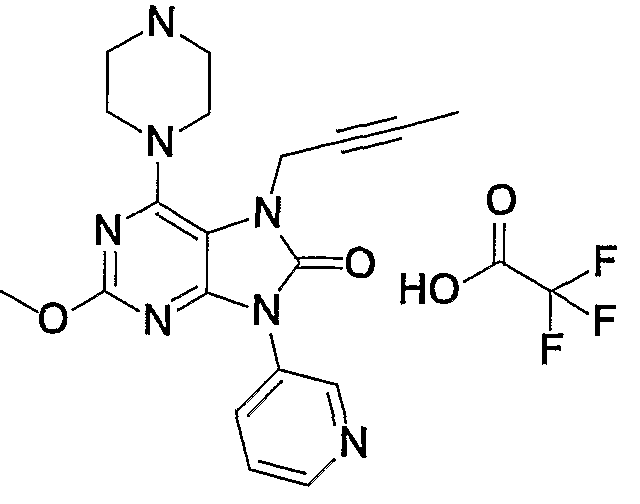
  • Example 1 7- (2-butyninole) -1,2-methoxy-19-methyl-6-1 (piperazin-1-yl) -17,9-dihydropurine-18-one trifluoroacetate
  • the obtained organic layer was washed sequentially with water and a saturated diet, and then dried over anhydrous magnesium sulfate.
  • Example 3 4- [7- (2-Petinole) 12-chloro-9-methyl-8-oxo-8,9-dihydro-1 7H-purine 6-yl] pidazine-11-canolepo
  • the same treatment as in Example 3 was carried out using 10 mg of t-butyl acid acid and dimethylamine 301 in place of getylamine to obtain 5.96 mg of the title compound.
  • Example 4 The same procedure as in Example 4 was carried out except that 30 ⁇ l of aqueous ammonia (28 to 30%) was used in place of gentinoleamine to obtain 0.84 mg of the title compound.
  • Example 7 7- (2-Petinole) 1-2-isopropoxy-19-methyl-16- (piperazine-11-yl) -7,9-dihydropurin-8-one-trifluoroacetate
  • Example 8 7- (2-butyninole) -12-hydroxy-19-methyl-16- (piperazin-11-yl) -1,7-9-dihydropurine-18-one trifluoroacetate
  • Example 9 7- (2-butulyl) -1-methylsulfanyl-1-9-methyl-6- (piperazine-11-yl) -17,9-dihydropurine-1-8-one-trifluoroacetic acid
  • Example 10 7- (2-Petinole) 1-2-ethoxy-1 9-methinole-6- (piperazin-1-yl) -17, —9-dihydropurine-18-one—trifluoroacetate
  • Example 1 1 2—Benzyloxy 7— (2-ptur) —9—Methynole 6— (pi Perazine (11-yl)-7, _9-dihydropurine-1-one _ trifluoroacetate.
  • Example 10 The same procedure was followed as in Example 10 except that 30 ⁇ l of benzyl alcohol was used in place of ethanol to give 11.28 mg of the title compound.
  • Example 1 2 7— (2-petit-norre) 1-9-methyl-2-phenoxy-1 6— (piperazine-1 1 ⁇ T) 1-7, —9-dihydropurine-18-one-trifluoroacetate
  • Example 1 3 [7— (2-Petinole) —9-methyl-8-oxo-16- (piperazine-1-inole) -8,9-dihydro-7H-purine-1-yloxy] benzodi Tolyl trifluoroacetate
  • Example 14 The same procedure as in Example 14 was carried out except that salicylamide was replaced with allylic alcohol 301 to obtain 1.2 Omg of the title compound.
  • Example 1 7- (2-butulyl) -1-2- (2-butynyloxy) -19-methinole 6- (piperazine-11-yl) -7,9-dihydropurine-1-8-one trifrenole mouth acetate
  • Example 14 The same procedure as in Example 14 was repeated, except that 30 ⁇ l of 2-butyn-1-ol was used in place of salicylamide, to give 1.20 mg of the title compound.
  • Example 1 7 2 1-Pendinoleamino-7- (2-butulyl) -19-methyl-16- (piperazine-11-yl) -7, _9-dihydropurine-18-one-trifluoroacetate
  • Example 18e The same procedure was followed as in Example 18e), except that 1-bromo-1-methyl-2-butene (15 ⁇ l) was used in place of 1-bromo-12-pentyne to give the title compound 1 25 mg were obtained.
  • Example 20 7- (2-Ptul) -12-chloro-9-methyl-6- (piperazine-11-yl) -1,7,9-dihydropurine-18-one trifluoroacetate
  • Example 18e The same treatment as in Example 18e) was carried out in the same manner as in Example 18e) except that 1-promo 2-peptene was used instead of 1-promo 2-pentyne, to give 1.84 mg of the title compound. .
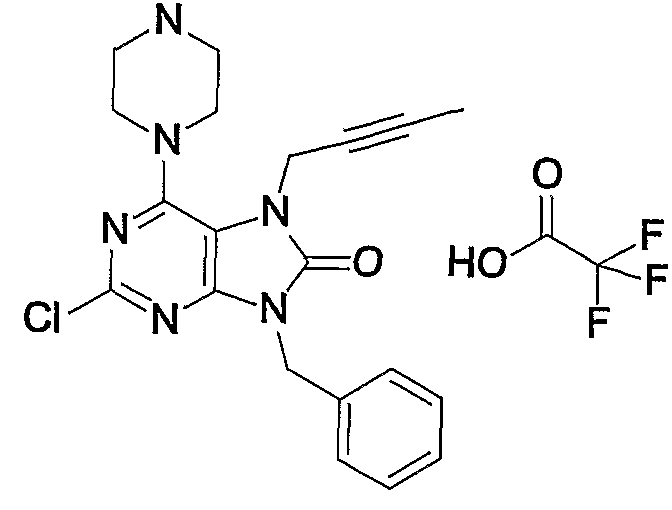
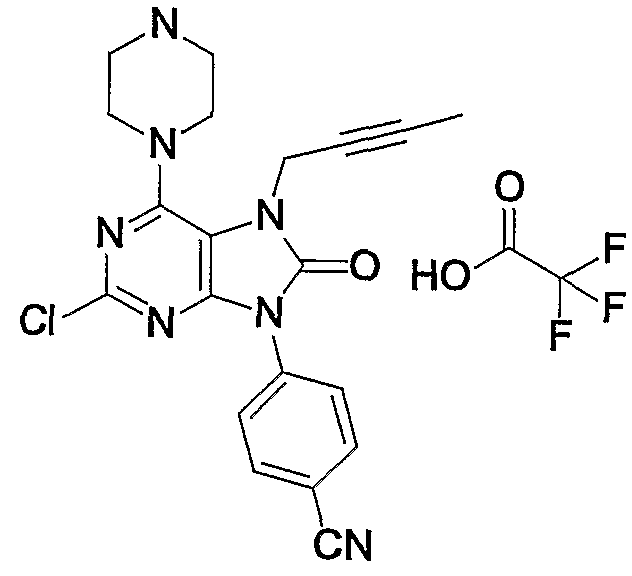
  • Example 2 1-7 Venginole 2—Black mouth 9—Methinole 61 (Piperazine 1-1) -7), 9-dihydropurine 8-one-trifluorate
  • Example 27 In a), (piperidin-3-yl) carboxamic acid t-butyl The same treatment as in Example 27 was carried out in the same manner as in Example 27, except that methyl (piperidine-13-inole) t-butyl carbamic acid (compound 26) was used instead of the ester to obtain 4.16 mg of the title compound.
  • Example 30 7- (2-Putinyl) -1-2-chloro-1-6- (piperazine-11-yl) -1-9-propyl-1 7 ⁇ 9-dihydropurine-8-one-trifluoroacetate
  • Example 3 [7- (2-Petitinole) 12-chloro-1-8-oxo-16- (piperazin-11-yl) -17,8-dihydropurine-19-yl] acetic acid-trifluoro Acetate
  • Example 29 d the same treatment as in Example 29 d) was performed using 20 ⁇ l of bromoacetic acid t -butyl ester instead of 2- (bromomethinole) benzonitrile, to give 3.55 mg of the title compound. Obtained.
  • Example 29 d This was treated in the same manner as in Example 29 d), except that 5 mg of 2-bromoacetamide was used in Example 29 d) instead of 2- (bromomethyl) benzonitrile, to give 4.7 lmg of the title compound.
  • Example 29 In Example 9d), the same treatment as in Example 29 d) was carried out except that (2-promoethyl) benzene 20/1 was used instead of 2- (bromomethyl) benzonitrile, to give 5.12 mg of the title compound. Got.
  • Example 29 In 9d), 2- (4-bromophenyl) ethyl ester 1 Omg of methanesulfonic acid was used instead of 2- (bromomethyl) benzonitrile in the same manner as in Example 29d) to give the title compound 1 .56 mg were obtained.
  • Example 29 In Example 9d), the same treatment as in Example 29 d) was performed, except that benzylbutamide 201 was used instead of 2- (bromomethyl) benzonitrile, to obtain 1.23 mg of the title compound. .
  • Example 29 d The same procedure was followed as in Example 29 d), except that 4-chlorobutyronitrile 201 was used in place of 2- (bromomethyl) benzonitrile, to give 5.8 Omg of the title compound.
  • 4-chlorobutyronitrile 201 was used in place of 2- (bromomethyl) benzonitrile, to give 5.8 Omg of the title compound.
  • Example 3 8 7- (2-Putinyl) 1-2-chloro-1-9-cyclopropylmethyl-6- (piperazine-11-yl) -7,9-dihydropurin-1-8_one_triphnoleo
  • the residue was dissolved in 0.25 ml of methanol and 0.25 ml of tetrahydrofuran, and 0.5 ml of aqueous ammonia and 0.3 ml of 30% aqueous hydrogen peroxide were added thereto. Stir the reaction solution for 12 hours at room temperature. After stirring, the reaction mixture was concentrated. The residue was dissolved in trifluoroacetic acid, and the reaction solution was stirred at room temperature for 5 minutes and concentrated. The residue was purified by reverse phase high performance liquid chromatography to obtain 1.15 mg of the title compound.
  • Example 40 [7- (2-Petinole) -12-chloro-8-oxo-16- (piperazin-1-inole) -17,8-dihydropurine-19-yl] acetic acid methinooleestenole trifluoroacetic acid salt
  • the obtained organic layer was concentrated, the residue was dissolved in methanol (0.5 ml), and cesium carbonate (1 Omg) was added thereto. 70. After stirring the reaction solution at C for 18 hours, the reaction was concentrated. The residue was dissolved in trifluoroacetic acid, and the reaction solution was stirred at room temperature for 5 minutes and then concentrated. The residue was purified by reversed-phase high performance liquid chromatography to obtain 2.85 mg of the title compound.
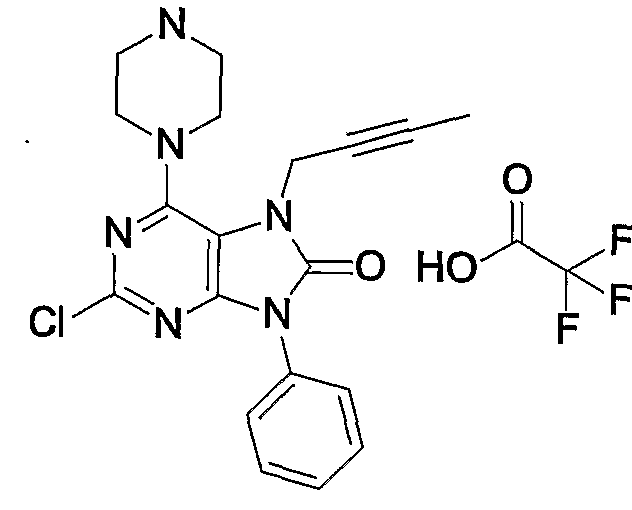
  • Example 41 7 (2-petit-nore) 1-2-chloro-9-pheninole 6— (piperazin-1-1-inole) 17,9-dihydropurine-18-one-trifluoroacetate
  • Example 41 The same procedure as in Example 41 was repeated, except that 1-mg of 41-cyanophenylporonic acid was used in place of phenylporonic acid in Example 41 to give 1.57 mg of the title compound.
  • Example 41 The same procedures as in Example 41 were repeated, except that 1-Omg of 3-furanboronic acid was used in place of phenylporonic acid, to give 1.23 mg of the title compound.
  • Example 41 The same procedure was followed as in Example 41, except that 10 mg of 3-thiophenboronic acid was used in place of phenylporonic acid, to give 3.57 mg of the title compound.
  • Example 41 The same procedure was followed as in Example 41, except that pyridine-13-boronic acid (10 mg) was used in place of phenylporonic acid, to give the title compound (3.44 mg).
  • Example 47 The same procedure as in Example 47 was repeated, except that 20 ⁇ l of 1-bromo-2-butyne was used in place of alipromide, to give 1.99 mg of the title compound.
  • Example 51 7- (2-butul) -1-9-cyclopropylmethyl-2-methoxy-6- (piperazine-1-yl) -17,9-dihydropurine-18-one trifnoreo mouth acetate
  • Example 47 was treated in the same manner as in Example 47 except that bromomethylcyclopropane 25 ⁇ 1 was used instead of arylpromide, to give 2.46 mg of the title compound. W> mle (ESI) 357 (M + H) +
  • Example 52 7- (2-Putinyl) -12-methoxy-6- (piperazine-11-yl) -19-propyl-17-9-dihydropurine-18-one-trifluoroacetate
  • Example 47 The same procedures as in Example 47 were repeated, except that, instead of aryl bromide, 11-propane 251 was used, the title compound was obtained in an amount of 3.9 Omg.
  • Example 47 The same procedure was followed as in Example 47, except that propargyl promide (25 ⁇ l) was used instead of aryl promide, to give 2.63 mg of the title compound.
  • Example 54 7- (2-Putinyl) -2-methoxy-19-phenyl-6- (piperazine-1-inole) -17, —9-dihydropurine-18-one-trifluoroacetate
  • the obtained organic layer was concentrated, the residue was dissolved in 0.5 ml of methanol, and 10 mg of cesium carbonate was added thereto. After stirring the reaction mixture at 70 ° C for 18 hours, the reaction mixture was concentrated. The residue was dissolved in trifluoroacetic acid, and the reaction solution was stirred at room temperature for 5 minutes and concentrated. The residue was purified by reverse phase high performance liquid chromatography 1 to obtain 2.88 mg of the title compound.
  • Example 54 The same procedure was followed as in Example 54, except that pyridine-13-polonic acid (10 mg) was used instead of phenylboronic acid, to give 2.29 mg of the title compound.
  • Example 56 7- (2-butchur) -19- (furan-3-yl) -12-methoxy-6- (piperazine-11-yl) -7,9-dihydropurine-1-8-one trifrenole mouth acetate
  • Example 5 7- (2-butul) -1-9- (thiophene-3-yl) -2-methoxy 6- (piperazine-11-yl) -17,9-dihydropurine-8-one trif Luo p acetate
  • Example 6 1f the same treatment as in Example 6 1f) was carried out except that 1-mg of phenylpropoic acid was used instead of pyridine-13-poronic acid, to give 6.94 mg of the title compound.
  • Example 6 1f the same treatment as in Example 6 1f) was carried out except that 1-mg of phenylpropoic acid was used instead of pyridine-13-poronic acid, to give 6.94 mg of the title compound.
  • Example 6 If), 1 Omg of furan-3-polonic acid was used in place of pyridine-13-boronic acid, and the reaction was carried out at a reaction temperature of 50 ° C in the same manner as in Example 6 1f). 1.28 mg of the compound was obtained.
  • Example 6 1 f 10 mg of 2-methoxy-15-pyrimidineporonic acid was used in place of pyridine-1-boronic acid, the reaction temperature was set to 50 ° C., and the reaction time was set to 48 hours. The same treatment as in f) was performed to obtain 2.52 mg of the title compound.
  • Example 65 7- (2-Petinole) -19- (2-chloro-pyridine-14-yl) -6- (piperazine-11-yl) -17,9-Dihydropurin-8-one trifrenole Mouth acetate W
  • Example 61 f 1-Omg of 2-chloropyridin-4-boronic acid was used in place of pyridine-13-polonic acid, the reaction temperature was 90 ° C, and the reaction time was 48 hours. ) To give 4.48 mg of the title compound.
  • Example 6 lb 5-amino-1-methyl-1H-pyridin-2-one was used in place of 3-aminopropio-tolyl, and treated in the same manner as in Examples 6 lb) to d) to give the title compound. Obtained.
  • Example 69 The same procedure as in Example 69 was repeated, except that propargylbumid 251 was used in place of arylpromide, to give 3.7 lmg of the title compound.
  • Example 69 2-bromoacetamide (20 mg) was used in place of arylpromide, and treated in the same manner as in Example 69 to obtain 7.55 mg of the title compound.
  • Example 72 7- (2-Petinole) -19-cyclopropylmethyl-6-1 (piperazin-1-yl) -17, —9-dihydropurine-18-one-trifluoroacetate 0 1
  • Example 69 bromomethylcyclopropane 251 was used in place of arylpromide, and the same treatment was carried out as in Example 69 to obtain 7.28 mg of the title compound.
  • Example 6 9 using 4-Xia no benzylbromide Ma id 2 0 mg instead of ⁇ Lil Puromaido, was treated in the same manner as in Example 6-9, the title compound 9. 5 6 mg obtained c M / e ( ESI) 388 (M + H) +
  • Example 7 4 7— (2-butynyl) 19-phenethyl-16- (piperazine-11-yl) -17,9-dihydropurine-18-one trifluoroacetate
  • Example 69 phenethylpromide 251 was used in place of aryl bromide, and the same treatment as in Example 69 was carried out to obtain 7.14 mg of the title compound.
  • Example 75 7- (2-Petinole) -6- (piperazine-11-yl) -17,9-dihydropurine 8-triene-trinole-chloroacetate
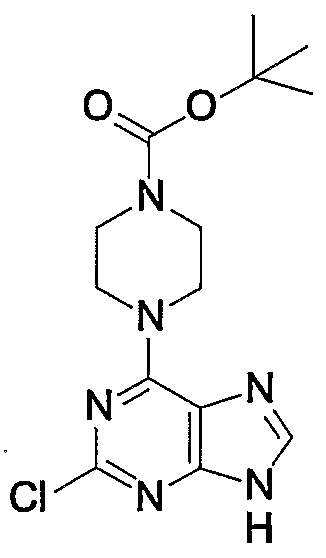
  • 6-Black mouth purine [CAS No. 87-42-3] 7.73 g of ethanol 10 Oml solution, diisopropylethylamine 26.1 ml and piperazine-1 1-carboxylic acid t-butyl ester 11.16 g was calorie, and the mixture was heated under reflux for 16 hours. The solvent was concentrated under reduced pressure, and the residue was suspended in 200 ml of water. The precipitate was collected by filtration, and washed twice with 50 ml of water and twice with 50 ml of t-butyl methinooleate to obtain 13.99 g of the title compound.
  • Example 76 e 5 ⁇ l of 1-promo 3-methyl-12-butene was used in place of 1-promo 2-putin, and treated in the same manner as in Example 76 e) to obtain the title compound 4.3m g was obtained.
  • Example 76e the same treatment as in Example 76e) was carried out using 5 ⁇ l of benzylbutamide instead of 1-promo 2-putin to obtain 4.8 mg of the title compound.
  • the solid collected by filtration was dissolved in 500 ml of dichloromethane, washed successively with 200 ml of 5% aqueous sodium hydrogen carbonate and 200 ml of water, combined with an organic layer of ethyl acetate, and dried over anhydrous magnesium sulfate. The organic layer was filtered, concentrated under reduced pressure, and the residue was recrystallized from toluene to obtain 2.04 g of the title compound.
  • the reaction solution was cooled, t-butyl methyl ether was added, and the mixture was filtered through celite.
  • the celite was washed with 25 ml of ethyl acetate, and the organic layers were combined and washed sequentially with 10 ml of 2N hydrochloric acid, 10 ml of 0.5N hydrochloric acid, 10 ml of 1N aqueous sodium hydroxide solution and 10 ml of a saturated aqueous solution of sodium salt and sodium chloride. It was dried over anhydrous magnesium sulfate, filtered, and concentrated under reduced pressure. The residue was purified by reversed-phase high performance liquid chromatography to obtain 0.023 g of the title compound.
  • Methyl- (3-nitropyridine-41-yl) amine 7. Add 90 ml of a 150 ml solution of concentrated hydrochloric acid in O Og. C., 52.2 g of tin (II) chloride dihydrate was added, and the mixture was ripened at 90 ° C for 30 minutes. The reaction solution was cooled to 0 ° C, 700 ml of ice / water was added, and the mixture was stirred for 30 minutes. ⁇ was concentrated under reduced pressure, 700 ml of a saturated methanol solution of ammonia was added to the residue, and the mixture was stirred at 5 ° C. for 15 hours.
  • reaction solution was cooled, 2 ml of dichloromethane and 3 ml of trifluoroacetic acid were added, and the mixture was stirred for 2 hours. After the solvent was concentrated under reduced pressure, the residue was purified by reversed-phase high-performance liquid chromatography to obtain 0.007 g of the title compound.
  • DPP-IV obtained from porcine kidney was dissolved to 1 OmUZmL, and this was dissolved in 110 mL. ⁇ 1 was added. Further, after adding 15 ⁇ 1 of the drug obtained in the above Example, the mixture was incubated at room temperature for 20 minutes, and G 1 yPron itroanilide dissolved in 2 mM was added to 25 1 (final concentration 0.33). In addition, the enzymatic reaction was started. The reaction time was 20 minutes, and 25 1 of a 1 N phosphoric acid solution was added to stop the reaction. The absorbance at 405 iim was measured to determine the enzyme reaction inhibition rate, and the IC 50 was calculated. Table 1 shows the results.
  • Test compounds were suspended in 0.5% methylcellulose (MC) solution at the doses shown in Table 2 below.
  • a suspension of this test compound and NVP DPP 728 (US Patent No. 6011 155) or a vehicle control group of 0.5% MC ⁇ was orally administered at a volume of 10 mL / kg, and 30 minutes later.
  • the glucose solution was orally administered in a volume of 1 OmLZkg.
  • Glucose was administered orally at a dose of 2 g / kg.
  • test substance just before administration of NVP DPP 728, and immediately before and after administration of glucose, and at 30, 60, and 120 minutes after the administration, the tail vein of the mouse is injured with a razor blade and bled slightly under anesthesia.
  • Collect 10 // L of blood and immediately mix with 0.6M perchloric acid 140 // L.
  • 1,3-dihydro-1-midazole condensate showing DPPIV inhibitory action A fused compound could be provided.
  • the 1,3-dihydro-imidazole fused ring compound in the present invention is, for example, a therapeutic agent for diabetes, obesity, hyperlipidemia, AIDS, osteoporosis '', a therapeutic agent for gastrointestinal disorders, angiogenesis. It is useful as a therapeutic agent, infertility treatment agent, anti-inflammatory agent, anti-allergic agent, immunomodulator, hormonal modulator, anti-rheumatic agent, cancer treatment agent, etc., and is useful as a prophylactic agent.

Landscapes

  • Organic Chemistry (AREA)
  • Chemical & Material Sciences (AREA)
  • Health & Medical Sciences (AREA)
  • Life Sciences & Earth Sciences (AREA)
  • Chemical Kinetics & Catalysis (AREA)
  • General Chemical & Material Sciences (AREA)
  • Medicinal Chemistry (AREA)
  • Nuclear Medicine, Radiotherapy & Molecular Imaging (AREA)
  • Pharmacology & Pharmacy (AREA)
  • Veterinary Medicine (AREA)
  • Animal Behavior & Ethology (AREA)
  • General Health & Medical Sciences (AREA)
  • Public Health (AREA)
  • Bioinformatics & Cheminformatics (AREA)
  • Engineering & Computer Science (AREA)
  • Diabetes (AREA)
  • Hematology (AREA)
  • Obesity (AREA)
  • Endocrinology (AREA)
  • Immunology (AREA)
  • Physical Education & Sports Medicine (AREA)
  • Rheumatology (AREA)
  • Reproductive Health (AREA)
  • Virology (AREA)
  • Orthopedic Medicine & Surgery (AREA)
  • Neurology (AREA)
  • Neurosurgery (AREA)
  • Tropical Medicine & Parasitology (AREA)
  • Communicable Diseases (AREA)
  • Oncology (AREA)
  • Pain & Pain Management (AREA)
  • Heart & Thoracic Surgery (AREA)
  • Biomedical Technology (AREA)
  • Child & Adolescent Psychology (AREA)
  • Molecular Biology (AREA)
  • Emergency Medicine (AREA)
  • Gynecology & Obstetrics (AREA)
  • Pregnancy & Childbirth (AREA)
  • Pulmonology (AREA)
  • AIDS & HIV (AREA)

Description

明細書
1, 3—ジヒドローイミダゾール縮合環化合物 技術分野
本発明は、 DP P I V阻害作用を有する新規化合物に関するものであり、 特に D P P I V阻害剤として有用な 1 , 3ジヒドロ一イミダゾール縮合環化合物に関する c
ジぺプチジルぺプチダーゼ I V (Dipeptidyl peptidase- IV: D P P I V) は、 ポリペプチド鎖の遊離 N末端から一 X— P r o (Xはいかなるアミノ酸でもよい) のジぺプチドを特異的に加水分解するセリンプロテアーゼの 1種である。
この DPP IVによって、 食後に腸管より分泌されるグルコース依存的インスリ ン分泌刺激ホルモン (インクレチン; GLP— 1、 Glucagon- Like Peptide- 1 and GIP; Glucose— dependent Insulinotropic Polypeptide) ίま、 速や力、に 5)^?、 不活' [4 化される。 この DPP I Vによる GLP— 1の分解を抑制することで、 インクレチ ン (GLP— 1及ぴ GI P) による作用は増強され、 グルコース刺激による腠 j3細 胞からのインスリン分泌は亢進する。 その結果、 経口糖負荷試験後の高血糖を改善 することが明らかにされている (非特許文献 1参照)。 また、 GLP— 1が食欲、 摂食量抑制効果への関与、 また GLP— 1の膝 細胞の分化、 増殖促進作用にもと づく 細胞保護作用も明らかにされている。
これらのことより DP P IV阻害剤が、 肥満、 糖尿病などの GLP— 1、 G I P が関与する疾患に対する有用な治療剤、 予防剤となりうることが期待できる。
以下に記すように糖尿病を含めた様々な疾患と D P P I Vの関連性が報告されて おり、 これらのことからも DP P I V阻害がそれらの治療剤となりうることが期待 できる。 ( 1 ) AI DSの予防、 治療剤 (非特許文献 2参照)
(2) 骨 症の予防、 治療剤 (非特許文献 3参照)
(3) 消化管障害 (intestinal disorder) の予防、 治療剤 (非特許文献 4参照)
(4) 高脂血症、 糖尿病、 肥満の予防、 治療剤 (非特許文献 5, 6参照)
(5) 血管新生の予防、 治翻 (非特許文献 7参照)
(6) 不妊症の予防、 治療剤 (特許文献 1参照)
(7) 炎症性疾患、 自己免疫疾患、 慢性関節リウマチの予防、 治療剤 (非特許文 献 8参照)
(8) ガンの予防、 治療剤 (非特許文献 9、 10参照)
(9) 錢性硬化症の予防、 治療剤 (非特許文献 1 1参照)
DPP I V阻害剤としては、 いくつか知られているが (特許文献 2〜1 1参照)、 1 , 3ージヒドローィミダゾール縮合環を有する D P P I V阻害剤は知られていな い。
[非特許文献 1 ]
Diabetologia 1999 Nov;42(ll): 1324 - 31
[非特許文献 2]
Science, 262, 2045-2050, 1993.
[非特許文献 3]
Clinical chemistry, 34, 2499-2501, 1988.
^特許文献 4]
Endocrinology, 141, 4013-4020, 2000.
[非特許文献 5]
Diabetes, 47, 1663—1670, 1998,
[非特許文献 6]
Life Sci; 66 (2) :91—103, 2000
[非特許文献 7] Agents and actions, 32, 125 - 127, 1991.
[非特許文献 8]
2001, 166, 2041-2048, The Journal of Immunology.
[非特許文献 9]
Br J Cancer 1999 Mar ;79 (7- 8) :1042 - 8,
[非特許文献 10 ]
J Androl 2000 Mar— Apr ;21 (2) :220 - 6
[非特許文献 11 ]
The Journal of Immunology, 2001, 166: 204ト 48 [特許文献 1 ] WOO 0/56296
[特許文献 2 ]
米国公開 2001020006号
[特許文献 3]
米国特許 6, 303, 661号
[特許文献 4]'
米国特許 6, 011, 155号
[特許文献 5]
米国特許 5543396号
[特許文献 6]
WO02/02560
[特許文献 7]
WO 00/34241
[特許文献 8]
WO 99/61431
[特許文献 9 ]
WO 99/67279 [特許文献 10]
WO 97/40832
[特許文献 11 ]
WO 95/29691
[特許文献 12]
WOO 2/068420
上記のごとく、 医薬として有用な D P P I V阻害作用を有する化合物の提供が切 望されている。 しかしながら、 優れた DP P IV阻害作用を示し、 かつ、 医薬とし ても有用性が高く臨床で有効に作用する化合物は未だ見出されていない。 すなわち、 本発明の目的は、 上記疾患 (特に糖尿病疾患など) の治療または予防剤として有用 な D P P I V阻害作用を有する化合物を探索し、 見出すことにある。 発明の開示
本発明者らは上記趣旨を解決すべく鋭意研究を行った結果、 新規な 1, 3—ジヒ ドロ一イミダゾ一/ ィ匕合物を合成することに成功し、 これらの化合物が優れ た D P P I V阻害作用を有することを見出し、 本発明を完成した。
すなわち本発明は、 下記を含む。
〔1〕 一般式
Figure imgf000006_0001
〔式中、 T1は環中の窒素原子が 1または 2個である、 置換基を有していてもよい 単環式または二環式である 4〜 12員複素環を意味する
X 3は酸素原子、 硫黄原子または式
Figure imgf000007_0001
を意味する;
X 4は水素原子、 置換基を有していてもよい Ci-eアルキル基、 置換基を有 していてもよい C 38シクロアルキル基または置換基を有していてもよい C6_ 10ァリールじ 6アルキル基を意味する;
X1は、 置換基を有していてもよい アルキル基、 置換基を有していてもよ い C 26アルケニル基、 置換基を有していてもよい C2_6アルキ-ル基、 置換基を 有していてもよい C6_10ァリール基、 置換基を有していてもよい 5〜10員へテ ロアリール基、 置換基を有していてもよい C 6— i。ァリール Ci— 6アルキル基また は置換基を有していてもよい 5〜: L 0員へテロアリ一ル0 6アルキル基を意味す る;
Z1は窒素原子または式一 CR3 =を意味する;
Z 2および Z 3はそれぞれ独立して窒素原子、 式一CR1- カルボニル基または 式一 NR2—を意味する;
式 (I) 中、 式
Figure imgf000007_0002
は二重結合または単結合を意味する;
式 (I) 中、 式
Figure imgf000007_0003
が二重結合の場合、 Z 2および Z 3はそれぞれ独立して窒素原子または式一 C R 1 = を意味する;
R\ R R3および X2はそれぞれ独立して水素原子、 置換基を有していても よい 4〜8員へテロ環式基または式一 A°— A1— A2 で表わされる基を意味す る;
AGは単結合、 または下記置換基群 Aから選ばれる:!〜 3個の基を有し ていてもよい C — 6アルキレン基を意味する;
A 1は単結合、 酸素原子、 硫黄原子、 スルフィュル基、 スルホニル基、 カルボ二ル基、 式— o— CO—、 式一 CO— O—、 式一 NRA―、 式一 C O— NRA—、 式一 NRA— CO—、 式一SO2— NRA—または式一 NRA
— SO2—を意味する;
A 2および R Aはそれぞれ独立して水素原子、 シァノ基、 。^6アルキル 基、 C38シクロアルキル基、 C 26アルケニル基、 C 26アルキニル基、 じ 。ァリール基、 5〜10員へテロアリール基、 4〜8員へテロ環式基 または C 。ァリール Ci— 6アルキル基を意味する;
ただし、 A 2および R Aはそれぞれ独立して下記置換基群 Aから選ばれる 1〜 3個の基を有していてもよい。
<置換基群 A>
置換基群 Aは、 水酸基、 メルカプト基、 シァノ基、 ハロゲン原子、 。ト6アルキ ル基、 C3_8シクロアルキル基、 C26アルケニル基、 C26アルキ-ル基、 C6_! 0ァリール基、 5〜: L 0員へテロァリール基、 4〜8員へテロ環式基、 。 6アル コキシ基、 — 6アルキルチオ基、 式— NRB4— RB5 (式中、 RB4および RB5は 水素原子または アルキル基を意味する。)、 式一 CO— RB6 (式中、 RB6は 1一ピロリジニル基、 1一モノレフォリニル基、 1一ピぺラジュル基または 1一ピぺ リジル基を意味する。) および式一 CO—: B— RB2 (式中、 RBは単結合、 酸素原 子または式一 NRB 3—を意味する。 RB 2および RB 3はそれぞれ独立して水素原子、 Ci一 6アルキル基、 C 38シクロアルキル基、 C 26ァルケニル基、 C 26アルキニ ル基、 C610ァリール基、 5〜10員へテロアリール基、 C610ァリール 6 アルキル基または 5〜10員へテロァリール — 6アルキル基を意味する。) で表 わされる基からなる群を意味する。〕 で表わされる化合物もしくはその塩またはそ れらの水和物。
〔2〕 一般式
Figure imgf000009_0001
〔式中、 Z3aは窒素原子または式一 CR2a =を意味する;
X 3 aは酸素原子または硫黄原子を意味する;
T 1 aは環中の窒素原子が 1または 2個である、 アミノ基または C _ 6アルキルァ ミノ基を有していてもよい単環式 4〜8員複素環を意味する;
Xlaは水素原子、 C2_6アルケニル基、 C 26ァルキニル基またはベンジル基を 意味する;
R1 aおよび R 2 aはそれぞれ独立して水素原子、 ハロゲン原子、 アルキル 基、 シァノ基または式一 AGa— Alaで表わされる基を意味する;
aは酸素原子、 硫黄原子または一 NA2a—で表わされる基を意味する; Alaは水素原子、 C — 6アルキル基、 C26アルケニル基、 C2_6アルキニ ル基、 フエニル基、 シァノフエニル基、 カルパモイルフエエル基、 ベンジル基、 ピリジルメチル基またはピリジル基を意味する;
A2aは水素原子または アルキル基を意味する; X2aは水素原子、 C2_6アルケニル基、 C26アルキニル基、 シクロへキセニル 基、 1H—ピリジン一 2—オンーィル基、 1ーメチルー 1H—ピリジン一 2—オン ーィル基、 下記置換基群 Bから選ばれる基を有していてもよい アルキル基、 下記置換基群 Bから選ばれる基を有していてもよいフエ -ル基、 下記置換基群 Bか ら選ばれる基を有していてもよい 5または 6員へテロアリール基、 下記置換基群 B から選ばれる基を有していてもよいフエニル C _ 6アルキル基または下記置換基群 Bから選ばれる基を有していてもよいピリジル — 6アルキル基を意味する ; ぐ置換基群 B>
置換基群 Bは、 塩素原子、 臭素原子、 シァノ基、 C — 6アルキル基、 C26アル ケニル基、 C26アルキニル基、 C3_8シクロアルキル基、 — 6アルコキシ基、 カルパモイル基、 カルボキシル基おょぴ Cト6アルコキシカルポニル基からなる群 を意味する。〕 で表わされる化合物もしくはその塩またはそれらの水和物。
〔3〕 一般式
Figure imgf000010_0001
〔式中、 Tlbはピペラジン一 1ーィル基、 3—アミノ一ピペリジン一 1一ィル基 または 3—メチルァミノ一ピぺリジン一 1—イノレ基を意味する;
X i bは 2一ペンチュル基、 2—ブチュル基、 3—メチル一2—ブテュル基、 2 —プテュル基またはベンジル基を意味する;
Rlaおよび X2aは 〔2〕 記載の Xlaおよび X2aと同意義である。〕 で表わされ る化合物もしくはその塩またはそれらの水和物。 〔4〕 R l aが水素原子、 塩素原子、 シァノ基、 メトキシ基、 エトキシ基、 iープ 口ピルォキシ基、 メチルチオ基、 ァリルォキシ基、 2—プチニルォキシ基、 フエ二 ルォキシ基、 シァノフエニルォキシ基、 カルパモイルフエニルォキシ基、 フエエル メチルォキシ基、 (フエニルメチル) アミノ基、 ピリジルメチルォキシ基、 ピリジ ルォキシ基、 アミノ基、 メチルァミノ基、 ジメチルァミノ基またはジェチルァミノ 基である 〔2〕 または 〔3〕 記載の化合物もしくはその塩またはそれらの水和物。 〔5〕 R l aが水素原子、 メトキシ基、 エトキシ基、 i—プロピルォキシ基、 2 - シァノフエ二ルォキシ基または 2—力ルバモイルフエニルォキシ基である 〔 2〕 ま たは 〔3〕 記載の化合物もしくはその塩またはそれらの水和物。
〔6〕 X 2 aが水素原子、 メチル基、 ェチル基、 n—プロピル基、 2—メチルプロ ピル基、 式一 C H 2— R 1 0 (式中、 R 1 0はカルパモイル基、 カルボキシル基、 メト キシカルボニル基、 シァノ基、 シクロプロピル基またはメトキシ基を意味する。) で表わされる基、 3—シァノプロピル基、 ァリル基、 2—プロピニル基、 2—プチ ニル基、 2—メチル一2—プロぺニル基、 2—シクロへキシェル基、 クロ口ピリジ ル基、 メ トキシピリジル基、 メトキシピリミジル基、 ピリジル基、 フリル基、 チェ ニル基、 ピリジルメチル基、 1 H—ピリジン一 2—オン一 5—ィノレ基、 1—メチル — 1 H—ピリジン一 2—オン一 5—ィル基、 下記置換基群 Yから選ばれる基を有し ていてもよいフエニル基、 下記置換基群 Yから選ばれる基を有していてもよいベン ジル基または下記置換基群 Yから選ばれる基を有していてもよいフエネチル基であ り、
置換基群 Yが塩素原子、 臭素原子、 メトキシ基、 シァノ基、 ビニル基およぴメチ ル基からなる群である 〔2〕 〜 〔5〕 いずれか 1つに記載の化合物もしくはその塩 またはそれらの水和物。
〔7〕 X 2 aがメチル基、 n—プロピル基、 ァリル基、 2—プロビュル基、 2—ブ チェル基、 シクロプロピルメチル基、 フエ二ノレ基、 3—ピリジル基、 3—フリル基、 3一チェ二ノレ基、 2ーメトキシー 5—ピリミジニル基、 2—メトキシー 5—ピリジ ル基、 2—クロロー 4_ピリジル基または 1 H—ピリジン一 2—オン一 5—ィル基 である 〔2〕 〜 〔5〕 いずれか 1つに記載の化合物もしくはその塩またはそれらの 水和物。
〔8〕 〔1〕 記載の化合物もしくはその塩またはそれらの水和物を含有する医薬。 〔9〕 〔1〕 記載の化合物もしくはその塩またはそれらの水和物を含有するジぺ プチジノレべプチダーゼ I V阻害剤。
〔10〕 〔 1〕 記載の化合物もしくはその塩またはそれらの水和物と製剤化補助 剤からなる医薬組成物。
〔1 1〕 〔1〕 記載の化合物もしくはその塩またはそれらの水和物を含有する糖 尿病、 肥満、 高脂血症、 AI DS, 骨粗鬆症、 消化管障害、 血管新生、 不妊症、 炎 症性疾患、 多発性硬化症、 アレルギー性疾患もしくはガンの予防または治療剤、 免 疫調 «!1、 ホルモン調節剤または抗リウマチ剤。
〔12〕 〔1〕 記載の化合物もしくはその塩またはそれらの水和物を含有する糖 尿病の予防または治療剤。
〔13〕 〔 1〕 記載の化合物もしくはその塩またはそれらの水和物の薬理学上有 効量を患者に投与する、 ジぺプチジルぺプチダーゼ I V阻害が有効な疾患の治療ま たは予防方法。
〔14〕 前記ジぺプチジルぺプチダーゼ I V阻害が有効な疾患が、 糖尿病である、 〔13〕 記載の治療または予防方法。
〔15〕 薬剤の製造のための、 〔1〕 記載の化合物もしくはその塩またはそれらの 水和物の使用。
〔16〕 前記薬剤が、 ジぺプチジルぺプチダーゼ I V阻害が有効な疾患の治療剤 または予防剤である 〔15〕 記載の使用。
〔1 7〕 前記薬剤が、 糖尿病が有効な疾患の治療剤または予防剤である 〔15〕 記載の使用。
以下に、 本願明細書において記載する用語、 記号等の意義を説明し、 本発明を詳 細に説明する。
なお、 本願明細書中においては、 化合物の構造式が便宜上一定の異性体を表すこ とがあるが、 本発明には化合物の構造上生ずる総ての幾何異性体、 不斉炭素に基づ く光学異性体、 立体異性体、 互変異性体等の異性体および異性体混合物を含み、 便 宜上の式の記載に限定されるものではなく、 いずれカゝ一方の異性体でも混合物でも よい。 従って、 分子内に不斉炭素原子を有し光学活性体おょぴラセミ体が存在する ことがあり得る力 本発明においては特に限定されず、 いずれの^^も含まれる。 さらに結晶多形が存在することもあるが同様に限定されず、 いずれかの結晶形単一 または混合物であってもよく、 また、 無水物であっても水和物であってもどちらで もよい。 さらに、 本発明の化合物は、 他のある種の溶媒を吸収した溶媒和物であつ てもよい。
また、 本発明化合物が生体内で酸化、 還元、 加水分解、 抱合などの代謝を受けて なお所望の活性を示す化合物をも包含し、 さらに本発明は生体内で酸化、 還元、 加 水分解などの代謝を受けて本発明化合物を生成する化合物をも包含する。
上記 「。^ 6アルキル基」 とは、 炭素数:!〜 6個の脂肪族炭化水素から任意の水 素原子を 1個除いて誘導される一価の基である、 炭素数 1〜 6個の直鎖状または分 枝鎖状のアルキル基を意味し、 具体例としてはメチル基、 ェチル基、 1一プロピル 基、 2—プロピル基、 2—メチルー 1—プロピル基、 2—メチル一2—プロピル基、 1—ブチノレ基、 2—プチ/レ基、 1一ペンチ/レ基、 2—ペンチル基、 3—ペンチル基、 2—メチルー 1—プチル基、 3—メチル一 1—プチル基、 2—メチル一2—ブチル 基、 3—メチル一2—プチル基、 2 , 2—ジメチルー 1—プロピル基、 1一へキシ ル基、 2—へキシル基、 3—へキシル基、 2—メチルー 1一ペンチル基、 3—メチ /レー 1—ペンチ 7レ基、 4ーメチノレ一 1一ペンチノレ基、 2—メチ 7レー 2—ペンチノレ基、 3—メチル一 2—ペンチル基、 4ーメチルー 2一ペンチル基、 2—メチルー 3—ぺ ンチル基、 3—メチルー 3—ペンチル基、 2 , 3—ジメチノレー 1—プチル基、 3, 3—ジメチノレ一 1一プチル基、 2 , 2—ジメチルー 1一プチル基、 2—ェチルー 1 一プチル基、 3, 3—ジメチルー 2—プチル基、 2, 3—ジメチルー 2—プチル基 等があげられる。
上記 「C 2_6アルケニル基」 とは、 炭素数 2〜 6個の直鎖状または分枝鎖状のァ ルケ二ル基を意味し、 具体例としてはビュル基、 ァリル基、 1一プロべエル基、 1 ーメチルビニル基、 1—プテニノレ基、 2—プテュル基、 3—プテニル基、 ペンテ二 ル基、 へキセニル基等があげられる。
上記 「C 26アルキニル基」 とは、 炭素数 2〜 6個の直鎖状または分枝鎖状のァ ルキニル基を意味し、 具体例としてはェチュル基、 1一プロピ-ル基、 2—プロピ ニル基、 ブチュル基、 ペンチュル基、 へキシュル基等があげられる。
上記 「C 38シクロアルキル基」 とは、 炭素数 3〜 8個の環状の脂肪族炭化水素 基を意味し、 具体例としては、 シクロプロピル基、 シクロプチル基、 シクロペンチ ル基、 シクロへキシル基、 シクロへプチル基、 シクロォクチュル基などがあげられ る。
上記 「C 6アルキレン基」 とは前記定義の 「。^ 6アルキル基」 からさらに任 意の水素原子を 1個除いて誘導される二価の基を意味し、 具体例としては、 メチレ ン基、 1 , 2—エチレン基、 1, 1一エチレン基、 1, 3—プロピレン基、 テトラ メチレン基、 ペンタメチレン基、 へキサメチレン基などがあげられる。
上記 「0 ^ 6アルコキシ基」 とは前記定義の 「。卜 6アルキル基」 が結合した酸 素原子であることを意味し、 具体例としてはメトキシ基、 エトキシ基、 1—プロピ ルォキシ基、 2—プロピルォキシ基、 2—メチルー 1一プロピルォキシ基、 2—メ チルー 2—プロピルォキシ基、 .1一プチルォキシ基、 2—ブチルォキシ基、 1一^ ° ンチルォキシ基、 2—ペンチルォキシ基、 3—ペンチルォキシ基、 2—メチルー 1 ―プチルォキシ基、 3—メチルー 1 -プチルォキシ基、 2—メチル一 2一プチルォ キシ基、 3—メチルー 2—プチルォキシ基、 2 , 2—ジメチルー 1—プロピルォキ シ基、 1—へキシルォキシ基、 2—へキシルォキシ基、 3—へキシルォキシ基、 2 ーメチルー 1—ペンチルォキシ基、 3—メチルー 1—ペンチルォキシ基、 4—メチ ル一 1—ペンチルォキシ基、 2—メチル一 2—ぺンチルォキシ基、 3—メチルー 2 一ペンチルォキシ基、 4ーメチルー 2—ペンチルォキシ基、 2ーメチルー 3—ペン チルォキシ基、 3—メチル一3—ペンチルォキシ基、 2 , 3—ジメチル一 1一プチ ルォキシ基、 3 , 3—ジメチルー 1一プチルォキシ基、 2, 2—ジメチルー 1ーブ チルォキシ基、 2ーェチル一 1一プチルォキシ基、 3 , 3—ジメチル _ 2—プチル ォキシ基、 2, 3—ジメチル一 2—プチルォキシ基等があげられる。
上記 「0 6アルコキシカルポニル基」 とは前記定義の rc — 6アルコキシ基」 が結合したカルボニル基であることを意味し、 具体例としては、 メトキシカルポ- ル基、 エトキシカルボ二ル基、 1—プロピルォキシカルボ二ル基、 2—プロピルォ キシカルポニル基、 2—メチル _ 1一プロピルォキシカルボニル基、 2—メチルー 2一プロピルォキシカルボニル基等があげられる。
上記 「0 ^ 6アルキルチォ基」 とは前記定義の 「じ アルキル基」 が結合した 硫黄原子であることを意味し、 具体例としてはメチルチオ基、 ェチルチオ基、 1一 プロピルチォ基、 2—プロピルチォ基、 2—メチル一1一プロピルチォ基、 2—メ チル— 2—プロピルチォ基、 1—ブチルチオ基、 2—プチルチオ基、 1—ペンチル チォ基、 2—ペンチルチオ基、 3—ペンチルチオ基、 2—メチルー 1—プチルチオ 基、 3—メチル一 1一プチノレチォ基、 2—メチルー 2—プチルチオ基、 3—メチル —2—プチルチオ基、 2 , 2—ジメチル一 1一プロピルチオ基、 1一へキシルチオ 基、 2—へキシルチオ基、 3—へキシルチオ基、 2—メチル一 1—ペンチルチオ基、 3—メチルー 1一ペンチルチオ基、 4—メチルー 1一ペンチルチオ基、 2—メチル —2—ペンチルチオ基、 3—メチル一2—ペンチルチオ基、 4—メチルー 2—ペン チルチオ基、 2—メチルー 3—ペンチルチオ基、 3—メチル一 3—ペンチルチオ基、 2 , 3—ジメチル一 1一プチルチオ基、 3, 3ージメチル一 1一プチルチオ基、 2 , 2ージメチノレー 1—ブチノレチォ基、 2—ェチルー 1一プチルチオ基、 3 , 3—ジメ チルー 2—プチルチオ基、 2 , 3—ジメチルー 2—プチルチオ基等があげられる。 上記 「ハロゲン原子」 とは、 フッ素原子、 塩素原子、 臭素原子またはヨウ素原子 を意味する。
上記 「ヘテロ原子」 とは、 硫黄原子、 酸素原子または窒素原子を意味する。
上記 「4〜 8員へテロ環」 とは、
1)環式基の環を構成する原子の数が 4〜 8であり、
2)環式基の環を構成する原子中にヘテロ原子を 1から 2個であり、
3)環中の二重結合が 0〜 2個であり、
4)環中の力ルポニル基が 0〜 3個である、
5)単環式である非芳香族性の環を意味する。
「4〜 8員へテロ環」 として具体例としては、 ピロリジン環、 ピぺリジン環、 ァ ゼパン環、 テトラヒドロフラン環、 テトラヒドロビラン環、 モルホリン環、 チォモ ルホリン環、 ピぺラジン環、 チアゾリジン環、 ジォキサン環、 イミダゾリン環、 チ ァゾリン環、 ァゼチジン環、 式
Figure imgf000016_0001
(式中、 sは 1〜3の整数を意味し、 Τ4はメチレン基、 酸素原子または式一 NT 5 ― (式中、 T 5は水素原子または アルキル基を意味する。) で表わされる基を 意味する。) で表わされる環などが挙げられる。
上記 「4〜 8員へテロ環式基」 とは、 前記定義の 「4〜 8員へテロ環」 から任意 の位置の水素原子を 1個除いて誘導される一価の基を意味する。
上記 「C 6— i。ァリール基」 とは、 炭素数 6〜1 0の芳香族性の炭化水素環式基 をいい、 具体例としては、 フエニル基、 1—ナフチノレ基、 2—ナフチル基などがあ げられる。
「 5〜 1 0員へテロアリール環」 とは、 環式基の環を構成する原子の数が 5ない し 1 0であり、 環式基の環を構成する原子中にヘテロ原子を含有する芳香族性の環 を意味し、具体例としては、 ピリジン環、 チォフェン環、 フラン環、 ピロール環、 ォキサゾール環、 イソキサゾール環、 チアゾール環、 イソチアゾール環、 イミダゾ ール環、 トリァゾール環、 ピラゾール環、 フラザン環、 チアジアゾール環、 ォキサ ジァゾール環、 ピリダジン環、 ピリミジン環、 ピラジン環、 インドール環、 イソィ ンドール環、 ィンダゾール環、 クロメン環、 キノリン環、 イソキノリン環、 シンノ リン環、 キナゾリン環、 キノキサリン環、 ナフチリジン環、 フタラジン環、 プリン 環、 プテリジン環、 チエノフラン環、 イミダゾチアゾール環、 ベンゾフラン環、 ベ ンゾチォフェン環、 ベンズォキサゾール環、 ベンズチアゾーノレ環、 ベンズチアジア ゾール環、 ベンズイミダゾール環、 イミダゾピリジン環、 ピロ口ピリジン環、 ピロ 口ピリミジン環、 ピリ ドピリミジン環などがあげられる。
上記 「5〜 1 0員へテロアリール基」 とは、 前記定義 「5〜 1 0員へテロァリー ル環」 カゝら任意の位置の水素原子を 1個除いて誘導ざれる一価の基を意味する。 上記 「。6_ 1 0ァリール。1_6ァルキル基」 とは前記定義 「 ト 6アルキル基」 中 の任意の水素原子を、前記定義 「。 。ァリール基」 で置換した基を意味し、具体 例としては、 ベンジル基、フエネチル基、 3—フエニル一 1一プロピル基などがあ げられる。
上記 「5〜 1 0員へテロアリール 一 6アルキル基」 とは前記定義 「じ 6アル キル基」 中の任意の水素原子を、前記定義 「5〜 1 0員へテロアリール基」 で置換 した基を意味し、具体例としては、 2—ピリジルメチル基、 2一チェニルメチル基 などがあげられる。
「 5または 6員へテロアリール環」 とは、 環式基の環を構成する原子の数が 5な いし 6であり、 環式基の環を構成する原子中に 1から複数個のヘテロ原子を含有す る芳香族性の環を意味し、具体例としては、 ピリジン環、 チォフェン環、 フラン環、 ピロール環、 ォキサゾール環、 イソキサゾーノ V 、 チアゾ一ル環、 イソチアゾール 環、 イミダゾール環、 トリァゾール環、 ピラゾール環、 チアジアゾール環、 ォキサ ジァゾ一ル環、 ピリダジン環、 ピリミジン環、 ピラジン環などがあげられる。 「5または 6員へテロァリーノレ基」 とは、 この 「5または 6員芳香族へテロァリ ール環」 から任意の位置の水素原子を 1個除いて誘導される一価の基を意味する。 上記 「ピリジル基」 とは、 2 _ピリジル基、 3—ピリジル基または 4一ピリジル 基を意味する。
上記 「フリル基」 とは、 2—フリル基または 3—フリル基を意味する。
上記 「チェニル基」 とは、 2—チェニル基または 3—チェ二ル基を意味する。 上記 「シクロへキセニノレ基」 とは、 1ーシクロへキセニノレ基、 2—シクロへキセ ュル基または 3—シク口へキセニル基を意味する。
上記 「1 H—ピリジン一 2—オンーィル基」 とは、 「1 H—ピリジン一 2—ォ ン」 力ら任意の水素原子を 1個除いて誘導される 1価の基を意味し、 具体例として は式
Figure imgf000018_0001
があげられる。
上記 「1一メチル一 1 H—ピリジン一 2—オン一ィル基」 とは、 「1ーメチルー 1 H—ピリジン一 2—オン」 から任意の水素原子を 1個除いて誘導される 1価の基 を意味し、 具体例としては式
Figure imgf000019_0001
があげられる。
上記 「フエニル C i_ 6アルキル基」 とは、 前記定義 「0 ^ 6アルキル基」 中の任 意の水素原子をフエニル基で置換した基を意味し、具体例としてはべンジル基、フエ ネチル基、 3—フエニル一 1一プロピル基などがあげられる。
上記 「ピリジル アルキル基」 とは、 前記定義 「0 ^ 6アルキル基」 中の任 意の水素原子を、前記定義 「ピリジル基」 で置換した基を意味し、具体例としては、 2—ピリジルメチル基、 3—ピリジルメチル基または 4—ピリジルメチル基などが あげられる。
上記 「ピリジルメチル基」 とは、 2—ピリジルメチル基、 3—ピリジルメチル基 または 4—ピリジルメチル基を意味する。
上記 「ピリジルォキシ基」 とは、 2—ピリジルォキシ基、 3—ピリジルォキシ基 または 4一ピリジルォキシ基を意味する。
上記 「ピリジルメチルォキシ基」 とは、 2—ピリジルメチルォキシ基、 3—ピリ ジルメチルォキシ基または 4—ピリジルメチルォキシ基を意味する。
上記 「シァノフエニル基」 とは、 2—シァノフエ二ノレ基、 3—シァノフエ二ノレ基 または 4—シァノフエュル基を意味する。
上記 「カルパモイルフエ二ル基」 とは、 2—カルパモイルフエニル基、 3—力ノレ パモイルフエュル基または 4—力ルパモイルフエ二ル基を意味する。 上記 「シァノフエュルォキシ基」 とは、 2—シァノフエニルォキシ基、 3—シァ ノフエュルォキシ基または 4一シァノフエニルォキシ基を意味する。
上記 「カルパモイルフエニルォキシ基」 とは、 2—力ルパモイルフエ二ルォキシ 基、 3—カルパモイルフエニルォキシ基または 4—カルパモイルフエ二ルォキシ基 を意味する。
上記 「クロ口ピリジル基」 とは、 前記定義 「ピリジル基」 中の任意の水素原子を 塩素原子で置換した基を意味し、具体例としては 2—クロ口ピリジン一 3—ィル基、 2—クロ口ピリジン一 4ーィノレ基または 6—クロ口ピリジン一 3—^ ( レ基などがあ げられる。
上記 「メトキシピリジル基」 とは、 前記定義 「ピリジル基」 中の任意の水素原子 をメトキシ基で置換した基を意味し、具体例としては 2—メトキシピリジン一 3— イノレ基、 2—メトキシピリジン一 4ーィ/レ基または 6—メトキシピリジン一 3—ィ ル基などがあげられる。
上記 「メトキシピリミジル基」 とは、 前記定義 「ピリミジノレ基」 中の任意の水素 原子をメトキシ基で置換した基を意味し、具体例としては 2—メトキシピリミジン 一 5—ィル基または 2—メトキシピリミジン一 4ーィル基などがあげられる。
上記 「環中の窒素原子が 1または 2個である、 置換基を有していてもよい単環式 または二環式である 4〜 1 2員複素環」 とは、
1)環式基の環を構成する原子の数が 4ないし 1 2であり、
2)環式基の環を構成する原子中に 1または 2個の窒素原子を含有し、
3)置換基を有していてもよ ヽ
4)単環式または二環式である非芳香族性の環を意味する。
具体的には、式
Figure imgf000021_0001
(式中、 mおよび nはそれ れ独立して 0または 1を意味する。 R31ないし R44に おけるレ、ずれか 2つは一緒になっ C — 6アルキレン基を形成してもよい。) で表 わされる基を意味する。
[Tlaの意義]
Tlaは、 「環中の窒素原子が 1または 2個である、 アミノ基または ト6アルキ ルァミノ基を有していてもよい単環式 4〜 8員複素環式基」 を意味するが
①環式基の環を構成する原子の数が 4ないし 8であり、
②環式基の環を構成する原子中の窒素原子が 1または 2個であり、
③置換基としてアミノ基または アルキルアミノ基を有していてもよい、
④単環式非芳香族性の環式基を意味する。
上記 「Ci— 6アルキルアミノ基」 とは前記定義の 「0^6アルキル基」 が 1また は 2つ結合した窒素原子であることを意味し、 具体例としては、 メチルァミノ基、 ェチルァミノ基、 プロピルアミノ基、 ジメチルァミノ基、 ジェチルァミノ基、 ジプ 口ピルァミノ基などが挙げられる。
(1) Tlaとして好適には、 ピぺラジン一 1—ィル基、 [1. 4 ]ジァゼパン一 1一 ィル基、 [1. 5]ジァゾカン一 1—ィル基、 アミノ基もしくは — 6アルキルアミ ノ基を有していてもよいァゼチジン一 1ーィル基、 アミノ基もしくは C — 6アルキ ルァミノ基を有していてもよいピロリジン一 1—ィル基、 アミノ基もしくは C^e アルキルアミノ基を有していてもよいピぺリジン一 1—ィル基、 アミノ基もしくは アルキルアミノ基を有していてもよいァゼパン一ィル基またはアミノ基もし くは — 6アルキルアミノ基を有していてもよいァゾカンーィル基であり、 (2) より好適には式
Figure imgf000022_0001
(式中、 R5Dはァミノ基またはメチルアミノ基を意味する; R51および R52のうち いずれか一方がアミノ基またはメチルアミノ基を意味し、 もう一方は水素原子を意 味する; R53および R54のうちいずれか一方がアミノ基またはメチルアミノ基を 意味し、 もう一方は水素原子を意味する; R 55〜: 57のうちいずれか一個がアミ ノ基またはメチルアミノ基を意味し、 残り 2個は水素原子を意味する。) で表わさ れる基であり、
(3) さらに好適にはピペラジン一 1 fル基、 3—アミノービペリジン一 1—ィ ル基または 3—メチルァミノ一ピぺリジン一 1ーィル基であり、
(4) もっとも好適にはピペラジン一 1—ィル基である。
[Tlbの意義]
Tlbは、 ピぺラジン一 1ーィル基、 3—アミノービペリジン一 1—ィル基また は 3—メチルアミノ一ピペリジン一 1—ィル基を意味するが、 好適にはピペラジン 一 1ーィル基である。
[x3aの意義]
x3aは、 酸素原子または硫黄原子を意味する力 好適には酸素原子である。
[Xlaの意義]
Xlaは、 水素原子、 C2_6アルケニル基、 C2_6アルキニル基またはベンジル基 を意味するが、
(1) 好適には水素原子、 2—^ ^ンチュル基、 2—プチニル基、 3—メチノレ一 2— プテュル基、 ベンジル基または 2—プテュル基であり、
( 2 ) より好適には 2—ブチュル基または 2—ブテュル基であり、
(3) さらに好適には 2—プチ二ノレ基である。
[Xlbの意義]
Xlbは、 水素原子、 2—ペンチュル基、 2—プチニル基、 3—メチノレ一2—ブ テニル基、 ベンジル基または 2—プテュル基を意味するが、
( 1 ) 好適には 2—プチ二ル基または 2—プテュル基であり、
(2) より好適には 2—プチュル基である。
[Rlaの意義]
Rlaは、 「水素原子、 ハロゲン原子、 アルキル基、 シァノ基または式一 A 0 a— Ala (式中、 A°aは酸素原子、 硫黄原子または一 NA2a—で表わされる基を意 味し、 Alaは水素原子、 C^ 6アルキル基、 C26アルケニル基、 C2_6アルキ ニル基、 フエニル基、 シァノフエニル基、 カルパモイルフエニル基、 ベンジル基、 ピリジルメチル基またはピリジル基を意味し、 A2a«水素原子または 6アルキ ル基を意味する) で表わされる基」 を意味するが、
(1) 好適には、 水素原子、 塩素原子、 シァノ基、 メ トキシ基、 エトキシ基、 i一 プロピルォキシ基、 メチルチオ基、 ァリルォキシ基、 2—ブチュルォキシ基、 フエ ニルォキシ基、 シァノフエニルォキシ基、 カルパモイルフエニルォキシ基、 フエ二 ルメチルォキシ基、 (フエニルメチル) アミノ基、 ピリジルメチルォキシ基、 ピリ ジルォキシ基、 アミノ基、 メチルァミノ基、 ジメチルァミノ基またはジェチルアミ ノ基であり、
(2) より好適には、 水素原子、 メ トキシ基、 エトキシ基、 i—プロピルォキシ基、 2—シァノフエニルォキシ基または 2—カルパモイルフエニルォキシ基であり、
(3) さらに好適には、 水素原子、 メ トキシ基、 エトキシ基または i—プロピルォ キシ基である。
[X 2 aの意義]
X 2 aは水素原子、 C 26アルケニル基、 C - 6アルキニル基、 シクロへキセニル 基、 1 H—ピリジン一 2—オンーィル基、 1—メチル一 1 H—ピリジン一 2—オン ーィル基、 下記置換基群 Bから選ばれる基を有していてもよい アルキル基、 下記置換基群 Bから選ばれる基を有していてもよいフエニル基、 下記置換基群 Bか ら選ばれる基を有していてもよい 5または 6員へテロアリール基、 下記置換基群 B 力 ら選ばれる基を有していてもよいフエニル アルキル基または下記置換基群 Bから選ばれる基を有していてもよいピリジル C _ 6アルキル基を意味するが (置 換基群 Bは塩素原子、 臭素原子、 シァノ基、 — 6アルキル基、 C 26アルケニル 基、 C 2_ 6アルキニル基、 C 3_8シクロアルキル基、 アルコキシ基、 カルパ モイル基、 カルボキシル基おょぴ C ^ 6アルコキシカルポニル基からなる群を意味 する。)、
( 1 ) 好適には、 水素原子、 メチル基、 ェチル基、 n—プロピル基、 2—メチルプ 口ピル基、 式一 C H2— R 1 0 (式中、 R 1 0はカルパモイル基、 力ルポキシル基、 メ トキシカルポニル基、 シァノ基、 シクロプロピル基またはメ トキシ基を意味す る。) で表わされる基、 3—シァノプロピル基、 ァリル基、 2—プロビュル基、 2 —ブチュル基、 2—メチルー 2—プロぺニル基、 2—シクロへキシュル、 クロロピ リジル基、 メトキシピリジル基、 メトキシピリミジル基、 ピリジル基、 フリル基、 チェニル基、 ピリジルメチル基、 1 H—ピリジン一 2—オン一 5—ィル基、 1ーメ チル一 1 H—ピリジン一 2—オン一 5—ィル基、 下記置換基群 Yから選ばれる基を 有していてもよいフエニル基、 下記置換基群 Yから選ばれる基を有していてもよい ベンジル基または下記置換基群 Yから選ばれる基を有していてもよぃフエネチル基 であり (置換基群 Yは塩素原子、 臭素原子、 メトキシ基、 シァノ基、 ビュル基およ ぴメチノレ基からなる群である)、
( 2 ) より好適には、 メチル基、 n—プロピル基、 ァリル基、 2—プロピニル基、 2—プチ二ノレ基、 シクロプロピルメチル基、 フエ二ノレ基、 3—ピリジル基、 3—フ リル基、 3一チェニル基、 2—メトキシ一 5—ピリミジ-ル基、 2—メトキシー 5 一ピリジル基、 2—クロロー 4一ピリジノレ基または 1 H—ピリジン一 2—オン一 5 ーィル基であり、
(3) さらに好適にはメチル基、 ァリル基、 シクロプロピルメチル基、 3_ピリジ ル基、 3—フリル基、 2—メトキシー 5—ピリミジェノレ基、 2—メトキシー 5—ピ リジル基、 2—クロロー 4—ピリジル基または 1 H—ピリジン一 2—オン一 5—ィ ル基である。
前記 Tlaまたは Tlb、 X 、 Xlaまたは Xlb、 Rla、 X2aの意義において好適な 基を示したが、 Tlaまたは Tlb、 X3a、 Xlaまたは Xlb、 Rla、 X からなる群か ら好適な基を選択し、 それらを任意に組み合わせた化合物を具体的な化合物として 挙げることができる。
上記 「置換基を有していてもよい」 とは、 「置換可能な部位に、 任意に組み合わ せて 1または 3個の置換基を有していてもよい」 と同意義である。 当該置換基とは 具体例としては、
(1) ハロゲン原子、
(2) ニトロ基、
(3) シァノ基、
(4) トリフノレオ口メチル基、
(5) 式一 Τ2— Τ3 (式中、 Τ2は、 単結合、 — 6アルキレン基、 酸素原子、 硫黄 原子、 スルフィニル基、 スルホ-ル基、 カルポニル基、 式一 O— CO—、 式一 CO —O—、 式— NRT—、 式— CO_NRT_、 式—NRT— CO—、 式— S02— N RT—または式一NRT— S02—で表わされる基を意味し、 T3およぴ1^は、 それ ぞれ独立して水素原子、 C — 6アルキル基、 — 6アルコキシ基、 C38シクロア ルキル基、 C 26アルケニル基、 C 2_6アルキニル基、 C610ァリール基、 5〜1 0員へテロァリール基、 4〜 8員へテロ環式基を意味する。 ただし、 T3および R τはそれぞれ独立して下記置換基 Τ群からなる群から選ばれる 1〜 3個の基を有し ていてもよい。 ただし、 Τ 2が単結合であり Τ 3が水素原子である場合を除く。
<置換基丁群>
置換基 Τ群は、 水酸基、 シァノ基、 ハロゲン原子、 6アルキル基、 C 38シ クロアルキル基、 C 26アルケニル基、 C 26アルキニル基、 C 61 0ァリール基、 51 0員へテロァリール基、 4〜8員へテロ環式基、 。 6アルコキシ基おょぴ アルキルチオ基で表わされる基からなる群。) で表わされる基など置換基を あげることができる。
本発明における 「塩」 としては、 例えば、 無機酸との塩、 有機酸との塩、 無機塩 基との塩、 有機塩基との塩、 酸性または塩基性アミノ酸との塩などが挙げられ、 中 でも薬学的に許容される塩が好ましい。
無機酸との塩の好ましい例としては、 例えば、 塩酸、 臭化水素酸、 硫酸、 硝酸、 リン酸などとの塩が挙げられ、 有機酸との塩の好ましい例としては、 例えば酢酸、 コハク酸、 フマル酸、 マレイン酸、 酒石酸、 クェン酸、 乳酸、 ステアリン酸、 安息 香酸、 メタンスルホン酸、 P-トルエンスルホン酸などとの塩があげられる。
無機塩基との塩の好ましい例としては、 例えばナトリウム塩、 カリウム塩などの アルカリ金属塩、 カルシウム塩、 マグネシウム塩などのアルカリ土類金属塩、 アル ミニゥム塩、 アンモニゥム塩などがあげられる。 有 m基との塩の好ましい例とし ては、 例えばジェチノレアミン、 ジエタノールァミン、 メグルミン、 N,N,-ジベンジ ルエチレンジァミンなどとの塩があげられる。
酸性アミノ酸との塩の好ましい例としては、 例えばァスパラギン酸、 グルタミン 酸などとの塩が挙げられ、 塩基性ァミノ酸との塩の好ましい例としては、 例えばァ ルギニン、 リジン、 オル二チンなどとの塩があげられる。
以下、 製造方法における各記号の意味について説明する。 1、 R 2 a、 X 1、 X 2、 X 3 aおよび T 1は、 前記定義と同意義を意味する。 U U2は脱離基 (塩素原子、 臭素原子、 ヨウ素原子、 メタンスノレフォ-ルォキシ基、 p—トルエンス/レフォニル ォキシ基、 一 B (OH) 2 4, 4 5, 5—テトラメチルー 1, 3 2—ジォキ サポラン一 2—ィル基、 または式一Sn (Rz) 3(式中、 1^は。16ァルキル基を 意味する。 )で表わされる基など) を意味する。 Ha 1は塩素原子、 臭素原子、 ョ ゥ素原子等のハロゲン原子を意味する。 M1は水素原子、 ナトリウム原子、 力リウ ム原子、 リチウム原子、 —MgC l — MgB r、 一 Sn (Rz) 3 (式中、 Rzは 前記定義と同意義を意味する。 ;)などを意味する。 Yは塩素原子、 臭素原子、 ヨウ 素原子等のハロゲン原子、 もしくは水素原子を意味する。 P P2は、 それぞれ 独立してベンジル基、 ピパリルォキシメチル基、 tープトキシカノレポ二ノレ基、 シァ ノェチル基等のァミノ基の保護基を意味する。 T 2 bは T 1と同意義の基もしくは保 護基 (tープトキシカルボュル基など) を結合したアミノ基を有する T1を意味す る。
ぐ製造方法 A
Figure imgf000027_0001
7a
[工程 Al]
本工程は化合物 (1 a) [CAS No. 1076— 22— 8]と化合物(1 a— 2)を置換反応させることにより、 化合物 (l a) の 7位のアミノ基に置換基を導 入し、 化合物 (2 a) を得る工程である。
化合物(l a— 2)が、 式 X1— U1 (式中、 X1および U1は前記定義とそれぞれ同 意義を意味する)で表わされる求電子試薬、 具体的にはョードメタン、 ョードエタ ン、 ョードプロパン、 ベンジルプロミド等のアルキルハラィド、 ァリルプロミド、 1—プロモー 3—メチル一 2—ブテン等のァノレケュノレハライド、 またはプロパノレギ ルプロミド、 1ーブロモー 2—ブチン等のアルキニルハライドなどである場合、 以 下の条件で反応を行うことができる。 この場合、 ィ匕合物(1 a— 2〉は化合物(1 a ) に対して 1〜 2当量用いることが好ましい。
置換反応の反応条件としては、 特に制限されるものではないが、 例えばジメチル スルホキシド、 N, N—ジメチルホルムアミド、 N—メチルピロリ ドン、 ジォキサ ン、 テトラヒドロフラン、 トノレエン等の溶媒中、 zK酸化リチウム、 水酸化ナトリウ ム、 7酸ィヒカリウム、 炭酸リチウム、 炭酸ナトリウム、 炭酸カリウム、 炭酸セシゥ ム、 水素化リチウム、 水素化ナトリウム、 7_ 素化カリウム、 ブチルリチウム、 メチ ルリチウム、 リチウムビストリメチルシリルアミド、 ナトリウムビストリメチルシ リルアミド、 カリウムビストリメチルシリルァミド等の塩基の存在下、 0 °Cから 1 5 0 °Cの温度で、 反応を行うことができる。 この場合、 ィ匕合物 (l a ) に対して塩 基は 1〜 2当量用いることが好ましい。
導入する X 1が置換基を有していてもよい C 61 0ァリ一ル基または置換基を有し ていてもよい 5〜: L 0員へテロァリール基の^ 8\ 化合物(1 a— 2)としては、 具 体的に例えば、 ァリ一ルポ口ン酸または、 ヘテロァリ一ルポ口ン酸など用いて反応 を行うことができる。 この場合、 化合物(1 a— 2 )を化合物 (l a ) に対して 1〜 1 0当量用いることが好ましい。
この;^、 ジクロロメタン、 クロ口ホルム、 1, 4—ジォキサン、 テトラヒドロ フラン、 トルエン、 ピリジン、 N, N—ジメチルホルムアミド、 N—メチルピロリ ドン等の溶媒中、 トリェチルァミン、 ジイソプロピルェチルァミン、 ピリジン、 N, N—ジメチルァミノピリジン等の塩基および、 酢酸銅 (1 1 )、 トリフルォロ酢酸 銅 (I 1 )、 塩化銅 (1 1 )、 よう化銅 (I I ) 等の銅触媒の存在下、 0 °Cから 1 5 0°Cの温度で、 反応を行うことができる。 この場合、 銅触媒を化合物 (l a ) に対 して 0. 1〜2当量用いることが好ましい。
[工程 A 2 ] 本工程は化合物 (2 a) にハロゲン化剤を反応させ、 化合物 (3 a) を得る工程 である。
ハロゲン化剤としては、 具体例としては、 N—クロロコハク酸イミド、 N—プロ モコハク酸イミド、 N—ョードコハク酸イミド等をあげることができる。 このよう なハロゲン化剤はィ匕合物 (2 a) に対して 1〜4当量用いることが好ましい。
ハロゲン化の反応条件としては、 特に制限されるものではないが、 ァセトニトリ ル、 N, N—ジメチルホルムアミド、 N—メチルピロリ ドン、 1, 4一ジォキサン、 テトラヒドロフラン、 ジメトキシェタン等の溶媒中、 0°Cから 150°Cの温度で、 反応を行うことができる。
[工程 A 3 ]
本工程は化合物 (3 a) をクロル化して、 ィ匕合物 (4 a) を得る工程である。 反応条件としては特に制限されるものではないが、 化合物 (3 a) およぴォキシ 塩ィ匕リン、 五塩化リンまたはその混合物を溶媒中、 もしくは無溶媒で 0 から 15
0。Cの温度で反応を行うことができる。 溶媒としては、 例えばトルエン、 ァセトニ トリノレ、 ジクロロエタン等を用いることができる。
[工程 A 4] - 本工程は化合物 (4 a) の加水連反応により、 ィ匕合物 (5 a) を得る工程であ る。
酢酸ナトリウム、 炭酸カリウム、 水酸化ナトリウムなどの塩基を用い、 ジメチル スルホキシド (含水)、 N—メチルピロリ ドン (含水)、 テトラヒドロフラン (含 水) または水などの溶媒あるいはこれらの混合溶媒中、 0°Cから 150°Cで反応を 行うことができる。 塩基は化合物 (4 a) に対して 1〜: L 0当量用いることが好ま しい。
[工程 A 5 ]
本工程は化合物 (5 a) と化合物(5 a— 2)を置換反応させることにより、 ィ匕合 物 (6 a) を得る工程である。 なお、 X2が水素原子の場合、 この工程は省くこと ができる。
化合物(5 a— 2 )が、 式 X 2— U2 (式中、 X 2および U2は前記定義とそれぞれ同 意義を意味する)で表わされる求電子試薬、 具体的にはョードメタン、 ョードエタ ン、 ョードプロパン、 ベンジルブロミド等のアルキルハラィド、 ァリルプロミド、 1一プロモー 3ーメチルー 2ープテン等のアルケニルハライド、 またはプロパルギ ルブ口ミド、 1一プロモー 2—プチン等のアルキニルハライドなどである場合、 以 下の条件で反応を行うことができる。 この場合、 化合物 (5 a ) に対して化合物 ( 5 a— 2 )を 1〜2当量用いることが好ましい。
置換反応の反応条件としては、 特に制限されるものではないが、 例えばジメチル ス^/ホキシド、 N, N—ジメチ ホルムアミド、 Ν—メチノレピロリドン、 ジォキサ ン、 テトラヒドロフラン、 トルエン等の溶媒中、 7酸化リチウム、 酸化ナトリウ ム、 水酸ィ匕カリウム、 炭酸リチウム、 炭酸ナトリウム、 炭酸カリウム、 炭酸セシゥ ム、 水素化リチウム、 水素化ナトリウム、 水素ィヒカリウム、 プチルリチウム、 メチ ルリチウム、 リチウムビストリメチルシリルアミド、 ナトリウムビストリメチノレシ リルアミド、 カリウムビストリメチルシリルァミド等の塩基の存在下、 0 °Cから 1 5 0 °Cの温度で、 反応を行うことができる。 この場合、 塩基は化合物 ( 5 a ) に対 して 1〜 2当量用いる事が好ましい。
導入する X 2が置換基を有していてもよい C 6_ 。ァリ一ル基または置換基を有し ていてもよい 5〜1 0員へテロァリ一ル基の^ \ ィ匕合物(5 a— 2)としては、 具 体的に例えば、 ァリールボロン酸または、 ヘテロァリールボロン酸など用いて反応 を行うことができる。 この場合、 化合物(5 a— 2 )を化合物 ( 5 a ) に対して 1〜 1 0当量用いる事が好ましい。
この^^、 ジクロロメタン、 クロロホノレム、 1 , 4一ジォキサン、 テトラヒドロ フラン、 トルエン、 ピリジン、 N, N—ジメチルホルムアミド、 N—メチノレピロリ ドン等の溶媒中、 トリエチルァミン、 ジイソプロピルェチルァミン、 ピリジン、 N, N—ジメチルァミノピリジン等の塩基おょぴ、 酢自 (1 1 )、 トリフルォロ酢酸 銅 (I 1)、 塩化銅 (1 1)、 よう化銅 (I I) 等の銅触媒の存在下、 0でから 15 0°Cの温度で、 反応を行うことができる。 この場合、 銅触媒を化合物 (5 a) に対 して 0. 1〜2当量用いることが好ましい。
[工程 A 6]
本工程は化合物 (6 a) に化合物 (7 a) を反応させて、 化合物 (8 a) を得る 工程である。 この 、 化合物 (7 a) は化合物 (6 a) に対して 1〜4当量用い ることが好ましい。
反応条件としては、 特に制限されるものではないが、 例えば N, N—ジメチルホ ルムアミド、 N—メチルピロリドン、 メタノール、 エタノール、 1, 4—ジォキサ ン、 ァセトニトリル、 トルエン、 キシレン等の溶媒中かまたは無溶媒で、 トリェチ ルァミン、 炭酸水素ナトリウム、 炭酸カリウム等の塩基の存在下、 または非存在下、 化合物 (6 a) および化合物 (7 a) を混合し、 0°Cから 200°Cの温度で、 反応 を行うことができる。
[工程 A 7]
本工程はィヒ合物 (8 a) に化合物(8 a— 2)を置換反応させることにより、 化合 物 (8 a) の 2位に置換基を導入し、 ィ匕合物 (9 a) を得る工程である。
ィ匕合物(8 a— 2)としては、 式 I^—M1 (式中、 R1および M1は前記定義とそれ ぞれ同意義を意味する)で表わされる、 適当な塩基の存在下もしくは非存在下で求 核反応剤となりうる化合物ならかまわないが、 好適例として具体的にはメタノール、 η—プロパノール、 イソプロパノール、 ベンジルアルコール等のアルキルアルコー ル類、 フエノール、 サリチルァミド等のァリールアルコール類、 アンモニア、 メチ ルァミン、 ジメチルァミン、 ジェチルァミン等のアルキルァミン類、 ァニリン等の ァリールァミン類、 メタンチオール、 ΐ -プチルメルカプタン等のアルキルメルカ ブタン類、 チォフエノール等のァリールメルカブタン類、 その他有機リチウム反応 剤、 グリニャール反応剤、 有機銅反応剤などをあげることができる。 この場合、 化 合物 (8 a— 2) は化合物 (8 a) に対して 1〜: L 0当量または重量比で 5〜 10 0倍用いることが好ましい。
反応溶媒としては、 ァセトニトリル、 N, N—ジメチルホルムアミド、 N—メチ ルピロリドン、 1, 4一ジォキサン、 テトラヒドロフラン、 ジメトキシェタン、 メ タノ一 Λ\ エタノー/レ等を用いることができる。
反応は、 塩基存在下でも塩基非存在下でも行うこともできる力 塩基存在下で反 応を行う場合、 塩基としては、 水酸ィ匕リチウム、 水酸化ナトリウム、 水酸化力リウ ム、 炭酸リチウム、 炭酸ナトリウム、 炭酸カリウム、 炭酸セシウム、 水素化リチウ ム、 水素ィヒナトリウム、 水素化カリウム、 プチルリチウム、 メチルリチウム、 リチ ゥムビストリメチルシリルアミド、 ナトリウムビストリメチルシリルアミド、 カリ ゥムビストリメチルシリルァミド、 トリェチルァミン等を用 ヽることができる。 こ の場合、 化合物 (8 a ) に対して塩基は 1〜1 0当量用いることが好ましい。 反応 温度は 0 °Cから 1 5 0 °Cの温度で反応を行うことができる。
またパラジウム触媒等の遷移金属触媒存在下、 化合物 (8 a— 2 ) として M1が M g C l、 M g B r、 S n (Rz) 3 (式中、 Rzは前記定義と同意義を意味する)な どである化合物を用いて、 化合物 (8 a ) と反応させ、 ィ匕合物 (9 a ) を得ること ができる。 この場合、 ィ匕合物 (8 a— 2) は化合物 (8 a ) に対して 1〜5 0当量 用いることが好ましい。
この 、 反応溶媒としては、 ァセトニトリル、 N, N—ジメチルホルムアミド、 N—メチルピロリ ドン、 1 , 4一ジォキサン、 テトラヒドロフラン、 ジメトキシェ タン等を用いることができる。
金属触媒としては、 パラジウム触媒または銅触媒をあげることができる。 パラジ ゥム 虫媒としては、 テトラキストリフエ二ノレホスフィンパラジウム、 酢酸パラジゥ ム、 ジベンジリデンアセトンパラジウム等を用いることができ、 同触媒としては、 ヨウィ匕銅等を用いることができる。 金属触媒は化合物 ( 8 a ) に対して 0. 0 1〜 2当量用いることが好ましい。
反応は、 有機リン系リガンド存在下で行うこともできるが、 有機リン系リガンド 存在下で反応を行う 、 有機リン系リガンドとしては、 オルトトリルホスフィン、 ジフエ二ルホスフイノフエ口セン等を用いることができる。 この^^、 有機系リガ ンドは金属触媒に対して 1〜 5当量用いることが好ましい。
反応は、 塩基存在下でも塩基非存在下でも行うこともできるが、 塩基存在下で反 応を行う #^、 塩基としては、 7酸化リチウム、 水酸化ナトリウム、 7R酸化力リゥ ム、 炭酸リチウム、 炭酸ナトリウム、 炭酸カリウム、 炭酸セシウム、 水素化リチウ ム、 水素化ナトリウム、 水素化力リウム、 リン酸カリウム、 リチウムビストリメチ ルシリルアミド、 ナトリウムビストリメチルシリルアミド、 カリウムビストリメチ ルシリルァミド、 トリェチルァミン等を用いることができる。 反応温度は 0 から 1 5 0 °Cで、 反応を行うことができる。
化合物 (8 a ) 中の T 2 bにおいて t—プトキシカルポニル基のような保護基に より保護されたアミノ基を有する場合、 [工程 A 7 ] の後、 続いて脱保護を行う。 脱保護反応の条件については、 用いた保護基によって方法は異なり、 当該脱離基の 脱離に一般的に用いられる条件を用いることができるが、 例えば保護基が t—プト キシカルポ-ル基の場合は、 無水塩化水素メタノール溶液、 無水塩化水素エタノー ル溶液、 無水塩化水素ジォキサン溶液、 トリフルォロ酢酸またはギ酸等を用いて脱 保護することができる。
<製造方法 β >
c
Figure imgf000033_0001
[工程 B 1 ] 本工程は化合物 (l b) (製造方法 A中の化合物 5 a) の 9位のアミノ基を保護 して、 化合物 (2 b) を得る工程である。 反応条件は、 用いるァミノ基の保護試薬 に合わせて、 その試薬で一般的に用いられている保護基導入の反応条件下で行うこ とができる。
ァミノ基の保護試薬としては、 一般的にァミノ基の保護基の導入に用いられる試 薬を用いることができるが、 具体例としては、 クロロメチルピパレート等を用いる ことができる。 保護試薬は化合物 (l b) に対して:!〜 2当量の量を用いることが 好ましレヽ。 反応溶媒としては、 ァセトュトリル、 N, N—ジメチルホルムアミド、 N—メチルピロリドン、 1, 4一ジ才キサン、 テトラヒドロフラン、 ジメトキシェ タンなどを用いて反応を行うことができ、 好ましくは N, N—ジメチルホルムアミ ドを用いることができる。
反応は、 塩基存在下で行うこともできる。 この場合の塩基としては、 炭酸セシゥ ム、 炭酸リチウム、 炭酸ナトリウム、 炭酸カリウム、 水素ィ匕ナトリウム等を用いる ことができ、 好ましくは、 水素化ナトリウムを用いることができる。 この場合、 塩 基は化合物 (l b) に対して 1〜5当量用いることが好ましい。 反応温度は、 0°C から 150 °Cで反応を行うことができるが、 好ましくは室温で行うことができる。
[工程 B 2]
本工程は化合物 (2b) に化合物 (2b-2) を反応させて、 ィ匕合物 (3b) を 得る工程である。 反応条件としては、 製造方法 A [工程 A 6] と同様な条件が適用 できる。
[工程 B 3]
本工程は化合物 (3b) の 9位ァミノ基の保護基を脱保護して、 ィ匕合物 (4b) を得る工程である。
反応条件は用いる保護基によって異なるが、 例えば保護基がビバリルォキシメチ ル基の場合は、 メタノール、 またはメタノ一ルとテトラヒドロフランの混合溶液中、 ナトリウムメトキシド、 水素化ナトリウム、 1, 8—ジァザビシクロ [5. 4. 0] — 7—ゥンデセン等の塩基の存在下、 0 °Cから 150 °Cで反応を行うことができる。 この^ \ 塩基は化合物 (3 b) に対して 0. 1〜2当量用いることが好ましい。
[工程 B4]
本工程は化合物 (4b) と化合物 (4b— 2) を置換反応させることにより、 化 合物 (4 b) の 9位のアミノ基に置換基を導入し、 ィ匕合物 (5 b) を得る工程であ る。 反応条件としては、 製^^法 A [工程 A5] と同様な条件が適用できる。
[工程 B 5]
本工程は化合物 (5b) に化合物(5 b— 2)を置換反応させることにより、 化合 物 (5 b) の 2位に置換基を導入し、 ィ匕合物 (6 b) を得る工程である。 反応条件 としては、 製造方法 A [工程 A 7] と同様な条件が適用できる。
尚、 [工程 B2] において、 例えば t一ブトキシカルボニル基のような保護基に より保護されたアミノ基を有する化合物 (2 b— 2) を導入した場合、 [工程 B 5] の後、 続いて脱保護を行う。 脱保護反応の条件については、 製造方法 A [工程 A 7] で示した脱保護の条件と同様な条件が適用できる。
<製造方法 C一 1>
Figure imgf000035_0001
[工程 C 1]
本工程は 4, 6—ジクロロー 5—ニトロピリミジン (1 c) [CAS No. 4316— 93— 2] に化合物 (1 c-2) を反応させて、 化合物 (2 c) を得る 工程である。 反応条件としては、 製造方法 A [工程 A6] と同様な条件が適用でき る。
[工程 C2]
本工程は化合物 (2 c) に、 ァミノ基が P2で保護されたァミン (2 c— 2) を 反応させて、 化合物 (3 c) を得る工程である。 この場合、 ァミン (2 c— 2) は 1〜10当量用いることが望ましい。
反応条件としては、 特に制限されるものではないが、 例えば N, N—ジメチノレホ ルムアミド、 N—メチルピロリドン、 メタノール、 エタノール、 1, 4ージォキサ ン、 ァセトニトリル、 トルエン、 キシレン等の溶媒中かまたは無溶媒で、 トリェチ ルァミン、 炭酸水素ナトリゥム、 炭酸力リゥム等の塩基の存在下、 または非存在下、 ィ匕合物 (2 c) および化合物 (2 c— 2) を混合し、 0°Cから 150°Cの温度で、 反応を行うことができる。
[工程 C3]
本工程は化合物 (3 c) のニトロ基を還元して、 ィ匕合物 (4 c) を得る工程であ る。
反応条件としては、 特に制限されるものではないが、 例えば水素雰囲気下あるいは 2〜 3当量のヒドラジン存在下、 金属触媒を用いて、 接触還元を行うことができる。 反応溶媒としては、 メタノール、 エタノール、 N, N—ジメチルホルムアミド、 テ トラヒドロフラン、 1, 2—ジメトキシェタン、 1, 4—ジォキサン、 水、 または これらの混合溶媒を用いることができる。 金属触媒としては、 パラジウム炭素、 酸 化白金、 ラネーニッケル等を用いることができる。 金属触媒は化合物 (3 c) に対 して質量比で 0. 5〜 20%の量を用いることが好ましい。 反応温度は 0°Cから 1 50 °Cの温度で反応を行うことができる。
[工程 C4]
本工程はィ匕合物 (4 c) を、 化合物 (5 c) に変換する工程である。
反応条件としては、 特に制限されるものではないが、 例えばァセトニトリル、 テ トラヒ ドロフラン、 エタノーノレ、 メタノー/レ、 1, 4一ジォキサン、 トルエン、 キ シレン等の溶媒中、 トリェチルァミン、 炭酸水素ナトリウム、 炭酸力リゥム等の塩 基の存在下、 または非存在下、 炭酸 N, N' 一ジスクシンィミジル、 カルボエルジ ィミダゾーノレ、 トリホスゲン、 チォカ^^ボュノレジィミダゾーノレ等と、 0°Cから 15 0°Cの温度で反応を行うことができる。 炭酸 N, N; —ジスクシンィミジルの^、 1〜10当量用いることが好ましい。
[工程 C5]
本工程は化合物 (5 c) と化合物(5 c— 2)を置換反応させることにより、 ィ匕合 物 (5 c) の 7位のアミノ基に置換基を導入し、 化合物 (6 c) を得る工程である。 反応条件としては、 製造方法 A [工程 A1] と同様な条件が適用できる。
[工程 C6]
本工程は化合物 (6 c) の 9位ァミノ基の保護基 P 2を脱保護して、 化合物 (7 c) を得る工程である。
反応条件は用いる保護基によつて異なるが、 例えば保護基がシァノェチル基の場 合は、 メタノール、 またはメタノールとテトラヒドロフランの混液中、 ナトリウム メトキシド、 水素化ナトリウム等の塩基を 0 °Cから 150での温度で作用させて得 ることができる。 この 、 塩基は化合物 (6 c) に対して 1〜10当量用いるこ とが好ましい。
[工程 C7]
本工程は化合物 (7 c) と化合物 (7 c— 2) を置換反応させることにより、 化 合物 (7 c) の 9位のァミノ基に置換基を導入し、 ィ匕合物 (8 c) を得る工程であ る。 反応条件としては、 製造方法 A [工程 A5] と同様な条件が適用できる。
尚、 [工程 C 1 ] において、 例えば t一ブトキシカルボニル基のような保護基に より保護されたアミノ基を有する化合物 (1 c-2) を導入した場合、 [工程 C 7] の後、 続いて脱保護を行う。 脱保護反応の条件については、 製造方法 A [工程 A7] で示した脱保護の条件と同様な条件が適用できる。
<製造方法 C一 2>
Figure imgf000038_0001
[工程 C8]
本工程は化合物 (2 c) に、 ァミン (9 c) を反応させて、 化合物 (10 c) を 得る工程である。 この^ 8\ ァミン (9 c) は 1〜10当量用いることが望ましい。 反応条件としては、 特に制限されるものではないが、 製造方法 C一 1 [工程 C 2] と同様の条件が適用できる。
[工程 C9]
本工程は化合物 (10 c) のニトロ基を還元して、 ィ匕合物 (11 c) を得る工程 である。 反応条件としては、 製造方法 C [工程 C3] と同様な条件が適用できる。
[工程 C10]
本工程は化合物 (11 c) を、 環状ウレァ (12 c) に変換する工程である。 反 応条件としては、 製造方法 C [工程 C4] と同様な条件が適用できる。
[工程 C 11 ]
本工程は化合物 (12 c) と化合物(12 c— 2)を置換反応させることにより、 化合物 (12 c) の 7位のアミノ基に置換基を導入し、 ィ匕合物 (13 c) を得るェ 程である。 反応条件としては、 製造方法 A [工程 A1] と同様な条件が適用できる。 なお T 2 bが例えば tーブトキシカルポニル基のような保護基により保護された アミノ基を有する場合、 [工程 C11] の後、 続いて脱保護を行う。 脱保護反応の 条件については、 製造方法 A [工程 A 7] で示した脱保護の条件と同様な条件が適 用できる。
<製造方法 D>
Figure imgf000039_0001
[工程 D 1 ]
本工程は化合物 (I d) に化合物 (1 d— 2) を反応させて、 化合物 (2 d) を 得る工程である。 反応条件としては、 製造方法 A [工程 A 6] と同様な条件が適用 できる。
[工程 D2]
本工程は化合物 (2 d) と化合物 (2 d-2) を置換反応させることにより、 化 合物 (2 d) の 9位のアミノ基に置換基を導入し、 化合物 (3 d) を得る工程であ る。 反応条件としては、 製造方法 A [工程 A 5] と同様な条件が適用できる。
[工程 D 3 ]
本工程は化合物 (3 d) にハロゲン化剤を反応させ、 ィ匕合物 (4 d) を得る工程 である。 反応条件としては、 製造方法 A [工程 A 2] と同様な条件が適用できる。
[工程 D4]
本工程は化合物 (4 d) の加水分解反応により、 ィ匕合物 (5 d) を得る工程であ る。 反応条件としては、 製造方法 A [工程 A4] と同様な条件が適用できる。
[工程 D5]
本工程は化合物 (5 d) の 7位のアミノ基に置換基を導入し、 ィ匕合物 (6 d) を 得る工程である。 反応条件としては、 製造方法 A [工程 A1] と同様な条件が適用 できる。
[工程 D 6 ] Yが塩素原子等のハロゲン基である^、 化合物 (6 d) の 2位に置換基を導入 することができる。 化合物 (6 d) に化合物(6 d— 2)を置換反応させることによ り、 化合物 (6 d) の 2位に置換基を導入し、 化合物 (7 d) を得る工程である。 反応条件としては、 製造方法 A [工程 A 7] と同様な条件が適用できる。 なお Yが 水素原子の^ \ この工程は省力れる。
尚、 [工程 D1] において、 例えば t一ブトキシカルポニル基のような保護基に より保護されたアミノ基を有する化合物 (I d— 2) を導入した場合、 [工程 D 6] の後、 続レヽて脱保護を行う。 脱保護反応の条件については、 製造方法 A [工程 A 7] で示した脱保護の条件と同様な条件が適用できる。
<製造方法 E>
Figure imgf000040_0001
[工程 Ε 1 ]
本工程は 4—エトキシー 3—二トロピリジン塩酸塩 (1 e) [CAS No. 9 4602— 04— 7]にァリルアミンを反応させ、 ィ匕合物 (2 e) を得る工程であ る。 この場合、 ァリルアミンは化合物 (1 e) に対して 1〜20当量用いることが 好ましい。
反応温度は 20 °Cから 150 °Cで反応を行うことができる。 反応溶媒としては、 メタノール、 エタノール、 水またはこれらの混合溶媒等を用いることができる。
[工程 E2] 本工程はィ匕合物 (2 e) をクロル化しながら、 還元することにより、 ィ匕合物 (3 e) を得る工程である。
還元剤としては、 塩化錫等の錫塩を用いることができる。 この 、 還元剤は、 化合物 (2 e) に対して 4〜 20当量用いることが好ましい。 溶媒としては濃塩酸 を用いることができる。 反応温度は 20°Cから 1 50°Cで反応を行うことができる。
[工程 E 3 ]
本工程は化合物 (3 e) を環状ウレァ (4 e) に変換する工程である。 反応条件 としては、 製造方法 C [工程 C4] と同様な条件が適用できる。
[工程 E4]
本工程は化合物 (4 e) と化合物 (4 e— 2) を反応させ、 化合物 (5 e) を得 る工程である。 反応条件としては、 製造方法 A [工程 A1] と同様な条件が適用で さる。
[工程 E5]
本工程は化合物 (5 e) のァリル基を脱離させて化合物 (6 e) を得る工程であ る。
反応条件としては、 特に制限されるものではないが、 例えば、 テトラヒドロフラ ン、 1, 4—ジォキサン、 1, 2—ジメトキシェタン、 7等の溶媒中、 20°Cから 1 00°Cで、 オスミウム酸おょぴ過ヨウ素酸ナトリウムを作用させ、 化合物 (6 e) を得ることができる。
[工程 E 6 ]
本工程は化合物 (6 e) と (6 e— 2) とを反応させることにより、 ィ匕合物 (6 e) の 1位のアミノ基に置換基を導入し、 ィ匕合物 (7 e) を得る工程である。 反応 条件としては、 製造方法 A [工程 A 5] と同様な条件が適用できる。
[工程 E 7]
本工程は化合物 (7 e) に化合物 (7 e-2) を反応させて、 化合物 (8 e) を 得る工程である。 反応条件としては、 製造方法 A [工程 A 6] と同様な条件が適用 できる。
尚、 [工程 E7] において、 例えば t一ブトキシカルポ二ノレ基のような保護基に より保護されたアミノ基を有する化合物 (7 e— 2) を導入した場合、 [工程 E 7] の後、 続いて脱保護を行う。 脱保護反応の条件については、 製造方法 A [工程 A 7] で示した脱保護の条件と同様な条件が適用できる。
<製造方法 F>
Figure imgf000042_0001
5f-2
[工程 F 1]
本工程は化合物 (1 f ) に化合物 (1 f -2) を反応させ、 ィ匕合物 (2 f ) を得 る工程である。
反応温度は 20 Cから 150°Cで反応を行うことができる。 反応溶媒としては、 メタノール、 エタノール、 水またはこれらの混合溶媒等を用いることができる。 こ の場合、 化合物 (1 f -2) は化合物 (I f) に対して 5〜100当量を用いるこ とが好ましい。
[工程 F2]
本工程は化合物 (2 f ) をクロル化しながら、 還元することにより、 ィ匕合物 ( 3 f ) を得る工程である。 反応条件としては、 製造方法 E [工程 E2] と同様な条件 が適用できる。
[工程 F 3]
本工程は化合物 (3 f ) を化合物 (4 f ) に変換する工程である。 反応条件とし ては、 製造方法 C [工程 C4] と同様な条件が適用できる。
[工程 F4]
本工程は化合物 (4 f ) の 3位のアミノ基に置換基を導入し、 ィ匕合物 (5 f ) を 得る工程である。 反応条件としては、 製造方法 A [工程 A1] と同様な条件が適用 できる。
[工程 F 5]
本工程は化合物 (5 f ) に化合物 (5 f — 2) を反応させて、 ィ匕合物 (6 f ) を 得る工程である。 反応条件としては、 製造方法 A [工程 A6] と同様な条件が適用 できる。
[工程 F6]
本工程は化合物 (6 f ) にハロゲン化剤を反応させ、 ィ匕合物 (7 f ) を得る工程 である。 反応条件としては、 製造方法 A [工程 A 2] と同様な条件が適用できる。
[工程 F 7]
本工程は化合物 (7 f ) に触媒および塩基の存在下、 求核剤を反応させ、 化合物 (8 f ) を得る工程である。
求核剤としては、 フエノールまたはァニリンの誘導体等を用いることができ、 求 核剤は化合物 (7 f ) に対して 1〜3当量を用いることが好ましい。 塩基としては 炭酸セシウム等を用いることができ、 塩基は化合物 (7 f ) に対して 1〜3当量を 用いることが好ましい。 触媒としては塩化銅 (I) 等の銅触媒および2, 2, 6, 6—テトラメチ^^— 3, 5—へプタジオンを用いることができ、 それぞれ 0. 00 1〜0. 2当量を用いることが好ましい。 反応溶媒としては 1—メチル一2—ピロ リドン、 N, N—ジメチルホルムアミド等を用いることができる。 反応は 20°Cか ら 150 °Cで行うことができる。
尚、 [工程 F5] において、 例えば t一ブトキシカルポニル基のような保護基に より保護されたアミノ基を有する化合物 (5 f — 2) を導入した場合、 [工程 F 7] の後、 続いて脱保護を行う。 脱保護反応の条件については、 製造方法 A [工程 A 7 ] で示した脱保護の条件と同様な条件が適用できる。
以上が本発明にかかる化合物 ( I ) の製造方法の代表例であるが、 本発明化合物 の製造における原料化合物 ·各^;薬は、 塩や水和物、 あるいは溶媒和物を形成し ていてもよく、 いずれも出発原料、 使用する溶媒等により異なり、 また反応を阻害 しない限りにおいて特に限定されない。 用いる溶媒についても、 出発原料、 試薬等 により異なり、 また反応を阻害せず出発物質をある程度溶解するものであれば特に 限定されないことは言うまでもない。 本発明に係る化合物 ( I ) がフリー体として 得られる場合、 前記の化合物 ( I ) が形成していてもよい塩またはそれらの水和物 の状態に常法に従って変換することができる。
本発明に係る化合物 ( I ) が化合物 ( I ) の塩または化合物 ( I ) の水和物とし て得られる:^、 前記の化合物 ( I ) のフリー体に常法に従って変換することがで さる。
また、 本発明に係るィ匕合物 ( I ) について得られる種々の異性体 (例えば幾何異 性体、 不斉炭素に基づく光学異性体、 回転異性体、 立体異性体、 互変異性体、 等) は、 通常の分離手段、 例えば再結晶、 ジァステレオマー塩法、 酵素分割法、 種々の クロマトグラフィー (例えば薄層クロマトグラフィー、 カラムクロマトグラフィー、 ガスクロマトグラフィー、 等) を用いることにより精製し、 単離することができる。 本発明にかかる化合物もしくはその塩またはそれらの水和物は、 慣用されている 方法により錠剤、 散剤、 細粒剤、 顆粒剤、 被覆錠剤、 カプセノレ剤、 シロップ剤、 ト ローチ剤、 吸入剤、 坐剤、 '蘭剤、 軟膏剤、 眼軟膏剤、 点眼剤、 点鼻剤、 点耳剤、 パップ剤、 ローション剤等として製剤化することができる。 製剤化には通常用いら れる賦形剤、 結合剤、 滑沢剤、 着色剤、 矯味矯臭剤や、 および必要により安定化剤、 乳化剤、 吸収促進剤、 界面活性剤、 p H調製剤、 防腐剤、 抗酸化剤などを使用する ことができ、 一般に医薬品製剤の原料として用いられる成分を配合して常法により 製剤化される。
例えば経口製剤を製造するには、 本発明にかかる化合物またはその薬理学的に許 容される塩と賦形剤、 さらに必要に応じて結合剤、 崩壊剤、 滑沢剤、 着色剤、 矯味 矯臭剤などを加えた後、 常法により散剤、 細粒剤、 顆粒剤、 錠剤、 被覆錠剤、 カブ セル剤等とする。 これらの成分としては例えば、 大豆油、 牛脂、 合成ダリセライド 等の動植物油;流動パラフィン、 スクヮラン、 固形パラフィン等の炭化水素; ミリ スチン酸オタチルドデシル、 ミリスチン酸ィソプロピル等のエステル油;セトステ ァリルアルコール、 ベへニルアルコール等の高級アルコール;シリコン樹脂; シリ コン油;ポリオキシエチレン脂肪酸エステル、 ソルビタン脂肪酸エステル、 グリセ リン脂肪酸エステノレ、 ポリ才キシエチレンソルビタン脂肪酸エステル、 ポリォキシ エチレン硬化ひまし油、 ポリォキシェチレンポリォキシプロピレンブロックコポリ マー等の界面活性剤;ヒドロキシェチルセノレ口ース、 ポリアクリル酸、 カノレポキシ ビニルポリマ一、 ポリェチレングリコール、 ポリビュルピロリ ドン、 メチルセル口 ースなどの水溶性高分子;ェタノール、 イソプロパノールなどの低級アルコール; グリセリン、 プロピレンダリコ一ノレ、 ジプロピレンダリコ一/レ、 ソノレビトー/レなど の多価アルコール; グルコース、 ショ糖などの糖;無水ケィ酸、 ケィ酸アルミユウ ムマグネシウム、 ケィ酸アルミニウムなどの無機粉体、 精製水などがあげられる。 賦形剤としては、 例えば乳糖、 コーンスターチ、 白糖、 ブドウ糖、 マンニトール、 ソルビット、 結晶セルロース、 二酸化ケイ素などが、 結合剤としては、 例えばポリ ビエノレアノレコーノレ、 ポリビニノレエーテノレ、 メチレセノレロース、 ェチ 7レセノレロース、 アラビアゴム、 トラガント、 ゼラチン、 シェラック、 ヒドロキシプロピルメチルセ ルロース、 ヒドロキシプロピルセルロース、 ポリビュルピロリ ドン、 ポリプロピレ ングリコール .ポリォキシエチレン ·プロックポリマー、 メダルミンなどが、 崩壊 剤としては、 例えば澱粉、 寒天、 ゼラチン末、 結晶セルロース、 炭酸カルシウム、 炭酸水素ナトリウム、 クェン酸カルシウム、 デキストリン、 ぺクチン、 カルボキシ メチルセルロース 'カルシウム等が、 滑沢剤としては、 例えばステアリン酸マグネ シゥム、 タノレク、 ポリエチレングリコール、 シリカ、 硬化植物油等が、 着色剤とし ては医薬品に添加することが許可されているものが、 矯味矯臭剤としては、 ココア 末、 ハツ力脳、 芳香散、 ハツ力油、 竜脳、 桂皮末等が用いられる。
これらの鎚剤 ·顆粒剤には糖衣、 その他必要により適宜コーティングすることは もちろん差支えない。 また、 シロップ剤や注射用製剤等の液剤を製造する際には、 本発明にかかる化合物またはその薬理学的に許容される塩に p H調整剤、 溶解剤、 等張化剤などと、 必要に応じて溶解補助剤、 安定化剤などを加えて、 常法により製 剤化する。
外用剤を製造する際の方法は限定されず、 常法により製造することができる。 す なわち製剤化にあたり使用する細原料としては、 医薬品、 医薬部外品、 化粧品等 に通常使用される各種原料を用いることが可能である。 使用する »J原料として具 体的には、 例えば動植物油、 鉱物油、 エステル油、 ワックス類、 高級アルコール類、 脂肪酸類、 シリコン油、 界面活性剤、 リン脂質類、 アルコール類、 多価アルコール 類、 7溶性高分子類、 粘土鉱物類、 精製水などの原料が挙げられ、 さらに必要に応 じ、 pH調整剤、 抗酸化剤、 キレート剤、 防腐防黴剤、 着色料、 香料などを添加す ることができるが、 本発明にかかる外用剤の ¾¾原料はこれらに限定されない。 ま た必要に応じて分化誘導作用を有する成分、 血流促進剤、 殺菌剤、 消炎剤、 細胞賦 活剤、 ビタミン類、 アミノ酸、 保湿剤、 角質溶解剤等の成分を配合することもでき る。 なお上記基剤原料の添加量は、 通常外用剤の製造にあたり設定される濃度にな る量である。
本発明にかかる化合物もしくはその塩またはそれらの水和物を投与する場合、 そ の形態は特に限定されず、 通常用いられる方法により経口投与でも非経口投与でも よい。 例えば錠剤、 散剤、 顆粒剤、 カプセル剤、 シロップ剤、 トローチ剤、 吸入剤、 坐剤、 ¾lt剤、 軟膏剤、 眼軟膏剤、 点眼剤、 点鼻剤、 点耳剤、 パップ剤、 ローショ ン剤などの剤として製剤ィ匕し、 投与することができる。 本発明にかかる医薬の投与 量は、 症状の程度、 年齢、 性別、 体重、 投与形態 ·塩の種類、 疾患の具体的な種類 等に応じて適宜選ぶことができる。
投与量は患者の、 疾患の種類、 症状の程度、 患者の年齢、 性差、 薬剤に対する感 受 '[4差などにより著しく異なる力 通常成人として 1日あたり、 約 0. 03— 10 O Omg、 好ましくは 0. 1— 50 Omg、 さらに好ましくは 0. 1— l O Omg を 1日 1—数回に分けて投与する。 注射剤の^ iま、 通常約 l^ g/k g-300 O/z gZk gであり、 好ましくは約 3/z gZk g— 1000/i g/k gである。 発明を実施するための最良の形態
本発明にかかるィ匕合物は、 例えば以下の実施例に記載した方法により製造するこ とができる。 ただし、 これらは例示的なものであって、 本発明にかかるィ匕合物は如 何なる場合も以下の具体例に制限されるものではない。 なお、 本実施例中に明記さ れている 「逆相系高速液体クロマトグラフィーによる精製」 とは、 特に記載のない 限り、 ァセトニトリル一水系移動相 (0. 1%トリフルォロ酢酸含有) を用いる逆 相系高速液体クロマトグラフィー精製を意味する。
なお、 下記の化合物名の前の数字は実施例番号を示し、 また該実施例番号は化合 物番号を示す。
実施例 1 7- (2一ブチニノレ) 一 2—メトキシ一 9ーメチルー 6一 (ピペラジ ン一 1—ィル) 一 7, 9ージヒドロプリン一 8—オン トリフルォロ酢酸塩
l a) 7- (2—ブチュル) 一3—メチル一3, 7—ジヒドロプリン一2, 6—ジ オン
Figure imgf000047_0001
3—メチルキサンチン [CAS No. 1076— 22— 8] 100 gおよび N, N—ジメチノレホルムアミド 1000 m 1の混合物に、 1一プロモー 2—ブチン 55. 3 m 1およぴ無水炭酸力リウム 84. 9 gをカロえ、 この反応溶液を室温にて 18時 間攪拌した。 反応後、 反応溶液に 1000mlの水を力!]え、 室温で 1時間攪拌後、 白色沈殿物を濾取した。 得られた白色固体を水、 t—プチルメチルエーテルにて洗 浄し、 標記化合物 1 1 2gを得た。
¾-NMR(DMS0-d6)
8 1.82 (t, J=2.2Hz, 3H) 3.34 (s, 3H) 5.06 (q, J=2.2Hz, 2H) 8.12 (s, 1H) 1 1.16 (br. s, 1H)
l b) 7— (2—ブチュル) 一 8—クロロー 3—メチルー 3, 7—ジヒドロプリン —2, 6—ジオン
Figure imgf000048_0001
7- (2—プチニル) 一3—メチノレー 3, 7—ジヒドロプリンー 2, 6—ジオン 1 1 2 を1^, N—ジメチルホルムアミド 220 Om 1に溶解し、 これに N—クロ ロコハク酸イミド 75. 3 gをカロえ、 この反応溶液を室温にて 5時間攪拌した。 反 応後、 反応溶液に 2200m lの水を加え、 室温で 1. 5時間攪拌後、 白色沈殿物 を濾取した。 得られた白色固体を水、 t—プチルメチルエーテルにて洗浄し、 標記 化合物 1 1 7gを得た。
¾-NMR(DMS0-d6)
δ 1.78 (t, J=2. OHz, 3H) 3.30 (s, 3H) 5.06 (q, J=2.0Hz, 2H) 11.34 (br. s, 1H)
1 c) 7- (2—ブチュル) -2, 6, 8—トリクロ口一 7 H—プリン
Figure imgf000048_0002
7- (2—プチュル) 一8—クロ口一 3—メチル一3, 7—ジヒドロプリン一 2, 6—ジオン 2. 52 gおよぴォキシ塩化リン 1 O Om lの混合物を 1 20°Cにて 1 4時間攪拌した。 反応 夜を室温まで冷却した後、 五塩化リン 4. 1 5グラムをカロ え、 反応溶液をさらに 120°Cにて 24時間攪拌した。 反応溶液を室温まで冷却し た後、 減圧下溶媒を留去し、 残渣をテトラヒドロフランに溶解した。 この反応混合 物を飽和炭酸水素ナトリウム水溶液に注ぎ込み、 酢酸ェチルにて抽出した。 得られ た有機層を水、 飽和食 にて順次洗浄後、 無水硫酸マグネシウムで乾燥した。 有 機層を減圧下濃縮し、 残渣をシリカゲルカラムクロマトグラフィー (酢酸ェチル: へキサン =1 : 3) にて精製し、 標記化合物 2. 40gを得た。
¾-NMR(CDCl3)
8 1.82 (t, J=2.4Hz, 3H) 5.21 (q, J=2.4Hz, 2H)
I d) 7— (2—ブチュル) 一2, 6—ジクロロー 7, 9ージヒドロプリン一 8— オン
Figure imgf000049_0001
7- (2—プチ二ノレ) —2, 6, 8—トリクロロー 7H—プリン 1. 0 gをジメ チルスルホキシド 20 m 1に溶解し、 これに酢酸ナトリウム 595mgおよび炭酸 水素ナトリウム 366mgを加えた。 この反応溶液を室温にて 12時間攪拌後、 反 応溶液に 1 N塩酸水 5. Omlおよび水を 80mlカロえた。 この反応溶液を室温で 1 時間攪拌後、 白色沈殿物を濾取した。 得られた白色固体を水、 t_ブチルメチル エーテルにて洗浄し、 標記化合物 80 Omgを得た。
-腿 (DMS0_d6)
61.79 (t, J=2.4Hz,3H) 4.70 (q, J=2.4Hz, 2H) 12.95 (br. s, 1H)
MS /e (ESI) 257 (MH+)
1 e) 7- (2—プチ-ノレ) 一2, 6—ジクロロ一 9—メチノレー 7, 9—ジヒドロ プリンー 8—オン
Figure imgf000049_0002
7- (2—プチニル) 一 2, 6—ジクロロー 7, 9ージヒドロプリン一 8—オン 435IngをN, N—ジメチルホルムアミド 10 m 1に溶解し、 これにヨウ化メチ ル 158 1および無水炭酸力リウム 468mgを加えた。 この反応溶液を室温に て 12時間攪拌後、 反応溶液に水を 5 Oml加えた。 室温で 1時間攪拌後、 白色沈 殿物を濾取した。 得られた白色固体を水、 t一ブチルメチルエーテルにて洗浄し、 標記化合物 355mgを得た。
¾-腿 (DMS0 - d6)
δ 1.78 (t, J=2.4Hz, 3H) 3.33 (s, 3H) 4.76 (q, J=2.4Hz, 2H)
MS /e (ESI) 271 (MH+)
1 f ) 4一 [7— (2—プチニル) _2—クロ口一 9—メチルー 8—ォキソ _8, 9—ジヒドロー 7H—プリン一 6—ィル] ピぺラジン一 1一力ルボン酸 t—プチ ノレエステノレ
Figure imgf000050_0001
7— (2—プチ-ル) 一2, 6—ジクロロ一 9—メチル一7, 9—ジヒドロプリ ン一 8—オン 334mgをァセトニトリル 5m 1に溶解し、 これにピぺラジン一 1 —カルポン酸 t—ブチルエステル 300m gおよびトリェチルァミン 190 1 を力 Πえ、 この反応激夜を室温にて 96時間攪拌した。 反応後、 反応溶液に 1N塩酸 水を 3m 1、 水を 1 Om 1加え、 酢酸ェチルで抽出した。 得られた有機層を水、 飽 和食塩水にて順次洗浄後、 無水硫酸マグネシウムで乾燥、 有機層を減圧下濃縮し、 残渣をシリカゲルカラムクロマトグラフィー (酢酸ェチル:へキサン = 1 : 3) に て精製し、 標記化合物 312mgを得た。 ¾-NMR(DMS0-d6)
δ 1.47 (s, 9H) 1.77 (t, J=2.4Hz, 3H) 3.33-3.36 (m, 4H) 3.41 (s, 3H) 3.56- 3.60 (m, 4H) 4.63 (q, J=2.4Hz, 2H)
1 g) 7- (2—プチニル) 一 2—メトキシー 9—メチルー 6— (ピペラジン一 1 一ィル) 一 7, 9—ジヒドロプリン一 8—オン トリフルォロ酢酸塩
Figure imgf000051_0001
4- [7- (2—プチニル) 一2—クロロー 9—メチノレ一 8—ォキソ一8, 9— ジヒドロー 7 H—プリンー 6—ィル] ピペラジン一 1—カルボン酸 t—プチルェ ステル 8m gをメタノール 0. 5mlに溶解し、 これに水素化ナトリウム (60— 72%、 油'性) 5mgを加えた。 80°Cにて 4時間攪拌後、 反応溶液に飽和塩化ァ ンモユウム水溶液を加え、 酢酸ェチルにて抽出した。 得られた有機層を濃縮し、 残 渣をトリフルォロ酢酸に溶解し、 この反応溶液を室温にて 5分攪拌後、 濃縮した。 残渣を逆相系高速液体ク口マトグラフィ一にて精製し、 標記化合物 4. 26 m gを 得た。
-舰 (CD30D)
δ 1.78 (t, J=2.4Hz, 3H) 3.37 (s, 3H) 3.41-3.45 (m, 4H) 3.60-3.64 (m, 4H) 3.97 (s, 3H) 4.66 (q, J=2.4Hz, 2H)
Sm/e (ESI) 317(M+H) +
実施例 2 7— (2—プチ二ノレ) 一 2—クロ口一 9—メチル一6— (ピペラジン — 1一ィル) -71_ 9—ジヒドロプリン一 8—オン トリフルォロ酢酸塩
Figure imgf000052_0001
4一 [7— (2—プチ二ノレ) 一 2—クロロー 9ーメチルー 8—ォキソ一 8, 9一 ジヒドロー 7 H—プリン一 6一ィル] ピぺラジン一 1—カルボン酸 t—ブチルェ ステル (化合物 I f) 1 5 m gをトリフルォロ酢酸 1 m 1に溶解し、 この反応灘 を室温にて 5分攪拌後、 濃縮した。 残渣を逆相系高速液体クロマトグラフィーにて 精製し、 標記化合物 1 1. 07mgを得た。
/e (ESI) 321(M+H) +
実施例 3 7— (2—ブチェル) 一2—ジェチルァミノ一 9一メチル一6— (ピ ペラジン一 1一ィル)—一 7^_9—ジヒドロプリン一 8—オン —トリフルォロ酢酸塩
Figure imgf000052_0002
4- [7- (2—プチ二ノレ) 一 2—クロ口一 9ーメチノレー 8—ォキソ一8, 9— ジヒドロ一 7 H—プリン一 6—ィル] ピぺラジン一 1—カノレポン酸 t—プチルェ ステル (化合物 1 f) 4mgを 1—メチル一 2—ピロリ ドン 0. 3m lに溶解し、 これにジェチルァミン 50 μ 1を加えた。 反応溶液を 80°Cにて 4時間攪拌後、 反 応溶液を濃縮した。 残渔をトリフルォロ酢酸に溶解し、 この反応激夜を室温にて 5 分攪拌後、 濃縮した。 残渣を逆相系高速液体クロマトグラフィーにて精製し、 標記 化合物 0. 63mgを得た。
M /e (ESI) 358(M+H) + 実施例 4 7- (2—プチニル) 一2—ジメチルァミノ一 9ーメチルー 6— (ピぺ ラジン一 1ーィノレ) 一 7^9—ジヒドロプリン一 8—オン—トリフルォロ酢酸塩
Figure imgf000053_0001
実施例 3において、 4一 [7- (2—プチ二ノレ) 一2—クロ口一9—メチルー 8 一ォキソ一 8, 9ージヒドロ一 7H—プリンー 6—ィル] ピぺラジン一 1一カノレポ ン酸 t一プチルエステルを 10 m g、 ジェチルァミンの代わりにジメチルァミン 30 1を用いて実施例 3と同様に処理し、 標記化合物 5. 96mgを得た。
MS (ESI) 330(M+H) +
実施例 5 7- (2—プチニル) 一9ーメチノレ一 2—メチノレアミノ一 6— (ピペラ ジン一 1一ィル) —7,— 9—ジヒドロプリン一 8—オン —トリフノレオ口 酸塩
Figure imgf000053_0002
実施例 4において、 ジェチルァミンの代わりにメチルァミン ( 40 %メタノール 溶液) 50 1を用いて実施例 4と同様に処理し、 標記化合物 4. 35mgを得た。 MS ん (ESI) 316(M+H) +
実施例 6 2—アミノー 7— (2—プチ二ノレ) 一9—メチノレー 6 _ (ピペラジン一 1—ィル)—ー7,—9—ジヒドロプリン一 8—オン―トリフルォロ酢酸塩
Figure imgf000054_0001
実施例 4において、 ジェチノレアミンの代わりにアンモニア水 ( 28〜 3 0 %) 3 0 μ 1を用いて実施例 4と同様に処理し、 標記化合物 0. 84mgを得た。
実施例 7 7- (2—プチ二ノレ) 一2—イソプロポキシ一9—メチル一6— (ピ ペラジン一 1一ィル) - 7, 9ージヒドロプリンー 8—オン —トリフルォロ酢酸塩
Figure imgf000054_0002
4— [7- (2—プチ二ノレ) 一2—クロ口一 9—メチルー 8—ォキソ一8, 9— ジヒドロー 7 H—プリンー 6—ィル] ピぺラジン一 1一力ルボン酸 t—ブチノレエ ステル (化合物 1 f ) 5 mgをイソプロパノール 0. 5m lに溶解し、 これに水素 化ナトリウム (6 0— 72%、 油性) 5mgを加えた。 反応溶液を 8 0°Cにて 4時 間攪拌後、 反応溶液に飽和塩ィ匕アンモニゥム水溶液を加え、 酢酸ェチルにて抽出し た。 得られた有機層を濃縮、 残渣をトリフルォロ酢酸に溶解し、 この反応溶液を室 温にて 5分攪拌後、 濃縮した。 残渣を逆相系高速液体クロマトグラフィーにて精製 し、 標記化合物 1. 5 6mgを得た。
S /e (ESI) 345(M+H) +
実施例 8 7- ( 2 _ブチニノレ) 一 2—ヒドロキシ一 9一メチル一6— (ピペラジ ンー 1一ィル) 一 7,— 9—ジヒドロプリン一 8—オン トリフルォロ酢酸塩
Figure imgf000055_0001
4- [7- (2—ブチュル) 一 2—クロロー 9一メチル一8—ォキソ一 8, 9— ジヒドロ _ 7 H—プリン一 6—ィル] ピペラジン一 1一力ルポン酸 t一プチルェ ステル (化合物 1 f ) 5mgを 1ーメチルー 2—ピロリ ドン 0. 3m lに溶解し、 これに 4—メトキシベンジルアルコール 30 μ 1および水素化ナトリゥム (60— 7 2%、 油性) 5mgを加えた。 反応溶液を 80°Cにて 4時間攪拌後、 反応溶液に 飽和塩化アンモニゥム水溶液を加え、 酢酸ェチルにて抽出した。 得られた有機層を 濃縮、 残渣をトリフルォロ酢酸に溶解し、 この反応灘を室温にて 5分攪拌後、 濃 縮した。 残渣を逆相系高速液体クロマトグラフィーにて精製し、 標記化合物 1. 5 6mgを得た。
MS m/e (ESI) 303(M+H) +
実施例 9 7- (2—ブチュル) 一2—メチルスルファ二ル一 9ーメチルー 6— (ピペラジン一 1一ィル) 一7, 9ージヒドロプリン一 8—オン —トリフルォロ酢
Figure imgf000055_0002
4- [7- (2—プチ二ノレ) 一2—クロ口一 9—メチル一8—ォキソ一 8, 9— ジヒドロー 7 H—プリンー 6—ィル] ピぺラジン一 1一力ルボン酸 t—プチルェ ステル (化合物 I f ) 5 m gを 1—メチルー 2—ピロリ ドン 0 · 3m lに溶解し、 これにメチルメルカブタン (30 %、 メタノール溶液) 50 1およぴ無水炭酸力 リウム 5mgを加えた。 反応^ ¾を 60°Cにて 4時間攪拌後、 反応溶液に飽和塩化 アンモニゥム水溶液を加え、 酢酸ェチルにて抽出した。 得られた有機層を濃縮、 残 渣をトリフルォロ酢酸に溶解し、 この反応溶液を室温にて 5分攪拌後、 濃縮した。 残渣を逆相系高速液体ク口マトグラフィ一にて精製し、 標記化合物 1. 87 m gを 得た。
MS /e (ESI) 333(M+H) +
実施例 10 7- (2一プチ二ノレ) 一 2—エトキシ一 9—メチノレ一 6 - (ピペラジ ンー 1ーィル)—一7, —9—ジヒドロプリン一 8—オン —トリフルォロ酢酸塩
Figure imgf000056_0001
4- [7- (2—プチ二レ) 一2—クロ口一 9ーメチノレ一 8—ォキソ一 8, 9— ジヒドロ一 7 H—プリンー 6—ィル] ピぺラジン一 1一力ルボン酸 tーブチルェ ステル (化合物 1 f) 15mgを 1—メチル一 2—ピロリ ドン 0. 3mlに溶解し、 これにエタノール 300 1および炭酸セシウム 15m gを加えた。 反応溶液を 7 0°Cにて 12時間攪拌後、 反応激夜を濃縮した。 残渣をトリフルォロ酢酸に溶解し、 この反応溶液を室温にて 5分攪拌後、 濃縮した。 残渣を逆相系高速液体クロマトグ ラフィ一にて精製し、 標記化合物 8. 5 Omgを得た。
¾- MR(CD30D)
δ 1.44 (t, J=7.0Hz, 3H) 1.82 (t, J=2.4Hz, 3H) 3.40 (s, 3H) 3.47 (m, 4H) 3. 65 (m, 4H) 4.44 (2H, J=7.0Hz, 2H) 4.70 (q, J=2.4Hz, 2H)
Figure imgf000056_0002
実施例 1 1 2—ベンジルォキシー 7— ( 2—プチュル) - 9—メチノレ一 6— (ピ ペラジン一 1一ィル) - 7,_9—ジヒドロプリン一 8—オン _トリフルォロ酢酸塩.
Figure imgf000057_0001
実施例 1 0において、 エタノールの代わりにべンジルアルコール 30 μ 1を用い て実施例 1 0と同様に処理し、 標記化合物 1 1. 28mgを得た。
S /e (ESI) 393(M+H) +
実施例 1 2 7— (2—プチ-ノレ) 一 9ーメチルー 2—フオノキシ一 6— (ピペラ ジン一 1一^ Tル) 一 7,—9ージヒドロプリン一 8—オン —トリフルォロ酢酸塩
Figure imgf000057_0002
実施例 1 0において、 エタノールの代わりにフエノール 2 Omgを用いて実施例 1 0と同様に処理し、 標記化合物 1 1. 8 3 m gを得た。
S m/e (ESI) 379(M+H) +
実施例 1 3 2— [7— (2—プチ二ノレ) — 9—メチルー 8—ォキソ一6— (ピぺ ラジン一 1ーィノレ) - 8, 9—ジヒドロー 7H—プリン一 2—ィルォキシ] ベンゾ 二トリル トリフルォロ酢酸塩
Figure imgf000058_0001
実施例 10において、 エタノー の代わりに 2—シァノフエノー^^ 1 Omgを用 いて実施例 10と同様に処理し、 標記化合物 1 1. 83mgを得た。
/e (ESI) 404(M+H) +
実施例 14 2- [7- (2—プチ二ノレ) 一 9—メチルー 8—ォキソ一6— (ピぺ ラジン一 1ーィノレ) 一 8 9—ジヒドロ一 7 H—プリン一 2—イノレオキシ] ベンズ アミド トリフルォロ酢酸塩
Figure imgf000058_0002
4- [7- (2—ブチュノレ) —2 クロ口一 9—メチル一8—ォキソ一 8 9一 ジヒドロ一 7 Η—プリン一 6—ィル] ピぺラジン一 1一力ルボン酸 t一プチルェ ステル (化合物 1 f) 8mgを 1一メチル一 2—ピロリ ドン 0. 3mlに溶解し、 これにサリチルァミド 10 m gおよび炭酸セシウム 10 m gを加えた。 反応溶液を 80°Cにて 14時間攪拌後、 反応溶液に飽和塩化アンモユウム水溶液を加え、 酢酸 ェチルにて抽出した。 得られた有機層を濃縮、 残渣をトリフルォロ酢酸に溶解し、 この反応激夜を室温にて 5分攪拌後、 濃縮した。 残渣を逆相系高速液体クロマトグ ラフィ一にて精製し、 標記化合物 1. 54mgを得た。
MS 72?ん (ESI) 422(M+H) +
実施例 1 5—2—ァリルォキシ一 7— (2—プチ二ノレ) 一 9—メチルー 6— (ピぺ ラジン一 1—ィル) 一 7, 9—ジヒドロプリン一 8—オン トリフルォロ酢酸塩
Figure imgf000059_0001
実施例 1 4において、 サリチルァミドの代わりにァリルアルコール 3 0 1を用 いて実施例 14と同様に処理し、 標記化合物 1. 2 Omgを得た。
MS /e (ESI) 343(M+H) +
実施例 1 6 7- (2—ブチュル) 一 2— (2-プチニルォキシ) 一 9—メチノレー 6— (ピペラジン一 1一ィル) -7, 9—ジヒドロプリン一 8—オン トリフノレオ 口酢酸塩
Figure imgf000059_0002
実施例 1 4において、 サリチルアミドの代わりに 2—ブチン一 1—オール 30 μ 1を用いて実施例 1 4と同様に処理し、 標記化合物 1. 20mgを得た。
m/e (ESI) 355(M+H) +
実施例 1 7 2一ペンジノレアミノー 7— (2—ブチュル) 一9—メチル一6— (ピ ペラジン一 1一ィル) - 7, _9—ジヒドロプリン一 8—オン —トリフルォロ酢酸塩
Figure imgf000060_0001
4- [7- (2—プチ-ノレ) 一 2—クロ口一 9—メチノレー 8—ォキソ一 8, 9一 ジヒドロー 7 H—プリンー 6—ィル] ピぺラジン一 1—カルボン酸 tーブチルェ ステル (化合物 1 f) 15mgを 1一メチル一 2—ピロリドン 0. 3mlに溶解し、 これにべンジ/レアミン 50 1を加えた。 反応溶液を 70°Cにて 12時間攪拌後、 反応謙を濃縮した。 残渣をトリフルォロ酢酸に溶解し、 この反応溶液を室温にて 5分攪拌後、 濃縮した。 残渣を逆相系高速液体クロマトグラフィーにて精製し、 標 記化合物 9. 78mgを得た。
MS 2?ん (ESI) 392(M+H) +
実施例 18 2—クロ口一 9—メチルー 7— (2—ペンチュル) 一6— (ピペラジ ン一 1ーィノレ) 一 7, 9—ジヒドロプリン一 8—オン トリフルォロ酢酸塩
18 a) 4一 (2—クロ口一 9 H—プリン一 6—ィノレ) ピぺラジン一 1一力ノレボン 酸 t一ブチルエステル
Figure imgf000060_0002
2, 6—ジクロロプリン [CAS No. 5451 -40-1] 5. 0 gをァセト -トリル 70 m 1に溶解し、 これにピペラジン一 1一力ルボン酸 t—プチノレエス テル 4. 93 gおよぴトリエチルァミン 4. lm 1を加え、 反応溶液を室温にて 2 2時間攪拌した。 反応 こ水を 200 m 1加え、 室温で 1時間攪拌後、 白色沈殿 物を濾取した。 得られた白色固体を水、 へキサンにて洗浄し、 標記化合物を 8. 5 g得た。
¾-NMR(DMS0-d6)
δ 1.43 (s, 9H) 3.32 (m, 4H) 3.46 (m, 4H) 8.16 (s, 1H) 13.21 (br. s, 1H) 18 b) 4— (2—クロロー 9—メチノレ一 9 H—プリン一 6—ィノレ) ピぺラジン一 1一力ルボン酸 t—プチ/レエステル
Figure imgf000061_0001
4一 (2—クロロー 9 Η—プリン一 6—ィル) ピぺラジン一 1一力ルボン酸 t —プチルエステル 6. 62 gを N, N—ジメチルホルムアミド 66m 1に溶解し、 これにヨウ化メチル 1. 34mlおよぴ無水炭酸カリウム 3. 5 l gを氷浴中にて 加えた。 室温にて反応溶液を 5時間攪拌後、 反応溶液に 1N塩酸 5ml、 水 200 mlカロえ、 酢酸ェチルで抽出した。 得られた有機層を水、 飽和食; ^τ こて順次洗浄 後、 無水硫酸マグネシウムで乾燥した。 有機層を減圧下濃縮し、 標記化合物を固体 として 7. 40 g得た。
¾-NMR(DMS0-d6)
8 1.43 (s, 9H) 3.32 (m, 4H) 3.46 (m, 4H) 3.71 (s, 3H) 8.18 (s, 1H)
18 c) 4一 (2, 8—ジクロロー 9—メチル一9 H—プリン一 6—ィル) ピペラ ジン一 1一力ルボン酸 t一プチルエステル
Figure imgf000062_0001
4一 (2—クロロー 9—メチ 7レ一9 H—プリン一 6—ィル) ピぺラジン一 1一力 ルボン酸 t一ブチルエステル 7. 3 gを N, N—ジメチルホルムァミド 70 m 1 に溶解し、 これに N—クロロコハク酸イミド 2. 9 gを加え、 反応溶液を室温にて 23時間攪拌した。 反応溶液に 260mlの水を加え、 室温で 1時間攪 、 白色 沈殿物を濾取した。 得られた白色固体を水、 へキサンにて洗浄し、 標記化合物を 8. 6g得た。
-腿 (DMS0- d6)
δ 1.43 (s, 9H) 3.16 (m, 4H) 3.47 (m, 4H) 3.64 (s, 3H)
18 d) 4- (2—クロロー 9—メチル一8—ォキソ一8, 9—ジヒドロー 7H— プリンー 6—ィル) ピぺラジン一 1一力ルボン酸 t一プチルエステル
Figure imgf000062_0002
4- (2, 8—ジクロ口一 9ーメチレ一 9 H—プリン一 6—ィノレ) ピぺラジン一 1—力ノレボン酸 t一プチノレエステノレ 1. 0 gをジメチルスノレホキシド 10 m 1に 溶解し、 これに酢酸ナトリウム 425mgおよび炭酸水素ナトリウム 326mgを カロえた。 120 にて反応溶液を 22時間攪拌後、 反応溶液に 1 N塩酸水 5. 0 m 1、 水を 8 Om l加え、 酢酸ェチルにて抽出した。 得られた有機層を水、 飽和食塩 水にて順次洗浄後、 無水硫酸マグネシウムで乾燥した。 有機層を減圧下濃縮し、 残 渣をシリカゲル力ラムクロマトグラフィ一にて精製し、 標記化合物を 200 mg得 た。
¾- MR(DMS0-d6)
6 1.44 (s, 9H) 3.22 (s, 3H) 3.42 (m, 4H) 3.54 (m, 4H) 11.20 (br. s, 1H)
1 8 e) 2—クロロー 9—メチノレー 7— (2—ペンチニル) 一 6— (ピペラジン一 1一ィル) 一 7, 9—ジヒドロプリン一 8—オン トリフルォロ酢酸塩
Figure imgf000063_0001
4一 (2—クロロー 9一メチル一8—ォキソ一 8, 9ージヒドロ一 7H—プリン — 6—ィル) ピぺラジン一 1—カルボン酸 t一プチルエステル 5 m gを N, N— ジメチノレホノレムアミド 0. 2m lに溶解し、 これに 1ーブロモー 2—ペンチン 1 5 μ 1および無水炭酸力リウム 5 m gを力 [Iえ、 室温にて反応溶液を 1 2時間攪拌した。 反応嫌に飽和塩化ァンモニゥム水溶液を加え、 酢酸ェチルにて抽出した。 有機層 を濃縮し、 残渣をトリフルォロ酢酸に溶解し、 この反応赚を室温にて 5分攪拌後、 濃縮した。 残渣を逆相系高速液体クロマトグラフィーにて精製し、 標記化合物 1. 9 3mgを得た。
¾-NMR(CD30D)
8 1.09 (t, J=7.6Hz, 3H) 2.20 (br. q, J=7.6Hz, 2H) 3.40 (s, 3H) 3.43 (m, 4 H) 3.61 (m, 4H) 4.72 (br. s, 2H)
Figure imgf000063_0002
実施例 1 9 —2—クロロー 9—メチノレ一 7— (3—メチル一2—ブテュル) 一6— (ピペラジン一 1一ィル) 一 7,—9ージヒドロプリン一 8—オン —トリフルォロ酢
Figure imgf000064_0001
実施例 1 8 e) において、 1—ブロモ一2—ペンチンの代わりに 1一プロモ一 3 ーメチルー 2—ブテン 1 5 μ 1を用いて実施例 1 8 e) と同様に処理し、 標記化合 物 1. 25 m gを得た。
¾-舰 (CD30D)
δ 1.71 (br. s, 3H) 1.80 (br. s, 3H) 3.35 (m, 4H) 3.39 (s, 3H) 3.57 (m, 4H) 4.56 (br. s, 2H) 5.23 (br. s, 1H)
MS /z?/e (ESI) 337(M+H) +
実施例 20 7- (2—プテュル) 一 2—クロロー 9ーメチルー 6— (ピペラジン 一 1一ィル) 一 7, 9—ジヒドロプリン一 8—オン トリフルォロ酢酸塩
H
Figure imgf000064_0002
実施例 1 8 e) において、 1一プロモー 2—ペンチンの代わりに 1—プロモー 2 ープテン 1 5 μ 1を用いて実施例 1 8 e ) と同様に処理し、 標記化合物 1. 84m gを得た。
S /e (ESI) 323(M+H) +
実施例 2 1—7—べンジノレ一 2—クロ口一 9—メチノレー 6一 (ピペラジン一 1ーィ ル) -7, 9ージヒドロプリンー 8—オン―トリフルォロ酉酸塩
Figure imgf000065_0001
実施例 18 e) において、 1—プロモー 2—ペンチンの代わりにベンジ^^プロマ イド 15 μ 1を用いて実施例 18 e ) と同様に処理し、 標記化合物 2. 91 m gを 得た。
MS /e (ESI) 359(M+H) +
実施例 22 2—クロ口一 7, 9—ジメチル一6— (ピペラジン一 1一ィル) 一 7, 9ージヒドロプリン一 8—オン トリフ 7レオ口酢酸塩
H
Figure imgf000065_0002
4一 (2—クロ口一 9ーメチルー 8—ォキソ一8, 9—ジヒドロ一 7H—プリン ― 6一ィル) ピぺラジン一 1—カルボン酸 t—プチルエステル (化合物 18 d) 10mgを N, N—ジメチルホルムアミド 0. 3mlに溶解し、 これにョードメタ ン 25 μ 1および無水炭酸力リウム 15 m gを力 Bえた。 室温にて反応溶液を 12時 間攪拌後、 反応溶液に飽和塩ィ匕アンモェゥム水溶液を加え、 酢酸ェチルにて抽出し、 得られた有機層を濃縮した。 残渣をトリフルォロ酢酸に溶解し、 この反応溶液を室 温にて 5分攪拌後、 濃縮した。 残渣を逆相系高速液体ク口マトグラフィ一にて精製 し、 標記化合物 10. 0 lmgを得た。
-腿 (CD30D) δ3.44 (s, 3H) 3.45 (m, 4H) 3.59 (s, 3H) 3.64 (m, 4H)
/e (ESI) 283(M+H) +
実施例 23 7, 9—ジメチル一 8—ォキソ一6— (ピペラジン一1—ィル) 一 8 9ージヒドロー 7H—プリン一 2—力ルポ二トリル トリフルォロ酢酸塩
Figure imgf000066_0001
4一 (2—クロ口一 9—メチル一8—ォキソ一8, 9—ジヒドロー 7H—プリン 一 6一ィル) ピぺラジン一 1一力ルボン酸 t一プチルエステル (化合物 18 d) 20mgを N, N—ジメチルホルムアミド 0. 5mlに溶解し、 これにョードメタ ン 30 1および無水炭酸力リウム 15 m gをカロえた。 反応溶液を室温にて 12時 間攪拌後、 反応溶液に飽和塩化アンモニゥム水溶液を加え、 酢酸ェチルにて抽出し、 得られた有機層を濃縮した。 得られた残渣の半量をジメチルスルホキシド 0. 3m 1に溶解し、 これにシアン化ナトリウム 15mgを加えた。 反応 を 100°Cに て 14時間攪拌後、 反応溶液に水を加え、 酢酸ェチルにて抽出し、 得られた有機層 を濃縮した。 残渣をトリフルォロ酢酸に溶解し、 この反応赚を室温にて 5分攪拌 後、 濃縮した。 残渣を逆相系高速液体クロマトグラフィグラフィ一にて精製し、 標 記化合物 3. 43 m gを得た。
¾- MR(CD30D)
63.48 (m, 4H) 3.49 (s, 3H) 3.65 (s, 3H) 3.66 (m, 4H)
MS /27 (ESI) 274(M+H) +
実施例 24 2—クロロー 9—メチル一6— (ピペラジン一 1一ィル) 一7, 9— ジヒドロプリン一 8—オン —トリフルォロ酢酸塩 CI
Figure imgf000067_0001
4一 (2—クロ口一 9—メチルー 8—ォキソ一8, 9—ジヒドロー 7H—プリン 一 6一ィル) ピぺラジン一 1一力ルボン酸 t一プチルエステル (化合物 18 d) 8 mgをトリフル才ロ酢酸に溶解し、 この反応溶液を室温にて 5分攪拌後、 濃縮し た。 残渣を逆相系高速液体クロマトグラフィーにて精製し、 標記化合物 5· 08m gを得た。
MS m/e (ESI) 269(M+H) +
実施例 25 ピペリジン一 3—ィルカルパミン酸 t—ブチルエステル
25 a) 3— t—ブトキシカルボニルァミノピぺリジン一 1一力ルボン酸 ベンジ ルエステル
Figure imgf000067_0002
ピぺリジン一 3—力ルボン酸 ェチルエステル 24. 3 g、 トリェチルァミン 2 6 m 1、 酢酸ェチル 300mlの混合物に、 氷冷下ク口口ギ酸べンジル ( 30 %ト ルェン溶液) 88 gを 30分かけて滴下した。 反応溶液を濾過して不溶物を除き、 濾液をさらに少量のシリカゲルを通して濾過、 濃縮した。
残渣にエタノール 200ml, 5M水酸化ナトリゥム水激夜 40 mlを加え室温 で一晩攪拌した。 反応 を濃縮し、 残渣に水 200mlを加え、 t一プチルメチ ルエーテルで抽出した。 この水層に 5 M塩酸水溶液を加え、 酢酸ェチルで抽出し、 有機層を水洗、 飽和食: »洗い、 無水硫酸マグネシウムで乾燥後濃縮し、 油状残渣 30. 9 gを得た。 この残渣 30 g、 ジフエニルリン酸アジド 24. 5m 1、 トリェチルァミン 15. 9ml tープタノ一ル 25 Omlの混合物を室温で 1. 5時間攪拌し、 さらに 1 00°Cの油浴中 20時間加熱攪拌した。 反応溶液を濃縮し、 残渣を酢酸ェチルー水 で抽出、 有機層を薄い炭酸水素ナトリウム水赚、 次いで飽和食; ^で洗い、 無水 硫酸マグネシゥムで乾燥後濃縮した。 残渣を 10— 20 %酢酸ェチルダへキサンで シリカゲル力ラムクロマトグラフィ一精製し、 さらに酢酸ェチルーへキサンで再結 晶し標記化合物 21. 4 gを得た。
1H-NMR(CDC13)
δ 1.43 (s, 9H) 1.48-1.92 (m, 4H) 3.20-3.80 (m, 5H) 4.58 (br. s, 1H) 5.13 (s, 2H) 7.26-7.40 (m, 5H)
25 b) ピペリジン一 3—イノレー力/レバミン酸 t—プチルエステル
Figure imgf000068_0001
3— tープトキシカルボニルァミノピペリジン一 1一力ルボン酸 ベンジルエス テル 10 g、 10 %パラジゥム炭素 500 m g、 ェタノール 100mlの混合物を 水素雰囲気下室温でー晚攪拌した。 触媒を濾過して除き、 濾液を濃縮乾固して標記 化合物 6. 0 gを得た。
¾- MR(CDCl3)
δ 1.44 (s, 9H) 1.47-1.80 (m, 4H) 2.45-2.60 (m, 1H) 2.60-2.75 (m, 1H) 2.75- 2.90 (m, 1H) 3.05 (dd, J=3Hz, 逢, 1H) 3.57 (br. s, 1H) 4.83 (br. s, 1H) 実施例 26 N—メチルー N— (ピペリジン一 3—ィノレ) カルパミン酸 tープ チノレエステノレ
HN N人。^
3- tープトキシカルポニルァミノピペリジン一 1一力ルボン酸 ベンジルエス テル (化合物 25 a) 3. 3 g、 ヨウ化メチル 0. 75ml, N, N—ジメチルホ ルムアミド 20 m 1の混合物に、 水浴中室温で水素化ナトリウム (60 %油性) 0. 4 gを加え、 室温で 4時間攪拌した。 反応溶液を酢酸ェチル—水で抽出し、 有機層 を水洗、 飽和食塩水洗い、 無水硫酸マグネシウムで乾燥後濃縮した。 残渣を 10— 20 %酢酸ェチル Zへキサンを用いてシリ力ゲル力ラムクロマトグラフィ一精製し、 3. 04 gの油状物を得た。 この全量とエタノール 20m 1、 10%パラジウム炭 素の混合物を水素雰囲気下室温で 5時間攪拌した。 触媒を濾過した後濾液を濃縮し て標記化合物 1. 82 gを得た。
¾ -腿 (CDC13)
δ 1.46 (s, 9H) 1.48-1.64 (m, 2H) 1.72-1.84 (m, 2H) 2.43 (dt, J=3Hz, 12Hz, 1H) 2.60 (t, J=12Hz, 1H) 2.75 (s, 3H) 2.74-3.02 (m, 2H) 3.86 (br. s, 1H) 実施例 27 6— (3—アミノ一ピペリジンー1一ィル) 一 7— (2—プチ二ノレ) —2—クロロー 9一メチル一7,—9—ジヒドロプリン一 8—オン—トリブノレオ口酢
27 a) [1— [7— (2—プチニル) _ 2—クロ口一 9—メチルー 8—ォキソ一 8, 9—ジヒドロ一 7H—プリン一 6—ィル] ピぺラジン一 3—ィノレ] カルパミン 酸 tーブチノレエステノレ
Figure imgf000069_0001
7— (2—プチ二ノレ) 一 2, 6—ジクロ口一 9—メチル一 7, 9ージヒドロプリ ン一 8—オン (化合物 1 e) 10 Omgをァセトニトリノレ 1. 5irilに溶解し、 こ れにピぺリジン一 3—ィルーカルパミン酸 t—プチルエステル (化合物 25 b) l l lmgおよびトリェチノレアミン 77 1を加えた。 室温で反応溶液を 24時間 攪拌後、 6mlの水を加えた。 室温で反応溶液を 30分攪拌後、 沈殿物を濾過、 得 られた白色個体を水、 へキサンで洗浄し、 標記化合物を 88 mg得た。
lH-NMR(DMS0-d6)
δ 1.37 (s, 9H) 1.57-1.91 (m, 4H) 1.76 (t, J= 2.3Hz, 3H) 2.72 (m, 1H) 2.87 (m, 1H) 3.26 (s, 3H) 3.50-3.63 (m, 3H) 4.55 (dd, J=18.0, 2.3Hz, 1H) 4.64 (dd, J=18.0, 2.3Hz, 1H) 6.97 (d, J=7.5Hz, 1H)
27 b) 6— (3—アミノ一ピペリジン一 1—ィノレ) -7- (2—プチ二ノレ) -2 一クロ口一 9一メチル一7, 9—ジヒドロプリン一 8—オン トリフルォロ酢酸塩
Figure imgf000070_0001
[1 - [7- (2—プチ二ノレ) 一2—クロ口一 9一メチル一8—ォキソ一 8, 9 ージヒドロー 7H—プリン一 6—ィル] ピぺラジン一 3—ィル] カルパミン酸 t 一プチルエステル 15 m gをトリフルォロ酢酸に溶解し、 この反応溶液を室温にて 5分攪拌後、 濃縮した。 残渣を逆相系高速液体クロマトグラフィーにて精製し、 標 記化合物 7. 23 in gを得た。
MS 27/e (ESI) 335(M+H) +
実施例 28 7- (2—ブチニノレ) —2—クロロー 9ーメチノレ一 6— (3—メチノレ アミノービペリジン一 1一ィル) 一7, 9ージヒドロプリン一 8—オン トリフル ォロ酢酸塩
Figure imgf000070_0002
実施例 27 a) において、 (ピペリジン一 3—ィル) カルパミン酸 t一プチル エステルの代わりにメチル (ピペリジン一 3—ィノレ) カルパミン酸 t一プチルェ ステル (化合物 2 6) を用い、 実施例 2 7と同様に処理することにより、 標記化合 物 4. 1 6mgを得た。
MSm/e (ESI) 349(M+H) +
実施例 2 9 2— [7— (2—ブチュル) 一 2—クロロー 8—ォキソ一6— (ピ ペラジン一 1一ィル) 一7, 8—ジヒドロプリン一 9一ィルメチル]ベンゾニトリ ル トリフルォロ酢酸塩
2 9 a) 2, 2—ジメチルプロピオン酸 [7— (2—ブチェル) 一2, 6—ジク ロロ一 8—ォキソ一 7, 8—ジヒドロプリン一 9一ィル] メチノレエステノレ
Figure imgf000071_0001
7- (2—プチ二ノレ) ー 2, 6—ジクロロー 7, 9—ジヒドロプリン一 8—オン (化合物 I d) 1 9 3111§を1^, N—ジメチルホルムアミド 2m 1に溶解し、 これ に 2, 2—ジメチルプロピオン酸 クロロメチルエステル 1 6 3 1および無水炭 酸カリウム 1 5 6mgを加えた。 室温にて反応夜液を 1 8時間攪拌後、 反応溶液に 飽和塩化ァンモユウム水溶液を 5 m 1加え、 酢酸ェチルで抽出した。 得られた有機 層を水、 飽和食塩水にて順次洗浄後、 無水硫酸マグネシウムで乾燥した。 有機層を 減圧下濃縮し、 標記化合物を 4 34m g得た。
1E-MR(0)C13)
6 1.20 (s, 9H) 1.81 (t, J=2.4Hz, 3H) 4.82 (q, J=2.4Hz, 2H) 5.94 (s, 2H)
2 9 b) 4一 [7- (2—プチュル) 一 2—クロ口一 9一 (2, 2—ジメチノレプロ ピオニノレオキシメチル) — 8—ォキソ一 8, 9—ジヒドロ一 7 H—プリン一 6—ィ ル] ピぺラジン一 1一力ルボン酸 t一プチルエステル
Figure imgf000072_0001
2, 2—ジメチルプロピオン酸 [7— (2—ブチニル) 一 2, 6—ジクロロー 8—ォキソ一 7, 8—ジヒドロプリン一 9一ィル] メチルエステル 434mgをァ セトニトリル 4m 1に溶解し、 これにピぺラジン一 1—カルボン酸 t一プチルェ ステル 325 m gおよびトリェチルァミン 243 1を加えた。 室温にて反応溶液 を 22時間攪拌後、 反応,に 1 N塩酸水を 3 m 1、 水を 10 m 1力 Bえ、 酢酸ェチ ルで抽出した。 得られた有機層を水、 飽和食; fe こて順次洗浄後、 無水硫酸マグネ シゥムで乾燥した。 有機層を減圧下濃縮し、 標記化合物を 66 Omg得た。
-腿 (CDC13)
δ 1.20 (s, 9H) 1.44 (s, 9H) 1.79 (t, J=2.4Hz, 3H) 3.40 (m, 4H) 3.60 (m, 4 H) 4.64 (q, J=2.4Hz, 2H) 5.88 (s, 2H)
29 c) 4- [7— (2—プチニル) 一2—クロロー 8—ォキソ一 8, 9一ジヒド 口一 7 H—プリン一 6—ィル] ピぺラジン一 1—力ノレボン酸 t一プチルエステル
Figure imgf000072_0002
4一 [7- (2—ブチェル) ー2—クロロー 9一 (2, 2—ジメチルプロピオ二 ルォキシメチル) 一 8—ォキソ一 8, 9ージヒドロー 7 H—プリン一 6—ィル] ピ ペラジン一 1—カノレポン酸 t—プチルエステル 665 mgをメタノール 5m 1、 テトラヒドロフラン 3mlの混合溶媒に溶解し、 これに水素化ナトリウム (60— 72%、 油性) 61mgを加えた。 室温にて反応溶液を 3時間攪拌後、 反応溶液に 1N塩酸水 3 mlをカ卩え、 酢酸ェチルで抽出した。 得られた有機層を水、 飽和食塩 水にて順次洗浄後、 無水硫酸マグネシウムで乾燥した。 有機層を減圧下濃縮し、 残 渣をシリカゲルカラムクロマトグラフィー (酢酸ェチレ:へキサン = 1 : 3) にて 精製し、 標記化合物を 294mg得た。
¾-NMR(CDCl3)
δ 1.50 (s, 9H) 1.81 (t, J=2.4Hz, 3H) 3.38-3.42 (m, 4H) 3.59-3.62 (m, 4H) 4.63 (q, J=2.4Hz, 2H)
29 d) 2— [7- (2—プチニル) 一 2—クロロー 8—ォキソ一6— (ピペラジ ン一 1一ィル) 一 7, 8—ジヒドロプリンー9一^ Γルメチル] ベンゾニトリル ト リフルォロ酢酸塩
Figure imgf000073_0001
4一 [7— (2—プチ二ノレ) 一 2—クロロー 8—ォキソ一8, 9—ジヒドロー 7 H—プリン一 6—ィル] ピぺラジン一 1—カルボン酸 t—プチルエステル 8mg を N, N—ジメチルホルムアミド 0. 5mlに溶解し、 これに 2— (プロモメチ ル) ベンゾニトリノレ 8 m gおよび無水炭酸力リウム 5 m gを加えた。 室温にて反応 溶液を 12時間攪拌後、 反応 に飽和塩ィヒアンモニゥム水溶液を加え、 酢酸ェチ ルにて抽出した。 有機層を濃縮し、 残渣をトリフルォロ酢酸に溶解し、 この反応溶 液を室温にて 5分攪拌後、 濃縮した。 残渣を逆相系高速液体クロマトグラフィー【: て精製し、 標記化合物 4. 36mgを得た。
MSm/e (ESI) 422(M+H) +
実施例 30 7- (2—プチニル) 一 2—クロ口一 6— (ピペラジン一 1—ィル) 一 9—プロピル一 7^9—ジヒドロプリンー 8—オン―トリフルォロ酢—酸塩
Figure imgf000074_0001
実施例 29 d) において、 2— (プロモメチル) ベンゾニトリルの代わりに 3 ーョードプロパン 20 1を用いて実施例 29 d ) と同様に処理し、 標記化合物 3. 7 lmgを得た。
MS /e (ESI) 349(M+H) +
実施例 3 1 [7- (2—プチ-ノレ) 一2—クロ口一 8—ォキソ一6— (ピペラジ ンー 1一ィル) 一 7, 8—ジヒ ドロプリン一 9—ィル] 酢酸 —トリフルォロ酢酸塩
Figure imgf000074_0002
実施例 29 d) において、 2- (プロモメチノレ) ベンゾニトリルの代わりにブロ モ酢酸 t—プチルエステル 20 μ 1を用いて実施例 29 d) と同様に処理し、 標 記化合物 3. 5 5 m gを得た。
MSm/e (ESI) 365(M+H) +
実施例 32 —[7 :(2—プチニル) 一2—クロ口一 8—ォキソ一 6— (ピペラジ ンー 1一ィル) 一 7, 8—ジヒドロプリン一 9—ィル] ァセトニトリル トリフル ォロ酢酸塩
Figure imgf000075_0001
実施例 2 9 d) において、 2— (ブロモメチル) ベンゾニトリルの代わりにブロ モアセトニトリル 20〃 1を用いて実施例 2 9 d) と同様に処理し、 標記化合物 4. 74m gを得た。 MS /e (ESI) 346(M+H) +
実施例 3 3 2- [7- (2—プチ二ノレ) 一 2—クロロー 8—ォキソ一6— (ピぺ ラジン一 1一ィル) 一 7, 8—ジヒドロプリン一 9—ィル] ァセトアミド トリフ ルォ P2酢酸塩
Figure imgf000075_0002
実施例 29 d) において、 2— (プロモメチル) ベンゾニトリルの代わりに 2— プロモアセトアミド 5mgを用いて実施例 2 9 d) と同様に処理し、 標記化合物 4. 7 lmgを得た。
MS m/e (ESI) 364(M+H) +
実施例 34 7 - (2—プチ二ノレ) 一 2—クロ口一 9一 (2—フエニルェチル) ― 6— (ピペラジン一 1—ィル) 一 7ュ 9—ジヒドロプリン一 8—オン トリフノレオ 口酢酸塩
Figure imgf000076_0001
実施例 2 9 d) において、 2— (ブロモメチル) ベンゾニトリルの代わりに (2 一プロモェチル) ベンゼン 20 / 1を用いて実施例 29 d) と同様に処理し、 標記 ィ匕合物 5. 1 2mgを得た。
S m/e (ESI) 411(M+H) +
実施例 3 5 9— [2— (4一ブロモフエ-ル) ーェチル] — 7— (2—プチ二 ル) 一2—クロロー 6— (ピペラジン一 1一ィル) 一 7, 9—ジヒドロプリン一 8 一オン—トリフルォロ酢酸塩
Figure imgf000076_0002
実施例 2 9 d) において、 2― (プロモメチル) ベンゾニトリルの代わりにメ タンスルフォン酸 2— (4一ブロモフエニル) ェチルエステル 1 Omgを用いて 実施例 29 d ) と同様に処理し、 標記化合物 1. 5 6 m gを得た。
S /e (ESI) 491(M+H) +
実施例 3 6 9—ベンジルー 7- (2一プチニル) 一 2—クロ口一 6— (ピペラジ ン一 1一ィル) - 7, 9ージヒドロプリン一 8—オン —トリフルォロ酢酸塩
Figure imgf000077_0001
実施例 2 9 d) において、 2— (プロモメチル) ベンゾニトリルの代わりにベン ジルブ口マイド 20 1を用いて実施例 2 9 d) と同様に処理し、 標記化合物 1. 2 3 m gを得た。
S /e (ESI) 397(M+H) +
実施例 3 7 4— [7— (2—ブチニノレ) 一2—クロ口一 8—ォキソ一6— (ピぺ ラジン一 1一ィル) 一 7, 8—ジヒドロプリン一 9一ィル] プチロニトリル トリ フルォロ酢酸塩
Figure imgf000077_0002
実施例 29 d ) において、 2— (プロモメチル) ベンゾニトリルの代わりに 4一 クロロブチロニトリル 20 1を用いて実施例 2 9 d) と同様に処理し、 標記化合 物 5. 8 Omgを得た。
S m/e (ESI) 374(M+H) +
実施例 3 8 7- (2—プチニル) 一2—クロ口一 9ーシクロプロピルメチルー 6 - (ピペラジン一 1一ィル) - 7, 9ージヒドロプリン一 8—オン _トリフノレオ口
Figure imgf000078_0001
実施例 29 d) において、 2— (プロモメチノレ) ベンゾニトリルの代わりにブ ロモメチルシクロプロパン 2 1を用いて実施例 29 d) と同様に処理し、 標記 化合物 0. 83mgを得た。
US /e (ESI) 361(M+H) +
実施例 39 2- [7- (2—ブチュル) 一 2—クロロー 8—ォキソ一6— (ピぺ ラジン一 1一ィル) -7, 8—ジヒドロプリン一 9一ィルメチル] ベンズアミド トリフルォロ酢酸塩
Figure imgf000078_0002
4一 [7- (2—プチ-ル) 一 2—クロ口一 8—ォキソ一 8, 9ージヒドロー 7 H—プリン一 6—ィル] ピぺラジン一 1一力ルボン酸 t一プチルエステル (化合 物 29 c) 8mgを N, N—ジメチルホルムアミド 0. 5m lに溶解し、 これに 2 —プロモメチルベンゾニトリル 20 1およぴ無水炭酸カリゥム 8m gを加えた。 室温にて反応溶液を 48時間攪拌後、 反応溶液に飽和塩ィ匕アンモニゥム水溶液を加 え、 酢酸ェチルにて抽出し、 得られた «層を濃縮した。 残渣をメタノール 0. 2 5m l , テトラヒドロフラン 0. 25m 1に溶解し、 これにアンモユア水 0. 5m 1および 30 %過酸化水素水 0. 3m lを加えた。 室温にて反応溶液を 1 2時間攪 拌後、 反応赚を濃縮した。 残渣をトリフルォロ酢酸に溶解し、 この反応溶液を室 温にて 5分攪拌後、 濃縮した。 残渣を逆相系高速液体クロマトグラフィーにて精製 し、 標記化合物 1. 15mgを得た。
MS e (ESI) 440(M+H) +
実施例 40 [7— (2—プチ二ノレ) 一 2—クロロー 8—ォキソ一 6— (ピペラジ ンー 1ーィノレ) 一 7, 8—ジヒドロプリン一 9—ィル] 酢酸 メチノレエステノレ ト リフルォロ酢酸塩
Figure imgf000079_0001
4— [7- (2—ブチュル) _2—クロ口一 8—ォキソ一 8, 9—ジヒドロー 7 H—プリン一 6—ィル] ピぺラジン一 1一力ルボン酸 t一プチルエステル (化合 物 29 c) 8mgを N, N—ジメチルホルムアミド 0. 5mlに溶解し、 これにブ 口モアセトニトリル 20 1および無水炭酸力リウム 8 m gを加えた。 室温にて反 応溶液を 18時間攪拌後、 反応溶液に飽和塩化アンモニゥム水溶液を加え、 酢酸ェ チルにて抽出した。 得られた有機層を濃縮し、 残渣をメタノール 0. 5mlに溶解 し、 これに炭酸セシウム 1 Omgを加えた。 70。Cで反応溶液を 18時間攪拌後、 反応^ Mを濃縮した。 残渣をトリフルォロ酢酸に溶解し、 この反応溶液を室温にて 5分攪拌後、 濃縮した。 残渣を逆相系高速液体クロマトグラフィーにて精製し、 標 記化合物 2. 85mgを得た。
MS /e (ESI) 379(M+H) +
実施例 41 7— (2—プチ-ノレ) 一2—クロロー 9—フエニノレー 6— (ピペラジ ン一 1ーィノレ) 一 7, 9ージヒドロプリン一 8—オン—トリフルォロ酢酸塩
Figure imgf000080_0001
4一 [7- (2—ブチュル) 一2—クロ口一 8—ォキソ一 8, 9—ジヒドロー 7 H—プリン一 6—ィル] ピぺラジン一 1一力ルボン酸 t—プチルエステル (化合 物 29 c) 8mgを N, N—ジメチルホルムアミ ド 0. 3mlに溶解し、 これにフ ェニルポロン酸 1 Omgおよび酢讓 (Π) 5m g、 ピリジン 100 μ 1を加えた。 50°Cにて反応溶液を 18時間攪拌後、 反応 に飽和塩化アンモニゥム水溶液を 加え、 酢酸ェチルにて抽出した。 得られた有機層を濃縮し、 残渣をトリフルォロ酢 酸に溶解した。 この反応溶液を室温にて 5分攪拌後、 濃縮した。 残渣を逆相系高速 液体クロマトグラフィーにて精製し、 標記化合物 3. 43mgを得た。
¾ -腿 (CDC13)
δ 1.87 (t, J=2.0Hz, 3H) 3.52 (m, 4H) 3.70 (m, 4H) 4.83 (q, J=2.0Hz, 2H) 7.
53-7.65 (m, 5H)
MSm/e (ESI) 383(M+H) +
実施例 42 4- [7- (2—プチ-ノレ) 一 2—クロロー 8—ォキソ一6— (ピぺ ラジン一 1一ィル) 一 7, 8—ジヒドロプリン一 9—ィル] ベンゾニトリル トリ フルォロ酢酸塩
Figure imgf000081_0001
実施例 4 1において、 フエ二ルポロン酸の代わりに 4一シァノフエ二ルポロン酸 1 Omgを用いて実施例 41と同様に処理し、 標記化合物 1. 57mgを得た。
Figure imgf000081_0002
実施例 43 7- (2—プチニル) 一 2—クロ口一 9— (4—メトキシフエ- 7レ) —6— (ピペラジン一 1ーィル) 一 7, 9—ジヒドロプリン一 8_オン トリフノレ ォロ酢酸塩
Figure imgf000081_0003
実施例 41において、 フエニルボロン酸の代わりに 4ーメトキシフエ二ルポロン 酸 10 m gを用いて実施例 41と同様に処理し、 標記化合物 3. 0 Omgを得た。 US /e (ESI) 413(M+H) +
実施例 44 7- (2—プチニル) 一 2—クロ口一 9— (フラン一 3—ィル) 一 6 — _ (ピぺラジン一 1—ィル) 一7, _9—ジヒドロプリン一 8—オン―トリフノレオ口
Figure imgf000082_0001
実施例 41において、 フエ二ルポロン酸の代わりに 3—フランボロン酸 1 Omg を用いて実施例 41と同様に処理し、 標記化合物 1. 23mgを得た。
MS sん (ESI) 373(M+H) +
実施例 45 7- (2—ブチニノレ) 一2—クロロー 6— (ピペラジン一 1—ィル) —9— (チォフェン一 3—ィル) 一7, 9—ジヒドロプリンー8—オン トリフル ォロ酢酸塩
Figure imgf000082_0002
実施例 41において、 フエ二ルポロン酸の代わりに 3—チォフェンボロン酸 10 m gを用いて実施例 41と同様に処理し、 標記化合物 3. 57mgを得た。
MS ん (ESI) 389(M+H) +
実施例 46 7— ( 2—プチ二ノレ) 一 2—クロロー 6— (ピペラジン一 1一ィル) 一 9一 (ピリジン一 3—ィル) -7, 9—ジヒドロプリン一 8—オン トリブノレオ 口酢酸塩 8
Figure imgf000083_0001
実施例 41において、 フエ二ルポロン酸の代わりにピリジン一 3—ボロン酸 10 m gを用いて実施例 41と同様に処理し、 標記化合物 3. 44mgを得た。
S /e (ESI) 384(M+H) +
実施例 47 9—ァリル一 7— (2—プチ-ル) 一2—メトキシ一 6— (ピペラジ ンー 1一ィル)—一 7,_9—ジヒドロプリンー 8—オン —トリフルォロ酢酸塩
Figure imgf000083_0002
4- [7- (2—プチ-ノレ) ー2—クロ口一 8—ォキソ一8, 9—ジヒドロ一 7 H—プリン一 6—ィル] ピぺラジン一 1一力ルボン酸 t—プチルエステル (化合 物 29 c) 8mgを N, N—ジメチルホルムアミド 0. 3mlに溶解し、 これにァ リルプロマイド 20 1および無水炭酸力リウム 8 m gを加えた。 室温にて反応溶 液を 18時間攪拌後、 反応溶液に飽和塩化アンモニゥム水溶液を加え、 酢酸工チル にて抽出した。 得られた有機層を濃縮し、 残渣をメタノール 0. 5 mlに溶解し、 これに炭酸セシゥム 10 m gを加えた。 70 °Cで反応溶液を 18時間攪拌後、 反応 溶液を濃縮した。 残渣をトリフルォロ酢酸に溶解し、 この反応賺を室温にて 5分 攪拌後、 濃縮した。 残渣を逆相系高速液体クロマトグラフィーにて精製し、 標記化 合物 4. 72 m gを得た。 1H-NMR(CD30D)
δ 1.83 (t, J=2.4Hz, 3H) 3.47 (m, 4H) 3.67 (m, 4H) 4.00 (s, 3H) 4.52 (dt, J=5.6, 1.6Hz, 2H) 4.71 (q, J=2.4Hz, 2H) 5.20 (dm, J=16.8Hz, 1H) 5.24 (dm, J =9.6Hz, 1H) 6.00 (ddt, J=16.8, 9.6, 5.6Hz, 1H)
MS /e (ESI) 343(M+H) +
実施例 48 7, 9—ジ一 (2—プチ-ノレ) 一 2—メトキシー 6— (ピペラジン一 1—ィル) 一7,— 9ージヒドロプリン一 8—オン —トリフノレオ口酢酸塩
Figure imgf000084_0001
実施例 4 7において、 ァリ プロマイドの代わりに 1ーブロモー 2—ブチン 20 μ 1を用いて実施例 4 7と同様に処理し、 標記化合物 1 · 9 9mgを得た。
Figure imgf000084_0002
実施例 4 9 4一 [7- (2—プチニル) 一 2—メトキシ一 8—ォキソ一 6— (ピ ペラジン一 1—ィル) - 7, 8—ジヒドロプリン一 9一ィルメチル] ベンゾニトリ ル トリフルォロ醉酸塩
Figure imgf000084_0003
実施例 47において、 ァリルプロマイドの代わりに 4—シァノーベンジルブロマ イド 15 m gを用いて実施例 47と同様に処理し、 標記化合物 5. 36 m gを得た。 Sm/e (ESI) 418(M+H) +
実施例 50 2- [7- (2—プチ-ル) 一 2—メトキシー 8—ォキソー6— (ピ ペラジン一 1—ィル) 一7, 8—ジヒドロプリン一 9一ィルメチル] ベンゾニトリ ル トリフルォロ酢酸塩
Figure imgf000085_0001
実施例 47において、 ァリルブロマイドの代わりに 2—シァノ一ベンジルブロマ イド 15 m gを用いて実施例 47と同様に処理し、 標記化合物 5. 5 lmgを得た。 MS /e (ESI) 418(M+H) +
¾-NMR(CD30D)
δ 1.83 (t, J=2.4Hz, 3H) 3.47 (m, 4H) 3.68 (m, 4H) 3.97 (s, 3H) 4.72 (q, J =2.4Hz, 2H) 5.32 (s, 2H) 7.46-7.81 (m, 4H)
実施例 51 7- (2ーブチュル) 一 9—シクロプロピルメチルー 2—メトキシー 6— (ピペラジン一 1_ィル) 一 7, 9ージヒドロプリン一 8—オン トリフノレオ 口酢酸塩
Figure imgf000085_0002
実施例 47において、 ァリルプロマイドの代わりにプロモメチルシクロプロパン 25^ 1を用いて実施例 47と同様に処理し、 標記化合物 2. 46mgを得た。 W>mle (ESI) 357(M+H) +
実施例 52 7- (2—プチニル) 一 2—メトキシー 6— (ピペラジン一 1—ィ ル) 一 9一プロピル一 7 9—ジヒドロプリン一 8—オン— トリフルォロ酢酸塩
Figure imgf000086_0001
実施例 47において、 ァリルブロマイドの代わりに 1一ョードプロパン 25 1 を用いて実施例 47と同様に処理し、 標記化合物 3. 9 Omgを得た。
MS e (ESI) 345(M+H) +
実施例 53 7- (2—プチニル) 一 2—メトキシー 6— (ピペラジン一 1—ィ ル) 一7^9—ジヒドロプリン一 8—オン— トリフルォロ酢酸塩
Figure imgf000086_0002
実施例 47において、 ァリルプロマイドの代わりにプロパルギルプロマイド 25 μ 1を用いて実施例 47と同様に処理し、 標記化合物 2. 63mgを得た。
MSm/e (ESI) 303(M+H) +
実施例 54 7- (2—プチニル) ー2—メトキシ一 9—フエ二ルー 6— (ピペラ ジン一 1ーィノレ) 一 7,— 9—ジヒドロプリン一 8—オン —トリフルォロ酢酸塩
Figure imgf000087_0001
4- [7— (2—プチ-ル) 一 2—クロロー 8—ォキソ一8, 9—ジヒドロー 7 H—プリン一 6—ィル] ピぺラジン一 1一力ルボン酸 t一プチルエステル (化合 物 29 c) 1 0111§を1^, N—ジメチルホルムアミド 0. 3m lに溶解し、 これに フエ二ルポロン酸 1 Omgおよび酢酸銅 (Π) 5mgs ピリジン 100 1を加え た。 40°Cにて反応 を1 8時間攪拌後、 反応溶液に飽和塩化アンモニゥム水溶 液を加え、 酢酸ェチルにて抽出した。 得られた有機層を濃縮し、 残渣をメタノール 0. 5m lに溶解し、 これに炭酸セシウム 1 0 m gを加えた。 70°Cで反応赚を 18時間攪拌後、 反応赚を濃縮した。 残渣をトリフルォロ酢酸に溶解し、 この反 応溶液を室温にて 5分攪拌後、 濃縮した。 残渣を逆相系高速液体クロマトグラフィ 一にて精製し、 標記化合物 2. 88mgを得た。
Sm/e (ESI) 379(M+H) +
実施例 55 7- (2—プチニル) 一 2—メ トキシ一 6— (ピペラジン一 1ーィ ル) 一 9— (ピリジン一 3—ィル) 一7, 9—ジヒドロプリン一 8—オン トリフ ルォロ酢酸塩
Figure imgf000087_0002
実施例 54において、 フエ二ルボロン酸の代わりにピリジン一 3—ポロン酸 1 0 m gを用いて実施例 54と同様に処理し、 標記化合物 2. 2 9mgを得た。
MS /e (ESI) 380(M+H) +
実施例 56 7- (2ーブチュル) 一 9— (フラン一 3—ィル) 一 2—メトキシー 6— (ピペラジン一 1一ィル) - 7, 9—ジヒドロプリン一 8—オン トリフノレオ 口酢酸塩
Figure imgf000088_0001
実施例 54において、 フエニルボロン酸の代わりにフラン一 3—ボロン酸 1 Om gを用いて実施例 54と同様に処理し、 標記化合物 2. 1 9 m gを得た。
US m/e (ESI) 369(M+H) +
実施例 5 7 7- (2—ブチュル) 一 9— (チォフェン一 3—ィル) ー2—メ トキ シー 6— (ピペラジン一 1一ィル) 一 7, 9ージヒドロプリンー8—オン トリフ ルォ p酢酸塩
Figure imgf000088_0002
実施例 54において、 フエ-ルポロン酸の代わりにチォフェン一 3—ボロン酸 1 0 m gを用いて実施例 54と同様に処理し、 標記化合物 3. 1 8mgを得た。 MS 72? (ESI) 385(M+H) +
実施例 58 7- (2一プチ二ノレ) 一 2—メ トキシー 6— (ピペラジン一 1ーィ ル) 一 9一 (4—ビュル一フエニル) 7, _9ージヒドロプリンー 8 _オン―トリ フルォロ酢酸塩
Figure imgf000089_0001
実施例 54において、 フエ二ルポ口ン酸の代わりに 4—ビュルフエ二ルポ口ン酸 1 Omgを用いて実施例 54と同様に処理し、 標記化合物 3. 12 m gを得た。 MSm/e (ESI) 405(M+H) +
実施例 59 9—ァリノレー 7— (2—プチ二ノレ) 一 2—エトキシー 6 - (ピペラジ ンー 1ーィノレ) -7, 9ージヒドロプリン一 8—オン —トリフルォロ酢酸塩
Figure imgf000089_0002
4一 [7— (2—ブチニノレ) ー2—クロロー 8—ォキソー8, 9ージヒドロー 7 H—プリン一 6—ィル] ピぺラジン一 1—カルボン酸 t—プチルエステル (化合 物 29 c) 8mgを N, N—ジメチルホルムアミド 0. 5mlに溶解し、 これにァ リルプロマイド 20 1および無水炭酸力リウム 8 m gを加えた。 反応溶液を室温 にて 12時間攪拌後、 反応溶液に飽和塩化アンモ-ゥム水溶液をカ卩え、 酢酸ェチル にて抽出した。 得られた有機層を濃縮し、 残渣をエタノール 0. 5mlに溶解し、 これに炭酸セシウム 1 Omgを加えた。 反応^^を 80°Cで 14時間攪拌後、 反応 溶液を濃縮した。 残渣をトリフルォロ酢酸に溶解し、 この反応赚を室温にて 5分 攪拌後、 濃縮した。 残渣を逆相系高速液体クロマトグラフィーにて精製し、 標記化 合物 4. 2 lmgを得た。
MS e (ESI) 356(M+H) +
実施例 60 2- [9—ァリノレー 7— (2—プチ二ノレ) —8—ォキソ一6— (ピぺ ラジン一 1一ィル) 一8, 9—ジヒドロー 7H—プリン一 2—ィルォキシ] ベンズ アミド 一トリフルォロ酢酸塩
Figure imgf000090_0001
4一 [7— (2—ブチニノレ) 一2—クロ口一 8—ォキソ一8, 9ージヒドロー 7 Η—プリン一 6—ィル] ピぺラジン一 1一力ルボン酸 ΐ一プチノレエステノレ (化合 物 29 c) 8mgを N, N—ジメチ 7レホノレムアミド 0. 5m lに溶解し、 これにァ リルプロマイド 20 / 1および無水炭酸力リウム 8 m gを加えた。 反応溶液を室温 にて 1 2時間攪拌後、 反応溶液に飽和塩化アンモ-ゥム水溶液を加え、 酢酸ェチル にて抽出した。 得られた有機層を濃縮し、 残渣を 1—メチルー 2—ピロリドン 0. 5m lに溶解した。 これにサリチルアミド 1 Omgおよび炭酸セシウム 1 Omgを 加えた。 反応溶液を 80 °Cで 14時間攪拌後、 反応赚を濃縮した。 残渣をトリフ ルォロ酢酸に溶解し、 この反応赚を室温にて 5分攪拌後、 濃縮した。 残渣を逆相 系高速液体ク口マトグラフィ一にて精製し、 標記化合物 1. 6 9mgを得た。 MS m/e (ESI) 448(M+H) +
実施例 6 1 7- (2一プチ二ノレ) 一 6— (ピペラジン一 1ーィノレ) 一 9— (ピリ ジン一 3—ィル) 一 7,— 9ージヒドロプリン一 8—オン —トリフルォロ酢酸塩 61 a) 4— (6—クロロー 5—二トロ一ピリミジン一 4一ィル) ピぺラジン一 1 一力ルボン酸 t一プチルエステル
Figure imgf000091_0001
4, 6—ジクロ口一 5—ニトロピリミジン [CAS No. 4316-93- 2] 2. 0 gをァセトニトリル 30m 1に溶解し、 これにピぺラジン一 1—カルボ ン酸 t—プチルエステル 1. 92 gおよぴトリエチルァミン 2. 1mlを力 Bえた。 室温にて反応溶液を 14時間攪拌後、 反応溶液に水を 30ml加えた。 室温で反応 溶液を 30分攪拌後、 沈殿物を濾取した。 得られた固体を水、 へキサンで洗浄し、 標記化合物を 2. 94g得た。
¾-腿 (CDC13)
δ 1.48 (s, 9H) 3.54-3.61 (m, 8H) 8.39 (s, 1H)
61 b) 4— [6— (2—シァノ一ェチルァミノ)一 5—二トローピリミジン一 4— ィル] ピぺラジン一 1一力ルボン酸 t一プチルエステル
Figure imgf000091_0002
4一 (6—クロロー 5—ニトロ一ピリミジン一 4一ィル) ピぺラジンー1一カル ボン酸 t一ブチルエステル 3. 0 gをァセトニトリル 30m 1に溶解し、 これに 3—ァミノプロピオ二トリル 0. 7 lmlおよぴトリエチルァミン 1. 58mlを 加えた。 室温にて反応溶液を 14時間攪拌後、 反応溶液に水を 6 Om 1をカロえた。 反応溶液を室温で 30分攪拌後、 沈殿物を濾取した。 得られた黄色固体を水、 へキ サンで洗浄し、 標記化合物を 1. 97 g得た。
61 c) 4— [9— (2—シァノーェチル)一8—ォキソ一 8, 9—ジヒドロー 7H 一プリンー 6—ィル] ピぺラジン一 1一力ルポン酸 t一ブチルエステル
Figure imgf000092_0001
4— [6— (2—シァノ一ェチルァミノ)一 5—二トロ一ピリミジン一 4—ィル] ピぺラジン一 1一力ルボン酸 t—ブチルエステル 1. 0 gをテトラヒドロフラン 12mlに溶解し、 これに 10%パラジウムカーボン粉末 (含水品) を 20 Omg 加えた。 水素雰囲気下、 室温にて反応溶液を 20時間攪拌後、 不溶物を濾過して除 き、 得られた濾液を減圧下濃縮した。 得られた残渣をァセトニトリル 3 Om 1に溶 解し、 これに炭酸 N, N '—ジスクシンィミジル 1. 13 gを加えた。 室温で反 応溶液を 5時間攪拌後、 反応翻夜に 40mlの水を力 Pえ、 反応溜夜を 40 m 1まで 減圧下濃縮し、 沈殿物を濾取した。 得られた固体を水、 へキサンで洗浄し、 標記ィ匕 合物を 623 m g得た。 得られた一部を NMR分析用にシリカゲル力ラムクロマト グラフィ一にて精製した。
- NMR(CDC13)
6 1.51 (s, 9H) 2.97 (t, J=6.8Hz, 2H) 3.61 (m, 4H) 3.73 (m, 4H) 4.25 (t, J =6.8Hz, 2H) 8.27 (s, 1H) 10.90 (br. s, 1H)
61 d) 4一 [7— (2—プチニル) 一 9— ( 2—シァノーェチル)一 8—ォキソ一 8, 9ージヒドロ一 7H—プリン一 6—ィル] ピぺラジン一 1—カルボン酸 t プチルエステノレ
Figure imgf000093_0001
4一 [9一(2—シァノーェチル)ー8—ォキソ一 8, 9—ジヒドロ一 7H—プリ ンー 6—ィル] ピぺラジン一 1一力ルポン酸 t一ブチルエステノレ 623 m gを、 N, N—ジメチルホルムアミド 1 Om 1に溶解し、 これに炭酸カリウム 30 Omg および 1一プロモ— 2—プチン 0. 18ml加えた。 室温で反応溶液を 19時間攪 拌後、 反応 に水 20ml, 1 N塩酸 5 m 1を加え、 酢酸ェチルにて 2回抽出し、 得られた有機層を水、 飽和食: feで洗浄した。 得られた有機層を硫酸マグネシウム で乾燥後、 減圧下濃縮した。 残渣をシリカゲルカラムクロマトグラフィーにて精製 し、 標記化合物を 484 m g得た。
-臓 (CDC13)
δ 1.51 (s, 9H) 1.81 (t, J=2.4Hz, 3H) 2.96 (t, J=7.2Hz, 2H) 3.36 (m, 4H) 3. 62 (m, 4H) 4.27 (t, J=7.2Hz, 2H) 4.70 (q, J=2.4Hz, 2H) 8.37 (s, 1H)
61 e) 4- [7- (2—プチ二ノレ) 一 8—ォキソ一 8, 9—ジヒドロー 7H—プ リン一 6—ィル] ピぺラジン一 1一力ルボン酸 t—プチルエステル
Figure imgf000094_0001
4— [7— (2—プチ二ノレ) 一 9— (2—シァノーェチル)一 8—ォキソ一 8, 9 ージヒドロー 7H—プリン一 6—ィル] ピぺラジン一 1一力ルボン酸 t—ブチル エステル 1. 22 gをエタノール 2 Om 1に溶解し、 これに水素化ナトリウム (6 0 %、 油性) 344mgをゆっくりと加えた。 室温で反応溶液を 72時間攪拌後、 反応赚に水 50 m 1、 1 N塩酸 10mlを加え、 酢酸ェチルにて抽出した。 得ら れた有機層を水、 飽和食塩水で洗浄した。 得られた有機層を硫酸マグネシウムで乾 燥後、 減圧下濃縮し、 標記化合物を 1. 25 g得た。
- NMR(CDC13)
δ 1.51 (s, 9H) 1.81 (t, J=2.4Hz, 3H) 3.36 (m, 4H) 3.63 (m, 4H) 4.70 (q, J =2.4Hz, 2H) 8.38 (s, 1H)
6 I f) 7- (2—プチ二レ) -6- (ピペラジン一 1一ィル) -9- (ピリジン ー3—ィル) 一 7, 9ージヒドロプリン一 8—オン トリフルォロ酢酸塩
Figure imgf000094_0002
4一 [7— (2—ブチュル) 一 8 _ォキソ一 8, 9—ジヒドロー 7 H—プリン一 6—ィル] ピぺラジン一 1一力ルボン酸 t—ブチルエステル 12mgを N, N- ジメチルホルムアミド 0. 5m lに溶解し、 これにピリジン一 3—ボロン酸 1 Om gおよび酢, (Π) 5mg、 ピリジン 5 0 / 1を加えた。 反応溶液を室温にて 1 20時間攪拌後、 反応灘に水を加え、 酢酸ェチルにて抽出した。 有機層を濃縮し、 残渣をトリフルォロ酢酸に溶解し、 この反応赚を室温にて 5分攪拌後、 濃縮した。 残渣を逆相系高速液体ク口マトグラフィ一にて精製し、 標記化合物 6. 7 1 m gを 得た。
S /e (ESI) 350(M+H) +
実施例 6 2 7 - (2—ブチュル) 一9—フエ-ルー 6— (ピペラジン一 1ーィ ル) 一7, 9—ジヒドロプリン一 8—オン —トリフルォロ酢酸塩
Figure imgf000095_0001
実施例 6 1 f ) にお 、て、 ピリジン一 3—ポロン酸の代わりにフエ二ルポ口ン酸 1 Omgを用い、 実施例 6 1 f ) と同様に処理し、 標記化合物を 6. 94mg得た。 US /e (ESI) 349(M+H) +
実施例 6 3 7- (2—プチニル) 一 9一 (フラン一 3—ィル) -6 - (ピペラジ ン一 1ーィノレ) _ー7. 9—ジヒドロプリン一 8—オン _トリフルォロ酢酸塩
Figure imgf000095_0002
実施例 6 I f ) において、 ピリジン一 3—ボロン酸の代わりにフラン一 3—ポロ ン酸 1 Omgを用い、 反応温度を 50°Cで実施例 6 1 f ) と同様に処理し、 標記ィ匕 合物を 1. 28 m g得た。
USm/e (ESI) 339(M+H) +
実施例 64 7- (2—プチニル) -9 - (2—メトキシ一ピリミジン一 5—ィ ル) 一 6— (ピペラジン一 1—ィル) -7, 9ージヒドロプリン一 8—オン トリ フルォロ酔酸塩
Figure imgf000096_0001
実施例 6 1 f ) において、 ピリジン一 3—ボロン酸の代わりに 2—メトキシ一 5 一ピリミジンポロン酸 10 m gを用い、 反応温度を 50 °C、 反応時間を 48時間に して実施例 6 1 f ) と同様に処理し、 標記化合物を 2. 52mg得た。
¾ -匿 (CD30D)
8 1.87 (t, J=2.0Hz, 3H) 3.53 (m, 4H) 3.70 (m, 4H) 4.13 (s, 3H) 4.87 (q, J =2.0Hz, 2H) 8. 5 (s, 1H) 8.95 (s, 2H)
Sm/e (ESI) 381(M+H) +
実施例 65 7- (2—プチ二ノレ) 一9一 (2—クロローピリジン一 4一ィル) - 6— (ピペラジン一 1一ィル) 一7, 9—ジヒドロプリンー8—オン トリフノレオ 口酢酸塩 W
95 -
Figure imgf000097_0001
実施例 61 f ) において、 ピリジン一 3—ポロン酸の代わりに 2—クロ口ピリジ ンー 4—ボロン酸 1 Omgを用い、 反応温度を 90°C、 反応時間を 48時間にして 実施例 6 I f) と同様に処理し、 標記化合物を 4. 48mg得た。
¾-NMR(CD30D)
δ 1.86 (t, J=2. Hz, 3H) 3.53 (m, 4H) 3.69 (m, 4H) 4.86 (q, J=2.4Hz, 2H) 8. 19 (dd, J=5.6, 2.0Hz, 1H) 8.27 (d, J=2.0 Hz, 1H) 8.53 (s, 1H) 8.54 (d, J=5. 6Hz, 1H)
USm/e (ESI) 384(M+H) +
実施例 66 7— (2—ブチニノレ) 一 9一 (6—メトキシーピリジン一 3—ィル) —6— (ピペラジン一 1一ィル) -7, 9ージヒドロプリン一 8—オン トリフノレ ォロ酢酸塩
66 a) 4一 [7- (2—プチニル) 一 9一 ( 6—メ トキシ一ピリジン一 3—ィ ル) 一 8—ォキソ一8, 9—ジヒドロ一 7 H—プリン一 6—ィル] ピぺラジン一 1 —カノレポン酸 t一プチルエステノレ
Figure imgf000098_0001
実施例 6 l b) において、 3—ァミノプロピオ二トリルの代わりに 5—メトキシ —2—アミノビリジンを用い、 実施例 6 l b) 〜d) と同様に処理し、 標記化合物 を得た。
¾-NMR(CDCl3)
δ 1.50 (s, 9H) 1.82 (t, J=2.4Hz, 3H) 3.36 (m, 4H) 3.64 (m, 4H) 3.97 (s, 3 H) 4.78 (q, J=2.4Hz, 2H) 6.87 (d, J=8.8Hz, 1H) 7.83 (dd, J=8.8, 2.8Hz, 1H) 8.36 (S, 1H) 8.44 (d, J=2.8Hz, 1H)
66 b) 7- (2—プチ二ノレ) -9- (6—メトキシーピリジン一 3—ィル) 一6 一 (ピペラジン一 1—ィル) 一7, 9ージヒドロプリン一 8—オン トリフノレオ口 酢酸塩
Figure imgf000098_0002
4一 [7- (2—プチニル) 一 9— (6—メトキシーピリジン一 3—ィル) 一 8—ォキソ一8, 9ージヒドロー 7 H—プリン一 6—ィノレ] ピぺラジン一 1一力ノレ ポン酸 t -プチルエステル 60 m gをトリフルォ口酢酸に溶解し、 この反応謙 を室温にて 5分攪拌後、 濃縮した。 残渣を逆相系高赚体クロマトグラフィーにて 精製し、 標記化合物 48. 25mgを得た。
¾-NMR(CD30D)
δ 1.87 (t, J=2.4Hz, 3H) 3.53 (m, 4H) 3.69 (m, 4H) 4.02 (s, 3H) 4.86 (q, J =2.4Hz, 2H) 7.00 (dd, J=8.8, 0.8Hz, 1H) 7.95 (dd, J=8.8, 2.8Hz, 1H) 8.42 (S, 1H) 8.43 (d, J=2.8, 0.8Hz, 1H)
MSm/e (ESI) 380(M+H) +
実施例 67 7- (2—プチ-ノレ) ー9一 (6—ォキソ一1, 6—ジヒドローピリ ジン一 3—ィル) 一 6— (ピペラジン一 1—ィル) 一 7, 9—ジヒドロプリン一 8 一オン —トリフルォロ酢酸塩
Figure imgf000099_0001
4— [7— (2—プチ-ノレ) 一9一 (6—メトキシ一ピリジン一 3—ィル) 一 8—ォキソ一8, 9—ジヒドロー 7 H—プリン一 6—ィル] ピぺラジン一 1一力ノレ ボン酸 t一プチルエステル (化合物 66 a) 40mgをエタノール 0. 2mlに 溶解し、 これに 4 N塩酸/ジォキサン 0. 2 m 1加えた。 反応溶液を 90 °Cで終夜 攪拌後、 濃縮した。 残渣を逆相系高速液体クロマトグラフィーにて精製し、 標記ィ匕 合物 17. 58mgを得た。
¾-NMR(CD30D)
δ 1.86 (t, J=2.4Hz, 3H) 3.52 (m, 4H) 3.68 (m, 4H) 4.84 (q, J=2.4Hz, 2H) 6. 70 (d, J=10.4Hz, 1H) 7.83—7.86 (m, 2H) 8.43 (s, 1H) MS /e (ESI) 366(M+H) +
実施例 68 7- (2—プチ二ノレ) 一 9一 (1一メチル一 6—ォキソ一 1, 6—ジ ヒドローピリジン一 3—ィル) 一 6— (ピペラジン一 1—ィル) 一 7, 9一ジヒド 口プリン一 8—オン トリフノレオ口酢酸塩
68 a) 4- [7- (2—ブチュル) 一 9一 ( 1ーメチルー 6—ォキソ一 1, 6— ジヒドローピリジン一 3—ィル) 一8—ォキソ一 8, 9—ジヒドロー 7H—プリン - 6—ィル] ピペラジン一 1一力ルボン酸 t一プチルエステル
Figure imgf000100_0001
実施例 6 l b) において、 3—ァミノプロピオ-トリルの代わりに 5—アミノー 1—メチル一1H—ピリジン一 2—オンを用い、 実施例 6 l b) 〜d) と同様に処 理し、 標記化合物を得た。
68 b) 7- (2—プチ二ル) 一 9— (1一メチル一6—ォキソ一 1, 6—ジヒド 口一ピリジン一 3—ィル) 一 6— (ピペラジン一 1一ィル) - 7, 9ージヒドロプ リン一 8—才ン トリフノレ才ロ酢酸塩
Figure imgf000100_0002
4— [7- (2—プチ-ル) 一 9— (1ーメチルー 6—ォキソ一 1, 6—ジヒド 口一ピリジン一 3—ィル) 一 8—ォキソ一 8, 9—ジヒドロ一 7H—プリン一 6— ィル] ピぺラジン一 1一力ルボン酸 t一プチルエステル 15 m gをトリフルォロ 酢酸に溶解し、 この反応溶液を室温にて 5分攪拌後、 濃縮した。 残渣を逆相系高速 液体クロマトグラフィーにて精製し、 標記化合物 10. 52mgを得た。
¾-NMR(CD30D)
δ 1.88 (t, J=2.4Hz, 3H) 2.74 (s, 3H) 3.52 (m, 4H) 3.68 (m, 4H) 4.72 (q, J =2.4Hz, 2H) 6.70 (d, J=9.6Hz, IH) 7.77 (dd, J=9.6, 2.8Hz, IH) 8.09 (d, J=2. 8Hz, IH) 8.43 (S, IH)
MS /e (ESI) 380(M+H) +
実施例 69 9—ァリル一 7— (2—プチニル) -6- (ピペラジン一 1一ィル) 一 7, 9ージヒドロプリン一 8—オン—トリフノレオ口酉乍儺塩
Figure imgf000101_0001
4- [7- (2—プチニル) 一 8—ォキソ一 8, 9—ジヒドロー 7 H—プリン一 6—ィル] ピぺラジン一 1一力ルボン酸 t—プチルエステル (ィヒ合物 61 e) 1 5mgを N, N—ジメチルホルムアミド 0. 5mlに溶解し、 これにァリルプロマ イド 25 μ 1および無水炭酸力リウム 10 m gを加えた。 反応溶液を室温にて 14 時間攪拌後、 反応溶液に水を加え、 酢酸ェチルにて抽出した。 得られた有機層を濃 縮し、 残渣をトリフルォロ酢酸に溶解し、 この反応赚を室温にて 5分攪拌後、 濃 縮した。 残渣を逆相系高速液体クロマトグラフィーにて精製し、 標記ィ匕合物 8. 0 Omgを得た。
MSa/e (ESI) 313(M+H) + 実施例 70 7- (2一プチ二ノレ) 一 6— (ピペラジン一 1一ィル) 一 9 - (2- プロピニル) -7. 9ージヒドロプリン一 8—オン—トリフルォロ酢酸塩
Figure imgf000102_0001
実施例 69において、 ァリルプロマイドの代わりにプロパルギルブ口マイド 25 1を用い、 実施例 69と同様に処理し、 標記化合物を 3. 7 lmg得た。
Figure imgf000102_0002
実施例 7 1 2— [7— (2—ブチニノレ) ー8—ォキソ一 6— (ピペラジン一 1— ィル) 一7, 8—ジヒドロプリン一 9一ィル] ァセトアミド _トリフルォロ酢酸塩
Figure imgf000102_0003
実施例 69において、 ァリルプロマイドの代わりに 2—プロモアセトアミド 20 m gを用い、 実施例 69と同様に処理し、 標記化合物を 7. 55mg得た。
MSm/e (ESI) 330(M+H) +
実施例 72 7- (2一プチ二ノレ) 一 9ーシクロプロピルメチルー 6一 (ピペラジ ンー 1—ィル) 一 7,—9—ジヒドロプリン一 8—オン —トリフルォロ酢酸塩 0 1
Figure imgf000103_0001
実施例 6 9において、 ァリルプロマイドの代わりにブロモメチルシクロプロパン 2 5 1を用い、 実施例 6 9と同様に処理し、 標記化合物を 7 . 2 8 m g得た。 M m/e (ESI) 327 (M+H) +
実施例 7 3 4— [ 7— (2—プチ二ノレ) 一 8—ォキソ一 6— (ピペラジン一 1一 ィル) - 7 , 8ージヒドロプリン一 9一ィルメチル] ベンゾニトリル トリフルォ 口酢酸塩
Figure imgf000103_0002
実施例 6 9において、 ァリルプロマイドの代わりに 4—シァノーベンジルブロマ イド 2 0 m gを用い、 実施例 6 9と同様に処理し、 標記化合物を 9 . 5 6 m g得た c M /e (ESI) 388 (M+H) +
実施例 7 4 7— (2—プチニル) 一9一フエネチル一6— (ピペラジン一 1ーィ ル) 一 7, 9—ジヒドロプリン一 8—オン トリフルォロ酢酸塩
Figure imgf000104_0001
実施例 69において、 ァリルブロマイドの代わりにフエネチルプロマイド 25 1を用い、 実施例 69と同様に処理し、 標記化合物を 7. 14mg得た。
M /e (ESI) 377(M+H) +
実施例 75 7- (2—プチ二ノレ) -6- (ピペラジン一 1一ィル) 一 7, 9—ジ ヒドロプリンー 8—才ン— トリフノレ才ロ酢酸塩
Figure imgf000104_0002
4— [7— (2—プチニル) 一 8—ォキソ一 8, 9ージヒドロー 7H—プリン一 6—ィル] ピぺラジン一 1—カルボン酸 t一プチルエステル (ィ匕合物 61 e) 1 2 mgをトリフノレオ口酢酸に溶解し、 この反応溶液を室温にて 5分攪拌後、 濃縮し た。 残渣を逆相系高速液体クロマトグラフィーにて精製し、 標記化合物 8. 86m gを得た。
lllS /e (ESI) 273(M+H) +
実施例 76 7- (2—プチニル) 一9ーメチルー 6— (ピペラジン一 1—ィル) -7, 9—ジヒドロプリン一 8—オン トリフルォロ酢酸塩
76 a) 4— ( 9 H—プリン一 6—ィル) 一ピペラジン一 1一力ルボン酸 t -プチ ノレエステノレ 03
Figure imgf000105_0001
6—クロ口プリン [CAS No. 87-42-3] 7. 73 gのエタノール 10 Oml溶液に、 ジイソプロピルェチルァミン 26. 1mlおよぴピペラジン一 1— カルボン酸 t一ブチルエステル 11. 16 gをカロえ、 16時間加熱還流した。 溶 媒を減圧濃縮し、 残渣を水 200mlに懸濁させた。 沈殿物を濾取し、 水 50m 1 で 2回、 t—ブチルメチノレエーテノレ 50 m 1で 2回洗浄し、 標記化合物 13. 99 gを得た。
¾- NMR(CDC
1.50 (s, 9H) 3.58-3.62 (m, 4H) 4.29-4.37 (m, 4H, ) 7.90 (s, 1H) 8.35 (s, 1 H)
76 b) 4一 (9—メチノレー 9 H—プリンー 6—ィノレ) ーピペラジン一 1一カルボ ン酸 t-ブチルエステル
Figure imgf000105_0002
4一 ( 9 Η—プリン一 6—ィル) ーピペラジン一 1—カルボン酸 t-ブチルェ ステル 3. 048の1^, N—ジメチルホルムアミド 10 Om 1赚に、 炭酸力リウ ム 1. 52 gおよびヨウ化メチル 0. 94 m 1を力!]え、 室温で 16時間攪拌した。 酢酸ェチル 30 Omlおよぴ水 100mlを加え、 棚層を水 100mlで 2回お よび塩化ナトリゥムの飽和水赚 10 Om 1で 1回順次洗浄し、 無水硫酸マグネシ ゥムで乾燥した。 有機層を濾過し、 減圧濃縮し、 標記化合物 2· 70 gを得た。 ¾-賺 (CDC13)
1.50 (s, 9H) 3.56-3.61 (m, 4H) 3.83 (s, 3H) 4.26-4.34 (m, 4H) 7.73 (s, 1H) 8.36 (s, 1H)
76 c) 4- (8—クロロー 9—メチルー 9 H—プリン一 6—ィル) ーピペラジン 一 1一力ノレボン酸 t-プチノレエステノレ
Figure imgf000106_0001
4一 ( 9一メチル一9 H—プリン一 6—ィル) ーピペラジン一 1—カルポン酸 t-ブチルエステル 2 · 70 gの N, N—ジメチルホルムァミド 30 m 1 ^^に N— クロロコハク酸イミド 1. 25 gを加え、 室温で 20時間攪拌した。 酢酸ェチル 2 00mlおよぴ水 50mlを加え、 有機層を水 50 m 1で 2回および塩化ナトリウ ムの飽和水碰 5 Omlで 1回順次洗浄し、 無水硫酸マグネシウムで乾燥した。 有 機層を濾過し、 減圧濃縮し、 残渣をシリカゲルクロマトグラフィーにて精製し、 酢 酸ェチル:へキサン 4 : 1画分から標記化合物 1. 97 gを得た。
-腿 (CDC13)
1.50 (s, 9H) 3.56-3.60 (m, 4H) 3.76 (s, 3H) 4.18-4.25 (m, 4H) 8.34 (s, 1H) 76 d) 4一 (9一メチル一 8—ォキソ一8, 9ージヒドロー 7H—プリン一 6— ィル) 一ピペラジン一 1—カルポン酸 t-プチルエステル 05
Figure imgf000107_0001
4— (8—クロ口一 9一メチル一9H—プリン一 6—ィノレ) 一ピペラジン一 1一 カルポン酸 t-プチルエステル 0. 353 gのジメチレスルホキシド 5 m 1溶液に 酢酸ナトリウム 0. 168 gおよび炭酸水素ナトリウム 0. 100 gを加え、 13 5 °Cで 64時間加熱した。 反応赚を濾過し、 直接カラムに乗せ、 逆相系高速液体 クロマトグラフィ一にて精製し、 標記化合物 0 · 179 gを得た。
-腿 (CDC13)
1.50 (s, 9H) 3.47 (s, 3H) 3.58-3.62 (m, 4H) 3.72-3.77 (m, 4H)
8.33 (s, 1H) 10.87-10.92 (br. s, 1H)
76 e) 7- (2—プチ-ノレ) 一 9ーメチルー 6— (ピペラジン一 1ーィノレ) 一7, 9ージヒドロプリンー 8—オン トリフルォロ酢酸塩
Figure imgf000107_0002
4一 (9—メチルー 8—ォキソ一 8, 9—ジヒドロ一 7H—プリン一 6—ィル) 一ピぺラジン一 1一力/レポン酸 t-プチノレエステノレ 1 Omgの N, N—ジメチルホ ルムアミド 0. 5ml溶液に炭酸カリゥム 6mgおよび 1一プロモー 2—プチン 4 μ 1を加え、 室温で 15時間攪拌した。 酢酸ェチル 1 m 1および水 1 m 1を加え、 有機層を濃縮した。 残渣をジクロロメタン 0. 5mlおよびトリフルォロ酢酸 0. 5mlに溶解し、 2時間攪拌した後、 溶媒を濃縮した。 残渣を逆相系高速液体クロ W
- 1 0 6 - マトグラフィ一にて精製し、 標記化合物 0. 00 1 2 gを得た。
MS s/e (ESI) 287.20 (M+H) +
実施例 7 7 9—メチノレー 7— (3—メチルー 2—プテュル) 一 6— (ピペラジン ー 1一ィル) 一 7, 9—ジヒドロプリン一 8—オン—トリフルォロ酢酸塩
H
Figure imgf000108_0001
実施例 76 e)において、 1—プロモー 2—プチンの代わりに 1一プロモー 3— メチル一 2—ブテン 5 μ 1を用いて、 実施例 7 6 e )と同様に処理し、 標記化合物 4. 3m gを得た。
MS /e (ESI) 303.26 (M+H) +
実施例 78 7—ベンジル一 9ーメチルー 6一 (ピペラジン一 1一ィル) 一 7 , 9 ージヒドロプリン一 8—オン トリフルォロ酢酸塩
Figure imgf000108_0002
実施例 76 e)において、 1一プロモー 2—プチンの代わりにベンジルブ口ミド 5 μ 1を用いて、 実施例 76 e )と同様に処理し、 標記化合物 4. 8mgを得た。 S /e (ESI) 325.23 (M+H) +
実施例 79 2— [7— (2—プチ二ノレ) 一8—ォキソ一 6—ピペラジン一 1ーィ ルー 7, 8—ジヒドロプリン一 9—ィルメチル" 1ベンゾニトリル トリフルォロ酢 79 a) 4一 [9一 (2—シァノベンジル) 一 9 H—プリン一 6—ィル] ーピペラ ジン一 1—カルボン酸 t-プチルエステル
Figure imgf000109_0001
4一 ( 9 H—プリン一 6—ィル) ーピペラジン一 1一力ルボン酸 t -ブチルエス テル (化合物 76 a) 1. 52§の1^, N—ジメチルホルムアミド 100 m 1赚 に炭酸カリウム 0. 76 gおよび (2—プロモメチル) ベンゾニトリル 1. 08 g を加え、 室温で 16時間攪拌した。 反応溶液に酢酸ェチル 500m 1および水 50 0 m 1を加え、 濾過した。 有機層を水 200 m 1で 2回、 塩ィ匕ナトリゥムの飽和水 溶液 200 m 1で 1回順次洗浄した。 濾取した固体をジクロロメタン 500mlに 溶解し、 炭酸水素ナトリウムの 5 %水赚 200 m 1おょぴ水 200mlで順次洗 浄し、 酢酸ェチルの有機層とあわせた後、 無水硫酸マグネシウムで乾燥した。 有機 層を濾過し、 減圧濃縮し、 残渣をトルエンをもって再結晶し、 標記化合物 2. 04 gを得た。
- NMR(CDC13)
1.50 (s, 9H) 3.53-3.61 (m, 4H) 4.04-4.15 (br. s, 4Ή) 5.58 (s, 2H) 7.37 (d, J =7.5Hz, 1H) 7.42 (t, J=7.5Hz, 1H) 7.54 (t, J=7.5Hz, 1H) 7.70 (d, J=7.5Hz, 1H) 7.89 (s, 1H) 8.36 (s, 1H)
79 b) 4一 [8—クロロー 9一 (2—シァノべンジル) 一9H—プリン一 6—ィ ル] ―ピぺラジン一 1—力ルポン酸 t-プチ/レエステル
Figure imgf000110_0001
4一 [9一 (2—シァノベンジル) 一 9H—プリン一 6—ィル] ーピペラジン一 1一力ルボン酸 t-プチルエステル 0. 419 を1^, N—ジメチルホルムアミド 8 Omlに懸濁させ、 N—クロロコハク酸イミド 0. 160 gをカロえ、 室温で 72 時間攪拌した。 更に N—クロロコハク酸イミド 0. 160 gをカロえ、 60°Cで 18 時間加熱した後、 酢酸ェチル 200mlおよび水 100mlを加え、 有機層を水 5 0 m 1で 2回およぴ塩ィ匕ナトリウムの飽和水赚 5 m 1で 1回順次洗浄し、 無水硫 酸マグネシウムで乾燥した。 有機層を濾過し、 減圧濃縮し、 残渣をシリカゲルクロ マトグラフィ一にて精製し、 ジクロロメタン:酢酸ェチル 7 : 3画分から標記化合 物 0. 100 gを得た。
- NMR(CDC13)
1.50 (s, 9H) 3.53—3.60 (m, 4H) 4.18-4.27 (br. s, 4H) 5.62 (s, 2H) 6.99 (d, J=7.4Hz, 1H) 7. 0 (t, J=7.4Hz, 1H) 7.49 (t, J=7.4Hz, 1H) 7.71 (d, J=7.4Hz, 1H) 8.31 (s, 1H)
79 c) 4— [9- (2—シァノベンジル) 一 8—ォキソ一8, 9—ジヒドロー 7 H—プリン一 6—ィル] ーピペラジン一 1一力ルボン酸 t-プチルエステノレ 09
Figure imgf000111_0001
4- [8—クロロー 9一 (2—シァノベンジル) 一 9 H—プリン一 6—ィノレ] 一 ピぺラジン一 1一力ルボン酸 t-プチルエステル 0. 100 gのジメチルスルホキ シド 3ml に酢酸ナトリウム 0. 168 gおよび炭酸水素ナトリウム 0. 10 0 gを加え、 135 °Cで 45時間加熱した。 反応溶液を濾過し、 直接力ラムに乗せ、 逆相系高速液体ク口マトグラフィ一にて精製し、 標記化合物 0. 044 gを得た。 ¾-NMR(CDCl3)
1.50 (s, 9H) 3.53-3.57 (m, 4Ή) 3.65-3.70 (m, 4H) 5.34 (s, 2H) 7.38 (d, J=7. 5Hz, IH) 7.39 (t, J=7.5Hz, IH) 7.53 (d, J=7.5Hz, IH) 7.70 (d, J=7.5Hz, IH) 8.25 (s, IH) 10.87 (s, IH)
79 d) 2- [7- (2—ブチュル) 一 8—ォキソ一 6—ピペラジン一 1—ィルー 7, 8—ジヒドロプリン一 9—ィルメチル] ベンゾニトリル トリフルォロ酢酸塩
Figure imgf000111_0002
4一 [9一 (2—シァノベンジル) 一8—ォキソ一8, 9ージヒドロー 7H—プ リン一 6—ィル] ーピペラジン一 1一力ルボン酸 t-プチルエステル 0. 044 g の N, N—ジメチルホルムアミド 3 ml溶液に炭酸カリウム 0. 017 gおよび 1 —プロモ一 2—ブチン 0. 011mlを加え、 室温で 72時間攪拌した。 酢酸ェチ ル 10m 1およぴ水 1 Omlを加え、 棚層を無水硫酸マグネシウムで乾燥し、 濾 過し、 減圧濃縮した。 残渣をジクロロメタン 3mlおよびトリフルォロ酢酸 3 ml に溶解し、 2時間攪拌した後、 トルエン 1 Omlを加え、 減圧濃縮した。 残渣を逆 相系高速液体ク口マトグラフィ一にて精製し、 標記化合物 0. 0162 gを得た。
-腿 (CDC13)
1.80 (s, 3H) 3.30-3.45 (br. s, 4H) 3.63-3.75 (br. s, 4H) 4.70 (s, 2H) 5.35 (s, 2H) 7.30—7.41 (m, 2H) 7.52 (d, J=7.5Hz, 1H) 7.63 (d, J=7.5Hz, 1H) 8.39 (s, 1H)
M /e (ESI) 388.18 (M+H) +
実施例 80 2- (3—ベンジル一 2—ォキソ一4—ピぺラジン一 1—ィル一 2,
3—ジヒドロイミダゾ [4. 5— c]ピリジン一 1一ィルメチル) ベンゾニトリル
80 a) ァリルー (3—二トロピリジン一 4一ィル) ァミン
Figure imgf000112_0001
4一エトキシ一 3—二トロピリジン塩酸塩 [CAS No. 94602— 04— 7] 18. O gのエタノール 400ml溶液にァリルアミン 40mlを加え、 8時 間加熱還流した。 反応激夜を減圧濃縮し、 残渣をシリカゲルカラムクロマトグラフ ィ一にて精製し、 酢酸ェチルーへキサン (1 : 1) 溶出分画より標記ィ匕合物 13. 6 gを得た。
6 4.00 (m, 2H) 5.29-5.35 (m, 2H) 5.87-5.98 (m, 1H) 6.63 (d, J=6.5Hz, 1H) 8.30 (d, J=6.5Hz, 1H) 8.31 (br. s, 1H) 9.23 (s, 1H)
80 b) N*4*—ァリル一 2—クロ口ピリジン一 3, 4ージァミン
Figure imgf000113_0001
ァリルー (3—ニトロピリジン一 4—ィル) ァミン 3. 02 gに 35%塩酸 55 m 1を加え 90°Cまで加熱した。 塩化錫 19. 1 gを加え、 90°Cで 30分反応さ せた。 反応赚を氷水で冷却し、 氷水 25 Omlを加えた。 反応溶液を減圧濃縮し た後、 ァンモユア一メタノールの飽和赚 250 m 1を加え、 20時間攪拌した。 酢酸ェチル 75 Omlを加え、 セライト濾過し、 減圧濃縮した。 残渣をシリカゲル カラムクロマトグラフィーにて精製し、 酢酸ェチル一へキサン (1 : 1) 溶出分画 より標記化合物 2. 88 gを得た。
¾-NMR(CDCl3)
δ 3.29-3.58 (br.s, 2H) 3.84 (d, J=6.3Hz, 2H) 4.26-4.37 (br. s, 1H) 5.24 (d, J=ll.0Hz, 1H) 5.29 (d, J=16.0Hz, 1H) 5.85—5.98 (ddt, J=16.0,11.0, 6.3Hz, 1 H) 6. 3 (d, J=6.5Hz, 1H) 7.66 (d, J=6.5Hz, 1H)
80 c) 1ーァリル一 4一クロロー 1, 3—ジヒドロイミダゾ [4. 5— c]ピリジ ンー 2—オン
Figure imgf000113_0002
N*4*—ァリル一 2—クロ口ピリジン一 3, 4—ジァミン 2. 88 gのァセトニ トリル溶液に炭酸 Ν, Ν' —ジスシンィミジル 4. 46 gのァセトニトリル 400 ml赚を加え、 70時間加熱還流した。 溶媒を減圧濃縮し、 残渣を酢酸ェチル 5 0 Om 1、 水 30 Om 1に'溶解し、 有機層を 1N塩酸 1 OOmlで 2回と塩化ナト リゥムの飽和水溶液 10 Omlで順次洗浄し、 硫酸マグネシウムで乾燥し、 減圧濃 縮した。 残渣をシリカゲルカラムクロマトグラフィーにて精製し、 酢酸ェチルージ クロロメタン (1 : 1) 溶出分画より標記化合物 2. 30 gを得た。
¾ -腿 (CDC13)
δ 4.51 (d, J=5.7Hz, 2H) 5.25 (d, J=16.0Hz, IH) 5.30 (d, J=10.9Hz, IH) 5.8 5-5.95 (ddt, J=16.0, 10.9, 5.7Hz, IH) 6.91 (d, J=6.9Hz, IH) 8.10 (d, J=6.9Hz, IH) 8.99 (br. s, IH)
80 d) 1ーァリル一 3—べンジルー 4—クロロー 1, 3—ジヒドロイミダゾ [4. 5— c]ピリジン一 2—オン
Figure imgf000114_0001
1—ァリルー 4一クロロー 1, 3—ジヒドロイミダゾ [4. 5— c]ピリジン一 2 一オン 1. 05 §の , N—ジメチルホルムアミド 5 Om 1溶液に炭酸カリウム 0.
76 gおよびべンジルプロマイド 0. 94 gを加え、 室温で 14時間攪拌した。 水
300mlおよび酢酸ェチル 300mlを加え、 有機層を水 100mlで 3回と塩 化ナトリゥムの飽和水赚 10 Omlで順次洗浄し、 硫酸マグネシウムで乾燥し、 減圧濃縮し、 標記化合物 1. 57 gを得た。
¾-NMR(CDCl3)
δ 4.56 (d, J=5.7Hz, 2H) 5.23 (d, J=16.0Hz, IH) 5.30 (d, J=10.9Hz, IH) 5.4
4 (s, 2H) 5.85-5.95 (ddt, J=16.0, 10.9, 5.7Hz, IH) 6.91 (d, J=6.9Hz, IH) 7.2 5-7.34 (m, 5H) 8.08 (d, J=6.9Hz, IH) 8.99 (br. s, IH)
80 e) 3—べンジルー 4一クロロー 1, 3—ジヒドロイミダゾ [4. 5— c]ピリ ジン一 2—オン
Figure imgf000114_0002
1—ァリル一.3—べンジル一4—クロ口一 1, 3—ジヒドロイミダゾ [4. 5— c ]ピリジン一 2—オン 0. 758の1, 4一ジォキサン 15m 1溶液に水 1. 5 ml、 4一メチルモルホリン N—ォキシド 1. 06 g、 2 %オスミウム酸水溶液 3 mlおよぴ過ヨウ素酸ナトリウム 1. 94 gの水溶液 6 m 1を加え、 18時間 6 0°Cで加熱した。 水 20 Om 1を加え、 酢酸ェチル 10 Omlで抽出した。 得られ た有機層を水 50 m 1で 2回および塩化ナトリゥムの飽和水溶液 5 Omlで順次洗 浄し、 硫酸マグネシウムで乾燥し、 減圧濃縮した。 残渣をシリカゲルカラムクロマ トグラフィ一にて精製し、 酢酸ェチル一へキサン (1 : 1) 溶出分画より標記化合 物 0. 38 gを得た。
¾ - NMR(CDC13)
δ 5.44 (s, 2H) 7.01 (d, J=6.5Hz, 1H) 7.30—7.38 (m, 5H) 8.08 (d, J-6.5Hz, 1H) 9.18 (s, 1H)
8 O f) 2— (3—ベンジル一 4—クロロー 2—ォキソ一2, 3—ジヒドロイミダ ゾ [4, 5— c]ピリジン一 1一ィルメチル) ベンゾニトリル
Figure imgf000115_0001
3—べンジル一4—クロ口一 1, 3—ジヒドロイミダゾ [4. 5— c]ピリジン一 2—オン 0. 259 gの N, N—ジメチルホルムアミド 5m 1、激夜に炭酸カリウム 0. 152 gおよび (2—ブロモメチル) ベンゾニトリル 0. 216 gを加え、 室 温で 16時間攪拌した。 酢酸ェチル 60m 1およぴ水 3 Om 1を加え、 有機層を水 30 m 1で 2回および塩化ナトリゥムの飽和水溶液 30 m 1で 1回順次洗浄し、 無 水硫酸マグネシウムで乾燥した。 有機層を濾過し、 減圧濃縮し、 残渣をシリカゲル クロマトグラフィーにて精製し、 酢酸ェチル:へキサン 3: 2画分から標記化合物 0. 364 gを得た。
-腿 (CDC13)
5.35 (s, 2H) 5.49 (s, 2H) 6.96 (d, J=5.6Hz, IH) 7.24-7.35 (m, 5H) 7.41 (d, J=7. Hz, IH) 7. 4 (t, J=7. Hz, IH) 7.57 (t, J=7.4Hz, IH) 7.73 (d, J=7.4Hz, IH) 8.06 (d, J=5.6Hz, IH)
80 g) 2— (3—べンジルー 2—ォキソ一4ーピペラジン一 1一ィル一 2, 3— ジヒドロイミダゾ [4. 5— c ]ピリジン一 1ーィノレメチノレ) ベンゾニトリ/レ
Figure imgf000116_0001
窒素の雰囲気下、 2— (3—ベンジル一 4—クロロー 2—ォキソ一 2, 3—ジヒ ドロイミダゾ [4. 5— c]ピリジン一 1—ィルメチル) ベンゾニトリル 0. 364 gおよぴピペラジン一 1—カルボン酸 t—ブチルエステル 0. 543 gを 17 0でで 12時間加熱した。 残渣を冷却し、 アミンで処理したシリカを用いて、 シリ 力ゲルクロマトグラフィーにて精製し、 酢酸ェチル:へキサン 4 : 1から酢酸ェチ ル:メタノール 98 : 2までの画分から標記化合物 0. 150 gを得た。
¾ - MR(CDC13)
2.96-3.00 (m, 4H) 3.01—3.06 (m, 4H) 5.28 (s, 2H) 5.40 (s, 2H) 6.74 (d, J=5. 6Hz, IH) 7.21-7.33 (m, 6H) 7.39 (t, J=7.4Hz, IH) 7.49 (t, J=7.4Hz, IH) 7.6 8 (d, 1=7.4Hz, IH) 8.02 (d, J=5.6Hz, IH)
実施例 81 2— [3—べンジノレ一 1一 (2—シァノベンジル) —2—ォキソ一 4 ーピペラジン一 1—ィルー 2, 3—ジヒドロ一 1H—イミダゾ [4. 5— c]ピリジ ン一 7—ィルォキシ] 一べンズァミド トリフルォロ酢酸塩 81 a) 4— [3—べンジルー 1一(2—シァノベンジル)一 2—ォキソ一IH—ィ ミダゾ [4. 5— c]ピリジン一 4一ィル] ーピペラジン一 1一力ルポン酸 t -プ チノレエステノレ
Figure imgf000117_0001
2- (3—べンジルー 2—ォキソ一 4—ピぺラジン一 1ーィルー 2, 3—ジヒド 口イミダゾ [ 4 · 5— c ]ピリジン一 1—ィルメチル) ベンゾニトリル (化合物 80 g) 0. 146 gのジクロロメタン 1 Om 1激夜に二炭酸一ジ一 t—ブチル 0. 0 94 gおよびトリェチルァミン 0. 050mlを加え、 室温で 15時間攪拌した。 溶媒を減圧濃縮し、 残渣をシリカゲルクロマトグラフィーにて精製し、 へキサン: 酢酸ェチ /レ 7 : 3画分から標記化合物 0. 121 gを得た。
-腿 (CDC13)
1.46 (s, 9H) 2.95-3.00 (m, 4H) 3.41-3.53 (br. s, 4H) 5.30 (s, 2H) 5.40 (s, 2H) 6.78 (d, J=5.6Hz, IH) 7.20—7.25 (m, 5H) 7.31 (d, J=7.5Hz, IH) 7.40 (t, 1=7.5Hz, IH) 7.51 (t, J=7.5Hz, IH) 7.69 (d, J=7.5Hz, IH) 8.02 (d, J=5.6Hz, IH)
81 b) 4— [3—べンジルー 7—プロモー 1一(2—シァノベンジル)一 2—ォキ ソ一: LH—イミダゾ [4. 5— c]ピリジン一 4一ィル] ーピペラジン一 1一力ルポ ン酸 t -プチノレエステル 16 -
Figure imgf000118_0001
4- [3—ベンジノレ一 1— ( 2—シァノベンジル)一 2—ォキソ一 1H—イミダゾ [4. 5— c]ピリジンー4一ィル] ーピペラジン一 1一力ルボン酸 t-プチルエス テル 0, 121 gのァセトニトリル 5ml溶液に炭酸水素ナトリウム 0. 029 g および N—プロモコハク酸イミド 0. 044 gをカロえ、 室温で 15時間攪拌した。 酢酸ェチル 100mlおよび水 50mlを力 Bえ、 有機層を無水硫酸マグネシウムで 乾燥し、 濾過し、 減圧濃縮した。 残渣をシリカゲルクロマトグラフィーにて精製し、 へキサン:酢酸ェチル 7 : 3画分から標記化合物 0 · 148 gを得た。
- MR(CDC13)
1.46 (s, 9H) 2.97-3.01 (m, 4H) 3.28-3.69 (br. s, H) 5.42 (s, 2H) 5.70 (s, 2H) 6.75 (d, J=7.5Hz, IH) 7.22—7.31 (m, 5H) 7.36 (t, J=7.5Hz, IH) 7.43 (t, J=7.5Hz, IH) 7.69 (d, J=7.5Hz, IH) 8.03 (s, IH)
81 c) 4一 [3—べンジル一7— (2—力ルバモイルフエノキシ) 一 1— (2— シァノベンジル)一2—ォキソ一2, 3—ジヒドロー 1H—イミダゾ [4. 5— c] ピリジン一 4一ィル] —ピペラジン一 1一力ルポン酸 t-ブチルエステル W 200
7
Figure imgf000119_0001
4- [3—ペンジノレー 7—プロモー 1一(2—シァノべンジル)一 2ーォキソ一 1 H—イミダゾ [4. 5— c]ピリジン一 4一ィル] ーピペラジン _1一力ルボン酸 t -プチルエステル 0. 123 gの 1ーメチルー 2—ピロリドン 2ml溶液にサリチ ルアミド 0. 056 g、 炭酸セシウム 0. 130 g、 2, 2, 6, 6—テトラメチ ルー 3, 5—ヘプタンジオン 0. 005m 1および塩化銅 (I) 0. 010 gをカロ え、 窒素雰囲気下、 130°Cで 22時間加熱した。 反応溶液を冷却し、 t—ブチル メチルエーテルを加え、 セライト濾過した。 酢酸ェチル 25mlでセライトを洗浄 し、 有機層をあわせ、 2N塩酸 10ml、 0. 5N塩酸 10ml、 1 N水酸化ナト リウム水溶液 10 m 1およぴ塩ィ匕ナトリウムの飽和水溶液 10mlで順次洗浄し、 無水硫酸マグネシウムで乾燥し、 濾過し、 減圧濃縮した。 残渣を逆相系高速液体ク 口マトグラフィ一にて精製し、 標記化合物 0. 023 gを得た。
¾-NMR(CDCl3)
1.46 (s, 9H) 2.99-3.07 (br. s, 4H) 3.27-3.55 (br. s, 4H) 5.43 (s, 2H) 5. 5 (s, 2H) 6,75 (t, J=7.3Hz, IH) 6.95 (t, 1=7.1Hz, IH) 7.20 (d, J=6.9Hz, 2H) 7.26-7.35 (m, 6H) 7.39 (t, J=7.3Hz, IH) 7.40 (d, J=7.1Hz, IH) 7.46 (t, J=7. 3Hz, IH) 8.10 (s, IH) 8.53 (br. s, IH)
81 d) 2- [3—べンジルー 1— (2—シァノベンジル) 一 2—ォキソ一 4ーピ ペラジン一 1ーィルー 2, 3—ジヒドロー 1H—イミダゾ [4. 5— c]ピリジン一 7—ィルォキシ] 一べンズアミド トリフルォロ酢酸塩 8
Figure imgf000120_0001
4一 [3—べンジルー 7— ( 2一力ノレパモイノレフエノキシ) — 1一(2—シァノ べンジル)一 2—ォキソ一 2, 3—ジヒドロー 1H—イミダゾ [4. 5— c]ピリジ ンー 4ーィル] 一ピペラジン一 1一力ルボン酸 t-プチノレエステノレ 0. 023 gを ジクロロメタンおよびトリフルォロ酢酸 1 m 1に溶解し、 室温で 2時間攪拌した後、 トルエン 5mlを加え、 減圧濃縮した。 残渣を逆相系高速液体クロマトグラフィー にて精製し、 標記化合物 0. 0 1 6 gを得た。
Sm/e (ESI) 560.15 (M+H) +
実施例 82一 3— (2ープチュル) 一 1ーメチルー 4一ピペラジン一 1—ィルー 1,
3—ジヒドロイミダゾ [4. 5 _ c]ピリジン一 2—オン
82 a) メチル一 (3—ニトロ一ピリジン一 4一ィル) ァミン
Figure imgf000120_0002
4ーェトキシ一 3—-トロピリジン 10. 0 gをメチルァミンの 40 %メタノー ル溶液 100m lに溶解し、 60時間 80°Cで加熱した。 溶液を冷却し、 酢酸ェチ レ 50 Om 1を加え、 有機層を水 30 Om lで 2回および塩化ナトリゥムの飽和水 溶液 300mlで 1回順次洗浄し、 無水硫酸マグネシウムで乾燥した。 職を龍 し、 減圧濃縮し、 標記化合物 7. 00 gを得た。
-腿 (CDC13)
3.06 (d, J=4.3Hz, 3H) 6.72 (d, J=5.6Hz, 1H) 8.11-8.21 (br. s, 1H) 8.23 (d, J=5.6Hz, 1H) 9.22 (s, 1H)
82 b) 2—クロロー N* 4*—メチルピリジン一 3, 4—ジァミン
Figure imgf000121_0001
メチルー (3—ュトローピリジン一 4一ィル) ァミン 7. O O gの濃塩酸 150 m 1溶液を 90。Cまで加熱し、 塩化すず (I I) 二水和物 52. 2 gを加え、 30 分 90°Cで加熟した。 反応溶液を 0°Cに冷却し、 氷 ·水 700mlを加え、 30分 攪拌した。 赚を減圧濃縮し、 残渣にアンモニアの飽和メタノール溶液 700ml を加え 5°Cで 15時間攪拌した。 溶媒を減圧濃縮し、 残渣を酢酸ェチル 500ml に懸濁し、 セライト濾過した。 セライトと懸濁物を酢酸ェチノレ 250m 1で 5回洗 浄し、 有機層をあわせ、 減圧濃縮した。 標記化合物 7· 22 gを得た。
¾ -腿 (CDC13)
2.91 (d, J=4.5Hz, 3H) 3.31-3.50 (br. s , 2H) 4.16-4.23 (br. s, 1H) 6.40 (d, J=5.8Hz, 1H) 7.67 (d, J=5.8Hz, 1H)
82 c) 4一クロロー 1一メチル一 1, 3—ジヒドロイミダゾ [4. 5— c]ピリジ ン一 2—オン
Figure imgf000121_0002
2一クロ口— N* 4*—メチルピリジン一 3, 4—ジァミン 1. 38 gのァセト -トリル 300ml溶液に炭酸 N, N —ジスクシンィミジル 3. 035 gをカロ え、 室温で 48時間攪拌した後、 更に炭酸 N, N ,—ジスクシンィミジル 3. 0 35 gを加え 50°Cで 8時間加熱した。 溶媒を減圧濃縮し、 水 50 Om 1を加え、 ジクロロメタン 200mlで 4回抽出した。 有機層をあわせ、 減圧濃縮し、 残渣を シリカゲルクロマトグラフィーにて精製し、 ジクロロメタン:酢酸ェチル 1 : 1画 20 - 分から標記化合物 038 gを得た。
-薩 (CDC13)
3.45 (s, 3H) 6.90 (d, J=5.7Hz, 1H) 8.12 (d, J=5.7Hz, 1H) 8.52—8.59 (s, 1H)
82 d) 3- (2—ブチュル) 一 4一クロロー 1ーメチルー 1, 3—ジヒドロイミ ダゾ [4. 5— c]ピリジンー2—オン
Figure imgf000122_0001
4一クロロー 1一メチル一 1, 3—ジヒドロイミダゾ [4. 5— c]ピリジン一 2 一オンの N, N—ジメチルホルムアミド 5 Oml溶液に炭酸カリウム 1. 17 gお ょぴ 1一プロモー 2—プチン 0. 742mlを加え、 室温で 16時間攪拌した。 酢 酸ェチル 3 OOmlおよび水 200mlを加え、 有機層を水 200 m 1で 2回およ ぴ塩化ナトリゥムの飽和水溶液 200 m 1で 1回順次洗浄し、 無水硫酸マグネシゥ ムで乾燥した。 有機層を濾過し、 減圧濃縮し、 残渣をシリカゲルクロマトグラフィ 一にて精製し、 酢酸ェチル:へキサン 3: 2画分から標記化合物 0. 980 gを得 た。
-賺 (CDC13)
1.79 (t, J=2.4Hz, 3H) 3.45 (s, 3H) 4.81 (q, J=2.4Hz, 2H) 6.90 (d, J=5.7Hz, 1H) 8.11 (d, J=5.7Hz, 1H)
82 e) 3— (2—ブチニル) 一 1ーメチルー 4—ピぺラジン一 1ーィルー 1, 3 ージヒドロイミダゾ [4. 5— c]ピリジン一 2—オン
Figure imgf000122_0002
窒素の雰囲気下、 3— (2—プチニル) 一4—クロロー 1—メチルー 1, 3—ジ ヒドロイミダゾ [4. 5— c]ピリジン一 2—オン 0. 041 gおよぴピペラジン一 1一力ルボン酸 t一ブチルエステル 0. 200 gを 1 75 °Cで 4時間力 [I熱した後、 更にピぺラジン一 1—カルボン酸 ΐ一ブチルエステル 0. 200 gを加え、 1 7 5°Cで 16時間加熱した。 残渣を逆相系高速液体クロマトグラフィーにて精製し、 標記化合物 0. 032 gを得た。
¾- MR(CD30D)
1.78 (t, J=2.4Hz, 3H) 3.36 (s, 3H) 4.92 (q, J=2.4Hz, 2H) 7.33 (d, J=5.7Hz 1H) 8.20 (d, J=5.7Hz, 1H)
US /e (ESI) 286.17 (M+H) +
実施例 83 2- [3- (2—プチニル) - 1ーメチルー 2—ォキソ一 4ーピペラ ジン一 1ーィルー 2, 3—ジヒドロ一 1H—イミダゾ [4. 5— c]ピリジン一 7— ィルォキシ] 一べンズアミド トリフルォロ酢酸塩
83 a) 4一 [3— (2—プチ-ル) 一 1—メチル一 2—ォキソ一 2, 3—ジヒド ロー 1H—イミダゾ [4. 5 -c]ピリジン一 4一ィル] ーピペラジン一 1一カルボ ン酸 t-ブチ 7レエステル
Figure imgf000123_0001
窒素の雰囲気下、 3— (2—プチニル) 一 4一クロロー 1一メチル一1, 3—ジ ヒドロイミダゾ [4. 5— c]ピリジン一 2—オン (化合物 82 d) 0. 865 お ょぴピペラジン一 1—カルボン酸 t一プチ/レエステル 4. 57 gの 1ーメチノレー 2—ピロリ ドン 2 m l溶液を 180でで 2時間加熱した後、 更にピぺラジン一 1— カルボン酸 t一プチルエステル 5. 00 gを加え、 180°Cで 5時間加熱した。 酢 酸ェチル 40 Omlおよび水 200mlを加え、 有機層を水 200 m 1で 2回およ ぴ塩化ナトリゥムの飽和水溶液 20 Om 1で 1回順次洗浄し、 無水硫酸マグネシゥ ムで乾燥した。 有機層を濾過し、 減圧濃縮し、 残渣をシリカゲルクロマトグラフィ 一にて精製し、 酢酸ェチル:へキサン 3 : 2画分から標記ィ匕合物 0. 447 gを得 た。
¾-NMR(CDCl3)
1.50 (s, 9H) 1.78 (t, J=2.4Hz, 3H) 3.10-3.17 (m, 4H) 3.40 (s, 3H) 3.59—3.6 0 (m, 4H) 4.92 (q, J=2.4Hz, 2H) 6.68 (d, J=5.7Hz, 1H) 8.08 (d, J=5.7Hz, 1 H)
83 b) 4一 [7—プロモー 3— (2—ブチニル) 一 1一メチル一 2—ォキソ一 2 , 3—ジヒドロー 1H—イミダゾ [4. 5— c]ピリジン一 4一ィル] ーピペラジン 一 1—カルボン酸 t-プチルエステル
Figure imgf000124_0001
4一 [3— (2—プチ-ル) 一 1—メチルー 2—ォキソ一2, 3—ジヒドロ一 1 H—イミダゾ [4. 5— c]ピリジン一 4—ィル] ーピペラジン一 1一力ルポン酸 t一プチルエステル 0. 447 gの N, N—ジメチルホルムアミド 20 m 1溶液に炭 酸水素ナトリウム 0. 146 gおよび N—プロモコハク酸イミド 0. 288 gをカロ え、 室温で 60時間攪拌した。 更に炭酸水素ナトリウム 0. 219 gおよび N—ブ ロモコハク酸イミド 0. 432 gをカロえ、 室温で 15時間攪拌した後、 酢酸ェチル 100mlおよぴ水 50 m 1を加え、 有機層を水 50 m 1で 2回および塩化ナトリ ゥムの飽和水溶液 5 Oml 1回で順次洗浄し、 無水硫酸マグネシゥムで乾燥し、 濾 過し、 減圧濃縮した。 残渣をシリカゲルクロマトグラフィーにて精製し、 へキサ ン:酢酸ェチル 1 : 1画分から標記化合物 0. 201 gを得た。
1H- MR(CDC13)
1.49 (s, 9H) 1.77 (t, J=2.4Hz, 3H) 3.05-3.02 (m, 4H) 3.38-3.72 (br. s, 4H) 3.75 (s, 3H) 4.95 (q, J=2.4Hz, 2H) 8.06 (s, 1H)
83 c) 2- [3- (2—プチ二ノレ) 一 1—メチルー 2—ォキソ一4ーピペラジン 一 1ーィルー 2, 3—ジヒドロ一 1H—イミダゾ [4. 5— c]ピリジン一 7—ィノレ ォキシ] —ベンズアミド トリフルォロ酢酸塩
Figure imgf000125_0001
4一 [7—プロモー 3— (2—プチ二ノレ) 一 1—メチルー 2—ォキソ一 2, 3— ジヒドロー 1H—イミダゾ [4. 5— c]ピリジン一 4ーィ /レ] ーピペラジン一 1一 カルボン酸 t-ブチルエステル 0. 050 gの 1ーメチルー 2—ピロリ ドン lml 溶液にサリチルアミド 0. 030 g、 炭酸セシウム 0. 071 g、 2, 2, 6, 6 ーテトラメチルー 3, 5—ヘプタンジオン 0. 003mlおよび塩化銅 (I) 0. 006 gを加え、 窒素雰囲気下、 130°Cで 14時間加熱した。 反応溶液を冷却し、 ジクロロメタン 2 m 1およびトリフルォロ酢酸 3 m 1を加え、 2時間攪拌した。 溶 媒を減圧濃縮した後、 残渣を逆相系高速液体クロマトグラフィーにて精製し、 標記 化合物 0. 007 gを得た。
MS We (ESI) 421.17 (M+H) + 実施例 84 7- (2—ブチニノレ) 一 9 _メチ/レ一6— (ピペラジン一 1一ィル) —7, 9—ジヒドロプリン一 8—チオン トリフルォロ酢酸塩
84 a) 4一 (5—アミノー 6—メチルアミノーピリミジン一 4一ィル) ピペラジ ン一 1一力ルボン酸 t—ブチルエステル
Figure imgf000126_0001
4一 [6—クロロー 5—ニトロ一ピリミジン一 4ーィノレ] ピぺラジン一 1一力/レ ボン酸 t—ブチルエステル (化合物 61 a) 5. 0 gをァセトニトリル 50ml に溶解し、 これにメチルァミン (40%、 メタノール溶液) 2. 83 mlを加えた。 室温にて反応溶液を 17時間攪拌後、 反応溶液に水を 150mlを加えた。 反応溶 液を室温で 1時間攪拌後、 沈殿物を濾取した。 得られた黄色固体を水、 へキサンで 洗浄し、 黄色固体 4. 05 gを得た。 得られた黄色固体の 1 gを、 エタノール 20 m 1に溶解し、 これに 10%パラジウムカーボン粉末 (含水品) を 20 Omg加え た。 水素雰囲気下、 室温にて反応溶液を 15時間攪拌後、 不溶物を濾過して除き、 得られた濾液を減圧下濃縮し、 標記化合物を 92 Omg得た。
¾-賺 (CDC13)
6 1.48 (s, 9H) 3.05 (d, J=4.8Hz, 3H) 3.07 (m, 4H) 3.55 (m, H) 4.48 (br. s, 2H) 8.15 (s, 1H)
84 b) 4— [5—(2—ブチニルァミノ)一 6—メチルァミノ一ピリミジン一 4一 ィル] ピぺラジン一 1一力ルボン酸 t一プチルエステル 2 5
Figure imgf000127_0001
4一 (5—ァミノ一 6—メチノレアミノーピリミジン一 4—ィノレ) ピぺラジン一 1 一力ルボン酸 t一ブチルエステル 20 Omgを N, N—ジメチルホルムァミド 5 · Om lに溶解し、 これに 1—プロモー 2—プチン 5 7 μ 1およぴ無水炭酸力リゥム 1 0 7 m gを加えた。 室温にて反応溶液を 20時間攪拌後、 反応^^を飽和塩化ァ ンモユウム水溶液に注ぎ込み、 酢酸ェチルにて抽出、 得られた有機層を水、 飽和食 塩水にて洗浄した。 られた有機層を無水硫酸マグネシウムで乾燥後、 減圧下濃縮 した。 残渣をシリカゲルカラムクロマトグラフィーにて精製し、 標記化合物を 1 1 8 mg得た。
-腿 (CDC13)
δ 1.46 (s, 9H) 1.80 (t, J=2.4Hz, 3H) 2.99 (d, J=4.8Hz, 3H) 3.16 (m, 4H) 3. 53 (m, 4H) 3.60 (br. d, J=2.4Hz, 2H) 4.48 (br. d, J=4.8Hz, 1H) 8.18 (s, 1H)
84 c) 7- (2—プチ二ノレ) 一 9ーメチノレー 6 _ (ピペラジン一 1 _ィル) 一 7, 9ージヒドロプリン一 8—チオン トリフノレオ口酢酸塩
Figure imgf000127_0002
4一 [5— (2—プチニルァミノ〉一 6—メチルアミノーピリミジン一 4一ィル] ピぺラジン一 1一力ルボン酸 t一プチルエステル 1 8mgをァセトニトリル 0. 5 m 1に溶解し、 これにチォカルボ二ルジィミダゾール 1 0 Omgを加えた。 反応 溶液を 80°Cで 48時間攪拌後、 反応溶液に 1 N塩酸を加え、 酢酸ェチノレにて抽出、 得られた有機層を減圧下濃縮し、 残渣をシリカゲル力ラムクロマトグラフィー(酢 酸ェチル:へキサン = 3 : 7)にて精製した。 得られた固体をトリフルォロ酢酸に 溶解し、 この反応赚を室温にて 5分攪拌後、 濃縮した。 残渣を逆相系高速液体ク 口マトグラフィ一にて精製し、 標記化合物 1 3. 05mgを得た。
¾-NMR(CD30D)
δ 1.85 (t, J=2.4Hz, 3H) 3.52 (m, 4H) 3.70 (m, 4H) 3.76 (s, 3H) 5.21 (q, J =2.4Hz, 2H) 8.53 (s, 1H)
MSa/e (ESI) 303(M+H) +
[試験例 1]
く対照化合物 (NVP DPP 728) >
米国特許 6 0 1 1 1 5 5号記載の下記化合物を、 実施例に準じて合成した。
Figure imgf000128_0001
<DPP I V阻害作用の測定 (i n V i t r。試験) >
反応用緩衝液 (5 0 mM T r i s—HC l pH 7. 4、 0. 1 % B S A) にブタ腎臓より得られた DP P— I Vを 1 OmUZmLになるよう溶解し、 こ れを 1 1 0 μ 1添加した。 さらに、 前記実施例で得た薬物を 1 5〃 1添加した後、 室温で 20分間ィンキュベーションし、 2 mMに溶解した G 1 y-P r o-p-n i t r o a n i l i d eを 2 5 1 (最終濃度 0. 3 3 mM) 加えて、 酵素反応を 開始した。 反応時間は 20分とし、 1 N リン酸溶液 2 5 1加え、 反応を停止し た。 この 40 5 iimにおける吸光度を測定し、 酵素反応阻害率を求め I C50を算 出した。 結果を表 1に示す。
Figure imgf000129_0001
L Z \ -
J0tSl0/€00idf/X3d 9S90S0/^00Z OAV 82 5.23
83 1.13
84 13.6 対照化合物 226
Figure imgf000130_0001
[試験例 2]
く正常マウスの耐糖能に対する効果 (i n V i v。試験) >
動物:雄性 C57BLZ6Nマウス (日本チヤ一ルス · リパーより購入)
方法:
[被検化合物の調整及び投与]
被検化合物を、 下表 2に示した用量で、 0. 5%メチルセルロース (MC) 溶液 に懸濁した。 この被検化合物と NVP DPP 728 (米国特許 6011 155 号) の懸濁液もしくは、 溶媒対照群である 0. 5 %MC赚を 10 m L/ k gの容 量で経口投与し、 その 30分後に、 グルコース溶液を 1 OmLZk gの容量で経口 投与した。 グルコースは、 2 g/k gの用量で経口投与した。
[採血およぴ血糖値の測定]
被検物質おょぴ NVP DPP 728の投与直前とグルコース の投与直前お よび投与後 30、 60、 120分後に、 無麻酔下でマウスの尾静脈を剃刃で傷つけ わずかに出血させる。 血液 10//Lを採取し、 直ちに 0. 6M過塩素酸 140//L に混合する。 遠心分離 (1500 g、 10分、 4°C、 冷却遠心機 GS— 6KR、 ベ ックマン (株)) して得た上清中のグルコースをグルコース C I Iテストヮコ一
(和光純薬工業) を用いて測定した。
結果:
0. 5 % MC?厳、 NVP DP P 728及び被検化合物の各投与群について、 グルコース投与時から 120分後までの血糖一時間曲線下面積 (AUC。一 12。. A r e a Und e r t h e Cu r ve) を算出した。 0. 5%MC溶液投与群 の AUC。― 12。を 100%、 NVP DP P 728 ( 10 m gZk g ) 投与群の A U C 0_ i 2。を 0 %としたときの、 被検化合物の耐糖能改善度を以下の式で計算した。 耐糖能改善度 (%) =
(被検化合物の AUC。— 12。一 NVP DPP 728 ( 10 m g /k g ) 投与群の AUC0_120) / (0. 5% MC赚投与群の AUC0120— NVP DPP 7 28 (1 OmgZk g) 投与群の AUC012。) X I 00
.この%値が低いほど耐糖能改善が良いことを示す。
結果を表 2 (正常マウスの耐糖能に対する効果) に示す。
表 2
Figure imgf000131_0001
本発明化合物である新規 1 , 3—ジヒドローイミダゾール縮合環化合物の中から、 上記の i n V i V o実験によって、 経口投与により、 1〜: L O (mg/k g) の 投与量で、 正常マウスの耐糖能に対して明確な効果を見出すことができた。 産業上の利用の可能性
本宪明により、 D P P I V阻害作用を示す 1 , 3—ジヒドロ一^ Γミダゾール縮 合環化合物を提供することができた。
したがって本発明における 1, 3—ジヒドローイミダゾール縮合環化合物は、 例えば糖尿病治翻、 肥満治翻、 高脂血症治細、 A I D S治翻、 骨粗鬆症 ''合 療剤、 消化管障害治療剤、 血管新生治療剤、 不妊症治療剤、 抗炎症剤、 抗アレルギ —剤、 免疫調整剤、 ホルモン調節剤、 抗リウマチ剤、 ガン治療剤等の治療'予防剤 として有用である。
また経口投与による薬効を確認するため、 赚能改善作用を指標とした試験をお こない、 経口有効性を確認し、 医薬としての有用性を見いだした。

Claims

請求の範囲
-般式
Figure imgf000133_0001
〔式中、 T1は環中の窒素原子が 1または 2個である、 置換基を有していてもよい 単環式または二環式である 4〜12員複素環を意味する;
X3は酸素原子、 硫黄原子または式
Figure imgf000133_0002
を意味する;
X4は水素原子、 置換基を有していてもよい アルキル基、 置換基を有 していてもよい C 3_8シクロアルキル基または置換基を有していてもよい C 6_
10ァリール — 6アルキル基を意味する;
X1は、 置換基を有していてもよい アルキル基、 置換基を有していてもよ い C 26アルケニル基、 置換基を有していてもよい C 26アルキニル基、 置換基を 有していてもよい Cs— i。ァリール基、 置換基を有していてもよい 5〜10員へテ ロアリール基、 置換基を有していてもよい C^。ァリール アルキル基また は置換基を有していてもよい 5〜 10員へテロアリール C i _6アルキル基を意味す る;
Z1は窒素原子または式一CR3 =を意味する; Z 2および Z 3はそれぞれ独立して窒素原子、 式一 CR1: カルボニル基または 式一 NR2—を意味する;
式 (I) 中、 式
Figure imgf000134_0001
は二重結合または単結合を意味する;
式 (I) 中、 式
Figure imgf000134_0002
が二重結合の場合、 Z 2および Z 3はそれぞれ独立して窒素原子または式一CRェ= を意味する;
R\ R R 3および X 2はそれぞれ独立して水素原子、 置換基を有していても よい 4〜8員へテロ環式基または式一 Α^— Α1— A2 で表わされる基を意味す ' る;
AQは単結合、 または下記置換基群 Aから選ばれる 1〜3個の基を有し ていてもよいじ 6アルキレン基を意味する;
A1は単結合、 酸素原子、 硫黄原子、 スルフィニル基、 スルホ-ル基、 カルボニル基、 式— o— co—、 式一 CO— O—、 式一 NRA—、 式一 C
O— NRA—、 式一 NRA— CO—、 式一 S02— NRA—または式一 NRA
— so2—を意味する;
A2および RAはそれぞれ独立して水素原子、 シァノ基、 アルキル 基、 C38シクロアルキル基、 C2_6アルケ-ル基、 C26アルキニル基、
Cs—i。ァリール基、 5〜10員へテロアリール基、 4〜8員へテロ環式基 または C fi— 。ァリール C _ 6アルキル基を意味する; ただし、 A2および R Aはそれぞれ独立して下記置換基群 Aから選ばれる 1〜 3個の基を有していてもよい。
く置換基群 A>
置換基群 Aは、 水酸基、 メルカプト基、 シァノ基、 ハロゲン原子、 0ト6アルキ ル基、 C 38シクロアルキル基、 C2_6アルケニル基、 C 26アルキニル基、 C6_x 0ァリール基、 5〜: L 0員へテロァリール基、 4〜8員へテロ環式基、 Ci— 6アル コキシ基、 Ci— 6アルキルチオ基、 式一 NRB4— RB5 (式中、 RB4および RB5は 水素原子または — 6アルキノレ基を意味する。)、 式一 CO— RB6 (式中、 RB6は 1一ピロリジニノレ基、 1一モノレフォリ -ル基、 1一ピペラジニノレ基または 1―ピぺ リジル基を意味する。) およぴ式ー CO— RB— RB2 (式中、 RBは単結合、 酸素原 子または式一 N R B 3—を意味する。 R B 2および R B 3はそれぞれ独立して水素原子、 一 6アルキル基、 C 38シクロアルキル基、 C 26アルケニル基、 C 26アルキエ ル基、 C610ァリール基、 5〜10員へテロアリール基、 C610ァリール 6 アルキル基または 5〜10員へテロァリール Ci— eアルキル基を意味する。) で表 わされる基からなる群を意味する。〕 で表わされるィ匕合物もしくはその塩またはそ れらの水和物。
2. —般式
Figure imgf000135_0001
〔式中、 233は窒素原子または式ーじ1 23 =を意味する
X3aは酸素原子または硫黄原子を意味する; T 1 aは環中の窒素原子が 1または 2個である、 アミノ基または — 6アルキルァ ミノ基を有していてもよい単環式 4〜8員複素環を意味する;
Xlaは水素原子、 C2_6アルケニル基、 C26アルキュル基またはベンジル基を 意味する;
R1 aおよび R 2 aはそれぞれ独立して水素原子、 ハロゲン原子、 — 6アルキル 基、 シァノ基または式一 AQa— Alaで表わされる基を意味する;
AQaは酸素原子、 硫黄原子または一 NA2a—で表わされる基を意味する; Alaは水素原子、 C — 6アルキル基、 C2_6アルケニル基、 C2_6アルキニ ル基、 フエ-ル基、 シァノフエ二ノレ基、 カルパモイルフエ-ル基、 ベンジル基、 ピリジルメチル基またはピリジル基を意味する;
A2aは水素原子または _6アルキル基を意味する;
X2aは水素原子、 C26アルケニル基、 C2_6アルキ-ル基、 シクロへキセニル 基、 1H—ピリジン一 2—オンーィル基、 1—メチル一 1H—ピリジン一 2—オン ーィル基、 下記置換基群 Bから選ばれる基を有していてもよい アルキル基、 下記置換基群 Bから選ばれる基を有していてもよいフエニル基、 下記置換基群 Bか ら選ばれる基を有していてもよい 5または 6員へテロアリール基、 下記置換基群 B 力ら選ばれる基を有していてもよいフエニル C _ 6アルキル基または下記置換基群 Bから選ばれる基を有していてもよいピリジル Ci_6アルキル基を意味する; <置換基群 B>
置換基群 Bは、 塩素原子、 臭素原子、 シァノ基、 6アルキル基、 C26アル ケニル基、 C26アルキニル基、 C38シクロアルキル基、 6アルコキシ基、 力ルバモイル基、 力ルポキシル基およぴ C — 6アルコキシ力ルポ-ル基からなる群 を意味する。〕 で表わされるィ匕合物もしくはその塩またはそれらの水和物。
3. 一般式 3 5
Figure imgf000137_0001
〔式中、 T l bはピぺラジン一 1ーィル基、 3—アミノービペリジン一 1一ィル基 または 3—メチノレアミノ一ピぺリジン一 1一ィル基を意味する;
X i bは 2一ペンチュル基、 2—プチュル基、 3—メチルー 2—ブテニル基、 2 ーブテニル基またはベンジル基を意味する;
R 1 aおよび X 2 aは請求項 2記載の X 1 aおよび X 2 aと同意義である。〕 で表わさ れる化合物もしくはその塩またはそれらの水和物。
4. R 1 aが水素原子、 塩素原子、 シァノ基、 メ トキシ基、 ェトキシ基、 i一プ 口ピルォキシ基、 メチノレチォ基、 ァリルォキシ基、 2—ブチュルォキシ基、 フエ二 ノレォキシ基、 シァノフエニノレオキシ基、 カノレパモイノレフエ二 7レオキシ基、 フエ二ノレ メチノレオキシ基、 (フエニノレメチノレ) アミノ基、 ピリジルメチルォキシ基、 ピリジ ルォキシ基、 アミノ基、 メチルァミノ基、 ジメチルァミノ基またはジェチルァミノ 基である請求項 2または 3記載の化合物もしくはその塩またはそれらの水和物。
5 . R 1 aが水素原子、 メ トキシ基、 ェトキシ基、 i一プロピルォキシ基、 2— シァノフエニルォキシ基または 2—カルパモイルフエニルォキシ基である請求項 2 または 3記載の化合物もしくはその塩またはそれらの水和物。
6 . X 2 aが水素原子、 メチル基、 ェチル基、 n—プロピル基、 2—メチルプロ ピル基、 式一 CH2— R 1 0 (式中、 R 1 0はカルパモイル基、 力ルポキシル基、 メト キシカルボ二ル基、 シァノ基、 シクロプロピル基またはメトキシ基を意味する。) で表わされる基、 3—シァノプロピル基、 ァリル基、 2—プロピニル基、 2—ブチ ニル基、 2—メチル一 2—プロぺニル基、 2—シクロへキシュル基、 クロ口ピリジ ル基、 メトキシピリジル基、 メトキシピリミジル基、 ピリジル基、 フリル基、 チェ ニル基、 ピリジルメチル基、 1 H—ピリジン一 2—オン一 5—ィル基、 1ーメチノレ 一 1 H—ピリジン一 2—オン一 5—ィル基、 下記置換基群 Yから選ばれる基を有し ていてもよいフエニル基、 下記置換基群 Yから選ばれる基を有していてもよいベン ジル基または下記置換基群 Yから選ばれる基を有していてもよいフエネチル基であ 、
置換基群 Yが塩素原子、 臭素原子、 メトキシ基、 シァノ基、 ビュル基およびメチ ル基からなる群である請求項 2〜 5いずれか 1項記載の化合物もしくはその塩また はそれらの水和物。
7. X 2 aがメチル基、 n—プロピル基、 ァリル基、 2—プロピニル基、 2—ブ チニル基、 シクロプロピルメチル基、 フエ二ノレ基、 3—ピリジノレ基、 3—フリル基、 3—チェュノレ基、 2—メトキシー 5—ピリミジニル基、 2—メトキシ一 5—ピリジ ル基、 2—クロロー 4—ピリジノレ基または 1 H—ピリジン一 2—オン一 5—ィル基 である請求項 2〜5いずれか 1項記載のィ匕合物もしくはその塩またはそれらの水和 物。
8 . 請求項 1記載の化合物もしくはその塩またはそれらの水和物を含有する医薬。
9 . 請求項 1記載の化合物もしくはその塩またはそれらの水和物を含有するジぺ プチジノレべプチダーゼ I VP且害剤。
1 0 . 請求項 1記載の化合物もしくはその塩またはそれらの水和物と製剤化補助 剤からなる医薬組成物。
1 1 . 請求項 1記載の化合物もしくはその塩またはそれらの水和物を含有する糖 尿病、 肥満、 高脂血症、 A I D S , 骨麵症、 消化管障害、 血管新生、 不妊症、 炎 症性疾患、 多発性硬化症、 アレルギー性疾患もしくはガンの予防または治療剤、 免 疫調 ¾¾、 ホルモン調節剤または抗リウマチ剤。
1 2. 請求項 1記載の化合物もしくはその塩またはそれらの水和物を含有する糖 尿病の予防または治療剤。
1 3 . 請求項 1記載の化合物もしくはその塩またはそれらの水和物の薬理学上有 効量を患者に投与する、 ジぺプチジルぺプチダーゼ I V阻害が有効な疾患の治療ま たは予防方法。
1 4. 前記ジぺプチジルぺプチダーゼ I V阻害が有効な疾患が糖尿病である、 請 求項 1 3記載の治療または予防方法。
1 5 . 薬剤の製造のための、 請求項 1記載の化合物もしくはその塩またはそれら の水和物の使用。
1 6 . 前記薬剤が、 ジぺプチジルぺプチダーゼ I V阻害が有効な疾患の治療剤ま たは予防剤である請求項 1 5記載の使用。
1 7. 前記薬剤が、 糖尿病が有効な疾患の治療剤または予防剤である請求項 1 5 記載の使用。
PCT/JP2003/015402 2002-12-04 2003-12-02 1,3−ジヒドロ−イミダゾール縮合環化合物 Ceased WO2004050656A1 (ja)

Priority Applications (11)

Application Number Priority Date Filing Date Title
HK06106475.5A HK1086556B (en) 2002-12-04 2003-12-02 Fused 1,3-dihydro-imidazole ring compounds
NZ540495A NZ540495A (en) 2002-12-04 2003-12-02 1,3-Dihydro-imidazole fused-ring compound
BR0316991-0A BR0316991A (pt) 2002-12-04 2003-12-02 Compostos de anel de 1,3-diidro-imidazol fundido
JP2004556886A JP4279784B2 (ja) 2002-12-04 2003-12-02 1,3−ジヒドロ−イミダゾール縮合環化合物
MXPA05005983A MXPA05005983A (es) 2002-12-04 2003-12-02 Compuestos de anillo fusionado 1,3-dihidroimidazol.
CA002507763A CA2507763A1 (en) 2002-12-04 2003-12-02 Fused 1,3-dihydro-imidazole ring compounds
EP03812368A EP1568699A4 (en) 2002-12-04 2003-12-02 1,3-DIHYDROIMIDAZOLE CONNECTION WITH CONDENSED RING
US10/537,227 US7524847B2 (en) 2002-12-04 2003-12-02 Fused 1,3-dihydro-imidazole ring compounds
AU2003302657A AU2003302657B8 (en) 2002-12-04 2003-12-02 Fused 1,3-dihydroimidazole ring compounds
IL168784A IL168784A (en) 2002-12-04 2005-05-25 Fused 1,3-dihydroimidazole ring compounds and pharmaceutical compositions comprising the same
NO20053246A NO20053246L (no) 2002-12-04 2005-07-01 Kondensert 1,3-dihydroimidazol-ringforbindelse.

Applications Claiming Priority (2)

Application Number Priority Date Filing Date Title
JP2002-352186 2002-12-04
JP2002352186 2002-12-04

Publications (1)

Publication Number Publication Date
WO2004050656A1 true WO2004050656A1 (ja) 2004-06-17

Family

ID=32463216

Family Applications (1)

Application Number Title Priority Date Filing Date
PCT/JP2003/015402 Ceased WO2004050656A1 (ja) 2002-12-04 2003-12-02 1,3−ジヒドロ−イミダゾール縮合環化合物

Country Status (16)

Country Link
US (1) US7524847B2 (ja)
EP (1) EP1568699A4 (ja)
JP (1) JP4279784B2 (ja)
KR (1) KR100867484B1 (ja)
CN (1) CN100376573C (ja)
AU (1) AU2003302657B8 (ja)
BR (1) BR0316991A (ja)
CA (1) CA2507763A1 (ja)
IL (1) IL168784A (ja)
MX (1) MXPA05005983A (ja)
NO (1) NO20053246L (ja)
NZ (1) NZ540495A (ja)
PL (1) PL377187A1 (ja)
RU (1) RU2328498C9 (ja)
WO (1) WO2004050656A1 (ja)
ZA (1) ZA200504973B (ja)

Cited By (13)

* Cited by examiner, † Cited by third party
Publication number Priority date Publication date Assignee Title
WO2005118555A1 (en) * 2004-06-04 2005-12-15 Takeda Pharmaceutical Company Limited Dipeptidyl peptidase inhibitors
US7074798B2 (en) 2002-02-25 2006-07-11 Eisai Co., Ltd Xanthine derivative and DPPIV inhibitor
US7470700B2 (en) 2003-08-13 2008-12-30 Takeda Pharmaceutical Company Limited Dipeptidyl peptidase inhibitors
US7550590B2 (en) 2003-03-25 2009-06-23 Takeda Pharmaceutical Company Limited Dipeptidyl peptidase inhibitors
US7638638B2 (en) 2003-05-14 2009-12-29 Takeda San Diego, Inc. Dipeptidyl peptidase inhibitors
US7772226B2 (en) 2002-06-06 2010-08-10 Eisai R&D Management Co., Ltd. Condensed imidazole derivatives
US7960384B2 (en) 2006-03-28 2011-06-14 Takeda Pharmaceutical Company Limited Dipeptidyl peptidase inhibitors
US8084605B2 (en) 2006-11-29 2011-12-27 Kelly Ron C Polymorphs of succinate salt of 2-[6-(3-amino-piperidin-1-yl)-3-methyl-2,4-dioxo-3,4-dihydro-2H-pyrimidin-1-ylmethy]-4-fluor-benzonitrile and methods of use therefor
US8222411B2 (en) 2005-09-16 2012-07-17 Takeda Pharmaceutical Company Limited Dipeptidyl peptidase inhibitors
JP2012520269A (ja) * 2009-03-13 2012-09-06 カトリーケ ユニバーシテイト ルーヴェン、ケー.ユー. ルーヴェン アール アンド ディー 免疫抑制剤としてのチアゾロピリミジン調節因子
JP2013517225A (ja) * 2010-01-15 2013-05-16 山東軒竹医薬科技有限公司 縮環ピリジン誘導体
JP2014520763A (ja) * 2011-07-09 2014-08-25 山東軒竹医薬科技有限公司 ジペプチジルペプチダーゼ−iv阻害剤の塩の結晶形i、及びその製造方法並びにその応用
US8906901B2 (en) 2005-09-14 2014-12-09 Takeda Pharmaceutical Company Limited Administration of dipeptidyl peptidase inhibitors

Families Citing this family (23)

* Cited by examiner, † Cited by third party
Publication number Priority date Publication date Assignee Title
MY179032A (en) * 2004-10-25 2020-10-26 Cancer Research Tech Ltd Ortho-condensed pyridine and pyrimidine derivatives (e.g.purines) as protein kinase inhibitors
UY29177A1 (es) 2004-10-25 2006-05-31 Astex Therapeutics Ltd Derivados sustituidos de purina, purinona y deazapurina, composiciones que los contienen métodos para su preparación y sus usos
JP2009534454A (ja) * 2006-04-25 2009-09-24 アステックス、セラピューティックス、リミテッド 医薬化合物
DK3421471T3 (da) 2006-04-25 2021-06-14 Astex Therapeutics Ltd Purin- og deazapurinderivater som farmaceutiske forbindelser
PL2201012T3 (pl) 2007-10-11 2014-11-28 Astrazeneca Ab Pochodne pirolo[2,3-d]pirymidyny jako inhibitory kinazy białkowej b
BRPI0917540A2 (pt) * 2008-08-05 2015-11-17 Daiichi Sankyo Co Ltd composto, sal farmacologicamente aceitavél, composição farmacêutica, e, uso de um composto ou sal farmacologicamente aceitável
CN102153538B (zh) * 2010-02-11 2013-12-11 山东轩竹医药科技有限公司 苯并环衍生物
CN102276627B (zh) * 2010-04-29 2013-07-31 山东轩竹医药科技有限公司 吡啶并杂环衍生物
CN102234281B (zh) * 2010-04-29 2013-03-27 山东轩竹医药科技有限公司 嘧啶并环衍生物
EA027506B1 (ru) 2011-04-01 2017-08-31 Астразенека Аб Способ лечения рака молочной железы
HRP20191982T4 (hr) 2011-11-30 2023-01-06 Astrazeneca Ab Kombinacijsko liječenje raka
US8501724B1 (en) * 2012-01-31 2013-08-06 Pharmacyclics, Inc. Purinone compounds as kinase inhibitors
AU2013204533B2 (en) 2012-04-17 2017-02-02 Astrazeneca Ab Crystalline forms
WO2015078799A1 (en) * 2013-11-27 2015-06-04 Bayer Pharma Aktiengesellschaft Glucose transport inhibitors
CN110872297B (zh) * 2018-09-04 2023-02-14 上海再极医药科技有限公司 氨基嘧啶并五元杂环化合物、其中间体、制备方法、药物组合物及应用
EP3877371A4 (en) 2018-11-07 2022-07-27 Dana-Farber Cancer Institute, Inc. IMIDAZOPYRIDINE DERIVATIVES AND AZA-IMIDAZOPYRIDINE DERIVATIVES AS JANUS KINASE 2 INHIBITORS AND USES THEREOF
US12522583B2 (en) 2018-11-07 2026-01-13 Dana-Farber Cancer Institute, Inc. Benzimidazole derivatives and aza-benzimidazole derivatives as Janus kinase 2 inhibitors and uses thereof
EP3876939A4 (en) 2018-11-07 2022-08-10 Dana-Farber Cancer Institute, Inc. Benzothiazole derivatives and 7-aza-benzothiazole derivatives as janus kinase 2 inhibitors and uses thereof
CN109608462B (zh) * 2018-12-15 2021-11-23 华南理工大学 一种7-烃基-9-烷氧/硫基嘌呤-8-酮类化合物及其合成方法与在药物中的应用
US11691963B2 (en) 2020-05-06 2023-07-04 Ajax Therapeutics, Inc. 6-heteroaryloxy benzimidazoles and azabenzimidazoles as JAK2 inhibitors
US12043632B2 (en) 2020-12-23 2024-07-23 Ajax Therapeutics, Inc. 6-heteroaryloxy benzimidazoles and azabenzimidazoles as JAK2 inhibitors
US12162881B2 (en) 2021-11-09 2024-12-10 Ajax Therapeutics, Inc. Forms and compositions of inhibitors of JAK2
WO2023086319A1 (en) 2021-11-09 2023-05-19 Ajax Therapeutics, Inc. 6-he tero aryloxy benzimidazoles and azabenzimidazoles as jak2 inhibitors

Citations (2)

* Cited by examiner, † Cited by third party
Publication number Priority date Publication date Assignee Title
JP2000086663A (ja) * 1998-09-09 2000-03-28 Taisho Pharmaceut Co Ltd アリールテトラヒドロピリジン誘導体
JP2001151777A (ja) * 1999-03-11 2001-06-05 Taisho Pharmaceut Co Ltd カルバモイルテトラヒドロピリジン誘導体

Family Cites Families (10)

* Cited by examiner, † Cited by third party
Publication number Priority date Publication date Assignee Title
GB8515934D0 (en) * 1985-06-24 1985-07-24 Janssen Pharmaceutica Nv (4-piperidinomethyl and-hetero)purines
US5057517A (en) * 1987-07-20 1991-10-15 Merck & Co., Inc. Piperazinyl derivatives of purines and isosteres thereof as hypoglycemic agents
NZ225447A (en) 1987-07-20 1991-12-23 Merck & Co Inc Piperazinyl derivatives of purine and purine isosteres and pharmaceutical compositions
EP1176146B1 (en) 1999-03-11 2005-06-08 Taisho Pharmaceutical Co., Ltd Carbamoyl tetrahydropyridine derivatives
EP1338595B1 (en) 2002-02-25 2006-05-03 Eisai Co., Ltd. Xanthine derivatives as DPP-IV inhibitors
AU2003241960B2 (en) 2002-06-06 2009-07-30 Eisai R&D Management Co., Ltd. Novel fused imidazole derivative
MXPA05003252A (es) 2002-09-26 2005-07-05 Eisai Co Ltd Farmaco de combinacion.
JP4768265B2 (ja) * 2002-10-15 2011-09-07 シンタ ファーマシューティカルズ コーポレーション 新規化合物
EP1677791A4 (en) 2003-10-31 2007-08-15 Takeda Pharmaceutical NITROGENIC CONDENSED HETEROCYCLIC COMPOUNDS
CA2554809C (en) * 2004-02-05 2014-04-29 Probiodrug Ag Novel n-alkyl thiourea- and thioamide-substituted imidazolyl inhibitors of glutaminyl cyclase

Patent Citations (2)

* Cited by examiner, † Cited by third party
Publication number Priority date Publication date Assignee Title
JP2000086663A (ja) * 1998-09-09 2000-03-28 Taisho Pharmaceut Co Ltd アリールテトラヒドロピリジン誘導体
JP2001151777A (ja) * 1999-03-11 2001-06-05 Taisho Pharmaceut Co Ltd カルバモイルテトラヒドロピリジン誘導体

Non-Patent Citations (1)

* Cited by examiner, † Cited by third party
Title
See also references of EP1568699A4 *

Cited By (16)

* Cited by examiner, † Cited by third party
Publication number Priority date Publication date Assignee Title
US7074798B2 (en) 2002-02-25 2006-07-11 Eisai Co., Ltd Xanthine derivative and DPPIV inhibitor
US7772226B2 (en) 2002-06-06 2010-08-10 Eisai R&D Management Co., Ltd. Condensed imidazole derivatives
US7550590B2 (en) 2003-03-25 2009-06-23 Takeda Pharmaceutical Company Limited Dipeptidyl peptidase inhibitors
US7638638B2 (en) 2003-05-14 2009-12-29 Takeda San Diego, Inc. Dipeptidyl peptidase inhibitors
US7470700B2 (en) 2003-08-13 2008-12-30 Takeda Pharmaceutical Company Limited Dipeptidyl peptidase inhibitors
US7579357B2 (en) 2003-08-13 2009-08-25 Takeda Pharmaceutical Company Limited Dipeptidyl peptidase inhibitors
WO2005118555A1 (en) * 2004-06-04 2005-12-15 Takeda Pharmaceutical Company Limited Dipeptidyl peptidase inhibitors
US8906901B2 (en) 2005-09-14 2014-12-09 Takeda Pharmaceutical Company Limited Administration of dipeptidyl peptidase inhibitors
US8222411B2 (en) 2005-09-16 2012-07-17 Takeda Pharmaceutical Company Limited Dipeptidyl peptidase inhibitors
US7960384B2 (en) 2006-03-28 2011-06-14 Takeda Pharmaceutical Company Limited Dipeptidyl peptidase inhibitors
US8084605B2 (en) 2006-11-29 2011-12-27 Kelly Ron C Polymorphs of succinate salt of 2-[6-(3-amino-piperidin-1-yl)-3-methyl-2,4-dioxo-3,4-dihydro-2H-pyrimidin-1-ylmethy]-4-fluor-benzonitrile and methods of use therefor
JP2012520269A (ja) * 2009-03-13 2012-09-06 カトリーケ ユニバーシテイト ルーヴェン、ケー.ユー. ルーヴェン アール アンド ディー 免疫抑制剤としてのチアゾロピリミジン調節因子
JP2015028088A (ja) * 2009-03-13 2015-02-12 カトリーケ ユニバーシテイト ルーヴェン、ケー.ユー. ルーヴェン アール アンド ディー 免疫抑制剤としてのチアゾロピリミジン調節因子
JP2013517225A (ja) * 2010-01-15 2013-05-16 山東軒竹医薬科技有限公司 縮環ピリジン誘導体
US8680089B2 (en) 2010-01-15 2014-03-25 Xuanzhu Pharma Co., Ltd. Fused pyridine derivatives
JP2014520763A (ja) * 2011-07-09 2014-08-25 山東軒竹医薬科技有限公司 ジペプチジルペプチダーゼ−iv阻害剤の塩の結晶形i、及びその製造方法並びにその応用

Also Published As

Publication number Publication date
NZ540495A (en) 2007-09-28
KR20050087825A (ko) 2005-08-31
RU2328498C9 (ru) 2008-12-10
AU2003302657A2 (en) 2004-06-23
PL377187A1 (pl) 2006-01-23
CA2507763A1 (en) 2004-06-17
AU2003302657A1 (en) 2004-06-23
HK1086556A1 (zh) 2006-09-22
EP1568699A1 (en) 2005-08-31
NO20053246L (no) 2005-08-30
CN100376573C (zh) 2008-03-26
CN1745080A (zh) 2006-03-08
KR100867484B1 (ko) 2008-11-06
AU2003302657B2 (en) 2009-09-24
AU2003302657B8 (en) 2009-12-03
JPWO2004050656A1 (ja) 2006-03-30
EP1568699A4 (en) 2007-08-15
IL168784A (en) 2010-12-30
US20060111362A1 (en) 2006-05-25
RU2005120780A (ru) 2006-01-20
US7524847B2 (en) 2009-04-28
MXPA05005983A (es) 2005-08-18
JP4279784B2 (ja) 2009-06-17
RU2328498C2 (ru) 2008-07-10
ZA200504973B (en) 2006-04-26
BR0316991A (pt) 2005-10-25
NO20053246D0 (no) 2005-07-01

Similar Documents

Publication Publication Date Title
WO2004050656A1 (ja) 1,3−ジヒドロ−イミダゾール縮合環化合物
US12304897B2 (en) 15-PGDH inhibitors
JP5366349B2 (ja) ホスホジエステラーゼ阻害剤として有効な置換ピロロピリジノン誘導体
AU2024227155A1 (en) Carboxy-benzimidazole GLP-1R modulating compounds.
AU2002230618B2 (en) Heterocyclic ether substituted imidazoquinolines
JP7761588B2 (ja) 新規大環状lrrk2キナーゼインヒビター
US20090270443A1 (en) 1-amino imidazo-containing compounds and methods
AU2006232377A1 (en) Pyrazolopyridine-1,4-diamines and analogs thereof
EP1968587A1 (en) Substituted imidazoquinolines, imidazonaphthyridines, and imidazopyridines, compositions, and methods
US20230027198A1 (en) Inhibitors of enl/af9 yeats
JP2008531716A (ja) 化合物
EP3921322A1 (en) Phosphorus imidazoquinoline amine derivatives, pharmaceutical compositions and therapeutic methods thereof
CN115003383B (zh) 干扰素基因刺激物sting的双环激动剂
JP2025536295A (ja) ムスカリン性アセチルコリン受容体m1のポジティブアロステリックモジュレーター
HK1086556B (en) Fused 1,3-dihydro-imidazole ring compounds

Legal Events

Date Code Title Description
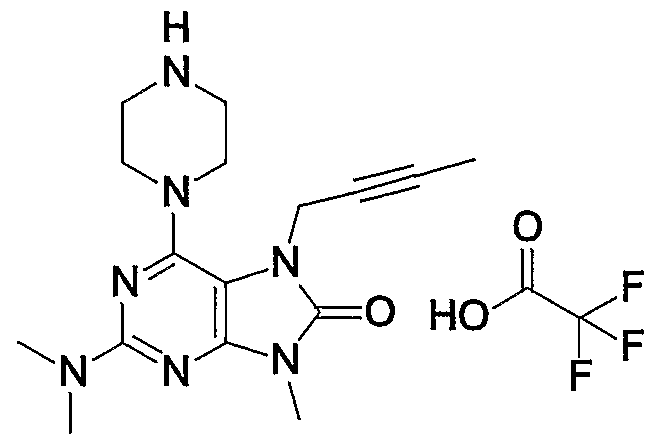
AK Designated states

Kind code of ref document: A1

Designated state(s): AE AG AL AM AT AU AZ BA BB BG BR BW BY BZ CA CH CN CO CR CU CZ DE DK DM DZ EC EE EG ES FI GB GD GE GH GM HR HU ID IL IN IS JP KE KG KR KZ LC LK LR LS LT LU LV MA MD MG MK MN MW MX MZ NI NO NZ OM PG PH PL PT RO RU SC SD SE SG SK SL SY TJ TM TN TR TT TZ UA UG US UZ VC VN YU ZA ZM ZW

AL Designated countries for regional patents

Kind code of ref document: A1

Designated state(s): BW GH GM KE LS MW MZ SD SL SZ TZ UG ZM ZW AM AZ BY KG KZ MD RU TJ TM AT BE BG CH CY CZ DE DK EE ES FI FR GB GR HU IE IT LU MC NL PT RO SE SI SK TR BF BJ CF CG CI CM GA GN GQ GW ML MR NE SN TD TG

DFPE Request for preliminary examination filed prior to expiration of 19th month from priority date (pct application filed before 20040101)
121 Ep: the epo has been informed by wipo that ep was designated in this application
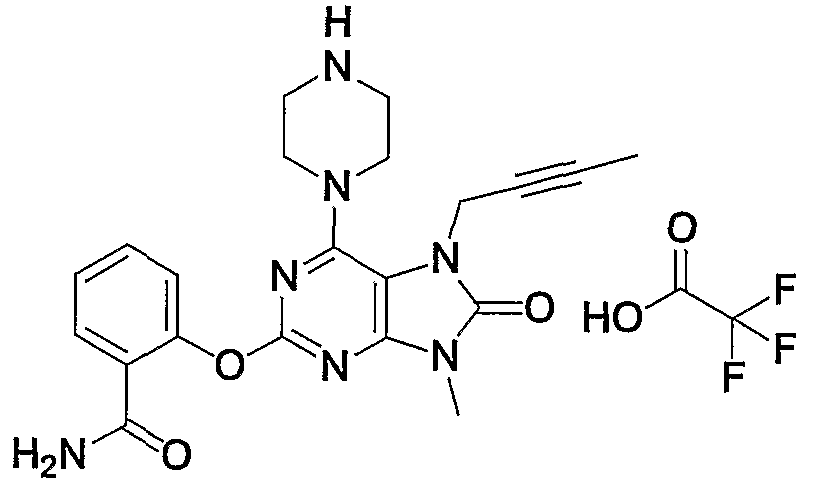
WWE Wipo information: entry into national phase

Ref document number: 1-2005-501067

Country of ref document: PH

WWE Wipo information: entry into national phase

Ref document number: 2004556886

Country of ref document: JP

WWE Wipo information: entry into national phase

Ref document number: 168784

Country of ref document: IL

WWE Wipo information: entry into national phase

Ref document number: 2507763

Country of ref document: CA

WWE Wipo information: entry into national phase

Ref document number: 540495

Country of ref document: NZ

WWE Wipo information: entry into national phase

Ref document number: PA/a/2005/005983

Country of ref document: MX

Ref document number: 377187

Country of ref document: PL

Ref document number: 1020057010179

Country of ref document: KR

WWE Wipo information: entry into national phase

Ref document number: 2003812368

Country of ref document: EP

WWE Wipo information: entry into national phase

Ref document number: 200504973

Country of ref document: ZA

WWE Wipo information: entry into national phase

Ref document number: 2003302657

Country of ref document: AU

WWE Wipo information: entry into national phase

Ref document number: 1470/CHENP/2005

Country of ref document: IN

ENP Entry into the national phase

Ref document number: 2005120780

Country of ref document: RU

Kind code of ref document: A

WWE Wipo information: entry into national phase

Ref document number: 1200500920

Country of ref document: VN

WWE Wipo information: entry into national phase

Ref document number: 20038A95193

Country of ref document: CN

WWP Wipo information: published in national office

Ref document number: 2003812368

Country of ref document: EP

Ref document number: 1020057010179

Country of ref document: KR

ENP Entry into the national phase

Ref document number: PI0316991

Country of ref document: BR

ENP Entry into the national phase

Ref document number: 2006111362

Country of ref document: US

Kind code of ref document: A1

WWE Wipo information: entry into national phase

Ref document number: 10537227

Country of ref document: US

WWP Wipo information: published in national office

Ref document number: 10537227

Country of ref document: US