WO2009087929A1 - Nouvelle glucose déshydrogénase - Google Patents
Nouvelle glucose déshydrogénase Download PDFInfo
- Publication number
- WO2009087929A1 WO2009087929A1 PCT/JP2008/073749 JP2008073749W WO2009087929A1 WO 2009087929 A1 WO2009087929 A1 WO 2009087929A1 JP 2008073749 W JP2008073749 W JP 2008073749W WO 2009087929 A1 WO2009087929 A1 WO 2009087929A1
- Authority
- WO
- WIPO (PCT)
- Prior art keywords
- glucose
- gdh
- activity
- glucose dehydrogenase
- coenzyme
- Prior art date
- Legal status (The legal status is an assumption and is not a legal conclusion. Google has not performed a legal analysis and makes no representation as to the accuracy of the status listed.)
- Ceased
Links
Images

Classifications
-
- C—CHEMISTRY; METALLURGY
- C12—BIOCHEMISTRY; BEER; SPIRITS; WINE; VINEGAR; MICROBIOLOGY; ENZYMOLOGY; MUTATION OR GENETIC ENGINEERING
- C12Y—ENZYMES
- C12Y101/00—Oxidoreductases acting on the CH-OH group of donors (1.1)
- C12Y101/05—Oxidoreductases acting on the CH-OH group of donors (1.1) with a quinone or similar compound as acceptor (1.1.5)
- C12Y101/05002—Quinoprotein glucose dehydrogenase (1.1.5.2)
-
- C—CHEMISTRY; METALLURGY
- C12—BIOCHEMISTRY; BEER; SPIRITS; WINE; VINEGAR; MICROBIOLOGY; ENZYMOLOGY; MUTATION OR GENETIC ENGINEERING
- C12N—MICROORGANISMS OR ENZYMES; COMPOSITIONS THEREOF; PROPAGATING, PRESERVING, OR MAINTAINING MICROORGANISMS; MUTATION OR GENETIC ENGINEERING; CULTURE MEDIA
- C12N9/00—Enzymes; Proenzymes; Compositions thereof; Processes for preparing, activating, inhibiting, separating or purifying enzymes
- C12N9/0004—Oxidoreductases (1.)
- C12N9/0006—Oxidoreductases (1.) acting on CH-OH groups as donors (1.1)
-
- C—CHEMISTRY; METALLURGY
- C12—BIOCHEMISTRY; BEER; SPIRITS; WINE; VINEGAR; MICROBIOLOGY; ENZYMOLOGY; MUTATION OR GENETIC ENGINEERING
- C12Q—MEASURING OR TESTING PROCESSES INVOLVING ENZYMES, NUCLEIC ACIDS OR MICROORGANISMS; COMPOSITIONS OR TEST PAPERS THEREFOR; PROCESSES OF PREPARING SUCH COMPOSITIONS; CONDITION-RESPONSIVE CONTROL IN MICROBIOLOGICAL OR ENZYMOLOGICAL PROCESSES
- C12Q1/00—Measuring or testing processes involving enzymes, nucleic acids or microorganisms; Compositions therefor; Processes of preparing such compositions
- C12Q1/26—Measuring or testing processes involving enzymes, nucleic acids or microorganisms; Compositions therefor; Processes of preparing such compositions involving oxidoreductase
- C12Q1/32—Measuring or testing processes involving enzymes, nucleic acids or microorganisms; Compositions therefor; Processes of preparing such compositions involving oxidoreductase involving dehydrogenase
-
- C—CHEMISTRY; METALLURGY
- C12—BIOCHEMISTRY; BEER; SPIRITS; WINE; VINEGAR; MICROBIOLOGY; ENZYMOLOGY; MUTATION OR GENETIC ENGINEERING
- C12Q—MEASURING OR TESTING PROCESSES INVOLVING ENZYMES, NUCLEIC ACIDS OR MICROORGANISMS; COMPOSITIONS OR TEST PAPERS THEREFOR; PROCESSES OF PREPARING SUCH COMPOSITIONS; CONDITION-RESPONSIVE CONTROL IN MICROBIOLOGICAL OR ENZYMOLOGICAL PROCESSES
- C12Q1/00—Measuring or testing processes involving enzymes, nucleic acids or microorganisms; Compositions therefor; Processes of preparing such compositions
- C12Q1/54—Measuring or testing processes involving enzymes, nucleic acids or microorganisms; Compositions therefor; Processes of preparing such compositions involving glucose or galactose
Definitions
- the present invention relates to a reagent for measuring glucose concentration and a novel glucose dehydrogenase that can be used for a glucose sensor. Moreover, it is related with the manufacturing method of this enzyme, the composition for glucose determination using this enzyme, and a glucose sensor.
- NAD (P) -dependent glucose dehydrogenase (EC 1.1.1.47, hereinafter glucose dehydrogenase is also referred to as GDH and NAD (P) -dependent glucose dehydrogenase is also referred to as NAD (P) -GDH) is mainly used for blood glucose It is an enzyme used for concentration measurement and catalyzes the following reaction.
- GDH includes a pyrroloquinoline quinone (PQQ) -dependent type and a flavin-dependent type in addition to the NAD (P) -dependent type.
- PQQ-dependent GDH typified by those derived from Acinetobacter baumannii, has a problem in substrate specificity, such as having reactivity equivalent to glucose with respect to maltose.
- flavin-dependent GDH for example, those derived from Aspergillus terreus are known, and the substrate specificity is more strict than PQQ-dependent GDH, however, the ratio of glucose to xylose is about 9%. Therefore, the substrate specificity is not necessarily sufficient. Further, the temperature stability is limited to about 50 ° C., which is not sufficient.
- NAD (P) -GDH is well known from bacteria belonging to the genus Bacillus, for example, Bacillus subtilis, Bacillus megaterium, Bacillus cereus, etc. Have been reported as GDH producing bacteria. These bacterial-derived NAD (P) -GDH is relatively good as substrate specificity, but has a thermal stability of around 50 ° C. and cannot be said to have sufficient stability. .
- a hyperthermophilic archaea is a microorganism that is systematically classified as Archaea and that can grow at 90 ° C. or higher or has an optimal growth temperature of 80 ° C. or higher. Enzymes derived from such hyperthermophilic protozoa generally have high thermostability, and a number of thermostable enzymes have been isolated from hyperthermophilic protozoa and used in industry. NAD (P) -GDH has also been isolated from a hyperthermophilic archaeon and its properties have been investigated.
- Non-patent document 3 Sulforobus solfataricus
- GDH derived from Solfataricus when NADP is used as a coenzyme, the substrate specificity is broad, and the activity against galactose and xylose is higher than that at glucose at a substrate concentration of 40 mmol / L.
- NAD is used as a coenzyme, the specificity for glucose is relatively high, but the activity for xylose is still as high as about 26% of glucose.
- T. Acidophilum-derived GDH exhibits activity against galactose when NADP is used as a coenzyme, and the ratio to glucose is as high as 70%.
- T.W. Tenax-derived GDH also shows high reactivity with xylose.
- an object of the present invention is to provide a glucose dehydrogenase which is a very stable enzyme having a thermal stability of 80 ° C. or higher and which does not substantially act on saccharides other than glucose. And a glucose determination composition using the enzyme.
- the present inventors have isolated a hyperthermophilic archaeon belonging to the genus Thermoproteus from hot spring water in Kohojima, Kagoshima Prefecture, and have found that this bacterium produces GDH. And it discovered that this GDH not only was excellent in thermostability, but has a very high substrate specificity unlike GDH derived from a known hyperthermophilic archaeon. Furthermore, the inventors have succeeded in cloning the gene encoding GDH and introducing it into E. coli for expression. Furthermore, it has been found that the glucose concentration can be measured using the enzyme, and the present invention has been completed.
- the present invention has the following configuration.
- Item 1 A glucose dehydrogenase having a reactivity with respect to glucose of less than 3% with respect to any of maltose, galactose, and xylose and having a temperature stability of 80 ° C. or more.
- Item 2 The glucose dehydrogenase according to Item 1, further comprising nicotinamide adenine dinucleotide (NAD) or nicotinamide adenine dinucleotide phosphate (NADP) as a coenzyme in a reaction for oxidizing glucose.
- NAD nicotinamide adenine dinucleotide
- NADP nicotinamide adenine dinucleotide phosphate
- Item 3 Glucose dehydrogenase derived from a hyperthermophilic archaeon and having the following characteristics (A) to (F): (A) Temperature stability: 90 ° C. or less (B) pH stability: 4.8 to 9.7 (C) Optimal reaction temperature: 85 ° C (D) Optimum pH: 9.7 (E) Coenzyme: Nicotinamide adenine dinucleotide (NAD) or nicotinamide adenine dinucleotide phosphate (NADP) is used as a coenzyme.
- A Temperature stability: 90 ° C. or less
- B pH stability: 4.8 to 9.7
- C Optimal reaction temperature: 85 ° C
- D Optimum pH: 9.7
- Coenzyme Nicotinamide adenine dinucleotide (NAD) or nicotinamide adenine dinucleotide phosphate (NADP) is used as a coenzy
- Item 4 A glucose dehydrogenase having the amino acid sequence shown in SEQ ID NO: 2.
- Item 5 A glucose dehydrogenase comprising an amino acid sequence in which one or several amino acids of the amino acid sequence shown in SEQ ID NO: 2 are deleted, substituted, inserted or added, and having the amino acid sequence shown in SEQ ID NO: 2 Glucose dehydrogenase having the same activity.
- Item 6 A DNA encoding the glucose dehydrogenase according to any one of Items 1 to 5.
- Item 7 An expression vector in which the DNA according to Item 6 is operably linked to a promoter operable in a host cell into which the DNA is introduced.
- Item 8 A transformed microorganism transformed with the expression vector according to Item 7.
- Item 9 The transformed microorganism according to Item 8, wherein the microorganism is Escherichia coli.
- Item 10 The method for producing glucose dehydrogenase according to any one of Items 1 to 5, comprising culturing the microorganism according to Item 8 or 9, and collecting glucose dehydrogenase from the obtained culture.
- Item 11 A composition for determining glucose, comprising the glucose dehydrogenase according to any one of Items 1 to 5.
- Item 12 A glucose quantification method comprising a glucose quantification step using the glucose dehydrogenase according to any one of Items 1 to 5.
- Item 13 A glucose dehydrogenase comprising an amino acid sequence in which one or more amino acids of the amino acid sequence shown in SEQ ID NO: 2 are deleted, substituted, inserted or added, and having the amino acid sequence shown in SEQ ID NO: 2 Glucose dehydrogenase having the same activity.
- GDH GDH
- a glucose sensor containing the GDH GDH
- a glucose sensor which are excellent in stability and hardly act on sugars other than glucose and are not affected by dissolved oxygen, enable accurate blood glucose level and glucose determination, and glucose A quantitative composition can be provided.
- the present invention relates to GDH derived from a hyperthermophilic archaeon and having high stability and excellent substrate specificity. Specifically, it is a GDH having the following characteristics. That is, the substrate specificity is a reactivity with respect to glucose of less than 3% for any of maltose, galactose and xylose.
- the temperature stability of the GDH is 80 ° C. or higher, more preferably 85 ° C. or higher, and still more preferably 90 ° C. More preferred is glucose dehydrogenase using nicotinamide adenine dinucleotide (NAD) or nicotinamide adenine dinucleotide phosphate (NADP) as a coenzyme.
- NAD nicotinamide adenine dinucleotide
- NADP nicotinamide adenine dinucleotide phosphate
- the temperature stability is 90 ° C.
- the pH stability is 4.8 to 9.7
- the optimum reaction temperature is 85 ° C.
- the optimum pH is about 9.7
- nicotinamide adenine dinucleotide (NAD) is used as a coenzyme.
- NAD nicotinamide adenine dinucleotide
- it functions by using nicotinamide adenine dinucleotide phosphate (NADP) as a coenzyme.
- substrate specificity when NADP is used as a coenzyme, it has an activity of 2% to 3% with respect to glucose for xylose and maltose, and 1% to 2% with respect to glucose for galactose and mannose.
- a hyperthermophilic protozoan is defined as a protozoa that can grow at 90 ° C. or higher, or an optimal growth temperature of 80 ° C. or higher.
- the organism from which the GDH of the present invention is derived is not particularly limited as long as it is a hyperthermophilic progenitor, but preferably, the genus Pyrodictim, the genus Sulfolobus, the genus Desulfurococcus, the thermoproteus It is a hyperthermophilic archaea that is classified into or closely related to any one of the group consisting of the genus (Thermoproteus), Thermophilum, Thermoplasma, and Thermoplasma, more preferably Thermoproteus It is a primordial fungus classified into a genus. More preferably, it is a primordial bacterium having the characteristics shown in the following (A) to (G).
- A The base sequence shown in SEQ ID NO: 3 is included as the base sequence on the genomic DNA encoding 16S rRNA.
- B It can grow at a temperature of 80 ° C. or higher, and the optimum growth temperature is about 90 ° C.
- C The GC content of the genomic DNA is 58 to 62 mol%.
- D Absolute anaerobic bacteria.
- E Good growth is obtained when thiosulfate is added as an electron acceptor.
- F It can grow at a NaCl concentration of 1% or less.
- G The shape is a gonococcus having a length of 10 to 30 ⁇ m and a width of about 5 ⁇ m.
- the temperature stability described in the present invention means that GDH is dissolved in 50 mM Tris-HCl, 0.1 M NaCl (pH 8.0) to a concentration of 0.17 mg / mL as a protein amount, and this GDH solution is heated for 30 minutes. Is defined as the residual rate of GDH activity after heating with respect to GDH activity before heating. And the numerical value of the temperature range shown in the term of temperature stability represents the temperature range which shows the active residual rate of 90% or more on said conditions. For example, the thermal stability of 80 ° C. or higher means that after incubation of a solution containing GDH at a temperature of 80 ° C. or higher for 30 minutes, the GDH retains at least 90% activity compared to before heating. means.
- GDH when GDH is incubated for 30 minutes at a constant temperature, it means that a temperature at which GDH has an activity of 90% or more after incubation is present at 80 ° C. or higher after incubation.
- the method for measuring the activity is as described below.
- the glucose dehydrogenase of the present invention is thermostable when the GDH is at least 90% or more compared to the enzyme activity before heat treatment after heat treatment at a specific temperature for 30 minutes.
- Having a residual activity of 80 ° C. means that when GDH is heat-treated at 80 ° C. for 30 minutes, GDH after heat treatment retains 90% or more of enzyme activity compared to before heat treatment. It means that, of course, even when the heat treatment is performed at a temperature lower than 80 ° C., the residual activity of 90% or more is maintained (that is, it has thermal stability).
- thermal stability when the thermal stability is defined with a specific temperature value, it means that the GDH of the present invention has a residual activity of 90% or more when the heat treatment is performed at least at the temperature indicated by the numerical value or less. To do. Therefore, having thermal stability of 80 ° C. or higher means having a temperature that is the upper limit of such thermal stability at 80 ° C. or higher.
- the glucose dehydrogenase of the present invention is thermostable when the GDH is 95% or more compared to the enzyme activity before heat treatment after heat treatment at a specific temperature for 30 minutes.
- thermal stability means that when GDH is heat-treated at 80 ° C. for 30 minutes, GDH after heat treatment retains an enzyme activity of 95% or more after heat treatment.
- the heat treatment is performed at a temperature lower than 80 ° C., it means that the residual activity of 95% or more is maintained (that is, it has thermal stability).
- the GDH of the present invention has a thermal stability of at least 80 ° C., preferably has a thermal stability of at least 85 ° C., and more preferably has a thermal stability of at least 90 ° C.
- the substrate specificity described in the present invention is evaluated as the rate at which GDH oxidizes a substrate under the conditions of a substrate concentration of 150 mmol / L, a coenzyme concentration of 5 mmol / L, pH 8.0, and a reaction temperature of 60 ° C. More specifically, when the activity value is calculated by replacing with another saccharide to be evaluated as equivalent to glucose in the activity measurement method described below, and the activity value when glucose is used as a substrate is 100 It is shown in terms of percentage. In the present invention, when this activity is less than 1% of glucose, it is expressed that it does not substantially react with the substrate.
- the pH stability described in the present invention means that GDH is dissolved in a solution containing a 0.1 mol / L buffer component so as to have a protein concentration of 5 ⁇ g / mL, and this solution is incubated at 25 ° C. for 24 hours. , Defined as the residual rate of activity after incubation relative to the activity before incubation. And the numerical value of the temperature range shown in the term of pH stability represents the pH range showing an activity remaining rate of 90% or more under the above conditions.
- pH stability of 4.8 to 9.7 means that after incubation of GDH for 24 hours in a buffer of pH 4.8 to 9.7, the GDH retains at least 90% of the activity compared to before incubation.
- a specific pH value at which the activity of GDH after incubation is 90% or more compared to before incubation is between pH 4.8 and 9, 7. It means having.
- the GDH of the present invention is not particularly limited as long as it is derived from a hyperthermophilic archaeon and has the above properties.
- “being derived from a hyperthermophilic protozoa” means that a strain that originally produces GDH in nature is a superthermophilic protozoan. Therefore, even if GDH is produced by a cell artificially produced by transforming a gene or the like, the base sequence of the gene is the same as that of the gene originally present in the hyperthermophilic archaeon genome.
- the present invention when there is a sequence in which one or more bases are substituted, deleted, inserted or added based on the base sequence and has substantially the same activity as the GDH of the present invention, Is considered to be derived from a hyperthermophilic archaeon. Having substantially the same activity means that the activity of the modified GDH is within the range of experimental error or higher than that of GDH having the amino acid represented by SEQ ID NO: 2. Means.
- the present invention is a glucose dehydrogenase comprising a polypeptide consisting of the amino acid sequence shown in SEQ ID NO: 2, or one or more amino acid residues in the amino acid sequence shown in SEQ ID NO: 2 are deleted or substituted
- the GDH may be obtained from a culture solution obtained by culturing the derived hyperthermophilic protozoa, or obtained by introducing a gene into a host organism different from the derived protozoa. May be.
- the glucose dehydrogenase of the present invention comprises a polypeptide having one or more amino acid substitutions, additions, deletions, or insertions in the amino acid sequence shown in SEQ ID NO: 2, the number and types of such amino acid mutations are: There is no particular limitation as long as it does not affect the enzyme properties such as glucose dehydrogenase activity, thermal stability, pH stability, and substrate specificity described above.
- the number of mutations is several, more specifically 1-30, more preferably 1-15, still more preferably 1-10, even more preferably 1-5, especially The number is preferably 1 to 3.
- the substitution of the amino acid is particularly effective as long as it does not impair the glucose dehydrogenase activity and the enzyme properties described above.
- it is preferably substituted by a similar amino acid.
- similar amino acids include the following. Aromatic amino acids: Phe, Trp, Tyr Aliphatic amino acids: Ala, Leu, Ile, Val Polar amino acids: Gln, Asn Basic amino acids: Lys, Arg, His Acidic amino acids: Glu, Asp Amino acids having a hydroxyl group: Ser, Thr
- the polypeptide sequence shown in SEQ ID NO: 2 has a high homology of 79% with known Thermoproteus tenax-derived GDH.
- the GDH of the present invention has distinctly different characteristics in terms of substrate specificity.
- the known Thermoproteus tenax-derived GDH has higher activity against xylose than glucose at a substrate concentration of 40 mmol / L, but the GDH of the present invention has a substrate concentration when NADP is used as a coenzyme.
- the activity with respect to xylose is less than 3% to glucose, and when NAD is used as a coenzyme, the reactivity with respect to xylose is very low with less than 1% to glucose. It is considered that such a difference in characteristics is largely related to a difference in amino acid sequence comparison between the two.
- One index that characterizes the GDH of the present invention is high homology with the sequence of SEQ ID NO: 2 of the amino acid sequence of the GDH, and the homology is 80% or more, more preferably 85% or more, and still more preferably 90 % Or more.
- the glucose dehydrogenase of the present invention has 95% or more homology with the amino acid sequence shown in SEQ ID NO: 2, more preferably 98% homology, Preferably, it has 99% homology.
- the GDH of the present invention was engineered to express GDH by (1) a method of extracting and purifying the enzyme-producing cells as raw materials, (2) a method of chemically synthesizing, and (3) a gene recombination technique. It can be obtained by appropriately using a method of purification from cells, or (4) a method of biochemical synthesis from a nucleic acid encoding GDH using a cell-free transcription / translation system.
- Examples of a method for obtaining natural cells that produce the GDH of the present invention include the methods described below. First, a sample is taken from a high-temperature environment preferred by the hyperthermophilic archaeon, that is, a volcanic area, deep underground, seafloor hydrothermal vent, hot spring wellout area, inoculated into an appropriate medium, and cultured at a temperature of 80 ° C or higher. .
- a high-temperature environment preferred by the hyperthermophilic archaeon that is, a volcanic area, deep underground, seafloor hydrothermal vent, hot spring wellout area, inoculated into an appropriate medium, and cultured at a temperature of 80 ° C or higher.
- GDH-producing cells are homogenized in an appropriate buffer solution, and a cell extract is obtained by sonication or surfactant treatment, and then purified by appropriately combining separation techniques conventionally used for protein separation and purification. can do.
- Such separation techniques include, for example, methods utilizing differences in solubility such as salting out, solvent precipitation, dialysis, ultrafiltration, gel filtration, non-denaturing polyacrylamide electrophoresis (PAGE), sodium dodecyl sulfate-poly Methods using molecular weight differences such as acrylamide electrophoresis (SDS-PAGE), methods using charge such as ion exchange chromatography and hydroxyapatite chromatography, methods using specific affinity such as affinity chromatography, and reverse Examples include, but are not limited to, a method utilizing a difference in hydrophobicity such as phase high performance liquid chromatography and a method utilizing a difference in isoelectric point such as isoelectric focusing.
- solubility such as salting out, solvent precipitation, dialysis, ultrafiltration, gel filtration, non-denaturing polyacrylamide electrophoresis (PAGE), sodium dodecyl sulfate-poly Methods using molecular weight differences such as acrylamide electrophor
- the production of GDH by chemical synthesis can be performed, for example, by synthesizing all or part of the sequence using a peptide synthesizer based on the amino acid sequence shown in SEQ ID NO: 2.
- the peptide synthesis method may be, for example, either a solid phase synthesis method or a liquid phase synthesis method.
- the partial peptide or amino acid capable of constituting the GDH of the present invention is condensed with the remaining part, and the product contains a protecting group, the protecting group is eliminated, whereby the target protein can be produced.
- the condensation and the removal of the protecting group are carried out according to a method known per se, for example, the method described in the following (1) and (2).
- the GDH of the present invention thus obtained can be purified and isolated by a known purification method.
- the purification method include solvent extraction, distillation, column chromatography, liquid chromatography, recrystallization, and combinations thereof.
- the free form can be converted into an appropriate salt by a known method or a method analogous thereto, and conversely, when a protein is obtained as a salt.
- the salt can be converted into a free form or other salt by a known method or a method analogous thereto.
- the GDH of the present invention is preferably produced by cloning (or chemically synthesizing) a nucleic acid encoding the protein, and isolating and purifying it from a culture of a transformant containing an expression vector carrying the nucleic acid. be able to.
- Enzyme gene cloning is usually performed by the following method.
- the enzyme is completely or partially purified from a cell or tissue that produces the desired enzyme, and its N-terminal amino acid sequence is determined using the Edman method or mass spectrometry.
- the amino acid sequence of an oligopeptide obtained by partially decomposing the enzyme with a protease or chemical substance that cleaves the peptide in a sequence-specific manner is similarly determined by Edman method or mass spectrometry.
- An oligonucleotide having a base sequence corresponding to the determined partial amino acid sequence is synthesized, and this is used as a probe from a cDNA or genomic DNA library prepared from a cell or tissue producing the enzyme.
- the DNA encoding the enzyme is cloned by a hybridization method.
- an antibody against the enzyme is prepared according to a conventional method using all or part of the completely or partially purified enzyme as an antigen, and the antibody is prepared from a cDNA or genomic DNA library prepared from a cell or tissue producing the enzyme.
- DNA encoding the enzyme can also be cloned by a screening method.
- the gene of an enzyme similar in enzymatic properties to the target enzyme is known, for example, the NCBI BLAST website (http://www.ncbi.nlm.nih.gov/BLAST/) is accessed and the known Search for a sequence homologous to the base sequence of the gene, create a probe as described above based on the hit base sequence, and clone the DNA encoding the enzyme by colony (or plaque) hybridization be able to.
- RNA or mRNA fraction was synthesized as a primer, and a genomic DNA fraction prepared from cells producing GDH or a total RNA or mRNA fraction was used as a template, and Polymerase Chain Reaction (hereinafter referred to as a template). , Or abbreviated as “PCR method”) or Reverse Transscriptase-PCR (hereinafter abbreviated as “RT-PCR method”).
- the base sequence of the DNA obtained as described above can be determined using a known sequence technique such as the Maxam-Gilbert method or the dideoxy termination method.
- the nucleic acid encoding the GDH of the present invention includes, for example, a nucleic acid comprising the base sequence shown in SEQ ID NO: 1 (if the nucleic acid is RNA, t is read as u), or SEQ ID NO: 1 A base sequence complementary to the base sequence shown in FIG. 2 and a base sequence that hybridizes under stringent conditions and has the same properties as the polypeptide consisting of the amino acid sequence shown in SEQ ID NO: 2, ie, SDS.
- -Estimated molecular weight by PAGE is 37000, temperature stability is 90 ° C or less, pH stability is 4.8 to 9.7, optimum reaction temperature is 85 ° C, optimum pH is about 9.7, substrate specificity Does not substantially act on maltose, galactose, xylose, lactose, sorbitol, mannose, and coenzyme is nicotinamide adenine dinuclear Function by tide (NAD) or nicotinamide adenine dinucleotide phosphate (NADP) as a coenzyme, such as a nucleic acid encoding the polypeptide and the like having the properties called.
- NAD nicotinamide adenine dinuclear Function by tide
- NADP nicotinamide adenine dinucleotide phosphate
- the nucleic acid that hybridizes with the base sequence shown in SEQ ID NO: 1 under stringent conditions is, for example, 60% or more, preferably 70% or more, more preferably 80% or more, with the base sequence shown in SEQ ID NO: 1, Particularly preferred is a nucleic acid containing a base sequence having 90% or more identity, most preferably 95% or more identity.
- NCBI BLAST National Center for Biotechnology Information Basic Alignment Search Tool
- the above-mentioned algorithm for calculating homology of amino acid sequences is also preferably exemplified.
- Hybridization can be performed according to a method known per se or a method analogous thereto, for example, the method described in Molecular Cloning, 2nd edition (J. Sambrook et al., Cold Spring Harbor Lab. Press, 1989). When a commercially available library is used, hybridization can be performed according to the method described in the attached instruction manual. Hybridization can be preferably performed according to stringent conditions.
- the stringent conditions include, for example, conditions in which the sodium salt concentration is about 19 to about 40 mM, preferably about 19 to about 20 mM, and the temperature is about 50 to about 70 ° C., preferably about 60 to about 65 ° C. It is done. In particular, it is preferable that the sodium salt concentration is about 19 mM and the temperature is about 65 ° C.
- a person skilled in the art may appropriately change the salt concentration of the hybridization solution, the temperature of the hybridization reaction, the probe concentration, the length of the probe, the number of mismatches, the time of the hybridization reaction, the salt concentration of the washing solution, the washing temperature, etc. Thus, the desired stringency can be easily adjusted.
- the DNA encoding the GDH of the present invention can be obtained from the genomic DNA or RNA (cDNA) of a thermoproteus genus hyperthermophilic archaeon as described above.
- the DNA strand is chemically synthesized or synthesized.
- the advantage of constructing full-length DNA in combination with chemical synthesis or PCR is that the codons used can be designed over the entire length of the gene in accordance with the host into which the gene is introduced. A plurality of codons encoding the same amino acid are not used uniformly, and the frequency of use varies depending on the species.
- codons contained in genes that are highly expressed in a given species contain many codons that are frequently used in that species, and conversely, the presence of codons that are used infrequently becomes a bottleneck for genes with low expression levels. There are many examples that prevent high expression.
- a heterologous gene many examples have been reported so far in which the expression level of the heterologous protein has been increased by replacing the gene sequence with a codon that is frequently used in the host organism. It is expected to be effective in increasing the expression level of heterologous genes.
- the codon usage frequency of each host is defined by the ratio of each codon used in all genes present on the genome sequence of the host organism, and is expressed, for example, by the number of times used per 1000 codons.
- the codon usage frequency can be approximately calculated from the sequence of a plurality of typical genes in an organism whose entire genome sequence has not been elucidated.
- the data on the frequency of codon usage in the host organism to be recombined uses, for example, the genetic code frequency database published on the website of Kazusa DNA Research Institute (http://www.kazusa.or.jp). Or you can refer to the literature describing the codon usage in each organism, or you can determine the codon usage data for the host organism you are using. By referring to the obtained data and the gene sequence to be introduced and replacing the codon used in the gene sequence that is not frequently used in the host organism with a codon that encodes the same amino acid and is frequently used Good.
- the host cell into which the DNA encoding the GDH of the present invention is introduced is not particularly limited as long as a recombinant expression system has been established as described later, but preferably bacteria such as Escherichia coli and Bacillus subtilis, actinomycetes And microbial hosts such as gonococci and yeast, insect cells, animal cells, higher plants and the like, more preferably E. coli (for example, K12 strain, B strain, etc.). For example, in the case of the K12 strain, codons frequently used in E.
- GGT or GGC for Gly GAA for Glu, GAT for Asp, GTG for Val, GCG for Ala, GCG for Arg, CGT or CGC, Ser for AGC, Lys for AAA, Ile for ATT or ATC, Thr for ACC, Leu for CTG, Gln for CAG, Pro for CCG and the like.
- DNA encoding GDH substituted with a frequently used codon in the host as described above, for example, DNA encoding GDH derived from Thermoproteus protozoa encodes the same amino acid sequence as the GDH, and Escherichia coli Examples include DNA substituted with a frequently used codon in the K12 strain.
- the present invention also provides a recombinant vector containing DNA encoding the GDH of the present invention.
- the recombinant vector of the present invention is not particularly limited as long as it can be replicated and maintained or autonomously propagated in various prokaryotic and / or eukaryotic host cells, and includes plasmid vectors and viral vectors.
- the recombinant vector is simply a known cloning vector or expression vector available in the technical field, and the DNA encoding the above GDH is converted to an appropriate restriction enzyme and ligase, or, if necessary, a linker or adapter DNA. Can be prepared by ligation using
- gene fragments amplified using a DNA polymerase that adds a single base to the amplification end, such as Taq polymerase can be connected to a vector by TA cloning.
- vectors include Escherichia coli-derived plasmids such as pBR322, pBR325, pUC18 and pUC19, yeast-derived plasmids such as pSH19 and pSH15, and Bacillus subtilis-derived plasmids such as pUB110, pTP5 and pC194.
- bacteriophage such as ⁇ phage, papovirus such as SV40, bovine papilloma virus (BPV), retrovirus such as Moloney murine leukemia virus (MoMuLV), adenovirus (AdV), adeno-associated virus (AAV),
- papovirus such as SV40, bovine papilloma virus (BPV)
- retrovirus such as Moloney murine leukemia virus (MoMuLV), adenovirus (AdV), adeno-associated virus (AAV)
- animal and insect viruses such as vaccinia virus, baculovirus.
- the present invention provides a GDH expression vector in which DNA encoding GDH is arranged under the control of a promoter functional in the intended host cell.
- a promoter region that functions in various prokaryotic and / or eukaryotic host cells and can control transcription of a gene located downstream thereof (for example, trp promoter when the host is E. coli, When the host is Bacillus subtilis, such as lac promoter, lectA promoter, etc.
- the host is a yeast, SPO1 promoter, SPO2 promoter, penP promoter, etc.
- yeast PHO5 promoter, PGK promoter, GAP promoter, ADH promoter, etc.
- the terminator region is not particularly limited as long as it is linked via a sequence containing at least one restriction enzyme recognition site, preferably a unique restriction site that cleaves the vector only at that site. It further contains a selection marker gene for selection of transformants (a gene that confers resistance to drugs such as tetracycline, ampicillin, kanamycin, hygromycin, phosphinothricin, a gene that complements auxotrophic mutations, etc.) It is preferable.
- the DNA encoding GDH to be inserted does not contain a start codon and a stop codon
- the start codon (ATG or GTG) and the stop codon (TAG, TGA, TAA) are respectively located downstream of the promoter region and the terminator region.
- a vector contained upstream of is preferably used.
- the expression vector When a bacterium is used as a host cell, the expression vector generally needs to contain a replicable unit capable of autonomous replication in the host cell in addition to the above promoter region and terminator region.
- the promoter region includes an operator and a Shine-Dalgarno (SD) sequence in the vicinity of the promoter.
- the expression vector preferably further contains an enhancer sequence, untranslated regions on the 5 'and 3' sides of GDH mRNA, a polyadenylation site, and the like.
- Host organisms into which the prepared recombinant vector is introduced include bacteria such as Escherichia coli and Bacillus subtilis for which recombinant expression systems have been established, microbial hosts such as actinomycetes, bacilli, and yeast, insect cells, animal cells, higher plants, etc. Among them, it is preferable to use Escherichia coli having excellent protein expression ability.
- introduction by heat shock is possible if the host is made competent by chemical treatment such as calcium chloride.
- Selection for the presence or absence of transfer of the target recombinant plasmid into the host vector may be performed by searching for a microorganism that simultaneously expresses a marker typified by various drug resistance genes of the vector holding the target DNA and GDH activity, For example, a microorganism that grows in a selective medium based on a drug resistance marker and expresses GDH may be selected.
- the GDH of the present invention can be produced by culturing a transformant containing a GDH expression vector prepared as described above in a medium and recovering GDH from the resulting culture.
- the medium to be used preferably contains a carbon source, an inorganic nitrogen source or an organic nitrogen source necessary for the growth of the host cell (transformant).
- the carbon source include glucose, dextran, soluble starch, and sucrose.
- the inorganic or organic nitrogen source include ammonium salts, nitrates, amino acids, corn steep liquor, peptone, casein, meat extract, large Examples include soybean cake and potato extract.
- other nutrients for example, inorganic salts (for example, calcium chloride, sodium dihydrogen phosphate, magnesium chloride), vitamins, antibiotics (for example, tetracycline, neomycin, ampicillin, kanamycin, etc.)] may be included as desired. .
- Culture is performed by a method known in the art. Specific media and culture conditions used according to the host cells are exemplified below, but the culture conditions in the present invention are not limited to these.
- a liquid medium containing the above nutrient source is appropriate.
- a medium having a pH of 5 to 9 is preferred.
- Escherichia coli, LB medium and M9 medium [Miller. J. , Exp. Mol. Genet, p. 431, Cold Spring Harbor Laboratory, New York (1972)].
- Culturing can be performed usually at 14 to 43 ° C. for about 3 to 72 hours with aeration and agitation, if necessary.
- Bacillus subtilis it can be carried out usually at 30 to 40 ° C. for about 16 to 96 hours with aeration and stirring as necessary.
- the host is yeast
- a medium for example, Burkholder minimal medium [Bostian. K. L. Et al, Proc. Natl. Acad. Sci. USA, 77, 4505 (1980)]
- the pH is preferably 5-8.
- the culture is usually carried out at about 20 to 35 ° C. for about 14 to 144 hours, and if necessary, aeration or stirring can be performed.
- a minimal essential medium (MEM) [Science, 122, 501 (1952)] containing about 5 to 20% fetal calf serum, Dulbecco's modified Eagle medium (DMEM) [Virology, 8 , 396 (1959)], RPMI 1640 medium [J. Am. Med. Assoc. , 199, 519 (1967)], 199 medium [Proc. Soc. Exp. Biol. Med. , 73, 1 (1950)].
- the pH of the medium is preferably about 6 to 8, and the culture is usually carried out at about 30 to 40 ° C. for about 15 to 72 hours, and if necessary, aeration and agitation can be performed.
- the host is an insect cell, for example, Grace's medium containing fetal calf serum [Proc. Natl. Acad. Sci. USA, 82, 8404 (1985)], etc., and the pH is preferably about 5-8. Cultivation is usually carried out at about 20 to 40 ° C. for 15 to 100 hours, and if necessary, aeration or stirring can be performed.
- the purification of GDH can be performed by appropriately combining various commonly used separation techniques depending on the fraction in which GDH activity is present.
- GDH present in the culture medium is obtained by centrifuging or filtering the culture to obtain a culture supernatant (filtrate), for example, salting out, solvent precipitation, dialysis, ultrafiltration, gel filtration.
- a culture supernatant for example, salting out, solvent precipitation, dialysis, ultrafiltration, gel filtration.
- a known separation method such as non-denaturing PAGE, SDS-PAGE, ion exchange chromatography, hydroxylapatite chromatography, affinity chromatography, reverse phase high performance liquid chromatography, isoelectric focusing, etc. Obtainable.
- GDH present in the cytoplasm collects cells by centrifuging or filtering the culture and suspending it in an appropriate buffer, such as sonication, lysozyme treatment, freeze-thawing, osmotic shock, and / or triton. After crushing (dissolving) the cells and the organelle membrane by treatment with a surfactant such as -X100, the debris is removed by centrifugation or filtration to obtain a soluble fraction. It can be isolated and purified by treating with a method.
- an amino acid sequence for example, a base such as histidine, arginine, lysine, etc.
- a metal ion chelate at a portion (preferably N or C terminal) of the GDH coding sequence.
- a DNA sequence encoding a sequence consisting of a soluble amino acid, preferably a sequence consisting of histidine, is added by genetic manipulation and expressed in a host cell, and the metal ion chelate is immobilized from the GDH active fraction of the culture of the cell
- a method of separating and recovering GDH by affinity with the prepared carrier is preferably exemplified.
- the DNA sequence encoding the amino acid sequence that can be adsorbed to the metal ion chelate is obtained by, for example, using a hybrid primer in which the DNA sequence is linked to the base sequence encoding the C-terminal amino acid sequence of GDH in the process of cloning the DNA encoding GDH.
- the DNA can be introduced into the GDH coding sequence by performing PCR amplification or inserting the DNA encoding GDH in frame into an expression vector containing the DNA sequence before the stop codon.
- the metal ion chelate adsorbent used for purification contains transition metals such as cobalt, copper, nickel, iron divalent ions, or iron, aluminum trivalent ions, etc., preferably cobalt or nickel divalent ions.
- the solution is prepared by contacting a ligand, such as an iminodiacetic acid (IDA) group, a nitrilotriacetic acid (NTA) group, a tris (carboxymethyl) ethylenediamine (TED) group, etc., in contact with the ligand.
- a ligand such as an iminodiacetic acid (IDA) group, a nitrilotriacetic acid (NTA) group, a tris (carboxymethyl) ethylenediamine (TED) group, etc.
- IDA iminodiacetic acid
- NTA nitrilotriacetic acid
- TED tris (carboxymethyl) ethylenediamine
- affinity purification can be performed using glutathione-S-transferase (GST), maltose binding protein (MBP), HA, FLAG peptide, or the like as a tag.
- GST glutathione-S-transferase
- MBP maltose binding protein
- HA HA
- FLAG peptide or the like as a tag.
- membrane concentration, reduced pressure concentration, activator and stabilizer addition may be performed as necessary.
- the present GDH is excellent in heat resistance, a heating treatment within a range in which other host cell-derived contaminating proteins can be heat denatured and GDH activity can be maintained is effective in greatly improving GDH purity.
- the solvent used in these steps is not particularly limited, but various buffer solutions represented by K-phosphate buffer solution, Tris-HCl buffer solution, GOOD buffer solution and the like having a buffer capacity in the range of about pH 6-9 are preferable. .
- the free form can be converted into a salt by a method known per se or a method analogous thereto, and when the protein is obtained as a salt, a method known per se Alternatively, the salt can be converted into a free form or other salt by a method analogous thereto.
- the purified enzyme is liquid and can be used for industrial use, but can also be pulverized or further granulated.
- the liquid enzyme is pulverized by lyophilization by a conventional method.
- the GDH of the present invention can also be synthesized by in vitro translation using a cell-free protein translation system comprising rabbit reticulocyte lysate, wheat germ lysate, E. coli lysate, etc., using RNA corresponding to the DNA encoding the template as a template. can do.
- RNA encoding the GDH of the present invention purified from the host cell that expresses the RNA encoding the GDH of the present invention described above in the method for obtaining the cDNA encoding the GDH of the present invention using a conventional method?
- it can be obtained by preparing cRNA using DNA encoding GDH as a template and using a cell-free transcription system containing RNA polymerase.
- a cell-free protein transcription / translation system a commercially available one can be used, or a method known per se, specifically, an Escherichia coli extract can be obtained from Pratt J. et al. M.M. et al. “Transcribation and Translation”, Hames B .; D.
- cell lysates include those derived from E. coli. Examples include E. coli S30 extract system (Promega) and RTS 500 Rapid Translation System (Roche), and those derived from rabbit reticulocytes are those of Rabbit Reticulocyte Lysate System (Promega) PROTEIOS TM (manufactured by TOYOBO) and the like. Of these, those using wheat germ lysate are preferred. As a method for producing wheat germ lysate, for example, Johnston F. et al. B. et al. , Nature, 179: 160-161 (1957) or Erickson A. et al. H. et al. , Meth. Enzymol. 96: 38-50 (1996).
- the present invention also provides a composition for quantifying glucose comprising the GDH of the present invention and a method for measuring the glucose concentration using the GDH of the present invention.
- glucose can be measured by the following various methods.
- the glucose measurement reagent, glucose assay kit, and glucose sensor of the present invention can take various forms such as liquid (aqueous solution, suspension, etc.), powdered by vacuum drying or spray drying, freeze drying, and the like.
- the lyophilization method is not particularly limited and may be performed according to a conventional method.
- the composition containing the enzyme of the present invention is not limited to a lyophilized product, and may be in a solution state in which the lyophilized product is redissolved.
- the glucose measuring reagent of the present invention typically comprises the GDH of the present invention, a coenzyme, a buffer, a glucose standard solution for preparing a calibration curve, and a usage guideline. Further, it preferably contains a reagent necessary for measurement such as a mediator.
- the glucose assay kit of the present invention typically comprises reagents necessary for measurement such as GDH of the present invention, coenzyme, buffer, mediator, glucose standard solution for preparing a calibration curve, and guidelines for use. including.
- the kit of the invention can be provided, for example, as a lyophilized reagent or as a solution in a suitable storage solution.
- Glucose sensor In the glucose sensor of the present invention, a carbon electrode, a gold electrode, a platinum electrode, or the like is used as an electrode, and GDH is immobilized on this electrode.
- immobilization methods there are a method using a crosslinking reagent, a method of encapsulating in a polymer matrix, a method of coating with a dialysis membrane, a method of using a photocrosslinkable polymer, a conductive polymer, a redox polymer, etc. NAD or NADP
- a coenzyme or an electron mediator typified by ferrocene or a derivative thereof may be fixed in a polymer or adsorbed and fixed on an electrode, or may be used in combination.
- the GDH of the present invention is immobilized on the electrode in the form of coexisting with the coenzyme NAD or NADP.
- the GDH may be immobilized in the absence of the coenzyme and supplied as a separate layer or in solution. Is possible.
- the GDH of the present invention is immobilized on a carbon electrode using glutaraldehyde, and then treated with a reagent having an amine group to block glutaraldehyde.
- the measurement of glucose concentration can be performed as follows. A reaction solution containing a buffer solution, GDH, and NAD or NADP as a coenzyme is placed in a constant temperature cell and maintained at a constant temperature. A sample containing glucose is added thereto and reacted at a fixed temperature for a fixed time. During this time, the absorbance at 340 nm is monitored. From the rate of increase in absorbance per hour for the rate method, or from the absorbance increase until the time when all glucose in the sample is oxidized for the endpoint method, a calibration curve prepared in advance with a standard concentration glucose solution is used. Originally, the glucose concentration in the sample can be calculated.
- an appropriate mediator and coloring reagent may be added.
- glucose can be quantified by adding 2,6-dichlorophenolindophenol (DCPIP) and monitoring the decrease in absorbance at 600 nm.
- DCPIP 2,6-dichlorophenolindophenol
- PMS phenazine methanolsulfate
- NTB nitrotetrazolium blue
- the mediator and coloring reagent used are not limited to these.
- the glucose concentration can also be measured as follows. Put the buffer in the thermostat cell and add coenzyme and mediator as needed to maintain constant temperature.
- As the mediator potassium ferricyanide, phenazine methosulfate, or the like can be used.
- An electrode on which the GDH of the present invention is immobilized is used as a working electrode, and a counter electrode (for example, a platinum electrode) and a reference electrode (for example, an Ag / AgCl electrode) are used.
- a counter electrode for example, a platinum electrode
- a reference electrode for example, an Ag / AgCl electrode
- GDH activity is carried out according to the following method unless otherwise specified. Place 900 ⁇ L of the reaction solution (90 mmol / L Bicine, 5 mmol / L ⁇ -NADP +, 150 mmol / L D-glucose) in a quartz cell with a lid, and preheat at 60 ° C. for 5 minutes. And 15 microliters of GDH solutions are added and mixed, and it is made to react at 60 degreeC for 3 minutes, 340 nm light absorbency is measured in the meantime. The degree of increase in absorbance per minute ( ⁇ OD TEST ) is calculated from the linear portion of the absorbance change.
- a buffer solution is added in place of the GDH solution and mixed, and similarly, incubated at 60 ° C. for 3 minutes, the absorbance at 340 nm is recorded, and the change in absorbance per minute ( ⁇ OD BLANK ) is calculated.
- the activity value (U / mL) is calculated by applying these values to the following equation.
- the amount of enzyme that reduces 1 micromole of coenzyme per minute in the presence of a substrate is defined as 1 U.
- GDH activity [( ⁇ OD TEST ⁇ ⁇ OD BLANK ) ⁇ 0.915 ⁇ dilution ratio] /(6.22 ⁇ 1.0 ⁇ 0.015)
- 915 Volume after mixing with GDH solution (mL) 6.22: millimolar molecular extinction coefficient of NADPH (cm 2 / micromol)
- 0 Optical path length (cm) 015: Volume of GDH solution to be added (mL) It is.
- the amount of protein described in the present invention is measured by the Bradford method. More specifically, a protein concentration measurement kit, Bio-Rad Protein Assay manufactured by Bio-Rad, was used, and was measured according to the manual attached to this kit. Bovine serum albumin (BSA) was used to determine the protein concentration. The calibration curve created by using was used. That is, the protein amount described in the present invention is calculated as BSA equivalent.
- BSA Bovine serum albumin
- Example 1 Culture of hyperthermophilic archaeon and purification of GDH The inventors isolated the hyperthermophilic archaeon from hot spring water in Kohojima, Kagoshima Prefecture. This strain was estimated to be a bacterium belonging to the genus Thermoproteus from the base sequence of 16S rRNA, and had the following characteristics (A) to (G).
- A The base sequence shown in SEQ ID NO: 3 is included as the base sequence on the genomic DNA encoding 16S rRNA.
- B It can grow at a temperature of 80 ° C. or higher, and the optimum growth temperature is about 90 ° C.
- C The GC content of the genomic DNA is 58 to 62 mol%.
- F It can grow at a NaCl concentration of 1% or less.
- G The shape is a gonococcus having a length of 10 to 30 ⁇ m and a width of about 5 ⁇ m. This strain having the above characteristics was named Thermoproteus sp. GDH1 strain (Thermoproteus sp. GDH1).
- the precipitate was removed by centrifugation, and ammonium sulfate was added and dissolved to a final concentration of 48%, followed by stirring at room temperature for 20 minutes to precipitate a fraction containing GDH.
- the supernatant was removed by centrifugation, and the obtained GDH fraction was dissolved in 20 mL of 50 mM potassium phosphate buffer (pH 7.0). This liquid was applied to ResourceQ (manufactured by GE Healthcare) having a column volume of 6 mL to adsorb contaminating proteins on the column, and GDH was permeated.
- Ammonium sulfate was dissolved in this permeate to a final concentration of 22.8%, and applied to and adsorbed to a resource ISO column (GE Healthcare, volume: 6 mL), which is a hydrophobic column.
- the adsorbed protein was eluted with a gradient of ammonium sulfate concentration of 22.8% to 0% to collect fractions having GDH activity.
- gel filtration was performed using Superdex 200 as a separation column and a buffer solution of pH 7.0 containing 50 mM Tris and 0.15 mM sodium chloride as an elution buffer. The obtained GDH fraction was used as a purified solution.
- Example 2 Cloning of GDH gene 10 ⁇ L of the GDH solution obtained in Example 1 was added to an equal volume of 2 ⁇ SDS sample buffer (10 mM Tris-HCl, 10% glycerol, 2% SDS, 0.1% bromophenol blue, 2% (v / v) 2-mercaptoethanol, pH 6.8) was added and boiled at 100 ° C. for 10 minutes. This was applied to a 12.5% acrylamide gel, and after electrophoresis at 40 mA, the gel was subjected to CBB staining using CBB Stain One (manufactured by Nacalai Tesque).
- the main band of the sample was cut out from the stained gel, and the peptide sequence was analyzed with a mass spectrometer. Based on the obtained deduced amino acid sequence, a degenerate PCR primer containing a mixed base was prepared, and a PCR reaction was performed using genomic DNA as a template. This PCR reaction solution was applied to a 1% agarose gel, electrophoresed, stained with ethidium bromide, and then a band of an internal partial fragment of the GDH gene amplified under UV irradiation was cut out. Then, DNA was extracted and purified from the cut gel piece using Wizard SV Gel and PCR Clean-up System (Promega).
- the obtained DNA fragment was ligated to the cloning vector pTA2 attached to this kit in the manner of TA cloning using Toyobo's TARGET Clone Plus.
- the ligation product was added to Escherichia coli JM109 strain competent cell (Toyobo Competent High JM109), transformed by heat shock, coated on LB agarose plate containing 100 ⁇ g / mL ampicillin, and cultured at 37 ° C. overnight. Transformant colonies were formed.
- a primer directed to the outside of the internal partial sequence was prepared, and using this primer and LA PCR in vitro Cloning Kit (manufactured by Takara Bio Inc.), the 5 ′ and 3 ′ end regions of the GDH gene
- the entire nucleotide sequence of the gene was determined by performing amplification and sequencing.
- the determined base sequence is shown in SEQ ID NO: 1
- the deduced amino acid sequence is shown in SEQ ID NO: 2.
- This DpnI treatment solution was added to Escherichia coli JM109 strain competent cell (Toyobo Competent High JM109), transformed by heat shock, coated on LB agarose plate containing 100 ⁇ g / mL ampicillin, and cultured at 37 ° C. overnight. Thus, a transformant colony was formed. A plurality of colonies were each inoculated into 5 mL of LB medium (containing 100 ⁇ g / mL ampicillin) and cultured overnight, and a plasmid was extracted from the culture solution using a Quantum Prep plasmid miniprep kit.
- the base sequence of the obtained plasmid was analyzed, and the codon encoding the 113th isoleucine in the GDH amino acid sequence was converted from ATA to ATT, that is, the 339th A in the GDH gene base sequence was replaced with T. It was confirmed that the plasmid pTA2TGDH2 was sequence-corrected.
- This pTA2TGDH2 was treated with restriction enzymes NdeI and BamHI, electrophoresed on a 1% agarose gel to cut out a gel piece containing the GDH gene (having NdeI and BamHI cleavage ends at 5 ′ and 3 ′ ends, respectively), Wizard DNA was extracted and purified using SV Gel and PCR Clean-up System.
- This ligation solution is added to E. coli JM109 strain competent cells, transformed by heat shock, spread on LB agarose plates containing 100 ⁇ g / mL ampicillin, and cultured overnight at 37 ° C. to form transformant colonies. It was. Among the transformant colonies, colonies whose insertion was confirmed by colony direct PCR were inoculated into 5 mL of LB medium (containing 100 ⁇ g / mL ampicillin) and cultured overnight.
- the plasmid was recovered from the cells obtained by centrifuging the culture solution using a plasmid extraction kit. By analyzing the sequence of the insert of this plasmid, it was confirmed that it had the correct gene sequence and used as an expression vector (pET21aTGDH2).
- Example 4 Expression and purification of GDH gene pET21aTGDH1 obtained in Example 3 was introduced into Escherichia coli BL21 (DE3) competent cell (manufactured by Stratagene) according to the attached manual to obtain a transformed strain.
- the transformed colony was suspended in 8 mL of LB medium (containing 100 ⁇ g / mL ampicillin) in a test tube and cultured with shaking at 37 ° C. overnight. 8 mL of each of the obtained culture solutions was inoculated into 4 800 mL LB media (containing 100 ⁇ g / mL ampicillin) in a 2 L Sakaguchi flask. The flask was shaken at 37 ° C.
- IPTG was added to a final concentration of 0.1 mM, and further shaken at 37 ° C. and 120 rpm for 4 hours.
- the culture was continued.
- the culture solution was centrifuged with a high-speed cooling centrifuge, the supernatant was removed by decantation, and the obtained bacterial cells were suspended in 70 mL of 50 mM Tris hydrochloric acid buffer + 0.1 M NaCl (pH 8.0).
- the suspension was treated with an ultrasonic crusher (Tomy Seiko Co., Ltd., UD-201) for 20 minutes at an output of 4 and a driving rate of 40% to crush the cells.
- the crushed liquid was centrifuged to remove the residue, and a GDH crude extract was obtained.
- This crude extract was treated at 85 ° C. for 30 minutes to denature contaminating proteins, and the denatured proteins were removed by centrifugation.
- the supernatant fraction was passed through a resourceQ column buffered with 50 mM Tris-HCl / 0.1 M NaCl (pH 8.0), and 21.3% ammonium sulfate was dissolved in the permeate.
- This solution was adsorbed on a resource ISO column buffered with 50 mM Tris-HCl ⁇ 22.8% ammonium sulfate (pH 8.0), and gradient elution was performed up to an ammonium sulfate concentration of 0% to collect GDH fractions.
- This fraction was further subjected to gel filtration using a superdex 200 column, and the obtained GDH fraction was used as a purified recombinant GDH solution.
- This purified solution was confirmed to be a pure product showing a single band by CBB staining by SDS-PAGE.
- Example 5 Coenzyme concentration dependency and substrate concentration dependency of recombinant GDH Using the GDH obtained in Example 4, the maximum reaction rate (Vmax) and Michaelis constant (Km) of the GDH of the present invention at 60 ° C. and pH 8.0. Asked. As the calculation method, the activity was measured by changing the substrate concentration and the coenzyme concentration by a method according to the above-mentioned activity measurement example, and these constants were calculated from a straight line determined by the least square method using a reciprocal plot.
- the Michaelis constant (Km) was 10.3 mM for NAD and 66.9 mM for glucose, and the maximum reaction rate (Vmax) at 1 M glucose concentration was 1670 U / mg. Met.
- the Michaelis constant (Km) is 0.075 mM for NADP and 5.27 mM for glucose, and the maximum reaction rate (Vmax) at a coenzyme concentration of 5 mM is 333 U / mg.
- the GDH of the present invention is presumed to work mainly in vivo as NADP as a coenzyme from the Michaelis constant for each coenzyme, but the maximum reaction rate is about 5 times higher when NAD is used. .
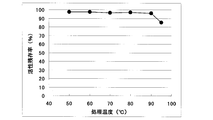
- Example 6 Temperature stability of recombinant GDH Using GDH obtained in Example 4, temperature stability was examined. A GDH solution with a protein concentration of 0.17 mg / mL (dissolved in 50 mM Tris-HCl, 0.1 M NaCl pH 8.0) was heated for 30 minutes at a temperature in the range of 50 ° C. to 95 ° C., and the activities before and after heating were compared. The ratio of the activity after heating to the activity before heating (activity remaining rate) is as shown in FIG. The enzyme of the present invention showed an activity remaining rate of 96% at 90 ° C and 85% at 95 ° C.
- Example 7 Temperature Dependence of Recombinant GDH Reaction Rate Using GDH obtained in Example 4, the temperature dependency of reaction rate was examined.
- the reaction temperature conditions were 85 ° C., 80 ° C., 60 ° C., 37 ° C., 25 ° C., and the activity at each reaction temperature was examined. The results are shown in Table 1. This enzyme showed the highest activity at around 85 ° C., but was found to be active at room temperature, ie, 40 U / mg at 37 ° C. and 18.6 U / mg at 25 ° C.
- Example 8 PH stability of recombinant GDH Using GDH obtained in Example 4, pH stability was examined.
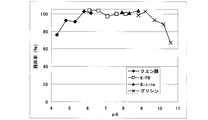
- Buffers include 0.1 M citrate buffer (pH 4.3 to 6.2), 0.1 M potassium phosphate buffer (pH 6.1 to 8.1), 0.1 M Bicine buffer (pH 7.9). 8.8) and 0.1 M glycine buffer (pH 8.8 to 10.6), GDH was added to each buffer to a final concentration of 5 ⁇ g / mL, and the activity immediately after the addition was measured. The GDH solution was further incubated at 25 ° C. for 24 hours, and the post-incubation activity was measured. The ratio of the activity after incubation to the activity before incubation (activity remaining rate) is shown in FIG.
- the GDH of the present invention showed no decrease in activity in the range of pH 5.8 to 9.2, and showed an activity remaining ratio of 90% or more in the range of pH 4.8 to 9.7.
- Example 9 PH Dependence of Recombinant GDH Reaction Rate Using the GDH obtained in Example 4, the pH dependency of the reaction rate was examined.
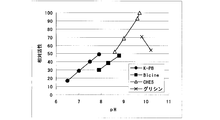
- the activity measurement method follows the activity measurement example, but in the reaction solution composition shown in the activity measurement example, the buffer component corresponding to Bicine is potassium phosphate at pH 6.5 to 7.9, and Bicine at pH 7.9 to 8.8. CHES was used at pH 8.6 to 9.7, and glycine was used at pH 9.8 to 10.2.
- FIG. 3 is a graph showing the relative activity with the condition having the highest activity value as 100. In the GDH of the present invention, the optimum pH region was distributed on the alkaline side, and showed the highest activity at pH 9.7.
- Example 10 Substrate specificity of recombinant GDH The reactivity of GDH obtained in Example 4 to each saccharide was examined.
- 5 mM NADP or NAD is used as a coenzyme
- 150 mM glucose, xylose, galactose, maltose, lactose, sorbitol, sucrose, mannose is used as a saccharide corresponding to a substrate. It was measured.
- Table 2 shows the relative activity with respect to each substrate when the activity with respect to glucose is 100.
- Example 11 Dependence of Recombinant GDH Reaction Rate on Potassium Ion Concentration Using GDH obtained in Example 4, the dependency of reaction rate on potassium ion concentration was examined. GDH activity was measured using a reaction solution in which KCl of each concentration was added to the reaction solution composition shown in the activity measurement example. The relative activity when the activity under no KCl addition condition was 100 was 129 at a KCl concentration of 0.1 mol / L, 133 at 0.2 mol / L, 146 at 0.5 mol / L, 150 at 1.0 mol / L. It was. It was found that the activity of the GDH of the present invention increased with increasing potassium ion concentration, and the activity was almost flat in the potassium ion concentration region of 0.5 mol / L or more.
- Example 12 Quantification of glucose using recombinant GDH
- reagents for glucose quantification 0.1 mol / L Bicine, 0.5 mol / L KCl, 20 mmol / L ⁇ -NAD, 1 U / mL GDH (obtained in Example 4). The activity was determined according to the above activity measurement example.) A solution having pH 8.0 as a component was prepared. 900 ⁇ L of this reagent was placed in a quartz cell, set in an absorbance meter with an incubator, and preheated at 25 ° C. for 5 minutes.
- the glucose dehydrogenase produced according to the present invention can be supplied as a raw material for a reagent for measuring blood glucose level, a blood glucose sensor, and a glucose determination kit.
- the temperature stability of E. coli recombinant GDH consisting of the same amino acid sequence as SEQ ID NO: 2 is shown.
- the vertical axis represents the activity remaining rate (relative activity after 30 minutes of heating treatment under each temperature condition, where the GDH activity before the heating treatment is 100;%), and the horizontal axis represents the temperature during the heating treatment.
- the pH stability of E. coli recombinant GDH consisting of the same amino acid sequence as SEQ ID NO: 2 is shown.
- the vertical axis represents the activity remaining ratio (relative activity after heating at 25 ° C. for 24 hours under each pH condition, where GDH activity before the heating treatment is 100;%), and the horizontal axis represents the pH of the reaction solution.
- pH 4.3 to 6.2 is 0.1 M citrate buffer
- pH 6.1 to 8.1 is 0.1 M potassium phosphate buffer
- pH 7.9 to 8.8 is 0.1 M Bicine buffer
- pH 8 .8 to 10.6 are data using 0.1 M glycine buffer.
- the pH dependency of E. coli recombinant GDH consisting of the same amino acid sequence as SEQ ID NO: 2 is shown.
- the vertical axis represents relative activity (relative activity under each pH condition when the activity under the condition that maximizes the activity value is 100), and the horizontal axis represents the reaction pH.
Landscapes
- Chemical & Material Sciences (AREA)
- Life Sciences & Earth Sciences (AREA)
- Organic Chemistry (AREA)
- Health & Medical Sciences (AREA)
- Wood Science & Technology (AREA)
- Zoology (AREA)
- Engineering & Computer Science (AREA)
- Bioinformatics & Cheminformatics (AREA)
- Genetics & Genomics (AREA)
- Proteomics, Peptides & Aminoacids (AREA)
- Biochemistry (AREA)
- General Engineering & Computer Science (AREA)
- General Health & Medical Sciences (AREA)
- Biotechnology (AREA)
- Microbiology (AREA)
- Molecular Biology (AREA)
- Biophysics (AREA)
- Physics & Mathematics (AREA)
- Analytical Chemistry (AREA)
- Immunology (AREA)
- Emergency Medicine (AREA)
- Medicinal Chemistry (AREA)
- Biomedical Technology (AREA)
- Micro-Organisms Or Cultivation Processes Thereof (AREA)
- Enzymes And Modification Thereof (AREA)
- Measuring Or Testing Involving Enzymes Or Micro-Organisms (AREA)
Abstract
Priority Applications (4)
| Application Number | Priority Date | Filing Date | Title |
|---|---|---|---|
| EP08869662A EP2230301B1 (fr) | 2008-01-07 | 2008-12-26 | Nouvelle glucose déshydrogénase |
| US12/811,735 US8394615B2 (en) | 2008-01-07 | 2008-12-26 | Glucose dehydrogenase |
| CN2008801241154A CN101918553B (zh) | 2008-01-07 | 2008-12-26 | 新型葡萄糖脱氢酶 |
| JP2009548893A JP5641738B2 (ja) | 2008-01-07 | 2008-12-26 | 新規なグルコースデヒドロゲナーゼ |
Applications Claiming Priority (4)
| Application Number | Priority Date | Filing Date | Title |
|---|---|---|---|
| JP2008000677 | 2008-01-07 | ||
| JP2008-000677 | 2008-01-07 | ||
| JP2008060032 | 2008-03-10 | ||
| JP2008-060032 | 2008-03-10 |
Publications (1)
| Publication Number | Publication Date |
|---|---|
| WO2009087929A1 true WO2009087929A1 (fr) | 2009-07-16 |
Family
ID=40853051
Family Applications (1)
| Application Number | Title | Priority Date | Filing Date |
|---|---|---|---|
| PCT/JP2008/073749 Ceased WO2009087929A1 (fr) | 2008-01-07 | 2008-12-26 | Nouvelle glucose déshydrogénase |
Country Status (5)
| Country | Link |
|---|---|
| US (1) | US8394615B2 (fr) |
| EP (1) | EP2230301B1 (fr) |
| JP (1) | JP5641738B2 (fr) |
| CN (1) | CN101918553B (fr) |
| WO (1) | WO2009087929A1 (fr) |
Cited By (4)
| Publication number | Priority date | Publication date | Assignee | Title |
|---|---|---|---|---|
| WO2010137489A1 (fr) * | 2009-05-28 | 2010-12-02 | 東洋紡績株式会社 | Glucose déshydrogénase ayant des propriétés modifiées |
| WO2013147206A1 (fr) * | 2012-03-30 | 2013-10-03 | 池田食研株式会社 | Glucose déshydrogénase se liant à la flavine et polynucléotide codant pour celle-ci |
| WO2014017390A1 (fr) * | 2012-07-24 | 2014-01-30 | 東洋紡株式会社 | Glucose déshydrogénase nad-dépendante et son procédé de production |
| US10961514B2 (en) | 2016-01-14 | 2021-03-30 | Ikeda Food Research Co., Ltd. | Flavin-conjugated glucose dehydrogenase |
Families Citing this family (5)
| Publication number | Priority date | Publication date | Assignee | Title |
|---|---|---|---|---|
| CN102174552B (zh) * | 2011-01-19 | 2012-12-12 | 山东大学 | 一种基于抗生素标记的超嗜热泉古菌表达载体及其应用 |
| JP6084981B2 (ja) * | 2012-09-18 | 2017-02-22 | 国立研究開発法人産業技術総合研究所 | フラビンアデニンジヌクレオチド依存型グルコース脱水素酵素活性を有するタンパク質 |
| WO2015060150A1 (fr) * | 2013-10-21 | 2015-04-30 | 東洋紡株式会社 | Glucose déshydrogénase inédite |
| US10913971B2 (en) | 2015-04-09 | 2021-02-09 | Toyobo Co., Ltd. | Enzyme preparation for use in measurement of glucose |
| CN116574705B (zh) * | 2023-05-30 | 2023-10-31 | 无锡佰翱得生物科学股份有限公司 | 一种葡萄糖脱氢酶突变体及其应用 |
Citations (1)
| Publication number | Priority date | Publication date | Assignee | Title |
|---|---|---|---|---|
| JP2000333673A (ja) | 1999-05-31 | 2000-12-05 | Wakenyaku Kk | 連続無細胞タンパク質合成手段 |
Family Cites Families (3)
| Publication number | Priority date | Publication date | Assignee | Title |
|---|---|---|---|---|
| US6737257B2 (en) * | 1998-05-18 | 2004-05-18 | Board Of Regents Of The University Of Nebraska | Hyperthermophilic enzymes for industrial chemical redox reactions: a method for biofuel ethanol production |
| US7005048B1 (en) * | 1999-10-05 | 2006-02-28 | Matsushita Electric Industrial Co., Ltd. | Glucose sensor |
| TW200718786A (en) * | 2005-11-07 | 2007-05-16 | Toyo Boseki | Lovel kglucose dehydrogenase |
-
2008
- 2008-12-26 EP EP08869662A patent/EP2230301B1/fr not_active Not-in-force
- 2008-12-26 WO PCT/JP2008/073749 patent/WO2009087929A1/fr not_active Ceased
- 2008-12-26 JP JP2009548893A patent/JP5641738B2/ja active Active
- 2008-12-26 CN CN2008801241154A patent/CN101918553B/zh not_active Expired - Fee Related
- 2008-12-26 US US12/811,735 patent/US8394615B2/en not_active Expired - Fee Related
Patent Citations (1)
| Publication number | Priority date | Publication date | Assignee | Title |
|---|---|---|---|---|
| JP2000333673A (ja) | 1999-05-31 | 2000-12-05 | Wakenyaku Kk | 連続無細胞タンパク質合成手段 |
Non-Patent Citations (16)
| Title |
|---|
| BOSTIAN. KL. ET AL., PROC. NATL. ACAD. SCI. USA, vol. 77, 1980, pages 4505 |
| ERICKSON A. H. ET AL., METH. ENZYMOL, vol. 96, 1996, pages 38 - 50 |
| GIARDINA P ET AL., BIOCHEM. J., vol. 239, 1986, pages 517 - 522 |
| GIARDINA,P. ET AL.: "Glucose dehydrogenase from the thermoacidophilic archaebacterium Sulfolobus solfataricus", BIOCHEM.J., vol. 239, no. 3, 1986, pages 517 - 522, XP008130267 * |
| J. AM. MED. ASSOC., vol. 199, 1967, pages 519 |
| JOHNSTON F. B. ET AL., NATURE, vol. 179, 1957, pages 160 - 161 |
| PROC. NATL. ACAD. SCI. USA, vol. 82, 1985, pages 8404 |
| PROC. SOC. EXP. BIOL. MED., vol. 73, 1950, pages 1 |
| SCIENCE, vol. 122, 1952, pages 501 |
| See also references of EP2230301A4 |
| SIEBERS B ET AL., ARCH. MICROBIOL., vol. 168, 1997, pages 120 - 127 |
| SIEBERS,B. ET AL.: "Carbohydrate metabolism in Thermoproteus tenax: in vivo utilization of the non-phosphorylative Entner-Doudoroff pathway and characterization of its first enzyme, glucose dehydrogenase", ARCH.MICROBIOL., vol. 168, no. 2, 1997, pages 120 - 127, XP008130269 * |
| SMITH LD ET AL., BIOCHEM. J., vol. 261, 1989, pages 793 - 797 |
| SMITH,L.D. ET AL.: "Purification and characterization of glucose dehydrogenase from the thermoacidophilic archaebacterium Thermoplasma acidophilum.", BIOCHEM.J., vol. 261, no. 3, 1989, pages 973 - 977, XP002158778 * |
| SPIRIN A. S. ET AL., SCIENCE, vol. 242, 1988, pages 1162 - 1164 |
| VIROLOGY, vol. 8, 1959, pages 396 |
Cited By (7)
| Publication number | Priority date | Publication date | Assignee | Title |
|---|---|---|---|---|
| WO2010137489A1 (fr) * | 2009-05-28 | 2010-12-02 | 東洋紡績株式会社 | Glucose déshydrogénase ayant des propriétés modifiées |
| JP5846908B2 (ja) * | 2009-05-28 | 2016-01-20 | 東洋紡株式会社 | 特性の改変されたグルコースデヒドロゲナーゼ |
| WO2013147206A1 (fr) * | 2012-03-30 | 2013-10-03 | 池田食研株式会社 | Glucose déshydrogénase se liant à la flavine et polynucléotide codant pour celle-ci |
| JPWO2013147206A1 (ja) * | 2012-03-30 | 2015-12-14 | 池田食研株式会社 | フラビン結合型グルコースデヒドロゲナーゼ及びこれをコードするポリヌクレオチド |
| WO2014017390A1 (fr) * | 2012-07-24 | 2014-01-30 | 東洋紡株式会社 | Glucose déshydrogénase nad-dépendante et son procédé de production |
| JPWO2014017390A1 (ja) * | 2012-07-24 | 2016-07-11 | 東洋紡株式会社 | Nad依存型グルコースデヒドロゲナーゼおよびその製造方法 |
| US10961514B2 (en) | 2016-01-14 | 2021-03-30 | Ikeda Food Research Co., Ltd. | Flavin-conjugated glucose dehydrogenase |
Also Published As
| Publication number | Publication date |
|---|---|
| JP5641738B2 (ja) | 2014-12-17 |
| US8394615B2 (en) | 2013-03-12 |
| US20110020851A1 (en) | 2011-01-27 |
| EP2230301A1 (fr) | 2010-09-22 |
| CN101918553A (zh) | 2010-12-15 |
| JPWO2009087929A1 (ja) | 2011-05-26 |
| EP2230301B1 (fr) | 2013-03-20 |
| CN101918553B (zh) | 2012-10-17 |
| EP2230301A4 (fr) | 2011-09-21 |
Similar Documents
| Publication | Publication Date | Title |
|---|---|---|
| JP5641738B2 (ja) | 新規なグルコースデヒドロゲナーゼ | |
| CN102292439B (zh) | 黄素结合型葡萄糖脱氢酶 | |
| EP2508600B1 (fr) | Enzyme mutante et son application | |
| JP5169991B2 (ja) | 改変型フラビンアデニンジヌクレオチド依存性グルコースデヒドロゲナーゼ | |
| JP6460152B2 (ja) | 新規なグルコース脱水素酵素 | |
| JP5889800B2 (ja) | 大腸菌形質転換体、それを用いたフラビン結合型グルコースデヒドロゲナーゼの製造方法、および、変異型フラビン結合型グルコースデヒドロゲナーゼ | |
| JP5846908B2 (ja) | 特性の改変されたグルコースデヒドロゲナーゼ | |
| US7067295B1 (en) | Glucose dehydrogenase | |
| JP6212852B2 (ja) | 新規なグルコース脱水素酵素 | |
| JP6583503B2 (ja) | 新規なグルコースデヒドロゲナーゼ | |
| EP1176202B1 (fr) | Glucose-deshydrogenase | |
| KR20130038914A (ko) | 글루코스 탈수소효소 | |
| JP6465156B2 (ja) | 新規なグルコース脱水素酵素 | |
| JP2001346587A (ja) | 基質特異性に優れたグルコース脱水素酵素 | |
| JPWO2003106668A1 (ja) | グルコース脱水素酵素 | |
| JPWO2004005499A1 (ja) | グルコース脱水素酵素 | |
| KR20040062945A (ko) | 글루코오스 탈수소효소 | |
| JP6900652B2 (ja) | 改変型ジアホラーゼ | |
| JP2005270082A (ja) | グルコース脱水素酵素 |
Legal Events
| Date | Code | Title | Description |
|---|---|---|---|
| WWE | Wipo information: entry into national phase |
Ref document number: 200880124115.4 Country of ref document: CN |
|
| 121 | Ep: the epo has been informed by wipo that ep was designated in this application |
Ref document number: 08869662 Country of ref document: EP Kind code of ref document: A1 |
|
| ENP | Entry into the national phase |
Ref document number: 2009548893 Country of ref document: JP Kind code of ref document: A |
|
| WWE | Wipo information: entry into national phase |
Ref document number: 2008869662 Country of ref document: EP |
|
| NENP | Non-entry into the national phase |
Ref country code: DE |
|
| WWE | Wipo information: entry into national phase |
Ref document number: 12811735 Country of ref document: US |