WO2009131186A1 - Procédé de production d’un copolymère de polyester à l'aide d’un micro-organisme génétiquement modifié - Google Patents
Procédé de production d’un copolymère de polyester à l'aide d’un micro-organisme génétiquement modifié Download PDFInfo
- Publication number
- WO2009131186A1 WO2009131186A1 PCT/JP2009/058092 JP2009058092W WO2009131186A1 WO 2009131186 A1 WO2009131186 A1 WO 2009131186A1 JP 2009058092 W JP2009058092 W JP 2009058092W WO 2009131186 A1 WO2009131186 A1 WO 2009131186A1
- Authority
- WO
- WIPO (PCT)
- Prior art keywords
- amino acid
- acid sequence
- protein
- catalyzes
- seq
- Prior art date
- Legal status (The legal status is an assumption and is not a legal conclusion. Google has not performed a legal analysis and makes no representation as to the accuracy of the status listed.)
- Ceased
Links
Images













Classifications
-
- C—CHEMISTRY; METALLURGY
- C12—BIOCHEMISTRY; BEER; SPIRITS; WINE; VINEGAR; MICROBIOLOGY; ENZYMOLOGY; MUTATION OR GENETIC ENGINEERING
- C12P—FERMENTATION OR ENZYME-USING PROCESSES TO SYNTHESISE A DESIRED CHEMICAL COMPOUND OR COMPOSITION OR TO SEPARATE OPTICAL ISOMERS FROM A RACEMIC MIXTURE
- C12P7/00—Preparation of oxygen-containing organic compounds
- C12P7/62—Carboxylic acid esters
-
- C—CHEMISTRY; METALLURGY
- C12—BIOCHEMISTRY; BEER; SPIRITS; WINE; VINEGAR; MICROBIOLOGY; ENZYMOLOGY; MUTATION OR GENETIC ENGINEERING
- C12N—MICROORGANISMS OR ENZYMES; COMPOSITIONS THEREOF; PROPAGATING, PRESERVING, OR MAINTAINING MICROORGANISMS; MUTATION OR GENETIC ENGINEERING; CULTURE MEDIA
- C12N15/00—Mutation or genetic engineering; DNA or RNA concerning genetic engineering, vectors, e.g. plasmids, or their isolation, preparation or purification; Use of hosts therefor
- C12N15/09—Recombinant DNA-technology
- C12N15/11—DNA or RNA fragments; Modified forms thereof; Non-coding nucleic acids having a biological activity
- C12N15/52—Genes encoding for enzymes or proenzymes
Definitions
- the present invention relates to a method for producing a copolyester using a recombinant microorganism.
- Non-patent Document 1 Polyesters produced by microorganisms are attracting attention as biodegradable plastics that are easily degraded in nature and as “green” plastics that can be synthesized from renewable carbon resources such as sugar and vegetable oils.
- a typical example of a biodegradable plastic produced by a microorganism is poly-3-hydroxybutyrate (PHB) using 3-hydroxybutyric acid (3HB) as a monomer.
- PHB is a thermoplastic polymer having a melting temperature of about 180 ° C., and has an advantage of excellent melt processability in addition to biodegradability.
- PHB has high crystallinity, it has a problem in physical properties that it is hard and brittle, that is, inferior in impact resistance.
- Patent Document 1 discloses a method for producing a copolymer comprising 3HB and 3-hydroxyvaleric acid (3HV).
- Patent Document 2 microorganisms belonging to the genus Methylobacterium sp., Paracoccus sp., Alcaligenes sp., Pseudomonas sp.
- a method of producing a copolymer of 3HB and 3HV by contacting with a primary alcohol is disclosed.
- the copolymer of 3HB and 3HV is rich in flexibility compared with PHB, and that the flexibility increases as the content of 3HV in the copolymerized polyester increases.
- propionic acid is added to the medium in Patent Document 1 and propan-1-ol is added to the medium in Patent Document 3, respectively.
- the content of 3HV in the polyester is controlled.
- P (3HB-co-3HH) which is a two-component copolyester of 3HB and 3-hydroxyhexanoic acid (hereinafter abbreviated as 3HH), and its production method are also described in, for example, Patent Document 4 and Patent Document 5, respectively.
- the methods for producing P (3HB-co-3HH) copolymers described in these publications use Aeromonas caviae isolated from soil and fermentatively produce them from fatty acids such as oleic acid and oils such as olive oil. To do. In addition, this A.I.
- Patent Document 7 describes a mutant enzyme that produces PHB having a high content of 3HB by converting the amino acid sequence of a polyhydroxyalkanoic acid synthase of a microorganism identified as Pseudomonas sp. 61-3. Is disclosed.
- Patent Document 8 describes, as an example of such a copolyester containing a monomer unit other than 3-hydroxyalkanoic acid, Ralstonia eutropha, which incorporates a nucleic acid encoding a propionyl CoA transferase of Clostridium propionium.
- Escherichia coli incorporating a nucleic acid encoding polyhydroxyalkanoate synthase derived from 61-3 was cultured while adding lactic acid and decenoic acid to the medium, and 3-hydroxyhexanoate, 3-hydroxyoctanoate, Also disclosed is a process for producing a copolymer consisting of 3-hydroxydecanoate and lactic acid.
- An object of the present invention is to provide a method for efficiently producing a copolyester containing 3HB and LA which is a monomer unit other than 3hydroxyalkanoic acid by microbial fermentation using sugar as a raw material.
- An object of the present invention is to provide a method for producing a polymerized polyester.
- Another object of the present invention is to provide a method for efficiently producing a copolyester further containing monomer units other than LA and 3HB by microbial fermentation using sugar as a raw material.
- the inventors of the present invention have found that a recombinant microorganism into which a nucleic acid encoding a polyhydroxyalkanoate synthase mutant described in Non-Patent Document 7 has been introduced can efficiently produce a copolyester composed of 3HB and LA directly from a sugar. Can be produced, and the molar fraction of LA during copolymerization can be adjusted. Furthermore, monomer units other than LA and 3HB can be supplied by supplying precursors of monomer components other than 3HB and LA to the medium. The present inventors have found that a copolyester further containing can be efficiently produced, and completed the following inventions.
- a method for producing a copolyester comprising 3-hydroxybutyric acid and lactic acid 1) a protein that catalyzes a reaction in which CoA is transferred to propionic acid and / or lactic acid, and acetoacetyl from two molecules of acetyl CoA
- a recombinant microorganism having a protein that catalyzes a reaction for forming CoA, a protein that catalyzes a reduction reaction of acetoacetyl CoA, and a protein that catalyzes a synthesis reaction of a polyhydroxyalkanoic acid having the amino acid sequence of a) or b) below Culturing in a medium containing a carbon source: a) an amino acid sequence in which at least one of the 130th, 325th, 477th and 481st amino acids of the amino acid sequence shown in SEQ ID NO: 2 is substituted with another amino acid b) in the protein defined in a), An amino acid sequence in which at least one
- amino acid sequence of the protein that catalyzes the reaction of transferring CoA to propionic acid and / or lactic acid is the amino acid sequence shown in SEQ ID NO: 4 or one or several amino acids in the amino acid sequence shown in SEQ ID NO: 4
- amino acid sequence of the protein that catalyzes the reaction of forming acetoacetyl CoA from two molecules of acetyl CoA is 1 or several in the amino acid sequence shown in SEQ ID NO: 6 or the amino acid sequence shown in SEQ ID NO: 6
- amino acid sequence of the protein that catalyzes the reduction reaction of acetoacetyl CoA is the amino acid sequence represented by SEQ ID NO: 8, or one or several amino acids are deleted, substituted or added in the amino acid sequence represented by SEQ ID NO: 8
- the amino acid sequence of the protein that catalyzes the synthesis reaction of polyhydroxyalkanoic acid is an amino acid sequence in which the 325th and 481st amino acids of the amino acid sequence shown in SEQ ID NO: 2 are respectively substituted with other amino acids.
- the amino acid sequence of the protein that catalyzes the synthesis reaction of polyhydroxyalkanoic acid is an amino acid sequence in which the 325th and 481st amino acids of the amino acid sequence shown in SEQ ID NO: 2 are substituted at the same time. Manufacturing method.
- the amino acid sequence of the protein that catalyzes the synthesis reaction of polyhydroxyalkanoic acid is an amino acid sequence in which the 325th Ser in the amino acid sequence shown in SEQ ID NO: 2 is substituted with Thr and the 481st Gln is substituted with Lys.
- the manufacturing method according to (6) is an amino acid sequence in which the 325th Ser in the amino acid sequence shown in SEQ ID NO: 2 is substituted with Thr and the 481st Gln is substituted with Lys.
- each of the proteins is a protein encoded by a recombinant expression vector introduced into a microorganism.
- microorganism is a microorganism having an ability to accumulate lactic acid.
- a method for producing a copolyester containing 3-hydroxybutyric acid and lactic acid, 1) a protein that catalyzes a reaction in which CoA is transferred to propionic acid and / or lactic acid, and acetoacetyl CoA from two molecules of acetyl CoA A recombinant microorganism having a protein that catalyzes a reaction of forming a protein, a protein that catalyzes a reduction reaction of acetoacetyl CoA, and a protein that catalyzes a synthesis reaction of a polyhydroxyalkanoic acid comprising the amino acid sequence of a) or b) below: Culturing in a medium containing a hydroxyalkanoic acid other than 3-hydroxybutyric acid and lactic acid and a carbon source: a) an amino acid sequence in which at least one of the 130th, 325th, 477th and 481st amino acids of the amino acid sequence shown in SEQ ID NO: 2
- amino acid sequence of the protein that catalyzes the reaction of transferring CoA to propionic acid and / or lactic acid is one or several amino acids in the amino acid sequence shown in SEQ ID NO: 4 or the amino acid sequence shown in SEQ ID NO: 4
- amino acid sequence of the protein that catalyzes the reaction of forming acetoacetyl CoA from two molecules of acetyl CoA is 1 or several in the amino acid sequence shown in SEQ ID NO: 6 or the amino acid sequence shown in SEQ ID NO: 6
- amino acid sequence of the protein that catalyzes the reduction reaction of acetoacetyl CoA is the amino acid sequence shown in SEQ ID NO: 8, or one or several amino acids are deleted, substituted, or added in the amino acid sequence shown in SEQ ID NO: 8
- the amino acid sequence of the protein that catalyzes the synthesis reaction of polyhydroxyalkanoic acid is an amino acid sequence in which the 325th and 481st amino acids of the amino acid sequence shown in SEQ ID NO: 2 are substituted with other amino acids, respectively ( The production method according to 12).
- the amino acid sequence of the protein that catalyzes the synthesis reaction of polyhydroxyalkanoic acid is an amino acid sequence in which the 325th and 481st amino acids of the amino acid sequence shown in SEQ ID NO: 2 are substituted at the same time. Manufacturing method.
- the amino acid sequence of the protein that catalyzes the synthesis reaction of polyhydroxyalkanoic acid is an amino acid sequence in which the 325th Ser in the amino acid sequence shown in SEQ ID NO: 2 is substituted with Thr and the 481st Gln is substituted with Lys.
- (24) a protein that catalyzes a reaction in which CoA is transferred to propionic acid and / or lactic acid, a protein that catalyzes a reaction in which acetoacetyl CoA is formed from two molecules of acetyl CoA, and a protein that catalyzes a reduction reaction of acetoacetyl CoA
- a recombinant microorganism that expresses a protein that catalyzes a synthesis reaction of polyhydroxyalkanoic acid comprising the amino acid sequence of a) or b) below:
- amino acid sequence of the protein that catalyzes the transferred reaction is an amino acid sequence represented by SEQ ID NO: 4, or an amino acid sequence in which one or several amino acids have been deleted, substituted, or added in the amino acid sequence represented by SEQ ID NO: 4.
- the amino acid sequence of the protein that catalyzes the reaction for forming acetoacetyl CoA from two molecules of acetyl CoA is 1 or several in the amino acid sequence shown in SEQ ID NO: 6 or the amino acid sequence shown in SEQ ID NO: 6
- the amino acid sequence of the protein that catalyzes the reduction reaction of acetoacetyl CoA is the amino acid sequence represented by SEQ ID NO: 8, or one or several amino acids are deleted, substituted, or added in the amino acid sequence represented by SEQ ID NO: 8
- the amino acid sequence of the protein that catalyzes the synthesis reaction of polyhydroxyalkanoic acid is an amino acid sequence in which the 325th and 481st amino acids of the amino acid sequence shown in SEQ ID NO: 2 are substituted with other amino acids, respectively ( 24) The recombinant microorganism according to 24).
- the amino acid sequence of the protein that catalyzes the synthesis reaction of polyhydroxyalkanoic acid is an amino acid sequence in which the 325th and 481st amino acids of the amino acid sequence shown in SEQ ID NO: 2 are substituted at the same time. Recombinant microorganisms.
- the amino acid sequence of a protein that catalyzes a synthesis reaction of polyhydroxyalkanoic acid is an amino acid sequence in which the 325th Ser in the amino acid sequence shown in SEQ ID NO: 2 is substituted with Thr and the 481st Gln is substituted with Lys.
- the production method of the present invention can efficiently produce a copolyester composed of 3HB and LA using an inexpensive carbon source as a raw material, and can reduce the production cost of a biodegradable plastic.
- the content of monomer units in the copolyester composed of 3HB and LA by selecting the enzyme to be used, using LA highly productive microorganism as a host, or culturing the microorganism under anaerobic conditions Can be adjusted.
- the copolyester which further contains monomer units other than 3HB and LA can be manufactured by adding hydroxyalkanoic acid other than 3HB and LA to a culture medium.
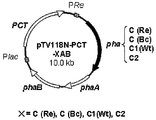
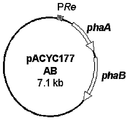
- phaA is R.I.
- the ⁇ KT gene derived from R. eutropha, phaB is the R. eutropha.
- the Pct gene derived from M. elsdenii, PRe is R.I.
- a promoter derived from R. eutropha and Plac represents an E. coli lactose operon promoter, respectively.
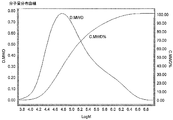
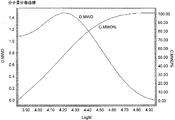
- FIG. 2 is a molecular weight distribution curve of the polymer prepared in Example 1.
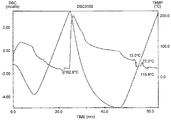
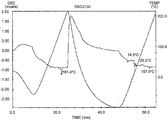
- 2 is a graph showing measurement results of thermal analysis of the polymer prepared in Example 1.
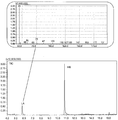
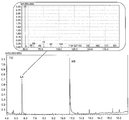
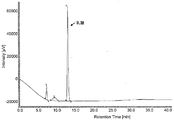
- FIG. 2 is a chart showing the results of GC / MS analysis of the polymer prepared in Example 1.
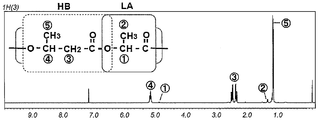
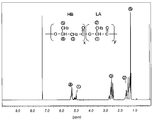
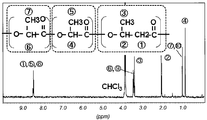
- FIG. 2 is a chart showing the results of 1 H-NMR spectral analysis of the polymer prepared in Example 1.
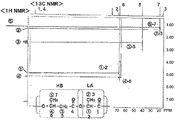
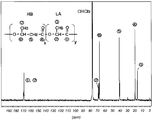
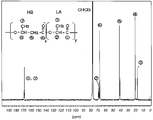
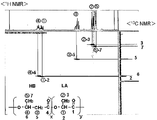
- FIG. 2 is a chart showing the results of 13 C-NMR spectrum analysis of the polymer prepared in Example 1.
- FIG. 2 is a chart showing the results of 1 H 1 H-NMR spectrum analysis of the polymer prepared in Example 1.
- FIG. 2 is a chart showing the results of 13 C 1 H-NMR spectrum analysis of the polymer prepared in Example 1.
- FIG. 2 is a molecular weight distribution curve of a polymer derived from the Escherichia coli Jw2293 strain capable of high LA accumulation prepared in Example 2.
- FIG. 2 is a molecular weight distribution curve of a polymer derived from the Escherichia coli Jw0885 strain capable of high LA accumulation prepared in Example 2.
- FIG. 2 is a molecular weight distribution curve of a polymer derived from the Escherichia coli Jw0886 strain capable of high LA accumulation prepared in Example 2.
- 6 is a graph showing the results of thermal analysis of a polymer derived from the Escherichia coli Jw2293 strain capable of high LA accumulation prepared in Example 2.
- FIG. 6 is a graph showing the results of thermal analysis of a polymer derived from the Escherichia coli Jw0885 strain capable of high LA accumulation prepared in Example 2.
- FIG. 3 is a graph showing the results of thermal analysis measurement of a polymer derived from Escherichia coli Jw0886 strain capable of high LA accumulation prepared in Example 2.
- FIG. 4 is a chart showing the results of GC / MS analysis of a polymer derived from the Escherichia coli Jw2293 strain capable of high LA accumulation prepared in Example 2.
- FIG. 6 is a chart showing the results of GC / MS analysis of a polymer derived from Escherichia coli Jw0885 strain capable of high LA accumulation prepared in Example 2.
- FIG. 6 is a chart showing the results of GC / MS analysis of a polymer derived from the Escherichia coli Jw0886 strain capable of high LA accumulation prepared in Example 2.
- FIG. 6 is a chart showing the results of 1 H-NMR spectrum analysis of a polymer derived from Escherichia coli Jw2293 strain capable of high LA accumulation prepared in Example 2.
- FIG. 2 is a chart showing the results of 1 H-NMR spectral analysis of a polymer derived from Escherichia coli Jw0885 strain capable of high LA accumulation prepared in Example 2.
- FIG. 2 is a chart showing the results of 1 H-NMR spectrum analysis of a polymer derived from Escherichia coli Jw0886 that is highly accumulating LA prepared in Example 2.
- FIG. 6 is a chart showing the results of GC / MS analysis of a polymer derived from the Escherichia coli Jw0886 strain capable of high LA accumulation prepared in Example 2.
- FIG. 6 is a
- FIG. 6 is a chart showing the results of 13 C-NMR spectral analysis of a polymer derived from Escherichia coli Jw2293 strain capable of high LA accumulation prepared in Example 2.
- FIG. 6 is a chart showing the results of 13 C-NMR spectrum analysis of a polymer derived from Escherichia coli Jw0886 that is highly accumulating in LA prepared in Example 2.
- FIG. 6 is a chart showing the results of 13 C-NMR spectrum analysis of a polymer derived from Escherichia coli Jw0886 that is highly accumulating in LA prepared in Example 2.
- FIG. It is the schematic which shows the structure of recombinant plasmid pACYC117AB.
- 3 is a molecular weight distribution curve of the polymer prepared in Example 3.
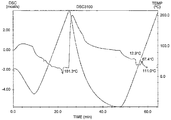
- FIG. 4 is a graph showing the results of thermal analysis measurement of the polymer prepared in Example 3.
- 6 is a chart showing the results of GC / MS analysis of the polymer prepared in Example 3.
- FIG. 4 is a chart showing the results of 1 H-NMR spectral analysis of the polymer prepared in Example 3.
- FIG. 6 is a chart showing the results of 13 C-NMR spectrum analysis of the polymer prepared in Example 3.
- FIG. 6 is a chart showing the results of 1 H 13 C-NMR spectrum analysis of the polymer prepared in Example 3.
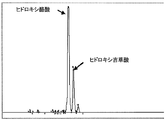
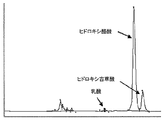
- FIG. It is a HPLC chart of polylactic acid which is a standard substance.
- phaA R. Eutropha-derived ⁇ KT gene phaB: R. Eutropha-derived AACoA-R gene phaC
- Re Eutropha-derived polyhydroxyalkanoate synthase gene phaC
- Bc Cereus-derived polyhydroxyalkanoate synthase gene phaC1 (WT): Pseudomonas sp. 61-3-derived polyhydroxyalkanoate synthase gene (wild type)
- phaC2 Pseudomonas sp. 61-3 derived polyhydroxyalkanoic acid synthase 2 gene
- PCT M.
- Elsdeni-derived Pct gene PRe Alkalinegenes eutrophas-derived promoter
- Plac lactose operon promoter
- the present invention relates to 1) a reduction reaction of acetoacetyl CoA, a protein that catalyzes a reaction in which CoA is transferred to propionic acid and / or lactic acid, and a protein that catalyzes a reaction in which acetoacetyl CoA is formed from two molecules of acetyl CoA.
- a step of culturing a recombinant microorganism having a protein that catalyzes a protein and a protein that catalyzes a synthesis reaction of a polyhydroxyalkanoic acid comprising the following amino acid sequence a) or b) in a medium containing a carbon source: a) an amino acid sequence in which at least one of the 130th, 325th, 477th and 481st amino acids of the amino acid sequence shown in SEQ ID NO: 2 is substituted with another amino acid b) in the protein defined in a), An amino acid sequence in which at least one or more amino acids other than the 130th, 325th, 477th and 481th positions are deleted or substituted, or one or more amino acid residues are inserted; And 2) A method for producing a copolyester comprising 3HB and LA, comprising the step of recovering the copolyester from the culture of step 1).
- the conditions of the protein used in the present invention, the recombinant microorganis compris
- Protein that catalyzes a reaction in which CoA is transferred to propionic acid and / or lactic acid "Protein that catalyzes a reaction in which CoA is transferred to propionic acid and / or LA" It is a protein having an activity of catalyzing a reaction in which CoA is transferred from a CoA substrate to propionic acid and / or LA.
- a protein having such an activity is generally referred to as propionyl CoA transferase (Pct).
- Pct propionyl CoA transferase
- Table 1 shows representative examples of Pct origins (microorganism names) reported so far, and literature information disclosing base sequence information encoding them.
- any of the Pct reported so far can be used.
- a protein that catalyzes a reaction in which CoA is transferred to propionic acid and / or LA one or several, for example, 1 to several tens, preferably 1 to 10 in the known amino acid sequence of Pct. Even a protein having an amino acid sequence in which several, more preferably 10 or less amino acids are deleted, substituted or added can be used.
- the catalytic activity of the reaction in which CoA is transferred to propionic acid and / or LA is, for example, A. E. It can be measured according to the method described in Hofmeister et al. (Eur. J. Biochem., 206, 547-552).
- a preferred Pct in the present invention is Pct derived from Megaphaera elsdenii.
- the amino acid sequence thereof is shown in SEQ ID NO: 4, and an example of the nucleotide sequence of a nucleic acid (DNA) encoding the amino acid sequence is shown in SEQ ID NO: 3.
- a protein that catalyzes a reaction in which acetoacetyl-CoA is formed from two molecules of acetyl-CoA is used in the present invention.
- a protein that catalyzes a reaction in which acetyl CoA is condensed to form acetoacetyl CoA and is generally referred to as ⁇ -ketothiolase or acetyl-CoA-CoA-C-acetyltransferase.
- ⁇ KT a protein that catalyzes a reaction in which acetoacetyl CoA is formed from two molecules of acetyl CoA
- Table 2 shows representative examples of the origin (microorganism name) of ⁇ KT reported so far, and literature information disclosing base sequence information encoding the same.
- any of the ⁇ KT reported so far can be used.
- a “protein that catalyzes a reaction in which acetoacetyl CoA is formed from two molecules of acetyl CoA” one or several, for example, 1 to several tens, preferably 1 to 10 in the known ⁇ KT amino acid sequence. Even a protein having an amino acid sequence in which a dozen or more, more preferably 10 or less amino acids are deleted, substituted or added can be used.
- the catalytic activity of the reaction in which acetoacetyl CoA is formed from two molecules of acetyl CoA can be measured, for example, by the method described in Slater et al. (J. Bacteriology, 1998, 180, 1979-1987). it can.
- Preferred ⁇ KT in the present invention is R.I. It is ⁇ KT derived from R. eutropha, its amino acid sequence is shown in SEQ ID NO: 6, and an example of the base sequence of nucleic acid (DNA) encoding the amino acid sequence is shown in SEQ ID NO: 5.
- the “protein that catalyzes the reduction reaction of acetoacetyl-CoA” used in the present invention is a reduction reaction that occurs in the presence of a coenzyme such as NADP of acetoacetyl-CoA, A protein that catalyzes the reaction in which D ( ⁇ )- ⁇ -hydroxybutyryl-CoA is formed, and is generally referred to as acetoacetyl CoA reductase.
- a protein that catalyzes the reduction reaction of acetoacetyl CoA is represented as AACoA-R.
- Table 3 shows examples of AACoA-R origins (microorganism names) reported so far, and literature or database registration numbers disclosing information on the base sequences encoding them.
- any AACoA-R reported so far can be used.
- a “protein that catalyzes the reduction reaction of acetoacetyl CoA” one or several, for example, 1 to several tens, preferably 1 to several tens, more preferably, in the known amino acid sequence of AACoA-R Can be used even if the protein has an amino acid sequence in which 10 or less amino acids are deleted, substituted, or added.
- the catalytic activity of the reduction reaction of acetoacetyl CoA is, for example, G. W. It can be measured by the method described in Haywood et al. (FEMS Microbiology Letters, 1988, Vol. 52, pp. 259-264).
- a preferred AACoA-R in the present invention is R.I. AACoA-R derived from R. eutropha, the amino acid sequence thereof is shown in SEQ ID NO: 8, and an example of the nucleotide sequence of the nucleic acid (DNA) encoding the amino acid sequence is shown in SEQ ID NO: 7.
- Table 4 shows ⁇ KT, AACo-R and their accession numbers known so far.
- the protein that catalyzes the synthesis of polyhydroxyalkanoic acid according to the present invention includes a) the 130th, 325th, 477th and 481st positions of the amino acid sequence shown in SEQ ID NO: 2. In the amino acid sequence in which at least one of the amino acids is substituted with another amino acid, or b) a protein defined in a), at least one amino acid other than the 130th, 325th, 477th and 481st positions is missing.
- This protein is a protein in which a part of the amino acid sequence of polyhydroxyalkanoate synthase derived from Pseudomonas sp. 61-3 described in Patent Document 7 is mutated.
- the protein that catalyzes the synthesis of polyhydroxyalkanoic acid in the present invention will be referred to as PhaCm, and the entire description of Patent Document 7 will be incorporated herein.
- PhaCm are the amino acids at the 130th, 325th, 477th and 481th positions of the amino acid sequence shown in SEQ ID NO: 2 described in Table 6 and Table 7 of Patent Document 7, each independently.
- a single mutation substituted a double mutation in which any two amino acids are substituted, a triple mutation in which any three amino acids are substituted, and a quadruple mutation in which all four amino acids are substituted.
- a preferred protein is a double mutation in which any two amino acids are substituted, and particularly preferably a double mutation in which the 325th Ser is substituted with Thr and the 481st Gln is substituted with Lys (hereinafter referred to as STQK). ).
- the DNA encoding PhaCm is based on the amino acid sequence (SEQ ID NO: 2) of polyhydroxyalkanoic acid synthase derived from Pseudomonas sp. 61-3 and the base sequence (SEQ ID NO: 1) of the DNA encoding the same. Furthermore, it can be produced recombinantly by site-directed mutagenesis methods known to those skilled in the art. Further, as described in Patent Document 7, the activity of catalyzing the synthesis of PhaCm polyhydroxyalkanoic acid is obtained by obtaining a host cell transformed with a nucleic acid capable of expressing the PhaCm, and polyhydroxyalkane of the host cell. This can be confirmed by the acid accumulation ability.
- the content of 3HB in the produced copolyester can be adjusted.
- the molar fraction of LA in the produced copolyester can be increased by using a lactic acid highly accumulating microorganism such as E. coli strains Jw2293, Jw0885, Jw0886 as a host.
- the LA mole fraction in the copolymer polyester can be increased to about 30% by aerobically culturing the above-mentioned lactic acid highly accumulating Escherichia coli strain as a host.
- the mole fraction of LA in the copolymer polyester can be further increased by devising to increase the production amount of LA by microorganisms. For example, by culturing a host microorganism transformed with a gene encoding the protein under anaerobic conditions to increase the amount of LA produced by the host microorganism itself, the mole fraction of LA in the produced copolyester The rate can be increased. By culturing Escherichia coli as a host under anaerobic conditions, the molar fraction of LA in the copolymer polyester can be increased to about 50%.
- Nucleic acid encoding protein It is preferable to use each of the above proteins 1) to 4) after introducing the nucleic acid encoding them into a microorganism and transcription-translating the protein in the microorganism.
- the nucleic acid introduced into the microorganism is preferably in a form incorporated into a vector.
- the vector for introducing the nucleic acid into the microorganism may be any vector that can replicate autonomously in the host, and is preferably in the form of plasmid DNA or phage DNA.
- vectors for introducing a nucleic acid into Escherichia coli include plasmid DNAs such as pBR322, pUC18, and pBLuscriptII, and phage DNAs such as EMBL3, M13, and ⁇ gtII.
- Examples of vectors for introduction into yeast include YEp13 and YCp50.
- vectors for introducing a nucleic acid into a bacterium belonging to the genus Ralstonia or Pseudomonas include pLA2917 (ATCC 37355) having an RK2 replication origin and RSF1010 replication origin which are replicated and maintained in a wide range of hosts.
- PJRD215 ATCC 33533 having
- the nucleic acid encoding each of the above proteins 1) to 4), preferably a DNA can be inserted into a vector using a gene recombination technique known to those skilled in the art.
- a promoter capable of controlling transcription and translation of each protein from the DNA inserted into the vector.
- Any promoter may be used as long as it can regulate gene transcription in the host.
- trp promoter, lac promoter, PL promoter, PR promoter, T7 promoter and the like can be used, and when yeast is used as a host, gal1 promoter, gal10 promoter and the like can be used.
- a region considered to contain a promoter upstream of the phaC1Ps gene or upstream of the phbCABRe operon can be used.
- the vector of the present invention includes a terminator sequence, an enhancer sequence, a splicing signal sequence, a poly A addition signal sequence, a ribosome binding sequence (SD sequence), a selection that can be used in a microorganism into which a nucleic acid is to be introduced, as necessary.
- a marker gene or the like can be linked. Examples of selectable marker genes include drug resistance genes such as ampicillin resistance gene, tetracycline resistance gene, neomycin resistance gene, kana machine resistance gene, chloramphenicol resistance gene, and intracellular biosynthesis of nutrients such as amino acids and nucleic acids. Examples include genes involved, genes encoding fluorescent proteins such as luciferase, and the like.
- the nucleic acid described above preferably in the form of a vector, is introduced into the microorganism by methods known to those skilled in the art.
- Examples of the method for recombination of a vector into a microorganism include a calcium phosphate method, an electroporation method, a spheroplast method, a lithium acetate method, a junction transfer method, a method using calcium ions, and the like.
- Microorganism The recombinant microorganism in the present invention is transformed by introduction of a microorganism expressing the protein of 1) to 4) above, preferably a nucleic acid capable of functionally expressing the protein of 1) to 4) above.
- Microorganisms. Suitable microorganisms include bacteria belonging to the genus Pseudomonas such as Pseudomonas sp.
- Ralstonia bacteria such as Eutropha, Bacillus bacteria such as Bacillus subtilis, Escherichia bacteria such as Escherichia coli, Corynebacterium b -Saccharomyces (Saccharomyces) genus yeasts, such as Saccharomyces cerevisiae, Candida (Candida maltosa) yeasts, such as Candida maltosa, etc. can be mentioned.
- Escherichia coli, Corynebacterium, and R. Eutropha is preferable, and Escherichia coli and Corynebacterium are particularly preferable.
- a microorganism having its own unique polyhydroxyalkanoate synthase such as utropha
- Microorganisms that have lost such expression ability are treated with a chemical mutagen such as nitrosoguanidine or a physical mutagen such as UV, or the nucleic acid encoding polyhydroxyalkanoate synthase is modified to function the enzyme. It can be prepared by introducing a mutated nucleic acid that has made inappropriate expression into a microorganism and performing “homologue recombination”. Confirmation that the polyhydroxyalkanoate synthase gene has been disrupted is based on Southern hybridization using a part of the gene as a probe. This can be done by examining the shift.
- Copolyester comprising hydroxybutyric acid and lactic acid is produced by culturing the recombinant microorganism introduced with the nucleic acid in a medium containing a carbon source, It is carried out by producing and accumulating a copolyester in the body or culture and recovering the copolyester from the cultured cells or culture.
- the culture of the recombinant microorganism of the present invention is preferably carried out under general culture conditions for each microorganism according to the type of the recombinant microorganism, except for the medium composition.
- culturing recombinant microorganisms under anaerobic conditions is advantageous in that the molar fraction of LA in the copolymer polyester can be increased.
- a medium having a special composition is not particularly required, but it is preferable to use a medium in which any of nitrogen sources other than carbon sources, inorganic salts, and other organic nutrient sources is limited.
- a medium for culturing a recombinant microorganism in which a nucleic acid is incorporated into a bacterium belonging to the genus Ralstonia or Pseudomonas for example, a medium in which a nitrogen source is limited to 0.01 to 0.1% can be mentioned.
- Examples of the carbon source include carbohydrates such as glucose, fructose, sucrose, and maltose.
- oil-related substances having 4 or more carbon atoms can be used as a carbon source.
- oils and fats having 4 or more carbon atoms include corn oil, soybean oil, safflower oil, sunflower oil, olive oil, coconut oil, palm oil, rapeseed oil, fish oil, whale oil, pig oil or cow oil, Fatty acids such as butanoic acid, pentanoic acid, hexanoic acid, octanoic acid, decanoic acid, lauric acid, oleic acid, palmitic acid, linolenic acid, linoleic acid or myristic acid or esters of these fatty acids, octanol, lauryl alcohol, oleyl alcohol or Examples include palmityl alcohol and the like, and esters of these alcohols.
- nitrogen source examples include ammonium salts such as ammonia, ammonium chloride, ammonium sulfate, and ammonium phosphate, as well as peptone, meat extract, yeast extract, corn steep liquor, and the like.
- inorganic substances include monopotassium phosphate, dipotassium phosphate, magnesium phosphate, magnesium sulfate, and sodium chloride.
- Cultivation is preferably carried out at a temperature of 25 to 37 ° C. under aerobic conditions such as shaking culture for 24 hours or more after the transcription of the proteins 1) to 4).
- aerobic conditions such as shaking culture for 24 hours or more after the transcription of the proteins 1) to 4).
- the time is preferably 48 hours or longer.
- antibiotics such as kanamycin, ampicillin, and tetracycline may be added to the medium.
- a factor that induces transcription of the promoter may be added to the medium.
- a preferred embodiment of the present invention is M.I.
- a nucleic acid encoding Pct from M. elsdenii (SEQ ID NO: 3); Nucleic acid encoding R. eutropha ⁇ KT (SEQ ID NO: 5), R. eutropha A recombinant Escherichia coli into which an expression vector having a nucleic acid encoding AACoA-R (SEQ ID NO: 7) and STQK encoding R. eutropha is cultured to produce a copolyester comprising 3HB and LA Is the method.
- a lactic acid highly accumulating microorganism such as E.
- the molar fraction of LA in the copolymer polyester can be further increased.
- the molar fraction of LA in the copolymer polyester can be further increased.
- the method of the present invention produces a copolyester composed of 3HB and LA from inexpensive molasses without adding monomer components constituting the target polymer such as LA and 3HB to the medium. This is advantageous in terms of manufacturing costs.
- the polyester may be recovered by a method known to those skilled in the art for recovering the copolyester or PHA from the microorganism.
- the microorganism is collected from the culture solution by centrifugation, washed, dried, suspended in chloroform, and heated to extract the desired copolyester into the chloroform fraction. Methanol is added to precipitate the polyester, the supernatant is removed by filtration or centrifugation, and then dried to obtain a purified copolyester.
- Confirmation that the recovered polyester is a copolymerized polyester composed of 3HB and LA may be carried out by an ordinary method such as a gas chromatography method or a nuclear magnetic resonance method.
- the present invention further relates to a method for producing a copolyester containing 3HB and LA, wherein 1) a protein that catalyzes a reaction in which CoA is transferred to propionic acid and / or lactic acid, and acetoacetyl CoA is converted from acetyl CoA of 2 molecules.
- a recombinant microorganism having a protein that catalyzes the reaction formed, a protein that catalyzes the reduction reaction of acetoacetyl CoA, and a protein that catalyzes the synthesis reaction of polyhydroxyalkanoic acid comprising the amino acid sequence of a) or b) below:
- a step of culturing in a medium containing a hydroxyalkanoic acid other than 3HB and LA and a carbon source a) an amino acid sequence in which at least one of the 130th, 325th, 477th and 481st amino acids of the amino acid sequence shown in SEQ ID NO: 2 is substituted with another amino acid b) in the protein defined in a), An amino acid sequence in which at least one or more amino acids other than the 130th, 325th, 477th and 481th positions are deleted or substituted, or one or more amino acid residues are inserted;
- a protein that catalyzes a reaction in which CoA is transferred to propionic acid and / or lactic acid a protein that catalyzes a reaction in which acetoacetyl CoA is formed from two molecules of acetyl CoA, and a catalyzing reduction reaction of acetoacetyl CoA.
- the protein, the protein that catalyzes the synthesis reaction of polyhydroxyalkanoic acid consisting of the amino acid sequence of a) or b) above, and the recombinant microorganism that expresses these are as described above.
- the method for producing a copolyester containing 3HB and LA according to the present invention is characterized in that a recombinant microorganism having such a protein is cultured in a medium containing a hydroxyalkanoic acid other than 3HB and LA and a carbon source. Recombinant microorganisms themselves produce 3HB and LA, but a copolymer containing 3HB, LA, and other monomer units is added to the medium by adding a precursor that can be converted into monomer units of copolymerized polyesters other than 3HB and LA. Polyester is produced.
- Examples of the precursor and monomer units converted therefrom include propionic acid (3-hydroxypropionic acid), valeric acid (3-hydroxyvaleric acid), dodecanoic acid (3-hydroxyhexanoic acid, 3-hydroxyoctanoic acid) , 3-hydroxydodecanoic acid, 3-hydroxydodecanoic acid), 4-hydroxybutyric acid (4-hydroxybutyric acid), 4-hydroxyvaleric acid (4-hydroxyvaleric acid), and the like. Any of these can be used in the present invention, and may be added to the medium in advance, or may be added to the medium over time. Moreover, the mole fraction of LA can be adjusted by performing culture
- Example 1 Production of copolymer polyester using LA highly accumulating Escherichia coli 1) Production of recombinant microorganism In order to amplify the nucleic acid encoding propionyl CoA transferase (Accession No. J04987) by PCR after extracting genomic DNA from M. elsdenii (ATCC17753) using DNeasy Tissue Kit (Qiagen), EcoRI recognition sequence Primer DNA of a forward primer containing a reverse primer containing a PstI recognition sequence was synthesized.
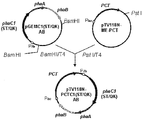
- the plasmid pTV118N (Takara Shuzo) was digested with EcoRI and PstI, dephosphorylated with alkaline phosphatase, ligated by adding the DNA fragment, and containing about 4.7 kbp of DNA encoding propionyl CoA transferase. Recombinant plasmid PTV118N M. E. -PCT was prepared.
- pGEMC1 (ST / QK) AB was digested with BamHI to recover a DNA fragment of about 6 kbp, and 66 mM potassium acetate, 10 mM magnesium acetate, 0.5 mM DTT, 0.1 mg / mL BSA, 3 mM containing 0.1 mM dNTP In Tris acetate buffer (pH 7.9), 200 units of T4 polymerase was allowed to act at 37 ° C. for 5 minutes to obtain a DNA fragment encoding STQK.
- PTV118N M PTV118N M.
- E. -PCT was digested with PstI and allowed to act on T4 polymerase under the same conditions as described above, then dephosphorylated with alkaline phosphatase, and the DNA fragment encoding the phaCm was ligated to give pTV118N M.
- E. coli sp. JM109 competent cells were transformed with pTV118NPCTC1 (ST / QK) AB.
- the measured molecular weight distribution curve is shown in FIG.
- the molecular weight calibration curve was prepared using standard polystyrene, and the molecular weight was expressed as a converted value of standard polystyrene molecular weight.
- the molecular weight (mW) of the polymer was 320,000
- the average molecular weight (Mn) was 230,000
- Mw / Mn was 1.3.
- the glass transition temperature was around 0 ° C.
- the crystallinity was 86.8 ° C.
- the Tm of the polymer was 157.3-157.5 ° C.
- coli JM109 transformed with each of the above expression vectors was inoculated into 100 ml of LB medium containing 100 ⁇ g / ml of ampicillin, 2% glucose, and 10 mM pantothenic acid, and cultured at 37 ° C. for 72 hours.
- the cells were collected, suspended in 10 mM Tris-HCl (pH 7.5), collected again and lyophilized for 2 days.
- the mixture was filtered through a 0.2 ⁇ m PTFE filter (ADVANTEC), the polymer fraction was separated by preparative GPC (Preparative chromatography: LC-9201), and chloroform was distilled off to obtain a polymer.
- the amount of each polymer was pTV118NPCTC (Re) AB: 131.41 mg, pTV118NPCTC (Bc) AB: 160.61 mg, pTV118NPCTC1 (WT) AB: not detected, and pTV118NPCTC2AB: extremely small amount, which was not quantifiable.
- GC / MS analysis was carried out by conducting GC / MS analysis in the same manner as in iii) of 3) of Example 1 for 50 ⁇ g of the polymers of pTV118NPCTC (Re) AB and pTV118NPCTC (Bc), and for pTV118NPCTC2AB, the total amount of the polymer. All of the polymers were confirmed to be homopolymer PHB having only 3HB as a constituent monomer unit (FIG. 10).
- Example 2 Production using high LA-accumulating microorganism 1) Production of polymer Lactic acid high accumulation Escherichia coli Jw2293 strain, Jw0885 strain and Jw0886 strain were prepared using pTV118NPCTC1 (ST / QK) AB1 prepared in 1) of Example 1. Used to transform.
- the obtained transformant was inoculated into 1000 ml of LB medium containing ampicillin 100 ⁇ g / ml, 2% glucose, 10 mM pantothenic acid, and cultured at 37 ° C. for 72 hours. After culturing, the cells were collected by centrifugation under conditions of 4 ° C., 3,100 rpm, 15 minutes, suspended in 10 mM Tris-HCl buffer (pH 7.5), and centrifuged again under the same conditions for 2 days. Lyophilized.
- the amount of the recovered polymer was 802 mg (Jw2293), 804 mg (Jw0885), and 806 mg (Jw0886).
- the intracellular content of the polymer was 41% (Jw2293), 50% (Jw0885), and 54% (Jw0886).
- the measured molecular weight distribution curves are shown in FIGS. 11a-c.
- the molecular weight calibration curve was prepared using standard polystyrene, and the molecular weight was expressed as a converted value of standard polystyrene molecular weight.
- the Tm of the polymer was 111 to 163 ° C.
- Example 3 Production of Copolyester by Culture under Anaerobic Conditions 1) Vector Construction Gene encoding ⁇ KT and AACoA using pTV118NPCTC1 (ST / QK) AB prepared in 1) of Example 1 as a template PCR is performed so that a linear plasmid from which the gene encoding R is removed is obtained, the obtained amplified fragment is closed, and plasmid pTV118NpctC1 having a gene encoding Pct and a gene encoding PhaCm in pTV118N (ST / QK) (left side of FIG. 16) was prepared.
- the obtained transformant was inoculated into 100 ml of LB medium containing ampicillin 100 ⁇ g / ml, 2% glucose, 10 mM pantothenic acid, and cultured at 37 ° C. for 72 hours. After culturing, the cells were collected by centrifugation under conditions of 4 ° C., 3,100 rpm, 15 minutes, suspended in 10 mM Tris-HCl buffer (pH 7.5), and centrifuged again under the same conditions for 2 days. Lyophilized.
- the amount of polymer recovered was 1228 mg.
- the intracellular content of the polymer ratio of the polymer weight recovered with respect to the dry cell weight after the culture was 2.3%.
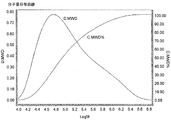
- the measured molecular weight distribution curve is shown in FIG.
- the molecular weight calibration curve was prepared using standard polystyrene, and the molecular weight was expressed as a converted value of standard polystyrene molecular weight.
- the molecular weight (mW) of the polymer was 28,000, Mn was 22,000, and Mw / Mn was 1.5.
- the melting point (Tm) of the polymer was 157.0 to 161.4 ° C.
- Example 4 Production of copolymer polyester using 3HB, LA and 3HV as monomer units 1) Production of polymer Transformation of E. coli strain Jw0885 with high lactate accumulation using pTV118NPCTC1 (ST / QK) AB produced in Example 1 did. The obtained transformant was inoculated into 100 ml of LB medium (shown in Table 1) containing ampicillin 100 ⁇ g / ml, 2% glucose, 10 mM pantothenic acid, 0.5% sodium propionate, and cultured at 30 ° C. for 72 hours. Went. The culture was centrifuged at 4 ° C., 3,100 rpm for 15 minutes to recover the cells, suspended in 10 mM Tris-HCl buffer (pH 7.5), and centrifuged again under the same conditions. Lyophilized for days.
- the amount of polymer recovered was 12 mg.
- the intracellular content of the polymer ratio of the polymer weight recovered with respect to the dry cell weight after the culture was 8.5%.
- the calibration curves are polylactic acid (LA 100 mol%) with known monomer composition and poly [hydroxybutyric acid (HB) -co-hydroxyvaleric acid (HV) -co-hydroxyhexanoic acid (HHx)] (HB: 70 mol%, HV: 23 mol%) , HHx: 7 mol%).
- the obtained polymer was composed of about 40 mol% lactic acid, about 48 mol% 3-hydroxybutyric acid, and about 11 mol% 3-hydroxyvaleric acid.
Landscapes
- Organic Chemistry (AREA)
- Life Sciences & Earth Sciences (AREA)
- Engineering & Computer Science (AREA)
- Chemical & Material Sciences (AREA)
- Health & Medical Sciences (AREA)
- Genetics & Genomics (AREA)
- Zoology (AREA)
- Wood Science & Technology (AREA)
- Bioinformatics & Cheminformatics (AREA)
- Biotechnology (AREA)
- General Engineering & Computer Science (AREA)
- Biochemistry (AREA)
- Microbiology (AREA)
- General Health & Medical Sciences (AREA)
- Biomedical Technology (AREA)
- Molecular Biology (AREA)
- Chemical Kinetics & Catalysis (AREA)
- General Chemical & Material Sciences (AREA)
- Plant Pathology (AREA)
- Biophysics (AREA)
- Physics & Mathematics (AREA)
- Preparation Of Compounds By Using Micro-Organisms (AREA)
- Micro-Organisms Or Cultivation Processes Thereof (AREA)
Abstract
Priority Applications (4)
| Application Number | Priority Date | Filing Date | Title |
|---|---|---|---|
| EP09735895.6A EP2284261B1 (fr) | 2008-04-23 | 2009-04-23 | Procédé de production d un copolymère de polyester à l'aide d un micro-organisme génétiquement modifié |
| CN200980123682.2A CN102066560B (zh) | 2008-04-23 | 2009-04-23 | 使用重组微生物制造共聚聚酯的方法 |
| JP2010509222A JP5625905B2 (ja) | 2008-04-23 | 2009-04-23 | 組み換え微生物を用いた共重合ポリエステルの製造方法 |
| US12/989,333 US8563281B2 (en) | 2008-04-23 | 2009-04-23 | Method for production of polyester copolymer using recombinant microorganism |
Applications Claiming Priority (4)
| Application Number | Priority Date | Filing Date | Title |
|---|---|---|---|
| JP2008-113127 | 2008-04-23 | ||
| JP2008113127 | 2008-04-23 | ||
| JP2008298765 | 2008-10-27 | ||
| JP2008-298765 | 2008-10-27 |
Publications (1)
| Publication Number | Publication Date |
|---|---|
| WO2009131186A1 true WO2009131186A1 (fr) | 2009-10-29 |
Family
ID=41216915
Family Applications (1)
| Application Number | Title | Priority Date | Filing Date |
|---|---|---|---|
| PCT/JP2009/058092 Ceased WO2009131186A1 (fr) | 2008-04-23 | 2009-04-23 | Procédé de production d’un copolymère de polyester à l'aide d’un micro-organisme génétiquement modifié |
Country Status (6)
| Country | Link |
|---|---|
| US (1) | US8563281B2 (fr) |
| EP (1) | EP2284261B1 (fr) |
| JP (1) | JP5625905B2 (fr) |
| KR (1) | KR101578959B1 (fr) |
| CN (1) | CN102066560B (fr) |
| WO (1) | WO2009131186A1 (fr) |
Cited By (5)
| Publication number | Priority date | Publication date | Assignee | Title |
|---|---|---|---|---|
| WO2011013352A1 (fr) * | 2009-07-27 | 2011-02-03 | Toyota Jidosha Kabushiki Kaisha | Micro-organisme recombiné et procédé de production d'un polyester aliphatique l'utilisant |
| WO2012008023A1 (fr) | 2010-07-14 | 2012-01-19 | トヨタ自動車株式会社 | Gène mutant de l'acide polyhydroxyalcanoïque synthase et procédé de production d'un polyester aliphatique à l'aide de celui-ci |
| JP2013146273A (ja) * | 2013-04-08 | 2013-08-01 | Toyota Central R&D Labs Inc | 組み換え微生物及びこれを用いた脂肪族ポリエステルの製造方法 |
| WO2020066679A1 (fr) | 2018-09-28 | 2020-04-02 | 株式会社カネカ | Composition de résine et corps moulé de celle-ci |
| JP2023118474A (ja) * | 2022-02-15 | 2023-08-25 | 学校法人明治大学 | 転写調節による多元ポリ乳酸の合成法 |
Families Citing this family (6)
| Publication number | Priority date | Publication date | Assignee | Title |
|---|---|---|---|---|
| WO2009131186A1 (fr) | 2008-04-23 | 2009-10-29 | 国立大学法人北海道大学 | Procédé de production d’un copolymère de polyester à l'aide d’un micro-organisme génétiquement modifié |
| WO2010050470A1 (fr) * | 2008-10-27 | 2010-05-06 | トヨタ自動車株式会社 | Procédé pour la fabrication de poly(acide lactique) à l'aide d'une bactérie génétiquement modifiée |
| TWI806893B (zh) * | 2017-08-29 | 2023-07-01 | 日商三菱瓦斯化學股份有限公司 | 聚酯之製造方法 |
| KR20200145119A (ko) | 2019-06-20 | 2020-12-30 | 주식회사 엘지화학 | 락트산 함량이 증가된 락테이트, 2-하이드록시부티레이트 및 4-하이드록시부티레이트 삼중합체의 제조 방법 |
| CN116445440B (zh) * | 2022-10-26 | 2024-01-02 | 华南理工大学 | 黏性聚羟基脂肪酸酯及其制备和应用 |
| CN116240155A (zh) * | 2023-02-13 | 2023-06-09 | 清华大学 | 一种生产聚(羟基脂肪酸-co-乳酸)的重组菌及其应用 |
Citations (11)
| Publication number | Priority date | Publication date | Assignee | Title |
|---|---|---|---|---|
| JPS57150393A (en) | 1980-11-18 | 1982-09-17 | Ici Ltd | Beta-hydroxy butyrate polymer and production thereof |
| JPH0574492A (ja) | 1991-09-13 | 1993-03-26 | Asahi Chem Ind Co Ltd | 電池の検査方法 |
| JPH0593049A (ja) | 1991-09-17 | 1993-04-16 | Kanegafuchi Chem Ind Co Ltd | 共重合体およびその製造方法 |
| JPH0779705B2 (ja) | 1985-05-28 | 1995-08-30 | ゼネカ・リミテッド | ポリヒドロキシ酪酸/ポリバレリン酸共重合体の製法 |
| JPH07265065A (ja) | 1994-03-29 | 1995-10-17 | Kanegafuchi Chem Ind Co Ltd | 共重合体の合成遺伝子による形質転換体および共重合体の製造方法 |
| JPH10108682A (ja) | 1996-08-14 | 1998-04-28 | Rikagaku Kenkyusho | ポリエステル重合酵素遺伝子及びポリエステルの製造方法 |
| WO2003100055A1 (fr) | 2002-05-28 | 2003-12-04 | Riken | Synthases d'acide poly-3-hydroxyalcanoique mutantes |
| JP2004514431A (ja) * | 2000-11-20 | 2004-05-20 | カーギル インコーポレイテッド | 3−ヒドロキシプロピオン酸および他の有機化合物 |
| WO2006126796A1 (fr) | 2005-05-24 | 2006-11-30 | Lg Chem, Ltd. | Cellules ou plantes possedant la capacite de production du polylactate ou ses copolymeres et procede de preparation du polylactate ou ses copolymeres les utilisant |
| JP2008113127A (ja) | 2006-10-30 | 2008-05-15 | Pie Soft Lab Corp | 認証システム、認証装置および方法、並びにプログラム |
| JP2008298765A (ja) | 2007-05-03 | 2008-12-11 | Victor Co Of Japan Ltd | ナビゲーション装置 |
Family Cites Families (7)
| Publication number | Priority date | Publication date | Assignee | Title |
|---|---|---|---|---|
| US5266470A (en) | 1985-05-28 | 1993-11-30 | Imperial Chemical Industries Plc | Copolymer production |
| US5643758A (en) | 1987-03-10 | 1997-07-01 | New England Biolabs, Inc. | Production and purification of a protein fused to a binding protein |
| JPH0539049A (ja) | 1991-08-07 | 1993-02-19 | Toyota Motor Corp | 車輌用油圧駆動装置 |
| EP2087025B1 (fr) | 2006-11-21 | 2021-02-24 | LG Chem, Ltd. | Copolymère contenant un motif de 3-hydroxyalcanoate et un motif de lactate et son procédé de fabrication |
| CN101541967A (zh) | 2006-11-23 | 2009-09-23 | Lg化学株式会社 | 源自假单胞菌6-19的pha合酶的突变体和使用该突变体制备乳酸酯均聚物或共聚物的方法 |
| WO2009031762A2 (fr) | 2007-09-07 | 2009-03-12 | Lg Chem, Ltd. | Micro-organisme recombinant permettant de produire un polyactate ou un polyactate copolymère à partir de sucrose et méthode de fabrication correspondante |
| WO2009131186A1 (fr) | 2008-04-23 | 2009-10-29 | 国立大学法人北海道大学 | Procédé de production d’un copolymère de polyester à l'aide d’un micro-organisme génétiquement modifié |
-
2009
- 2009-04-23 WO PCT/JP2009/058092 patent/WO2009131186A1/fr not_active Ceased
- 2009-04-23 CN CN200980123682.2A patent/CN102066560B/zh not_active Expired - Fee Related
- 2009-04-23 EP EP09735895.6A patent/EP2284261B1/fr not_active Not-in-force
- 2009-04-23 JP JP2010509222A patent/JP5625905B2/ja not_active Expired - Fee Related
- 2009-04-23 KR KR1020107026099A patent/KR101578959B1/ko not_active Expired - Fee Related
- 2009-04-23 US US12/989,333 patent/US8563281B2/en not_active Expired - Fee Related
Patent Citations (11)
| Publication number | Priority date | Publication date | Assignee | Title |
|---|---|---|---|---|
| JPS57150393A (en) | 1980-11-18 | 1982-09-17 | Ici Ltd | Beta-hydroxy butyrate polymer and production thereof |
| JPH0779705B2 (ja) | 1985-05-28 | 1995-08-30 | ゼネカ・リミテッド | ポリヒドロキシ酪酸/ポリバレリン酸共重合体の製法 |
| JPH0574492A (ja) | 1991-09-13 | 1993-03-26 | Asahi Chem Ind Co Ltd | 電池の検査方法 |
| JPH0593049A (ja) | 1991-09-17 | 1993-04-16 | Kanegafuchi Chem Ind Co Ltd | 共重合体およびその製造方法 |
| JPH07265065A (ja) | 1994-03-29 | 1995-10-17 | Kanegafuchi Chem Ind Co Ltd | 共重合体の合成遺伝子による形質転換体および共重合体の製造方法 |
| JPH10108682A (ja) | 1996-08-14 | 1998-04-28 | Rikagaku Kenkyusho | ポリエステル重合酵素遺伝子及びポリエステルの製造方法 |
| JP2004514431A (ja) * | 2000-11-20 | 2004-05-20 | カーギル インコーポレイテッド | 3−ヒドロキシプロピオン酸および他の有機化合物 |
| WO2003100055A1 (fr) | 2002-05-28 | 2003-12-04 | Riken | Synthases d'acide poly-3-hydroxyalcanoique mutantes |
| WO2006126796A1 (fr) | 2005-05-24 | 2006-11-30 | Lg Chem, Ltd. | Cellules ou plantes possedant la capacite de production du polylactate ou ses copolymeres et procede de preparation du polylactate ou ses copolymeres les utilisant |
| JP2008113127A (ja) | 2006-10-30 | 2008-05-15 | Pie Soft Lab Corp | 認証システム、認証装置および方法、並びにプログラム |
| JP2008298765A (ja) | 2007-05-03 | 2008-12-11 | Victor Co Of Japan Ltd | ナビゲーション装置 |
Non-Patent Citations (7)
| Title |
|---|
| "Biodegradable Plastics Society", 1995, NTS INC., article "Biodegradable Plastic Handbook", pages: 178 - 197 |
| A. E. HOFINEISTER ET AL., EUR. J. BIOCHEM., vol. 206, pages 547 - 552 |
| G. W. HAYWOOD ET AL., FEMS MICROBIOLOGY LETTERS, vol. 52, 1988, pages 259 - 264 |
| SAMBROOK ET AL.: "Molecular cloning: a laboratory manual", 1989, COLD SPRING HARBOR LABORATORY PRESS |
| See also references of EP2284261A4 |
| SLATER ET AL., J. BACTERIOLOGY, vol. 180, 1998, pages 1979 - 1987 |
| TAKASE ET AL., BIOCHEM., vol. 133, 2003, pages 139 - 145 |
Cited By (7)
| Publication number | Priority date | Publication date | Assignee | Title |
|---|---|---|---|---|
| WO2011013352A1 (fr) * | 2009-07-27 | 2011-02-03 | Toyota Jidosha Kabushiki Kaisha | Micro-organisme recombiné et procédé de production d'un polyester aliphatique l'utilisant |
| JP2011024503A (ja) * | 2009-07-27 | 2011-02-10 | Toyota Motor Corp | 組み換え微生物及びこれを用いた脂肪族ポリエステルの製造方法 |
| WO2012008023A1 (fr) | 2010-07-14 | 2012-01-19 | トヨタ自動車株式会社 | Gène mutant de l'acide polyhydroxyalcanoïque synthase et procédé de production d'un polyester aliphatique à l'aide de celui-ci |
| US8802402B2 (en) | 2010-07-14 | 2014-08-12 | Toyota Jidosha Kabushiki Kaisha | Mutant polyhydroxyalkanoic acid synthase gene and method for producing aliphatic polyester using the same |
| JP2013146273A (ja) * | 2013-04-08 | 2013-08-01 | Toyota Central R&D Labs Inc | 組み換え微生物及びこれを用いた脂肪族ポリエステルの製造方法 |
| WO2020066679A1 (fr) | 2018-09-28 | 2020-04-02 | 株式会社カネカ | Composition de résine et corps moulé de celle-ci |
| JP2023118474A (ja) * | 2022-02-15 | 2023-08-25 | 学校法人明治大学 | 転写調節による多元ポリ乳酸の合成法 |
Also Published As
| Publication number | Publication date |
|---|---|
| JPWO2009131186A1 (ja) | 2011-08-25 |
| US20110104768A1 (en) | 2011-05-05 |
| EP2284261A8 (fr) | 2011-10-05 |
| JP5625905B2 (ja) | 2014-11-19 |
| KR20110014993A (ko) | 2011-02-14 |
| KR101578959B1 (ko) | 2015-12-18 |
| US8563281B2 (en) | 2013-10-22 |
| EP2284261B1 (fr) | 2017-03-29 |
| EP2284261A1 (fr) | 2011-02-16 |
| CN102066560B (zh) | 2013-12-18 |
| CN102066560A (zh) | 2011-05-18 |
| EP2284261A4 (fr) | 2012-07-25 |
Similar Documents
| Publication | Publication Date | Title |
|---|---|---|
| JP5625905B2 (ja) | 組み換え微生物を用いた共重合ポリエステルの製造方法 | |
| JP5885148B2 (ja) | 遺伝子組換えコリネ型細菌および含乳酸ポリエステルの製造方法 | |
| JP5738594B2 (ja) | 組み換え微生物を用いたポリ乳酸の製造方法 | |
| JP7360329B2 (ja) | 変異型ポリヒドロキシアルカン酸合成酵素、その遺伝子および形質転換体、並びに、ポリヒドロキシアルカン酸の製造方法 | |
| EP1208208B1 (fr) | Syst mes transg niques pour la fabrication de poly(3-hydroxy-butyrate-co-3-hydroxyhexanoate) | |
| JP3848047B2 (ja) | ポリヒドロキシアルカノエート合成酵素及び該酵素をコードする遺伝子 | |
| JP3848048B2 (ja) | ポリヒドロキシアルカノエート合成酵素及び該酵素をコードする遺伝子 | |
| JP3848046B2 (ja) | ポリヒドロキシアルカノエート合成酵素及び該酵素をコードする遺伝子 | |
| US20160040197A1 (en) | PRODUCTION METHOD FOR COPOLYMER POLYHYDROXYALKANOATE USING GENETICALLY MODIFIED STRAIN OF FATTY ACID ß-OXIDATION PATHWAY | |
| WO2024166830A1 (fr) | Micro-organisme transformé et procédé de production d'acide polyhydroxyalcanoïque | |
| JP2009207420A (ja) | メタノールを原料としたポリヒドロキシアルカン酸共重合の製造法 | |
| JP2008086238A (ja) | ポリヒドロキシアルカノエートの製造方法 | |
| Wang et al. | Biosynthesis of poly (δ-valerolactone)(PVL) by Halomonas bluephagenesis | |
| JP7764034B2 (ja) | ブロック共重合体、及びその製造方法 | |
| JP2023118474A (ja) | 転写調節による多元ポリ乳酸の合成法 | |
| JP2008212114A (ja) | 共重合ポリエステルの製造法 | |
| WO2011118671A1 (fr) | Micro-organisme génétiquement modifié et procédé de production d'un polyester aliphatique l'utilisant | |
| JP2001275675A (ja) | ポリヒドロキシ酪酸合成系酵素群及び該酵素群をコードする遺伝子 | |
| WO2008135065A1 (fr) | Micro-organisme produisant pha et pha obtenus | |
| Hermann-Krauss et al. | Research Article Archaeal Production of Polyhydroxyalkanoate (PHA) Co-and Terpolyesters from Biodiesel Industry-Derived By-Products |
Legal Events
| Date | Code | Title | Description |
|---|---|---|---|
| WWE | Wipo information: entry into national phase |
Ref document number: 200980123682.2 Country of ref document: CN |
|
| 121 | Ep: the epo has been informed by wipo that ep was designated in this application |
Ref document number: 09735895 Country of ref document: EP Kind code of ref document: A1 |
|
| WWE | Wipo information: entry into national phase |
Ref document number: 2010509222 Country of ref document: JP |
|
| NENP | Non-entry into the national phase |
Ref country code: DE |
|
| ENP | Entry into the national phase |
Ref document number: 20107026099 Country of ref document: KR Kind code of ref document: A |
|
| REEP | Request for entry into the european phase |
Ref document number: 2009735895 Country of ref document: EP |
|
| WWE | Wipo information: entry into national phase |
Ref document number: 2009735895 Country of ref document: EP |
|
| WWE | Wipo information: entry into national phase |
Ref document number: 12989333 Country of ref document: US |