WO2012176331A1 - 内燃機関の制御装置 - Google Patents
内燃機関の制御装置 Download PDFInfo
- Publication number
- WO2012176331A1 WO2012176331A1 PCT/JP2011/064544 JP2011064544W WO2012176331A1 WO 2012176331 A1 WO2012176331 A1 WO 2012176331A1 JP 2011064544 W JP2011064544 W JP 2011064544W WO 2012176331 A1 WO2012176331 A1 WO 2012176331A1
- Authority
- WO
- WIPO (PCT)
- Prior art keywords
- cetane number
- fuel
- internal combustion
- combustion engine
- integrated value
- Prior art date
- Legal status (The legal status is an assumption and is not a legal conclusion. Google has not performed a legal analysis and makes no representation as to the accuracy of the status listed.)
- Ceased
Links
Images



Classifications
-
- F—MECHANICAL ENGINEERING; LIGHTING; HEATING; WEAPONS; BLASTING
- F02—COMBUSTION ENGINES; HOT-GAS OR COMBUSTION-PRODUCT ENGINE PLANTS
- F02D—CONTROLLING COMBUSTION ENGINES
- F02D41/00—Electrical control of supply of combustible mixture or its constituents
- F02D41/0025—Controlling engines characterised by use of non-liquid fuels, pluralities of fuels, or non-fuel substances added to the combustible mixtures
-
- F—MECHANICAL ENGINEERING; LIGHTING; HEATING; WEAPONS; BLASTING
- F02—COMBUSTION ENGINES; HOT-GAS OR COMBUSTION-PRODUCT ENGINE PLANTS
- F02D—CONTROLLING COMBUSTION ENGINES
- F02D19/00—Controlling engines characterised by their use of non-liquid fuels, pluralities of fuels, or non-fuel substances added to the combustible mixtures
- F02D19/06—Controlling engines characterised by their use of non-liquid fuels, pluralities of fuels, or non-fuel substances added to the combustible mixtures peculiar to engines working with pluralities of fuels, e.g. alternatively with light and heavy fuel oil, other than engines indifferent to the fuel consumed
- F02D19/0626—Measuring or estimating parameters related to the fuel supply system
- F02D19/0634—Determining a density, viscosity, composition or concentration
- F02D19/0636—Determining a density, viscosity, composition or concentration by estimation, i.e. without using direct measurements of a corresponding sensor
-
- F—MECHANICAL ENGINEERING; LIGHTING; HEATING; WEAPONS; BLASTING
- F02—COMBUSTION ENGINES; HOT-GAS OR COMBUSTION-PRODUCT ENGINE PLANTS
- F02D—CONTROLLING COMBUSTION ENGINES
- F02D19/00—Controlling engines characterised by their use of non-liquid fuels, pluralities of fuels, or non-fuel substances added to the combustible mixtures
- F02D19/06—Controlling engines characterised by their use of non-liquid fuels, pluralities of fuels, or non-fuel substances added to the combustible mixtures peculiar to engines working with pluralities of fuels, e.g. alternatively with light and heavy fuel oil, other than engines indifferent to the fuel consumed
- F02D19/0639—Controlling engines characterised by their use of non-liquid fuels, pluralities of fuels, or non-fuel substances added to the combustible mixtures peculiar to engines working with pluralities of fuels, e.g. alternatively with light and heavy fuel oil, other than engines indifferent to the fuel consumed characterised by the type of fuels
- F02D19/0649—Liquid fuels having different boiling temperatures, volatilities, densities, viscosities, cetane or octane numbers
-
- F—MECHANICAL ENGINEERING; LIGHTING; HEATING; WEAPONS; BLASTING
- F02—COMBUSTION ENGINES; HOT-GAS OR COMBUSTION-PRODUCT ENGINE PLANTS
- F02B—INTERNAL-COMBUSTION PISTON ENGINES; COMBUSTION ENGINES IN GENERAL
- F02B3/00—Engines characterised by air compression and subsequent fuel addition
- F02B3/06—Engines characterised by air compression and subsequent fuel addition with compression ignition
-
- F—MECHANICAL ENGINEERING; LIGHTING; HEATING; WEAPONS; BLASTING
- F02—COMBUSTION ENGINES; HOT-GAS OR COMBUSTION-PRODUCT ENGINE PLANTS
- F02D—CONTROLLING COMBUSTION ENGINES
- F02D41/00—Electrical control of supply of combustible mixture or its constituents
- F02D41/24—Electrical control of supply of combustible mixture or its constituents characterised by the use of digital means
- F02D41/26—Electrical control of supply of combustible mixture or its constituents characterised by the use of digital means using computer, e.g. microprocessor
- F02D41/28—Interface circuits
- F02D2041/286—Interface circuits comprising means for signal processing
-
- F—MECHANICAL ENGINEERING; LIGHTING; HEATING; WEAPONS; BLASTING
- F02—COMBUSTION ENGINES; HOT-GAS OR COMBUSTION-PRODUCT ENGINE PLANTS
- F02D—CONTROLLING COMBUSTION ENGINES
- F02D2200/00—Input parameters for engine control
- F02D2200/02—Input parameters for engine control the parameters being related to the engine
- F02D2200/06—Fuel or fuel supply system parameters
- F02D2200/0611—Fuel type, fuel composition or fuel quality
- F02D2200/0612—Fuel type, fuel composition or fuel quality determined by estimation
-
- F—MECHANICAL ENGINEERING; LIGHTING; HEATING; WEAPONS; BLASTING
- F02—COMBUSTION ENGINES; HOT-GAS OR COMBUSTION-PRODUCT ENGINE PLANTS
- F02D—CONTROLLING COMBUSTION ENGINES
- F02D2200/00—Input parameters for engine control
- F02D2200/02—Input parameters for engine control the parameters being related to the engine
- F02D2200/10—Parameters related to the engine output, e.g. engine torque or engine speed
- F02D2200/101—Engine speed
-
- F—MECHANICAL ENGINEERING; LIGHTING; HEATING; WEAPONS; BLASTING
- F02—COMBUSTION ENGINES; HOT-GAS OR COMBUSTION-PRODUCT ENGINE PLANTS
- F02D—CONTROLLING COMBUSTION ENGINES
- F02D41/00—Electrical control of supply of combustible mixture or its constituents
- F02D41/02—Circuit arrangements for generating control signals
- F02D41/14—Introducing closed-loop corrections
- F02D41/1497—With detection of the mechanical response of the engine
-
- Y—GENERAL TAGGING OF NEW TECHNOLOGICAL DEVELOPMENTS; GENERAL TAGGING OF CROSS-SECTIONAL TECHNOLOGIES SPANNING OVER SEVERAL SECTIONS OF THE IPC; TECHNICAL SUBJECTS COVERED BY FORMER USPC CROSS-REFERENCE ART COLLECTIONS [XRACs] AND DIGESTS
- Y02—TECHNOLOGIES OR APPLICATIONS FOR MITIGATION OR ADAPTATION AGAINST CLIMATE CHANGE
- Y02T—CLIMATE CHANGE MITIGATION TECHNOLOGIES RELATED TO TRANSPORTATION
- Y02T10/00—Road transport of goods or passengers
- Y02T10/10—Internal combustion engine [ICE] based vehicles
- Y02T10/30—Use of alternative fuels, e.g. biofuels
Definitions
- the present invention relates to a technical field of a control device for an internal combustion engine operated using, for example, light oil as a fuel.
- Light oil used in this type of internal combustion engine may vary or decrease in cetane number due to, for example, the manufacturing process or the destination.
- the fuel injection control of the internal combustion engine is based on a cetane number reference value in each country, for example. If the cetane number varies or decreases, there is a possibility that proper fuel injection control cannot be performed.
- Patent Document 1 discloses a technique for detecting a cetane number using an angular velocity of a crankshaft of an internal combustion engine.
- Patent Document 2 discloses a technique for removing noise of a 0.5th-order frequency component of an internal combustion engine.
- Patent Document 3 discloses a technique of detecting a cetane number from an inflection point of a cubic curve approximated based on torque fluctuation when the fuel injection timing is changed.
- Patent Document 4 discloses a technique for detecting the alcohol concentration of fuel injected from a fuel injection valve and performing start control of the internal combustion engine in accordance with the detected alcohol concentration.
- the present invention has been made in view of the above-described problems, and an object of the present invention is to provide a control device for an internal combustion engine that can suitably detect the cetane number of fuel used in the internal combustion engine.
- control device for an internal combustion engine of the present invention is a control device for an internal combustion engine capable of executing a cetane number detection process for detecting a cetane number of fuel used in the internal combustion engine, wherein the internal combustion engine An angular velocity detecting means for detecting an angular velocity of the crankshaft, a filter processing means for performing a filter process on the output value of the detected angular speed, and an integrated value obtained by integrating the output value subjected to the filter process for a predetermined period. An integration means for calculating the integrated value, the calculated integrated value corresponding to the first reference integrated value corresponding to the fuel having the first cetane number, and the fuel having the second cetane number different from the first cetane number. And a cetane number detecting means for detecting the cetane number of the fuel used in the internal combustion engine by comparing with each of the second reference integrated values.
- An internal combustion engine control apparatus is a control apparatus for controlling an internal combustion engine such as a diesel engine mounted on a vehicle, for example, one or a plurality of CPUs (Central Processing Unit), MPU (Micro Processing Unit). ), Various processors or various controllers, or further various storage means such as ROM (Read Only Memory), RAM (Random Access Memory), buffer memory or flash memory, etc., or a single or multiple ECU (Electronic Controlled) Various processing units such as Unit), various controllers, various computer systems such as a microcomputer device, and the like can be employed.
- CPUs Central Processing Unit
- MPU Micro Processing Unit
- Various processors or various controllers, or further various storage means such as ROM (Read Only Memory), RAM (Random Access Memory), buffer memory or flash memory, etc., or a single or multiple ECU (Electronic Controlled)
- ROM Read Only Memory
- RAM Random Access Memory
- buffer memory etc.
- ECU Electronic Controlled
- a cetane number detection process for detecting the cetane number of light oil that is a fuel used in the internal combustion engine can be executed.
- the angular velocity of the crankshaft of the internal combustion engine is detected by the angular velocity detector.
- the angular velocity of the crankshaft can be detected based on, for example, a crank angle signal detected by a crank position sensor or the like. Note that the detection of the angular velocity is preferably performed in a state where the load of the internal combustion engine is relatively high (for example, during a fuel cut period) in order to improve detection accuracy.
- the filter processing means When the angular velocity of the crankshaft is detected, the filter processing means performs a filtering process on the output value of the detected angular velocity.
- the filtering process here is a process for more suitably detecting the cetane number, which will be described later, and specifically, an extraction process of the rotational 0.5th order vibration of the internal combustion engine that is an index of combustion instability, etc. It is done.
- the integration unit calculates the integrated value by integrating the output value subjected to the integrating filter process for a predetermined period. That is, the output value corresponding to the instantaneous angular velocity detected by the angular velocity detecting means is integrated to obtain a value corresponding to the predetermined period.
- the “integration” here may be a calculation that simply adds the output values, or may be a relatively complicated calculation that uses various counts or other parameters.
- the cetane number detecting means detects the cetane number using the integrated value. Specifically, the integrated value calculated by the integrating means is compared with the first reference integrated value corresponding to the fuel having the first cetane number and the second reference integrated value corresponding to the fuel having the second cetane number. Thus, the cetane number is detected.
- the first reference integrated value is a value obtained by performing the above-described filtering process on the angular velocity detected when the fuel having the first cetane number is used, and further integrating the output value subjected to the filtering process for a predetermined period. It is set in advance.
- the second reference integrated value is a value obtained by performing the above-described filtering process on the angular velocity detected when the fuel having the second cetane number is used, and further integrating the output value subjected to the filtering process for a predetermined period. It is set in advance.
- the first cetane number and the second cetane number corresponding to each of the first reference integrated value and the second reference integrated value are set as different values. Therefore, the correlation between the current cetane number, the first cetane number, and the second cetane number of the fuel is estimated from the correlation between the integrated value, the first reference integrated value, and the second reference integrated value. As a result, the current cetane number of the fuel can be detected based on the values of the first cetane number and the second cetane number.
- the cetane number detected by the cetane number detection means may be a specific numerical value, or a value indicating whether it is higher or lower than the first cetane number and the second cetane number. .
- the detection accuracy of the cetane number is increased according to the number of integrations (that is, a predetermined period). Specifically, since the number of angular velocity samples for detecting the cetane number is increased, it is possible to reduce the influence of erroneous detection and errors. In the present invention, if the predetermined period for performing integration is set longer, the detection accuracy can be increased accordingly. However, in order to prevent inconvenience such as delay in the cetane number detection process, it is preferable that the predetermined period is not too long.
- the detection of cetane number using the integrated value is not limited to two of the first reference integrated value and the second reference integrated value, but three or more reference integrated values (that is, the first corresponding to the third cetane number). 3 reference integrated values, fourth reference integrated values corresponding to the fourth cetane number, etc.) may be set. In this case, since the number of comparison targets of the integrated value increases, the processing becomes complicated, but the cetane number detection accuracy can be improved accordingly.
- the integrated value is used when the cetane number detection process using the crank angular velocity is performed. For this reason, it is possible to reduce the deterioration in the accuracy of the output value due to the occurrence of erroneous detection or error. Therefore, it is possible to detect the cetane number of fuel consumption suitably.
- the cetane number detection means includes the difference between the calculated integrated value and the first reference integrated value, the calculated integrated value, and the second reference integrated value.
- the cetane number of the fuel used in the internal combustion engine is detected based on the ratio to the difference between the two.
- the cetane number when detecting the cetane number, first, the difference between the integrated value obtained by integration and the first reference integrated value, and the difference between the integrated value obtained by integration and the first reference integrated value, respectively. Calculated. Then, the current cetane number of the fuel is detected according to the calculated ratio of the two differences. In this way, it is possible to detect a very accurate cetane number with a relatively simple process.
- an injection amount by a fuel supply detection means for detecting fuel supply to a fuel tank storing the fuel and a fuel injection means for injecting the fuel into the cylinder is detected. It is determined that the cetane number detection process is executed when the injection amount detection unit and the injection amount after detecting the fuel supply are equal to or larger than the volume of a fuel supply pipe connecting the fuel tank and the fuel injection unit. Determination means.
- the fuel supply detection means such as a remaining fuel sensor
- the fuel injection amount from the fuel injection means is detected by the injection amount detection means.
- the cetane number detection process is executed by the determination means. As a result, detection of the angular velocity of the crankshaft, output value filtering, integration processing, and cetane number detection are performed.
- the cetane number of the fuel hardly changes over time in the fuel tank, for example, and varies greatly when fuels having different cetane numbers are mixed. Therefore, if the cetane number is detected when refueling in which different fuels can be mixed is performed, fluctuations in the cetane number can be reliably detected.
- the refueled fuel is not immediately injected, but first, the fuel remaining in the fuel supply pipe (that is, fuel whose fuel has not changed due to refueling) is injected from the fuel injection means. Therefore, if the cetane number detection process is started immediately after refueling, fluctuations in the cetane number may not be detected properly.
- the cetane number detection process is started after the fuel injection amount after refueling becomes equal to or larger than the volume of the fuel supply pipe, all the fuel remaining in the fuel supply pipe before fueling is injected. Processing starts at the timing. Therefore, the cetane number detection process can be performed more preferably.
- a fuel injection control unit that performs fuel injection control in the internal combustion engine based on the detected cetane number is provided.
- the detected cetane number is used for fuel injection control in the internal combustion engine.
- the fuel injection control unit changes the fuel injection interval and the injection amount based on, for example, the detected cetane number.
- 1 is a schematic configuration diagram conceptually showing a configuration of an engine system. It is a block diagram which shows the structure of ECU. 3 is a flowchart showing the operation of the control device for an internal combustion engine according to the embodiment. It is a graph which shows the start timing of the cetane number detection process after refueling. It is a graph which shows the fluctuation
- FIG. 1 is a schematic configuration diagram conceptually showing the configuration of the engine system.
- an engine system 10 is mounted on a vehicle (not shown) and includes an ECU 100 and an engine 200.
- the ECU 100 is an electronic control unit that controls the entire operation of the engine 200 including a CPU, a ROM, a RAM, and the like, and is an example of the “control device for an internal combustion engine” according to the present invention.
- the ECU 100 is configured to be able to execute various controls according to a control program stored in, for example, a ROM. A specific configuration of the ECU 100 will be described in detail later.
- Engine 200 is a diesel engine using light oil as fuel, and is an example of an “internal combustion engine” according to the present invention.
- the engine 200 can convert the reciprocating motion of the piston 202 according to the explosive force generated when the air-fuel mixture containing fuel is compressed and ignited in the cylinder 201 into the rotational motion of the crankshaft 204 via the connection rod 203. It is configured to be possible.
- the crankshaft is an example of the “crankshaft” in the present invention, and a crank position sensor 205 that detects the rotational position of the crankshaft 204 is installed in the vicinity of the crankshaft 204.
- the crank position sensor 205 is electrically connected to the ECU 100, and the ECU 100 can calculate the engine speed NE of the engine 200 based on the rotational position of the crankshaft 204 detected by the crank position sensor 205. It is configured. Below, the principal part structure of the engine 200 is demonstrated with a part of the operation
- air sucked from outside is purified by an air cleaner (not shown), then passes through the intake pipe 206, and enters the cylinder 201 when the intake valve 210 is opened via the intake port 209. Inhaled.
- the intake air amount related to the intake air sucked into the cylinder 201 is detected by an air flow meter (not shown), and is output to the ECU 100 as an electric signal at a constant or indefinite output timing.
- the intake pipe 206 is provided with a throttle valve 207 that can adjust the amount of intake air.
- the throttle valve 207 is configured to be electrically and mechanically driven by a throttle valve motor 208 electrically connected to the ECU 100 according to, for example, an operation amount of an accelerator pedal (not shown).
- the throttle opening representing the open / closed state of the throttle valve 207 is detected by a throttle position sensor (not shown) electrically connected to the ECU 100 and is output to the ECU 100 at a constant or indefinite timing.
- the fuel is stored in the fuel tank 212.
- the fuel tank 212 is provided with a float type fuel amount sensor 217 capable of detecting the remaining amount of fuel that represents the amount of fuel stored in the fuel tank 212.
- the fuel amount sensor 217 is electrically connected to the ECU 100, and the detected fuel amount is grasped by the ECU 100 at a constant or indefinite timing.
- the fuel stored in the fuel tank 212 is directly injected into the combustion chamber in the cylinder 201 by the injector 211.
- the injector 211 When fuel is injected through the injector 211, the fuel stored in the fuel tank 212 is first pumped from the fuel tank 212 through the delivery pipe 213 by the action of the feed pump 214 and supplied to the high-pressure pump 215.
- the common rail 216 is electrically connected to the ECU 100 and is configured to store high pressure fuel supplied from the upstream side (that is, the high pressure pump 215 side) up to a target rail pressure set by the ECU 100. Means.
- the common rail 216 is provided with a rail pressure sensor capable of detecting the rail pressure and a pressure limiter for limiting the amount of fuel accumulated so that the rail pressure does not exceed the upper limit value. The illustration is omitted.
- the above-described injector 211 in the engine 200 is mounted for each cylinder 201, and each is connected to the common rail 216 via a high-pressure delivery.
- the injector 211 includes an electromagnetic valve that operates based on a command from the ECU 100 and a nozzle (all not shown) that injects fuel when the electromagnetic valve is energized.
- the solenoid valve is configured to be able to control the communication state between the pressure chamber to which the high pressure fuel of the common rail 216 is applied and the low pressure side low pressure passage connected to the pressure chamber.
- the pressurizing chamber and the low pressure passage are communicated with each other, and the pressurizing chamber and the low pressure passage are shut off from each other when energization is stopped.
- the nozzle has a built-in needle that opens and closes the nozzle hole, and the fuel pressure in the pressure chamber urges the needle in the valve closing direction (direction in which the nozzle hole is closed). Therefore, when the solenoid chamber is energized, the pressurization chamber communicates with the low-pressure passage, and when the fuel pressure in the pressure chamber decreases, the needle rises in the nozzle and opens (opens the nozzle hole), so that the common rail 216 is opened. The high-pressure fuel supplied more can be injected from the injection hole.
- the fuel injected into the cylinder 201 in this way is mixed with the intake air sucked through the intake valve 210, and becomes the above-described mixture.
- the air-fuel mixture burns by self-ignition in the compression step, and is opened as the exhaust valve 218 that opens and closes in conjunction with the opening and closing of the intake valve 210 as a burned gas or a partially unburned air-fuel mixture. It is configured to be guided to the exhaust pipe 220 via 219.
- the exhaust pipe 220 is provided with a DPF (Diesel Particulate Filter) 221.
- the DPF 221 is configured to be able to collect and purify soot (smoke) or smoke discharged from the engine 200 and PM (Particulate Matter: particulate matter).
- various sensors other than the above-mentioned sensor are arranged in engine 200, for example, a water temperature sensor which detects the cooling water temperature of engine 200, an engine A knock sensor that detects the knocking level of 200, an intake air temperature sensor that detects the intake air temperature that is the temperature of the intake air, an intake air pressure sensor that detects the intake pressure that is the pressure of the intake air, and the like are installed at optimal positions for each detection target. ing.
- FIG. 2 is a block diagram showing the configuration of the ECU.
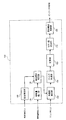
- the ECU 100 includes an oil supply detection unit 110, an injection amount detection unit 120, a detection start determination unit 130, an angular velocity detection unit 140, a filter processing unit 150, an integration unit 160, and a cetane number detection unit 170.
- the fuel injection control unit 180 is provided.
- the fuel supply detection unit 110 is an example of the “fuel supply detection unit” of the present invention, and fuel is supplied by a change in the remaining amount of fuel in the fuel tank 212 detected by the fuel amount sensor 217 (see FIG. 1). Detect that. The detection result in the fuel supply detection unit 110 is transmitted to the detection start determination unit 130.
- the injection amount detection unit 120 is an example of the “injection amount detection means” in the present invention, and detects the injection amount of the fuel injected from the injector 211 into the cylinder 201. The injection amount detected by the injection amount detection unit 120 is transmitted to the detection start determination unit 130.
- the detection start determination unit 130 is an example of the “determination unit” of the present invention, and starts the integration of the fuel injection amount detected by the injection amount detection unit 120 when the fuel supply detection unit 110 detects fuel supply.
- the detection start determination unit 130 determines to start the cetane number detection process based on the fuel injection amount integrated value after refueling. The start determination of the cetane number detection process by the detection start determination unit 130 will be described in detail later.
- the angular velocity detector 140 is an example of the “angular velocity detector” of the present invention, and based on the crank angle signal output from the crank position sensor 205 (see FIG. 1), the angular velocity of the crankshaft 204 (hereinafter referred to as “crank” as appropriate). (Referred to as “angular velocity”).
- crank the angular velocity of the crankshaft 204
- angular velocity the angular velocity detected by the angular velocity detector 140 is output to the filter processor 150.
- the filter processing unit 150 is an example of the “filter processing unit” of the present invention, and performs a filter process on the output value of the crank angular velocity detected by the angular velocity detection unit 140.
- the filter processing unit 150 can execute, for example, a process of extracting the rotational 0.5th order vibration of the engine 200 that is an index of combustion instability.
- the integrating unit 160 is an example of the “integrating unit” of the present invention, and calculates the integrated value by integrating the output values subjected to the filter processing in the filter processing unit 150 for a predetermined period (in other words, a predetermined number of times).
- the integrated value calculated by the integrating unit 160 is transmitted to the cetane number detecting unit 170.
- the cetane number detection unit 170 is an example of the “cetane number detection means” of the present invention, and detects the cetane number of the fuel using the integrated value calculated by the integration unit 160.
- the cetane number detected by the cetane number detection unit 170 may be a specific numerical value or a value indicating whether the cetane number is higher or lower than a predetermined reference value. A specific method for detecting the cetane number will be described in detail later.
- the fuel injection control unit 180 is an example of the “fuel injection control means” of the present invention, and performs fuel injection control in the engine 200 based on the cetane number detected by the cetane number detection unit 170. Specifically, the injection amount and the injection interval of the fuel injected from the injector 211 in the engine 200 are appropriately changed according to the detected cetane number.
- the ECU 100 configured to include each part described above is an electronic control unit configured integrally, and all the operations related to the above parts are configured to be executed by the ECU 100.
- the physical, mechanical, and electrical configurations of the above-described parts according to the present invention are not limited thereto.
- each of these parts includes various ECUs, various processing units, various controllers, microcomputer devices, and the like. It may be configured as a computer system or the like.
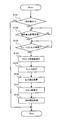
- FIG. 3 is a flowchart showing the operation of the control device for the internal combustion engine according to the embodiment.
- the fuel supply detection unit 110 determines whether or not fuel has been supplied to the fuel tank 212 (step S101).
- step S101: YES the detection start determination unit 130
- integration of the fuel injection amount from the injector 211 detected by the injection amount detection unit 120 is started.
- the detection start determination unit 130 determines whether or not the injection amount after refueling is equal to or greater than the volume of the delivery pipe 213 (step S102).
- step S102: YES cetane number detection processing for detecting the cetane number of the fuel is started.
- FIG. 4 is a graph showing the start timing of the cetane number detection process after refueling.
- the cetane number of the fuel hardly changes over time in the fuel tank 212, for example, and varies greatly when fuels having different cetane numbers are mixed. Therefore, if the cetane number is detected when refueling in which different fuels can be mixed is performed, fluctuations in the cetane number can be reliably detected.
- the refueled fuel is not immediately injected from the injector 211, but first, the fuel remaining in the delivery pipe 213 (that is, fuel whose fuel has not changed due to refueling) is injected. Therefore, when the cetane number detection process is started immediately after refueling, there is a possibility that fluctuations in the cetane number cannot be detected properly.
- the fuel injection amount is reset once when refueling is detected, and the cetane number is increased after the fuel injection amount after refueling exceeds the volume of the delivery pipe 213.
- the detection process is started. In this way, since the process is started at the timing when all the fuel remaining in the delivery pipe 213 is injected, the cetane number can be detected more suitably.
- the determination can be made more accurately by adding the volumes of the feed pump 214, the high-pressure pump 215, and the common rail 216 to the volume of the delivery pipe 213.
- the angular velocity detector 140 first detects the angular velocity of the crankshaft 204 (step S104).
- the output value of the crank angular velocity detected by the angular velocity detector 140 is subjected to filter processing in the filter processor 150 (step S105). Specifically, processing for extracting the rotational 0.5th order vibration of engine 200 is performed from the detected output value of the crank angular velocity.
- the output value after the filter process is integrated by the integrating unit 160, and the integrated value is calculated (step S106).
- the cetane number detection unit 170 detects the cetane number of the fuel using the integration value (step S107).
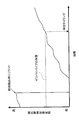
- FIG. 5 is a graph showing the fluctuation of the integrated value together with the first reference integrated value and the second reference integrated value.
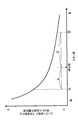
- FIG. 6 is a graph showing the cetane number detection process using the integrated value.
- the integration value calculated by the integration unit 160 increases as the number of integration increases, as indicated by the solid line in the figure.
- the cetane number detection unit 170 compares the calculated integrated value with the first reference integrated value and the second reference integrated value.
- the first reference integrated value is a value obtained as an integrated value when a fuel having a cetane number A set as a reference for a relatively low cetane number is used.
- the second reference integrated value is a value obtained as an integrated value when a fuel having a cetane number B set as a reference for a relatively high cetane number is used.
- the cetane number detection unit 170 determines the difference between the calculated integrated value and the first reference integrated value (hereinafter referred to as “first integrated value difference” as appropriate), and the calculated integrated value and the second integrated value. A difference from the reference integrated value (hereinafter referred to as “second integrated value difference” as appropriate) is calculated. Subsequently, the cetane number detection unit 170 calculates a ratio between the first integrated value difference and the second integrated value difference.
- first integrated value difference the first reference integrated value
- second integrated value difference A difference from the reference integrated value
- the cetane number detection unit 170 calculates a ratio between the first integrated value difference and the second integrated value difference.
- the ratio of the first integrated value difference and the second integrated value difference is a: b.
- the cetane number detection unit 170 has a map showing the correlation between the integrated value and the cetane number.
- the cetane number A corresponding to the first reference integrated value and the cetane number B corresponding to the first reference integrated value are respectively input.
- the cetane number detection unit 170 divides the cetane number A and cetane number B in the map by the above-mentioned ratio of the first integrated value difference and the second integrated value difference a: b, and determines the cetane number of the current fuel. Detect as.
- FIG. 7 is a graph showing the correlation between the engine rotation 0.5th order vibration and the cetane number.
- the number of samples of the crank angular speed for detecting the cetane number is increased, so that the influence of false detection, error, etc. can be reduced. it can. Therefore, the detection accuracy of the cetane number can be increased.
- the fuel injection control unit 180 performs fuel injection control based on the detected cetane number (step S108). For example, if the cetane number is detected as a relatively low value. Since it is considered that the ignitability of the fuel is deteriorated, the fuel injection control unit 180 performs the fuel injection control so as to improve the ignitability. Specifically, the engine 200 is controlled so as to shorten the fuel injection interval by the injector 211 or increase the fuel injection amount. According to such fuel injection control, the operating state of the engine 200 can be made appropriate according to the cetane number.
- cetane number detected by the cetane number detection unit 170 may be used for control other than fuel injection control. That is, the purpose of use of the detected cetane number is not particularly limited.
- the output value accumulated when performing the cetane number detection process using the crank angular velocity is used. For this reason, it is possible to reduce the deterioration in the accuracy of the output value due to the occurrence of erroneous detection or error. Therefore, it is possible to detect the cetane number of fuel consumption suitably.
- the present invention is not limited to the above-described embodiment, and can be appropriately changed without departing from the gist or concept of the invention that can be read from the claims and the entire specification.
- the control device is also included in the technical scope of the present invention.
Landscapes
- Engineering & Computer Science (AREA)
- Chemical & Material Sciences (AREA)
- Combustion & Propulsion (AREA)
- Mechanical Engineering (AREA)
- General Engineering & Computer Science (AREA)
- Oil, Petroleum & Natural Gas (AREA)
- Combined Controls Of Internal Combustion Engines (AREA)
Abstract
内燃機関の制御装置(100)は、内燃機関(200)に使用される燃料のセタン価を検出するセタン価検出処理を実行可能であり、内燃機関のクランク軸(204)の角速度を検出する角速度検出手段(140)と、検出された角速度の出力値に対してフィルタ処理を行うフィルタ処理手段(150)と、フィルタ処理が行われた出力値を所定期間積算して積算値を算出する積算手段(160)と、算出された積算値を、第1セタン価を有する燃料に対応する第1基準積算値、及び第1セタン価と異なる第2セタン価を有する燃料に対応する第2基準積算値と夫々比較することで、内燃機関に使用されている燃料のセタン価を検出するセタン価検出手段(170)とを備える。従って、極めて好適に燃料のセタン価を検出することができる。
Description
本発明は、例えば軽油を燃料として運転される内燃機関の制御装置の技術分野に関する。
この種の内燃機関に使用される軽油は、例えば製造工程や仕向等によって、セタン価にばらつきや低下が生じてしまう場合がある。内燃機関の燃料噴射制御は、例えば各国でのセタン価の基準値に基づいているため、セタン価がばらついたり低下したりすると、適正な燃料噴射制御が実施できなくなるおそれがある。
上述したような背景を踏まえ、例えば特許文献1では、内燃機関のクランク軸の角速度を用いてセタン価を検出しようとする技術が開示されている。また、クランク軸の角速度の検出精度を高めるための技術として、例えば特許文献2では、内燃機関の回転0.5次の周波数成分のノイズを除去するという技術が開示されている。
他方で、例えば特許文献3では、燃料噴射タイミングを変更させた場合のトルク変動に基づいて近似される3次曲線の変曲点からセタン価を検出するという技術が開示されている。また特許文献4では、燃料噴射弁から噴射された燃料のアルコール濃度を検出し、検出したアルコール濃度に応じて内燃機関の始動制御を行うという技術が開示されている。
上述した特許文献1で開示されているようなセタン価検出処理には、例えば特許文献2に記載されている内燃機関の回転0.5次振動を用いた方法を適用することが考えられる。即ち、検出された角速度から内燃機関の回転0.5次振動を抽出してセタン価を検出するという方法である。しかしながら、内燃機関の角速度を検出する場合には、少なからず誤検出や誤差等が発生してしまうおそれがある。この場合、仮に何らの対策も施さなければ、検出される角速度の精度が悪化し、結果的に誤ったセタン価が検出されてしまう。このように、上述した特許文献は、燃料のセタン価を正確に検出できない可能性が十分に残されているという技術的問題点を有している。
本発明は、上述した問題点に鑑みなされたものであり、内燃機関に使用されている燃料のセタン価を好適に検出することが可能な内燃機関の制御装置を提供することを課題とする。
本発明の内燃機関の制御装置は上記課題を解決するために、内燃機関に使用される燃料のセタン価を検出するセタン価検出処理を実行可能な内燃機関の制御装置であって、前記内燃機関のクランク軸の角速度を検出する角速度検出手段と、前記検出された角速度の出力値に対してフィルタ処理を行うフィルタ処理手段と、前記フィルタ処理が行われた出力値を所定期間積算して積算値を算出する積算手段と、前記算出された積算値を、第1セタン価を有する前記燃料に対応する第1基準積算値、及び前記第1セタン価と異なる第2セタン価を有する前記燃料に対応する第2基準積算値と夫々比較することで、前記内燃機関に使用されている燃料のセタン価を検出するセタン価検出手段とを備える。
本発明に係る内燃機関の制御装置は、例えば車両に搭載されたディーゼルエンジン等の内燃機関を制御する制御装置であって、例えば、一又は複数のCPU(Central Processing Unit)、MPU(Micro Processing Unit)、各種プロセッサ又は各種コントローラ、或いは更にROM(Read Only Memory)、RAM(Random Access Memory)、バッファメモリ又はフラッシュメモリ等の各種記憶手段等を適宜に含み得る、単体の或いは複数のECU(Electronic Controlled Unit)等の各種処理ユニット、各種コントローラ或いはマイコン装置等各種コンピュータシステム等の形態を採り得る。
本発明に係る内燃機関の制御装置では、内燃機関に使用されている燃料である軽油のセタン価を検出するセタン価検出処理が実行可能である。セタン価検出処理を実行する場合には、先ず角速度検出手段によって、内燃機関のクランク軸の角速度が検出される。クランク軸の角速度は、例えばクランクポジションセンサ等によって検出されるクランク角信号に基づいて検出できる。尚、角速度の検出は、検出精度を高めるためにも内燃機関の負荷が比較的高い状態で(例えば、フューエルカット期間中等に)実行されることが好ましい。
クランク軸の角速度が検出されると、フィルタ処理手段によって、検出された角速度の出力値に対するフィルタ処理が行われる。ここでのフィルタ処理は、後述するセタン価の検出をより好適に行うための処理であり、具体的には燃焼不安定性の指標となる内燃機関の回転0.5次振動の抽出処理等が挙げられる。
フィルタ処理が行われると、積算手段によって、積算フィルタ処理された出力値が所定期間積算され積算値が算出される。即ち、角速度検出手段によって検出される瞬間的な角速度に対応する出力値が、積算されることで所定期間に対応した値とされる。尚、ここでの「積算」とは、単純に出力値を足していくような計算であってもよいし、各種計数や他のパラメータ等を用いた比較的複雑な計算であってもよい。
積算値が算出されると、セタン価検出手段によって、積算値を用いたセタン価の検出が行われる。具体的には、積算手段によって算出された積算値が、第1セタン価を有する燃料に対応する第1基準積算値及び第2セタン価を有する燃料に対応する第2基準積算値と夫々比較されることでセタン価が検出される。尚、第1基準積算値は、第1セタン価を有する燃料を使用した場合に検出される角速度に上述したフィルタ処理を行い、更にフィルタ処理が行われた出力値を所定期間積算した値として、予め設定されている。同様に、第2基準積算値は、第2セタン価を有する燃料を使用した場合に検出される角速度に上述したフィルタ処理を行い、更にフィルタ処理が行われた出力値を所定期間積算した値として予め設定されている。
第1基準積算値及び第2基準積算値の各々に対応する第1セタン価及び第2セタン価は、互いに異なる値として設定されている。このため、積算値、第1基準積算値及び第2基準積算値の相関関係から、現在の燃料のセタン価、第1セタン価及び第2セタン価の相関関係が推定される。その結果、第1セタン価及び第2セタン価の値に基づいて、現在の燃料のセタン価を検出することが可能となる。ちなみに、セタン価検出手段によって検出されるセタン価は、具体的な数値であってもよいし、第1セタン価及び第2セタン価より高いか又は低いかを示す程度のものであってもよい。
本発明では特に、上述したように積算値を用いてセタン価が検出されるため、積算回数(即ち、所定期間)に応じてセタン価の検出精度が高められる。具体的には、セタン価を検出するための角速度のサンプル回数が増加されることになるため、誤検出や誤差等の影響を小さくすることができる。本発明では、積算を行う所定期間を長く設定すれば、その分検出精度を高めることができる。但し、セタン価検出処理の遅延等の不都合を防止するためにも、所定期間は長くなり過ぎないことが好ましい。
尚、積算値を用いたセタン価の検出には、第1基準積算値及び第2基準積算値の2つだけでなく、3つ以上の基準積算値(即ち、第3セタン価に対応する第3基準積算値や、第4セタン価に対応する第4基準積算値等)が設定されていてもよい。この場合、積算値の比較対象が増えてしまうため処理が複雑化してしまうが、その分セタン価の検出精度を向上させることができる。
以上説明したように、本発明に係る内燃機関の制御装置によれば、クランク角速度を用いたセタン価検出処理を行う場合に積算値が用いられる。このため、誤検出や誤差等の発生に起因する出力値の精度悪化を低減することができる。従って、好適に燃費のセタン価を検出することが可能である。
本発明の内燃機関の制御装置の一態様では、前記セタン価検出手段は、前記算出された積算値及び前記第1基準積算値の差と、前記算出された積算値及び前記第2基準積算値の差との比率に基づいて、前記内燃機関に使用されている燃料のセタン価を検出する。
この態様によれば、セタン価を検出する際に、先ず積算によって得られた積算値及び第1基準積算値の差と、積算によって得られた積算値及び第1基準積算値の差とが夫々算出される。そして、算出された2つの差の互いの比率に応じて現在の燃料のセタン価が検出される。このようにすれば、比較的簡単な処理で、極めて正確なセタン価を検出することが可能である。
本発明の内燃機関の制御装置の他の態様では、前記燃料を貯留する燃料タンクへの給油を検出する給油検出手段と、前記燃料を前記気筒へと噴射する燃料噴射手段による噴射量を検出する噴射量検出手段と、前記給油を検出した後の前記噴射量が、前記燃料タンク及び前記燃料噴射手段間を結ぶ燃料供給管の体積以上となった場合に、前記セタン価検出処理を実行すると判定する判定手段とを備える。
この態様によれば、例えば燃料残量センサ等である給油検出手段によって燃料タンクへの給油が検出されると、噴射量検出手段によって燃料噴射手段からの燃料の噴射量が検出される。そして、給油検出後の燃料の噴射量が燃料供給間の体積以上となった場合に、判定手段によってセタン価検出処理を実行すると判定される。これにより、クランク軸の角速度の検出、出力値のフィルタ処理、積算処理、及びセタン価の検出が行われることになる。
燃料のセタン価は、例えば燃料タンク内における時間経過等では殆ど変化せず、異なるセタン価を有する燃料が混合される場合に大きく変動する。よって、異なる燃料が混合され得る給油が行われた場合にセタン価を検出するようにすれば、セタン価の変動を確実に検出することができる。
しかしながら、給油直後においては給油された燃料は直ちに噴射されず、先ずは燃料供給管に残存していた燃料(即ち、給油によって燃料が変化していない燃料)が燃料噴射手段から噴射される。よって、仮に給油直後にセタン価検出処理を開始したとすると、セタン価の変動を適切に検出することができないおそれがある。
しかるに本態様では、給油後の燃料噴射量が燃料供給管の体積と以上となってからセタン価検出処理が開始されるため、給油前から燃料供給管に残存していた燃料が全て噴射されたタイミングで処理が開始される。よって、より好適にセタン価検出処理を行うことが可能となる。
本発明の内燃機関の制御装置の他の態様では、前記検出されたセタン価に基づいて、前記内燃機関における燃料噴射制御を行う燃料噴射制御部を備える。
この態様によれば、検出されたセタン価は、内燃機関における燃料噴射制御に用いられる。燃料噴射制御部は、例えば検出されたセタン価に基づいて燃料の噴射間隔や噴射量を変化させる。このようにセタン価に基づいた燃料噴射制御を行うことにより、例えばセタン価の低下に伴う着火性の悪化に起因する失火等が抑制され、好適な内燃機関の運転を実現することが可能となる。
尚、上述した燃料噴射制御に加えて、排気再循環(EGR:Exhaust Gas Recirculation)システムにおける循環排気量や、過給器における過給率等を制御するようにすれば、より好適な内燃機関の運転を実現することができる。
本発明の作用及び他の利得は次に説明する発明を実施するための形態から明らかにされる。
以下では、本発明の実施形態について図を参照しつつ説明する。
先ず、本実施形態に係るエンジンシステムの構成について、図1を参照して説明する。ここに、図1は、エンジンシステムの構成を概念的に表してなる概略構成図である。
図1において、エンジンシステム10は、図示せぬ車両に搭載され、ECU100及びエンジン200を備える。
ECU100は、CPU、ROM及びRAM等を備えたエンジン200の動作全体を制御する電子制御ユニットであり、本発明に係る「内燃機関の制御装置」の一例である。ECU100は、例えばROM等に格納された制御プログラムに従って各種制御を実行可能に構成されている。ECU100の具体的な構成については、後に詳述する。
エンジン200は、軽油を燃料とするディーゼルエンジンであり、本発明に係る「内燃機関」の一例である。エンジン200は、シリンダ201内において燃料を含む混合気が圧縮自着火した際に生じる爆発力に応じたピストン202の往復運動を、コネクションロッド203を介してクランクシャフト204の回転運動に変換することが可能に構成されている。
クランクシャフトは、本発明の「クランク軸」の一例であり、クランクシャフト204近傍には、クランクシャフト204の回転位置を検出するクランクポジションセンサ205が設置されている。クランクポジションセンサ205は、ECU100と電気的に接続されており、ECU100は、クランクポジションセンサ205によって検出されたクランクシャフト204の回転位置に基づいて、エンジン200の機関回転数NEを算出することが可能に構成されている。以下に、エンジン200の要部構成を、その動作の一部と共に説明する。
シリンダ201内における燃料の燃焼に際し、外部から吸入された空気は、図示せぬエアクリーナで浄化された後、吸気管206を通過し、吸気ポート209を介して吸気バルブ210の開弁時にシリンダ201内に吸入される。この際、シリンダ201内に吸入される吸入空気に係る吸入空気量は、図示せぬエアフローメータにより検出され、ECU100に電気信号として一定又は不定の出力タイミングで出力される構成となっている。
吸気管206には、吸入空気量を調節可能なスロットルバルブ207が配設されている。このスロットルバルブ207は、ECU100と電気的に接続されたスロットルバルブモータ208により、例えば、図示せぬアクセルペダルの操作量等に応じて電気的且つ機械的に駆動される構成となっている。尚、スロットルバルブ207の開閉状態を表すスロットル開度は、ECU100と電気的に接続された図示せぬスロットルポジションセンサにより検出され、ECU100に一定又は不定のタイミングで出力される構成となっている。
ここで特に、燃料は、燃料タンク212に貯留されている。この燃料タンク212には、燃料タンク212に貯留される燃料の量を表す燃料残量を検出可能なフロート式の燃料量センサ217が設置されている。燃料量センサ217は、ECU100と電気的に接続されており、検出された燃料量は、ECU100により、一定又は不定のタイミングで把握される構成となっている。
一方、燃料タンク212に貯留される燃料は、インジェクタ211によって、シリンダ201内の燃焼室に直接噴射される。インジェクタ211を介した燃料の噴射に際しては、先ず燃料タンク212に貯留された燃料が、フィードポンプ214の作用によりデリバリパイプ213を介して燃料タンク212から汲み出され、高圧ポンプ215へ供給される。
コモンレール216は、ECU100と電気的に接続され、上流側(即ち、高圧ポンプ215側)から供給される高圧燃料をECU100により設定される目標レール圧まで蓄積することが可能に構成された、高圧貯留手段である。尚、コモンレール216には、レール圧を検出することが可能なレール圧センサ及びレール圧が上限値を超えないように蓄積される燃料量を制限するプレッシャリミッタ等が配設されるが、ここではその図示を省略することとする。
エンジン200における上述したインジェクタ211は、シリンダ201毎に搭載されており、夫々が高圧デリバリを介してコモンレール216に接続されている。ここで、インジェクタ211の構成について補足すると、インジェクタ211は、ECU100の指令に基づいて作動する電磁弁と、この電磁弁への通電時に燃料を噴射するノズル(いずれも不図示)とを備える。当該電磁弁は、コモンレール216の高圧燃料が印加される圧力室と、当該圧力室に接続された低圧側の低圧通路との間の連通状態を制御することが可能に構成されており、通電時に当該加圧室と低圧通路とを連通させると共に、通電停止時に当該加圧室と低圧通路とを相互に遮断する。
一方、ノズルは、噴孔を開閉するニードルを内蔵し、圧力室の燃料圧力がニードルを閉弁方向(噴孔を閉じる方向)に付勢している。従って、電磁弁への通電により加圧室と低圧通路とが連通し、圧力室の燃料圧力が低下すると、ニードルがノズル内を上昇して開弁する(噴孔を開く)ことにより、コモンレール216より供給された高圧燃料を噴孔より噴射することが可能に構成される。また、電磁弁への通電停止により加圧室と低圧通路とが相互に遮断されて圧力室の燃料圧力が上昇すると、ニードルがノズル内を下降して閉弁することにより、噴射が終了する構成となっている。
このようにしてシリンダ201内に噴射された燃料は、吸気バルブ210を介して吸入された吸入空気と混合され、上述した混合気となる。この混合気は、圧縮工程において自着火して燃焼し、燃焼済みガスとして、或いは一部未燃の混合気として、吸気バルブ210の開閉に連動して開閉する排気バルブ218の開弁時に排気ポート219を介して排気管220に導かれる構成となっている。
また、排気管220には、DPF(Diesel Particulate Filter)221が設置されている。DPF221は、エンジン200から排出されるスート(煤)或いはスモーク、及びPM(Particulate Matter:粒子状物質)を捕集可能且つ浄化可能に構成されている。尚、説明の煩雑化を防ぐ目的から図示を省略するが、エンジン200には、上記したセンサ以外にも各種のセンサが配されており、例えば、エンジン200の冷却水温を検出する水温センサ、エンジン200のノッキングレベルを検出するノックセンサ、吸入空気の温度たる吸気温を検出する吸気温センサ及び吸入空気の圧力たる吸気圧を検出する吸気圧センサ等が夫々検出対象毎に最適な位置に設置されている。
次に、本実施形態に係る内燃機関の制御装置であるECU100の具体的な構成について、図2を参照して説明する。ここに図2は、ECUの構成を示すブロック図である。
図2において、ECU100は、給油検出部110と、噴射量検出部120と、検出開始判定部130と、角速度検出部140と、フィルタ処理部150と、積算部160と、セタン価検出部170と、燃料噴射制御部180とを備えて構成されている。
給油検出部110は、本発明の「給油検出手段」の一例であり、燃料量センサ217(図1参照)において検出される燃料タンク212内の燃料残量の変動によって、燃料の給油が行われたことを検出する。給油検出部110における検出結果は、検出開始判定部130に伝達される。
噴射量検出部120は、本発明の「噴射量検出手段」の一例であり、インジェクタ211から気筒201内部に噴射された燃料の噴射量を検出する。噴射量検出部120において検出された噴射量は、検出開始判定部130に伝達される。
検出開始判定部130は、本発明の「判定手段」の一例であり、給油検出部110において給油が検出された場合に、噴射量検出部120において検出された燃料噴射量の積算を開始する。検出開始判定部130は、給油後の燃料噴射量積算値に基づいてセタン価検出処理を開始するよう判定する。検出開始判定部130によるセタン価検出処理の開始判定については後に詳述する。
角速度検出部140は、本発明の「角速度検出手段」の一例であり、クランクポジションセンサ205(図1参照)から出力されるクランク角信号に基づいて、クランクシャフト204の角速度(以下、適宜「クランク角速度」と称する)を検出する。角速度検出部140において検出されたクランク角速度は、フィルタ処理部150に出力される。
フィルタ処理部150は、本発明の「フィルタ処理手段」の一例であり、角速度検出部140において検出されたクランク角速度の出力値に対しフィルタ処理を行う。フィルタ処理部150は、例えば燃焼不安定性の指標となるエンジン200の回転0.5次振動の抽出処理等を実行可能とされている。
積算部160は、本発明の「積算手段」の一例であり、フィルタ処理部150においてフィルタ処理が行われた出力値を所定期間(言い換えれば、所定回数)積算して積算値を算出する。積算部160において算出された積算値は、セタン価検出部170へと伝達される。
セタン価検出部170は、本発明の「セタン価検出手段」の一例であり、積算部160において算出された積算値用いて燃料のセタン価を検出する。セタン価検出部170において検出されるセタン価は、具体的な数値であってもよいし、所定の基準値より高いか又は低いかを示す程度のものであってもよい。具体的なセタン価の検出方法については後に詳述する。
燃料噴射制御部180は、本発明の「燃料噴射制御手段」の一例であり、セタン価検出部170において検出されたセタン価に基づいて、エンジン200における燃料噴射制御を行う。具体的には、エンジン200におけるインジェクタ211から噴射される燃料の噴射量や噴射間隔を、検出されたセタン価に応じて適宜変更する。
上述した各部位を含んで構成されたECU100は、一体的に構成された電子制御ユニットであり、上記各部位に係る動作は、全てECU100によって実行されるように構成されている。但し、本発明に係る上記部位の物理的、機械的及び電気的な構成はこれに限定されるものではなく、例えばこれら各部位は、複数のECU、各種処理ユニット、各種コントローラ或いはマイコン装置等各種コンピュータシステム等として構成されていてもよい。
次に、本実施形態に係る内燃機関の制御装置の動作について、図3を参照して説明する。ここに図3は、実施形態に係る内燃機関の制御装置の動作を示すフローチャートである。
図3において、本実施形態に係る内燃機関の制御装置の動作時には、先ず給油検出部110によって、燃料タンク212への燃料の給油が行われたか否かが判定される(ステップS101)。給油が検出されると(ステップS101:YES)、検出開始判定部130において、噴射量検出部120で検出されるインジェクタ211からの燃料噴射量の積算が開始される。そして、検出開始判定部130では、給油後の噴射量がデリバリパイプ213の体積以上になったか否かが判定される(ステップS102)。給油後の噴射量がデリバリパイプ213の体積以上になったと判定されると(ステップS102:YES)、燃料のセタン価を検出するセタン価検出処理が開始される。
以下では、上述したセタン価検出処理の開始判定について、図4を参照して詳細に説明する。ここに図4は、給油後におけるセタン価検出処理の開始タイミングを示すグラフである。
燃料のセタン価は、例えば燃料タンク212内における時間経過等では殆ど変化せず、異なるセタン価を有する燃料が混合される場合に大きく変動する。よって、異なる燃料が混合され得る給油が行われた場合にセタン価を検出するようにすれば、セタン価の変動を確実に検出することができる。
しかしながら、給油直後においては給油された燃料は直ちにインジェクタ211から噴射されず、先ずはデリバリパイプ213に残存していた燃料(即ち、給油によって燃料が変化していない燃料)が噴射される。よって、給油直後にセタン価検出処理を開始した場合、セタン価の変動を適切に検出することができないおそれがある。
ここで本実施形態では特に、図4に示すように、給油が検出された時点で燃料噴射量が一度リセットされ、給油後の燃料噴射量がデリバリパイプ213の体積以上になってから、セタン価検出処理が開始される。このようにすれば、デリバリパイプ213に残存していた燃料が全て噴射されたタイミングで処理が開始されるため、より好適にセタン価を検出することができる。尚、デリバリパイプ213の体積に、フィードポンプ214、高圧ポンプ215及びコモンレール216の体積を加えて判定を行えば、より正確に判定を行うことができる。
図3に戻り、セタン価検出処理においては、先ず角速度検出部140によって、クランクシャフト204の角速度が検出される(ステップS104)。角速度検出部140によって検出されたクランク角速度の出力値には、フィルタ処理部150においてフィルタ処理が行われる(ステップS105)。具体的には、検出されたクランク角速度の出力値から、エンジン200の回転0.5次振動を抽出する処理が行われる。
フィルタ処理が行われると、積算部160によってフィルタ処理後の出力値が積算され、積算値が算出される(ステップS106)。所定期間の積算が行われると、セタン価検出部170によって、積算値を用いた燃料のセタン価検出が行われる(ステップS107)。以下では、セタン価の検出方法について、図5及び図6を参照して具体的に説明する。ここに図5は、積算値の変動を第1基準積算値及び第2基準積算値と共に示すグラフである。また図6は、積算値を用いたセタン価検出処理を示すグラフである。
図5において、積算部160において算出される積算値は、図中の実線で示すように、積算回数が増加する程、その値が大きくなる。積算回数が予め設定された規定積算回数に達すると、セタン価検出部170は、算出された積算値と、第1基準積算値及び第2基準積算値とを互いに比較する。ここで、第1基準積算値は、比較的低いセタン価の基準として設定されたセタン価Aの燃料を使用した場合の積算値として求められた値である。また、第2基準積算値は、比較的高いセタン価の基準として設定されたセタン価Bの燃料を使用した場合の積算値として求められた値である。
セタン価検出部170は、具体的には、算出された積算値と第1基準積算値との差(以下、適宜「第1積算値差」と称する)、及び算出された積算値と第2基準積算値との差(以下、適宜「第2積算値差」と称する)を算出する。続いてセタン価検出部170は、第1積算値差及び第2積算値差の比率を算出する。以下では、図に示すように、第1積算値差及び第2積算値差の比率がa:bであるとして説明を進める。
図6において、セタン価検出部170は、積算値とセタン価との相関を示すマップを有している。このマップには、第1基準積算値に対応するセタン価A及び第基準積算値に対応するセタン価Bの値が夫々入力されている。セタン価検出部170は、マップ内のセタン価A及びセタン価B間を、上述した第1積算値差及び第2積算値差の比率a:bで分割した点を、現在の燃料のセタン価として検出する。即ち、第1積算値差及び第2積算値差の比率a:bを、セタン価Aと現在のセタン価との差及びセタン価Bと現在のセタン価との差の比率として適用することで、現在の燃料のセタン価を検出する。
ここで、上述したような積算値を用いずにセタン価を検出する比較例について、図7を参照して説明する。ここに図7は、エンジンの回転0.5次振動及びセタン価の相関を示すグラフである。
図7において、例えばエンジンの回転0.5次振動及びセタン価の相関を示すマップを用いて、フィルタ処理によって抽出された出力値から、そのまま(即ち、積算せずに)セタン価を検出しようとすると、クランク角速度の誤検出や誤差等の影響に起因して、誤ったセタン価が検出されてしまうおそれがある。即ち、積算値を用いずにセタン価を検出する場合には、クランク角速度が1回しかサンプリングされていないために、結果として得られるセタン価の精度も低下してしまう。
これに対し、上述した積算値を用いたセタン価検出処理では、セタン価を検出するためのクランク角速度のサンプル回数が増加されることになるため、誤検出や誤差等の影響を小さくすることができる。従って、セタン価の検出精度を高めることができる。
再び図3に戻り、燃料のセタン価が検出されると、燃料噴射制御部180によって、検出されたセタン価に基づいた燃料噴射制御が行われる(ステップS108)。例えば、セタン価が比較的低い値として検出された場合は。燃料の着火性が悪化していると考えられるため、燃料噴射制御部180は、着火性を改善するように燃料噴射制御を行う。具体的には、インジェクタ211による燃料噴射間隔を短くする、或いは燃料噴射量を増加させるようにエンジン200を制御する。このような燃料噴射制御によれば、エンジン200の運転状況をセタン価に応じて適切なものとすることができる。
尚、セタン価検出部170において検出されたセタン価は、燃料噴射制御以外の制御に用いられてもよい。即ち、検出されたセタン価の使用目的については特に限定されない。
以上説明したように、本実施形態に係る内燃機関の制御装置によれば、クランク角速度を用いたセタン価検出処理を行う場合に積算された出力値が用いられる。このため、誤検出や誤差等の発生に起因する出力値の精度悪化を低減することができる。従って、好適に燃費のセタン価を検出することが可能である。
本発明は、上述した実施形態に限られるものではなく、特許請求の範囲及び明細書全体から読み取れる発明の要旨或いは思想に反しない範囲で適宜変更可能であり、そのような変更を伴う内燃機関の制御装置もまた本発明の技術的範囲に含まれるものである。
100 ECU
110 給油検出部
120 噴射量検出部
130 検出開始判定部
140 角速度検出部
150 フィルタ処理部
160 積算部
170 セタン価検出部
180 燃料噴射制御部
200 エンジン
204 クランクシャフト
205 クランクポジションセンサ
211 インジェクタ
212 燃料タンク
217 燃料検出センサ
110 給油検出部
120 噴射量検出部
130 検出開始判定部
140 角速度検出部
150 フィルタ処理部
160 積算部
170 セタン価検出部
180 燃料噴射制御部
200 エンジン
204 クランクシャフト
205 クランクポジションセンサ
211 インジェクタ
212 燃料タンク
217 燃料検出センサ
Claims (4)
- 内燃機関に使用される燃料のセタン価を検出するセタン価検出処理を実行可能な内燃機関の制御装置であって、
前記内燃機関のクランク軸の角速度を検出する角速度検出手段と、
前記検出された角速度の出力値に対してフィルタ処理を行うフィルタ処理手段と、
前記フィルタ処理が行われた出力値を所定期間積算して積算値を算出する積算手段と、
前記算出された積算値を、第1セタン価を有する前記燃料に対応する第1基準積算値、及び前記第1セタン価と異なる第2セタン価を有する前記燃料に対応する第2基準積算値と夫々比較することで、前記内燃機関に使用されている燃料のセタン価を検出するセタン価検出手段と
を備えることを特徴とする内燃機関の制御装置。 - 前記セタン価検出手段は、前記算出された積算値及び前記第1基準積算値の差と、前記算出された積算値及び前記第2基準積算値の差との比率に基づいて、前記内燃機関に使用されている燃料のセタン価を検出することを特徴とする請求の範囲第1項に記載の内燃機関の制御装置。
- 前記燃料を貯留する燃料タンクへの給油を検出する給油検出手段と、
前記燃料を前記気筒へと噴射する燃料噴射手段による噴射量を検出する噴射量検出手段と、
前記給油を検出した後の前記噴射量が、前記燃料タンク及び前記燃料噴射手段間を結ぶ燃料供給管の体積以上となった場合に、前記セタン価検出処理を実行すると判定する判定手段と
を備えることを特徴とする請求の範囲第1項に記載の内燃機関の制御装置。 - 前記検出されたセタン価に基づいて、前記内燃機関における燃料噴射制御を行う燃料噴射制御手段を備えることを特徴とする請求の範囲第1項に記載の内燃機関の制御装置。
Priority Applications (1)
| Application Number | Priority Date | Filing Date | Title |
|---|---|---|---|
| PCT/JP2011/064544 WO2012176331A1 (ja) | 2011-06-24 | 2011-06-24 | 内燃機関の制御装置 |
Applications Claiming Priority (1)
| Application Number | Priority Date | Filing Date | Title |
|---|---|---|---|
| PCT/JP2011/064544 WO2012176331A1 (ja) | 2011-06-24 | 2011-06-24 | 内燃機関の制御装置 |
Publications (1)
| Publication Number | Publication Date |
|---|---|
| WO2012176331A1 true WO2012176331A1 (ja) | 2012-12-27 |
Family
ID=47422204
Family Applications (1)
| Application Number | Title | Priority Date | Filing Date |
|---|---|---|---|
| PCT/JP2011/064544 Ceased WO2012176331A1 (ja) | 2011-06-24 | 2011-06-24 | 内燃機関の制御装置 |
Country Status (1)
| Country | Link |
|---|---|
| WO (1) | WO2012176331A1 (ja) |
Cited By (1)
| Publication number | Priority date | Publication date | Assignee | Title |
|---|---|---|---|---|
| US11536627B2 (en) * | 2018-08-03 | 2022-12-27 | Fanuc Corporation | Abnormality monitoring device, abnormality monitoring method, and control device |
Citations (4)
| Publication number | Priority date | Publication date | Assignee | Title |
|---|---|---|---|---|
| JP2003286890A (ja) * | 2002-03-26 | 2003-10-10 | Mazda Motor Corp | エンジンの制御装置 |
| JP3494516B2 (ja) * | 1995-11-28 | 2004-02-09 | 株式会社日立ユニシアオートモティブ | 内燃機関の燃料性状検出装置 |
| JP2009062874A (ja) * | 2007-09-06 | 2009-03-26 | Toyota Motor Corp | 内燃機関の制御装置 |
| WO2010125688A1 (ja) * | 2009-05-01 | 2010-11-04 | トヨタ自動車株式会社 | 燃料性状判別装置 |
-
2011
- 2011-06-24 WO PCT/JP2011/064544 patent/WO2012176331A1/ja not_active Ceased
Patent Citations (4)
| Publication number | Priority date | Publication date | Assignee | Title |
|---|---|---|---|---|
| JP3494516B2 (ja) * | 1995-11-28 | 2004-02-09 | 株式会社日立ユニシアオートモティブ | 内燃機関の燃料性状検出装置 |
| JP2003286890A (ja) * | 2002-03-26 | 2003-10-10 | Mazda Motor Corp | エンジンの制御装置 |
| JP2009062874A (ja) * | 2007-09-06 | 2009-03-26 | Toyota Motor Corp | 内燃機関の制御装置 |
| WO2010125688A1 (ja) * | 2009-05-01 | 2010-11-04 | トヨタ自動車株式会社 | 燃料性状判別装置 |
Cited By (1)
| Publication number | Priority date | Publication date | Assignee | Title |
|---|---|---|---|---|
| US11536627B2 (en) * | 2018-08-03 | 2022-12-27 | Fanuc Corporation | Abnormality monitoring device, abnormality monitoring method, and control device |
Similar Documents
| Publication | Publication Date | Title |
|---|---|---|
| RU2608787C2 (ru) | Способ управления двигателем в ответ на преждевременное воспламенение (варианты) | |
| US8042517B2 (en) | Fuel property detector for internal combustion engine | |
| US20100030453A1 (en) | Cetane Number Detection Means and Engine Having the Cetane Number Detection Means | |
| CN105264206A (zh) | 内燃机的控制装置 | |
| JP2010127257A (ja) | セタン価判定装置 | |
| JP5850140B2 (ja) | 内燃機関の制御装置 | |
| JP2009203918A (ja) | ガソリンエンジンの運転制御方法 | |
| JP2011085081A (ja) | エンジンの失火判定方法 | |
| US9453471B2 (en) | Control device and control method for internal combustion engine | |
| JP5273310B2 (ja) | 内燃機関の制御装置 | |
| WO2012176331A1 (ja) | 内燃機関の制御装置 | |
| JP5741285B2 (ja) | 内燃機関の制御装置 | |
| JP5712819B2 (ja) | 内燃機関の制御装置 | |
| JP2013231372A (ja) | 内燃機関の制御装置 | |
| JP5182646B2 (ja) | 筒内圧センサの感度劣化判定装置 | |
| JP5626140B2 (ja) | 内燃機関の制御装置 | |
| JP4470794B2 (ja) | エンジンの始動時噴射制御装置 | |
| JP2010275909A (ja) | 内燃機関の制御装置 | |
| JP2014074337A (ja) | 内燃機関の制御装置 | |
| JP2010019115A (ja) | ディーゼル機関の燃料のアンチノック性指標値検出装置 | |
| JP2016191344A (ja) | 過給機付き内燃機関の制御装置 | |
| JP2010209741A (ja) | セタン価検出装置 | |
| JP2013181518A (ja) | 悪路判定装置 | |
| JP2013007302A (ja) | 内燃機関の制御装置 | |
| JP6473390B2 (ja) | エンジン |
Legal Events
| Date | Code | Title | Description |
|---|---|---|---|
| 121 | Ep: the epo has been informed by wipo that ep was designated in this application |
Ref document number: 11868288 Country of ref document: EP Kind code of ref document: A1 |
|
| NENP | Non-entry into the national phase |
Ref country code: DE |
|
| NENP | Non-entry into the national phase |
Ref country code: JP |
|
| 122 | Ep: pct application non-entry in european phase |
Ref document number: 11868288 Country of ref document: EP Kind code of ref document: A1 |