WO2014178196A1 - Anticorps monoclonal reconnaissant une chaîne de sucre à sialylation - Google Patents
Anticorps monoclonal reconnaissant une chaîne de sucre à sialylation Download PDFInfo
- Publication number
- WO2014178196A1 WO2014178196A1 PCT/JP2014/002402 JP2014002402W WO2014178196A1 WO 2014178196 A1 WO2014178196 A1 WO 2014178196A1 JP 2014002402 W JP2014002402 W JP 2014002402W WO 2014178196 A1 WO2014178196 A1 WO 2014178196A1
- Authority
- WO
- WIPO (PCT)
- Prior art keywords
- cdw75
- antibody
- sugar chain
- monoclonal antibody
- siaα2
- Prior art date
- Legal status (The legal status is an assumption and is not a legal conclusion. Google has not performed a legal analysis and makes no representation as to the accuracy of the status listed.)
- Ceased
Links
Images

Classifications
-
- C—CHEMISTRY; METALLURGY
- C07—ORGANIC CHEMISTRY
- C07K—PEPTIDES
- C07K16/00—Immunoglobulins [IG], e.g. monoclonal or polyclonal antibodies
- C07K16/40—Immunoglobulins [IG], e.g. monoclonal or polyclonal antibodies against enzymes
-
- A—HUMAN NECESSITIES
- A61—MEDICAL OR VETERINARY SCIENCE; HYGIENE
- A61P—SPECIFIC THERAPEUTIC ACTIVITY OF CHEMICAL COMPOUNDS OR MEDICINAL PREPARATIONS
- A61P31/00—Antiinfectives, i.e. antibiotics, antiseptics, chemotherapeutics
- A61P31/12—Antivirals
- A61P31/14—Antivirals for RNA viruses
- A61P31/16—Antivirals for RNA viruses for influenza or rhinoviruses
-
- A—HUMAN NECESSITIES
- A61—MEDICAL OR VETERINARY SCIENCE; HYGIENE
- A61P—SPECIFIC THERAPEUTIC ACTIVITY OF CHEMICAL COMPOUNDS OR MEDICINAL PREPARATIONS
- A61P35/00—Antineoplastic agents
-
- A—HUMAN NECESSITIES
- A61—MEDICAL OR VETERINARY SCIENCE; HYGIENE
- A61P—SPECIFIC THERAPEUTIC ACTIVITY OF CHEMICAL COMPOUNDS OR MEDICINAL PREPARATIONS
- A61P35/00—Antineoplastic agents
- A61P35/02—Antineoplastic agents specific for leukemia
-
- C—CHEMISTRY; METALLURGY
- C07—ORGANIC CHEMISTRY
- C07K—PEPTIDES
- C07K16/00—Immunoglobulins [IG], e.g. monoclonal or polyclonal antibodies
- C07K16/18—Immunoglobulins [IG], e.g. monoclonal or polyclonal antibodies against material from animals or humans
- C07K16/28—Immunoglobulins [IG], e.g. monoclonal or polyclonal antibodies against material from animals or humans against receptors, cell surface antigens or cell surface determinants
- C07K16/2896—Immunoglobulins [IG], e.g. monoclonal or polyclonal antibodies against material from animals or humans against receptors, cell surface antigens or cell surface determinants against molecules with a "CD"-designation, not provided for elsewhere
-
- C—CHEMISTRY; METALLURGY
- C12—BIOCHEMISTRY; BEER; SPIRITS; WINE; VINEGAR; MICROBIOLOGY; ENZYMOLOGY; MUTATION OR GENETIC ENGINEERING
- C12N—MICROORGANISMS OR ENZYMES; COMPOSITIONS THEREOF; PROPAGATING, PRESERVING, OR MAINTAINING MICROORGANISMS; MUTATION OR GENETIC ENGINEERING; CULTURE MEDIA
- C12N9/00—Enzymes; Proenzymes; Compositions thereof; Processes for preparing, activating, inhibiting, separating or purifying enzymes
- C12N9/10—Transferases (2.)
- C12N9/1048—Glycosyltransferases (2.4)
- C12N9/1081—Glycosyltransferases (2.4) transferring other glycosyl groups (2.4.99)
-
- G—PHYSICS
- G01—MEASURING; TESTING
- G01N—INVESTIGATING OR ANALYSING MATERIALS BY DETERMINING THEIR CHEMICAL OR PHYSICAL PROPERTIES
- G01N33/00—Investigating or analysing materials by specific methods not covered by groups G01N1/00 - G01N31/00
- G01N33/48—Biological material, e.g. blood, urine; Haemocytometers
- G01N33/50—Chemical analysis of biological material, e.g. blood, urine; Testing involving biospecific ligand binding methods; Immunological testing
- G01N33/53—Immunoassay; Biospecific binding assay; Materials therefor
- G01N33/575—Immunoassay; Biospecific binding assay; Materials therefor for cancer
- G01N33/5753—Immunoassay; Biospecific binding assay; Materials therefor for cancer of the stomach or small intestine
-
- G—PHYSICS
- G01—MEASURING; TESTING
- G01N—INVESTIGATING OR ANALYSING MATERIALS BY DETERMINING THEIR CHEMICAL OR PHYSICAL PROPERTIES
- G01N33/00—Investigating or analysing materials by specific methods not covered by groups G01N1/00 - G01N31/00
- G01N33/48—Biological material, e.g. blood, urine; Haemocytometers
- G01N33/50—Chemical analysis of biological material, e.g. blood, urine; Testing involving biospecific ligand binding methods; Immunological testing
- G01N33/53—Immunoassay; Biospecific binding assay; Materials therefor
- G01N33/575—Immunoassay; Biospecific binding assay; Materials therefor for cancer
- G01N33/57535—Immunoassay; Biospecific binding assay; Materials therefor for cancer of the large intestine, e.g. colon, rectum or anus
-
- G—PHYSICS
- G01—MEASURING; TESTING
- G01N—INVESTIGATING OR ANALYSING MATERIALS BY DETERMINING THEIR CHEMICAL OR PHYSICAL PROPERTIES
- G01N33/00—Investigating or analysing materials by specific methods not covered by groups G01N1/00 - G01N31/00
- G01N33/48—Biological material, e.g. blood, urine; Haemocytometers
- G01N33/50—Chemical analysis of biological material, e.g. blood, urine; Testing involving biospecific ligand binding methods; Immunological testing
- G01N33/53—Immunoassay; Biospecific binding assay; Materials therefor
- G01N33/575—Immunoassay; Biospecific binding assay; Materials therefor for cancer
- G01N33/5758—Immunoassay; Biospecific binding assay; Materials therefor for cancer involving compounds serving as markers for tumours, cancers or neoplasias, e.g. cellular determinants, receptors, heat shock/stress proteins, A-protein, oligosaccharides or metabolites
- G01N33/5759—Immunoassay; Biospecific binding assay; Materials therefor for cancer involving compounds serving as markers for tumours, cancers or neoplasias, e.g. cellular determinants, receptors, heat shock/stress proteins, A-protein, oligosaccharides or metabolites involving compounds localised on the membrane of tumour or cancer cells
-
- C—CHEMISTRY; METALLURGY
- C07—ORGANIC CHEMISTRY
- C07K—PEPTIDES
- C07K2317/00—Immunoglobulins specific features
- C07K2317/10—Immunoglobulins specific features characterized by their source of isolation or production
- C07K2317/14—Specific host cells or culture conditions, e.g. components, pH or temperature
-
- C—CHEMISTRY; METALLURGY
- C07—ORGANIC CHEMISTRY
- C07K—PEPTIDES
- C07K2317/00—Immunoglobulins specific features
- C07K2317/30—Immunoglobulins specific features characterized by aspects of specificity or valency
-
- C—CHEMISTRY; METALLURGY
- C07—ORGANIC CHEMISTRY
- C07K—PEPTIDES
- C07K2317/00—Immunoglobulins specific features
- C07K2317/90—Immunoglobulins specific features characterized by (pharmaco)kinetic aspects or by stability of the immunoglobulin
- C07K2317/92—Affinity (KD), association rate (Ka), dissociation rate (Kd) or EC50 value
-
- C—CHEMISTRY; METALLURGY
- C12—BIOCHEMISTRY; BEER; SPIRITS; WINE; VINEGAR; MICROBIOLOGY; ENZYMOLOGY; MUTATION OR GENETIC ENGINEERING
- C12Y—ENZYMES
- C12Y204/00—Glycosyltransferases (2.4)
- C12Y204/99—Glycosyltransferases (2.4) transferring other glycosyl groups (2.4.99)
- C12Y204/99001—Beta-galactoside alpha-2,6-sialyltransferase (2.4.99.1)
-
- G—PHYSICS
- G01—MEASURING; TESTING
- G01N—INVESTIGATING OR ANALYSING MATERIALS BY DETERMINING THEIR CHEMICAL OR PHYSICAL PROPERTIES
- G01N2333/00—Assays involving biological materials from specific organisms or of a specific nature
- G01N2333/90—Enzymes; Proenzymes
- G01N2333/91—Transferases (2.)
- G01N2333/91091—Glycosyltransferases (2.4)
- G01N2333/91148—Glycosyltransferases (2.4) transferring other glycosyl groups (2.4.99)
-
- G—PHYSICS
- G01—MEASURING; TESTING
- G01N—INVESTIGATING OR ANALYSING MATERIALS BY DETERMINING THEIR CHEMICAL OR PHYSICAL PROPERTIES
- G01N2440/00—Post-translational modifications [PTMs] in chemical analysis of biological material
- G01N2440/38—Post-translational modifications [PTMs] in chemical analysis of biological material addition of carbohydrates, e.g. glycosylation, glycation
Definitions
- the present invention relates to a high-affinity monoclonal antibody that specifically recognizes “6′-Sialyl-LacNAc (Sia ⁇ 2,6Gal ⁇ 1,4GlcNAc): CDw75” of a sialyl sugar chain, and detection of gastric cancer or colorectal cancer using the monoclonal antibody
- the present invention relates to a diagnostic and therapeutic composition, a preventive and therapeutic composition for influenza, and the like.
- the present invention also relates to a kit for analyzing a sugar chain by ELISA or Western blot using the monoclonal antibody.
- Mammalian cells express sugar chains with characteristic structures, reflecting cell types, development / differentiation stages, pathological conditions, and the like.
- Sugar chains are present in the cell surface layer and serum in the form of glycoproteins and glycolipids, and their properties are being studied for effective use as biomarkers like proteins and nucleic acids.
- sugar chains have an important function in vivo, and research on the function is also being advanced.
- sialylated sugar chains “Sia ⁇ 2,6Gal” or “Sia ⁇ 2,3Gal” are sugar chains that are widely present on the surface of lymphocytes involved in immune responses. It is used as an index of failure (Patent Document 1).
- the sugar chain structure represented by “6'-Sialyl-LacNAc (Sia ⁇ 2,6Gal ⁇ 1,4GlcNAc)” is also called “CDw75” and is expressed in mammalian cells. It is a structure found in glycoproteins and glycolipids. This sugar chain structure is known by human influenza virus as an infection receptor (Non-patent Document 1), as a cell surface marker for B-cell tumors (Non-patent Document 2), and for gastric cancer and colon cancer. It has been identified as an epitope of a novel tumor marker (CDw75) that correlates with malignancy (Non-patent Document 3).
- CDw75 is an antigen defined as a cell surface antigen that is commonly recognized by four types of monoclonal antibodies obtained by immunizing lymphocytes (Non-patent Document 4), and is used for mature B cells and T cells in peripheral blood. It is expressed in part.
- Non-patent Document 3 a sugar chain antigen represented by Sia ⁇ 2,6Gal ⁇ 1,4GlcNAc was identified as a partial epitope recognized by these four types of antibodies in common, and it became clear that this was the entity of CDw75 (Non-patent Document 3).
- these four types of antibodies have different specificities. Each antibody is considered to recognize a different biomolecule having CDw75, including CDw75 and the region in the vicinity thereof in the epitope.
- the most widely used antibody is the LN-1 monoclonal antibody, which is also commercially available (Santacruz Biotechnology), but its use due to insufficient affinity and specificity for CDw75.
- Non-patent Document 3 Is limited to immunohistochemical examination.
- an oligosaccharide chain is used as an antigen
- an immune system that recognizes a sugar chain in the body of a mammal has not been sufficiently developed, so that it is generally difficult to produce an antibody that recognizes the oligosaccharide chain itself as an epitope.
- glycans derived from microorganisms are relatively easily recognized, it is known that it is difficult to produce antibodies that recognize sugar chain antigens of mammalian glycoproteins, especially oligosaccharide chain antigens contained in N-linked sugar chains.
- Non-patent document 5 Non-patent document 6
- CDw75 obtained by a method of inducing immunity using phosphatidylethanolamine as a carrier compound and a compound in which an oligosaccharide chain containing CDw75 is reductively bound to its amino group as an immunogen A monoclonal antibody (Non-patent Document 6) has been reported.
- the affinity and specificity of the obtained CDw75 monoclonal antibody is not sufficient, and it is not practical.
- the CDw75 sugar chain has a high expectation as a diagnostic agent and as a molecular target for treatment, but to date, it has affinity and specificity for CDw75 itself as an epitope. There are no highly practical antibodies. From such circumstances, development of a practical antibody capable of directly and accurately detecting CDw75 is desired.
- a sugar chain epitope “Sia ⁇ 2,6Gal ⁇ 1,4GlcNAc (6′-Sialyl-LacNAc): CDw75” which is a molecular target for tumor malignancy diagnosis, malignant tumor treatment, influenza treatment, etc.
- a monoclonal antibody applicable to the Western blot method which is a general-purpose method for protein analysis, is provided.
- the present invention also provides a diagnostic method and diagnostic kit for B cell tumor, gastric cancer or colon cancer using the monoclonal antibody, and a screening method for a tumor therapeutic agent with high malignancy.
- the inventors have succeeded in developing a carrier compound capable of enhancing the immunogenicity of an arbitrary oligosaccharide chain.
- the target oligosaccharide chain and the developed carrier compound are used.
- the immunity-inducing agent is developed and a patent application is filed on the same date.
- the immunity induction method was applied to the target oligosaccharide chain “6′-Sialyl-LacNAc (Sia ⁇ 2,6Gal ⁇ 1,4GlcNAc): CDw75”, and a monoclonal antibody was produced as usual.
- the target oligosaccharide chain (6'-Sialyl-LacNAc) is recognized as an epitope, but LacNAc (Gal ⁇ 1,4GlcNAc), which is the precursor, and the sugar chain present in the mammalian body are the most structured.
- 3'-Sialyl-LacNAc (Sia ⁇ 2,3Gal ⁇ 1,4GlcNAc) and 6'-Sialyllactose (Sia ⁇ 2,6Gal ⁇ 1,4Glc), which are similar to each other, can be selected for hybridoma cells producing highly specific monoclonal antibodies. It was. In addition, it was confirmed that the affinity was very high in view of the dissociation constant for glycoprotein (Fetuin) modified with CDw75.
- the present invention includes the following inventions.
- the sugar chain structure CDw75 represented by Sia ⁇ 2,6Gal ⁇ 1,4GlcNAc is recognized, but the sugar chain structure represented by Gal ⁇ 1,4GlcNAc, Sia ⁇ 2,3Gal ⁇ 1,4GlcNAc and 6'-Sialyllactose (Sia ⁇ 2,6Gal ⁇ 1,4Glc) Unrecognized anti-CDw75 monoclonal antibody or fragment thereof.
- a composition comprising the anti-CDw75 monoclonal antibody or fragment thereof according to any one of [1] to [3] above and a pharmaceutically acceptable carrier.
- the composition according to [4] above which is used for the suppression and / or treatment of B cell tumor, gastric cancer or colon cancer.
- the composition according to [4] wherein the composition is for preventing and / or treating influenza.
- the composition according to [4] wherein the composition is for detection and / or diagnosis for a B cell tumor, stomach cancer, or colon cancer.
- [8] A method for detecting and / or quantifying the carbohydrate antigen CDw75, which comprises using the anti-CDw75 monoclonal antibody or a fragment thereof according to any one of [1] to [3].
- a kit for determining morbidity and / or tumor malignancy of gastric cancer or colorectal cancer comprising the anti-CDw75 monoclonal antibody or fragment thereof according to any one of [1] to [3] as an active ingredient.
- a method for purifying a compound having a sugar chain antigen CDw75 which comprises using the anti-CDw75 monoclonal antibody or a fragment thereof according to any one of [1] to [3].
- a method for isolating a cell having a sugar chain antigen CDw75 which comprises using the anti-CDw75 monoclonal antibody or a fragment thereof according to any one of [1] to [3].
- a hybridoma FR9 accession number NITE BP-015166 that produces an anti-CDw75 monoclonal antibody.
- the monoclonal antibody obtained in the present invention has a strict epitope recognition specificity for the “CDw75” sugar chain structure, and its affinity is extremely high. Therefore, the monoclonal antibody is a B cell tumor, It becomes an effective tool for diagnosing gastric cancer and colorectal cancer, and can also be used effectively for screening high-grade tumor therapeutic agents. Furthermore, at that time, not only is it used for detection and analysis at the cell and tissue level, but also flow cytometry and immunohistochemistry, as well as Western blotting, which is widely used for protein analysis, and at the protein molecule level. It can also be used in analysis.
- the Western blot method is a simple analysis method capable of separating and detecting proteins by molecular weight and isoelectric point, and can easily determine the presence of the sugar chain epitope in the protein to be analyzed.
- the monoclonal antibody of the present invention recognizes the epitope of the “CDw75” sugar chain structure, any substance containing the oligosaccharide chain can be detected regardless of whether it is a glycolipid or a glycoprotein. .
- sandwich ELISA and immunochromatography which are the basic technologies of diagnostic agents, more sensitive detection is possible.
- Affinity to epitope of developed monoclonal antibody FR9 A: Regarding affinity to epitope of FR9 antibody, ELISA method and Scatchard plot of dissociation constant (Kd value) using glycoprotein (Fetuin) containing CDw75 sugar chain as antigen Determined.
- the x-axis is the amount of antigen-antibody complex (Ag-Ab) divided by the total amount of antibody (Abt) (Ag-Ab / Abt), and the y-axis is (Ag-Ab / Abt) as the total amount of free antigen (Agf).
- the divided value (Ag-Ab / Abt ⁇ Agf) is plotted.
- the Kd value (8.86 ⁇ 10 ⁇ 7 M) was calculated from the value.
- B About the affinity with respect to the epitope of FR9 antibody, the detection sensitivity was measured by ELISA which used the glycoprotein (Fetuin: white circle) containing CDw75 sugar chain and the immunogen (CDw75-C12L) as an antigen.
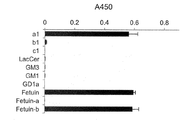
- Specificity analysis of the developed monoclonal antibody FR9 by ELISA The antigen recognition specificity of the FR9 antibody was analyzed by ELISA using various sugar chain antigen compounds shown in Table 1.
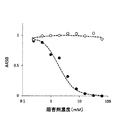
- Specificity analysis of monoclonal antibody FR9 by competitive inhibition assay The affinity of FR9 antibody for sialyl lactose (Sia ⁇ 2,6Gal ⁇ 1,4Glc) was analyzed by competitive inhibition assay. Sialyl lactose (open circle) or CDw75 oligosaccharide chain (filled circle) was added as a competitor, and the effect was evaluated by ELISA. The x-axis shows the concentration of the added competitor, and the y-axis shows the amount of FR9 antibody bound.
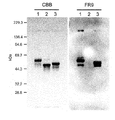
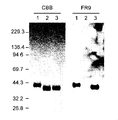
- Specificity analysis of monoclonal antibody FR9 by Western blot-2 Applicability of FR9 antibody to Western blot was evaluated.
- the left figure shows a CBB-stained image of the ⁇ 1-acid glycoprotein (AGP) used, and the right figure shows its Western blot image.
- AGP ⁇ 1-acid glycoprotein
- Detection of CDw75 expressed on the surface of cancer cells B cell tumor cells
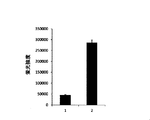
- B cell tumor cells Using FR9 antibody, CDw75 expressed on the cell surface of B cell tumor cells (Burkitt lymphoma cell line: Raji cell) was detected.
- Target oligosaccharide chain “CDw75” of the present invention is: It is represented by the following general formula (1) of “6′-Sialyl-LacNAc (Sia ⁇ 2,6Gal ⁇ 1,4GlcNAc)”.
- CDw75 is a type of sialylated sugar chain that is expressed in mammalian cells, and serves as a tumor marker (CDw75) that serves as a diagnostic index for determining the malignancy of B-cell tumors, gastric cancers, and colon cancers, and malignant tumor treatment It is attracting attention as a molecular target.
- a sugar donor derived from N-acetyl-glucosamine for example, 3,4,6-tri-O-acetyl-2-deoxy-2- (4,5-dichlorophthalimide) -D-glucopyranosyl bromide
- 2-Azidoalkyl alcohol CH 3 (CH 2 ) 9 CH (N 3 ) CH 2 OH as a receptor is coupled by glycosylation, followed by hydroxy group deprotection, side chain azide group reduction, etc.
- a glucosamine derivative GlcNAc-CH 2 CH (NH 2 ) (CH 2 ) 9 CH 3 having an amino group.
- This compound was subjected to an enzymatic reaction using ⁇ 1,4-galactosyltransferase and ⁇ 2,6-sialyltransferase to induce sialyltrisaccharide, and then the side chain amino group and fatty acid (lignoceric acid) were condensed by an amidation reaction. Then, CDw75-C12L is synthesized.
- the monoclonal antibody of the present invention refers to a monoclonal antibody obtained by immunization using a glycolipid antigen in which a “CDw75” sugar chain and a carrier lipid (C12L) are bound.
- the monoclonal antibody of the present invention is an antibody that recognizes only the “CDw75” sugar chain structure as a sugar chain epitope, and has extremely high specificity and affinity. Therefore, not the whole antibody but a fragment thereof (for example, Fab or F (ab ') Even 2 fragments) works well. Therefore, when referring to the monoclonal antibody of the present invention, it also means a functional fragment having “CDw75” sugar chain recognition ability.
- the monoclonal antibody of the present invention may be a human antibody or a human antibody. If the human antibody is, for example, a mouse-human chimeric antibody, an antibody gene is isolated from a mouse cell that produces the monoclonal antibody of the present invention, and its H chain constant region is recombined with a human immunoglobulin H chain constant region gene, It can be prepared by introducing into mouse myeloma cells. In addition, human antibodies can be prepared by immunizing a mouse whose immune system has been replaced with a human with a glycolipid antigen in which a “CDw75” sugar chain and a carrier lipid (C12L) are bound.
- C12L carrier lipid
- the monoclonal antibody of the present invention can be expressed as follows. Recognize the sugar chain structure of “CDw75 (Sia ⁇ 2,6Gal ⁇ 1,4GlcNAc)”, “LacNAc (Gal ⁇ 1,4GlcNAc)”, “3'-Sialyl-LacNAc (Sia ⁇ 2,3Gal ⁇ 1,4GlcNAc)”, and “6'-Sialyllactose ( Anti-CDw75 monoclonal antibody that does not recognize the sugar chain structure of Sia ⁇ 2,6Gal ⁇ 1,4Glc).
- the anti-CDw75 monoclonal antibody of the present invention may be used by binding to any protein, lipid, sugar, glycoprotein, glycolipid or other compound capable of binding oligosaccharides, cells or substrates, or an immobilization carrier.
- substrate refers to a substrate widely used for sugar chain arrays or beads for purification, and polystyrene, PVDF, glass and the like are used.
- the beads may be magnetic beads.
- the substrate surface is preferably treated so as to have a high affinity for molecules having both hydrophobic and hydrophilic properties.
- the “immobilization carrier” is preferably a gel material such as agarose, dextran, cellulose, starch, or polyacrylamide that can be used as an affinity column.
- a liposome method in which liposomes prepared by dissolving in lipids such as cholesterol and phospholipid together with adjuvant (Lipid-A) are injected intravenously (Brodin et al .; Eur. J. Immunol., 16, 951-956, 1986 Etc.) are preferably used.
- the dose of fused sugar chain antigen per animal is 0.05 to 0.2 mg using an adjuvant.
- Salmonella minnesota strain R595 treated with acid, complete Freund's adjuvant, or the like can be used, but a liposome method containing Lipid-A is preferred. At that time, booster immunization can also be performed.
- Immunization is performed mainly by injecting intravenously, subcutaneously or intraperitoneally.
- the immunization interval is not particularly limited, and immunization is performed 1 to 10 times, preferably 3 to 6 times at intervals of several days to several weeks, preferably 2 to 5 weeks.
- antibody-producing cells are collected 1 to 7 days, preferably 2 to 3 days after the last immunization day.
- Examples of antibody-producing cells include spleen cells, lymph node cells, peripheral blood cells, etc., but spleen cells or local lymph node cells are preferred.
- the ELISA method or Western blot method can be applied to the selection of “CDw75” sugar chain antibody-producing hybridoma.
- the antibody titer in the culture supernatant is preferably evaluated by an ELISA method, and hybridomas are selected using the antibody titer as an index.
- the antibody titer is evaluated, for example, as the activity of peroxidase which is a labeling enzyme of the anti-mouse immunoglobulin antibody used as the secondary antibody.
- TMB is used as the chromogenic substrate for peroxidase, and the intensity of absorbance at 450 nm after adding 2N sulfuric acid after the reaction is evaluated.
- a monoclonal antibody-producing hybridoma cell that recognizes glycoprotein (Fetuin) containing glycolipid antigen “CDw75-C12L” and CDw75 (6′-Sialyl-LacNAc) sugar chain structure as an immunogen was selected.
- Monoclonal antibody-producing hybridoma that has no reactivity to the sugar chain structure of "3'-Sialyl-LacNAc” that is most similar to the target oligosaccharide chain among the sugar chains existing in the body and "LacNAc” Sort out.
- the hybridoma FR9 producing the monoclonal antibody FR9 having the highest specificity and affinity is dated January 21, 2013. Deposited at the NITE Patent Microorganisms Deposit Center and given “Accession Number: NITE P-1516” on March 13, 2013, then transferred to International Deposit as “NITE BP-01516” on April 15, 2014 ing.
- the monoclonal antibody FR9 can be easily obtained from the hybridoma by an ordinary cell culture method or ascites formation method.
- glycolipid antigen "CDw75-C12L” and glycoprotein (Fetuin) containing CDw75 (6'-Sialyl-LacNAc) sugar chain structure as immunogen, but the precursor "LacNAc” and in the mammalian body Among the existing sugar chains, the sugar chain structure of “3′-Sialyl-LacNAc” whose structure is closest to the target oligosaccharide chain is not recognized even in the form of glycolipid and glycoprotein. Furthermore, the oligosaccharide chain “6′-Sialyllactose (Sia ⁇ 2,6Gal ⁇ 1,4Glc)” having a similar structure is not recognized. In the Example of this invention, it confirmed with the following method.
- CerA represents a ceramide analogue (HOCH 2 CH (NH—CO— (CH 2 ) 16 —CH 3 ) — (CH 2 ) 9 —CH 3 ), and each sugar chain is reduced via a hydroxyl group. It is attached to the end. Cer is a ceramide (natural body), and LacCer, GM3, GM1, and GD1a are natural glycolipids each having a sugar chain bound to ceramide.
- R represents the basic structure of Fetuin (Fetuin sugar chain and core protein part constituting the reducing side of the sugar chain structure shown in the table).
- the glycoprotein Fetuin contains “3'-Sialyl-LacNAc (Sia ⁇ 2,3Gal ⁇ 1,4GlcNAc)” as a sugar chain structure together with “CDw75 (Sia ⁇ 2,6Gal ⁇ 1,4GlcNAc)”, so that the obvious antibody titer against Fetuin and sialidase Absence of antibody titer against Fetuin (Fetuin-a) from which sialic acid was removed by digestion, and antibody against Fetuin (Fetuin-b) from which "3'-Sialyl-LacNAc" structure was selectively removed with ⁇ 2,3 sialidase By confirming that the titer did not change, the selective recognition specificity of the anti- "CDw75" antibody for CDw75 was confirmed.
- the anti-CDw75 antibody (FR9 antibody) of the present invention has the same reactivity as that of Fetuin even when the CDw75 sugar chain is contained in a glycoprotein other than Fetuin glycoprotein, and the reactivity was confirmed by Western blot analysis using AGP glycoprotein (FIG. 5).
- AGP glycoprotein contains “3w-Sialyl-LacNAc” (Sia ⁇ 2,3Gal ⁇ 1,4GlcNAc) as well as “CDw75 (Sia ⁇ 2,6Gal ⁇ 1,4GlcNAc)” as a sugar chain structure like Fetuin glycoprotein.
- the observed antibody titer is absent from AGP (AGP-a) from which sialic acid has been removed, and selectively from AGP (AGP-b) from which “3'-Sialyl-LacNAc” structure has been removed. Confirmed that the antibody titer did not change.
- Table 2 shows the main sugar chain structures of AGP, AGP-a, and AGP-b.
- R represents the basic structure of AGP (AGP sugar chain and core protein part constituting the reducing side of the sugar chain structure shown in the table).
- the calculated Kd value is 8.86 ⁇ 10 ⁇ 7 M, and the Kd value of antibodies and lectins that bind to sugar chains is generally 1 ⁇ 10 ⁇ 3 to 1 ⁇ 10 ⁇ 6 M.
- the anti-CDw75 antibody has a strong affinity.
- the Kd value of the commercially available LN-1 antibody was also calculated by the same method, but the antibody reaction of LN-1 with glycolipid and glycoprotein containing CDw75 as an antigen was below the detection limit in ELISA (Fig. Not shown). Further, it was measured how much antigen the prepared antibody could be detected by ELISA using a plate in which Fetuin and CDw75-C12L were serially diluted and immobilized (FIG. 1B).
- CDw75 sugar chains are expressed as cell surface antigens in the form of glycoproteins and glycolipids, and cell surface antigens are molecular targets for cell diagnosis and malignant tumors. It becomes. It was confirmed by cell fluorescence staining that the FR9 antibody reacted with CDw75 on the cell surface. After incubating high-grade B-cell tumor cells expressing CDw75 (Rakit cells of Burkitt lymphoma) with FR9 antibody, the antibody reaction was labeled with a fluorescently labeled secondary antibody and detected with a fluorescence detector (FIG. 6). ). A clear increase in fluorescence was detected as compared with the negative control to which no FR9 antibody was added, indicating that the FR9 antibody reacts with CDw75 on the surface of Raji cells.
- the anti- "CDw75” monoclonal antibody of the present invention is an advanced B cell tumor, It can be used as an antibody drug targeting the sugar chain antigen “CDw75” (Non-patent Document 3) that is highly expressed on the surface of gastric cancer and / or colorectal cancer cells. That is, it is used as an active ingredient of a pharmaceutical composition for suppressing and / or treating B cell tumor, gastric cancer or colon cancer.
- the anti- “CDw75” monoclonal antibody of the present invention can be used as an antibody drug targeting an influenza virus infection receptor, and can be used as an active ingredient of a pharmaceutical composition for the prevention and / or treatment of influenza. it can.
- the anti- "CDw75" monoclonal antibody of the present invention is used as an antibody pharmaceutical composition for gastric cancer or colon cancer, cyclophosphamide, fluorouracil, doxylfluridine, paclitaxel, levofolinate, methotrexate, irinotecan, cisplatin, It may be used as a conjugate to which an anticancer agent such as carboplatin or oxaliplatin is bound. Furthermore, it can be used in combination with other anticancer agents for gastric cancer or colon cancer.
- the pharmaceutical composition of the present invention includes a pharmaceutically acceptable carrier (excipient, diluent, stabilizer, preservative, buffer, emulsifier or other agent as necessary). Additives) and the like can be appropriately contained.
- a pharmaceutically acceptable carrier excipient, diluent, stabilizer, preservative, buffer, emulsifier or other agent as necessary. Additives) and the like can be appropriately contained.
- the dose depends on the symptom of the patient, age and body weight, administration method and the like, and the weight of the antibody as the active ingredient is usually in the range of about 10 ng to about 100 mg / kg body weight.
- an injection is preferable.
- an enzyme immunoassay such as a sandwich ELISA, a radioimmunoassay (RIA), immunochromatography, or Western blotting can be used.
- EIA enzyme immunoassay
- the anti- “CDw75” monoclonal antibody of the present invention can be used in a detection method, determination method, or malignancy diagnosis method for B cell tumors, gastric cancer or colon cancer, and a detection kit, determination for the same. It can be used as a diagnostic kit or a diagnostic kit. In that case, a pharmaceutically acceptable carrier, excipient, diluent and the like can be appropriately contained as necessary.
- the monoclonal antibody of the present invention is contacted with a sample derived from a subject, and the abundance of the “CDw75” sugar chain epitope in the sample is measured.
- a calibration curve should be drawn based on the measured value of the amount of “CDw75” sugar chain epitope from samples of gastric cancer or colon cancer patients of known malignancy and gastric ulcer or benign tumor samples and / or normal samples in advance. More accurate determination is possible. Furthermore, the detection accuracy can be increased by using a known monoclonal antibody or lectin for detecting a stomach cancer or colon cancer marker.
- CDw75 sugar chain-containing compound or “CDw75” sugar chain antigen on the cell surface
- Anti- “CDw75” monoclonal antibody is adsorbed using antibody-binding proteins such as protein A and protein G, and beads (magnetic beads) bound via cross-linkers such as water-soluble carbodiimide (WSC) and glutaraldehyde. Also good.
- WSC water-soluble carbodiimide
- the obtained intermediate compound was subjected to an enzymatic reaction using ⁇ 1,4-galactosyltransferase according to the following reaction formula (2), and the sugar chain was elongated to produce LacNAc-CH 2 CH (NH 2 ) (CH 2 ) 9 This was converted to CH 3 and further subjected to an enzymatic reaction using ⁇ 2,6-sialyltransferase to induce sialyl trisaccharide.
- the side chain amino group of 6′-Sialyl-LacNAc—CH 2 CH (NH 2 ) (CH 2 ) 9 CH 3 and lignoceric acid are condensed by an amidation reaction, and represented by the following general formula (2): CDw75-C12L "was synthesized.
- the immunity-inducing agent was immunized subcutaneously 4 times at 2-week intervals, and immunized intraperitoneally 2 weeks later, and then spleen cells were collected 3 days later, and hybridoma cells were prepared by cell fusion with the myeloma cell Sp1 strain.
- 0.05 ml of the culture supernatant of hybridoma cells cultured on 8 96-well plates so that the number of colonies is 1 / well (total of 768 wells) is collected, and the antibody titer is measured using an absorbance of 0.1 nm or higher at 450 nm by ELISA as an index.
- the monoclonal antibodies obtained from these hybridomas are all anti-CDw75 monoclonal antibodies having high specificity for the “CDw75” sugar chain structure, and are the anti-CDw75 monoclonal antibodies of the present invention.
- “Hybridoma FR9” which produces the anti-CDw75 monoclonal antibody with the highest antibody titer, specificity and affinity, was deposited with the NITE Patent Microorganism Deposit Center on January 21, 2013. After being given the deposit number “NITE P-1516” on March 13, 2013, it was transferred to the international deposit as “NITE BP-01516” on April 15, 2014.
- FR9 antibody a monoclonal antibody contained in the culture supernatant of FR9 cells.
- Kd value a dissociation constant
- the Kd value was 8.86 ⁇ 10 ⁇ 7 M. Since the Kd value of antibodies or lectins that bind to sugar chains is generally 1 ⁇ 10 ⁇ 3 to 1 ⁇ 10 ⁇ 6 M, the developed antibody has a strong affinity for CDw75 sugar chains (FIG. 1A). .
- the sugar chain structure recognition specificity of the anti-CDw75 antibody was also evaluated by the same method, but it was below the detection limit for any of the above antigens and recognized for the CDw75 sugar chain structure itself.
- the antibody itself had a low ability (not shown).
- the binding reaction between the FR9 antibody and the Fetuin glycoprotein is inhibited in a concentration-dependent manner when CDw75 oligosaccharide chain is added as a competitor, but 6'-Sialyllactose IV is added even if 100 times the amount of CDw75 is added.
- the reaction was not inhibited.
- This result indicates that the FR9 antibody does not react with 6'-Sialyllactose, which is very similar in structure to CDw75. Therefore, it can be seen that the developed antibody has high specificity for the CDw75 sugar chain.
- the AGP glycoprotein contains “CDw75 (Sia ⁇ 2,6Gal ⁇ 1,4GlcNAc)” and “3′-Sialyl-LacNAc (Sia ⁇ 2,3Gal ⁇ 1,4GlcNAc)” as a sugar chain structure as in the Fetuin glycoprotein (Table 2).
- AGP glycoprotein AGP (AGP-a) which selectively removed CDw75 structure from AGP by sialidase digestion
- AGP which selectively removed "3'-Sialyl-LacNAc" structure by ⁇ 2,3 sialidase digestion
- the FR9 antibody of the present invention was allowed to act on each of (AGP-b).
- the FR9 antibody detects AGP glycoprotein and does not react with the CDw75 sugar chain that has been lost by enzymatic reaction, whereas the AGP glycoprotein that has selectively lost the 3'-Sialyl-LacNAc sugar chain It reacted in the same way as untreated Fetuin (FIG. 5).
- the anti-CDw75 antibody of the present invention can detect any glycoprotein containing CDw75, and can detect the CDw75 sugar chain with high specificity and detection sensitivity even when applied to Western blotting. It was confirmed that the antibody was versatile.
- the anti-CDw75 antibody of the present invention is a highly specific antibody that recognizes the sugar chain structure CDw75 represented by Sia ⁇ 2,6Gal ⁇ 1,4GlcNAc very strictly, and expressed by cross-reactivity, “Sia ⁇ 2,6Gal ⁇ 1, An anti-CDw75 monoclonal antibody that recognizes the sugar chain structure represented by 4GlcNAc and does not recognize the sugar chain structure represented by Gal ⁇ 1,4GlcNAc, Sia ⁇ 2,3Gal ⁇ 1,4GlcNAc and 6'-Sialyllactose (Sia ⁇ 2,6Gal ⁇ 1,4Glc) It can be expressed as being.
- Non-patent document 6 Comparison with the monoclonal antibody recognizing the CDw75 sugar chain antigen described in the prior art document (Non-patent document 6) The anti-CDw75 sugar chain antigen is also recognized in the prior art document (Non-patent document 6). Since a monoclonal antibody (241-5-2 antibody) has been obtained, its specificity and affinity are compared with the results of the FR9 antibody of the present invention. According to the description in Non-Patent Document 6, although the obtained 241-5-2 antibody reacts with a Fetuin glycoprotein containing a CDw75 sugar chain, the epitope recognized by the 241-5-2 antibody is CDw75 saccharide.
- the FR9 antibody of the present invention is an antibody that recognizes even the fine structure of the CDw75 sugar chain, including not only the Sia ⁇ 2,6 structure but also the GlcNAc structure at the reducing end, including “6'-Sialyl-LacNAc (Sia ⁇ 2,6Gal ⁇ 1,4GlcNAc ) "Is the epitope. It has the strict epitope recognition specificity that GlcNAc does not react with Glc (FIG. 4), and it can be said that extremely high specificity was achieved compared with the existing antibody.
- the FR9 antibody of the present invention can be detected even with a trace amount of Fetuin (about 15 ng) (FIG. 1B). In view of this, it can be said that the FR9 antibody of the present invention achieved a detection sensitivity 3000 times higher than that of the 241-5-2 antibody of Non-Patent Document 6 with respect to the affinity for the CDw75 sugar chain antigen. .
- antibody drugs for influenza In addition to antibody drugs for influenza, antibody drugs for B cell tumors, advanced gastric cancer, colorectal cancer, and diagnostic agents, they can be used in basic analysis reagents, sugar chain analysis systems such as sugar chain arrays, and pathology analysis kits. .
Landscapes
- Health & Medical Sciences (AREA)
- Life Sciences & Earth Sciences (AREA)
- Chemical & Material Sciences (AREA)
- Immunology (AREA)
- Engineering & Computer Science (AREA)
- Molecular Biology (AREA)
- Organic Chemistry (AREA)
- General Health & Medical Sciences (AREA)
- Medicinal Chemistry (AREA)
- Biomedical Technology (AREA)
- Hematology (AREA)
- Biochemistry (AREA)
- Urology & Nephrology (AREA)
- Genetics & Genomics (AREA)
- Microbiology (AREA)
- Biotechnology (AREA)
- Cell Biology (AREA)
- Pathology (AREA)
- General Physics & Mathematics (AREA)
- Analytical Chemistry (AREA)
- Physics & Mathematics (AREA)
- Food Science & Technology (AREA)
- Zoology (AREA)
- Bioinformatics & Cheminformatics (AREA)
- Wood Science & Technology (AREA)
- Biophysics (AREA)
- Proteomics, Peptides & Aminoacids (AREA)
- Chemical Kinetics & Catalysis (AREA)
- Nuclear Medicine, Radiotherapy & Molecular Imaging (AREA)
- Veterinary Medicine (AREA)
- Virology (AREA)
- General Chemical & Material Sciences (AREA)
- Public Health (AREA)
- Pharmacology & Pharmacy (AREA)
- Animal Behavior & Ethology (AREA)
- Oncology (AREA)
- General Engineering & Computer Science (AREA)
- Communicable Diseases (AREA)
- Pulmonology (AREA)
- Peptides Or Proteins (AREA)
Abstract
Priority Applications (3)
| Application Number | Priority Date | Filing Date | Title |
|---|---|---|---|
| JP2015514757A JP6172687B2 (ja) | 2013-05-02 | 2014-05-02 | シアリル化糖鎖を認識するモノクローナル抗体 |
| US14/888,147 US9796785B2 (en) | 2013-05-02 | 2014-05-02 | Monoclonal antibody recognizing sialylated sugar chains |
| EP14792262.9A EP2993184B1 (fr) | 2013-05-02 | 2014-05-02 | Anticorps monoclonal reconnaissant une chaîne de sucre à sialylation |
Applications Claiming Priority (2)
| Application Number | Priority Date | Filing Date | Title |
|---|---|---|---|
| JP2013096866 | 2013-05-02 | ||
| JP2013-096866 | 2013-05-02 |
Publications (1)
| Publication Number | Publication Date |
|---|---|
| WO2014178196A1 true WO2014178196A1 (fr) | 2014-11-06 |
Family
ID=51843336
Family Applications (1)
| Application Number | Title | Priority Date | Filing Date |
|---|---|---|---|
| PCT/JP2014/002402 Ceased WO2014178196A1 (fr) | 2013-05-02 | 2014-05-02 | Anticorps monoclonal reconnaissant une chaîne de sucre à sialylation |
Country Status (4)
| Country | Link |
|---|---|
| US (1) | US9796785B2 (fr) |
| EP (1) | EP2993184B1 (fr) |
| JP (1) | JP6172687B2 (fr) |
| WO (1) | WO2014178196A1 (fr) |
Families Citing this family (5)
| Publication number | Priority date | Publication date | Assignee | Title |
|---|---|---|---|---|
| PT110526B (pt) | 2018-01-26 | 2021-02-04 | Univ Nova De Lisboa | Anticorpo, fragmento funcional ou sonda do mesmo contra antigénios tumorais |
| CN108753733B (zh) * | 2018-04-11 | 2022-03-25 | 南京泰斯德生物科技有限公司 | 杂交瘤细胞株及其产生的抗糖基单克隆抗体以及制备方法与制剂 |
| US12319749B2 (en) | 2019-02-01 | 2025-06-03 | Sumitomo Chemical Company, Limited | Antibody and functional fragment thereof |
| CN110763849B (zh) * | 2019-11-28 | 2023-03-31 | 陕西医药控股医药研究院有限公司 | ELISA检测唾液样品中SAα2-3Gal糖链含量的方法 |
| WO2022195797A1 (fr) | 2021-03-18 | 2022-09-22 | 国立大学法人弘前大学 | ANTICORPS MONOCLONAL SE LIANT DE MANIÈRE SPÉCIFIQUE À UNE CHAÎNE DE SUCRE DANS LAQUELLE UN RÉSIDU D'ACIDE SIALIQUE TERMINAL EST LIÉ AU GALACTOSE AVEC UNE LIAISON α2,6 ET PROCÉDÉ DE MESURE D'UNE CHAÎNE DE SUCRE DANS LAQUELLE UN RÉSIDU D'ACIDE SIALIQUE TERMINAL EST LIÉ AU GALACTOSE AVEC UNE LIAISON α2,6 |
Citations (1)
| Publication number | Priority date | Publication date | Assignee | Title |
|---|---|---|---|---|
| JP2002528037A (ja) | 1997-05-30 | 2002-08-27 | サイテル コーポレイション | グリコシルトランスフェラーゼの活性を調節することによる免疫応答の制御 |
-
2014
- 2014-05-02 US US14/888,147 patent/US9796785B2/en not_active Expired - Fee Related
- 2014-05-02 JP JP2015514757A patent/JP6172687B2/ja active Active
- 2014-05-02 WO PCT/JP2014/002402 patent/WO2014178196A1/fr not_active Ceased
- 2014-05-02 EP EP14792262.9A patent/EP2993184B1/fr not_active Not-in-force
Patent Citations (1)
| Publication number | Priority date | Publication date | Assignee | Title |
|---|---|---|---|---|
| JP2002528037A (ja) | 1997-05-30 | 2002-08-27 | サイテル コーポレイション | グリコシルトランスフェラーゼの活性を調節することによる免疫応答の制御 |
Non-Patent Citations (13)
| Title |
|---|
| BAST B.J. ET AL.: "The HB-6, CDw75, and CD 76 differentiation antigens are unique cell - surface carbohydrate determinants generated by the beta-galactoside alpha 2,6- sialyltransferase.", J. CELL. BIOL., vol. 116, no. 2, 1992, pages 423 - 435, XP055294443 * |
| BAST BJ. ET AL., J. CELL BIOL., vol. 116, 1992, pages 423 - 435 |
| BRODIN, EUR. J. IMMUNOL., vol. 16, 1986, pages 951 - 956 |
| COSTA-NOGUEIRA C. ET AL., BMC CANCER., vol. 9, 2009, pages 431 |
| COSTA-NOGUEIRA C. ET AL.: "Synthesis and expression of CDw75 antigen in human colorectal cancer.", BMC CANCER, vol. 9, 2009, XP021066998 * |
| FRIGUET B. ET AL., J. IMMUNOL. METHODS, vol. 77, 1985, pages 305 - 319 |
| GUY K.; ANDREW JM., IMMUNOLOGY, vol. 74, 1991, pages 206 - 214 |
| MURAKAMI D. ET AL., ARCH. BIOCHEM. BIOPHYS., vol. 477, 2008, pages 299 - 304 |
| MURAKAMI D. ET AL.: "Convenient preparation and characterization of a monoclonal a ntibody for the N-linked sugar chain of a glycoprotein using a microbial endoglycosidase.", ARCH. BIOCHEM. BIOPHYS., vol. 477, no. 2, 2008, pages 299 - 304, XP024521354 * |
| OZAWA H. ET AL., ARCH. BIOCHEM. BIOPHYS., vol. 342, 1997, pages 48 - 57 |
| SHEPHERD P.; DEAN C.: "Monoclonal Antibodies", 2000, OXFORD UNIVERSITY PRESS |
| SHIMIZU H. ET AL., BIOSCI. BIOTECH. BIOCHEM., vol. 60, 1996, pages 73 - 76 |
| SUZUKI Y., BIOL. PHARM. BULL., vol. 28, 2005, pages 399 - 408 |
Also Published As
| Publication number | Publication date |
|---|---|
| JP6172687B2 (ja) | 2017-08-02 |
| EP2993184B1 (fr) | 2019-03-13 |
| US20160068611A1 (en) | 2016-03-10 |
| US9796785B2 (en) | 2017-10-24 |
| EP2993184A4 (fr) | 2017-02-22 |
| EP2993184A1 (fr) | 2016-03-09 |
| JPWO2014178196A1 (ja) | 2017-02-23 |
Similar Documents
| Publication | Publication Date | Title |
|---|---|---|
| EP2680004B1 (fr) | Procédés pour la détection du cancer | |
| Gornik et al. | Glycosylation of serum proteins in inflammatory diseases | |
| Oyelaran et al. | Profiling human serum antibodies with a carbohydrate antigen microarray | |
| CN102712923B (zh) | 抗IgA1抗体 | |
| US10239950B2 (en) | Anti-MUC1 antibody or antigen-binding fragment thereof and uses thereof | |
| US10307471B2 (en) | Immunity inducer for saccharide antigens | |
| JP6172687B2 (ja) | シアリル化糖鎖を認識するモノクローナル抗体 | |
| US20140274768A1 (en) | Glycoforms of MUC5AC and Endorepellin and Biomarkers for Mucinous Pancreatic Cysts | |
| EP3361251A1 (fr) | Procédé de détection de cellules cancéreuses, réactif pour introduire une substance dans des cellules cancéreuses et composition pour traiter le cancer | |
| EP3832306B1 (fr) | PROCÉDÉ D'ANALYSE IMMUNOLOGIQUE DE (1->3)-ß-D-GLUCANE DANS UN ÉCHANTILLON BIOLOGIQUE, KIT POUR L'ANALYSE DE (1->3)-ß-D-GLUCANE, ET SOLUTION DE PRÉTRAITEMENT ALCALINE POUR ÉCHANTILLON BIOLOGIQUE DESTINÉ À ÊTRE UTILISÉ DANS LE PROCÉDÉ D'ANALYSE IMMUNOLOGIQUE DE (1->3)-ß-D-GLUCANE | |
| Gomes et al. | Recognition of galactose-deficient O-glycans in the hinge region of IgA1 by N-acetylgalactosamine-specific snail lectins: a comparative binding study | |
| JP5054426B2 (ja) | 抗β−1,3−グルカン・モノクローナル抗体 | |
| JP2020501521A (ja) | サブチラーゼサイトトキシンbサブユニット変異体 | |
| EP4556909A1 (fr) | Procédé in vitro de détection du cancer | |
| Obukhova et al. | Anti-GalNAcα (anti-Tn) antibody repertoire differs between individuals with blood groups A and B | |
| Wua et al. | Further characterization of the binding properties of two monoclonal antibodies recognizing human Tn red blood cells | |
| JP2018155613A (ja) | 抗体の糖鎖検出法 | |
| WO2022202953A1 (fr) | Anticorps ou fragment de celui-ci, et son procédé d'utilisation | |
| Balouz et al. | Conjugates of α-d-Gal p-(1→ 3)-β-d-Gal p for the serological diagnosis of Chagas disease | |
| JP5536765B2 (ja) | 部分糖鎖エピトープを用いた、病原性ナイセリア属細菌感染の検出方法およびそれら細菌に対するワクチン | |
| De Bisscop | Investigation of Neu5Gc Tumour Antigens in Pancreatic Cancer | |
| JP5182684B2 (ja) | カルボキシエチルアルギニンに対する抗体 | |
| Melkonyan et al. | Diagnosis of multiple myeloma using enzyme immunoassay for detection of antibodies to N-acetyl glucosamine on microparticles | |
| Rittenhouse-Olson | Carbohydrate as unique struc tures for disease diagnosis | |
| WO2012077737A1 (fr) | Anticorps polyclonal anti-psk, méthode d'analyse immunologique de psk l'utilisant, et kit d'analyse immunologique de psk |
Legal Events
| Date | Code | Title | Description |
|---|---|---|---|
| 121 | Ep: the epo has been informed by wipo that ep was designated in this application |
Ref document number: 14792262 Country of ref document: EP Kind code of ref document: A1 |
|
| ENP | Entry into the national phase |
Ref document number: 2015514757 Country of ref document: JP Kind code of ref document: A |
|
| WWE | Wipo information: entry into national phase |
Ref document number: 14888147 Country of ref document: US |
|
| NENP | Non-entry into the national phase |
Ref country code: DE |
|
| WWE | Wipo information: entry into national phase |
Ref document number: 2014792262 Country of ref document: EP |