WO2015016392A1 - Nouveau gène responsable de la sclérose latérale amyotrophique - Google Patents
Nouveau gène responsable de la sclérose latérale amyotrophique Download PDFInfo
- Publication number
- WO2015016392A1 WO2015016392A1 PCT/JP2014/070960 JP2014070960W WO2015016392A1 WO 2015016392 A1 WO2015016392 A1 WO 2015016392A1 JP 2014070960 W JP2014070960 W JP 2014070960W WO 2015016392 A1 WO2015016392 A1 WO 2015016392A1
- Authority
- WO
- WIPO (PCT)
- Prior art keywords
- erbb4
- mutation
- als
- present
- base
- Prior art date
- Legal status (The legal status is an assumption and is not a legal conclusion. Google has not performed a legal analysis and makes no representation as to the accuracy of the status listed.)
- Ceased
Links
Images




Classifications
-
- C—CHEMISTRY; METALLURGY
- C12—BIOCHEMISTRY; BEER; SPIRITS; WINE; VINEGAR; MICROBIOLOGY; ENZYMOLOGY; MUTATION OR GENETIC ENGINEERING
- C12Q—MEASURING OR TESTING PROCESSES INVOLVING ENZYMES, NUCLEIC ACIDS OR MICROORGANISMS; COMPOSITIONS OR TEST PAPERS THEREFOR; PROCESSES OF PREPARING SUCH COMPOSITIONS; CONDITION-RESPONSIVE CONTROL IN MICROBIOLOGICAL OR ENZYMOLOGICAL PROCESSES
- C12Q1/00—Measuring or testing processes involving enzymes, nucleic acids or microorganisms; Compositions therefor; Processes of preparing such compositions
- C12Q1/68—Measuring or testing processes involving enzymes, nucleic acids or microorganisms; Compositions therefor; Processes of preparing such compositions involving nucleic acids
- C12Q1/6876—Nucleic acid products used in the analysis of nucleic acids, e.g. primers or probes
- C12Q1/6883—Nucleic acid products used in the analysis of nucleic acids, e.g. primers or probes for diseases caused by alterations of genetic material
-
- A—HUMAN NECESSITIES
- A61—MEDICAL OR VETERINARY SCIENCE; HYGIENE
- A61P—SPECIFIC THERAPEUTIC ACTIVITY OF CHEMICAL COMPOUNDS OR MEDICINAL PREPARATIONS
- A61P25/00—Drugs for disorders of the nervous system
- A61P25/28—Drugs for disorders of the nervous system for treating neurodegenerative disorders of the central nervous system, e.g. nootropic agents, cognition enhancers, drugs for treating Alzheimer's disease or other forms of dementia
-
- A—HUMAN NECESSITIES
- A61—MEDICAL OR VETERINARY SCIENCE; HYGIENE
- A61P—SPECIFIC THERAPEUTIC ACTIVITY OF CHEMICAL COMPOUNDS OR MEDICINAL PREPARATIONS
- A61P43/00—Drugs for specific purposes, not provided for in groups A61P1/00-A61P41/00
-
- C—CHEMISTRY; METALLURGY
- C12—BIOCHEMISTRY; BEER; SPIRITS; WINE; VINEGAR; MICROBIOLOGY; ENZYMOLOGY; MUTATION OR GENETIC ENGINEERING
- C12Q—MEASURING OR TESTING PROCESSES INVOLVING ENZYMES, NUCLEIC ACIDS OR MICROORGANISMS; COMPOSITIONS OR TEST PAPERS THEREFOR; PROCESSES OF PREPARING SUCH COMPOSITIONS; CONDITION-RESPONSIVE CONTROL IN MICROBIOLOGICAL OR ENZYMOLOGICAL PROCESSES
- C12Q2600/00—Oligonucleotides characterized by their use
- C12Q2600/156—Polymorphic or mutational markers
-
- G—PHYSICS
- G01—MEASURING; TESTING
- G01N—INVESTIGATING OR ANALYSING MATERIALS BY DETERMINING THEIR CHEMICAL OR PHYSICAL PROPERTIES
- G01N2800/00—Detection or diagnosis of diseases
- G01N2800/28—Neurological disorders
Definitions
- the present invention relates to a method for detecting amyotrophic lateral sclerosis (ALS) using a mutation of the ERBB4 gene as an index.
- ALS amyotrophic lateral sclerosis
- ALS Amyotrophic lateral sclerosis
- FALS familial ALS
- SALS sporadic ALS
- a mutation in the causative gene of familial ALS identified in sporadic ALS patients is considered a reduced penetrance mutation or a novel mutation. Further discovery of the familial ALS causative gene is essential to elucidate the molecular background of both familial and sporadic ALS.
- identification of a causal gene of familial disease is achieved through identification of a disease locus on a chromosome by linkage analysis of a large family, and subsequent positional cloning of the causative gene.
- many familial ALS families are often difficult to analyze in large families due to poor prognosis and late onset age. This fact means that it is difficult to narrow down candidate regions on chromosomes using linkage analysis, and requires great efforts to identify the causative gene for familial ALS.
- Recent developments in massively parallel sequencing technologies have opened up the possibility of identifying disease genes by whole genome sequencing (WGS) or exome analysis.
- An object of the present invention is to provide a method for detecting amyotrophic lateral sclerosis using a mutation in the ERBB4 gene as an index.
- the present inventor has found that the 2780th base (927th amino acid) or 3823 of the nucleotide sequences of the ERBB4 gene obtained from ALS families and ALS patients.
- the present inventors have found that the mutation of the 1st base (the 1275th amino acid) is associated with ALS, and completed the present invention.
- the present invention is as follows. [1] Among the nucleotide sequences of the ERBB4 gene collected from the subject, the gene mutation of the 2780th base from G to A or the gene mutation of the 3823th base from C to T is analyzed, Alternatively, when there are both gene mutations, the ALS detection method determines that the subject has amyotrophic lateral sclerosis (ALS) or is at risk of having ALS. [2] The method according to [1], wherein the ALS is familial ALS or sporadic ALS.
- ALS amyotrophic lateral sclerosis
- the ERBB4 gene which contains either or both of a gene mutation from G to A at the 2780th base and a gene mutation from C to T at the 3823th base in the base sequence of the ERBB4 gene.
- An oligonucleotide consisting of a base sequence containing the 2780th or 3823th base in the base sequence of the ERBB4 gene or a sequence complementary thereto.
- a kit for detecting amyotrophic lateral sclerosis comprising the oligonucleotide according to [4] or [5].
- a screening method for a compound that promotes autophosphorylation of ErbB4 protein or a salt thereof which comprises contacting ErbB4 protein with neuregulin-1 in the presence or absence of a candidate substance.
- a therapeutic agent for amyotrophic lateral sclerosis comprising the compound obtained in [7] or a salt thereof.
- the present invention provides an ALS detection method and a detection kit.
- the presence of a novel gene mutation characteristic of ALS becomes clear, and an ALS patient or a patient at risk for ALS can be detected or diagnosed easily and reliably. Therefore, the method of the present invention is useful for detection of ALS, understanding of pathological conditions, diagnosis, and development of molecular target therapy.
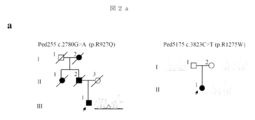
- FIG. 5 shows additional families with ERBB4 mutations in additional ALS patient mutation analysis. An electropherogram of the mutation data is shown next to each member. It is a figure which shows the amino acid preservation
- R927Q is present within the tyrosine kinase domain, which mediates an important function of ErbB4.
- Mutation p. R1275W is present in the C-terminal domain in the vicinity of multiple phosphorylation sites, which mediates downstream signaling pathways.
- FIG. 6 shows functional analysis of wild type and mutant ErbB4 upon neuregulin-1 stimulation.
- COS transfected with plasmid encoding empty vector control, or wild type (wt) or mutant HA-tagged ErbB4 (p.R114Q, p.A158E, p.H374Q, p.R927Q, or p.R1275W) -7 cells were stimulated with or without NRG-1, and ErbB4 autophosphorylation activity was determined by phospho-ErbB4 (Tyr1284) (Cell Signaling, Danvers, MA, USA) and HA-tag (Abcam), respectively. , Cambridge, UK) and analyzed by Western blot analysis. Loading was controlled by Western blotting using anti-actin antibodies (Santa Cruz Biotechnology, Santa Cruz, CA, USA). ErbB4 mutant p. R114Q, p. A158E, and p. H374Q was analyzed as an additional control and these were considered benign polymorphisms.
- the present invention analyzes the gene mutation of the 2780th or 3823th base in the nucleotide sequence of a gene (hereinafter also referred to as ERBB4 gene or ERBB4) encoding an ErbB4 protein collected from a subject, and the analysis result
- the present invention relates to a method for detecting amyotrophic lateral sclerosis (ALS), characterized by associating a subject with onset of ALS.
- ALS amyotrophic lateral sclerosis
- Detection means that the subject's ERBB4 mutation is associated with ALS, and if the subject has an ERBB4 mutation, the subject is an ALS patient, suffers from ALS, or is at risk of developing ALS. Means estimation, determination, determination or diagnosis. Detection also includes pre-determining the onset or likelihood of onset of ALS by a non-healthcare worker, assisting in the determination, or assisting diagnosis.
- ALS Amyotrophic lateral sclerosis
- the present inventors have identified a Japanese family with late-onset autosomal dominant ALS, excluding known causative gene mutations. Mutation in ERBB4 by whole genome sequencing and parametric linkage analysis assuming an autosomal dominant form of inheritance with incomplete penetrance performed on the same family c. 2780G> A (p.R927Q) was found.
- C. 2780G> A means that the 2780th base is mutated from G to A in the coding DNA sequence of ERBB4. This mutation causes the amino acid at 927 to be mutated from R (arginine) to Q (glutamine) in the amino acid sequence of the corresponding ErbB4 protein. This c.
- the 2780G> A (p.R927Q) mutation was a novel mutation and was found to have the same mutation in a Caucasian familial ALS patient.
- the present inventors have conducted mutations in Japanese sporadic ALS patients by extensive mutation analysis c. 3823C> T (p.R1275W) was found. This c. The 3823C> T (p.R1275W) mutation is a novel mutation.
- C. 3823C> T means that the 3823rd base is mutated from C to T in the ERBB4 coding DNA sequence. This mutation causes the amino acid at position 1275 to be mutated from R (arginine) to W (tryptophan) in the amino acid sequence of the corresponding ErbB4 protein.
- the present invention uses the 2780th base substitution (c.2780G> A (R927Q in the amino acid sequence)) or the 3823rd base substitution (c.3823C> T (R1275W in the amino acid sequence)) of ERBB4 as an index.
- the present invention relates to a method for evaluating the onset of ALS in a subject.
- the mutation of the present invention is a mutation that occurs in a highly conserved amino acid among species and is expected to be harmful. Specifically, these mutations are located within the tyrosine kinase domain (p.R927Q) or C-terminal domain (p.R1275W) of the ErbB4 protein, both of which are essential functions of the ErbB4 protein as receptor tyrosine kinases. Mediate.
- the present inventors have revealed by functional analysis that the mutation of the present invention leads to a reduction in ErbB4 autophosphorylation upon neuregulin-1 (NRG-1) stimulation.
- the clinical symptoms of patients with mutations are characterized by the involvement of both upper and lower motor neurons without overt cognitive impairment, and relatively slow progression.
- the present invention shows that disruption of the neuregulin-ErbB4 pathway is involved in the pathogenesis of ALS, and a breakthrough ALS treatment strategy, such as using NRG or these agonists to upregulate ErbB4 function May open the way to.
- the present invention relates to a compound that promotes autophosphorylation of ErbB4 protein, comprising stimulating ErbB4 protein, for example, a cell expressing ErbB4 protein, with neuregulin-1 in the presence or absence of a candidate substance Or it is related with the screening method of the salt. It is expected that the compound obtained by the screening method of the present invention or a salt thereof can be used as a therapeutic agent for ALS.
- ERBB4 In the present invention, the genes and proteins used for detection are ERBB4 and ErbB4 proteins.
- ERBB4 is a gene encoding ErbB4 protein which is a transmembrane tyrosine kinase receptor.
- human ERBB4 is shown in SEQ ID NO: 1
- human ErbB4 protein consists of the amino acid sequence shown in SEQ ID NO: 2.
- the sequence information of human ERBB4 and ErbB4 proteins can be obtained by, for example, accession numbers NM_005235.2 and NP_005226.
- the ERBB4 mutation to be analyzed in the present invention is a mutation from G to A at the 2780th base of the ERBB4 base sequence (the 2780th base of the base sequence shown in SEQ ID NO: 1).
- c. 2780G> A ".
- c. 2780G> A is a substitution of R (arginine) to Q (glutamine) at position 927 (amino acid residue at position 927 of the amino acid sequence shown in SEQ ID NO: 2) in the amino acid sequence of ErbB4 protein (p.R927Q) Occur.
- the ERBB4 mutation to be analyzed is a mutation from C to T at the 3823th base of the base sequence of ERBB4 (the 3823th base of the base sequence shown in SEQ ID NO: 1).
- c. 3823C> T is a substitution of R (arginine) to W (tryptophan) at position 1275 (the amino acid residue at position 1275 of the amino acid sequence shown in SEQ ID NO: 2) in the ErbB4 protein amino acid sequence (p.R1275W). Occur.
- Having an ERBB4 (gene) mutation” or “having an ERBB4 (gene) mutation” means that “c. 2780G> A” and “c. 3823C> T” in an ERBB4 gene collected from a subject by genetic analysis. It is included that either or both are confirmed.
- ERBB4 gene having “c. 2780G> A” and ERBB4 gene having “c. 3823C> T” are included in the present invention.
- An ErbB4 protein having “p.R927Q” and an ErbB4 protein having “p.R1275W” are also included in the present invention.
- An example of the base sequence of the ERBB4 gene having “c.2780G> A” is SEQ ID NO: 59
- an example of the base sequence of the ERBB4 gene having “c.3823C> T” is SEQ ID NO: 61
- ErbB4 having “p.R927Q” An example of the amino acid sequence of the protein is shown in SEQ ID NO: 60
- an example of the amino acid sequence of the ErbB4 protein having “p.R1275W” is shown in SEQ ID NO: 62.
- Table 1 shows c.
- the base sequence of the coding region containing the 3823C> T mutation is displayed.
- the base sequence represented by SEQ ID NO: 1 c.
- the 2780G> A mutated base sequence and the base sequence represented by SEQ ID NO: 1, c.
- Base sequences mutated by 3823C> T are also included in the scope of the present invention.
- the 2780th and 3823rd bases are underlined, “g / a” indicates a mutation from “G” to “A”, and “c / t” is “C” to “T”. Indicates a mutation.
- ERBB4 represented by a base sequence other than SEQ ID NO: 1 is also c. 2780 and c.
- ERBB4 containing a mutation at the site corresponding to 3823 is within the scope of the present invention.
- ERBB4 represented by a base sequence other than SEQ ID NO: 1 is a base sequence that is not identical to SEQ ID NO: 1 due to, for example, deletion, substitution, addition, insertion, or species difference of a gene other than the mutation of the present invention.
- the ALS to be detected is familial ALS (FALS) or sporadic ALS (SALS).
- the above mutation of ERBB4 can be used as a marker for evaluating ALS of a subject. That is, by analyzing this mutation, it is possible to evaluate whether or not it is ALS.
- the 3823C> T mutation is a causative factor of ALS.
- the mutation can be associated with ALS. That is, when the analyzed 2780th base of ERBB4 is mutated from G to A, it can be determined that the subject has developed ALS or is at risk of developing ALS. c. When it has a 2780G> A mutation, for example, ALS develops with a probability of about 75% or more. Similarly, when the analyzed 3823rd base of ERBB4 is mutated from C to T, it can be determined that the subject has developed ALS or is at risk of developing ALS.
- Genomic samples from subjects for detecting the above mutations can be obtained from biological samples such as blood, saliva, skin, lymph nodes, bone marrow, etc. It is not limited to. Methods for extracting and purifying genomic DNA are well known. For example, QIAmp DNA mini kit, QIAmg DNA FFPE Tissue kit (QIAGEN), Wizard (registered trademark) Genomic DNA Purification Kit (Promega), NucleoSpin (registered trademark) series from samples such as blood and saliva collected from humans. It can be extracted using a kit such as Takara Bio. In the case of the present invention, since the mutation is present in the coding region (open reading frame) of the ErbB4 protein, mRNA and total RNA can be obtained instead of genomic DNA and used in the ALS detection method of the present invention.
- a person skilled in the art can appropriately detect the gene mutation of the present invention in a subject-derived gene based on known methods and common technical knowledge.
- a method for detecting a gene mutation in the test sample will be described.
- a known allele-specific amplification method ASA, PASA, ASP, ARMS, etc.
- ASA allele-specific amplification method
- ASP ASP
- ARMS ARMS
- a DNA polymerase with high fidelity for example, KOD-Plus-neo polymerase (TOYOBO), but is not limited thereto.
- the primer to be used is designed and synthesized so that the gene mutation is included at an arbitrary position of the primer so that the target mutation portion in the test sample is amplified. After completion of the amplification reaction, the amplification product is detected and the presence or absence of mutation is determined.
- the TaqMan PCR method is a method that uses a fluorescently labeled allele-specific oligo and a PCR reaction using Taq DNA polymerase.
- An allele-specific oligo (referred to as TaqMan probe) used in the TaqMan PCR method can be designed based on the gene mutation information.
- the mutant gene when amplifying using an allele-specific primer, can be quantified by incorporating a fluorescently labeled base into the amplification product using the SyberGreen PCR method.
- mutations can also be detected by direct sequencing.
- a commercially available HiSeq system, MiSeq system (Illumina), ABI series (Life Technologies), PGM system (Life Technologies) or the like is used as a sequencer used for base sequence determination.
- the DNA microarray has a nucleotide probe fixed on a support, and includes a DNA chip, a microchip, a bead array, and the like.
- a polynucleotide of a test sample is isolated, amplified by PCR, and labeled with a fluorescent reporter group.
- labeled DNA / mRNA and total RNA are incubated with the array.
- the array is then inserted into a scanner and the hybridization pattern is detected. Hybridization data is collected as luminescence from fluorescent reporter groups attached to the probe array (ie, incorporated into the target sequence).
- a probe that perfectly matches the target sequence produces a stronger signal than one that has a portion that does not match the target sequence. Since the sequence and position of each probe on the array is known, the sequence of the target polynucleotide reacted with the probe array can be determined by complementation. In the microarray, the principle of the ASO (allele specific oligo) hybridization method using a synthetic probe corresponding to a mutated gene can also be used.
- ASO allele specific oligo
- the invader method is a method of detecting a gene polymorphism by hybridizing an allele-specific oligo and a template. This method can be used to detect mutations in the present invention. Kits for performing the invader method are commercially available, and gene mutations can be easily detected by this method.
- PCR-RFLP method This is a method of detecting a mutation by treating an amplified PCR product with a restriction enzyme and confirming the presence or absence of cleavage. The PCR-RFLP method can be used for mutation detection in the present invention.
- the mutation of the present invention can be detected at the DNA level as described above. Since the gene mutation of the present invention mutates the encoded amino acid, the mutation of the present invention can also be detected at the protein level.
- a protein is collected from a biological sample such as blood, saliva, skin, etc. obtained from a subject based on a conventional method and purified as appropriate.
- the mutation of the present invention may be detected by using an amino acid mutation site of the present invention or an antibody specific for the mutated amino acid. Alternatively, mutations can be detected using known protein analysis techniques.
- the present invention provides an oligonucleotide comprising an ERBB4 sequence or a sequence complementary thereto.
- the oligonucleotide of the present invention has a c. 2780G> A mutation and / or c.
- the oligonucleotide of the present invention is preferably an oligonucleotide consisting of a base sequence containing the 2780th or 3823th base in the base sequence of the ERBB4 gene or a sequence complementary thereto. Therefore, the oligonucleotide of the present invention can be used for detecting the gene mutation.
- a mutation can be determined or detected using whether or not the probe is hybridized to the test DNA and the presence or absence thereof.
- the probe can be used, for example, as a TaqMan® probe.
- the present invention provides an oligonucleotide that specifically hybridizes to a DNA fragment containing the gene mutation site. That is, the present invention provides an oligonucleotide comprising a sequence containing the above-mentioned gene mutation site or a sequence complementary thereto.
- the oligonucleotide of the present invention has a gene mutation site, i.e., c. 2780 or c. It contains the normal (wild type) sequence of ERBB4 including 3823.
- the presence or absence of the gene mutation in the test sample can be detected by comparing the intensity of the signal or spot with the control.
- the probe is preferably designed so as to include, for example, the 3823th base in the base sequence shown in SEQ ID NO: 1 and include a base upstream and a downstream base from the 3823th base. .
- the probe designed and synthesized in this manner hybridizes to the sequence (normal sequence) where the 3823th base is C, but the 3823th base is mutated to the T sequence (the 3823th base). Hybridization is performed under conditions that do not hybridize (or weakly hybridize). Since such a probe hybridizes with DNA having a sequence that has not undergone mutation, when the band or signal is present (or the signal is strong), the 3823rd base has a mutation from C to T. It can be judged (detected) that there is no.
- a probe containing a mutated gene sequence can be designed. That is, the present invention provides an oligonucleotide containing the gene mutation that specifically hybridizes to a DNA fragment containing the gene mutation.
- the oligonucleotide of the present invention comprises an ERBB4 nucleotide sequence containing the above gene mutation (the 2780th base is A or the 3823th base is T) or a complementary sequence thereto. including.
- the probe containing the normal sequence differs from the probe of this embodiment in that the 3823rd base is C or T.
- This probe hybridizes to the sequence where the 3823th base is T (sequence in which the 3823th base is mutated), but the 3823rd base hybridizes to the C sequence (wild type sequence). Hybridize under conditions that do not soy. Since such a probe hybridizes with DNA having a mutated sequence, it can be judged (detected) that the 3823rd base has a C to T mutation when there is a band or a signal. it can.
- a probe can be designed in the same manner as the 3823th mutation, and the mutation can be detected using the probe.
- Hybridize means to form a DNA pair in the normal PCR or hybridization process. Therefore, hybridization conditions can be set by using a commercially available PCR reagent or hybridization reagent.
- the present invention provides an oligonucleotide prepared such that the mutated site is contained in an amplified fragment when an ERBB4 gene or a sequence complementary thereto is amplified.
- an oligonucleotide as a primer for detecting a mutation, for example, among the base sequence shown in SEQ ID NO: 1, it contains the 2780th or 3823th base, and the 2780th or 3823th base. It can be designed to include a base upstream and a base downstream of the base.
- the oligonucleotide of the present invention comprises the nucleotide sequence of ERBB4 containing the above gene mutation (the 2780th base is A, or the 3823th base is T) or a sequence complementary thereto. Includes oligonucleotides.
- the PCR method it is preferable to prepare a primer so that the 3 'end portion of the amplified fragment has a sequence complementary to the base sequence of the mutation site.
- a primer designed in this way a mismatch between the sample and the primer occurs depending on whether or not the sample as a template has a mutation, and the success or failure of the polymerase extension reaction is determined. Therefore, by performing PCR amplification using such a primer and analyzing the amplified product by agarose gel electrophoresis or the like, the mutation of the template as a sample can be confirmed.
- the length of the amplified fragment is not particularly limited, and is, for example, several tens to several hundred bases.
- the length of the base sequence of the oligonucleotide of the present invention is preferably designed to be at least 10 mer, more preferably 10 to 200 mer, still more preferably 15 to 150 mer, and most preferably 20 to 30 mer.
- the oligonucleotides of the present invention are shown, for example, in Table 4, c. ERBB4_Ex23F1 and ERBB4_Ex23R1 for detecting 2780G> A, and c. Mention may be made of ERBB4_Ex28F1 and ERBB4_Ex28R1 for detecting 3823C> T.
- the oligonucleotide of the present invention can be used as an ALS detection probe or an ALS detection PCR primer.
- the detection of ALS is performed in the above c. 2780G> A mutation or c. 3823C> T mutation is used as an index.
- the method for obtaining a genomic DNA sample from the subject is as described above.
- the oligonucleotide of the present invention includes a complementary strand (complementary sequence) of the above sequence.
- the mutation site can be designed to exist at the 5 ′ end or 3 ′ end of the base sequence, but is not limited thereto, and may be designed to exist inside the 5 ′ or 3 ′ end. .
- oligonucleotides of the present invention designed as described above can be chemically synthesized by known means / methods based on the nucleotide sequence described in SEQ ID NO: 1. Is synthesized using a commercially available chemical synthesizer.
- the oligonucleotide of the present invention can be automated by adding an appropriate fluorescent label (for example, FAM, VIC, etc.) in advance. Oligonucleotides to which fluorescent labels have been added are also included within the scope of the present invention.
- Kit provides a kit for detecting ALS.
- the kit of the present invention contains one or more components necessary for carrying out the present invention.
- the kit of the present invention includes a nucleotide of the present invention, an enzyme buffer, dNTP, a control reagent (eg, tissue sample, target oligonucleotide for positive and negative control, etc.), a labeling and / or detection reagent, a solid reagent. Examples include phase supports and instructions.
- the kit of the present invention may be a partial kit containing only a part of necessary components, and in that case, the user can prepare other components.
- the kit of the present invention can also be provided as a microarray in which the oligonucleotide is immobilized on a support.
- the microarray is obtained by fixing the oligonucleotide of the present invention on a support, and includes a DNA chip, a microchip, a bead array, and the like.
- the kit of the present invention preferably contains an oligonucleotide that specifically hybridizes to a DNA fragment containing a mutation of ERBB4.
- kits of the present invention When determining a genetic mutation using the kit of the present invention, for example, from the blood, saliva, body cavity fluid (such as pleural effusion, ascites fluid, and cerebrospinal fluid), bone marrow fluid, tumor specimen, and a fixed specimen prepared from them at the time of diagnosis of the disease
- the DNA containing the ERBB4 is isolated, and the isolated DNA is reacted with the oligonucleotide in the kit to determine the genotype.
- ErbB4 protein is a member of the epidermal growth factor (EGF) subfamily of receptor tyrosine kinases (RTK) that form homodimers or heterodimers with ErbB2 or ErbB3, and neuregulin ( NRG) is activated when bound to the extracellular ligand binding domain of ErbB4.
- EGF epidermal growth factor
- RTK receptor tyrosine kinases
- NRG neuregulin
- the present invention provides a method for screening a compound or a salt thereof that promotes autophosphorylation of ErbB4 protein, which comprises contacting ErbB4 protein with neuregulin-1 in the presence or absence of a candidate substance. To do.
- the compound obtained by the screening method of the present invention or a salt thereof can activate the neuregulin-ErbB4 pathway and increase the ErbB function. Therefore, it is expected that the compound obtained by the screening method of the present invention or a salt thereof can be used as a therapeutic agent for ALS.
- the screening method of the present invention comprises the following steps. (I) contacting ErbB4 protein and neuregulin-1 in the presence of a candidate substance or in the absence of a candidate substance, (Ii) a step of detecting the degree of autophosphorylation of ErbB4 protein, and (iii) a step of selecting a substance that promotes autophosphorylation of ErbB4 protein using the obtained detection result as an index.
- Candidate substances used in the contacting step (i) include, for example, low-molecular or high-molecular compounds, natural or artificially synthesized various peptides, proteins (including enzymes and antibodies), nucleic acids (polynucleotide ( DNA, RNA), oligonucleotides (siRNA, etc.), peptide nucleic acids (PNA), etc.) can be used, but are not limited thereto.
- the “salt” is not limited, but includes, for example, hydrohalides (eg, hydrochloride, hydrobromide, hydroiodide, etc.), inorganic acid salts, organic acid salts, amino acids Salt (eg, aspartate, glutamate, etc.), quaternary amine salt, alkali metal salt (eg, sodium salt, potassium salt, etc.), alkaline earth metal salt (eg, magnesium salt, calcium salt, etc.) Etc.
- hydrohalides eg, hydrochloride, hydrobromide, hydroiodide, etc.
- inorganic acid salts eg, organic acid salts, amino acids Salt (eg, aspartate, glutamate, etc.), quaternary amine salt, alkali metal salt (eg, sodium salt, potassium salt, etc.), alkaline earth metal salt (eg, magnesium salt, calcium salt, etc.) Etc.
- hydrohalides eg, hydrochloride, hydrobromide, hydroiodide,
- Neuregulin-1 used in the contacting step can be produced based on known sequence information and known methods. Alternatively, commercially available neuregulin-1 may be used.
- the ErbB4 protein used in the contacting step can be produced based on known sequence information (for example, SEQ ID NOs: 1 and 2) and a known method.
- the ErbB4 protein may be used in a state expressed or solubilized in a cell, or a purified protein may be used.
- the ErbB4 protein used in the screening method may be a mutant ErbB4 protein containing the mutation of the present invention, or a normal (wild-type) ErbB4 protein containing no mutation.
- Contact means that ErbB4 protein and neuregulin-1 are allowed to react, exist in the same reaction system, or exist in the same culture system.
- the ErbB4 protein and neuregulin-1 are preferably contacted in an appropriate buffer containing a candidate substance (eg, HEPES buffer, Tris buffer, PBS, etc.).
- the candidate substance and ErbB4 protein may be mixed in an appropriate buffer, and then neuregulin-1 may be added.
- the temperature at the time of contact is not limited as long as the activity of the ErbB4 protein is not lowered or inactivated, and is preferably 0 to 40 ° C., more preferably 20 to 38 ° C., for example.
- the contact time is not limited, but is preferably 1 to 30 minutes, and more preferably 5 to 20 minutes.
- the concentration of the candidate substance, ErbB4 protein and neuregulin-1 in the contacting step can be appropriately set by those skilled in the art.
- the step of detecting the degree of autophosphorylation of ErbB protein in (ii) is not limited, but Western blotting or radio using an anti-phosphorylated ErbB4 antibody (for example, Tyr1284 (Cell Signaling, Danvers, MA, USA)). A method using an isotope can be used.
- a substance that promotes autophosphorylation of ErbB protein is selected, but the degree of phosphorylation detected in the detection process is stronger than in the absence of a candidate substance Can be evaluated and selected as a candidate substance that promotes autophosphorylation of ErbB4 protein. It can be evaluated that the greater the degree of phosphorylation, the higher the activity of promoting the autophosphorylation of ErbB protein.
- the screening method of the present invention can be used to easily and extensively screen substances having the activity to promote autophosphorylation of ErbB4 protein, it is possible to strongly promote the development of therapeutic agents for ALS. It is extremely useful.
- the present invention provides a pharmaceutical composition for treating ALS comprising a compound obtained by the screening method of the present invention or a salt thereof.
- the pharmaceutical composition of the present invention is preferably provided in the form of a pharmaceutical composition comprising the compound obtained by the screening method of the present invention or a salt thereof as an active ingredient and further comprising a pharmaceutically acceptable carrier.
- the pharmaceutical composition of the present invention is expected to be used as an ALS therapeutic agent.
- “Pharmaceutically acceptable carrier” is a carrier that is commonly used in formulations, such as excipients, diluents, extenders, disintegrants, stabilizers, preservatives, buffers, emulsifiers, fragrances, colorings. Agents, sweeteners, thickeners, corrigents, solubilizers or other additives.
- pharmaceutical compositions in the form of injections, solutions, capsules, suspensions, emulsions or syrups can be prepared. These pharmaceutical compositions can be administered orally or parenterally. Other forms for parenteral administration include injections that contain one or more active substances and are prescribed by conventional methods. In the case of an injection, it can be produced by dissolving or suspending it in a pharmaceutically acceptable carrier such as physiological saline or commercially available distilled water for injection.
- the dosage of the pharmaceutical composition of the present invention depends on the patient's age, sex, weight and symptoms, therapeutic effect, administration method, treatment time, or the type of compound or salt thereof which is an active ingredient contained in the pharmaceutical composition.
- the compound which is an active ingredient or a salt thereof can be usually administered in the range of 10 ⁇ g to 1000 mg per one adult (body weight 60 kg), but is not limited to this range.
- WGS was performed on three individuals (I-2, II-3, and II-4, FIG. 1a) in the indicator family.
- a paired-end DNA library was generated and subjected to massive parallel sequencing using GAII Illumina Genome Analyzer according to the manufacturer's instructions.
- the resulting short read sequence was aligned against a reference genome (NCBI37 / hg19 assembly) using a Burrows-Wheeler Aligner. Downstream analysis from which potential PCR replicas were removed was processed using SAMtools.
- the aligned leads were examined using an Integrative Genomics Viewer.
- the numbers of new non-synonymous variants with amino acid substitutions identified in I-2, II-3, and II-4 were 411, 404, and 382, respectively (Table 2). This did not include any novel non-synonymous variants in known causal genes for FALS. Of these, 57 mutants were identified in both probands and affected siblings but were not identified in the mother and were subjected to further analysis.
- the genotypes of individuals indicated by dots were identified using a human SNP array 6.0 (Affymetrix, Santa Clara, CA, USA) across the entire genome. Assuming an autosomal dominant form of inheritance with a disease allele frequency of 0.000001, linkage analysis and halotype reconstruction were performed using pipeline software SNP-HiTLLink and Allegro version 2.
- OR2D3 is an olfactory receptor gene and the mutated amino acid in OR2D3 is not conserved, and this mutation was predicted as benign by PolyPhen-2 analysis.
- FTCD and TJP2 are the causative genes for autosomal recessive glutamate formiminotransferase deficiency (OMIM229100) and familial hyperbiliary anemia (OMIM607748), respectively, and heterozygous carriers are described as exhibiting ALS It has not been.
- mutants in ERBB4 c. 2780G> A (p.R927Q) was found to be the most likely pathogenic mutation.
- PCR 3.1 (Applied Biosystems, USA). confirmed.
- the conditions for PCR are as follows: 95 ° C. for 2 minutes, followed by 35 cycles of 95 ° C. for 30 seconds, 60 ° C. for 30 seconds, 68 ° C. for 1 minute, and finally an extension step of 68 ° C. for 7 minutes.
- ERBB4_Ex23F1 and ERBB4_Ex23R1 are c.
- 2780G> A is a primer for detecting ERBB4_Ex28F1 and ERBB4_Ex28R1 c. It is a primer for detecting 3823C> T.
- the two mutations of the present invention are highly conserved among the species (FIG. 2b).
- the mutation of the present invention is expected to be a harmful mutation by PolyPhen-2 analysis.
- Amino acid residue R927 is present in the tyrosine kinase domain of the ErbB4 protein that is essential for receptor tyrosine kinase activity.
- R1275 is also located in the C-terminal domain near multiple phosphorylation sites that mediate downstream signaling pathways (FIG. 2c).
- Example 3 This example was performed to determine how the two mutations of the present invention identified in ALS patients affect ErbB4 function.
- ErbB4 autophosphorylation in cells expressing ErbB4 of wild type or mutant was measured in the presence of NRG-1.
- Plasmids were transiently transfected into COS-7 cells using FuGENE6 transfection reagent (Roche, Basel, Switzerland) according to the manufacturer's instructions. Transfected cells were serum deprived overnight and stimulated with 0 or 50 ng / ml NRG-1 (R & D, Minneapolis, MN, USA) for 10 minutes at 37 ° C. After stimulation, the cells were lysed and a sample equivalent to 50 ⁇ g total protein was separated through an 8% SDS-PAGE gel.
- ErbB4 phosphorylation and total ErbB4 expression were detected by Western blotting using antibodies against phospho-ErbB4 (Tyr1284) (Cell Signaling, Danvers, MA, USA) and HA-tag (Abcam, Cambridge, UK), respectively.
- the two mutations of the present invention are causative mutations of ALS.
- a method for detecting an ERBB4 gene mutation for ALS diagnosis could be established. This method is expected to provide early detection, diagnosis and treatment of ALS.
- the present invention revealed that the reduction of ErbB4 autophosphorylation upon NRG-1 stimulation is involved in the pathogenesis of ALS.
- ErbB4 is specifically expressed in the cell bodies of large motor neurons in the rat spinal cord.
- the lack of ErbB4 is embryonic lethal in mice, indicating disruption of motor neuron axon guidance and pathway search during embryogenesis.
- Heterozygous null mice show weight loss and motor development delay, and brain-specific conditional knockout mice demonstrate reduced hindlimb locomotor activity and grip strength.
- NRG-1 cysteine-rich domain (CRD) isoform deficient mice (CRD-NRG-1 ⁇ / ⁇ ) die perinatally due to respiratory failure, lack detectable limb movement, and spinal motor neurons A loss of about 60%.
- the present invention provides a novel aspect of ALS pathogenesis and is expected to open the way to develop breakthrough therapeutic strategies such as using NRG or agonists thereof to upregulate ErbB4 function.
- Sequence number 1 The base sequence of human ERBB4 gene (Accession number NM_005235.2).
- SEQ ID NO: 2 Amino acid sequence of human ErbB4 protein (accession number NP_005226).
- SEQ ID NOs: 3 to 58 Primers.
- SEQ ID NO: 59 base sequence of human ERBB4 gene having “c. 2780G> A”.
- SEQ ID NO: 60 amino acid sequence of human ErbB4 protein having “p.R927Q”.
- SEQ ID NO: 62 amino acid sequence of human ErbB4 protein having “p.R1275W”.
Landscapes
- Health & Medical Sciences (AREA)
- Chemical & Material Sciences (AREA)
- Life Sciences & Earth Sciences (AREA)
- Organic Chemistry (AREA)
- Engineering & Computer Science (AREA)
- Bioinformatics & Cheminformatics (AREA)
- Proteomics, Peptides & Aminoacids (AREA)
- General Health & Medical Sciences (AREA)
- Pharmacology & Pharmacy (AREA)
- Genetics & Genomics (AREA)
- Medicinal Chemistry (AREA)
- Animal Behavior & Ethology (AREA)
- General Chemical & Material Sciences (AREA)
- Public Health (AREA)
- Veterinary Medicine (AREA)
- Wood Science & Technology (AREA)
- Neurosurgery (AREA)
- Analytical Chemistry (AREA)
- Chemical Kinetics & Catalysis (AREA)
- Neurology (AREA)
- Biomedical Technology (AREA)
- Nuclear Medicine, Radiotherapy & Molecular Imaging (AREA)
- Zoology (AREA)
- Biotechnology (AREA)
- Molecular Biology (AREA)
- Microbiology (AREA)
- Immunology (AREA)
- Biochemistry (AREA)
- General Engineering & Computer Science (AREA)
- Biophysics (AREA)
- Hospice & Palliative Care (AREA)
- Physics & Mathematics (AREA)
- Pathology (AREA)
- Psychiatry (AREA)
- Measuring Or Testing Involving Enzymes Or Micro-Organisms (AREA)
- Medicines That Contain Protein Lipid Enzymes And Other Medicines (AREA)
Abstract
La présente invention concerne une méthode de détection de la SLA. La présente invention se rapporte à une méthode de détection de la SLA caractérisée en ce que la séquence nucléotidique du gène ERBB4 est prélevée chez un sujet, l'altération génétique de la base dans la position 2780 ou 3823 est analysée, et lesdits résultats d'analyse sont associés à la sclérose latérale amyotrophique (SLA).
Applications Claiming Priority (2)
| Application Number | Priority Date | Filing Date | Title |
|---|---|---|---|
| JP2013-161147 | 2013-08-02 | ||
| JP2013161147A JP6342627B2 (ja) | 2013-08-02 | 2013-08-02 | 筋萎縮性側索硬化症の新規病因遺伝子 |
Publications (1)
| Publication Number | Publication Date |
|---|---|
| WO2015016392A1 true WO2015016392A1 (fr) | 2015-02-05 |
Family
ID=52431910
Family Applications (1)
| Application Number | Title | Priority Date | Filing Date |
|---|---|---|---|
| PCT/JP2014/070960 Ceased WO2015016392A1 (fr) | 2013-08-02 | 2014-08-01 | Nouveau gène responsable de la sclérose latérale amyotrophique |
Country Status (2)
| Country | Link |
|---|---|
| JP (1) | JP6342627B2 (fr) |
| WO (1) | WO2015016392A1 (fr) |
Cited By (2)
| Publication number | Priority date | Publication date | Assignee | Title |
|---|---|---|---|---|
| WO2016147942A1 (fr) * | 2015-03-13 | 2016-09-22 | 国立大学法人名古屋大学 | Procédé de test de la sla sporadique à évolution rapide, kit de test et procédé de criblage de médicaments |
| CN110452910A (zh) * | 2019-08-27 | 2019-11-15 | 深圳市宝安区妇幼保健院 | 一种fus突变基因、检测引物和试剂盒 |
Citations (6)
| Publication number | Priority date | Publication date | Assignee | Title |
|---|---|---|---|---|
| JP2011503134A (ja) * | 2007-11-16 | 2011-01-27 | プロテオシス アクチエンゲゼルシャフト | 活性のある溶解性の翻訳後修飾されたニューレグリン−アイソフォーム |
| JP2011055729A (ja) * | 2009-09-07 | 2011-03-24 | Institute Of Physical & Chemical Research | Znf512b遺伝子の一塩基多型に基づく筋萎縮性側索硬化症の検査方法 |
| JP2011067193A (ja) * | 2009-08-25 | 2011-04-07 | Hiroshima Univ | 筋萎縮性側索硬化症の診断マーカー、診断方法、及び、治療薬、並びに、筋萎縮性側索硬化症を発症するモデル動物、及び、モデル細胞 |
| JP2011512849A (ja) * | 2008-03-06 | 2011-04-28 | リージェンツ オブ ザ ユニバーシティー オブ ミシガン | Fig4遺伝子変異を利用する方法 |
| JP2011528903A (ja) * | 2008-07-22 | 2011-12-01 | ザ ジェネラル ホスピタル コーポレイション | 筋萎縮性側索硬化症および関連する運動ニューロン疾患の診断、処置および予防のための、fus/tlsベースの化合物および方法 |
| JP2012085639A (ja) * | 2010-10-15 | 2012-05-10 | Dna Chip Research Inc | 孤発性筋萎縮性側索硬化症の検査方法 |
Family Cites Families (3)
| Publication number | Priority date | Publication date | Assignee | Title |
|---|---|---|---|---|
| JP4828752B2 (ja) * | 1999-08-04 | 2011-11-30 | 株式会社医学生物学研究所 | サイクリン/cdk複合体のリン酸化酵素活性測定方法 |
| EP1794313B1 (fr) * | 2004-06-21 | 2013-05-15 | Proteome Sciences Plc | Methodes de criblage utilisant c-abl, fyn et syk en combinaison avec la proteine tau |
| JP2008079610A (ja) * | 2006-09-01 | 2008-04-10 | Kyushu Univ | プロテインキナーゼのリン酸化酵素活性ならびに脱リン酸化酵素活性の測定方法 |
-
2013
- 2013-08-02 JP JP2013161147A patent/JP6342627B2/ja not_active Expired - Fee Related
-
2014
- 2014-08-01 WO PCT/JP2014/070960 patent/WO2015016392A1/fr not_active Ceased
Patent Citations (6)
| Publication number | Priority date | Publication date | Assignee | Title |
|---|---|---|---|---|
| JP2011503134A (ja) * | 2007-11-16 | 2011-01-27 | プロテオシス アクチエンゲゼルシャフト | 活性のある溶解性の翻訳後修飾されたニューレグリン−アイソフォーム |
| JP2011512849A (ja) * | 2008-03-06 | 2011-04-28 | リージェンツ オブ ザ ユニバーシティー オブ ミシガン | Fig4遺伝子変異を利用する方法 |
| JP2011528903A (ja) * | 2008-07-22 | 2011-12-01 | ザ ジェネラル ホスピタル コーポレイション | 筋萎縮性側索硬化症および関連する運動ニューロン疾患の診断、処置および予防のための、fus/tlsベースの化合物および方法 |
| JP2011067193A (ja) * | 2009-08-25 | 2011-04-07 | Hiroshima Univ | 筋萎縮性側索硬化症の診断マーカー、診断方法、及び、治療薬、並びに、筋萎縮性側索硬化症を発症するモデル動物、及び、モデル細胞 |
| JP2011055729A (ja) * | 2009-09-07 | 2011-03-24 | Institute Of Physical & Chemical Research | Znf512b遺伝子の一塩基多型に基づく筋萎縮性側索硬化症の検査方法 |
| JP2012085639A (ja) * | 2010-10-15 | 2012-05-10 | Dna Chip Research Inc | 孤発性筋萎縮性側索硬化症の検査方法 |
Non-Patent Citations (5)
Cited By (2)
| Publication number | Priority date | Publication date | Assignee | Title |
|---|---|---|---|---|
| WO2016147942A1 (fr) * | 2015-03-13 | 2016-09-22 | 国立大学法人名古屋大学 | Procédé de test de la sla sporadique à évolution rapide, kit de test et procédé de criblage de médicaments |
| CN110452910A (zh) * | 2019-08-27 | 2019-11-15 | 深圳市宝安区妇幼保健院 | 一种fus突变基因、检测引物和试剂盒 |
Also Published As
| Publication number | Publication date |
|---|---|
| JP2015029460A (ja) | 2015-02-16 |
| JP6342627B2 (ja) | 2018-06-13 |
Similar Documents
| Publication | Publication Date | Title |
|---|---|---|
| BR112016022582B1 (pt) | Marcadores mitocondriais de doenças neurodegenerativas | |
| CN103865997A (zh) | 高血压易感基因组的鉴定 | |
| WO2014063433A1 (fr) | Utilisation d'un allèle hla-b*1301 | |
| KR101761801B1 (ko) | 코 표현형 판단용 조성물 | |
| JP6342627B2 (ja) | 筋萎縮性側索硬化症の新規病因遺伝子 | |
| CA3174572A1 (fr) | Compositions et procedes pour evaluer l'efficacite d'inhibiteurs de transporteurs de neurotransmetteurs | |
| JP6053681B2 (ja) | イヌの緑内障を診断する方法及びキット | |
| US20020045171A1 (en) | Method of profiling genes as risk factors for attention deficit hyperactivity disorder | |
| BRPI0806599A2 (pt) | Marcador e plataforma de diagnóstico para elaboração de fármaco em infarto do miocárdio e falência cardíaca | |
| US9752195B2 (en) | TTC8 as prognostic gene for progressive retinal atrophy in dogs | |
| WO2016180725A1 (fr) | Diagnostic de la démence à corps de lewy | |
| US8124337B2 (en) | Hereditary cataract status in canines based on HSF4 gene marker | |
| US20060166219A1 (en) | NTRK1 genetic markers associated with progression of Alzheimer's disease | |
| CN115927354B (zh) | 一种sh3tc2基因致病突变体及其在制备腓骨肌萎缩症4c型诊断试剂盒中的应用 | |
| CN105765077B (zh) | 测定抗甲状腺药物诱导的粒细胞缺乏症风险的检测方法以及测定用试剂盒 | |
| AU2002244949B2 (en) | Genomic DNAS participating in rheumatoid arthritis, method of diagnosing the same, method of judging onset riks thereof and diagnostic kit for detecting the same | |
| JP4317376B2 (ja) | 糖尿病性腎症遺伝子の検出方法 | |
| JP2006509521A (ja) | 5−ヒドロキシトリプタミントランスポーター遺伝子多型 | |
| JP2006296270A (ja) | Prkaa2遺伝子多型による2型糖尿病発症素因の検出方法 | |
| KR20220113305A (ko) | 단일염기다형성을 이용한 안지오텐신 전환효소억제제 이상반응 진단용 조성물 및 이를 이용한 방법 | |
| Sheerin | The Use of Next Generation Sequencing Technologies to Dissect the Aetiologies of Parkinson’s disease and Dystonia | |
| JP4325787B2 (ja) | グルクロン酸抱合酵素1a9による薬物解毒代謝の異常の遺伝子診断に用いることができる変異型ポリヌクレオチドおよび核酸分子 | |
| WO2013035861A1 (fr) | Procede de determination du risque de degenerescence maculaire liee a l'age, paire d'amorces, sonde, kit de diagnostic de degenerescence maculaire liee a l'age, agent therapeutique pour degenerescence maculaire liee a l'age, et procede de criblage pour agent therapeutique pour degenerescence maculaire liee a l'age | |
| JP2010119383A (ja) | 滲出型加齢黄斑変性のリスクの予測方法 | |
| WO2009036513A1 (fr) | Protocoles de diagnostic et thérapeutique |
Legal Events
| Date | Code | Title | Description |
|---|---|---|---|
| 121 | Ep: the epo has been informed by wipo that ep was designated in this application |
Ref document number: 14831385 Country of ref document: EP Kind code of ref document: A1 |
|
| NENP | Non-entry into the national phase |
Ref country code: DE |
|
| 122 | Ep: pct application non-entry in european phase |
Ref document number: 14831385 Country of ref document: EP Kind code of ref document: A1 |