WO2016163454A1 - Agent suppresseur pour la polyarthrite rhumatoïde, agent prophylactique pour la polyarthrite rhumatoïde, agent thérapeutique pour la polyarthrite rhumatoïde et aliment pour supprimer la polyarthrite rhumatoïde - Google Patents
Agent suppresseur pour la polyarthrite rhumatoïde, agent prophylactique pour la polyarthrite rhumatoïde, agent thérapeutique pour la polyarthrite rhumatoïde et aliment pour supprimer la polyarthrite rhumatoïde Download PDFInfo
- Publication number
- WO2016163454A1 WO2016163454A1 PCT/JP2016/061386 JP2016061386W WO2016163454A1 WO 2016163454 A1 WO2016163454 A1 WO 2016163454A1 JP 2016061386 W JP2016061386 W JP 2016061386W WO 2016163454 A1 WO2016163454 A1 WO 2016163454A1
- Authority
- WO
- WIPO (PCT)
- Prior art keywords
- rheumatoid arthritis
- paramylon
- euglena
- agent
- group
- Prior art date
- Legal status (The legal status is an assumption and is not a legal conclusion. Google has not performed a legal analysis and makes no representation as to the accuracy of the status listed.)
- Ceased
Links
Images






Classifications
-
- A—HUMAN NECESSITIES
- A61—MEDICAL OR VETERINARY SCIENCE; HYGIENE
- A61K—PREPARATIONS FOR MEDICAL, DENTAL OR TOILETRY PURPOSES
- A61K36/00—Medicinal preparations of undetermined constitution containing material from algae, lichens, fungi or plants, or derivatives thereof, e.g. traditional herbal medicines
- A61K36/02—Algae
- A61K36/05—Chlorophycota or chlorophyta (green algae), e.g. Chlorella
-
- A—HUMAN NECESSITIES
- A61—MEDICAL OR VETERINARY SCIENCE; HYGIENE
- A61K—PREPARATIONS FOR MEDICAL, DENTAL OR TOILETRY PURPOSES
- A61K35/00—Medicinal preparations containing materials or reaction products thereof with undetermined constitution
- A61K35/66—Microorganisms or materials therefrom
- A61K35/68—Protozoa, e.g. flagella, amoebas, sporozoans, plasmodium or toxoplasma
-
- A—HUMAN NECESSITIES
- A23—FOODS OR FOODSTUFFS; TREATMENT THEREOF, NOT COVERED BY OTHER CLASSES
- A23L—FOODS, FOODSTUFFS OR NON-ALCOHOLIC BEVERAGES, NOT OTHERWISE PROVIDED FOR; PREPARATION OR TREATMENT THEREOF
- A23L33/00—Modifying nutritive qualities of foods; Dietetic products; Preparation or treatment thereof
- A23L33/10—Modifying nutritive qualities of foods; Dietetic products; Preparation or treatment thereof using additives
-
- A—HUMAN NECESSITIES
- A61—MEDICAL OR VETERINARY SCIENCE; HYGIENE
- A61K—PREPARATIONS FOR MEDICAL, DENTAL OR TOILETRY PURPOSES
- A61K31/00—Medicinal preparations containing organic active ingredients
- A61K31/70—Carbohydrates; Sugars; Derivatives thereof
- A61K31/715—Polysaccharides, i.e. having more than five saccharide radicals attached to each other by glycosidic linkages; Derivatives thereof, e.g. ethers, esters
- A61K31/716—Glucans
-
- A—HUMAN NECESSITIES
- A61—MEDICAL OR VETERINARY SCIENCE; HYGIENE
- A61K—PREPARATIONS FOR MEDICAL, DENTAL OR TOILETRY PURPOSES
- A61K45/00—Medicinal preparations containing active ingredients not provided for in groups A61K31/00 - A61K41/00
- A61K45/06—Mixtures of active ingredients without chemical characterisation, e.g. antiphlogistics and cardiaca
-
- A—HUMAN NECESSITIES
- A61—MEDICAL OR VETERINARY SCIENCE; HYGIENE
- A61P—SPECIFIC THERAPEUTIC ACTIVITY OF CHEMICAL COMPOUNDS OR MEDICINAL PREPARATIONS
- A61P19/00—Drugs for skeletal disorders
- A61P19/02—Drugs for skeletal disorders for joint disorders, e.g. arthritis, arthrosis
-
- A—HUMAN NECESSITIES
- A23—FOODS OR FOODSTUFFS; TREATMENT THEREOF, NOT COVERED BY OTHER CLASSES
- A23V—INDEXING SCHEME RELATING TO FOODS, FOODSTUFFS OR NON-ALCOHOLIC BEVERAGES AND LACTIC OR PROPIONIC ACID BACTERIA USED IN FOODSTUFFS OR FOOD PREPARATION
- A23V2002/00—Food compositions, function of food ingredients or processes for food or foodstuffs
-
- A—HUMAN NECESSITIES
- A23—FOODS OR FOODSTUFFS; TREATMENT THEREOF, NOT COVERED BY OTHER CLASSES
- A23V—INDEXING SCHEME RELATING TO FOODS, FOODSTUFFS OR NON-ALCOHOLIC BEVERAGES AND LACTIC OR PROPIONIC ACID BACTERIA USED IN FOODSTUFFS OR FOOD PREPARATION
- A23V2200/00—Function of food ingredients
- A23V2200/30—Foods, ingredients or supplements having a functional effect on health
Definitions
- the present invention relates to a rheumatoid arthritis inhibitor, a rheumatoid arthritis preventive agent, a rheumatoid arthritis therapeutic agent, and a food for suppressing rheumatoid arthritis.
- Rheumatoid arthritis is a disease in which the joints of the limbs are swollen or damaged by self-immunity affecting the joints of the limbs. As it progresses, bones and cartilage are broken and the joints cannot move, greatly limiting daily life. In the past, rheumatoid arthritis was an intractable disease that has no known etiology or pathology and cannot be prevented or cured. However, in recent years, elucidation of pathological conditions has progressed, and it has become clear that significant improvement can be obtained by suppressing T cells and inflammatory cytokines. Remission that suppresses symptoms can be set as a specific treatment goal.
- Drugs used in pharmacotherapy for rheumatoid arthritis are broadly classified as non-steroidal anti-inflammatory drugs that have analgesic, antipyretic and anti-inflammatory effects and suppress nonspecific inflammatory reactions. : NSAIDS), a steroid drug that rapidly and effectively suppresses inflammation in rheumatoid arthritis and prominently improves the quality of life in patients with rheumatoid arthritis with active lesions, but does not suppress inflammation itself, but immunity of rheumatoid arthritis Genetic engineering techniques aimed at selectively suppressing anti-rheumatic drugs (DMARDs) that control the activity of rheumatoid arthritis by improving abnormalities and cytokines that are deeply involved in the pathology of rheumatoid arthritis Biological preparations that are antibodies or fusion proteins developed by making full use of There are no rheumatoid arthritis drugs that relieve inflammation of the rheumatism, suppress the process of joint destruction, and have no immediate effect. Some drugs have strong side effects and some have
- anti-rheumatic drugs include, from their mechanism of action, immunomodulators that normalize abnormal immune functions without affecting normal immunity (for example, Patent Document 1) and all immunizations.
- immunosuppressive drugs for example, Patent Document 2 that suppress the function non-specifically.
- anti-rheumatic drugs generally have large individual differences in effects, and may be effective in some cases but ineffective in other cases.
- the incidence of side effects is high, and the onset of effects takes about 2 weeks to 3 months.
- Anti-rheumatic drugs cannot be administered until a definitive diagnosis of rheumatoid arthritis because of the high incidence of side effects.
- more than 50% of patients with rheumatoid arthritis require more than 3 months to make a definitive diagnosis, and 80% of those who require more than half a year from the onset of subjective symptoms to the start of administration of antirheumatic drugs. Results of a field survey showing that it is superfluous (Pfizer Co., Ltd.
- the present invention has been made in view of the above problems, and an object of the present invention is to prevent rheumatoid arthritis, rheumatoid arthritis preventive agent, rheumatoid arthritis therapeutic agent without normal side effects and capable of normalizing immune abnormalities of rheumatoid arthritis. And providing a food for suppressing rheumatoid arthritis. Another object of the present invention is to provide a rheumatoid arthritis inhibitor, a rheumatoid arthritis preventive agent, a rheumatoid arthritis therapeutic agent, and a rheumatoid arthritis-suppressing food that can be administered even before the onset or diagnosis of rheumatoid arthritis.
- a rheumatoid arthritis inhibitor, preventive agent and therapeutic agent containing a Euglena-derived substance as an active ingredient As described above, since the Euglena-derived substance having a function of suppressing rheumatoid arthritis is used as an active ingredient, rheumatoid arthritis can be effectively suppressed, prevented, and treated.
- Euglena-derived substances that have no side effects and are sufficiently safe to be used as foods are used as active ingredients, those who are highly likely to suffer from rheumatoid arthritis from a genetic or living environment perspective, or rheumatoid arthritis It can also be administered to people who have developed subjective symptoms but have not undergone a test or definitive diagnosis.
- It may be used as an anti-rheumatic drug that controls the activity of rheumatoid arthritis by improving immune abnormalities in rheumatoid arthritis. Because of this structure, while observing the individual symptoms and improvement status of rheumatoid arthritis patients, it can be used in combination with other steroids, nonsteroidal anti-inflammatory drugs, antirheumatic drugs, etc. Aiming for remission and eventually healing.
- the preventive agent or the therapeutic agent of the present invention after the onset of subjective symptoms, it is reported that the period from 3 months to 6 months, which is reported to be required for a definitive diagnosis in the private research results, has passed. Since the effect of controlling the activity of rheumatoid arthritis appears, it is possible to aim for early remission and healing of rheumatoid arthritis.
- the Euglena-derived substance is obtained by ejecting Euglena alga, paramylon derived from Euglena, water-soluble amorphous paramylon obtained by subjecting the paramylon to alkali treatment and neutralization treatment, and the aqueous solution of paramylon from a pore nozzle at an ultrahigh pressure. It may be at least one substance selected from the group including emulsion paramylon that has been subjected to a treatment for colliding with a collision object.
- the said subject contains a Euglena origin substance as an active ingredient, and is solved by the food for rheumatoid arthritis suppression characterized by being used for prevention or improvement of rheumatoid arthritis. Because of this structure, people who are highly likely to suffer from rheumatoid arthritis from a genetic or living environment perspective, or who have developed subjective symptoms of rheumatoid arthritis but have not undergone a test or definitive diagnosis, etc. The effect of preventing or improving rheumatism can be obtained.
- an Euglena-derived substance having a function of suppressing rheumatoid arthritis is used as an active ingredient, rheumatoid arthritis can be effectively suppressed, prevented, treated, and improved.
- Euglena-derived substances that have no side effects and are sufficiently safe to be used as foods are used as active ingredients, those who are highly likely to suffer from rheumatoid arthritis from a genetic or living environment perspective, or rheumatoid arthritis
- it can also be administered or ingested by persons who have developed subjective symptoms but have not undergone a test or definitive diagnosis.
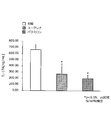
- FIG. 4 is a graph showing measurement results of cytokine (IL-6) in evaluation using a collagen arthritis model in mice of Test Example 1.
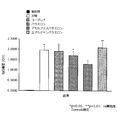
- 6 is a graph showing measurement results of cytokine (IL-17A) in evaluation using a collagen arthritis model of mice of Test Example 1.
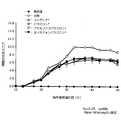
- 6 is a graph showing measurement results of cytokine (IFN- ⁇ ) in evaluation using a collagen arthritis model of mice of Test Example 1. It is a graph which shows the measurement result of the arthritis score in evaluation using the collagen arthritis model of the mouse
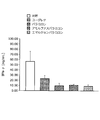
- FIG. 6 is a graph showing measurement results of cytokine (IFN- ⁇ ) in evaluation using a collagen arthritis model of mice of Test Example 2. It is explanatory drawing which shows the pathological specimen preparation method of the knee joint for the evaluation of the knee joint tissue in the evaluation using the collagen arthritis model of the mouse
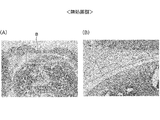
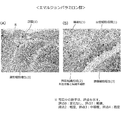
- FIG. 1 It is a photograph which shows the pathological sample of the left knee joint tissue of the amorphous paramylon group in the evaluation using the collagen arthritis model of the mouse
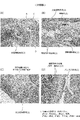
- FIG. It is a photograph which shows the pathological specimen of the left knee joint tissue of the emulsion paramylon group in the evaluation using the collagen arthritis model of the mouse
- FIG. It is a graph which shows the ratio of the number of IL-17 producing cells in the CD4 positive T cell in the evaluation using the collagen arthritis model of the mouse
- living body includes all living bodies suffering from rheumatoid arthritis such as humans and mammals such as domestic animals and pets.
- This embodiment is a rheumatoid arthritis inhibitor, a rheumatoid arthritis preventive agent, and a rheumatoid arthritis therapeutic agent that contain a Euglena-derived substance as an active ingredient.
- Euglena-derived substances are preferably those containing paramylon, and include Euglena or Euglena dry products, paramylon, paramylon powder, processed products of paramylon, and the like. Further, a product obtained by adding paramylon or a processed product of paramylon to Euglena or a dried product of Euglena may be used.
- Euglena includes all microorganisms classified as Euglena in zoological and botanical classifications, variants thereof, and variants thereof.
- Euglena microorganisms are, in zoology, the protozoan Protozoa (Mastigophorea), Phytomastigophorea (Euglenida) Euglenoidina subgenus It is a microorganism belonging to the eye (Euglenoidina).
- microorganisms belonging to the genus Euglena belong to Euglenaes belonging to Euglenophyceae of Euglenophyta in botany.
- Euglena cells Euglena gracilis (E. gracilis), particularly E.
- gracilis Z strain can be used, but in addition, mutant strain SM- of Euglena gracilis Z strain ⁇ -1,3-glucanase, Euglena intermedia, Euglena piride derived from genetic variants such as ZK strain (chloroplast deficient strain) and var. Varbacillaris, chloroplast mutants of these species, and other Euglena, for example Astaia longa.
- Euglena is widely distributed in fresh water such as ponds and swamps, and may be used separately from these, or any Euglena that has already been isolated may be used.
- the Euglena genus of this invention includes all the mutants. These mutant strains also include those obtained by genetic methods such as recombination, transduction, transformation and the like.
- examples of the culture solution include a culture solution to which nutrient salts such as a nitrogen source, a phosphorus source, and a mineral are added, for example, a modified Cramer-Myers medium ((NH 4 ) 2 HPO 4 1.0 g / L.
- a modified Cramer-Myers medium ((NH 4 ) 2 HPO 4 1.0 g / L.
- KH 2 PO 4 1.0 g / L, MgSO 4 .7H 2 O 0.2 g / L, CaCl 2 .2H 2 O 0.02 g / L, Fe 2 (SO 2 ) 3 7H 2 O 3 mg / L, MnCl 2 ⁇ 4H 2 O 1.8 mg / L, CoSO 4 ⁇ 7H 2 O 1.5 mg / L, ZnSO 4 ⁇ 7H 2 O 0.4 mg / L, Na 2 MoO 4 ⁇ 2H 2 O 0.2 mg / L, CuSO 4 .5H 2 O 0.02 g / L, thiamine hydrochloride (vitamin B 1 ) 0.1 mg / L, cyanocobalamin (vitamin B 12 , (pH 3.5)) can be used.
- (NH 4 ) 2 HPO 4 can also be converted to (NH 4 ) 2 SO 4 or NH 3 aq.
- a known Hutner medium or Koren-Hutner medium prepared based on the description of Euglena Physiology and Biochemistry (Edited by Shozaburo Kitaoka, Society Publishing Center, Inc.) may be used.
- the pH of the culture solution is preferably 2 or more, and the upper limit thereof is preferably 6 or less, more preferably 4.5 or less.
- the photosynthetic microorganisms can grow more dominantly than other microorganisms, so that contamination can be suppressed.
- Euglena cells may be cultured by an open pond method using sunlight directly, a light collecting method in which sunlight condensed by a light concentrator is sent through an optical fiber, etc., and irradiated in a culture tank and used for photosynthesis.
- Euglena cells can be cultured using, for example, a fed-batch method, but flask culture, fermentation using a fermentor, batch culture, semi-batch culture (fed-batch culture), continuous culture (perfusion) Any liquid culture method such as a culture method may be used.
- the culture can be performed using a known culture apparatus such as an open pond type, a raceway type, a tube type or the like, or an experimental culture vessel such as a Sakaguchi flask, an Erlenmeyer flask, or a reagent bottle. Since Euglena assimilate CO 2 , it is preferable to pass air containing 1 to 5% CO 2 through the medium when culturing using the Cramer-Myers medium, which is an autotrophic medium. Furthermore, in order to sufficiently develop the chloroplast, about 1 to 5 g of ammonium phosphate may be added per liter of the medium.
- the culture temperature is usually 20 to 34 ° C., particularly preferably 28 to 30 ° C.
- Euglena Depending on the culture conditions, Euglena usually enters a logarithmic growth phase 2 to 3 days after the start of culture, and reaches a stationary phase about 4 to 5 days. Euglena may be cultured under light irradiation (light culture) or non-irradiated (dark culture).
- Euglena cell separation can be performed, for example, by centrifugation of the culture or simple sedimentation.
- Paramylon is a high molecular weight polymer ( ⁇ -1,3-glucan) in which about 700 glucoses are polymerized by ⁇ -1,3-linkages, and is a storage polysaccharide contained in the genus Euglena.
- Paramylon particles are flat spheroid particles, and ⁇ -1,3-glucan chains are entangled in a spiral shape.
- Paramylon exists as granules in Euglena cells of all species and varieties, and the number, shape, and uniformity of the particles are characterized by species.
- Paramylon consists only of glucose, and the average degree of polymerization of paramylon obtained from a wild strain of E. gracilis Z and a chloroplast-deficient strain SM-ZK is about 700 in glucose units.
- Paramylon is insoluble in water and hot water, but is soluble in dilute alkali, concentrated acid, dimethyl sulfoxide, formaldehyde, and formic acid.
- the average density of paramylon is 1.53 for E. gracilis Z and 1.63 for E. gracilis var. Bacillaris SM-L1.
- Paramylon has a gentle helical structure in which three linear ⁇ -glucans are twisted like a right-handed rope, according to X-ray analysis using the powder pattern method. Several of these glucan molecules gather to form paramylon granules. Paramylon granules are very high in crystal structure and occupy about 90%, and are the compounds with the highest crystal structure ratio among polysaccharides. Paramylon is hard to contain water (Euglena Physiology and Biochemistry (Edited by Shozaburo Kitaoka, Society Publishing Center, Inc.)).
- Paramylon particles are isolated from the cultured Euglena genus by any appropriate method and purified to a fine particle, and are usually provided as a powder.
- paramylon particles can be (1) cultured Euglena cells in any suitable medium; (2) separation of Euglena cells from the medium; (3) isolation of paramylon from isolated Euglena cells; 4) purification of isolated paramylon; and (5) cooling and subsequent lyophilization if necessary.
- Paramylon isolation can be performed, for example, using non-ionic or anionic surfactants of the type that are largely biodegradable.
- the purification of paramylon can be performed substantially simultaneously with the isolation.
- processed paramylon examples include amorphous paramylon and emulsion paramylon.
- Amorphous paramylon is a substance obtained by making crystalline paramylon derived from Euglena amorphous.
- the amorphous paramylon used in the present embodiment has a relative crystallinity of 1 to 20% with respect to the crystalline paramylon produced by a known method from Euglena. However, this relative crystallinity was obtained by the method described in Japanese Patent No. 5612875.
- Amorphous paramylon used in the present embodiment is obtained by subjecting crystalline paramylon powder to an alkali treatment after neutralization with an acid according to the method described in Japanese Patent No. 5612875, followed by washing, moisture removal steps, and drying. Prepared.
- Other processed products of paramylon include water-soluble paramylon obtained by chemically or physically treating paramylon by various known methods, sulfated paramylon, and paramylon derivatives.
- Emulsion paramylon is a substance called emulsion paramylon because its processing method and physical properties are similar to those of emulsions, and a fluid obtained by adding water to paramylon is ejected from a pore nozzle at ultra high pressure. It is a processed paramylon that is obtained by performing a collision treatment to collide with an object to be collided and is swollen by being combined with water four times or more.
- Emulsion paramylon is a known physical property reforming apparatus (for example, Japanese Patent Application Laid-Open No. 2011-88108) in which a slurry obtained by adding a water-soluble solvent to a solid such as powder is ejected from a pore nozzle at an ultrahigh pressure to collide with a collision target.
- Emulsion paramylon has a median diameter of at least 5 times that of paramylon when measured with a laser diffraction / scattering particle size distribution analyzer, and is at least 7 ⁇ m. It is observed that it adheres, and swells by combining with water four times or more than paramylon. Slurry mixed with raw material paramylon and water is a free-flowing fluid, but emulsion paramylon is dispersed in water molecules, the viscosity increases and becomes viscous, and when touched, it adheres to the hand.
- the obtained processed paramylon is referred to as emulsion paramylon in this specification, but it is unclear whether it is emulsified, and the state where paramylon is combined with water and swells. It is.
- the rheumatoid arthritis inhibitor, rheumatoid arthritis preventive agent and rheumatoid arthritis therapeutic agent of the present embodiment include a pharmaceutical composition, a food composition, a cosmetic composition and the like containing a rheumatoid arthritis inhibitor, a rheumatoid arthritis preventive agent or a rheumatoid arthritis therapeutic agent. It can be used as a composition or the like.
- the therapeutic agent for rheumatoid arthritis of this embodiment is administered as an anti-rheumatic drug to a patient who has received a definitive diagnosis of rheumatoid arthritis.
- the rheumatoid arthritis inhibitor and rheumatoid arthritis preventive agent of the present embodiment are configured as a pharmaceutical composition, a health food, etc., and those who have developed symptoms of rheumatoid arthritis or who have genetic or rheumatoid arthritis considering the living environment. It is administered prophylactically to those who are likely to be affected.
- Euglena-derived substances can be ingested as foods and have no side effects, so they can be administered even before receiving a definitive diagnosis of rheumatoid arthritis. Also, before receiving a definitive diagnosis, at any time after receiving a definitive diagnosis, for example, when reaching remission, reaching a cure, or switching to another anti-rheumatic drug such as rheumatoid arthritis Can be administered continuously.
- the rheumatoid arthritis inhibitor and the rheumatoid arthritis preventive agent of the present embodiment are intended to suppress recurrence of symptoms for patients who have achieved remission after treatment of rheumatoid arthritis patients. Be administered.
- “remission” refers to a condition in which the pathology of rheumatoid arthritis is controlled by treatment and various symptoms of rheumatoid arthritis subside, meaning that a permanent remission has been achieved. State.
- composition In the field of medicine, a drug that has rheumatism suppression, prevention, and treatment action by combining pharmaceutically acceptable carriers and additives together with an amount of Euglena-derived substance that can effectively exert rheumatism inhibition, prevention, and treatment action.
- a composition is provided.
- the pharmaceutical composition may be a pharmaceutical or a quasi drug.
- the pharmaceutical composition may be applied internally or externally. Therefore, the pharmaceutical composition is used in a pharmaceutical form such as an internal preparation, intravenous injection, subcutaneous injection, intradermal injection, intramuscular injection and / or intraperitoneal injection, transmucosal application agent, transdermal application agent, etc. be able to.
- the dosage form of the pharmaceutical composition can be appropriately set depending on the form of application, for example, solid preparations such as tablets, granules, capsules, powders, powders, etc .; liquid preparations such as liquids and suspensions And semi-solid agents such as ointments and gels.
- the present invention can provide a food composition labeled as rheumatic suppression, prevention, or treatment in the field of food.
- the food composition include foods for specified health use, nutritional supplements, functional foods, foods for hospital patients, supplements and the like in addition to general foods. It can also be used as a food additive.
- food for specified health use is a food containing health functional ingredients that affect physiological functions, etc., and can be used to indicate that it is suitable for specific health use with the permission of the Commissioner of the Consumer Affairs Agency. It is.
- the nutritional functional food is a food used for supplementing nutritional components (vitamins and minerals) and displays the function of the nutritional components. In order to sell as a functional nutritional food, the amount of nutrients contained in the daily intake standard amount must be within the specified upper and lower limits. You also need to.
- the functional labeling food is a food that displays the functionality based on the scientific basis at the responsibility of the operator. Information on safety and functionality grounds was reported to the Commissioner of the Consumer Affairs Agency before sales.
- the food composition include seasonings, processed meat products, processed agricultural products, beverages (soft drinks, alcoholic beverages, carbonated beverages, milk beverages, fruit juice beverages, tea, coffee, nutritional drinks, etc.), powdered beverages (powder) Juice, powdered soup, etc.), concentrated beverages, confectionery (candy, cookies, biscuits, gum, gummi, chocolate, etc.), bread, cereals and the like.
- dietary supplement, functional food, etc. it may be in the form of capsule, troche, syrup, granule, powder or the like.
- Example 1 Euglena gracilis powder (manufactured by Euglena Co., Ltd.) was used as Euglena in Example 1.
- Example 2 Crystalline paramylon powder was prepared by the following procedure. That is, Euglena gracilis powder of Example 1 (manufactured by Euglena Co., Ltd.) was placed in distilled water and stirred at room temperature for 2 days. This was sonicated to break the cell membrane, and crude paramylon particles were recovered by centrifugation.
- the collected paramylon particles are dispersed in a 1% sodium dodecyl sulfate aqueous solution and treated at 95 ° C. for 2 hours.
- the paramylon particles collected by centrifugation again are dispersed in a 0.1% sodium dodecyl sodium sulfate aqueous solution and treated at 50 ° C. for 30 minutes. did. Lipids and proteins were removed by this operation, then washed with acetone and ether, and then dried at 50 ° C. to obtain purified paramylon particles.
- 1 g of the prepared paramylon was stored in a known capsule to prepare the paramylon of Example 2.
- Example 3 Using paramylon prepared in Example 2, amorphous paramylon was prepared according to the method described in Japanese Patent No. 5612875. That is, the crystalline paramylon powder prepared in Example 2 was dissolved in 1N aqueous sodium hydroxide solution by adding 5% (w / v) of paramylon powder, and stirred with a stirrer for 1 to 2 hours. Processed. Thereafter, 1N hydrochloric acid was added dropwise to a 1N sodium hydroxide aqueous solution in which paramylon powder was dissolved to neutralize it. After centrifuging, the supernatant was discarded and the step of washing the precipitate with distilled water was repeated. The precipitated gel was collected, frozen, and lyophilized with a freeze dryer to obtain amorphous paramylon of Example 3.
- Example 4 Using the paramylon prepared in Example 2, emulsion paramylon was prepared by the following procedure. Ion exchange water was added to crystalline paramylon powder (manufactured by Euglena Co., Ltd.) to obtain a paramylon slurry having a paramylon concentration of 10 wt%. The inside of the apparatus circuit of the wet atomizer (Starburst 18KW medium size machine, manufactured by Sugino Machine Co., Ltd., oblique collision chamber) was replaced with ion-exchanged water. The nozzle of the apparatus was pressurized, paramylon slurry was supplied into the circuit, and the initial discharge liquid was discarded as a dead volume in the circuit.
- Ion exchange water was added to crystalline paramylon powder (manufactured by Euglena Co., Ltd.) to obtain a paramylon slurry having a paramylon concentration of 10 wt%.
- the inside of the apparatus circuit of the wet atomizer Starburst 18KW medium
- a jet of paramylon slurry was jetted from a pair of nozzles facing each other at an angle, and jet jet collision by oblique collision was performed.
- the slurry processed product was collected from the outflow passage to make one pass.
- the processing pressure at this time was 245 MPa
- the slurry processing amount was 240 mL
- the nozzle diameter was 0.17 mm.
- This process was repeated three times to perform a three-pass process, and the emulsion paramylon of Example 4 was obtained.
- the emulsion paramylon of Example 4 was not separated from the ion exchange water added at the time of slurry preparation, but was combined with water and swollen.
- Test Example 1 Evaluation 1 using a mouse collagen arthritis model In this test example, the effect of the test substances of Examples 1 and 2 on rheumatoid arthritis was evaluated in a mouse collagen arthritis model.
- Solid feed CE-2 (Clea Japan Co., Ltd.) was mixed with 2% of each of the test substances of Examples 1 and 2 and allowed to be freely ingested orally every day from the fifth day after the boost in mice of Euglena group and Paramylon group, respectively. .
- Measurement of arthritis score From the day of sensitization to collagen (hereinafter referred to as “sensitization date”), arthritis symptoms in the extremities were scored by visual observation, and the total score of the extremities was calculated.
- the score is 3 times / week (Monday / Wednesday) according to the arthritis score in Table 1 according to the score of Kakimoto et al. (Seminar in New Chemistry Experiment 12, Molecular Immunology II, Tokyo Chemical Doujin: 360-372, 1989). ⁇ Evaluation was performed at the frequency of (gold), and the total score of the limbs was calculated.
- the score per limb is 0 to 4 points, the sum of the limbs is 0 points (when there are no symptoms in all the limbs), and the highest point is 16 points (all limbs overall are maximum) In the case of redness swelling).
- the measurement result of the arthritis score is shown in FIG.
- the Euglena group and the paramylon group had significantly lower values (p ⁇ 0.05) than the control group, and suppression of joint inflammation was observed by continuous ingestion of the test substance.
- the average score in the control group exceeded 8 (2 per limb), whereas the average score in the Euglena and Paramylon groups was less than 6 (less than 1.5 per limb) throughout the measurement period. ).
- the Euglena group score average is 4 (1 per limb) or less
- the Paramylon group score average is 4.2 (1.05 per limb) or less
- the symptoms of arthritis were limited to mild redness.
- mice DBA / 1J Jms Slc (SPF), 6-week-old male, Nippon SLC Co., Ltd.
- Chicken type II collagen SIGMA
- an emulsion prepared by adding an equal amount of Freund's complete adjuvant (Difco) to this
- 0.1 mL 0.1 mg as the amount of collagen was intradermally administered to the ridge of the mouse and sensitized to collagen.
- Untreated animals were not sensitized or boosted.
- Solid feed CE-2 (Nippon Claire Co., Ltd.) was mixed with 2% of each of the test substances of Examples 1 to 4, and each mouse in the Euglena group, the paramylon group, the amorphous paramylon group, and the emulsion paramylon group was boosted 5 days later. From day to day, they were allowed to take a free oral dose.
- the measurement result of the arthritis score is shown in FIG.
- all the Euglena, Paramylon, Amorphous Paramylon, and Emulsion Paramylon groups had significantly lower values compared to the control group, and suppression of joint inflammation by continuous intake of the test substance was observed. It was.
- lymphocytes were divided into three equal parts and cultured in a medium supplemented with anti-CD3 antibody. About 48 hours after the start of culture, the culture supernatant was collected, and the amount of cytokine (IL-17A, IFN- ⁇ ) secreted from the culture supernatant was measured with a multiplex suspension array.
- the measurement results are shown in FIGS. Regarding the cytokines IL-17A and IFN- ⁇ , the Euglena group, the paramylon group, the amorphous paramylon group, and the emulsion paramylon group all showed lower values than the control group.
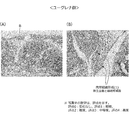
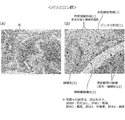
- FIGS. 10-10 Photographs of pathological specimens of the left knee joint tissue of representative examples in each group are shown in FIGS.
- FIG. 10 in the non-treated group, the findings considered to be caused by arthritis were not observed in the synovium and the femoral pulley groove.
- FIG. 11 synovial edema, inflammation, granulation tissue formation, fibrosis, and exudate were observed from slight (score 1) to moderate (score 2).
- score 2 As for the femoral pulley groove, pannus formation and cartilage destruction were slightly observed (rating 2).
- the Euglena group in FIG. 12 and the amorphous paramylon group in FIG. 14 no finding was observed except that the formation of synovial granulation tissue was slightly observed (score 1).
- FIG. 16 shows the number of IL-17-producing cells in CD4-positive T cells obtained by analysis using a flow cytometer.
- the number of IL-17A producing cells in FIG. 16 was decreased in the paramylon group and the amorphous paramylon group than in the control group. In the emulsion paramylon group, there was a significant decrease compared to the control group.
- the Euglena group, the paramylon group, the amorphous paramylon group, and the emulsion paramylon group had a lower gross score than the control group, and a statistically significant difference was also observed.
- the histopathological examination no findings were observed in the Euglena group and the amorphous paramylon group, except for the formation of synovial granulation tissue.
- synovial inflammation, granulation tissue formation, fibrosis, pannus formation of the femoral pulley groove, and cartilage destruction were observed, but the degree was not significant compared to the control group.
- the anti-CD3 showed a decrease in secretion in the Euglena group, the paramylon group, the amorphous paramylon group, and the emulsion paramylon group, as compared with the control group.
- the decrease was remarkable in the Euglena group and the amorphous paramylon group.
- the effects of Euglena-derived substances on autoimmune diseases were examined using a mouse collagen arthritis model.
- the Euglena group, the paramylon group, the amorphous paramylon group, and the emulsion paramylon group were found to have an inhibitory effect on the development of arthritis. It was.
- the effect was remarkable, and the remarkable suppression was recognized also histologically.
Landscapes
- Health & Medical Sciences (AREA)
- Life Sciences & Earth Sciences (AREA)
- Chemical & Material Sciences (AREA)
- Engineering & Computer Science (AREA)
- Public Health (AREA)
- Animal Behavior & Ethology (AREA)
- General Health & Medical Sciences (AREA)
- Veterinary Medicine (AREA)
- Pharmacology & Pharmacy (AREA)
- Medicinal Chemistry (AREA)
- Mycology (AREA)
- Epidemiology (AREA)
- Biotechnology (AREA)
- Natural Medicines & Medicinal Plants (AREA)
- Microbiology (AREA)
- Nutrition Science (AREA)
- Polymers & Plastics (AREA)
- Food Science & Technology (AREA)
- Tropical Medicine & Parasitology (AREA)
- Alternative & Traditional Medicine (AREA)
- General Chemical & Material Sciences (AREA)
- Botany (AREA)
- Immunology (AREA)
- Orthopedic Medicine & Surgery (AREA)
- Rheumatology (AREA)
- Bioinformatics & Cheminformatics (AREA)
- Physical Education & Sports Medicine (AREA)
- Chemical Kinetics & Catalysis (AREA)
- Medical Informatics (AREA)
- Nuclear Medicine, Radiotherapy & Molecular Imaging (AREA)
- Organic Chemistry (AREA)
- Molecular Biology (AREA)
- Pharmaceuticals Containing Other Organic And Inorganic Compounds (AREA)
- Medicines Containing Material From Animals Or Micro-Organisms (AREA)
- Coloring Foods And Improving Nutritive Qualities (AREA)
- Medicinal Preparation (AREA)
Abstract
Priority Applications (5)
| Application Number | Priority Date | Filing Date | Title |
|---|---|---|---|
| JP2017511048A JP6251455B2 (ja) | 2015-04-08 | 2016-04-07 | 関節リウマチ抑制剤,関節リウマチ予防剤,関節リウマチ治療剤及び関節リウマチ抑制用食品 |
| KR1020177027485A KR102025632B1 (ko) | 2015-04-08 | 2016-04-07 | 류마티스 관절염 억제제, 류마티스 관절염 예방제, 류마티스 관절염 치료제 및 류마티스 관절염 억제용 식품 |
| SG11201708106TA SG11201708106TA (en) | 2015-04-08 | 2016-04-07 | Suppressive agent for rheumatoid arthritis, prophylactic agent for rheumatoid arthritis, therapeutic agent for rheumatoid arthritis, and food for suppressing rheumatoid arthritis |
| CN201680019094.4A CN107405368A (zh) | 2015-04-08 | 2016-04-07 | 类风湿性关节炎抑制剂、类风湿性关节炎预防剂、类风湿性关节炎治疗剂及类风湿性关节炎抑制用食品 |
| US15/563,993 US10456433B2 (en) | 2015-04-08 | 2016-04-07 | Suppressive agent for rheumatoid arthritis, prophylactic agent for rheumatoid arthritis, therapeutic agent for rheumatoid arthritis, and food for suppressing rheumatoid arthritis |
Applications Claiming Priority (2)
| Application Number | Priority Date | Filing Date | Title |
|---|---|---|---|
| JP2015079525 | 2015-04-08 | ||
| JP2015-079525 | 2015-04-08 |
Publications (1)
| Publication Number | Publication Date |
|---|---|
| WO2016163454A1 true WO2016163454A1 (fr) | 2016-10-13 |
Family
ID=57072279
Family Applications (1)
| Application Number | Title | Priority Date | Filing Date |
|---|---|---|---|
| PCT/JP2016/061386 Ceased WO2016163454A1 (fr) | 2015-04-08 | 2016-04-07 | Agent suppresseur pour la polyarthrite rhumatoïde, agent prophylactique pour la polyarthrite rhumatoïde, agent thérapeutique pour la polyarthrite rhumatoïde et aliment pour supprimer la polyarthrite rhumatoïde |
Country Status (6)
| Country | Link |
|---|---|
| US (1) | US10456433B2 (fr) |
| JP (1) | JP6251455B2 (fr) |
| KR (1) | KR102025632B1 (fr) |
| CN (1) | CN107405368A (fr) |
| SG (1) | SG11201708106TA (fr) |
| WO (1) | WO2016163454A1 (fr) |
Cited By (3)
| Publication number | Priority date | Publication date | Assignee | Title |
|---|---|---|---|---|
| JP2020080659A (ja) * | 2018-11-16 | 2020-06-04 | 株式会社神鋼環境ソリューション | Qol改善剤 |
| WO2022038966A1 (fr) * | 2020-08-21 | 2022-02-24 | 株式会社ユーグレナ | Composition alimentaire pour moduler l'expression d'un gène clock, composition cosmétique pour moduler l'expression d'un gène clock, modulateur d'expression d'un gène clock, composition alimentaire pour la modulation clock in vivo, composition cosmétique pour la modulation clock in vivo, modulateur clock in vivo, composition alimentaire pour moduler le rythme circadien, composition cosmétique pour moduler le rythme circadien et modulateur du rythme circadien |
| JP7258990B1 (ja) | 2021-11-22 | 2023-04-17 | 株式会社ユーグレナ | 寿命延長用食品組成物 |
Families Citing this family (1)
| Publication number | Priority date | Publication date | Assignee | Title |
|---|---|---|---|---|
| CN114040682A (zh) * | 2019-03-01 | 2022-02-11 | 诺贝尔根公司 | 裸藻淀粉的组合物、制备和用途 |
Citations (7)
| Publication number | Priority date | Publication date | Assignee | Title |
|---|---|---|---|---|
| JP2006511233A (ja) * | 2002-12-19 | 2006-04-06 | ユニバーシティ オブ ブリストル | 多価不飽和脂肪酸類の製造方法 |
| JP2010095460A (ja) * | 2008-10-15 | 2010-04-30 | Morinaga & Co Ltd | プリン体吸収抑制剤及び血中尿酸値低減剤 |
| WO2011081024A1 (fr) * | 2009-12-29 | 2011-07-07 | 株式会社富士見養蜂園 | Aliment à saveur umami et procédé de production associé |
| JP2011184371A (ja) * | 2010-03-09 | 2011-09-22 | Euglena Co Ltd | アレルギー抑制物質 |
| JP2012504960A (ja) * | 2008-10-06 | 2012-03-01 | アボット・ラボラトリーズ | デルタ−8デサチュラーゼ遺伝子、それによってコードされる酵素およびそれらの使用 |
| JP2012533303A (ja) * | 2009-07-17 | 2012-12-27 | アボット・ラボラトリーズ | ポリ不飽和脂肪酸に富む油を産生するための新規δ9−エロンガーゼ |
| WO2015156339A1 (fr) * | 2014-04-08 | 2015-10-15 | 株式会社ユーグレナ | Agent d'ajustement de l'équilibre immunitaire |
Family Cites Families (6)
| Publication number | Priority date | Publication date | Assignee | Title |
|---|---|---|---|---|
| JPH08301875A (ja) | 1995-03-10 | 1996-11-19 | Meiji Milk Prod Co Ltd | 金チオリンゴ酸ナトリウムの製造法 |
| JP3839836B1 (ja) | 2005-09-12 | 2006-11-01 | 株式会社スタージェン | メトトレキサートの有効投与量を判断する方法 |
| JP5747983B2 (ja) * | 2010-05-12 | 2015-07-15 | グルカン コーポレーション | 関節炎治療剤 |
| JP2012053303A (ja) | 2010-09-01 | 2012-03-15 | Sharp Corp | ステレオカメラ装置および電子情報機器 |
| ES2743428T3 (es) * | 2012-05-07 | 2020-02-19 | Kemin Ind Inc | Proceso de múltiples etapas para la producción de un inmunomodulador |
| JP6190844B2 (ja) * | 2015-04-08 | 2017-08-30 | 株式会社ユーグレナ | 膨潤パラミロン及びその製造方法 |
-
2016
- 2016-04-07 WO PCT/JP2016/061386 patent/WO2016163454A1/fr not_active Ceased
- 2016-04-07 CN CN201680019094.4A patent/CN107405368A/zh active Pending
- 2016-04-07 KR KR1020177027485A patent/KR102025632B1/ko not_active Expired - Fee Related
- 2016-04-07 SG SG11201708106TA patent/SG11201708106TA/en unknown
- 2016-04-07 US US15/563,993 patent/US10456433B2/en not_active Expired - Fee Related
- 2016-04-07 JP JP2017511048A patent/JP6251455B2/ja not_active Expired - Fee Related
Patent Citations (7)
| Publication number | Priority date | Publication date | Assignee | Title |
|---|---|---|---|---|
| JP2006511233A (ja) * | 2002-12-19 | 2006-04-06 | ユニバーシティ オブ ブリストル | 多価不飽和脂肪酸類の製造方法 |
| JP2012504960A (ja) * | 2008-10-06 | 2012-03-01 | アボット・ラボラトリーズ | デルタ−8デサチュラーゼ遺伝子、それによってコードされる酵素およびそれらの使用 |
| JP2010095460A (ja) * | 2008-10-15 | 2010-04-30 | Morinaga & Co Ltd | プリン体吸収抑制剤及び血中尿酸値低減剤 |
| JP2012533303A (ja) * | 2009-07-17 | 2012-12-27 | アボット・ラボラトリーズ | ポリ不飽和脂肪酸に富む油を産生するための新規δ9−エロンガーゼ |
| WO2011081024A1 (fr) * | 2009-12-29 | 2011-07-07 | 株式会社富士見養蜂園 | Aliment à saveur umami et procédé de production associé |
| JP2011184371A (ja) * | 2010-03-09 | 2011-09-22 | Euglena Co Ltd | アレルギー抑制物質 |
| WO2015156339A1 (fr) * | 2014-04-08 | 2015-10-15 | 株式会社ユーグレナ | Agent d'ajustement de l'équilibre immunitaire |
Cited By (6)
| Publication number | Priority date | Publication date | Assignee | Title |
|---|---|---|---|---|
| JP2020080659A (ja) * | 2018-11-16 | 2020-06-04 | 株式会社神鋼環境ソリューション | Qol改善剤 |
| WO2022038966A1 (fr) * | 2020-08-21 | 2022-02-24 | 株式会社ユーグレナ | Composition alimentaire pour moduler l'expression d'un gène clock, composition cosmétique pour moduler l'expression d'un gène clock, modulateur d'expression d'un gène clock, composition alimentaire pour la modulation clock in vivo, composition cosmétique pour la modulation clock in vivo, modulateur clock in vivo, composition alimentaire pour moduler le rythme circadien, composition cosmétique pour moduler le rythme circadien et modulateur du rythme circadien |
| JPWO2022038966A1 (fr) * | 2020-08-21 | 2022-02-24 | ||
| JP7781388B2 (ja) | 2020-08-21 | 2025-12-08 | 株式会社ユーグレナ | 時計遺伝子発現調整用食品組成物、時計遺伝子発現調整用化粧料組成物、時計遺伝子発現調整剤、体内時計調整用食品組成物、体内時計調整用化粧料組成物、体内時計調整剤、概日リズム調整用食品組成物、概日リズム調整用化粧料組成物及び概日リズム調整剤 |
| JP7258990B1 (ja) | 2021-11-22 | 2023-04-17 | 株式会社ユーグレナ | 寿命延長用食品組成物 |
| JP2023076299A (ja) * | 2021-11-22 | 2023-06-01 | 株式会社ユーグレナ | 寿命延長用食品組成物 |
Also Published As
| Publication number | Publication date |
|---|---|
| KR20170122804A (ko) | 2017-11-06 |
| SG11201708106TA (en) | 2017-10-30 |
| US10456433B2 (en) | 2019-10-29 |
| US20180133271A1 (en) | 2018-05-17 |
| JP6251455B2 (ja) | 2017-12-20 |
| JPWO2016163454A1 (ja) | 2017-11-24 |
| KR102025632B1 (ko) | 2019-09-26 |
| CN107405368A (zh) | 2017-11-28 |
Similar Documents
| Publication | Publication Date | Title |
|---|---|---|
| JP6307153B2 (ja) | 免疫バランス調整剤及び免疫バランス調整用食品組成物 | |
| JP2021120383A (ja) | 免疫機能を調節するため及び腸の炎症を治療するためのベータ−1,3−グルカンの使用 | |
| JP2019506451A (ja) | ウォールナットオリゴペプチド粉及びその調製方法と使用 | |
| JP6251455B2 (ja) | 関節リウマチ抑制剤,関節リウマチ予防剤,関節リウマチ治療剤及び関節リウマチ抑制用食品 | |
| WO2003099309A1 (fr) | Fraction active contre le cancer et contre les metastases, isolee d'especes et de fruits du genre acanthopanax | |
| TWI491405B (zh) | Dendrobium polysaccharide in the treatment of allergic diseases for medical purposes | |
| KR20220012381A (ko) | 아커만시아 뮤시니필라 균주 또는 이의 배양물을 유효성분으로 함유하는 노화방지용 조성물 | |
| US20240139281A1 (en) | Use of goji glycopeptide in preparation of drug for preventing and/or treating amyotrophic lateral sclerosis | |
| KR101732714B1 (ko) | 옥수수 및 옥수수 가공 부산물 유래 아라비노자일란을 포함하는 면역 증강용 조성물 | |
| JP5367228B2 (ja) | 腸管免疫賦活化剤及び抗アレルギー剤 | |
| US20250073298A1 (en) | Composition comprising homogeneous polysaccharide or derivative thereof and method of using the same to improve muscle satellite cells | |
| JP2020502277A (ja) | ナマコ抽出物を有効成分とするブルッフ膜機能の低下関連病気の予防および治療用組成物 | |
| JP2018070568A (ja) | 非アルコール性脂肪性肝疾患治療又は予防剤及び非アルコール性脂肪性肝疾患予防用食品 | |
| Prayogo et al. | Systematic review of green seaweed Caulerpa racemosa as an anti-inflammatory agent: current insights and future perspectives | |
| TWI310686B (fr) | ||
| CN115279383A (zh) | 用于治疗和预防胃肠炎症的普拉梭菌菌株cncm i-4573与pentasa®的组合 | |
| JP7162542B2 (ja) | 食品因子センシング関連遺伝子発現促進用食品組成物及び食品因子センシング関連遺伝子発現促進剤 | |
| WO2016072507A1 (fr) | AGENT PROPHYLACTIQUE OU THÉRAPEUTIQUE POUR UN ULCÈRE GASTRO-DUODÉNAL, ADDITIF ALIMENTAIRE POUR USAGE PROPHYLACTIQUE OU THÉRAPEUTIQUE, INHIBITEUR D'EXPRESSION D'iNOS ET INHIBITEUR D'EXPRESSION DE COX-2 | |
| JPWO2014054421A1 (ja) | パイエル板活性剤 | |
| JPH07500568A (ja) | アロエ生成物の利用 | |
| US12589067B2 (en) | Composition and methods for activating cellular signaling genes in innate inflammatory pathways | |
| KR102947791B1 (ko) | 진피 유래 엑소좀을 유효성분으로 포함하는 췌장염 예방, 치료 또는 개선용 조성물 | |
| JP6476043B2 (ja) | 消化性潰瘍の予防又は治療剤,及び予防又は治療のための食品添加物 | |
| KR102218600B1 (ko) | 발효 인삼잎 유래 다당을 포함하는 면역증강 및 항암 조성물의 제조 방법 | |
| JPWO2019077810A1 (ja) | ペリオスチン及びpkm2の分泌促進剤 |
Legal Events
| Date | Code | Title | Description |
|---|---|---|---|
| 121 | Ep: the epo has been informed by wipo that ep was designated in this application |
Ref document number: 16776620 Country of ref document: EP Kind code of ref document: A1 |
|
| ENP | Entry into the national phase |
Ref document number: 2017511048 Country of ref document: JP Kind code of ref document: A |
|
| ENP | Entry into the national phase |
Ref document number: 20177027485 Country of ref document: KR Kind code of ref document: A |
|
| WWE | Wipo information: entry into national phase |
Ref document number: 11201708106T Country of ref document: SG |
|
| WWE | Wipo information: entry into national phase |
Ref document number: 15563993 Country of ref document: US |
|
| NENP | Non-entry into the national phase |
Ref country code: DE |
|
| 122 | Ep: pct application non-entry in european phase |
Ref document number: 16776620 Country of ref document: EP Kind code of ref document: A1 |