WO2017018395A1 - Serveur et procédé de gestion - Google Patents
Serveur et procédé de gestion Download PDFInfo
- Publication number
- WO2017018395A1 WO2017018395A1 PCT/JP2016/071786 JP2016071786W WO2017018395A1 WO 2017018395 A1 WO2017018395 A1 WO 2017018395A1 JP 2016071786 W JP2016071786 W JP 2016071786W WO 2017018395 A1 WO2017018395 A1 WO 2017018395A1
- Authority
- WO
- WIPO (PCT)
- Prior art keywords
- facility
- power
- management server
- control
- message
- Prior art date
- Legal status (The legal status is an assumption and is not a legal conclusion. Google has not performed a legal analysis and makes no representation as to the accuracy of the status listed.)
- Ceased
Links
Images


Classifications
-
- H—ELECTRICITY
- H02—GENERATION; CONVERSION OR DISTRIBUTION OF ELECTRIC POWER
- H02J—ELECTRIC POWER NETWORKS; CIRCUIT ARRANGEMENTS OR SYSTEMS FOR SUPPLYING OR DISTRIBUTING ELECTRIC POWER; SYSTEMS FOR STORING ELECTRIC ENERGY
- H02J13/00—Circuit arrangements for providing remote monitoring or remote control of equipment in a power distribution network
- H02J13/13—Circuit arrangements for providing remote monitoring or remote control of equipment in a power distribution network characterised by the transmission of data to equipment in the power network
-
- G—PHYSICS
- G05—CONTROLLING; REGULATING
- G05B—CONTROL OR REGULATING SYSTEMS IN GENERAL; FUNCTIONAL ELEMENTS OF SUCH SYSTEMS; MONITORING OR TESTING ARRANGEMENTS FOR SUCH SYSTEMS OR ELEMENTS
- G05B19/00—Program-control systems
- G05B19/02—Program-control systems electric
- G05B19/04—Program control other than numerical control, i.e. in sequence controllers or logic controllers
- G05B19/042—Program control other than numerical control, i.e. in sequence controllers or logic controllers using digital processors
- G05B19/0428—Safety, monitoring
-
- H—ELECTRICITY
- H02—GENERATION; CONVERSION OR DISTRIBUTION OF ELECTRIC POWER
- H02J—ELECTRIC POWER NETWORKS; CIRCUIT ARRANGEMENTS OR SYSTEMS FOR SUPPLYING OR DISTRIBUTING ELECTRIC POWER; SYSTEMS FOR STORING ELECTRIC ENERGY
- H02J13/00—Circuit arrangements for providing remote monitoring or remote control of equipment in a power distribution network
-
- H—ELECTRICITY
- H02—GENERATION; CONVERSION OR DISTRIBUTION OF ELECTRIC POWER
- H02J—ELECTRIC POWER NETWORKS; CIRCUIT ARRANGEMENTS OR SYSTEMS FOR SUPPLYING OR DISTRIBUTING ELECTRIC POWER; SYSTEMS FOR STORING ELECTRIC ENERGY
- H02J3/00—Circuit arrangements for AC mains or AC distribution networks
- H02J3/38—Arrangements for feeding a single network from two or more generators or sources in parallel; Arrangements for feeding already energised networks from additional generators or sources in parallel
-
- H—ELECTRICITY
- H02—GENERATION; CONVERSION OR DISTRIBUTION OF ELECTRIC POWER
- H02J—ELECTRIC POWER NETWORKS; CIRCUIT ARRANGEMENTS OR SYSTEMS FOR SUPPLYING OR DISTRIBUTING ELECTRIC POWER; SYSTEMS FOR STORING ELECTRIC ENERGY
- H02J3/00—Circuit arrangements for AC mains or AC distribution networks
- H02J3/38—Arrangements for feeding a single network from two or more generators or sources in parallel; Arrangements for feeding already energised networks from additional generators or sources in parallel
- H02J3/381—Dispersed generators
-
- H—ELECTRICITY
- H04—ELECTRIC COMMUNICATION TECHNIQUE
- H04Q—SELECTING
- H04Q9/00—Arrangements in telecontrol or telemetry systems for selectively calling a substation from a main station, in which substation desired apparatus is selected for applying a control signal thereto or for obtaining measured values therefrom
-
- G—PHYSICS
- G05—CONTROLLING; REGULATING
- G05B—CONTROL OR REGULATING SYSTEMS IN GENERAL; FUNCTIONAL ELEMENTS OF SUCH SYSTEMS; MONITORING OR TESTING ARRANGEMENTS FOR SUCH SYSTEMS OR ELEMENTS
- G05B2219/00—Program-control systems
- G05B2219/20—Pc systems
- G05B2219/26—Pc applications
- G05B2219/2639—Energy management, use maximum of cheap power, keep peak load low
-
- Y—GENERAL TAGGING OF NEW TECHNOLOGICAL DEVELOPMENTS; GENERAL TAGGING OF CROSS-SECTIONAL TECHNOLOGIES SPANNING OVER SEVERAL SECTIONS OF THE IPC; TECHNICAL SUBJECTS COVERED BY FORMER USPC CROSS-REFERENCE ART COLLECTIONS [XRACs] AND DIGESTS
- Y02—TECHNOLOGIES OR APPLICATIONS FOR MITIGATION OR ADAPTATION AGAINST CLIMATE CHANGE
- Y02E—REDUCTION OF GREENHOUSE GAS [GHG] EMISSIONS, RELATED TO ENERGY GENERATION, TRANSMISSION OR DISTRIBUTION
- Y02E40/00—Technologies for an efficient electrical power generation, transmission or distribution
- Y02E40/70—Smart grids as climate change mitigation technology in the energy generation sector
-
- Y—GENERAL TAGGING OF NEW TECHNOLOGICAL DEVELOPMENTS; GENERAL TAGGING OF CROSS-SECTIONAL TECHNOLOGIES SPANNING OVER SEVERAL SECTIONS OF THE IPC; TECHNICAL SUBJECTS COVERED BY FORMER USPC CROSS-REFERENCE ART COLLECTIONS [XRACs] AND DIGESTS
- Y02—TECHNOLOGIES OR APPLICATIONS FOR MITIGATION OR ADAPTATION AGAINST CLIMATE CHANGE
- Y02E—REDUCTION OF GREENHOUSE GAS [GHG] EMISSIONS, RELATED TO ENERGY GENERATION, TRANSMISSION OR DISTRIBUTION
- Y02E60/00—Enabling technologies; Technologies with a potential or indirect contribution to GHG emissions mitigation
-
- Y—GENERAL TAGGING OF NEW TECHNOLOGICAL DEVELOPMENTS; GENERAL TAGGING OF CROSS-SECTIONAL TECHNOLOGIES SPANNING OVER SEVERAL SECTIONS OF THE IPC; TECHNICAL SUBJECTS COVERED BY FORMER USPC CROSS-REFERENCE ART COLLECTIONS [XRACs] AND DIGESTS
- Y04—INFORMATION OR COMMUNICATION TECHNOLOGIES HAVING AN IMPACT ON OTHER TECHNOLOGY AREAS
- Y04S—SYSTEMS INTEGRATING TECHNOLOGIES RELATED TO POWER NETWORK OPERATION, COMMUNICATION OR INFORMATION TECHNOLOGIES FOR IMPROVING THE ELECTRICAL POWER GENERATION, TRANSMISSION, DISTRIBUTION, MANAGEMENT OR USAGE, i.e. SMART GRIDS
- Y04S10/00—Systems supporting electrical power generation, transmission or distribution
- Y04S10/12—Monitoring or controlling equipment for energy generation units, e.g. distributed energy generation [DER] or load-side generation
-
- Y—GENERAL TAGGING OF NEW TECHNOLOGICAL DEVELOPMENTS; GENERAL TAGGING OF CROSS-SECTIONAL TECHNOLOGIES SPANNING OVER SEVERAL SECTIONS OF THE IPC; TECHNICAL SUBJECTS COVERED BY FORMER USPC CROSS-REFERENCE ART COLLECTIONS [XRACs] AND DIGESTS
- Y04—INFORMATION OR COMMUNICATION TECHNOLOGIES HAVING AN IMPACT ON OTHER TECHNOLOGY AREAS
- Y04S—SYSTEMS INTEGRATING TECHNOLOGIES RELATED TO POWER NETWORK OPERATION, COMMUNICATION OR INFORMATION TECHNOLOGIES FOR IMPROVING THE ELECTRICAL POWER GENERATION, TRANSMISSION, DISTRIBUTION, MANAGEMENT OR USAGE, i.e. SMART GRIDS
- Y04S10/00—Systems supporting electrical power generation, transmission or distribution
- Y04S10/12—Monitoring or controlling equipment for energy generation units, e.g. distributed energy generation [DER] or load-side generation
- Y04S10/123—Monitoring or controlling equipment for energy generation units, e.g. distributed energy generation [DER] or load-side generation the energy generation units being or involving renewable energy sources
-
- Y—GENERAL TAGGING OF NEW TECHNOLOGICAL DEVELOPMENTS; GENERAL TAGGING OF CROSS-SECTIONAL TECHNOLOGIES SPANNING OVER SEVERAL SECTIONS OF THE IPC; TECHNICAL SUBJECTS COVERED BY FORMER USPC CROSS-REFERENCE ART COLLECTIONS [XRACs] AND DIGESTS
- Y04—INFORMATION OR COMMUNICATION TECHNOLOGIES HAVING AN IMPACT ON OTHER TECHNOLOGY AREAS
- Y04S—SYSTEMS INTEGRATING TECHNOLOGIES RELATED TO POWER NETWORK OPERATION, COMMUNICATION OR INFORMATION TECHNOLOGIES FOR IMPROVING THE ELECTRICAL POWER GENERATION, TRANSMISSION, DISTRIBUTION, MANAGEMENT OR USAGE, i.e. SMART GRIDS
- Y04S40/00—Systems for electrical power generation, transmission, distribution or end-user application management characterised by the use of communication or information technologies, or communication or information technology specific aspects supporting them
- Y04S40/12—Systems for electrical power generation, transmission, distribution or end-user application management characterised by the use of communication or information technologies, or communication or information technology specific aspects supporting them characterised by data transport means between the monitoring, controlling or managing units and monitored, controlled or operated electrical equipment
Definitions
- the present invention relates to a power supply control message for requesting control of a distributed power source installed in a facility, a power management message for requesting control of a tidal flow from the power system to the facility or a reverse power flow from the facility to the power system, and It relates to the management method.
- Electric power including a power flow suppression message (for example, DR: Demand Response) requesting suppression of power flow from the power system to the facility or a power flow suppression message requesting suppression of reverse power flow from the facility to the power system Command message is known.
- a power command message is transmitted from a management server belonging to a power company or a power distribution company to a facility via a communication line (for example, Patent Document 1).
- the management server includes a power control message for requesting control of a distributed power source installed in a facility via a communication line, a power flow control message for requesting control of power flow from the power system to the facility, or the A transmission unit that transmits a power command message including a reverse power flow control message for requesting control of a reverse power flow from the facility to the power system to the facility, and reliability information related to reliability that the facility responds to the power command message And a management unit.
- the transmission unit transmits the power command message to the facility based on the reliability information.
- the management server includes a power control message for requesting control of a distributed power source installed in a facility via a communication line, a power flow control message for requesting control of power flow from the power system to the facility, or the A transmission unit that transmits a power command message including a reverse power flow control message requesting control of a reverse power flow to the power system from a facility, real-time information indicating the current quality of the communication line, and the power command message Control for estimating a control expectation amount that is the tidal flow rate or the reverse tidal flow rate that decreases in accordance with the power command message, based on at least one of schedule information indicating whether or not it is possible to respond A part.
- the management method is that a management server requests a power control message for requesting control of a distributed power source installed in a facility via a communication line, and a power flow for requesting control of power flow from the power system to the facility.
- Step B for managing reliability information regarding the corresponding reliability.
- the step A includes a step of transmitting the power flow control message to the facility based on the reliability information.
- the management method is that a management server requests a power control message for requesting control of a distributed power source installed in a facility via a communication line, and a power flow for requesting control of power flow from the power system to the facility.
- the tidal flow or the reverse power flow that decreases in response to the power flow control message based on at least one of schedule information indicating whether it is possible to respond to the real-time information and the power command message.
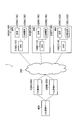
- FIG. 1 is a diagram illustrating a power management system 1 according to the embodiment.
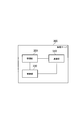
- FIG. 2 is a diagram illustrating the lower management server 300 according to the embodiment.
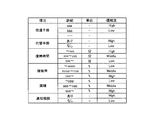
- FIG. 3 is a diagram illustrating reliability information according to the embodiment.
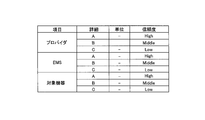
- FIG. 4 is a diagram illustrating reliability information according to the embodiment.
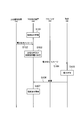
- FIG. 5 is a diagram illustrating a management method according to the embodiment.
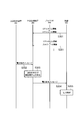
- FIG. 6 is a diagram illustrating a management method according to another embodiment 1.
- FIG. 7 is a diagram illustrating a management method according to another embodiment 1.
- FIG. 8 is a diagram illustrating a management method according to another embodiment 2.
- the management server includes a power control message requesting control of a distributed power source installed in a facility via a communication line, a power flow control message requesting control of a power flow from the power system to the facility, or the facility To a power command message including a reverse power flow control message for requesting control of a reverse power flow to the power system.
- the management server is provided with the management part which manages the reliability information regarding the reliability with which the said facility respond
- the said transmission part sends the said electric power command message based on the said reliability information to the said Send to the facility.
- the power command message is transmitted based on the reliability information, it is possible to appropriately control the tidal flow rate or the reverse tidal flow rate by transmitting the power command message.
- the management server is based on at least one of real-time information indicating the current quality of the communication line and schedule information indicating a schedule as to whether or not it is possible to respond to the power command message.
- a control unit is provided that estimates a control expected amount that is the tidal flow rate or the reverse tidal flow rate that decreases according to the power command message. According to such a configuration, since the expected control amount is estimated based on at least one of the real-time information and the schedule information, it is possible to appropriately control the tide flow rate or the reverse tide flow rate by transmitting the power command message.
- the power management system 1 includes a customer facility 100 (hereinafter simply referred to as a facility 100), a network 200, a lower-level management server 300, and a higher-level management server 400.
- the facility 100 includes an EMS 110, a load 120, and a distributed power source 130.
- the EMS 110 is an apparatus (Energy Management System) that manages the power of devices provided in the facility 100.
- the load 120 is a device that consumes power.
- the load 120 includes devices such as a refrigerator, lighting, an air conditioner, and a television, for example.
- the load 120 may include a single device or a plurality of devices.
- the distributed power supply 130 is a device that generates electric power or stores electric power.
- the distributed power supply 130 includes devices such as a solar cell, a fuel cell, and a storage battery, for example.
- the distributed power supply 130 may include a single device or a plurality of devices.
- the distributed power source 130 may include at least two of a solar cell, a fuel cell, and a storage battery. More specifically, the distributed power source 130 includes a solar cell and a storage battery, or includes a fuel cell and a storage battery.
- the facility 100A, the facility 100B, and the facility 100C are illustrated as the facility 100.
- the facility 100A, the facility 100B, and the facility 100C have the same configuration.
- the network 200 is a communication line that connects the facility 100 and the lower management server 300.
- the network 200 is, for example, the Internet.
- the network 200 is provided by a provider with which each facility 100 contracts.
- a provider is an operator that provides a connection service to a network (for example, the Internet).
- the lower management server 300 is a server belonging to an aggregator such as a power distribution company.
- the aggregator is a business operator that manages the tide flow rate or the reverse tide flow rate of the facility 100 contracted with the aggregator.
- the lower management server 300A and the lower management server 300B are illustrated as the lower management server 300.
- the lower management server 300A and the lower management server 300B have the same configuration.
- the upper management server 400 and the lower management server 300 may be integrated.
- the upper management server 400 is a server belonging to an electric power company such as an electric power company.
- the electric power company may entrust the management of the tidal flow or reverse tidal flow of the facility 100 to the aggregator.
- the upper management server 400 transmits a power flow control message (for example, DR; Demand Response) that requests an increase or decrease in power flow (power supply amount) to the facility 100 from the power system.
- the upper management server 400 transmits a reverse flow control message requesting an increase or decrease in reverse flow from the facility 100 to the power system.
- the upper management server 400 may transmit a power control message for controlling the operation of the distributed power supply 130.
- the power supply control message is a command for controlling the operation of the distributed power supply 130 of the facility 100 as a virtual power plant, and examples thereof include commands such as charging, discharging, power generation, reverse power flow, and automatic operation.
- the power control message, the power flow control message, and the reverse power control message are collectively referred to as a power command message.
- the tidal current control message includes information indicating the control degree (suppression degree) of the amount of power (tidal flow rate) supplied from the power system to the facility 100.
- the degree of suppression may be represented by an absolute value of electric energy (for example, OO kW).
- the suppression degree may be represented by a relative value of the electric energy (for example, a decrease in OO kW).
- the suppression degree may be expressed as a power consumption suppression ratio (for example, OO%).
- the power flow control message may include information indicating a power purchase price that is the price of the power flow from the power system. By setting a high price as the power purchase price, it is expected that the amount of power supplied from the power system to the facility 100 will be suppressed.
- the reverse power flow control message includes information indicating the control degree (suppression degree) of the electric energy (reverse power flow rate) output from the facility 100 to the power system.
- the reverse power flow control message includes information indicating the degree of suppression of the output of the distributed power supply.
- the suppression degree may be represented by an absolute value (for example, OO kW) of the output of the distributed power source.
- the degree of suppression may be represented by a relative value of the output of the distributed power source (for example, a decrease in OO kW).
- the suppression degree may be expressed as a suppression ratio (for example, OO%) of the output of the distributed power source.
- the suppression ratio may be a ratio with respect to an output that is certified as an output capability of the PCS that controls the distributed power supply (hereinafter referred to as equipment certified output) when the distributed power supply is installed in the facility 100.
- equipment certified output an output that is certified as an output capability of the PCS that controls the distributed power supply
- the facility certified output is the smaller output capability of these output capabilities.
- the facility authorization output is the sum of the output capacities of the plurality of PCSs.
- the type of the distributed power source 130 in addition to the commands such as charging, discharging, power generation, reverse power flow or automatic operation as described above, the type of the distributed power source 130, the AC upper limit setting for charging or discharging, the AC lower limit setting for charging or discharging, Commands such as charge amount, charge time, AC effective capacity, discharge amount, discharge time, power generation amount, power generation time, reverse power flow rate, reverse power flow time, or automatic operation time may be included.
- a unique format may be used, or a format conforming to an automatic demand response (ADR) may be used.
- ADR automatic demand response
- the communication between the upper management server 400 and the lower management server 300 and the communication between the lower management server 300 and the facility 100 may be performed by a method compliant with the Open ADR standard. Any version of the Open ADR standard can be used. For example, Open ADR2.0 can be used.
- Management server Hereinafter, the management server according to the embodiment will be described.
- the lower management server 300 is illustrated as the management server.
- the upper management server 400 may be the management server.
- the lower management server 300 includes a communication unit 310, a management unit 320, and a control unit 330.
- the communication unit 310 includes a communication module and the like, and communicates with the facility 100 and the upper management server 400. For example, the communication unit 310 receives a power command message including a power control message, a power flow control message, or a reverse power flow control message from the upper management server 400. The communication unit 310 transmits a power command message including a power supply control message, a power flow control message, or a reverse power flow control message to the facility 100 via the network 200 (communication line). Since the management of the tidal flow or reverse tidal flow of the facility 100 is entrusted to the aggregator (lower management server 300), the content of the power command message transmitted to the facility 100 is the content of the power command message received from the higher management server 400. And may be different.
- the transmission partner (facility 100) of the power command message and the content of the power command message (the content of control, the flow of power) Control amount or control amount of reverse power flow) is determined. Therefore, the communication unit 310 transmits a power command message to the facility 100 based on the reliability information.
- the management unit 320 is configured by a storage such as a hard disk drive, and manages the reliability information regarding the reliability that the facility 100 responds to the power command message.
- the management unit 320 manages reliability information corresponding to at least one of the items shown in FIGS.
- the management unit 320 obtains one reliability associated with the facility 100 by weighted addition of the reliability of two or more items associated with the facility 100 or the like. It may be calculated and managed.
- the reliability information includes reliability corresponding to at least one of items such as a transmission means, an alternative means, a return time, an operation rate, an actual result, and a notification function.
- the reliability information may include a plurality of items, and the lower management server 300 may determine the reliability based on the plurality of items.
- “Communication means” is an item indicating what communication line the lower-level management server 300 and the facility 100 are.
- the transmission means can be determined depending on, for example, wired communication or wireless communication. Since there is a difference in the possibility that the power command message reaches the facility 100 depending on the transmission means, the reliability changes. Further, the reliability may be changed by a wired communication method or a wireless communication method. For example, in the case of wireless communication, the reliability may be changed by CDMA, LTE, Wi-Fi (registered trademark), or 920 MHz wireless. When the reliability is calculated (weighted) in these wireless communications, it can be based on the location information or signal strength of at least one of the lower management server 300 and the facility 100. Further, both wired communication and wireless communication may be mixed as the transmission means.
- “Alternative means (alternative method)” is an item indicating whether or not there is a means for transmitting the power command message to the facility 100 or the user of the facility 100 even when the quality of the communication line is below the threshold. is there. If there is an alternative, the possibility that the power command message reaches the facility 100 is improved, and thus the reliability is high. On the other hand, if there is no alternative means, since the possibility that the power command message reaches the facility 100 is reduced, the reliability is low.
- the alternative means may be a means for transmitting the power command message by means such as a fixed telephone, a mobile phone, a dedicated line, mail or a letter.
- the reliability may be varied depending on what kind of alternative means is used. For example, if you have a means such as a landline phone or a mobile phone that can contact the facility users directly, then you have only a means such as email or letter. And increasing the reliability. It should be noted that how to attach importance to the reliability of a fixed telephone, a mobile phone, a dedicated line, an e-mail, or a letter may be appropriately set according to the situation. Further, when a plurality of means are provided, the reliability may be increased.
- “Return time” is an item indicating the time from when the quality of the communication line falls below the threshold until the quality of the communication line exceeds the threshold. Since the possibility that the power command message does not reach the facility 100 decreases as the return time is shorter, the reliability is higher. On the other hand, since the possibility that the power command message does not reach the facility 100 increases as the return time increases, the reliability is low.
- the reliability corresponding to the return time may have two or more stages.
- the return time may be dynamically determined based on the past return time results.
- the return time can be determined by a mathematical method such as average, standard deviation, or mean square based on the past results of return time.
- the return time may be statically determined according to information of a provider that provides a communication line.
- the provider information may include, for example, information such as provider name, incidental service, security enhancement, or service reliability.
- the return time may be statically determined according to the type of EMS 110 that the facility 100 has.
- Occupancy rate is determined based on the percentage of communication lines that can be used. That is, the operation rate is calculated based on the non-operation rate in which the communication line cannot be used.
- the non-operation rate is a rate at which a communication line cannot be used due to maintenance or failure. The higher the operation rate, the higher the reliability.
- “Achievement” may be determined based on the percentage of achievements in which a power command message including a power control message, a power flow control message, or a reverse power flow control message has correctly arrived at the facility 100. Whether or not it has arrived correctly may be determined based on, for example, whether or not the tidal flow rate or the reverse tidal flow rate is actually controlled according to the power command message.
- the result may include an item indicating whether or not the tidal flow or the reverse tidal flow is actually controlled according to the power command message.
- the actual result may be represented, for example, by a ratio (%) of the control amount of the tidal current or the reverse power flow actually controlled by the facility 100 to the control amount of the tidal current or the reverse power flow requested by the power command message. It is estimated that the worse the track record is, the lower the possibility that the tidal flow rate or the reverse tidal flow rate will be controlled in accordance with the power command message. On the other hand, the better the track record, the higher the possibility that the tidal flow rate or the reverse tidal flow rate will be controlled in accordance with the power command message. The reliability corresponding to the results only needs to have two or more stages.
- the actual results may be two types, 0% and 100%. That is, the actual result may be information indicating whether the facility 100 controls the tidal flow or the reverse tidal flow according to the control amount of the tidal flow or the reverse tidal flow requested by the power command message.
- Notification function is an item indicating whether or not the facility 100 has a function of notifying the subordinate management server 300 of a schedule in which the quality of the communication line falls below the threshold. If there is a notification function, it is possible to determine whether or not the power command message reaches the facility 100. Therefore, the reliability is high. On the other hand, if there is no alternative means, it is not possible to determine whether or not the power command message reaches the facility 100, so the reliability is low.
- the notification function may be a function that uses a “participation impossible schedule” defined in the Open ADR standard.
- the non-participation schedule is a message indicating a schedule that the facility 100 cannot respond to the power command message.
- the reliability information includes reliability corresponding to items such as provider, EMS, and target device.
- “Provider” is, for example, the type of provider that provides a communication line. Since the reliability of the communication line varies depending on the provider's scale, facility environment, or service quality, the possibility that the power command message reaches the facility 100 may vary depending on the provider.
- EMS is the type of EMS 110 that the facility 100 has.
- the possibility that the facility 100 responds to the power command message may differ depending on the type (performance or function) of the EMS 110.
- the type of the EMS 110 includes, for example, a function of controlling the load, a function of responding to a power command message, or a function of contacting the user when the user is absent from the facility 100. It is determined by whether or not it has.
- Target device is the type of target device controlled in accordance with the power command message.
- the possibility that the facility 100 responds to the power command message may vary depending on the type of the target device.
- the target device may be a device such as an air conditioner that easily controls power consumption, a refrigerator that is difficult to control power consumption, or a power conditioner connected to a solar battery or the like.
- the management unit 320 may manage reliability information for each grouping target.
- the grouping target may be at least one item among the types of providers that provide communication lines, the types of EMS 110 that the facility 100 has, and the types of target devices that are controlled according to the power flow control message.
- the control unit 330 includes a CPU, a memory, and the like, and controls the communication unit 310 and the management unit 320.
- the control unit 330 determines the transmission partner (facility 100) of the power command message and the content of the power command message (the control amount of the power flow or the control amount of the reverse power flow) based on the reliability information managed by the management unit 320. To do. Specifically, the control unit 330 preferentially determines the facility 100 having high reliability as the transmission partner of the power command message. The control unit 330 determines the content of the power command message so as to allocate a large control amount to the facility 100 having high reliability.
- control unit 330 may determine an incentive to be given to the facility 100 based on reliability information managed by the management unit 320.
- the incentive is a reward for the result of controlling the tidal flow or the reverse tidal flow with respect to the power command message.
- the incentive may be a monetary reward or a reward such as a prize.
- step S ⁇ b> 101 the lower management server 300 manages reliability information related to the reliability with which the facility 100 responds to the power command message.
- the reliability information is as shown in FIGS.
- step S102 the lower management server 300 receives the power command message from the upper management server 400.
- step S103 the lower-level management server 300 determines the transmission partner (facility 100) of the power command message and the content of the power command message (the control amount of the power flow or the control amount of the reverse power flow) based on the reliability information.
- step S104 the lower management server 300 transmits a power command message to the facility 100 according to the result of step S103.
- step S105 the facility 100 controls the tide flow rate or the reverse tide flow rate according to the power command message.
- step S106 the facility 100 transmits the result of step S105 (result of power control) to the lower management server 300.
- step S107 the facility 100 updates the reliability information (for example, the reliability associated with the “result” shown in FIG. 3) based on the result received in step S106.
- the reliability information for example, the reliability associated with the “result” shown in FIG. 3
- the lower-level management server 300 includes a management unit 320 that manages reliability information related to the reliability with which the facility 100 responds to the power command message, and the communication unit 310 transmits the power command message to the facility based on the reliability information. To 100. According to such a configuration, since the power command message is transmitted based on the reliability information, it is possible to appropriately control the tidal flow rate or the reverse tidal flow rate by transmitting the power command message.
- the lower-level management server 300 belongs to the aggregator entrusted by the power company to manage the tidal flow or the reverse tidal flow of the facility 100.
- the aggregator Can be entrusted to the contractor.
- control unit 330 of the lower-level management server 300 is at least one of real-time information indicating the current quality of the communication line and schedule information indicating a schedule indicating whether or not it is possible to respond to the power command message. Based on one of these, an expected control amount that is a tidal flow rate or a reverse tidal flow rate that decreases according to the tidal flow control message is estimated.
- real-time information may be acquired as follows.
- the current quality of the communication line is monitored by the lower management server 300, and the lower management server 300 may acquire real-time information by itself.
- the current quality of the communication line is monitored by the provider, and the communication unit 310 of the lower management server 300 may receive real-time information from the provider.
- the current quality of the communication line is monitored by the facility 100, and the communication unit 310 of the lower management server 300 may receive real-time information from the facility 100.
- the quality of the communication line may include information indicating received signal strength (RSSI; Received Signal Strength Indicator), and signal interference ratio (SIR; Signal to Interference Ratio or SINR; Signal to Interference Plus Information). May be included.
- the communication quality information may include information indicating a packet error rate.
- the communication quality information may include time data indicating the time when the quality of wireless communication is measured.
- the communication quality information may be one quality information or two or more pieces of quality information.
- the real-time information may be the quality of the communication line itself, or the degree of quality (for example, the quality is low or high) in comparison with a certain threshold value. Further, the real-time information may be that there is a high possibility that a problem occurs in the communication line or a low possibility that a problem occurs in the communication line based on the quality.
- schedule information may be acquired as follows.
- the communication unit 310 of the lower management server 300 may receive communication line maintenance information as schedule information from a provider.
- the facility 100 may receive the communication line maintenance information from the provider, and the communication unit 310 of the lower management server 300 may receive the communication line maintenance information as the facility 100 from the provider.
- the communication line maintenance information is an example of information indicating an event schedule that affects the future communication quality of the communication line.
- As the influence on the communication quality for example, a case where the communication itself cannot be performed, a case where the communication speed is reduced, or a case where the amount of data which can be communicated is limited can be assumed.
- Events that affect the future communication quality of the communication line are not only the maintenance of the communication line but also the date and time conditions (such as the date of events such as New Year, Christmas, concerts, sports, etc.) where congestion of the communication line is expected It may be. These events may include geographical conditions (location of events such as concerts or sports).
- the schedule information received from the facility 100 may be a “participation impossible schedule” defined in the Open ADR standard.
- the non-participation schedule is a message indicating a schedule that the facility 100 cannot respond to the power command message.
- the non-participation schedule may include a reason why it is not possible to respond to the power command message.
- the reason may be a reason that maintenance of the communication line is performed, or a reason that congestion of the communication line is expected.
- the reason may be a reason attributable to the power control of the facility 100 (for example, a distributed power source such as a storage battery has failed, or the power consumption of the device cannot be controlled).
- the non-participation schedule may include a time when it becomes possible to respond to the power command message.
- the lower management server 300 receives real-time information or schedule information from the provider 500.
- the real-time information or schedule information may be periodically transmitted from the provider 500 to the lower management server 300, or may be transmitted from the provider 500 to the lower management server 300 in response to a request from the lower management server 300.
- step S202 the lower management server 300 receives the power command message from the upper management server 400.
- step S203 the lower-level management server 300 determines the transmission partner (facility 100) of the power command message and the content of the power command message (the control amount of the power flow or the control amount of the reverse power flow) based on the real-time information or the schedule information. .
- step S204 the lower management server 300 transmits a power command message to the facility 100 according to the result of step S203.
- step S205 the facility 100 controls the tide flow rate or the reverse tide flow rate according to the power command message.
- the lower management server 300 receives real-time information or schedule information from the facility 100.
- the real-time information or schedule information may be periodically transmitted from the facility 100 to the lower management server 300, or may be transmitted from the facility 100 to the lower management server 300 in response to a request from the lower management server 300.
- the facility 100 has previously received communication line maintenance information from the provider 500.
- the present invention is not limited to receiving maintenance information in advance, and may receive an inquiry every time.
- step S302 the lower management server 300 receives the power command message from the upper management server 400.
- step S304 the lower management server 300 transmits a power command message to the facility 100 according to the result of step S303.
- step S305 the facility 100 controls the tide flow rate or the reverse tide flow rate according to the power command message.
- the lower-level management server 300 uses at least one of real-time information indicating the current quality of the communication line and schedule information indicating a schedule indicating whether or not it is possible to respond to the power command message.
- a control unit is provided that estimates the expected control amount or the expected increase amount that is a tidal flow or a reverse tidal flow that changes according to the power command message. According to such a configuration, since the expected control amount is estimated based on at least one of the real-time information and the schedule information, it is possible to appropriately control the tide flow rate or the reverse tide flow rate by transmitting the power command message.
- the lower-level management server 300 belongs to an aggregator entrusted by the power company to manage the tidal flow or the reverse tidal flow of the facility 100.
- the aggregator Can meet the contract of electric power companies.
- the management unit 320 of the lower management server 300 receives a response message including whether to perform a command to the distributed power source 130, control of the tidal flow or reverse power flow according to the power command message. May be managed as reliability information.
- the management unit 320 may manage the control method for controlling the tide flow rate or the reverse tide flow rate in the facility 100 as the reliability information.
- the management unit 320 may manage information on a person in charge of controlling the tide flow rate or the reverse tide flow rate in the facility 100 as reliability information.
- the reception record may be a response time from the transmission of the power command message to the reception of the response message, or may be information (for example, reception probability) indicating whether or not the response message for the power command message has been received. . For example, the shorter the response time, the higher the reliability, and the higher the reception probability, the higher the reliability.
- the control method may be a power saving mode type for controlling the tidal flow, may be a type of the load 120 for controlling the tidal flow, or may be a power consumption of the load 120 for controlling the tidal flow. .
- the control method may be an output control mode type for controlling the reverse power flow rate, or may be a type of the distributed power source 120 for controlling the reverse power flow rate, and the power generation amount of the distributed power source 120 for controlling the reverse power flow rate. Any of the discharge amount and the storage amount may be used. It is possible to determine the possibility that the tidal flow or the reverse tidal flow is controlled by the control method, and the higher the possibility, the higher the reliability.
- the information on the person in charge may be identification information for identifying the person in charge, or a status indicating whether the person in charge can control the tidal flow or the reverse flow.
- the status is, for example, information indicating whether the person in charge is present in the management room. It is possible to determine the possibility that the tide flow rate or the reverse tide flow rate is controlled by such information, and the higher the possibility, the higher the reliability.
- the management unit 320 may manage the response message response deadline including whether to control the tidal flow rate or the reverse tidal flow rate according to the power command message.
- the management server 300 can grasp whether or not the control plan is observed by receiving the response message.
- the control plan is, for example, the transmission partner of the power command message (facility 100) and the content of the power command message (control amount of power flow or control amount of reverse power flow) (step S103 shown in FIG. 5 and step S203 shown in FIG. 6). Or step S303 shown in FIG.
- the management server 300 can avoid continuation of a state in which it is not known whether or not the facility 100 for which no response message is obtained controls the tide flow rate or the reverse tide flow rate by managing the reply deadline. Thereby, the management server 300 can correct the control plan described above.
- Management method Hereinafter, a management method according to another embodiment 2 will be described. Here, a case where three facilities 100A to 100C are provided is illustrated.
- the lower management server 300 manages the reliability information related to the reliability with which the facility 100 responds to the power command message.
- the reliability information includes at least one of the reception result of the response message, the control method for controlling the tidal flow or the reverse tidal flow, and the person in charge of controlling the tidal flow or the reverse tidal flow.
- the reliability information may include any of the information shown in FIGS.
- step S402 the lower management server 300 receives the power command message from the upper management server 400.
- the lower management server 300 determines the transmission partner (facility 100) of the power command message and the content of the power command message (control amount of power flow or control amount of reverse power flow) based on the reliability information.
- the lower management server 300 selects the facilities 100B and 100C as transmission partners of the power command message.
- step S404 the lower management server 300 transmits a power command message to the facility 100 according to the result of step S403.
- the lower management server 300 transmits a power command message to the facilities 100B and 100C.
- the lower-level management server 300 starts timers (here, timers B and C) for counting the time elapsed since the transmission of the power command message.
- the expiration time (response deadline) of the timer B and the timer C may be determined based on the reception results (response time) of response messages managed as reliability information.
- the expiration times of timer B and timer C may be different from each other.
- step S405 the lower management server 300 receives a response message to the power command message.
- the lower management server 300 receives the response message from the facility 100C before the timer C expires, but does not receive the response message from the facility 100B before the timer B expires.
- step S406 the lower-level management server 300 corrects the transmission partner (facility 100) of the power command message and the content of the power command message (the control amount of the power flow or the control amount of the reverse power flow) based on the reception status of the response message. . Specifically, since the response message has not been received from the facility 100B, the control plan determined in step 403 is corrected to supplement the control amount assigned to the facility 100B. Here, the lower management server 300 newly selects the facility 100A as a transmission partner of the power command message.
- step S407 the lower management server 300 transmits a power command message to the facility 100 according to the result of step S403.
- the lower management server 300 transmits a power command message to the facility 100A.
- the lower-level management server 300 starts a timer (here, timer A) for counting the time elapsed since the transmission of the power command message.
- the expiration time (response deadline) of the timer A may be determined based on a reception result (response time) of a response message managed as reliability information.
- step S408 the lower management server 300 receives a response message to the power command message.
- the lower management server 300 receives the response message from the facility 100A before the timer A expires.
- step S409 the facility 100 controls the tide flow rate or the reverse tide flow rate according to the power command message.
- the facilities 100A and 100C transmit a response message to the power command message, and control the tide flow rate or the reverse tide flow rate according to the power command message.
- the lower management server 300 may transmit not only the facility 100A but also a power command message to the facility 100C. For example, when the content of the power command message for the facility 100C is changed with the correction of the control plan in step S406, the power command message may be transmitted to the facility 100C again.
- the facility 100 with high reliability based on the reception result of the response message may be selected as the transmission partner of the power command message.
- the facility 100 having a short response time may be easily selected as the transmission partner of the power command message, and the facility 100 having a high reception probability may be easily selected as the transmission partner of the power command message.
- the power command message is transmitted with the facility 100 as a transmission partner.
- the power command message may be transmitted using the device (the load 120 or the distributed power supply 130) as a transmission partner. That is, the tidal flow rate or the reverse tidal flow rate may be controlled not for each facility 100 but for each load 120 or distributed power source 130.
- the management unit 320 of the lower-level management server 300 may update the reliability information between the time when the first power command message is transmitted as the power command message and the time when the second power command message is transmitted. Thus, when the second power command message is transmitted, a record indicating whether or not the power flow or reverse power flow is actually controlled according to the first power command message is reflected in the reliability information.
- the communication unit 310 of the lower management server 300 may transmit reliability information managed by the management unit 320 to the facility 100. Thereby, the facility 100 side can grasp its own evaluation (reliability information). In addition, when the reliability is updated, the updated reliability information may be transmitted to the facility 100, and the reason why the reliability information has changed at that time may also be transmitted. Good.
- the evaluation (reliability information) of the facility 100 may be the reliability information itself managed by the management unit 320, or may be a rank (rank A to rank C, etc.) set based on the reliability information. .
- the lower-level management server 300 can select the facility 100 efficiently when transmitting the power command message by previously ranking each facility 100.
- the incentive given to the facility 100 may be determined by a rank set based on the reliability information.
- the communication unit 310 of the lower management server 300 may transmit a test message to the facility 100.
- the test message should use a packet that has a small amount of data and is unlikely to affect other communications, a message with a data amount equivalent to the data amount of the power command message, or a power command message that has been used in the past. Can do.
- the transmission of the test message may be performed by a method conforming to the Open ADR standard. Specifically, oadrUpdateReport in the Open ADR standard can be used for transmitting the test message.
- the test message may be performed by a so-called heartbeat operation in which transmission / reception is periodically repeated. If possible, oaderCreateReport in the Open ADR standard may be used.
- the management unit 320 of the lower management server 300 may update the reliability information according to the test message transmission result. For example, the quality (for example, the above-described real-time information) of the network 200 (communication line) can be measured based on the transmission result of the test message.
- the lower management server 300 can monitor the communication line by using the heartbeat operation. For example, in the heartbeat operation, the management server 300 receives a confirmation message for confirming the communication state of the network 200 from the facility 100.
- the facility 100 may transmit a confirmation message in response to a request from the management server 300, or may autonomously transmit a confirmation message without depending on the request from the management server 300.
- the confirmation message a message selected from predetermined messages is used. For example, a report message (for example, oadrUpdateReport) for reporting the state of the distributed power supply 130 of the facility 100 may be used as the confirmation message.
- the report message used as the confirmation message is transmitted in response to a report request message (for example, oadrCreateReport) received from the lower management server 300.
- the report message used as the confirmation message may be a message that does not include information indicating the state of the distributed power supply 130. That is, the report request message is a message that requests transmission of a message that does not include information indicating the state of the distributed power supply 130.
- the report message may be an empty message. An empty message is one that contains no other information besides the message format.
- the report message used as the confirmation message may be a message including information having the smallest data amount among the information indicating the state of the distributed power supply 130. That is, the report request message is a message for requesting transmission of a message including information having the smallest data amount (information indicating the state of the distributed power supply 130).
- the lower management server 300 may select the facility 100 that transmits the power command message based on both the reliability information and the real-time information or the schedule information. In that case, the tide flow rate or the reverse tide flow rate is appropriate and efficient. Can be controlled.
- the lower-level management server 300 may determine a control method in the facility 100 based on the reliability information of the facility 100 and transmit a message instructing the determined control method to the facility 100. For example, a message indicating a control method (for example, a power saving mode or an output control mode) that realizes a larger control amount may be transmitted to the facility 100 as the facility 100 has higher reliability.
- a control method for example, a power saving mode or an output control mode
Landscapes
- Engineering & Computer Science (AREA)
- Power Engineering (AREA)
- Computer Networks & Wireless Communication (AREA)
- Physics & Mathematics (AREA)
- General Physics & Mathematics (AREA)
- Automation & Control Theory (AREA)
- Remote Monitoring And Control Of Power-Distribution Networks (AREA)
- Management, Administration, Business Operations System, And Electronic Commerce (AREA)
- Supply And Distribution Of Alternating Current (AREA)
Abstract
Priority Applications (3)
| Application Number | Priority Date | Filing Date | Title |
|---|---|---|---|
| US15/746,296 US20180212462A1 (en) | 2015-07-29 | 2016-07-26 | Management server and management method |
| EP16830500.1A EP3331119B1 (fr) | 2015-07-29 | 2016-07-26 | Serveur et procédé de gestion |
| JP2017530869A JP6718607B2 (ja) | 2015-07-29 | 2016-07-26 | 管理サーバ及び管理方法 |
Applications Claiming Priority (2)
| Application Number | Priority Date | Filing Date | Title |
|---|---|---|---|
| JP2015149999 | 2015-07-29 | ||
| JP2015-149999 | 2015-07-29 |
Publications (1)
| Publication Number | Publication Date |
|---|---|
| WO2017018395A1 true WO2017018395A1 (fr) | 2017-02-02 |
Family
ID=57884395
Family Applications (1)
| Application Number | Title | Priority Date | Filing Date |
|---|---|---|---|
| PCT/JP2016/071786 Ceased WO2017018395A1 (fr) | 2015-07-29 | 2016-07-26 | Serveur et procédé de gestion |
Country Status (4)
| Country | Link |
|---|---|
| US (1) | US20180212462A1 (fr) |
| EP (1) | EP3331119B1 (fr) |
| JP (1) | JP6718607B2 (fr) |
| WO (1) | WO2017018395A1 (fr) |
Cited By (6)
| Publication number | Priority date | Publication date | Assignee | Title |
|---|---|---|---|---|
| JP2019017192A (ja) * | 2017-07-07 | 2019-01-31 | パナソニックIpマネジメント株式会社 | 制御装置、電力変換システム、及び発電システム |
| EP3462100A1 (fr) * | 2017-09-29 | 2019-04-03 | LG Electronics Inc. | Procédé de commande de climatiseur |
| JP2019525718A (ja) * | 2016-08-29 | 2019-09-05 | アレリオン エナジー システムズ アクチエボラグAlelion Energy Systems AB | 電力網に予備電力を提供するための方法およびシステム |
| JP2019154218A (ja) * | 2018-03-01 | 2019-09-12 | 日新電機株式会社 | 移動体を用いた電力供給システム |
| US20190318063A1 (en) * | 2018-04-11 | 2019-10-17 | Microsoft Technology Licensing, Llc | Software license distribution and validation using a distributed immutable data store |
| WO2020158592A1 (fr) * | 2019-01-30 | 2020-08-06 | 京セラ株式会社 | Procédé d'alimentation électrique et dispositif de gestion d'énergie |
Families Citing this family (5)
| Publication number | Priority date | Publication date | Assignee | Title |
|---|---|---|---|---|
| EP3306771B1 (fr) | 2015-06-08 | 2019-11-27 | Kyocera Corporation | Dispositif de conversion d'énergie électrique, dispositif de gestion d'énergie électrique et procédé de gestion d'énergie électrique |
| WO2016199816A1 (fr) * | 2015-06-08 | 2016-12-15 | 京セラ株式会社 | Dispositif de conversion de puissance, dispositif de gestion de puissance et procédé de gestion de puissance |
| JP6572313B2 (ja) * | 2015-08-28 | 2019-09-04 | 京セラ株式会社 | 通信装置、管理サーバ及び通信方法 |
| EP3509184A4 (fr) * | 2016-08-31 | 2020-03-04 | Kyocera Corporation | Procédé de gestion d'énergie, serveur de gestion d'énergie, appareil de commande locale et système de gestion d'énergie |
| JP6995825B2 (ja) * | 2019-12-27 | 2022-01-17 | 京セラ株式会社 | 電力管理システム及び電力管理方法 |
Citations (8)
| Publication number | Priority date | Publication date | Assignee | Title |
|---|---|---|---|---|
| JP2013134665A (ja) * | 2011-12-27 | 2013-07-08 | Toshiba Corp | 情報処理装置および電力利用調整システム |
| JP2013198177A (ja) * | 2012-03-15 | 2013-09-30 | Hitachi Ltd | 電力系統制御装置及び電力系統制御方法 |
| JP2014150627A (ja) * | 2013-01-31 | 2014-08-21 | Toshiba Corp | エネルギー管理システム、センタ装置およびエネルギー管理方法 |
| JP2014158375A (ja) * | 2013-02-15 | 2014-08-28 | Mitsubishi Heavy Ind Ltd | デマンドレスポンス要請装置、及びデマンドレスポンス要請方法 |
| WO2014132371A1 (fr) * | 2013-02-27 | 2014-09-04 | 株式会社日立製作所 | Système et procédé de commande de la création d'énergie |
| JP2014527247A (ja) * | 2011-09-16 | 2014-10-09 | ナラヤン、アミット | デマンドレスポンス及び分散エネルギーリソースを最適化及び管理するシステム及び方法 |
| JP2015115643A (ja) * | 2013-12-09 | 2015-06-22 | パナソニックIpマネジメント株式会社 | 通信システム及び通信方法 |
| WO2016017426A1 (fr) * | 2014-07-31 | 2016-02-04 | 日本電気株式会社 | Dispositif de commande, dispositif de commande d'appareil, procédé de commande, procédé de réception de rapport, procédé de rapport et support d'enregistrement |
Family Cites Families (34)
| Publication number | Priority date | Publication date | Assignee | Title |
|---|---|---|---|---|
| US6477522B1 (en) * | 1999-06-10 | 2002-11-05 | Gateway, Inc. | Dynamic performance based server selection |
| US7333880B2 (en) * | 2002-12-09 | 2008-02-19 | Enernoc, Inc. | Aggregation of distributed energy resources |
| JP4265245B2 (ja) * | 2003-03-17 | 2009-05-20 | 株式会社日立製作所 | 計算機システム |
| US7522657B2 (en) * | 2003-10-20 | 2009-04-21 | William Marsh Rice University | Throughput maximization in wireless communication systems |
| WO2006043320A1 (fr) * | 2004-10-20 | 2006-04-27 | Fujitsu Limited | Programme, procede et dispositif de gestion d'application |
| US20090040029A1 (en) * | 2006-08-10 | 2009-02-12 | V2Green, Inc. | Transceiver and charging component for a power aggregation system |
| EP2097289A2 (fr) * | 2006-12-11 | 2009-09-09 | V2green, Inc. | Programmation et commande dans un systeme d'agregation de puissance pour ressources electriques reparties |
| US8805552B2 (en) * | 2007-08-28 | 2014-08-12 | Causam Energy, Inc. | Method and apparatus for actively managing consumption of electric power over an electric power grid |
| US9917436B2 (en) * | 2007-10-30 | 2018-03-13 | General Electric Company | System and method for control of power distribution |
| US20100217452A1 (en) * | 2009-02-26 | 2010-08-26 | Mccord Alan | Overlay packet data network for managing energy and method for using same |
| US8620154B2 (en) * | 2009-07-31 | 2013-12-31 | Samsung Electronics Co., Ltd. | Methods and apparatus for fast and energy-efficient light recovery in a visible light communication (VLC) system |
| US8498749B2 (en) * | 2009-08-21 | 2013-07-30 | Allure Energy, Inc. | Method for zone based energy management system with scalable map interface |
| US8401709B2 (en) * | 2009-11-03 | 2013-03-19 | Spirae, Inc. | Dynamic distributed power grid control system |
| JP5101675B2 (ja) * | 2010-09-09 | 2012-12-19 | 株式会社東芝 | 需給バランス制御装置 |
| US8374728B2 (en) * | 2010-12-22 | 2013-02-12 | Lg Electronics Inc. | Power management apparatus for controlling consumption power and method of operating the same |
| US8928489B2 (en) * | 2011-02-08 | 2015-01-06 | Avista Corporation | Ping server |
| JP5843459B2 (ja) * | 2011-03-30 | 2016-01-13 | インターナショナル・ビジネス・マシーンズ・コーポレーションInternational Business Machines Corporation | 情報処理システム、情報処理装置、スケーリング方法、プログラムおよび記録媒体 |
| WO2012139657A2 (fr) * | 2011-04-15 | 2012-10-18 | Siemens Aktiengesellschaft | Réseau de distribution d'énergie et son procédé de fonctionnement |
| US9088179B2 (en) * | 2011-08-22 | 2015-07-21 | Cisco Technology, Inc. | Adaptive control of power grid operations based on energy profiles |
| US9553451B2 (en) * | 2011-12-28 | 2017-01-24 | Lutron Electronics Co., Inc. | Load control system having independently-controlled units responsive to a broadcast controller |
| US10067547B2 (en) * | 2012-06-28 | 2018-09-04 | Intel Corporation | Power management control of remote servers |
| US8983669B2 (en) * | 2012-07-31 | 2015-03-17 | Causam Energy, Inc. | System, method, and data packets for messaging for electric power grid elements over a secure internet protocol network |
| US9058324B2 (en) * | 2012-09-28 | 2015-06-16 | Intel Corporation | Predictive precaching of data based on context |
| US9078050B2 (en) * | 2012-12-28 | 2015-07-07 | Elster Solutions, Llc | Techniques for clock recovery in a mobile information collection network following a power outage |
| JP6303300B2 (ja) * | 2013-06-25 | 2018-04-04 | 富士通株式会社 | 制御依頼方法、情報処理装置、システム、およびプログラム |
| EP2874265B1 (fr) * | 2013-11-13 | 2017-07-19 | Siemens Aktiengesellschaft | Procédé et système de surveillance et de commande d'une distribution de courant dans un réseau de distribution d'énergie |
| WO2015118800A1 (fr) * | 2014-02-05 | 2015-08-13 | 日本電気株式会社 | Dispositif de surveillance, système de communication radio, procédé de prévision de défaillance, et support lisible par ordinateur non-temporaire stockant un programme |
| US10169121B2 (en) * | 2014-02-27 | 2019-01-01 | Commvault Systems, Inc. | Work flow management for an information management system |
| WO2015133991A1 (fr) * | 2014-03-03 | 2015-09-11 | Nokia Technologies Oy | Fiabilité et détection de communication ultra-fiables dans des réseaux mobiles |
| KR102144509B1 (ko) * | 2014-03-06 | 2020-08-14 | 삼성전자주식회사 | 근접 통신 방법 및 장치 |
| US20170318439A1 (en) * | 2014-06-07 | 2017-11-02 | Google Inc. | Message delivery reliability |
| EP3167678B1 (fr) * | 2014-07-11 | 2018-09-26 | Telefonaktiebolaget LM Ericsson (publ) | Dispositif de communication et procédé associé pour transmettre des informations de données à des instants temporels fixes dans un réseau de communication radio |
| US9953081B2 (en) * | 2015-02-26 | 2018-04-24 | Accenture Global Services Limited | System for linking diverse data systems |
| WO2018126102A1 (fr) * | 2016-12-30 | 2018-07-05 | Walmart Apollo, Llc | Routage de demande de source de vente au détail auto-organisateur et systèmes et procédés de partage de charge distribuée |
-
2016
- 2016-07-26 EP EP16830500.1A patent/EP3331119B1/fr not_active Not-in-force
- 2016-07-26 WO PCT/JP2016/071786 patent/WO2017018395A1/fr not_active Ceased
- 2016-07-26 JP JP2017530869A patent/JP6718607B2/ja active Active
- 2016-07-26 US US15/746,296 patent/US20180212462A1/en not_active Abandoned
Patent Citations (8)
| Publication number | Priority date | Publication date | Assignee | Title |
|---|---|---|---|---|
| JP2014527247A (ja) * | 2011-09-16 | 2014-10-09 | ナラヤン、アミット | デマンドレスポンス及び分散エネルギーリソースを最適化及び管理するシステム及び方法 |
| JP2013134665A (ja) * | 2011-12-27 | 2013-07-08 | Toshiba Corp | 情報処理装置および電力利用調整システム |
| JP2013198177A (ja) * | 2012-03-15 | 2013-09-30 | Hitachi Ltd | 電力系統制御装置及び電力系統制御方法 |
| JP2014150627A (ja) * | 2013-01-31 | 2014-08-21 | Toshiba Corp | エネルギー管理システム、センタ装置およびエネルギー管理方法 |
| JP2014158375A (ja) * | 2013-02-15 | 2014-08-28 | Mitsubishi Heavy Ind Ltd | デマンドレスポンス要請装置、及びデマンドレスポンス要請方法 |
| WO2014132371A1 (fr) * | 2013-02-27 | 2014-09-04 | 株式会社日立製作所 | Système et procédé de commande de la création d'énergie |
| JP2015115643A (ja) * | 2013-12-09 | 2015-06-22 | パナソニックIpマネジメント株式会社 | 通信システム及び通信方法 |
| WO2016017426A1 (fr) * | 2014-07-31 | 2016-02-04 | 日本電気株式会社 | Dispositif de commande, dispositif de commande d'appareil, procédé de commande, procédé de réception de rapport, procédé de rapport et support d'enregistrement |
Non-Patent Citations (1)
| Title |
|---|
| See also references of EP3331119A4 * |
Cited By (11)
| Publication number | Priority date | Publication date | Assignee | Title |
|---|---|---|---|---|
| JP2019525718A (ja) * | 2016-08-29 | 2019-09-05 | アレリオン エナジー システムズ アクチエボラグAlelion Energy Systems AB | 電力網に予備電力を提供するための方法およびシステム |
| JP2019017192A (ja) * | 2017-07-07 | 2019-01-31 | パナソニックIpマネジメント株式会社 | 制御装置、電力変換システム、及び発電システム |
| EP3462100A1 (fr) * | 2017-09-29 | 2019-04-03 | LG Electronics Inc. | Procédé de commande de climatiseur |
| KR102058048B1 (ko) | 2017-09-29 | 2019-12-20 | 엘지전자 주식회사 | 공기조화기 시스템의 제어 방법 |
| US10914485B2 (en) | 2017-09-29 | 2021-02-09 | Lg Electronics Inc. | Method for controlling air conditioner system |
| JP2019154218A (ja) * | 2018-03-01 | 2019-09-12 | 日新電機株式会社 | 移動体を用いた電力供給システム |
| JP7101337B2 (ja) | 2018-03-01 | 2022-07-15 | 日新電機株式会社 | 移動体を用いた電力供給システム |
| US20190318063A1 (en) * | 2018-04-11 | 2019-10-17 | Microsoft Technology Licensing, Llc | Software license distribution and validation using a distributed immutable data store |
| WO2020158592A1 (fr) * | 2019-01-30 | 2020-08-06 | 京セラ株式会社 | Procédé d'alimentation électrique et dispositif de gestion d'énergie |
| JPWO2020158592A1 (ja) * | 2019-01-30 | 2021-11-25 | 京セラ株式会社 | 電力供給方法及び電力管理装置 |
| JP7178429B2 (ja) | 2019-01-30 | 2022-11-25 | 京セラ株式会社 | 電力供給方法及び電力管理装置 |
Also Published As
| Publication number | Publication date |
|---|---|
| EP3331119A1 (fr) | 2018-06-06 |
| JPWO2017018395A1 (ja) | 2018-05-24 |
| EP3331119B1 (fr) | 2022-02-16 |
| JP6718607B2 (ja) | 2020-07-08 |
| US20180212462A1 (en) | 2018-07-26 |
| EP3331119A4 (fr) | 2019-01-02 |
Similar Documents
| Publication | Publication Date | Title |
|---|---|---|
| JP6718607B2 (ja) | 管理サーバ及び管理方法 | |
| JP5807073B2 (ja) | 一つ以上の電気施設から供給される電力の消費量を能動管理するための方法及び装置 | |
| Vardakas et al. | A survey on demand response programs in smart grids: Pricing methods and optimization algorithms | |
| JP7361827B2 (ja) | 管理サーバ、管理システム、及び管理方法 | |
| US9830672B2 (en) | Power management message bus system | |
| US10305736B2 (en) | Methods, network nodes, and computer program products for price signal feedback for network optimization | |
| US20210320522A1 (en) | Mesh-networked power control devices, systems and methods | |
| AU2012246665A1 (en) | Method and apparatus for actively managing consumption of electric power supplied by one or more electric utilities | |
| JP5606484B2 (ja) | 充放電制御装置、充放電制御システム及び充放電制御プログラム | |
| WO2017038720A1 (fr) | Serveur de gestion, procédé de gestion, et système de gestion | |
| US20200272187A1 (en) | Open automated demand response (openadr) server | |
| US9693318B1 (en) | Multi-protocol load control | |
| EP2763262B1 (fr) | Système de gestion de l'alimentation, méthode de gestion de l'alimentation, et appareil supérieure de gestion de l'alimentation | |
| WO2017018396A1 (fr) | Dispositif de communication et procédé de communication | |
| JPWO2017018344A1 (ja) | 通信装置及び通信方法 | |
| US20250106732A1 (en) | Management and Orchestration of a VPP Controller | |
| JP7678771B2 (ja) | 電力システム及び制御方法 | |
| Ayoub | Service-Differentiated Cooperative Routing in the Internet of Things | |
| KR20250173678A (ko) | 효율적 에너지 사용을 위한 처리 방법 및 장치 | |
| CA3251529A1 (fr) | Système de gestion d’énergie pour réseau électrique | |
| JP2021051689A (ja) | 電力管理システム及び電力管理方法 | |
| JP2017046555A (ja) | 需要家通信装置及び管理方法 |
Legal Events
| Date | Code | Title | Description |
|---|---|---|---|
| 121 | Ep: the epo has been informed by wipo that ep was designated in this application |
Ref document number: 16830500 Country of ref document: EP Kind code of ref document: A1 |
|
| ENP | Entry into the national phase |
Ref document number: 2017530869 Country of ref document: JP Kind code of ref document: A |
|
| WWE | Wipo information: entry into national phase |
Ref document number: 15746296 Country of ref document: US |
|
| NENP | Non-entry into the national phase |
Ref country code: DE |
|
| WWE | Wipo information: entry into national phase |
Ref document number: 2016830500 Country of ref document: EP |