WO2017196140A2 - Additif alimentaire pour animaux d'aquaculture comprenant la souche bfe920 de lactococcus lactis induisant des lymphocytes t immunomodulateurs - Google Patents
Additif alimentaire pour animaux d'aquaculture comprenant la souche bfe920 de lactococcus lactis induisant des lymphocytes t immunomodulateurs Download PDFInfo
- Publication number
- WO2017196140A2 WO2017196140A2 PCT/KR2017/004974 KR2017004974W WO2017196140A2 WO 2017196140 A2 WO2017196140 A2 WO 2017196140A2 KR 2017004974 W KR2017004974 W KR 2017004974W WO 2017196140 A2 WO2017196140 A2 WO 2017196140A2
- Authority
- WO
- WIPO (PCT)
- Prior art keywords
- lactococcus lactis
- lactis bfe920
- inflammatory
- bfe920
- strain
- Prior art date
- Legal status (The legal status is an assumption and is not a legal conclusion. Google has not performed a legal analysis and makes no representation as to the accuracy of the status listed.)
- Ceased
Links
Images
Classifications
-
- A—HUMAN NECESSITIES
- A23—FOODS OR FOODSTUFFS; TREATMENT THEREOF, NOT COVERED BY OTHER CLASSES
- A23K—FODDER
- A23K10/00—Animal feeding-stuffs
- A23K10/10—Animal feeding-stuffs obtained by microbiological or biochemical processes
- A23K10/16—Addition of microorganisms or extracts thereof, e.g. single-cell proteins, to feeding-stuff compositions
- A23K10/18—Addition of microorganisms or extracts thereof, e.g. single-cell proteins, to feeding-stuff compositions of live microorganisms
-
- A—HUMAN NECESSITIES
- A23—FOODS OR FOODSTUFFS; TREATMENT THEREOF, NOT COVERED BY OTHER CLASSES
- A23K—FODDER
- A23K50/00—Feeding-stuffs specially adapted for particular animals
- A23K50/80—Feeding-stuffs specially adapted for particular animals for aquatic animals, e.g. fish, crustaceans or molluscs
-
- A—HUMAN NECESSITIES
- A61—MEDICAL OR VETERINARY SCIENCE; HYGIENE
- A61K—PREPARATIONS FOR MEDICAL, DENTAL OR TOILETRY PURPOSES
- A61K35/00—Medicinal preparations containing materials or reaction products thereof with undetermined constitution
- A61K35/66—Microorganisms or materials therefrom
- A61K35/74—Bacteria
- A61K35/741—Probiotics
- A61K35/744—Lactic acid bacteria, e.g. enterococci, pediococci, lactococci, streptococci or leuconostocs
-
- A—HUMAN NECESSITIES
- A61—MEDICAL OR VETERINARY SCIENCE; HYGIENE
- A61K—PREPARATIONS FOR MEDICAL, DENTAL OR TOILETRY PURPOSES
- A61K35/00—Medicinal preparations containing materials or reaction products thereof with undetermined constitution
- A61K35/12—Materials from mammals; Compositions comprising non-specified tissues or cells; Compositions comprising non-embryonic stem cells; Genetically modified cells
- A61K2035/122—Materials from mammals; Compositions comprising non-specified tissues or cells; Compositions comprising non-embryonic stem cells; Genetically modified cells for inducing tolerance or supression of immune responses
Definitions
- the present invention relates to aquaculture functional feed additive comprising a Lactococcus lactis BFE920 strain for inducing immune regulatory T cells, and specifically, an anti-inflammatory or immuno-promoting composition comprising a Lactococcus lactis BFE920 strain as an active ingredient. And uses thereof.
- Flounder is the most important fish species in Korean aquaculture.
- Edward's infectious disease is Edwardsiella tarda
- the Edwardsiella tarda can be used as a source of epithelium through water from infectious sources (dung, water, mud) under unfavorable environmental conditions such as high water temperature, water deterioration and eutrophication in freshwater or marine fish.
- Infection through wounds or intestines is known to cause severe systemic bacterial diseases.
- probiotics have an etymological meaning that is opposed to antibiotics (antibotics), which means antibiotics, and is defined as a microbial agent or microbial component that helps balance microorganisms in the intestine, and is typically a lactobacillus such as Lactobacillus bacteria and bifidus bacteria. This corresponds to this.
- probiotics are classified as GRAS (generally recognized as safe) because they do not possess toxic genes for humans and animals and do not produce pathogenic substances. Therefore, the development of feed additives using probiotics proved stability has been actively made.
- Korean Patent Publication No. 10-2011-035554 discloses a novel mixed strain of Bacillus CMB L1 and Lactobacillus CMB201 and antimicrobial and antimicrobial food composition and antimicrobial activity using the same
- Korean Patent No. 10-0977407 discloses a lytic extract of Zygosaccharomyces bailii which increases various activities of neutrophils, which are the main phagocytic cells of animals, and enhances the nonspecific defense against the challenge of pathogenic bacteria.
- an animal immunopotentiator and feed additive Disclosed is an animal immunopotentiator and feed additive.
- the actual immune activity of the feed additives using probiotics is inadequate, and there is still a need for research on feed additives using probiotics having excellent immunological activity.
- Lactococcus lactis BFE920 has increased anti-inflammatory or regulatory immune T cell activity and intestinal tight junction activity.
- the present invention was completed by reducing the intestinal permeability and increasing the survival rate of the flounder following infection with the pathogen Edward Siella tarda.
- One object of the present invention is Lactococcus lactis ) to provide an anti-inflammatory or immune enhancing composition comprising the strain as an active ingredient.
- Another object of the present invention is to provide a pharmaceutical composition for preventing or treating Edward infectious disease of fish comprising Lactococcus lactis BFE920 strain (Accession Number: KCCM11383P) as an active ingredient.
- Another object of the present invention is to provide a method of preventing or treating Edward's infection, comprising administering the composition to fish.
- It is another object of the present invention to provide a feed composition for preventing or improving Edward's infectious disease of fish comprising Lactococcus lactis BFE920 strain (Accession Number: KCCM11383P) as an active ingredient.
- Another object of the present invention is to provide a feed additive composition for preventing or improving Edward infectious disease of fish comprising Lactococcus lactis BFE920 strain (Accession Number: KCCM11383P) as an active ingredient.
- Lactococcus lactis BFE920 While conducting various studies to find useful probiotics showing anti-inflammatory and immuno-promoting effects, dieted Lactococcus lactis BFE920 on the flounder, anti-inflammatory or regulatory immune T cell activity, intestinal adhesion It was confirmed that synaptic activity increased and intestinal permeability decreased. In addition, as a result of dieting Lactococcus lactis BFE920 in the flounder infected with the pathogen Edwardsiella tarda (Lactococcus lactis BFE920 strain), the intestinal permeability decreased and accordingly increased the survival rate of the flounder. It was found that can be used for anti-inflammatory or immuno-stimulation of fish. Lactococcus lactis BFE920 strain is not known at all until the anti-inflammatory or immuno-promoting effect, it is very significant in that it was first developed by the present inventors.
- the present invention provides a composition for anti-inflammatory or immune enhancement comprising a lactococcus lactis strain as an active ingredient.
- Lactococcus is a strain of the lactic acid (lactic acid) bacteria included in the genus Streptococcus Group N1 called a lactic acid bacterium. It is known as a homofermentor which produces the main or sole product of glucose fermentation, specifically lactic acid. These strains are widely used in the dairy industry for producing fermented dairy products such as cheese and yogurt.
- Lactococcus Lactococcus lactis
- lactic acid (lactic acid) bacteria belonging to the Lactococcus species, and can be used for the production of industrial dairy products, such as cheese, fermented milk, or lactic casein, and can be used as probiotics.
- the Lactococcus lactis may be a Lactococcus lactis BFE920 strain deposited with accession number KCCM11383P.
- Lactococcus lactis BFE920 ( Lactococcus) lactis BFE920) is a Gram-positive bacterium, which means a lactococcus lactis strain isolated from soybean sprouts, and is known to have a strong antibacterial activity against streptococci.
- the Lactococcus lactis BFE920 strain can increase the relative mRNA expression of IL-10 , CD4-1 , FOXP3 , TGF- ⁇ gene.
- the Lactococcus lactis BFE920 strain may increase the tight junction activity. Specifically, the Lactococcus lactis BFE920 strain may increase the relative mRNA expression of the occludin gene.
- the tight junction refers to a cell junction that is responsible for the sealing function.
- the tight junction activity is increased, neighboring cells adhere to and close the plasma membrane, thereby exhibiting an effect that water-soluble molecules do not leak between cell gaps.
- the close junction may be connected by sealing the cells between the claudin and the occludin proteins in a chain form.
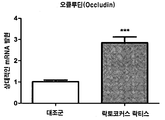
- the expression level is increased compared to the control group without lactococcus lactis BFE920 It was confirmed that the Lactococcus lactis BFE920 increased the intestinal tight junction activity (Fig. 3).
- the Lactococcus lactis BFE920 strain may reduce intestinal permeability.
- the Lactococcus lactis BFE920 strain may reduce the increased intestinal permeability during pathogen infection.
- the pathogen may be specifically Edwardsiella tarda , but is not limited thereto, and may be a general pathogen that increases intestinal permeability.
- anti-inflammatory refers to the action of inhibiting inflammation
- immune promotion used in the present invention refers to all the phenomena that reinforce the body's defense mechanism against various diseases such as cancer and inflammation in vivo. it means.
- the immune enhancement may be induced by increased immunoregulatory T cell activity.
- the immune enhancement can be confirmed by an increase in the relative mRNA expression of IL-10 , CD4-1 , FOXP3 or TGF - ⁇ gene.
- the immunoregulatory T cells can be largely divided into natrual regulatory T cells and adaptive regulatory T cells according to their origin. Natural regulatory T cells are derived from thymus and express high levels of CD25 and co-signals such as cytotoxic T lymophocyte (CTLA4) or glucocorticoid-induced TNF receptor family related protein (GITR) and foxp3. In the case of adaptive regulatory T cells, it is known to secrete cytokines such as IL-10 and TGF- ⁇ . In addition, since CD4 and CD25 are expressed in immunoregulatory T cells, the IL-10 , CD4-1 , and FOXP3. Alternatively, the immune enhancing activity can be confirmed by increasing the relative mRNA expression of the TGF- ⁇ gene.
- CTL4 cytotoxic T lymophocyte
- GITR glucocorticoid-induced TNF receptor family related protein
- the relative mRNA of the gene of IL-10 in the intestine As a result of measuring the expression, it was confirmed that the relative amount of mRNA expression was significantly increased compared to the control group Lactococcus lactis BFE920, it can be seen that the Lactococcus lactis BFE920 has anti-inflammatory activity (Fig. 1 And FIG. 2).
- the anti-inflammatory or immune enhancement may be characterized in that it is induced in the intestine.
- the composition may be a feed composition or a feed additive composition.
- feed means any natural or artificial diet, one meal, or the like or any ingredient of the one meal for the subject organism to eat, ingest, and digest.
- feed additive refers to a substance added to feed to improve productivity or health of a target organism.
- a feed composition or a feed additive composition including Lactococcus lactis BFE920 may be used to exhibit anti-inflammatory activity or immunostimulating activity of a target organism.
- the lactococcus lactis BFE920 of the present invention or its culture may be prepared in the form of powder or granules or 20 to 90 wt% high concentrate.
- the feed additives include organic acids such as citric acid, fumaric acid, adipic acid, lactic acid and malic acid, phosphates such as sodium phosphate, potassium phosphate, acid pyrophosphate and polyphosphate (polyphosphate), polyphenols, catechins, alpha-tocopherols and rosemary Extracts, vitamin C, green tea extracts, licorice extracts, chitosan, tannic acid, phytic acid, such as any one or more may be further included.
- the composition When used as a feed, the composition may be formulated in a conventional feed form and may include common feed ingredients.
- the feed additives and feeds are cereals, for example milled or crushed wheat, oats, barley, corn and rice; Vegetable protein feed, such as feed consisting mainly of rapeseed, soybean, and sunflower; Animal protein feeds such as blood meal, meat meal, bone meal and fish meal; Sugar and dairy products, for example, may further include a dry ingredient consisting of various powdered milk and whey powder, and may further include a nutritional supplement, digestion and absorption enhancer, growth promoter and the like.
- the feed additive may be administered alone or in combination with other feed additives in an edible carrier.
- the feed additive may be easily administered to the animal as a top dressing or directly mixed into the animal feed or in an oral formulation separate from the feed.
- the feed additive can be prepared in immediate release or sustained release formulation, in combination with a pharmaceutically acceptable edible carrier, as is well known in the art.
- a pharmaceutically acceptable edible carrier may be solid or liquid, for example corn starch, lactose, sucrose, soy flakes, peanut oil, olive oil, sesame oil and propylene glycol.
- the feed additive may be a tablet, capsule, powder, troche or sugar-containing tablet or top dressing in microdisperse form.
- the feed additive may be a gelatin soft capsule or a formulation of syrup or suspension, emulsion, or solution.
- the feed may comprise any protein-containing organic flour commonly used to meet the dietary needs of the animal.
- protein-containing flours typically consist primarily of corn, soy flour, or corn / bean flour mixtures.
- the feed additives and feed may contain auxiliaries such as preservatives, stabilizers, wetting or emulsifiers, solution promoters and the like.
- the feed additive may be used by adding to animal feed by infiltration, spraying or mixing.
- the present invention provides a pharmaceutical composition for preventing or treating Edward infectious disease of fish comprising Lactococcus lactis BFE920 strain (Accession Number: KCCM11383P) as an active ingredient.
- the fish may be one or more fish selected from the group consisting of eel, flounder (flatfish), skinfish rock, rockfish, black sea bream, red sea bream, trout, mullet, sea bass, roe, mackerel, horse mackerel or fish.
- Edwardsiella tarda is Edwardsiella tarda belonging to the intestinal bacterial family.
- tarda refers to a fish disease caused by the fungus, which usually occurs from early summer to autumn, which is a high temperature, and does not cause mass mortality in a short period of time, but can cause mortality over a long period of time.
- Edward infectious disease can cause a great economic loss to the flounder farming industry, the most important fish species in Korean aquaculture.
- the flounder infected with Edward's disease is characterized by abdominal bloating and hernia, characterized by bloody or venous fluids in the ascites, pus in the liver, thickening of the liver, and enlargement of the liver and kidneys, accompanied by meningitis. have.
- the Edward Siela tarda is a Gram-negative bacterium, has a wide survival range such as temperature 14 ° C. to 45 ° C., pH 4.0 to pH 10.0, and sodium chloride 0 to 4%, and is a conditional pathogen so that it is completely eliminated or thoroughly infected. It is difficult to prevent.
- Edward Siela Tarda is a serious systemic bacterial disease caused by infection of epithelial wounds or intestines through water from infectious agents (feces, water, mud) under inadequate environmental conditions such as high water temperature, water deterioration and eutrophication in freshwater or marine fish worldwide. It is known to cause.
- prevention refers to any action that inhibits or delays Edward infectious disease by administration of a composition comprising the Lactococcus lactis BFE920.
- treatment refers to any action in which Edward infection is improved or cured by administration of a composition comprising the Lactococcus lactis BFE920.
- the pharmaceutical composition of the present invention may further include a pharmaceutically acceptable carrier.
- pharmaceutically acceptable in the present invention means to exhibit properties that are not toxic to cells or humans exposed to the composition.
- the carrier can be used without limitation so long as it is known in the art such as buffers, preservatives, analgesics, solubilizers, isotonic agents, stabilizers, bases, excipients, lubricants.
- compositions of the present invention may be used in the form of powders, granules, tablets, capsules, suspensions, emulsions, syrups, aerosols and the like, oral formulations, suppositories, and sterile injectable solutions, respectively, according to conventional methods.
- it may be used in the form of an external preparation for skin in the form of an ointment, lotion, spray, patch, cream, powder, suspension, gel or gel.
- Carriers, excipients and diluents that may be included in the compositions of the present invention include lactose, dextrose, sucrose, sorbitol, mannitol, xylitol, erythritol, maltitol, starch, acacia rubber, alginate, gelatin, calcium phosphate, calcium silicate, Cellulose, methyl cellulose, microcrystalline cellulose, polyvinyl pyrrolidone, water, methylhydroxybenzoate, propylhydroxybenzoate, talc, magnesium stearate and mineral oil.
- diluents or excipients such as fillers, extenders, binders, wetting agents, disintegrating agents, and surfactants are usually used.
- Solid preparations for oral administration include tablets, pills, powders, granules, capsules, and the like, and such solid preparations include at least one excipient such as starch, calcium carbonate, and the like in the Lactococcus lactis BFE920 strain. , Sucrose or lactose, gelatin and the like are mixed and prepared. In addition to simple excipients, lubricants such as magnesium styrate and talc are also used.
- Liquid preparations for oral use may include various excipients, such as wetting agents, sweeteners, fragrances, preservatives, etc., in addition to water and liquid paraffin, which are commonly used to include suspensions, solutions, emulsions, and syrups. have.
- Formulations for parenteral administration include sterile aqueous solutions, non-aqueous solvents, suspensions, emulsions, lyophilized formulations, suppositories.
- non-aqueous solvent and suspending agent propylene glycol, polyethylene glycol, vegetable oil such as olive oil, injectable ester such as ethyl oleate and the like can be used.
- base of the suppository witepsol, macrogol, tween 61, cacao butter, laurin butter, glycerogelatin and the like may be used.
- the pharmaceutical composition of the present invention is administered in a pharmaceutically effective amount.
- pharmaceutically effective amount means an amount sufficient to treat a disease at a reasonable benefit / risk ratio applicable to medical treatment and that does not cause side effects.
- the severity, activity of the drug, sensitivity to the drug, method of administration, time of administration, route of administration and rate of release, duration of treatment, factors including the drug being used in combination or co-administration, and other factors well known in the medical art can be determined.
- the compositions of the present invention may be administered as individual therapeutic agents or in combination with other therapeutic agents, may be administered sequentially or simultaneously with conventional therapeutic agents, and may be administered in single or multiple doses. Taking all of the above factors into consideration, it is important to administer an amount that can achieve the maximum effect with a minimum amount without side effects, which can be readily determined by one skilled in the art.
- the dosage of the pharmaceutical composition of the present invention can be determined by those skilled in the art in consideration of the purpose of use, the degree of addiction of the disease, the age, weight, sex, history, or type of substance used as an active ingredient of the patient.
- a pharmaceutical composition of the present invention may be administered at about 0.1 ng to about 100 mg / kg, specifically 1 ng to about 10 mg / kg, per adult, and the frequency of administration of the composition of the present invention Is not particularly limited thereto, but may be administered once a day or several times by dividing the dose.
- the dosage may vary depending on the route of administration, the severity of the disease, sex, weight, age, etc., the above dosage does not limit the scope of the present invention by any method.
- the present invention provides a feed composition for preventing or improving Edward infectious disease of fish comprising Lactococcus lactis BFE920 strain (Accession Number: KCCM11383P) as an active ingredient.
- Lactococcus lactis BFE920 fish, Edward infectious disease, prevention or feed is as described above.
- the term “improvement” refers to any action in which administration of a composition comprising the Lactococcus lactis BFE920 improves or benefits the suspected and infectious individual of Edward's infection.
- the present invention provides a method for preventing or treating Edward's infection, comprising administering to a fish a composition comprising Lactococcus lactis BFE920 strain (Accession Number: KCCM11383P) as an active ingredient.
- Edward infectious disease, fish, prevention or treatment is as described above.
- the term "administration" refers to the introduction of certain substances into fish in any suitable manner, and the route of administration of the composition may be administered via any general route as long as it can reach the desired tissue.
- Intraperitoneal administration intravenous administration, intramuscular administration, subcutaneous administration, intradermal administration, oral administration, topical administration, nasal administration, pulmonary administration, rectal administration, but is not limited thereto. Specifically, oral administration.
- the present invention provides a feed additive composition for preventing or improving Edward's infectious disease of fish comprising Lactococcus lactis BFE920 strain (Accession Number: KCCM11383P) as an active ingredient.
- Lactococcus lactis BFE920 fish, Edward infectious disease, prevention, improvement or feed additives is as described above.
- the composition comprising Lactococcus lactis BFE920 has an anti-inflammatory or immunostimulating effect
- the composition may be used as a feed composition or a feed additive capable of enhancing anti-inflammatory or immunity of an individual.
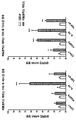
- Lactococcus lactis BFE920 Lactococcus on the flounder When lactis BFE920
- the expression after the elapse of 48 hours and 72 hours the intestines CD4-1, IL-10, TGF - ⁇ 1 And FOXP3 It is a graph confirming the mRNA expression relative to the gene.
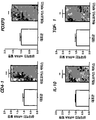
- Figure 2 is a graph confirming the relative mRNA expression of CD4-1 , IL-10 , TGF- ⁇ 1 and FOXP3 gene in the intestine after 30 days of lactococcus lactis BFE920 on the flounder.
- 3 is a graph confirming the relative mRNA expression of the occludin gene in the intestine after dieting Lactococcus lactis BFE920 for 30 days.
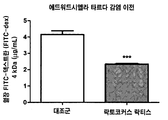
- Figure 4 is a graph confirming the intestinal permeability after dieting Lactococcus lactis BFE920 for 30 days on the flounder.
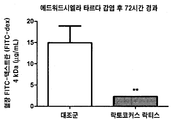
- 5 is a graph confirming the intestinal permeability after 72 hours after oral infection with Edwardsiella tarda the day after dieting Lactococcus lactis BFE920 on the flounder for 30 days.
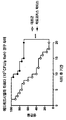
- Figure 6 is a graph confirming the survival rate for 20 days after oral infection with Edward Siela tarda the day after the diet of Lactococcus lactis BFE920 for 30 days.
- flounder (42.7 ⁇ 1.61 g) was maintained in a fish tank containing 300 L of seawater and adapted at 18 ° C for 7 days before the experiment.
- Lactococcus lactis BFE920 Lactococcus lactis BFE920 was divided into an undietized flounder group (control group) and a lactococcus lactis BFE920 dieted flounder group (dietary group), and the lactococcus lactis BFE920 was fed twice a day in an ad libitum .
- a commercial blend EP, Flounder Bluechip; WOOSUNGFEED Co. Ltd., Daejeon, Korea
- the diet group was fed a compound feed coated with Lactococcus lactis BFE920 of 10 7 CFU / g.
- RNA and synthesize cDNA in the intestine of the dietary group and the control group of Example 1 After RNA extraction from the posterior tissue of the flounder, cDNA was synthesized using the RNA as a template.
- RNAlater ® Life technology, USA
- homogenized using a T10 basic handheld homogenizer IKA®, China
- the homogenized solution was isolated from RNA using AllPrep DNA / RNA / Protein Mini KiT, and cDNA was synthesized using SuperScript® III reverse transcriptase (Invitrogen, USA) as the RNA template.
- qRT-PCR was performed using the cDNA synthesized according to Example 3.1 as a template.
- PCR cycle was carried out in the following process. First, 10 cycles of denaturation at 94 ° C., denaturation for 15 seconds at 94 ° C., annealing and extension for 42 seconds at 62 ° C. were repeated 40 times. It was. The qRT-PCR results of the second control using the ⁇ -actin ⁇ CT - shows the relative mRNA expression in ⁇ CT method.
- primers used in the qRT-PCR are as follows.
- Example 2.3 Lactococcus Lactis BFE920 Dietary Anti-inflammatory and Immune Regulatory T Cell Activity Induced at Early Stage
- Lactococcus lactis BFE920 To determine the effect of Lactococcus lactis BFE920 on anti-inflammatory and immunoregulatory T-cell activity in the early stages after dieting Lactococcus lactis BFE920 on the flounder, every 48 and 72 hours after Lactococcus lactis BFE92 diet.
- CD4-1 , IL-10 , TGF - ⁇ 1 in the Intestine of the Diet And relative mRNA expression of the FOXP3 gene was confirmed and compared to Lactococcus lactis BFE920 compared to the control diet.
- cDNA was synthesized using RNA obtained by extracting the posterior tissue by the method of Example 2.1 and Example 2.2, and as a template, qRT-PCR was performed to confirm relative mRNA expression for each gene.
- the relative mRNA expression of the CD4-1 gene was about 2 times compared to the control group, IL-10 , TGF - ⁇ 1 And it was confirmed that the relative mRNA expression of the FOXP3 gene is increased by about three times or more compared to the control (Fig. 1).
- Lactococcus lactis BFE920 in the flounder by feeding the CD4-1, IL-10, TGF - ⁇ 1 in the intestine And FOXP3 It was confirmed that relative mRNA expression of the gene was increased compared to the control group, and it was found that the anti-inflammatory and immunoregulatory T cell activity was induced by the diet of Lactococcus lactis BFE920 in the flounder.
- Example 2.4 Lactococcus Lactis BFE920 For 30 days Dietary Post-induced Anti-inflammatory and Immune Regulatory T Cell Activity
- lactococcus lactis BFE920 was fed on the flounder for 30 days, the effects of lactococcus lactis BFE920 on anti-inflammatory and immune regulatory T cells were confirmed.
- Lactococcus lactis BFE920 induces anti-inflammatory activity and activity of immune regulatory T cells.
- Example 3.1 Lactococcus Lactis BFE920 For 30 days Dietary Close contact activity
- lactococcus lactis BFE920 was fed on the flounder for 30 days, the effect of lactococcus lactis BFE920 on the intimate splicing activity in the intestinal lining was confirmed.
- OF-OCLN-RT-F (5'-TCTTTGCTCTAGAGACCCGC-3 ', SEQ ID NO: 11) and OF-OCLN-RT-R (5) as a primer for the occludin gene shows the relative mRNA expression in ⁇ CT method - were used for '-ATTGTTCACCCATGCCTCCA-3', SEQ ID NO: 12), using a second control group of ⁇ -actin ⁇ CT.
- Lactococcus lactis BFE920 increased the intestinal tight junction activity in the flounder.
- Example 3.2 Lactococcus Lactis BFE920 For 30 days Dietary Intestinal transmittance after
- lactococcus lactis BFE920 was fed on the flounder for 30 days, it was confirmed that the intimate splicing activity was increased in the intestinal lining. Thus, it was confirmed whether the lactococcus lactis BFE920 had an effect on the intestinal permeability.
- FITC-dex 4 kDa fluorescein isothiocyanate-dextran 4,000 Da; Sigma-Aldrich, St. Louis, USA
- the enteric permeability experiment was performed as follows. After lactococcus lactis BFE920 was fed for 30 days and then starved for 6 hours, 500 mg / kg of FITC-dex 4 kDa was injected into the control and diet groups by oral gavage. After one hour, 600 uL of blood sample was collected from the flounder into 1.5 mL microtubes. Plasma samples were obtained by centrifuging the blood samples at 13000 rpm and 4 ° C. for 10 minutes and diluted with phosphate buffered saline (PBS) in a 1: 1 ratio. 100 uL of the diluted plasma sample was placed in a Corning TM Costar TM 96-well black solid plate (Thermo Fisher Scientific Inc., USA). The fluorescence intensity of each sample was measured using a VICTOR 2 D fluorometer in the range of 485 nm / 535 nm.
- VICTOR 2 D fluorometer in the range of 485 nm / 535 nm
- the intestinal permeability was 2.30 ⁇ 0.02 ug / mL after lactococcus lactis BFE920 was fed on the flounder for 30 days, which was significantly lower than the control group showing 4.16 ⁇ 0.23 ug / mL (Fig. 4).
- Example 3.3 Lactococcus Lactis BFE920 For 30 days Dietary after Edward Ciel La tarda ( Edwardsiella tarda Intestinal Permeability Following Oral Infection of
- Edward Ciella Tarda is a Gram-negative pathogen with lipopolisaccahride (LPS) and has the ability to induce inflammation in the intestine, so it was selected as a pathogen and the effect of Lactococcus lactis BFE920 on the intestinal permeability following infection of the pathogen. It was confirmed.
- LPS lipopolisaccahride
- Lactococcus lactis BFE920 was infected with the pathogen the day after the diet for 30 days, and then enteric permeability was measured using FITC-dex 4 kDa at 72 hours. On the other hand, lactococcus lactis BFE920 was used as a control for flounder infected with the pathogen the next day without dieting for 30 days.
- Infection of the pathogen Edward Siela tarda was performed as follows. First, Edward Ciella tar was incubated overnight at 30 °C, 200 rpm in brain heart infusion (BHI) medium (Beckton, Dickinson and Company, Sparks, USA). After 31 days of diet, 72 hours of randomly selected flounder in each group were inoculated with Edward Siella tarda (1-2 X 10 5 CFU / g fish) overnight, followed by infection for 72 hours. Intestinal permeability experiment was carried out by the method of Example 3.2.
- BHI brain heart infusion
- the intestinal permeability of the diet group was 72.35 hours after oral infection of Lactococcus lactis BFE920 and oral infection of Edwardsielella tarda the next day.
- the plasma FITC-dex 4 kDa value was 2.35 ⁇ 0.04.
- Intestinal permeability of the control group after 72 hours of oral infection of Lactococcus lactis BFE920 at ug / mL for 30 days without oral infection with Edwardsielella tarda the next day (value of plasma FITC-dex 4 kDa: 14.98 ⁇ 3.95 ug / mL) was confirmed to decrease (FIG. 5).
- Lactococcus lactis BFE920 showed an intestinal membrane function improvement effect by restoring the increase of intestinal permeability induced by pathogens through the diet of Lactococcus lactis BFE920.
- Lactococcus lactis BFE920 on disease resistance caused by the pathogen Edward Siela tarda infection was confirmed.
- the survival rate for 20 days after oral infection of the pathogen was measured the day after 30 days of lactococcus lactis BFE920 on the flounder.
- the lactococcus lactis BFE920 without diet for 30 days was used as a control flounder infected with pathogens.
- the infection of Edwardsielella tarda was infected by feeding Lactococcus lactis BFE920 for 30 days and orally administering 20 flounder randomly selected for each group on day 31.
- Two-way ANOVA with Bonferroni's posttest was used to evaluate the qRT-PCR using early flounder after lactococcus lactis BFE920.
- the survival rate according to oral infection of Edward Siela tarda was represented by a survival curve, and the evaluation of the effectiveness of the survival curve was performed by a Log-rank (Mantel-Cox) test.
Landscapes
- Life Sciences & Earth Sciences (AREA)
- Chemical & Material Sciences (AREA)
- Health & Medical Sciences (AREA)
- Microbiology (AREA)
- Polymers & Plastics (AREA)
- Engineering & Computer Science (AREA)
- Mycology (AREA)
- Molecular Biology (AREA)
- Animal Husbandry (AREA)
- Zoology (AREA)
- Food Science & Technology (AREA)
- Medicinal Chemistry (AREA)
- Veterinary Medicine (AREA)
- Marine Sciences & Fisheries (AREA)
- Insects & Arthropods (AREA)
- Pharmacology & Pharmacy (AREA)
- Epidemiology (AREA)
- Animal Behavior & Ethology (AREA)
- General Health & Medical Sciences (AREA)
- Public Health (AREA)
- Birds (AREA)
- Biochemistry (AREA)
- Biomedical Technology (AREA)
- Biotechnology (AREA)
- Physiology (AREA)
- Fodder In General (AREA)
- Coloring Foods And Improving Nutritive Qualities (AREA)
- Medicines Containing Material From Animals Or Micro-Organisms (AREA)
- Feed For Specific Animals (AREA)
Abstract
La présente invention concerne un additif alimentaire pour animaux d'aquaculture comprenant une souche BFE920 de Lactococcus lactis qui induit des lymphocytes T immunomodulateurs et, plus particulièrement, une composition anti-inflammatoire ou immunostimulante contenant la souche BFE920 de Lactococcus lactis en tant qu'ingrédient actif ainsi que son utilisation. Ayant un effet anti-inflammatoire ou immunostimulant, une composition comprenant BFE920 de Lactococcus lactis selon la présente invention peut être utilisée comme composition ou additif alimentaire capable d'améliorer l'activité anti-inflammatoire ou immunitaire chez un sujet.
Applications Claiming Priority (2)
| Application Number | Priority Date | Filing Date | Title |
|---|---|---|---|
| KR10-2016-0058402 | 2016-05-12 | ||
| KR1020160058402A KR101898138B1 (ko) | 2016-05-12 | 2016-05-12 | 면역 조절 t 세포를 유도하는 락토코커스 락티스 bfe920 균주를 포함하는 수산양식 기능성 사료 첨가제 |
Publications (2)
| Publication Number | Publication Date |
|---|---|
| WO2017196140A2 true WO2017196140A2 (fr) | 2017-11-16 |
| WO2017196140A3 WO2017196140A3 (fr) | 2018-08-09 |
Family
ID=60266661
Family Applications (1)
| Application Number | Title | Priority Date | Filing Date |
|---|---|---|---|
| PCT/KR2017/004974 Ceased WO2017196140A2 (fr) | 2016-05-12 | 2017-05-12 | Additif alimentaire pour animaux d'aquaculture comprenant la souche bfe920 de lactococcus lactis induisant des lymphocytes t immunomodulateurs |
Country Status (2)
| Country | Link |
|---|---|
| KR (1) | KR101898138B1 (fr) |
| WO (1) | WO2017196140A2 (fr) |
Cited By (1)
| Publication number | Priority date | Publication date | Assignee | Title |
|---|---|---|---|---|
| EP4148119A4 (fr) * | 2020-04-29 | 2024-06-26 | Green Cross Wellbeing Corporation | Nouvelles bactéries d'acide lactique ayant un excellent effet d'amélioration de la fonction immunitaire, et composition alimentaire, composition alimentaire fonctionnelle pour la santé et probiotiques les comprenant |
Families Citing this family (2)
| Publication number | Priority date | Publication date | Assignee | Title |
|---|---|---|---|---|
| KR102381353B1 (ko) * | 2021-05-31 | 2022-04-04 | 한국식품연구원 | 항비만 및 면역증진 활성을 동시에 갖는 신규한 락토코커스 락티스 WiKim0124 및 이의 용도 |
| KR102470357B1 (ko) | 2022-02-15 | 2022-11-25 | 주식회사 큐옴바이오 | 락토코커스 락티스 q1 균주를 포함하는 면역증진용 조성물 |
Family Cites Families (4)
| Publication number | Priority date | Publication date | Assignee | Title |
|---|---|---|---|---|
| DE69914932T2 (de) * | 1998-10-20 | 2004-12-09 | Vlaams Interuniversitair Instituut Voor Biotechnologie Vzw. | Verwendung eines zytokine-produzierenden lactococcus stammes zur behandlung von kolitis |
| GB201102857D0 (en) * | 2011-02-18 | 2011-04-06 | Danisco | Feed additive composition |
| KR101616530B1 (ko) * | 2013-01-10 | 2016-04-28 | 한국생명공학연구원 | 항균활성을 갖는 신규한 락토코쿠스 락티스 kr-w.w-2 균주 및 이의 용도 |
| KR20150019934A (ko) * | 2013-08-16 | 2015-02-25 | 한동대학교 산학협력단 | 락토코커스 락티스를 이용한 어류의 면역 증진 방법 |
-
2016
- 2016-05-12 KR KR1020160058402A patent/KR101898138B1/ko active Active
-
2017
- 2017-05-12 WO PCT/KR2017/004974 patent/WO2017196140A2/fr not_active Ceased
Cited By (1)
| Publication number | Priority date | Publication date | Assignee | Title |
|---|---|---|---|---|
| EP4148119A4 (fr) * | 2020-04-29 | 2024-06-26 | Green Cross Wellbeing Corporation | Nouvelles bactéries d'acide lactique ayant un excellent effet d'amélioration de la fonction immunitaire, et composition alimentaire, composition alimentaire fonctionnelle pour la santé et probiotiques les comprenant |
Also Published As
| Publication number | Publication date |
|---|---|
| WO2017196140A3 (fr) | 2018-08-09 |
| KR20170127800A (ko) | 2017-11-22 |
| KR101898138B1 (ko) | 2018-09-12 |
Similar Documents
| Publication | Publication Date | Title |
|---|---|---|
| Modanloo et al. | The effects of single or combined administration of galactooligosaccharide and Pediococcus acidilactici on cutaneous mucus immune parameters, humoral immune responses and immune related genes expression in common carp (Cyprinus carpio) fingerlings | |
| JP5709883B2 (ja) | 新規なラクトバチルス・プランタラム及びこれを含む組成物 | |
| KR101750468B1 (ko) | 락토바실러스 퍼멘툼 mg901 또는 락토바실러스 플란타룸 mg989를 포함하는 조성물 | |
| WO2016153247A1 (fr) | Souche de clostridium butyricum présentant une amélioration immunitaire et activités antivirales, et utilisation correspondante | |
| WO2012060579A2 (fr) | Biomasse morte de lactobacillus pour une utilisation antimicrobienne, et son procédé de production | |
| WO2020197188A1 (fr) | Bactéries lactiques de kimchi lactobacillus sakei ayant une efficacité pour le soulagement de l'arthrite | |
| WO2020013669A1 (fr) | Souche de lactobacillus plantarum cjlp475 ayant un effet antiviral et une efficacité immunorégulatrice et composition la comprenant | |
| CA3183826A1 (fr) | Compositions et procedes associes pour aider des animaux de compagnie souffrant de troubles gastro-intestinaux | |
| WO2025263981A1 (fr) | Composition comprenant akkermansia sp. | |
| WO2023277638A1 (fr) | Composition comprenant trois souches de lactobacillus sp. et utilisation associée | |
| WO2020226467A1 (fr) | Souche d'enterococcus lactis wik0107 ayant des effets de régulation des fonctions immunitaires et d'atténuation des maladies inflammatoires chroniques intestinales et son utilisation | |
| WO2017196140A2 (fr) | Additif alimentaire pour animaux d'aquaculture comprenant la souche bfe920 de lactococcus lactis induisant des lymphocytes t immunomodulateurs | |
| WO2024205297A1 (fr) | Nouvelle souche de bifidobacterium et/ou de lactobacillus ou combinaison de celles-ci et leurs utilisations | |
| WO2020045972A1 (fr) | Souche de lactobacillus fermentum mg4231 ou de lactobacillus fermentum mg4244 dérivé du corps humain, ayant une activité anti-obésité, et composition la comprenant | |
| WO2010064778A1 (fr) | Nouveau lactobacillus plantarum et composition le contenant | |
| WO2022045513A1 (fr) | Composition pour la prévention ou le traitement de symptômes de la ménopause, comprenant du lactobacillus fermentum | |
| WO2018139703A1 (fr) | Composition pharmaceutique pour le traitement d'une maladie colorectale contenant de la cystatine et une protéine dérivée de bactéries lactiques | |
| WO2017204547A1 (fr) | Protéines polyvalentes de capture de virus et leur procédé de préparation | |
| WO2022039514A1 (fr) | Composition pour le traitement de maladies cérébrales comprenant lactobacillus sakei ou des vésicules extracellulaires dérivées de celui-ci en tant que principe actif | |
| WO2025206885A1 (fr) | Composition permettant d'améliorer ou de protéger les muscles, comprenant un produit d'œufs de saumon fermentés | |
| WO2022014893A1 (fr) | Composition pour la prévention ou le traitement d'une affection intestinale inflammatoire | |
| KR20160007964A (ko) | 락토바실러스플란타룸 wikim18 및 이를 포함하는 조성물 | |
| WO2024196187A1 (fr) | Nouvelle souche latilactobacillus sakei cnsc001wb à fonction immunomodulatrice et son utilisation | |
| WO2024162765A1 (fr) | Nouvelles souches présentant une activité anti-helicobacter pylori et leurs utilisations | |
| WO2025048505A1 (fr) | Nouvelles bactéries lactiques et leur utilisation |
Legal Events
| Date | Code | Title | Description |
|---|---|---|---|
| NENP | Non-entry into the national phase in: |
Ref country code: DE |
|
| 121 | Ep: the epo has been informed by wipo that ep was designated in this application |
Ref document number: 17796440 Country of ref document: EP Kind code of ref document: A2 |
|
| 122 | Ep: pct application non-entry in european phase |
Ref document number: 17796440 Country of ref document: EP Kind code of ref document: A2 |