WO2019017415A1 - 精製メチオニンの製造方法及びメチオニンの固結防止方法 - Google Patents
精製メチオニンの製造方法及びメチオニンの固結防止方法 Download PDFInfo
- Publication number
- WO2019017415A1 WO2019017415A1 PCT/JP2018/027014 JP2018027014W WO2019017415A1 WO 2019017415 A1 WO2019017415 A1 WO 2019017415A1 JP 2018027014 W JP2018027014 W JP 2018027014W WO 2019017415 A1 WO2019017415 A1 WO 2019017415A1
- Authority
- WO
- WIPO (PCT)
- Prior art keywords
- methionine
- wet cake
- water
- caking
- adjustment
- Prior art date
- Legal status (The legal status is an assumption and is not a legal conclusion. Google has not performed a legal analysis and makes no representation as to the accuracy of the status listed.)
- Ceased
Links
- 0 *CCC(C(O)=O)N Chemical compound *CCC(C(O)=O)N 0.000 description 1
Images


Classifications
-
- C—CHEMISTRY; METALLURGY
- C07—ORGANIC CHEMISTRY
- C07C—ACYCLIC OR CARBOCYCLIC COMPOUNDS
- C07C319/00—Preparation of thiols, sulfides, hydropolysulfides or polysulfides
- C07C319/26—Separation; Purification; Stabilisation; Use of additives
- C07C319/28—Separation; Purification
-
- C—CHEMISTRY; METALLURGY
- C07—ORGANIC CHEMISTRY
- C07C—ACYCLIC OR CARBOCYCLIC COMPOUNDS
- C07C323/00—Thiols, sulfides, hydropolysulfides or polysulfides substituted by halogen, oxygen or nitrogen atoms, or by sulfur atoms not being part of thio groups
- C07C323/50—Thiols, sulfides, hydropolysulfides or polysulfides substituted by halogen, oxygen or nitrogen atoms, or by sulfur atoms not being part of thio groups containing thio groups and carboxyl groups bound to the same carbon skeleton
- C07C323/51—Thiols, sulfides, hydropolysulfides or polysulfides substituted by halogen, oxygen or nitrogen atoms, or by sulfur atoms not being part of thio groups containing thio groups and carboxyl groups bound to the same carbon skeleton having the sulfur atoms of the thio groups bound to acyclic carbon atoms of the carbon skeleton
- C07C323/57—Thiols, sulfides, hydropolysulfides or polysulfides substituted by halogen, oxygen or nitrogen atoms, or by sulfur atoms not being part of thio groups containing thio groups and carboxyl groups bound to the same carbon skeleton having the sulfur atoms of the thio groups bound to acyclic carbon atoms of the carbon skeleton the carbon skeleton being further substituted by nitrogen atoms, not being part of nitro or nitroso groups
- C07C323/58—Thiols, sulfides, hydropolysulfides or polysulfides substituted by halogen, oxygen or nitrogen atoms, or by sulfur atoms not being part of thio groups containing thio groups and carboxyl groups bound to the same carbon skeleton having the sulfur atoms of the thio groups bound to acyclic carbon atoms of the carbon skeleton the carbon skeleton being further substituted by nitrogen atoms, not being part of nitro or nitroso groups with amino groups bound to the carbon skeleton
-
- Y—GENERAL TAGGING OF NEW TECHNOLOGICAL DEVELOPMENTS; GENERAL TAGGING OF CROSS-SECTIONAL TECHNOLOGIES SPANNING OVER SEVERAL SECTIONS OF THE IPC; TECHNICAL SUBJECTS COVERED BY FORMER USPC CROSS-REFERENCE ART COLLECTIONS [XRACs] AND DIGESTS
- Y02—TECHNOLOGIES OR APPLICATIONS FOR MITIGATION OR ADAPTATION AGAINST CLIMATE CHANGE
- Y02P—CLIMATE CHANGE MITIGATION TECHNOLOGIES IN THE PRODUCTION OR PROCESSING OF GOODS
- Y02P60/00—Technologies relating to agriculture, livestock or agroalimentary industries
- Y02P60/80—Food processing, e.g. use of renewable energies or variable speed drives in handling, conveying or stacking
- Y02P60/87—Re-use of by-products of food processing for fodder production
Definitions
- the present invention relates to a method for producing purified methionine and a method for preventing the caking of methionine.
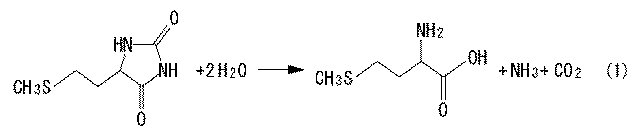
- Methionine can be obtained, for example, by hydrolysis of 5- (2- (methylthio) ethyl) imidazolidine-2,4-dione as shown in the following reaction formula (1).
- Methionine is useful as an animal feed additive.
- Various studies have been conducted on methionine production methods from the viewpoint of quality improvement, production cost reduction, etc. (for example, Patent Documents 1 and 2).
- Methionine as a product is in powder form. However, during storage, methionine may clump, and if clumping is promoted, methionine clumps will form. If a lump of methionine is contained in powdered methionine, the handleability of methionine as a product may be impaired. For this reason, there is a need to establish a technique that can prevent the caking of methionine so as to prevent the formation of methionine lumps.
- Patent Document 1 a technique for drying a wet cake of methionine under mechanical agitation is examined with the object of providing a method for producing methionine having a large bulk specific gravity that is easy to handle.
- Patent Document 1 does not disclose any technique for preventing the caking of methionine.
- Patent Document 2 a technique for producing methionine is studied in a cost-effective manner and in view of waste water treatment.
- this patent document 2 does not disclose any technique for preventing the caking of methionine.
- methionine has been produced for a long time, but it has not been sufficiently studied to prevent methionine caking.
- the present invention has been made in view of such circumstances, and an object thereof is to provide a method for producing purified methionine and a method for preventing methionine caking which can prevent caking of methionine.
- the method for producing purified methionine according to the present invention is a method for producing purified methionine from crude methionine, and the method comprises (1) obtaining a wet cake of washed crude methionine; (2) adjusting the pH of the wet cake; (3) drying the wet cake after pH adjustment, wherein the pH of the wet cake after pH adjustment is 5.2 or more and 6.1 or less.
- the pH of the wet cake after pH adjustment is preferably 5.7 or more. According to this configuration, caking of purified methionine can be more effectively prevented.
- the method for preventing caking of methionine is a method for preventing caking of methionine, and the method comprises (1) obtaining a wet cake of methionine, (2) adjusting the pH of the wet cake; (3) drying the wet cake after pH adjustment, wherein the pH of the wet cake after pH adjustment is 5.2 or more and 6.1 or less.
- methionine anti-caking method the wet cake adjusted to a specific pH is subjected to a drying treatment. For this reason, in methionine to which this anti-caking method is applied, caking is effectively prevented. This suppresses the formation of bulk methionine, so the handling of methionine is very good.
- the pH of the wet cake after pH adjustment is preferably 5.7 or more. According to this configuration, caking of methionine can be more effectively prevented.
- the production method of the present invention provides purified methionine in which caking is prevented.
- the application of the anti-caking method of the present invention prevents the caking of methionine. That is, according to the present invention, a method for producing purified methionine and a method for preventing methionine caking are provided, which can effectively prevent caking of methionine.
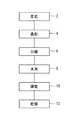
- FIG. 1 is a process diagram showing a flow of steps included in the method for producing purified methionine according to one embodiment of the present invention.
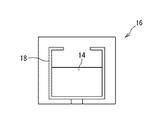
- FIG. 2 is a schematic view showing a state in which the slurry is charged into an apparatus for performing solid-liquid separation.
- FIG. 3 is a schematic diagram illustrating the process of forming a wet cake in one embodiment of the present invention.
- FIG. 4 is a schematic view showing the process of adjusting the pH of the wet cake in Example 1.
- FIG. 1 shows the flow of steps included in the method for producing purified methionine according to one embodiment of the present invention.
- This manufacturing method includes a reaction step 2, a crystallization step 4, a separation step 6, a water washing step 8, an adjustment step 10 and a drying step 12. The contents of each step will be described below.
- a wet cake of crude methionine washed with water as described later may be obtained by a series of processes from reaction process 2 to washing process 8, reaction process 2, crystallization process 4, separation process 6 There is no particular limitation on each step of the water washing step 8.
- each of the reaction step 2, the crystallization step 4, the separation step 6, and the water washing step 8 may be configured the same as the contents of each step in the conventionally known production method.
- reaction process 2 5- [2- (methylthio) ethyl] imidazolidine-2,4-dione is used as a raw material, in the presence of an alkali compound such as potassium hydroxide, sodium hydroxide, potassium carbonate, potassium hydrogen carbonate and the like. , Hydrolyze this. Thus, a reaction solution containing methionine as an alkali salt is obtained.
- an alkali compound such as potassium hydroxide, sodium hydroxide, potassium carbonate, potassium hydrogen carbonate and the like.
- the amount of the alkali compound used is usually 2 to 10 mol, preferably 3 to 10 mol, as potassium or sodium, per 1 mol of 5- [2- (methylthio) ethyl] imidazolidine-2,4-dione. ⁇ 6 moles.
- the amount of water used is usually set to 2 to 20 times the mass of 5- [2- (methylthio) ethyl] imidazolidine-2,4-dione.
- the hydrolysis is carried out in a reaction vessel (not shown) set at a gauge pressure of 0.5 to 1 MPa and a temperature of 150 to 200.degree.
- the reaction time is set in the range of 10 minutes to 24 hours.
- Crystallization process 4 In the crystallization step 4, carbon dioxide is introduced into the reaction solution obtained in the reaction step 2. By the introduction of carbon dioxide, methionine is liberated from the alkali salt of methionine, and methionine precipitates in the reaction solution. This gives a slurry containing methionine in the solid component.
- carbon dioxide is supplied to the reaction vessel containing the reaction liquid.
- the supply of carbon dioxide adjusts the gauge pressure in the reaction vessel to generally 0.1 to 1 MPa, preferably 0.2 to 0.5 MPa.
- the temperature in the reaction vessel (also referred to as crystallization temperature) is usually set to 0 to 50 ° C., preferably 10 to 30 ° C.
- the time required for crystallization (also referred to as crystallization time) is usually 30 minutes to 24 hours, although the time until carbon dioxide is saturated in the reaction solution and methionine is sufficiently precipitated is used as a standard.
- the separation process 6 In the separation step 6, as shown in FIG. 2, the slurry 14 obtained in the crystallization step 4 is put into the basket 18 of the centrifuge 16. After charging, the basket 18 is rotated to separate the slurry 14 from solid and liquid. As a result, as shown in FIG. 3, solid components in the slurry 14 become clumps (wet cakes) 20 and are captured by the basket 18. The liquid component in the slurry 14 is recovered as a filtrate.
- the slurry 14 contains an alkali compound used for hydrolysis, a dimer of methionine, and impurities such as glycine and alanine produced by the decomposition of methionine.
- the lump 20 trapped in the basket 18 contains this impurity in addition to methionine.
- methionine in which impurities coexist is crude methionine. Therefore, the slurry 14 obtained in the above-mentioned reaction step 2 is a slurry of crude methionine, and the above-mentioned lump 20 captured in the basket 18 is a wet cake of crude methionine. That is, in the separation step 6, the slurry 14 of crude methionine is subjected to solid-liquid separation to obtain a wet cake 20 of crude methionine.
- solid-liquid separation of the slurry 14 is not limited to the centrifugal separation method.
- the various conditions for solid-liquid separation are suitably set so that the moisture content of the wet cake 20 is preferably 40% by mass or less.
- the wet cake 20 obtained in the separation step 6 is washed with washing water.
- the wet cake 20 is sprayed with washing water using a spray.
- the entire wet cake 20 is washed with water, and the above-described impurities are removed from the wet cake 20.
- the wet cake 20 from which impurities have been removed is a wet methionine wet cake 20 w (also referred to as a flush wet cake 20 w) that has been washed with water. That is, in the water washing step 8, a wet cake 20w of crude methionine washed with water is obtained.
- the temperature of the washing water is usually properly set in the range of 5 to 35.degree.
- crude methionine from which impurities have been removed is also referred to as clean methionine.
- the above-described washed crude methionine wet cake 20w is a clean methionine wet cake.
- the ratio of the total number of mass parts of impurities to 100 parts by mass of methionine in the wet cake 20 after water washing ie, the water wash wet cake 20 w
- the wet cake 20 before washing is 50% or less of the ratio of the total number of parts by mass of impurities to 100 parts by mass of methionine.
- solid-liquid separation of the crude methionine slurry 14 gives a wet cake 20, and the wet cake obtained by further washing the wet cake 20 with water is the washed crude methionine wet cake 20w.
- a wet cake obtained by solid-liquid separation of a slurry of methionine obtained by adding wash water to the slurry 14 of crude methionine is also a wet cake 20w of crude methionine washed with water.
- the mass of the washing water sprayed on the crude methionine wet cake 20 is preferably 100 g or more and 300 g or less with respect to 100 g of the wet cake 20 mass.
- the weight of the washing water is more preferably 150 g or more, and more preferably 250 g or less with respect to 100 g of the weight of the wet cake 20.
- the washing water water may be used, and an aqueous solution containing methionine may be used.
- an aqueous solution containing methionine is preferable as the wash water.
- the concentration of methionine contained in the wash water is preferably 1.0% by mass or more, and more preferably 2.0% by mass or more. Since the saturated solubility of methionine in water at normal temperature and pressure is 3.0% by mass, the upper limit of the concentration of methionine in this wash water is 3.0% by mass. That is, the concentration of methionine contained in the wash water is 3.0% by mass or less.
- the water used in the present invention is not particularly limited. Examples of this water include distilled water, pure water, ion exchanged water, condensed water of steam, and the like.
- Adjustment process 10 the pH of the above-mentioned washed crude methionine wet cake 20w is adjusted using pH adjusting water.
- the wet cake 20 w whose pH is adjusted by pH adjustment water is the wet cake 20 p after pH adjustment (also referred to as adjustment wet cake 20 p).
- pH adjustment water is preferably sprayed using a spray toward the flush wet cake 20w in a state of being captured by the basket 18 of the centrifuge 16.
- the pH of this wet cake 20 w is adjusted.
- the temperature of this pH-adjusting water is usually set appropriately in the range of 5 to 35.degree.
- the pH of the entire wet cake 20w may be adjusted, and there is no particular limitation on the method of adjusting the pH, for example, the manner of spraying pH adjustment water on the wet cake 20w.
- the spraying of the pH adjusting water onto the water washing wet cake 20 w may be performed any time before the drying step 12 described later.
- the wet cake obtained by solid-liquid separation is usually fed to a dryer via a hopper (not shown). Therefore, after taking out the wet cake 20w from the basket 18 and throwing the wet cake 20w into the hopper, the pH adjustment water is sprayed to the wet cake 20w in the hopper to adjust the pH of the wet cake 20w. Good.
- the pH of the wet cake 20w may be adjusted by spraying pH adjustment water onto the wet cake 20w until the wet cake 20w in the hopper is charged into the dryer.
- the timing of adjusting the pH of the wet cake 20 w is appropriately determined in consideration of the productivity of methionine.
- a wet cake 20w of clean methionine is added to pH adjusted water to obtain a slurry of clean methionine, this slurry is subjected to solid-liquid separation in the manner of the separation step 6 described above, and pH adjusted. You may obtain wet cake 20p.
- the wet cake 20p after pH adjustment may be dried using a conventionally known dryer (not shown). As a result, water is removed to obtain powdered clean methionine, ie, purified methionine.
- the drying step 12 purified methionine in a state in which water is sufficiently removed may be obtained, and the method of drying the wet cake 20 p is not particularly limited.
- the drying step 12 may be configured in the same manner as the drying step in the conventionally known production method.
- the drying temperature is usually 50 to 150 ° C., preferably 100 to 140 ° C.
- the drying time is usually 10 minutes to 24 hours, preferably 30 minutes to 2 hours.
- the state in which water is sufficiently removed means that the water content of purified methionine is 5% by mass or less.
- the production method of the present invention is a method for producing purified methionine from crude methionine, and in one embodiment, in general, reaction step 2, crystallization step 4, separation step 6, water washing step 8 , Adjusting step 10 and drying step 12.
- a wet cake 20w of crude methionine washed with water is obtained by a series of processes from the reaction process 2 to the water washing process 8, and the pH of the wet cake 20w is adjusted in the adjustment process 10.
- the drying step 12 the wet cake 20p after pH adjustment is dried. That is, this manufacturing method is (1) a step of obtaining a wet cake 20w of washed crude methionine, (2) adjusting the pH of the wet cake 20 w; and (3) drying the wet cake 20 p after the pH adjustment.
- the inventors of the present invention have found that the pH of the wet cake of methionine to be subjected to the drying process is deeply involved in the caking of methionine, which was found by the present inventors in
- the pH of the washed wet cake 20w is adjusted in the range of 5.2 to 6.1.
- the pH of the wet cake 20p after pH adjustment is 5.2 or more and 6.1 or less.
- the wet cake 20p after pH adjustment is subjected to a drying treatment.
- caking is effectively prevented.
- the handleability of this purified methionine is extremely good.
- this manufacturing method by grasping the pH of the wet cake 20p of methionine to be subjected to the drying process, it is possible to predict the occurrence of caking in the powdered methionine obtained by the drying process.
- the pH adjustment of the wet cake 20p may be performed once, and in one embodiment, for example, 2 to 5 times (pH readjustment). Since readjustment in the intermediate state of the product is possible, high quality purified methionine can be stably produced. This manufacturing method also contributes to the reduction of the manufacturing cost.
- the pH of the wet cake 20p after pH adjustment is preferably 5.7 or more in that the caking of purified methionine can be prevented more effectively. Further, the pH of the wet cake 20p after pH adjustment is preferably 5.9 or less in that the caking of the purified methionine can be further effectively prevented. The pH of the wet cake 20p after pH adjustment is particularly preferably 5.7 or more and 5.9 or less.
- the pH of the wet cake 20p is represented by the pH value of an aqueous solution obtained by dissolving 1.1 g of the wet cake 20p in 100 mL of water.
- the pH of this wet cake 20p is measured as follows.
- a methionine aqueous solution is prepared by dissolving 1.1 g of wet cake 20p in 100 mL of distilled water.
- the temperature of the aqueous solution is adjusted to 25 ° C. using a thermostatic bath or the like.
- the glass electrode of a glass electrode type pH meter is fixed in a state where a portion about 3 cm long from the tip is immersed in the aqueous solution.
- the display value of the pH meter is stable, and the display value, ie, the pH value is recorded.
- This recorded pH value is taken as the pH of the wet cake 20p.
- a glass electrode type pH meter manufactured by Horiba, Ltd. is used to measure this pH.
- distilled water for example, a trade name "distilled water” manufactured by Wako Pure Chemical Industries, Ltd. is used.
- the pH of the wet cake 20w may be adjusted by spraying pH adjusting water onto the wet crude methionine wet cake 20w that has been washed with water.
- the mass of pH adjusting water sprayed on the wet cake 20 w is preferably 50 g or more, and preferably 400 g or less with respect to 100 g of the mass of the wet cake 20 w.
- the mass of the pH adjusting water is more preferably 150 g or more, and more preferably 300 g or less with respect to 100 g of the mass of the wet cake 20 w.
- the pH of the pH adjusting water is preferably 2 or more and 5 or less.
- pH of this pH adjustment water 2.6 or more are more preferable, and 3.5 or less are more preferable.
- the pH adjusting water used in the adjusting step 10 is not particularly limited.
- an aqueous solution of an acid such as sulfuric acid or hydrochloric acid may be used as pH adjustment water, or an aqueous solution prepared by adjusting the pH of an aqueous solution containing methionine as the above-mentioned wash water with an acid such as sulfuric acid or hydrochloric acid That is, an acidic aqueous solution containing methionine may be used as pH adjusted water. From the viewpoint of preventing the dissolution of methionine in pH adjusted water and improving the yield of methionine in the product, an acidic aqueous solution containing methionine is preferable as this pH adjusted water.
- the concentration of methionine contained in the pH adjusting water is preferably 1.0% by mass or more, and more preferably 2.0% by mass or more.
- the concentration of methionine contained in this pH-adjusted water is preferably 3.0% by mass or less.
- the washed crude methionine wet cake 20w contains water.
- the pH of the wet cake 20 w is adjusted, and caking of methionine is prevented when the pH of the wet cake 20 p obtained by the pH adjustment is within a specific range.
- the moisture content of the wet cake 20 w is preferably 40% by mass or less.
- the moisture content of the wet cake 20 w is obtained by the heating and drying weight measurement method.
- the methionine anti-caking method is a method for preventing methionine caking, which comprises (1) obtaining a wet cake of methionine, (2) adjusting the pH of the wet cake and (3) drying the wet cake after pH adjustment, wherein the pH of the wet cake after pH adjustment is 5.2 or more and 6.1 or less It is characterized by
- a slurry containing methionine is prepared, and in the same manner as the solid-liquid separation of the slurry 14 in the separation step 6 described above, the slurry is solid-liquid separated. This gives a wet cake of methionine.
- the pH of the wet cake is adjusted in the same manner as the manner described for the adjustment step 10 in the above-mentioned production method.
- the wet cake after pH adjustment also referred to as a drying step
- the wet cake whose pH is adjusted is dried in the same manner as the manner described for the drying step 12 in the above-described manufacturing method. . This gives methionine in powder form.
- the pH of the wet cake of methionine to be subjected to the drying process is adjusted within the range of 5.2 to 6.1, as in the above-mentioned production method.
- the pH of the wet cake after pH adjustment is 5.2 or more and 6.1 or less. That is, also in this anti-caking method, the drying process is performed on the wet cake adjusted to a specific pH. For this reason, in methionine to which this anti-caking method is applied, caking is effectively prevented. This suppresses the formation of bulk methionine, so the handling of methionine is very good.
- the pH of the wet cake after pH adjustment is preferably 5.7 or more in that caking of methionine can be prevented more effectively. Further, the pH of the wet cake after pH adjustment is preferably 5.9 or less from the viewpoint of more effectively preventing caking of methionine. The pH of the wet cake after pH adjustment is particularly preferably 5.7 or more and 5.9 or less.
- the methionine targeted by the caking prevention method is preferably methionine from which impurities such as the above-mentioned alkali compounds have been removed, that is, clean methionine. That is, by preparing a wet cake of clean methionine in the wet cake formation step and performing the adjustment step and the drying step on this wet cake, caking of methionine can be effectively prevented.
- This method of preventing caking can be applied to crude methionine obtained in the production process of methionine, but in this case, from the viewpoint of effectively preventing caking, the crude methionine was washed with water to remove impurities. Above, it is preferable to prepare a wet cake of clean methionine.
- this anti-caking method can be applied to methionine stored as a product (hereinafter referred to as product methionine).
- product methionine a product
- impurities are already removed from the product methionine
- a slurry of the product methionine is obtained, and the slurry is subjected to solid-liquid separation in the same manner as the separation step 6 to obtain a wet cake of clean methionine.
- the anti-caking method of the present invention can be applied to methionine in various situations.
- the caking of methionine is resolved by applying this anti-caking method, and regeneration as high-quality purified methionine is possible. it can.
- purified methionine in which caking is prevented can be obtained, and by applying the caking prevention method of the present invention, caking of methionine is prevented or eliminated. be able to. That is, according to the present invention, a method for producing purified methionine and a method for preventing methionine caking can be provided which can prevent (or eliminate) caking of methionine.
- the wet cake after pH adjustment was dried at a temperature of 90 ° C. for 20 hours in a vacuum state using a vacuum dryer. After drying, it was cooled to room temperature in a vacuum dryer to obtain powdered methionine.
- the spray 22 shown by FIG. 4 was used for spraying of pH adjustment water. While rotating the basket B of the centrifuge F at a rotational speed of 400 to 500 revolutions per minute, the pH adjustment water 28 filled in the tank 24 was sprayed from the nozzle 26 toward the wet cake 20 w. Thereby, pH adjustment of the wet cake 20 w was performed. Thus, the wet cake 20p after pH adjustment was obtained.
- Example 2 Powdered methionine was obtained in the same manner as in Example 1 except that the amount of washing water was 350 cc and the pH of the pH adjusting water was 3.2. As shown in Table 1, in this example 2, the pH of the wet cake after pH adjustment was 5.86.
- Example 3 Powdered methionine was obtained in the same manner as in Example 1 except that the amount of washing water was 150 cc and the pH of pH adjusting water was 3.2. As shown in Table 1, in this example 3, the pH of the wet cake after pH adjustment was 5.87.
- Example 4 Powdered methionine was obtained in the same manner as in Example 1 except that the amount of washing water was 50 cc and the pH of the pH adjusting water was 3.2. As shown in Table 1, in this example 4, the pH of the wet cake after pH adjustment was 6.08.
- Comparative Example 1 Powdered methionine was obtained in the same manner as in Example 1 except that the pH of the pH-adjusted water was 2.5. As shown in Table 1, in this comparative example 1, the pH of the wet cake after pH adjustment was 5.08.
- Comparative Example 2 Powdered methionine was obtained in the same manner as in Example 1 except that the amount of washing water was 400 mL, and the pH of the wet cake was not adjusted with pH adjusting water. In this comparative example 2, the pH of the wet cake before drying was 6.30. In Comparative Example 2, the pH of the wet cake before drying is shown in Table 1 as the pH of the wet cake after pH adjustment.
- Example 1-4 in which the pH of the wet cake after pH adjustment is in the range of 5.2 to 6.1, the formation of a mass having a size of several mm or so in Example 4 is confirmed. It was about In particular, in Examples 1 to 3 in which the pH is in the range of 5.7 to 5.9, the formation of a mass was almost not recognized.
Landscapes
- Chemical & Material Sciences (AREA)
- Organic Chemistry (AREA)
- Organic Low-Molecular-Weight Compounds And Preparation Thereof (AREA)
Abstract
本発明は、メチオニンの固結を防止できる、精製メチオニンの製造方法の提供することを課題とする。本発明は、粗製メチオニンから精製メチオニンを製造する方法であって、該方法は、(1)水洗された粗製メチオニンのウェットケーキを得る工程と、(2)前記ウェットケーキのpHを調整する工程と、(3)pH調整後の前記ウェットケーキを乾燥する工程とを含み、pH調整後の前記ウェットケーキのpHは5.2以上6.1以下である、精製メチオニンの製造方法に関する。
Description
本特許出願は日本国特許出願第2017-140093号(出願日:2017年7月19日)についてパリ条約上の優先権を主張するものであり、ここに参照することによって、その全体が本明細書中へ組み込まれるものとする。
本発明は、精製メチオニンの製造方法及びメチオニンの固結防止方法に関する。
本発明は、精製メチオニンの製造方法及びメチオニンの固結防止方法に関する。
メチオニンは、例えば、下記の反応式(1)に示されるように、5-(2-(メチルチオ)エチル)イミダゾリジン-2,4-ジオンの加水分解反応により得られる。
メチオニンは、動物用飼料添加物として有用である。品質の向上、生産コストの低減等の観点から、メチオニンの製造方法に関しては、さまざまな検討が行われている(例えば、特許文献1及び2)。
製品としてのメチオニンは、粉末状を呈している。しかし保管中に、メチオニンは固結することがあり、固結が促された場合、メチオニンの塊ができてしまう。粉末状のメチオニンの中にメチオニンの塊が含まれると、製品としてのメチオニンの取り扱い性が損なわれる恐れがある。このため、メチオニンの塊ができないよう、メチオニンの固結を防止できる技術の確立が求められている。
前述の特許文献1では、取り扱い性が容易な嵩比重の大きいメチオニンを製造する方法を提供することを課題として、メチオニンのウェットケーキを機械攪拌下で乾燥する技術について検討されている。しかしながら、この特許文献1には、メチオニンの固結を防止する技術については何ら開示されていない。
前述の特許文献2では、コスト的に有利に、また、廃水処理の点でも有利に、メチオニンを製造するための技術について検討されている。しかしながら、この特許文献2においても、メチオニンの固結を防止する技術については何ら開示されていない。
このように、メチオニンは長きに亘り製造され続けているが、メチオニンの固結防止については十分に検討されていない状況にある。
本発明は、このような実状に鑑みてなされたものであり、メチオニンの固結を防止できる、精製メチオニンの製造方法及びメチオニンの固結防止方法を提供することを目的とする。
本発明者らは、メチオニンの固結を防止できる技術について鋭意検討し、乾燥処理を施すべきメチオニン、すなわち、メチオニンのウェットケーキのpHがメチオニンの固結に関与しているという知見を見出し、本発明を完成するに至った。つまり、本発明に係る精製メチオニンの製造方法は、粗製メチオニンから精製メチオニンを製造する方法であって、該方法は、
(1)水洗された粗製メチオニンのウェットケーキを得る工程と、
(2)前記ウェットケーキのpHを調整する工程と、
(3)pH調整後の前記ウェットケーキを乾燥する工程と
を含み、ここで、pH調整後の前記ウェットケーキのpHは5.2以上6.1以下であることを特徴とする。
(1)水洗された粗製メチオニンのウェットケーキを得る工程と、
(2)前記ウェットケーキのpHを調整する工程と、
(3)pH調整後の前記ウェットケーキを乾燥する工程と
を含み、ここで、pH調整後の前記ウェットケーキのpHは5.2以上6.1以下であることを特徴とする。
この精製メチオニンの製造方法では、メチオニンの固結防止に関する前述の知見に基づき、特定のpHに調整されたウェットケーキに対して乾燥処理が施される。この製造方法で得られる精製メチオニンにおいては、固結が効果的に防止される。これにより、塊状のメチオニンの形成が抑えられるので、この精製メチオニンの取り扱い性は極めて良好である。
この精製メチオニンの製造方法では、pH調整後の前記ウェットケーキのpHは、好ましくは、5.7以上である。かかる構成によれば、精製メチオニンの固結をさらに効果的に防止できる。
さらに、本発明に係るメチオニンの固結防止方法は、メチオニンの固結を防止する方法であって、該方法は、
(1)メチオニンのウェットケーキを得る工程と、
(2)前記ウェットケーキのpHを調整する工程と、
(3)pH調整後の前記ウェットケーキを乾燥する工程と
を含み、ここで、pH調整後の前記ウェットケーキのpHは5.2以上6.1以下であることを特徴とする。
(1)メチオニンのウェットケーキを得る工程と、
(2)前記ウェットケーキのpHを調整する工程と、
(3)pH調整後の前記ウェットケーキを乾燥する工程と
を含み、ここで、pH調整後の前記ウェットケーキのpHは5.2以上6.1以下であることを特徴とする。
このメチオニンの固結防止方法においても、特定のpHに調整されたウェットケーキに対して乾燥処理が施される。このため、この固結防止方法が適用されたメチオニンにおいては、固結が効果的に防止される。これにより、塊状のメチオニンの形成が抑えられるので、このメチオニンの取り扱い性は極めて良好である。
このメチオニンの固結防止方法では、pH調整後の前記ウェットケーキのpHは、好ましくは、5.7以上である。かかる構成によれば、メチオニンの固結をさらに効果的に防止できる。
本発明の製造方法では、固結が防止された精製メチオニンが得られる。また、本発明の固結防止方法の適用により、メチオニンの固結が防止される。すなわち、本発明によれば、メチオニンの固結を効果的に防止することを可能とする、精製メチオニンの製造方法及びメチオニンの固結防止方法が提供される。
以下、適宜図面を参照しつつ、好ましい実施形態に基づいて本発明を詳細に説明する。
[精製メチオニンの製造方法]
図1には、本発明の一実施形態に係る精製メチオニンの製造方法に含まれる工程のフローが示されている。この製造方法は、反応工程2、晶析工程4、分離工程6、水洗工程8、調整工程10及び乾燥工程12を含んでいる。以下に、各工程の内容を説明する。
図1には、本発明の一実施形態に係る精製メチオニンの製造方法に含まれる工程のフローが示されている。この製造方法は、反応工程2、晶析工程4、分離工程6、水洗工程8、調整工程10及び乾燥工程12を含んでいる。以下に、各工程の内容を説明する。
本発明の一実施形態では、反応工程2から水洗工程8までの一連の工程により、後述する、水洗された粗製メチオニンのウェットケーキを得てよく、反応工程2、晶析工程4、分離工程6及び水洗工程8の各工程に特に制限はない。この製造方法では、反応工程2、晶析工程4、分離工程6及び水洗工程8の各工程は、従来公知の製造方法における各工程の内容と同様の内容で構成されてよい。
(反応工程2)
反応工程2では、5-[2-(メチルチオ)エチル]イミダゾリジン-2,4-ジオンを原料に用い、水酸化カリウム、水酸化ナトリウム、炭酸カリウム、炭酸水素カリウム等のアルカリ化合物の存在下で、これを加水分解する。これにより、アルカリ塩としてメチオニンを含有する反応液が得られる。
反応工程2では、5-[2-(メチルチオ)エチル]イミダゾリジン-2,4-ジオンを原料に用い、水酸化カリウム、水酸化ナトリウム、炭酸カリウム、炭酸水素カリウム等のアルカリ化合物の存在下で、これを加水分解する。これにより、アルカリ塩としてメチオニンを含有する反応液が得られる。
この反応工程2では、アルカリ化合物の使用量は、5-[2-(メチルチオ)エチル]イミダゾリジン-2,4-ジオン1モルに対し、カリウム又はナトリウムとして、通常2~10モル、好ましくは3~6モルである。水の使用量は、5-[2-(メチルチオ)エチル]イミダゾリジン-2,4-ジオンの質量に対して、通常2~20倍の質量に設定される。通常、加水分解は、ゲージ圧力が0.5~1MPa、温度が150~200℃に設定された反応槽(図示されず)において行われる。通常、反応時間は、10分~24時間の範囲で設定される。
(晶析工程4)
晶析工程4では、反応工程2で得た反応液に二酸化炭素が導入される。この二酸化炭素の導入により、メチオニンのアルカリ塩からメチオニンが遊離し、反応液中にメチオニンが析出する。これにより、メチオニンを固体成分に含むスラリーが得られる。
晶析工程4では、反応工程2で得た反応液に二酸化炭素が導入される。この二酸化炭素の導入により、メチオニンのアルカリ塩からメチオニンが遊離し、反応液中にメチオニンが析出する。これにより、メチオニンを固体成分に含むスラリーが得られる。
この晶析工程4では、反応液が入っている反応槽に二酸化炭素が供給される。この二酸化炭素の供給により、反応槽内のゲージ圧力が通常0.1~1MPa、好ましくは0.2~0.5MPaに調整される。反応槽内の温度(晶析温度ともいう)は、通常0~50℃、好ましくは10~30℃に設定される。晶析に要する時間(晶析時間ともいう)は、二酸化炭素が反応液に飽和してメチオニンが十分に析出するまでの時間を目安とするが、通常30分~24時間である。
(分離工程6)
分離工程6では、図2に示されているように、晶析工程4で得たスラリー14が遠心分離機16のバスケット18に投入される。投入後、バスケット18が回転させられ、スラリー14が固液分離される。これにより、図3に示されているように、スラリー14中の固体成分が固まり(ウェットケーキ)20となってバスケット18に捕捉される。スラリー14中の液体成分は、ろ液として回収される。
スラリー14には、加水分解に使用したアルカリ化合物、メチオニンの二量体、メチオニンの分解により生じるグリシン及びアラニン等の不純物が含まれている。このため、バスケット18に捕捉されている固まり20には、メチオニン以外に、この不純物が含まれている。本発明においては、不純物が共存している状態にあるメチオニンが粗製メチオニンである。したがって、前述の反応工程2で得られるスラリー14は粗製メチオニンのスラリーであり、バスケット18に捕捉されている前述の固まり20は粗製メチオニンのウェットケーキである。つまり、この分離工程6においては、粗製メチオニンのスラリー14が固液分離され、粗製メチオニンのウェットケーキ20が得られる。
分離工程6では、図2に示されているように、晶析工程4で得たスラリー14が遠心分離機16のバスケット18に投入される。投入後、バスケット18が回転させられ、スラリー14が固液分離される。これにより、図3に示されているように、スラリー14中の固体成分が固まり(ウェットケーキ)20となってバスケット18に捕捉される。スラリー14中の液体成分は、ろ液として回収される。
スラリー14には、加水分解に使用したアルカリ化合物、メチオニンの二量体、メチオニンの分解により生じるグリシン及びアラニン等の不純物が含まれている。このため、バスケット18に捕捉されている固まり20には、メチオニン以外に、この不純物が含まれている。本発明においては、不純物が共存している状態にあるメチオニンが粗製メチオニンである。したがって、前述の反応工程2で得られるスラリー14は粗製メチオニンのスラリーであり、バスケット18に捕捉されている前述の固まり20は粗製メチオニンのウェットケーキである。つまり、この分離工程6においては、粗製メチオニンのスラリー14が固液分離され、粗製メチオニンのウェットケーキ20が得られる。
本発明においては、スラリー14の固液分離は遠心分離方式に限られない。固液分離のための諸条件は、好適には、ウェットケーキ20の含水率が40質量%以下になるように、適宜設定される。
(水洗工程8)
水洗工程8では、分離工程6で得たウェットケーキ20が水洗水で洗浄される。図示されていないが、この水洗工程8では、スプレーを用いてウェットケーキ20に水洗水が吹き付けられる。これにより、ウェットケーキ20全体が水洗され、このウェットケーキ20から前述の不純物が除去される。本発明においては、不純物が除去されたウェットケーキ20が、水洗された粗製メチオニンのウェットケーキ20w(水洗ウェットケーキ20wともいう)である。すなわち、この水洗工程8において、水洗された粗製メチオニンのウェットケーキ20wが得られる。なお、この水洗工程8では、水洗水の温度は通常5~35℃の範囲で適宜設定される。
水洗工程8では、分離工程6で得たウェットケーキ20が水洗水で洗浄される。図示されていないが、この水洗工程8では、スプレーを用いてウェットケーキ20に水洗水が吹き付けられる。これにより、ウェットケーキ20全体が水洗され、このウェットケーキ20から前述の不純物が除去される。本発明においては、不純物が除去されたウェットケーキ20が、水洗された粗製メチオニンのウェットケーキ20w(水洗ウェットケーキ20wともいう)である。すなわち、この水洗工程8において、水洗された粗製メチオニンのウェットケーキ20wが得られる。なお、この水洗工程8では、水洗水の温度は通常5~35℃の範囲で適宜設定される。
本発明においては、不純物が除去された粗製メチオニンは清浄メチオニンとも称される。つまり、前述の、水洗された粗製メチオニンのウェットケーキ20wは、清浄メチオニンのウェットケーキである。
本発明においては、粗製メチオニンのウェットケーキ20から不純物が除去された状態とは、水洗後のウェットケーキ20、すなわち、水洗ウェットケーキ20wにおける、メチオニン100質量部に対する不純物の合計質量部数の比率が、水洗前のウェットケーキ20における、メチオニン100質量部に対する不純物の合計質量部数の比率の50%以下である状態を意味する。
前述したように、粗製メチオニンのスラリー14を固液分離するとウェットケーキ20が得られ、このウェットケーキ20をさらに水洗して得られるウェットケーキが、水洗された粗製メチオニンのウェットケーキ20wである。本発明においては、粗製メチオニンのスラリー14に水洗水を加えて得たメチオニンのスラリーを、固液分離して得られるウェットケーキも、水洗された粗製メチオニンのウェットケーキ20wである。
この水洗工程8においては、不純物を十分に除去する観点から、粗製メチオニンのウェットケーキ20に吹き付ける水洗水の質量は、このウェットケーキ20の質量100gに対して、100g以上が好ましく、300g以下が好ましい。この水洗水の質量は、ウェットケーキ20の質量100gに対して、150g以上がより好ましく、250g以下がより好ましい。
水洗水としては、水が用いられてもよく、メチオニンを含む水溶液が用いられてもよい。ウェットケーキ20に含まれるメチオニンの、水洗水への溶解を防止し、製品におけるメチオニンの収率を向上させる観点から、この水洗水としては、メチオニンを含む水溶液が好ましい。この場合、水洗水に含まれるメチオニンの濃度は、1.0質量%以上が好ましく、2.0質量%以上がより好ましい。常温常圧におけるメチオニンの水への飽和溶解度が3.0質量%であることから、この水洗水におけるメチオニンの濃度の上限は3.0質量%である。つまり、水洗水に含まれるメチオニンの濃度は、3.0質量%以下である。
本発明において使用する水は、特に限定されない。この水としては、蒸留水、純水、イオン交換水、水蒸気の凝縮水等が例示される。
(調整工程10)
調整工程10では、前述の水洗された粗製メチオニンのウェットケーキ20wのpHがpH調整水を用いて調整される。本発明においては、pH調整水によってpHが調整されたウェットケーキ20wが、pH調整後のウェットケーキ20p(調整ウェットケーキ20pともいう)である。
調整工程10では、前述の水洗された粗製メチオニンのウェットケーキ20wのpHがpH調整水を用いて調整される。本発明においては、pH調整水によってpHが調整されたウェットケーキ20wが、pH調整後のウェットケーキ20p(調整ウェットケーキ20pともいう)である。
図示されていないが、調整工程10では、好適には、遠心分離機16のバスケット18に捕捉された状態にある、水洗ウェットケーキ20wに向かって、スプレーを用いてpH調整水が吹き付けられることにより、このウェットケーキ20wのpHが調整される。このpH調整水の温度は、通常5~35℃の範囲で適宜設定される。
調整工程10において、ウェットケーキ20w全体のpHを調整できればよく、pHを調整する方法、例えばウェットケーキ20wに対してpH調整水を吹き付ける要領に関して、特に制限はない。
調整工程10において、ウェットケーキ20w全体のpHを調整できればよく、pHを調整する方法、例えばウェットケーキ20wに対してpH調整水を吹き付ける要領に関して、特に制限はない。
水洗ウェットケーキ20wへのpH調整水の吹き付けは、後述の乾燥工程12の前であればいつでもよい。メチオニンの製造では、通常、固液分離によって得たウェットケーキは、ホッパー(図示されず)を経由して、乾燥機に投入される。したがって、バスケット18からウェットケーキ20wを取り出し、このウェットケーキ20wをホッパーに投入した後、このホッパー内で、このウェットケーキ20wにpH調整水を吹き付けて、このウェットケーキ20wのpHが調整されてもよい。ホッパー内のウェットケーキ20wを乾燥機に投入するまでの間において、このウェットケーキ20wにpH調整水を吹き付けて、このウェットケーキ20wのpHを調整してもよい。ウェットケーキ20wのpHを調整するタイミングは、メチオニンの生産性を考慮して適宜決められる。
さらに本発明においては、例えば、清浄メチオニンのウェットケーキ20wをpH調整水に投入し、清浄メチオニンのスラリーを得て、前述の分離工程6の要領でこのスラリーを固液分離し、pH調整後のウェットケーキ20pを得てもよい。
(乾燥工程12)
乾燥工程12では、従来公知の乾燥機(図示されず)を用いて、pH調整後のウェットケーキ20pを乾燥してよい。これにより、水分が除去され、粉末状の清浄メチオニン、すなわち、精製メチオニンが得られる。
乾燥工程12では、従来公知の乾燥機(図示されず)を用いて、pH調整後のウェットケーキ20pを乾燥してよい。これにより、水分が除去され、粉末状の清浄メチオニン、すなわち、精製メチオニンが得られる。
乾燥工程12において、十分に水分が除去された状態の精製メチオニンが得られればよく、ウェットケーキ20pの乾燥方法に特に制限はない。乾燥工程12は、従来公知の製造方法における乾燥工程と同様に構成してよい。乾燥温度は通常50~150℃であり、好ましくは100~140℃である。乾燥時間は通常10分~24時間であり、好ましくは30分~2時間である。十分に水分が除去された状態とは、精製メチオニンの含水率が5質量%以下である状態を意味する。
以上説明したように、本発明の製造方法は、粗製メチオニンから精製メチオニンを製造する方法であって、その一実施形態では、通常、反応工程2、晶析工程4、分離工程6、水洗工程8、調整工程10及び乾燥工程12を含む。特に、この実施形態の製造方法では、反応工程2から水洗工程8までの一連の工程により、水洗された粗製メチオニンのウェットケーキ20wが得られ、調整工程10において、ウェットケーキ20wのpHが調整され、そして、乾燥工程12において、pH調整後のウェットケーキ20pが乾燥させられる。つまり、この製造方法は、
(1)水洗された粗製メチオニンのウェットケーキ20wを得る工程、
(2)ウェットケーキ20wのpHを調整する工程
及び
(3)pH調整後のウェットケーキ20pを乾燥する工程
を含む。
(1)水洗された粗製メチオニンのウェットケーキ20wを得る工程、
(2)ウェットケーキ20wのpHを調整する工程
及び
(3)pH調整後のウェットケーキ20pを乾燥する工程
を含む。
しかも、この製造方法では、本発明者らにより、メチオニンの固結を防止できる技術に関する検討において見出された「乾燥処理が施されるメチオニンのウェットケーキのpHがメチオニンの固結に深く関与している」という知見に基づき、水洗ウェットケーキ20wのpHは5.2~6.1の範囲で調整される。言い換えれば、pH調整後のウェットケーキ20pのpHは5.2以上6.1以下である。pH調整後のウェットケーキ20pに対して乾燥処理が施される。この製造方法で得られる精製メチオニンにおいては、固結が効果的に防止される。その結果、塊状のメチオニンの形成が抑えられるので、この精製メチオニンの取り扱い性は極めて良好である。
さらにこの製造方法では、乾燥処理を施すべきメチオニンのウェットケーキ20pのpHを把握することにより、乾燥処理によって得られる粉末状のメチオニンにおける固結の発生の有無を予測できる。ウェットケーキ20pのpH調整は1回でもよく、ある実施形態では例えば2回~5回であってよい(pHの再調整)。製品の中間状態での再調整が可能なので、高品質な精製メチオニンを安定に製造することができる。この製造方法は、製造コストの低減にも貢献する。
さらにこの製造方法では、乾燥処理を施すべきメチオニンのウェットケーキ20pのpHを把握することにより、乾燥処理によって得られる粉末状のメチオニンにおける固結の発生の有無を予測できる。ウェットケーキ20pのpH調整は1回でもよく、ある実施形態では例えば2回~5回であってよい(pHの再調整)。製品の中間状態での再調整が可能なので、高品質な精製メチオニンを安定に製造することができる。この製造方法は、製造コストの低減にも貢献する。
pH調整後のウェットケーキ20pのpHは、精製メチオニンの固結をより効果的に防止できる点で、5.7以上であることが好ましい。また、pH調整後のウェットケーキ20pのpHは、精製メチオニンの固結をさらに効果的に防止できる点で、5.9以下であることが好ましい。pH調整後のウェットケーキ20pのpHは、特に好ましくは、5.7以上5.9以下である。
本発明において、ウェットケーキ20pのpHは、1.1gのウェットケーキ20pを水100mLに溶解させて得られる水溶液のpH値によって表わされる。このウェットケーキ20pのpHは次のようにして測定される。1.1gのウェットケーキ20pを蒸留水100mLに溶解させメチオニン水溶液が準備される。恒温槽等を用いて、この水溶液の液温は25℃に調整される。水溶液を攪拌しながら、ガラス電極式のpHメーターのガラス電極を、その先端部から3cm程度の長さの部分がこの水溶液に浸かる状態に固定する。この状態を5分程度維持した後、pHメーターの表示値が安定していることを確認し、この表示値すなわちpH値を記録する。この記録されたpH値をウェットケーキ20pのpHとする。このpHの測定には、例えば、堀場製作所社製のガラス電極式pHメーターが用いられる。蒸留水には、例えば、和光純薬工業社製の商品名「蒸留水」が用いられる。
前述したように、本発明の一実施形態では、調整工程10において、水洗された粗製メチオニンのウェットケーキ20wにpH調整水を吹き付けることによってこのウェットケーキ20wのpHを調整してよい。メチオニンの固結が効果的に防止される観点から、ウェットケーキ20wに吹き付けられるpH調整水の質量は、ウェットケーキ20wの質量100gに対して、50g以上が好ましく、400g以下が好ましい。このpH調整水の質量は、ウェットケーキ20wの質量100gに対して、150g以上がより好ましく、300g以下がより好ましい。
メチオニンの固結が効果的に防止される観点から、pH調整水のpHは2以上が好ましく、5以下が好ましい。このpH調整水のpHは、2.6以上がより好ましく、3.5以下がより好ましい。
調整工程10で使用するpH調整水は、特に限定されない。この調整工程10では、硫酸、塩酸等の酸の水溶液をpH調整水として用いてもよいし、前述の水洗水としてのメチオニンを含む水溶液のpHを、硫酸、塩酸等の酸で調整した水溶液、すなわち、メチオニンを含む酸性の水溶液をpH調整水として用いてもよい。pH調整水へのメチオニンの溶解を防止し、製品におけるメチオニンの収率を向上させる観点から、このpH調整水としては、メチオニンを含む酸性の水溶液が好ましい。この場合、pH調整水に含まれるメチオニンの濃度は、1.0質量%以上が好ましく、2.0質量%以上がより好ましい。このpH調整水に含まれるメチオニンの濃度は、3.0質量%以下が好ましい。
通常、水洗された粗製メチオニンのウェットケーキ20wは水を含んでいる。前述したように、このウェットケーキ20wのpHが調整され、このpH調整により得られるウェットケーキ20pのpHが特定の範囲内にあるとき、メチオニンの固結が防止される。
メチオニンの純度の確保及び変動費削減の観点から、ウェットケーキ20wの含水率は40質量%以下であることが好ましい。ここで、このウェットケーキ20wの含水率は、加熱乾燥重量測定法により得られる。
[メチオニンの固結防止方法]
乾燥処理が施されるメチオニンのウェットケーキのpHがメチオニンの固結に深く関与している、という前述の知見は、メチオニンの固結を防止する方法にも適用できる。以下に、本発明に係るメチオニンの固結防止方法について説明する。
乾燥処理が施されるメチオニンのウェットケーキのpHがメチオニンの固結に深く関与している、という前述の知見は、メチオニンの固結を防止する方法にも適用できる。以下に、本発明に係るメチオニンの固結防止方法について説明する。
このメチオニンの固結防止方法は、メチオニンの固結を防止する方法であって、該方法は、
(1)メチオニンのウェットケーキを得る工程、
(2)ウェットケーキのpHを調整する工程
及び
(3)pH調整後のウェットケーキを乾燥する工程
を含み、ここで、pH調整後のウェットケーキのpHは5.2以上6.1以下であることを特徴とする。
(1)メチオニンのウェットケーキを得る工程、
(2)ウェットケーキのpHを調整する工程
及び
(3)pH調整後のウェットケーキを乾燥する工程
を含み、ここで、pH調整後のウェットケーキのpHは5.2以上6.1以下であることを特徴とする。
メチオニンのウェットケーキを得る工程(ウェットケーキ形成工程ともいう)では、メチオニンを含むスラリーが準備され、前述の分離工程6におけるスラリー14の固液分離と同様にして、このスラリーを固液分離する。これにより、メチオニンのウェットケーキが得られる。
ウェットケーキのpHを調整する工程(調整工程ともいう)では、前述の製造方法における調整工程10について説明された要領と同様の要領で、ウェットケーキのpHが調整される。そして、pH調整後のウェットケーキを乾燥する工程(乾燥工程ともいう)において、pHが調整されたウェットケーキを、前述の製造方法における乾燥工程12について説明された要領と同様の要領で、乾燥する。これにより、粉末状のメチオニンが得られる。
この固結防止方法においても、前述の製造方法と同様、乾燥処理が施すべきメチオニンのウェットケーキのpHを、5.2~6.1の範囲内に調整する。言い換えれば、pH調整後のウェットケーキのpHは5.2以上6.1以下である。つまり、この固結防止方法においても、特定のpHに調整されたウェットケーキに対して乾燥処理が施される。このため、この固結防止方法が適用されたメチオニンにおいては、固結が効果的に防止される。これにより、塊状のメチオニンの形成が抑えられるので、このメチオニンの取り扱い性は極めて良好である。
この固結防止方法では、pH調整後のウェットケーキのpHは、メチオニンの固結がより効果的に防止できる点で、5.7以上であることが好ましい。また、pH調整後のウェットケーキのpHは、メチオニンの固結がさらに効果的に防止できる点で、5.9以下であることが好ましい。pH調整後のウェットケーキのpHは、特に好ましくは、5.7以上5.9以下である。
この固結防止方法が対象とするメチオニンは、固結の効果的な防止の観点から、前述のアルカリ化合物等の不純物が除かれているメチオニン、すなわち、清浄メチオニンであることが好ましい。つまり、ウェットケーキ形成工程において、清浄メチオニンのウェットケーキを準備し、このウェットケーキに対して、調整工程及び乾燥工程を実行することにより、メチオニンの固結を効果的に防止することができる。
この固結防止方法は、メチオニンの製造過程で得られる粗製メチオニンに対しても適用できるが、この場合は、固結の効果的な防止の観点から、この粗製メチオニンを水洗して不純物を除いた上で、清浄メチオニンのウェットケーキを準備することが好ましい。
さらにこの固結防止方法は、製品として保管されているメチオニン(以下、製品メチオニンという)にも適用できる。この場合、製品メチオニンから不純物が既に除かれている場合には、この製品メチオニンのスラリーを得、このスラリーを前述の分離工程6と同様の要領で固液分離することにより、清浄メチオニンのウェットケーキを準備してよい。この製品メチオニンが不純物を含んでいる場合には、固結の効果的な防止の観点から、粗製メチオニンに対して本発明の固結防止方法を適用する場合と同様にして、水洗によりこの不純物を除いた上で、清浄メチオニンのウェットケーキを準備することが好ましい。
このように本発明の固結防止方法は、様々な状況にあるメチオニンに対して適用できる。特に、製品メチオニンにおいて、保管中にメチオニンの塊の形成が確認された場合に、この固結防止方法を適用することにより、メチオニンの固結が解消され、高品質な精製メチオニンとして再生させることができる。
以上の説明から明らかなように、本発明の製造方法により、固結が防止された精製メチオニンを得ることができ、本発明の固結防止方法の適用により、メチオニンの固結を防止または解消することができる。すなわち、本発明によれば、メチオニンの固結を防止(または解消)できる、精製メチオニンの製造方法及びメチオニンの固結防止方法が提供される。
以下、実施例などにより、本発明をさらに詳細に説明するが、本発明は、かかる実施例のみに限定されない。
[粉末状メチオニンの作製]
[実施例1]
粗製メチオニンのスラリー900mLを、毎分1500回の回転数で回転している遠心分離機のバスケット(内径=100mm、高さ=50mm)に約1分かけて投入した。スラリーの固体成分をバスケットのろ布に捕捉するとともに、毎分3600回の回転数で2分間バスケットを回転させて水分を振り切り、粗製メチオニンのウェットケーキを得た。
このウェットケーキの質量は100gであった。
メチオニンを3質量%含む水溶液を水洗水として準備した。毎分400~500回の回転数でバスケットを回転させながら、後述の図4に示されたスプレー22の構成と同等の構成を有するスプレーを用いて、粗製メチオニンのウェットケーキに水洗水(100mL)を吹き付けて、粗製メチオニンのウェットケーキ全体を水洗した。これにより、水洗された粗製メチオニンのウェットケーキを得た。
メチオニンを3質量%含む水溶液に硫酸を混合して、pH調整水(pH=2.98)を準備した。このpH調整水を前述の水洗された粗製メチオニンのウェットケーキに吹き付け、このウェットケーキのpHを調整した。表1に示されているように、pH調整後のウェットケーキのpHは5.72であった。
この実施例1では、pH調整後のウェットケーキを、真空乾燥機を用いて真空状態で90℃の温度にて20時間乾燥した。乾燥後、真空乾燥機内で室温まで冷却して、粉末状のメチオニンを得た。
なお、この実施例1では、pH調整水の吹き付けには、図4に示されたスプレー22を用いた。毎分400~500回の回転数で遠心分離機FのバスケットBを回転させながら、タンク24に充填されたpH調整水28を、ノズル26からウェットケーキ20wに向かって吹き付けた。これにより、ウェットケーキ20wのpH調整を行った。このようにして、pH調整後のウェットケーキ20pを得た。
[実施例1]
粗製メチオニンのスラリー900mLを、毎分1500回の回転数で回転している遠心分離機のバスケット(内径=100mm、高さ=50mm)に約1分かけて投入した。スラリーの固体成分をバスケットのろ布に捕捉するとともに、毎分3600回の回転数で2分間バスケットを回転させて水分を振り切り、粗製メチオニンのウェットケーキを得た。
このウェットケーキの質量は100gであった。
メチオニンを3質量%含む水溶液を水洗水として準備した。毎分400~500回の回転数でバスケットを回転させながら、後述の図4に示されたスプレー22の構成と同等の構成を有するスプレーを用いて、粗製メチオニンのウェットケーキに水洗水(100mL)を吹き付けて、粗製メチオニンのウェットケーキ全体を水洗した。これにより、水洗された粗製メチオニンのウェットケーキを得た。
メチオニンを3質量%含む水溶液に硫酸を混合して、pH調整水(pH=2.98)を準備した。このpH調整水を前述の水洗された粗製メチオニンのウェットケーキに吹き付け、このウェットケーキのpHを調整した。表1に示されているように、pH調整後のウェットケーキのpHは5.72であった。
この実施例1では、pH調整後のウェットケーキを、真空乾燥機を用いて真空状態で90℃の温度にて20時間乾燥した。乾燥後、真空乾燥機内で室温まで冷却して、粉末状のメチオニンを得た。
なお、この実施例1では、pH調整水の吹き付けには、図4に示されたスプレー22を用いた。毎分400~500回の回転数で遠心分離機FのバスケットBを回転させながら、タンク24に充填されたpH調整水28を、ノズル26からウェットケーキ20wに向かって吹き付けた。これにより、ウェットケーキ20wのpH調整を行った。このようにして、pH調整後のウェットケーキ20pを得た。
[実施例2]
水洗水の量を350ccとし、pH調整水のpHを3.2とした他は実施例1と同様にして、粉末状のメチオニンを得た。表1に示されているように、この実施例2では、pH調整後のウェットケーキのpHは5.86であった。
水洗水の量を350ccとし、pH調整水のpHを3.2とした他は実施例1と同様にして、粉末状のメチオニンを得た。表1に示されているように、この実施例2では、pH調整後のウェットケーキのpHは5.86であった。
[実施例3]
水洗水の量を150ccとし、pH調整水のpHを3.2とした他は実施例1と同様にして、粉末状のメチオニンを得た。表1に示されているように、この実施例3では、pH調整後のウェットケーキのpHは5.87であった。
水洗水の量を150ccとし、pH調整水のpHを3.2とした他は実施例1と同様にして、粉末状のメチオニンを得た。表1に示されているように、この実施例3では、pH調整後のウェットケーキのpHは5.87であった。
[実施例4]
水洗水の量を50ccとし、pH調整水のpHを3.2とした他は実施例1と同様にして、粉末状のメチオニンを得た。表1に示されているように、この実施例4では、pH調整後のウェットケーキのpHは6.08であった。
水洗水の量を50ccとし、pH調整水のpHを3.2とした他は実施例1と同様にして、粉末状のメチオニンを得た。表1に示されているように、この実施例4では、pH調整後のウェットケーキのpHは6.08であった。
[比較例1]
pH調整水のpHを2.5とした他は実施例1と同様にして、粉末状のメチオニンを得た。表1に示されているように、この比較例1では、pH調整後のウェットケーキのpHは5.08であった。
pH調整水のpHを2.5とした他は実施例1と同様にして、粉末状のメチオニンを得た。表1に示されているように、この比較例1では、pH調整後のウェットケーキのpHは5.08であった。
[比較例2]
水洗水の量を400mLとし、pH調整水によるウェットケーキのpHの調整を行わなかった他は実施例1と同様にして、粉末状のメチオニンを得た。この比較例2では、乾燥前におけるウェットケーキのpHは6.30であった。比較例2では、この乾燥前におけるウェットケーキのpHがpH調整後のウェットケーキのpHとして、表1に示されている。
水洗水の量を400mLとし、pH調整水によるウェットケーキのpHの調整を行わなかった他は実施例1と同様にして、粉末状のメチオニンを得た。この比較例2では、乾燥前におけるウェットケーキのpHは6.30であった。比較例2では、この乾燥前におけるウェットケーキのpHがpH調整後のウェットケーキのpHとして、表1に示されている。
[メチオニンの評価]
作製したメチオニン20gを、アルミホイル製の器に投入した。温度が50℃そして湿度が40%RHに調整された雰囲気下に、このメチオニンが投入された器を1時間静置した。静置後メチオニンの温度が室温になるまで、メチオニンを冷却した。冷却後、器にあるメチオニンの固結状態を評価した。この結果を、下記の格付けに基づいて、下記の表1に示す。
A・・・塊の形成がほぼ認めらなかった。
B・・・数mm程の大きさを有する塊の形成が確認された。
C・・・10~20mm程の大きさを有する塊の形成が確認された。
作製したメチオニン20gを、アルミホイル製の器に投入した。温度が50℃そして湿度が40%RHに調整された雰囲気下に、このメチオニンが投入された器を1時間静置した。静置後メチオニンの温度が室温になるまで、メチオニンを冷却した。冷却後、器にあるメチオニンの固結状態を評価した。この結果を、下記の格付けに基づいて、下記の表1に示す。
A・・・塊の形成がほぼ認めらなかった。
B・・・数mm程の大きさを有する塊の形成が確認された。
C・・・10~20mm程の大きさを有する塊の形成が確認された。
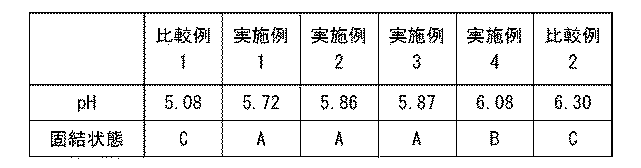
表1に示されているように、pH調整後のウェットケーキのpHが5.2よりも小さい比較例1、及び、このpHが6.1よりも大きい比較例2では、10~20mm程の大きさを有する塊の形成が確認された。
これに対し、pH調整後のウェットケーキのpHが5.2~6.1の範囲にある、実施例1-4では、実施例4において数mm程の大きさを有する塊の形成が確認された程度であった。特にこのpHが5.7~5.9の範囲にある実施例1-3では、塊の形成がほぼ認めらなかった。
以上の結果から明らかなように、実施例では、比較例よりもメチオニンの固結が防止されている。この評価結果から、本発明の優位性は明らかである。
本発明の精製メチオニンの製造方法及びメチオニンの固結防止方法によれば、固結が防止された高品質なメチオニンが得られる。
2:反応工程
4:晶析工程
6:分離工程
8:水洗工程
10:pH調整工程
12:乾燥工程
14:スラリー
16:遠心分離機
18:バスケット
20:固まり(ウェットケーキ)
20w:水洗された粗製メチオニンのウェットケーキ
20p:pH調整後のウェットケーキ
22:スプレー
24:タンク
26:ノズル
28:pH調整水
4:晶析工程
6:分離工程
8:水洗工程
10:pH調整工程
12:乾燥工程
14:スラリー
16:遠心分離機
18:バスケット
20:固まり(ウェットケーキ)
20w:水洗された粗製メチオニンのウェットケーキ
20p:pH調整後のウェットケーキ
22:スプレー
24:タンク
26:ノズル
28:pH調整水
Claims (4)
- 粗製メチオニンから精製メチオニンを製造する方法であって、該方法は、
水洗された粗製メチオニンのウェットケーキを得る工程と、
前記ウェットケーキのpHを調整する工程と、
pH調整後の前記ウェットケーキを乾燥する工程と
を含み、ここで、
pH調整後の前記ウェットケーキのpHは5.2以上6.1以下である、前記方法。 - pH調整後の前記ウェットケーキのpHは5.7以上である、請求項1に記載の方法。
- メチオニンの固結を防止または解消する方法であって、該方法は、
メチオニンのウェットケーキを得る工程と、
前記ウェットケーキのpHを調整する工程と、
pH調整後の前記ウェットケーキを乾燥する工程と
を含み、ここで、
pH調整後の前記ウェットケーキのpHは5.2以上6.1以下である、前記方法。 - pH調整後の前記ウェットケーキのpHは5.7以上である、請求項3に記載の方法。
Priority Applications (5)
| Application Number | Priority Date | Filing Date | Title |
|---|---|---|---|
| SG11202000147TA SG11202000147TA (en) | 2017-07-19 | 2018-07-19 | Method for producing purified methionine and method for preventing caking of methionine |
| JP2019530583A JP7181199B2 (ja) | 2017-07-19 | 2018-07-19 | 精製メチオニンの製造方法及びメチオニンの固結防止方法 |
| EP18834474.1A EP3656761B1 (en) | 2017-07-19 | 2018-07-19 | Method for producing purified methionine and method for preventing caking of methionine |
| US16/631,328 US10995065B2 (en) | 2017-07-19 | 2018-07-19 | Method for producing purified methionine and method for preventing caking of methionine |
| CN201880038785.8A CN110740990A (zh) | 2017-07-19 | 2018-07-19 | 纯化甲硫氨酸的制造方法及甲硫氨酸的固结防止方法 |
Applications Claiming Priority (2)
| Application Number | Priority Date | Filing Date | Title |
|---|---|---|---|
| JP2017-140093 | 2017-07-19 | ||
| JP2017140093 | 2017-07-19 |
Publications (1)
| Publication Number | Publication Date |
|---|---|
| WO2019017415A1 true WO2019017415A1 (ja) | 2019-01-24 |
Family
ID=65016594
Family Applications (1)
| Application Number | Title | Priority Date | Filing Date |
|---|---|---|---|
| PCT/JP2018/027014 Ceased WO2019017415A1 (ja) | 2017-07-19 | 2018-07-19 | 精製メチオニンの製造方法及びメチオニンの固結防止方法 |
Country Status (6)
| Country | Link |
|---|---|
| US (1) | US10995065B2 (ja) |
| EP (1) | EP3656761B1 (ja) |
| JP (1) | JP7181199B2 (ja) |
| CN (1) | CN110740990A (ja) |
| SG (1) | SG11202000147TA (ja) |
| WO (1) | WO2019017415A1 (ja) |
Citations (8)
| Publication number | Priority date | Publication date | Assignee | Title |
|---|---|---|---|---|
| US2443391A (en) * | 1945-09-26 | 1948-06-15 | Du Pont | Methionine isolation process |
| JPS4986320A (ja) * | 1972-12-02 | 1974-08-19 | ||
| JP2000143617A (ja) | 1998-09-11 | 2000-05-26 | Sumitomo Chem Co Ltd | メチオニンの製造方法 |
| JP2006070024A (ja) * | 2004-08-05 | 2006-03-16 | Meiji Milk Prod Co Ltd | 顆粒状製剤及びその製造方法 |
| JP2007063141A (ja) | 2005-08-29 | 2007-03-15 | Sumitomo Chemical Co Ltd | メチオニンの製造方法 |
| WO2013129405A1 (ja) * | 2012-02-27 | 2013-09-06 | 住友化学株式会社 | 精製メチオニンの製造方法 |
| WO2017000867A1 (zh) * | 2015-06-30 | 2017-01-05 | 西安蓝晓科技新材料股份有限公司 | 一种蛋氨酸纯化的工艺 |
| JP2017140093A (ja) | 2016-02-08 | 2017-08-17 | キヤノン株式会社 | 被検体情報取得装置 |
Family Cites Families (4)
| Publication number | Priority date | Publication date | Assignee | Title |
|---|---|---|---|---|
| FR2708267B1 (fr) | 1993-07-28 | 1995-09-01 | Rhone Poulenc Nutrition Animal | Méthode de cristallisation de la méthionine. |
| JP2010111640A (ja) | 2008-11-07 | 2010-05-20 | Sumitomo Chemical Co Ltd | メチオニンの製造方法 |
| JP2012201672A (ja) | 2011-03-28 | 2012-10-22 | Sumitomo Chemical Co Ltd | メチオニンの製造方法 |
| CN106432020B (zh) | 2016-09-14 | 2018-11-20 | 宁夏紫光天化蛋氨酸有限责任公司 | 一种d,l-蛋氨酸的分离纯化方法 |
-
2018
- 2018-07-19 SG SG11202000147TA patent/SG11202000147TA/en unknown
- 2018-07-19 WO PCT/JP2018/027014 patent/WO2019017415A1/ja not_active Ceased
- 2018-07-19 JP JP2019530583A patent/JP7181199B2/ja active Active
- 2018-07-19 CN CN201880038785.8A patent/CN110740990A/zh active Pending
- 2018-07-19 US US16/631,328 patent/US10995065B2/en active Active
- 2018-07-19 EP EP18834474.1A patent/EP3656761B1/en active Active
Patent Citations (8)
| Publication number | Priority date | Publication date | Assignee | Title |
|---|---|---|---|---|
| US2443391A (en) * | 1945-09-26 | 1948-06-15 | Du Pont | Methionine isolation process |
| JPS4986320A (ja) * | 1972-12-02 | 1974-08-19 | ||
| JP2000143617A (ja) | 1998-09-11 | 2000-05-26 | Sumitomo Chem Co Ltd | メチオニンの製造方法 |
| JP2006070024A (ja) * | 2004-08-05 | 2006-03-16 | Meiji Milk Prod Co Ltd | 顆粒状製剤及びその製造方法 |
| JP2007063141A (ja) | 2005-08-29 | 2007-03-15 | Sumitomo Chemical Co Ltd | メチオニンの製造方法 |
| WO2013129405A1 (ja) * | 2012-02-27 | 2013-09-06 | 住友化学株式会社 | 精製メチオニンの製造方法 |
| WO2017000867A1 (zh) * | 2015-06-30 | 2017-01-05 | 西安蓝晓科技新材料股份有限公司 | 一种蛋氨酸纯化的工艺 |
| JP2017140093A (ja) | 2016-02-08 | 2017-08-17 | キヤノン株式会社 | 被検体情報取得装置 |
Non-Patent Citations (1)
| Title |
|---|
| See also references of EP3656761A4 |
Also Published As
| Publication number | Publication date |
|---|---|
| JP7181199B2 (ja) | 2022-11-30 |
| JPWO2019017415A1 (ja) | 2020-05-28 |
| EP3656761A4 (en) | 2021-04-07 |
| SG11202000147TA (en) | 2020-02-27 |
| US20200207708A1 (en) | 2020-07-02 |
| EP3656761B1 (en) | 2022-06-29 |
| US10995065B2 (en) | 2021-05-04 |
| EP3656761A1 (en) | 2020-05-27 |
| CN110740990A (zh) | 2020-01-31 |
Similar Documents
| Publication | Publication Date | Title |
|---|---|---|
| US9227915B2 (en) | Process for the preparation of a crystalline L-MGDA trialkali metal salt | |
| MX2013012811A (es) | Procedimiento para preparar una sal trialcalinometalica cristalina de l-mgda. | |
| JP7237821B2 (ja) | メチオニンの製造方法および製造設備 | |
| CN112166102A (zh) | 制造固体甲基甘氨酸二乙酸(mgda)碱金属盐的方法和固体颗粒 | |
| CN113382980B (zh) | 甲基甘氨酸n,n-二乙酸的易碎相组合物 | |
| WO2013129405A1 (ja) | 精製メチオニンの製造方法 | |
| JP7181199B2 (ja) | 精製メチオニンの製造方法及びメチオニンの固結防止方法 | |
| US8779188B2 (en) | Process for the production of L-carnitine tartrate | |
| WO2016016774A1 (en) | Crystalline forms of canagliflozin | |
| JP6457953B2 (ja) | 結晶性l−カルノシン亜鉛錯体を含有する精製体の製造方法 | |
| JP4404570B2 (ja) | 無機ヨウ素化合物の製造方法 | |
| JP5125908B2 (ja) | シトルリンの晶析方法 | |
| US6684526B2 (en) | Process for removing trace solvent from a material | |
| JP6983256B2 (ja) | 精製メチオニンの製造方法 | |
| CN106432090B (zh) | 一种氘代咪唑酮化合物的晶型及其制备方法和用途 | |
| JPH1081516A (ja) | 流動性酸化銀とその製造方法 | |
| JPH04310508A (ja) | 硫化ナトリウム低水和物又は無水物の製造方法 | |
| CN107021892A (zh) | 2‑硝基‑4‑甲磺酰基苯甲酸的制造方法 | |
| JP2001181254A (ja) | クレアチンの精製法 | |
| SU254494A1 (ru) | Способ получения кристаллического натрия азотнокислого | |
| JPH0616618A (ja) | β−アミノエチル酸性硫酸エステルの製造方法 | |
| CN104610135A (zh) | 一种处理啶虫脒结晶母液的方法 |
Legal Events
| Date | Code | Title | Description |
|---|---|---|---|
| 121 | Ep: the epo has been informed by wipo that ep was designated in this application |
Ref document number: 18834474 Country of ref document: EP Kind code of ref document: A1 |
|
| ENP | Entry into the national phase |
Ref document number: 2019530583 Country of ref document: JP Kind code of ref document: A |
|
| NENP | Non-entry into the national phase |
Ref country code: DE |
|
| ENP | Entry into the national phase |
Ref document number: 2018834474 Country of ref document: EP Effective date: 20200219 |