WO2020004652A1 - Formulation contenant de l'emricasan - Google Patents
Formulation contenant de l'emricasan Download PDFInfo
- Publication number
- WO2020004652A1 WO2020004652A1 PCT/JP2019/025945 JP2019025945W WO2020004652A1 WO 2020004652 A1 WO2020004652 A1 WO 2020004652A1 JP 2019025945 W JP2019025945 W JP 2019025945W WO 2020004652 A1 WO2020004652 A1 WO 2020004652A1
- Authority
- WO
- WIPO (PCT)
- Prior art keywords
- formulation
- buffer
- powder
- group
- polyoxyethylene
- Prior art date
- Legal status (The legal status is an assumption and is not a legal conclusion. Google has not performed a legal analysis and makes no representation as to the accuracy of the status listed.)
- Ceased
Links
Images



Classifications
-
- A—HUMAN NECESSITIES
- A61—MEDICAL OR VETERINARY SCIENCE; HYGIENE
- A61K—PREPARATIONS FOR MEDICAL, DENTAL OR TOILETRY PURPOSES
- A61K9/00—Medicinal preparations characterised by special physical form
- A61K9/0012—Galenical forms characterised by the site of application
- A61K9/0048—Eye, e.g. artificial tears
-
- A—HUMAN NECESSITIES
- A61—MEDICAL OR VETERINARY SCIENCE; HYGIENE
- A61K—PREPARATIONS FOR MEDICAL, DENTAL OR TOILETRY PURPOSES
- A61K31/00—Medicinal preparations containing organic active ingredients
- A61K31/16—Amides, e.g. hydroxamic acids
- A61K31/165—Amides, e.g. hydroxamic acids having aromatic rings, e.g. colchicine, atenolol, progabide
- A61K31/167—Amides, e.g. hydroxamic acids having aromatic rings, e.g. colchicine, atenolol, progabide having the nitrogen of a carboxamide group directly attached to the aromatic ring, e.g. lidocaine, paracetamol
-
- A—HUMAN NECESSITIES
- A61—MEDICAL OR VETERINARY SCIENCE; HYGIENE
- A61K—PREPARATIONS FOR MEDICAL, DENTAL OR TOILETRY PURPOSES
- A61K31/00—Medicinal preparations containing organic active ingredients
- A61K31/185—Acids; Anhydrides, halides or salts thereof, e.g. sulfur acids, imidic, hydrazonic or hydroximic acids
- A61K31/19—Carboxylic acids, e.g. valproic acid
- A61K31/195—Carboxylic acids, e.g. valproic acid having an amino group
- A61K31/197—Carboxylic acids, e.g. valproic acid having an amino group the amino and the carboxyl groups being attached to the same acyclic carbon chain, e.g. gamma-aminobutyric acid [GABA], beta-alanine, epsilon-aminocaproic acid or pantothenic acid
-
- A—HUMAN NECESSITIES
- A61—MEDICAL OR VETERINARY SCIENCE; HYGIENE
- A61K—PREPARATIONS FOR MEDICAL, DENTAL OR TOILETRY PURPOSES
- A61K38/00—Medicinal preparations containing peptides
- A61K38/04—Peptides having up to 20 amino acids in a fully defined sequence; Derivatives thereof
- A61K38/05—Dipeptides
-
- A—HUMAN NECESSITIES
- A61—MEDICAL OR VETERINARY SCIENCE; HYGIENE
- A61K—PREPARATIONS FOR MEDICAL, DENTAL OR TOILETRY PURPOSES
- A61K47/00—Medicinal preparations characterised by the non-active ingredients used, e.g. carriers or inert additives; Targeting or modifying agents chemically bound to the active ingredient
- A61K47/02—Inorganic compounds
-
- A—HUMAN NECESSITIES
- A61—MEDICAL OR VETERINARY SCIENCE; HYGIENE
- A61K—PREPARATIONS FOR MEDICAL, DENTAL OR TOILETRY PURPOSES
- A61K47/00—Medicinal preparations characterised by the non-active ingredients used, e.g. carriers or inert additives; Targeting or modifying agents chemically bound to the active ingredient
- A61K47/06—Organic compounds, e.g. natural or synthetic hydrocarbons, polyolefins, mineral oil, petrolatum or ozokerite
- A61K47/08—Organic compounds, e.g. natural or synthetic hydrocarbons, polyolefins, mineral oil, petrolatum or ozokerite containing oxygen, e.g. ethers, acetals, ketones, quinones, aldehydes, peroxides
- A61K47/14—Esters of carboxylic acids, e.g. fatty acid monoglycerides, medium-chain triglycerides, parabens or PEG fatty acid esters
-
- A—HUMAN NECESSITIES
- A61—MEDICAL OR VETERINARY SCIENCE; HYGIENE
- A61K—PREPARATIONS FOR MEDICAL, DENTAL OR TOILETRY PURPOSES
- A61K47/00—Medicinal preparations characterised by the non-active ingredients used, e.g. carriers or inert additives; Targeting or modifying agents chemically bound to the active ingredient
- A61K47/06—Organic compounds, e.g. natural or synthetic hydrocarbons, polyolefins, mineral oil, petrolatum or ozokerite
- A61K47/26—Carbohydrates, e.g. sugar alcohols, amino sugars, nucleic acids, mono-, di- or oligo-saccharides; Derivatives thereof, e.g. polysorbates, sorbitan fatty acid esters or glycyrrhizin
-
- A—HUMAN NECESSITIES
- A61—MEDICAL OR VETERINARY SCIENCE; HYGIENE
- A61K—PREPARATIONS FOR MEDICAL, DENTAL OR TOILETRY PURPOSES
- A61K47/00—Medicinal preparations characterised by the non-active ingredients used, e.g. carriers or inert additives; Targeting or modifying agents chemically bound to the active ingredient
- A61K47/30—Macromolecular organic or inorganic compounds, e.g. inorganic polyphosphates
- A61K47/34—Macromolecular compounds obtained otherwise than by reactions only involving carbon-to-carbon unsaturated bonds, e.g. polyesters, polyamino acids, polysiloxanes, polyphosphazines, copolymers of polyalkylene glycol or poloxamers
-
- A—HUMAN NECESSITIES
- A61—MEDICAL OR VETERINARY SCIENCE; HYGIENE
- A61K—PREPARATIONS FOR MEDICAL, DENTAL OR TOILETRY PURPOSES
- A61K47/00—Medicinal preparations characterised by the non-active ingredients used, e.g. carriers or inert additives; Targeting or modifying agents chemically bound to the active ingredient
- A61K47/44—Oils, fats or waxes according to two or more groups of A61K47/02-A61K47/42; Natural or modified natural oils, fats or waxes, e.g. castor oil, polyethoxylated castor oil, montan wax, lignite, shellac, rosin, beeswax or lanolin
-
- A—HUMAN NECESSITIES
- A61—MEDICAL OR VETERINARY SCIENCE; HYGIENE
- A61K—PREPARATIONS FOR MEDICAL, DENTAL OR TOILETRY PURPOSES
- A61K9/00—Medicinal preparations characterised by special physical form
- A61K9/0012—Galenical forms characterised by the site of application
- A61K9/0019—Injectable compositions; Intramuscular, intravenous, arterial, subcutaneous administration; Compositions to be administered through the skin in an invasive manner
-
- A—HUMAN NECESSITIES
- A61—MEDICAL OR VETERINARY SCIENCE; HYGIENE
- A61K—PREPARATIONS FOR MEDICAL, DENTAL OR TOILETRY PURPOSES
- A61K9/00—Medicinal preparations characterised by special physical form
- A61K9/08—Solutions
-
- A—HUMAN NECESSITIES
- A61—MEDICAL OR VETERINARY SCIENCE; HYGIENE
- A61K—PREPARATIONS FOR MEDICAL, DENTAL OR TOILETRY PURPOSES
- A61K9/00—Medicinal preparations characterised by special physical form
- A61K9/14—Particulate form, e.g. powders, Processes for size reducing of pure drugs or the resulting products, Pure drug nanoparticles
- A61K9/19—Particulate form, e.g. powders, Processes for size reducing of pure drugs or the resulting products, Pure drug nanoparticles lyophilised, i.e. freeze-dried, solutions or dispersions
-
- A—HUMAN NECESSITIES
- A61—MEDICAL OR VETERINARY SCIENCE; HYGIENE
- A61P—SPECIFIC THERAPEUTIC ACTIVITY OF CHEMICAL COMPOUNDS OR MEDICINAL PREPARATIONS
- A61P27/00—Drugs for disorders of the senses
- A61P27/02—Ophthalmic agents
Definitions
- the present disclosure relates to a formulation containing emuricasan or a derivative thereof as an active ingredient.
- Emlikasan is known as a pan-caspase inhibitor and has effects such as suppression of apoptosis.
- Emlicasan is well soluble in organic solvents such as ethanol and DMSO, but is hardly soluble in water, and is hardly used as a formulation dissolved in water such as eye drops.
- FECD Fuchs Endothelial Corneal Dystrophy
- FECD is a disease in which corneal endothelial cells are progressively depleted, leading to blindness as it progresses.
- the present inventors have found conditions under which emuricasan or a derivative thereof at a concentration at which a medicinal effect can be expected is solubilized in a solution (particularly, in an aqueous solution). Furthermore, the present inventors have also found conditions under which emricasan or a derivative thereof is stabilized in a solution (particularly in an aqueous solution). Specifically, the present inventors have proposed that emricasan or a derivative thereof can be made soluble and / or soluble in a solution of emlicasan or a derivative thereof by adjusting a solubilizing agent (eg, a surfactant) and pH conditions in the formulation. Or it has been found that the stability is optimized.
- a solubilizing agent eg, a surfactant
- the present disclosure provides, for example: (Item 1) (i) Emulikasan or a derivative thereof, or a pharmaceutically acceptable salt thereof, or a solvate thereof, (ii) a nonionic surfactant containing a polyoxyethylene group, and (iii) a pH of about A buffer maintained at 3.0 to about 8.5. (Item 2) The formulation according to item 1, wherein the buffer maintains the pH at about 3.5 to about 8.0. (Item 3) The formulation according to any one of the preceding items, wherein the buffer maintains a pH of about 4.0 to about 7.0. (Item 4) The formulation according to any one of the preceding items, wherein the buffer maintains a pH of about 4.5 to about 6.5.
- the nonionic surfactant containing a polyoxyethylene group is polyoxyethylene hydrogenated castor oil, polyoxyethylene castor oil, polyethylene glycol monostearate, polyoxyethylene sorbitan fatty acid ester, and polyoxyethylene- The formulation according to any one of the above items, selected from the group consisting of polyoxypropylene copolymers.
- the nonionic surfactant containing a polyoxyethylene group is HCO-20, HCO-40, HCO-60, HCO-80, HCO-100, CO-35, MYS-40, Tween80, and The formulation of any one of the preceding items, selected from the group consisting of poloxamer 407.
- Any of the preceding items, wherein the emlicasan or a derivative thereof, or a pharmaceutically acceptable salt thereof, or a solvate thereof is present in the preparation at about 0.05% to about 5% by weight.
- a preparation containing emuricasan comprising: (I) Emlikasan present in the formulation at about 0.1% to about 1% by weight and (ii) HCO-20, HCO-40, HCO-60, HCO-80, HCO-100, CO-35, A surfactant selected from the group consisting of MYS-40, Tween 80, and Poloxamer 407, wherein the surfactant is present in the formulation at about 0.1% to about 4% by weight and (iii) the pH A buffer that is maintained at about 3.0 to about 8.0.
- (Item 12) A preparation containing emuricasan, wherein the preparation comprises: (I) Emulikasan present in the formulation at about 0.1% to about 1% by weight, and (ii) HCO-60 present in the formulation at about 0.1% to about 4% by weight, and (iii) A) a buffer that maintains the pH at about 4.0 to about 7.0.
- (Item 13) A preparation containing emuricasan, wherein the preparation comprises: (I) Emulikasan present in the formulation at about 0.1% to about 1% by weight, and (ii) Tween 80 present in the formulation at about 0.1% to about 4% by weight, and (iii) pH.
- the preparation according to item 16 wherein the preparation is a preparation for treating or preventing a symptom, disorder or disease of the corneal endothelium.
- composition for freshly preparing the formulation according to any one of the above items, comprising emuricasan or a derivative thereof, or a pharmaceutically acceptable salt thereof, or a solvate thereof.
- the composition wherein the composition is in powder form and reconstituted with a reconstitution medium.
- composition comprises: (I) emuricasan or a derivative thereof, or a pharmaceutically acceptable salt thereof, or a solvate thereof, (ii) a nonionic surfactant containing a polyoxyethylene group, and (iii) a pH of about 3.0 to A composition according to any one of the preceding items comprising a buffer maintained at about 8.5.
- reconstitution medium comprises purified water, physiological saline, a buffer, or any combination thereof.
- the powder form is a lyophilized powder form.
- the reconstituting medium includes a nonionic surfactant containing a polyoxyethylene group. 26. The composition of any one of the preceding clauses, wherein the reconstitution medium comprises a buffer that maintains a pH between about 3.0 and about 8.5.
- the saccharide is selected from the group consisting of mannitol, sucrose, and trehalose.
- kit for preparing the preparation according to any one of the above items before use wherein the kit comprises: (I) Emulikasan or a derivative thereof, or a pharmaceutically acceptable salt thereof, or a solvate thereof, a nonionic surfactant containing a polyoxyethylene group, and maintaining the pH at about 3.0 to about 8.5.
- a kit comprising: a powder containing a buffer agent to be used; and (ii) a reconstitution solvent.
- the powder comprises emlicasan or a derivative thereof, or a pharmaceutically acceptable salt thereof, or a solvate thereof, a nonionic surfactant containing a polyoxyethylene group, and a pH of about 3.0 to about 3.0.
- the kit according to any one of the preceding items which is a powder obtained by freeze-drying a solution containing a buffer maintained at 8.5.
- the reconstitution medium includes purified water, physiological saline, buffer, or any combination thereof.
- kits for preparing the preparation according to any one of the above items before use, wherein the kit comprises: (I) powder of emlicasan or a derivative thereof, or a pharmaceutically acceptable salt thereof, or a solvate thereof, and (ii) a nonionic surfactant containing a polyoxyethylene group, if necessary, and (iii) A buffer that maintains the pH at about 3.0 to about 8.5, if necessary.
- kits for preparing the preparation according to any one of the above items before use comprising: (I) powder of emlicasan or a derivative thereof, or a pharmaceutically acceptable salt thereof, or a solvate thereof, and (ii) a nonionic surfactant containing a polyoxyethylene group and a pH of about 3.0 to about 3.0. 8.5.
- a reconstitution medium comprising a buffer maintained at 8.5.
- the powder is a lyophilized powder.
- the reconstitution medium further contains a saccharide, if necessary.
- (Item 37) The kit according to any one of the preceding items, wherein the saccharide is selected from the group consisting of mannitol, sucrose, and trehalose.
- (Item 38) A method for preparing a preparation according to any one of the above items before use, (I) Emulikasan or a derivative thereof, or a pharmaceutically acceptable salt thereof, or a solvate thereof, a nonionic surfactant containing a polyoxyethylene group, and maintaining the pH at about 3.0 to about 8.5. Providing a powder comprising a buffering agent, and (ii) reconstituting the powder with a reconstitution medium.
- the powder comprises emlicasan or a derivative thereof, or a pharmaceutically acceptable salt thereof, or a solvate thereof, a nonionic surfactant containing a polyoxyethylene group, and a pH of about 3.0 to about 3.0.
- the reconstitution medium comprises purified water, physiological saline, a buffer, or any combination thereof.
- the reconstituting medium further comprises at least one selected from the group consisting of a preservative, a stabilizer and a tonicity agent.
- the reconstituting medium further comprises at least one selected from the group consisting of a preservative, a stabilizer and a tonicity agent.
- a method for preparing the formulation according to any one of the above items before use (I) providing a powder of Emlikasan or a derivative thereof, or a pharmaceutically acceptable salt thereof, or a solvate thereof; and (ii) providing the powder with a nonionic surfactant containing a polyoxyethylene group; reconstituting with a reconstitution medium comprising a buffer that maintains the pH between about 6.0 and about 8.5.
- a medium or solution for dissolving the crystals of the solvate or the powder thereof wherein the medium or the solution is A medium or solution comprising (i) a solvent, (ii) a nonionic surfactant containing polyoxyethylene groups, and (iii) a buffer that maintains the pH at about 3.0 to about 8.5.
- the medium or solution further contains a saccharide, if necessary.
- the saccharide is selected from the group consisting of mannitol, sucrose, and trehalose.
- Method. (Item 50) The method according to item 49, further comprising the features described in one or more of items 2 to 19.
- a method for treating and / or treating a disease, disorder or symptom that can be treated and / or prevented by emricasan in a subject comprising: a) emricasan or a derivative thereof, or a pharmaceutically acceptable salt thereof.
- composition in powder form comprising a salt or a solvate thereof that can be reconstituted with a reconstitution medium
- administering to a subject in need thereof an effective amount of a formulation comprising Emlikasan prepared by said reconstitution,
- the formulation comprises: (I) Emulikasan or a derivative thereof, or a pharmaceutically acceptable salt thereof, or a solvate thereof, (ii) a nonionic surfactant containing a polyoxyethylene group, and (iii) a pH of about 3.0 to A buffer maintained at about 8.5.
- Method. (Item 52) The method according to item 51, further comprising the features described in one or more of items 21 to 28.
- (Item 55) A preparation for treating and / or treating a disease, disorder or symptom that can be treated and / or prevented by emricasan, wherein the preparation comprises: (I) Emulikasan or a derivative thereof, or a pharmaceutically acceptable salt thereof, or a solvate thereof, (ii) a nonionic surfactant containing a polyoxyethylene group, and (iii) a pH of about 3.0 to A buffer maintained at about 8.5. Formulation. (Item 56) The formulation of item 55, further comprising the features of one or more of items 2 to 19.
- Formulations of the present disclosure have particular conditions that can optimize the solubility and / or stability of emlicasan or a derivative thereof in the formulation.
- FIG. 1 shows the effect of surfactants (Tween 80, HCO-60, MYS-40) on the solubility of Emlikasan at various pHs.
- FIG. 2 shows the effect of surfactants (HCO-100, HCO-60, HCO-40, HCO-20, HCO-20, MYS-40, Poloxamer 407) on the solubility of emlicasan at low pH.
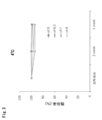
- FIG. 3 shows a graph of the stability of emricasan using HCO-60.
- the vertical axis indicates the ratio of the remaining amount of emlicasan when the amount of emlicasan immediately after the preparation of the emlicasan solution is 100, and the horizontal axis indicates the storage period after the preparation of the emlicasan solution.
- the storage was performed at 4 ° C., respectively, and the emulikasan solutions were adjusted to pH 6, pH 6.5, pH 7, and pH 8, respectively.
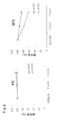
- FIG. 4 shows a graph of the stability of Emlikasan using Tween 80.
- the vertical axis indicates the ratio of the remaining amount of emlicasan when the amount of emlicasan immediately after the preparation of the emlicasan solution is 100, and the horizontal axis indicates the storage period after the preparation of the emlicasan solution.
- the storage was performed at 4 ° C., respectively, and the emulikasan solutions were adjusted to pH 6, pH 6.5, pH 7, and pH 8, respectively.
- FIG. 5 shows a graph of the stability of Emlikasan with Tween 80 under acidic conditions.
- the vertical axis indicates the ratio of the remaining amount of emlicasan when the amount of emlicasan immediately after the preparation of the emlicasan solution is 100, and the horizontal axis indicates the storage period after the preparation of the emlicasan solution.
- the preservation was performed at 4 ° C. and 25 ° C., respectively, and the emulikasan solution was adjusted to pH 4.5 and pH 5.5, respectively.
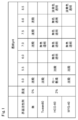
- FIG. 6 shows the results of a freeze-drying test of Emlikasan ophthalmic solution.
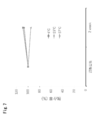
- FIG. 7 shows a graph of the stability of the freeze-dried powder of emulikasan ophthalmic solution.
- the vertical axis indicates the ratio of the remaining amount of emlicasan when the amount of emlicasan immediately after the preparation of the emlicasan solution is 100, and the horizontal axis indicates the storage period after the preparation of the emlicasan solution. Storage was performed at 4 ° C, 25 ° C and 37 ° C, respectively.
- caspase is a generic term for endopeptidases having cysteine as an active center and hydrolyzing a peptide bond at the C-terminal side of aspartic acid.
- Caspases function in the processing of cytokines (such as interleukin 1 ⁇ ) and are known to be involved in the execution of programmed cell death and in the inflammatory response. All caspases are translated as zymogens, and activation is activated by itself or by degradation by other caspases, and functions in a cascade fashion. Caspases are numbered in the order in which they were discovered, and to date caspase 1 to caspase 14 are known in mammals. About 10 types have been found in human cells. For example, caspase 1 functions to induce inflammation by cytokine processing, caspase 3 is directly involved in the execution of programmed cell death, and caspase 8 is located upstream of the cascade and is responsible for signaling of programmed cell death.
- caspase inhibitor refers to any drug that inhibits any caspase signal transduction.
- a caspase inhibitor is a compound that can inhibit any one or more of the caspase family.
- Emlikasan is a pan-caspase inhibitor that can inhibit all caspases.
- iFECD immortalized Fuchs ’endothelial corneal dystrophy
- HCEC human corneal endothelial cells
- IHCEC immortalized human corneal endothelial cell
- the term “derivative” refers to a compound whose core structure is the same as or similar to that of the parent compound, but has a chemical modification such as a different functional group or an additional functional group. The derivative has the same or similar biological activity as the parent compound.
- the term “pharmaceutically acceptable salt” refers to a relatively non-toxic salt (eg, an acidic salt, a basic salt, etc.) of the compound of the present disclosure. These salts may be used to react the compound purified temporarily or during its final isolation and purification of the compound, or separately in its free base form, with a suitable organic or inorganic acid, and so on. It can be prepared by isolating the salt formed.
- Pharmaceutically acceptable basic salts of the compounds of the present disclosure include, for example, alkali metal salts such as sodium salt and potassium salt; alkaline earth metal salts such as calcium salt and magnesium salt; ammonium salt; trimethylamine salt, triethylamine Salts, aliphatic amine salts such as dicyclohexylamine salt, ethanolamine salt, diethanolamine salt, triethanolamine salt, procaine salt, meglumine salt, diethanolamine salt and ethylenediamine salt; aralkylamines such as N, N-dibenzylethylenediamine and veneamine salt Salts; heterocyclic aromatic amine salts such as pyridine salts, picoline salts, quinoline salts, and isoquinoline salts; tetramethylammonium salts, tetraethylammonium salts, benzyltrimethylammonium salts, benzyltriethylammonium Salt, benzyltributylammonium salt, methyl
- Pharmaceutically acceptable acid salts of the compounds of the present disclosure include, for example, inorganic salts such as hydrochlorides, sulfates, nitrates, phosphates, carbonates, bicarbonates, perchlorates; Organic acid salts such as propionate, lactate, maleate, fumarate, tartrate, malate, citrate, and ascorbate; methanesulfonate, isethionate, benzenesulfonate, p -Sulfonates such as toluenesulfonate; acidic amino acids such as aspartate and glutamate;
- inorganic salts such as hydrochlorides, sulfates, nitrates, phosphates, carbonates, bicarbonates, perchlorates
- Organic acid salts such as propionate, lactate, maleate, fumarate, tartrate, malate, citrate, and ascorbate
- methanesulfonate isethionate
- solvate means a solvate of a compound of the present disclosure or a pharmaceutically acceptable salt thereof, for example, a solvate with an organic solvent (eg, an alcohol (eg, ethanol)) Hydrate), hydrate and the like.
- an organic solvent eg, an alcohol (eg, ethanol)
- Hydrates include monohydrate, dihydrate and the like.
- surfactant refers to a substance having a hydrophilic portion and a hydrophobic portion in a molecule, and having a function of dissolving in a liquid to significantly lower the surface tension.
- nonionic surfactant refers to a surfactant that does not ionize when dissolved in water.
- Nonionic surfactants containing polyoxyethylene groups include polyoxyethylene hydrogenated castor oil, polyoxyethylene castor oil, polyoxyethylene fatty acid esters, polyoxyethylene sorbitan fatty acid esters and poloxamers, It is not limited to.
- polyoxyethylene hydrogenated castor oil refers to a compound obtained by addition polymerization of polyoxyethylene to hydrogenated castor oil (hydrogenated) and has the following structure.
- the sum of l, m, n, x, y and z is usually 5 to 120, but is not limited thereto.
- a polyethylene-hardened castor oil in which the sum of l, m, n, x, y and z is 20 is referred to as polyethylene-hardened castor oil-20 (HCO-20).
- Polyoxyethylene hydrogenated castor oils include, but are not limited to, for example, HCO-20, HCO-40, HCO-60, HCO-80, and HCO-100.
- polyoxyethylene castor oil refers to a compound obtained by addition polymerization of polyoxyethylene to castor oil that has not been cured (hydrogenated). Examples include, but are not limited to, CO-3, CO-10, and CO-35.
- polyoxyethylene fatty acid ester has the following structure: RCOO- (CH 2 CH 2 O) n H Having the following.
- R is an alkyl group having usually 12 to 18 carbon atoms or an alkenyl group having usually 12 to 18 carbon atoms, and the alkyl group and the alkenyl group may be linear or branched. Usually, it is 10 to 70, but is not limited to these.
- polyoxyethylene sorbitan fatty acid ester has the following structure:
- R is an alkyl group usually having 12 to 18 carbon atoms, an alkenyl group usually having 12 to 18 carbon atoms or an alkynyl group usually having 12 to 18 carbon atoms, and the alkyl group, alkenyl group and alkynyl group May be linear or branched, and the total of k, l, m and n is usually 20, but is not limited thereto.
- polysorbate 80 polyoxyethylene sorbitan monooleate
- polysorbate 60 polyoxyethylene sorbitan monostearate
- polysorbate 40 polyoxyethylene Sorbitan monopalmitate
- polyoxyethylene monolaurate polyethylene sorbitan triolate
- polysorbate 65 polyoxyethylene sorbitan tristearate
- polyxamer refers to a polyoxyethylene-polyoxypropylene block copolymer, generally having a molecular weight in the range of about 2000 to about 15,000 daltons, and having the general formula: 2 H 4 O) a (C 3 H 6 O) b (C 2 H 4 O) a H Wherein a is from about 10 to about 150, depending on the particular grade, and represents a block of polyoxyethylene repeating units (hereinafter referred to as the PEO moiety); b is from about 20 to about 60; Represents a block of a repeating unit of polyoxypropylene (hereinafter, referred to as a PPO portion).) Specific poloxamers include, for example, poloxamer 124, poloxamer 188 (PLURONIC F68), poloxamer 237 (PLURONIC F87), poloxamer 338 (PLURONIC F108), poloxamer 407 (PLURONIC F127) shown in Table 1, and polox
- buffering agent refers to one or more compounds that, when added to a solution, exhibit the ability to change little or no from a given pH, or to which the compound has dissolved Refers to an aqueous solution.
- the buffer include, but are not limited to, phosphate buffer, citrate buffer, borate buffer, carbonate buffer, acetate buffer, tartrate buffer, aminocarboxylic acid buffer, trometamol, and the like. Not done.
- corneal endothelial condition, disorder, or disease refers to any condition, disorder, or disease that occurs in the corneal endothelium.
- corneal endothelial symptoms, disorders, or diseases include Fuchs corneal endothelial dystrophy, corneal transplant disorder, corneal endothelitis, trauma, disorders after ophthalmic surgery, disorders after ophthalmic laser surgery, aging, posterior polymorphic cornea Dystrophy (posterior polymorphous dystrophy) (PPD), congenital hereditary corneal endothelial dystrophy (CHED), and idiopathic corneal endothelial dystrophy are not limited thereto.
- PPD posterior polymorphic cornea Dystrophy
- CHED congenital hereditary corneal endothelial dystrophy
- idiopathic corneal endothelial dystrophy are not limited thereto.
- prepared before use means that a lyophilized powder containing emlicasan is immediately mixed with a reconstitution medium (eg, purified water, saline, or other components immediately before administration of emlicasan to a subject). Dissolved in a solution for reconstitution, etc.) to prepare a formulation suitable for administration containing emuricasan.
- a reconstitution medium eg, purified water, saline, or other components immediately before administration of emlicasan to a subject.
- a reconstitution medium eg, purified water, saline, or other components immediately before administration of emlicasan to a subject.
- a reconstitution medium eg, purified water, saline, or other components immediately before administration of emlicasan to a subject.
- a short period of time eg, several days, several weeks
- the term “subject” refers to a subject to which the formulation of the present disclosure is administered, and the subject may be a mammal (eg, human, mouse, rat, hamster, rabbit, cat, dog, cow, horse, sheep) , Monkeys, etc.), primates are preferred, and humans are particularly preferred.
- a mammal eg, human, mouse, rat, hamster, rabbit, cat, dog, cow, horse, sheep
- Monkeys, etc. primates are preferred, and humans are particularly preferred.
- constitutional refers to returning a dry state to a liquid state by adding water or a solution to a dry powder such as a freeze-dried powder.
- reconstitution medium refers to a solution for making a liquid state in addition to a dry powder such as a lyophilized powder, and purified water (eg, sterilized purified water), physiological saline, a buffer, Or any sterile solution for pharmaceutically acceptable reconstitution, or any combination thereof.
- reconstitution media that can be used in the present disclosure include buffers, surfactants, preservatives and the like. Preservatives may be included to prevent cross-contamination.
- Surfactants that may be included as a reconstitution medium include, for example, non-ionic surfactants that include a polyoxyethylene group, but are not limited to any of the surfactants disclosed herein.
- Surfactants can be utilized, and any of the buffers disclosed herein can be used, preferably, for example, maintaining the pH at about 3.0 to about 8.5.
- Buffering agents can be used. Examples of preservatives include, but are not limited to, those commonly used in formulations such as benzalkonium chloride, parabens, sorbate, benzyl alcohol, chlorhexidine gluconate, and the like (eg, ophthalmic formulations). Not done.
- the reconstitution medium is also called a reconstitution solution. Alternatively, these terms may be abbreviated to medium or solution.
- the “kit” is usually divided into two or more compartments and provided with a portion to be provided (for example, a test agent, a diagnostic agent, a therapeutic agent, an antibody, a label, an instruction, and the like).
- a portion to be provided for example, a test agent, a diagnostic agent, a therapeutic agent, an antibody, a label, an instruction, and the like.
- This kit form is preferred when it is intended to provide a composition that should not be provided as a mixture for stability and the like, but is preferably used by mixing immediately before use.
- a kit form is preferable.
- Such kits preferably include instructions or instructions describing how to use the provided portions (eg, test, diagnostic, therapeutic) or how to process the reagents. It is advantageous to have a letter.
- the present disclosure provides (i) emuricasan or a derivative thereof, or a pharmaceutically acceptable salt or solvate thereof, and (ii) a nonionic surfactant comprising a polyoxyethylene group, (Iii) a buffer that maintains the pH at about 4.5 to about 8.5.
- the buffering agent has a pH of about 3.0 to about 8.5, about 3.5 to about 8.0, about 3.5 to about 7.5, about 3.5 to about 7. 0.0, about 3.5 to about 6.5, about 3.5 to about 6.0, about 4.0 to about 7.0, about 4.0 to about 6.5, about 4.0 to about 6 4.0, about 4.0 to about 5.5, about 4.0 to about 5.0, about 4.5 to about 5.0, about 4.5 to about 5.5, about 4.5 to about 6 0.0, about 4.5 to about 6.5, about 4.5 to about 7.0, about 4.5 to 7.5, about 4.5 to 8.0, about 5.0 to about 5.5.
- the buffer may be a buffer that maintains between about 6.0 and about 8.0, between about 6.0 and about 7.0, or between about 6.0 and about 6.5.
- the buffering agent is from about 3.5 to about 8.0, from about 4.0 to about 7.0, from about 4.0 to about 6.0, or from about 4.5 to about 7. Buffer.
- the buffering agent has a pH of about 3.0, about 3.5, about 4.0, about 4.5, about 5.0, about 5.5, about 6.0, about 6.0.
- the buffer may be maintained at about 0.5, about 7.0, about 7.5, about 8.0, or about 8.5.
- the pH of the formulations of the present disclosure are from about 3.0 to about 8.5, from about 3.5 to about 8.0, from about 3.5 to about 7.5, about 3. 5 to about 7.0, about 3.5 to about 6.5, about 3.5 to about 6.0, about 4.0 to about 7.0, about 4.0 to about 6.5, about 4.0. 0 to about 6.0, about 4.0 to about 5.5, about 4.0 to about 5.0, about 4.5 to about 5.0, about 4.5 to about 5.5, about 4.0.
- the pH of the formulation of the present disclosure is about pH 3.0, about 3.5, about 4.0. It can be about 4.5, about 5.0, about 5.5, about 6.0, about 6.5, about 7.0, about 7.5, about 8.0, or about 8.5. Those skilled in the art can appropriately adjust the pH of the formulation of the present disclosure using the above buffer.
- Different buffers may be used in combination as long as the pH of the final preparation falls within the above pH range.
- the buffer (if any) contained in the solution during lyophilization and the solvent for reconstitution may be used. May be different from the buffer (if any) contained therein, and a plurality of different buffers may be contained in the lyophilized solution or the reconstitution solvent.
- the pH is around neutral (about 4.0 to about 8.0, about 5.0 to about 7.0, preferably about 6.0), In consideration of the above, the pH on the acidic side (about 3.5 to about 5.5, preferably about 4.5) is preferable.
- emlicasan is prepared by freeze-drying.
- the solubility of Emlikasan is reduced as compared to near neutral pH, but exceeds the effective concentration (ie, in vitro test using immortalized cells of Fuchs corneal endothelial dystrophy (iFECD) (WO 2017). / 10094), at least 100 times the concentration of 10 ⁇ mol / L that showed pharmacological activity), and at least about 0.1% by weight of emricasan was dissolved.
- the preparation at the time of use may be stored for a short period of time at the acidic side (about 3.5 to about 5.5, preferably about 4.5) from the viewpoint of stability. (From about 4.0 to about 8.0, from about 5.0 to about 7.0, preferably about 6.0).
- the surfactant comprises from about 0.05% to about 5%, from about 0.1% to about 5%, preferably from about 0.1% to about 4% by weight. , More preferably, from about 0.1% to about 2% by weight in the formulations of the present disclosure.
- non-ionic surfactants containing polyoxyethylene groups include polyoxyethylene hydrogenated castor oil, polyoxyethylene castor oil, polyoxyethylene fatty acid esters (eg, polyethylene glycol monostearate), Examples include, but are not limited to, polyoxyethylene sorbitan fatty acid esters and polyoxyethylene-polyoxypropylene copolymers (poloxamers).
- Polyoxyethylene hydrogenated castor oil includes, but is not limited to, for example, HCO-20, HCO-40, HCO-60, HCO-80, and HCO-100.
- the polyoxyethylene hydrogenated castor oil is HCO-60.
- Polyoxyethylene castor oil includes, but is not limited to, for example, CO-3, CO-10, and CO-35.
- the polyoxyethylene hydrogenated castor oil is CO-35.
- Polyoxyethylene fatty acid esters include polyethylene glycol monolaurate 10 (MYL-10), polyethylene glycol monostearate 10 (MYS-10), polyethylene glycol monostearate 25 (MYS-25), and polyethylene glycol monostearate 40 (MYS-25). MYS-40), and polyethylene glycol monostearate 55 (MYS-55).
- the polyoxyethylene fatty acid ester is MYS-40.
- polyoxyethylene sorbitan fatty acid ester examples include polysorbate 80 (Tween 80), polysorbate 60 (Tween 60), polysorbate 40 (Tween 40), polyoxyethylene monolaurate, polyethylene sorbitan triolate, and polysorbate 65 (Tween 65). It is not limited to these. In a preferred embodiment, the polyoxyethylene sorbitan fatty acid ester is polysorbate 80 (Tween 80).
- Polyoxyethylene-polyoxypropylene copolymer includes, but is not limited to, poloxamer 124, poloxamer 188, poloxamer 237, poloxamer 338, and poloxamer 407.
- the polyoxyethylene-polyoxypropylene copolymer (poloxamer) is poloxamer 407.
- emuricasan or a derivative thereof, or a pharmaceutically acceptable salt thereof, or a solvate thereof comprises about 0.05% to about 5%, about 0.1% to about 2% by weight. %, Preferably from about 0.1% to about 1%, more preferably from about 0.1% to about 0.5% by weight of the formulation.
- the present disclosure is a formulation comprising emuricasan, wherein the formulation comprises: (I) Emlikasan present in the formulation at about 0.1% to about 1% by weight, and (ii) HCO-20, HCO-40, HCO-60, HCO-80, HCO-100, CO-35. , MYS-40, Tween 80, and poloxamer 407, wherein the surfactant is present in the formulation at about 0.1% to about 4% by weight; and (iii) a buffer that maintains the pH between about 3.0 and about 8.0, preferably between about 4.0 and about 7.0.
- the present disclosure is directed to a formulation comprising emuricasan, wherein the formulation comprises (i) emuricasan present in the formulation at about 0.1% to about 1% by weight; Provided is a formulation comprising HCO-60 present in the formulation at 0.1% to about 4% by weight and (iii) a buffer that maintains the pH at about 4.0 to about 7.0.
- a formulation comprising emuricasan, wherein the formulation comprises (i) from about 0.1% to about 1% by weight of emuricasan, and (ii) about 0.1% by weight. % To about 4% by weight of Tween 80 present in the formulation; and (iii) a buffer that maintains the pH at about 4.0 to about 7.0.
- preparations of the present disclosure can be used, if necessary, with drugs such as preservatives, stabilizers, isotonic agents, pH adjusters, and freeze-drying auxiliaries usually used in preparations (eg, ophthalmic preparations such as eye drops). May be further included.
- drugs such as preservatives, stabilizers, isotonic agents, pH adjusters, and freeze-drying auxiliaries usually used in preparations (eg, ophthalmic preparations such as eye drops). May be further included.
- the formulations of the present disclosure are ophthalmic formulations.
- a formulation of the present disclosure can be a formulation for treating or preventing a corneal endothelial condition, disorder or disease of the corneal endothelium.
- emricasan included in the formulations of the present disclosure is highly effective against corneal endothelial conditions, disorders or diseases caused by transforming growth factor- ⁇ (TGF- ⁇ ) (incorporated herein by reference).
- TGF- ⁇ transforming growth factor- ⁇
- WO 2017/11094 for example, fuchs corneal endothelial dystrophy, corneal endothelitis, trauma, injury after ophthalmic surgery, injury after ophthalmic laser surgery, aging, posterior polymorphism in corneal endothelium Shaped corneal dystrophy (PPD: posterior polymorphous dystrophy), congenital hereditary corneal endothelial dystrophy (CHED), and idiopathic corneal endothelial disorder, but are not limited thereto.
- PPD posterior polymorphous dystrophy
- CHED congenital hereditary corneal endothelial dystrophy
- idiopathic corneal endothelial disorder but are not limited thereto.
- uses of the formulations of the present disclosure include, but are not limited to, eye drops, for example, injection into the anterior chamber, impregnation into a sustained release agent, subconjunctival injection, systemic Administration methods such as administration (oral administration, intravenous injection) and the like can also be mentioned.
- the formulation of the present disclosure may be in the form of powder, solid, or liquid, but is preferably in the form of a liquid, particularly an aqueous solution.
- the formulations of the present disclosure may optionally further include saccharides such as mannitol, sucrose and trehalose.
- the present invention provides a formulation for treating and / or treating a disease, disorder or condition that can be treated and / or prevented by Emlikasan.
- This formulation comprises (i) emuricasan or a derivative thereof, or a pharmaceutically acceptable salt or solvate thereof, (ii) a nonionic surfactant containing a polyoxyethylene group, and (iii) a pH of about A buffer maintained at 3.0 to about 8.5.
- Preservation method When the formulation of the present disclosure is to be stored for a long period of time, it is preferable to store the formulation in a dehydrated state (for example, in a powder form, particularly, a lyophilized powder form). Formulations of the present disclosure may be stored at about 4 ° C. to about 25 ° C. for the stability of Emlikasan. In certain embodiments, when the formulation is stored as a solution, it is preferable to store it at a low temperature (about 4 ° C.), and more preferably to adjust the pH of the solution to the acidic side (pH about 3.0 to about 5.5). And the formulation is preserved.
- the present disclosure is a method for storing emricasan, wherein the emlicasan is stored in a dehydrated state (eg, a powdered form, especially a lyophilized powdered form).
- a method of characterizing is provided.
- the present disclosure is a method of storing emuricasan in solution, wherein the solution is maintained at a low temperature (about 4 ° C.) and at an acidic pH (pH of about 4.5 to about 5.5).
- the formulation in solution is stored so as to maintain about 4 ° C. and a pH of about 4.5.
- composition for preparation before use Emuricasan was found to be very stable in lyophilized form, while it was very unstable in solution. Further, it was revealed that even after reconstitution of the freeze-dried powder of emricasan, it can be relatively stabilized under specific conditions. Thus, the composition for fresh preparation of the present disclosure including the freeze-dried powder of emlicasan can stably provide a formulation of emlicasan.
- the present disclosure relates to a composition comprising emlicasan or a derivative thereof, or a pharmaceutically acceptable salt thereof, or a solvate thereof, in powder form (eg, lyophilized powder form).
- compositions of the present disclosure are prepared by dissolving in a reconstitution medium (eg, purified water, saline, buffer, or any combination thereof).
- a reconstitution medium eg, purified water, saline, buffer, or any combination thereof.
- the compositions of the present disclosure may further include agents such as preservatives, stabilizers, tonicity agents, pH adjusters, lyophilization aids, if necessary.
- a composition of the present disclosure comprises (i) emricasan or a derivative thereof, or a pharmaceutically acceptable salt thereof, or a solvate thereof, and (ii) a nonionic interface comprising a polyoxyethylene group.
- An active agent and (iii) a buffer that maintains the pH at about 3.0 to about 8.5.
- the reconstitution media used in the present disclosure is, for example, purified water, saline, buffer, or any combination thereof, and the composition of the present disclosure is dissolved in these reconstitution media. It is prepared by
- the reconstitution medium can include a non-ionic surfactant that includes polyoxyethylene groups.
- the reconstitution medium can include a buffer that maintains the pH at about 3.0 to about 8.5.
- the preferred pH for the reconstitution medium can be similar to the preferred values for the pH of the buffer described elsewhere herein, for example, from about pH 4.0 to about 7.0 (eg, about 4 to about 7.0). 0.0, about 4.5, about 5.0, about 5.5, about 6.0, about 6.5, about 7.0, etc.).
- a pH close to the tear may be preferred, so the pH that may be employed may be near neutral (eg, pH about 6.0 to about 8.0).
- the pH at the time of freeze-drying (the solution immediately before freeze-drying) and the pH of the reconstitution medium may be different, and the pH at the time of freeze-drying is acidic on the viewpoint of stability (pH about 3.5 to about 5.5). 5, preferably about 4.5) and upon reconstitution at a neutral pH (about 4.0 to about 8.0, preferably about 6.0) suitable for solubility and / or administration. There may be.
- the reconstitution solvent may further contain an agent such as a preservative, a stabilizing agent, a tonicity agent, a pH adjuster, etc., if necessary.
- an agent such as a preservative, a stabilizing agent, a tonicity agent, a pH adjuster, etc., if necessary.
- the reconstitution medium used in the present disclosure may further contain a saccharide such as mannitol, sucrose and trehalose, if necessary.
- kits in another aspect, relate to a kit for preparing the above-mentioned preparation before use, wherein the kit comprises (i) emuricasan or a derivative thereof, or a pharmaceutically acceptable salt thereof, or a solvate thereof.
- the kit comprises (i) emuricasan or a derivative thereof, or a pharmaceutically acceptable salt thereof, or a solvate thereof.
- the kit comprises (i) emuricasan or a derivative thereof, or a pharmaceutically acceptable salt thereof, or a solvate thereof.
- lyophilized powder optionally a non-ionic surfactant containing polyoxyethylene groups
- a pH of about 3.0 to about 8 optionally a pH of about 3.0 to about 8
- a buffer maintained at 0.5 a buffer maintained at 0.5.
- the pH that may be employed here may be similar to the preferred values of the pH of the buffer described elsewhere herein, for example, a pH of about 4.0 to about 7.0 (eg, about 4.0. 0, about 4.5,
- kits of the present disclosure may or may not include a nonionic surfactant and / or buffer comprising a polyoxyethylene group, and a user of the kit of the present disclosure may Nonionic surfactants and / or buffers containing polyoxyethylene groups may be obtained from other providers.
- kits of the present disclosure may include instructions for use.
- kits for preparing the above preparation at the time of use comprising (i) a powder of emlicasan or a derivative thereof, or a pharmaceutically acceptable salt thereof, or a solvate thereof (for example, A lyophilized powder), and (ii) a reconstitution medium, optionally comprising a non-ionic surfactant containing polyoxyethylene groups and a buffer to maintain the pH at about 3.0 to about 8.5.
- a kit comprising:
- the pH that may be employed here may be similar to the preferred values of the pH of the buffer described elsewhere herein, for example, a pH of about 4.0 to about 7.0 (eg, about 4.0.
- a pH close to the tear may be preferred, so the pH that may be employed may be near neutral (eg, pH about 6.0 to about 8.0).
- the present disclosure provides a method for freshly preparing the above formulation, comprising: (i) emuricasan or a derivative thereof, or a pharmaceutically acceptable salt thereof, or a solvate thereof, polyoxyethylene Providing a powder comprising a nonionic surfactant comprising a group and a buffer which maintains the pH at about 3.0 to about 8.5; and (ii) reconstituting the powder with a reconstitution medium. And a method comprising: In some embodiments, the powder comprises emuricasan or a derivative thereof, or a pharmaceutically acceptable salt thereof, or a solvate thereof, a nonionic surfactant containing a polyoxyethylene group, and a pH of about 3.0. It may be a powder obtained by lyophilizing a solution containing a buffer that maintains a pH of about 8.5.
- the present disclosure provides a method for preparing the above-described formulation fresh, comprising: (i) powder of emlicasan or a derivative thereof, or a pharmaceutically acceptable salt thereof, or a solvate thereof (for example, a lyophilized powder), and (ii) the powder comprises a nonionic surfactant comprising polyoxyethylene groups and a buffer to maintain the pH at about 3.0 to about 8.5. Reconstituting with a reconstituting medium.
- the pH that may be employed here may be similar to the preferred values of the pH of the buffer described elsewhere herein, for example, a pH of about 4.0 to about 7.0 (eg, about 4.0. 0, about 4.5, about 5.0, about 5.5, about 6.0, about 6.5, about 7.0, etc.).
- the pH at the time of freeze-drying (the solution immediately before freeze-drying) and the pH of the reconstitution medium may be different, and the pH at the time of freeze-drying is acidic on the viewpoint of stability (pH about 3.5 to about 5.5). 5, preferably about 4.5) and upon reconstitution at a neutral pH (about 4.0 to about 8.0, preferably about 6.0) suitable for solubility and / or administration. There may be.
- the present disclosure is a solution for reconstituting a lyophilized powder of emlicasan or a derivative thereof, or a pharmaceutically acceptable salt thereof, or a solvate thereof, wherein the composition comprises: Provide a solution comprising: i) a solvent; (ii) a nonionic surfactant containing polyoxyethylene groups; and (iii) a buffer that maintains a pH of about 3.0 to about 8.5.
- the solvent is selected from the group consisting of purified water, saline, or any combination thereof.
- the pH that may be employed here may be similar to the preferred values of the pH of the buffer described elsewhere herein, for example, a pH of about 4.0 to about 7.0 (eg, about 4.0. 0, about 4.5, about 5.0, about 5.5, about 6.0, about 6.5, about 7.0, etc.).
- a pH close to the tear may be preferred, so the pH that may be employed may be near neutral (eg, pH about 6.0 to about 8.0).
- the pH at the time of freeze-drying (the solution immediately before freeze-drying) and the pH of the reconstitution medium may be different, and the pH at the time of freeze-drying is acidic on the viewpoint of stability (pH about 3.5 to about 5.5). 5, preferably about 4.5) and upon reconstitution at a neutral pH (about 4.0 to about 8.0, preferably about 6.0) suitable for solubility and / or administration. There may be.
- the present disclosure is a solution for dissolving crystals of emlicasan or a derivative thereof, or a pharmaceutically acceptable salt thereof, or a solvate thereof, or a powder thereof, wherein the composition comprises: Provide a solution comprising: i) a solvent; (ii) a nonionic surfactant containing polyoxyethylene groups; and (iii) a buffer that maintains a pH of about 3.0 to about 8.5.
- the pH that may be employed here may be similar to the preferred values of the pH of the buffer described elsewhere herein, for example, a pH of about 4.0 to about 7.0 (eg, about 4.0.
- a pH close to the tear may be preferred, so the pH that may be employed may be near neutral (eg, pH about 6.0 to about 8.0).
- the pH at the time of freeze-drying (the solution immediately before freeze-drying) and the pH of the solution for dissolution may be different, and the pH at the time of freeze-drying is preferably acidic (pH of about 3.5 to about 5.5) from the viewpoint of stability. And preferably about 4.5) upon dissolution and at a neutral pH suitable for dissolution and / or administration (about 4.0 to about 8.0, preferably about 6.0). Is also good.
- the solvent is selected from the group consisting of purified water, saline, or any combination thereof.
- the solution of the present disclosure may further contain an agent such as a preservative, a stabilizer, an isotonic agent, and a pH adjuster, if necessary.
- an agent such as a preservative, a stabilizer, an isotonic agent, and a pH adjuster, if necessary.
- a method of treating or preventing a corneal endothelial condition, disorder or disease comprising administering to a subject a therapeutically effective amount of a formulation of the present disclosure.
- the one or more embodiments and / or features described above may be appropriately adopted in aspects of the present disclosure.
- the present invention provides a disease, disorder treatable and / or preventable by emuricasan in a subject, comprising administering to a subject in need thereof an effective amount of a formulation comprising emuricasan.
- a method for treating and / or treating a condition is provided.
- the formulation comprises: i) emuricasan or a derivative thereof, or a pharmaceutically acceptable salt thereof, or a solvate thereof, and (ii) a nonionic surfactant containing a polyoxyethylene group, and (iii) a buffer that maintains the pH at about 3.0 to about 8.5.
- the term "disease, disorder or condition that can be treated and / or prevented by emricasan” includes any disease, disorder or condition that can be treated and / or prevented by emricasan, such as cancer, fuchs, and the like. Corneal dystrophy and the like can be mentioned. This method is described in one or more sections of (formulation), (storage method), (composition for fresh preparation), (kit), (preparation method), (reconstitution solution) and (dissolution solution). Any of the features described above can be applied singly or in combination.
- the disclosure provides a method for treating and / or treating a disease, disorder or condition that can be treated and / or prevented by emricasan in a subject.
- the method comprises the steps of: a) reconstituting a powdered composition comprising emricasan or a derivative thereof, or a pharmaceutically acceptable salt thereof, or a solvate thereof with a reconstitution medium; and b) reconstituting the composition.
- the method of the present disclosure may be performed using a kit provided in the present disclosure.
- the formulations of the present disclosure may or may not be made fresh.
- Example 1 Influence of Surfactant and pH Value on Solubility of Emlikasan Emlikasan is poorly soluble and cannot be dissolved in physiological saline, phosphate buffer, purified water, and the like at a concentration to be used as eye drops. Then, it was tested whether various surfactants can be used to dissolve emlicasan.
- emurikasan a concentration of 10 ⁇ mol / L which showed pharmacological activity in an in vitro test using immortalized cells of Fuchs corneal endothelial dystrophy (iFECD) (WO 2017/11094) was used. 10 mmol / L, which is twice as large.
- Emulikasan powder (Chemscene) was accurately measured at a target concentration of 28 mg with an electronic balance (AUW220D, SHIMADZU) and transferred to a glass test tube. 100 ⁇ l of 99% ethanol was added and dissolved therein. Vortex thoroughly to ensure complete dissolution.
- polysorbate 80 (Tween 80: Polysorbate 80, NIKKOL) which is a nonionic surfactant containing a polyoxyethylene group
- polyoxyethylene hydrogenated castor oil 60 HCO-60: Polyoxyethylene Hydrogenated Caster Oil 60, NIKKOL
- Polyethylene glycol 40 MYS-40: Polyethylene Glycol Monostearate 40, NIKKOL
- PBS Phosphate buffered saline
- Example 2 Influence of various surfactants on emulikasan solubility at low pH values Since emuricasan is expected to degrade under basic conditions, it was tested for solubility at pH below pH 7.0.
- Example 1 the target dissolution concentration of emlicasan was set to 10 mmol / L. Exactly 28 mg of emlicasan was measured with an electronic balance (AUW220D, SHIMADZU) and transferred to a glass test tube. 100 ⁇ l of 99% ethanol was added and dissolved therein. Vortex thoroughly to ensure complete dissolution.
- polyoxyethylene hydrogenated castor oil 100 NIKKOL
- a polyoxyethylene hydrogenated castor oil 100 NIKKOL
- polyoxyethylene hydrogenated castor oil 60 HCO-60: Polyoxyethylene
- polyoxyethylene hydrogenated castor oil 40 HCO-40: polyoxyethylene Hydrogenated castor oil 40, NIKKOL
- polyoxyethylene hydrogenated castor oil 20 HCO-20: polyoxyethylene Hydrogenated castor oil 20, NIKKOL
- Polyoxyethyl Ren castor oil 35 CO-35: Polyoxyethylene Castor Oil 35, NIKKOL
- polyethylene glycol monostearate 40 MYS-40: Polyethylene Glycol Monostearate 40, NIKOL
- polyoxyethylene polyoxypropylene glycol 407 Polyoxypropylene polyoxypropylene glycol 407.
- PBS Phosphate buffered saline
- FIG. 2 shows the results.
- the solubility of emuricasan showed a similar tendency.
- the final concentration of the surfactant was 0.5%, dissolution was confirmed at a final pH of 6.5 or more. Therefore, it became clear that the solubility of Emlikasan was easily affected by pH.
- Example 3 Stability of emlicasan using HCO-60
- emuricasan was solubilized in a specific pH range using a nonionic surfactant containing a polyoxyethylene group.
- the stability of emlicasan in solution was tested.
- Emulicasan was tested for stability when dissolved to a final concentration of 0.5% using HCO-60 as a surfactant.
- Emricasan was accurately measured on a 500 mg electronic balance (AUW220D, SHIMADZU) and transferred to a glass test tube. 2 ml of 99% ethanol was added and dissolved therein. Vortex thoroughly to ensure complete dissolution.
- a polyoxyethylene hydrogenated castor oil 60 (HCO-60: Polyoxyethylene Hydrogenated Castor Oil 60, NIKKOL) as a surfactant was added to a final concentration of 0.5%, and the mixture was sufficiently stirred. Thereafter, ethanol was distilled off with a nitrogen stream.
- High Performance Liquid Chromatography (High Performance Liquid) (Chromatography: HPLC, Shimadzu Corporation) to examine the stability of this sample.
- HPLC conditions were as follows: acetonitrile containing 0.05% trifluoroacetic acid in a mobile phase and water were used at a ratio of 60:40, and the temperature of a VR-ODS column (4.6 ⁇ 150 mm, Shimadzu Corporation) was set to 40 ° C.
- the flow rate was 1.0 ml / min
- the detection wavelength was 254 nm
- the injection volume was 10 ⁇ l
- the detection time was 10 minutes.
- the stability was evaluated over time by comparing the results of HPLC measurement immediately after preparation with 100% and the results after 2 weeks and 4 weeks.
- the conditions of pH 7, pH 6.5 and pH 6 were prepared and examined in the same manner as described above.
- Example 4 Stability of emlicasan using Tween 80
- Stability was tested when emricasan was dissolved to a final concentration of 0.5% using Tween 80 as a surfactant.
- Emricasan was accurately measured on a 500 mg electronic balance (AUW220D, SHIMADZU) and transferred to a glass test tube. 2 ml of 99% ethanol was added and dissolved therein. Vortex thoroughly to ensure complete dissolution.
- Polysorbate 80 Teween80: Polysorbate 80, NIKKOL
- a surfactant was added to a final concentration of 0.5%, and the mixture was sufficiently stirred. Thereafter, ethanol was distilled off with a nitrogen stream.
- HPLC High Performance Liquid Chromatography: HPLC, Shimadzu Corporation.
- HPLC conditions were as follows: acetonitrile containing 0.05% trifluoroacetic acid in a mobile phase and water were used at a ratio of 60:40, and the temperature of a VR-ODS column (4.6 ⁇ 150 mm, Shimadzu Corporation) was set to 40 ° C.
- the flow rate was 1.0 ml / min
- the detection wavelength was 254 nm
- the injection volume was 10 ⁇ l
- the detection time was 10 minutes. This time, the result of HPLC measurement immediately after preparation was taken as 100%, and the results after 2 weeks and after 4 weeks were compared and examined over time.
- the conditions of pH 7, pH 6.5 and pH 6 were prepared and examined in the same manner as described above.
- FIG. 4 shows the results. Under the condition of 4 ° C., the amount of emuricasan which was not decomposed was not less than 90% in 4 weeks. However, under 25 ° C. and 37 ° C. conditions, the degradation of emricasan was observed, and at 25 ° C. and 37 ° C., it was suggested that emuricasan might be unstable in solution (data not shown) and the pH was high. The lower the result, the lower the stability. These results had the same tendency as the result using HCO-60 (Example 3), but Tween 80 showed a somewhat stable tendency as compared with HCO-60.
- Example 5 Examination of stability under acidic region
- the stability of emlicasan which is an acidic compound
- the emulicasan takes a molecular form to improve the intraocular transfer. It is expected that internalization will decrease. Therefore, the stability of Emlikasan under acidic conditions was examined.
- Emlicasan was accurately measured on a 45 mg electronic balance (AUW220D, SHIMADZU) and transferred to a glass test tube. 0.9 ml of 99% ethanol was added and dissolved therein. Vortex thoroughly to ensure complete dissolution. Polysorbate 80 (Tween 80: Polysorbate # 80, NIKKOL) as a surfactant was added to a final concentration of 0.5% and stirred sufficiently. Thereafter, ethanol was distilled off with a nitrogen stream. To adjust the osmotic pressure, concentrated glycerin was added to this solution to a final concentration of 1%.
- Phosphate buffer Phosphate buffered saline: PBS
- PBS Phosphate buffered saline
- the solution was sufficiently stirred, and 20 ml was collected and filtered through a 0.22 ⁇ m GV filter (Merck Millipore). The first 5 ml of the filtrate were discarded and the next 15 ml were collected.
- the filtrate was divided into 5 ml glass test tubes for 4 ° C., 25 ° C., and 37 ° C., protected from light with parafilm and aluminum foil, and stored at each temperature condition. The stability of this sample was examined by high performance liquid chromatography (High Performance Liquid Liquid Chromatography: HPLC, Shimadzu Corporation).
- HPLC conditions were as follows: acetonitrile containing 0.05% trifluoroacetic acid in a mobile phase and water were used at a ratio of 60:40, and the temperature of a VR-ODS column (4.6 ⁇ 150 mm, Shimadzu Corporation) was set to 40 ° C.
- the flow rate was 1.0 ml / min
- the detection wavelength was 254 nm
- the injection volume was 10 ⁇ l
- the detection time was 10 minutes. This time, the result of HPLC measurement immediately after preparation was taken as 100%, and the results after 2 weeks and after 4 weeks were compared and examined over time.
- pH 4.5 conditions were prepared and examined in the same manner as described above.
- FIG. 5 shows the results.
- emuricasan dissolved at both pH 4.5 and pH 5.5.
- pH 5.5 the amount of emuricasan present without decomposition in 25 weeks at 25 ° C. was less than 90%, but did not fall below 50% even after 4 weeks.
- pH 4.5 the emuricasan, which was not decomposed in 2 weeks at 25 ° C., did not fall below 90%.
- emlicasan showed decomposition at pH 4.5 and pH 5.5, suggesting that it may be unstable even under low pH conditions. Therefore, the stability was good at pH 4.5 as compared with other pH.
- Example 6 Lyophilization test of emulikasan ophthalmic solution
- emuricasan ophthalmic solution may be degraded when stored at room temperature for a long period of time in a pH range of 6 or more.
- the development of long-term stabilization techniques for the preparation of emricasan as eye drops has advantages in clinical use. Therefore, the development of a freeze-dried preparation was studied.
- Emlicasan was accurately measured on a 7 mg electronic balance (AUW220D, SHIMADZU) and transferred to a glass test tube. 140 ⁇ l of 99% ethanol was added and dissolved therein. Vortex thoroughly to ensure complete dissolution. Polysorbate 80 (Tween80: Polysorbate 80, NIKKOL) as a surfactant was added to a final concentration of 0.5%, and the mixture was sufficiently stirred. Thereafter, ethanol was distilled off with a nitrogen stream.
- D-mannitol (Wako Pure Chemical Industries, Ltd.) is dissolved in phosphate buffered saline (PBS) to a final concentration of 4.5%, adjusted to pH 4.5, and added to a total volume of 7 ml. did.
- PBS phosphate buffered saline
- the solution was allowed to stir well and stored in a -83 ° C freezer for one day. After freezing, the water was completely removed by a freeze dryer (FDU-1200, Tokyo Rikakikai Co., Ltd.) over 12 hours.
- the first 4 ml of the filtrate was discarded, and the next 8 ml was collected, divided into glass test tubes for initial values of 4 ° C., 25 ° C., and 37 ° C., and stored in a freezer at ⁇ 83 ° C. for one day. After freezing, the water was completely removed by a freeze dryer (FDU-1200, Tokyo Rikakikai Co., Ltd.) over 12 hours. The lyophilized powder was stored at each temperature condition, protected from light with parafilm and aluminum foil. The stability of this sample was examined by high performance liquid chromatography (High Performance Liquid Chromatography: HPLC, Shimadzu Corporation).
- HPLC conditions were as follows: acetonitrile containing 0.05% trifluoroacetic acid in a mobile phase and water were used at a ratio of 60:40, and the temperature of a VR-ODS column (4.6 ⁇ 150 mm, Shimadzu Corporation) was set to 40 ° C.
- the flow rate was 1.0 ml / min
- the detection wavelength was 254 nm
- the injection volume was 10 ⁇ l
- the detection time was 10 minutes. This time, the result of HPLC measurement immediately after preparation was taken as 100%, and the results after two weeks were compared and examined over time.
- emulikasan ophthalmic solution in a lyophilized formulation can be formulated as a formulation.
- Example 8 Preparation example of ophthalmic solution
- the ophthalmic solution is provided as lyophilized emricasan and a solvent for reconstitution thereof.
- Emricasan ophthalmic solution is prepared by mixing emlicasan, which has been freeze-dried immediately before use, with a reconstituting solvent in an ophthalmic container. After the preparation of emulikasan ophthalmic solution, it can be stored at room temperature for 2 weeks, for example.
- a solvent for reconstitution a 0.2% phosphate buffered ophthalmic base adjusted to pH 4.5 is used.
- the reconstitution solvent may include physiological saline and may further include a preservative.
- Example 9 in vivo test
- a mouse having a type 8 collagen mutation is used as a Fuchs corneal endothelial dystrophy model mouse (Col8a2 Q455K / Q455K ).
- the severity of Fuchs corneal endothelial dystrophy is graded from the corneal endothelium image before the eye drop test, and a 20 to 24 week old Fuchs corneal endothelial dystrophy model mouse having the same symptoms is used.
- Emuricasan ophthalmic solution (0.1% (pH 4.5), 0.5% (pH 7.0) prepared by dissolving lyophilized emurikasan with a phosphate buffer was applied to 45 mice every morning and evening.
- Two drops of 2 ⁇ l are applied to the left and right eyes twice.
- a phosphate buffer of pH 4.5 or pH 7.0 is used as a control.
- the instillation period is three months, during which the experimenter conducts the experiment in blind condition with respect to Emlikasan ophthalmic solution and control ophthalmic solution.
- the corneal endothelium image is observed with a contact type corneal endothelium specular to perform grading. Every four weeks after the start of the eye drop test, the corneal endothelium image of the mouse is observed using a contact type corneal endothelium specular to evaluate the usefulness of Emlikasan ophthalmic solution.
- Emuricasan is expected to have a therapeutic effect on corneal endothelial damage, and provides a technique that can be used particularly in the technical field related to ophthalmic preparations.
Landscapes
- Health & Medical Sciences (AREA)
- Chemical & Material Sciences (AREA)
- Life Sciences & Earth Sciences (AREA)
- Animal Behavior & Ethology (AREA)
- Pharmacology & Pharmacy (AREA)
- General Health & Medical Sciences (AREA)
- Public Health (AREA)
- Veterinary Medicine (AREA)
- Medicinal Chemistry (AREA)
- Epidemiology (AREA)
- Engineering & Computer Science (AREA)
- Oil, Petroleum & Natural Gas (AREA)
- General Chemical & Material Sciences (AREA)
- Chemical Kinetics & Catalysis (AREA)
- Bioinformatics & Cheminformatics (AREA)
- Ophthalmology & Optometry (AREA)
- Inorganic Chemistry (AREA)
- Proteomics, Peptides & Aminoacids (AREA)
- Biochemistry (AREA)
- Molecular Biology (AREA)
- Dermatology (AREA)
- Nuclear Medicine, Radiotherapy & Molecular Imaging (AREA)
- Organic Chemistry (AREA)
- Gastroenterology & Hepatology (AREA)
- Immunology (AREA)
- Pain & Pain Management (AREA)
- Medicinal Preparation (AREA)
- Medicines That Contain Protein Lipid Enzymes And Other Medicines (AREA)
Abstract
Priority Applications (7)
| Application Number | Priority Date | Filing Date | Title |
|---|---|---|---|
| KR1020217003024A KR20210029787A (ko) | 2018-06-29 | 2019-06-28 | 엠리카산을 포함하는 제제 |
| CN201980043018.0A CN112334151A (zh) | 2018-06-29 | 2019-06-28 | 包含恩利卡生的制剂 |
| US17/253,648 US20210259960A1 (en) | 2018-06-29 | 2019-06-28 | Formulation containing emricasan |
| CA3102755A CA3102755A1 (fr) | 2018-06-29 | 2019-06-28 | Formulation contenant de l'emricasan |
| AU2019293579A AU2019293579A1 (en) | 2018-06-29 | 2019-06-28 | Formulation containing emricasan |
| EP19825186.0A EP3815704A4 (fr) | 2018-06-29 | 2019-06-28 | Formulation contenant de l'emricasan |
| JP2020527701A JP7340863B2 (ja) | 2018-06-29 | 2019-06-28 | エムリカサンを含む製剤 |
Applications Claiming Priority (2)
| Application Number | Priority Date | Filing Date | Title |
|---|---|---|---|
| JP2018125234 | 2018-06-29 | ||
| JP2018-125234 | 2018-06-29 |
Publications (1)
| Publication Number | Publication Date |
|---|---|
| WO2020004652A1 true WO2020004652A1 (fr) | 2020-01-02 |
Family
ID=68987265
Family Applications (1)
| Application Number | Title | Priority Date | Filing Date |
|---|---|---|---|
| PCT/JP2019/025945 Ceased WO2020004652A1 (fr) | 2018-06-29 | 2019-06-28 | Formulation contenant de l'emricasan |
Country Status (8)
| Country | Link |
|---|---|
| US (1) | US20210259960A1 (fr) |
| EP (1) | EP3815704A4 (fr) |
| JP (1) | JP7340863B2 (fr) |
| KR (1) | KR20210029787A (fr) |
| CN (1) | CN112334151A (fr) |
| AU (1) | AU2019293579A1 (fr) |
| CA (1) | CA3102755A1 (fr) |
| WO (1) | WO2020004652A1 (fr) |
Cited By (1)
| Publication number | Priority date | Publication date | Assignee | Title |
|---|---|---|---|---|
| US12049642B2 (en) | 2011-12-06 | 2024-07-30 | Astellas Institute For Regenerative Medicine | Corneal endothelial cells with increased cell density and compositions thereof |
Citations (7)
| Publication number | Priority date | Publication date | Assignee | Title |
|---|---|---|---|---|
| JP2015501828A (ja) * | 2011-12-19 | 2015-01-19 | ワッカー ケミー アクチエンゲゼルシャフトWacker Chemie AG | 新規なproNGF変異体およびβ−NGF製造におけるその使用 |
| JP2017507165A (ja) * | 2013-12-16 | 2017-03-16 | マサチューセッツ インスティテュート オブ テクノロジー | マイクロモールド成形された、または3次元印刷されたパルス放出ワクチン製剤 |
| JP2017515854A (ja) * | 2014-05-12 | 2017-06-15 | クオナトウス ファーマシューティカルズ,インコーポレイテッド | カスパーゼ阻害剤による慢性肝疾患の合併症の治療 |
| WO2017110094A1 (fr) | 2015-12-24 | 2017-06-29 | 学校法人同志社 | MÉDICAMENT CONTENANT UN INHIBITEUR DE CASPASE POUR LE TRAITEMENT OU LA PRÉVENTION DE TROUBLE PROVOQUÉ PAR TGF-β, ET SON APPLICATION |
| WO2017129585A1 (fr) * | 2016-01-25 | 2017-08-03 | Amgen Research (Munich) Gmbh | Composition pharmaceutique comprenant des constructions d'anticorps bi-spécifiques |
| WO2017222370A1 (fr) * | 2016-06-20 | 2017-12-28 | Keygene N.V. | Procédé de modification ciblée de l'adn dans des cellules végétales |
| JP2018125234A (ja) | 2017-02-03 | 2018-08-09 | 矢崎総業株式会社 | バッテリー端子 |
Family Cites Families (7)
| Publication number | Priority date | Publication date | Assignee | Title |
|---|---|---|---|---|
| US6919370B2 (en) * | 2000-11-28 | 2005-07-19 | Transform Pharmaceuticals, Inc. | Pharmaceutical formulations comprising paclitaxel, derivatives, and pharmaceutically acceptable salts thereof |
| MY131488A (en) * | 2002-04-08 | 2007-08-30 | Bristol Myers Squibb Co | Low dose liquid entecavir formulations and use |
| JP5237137B2 (ja) * | 2008-01-25 | 2013-07-17 | テイカ製薬株式会社 | 眼科用剤 |
| WO2011133964A2 (fr) * | 2010-04-23 | 2011-10-27 | Massachusetts Eye And Ear Infirmary | Compositions et procédés de conservation de cellules de photorécepteurs et de cellules épithéliales de pigment rétinien |
| US20150297706A1 (en) * | 2014-04-18 | 2015-10-22 | Auburn University | Particulate Vaccine Formulations for Inducing Innate and Adaptive Immunity |
| JP2017110094A (ja) | 2015-12-16 | 2017-06-22 | 三井化学株式会社 | ゴム組成物 |
| CN107648213B (zh) * | 2017-01-12 | 2020-04-07 | 中南大学 | 恩利卡生在制备治疗缺血/再灌注损伤药物中的应用 |
-
2019
- 2019-06-28 CA CA3102755A patent/CA3102755A1/fr active Pending
- 2019-06-28 JP JP2020527701A patent/JP7340863B2/ja active Active
- 2019-06-28 US US17/253,648 patent/US20210259960A1/en not_active Abandoned
- 2019-06-28 WO PCT/JP2019/025945 patent/WO2020004652A1/fr not_active Ceased
- 2019-06-28 KR KR1020217003024A patent/KR20210029787A/ko not_active Withdrawn
- 2019-06-28 AU AU2019293579A patent/AU2019293579A1/en not_active Abandoned
- 2019-06-28 EP EP19825186.0A patent/EP3815704A4/fr not_active Withdrawn
- 2019-06-28 CN CN201980043018.0A patent/CN112334151A/zh active Pending
Patent Citations (7)
| Publication number | Priority date | Publication date | Assignee | Title |
|---|---|---|---|---|
| JP2015501828A (ja) * | 2011-12-19 | 2015-01-19 | ワッカー ケミー アクチエンゲゼルシャフトWacker Chemie AG | 新規なproNGF変異体およびβ−NGF製造におけるその使用 |
| JP2017507165A (ja) * | 2013-12-16 | 2017-03-16 | マサチューセッツ インスティテュート オブ テクノロジー | マイクロモールド成形された、または3次元印刷されたパルス放出ワクチン製剤 |
| JP2017515854A (ja) * | 2014-05-12 | 2017-06-15 | クオナトウス ファーマシューティカルズ,インコーポレイテッド | カスパーゼ阻害剤による慢性肝疾患の合併症の治療 |
| WO2017110094A1 (fr) | 2015-12-24 | 2017-06-29 | 学校法人同志社 | MÉDICAMENT CONTENANT UN INHIBITEUR DE CASPASE POUR LE TRAITEMENT OU LA PRÉVENTION DE TROUBLE PROVOQUÉ PAR TGF-β, ET SON APPLICATION |
| WO2017129585A1 (fr) * | 2016-01-25 | 2017-08-03 | Amgen Research (Munich) Gmbh | Composition pharmaceutique comprenant des constructions d'anticorps bi-spécifiques |
| WO2017222370A1 (fr) * | 2016-06-20 | 2017-12-28 | Keygene N.V. | Procédé de modification ciblée de l'adn dans des cellules végétales |
| JP2018125234A (ja) | 2017-02-03 | 2018-08-09 | 矢崎総業株式会社 | バッテリー端子 |
Non-Patent Citations (1)
| Title |
|---|
| EDITED BY JAPAN PHARMACEUTICAL ADDITIVES ASSOCIATION: "Passages, Pharmaceutical additives encyclopedia 2016", PHARMACEUTICAL ADDITIVES ENCYCLOPEDIA 2016, 2016, pages 155, 536, 537, XP009524926, ISBN: 978-4-8408-1329-7 * |
Cited By (1)
| Publication number | Priority date | Publication date | Assignee | Title |
|---|---|---|---|---|
| US12049642B2 (en) | 2011-12-06 | 2024-07-30 | Astellas Institute For Regenerative Medicine | Corneal endothelial cells with increased cell density and compositions thereof |
Also Published As
| Publication number | Publication date |
|---|---|
| KR20210029787A (ko) | 2021-03-16 |
| CN112334151A (zh) | 2021-02-05 |
| JPWO2020004652A1 (ja) | 2021-07-15 |
| US20210259960A1 (en) | 2021-08-26 |
| AU2019293579A1 (en) | 2021-01-07 |
| JP7340863B2 (ja) | 2023-09-08 |
| EP3815704A4 (fr) | 2022-04-20 |
| CA3102755A1 (fr) | 2020-01-02 |
| EP3815704A1 (fr) | 2021-05-05 |
Similar Documents
| Publication | Publication Date | Title |
|---|---|---|
| EP2178504B1 (fr) | Solution ophtalmique à base de prostaglandines sans conservateur | |
| US20200360285A1 (en) | O/w-emulsions comprising semifluorinated alkanes | |
| DK2968650T3 (en) | EYE PHARMACEUTICAL FORMULATIONS FOR THE POSTERIOR EYE SEGMENT | |
| KR20110130454A (ko) | 리셉터 티로신 키나제 저해(RTKi) 화합물을 눈에 전달하기 위한 약학 조성물 | |
| CN107708416A (zh) | 肽组合物和使用方法 | |
| KR100700963B1 (ko) | 켐토테신의 다당체 유도체를 함유하는 동결건조된 액상제제 | |
| JP7340863B2 (ja) | エムリカサンを含む製剤 | |
| EP1037652B1 (fr) | Compositions pharmaceutiques a base de dalfopristine et de quinupristine et leur preparation | |
| US20230210770A1 (en) | Topical ophthalmological compositions and methods for treating abnormal angiogenesis | |
| JP4278115B2 (ja) | キヌプリスチン及びダルホプリスチンに基づく安定化された製薬学的組成物並びにそれらの製造 | |
| US20090247543A1 (en) | Gatifloxacin-containing aqueous liquid preparation | |
| US10561736B1 (en) | Apoptosis inhibitor formulations for prevention of hearing loss | |
| HK40082670A (en) | Topical ophthalmological compositions and methods for treating abnormal angiogenesis | |
| KR20230134092A (ko) | 안질환 예방 또는 치료용 약학 조성물 | |
| JP2024528234A (ja) | レコフラボン(recoflavone)を含有するドライアイ症候群を処置するための点眼組成物及びそれを製造するための方法 | |
| HK40111552A (zh) | 用於治疗干眼综合征的包含瑞可黄酮的滴眼剂组合物及其制备方法 | |
| WO2025078308A1 (fr) | Formulation de gel à usage oculaire topique | |
| BR122025027189A2 (pt) | Composições oftálmicas tópicas e seus usos para o tratamento de um distúrbio oftálmico | |
| HK1235272B (en) | O/w-emulsions comprising semifluorinated alkanes | |
| HK1235272A1 (en) | O/w-emulsions comprising semifluorinated alkanes |
Legal Events
| Date | Code | Title | Description |
|---|---|---|---|
| 121 | Ep: the epo has been informed by wipo that ep was designated in this application |
Ref document number: 19825186 Country of ref document: EP Kind code of ref document: A1 |
|
| ENP | Entry into the national phase |
Ref document number: 2020527701 Country of ref document: JP Kind code of ref document: A |
|
| ENP | Entry into the national phase |
Ref document number: 3102755 Country of ref document: CA |
|
| NENP | Non-entry into the national phase |
Ref country code: DE |
|
| ENP | Entry into the national phase |
Ref document number: 2019293579 Country of ref document: AU Date of ref document: 20190628 Kind code of ref document: A |
|
| ENP | Entry into the national phase |
Ref document number: 20217003024 Country of ref document: KR Kind code of ref document: A |
|
| WWE | Wipo information: entry into national phase |
Ref document number: 2019825186 Country of ref document: EP |