WO2021106952A1 - 移植片対宿主病に対する予防又は治療用組成物 - Google Patents
移植片対宿主病に対する予防又は治療用組成物 Download PDFInfo
- Publication number
- WO2021106952A1 WO2021106952A1 PCT/JP2020/043883 JP2020043883W WO2021106952A1 WO 2021106952 A1 WO2021106952 A1 WO 2021106952A1 JP 2020043883 W JP2020043883 W JP 2020043883W WO 2021106952 A1 WO2021106952 A1 WO 2021106952A1
- Authority
- WO
- WIPO (PCT)
- Prior art keywords
- genus
- bacteroides
- bacterium
- unclassified
- bacteria
- Prior art date
- Legal status (The legal status is an assumption and is not a legal conclusion. Google has not performed a legal analysis and makes no representation as to the accuracy of the status listed.)
- Ceased
Links
Images




Classifications
-
- A—HUMAN NECESSITIES
- A61—MEDICAL OR VETERINARY SCIENCE; HYGIENE
- A61P—SPECIFIC THERAPEUTIC ACTIVITY OF CHEMICAL COMPOUNDS OR MEDICINAL PREPARATIONS
- A61P37/00—Drugs for immunological or allergic disorders
- A61P37/02—Immunomodulators
- A61P37/06—Immunosuppressants, e.g. drugs for graft rejection
-
- A—HUMAN NECESSITIES
- A61—MEDICAL OR VETERINARY SCIENCE; HYGIENE
- A61K—PREPARATIONS FOR MEDICAL, DENTAL OR TOILETRY PURPOSES
- A61K35/00—Medicinal preparations containing materials or reaction products thereof with undetermined constitution
- A61K35/66—Microorganisms or materials therefrom
- A61K35/74—Bacteria
-
- A—HUMAN NECESSITIES
- A61—MEDICAL OR VETERINARY SCIENCE; HYGIENE
- A61K—PREPARATIONS FOR MEDICAL, DENTAL OR TOILETRY PURPOSES
- A61K35/00—Medicinal preparations containing materials or reaction products thereof with undetermined constitution
- A61K35/66—Microorganisms or materials therefrom
- A61K35/74—Bacteria
- A61K35/741—Probiotics
-
- A—HUMAN NECESSITIES
- A61—MEDICAL OR VETERINARY SCIENCE; HYGIENE
- A61K—PREPARATIONS FOR MEDICAL, DENTAL OR TOILETRY PURPOSES
- A61K35/00—Medicinal preparations containing materials or reaction products thereof with undetermined constitution
- A61K35/66—Microorganisms or materials therefrom
- A61K35/74—Bacteria
- A61K35/741—Probiotics
- A61K35/742—Spore-forming bacteria, e.g. Bacillus coagulans, Bacillus subtilis, clostridium or Lactobacillus sporogenes
-
- A—HUMAN NECESSITIES
- A61—MEDICAL OR VETERINARY SCIENCE; HYGIENE
- A61K—PREPARATIONS FOR MEDICAL, DENTAL OR TOILETRY PURPOSES
- A61K35/00—Medicinal preparations containing materials or reaction products thereof with undetermined constitution
- A61K35/66—Microorganisms or materials therefrom
- A61K35/74—Bacteria
- A61K35/741—Probiotics
- A61K35/744—Lactic acid bacteria, e.g. enterococci, pediococci, lactococci, streptococci or leuconostocs
-
- A—HUMAN NECESSITIES
- A61—MEDICAL OR VETERINARY SCIENCE; HYGIENE
- A61K—PREPARATIONS FOR MEDICAL, DENTAL OR TOILETRY PURPOSES
- A61K35/00—Medicinal preparations containing materials or reaction products thereof with undetermined constitution
- A61K35/66—Microorganisms or materials therefrom
- A61K35/74—Bacteria
- A61K35/741—Probiotics
- A61K35/744—Lactic acid bacteria, e.g. enterococci, pediococci, lactococci, streptococci or leuconostocs
- A61K35/745—Bifidobacteria
-
- A—HUMAN NECESSITIES
- A61—MEDICAL OR VETERINARY SCIENCE; HYGIENE
- A61K—PREPARATIONS FOR MEDICAL, DENTAL OR TOILETRY PURPOSES
- A61K35/00—Medicinal preparations containing materials or reaction products thereof with undetermined constitution
- A61K35/66—Microorganisms or materials therefrom
- A61K35/74—Bacteria
- A61K35/741—Probiotics
- A61K35/744—Lactic acid bacteria, e.g. enterococci, pediococci, lactococci, streptococci or leuconostocs
- A61K35/747—Lactobacilli, e.g. L. acidophilus or L. brevis
-
- A—HUMAN NECESSITIES
- A61—MEDICAL OR VETERINARY SCIENCE; HYGIENE
- A61K—PREPARATIONS FOR MEDICAL, DENTAL OR TOILETRY PURPOSES
- A61K9/00—Medicinal preparations characterised by special physical form
- A61K9/48—Preparations in capsules, e.g. of gelatin, of chocolate
-
- C—CHEMISTRY; METALLURGY
- C12—BIOCHEMISTRY; BEER; SPIRITS; WINE; VINEGAR; MICROBIOLOGY; ENZYMOLOGY; MUTATION OR GENETIC ENGINEERING
- C12N—MICROORGANISMS OR ENZYMES; COMPOSITIONS THEREOF; PROPAGATING, PRESERVING, OR MAINTAINING MICROORGANISMS; MUTATION OR GENETIC ENGINEERING; CULTURE MEDIA
- C12N1/00—Microorganisms; Compositions thereof; Processes of propagating, maintaining or preserving microorganisms or compositions thereof; Processes of preparing or isolating a composition containing a microorganism; Culture media therefor
- C12N1/20—Bacteria; Culture media therefor
Definitions
- the present invention relates to a composition comprising a bacterial flora, in particular a prophylactic or therapeutic composition for graft-versus-host disease (GVHD).
- GVHD graft-versus-host disease
- Allogeneic hematopoietic stem cell transplantation is widely practiced as a curative treatment for various blood diseases, but acute GVHD associated with allo-HSCT is one of the important complications along with recurrence and infection.
- the drug used as the initial treatment (first-line treatment) for this GVHD is corticosteroid hormone (steroid), but about half of the drugs show the effect (Blood. 2007; 109 (10): 4119-4126. (Blood. 2007; 109 (10): 4119-4126.
- Non-Patent Document 1 there is no established second-line treatment.
- Non-Patent Document 2 fecal microbiota transplantation
- the present invention is particularly intended for a prophylactic or therapeutic composition for intestinal acute GVHD.
- the present inventor succeeded in preventing or treating GVHD by transplanting a composition containing a fecal-derived bacterial flora, and the fecal-derived bacterial flora.
- the present invention has been completed by identifying a bacterium effective for the prevention or treatment of GVHD contained in the above.
- the present invention is as follows. (1) Genus Brautia, Clostridium, unclassified Clostridias, Actinomyces, The genus Parabacteroides, The genus Lachnoclostridium, Bacteroides, The genus Faecalibacterium, unclassified Lachnospiraceae, The genus Rosebulia, The genus Ruminococcus, unclassified Firmicutes, The genus Dorea, The genus Phascolarctobacterium, Genus Sutterella, Genus Megamonas, The genus Collinsella, Eubacterium genus, Genus Coprococcus, The genus Shaaria, Genus Alitipes, Bifidobacterium genus, Lactobacillus, Veillonella genus, The genus Anaerostices, The genus Bilofila, The genus Butyricoccus, The genus Barnesiella, Genus Fusicatenibacter, Flavonifr, The
- composition according to (1) which comprises a bacterium belonging to any genus selected from the group consisting of the genus Lactococcus and the genus Lactococcus, or a combination thereof.
- composition according to (1) which comprises a bacterium belonging to any genus selected from the group consisting of the genus Barnesiera and the genus Fushicatenibacta, or a combination thereof.
- composition according to (3) which comprises a bacterium belonging to any genus selected from the group consisting of the genus Rak ⁇ Clostridium and the genus Bacteroides, or a combination thereof.
- Fecaribacterium genus unclassified Clostridias, unclassified Lachnospiraceae, The genus Rosebria, Ruminococcus, unclassified Firmicutes, Drea, Fascolarct Bacterium, Satela, Bacteroides, Genus Brautia, Parabacteroides, Genus Megamonas, Corinthella, The genus Eubacterium, Lactococcus, Anaerostipes, Vilovilla, Flavonifractor genus, unclassified Ruminococcaceae, unclassified Clostridiaceae, The genus Butyricoccus, Fecalicatena, Prevotella, Clostridium, Rak ⁇ Clostridium, Aristipes, Megasfaera, Robin Soniera, Genus Fushicatenibacta, The genus Barnesiera, Fecaritarea, The composition according to (1), which comprises a bacterium belonging to any genus selected from the group
- composition according to (5) which comprises a bacterium belonging to any genus selected from the group consisting of the genus Lactococcus and the genus Lactococcus, or a combination thereof.
- a composition for preventing or treating GVHD which comprises a bacterium containing DNA consisting of a base sequence having 94% or more homology with any of the base sequences shown in SEQ ID NOs: 1-120, or a combination thereof.
- the composition according to (7) which comprises a bacterium containing DNA consisting of a base sequence having 94% or more homology with any of the base sequences shown in SEQ ID NOs: 121 to 152, or a combination thereof.
- composition according to (9) which comprises a bacterium containing DNA consisting of a base sequence having 94% or more homology with any of the base sequences shown in SEQ ID NOs: 199 to 201, or a combination thereof.
- composition according to (7) which comprises a bacterium containing DNA consisting of a base sequence having 94% or more homology with any of the base sequences shown in SEQ ID NOs: 202 to 312, or a combination thereof.
- composition according to (11) which comprises a bacterium containing DNA consisting of a base sequence having 94% or more homology with any of the base sequences shown in SEQ ID NOs: 313 to 344, or a combination thereof.
- K-1 Bacteroides ovatus, Faecalibacterium prasnitzii, Megamonas funiformis, Bifidobacterium adolescentis, [Ruminococcus] torques, Collinsella aerofaciens, Parabacteroides merdae, butyrate-producing bacteria M104 / 1, Bifidobacterium phase, Clostridium sp. 826, Bacteroides coprocola, Roseburia faecis, Lachnospiraceae bacteria DJF_VP18k1, Clostridium sp. AT4, Lactobacillus rogosae, butyrate-producing bacteria A2-207, Roseburia sp.
- Flavoni preparationor plauti Eubacterium ventriosum, Clostridias bacteria 80/3, Butyricicoccus faecihominis, Bacteroides cellulosylitis, Coproccus catus, Parabacteroides jhonsiii, Lachnospiraceae bacteria DJF_RP14, [Ruminococcus] gnavus, Bifidobacterium longum, Bacteroides xylanisolvens, Prevotella stercore, Bacteroides prebeius, Firmicutes bacteria DJF_VR50, Suterella wadsworthensis, Lachnospiraceae bacteria 1_1_57FAA, Blautia obium, Barnesiella intestinihominis, [Eubacterium] eligens, Coproccus comes, Ruminococcus sp.
- DJF_VR70k1 butyrate-producing bacteria A2-175, Faecalitalea cylindriides, Blautia sp. YHC-4, [Clostridium] glycryrrhizinicium, Ruminococcus sp. 653, Ruminococcus lactaris, butyrate-producing bacteria SM6 / 1, butyrate-producing bacteria SS3 / 4, Clostridiaceae bacteria DJF_LS40, Bacteroides sp.
- composition according to (1) which is at least one selected from the group consisting of. (14) Bacteria Bacteroides vulgatus, Bacteroides stercoris, Bacteroides uniformis, Blautia wexlerae, Bacteroides sp.
- AR29 Dorea longicatena, Phascolarctobacterium faecium, Blautia massiliensis, Ruminococcus sp. K-1, Bacteroides ovatus, Faecalibacterium prasnitzii, Megamonas funiformis, Bifidobacterium adolescentis, [Ruminococcus] torques, Collinsella aerofaciens, Parabacteroides merdae, butyrate-producing bacteria M104 / 1, Bifidobacterium phase, Clostridium sp.
- a capsule preparation for the prevention or treatment of GVHD which comprises the composition according to any one of (1) to (17).
- a method for treating GVHD which comprises administering the composition according to any one of (1) to (17) or the capsule preparation according to (18) to a GVHD patient.
- a GVHD prevention method characterized by.
- (21) The presence of the bacterium described in any one of (1) to (15) is confirmed from the stool collected from humans, and the confirmed stool is suspended in an aqueous medium.
- a method for producing a suspension for transplanting a fecal bacterial flora is produced from the stool collected from humans, and the confirmed stool is suspended in an aqueous medium.
- a method for producing a bacterial mixture for transplantation of a fecal flora which comprises (23) The presence of the bacterium described in any one of (1) to (15) is confirmed from the stool collected from humans, the bacterium is isolated from the confirmed stool, and the isolated bacterium is prepared.
- a method for producing a fecal bacterial flora transplantation preparation which is characterized in that it is transformed into a fecal bacterial flora.
- the method according to any one of (21) to (24), wherein the presence of bacteria is confirmed by 16S rRNA gene analysis.
- the present inventor considers that intervention in the intestinal flora will lead to new preventive and therapeutic methods for GVHD after hematopoietic stem cell transplantation, and fecal microbiota transplantation (FMT) for GVHD patients.
- FMT fecal microbiota transplantation
- the FMT method is a treatment method in which a large amount of normal bacterial flora is administered by administering a fecal suspension of a healthy person into the digestive tract, and imbalance of the intestinal bacterial flora (dysbiosis) occurs. It is an attempted treatment for diseases that are thought to be involved.
- the present inventor performed patient intestinal flora analysis before and after FMT in patients who developed GVHD after hematopoietic stem cell transplantation, and identified bacteria useful for prevention and / or treatment of GVHD. As a result of the analysis, it was found that there is a clear difference in the colonized flora distribution between the patients whose GVHD has improved and the other patients.
- the stool processed product can be used as the composition of the present invention.
- the processed stool includes a suspension in which the collected stool is suspended in an appropriate solvent (for example, physiological saline or buffer), or a suitable sieve, gauze, filter or the like (for example, pore size). It includes those filtered through 0.1 mm to 0.5 mm), or precipitates after centrifugation. Further, these compositions may be frozen in a freezer or liquid nitrogen, or freeze-dried or spray-dried. When a suspension is made using the above solvent, it can be suspended in 1 to 20 ml of liquid per 1 g of stool. When a suspension is prepared and then centrifuged to isolate and use the bacteria, the suspension can be resuspended in a liquid volume of 0.2-1 mL with respect to 1 g of the bacterial volume.
- lyophilization agents such as various sugars (sucrose, fructose, lactose, mannitol, etc.), glycerol, polyethylene glycol (PEG), trehalose, glycine, glucose, dextran, erythritol, etc. and / or lyophilization protection Agents can also be added.
- the collected stool or a processed product thereof can be stored for 6 to 10 hours after collecting the stool or after processing.
- the storage temperature is not particularly limited, but it is preferably stored in a refrigerator (for example, 4 ° C.).
- the composition thus prepared is used as an FMT material.
- the prepared FMT material is preferably stored under anaerobic conditions (eg, anaerobic unit, anaerobic bag, etc.) until use.
- the storage is preferably refrigerated storage (for example, 4 ° C.).
- a composition containing a fecal flora (untreated or treated fecal material) is transplanted between different individuals, such as between humans or between animals.
- the composition used for FMT can be returned to the same individual as the individual from which it was collected and transplanted, or the fecal bacterial flora collected from one individual can be transplanted to another individual.
- the target disease is GVHD, and examples thereof include GVHD by hematopoietic stem cell transplantation.
- GVHD includes, but is not limited to, intestinal acute GVHD.
- the transplantation method may be oral administration or parenteral administration, and is not particularly limited.
- transplantation with a gastroduodenal tube, oral administration filled in a capsule or the like, administration of a suppository, transplantation into the large intestine using a large intestine fiber or a high-pressure enema, and the like can be mentioned.
- the transplant amount of one transplant is 150 ml to 300 ml in the case of liquid, and is performed once a day. If it is repeated depending on the condition of the recipient, it should be repeated 2 to 4 times every 4 days to 2 weeks.
- GVHD can be treated by transplanting (administering) the composition of the present invention to a GVHD patient.
- the response rate (CR + PR) which is the sum of the complete response (CR) and the partial response (PR) is evaluated using the result of the maximum effect 4 weeks after the final administration and within the observation period.
- the bacterial flora in the patients (group) judged to be CR or PR and the bacterial flora in the patients (group) judged to be other groups are compared and analyzed. Analysis of the gut microbiota at each time point was performed using the donor's stool preparation solution and a part of the patient's stool (for example, before FMT, 1 to 3 days after the last FMT, 1, 2, 4 weeks). To do.
- the method of narrowing down using the heterogeneity of bacterial abundance between CR or PR group and Others group as an index is as follows. It's a street.
- Method 1 Narrowing down by median (1) At each time point of stool collection, CR or PR group (referred to as “CR or PR group”), and other groups (referred to as “Average group”) of each genus or OTU (operational taxonomic unit). The average value of the samples in the reactive abundance group is calculated, and the genus or OTU having a larger average value of 0.1% or more of the "CR or PR group” or the “Others group” is used for the analysis. (2) At each time point, the median of the sample in the genus or OTU reactive abundance group is calculated in the CR or PR group and the Others group, respectively.
- the Log 2 found change here refers to the ratio obtained by dividing the median of the CR or PR group by the median of the Others group, and the logarithmic value (base 2) of the ratio. Since the median may include 0, the Log2 found change is calculated after adding 0.0001 to the median.
- a genus or OTU having a Log2 fold change of 0.5 or more is considered to be abundant in the CR or PR group, and a genus of -0.5 or less is considered to be abundant in the Others group.
- step 5 Count the number of times that the Log2 fold change was 0.5 or more or -0.5 or less at the time point when the stool was collected after the stool transplantation. (6) In step 5, it is preferable that the number of times of 0.5 or more exceeds 1, and it is determined that the higher the number of times, the more the bacteria contribute to the effect of FMT. If the number of counts exceeds the majority of the number of fecal collections after transplantation, it is considered to contribute more to the effect of FMT. However, if the number of times of -0.5 or less exceeds the number of times of 0.5 or more, it is not judged that there are many times in the CR or PR group and it is excluded.
- Method 2 Narrowing down bacteria by mean and prevalence
- CR or PR group (referred to as “CR or PR group") at each time point of fecal collection, and other groups (referred to as “Others group”) of each genus or OTU
- the average value of the samples in the reactive abundance group is calculated, and the genus or OTU having a larger average value of 0.1% or more of the "CR or PR group” or the “Others group” is used for the analysis.
- the mean of the sample in the genus or OTU reactive abundance group is calculated in the CR or PR group and the Others group, respectively.
- the prevalence of the genus or OTU of each group (the proportion of donors or recipients whose reactive awareness is greater than zero) is calculated.
- Log 2 found change refers to the logarithmic value (base 2) of the ratio obtained by dividing the mean of the CR or PR group by the mean of the Others group to obtain the ratio. Since the mean may contain 0, 0.0001 is added to the mean, and then the Log2 found change is calculated.
- the Log2 Folder change of the ratio of the recipient's mean before FMT is a negative value, or the prevalence of bacteria belonging to the corresponding genus or OTU in the donor is 0. Those that become are excluded because it cannot be determined that they were transplanted from a donor by FMT.
- the sequence of the v1-v2 region contains DNA having 94% or more homology with any of the nucleotide sequences shown in SEQ ID NOs: 1 to 120. It is a fungus that has.
- "94% or more homology” means, for example, 94% or more, 95% or more, 96% or more, 97% or more, 98% or more, 99% or more, 99.5% or more, 99.8% or more. , 99.9% or more, or 100% homology (the same applies hereinafter). More preferably, it is a bacterium having a DNA having 94% or more homology with any of the nucleotide sequences shown in SEQ ID NOs: 121 to 152.
- the 16S rRNA gene of the bacterium extracted by the narrowing down of methods 1 and 2 for example, the sequence of the v1-v2 region is 97% or more of any of the nucleotide sequences shown in SEQ ID NOs: 1-120. It is a bacterium having DNA having homology. More preferably, it is a bacterium having a DNA having 97% or more homology with any of the nucleotide sequences shown in SEQ ID NOs: 121 to 152.
- the bacteria determined to be preferable by method 1 have a sequence of the v1-v2 region of the 16S rRNA gene of 94% or more of any of the nucleotide sequences shown in SEQ ID NOs: 153 to 198. It is a bacterium having DNA having homology. More preferably, it is a bacterium having a DNA having 94% or more homology with any of the nucleotide sequences shown in SEQ ID NOs: 199 to 201.
- the bacteria determined to be preferable by method 1 have a sequence of the v1-v2 region of the 16S rRNA gene with any of the nucleotide sequences shown in SEQ ID NOs: 153 to 198. It is a bacterium having DNA having 97% or more homology. More preferably, it is a bacterium having a DNA having 97% or more homology with any of the nucleotide sequences shown in SEQ ID NOs: 199 to 201.
- the bacteria determined to be preferable by method 2 have the sequence of the v1-v2 region of the 16S rRNA gene with any of the nucleotide sequences shown in SEQ ID NOs: 202 to 312 and 94. It is a bacterium having DNA having a homology of% or more. More preferably, it is a bacterium having a DNA having 94% or more homology with any of the nucleotide sequences shown in SEQ ID NOs: 313 to 344.
- the bacteria determined to be preferable by method 2 have any of the sequences of the v1-v2 region of the 16S rRNA gene shown in SEQ ID NOs: 202 to 312. It is a bacterium having DNA having 97% or more homology with the base sequence. More preferably, it is a bacterium having a DNA having 97% or more homology with any of the nucleotide sequences shown in SEQ ID NOs: 313 to 344.
- Bacteria belonging to the "unclassified taxonomy name" are bacteria having a DNA having a DNA homology of 94% or more with the base sequence of the 16S rRNA gene of the bacteria listed in the Species name shown in Table 1A below.
- the bacteria judged to be more preferable from the length of the colonization period in the recipient belong to the following genera.
- Clostridium genus Clostridium unclassified Clostridiales Actinomyces genus Parabacteroides genus Lachnoclostridium genus Bacteroides genus
- the bacteria determined to be preferable by the method 2 belong to the following genera.
- the bacterium belonging to the "Unclassified taxonomy name" is a bacterium having a DNA having a DNA homology of 94% or more with the base sequence of the 16S rRNA gene of the bacterium listed in the Species name in Table 1A.
- the bacteria judged to be more preferable from the length of the colonization period in the recipient belong to the following genera. Faecalibacterium genus unclassified Clostridiales unclassified Lachnospiraceae Rosebria genus Ruminococcus genus unclassified Firmicutes
- the genus of bacteria extracted by the above two narrowing down is as follows.
- the bacteria belonging to the "Unclassified taxonomy name" are the nucleotide sequences of the 16S rRNA genes of the bacteria listed in the Species name in Table 1A and 94% or more. It is a bacterium having DNA having homology.
- compositions of the present invention include Brautia, Clostridium, unclasified Clostridias, Actinomyces, Parabacteroides, Lacnoclostridium, Bacteroides, Fecaribacterium, unclasfied Lachnospiraceae, Rosebriae.
- compositions of the present invention include Brautia, Clostridium, unclasified Clostridiales, Actinomyces, Parabacteroides, Lacnoclostridium, Bacteroides, Fecaribacterium, Unclasfied Lachnospiraceae, Roceliae.
- Bacteria belonging to any genus selected from the group consisting of the genus Clostridium, unclasfied Firmicutes, Drea, Fascolarctobacterium, Satella, Megamonas, Corinthella, Eubacterium, and Coprococcus are included.
- the bacteria determined to be preferable by Method 2 are the following species.
- Group B Bacteroides vulgatus Bacteroides stercoris Bacteroides uniformis Blautia wexlerae Bacteroides sp. AR29 Dorea longicatena Phascolarctobacterium faecium Blautia massiliensis Ruminococcus sp. K-1 Bacteroides ovatus Faecalibacterium prasnitzii Megamonas funiformis Bifidobacterium adolescentis [Ruminococcus] torques Collinsella aerofaciens Parabacteroides merdae butyrate-producing bacteria M104 / 1 Bifidobacterium faecale Clostridium sp.
- Group C Bacteroides vulgatus Bacteroides stercoris Bacteroides uniformis Blautia wexlerae Bacteroides sp. AR29 Dorea longicatena Phascolarctobacterium faecium Blautia massiliensis Ruminococcus sp. K-1 Bacteroides ovatus
- composition of the present invention may contain bacteria belonging to the above-listed genera alone or in combination of a plurality of bacteria.
- a combination of a plurality of bacteria 40 or less types of bacteria are preferable, 30 or less types of bacteria are more preferable, and 20 or less types of bacteria are most preferable. If there are 20 or less types, for example, 20, 19, 18, 17, 16, 15, 14, 13, 12, 11, 10, 9, 8, 7, 6, 5, 4, 3, 2 types are arbitrary. You can choose a combination of bacteria.
- composition of the present invention may be in any powder, solid or liquid form for appropriate use in allo-HSCT or for long-term use, and these powder, solid or liquid forms. Can also be used as a capsule preparation. By using a capsule preparation, it is possible to avoid complications such as tube insertion and bleeding due to colon fibers, and there is an advantage that the burden on the patient is reduced in implementation.
- the composition of the present invention may be a live bacterium or a dead bacterium, or may be a mixture of a live bacterium and a dead bacterium.
- compositions of the present invention may include at least one selected from pH stabilizers, acidifiers, preservatives, vitamins, minerals, nutritional supplements, prebiotics and probiotics.
- GVHD can be prevented or treated by administering the composition of the present invention to the transplant target patient before, after, or both times of hematopoietic stem cell transplantation. Examples of GVHD include steroid-resistant or steroid-dependent GVHD, and intestinal acute GVHD.
- treatment is not limited to the degree of suppression as long as the onset of GVHD can be suppressed. Therefore, “treatment” includes both complete response (CR) and partial response (PR).
- Complete response (CR) means the disappearance of all gastrointestinal GVHD-related symptoms
- partial response (PR) means down staging of one or more gastrointestinal GVHD. In the present invention, it was considered effective (treated) when PR or CR was reached in steroid-resistant cases, and when the steroid dose was successfully reduced by 40% or more in steroid-dependent cases as compared with before treatment.
- prevention means to suppress the onset of GVHD in advance, prevent the condition of GVHD that has already occurred from becoming worse than that, and prevent the recurrence of subsided GVHD.
- the present invention provides a method for treating GVHD, which comprises administering the composition or capsule preparation to a GVHD patient.
- the present invention provides a method for preventing GVHD, which comprises administering the composition or capsule preparation to a patient subject to hematopoietic stem cell transplantation before, after, or both of the hematopoietic stem cell transplantation.
- Bacterial mixture, preparation The present invention is characterized in that the presence of the bacterium is confirmed from stool collected from humans, and the confirmed stool is suspended in a solvent (for example, physiological saline, buffer solution). , Provided is a method for producing a suspension for transplanting a fecal bacterial flora.
- the present invention is also characterized in that the presence of the bacterium is confirmed from the stool collected from a human, the bacterial flora is obtained from the confirmed stool, and the bacterial flora is suspended in a solvent.
- a method for producing a suspension for transplanting a fecal bacterial flora is provided.
- the present invention is characterized in that the presence of the bacterium is confirmed from the stool collected from a human, the bacterium is separated from the stool whose presence is confirmed, and the separated bacterium is mixed.
- a method for producing a bacterial mixture for flora transplantation is provided.
- the type of bacteria contained in the sample may be one type or two or more types.
- the presence of the bacterium is confirmed from the stool collected from a human, and the bacterial flora of the stool whose presence is confirmed or the bacterium isolated from the stool whose presence is confirmed is formulated.
- a method for producing a preparation for transplanting a fecal bacterial flora which is characterized by the above.
- a formulation a method of encapsulation in a capsule is exemplified.
- the stool can be collected according to the method described in the above section "1. FMT".
- the method for confirming the presence of bacteria is not particularly limited, and examples thereof include 16S rRNA gene analysis method, qPCR and Microarray using a DNA sequence of a region specific to the target bacterium, and MALDI-TOF MS method. ..
- the stool of the collection source contains the bacterium. Diluted suspension of feces is subjected to various culture conditions, and a single colony is collected to isolate the fungus.
- the dosage form of the preparation of the present invention is not particularly limited as long as it contains the bacterium of the present invention, but it is preferably an orally administered preparation.
- an excipient, a disintegrant, a lubricant, a colorant, a flavoring and odorant, etc. are added to the main drug as necessary, and then tablets and coated tablets are prepared by a conventional method. , Granules, fine granules, powders, capsules and the like.
- an acid resistant capsule is used as the capsule. Examples of acid-resistant capsules include DR Caps (registered trademark) (Capsugel).
- Excipients include, for example, lactose, corn starch, sucrose, glucose, sorbit, crystalline cellulose, silicon dioxide and the like
- binders include, for example, polyvinyl alcohol, ethyl cellulose, methyl cellulose, gum arabic, hydroxypropyl cellulose, hydroxypropyl methyl cellulose and the like.
- magnesium stearate, talc, silica, etc. are permitted to be added to pharmaceuticals as a coloring agent, but as a flavoring and flavoring agent, cocoa powder, peppermint brain, aromatic acid, etc. , Hakka oil, dragon brain, cellulose powder, etc. are used.
- the above-mentioned preparation is preferably a capsule preparation.
- the bacteria contained in the preparation are equivalent to dried cells, for example, 1 to 2000 mg, preferably 10 to 500 mg, more preferably 100 to 250 mg, and per day depending on the weight, symptoms, etc. of the patient. 150-200 mg, preferably 175 mg can be administered.
- the bacterium according to the present invention can be used both as a drug and as a quasi-drug.
- FMT for screening of preferred bacterial flora Subjects of FMT FMT was performed on 15 cases of steroid-resistant or addictive intestinal acute GVHD.
- the skin and liver are the target organs for acute GVHD, but since the intestinal acute GVHD is more severe than other organs, the intestinal tract was targeted this time.
- Steroid resistance is a case in which the condition remains unchanged after 5 days after the start of treatment despite a sufficient amount of steroid treatment (prednisolone 1 mg / kg or more), and a steroid-dependent case responds to steroid treatment once.
- the exclusion criteria are as follows. 1) GVHD responding to steroid treatment 2) GVHD that worsens after first-line treatment with steroids (in this case, regardless of the affected organ) 3) Cases with uncontrollable infections 4) When diarrhea is thought to be due to a cause other than GVHD
- the administration rate was set so as not to exceed 30 seconds per 50 mL. After all the suspensions had been added, the inside of the tube was washed with 50 mL of physiological saline, the tube was removed, and the administration was completed. When no side effect of grade 3 (defined by Non-Patent Document 3) or more related to FMT was observed, one additional administration was performed between the first FMT and 4 to 14 days while observing the effect. In this case, it was decided to collect feces from the same donor as the first time. Fecal transplantation was to be performed within 12 hours, and as much as possible, within 8 hours of the donor's stool collection.
- the therapeutic effect was evaluated 4 weeks after the final FMT.
- the criteria for determining the therapeutic effect are as follows.
- the intestinal bacterial flora was analyzed using the prepared fecal preparation solution and a part of the patient's feces (before FMT, 1 to 3 days after the final FMT, 1, 2 and 4 weeks). Bacterial DNA was extracted from each sample according to a conventional method. Primers designed to cover the variable region of the 16S rRNA gene, v1-v2 (27Fmod: 5'-agrgttgtgattiggttag-3'(SEQ ID NO: 345)), 338R: 5'-tgcttgtccccgtggtag-3'(SEQ ID NO: 346).
- bacterial species were identified by homology search using glsarch against the 16S rRNA gene database (RefSeq, RDP, GRD, CORE).
- the threshold of homology in genus identification was 94%.
- the threshold of homology in the identification of Species was 97%.
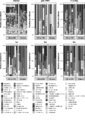
- FIG. 2 shows a graph showing the composition ratio of the fecal bacterial flora at the genus level before and after FMT.
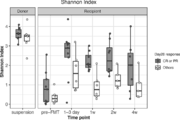
- the diversity of the flora was reduced (disbiosis), and Staphylococcus and Enterococcus were predominant.
- the diversity of the flora was restored, and the flora was changed to a flora containing various bacteria such as Bacteroides and Bifidobacterium.
- the Others group cases in which Escherichia became dominant after 4 weeks were also observed.
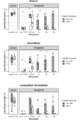
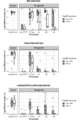
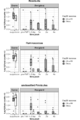
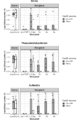
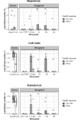
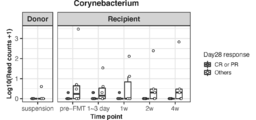
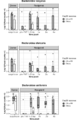
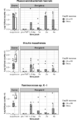
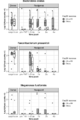
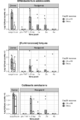
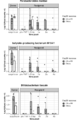
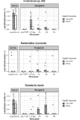
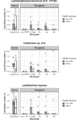
- the changes over time for each genus are shown in FIGS. 3 to 9. It was confirmed that all the genera shown in FIGS. 3 to 9 were abundant in the CR or PR group as compared with the Others group. In addition, it was confirmed that Corynebacterium shown in FIG. 10 was abundantly present in the Others group at all time points.
- SEQ ID NO: 345 Synthetic DNA
- SEQ ID NO: 346 Synthetic DNA
Landscapes
- Health & Medical Sciences (AREA)
- Life Sciences & Earth Sciences (AREA)
- Chemical & Material Sciences (AREA)
- Microbiology (AREA)
- Mycology (AREA)
- Medicinal Chemistry (AREA)
- General Health & Medical Sciences (AREA)
- Veterinary Medicine (AREA)
- Pharmacology & Pharmacy (AREA)
- Animal Behavior & Ethology (AREA)
- Public Health (AREA)
- Epidemiology (AREA)
- Engineering & Computer Science (AREA)
- Molecular Biology (AREA)
- Immunology (AREA)
- Bioinformatics & Cheminformatics (AREA)
- Organic Chemistry (AREA)
- Zoology (AREA)
- Transplantation (AREA)
- General Chemical & Material Sciences (AREA)
- Chemical Kinetics & Catalysis (AREA)
- Nuclear Medicine, Radiotherapy & Molecular Imaging (AREA)
- Biotechnology (AREA)
- Wood Science & Technology (AREA)
- Genetics & Genomics (AREA)
- Biomedical Technology (AREA)
- Virology (AREA)
- Tropical Medicine & Parasitology (AREA)
- Biochemistry (AREA)
- General Engineering & Computer Science (AREA)
- Medicines Containing Material From Animals Or Micro-Organisms (AREA)
- Micro-Organisms Or Cultivation Processes Thereof (AREA)
Abstract
【課題】移植片対宿主病(GVHD)に対する予防又は治療用組成物の提供。 【解決手段】ブラウチア属、クロストリジウム属、unclassified Clostridiales、アクチノマイセス属、パラバクテロイデス属、ラクノクロストリジウム属、バクテロイデス属、フェカリバクテリウム属、unclassified Lachnospiraceae、ロセブリア属、ルミノコッカス属、unclassified Firmicutes、ドレア属、ファスコラークトバクテリウム属、サテレラ属、メガモナス属、コリンセラ属、ユーバクテリム属、及びコプロコッカス属等からなる群から選ばれるいずれかの属に属する細菌、又はこれらの組み合わせを含む、GVHDの予防又は治療用組成物。
Description
本発明は、細菌叢を含む組成物、特に移植片対宿主病(GVHD)に対する予防又は治療用組成物に関する。
同種造血幹細胞移植(allo-HSCT)は種々の血液疾患の根治的治療法として広く実施されるが、allo-HSCTに伴う急性GVHDは、再発・感染と並ぶ重要な合併症の一つである。このGVHDの初期治療(一次治療)として使用される薬剤は副腎皮質ステロイドホルモン(ステロイド)であるが、効果を認めるのは約半数であり(Blood. 2007;109(10):4119-4126.(非特許文献1))、確立された二次治療は存在しない。
腸内細菌やこれらの代謝物が、腸管の炎症抑制や免疫調整に重要な役割を果たしていることは広く知られているところであるが、近年、糞便細菌叢移植法(fecal microbiota transplantation:FMT)のallo-HSCT後のGVHDへの適用の可能性が示唆されている(Blood.2014;124(7):1174-1182.(非特許文献2))。そして、FMTに関して、特表2013-537531号公報(特許文献1)、特表2016-501852号公報(特許文献2)、特許第6408092号に記載の発明が知られている。
しかしながら、GVHDとFMTとの関連性は明確ではない。
しかしながら、GVHDとFMTとの関連性は明確ではない。
Blood.2007;109(10):4119-4126.
Blood.2014;124(7):1174-1182.
Bone Marrow Tranplantation 1995;15,825-828.
本発明は、特に腸管急性GVHDに対する予防又は治療用組成物を目的とする。
本発明者は、上記課題を解決するために鋭意検討を行った結果、糞便由来の細菌叢を含む組成物を移植することにより、GVHDを予防又は治療することに成功し、糞便由来の細菌叢に含まれるGVHDの予防又は治療に有効な菌を特定することにより、本発明を完成するに至った。
すなわち、本発明は以下の通りである。
(1)
ブラウチア(Blautia)属、
クロストリジウム(Clostridium)属、
unclassified Clostridiales、
アクチノマイセス(Actinomyces)属、
パラバクテロイデス(Parabacteroides)属、
ラクノクロストリジウム(Lachnoclostridium)属、
バクテロイデス(Bacteroides)属、
フェカリバクテリウム(Faecalibacterium)属、
unclassified Lachnospiraceae、
ロセブリア(Roseburia)属、
ルミノコッカス(Ruminococcus)属、
unclassified Firmicutes、
ドレア(Dorea)属、
ファスコラークトバクテリウム(Phascolarctobacterium)属、
サテレラ(Sutterella)属、
メガモナス(Megamonas)属、
コリンセラ(Collinsella)属、
ユーバクテリム(Eubacterium)属、
コプロコッカス(Coprococcus)属、
シャーリア(Schaalia)属、
アリスティペス(Alistipes)属、
ビフィドバクテリウム(Bifidobacterium)属、
ラクトバチルス(Lactobacillus)属、
ヴェイロネラ(Veillonella)属、
アナエロスティペス(Anaerostipes)属、
ビロフィラ(Bilophila)属、
ブチリシコッカス(Butyricicoccus)属、
バルネシエラ(Barnesiella)属、
フシカテニバクター(Fusicatenibacter)属、
フラボニフラクター(Flavonifractor)属、
unclassified Ruminococcaceae、
unclassified Clostridiaceae、
フェカリカテナ(Faecalicatena)属、
プレボテラ(Prevotella)属、
メガスファエラ(Megasphaera)属、
ロビンソニエラ(Robinsoniella)属、
フェカリタレア(Faecalitalea)属、
ラクノスピラ(Lachnospira)属、及び
ロンボウツィア(Romboutsia)属
からなる群から選ばれるいずれかの属に属する細菌、又はこれらの組み合わせを含む、GVHDの予防又は治療用組成物。
(2)
ブラウチア属、
クロストリジウム属、
unclassified Clostridiales、
アクチノマイセス属、
パラバクテロイデス属、
ラクノクロストリジウム属、
バクテロイデス属、
フェカリバクテリウム属、
unclassified Lachnospiraceae、
ロセブリア属、
ルミノコッカス属、
unclassified Firmicutes、
ドレア属、
ファスコラークトバクテリウム属、
サテレラ属、
メガモナス属、
コリンセラ属、
ユーバクテリム属、及び
コプロコッカス属
からなる群から選ばれるいずれかの属に属する細菌、又はこれらの組み合わせを含む、(1)に記載の組成物。
(3)
ブラウチア属、
クロストリジウム属、
unclassified Clostridiales、
アクチノマイセス属、
パラバクテロイデス属、
ラクノクロストリジウム属、
バクテロイデス属、
unclassified Lachnospiraceae、
ロセブリア属、
ルミノコッカス属、
ファスコラークトバクテリウム属、
フェカリバクテリウム属、
シャーリア属、
アリスティペス属、
ビフィドバクテリウム属、
ラクトバチルス属、
ヴェイロネラ属、
ドレア属、
unclassified Firmicutes、
アナエロスティペス属、
コリンセラ属、
ブチリシコッカス属、
バルネシエラ属、及び
フシカテニバクター属
からなる群から選ばれるいずれかの属に属する細菌、又はこれらの組み合わせを含む、(1)に記載の組成物。
(4)
ブラウチア属、
クロストリジウム属、
unclassified Clostridiales、
アクチノマイセス属、
パラバクテロイデス属、
ラクノクロストリジウム属、及び
バクテロイデス属
からなる群から選ばれるいずれかの属に属する細菌、又はこれらの組み合わせを含む、(3)に記載の組成物。
(5)
フェカリバクテリウム属、
unclassified Clostridiales、
unclassified Lachnospiraceae、
ロセブリア属、
ルミノコッカス属、
unclassified Firmicutes、
ドレア属、
ファスコラークトバクテリウム属、
サテレラ属、
バクテロイデス属、
ブラウチア属、
パラバクテロイデス属、
メガモナス属、
コリンセラ属、
ユーバクテリム属、
コプロコッカス属、
アナエロスティペス属、
ビロフィラ属、
フラボニフラクター属、
unclassified Ruminococcaceae、
unclassified Clostridiaceae、
ブチリシコッカス属、
フェカリカテナ属、
プレボテラ属、
クロストリジウム属、
ラクノクロストリジウム属、
アリスティペス属、
メガスファエラ属、
ロビンソニエラ属、
フシカテニバクター属、
バルネシエラ属、
フェカリタレア属、
ラクノスピラ属、及び
ロンボウツィア属
からなる群から選ばれるいずれかの属に属する細菌、又はこれらの組み合わせを含む、(1)に記載の組成物。
(6)
フェカリバクテリウム属、
unclassified Clostridiales、
unclassified Lachnospiraceae、
ロセブリア属、
ルミノコッカス属、
unclassified Firmicutes、
ドレア属、
ファスコラークトバクテリウム属、
サテレラ属、
バクテロイデス属、
ブラウチア属、
パラバクテロイデス属、
メガモナス属、
コリンセラ属、
ユーバクテリム属、及び
コプロコッカス属
からなる群から選ばれるいずれかの属に属する細菌、又はこれらの組み合わせを含む、(5)に記載の組成物。
(7)
配列番号1~120に示されるいずれかの塩基配列と94%以上の相同性を有する塩基配列からなるDNAを含む細菌、又はこれらの組み合わせを含む、GVHDの予防または治療用組成物。
(8)
配列番号121~152に示されるいずれかの塩基配列と94%以上の相同性を有する塩基配列からなるDNAを含む細菌、又はこれらの組み合わせを含む、(7)に記載の組成物。
(9)
配列番号153~198に示されるいずれかの塩基配列と94%以上の相同性を有する塩基配列からなるDNAを含む細菌、又はこれらの組み合わせを含む、(7)に記載の組成物。
(10)
配列番号199~201に示されるいずれかの塩基配列と94%以上の相同性を有する塩基配列からなるDNAを含む細菌、又はこれらの組み合わせを含む、(9)に記載の組成物。
(11)
配列番号202~312に示されるいずれかの塩基配列と94%以上の相同性を有する塩基配列からなるDNAを含む細菌、又はこれらの組み合わせを含む、(7)に記載の組成物。
(12)
配列番号313~344に示されるいずれかの塩基配列と94%以上の相同性を有する塩基配列からなるDNAを含む細菌、又はこれらの組み合わせを含む、(11)に記載の組成物。
(13)
細菌が、
Bacteroides vulgatus、
Bacteroides stercoris、
Bacteroides uniformis、
Blautia wexlerae、
Bacteroides sp. AR29、
Dorea longicatena、
Phascolarctobacterium faecium、
Blautia massiliensis、
Ruminococcus sp. K-1、
Bacteroides ovatus、
Faecalibacterium prausnitzii、
Megamonas funiformis、
Bifidobacterium adolescentis、
[Ruminococcus] torques、
Collinsella aerofaciens、
Parabacteroides merdae、
butyrate-producing bacterium M104/1、
Bifidobacterium faecale、
Clostridium sp. 826、
Bacteroides coprocola、
Roseburia faecis、
Lachnospiraceae bacterium DJF_VP18k1、
Clostridium sp. AT4、
Lactobacillus rogosae、
butyrate-producing bacterium A2-207、
Roseburia sp. 1120、
Bacteroides dorei、
Bifidobacterium pseudocatenulatum、
Megasphaera massiliensis、
Bacteroides massiliensis、
Anaerostipes hadrus、
Alistipes putredinis、
Parabacteroides sp. D25、
Roseburia inulinivorans、
Bilophila sp. 4_1_30、
Flavonifractor plautii、
Eubacterium ventriosum、
Clostridiales bacterium 80/3、
Butyricicoccus faecihominis、
Bacteroides cellulosilyticus、
Coprococcus catus、
Parabacteroides johnsonii、
Lachnospiraceae bacterium DJF_RP14、
[Ruminococcus] gnavus、
Bifidobacterium longum、
Bacteroides xylanisolvens、
Prevotella stercorea、
Bacteroides plebeius、
Firmicutes bacterium DJF_VR50、
Sutterella wadsworthensis、
Lachnospiraceae bacterium 1_1_57FAA、
Blautia obeum、
Barnesiella intestinihominis、
[Eubacterium] eligens、
Coprococcus comes、
Ruminococcus sp. DJF_VR70k1、
butyrate-producing bacterium A2-175、
Faecalitalea cylindroides、
Blautia sp. YHC-4、
[Clostridium] glycyrrhizinilyticum、
Ruminococcus sp. 653、
Ruminococcus lactaris、
butyrate-producing bacterium SM6/1、
butyrate-producing bacterium SS3/4、
Clostridiaceae bacterium DJF_LS40、
Bacteroides sp. 1_1_30、
Bacteroides nordii、
Fusicatenibacter saccharivorans、
butyrate-producing bacterium SL7/1、
[Clostridium] scindens、
Parabacteroides distasonis、
Schaalia odontolytica、
Bacteroides faecis、
Bacteroides fragilis、
[Clostridium] bolteae、及び
Clostridium sp. HGF2
からなる群から選ばれる少なくとも1種である、(1)に記載の組成物。
(14)
細菌が、
Bacteroides vulgatus、
Bacteroides stercoris、
Bacteroides uniformis、
Blautia wexlerae、
Bacteroides sp. AR29、
Dorea longicatena、
Phascolarctobacterium faecium、
Blautia massiliensis、
Ruminococcus sp. K-1、
Bacteroides ovatus、
Faecalibacterium prausnitzii、
Megamonas funiformis、
Bifidobacterium adolescentis、
[Ruminococcus] torques、
Collinsella aerofaciens、
Parabacteroides merdae、
butyrate-producing bacterium M104/1、
Bifidobacterium faecale、
Clostridium sp. 826、
Bacteroides coprocola、
Roseburia faecis、
Lachnospiraceae bacterium DJF_VP18k1、
Clostridium sp. AT4、
Lactobacillus rogosae、
butyrate-producing bacterium A2-207、
Roseburia sp. 1120、及び
Bacteroides dorei
からなる群から選ばれる少なくとも1種である、(13)に記載の組成物。
(15)
細菌が、
Bacteroides vulgatus、
Bacteroides stercoris、
Bacteroides uniformis、
Blautia wexlerae、
Bacteroides sp. AR29、
Dorea longicatena、
Phascolarctobacterium faecium、
Blautia massiliensis、
Ruminococcus sp. K-1、及び
Bacteroides ovatus
からなる群から選ばれる少なくとも1種である、(13)に記載の組成物。
(16)
GVHDが、ステロイド抵抗性又はステロイド依存性のGVHDである、(1)~(15)のいずれか1項に記載の組成物。
(17)
GVHDが、腸管急性GVHDである、(1)~(15)のいずれか1項に記載の組成物。
(18)
(1)~(17)のいずれか1項に記載の組成物を含む、GVHDの予防又は治療用カプセル製剤。
(19)
(1)~(17)のいずれか1項に記載の組成物、又は(18)に記載のカプセル製剤をGVHD患者に投与することを特徴とするGVHDの治療方法。
(20)
(1)~(17)のいずれか1項に記載の組成物、又は(18)に記載のカプセル製剤を造血幹細胞移植の前、後又はその両時期に、造血幹細胞移植対象患者に投与することを特徴とする、GVHD予防方法。
(21)
ヒトから採取された糞便から、(1)~(15)のいずれか1項に記載された細菌の存在を確認し、存在が確認された糞便を水性媒体に懸濁することを特徴とする、糞便細菌叢移植用懸濁液の製造方法。
(22)
ヒトから採取された糞便から、(1)~(15)のいずれか1項に記載された細菌の存在を確認し、存在が確認された糞便から当該細菌を分離し、分離された細菌を混合することを特徴とする、糞便細菌叢移植用細菌混合物の製造方法。
(23)
ヒトから採取された糞便から、(1)~(15)のいずれか1項に記載された細菌の存在を確認し、存在が確認された糞便から当該細菌を分離し、分離された細菌を製剤化することを特徴とする、糞便細菌叢移植用製剤の製造方法。
(24)
製剤がカプセル製剤である(23)に記載の方法。
(25)
細菌の存在確認が、16S rRNA遺伝子解析によるものである、(21)~(24)のいずれか1項に記載の方法。
(1)
ブラウチア(Blautia)属、
クロストリジウム(Clostridium)属、
unclassified Clostridiales、
アクチノマイセス(Actinomyces)属、
パラバクテロイデス(Parabacteroides)属、
ラクノクロストリジウム(Lachnoclostridium)属、
バクテロイデス(Bacteroides)属、
フェカリバクテリウム(Faecalibacterium)属、
unclassified Lachnospiraceae、
ロセブリア(Roseburia)属、
ルミノコッカス(Ruminococcus)属、
unclassified Firmicutes、
ドレア(Dorea)属、
ファスコラークトバクテリウム(Phascolarctobacterium)属、
サテレラ(Sutterella)属、
メガモナス(Megamonas)属、
コリンセラ(Collinsella)属、
ユーバクテリム(Eubacterium)属、
コプロコッカス(Coprococcus)属、
シャーリア(Schaalia)属、
アリスティペス(Alistipes)属、
ビフィドバクテリウム(Bifidobacterium)属、
ラクトバチルス(Lactobacillus)属、
ヴェイロネラ(Veillonella)属、
アナエロスティペス(Anaerostipes)属、
ビロフィラ(Bilophila)属、
ブチリシコッカス(Butyricicoccus)属、
バルネシエラ(Barnesiella)属、
フシカテニバクター(Fusicatenibacter)属、
フラボニフラクター(Flavonifractor)属、
unclassified Ruminococcaceae、
unclassified Clostridiaceae、
フェカリカテナ(Faecalicatena)属、
プレボテラ(Prevotella)属、
メガスファエラ(Megasphaera)属、
ロビンソニエラ(Robinsoniella)属、
フェカリタレア(Faecalitalea)属、
ラクノスピラ(Lachnospira)属、及び
ロンボウツィア(Romboutsia)属
からなる群から選ばれるいずれかの属に属する細菌、又はこれらの組み合わせを含む、GVHDの予防又は治療用組成物。
(2)
ブラウチア属、
クロストリジウム属、
unclassified Clostridiales、
アクチノマイセス属、
パラバクテロイデス属、
ラクノクロストリジウム属、
バクテロイデス属、
フェカリバクテリウム属、
unclassified Lachnospiraceae、
ロセブリア属、
ルミノコッカス属、
unclassified Firmicutes、
ドレア属、
ファスコラークトバクテリウム属、
サテレラ属、
メガモナス属、
コリンセラ属、
ユーバクテリム属、及び
コプロコッカス属
からなる群から選ばれるいずれかの属に属する細菌、又はこれらの組み合わせを含む、(1)に記載の組成物。
(3)
ブラウチア属、
クロストリジウム属、
unclassified Clostridiales、
アクチノマイセス属、
パラバクテロイデス属、
ラクノクロストリジウム属、
バクテロイデス属、
unclassified Lachnospiraceae、
ロセブリア属、
ルミノコッカス属、
ファスコラークトバクテリウム属、
フェカリバクテリウム属、
シャーリア属、
アリスティペス属、
ビフィドバクテリウム属、
ラクトバチルス属、
ヴェイロネラ属、
ドレア属、
unclassified Firmicutes、
アナエロスティペス属、
コリンセラ属、
ブチリシコッカス属、
バルネシエラ属、及び
フシカテニバクター属
からなる群から選ばれるいずれかの属に属する細菌、又はこれらの組み合わせを含む、(1)に記載の組成物。
(4)
ブラウチア属、
クロストリジウム属、
unclassified Clostridiales、
アクチノマイセス属、
パラバクテロイデス属、
ラクノクロストリジウム属、及び
バクテロイデス属
からなる群から選ばれるいずれかの属に属する細菌、又はこれらの組み合わせを含む、(3)に記載の組成物。
(5)
フェカリバクテリウム属、
unclassified Clostridiales、
unclassified Lachnospiraceae、
ロセブリア属、
ルミノコッカス属、
unclassified Firmicutes、
ドレア属、
ファスコラークトバクテリウム属、
サテレラ属、
バクテロイデス属、
ブラウチア属、
パラバクテロイデス属、
メガモナス属、
コリンセラ属、
ユーバクテリム属、
コプロコッカス属、
アナエロスティペス属、
ビロフィラ属、
フラボニフラクター属、
unclassified Ruminococcaceae、
unclassified Clostridiaceae、
ブチリシコッカス属、
フェカリカテナ属、
プレボテラ属、
クロストリジウム属、
ラクノクロストリジウム属、
アリスティペス属、
メガスファエラ属、
ロビンソニエラ属、
フシカテニバクター属、
バルネシエラ属、
フェカリタレア属、
ラクノスピラ属、及び
ロンボウツィア属
からなる群から選ばれるいずれかの属に属する細菌、又はこれらの組み合わせを含む、(1)に記載の組成物。
(6)
フェカリバクテリウム属、
unclassified Clostridiales、
unclassified Lachnospiraceae、
ロセブリア属、
ルミノコッカス属、
unclassified Firmicutes、
ドレア属、
ファスコラークトバクテリウム属、
サテレラ属、
バクテロイデス属、
ブラウチア属、
パラバクテロイデス属、
メガモナス属、
コリンセラ属、
ユーバクテリム属、及び
コプロコッカス属
からなる群から選ばれるいずれかの属に属する細菌、又はこれらの組み合わせを含む、(5)に記載の組成物。
(7)
配列番号1~120に示されるいずれかの塩基配列と94%以上の相同性を有する塩基配列からなるDNAを含む細菌、又はこれらの組み合わせを含む、GVHDの予防または治療用組成物。
(8)
配列番号121~152に示されるいずれかの塩基配列と94%以上の相同性を有する塩基配列からなるDNAを含む細菌、又はこれらの組み合わせを含む、(7)に記載の組成物。
(9)
配列番号153~198に示されるいずれかの塩基配列と94%以上の相同性を有する塩基配列からなるDNAを含む細菌、又はこれらの組み合わせを含む、(7)に記載の組成物。
(10)
配列番号199~201に示されるいずれかの塩基配列と94%以上の相同性を有する塩基配列からなるDNAを含む細菌、又はこれらの組み合わせを含む、(9)に記載の組成物。
(11)
配列番号202~312に示されるいずれかの塩基配列と94%以上の相同性を有する塩基配列からなるDNAを含む細菌、又はこれらの組み合わせを含む、(7)に記載の組成物。
(12)
配列番号313~344に示されるいずれかの塩基配列と94%以上の相同性を有する塩基配列からなるDNAを含む細菌、又はこれらの組み合わせを含む、(11)に記載の組成物。
(13)
細菌が、
Bacteroides vulgatus、
Bacteroides stercoris、
Bacteroides uniformis、
Blautia wexlerae、
Bacteroides sp. AR29、
Dorea longicatena、
Phascolarctobacterium faecium、
Blautia massiliensis、
Ruminococcus sp. K-1、
Bacteroides ovatus、
Faecalibacterium prausnitzii、
Megamonas funiformis、
Bifidobacterium adolescentis、
[Ruminococcus] torques、
Collinsella aerofaciens、
Parabacteroides merdae、
butyrate-producing bacterium M104/1、
Bifidobacterium faecale、
Clostridium sp. 826、
Bacteroides coprocola、
Roseburia faecis、
Lachnospiraceae bacterium DJF_VP18k1、
Clostridium sp. AT4、
Lactobacillus rogosae、
butyrate-producing bacterium A2-207、
Roseburia sp. 1120、
Bacteroides dorei、
Bifidobacterium pseudocatenulatum、
Megasphaera massiliensis、
Bacteroides massiliensis、
Anaerostipes hadrus、
Alistipes putredinis、
Parabacteroides sp. D25、
Roseburia inulinivorans、
Bilophila sp. 4_1_30、
Flavonifractor plautii、
Eubacterium ventriosum、
Clostridiales bacterium 80/3、
Butyricicoccus faecihominis、
Bacteroides cellulosilyticus、
Coprococcus catus、
Parabacteroides johnsonii、
Lachnospiraceae bacterium DJF_RP14、
[Ruminococcus] gnavus、
Bifidobacterium longum、
Bacteroides xylanisolvens、
Prevotella stercorea、
Bacteroides plebeius、
Firmicutes bacterium DJF_VR50、
Sutterella wadsworthensis、
Lachnospiraceae bacterium 1_1_57FAA、
Blautia obeum、
Barnesiella intestinihominis、
[Eubacterium] eligens、
Coprococcus comes、
Ruminococcus sp. DJF_VR70k1、
butyrate-producing bacterium A2-175、
Faecalitalea cylindroides、
Blautia sp. YHC-4、
[Clostridium] glycyrrhizinilyticum、
Ruminococcus sp. 653、
Ruminococcus lactaris、
butyrate-producing bacterium SM6/1、
butyrate-producing bacterium SS3/4、
Clostridiaceae bacterium DJF_LS40、
Bacteroides sp. 1_1_30、
Bacteroides nordii、
Fusicatenibacter saccharivorans、
butyrate-producing bacterium SL7/1、
[Clostridium] scindens、
Parabacteroides distasonis、
Schaalia odontolytica、
Bacteroides faecis、
Bacteroides fragilis、
[Clostridium] bolteae、及び
Clostridium sp. HGF2
からなる群から選ばれる少なくとも1種である、(1)に記載の組成物。
(14)
細菌が、
Bacteroides vulgatus、
Bacteroides stercoris、
Bacteroides uniformis、
Blautia wexlerae、
Bacteroides sp. AR29、
Dorea longicatena、
Phascolarctobacterium faecium、
Blautia massiliensis、
Ruminococcus sp. K-1、
Bacteroides ovatus、
Faecalibacterium prausnitzii、
Megamonas funiformis、
Bifidobacterium adolescentis、
[Ruminococcus] torques、
Collinsella aerofaciens、
Parabacteroides merdae、
butyrate-producing bacterium M104/1、
Bifidobacterium faecale、
Clostridium sp. 826、
Bacteroides coprocola、
Roseburia faecis、
Lachnospiraceae bacterium DJF_VP18k1、
Clostridium sp. AT4、
Lactobacillus rogosae、
butyrate-producing bacterium A2-207、
Roseburia sp. 1120、及び
Bacteroides dorei
からなる群から選ばれる少なくとも1種である、(13)に記載の組成物。
(15)
細菌が、
Bacteroides vulgatus、
Bacteroides stercoris、
Bacteroides uniformis、
Blautia wexlerae、
Bacteroides sp. AR29、
Dorea longicatena、
Phascolarctobacterium faecium、
Blautia massiliensis、
Ruminococcus sp. K-1、及び
Bacteroides ovatus
からなる群から選ばれる少なくとも1種である、(13)に記載の組成物。
(16)
GVHDが、ステロイド抵抗性又はステロイド依存性のGVHDである、(1)~(15)のいずれか1項に記載の組成物。
(17)
GVHDが、腸管急性GVHDである、(1)~(15)のいずれか1項に記載の組成物。
(18)
(1)~(17)のいずれか1項に記載の組成物を含む、GVHDの予防又は治療用カプセル製剤。
(19)
(1)~(17)のいずれか1項に記載の組成物、又は(18)に記載のカプセル製剤をGVHD患者に投与することを特徴とするGVHDの治療方法。
(20)
(1)~(17)のいずれか1項に記載の組成物、又は(18)に記載のカプセル製剤を造血幹細胞移植の前、後又はその両時期に、造血幹細胞移植対象患者に投与することを特徴とする、GVHD予防方法。
(21)
ヒトから採取された糞便から、(1)~(15)のいずれか1項に記載された細菌の存在を確認し、存在が確認された糞便を水性媒体に懸濁することを特徴とする、糞便細菌叢移植用懸濁液の製造方法。
(22)
ヒトから採取された糞便から、(1)~(15)のいずれか1項に記載された細菌の存在を確認し、存在が確認された糞便から当該細菌を分離し、分離された細菌を混合することを特徴とする、糞便細菌叢移植用細菌混合物の製造方法。
(23)
ヒトから採取された糞便から、(1)~(15)のいずれか1項に記載された細菌の存在を確認し、存在が確認された糞便から当該細菌を分離し、分離された細菌を製剤化することを特徴とする、糞便細菌叢移植用製剤の製造方法。
(24)
製剤がカプセル製剤である(23)に記載の方法。
(25)
細菌の存在確認が、16S rRNA遺伝子解析によるものである、(21)~(24)のいずれか1項に記載の方法。
本発明により、腸管急性GVHDを予防又は治療することが可能となった。
本発明者は、腸内細菌叢への介入が造血幹細胞移植後のGVHDの新たな予防法及び治療法につながるものと考え、GVHD患者に対して糞便細菌叢移植法(fecal microbiota transplantation: FMT)を試みた。FMT法とは、健常者の糞便懸濁液を消化管内に投与することで、正常な細菌叢を大量に投与する治療法であり、腸内細菌叢のバランス異常(ディスバイオーシス、dysbiosis)が関与するとされる疾患で試みられている治療法である。
さらに、本発明者は、造血幹細胞移植後GVHDを発症した患者へのFMT前後の患者腸内菌叢解析を実施し、GVHDの予防及び/又は治療に有用な菌を同定した。解析の結果、GVHDが快方に向かった患者と、それ以外の患者との間では、定着した菌叢分布に明確な違いがあることが判明した。さらに、GVHDが快方に向かった患者における定着した腸内菌叢をGVHDの治療に有用な菌としてピックアップし、レシピエントにおけるFMTの治療効果による2群比較(以下CR or PR群 - Others群)での存在量の不均一性、レシピエントでの定着期間の長さ等の独自の指標でグループ分けを実施した。
その結果、GVHDの予防及び/又は治療に有用な菌を特定することに成功した。
その結果、GVHDの予防及び/又は治療に有用な菌を特定することに成功した。
1.FMT
糞便細菌叢は、糞便自体、又は糞便の処理物に含まれることから、本発明の組成物として、糞便の処理物を使用することができる。糞便の処理物には、採取された糞便を適当な溶媒(例えば生理食塩水、緩衝液)に懸濁した懸濁液のほか、当該懸濁液を適当なふるい、ガーゼ、フィルターなど(例えば孔径0.1mm~0.5mm)に通してろ過させたもの、あるいは遠心分離後の沈殿物などが含まれる。さらに、これらの組成物を冷凍庫又は液体窒素により凍結したり、凍結乾燥又は噴霧乾燥などを施したものでもよい。前記溶媒を用いて懸濁液とする場合は、糞便1gあたり1~20mlの液体にて懸濁することができる。懸濁液を作成後、遠心して細菌を単離し使用する場合には、その菌量1gに対して0.2-1mLの液量に再度懸濁することができる。
糞便細菌叢は、糞便自体、又は糞便の処理物に含まれることから、本発明の組成物として、糞便の処理物を使用することができる。糞便の処理物には、採取された糞便を適当な溶媒(例えば生理食塩水、緩衝液)に懸濁した懸濁液のほか、当該懸濁液を適当なふるい、ガーゼ、フィルターなど(例えば孔径0.1mm~0.5mm)に通してろ過させたもの、あるいは遠心分離後の沈殿物などが含まれる。さらに、これらの組成物を冷凍庫又は液体窒素により凍結したり、凍結乾燥又は噴霧乾燥などを施したものでもよい。前記溶媒を用いて懸濁液とする場合は、糞便1gあたり1~20mlの液体にて懸濁することができる。懸濁液を作成後、遠心して細菌を単離し使用する場合には、その菌量1gに対して0.2-1mLの液量に再度懸濁することができる。
凍結又は凍結乾燥の際には、各種糖(スクロース、フルクトース、ラクトース、マンニトール等)、グリセロール、ポリエチレングリコール(PEG)、トレハロース、グリシン、グルコース、デキストラン、エリスリトールなどの凍結保護剤及び/又は凍結乾燥保護剤を添加することもできる。
本発明において、採取された糞便又はその処理物は、糞便採取後又は処理後6~10時間保存することができる。保存温度は特に限定されるものではないが、冷蔵保存(例えば4℃)であることが好ましい。
本発明において、採取された糞便又はその処理物は、糞便採取後又は処理後6~10時間保存することができる。保存温度は特に限定されるものではないが、冷蔵保存(例えば4℃)であることが好ましい。
このようにして調製した組成物をFMT材料とする。調製されたFMT材料は、使用まで嫌気的条件下(例えば嫌気ユニット、嫌気バッグ等)で保存することが好ましい。この場合も、保存は冷蔵保存(例えば4℃)であることが好ましい。
本発明においては、糞便細菌叢を含む組成物(未処理又は処理済みの糞便材料)を、異なる個体間で、例えばヒトとヒトとの間で、または動物間で移植する。FMTに使用する組成物は、それを採取した個体と同じ個体に戻し移植することも、一の個体から採取した糞便細菌叢を、他の個体に移植することも可能である。
対象となる疾患はGVHDであり、造血幹細胞移植によるGVHDが挙げられる。GVHDとしては、腸管急性GVHDが挙げられるが、これに限定されるものではない。
本発明においては、糞便細菌叢を含む組成物(未処理又は処理済みの糞便材料)を、異なる個体間で、例えばヒトとヒトとの間で、または動物間で移植する。FMTに使用する組成物は、それを採取した個体と同じ個体に戻し移植することも、一の個体から採取した糞便細菌叢を、他の個体に移植することも可能である。
対象となる疾患はGVHDであり、造血幹細胞移植によるGVHDが挙げられる。GVHDとしては、腸管急性GVHDが挙げられるが、これに限定されるものではない。
移植方法は、経口投与であっても非経口投与であってもよく、特に限定されるものではない。例えば、胃十二指腸チューブによる移植、カプセルなどに充填しての内服、座薬の投与、大腸ファイバーや高圧浣腸などを用いた大腸内への移植などが挙げられる。
1回の移植の移植量は、液体の場合は150ml~300mlであり、1日1回行う。レシピエントの状態に応じ、繰り返し行う場合には、4日~2週毎に計2回~4回行う。
1回の移植の移植量は、液体の場合は150ml~300mlであり、1日1回行う。レシピエントの状態に応じ、繰り返し行う場合には、4日~2週毎に計2回~4回行う。
このようにして、本発明の組成物を、GVHD患者に移植(投与)することで、GVHDを治療することができる。
治療効果の判定は、最終投与から4週間後及び観察期間内の最大効果の結果を用いて、完全奏効(CR)及び部分奏効(PR)の合計である奏効率(CR+PR)を評価する。 CR又はPRと判断された患者(群)における菌叢と、それ以外の群と判断された患者(群)における菌叢とを比較解析する。ドナーの糞便調整液、並びに患者の糞便(例えばFMT前、最終のFMTから1~3日後、1、2、4週間後)の一部を用い、各タイムポイントにおける腸内細菌叢の解析を実施する。
治療効果の判定は、最終投与から4週間後及び観察期間内の最大効果の結果を用いて、完全奏効(CR)及び部分奏効(PR)の合計である奏効率(CR+PR)を評価する。 CR又はPRと判断された患者(群)における菌叢と、それ以外の群と判断された患者(群)における菌叢とを比較解析する。ドナーの糞便調整液、並びに患者の糞便(例えばFMT前、最終のFMTから1~3日後、1、2、4週間後)の一部を用い、各タイムポイントにおける腸内細菌叢の解析を実施する。
2.CR or PR群-Others群間での菌の存在量の不均一性
本発明においてCR or PR群-Others群間での菌の存在量の不均一性を指標とした絞り込みの方法は以下の2通りである。
本発明においてCR or PR群-Others群間での菌の存在量の不均一性を指標とした絞り込みの方法は以下の2通りである。
方法1.medianによる絞り込み
(1)糞便採取の各タイムポイントにおいてCR又はPR群(「CR or PR群」という)、それ以外の群(「Others群」という)でそれぞれの属又はOTU(operational taxonomic units)のrelative abundanceの群内のサンプルの平均値を算出し、「CR or PR群」又は「Others群」のどちらか大きい方の平均値が0.1%以上の属又はOTUを解析に使用する。
(2)各タイムポイントにおいてCR or PR 群、Others群でそれぞれ属又はOTUのrelative abundanceの群内のサンプルのmedianを算出する。
(1)糞便採取の各タイムポイントにおいてCR又はPR群(「CR or PR群」という)、それ以外の群(「Others群」という)でそれぞれの属又はOTU(operational taxonomic units)のrelative abundanceの群内のサンプルの平均値を算出し、「CR or PR群」又は「Others群」のどちらか大きい方の平均値が0.1%以上の属又はOTUを解析に使用する。
(2)各タイムポイントにおいてCR or PR 群、Others群でそれぞれ属又はOTUのrelative abundanceの群内のサンプルのmedianを算出する。
(3) medianのLog2 fold change(CR or PR群/ Others群)を算出する。ここでのLog2 fold changeとは、CR or PR群のmedianをOthers群のmedianで除した比率を求め、その比率の対数値(底2)を指す。medianは0を含む場合もあるため、medianに0.0001をそれぞれ足してからLog2 fold changeを算出する。
(4) Log2 fold changeが0.5以上となる属又はOTUをCR or PR群に多いとみなし、-0.5以下はOthers群に多いとする。ただし、CR or PR群においてドナーとFMT前におけるレシピエントのmedianの比のLog2 Fold changeが負の値となるもの、又はドナーにおいて該当する属若しくはOTUに属する菌の保有率が0となるものは、FMTによりドナーから移植されたと判断できないため除外する。
(4) Log2 fold changeが0.5以上となる属又はOTUをCR or PR群に多いとみなし、-0.5以下はOthers群に多いとする。ただし、CR or PR群においてドナーとFMT前におけるレシピエントのmedianの比のLog2 Fold changeが負の値となるもの、又はドナーにおいて該当する属若しくはOTUに属する菌の保有率が0となるものは、FMTによりドナーから移植されたと判断できないため除外する。
(5) 糞便移植以降に糞便採取したタイムポイントにおいて、Log2 fold changeが0.5以上あるいは、-0.5以下であった回数をカウントする。
(6) 手順5において、0.5以上の回数が1を超える場合は好ましいとし、回数が高いほどFMTの効果に、より寄与する菌と判定する。カウントした回数が移植後の糞便採取の回数の過半数を超える場合は、よりFMTの効果に寄与するとする。ただし、-0.5以下の回数が0.5以上の回数を上回る場合は、CR or PR群に多いとは判断せず、除外する。
(6) 手順5において、0.5以上の回数が1を超える場合は好ましいとし、回数が高いほどFMTの効果に、より寄与する菌と判定する。カウントした回数が移植後の糞便採取の回数の過半数を超える場合は、よりFMTの効果に寄与するとする。ただし、-0.5以下の回数が0.5以上の回数を上回る場合は、CR or PR群に多いとは判断せず、除外する。
方法2.meanと保有率による菌の絞り込み
(1) 糞便採取の各タイムポイントにおいてCR又はPR群(「CR or PR群」という)、それ以外の群(「Others群」という)でそれぞれの属あるいはOTUのrelative abundanceの群内のサンプルの平均値を算出し、「CR or PR群」又は「Others群」のどちらか大きい方の平均値が0.1%以上の属又はOTUを解析に使用する。
(2)各タイムポイントにおいてCR or PR 群、Others群でそれぞれ 属あるいはOTUのrelative abundanceの群内のサンプルのmeanを算出する。更に、それぞれのタイムポイントにおいて、各群の属あるいはOTUの保有率(relative abundanceがゼロより大きいドナーまたはレシピエントの割合)を算出する。
(1) 糞便採取の各タイムポイントにおいてCR又はPR群(「CR or PR群」という)、それ以外の群(「Others群」という)でそれぞれの属あるいはOTUのrelative abundanceの群内のサンプルの平均値を算出し、「CR or PR群」又は「Others群」のどちらか大きい方の平均値が0.1%以上の属又はOTUを解析に使用する。
(2)各タイムポイントにおいてCR or PR 群、Others群でそれぞれ 属あるいはOTUのrelative abundanceの群内のサンプルのmeanを算出する。更に、それぞれのタイムポイントにおいて、各群の属あるいはOTUの保有率(relative abundanceがゼロより大きいドナーまたはレシピエントの割合)を算出する。
(3) meanのLog2 fold change (CR or PR群/ Others群)を算出する。ここでのLog2 fold changeとは、CR or PR群のmeanをOthers群のmeanで除し比率を求め、その比率の対数値(底2)を指す。meanは0を含む場合もあるため、meanに0.0001をそれぞれ足してからLog2 fold changeを算出する。
(4) 糞便移植以降に糞便採取したタイムポイントにおいて、Log2 fold changeが0.5以上且つCR or PR群の保有率が20%以上であった回数をカウントする。この回数が多いほど、CR or PR群に多い属又はOTUとみなした。ただし(4)において、CR or PR群においてドナーとFMT前におけるレシピエントのmeanの比のLog2 Fold changeが負の値となるもの、もしくはドナーにおいて該当する属又はOTUに属する菌の保有率が0となるものは、FMTによりドナーから移植されたと判断できないため除外する。
(4) 糞便移植以降に糞便採取したタイムポイントにおいて、Log2 fold changeが0.5以上且つCR or PR群の保有率が20%以上であった回数をカウントする。この回数が多いほど、CR or PR群に多い属又はOTUとみなした。ただし(4)において、CR or PR群においてドナーとFMT前におけるレシピエントのmeanの比のLog2 Fold changeが負の値となるもの、もしくはドナーにおいて該当する属又はOTUに属する菌の保有率が0となるものは、FMTによりドナーから移植されたと判断できないため除外する。
(5) 糞便移植以降に糞便採取したタイムポイントにおいて、Log2 fold changeが-0.5以下且つOthers群の保有率が20%以上であった回数をカウントする。この回数が多いほど、Others群に多い属又はOTUとみなす。
(6) (4)において、カウントした回数が1を超える場合は好ましいとし、回数が高いほど、FMTの効果に、より寄与する菌と判定する。カウントした回数が移植後の糞便採取の回数の過半数を超える場合は、よりFMTの効果に寄与するとする。ただし、(5)の回数が(4)の回数を上回る場合は、CR or PR群に多いとは判断せず、除外した。
(6) (4)において、カウントした回数が1を超える場合は好ましいとし、回数が高いほど、FMTの効果に、より寄与する菌と判定する。カウントした回数が移植後の糞便採取の回数の過半数を超える場合は、よりFMTの効果に寄与するとする。ただし、(5)の回数が(4)の回数を上回る場合は、CR or PR群に多いとは判断せず、除外した。
3.組成物の構成菌叢
3-1. 配列による定義
方法1及び2の絞り込みにより抽出された菌の16S rRNA遺伝子、例えばv1-v2領域の配列は配列番号1~120に示すいずれかの塩基配列と94%以上の相同性を持つDNAを有する菌である。
ここで、「94%以上の相同性」とは、例えば94%以上、95%以上、96%以上、97%以上、98%以上、99%以上、99.5%以上、99.8%以上、99.9%以上、又は100%相同であることを意味する(以下同様)。
更に好ましくは、配列番号121~152に示すいずれかの塩基配列と94%以上の相同性を持つDNAを有する菌である。
3-1. 配列による定義
方法1及び2の絞り込みにより抽出された菌の16S rRNA遺伝子、例えばv1-v2領域の配列は配列番号1~120に示すいずれかの塩基配列と94%以上の相同性を持つDNAを有する菌である。
ここで、「94%以上の相同性」とは、例えば94%以上、95%以上、96%以上、97%以上、98%以上、99%以上、99.5%以上、99.8%以上、99.9%以上、又は100%相同であることを意味する(以下同様)。
更に好ましくは、配列番号121~152に示すいずれかの塩基配列と94%以上の相同性を持つDNAを有する菌である。
本発明の別の態様において、方法1及び2の絞り込みにより抽出された菌の16S rRNA遺伝子、例えばv1-v2領域の配列は、配列番号1~120に示すいずれかの塩基配列と97%以上の相同性を持つDNAを有する菌である。
更に好ましくは、配列番号121~152に示すいずれかの塩基配列と97%以上の相同性を持つDNAを有する菌である。
更に好ましくは、配列番号121~152に示すいずれかの塩基配列と97%以上の相同性を持つDNAを有する菌である。
本発明において、方法1(medianによる絞り込み)により好ましいと判断された菌は、その16S rRNA遺伝子のv1-v2領域の配列が、配列番号153~198に示すいずれかの塩基配列と94%以上の相同性を持つDNAを有する菌である。
更に好ましくは、配列番号199~201に示すいずれかの塩基配列と94%以上の相同性を持つDNAを有する菌である。
更に好ましくは、配列番号199~201に示すいずれかの塩基配列と94%以上の相同性を持つDNAを有する菌である。
本発明の別の態様において、方法1(medianによる絞り込み)により好ましいと判断された菌は、その16S rRNA遺伝子のv1-v2領域の配列が、配列番号153~198に示すいずれかの塩基配列と97%以上の相同性を持つDNAを有する菌である。
更に好ましくは、配列番号199~201に示すいずれかの塩基配列と97%以上の相同性を持つDNAを有する菌である。
更に好ましくは、配列番号199~201に示すいずれかの塩基配列と97%以上の相同性を持つDNAを有する菌である。
本発明において、方法2(meanと保有率による絞り込み)により好ましいと判断された菌は、その16S rRNA遺伝子のv1-v2領域の配列が、配列番号202~312に示すいずれかの塩基配列と94%以上の相同性を持つDNAを有する菌である。
更に好ましくは、配列番号313~344に示すいずれかの塩基配列と94%以上の相同性を持つDNAを有する菌である。
更に好ましくは、配列番号313~344に示すいずれかの塩基配列と94%以上の相同性を持つDNAを有する菌である。
本発明の別の態様において、方法2(meanと保有率による絞り込み)により好ましいと判断された菌は、その16S rRNA遺伝子のv1-v2領域の配列が、配列番号202~312に示すいずれかの塩基配列と97%以上の相同性を持つDNAを有する菌である。
更に好ましくは、配列番号313~344に示すいずれかの塩基配列と97%以上の相同性を持つDNAを有する菌である。
更に好ましくは、配列番号313~344に示すいずれかの塩基配列と97%以上の相同性を持つDNAを有する菌である。
3-2.属名による定義
本発明において、方法1(medianによる絞り込み)により好ましいと判断された菌は以下の属に属するものである。“unclassified taxonomy名”(例えばunclassified Clostridiales)に属する菌は下記表1Aに示すSpecies名に記載の菌の16S rRNA遺伝子の塩基配列と94%以上の相同性を持つDNAを有する菌である。
本発明において、方法1(medianによる絞り込み)により好ましいと判断された菌は以下の属に属するものである。“unclassified taxonomy名”(例えばunclassified Clostridiales)に属する菌は下記表1Aに示すSpecies名に記載の菌の16S rRNA遺伝子の塩基配列と94%以上の相同性を持つDNAを有する菌である。
ブラウチア(Blautia)属
クロストリジウム(Clostridium)属
unclassified Clostridiales
アクチノマイセス(Actinomyces)属
パラバクテロイデス(Parabacteroides)属
ラクノクロストリジウム(Lachnoclostridium)属
バクテロイデス(Bacteroides)属
unclassified Lachnospiraceae
ロセブリア(Roseburia)属
ルミノコッカス(Ruminococcus)属
ファスコラークトバクテリウム(Phascolarctobacterium)属
フェカリバクテリウム(Faecalibacterium)属
シャーリア(Schaalia)属
アリスティペス(Alistipes)属
ビフィドバクテリウム(Bifidobacterium)属
ラクトバチルス(Lactobacillus)属
ヴェイロネラ(Veillonella)属
ドレア(Dorea)属
unclassified Firmicutes
アナエロスティペス(Anaerostipes)属
コリンセラ(Collinsella)属
ビロフィラ(Bilophila)属
ブチリシコッカス(Butyricicoccus)属
バルネシエラ(Barnesiella)属
フシカテニバクター(Fusicatenibacter)属
クロストリジウム(Clostridium)属
unclassified Clostridiales
アクチノマイセス(Actinomyces)属
パラバクテロイデス(Parabacteroides)属
ラクノクロストリジウム(Lachnoclostridium)属
バクテロイデス(Bacteroides)属
unclassified Lachnospiraceae
ロセブリア(Roseburia)属
ルミノコッカス(Ruminococcus)属
ファスコラークトバクテリウム(Phascolarctobacterium)属
フェカリバクテリウム(Faecalibacterium)属
シャーリア(Schaalia)属
アリスティペス(Alistipes)属
ビフィドバクテリウム(Bifidobacterium)属
ラクトバチルス(Lactobacillus)属
ヴェイロネラ(Veillonella)属
ドレア(Dorea)属
unclassified Firmicutes
アナエロスティペス(Anaerostipes)属
コリンセラ(Collinsella)属
ビロフィラ(Bilophila)属
ブチリシコッカス(Butyricicoccus)属
バルネシエラ(Barnesiella)属
フシカテニバクター(Fusicatenibacter)属

上述のうち、recepientでの定着期間の長さから、より好ましいと判断された菌は以下の属に属するものである。
ブラウチア(Blautia)属
クロストリジウム(Clostridium)属
unclassified Clostridiales
アクチノマイセス(Actinomyces)属
パラバクテロイデス(Parabacteroides)属
ラクノクロストリジウム(Lachnoclostridium)属
バクテロイデス(Bacteroides)属
ブラウチア(Blautia)属
クロストリジウム(Clostridium)属
unclassified Clostridiales
アクチノマイセス(Actinomyces)属
パラバクテロイデス(Parabacteroides)属
ラクノクロストリジウム(Lachnoclostridium)属
バクテロイデス(Bacteroides)属
また本発明において、方法2(meanと保有率による絞り込み)により好ましいと判断された菌は以下の属に属するものである。“Unclassified taxonomy名”に属する菌は、表1AのSpecies名に記載の菌の16S rRNA遺伝子の塩基配列と94%以上の相同性を持つDNAを有する菌である。
フェカリバクテリウム(Faecalibacterium)属
unclassified Clostridiales)属
unclassified Lachnospiraceae
ロセブリア(Roseburia)属
ルミノコッカス(Ruminococcus)属
unclassified Firmicutes)属
ドレア(Dorea)属
ファスコラークトバクテリウム(Phascolarctobacterium)属
サテレラ(Sutterella)属
バクテロイデス(Bacteroides)属
ブラウチア(Blautia)属
パラバクテロイデス(Parabacteroides)属
メガモナス(Megamonas)属
コリンセラ(Collinsella)属
ユーバクテリム(Eubacterium)属
コプロコッカス(Coprococcus)属
アナエロスティペス(Anaerostipes)属
ビロフィラ(Bilophila)属
フラボニフラクター(Flavonifractor)属
unclassified Ruminococcaceae
unclassified Clostridiaceae
ブチリシコッカス(Butyricicoccus)属
フェカリカテナ(Faecalicatena)属
プレボテラ(Prevotella)属
クロストリジウム(Clostridium)属
ラクノクロストリジウム(Lachnoclostridium)属
アリスティペス(Alistipes)属
メガスファエラ(Megasphaera)属
ロビンソニエラ(Robinsoniella)属
フシカテニバクター(Fusicatenibacter)属
バルネシエラ(Barnesiella)属
フェカリタレア(Faecalitalea)属
ラクノスピラ(Lachnospira)属
ロンボウツィア(Romboutsia)属
unclassified Clostridiales)属
unclassified Lachnospiraceae
ロセブリア(Roseburia)属
ルミノコッカス(Ruminococcus)属
unclassified Firmicutes)属
ドレア(Dorea)属
ファスコラークトバクテリウム(Phascolarctobacterium)属
サテレラ(Sutterella)属
バクテロイデス(Bacteroides)属
ブラウチア(Blautia)属
パラバクテロイデス(Parabacteroides)属
メガモナス(Megamonas)属
コリンセラ(Collinsella)属
ユーバクテリム(Eubacterium)属
コプロコッカス(Coprococcus)属
アナエロスティペス(Anaerostipes)属
ビロフィラ(Bilophila)属
フラボニフラクター(Flavonifractor)属
unclassified Ruminococcaceae
unclassified Clostridiaceae
ブチリシコッカス(Butyricicoccus)属
フェカリカテナ(Faecalicatena)属
プレボテラ(Prevotella)属
クロストリジウム(Clostridium)属
ラクノクロストリジウム(Lachnoclostridium)属
アリスティペス(Alistipes)属
メガスファエラ(Megasphaera)属
ロビンソニエラ(Robinsoniella)属
フシカテニバクター(Fusicatenibacter)属
バルネシエラ(Barnesiella)属
フェカリタレア(Faecalitalea)属
ラクノスピラ(Lachnospira)属
ロンボウツィア(Romboutsia)属
上述のうち、recepientでの定着期間の長さから、より好ましいと判断された菌は以下の属に属するものである。
フェカリバクテリウム(Faecalibacterium)属
unclassified Clostridiales
unclassified Lachnospiraceae
ロセブリア(Roseburia)属
ルミノコッカス(Ruminococcus)属
unclassified Firmicutes
ドレア(Dorea)属
ファスコラークトバクテリウム(Phascolarctobacterium)属
サテレラ(Sutterella)属
バクテロイデス(Bacteroides)属
ブラウチア(Blautia)属
パラバクテロイデス(Parabacteroides)属
メガモナス(Megamonas)属
コリンセラ(Collinsella)属
ユーバクテリム(Eubacterium)属
コプロコッカス(Coprococcus)属
フェカリバクテリウム(Faecalibacterium)属
unclassified Clostridiales
unclassified Lachnospiraceae
ロセブリア(Roseburia)属
ルミノコッカス(Ruminococcus)属
unclassified Firmicutes
ドレア(Dorea)属
ファスコラークトバクテリウム(Phascolarctobacterium)属
サテレラ(Sutterella)属
バクテロイデス(Bacteroides)属
ブラウチア(Blautia)属
パラバクテロイデス(Parabacteroides)属
メガモナス(Megamonas)属
コリンセラ(Collinsella)属
ユーバクテリム(Eubacterium)属
コプロコッカス(Coprococcus)属
上記2通りの絞り込みにより抽出された細菌の属は、以下の通りである
“Unclassified taxonomy名”に属する菌は、表1AのSpecies名に記載の菌の16S rRNA遺伝子の塩基配列と94%以上の相同性を持つDNAを有する菌である。
“Unclassified taxonomy名”に属する菌は、表1AのSpecies名に記載の菌の16S rRNA遺伝子の塩基配列と94%以上の相同性を持つDNAを有する菌である。
ブラウチア属、クロストリジウム属、unclassified Clostridiales、アクチノマイセス属、パラバクテロイデス属、ラクノクロストリジウム属、バクテロイデス属、フェカリバクテリウム属、unclassified Lachnospiraceae、ロセブリア属、ルミノコッカス属、unclassified Firmicutes、ドレア属、ファスコラークトバクテリウム属、サテレラ属、メガモナス属、コリンセラ属、ユーバクテリム属、コプロコッカス属、シャーリア属、アリスティペス属、ビフィドバクテリウム属、ラクトバチルス属、ヴェイロネラ属、アナエロスティペス属、ビロフィラ属、ブチリシコッカス属、バルネシエラ属、フシカテニバクター属、フラボニフラクター属、unclassified Ruminococcaceae、unclassified Clostridiaceae、フェカリカテナ属、プレボテラ属、メガスファエラ属、ロビンソニエラ属、フェカリタレア属、ラクノスピラ属、ロンボウツィア属
従って、本発明の組成物にはブラウチア属、クロストリジウム属、unclassified Clostridiales、アクチノマイセス属、パラバクテロイデス属、ラクノクロストリジウム属、バクテロイデス属、フェカリバクテリウム属、unclassified Lachnospiraceae、ロセブリア属、ルミノコッカス属、unclassified Firmicutes、ドレア属、ファスコラークトバクテリウム属、サテレラ属、メガモナス属、コリンセラ属、ユーバクテリム属、コプロコッカス属、シャーリア属、アリスティペス属、ビフィドバクテリウム属、ラクトバチルス属、ヴェイロネラ属、アナエロスティペス属、ビロフィラ属、ブチリシコッカス属、バルネシエラ属、フシカテニバクター属、フラボニフラクター属、unclassified Ruminococcaceae、unclassified Clostridiaceae、フェカリカテナ属、プレボテラ属、メガスファエラ属、ロビンソニエラ属、フェカリタレア属、ラクノスピラ属、ロンボウツィア属からなる群から選ばれるいずれかの属に属する細菌が含まれる。
より好ましくは、本発明の組成物にはブラウチア属、クロストリジウム属、unclassified Clostridiales、アクチノマイセス属、パラバクテロイデス属、ラクノクロストリジウム属、バクテロイデス属、フェカリバクテリウム属、unclassified Lachnospiraceae、ロセブリア属、ルミノコッカス属、unclassified Firmicutes、ドレア属、ファスコラークトバクテリウム属、サテレラ属、メガモナス属、コリンセラ属、ユーバクテリム属、コプロコッカス属からなる群から選ばれるいずれかの属に属する細菌が含まれる。
3-3.種名による定義
本発明において、前記方法1(medianによる絞り込み)及び方法2(meanと保有率による絞り込み)は、好ましい菌種を定義するために適用することもできる。種名の定義は、「3-2.属名による定義」の項で定義された属名に属する菌種に絞り込み実施した。
本発明において、方法1(medianによる絞り込み)により好ましいと判断された菌は以下の種である。
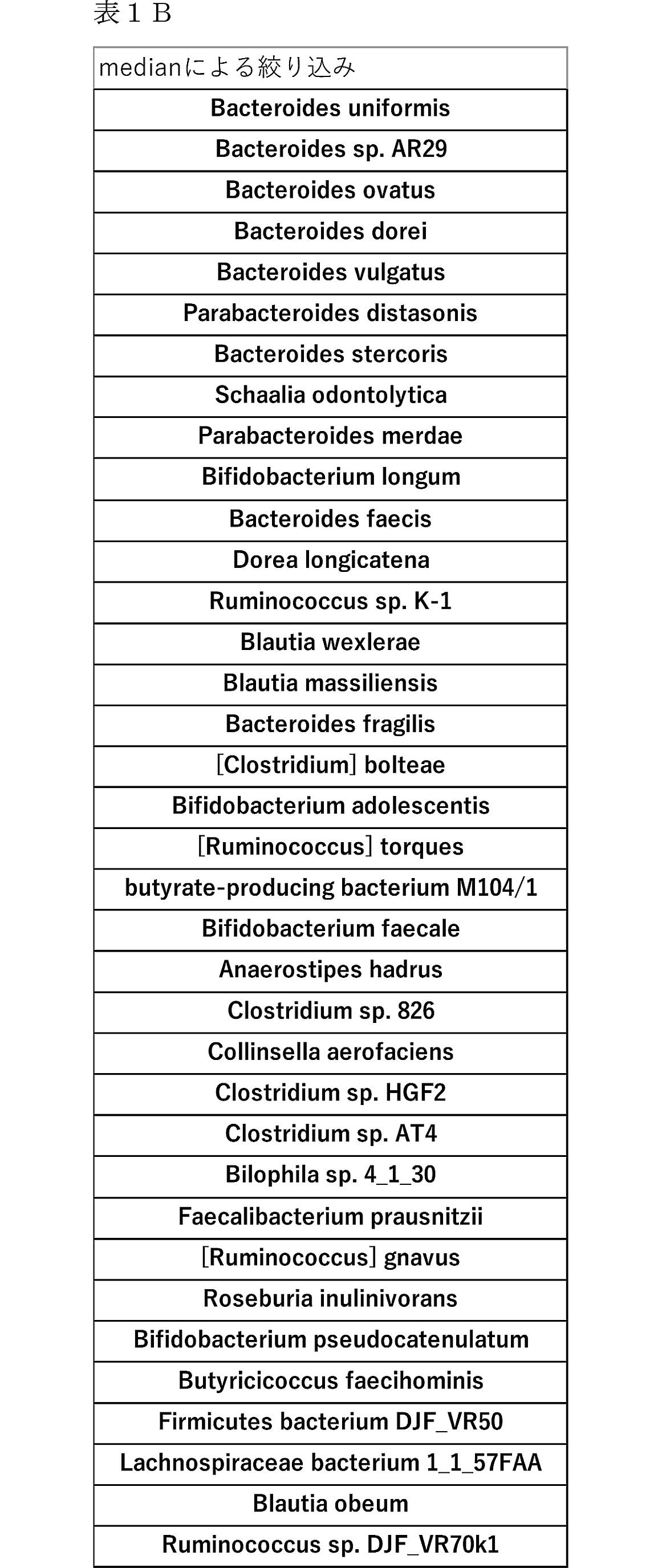
本発明において、前記方法1(medianによる絞り込み)及び方法2(meanと保有率による絞り込み)は、好ましい菌種を定義するために適用することもできる。種名の定義は、「3-2.属名による定義」の項で定義された属名に属する菌種に絞り込み実施した。
本発明において、方法1(medianによる絞り込み)により好ましいと判断された菌は以下の種である。
また本発明において、方法2(meanと保有率による絞り込み)により好ましいと判断された菌は以下の種である。

上記2通りの絞り込みにより抽出されたSpeciesをまとめると、以下の通りである。
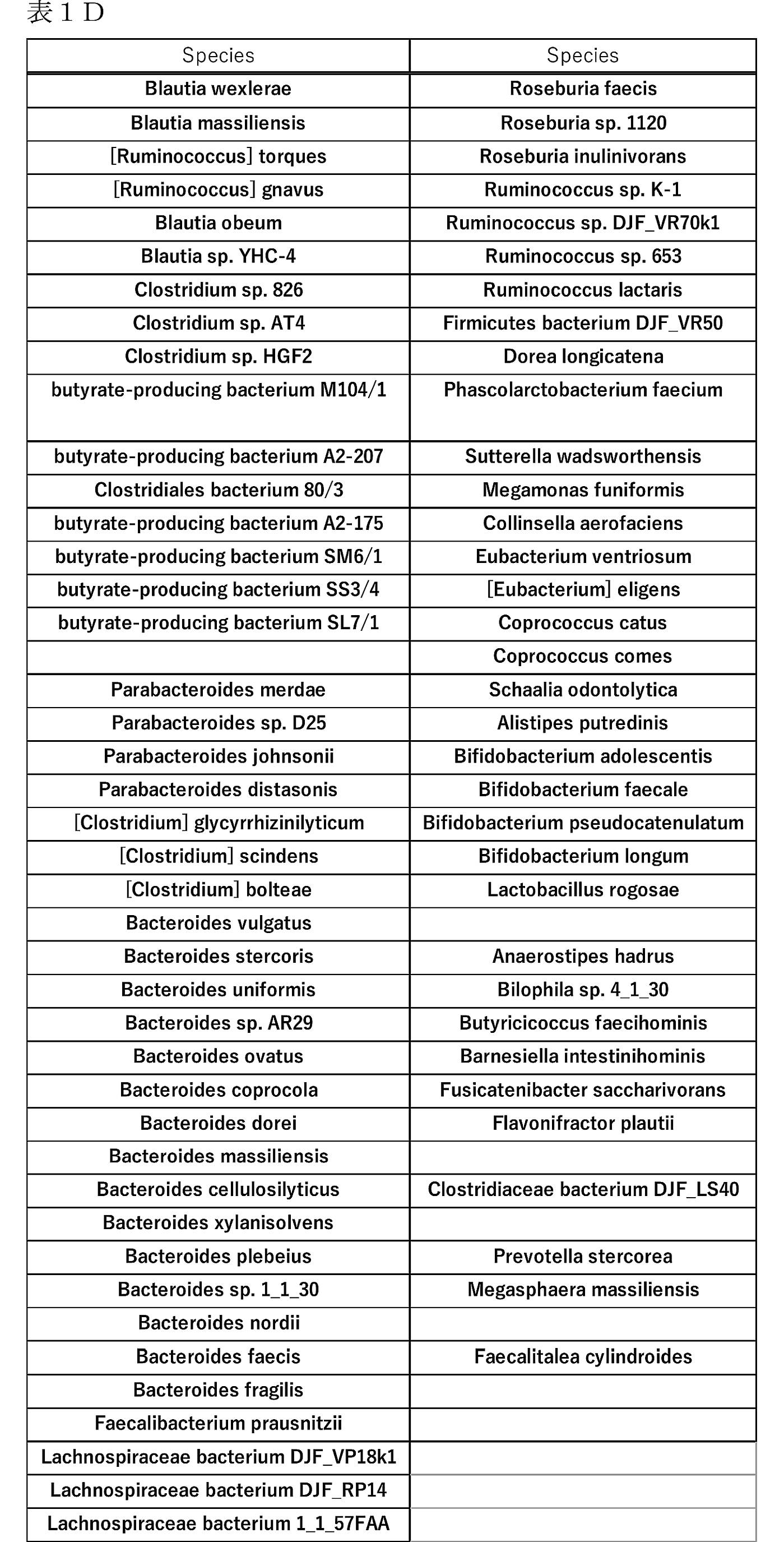
本発明において、Speciesの絞り込みの結果、表1Dに記載の76Species(A群という)がCR or PRに多い。このうち、下記27Species(B群という)がさらに好ましく、B群に含まれるSpeciesのうち、下記10Species(C群という)が最も好ましい。
B群(27Species):
Bacteroides vulgatus
Bacteroides stercoris
Bacteroides uniformis
Blautia wexlerae
Bacteroides sp. AR29
Dorea longicatena
Phascolarctobacterium faecium
Blautia massiliensis
Ruminococcus sp. K-1
Bacteroides ovatus
Faecalibacterium prausnitzii
Megamonas funiformis
Bifidobacterium adolescentis
[Ruminococcus] torques
Collinsella aerofaciens
Parabacteroides merdae
butyrate-producing bacterium M104/1
Bifidobacterium faecale
Clostridium sp. 826
Bacteroides coprocola
Roseburia faecis
Lachnospiraceae bacterium DJF_VP18k1
Clostridium sp. AT4
Lactobacillus rogosae
butyrate-producing bacterium A2-207
Roseburia sp. 1120
Bacteroides dorei
Bacteroides vulgatus
Bacteroides stercoris
Bacteroides uniformis
Blautia wexlerae
Bacteroides sp. AR29
Dorea longicatena
Phascolarctobacterium faecium
Blautia massiliensis
Ruminococcus sp. K-1
Bacteroides ovatus
Faecalibacterium prausnitzii
Megamonas funiformis
Bifidobacterium adolescentis
[Ruminococcus] torques
Collinsella aerofaciens
Parabacteroides merdae
butyrate-producing bacterium M104/1
Bifidobacterium faecale
Clostridium sp. 826
Bacteroides coprocola
Roseburia faecis
Lachnospiraceae bacterium DJF_VP18k1
Clostridium sp. AT4
Lactobacillus rogosae
butyrate-producing bacterium A2-207
Roseburia sp. 1120
Bacteroides dorei
C群:
Bacteroides vulgatus
Bacteroides stercoris
Bacteroides uniformis
Blautia wexlerae
Bacteroides sp. AR29
Dorea longicatena
Phascolarctobacterium faecium
Blautia massiliensis
Ruminococcus sp. K-1
Bacteroides ovatus
Bacteroides vulgatus
Bacteroides stercoris
Bacteroides uniformis
Blautia wexlerae
Bacteroides sp. AR29
Dorea longicatena
Phascolarctobacterium faecium
Blautia massiliensis
Ruminococcus sp. K-1
Bacteroides ovatus
本発明の組成物には、上記列挙した属に属する菌を単体で含めることも、複数の菌を組み合わせて含めることもできる。複数の菌の組み合わせを含める場合、40種類以下の菌が好ましく、30種類以下の菌がさらに好ましく、更には20種類以下の菌が最も好ましい。20種類以下であれば、例えば、20,19,18,17,16,15,14,13,12,11,10,9,8,7,6,5,4,3,2種類の任意の組み合わせの菌を選択することができる。
また、本発明の組成物は、allo-HSCTに適宜使用するために、あるいは長期使用可能とするために、任意の粉末、固体又は液体形態とすることができ、これらの粉末、固体又は液体形態をカプセル製剤とすることも可能である。カプセル製剤とすることで、チューブ挿入や大腸ファイバー等による出血などの合併症の回避が可能であり、また実施にあたって患者の負担軽減になるといった利点がある。
さらに、本発明の組成物は、生菌であっても死菌であってもよく、生菌と死菌の混合物であってもよい。
さらに、本発明の組成物は、生菌であっても死菌であってもよく、生菌と死菌の混合物であってもよい。
さらに、本発明の組成物に、pH安定剤、酸性化剤、防腐剤、ビタミン、ミネラル、栄養サプリメント、プレバイオティクス及びプロバイオティクスから選ばれる少なくとも1つを含めることができる。
また本発明の組成物を、造血幹細胞移植の前又は後に、あるいはその両時期に、当該移植対象患者に投与することにより、GVHDを予防又は治療することができる。
GVHDとしては、例えばステロイド抵抗性若しくはステロイド依存性のGVHD、又は腸管急性GVHDを挙げることができる。
また本発明の組成物を、造血幹細胞移植の前又は後に、あるいはその両時期に、当該移植対象患者に投与することにより、GVHDを予防又は治療することができる。
GVHDとしては、例えばステロイド抵抗性若しくはステロイド依存性のGVHD、又は腸管急性GVHDを挙げることができる。
ここで、「治療」とはGVHDの発症を抑制することができる限り、抑制の程度は限定されるものではない。従って、「治療」には完全奏功(CR)及び部分奏功(PR)のいずれも含まれる。完全奏功(CR)とは、全ての消化管GVHD関連症状の消失を意味し、部分奏功(PR)とは、1つ以上の消化管GVHDのdown stagingを意味する。本発明においては、ステロイド抵抗例でPR又はCRを到達した場合に、またステロイド依存例では治療前に比べ40%以上のステロイド減量に成功したときに有効(治療した)とした。
また、「予防」とは、GVHDの発症を事前に抑制すること、既に発生しているGVHDの状態がそれよりも悪化するのを防ぐこと及び沈静化したGVHDの再発を防ぐことのいずれも意味する。
本発明においては、前記組成物又はカプセル製剤をGVHD患者に投与することを特徴とするGVHDの治療方法を提供する。
さらに本発明は、前記組成物又はカプセル製剤を造血幹細胞移植の前、後又はその両時期に、造血幹細胞移植対象患者に投与することを特徴とする、GVHDの予防方法を提供する。
本発明においては、前記組成物又はカプセル製剤をGVHD患者に投与することを特徴とするGVHDの治療方法を提供する。
さらに本発明は、前記組成物又はカプセル製剤を造血幹細胞移植の前、後又はその両時期に、造血幹細胞移植対象患者に投与することを特徴とする、GVHDの予防方法を提供する。
4.細菌混合物、製剤
本発明は、ヒトから採取された糞便から、前記細菌の存在を確認し、存在が確認された糞便を溶媒(例えば生理食塩水、緩衝液)に懸濁することを特徴とする、糞便細菌叢移植用懸濁液の製造方法を提供する。
また、本発明は、ヒトから採取された糞便から、前記細菌の存在を確認し、存在が確認された糞便から細菌叢を取得し、該細菌叢を溶媒に懸濁することを特徴とする、糞便細菌叢移植用懸濁液の製造方法を提供する。
さらに、本発明は、ヒトから採取された糞便から、前記細菌の存在を確認し、存在が確認された糞便から当該細菌を分離し、分離された細菌を混合することを特徴とする、糞便細菌叢移植用細菌混合物の製造方法を提供する。ここで、細菌の分離は、サンプル中に含まれる細菌の種類が、1種類でもよく、2種類以上でもよい。
本発明は、ヒトから採取された糞便から、前記細菌の存在を確認し、存在が確認された糞便を溶媒(例えば生理食塩水、緩衝液)に懸濁することを特徴とする、糞便細菌叢移植用懸濁液の製造方法を提供する。
また、本発明は、ヒトから採取された糞便から、前記細菌の存在を確認し、存在が確認された糞便から細菌叢を取得し、該細菌叢を溶媒に懸濁することを特徴とする、糞便細菌叢移植用懸濁液の製造方法を提供する。
さらに、本発明は、ヒトから採取された糞便から、前記細菌の存在を確認し、存在が確認された糞便から当該細菌を分離し、分離された細菌を混合することを特徴とする、糞便細菌叢移植用細菌混合物の製造方法を提供する。ここで、細菌の分離は、サンプル中に含まれる細菌の種類が、1種類でもよく、2種類以上でもよい。
さらに本発明の別の態様では、ヒトから採取された糞便から、前記細菌の存在を確認し、存在が確認された糞便の細菌叢、又は存在が確認された糞便から分離された細菌を製剤化することを特徴とする、糞便細菌叢移植用製剤の製造方法を提供する。
製剤化として、カプセルへの封入方法が例示される。
製剤化として、カプセルへの封入方法が例示される。
糞便の採取は、前記「1.FMT」の項に記載された方法に準じて行うことができる。
細菌の存在を確認する方法は特に限定されるものではなく、例えば16S rRNA遺伝子解析法、対象細菌に特異的な領域のDNA配列を用いたqPCRやMicroarray,あるいはMALDI-TOF MS法などが挙げられる。
16S rRNA遺伝子解析法等により細菌の存在が確認されると、採取元の糞便に当該細菌が含まれることになる。糞便の希釈懸濁液を、種々の培養条件に供し、単一コロニーを採取して菌を単離する。
細菌の存在を確認する方法は特に限定されるものではなく、例えば16S rRNA遺伝子解析法、対象細菌に特異的な領域のDNA配列を用いたqPCRやMicroarray,あるいはMALDI-TOF MS法などが挙げられる。
16S rRNA遺伝子解析法等により細菌の存在が確認されると、採取元の糞便に当該細菌が含まれることになる。糞便の希釈懸濁液を、種々の培養条件に供し、単一コロニーを採取して菌を単離する。
本発明の製剤は、本発明の前記細菌を含む限り、その剤形は特に限定されないが、経口投与製剤とすることが好ましい。
経口用固形製剤を調製する場合には、主薬に賦形剤さらに必要に応じて結合剤、崩壊剤、滑沢剤、着色剤、矯味矯臭剤などを加えた後、常法により錠剤、被覆錠剤、顆粒剤、細粒剤、散剤、カプセル剤等とすることができる。
カプセル剤としては、例えば、耐酸性カプセル剤が用いられる。耐酸性カプセル剤としては、DR Caps(登録商標)(Capsugel社)が例示される。
賦形剤としては、例えば、乳糖、コーンスターチ、白糖、ぶどう糖、ソルビット、結晶セルロース、二酸化ケイ素などが、結合剤としては、例えばポリビニルアルコール、エチルセルロース、メチルセルロース、アラビアゴム、ヒドロキシプロピルセルロース、ヒドロキシプロピルメチルセルロース等が、滑沢剤としては、例えばステアリン酸マグネシウム、タルク、シリカ等が、着色剤としては医薬品に添加することが許可されているものが、矯味矯臭剤としては、ココア末、ハッカ脳、芳香酸、ハッカ油、龍脳、桂皮末等が用いられる。
経口用固形製剤を調製する場合には、主薬に賦形剤さらに必要に応じて結合剤、崩壊剤、滑沢剤、着色剤、矯味矯臭剤などを加えた後、常法により錠剤、被覆錠剤、顆粒剤、細粒剤、散剤、カプセル剤等とすることができる。
カプセル剤としては、例えば、耐酸性カプセル剤が用いられる。耐酸性カプセル剤としては、DR Caps(登録商標)(Capsugel社)が例示される。
賦形剤としては、例えば、乳糖、コーンスターチ、白糖、ぶどう糖、ソルビット、結晶セルロース、二酸化ケイ素などが、結合剤としては、例えばポリビニルアルコール、エチルセルロース、メチルセルロース、アラビアゴム、ヒドロキシプロピルセルロース、ヒドロキシプロピルメチルセルロース等が、滑沢剤としては、例えばステアリン酸マグネシウム、タルク、シリカ等が、着色剤としては医薬品に添加することが許可されているものが、矯味矯臭剤としては、ココア末、ハッカ脳、芳香酸、ハッカ油、龍脳、桂皮末等が用いられる。
本発明においては、上記製剤中、カプセル製剤とすることが好ましい。
製剤中に含まれる細菌は、乾燥菌体相当で、例えば、1~2000mg、好ましくは10~500mg、さらに好ましくは100~250mgとすることができ、患者の体重、症状等に応じて1日あたり150~200mg、好ましくは175mgを投与することができる。
本発明に関する菌は、医薬品としても医薬部外品としても使用することができる。
製剤中に含まれる細菌は、乾燥菌体相当で、例えば、1~2000mg、好ましくは10~500mg、さらに好ましくは100~250mgとすることができ、患者の体重、症状等に応じて1日あたり150~200mg、好ましくは175mgを投与することができる。
本発明に関する菌は、医薬品としても医薬部外品としても使用することができる。
実施例
以下、実施例により本発明をさらに具体的に説明する。但し、本発明の範囲はこれらの実施例により限定されるものではない。
以下、実施例により本発明をさらに具体的に説明する。但し、本発明の範囲はこれらの実施例により限定されるものではない。
好ましい細菌叢のスクリーニングのためのFMT
[対象と方法]
FMTの対象者
ステロイド抵抗性、又は依存性の腸管急性GVHD症例15例に対してFMTを実施した。
急性GVHDは腸管以外にも皮膚や肝臓が標的臓器となるが、他臓器と比較して腸管急性GVHDはより重篤度が高い点から、今回は腸管を対象とした。ステロイド抵抗性とは、十分量(プレドニゾロンを1mg/kg以上)のステロイド治療にもかかわらず、治療開始5日目以降で病態が不変の症例とし、ステロイド依存例とはステロイド治療に一旦は反応するものの、ステロイドの減量に伴い増悪しステロイドを再増量をせざるを得ない症例(減量困難例)とした。
上記に加え、ステロイド治療開始後3日目の腸管急性GVHD増悪例も対象とした。
他の腸管病変を合併している例でも、腸管急性GVHDが下痢の主たる原因と考えられる場合にはエントリー可能とした。
[対象と方法]
FMTの対象者
ステロイド抵抗性、又は依存性の腸管急性GVHD症例15例に対してFMTを実施した。
急性GVHDは腸管以外にも皮膚や肝臓が標的臓器となるが、他臓器と比較して腸管急性GVHDはより重篤度が高い点から、今回は腸管を対象とした。ステロイド抵抗性とは、十分量(プレドニゾロンを1mg/kg以上)のステロイド治療にもかかわらず、治療開始5日目以降で病態が不変の症例とし、ステロイド依存例とはステロイド治療に一旦は反応するものの、ステロイドの減量に伴い増悪しステロイドを再増量をせざるを得ない症例(減量困難例)とした。
上記に加え、ステロイド治療開始後3日目の腸管急性GVHD増悪例も対象とした。
他の腸管病変を合併している例でも、腸管急性GVHDが下痢の主たる原因と考えられる場合にはエントリー可能とした。
除外基準は以下の通りとした。
1) ステロイド治療に反応するGVHD
2) ステロイドによる一次治療後に増悪するGVHD(この場合罹患臓器を問わない)
3) コントロール不可能な感染症を有する症例
4) 下痢がGVHD以外の原因によると考えられる場合
1) ステロイド治療に反応するGVHD
2) ステロイドによる一次治療後に増悪するGVHD(この場合罹患臓器を問わない)
3) コントロール不可能な感染症を有する症例
4) 下痢がGVHD以外の原因によると考えられる場合
FMTのドナー選択
患者の配偶者、又は4親等以内の親族又は友人からドナー候補を選択した
年齢は20-64歳で、下記のような感染のリスクを有さないものから選択した。
1) 直近3ヶ月以内に新たに入れ墨をしたり、ピアスをあけていないこと
2) 直近3ヶ月以内に新たなパートナーとの性交渉がないこと
3) 直近3ヶ月以内に輸血を受けていないこと
4) 直近3ヶ月以内に熱帯地域への渡航歴がないこと
5) 直近1ヶ月以内に抗生剤の使用歴がないこと
6) 悪性疾患や炎症性腸疾患の既往がないこと
7) 当日下痢などの消化器症状がないこと(FMT当日に確認)
8) 高血圧、糖尿病、高脂血症、心筋梗塞や狭心症、心不全といった心疾患、脳卒中、喘息やアトピー性皮膚炎、食物アレルギーといったアレルギー疾患がないこと(花粉症は除く)
患者の配偶者、又は4親等以内の親族又は友人からドナー候補を選択した
年齢は20-64歳で、下記のような感染のリスクを有さないものから選択した。
1) 直近3ヶ月以内に新たに入れ墨をしたり、ピアスをあけていないこと
2) 直近3ヶ月以内に新たなパートナーとの性交渉がないこと
3) 直近3ヶ月以内に輸血を受けていないこと
4) 直近3ヶ月以内に熱帯地域への渡航歴がないこと
5) 直近1ヶ月以内に抗生剤の使用歴がないこと
6) 悪性疾患や炎症性腸疾患の既往がないこと
7) 当日下痢などの消化器症状がないこと(FMT当日に確認)
8) 高血圧、糖尿病、高脂血症、心筋梗塞や狭心症、心不全といった心疾患、脳卒中、喘息やアトピー性皮膚炎、食物アレルギーといったアレルギー疾患がないこと(花粉症は除く)
上記の項目に問題がなければ、ドナー候補から採血し、また糞便検査を実施した。採血検査にて、HIV、human T-lymphotropic virus type I(HTLV-1)、A型、B型及びC型肝炎、梅毒、cytomegalovirus(CMV)、Epstein-Barr virus(EBV)をチェックし、糞便検査でparasites、 Clostridium difficile、Cryptosporidium、Giardia、Microsporidia、Entamoeba histolytica、Cyclospora、Isospora、Dientamoeba fragilis、Blastocystis hominis、Schistosoma等の病原性細菌の有無などをチェックした。CMVとEBVに関しては、患者が既感染パターンである場合、問題なしと判断した。
FMTの方法
FMT実施当日、ドナーから糞便を採取し、使用まで4℃、嫌気状態で保管した。
患者が胃十二指腸チューブを挿入するタイミングで糞便の調製を開始した。糞便の調製は、まず糞便の重さを測り、量に応じ滅菌生理食塩水200-300mLを加え、均一になるまでよく攪拌した。これを、一度金ふるいで濾し、大きな未消化物を除去した。その後、滅菌ガーゼで2回濾すことにより懸濁液を作成した。患者の準備が整い次第FMTを実施した。
懸濁液を50mLのシリンジに充填し、胃十二指腸チューブより糞便懸濁液を投与した。投与速度は50mLあたり30秒を超えない速度とした。すべての懸濁液を入れ終わったのち、生理食塩水50mLでチューブ内を洗浄し、チューブを抜去して、投与を終了した。
FMTに関連したgrade3(非特許文献3による定義)以上の副作用が認められない場合、効果を見ながら1回目のFMTから4-14日の間に1回の追加投与を実施した。この場合、初回と同じドナーから糞便を採取することとした。糞便移植は、ドナーの糞便採取から12時間以内、可能な限り8時間以内に実施することとした。
FMT実施当日、ドナーから糞便を採取し、使用まで4℃、嫌気状態で保管した。
患者が胃十二指腸チューブを挿入するタイミングで糞便の調製を開始した。糞便の調製は、まず糞便の重さを測り、量に応じ滅菌生理食塩水200-300mLを加え、均一になるまでよく攪拌した。これを、一度金ふるいで濾し、大きな未消化物を除去した。その後、滅菌ガーゼで2回濾すことにより懸濁液を作成した。患者の準備が整い次第FMTを実施した。
懸濁液を50mLのシリンジに充填し、胃十二指腸チューブより糞便懸濁液を投与した。投与速度は50mLあたり30秒を超えない速度とした。すべての懸濁液を入れ終わったのち、生理食塩水50mLでチューブ内を洗浄し、チューブを抜去して、投与を終了した。
FMTに関連したgrade3(非特許文献3による定義)以上の副作用が認められない場合、効果を見ながら1回目のFMTから4-14日の間に1回の追加投与を実施した。この場合、初回と同じドナーから糞便を採取することとした。糞便移植は、ドナーの糞便採取から12時間以内、可能な限り8時間以内に実施することとした。
腸管GVHDのため、絶食となっている患者に関しては、食物繊維・オリゴ糖などを含むサプリメント(GFO(登録商標):大塚製薬工業)をプレバイオティクスとして、FMT開始前日より摂取させた。また、抗生剤の投与はFMTの前後24時間は可能な限り中止することとした。
FMT後一週間以内に新たに発生、又はgrade1(非特許文献3による定義)以上の悪化を認めた例をすべて副作用とし、National Cancer Institute Common Terminology Criteria for Adverse Events (CTC-AE) version 4.0で評価した。
FMT後一週間以内に新たに発生、又はgrade1(非特許文献3による定義)以上の悪化を認めた例をすべて副作用とし、National Cancer Institute Common Terminology Criteria for Adverse Events (CTC-AE) version 4.0で評価した。
治療効果に関しては、最終のFMTから4週間後に評価した。治療効果判定の基準は下記のとおりである。
1)完全奏功(CR):全ての消化管GVHD関連症状の消失
2)部分奏功(PR): 1つ以上の消化管GVHDのdown staging
3)進行(PG):1つ以上のstage(非特許文献3による定義)の増悪
4)変化なし(NC): stage(非特許文献3による定義)内の変動
5)Not Determined(ND):治療後早期(7日以内)の死亡やGVHD以外の症状のため評価が困難な場合
FMTは、ステロイド抵抗例ではPR又はCRを到達した場合に、ステロイド依存例では治療前に比べ40%以上の減量に成功したときに有効と判断した。
2)部分奏功(PR): 1つ以上の消化管GVHDのdown staging
3)進行(PG):1つ以上のstage(非特許文献3による定義)の増悪
4)変化なし(NC): stage(非特許文献3による定義)内の変動
5)Not Determined(ND):治療後早期(7日以内)の死亡やGVHD以外の症状のため評価が困難な場合
FMTは、ステロイド抵抗例ではPR又はCRを到達した場合に、ステロイド依存例では治療前に比べ40%以上の減量に成功したときに有効と判断した。
腸内細菌叢の解析(メタ16S解析法)
作成した糞便調整液、並びに患者の糞便(FMT前、最終のFMTから1~3日後、1、2、4週間後)の一部を用い、腸内細菌叢の解析を実施した。
各サンプルから常法に従って細菌のDNAを抽出した。これを16S rRNA遺伝子の可変領域、v1-v2をカバーするように設計したプライマー(27Fmod:5’-agrgtttgatymtggctcag-3’(配列番号345)、338R:5’-tgctgcctcccgtaggagt-3’(配列番号346))を用い、PCR(polymerase chain reaction)により増幅したのちillumina社MiSeq(登録商標)で250bpのPaired endにてシーケンスを実施した。得られた配列のRead1とRead2をマージした後クオリティチェックを行い、これにパスした配列データ3,000リードを解析に用いた。得られたリードを同一配列のabundanceによって降順にソートし、同一abundanceの場合はqualityの平均値によって降順にソートした。ソート後の配列について、UCLUSTアルゴリズムを用い97%の相同性を閾値としてoperational taxonomic units(OTUs) clusteringを実施した。また、16S rRNA遺伝子データベース(RefSeq,RDP,GRD,CORE)に対してglsearchを用いて相同性検索することにより菌種の同定を実施した。属の同定における相同性の閾値は94%とした。Speciesの同定における相同性の閾値は97%とした。
作成した糞便調整液、並びに患者の糞便(FMT前、最終のFMTから1~3日後、1、2、4週間後)の一部を用い、腸内細菌叢の解析を実施した。
各サンプルから常法に従って細菌のDNAを抽出した。これを16S rRNA遺伝子の可変領域、v1-v2をカバーするように設計したプライマー(27Fmod:5’-agrgtttgatymtggctcag-3’(配列番号345)、338R:5’-tgctgcctcccgtaggagt-3’(配列番号346))を用い、PCR(polymerase chain reaction)により増幅したのちillumina社MiSeq(登録商標)で250bpのPaired endにてシーケンスを実施した。得られた配列のRead1とRead2をマージした後クオリティチェックを行い、これにパスした配列データ3,000リードを解析に用いた。得られたリードを同一配列のabundanceによって降順にソートし、同一abundanceの場合はqualityの平均値によって降順にソートした。ソート後の配列について、UCLUSTアルゴリズムを用い97%の相同性を閾値としてoperational taxonomic units(OTUs) clusteringを実施した。また、16S rRNA遺伝子データベース(RefSeq,RDP,GRD,CORE)に対してglsearchを用いて相同性検索することにより菌種の同定を実施した。属の同定における相同性の閾値は94%とした。Speciesの同定における相同性の閾値は97%とした。
またα多様性評価に関してはShannon indexを用いた。なお、本解析におけるTaxonomy名は、2019年5月7日時点のNCBI Taxonomy DatabaseのFTPサイトのtaxdmp.zipの内容に準拠した。
腸内細菌叢の群間比較
CR or PR群とOthers群について、「方法1.medianによる絞り込み」及び「方法2.meanと保有率による菌の絞り込み」の項に記載の2つの方法を用いてCR or PR群に多い腸内細菌の抽出を実施した。
CR or PR群とOthers群について、「方法1.medianによる絞り込み」及び「方法2.meanと保有率による菌の絞り込み」の項に記載の2つの方法を用いてCR or PR群に多い腸内細菌の抽出を実施した。
[結果と考察]
最終投与から4週間後の結果を用いた治療効果判定において、15例中6例がCRと、3例がPRと判定され、奏効率60%という結果であった。よって、本実施例により、GVHDの治療・予防戦略としてのFMTの有効性が認められた。
FMT前後における糞便細菌叢の多様性の経過時間変化については図1に示す通りである。CR or PR群、Others群ともにFMT後にα多様性の改善が見られた。FMT後4週間にかけて、徐々にα多様性が低下したが、CR or PR群はOthers群と比較してその低下が抑制されていた。
最終投与から4週間後の結果を用いた治療効果判定において、15例中6例がCRと、3例がPRと判定され、奏効率60%という結果であった。よって、本実施例により、GVHDの治療・予防戦略としてのFMTの有効性が認められた。
FMT前後における糞便細菌叢の多様性の経過時間変化については図1に示す通りである。CR or PR群、Others群ともにFMT後にα多様性の改善が見られた。FMT後4週間にかけて、徐々にα多様性が低下したが、CR or PR群はOthers群と比較してその低下が抑制されていた。
FMT前後における糞便細菌叢の属レベルでの組成比を表したグラフを図2に示す。FMT前では菌叢の多様性が低下しており(ディスバイオーシス)、StaphylococcusやEnterococcusなどが優勢な状態であった。FMT後には、菌叢の多様性が回復しており、Bacteroides、Bifidobacteriumなどの種々の菌を含む菌叢に変化していた。Others群では4週間後にEscherichiaが優勢となるケースも観察された。更に属ごとの経時変化を図3~9に表す。図3~9に示した属はいずれもOthers群対比でCR or PR群に多く存在していることが確認された。また、図10に示したCorynebacteriumは、全てのタイムポイントにおいてOthers群に多く存在していることが確認された。
2群比較により「方法1.medianによる絞り込み」及び「方法2.meanと保有率による菌の絞り込み」の項に記載の2つの方法の結果を、OTUレベルは表2、表3にそれぞれ記載した。Genusレベルは表4、表5に記載した。表にはLog2 Fold changeが0.5以上の回数が1回以上の菌に関して記載した。

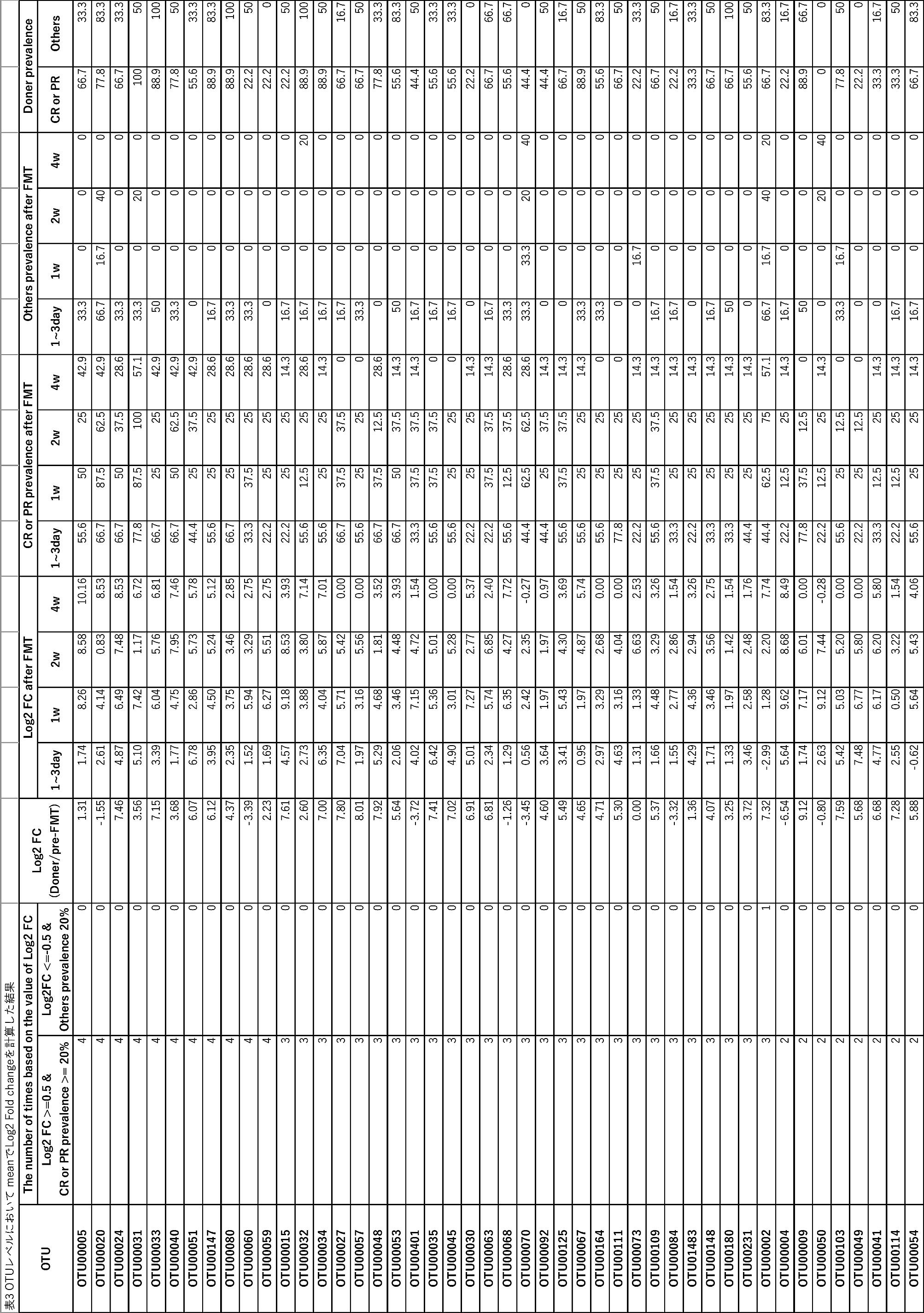


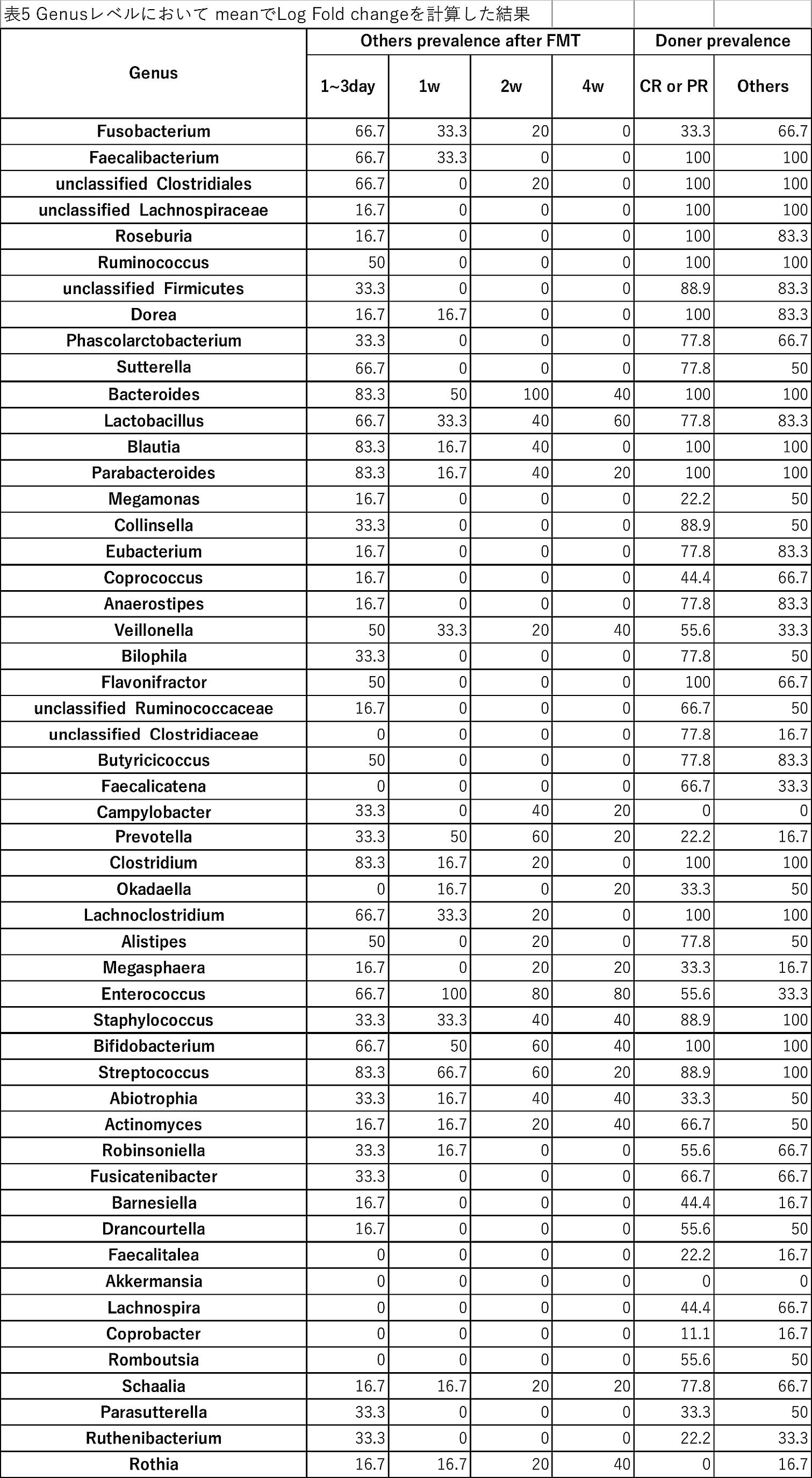
さらに、FMT前後における糞便細菌叢のSpeciesにおいて、前記B群における経時変化を図11~19に表す。図11~19に示したSpeciesはいずれもOthers群対比でCR or PR群に多く存在していることが確認された。
配列番号345:合成DNA
配列番号346:合成DNA
配列番号346:合成DNA
Claims (25)
- ブラウチア(Blautia)属、
クロストリジウム(Clostridium)属、
unclassified Clostridiales、
アクチノマイセス(Actinomyces)属、
パラバクテロイデス(Parabacteroides)属、
ラクノクロストリジウム(Lachnoclostridium)属、
バクテロイデス(Bacteroides)属、
フェカリバクテリウム(Faecalibacterium)属、
unclassified Lachnospiraceae、
ロセブリア(Roseburia)属、
ルミノコッカス(Ruminococcus)属、
unclassified Firmicutes、
ドレア(Dorea)属、
ファスコラークトバクテリウム(Phascolarctobacterium)属、
サテレラ(Sutterella)属、
メガモナス(Megamonas)属、
コリンセラ(Collinsella)属、
ユーバクテリム(Eubacterium)属、
コプロコッカス(Coprococcus)属、
シャーリア(Schaalia)属、
アリスティペス(Alistipes)属、
ビフィドバクテリウム(Bifidobacterium)属、
ラクトバチルス(Lactobacillus)属、
ヴェイロネラ(Veillonella)属、
アナエロスティペス(Anaerostipes)属、
ビロフィラ(Bilophila)属、
ブチリシコッカス(Butyricicoccus)属、
バルネシエラ(Barnesiella)属、
フシカテニバクター(Fusicatenibacter)属、
フラボニフラクター(Flavonifractor)属、
unclassified Ruminococcaceae、
unclassified Clostridiaceae、
フェカリカテナ(Faecalicatena)属、
プレボテラ(Prevotella)属、
メガスファエラ(Megasphaera)属、
ロビンソニエラ(Robinsoniella)属、
フェカリタレア(Faecalitalea)属、
ラクノスピラ(Lachnospira)属、及び
ロンボウツィア(Romboutsia)属
からなる群から選ばれるいずれかの属に属する細菌、又はこれらの組み合わせを含む、GVHDの予防又は治療用組成物。 - ブラウチア属、
クロストリジウム属、
unclassified Clostridiales、
アクチノマイセス属、
パラバクテロイデス属、
ラクノクロストリジウム属、
バクテロイデス属、
フェカリバクテリウム属、
unclassified Lachnospiraceae、
ロセブリア属、
ルミノコッカス属、
unclassified Firmicutes、
ドレア属、
ファスコラークトバクテリウム属、
サテレラ属、
メガモナス属、
コリンセラ属、
ユーバクテリム属、及び
コプロコッカス属
からなる群から選ばれるいずれかの属に属する細菌、又はこれらの組み合わせを含む、請求項1に記載の組成物。 - ブラウチア属、
クロストリジウム属、
unclassified Clostridiales、
アクチノマイセス属、
パラバクテロイデス属、
ラクノクロストリジウム属、
バクテロイデス属、
unclassified Lachnospiraceae、
ロセブリア属、
ルミノコッカス属、
ファスコラークトバクテリウム属、
フェカリバクテリウム属、
シャーリア属、
アリスティペス属、
ビフィドバクテリウム属、
ラクトバチルス属、
ヴェイロネラ属、
ドレア属、
unclassified Firmicutes、
アナエロスティペス属、
コリンセラ属、
ブチリシコッカス属、
バルネシエラ属、及び
フシカテニバクター属
からなる群から選ばれるいずれかの属に属する細菌、又はこれらの組み合わせを含む、請求項1に記載の組成物。 - ブラウチア属、
クロストリジウム属、
unclassified Clostridiales、
アクチノマイセス属、
パラバクテロイデス属、
ラクノクロストリジウム属、及び
バクテロイデス属
からなる群から選ばれるいずれかの属に属する細菌、又はこれらの組み合わせを含む、請求項3に記載の組成物。 - フェカリバクテリウム属、
unclassified Clostridiales、
unclassified Lachnospiraceae、
ロセブリア属、
ルミノコッカス属、
unclassified Firmicutes、
ドレア属、
ファスコラークトバクテリウム属、
サテレラ属、
バクテロイデス属、
ブラウチア属、
パラバクテロイデス属、
メガモナス属、
コリンセラ属、
ユーバクテリム属、
コプロコッカス属、
アナエロスティペス属、
ビロフィラ属、
フラボニフラクター属、
unclassified Ruminococcaceae、
unclassified Clostridiaceae、
ブチリシコッカス属、
フェカリカテナ属、
プレボテラ属、
クロストリジウム属、
ラクノクロストリジウム属、
アリスティペス属、
メガスファエラ属、
ロビンソニエラ属、
フシカテニバクター属、
バルネシエラ属、
フェカリタレア属、
ラクノスピラ属、及び
ロンボウツィア属
からなる群から選ばれるいずれかの属に属する細菌、又はこれらの組み合わせを含む、請求項1に記載の組成物。 - フェカリバクテリウム属、
unclassified Clostridiales、
unclassified Lachnospiraceae、
ロセブリア属、
ルミノコッカス属、
unclassified Firmicutes、
ドレア属、
ファスコラークトバクテリウム属、
サテレラ属、
バクテロイデス属、
ブラウチア属、
パラバクテロイデス属、
メガモナス属、
コリンセラ属、
ユーバクテリム属、及び
コプロコッカス属
からなる群から選ばれるいずれかの属に属する細菌、又はこれらの組み合わせを含む、請求項5に記載の組成物。 - 配列番号1~120に示されるいずれかの塩基配列と94%以上の相同性を有する塩基配列からなるDNAを含む細菌、又はこれらの組み合わせを含む、GVHDの予防または治療用組成物。
- 配列番号121~152に示されるいずれかの塩基配列と94%以上の相同性を有する塩基配列からなるDNAを含む細菌、又はこれらの組み合わせを含む、請求項7に記載の組成物。
- 配列番号153~198に示されるいずれかの塩基配列と94%以上の相同性を有する塩基配列からなるDNAを含む細菌、又はこれらの組み合わせを含む、請求項7に記載の組成物。
- 配列番号199~201に示されるいずれかの塩基配列と94%以上の相同性を有する塩基配列からなるDNAを含む細菌、又はこれらの組み合わせを含む、請求項9に記載の組成物。
- 配列番号202~312に示されるいずれかの塩基配列と94%以上の相同性を有する塩基配列からなるDNAを含む細菌、又はこれらの組み合わせを含む、請求項7に記載の組成物。
- 配列番号313~344に示されるいずれかの塩基配列と94%以上の相同性を有する塩基配列からなるDNAを含む細菌、又はこれらの組み合わせを含む、請求項11に記載の組成物。
- 細菌が、
Bacteroides vulgatus、
Bacteroides stercoris、
Bacteroides uniformis、
Blautia wexlerae、
Bacteroides sp. AR29、
Dorea longicatena、
Phascolarctobacterium faecium、
Blautia massiliensis、
Ruminococcus sp. K-1、
Bacteroides ovatus、
Faecalibacterium prausnitzii、
Megamonas funiformis、
Bifidobacterium adolescentis、
[Ruminococcus] torques、
Collinsella aerofaciens、
Parabacteroides merdae、
butyrate-producing bacterium M104/1、
Bifidobacterium faecale、
Clostridium sp. 826、
Bacteroides coprocola、
Roseburia faecis、
Lachnospiraceae bacterium DJF_VP18k1、
Clostridium sp. AT4、
Lactobacillus rogosae、
butyrate-producing bacterium A2-207、
Roseburia sp. 1120、
Bacteroides dorei、
Bifidobacterium pseudocatenulatum、
Megasphaera massiliensis、
Bacteroides massiliensis、
Anaerostipes hadrus、
Alistipes putredinis、
Parabacteroides sp. D25、
Roseburia inulinivorans、
Bilophila sp. 4_1_30、
Flavonifractor plautii、
Eubacterium ventriosum、
Clostridiales bacterium 80/3、
Butyricicoccus faecihominis、
Bacteroides cellulosilyticus、
Coprococcus catus、
Parabacteroides johnsonii、
Lachnospiraceae bacterium DJF_RP14、
[Ruminococcus] gnavus、
Bifidobacterium longum、
Bacteroides xylanisolvens、
Prevotella stercorea、
Bacteroides plebeius、
Firmicutes bacterium DJF_VR50、
Sutterella wadsworthensis、
Lachnospiraceae bacterium 1_1_57FAA、
Blautia obeum、
Barnesiella intestinihominis、
[Eubacterium] eligens、
Coprococcus comes、
Ruminococcus sp. DJF_VR70k1、
butyrate-producing bacterium A2-175、
Faecalitalea cylindroides、
Blautia sp. YHC-4、
[Clostridium] glycyrrhizinilyticum、
Ruminococcus sp. 653、
Ruminococcus lactaris、
butyrate-producing bacterium SM6/1、
butyrate-producing bacterium SS3/4、
Clostridiaceae bacterium DJF_LS40、
Bacteroides sp. 1_1_30、
Bacteroides nordii、
Fusicatenibacter saccharivorans、
butyrate-producing bacterium SL7/1、
[Clostridium] scindens、
Parabacteroides distasonis、
Schaalia odontolytica、
Bacteroides faecis、
Bacteroides fragilis、
[Clostridium] bolteae、及び
Clostridium sp. HGF2
からなる群から選ばれる少なくとも1種である、請求項1に記載の組成物。 - 細菌が、
Bacteroides vulgatus、
Bacteroides stercoris、
Bacteroides uniformis、
Blautia wexlerae、
Bacteroides sp. AR29、
Dorea longicatena、
Phascolarctobacterium faecium、
Blautia massiliensis、
Ruminococcus sp. K-1、
Bacteroides ovatus、
Faecalibacterium prausnitzii、
Megamonas funiformis、
Bifidobacterium adolescentis、
[Ruminococcus] torques、
Collinsella aerofaciens、
Parabacteroides merdae、
butyrate-producing bacterium M104/1、
Bifidobacterium faecale、
Clostridium sp. 826、
Bacteroides coprocola、
Roseburia faecis、
Lachnospiraceae bacterium DJF_VP18k1、
Clostridium sp. AT4、
Lactobacillus rogosae、
butyrate-producing bacterium A2-207、
Roseburia sp. 1120、及び
Bacteroides dorei
からなる群から選ばれる少なくとも1種である、請求項13に記載の組成物。 - 細菌が、
Bacteroides vulgatus、
Bacteroides stercoris、
Bacteroides uniformis、
Blautia wexlerae、
Bacteroides sp. AR29、
Dorea longicatena、
Phascolarctobacterium faecium、
Blautia massiliensis、
Ruminococcus sp. K-1、及び
Bacteroides ovatus
からなる群から選ばれる少なくとも1種である、請求項13に記載の組成物。 - GVHDが、ステロイド抵抗性又はステロイド依存性のGVHDである、請求項1~15のいずれか1項に記載の組成物。
- GVHDが、腸管急性GVHDである、請求項1~15のいずれか1項に記載の組成物。
- 請求項1~17のいずれか1項に記載の組成物を含む、GVHDの予防又は治療用カプセル製剤。
- 請求項1~17のいずれか1項に記載の組成物、又は請求項18に記載のカプセル製剤をGVHD患者に投与することを特徴とするGVHDの治療方法。
- 請求項1~17のいずれか1項に記載の組成物、又は請求項18に記載のカプセル製剤を造血幹細胞移植の前、後又はその両時期に、造血幹細胞移植対象患者に投与することを特徴とする、GVHD予防方法。
- ヒトから採取された糞便から、請求項1~15のいずれか1項に記載された細菌の存在を確認し、存在が確認された糞便を水性媒体に懸濁することを特徴とする、糞便細菌叢移植用懸濁液の製造方法。
- ヒトから採取された糞便から、請求項1~15のいずれか1項に記載された細菌の存在を確認し、存在が確認された糞便から当該細菌を分離し、分離された細菌を混合することを特徴とする、糞便細菌叢移植用細菌混合物の製造方法。
- ヒトから採取された糞便から、請求項1~15のいずれか1項に記載された細菌の存在を確認し、存在が確認された糞便から当該細菌を分離し、分離された細菌を製剤化することを特徴とする、糞便細菌叢移植用製剤の製造方法。
- 製剤がカプセル製剤である請求項23に記載の方法。
- 細菌の存在確認が、16S rRNA遺伝子解析によるものである、請求項21~24のいずれか1項に記載の方法。
Priority Applications (5)
| Application Number | Priority Date | Filing Date | Title |
|---|---|---|---|
| JP2021561461A JPWO2021106952A1 (ja) | 2019-11-26 | 2020-11-25 | |
| EP20892673.3A EP4085916A4 (en) | 2019-11-26 | 2020-11-25 | PROPHYLACTIC OR THERAPEUTIC COMPOSITION FOR GRAFT VERSUS HOST DISEASE |
| CN202080082543.6A CN115461064A (zh) | 2019-11-26 | 2020-11-25 | 针对移植物抗宿主病的预防或治疗用组合物 |
| US17/779,286 US20230024068A1 (en) | 2019-11-26 | 2020-11-25 | Prophylactic or therapeutic composition for graft-versus-host disease |
| US19/080,046 US20250281549A1 (en) | 2019-11-26 | 2025-03-14 | Prophylactic or therapeutic composition for graft-versus-host disease |
Applications Claiming Priority (2)
| Application Number | Priority Date | Filing Date | Title |
|---|---|---|---|
| JP2019-213436 | 2019-11-26 | ||
| JP2019213436 | 2019-11-26 |
Related Child Applications (2)
| Application Number | Title | Priority Date | Filing Date |
|---|---|---|---|
| US17/779,286 A-371-Of-International US20230024068A1 (en) | 2019-11-26 | 2020-11-25 | Prophylactic or therapeutic composition for graft-versus-host disease |
| US19/080,046 Division US20250281549A1 (en) | 2019-11-26 | 2025-03-14 | Prophylactic or therapeutic composition for graft-versus-host disease |
Publications (1)
| Publication Number | Publication Date |
|---|---|
| WO2021106952A1 true WO2021106952A1 (ja) | 2021-06-03 |
Family
ID=76129434
Family Applications (1)
| Application Number | Title | Priority Date | Filing Date |
|---|---|---|---|
| PCT/JP2020/043883 Ceased WO2021106952A1 (ja) | 2019-11-26 | 2020-11-25 | 移植片対宿主病に対する予防又は治療用組成物 |
Country Status (5)
| Country | Link |
|---|---|
| US (2) | US20230024068A1 (ja) |
| EP (1) | EP4085916A4 (ja) |
| JP (1) | JPWO2021106952A1 (ja) |
| CN (1) | CN115461064A (ja) |
| WO (1) | WO2021106952A1 (ja) |
Cited By (3)
| Publication number | Priority date | Publication date | Assignee | Title |
|---|---|---|---|---|
| JP2023016081A (ja) * | 2021-07-21 | 2023-02-02 | 国立大学法人東海国立大学機構 | 腸内細菌叢に占めるコリンセラ属の情報を提供する方法、当該情報を用いたcovid-19重症化予測方法およびサイトカインストーム重症化予測方法 |
| WO2023069655A1 (en) * | 2021-10-20 | 2023-04-27 | City Of Hope | Clostridium butyricum compositions and methods of using the same |
| WO2025239419A1 (ja) * | 2024-05-17 | 2025-11-20 | 株式会社バイオパレット | 人工腸内細菌叢の製造方法 |
Families Citing this family (3)
| Publication number | Priority date | Publication date | Assignee | Title |
|---|---|---|---|---|
| WO2025104216A1 (en) * | 2023-11-15 | 2025-05-22 | Helmholtz Zentrum Muenchen - Deutsches Forschungszentrum Für Gesundheit Und Umwelt (Gmbh) | Bacteriophage compositions |
| CN118987051A (zh) * | 2024-09-13 | 2024-11-22 | 南方医科大学南方医院 | 粪副拟杆菌在制备治疗移植物抗宿主病药物中的应用 |
| CN119055685A (zh) * | 2024-09-13 | 2024-12-03 | 南方医科大学南方医院 | 粪副拟杆菌在制备分离移植物抗白血病效应与移植物抗宿主病药物中的应用 |
Citations (4)
| Publication number | Priority date | Publication date | Assignee | Title |
|---|---|---|---|---|
| JPS648092B2 (ja) | 1985-06-07 | 1989-02-13 | Maruchiitetsukusu Purodakutsu Corp | |
| JP2013537531A (ja) | 2010-08-04 | 2013-10-03 | トーマス・ジュリアス・ボロディ | 糞便細菌叢移植のための組成物ならびにそれを作製および使用する方法ならびにそれを送達するためのデバイス |
| JP2016501852A (ja) | 2012-11-26 | 2016-01-21 | トーマス・ジュリアス・ボロディ | 糞便微生物叢の回復のための組成物、ならびにそれらを作製および使用する方法 |
| JP2017537979A (ja) * | 2014-11-25 | 2017-12-21 | メモリアル スローン−ケタリング キャンサー センター | 腸内微生物叢及びgvhd |
Family Cites Families (3)
| Publication number | Priority date | Publication date | Assignee | Title |
|---|---|---|---|---|
| MA41020A (fr) * | 2014-11-25 | 2017-10-03 | Evelo Biosciences Inc | Compositions probiotiques et prébiotiques, et leurs procédés d'utilisation pour la modulation du microbiome |
| JP6408092B2 (ja) * | 2016-08-29 | 2018-10-17 | 国立大学法人 東京大学 | 糞便微生物叢を含む組成物 |
| RU2761873C2 (ru) * | 2016-12-23 | 2021-12-13 | Кэйо Юниверсити | Композиции и способы для индукции cd8+ t-клеток |
-
2020
- 2020-11-25 JP JP2021561461A patent/JPWO2021106952A1/ja active Pending
- 2020-11-25 US US17/779,286 patent/US20230024068A1/en not_active Abandoned
- 2020-11-25 CN CN202080082543.6A patent/CN115461064A/zh active Pending
- 2020-11-25 WO PCT/JP2020/043883 patent/WO2021106952A1/ja not_active Ceased
- 2020-11-25 EP EP20892673.3A patent/EP4085916A4/en active Pending
-
2025
- 2025-03-14 US US19/080,046 patent/US20250281549A1/en active Pending
Patent Citations (4)
| Publication number | Priority date | Publication date | Assignee | Title |
|---|---|---|---|---|
| JPS648092B2 (ja) | 1985-06-07 | 1989-02-13 | Maruchiitetsukusu Purodakutsu Corp | |
| JP2013537531A (ja) | 2010-08-04 | 2013-10-03 | トーマス・ジュリアス・ボロディ | 糞便細菌叢移植のための組成物ならびにそれを作製および使用する方法ならびにそれを送達するためのデバイス |
| JP2016501852A (ja) | 2012-11-26 | 2016-01-21 | トーマス・ジュリアス・ボロディ | 糞便微生物叢の回復のための組成物、ならびにそれらを作製および使用する方法 |
| JP2017537979A (ja) * | 2014-11-25 | 2017-12-21 | メモリアル スローン−ケタリング キャンサー センター | 腸内微生物叢及びgvhd |
Non-Patent Citations (5)
| Title |
|---|
| BLOOD, vol. 109, no. 10, 2007, pages 4119 - 4126 |
| BLOOD, vol. 124, no. 7, 2014, pages 1174 - 1182 |
| BONE MARROW TRANSPLANTATION, vol. 15, 1995, pages 825 - 828 |
| KAITO S. ET AL.: "Fecal microbiota transplantation with frozen capsules for a patient with refractory acute gut graft-versus-host disease", BLOOD ADV., vol. 2, no. 22, 2018, pages 3097 - 3101, XP023541807 * |
| See also references of EP4085916A4 |
Cited By (4)
| Publication number | Priority date | Publication date | Assignee | Title |
|---|---|---|---|---|
| JP2023016081A (ja) * | 2021-07-21 | 2023-02-02 | 国立大学法人東海国立大学機構 | 腸内細菌叢に占めるコリンセラ属の情報を提供する方法、当該情報を用いたcovid-19重症化予測方法およびサイトカインストーム重症化予測方法 |
| JP7783588B2 (ja) | 2021-07-21 | 2025-12-10 | 国立大学法人東海国立大学機構 | 腸内細菌叢に占めるコリンセラ属の情報を提供する方法、当該情報を用いたcovid-19重症化予測方法およびサイトカインストーム重症化予測方法 |
| WO2023069655A1 (en) * | 2021-10-20 | 2023-04-27 | City Of Hope | Clostridium butyricum compositions and methods of using the same |
| WO2025239419A1 (ja) * | 2024-05-17 | 2025-11-20 | 株式会社バイオパレット | 人工腸内細菌叢の製造方法 |
Also Published As
| Publication number | Publication date |
|---|---|
| US20230024068A1 (en) | 2023-01-26 |
| EP4085916A4 (en) | 2024-03-27 |
| CN115461064A (zh) | 2022-12-09 |
| EP4085916A1 (en) | 2022-11-09 |
| JPWO2021106952A1 (ja) | 2021-06-03 |
| US20250281549A1 (en) | 2025-09-11 |
Similar Documents
| Publication | Publication Date | Title |
|---|---|---|
| WO2021106952A1 (ja) | 移植片対宿主病に対する予防又は治療用組成物 | |
| CN113073066B (zh) | 罗伊氏乳杆菌及其应用、组合物、药物和食品 | |
| JP2024129008A (ja) | 相乗的細菌組成物並びにその生成及び使用の方法 | |
| WO2015124637A1 (en) | Methods and compositions for intestinal microenvironment transfer | |
| KR102742180B1 (ko) | 박테리아를 포함하는 제약 경구 제형 | |
| US20200038459A1 (en) | Composition comprising fecal microbiota | |
| KR20180016539A (ko) | 미생물상 복원 치료(mrt) 조성물 및 제조 방법 | |
| EP3563837B9 (en) | Bacteriophage therapy | |
| AU2018209227B2 (en) | Autologous fecal sample for use in the treatment of microbial dysbiosis | |
| WO2017162669A1 (en) | Vaginal preparations for maintaining and/or restoring healthy female microbiota | |
| WO2023222098A1 (en) | A new streptomyces spororaveus strain and a new antibiotics against bacteria and fungi | |
| US20200281991A1 (en) | Methods and compositions for treating disorders related to a gut dysbiosis | |
| CN117987297B (zh) | 一株肠道菌及其在抗肿瘤免疫治疗中的应用 | |
| RU2553372C1 (ru) | Способ профилактики постинфекционного синдрома раздраженной кишки | |
| WO2019157566A1 (en) | Compositions and methods for promoting gut health | |
| US20200197449A1 (en) | Compositions and Methods for Treating Alopecia and Related Disorders | |
| Amin et al. | Isolation and identification of Lactobacillus species from the vagina and their antimicrobial properties | |
| CN113164527A (zh) | 用于治疗癫痫和相关障碍的组合物和方法 | |
| CN117568180A (zh) | 一种载菌微藻、制备方法及其应用 | |
| EP2887949B1 (en) | Therapeutic bacteriophages | |
| TWI625124B (zh) | 嗜熱鏈球菌tci633菌株及其代謝產物於預防及/或治療骨質疏鬆症之應用 | |
| JP2023165053A (ja) | 治療用組成物、治療方法、糞便の評価方法、診断方法、及び予後評価方法 | |
| WO2020214739A1 (en) | Methods and compositions for treating inflammatory diseases | |
| US11364269B2 (en) | Methods and compositions for reducing Listeria monocytogenes infection or colonization | |
| WO2025141228A1 (en) | Method for fecal microbiome purification and uses thereof |
Legal Events
| Date | Code | Title | Description |
|---|---|---|---|
| 121 | Ep: the epo has been informed by wipo that ep was designated in this application |
Ref document number: 20892673 Country of ref document: EP Kind code of ref document: A1 |
|
| ENP | Entry into the national phase |
Ref document number: 2021561461 Country of ref document: JP Kind code of ref document: A |
|
| NENP | Non-entry into the national phase |
Ref country code: DE |
|
| ENP | Entry into the national phase |
Ref document number: 2020892673 Country of ref document: EP Effective date: 20220627 |