WO2022071423A1 - Renforcement de l'effet antitumoral d'un inhibiteur de point de contrôle immunitaire par l'administration d'une bactérie ruminococcaceae intestinale - Google Patents
Renforcement de l'effet antitumoral d'un inhibiteur de point de contrôle immunitaire par l'administration d'une bactérie ruminococcaceae intestinale Download PDFInfo
- Publication number
- WO2022071423A1 WO2022071423A1 PCT/JP2021/035941 JP2021035941W WO2022071423A1 WO 2022071423 A1 WO2022071423 A1 WO 2022071423A1 JP 2021035941 W JP2021035941 W JP 2021035941W WO 2022071423 A1 WO2022071423 A1 WO 2022071423A1
- Authority
- WO
- WIPO (PCT)
- Prior art keywords
- pharmaceutical composition
- immune checkpoint
- cancer
- cells
- tumor
- Prior art date
- Legal status (The legal status is an assumption and is not a legal conclusion. Google has not performed a legal analysis and makes no representation as to the accuracy of the status listed.)
- Ceased
Links
Images





Classifications
-
- A—HUMAN NECESSITIES
- A61—MEDICAL OR VETERINARY SCIENCE; HYGIENE
- A61P—SPECIFIC THERAPEUTIC ACTIVITY OF CHEMICAL COMPOUNDS OR MEDICINAL PREPARATIONS
- A61P35/00—Antineoplastic agents
-
- A—HUMAN NECESSITIES
- A61—MEDICAL OR VETERINARY SCIENCE; HYGIENE
- A61K—PREPARATIONS FOR MEDICAL, DENTAL OR TOILETRY PURPOSES
- A61K35/00—Medicinal preparations containing materials or reaction products thereof with undetermined constitution
- A61K35/66—Microorganisms or materials therefrom
- A61K35/74—Bacteria
- A61K35/741—Probiotics
- A61K35/742—Spore-forming bacteria, e.g. Bacillus coagulans, Bacillus subtilis, clostridium or Lactobacillus sporogenes
-
- A—HUMAN NECESSITIES
- A61—MEDICAL OR VETERINARY SCIENCE; HYGIENE
- A61K—PREPARATIONS FOR MEDICAL, DENTAL OR TOILETRY PURPOSES
- A61K31/00—Medicinal preparations containing organic active ingredients
- A61K31/33—Heterocyclic compounds
- A61K31/395—Heterocyclic compounds having nitrogen as a ring hetero atom, e.g. guanethidine or rifamycins
- A61K31/435—Heterocyclic compounds having nitrogen as a ring hetero atom, e.g. guanethidine or rifamycins having six-membered rings with one nitrogen as the only ring hetero atom
- A61K31/47—Quinolines; Isoquinolines
- A61K31/4738—Quinolines; Isoquinolines ortho- or peri-condensed with heterocyclic ring systems
- A61K31/4745—Quinolines; Isoquinolines ortho- or peri-condensed with heterocyclic ring systems condensed with ring systems having nitrogen as a ring hetero atom, e.g. phenantrolines
-
- A—HUMAN NECESSITIES
- A61—MEDICAL OR VETERINARY SCIENCE; HYGIENE
- A61K—PREPARATIONS FOR MEDICAL, DENTAL OR TOILETRY PURPOSES
- A61K31/00—Medicinal preparations containing organic active ingredients
- A61K31/70—Carbohydrates; Sugars; Derivatives thereof
- A61K31/7088—Compounds having three or more nucleosides or nucleotides
- A61K31/711—Natural deoxyribonucleic acids, i.e. containing only 2'-deoxyriboses attached to adenine, guanine, cytosine or thymine and having 3'-5' phosphodiester links
-
- A—HUMAN NECESSITIES
- A61—MEDICAL OR VETERINARY SCIENCE; HYGIENE
- A61K—PREPARATIONS FOR MEDICAL, DENTAL OR TOILETRY PURPOSES
- A61K35/00—Medicinal preparations containing materials or reaction products thereof with undetermined constitution
- A61K35/66—Microorganisms or materials therefrom
- A61K35/74—Bacteria
- A61K35/741—Probiotics
-
- A—HUMAN NECESSITIES
- A61—MEDICAL OR VETERINARY SCIENCE; HYGIENE
- A61K—PREPARATIONS FOR MEDICAL, DENTAL OR TOILETRY PURPOSES
- A61K38/00—Medicinal preparations containing peptides
- A61K38/16—Peptides having more than 20 amino acids; Gastrins; Somatostatins; Melanotropins; Derivatives thereof
- A61K38/164—Peptides having more than 20 amino acids; Gastrins; Somatostatins; Melanotropins; Derivatives thereof from bacteria
-
- A—HUMAN NECESSITIES
- A61—MEDICAL OR VETERINARY SCIENCE; HYGIENE
- A61K—PREPARATIONS FOR MEDICAL, DENTAL OR TOILETRY PURPOSES
- A61K39/00—Medicinal preparations containing antigens or antibodies
- A61K39/395—Antibodies; Immunoglobulins; Immune serum, e.g. antilymphocytic serum
- A61K39/39533—Antibodies; Immunoglobulins; Immune serum, e.g. antilymphocytic serum against materials from animals
- A61K39/3955—Antibodies; Immunoglobulins; Immune serum, e.g. antilymphocytic serum against materials from animals against proteinaceous materials, e.g. enzymes, hormones, lymphokines
-
- A—HUMAN NECESSITIES
- A61—MEDICAL OR VETERINARY SCIENCE; HYGIENE
- A61P—SPECIFIC THERAPEUTIC ACTIVITY OF CHEMICAL COMPOUNDS OR MEDICINAL PREPARATIONS
- A61P37/00—Drugs for immunological or allergic disorders
- A61P37/02—Immunomodulators
- A61P37/04—Immunostimulants
-
- C—CHEMISTRY; METALLURGY
- C07—ORGANIC CHEMISTRY
- C07K—PEPTIDES
- C07K16/00—Immunoglobulins [IG], e.g. monoclonal or polyclonal antibodies
- C07K16/18—Immunoglobulins [IG], e.g. monoclonal or polyclonal antibodies against material from animals or humans
- C07K16/28—Immunoglobulins [IG], e.g. monoclonal or polyclonal antibodies against material from animals or humans against receptors, cell surface antigens or cell surface determinants
- C07K16/2803—Immunoglobulins [IG], e.g. monoclonal or polyclonal antibodies against material from animals or humans against receptors, cell surface antigens or cell surface determinants against the immunoglobulin superfamily
- C07K16/2818—Immunoglobulins [IG], e.g. monoclonal or polyclonal antibodies against material from animals or humans against receptors, cell surface antigens or cell surface determinants against the immunoglobulin superfamily against CD28 or CD152
-
- C—CHEMISTRY; METALLURGY
- C12—BIOCHEMISTRY; BEER; SPIRITS; WINE; VINEGAR; MICROBIOLOGY; ENZYMOLOGY; MUTATION OR GENETIC ENGINEERING
- C12N—MICROORGANISMS OR ENZYMES; COMPOSITIONS THEREOF; PROPAGATING, PRESERVING, OR MAINTAINING MICROORGANISMS; MUTATION OR GENETIC ENGINEERING; CULTURE MEDIA
- C12N1/00—Microorganisms; Compositions thereof; Processes of propagating, maintaining or preserving microorganisms or compositions thereof; Processes of preparing or isolating a composition containing a microorganism; Culture media therefor
- C12N1/20—Bacteria; Culture media therefor
-
- C—CHEMISTRY; METALLURGY
- C12—BIOCHEMISTRY; BEER; SPIRITS; WINE; VINEGAR; MICROBIOLOGY; ENZYMOLOGY; MUTATION OR GENETIC ENGINEERING
- C12N—MICROORGANISMS OR ENZYMES; COMPOSITIONS THEREOF; PROPAGATING, PRESERVING, OR MAINTAINING MICROORGANISMS; MUTATION OR GENETIC ENGINEERING; CULTURE MEDIA
- C12N5/00—Undifferentiated human, animal or plant cells, e.g. cell lines; Tissues; Cultivation or maintenance thereof; Culture media therefor
- C12N5/06—Animal cells or tissues; Human cells or tissues
- C12N5/0602—Vertebrate cells
- C12N5/0634—Cells from the blood or the immune system
- C12N5/0639—Dendritic cells, e.g. Langherhans cells in the epidermis
-
- C—CHEMISTRY; METALLURGY
- C12—BIOCHEMISTRY; BEER; SPIRITS; WINE; VINEGAR; MICROBIOLOGY; ENZYMOLOGY; MUTATION OR GENETIC ENGINEERING
- C12Q—MEASURING OR TESTING PROCESSES INVOLVING ENZYMES, NUCLEIC ACIDS OR MICROORGANISMS; COMPOSITIONS OR TEST PAPERS THEREFOR; PROCESSES OF PREPARING SUCH COMPOSITIONS; CONDITION-RESPONSIVE CONTROL IN MICROBIOLOGICAL OR ENZYMOLOGICAL PROCESSES
- C12Q1/00—Measuring or testing processes involving enzymes, nucleic acids or microorganisms; Compositions therefor; Processes of preparing such compositions
- C12Q1/68—Measuring or testing processes involving enzymes, nucleic acids or microorganisms; Compositions therefor; Processes of preparing such compositions involving nucleic acids
- C12Q1/6876—Nucleic acid products used in the analysis of nucleic acids, e.g. primers or probes
- C12Q1/6888—Nucleic acid products used in the analysis of nucleic acids, e.g. primers or probes for detection or identification of organisms
- C12Q1/689—Nucleic acid products used in the analysis of nucleic acids, e.g. primers or probes for detection or identification of organisms for bacteria
-
- C—CHEMISTRY; METALLURGY
- C12—BIOCHEMISTRY; BEER; SPIRITS; WINE; VINEGAR; MICROBIOLOGY; ENZYMOLOGY; MUTATION OR GENETIC ENGINEERING
- C12N—MICROORGANISMS OR ENZYMES; COMPOSITIONS THEREOF; PROPAGATING, PRESERVING, OR MAINTAINING MICROORGANISMS; MUTATION OR GENETIC ENGINEERING; CULTURE MEDIA
- C12N2506/00—Differentiation of animal cells from one lineage to another; Differentiation of pluripotent cells
- C12N2506/11—Differentiation of animal cells from one lineage to another; Differentiation of pluripotent cells from blood or immune system cells
-
- C—CHEMISTRY; METALLURGY
- C12—BIOCHEMISTRY; BEER; SPIRITS; WINE; VINEGAR; MICROBIOLOGY; ENZYMOLOGY; MUTATION OR GENETIC ENGINEERING
- C12Q—MEASURING OR TESTING PROCESSES INVOLVING ENZYMES, NUCLEIC ACIDS OR MICROORGANISMS; COMPOSITIONS OR TEST PAPERS THEREFOR; PROCESSES OF PREPARING SUCH COMPOSITIONS; CONDITION-RESPONSIVE CONTROL IN MICROBIOLOGICAL OR ENZYMOLOGICAL PROCESSES
- C12Q2600/00—Oligonucleotides characterized by their use
- C12Q2600/158—Expression markers
Definitions
- the present invention relates to a pharmaceutical composition for enhancing the effect of an immune checkpoint inhibitor on a tumor or cancer in a subject.
- the present invention relates to pharmaceutical compositions comprising luminococcasse enterobacteria cells, culture supernatants, metabolites and / or cell extracts administered in combination with immune checkpoint inhibitors.
- Immune checkpoint inhibitors have a significant clinical effect on multiple cancers with treatments targeting immunosuppressive mechanisms. Immune checkpoint inhibitors have been approved for multiple cancers, including malignant melanoma, lung cancer, renal cell carcinoma, head and neck cancer, and gastric cancer. However, it cannot be said that the immune checkpoint inhibitor alone has a sufficient therapeutic effect.
- Non-Patent Document 1 It is known that an immunosuppressive network centered on immune checkpoint molecules and regulatory T cells is constructed in a cancer microenvironment and induces immune tolerance (Non-Patent Document 1). It has been reported one after another that indigenous bacteria in the intestine affect these immune responses (Non-Patent Document 2 and Non-Patent Document 3).
- An object of the present invention is to provide a pharmaceutical composition capable of enhancing the effect of an immune checkpoint inhibitor on a tumor or cancer in a subject.
- the present inventors analyzed the intestinal bacteria of gastric and lung cancer patients treated with immune checkpoint inhibitors, and found that the successful cases of immune checkpoint inhibitors have many unclassified bacteria of the Ruminococcaceae family. I found. Furthermore, in order to investigate the effect of specific bacteria on antitumor immunity, the present inventors isolated and cultured the bacteria from the intestinal contents of successful cases. The isolated bacteria were administered to mice in which the specific intestinal bacteria were reduced by administration of an antibacterial drug, and the combined effect with an immune checkpoint inhibitor was examined. The 16S rRNA gene having the base sequence shown in SEQ ID NO: 1 was examined. The present invention has been completed by finding that Ruminococcaceae YB328 (YB328) having an immune checkpoint inhibitor enhances the antitumor effect of an immune checkpoint inhibitor.
- Luminococcasse A method for isolating enterobacteria: (I) In mammals administered with an immune checkpoint inhibitor, evaluation of PR (partial response) or higher was obtained by CT image evaluation after administration, or evaluation of SD (stable disease) was obtained for more than half a year.
- Immune checkpoint inhibitors are PD-1, CTLA-4, TIM-3, BTLA, LAG-3, A2aR, KIR, VISTA, TIGIT, PD-L1, PD-L2, CD80, CD86, GAL-9, HVEM. , CD160, MHC Class II, B7-H3, B7-H4, B7-H5, B7-H6, and 2 of inhibitors against any immune checkpoint molecule selected from the group consisting of B7-H7.
- the isolation method according to [1] which is a combination of the above.
- the isolation method according to [2], wherein the immune checkpoint inhibitor is selected from an antibody against the immune checkpoint molecule, an antigen-binding fragment of the antibody, and a combination thereof.
- the immune checkpoint inhibitor is selected from the group consisting of nivolumab, pembrolizumab, cemiplimab, avelumab, atezolizumab, and durvalumab.
- a method for producing a pharmaceutical composition which is a cell, culture supernatant, metabolite and / or luminococcasse enterobacteriaceae isolated by the isolation method according to any one of [1] to [5].
- a production method comprising a step of blending a cell extract into a pharmaceutical composition.
- the production method according to [6], wherein the pharmaceutical composition is a pharmaceutical composition administered in combination with an immune checkpoint inhibitor.
- a pharmaceutical composition comprising luminococcasse enterobacteria cells, culture supernatants, metabolites and / or cell extracts administered in combination with an immune checkpoint inhibitor.
- the pharmaceutical composition according to [9] which comprises a viable cell of Luminococcasse enterobacteria.
- Immune checkpoint inhibitors are PD-1, CTLA-4, TIM-3, BTLA, LAG-3, A2aR, KIR, VISTA, TIGIT, PD-L1, PD-L2, CD80, CD86, GAL-9, HVEM.
- composition according to [16] which comprises an immune checkpoint inhibitor and a cell, culture supernatant, metabolite and / or cell extract of Luminococcasse enterobacteria.
- Pharmaceutical composition [19] The pharmaceutical composition according to [18], wherein the cells, culture supernatants, metabolites and / or cell extracts of the luminococcasse enterobacteria are administered prior to administration of the immune checkpoint inhibitor.
- the pharmaceutical composition according to [22] which has a greater effect of enhancing an immune response against a tumor or cancer as compared with the case of single administration of the immune checkpoint inhibitor.
- Tumors or cancers include malignant pleural cystoma, malignant peritoneal dermatoma, malignant melanoma, malignant lymphoma, brain tumor, glioma, neuroblastoma, thoracic adenoma, gastrointestinal stromal tumor, neuroendocrine tumor, testis Tumor, soft sarcoma, renal blastoma, hepatic blastoma, germ cell tumor, retinal blastoma, osteosarcoma, Ewing sarcoma, rhabdomyomyoma, acute myeloid leukemia, acute lymphocytic leukemia, chronic myeloid leukemia, chronic lymph sexual leukemia, myelopathy syndrome, adult T-cell leukemia, multiple myeloma, oropharyngeal cancer, laryngeal cancer, tongue cancer, nasal cavity cancer, sinus cancer, thyroid cancer, parotid adenocarcinoma, Submandibular adenocar
- [31] The pharmaceutical composition according to any one of [8] to [20], for increasing the diversity of indigenous bacteria in the intestine of mammals as compared with before administration.
- the method according to [32] which has a greater effect of enhancing an immune response against a tumor or cancer as compared with the case of single administration of the immune checkpoint inhibitor.
- an effective amount of an immune checkpoint inhibitor and an effective amount of a pharmaceutical composition containing luminococcasse enterobacteria cells, culture supernatants, metabolites and / or bacterial cell extracts are administered.
- the method according to [35] which has a greater effect of eliminating, reducing, or stabilizing a tumor or cancer as compared with the case of single administration of the immune checkpoint inhibitor.
- an effective amount of an immune checkpoint inhibitor and an effective amount of a pharmaceutical composition containing luminococcasse enterobacteria cells, culture supernatants, metabolites and / or cell extracts are administered to subjects with tumors or cancer.
- the method according to [37] which has a greater effect of suppressing the recurrence or metastasis of a tumor or cancer as compared with the case of single administration of the immune checkpoint inhibitor.
- the pharmaceutical composition according to [40], wherein the cells, culture supernatants, metabolites and / or cell extracts of the luminococcasse enterobacteria are administered after administration of the immune checkpoint inhibitor.
- Tumors or cancers include malignant pleural cystoma, malignant peritoneal dermatoma, malignant melanoma, malignant lymphoma, brain tumor, glioma, neuroblastoma, thoracic adenoma, gastrointestinal stromal tumor, neuroendocrine tumor, testis Tumor, soft sarcoma, renal blastoma, hepatic blastoma, germ cell tumor, retinal blastoma, osteosarcoma, Ewing sarcoma, rhabdomyomyoma, acute myeloid leukemia, acute lymphocytic leukemia, chronic myeloid leukemia, chronic lymph sexual leukemia, myelopathy syndrome, adult T-cell leukemia, multiple myeloma, oropharyngeal cancer, laryngeal cancer, tongue cancer, nasal cavity cancer, sinus cancer, thyroid cancer, parotid adenocarcinoma, Submandibular adenocar
- [52] A method of inducing dendritic cell progenitor cells into type 1 dendritic cells, comprising contacting a plurality of TLR agonists other than TLR4 with the dendritic cell progenitor cells.
- the method according to [52] which is performed in vitro.
- the agonist is a combination of flagellin, R848 (resiquimod), and CpG-ODN.
- the pharmaceutical composition comprising type 1 dendritic cells according to [57] for treating a tumor or cancer in a subject.
- the pharmaceutical composition comprising type 1 dendritic cells according to [57] for enhancing an immune response against a tumor or cancer in a subject having a tumor or cancer.
- the effect of an immune checkpoint inhibitor on a tumor or cancer in a subject can be enhanced.
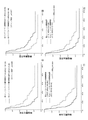
- FIG. 1 shows the results of LEfSe analysis comparing indigenous bacteria in the intestine in successful and non-responding cases of immune checkpoint inhibitors.
- FIG. 2 shows the results of comparing the progression-free survival between the patient group having a high median ratio of various bacterial groups in the indigenous bacteria in the intestine and the patient group having a low median ratio.
- FIG. 3 shows the results of examining the effects of immune checkpoint inhibitors in a mouse tumor model transplanted with intestinal contents derived from successful or non-responding cases of immune checkpoint inhibitors.
- FIG. 4 shows the results of examining the effect of the immune checkpoint inhibitor in a mouse tumor model treated with an antibiotic, in which the intestinal contents derived from successful cases of the immune checkpoint inhibitor were transplanted.
- FIG. 1 shows the results of LEfSe analysis comparing indigenous bacteria in the intestine in successful and non-responding cases of immune checkpoint inhibitors.
- FIG. 2 shows the results of comparing the progression-free survival between the patient group having a high median ratio of various bacterial
- FIG. 5 shows the results of phylogenetic analysis of the 16S rRNA gene sequence of bacteria in the intestinal contents derived from successful cases of immune checkpoint inhibitors.
- FIG. 6 shows the results of transplanting various bacteria into an antibiotic-treated mouse tumor model and examining the effects of immune checkpoint inhibitors.
- FIG. 7 shows the results of transplanting B. vulgatus or Ruminococcaceae YB328 into an antibiotic-treated mouse tumor model and examining the effects of immune checkpoint inhibitors.
- FIG. 8 shows the results of flow cytometry in which dendritic cell maturation markers were measured in dendritic cells co-cultured with Ruminococcaceae YB328 or B. vulgatus or vehicle.
- FIG. 9 shows CD8 + T cells when dendritic cells co-cultured with bacteria were co-cultured with CD8 + T cells derived from OT-I mice and stimulated with 1 nM or 100 nM N4 peptide. It is the measurement result of the activation marker (IFN- ⁇ ).
- FIG. 10 shows the TCR signal (ZAP70) and CD28 signal when dendritic cells co-cultured with bacteria are co-cultured with CD8 + T cells derived from OT-I mice and stimulated with N4 peptide or Q4H7 peptide. It is a measurement result of (Erk).
- FIG. 10 shows the TCR signal (ZAP70) and CD28 signal when dendritic cells co-cultured with bacteria are co-cultured with CD8 + T cells derived from OT-I mice and stimulated with N4 peptide or Q4H7 peptide. It is a measurement result of (Erk).
- FIG. 11 shows the case where the dendritic cells co-cultured with Luminococcaceae YB328 and the CD8 + T cells are co-cultured, and the case where the dendritic cells co-cultured with B. vulgatus and the CD8 + T cells are co-cultured.
- TCR signals ZAP70 (pZAP70)
- CD28 signals Erk (pErk), Akt (pAkt), S6 (pS6)
- FIG. 13 shows a meta-analysis based on the 16S rRNA gene on the intestinal contents of mice collected after transplantation of intestinal contents and after administration of a single bacterium, and compared the diversity of bacterial flora in each intestinal contents. It is the result of doing.
- FIG. 13 shows a meta-analysis based on the 16S rRNA gene on the intestinal contents of mice collected after transplantation of intestinal contents and after administration of a single bacterium, and compared the diversity of bacterial flora in each intestinal contents. It is the result of doing.
- FIG. 14 shows RNA extracted from dendritic cells after co-culturing mouse bone marrow-derived dendritic cells with Ruminococcaceae YB328 (Ruminococcaceae YB328) or B. vulgatus or LPS or vehicle (PBS). The result of the analysis is shown.
- FIG. 15 shows each tissue (tumor-near lymph node, lamina intestinal lymph node) collected from mice to which Ruminococcaceae YB328 (Ruminococcaceae YB328) or B. vulgatus was orally administered after subcutaneous transplantation of MC38 cultured cell line. The FACS analysis result is shown.
- FIG. 15 shows each tissue (tumor-near lymph node, lamina intestinal lymph node) collected from mice to which Ruminococcaceae YB328 (Ruminococcaceae YB328) or B. vulgatus was orally administered after subcutaneous transplantation of MC38 cultured cell line. The FACS analysis
- FIG. 16 shows the results of FACS analysis of tumors collected from mice orally administered with Ruminococcaceae YB328 or B. vulgatus after subcutaneous transplantation of MC38 cultured cell line.
- FIG. 17 shows the results of FACS analysis of IRF8 expression after co-culturing bone marrow-derived dendritic cell progenitor cells with FLT3L and Ruminococcaceae YB328 or B. vulgatus or LPS or PBS.
- FIG. 18 shows the results of FACS analysis for the expression of p-S6K and p-STAT3 after co-culturing mouse bone marrow-derived dendritic cells with Ruminococcaceae YB328 or B. vulgatus or LPS or PBS.
- FIG. 17 shows the results of FACS analysis of IRF8 expression after co-culturing bone marrow-derived dendritic cell progenitor cells with FLT3L and Ruminococcaceae YB328 or B.
- A shows transcriptome analysis results focusing on various TLRs in dendritic cells stimulated with luminococcasse YB328 and dendritic cells stimulated with B. vulgatus.
- B shows the results of FACS analysis of the proportion of CD103-positive and CD11b-negative dendritic cells by stimulating bone marrow-derived dendritic cells collected from MyD88 knockout mice with Luminococcasse YB328 or vehicle.
- C shows the results of FACS analysis of the proportion of CD103-positive CD11b-negative dendritic cells by stimulating mouse bone marrow-derived dendritic cells with various mixtures of TLR5, 7, and 9 agonists.
- the method for isolating the luminococcasse enterobacteria of the present invention is as follows.
- evaluation of PR (partial response) or higher was obtained by CT image evaluation after administration, or evaluation of SD (stable disease) was obtained for more than half a year.
- a part of the diluted intestinal content is inoculated into a solid medium and cultured under anaerobic conditions, and colonies (s) derived from a single clone of the microorganism contained in the diluted intestinal content are solidified.
- the luminococcasse enterobacteria in the present invention can enhance the effect of an immune checkpoint inhibitor on a tumor or cancer in a subject when administered in combination with an immune checkpoint inhibitor.
- the present inventors have surprisingly found that such a luminococcasse enterobacteria can be isolated from humans, which is a successful example of an immune checkpoint inhibitor.
- the method for isolating the intestinal bacterium of Luminococcasse of the present invention was (i) a mammal to which an immune checkpoint inhibitor was administered, and the evaluation of PR (partial response) or higher was obtained by CT image evaluation after administration. , Or a step of serially diluting the intestinal contents obtained from the mammal obtained with SD (stable disease) for more than half a year with an anaerobic diluent to produce a diluted intestinal contents.
- CR Complete Response
- PR Partial Response
- SD Stable Disease, disease stabilization
- PD Progressive Disease
- Tumor size can be assessed by CT image evaluation.
- CT image evaluation for example, RECIST ver1.1 can be used.
- a mammal to which an immune checkpoint inhibitor was administered was evaluated by CT image evaluation after administration and was evaluated to be PR (partial response) or higher, or for half a year.
- the intestinal contents obtained from the mammal from which SD (stable disease) has been obtained are used.
- the evaluation of PR (partial response) or higher means PR (partial response) or CR (complete response).
- the method for isolating the luminococcasse enterobacteria of the present invention comprises a step of serially diluting the intestinal contents with an anaerobic diluent to produce a diluted intestinal contents.
- anaerobic diluent any diluent may be used as long as it does not adversely affect the survival of anaerobic bacteria.
- the anaerobic diluent (B) of the same document can be used.
- the dilution ratio may be adjusted as appropriate, but for colony formation on a solid medium, for example, a 10 -fold dilution series is prepared in the range of 10-6 to 10-10, and the dilution ratio most suitable for colony formation is selected. be able to.
- ⁇ Step to generate colonies> In the method for isolating the luminococcus intestinal bacterium of the present invention, a part of the above-mentioned intestinal content diluted solution is inoculated into a solid medium and cultured under anaerobic conditions, and a single clone of the microorganism contained in the intestinal content diluted solution is used. Includes the step of producing colonies (s) derived from the above on a solid medium.
- EG agar medium for example, EG agar medium can be used.
- the standard composition of the EG agar medium is shown below.
- the anaerobic condition refers to an environment in which oxygen is absent and the gas phase is replaced with nitrogen gas, hydrogen gas and carbon dioxide gas.
- An environment in which substantially no oxygen is present can be achieved in a closed environment such as an anaerobic chamber that can maintain an atmosphere in which the oxygen partial pressure is low enough to allow the intestinal bacteria of Luminococcasse to grow.
- the luminococcus enterobacteria in the present invention refer to obligate anaerobic bacteria classified in the family Clostridiales, Clostridiales, Clostridia, and in particular, 95% or more, 96% or more, 97% or more with the base sequence shown in SEQ ID NO: 1. , 98% or more, or 99% or more, refers to a bacterium having a 16S rRNA gene having sequence identity.
- The% identity of the two gene base sequences can be determined by visual inspection and mathematical calculation, or more preferably, this comparison is made by comparing the sequence information using a computer program.
- a representative and preferred computer program is the Wisconsin Package of the Genetics Computer Group (GCG; Madison, Wisconsin), version 10.0 program "GAP" (Deverex, et al., 1984, Nucl. Acids Res). ., 12: 387).
- GAP Genetics Computer Group
- Other sequence comparison programs used by those of skill in the art include, for example, the US National Medical Library website: http: // www. ncbi. nlm. nih. gov / blast / bl2seq / bls.
- the BLASTN program, version 2.2.7, or UW-BLAST 2.0 algorithm available for use with html is available.
- the standard default parameter settings for UW-BLAST 2.0 can be found at the following Internet sites: http: // blast. Washington. It is described in edu.
- each colony is selected. Examples thereof include a method of determining the base sequence of the 16S rRNA gene of the forming bacterium and comparing it with the base sequence of SEQ ID NO: 1.
- Bacterial 16S rRNA genes can be amplified by PCR or the like using known primers and sequenced by standard sequencing methods.
- the method for isolating the luminococcasse enterobacteria of the present invention includes (iv) obtaining a bacterium confirmed to have a 16S rRNA gene having 95% or more sequence identity with the nucleotide sequence shown in SEQ ID NO: 1. ..
- the luminococcus intestinal bacterium confirmed to have a 16S rRNA gene having 95% or more sequence identity with the nucleotide sequence shown in SEQ ID NO: 1 by the above method is inoculated from a colony into a liquid medium and cultured in a larger amount.
- a liquid medium for example, among the above-mentioned EG agar medium compositions, a liquid medium containing no agar (hereinafter, may be simply referred to as EG medium) can be used.
- the method for isolating the luminococcasse enterobacteria of the present invention comprises a step of confirming that the obtained luminococcasse enterobacteria has an effect of enhancing the effect of an immune checkpoint inhibitor on a tumor or cancer, if necessary. It may be included.
- the obtained Luminococcasse enterobacteria are combined with an immune checkpoint inhibitor and administered to mammals such as mice, rats, and humans having a tumor or cancer, and compared with the case of administration of an immune checkpoint inhibitor alone. Therefore, it can be confirmed that the effect of the immune checkpoint inhibitor is enhanced.
- the tumor or cancer disappeared when the obtained luminococcasse enterobacteria were administered in combination with the immune checkpoint inhibitor as compared with the case where the immune checkpoint inhibitor was administered alone. If it is, its size is reduced, or its size is stable without change, it can be evaluated that the effect of the immune checkpoint inhibitor is enhanced.
- Luminococcasse enterobacteria for pharmaceutical compositions
- a pharmaceutical composition containing a bacterial cell, a culture supernatant, a metabolite and / or a bacterial cell extract of Luminococcasse enterobacteria, and a method for producing the same.
- the luminococcasse enterobacteria used in the pharmaceutical composition of the present invention is 16S having 95% or more, 96% or more, 97% or more, 98% or more, or 99% or more sequence identity with the nucleotide sequence shown in SEQ ID NO: 1. Those having an rRNA gene are preferable. As such a bacterium, the bacterium isolated by the above isolation method can be preferably used.
- Ruminococcaceae enterobacteria used in the pharmaceutical composition of the present invention
- the Ruminococcaceae YB328 isolated by the present inventors can be exemplified.
- Ruminococcaceae YB328 (Ruminococcaceae YB328) has a 16S rRNA gene having the nucleotide sequence shown in SEQ ID NO: 1.
- the applicant has self-deposited, maintained and preserved Ruminococcaceae YB328 within the National Research and Development Agency RIKEN.
- the applicant warrants that Ruminococcaceae YB328 will be sold to a third party if it falls under each item of Article 27-3 of the Enforcement Regulations of the Japanese Patent Law, subject to compliance with each law.
- Ruminococcaceae YB328 can be suitably cultured at 37 ° C. in an anaerobic chamber using, for example, the above-mentioned EG medium.
- the pharmaceutical composition of the present invention may contain a plurality of types of luminococcasse enterobacteria, or may contain a single species of luminococcasse enterobacteria.
- Examples of the Ruminococcaceae intestinal bacterium that can exert an effect with a single species include Ruminococcaceae YB328 (Ruminococcaceae YB328). Transplanting a composition containing an extremely wide variety of bacteria, such as the intestinal contents themselves, into the human body may cause side reactions such as infectious diseases and allergic reactions.
- a type of Luminococcasse enterobacteria it is possible to avoid such risks.
- the present invention provides a method for producing a pharmaceutical composition, which comprises a step of blending the above-mentioned Luminococcasse enterobacteria.
- the method for producing a pharmaceutical composition of the present invention may include a step of blending the Luminococcasse enterobacteria isolated by the above-mentioned method for isolating the Luminococcasse enterobacteria.
- the pharmaceutical composition of the present invention contains the above-mentioned luminococcus intestinal bacterial cells, culture supernatant, metabolites and / or bacterial cell extracts.
- live bacterial cells are preferable.
- the viable cell may be in the form of a culture containing a culture medium for luminococasse enterobacteria, or may be in the form of a freeze-dried cell.
- the culture supernatant of Luminococcasse enterobacteria used in the present invention refers to a liquid portion after removing the bacteria from the bacterial culture by a method such as centrifugation.
- the metabolite of Luminococcasse enterobacteria used in the present invention can be appropriately purified from the above culture, culture supernatant and the like.
- the cell extract of Luminococcasse enterobacteria used in the present invention is an extract obtained by destroying the cells by a method such as pulverization, sonication, or dissolution by alkaline treatment, and appropriately fractionating and / or purifying as desired.
- a substance, such as a bacterial cell content, a cell membrane component, a purified product thereof, or a combination thereof, can be appropriately used.
- the pharmaceutical composition of the present invention can be administered in combination with an immune checkpoint inhibitor.
- the immune checkpoint inhibitor refers to a drug having a function of inhibiting the function of an immune checkpoint molecule and releasing the suppression of T cell response.
- the immune checkpoint inhibitor used in the present invention is preferably an immune checkpoint inhibitor against humans, for example, PD-1, CTLA-4, TIM-3, BTLA, LAG-3, A2aR, KIR, VISTA, etc.
- the immune checkpoint inhibitor used in the present invention is preferably an antibody against the immune checkpoint molecule, an antigen-binding fragment of the antibody, or a combination thereof, for example, nivolumab, pembrolizumab, cemiplimab, avelumab, atezolizumab, and durvalumab. Selected from the group consisting of.
- the form of the pharmaceutical composition of the present invention is not particularly limited, but tablets, powders, granules, capsules, enteric-coated capsules, suppositories, liquids, suspensions, gels and the like may be used depending on the intended purpose. It can be selected as appropriate.
- the cells, culture supernatant, metabolite and / or cell extract of Luminococcasse enterobacteria may be used as they are, or the cells, culture supernatant, metabolism of Luminococcasse enterobacteria may be used as they are.
- those formulated with pharmaceutically acceptable carriers, diluents, and / or excipients may be used.
- the administration method of the pharmaceutical composition of the present invention is not particularly limited, and can be appropriately set in consideration of the pharmaceutical form, the age and sex of the patient, the degree of disease, and the like.
- administration methods such as oral administration, tube administration, and enema administration can be preferably used.
- the pharmaceutical composition of the present invention can be administered in combination with an immune checkpoint inhibitor.
- a pharmaceutical composition containing luminococasse enterobacteria cells, culture supernatants, metabolites and / or cell extracts is administered with an immune checkpoint inhibitor at the same time as the administration of the immune checkpoint inhibitor. It can be administered separately from and before the administration of the immune checkpoint inhibitor or after the administration of the immune checkpoint inhibitor.
- the pharmaceutical product of the present invention is a combination drug containing a cell, culture supernatant, metabolite and / or cell extract of Luminococcasse enterobacteria and an immune checkpoint inhibitor in one formulation. It may be used as a composition.
- the administration regimen of the pharmaceutical composition of the present invention can be appropriately set in consideration of the pharmaceutical form, the age and sex of the patient, the degree of the disease, etc. It is preferable to administer about 1 ⁇ 10 8 to 1 ⁇ 10 11 per person, and more preferably about 1 ⁇ 10 9 to 1 ⁇ 10 10 per patient.
- a pharmaceutical composition comprising luminococcasse enterobacteria cells, culture supernatants, metabolites and / or cell extracts for activating CD8 positive T cells in a subject.
- the luminococcasse enterobacteria of the present invention are mediated by the maturation of dendritic cells as compared to the administration of other bacteria such as B. vulgatus or vehicles such as PBS and saline. It has the effect of activating CD8-positive T cells (CD8 + T cells).
- Activation of CD8 + T cells can be analyzed, for example, by measuring the expression level of the IFN- ⁇ protein or the polynucleotide encoding it.
- the expression level of a protein or polynucleotide is analyzed by appropriately using known methods such as quantitative protein expression analysis such as flow cytometry and western blot, transcriptome analysis, and quantitative gene expression analysis such as real-time quantitative PCR. be able to.
- a pharmaceutical composition comprising luminococcasse enterobacteria cells, culture supernatants, metabolites and / or cell extracts administered in combination with an immune checkpoint inhibitor.
- a pharmaceutical composition for enhancing an immune response against a tumor or cancer in a subject having the tumor or cancer is provided.
- tumors or cancers are, for example, malignant pleural dermatomas, malignant peritoneal dermatomas, malignant melanomas, malignant lymphomas, brain tumors, gliomas, neuroblastomas, thoracic adenomas, gastrointestinal stromal tumors.
- Neuroendocrine tumor testicular tumor, soft sarcoma, renal blastoma, hepatic blastoma, germ cell tumor, retinal blastoma, osteosarcoma, Ewing sarcoma, rhabdomyomyoma, acute myeloid leukemia, acute lymphocytic leukemia, chronic Myeloid leukemia, chronic lymphocytic leukemia, myelodystrophy syndrome, adult T-cell leukemia, multiple myeloma, oropharyngeal cancer, laryngeal cancer, tongue cancer, nasal cancer, sinus cancer, thyroid cancer, Parotid adenocarcinoma, submandibular adenocarcinoma, auditory organ cancer, lung cancer, breast cancer, thoracic adenocarcinoma, esophageal cancer, stomach cancer, colon cancer, small bowel cancer, hepatocellular carcinoma, bile duct cancer, bile sac cancer , Pancreatic cancer
- ⁇ Immune response enhancing effect A comparison between the case where the immune checkpoint inhibitor is administered alone and the case where the pharmaceutical composition of the present invention is administered in combination with the immune checkpoint inhibitor is used as an index showing that the immune response is activated. Based on this, it can be assessed that the immune response to the tumor or cancer is enhanced.
- Indicators of activation of the immune response include, for example, proliferation and / or activation of injured T cells or their precursors, CD8 + T cells, and the proportion of CD62L - CD44 + cells in CD8 + T cells.
- CD8 + T cells Increase, increase in the proportion of TNF- ⁇ + IFN- ⁇ + cells in CD8 + T cells, decrease in the number of regulatory T cells (Treg, CD4 + CD25 + FoxP3 + cells), FoxP3 + CD4 + cell number relative to cell number Increased expression of dendritic cell maturation markers (CD80, CD86, MHC class I, etc.), increased expression of CD8 + T cell activation markers (IFN- ⁇ , etc.), TCR signal (ZAP70, etc.)
- CD28 signals Erk (pErk), Akt (pAkt), S6 (pS6), etc.
- a pharmaceutical composition comprising luminococcasse enterobacteria cells, culture supernatants, metabolites and / or cell extracts administered in combination with an immune checkpoint inhibitor.
- a pharmaceutical composition for treating a tumor or cancer in a subject is provided.
- the tumor or cancer disappears or its size is reduced as compared with the case where the immune checkpoint inhibitor is administered alone. If it is stable or its size remains unchanged, it is evaluated that administration of the pharmaceutical composition of the present invention in combination with an immune checkpoint inhibitor has shown a therapeutic effect on a tumor or cancer. be able to.
- CR Complete Response
- PR Partial Response
- SD Stable Disease
- PD Progressive Disease
- CR Complete Response
- PR Partial Response
- SD Stable Disease
- PD Progressive Disease
- CR is a state in which the tumor has completely disappeared
- PR is a state in which the total tumor size has decreased by 30% or more
- SD is a state in which the total tumor size has not changed
- PD has a state in which the total tumor size has increased by 20% or more
- It means a state in which the absolute value has increased by 5 mm or more, or a state in which a new lesion has appeared.
- PR Partial Response
- SD Stable Disease
- PD Progressive Disease
- a pharmaceutical composition comprising luminococcasse enterobacteria cells, culture supernatants, metabolites and / or cell extracts administered in combination with an immune checkpoint inhibitor.
- a pharmaceutical composition for suppressing the recurrence or metastasis of a tumor or cancer in a subject.
- recurrence of a tumor or cancer is treated within 1 month, 6 months, 1 year, 3 years, 5 years, or 10 years after treatment of the tumor or cancer. It means that the tumor or cancer reappears in the vicinity of the tumor or cancer that has developed.
- metastasis of tumor or cancer means within 1 month, within 6 months, within 1 year, within 3 years, within 5 years, or within 10 years after treatment of the tumor or cancer. , It means that the tumor or cancer develops in a place away from the treated tumor or cancer.
- the pharmaceutical composition of the present invention may be further administered in combination with one or more therapies selected from the group consisting of surgical therapy, chemotherapy, and radiation therapy.
- Surgical therapies that can be combined with the pharmaceutical compositions of the present invention include resection of tumor or cancer lesions, resection of tumor or cancer-bearing organs, dissection of lymph nodes around the tumor or cancer, and the like. It includes, but is not limited to, direct-view surgery and microscopic surgery for the purpose.
- Chemotherapy that can be combined with the pharmaceutical composition of the present invention refers to treatment with a drug that inhibits the growth or growth of a tumor or cancer cell or promotes its death, including hormonal therapy and molecular targeted therapy. Not limited to these.
- Radiation therapy that can be combined with the pharmaceutical compositions of the present invention includes killing tumor or cancer cells, shrinking tumor or cancer, preventing recurrence or metastasis of tumor or cancer, and Radiation therapy aimed at alleviating the symptoms of a tumor or cancer, including, but not limited to, external and internal irradiation.
- methods of enhancing an immune response against a tumor or cancer including administration in combination with an effective amount of a pharmaceutical composition comprising.
- effective amounts of immune checkpoint inhibitors and luminococcasse enterobacteria cells, culture supernatants, metabolites and / or cell extracts are used in subjects with tumors or cancers.
- methods of treating a tumor or cancer comprising administering in combination with an effective amount of a pharmaceutical composition comprising.
- effective amounts of immune checkpoint inhibitors and luminococcasse enterobacteria cells, culture supernatants, metastases and / or cell extracts in subjects with tumors or cancer are provided.
- methods of suppressing the recurrence or metastasis of a tumor or cancer in a subject including administration in combination with an effective amount of a pharmaceutical composition comprising.
- the above method may be further performed in combination with one or more therapies selected from the group consisting of surgical therapy, chemotherapy, and radiation therapy.
- the present invention is a pharmaceutical composition comprising luminococcasse enterobacteria cells, culture supernatants, metabolites and / or bacterial cell extracts of mammalian as compared to prior to administration. It relates to a pharmaceutical composition for increasing the diversity of indigenous bacteria in the intestine.
- the invention comprises administering to a mammal an effective amount of a pharmaceutical composition comprising cells of intestinal luminococcasse, culture supernatant, metabolites and / or cell extracts. It also relates to a method of increasing the indigenous bacteria in the intestine of the mammal as compared with that before administration.
- the Shannon-Wiener index (hereinafter, may be referred to as the Shannon index) can be used.
- the Shannon index is expressed by the following formula.
- S is the number of species
- p i is the ratio of the number of individuals of the i -th kind (ni) to the total number of individuals N
- p i ni / N.
- the pharmaceutical composition containing the cells, culture supernatant, metabolites and / or cell extracts of the luminococcasse intestinal bacteria of the present invention can be administered to a mammal to obtain a Shannon index in the indigenous bacteria in the intestine after administration. H'can be increased as compared to the Shannon index H'in indigenous intestinal bacteria prior to administration, preferably significantly.
- Native intestinal bacteria have been found to be less diverse in non-responding cases of immune checkpoint inhibitors.
- the luminococcasse enterobacteria of the present invention have a high effect of increasing the diversity of indigenous intestinal bacteria as compared with other bacteria. Although not bound by a specific theory, it is possible that increasing the diversity of indigenous intestinal bacteria contributes to one of the mechanisms by which the luminococcasse enterobacteria of the present invention elicit an antitumor immune response. There is sex.
- the pharmaceutical composition of the present invention for increasing the diversity of indigenous bacteria in the intestine of mammals may be administered in combination with an immune checkpoint inhibitor.
- ⁇ Pharmaceutical composition and method for inducing dendritic cell progenitor cells into type 1 dendritic cells As described below, the present inventors have found that luminococcasse enterobacteria can induce dendritic cell progenitor cells into type 1 dendritic cells. Furthermore, they have found that it is important that multiple TLRs other than TLR4 are simultaneously stimulated for induction from dendritic cell progenitor cells to type 1 dendritic cells.
- the present invention also relates to a pharmaceutical composition for inducing dendritic cell progenitor cells into type 1 dendritic cells, which comprises a plurality of TLR agonists other than TLR4.
- Dendritic cell progenitor cells are those in which the expression of dendritic cell maturation markers is lower than that of mature dendritic cells. Examples of dendritic cell maturation markers include, but are not limited to, CD80, CD86, MHC class I and the like.
- the dendritic cell progenitor cell in the present invention is preferably a bone marrow-derived dendritic cell remnant cell.
- Dendritic cell precursor cells differentiate in response to various stimuli, and finally type 1 dendritic cells (cDC1 also called standard type 1 dendritic cells) and type 2 dendritic cells (standard type 2 trees). It differentiates into cDC2), also called plasmacytoid dendritic cells, or plasmacytoid dendritic cells (pDC).
- the type 1 dendritic cell refers to a CD103-positive CD11b-negative dendritic cell.
- the pharmaceutical composition for inducing the dendritic cell progenitor cells of the present invention into type 1 dendritic cells contains a plurality of TLR agonists other than TLR4.
- the plurality of TLRs other than TLR4 may include, but is not limited to, a plurality of TLRs selected from the group consisting of TLR1, TLR2, TLR3, TLR5, TLR6, TLR7, TLR8, and TLR9.
- TLR1 / TLR2 agonists include Pam3CSK4, examples of TLR2 agonists include histon, and examples of TLR2 / TLR6 agonists include Timosan and MARP-2, which actuate TLR3.
- Examples of drugs include Poly (I) / Poly (C), examples of TLR4 agonists include LPS, examples of TLR5 include flaggerin, and examples of TLR7 agonists include. R837 (imikimod) is mentioned, examples of TLR7 / 8 agonists include R848 (resikimod), and examples of TLR9 agonists include CpG oligodeoxynucleotides (CpG-ODN) such as ODN1826. However, it is not limited to these. Agonists of luminococcasse enterobacteria cells, culture supernatants, metabolites and / or cell extracts contained in pharmaceutical compositions for inducing dendritic progenitor cells of the invention into type 1 dendritic cells. It may be used as a medicine.
- the pharmaceutical composition for inducing dendritic cell progenitor cells of the present invention into type 1 dendritic cells can be used to treat a tumor or cancer in a subject.
- the pharmaceutical composition for inducing dendritic cell progenitor cells of the present invention into type 1 dendritic cells is used to enhance an immune response against a tumor or cancer in a subject having a tumor or cancer. be able to.
- the present invention is also a method for inducing dendritic cell progenitor cells into type 1 dendritic cells, which comprises contacting a plurality of TLR agonists other than TLR4 with dendritic cell progenitor cells. Also involved.
- the method for inducing the dendritic cell progenitor cells of the present invention into type 1 dendritic cells may be performed in vivo or in vitro.
- the origin of the dendritic cell progenitor cells used in the method for inducing the dendritic cell progenitor cells of the present invention into type 1 dendritic cells is not limited, but is preferably human origin.
- the present invention further relates to type 1 dendritic cells induced by the method of inducing the above-mentioned dendritic cell progenitor cells into type 1 dendritic cells.
- the type 1 dendritic cells induced by the method of inducing dendritic cell progenitor cells into type 1 dendritic cells of the present invention can be used for treating a tumor or cancer in a subject.
- the type 1 dendritic cells induced by the method of inducing dendritic cell progenitor cells to type 1 dendritic cells of the present invention provide an immune response against tumor or cancer in a subject having a tumor or cancer. Can be used to enhance.
- the invention also comprises a pharmaceutical composition for treating a tumor or cancer in a subject comprising type 1 dendritic cells induced by a method of inducing dendritic progenitor cells into type 1 dendritic cells.
- a pharmaceutical composition for enhancing an immune response against a tumor or cancer comprising type 1 dendritic cells induced by a method of inducing dendritic progenitor cells into type 1 dendritic cells. Also involved.
- ⁇ Metagenome analysis of indigenous intestinal bacteria in immune checkpoint inhibitor responding and non-responding cases Intestinal resident in successful and non-responsive immune checkpoint inhibitors using intestinal content samples from human patients (43 gastric cancer, 18 lung cancer) who received the immune checkpoint inhibitor nivolumab or pembrolizumab. Metagenome analysis of the fungus was performed. Patients who have achieved PR (partial response) or higher in the evaluation by RECIST ver1.1 by CT image evaluation or SD (stable disease) for more than half a year are defined as successful cases, and non-successful cases are other than that. Was defined as a case of.
- Figure 1 shows the results of LEfSe analysis comparing the indigenous bacteria in the intestine in successful and non-responding cases.
- the Ruminococcus intestinal bacterial group was identified as a bacterial group with many successful cases, and the Ruminococcus genus bacterial group belonging to the Ruminococcus family and the Ruminococcus unclassified bacterial group were further identified.
- ⁇ Immune checkpoint inhibitor response example Transplantation of intestinal contents into mice> A suspension in which the intestinal contents derived from the above-mentioned successful and non-successful cases were suspended in an isotonic solution was prepared and administered to sterile BALB / cAJcl mice to obtain an immune checkpoint inhibitor (anti-PD-1 antibody). , Ultra-LEAF Purified anti-mouse CD279 (PD-1) (RMP1-14). Purchased from BioLegend) was investigated for its effect on the effect.
- PD-1 antibody Ultra-LEAF Purified anti-mouse CD279 (PD-1) (RMP1-14). Purchased from BioLegend
- mice were divided into four groups: an immune checkpoint inhibitor-treated group and a non-treated group in the intestinal content transplantation group in successful cases, and an immune checkpoint inhibitor-treated group and a non-treatment group in the intestinal content transplantation group in non-successful cases.
- Divided into groups 14 days after administration of the intestinal contents, MC38 cultured cells were transplanted subcutaneously into mice to create an immune-responsive mouse tumor model. Five, eight, and eleven days after transplantation of cultured MC38 cells, immune checkpoint inhibitors were administered to the treated group and PBS was intraperitoneally administered to the non-treated group. Then, for each mouse, the tumor diameter and the survival time were observed and compared. The tumor volume was calculated by the following formula based on the measured tumor diameter.
- the immune checkpoint inhibitor treatment group (successful case treatment group) of the successful intestinal content transplantation group is the immune checkpoint inhibitor non-treatment group (successful case non-treatment group) and non-successful case of the response case intestinal content transplantation group.
- the immune checkpoint inhibitor treatment group (non-responding case treatment group) or the immune checkpoint inhibitor non-treatment group (non-response case non-treatment group) of the intestinal content transplant group Compared to either the immune checkpoint inhibitor treatment group (non-responding case treatment group) or the immune checkpoint inhibitor non-treatment group (non-response case non-treatment group) of the intestinal content transplant group
- it showed a remarkable tumor volume reduction effect and survival time extension effect.
- intestinal content transplantation in successful cases has the effect of enhancing the effect of the immune checkpoint inhibitor on the tumor, that is, the effect of enhancing the immune response against the tumor.
- the non-responding case non-treated group showed a tumor volume reducing effect and a survival time prolonging effect as compared with the non-responding case non-treated group. Therefore, successful intestinal content transplantation had an antitumor effect on its own, but showed a synergistic antitumor effect when combined with immune checkpoint inhibitor treatment.
- a suspension was prepared by suspending the intestinal contents derived from the above-mentioned successful and non-successful cases in an isotonic solution, and administered to sterile BALB / cAJcl mice to which an antibody (ampicillin, vancomycin, neomycin, metronidazole) was administered for 6 days. Then, the effect of an immune checkpoint inhibitor (an anti-PD-1 antibody, Ultra-LEAF Purified anti-mouse CD279 (PD-1) (RMP1-14), purchased from BioLegend) was investigated.
- an immune checkpoint inhibitor an anti-PD-1 antibody, Ultra-LEAF Purified anti-mouse CD279 (PD-1) (RMP1-14), purchased from BioLegend
- mice were treated with immune checkpoint inhibitors in the intestinal content transplant group in successful cases (intestinal content transplantation in successful cases +, anti-PD-1 antibody (Anti PD-1 mAb) +) and in the non-treated group (intestinal in successful cases).
- Non-responding cases were divided into 4 groups: intestinal content transplantation + and isotype control +). 14 days after administration of the intestinal contents, MC38 cultured cells were transplanted subcutaneously into mice to create an immune-responsive mouse tumor model.
- immune checkpoint inhibitors were administered to the treated group and isotype control antibodies (Ultra-LEAF Purified Rat IgG2a, ⁇ isotype Ctrl (RTK2758)) to the non-treated group. (Purchased from BioLegend) was administered intraperitoneally. After euthanizing the mice 14 days later, lymphocytes were isolated from the recovered tumors and tumor infiltrating T cells were analyzed using flow cytometry. The results are shown in FIG.
- the proportion of CD62L - CD44 + cell fractions in the CD8 + cells of the successful treatment group is significantly higher than in any of the successful non-treatment group, the non-successful treatment group, and the non-successful non-treatment group.
- the ratio of TNF- ⁇ + IFN- ⁇ + cell fraction in CD8 + cells of the successful case treatment group was also compared with any of the successful case non-treatment group, the non-response case treatment group, and the non-response case non-treatment group. However, it was shown to be significantly larger.
- the ratio of effector cells in CD8 + cells was significantly higher than that in the response case non-treatment group, the non-response case treatment group, and the non-response case non-treatment group, and the CD8 + cell-producing cytokine was obtained. It was shown that there are many. This indicates that successful intestinal content transplantation alone has a remarkable immune response-enhancing effect, and further has a synergistic immune response-enhancing effect when combined with an immune checkpoint inhibitor.
- the 16S rRNA gene sequence was determined for the bacteria in each of the generated colonies, and phylogenetic analysis was performed according to a conventional method. The results are shown in FIG.
- the bacterium having the 16S rRNA gene having the nucleotide sequence shown in SEQ ID NO: 1 was named Ruminococcaceae YB328.
- Immune checkpoint inhibitors (anti-PD-1) were subcutaneously transplanted into sterile BALB / cAJcl mice treated with antibiotics (ampicillin, vancomycin, neomycin, metronidazole) for 6 days, 5 days, 8 days, and 11 days later. Antibodies) were administered. Isotype control was administered to the control group. In the monobacterial transplant group, each bacterium (Akkermansia muchiniphilliam, Eggerhella lenta, Clostridum colicanis, Bacteroides vulgatus (B.
- Ruminococcaceae YB328 (Ruminococcaceae YB328), which is an enteric bacterium derived from intestinal contents, exhibits a synergistic antitumor effect when combined with an immune checkpoint inhibitor.
- mice were euthanized 14 days after subcutaneous transplantation of MC38 cultured cells, lymphocytes were isolated from the recovered tumors and flow cytometry was used. The tumor-infiltrating T cells were analyzed. The results are shown in FIG. The proportion of CD62L - CD44 + cell fractions in CD8 + cells in the Ruminococcaceae YB328 administration group was shown to be significantly higher than in the B. vulgatus administration group and the immune checkpoint inhibitor monotherapy group. ..
- the proportion of TNF- ⁇ + IFN- ⁇ + cell fraction in CD8 + cells in the Ruminococcaceae YB328 administration group was also significantly higher than that in the B. vulgatus administration group and the immune checkpoint inhibitor monotherapy group. It was shown to be large. That is, in the Ruminococcaceae YB328 administration group, the ratio of effector cells in CD8 + cells was significantly higher than that in the B. vulgatus administration group and the immune checkpoint inhibitor monotherapy group, and CD8 + cell-producing cytokines were present. It was shown to be many. This indicates that Ruminococcaceae YB328 has a synergistic immune response-enhancing effect when combined with an immune checkpoint inhibitor.
- the dendritic cells after the co-culture were collected and co-cultured with CD8 + T cells derived from OT-I mice, and the N4 peptide (1 nM, 10 nM), which is a known OVA antigen peptide having different affinity for TCR, was collected. Or 100 nM) or stimulated with a Q4H7 peptide (1 nM, 10 nM or 100 nM). It is known that the Q4H7 peptide has a lower affinity for TCR than the N4 peptide.
- FIG. 9 shows the measurement results of the CD8 + T cell activation marker (IFN- ⁇ ) when stimulated with 1 nM or 100 nM N4 peptide.
- IFN- ⁇ CD8 + T cell activation marker
- the measurement results of the TCR signal (ZAP70) and the CD28 signal (Erk) when stimulated with the N4 peptide or the Q4H7 peptide are shown in FIG.
- TCR signal (ZAP70) and CD28 signal (Erk) When dendritic cells co-cultured with Luminococcaceae YB328 and CD8 + T cells are co-cultured, when dendritic cells co-cultured with B. vulgatus and CD8 + T cells are co-cultured, or when a normal tree is co-cultured.
- Significantly higher TCR signal (ZAP70) and CD28 signal (Erk) production was shown in response to N4 peptide stimulation or Q4H7 peptide stimulation as compared to co-cultured dendritic cells with CD8 + T cells.
- dendritic cells co-cultured with Ruminococcaceae YB328 have a significantly higher activation effect on both TCR and CD28 signals than dendritic cells co-cultured with B. vulgatus. Shown to have. Surprisingly, this effect was also demonstrated by the low TCR affinity Q4H7 peptide, which normally appears to have a low contribution to T cell activation.
- vulgatus and CD8 + T cells were co-cultured. Significantly higher production was shown in response to N4 peptide stimulation at all concentrations examined. That is, dendritic cells co-cultured with Ruminococcaceae YB328 were stimulated with lower concentrations of N4 peptide for both TCR and CD28 signals compared to dendritic cells co-cultured with B. vulgatus. was also shown to have a significantly higher activating effect.
- Luminococcaceae YB328 can mature dendritic cells, which are antigen-presenting cells, thereby producing antigen stimulation with low affinity even when low-concentration antigen stimulation is used. Even when used, it has been shown to have a high activating effect on the two pathways (TCR and CD28) required for T cell activation. This suggests that Ruminococcaceae enterobacteria such as Ruminococcaceae YB328 have a high immune response enhancing effect in vivo.
- MC38 cultured cells were subcutaneously transplanted into mice, and 5 days, 8 days, and 11 days later, an immune checkpoint inhibitor (Ultra-LEAF Purified anti-mouse CD279 (PD-1) (PD-1), which is an anti-PD-1 antibody) ( RMP1-14). Purchased from BioLegend) was intraperitoneally administered, and then Luminococcaceae YB328 (Ruminococcaceae YB328) monobacterium or B. vulgatus monobacterium was orally administered. Then, the tumor diameter was measured for each mouse, and the tumor volume calculated based on the measurement was plotted in FIG. 12.
- an immune checkpoint inhibitor Ultra-LEAF Purified anti-mouse CD279 (PD-1) (PD-1), which is an anti-PD-1 antibody) ( RMP1-14). Purchased from BioLegend) was intraperitoneally administered, and then Luminococcaceae YB328 (Ruminococcaceae YB328) monobacterium or B.
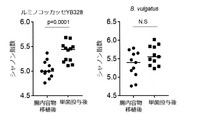
- FIG. 13 it was shown that the diversity of the bacterial flora was significantly increased in the intestinal contents after administration of Ruminococcaceae YB328 (Ruminococcaceae YB328) as compared with that before administration.
- Ruminococcaceae YB328 Ruminococcaceae YB328
- Luminococcasse enterobacteria of the present invention have a high effect of increasing the diversity of indigenous intestinal bacteria as compared with other bacteria.
- increasing the diversity of indigenous intestinal bacteria contributes to one of the mechanisms by which the luminococcasse enterobacteria of the present invention elicit an antitumor immune response. There is sex.
- dendritic cells stimulated by luminococcusse YB328 were type 1 dendritic cells (cDC1) such as batf3, Irf8, FLT3 compared to dendritic cells stimulated by B. vulgatus or LPS or vehicle (PBS). It was found that the expression of the characteristic gene was high (Fig. 14).
- MC38 cultured cells were subcutaneously transplanted into sterile BALB / cAJcl mice treated with antibiotics (ampicillin, vancomycin, neomycin, metronidazole) for 6 days, and 5 days later, Luminococcaceae YB328 or B. vulgatus was orally administered. After a day, each tissue (tumor-near lymph node, lamina intestinal membrane lymph node) was collected.
- Immune checkpoint inhibitors (anti-PD-1 antibody, RMP1-14, BioLegend) were subcutaneously transplanted into sterile BALB / cAJcl mice treated with antibiotics (ampicillin, vancomycin, neomycin, metronidazole) for 6 days. , USA) or isotype control antibody (RTK2758, BioLegend, USA) was administered by two intravenous injections at 3-day intervals. Five, eight, and 11 days after subcutaneous transplantation of cultured MC38 cells, Ruminococcaceae YB328 (Ruminococcaceae YB328) or B. vulgatus or LPS or vehicle (PBS) was orally administered, and tumors were collected 13 days later.
- ⁇ Mechanism of induction of dendritic cell differentiation by luminococcus intestinal bacteria Isolate dendritic cell precursors (bone marrow-derived dendritic cells) from mouse bone marrow-derived cells, and use FLT3 ligand (FLT3L) required for differentiation into cDC1 and Luminococcaceae YB328 (Ruminococcaceae YB328) or B. vulgatus or LPS or vehicle. After co-culturing with (PBS), FACS analysis was performed on the expression of IRF8.
- FLT3L FLT3 ligand
- FLT3L is thought to be involved in dendritic cell differentiation by activating the PI3K-mTOR pathway. From the above results, it is considered that luminococcusse YB328 is involved in the induction of differentiation into cDC1 by activating the PI3K-mTOR pathway instead of FLT3L.
- Luminococcasse YB328 is involved in the expression of various molecules involved in the differentiation of dendritic cells. Therefore, in order to elucidate the further upstream of the differentiation induction pathway to cDC1 by Luminococcasse YB328, we focused on TLR and examined as follows.
- the dendritic cell progenitor cells stimulated with Luminococcasse YB328 were compared with the dendritic cell progenitor cells stimulated with B. vulugatus. Highly expressed for various TLRs (Fig. 19, A). Among them, the expression of TLR1, TLR3, TLR5, TLR7, and TLR9 was high.
- TLR5, 7, and 9 showed particularly high expression in the Luminococcasse YB328 group. Therefore, mouse bone marrow-derived dendritic cells (intact dendritic cell precursor cells not stimulated by bacteria, etc.) were used with various mixtures of TLR5, 7, and 9 agonists (Flagerin, R848 (leximod), ODN-1826, respectively). ), CD103-positive CD11b-negative dendritic cells, i.e. type 1 dendritic cells, in dendritic cells treated with all TLR5, 7, and 9 agonists compared to treatment with LPS or control. Cells were significantly induced (Fig. 19, C).
Landscapes
- Health & Medical Sciences (AREA)
- Life Sciences & Earth Sciences (AREA)
- Chemical & Material Sciences (AREA)
- Engineering & Computer Science (AREA)
- General Health & Medical Sciences (AREA)
- Medicinal Chemistry (AREA)
- Organic Chemistry (AREA)
- Immunology (AREA)
- Bioinformatics & Cheminformatics (AREA)
- Veterinary Medicine (AREA)
- Public Health (AREA)
- Animal Behavior & Ethology (AREA)
- Microbiology (AREA)
- Pharmacology & Pharmacy (AREA)
- Zoology (AREA)
- Wood Science & Technology (AREA)
- Epidemiology (AREA)
- Genetics & Genomics (AREA)
- Biotechnology (AREA)
- Biochemistry (AREA)
- Mycology (AREA)
- Biomedical Technology (AREA)
- Proteomics, Peptides & Aminoacids (AREA)
- Molecular Biology (AREA)
- General Engineering & Computer Science (AREA)
- Analytical Chemistry (AREA)
- General Chemical & Material Sciences (AREA)
- Virology (AREA)
- Tropical Medicine & Parasitology (AREA)
- Endocrinology (AREA)
- Nuclear Medicine, Radiotherapy & Molecular Imaging (AREA)
- Chemical Kinetics & Catalysis (AREA)
- Biophysics (AREA)
- Gastroenterology & Hepatology (AREA)
- Hematology (AREA)
- Cell Biology (AREA)
- Physics & Mathematics (AREA)
- Medicines Containing Material From Animals Or Micro-Organisms (AREA)
- Medicines Containing Plant Substances (AREA)
Abstract
Priority Applications (6)
| Application Number | Priority Date | Filing Date | Title |
|---|---|---|---|
| EP21875721.9A EP4223868A4 (fr) | 2020-09-30 | 2021-09-29 | Renforcement de l'effet antitumoral d'un inhibiteur de point de contrôle immunitaire par l'administration d'une bactérie ruminococcaceae intestinale |
| AU2021355240A AU2021355240B2 (en) | 2020-09-30 | 2021-09-29 | Enhancement of antitumor effect of immune checkpoint inhibitor through administration of intestinal ruminococcaceae bacterium |
| JP2022554056A JP7852863B2 (ja) | 2020-09-30 | 2021-09-29 | ルミノコッカッセ腸内菌投与による免疫チェックポイント阻害薬の抗腫瘍効果の増強 |
| CA3202362A CA3202362A1 (fr) | 2020-09-30 | 2021-09-29 | Renforcement de l'effet antitumoral d'un inhibiteur de point de controle immunitaire par l'administration d'une bacterie ruminococcaceae intestinale |
| US18/029,313 US20230364163A1 (en) | 2020-09-30 | 2021-09-29 | Enhancement of antitumor effect of immune checkpoint inhibitor through administration of intestinal ruminococcaceae bacterium |
| CN202180067118.4A CN116322721A (zh) | 2020-09-30 | 2021-09-29 | 通过给予肠道瘤胃球菌实现的免疫检查点抑制剂的抗肿瘤效果的增强 |
Applications Claiming Priority (2)
| Application Number | Priority Date | Filing Date | Title |
|---|---|---|---|
| JP2020-165470 | 2020-09-30 | ||
| JP2020165470 | 2020-09-30 |
Publications (1)
| Publication Number | Publication Date |
|---|---|
| WO2022071423A1 true WO2022071423A1 (fr) | 2022-04-07 |
Family
ID=80950658
Family Applications (1)
| Application Number | Title | Priority Date | Filing Date |
|---|---|---|---|
| PCT/JP2021/035941 Ceased WO2022071423A1 (fr) | 2020-09-30 | 2021-09-29 | Renforcement de l'effet antitumoral d'un inhibiteur de point de contrôle immunitaire par l'administration d'une bactérie ruminococcaceae intestinale |
Country Status (8)
| Country | Link |
|---|---|
| US (1) | US20230364163A1 (fr) |
| EP (1) | EP4223868A4 (fr) |
| JP (1) | JP7852863B2 (fr) |
| CN (1) | CN116322721A (fr) |
| AU (1) | AU2021355240B2 (fr) |
| CA (1) | CA3202362A1 (fr) |
| TW (1) | TW202227611A (fr) |
| WO (1) | WO2022071423A1 (fr) |
Cited By (1)
| Publication number | Priority date | Publication date | Assignee | Title |
|---|---|---|---|---|
| WO2023081980A1 (fr) * | 2021-11-11 | 2023-05-19 | Microba Ip Pty Ltd | Souches bactériennes pour le traitement d'une maladie |
Families Citing this family (1)
| Publication number | Priority date | Publication date | Assignee | Title |
|---|---|---|---|---|
| CN116103196B (zh) * | 2022-12-14 | 2023-10-20 | 中国科学院微生物研究所 | 一种活泼瘤胃球菌及其应用 |
Citations (7)
| Publication number | Priority date | Publication date | Assignee | Title |
|---|---|---|---|---|
| JP2013522309A (ja) * | 2010-03-15 | 2013-06-13 | ザ トラスティーズ オブ ザ ユニバーシティ オブ ペンシルバニア | 活性化した成熟樹状細胞を調製し保存するシステムおよび方法 |
| WO2018226690A1 (fr) * | 2017-06-05 | 2018-12-13 | The University Of Chicago | Biomarqueurs du microbiome de la réactivité à l'immunothérapie : utilisations diagnostiques, pronostiques et thérapeutiques de ceux-ci |
| WO2019032572A1 (fr) * | 2017-08-07 | 2019-02-14 | Finch Therapeutics, Inc. | Compositions et procédés de décolonisation de bactéries résistantes aux antibiotiques dans l'intestin |
| WO2019169160A1 (fr) * | 2018-02-28 | 2019-09-06 | Evelo Biosciences, Inc. | Compositions et méthodes de traitement du cancer à l'aide de ruminococcus gnavus |
| WO2019191390A2 (fr) * | 2018-03-28 | 2019-10-03 | Seres Therapeutics, Inc. | Traitement d'un cancer par modulation du microbiome |
| JP2020500151A (ja) * | 2016-09-27 | 2020-01-09 | ボード オブ リージェンツ, ザ ユニヴァーシティー オブ テキサス システム | マイクロバイオームをモジュレートすることにより、免疫チェックポイント遮断療法を増強するための方法 |
| JP2020512294A (ja) * | 2016-12-22 | 2020-04-23 | アンスティテュ ギュスタブ ルシ | 抗pd1/pd−l1/pd−l2抗体に対する反応性のマーカーとしての微生物叢組成物と、抗pd1/pd−l1/pd−l2抗体をベースとした治療剤の効果を改善させるための微生物モジュレータの使用 |
Family Cites Families (1)
| Publication number | Priority date | Publication date | Assignee | Title |
|---|---|---|---|---|
| CN118340799A (zh) * | 2020-02-27 | 2024-07-16 | 上海上药信谊药厂有限公司 | 抗肿瘤组合物 |
-
2021
- 2021-09-29 CA CA3202362A patent/CA3202362A1/fr active Pending
- 2021-09-29 CN CN202180067118.4A patent/CN116322721A/zh active Pending
- 2021-09-29 WO PCT/JP2021/035941 patent/WO2022071423A1/fr not_active Ceased
- 2021-09-29 EP EP21875721.9A patent/EP4223868A4/fr active Pending
- 2021-09-29 US US18/029,313 patent/US20230364163A1/en active Pending
- 2021-09-29 TW TW110136270A patent/TW202227611A/zh unknown
- 2021-09-29 JP JP2022554056A patent/JP7852863B2/ja active Active
- 2021-09-29 AU AU2021355240A patent/AU2021355240B2/en active Active
Patent Citations (7)
| Publication number | Priority date | Publication date | Assignee | Title |
|---|---|---|---|---|
| JP2013522309A (ja) * | 2010-03-15 | 2013-06-13 | ザ トラスティーズ オブ ザ ユニバーシティ オブ ペンシルバニア | 活性化した成熟樹状細胞を調製し保存するシステムおよび方法 |
| JP2020500151A (ja) * | 2016-09-27 | 2020-01-09 | ボード オブ リージェンツ, ザ ユニヴァーシティー オブ テキサス システム | マイクロバイオームをモジュレートすることにより、免疫チェックポイント遮断療法を増強するための方法 |
| JP2020512294A (ja) * | 2016-12-22 | 2020-04-23 | アンスティテュ ギュスタブ ルシ | 抗pd1/pd−l1/pd−l2抗体に対する反応性のマーカーとしての微生物叢組成物と、抗pd1/pd−l1/pd−l2抗体をベースとした治療剤の効果を改善させるための微生物モジュレータの使用 |
| WO2018226690A1 (fr) * | 2017-06-05 | 2018-12-13 | The University Of Chicago | Biomarqueurs du microbiome de la réactivité à l'immunothérapie : utilisations diagnostiques, pronostiques et thérapeutiques de ceux-ci |
| WO2019032572A1 (fr) * | 2017-08-07 | 2019-02-14 | Finch Therapeutics, Inc. | Compositions et procédés de décolonisation de bactéries résistantes aux antibiotiques dans l'intestin |
| WO2019169160A1 (fr) * | 2018-02-28 | 2019-09-06 | Evelo Biosciences, Inc. | Compositions et méthodes de traitement du cancer à l'aide de ruminococcus gnavus |
| WO2019191390A2 (fr) * | 2018-03-28 | 2019-10-03 | Seres Therapeutics, Inc. | Traitement d'un cancer par modulation du microbiome |
Non-Patent Citations (7)
| Title |
|---|
| DATABASE NUCLEOTIDE 18 October 2009 (2009-10-18), ANONYMOUS : "Uncultured bacterium clone A3-21 16S ribosomal RNA gene, partial sequence ", XP055918092, retrieved from NCBI Database accession no. GQ897738 * |
| DEVEREUX ET AL., NUCL. ACIDS RES, vol. 12, 1984, pages 387 |
| NATURE REVIEWS CANCER, vol. 12, 2012, pages 252 - 264 |
| S. SPRANGER, M. JAVOROVIC, M. BURDEK, S. WILDE, B. MOSETTER, S. TIPPMER, I. BIGALKE, C. GEIGER, D. J. SCHENDEL, B. FRANKENBERGER: "Generation of Th1-Polarizing Dendritic Cells Using the TLR7/8 Agonist CL075", THE JOURNAL OF IMMUNOLOGY, AMERICAN ASSOCIATION OF IMMUNOLOGISTS, vol. 185, no. 1, 1 July 2010 (2010-07-01), pages 738 - 747, XP055040250, ISSN: 00221767, DOI: 10.4049/jimmunol.1000060 * |
| SCIENCE, vol. 359, 2018, pages 97 - 103 |
| See also references of EP4223868A4 |
| TOMOTARI MITSUOKA: "The World of Enterobacteria", 1990, ASAKURA PUBLISHING CO., LTD. |
Cited By (1)
| Publication number | Priority date | Publication date | Assignee | Title |
|---|---|---|---|---|
| WO2023081980A1 (fr) * | 2021-11-11 | 2023-05-19 | Microba Ip Pty Ltd | Souches bactériennes pour le traitement d'une maladie |
Also Published As
| Publication number | Publication date |
|---|---|
| EP4223868A1 (fr) | 2023-08-09 |
| JPWO2022071423A1 (fr) | 2022-04-07 |
| JP7852863B2 (ja) | 2026-04-28 |
| US20230364163A1 (en) | 2023-11-16 |
| TW202227611A (zh) | 2022-07-16 |
| EP4223868A4 (fr) | 2025-02-12 |
| CN116322721A (zh) | 2023-06-23 |
| AU2021355240A1 (en) | 2023-05-25 |
| CA3202362A1 (fr) | 2022-04-07 |
| AU2021355240B2 (en) | 2026-04-16 |
| AU2021355240A9 (en) | 2024-09-26 |
Similar Documents
| Publication | Publication Date | Title |
|---|---|---|
| Jain et al. | New insights into the cancer–microbiome–immune axis: decrypting a decade of discoveries | |
| Sadrekarimi et al. | Emerging role of human microbiome in cancer development and response to therapy: special focus on intestinal microflora | |
| Lu et al. | Gut microbiota influence immunotherapy responses: mechanisms and therapeutic strategies | |
| Qiu et al. | Exploring the emerging role of the gut microbiota and tumor microenvironment in cancer immunotherapy | |
| Jiang et al. | Intratumoral delivery of RIG-I agonist SLR14 induces robust antitumor responses | |
| Yu et al. | Baicalin circumvents anti-PD-1 resistance by regulating the gut microbiota metabolite short-chain fatty acids | |
| Anz et al. | Suppression of intratumoral CCL22 by type i interferon inhibits migration of regulatory T cells and blocks cancer progression | |
| Le Noci et al. | Toll like receptors as sensors of the tumor microbial dysbiosis: implications in cancer progression | |
| Xie et al. | Polysaccharide enhanced NK cell cytotoxicity against pancreatic cancer via TLR4/MAPKs/NF-κB pathway in vitro/vivo | |
| Liu et al. | Medulloblastoma expresses CD1d and can be targeted for immunotherapy with NKT cells | |
| Guo et al. | The impact of the gut microbiome on tumor immunotherapy: from mechanism to application strategies | |
| Tang et al. | B cells promote tumor progression in a mouse model of HPV‐mediated cervical cancer | |
| Duan et al. | EBV infection in epithelial malignancies induces resistance to antitumor natural killer cells via F3-mediated platelet aggregation | |
| JP2023159392A (ja) | 癌の治療のための免疫原性組成物 | |
| Zhou et al. | Microbiome in cancer: An exploration of carcinogenesis, immune responses and immunotherapy | |
| JP7852863B2 (ja) | ルミノコッカッセ腸内菌投与による免疫チェックポイント阻害薬の抗腫瘍効果の増強 | |
| CN102532269B (zh) | γδT淋巴细胞中δ1链互补决定域3的优势序列及其TCR受体转染细胞与应用 | |
| Masad et al. | Oral administration of Manuka honey induces IFNγ-dependent resistance to tumor growth that correlates with beneficial modulation of gut microbiota composition | |
| Chen et al. | Dexmedetomidine provides type-specific tumour suppression without tumour-enhancing effects in syngeneic murine models | |
| Kofla et al. | Conventional amphotericin B elicits markers of immunogenic cell death on leukemic blasts, mediates immunostimulatory effects on phagocytic cells, and synergizes with PD-L1 blockade | |
| Wu et al. | Secreting-lux/pT-ClyA engineered bacteria suppresses tumor growth via interleukin-1β in two pathways | |
| CN115806893B (zh) | 普通拟杆菌及其组合物在辅助癌症免疫治疗中的应用 | |
| Zhang et al. | Oleic acid restores the impaired antitumor immunity of γδ-T cells induced by palmitic acid | |
| Zhou et al. | The role of intestinal flora on tumor immunotherapy: recent progress and treatment implications | |
| Hovden et al. | The bacterial preparation OK432 induces IL-12p70 secretion in human dendritic cells in a TLR3 dependent manner |
Legal Events
| Date | Code | Title | Description |
|---|---|---|---|
| 121 | Ep: the epo has been informed by wipo that ep was designated in this application |
Ref document number: 21875721 Country of ref document: EP Kind code of ref document: A1 |
|
| ENP | Entry into the national phase |
Ref document number: 3202362 Country of ref document: CA |
|
| ENP | Entry into the national phase |
Ref document number: 2022554056 Country of ref document: JP Kind code of ref document: A |
|
| WWE | Wipo information: entry into national phase |
Ref document number: 202317029104 Country of ref document: IN |
|
| NENP | Non-entry into the national phase |
Ref country code: DE |
|
| ENP | Entry into the national phase |
Ref document number: 2021875721 Country of ref document: EP Effective date: 20230502 |
|
| ENP | Entry into the national phase |
Ref document number: 2021355240 Country of ref document: AU Date of ref document: 20210929 Kind code of ref document: A |