WO2024106941A1 - Récepteur antigénique chimérique anti-b7-h3 et son utilisation - Google Patents
Récepteur antigénique chimérique anti-b7-h3 et son utilisation Download PDFInfo
- Publication number
- WO2024106941A1 WO2024106941A1 PCT/KR2023/018364 KR2023018364W WO2024106941A1 WO 2024106941 A1 WO2024106941 A1 WO 2024106941A1 KR 2023018364 W KR2023018364 W KR 2023018364W WO 2024106941 A1 WO2024106941 A1 WO 2024106941A1
- Authority
- WO
- WIPO (PCT)
- Prior art keywords
- cancer
- cells
- seq
- cell
- variable region
- Prior art date
- Legal status (The legal status is an assumption and is not a legal conclusion. Google has not performed a legal analysis and makes no representation as to the accuracy of the status listed.)
- Ceased
Links
Images









Classifications
-
- A—HUMAN NECESSITIES
- A61—MEDICAL OR VETERINARY SCIENCE; HYGIENE
- A61K—PREPARATIONS FOR MEDICAL, DENTAL OR TOILETRY PURPOSES
- A61K39/00—Medicinal preparations containing antigens or antibodies
-
- A—HUMAN NECESSITIES
- A61—MEDICAL OR VETERINARY SCIENCE; HYGIENE
- A61P—SPECIFIC THERAPEUTIC ACTIVITY OF CHEMICAL COMPOUNDS OR MEDICINAL PREPARATIONS
- A61P35/00—Antineoplastic agents
-
- C—CHEMISTRY; METALLURGY
- C07—ORGANIC CHEMISTRY
- C07K—PEPTIDES
- C07K14/00—Peptides having more than 20 amino acids; Gastrins; Somatostatins; Melanotropins; Derivatives thereof
- C07K14/435—Peptides having more than 20 amino acids; Gastrins; Somatostatins; Melanotropins; Derivatives thereof from animals; from humans
- C07K14/705—Receptors; Cell surface antigens; Cell surface determinants
-
- C—CHEMISTRY; METALLURGY
- C07—ORGANIC CHEMISTRY
- C07K—PEPTIDES
- C07K16/00—Immunoglobulins [IG], e.g. monoclonal or polyclonal antibodies
- C07K16/18—Immunoglobulins [IG], e.g. monoclonal or polyclonal antibodies against material from animals or humans
- C07K16/28—Immunoglobulins [IG], e.g. monoclonal or polyclonal antibodies against material from animals or humans against receptors, cell surface antigens or cell surface determinants
Definitions
- the present invention relates to an expression cassette comprising a polynucleotide encoding a chimeric antigen receptor effective in cancer treatment and to an effector cell transduced with the expression cassette.
- the global solid anticancer drug market is expected to grow at an average annual rate of 12.5% from approximately $101 billion (approximately KRW 126 trillion) in 2021 to approximately $252 billion (approximately KRW 310 trillion) in 2028.
- the market size by detailed disease in 2028 was approximately $52 billion (approximately KRW 65 trillion) for non-small cell lung cancer, approximately $46 billion (approximately KRW 57 trillion) for breast cancer, and approximately $46 billion (approximately KRW 57 trillion) for breast cancer.
- breast cancer stomach cancer, colon cancer, liver cancer, lung cancer, and cervical cancer
- five of the six major cancer types are lung cancer, colon cancer, liver cancer, stomach cancer, and cervical cancer.
- the incidence rate shows a decreasing trend or no significant increase over the past 10 years.
- the incidence rate of the remaining breast cancers has been continuously increasing for the past 20 years.
- Breast cancer is classified based on three indicators: estrogen receptor, progesterone receptor, and epidermal growth factor (HER2). If all three indicators are tested negative (not detected), triple negative breast cancer is diagnosed.
- the five-year survival rate after diagnosis for breast cancer is over 90%, but for triple-negative breast cancer, it is around 70%.
- the 5-year survival rate for stage 3-4 triple negative breast cancer patients is only about 30%. This is a low figure compared to the 5-year survival rate of about 50% for other stage 3 and 4 breast cancer patients, excluding triple-negative breast cancer.
- the progression of triple-negative breast cancer is rapid and aggressive, with approximately 30% of patients diagnosed early experiencing the risk of death within 5 years after surgery.
- triple-negative breast cancer In the case of triple-negative breast cancer, there are many mutations in cancer cells, and because metastasis to other organs is faster than that of other breast cancers, there are several limitations in treatment. In addition, triple-negative breast cancer has a poor prognosis, with approximately 50% of patients experiencing recurrence even if treated early. Current breast cancer treatments target estrogen, progesterone, and epidermal growth factor receptors. Therefore, it is difficult for triple-negative breast cancer patients who are negative for these receptors to expect treatment effects using the drug.
- childhood cancer occurs at a significant rate.
- the incidence of childhood cancer is similar throughout the world, and in Korea, about 1,000 to 1,200 people are diagnosed with childhood cancer every year. This means that approximately 1 per 100,000 children are diagnosed with childhood cancer each year, accounting for approximately 1% of all cancer patients.
- Pediatric cancer is a very dangerous disease that ranks first in disease mortality among children between the ages of 1 and 9, exceeding the number of children who die in traffic accidents.
- lymphoblastic leukemia a leukemia in which lymphoid white blood cells do not mature properly and turn into cancer cells
- has very good treatment results with a cure rate of about 80-90%
- acute myeloid leukemia also shows a cure rate of 70%.
- the prognosis for pediatric brain tumors is poor, so the development of new treatments is necessary.
- 247,952 new cases of cancer occurred in Korea in 2020, of which brain tumors were confirmed to account for 1,795 cases, or 0.7% of all cancer cases.
- brain tumors that occur frequently in children and adolescents include medulloblastoma, astrocytoma, ependymoma, craniopharyngioma, brainstem glioma, and germ cell tumor. cell tumor), and brain tumors can be classified according to their malignancy, location, and constituent cells.
- brainstem glioma is a glioma that occurs in the midbrain, pons, and medulla of the brain. It causes multiple cranial nerve disorders such as dysarthria, dysphagia, strabismus, and facial paralysis, as well as hemiparesis, and has a 2-year survival rate of less than 10%. is the worst pediatric brain tumor.
- the most basic treatment for brain tumors is surgery or a combination of surgery and radiation therapy, and chemotherapy may also be attempted depending on the tumor tissue results.
- Cerebellar mutism syndrome CMS occurs in 25% of surgical patients. Cerebellar mutism syndrome is a condition that can occur in patients who have undergone surgery to remove a tumor from a specific part of the brain, including the cerebellum. Symptoms appear about 1 to 2 days after surgery and include decreased speech, difficulty walking due to difficulty maintaining balance, and loss of muscle tension. Symptoms of cerebellar mutism syndrome gradually disappear over time. However, there are also difficulties in conducting radiation irradiation immediately after surgery. Postoperative adjuvant craniospinal radiotherapy is used to treat the entire brain and spine for vesicles to prevent their spread in the cerebrospinal fluid (CSF). Craniospinal radiotherapy undoubtedly prolongs survival. Unfortunately, radiation therapy comes at the cost of a 2-4 point decline in Intelligence Quotient (IQ) per year.
- IQ Intelligence Quotient
- Leptomeningeal metastatic cancer is known to occur in approximately 5-20% of all solid cancers, of which lung cancer, breast cancer, and melanoma account for a large proportion.
- the proportion of patients with leptomeningeal metastasis is also frequently found in lung cancer, breast cancer, and melanoma (Cancers (Basel). 2021;13).
- Cancers (Basel). 2021;13) According to the 2020 national cancer registration statistics, it is known that 28,949 people were diagnosed with lung cancer and 24,923 people with breast cancer in 2020, so the number of patients with leptomeningeal metastasis from the above two cancers is expected to be at least 2,500 per year in Korea.
- Tagrisso which effectively crosses the blood-brain barrier, are known to be effective in leptomeningeal metastasis cancer, but the number of patients to whom they can be applied is limited and the targeted treatments have the problem of developing resistance (Neurotherapeutics. 2022;19:1782- 1798).
- CAR-T chimeric antigen receptor
- B7-H3 is known to be highly expressed in various carcinomas, including pediatric brain cancer, leptomeningeal metastasis cancer, and triple-negative breast cancer, and such high expression of B7-H3 is associated with negative clinical treatment results.
- the present inventors confirmed the relationship of B7-H3, which is highly expressed in cancer, to various cancers and the possibility of it as a therapeutic agent for chimeric antigen receptor (CAR) in medulloblastoma, leptomeningeal metastasis cancer, and triple-negative breast cancer. I came to invent something.
- CAR chimeric antigen receptor
- the present inventors attempted to develop effector cells containing a chimeric antigen receptor (CAR) targeting B7-H3, which is highly expressed in various carcinomas.
- CAR chimeric antigen receptor
- the object of the present invention is to provide an antigen-binding domain that binds to B7-H3; hinge region; transmembrane domain; co-stimulatory domain; and a polynucleotide encoding a chimeric antigen receptor (CAR) containing an intracellular signaling domain.
- CAR chimeric antigen receptor
- Another object of the present invention is to provide a recombinant expression vector containing the above expression cassette.
- Another object of the present invention is to provide isolated effector cells transduced with the above recombinant expression vector.
- Another object of the present invention is to provide an isolated effector cell comprising a chimeric antigen receptor (CAR) comprising an antigen binding domain that binds to B7-H3.
- CAR chimeric antigen receptor
- Another object of the present invention is to provide a pharmaceutical composition for preventing or treating cancer comprising the effector cells and a pharmaceutically acceptable carrier.
- Another object of the present invention is to provide a method for treating cancer, comprising administering the effector cells to a subject in need thereof.
- the present invention includes an antigen-binding domain that binds to B7-H3; hinge region; transmembrane domain; co-stimulatory domain; and a polynucleotide encoding a chimeric antigen receptor (CAR) comprising an intracellular signaling domain.
- CAR chimeric antigen receptor
- B7-family proteins are expressed on the surface of antigen presenting cells (APC), including cancer cells, and regulate T cell actions through interaction with T cell surface proteins.
- APC antigen presenting cells
- B7-H3 is one of the B7 family proteins expressed in APC and is known as an immune checkpoint that inhibits the action of T cells (Front Immunol. 2021; 12: 701006). Since B7 family proteins regulate T cell actions through different mechanisms, the specificity of antibodies targeting B7-H3 for B7-H3 is very important.
- chimeric antigen receptor refers to an antigen-binding domain, hinge region, transmembrane domain, co-stimulatory domain, and cytoplasm. Refers to a polypeptide containing an intracellular signaling domain.
- First generation CARs contain CD3 ⁇ as the intracellular signaling domain, whereas second generation CARs additionally contain at least one costimulatory domain derived from various proteins.
- Costimulatory domains in second generation CARs include, but are not limited to, for example CD28, CD2, 4-1BB (CD137), and OX-40 (CD134).
- Third generation CARs include, but are not limited to, two costimulatory domains, such as CD28, 4-1BB, OX-40, and CD2.
- an “antibody” is a term in the art and can be used interchangeably herein, and refers to a molecule having an antigen binding site that specifically binds to an antigen. As used herein, the term includes whole antibodies and any antigen-binding fragments (i.e., “antigen-binding portions”) or single chains thereof. In one embodiment, an “antibody” refers to a glycoprotein, or an antigen-binding portion thereof, comprising at least two heavy (H) and two light (L) chains interconnected by disulfide bonds. In other embodiments, “antibody” refers to a single chain antibody comprising a single variable domain, e.g., a VHH domain.
- Each heavy chain consists of a heavy chain variable region (abbreviated as VH) and a heavy chain constant region.
- the heavy chain constant region consists of three domains CH1, CH2, and CH3.
- each light chain consists of a light chain variable region (abbreviated as VL) and a light chain constant region.
- the light chain constant region consists of one domain CL.
- VH and VL regions can be further subdivided into regions of hypervariability, called complementarity-determining regions (CDR), interspersed with more conserved regions, called framework regions (FR).
- CDR complementarity-determining regions
- FR framework regions
- Each VH and VL consists of three CDRs and four FRs, arranged from amino-terminus to carboxy-terminus in the following order: FR1, CDR1, FR2, CDR2, FR3, CDR3, and FR4.
- the variable regions of the heavy and light chains contain binding domains that interact with antigen.
- the constant region of the antibody may mediate the binding of the immunoglobulin to host tissues or factors, including various cells of the immune system (e.g., effector cells) and the first component of the orthodox complement system (C1q).
- Antibodies may be of any type (e.g., IgG, IgE, IgM, IgD, IgA, or IgY), any type (e.g., IgD, IgG2, IgG3, IgG4, IgA1, or IgA2), or any subtype of immunoglobulin molecule. (e.g., IgG1, IgG2, IgG3, and IgG4 in humans; and IgG1, IgG2a, IgG2b, and IgG3 in mice). Immunoglobulins, such as IgG1, exist in several allotypes, which differ from each other by up to several amino acids.
- Antibodies disclosed herein may be derived from any of the commonly known isotypes, types, subtypes, or allotypes.
- the antibodies disclosed herein are of the IgG1, IgG2, IgG3, or IgG4 subtype or any hybrid thereof.
- the antibody is of the human IgG1 subtype or the human IgG2 or human IgG4 subtype.
- Antibody includes, for example, naturally-occurring and non-naturally-occurring antibodies; monoclonal and polyclonal antibodies; chimeric and humanized antibodies; Human and non-human antibodies, fully synthetic antibodies; single chain antibody; monospecific antibodies; multispecific antibodies (including bispecific antibodies); Tetrameric antibodies containing two heavy and two light chain molecules; antibody light chain monomer; antibody heavy chain monomer; antibody light chain dimer; antibody heavy chain dimer; antibody light chain-antibody heavy chain pair; intrabody; heteroconjugate antibodies; monovalent antibody; Camelized antibodies; apibody; A combination consisting of an anti-idiotypic (anti-Id) antibody (including, for example, an anti-anti-Id antibody) and a single monomeric variable antibody domain (e.g., a VH domain or a VL domain) sufficiently capable of antigen binding. Includes single-domain antibodies (sdAb) containing molecules (Harmen M. M. and Haard H. J. Appl Microbiol Biotechnol. 77(1): 13-22 (2007)
- the term “antigen binding domain” refers to any protein or polypeptide domain that is capable of specifically recognizing and binding an antigenic target.
- the domain is an antigen (e.g., human
- the antigen binding domain may be any protein or polypeptide having the ability to specifically bind to (i) the domain of Ig-like-V-type 1 or Ig-like-V-type 2.
- the F(ab')2 fragment which is a bivalent fragment comprising two Fab fragments connected by a disulfide bridge at the hinge region; and a Fd fragment consisting of the CH1 domain;
- an Fv fragment consisting of the VL and VH domains of a single arm of the antibody and
- a dAb fragment consisting of the VH domain (1989) Nature 341: 544-546) and (vi) separate complementarity determining regions (CDRs) or (vii) combinations of two or more separate CDRs which may be optionally joined by a synthetic linker.
- the two domains of the Fv fragment, VL and VH are encoded by separate genes, they can be joined by a synthetic linker using recombinant methods, thereby pairing the VL and VH regions to form a monovalent molecule.
- a single chain Fv e.g., Bird et al., (1988) Science 242:423-426; and Huston et al., (1988) Proc. Natl. Acad. Sci. USA 85:5879-5883.
- the antigen binding domain may be Fab or scFv.
- variable region typically refers to a portion of an antibody, usually a portion of the light or heavy chain, typically about 110 to 120 amino acids in the mature heavy chain and about 90 to 115 amino acids in the mature light chain, which differ extensively in sequence from the antibody. It is used because of the binding and specificity of specific antibodies to specific antigens. Sequence variability is concentrated in regions called complementarity-determining regions (CDRs), while the more highly conserved regions in the variable domains are called framework regions (FRs).
- CDRs complementarity-determining regions
- FRs framework regions
- variable region is a human variable region.
- variable region includes rodent or murine CDRs and human framework regions (FR).
- FR human framework regions
- variable region is a primate (eg, non-human primate) variable region.
- variable region includes rodent or murine CDRs and primate (e.g., non-human primate) framework regions (FR).
- the term "heavy chain" when used in reference to an antibody may be of any of the different types, e.g., alpha ( ⁇ ), delta ( ⁇ ), epsilon ( ⁇ ), etc., based on the amino acid sequence of the constant domain.
- gamma ( ⁇ ) and mu ( ⁇ ) which give rise to the IgA, IgD, IgE, IgG, and IgM types of antibodies, including subtypes of IgG, such as IgG1, IgG2, IgG3, and IgG4, respectively.
- the term “light chain” when used in reference to an antibody can refer to any of the different types, such as kappa ( ⁇ ) and lambda ( ⁇ ), based on the amino acid sequence of the constant domain. Light chain amino acid sequences are well known in the art. In certain embodiments, the light chain is a human light chain.
- VL and “VL domain” are used interchangeably and refer to the light chain variable region of an antibody.
- VH and “VH domain” are used interchangeably and refer to the heavy chain variable region of an antibody.
- the term “antigen” refers to any natural or synthetic immunogenic substance, such as a protein, peptide, or hapten.
- the antigen may be B7-H3 or a fragment thereof.
- epitope is a term in the art and refers to a localized region of an antigen to which an antibody or antigen-binding domain can specifically bind.
- An epitope may be, for example, contiguous amino acids of a polypeptide (a linear or continuous epitope), or an epitope may be, for example, a combination of two or more non-contiguous regions of a polypeptide or polypeptides (a conformational may be a linear, non-linear, discontinuous, or non-contiguous epitope).
- Epitopes formed from sequential amino acids are typically, but not always, retained upon exposure to denaturing solvents, and epitopes formed by tertiary folding are typically lost upon treatment with denaturing solvents.
- Epitopes typically contain at least 1, 2, 3, 4, 5, 6, 7, 8, 9, 10, 11, 12, 13, 14, 15, or 20 amino acids in unique spatial configurations.
- Methods for determining which epitopes are bound by a given antibody i.e. epitope mapping
- epitope mapping include, for example, immunoblotting and immunoprecipitation analyses, where overlapping or consecutive peptides are bound by a given antibody (e.g. tested for reactivity with anti-B7-H3 antibodies).
- Methods for determining the spatial conformation of an epitope include those skilled in the art and disclosed herein, including, for example, X-ray crystallography, two-dimensional nuclear magnetic resonance, and HDX-MS (e.g., Epitope Mapping Protocols in Methods in Molecular Biology, Vol. 66, G. E. Morris, Ed.
- the term “binds to the same epitope” with respect to two or more antibodies or antigen binding domains means that the antibodies or antigen binding domains bind to the same segment of amino acid residues as determined by a given method.
- Techniques for determining whether an antibody or antigen binding domain binds "the same epitope on B7-H3" as an antigen binding domain set forth herein include, for example, epitope mapping methods, such as antigens that provide atomic resolution of the epitope: Includes X-ray analysis and hydrogen/deuterium exchange mass spectrometry (HDX-MS) of crystals of antibody complexes.
- epitope mapping methods such as antigens that provide atomic resolution of the epitope: Includes X-ray analysis and hydrogen/deuterium exchange mass spectrometry (HDX-MS) of crystals of antibody complexes.
- an antigen-binding domain that “cross-competes with other antibodies for binding to the target” refers to an antibody that (partially or completely) inhibits the binding of the remaining antibody to the target. Whether two antibodies or antigen-binding domains compete with each other for binding to the target, i.e. whether and to what extent one antigen-binding domain inhibits the binding of the other antibody to the target can be determined using known competition experiments. You can. In certain embodiments, the antigen binding domain competes with other antibodies for binding to the target and reduces this binding by at least 10%, 20%, 30%, 40%, 50%, 60%, 70%, 80%, 90%, or 100%. Inhibits up to %.
- the level of inhibition or competition may differ depending on whether the antibody is a “blocking antibody” (i.e., a cold antibody that has been first incubated with the target).
- a blocking antibody i.e., a cold antibody that has been first incubated with the target.
- Competitive analysis for example, E.d. Harlow and David Lane, Cold Spring Harbor Protoc; 2006; doi:10.1101/pdb.prot4277 or E.d. It can be performed as set forth in Chapter 11 of “Using Antibodies” by Harlow and David Lane (Cold Spring Harbor Laboratory Press, Cold Spring Harbor, NY, USA 1999).
- Competitive antibodies bind to the same epitope, overlapping epitopes, or adjacent epitopes (e.g., by steric hindrance).
- reference antibody refers to an antibody that serves as a standard for analysis of competing antibodies that bind to the same epitope, overlapping epitope, or adjacent epitope, and that cross-competition (cross) in binding between the competing antibody and the epitope. -compete).
- the antigen binding domain of the present invention is Ig-like-V-type, Ig-like-V-type 1, and/or Ig-like-V-type 2, which are the domains of B7-H3. Binds to an epitope located within the amino acid sequence of the domain.
- the antigen binding domain of the present invention has the Ig-like-V-type 1 sequence of SEQ ID NO: 36, the Ig-like-V-type 2 sequence of SEQ ID NO: 38, and the Ig-like V-type 2 sequence of SEQ ID NO: 40. It binds to an epitope located within the amino acid sequence of the B7-H3 domain selected from the group consisting of like-V-type sequences.
- the antigen binding domain of the present invention comprises amino acid residues 2 to 6 of SEQ ID NO: 36 (i.e., EVQVP), amino acid residues 6 to 10 of SEQ ID NO: 38 (i.e., EVQVP), and amino acid residues of SEQ ID NO: 40. Binds to one or more amino acids corresponding to amino acid residues 2 to 6 (i.e., EVQVS).
- the antigen binding domain is an epitope (e.g. EVQVP) located within the amino acid sequence of the human Ig-like-V-type 1 and/or Ig-like-V-type 2 domain. ) and an epitope (e.g., EVQVS) located within the amino acid sequence of the mouse-derived Ig-like-V-type domain, exhibiting a cancer cell killing effect, and therapeutic effector cells (e.g., CAR-T or CAR-NK) is expected to exhibit efficient anti-cancer effects when developed.
- epitope e.g. EVQVP
- EVQVS epitope.g., EVQVS located within the amino acid sequence of the mouse-derived Ig-like-V-type domain, exhibiting a cancer cell killing effect, and therapeutic effector cells (e.g., CAR-T or CAR-NK) is expected to exhibit efficient anti-cancer effects when developed.
- the antigen binding domain binding to B7-H3 of the invention comprises light chain CDR1, CDR2, and CDR3 and heavy chain CDR1, CDR2, and CDR3, wherein light chain CDR1, CDR2, and CDR3 It consists of SEQ ID NOs: 3, 4, and 5, respectively, and the heavy chain CDR1, CDR2, and CDR3 consist of SEQ ID NOs: 6, 7, and 8, respectively.
- the antigen binding domain of the present invention includes a light chain variable region and a heavy chain variable region.
- the light chain variable region has an amino acid sequence that is at least 80%, at least 85%, at least 90%, at least 95%, at least 96%, at least 97%, at least 98%, at least 99%, or 100% identical to the sequence shown in SEQ ID NO: 9. may include.
- the light chain variable region includes light chain CDR1, CDR2, and CDR3 consisting of SEQ ID NOs: 3, 4, and 5, and is at least 80%, at least 85%, at least 90%, at least 95%, or at least identical to the sequence shown in SEQ ID NO: 9. and may comprise amino acid sequences that are 96%, at least 97%, at least 98%, at least 99%, or 100% identical.
- the heavy chain variable region has an amino acid sequence that is at least 80%, at least 85%, at least 90%, at least 95%, at least 96%, at least 97%, at least 98%, at least 99%, or 100% identical to the sequence shown in SEQ ID NO: 10. may include.
- the heavy chain variable region includes heavy chain CDR1, CDR2, and CDR3 consisting of SEQ ID NOs: 6, 7, and 8, and is at least 80%, at least 85%, at least 90%, at least 95%, or at least identical to the sequence shown in SEQ ID NO: 10. and may comprise amino acid sequences that are 96%, at least 97%, at least 98%, at least 99%, or 100% identical.
- the antigen binding domain of the present invention includes a light chain variable region consisting of SEQ ID NO: 9.
- the antigen binding domain of the present invention includes a heavy chain variable region consisting of SEQ ID NO: 10.
- the light chain variable region is at least 80%, at least 85%, at least 90%, at least 95%, at least 96%, at least 97%, at least 98%, at least 99%, or 100% identical to the sequence shown in SEQ ID NO: 21. It may contain an amino acid sequence.
- the light chain variable region includes light chain CDR1, CDR2, and CDR3 consisting of SEQ ID NOs: 3, 4, and 5, and is at least 80%, at least 85%, at least 90%, at least 95%, or at least identical to the sequence shown in SEQ ID NO: 21. and may comprise amino acid sequences that are 96%, at least 97%, at least 98%, at least 99%, or 100% identical.
- the heavy chain variable region has an amino acid sequence that is at least 80%, at least 85%, at least 90%, at least 95%, at least 96%, at least 97%, at least 98%, at least 99%, or 100% identical to the sequence shown in SEQ ID NO: 22. may include.
- the heavy chain variable region includes heavy chain CDR1, CDR2, and CDR3 consisting of SEQ ID NOs: 6, 7, and 8, and is at least 80%, at least 85%, at least 90%, at least 95%, or at least identical to the sequence shown in SEQ ID NO: 22. and may comprise amino acid sequences that are 96%, at least 97%, at least 98%, at least 99%, or 100% identical.
- the antigen binding domain of the present invention includes a light chain variable region consisting of SEQ ID NO: 21.
- the antigen binding domain of the present invention includes a heavy chain variable region consisting of SEQ ID NO: 22.
- the antigen binding domain of the present invention competes with a reference antibody comprising a light chain variable region consisting of SEQ ID NO: 9 and a heavy chain variable region consisting of SEQ ID NO: 10 in binding to the epitope.
- the antigen binding domain of the present invention competes with a reference antibody comprising a light chain variable region consisting of SEQ ID NO: 21 and a heavy chain variable region consisting of SEQ ID NO: 22 in binding to the epitope.
- the "hinge region” serves to position the antigen-binding domain away from the effector cell surface to allow for proper cell/cell contact, antigen binding and activation, and CARs generally have both the antigen-binding domain and a transmembrane domain. (transmembrane domain, TM) and contains one or more hinge regions between them.
- the hinge region may be natural or synthetic.
- the hinge region may include the amino acid sequence of a native immunoglobulin hinge region or an altered immunoglobulin hinge region.
- hinge regions suitable for use in the CARs described herein include hinge regions derived from the extracellular region of membrane proteins, such as CD8 ⁇ , CD4, CD28, PD1, CD152, and CD7, which are derived from the molecules. It may be the wild-type hinge region of or altered.
- transmembrane domain refers to any oligopeptide or polypeptide known to be able to function across the cell membrane and link extracellular and intracellular signaling domains.
- the “transmembrane domain” is the portion of the CAR that fuses the extracellular binding portion and the intracellular signaling domain and anchors the CAR to the plasma membrane of the immune effector cell.
- the TM domain may be natural or synthetic.
- the transmembrane domain is the alpha, beta or zeta chain of the T-cell receptor, CD28, CD3 epsilon, CD45, CD4, CD5, CD8, CD9, CD16, CD22, CD33, CD37, CD64, CD80, CD86, CD134, CD137 or May be derived from CD154 (i.e. may comprise at least their ‘transmembrane’ domain(s)).
- intracellular signaling domain refers to transmitting a message of effective anti-B7-H3 CAR binding to a B7-H3 polypeptide into the interior of an immune effector cell to perform effector cell functions, e.g.
- the CAR is involved in inducing activation, cytokine production, proliferation and cytotoxic activity, including release of cytotoxic factors to the CAR-bound target cells or other cellular responses induced by antigen binding to the extracellular CAR domain. refers to a part.
- effector function refers to specialized functions of immune effector cells.
- the effector function of a T cell may be or assist in cytolytic activity, including secretion of cytokines.
- intracellular signaling domain refers to the portion of a protein that transmits the effector function signal and directs the cell to perform a specialized function.
- the cytoplasmic signaling domain may be selected from the functional signaling domains of 4-1BB, CD28, OX40, CD3 ⁇ , and combinations thereof.
- costimulatory domain refers to any oligopeptide or polypeptide known to function as a domain that transmits signals that cause activation or inhibition of biological processes within a cell.
- Costimulatory domains include MHC class I molecules, TNF receptor proteins, immunoglobulin-like proteins, cytokine receptors, integrins, signaling lymphocytic activation molecule (SLAM), activating NK cell receptor, and BTLA (B an T lymphocyte attenuator), Toll-like ligand receptor, OX40, CD2, CD7, CD27, CD28, CD30, CD40, CDS, ICAM-1, LFA-1 (CD11a/CD18), 4-1BB ( CD137), B7-H3, CDS, ICAM-1, ICOS (CD278), GITR, BAFFR, LIGHT, HVEM (LIGHTR), KIRDS2, SLAMF7, NKp80 (KLRF1), NKp44, NKp30, NKp46,
- the present invention provides a recombinant expression vector comprising the above-described expression cassette.
- expression is used to encompass the transcription and/or translation of a specific nucleotide sequence driven by a promoter.
- expression cassette refers to a recombinant polynucleotide having an expression control sequence operably linked to the nucleotide sequence to be expressed, or a structure, delivery vehicle, or expression vector containing the polynucleotide.
- expression cassette refers to a chimeric antigen receptor ( It may contain a polynucleotide coding for (CAR).
- vector refers to a carrier capable of inserting a polynucleotide sequence for introduction into cells capable of replicating the polynucleotide (nucleic acid) sequence.
- Polynucleotide sequences may be exogenous or heterologous.
- Vectors include, but are not limited to, plasmids, cosmid vectors, and viral vectors (retrovirus, adenovirus, and adeno-associated virus vectors, etc.).
- expression vector refers to a vector containing a nucleotide sequence encoding at least a portion of the gene product to be transcribed. In some cases, the RNA molecule is then translated into a protein, polypeptide, or peptide. Expression vectors may contain various control sequences. In addition to regulatory sequences that regulate transcription and translation, vectors and expression vectors may also contain nucleic acid sequences that also serve other functions.
- the present invention provides an effector cell transduced with the above-described recombinant expression vector.
- the invention provides an effector cell comprising a chimeric antigen receptor (CAR) comprising an antigen binding domain that binds B7-H3 as described above.
- CAR chimeric antigen receptor
- the antigen binding domain that binds to B7-H3 is amino acid residues 2 to 6 of SEQ ID NO: 36 (i.e., EVQVP), amino acid residues 6 to 10 of SEQ ID NO: 38 (i.e., EVQVP), and Binds to one or more amino acids corresponding to amino acid residues 2 to 6 of SEQ ID NO: 40 (i.e., EVQVS).
- effector cell is any cell of the immune system that has one or more effector functions (e.g., cytotoxic cell killing activity, secretion of cytokines, induction of ADCC and/or CDC).
- the immune effector cells of the invention may be autologous/autologous (“autologous”) or non-autologous (“non-autologous”, eg, allogeneic, syngeneic or xenogeneic).
- autologous tissue refers to cells from the same subject.
- allogeneic refers to cells of the same species that are genetically different from the comparison cells.
- “syngeneic” refers to cells from a different subject that are genetically identical to the comparison cells.
- xenogeneic refers to cells of a different species than the comparison cells.
- the effector cells may be dendritic cells, killer dendritic cells, mast cells, natural killer cells, B lymphocytes, T lymphocytes, macrophages or their progenitor cells, or a combination thereof.
- the T lymphocytes may be cytotoxic T lymphocytes, regulatory T lymphocytes, helper T lymphocytes, or a combination thereof.
- T cell or “T lymphocyte” are art-recognized and are meant to include thymocytes, immature T lymphocytes, mature T lymphocytes, resting T lymphocytes, or activated T lymphocytes.
- the T cells may be T helper (Th) cells, such as T helper 1 (Th1) or T helper 2 (Th2) cells.
- T cells are helper T cells (HTL; CD4 + T cells) CD4 + T cells, cytotoxic T cells (CTL; CD8 + T cells), CD4 + CD8 + T cells, CD4 - CD8 - T cells, or T cells. It could be any other subset.
- Other exemplary populations of T cells suitable for use in certain embodiments include naive T cells and memory T cells.
- the effector cell may be transfected, transduced, or transformed by the vector, which includes a process in which an exogenous polynucleotide (nucleic acid molecule) is delivered or introduced into the cell.
- the term “transduction” is used to include the terms transfected and transformed.
- the cells of the present invention are preferably isolated cells.
- isolated refers to a cell that has been altered, separated, or removed from its natural state.
- a cell that naturally exists in a living animal is not “isolated,” and the same cell that is partially or completely separated from its natural coexisting material is “isolated.”
- Isolated cells may exist in substantially purified form or may exist in a non-natural environment. Thus, isolated cells are in a different environment than that in which the cells naturally occur and are separated from their natural environment, for example by concentrating them to a concentration not found in nature.
- Effector cells can be modified in one or more ways. Effector cells (e.g., T cells) may express at least one non-natural molecule that is a receptor for an antigen present on the surface of one or more types of cells.
- the effector cells include effector cells (e.g., T cells) that are not found in nature because they contain or are engineered to express at least one synthetic molecule not found in nature.
- effector cells e.g., T cells
- CAR chimeric antigen receptor
- the effector cell is a T cell, e.g., a CD4+ T cell, CD8+ T cell, Treg cell, Th1 T cell, Th2 T cell, Th17 T cell, non-specific T cell, or a combination of any of the foregoing. It may be a population of T cells containing. Effector cells (e.g., T cells) engineered with chimeric antigen receptors have great therapeutic potential for cancer treatment. Using CARs, receptors can be programmed to recognize an antigen and, when bound, activate effector cells to kill cells expressing that antigen. Accordingly, effector cells expressing CAR(s) against antigens expressed on tumor cells can target and kill tumor cells.
- T cell e.g., a CD4+ T cell, CD8+ T cell, Treg cell, Th1 T cell, Th2 T cell, Th17 T cell, non-specific T cell, or a combination of any of the foregoing. It may be a population of T cells containing. Effector cells (e.g.,
- CD19-targeted CAR-transduced T cells CD19-CAR-T cells
- CD19-CAR-T cells CD19-targeted CAR-transduced T cells
- the cells of the invention are preferably in-vitro or ex-vivo cells.
- the present invention provides for use as a medicament of the effector cells described above.
- the present invention provides a pharmaceutical composition for preventing or treating cancer comprising the above-described effector cells and a pharmaceutically acceptable carrier.
- the present invention provides a method of treating cancer, comprising administering the above-described effector cell to a subject in need thereof.
- an effector cell an effector cell transduced with a recombinant expression vector or a chimeric cell comprising an antigen binding domain that binds the B7-H3
- an effector cell an effector cell transduced with a recombinant expression vector or a chimeric cell comprising an antigen binding domain that binds the B7-H3
- CAR antigen receptor
- the anti-B7-H3 antibody or antigen-binding fragment thereof specifically binds to B7-H3 and exerts a T cell-mediated cancer cell killing effect.
- the methods disclosed herein inhibit and/or reduce the growth of cancer (or tumor) in a subject.
- tumor growth e.g., tumor volume or weight
- baseline e.g., the corresponding tumor volume or weight in a subject who had not received a composition disclosed herein.
- the methods disclosed herein reduce the frequency of the disease by at least 5%, at least 10%, at least 20%, at least 30% compared to baseline (e.g., the corresponding frequency in subjects who did not receive a composition disclosed herein).
- TGI tumor growth inhibition
- administration of a composition disclosed herein is administered based on a baseline (e.g., a corresponding value in a subject who had not been administered a composition disclosed herein, e.g., an effector cell described above).
- a baseline e.g., a corresponding value in a subject who had not been administered a composition disclosed herein, e.g., an effector cell described above.
- tumors that can be treated with the methods disclosed herein are derived from cancers that are typically responsive to existing anti-cancer agents and cancers that are typically non-responsive to existing anti-cancer agents.
- the cancer is a solid tumor or a cancer with hematological malignancy (liquid tumor).
- Non-limiting examples of cancers requiring treatment include brain tumor, medulloblastoma, leptomeningeal metastasis, squamous cell carcinoma, small-cell lung cancer (SCLC), non-small cell lung cancer, squamous non-small cell lung cancer (NSCLC), non-squamous NSCLC, gastrointestinal cancer, renal cancer (e.g. clear cell carcinoma), ovarian cancer, liver cancer, biliary tract cancer, nasopharyngeal cancer, colorectal cancer, endometrial cancer, kidney cancer (e.g.
- renal cell carcinoma (RCC)
- prostate cancer For example, hormone-refractory prostate adenocarcinoma), thyroid cancer, parathyroid cancer, pancreatic cancer, cervical cancer, stomach cancer, bladder cancer, hepatocellular carcinoma, breast cancer, colon carcinoma, head and neck cancer (or carcinoma), laryngeal cancer, germ cell tumor, childhood cancer, nasal natural killer, Melanoma (e.g.
- metastatic malignant melanoma such as cutaneous or intraocular malignant melanoma
- bone cancer skin cancer, uterine cancer, cancer of the anal area, testicular cancer, carcinoma of the fallopian tubes, carcinoma of the endometrium, carcinoma of the cervix, carcinoma of the vagina, Carcinoma of the vulva, esophageal cancer, small intestine cancer, colon cancer, colon cancer, mast cell tumor, cancer of the endocrine system, cancer of the parathyroid gland, cancer of the adrenal gland, sarcoma of soft tissue, cancer of the urethra, cancer of the genitals, solid tumor in children, cancer of the ureter.
- carcinoma of the renal pelvis carcinoma of the renal pelvis, neoplastic angiogenesis, pituitary adenoma, Kaposi's sarcoma, carcinoma in situ, squamous cell carcinoma, T-cell lymphoma, environmentally induced cancers, including those caused by asbestos, virus-related cancers or cancers of viral origin (e.g. For example, human papillomavirus (HPV-related or -originating tumor), and the two major blood cell lineages: the myeloid cell line (which produces granulocytes, erythrocytes, platelets, macrophages, and mast cells) or the lymphoid cell line.
- myeloid cell line which produces granulocytes, erythrocytes, platelets, macrophages, and mast cells
- lymphoid cell line lymphoid cell line.
- Hematologic malignancies derived from any of the following which produce B, T, NK, and plasma cells
- all types of leukemia, lymphoma, and myeloma including acute, chronic, lymphocytic, and/or myeloid leukemia , such as acute leukemia (ALL), acute myeloid leukemia (AML), chronic lymphocytic leukemia (CLL) and chronic myelogenous leukemia (CML), undifferentiated AML (MO), myeloblastic leukemia (M1), myeloblastic leukemia ( M2; with cell maturation), promyelocytic leukemia (M3 or M3 variant [M3V]), myelomonocytic leukemia (M4 or M4 variant with eosinophilia [M4E]), monocytic leukemia (M5), erythroleukemia (M6).
- ALL acute leukemia
- AML acute myeloid leukemia
- CLL chronic lymph
- lymphomas such as Hodgkin's lymphoma (HL), non-Hodgkin's lymphoma (NHL), B cell hematological malignancies, such as B-cell lymphoma, T-cell lymphoma, lymphoblastoma lymphoma, monocytic B-cell lymphoma , mucosa-associated lymphoid tissue (MALT) lymphoma, anaplastic (e.g.
- Ki 1+ large-cell lymphoma, adult T-cell lymphoma/leukemia, mantle cell lymphoma, angio-immunoblastic T-cell lymphoma, vascular Central lymphoma, intestinal T-cell lymphoma, primary mediastinal B-cell lymphoma, precursor T-lymphoblastic lymphoma, T-lymphoblastic; and lymphoma/leukemia (T-Lbly/T-ALL), peripheral T-cell lymphoma, lymphoblastic lymphoma, post-transplant lymphoproliferative disorder, histiocytic true lymphoma, primary effusion lymphoma, B-cell lymphoma, lymphoblastic lymphoma (LBL).
- T-Lbly/T-ALL lymphoma/leukemia
- peripheral T-cell lymphoma lymphoblastic lymphoma
- post-transplant lymphoproliferative disorder histiocytic true lymphoma
- lymphoid system acute lymphoblastic leukemia, diffuse large B-cell lymphoma, Burkitt lymphoma, follicular lymphoma, diffuse histiocytic lymphoma (DHL), immunoblastic large cell lymphoma, precursor B-lymphoblastic Lymphoma, cutaneous T-cell lymphoma (CTLC) (also called mycosis fungoides or Sizary syndrome), and lymphoblastoma lymphoma with Waldenström macroglobulinemia (LPL); Myeloma, such as IgG myeloma, light chain myeloma, nonsecretory myeloma, asymptomatic multiple myeloma (also called indolent myeloma), solitary plasmocytoma, and multiple myeloma, chronic lymphocytic leukemia (CLL), clast cell lymphoma; Tumors
- T-cells and T-cell tumors including T-cell disorders such as T-prolymphocytic leukemia (T-PLL); Large granular lymphocytic leukemia (LGL) of the T-cell type; a/d T-NHL hepatosplenic lymphoma; Peripheral/post-thymic T cell lymphoma (pleomorphic and immunoblastic subtypes); Angiocentric (nasal) T-cell lymphoma; Cancer of the head or neck, kidney, rectum, or thyroid gland; acute myeloid lymphoma, and any combination thereof.
- the cancer includes brain tumor, pediatric cancer, medulloblastoma, leptomeningeal metastasis cancer, breast cancer, lung cancer, pancreatic cancer, colon cancer, liver cancer, prostate cancer, ovarian cancer, stomach cancer, esophageal cancer, lymphoma, melanoma, Kidney cancer, fibrosarcoma, colon cancer, colorectal cancer, endometrial cancer, thyroid cancer, parathyroid cancer, cervical cancer, bladder cancer, head and neck cancer, bone cancer, skin cancer, uterine cancer, testicular cancer, biliary tract cancer, bronchial cancer, nasopharyngeal cancer, laryngeal cancer, and ureteral cancer. It is one or more cancers selected from the group consisting of.
- the methods disclosed herein also provide treatment for metastatic cancer, unresectable, refractory cancer (e.g., conventional cancer therapy, e.g., immunotherapy, e.g., therapy with a blocking PD-(L)1 antibody. cancer that is resistant to cancer), and/or recurrent cancer.
- the methods disclosed herein can be used to treat recurrent cancer.
- the pharmaceutical composition may be used in combination with additional cancer agents including immunotherapy agents, chemotherapy agents, targeted therapies, or radiotherapy agents.
- the methods disclosed herein include chemotherapy as an existing cancer therapy.
- the methods disclosed herein effectively increase the duration of survival of a subject (e.g., affected by a tumor).
- the duration of survival of a subject can be at least about 1 month, at least about 2 months, at least about 3 months compared to a reference subject (e.g., another subject not treated with a composition disclosed herein, an effector cell described above). months, at least about 4 months, at least about 5 months, at least about 6 months, at least about 7 months, at least about 8 months, at least about 9 months, at least about 10 months, at least about 11 months, or at least about 1 year or more.
- the methods disclosed herein determine the duration of survival of a subject relative to the duration of survival of a reference subject (e.g., another subject not treated with a composition disclosed herein, e.g., an effector cell as described above). At a longer level (about 1 month longer, about 2 months longer, about 3 months longer, about 4 months longer, about 5 months longer, about 6 months longer, about 7 months longer, about 8 months longer) longer, about 9 months longer, about 10 months longer, about 11 months longer, or about 1 year longer).
- the methods of the invention increase the duration of disease progression-free survival of a subject.
- the duration of disease progression-free survival of a subject may be at least about 1 month, at least about 1 month, when compared to a reference subject (e.g., another subject not treated with a composition disclosed herein, e.g., an effector cell as described above). 2 months, at least about 3 months, at least about 4 months, at least about 5 months, at least about 6 months, at least about 7 months, at least about 8 months, at least about 9 months, at least about 10 months, at least about 11 months, or at least Increases to approximately 1 year.
- the methods disclosed herein effectively increase the rate of reaction in a group of subjects.
- the response rate in a group of subjects may be at least about 2%, at least about 3% when compared to a reference subject (e.g., other subjects not treated with a composition disclosed herein, e.g., an effector cell as described above).
- At least about 4% at least about 5%, at least about 10%, at least about 15%, at least about 20%, at least about 25%, at least about 30%, at least about 35%, at least about 40%, at least about 45% %, at least about 50%, at least about 55%, at least about 60%, at least about 70%, at least about 75%, at least about 80%, at least about 85%, at least about 90%, at least about 95%, at least about 99 % or at least increased to about 100%.
- the subject to be treated in the methods is a non-human animal, such as a rat or mouse. In some embodiments, the subject to be treated in the methods is a human.
- the invention also includes methods of treating cancer in a subject in combination with other cancer agents.
- the effector cells useful in the methods of the invention may be administered in combination therapy, i.e., in combination with at least one other anticancer agent and/or immunomodulator agent.
- the above-described effector cells useful in the methods of the invention may be administered in combination with other compounds, drugs, and/or agents used in the treatment of cancer.
- Such compounds, drugs, and/or agents may include, for example, chemotherapy drugs, small molecule drugs, or antibodies that stimulate an immune response against cancer.
- the methods disclosed herein are used in combination with standard treatments (e.g., surgery, radiation, and chemotherapy).
- the methods disclosed herein are used as maintenance therapy, for example, therapy intended to prevent the development or recurrence of a tumor.
- the aforementioned effector cells disclosed herein may be used in combination with one or more additional cancer agents, including immunotherapeutic agents, chemotherapy agents, targeted therapeutic agents, radiotherapy agents, or any combination thereof. there is.
- compositions comprising the effector cells described herein, having the desired degree of purity in a pharmaceutically acceptable carrier, excipient, or stabilizer (Remington's Pharmaceutical Sciences (1990) Mack Publishing Co., Easton, PA), are provided herein. It begins. Acceptable carriers, excipients, or stabilizers are nontoxic to recipients at the dosages and concentrations employed and include buffers such as phosphate, citrate, and other organic acids; Antioxidants including ascorbic acid and methionine; Preservatives (such as octadecyldimethylbenzylammonium chloride; hexamethonium chloride; benzalkonium chloride; phenol, butyl or benzyl alcohol; alkyl parabens such as methyl or propyl paraben; catechol; resorcinol; cyclohexanol; 3-pentanol ; and m-cresol); low molecular weight (less than about 10 residues) polypeptides; Proteins such
- the pharmaceutical composition comprises the aforementioned effector cells disclosed herein in a pharmaceutically acceptable carrier. In certain embodiments, the pharmaceutical composition comprises an effective amount of the aforementioned effector cells disclosed herein, and optionally one or more additional prophylactic or therapeutic agents, in a pharmaceutically acceptable carrier. In some embodiments, the effector cells described above are the only active ingredients included in the pharmaceutical composition.
- Pharmaceutically acceptable carriers used in parenteral preparations include aqueous vehicles, non-aqueous vehicles, antibacterial agents, isotonic agents, buffers, antioxidants, local anesthetics, suspending and dispersing agents, emulsifiers, sequestering or chelating agents of metal ions, and other pharmaceutical agents.
- aqueous vehicles include Sodium Chloride Injection, Ringer's Injection, Isotonic Dextrose Injection, Sterile Water Injection, Dextrose, and Lactated Ringer's Injection.
- Non-aqueous vehicles include fixed oils of vegetable origin, cottonseed oil, corn oil, sesame oil and peanut oil.
- Antibacterial or fungicidal concentrations of antimicrobial agents can be added to parenteral preparations packaged in multi-dose containers, including phenols or cresols, mercury-containing substances, benzyl alcohol, chlorobutanol, methyl and propyl p-hydroxybenzoic acid esters, thimerosols, etc. Includes benzalkonium chloride and benzethonium chloride.
- Isotonic agents include sodium chloride and dextrose. Buffers include phosphate and citrate.
- Antioxidants include sodium bisulfate.
- Local anesthetics include procaine hydrochloride.
- Suspending and dispersing agents include sodium carboxymethylcellulose, hydroxypropyl methylcellulose and polyvinylpyrrolidone.
- Emulsifiers include polysorbate 80 ( TWEEN® 80). Sequestering or chelating agents for metal ions include EDTA. Pharmaceutically acceptable carriers also include ethyl alcohol, polyethylene glycol, and propylene glycol for water-miscible vehicles, and may include sodium hydroxide, hydrochloric acid, citric acid, or lactic acid for pH adjustment.
- compositions can be formulated to suit any route of administration to a subject.
- routes of administration include intranasal, oral, parenteral, intrathecal, intracerebroventricular, pulmonary, subcutaneous, or intraventricular routes.
- Parenteral administration characterized by subcutaneous, intramuscular or intravenous injection, is also contemplated.
- Injectables may be prepared in conventional forms, as liquid solutions or suspensions, solid forms suitable for being brought into solution or suspension in a liquid prior to injection, or emulsions.
- Injectables, solutions and emulsions also contain one or more excipients. Suitable excipients are, for example, water, saline, dextrose, glycerol or ethanol.
- the pharmaceutical composition to be administered may also contain small amounts of non-toxic auxiliary substances, such as wetting or emulsifying agents, pH buffering agents, stabilizers, solubility enhancers, and other agents such as sodium acetate, sorbitan monolaurate, triethanolamine. May contain oleate and cyclodextrin.
- auxiliary substances such as wetting or emulsifying agents, pH buffering agents, stabilizers, solubility enhancers, and other agents such as sodium acetate, sorbitan monolaurate, triethanolamine. May contain oleate and cyclodextrin.
- Preparations for parenteral administration of the effector cells described above include sterile ready-to-injectable solutions, sterile dry soluble products that can be combined with a solvent immediately prior to use, including tablets for subcutaneous injection, such as lyophilized powders, and sterile ready-to-injectable suspensions. , sterile dry insoluble products and sterile emulsions that can be combined with the vehicle immediately prior to use. Solutions may be aqueous or non-aqueous.
- compositions used for in vivo administration may be sterile. For example, it can be sterilized by filtration through a sterile filtration membrane.
- the present invention provides an expression comprising a polynucleotide encoding a chimeric antigen receptor (CAR) comprising an antigen binding domain that binds to B7-H3, a hinge region, a transmembrane domain, a costimulatory domain and a cytoplasmic signaling domain.
- CAR chimeric antigen receptor
- the present invention also provides effector cells transduced with a recombinant expression vector containing the above expression cassette.
- B7-H3 is highly expressed in various carcinomas, including medulloblastoma, leptomeningeal metastasis, and triple-negative breast cancer, and is used to express the chimeric antigen receptor containing the antigen-binding domain of the present invention on effector cells such as T lymphocytes. In this case, it can be useful as an immunotherapy method for cancer diseases related to B7-H3.
- Figure 1 is a schematic diagram of biopanning using an antibody library.
- Figure 2a is a diagram confirming the binding ability of 2D IgG produced with a complete antibody to recombinant human 4Ig B7-H3, recombinant human 2Ig B7-H3, and recombinant mouse B7-H3 by indirect ELISA.
- Figure 2b is a diagram confirming the binding ability of 2D IgG to Raji and BT-20 cell lines by FACS method.
- Figure 3a is a diagram confirming the binding ability of G2D IgG, a humanized antibody, to recombinant human 4Ig B7-H3, recombinant human 2Ig B7-H3, and recombinant mouse B7-H3 by indirect ELISA
- Figure 3b is a diagram confirming the binding affinity of G2D IgG, a humanized antibody, to recombinant human B7-H3. This is a diagram confirming the binding ability to 4Ig B7-H3, recombinant human 2Ig B7-H3, and recombinant mouse B7-H3 using SPR method.
- Figure 4 is a diagram showing the interaction between B7 family proteins expressed on antigen presenting cells (APC) containing cancer cells and T cells.
- APC antigen presenting cells
- Figure 5 is a diagram confirming the specificity of G2D IgG for B7-H3 among B7 family proteins by indirect ELISA.
- Figure 6 is a diagram confirming the binding capacity of G2D IgG to Raji cell line expressing B7-H3 by FACS method.
- Figure 6a is a diagram confirming the binding affinity to Raji cell line expressing human 4Ig and 2Ig B7-H3
- Figure 6b is a diagram confirming binding affinity to Raji cell line expressing mouse B7-H3.
- Figure 7 is a diagram confirming the epitope of G2D IgG.
- Figure 7a is a diagram confirming the binding of G2D IgG to recombinant 4Ig B7-H3 protein by western blot to confirm the epitope type of G2D IgG
- Figure 7b is a diagram confirming the human 4Ig B7-H3 peptide to which G2D IgG binds. .
- Figure 7c is a diagram confirming the binding of G2D IgG to human 4Ig B7-H3 peptide containing EVQVP, which is expected to be an epitope of G2D IgG
- Figure 7d is a diagram showing the epitope of G2D IgG in all amino acids of human 4Ig B7-H3.
- Figure 7e is a diagram showing the epitope of G2D IgG in the human 4Ig B7-H3 protein structure.
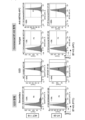
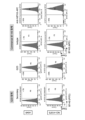
- Figure 8 is a diagram showing the results of G2D antibody binding analysis for colon cancer cell lines.
- Figure 9 is a diagram showing the results of G2D antibody binding analysis for liver cancer cell lines.
- Figure 10 is a diagram showing the results of G2D antibody binding analysis for brain tumor cell lines.
- Figure 11 is a diagram showing the results of G2D antibody binding analysis for pancreatic cancer cell lines.
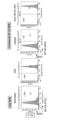
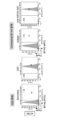
- Figure 12 is a diagram showing the results of G2D antibody binding analysis for prostate cancer cell lines.
- Figure 13 is a diagram showing the results of G2D antibody binding analysis for lung cancer cell lines.
- Figure 14 is a diagram showing the results of G2D antibody binding analysis for ovarian cancer cell lines.
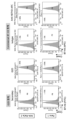
- Figure 15 is a diagram showing the results of G2D antibody binding analysis for breast cancer cell lines.
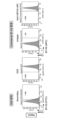
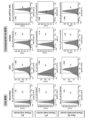
- Figure 16 is a diagram showing the results of B7-H3 expression analysis in a triple-negative breast cancer cell line.
- Figure 17 is a diagram showing the number of B7-H3 expression molecules per triple-negative breast cancer cell.
- Figure 18 is a diagram showing the results of G2D antibody binding affinity analysis for mouse cancer cell lines.
- Figure 19 is a diagram showing the results of G2D antibody binding analysis for pediatric brain cancer (medulloblastoma) cell lines.
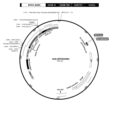
- Figure 20 is a diagram showing a cleavage map for the construction of a vector having anti-B7-H3 (G2D) CAR, a second-generation chimeric antigen receptor that specifically binds to B7-H3 (CD276).
- G2D anti-B7-H3
- CD276 second-generation chimeric antigen receptor that specifically binds to B7-H3
- Figure 21 is a diagram checking the G2D scFv expression rate of CAR-T cells expressing the Anti-B7-H3 (G2D) gene.
- Figure 22 is a diagram showing the results of measuring the apoptosis ability (LDH) of T cells expressing the anti-B7-H3 (G2D) CAR gene against a triple negative breast cancer cell line (MDA-MB-231) expressing B7-H3.
- LDH apoptosis ability
- Figure 23 is a diagram checking the cytokine (IFN-gamma) production of anti-B7-H3 (G2D) CAR gene-expressing T cells for the triple-negative breast cancer cell lines MDA-MB-231 and BT-20 expressing B7-H3 am.
- IFN-gamma cytokine
- G2D anti-B7-H3
- Figure 24 shows T cell activity expressing anti-B7-H3 (G2D) CAR gene against triple-negative breast cancer cell line (MDA-MB-231), ovarian cancer cell line (A2780), and brain tumor cell line (U87) expressing B7-H3. This is a confirmed drawing.
- Figure 25 shows the targeting of anti-B7-H3 (G2D) CAR gene-expressing T cells to a triple-negative breast cancer cell line (MDA-MB-231), an ovarian cancer cell line (A2780), and a brain tumor cell line (U87) expressing B7-H3.
- MDA-MB-231 triple-negative breast cancer cell line
- A2780 ovarian cancer cell line
- U87 brain tumor cell line
- Figure 26 is a diagram confirming the effectiveness of anti-B7-H3 (G2D) CAR gene-expressing T cells in a brain tumor animal model.
- Figure 27 is a diagram confirming the effectiveness of anti-B7-H3 (G2D) CAR gene-expressing T cells in a non-small cell lung cancer animal model.
- Figure 28 is a diagram confirming the effectiveness of anti-B7-H3 (G2D) CAR gene-expressing T cells in an animal model of leptomeningeal metastasis cancer.
- Figure 29 Measures the apoptotic capacity (LDH) of T cells expressing anti-B7-H3 (G2D) CAR gene against medulloblastoma cell lines (Daoy and D283) expressing B7-H3
- LDH apoptotic capacity
- Figure 30 is a diagram confirming the efficacy of anti-B7-H3 (G2D) CAR gene-expressing T cells in a medulloblastoma animal model.
- Figure 31 shows the results of cytokine (IFN-gamma) secretion by anti-B7-H3 (G2D) CAR gene-expressing T cells against Raji cells expressing human 2Ig and 4Ig B7-H3 structures and mouse 2Ig B7-H3 structure. It is a drawing.
- B7-H3 positive clones were selected using phage display technology.
- 2.5 ⁇ g of recombinant human 4Ig B7-H3 (Sino Biological, China) was conjugated to magnetic beads (ThermoFisher Scientific, USA).
- a non-immune chicken phage library (chicken naive phage library) was reacted with a Raji cell pellet, which is known not to express B7-H3, to remove phages binding to Raji cells in advance, and dispersed in a 3% bovine serum albumin (Millipore, USA) solution.
- 96 clones selected from the plate of the fourth biopanning result were cultured overnight at 37°C with 100 ⁇ g/ml carbenicillin, 70 ⁇ g/ml kanamycin, and VCSM13 helper phage in a 96 deep well plate to produce scFv clones. Proliferation of expressed phage was induced.
- the culture medium obtained above was centrifuged to obtain a medium supernatant containing phages, and recombinant human 4Ig B7-H3, recombinant human 2Ig B7-H3 (R&D Systems, USA), and recombinant mouse B7-H3 (Sino Biological, China) were obtained, respectively.
- ER2738 which has a 2D clone showing a positive signal in the selected B7-H3, was cultured overnight using SB medium and centrifuged to obtain bacterial cells. Plasmid DNA was obtained using a DNA mini prep kit (Geneall, Korea), and the base sequence was analyzed using the primers in Table 1. The 2D clones analyzed had the CDR sequences in Table 2. The light chain and heavy chain variable region amino acid sequences of the 2D clone are shown in Table 3.
- Amino acid sequences of light and heavy chain variable regions of selected clones amino acid sequence number light chain variable region ALTQPSSVSANLGGTVKITCSGGSIGYGWYQQKAPGSAPVTVIYYNDRRPSDIPSRFSGSKSGSANTLTITGVQADDEAIYYCGSADSSSTYTGIFGAGTTLTVL 9 Heavy chain variable region AVTLDESGGGLQTPGGGLSLVCKASGFDFSSYPMVWVRQAPGKGLEYVASINSGGSWTGYGAAVKGRATISRDNGQSTVRLQLNNLRAEDTATYYCARAYGAATIDAWGHGTEVIVSS 10
- the heavy chain was treated with Eco RI and Not I (New England Biolab, UK) enzymes and ligated into pCMV (ThermoFisher Scientific, USA), an expression vector for animal cells, which was also treated with the same restriction enzymes. Additionally, the light chain was treated using Xba I (New England Biolab, UK) enzyme and ligated into the pCMV vector similarly treated with the same restriction enzyme. The ligated plasmid was transformed by applying heat shock to DH5 ⁇ competent cells (New England Biolab, UK), and the obtained colonies were mass-cultured to obtain the plasmid.
- the heavy chain and light chain plasmids converted into complete antibodies were transduced into Expi293F cells (Invitrogen, USA) using polyethylenimine (PEI) (Polysciences, USA) and 150 mM NaCl, and cultured in Freestyle 293 expression medium (Invitrogen, USA). ) was cultured in suspension for 7 days in an Erlenmeyer flask at 37°C, 8% CO 2 and 55% humidity. The expression cell culture was centrifuged at 4,000 rpm for 10 minutes, and the supernatant was taken and filtered through a 0.22 ⁇ m filter.
- PEI polyethylenimine
- Freestyle 293 expression medium Invitrogen, USA
- the filtered supernatant was induced to bind to a HiTrap Mabselect PrismA, 1 mL (GE Healthcare, USA) column at 4°C.
- the bound resin was washed with 10 cv (column volume) of 20 mM sodium phosphate (pH 7.0) and 1 M sodium chloride solution, and then the bound antibody was eluted using 100 mM sodium citrate (pH 3.0) and 150 mM sodium chloride solution. Then, it was neutralized with 1 M Tris-HCL (pH 9.0).
- the binding ability of the 2D IgG produced in Example 2 to the recombinant B7-H3 protein was confirmed by indirect ELISA.
- indirect ELISA recombinant human 4Ig B7-H3, recombinant human 2Ig B7-H3, and recombinant mouse B7-H3 were each diluted to 1 ⁇ g/ml in 50 ⁇ l of PBS, placed in a 96-well immunoplate (Corning, USA), and incubated at 4°C. It was stored and adsorbed overnight.
- the Raji cell line is known to be a B7-H3-negative cell line that does not express B7-H3 (Mol Ther Oncolytics. 2020;17:180-189), and B7-H3 is overexpressed in various breast cancer cells, including the BT-20 cell line. It is known that there is (Mol Cancer Ther. 2011;10(6):960-71).
- the binding capacity of 2D IgG was analyzed by FACS using the Raji cell line, a B7-H3 negative cell line, and the BT-20 cell line, a B7-H3 positive cell line. 5x10 5 BT-20 and Raji cells were suspended in PBS with or without 1 ⁇ g of 2D IgG, reacted at 4°C for 30 minutes, and then centrifuged to remove the supernatant. After removing the supernatant, each cell was washed twice using PBS.
- 2D IgG is a chicken/human chimeric antibody
- humanization was performed as follows to secure a humanized antibody.
- the amino acid residue numbers of the antibody domain are based on the Kabat EU numbering system commonly used in the art (Kabat et al., "Sequences of Proteins of Immunological Interest", 5th Ed., U.S. Department of Health and Human Services, Numbered according to EU index numbers as in NIH Publication No. 91-3242, 1991.
- the J gene of the light chain variable region was fixed as FGGGTKLTVL, referring to US2010-0056386, and the J gene of the heavy chain variable region was fixed as WGQGTTVTVSS, referring to US2014-0206849.
- Humanized 2D was named G2D, and its base sequence is shown in Table 5.
- G2D light and heavy chain variable region amino acid sequences light chain variable region G2D (VL) SYELTQPPSVSVSPGQTARITC SGGSIGYG WYQQKAPGQAPV T VIY YNDRRPS GIPERFSGS K SGTT N TLTISGVQAEDEADYYC GSADSSSTYTGI FGGGTKLTVL SEQ ID NO: 21
- Heavy chain variable region G2D (VH) QVQLVESGGGLVQPGGSLRLSCSASGF D FS SYPMV WVRQAPGKGLEYVS SINSGGSWTGYGAAVKG R
- a TISRDNSKNTLYLQMNSLRAEDTATYYCAR AYGAATIDA WGQGTTVTVSS SEQ ID NO: 22
- the DNA of the G2D variable region described above was synthesized in scFv form (Cosmogenetech, Korea) and converted into a complete antibody through PCR using the primer combinations shown in Table 6 below. Complete antibody conversion and expression/purification were performed in the same manner as in Example 2 described above.
- the binding ability of G2D IgG to B7-H3 was confirmed through SPR analysis, which can measure antigen-antibody binding force and kinetics using optical principles. SPR analysis can confirm the association rate (K a ) and dissociation rate (K d ), and through this, the K D value can be obtained, making quantitative binding force analysis possible.
- B7-family proteins are expressed on the surface of antigen presenting cells (APC), including cancer cells, and regulate T cell activity through interaction with T cell surface proteins (Figure 4).
- APC antigen presenting cells
- B7-H3 is one of the B7 family proteins expressed on APC.
- the T cell receptor has not yet been identified, it is known as an immune checkpoint that inhibits the action of T cells (Front Immunol. 2021; 12: 701006). Since B7 family proteins regulate T cell actions through different mechanisms, the specificity of antibodies targeting B7-H3 for B7-H3 is very important. Therefore, the specificity of G2D IgG for B7-family proteins was analyzed by indirect ELISA.
- Indirect ELISA was performed on: B7-DC (Sino Biological, China), B7-1 (Sino Biological, China), B7-2 (Sino Biological, China), B7-H2 (Sino Biological, China), B7-H4 (Sino Biological, China) China), B7-H1 (Sino Biological, China), 4Ig B7-H3, and 2Ig B7-H3 were used in the same manner as Example 3-1 using a 96-well immune plate coated at 1 ⁇ g/ml.
- G2D IgG was 4Ig among B7 family proteins. It bound only to 2Ig B7-H3 ( Figure 5). These results show the excellent specificity of G2D IgG for B7-H3.
- the recombinant protein and the cell surface protein have the same sequence, there may be structural differences, so it is essential to confirm the binding of the antibody to the cell surface protein.
- a structure containing 4Ig, 2Ig, and mouse B7-H3 extracellular domain was introduced into Raji cell line, a B7-H3 negative cell line. 2Ig, 4Ig, and mouse B7-H3 expressed on the cell surface were confirmed through insertion of green fluorescent protein (GFP). Binding of G2D IgG to B7-H3 expressed on the cell surface was confirmed in the same manner as Example 3-2.
- the secondary antibody used was goat anti-Human IgG (H+L) 594 antibody (Invitrogen, USA). Since binding to cell lines is difficult to confirm quantitatively, enoblituzumab, currently in the clinical stage and registered as a Korean patent (registration number: 10-1828570), was used as a control antibody.
- G2D IgG did not bind to Raji-Vector control, which did not express B7-H3, but bound to Raji-4Ig B7-H3 and Raji-2Ig B7-H3, which expressed 4Ig and 2Ig B7-H3 ( Figure 6a).
- the binding affinity of G2D IgG to 4Ig and 2Ig B7-H3 expressed on the cell surface was higher than that of enoblituzumab, a control antibody. Similar to human B7-H3, G2D IgG did not bind to Raji-Vector control, but bound to Raji-mouse B7-H3 expressing mouse B7-H3 ( Figure 6b).
- the control antibody, enoblituzumab did not bind to mouse B7-H3.
- Therapeutic antibodies are injected into the body and exhibit therapeutic effects by specifically binding to antigens expressed on cells, so the better the binding ability to antigens expressed on cells, the better the therapeutic effect can be expected.
- Figures 6a and b specific and excellent binding of G2D IgG to cell surface B7-H3 can be confirmed.
- Epitope is an antigenic determining site and refers to a specific sequence of an antigen that an antibody can recognize and bind to.
- the therapeutic effect of antibodies may differ depending on the epitope, and in the case of cancer immunotherapy drugs, the degree of immune cell activation may also vary, so identifying the epitope of an antibody is an important part of drug development.
- EVQVP is located in the Ig-like V-type1 and Ig-like V-type2 domains of 4Ig B7-H3 ( Figures 7d and e).
- the epitope of the control antibody enoblituzumab was confirmed in the same way, these epitopes were confirmed to contain the GYPEAE sequence ( Figure 7b), and GYPEAE is the Ig-like C2-type1 and Ig-like C2-type of 4Ig B7-H3. located in type2 ( Figures 7d and e).
- G2D IgG had a different epitope from enoblituzumab, the control antibody.
- the underlined bold portion in the above sequence represents the B7-H3 epitope to which the G2D antibody binds.
- cell lines of colon cancer, liver cancer, brain tumor, pancreas cancer, prostate cancer, lung cancer, ovarian cancer, and breast cancer were used.
- HCT 116 Cat No. CCL-247, ATCC
- HT-29 Cat No. HTB-38, ATCC
- the liver cancer cell line is HepG2 (Cat No. 88065, KCLB).
- HTB-14, ATCC), and MIA-PaCa2 as a pancreatic cancer cell line.
- PanC-1 Cat No. 21469, KCLB
- PC-3 Cat No. 21435, KCLB
- A549 Cat No. 21435, KCLB
- Two cell lines Cat No. CCL-185, ATCC) and NCI-H1975 (Cat No. CRL-5908, ATCC), A2780 (Cat No. 93112519, Sigma) cell line for ovarian cancer, and MDA-MB for breast cancer.
- Flow cytometry was performed using -453 (Cat No. 30131, KCLB), MDA-MB-231 (Cat No. 30026, KCLB) and SK-BR-3 (Cat No. 30030, KCLB) cell lines.
- each cell was reacted with 5 x 10 5 cells and 1 ⁇ g of G2D antibody at 4°C for 30 minutes, and then the supernatant was removed by centrifugation. After removing the supernatant, each cell was washed twice using PBS. After centrifuging the washed cells, add FITC-conjugated Alexa Fluor goat anti-Human IgG (H+L) antibody (Cat No. A11013, Invitrogen), react for 30 minutes at 4°C, and remove the supernatant through centrifugation. did. After removing the supernatant, each cell was washed twice using PBS and then flow cytometric analysis was performed.
- B7-H3 As a comparison group for the flow cytometry results, the expression of B7-H3 (CD276) for each cell line was measured using commercial B7-H3 (APC-conjugated anti-human B7-H3 (CD276) (Cat No. 351006, BioLegend).
- APC-conjugated anti-human B7-H3 (Cat No. 351006, BioLegend).
- a group treated with only FITC-conjugated Alexa Fluor goat anti-Human IgG (H+L) antibody samples was included as a control group for G2D antibody, and anti-human B7-H3 (CD276).
- As an antibody control only Mouse IgG1 kappa Isotype Control APC (Cat No. 17-4714-42, Invitrogen) sample treated (Isotype) was included.
- the binding affinity of G2D and the commercial B7-H3 antibody to the liver cancer cell line HepG2 cell line was confirmed to be more than 95% for both antibodies to the HepG2 cell line (FIG. 9).
- the binding affinity of the G2D and commercial B7-H3 antibodies to the three brain tumor cell lines A172, U251, and U87 was confirmed to be more than 95% for all three cell lines (FIG. 10).
- the binding affinity for the G2D and commercial B7-H3 antibodies to the prostate cancer cell line PC-3 was confirmed to be more than 95% for both antibodies ( Figure 12).
- the binding affinity of G2D and commercial B7-H3 antibodies to the two lung cancer cell lines A549 and NCI-H1975 showed a binding affinity of over 95% for both antibodies to the A549 cell line, and 80% for the G2D antibody to the NCI-H1975 cell line. It showed a binding affinity of more than 95% for the commercial B7-H3 antibody (FIG. 13).
- the binding affinity for the G2D and commercial B7-H3 antibodies to the ovarian cancer cell line A2780 was confirmed to be more than 95% for both antibodies (FIG. 14).
- the binding affinity of the G2D and commercial B7-H3 antibodies to the breast cancer cell lines MDA-MB-453, MDA-MB-231, and SK-BR-3 cell lines showed a binding affinity of over 95% for both antibodies to the MDA-MB-231 cell line.
- the G2D antibody showed a binding affinity of over 35% for the SK-BR-3 cell line
- the commercial B7-H3 antibody showed a binding affinity of over 70%.
- the binding affinity of both antibodies was less than 5% for the MDA-MB-453 cell line (FIG. 15).
- each cell was washed twice using PBS. After removing the supernatant, each cell was washed twice with PBS and the expression rate of B7-H3 (CD276) in the triple-negative breast cancer cell line was analyzed through flow cytometry. As a control, an isotype control (Cat No. 400111, Biolegend) sample was included.
- QuantiBRITE PE Cat No. 340495, BD Biosciences
- flow cytometry method was used to determine the number of B7-H3 expression molecules per cell. Specifically, a new tube of QuantiBRITE beads was reconstituted in the provided tube using 0.5 mL of staining buffer. Samples were acquired on a FACSCanto ⁇ flow cytometer (BD Biosciences). Compensation controls were activated with each analysis to select appropriate instrument settings and at least 10,000 events were collected for each sample. BD FACSDiva TM (BD Biosciences) was used for acquisition control and analysis.
- the QuantiBRITE assay utilizes a bead standard with a population of four beads conjugated with a known number of PE molecules.
- a G1 gate was pulled around the bead singlet on the FSC-H/SSC-H scatter graph. Afterwards, this gated bead population was analyzed using the histogram graph of FL2-H to evaluate the level of PE staining. Individual markers were pulled around the peaks of the four bead populations (M1-4) and the geometric mean for FL2 of each bead population was determined. The FL2 geometric mean of each bead was plotted against the lot specific PE/bead value in a log-log graph. Linear regression was performed to obtain a standard curve using the following equation:
- a G1 gate was pulled around the desired positive fluorescent cell population on the SSC-H/FL4-H dot graph. This gated cell population was then analyzed using the histogram graph of FL2-H to evaluate the level of PE-labeled antibody staining.
- the FL2 geometric mean was determined for each blood cell sample stained with PE-conjugated anti-human B7-H3 monoclonal antibody as well as for unstained control samples. All geometric mean values for FL2 were plotted against the bead standard curve and values for PE per cell were extrapolated. Since both antibody-PE conjugates have a PE:Ab ratio of approximately 1:1, the value for PE per cell corresponds to the number of antibodies bound per cell. The same experiment was performed for each triple-negative breast cancer cell line.
- Mouse lung cancer, pancreatic cancer, and breast cancer cell lines were used to confirm the binding affinity of the G2D antibody, which specifically binds to mouse 2Ig B7-H3 as well as human 2Ig and 4Ig B7-H3, to mouse cell lines.
- 3LL (Cat No. CRL-1642, ATCC) as a lung cancer cell line
- Panc-02 (Cat No. SC078-luc, GeneTarget) as a pancreatic cancer cell line
- 4T1 (Cat No. CRL-2539, ATCC) as a breast cancer cell line.
- Flow cytometry was performed using .
- Each cell was reacted with 5 x 10 5 cells and 1 ⁇ g of G2D antibody at 4°C for 30 minutes, and then the supernatant was removed by centrifugation. After removing the supernatant, each cell was washed twice using PBS. After centrifuging the washed cells, goat anti-Human IgG (H+L) 594 antibody (Cat No. A11014, Invitrogen) was added and reacted for 30 minutes at 4°C, and then centrifuged to remove the supernatant. After removing the supernatant, each cell was washed twice using PBS and then flow cytometric analysis was performed.
- Alexa Fluor 647 Rat Anti-Mouse B7-H3 (Cat No. 562862, BD Biosciences) was used to confirm the expression of B7-H3 (CD276) for each mouse cell line. compared.
- a control group for G2D antibody a group treated only with goat anti-Human IgG (H+L) 594 antibody sample (Secondary) was included, and as a control group for anti-mouse B7-H3 (CD276) antibody, Alexa Fluor 647 Rat sample was included.
- IgG2A, k Isotype Control (Cat No. 557690, BD Biosciences) samples treated only (Isotype) were included.
- the G2D antibody showed a binding affinity of over 90%, and the commercial B7-H3 antibody showed a binding affinity of over 95%.
- the G2D antibody showed a binding affinity of more than 50%, and the commercial mouse B7-H3 antibody showed a binding affinity of more than 90%.
- the pancreatic cancer cell line Panc-02 the G2D antibody showed a binding affinity of more than 85%, and the commercial mouse B7-H3 antibody showed a binding affinity of more than 90% (FIG. 18).
- Example 10 G2D antibody binding analysis on pediatric brain cancer and medulloblastoma cell lines
- Daoy cells were reacted with 5 x 10 5 cells and 1 ⁇ g of G2D antibody at 4°C for 30 minutes, and then the supernatant was removed by centrifugation. After removing the supernatant, each cell was washed twice using PBS. After centrifuging the washed cells, goat anti-Human IgG (H+L) 594 antibody (Cat No. A11014, Invitrogen) was added and reacted for 30 minutes at 4°C, and then centrifuged to remove the supernatant. After removing the supernatant, each cell was washed twice using PBS and then flow cytometric analysis was performed.
- H+L 594 antibody Cat No. A11014, Invitrogen
- Example 11 Construction of a vector with anti-B7-H3 (G2D) CAR, a second-generation chimeric antigen receptor that specifically binds to B7-H3 (CD276)
- scFv Single-chain variable fragment, scFv; SEQ ID NO: 42 and 43
- CD8 ⁇ hinge region single-chain variable fragment, scFv; SEQ ID NO: 42 and 43
- CD8 ⁇ transmembrane domain Transmembrane, TM; SEQ ID NOs: 46 and 47
- CD137 SEQ ID NOs: 48 and 49
- CD3 ⁇ CD3 zeta killing signaling domain
- Peripheral blood mononuclear cells were obtained from whole blood obtained from a healthy donor using Ficoll-Paque premium (GE healthcare, 17-5442-03) to obtain only mononuclear cells of the mononuclear cell layer (buffy coat).
- Isolated PBMCs were mixed with 100 ng/mL of anti-CD3 monoclonal antibody (OKT3, eBioscience, Cat No. 16-0037-81) and anti- OpTmizer TM CTS TM T-Cell Expansion Supplement (Gibco, A10484-02), CTS TM Immune Cell SR (Gibco, A25961-) by adding 100 ng/mL of CD28 monoclonal antibody (eBioscience, Cat No. 16-0289-85).
- T cell fraction was activated by culturing in CTS TM T-Cell Expansion Basal Medium (Gibco, A10221-01) containing GlutaMAX TM -I CTS TM (100X) (Gibco, A12860-01). Activated T cells were transduced using anti-B7-H3 (G2D) CAR virus.
- Anti-B7-H3 (G2D) CAR expressing T cells were proliferated in a 75 T flask using T cell culture medium containing 500 IU/mL of Human IL2. T cells expressing anti-B7-H3 (G2D) CAR propagated in this manner were used in various assays.
- Anti - B7-H3 (G2D) CAR-T cells were 18% against the triple negative breast cancer cell line MDA-MB-231 according to the E:T ratio (0.625:1, 1.25:1, 2.5:1 and 5:1); It showed apoptotic capacity of 30%, 48% and 61%.
- UTD cells not transduced with CAR virus showed LDH values of 3%, 5%, 8% and 19% depending on the E:T ratio (0.625:1, 1.25:1, 2.5:1 and 5:1). shown ( Figure 22).
- anti-B7-H3 (G2D) CAR-T cells have killing ability against triple negative breast cancer cell lines.
- the results of IFN-gamma secretion by anti-B7-H3 (G2D) CAR-T cells against triple negative breast cancer cell lines MDA-MB-231 and BT-20 are shown in Figure 23. Specifically, the amount of IFN-gamma following co-culture with the triple-negative breast cell lines MDA-MB-231 and BT-20 was higher for anti-B7-H3 (G2D) CAR-T than for samples not transduced with CAR virus. IFN-gamma was secreted.
- Triple negative breast cancer cell line ( MDA-MB- 231 , 2 Co-culture was performed on the plate for 48 hours.
- brain tumor cell line U87 1 Live target cell lines were stained using violet solution.
- anti-B7-H3 (G2D) CAR-T had activity and apoptosis ability against triple-negative breast cancer, ovarian cancer, and brain tumor cell lines expressing B7-H3.
- H1299 cells were directly transplanted into the lungs of NSGA mice using 50 ul of 5x10 5 H1299 cells. This induced engraftment. Five days after engraftment, it was confirmed that the tumor size was evenly distributed by measuring the weight of the test animals and using in vivo luciferase imaging.
- the test group consisted of a control group and a test substance administration group ⁇ UTD and B7-H3 (G2D) CAR-T ⁇ . PBS was administered to the control group, and the test substance group was administered a single intravenous dose at a concentration of 5x10 7 anti-B7-H3 (G2D) CAR-T cells.
- BM-H1299 a brain metastasis lung cancer cell line
- Engraftment was induced by transplanting BM-H1299 cells directly into the brain of NSGA mice using 5 ul of 5x10 4 BM-H1299 cells.
- the test group consisted of a control group and a test substance administration group ⁇ UTD and B7-H3 (G2D) CAR-T ⁇ .
- PBS was administered to the control group, and the test substance group was administered a single dose by ICV (intracerebroventricular administration) at a concentration of 1.5x10 6 anti-B7-H3 (G2D) CAR-T cells.
- anti-B7-H3 (G2D) CAR gene-expressing T cells in a brain tumor (glioblastoma) animal model, anti-B7-H3 ( G2D)
- the CAR-T treatment group showed a reduction in the size of brain tumors. From these results, anti-B7-H3 (G2D) CAR-T reduced tumor size in an animal model transplanted with a brain tumor cell line (U87), and thus anti-B7-H3 in a brain tumor model expressing B7-H3. (G2D) It was confirmed that CAR-T worked effectively (Figure 26).
- anti-B7-H3 (G2D) CAR-T can be effectively applied to brain tumors, non-small cell lung cancer, and leptomeningeal metastasis cancer.
- CytoTox96 Non-radio cytotoxicity to measure the cytolytic activity of anti-B7-H3 (G2D) CAR-T cells against B7-H3-expressing medulloblastoma cell lines (Daoy and D283-Cat No. HTB-185, ATCC) Cell death analysis (Cytotoxicity assay) was performed using the assay LDH (Cat No. G1781, Promega) kit. Specifically, anti-B7-H3 (G2D) CAR-T cells (Effector cells) were used after 10 days of culture, and Effector:Target was placed in a 96-well plate at an E:T ratio of 5:1, 2.5:1, and 1.25:1. Cells were added and reacted at 37°C for 18 hours. As a control group in this test, samples that were not transduced with the CAR virus (Untransduced T cells, UTD) were included.
- UTD Untransduced T cells
- Anti - B7-H3 (G2D) CAR-T cells showed 18%, 44% and 66% apoptotic capacity against D283 cell line depending on E:T ratio (1.25:1, 2.5:1 and 5:1). and showed cell death abilities of 50%, 70%, and 84% for the Daoy cell line.
- UTD cells that were not transduced with the CAR virus showed LDH values of 3% and 13% depending on the E:T ratio (2.5: 1 and 5:1).
- anti-B7-H3 (G2D) CAR-T cells have the ability to kill medulloblastoma cells (FIG. 29).
- T cells in an animal model of pediatric brain cancer medulloblastoma, 5 ul of 2x10 5 Daoy cells were transplanted directly into the cerebellum of NSGA mice for engraftment. was derived. Seven days after engraftment, it was confirmed that the tumor size was evenly distributed by measuring the weight of the test animals and using in vivo luciferase imaging.
- the test group consisted of one control group (Vehicle) and two test substance administration groups ⁇ UTD cells, B7-H3 (G2D) CAR-T ⁇ , with 5 animals distributed to each group.
- T cells (UTD) not transduced with CAR virus were administered as a single dose by IT (intratumoral administration) at a concentration of 1.5 x 10 6 cells, and anti-B7-H3 (G2D) CAR-T cells were administered. It was administered as a single dose by IT (intratumoral administration) or ICV (intracerebroventricular administration) at a concentration of 1.5 x 10 6 cells.
- anti-B7-H3 (G2D) CAR-T can be effectively applied to medulloblastoma, and both administration methods (IT and ICV) effectively move anti-B7-H3 (G2D) CAR-T to the tumor. Confirmed.
- Experimental Example 7 Checking cytokine (IFN-gamma) production of T cells expressing anti-B7-H3 (G2D) CAR gene on Raji cells expressing human 2Ig and 4Ig B7-H3 structures and mouse 2Ig B7-H3 structures
- B7-H3 (G2D) CAR-T was analyzed using a cell line (Raji) that does not express B7-H3.
- Raji Raji-2ig B7-H3, Raji-4Ig B7-H3 or Raji-m2Ig B7-H3 cells
- 1 x 10 anti-B7-H3 (G2D) CAR-T cells 5 Add 37°C Cultured in incubator for 18 hours.
- UTD a cell sample not transduced with CAR virus, was included.
- the results of IFN-gamma secretion by anti-B7-H3 (G2D) CAR-T cells against Raji cells expressing human 2Ig and 4Ig B7-H3 structures and mouse 2Ig B7-H3 structure are shown in Figure 31.
- the amount of IFN-gamma following co-culture with Raji cells expressing human 2Ig and 4Ig B7-H3 structures and mouse 2Ig B7-H3 structure was Higher levels of IFN-gamma were secreted compared to non-transduced samples.
- the B7-H3 CAR-T of the present invention binds specifically to not only human but also mouse B7-H3 to treat pediatric brain cancer, adult brain cancer, leptomeningeal metastasis cancer, non-small cell lung cancer, triple-negative breast cancer, and various cancers. It was confirmed that the signaling system was activated.
Landscapes
- Health & Medical Sciences (AREA)
- Chemical & Material Sciences (AREA)
- Life Sciences & Earth Sciences (AREA)
- Organic Chemistry (AREA)
- Immunology (AREA)
- Medicinal Chemistry (AREA)
- General Health & Medical Sciences (AREA)
- Pharmacology & Pharmacy (AREA)
- Animal Behavior & Ethology (AREA)
- Biophysics (AREA)
- Veterinary Medicine (AREA)
- Genetics & Genomics (AREA)
- Biochemistry (AREA)
- Molecular Biology (AREA)
- Proteomics, Peptides & Aminoacids (AREA)
- Public Health (AREA)
- Zoology (AREA)
- Mycology (AREA)
- Cell Biology (AREA)
- Epidemiology (AREA)
- Microbiology (AREA)
- Toxicology (AREA)
- Gastroenterology & Hepatology (AREA)
- Chemical Kinetics & Catalysis (AREA)
- General Chemical & Material Sciences (AREA)
- Nuclear Medicine, Radiotherapy & Molecular Imaging (AREA)
- Peptides Or Proteins (AREA)
Abstract
La présente invention concerne : une cassette d'expression comprenant un polynucléotide qui code pour un récepteur antigénique chimérique efficace dans le traitement du cancer ; et une cellule effectrice dans laquelle la cassette d'expression est transduite. En particulier, si un récepteur antigénique chimérique comprenant un domaine de liaison à l'antigène se lie de manière spécifique à un antigène B7-H3, qui est fortement exprimé dans divers cancers, est exprimé sur une cellule effectrice telle qu'un lymphocyte T, la présente invention peut être utilisée efficacement en tant que méthode immunothérapeutique pour des maladies cancéreuses associées à B7-H3.
Applications Claiming Priority (4)
| Application Number | Priority Date | Filing Date | Title |
|---|---|---|---|
| KR10-2022-0152914 | 2022-11-15 | ||
| KR20220152914 | 2022-11-15 | ||
| KR1020230154995A KR20240082201A (ko) | 2022-11-15 | 2023-11-10 | B7-h3 키메라 항원 수용체 및 이의 용도 |
| KR10-2023-0154995 | 2023-11-10 |
Publications (1)
| Publication Number | Publication Date |
|---|---|
| WO2024106941A1 true WO2024106941A1 (fr) | 2024-05-23 |
Family
ID=91084760
Family Applications (1)
| Application Number | Title | Priority Date | Filing Date |
|---|---|---|---|
| PCT/KR2023/018364 Ceased WO2024106941A1 (fr) | 2022-11-15 | 2023-11-15 | Récepteur antigénique chimérique anti-b7-h3 et son utilisation |
Country Status (1)
| Country | Link |
|---|---|
| WO (1) | WO2024106941A1 (fr) |
Citations (4)
| Publication number | Priority date | Publication date | Assignee | Title |
|---|---|---|---|---|
| US9381244B2 (en) * | 2012-09-07 | 2016-07-05 | King's College London | VISTA modulators for diagnosis and treatment of cancer |
| KR102011789B1 (ko) * | 2015-08-05 | 2019-08-19 | 주식회사 셀랩메드 | 키메라 항원 수용체 및 키메라 항원 수용체가 발현된 t 세포 |
| WO2021244721A1 (fr) * | 2020-06-04 | 2021-12-09 | Y-Mabs Therapeutics, Inc. | Anticorps anti-b7h3 pour le traitement du cancer |
| JP2021534784A (ja) * | 2018-08-31 | 2021-12-16 | シアトル チルドレンズ ホスピタル (ディービーエイ シアトル チルドレンズ リサーチ インスティテュート) | B7h3キメラ抗原受容体を含む方法および組成物 |
-
2023
- 2023-11-15 WO PCT/KR2023/018364 patent/WO2024106941A1/fr not_active Ceased
Patent Citations (4)
| Publication number | Priority date | Publication date | Assignee | Title |
|---|---|---|---|---|
| US9381244B2 (en) * | 2012-09-07 | 2016-07-05 | King's College London | VISTA modulators for diagnosis and treatment of cancer |
| KR102011789B1 (ko) * | 2015-08-05 | 2019-08-19 | 주식회사 셀랩메드 | 키메라 항원 수용체 및 키메라 항원 수용체가 발현된 t 세포 |
| JP2021534784A (ja) * | 2018-08-31 | 2021-12-16 | シアトル チルドレンズ ホスピタル (ディービーエイ シアトル チルドレンズ リサーチ インスティテュート) | B7h3キメラ抗原受容体を含む方法および組成物 |
| WO2021244721A1 (fr) * | 2020-06-04 | 2021-12-09 | Y-Mabs Therapeutics, Inc. | Anticorps anti-b7h3 pour le traitement du cancer |
Non-Patent Citations (1)
| Title |
|---|
| MAJZNER ROBBIE G., THERUVATH JOHANNA L., NELLAN ANANDANI, HEITZENEDER SABINE, CUI YONGZHI, MOUNT CHRISTOPHER W., RIETBERG SKYLER P: "CAR T Cells Targeting B7-H3, a Pan-Cancer Antigen, Demonstrate Potent Preclinical Activity Against Pediatric Solid Tumors and Brain Tumors", CLINICAL CANCER RESEARCH, ASSOCIATION FOR CANCER RESEARCH, US, vol. 25, no. 8, 15 April 2019 (2019-04-15), US, pages 2560 - 2574, XP055913475, ISSN: 1078-0432, DOI: 10.1158/1078-0432.CCR-18-0432 * |
Similar Documents
| Publication | Publication Date | Title |
|---|---|---|
| WO2019225787A1 (fr) | Anticorps anti-b7-h3 et son utilisation | |
| WO2019225777A1 (fr) | Anticorps anti-ror1 et son utilisation | |
| WO2015133817A1 (fr) | Anticorps monoclonal reconnaissant spécifiquement des cellules de lymphome à cellules b, et son utilisation | |
| WO2015058573A1 (fr) | Anticorps monoclonal pour l'antagonisme et l'inhibition de la liaison de mort programmée (pd-1) à son ligand et sa séquence codante et son utilisation | |
| WO2022124866A1 (fr) | Anticorps anti-pd-1 et ses utilisations | |
| WO2022039490A1 (fr) | Anticorps bispécifiques anti-b7-h4/anti-4-1bb et leurs utilisations | |
| WO2023277361A1 (fr) | Anticorps spécifiques de la mésothéline et leur utilisation | |
| WO2022124765A1 (fr) | Anticorps spécifique de gpc3 et son utilisation | |
| WO2024025343A1 (fr) | Anticorps anti-ror1 et son utilisation | |
| WO2022169269A1 (fr) | Anticorps anti-ctla-4 et son utilisation | |
| WO2021210939A1 (fr) | Afficorps anti-her2 et récepteur antigénique chimérique commutable utilisant celui-ci en tant que molécule de commutation | |
| WO2023090704A1 (fr) | Anticorps spécifique pour cd22 humanisé et récepteur antigénique chimérique l'utilisant | |
| WO2022216079A1 (fr) | Polypeptide de liaison de gucy2c et ses utilisations | |
| WO2022181992A1 (fr) | Anticorps humanisé spécifique au cd22 et son utilisation | |
| WO2022145739A1 (fr) | Anticorps humanisé spécifique de cd22 et récepteur antigénique chimérique l'utilisant | |
| WO2024172363A1 (fr) | Anticorps anti-cntn4 et ses utilisations | |
| WO2023191526A1 (fr) | Récepteur antigénique chimérique comprenant un domaine de signalisation intracellulaire dérivé de cd30, cellule immunitaire l'exprimant et utilisation associée | |
| WO2024085632A1 (fr) | Variant du domaine fc d'anticorps humain et son utilisation | |
| WO2023224412A1 (fr) | Anticorps bispécifique à domaine unique humanisé dirigé contre pd-l1 et cd47 et son utilisation | |
| WO2022250433A1 (fr) | Récepteur antigénique chimérique se liant de manière spécifique à l'antigène cd300c ou à son récepteur | |
| WO2022124864A1 (fr) | Anticorps anti-tigit et son utilisation | |
| WO2023027561A1 (fr) | Molécule bispécifique se liant de manière spécifique à b7-h3 et tgfb et ses utilisations | |
| WO2025188047A1 (fr) | Anticorps anti-lilrb4 et anticorps bispécifiques anti-lilrb4/anti-4-1bb et utilisations associées | |
| CN111788227B (zh) | 抗cd40抗体及其用途 | |
| WO2024106939A1 (fr) | Anticorps se liant de manière spécifique à b7-h3 |
Legal Events
| Date | Code | Title | Description |
|---|---|---|---|
| 121 | Ep: the epo has been informed by wipo that ep was designated in this application |
Ref document number: 23892007 Country of ref document: EP Kind code of ref document: A1 |
|
| NENP | Non-entry into the national phase |
Ref country code: DE |
|
| 122 | Ep: pct application non-entry in european phase |
Ref document number: 23892007 Country of ref document: EP Kind code of ref document: A1 |