WO2024252442A1 - 患者状態推定装置、患者状態推定方法、およびプログラム - Google Patents
患者状態推定装置、患者状態推定方法、およびプログラム Download PDFInfo
- Publication number
- WO2024252442A1 WO2024252442A1 PCT/JP2023/020751 JP2023020751W WO2024252442A1 WO 2024252442 A1 WO2024252442 A1 WO 2024252442A1 JP 2023020751 W JP2023020751 W JP 2023020751W WO 2024252442 A1 WO2024252442 A1 WO 2024252442A1
- Authority
- WO
- WIPO (PCT)
- Prior art keywords
- patient
- information
- tremor
- feature
- unit
- Prior art date
- Legal status (The legal status is an assumption and is not a legal conclusion. Google has not performed a legal analysis and makes no representation as to the accuracy of the status listed.)
- Ceased
Links
Images




Classifications
-
- A—HUMAN NECESSITIES
- A61—MEDICAL OR VETERINARY SCIENCE; HYGIENE
- A61B—DIAGNOSIS; SURGERY; IDENTIFICATION
- A61B10/00—Instruments for taking body samples for diagnostic purposes; Other methods or instruments for diagnosis, e.g. for vaccination diagnosis, sex determination or ovulation-period determination; Throat striking implements
-
- A—HUMAN NECESSITIES
- A61—MEDICAL OR VETERINARY SCIENCE; HYGIENE
- A61B—DIAGNOSIS; SURGERY; IDENTIFICATION
- A61B5/00—Measuring for diagnostic purposes; Identification of persons
Definitions
- One aspect of the present invention relates to a patient condition estimation device, a patient condition estimation method, and a program.
- Tremors occur through a variety of mechanisms. Not only do people tremble in response to cold, but they can also tremble unconsciously (involuntary movement) when they have a fever or feel fear. Tremors are also known to be one of the main symptoms of essential tremor, Parkinson's disease, dystonia, and other conditions. Tremors have various characteristics, so technology is being developed that processes images of videotaped human movements and classifies tremors into multiple categories to provide warning signs to undiagnosed patients (see, for example, non-patent document 1).
- Non-Patent Document 1 makes it possible to extract appropriate tremor features by utilizing information on the relationships between the human skeleton, making it possible to identify Parkinsonian tremor (PT, non-tremor) at low cost.
- PT Parkinsonian tremor
- FT functional tremor
- This invention was made with the above in mind, and aims to provide technology that can identify a patient's condition with high accuracy.
- a patient condition estimation device includes a memory unit that stores a program, and a processor that executes instructions of the program.
- the memory unit stores a physical behavior dictionary in which medical information features are organized into a database.
- the processor includes an upper limb behavior information extraction unit, a trembling feature extraction unit, a patient information extraction unit, a patient feature generation unit, and a patient condition estimation unit.
- the upper limb behavior information extraction unit extracts upper limb behavior information from video data of the patient.
- the trembling feature extraction unit extracts the trembling features of the patient from the upper limb behavior information.
- the patient information extraction unit extracts patient information of the patient from the video data.
- the patient feature generation unit generates patient features by reflecting the medical information features of the physical behavior dictionary in the patient information.
- the patient condition estimation unit estimates the patient condition based on the trembling features and the patient features.
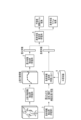
- FIG. 1 is a functional block diagram showing an example of a patient condition estimating device according to an embodiment.
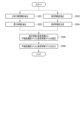
- FIG. 2 is a flowchart showing an example of a learning processing routine performed by the patient condition estimating device 100.
- FIG. 3 is a diagram for explaining the neural network used in the patient condition estimating apparatus 100.
- FIG. 4 is a flowchart showing an example of an estimation processing routine performed by the patient condition estimation device 100.
- FIG. 5 is a diagram for explaining the neural network used in the patient condition estimating apparatus 100.
- FIG. 6 is a diagram for explaining the relationship between the patient condition estimating device 100 of the embodiment and SPAPNet.
- FIG. 7 is a diagram showing an example of the GNN block shown in FIG.
- FIG. 8 is a diagram for explaining an example of physical behavior in the medical and nursing industry.
- FIG. 9 is a block diagram showing an example of a hardware configuration of the patient condition estimating apparatus 100.
- Fig. 1 is a functional block diagram showing an example of a patient condition estimation device according to an embodiment.
- the patient condition estimation device 100 includes an upper limb action information extraction unit 1, a tremor feature extraction unit 2, a patient information extraction unit 3, a patient feature generation unit 4, a patient condition estimation unit 5, a storage unit 6 that stores external knowledge data 6a, a storage unit 7 that stores parameters 7a, a parameter update unit 8, and an output unit 9.
- These are processing functions realized by a processor that executes instructions of a program stored in the storage unit.
- the patient condition estimation device 100 is a computer equipped with a storage unit and a processor.
- the storage unit 6 stores a program (not shown) and external knowledge data 6a.
- the external knowledge data 6a includes a physical action dictionary that is a database of medical information features. In the embodiment, for example, a physical action dictionary in the medical and nursing industry is used.
- the upper limb behavior information extraction unit 1 extracts upper limb behavior information of a patient from the video data of the patient.
- the upper limb behavior information extraction unit 1 extracts the upper limb behavior information of the patient using a first neural network that has been trained (learned) using learning video data and correct answer labels.
- the tremor feature extraction unit 2 extracts the tremor features of the patient from the upper limb action information output from the upper limb action information extraction unit 1.
- the tremor feature extraction unit 2 extracts the tremor features using a second neural network that is trained (learned) using the upper limb action information for learning and the correct answer label.
- the patient information extraction unit 3 extracts the patient information of the patient from the video data of the patient.
- the patient information extraction unit 3 extracts the patient information of the patient using a third neural network that is trained (learned) using the learning video data and the correct answer label.
- the patient feature generation unit 4 generates patient features by reflecting the medical information features of the physical behavior dictionary included in the external knowledge data 6a to the patient information from the patient information extraction unit 3.
- the patient condition estimation unit 5 estimates the patient condition based on the tremor features from the tremor feature extraction unit 2 and the patient features from the patient feature generation unit 4. In an embodiment, the patient condition estimation unit 5 estimates the patient condition using a fourth neural network that has been trained (learned) using the tremor features for learning, the patient features, and the correct answer label. In an embodiment, the patient condition estimation unit 5 identifies the type of involuntary movement of the patient as the patient's condition. The involuntary movement is, for example, tremor.
- Involuntary movement labels include no convincing tremor (non-tremor), Parkinsonian tremor (PT), essential tremor (ET), dystonic tremor (DT), and functional tremor (FT).
- Patient condition labels include severity of tremor (e.g. no tremor, mild tremor, moderate tremor, severe tremor, very severe tremor), movement (e.g. sitting, clapping, playing piano), symptoms (e.g. continuous tremor, sudden tremor, dancing movements, whole body twitching), and pathophysiology/condition (e.g. blood pressure, fever, temperature).
- severity of tremor e.g. no tremor, mild tremor, moderate tremor, severe tremor, very severe tremor
- movement e.g. sitting, clapping, playing piano
- symptoms e.g. continuous tremor, sudden tremor, dancing movements, whole body twitching
- pathophysiology/condition e.g. blood pressure, fever, temperature
- the parameters 7a are parameters (hyperparameters) of the first, second, third, and fourth neural networks.
- the parameter update unit 8 updates the parameters 7a in the process of training the first, second, third and fourth neural networks.
- the output unit 9 outputs the patient condition identified by the patient condition estimating unit 5 .
- FIG. 2 is a flowchart showing an example of a learning processing routine by the patient condition estimation device 100.
- the patient condition estimation device 100 extracts upper limb behavior information from video data of a patient (step S101), and also extracts patient information from video data of the same patient (step S103).
- the patient condition estimation device 100 extracts tremor features from the upper limb behavior information (step S102) and applies the medical information features to the patient information to generate patient features (step S104).
- the patient condition estimation device 100 estimates an involuntary movement label and a patient feature label from the tremor feature and the patient feature (step S105).
- the patient condition estimation device 100 calculates the tremor feature loss and the patient feature loss (step S106).
- the patient condition estimation device 100 updates the parameters of the second neural network of the tremor feature extraction unit 2, the parameters of the third neural network of the patient information extraction unit 3, and the parameters of the fourth neural network of the patient condition estimation unit 5 based on the tremor feature loss and the patient feature loss (step S107).
- FIG. 3 is a diagram for explaining the neural network used in the patient condition estimation device 100.
- the learning process will be explained with reference to FIG. 3.
- video image data of a patient is provided to an upper limb action information extraction unit 1 and a patient information extraction unit 3.
- the upper limb action information extraction unit 1 extracts upper limb action information using a trained model (first neural network) proposed in OpenPose, for example.
- the upper limb action information is passed to a tremor feature extraction unit 2, and tremor features are extracted by a second neural network.
- the neural network here corresponds to the first half of SPAPNet in Non-Patent Document 1.
- the patient information extraction unit 3 extracts vectors of patient condition labels (tremor severity/symptoms/movement/pathophysiology/condition, etc.) from the video data using a third neural network.
- the patient feature generation unit 4 reflects external knowledge, i.e., a physical behavior dictionary in the medical and nursing industry, in the vector of the patient condition label, and generates an external knowledge vector as a patient feature, with weighting around nodes related to the patient.
- the patient features are passed to the patient condition estimation unit 5 together with the tremor features.
- the patient condition estimation unit 5 estimates the patient condition using a fourth neural network that receives the patient features and tremor features as input, and outputs an involuntary movement label result and a patient condition label result.
- the neural network here corresponds to the latter half of SPAPNet in Non-Patent Document 1.
- the parameters of the second neural network in the tremor feature extraction unit 2 Based on the losses (tremor feature losses, patient feature losses) that occur during the learning process, the parameters of the second neural network in the tremor feature extraction unit 2, the parameters of the third neural network in the patient information extraction unit 3, and the parameters of the fourth neural network in the patient condition estimation unit 5 are updated.
- FIG. 4 is a flowchart showing an example of an estimation processing routine by the patient condition estimation device 100.
- steps S201, S202, S203, and S204 correspond to steps S101, S102, S103, and S104 in FIG. 2, respectively.
- the patient condition estimation device 100 estimates an involuntary movement label and a patient feature label from the tremor feature and the patient feature (step S205), and outputs the involuntary movement label and the patient feature label (step S206).
- Fig. 5 is a diagram for explaining the neural networks used in the patient condition estimation device 100. The estimation process will be described with reference to Fig. 5. In the estimation process, all of the neural networks have already been trained, and there is no need to update parameters due to tremor feature loss or patient feature loss.
- FIG. 6 is a diagram for explaining the relationship between the patient condition estimation device 100 of the embodiment and SPAPNet.
- a neural network is trained from upper limb skeleton information (Human Pose features) obtained from the patient's video image data, and an involuntary movement label is identified from the tremor features of the upper limbs.
- the neural network includes a Graph Neural Network (GNN) block, a Pyramidal Channel Squeezing-Fusion block, an Average Pooling Layer, a Fully-Connected Layer, and an Output Classification.
- the Pyramidal Channel Squeezing-Fusion block includes a Channel Squeezing block and a Channel Fusion block that uses the Channel Squeezing block's output as input.
- the Pyramidal Channel Squeezing-Fusion block adjusts the weights of the nodes of each skeleton like an inverted triangle, and increases the weights between nearby nodes (e.g., the left hand and left elbow).
- the output of the channel fusion block is input to the next average pooling layer.
- external knowledge data is reflected in the output of the Channel fusion block.
- an external knowledge vector with weighting around nodes related to patients is generated as patient features.
- FIG 7 is a diagram showing an example of the GNN block shown in Figure 6.
- the GNN block includes, for example, an LCN Layer, a Batch Norm Layer, a Leaky ReLu Layer, and a Dropout Layer.
- FIG. 8 is a diagram for explaining an example of physical actions in the medical and nursing industry.
- An action called “checking vital signs” includes, for example, the actions of "measuring body temperature” and “measuring blood pressure.”
- the action of "measuring body temperature” includes the actions of “holding a thermometer” and “placing the thermometer.”
- the action of "measuring blood pressure” includes the action of "holding a blood pressure monitor.”
- the physical action dictionary of the external knowledge data 6a is generated by storing these actions in a database.
- FIG 9 is a block diagram showing an example of the hardware configuration of the patient condition estimation device 100.
- the patient condition estimation device 100 includes a CPU (Central Processing Unit) 20A, a bridge circuit 102, memory 30, a GPU (Graphics Processing Unit) 20B connected to a display 104, a BIOS-ROM 107, storage 109, a USB connector 110, and an input unit 112.
- CPU Central Processing Unit
- bridge circuit 102 memory 30
- GPU Graphics Processing Unit
- the storage 109 is a non-volatile storage medium (block device), such as a hard disk drive (HDD) or a solid state drive (SSD).
- the storage 109 stores basic programs such as an operating system (OS) 35 and device drivers, as well as a program 34 for realizing the functions of the patient condition estimation device 100.
- OS operating system
- device drivers device drivers
- Memory 30 includes ROM (Read Only Memory) and RAM (Random Access Memory).
- CPU 20A and GPU 20B are arithmetic elements related to processor 20.
- CPU 20A mainly controls patient condition estimation device 100.
- GPU 20B mainly performs calculations related to image processing (such as multiply-and-accumulate operations) at high speed.
- CPU 20A executes BIOS (basic input/output system) stored in BIOS-ROM 107.
- BIOS-ROM 107 basic input/output system
- CPU 20A also loads program 34 from storage 109 into memory 30 and executes it. The same is true for GPU 20B.
- the bridge circuit 102 relays data transmission between the CPU 20A and GPU 20B and each component.
- the bridge circuit 102 is interposed between the CPU 20A and GPU 20B and hardware devices connected to a PCI (Peripheral Component Interconnect) bus or PCIe bus (not shown), relaying communication between them.
- PCI Peripheral Component Interconnect
- the USB connector 110 connects a USB device, etc.
- the program 34 may be installed in the patient condition estimation device 100 via a USB device.
- the input unit 112 connects the patient condition estimation device 100 to a communication network such as a LAN (Local Area Network) or a WAN (Wide Area Network).
- the program 34 and various data may be stored in a removable storage medium other than the storage 109, and may be read by the CPU 20A from a disk drive or the like.
- the program 34 and various data may be stored in another computer connected via a communication network, and may be read by the CPU 20A via the input unit 112.
- a physical behavior dictionary from the medical and nursing industry is used, and medical information features are input into SPAPNet to classify the patient's tremor. That is, according to the embodiment, it is possible to identify the patient's tremor by utilizing a physical behavior dictionary from the medical and nursing industry and taking into account the severity of the tremor, the patient's symptoms, movements, and pathophysiology/condition, etc. With existing technology, medical information is not referenced, so it has to be said that the accuracy is high only for certain types of tremor.
- tremor by taking into account the severity of the tremor, the person's symptoms, movements, and pathophysiology/condition, etc., it is possible to identify many types of tremor (PT, ET, DT, FT, non-tremor) with high accuracy.
Landscapes
- Health & Medical Sciences (AREA)
- Life Sciences & Earth Sciences (AREA)
- Surgery (AREA)
- Animal Behavior & Ethology (AREA)
- Biomedical Technology (AREA)
- Heart & Thoracic Surgery (AREA)
- Medical Informatics (AREA)
- Molecular Biology (AREA)
- Pathology (AREA)
- Engineering & Computer Science (AREA)
- General Health & Medical Sciences (AREA)
- Public Health (AREA)
- Veterinary Medicine (AREA)
- Physics & Mathematics (AREA)
- Biophysics (AREA)
- Measurement Of The Respiration, Hearing Ability, Form, And Blood Characteristics Of Living Organisms (AREA)
Abstract
この発明の一態様に係る患者状態推定装置は、プログラムを記憶する記憶部と、プログラムの命令を実行するプロセッサとを具備する。記憶部は、医学情報特徴をデータベース化した身体行動辞書を記憶する。プロセッサは、上肢行動情報抽出部と、震え特徴抽出部と、患者情報抽出部と、患者特徴生成部と、患者状態推定部とを備える。上肢行動情報抽出部は、患者の動画像データから上肢行動情報を抽出する。震え特徴抽出部は、上肢行動情報から患者の震え特徴を抽出する。患者情報抽出部は、動画像データから患者の患者情報を抽出する。患者特徴生成部は、患者情報に身体行動辞書の医学情報特徴を反映して患者特徴を生成する。患者状態推定部は、震え特徴と患者特徴とに基づいて患者状態を推定する。
Description
この発明の一態様は、患者状態推定装置、患者状態推定方法、およびプログラムに関する。
人の震えは、様々な機序で発生する。寒さへの反応だけでなく、熱があるときや、恐怖を感じた時にも無意識に震えてしまう(不随意運動)。さらに、本態性振戦、パーキンソン病、ジストニアなどの主要症状の1つとしても知られている。震えには様々な特徴があることから、ビデオ撮影された人の動きを画像処理し、震えを複数に分類することで、未診断の患者に警告サインを提供する技術が検討されている(例えば非特許文献1を参照)。
Haozheng Zhang, Edmond S. L. Ho, Xiatian Zhang, and Hubert P. H. Shum, "Pose-based Tremor Classification for Parkinson’s Disease Diagnosis from Video", [online], 14 Jul 2022, arXiv:2207.06828v1, [令和5年5月10日検索], インターネット<URL: https://arxiv.org/pdf/2207.06828.pdf>
非特許文献1の技術によれば、人体スケルトンの関係性の情報を活用して適切な震え特徴を抽出できることから、パーキンソン震え(PT, non-tremor)を低コストで識別することができる。しかしながら、Essential tremor(ET), Dystonic tremor(DT), Functional tremor(FT)なども含めた多種類の震え(PT, ET, DT, FT, non-tremor)に対する識別精度は高くないと言わざるを得ない。
この発明は、上記事情に着目してなされたもので、患者の状態を高い精度で識別することの可能な技術を提供しようとするものである。
この発明の一態様に係る患者状態推定装置は、プログラムを記憶する記憶部と、プログラムの命令を実行するプロセッサとを具備する。記憶部は、医学情報特徴をデータベース化した身体行動辞書を記憶する。プロセッサは、上肢行動情報抽出部と、震え特徴抽出部と、患者情報抽出部と、患者特徴生成部と、患者状態推定部とを備える。上肢行動情報抽出部は、患者の動画像データから上肢行動情報を抽出する。震え特徴抽出部は、上肢行動情報から患者の震え特徴を抽出する。患者情報抽出部は、動画像データから患者の患者情報を抽出する。患者特徴生成部は、患者情報に身体行動辞書の医学情報特徴を反映して患者特徴を生成する。患者状態推定部は、震え特徴と患者特徴とに基づいて患者状態を推定する。
この発明の一態様によれば、患者の状態を高い精度で識別することが可能になる。
以下、図面を参照してこの発明に係わる実施形態を説明する。
図1は、実施形態に係わる患者状態推定装置の一例を示す機能ブロック図である。図1において、患者状態推定装置100は、上肢行動情報抽出部1、震え特徴抽出部2、患者情報抽出部3、患者特徴生成部4、患者状態推定部5、外部知識データ6aを記憶する記憶部6、パラメータ7aを記憶する記憶部7、パラメータ更新部8、および、出力部9を備える。これらは、記憶部に記憶されたプログラムの命令を実行するプロセッサにより実現される、処理機能である。すなわち患者状態推定装置100は、記憶部とプロセッサとを具備する、コンピュータである。
図1は、実施形態に係わる患者状態推定装置の一例を示す機能ブロック図である。図1において、患者状態推定装置100は、上肢行動情報抽出部1、震え特徴抽出部2、患者情報抽出部3、患者特徴生成部4、患者状態推定部5、外部知識データ6aを記憶する記憶部6、パラメータ7aを記憶する記憶部7、パラメータ更新部8、および、出力部9を備える。これらは、記憶部に記憶されたプログラムの命令を実行するプロセッサにより実現される、処理機能である。すなわち患者状態推定装置100は、記憶部とプロセッサとを具備する、コンピュータである。
記憶部6は、プログラム(図示せず)、および外部知識データ6aを記憶する。外部知識データ6aは、医学情報特徴をデータベース化した身体行動辞書を含む。実施形態では、例えば医療看護業界における身体行動辞書を採り上げる。
上肢行動情報抽出部1は、患者の動画像データから、当該患者の上肢行動情報を抽出する。実施形態において、上肢行動情報抽出部1は、学習用の動画像データと正解ラベルとを用いて訓練(学習)された第1のニューラルネットワークを用いて、患者の上肢行動情報を抽出する。
震え特徴抽出部2は、上肢行動情報抽出部1から出力された上肢行動情報から、患者の震え特徴を抽出する。実施形態において、震え特徴抽出部2は、学習用の上肢行動情報と正解ラベルとを用いて訓練(学習)された第2のニューラルネットワークを用いて、震え特徴を抽出する。
患者情報抽出部3は、患者の動画像データから、当該患者の患者情報を抽出する。実施形態において、患者情報抽出部3は、学習用の動画像データと正解ラベルとを用いて訓練(学習)された第3のニューラルネットワークを用いて、患者の患者情報を抽出する。
患者特徴生成部4は、患者情報抽出部3からの患者情報に、外部知識データ6aに含まれる身体行動辞書の医学情報特徴を反映して、患者特徴を生成する。
患者状態推定部5は、震え特徴抽出部2からの震え特徴と、患者特徴生成部4からの患者特徴とに基づいて、患者状態を推定する。実施形態において、患者状態推定部5は、学習用の震え特徴および患者特徴と正解ラベルとを用いて訓練(学習)された第4のニューラルネットワークを用いて、患者状態を推定する。実施形態において、患者状態推定部5は、患者の状態として、当該患者の不随意運動の種別を識別する。不随意運動は、例えば震えである。
不随意運動ラベルとしては、No convincing tremor(non-tremor)のほか、パーキンソン振戦(Parkinsonian tremor(PT))、本態性振戦(Essential tremor(ET))、ジストニア症(Dystonic tremor(DT))、機能性振戦(Functional tremor(FT))などを挙げることができる。
患者状態ラベルとしては、震えひどさ(no tremor, mild tremor, moderate tremor, severe tremor, very severe tremorなど)、動き(座っている、手を叩く、ピアノを弾くなど)、症状(継続的な震え、突然な震え、踊っているような動き、全身ビクッとなるなど)、病態生理・状態(血圧、発熱、体温など)が挙げられる。
パラメータ7aは、第1、第2、第3、第4のニューラルネットワークのパラメータ(ハイパーパラメータ)である。
パラメータ更新部8は、第1、第2、第3、第4のニューラルネットワークを学習させる過程においてパラメータ7aを更新する。
出力部9は、患者状態推定部5により識別された患者状態を出力する。
パラメータ更新部8は、第1、第2、第3、第4のニューラルネットワークを学習させる過程においてパラメータ7aを更新する。
出力部9は、患者状態推定部5により識別された患者状態を出力する。
図2は、患者状態推定装置100による学習処理ルーチンの一例を示すフローチャートである。図1において、患者状態推定装置100は、患者の動画像データから上肢行動情報を抽出する(ステップS101)とともに、同じ患者の動画像データから患者情報を抽出する(ステップS103)。
次に、患者状態推定装置100は、上肢行動情報から震え特徴を抽出する(ステップS102)とともに、患者情報に医学情報特徴を適用して患者特徴を生成する(ステップS104)。
次に、患者状態推定装置100は、震え特徴と患者特徴から、不随意運動ラベルと患者特徴ラベルを推定する(ステップS105)。次に、患者状態推定装置100は、震え特徴ロスと患者特徴ロスを計算する(ステップS106)。そして、患者状態推定装置100は、震え特徴ロスと患者特徴ロスとに基づいて、震え特徴抽出部2の第2のニューラルネットワークのパラメータと、患者情報抽出部3の第3のニューラルネットワークのパラメータと、患者状態推定部5の第4のニューラルネットワークのパラメータとをそれぞれ更新する(ステップS107)。
図3は、患者状態推定装置100で用いられるニューラルネットワークについて説明するための図である。図3を参照して、学習処理について説明する。図3において、患者の動画像データが上肢行動情報抽出部1、および患者情報抽出部3に与えられる。上肢行動情報抽出部1は、例えばOpenPoseで提案された学習済みモデル(第1のニューラルネットワーク)により上肢行動情報を抽出する。上肢行動情報は、震え特徴抽出部2に渡されて第2のニューラルネットワークにより震え特徴が抽出される。ここでのニューラルネットワークは、非特許文献1のSPAPNetの前半部分に対応する。
患者情報抽出部3は、動画像データから第3のニューラルネットワークにより患者状態ラベル(震えひどさ/症状/動き/病態生理・状態など)のベクトルを抽出する。患者特徴生成部4は、外部知識、すなわち、医療看護業界における身体行動辞書を患者状態ラベルのベクトルに反映させて、患者に関連するノードの周りを重くした外部知識ベクトルを患者特徴として生成する。
患者特徴は、震え特徴とともに患者状態推定部5に渡される。患者状態推定部5は、患者特徴および震え特徴を入力とする第4のニューラルネットワークを用いて、患者状態を推定し、不随意運動ラベル結果と、患者状態ラベル結果とを出力する。ここでのニューラルネットワークは、非特許文献1のSPAPNetの後半部分に対応する。
学習の過程において生じるロス(震え特徴ロス、患者特徴ロス)に基づいて、震え特徴抽出部2の第2のニューラルネットワークのパラメータと、患者情報抽出部3の第3のニューラルネットワークのパラメータと、患者状態推定部5の第4のニューラルネットワークのパラメータがそれぞれ更新される。
図4は、患者状態推定装置100による推定処理ルーチンの一例を示すフローチャートである。図4において、ステップS201、S202、S203、S204はそれぞれ図2におけるステップS101、S102、S103、S104に相当する。
震え特徴および患者特徴が生成されると、患者状態推定装置100は、震え特徴と患者特徴から、不随意運動ラベルと患者特徴ラベルを推定し(ステップS205)、不随意運動ラベルと患者特徴ラベルとを出力する(ステップS206)
図5は、患者状態推定装置100で用いられるニューラルネットワークについて説明するための図である。図5を参照して、推定処理について説明する。推定処理においては、いずれのニューラルネットワークも既に学習済みであり、震え特徴ロス、患者特徴ロスによるパラメータの更新は実施する必要は無い。
図5は、患者状態推定装置100で用いられるニューラルネットワークについて説明するための図である。図5を参照して、推定処理について説明する。推定処理においては、いずれのニューラルネットワークも既に学習済みであり、震え特徴ロス、患者特徴ロスによるパラメータの更新は実施する必要は無い。
図6は、実施形態の患者状態推定装置100とSPAPNetとの関係を説明するための図である。患者の動画像データから得られた上肢スケルトン情報(Human Pose features)からニューラルネットワークを学習させ、上肢の震え特徴から不随意運動ラベルを識別する。
ニューラルネットワーク(Classification Network)は、GNN(Graph Neural Network)ブロック(block)、Pyramidal Channel Squeezing-Fusion block、Average pooling layer、Fully-connected layer、および、Output classification を含む。Pyramidal Channel Squeezing-Fusion blockは、Channel squeezing blockと、その出力を入力とするChannel fusion blockとを含む。Pyramidal Channel Squeezing-Fusion blockでは、各スケルトンのノードの重みを逆三角形のように調整し、近いノード間(例:左手と左肘)の重みを重くする。
Channel fusion blockの出力は、次段のAverage pooling layerに入力される。
Channel fusion blockの出力は、次段のAverage pooling layerに入力される。
ここで、実施形態においては、外部知識データをChannel fusion blockの出力に反映させる。すなわち、医療看護業界における身体行動辞書を患者状態ラベルのベクトルに反映させることにより、患者に関連するノードの周りを重くした外部知識ベクトルを患者特徴として生成する。
図7は、図6に示されるGNNブロックの一例を示す図である。GNNブロックは、例えば、LCN Layer(層)、Batch Norm層、Leaky ReLu層、および、Dropout層を備える。
図8は、医療看護業界における身体行動の一例について説明するための図である。「バイタルチェック」という行動には、例えば「体温を測定する」行動と、「血圧を測定する」行動が含まれる。「体温を測定する」行動には、「体温計を持つ」行動と、「体温計を置く」行動が含まれる。「血圧を測定する」行動には、「血圧計を持つ」行動が含まれる。外部知識データ6aの身体行動辞書は、これらの行動をデータベース化して生成される。
図9は、患者状態推定装置100のハードウェア構成の一例を示すブロック図である。図9に示すように、患者状態推定装置100は、CPU(Central Processing Unit)20A、ブリッジ回路102、メモリ30、ディスプレイ104に接続されたGPU(Graphics Processing Unit)20B、BIOS-ROM107、ストレージ109、USBコネクタ110、および、入力部112を備える。
このうちストレージ109は、例えば、HDD(Hard Disk Drive)やSSD(Solid State Drive)等の、不揮発性の記憶媒体(ブロックデバイス)である。ストレージ109は、OS(Operating System)35やデバイスドライバなどの基本プログラム、および患者状態推定装置100の機能を実現するためのプログラム34を記憶する。
メモリ30は、ROM(Read Only Memory)、RAM(Random Access Memory)を含む。CPU20A、GPU20Bは、プロセッサ20に係わる演算素子である。CPU20Aは、患者状態推定装置100を主に制御する。GPU20Bは、主に画像処理に係わる演算(積和演算などに)を高速で行う。CPU20Aは、BIOS-ROM107に格納されたBIOS(basic input/output system)を実行する。また、CPU20Aは、プログラム34をストレージ109からメモリ30にロードし、実行する。GPU20Bも同様である。
ブリッジ回路102は、CPU20AおよびGPU20Bと、各部とのデータの授受を中継する。例えば、ブリッジ回路102は、PCI(Peripheral Component Interconnect)バスやPCIeバス(図示せず)に接続されたハードウェアデバイスと、CPU20AおよびGPU20Bとの間に介在して互いの通信を中継する。
USBコネクタ110は、USB機器等を接続する。例えば、USB機器を介して、プログラム34を患者状態推定装置100にインストールしてもよい。入力部112は、患者状態推定装置100を、LAN(Local Area Network)やWAN(Wide Area Network)等の通信ネットワークに接続する。
プログラム34、および各種データは、ストレージ109に限らず、例えば、着脱可能な記憶媒体に記憶されて、ディスクドライブ等からCPU20Aにより読み出されてもよい。あるいは、通信ネットワークを介して接続された他のコンピュータに記憶され、入力部112を介してCPU20Aによって読み出されてもよい。
以上述べたように実施形態では、医療看護業界における身体行動辞書を利用し、医学情報特徴をSPAPNetに入力して、患者の震えを分類するようにした。すなわち実施形態によれば、医療看護業界における身体行動辞書を活用し、震えひどさ、患者の症状、動きと病態生理・状態などを考慮して、患者の震えを識別することが可能になる。既存の技術では医学情報が参照されないため、特定の震えに対する精度だけが高いと言わざるを得なかった。これに対し実施形態によれば、震えひどさ、人の症状、動きと病態生理・状態などを考慮したことで、多種類の震え(PT, ET, DT, FT, non-tremor)を高い精度で識別することができる。
これにより、患者の状態を高い精度で識別することの可能な患者状態推定装置、患者状態推定方法、およびプログラムを提供することができる。ひいては、震えの種類によらず、高い精度で震えを識別することが可能になる。
なお、この発明は、上記実施形態そのままに限定されるものではなく、実施段階ではその要旨を逸脱しない範囲で構成要素を変形して具体化できる。また、上記実施形態に開示されている複数の構成要素の適宜な組み合せにより種々の発明を形成できる。例えば、実施形態に示される全構成要素から幾つかの構成要素を削除してもよい。さらに、異なる実施形態に亘る構成要素を適宜組み合せてもよい。
1…上肢行動情報抽出部
2…震え特徴抽出部
3…患者情報抽出部
4…患者特徴生成部
5…患者状態推定部
6…記憶部
6a…外部知識データ
7…記憶部
7a…パラメータ
8…パラメータ更新部
9…出力部
20…プロセッサ
20A…CPU
30…メモリ
34…プログラム
100…患者状態推定装置
102…ブリッジ回路
104…ディスプレイ
109…ストレージ
110…USBコネクタ
112…入力部。
2…震え特徴抽出部
3…患者情報抽出部
4…患者特徴生成部
5…患者状態推定部
6…記憶部
6a…外部知識データ
7…記憶部
7a…パラメータ
8…パラメータ更新部
9…出力部
20…プロセッサ
20A…CPU
30…メモリ
34…プログラム
100…患者状態推定装置
102…ブリッジ回路
104…ディスプレイ
109…ストレージ
110…USBコネクタ
112…入力部。
Claims (5)
- プログラムを記憶する記憶部と、前記プログラムの命令を実行するプロセッサとを具備し、
前記記憶部は、
医学情報特徴をデータベース化した身体行動辞書を記憶し、
前記プロセッサは、
患者の動画像データから上肢行動情報を抽出する上肢行動情報抽出部と、
前記上肢行動情報から前記患者の震え特徴を抽出する震え特徴抽出部と、
前記動画像データから前記患者の患者情報を抽出する患者情報抽出部と、
前記患者情報に前記身体行動辞書の前記医学情報特徴を反映して患者特徴を生成する患者特徴生成部と、
前記震え特徴と前記患者特徴とに基づいて患者状態を推定する患者状態推定部とを具備する、患者状態推定装置。 - 前記患者状態推定部は、前記患者の不随意運動の種別を識別する、請求項1に記載の患者状態推定装置。
- 前記不随意運動は、震えである請求項2に記載の患者状態推定装置。
- プログラムを記憶する記憶部と、前記プログラムの命令を実行するプロセッサとを具備するコンピュータによる患者状態推定方法であって、
前記コンピュータが、患者の動画像データから上肢行動情報を抽出する過程と、
前記コンピュータが、前記上肢行動情報から前記患者の震え特徴を抽出する過程と、
前記コンピュータが、前記動画像データから前記患者の患者情報を抽出する過程と、
前記コンピュータが、前記患者情報に身体行動辞書の医学情報特徴を反映して患者特徴を生成する過程と、
前記コンピュータが、前記震え特徴と前記患者特徴とに基づいて患者状態を推定する過程とを具備する、患者状態推定方法。 - コンピュータを、請求項1乃至3のいずれかに記載の患者状態推定装置として機能させる命令を含む、プログラム。
Priority Applications (2)
| Application Number | Priority Date | Filing Date | Title |
|---|---|---|---|
| PCT/JP2023/020751 WO2024252442A1 (ja) | 2023-06-05 | 2023-06-05 | 患者状態推定装置、患者状態推定方法、およびプログラム |
| JP2025525421A JPWO2024252442A1 (ja) | 2023-06-05 | 2023-06-05 |
Applications Claiming Priority (1)
| Application Number | Priority Date | Filing Date | Title |
|---|---|---|---|
| PCT/JP2023/020751 WO2024252442A1 (ja) | 2023-06-05 | 2023-06-05 | 患者状態推定装置、患者状態推定方法、およびプログラム |
Publications (1)
| Publication Number | Publication Date |
|---|---|
| WO2024252442A1 true WO2024252442A1 (ja) | 2024-12-12 |
Family
ID=93795167
Family Applications (1)
| Application Number | Title | Priority Date | Filing Date |
|---|---|---|---|
| PCT/JP2023/020751 Ceased WO2024252442A1 (ja) | 2023-06-05 | 2023-06-05 | 患者状態推定装置、患者状態推定方法、およびプログラム |
Country Status (2)
| Country | Link |
|---|---|
| JP (1) | JPWO2024252442A1 (ja) |
| WO (1) | WO2024252442A1 (ja) |
Citations (6)
| Publication number | Priority date | Publication date | Assignee | Title |
|---|---|---|---|---|
| WO2016147678A1 (ja) * | 2015-03-13 | 2016-09-22 | ノーリツプレシジョン株式会社 | バイタルサイン測定装置、バイタルサイン測定方法、及び、バイタルサイン測定プログラム |
| JP2017533790A (ja) * | 2014-09-09 | 2017-11-16 | ノバルティス アーゲー | 運動タスク解析のシステムおよび方法 |
| JP2020512224A (ja) * | 2017-02-10 | 2020-04-23 | コーニンクレッカ フィリップス エヌ ヴェKoninklijke Philips N.V. | 車両運転中の低血糖事象の始まりを警告するシステム |
| US20220280098A1 (en) * | 2021-03-02 | 2022-09-08 | International Business Machines Corporation | Assessing parkinson's disease symptoms |
| JP7223103B1 (ja) * | 2021-11-09 | 2023-02-15 | 株式会社電通国際情報サービス | 錐体外路症状診断装置及び錐体外路症状診断プログラム |
| JP2023513424A (ja) * | 2020-01-22 | 2023-03-31 | コーニンクレッカ フィリップス エヌ ヴェ | 患者が自分で抜管する尤度を決定すること |
-
2023
- 2023-06-05 JP JP2025525421A patent/JPWO2024252442A1/ja active Pending
- 2023-06-05 WO PCT/JP2023/020751 patent/WO2024252442A1/ja not_active Ceased
Patent Citations (6)
| Publication number | Priority date | Publication date | Assignee | Title |
|---|---|---|---|---|
| JP2017533790A (ja) * | 2014-09-09 | 2017-11-16 | ノバルティス アーゲー | 運動タスク解析のシステムおよび方法 |
| WO2016147678A1 (ja) * | 2015-03-13 | 2016-09-22 | ノーリツプレシジョン株式会社 | バイタルサイン測定装置、バイタルサイン測定方法、及び、バイタルサイン測定プログラム |
| JP2020512224A (ja) * | 2017-02-10 | 2020-04-23 | コーニンクレッカ フィリップス エヌ ヴェKoninklijke Philips N.V. | 車両運転中の低血糖事象の始まりを警告するシステム |
| JP2023513424A (ja) * | 2020-01-22 | 2023-03-31 | コーニンクレッカ フィリップス エヌ ヴェ | 患者が自分で抜管する尤度を決定すること |
| US20220280098A1 (en) * | 2021-03-02 | 2022-09-08 | International Business Machines Corporation | Assessing parkinson's disease symptoms |
| JP7223103B1 (ja) * | 2021-11-09 | 2023-02-15 | 株式会社電通国際情報サービス | 錐体外路症状診断装置及び錐体外路症状診断プログラム |
Also Published As
| Publication number | Publication date |
|---|---|
| JPWO2024252442A1 (ja) | 2024-12-12 |
Similar Documents
| Publication | Publication Date | Title |
|---|---|---|
| US12182699B2 (en) | Training device and training method that perform inference processing using a fusion DNN model | |
| Wang et al. | Rvseg-net: An efficient feature pyramid cascade network for retinal vessel segmentation | |
| JP7384201B2 (ja) | デジタルツイン演算装置、デジタルツイン演算方法及びプログラム | |
| US20210249138A1 (en) | Disease risk prediction device, disease risk prediction method, and disease risk prediction program | |
| US20200097814A1 (en) | Method and system for enabling interactive dialogue session between user and virtual medical assistant | |
| JP2021523468A (ja) | ニューラルネットワークの勾配型敵対的訓練 | |
| KR102239163B1 (ko) | 인공 신경망을 이용하여 질병 유무를 예측하는 방법 및 장치 | |
| WO2024255641A1 (zh) | 一种模型的训练方法、训练数据的获取方法及相关设备 | |
| CN117610608A (zh) | 基于多阶段特征融合的知识蒸馏方法、设备及介质 | |
| US12605109B2 (en) | Apparatus and method for determining brain language area invasion based on speech data | |
| JP7544338B2 (ja) | 情報処理装置、情報処理システム、情報処理方法及びプログラム | |
| WO2024252442A1 (ja) | 患者状態推定装置、患者状態推定方法、およびプログラム | |
| KR102417448B1 (ko) | 머신 러닝 기반 잠복기별 치매 예측 방법, 그리고 이를 구현하기 위한 장치 | |
| CN118201554A (zh) | 认知功能评估系统和训练方法 | |
| Kumari et al. | Automated diabetic retinopathy grading based on the modified capsule network architecture | |
| WO2022249407A1 (ja) | アセスメント支援システム、アセスメント支援方法、及び記録媒体 | |
| CN115830716B (zh) | 一种基于衍生数据蒸馏的骨架人体行为识别方法、装置及设备 | |
| JP7852772B2 (ja) | 情報処理装置、情報処理サーバ、情報処理方法、およびコンピュータにより読み取り可能な非一時的な記憶媒体 | |
| CN114449701B (zh) | 基于病历信息的灯光类型调控方法、装置及电子设备 | |
| CN114999001B (zh) | 用于预测冻结步态的方法、设备和计算机可读存储介质 | |
| KR102828269B1 (ko) | 이미지 변환 모델 제공 방법, 서버 및 컴퓨터 프로그램 | |
| KR102807689B1 (ko) | 시공간 특징 퓨전 모델을 통해 수술 중 출혈을 검출하는 방법 및 장치 | |
| KR102917763B1 (ko) | 치매 홈 케어 장치 및 방법과, 그를 수행하도록 컴퓨터 판독 가능한 기록 매체에 저장된 프로그램 | |
| US20250166827A1 (en) | Multimodal foundation model for patient risk stratification | |
| JP7839122B2 (ja) | 情報処理装置、情報処理方法、及び情報処理プログラム |
Legal Events
| Date | Code | Title | Description |
|---|---|---|---|
| 121 | Ep: the epo has been informed by wipo that ep was designated in this application |
Ref document number: 23940550 Country of ref document: EP Kind code of ref document: A1 |
|
| ENP | Entry into the national phase |
Ref document number: 2025525421 Country of ref document: JP Kind code of ref document: A |
|
| NENP | Non-entry into the national phase |
Ref country code: DE |