WO2024252673A1 - Control device and control method - Google Patents
Control device and control method Download PDFInfo
- Publication number
- WO2024252673A1 WO2024252673A1 PCT/JP2023/021560 JP2023021560W WO2024252673A1 WO 2024252673 A1 WO2024252673 A1 WO 2024252673A1 JP 2023021560 W JP2023021560 W JP 2023021560W WO 2024252673 A1 WO2024252673 A1 WO 2024252673A1
- Authority
- WO
- WIPO (PCT)
- Prior art keywords
- learning
- control device
- operation plan
- input
- information
- Prior art date
- Legal status (The legal status is an assumption and is not a legal conclusion. Google has not performed a legal analysis and makes no representation as to the accuracy of the status listed.)
- Ceased
Links
Images










Classifications
-
- G—PHYSICS
- G05—CONTROLLING; REGULATING
- G05B—CONTROL OR REGULATING SYSTEMS IN GENERAL; FUNCTIONAL ELEMENTS OF SUCH SYSTEMS; MONITORING OR TESTING ARRANGEMENTS FOR SUCH SYSTEMS OR ELEMENTS
- G05B23/00—Testing or monitoring of control systems or parts thereof
- G05B23/02—Electric testing or monitoring
Definitions
- Patent Publication No. 6885497 discloses an air conditioning management system for controlling air conditioners.
- the purpose of this air conditioning management system is to appropriately balance energy conservation in controlling air conditioners with the comfort of the air conditioner's users.
- the trained model is used to generate operation settings for the air conditioners.
- the air conditioning management system then proposes the generated operation settings to the manager of the air conditioners.
- the manager inputs into the air conditioning management system whether or not the proposed operation settings will be changed. For example, when the manager inputs that the operation settings will be changed, the air conditioning management system updates the trained model based on that input.
- the administrator had to input whether or not the operation settings had been changed. Therefore, in conventional air conditioning management systems, the administrator may have to bear a burden. To reduce this burden, it is possible to configure the system so that the administrator does not have to input whether or not the operation settings have been changed, but this can lead to a problem in that the trained model may be trained according to a policy that goes against the administrator's intentions.
- the present disclosure has been made to solve the above-mentioned problems, and its purpose is to learn an operating model that reflects the intentions of the administrator of the target device while reducing the burden on the administrator.
- the control device of the present disclosure includes a memory that stores an operation model related to the operation of the target equipment and a learning policy for the operation model, and a calculation device.
- the calculation device generates a first operation plan for the target equipment using the operation model.
- the calculation device notifies a user of the first operation plan and allows the user to input input information related to the first operation plan. Then, in a permissible state in which input of input information is permitted, if the input information is not input, the calculation device learns the operation model based on the learning policy.
- the control method disclosed herein comprises generating a first operation plan for a target device using an operation model related to the operation of the target device.
- the control method also comprises notifying a user of the first operation plan.
- the control method also comprises allowing a user to input input information related to the first operation plan. And, in an allowable state in which input of input information is allowed, if the input information is not input, the control method comprises learning an operation model based on a learning policy previously set by the user.
- an operating model can be learned that reflects the intentions of the administrator of the target device while reducing the burden on the administrator.
- FIG. 1 shows an example of a configuration of a management system according to first to third embodiments.
- FIG. 2 is a block diagram showing an example of a hardware configuration of a control device.
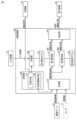
- FIG. 2 is a functional block diagram of a control device.
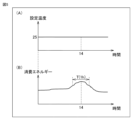
- FIG. 2 is a diagram showing an example of a first operation plan.
- FIG. 11 is a diagram showing an example of a second operation plan.
- FIG. 2 is a diagram illustrating an example of an integrated operation plan.
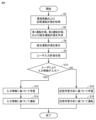
- 13 is an example of an input screen. 4 is a flowchart showing a process flow of the control device.
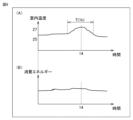
- FIG. 11 is a diagram showing an example of a first operation plan according to the second embodiment. 13 shows an example of a second operation plan according to the second embodiment.
- FIG. 11 is a diagram showing an example of an integrated operation plan according to the second embodiment.
- 13 is an example of an input screen according to the second embodiment;
- FIG. 13 is a diagram showing an example of a first operation plan according to the third embodiment.
- FIG. 13 is a diagram showing an example of a second operation plan according to the third embodiment.
- FIG. 13 is a diagram showing an example of an integrated operation plan according to the third embodiment. 13 illustrates an example of a configuration of a management system 500A according to a fourth embodiment.
- Embodiment 1 shows an example of the configuration of a management system 500 according to a first embodiment.
- the management system 500 includes a PC (Personal Computer) 20, an environmental server 30, a control device 100, and N air conditioners 10, where N is an integer equal to or greater than 1. These devices are configured to be able to communicate with each other via a network NW.
- PC Personal Computer
- N Air conditioner
- the PC 20 is also referred to as an "information processing device” and is a terminal operated by an administrator A who manages N air conditioners 10.
- the administrator A is also referred to as a "first user,” and the user of the air conditioner 10 is also referred to as a "second user.”
- the administrator A and the first user correspond to "users” in this disclosure.
- the air conditioners 10 are an example of "facility equipment” in this disclosure.
- the PC 20 includes a display device 25 and an input device 27.
- the display device 25 is, for example, a liquid crystal display (LCD) panel, and displays information to the administrator A.
- the input device 27 is, for example, a keyboard or a pointing device such as a mouse, and accepts commands from the user. When a touch panel is used as the user interface, the display device 25 and the input device 27 are integrally formed.
- the environmental server 30 outputs environmental information for each air conditioner 10.
- the environmental information is, for example, information indicating the environment of the air conditioner 10 for a certain period of time.
- the environmental information includes, for example, the outside air temperature of the facility in which the air conditioner 10 is installed.
- the certain period is, for example, one day.
- the environmental information may also include at least one of the following: weather, humidity, and a predicted value of the temperature (indoor temperature) in the room in which the air conditioner 10 is installed.
- the environmental information from the environmental server 30 is output to the control device 100.
- the control device 100 controls the N air conditioners 10.
- the control device 100 also generates appropriate operation plans for each of the N air conditioners 10 and notifies the manager A of the operation plans.
- the operation plan is, for example, information indicating a plan for operation of the air conditioners 10 from a start timing (e.g., 7:00 a.m.) described below until a first predetermined period (e.g., one day) has elapsed.
- the operation plan is a plan related to fluctuations in the set temperature of the air conditioners 10 (see Figures 4 and 5).
- the operation plan also includes a first operation plan and a second operation plan, as described below. Notification of the operation plan in this embodiment is performed by displaying an image related to the operation plan on the display device 25.
- the manager A can visually confirm the operation plan displayed on the display device 25.
- the control device 100 has an arithmetic unit 101, a memory 102, and an interface 103.
- the arithmetic unit 101 executes various processes and calculations. Each component is connected to each other via a data bus.
- the memory 102 includes a ROM (Read Only Memory) and a RAM (Random Access Memory), etc.
- the arithmetic unit 101 is also called a "processor” or a "control circuit.”
- the ROM stores the programs executed by the computing device 101.
- the RAM temporarily stores data generated by the execution of the programs in the computing device 101.
- the RAM can function as a temporary data memory used as a working area.
- the interface 103 is configured to communicate with devices external to the control device 100 (such as N air conditioners 10, an environmental server 30, and a PC 20).
- devices external to the control device 100 such as N air conditioners 10, an environmental server 30, and a PC 20.
- the N air conditioners 10 each include an outdoor unit 11, an indoor unit 13, and a sensor 16.
- the outdoor unit 11 includes a compressor 15 that compresses a refrigerant.
- the sensor 16 will be described in the third embodiment below.
- the air conditioners 10 and the outdoor unit 11 feedback control the compressor 15 so that the indoor temperature becomes the set temperature.
- the set temperature is set, for example, by an administrator or the like using a stored operation plan 132, which will be described later.
- FIG. 2 is a block diagram showing an example of a hardware configuration of the control device 100.
- the arithmetic device 101 is an arithmetic entity that executes various processes such as estimation processing and learning processing of estimation models (a first estimation model 121 and a second estimation model 122 described later) by executing various programs, and is an example of a computer.
- the arithmetic device 101 is composed of a CPU (Central Processing Unit), an FPGA (Field-Programmable Gate Array), a GPU (Graphics Processing Unit), and the like.
- the arithmetic device 101 may be composed of at least one of the CPU, the FPGA, and the GPU.
- the arithmetic device 101 may also be composed of a CPU and an FPGA, an FPGA and a GPU, a CPU and a GPU, or all of the CPU, the FPGA, and the GPU.
- the arithmetic device 101 may also be composed of a processing circuitry.
- Memory 102 includes a volatile storage area (e.g., a working area) that temporarily stores program code, work memory, etc. when the computing device 101 executes any program.
- memory 102 is composed of a volatile memory device such as DRAM (Dynamic Random Access Memory) or SRAM (Static Random Access Memory).
- memory 102 includes a non-volatile storage area.
- memory 102 is composed of a non-volatile memory device such as a hard disk or SSD (Solid State Drive).
- the memory 102 stores a first estimation model 121, a second estimation model 122, a learning policy 131, and a stored operation plan 132.
- the first estimation model 121 corresponds to the "operation model" of this disclosure.
- the first estimation model 121 and the second estimation model 122 are operation models related to the operation of the air conditioner 10.
- the first estimation model 121 and the second estimation model 122 are collectively referred to as the "estimation model.”
- the estimation model includes a neural network and parameters used in processing in the neural network.
- the estimation model includes at least a program capable of machine learning, and is optimized (adjusted) by performing machine learning. Learning the estimation model involves, for example, updating parameters. The learning of the estimation model will be described later.
- the learning policy 131 is a policy that indicates learning of the first estimation model 121.
- the learning policy 131 includes a first learning policy and a second learning policy.
- the first learning policy is a policy (emphasis on comfort) that learns the first estimation model 121 so as to improve the comfort of the user (second user) of the air conditioner 10. Improving the comfort of the user (second user) of the air conditioner 10 means, for example, performing an operation such that the set temperature of the air conditioner 10 is maintained at the room temperature. In this way, in the first learning policy, the energy consumption of the air conditioner 10 may increase, but the comfort of the second user of the air conditioner 10 may be improved.
- the second learning policy is a policy (emphasis on reducing energy consumption) for learning the first estimation model 121 so as to reduce the energy consumption (power consumption) of the air conditioner 10. In this way, with the second learning policy, the comfort of the second user is not significantly improved, but the energy consumption of the air conditioner 10 can be reduced.
- the administrator sets either the first learning policy or the second learning policy as the learning policy 131 using the PC 20.
- the administrator A sets the learning policy 131, for example, before starting the management system 500.
- information indicating the learning policy is output to the control device 100 and stored in the memory 102 of the control device 100. Therefore, the administrator A can set the learning policy 131 that reflects the administrator A's own intentions (preferences).
- the stored operation plan 132 is information indicating the operation plan of the air conditioner 10, and is a plan that is set in advance by the administrator.
- the stored operation plan 132 includes, for example, a combination of a time period and a set temperature for that time period.
- the stored operation plan 132 may also include an upper limit value for the operating frequency of the compressor 15.
- the administrator A sets the operation plan for each air conditioner 10 using the PC 20.
- the set operation plan is then set in the memory 102 as the stored operation plan 132. Therefore, the administrator A can set an operation plan that reflects the administrator A's own intentions (preferences).
- the stored operation plan 132 is described for a case in which the set temperature throughout the day is set to 25 degrees.
- the interface 103 communicates with external devices via the network NW.
- the programs stored in the ROM may be stored on a recording medium and distributed as a program product.
- the recording medium is a non-transitory medium from which a computer can read programs and the like.
- the programs may also be provided by information providers as program products that can be downloaded via the Internet, etc.
- [Functional block diagram of the control device] 3 is a functional block diagram of the control device 100.
- the control device 100 includes a prediction unit 110, a first estimation unit 111, a second estimation unit 112, an integration unit 104, a learning unit 106, and a storage unit 108.
- the control device 100 At a predetermined start timing (for example, 7:00 a.m.), the control device 100 generates an operation plan for each of the N air conditioners 10. The control device 100 then displays the operation plan on the display device 25 of the PC 20. In this embodiment, the control device 100 uses AI (Artificial Intelligence) to generate an operation plan for each of the N air conditioners 10.
- AI Artificial Intelligence
- the prediction unit 110 acquires environmental information from the environmental server 30.
- the environmental information is the above-mentioned outside air temperature, etc.
- the environmental information is input to the prediction unit 110.
- the prediction unit 110 acquires the stored operation plan 132 from the memory unit 108.
- the prediction unit 110 predicts the change in the operating frequency of the compressor 15 of the air conditioner 10 based on the environmental information and the stored operation plan 132.
- the change in the operating frequency is, for example, the change in the first predetermined period (for example, one day). Furthermore, the prediction of the change in the operating frequency may be performed using AI or may be performed by other methods.
- the operating frequency predicted by the prediction unit 110 is input to the first estimation unit 111 and the second estimation unit 112.
- the first estimation unit 111 generates (estimates) a first operating plan (see FIG. 4 described below) based on the operating frequency and the first estimation model 121.
- Data related to the estimated first operating plan is output to the integration unit 104.
- the integration unit 104 generates image data related to the integrated operation plan (see FIG. 6 described later) by integrating the data related to the first operation plan and the data related to the second operation plan.
- the integration unit 104 outputs the generated image data to the display device 25 of the PC 20.
- the display device 25 displays an image related to the integrated operation plan.
- the learning unit 106 learns the first estimation model 121 based on the learning policy 131 stored in the storage unit 108. An example of learning by the learning unit 106 will be described below.
- the learning unit 106 performs reinforcement learning using, for example, a deep Q-network (DQN) or the like, with a value determined based on the first index and the second index as a reward.
- the first index is an index corresponding to the first learning policy.
- the learning unit 106 increases the first index.
- the second index is an index corresponding to the second learning policy.
- the learning unit 106 increases the second index.
- the learning unit 106 may determine the first coefficient and the second coefficient based on the learning policy and input information described below, and perform reinforcement learning using a value determined based on the value obtained by multiplying the value of the first index by the first coefficient and the value obtained by multiplying the value of the second index by the second coefficient as a reward.
- the learning unit 106 sets the value of the first coefficient to "1.1" and the value of the second coefficient to "0.9".
- the learning unit 106 sets the value of the first coefficient to "0.9” and the value of the second coefficient to "1.1".
- the learning unit 106 typically performs unsupervised learning.
- the control device 100 can execute operation based on the learning policy on the air conditioner 10 by transmitting an operation signal to the air conditioner 10. For example, if the learning policy 131 is the first learning policy, the air conditioner 10 operates based on the first learning policy, that is, operates in a way that increases the comfort of the second user. Also, if the learning policy 131 is the second learning policy, the air conditioner 10 operates based on the second learning policy, that is, operates in a way that reduces the energy consumption of the air conditioner 10.
- the permissive state is a state in which the user is permitted to input information related to the integrated operation plan (first operation plan).
- the administrator can input input information from the input device 27. The input information will be described later.
- Figures 4(A) and 4(B) are diagrams for explaining the first operation plan.
- Figures 5(A) and 5(B) are diagrams for explaining the second operation plan.
- Figures 4 and 5 are, for example, operation plans for the above-mentioned first predetermined period (one day) from the above-mentioned start timing (7:00 a.m.).
- Figures 4 and 5 the horizontal axis indicates time, and the vertical axis indicates the set temperature.
- Figures 4 (A) and 5 (A) are information showing the change in the set temperature of the air conditioner 10 over time.
- Figures 4 (B) and 5 (B) are information showing the change in the energy consumption of the air conditioner 10 over time.
- the second operation plan will be described with reference to FIG. 5.
- the stored operation plan 132 sets the set temperature to 25 degrees throughout the day. Therefore, as shown in FIG. 5(A), the set temperature in the second operation plan is maintained at 25 degrees.
- the information shown in FIG. 5(A) corresponds to the stored operation plan 132.
- the prediction unit 110 and the second estimation unit 112 predict the trend in energy consumption in FIG. 5(B) based on the environmental information and the stored operation plan 132.
- FIG. 5(B) it is shown that energy consumption increases in the period around 2 p.m.
- the period during which energy consumption increases is also referred to as the increase period T. It should be noted that the increase period is one hour (1 h).
- the example in FIG. 4 shows the first operation plan generated based on the first estimation model 121 learned with the second learning policy (policy of reducing energy consumption).
- the energy consumption during the increase period T is increased, whereas in FIG. 4(B), the energy consumption during the increase period T is suppressed.
- the set temperature during the increase period T is set to 27 degrees, which is higher than 25 degrees.
- the first operation plan generated based on the first estimation model 121 learned with the first learning policy (policy for improving the comfort of the second user) is not illustrated, but the first operation plan is as follows.
- the energy consumption during the increase period T1 is a value between FIG. 4(B) and FIG. 5(B), and the set temperature during the increase period is 26 degrees.
- FIG. 6 is a diagram showing an example of an integrated operation plan displayed on the display device 25.
- set temperature information 251, consumed energy information 252, difference information 201, YES button 202, NO button 203, and adjustment button 204 are shown.
- the set temperature information 251 is information that combines information indicating the change in the set temperature of the first operation plan (see FIG. 4(A)) and information indicating the change in the set temperature of the second operation plan (see FIG. 5(A)). More specifically, the set temperature information 251 is information in which the change in the set temperature of the first operation plan and the change in the set temperature of the second operation plan are superimposed. In the set temperature information 251, the change in the set temperature of the first operation plan is shown by a solid line, and the change in the set temperature of the second operation plan is shown by a dashed line.
- the energy consumption information 252 is information that integrates information showing the trend in energy consumption in the first operation plan (see FIG. 4(B)) and information showing the trend in energy consumption in the second operation plan (see FIG. 5(B)). More specifically, the energy consumption information 252 is information in which the trend in energy consumption in the first operation plan and the trend in energy consumption in the second operation plan are superimposed. In the energy consumption information 252, the trend in energy consumption in the first operation plan is shown by a solid line, and the trend in energy consumption in the second operation plan is shown by a dashed line.
- the difference information 201 is information relating to the difference between the first operation plan in FIG. 4 and the second operation plan in FIG. 5.
- the difference information includes effect information indicating the effect achieved by operating the air conditioner 10 with the first operation plan.
- the difference information 201 is information indicating the wording "The outside temperature is high around 2 p.m., so energy consumption will increase. If you raise the set temperature for that time by 2 degrees, the peak of energy consumption can be suppressed. Do you want to execute this?" In this wording, the effect information included in the difference information 201 is the information that "The peak of energy consumption can be suppressed."
- the integration unit 104 generates the difference information 201 by comparing the first operation plan and the second operation plan.
- the difference information 201 also includes question information that asks the administrator "whether or not to suppress peak energy consumption.” In other words, this question is about which of the first and second learning policies should be used to train the first estimation model 121.
- Manager A visually checks the set temperature information 251 and the energy consumption information 252, and if he/she agrees with the question, he/she operates the YES button 202. On the other hand, if he/she does not agree with the question, he/she operates the NO button 203.
- Operation of the YES button 202 indicates that the administrator inputs input information (see FIG. 3) indicating the second learning policy (a policy to reduce the energy consumption of the air conditioner 10).
- the control device 100 learns that an increase in energy consumption (an increase of the set temperature by 2 degrees) is permitted.
- the learning unit 106 learns the first estimation model 121 to reflect that an increase in energy consumption (an increase of the set temperature by 2 degrees) is permitted.
- pressing the NO button 203 indicates that the administrator is entering input information (see FIG. 3) indicating the first learning policy (a policy to improve the comfort of the second user of the air conditioner 10).
- the input information includes learning information.
- the learning information is information that the learning unit 106 uses to learn the first estimation model 121.
- the learning unit 106 learns the first estimation model 121 based on the learning information included in the input information.
- the learning information also includes information indicating which of the first and second learning policies will be used to learn the first estimation model 121.
- information indicating that the first estimation model 121 will be learned using the second learning policy is input as the learning information.
- NO button 203 information indicating that the first estimation model 121 will be learned using the first learning policy is input as the learning information.
- the administrator If the administrator does not agree with the set temperature information 251 and the energy consumption information 252, for example, the administrator operates the adjustment button 204.
- the adjustment button 204 When the adjustment button 204 is operated, an input screen on which the operating parameters can be input is displayed on the display device 25.
- the input operating parameters are the tolerances for the operation of the air conditioner 10.
- FIG. 7 is an example of an input screen where operating parameters are input.
- the set temperature is disclosed as an example of an operating parameter.
- a text image 205 saying "Please enter the set temperature" and an input area 206 for the set temperature are displayed.
- the administrator inputs a set temperature in the input area 206. For example, if the administrator visually checks the set temperature information 251 in FIG. 6 and feels that a set temperature of 27 degrees is too hot, the administrator inputs a set temperature of 26 degrees. As a result, the learning unit 106 updates the first estimation model 121 so as to propose a first operation plan in which the set temperature is 26 degrees. In this way, the learning unit 106 learns the first estimation model 121 based on the operation parameters input by the administrator. More specifically, the learning unit 106 learns the first estimation model 121 so as to output a first operation plan in which the air conditioner operates based on the input operation parameters. More specifically, the learning unit 106 learns the first estimation model 121 so as to output a first operation plan in which the operation parameters of the air conditioner 10 may be included in the operation parameters indicated by the input tolerance.
- the learning unit 106 learns the first estimation model 121 so as to output a first operating plan in which the set temperature during the increase period tends to be 26 degrees.
- the learning information includes the operating parameters of the air conditioner 10 (the set temperature in this embodiment). Then, when the operating parameters are input by the user, the learning unit 106 learns the first estimation model 121 based on the input set temperature.
- the operating parameters may be within the allowable range for operation of the air conditioner 10.
- the operating parameters input by the administrator may be, for example, the set temperature range.
- the learning unit 106 learns the first estimation model 121 so as to output a first operating plan in which the set temperature during the increase period tends to fall within the set temperature range.
- the operation parameter may also be the setting change period. For example, if the increase period T is "1 hour” and the manager feels that this "1 hour” is short, the manager inputs "2 hours” as the setting change period. When such an operation parameter is input, the learning unit 106 learns the first estimation model 121 so as to output a first operation plan in which the increase period tends to become the setting change period (2 hours).
- Fig. 8 is a flowchart showing the flow of processing by the control device 100.
- the control device 100 starts the processing of this flowchart.
- Fig. 3 will also be referred to as appropriate.
- step S2 the control device 100 acquires environmental information from the environmental server 30 and the stored operation plan 132 from the memory unit 108.
- step S4 the control device 100 creates a first operation plan, a second operation plan, and an integrated operation plan (see the explanation in FIG. 3).
- step S6 the control device 100 displays the integrated operation plan on the display device 25 (see FIG. 6).
- step S8 the control device 100 controls the state of the control device 100 (or the PC 20) to a state (permitted state) in which input information is permitted from the user.
- the permissive state in this embodiment is a state in which input (operation) from the administrator is possible by displaying YES button 202 and NO button 203, etc.
- step S10 it is determined whether or not input information has been input by the administrator.
- the control device 100 determines that no input information has been input (NO in step S10).
- the control device 100 determines that input information has been input (YES in step S10).
- step S10 the process proceeds to step S12. If the answer is NO in step S10, the process proceeds to step S16.
- step S12 the control device 100 learns the first estimation model 121 based on the input information (the learning information and the operating parameters described above).
- step S14 the control device 100 operates the air conditioner 10 according to an operating plan (operating plan) based on the input information that has been input.
- the air conditioner 10 is operated according to an operation plan in which the set temperature during the increase period is increased by 2 degrees.
- the control device 100 transmits an operation signal to the air conditioner 10 to execute such an operation.
- step S16 the control device 100 learns the first estimation model 121 based on the learning policy 131 stored in the memory unit 108.
- This learning policy 131 is the first learning policy or the second learning policy described above.
- the control device 100 learns the first estimation model 121 based on the first learning policy.
- the control device 100 learns the first estimation model 121 based on the second learning policy.
- step S16 the control device 100 operates the air conditioner 10 according to an operation plan based on the learning policy 131 stored in the memory unit 108.
- step S12 when the first estimation model 121 is learned based on the input information, the control device 100 may generate the first operation plan again using the learned first estimation model 121. Then, the control device 100 may display the second operation plan, the regenerated first operation plan, and the difference information.
- the control device 100 notifies the user of the first operation plan.
- "notifying the user of the first operation plan” means displaying an image of the solid line portion of the set temperature information 251 in FIG. 6 and an image of the solid line portion of the energy consumption information 252 on the display device 25.
- the control device 100 learns the first estimation model 121 based on the learning policy 131 reflecting the manager's intention. Therefore, the control device 100 can learn the first estimation model 121 (operation model) so as to reflect the intention of the manager of the target device while reducing the burden on the manager.
- the control device 100 since the control device 100 generates the first operation plan using the first estimation model 121, it is possible to generate a first operation plan that reflects the intention of the manager of the target device while reducing the burden on the manager.
- a case will be described in which the control device 100 learns the first estimation model 121 with the first learning policy (a policy that emphasizes comfort) in step S16.
- a first operation plan is generated that reflects at least one of the following: "the increase period T tends to be shorter than one hour” and "the set temperature tends to be lower than 27 degrees.”
- the control device 100 learns the first estimation model 121 with the second learning policy (a policy to reduce energy consumption) in step S16.
- a first operation plan is generated that reflects at least one of the following: "the increase period T tends to be longer than one hour” and "the set temperature tends to be higher than 27 degrees.”
- the control device 100 also stores the stored operation plan 132.
- the control device 100 generates a second operation plan based on the stored operation plan without using the first estimation model 121.
- the control device 100 displays both the first operation plan and the second operation plan (see FIG. 6). That is, the control device 100 displays the first operation plan generated using the first estimation model 121 that reflects the manager's intention, and the second operation plan generated without using the first estimation model 121 (that is, an operation plan that does not reflect the manager's intention). Therefore, the manager can recognize both the first operation plan and the second operation plan.
- the learning of the second estimation model 122 may be any learning that is performed without using user input information.
- control device 100 notifies the administrator of difference information 201 regarding the difference between the first operation plan and the second operation plan (see FIG. 6). Therefore, the administrator can recognize the difference information 201 regarding the difference between the first operation plan and the second operation plan. In particular, in this embodiment, the administrator can recognize the effect of the first operation plan on the second operation plan (in the example of FIG. 6, the peak energy consumption can be reduced).
- step S18 when in the permissive state, if no input information is input (NO in step S10 in FIG. 8), the control device 100 operates the air conditioner 10 based on an operation plan corresponding to the learning policy 131 (step S18). For example, when the image shown in FIG. 6 is displayed on the display device 25, if no input information is input, the air conditioner 10 operates at the set temperature shown by the solid line in FIG. 6. With this configuration, even if no input information is input by the administrator, the air conditioner 10 can be operated with an operation plan that reflects the administrator's intentions (an operation plan corresponding to the learning policy 131).
- the input information also includes information indicating which of the first and second learning policies is to be used to train the first estimation model 121. Therefore, the administrator only needs to select either the first or second learning policy when entering the input information, thereby reducing the administrator's burden of entering information (corresponding to the YES button 202 and NO button 203 in FIG. 6).
- the first learning policy is a policy to learn the first estimation model 121 so as to improve the comfort of the second user of the air conditioner 10 (corresponding to the NO button 203 in FIG. 6).
- the second learning policy is a policy to learn the first estimation model 121 so as to reduce the energy consumption of the air conditioner 10 (corresponding to the YES button 202 in FIG. 6). Therefore, the administrator can select either a learning policy that prioritizes the comfort of the second user or a policy that prioritizes reducing energy consumption.
- the administrator can input driving parameters as input information (learning information) from the input screen in FIG. 7.
- the control device 100 then learns the first estimation model 121 based on the input driving parameters. Therefore, since the first estimation model 121 can be trained based on the driving parameters as well as the learning policy, learning that better reflects the administrator's intentions (more detailed learning) can be performed on the first estimation model 121.
- the control device 100 generates a first operation plan using environmental information (information obtainable from the environmental server 30) indicating the environment of the air conditioner 10 and the first estimation model 121. Therefore, the control device 100 can generate a first operation plan that reflects the environment of the air conditioner 10.
- the first operation plan includes information indicating the change in the set temperature of the air conditioner 10 over time (see FIG. 4(A)), and information indicating the change in the energy consumption of the air conditioner 10 over time (see FIG. 4(B)). Therefore, the manager can recognize the change in the set temperature and the change in the energy consumption of the air conditioner 10.
- the second operation plan also includes information indicating the change in the set temperature of the air conditioner 10 over time (see FIG. 5(A)), and information indicating the change in the energy consumption of the air conditioner 10 over time (see FIG. 5(B)).
- Embodiment 2 In the first embodiment, an example has been described in which the control device 100 controls the set temperature as the operation control of the air conditioner 10. In the second embodiment, an example will be described in which the control device 100 controls the operation frequency of the compressor 15 as the operation control of the air conditioner 10.
- FIG. 9 shows an example of a first operation plan of the second embodiment.
- FIG. 9 is a diagram corresponding to FIG. 4.
- FIG. 10 shows an example of a second operation plan of the second embodiment.
- FIG. 10 is a diagram corresponding to FIG. 5.
- the upper limit of the operation frequency is lowered during the increase period T, thereby reducing the energy consumption.
- the indoor temperature is suppressed by increasing the operation frequency during the increase period T.
- the vertical axis of Fig. 9(A) and Fig. 10(A) represents the indoor temperature. Note that the vertical axis of Fig. 9(A) and Fig. 10(A) may also represent the operating frequency.
- FIG. 11 is a diagram showing an example of an integrated operation plan according to the second embodiment.
- indoor temperature information 261, energy consumption information 262, difference information 211, a YES button 202, a NO button 203, and an adjustment button 204 are shown.
- Differential information 211 is an image that reads, "Energy consumption is expected to increase due to high outside temperatures around 2 p.m. If you limit the operating frequency to 60%, the peak energy consumption can be reduced. However, the indoor temperature during the above time period will rise by up to 2 degrees, decreasing comfort. Do you want to execute?"
- FIG. 12 is an example of an input screen that is displayed when the adjustment button 204 is operated.
- the upper limit of the operating frequency is disclosed as an example of an operating parameter.
- a text image 215 saying "Please enter the upper limit of the operating frequency" and an input area 216 for the upper limit of the operating frequency are displayed. The administrator inputs the upper limit of the operating frequency in the input area 216.
- the first operation plan includes information indicating the change in indoor temperature over time caused by the air conditioner 10 (FIG. 9(A)), and information indicating the change in energy consumption over time caused by the air conditioner (FIG. 9(B)). Therefore, the manager can recognize the change in indoor temperature and the change in energy consumption in the air conditioner 10.
- Embodiment 3 In the first and second embodiments, a configuration has been described in which the second learning policy is a policy for learning the first estimation model 121 so as to suppress the energy consumption of the air conditioner 10.
- the second learning policy of the third embodiment is a policy for learning the first estimation model 121 so as to suppress failures of the air conditioner 10.
- the first learning policy of the third embodiment is similar to that of the first and second embodiments, and is a policy for learning the first estimation model 121 so as to improve the comfort of the second user of the air conditioner 10.
- a sensor 16 provided in the air conditioner 10 is used (see Figs. 1 and 3).
- the sensor 16 detects a physical quantity related to the operation of the air conditioner 10.
- the physical quantity is, for example, a physical quantity of a specific part of the air conditioner 10.
- the specific part is, for example, the compressor 15, and the physical quantity is, for example, temperature.
- the first estimation unit 111 of the control device 100 generates a first operation plan using the stored operation plan 132, the physical quantities from the sensor 16, and the first estimation model 121. That is, in step S2 of FIG. 8, the control device 100 acquires physical quantities rather than environmental information.
- the second estimation unit 112 of the control device 100 generates a second operation plan using the stored operation plan 132, the physical quantities, and the second estimation model 122.
- FIG. 13 is a diagram for explaining the first operation plan of the third embodiment.
- the first operation plan of the example of FIG. 13 is an operation plan in the case where the first estimation model 121 has been trained to suppress failures of the air conditioner 10.
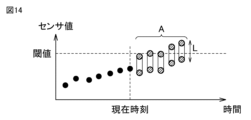
- FIG. 14 is a diagram for explaining the second operation plan of the third embodiment.
- the horizontal axis indicates time
- the vertical axis indicates the sensor value (the physical quantity described above).
- the vertical axis also indicates a predetermined threshold value. If the sensor value exceeds this threshold value, the air conditioner 10 will break down, or the probability of a breakdown will increase.
- the black circles before the current time are past sensor values detected by the sensor 16.
- the hatched circles after the current time are values estimated by the first estimation unit 111 in FIG. 13, and values estimated by the second estimation unit 112 in FIG. 14.
- an estimation range L of the sensor value is shown taking into account estimation errors and the like.
- the multiple estimation ranges L of the sensor value in FIGS. 13 and 14 and subsequent figures are also referred to as an estimation range group A.
- the control device 100 notifies the administrator of an abnormality in the air conditioner 10.
- the first and second operation plans are operation plans that indicate operation so that the sensor values from the current time onwards will be within estimated range group A.
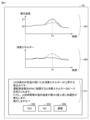
- FIG. 15 is a diagram showing an example of an integrated operation plan according to the third embodiment.
- information 271 of the second operation plan information 272 of the first operation plan, difference information 221, a YES button 202, a NO button 203, and an adjustment button 204 are shown.
- Differential information 221 is information that reads, "With the current settings, there is a 50% chance of a breakdown after one month. If you limit the upper limit of the operating frequency to 70%, the chance of a breakdown after one month will drop to 30%. However, this may result in a decrease in comfort. Do you want to execute this?"
- this difference information 221 includes effect information indicating that when the air conditioner 10 is operated according to the first operation plan, the failure probability is reduced from 50% to 30%.
- Operation of the YES button 202 indicates that the administrator inputs input information (see FIG. 3) indicating the second learning policy (a policy for suppressing failures in the air conditioner 10). More specifically, the control device 100 learns that failure avoidance operation is permissible. Then, the learning unit 106 learns the first estimation model 121 to reflect that failure avoidance operation is permissible.
- pressing the NO button 203 indicates that the administrator is entering input information (see FIG. 3) indicating the first learning policy (a policy to improve the comfort of the second user of the air conditioner 10).
- the control device 100 displays the input screen of FIG. 12 on the display device 25.
- the learning unit 106 learns the first estimation model 121 based on the upper operating frequency limit input from the input screen of FIG. 12.
- the input operation parameter may be, for example, a tolerance for the failure probability.
- the learning unit 106 learns the first estimation model 121 based on the tolerance. Through such learning, the first estimation unit 111 generates a first operation plan in which the failure probability tends to be equal to or lower than the tolerance.
- the input operating parameter may also be, for example, a target value for the failure probability.
- the learning unit 106 learns the first estimation model 121 based on the target value. Through such learning, the first estimation unit 111 generates a first operating plan in which the failure probability tends to become the target value.
- the second learning policy is a policy for learning the first estimation model 121 so as to suppress breakdowns of the air conditioner 10. Therefore, the administrator can select, as the learning policy, either a focus on comfort for the second user or a focus on suppressing breakdowns.
- the first operation plan shown in FIG. 13 also includes failure information regarding a failure of the air conditioner 10.
- the failure information is information indicating whether or not the sensor value estimation range exceeds a threshold value. Therefore, the administrator can recognize whether or not there is a failure of the air conditioner 10 and the possibility of a future failure.
- Fig. 16 is a configuration example of a management system 500A according to embodiment 4.
- the management system 500A includes an environmental server 30, N air conditioners 10, and a control device 100A capable of communicating with the environmental server 30 and the N air conditioners 10.
- the control device 100A has a function that combines the functions of the PC 20 and the control device 100 in Fig. 1 .
- control device 100A includes a calculation device 101, a memory 102, an interface 103, a display device 25, and an input device 27.
- the manager A visually checks the first operation plan and the like displayed on the display device 25, and inputs input information and the like using the input device 27.
- the target device is an air conditioner.
- the target device may be other devices.
- the other devices may be, for example, freezers, water heaters, lighting equipment, and autonomous vehicles.
- control device 100 notifies the user of the first operation plan and the second operation plan.
- control device 100 may notify the user of the first operation plan without notifying the user of the second operation plan.
- the learning policy 131 may be changed by the administrator A or the like.
- the administrator A may change the learning policy 131 from the first learning policy to the second learning policy.
- the learning policy 131 may not be stored. In this case, if the determination in step S10 is NO, the processes in steps S16 and S18 are not executed.
- Air conditioner 11 Outdoor unit, 13 Indoor unit, 15 Compressor, 16 Sensor, 25 Display device, 27 Input device, 30 Environmental server, 100, 100A Control device, 101 Calculation device, 102 Memory, 103 Interface, 104 Integration unit, 106 Learning unit, 108 Storage unit, 110 Prediction unit, 111 First estimation unit, 112 Second estimation unit Part, 121 First estimation model, 122 Second estimation model, 131 Learning policy, 132 Stored operation plan, 201, 211, 221 Difference information, 202 YES button, 203 NO button, 204 Adjustment button, 205, 215 Text image, 206, 216 Input area, 251 Set temperature information, 252, 262 Energy consumption information, 261 Indoor temperature information.
Landscapes
- Physics & Mathematics (AREA)
- General Physics & Mathematics (AREA)
- Engineering & Computer Science (AREA)
- Automation & Control Theory (AREA)
- Air Conditioning Control Device (AREA)
Abstract
Description
本開示は、制御装置、および制御方法に関する。 This disclosure relates to a control device and a control method.
たとえば、特許第6885497号公報には、空調機を制御するための空調管理システムが開示されている。この空調管理システムは、空調機の制御において省エネ性と、空調機のユーザの快適性とを適切に両立させることを目的としている。 For example, Patent Publication No. 6885497 discloses an air conditioning management system for controlling air conditioners. The purpose of this air conditioning management system is to appropriately balance energy conservation in controlling air conditioners with the comfort of the air conditioner's users.
この空調管理システムにおいては、学習済みモデルを用いて、空調機の運転設定を生成する。そして、空調管理システムは、生成した運転設定を空調機の管理者に対して提案する。管理者は、この提案された運転設定の変更有無を、空調管理システムに入力する。たとえば、管理者が、運転設定の変更をする旨を入力すると、空調管理システム該入力に基づいて、学習済みモデルを更新する。 In this air conditioning management system, the trained model is used to generate operation settings for the air conditioners. The air conditioning management system then proposes the generated operation settings to the manager of the air conditioners. The manager inputs into the air conditioning management system whether or not the proposed operation settings will be changed. For example, when the manager inputs that the operation settings will be changed, the air conditioning management system updates the trained model based on that input.
しかしながら、上述の空調管理システムにおいては、管理者は運転設定の変更の有無を入力する必要があった。したがって、従来の空調管理システムにおいては、管理者に負担を強いるという問題が生じ得る。この負担を軽減するために管理者による運転設定の変更の有無の入力を行わないという構成が考えられるが、このような構成であれば、管理者の意図に反した方針で学習済みモデルの学習が行われてしまうという問題が生じ得る。 However, in the above-mentioned air conditioning management system, the administrator had to input whether or not the operation settings had been changed. Therefore, in conventional air conditioning management systems, the administrator may have to bear a burden. To reduce this burden, it is possible to configure the system so that the administrator does not have to input whether or not the operation settings have been changed, but this can lead to a problem in that the trained model may be trained according to a policy that goes against the administrator's intentions.
本開示は、上述の課題を解決するためになされたものであって、その目的は、対象機器の管理者の意図を反映しつつ管理者の負担を軽減するように運転モデルを学習することである。 The present disclosure has been made to solve the above-mentioned problems, and its purpose is to learn an operating model that reflects the intentions of the administrator of the target device while reducing the burden on the administrator.
本開示の制御装置は、対象機器の運転に関する運転モデルと、該運転モデルの学習方針とを記憶するメモリと、演算装置とを備える。演算装置は、対象機器の第1運転計画を、運転モデルを用いて生成する。演算装置は、第1運転計画をユーザに通知し、第1運転計画に関する入力情報のユーザによる入力を許容する。そして、演算装置は、入力情報の入力が許容されている許容状態において、該入力情報が入力されなかった場合には、学習方針に基づいて運転モデルを学習する。 The control device of the present disclosure includes a memory that stores an operation model related to the operation of the target equipment and a learning policy for the operation model, and a calculation device. The calculation device generates a first operation plan for the target equipment using the operation model. The calculation device notifies a user of the first operation plan and allows the user to input input information related to the first operation plan. Then, in a permissible state in which input of input information is permitted, if the input information is not input, the calculation device learns the operation model based on the learning policy.
本開示の制御方法は、対象機器の第1運転計画を、対象機器の運転に関する運転モデルを用いて生成することを備える。また、制御方法は、第1運転計画をユーザに通知することを備える。また、制御方法は、第1運転計画に関する入力情報のユーザによる入力を許容することを備える。そして、制御方法は、入力情報の入力が許容されている許容状態において、該入力情報が入力されなかった場合には、予めユーザにより設定されている学習方針に基づいて運転モデルを学習することを備える。 The control method disclosed herein comprises generating a first operation plan for a target device using an operation model related to the operation of the target device. The control method also comprises notifying a user of the first operation plan. The control method also comprises allowing a user to input input information related to the first operation plan. And, in an allowable state in which input of input information is allowed, if the input information is not input, the control method comprises learning an operation model based on a learning policy previously set by the user.
本開示によれば、対象機器の管理者の意図を反映しつつ、管理者の負担を軽減するように、運転モデルを学習できる。 According to this disclosure, an operating model can be learned that reflects the intentions of the administrator of the target device while reducing the burden on the administrator.
以下、本開示の実施の形態について、図面を参照しながら詳細に説明する。なお、図中同一または相当部分には同一符号を付してその説明は繰り返さない。また、各実施形態における構成の少なくとも一部を適宜組み合わせて用いることは当初から予定されていることである。 Below, the embodiments of the present disclosure will be described in detail with reference to the drawings. Note that the same or equivalent parts in the drawings will be given the same reference numerals and their description will not be repeated. In addition, it is intended from the outset that at least some of the configurations in each embodiment will be used in appropriate combination.
実施の形態1.
[管理システムの構成例]
図1は、実施の形態1の管理システム500の構成例である。管理システム500は、PC(Personal Computer)20と、環境サーバ30と、制御装置100と、N個の空調機10とを備える。Nは1以上の整数である。これらの装置が、ネットワークNWにより通信可能となるように構成されている。
[Example of management system configuration]
1 shows an example of the configuration of a
PC20は、「情報処理装置」とも称され、N個の空調機10を管理する管理者Aが操作する端末である。なお、管理者Aは、「第1ユーザ」とも称され、空調機10のユーザは、「第2ユーザ」とも称される。管理者Aおよび第1ユーザは、本開示の「ユーザ」に対応する。空調機10は、本開示の「設備機器」の一例である。
The PC 20 is also referred to as an "information processing device" and is a terminal operated by an administrator A who manages
PC20は、表示装置25と、入力装置27とを備える。表示装置25は、たとえば液晶(LCD:Liquid Crystal Display)パネルで構成され、管理者Aに情報を表示する。入力装置27は、たとえばキーボードあるいはマウスなどのポインティングデバイスであり、ユーザからの指令を受け付ける。ユーザインターフェースとしてタッチパネルが用いられる場合には、表示装置25と、入力装置27とが一体的に形成される。
The PC 20 includes a
環境サーバ30は、各空調機10の環境情報を出力する。環境情報は、たとえば、空調機10の一定期間内の環境を示す情報である。環境情報は、たとえば、空調機10が設置されている施設の外気温度などを含む。一定期間は、たとえば、1日である。また、環境情報は、その他、天気、湿度、および空調機10が設置されている室内の温度(室内温度)の予測値などのうち少なくとも1つを含んでいてもよい。環境サーバ30からの環境情報は、制御装置100に出力される。
The
制御装置100は、N個の空調機10の制御などを行う。また、制御装置100は、N個の空調機10の各々の適切な運転計画を生成し、該運転計画を管理者Aに通知する。運転計画は、たとえば、後述の開始タイミング(たとえば、午前7時)から第1所定期間(たとえば、1日)が経過するまでの空調機10の運転の計画を示す情報である。本実施の形態においては、運転計画は、空調機10の設定温度の変動に係る計画である(図4および図5参照)。また、運転計画は、後述するように、第1運転計画と第2運転計画とを含む。本実施の形態の運転計画の通知は、該運転計画に係る画像を、表示装置25に表示することである。管理者Aは、表示装置25に表示された運転計画を視認できる。
The
制御装置100は、演算装置101と、メモリ102と、インタフェース103とを有する。演算装置101は、様々な処理および演算を実行する。各構成要素はデータバスによって相互に接続されている。メモリ102は、ROM(Read Only Memory)、およびRAM(Random Access Memory)などを含む。演算装置101は、「プロセッサ」または「制御回路」とも称される。
The
ROMは、演算装置101にて実行されるプログラムを格納する。RAMは、演算装置101におけるプログラムの実行により生成されるデータなどを一時的に格納する。RAMは、作業領域として利用される一時的なデータメモリとして機能できる。
The ROM stores the programs executed by the
インタフェース103は、制御装置100の外部装置(N個の空調機10、環境サーバ30、およびPC20など)と通信するように構成されている。
The
N個の空調機10は、室外ユニット11と、室内ユニット13と、センサ16とを備える。室外ユニット11は、冷媒を圧縮する圧縮機15などを有する。センサ16については、後述の実施の形態3で説明する。空調機10、および室外ユニット11は、室内温度が設定温度となるように、圧縮機15をフィードバック制御する。設定温度は、たとえば、管理者などにより、後述の記憶運転計画132により設定される。
The
[制御装置のハードウェア構成]
図2は、制御装置100のハードウェア構成例を示すブロック図である。演算装置101は、各種のプログラムを実行することで、推定モデル(後述の第1推定モデル121および第2推定モデル122)の推定処理および学習処理などの各種の処理を実行する演算主体であり、コンピュータの一例である。演算装置101は、CPU(Central Processing Unit)、FPGA(Field-Programmable Gate Array)、およびGPU(Graphics Processing Unit)などで構成される。なお、演算装置101は、CPU、FPGA、およびGPUの少なくとも1つで構成されてもよい。また、演算装置101は、CPUとFPGA、FPGAとGPU、CPUとGPU、あるいはCPU、FPGA、およびGPUの全てから構成されてもよい。また、演算装置101は、演算回路(processing circuitry)で構成されてもよい。
[Hardware configuration of the control device]
FIG. 2 is a block diagram showing an example of a hardware configuration of the
メモリ102は、演算装置101が任意のプログラムを実行するにあたって、プログラムコードやワークメモリなどを一時的に格納する揮発性の記憶領域(たとえば、ワーキングエリア)を含む。たとえば、メモリ102は、DRAM(Dynamic Random Access Memory)またはSRAM(Static Random Access Memory)などの揮発性メモリデバイスで構成される。さらに、メモリ102は、不揮発性の記憶領域を含む。たとえば、メモリ102は、ハードディスクまたはSSD(Solid State Drive)などの不揮発性メモリデバイスで構成される。
メモリ102は、第1推定モデル121と、第2推定モデル122と、学習方針131と、記憶運転計画132とを格納する。第1推定モデル121は、本開示の「運転モデル」に対応する。第1推定モデル121および第2推定モデル122は、空調機10の運転に関する運転モデルである。
The
第1推定モデル121および第2推定モデル122は、まとめて、「推定モデル」とも称される。推定モデルは、ニューラルネットワークと、ニューラルネットワークにおける処理で用いられるパラメータとを含む。
The
推定モデルは、少なくとも機械学習が可能なプログラムを含み、機械学習を行うことで最適化(調整)される。推定モデルの学習は、たとえば、パラメータを更新することである。推定モデルの学習については、後述される。 The estimation model includes at least a program capable of machine learning, and is optimized (adjusted) by performing machine learning. Learning the estimation model involves, for example, updating parameters. The learning of the estimation model will be described later.
学習方針131は、第1推定モデル121の学習を示す方針である。本実施の形態においては、学習方針131は、第1学習方針と第2学習方針とを含む。本実施の形態においては、第1学習方針は、空調機10のユーザ(第2ユーザ)の快適性を向上するように第1推定モデル121を学習する方針(快適性重視)である。空調機10のユーザ(第2ユーザ)の快適性を向上するとは、たとえば、空調機10の設定温度を室内温度に維持するような運転を実行することである。このように、第1学習方針においては、空調機10の消費エネルギーが増大し得るが、空調機10の第2ユーザの快適性を向上させ得る。
The
第2学習方針は、空調機10の消費エネルギー(消費電力)を抑制するように第1推定モデル121を学習する方針(消費エネルギー抑制重視)である。このように、第2学習宇方針においては、第2ユーザの快適性は大きく得られないものの、空調機10の消費エネルギーを抑制し得る。
The second learning policy is a policy (emphasis on reducing energy consumption) for learning the
管理者は、第1学習方針および第2学習方針のいずれかを学習方針131としてPC20を用いて設定する。管理者Aは、学習方針131は、たとえば、管理システム500の開始以前に設定する。管理者は、学習方針131をPC20を用いて設定すると該学習方針を示す情報は、制御装置100に出力され、制御装置100のメモリ102に格納される。したがって、管理者Aは、管理者A自身の意図(好み)を反映させた学習方針131を設定できる。
The administrator sets either the first learning policy or the second learning policy as the
記憶運転計画132は、空調機10の運転計画を示す情報であり、管理者により予め設定される計画である。記憶運転計画132は、たとえば、時間帯と、当該時間帯の設定温度との組合せなど含む。また、記憶運転計画132は、圧縮機15の運転周波数の上限値を含んでいてもよい。管理者Aは、各空調機10の運転計画をPC20を用いて設定する。そして、該設定された運転計画が、記憶運転計画132としてメモリ102に設定される。したがって、管理者Aは、管理者A自身の意図(好み)を反映させた運転計画を設定できる。本実施の形態においては、後述の図5(A)に示すように、記憶運転計画132は、終日の設定温度が25度に設定される場合が説明される。
The stored
インタフェース103は、上述のように、ネットワークNWを通じて、外部装置と通信する。ROMに格納されているプログラム(演算装置が実行可能なプログラム)は、記録媒体に格納されて、プログラムプロダクトとして流通されてもよい。記録媒体は、プログラムなどをコンピュータが読取可能な非一時的な媒体である。また、プログラムは、情報提供事業者によって、いわゆるインターネットなどによりダウンロード可能なプログラムプロダクトとして提供されてもよい。
As described above, the
[制御装置の機能ブロック図]
図3は、制御装置100の機能ブロック図である。制御装置100は、予測部110と、第1推定部111と、第2推定部112と、統合部104と、学習部106と、記憶部108とを備える。
[Functional block diagram of the control device]
3 is a functional block diagram of the
制御装置100は、所定の開始タイミング(たとえば、午前7時)になると、N個の空調機10の各々の運転計画を生成する。そして、制御装置100は、PC20の表示装置25に運転計画を表示する。本実施の形態においては、制御装置100は、AI(Artificial Intelligence)を用いて、N個の空調機10の各々の運転計画を生成する。
At a predetermined start timing (for example, 7:00 a.m.), the
予測部110は、環境サーバ30から環境情報を取得する。環境情報は、上述の外気温度などである。環境情報は、予測部110に入力される。さらに、予測部110は、記憶部108から記憶運転計画132を取得する。
The
予測部110は、環境情報と、記憶運転計画132とに基づいて、空調機10の圧縮機15の運転周波数の推移を予測する。運転周波数の推移は、たとえば、上記第1所定期間(たとえば、1日)における推移である。また、運転周波数の推移の予測は、AIを用いて実行されてもよく、他の手法により実行されてもよい。
The
予測部110により予測された運転周波数は、第1推定部111および第2推定部112に入力される。第1推定部111は、運転周波数と、第1推定モデル121とに基づいて、第1運転計画(後述の図4参照)を生成する(推定する)。推定された第1運転計画に係るデータは、統合部104に出力される。
The operating frequency predicted by the
第2推定部112は、運転周波数と、第2推定モデル122とに基づいて、第2運転計画(後述の図5参照)を推定する。推定された第2運転計画に係るデータは、統合部104に出力される。換言すると、第2推定部112は、第1推定モデル121(運転モデル)を用いずに、記憶運転計画132に基づいて第2運転計画を生成する。
The second estimation unit 112 estimates a second operation plan (see FIG. 5 described later) based on the operation frequency and the
統合部104は、第1運転計画に係るデータと、第2運転計画に係るデータとを統合することにより、統合運転計画(後述の図6参照)に係る画像データを生成する。統合部104は、生成した画像データを、PC20の表示装置25に出力する。表示装置25は、該統合運転計画に関する画像を表示する。
The
次に、学習部106について説明する。学習部106は、記憶部108に記憶されている学習方針131に基づいて第1推定モデル121を学習する。以下に学習部106による学習の一例を説明する。
Next, the
学習部106は、たとえば、第1指標および第2指標に基づいて決定される値を報酬として、DQN(deep Q-network)等による強化学習を行う。第1指標は、第1学習方針に対応する指標である。学習部106は、学習方針131が第1学習方針である場合には、第1指標を大きくする。第2指標は、第2学習方針に対応する指標である。学習部106は、学習方針131が第2学習方針である場合には、第2指標を大きくする。
The
たとえば、学習部106は、学習方針および後述の入力情報に基づいて、第1係数、および第2係数を決定し、第1指標の値に第1係数を乗算した値と、第2指標の値に第2係数を乗算した値とに基づいて決定される値を報酬として、強化学習を行ってもよい。学習方針131が第1学習方針である場合には、学習部106は、第1係数の値を「1.1」、第2係数の値を「0.9」とする。また、学習方針131が第2学習方針である場合には、学習部106は、第1係数の値を「0.9」、第2係数の値を「1.1」とする。なお、学習部106は、典型的には、教師無し学習を行う。
For example, the
制御装置100は、運転信号を空調機10に送信することにより、学習方針に基づいた運転を空調機10に対して実行できる。たとえば、学習方針131が第1学習方針である場合には、該第1学習方針に基づいた運転となり、つまり、第2ユーザの快適性が高まるような運転となる。また、学習方針131が第2学習方針である場合には、該第2学習方針に基づいた運転となり、つまり、空調機10の消費エネルギーが抑制されるような運転となる。
The
表示装置25が統合運転計画の表示を開始したときに、制御装置100の状態は、許容状態となる。許容状態は、統合運転計画(第1運転計画)に関する入力情報のユーザによる入力が許容されている状態である。制御装置100の状態が許容状態となっている期間においては、管理者は、入力装置27から入力情報を入力することができる。入力情報については後述する。
When the
[運転計画]
次に、上述の第1運転計画、第2運転計画、および統合運転計画を説明する。図4(A)、(B)は、第1運転計画を説明するための図である。図5(A)、(B)は、第2運転計画を説明するための図である。図4および図5は、たとえば、上記の開始タイミング(午前7時)からの上記の第1所定期間(1日)の運転計画である。
[Operation plan]
Next, the above-mentioned first operation plan, second operation plan, and integrated operation plan will be described. Figures 4(A) and 4(B) are diagrams for explaining the first operation plan. Figures 5(A) and 5(B) are diagrams for explaining the second operation plan. Figures 4 and 5 are, for example, operation plans for the above-mentioned first predetermined period (one day) from the above-mentioned start timing (7:00 a.m.).
また、図4、図5において、横軸は時間を示し、縦軸は設定温度を示す。図4(A)、図5(A)は、時間経過に伴う空調機10の設定温度の推移を示す情報である。また、図4(B)、図5(B)は、時間経過に伴う空調機10の消費エネルギーの推移を示す情報である。
In addition, in Figures 4 and 5, the horizontal axis indicates time, and the vertical axis indicates the set temperature. Figures 4 (A) and 5 (A) are information showing the change in the set temperature of the
まず、図5を参照して、第2運転計画を説明する。上述のように、記憶運転計画132は、終日の設定温度が25度に設定される。したがって、図5(A)に示すように、第2運転計画における設定温度の推移としては、25度が維持されている。つまり、図5(A)に示す情報は、記憶運転計画132に対応する。
First, the second operation plan will be described with reference to FIG. 5. As described above, the stored
そして、予測部110および第2推定部112は、環境情報および記憶運転計画132に基づいて、図5(B)の消費エネルギーの推移を予測する。図5(B)の例においては、14時前後の期間において、消費エネルギーが増加することが示されている。以下では、消費エネルギーが増加する期間(14時前後の期間)は、増加期間Tとも称される。なお、増加期間は1時間(1h)であるとする。
Then, the
次に、図4を参照して、第1運転計画を説明する。図4の例では、第2学習方針(消費エネルギーを抑制する方針)で学習された第1推定モデル121に基づいて生成された第1運転計画が示されている。
Next, the first operation plan will be described with reference to FIG. 4. The example in FIG. 4 shows the first operation plan generated based on the
図5(B)の例では、増加期間Tの消費エネルギーが増加されているのに対し、図4(B)は、増加期間Tの消費エネルギーが抑制されている。その代わりに図4(A)においては、増加期間Tの設定温度が25度よりも高い27度に設定されている。 In the example of FIG. 5(B), the energy consumption during the increase period T is increased, whereas in FIG. 4(B), the energy consumption during the increase period T is suppressed. Instead, in FIG. 4(A), the set temperature during the increase period T is set to 27 degrees, which is higher than 25 degrees.
なお、第1学習方針(第2ユーザの快適性を向上する方針)で学習された第1推定モデル121に基づいて生成された第1運転計画については図示されないが、該第1運転計画は、以下のようになる。このような第1運転計画については、たとえば、増加期間T1の消費エネルギーが図4(B)と図5(B)との間の値となり、増加期間の設定温度が26度となる。
Note that the first operation plan generated based on the
図6は、表示装置25に表示される統合運転計画の一例を示す図である。図6の例では、設定温度情報251と、消費エネルギー情報252と、差分情報201と、YESボタン202と、NOボタン203と、調整ボタン204とが示されている。
FIG. 6 is a diagram showing an example of an integrated operation plan displayed on the
設定温度情報251は、第1運転計画の設定温度の推移を示す情報(図4(A)参照)と、第2運転計画の設定温度の推移を示す情報(図5(A)参照)とが統合された情報である。より詳細には、設定温度情報251は、第1運転計画の設定温度の推移と第2運転計画の設定温度の推移とが重畳された情報である。設定温度情報251においては、第1運転計画の設定温度の推移が実線で示されており、第2運転計画の設定温度の推移が破線で示されている。
The
消費エネルギー情報252は、第1運転計画の消費エネルギーの推移を示す情報(図4(B)参照)と、第2運転計画の消費エネルギーの推移を示す情報(図5(B)参照)とが統合された情報である。より詳細には、消費エネルギー情報252は、第1運転計画の消費エネルギーの推移と第2運転計画の消費エネルギーの推移とが重畳された情報である。消費エネルギー情報252においては、第1運転計画の消費エネルギーの推移が実線で示されており、第2運転計画の消費エネルギーの推移が破線で示されている。
The
差分情報201は、図4の第1運転計画と図5の第2運転計画との差分に関する情報である。差分情報は、第1運転計画で空調機10を運転にすることにより奏する効果を示す効果情報を含む。図6の例での差分情報201は、「14時頃の外気温が高いため消費エネルギーが上昇します。当該時間の設定温度2度上げると消費エネルギーのピークを抑えられます。実行しますか?」という文言を示す情報である。この文言において、差分情報201に含まれる効果情報は、「消費エネルギーのピークを抑えられます」という情報である。なお、統合部104は、第1運転計画および第2運転計画を比較することにより、差分情報201を生成する。
The
差分情報201は、「消費エネルギーのピークを抑制するか否か」を管理者に質問する質問情報も含まれる。つまり、この質問は、第1学習方針および第2学習方針のうちいずれの学習方針で第1推定モデル121を学習するかに関する質問である。
The
管理者Aが設定温度情報251および消費エネルギー情報252を視認して、この質問情報に対して賛同する場合には、管理者AはYESボタン202を操作する。一方、この質問情報に対して、管理者Aが賛同しない場合には、管理者はNOボタン203を操作する。
Manager A visually checks the set
YESボタン202が操作されるということは、第2学習方針(空調機10の消費エネルギーを抑制する方針)を示す入力情報(図3参照)を、管理者が入力することを示す。つまり、制御装置100は、消費エネルギーが増加すること(設定温度が2度増加すること)が許容されることを学習する。そして、学習部106は、消費エネルギーが増加すること(設定温度が2度増加すること)が許容される旨を反映するように第1推定モデル121を学習する。
Operation of the
一方、NOボタン203が操作されるということは、第1学習方針(空調機10の第2ユーザの快適性を向上する方針)を示す入力情報(図3参照)を、管理者が入力することを示す。
On the other hand, pressing the
このように、入力情報は、学習情報を含む。学習情報は、学習部106が第1推定モデル121の学習に用いる情報である。学習部106は、入力情報が入力されると、該入力情報に含まれる学習情報に基づいて第1推定モデル121を学習する。
In this way, the input information includes learning information. The learning information is information that the
また、学習情報は、第1学習方針および第2学習方針のうちいずれの学習方針で第1推定モデル121を学習するかを示す情報を含む。本実施の形態においては、YESボタン202が操作された場合には、第2学習方針で第1推定モデル121を学習することを示す情報が、学習情報として入力されたことになる。また、NOボタン203が操作された場合には、第1学習方針で第1推定モデル121を学習することを示す情報が、学習情報として入力されたことになる。
The learning information also includes information indicating which of the first and second learning policies will be used to learn the
管理者が、設定温度情報251および消費エネルギー情報252について賛同しない場合などには、たとえば、調整ボタン204を操作する。調整ボタン204が操作されると、運転パラメータの入力可能な入力画面が表示装置25に表示される。本実施の形態においては、入力される運転パラメータは、空調機10の運転における許容度とされる。
If the administrator does not agree with the set
図7は運転パラメータが入力される入力画面の一例である。図7の例では、運転パラメータの一例として、設定温度が開示されている。図7の例では、「設定温度を入力してください」という文字画像205と、設定温度の入力領域206とが表示されている。
FIG. 7 is an example of an input screen where operating parameters are input. In the example of FIG. 7, the set temperature is disclosed as an example of an operating parameter. In the example of FIG. 7, a
管理者は、入力領域206に設定温度を入力する。たとえば、管理者は、図6の設定温度情報251を視認して、27度という設定温度が暑いと感じた場合には、26度の設定温度を入力する。これにより、設定温度が26度となる第1運転計画を提案するように、学習部106は第1推定モデル121を更新する。このように、学習部106は、管理者により入力された運転パラメータに基づいて、第1推定モデル121を学習する。より具体的には、学習部106は、入力された運転パラメータに基づいて空調機が運転する第1運転計画が出力されるように、第1推定モデル121を学習する。より詳細には、学習部106は、入力された許容度により示される運転パラメータに、空調機10の運転パラメータが含み得る第1運転計画が出力されるように、第1推定モデル121を学習する。
The administrator inputs a set temperature in the
たとえば、運転パラメータとして、26度が入力された場合には、学習部106は、増加期間における設定温度が26度になる傾向となる第1運転計画を出力するように、第1推定モデル121を学習する。
For example, if 26 degrees is input as the operating parameter, the
このように学習情報は、空調機10の運転パラメータ(本実施の形態では設定温度)を含む。そして、運転パラメータがユーザに入力された場合には、学習部106は、入力された設定温度に基づいて第1推定モデル121を学習する。
In this way, the learning information includes the operating parameters of the air conditioner 10 (the set temperature in this embodiment). Then, when the operating parameters are input by the user, the
また、変形例として、運転パラメータは、空調機10の運転における許容範囲である構成が採用されてもよい。このような構成が採用された場合には、管理者により入力される運転パラメータは、たとえば、設定温度範囲としてもよい。このような運転パラメータが入力された場合には、学習部106は、増加期間における設定温度が設定温度範囲に属する傾向となる第1運転計画を出力するように、第1推定モデル121を学習する。
As a modified example, the operating parameters may be within the allowable range for operation of the
また、運転パラメータは、設定変更期間としてもよい。たとえば、上述の増加期間Tが「1時間」である場合において、管理者がこの「1時間」が短いと感じたのであれば、設定変更期間として「2時間」を入力する。このような運転パラメータが入力された場合には、学習部106は、増加期間が設定変更期間(2時間)になる傾向となる第1運転計画を出力するように、第1推定モデル121を学習する。
The operation parameter may also be the setting change period. For example, if the increase period T is "1 hour" and the manager feels that this "1 hour" is short, the manager inputs "2 hours" as the setting change period. When such an operation parameter is input, the
[制御装置の処理の流れ]
図8は、制御装置100の処理の流れを示すフローチャートである。上述の開始タイミングとなると、制御装置100は、このフローチャートの処理を開始する。図8の説明においては、適宜、図3も参照される。
[Processing flow of the control device]
Fig. 8 is a flowchart showing the flow of processing by the
まず、ステップS2において、制御装置100は、環境サーバ30から環境情報と、記憶部108からの記憶運転計画132とを取得する。次に、ステップS4において、制御装置100は、第1運転計画、第2運転計画、および統合運転計画を作成する(図3の説明参照)。
First, in step S2, the
次に、ステップS6において、制御装置100は、統合運転計画を表示装置25に表示させる(図6参照)。次に、ステップS8において、制御装置100は、制御装置100(またはPC20)の状態を、ユーザから入力情報が入力されることが許容される状態(許容状態)に制御する。
Next, in step S6, the
本実施の形態の許容状態は、図6に示すように、YESボタン202およびNOボタン203などを表示することにより、管理者からの入力(操作)が可能となる状態である。次に、ステップS10により、管理者により入力情報が入力されたか否かを判断する。ここで、許容状態が開始したときから第2所定期間(たとえば、1分)が経過するときまでに、管理者により入力情報が入力されなかった場合には、制御装置100は、入力情報が入力されなかったと判断する(ステップS10でNO)。一方、許容状態が開始したときから第2所定期間が経過するときまでに、管理者により入力情報が入力された場合には、制御装置100は、入力情報が入力されたと判断する(ステップS10でYES)。
The permissive state in this embodiment, as shown in FIG. 6, is a state in which input (operation) from the administrator is possible by displaying
ステップS10でYESと判断された場合には、処理は、ステップS12に進む。ステップS10でNOと判断された場合には、処理は、ステップS16に進む。ステップS12においては、制御装置100は、入力情報(上述の学習情報および運転パラメータ)に基づいて第1推定モデル121を学習する。次に、ステップS14においては、制御装置100は、入力された入力情報に基づいた運転計画(運転計画)で空調機10を運転する。
If the answer is YES in step S10, the process proceeds to step S12. If the answer is NO in step S10, the process proceeds to step S16. In step S12, the
たとえば、図6の状態でYESボタン202が操作された場合には、増加期間の設定温度が2度増加された運転計画で空調機10を運転する。制御装置100は、このような運転を実行させるための運転信号を空調機10に送信する。
For example, when the
また、ステップS16においては、制御装置100は、記憶部108に記憶されている学習方針131に基づいて第1推定モデル121を学習する。この学習方針131については、上述の第1学習方針または第2学習方針である。たとえば、制御装置100は、学習方針131が第1学習方針である場合には、該第1学習方針に基づいて第1推定モデル121を学習する。また、制御装置100は、学習方針131が第2学習方針である場合には、該第2学習方針に基づいて第1推定モデル121を学習する。
Furthermore, in step S16, the
次に、ステップS16においては、制御装置100は、記憶部108に記憶されている学習方針131に基づいた運転計画で空調機10を運転する。
Next, in step S16, the
なお、ステップS12において、制御装置100は、入力情報に基づいて第1推定モデル121が学習された場合には、該学習後の第1推定モデル121を用いて再び第1運転計画を生成してもよい。そして、制御装置100は、第2運転計画と、再び生成された第1運転計画と、差分情報とを表示するようにしてもよい。
In step S12, when the
[実施の形態1の総括]
(1) 以上、制御装置100は、第1運転計画をユーザに通知する。本実施の形態においては、「第1運転計画をユーザに通知する」とは、図6の設定温度情報251の実線部分の画像と、消費エネルギー情報252の実線部分の画像とを表示装置25に表示することである。そして、制御装置100は、許容状態において管理者により入力情報が入力されなかった場合には(図8のステップS10でNO)、管理者の意図が反映されている学習方針131に基づいて第1推定モデル121を学習する。したがって、制御装置100は、対象機器の管理者の意図を反映しつつ、管理者の負担を軽減するように、第1推定モデル121(運転モデル)を学習できる。さらに、制御装置100は、第1推定モデル121を用いて、第1運転計画を生成することから、管理者の負担を軽減しつつ対象機器の管理者の意図を反映した第1運転計画を生成することができる。
[Summary of the First Embodiment]
(1) As described above, the
たとえば、図8の例において、ステップS16において、制御装置100が第1学習方針(快適性重視の方針)で第1推定モデル121を学習した場合を説明する。この場合には、次の日のステップS4の処理においては、「増加期間Tが1時間よりも短い傾向」および「設定温度が27度より低い傾向」のうち少なくとも一方が反映された第1運転計画を生成する。次に、図8の例において、ステップS16において、制御装置100が第2学習方針(消費エネルギー抑制の方針)で第1推定モデル121を学習した場合を説明する。この場合には、次の日のステップS4の処理においては、「増加期間Tが1時間よりも長い傾向」および「設定温度が27度より高い傾向」のうち少なくとも一方が反映された第1運転計画を生成する。
For example, in the example of FIG. 8, a case will be described in which the
(2) また、制御装置100は、記憶運転計画132を記憶している。制御装置100は、第1推定モデル121を用いずに、記憶運転計画に基づいて第2運転計画を生成する。そして、制御装置100は、第1運転計画および第2運転計画を併せて表示する(図6参照)。つまり、制御装置100は、管理者の意図が反映された第1推定モデル121を用いて生成された第1運転計画と、該第1推定モデル121を用いずに生成された第2運転計画(つまり、管理者の意図が反映されていない運転計画)とを表示する。したがって、管理者は、第1運転計画と第2運転計画との双方を認識することができる。なお、第2推定モデル122の学習については、ユーザの入力情報を用いずに行う学習であれば、如何なる学習であってもよい。
(2) The
(3) また、制御装置100は、第1運転計画と第2運転計画との差分に関する差分情報201を管理者に通知する(図6参照)。したがって、管理者は、第1運転計画と第2運転計画との差分に関する差分情報201を認識できる。特に、本実施の形態においては、管理者は、第2運転計画に対する第1運転計画の効果(図6の例では、消費エネルギーのピークを低減できること)を認識できる。
(3) In addition, the
(4) また、制御装置100は、許容状態において、入力情報が入力されなかった場合には(図8のステップS10でNO)、学習方針131に応じた運転計画に基づいて空調機10を運転する(ステップS18)。たとえば、図6記載の画像が表示装置25に表示された場合において、入力情報が入力されなかった場合には、図6の実線で記載された設定温度で空調機10を運転する。このような構成によれば、管理者により入力情報が入力されなくても管理者の意図を反映した運転計画(学習方針131に対応した運転計画)で空調機10を運転できる。
(4) Furthermore, when in the permissive state, if no input information is input (NO in step S10 in FIG. 8), the
(5) また、入力情報は、第1学習方針および第2学習方針のうちいずれの学習方針で第1推定モデル121を学習するかを示す情報を含む。したがって、管理者は、入力情報の入力において、第1学習方針および第2学習方針のいずれかの2択を行えば良いことから、管理者の入力情報の負担を軽減できる(図6のYESボタン202、およびNOボタン203に対応)。
(5) The input information also includes information indicating which of the first and second learning policies is to be used to train the
(6) また、第1学習方針は、空調機10の第2ユーザの快適性を向上するように第1推定モデル121を学習する方針である(図6のNOボタン203に対応)。また、第2学習方針は、空調機10の消費エネルギーを抑制するように第1推定モデル121を学習する方針である(図6のYESボタン202に対応)。したがって、管理者は、学習方針として、第2ユーザの快適性重視および消費エネルギー抑制重視のいずれかを選択できる。
(6) The first learning policy is a policy to learn the
(7) また、管理者は、図7に示すように、許容状態において、入力情報(学習情報)として運転パラメータを、図7の入力画面から入力することができる。そして、制御装置100は、入力された運転パラメータに基づいて第1推定モデル121を学習する。したがって、学習方針のみならず、運転パラメータに基づいて第1推定モデル121を学習させることができることから、より管理者の意図を反映させた学習(より細やかな学習)を第1推定モデル121に対して実行できる。
(7) As shown in FIG. 7, in the permissible state, the administrator can input driving parameters as input information (learning information) from the input screen in FIG. 7. The
(8) また、制御装置100は、図3に示すように、空調機10の環境を示す環境情報(環境サーバ30から取得可能な情報)と、第1推定モデル121とを用いて第1運転計画を生成する。したがって、制御装置100は、空調機10の環境を反映させた第1運転計画を生成できる。
(8) As shown in FIG. 3, the
(9) 第1運転計画は、図4に示すように、空調機10の時間経過に伴う設定温度の推移を示す情報(図4(A)参照)と、空調機10の時間経過に伴う消費エネルギーの推移を示す情報(図4(B)参照)とを含む。したがって、管理者は、空調機10における設定温度の推移および消費エネルギーの推移を認識できる。なお、第2運転計画も、空調機10の時間経過に伴う設定温度の推移を示す情報(図5(A)参照)と、空調機10の時間経過に伴う消費エネルギーの推移を示す情報(図5(B)参照)とを含む。
(9) As shown in FIG. 4, the first operation plan includes information indicating the change in the set temperature of the
実施の形態2.
実施の形態1においては、制御装置100は、空調機10の運転制御として設定温度を制御する例が説明された。実施の形態2においては、制御装置100は、空調機10の運転制御として圧縮機15の運転周波数を制御する例を説明する。
Embodiment 2.
In the first embodiment, an example has been described in which the
図9は、実施の形態2の第1運転計画の一例を示す。図9は図4と対応した図である。図10は、実施の形態2の第2運転計画の一例を示す。図10は、図5と対応した図である。なお、図9(B)に示す第1運転計画においては、増加期間Tにおいて、運転周波数の上限値を低下させることにより、消費エネルギーを低下させている。また、図10(A)に示す第2運転計画においては、増加期間Tにおいて、運転周波数を増加させることにより、室内温度を抑制している。 FIG. 9 shows an example of a first operation plan of the second embodiment. FIG. 9 is a diagram corresponding to FIG. 4. FIG. 10 shows an example of a second operation plan of the second embodiment. FIG. 10 is a diagram corresponding to FIG. 5. In the first operation plan shown in FIG. 9(B), the upper limit of the operation frequency is lowered during the increase period T, thereby reducing the energy consumption. In addition, in the second operation plan shown in FIG. 10(A), the indoor temperature is suppressed by increasing the operation frequency during the increase period T.
図9(A)および図10(A)の縦軸は室内温度となっている。なお、図9(A)および図10(A)の縦軸は運転周波数としてもよい。 The vertical axis of Fig. 9(A) and Fig. 10(A) represents the indoor temperature. Note that the vertical axis of Fig. 9(A) and Fig. 10(A) may also represent the operating frequency.
図11は、実施の形態2の統合運転計画の一例を示す図である。図11においては、室内温度情報261と、消費エネルギー情報262と、差分情報211と、YESボタン202と、NOボタン203と、調整ボタン204とが示されている。
FIG. 11 is a diagram showing an example of an integrated operation plan according to the second embodiment. In FIG. 11,
差分情報211は、「14時頃の外気温が高いため消費エネルギーが上昇する見込みです。運転周波数を60%に制限すると消費エネルギーのピークを抑えられます。ただし、上記時間帯の室内温度が最大2度上昇し快適性が悪化します。実行しますか?」という画像である。
図12は、調整ボタン204が操作されたときに表示される入力画面の一例である。図12の例では、運転パラメータの一例として、運転周波数の上限が開示されている。図12の例では、「運転周波数の上限を入力してください」という文字画像215と、運転周波数の上限の入力領域216とが表示されている。管理者は、入力領域216に運転周波数の上限を入力する。
FIG. 12 is an example of an input screen that is displayed when the
以上、実施の形態2においては、図9に示すように、第1運転計画は、空調機10による時間経過に伴う室内温度の推移を示す情報(図9(A))と、前記空調機の時間経過に伴う消費エネルギーの推移を示す情報(図9(B))とを含む。したがって、管理者は、空調機10における室内温度の推移および消費エネルギーの推移を認識できる。
As described above, in the second embodiment, as shown in FIG. 9, the first operation plan includes information indicating the change in indoor temperature over time caused by the air conditioner 10 (FIG. 9(A)), and information indicating the change in energy consumption over time caused by the air conditioner (FIG. 9(B)). Therefore, the manager can recognize the change in indoor temperature and the change in energy consumption in the
実施の形態3.
実施の形態1および実施の形態2においては、第2学習方針は、空調機10の消費エネルギーを抑制するように第1推定モデル121を学習する方針であるという構成が説明された。実施の形態3の第2学習方針は、空調機10の故障を抑制するように第1推定モデル121を学習する方針である。なお、実施の形態3の第1学習方針は、実施の形態1および実施の形態2と同様であり、空調機10の第2ユーザの快適性を向上するように第1推定モデル121を学習する方針である。
In the first and second embodiments, a configuration has been described in which the second learning policy is a policy for learning the
実施の形態3においては、空調機10が有するセンサ16が用いられる(図1および図3参照)。センサ16は、空調機10の運転に関する物理量を検出する。該物理量は、たとえば、空調機10の所定部品の物理量である。所定部品は、たとえば、圧縮機15であり、物理量は、たとえば、温度である。
In the third embodiment, a
制御装置100の第1推定部111は、記憶運転計画132、センサ16からの物理量、および第1推定モデル121を用いて、第1運転計画を生成する。つまり、図8のステップS2においては、制御装置100は、環境情報ではなく物理量を取得する。また、制御装置100の第2推定部112は、記憶運転計画132、物理量、および第2推定モデル122を用いて、第2運転計画を生成する。
The first estimation unit 111 of the
図13は、実施の形態3の第1運転計画を説明するための図である。図13の例の第1運転計画は、空調機10の故障を抑制するように第1推定モデル121が学習された場合の運転計画である。図14は、実施の形態3の第2運転計画を説明するための図である。
FIG. 13 is a diagram for explaining the first operation plan of the third embodiment. The first operation plan of the example of FIG. 13 is an operation plan in the case where the
図13および図14においては、横軸が時間を示し、縦軸がセンサ値(上記の物理量)を示す。また、縦軸において、予め定められた閾値が示されている。センサ値がこの閾値を超えると、空調機10が故障する、または故障の確率が高くなる。図13および図14において、現在時刻以前の黒丸は、センサ16により検出された過去のセンサ値である。現在時刻以降のハッチングが付された丸は、図13においては第1推定部111で推定された値であり、図14においては第2推定部112により推定された値である。なお、図13および図14においては、推定の誤差などを考慮して、センサ値の推定範囲Lが示されている。図13および図14以降におけるセンサ値の複数の推定範囲Lについては、推定範囲群Aとも称される。なお、現在時刻におけるセンサ値が閾値を超える場合には、制御装置100は、空調機10の異常を管理者に通知する。
13 and 14, the horizontal axis indicates time, and the vertical axis indicates the sensor value (the physical quantity described above). The vertical axis also indicates a predetermined threshold value. If the sensor value exceeds this threshold value, the
第1運転計画および第2運転計画は、現在時刻以降のセンサ値が推定範囲群Aとなるように運転することを示す運転計画である。 The first and second operation plans are operation plans that indicate operation so that the sensor values from the current time onwards will be within estimated range group A.
図15は、実施の形態3の統合運転計画の一例を示す図である。図15の例では、第2運転計画の情報271と、第1運転計画の情報272と、差分情報221と、YESボタン202と、NOボタン203と、調整ボタン204とが示されている。
FIG. 15 is a diagram showing an example of an integrated operation plan according to the third embodiment. In the example of FIG. 15,
差分情報221は、「現在の設定の場合1か月後に50%の確率で故障します。運転周波数の上限を70%に制限すると1か月後故障確率が30%まで下がります。ただし、快適性が悪化する可能性があります。実行しますか?」という情報である。
また、この差分情報221には、空調機10が第1運転計画で運転すると、故障確率が50%から30%に低下するという効果を示す効果情報が含まれている。
In addition, this
YESボタン202が操作されるということは、第2学習方針(空調機10の故障を抑制する方針)を示す入力情報(図3参照)を、管理者が入力することを示す。より具体的には、制御装置100は、故障回避運転が許容されることを学習する。そして、学習部106は、故障回避運転が許容されることを反映するように第1推定モデル121を学習する。
Operation of the
一方、NOボタン203が操作されるということは、第1学習方針(空調機10の第2ユーザの快適性を向上する方針)を示す入力情報(図3参照)を、管理者が入力することを示す。
On the other hand, pressing the
また、調整ボタン204が操作されたときには、制御装置100は、図12の入力画面を表示装置25に表示する。図12の入力画面から入力された運転周波数上限に基づいて、学習部106は、第1推定モデル121を学習する。
When the
なお、実施の形態3においては、入力される運転パラメータは、たとえば故障確率の許容度としてもよい。学習部106は、該許容度に基づいて第1推定モデル121を学習する。このような学習により、第1推定部111は、故障確率が許容度以下となる傾向にある第1運転計画を生成する。
In the third embodiment, the input operation parameter may be, for example, a tolerance for the failure probability. The
また、入力される運転パラメータは、たとえば故障確率の目標値としてもよい。学習部106は、該目標値に基づいて第1推定モデル121を学習する。このような学習により、第1推定部111は、故障確率が目標値になる傾向にある第1運転計画を生成する。
The input operating parameter may also be, for example, a target value for the failure probability. The
以上、実施の形態3の制御装置100によれば、第2学習方針は、空調機10の故障を抑制するように第1推定モデル121を学習する方針とする。したがって、管理者は、学習方針として、第2ユーザの快適性重視および故障抑制重視のいずれかを選択できる。
As described above, according to the
また、図13に示す第1運転計画は、空調機10の故障に関する故障情報を含む。故障情報は、図13の例では、センサ値推定範囲が閾値を超えているか否かを示す情報である。したがって、管理者は、空調機10の故障の有無および将来的な可能性を認識できる。
The first operation plan shown in FIG. 13 also includes failure information regarding a failure of the
実施の形態4.
図16は、実施の形態4の管理システム500Aの構成例である。管理システム500Aは、環境サーバ30と、N個の空調機10と、環境サーバ30およびN個の空調機10と通信可能な制御装置100Aとを備える。制御装置100Aは、図1のPC20の機能と、制御装置100の機能とが統合された機能を有する。
Embodiment 4.
Fig. 16 is a configuration example of a
つまり、制御装置100Aは、演算装置101と、メモリ102と、インタフェース103と、表示装置25と、入力装置27とを備える。管理者Aは、表示装置25に表示される第1運転計画などを視認して、入力装置27により入力情報の入力などを行う。
In other words, the control device 100A includes a
次に、実施の形態1~4の変形例を説明する。
(1) 上述の実施の形態においては対象機器は、「空調機」である例が説明された。しかしながら、対象機器は他の機器であってもよい。他の機器は、たとえば、冷凍庫、給湯器、照明機器、および自動運転される車両などとしてもよい。
Next, modifications of the first to fourth embodiments will be described.
(1) In the above embodiment, the target device is an air conditioner. However, the target device may be other devices. The other devices may be, for example, freezers, water heaters, lighting equipment, and autonomous vehicles.
(2) 上述の実施の形態においては、制御装置100が第1運転計画および第2運転計画をユーザに通知する構成が説明された。しかしながら、変形例として、制御装置100は、第2運転計画を通知せずに第1運転計画を通知するようにしてもよい。
(2) In the above embodiment, a configuration has been described in which the
(3) 上述の実施の形態においては、学習方針131は、管理者Aなどにより変更されてもよい。たとえば、管理者Aは、学習方針131として第1学習方針から第2学習方針に変更してもよい。また、学習方針131は記憶されていなくてもよい。この場合には、ステップS10でNOと判断された場合には、ステップS16およびステップS18の処理は実行されない。
(3) In the above-described embodiment, the
今回開示された実施の形態はすべての点で例示であって制限的なものではないと考えられるべきである。本開示の範囲は上記した説明ではなくて請求の範囲によって示され、請求の範囲と均等の意味および範囲内でのすべての変更が含まれることが意図される。 The embodiments disclosed herein should be considered in all respects as illustrative and not restrictive. The scope of the present disclosure is indicated by the claims, not the above description, and is intended to include all modifications within the meaning and scope of the claims.
10 空調機、11 室外ユニット、13 室内ユニット、15 圧縮機、16 センサ、25 表示装置、27 入力装置、30 環境サーバ、100,100A 制御装置、101 演算装置、102 メモリ、103 インタフェース、104 統合部、106 学習部、108 記憶部、110 予測部、111 第1推定部、112 第2推定部、121 第1推定モデル、122 第2推定モデル、131 学習方針、132 記憶運転計画、201,211,221 差分情報、202 YESボタン、203 NOボタン、204 調整ボタン、205,215 文字画像、206,216 入力領域、251 設定温度情報、252,262 消費エネルギー情報、261 室内温度情報。 10 Air conditioner, 11 Outdoor unit, 13 Indoor unit, 15 Compressor, 16 Sensor, 25 Display device, 27 Input device, 30 Environmental server, 100, 100A Control device, 101 Calculation device, 102 Memory, 103 Interface, 104 Integration unit, 106 Learning unit, 108 Storage unit, 110 Prediction unit, 111 First estimation unit, 112 Second estimation unit Part, 121 First estimation model, 122 Second estimation model, 131 Learning policy, 132 Stored operation plan, 201, 211, 221 Difference information, 202 YES button, 203 NO button, 204 Adjustment button, 205, 215 Text image, 206, 216 Input area, 251 Set temperature information, 252, 262 Energy consumption information, 261 Indoor temperature information.
Claims (15)
演算装置とを備え、
前記演算装置は、
前記対象機器の第1運転計画を、前記運転モデルを用いて生成し、
前記第1運転計画をユーザに通知し、前記第1運転計画に関する入力情報のユーザによる入力を許容し、
前記入力情報の入力が許容されている許容状態において、該入力情報が入力されなかった場合には、前記学習方針に基づいて前記運転モデルを学習する、制御装置。 A memory that stores an operation model related to the operation of the target device and a learning policy for the operation model;
A computing device,
The computing device includes:
Generate a first operation plan for the target equipment using the operation model;
notifying a user of the first operating plan and allowing the user to input input information related to the first operating plan;
a control device that learns the driving model based on the learning policy when the input information is not input in a permissible state in which the input of the input information is permitted;
前記演算装置は、
前記運転モデルを用いずに、前記記憶運転計画に基づいて第2運転計画を生成し、
前記第1運転計画と前記第2運転計画とを通知する、請求項1に記載の制御装置。 The memory further stores the operation plan of the target device as a stored operation plan,
The computing device includes:
generating a second operating plan based on the stored operating plan without using the operating model;
The control device according to claim 1 , wherein the control device notifies the first operation plan and the second operation plan.
前記演算装置は、前記許容状態において、前記学習情報がユーザに入力された場合には、前記学習情報に基づいて前記運転モデルを学習する、請求項1~請求項4のいずれか1項に記載の制御装置。 The input information includes learning information for learning the driving model,
The control device according to any one of claims 1 to 4, wherein, when the learning information is input by a user in the permissive state, the arithmetic device learns the driving model based on the learning information.
前記学習情報は、前記第1学習方針および前記第2学習方針のうちいずれの学習方針で前記運転モデルを学習するかを示す情報を含む、請求項5に記載の制御装置。 The learning strategy includes a first learning strategy and a second learning strategy;
The control device according to claim 5 , wherein the learning information includes information indicating which of the first learning policy and the second learning policy is to be used to learn the driving model.
前記第2学習方針は、前記対象機器の消費エネルギーを抑制するように前記運転モデルを学習する方針である、請求項6に記載の制御装置。 The first learning policy is a policy for learning the operation model so as to improve comfort of a user of the target device,
The control device according to claim 6 , wherein the second learning policy is a policy for learning the operation model so as to suppress energy consumption of the target device.
前記第2学習方針は、前記対象機器の故障を抑制するように前記運転モデルを学習する方針である、請求項6に記載の制御装置。 The first learning policy is a policy for learning the operation model so as to improve comfort of a user of the target device,
The control device according to claim 6 , wherein the second learning policy is a policy for learning the operation model so as to suppress a failure of the target device.
前記演算装置は、前記許容状態において、前記運転パラメータがユーザに入力された場合には、前記運転パラメータに基づいて前記運転モデルを学習する、請求項5~請求項8のいずれか1項に記載の制御装置。 The learning information includes an operation parameter related to the operation of the target device,
The control device according to any one of claims 5 to 8, wherein, when the driving parameters are input by a user in the permissive state, the arithmetic device learns the driving model based on the driving parameters.
前記第1運転計画をユーザに通知することと、
前記第1運転計画に関する入力情報のユーザによる入力を許容することと、
前記入力情報の入力が許容されている許容状態において、該入力情報が入力されなかった場合には、予めユーザにより設定されている学習方針に基づいて前記運転モデルを学習することとを備える、対象機器の制御方法。 Generating a first operation plan for the target equipment using an operation model related to operation of the target equipment;
Notifying a user of the first operation plan;
Allowing a user to input input information related to the first operating plan;
A method for controlling a target device, comprising: learning the driving model based on a learning policy set in advance by a user when the input information is not input in an allowable state in which input of the input information is allowed.
Priority Applications (1)
| Application Number | Priority Date | Filing Date | Title |
|---|---|---|---|
| PCT/JP2023/021560 WO2024252673A1 (en) | 2023-06-09 | 2023-06-09 | Control device and control method |
Applications Claiming Priority (1)
| Application Number | Priority Date | Filing Date | Title |
|---|---|---|---|
| PCT/JP2023/021560 WO2024252673A1 (en) | 2023-06-09 | 2023-06-09 | Control device and control method |
Publications (1)
| Publication Number | Publication Date |
|---|---|
| WO2024252673A1 true WO2024252673A1 (en) | 2024-12-12 |
Family
ID=93795814
Family Applications (1)
| Application Number | Title | Priority Date | Filing Date |
|---|---|---|---|
| PCT/JP2023/021560 Ceased WO2024252673A1 (en) | 2023-06-09 | 2023-06-09 | Control device and control method |
Country Status (1)
| Country | Link |
|---|---|
| WO (1) | WO2024252673A1 (en) |
Citations (2)
| Publication number | Priority date | Publication date | Assignee | Title |
|---|---|---|---|---|
| WO2018211559A1 (en) * | 2017-05-15 | 2018-11-22 | 日本電気株式会社 | Setting value calculation system, method, and program |
| JP2020067270A (en) * | 2018-10-23 | 2020-04-30 | 富士通株式会社 | Air conditioning control program, air conditioning control method and air conditioning control device |
-
2023
- 2023-06-09 WO PCT/JP2023/021560 patent/WO2024252673A1/en not_active Ceased
Patent Citations (2)
| Publication number | Priority date | Publication date | Assignee | Title |
|---|---|---|---|---|
| WO2018211559A1 (en) * | 2017-05-15 | 2018-11-22 | 日本電気株式会社 | Setting value calculation system, method, and program |
| JP2020067270A (en) * | 2018-10-23 | 2020-04-30 | 富士通株式会社 | Air conditioning control program, air conditioning control method and air conditioning control device |
Similar Documents
| Publication | Publication Date | Title |
|---|---|---|
| US11231691B2 (en) | Systems and methods for agent interaction with building management system | |
| US20200356087A1 (en) | Model predictive maintenance system with event or condition based performance | |
| US9817383B1 (en) | Systems and methods for agent interaction with building management system | |
| JP7279445B2 (en) | Prediction method, prediction program and information processing device | |
| US20180299840A1 (en) | Systems and methods for interaction with a building management system | |
| JP5842654B2 (en) | System control apparatus and system control method | |
| US20170045864A1 (en) | Systems and Methods for Energy-Efficient Control of an Energy-Consuming System | |
| US20250341330A1 (en) | Air conditioner, air conditioner control method, and air conditioner control system | |
| JP2016500938A (en) | Automatic presence detection and presence-related control in intelligent controllers | |
| WO2013133967A1 (en) | System and method of controlling energy consumption in a building based on occupancy data, weather data and energy price data | |
| JP7556357B2 (en) | Information processing device, information processing method, and program | |
| US11808467B2 (en) | Customized instantiation of provider-defined energy saving setpoint adjustments | |
| US20250137675A1 (en) | Systems and methods for learning and utilizing occupant tolerance in demand response | |
| JPWO2018207324A1 (en) | Air conditioning system control method, air conditioning system control device, and air conditioning system control program | |
| JP6986203B2 (en) | Control devices, control systems, control methods and control programs | |
| CN117146389A (en) | Air conditioner control method, device and air conditioner | |
| WO2024252673A1 (en) | Control device and control method | |
| CN111271829B (en) | A kind of air-conditioning intelligent refrigeration comfort control method and air conditioner based on deep learning | |
| JP2020065346A (en) | Control device, air conditioning control system, control method, and program | |
| JP2017143650A (en) | Equipment management device, equipment management system and program | |
| JP2021002776A (en) | Information processing method, information processing device, and program | |
| CN116734411A (en) | Air conditioning control method, device, air conditioner and storage medium based on user behavior | |
| JP6915762B1 (en) | Allocation support program, allocation support device, allocation learning program, allocation learning device, and arithmetic unit readable storage medium | |
| JP7843871B2 (en) | Air conditioner, learning device and reasoning device | |
| CN117806811B (en) | Memory dynamic frequency reduction method of air conditioner, air conditioner and storage medium |
Legal Events
| Date | Code | Title | Description |
|---|---|---|---|
| 121 | Ep: the epo has been informed by wipo that ep was designated in this application |
Ref document number: 23940770 Country of ref document: EP Kind code of ref document: A1 |
|
| NENP | Non-entry into the national phase |
Ref country code: DE |