EP0018218B1 - Interferon-Proteine und Verfahren zu deren Herstellung - Google Patents
Interferon-Proteine und Verfahren zu deren Herstellung Download PDFInfo
- Publication number
- EP0018218B1 EP0018218B1 EP80301258A EP80301258A EP0018218B1 EP 0018218 B1 EP0018218 B1 EP 0018218B1 EP 80301258 A EP80301258 A EP 80301258A EP 80301258 A EP80301258 A EP 80301258A EP 0018218 B1 EP0018218 B1 EP 0018218B1
- Authority
- EP
- European Patent Office
- Prior art keywords
- interferon
- proteins
- human
- protein
- daltons
- Prior art date
- Legal status (The legal status is an assumption and is not a legal conclusion. Google has not performed a legal analysis and makes no representation as to the accuracy of the status listed.)
- Expired
Links
Images




Classifications
-
- A—HUMAN NECESSITIES
- A61—MEDICAL OR VETERINARY SCIENCE; HYGIENE
- A61K—PREPARATIONS FOR MEDICAL, DENTAL OR TOILETRY PURPOSES
- A61K39/00—Medicinal preparations containing antigens or antibodies
- A61K39/395—Antibodies; Immunoglobulins; Immune serum, e.g. antilymphocytic serum
- A61K39/44—Antibodies bound to carriers
-
- C—CHEMISTRY; METALLURGY
- C07—ORGANIC CHEMISTRY
- C07K—PEPTIDES
- C07K14/00—Peptides having more than 20 amino acids; Gastrins; Somatostatins; Melanotropins; Derivatives thereof
- C07K14/435—Peptides having more than 20 amino acids; Gastrins; Somatostatins; Melanotropins; Derivatives thereof from animals; from humans
- C07K14/52—Cytokines; Lymphokines; Interferons
- C07K14/555—Interferons [IFN]
- C07K14/56—IFN-alpha
-
- C—CHEMISTRY; METALLURGY
- C07—ORGANIC CHEMISTRY
- C07K—PEPTIDES
- C07K16/00—Immunoglobulins [IG], e.g. monoclonal or polyclonal antibodies
- C07K16/18—Immunoglobulins [IG], e.g. monoclonal or polyclonal antibodies against material from animals or humans
- C07K16/24—Immunoglobulins [IG], e.g. monoclonal or polyclonal antibodies against material from animals or humans against cytokines, lymphokines or interferons
- C07K16/249—Interferons
-
- C—CHEMISTRY; METALLURGY
- C12—BIOCHEMISTRY; BEER; SPIRITS; WINE; VINEGAR; MICROBIOLOGY; ENZYMOLOGY; MUTATION OR GENETIC ENGINEERING
- C12P—FERMENTATION OR ENZYME-USING PROCESSES TO SYNTHESISE A DESIRED CHEMICAL COMPOUND OR COMPOSITION OR TO SEPARATE OPTICAL ISOMERS FROM A RACEMIC MIXTURE
- C12P21/00—Preparation of peptides or proteins
-
- A—HUMAN NECESSITIES
- A61—MEDICAL OR VETERINARY SCIENCE; HYGIENE
- A61K—PREPARATIONS FOR MEDICAL, DENTAL OR TOILETRY PURPOSES
- A61K38/00—Medicinal preparations containing peptides
Definitions
- the present invention relates to the purification of human Le form interferon, to a purified form of human Le form interferon, and to purification and preparative methods relevant thereto.
- protein includes "glycoprotein”.
- This invention is based on the discovery of purification methods which permit the preparation, for the first time, of all the components of human Le form interferon protein substantially free of inactive and otherwise undesirable impurities.
- the Le form of interferon is defined in a paper by E. A. Havell, B. Berman, C. A. Ogburn, K. Berg. K. Paucker, and J. Vilcek, Proc. Nat. Acad. Sci. USA, 72, 2185-2187 (1975).
- pure human leukocyte interferon proteins have been prepared from crude human leukocyte interferon through a number of special purification steps, and the pure human leukocyte interferon has been characterized by stained protein bands in SDS PAGE (sodium dodecylsulfate polyacrylamide gradient electrophoresis).
- the pure human leukocyte interferon shows essentially only two sharp stained protein bands at 18,400 ⁇ 200 and 20,100 ⁇ 200 Daltons, respectively, and a minor stained protein band between 20,300 ⁇ 200 and 20,400 ⁇ 200 Daltons.
- the pure human leukocyte interferon has a specific activity of about 10 9 IFU per mg of protein; the specific activity found may vary to some extent depending upon the protein determination method employed, and the specific activity on a protein weight basis is judged to be 2x10 8 ⁇ 2x10 9 IFU per mg of protein.
- Each of the individual components in the above-mentioned bands of the SDS PAGE acrylamide gradient gel has been found to show biological interferon activities: antiviral activity, ability to neutralize only anti-human leukocyte interferon (but not anti-human fibroblast interferon), and anticellular activity, plus a variety of so-called non-viral activities, as exemplified by potentiation of Natural Killer cells, potentiation of MLC-CML, increase of HLA antigens, etc.
- the complete purification of interferon proteins makes it possible, for the first time, to produce anti-interferon which is strictly specific to the active species simply by immunizing animals with the pure interferon preparation or one or more of its components.
- Such strictly monospecific anti-interferon is extremely useful for antibody affinity chhromatography for purification of crude or partially purified interferon to obtain, in a simple and economic way, large amounts of pure interferon or highly purified interferon for clinical purposes, standardization, chemical studies, sequence studies, and as immunogen for repeated preparation of monospecific anti-interferon. It is within the scope of the present invention not only to purify human leukocyte interferon by means of the monospecific antibody raised against the pure human leukocyte interferon, but also to purify other interferon types which cross-react immunologically with the monospecific anti-interferon, e.g.
- Nemalva interferon human lymphoblastoid interferons; the Le form interferon constitutes about 85% of the biological activity of human lymphoblastoid or Namalva interferon, vide E. A. Havell, Y. K. Yip, and J. Vilcek, "Characterization of human lymphoblastoid (Namalva) interferon", J. gen. Virol., 38, 51-59 (1977)), and interferon containing the Le form obtained by cultivation of a microorganism carrying DNA coding for the production of interferon proteins (or proteins having the significant biological interferon activity determinants).
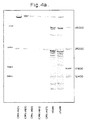
- the pure human leukocyte interferon proteins appear as the above-mentioned three individual protein bands in the SDS PAGE acrylamide gradient gel, together with five-six biological peaks. Whether five or six biological bands are found depends on the exact places at which the gel slice is cut. Reference is made to Fig. 1 which shows a stained SDS PAGE gradient gel slab prepared at this load as described in the section "Materials and Methods" below. Each of the protein bands has been shown to possess distinct interferon activity. Reference is made to Fig. 2 which is a drawing of an SDS slab from another experiment at the same interferon load, Fig. 2 also showing the interferon activity profile associated with the bands, determined as explained under "Materials and Methods" below. Five biological interferon peaks are seen, together with three distinct stained proteins.
- the amount of interferon activity from the SDS PAGE found in the corresponding interferon protein slices corresponds linearily with the amount of protein as assessed from the intensity of the staining of the protein bands.
- Figs. 1 and 2 the unambiguous existence of the two major interferon proteins and the minor band has been demonstrated in the experiments illustrated in Figs. 1 and 2.
- Fig. 3 the above-mentioned more detailed band pattern was demonstrated, such as illustrated in Fig. 3 (six interferon proteins together with six biological peaks determined after staining and destaining).
- the invention relates to human interferon or species thereof having a specific activity of about 2x10 8- 2x10 9 IFU per mg protein.
- the methodology concerning the protein determination varies considerably, the actual figure of the specific activity is of less importance compared to the clear demonstration, by SDS PAGE, of the individual species.
- the pure interferon proteins of the invention are, therefore, more suitably expressed as human Le form interferon proteins which under the SDS PAGE and staining conditions defined herein at a total interferon load of 0.9x10 6 IFU show two major sharp stained protein bands having antiviral interferon activity at 18,400 and 20,100 Daltons, respectively, and a minor stained protein band having antiviral interferon activity between 20,300 and 20,400 Daltons, together with smaller peaks of antiviral interferon activity at 19,500, 21,130, and 23,440 Daltons (said Dalton molecular weights being subject to an experimental accuracy of ⁇ 200 Daltons), said SDS PAGE acrylamide gradient showing essentially no other stained protein regions; or as human Le form interferon proteins which under the SDS PAGE and staining conditions defined herein at a total interferon load of 3.8x10 6 IFU show six stained protein bands having antiviral interferon activity, viz.
- the individual components in the above-mentioned bands of the SDS PAGE gel show biological interferon activity, ability to neutralize anti-human leukocyte interferon, and anticellular activity, etc.
- the invention also relates to each of the individual components represented by each of the above-mentioned individual SDS PAGE bands, as well to any protein having the significant bioJogical interferon activity determinant(s) possessed by the individual components, and to any protein having the significant immunological determinant(s) possessed by the individual components.
- the human interferon proteins of the invention may be derived from human leukocyte interferon prepared using human cells or from cultured human lymphoblastoid (Namalva) cells, orfrom proteins prepared by cultivation of a microorganism containing DNA coding for the interferon or an important part thereof, such as described above, but also human Le form interferons of other origin, but conforming with the above characteristics, are within the scope of the present invention.
- One aspect of the invention comprises a formulation comprising the pure human Le form interferon protein or proteins adapted for administration to human beings or animals for prophylactic, therapeutic, or immunization effect.
- a formulation may, e.g., be adapted for parenteral, intranasal, or topical administration.
- a most useful formulation of the pure interferon proteins of the present invention is an aqueous solution.
- Pure interferon proteins in aqueous solution should be stabilized, and the choice of stabilizer will depend upon the use of the solution.
- the stabilizer should be a physiologically acceptable stabilizer, and a suitable stabilizer is a protein or combination of proteins which is non-toxic and non-immunogenic in human beings, such as human serum proteins and fractions thereof, and human albumin.
- a typical preferred stabilizer is 1% human albumin.
- the normal concentration of pure interferon proteins in compositions for parenteral administration to human beings will be in the range corresponding to 1-20 million IFU per ml, and a normal daily dose will be 3 to 10 million, e.g. 5 to 10, million IFU totally, preferably administered once or twice a day by intramuscular injection.
- a normal daily dose will be 3 to 10 million, e.g. 5 to 10, million IFU totally, preferably administered once or twice a day by intramuscular injection.
- normal pharmaceutical precautions which are customarily taken in connection with the preparation of parenteral compositions, will also be observed, such as precautions to ensure sterility and freedom from pyrogenicity.
- the stabilized formulation of the invention is an aqueous solution of pure human Le form interferon protein(s) to be used for immunization of animals for the preparation of monospecific anti-interferon claimed in European Patent Application No. 83101471.7
- stabilization with SDS sodium dodecylsulfate
- SDS sodium dodecylsulfate
- the pure interferon-SDS combination or complex may be formed simply by adding SDS to the aqueous pure interferon proteins, preferably in a concentration of about 0.1% by weight, calculated on the solution, at pH 7.2.
- the SDS complex of the human Le form interferon protein or proteins constitutes, in itself, a valuable aspect of the present invention because of the stability thereof, and a most interesting form of such complex, well suited for storage and transport (suitably at low temperature, e.g., at a temperature of at the most 4°C or preferably -20°C, is when isolated in solid form such as described below.)
- the use of other stabilizers of the detergent type for this purpose is within the scope of the present invention.
- a further preferred form of the pure human Le form interferon proteins is a form in which they are bound to Cibacron Blue F3GA or another ligand capable of binding the interferon proteins according to the mechanism exhibited by Cibacron Blue F3GA, such as will be explained in greater detail below.
- the pH of the pure interferon protein solution for immunization of animals to prepare the monospecific anti-interferon is preferably about 7.2, and a suitable buffer is PBS (phosphate buffered saline).
- the stabilized pure interferon protein preparation for immunization of animals may additionally comprise an adjuvant to further increase the antigenicity, and one suitable adjuvant is Freund's adjuvant.
- immunogenic carriers such as to present the pure interferon protein or proteins as a sort of "hapten" in accordance with wellknown principles.
- immunogenic carriers may be mentioned PPD (Purified Protein Derivative) and BCG (Bacille Calmette Guerin). However, the use of such immunogenic carriers is not presently preferred.
- the stained interferon protein bands in the SDS PAGE have preserved their antigenicity completely or to a considerable extent, it is also possible to use the stained interferon proteins directly cut out from an SDS PAGE as antigen preparations for immunizing immunizable animals such as rabbits.
- the monospecific anti-interferon can be used for determination of the corresponding interferon or interferon component in biological fluids such as by radioimmunoassay or related techniques.
- the monospecific antibodies may be employed antibody affinity chromatography purification of interferon-containing solutions to prepare the purified Le form interferon proteins of this invention.
- the antibodies are immobilized on a matrix in a manner known per se, suitably covalently bound to a suitable antibody affinity chromatography matrix such as a cross-linked agarose such as Sepharose 4B from Pharmacia.
- the antibody affinity chromatography purification of interferon-containing solutions may be performed according to any of the wellknown' methods, either batchwise or, preferably, using the matrix-immobilized antibody arranged in a column.
- the preparation of antibody affinity columns using the monospecific anti-interferon, and the operation of such columns are performed in a manner known per se.
- the interferon-containing solution applied on such columns may be a crude, unconcentrated interferon preparation, or it may be a concentrated or partially purified interferon preparation.
- the interferon preparation applied on the column may be any interferon preparation containing human Le form interferon, that is, human leukocyte interferons, human lymphoblastoid interferons (Namalva interferons), or interferon (or important parts thereof) produced by cultivation of a microorganism containing DNA coding for interferon, such as described above.
- the columns may be used for large scale industrial purification of interferon from a crude interferon preparation to result in pure (or highly purified) interferon proteins in the column eluate.
- the pure (or highly purified) interferon proteins'prepared in this way are stabilized with suitable stabilizers according to the intended use thereof, such as described above.
- interferon of the interferon preparations applied on the monospecific anti-interferon columns is present in usually very low concentrations, on a weight basis, and as as great amounts as possible of the valuable interferon are to be isolated, it is of importance to minimize any deterioration of the interferon proteins which might be caused due to the presence of proteolytic activity in any biological substance with which the interferon is contacted.
- the removal of proteolytic activity from the anti-interferon antibodies is suitably performed by treating the antibodies, prior to their binding to the matrix, with matrix-immobilized enzyme inhibitor or enzyme destructor which is not harmful to immunoglobulins (or the important fragments thereof).
- the antibodies may be passed through a column of matrix-immobilized poly-L-lysin and/or matrix-immobilized Soyabean Trypsin inhibitor, and/or matrix-immobilized kallikrein inactivator.
- An example of a suitable treatment of the antibodies is passage through a column of poly-L-lysin covalently bound to cross-linked agarose such as Sepharose 4B, followed by passages through a column of Soyabean Trypsin inhibitor covalently bound to the same matrix. It has been found that this removal of proteolytic activity increases the recovery of interferon activity in antibody affinity chromatography purification of interferon-containing solutions.
- the monospecific anti-interferon when covalently bound to a matrix such as cross-linked agarose, is preferably bound to such an extent that the total amount of antibody covalently bound to the matrix corresponds to at the most 85% of the immunoglobulins used at the covalent binding stage, such as described by the present inventor in Scand. J. Immunolog., 6, 77-86 (1977). This results in the highest recovery of interferon from the column.
- the eluate from the monospecific anti-interferon affinity chromatography column is to be used for administration in human beings, it is important that it does not contain any component which might be immunogenic in man.
- One risk which might be associated with antibody affinity chromatography is that immunoglobulins or immunoglobulin fragments liberate from the column and become eluted together with the desired protein or proteins.
- Such immunoglobulins or fragments thereof which are immunogenic in man are removed by passage of the eluate through an antibody affinity column in which the antibodies are directed against the anti-interferon immunoglobulins and are of a kind which is non-immunogenic on parenteral administration to human beings. (Prior to the passage of the eluate through the said column, it should be adjusted to a neutral pH, e.g. by dialysis against PBS, pH 7.2).
- the purification stages performed according to the present invention to prepare the pure human leukocyte interferon proteins (human Le form interferon proteins) from crude human leukocyte interferon comprise concentration by precipitation of proteins with KSCN, gel filtration, ligand affinity chromatography, and antibody affinity chromatography.
- the KSCN precipitation is preferably performed by lowering the pH of the crude interferon containing a KSCN concentration of 0.5 M to pH 4.5 instead of the conventional lowering to pH 3.5. This results in a considerably lower amount of protein in the precipitate, thus facilitating the later purification steps.
- the gel filtration is performed with a buffer solution containing 25% by volume of ethylene glycol and being 1 molar with respect to NaCI, incl. PBS (pH 7.2). This results in a much better resolution than when using PBS or low pH (2,4) alone, or when using urea, PBS at pH 7.2.
- the eluate fractions containing essentially only proteins in the 10,000-20,000 Daltons range are collected.
- the said ligand affinity chromatography is performed under specified conditions on an interferon having a specific activity of at least 50,000-100,000 IFU per mg protein, using immobilized Cibacron Blue F3GA as the ligand.
- Cibacron Blue F3GA as the ligand for affinity chromatography of interferon was known in the art, but according to the invention, it has been found that the selectivity of this ligand increases drastically when particular combinations of conditions are used: the interferon applied should have a much higher specific activity i.e.
- a specific activity of at least 50,000-100,000 IFU per mg protein than in the conventional uses of this ligand type (where crude human leukocyte interferon of a specific activity of about 3-5 x 1 03 IFU per mg of protein is applied), and the solution in which the interferon is applied on the column should be in the pH range of 6.5-8 and should have a ionic strength which does not essentially exceed the ionic strength of a 10-100, in particular 20, mM phosphate buffer, pH 7.2.
- the specificity of the ligand changes, and a higher degree of selective binding of the interferon proteins to the ligand occurs.
- Cibacron F3GA is believed to interact with interferon proteins in a way which indicates the existence of a "dinucleotide fold" and in this interaction, it seems to have the same binding site as polyribonucleotides. It is believed that the particular advantageous properties shown by Cibacron F3GA under particular critical conditions as discussed above will also be exhibited by the other members of the class to which this ligand pertains, and the present aspect of the invention, therefore, is constituted by a method of purifying humand interferon, comprising applying an aqueous solution containing human Le form interferon protein in a form having a specific activity of at least 50,000-100,000 IFU per mg of protein, the said solution being buffered to a pH of 6.5-8 and having an ionic strength substantially not exceeding the ionic strength of a 10-100, in particular 20, mM phosphate buffer, pH 7.2 solution, optionally together with a water miscible organic solvent such as ethanol in amounts of 5-80%, on a matrix-immobilized
- Cibacron F3GA examples of materials which are matrix-immobilized Cibacron F3GA are "Blue Dextran 2000” (matrix: dextran with molecular weight 2 millions), and Blue Sepharose CL-6B. Further details concerning these and other materials and their use in the conventional interferon purification appear from Bolin et al., Preparative Biochemistry, 8(4), 259-274 (1978).
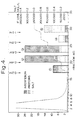
- Fig. 4 shows the elusion pattern of a Blue Dextran-Sepharose 4B column loaded with partially purified human leukocyte interferon, 1 ml, specific activity 500,000 IFU per mg protein, subsequent to throughout dialysis versus 20 mM phosphate buffer (PB), pH 7.4.
- the size of the fractions was 5 ml, and the flow rate was 35 ⁇ 40 ml/h.
- the column was washed with 20 mM PB for 2 hours, before it was eluted stepwise with 0.2, 0.4, 0.6, 0.8, and 1.0 M NaCl in PB 7.4, respectively.
- the total eluate (I+II+III) contained 754,000 IFU (in 30 ml), the originally applied amount being determined to 750,000 IFU. Hence, the recovery was 100%.
- the specific activity of the eluate was 2.1 x 10' IFU per mg of protein.
- the purification factor was 42.
- 0.6 M NaCI buffered to pH 7.2 is a most preferred eluant for the affinity column
- a broader concentration range is quite selective, and the invention comprises the elution with aqueous NaCI solution of a concentration of 0.5-0.7, in particular 0.5 ⁇ 0.65 molar and buffered to a pH of 6.5-8, or other aqueous solution buffered to a pH of 6.5-8 and having an ionic strength corresponding to such NaCi solution.
- the use of other eluants is also within the scope of the present invention.
- salts and/or ethylene glycol in stepwise and/or gradient-wise increasing concentration up to 50%, aminoacids, artificial aminoacids, ampholines, and proteins and protein mixtures.
- the interferon solution may be applied together with a water miscible organic solvent, such as alcohol, in particular ethanol.
- the interferon which is purified by the affinity chromatography according to this aspect of the invention is typically an interferon containing human Le form interferon proteins, such as human interferons (apart from human fibroblast interferons), that is, e.g., humand leukocyte interferons, human lymphoblastoid interferons and human Le form interferon proteins or important parts thereof when produced by cultivation of a microorganism clone containing DNA coding for the production of such interferon protein.
- human interferons as part from human fibroblast interferons
- humand leukocyte interferons e.g., humand leukocyte interferons, human lymphoblastoid interferons and human Le form interferon proteins or important parts thereof when produced by cultivation of a microorganism clone containing DNA coding for the production of such interferon protein.
- human lymphoblastoid interferon contains a minor proportion of interferon of fibroblast character (F form-corresponding to 15% of the biological activity) does not detract from the fact that human lymphoblastoid interferon is, with respect to its major interferon activity, a human Le form interferon in that it contains human Le form interferon proteins (corresponding to 85% of the biological activity) having determinants identical with determinants of human leukocyte interferon proteins, such as has been shown according to the present invention.)
- the specific activity of the interferon preparation applied on the affinity column is 100,000-1,000,000, such as 200,000-1,000,000, e.g. about 500,000, e.g. 500,000-1,000,000 IFU per mg protein.
- the eluate from the affinity chromatography column operated in accordance with this aspect of the invention may be an interesting product also for therapeutic use. It will often have a specific activity of at least 30 X 10 6 IFU per mg protein, based on the Lowry procedure using pure human albumin serum as standard, such as 30x10 6- 10 8 , e.g. 30x10 6- 70x10 6 IFU per'mg protein.
- this preparation is subject to normal pharmaceutical precautions, such as precautions to ensure sterility and freedom from pyrogenicity.
- the dosage of this preparation will correspond to the dosage stated above for the pure interferon, on a total activity basis.
- the eluate from the affinity chromatography column was, in the original experiments leading to the pure interferon, subjected to final purification by passage through an absorbed antibody affinity column in which the antibodies are immunoglobulins raised against partially purified human leukocyte interferon and then subjected to removal of antibodies against contaminating proteins by several passages through columns of matrix-immobilized crude human leukocyte interferon.
- the covalent binding of crude interferon to a matrix as e.g.
- Sepharose 4B destroys the immunological determinants of the interferon itself, (>98%), but apparently not the determinants of the major part of the impurities, and this means that when immunoglobulins raised against partially purified leukocyte interferon are passed (normally several times) through the column, the anti-impurities thereof will be retained on the column, while the anti-interferon will pass the column.
- Such absorbed anti-interferon (absorbed several times) was used in the antibody affinity chromatography stage following the affinity chromatography.
- the antibodies used in the antibody affinity column may themselves be obtained by immunizing an immunizable animal with the individual protein components of the invention, e.g. as cut from the SDS PAGE gel.
- a preferred way of operating the affinity columns is to connect the two columns so that the eluate from the Blue Dextran column at the same time loads the antibody affinity column. This prevents any loss which might otherwise occur if the eluate fractions from the Blue Dextran column were handled separately.
- This method constitutes a further aspect of the present invention and comprises precipitating SDS or a salt thereof from a solution of the protein which contains SDS, preferably in a concentration of 0.1-4 per cent by weight, in particular about 0.1 per cent by weight, to obtain a precipitate comprising a complex or complexes of SDS or a salt thereof with the protein, separating the precipitate from the solution, preferably by centrifugation at 0-4°C, and redissolving the precipitate in a smaller liquid volume.
- the precipitation of the SDS may suitably be obtained by either a) lowering the temperature to 0° for about 15 minutes or b) adding a salt, e.g., a K + salt, which forms a precipitate with SDS or with SDS-protein complexes.
- a salt e.g., a K + salt
- the total purification sequence performed in accordance with the present invention was found to be extremely activity-preserving: From a starting amount of proteins of 7x10 5 gamma, the pure interferon isolated was less than or equal to 1 gamma, (as determined by comparison of protein bands on SDS PAGE). Yet, the overall decrease in total interferon activity from the starting batch of crude interferon to the pure interferon was only from 4x10 6 IFU to 1.85x 10 6 IFU (about 50%). This emphasizes the unique character of the purification sequence and the above-mentioned critical stages thereof.
- Interferon assays were performed according to the well-known standard method (Berg K., Sequential Antibody Affinity Chromatography of Human Leukocyte Interferon, Scand. J. Immunol. 6, 77-86 (1977)) using VERO cells (monkey kidney cells) and Vesicular Stomatitis Virus (VSV) as a challenge virus. All interferon units (IFU) are expressed in international reference units (69/19 B units) (69/19 B reference was obtained from MRC, Mill Hill, U.K.).
- Partially purified interferon (PIF) with a specific activity of 5x10 5 IFU/mg protein was obtained from crude concentrated human leukocyte interferon (CIF) by ethanolic precipitation as described by Cantell, K., Hirvonen, S., Mogensen, K. E. and Pyophlä, L., loc. cit.
- Interferon neutralization for determining anti-interferon was performed in a micro-assay system in the following manner: 20,000 VERO cells per well were seeded in 100 ⁇ l medium and kept at 5% C0 2 in a humidified cabinet. On day 2 the medium was removed from the cells, and each well received 100 ⁇ l of a dilution (in medium) of the antiserum, containing an interferon concentration of 6-8 IFU/ml (the serum and interferon had been preincubated at 37°C for 1 h). On day 3 the medium was removed, and all the wells received 100 pl VSV (diluted to 10 -3.5 in medium).
- IFU-NU interferon neutralization units
- Non-monospecific anti-interferon against PIF was produced, according to Mogensen, K. E., Pyophlä, Liisa and Cantell, K., Acta path. microbiol. Scand. Sect. B, 83, 443-450, (1975), partly is sheep, partly in rabbits.
- the titer of the sheep anti-interferon was 100-250,000 IFU-NU/ml.
- a rabbit was injected weekly, s.c. with PIF (2x10 5 IFU) for more than two years.
- the titer of the rabbit anti-interferon was 15,000-30,000 IFU-NU/ml. All immunoglobulins were isolated by 50% ammonium sulphate precipitation, followed by a dialysis versus phosphate buffer saline (PBS), pH 7.2.
- PBS phosphate buffer saline
- CNBr was from Fluka (stored at -20°C).
- SDS Sodium dodecylsulphate
- BDH British Drug House
- Soyabean Trypsin Inhibitor (STI) and L-Lysine were obtained from Sigma.
- Sepharose 4B, CNBr-activated Sepharose 4B, CH-activated Sepharose 4B, and Epoxy-activated Sepharose 6B were all purchased from Pharmacia (Denmark).
- Protein determinations were made by a modification of the Lowry procedure (Berg K., Sequential Antibody Affinity Chromatography of Human Leukocyte Interferon, Scand. J. Immunol., 6, 77-86 (1977) which permitted detection of 1-2 pg/ml as the lowest level of proteins detectable (using an LKB Calculation Absorptioner Ultralab System). Crystalline bovine serum albumin was used as a standard protein. To determine the protein concentration of the purified interferon (1-5 ug in total) the following procedure was adopted: SDS was added to a final concentration of 0.1 %.
- the lyophilized protein sample was further examined on an SDS-polyacrylamide gel electrophorese (SDS PAGE, see later), subsequent to a dialysis versus distilled water.
- SDS PAGE SDS-polyacrylamide gel electrophorese
- the intensity of the stained protein bands was compared with known standards in different amounts (see later, under SDS PAGE), and the total amounts of proteins were estimated. The deviations were 5-10%, with the lowest detectable level of proteins being 0.1 ⁇ g (in total). The results from this method will serve as a rough estimate, rather than as an actual measurement.
- Affinity chromatographies were performed at 4°C.
- the gel suspensions were degassed before packed into the columns. Packing was performed by washing with 3-5 bed volumes of loading buffer, using a peristaltic pump. Samples (100 ⁇ l) for interferon titrations were taken from either pools or individual fractions and titrated on the same day or frozen in plastic tubes (-20°C) and titrated later. The dilutions were made in medium (incl. 10% calf serum).
- Antibody affinity chromatography was essentially done as described by Berg (Sequential Antibody Affinity Chromatography of Human Leukocyte Interferon, Scand. J. Immunol., 6, 77-86 (1977)).
- As loading buffer was used 0.1 M NaOA/0.3 M NaCi at pH 7.2 (flow rate 40 ml/h). Stepwise elution was performed with 0.1 M HOAc/0.3 M NaCI including a minute amount of citric acid (enough to keep the pH firmly at 2.4).
- the column was stored at 4°C in PBS 1 M NaCl including Penicillin, Streptomycin, Gentamycin and Chloramphenical (1 % of each).
- the discontinuous buffer system as described by Laenomli (Laenomli, U.K., Cleavage of Structural Proteins During Assembly of the Head of Bacteriophage T4, Nature 227, 680-685 (1970)) was used.
- the gel was pre-cooled for 2 h (10°C) before starting the actual electrophorese which was performed overnight (10°C) at constant effect (LKB power supply), starting out with 10 mA (and about 20 V).
- Samples to be analyzed were dissolved (or diluted) in 0.1 M Tris, HCI (pH 6.8) 2.5% SDS and 5% glucose including a tracking dye (sample buffer).
- the gel was stained in Comassie Blue (1.25 mg/ml in 50% methanol, 40% H 2 0 and 10% acetic acid), without prior fixation, for 15 minutes at room temperature under constant rocking, and destained in 7% acetic acid (5% methanol).
- the gels were dried on paper of a good quality (for example, Whatman Chromatographic paper (17 mm)) under heat and vacuum using a gel dryer (Bio Rad, gel slab dryer, model 224).
- the stained protein bands were compared with the corresponding bands obtained from a parallel SDS PAGE of a purified interferon preparation and the total concentration of interferon proteins was estimated.
- the part of the gel intended for interferon determination was cut from the remainder gel and kept at 4°C (in a humidified box) on a glass plate.
- the main part of the gel was stained for 15 minutes; after destaining for additionally 3-5 minutes, weak bands were clearly seen on a blue background, whereby the precise location of the protein bands corresponding to 14,000 and 30,000 Daltons could be established.
- the unstained part of the gel was cut, so it only contained proteins between 14,000 and 30,000 Daltons and was further subdivided in 1 mm pieces by sharp knives.
- the interferon from these slices was eluted with 0.5 ml 0.1 M SDS subsequent to a complete mincing by means of a teflon rod. After 5 h at room temperature (rocking) the interferon activity of the supernatant was determined. The individual fractions were frozen at -20°C without any additives.
- the specific activity of the gelfiltered human leukocyte interferon-containing eluates was close to 1,000,000 IFU/mg protein, corresponding to a purification factor of 200.
- the molecular weight of the interferon corresponds to a range of 10,000-20,000 Daltons. Titrations of individual fraction revealed only one broad peak, with a maximum at 18,000 Daltons.
- the gel-filtered human leukocyte interferon solution obtained as described above, was exhaustively dialyzed against 200 volumes of 20 mM PB, pH 7.2 at 4°C. The dialysis was performed twice, the total dialysis time being about 24 hours.
- the dialyzed solution (25 ml, containing 1.8x10 6 IFU) was loaded on a column of Blue Dextran-Sepharose 4B. The diameter of the column was 1 cm, and the length of the column was 10 cm.
- the column was pre-washed with 200-300 ml of 20 mM PB (phosphate buffer) at pH 7.4.
- the dialyzed interferon preparation was loaded to the equilibrated column, and the column was washed with 75 ml of PB. 4500 IFU was found in the wash.
- the column was eluted with 0.6 M NaCI, 20 mM PB, pH 7.2 whereby more than 95% of the interferon activity was recovered in 6 ml of eluate, as determined by interferon titration.
- the above-mentioned gel-filtered Namalva interferon solution was exhaustively dialyzed and thereafter subjected to Blue Dextran chromatography.
- the input in the Blue Dextran chromatography was 1,600,000 IFU.
- the wash consisted of 70,000 IFU in 50 ml.
- the eluate was obtained by means of 0.6 M NaCI in PB (pH 7.2).
- the Blue Dextran chromatography of Namalva interferon is illustrated in Fig. 7.
- the fibroblast part of the Namalva interferon was not eluted from the column under the above conditions, but is expected to be eluted using, e.g., 25% ethylene glycol in 1 M NaCI, pH 7.2.
- the above-mentioned Blue Dextran column was a column of Blue Dextran (Cibracon Blue F3GA immobilized on Dextran 2000 (molecular weight 2 millions)) coupled to cyanogen bromide-activated agarose (Sepharose 4B).
- Blue-Dextran-Sepharose 4B This type of column is described by Bollin et al., loc. cit. after elution, the column was cleaned by elution with 25-30 ml 25% ethylene glycol, 1.5 M NaCI in 20 mM PB. The column was stored in this buffer at 4°C when not in use.
- the loading conditions could also involve the use of hydrophobic reagents, such as alcohols in various amounts (0-50%).
- the 0.6 M NaCI eluates from the Blue Dextran chromatography show a specific activity of 70x 10 6 IFU/mg of protein, both for the human leukocyte interferon and for the Namalva interferon.
- these are candidates for parenteral administration in human beings for therapeutic purposes and, in this regard, are much more pure preparations than the commonly used PIF preparations.
- the eluates are stabilized with physiologically acceptable stabilizers such as described further above, for example 1% of human albumin.
- the eluates from the Blue Dextran column are directly transferred to an antibody affinity chromatography column.
- the antibody affinity chromatography column is combined with the Blue Dextran column in a "tandem system" as described below:
- the Blue Dextran column is combined with the equilibrated antibody column prior to the elution, by connecting the outlet of the Blue Dextran column with the inlet of the antibody column. In this manner, the eluate from the Blue Dextran column is immediately "caught" by the antibody column.
- This combination makes use of the fact that the elution conditions (0.6 M NaCI, 20 mM PB, pH 7.2) can be used as loading conditions of the antibody column.
- this "loading buffer” contains the interferon eluted from the Blue Dextran column
- the two columns are disconnected, and the antibody column is washed further before eluted as described above.
- the human leukocyte interferon eluate from the antibody column contains pure interferon proteins showing a specific activity of more than 10 9 IFU/mg of protein (as assessed by the determination method discussed above).
- the tubes in which the eluate from the antibody column is collected (fraction size 2 ml) have been pre-wetted with 100 ⁇ l of 1% SDS each. After pooling of interferon-containing eluate, additional SDS is added up to a total concentration of 0.1% by weight.
- the pooled interferon-containing eluates stabilized with 0.1 % SDS are transferred to a 20 ml stainless steel tube pre-cooled to 0°C in an ice bath. After 15 minutes, a precipitate is formed. The precipitate is isolated by centrifugation at 20,000 rpm at 4°C for 20 minutes. The supernatant is discarded (no interferon activity), and the precipitate is redissolved in 4 ml of 8 M urea and transferred to a Millipore concentration cell, size 8 ml, filter 10,000 molecular weight cut, and concentrated to about 100 ⁇ l at room temperature.
- the above-mentioned antibody affinity chromatography column had been prepared in accordance with "Binding Procedures" using non-monospecific anti-PIF which had been adbsorbed as follows: a total amount of 10 g IFU-NU of anti-interferon immunoglobulins (corresponding to 4 ml sheep anti-interferon serum) was absorbed three times on a 150 ml column of human serum bound to Sepharose 4B followed by 4 absorptions on a CIF-epoxy Sepharose column and 2 absorptions on a CIF CH-activated Sepharose 4B as described in the below section "Absorption of Anti interferon" and in Scand. J. Immunol. 8, 429 ⁇ 436 (1978). Finally, the immunoglobulins had been asborbed on a poly-L-lysine-Sepharose column (once) and on a Soyabean Trypsin Inhibitor-Sepharose column (twice).
- the eluate from the Blue Dextran chromatography of Namalva interferon was divided in two portions. One portion was used for SDS PAGE electrophoresis as described below. 250,000 IFU were loaded to the absorbed antibody column as shown in Fig. 8. No interferon was found in the wash. The interferon was eluted as usual by lowering pH to 2.4, and 235,000 IFU (collected in the presence of 0.1% SDS) were recovered. This eluate was concentrated as described above and further examined in SDS PAGE.
- Fig. 1 shows, schematically, the stained slab from another experiment, together with the corresponding interferon activity eluted from an unstained parallel gel strip.
- Fig. 2 shows, schematically, the stained slab from another experiment, together with the corresponding interferon activity eluted from an unstained parallel gel strip.
- the striking reproducibility between the two experiments appears from the two Figures, the difference between 20,100 and 20,180 being within the experimental accuracy.
- the biological peaks coincide exactly with the proteins.
- Fig. 9 shows the stained slab from the SDS PAGE (load 0.9x 10 6 IFU), of the pure Namalva interferon proteins (A), and of the eluate from the Blue Dextran column (B).
- the bands of the pure Namalva interferon are essentially identical with the bands of pure human leukocyte interferon applied in the same amount.
- the first injection (40,000 IFU) was performed subcutaneously in the back of each mouse.
- the immunization was continued every week with subcutaneous injection of 70,000 IFU.
- the last injection was given intravenously the 9th week (mouse 1) and 10th week (mouses 2 and 3), respectively.
- mice were killed by breaking their necks two to four days after the last injection, and their spleens were removed under sterile conditions. After homogenization of each spleen in PBS, the homogenized cell suspension was transferred to centrifuge tubes and centrifugated for 5 minutes at 170 g at 4°C. The cells were resuspended in PBS, and after a second centrifugation, they were resuspended in serum-free DMEM (about 0.5 ml per spleen). The total amount of cells was 10 8 (mouse 1), 0.8x10" (mouse 2), and 0.8x10 8 (mouse 3). The viability was around 85-90%.
- the spleen cell suspension from each mouse was fused with 10'X63Ag8 (HPRT-) myeloma cells in the following manner: 10 8 mouse spleen cells and 10 7 8-azaguanin-resistent myeloma cells (X63Ag8; NSll1Ag 4-1; SP 2/0-Ag 14) were mixed in a 50 ml conical plastic centrifuge tube (Falcon 2070). The tube was filled up with serum-free DMEM and centrifugated for 10 minutes at 170-200 g and 4°C.
- the cells were transferred to 5 ml cultures in 25 ml NUNC bottles which, like the Costar trays, contained a "feeder layer" of macrophages. On shift of medium, the supernatants were obtained, and from these dense cultures, cells were frozen in liquid nitrogen.
- the supernatants of the individual cultures from mouse 1 were subjected to detection of positive clones using the interferon neutralization test. In this manner, one positive clone was found, although with a very low titer (about 2-3 IFU-NU per ml).
- Interferon protein was eluted from the 18,400 ⁇ 200 Daltons species SDS PAGE band and the 20,100 ⁇ 200 Daltons species SDS PAGE band in the manner described above, and solutions containing 5-10 IFU of the two species were prepared. Solutions of anti-interferon from the two species, prepared in rabbits as described above, were diluted to contain 20 IFU-NU in total/ml.
- the antiviral activity of each of the six stained protein bands shown in Fig. 3 was determined.
- the gel was loaded in two slots, both of which were stained.
- the stained bands in one of the slots is shown at A in Fig. 3.
- the other slot was then briefly destained (in 50% methanol, 45% H 2 0 2 , 5% acetic acid), the exact location of the interferon proteins in the wet gel was recorded, and the gel was rinsed in water and was thereafter sliced as shown at B in Fig. 3.
- the number of gel slices is indicated at C in Fig. 3. In this manner, each interferon protein band was exactly cut out of the gel, without being mixed with the adjacent one.
- the interferon proteins "eluted from Fig. 3" were able to neutralize the anti-leukocyte interferon 3-5 times more effectively than native (crude) human leukocyte interferon, calculated on interferon activity basis, which indicates a selective destruction of determinants responsible for the biological activity.
- the anticellular activity of the pure interferon proteins was investigated by incubating Daudi cells with 1:1000 dilutions (in medium) of pure interferon proteins obtained from the eluted SDS PAGE fractions as shown in Fig. 2, by ascertaining the relative depression of Tritium labelled Thymidine (I. Heron and K. Berg, The actions of interferon are potentiated at elevated temperature, Nature, 274, 508-510 (1978)) compared to controls without interferon (Fig. 2, upper part, where "% G-I” designates % growth inhibition). As can be clearly seen, the "anticellular curve” follows the antiviral curve very strictly.
- MHC major histocompatibility antigen
- Fig. 10 shows the antiviral profile (as assessed on an SDS PAGE in the same manner as described in connection with Fig. 2).
- Each of the species from the gel was assessed for NK enhancing activity, using the method described in PNAS 75.
- Fractions that have antiviral activity as shown in the lower curve gave increased NK, such as illustrated in the upper curve, whereas "base line" fractions did not.
- One arrow indicates only saline added as a negative control, and two arrows indicate partially purified human leukocyte interferon (PIF) used as a positive control.
- PPF human leukocyte interferon
Landscapes
- Chemical & Material Sciences (AREA)
- Health & Medical Sciences (AREA)
- Life Sciences & Earth Sciences (AREA)
- Organic Chemistry (AREA)
- Medicinal Chemistry (AREA)
- General Health & Medical Sciences (AREA)
- Engineering & Computer Science (AREA)
- Genetics & Genomics (AREA)
- Biochemistry (AREA)
- Zoology (AREA)
- Molecular Biology (AREA)
- Bioinformatics & Cheminformatics (AREA)
- Immunology (AREA)
- Microbiology (AREA)
- Proteomics, Peptides & Aminoacids (AREA)
- Biophysics (AREA)
- Wood Science & Technology (AREA)
- Mycology (AREA)
- Animal Behavior & Ethology (AREA)
- Chemical Kinetics & Catalysis (AREA)
- Biotechnology (AREA)
- Veterinary Medicine (AREA)
- Public Health (AREA)
- General Engineering & Computer Science (AREA)
- General Chemical & Material Sciences (AREA)
- Epidemiology (AREA)
- Pharmacology & Pharmacy (AREA)
- Toxicology (AREA)
- Gastroenterology & Hepatology (AREA)
- Peptides Or Proteins (AREA)
- Medicines That Contain Protein Lipid Enzymes And Other Medicines (AREA)
- Preparation Of Compounds By Using Micro-Organisms (AREA)
- Medicines Containing Antibodies Or Antigens For Use As Internal Diagnostic Agents (AREA)
Claims (41)
Priority Applications (3)
| Application Number | Priority Date | Filing Date | Title |
|---|---|---|---|
| AT83101471T ATE44034T1 (de) | 1979-04-20 | 1980-04-18 | Anti-interferon antikoerper und verfahren zu deren herstellung. |
| DE8383101471T DE3072157D1 (en) | 1979-04-20 | 1980-04-18 | Anti-interferon antibodies and method of producing same |
| AT80301258T ATE38776T1 (de) | 1979-04-20 | 1980-04-18 | Interferon-proteine und verfahren zu deren herstellung. |
Applications Claiming Priority (6)
| Application Number | Priority Date | Filing Date | Title |
|---|---|---|---|
| DK164579 | 1979-04-20 | ||
| DK1645/79 | 1979-04-20 | ||
| DK791/80 | 1980-02-22 | ||
| DK79180 | 1980-02-22 | ||
| DK148480 | 1980-04-02 | ||
| DK1484/80 | 1980-04-02 |
Related Child Applications (1)
| Application Number | Title | Priority Date | Filing Date |
|---|---|---|---|
| EP83101471.7 Division-Into | 1980-04-18 |
Publications (2)
| Publication Number | Publication Date |
|---|---|
| EP0018218A1 EP0018218A1 (de) | 1980-10-29 |
| EP0018218B1 true EP0018218B1 (de) | 1988-11-23 |
Family
ID=27220922
Family Applications (2)
| Application Number | Title | Priority Date | Filing Date |
|---|---|---|---|
| EP80301258A Expired EP0018218B1 (de) | 1979-04-20 | 1980-04-18 | Interferon-Proteine und Verfahren zu deren Herstellung |
| EP83101471A Expired EP0091543B1 (de) | 1979-04-20 | 1980-04-18 | Anti-Interferon Antikörper und Verfahren zu deren Herstellung |
Family Applications After (1)
| Application Number | Title | Priority Date | Filing Date |
|---|---|---|---|
| EP83101471A Expired EP0091543B1 (de) | 1979-04-20 | 1980-04-18 | Anti-Interferon Antikörper und Verfahren zu deren Herstellung |
Country Status (15)
| Country | Link |
|---|---|
| EP (2) | EP0018218B1 (de) |
| JP (2) | JPH0742317B2 (de) |
| AU (1) | AU539494B2 (de) |
| CA (1) | CA1168151A (de) |
| DE (2) | DE3072134D1 (de) |
| ES (1) | ES490697A0 (de) |
| FI (1) | FI77877C (de) |
| HK (1) | HK22792A (de) |
| IE (1) | IE55791B1 (de) |
| IL (1) | IL59880A (de) |
| NO (1) | NO165961C (de) |
| NZ (1) | NZ193487A (de) |
| PT (1) | PT71111A (de) |
| SG (1) | SG92591G (de) |
| WO (1) | WO1980002229A1 (de) |
Families Citing this family (35)
| Publication number | Priority date | Publication date | Assignee | Title |
|---|---|---|---|---|
| IL58765A (en) * | 1979-11-21 | 1986-09-30 | Yeda Res & Dev | Process for the production of essentially pure messenger rna of human fibroblast interferon and process for the production of interferon beta |
| US6835557B1 (en) | 1980-01-08 | 2004-12-28 | Biogen, Inc. | DNA sequences, recombinant DNA molecules and processes for producing human interferon-like polypeptides |
| US4530901A (en) * | 1980-01-08 | 1985-07-23 | Biogen N.V. | Recombinant DNA molecules and their use in producing human interferon-like polypeptides |
| DE3005897A1 (de) * | 1980-02-16 | 1981-09-03 | Hoechst Ag, 6000 Frankfurt | Genprodukt eines hoeheren organismus aus einem dieses gen enhtaltenden mikroorganismus |
| DE3005843A1 (de) * | 1980-02-16 | 1981-09-10 | Hoechst Ag, 6000 Frankfurt | Genprodukt eines hoeheren organismus aus einem dieses gen enthaltenden mikroorganismus |
| EP0041313B1 (de) | 1980-04-03 | 1990-09-12 | Biogen, Inc. | DNS-Sequenzen, rekombinante DNS-Moleküle und Verfahren zur Herstellung von dem menschlichen Fibroblast-Interferon |
| JPH0611235B2 (ja) * | 1980-04-11 | 1994-02-16 | セルテック・リミテッド | モノクロ−ナル抗体 |
| CH651308A5 (de) * | 1980-07-01 | 1985-09-13 | Hoffmann La Roche | Interferone und deren herstellung. |
| FR2492842A1 (fr) * | 1980-10-24 | 1982-04-30 | Centre Nat Rech Scient | Hybride cellulaire produisant un anticorps specifique de l'interferon leucocytaire humain et procede de formation d'hybrides cellulaires producteurs d'anticorps specifiques de l'interferon humain |
| WO1982001773A1 (en) * | 1980-11-07 | 1982-05-27 | Secher David S | Assay for interferon |
| JPS58500037A (ja) * | 1980-11-07 | 1983-01-06 | セルテク リミテツド | インタ−フェロンの検定法 |
| AU561649B2 (en) * | 1981-02-27 | 1987-05-14 | F. Hoffmann-La Roche Ag | Antibodies to proteins |
| EP0062971B1 (de) * | 1981-03-27 | 1990-03-07 | Imperial Chemical Industries Plc | Genetisch modifizierte Mikroorganismen |
| IL65475A0 (en) * | 1981-04-17 | 1982-07-30 | Meloy Lab | Production of immune interferon and its mrna |
| WO1983000693A1 (en) * | 1981-08-14 | 1983-03-03 | Berg, Kurt, Frimann | SUBJECTS RELATING TO HUMAN INTEFERON-'alpha' SUBTYPE PROTEINS AND CORRESPONDING ANTIBODIES |
| US5827694A (en) * | 1982-03-08 | 1998-10-27 | Genentech, Inc. | DNA encoding non-human animal interferons, vectors and hosts therefor, and recombinant production of IFN polypeptides |
| US6432677B1 (en) | 1982-03-08 | 2002-08-13 | Genentech, Inc. | Non-human animal interferons |
| IE54592B1 (en) * | 1982-03-08 | 1989-12-06 | Genentech Inc | Anumal interferons, processes involved in their production, compositions containing them, dna sequences coding therefor and espression vehicles containing such sequences and cells transformed thereby |
| JPS58201794A (ja) * | 1982-05-17 | 1983-11-24 | Toray Ind Inc | ヒトインターフェロンβの濃縮精製法 |
| US4992271A (en) * | 1982-09-23 | 1991-02-12 | Cetus Corporation | Formulation for lipophilic IL-2 proteins |
| US5702699A (en) * | 1982-09-23 | 1997-12-30 | Cetus Corporation | Process for the recovery of lipophilic proteins |
| US5831023A (en) * | 1982-11-01 | 1998-11-03 | Genentech, Inc. | Recombinant animal interferon polypeptides |
| US4534906A (en) * | 1982-11-01 | 1985-08-13 | Genentech, Inc. | Removal of impurities from human leukocyte interferon preparations |
| DE3306060A1 (de) * | 1983-02-22 | 1984-08-23 | Boehringer Ingelheim International GmbH, 6507 Ingelheim | Neue immunglobulin-produzierende hybridzellinien, deren verwendung und verfahren zu deren herstellung |
| DE3515336C2 (de) * | 1985-04-27 | 1994-01-20 | Boehringer Ingelheim Int | Verfahren zur Herstellung und Reinigung von â-Interferon |
| US5196323A (en) * | 1985-04-27 | 1993-03-23 | Boehringer Ingelheim International Gmbh | Process for preparing and purifying alpha-interferon |
| EP0490233A1 (de) * | 1986-03-10 | 1992-06-17 | BOEHRINGER INGELHEIM INTERNATIONAL GmbH | Monoclonale Antikörper gegen BgIII-Hybridinterferone, deren Verwendung und Verfahren zu ihrer Herstellung |
| DE3607835A1 (de) * | 1986-03-10 | 1987-09-24 | Boehringer Ingelheim Int | Hybridinterferone, deren verwendung als arzneimittel und als zwischenprodukte zur herstellung von antikoerpern und deren verwendung sowie verfahren zu ihrer herstellung |
| DE3633323A1 (de) * | 1986-10-01 | 1988-04-07 | Boehringer Ingelheim Int | Neue monoklonale antikoerper gegen ifn-omega, verfahren zu ihrer herstellung und deren verwendung zur reinigung sowie zum nachweis von ifn-omega |
| US5391713A (en) * | 1989-06-20 | 1995-02-21 | Bionative Ab | Interferon purification process |
| SE468251B (sv) * | 1989-06-20 | 1992-11-30 | Bionative Ab | Reningsprocess foer interferon |
| US5676942A (en) * | 1992-02-10 | 1997-10-14 | Interferon Sciences, Inc. | Composition containing human alpha interferon species proteins and method for use thereof |
| DE69324671D1 (de) * | 1992-02-10 | 1999-06-02 | Interferon Sciences Inc | Verbesserte alpha-interferon-zusammensetzung und verfahren zu ihrer herstellung aus leukocyten des menschlichen peripheren blute |
| JP4706093B2 (ja) * | 2000-09-25 | 2011-06-22 | 富士レビオ株式会社 | パルボウイルスの除去方法及び精製方法 |
| US7087726B2 (en) | 2001-02-22 | 2006-08-08 | Genentech, Inc. | Anti-interferon-α antibodies |
Citations (3)
| Publication number | Priority date | Publication date | Assignee | Title |
|---|---|---|---|---|
| GB2037296A (en) * | 1978-11-24 | 1980-07-09 | Hoffmann La Roche | Purified proteins, especially interferon and process therefor |
| EP0032134A2 (de) * | 1980-01-08 | 1981-07-15 | Biogen, Inc. | DNS-Sequenzen, rekombinante DNS-Moleküle und Verfahren zur Herstellung von dem menschlichen Interferon-alpha ähnlichen Polypeptiden |
| EP0060057A1 (de) * | 1981-02-25 | 1982-09-15 | Genentech, Inc. | Expression von Polypeptiden in Hefen |
Family Cites Families (3)
| Publication number | Priority date | Publication date | Assignee | Title |
|---|---|---|---|---|
| FR2351665A1 (fr) * | 1976-05-21 | 1977-12-16 | Elf Aquitaine | Procede de purification de preparations possedant notamment une activite interferon, preparations purifiees ainsi obtenues et leur application en tant que medicament |
| NL7703281A (nl) * | 1977-03-25 | 1978-09-27 | Stichting Rega V Z W | Werkwijze voor het bereiden van interferon. |
| FR2389380B1 (de) * | 1977-05-02 | 1980-02-29 | Anvar |
-
1980
- 1980-04-16 FI FI801215A patent/FI77877C/fi not_active IP Right Cessation
- 1980-04-18 ES ES490697A patent/ES490697A0/es active Granted
- 1980-04-18 DE DE8080301258T patent/DE3072134D1/de not_active Expired
- 1980-04-18 DE DE198383101471T patent/DE91543T1/de active Pending
- 1980-04-18 WO PCT/DK1980/000024 patent/WO1980002229A1/en not_active Ceased
- 1980-04-18 EP EP80301258A patent/EP0018218B1/de not_active Expired
- 1980-04-18 IE IE796/80A patent/IE55791B1/en not_active IP Right Cessation
- 1980-04-18 PT PT71111A patent/PT71111A/pt not_active IP Right Cessation
- 1980-04-18 NO NO801133A patent/NO165961C/no unknown
- 1980-04-18 JP JP55500974A patent/JPH0742317B2/ja not_active Expired - Lifetime
- 1980-04-18 EP EP83101471A patent/EP0091543B1/de not_active Expired
- 1980-04-18 IL IL59880A patent/IL59880A/xx unknown
- 1980-04-18 AU AU57599/80A patent/AU539494B2/en not_active Ceased
- 1980-04-21 CA CA000350293A patent/CA1168151A/en not_active Expired
- 1980-04-21 NZ NZ193487A patent/NZ193487A/xx unknown
-
1988
- 1988-09-08 JP JP63227360A patent/JPH0794480B2/ja not_active Expired - Lifetime
-
1991
- 1991-11-02 SG SG925/91A patent/SG92591G/en unknown
-
1992
- 1992-03-26 HK HK227/92A patent/HK22792A/en not_active IP Right Cessation
Patent Citations (3)
| Publication number | Priority date | Publication date | Assignee | Title |
|---|---|---|---|---|
| GB2037296A (en) * | 1978-11-24 | 1980-07-09 | Hoffmann La Roche | Purified proteins, especially interferon and process therefor |
| EP0032134A2 (de) * | 1980-01-08 | 1981-07-15 | Biogen, Inc. | DNS-Sequenzen, rekombinante DNS-Moleküle und Verfahren zur Herstellung von dem menschlichen Interferon-alpha ähnlichen Polypeptiden |
| EP0060057A1 (de) * | 1981-02-25 | 1982-09-15 | Genentech, Inc. | Expression von Polypeptiden in Hefen |
Non-Patent Citations (17)
| Title |
|---|
| Anal. Biochem. 109 76-86 (1980) * |
| Anal. Biochem. 67 503-506 * |
| Anal. Biochem. 9 230-235 (1978) * |
| Anal. Biochem. 93 153-157 (1979) * |
| Anal. Chem. 28 870-873 * |
| Analytical Biochemistry 65, pp. 369-379 (1975) * |
| Analytical Biochemistry 67, pp. 55-65, (1975) * |
| Analytical Biochemistry 99, pp. 170-174, (1979) * |
| Biochem. and Biophys. Res. Comm. 45 no. 3 662-668 (1971) * |
| Chemical Abstracts, vol. 86, no. 11, 14 March 1977, Columbus, Ohio, USA, S. PAHLMAN et al. "Hydrophobic interaction chromatography on uncharged sepharose derivatives. Effects of neutral salts on the adsorption of proteins", p. 232, abstract no. 67745r * |
| Chemical Abstracts, vol. 89, no. 5, 31 July 1978, Columbus, Ohio, USA, K.P. FUNG et al. "Heterocomplexes of human interferon and immunoglobulins: formation and properties", p. 409, abstract no. 40691v * |
| Chemical Abstracts, vol. 90, no. 21, 21 May 1979, Columbus, Ohio, USA, M. RUBINSTEIN et al. "Human leukocyte interferon: Production, purification to homogeneity. and initial characterization", p. 420, abstract no. 166337y * |
| Chemical Abstracts, vol. 90, no. 25, 18 June 1979, Columbus, Ohio, USA, G. BODO "Production and pruification of human lymphoblastoid interferon", p. 454, abstract no. 202028j * |
| G. Bodo, "Production and Purification of Human Lymphoblastoid Interferon", Int. Immunobiol. Symp., (Proc.), vol. 11, pp. 49-57, 1977 * |
| Int. J. Oral. Surg. 14 184-194, (1985) * |
| J. Biol. Chem. 246, no. 14 4504-4509 (1971) * |
| Proc. Natl. Acad. Sci., USA, vol. 76, no. 2, pp. 640-644, February 1979 * |
Also Published As
| Publication number | Publication date |
|---|---|
| FI77877C (fi) | 1989-05-10 |
| JPH02198A (ja) | 1990-01-05 |
| AU5759980A (en) | 1980-10-23 |
| FI801215A7 (fi) | 1980-10-21 |
| NO165961B (no) | 1991-01-28 |
| NO801133L (no) | 1980-12-18 |
| SG92591G (en) | 1993-02-19 |
| JPS56500536A (de) | 1981-04-23 |
| EP0018218A1 (de) | 1980-10-29 |
| EP0091543B1 (de) | 1989-06-14 |
| IL59880A (en) | 1984-03-30 |
| DE3072134D1 (en) | 1988-12-29 |
| NO165961C (no) | 1991-05-15 |
| CA1168151A (en) | 1984-05-29 |
| AU539494B2 (en) | 1984-10-04 |
| EP0091543A1 (de) | 1983-10-19 |
| IE800796L (en) | 1980-10-20 |
| ES8103976A1 (es) | 1981-04-16 |
| IL59880A0 (en) | 1980-06-30 |
| NZ193487A (en) | 1983-07-15 |
| WO1980002229A1 (en) | 1980-10-30 |
| IE55791B1 (en) | 1991-01-16 |
| FI77877B (fi) | 1989-01-31 |
| JPH0742317B2 (ja) | 1995-05-10 |
| JPH0794480B2 (ja) | 1995-10-11 |
| DE91543T1 (de) | 1984-12-20 |
| HK22792A (en) | 1992-04-03 |
| ES490697A0 (es) | 1981-04-16 |
| PT71111A (en) | 1980-05-01 |
Similar Documents
| Publication | Publication Date | Title |
|---|---|---|
| EP0018218B1 (de) | Interferon-Proteine und Verfahren zu deren Herstellung | |
| Bringman et al. | Monoclonal antibodies to human tumor necrosis factors alpha and beta: application for affinity purification, immunoassays, and as structural probes | |
| US6090923A (en) | Murine monoclonal antibody binding TNFα | |
| Berg et al. | Affinity chromatography of human leukocyte and diploid cell interferons on sepharose-bound antibodies | |
| Havell et al. | Enhanced production of murine interferon gamma by T cells generated in response to bacterial infection. | |
| US4604284A (en) | Homogeneous immune interferon fragment | |
| Cameron et al. | Purification to homogeneity and amino acid sequence analysis of two anionic species of human interleukin 1. | |
| US6410697B1 (en) | Process for purifying human leukocyte interferon | |
| Abe et al. | Purification of rabbit tumor necrosis factor | |
| Chang et al. | Purification and some physicochemical properties of staphylococcal enterotoxin D | |
| DuBois et al. | Purification and biochemical properties of tumor-associated transplantation antigens from methylcholanthrene-induced murine sarcomas. | |
| Natori et al. | Immunochemical evidence of a tumor-specific surface antigen obtained by detergent solubilization of the membranes of a chemically induced sarcoma, Meth-A | |
| US4777241A (en) | Proteinaceous substance showing antitumorous action and its preparing method | |
| Bout et al. | Purification, immunochemical and biological characterization of malate dehydrogenase ofSchistosoma mansoni | |
| Berg | Identification, production, and characterization of murine monoclonal antibody (LO-22) recognizing 12 native species of human alpha interferon | |
| CA1205399A (en) | Antibodies against interferon proteins and method of producing same | |
| EP0085693A1 (de) | Gegenstände betreffend menschliche interferon-alpha-subtyp-eiweissstoffe sowie übereinstimmende antikörper | |
| FI79121B (fi) | Antikroppar mot le-formiga maenniskointerferonproteiners immunologiska determinanter och foerfarande foer producering av dessa antikroppan. | |
| IE55792B1 (en) | Anti-interferon antibodies and method of producing same | |
| Pezzella et al. | Fractionation and characterization of hydatid fluid antigens with identification of an antigen similar to human serum albumin | |
| Salvarelli et al. | Purification and Characterization of a Ribonuclease from Aspergillus giganteus IFO 5818, the Gigantin: Immunological and Enzymic Comparison with Alphasarcin | |
| KUSUDA et al. | The Immunoglobulin of Colored Carp, Cyprinus carpio, against Aeromonas hydrophila | |
| Inglot | [75] Preparation of antisera to interferon by interferon· blue dextran complexes | |
| Dalton et al. | [70] Preparation and absorption of antiserum against human leukocyte interferon | |
| Schranner et al. | Isolation of immunogenic and lethal peptides of α-toxin from Clostridium novyi type B |
Legal Events
| Date | Code | Title | Description |
|---|---|---|---|
| PUAI | Public reference made under article 153(3) epc to a published international application that has entered the european phase |
Free format text: ORIGINAL CODE: 0009012 |
|
| AK | Designated contracting states |
Designated state(s): AT BE CH DE FR GB IT LU NL SE |
|
| 17P | Request for examination filed |
Effective date: 19810421 |
|
| RAP1 | Party data changed (applicant data changed or rights of an application transferred) |
Owner name: TECHNOBIOTIC LTD. |
|
| GRAA | (expected) grant |
Free format text: ORIGINAL CODE: 0009210 |
|
| AK | Designated contracting states |
Kind code of ref document: B1 Designated state(s): AT BE CH DE FR GB IT LI LU NL SE |
|
| REF | Corresponds to: |
Ref document number: 38776 Country of ref document: AT Date of ref document: 19881215 Kind code of ref document: T |
|
| REF | Corresponds to: |
Ref document number: 3072134 Country of ref document: DE Date of ref document: 19881229 |
|
| ITF | It: translation for a ep patent filed | ||
| ET | Fr: translation filed | ||
| PLBI | Opposition filed |
Free format text: ORIGINAL CODE: 0009260 |
|
| 26 | Opposition filed |
Opponent name: BOEHRINGER INGELHEIM ZENTRALE GMBH Effective date: 19890823 |
|
| PLBI | Opposition filed |
Free format text: ORIGINAL CODE: 0009260 |
|
| NLR1 | Nl: opposition has been filed with the epo |
Opponent name: BOEHRINGER INGELHEIM ZENTRALE GMBH |
|
| 26 | Opposition filed |
Opponent name: F. HOFFMANN-LA ROCHE & CO. AKTIENGESELLSCHAFT Effective date: 19890821 Opponent name: BOEHRINGER INGELHEIM ZENTRALE GMBH Effective date: 19890823 |
|
| NLR1 | Nl: opposition has been filed with the epo |
Opponent name: F.HOFFMANN-LA ROCHE & CO. AG |
|
| 29A | Proceedings stayed after grant |
Effective date: 19900220 |
|
| PLAB | Opposition data, opponent's data or that of the opponent's representative modified |
Free format text: ORIGINAL CODE: 0009299OPPO |
|
| R26 | Opposition filed (corrected) |
Opponent name: BOEHRINGER INGELHEIM ZENTRALE GMBH * 890821 F. HOF Effective date: 19890823 |
|
| ITTA | It: last paid annual fee | ||
| EPTA | Lu: last paid annual fee | ||
| EAL | Se: european patent in force in sweden |
Ref document number: 80301258.2 |
|
| PGFP | Annual fee paid to national office [announced via postgrant information from national office to epo] |
Ref country code: FR Payment date: 19960311 Year of fee payment: 17 |
|
| PGFP | Annual fee paid to national office [announced via postgrant information from national office to epo] |
Ref country code: AT Payment date: 19960314 Year of fee payment: 17 |
|
| PGFP | Annual fee paid to national office [announced via postgrant information from national office to epo] |
Ref country code: SE Payment date: 19960318 Year of fee payment: 17 Ref country code: BE Payment date: 19960318 Year of fee payment: 17 |
|
| PGFP | Annual fee paid to national office [announced via postgrant information from national office to epo] |
Ref country code: GB Payment date: 19960319 Year of fee payment: 17 |
|
| PGFP | Annual fee paid to national office [announced via postgrant information from national office to epo] |
Ref country code: NL Payment date: 19960322 Year of fee payment: 17 |
|
| PGFP | Annual fee paid to national office [announced via postgrant information from national office to epo] |
Ref country code: DE Payment date: 19960325 Year of fee payment: 17 |
|
| PGFP | Annual fee paid to national office [announced via postgrant information from national office to epo] |
Ref country code: LU Payment date: 19960401 Year of fee payment: 17 |
|
| PGFP | Annual fee paid to national office [announced via postgrant information from national office to epo] |
Ref country code: CH Payment date: 19960402 Year of fee payment: 17 |
|
| PLAB | Opposition data, opponent's data or that of the opponent's representative modified |
Free format text: ORIGINAL CODE: 0009299OPPO |
|
| PLBQ | Unpublished change to opponent data |
Free format text: ORIGINAL CODE: EPIDOS OPPO |
|
| R26 | Opposition filed (corrected) |
Opponent name: BOEHRINGER INGELHEIM ZENTRALE GMBH * 890821 F. HOF Effective date: 19890823 |
|
| NLR1 | Nl: opposition has been filed with the epo |
Opponent name: F. HOFFMANN-LA ROCHE & CO. AKTIENGESELLSCHAFT Opponent name: BOEHRINGER INGELHEIM ZENTRALE GMBH |
|
| RDAH | Patent revoked |
Free format text: ORIGINAL CODE: EPIDOS REVO |
|
| PG25 | Lapsed in a contracting state [announced via postgrant information from national office to epo] |
Ref country code: LU Free format text: LAPSE BECAUSE OF NON-PAYMENT OF DUE FEES Effective date: 19970418 |
|
| 29F | Proceedings resumed after grant [after stay of proceedings according to rule 14 epc] |
Effective date: 19970401 |
|
| RAP2 | Party data changed (patent owner data changed or rights of a patent transferred) |
Owner name: SCHERING-PLOUGH LTD. |
|
| RDAG | Patent revoked |
Free format text: ORIGINAL CODE: 0009271 |
|
| STAA | Information on the status of an ep patent application or granted ep patent |
Free format text: STATUS: PATENT REVOKED |
|
| REG | Reference to a national code |
Ref country code: CH Ref legal event code: PL |
|
| NLT2 | Nl: modifications (of names), taken from the european patent patent bulletin |
Owner name: SCHERING-PLOUGH LTD. |
|
| 27W | Patent revoked |
Effective date: 19970425 |
|
| GBPR | Gb: patent revoked under art. 102 of the ep convention designating the uk as contracting state |
Free format text: 970425 |
|
| NLR2 | Nl: decision of opposition | ||
| PLAB | Opposition data, opponent's data or that of the opponent's representative modified |
Free format text: ORIGINAL CODE: 0009299OPPO |