EP0037729B1 - Procédé d'épimérisation de pénicilline - Google Patents
Procédé d'épimérisation de pénicilline Download PDFInfo
- Publication number
- EP0037729B1 EP0037729B1 EP81301479A EP81301479A EP0037729B1 EP 0037729 B1 EP0037729 B1 EP 0037729B1 EP 81301479 A EP81301479 A EP 81301479A EP 81301479 A EP81301479 A EP 81301479A EP 0037729 B1 EP0037729 B1 EP 0037729B1
- Authority
- EP
- European Patent Office
- Prior art keywords
- sulfoxide
- group
- formula
- moles
- carboxy
- Prior art date
- Legal status (The legal status is an assumption and is not a legal conclusion. Google has not performed a legal analysis and makes no representation as to the accuracy of the status listed.)
- Expired
Links
Classifications
-
- C—CHEMISTRY; METALLURGY
- C07—ORGANIC CHEMISTRY
- C07D—HETEROCYCLIC COMPOUNDS
- C07D499/00—Heterocyclic compounds containing 4-thia-1-azabicyclo [3.2.0] heptane ring systems, i.e. compounds containing a ring system of the formula:, e.g. penicillins, penems; Such ring systems being further condensed, e.g. 2,3-condensed with an oxygen-, nitrogen- or sulfur-containing hetero ring
- C07D499/21—Heterocyclic compounds containing 4-thia-1-azabicyclo [3.2.0] heptane ring systems, i.e. compounds containing a ring system of the formula:, e.g. penicillins, penems; Such ring systems being further condensed, e.g. 2,3-condensed with an oxygen-, nitrogen- or sulfur-containing hetero ring with a nitrogen atom directly attached in position 6 and a carbon atom having three bonds to hetero atoms with at the most one bond to halogen, e.g. an ester or nitrile radical, directly attached in position 2
- C07D499/80—Compounds with a nitrogen-containing hetero ring, attached with the ring nitrogen atom in position 6
-
- C—CHEMISTRY; METALLURGY
- C07—ORGANIC CHEMISTRY
- C07D—HETEROCYCLIC COMPOUNDS
- C07D499/00—Heterocyclic compounds containing 4-thia-1-azabicyclo [3.2.0] heptane ring systems, i.e. compounds containing a ring system of the formula:, e.g. penicillins, penems; Such ring systems being further condensed, e.g. 2,3-condensed with an oxygen-, nitrogen- or sulfur-containing hetero ring
-
- Y—GENERAL TAGGING OF NEW TECHNOLOGICAL DEVELOPMENTS; GENERAL TAGGING OF CROSS-SECTIONAL TECHNOLOGIES SPANNING OVER SEVERAL SECTIONS OF THE IPC; TECHNICAL SUBJECTS COVERED BY FORMER USPC CROSS-REFERENCE ART COLLECTIONS [XRACs] AND DIGESTS
- Y02—TECHNOLOGIES OR APPLICATIONS FOR MITIGATION OR ADAPTATION AGAINST CLIMATE CHANGE
- Y02P—CLIMATE CHANGE MITIGATION TECHNOLOGIES IN THE PRODUCTION OR PROCESSING OF GOODS
- Y02P20/00—Technologies relating to chemical industry
- Y02P20/50—Improvements relating to the production of bulk chemicals
- Y02P20/55—Design of synthesis routes, e.g. reducing the use of auxiliary or protecting groups
Definitions
- the invention claimed in this application is an improvement over previous processes for the C-6 epimerization of penicillin sulfoxides.
- the process of this invention is a highly efficient process (i.e., 80% yields or greater) employing inexpensive, readily available reagents, (i.e., trimethylsilyl chloride and triethylamine).
- inexpensive, readily available reagents i.e., trimethylsilyl chloride and triethylamine.
- Vanderhaeghe et al. Journal of the Chemical Society, Perkin Transactions l, 937, 1973 describes the epimerization of benzyl 6 ⁇ -phenoxyacetamidopenicillanate to the corresponding 6a isomer using trimethylamine and BSA, but only a 38% yield was obtained.
- the present process overcomes the dual problems of expensive reagents and/or low yields as exemplified by the above two references.
- This invention is directed to an inexpensive and efficient method of epimerizing 6 ⁇ -acylamino- penicillin-1 ⁇ -sulfoxides to the corresponding 6 ⁇ -acylaminopenicillin-1 ⁇ -sulfoxide stereoisomers.
- This method entails reacting at least 0.1 mole of chlorotrimethylsilane and at least 0.1 mole of triethylamine per mole of 6 ⁇ -acylaminopenicillin-1 ⁇ i-sulfoxide in a substantially anhydrous ether or halogenated hydrocarbon solvent, in which solvent the 6 ⁇ -acylaminopenicilfin-1 ⁇ -sulfoxide is present in a concentration of 0.7 molar or greater.
- the process is carried out in a substantially anhydrous atmosphere at a temperature between -20°C and 20°C. More particularly the reaction entails reacting between 0.1 to 4.0 moles of chlorotrimethylsilane and between 0.1 to 4 moles of triethylamine per mole of 6 ⁇ -acylaminopeniciflin-1 ⁇ -sulfoxide.
- the 6 ⁇ -acylaminopenicillin-1 ⁇ -sulfoxides produced by this process are useful intermediates in the synthesis of 7 ⁇ -acylamino-7 ⁇ -alkoxy-3-methyl-1-oxa ⁇ -lactam acids, a class of 1-oxa A-lactam antibiotics.
- 6 ⁇ -acylaminopenicillin-1 ⁇ -sulfoxides are epimerized with chlorotrimethylsilane and triethylamine to give the corresponding 6a isomer.
- the process is illustrated by the following generalized scheme:
- this invention provides a process for the preparation of a compound of the formula I which comprises reacting at least 0.1 mole of triethylamine and at least 0.1 mole of chlorotrimethylsilane per mole of 6 ⁇ -acylaminopenicillin-1 ⁇ -sulfoxide compound of the following formula (II) in a substantially anhydrous ether or hydrocarbon solvent, in which solvent the above 6 ⁇ -acylamino- penicillin-1 ⁇ -sulfoxide (II) is present in a concentration of 0.7 molar or greater, in a substantially anhydrous atmosphere at a temperature between -20°C and 20°C where in the above formulas
- the mark “ 4 " means 13 configuration, that is, the group is oriented above the plane of the penicillin ring which is contained in the plane of the paper, and the dotted line “III” means a-configuration, that is, the group is oriented behind the plane of the penicillin ring.
- C-6 substituents the nature of the carboxylic acid from which these groups are derived is not critical to the present process.
- the carboxylic acids from which the C-6 substituents are derived are typically C 1 ⁇ C 20 carboxylic acids.
- Representative of the C-6 acylamino substituents for the starting materials in the process of the present invention are those conventional in the penicillin and cephalosporin art and includes but are not limited to those described in U.S. Patents 3,947,413, 3,932,465; 3,954,732, 3,660,396, 3,948,927, 4,052,387, 4,053,469, 4,058,610, 4,066,641 and 4,042,585.
- the triethylamine with protic functional groups for example carboxy, amino and hydroxy groups
- such groups if present on the C-6 side chain moiety of the penicillin substrate, should first be protected using conventional carboxy, amino and hydroxy protecting groups.
- the unprotected side groups on the C-6 substituent can be protected by the same number of moles of chlorotrimethylsilane as the number of moles of protic substituents present on the C-6 substituent to silylate these protic groups and therefore protect these groups before the triethylamine is added.
- the amount of chlorotrimethylsilane added to protect the protic groups is in addition to the amount of chlorotrimethylsilane needed to effect the process of the invention.
- amino protecting groups which can be employed in the present invention include the commonly employed amino blocking groups such as the tert-butoxycarbonyl group (t-BOC), the benzyloxycarbonyl group, the 4-methoxybenzyloxycarbonyl group, the 2,2,2-trichloroethoxycarbonyl group, the trimethylsilyl group, and like amino protecting groups.
- t-BOC tert-butoxycarbonyl group
- benzyloxycarbonyl group the 4-methoxybenzyloxycarbonyl group
- the 2,2,2-trichloroethoxycarbonyl group the trimethylsilyl group
- Conventional hydroxyl protecting groups refers any group stable under the reaction conditions of the subsequent step in this synthesis of the 1-oxa / ⁇ -iactam compounds, but readily cleavable thereafter.
- Such groups include the formyloxy group, the chloroacetoxy group, the benzhydryloxy group, the trityloxy group the trimethylsilyl group, and the like.
- Protective ester groups denoted as a "conventional carboxylic acid protecting group” or a “carboxy protecting group” that can be employed in this invention include the commonly used carboxylic acid protecting ester groups employed to block or protect the carboxylic acid functionality while reactions involving other functional sites of the compound are carried out. Such protected carboxy groups are noted for their ease of cleavage by hydrolytic or hydrogenolytic methods to the corresponding carboxylic acid.
- carboxylic acid protecting groups include tert-butyl, p-methoxybenzyl, diphenylmethyl, 2,4,6-trimethylbenzyl, trityl, 4-methoxytrityl, 4,4'-dimethoxytrityl, 4,4',4"-trimethoxytrityl, trimethylsilyl and like ester forming moieties.
- ester forming groups The nature of such ester forming groups is not critical so long as the ester formed therewith is stable under the reaction conditions described hereinafter.
- the p-nitrobenzyl group cannot be used as a carboxy protecting group in the process of this invention.
- hydroxy, amino, and carboxy protecting groups are not exhaustively defined.
- the function of such groups is to protect the reactive functional groups during the preparation of the desired products and then be removed without disrupting the remainder of the molecule.
- Many such protecting groups are well known in the art and the use of other groups equally applicable to the process and compounds of the present invention, such as those described in J.F.W. McOmie, "Protective Groups in Organic Chemistry", Plenum Press, 1973, will be recognized as suitable.
- protecting groups are well known in the art and the use of other groups equally applicable to the process and compounds of the present invention, such as those described in J.F.W. McOmie, "Protective Groups in Organic Chemistry", Plenum Press, 1973, will be recognized as suitable.
- the process of this invention is carried out by reacting at least 0.1 mole of chlorotrimethylsilane and triethylamine each per mole of penicillin substrate in a substantially anhydrous ether or halogenated hydrocarbon in which the 6 ⁇ 3-acylaminopenicillin-1 ⁇ 3-sulfoxide substrate is present in 0.7 molar or greater concentration.
- the time parameter in the present process is not critical.
- the reaction is agitated, for example, with stirring, until the reaction is complete.
- the course of the epimerization can be followed by thin layer chromatography. For example, a small portion of the reaction mixture can be removed from time to time and a comparative thin layer chromatogram run with starting material and product.
- the temperature at which this process can be carried out is between -20°C and 20°C, and is preferably between -15°C and -10°C.
- chlorotrimethylsilane per mole of penicillin substrate
- These ratios are based on the assumption that all protic groups (i.e., amino, hydroxy, carboxy) on the C-6 substituent and the penicillin ring itself have been protected by a conventional protecting group or by adding additional amounts of chlorotrimethylsilane, above what are needed to carry out the process of this invention, in order to protect the protic groups.
- the chlorotrimethylsilane is used in the present process to silylate the amide function attached to the C-6 position of the penicillin ring, thereby making the C6 proton more susceptible to removal by the triethylamine base.
- the process should be carried out under substantially anhydrous conditions, that is, conditions such that the chlorotrimethylsilane is not hydrolyzed to any significant extent so as to prevent it's participation in the process of this reaction. In that light, all water present in the solvent and the reaction vessel atmosphere needn't be excluded, but only as much as is practical and is needed so as to maintain the high yields afforded by this epimerization process.
- the 6 ⁇ -acylaminopenicillin-1 ⁇ -sulfoxide substrate must be at a concentration of 0.7 molar or above in the process of this invention. This concentration requirement is to assure that the process of this invention occurs within a practical length of time.
- the upper limit of the concentration range for the penicillin substrate in the process is when the solution has reached the point of saturation with the penicillin substrate.
- the preferred concentration range for the 6 ⁇ -acyl- aminopenicillin-1 A-sulfoxide in this process is between a 1.25 molar solution to a 1.85 molar solution.
- the epimerization process of this invention is carried out in ether or halogenated hydrocarbon solvents.
- the ether or halogenated hydrocarbon solvent used in this process should be one in which the 6 ⁇ -acylaminopenicillin-1 ⁇ -sulfoxide is at least partially soluble and which does not participate in the reaction, e.g., by reacting with the triethylamine or chlorotrimethylsilane in competition with the penicillin substrate.
- halogenated hydrocarbon we mean straight, branched or cyclic halogenated alkyl hydrocarbons, and halogenated aromatic hydrocarbons.
- halogenated hydrocarbon solvents examples include methylene chloride, chloroform, dichloroethane, trichloroethane, 1,1-dibromo-2-chloroethane, chlorobenzene and the like.
- Solvents indicated by the term "ether” are straight, branched and cyclic ethers such as tetrahydrofuran, dioxane, diethyl ether, dibutyl ether, diglyme and the like. Mixtures of these solvents can likewise be employed in the process.
- the preferred solvent for this process is methylene chloride.
- the 6/3-acylaminopenicillin-1/3-sulfoxide used in the process of this invention are all known penicillins and can be prepared by methods well known in the art.
- the first step of one synthesis of the penicillin substrates of the process of this invention would involve acylating 6-aminopenicillanic acid (6-APA) with the appropriate side chain moiety. This reaction could be performed with the side chain in the acid chloride form under Schotten-Bauman conditions or acylation could take place using the side chain in the carboxylic acid form and employing a dehydrating agent such as carbonyldimidazole or dicyclohexylcarbodiimide.
- a third method would be to convert the side chain substituent to a mixed anhydride and then used to acylate 6-APA.
- the resulting 6/i-acylaminopenicillanic acid can then be converted to a A-sulfoxide using a wide variety of oxidizing agents, such as ozone, perbenzoic acid, and especially peracetic acid and meta- chloroperbenzoic acid. Also, inorganic oxidants, such as sodium metaperiodate, can be employed.
- An optional step in this example of a synthesis of the penicillin substrate for the process of this invention would be to protect the carboxylic acid at the C-3 position of the 6 ⁇ -acylaminopenicillanic acid-1 ⁇ -sulfoxide.
- this step is well known in the art, and there are many examples of protecting groups which can be used in which different methods can be used to protect the carboxylic acid function. For example, one possible method would be to react a mixed anhydride formed with p-methoxyphenylacetic acid and methyl chloroformate with the 6/3-acylaminopenicillanic acid-1 ⁇ -sulfoxide. Another method would be to react the penicillanic acid sulfoxide substrate with diphenyl- diazomethane.
- a preferred group of substrates for the process of this invention is when R 1 is hydrogen, R 2 is an acyl group of the formula
- C 1 ⁇ C 7 alkyl refers to methyl, ethyl, n-propyl, n-butyl, isobutyl, pentyl, n-hexyl, cyclohexyl, n-heptyl and like aliphatic hydrocarbon chains.
- C 1 ⁇ C 6 haloalkyl refers to chloromethyl, bromomethyl, iodorhethyl, 2-bromoethyl, 2-chloroethyl, 2-bromopropyl, 2-iodopropyl, 2-chlorobutyl, 2-bromo-2-methylpropyl, 2-bromobutyl, 2-bromo-2-methylbutyl and like groups.
- R" represents a substituted phenyl group
- R" can be a mono or disubstituted halophenyl group such as 4-chlorophenyl, 2,6-dichlorophenyl, 2,5-dichlorophenyl, 3,4-dichlorophenyl, 3-chlorophenyl, 3-bromophenyl, 4-bromophenyl, 3,4-dibromophenyl, 3-chloro-4-fluorophenyl, 2-fluorophenyl and the like; a mono or dihydroxyphenyl group such as 4-hydroxyphenyl, 3-hydroxyphenyl, 2,4-dihydroxyphenyl and the like; a cyanophenyl group, for example 4-cyanophenyl; a mono or disubstituted C 1-4 alkylphenyl group such as 4-methylphenyl, 2,4-dimethylphenyl, 2-methylphenyl, 4-isopropylphenyl, 4-eth
- R" represents disubstituted phenyl groups wherein the substituents can be different, for example, 3-methyl-4-hydroxyphenyl, 3-chloro-4-hydroxyphenyl, 2-methoxy-4-bromophenyl, 4-ethyl-2-hydroxyphenyl, 3-hydroxy-4-nitrophenyl, 2-hydroxy-4-chlorophenyl and like disubstituted phenyl groups bearing different substituents.
- acyl groups wherein R' is C 1 -C 7 alkyl or C 1 -C 6 haloalkyl are acetyl, propionyl, butyryl, hexanoyl, chloroacetyl,, bromoacetyl and the like.
- acyl groups when R' is phenyl or substituted phenyl are benzoyl, 2,6-dimethoxybenzoyl, 4-chlorobenzoyl, 4-methylbenzoyl, 3,4-dichlorobenzoyl, 4-cyanobenzoyl, 3-bromobenzoyl, 3-aminobenzoyl.
- acyl groups when R' is a group of the formula R" ⁇ (O) m ⁇ CH 2 ⁇ , m is 0 and R" is phenyl or substituted phenyl, are phenylacetyl, 4-chlorophenylacetyl, 3-hydroxyphenylacetyl, 3-cyanophenylacetyl, 4-hydroxy-3-methyl- phenylacetyl, 4-bromophenylacetyl, 4-ethoxyphenylacetyl, 3,4-dimethoxyphenylacetyl and the like; and when m is 1, representative groups are phenoxyacetyl, 3-hydroxyphenoxyacetyl, 4-chlorophenoxyacetyl, 3,4-dichlorophenoxyacetyl, 2-chlorophenoxyacetyl, 4-methoxyphenoxyacetyl, 2-ethoxyphenylacetyl, 3,4-dimethylphenoxyacetyl, 4-isopropylphenoxyacet
- acyl groups when R' is a substituted arylalkyl group of the formula are the carboxy substituted aryl groups such as the 2-carboxy-2-phenylacetyl group of the formula and similar groups wherein the phenyl ring is substituted, for example, 2-carboxy-2-(4-chlorophenyl)acetyl, 2-carboxy-2-(4-methoxyphenyl)acetyl, 2-carboxy-2-(2-thienyl)acetyl, 2-carboxy-2-(4-methylphenyl)acetyl, 2-carboxy-2-(4-(carboxymethyl)phenyl)acetyl, 2-carboxy-2-(4-hydroxymethyl)phenyl)acetyl and like groups.
- carboxy substituted aryl groups such as the 2-carboxy-2-phenylacetyl group of the formula and similar groups wherein the phenyl ring is substituted, for example, 2-carboxy-2-(4-
- acyl groups when R' is a hydroxy substituted arylalkyl group are 2-hydroxy-2-(4-methoxyphenyl)acetyl, 2-hydroxy-2-(3-chloro-4-hydroxyphenyl)acetyl, 2-hydroxy-2-(3-bromophenyl)acetyl, 2-hydroxy-2-(3,5 dichloro-4-hydroxyphenyl)acetyl, 2-hydroxy-2-(3-chloro-4-methoxyphenyl)acetyl, 2-hydroxy-2-(3-chlorophenyl)acetyl, 2-hydroxy-2-(4-(1-amino-1-methyl)phenyl)acetyl, 2-hydroxy-2-(3-thienyl)-acetyl.
- acyl groups represented thereby include 2-amino-2-phenylacetyl, 2-amino-2-(4-cyanopheny))acety), 2-amino-2-(4-hydroxyphenyl)acetyl, and like groups.
- acyl group when R' is a heteroarylmethyl group of the formula R'"'-CH 2 ⁇ are 2-thienylacetyl, 3-thienylacetyl, 2-furylacetyl, 2-thiazolylacetyl, 1-tetrazolylacetyl, a 5-tetrazolylacetyl and the like.
- R 1 is hydrogen
- R 2 is an acyl group of the formula wherein R" is phenyl or substituted phenyl wherein the substituents are 1 or 2 halogens, hydroxy, cyano, trifluoromethyl, C 1 ⁇ C 4 alkyl, C 1 -C 4 alkoxy, carboxy, carboxymethyl, hydroxymethyl or aminomethyl; and m is 0 or 1; and R 3 is hydrogen, diphenylmethyl, benzyl, p-methoxybenzyl, iodomethyl, tert-butyl, trimethylsilyl or 2,2,2-trichloroethyl.
- R i is hydrogen
- R 2 is an acyl group of the formula wherein R"' is phenyl, p-methylphenyl, benzyl, or phenoxymethyl and R 3 is hydrogen or diphenylmethyl.
- the 6 ⁇ -acylaminopenicillin-1 ⁇ -sulfoxides provided by the process are useful intermediates in the synthesis of 1-oxa ⁇ -lactam antibiotics, which possess the following bicyclic ring system: and are described in U.S. Patent 4,138,486.
- the first step in the synthesis of the above 1-oxa A-lactam acids from the 6a-acylaminopenicillin-1 ⁇ -sulfoxide obtained from the process of this invention involves the rearrangement to the corresponding 7a-acylamino-3-methyl-cephalosporin and which is subsequently alkoxylated to give a 7 ⁇ -acylamino-2 ⁇ -alkoxy-3-methyl-cephalosporin.
- the alkoxylated cephalosporin is converted to an azetidinone disulfide aldehyde, then reduced to give the corresponding azetidinone disulfide alcohol.
- the alcohol is cyclized to give a 7a-acylamino-3-methyl 1-oxa ⁇ -lactam compound.
- the newly formed A-lactam compound is subjected to methoxylation to yield the 7 ⁇ -acylamino-7 ⁇ -methoxy-3-methyl 1-oxa ⁇ -lactam ester, which is deprotected to give the desired carboxylic acid 1-oxa ⁇ -lactam antibiotic.
- the rearrangement of the 6 ⁇ -acylaminopenicillanate-1 ⁇ -sulfoxide, obtained from the process of this invention, to the corresponding 7a-acylamino-3-methyl-3-cephem-4-carboxylate, represented by the following general formula, is analogous to a procedure also well known to those skilled in the art.
- the preferred method involves reacting the 6a-acylaminopenicillanate-1-sulfoxide with. N,O-bis-(trimethylsilyl)-acetamide(BSA) and ⁇ -picoline ⁇ HBr in dried dioxane at reflux temperatures.
- the preferred method for the conversion of 7a-acylamino-3-methyl-3-cephem-4-carboxylate to its corresponding 2a-alkoxy analog comprises the addition of N-chlorosuccinimide to a solution of the substrate cephem compound dissolved in an appropriate alcohol and methylene chloride at room temperature.
- the desired 2a-alkoxy product can then be isolated by standard crystallization and chromatography techniques.
- the above 7 ⁇ -acylamino-2 ⁇ -alkoxy-3-methyl-3-cephem-4-carboxylate can be converted to the azetidinone disulfide aldehyde by one of two methods, with each method yielding a different product.
- One method of disulfide formation represented by the following general formula; entails adding the 7a-acylamino-2a-alkoxy-3-methyl-3-cephem-4-carboxylate compound to a methylene chloride solution of arylsulfenyl chloride at 0°C.
- the desired 4 ⁇ [1-(carboxy protecting group 2-N-3-methyl-4-al-Z-but-2-ene-oate)-2-oxo-3a-acylamino azetidine]disulfide can be reduced at this point to give the unsymmetrical azetidinone disulfide alcohol compound, or may be further purified by conventional chromatographic techniques before submitting the unsymmetrical disulfide aldehydes to reduction.
- the alternate method for disulfide formation involves adding N-chlorosuccinimide to a methylene chloride solution of the appropriate 7a-acylamino-2a-alkoxy-3-methyl-3-cephem-4-carboxylate compound at 0°C. This solution is then added to an aqueous suspension of mercury dichloride and cadmium carbonate at room temperature.
- This method of disulfide formation produces a symmetrical disulfide compound that has identically substituted azetidinone moieties bonded to either end of the disulfide group, in contrast with the disulfide formation employing an arylsulfenyl chloride, which produces an unsymmetrical azetidinone disulfide aldehyde compound having an aryl group bonded to one end and an azetidinone moiety bonded to the other end of the disulfide group.
- the 4 ⁇ ,4 ⁇ bis[1-(carboxy protecting group 2-N-3-methyl-4-al-Z-but-2-ene- oate)-2-oxo-3a-acylamino azetidine]disulfide produced in the latter method can be reduced at this point to give the symmetrical azetidinone disulfide alcohol compounds, or may be further purified by conventional chromatographic techniques before submitting these symmetrical azetidinone disulfide aldehydes to reduction.
- the procedure for this reduction is outlined generally in R.F. Borch, M.D. Bernstein, and H.D. Durst, Journal of the American Chemical Society, 93, 2897 (1971) and consists of dissolving the aldehyde compound in aqueous tetrahydrofuran, acidifying the mixture, and then adding the sodium cyanoborohydride reducing agent.
- the desired alcohol can be purified by conventional extraction techniques.
- This cyclization is accomplished by reacting the alcohol compounds with a cyclization reagent selected from the group consisting of divalent mercury salts or phosphines.
- the divalent mercury salts are of the genreal formula Hg(X) 2 , where X is chloro, bromo or trifluoroacetato.
- the mercury cyclization reagent and the substrate alcohol compound are reacted in a dry, polar, inert organic solvent such as acetonitrile.
- the phosphine cyclization reagent compounds have the general formula wherein R 6 can be alkyl, for example, methyl or ethyl, phenyl or substituted phenyl, for example, 4-methylphenyl.
- the phosphorus reagent and the substrate alcohol are reacted in a dry, inert, organic solvent such as 1,2-dichloroethane.
- a dry, inert, organic solvent such as 1,2-dichloroethane.
- the desired cyclized product obtained by the use of either class of cyclizing reagent can be purified by conventional chromatographic techniques.
- the 7a-acylamino-3-methyl 1-oxa ⁇ -lactam compound is then converted to the 7 ⁇ -acylamino-7 ⁇ -methoxy-3-methyl 1-oxa ⁇ -lactam by reacting the 7 ⁇ -acylamino substrate with lithium methoxide and tert-butyl hypochlorite.
- This reaction is represented generally by the following formula, The reaction entails the addition of the 7 ⁇ -acylamino 1-oxa ⁇ -lactam to a suspension of lithium methoxide in dry tetrahydrofuran in an inert atmosphere followed by addition of tert-butyl hypochlorite to the solution to initiate the methoxylation. Once the reaction has reached completion, the reaction is quenched with trimethylphosphite and glacial acetic acid.
- the desired product can be isolated and purified with conventional liquid-liquid extraction techniques.
- the final step in the synthesis of a 1-oxa ⁇ -lactam antibiotic compounds from the 6a-acylamino- penicillin-1 ⁇ -sulfoxides produced by the process of this invention is to remove the carboxylic acid protecting group from the 7 ⁇ -acylamino-7 ⁇ -methoxy-3-methyl 1-oxa ⁇ -lactam ester, as shown by the following general formula,
- the deprotection step is well known in the art. For example, a method for the deprotection step is described in U.S. Patent 4,138,486.
- infrared absorption spectra nuclear magnetic resonance spectra
- ultraviolet absorption spectra and optical rotation spectra are abbreviated i.r., n.m.r., u.v. and o.r., respectively.
- the nuclear magnetic resonance spectra were obtained on a Varian Associates T-60 Spectrometer using tetramethylsilane as the reference standard.
- the chemical shifts are expressed in 5 values in parts per million (ppm) and coupling constants (J) are expressed as Hz.
- the reaction mixture was diluted with ethyl acetate and extracted 3 times with a hydrochloric acid solution then twice with a saturated sodium bicarbonate solution.
- the aqueous solutions separated from each of the extractions were extracted with ethyl acetate, and these ethyl acetate extracts were combined with the organic layers separated in the original aqueous extractions and the combined organic extracts were washed with a sodium chloride solution, dried over magnesium sulfate, filtered and evaporated to dryness.
- the resultant foam was crystallized from a methylene chloride/isopropylether solution then dried in vacuo at 60°C to give diphenylmethyl 6a-phenoxyacetamidopenicillanate-1 ⁇ -sulfoxide.
- Diphenylmethyl 6 ⁇ -benzamidopenicillanate-1 ⁇ -sulfoxide (14.6 g, 30 mmol) was dissolved in methylene chloride (20 ml). Triethylamine (10 ml, 72 mmol) was added and the reaction solution was cooled to 5°C. Chlorotrimethylsilane (4.2 ml, 33 mmol) was added dropwise to the reaction solution, and the resultant reaction mixture was stirred at 5°C for one hour, at the end of which time the temperature of the reaction mixture was allowed tor each 20°C over a four hour period. The reaction mixture was diluted with ethyl acetate (150 ml) and then extracted twice with hydrochloric acid solution and once with saturated brine solution.
- Glacial acetic acid (3.1 ml, 54.6 mmol) was added to the reaction mixture, which was then diluted with ethyl acetate (75 ml). The resulting solution was washed once with a saturated sodium bicarbonate solution (8.024 g, 3.5 equivalents) then once with water. The separated aqueous layers from the above washings were washed with methylene chloride then acidified to pH 2.2 with six molar hydrochloric acid solution. The acidified aqueous extracts were placed in the refrigerator overnight. The above methylene chloride washed was evaporated to dryness, then the residue redissolved in ethylene acetate and the ethyl acetate solution was extracted with a sodium bicarbonate solution.
- the resultant partition was shaken and the layers were separated.
- the aqueous layer was extracted with additional methylene chloride (15 ml) resultant organic layer was combined with the organic layer from the previous extraction.
- the pH of the aqueous phase was adjusted to the 6.5 to 7.0 range by the addition of water (100 ml) and dilute sodium hydroxide solution.
- the aqueous phase was again extracted with methylene chloride, and the resultant organic layer was combined with the previous organic extracts.
- Toluene (100 ml) was added to the combined methylene chloride extracts, and the methylene chloride was removed under a vacuum.
- Diphenylmethyl 6 ⁇ -(p-toluylamido)penicillanate-1 ⁇ -sulfoxide (258 g, 0.5 moles) was dissolved in methylene chloride (300 ml). The resultant solution was cooled to -15°C and triethylamine (210 ml, 1.5 moles) was added dropwise over a fifty-five minute period to the stirring solution. Chlorotrimethylsilane (95 ml, 0.75 moles) was then added dropwise to the stirred solution over a twenty-five minute period. The resultant reaction solution was then stirred at -10°C for 5 hrs.
- the pH of the solution was adjusted to 6.8 by the addition of dilute sodium hydroxide solution, and the layers were separated.
- the methylene chloride layer was dried with magnesium sulfate then filtered.
- the methylene chloride was removed in steps by evaporation of part of the methylene chloride under vacuum, addition of methanol (500 ml), and repetition of these steps twice to remove all of the methylene chloride.
- the methanol solution was placed in the refrigerator for two days, the crystals of the desired product were isolated by filtration, washed with methanol and dried at 40°C under vacuum to give diphenyl 6 ⁇ -(p-toluylamido)penicillanate-1 ⁇ -sulfoxide (221 g, 0.43 moles, 86% yield).
- the spectral properties for the compound obtained in this example are the same as those for the compound obtained in Example 5.
Landscapes
- Chemical & Material Sciences (AREA)
- Organic Chemistry (AREA)
- Pharmaceuticals Containing Other Organic And Inorganic Compounds (AREA)
- Cephalosporin Compounds (AREA)
- Preparation Of Compounds By Using Micro-Organisms (AREA)
Claims (10)


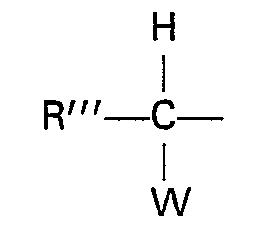

et R3 représente un atome d'hydrogène ou un groupe protecteur de groupes carboxy.


Applications Claiming Priority (2)
| Application Number | Priority Date | Filing Date | Title |
|---|---|---|---|
| US06/138,022 US4320055A (en) | 1980-04-07 | 1980-04-07 | Process for penicillin epimerization |
| US138022 | 1980-04-07 |
Publications (3)
| Publication Number | Publication Date |
|---|---|
| EP0037729A2 EP0037729A2 (fr) | 1981-10-14 |
| EP0037729A3 EP0037729A3 (en) | 1981-12-30 |
| EP0037729B1 true EP0037729B1 (fr) | 1984-01-25 |
Family
ID=22480081
Family Applications (1)
| Application Number | Title | Priority Date | Filing Date |
|---|---|---|---|
| EP81301479A Expired EP0037729B1 (fr) | 1980-04-07 | 1981-04-06 | Procédé d'épimérisation de pénicilline |
Country Status (11)
| Country | Link |
|---|---|
| US (1) | US4320055A (fr) |
| EP (1) | EP0037729B1 (fr) |
| JP (1) | JPS56156285A (fr) |
| KR (1) | KR840000500B1 (fr) |
| AR (1) | AR225956A1 (fr) |
| CA (1) | CA1146544A (fr) |
| DE (1) | DE3162010D1 (fr) |
| GB (1) | GB2074568B (fr) |
| HU (1) | HU188008B (fr) |
| IE (1) | IE51135B1 (fr) |
| IL (1) | IL62588A (fr) |
Families Citing this family (5)
| Publication number | Priority date | Publication date | Assignee | Title |
|---|---|---|---|---|
| JPS597193A (ja) * | 1982-07-02 | 1984-01-14 | Shionogi & Co Ltd | マロニルメチル基の異性化方法 |
| US4537720A (en) * | 1982-11-16 | 1985-08-27 | Eli Lilly And Company | N-substituted-2-(R)-(sulfinic acid)-3-(S)-(acylamino)-4-oxo-azetidines and process |
| US5006661A (en) * | 1987-06-16 | 1991-04-09 | University Of Cincinnati | Selective stereospecific biologically active beta-lactams |
| US4855419A (en) * | 1987-06-16 | 1989-08-08 | University Of Cincinnati | Application of 4-[1-oxoalkyl]-2,5-oxazolidinediones in selective stereospecific formation of biologically active α-lactams |
| WO2012002239A1 (fr) * | 2010-06-29 | 2012-01-05 | 独立行政法人産業技術総合研究所 | Agent de détection d'halogénures, procédé de détection d'halogénures et capteur de détection |
Family Cites Families (2)
| Publication number | Priority date | Publication date | Assignee | Title |
|---|---|---|---|---|
| US3719667A (en) * | 1970-08-24 | 1973-03-06 | Lilly Co Eli | Epimerization of 6-acylamido and 6-imido penicillin sulfoxide esters |
| US3954734A (en) * | 1974-01-21 | 1976-05-04 | Parke, Davis & Company | Novel antibacterial amide compounds and process means for producing the same |
-
1980
- 1980-04-07 US US06/138,022 patent/US4320055A/en not_active Expired - Lifetime
-
1981
- 1981-04-02 CA CA000374470A patent/CA1146544A/fr not_active Expired
- 1981-04-05 IL IL62588A patent/IL62588A/xx not_active IP Right Cessation
- 1981-04-06 IE IE775/81A patent/IE51135B1/en not_active IP Right Cessation
- 1981-04-06 DE DE8181301479T patent/DE3162010D1/de not_active Expired
- 1981-04-06 EP EP81301479A patent/EP0037729B1/fr not_active Expired
- 1981-04-06 KR KR1019810001143A patent/KR840000500B1/ko not_active Expired
- 1981-04-06 GB GB8110748A patent/GB2074568B/en not_active Expired
- 1981-04-06 HU HU81892A patent/HU188008B/hu not_active IP Right Cessation
- 1981-04-06 AR AR284869A patent/AR225956A1/es active
- 1981-04-07 JP JP5290881A patent/JPS56156285A/ja active Granted
Also Published As
| Publication number | Publication date |
|---|---|
| CA1146544A (fr) | 1983-05-17 |
| JPS56156285A (en) | 1981-12-02 |
| US4320055A (en) | 1982-03-16 |
| KR830005234A (ko) | 1983-08-03 |
| IL62588A (en) | 1984-07-31 |
| EP0037729A2 (fr) | 1981-10-14 |
| IE810775L (en) | 1981-10-07 |
| IL62588A0 (en) | 1981-06-29 |
| IE51135B1 (en) | 1986-10-15 |
| JPH0351714B2 (fr) | 1991-08-07 |
| EP0037729A3 (en) | 1981-12-30 |
| GB2074568A (en) | 1981-11-04 |
| DE3162010D1 (en) | 1984-03-01 |
| HU188008B (en) | 1986-03-28 |
| KR840000500B1 (ko) | 1984-04-16 |
| GB2074568B (en) | 1984-06-20 |
| AR225956A1 (es) | 1982-05-14 |
Similar Documents
| Publication | Publication Date | Title |
|---|---|---|
| FI56841C (fi) | Foerfarande foer framstaellning av 7-acylaminocefalosporansyraderivat och 6-acylaminopenicillansyraderivat | |
| EP0037729B1 (fr) | Procédé d'épimérisation de pénicilline | |
| US4122262A (en) | Intermediates and methods for preparing 7-acylamino-8-oxo-oxa-1-azabicyclo[4.2.0]octane-2-carboxylic acid derivatives | |
| US4122086A (en) | Isopenicillins | |
| US4241050A (en) | Penam 1,1-dioxides as beta-lactamase inhibitors | |
| US4260598A (en) | Method for increasing antibacterial effectiveness of a β-lactam antibiotic | |
| US4166816A (en) | Methods and intermediates for preparing cis-4-oxoazetidine intermediates | |
| US4456755A (en) | 7-Oxygen analogs of cephalosporins | |
| US4293493A (en) | Azetidinone alcohol disulfides and process for cyclization | |
| US4247461A (en) | Esterification process using methoxymethyl-P-toluenesulfonate | |
| US4302391A (en) | Unsymmetrical azetidinone aldehyde disulfides and process | |
| US4000154A (en) | 3-Substituted-6β-(amino- and acylamino)-7-oxo-1,3-diazabicyclo[3.2.0]-h | |
| EP0001715A2 (fr) | Antibiotiques dérivés d'azétidinone et leurs préparations pharmaceutiques et utilisation | |
| EP0132394A1 (fr) | Préparation de 3-exométhylène céphalosporines | |
| US4072674A (en) | Cis-4-oxoazetidine intermediates and methods of preparing them | |
| US4407750A (en) | Unsymmetrical azetidinone aldehyde disulfides and process | |
| US4293495A (en) | Symmetrical azetidinone aldehyde disulfides and process | |
| US4335240A (en) | Process for cyclization | |
| US4394313A (en) | Symmetrical azetidinone aldehyde disulfides and process | |
| US4502988A (en) | Oxidation process | |
| US3971776A (en) | Thio-β-lactam penicillins | |
| JPH0699387B2 (ja) | アゼチジノン中間体の製造方法 | |
| EP0558215B1 (fr) | Méthodes et composés pour la préparation de carbacéphèmes | |
| US4187375A (en) | Process for preparing oxazine ring compounds | |
| CA1252471A (fr) | Procede de preparation d'azetidinones |
Legal Events
| Date | Code | Title | Description |
|---|---|---|---|
| PUAI | Public reference made under article 153(3) epc to a published international application that has entered the european phase |
Free format text: ORIGINAL CODE: 0009012 |
|
| 17P | Request for examination filed |
Effective date: 19810429 |
|
| AK | Designated contracting states |
Designated state(s): BE CH DE FR GB IT LU NL SE |
|
| PUAL | Search report despatched |
Free format text: ORIGINAL CODE: 0009013 |
|
| AK | Designated contracting states |
Designated state(s): BE CH DE FR GB IT LU NL SE |
|
| ITF | It: translation for a ep patent filed | ||
| GRAA | (expected) grant |
Free format text: ORIGINAL CODE: 0009210 |
|
| AK | Designated contracting states |
Designated state(s): BE CH DE FR GB IT LI LU NL SE |
|
| REF | Corresponds to: |
Ref document number: 3162010 Country of ref document: DE Date of ref document: 19840301 |
|
| ET | Fr: translation filed | ||
| PLBE | No opposition filed within time limit |
Free format text: ORIGINAL CODE: 0009261 |
|
| STAA | Information on the status of an ep patent application or granted ep patent |
Free format text: STATUS: NO OPPOSITION FILED WITHIN TIME LIMIT |
|
| 26N | No opposition filed | ||
| ITF | It: translation for a ep patent filed | ||
| ITTA | It: last paid annual fee | ||
| EPTA | Lu: last paid annual fee | ||
| EAL | Se: european patent in force in sweden |
Ref document number: 81301479.2 |
|
| PGFP | Annual fee paid to national office [announced via postgrant information from national office to epo] |
Ref country code: SE Payment date: 19960306 Year of fee payment: 16 Ref country code: DE Payment date: 19960306 Year of fee payment: 16 |
|
| PGFP | Annual fee paid to national office [announced via postgrant information from national office to epo] |
Ref country code: GB Payment date: 19960320 Year of fee payment: 16 |
|
| PGFP | Annual fee paid to national office [announced via postgrant information from national office to epo] |
Ref country code: LU Payment date: 19960401 Year of fee payment: 16 |
|
| PGFP | Annual fee paid to national office [announced via postgrant information from national office to epo] |
Ref country code: FR Payment date: 19960418 Year of fee payment: 16 |
|
| PGFP | Annual fee paid to national office [announced via postgrant information from national office to epo] |
Ref country code: NL Payment date: 19960430 Year of fee payment: 16 |
|
| PGFP | Annual fee paid to national office [announced via postgrant information from national office to epo] |
Ref country code: BE Payment date: 19960510 Year of fee payment: 16 |
|
| PGFP | Annual fee paid to national office [announced via postgrant information from national office to epo] |
Ref country code: CH Payment date: 19960523 Year of fee payment: 16 |
|
| PG25 | Lapsed in a contracting state [announced via postgrant information from national office to epo] |
Ref country code: LU Free format text: LAPSE BECAUSE OF NON-PAYMENT OF DUE FEES Effective date: 19970406 Ref country code: GB Effective date: 19970406 |
|
| PG25 | Lapsed in a contracting state [announced via postgrant information from national office to epo] |
Ref country code: SE Effective date: 19970407 |
|
| PG25 | Lapsed in a contracting state [announced via postgrant information from national office to epo] |
Ref country code: LI Free format text: LAPSE BECAUSE OF NON-PAYMENT OF DUE FEES Effective date: 19970430 Ref country code: CH Free format text: LAPSE BECAUSE OF NON-PAYMENT OF DUE FEES Effective date: 19970430 Ref country code: BE Effective date: 19970430 |
|
| BERE | Be: lapsed |
Owner name: ELI LILLY AND CY Effective date: 19970430 |
|
| PG25 | Lapsed in a contracting state [announced via postgrant information from national office to epo] |
Ref country code: NL Effective date: 19971101 |
|
| GBPC | Gb: european patent ceased through non-payment of renewal fee |
Effective date: 19970406 |
|
| REG | Reference to a national code |
Ref country code: CH Ref legal event code: PL |
|
| PG25 | Lapsed in a contracting state [announced via postgrant information from national office to epo] |
Ref country code: FR Free format text: LAPSE BECAUSE OF NON-PAYMENT OF DUE FEES Effective date: 19971231 |
|
| PG25 | Lapsed in a contracting state [announced via postgrant information from national office to epo] |
Ref country code: DE Free format text: LAPSE BECAUSE OF NON-PAYMENT OF DUE FEES Effective date: 19980101 |
|
| NLV4 | Nl: lapsed or anulled due to non-payment of the annual fee |
Effective date: 19971101 |
|
| EUG | Se: european patent has lapsed |
Ref document number: 81301479.2 |
|
| REG | Reference to a national code |
Ref country code: FR Ref legal event code: ST |