EP0093384B1 - Dérivés de thiophène et composition fongicide les contenant - Google Patents
Dérivés de thiophène et composition fongicide les contenant Download PDFInfo
- Publication number
- EP0093384B1 EP0093384B1 EP83104093A EP83104093A EP0093384B1 EP 0093384 B1 EP0093384 B1 EP 0093384B1 EP 83104093 A EP83104093 A EP 83104093A EP 83104093 A EP83104093 A EP 83104093A EP 0093384 B1 EP0093384 B1 EP 0093384B1
- Authority
- EP
- European Patent Office
- Prior art keywords
- alkyl
- methyl
- parts
- compound
- alkoxy
- Prior art date
- Legal status (The legal status is an assumption and is not a legal conclusion. Google has not performed a legal analysis and makes no representation as to the accuracy of the status listed.)
- Expired
Links
- GHPODDMCSOYWNE-UHFFFAOYSA-N Cc(cc1)cc2c1OCO2 Chemical compound Cc(cc1)cc2c1OCO2 GHPODDMCSOYWNE-UHFFFAOYSA-N 0.000 description 1
Classifications
-
- C—CHEMISTRY; METALLURGY
- C07—ORGANIC CHEMISTRY
- C07D—HETEROCYCLIC COMPOUNDS
- C07D409/00—Heterocyclic compounds containing two or more hetero rings, at least one ring having sulfur atoms as the only ring hetero atoms
- C07D409/02—Heterocyclic compounds containing two or more hetero rings, at least one ring having sulfur atoms as the only ring hetero atoms containing two hetero rings
- C07D409/12—Heterocyclic compounds containing two or more hetero rings, at least one ring having sulfur atoms as the only ring hetero atoms containing two hetero rings linked by a chain containing hetero atoms as chain links
-
- A—HUMAN NECESSITIES
- A01—AGRICULTURE; FORESTRY; ANIMAL HUSBANDRY; HUNTING; TRAPPING; FISHING
- A01N—PRESERVATION OF BODIES OF HUMANS OR ANIMALS OR PLANTS OR PARTS THEREOF; BIOCIDES, e.g. AS DISINFECTANTS, AS PESTICIDES OR AS HERBICIDES; PEST REPELLANTS OR ATTRACTANTS; PLANT GROWTH REGULATORS
- A01N43/00—Biocides, pest repellants or attractants, or plant growth regulators containing heterocyclic compounds
- A01N43/02—Biocides, pest repellants or attractants, or plant growth regulators containing heterocyclic compounds having rings with one or more oxygen or sulfur atoms as the only ring hetero atoms
- A01N43/04—Biocides, pest repellants or attractants, or plant growth regulators containing heterocyclic compounds having rings with one or more oxygen or sulfur atoms as the only ring hetero atoms with one hetero atom
- A01N43/06—Biocides, pest repellants or attractants, or plant growth regulators containing heterocyclic compounds having rings with one or more oxygen or sulfur atoms as the only ring hetero atoms with one hetero atom five-membered rings
- A01N43/10—Biocides, pest repellants or attractants, or plant growth regulators containing heterocyclic compounds having rings with one or more oxygen or sulfur atoms as the only ring hetero atoms with one hetero atom five-membered rings with sulfur as the ring hetero atom
-
- A—HUMAN NECESSITIES
- A01—AGRICULTURE; FORESTRY; ANIMAL HUSBANDRY; HUNTING; TRAPPING; FISHING
- A01N—PRESERVATION OF BODIES OF HUMANS OR ANIMALS OR PLANTS OR PARTS THEREOF; BIOCIDES, e.g. AS DISINFECTANTS, AS PESTICIDES OR AS HERBICIDES; PEST REPELLANTS OR ATTRACTANTS; PLANT GROWTH REGULATORS
- A01N43/00—Biocides, pest repellants or attractants, or plant growth regulators containing heterocyclic compounds
- A01N43/02—Biocides, pest repellants or attractants, or plant growth regulators containing heterocyclic compounds having rings with one or more oxygen or sulfur atoms as the only ring hetero atoms
- A01N43/24—Biocides, pest repellants or attractants, or plant growth regulators containing heterocyclic compounds having rings with one or more oxygen or sulfur atoms as the only ring hetero atoms with two or more hetero atoms
- A01N43/26—Biocides, pest repellants or attractants, or plant growth regulators containing heterocyclic compounds having rings with one or more oxygen or sulfur atoms as the only ring hetero atoms with two or more hetero atoms five-membered rings
- A01N43/28—Biocides, pest repellants or attractants, or plant growth regulators containing heterocyclic compounds having rings with one or more oxygen or sulfur atoms as the only ring hetero atoms with two or more hetero atoms five-membered rings with two hetero atoms in positions 1,3
- A01N43/30—Biocides, pest repellants or attractants, or plant growth regulators containing heterocyclic compounds having rings with one or more oxygen or sulfur atoms as the only ring hetero atoms with two or more hetero atoms five-membered rings with two hetero atoms in positions 1,3 with two oxygen atoms in positions 1,3, condensed with a carbocyclic ring
-
- A—HUMAN NECESSITIES
- A01—AGRICULTURE; FORESTRY; ANIMAL HUSBANDRY; HUNTING; TRAPPING; FISHING
- A01N—PRESERVATION OF BODIES OF HUMANS OR ANIMALS OR PLANTS OR PARTS THEREOF; BIOCIDES, e.g. AS DISINFECTANTS, AS PESTICIDES OR AS HERBICIDES; PEST REPELLANTS OR ATTRACTANTS; PLANT GROWTH REGULATORS
- A01N43/00—Biocides, pest repellants or attractants, or plant growth regulators containing heterocyclic compounds
- A01N43/34—Biocides, pest repellants or attractants, or plant growth regulators containing heterocyclic compounds having rings with one nitrogen atom as the only ring hetero atom
- A01N43/36—Biocides, pest repellants or attractants, or plant growth regulators containing heterocyclic compounds having rings with one nitrogen atom as the only ring hetero atom five-membered rings
-
- A—HUMAN NECESSITIES
- A01—AGRICULTURE; FORESTRY; ANIMAL HUSBANDRY; HUNTING; TRAPPING; FISHING
- A01N—PRESERVATION OF BODIES OF HUMANS OR ANIMALS OR PLANTS OR PARTS THEREOF; BIOCIDES, e.g. AS DISINFECTANTS, AS PESTICIDES OR AS HERBICIDES; PEST REPELLANTS OR ATTRACTANTS; PLANT GROWTH REGULATORS
- A01N43/00—Biocides, pest repellants or attractants, or plant growth regulators containing heterocyclic compounds
- A01N43/34—Biocides, pest repellants or attractants, or plant growth regulators containing heterocyclic compounds having rings with one nitrogen atom as the only ring hetero atom
- A01N43/40—Biocides, pest repellants or attractants, or plant growth regulators containing heterocyclic compounds having rings with one nitrogen atom as the only ring hetero atom six-membered rings
-
- A—HUMAN NECESSITIES
- A01—AGRICULTURE; FORESTRY; ANIMAL HUSBANDRY; HUNTING; TRAPPING; FISHING
- A01N—PRESERVATION OF BODIES OF HUMANS OR ANIMALS OR PLANTS OR PARTS THEREOF; BIOCIDES, e.g. AS DISINFECTANTS, AS PESTICIDES OR AS HERBICIDES; PEST REPELLANTS OR ATTRACTANTS; PLANT GROWTH REGULATORS
- A01N43/00—Biocides, pest repellants or attractants, or plant growth regulators containing heterocyclic compounds
- A01N43/72—Biocides, pest repellants or attractants, or plant growth regulators containing heterocyclic compounds having rings with nitrogen atoms and oxygen or sulfur atoms as ring hetero atoms
- A01N43/84—Biocides, pest repellants or attractants, or plant growth regulators containing heterocyclic compounds having rings with nitrogen atoms and oxygen or sulfur atoms as ring hetero atoms six-membered rings with one nitrogen atom and either one oxygen atom or one sulfur atom in positions 1,4
-
- C—CHEMISTRY; METALLURGY
- C07—ORGANIC CHEMISTRY
- C07D—HETEROCYCLIC COMPOUNDS
- C07D333/00—Heterocyclic compounds containing five-membered rings having one sulfur atom as the only ring hetero atom
- C07D333/02—Heterocyclic compounds containing five-membered rings having one sulfur atom as the only ring hetero atom not condensed with other rings
- C07D333/04—Heterocyclic compounds containing five-membered rings having one sulfur atom as the only ring hetero atom not condensed with other rings not substituted on the ring sulphur atom
- C07D333/26—Heterocyclic compounds containing five-membered rings having one sulfur atom as the only ring hetero atom not condensed with other rings not substituted on the ring sulphur atom with hetero atoms or with carbon atoms having three bonds to hetero atoms with at the most one bond to halogen, e.g. ester or nitrile radicals, directly attached to ring carbon atoms
- C07D333/38—Carbon atoms having three bonds to hetero atoms with at the most one bond to halogen, e.g. ester or nitrile radicals
Definitions
- This invention relates to new thiophene derivatives and their use as fungicides in agriculture and horticulture.
- the new thiophene derivatives according to the present invention are represented by the general formula (I).
- phytophthora rot of soybean adzuki bean and broad bean
- phytophthora blight of taro phytophthora dampingoff of cucumber
- phytophthora rot of oriental melon netted melon and oriental pickling melon
- brown rot of water melon phytophthora rot of pumpkin
- phytophthora rot of bottle gourd brown rot of egg plant
- phytophthora blight of sweet pepper red stele of strawberry
- phytophthora rot of onion phytophthora blight of Welsh onion
- pythium blight of wheat or barley phytophthora rot of soybean, adzuki bean and broad bean
- phytophthora blight of taro phytophthora dampingoff of cucumber
- phytophthora rot of oriental melon netted melon and oriental pickling melon
- brown rot of water melon phytophthora rot of pumpkin
- the compounds of the general formula (I) can be prepared by the following reactions:
- the reaction (1) can be carried out in an organic solvent such as alcohol, ether, hydrocarbon, dimethyl formamide, etc., in the presence of a deprotonating agent such as metal sodium, NaH, butyl lithium, alcoholate, etc., at a temperature of 0 ⁇ 100°C for 2-24 hours.
- a deprotonating agent such as metal sodium, NaH, butyl lithium, alcoholate, etc.
- the resulting reaction mixture is poured into ice water and then worked up with a mineral acid like hydrochloric or sulfuric acid.
- the reaction (2) or (4) can be carried out in an inert solvent such as dioxane, acetone, benzene, dimethyl formamide, etc., in the presence of a dehydrohalogenating agent such as triethylamine, pyridine, potassium or sodium carbonate, etc., at a temperature of 0-100°C for 1-24 hours.
- a dehydrohalogenating agent such as triethylamine, pyridine, potassium or sodium carbonate, etc.
- the reaction (3) can be carried out in an inert organic solvent such as dioxane, ethylether, hydrocarbon, benzene, etc., in the presence of a catalyst such as triethylamine, pyridine, etc., at a temperature of 20-80°C for 1-5 days.
- a catalyst such as triethylamine, pyridine, etc.
- IR (nujol): 3280, 1700, 1660, 1560, 1355, 1210, 1155, 1090, 910, 760 cm- 1 .
- IR (nujol): 1700 (C O), 1570, 1290, 1185, 1060, 790, 770cm -1 .
- Tables 1a and 1b Exemplified below in Tables 1a and 1b are the compounds of the present invention as prepared in accordance with the procedures described in the foregoing examples.
- the compound number assigned to each compounds in the tables will be referred to in the examples and test examples that follow.
- the compounds of the present invention When used as agricultural and horticultural fungicides, they can be applied as they are or by diluting them with a liquid carrier such as water or an organic solvent or with a solid dust or other suitable carrier or by formulating them into wettable powder, oil, liquid, emulsion, sol (flowable), dust, driftless dust, granule and microgranule by adding auxiliary agents such as a wetting agent, a spreading agent, a dispersing agent, an emulsifying agent and a fixing agent as any occasion arises.
- a liquid carrier such as water or an organic solvent or with a solid dust or other suitable carrier
- auxiliary agents such as a wetting agent, a spreading agent, a dispersing agent, an emulsifying agent and a fixing agent as any occasion arises.
- liquid carriers to be used for formulating for example, solvents such as water, aromatic hydrocarbons, aliphatic hydrocarbons, alcohols, esters, ketones, acid amides and dimethylsulfoxide are usable.
- Solid carriers include mineral dusts such as clay, talc, kaolin, bentonite, diatomaceous earth, calcium carbonate and silicic acid.
- auxiliary agents for example, nonionic, cationic and amphoteric surfactants, lignin-sulfonic acid or its salts, gummy substances, aliphatic hydrocarbon salts, methyl cellulose and the like thickening agents are usable.
- formulations such as wettable powders, liquids, sols (flowable) and emulsions may contain their active components within the range of from 1 to 95% by weight, usually from 2 to 75% by weight.
- Dusts, driftless dusts, microgranules and granules may contain in general 0.1 to 10% by weight of active components and are used at a rate of from 1 to 10 kg per 10 ares, preferably from 3 to 5 kg.
- Concentrated liquids such as oils, emulsions and sols (flowable) are.usable as fine spray as they are without diluting them.
- wettable powders and dusts are usable as seed dressings for crop seeds, and wettable powders, sols and emulsions when diluted with water are usable for immersing crop seeds.
- a homogeneous mixture of 2 parts of the compound No. 2 and 98 parts of clay is pulverized to obtain a dust preparation containing 2% of the effective ingredient.
- a homogeneous mixture of 30 parts of the compound No. 17,3 parts of calcium alkylbenzenesulfonate, 5 parts of polyoxyethylene nonylphenyl ether and 62 parts of clay is pulverized uniformly to obtain a wettable powder containing 30% of the finely powdered effective ingredient.
- This wettable powder when actually applied to plants, is diluted to 1,000 to 8,000 times with water and then sprayed over the plants.
- a mixture of 5 parts of the compound No. 24, 1.5 parts of lauryl sulfate, 1.5 parts of calcium ligninsulfonate, 25 parts of bentonite, 67 parts of acid clay and 15 parts of water is kneaded by means of a kneading machine, followed granulation.
- the granules thus obtained are then dried by means of a fluid bed type dryer to obtain a granular preparation containing 5% of the effective ingredient.
- a homogeneous mixture of 2 parts of the compound No. 32 and 98 parts of clay is uniformly pulverized to obtain a dust preparation containing 2% of the effective ingredient.
- a homogeneous mixture of 30 parts of the compound No. 36, parts of calcium alkylbenzenesulfonate, 5 parts of polyoxyethylene nonylphenyl ether and 62 parts of clay is pulverized to obtain a wettable powder containing 3% of the effective ingredient.
- the wettable powder thus obtained when actually applied to plants is diluted to 1,000 to 8,000 times with water and then sprayed over the plants.
- a mixture of 5 parts of the compound No. 62, 1.5 parts of lauryl sulfate, 1.5 parts of calcium ligninsulfonate, 25 parts of bentonite, 67 parts of acid clay and 15 parts of water is kneaded by means of a kneading machine, followed by granulation.
- the granules thus obtained are then dried on a fluid bed type dryer to obtain a granule preparation containing 5% of the effective ingredient.
- a homogeneous mixture of 2 parts of the compound No. 69 and 98 parts of clay is uniformly pulverized to obtain a dust preparation containing 2% of the effective ingredient.
- a homogeneous mixture of 30 parts of the compound No. 73, parts of calcium alkylbenzeriesulfonate, 5 parts of polyoxyethylene nonylphenyl ether and 62 parts of clay is uniformly pulverized to obtain a wettable powder containing 3% of the effective ingredient.
- a mixture of 5 parts of the compound No. 101, 1.5 parts of lauryl sulfate, 1.5 parts of calcium ligninsulfonate, 25 parts of bentonite, 67 parts of clay and 15 parts of water is kneaded by means of a kneading machine, followed by granulation.
- the granules thus obtained are dried on a fluid bed type dryer to obtain a granule preparation containing 5% of the effective ingredient.
- a homogeneous mixture of 2 parts of the compound No. 109 and 98 parts of clay is uniformly pulverized to obtain a dust preparation containing 2% of the effective ingredient.
- a homogeneous mixture of 30 parts of the compound No. 124, 3 parts of calcium alkylbenzenesulfonate, 5 parts of polyoxyethylene nonylphenyl ether and 62 parts of clay is uniformly pulverized to obtain a wettable powder containing 3% of the effective ingredient.
- the wettable powder thus obtained, when it is actually applied to plants, is diluted to 1,000 to 8,000 times with water and then sprayed over the plants.
- a mixture of 5 parts of the compound No. 183,.1.5 parts of laryl sulfate, 1.5 parts of calcium ligninsulfonate, 25 parts of bentonite, 67 parts of acid clay and 15 parts of water is kneaded by means of a kneading machine, followed by granulation.
- the granules thus obtained are dried on a fluid bed type dryer to obtain a granule preparation containing 5% of the effective ingredient.
- a homogeneous mixture of 2 parts of the compound No. 190 and 98 parts of clay is uniformly pulverized to obtain a dust preparation containing 2% of the effective ingredient.
- a homogeneous mixture of 30 parts of compound No. 204, 3 parts of calcium alkylbenzenesulfonate, 5 parts of polyoxyethylene nonylphenyl ether and 62 parts of clay is uniformly pulverized to obtain a wettable powder containing 3% of the effective ingredient.
- the wettable powder thus obtained, when it is actually applied to plants, is diluted to 1,000 to 8,000 times with water and then sprayed over the plants.
- a mixture of 5 parts of the compound No. 274,1.5 parts of lauryl sulfonate, 1.5 parts of calcium ligninsulfonate, 25 parts of bentonite, 67 parts of acid clay and 15 parts of water is kneaded by means of a kneading machine, followed by granulation.
- the granules thus obtained are dried on a fluidized bed drier to obtain a granule preparation containing 5% of the effective ingredient.
- a homogeneous mixture of 2 parts of the compound No. 304 and 98 parts of clay is uniformly pulverized to obtain a dust preparation containing 2% of the effective ingredient.
- a homogeneous mixture of 30 parts of the compound No. 308, 3 parts of calcium alkylbenzenesulfonate, 5 parts of polyoxyethylene nonylphenyl ether and 62 parts of clay is uniformly pulverized to obtain a wettable powder of the finely powdered uniform composition containing 30% of the effective ingredient.
- the wettable powder thus obtained when it is actually applied to plants, is diluted to 1,000 to 8,000 times with water and then sprayed over the plants.
- a mixture of 5 parts of the compound No. 317, 1.5 parts of lauryl sulfate, 1.5 parts of calcium ligninsulfonate, 25 parts of bentonite, 67 parts of acid clay and 15 parts of water is kneaded by means of a kneading machine, followed by granulation.
- the granules thus obtained are dried on a fluid bed type dryer to obtain a granule preparation containing 5% of the effective ingredient.
- Fungicidal activities of the compounds of the present invention are illustrated below with reference to test examples.
- test liquid which was prepared by diluting a wettable powder prepared according to the general procedure of Example 14 to a predetermined concentration, at an amount of 10 ml per each pot.
- the seedlings were inoculated by atomization with a spore suspension of rice blast fungus (Pyricuralia oryzae). Upon completion of the inoculation, the seedlings were kept overnight under a wet house condition (at 95-100% relative humidity and 24-25°C).
- a porcelain pot of 9 cm in diameter was filled with a soil infected naturally by Chinese cabbage root knot disease.
- a Chinese cabbage root knot suspension prepared by grinding the refrigerated root knot and diluting same with water, in order to accelerate the outbreak of disease.
- the wettable powder prepared by the procedures of Example 4 was poured as a solution in water to the surface of the soil at the rate of 3 1/m 2.
- 4 (four) seedlings of Chinese cabbage (variety: Sengoku Hakusai) were transplanted to one pot and then cultivated for 40 days.
- the degree of infection was investigated according to the below-mentioned standard, and the control value (%) was calculated by the below-defined expression. Index by degree:
Landscapes
- Life Sciences & Earth Sciences (AREA)
- Chemical & Material Sciences (AREA)
- Organic Chemistry (AREA)
- Health & Medical Sciences (AREA)
- Pest Control & Pesticides (AREA)
- Plant Pathology (AREA)
- Agronomy & Crop Science (AREA)
- Engineering & Computer Science (AREA)
- Dentistry (AREA)
- General Health & Medical Sciences (AREA)
- Wood Science & Technology (AREA)
- Zoology (AREA)
- Environmental Sciences (AREA)
- Agricultural Chemicals And Associated Chemicals (AREA)
- Plural Heterocyclic Compounds (AREA)
Claims (2)

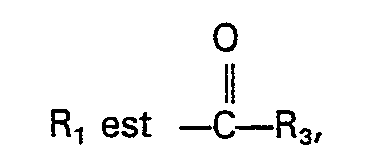
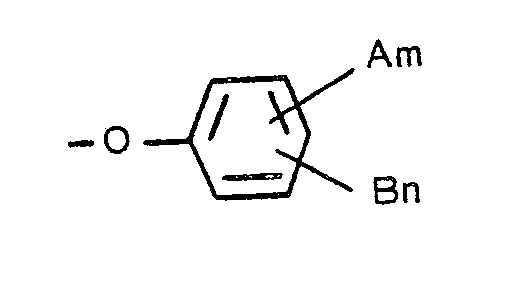


Applications Claiming Priority (12)
| Application Number | Priority Date | Filing Date | Title |
|---|---|---|---|
| JP7129382A JPS58188875A (ja) | 1982-04-30 | 1982-04-30 | チオフエン誘導体 |
| JP71293/82 | 1982-04-30 | ||
| JP116896/82 | 1982-07-07 | ||
| JP11689882A JPS5925389A (ja) | 1982-07-07 | 1982-07-07 | チオフエン誘導体および農園芸用殺菌剤 |
| JP116898/82 | 1982-07-07 | ||
| JP11689782A JPS6052156B2 (ja) | 1982-07-07 | 1982-07-07 | チオフエン誘導体および農園芸用殺菌剤 |
| JP11689682A JPS6052155B2 (ja) | 1982-07-07 | 1982-07-07 | チオフエン誘導体および農園芸用殺菌剤 |
| JP116897/82 | 1982-07-07 | ||
| JP18069/83 | 1983-02-08 | ||
| JP1806983A JPS59144781A (ja) | 1983-02-08 | 1983-02-08 | チオフエン誘導体および農園芸用殺菌剤 |
| JP27753/83 | 1983-02-23 | ||
| JP2775383A JPS59155380A (ja) | 1983-02-23 | 1983-02-23 | チオフエン誘導体および農園芸用殺菌剤 |
Publications (2)
| Publication Number | Publication Date |
|---|---|
| EP0093384A1 EP0093384A1 (fr) | 1983-11-09 |
| EP0093384B1 true EP0093384B1 (fr) | 1986-06-11 |
Family
ID=27548764
Family Applications (1)
| Application Number | Title | Priority Date | Filing Date |
|---|---|---|---|
| EP83104093A Expired EP0093384B1 (fr) | 1982-04-30 | 1983-04-27 | Dérivés de thiophène et composition fongicide les contenant |
Country Status (4)
| Country | Link |
|---|---|
| US (1) | US4454131A (fr) |
| EP (1) | EP0093384B1 (fr) |
| BR (1) | BR8302266A (fr) |
| DE (1) | DE3364055D1 (fr) |
Families Citing this family (6)
| Publication number | Priority date | Publication date | Assignee | Title |
|---|---|---|---|---|
| DE3402625A1 (de) * | 1984-01-26 | 1985-08-01 | Bayer Ag, 5090 Leverkusen | Acyloxythiophen-derivate |
| DE3602889A1 (de) * | 1985-06-29 | 1987-01-08 | Bayer Ag | Alkoxycarbonyl-substituierte hydroxythiophen-carbonamide |
| DE3610711A1 (de) * | 1986-03-29 | 1987-10-15 | Bayer Ag | Acyloxythiophen-carbonamide |
| DE3613792A1 (de) * | 1986-04-24 | 1987-10-29 | Bayer Ag | Carbamoyloxythiophen-derivate |
| EP0374559A2 (fr) * | 1988-12-17 | 1990-06-27 | Bayer Ag | Phényl-2-difluoro-2,2-éthylthiocarbonates substitués, procédé de préparation et application comme herbicides |
| WO2013124250A2 (fr) * | 2012-02-20 | 2013-08-29 | Basf Se | Thiophènes substitués fongicides |
Family Cites Families (5)
| Publication number | Priority date | Publication date | Assignee | Title |
|---|---|---|---|---|
| US2438808A (en) * | 1942-12-22 | 1948-03-30 | Hoffmann La Roche | 2-carbalkoxy-3-keto-tetrahydrothiophene process |
| US2453102A (en) * | 1944-02-25 | 1948-11-02 | Du Pont | 3,4-dihydroxythiophene-2, 5-dicarboxylic acid production |
| DE1020641B (de) * | 1955-10-15 | 1957-12-12 | Basf Ag | Verfahren zur Herstellung von Derivaten der 3-Oxythiophen-2-carbonsaeure |
| FR2300768A1 (fr) * | 1975-02-14 | 1976-09-10 | Roussel Uclaf | Nouveaux composes thiopeniques phosphoryles, procede de preparation et application comme pesticides |
| JPS6058918B2 (ja) * | 1980-01-22 | 1985-12-23 | 宇部興産株式会社 | チオフエン誘導体および農園芸用殺菌剤 |
-
1983
- 1983-04-26 US US06/488,684 patent/US4454131A/en not_active Expired - Fee Related
- 1983-04-27 DE DE8383104093T patent/DE3364055D1/de not_active Expired
- 1983-04-27 EP EP83104093A patent/EP0093384B1/fr not_active Expired
- 1983-05-02 BR BR8302266A patent/BR8302266A/pt unknown
Also Published As
| Publication number | Publication date |
|---|---|
| DE3364055D1 (en) | 1986-07-17 |
| US4454131A (en) | 1984-06-12 |
| BR8302266A (pt) | 1984-01-03 |
| EP0093384A1 (fr) | 1983-11-09 |
Similar Documents
| Publication | Publication Date | Title |
|---|---|---|
| DE2434430C3 (de) | 2-Methylbenzanilid-Verbindungen, Verfahren zur Herstellung derselben und Pflanzenschutzmittel mit einem Gehalt derselben | |
| EP0086111B1 (fr) | Un indanylbenzamide fongicide | |
| US4839378A (en) | Fluorophthalimides and agricultural and horticultural fungicides containing them | |
| EP0018510B1 (fr) | N-alpha-naphtylamines acylées, leur préparation et leur utilisation comme fongicides pour plantes, et agents fongicides pour plantes les contenant | |
| EP0093384A1 (fr) | Dérivés de thiophène et composition fongicide les contenant | |
| US4276303A (en) | Microbicidal compositions | |
| EP0032748B1 (fr) | Dérivés de thiophène | |
| US3985804A (en) | Agricultural substituted 2-methylbenzanilide germicide | |
| US5176735A (en) | Method of desiccating plants employing 3-carbonylphenyl uracil derivatives | |
| DE2813335A1 (de) | N-disubstituierte anilin-derivate, verfahren zu ihrer herstellung und mikrobizide mittel | |
| US4004022A (en) | Spirolactone derivatives | |
| US4745128A (en) | Novel carbamic acid ester derivatives, pesticidal compositions containing them and a process for their preparation | |
| JPS58116462A (ja) | 新規ピロ−ル誘導体、その製法及び該誘導体を有効成分として含有する殺菌剤組成物 | |
| CA1151192A (fr) | Microbicide | |
| US4551478A (en) | 3-Nitrobenzene sulfonanilide derivatives and fungicidal compositions for the control of plant diseases containing same | |
| EP0123931A2 (fr) | Dérivés du furane ayant une activité fongicide | |
| EP0429281A2 (fr) | Dérivés de guanidine et fongicides pour l'agriculture et l'horticulture les contenant | |
| US4428964A (en) | Sulfinyl- and sulfonylacetanilides and their use as microbicides | |
| US4456471A (en) | Herbicidal N-haloacetyl-2-methyl-6-substituted methoxymethylanilines | |
| US4282030A (en) | Method for plant growth regulation | |
| JPS62181260A (ja) | ピリジン誘導体およびそれを有効成分とする農園芸用殺菌剤 | |
| US4224337A (en) | Pesticidal compositions | |
| KR800001507B1 (ko) | 1, 2, 3-티아디아졸-5-일-우레아의 제조방법 | |
| EP0022086A1 (fr) | 4-Oxa-6-aza-6(phényl)-spiro(2.4)heptane-5,7-diones, préparation et utilisation comme microbicides | |
| JPH01113388A (ja) | 除草剤組成物 |
Legal Events
| Date | Code | Title | Description |
|---|---|---|---|
| PUAI | Public reference made under article 153(3) epc to a published international application that has entered the european phase |
Free format text: ORIGINAL CODE: 0009012 |
|
| AK | Designated contracting states |
Designated state(s): CH DE FR GB IT LI NL |
|
| 17P | Request for examination filed |
Effective date: 19840501 |
|
| RAP1 | Party data changed (applicant data changed or rights of an application transferred) |
Owner name: HOKKO CHEMICAL INDUSTRY CO., LTD Owner name: UBE INDUSTRIES, LTD. |
|
| GRAA | (expected) grant |
Free format text: ORIGINAL CODE: 0009210 |
|
| AK | Designated contracting states |
Kind code of ref document: B1 Designated state(s): CH DE FR GB IT LI NL |
|
| ITF | It: translation for a ep patent filed | ||
| REF | Corresponds to: |
Ref document number: 3364055 Country of ref document: DE Date of ref document: 19860717 |
|
| ET | Fr: translation filed | ||
| PLBE | No opposition filed within time limit |
Free format text: ORIGINAL CODE: 0009261 |
|
| STAA | Information on the status of an ep patent application or granted ep patent |
Free format text: STATUS: NO OPPOSITION FILED WITHIN TIME LIMIT |
|
| PGFP | Annual fee paid to national office [announced via postgrant information from national office to epo] |
Ref country code: NL Payment date: 19870430 Year of fee payment: 5 |
|
| 26N | No opposition filed | ||
| PG25 | Lapsed in a contracting state [announced via postgrant information from national office to epo] |
Ref country code: GB Effective date: 19890427 |
|
| PG25 | Lapsed in a contracting state [announced via postgrant information from national office to epo] |
Ref country code: LI Effective date: 19890430 Ref country code: CH Effective date: 19890430 |
|
| PG25 | Lapsed in a contracting state [announced via postgrant information from national office to epo] |
Ref country code: NL Effective date: 19891101 |
|
| NLV4 | Nl: lapsed or anulled due to non-payment of the annual fee | ||
| GBPC | Gb: european patent ceased through non-payment of renewal fee | ||
| PG25 | Lapsed in a contracting state [announced via postgrant information from national office to epo] |
Ref country code: FR Free format text: LAPSE BECAUSE OF NON-PAYMENT OF DUE FEES Effective date: 19891228 |
|
| REG | Reference to a national code |
Ref country code: CH Ref legal event code: PL |
|
| PG25 | Lapsed in a contracting state [announced via postgrant information from national office to epo] |
Ref country code: DE Effective date: 19900103 |
|
| REG | Reference to a national code |
Ref country code: FR Ref legal event code: ST |