EP0212914B1 - Amplifying the expression of recombinant dna products - Google Patents
Amplifying the expression of recombinant dna products Download PDFInfo
- Publication number
- EP0212914B1 EP0212914B1 EP86306073A EP86306073A EP0212914B1 EP 0212914 B1 EP0212914 B1 EP 0212914B1 EP 86306073 A EP86306073 A EP 86306073A EP 86306073 A EP86306073 A EP 86306073A EP 0212914 B1 EP0212914 B1 EP 0212914B1
- Authority
- EP
- European Patent Office
- Prior art keywords
- amino acid
- csf
- gene
- polypeptide
- dna
- Prior art date
- Legal status (The legal status is an assumption and is not a legal conclusion. Google has not performed a legal analysis and makes no representation as to the accuracy of the status listed.)
- Expired - Lifetime
Links
- 230000014509 gene expression Effects 0.000 title claims abstract description 26
- 108020004511 Recombinant DNA Proteins 0.000 title claims abstract description 16
- 108020004705 Codon Proteins 0.000 claims abstract description 61
- 125000000539 amino acid group Chemical group 0.000 claims abstract description 43
- 108091005804 Peptidases Proteins 0.000 claims abstract description 7
- 239000004365 Protease Substances 0.000 claims abstract description 7
- 102100037486 Reverse transcriptase/ribonuclease H Human genes 0.000 claims abstract description 7
- 108010017213 Granulocyte-Macrophage Colony-Stimulating Factor Proteins 0.000 claims description 110
- 102000004457 Granulocyte-Macrophage Colony-Stimulating Factor Human genes 0.000 claims description 68
- 108020004414 DNA Proteins 0.000 claims description 65
- 238000000034 method Methods 0.000 claims description 60
- 150000001413 amino acids Chemical class 0.000 claims description 45
- 239000002773 nucleotide Substances 0.000 claims description 39
- 125000003729 nucleotide group Chemical group 0.000 claims description 39
- 240000004808 Saccharomyces cerevisiae Species 0.000 claims description 33
- 102000053602 DNA Human genes 0.000 claims description 27
- 101000746373 Homo sapiens Granulocyte-macrophage colony-stimulating factor Proteins 0.000 claims description 26
- 210000004027 cell Anatomy 0.000 claims description 26
- 239000004475 Arginine Substances 0.000 claims description 16
- ODKSFYDXXFIFQN-UHFFFAOYSA-N arginine Natural products OC(=O)C(N)CCCNC(N)=N ODKSFYDXXFIFQN-UHFFFAOYSA-N 0.000 claims description 14
- 238000003556 assay Methods 0.000 claims description 13
- 229920001184 polypeptide Polymers 0.000 claims description 13
- 102000004196 processed proteins & peptides Human genes 0.000 claims description 13
- 108090000765 processed proteins & peptides Proteins 0.000 claims description 13
- ROHFNLRQFUQHCH-YFKPBYRVSA-N L-leucine Chemical compound CC(C)C[C@H](N)C(O)=O ROHFNLRQFUQHCH-YFKPBYRVSA-N 0.000 claims description 11
- ROHFNLRQFUQHCH-UHFFFAOYSA-N Leucine Natural products CC(C)CC(N)C(O)=O ROHFNLRQFUQHCH-UHFFFAOYSA-N 0.000 claims description 11
- -1 arginine amino acids Chemical group 0.000 claims description 11
- 210000001185 bone marrow Anatomy 0.000 claims description 11
- 102000046157 human CSF2 Human genes 0.000 claims description 11
- 108091028043 Nucleic acid sequence Proteins 0.000 claims description 9
- 230000004071 biological effect Effects 0.000 claims description 9
- 239000013604 expression vector Substances 0.000 claims description 8
- 239000013599 cloning vector Substances 0.000 claims description 6
- 150000007523 nucleic acids Chemical class 0.000 claims description 6
- 238000003776 cleavage reaction Methods 0.000 claims description 5
- 230000007017 scission Effects 0.000 claims description 5
- 102000039446 nucleic acids Human genes 0.000 claims description 3
- 108020004707 nucleic acids Proteins 0.000 claims description 3
- 125000003275 alpha amino acid group Chemical group 0.000 claims 11
- 230000006337 proteolytic cleavage Effects 0.000 claims 1
- 108090000623 proteins and genes Proteins 0.000 abstract description 85
- 102000004169 proteins and genes Human genes 0.000 abstract description 18
- 230000000694 effects Effects 0.000 abstract description 8
- 230000035772 mutation Effects 0.000 abstract description 6
- 238000000338 in vitro Methods 0.000 abstract description 3
- 108091034117 Oligonucleotide Proteins 0.000 description 57
- 235000014680 Saccharomyces cerevisiae Nutrition 0.000 description 31
- 229940024606 amino acid Drugs 0.000 description 22
- 235000001014 amino acid Nutrition 0.000 description 22
- 239000000203 mixture Substances 0.000 description 21
- 239000013612 plasmid Substances 0.000 description 21
- 239000000047 product Substances 0.000 description 21
- 239000012634 fragment Substances 0.000 description 19
- 239000013598 vector Substances 0.000 description 17
- IXKSXJFAGXLQOQ-XISFHERQSA-N WHWLQLKPGQPMY Chemical compound C([C@@H](C(=O)N[C@@H](CC=1C2=CC=CC=C2NC=1)C(=O)N[C@@H](CC(C)C)C(=O)N[C@@H](CCC(N)=O)C(=O)N[C@@H](CC(C)C)C(=O)N1CCC[C@H]1C(=O)NCC(=O)N[C@@H](CCC(N)=O)C(=O)N[C@@H](CC(O)=O)C(=O)N1CCC[C@H]1C(=O)N[C@@H](CCSC)C(=O)N[C@@H](CC=1C=CC(O)=CC=1)C(O)=O)NC(=O)[C@@H](N)CC=1C2=CC=CC=C2NC=1)C1=CNC=N1 IXKSXJFAGXLQOQ-XISFHERQSA-N 0.000 description 16
- 239000013613 expression plasmid Substances 0.000 description 16
- 235000018102 proteins Nutrition 0.000 description 15
- 108020004682 Single-Stranded DNA Proteins 0.000 description 14
- 108091026890 Coding region Proteins 0.000 description 12
- 238000006467 substitution reaction Methods 0.000 description 12
- 241000588724 Escherichia coli Species 0.000 description 10
- 238000012217 deletion Methods 0.000 description 10
- 230000037430 deletion Effects 0.000 description 10
- 238000002703 mutagenesis Methods 0.000 description 10
- 231100000350 mutagenesis Toxicity 0.000 description 10
- 238000012545 processing Methods 0.000 description 10
- 108020005187 Oligonucleotide Probes Proteins 0.000 description 9
- 230000015572 biosynthetic process Effects 0.000 description 9
- 239000002751 oligonucleotide probe Substances 0.000 description 9
- 239000000523 sample Substances 0.000 description 9
- 108010014303 DNA-directed DNA polymerase Proteins 0.000 description 8
- 102000016928 DNA-directed DNA polymerase Human genes 0.000 description 8
- TWRXJAOTZQYOKJ-UHFFFAOYSA-L Magnesium chloride Chemical compound [Mg+2].[Cl-].[Cl-] TWRXJAOTZQYOKJ-UHFFFAOYSA-L 0.000 description 8
- JLCPHMBAVCMARE-UHFFFAOYSA-N [3-[[3-[[3-[[3-[[3-[[3-[[3-[[3-[[3-[[3-[[3-[[5-(2-amino-6-oxo-1H-purin-9-yl)-3-[[3-[[3-[[3-[[3-[[3-[[5-(2-amino-6-oxo-1H-purin-9-yl)-3-[[5-(2-amino-6-oxo-1H-purin-9-yl)-3-hydroxyoxolan-2-yl]methoxy-hydroxyphosphoryl]oxyoxolan-2-yl]methoxy-hydroxyphosphoryl]oxy-5-(5-methyl-2,4-dioxopyrimidin-1-yl)oxolan-2-yl]methoxy-hydroxyphosphoryl]oxy-5-(6-aminopurin-9-yl)oxolan-2-yl]methoxy-hydroxyphosphoryl]oxy-5-(6-aminopurin-9-yl)oxolan-2-yl]methoxy-hydroxyphosphoryl]oxy-5-(6-aminopurin-9-yl)oxolan-2-yl]methoxy-hydroxyphosphoryl]oxy-5-(6-aminopurin-9-yl)oxolan-2-yl]methoxy-hydroxyphosphoryl]oxyoxolan-2-yl]methoxy-hydroxyphosphoryl]oxy-5-(5-methyl-2,4-dioxopyrimidin-1-yl)oxolan-2-yl]methoxy-hydroxyphosphoryl]oxy-5-(4-amino-2-oxopyrimidin-1-yl)oxolan-2-yl]methoxy-hydroxyphosphoryl]oxy-5-(5-methyl-2,4-dioxopyrimidin-1-yl)oxolan-2-yl]methoxy-hydroxyphosphoryl]oxy-5-(5-methyl-2,4-dioxopyrimidin-1-yl)oxolan-2-yl]methoxy-hydroxyphosphoryl]oxy-5-(6-aminopurin-9-yl)oxolan-2-yl]methoxy-hydroxyphosphoryl]oxy-5-(6-aminopurin-9-yl)oxolan-2-yl]methoxy-hydroxyphosphoryl]oxy-5-(4-amino-2-oxopyrimidin-1-yl)oxolan-2-yl]methoxy-hydroxyphosphoryl]oxy-5-(4-amino-2-oxopyrimidin-1-yl)oxolan-2-yl]methoxy-hydroxyphosphoryl]oxy-5-(4-amino-2-oxopyrimidin-1-yl)oxolan-2-yl]methoxy-hydroxyphosphoryl]oxy-5-(6-aminopurin-9-yl)oxolan-2-yl]methoxy-hydroxyphosphoryl]oxy-5-(4-amino-2-oxopyrimidin-1-yl)oxolan-2-yl]methyl [5-(6-aminopurin-9-yl)-2-(hydroxymethyl)oxolan-3-yl] hydrogen phosphate Polymers Cc1cn(C2CC(OP(O)(=O)OCC3OC(CC3OP(O)(=O)OCC3OC(CC3O)n3cnc4c3nc(N)[nH]c4=O)n3cnc4c3nc(N)[nH]c4=O)C(COP(O)(=O)OC3CC(OC3COP(O)(=O)OC3CC(OC3COP(O)(=O)OC3CC(OC3COP(O)(=O)OC3CC(OC3COP(O)(=O)OC3CC(OC3COP(O)(=O)OC3CC(OC3COP(O)(=O)OC3CC(OC3COP(O)(=O)OC3CC(OC3COP(O)(=O)OC3CC(OC3COP(O)(=O)OC3CC(OC3COP(O)(=O)OC3CC(OC3COP(O)(=O)OC3CC(OC3COP(O)(=O)OC3CC(OC3COP(O)(=O)OC3CC(OC3COP(O)(=O)OC3CC(OC3COP(O)(=O)OC3CC(OC3COP(O)(=O)OC3CC(OC3CO)n3cnc4c(N)ncnc34)n3ccc(N)nc3=O)n3cnc4c(N)ncnc34)n3ccc(N)nc3=O)n3ccc(N)nc3=O)n3ccc(N)nc3=O)n3cnc4c(N)ncnc34)n3cnc4c(N)ncnc34)n3cc(C)c(=O)[nH]c3=O)n3cc(C)c(=O)[nH]c3=O)n3ccc(N)nc3=O)n3cc(C)c(=O)[nH]c3=O)n3cnc4c3nc(N)[nH]c4=O)n3cnc4c(N)ncnc34)n3cnc4c(N)ncnc34)n3cnc4c(N)ncnc34)n3cnc4c(N)ncnc34)O2)c(=O)[nH]c1=O JLCPHMBAVCMARE-UHFFFAOYSA-N 0.000 description 8
- 238000010367 cloning Methods 0.000 description 8
- 238000010561 standard procedure Methods 0.000 description 8
- 238000003786 synthesis reaction Methods 0.000 description 8
- FBPFZTCFMRRESA-FSIIMWSLSA-N D-Glucitol Natural products OC[C@H](O)[C@H](O)[C@@H](O)[C@H](O)CO FBPFZTCFMRRESA-FSIIMWSLSA-N 0.000 description 7
- 108091027305 Heteroduplex Proteins 0.000 description 7
- 238000006243 chemical reaction Methods 0.000 description 7
- 230000000295 complement effect Effects 0.000 description 7
- 239000002299 complementary DNA Substances 0.000 description 7
- 230000010076 replication Effects 0.000 description 7
- 239000000243 solution Substances 0.000 description 7
- 239000000600 sorbitol Substances 0.000 description 7
- 108091008146 restriction endonucleases Proteins 0.000 description 6
- 238000012216 screening Methods 0.000 description 6
- 238000002741 site-directed mutagenesis Methods 0.000 description 6
- 229920001817 Agar Polymers 0.000 description 5
- 239000000020 Nitrocellulose Substances 0.000 description 5
- 239000008272 agar Substances 0.000 description 5
- 239000000872 buffer Substances 0.000 description 5
- 239000012228 culture supernatant Substances 0.000 description 5
- 230000029087 digestion Effects 0.000 description 5
- 239000000499 gel Substances 0.000 description 5
- 238000001502 gel electrophoresis Methods 0.000 description 5
- 229920001220 nitrocellulos Polymers 0.000 description 5
- 239000008188 pellet Substances 0.000 description 5
- 238000011160 research Methods 0.000 description 5
- 150000005691 triesters Chemical class 0.000 description 5
- 108020005065 3' Flanking Region Proteins 0.000 description 4
- FAPWRFPIFSIZLT-UHFFFAOYSA-M Sodium chloride Chemical compound [Na+].[Cl-] FAPWRFPIFSIZLT-UHFFFAOYSA-M 0.000 description 4
- 239000002253 acid Substances 0.000 description 4
- 238000004166 bioassay Methods 0.000 description 4
- 210000002798 bone marrow cell Anatomy 0.000 description 4
- 238000010276 construction Methods 0.000 description 4
- SUYVUBYJARFZHO-RRKCRQDMSA-N dATP Chemical compound C1=NC=2C(N)=NC=NC=2N1[C@H]1C[C@H](O)[C@@H](COP(O)(=O)OP(O)(=O)OP(O)(O)=O)O1 SUYVUBYJARFZHO-RRKCRQDMSA-N 0.000 description 4
- SUYVUBYJARFZHO-UHFFFAOYSA-N dATP Natural products C1=NC=2C(N)=NC=NC=2N1C1CC(O)C(COP(O)(=O)OP(O)(=O)OP(O)(O)=O)O1 SUYVUBYJARFZHO-UHFFFAOYSA-N 0.000 description 4
- 239000012847 fine chemical Substances 0.000 description 4
- 229910001629 magnesium chloride Inorganic materials 0.000 description 4
- 230000003362 replicative effect Effects 0.000 description 4
- 230000028327 secretion Effects 0.000 description 4
- 238000012163 sequencing technique Methods 0.000 description 4
- ATHGHQPFGPMSJY-UHFFFAOYSA-N spermidine Chemical compound NCCCCNCCCN ATHGHQPFGPMSJY-UHFFFAOYSA-N 0.000 description 4
- 210000000130 stem cell Anatomy 0.000 description 4
- 239000001226 triphosphate Substances 0.000 description 4
- 235000011178 triphosphate Nutrition 0.000 description 4
- XLYOFNOQVPJJNP-UHFFFAOYSA-N water Chemical compound O XLYOFNOQVPJJNP-UHFFFAOYSA-N 0.000 description 4
- DGVVWUTYPXICAM-UHFFFAOYSA-N β‐Mercaptoethanol Chemical compound OCCS DGVVWUTYPXICAM-UHFFFAOYSA-N 0.000 description 4
- QKNYBSVHEMOAJP-UHFFFAOYSA-N 2-amino-2-(hydroxymethyl)propane-1,3-diol;hydron;chloride Chemical compound Cl.OCC(N)(CO)CO QKNYBSVHEMOAJP-UHFFFAOYSA-N 0.000 description 3
- UXVMQQNJUSDDNG-UHFFFAOYSA-L Calcium chloride Chemical compound [Cl-].[Cl-].[Ca+2] UXVMQQNJUSDDNG-UHFFFAOYSA-L 0.000 description 3
- 102000012410 DNA Ligases Human genes 0.000 description 3
- 108010061982 DNA Ligases Proteins 0.000 description 3
- 102000004594 DNA Polymerase I Human genes 0.000 description 3
- 108010017826 DNA Polymerase I Proteins 0.000 description 3
- KCXVZYZYPLLWCC-UHFFFAOYSA-N EDTA Chemical compound OC(=O)CN(CC(O)=O)CCN(CC(O)=O)CC(O)=O KCXVZYZYPLLWCC-UHFFFAOYSA-N 0.000 description 3
- 241001529936 Murinae Species 0.000 description 3
- 229920005654 Sephadex Polymers 0.000 description 3
- 239000012507 Sephadex™ Substances 0.000 description 3
- 101150006914 TRP1 gene Proteins 0.000 description 3
- 125000000637 arginyl group Chemical group N[C@@H](CCCNC(N)=N)C(=O)* 0.000 description 3
- 238000000376 autoradiography Methods 0.000 description 3
- 239000001110 calcium chloride Substances 0.000 description 3
- 229910001628 calcium chloride Inorganic materials 0.000 description 3
- 235000011148 calcium chloride Nutrition 0.000 description 3
- 238000005119 centrifugation Methods 0.000 description 3
- 238000012512 characterization method Methods 0.000 description 3
- 238000004587 chromatography analysis Methods 0.000 description 3
- HAAZLUGHYHWQIW-KVQBGUIXSA-N dGTP Chemical compound C1=NC=2C(=O)NC(N)=NC=2N1[C@H]1C[C@H](O)[C@@H](COP(O)(=O)OP(O)(=O)OP(O)(O)=O)O1 HAAZLUGHYHWQIW-KVQBGUIXSA-N 0.000 description 3
- NHVNXKFIZYSCEB-XLPZGREQSA-N dTTP Chemical compound O=C1NC(=O)C(C)=CN1[C@@H]1O[C@H](COP(O)(=O)OP(O)(=O)OP(O)(O)=O)[C@@H](O)C1 NHVNXKFIZYSCEB-XLPZGREQSA-N 0.000 description 3
- LOKCTEFSRHRXRJ-UHFFFAOYSA-I dipotassium trisodium dihydrogen phosphate hydrogen phosphate dichloride Chemical compound P(=O)(O)(O)[O-].[K+].P(=O)(O)([O-])[O-].[Na+].[Na+].[Cl-].[K+].[Cl-].[Na+] LOKCTEFSRHRXRJ-UHFFFAOYSA-I 0.000 description 3
- VHJLVAABSRFDPM-QWWZWVQMSA-N dithiothreitol Chemical compound SC[C@@H](O)[C@H](O)CS VHJLVAABSRFDPM-QWWZWVQMSA-N 0.000 description 3
- 230000008030 elimination Effects 0.000 description 3
- 238000003379 elimination reaction Methods 0.000 description 3
- 238000009396 hybridization Methods 0.000 description 3
- 238000002372 labelling Methods 0.000 description 3
- 125000001909 leucine group Chemical group [H]N(*)C(C(*)=O)C([H])([H])C(C([H])([H])[H])C([H])([H])[H] 0.000 description 3
- 210000002540 macrophage Anatomy 0.000 description 3
- 239000002953 phosphate buffered saline Substances 0.000 description 3
- 238000002360 preparation method Methods 0.000 description 3
- 230000008569 process Effects 0.000 description 3
- 238000000163 radioactive labelling Methods 0.000 description 3
- 239000006228 supernatant Substances 0.000 description 3
- 210000005253 yeast cell Anatomy 0.000 description 3
- SBKVPJHMSUXZTA-MEJXFZFPSA-N (2S)-2-[[(2S)-2-[[(2S)-1-[(2S)-5-amino-2-[[2-[[(2S)-1-[(2S)-6-amino-2-[[(2S)-2-[[(2S)-5-amino-2-[[(2S)-2-[[(2S)-2-[[(2S)-2-[[(2S)-2-amino-3-(1H-indol-3-yl)propanoyl]amino]-3-(1H-imidazol-4-yl)propanoyl]amino]-3-(1H-indol-3-yl)propanoyl]amino]-4-methylpentanoyl]amino]-5-oxopentanoyl]amino]-4-methylpentanoyl]amino]hexanoyl]pyrrolidine-2-carbonyl]amino]acetyl]amino]-5-oxopentanoyl]pyrrolidine-2-carbonyl]amino]-4-methylsulfanylbutanoyl]amino]-3-(4-hydroxyphenyl)propanoic acid Chemical compound C([C@@H](C(=O)N[C@@H](CC=1C2=CC=CC=C2NC=1)C(=O)N[C@@H](CC(C)C)C(=O)N[C@@H](CCC(N)=O)C(=O)N[C@@H](CC(C)C)C(=O)N[C@@H](CCCCN)C(=O)N1CCC[C@H]1C(=O)NCC(=O)N[C@@H](CCC(N)=O)C(=O)N1CCC[C@H]1C(=O)N[C@@H](CCSC)C(=O)N[C@@H](CC=1C=CC(O)=CC=1)C(O)=O)NC(=O)[C@@H](N)CC=1C2=CC=CC=C2NC=1)C1=CNC=N1 SBKVPJHMSUXZTA-MEJXFZFPSA-N 0.000 description 2
- 108091032973 (ribonucleotides)n+m Proteins 0.000 description 2
- IJGRMHOSHXDMSA-UHFFFAOYSA-N Atomic nitrogen Chemical compound N#N IJGRMHOSHXDMSA-UHFFFAOYSA-N 0.000 description 2
- HEDRZPFGACZZDS-UHFFFAOYSA-N Chloroform Chemical compound ClC(Cl)Cl HEDRZPFGACZZDS-UHFFFAOYSA-N 0.000 description 2
- 102000004190 Enzymes Human genes 0.000 description 2
- 108090000790 Enzymes Proteins 0.000 description 2
- 241001524679 Escherichia virus M13 Species 0.000 description 2
- WQZGKKKJIJFFOK-GASJEMHNSA-N Glucose Natural products OC[C@H]1OC(O)[C@H](O)[C@@H](O)[C@@H]1O WQZGKKKJIJFFOK-GASJEMHNSA-N 0.000 description 2
- 206010025323 Lymphomas Diseases 0.000 description 2
- 108010038049 Mating Factor Proteins 0.000 description 2
- 206010028980 Neoplasm Diseases 0.000 description 2
- JGSARLDLIJGVTE-MBNYWOFBSA-N Penicillin G Chemical group N([C@H]1[C@H]2SC([C@@H](N2C1=O)C(O)=O)(C)C)C(=O)CC1=CC=CC=C1 JGSARLDLIJGVTE-MBNYWOFBSA-N 0.000 description 2
- ISWSIDIOOBJBQZ-UHFFFAOYSA-N Phenol Chemical compound OC1=CC=CC=C1 ISWSIDIOOBJBQZ-UHFFFAOYSA-N 0.000 description 2
- 108010021757 Polynucleotide 5'-Hydroxyl-Kinase Proteins 0.000 description 2
- 102000008422 Polynucleotide 5'-hydroxyl-kinase Human genes 0.000 description 2
- 239000007983 Tris buffer Substances 0.000 description 2
- LVTKHGUGBGNBPL-UHFFFAOYSA-N Trp-P-1 Chemical compound N1C2=CC=CC=C2C2=C1C(C)=C(N)N=C2C LVTKHGUGBGNBPL-UHFFFAOYSA-N 0.000 description 2
- ISAKRJDGNUQOIC-UHFFFAOYSA-N Uracil Chemical compound O=C1C=CNC(=O)N1 ISAKRJDGNUQOIC-UHFFFAOYSA-N 0.000 description 2
- XSQUKJJJFZCRTK-UHFFFAOYSA-N Urea Chemical compound NC(N)=O XSQUKJJJFZCRTK-UHFFFAOYSA-N 0.000 description 2
- 150000007513 acids Chemical class 0.000 description 2
- OIRDTQYFTABQOQ-KQYNXXCUSA-N adenosine Chemical compound C1=NC=2C(N)=NC=NC=2N1[C@@H]1O[C@H](CO)[C@@H](O)[C@H]1O OIRDTQYFTABQOQ-KQYNXXCUSA-N 0.000 description 2
- 229960000723 ampicillin Drugs 0.000 description 2
- AVKUERGKIZMTKX-NJBDSQKTSA-N ampicillin Chemical compound C1([C@@H](N)C(=O)N[C@H]2[C@H]3SC([C@@H](N3C2=O)C(O)=O)(C)C)=CC=CC=C1 AVKUERGKIZMTKX-NJBDSQKTSA-N 0.000 description 2
- 239000002585 base Substances 0.000 description 2
- 210000000601 blood cell Anatomy 0.000 description 2
- 201000011510 cancer Diseases 0.000 description 2
- 230000001332 colony forming effect Effects 0.000 description 2
- RGWHQCVHVJXOKC-SHYZEUOFSA-J dCTP(4-) Chemical compound O=C1N=C(N)C=CN1[C@@H]1O[C@H](COP([O-])(=O)OP([O-])(=O)OP([O-])([O-])=O)[C@@H](O)C1 RGWHQCVHVJXOKC-SHYZEUOFSA-J 0.000 description 2
- 239000008103 glucose Substances 0.000 description 2
- 210000003714 granulocyte Anatomy 0.000 description 2
- 125000002887 hydroxy group Chemical group [H]O* 0.000 description 2
- 238000011534 incubation Methods 0.000 description 2
- 108020004999 messenger RNA Proteins 0.000 description 2
- 230000037361 pathway Effects 0.000 description 2
- 150000004713 phosphodiesters Chemical class 0.000 description 2
- 229920002401 polyacrylamide Polymers 0.000 description 2
- 238000003259 recombinant expression Methods 0.000 description 2
- 239000011780 sodium chloride Substances 0.000 description 2
- 229940063673 spermidine Drugs 0.000 description 2
- UCSJYZPVAKXKNQ-HZYVHMACSA-N streptomycin Chemical group CN[C@H]1[C@H](O)[C@@H](O)[C@H](CO)O[C@H]1O[C@@H]1[C@](C=O)(O)[C@H](C)O[C@H]1O[C@@H]1[C@@H](NC(N)=N)[C@H](O)[C@@H](NC(N)=N)[C@H](O)[C@H]1O UCSJYZPVAKXKNQ-HZYVHMACSA-N 0.000 description 2
- 230000002194 synthesizing effect Effects 0.000 description 2
- 238000001890 transfection Methods 0.000 description 2
- 230000009466 transformation Effects 0.000 description 2
- 230000001131 transforming effect Effects 0.000 description 2
- UNXRWKVEANCORM-UHFFFAOYSA-N triphosphoric acid Chemical compound OP(O)(=O)OP(O)(=O)OP(O)(O)=O UNXRWKVEANCORM-UHFFFAOYSA-N 0.000 description 2
- LENZDBCJOHFCAS-UHFFFAOYSA-N tris Chemical compound OCC(N)(CO)CO LENZDBCJOHFCAS-UHFFFAOYSA-N 0.000 description 2
- 101150028074 2 gene Proteins 0.000 description 1
- 229930024421 Adenine Natural products 0.000 description 1
- GFFGJBXGBJISGV-UHFFFAOYSA-N Adenine Chemical compound NC1=NC=NC2=C1N=CN2 GFFGJBXGBJISGV-UHFFFAOYSA-N 0.000 description 1
- DCXYFEDJOCDNAF-UHFFFAOYSA-N Asparagine Natural products OC(=O)C(N)CC(N)=O DCXYFEDJOCDNAF-UHFFFAOYSA-N 0.000 description 1
- 241000894006 Bacteria Species 0.000 description 1
- 208000019838 Blood disease Diseases 0.000 description 1
- BTBUEUYNUDRHOZ-UHFFFAOYSA-N Borate Chemical compound [O-]B([O-])[O-] BTBUEUYNUDRHOZ-UHFFFAOYSA-N 0.000 description 1
- 108091003079 Bovine Serum Albumin Proteins 0.000 description 1
- 102000005600 Cathepsins Human genes 0.000 description 1
- 108010084457 Cathepsins Proteins 0.000 description 1
- 102000007644 Colony-Stimulating Factors Human genes 0.000 description 1
- 108010071942 Colony-Stimulating Factors Proteins 0.000 description 1
- 238000001712 DNA sequencing Methods 0.000 description 1
- 230000006820 DNA synthesis Effects 0.000 description 1
- 102100021587 Embryonic testis differentiation protein homolog A Human genes 0.000 description 1
- 102100031780 Endonuclease Human genes 0.000 description 1
- 102000003951 Erythropoietin Human genes 0.000 description 1
- 108090000394 Erythropoietin Proteins 0.000 description 1
- 241001646716 Escherichia coli K-12 Species 0.000 description 1
- 229920001917 Ficoll Polymers 0.000 description 1
- 241000724791 Filamentous phage Species 0.000 description 1
- 230000005526 G1 to G0 transition Effects 0.000 description 1
- 101000898120 Homo sapiens Embryonic testis differentiation protein homolog A Proteins 0.000 description 1
- 101150017040 I gene Proteins 0.000 description 1
- DCXYFEDJOCDNAF-REOHCLBHSA-N L-asparagine Chemical compound OC(=O)[C@@H](N)CC(N)=O DCXYFEDJOCDNAF-REOHCLBHSA-N 0.000 description 1
- QIVBCDIJIAJPQS-VIFPVBQESA-N L-tryptophane Chemical compound C1=CC=C2C(C[C@H](N)C(O)=O)=CNC2=C1 QIVBCDIJIAJPQS-VIFPVBQESA-N 0.000 description 1
- 102000003960 Ligases Human genes 0.000 description 1
- 108090000364 Ligases Proteins 0.000 description 1
- 102000008072 Lymphokines Human genes 0.000 description 1
- 108010074338 Lymphokines Proteins 0.000 description 1
- KDXKERNSBIXSRK-UHFFFAOYSA-N Lysine Natural products NCCCCC(N)C(O)=O KDXKERNSBIXSRK-UHFFFAOYSA-N 0.000 description 1
- 239000004472 Lysine Substances 0.000 description 1
- 241000191938 Micrococcus luteus Species 0.000 description 1
- 108091092724 Noncoding DNA Proteins 0.000 description 1
- 108700026244 Open Reading Frames Proteins 0.000 description 1
- 229910019142 PO4 Inorganic materials 0.000 description 1
- 239000001888 Peptone Substances 0.000 description 1
- 108010080698 Peptones Proteins 0.000 description 1
- 102000004160 Phosphoric Monoester Hydrolases Human genes 0.000 description 1
- 108090000608 Phosphoric Monoester Hydrolases Proteins 0.000 description 1
- 108091000080 Phosphotransferase Proteins 0.000 description 1
- 239000004698 Polyethylene Substances 0.000 description 1
- 229920001030 Polyethylene Glycol 4000 Polymers 0.000 description 1
- 108010092799 RNA-directed DNA polymerase Proteins 0.000 description 1
- 210000001744 T-lymphocyte Anatomy 0.000 description 1
- 102000036693 Thrombopoietin Human genes 0.000 description 1
- 108010041111 Thrombopoietin Proteins 0.000 description 1
- RTAQQCXQSZGOHL-UHFFFAOYSA-N Titanium Chemical compound [Ti] RTAQQCXQSZGOHL-UHFFFAOYSA-N 0.000 description 1
- QIVBCDIJIAJPQS-UHFFFAOYSA-N Tryptophan Natural products C1=CC=C2C(CC(N)C(O)=O)=CNC2=C1 QIVBCDIJIAJPQS-UHFFFAOYSA-N 0.000 description 1
- 229960000643 adenine Drugs 0.000 description 1
- 238000007605 air drying Methods 0.000 description 1
- 239000003513 alkali Substances 0.000 description 1
- 230000003113 alkalizing effect Effects 0.000 description 1
- 208000007502 anemia Diseases 0.000 description 1
- 238000000137 annealing Methods 0.000 description 1
- 229960001230 asparagine Drugs 0.000 description 1
- 235000009582 asparagine Nutrition 0.000 description 1
- 210000000988 bone and bone Anatomy 0.000 description 1
- 229940098773 bovine serum albumin Drugs 0.000 description 1
- 229940041514 candida albicans extract Drugs 0.000 description 1
- 239000004202 carbamide Substances 0.000 description 1
- 239000006285 cell suspension Substances 0.000 description 1
- 210000002421 cell wall Anatomy 0.000 description 1
- 229920002301 cellulose acetate Polymers 0.000 description 1
- 238000002144 chemical decomposition reaction Methods 0.000 description 1
- 238000002512 chemotherapy Methods 0.000 description 1
- 230000005757 colony formation Effects 0.000 description 1
- 239000005547 deoxyribonucleotide Substances 0.000 description 1
- 230000001419 dependent effect Effects 0.000 description 1
- 239000005546 dideoxynucleotide Substances 0.000 description 1
- 238000007865 diluting Methods 0.000 description 1
- 238000010790 dilution Methods 0.000 description 1
- 239000012895 dilution Substances 0.000 description 1
- 229940042399 direct acting antivirals protease inhibitors Drugs 0.000 description 1
- 239000012153 distilled water Substances 0.000 description 1
- 210000003743 erythrocyte Anatomy 0.000 description 1
- 229940105423 erythropoietin Drugs 0.000 description 1
- ZMMJGEGLRURXTF-UHFFFAOYSA-N ethidium bromide Chemical compound [Br-].C12=CC(N)=CC=C2C2=CC=C(N)C=C2[N+](CC)=C1C1=CC=CC=C1 ZMMJGEGLRURXTF-UHFFFAOYSA-N 0.000 description 1
- 229960005542 ethidium bromide Drugs 0.000 description 1
- 108010052305 exodeoxyribonuclease III Proteins 0.000 description 1
- 239000000284 extract Substances 0.000 description 1
- 238000000605 extraction Methods 0.000 description 1
- 238000007429 general method Methods 0.000 description 1
- 230000002068 genetic effect Effects 0.000 description 1
- 108010087005 glusulase Proteins 0.000 description 1
- ZDXPYRJPNDTMRX-UHFFFAOYSA-N glutamine Natural products OC(=O)C(N)CCC(N)=O ZDXPYRJPNDTMRX-UHFFFAOYSA-N 0.000 description 1
- 238000003306 harvesting Methods 0.000 description 1
- 238000010438 heat treatment Methods 0.000 description 1
- 208000014951 hematologic disease Diseases 0.000 description 1
- 208000018706 hematopoietic system disease Diseases 0.000 description 1
- 238000001727 in vivo Methods 0.000 description 1
- 238000011835 investigation Methods 0.000 description 1
- 238000002955 isolation Methods 0.000 description 1
- 208000032839 leukemia Diseases 0.000 description 1
- 239000003550 marker Substances 0.000 description 1
- 230000035800 maturation Effects 0.000 description 1
- 238000010369 molecular cloning Methods 0.000 description 1
- 210000001616 monocyte Anatomy 0.000 description 1
- 239000003471 mutagenic agent Substances 0.000 description 1
- 230000003472 neutralizing effect Effects 0.000 description 1
- 229910052757 nitrogen Inorganic materials 0.000 description 1
- 238000002515 oligonucleotide synthesis Methods 0.000 description 1
- 210000000056 organ Anatomy 0.000 description 1
- 229940056360 penicillin g Drugs 0.000 description 1
- 108010091212 pepstatin Proteins 0.000 description 1
- FAXGPCHRFPCXOO-LXTPJMTPSA-N pepstatin A Chemical compound OC(=O)C[C@H](O)[C@H](CC(C)C)NC(=O)[C@H](C)NC(=O)C[C@H](O)[C@H](CC(C)C)NC(=O)[C@H](C(C)C)NC(=O)[C@H](C(C)C)NC(=O)CC(C)C FAXGPCHRFPCXOO-LXTPJMTPSA-N 0.000 description 1
- 239000000137 peptide hydrolase inhibitor Substances 0.000 description 1
- 235000019319 peptone Nutrition 0.000 description 1
- 210000005259 peripheral blood Anatomy 0.000 description 1
- 239000011886 peripheral blood Substances 0.000 description 1
- 210000004976 peripheral blood cell Anatomy 0.000 description 1
- 239000010452 phosphate Substances 0.000 description 1
- 102000020233 phosphotransferase Human genes 0.000 description 1
- 238000007747 plating Methods 0.000 description 1
- 229920000573 polyethylene Polymers 0.000 description 1
- 229920001223 polyethylene glycol Polymers 0.000 description 1
- 239000001267 polyvinylpyrrolidone Substances 0.000 description 1
- 229920000036 polyvinylpyrrolidone Polymers 0.000 description 1
- 235000013855 polyvinylpyrrolidone Nutrition 0.000 description 1
- OXCMYAYHXIHQOA-UHFFFAOYSA-N potassium;[2-butyl-5-chloro-3-[[4-[2-(1,2,4-triaza-3-azanidacyclopenta-1,4-dien-5-yl)phenyl]phenyl]methyl]imidazol-4-yl]methanol Chemical compound [K+].CCCCC1=NC(Cl)=C(CO)N1CC1=CC=C(C=2C(=CC=CC=2)C2=N[N-]N=N2)C=C1 OXCMYAYHXIHQOA-UHFFFAOYSA-N 0.000 description 1
- 238000001556 precipitation Methods 0.000 description 1
- 239000002243 precursor Substances 0.000 description 1
- 230000002062 proliferating effect Effects 0.000 description 1
- 210000001938 protoplast Anatomy 0.000 description 1
- 230000002285 radioactive effect Effects 0.000 description 1
- 239000011541 reaction mixture Substances 0.000 description 1
- 230000008439 repair process Effects 0.000 description 1
- 238000010839 reverse transcription Methods 0.000 description 1
- 230000003248 secreting effect Effects 0.000 description 1
- 210000002966 serum Anatomy 0.000 description 1
- 230000035939 shock Effects 0.000 description 1
- 239000001509 sodium citrate Substances 0.000 description 1
- NLJMYIDDQXHKNR-UHFFFAOYSA-K sodium citrate Chemical compound O.O.[Na+].[Na+].[Na+].[O-]C(=O)CC(O)(CC([O-])=O)C([O-])=O NLJMYIDDQXHKNR-UHFFFAOYSA-K 0.000 description 1
- 229960005322 streptomycin Drugs 0.000 description 1
- 239000000725 suspension Substances 0.000 description 1
- 230000002446 thrombocytic effect Effects 0.000 description 1
- 238000013518 transcription Methods 0.000 description 1
- 230000035897 transcription Effects 0.000 description 1
- 238000012546 transfer Methods 0.000 description 1
- 230000014616 translation Effects 0.000 description 1
- 238000002054 transplantation Methods 0.000 description 1
- 125000002264 triphosphate group Chemical class [H]OP(=O)(O[H])OP(=O)(O[H])OP(=O)(O[H])O* 0.000 description 1
- 229940035893 uracil Drugs 0.000 description 1
- 210000002700 urine Anatomy 0.000 description 1
- 230000035899 viability Effects 0.000 description 1
- 239000011782 vitamin Substances 0.000 description 1
- 235000013343 vitamin Nutrition 0.000 description 1
- 229940088594 vitamin Drugs 0.000 description 1
- 229930003231 vitamin Natural products 0.000 description 1
- 239000012138 yeast extract Substances 0.000 description 1
Images




Classifications
-
- C—CHEMISTRY; METALLURGY
- C12—BIOCHEMISTRY; BEER; SPIRITS; WINE; VINEGAR; MICROBIOLOGY; ENZYMOLOGY; MUTATION OR GENETIC ENGINEERING
- C12N—MICROORGANISMS OR ENZYMES; COMPOSITIONS THEREOF; PROPAGATING, PRESERVING, OR MAINTAINING MICROORGANISMS; MUTATION OR GENETIC ENGINEERING; CULTURE MEDIA
- C12N15/00—Mutation or genetic engineering; DNA or RNA concerning genetic engineering, vectors, e.g. plasmids, or their isolation, preparation or purification; Use of hosts therefor
- C12N15/09—Recombinant DNA-technology
- C12N15/10—Processes for the isolation, preparation or purification of DNA or RNA
-
- A—HUMAN NECESSITIES
- A61—MEDICAL OR VETERINARY SCIENCE; HYGIENE
- A61P—SPECIFIC THERAPEUTIC ACTIVITY OF CHEMICAL COMPOUNDS OR MEDICINAL PREPARATIONS
- A61P7/00—Drugs for disorders of the blood or the extracellular fluid
-
- C—CHEMISTRY; METALLURGY
- C07—ORGANIC CHEMISTRY
- C07K—PEPTIDES
- C07K14/00—Peptides having more than 20 amino acids; Gastrins; Somatostatins; Melanotropins; Derivatives thereof
- C07K14/435—Peptides having more than 20 amino acids; Gastrins; Somatostatins; Melanotropins; Derivatives thereof from animals; from humans
- C07K14/52—Cytokines; Lymphokines; Interferons
- C07K14/53—Colony-stimulating factor [CSF]
- C07K14/535—Granulocyte CSF; Granulocyte-macrophage CSF
-
- Y—GENERAL TAGGING OF NEW TECHNOLOGICAL DEVELOPMENTS; GENERAL TAGGING OF CROSS-SECTIONAL TECHNOLOGIES SPANNING OVER SEVERAL SECTIONS OF THE IPC; TECHNICAL SUBJECTS COVERED BY FORMER USPC CROSS-REFERENCE ART COLLECTIONS [XRACs] AND DIGESTS
- Y10—TECHNICAL SUBJECTS COVERED BY FORMER USPC
- Y10S—TECHNICAL SUBJECTS COVERED BY FORMER USPC CROSS-REFERENCE ART COLLECTIONS [XRACs] AND DIGESTS
- Y10S930/00—Peptide or protein sequence
- Y10S930/01—Peptide or protein sequence
- Y10S930/14—Lymphokine; related peptides
- Y10S930/145—Colony stimulating factor
Definitions
- the present invention relates to a method for amplifying the expression of recombinant DNA in hosts expressing protease that cleave at multibasic amino acid residues and to the use of this method in conjunction with colony stimulating factor (hereinafter "CSF") and, more particularly, human granulocyte-macrophage colony stimulating factor (hereinafter "GM-CSF").
- CSF colony stimulating factor
- GM-CSF human granulocyte-macrophage colony stimulating factor
- CSF refers to a family of lymphokines which induce progenitor cells found in the bone marrow to differentiate into specific types of mature blood cells.
- the particular type of mature blood cell that results from a progenitor cell depends upon the type of CSF present. For instance, erythropoietin is believed to cause progenitor cells to mature into erythrocytes, while thrombopoietin is thought to drive progenitor cells along the thrombocytic pathway. Similarly, granulocyte-macrophage colony formation is dependent on the presence of GM-CSF.
- the present invention concerns an analog of human GM-CSF.
- CSF including human GM-CSF
- CSF-like factors have been extracted from body organs, Sheridan and Stanley, J. Cell. Physiol. 78 :451-459 (1971), and have been detected in serum and urine, Robinson et al., J. Cell. Physiol. 69 :83-92 (1967); Stanley et al., J. Lab. Clin. Med. 79 :657-668 (1972).
- researchers have reported isolating low titer CSF-like factor from human peripheral blood cells which appear to be macrophages or monocytes, Moore and Williams, J. Cell. Physiol. 80 :195-206 (1972); Golde and Kline, J. Clin. Invest. 51 :2981-2983 (1972); Moore et al., J. Natl. Cancer Inst. 50 : 591-601 (1973).
- multibasic amino acid residues i.e., two or more adjacent basic amino acid residues located along the amino acid sequence of the protein product, by substitution or deletion of codons encoding multibasic residues.
- the present invention has been carried out with respect to GM-CSF.
- CSF including GM-CSF have been discussed supra .
- GM-CSF GM-CSF
- the present invention is not limited to GM-CSF, but rather may be employed in conjunction with virtually all protein products that naturally are composed of multibasic amino acids.
- the present invention is not limited to the use of yeast cells as hosts, but rather is applicable to any host that expresses a protease that cleaves precursor protein products at double basic amino acid residues during the expression process.
- An analog GM-CSF is produced by altering the wild-type gene for GM-CSF by replacing the applicable codons coding for basic amino acids to eliminate multibasic amino acids.
- One possible and preferred technique of making this substitution is by site-specific in vitro mutagenesis, for instance as discussed in Craik, Biotechniques , Jan. 1985, 12-19.
- the gene coding for human GM-CSF is ligated into an M13 single-stranded filamentous phage vector which is then employed to transform an appropriate host to produce replicate single-stranded DNA templates.
- the single-stranded DNA templates are annealed with portions of a complementary M13 strand to form a gapped heteroduplex.
- a synthesized mutagenesis oligonucleotide constructed with the altered/replaced codon is annealed to the corresponding portion of the wild-type GM-CSF gene disposed in the single-stranded region of the gapped heteroduplex.
- the gaps between the ends of the mutation oligonucleotide and the complementary M13 strand are enzymatically repaired to form a double stranded structure which is then used to transform an appropriate host.
- Properly mutagenized genes are detected by use of a radiolabeled oligonucleotide probe having the same structure as the mutagenesis oligonucleotide.
- the nucleotide sequence of candidates identified with the radiolabeled probe is determined to verify the desired gene construction had been achieved.
- the altered gene is transferred from the M13 vector to a yeast expression vector used to transform S. cerevisiae for expression of mature, analog GM-CSF.
- Biological assays are conducted to confirm that the analog GM-CSF exhibited substantially the same activity as the natural GM-CSF product.
- An analog GM-CSF is also produced by altering the wild-type gene encoding GM-CSF by removing the applicable codons encoding basic amino acids to eliminate the occurrence of multibasic amino acid residues.
- the applicable codons may be deleted from the wild-type gene by the same site-specific in vitro mutagenesis technique discussed above regarding the replacement of codons encoding basic amino acid residues.
- the composition of the synthesized mutagenesis oligonucleotide is the same as the corresponding portion of the wild-type gene, however with the applicable codon or codons encoding the basic amino acid(s) deleted.
- the procedures for preparing recombinant DNA encoding the analog GM-CSF, for expression of the analog product and for biological assay to confirm the functionality of the analog GM-CSF is the same as discussed above.
- the wild-type gene coding for human GM-CSF has been isolated and characterized.
- the nucleic acid sequence of the gene is shown in FIGURE 1.
- This wild-type gene, inserted into a cloning plasmid, designated as pHG23 and then transformed into E. coli is on deposit with the American Type Culture Collection ("ATCC"), 12301 Parklawn Drive, Rockville, Maryland 20852, USA, under Accession No. 39900.
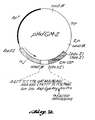
- the wild type gene as inserted into a yeast expression plasmid, designated as pY ⁇ fGM-2, as shown in FIGURE 2 is on deposit with the ATCC under Accession No. 53157.
- the gene coding for wild-type human GM-CSF was isolated from a cDNA library with a nick-translated cDNA probe.
- the probe was isolated from a murine GM-CSF cDNA library by use of a synthetic oligonucleotide probe corresponding to a portion of the nucleotide sequence of murine GM-CSF.
- Total human RNA was extracted from the HUT-102 lymphoma T-cell line and from peripheral blood T-lymphoma cells, and then polyadenylated mRNA was isolated from the total RNA extract.
- a cDNA library was constructed by reverse transcription of the polyadenylated mRNA with the enzyme reverse transcriptase. The DNA was rendered double-stranded with DNA polymerase I and inserted into an appropriate cloning vector. Recombinant cloning vectors were used to transform an appropriate host.
- Transformed hosts were identified and grouped into pools. Plasmid DNA prepared from these pools was hybridized with the murine cDNA probe that had been radiolabeled. The pool(s) of clones that gave a positive signal to the probe were identified and then the putative pools subdivided and a hybridization screen repeated. A single transformant corresponding to the wild-type human GM-CSF gene was eventually identified. Plasmid DNA was prepared from this transformant and characterized by DNA sequencing. The coding region of the wild-type human GM-CSF gene was employed to construct an expression plasmid designated as pY ⁇ fGM-2 and illustrated in FIGURE 2, for use in a yeast host system to express mature GM-CSF.
- the expression plasmid was constructed with the yeast pre-pro- ⁇ mating factor (" ⁇ -factor") as an efficient promoter together with leader sequences to direct the synthesis and secretion of GM-CSF in yeast.
- ⁇ -factor yeast pre-pro- ⁇ mating factor
- a synthesized oligonucleotide, defined in FIGURE 2, containing a 5' cohesive terminal and a second ⁇ -factor processing site was coupled to the 5' end of the GM-CSF gene to facilitate plasmid construction and improve expression levels.
- biological assays were conducted which confirmed that the ex-pressed protein product was GM-CSF.
- the assay ascertained the ability of the GM-CSF to direct the formation of mixed, granulocytic- and macrophage-type colonies from human bone marrow cells.
- the GM-CSF was found to direct synthesis of GM-CSF activity in the bone marrow colony assay at a level of approxi-mately 1.25 x 10⁶ colony forming units ("CFU") per ml of culture supernatant.
- a mutated human GM-CSF gene is prepared by replacing codons encoding basic amino acid residues with codons encoding nonbasic amino acid residues.
- the mutated gene is cloned for use in the expression of analog GM-CSF that is devoid of multibasic amino acid residues.
- the codon encoding amino acid residue No. 23, arginine, in the wild-type gene has been substituted with a codon encoding a nonbasic amino acid residue thereby eliminating the multibasic sequence arginine-arginine at amino acid residues Nos. 23 and 24 of the GM-CSF, FIGURE 1A.
- the replacement residue may be composed of any nonbasic amino acid residues; however, the replacement residue chosen should not result in the creation of an enzyme cleavage site resulting in the undesirable cleavage of the GM-CSF expression product.
- the replacement amino acid residue may include leucine or any other amino acid except lysine.
- the replacement amino acid is composed of leucine.
- the codon encoding of the nonbasic amino acid residue is chosen for maximum gene expression by host cells. It is known that in S. cerevisiae products encoded by genes composed of specific codon compositions are expressed more highly than products encoded by the same gene with an alternative codon composition for a particular amino acid residue. As a specific example, highly expressed genes in S. cerevisiae contain the TTG codon 92% of the time when encoding a leucine residue, and the other five leucine encoding codons only 8% of the time. Thus, in GM-CSF if the replacement residue is leucine, ideally the codon TTG will be employed.
- the analog GM-CSF of the present invention preferably is produced by recombinant DNA methods employing a mutated GM-CSF gene coding for the analog protein product.
- the mutated gene is produced by substituting codon(s) encoding the desired nonbasic amino acid residue in place of codon(s) encoding the target basic amino acid residue(s).
- Various site-specific mutagenesis procedures may be used for making this substitution including oligonucleotide-directed site-specific mutagenesis techniques, as discussed generally by Craik, supra .
- One method utilizes a synthetic oligonucleotide-defined sequence which is complementary to the region of the cloned DNA molecule except for the one to several desired nucleotide mismatches.
- the synthesized oligonucleotide is annealed with a single-stranded template clone (+) of the original (wild-type) DNA molecule carried in a phage vector. Even though the synthesized oligonucleotide does not perfectly correspond with the single-stranded template clone, it will anneal under proper (nonstringent) hybridization conditions, especially if the mismatches are located at or near the middle of the oligonucleotide rather than at one of the ends.
- the mismatched oligonucleotide serves as a primer for DNA polymerase to synthesize the remainder of the complementary (-) strand, resulting in a double-stranded molecule which is employed to transform an appropriate host for the repair of the mismatches and to produce both the wild-type and mutant genes.
- the single-stranded DNA template (+) can be annealed with portions of a complementary (-) phage strand together with the synthesized mutagenesis oligonucleotide, thereby leaving gaps between the ends of the oligonucleotide and the complementary (-) strand fragment. These gaps are enzymatically filled, and then the gap-filled duplexed DNA is transformed into an appropriate host for replication of the mutant gene.
- site-specific mutagenesis techniques also may be employed in conjunction with the present invention to substitute for codons coding for multibasic amino acids in the GM-CSF gene.
- methods have been developed for generating single-stranded regions in double-stranded DNA molecules to allow annealing of a mutator oligonucleotide to the sequence of interest.
- One such technique involves making a single-stranded nick in the plasmid DNA with a restriction endonuclease in the presence of ethidium bromide and then extending the nick into a gap with Micrococcus luteus DNA polymerase. Shortle et al., Proc. Nat. Acad. Sci. (USA) 79 :1588-1592 (1982).
- a mutated oligonucleotide can then be annealed to the single-stranded portion of the plasmid, and the gaps at the ends of the oligonucleotide enzymatically repaired.
- duplexes can be prepared from double-stranded DNA molecules by the controlled digestion of a nicked or linearized plasmid with exonuclease III. Wallace et al., Nucl. Acids Res. 9 :3647-3658 (1981); and, Dalbadie-McFarland et al., Proc. Nat. Acid. Sci. (USA) 79 :6409-6413 (1982).
- Single-stranded DNA templates corresponding to the wild-type GM-CSF gene are prepared by cloning the wild-type gene in phage vectors capable of producing single-stranded DNA molecule product when double-stranded replicative form DNA is used as a cloning vector.
- phage vectors capable of producing single-stranded DNA molecule product when double-stranded replicative form DNA is used as a cloning vector.
- One such strain of phage is M13. See Hu and Messing, Gene , 17 :271-277; and, Messing, Methods In Enzymology , 101 :20-78 (1983).
- the replicative form DNA phage cloning vector preferably is constructed with duplexed oligonucleotides attached to the 5' terminal of the GM-CSF gene for use in linking the mutated GM-CSF gene to the ⁇ -factor promoter and leader sequences contained in the expression plasmid employed to express the mutated GM-CSF gene, as discussed infra .
- An example of such duplexed oligonucleotides is shown in FIGURE 3.
- the duplexed oligonucleotides together form a second ⁇ -factor processing site at the 3' end of the oligonucleotide adjacent the 5' end of the GM-CSF gene to improve expression levels.
- the phage vector with the duplexed linking oligonucleotide and the wild-type GM-CSF gene inserted therein, is used to transfect an appropriate bacteria host, such as various strains of E . coli .
- Typical E . coli strains that may be used in conjunction with the present invention include strains JM101, JM103, JM105, and JM107 of E . coli K12 (Bethesda Research Laboratories, Bethesda, Maryland).
- the oligonucleotide containing the desired codon substitution from the wild-type GM-CSF gene may be readily synthesized by well-known techniques, such as by phosphodiester or triester methods. The details of the triester synthesis technique are set forth, for example, in Sood et al., Nucl. Acid Res. 4 :2557 (1977); and, Hirose et al., Tet. Lett. 28 :2449 (1978).
- the substituted codon is located at approximately the center of the oligonucleotide, and the oligonucleotide is long enough to readily hybridize to the single-stranded DNA as prepared above, while being short enough to be relatively easily synthesized.
- the oligonucleotide designated MCD5-27, could be of the following composition: 5'-CATCCAGGAGGCC TTG CGTCTCCTGAA-3'.
- the codon corresponding to leucine, TTG is located near the center of the oligonucleotide.
- this particular composition of the codon encoding leucine was chosen to maximize analog GM-CSF expression. It is to be understood that a smaller number or larger number of flanking nucleotides may be employed, and that the substitute codon does not necessarily have to be located at this position of the oligonucleotide.
- double stranded wild-type M13 DNA ideally, but not necessarily, is prepared from the same strain used to form the single-stranded template.
- the double stranded DNA overlaps substantially the entire template strand (+) except in the region of the substituted codon.
- the wild-type M13 DNA portion and the oligonucleotide are annealed with the template strand (+) by well-known standard procedures to form the gapped duplex structure.
- the gaps between the ends of the oligonucleotide and the corresponding ends of the complementary (-) strand are filled in by standard techniques employing E . coli DNA polymerase ("Klenow" fragment) and T4 DNA ligase. Thereafter the covalently closed heteroduplex is employed to transform an appropriate host, such as a strain of E . coli .
- mixed progeny containing either the wild-type or mutant copies of the GM-CSF gene are produced.
- Plaques resulting from the transfection of the host are screened for the oligonucleotide-directed mutant DNA molecules with a radiolabeled oligonucleotide probe, ideally of the same composition as the mutation oligonucleotide.
- a radiolabeled oligonucleotide probe may be radiolabeled by many different techniques and with many different isotopes, of preference is the radiolabeling of the probe with T4 polynucleotide kinase and 32P-ATP.
- a standard protocol for the labeling procedure is set forth In Maniatis et al., Molecular Cloning, a Laboratory Manual , Cold Spring Harbor Laboratory, Cold Spring, New York (1982).
- Putative plaques are picked and screened with the 32P-labeled oligonucleotide probe.
- the picked plaques are used to inoculate microtiter wells containing YT medium. After a suitable growth period, the candidate cultures are spotted onto nitrocellulose filters placed on YT plates. After further growth, the DNA is liberated and bound to the nitrocellulose filter. The bound DNA is then hybridized with the labeled oligonucleotide probe. The specific DNA fragments that hybridize to the probe are identified by autoradiography. By this procedure candidates containing the site-specific mutation are identified. Single-stranded phage and double-stranded replicative form DNA containing the site-specific mutation, designated as M13HuGMLeu23, are prepared.
- the single-stranded phage DNA prepared above is sequenced using standard chain-termination methods. This technique of nucleotide sequencing was originated by Sanger et al., Proc. Natl. Acad. Sci. (USA) 70 :5463 (1977). See U.S. Patent No. 4,322,499. Methods for chain-termination sequence determination are set forth in: the Amersham Handbook entitled, M13 Cloning and Sequencing , Blenheim Cresent, London (1983) (hereinafter "Amersham Handbook”); Messing, 2 Recombinant DNA Technical Bulletin, NIH Publication No.
- single-stranded template molecules are primed with a short universal primer strand having a free 3' hydroxyl group and then using DNA polymerase (Klenow fragment) to copy the template strand in a chain extension reaction using all four deoxyribonucleotide triphosphates, i.e., dATP, dCTP, dGTP, and dTTP (collectively referred to as "dNTPs"), with one of the dNTPs being radiolabeled.
- DNA polymerase Klenow fragment
- a nucleotide specific chain terminator lacking a 3'-hydroxyl terminus for instance, a 2', 3' dideoxynucleotide triphosphate ("ddNTP")
- ddNTP dideoxynucleotide triphosphate
- the terminator has a normal 5' terminus so that it can be incorporated into a growing DNA chain, but lacks a 3' hydroxyl terminus. Once the terminator has been integrated into a DNA chain, no further deoxynucleotide triphosphates can be added so that growth of the chain stops.
- ddNTP of one of the four nucleotide dNPTs, i.e., dATP, dCPT, dGTP and dTTP.
- dATP dATP
- dCPT dGTP
- dTTP dTTP
- One of the normal dNTPs is radiolabeled so that the synthesized strands, after having been sorted by size on a polyacrylamide gel, can be autoradiographed.
- the chain extensions from the four reactions are placed side by side in separate gel lanes so that the pattern of the fragments from the autoradiography corresponds to the nucleic acid sequence of the cloned DNA.
- FIGURE 1B illustrates the nucleotide sequence of the mutated human GM-CSF gene contained in the M13HuGMLeu23 plasmid DNA.
- the corresponding amino acid composition of the coding region of the mutant gene is also illustrated in FIGURE 1B, beginning from the Ala residue, No. 1 (nucleotide No. 14) and extending to the Glu residue, No. 127 (nucleotide No. 394).
- the M13HuGMLeu23 mutant differed from the wild-type gene, FIGURE 1A, only at the twenty-third codon in which the altered gene contained the sequence TTG (Leu) rather than CGG (Arg).
- the nucleotides 5' of the coding region of the mutant gene compose the second ⁇ -factor processing site and a Hind III cohesive 5' terminal (nucleotide Nos. - 6 to 13).
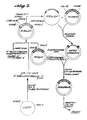
- the M13HuGMLeu23 cDNA fragment shown in FIGURE 1B, from the Hind III restriction site (nucleic acid No. -6) to Nco I restriction (nucleic acid No. 502) is inserted into an expression vector (see FIGURE 4) designed to direct synthesis and secretion of the mature form of analog GM-CSF from yeast host cells.
- the expression vector for instance pY ⁇ fHuGMLeu23, preferably contains sequences derived from plasmid pBR 322 containing an origin of replication and the ampicillin resistance gene (Amp r ) (thick line portion in FIGURE 4).
- the expression vector also includes sequences from yeast, for instance the tryptophan-1 gene (Trp-1) as a selectable marker and the 2 u yeast origin of replication (thin line portion in FIGURE 3).
- the expression vector further includes the yeast ⁇ -factor (for instance, stippled box portion) as an efficient promoter together with leader sequences to direct the synthesis and secretion of GM-CSF in yeast hosts, followed by the second ⁇ -factor processing site (open box portion) derived from the duplexed linking oligonucleotide and then the sequence for the coding region of GM-CSF (hatched box portion).
- the structure of the ⁇ -factor gene is discussed in Kurjan and Herskowitz, Cell 30 :933-943 (1982).
- the pY ⁇ fHuGMLeu23 expression plasmid is transformed into an appropriate strain of S. cerevisiae.
- Preferable strains include, but are not limited to, yeast strains 79, X2181-1B, DBY746, YNN282, 20B-12. These strains are all ⁇ , Trp 1 for compatibility with the ⁇ -factor promoter and for selection of Trp+ transformants. These strains are all widely available, for instance strain 79 is available from the Yeast Genetic Stock Center, Department of Bio-Physics and Medical Physics, University of California, Berkeley, California 94702.
- Transformation of the yeast host with the recombinant expression plasmid containing the mutated GM-CSF gene is conducted according to well known procedures wherein spheroplasts are formed and then washed prior to plasmid uptake. Standard protocols for this procedure have been established. See Beggs, Nature (London) 275 :104 (1978); Hinnen et al., Proc. Natl. Acad. Sci. (USA) 75 :1929 (1978).
- the yeast culture supernatants are assayed for biological activity through their ability to direct the formation of mixed, granulocytic and macrophage-type colonies from human bone marrow cells.
- plasmid pY ⁇ f of the same construction as pY ⁇ fHuGMLeu23 but lacking the GM-CSF sequences, was also transformed into a yeast host and the culture supernatant tested for biological activity.
- the pY ⁇ fHuGMLeu23 supernatant was found to direct synthesis of high levels of GM-CSF activity in the bone marrow colony assay (7.2 x 10⁶ CFU-C/ml): whereas, no activity was detected from the supernatant derived from the pY ⁇ f control plasmid.
- a mutated human GM-CSF gene is prepared by deleting codons encoding basic amino acid residues, and the mutated gene is cloned for expression of analog GM-CSF that is devoid of multibasic amino acid residues.
- the codon encoding amino acid residue No. 23, arginine, in the wild-type gene is deleted thereby eliminating the multibasic sequence arginine-arginine at amino acid residue Nos. 23 and 24 of the GM-CSF, FIGURE 1A. It is to be understood that rather than deleting the arginine at amino acid residue No.
- the analog GM-CSF employing the GM-CSF gene mutated by codon deletion preferably is produced by recombinant DNA methods.
- the mutated gene having codon(s) deleted is produced by the same site-specific mutagenesis technique discussed above relative to the GM-CSF gene mutated by codon substitution, with the exception that rather titan synthesizing the oligonucleotide with a substituted, nonbasic amino acid codon, the oligonucleotide is prepared by deletion of one or more of the target codons encoding basic amino acid residues deleted.
- the same procedure discussed above for preparing the mutant gene by codon substitution is used to prepare the mutant gene by codon deletion.
- the single-stranded DNA template (+) corresponding to the wild-type GM-CSF gene is prepared by cloning the wild-type gene in phage vectors capable of producing single-stranded DNA product when double-stranded replicative form DNA is used as a cloning vector.
- the single-stranded DNA template is annealed with portions of a complimentary (-) phage stranded together with the synthesized, codon deleted mutagenesis oligonucleotide thereby leaving gaps between the ends of the oligonucleotide and the complimentary (-) strand fragment. These gaps are enzymatically filled and then the gap-filled duplexed DNA is transformed into an appropriate host for replication of the codon deleted mutant gene.
- the oligonucleotide containing the desired codon deletion from the wild-type GM-CSF gene is synthesized by well-known techniques, such as by phosphodiester or triester methods.
- the codon deletion is located at approximately the center of the oligonucleotide, and the oligonucleotide is long enough to readily hyrbridize to the single-stranded DNA template while being short enough to be relatively easily synthesized.
- the oligonucleotide designated as MCD5-24, could be of the following composition: 5'-CATCCAGGAGGCCCGTCTCCTGAA-3'. It is to be understood that a smaller or larger number of flanking nucleotides may be employed on either side of the location of the deleted codon.
- FIGURE 1C illustrates the nucleotide sequence of the mutated GM-CSF gene contained in the M13HuGM ⁇ Arg23 plasmid DNA.
- the corresponding amino acid composition of the coding region of the mutated gene is also illustrated in FIGURE 1C, beginning with Ala residue (No. 1) (nucleotide No. 14) and extending to the Glu residue, No.
- FIGURE 1C the M13HuGM ⁇ Arg23 differs from the wild-type gene, FIGURE 1A, only at the 23rd codon which was missing in the altered gene.
- the nucleotides 5' of the coding region of the mutant gene are composed of the ⁇ -factor processing site and a Hind III cohesive 5' terminal, as illustrated in FIGURE 1C (nucleotide Nos. -6 to 13).
- Analog GM-CSF is expressed with the mutant M13HuGM ⁇ Arg23 gene using the same procedure employed to express analog GM-CSF using the M13HuGMLeu23 mutant gene discussed above beginning at page 11. Also the expressed protein product is tested for biological activity using the same bone marrow assay discussed above.
- a 487 base pair DNA fragment containing the coding region and a portion of the 3' flanking region of the human GM-CSF gene (extending from nucleotide No. 16 to nucleotide No. 502 in FIGURE 1A) was isolated from the pHG23 plasmid by digestion with the restriction enzymes Sfa NI and Nco I. T4 DNA polymerase was employed to blunt end the Nco I site of the gene fragment. Digestion of the pHG23 plasmid with the Sfa NI results in elimination of the first two nucleotides of the coding region of the GM-CSF gene.
- a duplexed linking oligonucleotide of the composition set forth below in Table 1 was synthesized to add back the two nucleotides of the initial Ala amino acid and also provides a second ⁇ -factor processing site for use in subsequent high level expression of the mutated GM-CSF gene in yeast hosts, as discussed more fully in Example 6. As shown in Table 1, the duplexed oligonucleotide is constructed with a cohesive Hind III 5' terminal.
- the isolated GM-CSF gene fragment, together with the individual oligonucleotides composing the duplex shown in Table 1 are ligated into the strain mp10 of the M13 phage vector (Amersham, Arlington Heights, Illinois), which was previously digested with the Hind III and Sma I restriction enzymes.
- Ligation was accomplished in a reaction mixture composed of 20 nanograms (ng) of linearized mp10M13, 50 ng of the mutated GM-CSF gene fragment, 5 ng of synthetic oligonucleotides, one unit of T4 DNA ligase and sufficient T4 ligase buffer (0.4 M Tris [ph 7.4], 0.1 M MgCl2, 0.1 M dithiothreitol, 10 mM spermidine, 10 mM ATP and 1 mg/microliter (“ul”) BSA) to form a 20 ul reaction volume. Reaction was carried out by incubation at 25° C for 15 hours.
- the phage were harvested from the culture supernatant after four hours of growth at 37°C by precipitation with polyethylene gylcol. Single stranded DNA was isolated from the phage by extraction With phenol:chloroform according to standard protocol as detailed in the Amersham Handbook.
- the oligonucleotide employed for site-directed mitogenesis of the GM-CSF gene by codon substitution was chemically synthesized by standard triester method, as detailed by Sood et al., supra and Hirose et al. supra .
- the oligonucleotide, designated as MCD5-27 was composed of the following sequence: 5'-CATCCAGGAGGCCTTGCGTCTCCTGAA-3'.
- the oligonucleotide was deblocked and purified by Sephadex G-50 chromatography (Pharmacia Fine Chemicals) followed by preparative gel electrophoresis.
- the oligonucleotide was terminally radiolabeled with 32P for use as a screening probe.
- 32P for use as a screening probe.
- the 5' ends of the oligonucleotides were synthesized with OH termini, thereby eliminating the phosphatase treatment, which typically must be employed when labeling DNA fragments.
- the labeling protocol included adding 100 ng in 1 ul volume of the synthetic oligonucleotide to 16 ul of 32P-ATP (7000 Ci/mM), 1 ul (10 U) of T4 polynucleotide kinase and 2 ul of 10 x kinase buffer I (0.5 M Tris-Cl [pH 7.0] 0.1 mM MgCl2, 50 mM dithiothreitol, 1 mM spermidine and 1 mM ETDA). The reaction is carried out at 37°C for 30 minutes, and then thereafter the 32P labeled oligonucleotides and unincorporated 32P-ATP were separated by Sephadex G-50 chromatography (Pharmacia Fine Chemicals).
- strain mp18 of the M13 phage vector was digested with the restriction enzymes EcoRI and Hind III by standard techniques.
- the resulting major fragment and mutagenesis oligonucleotide MCD5-27 were annealed to the single-stranded template M13HuGM containing the wild type GM-CSF gene by the following procedure.
- One microgram (“ug”) of the digested M13mp18 in double-stranded form was mixed with 0.5 ug of the single-stranded template DNA M13HuGM in 30 ul of 100 mM NaCl, 40 mM Tris-HCl (pH 7.5), 20 mM MgCl2, 2.0 mM ⁇ -mercaptoethanol.
- the single-stranded template-double-stranded form M13mp18 fragment mixture was denatured by heating to 100°C for 3 minutes and allowed to cool over 20 minutes to 65°C.
- Oligonucleotide MCD5-27 containing a 5'-phosphate (50.0 pmoles) was added and the mixture cooled slowly to 30°C and then placed on ice for 15 minutes.
- the gap-filled duplex structure from EXAMPLE 3 was employed to transfect competent JM105 E. coli cells (Bethesda Research Laboratories, Bethesda, Maryland) by standard techniques, such as set forth in the Amersham Handbook, supra .
- the transfected JM105 cells were plated immediately after heat shock onto fresh YT plates in top agar.
- the recombinant (white) plaques were picked with a sterile loop and used to inoculate microtiter dish wells containing 100 ul of YT medium. After about 5-7 hours growth at 37°C a 96 well replicator was used to spot the candidate cultures onto nitrocellulose filters placed on YT plates, in duplicate. After overnight growth at 37°C, the filters were removed from the petri dishes. The DNA was liberated using alkali and neutralizing solutions by the general method as described by Maniatus et al. supra . After the transfer process, the filter was air dried and baked for 2 hours at approximately 80°C to bind the single-stranded DNA to the nitrocellulose.
- the bound DNA was next hybridized with the labeled oligonucleotide probe.
- the baked nitrocellulose was incubated at 68°C for 2-4 hours in prehybridization buffer composed of: 6X standard saline-citrate ("SSC") (1X SCC is 0.15 M NaCl, 0.015 M NaCitrate, pH 7.0); and, 5X Denhardt's solution (0.02% Ficoll, 0.02% polyvinylpyrrolidone, 0.2% bovine serum albumin).
- SSC standard saline-citrate
- 5X Denhardt's solution 0.02% Ficoll, 0.02% polyvinylpyrrolidone, 0.2% bovine serum albumin
- the filter was washed extensively under high stringency conditions first with 6X SSC at room temperature and then for 1 hour at 68°C in 0.6X SSC. After air drying, the filter was subjected to autoradiography at -70°C. This procedure resulted in clear identification of candidates containing the mutant GM-CSF gene, designated as M13HuGMLeu23.
- DNA templates were prepared from the candidates identified in EXAMPLE 4 and sequenced by standand chain-termination method as described in the Amersham Handbook, supra .
- the synthetic universal primer: 5'-CCCAGTCACGACGTT-3' (P-L Biochemicals, Milwaukee, WI) was annealed to the single-strand DNA templates and used to prime DNA synthesis as described above at page 10. Thereafter, the extension fragments were size-separated by gel electrophoresis and autoradiographed from which the nucleotide sequences of the fragments were deduced.
- dATP [ ⁇ -35S] Deoxyadenosine 5' ( ⁇ [35S] thio) triphosphate
- dATP [ ⁇ -35S] Deoxyadenosine 5' triphosphate
- a 6% polyacrylamide gel was employed (6% polyacylmide gel, 0.4 mm thick, containing 7 M, urea 100 mM Tris borate [pH 8.1], and 2 mM EDTA).
- the nucleotide sequence of the mutant GM-CSF gene, M13HuGMLeu23, is illustrated in FIGURE 1B, with the mature protein beginning at the asterisk (*).
- the corresponding amino acid composition of the mature protein is set forth below the corresponding codons, beginning from the Ala residue, No. 1 (nucleotide No. 14) and extending to the Glu residue, No. 127 (nucleotide No. 394).
- this mutant gene differed from the wild type gene only at the 23rd codon in which the mutant gene contains the sequence TTG coding for leucine rather than the sequence CGT, coding for arginine.
- the nucleotides 5' from the mature gene contitute the second ⁇ -factor processing site and a Hind III cohesive 5' terminal, as illustrated in FIGURE 3.
- the coding region together with a portion of the 3' flanking region of the mutant GM-CSF gene as set forth in FIGURE 1B (nucleotides 14 through 502), and also together with the second ⁇ -factor processing site and 5' Hind III cohesive terminal as coupled to the 5' end of the analog GM-CSF gene, was removed from the mutagenesis vector and employed to form a recombinant expression plasmid, designated as pY ⁇ fHuGMLeu23 to direct analog GM-CSF expression in yeast host cells.
- the pY ⁇ fHuGMLeu23 expression plasmid includes an origin of replication and an ampicillin resistant gene from plasmid pBR322 (thick line portion).
- the expression plasmid also includes the yeast 2u circle origin of replication and the Trp I gene for selection of transformed yeast hosts (TRP-[Trp-auxotrophs], (thin line portion in FIGURE 4).
- the expression plasmid further includes the ⁇ -factor promoter and leader sequences used to direct transcription and secretion of the analog GM-CSF (stippled box portion).
- the analog GM-CSF sequences are shown in hatched box portion in FIGURE 4, whereas the Cathepsin B-like maturation site functioning as a second ⁇ -factor processing site is shown as an open box portion in FIGURE 4, with the sequence thereof also set forth in FIGURE 4.
- This DNA fragment was ligated into the pY ⁇ f vector which previously had been prepared by removal of the Hind III-Stu I/Nco I section from the pY ⁇ fGM-2 expression plasmid (FIGURE 2) (ATCC No. 53157) by standard techniques.
- the pY ⁇ fHuGMLeu23 expression plasmid was transformed into yeast strain 79 ( ⁇ , Trp 1-1, Leu 2-1) of S. cerevisiae for selection of Trp+ transformants by standard techniques. Prior to transformation, the strain 79 was grown in culture in YEPD medium (1% [wt/vol] yeast extract, 2% [wt/vol] peptone, 2% [wt/vol] glucose), to a density of 2 x 10⁷ cells/ml. Cells were harvested by centrifugation at 1000 x g for 5 minutes at 22°C, and then the resulting pellet was washed with sterile, distilled water.
- YEPD medium 1% [wt/vol] yeast extract, 2% [wt/vol] peptone, 2% [wt/vol] glucose
- the yeast cells were then concentrated by resuspending in 1/10 vol. of SED (1 M sorbitol, 25 mM EDTA [pH 8.0] , and 50 mM dithiothreitol) and incubating for 10 minutes at 30°C.
- the cell-buffer mixture was then centrifuged for 5 minutes at 300 x g. The pellet was washed once with 1/10 vol. of 1 M sorbitol and the cells resuspended in 20 milliliters of SCE (1 M sorbitol, 0.1 M sodium citrate [pH 5.8] , 0.01 M EDTA).
- Glusulase to break down the cell walls, in an amount of 10 ⁇ 3 vol., was added to the solution and then the solution incubated at 30°C for 30 minutes with occasional gentle shaking.
- the presence of spheroplasts was assayed by diluting 10 microliters of the yeast cells into a drop of 5% SDS (wt./vol.) on a microscope slide to observe for "ghosts" at 400 x phase contrast.
- the cell mixture was then centrifuged at 300 x g for 3 minutes.
- the resulting pellet was twice washed with 1/10 vol. of 1 M sorbitol.
- the pellet was then once washed in CaS (1 M sorbitol, 10 mM CaCl2).
- the yeast spheroplasts were then transformed with the previously prepared expression vector in a procedure adapted from Beggs, supra .
- the pelleted spheroplasts were suspended in 1/200 vol. of CaS and then divided into 100 microliter aliquotes in 1.5 ml Eppendorf tubes. Then, from 1 to 10 ul of the plasmid DNA were added to each aliquot (0.5 to 5 ug). The mixture was incubated at room temperature for 10 minutes and then 1 ml of PEG (20% PEG 4000, 10 mM CaCl2, 10 mM Tris-HCl [pH 7.4] ) was added to each aliquot to promote DNA uptake.
- the transformants Prior to biological assay, the transformants were grown in 20-50 ml of YEPD at 30°C to stationary phase. At the time of harvest, the protease inhibitors phenyl methyl sulfonyl flouride (PMSF) and Pepstatin A were added to a final concentration of 1 mM and 10 uM, respectively. The cells were then removed by centrifugation at 400 x g and the medium was filtered through a 0.45 micron cellulose acetate filter.
- PMSF phenyl methyl sulfonyl flouride
- Pepstatin A Pepstatin A
- Example 6 The presence of analog GM-CSF harvested from the yeast cultures in Example 6 was confirmed by assaying the ability of the supernatant to stimulate growth of human bone marrow colonies in agar.
- human bone marrow from the iliac crest of healthy donors was collected in a heparinized syringe.
- the marrow was diluted 1:3 with phosphate buffered saline (PBS) at room temperature and layered onto a solution of 54% percoll (Pharmacia Fine Chemicals). After centrifugation at 500 x g at room temperature for 20 minutes, the interface was collected and washed with 20 volumes of PBS. The suspension was then centrifuged at 250 x g for 10 minutes at room temperature.
- PBS phosphate buffered saline
- the cells were then resuspended in 10 ml of ⁇ -Minimal Essential Medium with nucleotides ( ⁇ -Mem, Gibco) for cell counting and viability determination. FCS was then added and the cell suspension stored on ice until the assay was carried out.
- bone marrow cells as prepared above were added at a final concentration of 1 x 10⁵/ml to an incubation medium consisting of: (a) seven parts of a solution containing 28.1% FCS, 0.7 x 10 ⁇ 4 M 2-mercapto-ethanol, 0.12 mg/ml asparagine, 0.7 mg/ml glutamine, 150 units of penicillin G, 150 units of streptomycin, 1.1 x ⁇ -MEM with nucleotides, and 2.2 x vitamins (Gibco); and, (b) three parts of 1.4% bacto-agar solution (Difco). The cultures were incubated in a humidified atmosphere at 37°C in the presence of 5% CO2.
- a plasmid identical to pY ⁇ fHuGMLeu23, but lacking the GM-CSF sequences was also transformed into yeast strain 79.
- the culture supernatant from the yeast produced no GM-CSF activity in the bone marrow colony assay.
- the oligonucleotides employed for site-directed mutagenesis of the GM-CSF gene by codon substitution is chemically synthesized by standard triester method, as detailed by Sood et al. supra and Hirose et al. supra .
- the oligonucleotide, designated as MCD5-24 is composed of the following sequence: 5'-CATCCAGGAGGCCCGTCTCCTGAA-3'.
- the oligonucleotide is deblocked and purified by Sephadex G50 chromatography (Pharmacia Fine Chemicals) followed by preparative gel electrophoresis. Thereafter, the oligonucleotide is terminally radiolabelled with 32P for use as a screening probe using the procedure discussed above in Example 2.
- the MCD5-24 oligonucleotide is employed together with the single-stranded template containing the wild-type GM-CSF gene prepared in Example 1 and with the M13HuGM phage vector from Example 3 above to produce a gapped heteroduplex structure similar to that illustrated in FIGURE 3 by use of the procedures set forth in Example 3. Thereafter, the gap-filled duplex structure is employed to transfect competent JM105 E. coli cells (Bethesda Research Laboratories, Bethesda, MD) by standard techniques, as set forth in the Amersham Handbook, supra .
- Example 5 Screening for the mutated gene in the transfected JM105 cells is carried out using the procedure set forth in Example 4, and the nucleic acid sequence of the screened mutated gene, designated as M13HuGM ⁇ Arg23 is ascertained using the chain-termination method set forth in Example 5.
- Analog GM-CSF is expressed using the procedure set forth in Example 6 wherein the 5' leader sequence, the coding region and a portion of the 3' flanking region of the mutant GM-CSF gene (from nucleotide members -6 to 502, is removed from the mutagenisis vector M13HuGM ⁇ Arg23 by digestion with a restriction enzyme Nco I followed by treatment with T4 DNA polymerase and then cleavage with Hind III.
- the resulting 505 bp M13HuGM ⁇ Arg23 DNA fragment with the 5' leader sequence attached thereto is isolated by gel electrophoresis and then ligated into the pY ⁇ f vector prepared by removal of the Hind 3- Stu I/Nco I section from the pY ⁇ fGM-2 expression plasmid ( Figure 5) (ATCC No. 53157) by standard techniques.
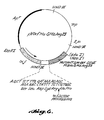
- the resulting pY ⁇ fHuGM ⁇ Arg23 expression plasmid (FIGURE 6) is transformed into yeast strain 79 as detailed in Example 6 and then the expressed recombinant GM-CSF product tested for biological activity using the bone marrow colony assay set forth in Example 7.
Landscapes
- Health & Medical Sciences (AREA)
- Chemical & Material Sciences (AREA)
- Life Sciences & Earth Sciences (AREA)
- Organic Chemistry (AREA)
- Genetics & Genomics (AREA)
- Engineering & Computer Science (AREA)
- Zoology (AREA)
- Bioinformatics & Cheminformatics (AREA)
- General Health & Medical Sciences (AREA)
- General Engineering & Computer Science (AREA)
- Biochemistry (AREA)
- Wood Science & Technology (AREA)
- Biotechnology (AREA)
- Biomedical Technology (AREA)
- Molecular Biology (AREA)
- Biophysics (AREA)
- Medicinal Chemistry (AREA)
- Immunology (AREA)
- Proteomics, Peptides & Aminoacids (AREA)
- Microbiology (AREA)
- Gastroenterology & Hepatology (AREA)
- Plant Pathology (AREA)
- Toxicology (AREA)
- Physics & Mathematics (AREA)
- Crystallography & Structural Chemistry (AREA)
- General Chemical & Material Sciences (AREA)
- Chemical Kinetics & Catalysis (AREA)
- Hematology (AREA)
- Veterinary Medicine (AREA)
- Animal Behavior & Ethology (AREA)
- Diabetes (AREA)
- Nuclear Medicine, Radiotherapy & Molecular Imaging (AREA)
- Public Health (AREA)
- Pharmacology & Pharmacy (AREA)
- Micro-Organisms Or Cultivation Processes Thereof (AREA)
- Preparation Of Compounds By Using Micro-Organisms (AREA)
- Peptides Or Proteins (AREA)
- Saccharide Compounds (AREA)
- Medicines That Contain Protein Lipid Enzymes And Other Medicines (AREA)
- Medicines Containing Material From Animals Or Micro-Organisms (AREA)
Priority Applications (1)
| Application Number | Priority Date | Filing Date | Title |
|---|---|---|---|
| AT86306073T ATE72836T1 (de) | 1985-08-06 | 1986-08-06 | Erhoehung der expression von rekombinanten dnsprodukten. |
Applications Claiming Priority (2)
| Application Number | Priority Date | Filing Date | Title |
|---|---|---|---|
| US06/763,130 US5391485A (en) | 1985-08-06 | 1985-08-06 | DNAs encoding analog GM-CSF molecules displaying resistance to proteases which cleave at adjacent dibasic residues |
| US763130 | 1985-08-06 |
Publications (3)
| Publication Number | Publication Date |
|---|---|
| EP0212914A2 EP0212914A2 (en) | 1987-03-04 |
| EP0212914A3 EP0212914A3 (en) | 1988-01-27 |
| EP0212914B1 true EP0212914B1 (en) | 1992-02-26 |
Family
ID=25066962
Family Applications (1)
| Application Number | Title | Priority Date | Filing Date |
|---|---|---|---|
| EP86306073A Expired - Lifetime EP0212914B1 (en) | 1985-08-06 | 1986-08-06 | Amplifying the expression of recombinant dna products |
Country Status (11)
| Country | Link |
|---|---|
| US (3) | US5391485A (da) |
| EP (1) | EP0212914B1 (da) |
| JP (1) | JPH0772199B2 (da) |
| AT (1) | ATE72836T1 (da) |
| AU (1) | AU586697B2 (da) |
| CA (1) | CA1341150C (da) |
| DE (1) | DE3683973D1 (da) |
| DK (1) | DK175181B1 (da) |
| ES (1) | ES2000388A6 (da) |
| MX (1) | MX9203814A (da) |
| ZA (1) | ZA865651B (da) |
Families Citing this family (155)
| Publication number | Priority date | Publication date | Assignee | Title |
|---|---|---|---|---|
| DE3682233D1 (de) * | 1985-06-12 | 1991-12-05 | Lubrizol Genetics Inc | Modifiziertes zein. |
| EP0238655A4 (en) * | 1985-10-03 | 1989-09-11 | Biogen Nv | POLYPEPTIDES LIKE THE GRANULOCYTE-MACROPHOUS COLONY STIMULATION FACTORS (GM-CSF) AND THEIR METHODS OF PRODUCING LARGE QUANTITIES IN MICROBIAL CELLS. |
| DE3851117T2 (de) * | 1987-10-16 | 1995-03-30 | Genencor Int | Sequenzspezifische saure E.coli-Protease. |
| US5714585A (en) * | 1987-10-26 | 1998-02-03 | Sterling Winthrop, Inc. | Antibodies that are immunoreactive with interleukin-7 |
| US5328988A (en) * | 1987-10-26 | 1994-07-12 | Immunex Corporation | Interleukin-7 |
| JPH03502322A (ja) * | 1987-10-30 | 1991-05-30 | イミュネックス・コーポレーション | ヒトコロニー形成刺激因子の非グリコシル化類似体 |
| EP0413721A4 (en) * | 1988-04-21 | 1991-11-13 | Medvet Science Pty. Ltd. | Human gm-csf variants |
| AU3532289A (en) * | 1988-05-06 | 1989-11-29 | Genentech Inc. | Novel bovine granulocyte-macrophage colony stimulating factor variant |
| AU627477B2 (en) * | 1988-07-05 | 1992-08-27 | Amgen, Inc. | Interleukin ii analogs |
| CA2097291A1 (en) * | 1990-12-13 | 1992-06-14 | David P. Gearing | Leukemia inhibitory factor receptors |
| ATE157703T1 (de) * | 1991-12-16 | 1997-09-15 | Ciba Geigy Ag | Endoplasmatisches retikulum-ständige rekombinante dibasische endoprotease und deren verwendungen |
| US5463029A (en) * | 1992-11-23 | 1995-10-31 | Immunex Corporation | Purification of fusion proteins comprising GM-CSF and IL-3 |
| US5578301A (en) * | 1993-12-14 | 1996-11-26 | Sandoz Ltd. | Method for using GM-CSF to reduce the acute phase response in a patient being administered IL-6 therapy |
| DK1666591T3 (da) | 1995-06-29 | 2011-05-23 | Immunex Corp | Cytokin der inducerer apoptose |
| RO120579B1 (ro) | 1995-10-04 | 2006-04-28 | Immunex Corporation | Utilizarea ligandului flt3 |
| US5942253A (en) * | 1995-10-12 | 1999-08-24 | Immunex Corporation | Prolonged release of GM-CSF |
| US6384203B1 (en) | 1999-05-12 | 2002-05-07 | Immunex Corporation | Family of immunoregulators designated leukocyte immunoglobulin-like receptors (LIR) |
| US20080076706A1 (en) | 1997-07-14 | 2008-03-27 | Bolder Biotechnology, Inc. | Derivatives of Growth Hormone and Related Proteins, and Methods of Use Thereof |
| US6753165B1 (en) * | 1999-01-14 | 2004-06-22 | Bolder Biotechnology, Inc. | Methods for making proteins containing free cysteine residues |
| ES2297889T3 (es) * | 1997-07-14 | 2008-05-01 | Bolder Biotechnology, Inc. | Derivados de hormona de crecimiento y proteinas relacionadas. |
| US7153943B2 (en) * | 1997-07-14 | 2006-12-26 | Bolder Biotechnology, Inc. | Derivatives of growth hormone and related proteins, and methods of use thereof |
| US6846905B2 (en) | 1997-08-15 | 2005-01-25 | Abbott Laboratories | Antigen constructs useful in the detection and differentiation of antibodies to HIV |
| WO1999012579A1 (en) | 1997-09-08 | 1999-03-18 | The General Hospital Corporation | Imaging agents for early detection and monitoring of cardiovascular plaque |
| US20040228834A1 (en) * | 1998-03-09 | 2004-11-18 | Jeffrey Isner | Compositions and methods for modulating vascularization |
| US6676937B1 (en) * | 1998-03-09 | 2004-01-13 | Caritas St. Elizabeth's Medical Center Of Boston Inc. | Compositions and methods for modulating vascularization |
| US8288126B2 (en) | 1999-01-14 | 2012-10-16 | Bolder Biotechnology, Inc. | Methods for making proteins containing free cysteine residues |
| DK1146913T3 (da) | 1999-01-19 | 2009-05-04 | Molecular Insight Pharm Inc | Konjugerede granulocyt koloni-stimulerende faktorer for targeting og afbildning af infektion og inflammation |
| NZ515322A (en) * | 1999-05-13 | 2004-03-26 | Wyeth Corp | Adjuvant combination formulations |
| KR20030003708A (ko) * | 2000-03-31 | 2003-01-10 | 셀진 코포레이션 | 시클로옥시게나제-2 활성의 저해 |
| HK1052314A1 (zh) * | 2000-08-11 | 2003-09-11 | Favrille, Inc. | 改变t细胞介导的病理的方法和组合物 |
| US6911204B2 (en) | 2000-08-11 | 2005-06-28 | Favrille, Inc. | Method and composition for altering a B cell mediated pathology |
| IL155690A0 (en) * | 2000-11-10 | 2003-11-23 | Wyeth Corp | Adjuvant combination formulations |
| ATE374609T1 (de) * | 2000-11-30 | 2007-10-15 | Childrens Medical Center | Synthese von 4-aminothalidomid enantiomeren |
| US20020169125A1 (en) * | 2001-03-21 | 2002-11-14 | Cell Therapeutics, Inc. | Recombinant production of polyanionic polymers and uses thereof |
| US7270960B2 (en) | 2001-08-29 | 2007-09-18 | Pacific Northwest Research Institute | Diagnosis of ovarian carcinomas |
| CA2467557A1 (en) * | 2001-11-19 | 2003-05-30 | Kyowa Hakko Kogyo Co., Ltd. | Agent which mobilizes multipotential stem cells from tissues to peripheral blood |
| GB0210741D0 (en) * | 2002-05-10 | 2002-06-19 | Medical Res Council | Methods of therapy |
| USRE48890E1 (en) | 2002-05-17 | 2022-01-11 | Celgene Corporation | Methods for treating multiple myeloma with 3-(4-amino-1-oxo-1,3-dihydroisoindol-2-yl)-piperidine-2,6-dione after stem cell transplantation |
| US7393862B2 (en) | 2002-05-17 | 2008-07-01 | Celgene Corporation | Method using 3-(4-amino-1-oxo-1,3-dihydro-isoindol-2-yl)-piperidine-2,6-dione for treatment of certain leukemias |
| US20100129363A1 (en) * | 2002-05-17 | 2010-05-27 | Zeldis Jerome B | Methods and compositions using pde4 inhibitors for the treatment and management of cancers |
| EP2258363A1 (en) | 2002-05-17 | 2010-12-08 | Celgene Corporation | Compositions for treatment of cancers |
| US7968569B2 (en) | 2002-05-17 | 2011-06-28 | Celgene Corporation | Methods for treatment of multiple myeloma using 3-(4-amino-1-oxo-1,3-dihydro-isoindol-2-yl)-piperidine-2,6-dione |
| US7323479B2 (en) * | 2002-05-17 | 2008-01-29 | Celgene Corporation | Methods for treatment and management of brain cancer using 1-oxo-2-(2,6-dioxopiperidin-3-yl)-4-methylisoindoline |
| CA2752124A1 (en) | 2002-05-17 | 2003-11-27 | Celgene Corporation | Methods and compositions using 3-(4-amino-1-oxo-1,3-dihydroisoindol-2-yl)-piperidine-2,6-dione for treatment and management of head and neck cancer |
| DE60332358D1 (de) * | 2002-09-09 | 2010-06-10 | Hanall Pharmaceutical Co Ltd | Protease-resistente modifizierte interferon alpha polypeptide |
| US8404716B2 (en) | 2002-10-15 | 2013-03-26 | Celgene Corporation | Methods of treating myelodysplastic syndromes with a combination therapy using lenalidomide and azacitidine |
| US7189740B2 (en) * | 2002-10-15 | 2007-03-13 | Celgene Corporation | Methods of using 3-(4-amino-oxo-1,3-dihydro-isoindol-2-yl)-piperidine-2,6-dione for the treatment and management of myelodysplastic syndromes |
| US11116782B2 (en) | 2002-10-15 | 2021-09-14 | Celgene Corporation | Methods of treating myelodysplastic syndromes with a combination therapy using lenalidomide and azacitidine |
| CN1713905A (zh) * | 2002-10-15 | 2005-12-28 | 细胞基因公司 | 用于治疗骨髓增生异常综合征的选择性细胞因子抑制药 |
| EP1900369A1 (en) | 2002-10-15 | 2008-03-19 | Celgene Corporation | Methods of using and compositions comprising immunomodulatory compounds for the treatment and management of myelodysplastic syndromes |
| US8404717B2 (en) * | 2002-10-15 | 2013-03-26 | Celgene Corporation | Methods of treating myelodysplastic syndromes using lenalidomide |
| WO2004035086A2 (en) | 2002-10-16 | 2004-04-29 | Hunter Samuel F | Method for treatment of demyelinating central nervous system disease using gm-csf |
| GB0224415D0 (en) * | 2002-10-21 | 2002-11-27 | Medical Res Council | Compositions |
| TW200501945A (en) | 2002-11-06 | 2005-01-16 | Celgene Corp | Methods and compositions using selective cytokine inhibitory drugs for treatment and management of cancers and other diseases |
| AU2003298775B2 (en) * | 2002-11-26 | 2008-07-17 | Anthrogenesis Corporation | Cytotherapeutics, cytotherapeutic units and methods for treatments using them |
| WO2004071283A2 (en) * | 2003-02-13 | 2004-08-26 | Anthrogenesis Corporation | Use of umbilical cord blood to treat individuals having a disease, disorder or condition |
| JP4713465B2 (ja) | 2003-03-12 | 2011-06-29 | セルジーン コーポレイション | 7−アミド−イソインドリル化合物およびその薬学的使用 |
| EP2133362B1 (en) | 2003-07-25 | 2012-04-18 | Amgen, Inc | Methods relating to LDCAM and CRTAM |
| UA83504C2 (en) | 2003-09-04 | 2008-07-25 | Селджин Корпорейшн | Polymorphic forms of 3-(4-amino-1-oxo-1,3 dihydro-isoindol-2-yl)-piperidine-2,6-dione |
| KR20060124607A (ko) * | 2003-11-06 | 2006-12-05 | 셀진 코포레이션 | 암 및 그 밖의 질환의 치료 및 관리를 위하여탈리도마이드를 사용하는 방법 및 조성물 |
| KR20060109979A (ko) * | 2003-12-02 | 2006-10-23 | 셀진 코포레이션 | 혈색소병증 및 빈혈의 치료 및 관리를 위한 방법및 조성물 |
| EP1697399B1 (en) | 2003-12-12 | 2016-11-23 | GOVERNMENT OF THE UNITED STATES OF AMERICA, as repr. by THE SECR. OF THE DEPT. OF HEALTH AND HUMAN SERVICES AND HIS SUCCESSORS | A human cytotoxic t-lymphocyte epitope and its agonist epitope from the non-variable number of tandem repeat sequence of muc-1 |
| US20080213213A1 (en) * | 2004-04-14 | 2008-09-04 | Zeldis Jerome B | Method For the Treatment of Myelodysplastic Syndromes Using (+)-2-[1-(3-Ethoxy-4-Methoxyphenyl)-2-Methylsulfonylethyl]-4-Acetylaminoisoindoline-1,3-Dione |
| AU2004319758A1 (en) * | 2004-04-14 | 2005-11-24 | Celgene Corporation | Methods of using and compositions comprising immunomodulatory compounds for the treatment and management of myelodysplastic syndromes |
| CN101031323A (zh) * | 2004-07-16 | 2007-09-05 | 尼克塔治疗亚拉巴马公司 | Gm-csf部分与聚合物的缀合物 |
| PE20061416A1 (es) * | 2005-05-19 | 2007-01-26 | Schering Ag | Sistema de expresion genetica que comprende un interferon-beta |
| CN101238214A (zh) * | 2005-05-19 | 2008-08-06 | 拜尔先灵制药股份公司 | 使用改进的调节表达系统治疗疾病 |
| US20080076729A1 (en) * | 2005-05-19 | 2008-03-27 | Schering Aktiengesellachaft | Interferon-beta gene therapy using an improved, regulated expression system |
| US20060270707A1 (en) * | 2005-05-24 | 2006-11-30 | Zeldis Jerome B | Methods and compositions using 4-[(cyclopropanecarbonylamino)methyl]-2-(2,6-dioxopiperidin-3-yl)isoindole-1,3-dione for the treatment or prevention of cutaneous lupus |
| US8580814B2 (en) * | 2006-04-03 | 2013-11-12 | Sunesis Pharmaceuticals, Inc. | Methods of using (+)-1,4-dihydro-7-[(3S,4S)-3-methoxy-4-(methylamino)-1-pyrrolidinyl]-4- oxo-1-(2-thiazolyl)-1,8-naphthyridine-3-carboxylic acid for treatment of cancer |
| US20080138295A1 (en) * | 2005-09-12 | 2008-06-12 | Celgene Coporation | Bechet's disease using cyclopropyl-N-carboxamide |
| GB0524103D0 (en) * | 2005-11-26 | 2006-01-04 | Medical Res Council | Healing |
| US20070155791A1 (en) * | 2005-12-29 | 2007-07-05 | Zeldis Jerome B | Methods for treating cutaneous lupus using aminoisoindoline compounds |
| US8921050B2 (en) | 2006-03-17 | 2014-12-30 | The United States Of America, As Represented By The Secretary, Department Of Health And Human Services | Methods of diagnosing renal cell carcinoma |
| AU2007258280B2 (en) | 2006-06-12 | 2013-05-02 | Sunesis Pharmaceuticals, Inc. | Compounds and compositions for treatment of cancer |
| DK2049109T3 (da) | 2006-08-02 | 2016-01-11 | Sunesis Pharmaceuticals Inc | Kombineret anvendelse af (+)-1,4-dihydro-7-[(3S,4S)-3-methoxy-4-(methyl¬amino)-1-pyrrolidinyl]-4-oxo-1-(2-thiazolyl)-1,8-naphthyridin-3-carboxylsyre og cytarabin (Ara-C) til behandling af leukæmi |
| CL2007002218A1 (es) | 2006-08-03 | 2008-03-14 | Celgene Corp Soc Organizada Ba | Uso de 3-(4-amino-1-oxo-1,3-dihidro-isoindol-2-il)-piperidina 2,6-diona para la preparacion de un medicamento util para el tratamiento de linfoma de celula de capa. |
| WO2008052567A2 (en) * | 2006-11-03 | 2008-05-08 | Drugrecure Aps | Enhancing pulmonary host defense via administration of granulocyte-macrophage colony stimulating factor |
| WO2008125222A2 (en) * | 2007-04-11 | 2008-10-23 | Bayer Schering Pharma Aktiengesellschaft | New modulation molecules for an improved regulated expression system |
| US8252822B2 (en) * | 2007-07-17 | 2012-08-28 | Acea Biosciences, Inc. | Heterocyclic compounds and uses as anticancer agents |
| US7893045B2 (en) | 2007-08-07 | 2011-02-22 | Celgene Corporation | Methods for treating lymphomas in certain patient populations and screening patients for said therapy |
| EP2249831A2 (en) | 2007-12-10 | 2010-11-17 | Sunesis Pharmaceuticals, Inc. | Methods of using (+)-1,4-dihydro-7-ý(3s,4s)-3-methoxy-4-(methylamino)-1-pyrrolidinyl¨-4-oxo-1-(2-thiazolyl)-1,8-naphthyridine-3-carboxylic acid for treatment of antecedent hematologic disorders |
| EP2259793A2 (en) * | 2008-04-30 | 2010-12-15 | Neutron Row | Use of corticotropin-releasing factor for the treatment of cancer |
| PL3692983T3 (pl) | 2008-05-15 | 2021-12-27 | Celgene Corporation | Doustne formulacje analogów cytydyny i sposoby ich zastosowania |
| WO2010055900A1 (ja) | 2008-11-14 | 2010-05-20 | ディナベック株式会社 | 樹状細胞の製造方法 |
| EP2248903A1 (en) | 2009-04-29 | 2010-11-10 | Universitat Autònoma De Barcelona | Methods and reagents for efficient and targeted gene transfer to monocytes and macrophages |
| EP2436387B1 (en) | 2009-05-25 | 2018-07-25 | Celgene Corporation | Pharmaceutical composition comprising crbn for use in treating a disease of the cerebral cortex |
| RU2012102259A (ru) | 2009-06-24 | 2013-07-27 | Стефен ЭВАНС-ФРИК | Способы применения кортикотропин-рилизинг фактора для лечения рака |
| CA2777400C (en) | 2009-10-12 | 2018-11-27 | The United States Of America, As Represented By The Secretary, Department Of Health And Human Services | Granulysin in immunotherapy |
| TW201120037A (en) * | 2009-10-26 | 2011-06-16 | Sunesis Pharmaceuticals Inc | Compounds and methods for treatment of cancer |
| JP2013520439A (ja) | 2010-02-19 | 2013-06-06 | アセア バイオサイエンシズ インコーポレイテッド | 抗癌剤としての複素環式化合物および使用 |
| KR20130038838A (ko) | 2010-03-12 | 2013-04-18 | 셀진 코포레이션 | 레날리도미드, 및 예측 인자로서 유전자 및 단백질 바이오마커를 사용한 비호지킨 림프종의 치료 방법 |
| WO2012078492A1 (en) | 2010-12-06 | 2012-06-14 | Celgene Corporation | A combination therapy with lenalidomide and a cdk inhibitor for treating multiple myeloma |
| WO2012093258A2 (en) | 2011-01-05 | 2012-07-12 | Imperial Innovations Limited | Treatment and screening |
| JP2014503597A (ja) | 2011-01-31 | 2014-02-13 | セルジーン コーポレイション | シチジンアナログの医薬組成物及びその使用方法 |
| RU2650778C2 (ru) | 2011-02-17 | 2018-04-17 | Фуджиребио Диагностикс, Инк | Композиции и способы применения для определения не4а |
| PH12013501837A1 (en) | 2011-03-11 | 2013-11-18 | Celgene Corp | Use of 3-(5-amino-2-methyl-4-oxoquinazolin-3(4h)-yl)piperidine-2,6-dione in treatment of immune-related and inflammatory diseases |
| DK2683708T3 (da) | 2011-03-11 | 2018-01-29 | Celgene Corp | Faste former af 3-(5-amino-2-methyl-4-oxo-4h-quinazolin-3-yl)-piperidin-2,6-dion og farmaceutiske sammensætninger og anvendelser deraf |
| AU2012249491B2 (en) | 2011-04-29 | 2016-12-15 | Celgene Corporation | Methods for the treatment of cancer and inflammatory diseases using cereblon as a predictor |
| WO2013029627A1 (en) | 2011-08-29 | 2013-03-07 | Trifoilium Aps | Compositions and methods for treating or preventing radiation- or chemotherapy-induced pulmonary dysfunction |
| TW201700103A (zh) | 2011-11-01 | 2017-01-01 | 西建公司 | 利用胞嘧啶核苷類似物之口服配方治療癌症的方法 |
| US20140350087A9 (en) | 2012-03-22 | 2014-11-27 | Halozyme, Inc. | Oncovector Nucleic Acid Molecules and Methods of Use |
| ES2872967T3 (es) | 2012-06-29 | 2021-11-03 | Celgene Corp | Métodos para determinar la eficacia de fármacos usando IKZF3 (AIOLOS) |
| WO2014012559A1 (en) | 2012-07-20 | 2014-01-23 | Trifoilium Aps | Granulocyte-macrophage colony-stimulating factor for the treatment of bronchial asthma |
| EP2879710B1 (en) | 2012-08-03 | 2019-11-13 | Dana-Farber Cancer Institute, Inc. | Medical uses of agents that modulate immune cell activation and corresponding screening methods |
| AU2013299627C1 (en) | 2012-08-09 | 2018-05-31 | Celgene Corporation | Methods of treating cancer using 3-(4-((4-(morpholinomethyl)benzyl)oxy)-1-oxoisoindolin-2-yl)piperidine-2,6-dione |
| ES2885769T3 (es) | 2012-08-09 | 2021-12-15 | Celgene Corp | Una forma sólida de clorhidrato de (s)-3-(4-((4-morpholinometil)bencil)oxi)-1-oxoisoindolin-2-il)piperidina-2,6-diona |
| US9587281B2 (en) | 2012-08-14 | 2017-03-07 | Celgene Corporation | Cereblon isoforms and their use as biomarkers for therapeutic treatment |
| EP2892537A1 (en) | 2012-09-10 | 2015-07-15 | Celgene Corporation | Methods for the treatment of locally advanced breast cancer |
| EP2958582A1 (en) | 2013-02-20 | 2015-12-30 | Trifoilium ApS | Gm-csf for treatment of chronic oral mucositis |
| WO2014160698A1 (en) | 2013-03-26 | 2014-10-02 | Celgene Corporation | SOLID FORMS COMPRISING 4-AMINO-I-β-D-RIBOFURANOSYL-1,3,5-TRIAZIN-2(1H)-ONE AND A COFORMER, COMPOSITIONS AND METHODS OF USE THEREOF |
| BR112015025252A2 (pt) | 2013-04-02 | 2017-07-18 | Celgene Corp | métodos e composições usando 4-amino-2-(2,6-dioxo-piperidina-3-il)-isoindolina-1,3-diona para tratamento e gestão de cânceres de sistema nervoso central |
| EP3293275B1 (en) | 2013-06-06 | 2021-08-04 | Dana-Farber Cancer Institute, Inc. | Compositions and methods for identification, assessment prevention, and treatment of cancer using pd-l1 isoforms |
| EP2815749A1 (en) | 2013-06-20 | 2014-12-24 | IP Gesellschaft für Management mbH | Solid form of 4-amino-2-(2,6-dioxopiperidine-3-yl)isoindoline-1,3-dione having specified X-ray diffraction pattern |
| WO2015048312A1 (en) | 2013-09-26 | 2015-04-02 | Costim Pharmaceuticals Inc. | Methods for treating hematologic cancers |
| AU2015206603B9 (en) | 2014-01-14 | 2019-07-18 | Dana-Farber Cancer Institute, Inc. | Compositions and methods for identification, assessment, prevention, and treatment of melanoma using PD-L1 isoforms |
| EP3662924A1 (en) | 2014-03-07 | 2020-06-10 | Reponex Pharmaceuticals A/S | Compositions for treating lung infections by airway administration |
| EP2940128A1 (en) | 2014-04-30 | 2015-11-04 | Institut d'Investigació Biomèdica de Bellvitge (IDIBELL) | Adenovirus comprising an albumin-binding moiety |
| ES2987650T3 (es) | 2014-05-23 | 2024-11-15 | Reponex Pharmaceuticals As | Composiciones para favorecer la cicatrización de heridas |
| WO2015195634A1 (en) | 2014-06-17 | 2015-12-23 | Celgne Corporation | Methods for treating epstein-barr virus (ebv) associated cancers using oral formulations of 5-azacytidine |
| EP3827836A1 (en) | 2014-06-27 | 2021-06-02 | Celgene Corporation | Compositions and methods for inducing conformational changes in cereblon and other e3 ubiquitin ligases |
| US9499514B2 (en) | 2014-07-11 | 2016-11-22 | Celgene Corporation | Antiproliferative compounds and methods of use thereof |
| EP3171887A1 (en) | 2014-07-24 | 2017-05-31 | Reponex Pharmaceuticals APS | Compositions comprising granulocyte-macrophage colony-stimulating factor for the treatment of inflammatory bowel disease |
| AU2015305449B2 (en) | 2014-08-22 | 2021-05-06 | Celgene Corporation | Methods of treating multiple myeloma with immunomodulatory compounds in combination with antibodies |
| HUE065109T2 (hu) | 2015-06-26 | 2024-05-28 | Celgene Corp | Eljárások Kaposi-szarkóma vagy KSHV-indukált limfóma kezelésére immunomodulátor vegyületek alkalmazásával, valamint biomarkerek alkalmazása |
| US11207393B2 (en) | 2015-10-16 | 2021-12-28 | President And Fellows Of Harvard College | Regulatory T cell PD-1 modulation for regulating T cell effector immune responses |
| WO2017117118A1 (en) | 2015-12-28 | 2017-07-06 | Celgene Corporation | Compositions and methods for inducing conformational changes in cereblon and other e3 ubiquitin ligases |
| SG11201805779TA (en) | 2016-01-08 | 2018-08-30 | Celgene Corp | Antiproliferative compounds, and their pharmaceutical compositions and uses |
| CN108601777B (zh) | 2016-01-08 | 2021-08-03 | 细胞基因公司 | 2-(4-氯苯基)-n-((2-(2,6-二氧代哌啶-3-基)-1-氧代异吲哚啉-5-基)甲基)-2,2-二氟乙酰胺的制剂 |
| WO2017120415A1 (en) | 2016-01-08 | 2017-07-13 | Celgene Corporation | Solid forms of 2-(4-chlorophenyl)-n-((2-2,6-dioxopiperidin-3-yl)-1-oxoisoindolin-5-yl) methyl)-2,2-difluoroacetamide, and their pharmaceutical compositions and uses |
| WO2017165412A2 (en) | 2016-03-21 | 2017-09-28 | Dana-Farber Cancer Institute, Inc. | T-cell exhaustion state-specific gene expression regulators and uses thereof |
| MX379513B (es) | 2016-04-01 | 2025-03-11 | Signal Pharm Llc | Compuestos de aminopurina sustituida, composiciones de estos y métodos de tratamiento con estos. |
| HUE056631T2 (hu) | 2016-04-01 | 2022-02-28 | Signal Pharm Llc | (1S,4S)-4-(2-(((3S,4R)-3-fluorotetrahidro-2H-PIRÁN-4-il)amino)-8-((2,4,6-triklorofenil)amino)-9H-purin- 9-il)-1-metil-ciklohexán-1-karboxamid és alkalmazási módszereik |
| EP3426272A4 (en) * | 2016-04-26 | 2020-03-04 | Salk Institute for Biological Studies | ONCOLYTIC HSV-1 VIRUS THERAPIES WITH SPECIFIC KILLING OF OLD-DEPENDENT CARCINOMAS |
| CN109563481B (zh) | 2016-07-13 | 2024-01-05 | 俄亥俄州创新基金会 | 用于优化宿主抗原呈递和宿主抗肿瘤和抗病原体免疫的平台和方法 |
| WO2018013689A1 (en) | 2016-07-13 | 2018-01-18 | Celgene Corporation | Solid dispersions and solid forms comprising 4-amino-2-(2,6-dioxopiperidine-3-yl)isoindoline-1,3-dione, method of preparation and use thereof |
| WO2018013693A1 (en) | 2016-07-13 | 2018-01-18 | Celgene Corporation | Solid dispersions and cocrystals comprising 3-(4-amino-1-oxo-1,3-dihydro-isoindol-2-yl)-piperidine-2,6-dione compositions and methods of use thereof |
| WO2018165142A1 (en) | 2017-03-07 | 2018-09-13 | Celgene Corporation | Solid forms of 3-(5-amino-2-methyl-4-oxo-4h-quinazolin-3-yl)-piperidine-2,6-dione, and their pharmaceutical compositions and uses |
| EA201992780A1 (ru) | 2017-06-21 | 2020-06-02 | ШАЙ ТЕРАПЬЮТИКС ЭлЭлСи | Соединения, которые взаимодействуют с суперсемейством ras, для лечения рака, воспалительных заболеваний, ras-опатий и фиброзного заболевания |
| KR20200020899A (ko) | 2017-06-30 | 2020-02-26 | 셀진 코포레이션 | 2-(4-클로로페닐)-n-((2-(2,6-디옥소피페리딘-3-일)-1-옥소이소인돌린-5-일)메틸)-2,2-디플루오로아세트아미드의 조성물 및 사용 방법 |
| AU2018345647A1 (en) | 2017-10-04 | 2020-04-16 | Celgene Corporation | Compositions and methods of use of cis-4-(2-{((3S,4R)-3-fluorooxan-4-yl) amino}-8-(2,4,6-trichloroanilino)-9H-purin-9-yl)-1-methylcyclohexane-1-carboxamide |
| CN111417634A (zh) | 2017-10-04 | 2020-07-14 | 细胞基因公司 | 用于制备顺式-4-[2-{[(3s,4r)-3-氟噁烷-4-基]氨基}-8-(2,4,6-三氯苯胺基)-9h-嘌呤-9-基]-1-甲基环己烷-1-甲酰胺的方法 |
| BR112020007395A2 (pt) | 2017-10-16 | 2020-09-29 | Drugrecure Aps | uso do fator estimulador de colônias de granulócitos e macrófagos, e, método de tratamento de uma infecção pulmonar por micobactérias não tuberculosas refratária |
| EP3706750A1 (en) | 2017-11-06 | 2020-09-16 | RAPT Therapeutics, Inc. | Chemokine receptor modulators for treatment of epstein barr virus positive cancer |
| WO2019147982A1 (en) | 2018-01-26 | 2019-08-01 | Celldex Therapeutics, Inc. | Methods of treating cancer with dendritic cell mobilizing agents |
| CN112888435A (zh) | 2018-08-22 | 2021-06-01 | 纪念斯隆-凯特琳癌症中心 | 联合疗法治疗神经母细胞瘤的方法 |
| US12391705B2 (en) | 2018-12-19 | 2025-08-19 | Shy Therapeutics, Llc | Compounds that interact with the Ras superfamily for the treatment of cancers, inflammatory diseases, rasopathies, and fibrotic disease |
| US11964001B2 (en) | 2019-04-09 | 2024-04-23 | Washington University | Compositions for treating or preventing respiratory tract infections and method of use thereof |
| JP2022554346A (ja) | 2019-11-05 | 2022-12-28 | セルジーン コーポレーション | 2-(4-クロロフェニル)-n-((2-(2,6-ジオキソピペリジン-3-イル)-1-オキソイソインドリン-5-イル)メチル)-2,2-ジフルオロアセトアミドとの併用療法 |
| US20230227466A1 (en) | 2020-06-18 | 2023-07-20 | Shy Therapeutics, Llc | Substituted thienopyrimidines that interact with the ras superfamily for the treatment of cancers, inflammatory diseases, rasopathies, and fibrotic disease |
| WO2022093671A1 (en) * | 2020-10-26 | 2022-05-05 | Partner Therapeutics, Inc. | Granulocyte macrophage-colony stimulating factor mutants |
| CA3255290A1 (en) | 2022-04-14 | 2023-10-19 | Bristol-Myers Squibb Company | NEW GSPT1 COMPOUNDS AND METHODS FOR USING THE NEW COMPOUNDS |
| US20260098035A1 (en) | 2022-09-20 | 2026-04-09 | Celgene Corporation | Salts and solid forms of (s)- or racemic 3-(4-((4-(morpholinomethyl)benzyl)oxy)-1-oxoisoindolin-2-yl)piperidine-2,6-dione and methods of using the same |
| WO2025085416A1 (en) | 2023-10-16 | 2025-04-24 | Bristol-Myers Squibb Company | Gspt1 compounds and methods of use of the compounds |
| WO2025109150A1 (en) | 2023-11-24 | 2025-05-30 | Ludwig-Maximilians-Universität München, In Vertretung Des Freistaates Bayern | The combination of gm-csf and inhibition of ccl22-ccr4 signaling in the treatment of cancer |
Family Cites Families (5)
| Publication number | Priority date | Publication date | Assignee | Title |
|---|---|---|---|---|
| US4438032A (en) * | 1981-01-30 | 1984-03-20 | The Regents Of The University Of California | Unique T-lymphocyte line and products derived therefrom |
| US4472572A (en) * | 1982-02-01 | 1984-09-18 | Innovax Laboratories, Ltd. | Adenosine pyrophosphate polynucleotide compound |
| AU1559483A (en) * | 1982-03-31 | 1983-10-24 | Genetics Institute Inc. | Creation of dna sequences encoding modified proinsulin precursors |
| JP2551746B2 (ja) * | 1983-07-19 | 1996-11-06 | サントリー株式会社 | 改良プラスミドベクタ−およびその利用 |
| US4675285A (en) * | 1984-09-19 | 1987-06-23 | Genetics Institute, Inc. | Method for identification and isolation of DNA encoding a desired protein |
-
1985
- 1985-08-06 US US06/763,130 patent/US5391485A/en not_active Expired - Lifetime
-
1986
- 1986-07-22 DK DK198603489A patent/DK175181B1/da not_active IP Right Cessation
- 1986-07-22 CA CA000514337A patent/CA1341150C/en not_active Expired - Lifetime
- 1986-07-23 AU AU60456/86A patent/AU586697B2/en not_active Expired
- 1986-07-29 ZA ZA865651A patent/ZA865651B/xx unknown
- 1986-08-06 EP EP86306073A patent/EP0212914B1/en not_active Expired - Lifetime
- 1986-08-06 ES ES8600903A patent/ES2000388A6/es not_active Expired
- 1986-08-06 AT AT86306073T patent/ATE72836T1/de not_active IP Right Cessation
- 1986-08-06 JP JP61185005A patent/JPH0772199B2/ja not_active Expired - Lifetime
- 1986-08-06 DE DE8686306073T patent/DE3683973D1/de not_active Expired - Lifetime
-
1988
- 1988-10-06 US US07/254,238 patent/US5229496A/en not_active Expired - Lifetime
-
1992
- 1992-06-29 MX MX9203814A patent/MX9203814A/es unknown
-
1993
- 1993-05-27 US US08/067,934 patent/US5393870A/en not_active Expired - Lifetime
Also Published As
| Publication number | Publication date |
|---|---|
| US5229496A (en) | 1993-07-20 |
| US5393870A (en) | 1995-02-28 |
| DK348986D0 (da) | 1986-07-22 |
| EP0212914A3 (en) | 1988-01-27 |
| ATE72836T1 (de) | 1992-03-15 |
| MX9203814A (es) | 1992-07-01 |
| DE3683973D1 (de) | 1992-04-02 |
| AU586697B2 (en) | 1989-07-20 |
| JPH0772199B2 (ja) | 1995-08-02 |
| DK348986A (da) | 1987-02-07 |
| ES2000388A6 (es) | 1988-02-16 |
| EP0212914A2 (en) | 1987-03-04 |
| CA1341150C (en) | 2000-12-05 |
| ZA865651B (en) | 1987-04-29 |
| JPS6259298A (ja) | 1987-03-14 |
| DK175181B1 (da) | 2004-06-28 |
| US5391485A (en) | 1995-02-21 |
| AU6045686A (en) | 1987-02-12 |
Similar Documents
| Publication | Publication Date | Title |
|---|---|---|
| EP0212914B1 (en) | Amplifying the expression of recombinant dna products | |
| EP0183350B1 (en) | Dna encoding human colony stimulating factor, peptide encoded thereby,vectors and transformed hosts containing such dna, and the production of all thereof | |
| EP0109748B1 (en) | Pharmaceutical and veterinary preparations of cystein-125-depleted muteins of interleukin-2 and their production | |
| FI108796B (fi) | Menetelmä kädellisen granulosyytin/makrofagin pesäkkeitä stimuloiva tekijä -proteiinin valmistamiseksi | |
| EP0123811B1 (en) | The use of the gal 1 yeast promoter | |
| CA1277616C (en) | Hybrid human leukocyte interferons | |
| EP0088540A2 (en) | DNA sequences, recombinant DNA molecules and processes for producing human immune interferon-like polypeptides | |
| EP0165654B1 (en) | Purified interleukin 1 | |
| US5405952A (en) | DNA sequence encoding nonglycosylated analogs of human colony stimulating factors | |
| EP0249477A2 (en) | Functional recombinant analog polypeptides devoid of hydrophobic amino acids | |
| EP0215576B1 (en) | Cloning and characterization of the bovine interleukin-2 gene | |
| EP0118551A1 (en) | Production of interferon in yeast by use of invertase promoter | |
| EP0188864B1 (en) | Dna encoding human interleukin 1 alpha and the amino acid chain corresponding thereto and vectors and hosts containing such dna; and the preparatiion thereof | |
| JPH06339381A (ja) | ヒト顆粒球コロニー刺激因子をコードする遺伝子 | |
| US5122459A (en) | Gene encoding biologically active human interleukin 1 | |
| JPH082310B2 (ja) | ヒト顆粒球哺乳類宿主細胞中におけるマクロファージコロニー刺激因子産生のための発現ベクター | |
| DE68919085T2 (de) | Verfahren zur herstellung eines polypeptids welches als menschlicher neutrophiler chemotaktischer faktor aktiv ist. | |
| EP0391892A1 (en) | Nonglycosylated analogs of human colony stimulating factors | |
| JPS61199787A (ja) | ヒト顆粒球−マクロフア−ジコロニ−促進因子遺伝子のクロ−ニング | |
| EP0190163A1 (en) | Growth-related hormone | |
| GB2249100A (en) | Expression of M-CSF deletion mutant polypeptides | |
| JPS6368095A (ja) | 疎水性アミノ酸を欠く機能的組換えポリペプチド類似体 | |
| WO1989002471A1 (en) | RECOMBINANT DNA CONSTRUCTS CONTAINING AN r3 PROMOTER | |
| AU8271687A (en) | Nonglycosylated analogs of human colony stimulating factors |
Legal Events
| Date | Code | Title | Description |
|---|---|---|---|
| PUAI | Public reference made under article 153(3) epc to a published international application that has entered the european phase |
Free format text: ORIGINAL CODE: 0009012 |
|
| AK | Designated contracting states |
Kind code of ref document: A2 Designated state(s): AT BE CH DE FR GB IT LI LU NL SE |
|
| PUAL | Search report despatched |
Free format text: ORIGINAL CODE: 0009013 |
|
| AK | Designated contracting states |
Kind code of ref document: A3 Designated state(s): AT BE CH DE FR GB IT LI LU NL SE |
|
| 17P | Request for examination filed |
Effective date: 19880405 |
|
| 17Q | First examination report despatched |
Effective date: 19900702 |
|
| GRAA | (expected) grant |
Free format text: ORIGINAL CODE: 0009210 |
|
| AK | Designated contracting states |
Kind code of ref document: B1 Designated state(s): AT BE CH DE FR GB IT LI LU NL SE |
|
| REF | Corresponds to: |
Ref document number: 72836 Country of ref document: AT Date of ref document: 19920315 Kind code of ref document: T |
|
| REF | Corresponds to: |
Ref document number: 3683973 Country of ref document: DE Date of ref document: 19920402 |
|
| ITF | It: translation for a ep patent filed | ||
| ET | Fr: translation filed | ||
| PLBE | No opposition filed within time limit |
Free format text: ORIGINAL CODE: 0009261 |
|
| STAA | Information on the status of an ep patent application or granted ep patent |
Free format text: STATUS: NO OPPOSITION FILED WITHIN TIME LIMIT |
|
| 26N | No opposition filed | ||
| EPTA | Lu: last paid annual fee | ||
| EAL | Se: european patent in force in sweden |
Ref document number: 86306073.7 |
|
| REG | Reference to a national code |
Ref country code: GB Ref legal event code: IF02 |
|
| PGFP | Annual fee paid to national office [announced via postgrant information from national office to epo] |
Ref country code: NL Payment date: 20050716 Year of fee payment: 20 |
|
| PGFP | Annual fee paid to national office [announced via postgrant information from national office to epo] |
Ref country code: AT Payment date: 20050720 Year of fee payment: 20 |
|
| PGFP | Annual fee paid to national office [announced via postgrant information from national office to epo] |
Ref country code: GB Payment date: 20050804 Year of fee payment: 20 |
|
| PGFP | Annual fee paid to national office [announced via postgrant information from national office to epo] |
Ref country code: FR Payment date: 20050817 Year of fee payment: 20 |
|
| PGFP | Annual fee paid to national office [announced via postgrant information from national office to epo] |
Ref country code: SE Payment date: 20050819 Year of fee payment: 20 Ref country code: CH Payment date: 20050819 Year of fee payment: 20 |
|
| PGFP | Annual fee paid to national office [announced via postgrant information from national office to epo] |
Ref country code: IT Payment date: 20050829 Year of fee payment: 20 |
|
| REG | Reference to a national code |
Ref country code: GB Ref legal event code: PE20 |
|
| PGFP | Annual fee paid to national office [announced via postgrant information from national office to epo] |
Ref country code: BE Payment date: 20050902 Year of fee payment: 20 |
|
| PGFP | Annual fee paid to national office [announced via postgrant information from national office to epo] |
Ref country code: DE Payment date: 20050930 Year of fee payment: 20 |
|
| PGFP | Annual fee paid to national office [announced via postgrant information from national office to epo] |
Ref country code: LU Payment date: 20051005 Year of fee payment: 20 |
|
| PG25 | Lapsed in a contracting state [announced via postgrant information from national office to epo] |
Ref country code: GB Free format text: LAPSE BECAUSE OF EXPIRATION OF PROTECTION Effective date: 20060805 |
|
| PG25 | Lapsed in a contracting state [announced via postgrant information from national office to epo] |
Ref country code: NL Free format text: LAPSE BECAUSE OF EXPIRATION OF PROTECTION Effective date: 20060806 |
|
| REG | Reference to a national code |
Ref country code: CH Ref legal event code: PL |
|
| NLV7 | Nl: ceased due to reaching the maximum lifetime of a patent |
Effective date: 20060806 |
|
| EUG | Se: european patent has lapsed | ||
| BE20 | Be: patent expired |
Owner name: *IMMUNEX CORP. Effective date: 20060806 |