EP0237073A2 - Dérivés de l'IL-1 alpha et médicaments - Google Patents
Dérivés de l'IL-1 alpha et médicaments Download PDFInfo
- Publication number
- EP0237073A2 EP0237073A2 EP87103611A EP87103611A EP0237073A2 EP 0237073 A2 EP0237073 A2 EP 0237073A2 EP 87103611 A EP87103611 A EP 87103611A EP 87103611 A EP87103611 A EP 87103611A EP 0237073 A2 EP0237073 A2 EP 0237073A2
- Authority
- EP
- European Patent Office
- Prior art keywords
- polypeptide
- cells
- activity
- amino acid
- gene
- Prior art date
- Legal status (The legal status is an assumption and is not a legal conclusion. Google has not performed a legal analysis and makes no representation as to the accuracy of the status listed.)
- Granted
Links
Images




Classifications
-
- C—CHEMISTRY; METALLURGY
- C12—BIOCHEMISTRY; BEER; SPIRITS; WINE; VINEGAR; MICROBIOLOGY; ENZYMOLOGY; MUTATION OR GENETIC ENGINEERING
- C12N—MICROORGANISMS OR ENZYMES; COMPOSITIONS THEREOF; PROPAGATING, PRESERVING, OR MAINTAINING MICROORGANISMS; MUTATION OR GENETIC ENGINEERING; CULTURE MEDIA
- C12N15/00—Mutation or genetic engineering; DNA or RNA concerning genetic engineering, vectors, e.g. plasmids, or their isolation, preparation or purification; Use of hosts therefor
-
- C—CHEMISTRY; METALLURGY
- C07—ORGANIC CHEMISTRY
- C07K—PEPTIDES
- C07K14/00—Peptides having more than 20 amino acids; Gastrins; Somatostatins; Melanotropins; Derivatives thereof
- C07K14/435—Peptides having more than 20 amino acids; Gastrins; Somatostatins; Melanotropins; Derivatives thereof from animals; from humans
- C07K14/52—Cytokines; Lymphokines; Interferons
- C07K14/54—Interleukins [IL]
- C07K14/545—IL-1
-
- A—HUMAN NECESSITIES
- A61—MEDICAL OR VETERINARY SCIENCE; HYGIENE
- A61P—SPECIFIC THERAPEUTIC ACTIVITY OF CHEMICAL COMPOUNDS OR MEDICINAL PREPARATIONS
- A61P29/00—Non-central analgesic, antipyretic or antiinflammatory agents, e.g. antirheumatic agents; Non-steroidal antiinflammatory drugs [NSAID]
-
- A—HUMAN NECESSITIES
- A61—MEDICAL OR VETERINARY SCIENCE; HYGIENE
- A61P—SPECIFIC THERAPEUTIC ACTIVITY OF CHEMICAL COMPOUNDS OR MEDICINAL PREPARATIONS
- A61P35/00—Antineoplastic agents
-
- A—HUMAN NECESSITIES
- A61—MEDICAL OR VETERINARY SCIENCE; HYGIENE
- A61P—SPECIFIC THERAPEUTIC ACTIVITY OF CHEMICAL COMPOUNDS OR MEDICINAL PREPARATIONS
- A61P37/00—Drugs for immunological or allergic disorders
-
- A—HUMAN NECESSITIES
- A61—MEDICAL OR VETERINARY SCIENCE; HYGIENE
- A61P—SPECIFIC THERAPEUTIC ACTIVITY OF CHEMICAL COMPOUNDS OR MEDICINAL PREPARATIONS
- A61P37/00—Drugs for immunological or allergic disorders
- A61P37/02—Immunomodulators
- A61P37/04—Immunostimulants
-
- A—HUMAN NECESSITIES
- A61—MEDICAL OR VETERINARY SCIENCE; HYGIENE
- A61P—SPECIFIC THERAPEUTIC ACTIVITY OF CHEMICAL COMPOUNDS OR MEDICINAL PREPARATIONS
- A61P43/00—Drugs for specific purposes, not provided for in groups A61P1/00-A61P41/00
-
- C—CHEMISTRY; METALLURGY
- C12—BIOCHEMISTRY; BEER; SPIRITS; WINE; VINEGAR; MICROBIOLOGY; ENZYMOLOGY; MUTATION OR GENETIC ENGINEERING
- C12N—MICROORGANISMS OR ENZYMES; COMPOSITIONS THEREOF; PROPAGATING, PRESERVING, OR MAINTAINING MICROORGANISMS; MUTATION OR GENETIC ENGINEERING; CULTURE MEDIA
- C12N1/00—Microorganisms; Compositions thereof; Processes of propagating, maintaining or preserving microorganisms or compositions thereof; Processes of preparing or isolating a composition containing a microorganism; Culture media therefor
-
- F—MECHANICAL ENGINEERING; LIGHTING; HEATING; WEAPONS; BLASTING
- F16—ENGINEERING ELEMENTS AND UNITS; GENERAL MEASURES FOR PRODUCING AND MAINTAINING EFFECTIVE FUNCTIONING OF MACHINES OR INSTALLATIONS; THERMAL INSULATION IN GENERAL
- F16L—PIPES; JOINTS OR FITTINGS FOR PIPES; SUPPORTS FOR PIPES, CABLES OR PROTECTIVE TUBING; MEANS FOR THERMAL INSULATION IN GENERAL
- F16L5/00—Devices for use where pipes, cables or protective tubing pass through walls or partitions
- F16L5/02—Sealing
-
- A—HUMAN NECESSITIES
- A61—MEDICAL OR VETERINARY SCIENCE; HYGIENE
- A61K—PREPARATIONS FOR MEDICAL, DENTAL OR TOILETRY PURPOSES
- A61K38/00—Medicinal preparations containing peptides
-
- Y—GENERAL TAGGING OF NEW TECHNOLOGICAL DEVELOPMENTS; GENERAL TAGGING OF CROSS-SECTIONAL TECHNOLOGIES SPANNING OVER SEVERAL SECTIONS OF THE IPC; TECHNICAL SUBJECTS COVERED BY FORMER USPC CROSS-REFERENCE ART COLLECTIONS [XRACs] AND DIGESTS
- Y10—TECHNICAL SUBJECTS COVERED BY FORMER USPC
- Y10S—TECHNICAL SUBJECTS COVERED BY FORMER USPC CROSS-REFERENCE ART COLLECTIONS [XRACs] AND DIGESTS
- Y10S530/00—Chemistry: natural resins or derivatives; peptides or proteins; lignins or reaction products thereof
- Y10S530/82—Proteins from microorganisms
Definitions
- the present invention relates to novel polypeptides, and more particularly to novel derivatives of interleukin-1 ⁇ (IL-1 ⁇ ) and to the medicinal use of IL-1 ⁇ and the novel derivatives thereof.
- IL-1 ⁇ interleukin-1 ⁇
- the Second International Lymphokine Workship decided to adopt a unified name, interleukin-1 (IL-1), for the physiologically active substances which had been referred to as lymphocyte activating factor (LAF), mitogenic protein, helper peak-1, T-cell replacing factor III (TRF-III), T-cell replacing factor M ⁇ (TRFM), B-cell activating factor, B-cell differentiation factor, etc. (Cellular Immunol., 48 , 433-436 (1979)). This decision is based on the reason that these physiologically active substances can not be distinguished from one another as different substances but are expressed variously merely with reference to physiological activities as interpreted from different angles.
- LAF lymphocyte activating factor
- TRF-III T-cell replacing factor III
- TRFM T-cell replacing factor M ⁇
- B-cell activating factor B-cell differentiation factor
- IL-1 activates T lymphocytes and B lymphocytes, has activity to promote production of interleukin-2 and antibodies, acts on liver tissues to promote protein synthesis and possesses activity to promote production of prostaglandins (see Reviews of Infectious Disease, Vol. 6, No.1, 51-59 (1984), New England J. of Med., 311 , 1413 (1984), etc.).
- IL-1 itself still remains to be clarified as a substance, it is only recently that reports are made on the presence of genes coding for polypeptides having LAF activity or precursor thereof (Proc. Natl. Acad. Sci., Vol. 81, 7907-7911 (1984), Nature, Vol. 315, 641 (1985), Nucleic Acid Research, Vol. 13 (16), 5869 (1985)).
- polypeptide although corresponding to a gene of the living body as reported, is unstable as a substance.
- an object of the present invention is to provide a novel polypeptide (IL-1 ⁇ derivative) which differs from the polypeptide of the formula (A) in amino acid sequence, is more stable as a substance and has suitable characteristics for medicinal uses.
- Another object of the present invention is to provide a novel medicinal composition comprising the IL-1 ⁇ derivative.
- the present invention provides a gene coding for a novel IL-1 ⁇ derivative and a process for preparing the IL-1 ⁇ derivative, i.e. polypeptide, by gene engineering techniques using the gene.
- the present invention is to provide a novel medicinal use of IL-1 ⁇ itself.
- the present invention provides a polypeptide having a modified amino acid sequence of interleukin-1 ⁇ represented by the foregoing formula (A) wherein at least one amino acid residue selected from among Asn at the 36 position and Cys at the 141 position is deficient or replaced by another amino acid.
- Amino acids and polypeptide are herein referred to by symbols according to the nomenclature or the rules recommended by IUPAC and IUPAC-IUB or by symbols conventionally used in the art.
- the nucleic acids in base sequences are also similarly expressed.
- the IL-1 ⁇ derivatives of the present invention have, physiological activities such as LAF activity, activity to inhibit growth of tumor cells (GIF activity), i.e. activity to specifically inhibit growth of tumor cells, activity to promote production of various cytokines such as colony stimulating factor (CSF), interferon (IFN), interleukin-2 (IL-2) and interleukin-3 (IL-3), i.e. activity for example on human cells to greatly promote production of such cytokines, anti-inflammatory activity, i.e., activity for example to effectively inhibit progress of arthritis, when administered to model animals with arthritis, and activity to prevent radiation injury, i.e.
- CSF colony stimulating factor
- IFN interferon
- IL-2 interleukin-2
- IL-3 interleukin-3
- the present derivatives are very useful as immune system stimulants, for example, for promoting production of antibodies and enhancing the effect of vaccines, antitumor agents, agents for promoting production of cytokines such as CSF, IFN, IL-2 and IL-3, anti-inflammatory agents, agents for preventing radiation injury and other like medicinal agents.
- the polypeptide of the present invention has the feature of being an exceedingly stable substance and is low in toxicity.
- IL-1 is known as being pyrogenetic whereas the polypeptide of the present invention is excellent in being low in such side effect.
- the derivatives of the invention are effective especially as CSF production promoting agents.
- the derivative when administered to man, the derivative effectively cures granulocytopenia due to impaired formation of bone marrow resulting from chemotherapy or radiation therapy for cancers without entailing the likelihood of virus infections or antigen-antibody reaction (granulocytopenia curing drug).
- the CSF production promoting agent is usable also for preventing and curing various diseases owing to the activity of CSF the production of which is promoted by the agent as contemplated.
- CSF acts to promote the function of granulocytes and macrophages (Lopez, A. F. et al., J. Immunol., 131 , 2983 (1983); Handam, E.
- opportunistic infections or terminal infections which occur when harmless pathogens become pathogenic.
- pathogens including gram-negative bacilli such as Pseudomonas and Serratia, viruses such as Herpes simplex virus (HSV), Varicella-zoster virus (VZV) and Cytomegalovirus (CMV), fungi such as candida albicans , Aspergillus fumigatus and nocardia asteroidea , protozoa such as Pneumocystis carinii and Toxoplasma gondii , etc.
- HSV Herpes simplex virus
- VZV Varicella-zoster virus
- CMV Cytomegalovirus
- fungi such as candida albicans
- protozoa such as Pneumocystis carinii and Toxoplasma gondii , etc.
- the present derivatives are effective also for preventing and curing opportunistic infections which occur frequently especially when anticancer drugs are given. For example, they are useful for preventing and curing various infections which develop during chemotherapy of acute leukemia and bone marrow transplant, such as candidosis, cryptococcosis, aspergillosis, zygomycosis, chromomycosis, virus infections, Cytomegalovirus pneumonia and complications of these infections.
- polypeptide of the present invention is effective in preventing and curing arthritis or the like and therefor useful as anti-inflammatory agent.
- the polypeptide of the present invention has activity to inhibit growth of tumor cells (hereinafter referred to as "GIF activity”) as determined by the method described in the example to follow, acting specifically on various tumor cells to inhibit the growth thereof.
- GIF activity tumor cells
- the antitumor composition comprising the present polypeptide as its active component is advantageously usable as a chemotherapeutic agent for cancers, especially in combination with various agents for treating malignant tumors for a fortified remission therapy and remission maintaining therapy.
- the polypeptide of the present invention can be effectively used, for example, in preparing useful cytokines in vitro from cell strain due to the activity to promote the production of cyctokines. Attention is focussed on the manufacture of glycoprotein-type cytokines among natural cytokines produced from cell strain. Useful cytokines can be produced in large quantities with efficiency.
- the IL-1 ⁇ of the invention has GIF activity and activity to promote the production of CSF, and can be used for said various therapeutic purposes due to these biological activities.
- polypeptides of the invention preferable are those having the amino acid sequence represented by the formula (A) wherein at least Asn at the 36 position is deficient or replaced by another amino acid.
- the amino acid capable of replacing Asn at the 36 position and Cys at the 141 position can be the residue of any of ⁇ -amino acids constituting living body proteins.
- preferred amino acids are those other than Cys.
- Asp is preferable for replacing Asn at the 36 position and Ser is preferable for replacing Cys at the 141 position.
- polypeptides of the present invention can be prepared, for example, by gene engineering techniques using a gene coding for the specific polypeptide of the invention, i.e., by incorporating the gene into a microorganism vector to effect replication, transcription and translation within the cell of the microorganism. This process is advantageous in that it is amenable to mass production.
- the gene to be used in this process can be totally synthesized through chemical synthesis of nucleic acids by a usual method, for example, by the phosphite triester method (Nature, 310 , 105 (1984)) or the like, it is convenient to utilize the gene coding for IL-1 ⁇ or a precursor thereof.
- the gene is modified to a sequence of nucleic acids coding for the foregoing specific amino acid sequence, whereby the desired gene can be prepared easily.
- the gene coding for IL-1 ⁇ or a precursor thereof is already known. We obtained the gene coding for IL-1 ⁇ and succeeded in preparing IL-1 ⁇ by gene engineering techniques using this gene. The series of gene engineering techniques employed will be described in the reference examples to follow.
- cleavage, ligation, phosphorylation, etc. of DNA can be carried out by usual methods including treatment with enzymes such as restriction enzymes, DNA ligase, polynucleotidekinase and DNA polymerase, which are readily available as commercial products.
- enzymes such as restriction enzymes, DNA ligase, polynucleotidekinase and DNA polymerase, which are readily available as commercial products.
- the isolation and purification of the gene and nucleic acids included in these methods are conducted also in the usual manner, for example, by agarose gel electrophoresis.
- the gene obtained is replicated using a usual vector.
- the DNA fragment coding for the desired amino acid sequence and synthetic linkers can be prepared also easily by the above-mentioned chemical synthesis.
- the codon corresponding to the desired amino acid and to be used in the above methods is known and is selected as desired.
- a usual method may be used for this purpose, for example, in view of the frequency of use of the codon of the host to be used (Nucl. Acids Res., 9, 43-74 (1981)).
- site-specific mutagenesis Proc. Natl. Acad. Sci., 81 , 5662-5666 (1984)
- a primer comprising a synthetic oligonucleotide coding for the desired modified sequence about 15-30 mer.
- the desired gene obtained by the foregoing process can be checked for its base sequence, for example, by the Maxam-Gilbert chemical modification method (Meth. Enzym., 65 , 499-560 (1980)) or by the dideoxynucleotide chain termination method using M13 Phage (Messing, J. and Vieira, J., Gene, 19 , 269-276 (1982)).
- the present invention also provides a novel gene coding for a polypeptide having the above-specified amino acid sequence.
- the gene will hereinafter be referred to as the "present gene."
- the polypeptide of the present invention can be prepared by usual known gene recombination techniques using the present gene. More specifically, it is produced by preparing a recombinant DNA which can express the present gene in host cells, transforming the DNA into the host cell and incubating the transformant.
- Useful host cells can be either eucaryotic or procaryotic cells.
- the eucaryotic cells include cells of vertebrate animals, yeasts, etc.
- Generally used as cells of vertebrate animals are, for example, COS cells which are cells of monkey (Y. Gluzman, Cell, 23 , 175-182 (1981)), dihydrofolate acid reductase defective strain of Chinese hamster ovary cell (G. Urlaub and L.A., Chasin, Proc. Natl. Acad. Sci., U.S.A., 77 , 4216-4220 (1980)), etc., while useful cells are not limited to these cells.
- Useful expression vectors of vertebrate cells are those having a promotor positioned upstream of the gene to be expressed, RNA splicing sites, polyadenylation site, transcription termination sequence, etc. These vectors may further have a replication origin when required.
- useful expression vectors include pSV2dhfr having an initial promotor of SV40 (S. Subramani, R. Mulligan and P. Berg, Mol. Cell. Biol., 1(9) , 854-864), which is not limitative.
- Yeasts are widely used as eucaryotic microorganisms, among which those of the genus Saccharomyces are generally usable.
- Examples of popular expression vectors of yeasts and like eucaryotic microorganisms include pAM82 having a promotor for acid phosphatase gene (A. Miyanohara et al., Proc. Natl. Acad. Sci., U.S.A., 80 , 1-5 (1983), etc.
- E . coli and Bacillus subtilis are generally used as procaryotic hosts.
- the present invention employs, for example plasmid vectors capable of replication in the host.
- expression plasmids can be used which have a promotor and SD (Shine-Dalgarno) base sequence at the upstream of the gene and ATG required for initiating protein synthesis.
- Widely used as host E . coli is E . coli K12 strain.
- pBR322 is a vector which is generally used. However, these are not limitative, and various known strains and vectors are usable. Examples of promotors usable are tryptophan promotor, P L promotor, lac promotor, lpp promotor, etc. The gene can be expressed with use of any of these promotors.
- vector pTMl Full Imamoto, Taisha (Metabolism), Vol. 22, 289 (1985)
- a gene coding for a desired polypeptide of this invention and having ATG when required is linked to the site of restriction enzyme ClaI which is present downstream from the SD sequence.
- fusion protein expression system which employs, for example, ⁇ -galactosidase, ⁇ -lactamase or the like.
- the expression vector thus obtained is introduced into host cells and thereby transformed by usual methods. For example, cells chiefly in the logarithmic growth phase are collected, treated with CaCl2 and thereby made to readily accept DNA, whereupon the vector is introducted into the cell. With this method, MgCl2 or RbCl can be made present conjointly with the vector so as to achieve an improved transformation efficiency, as is generally known.
- the cell can be converted to spheroplast or protoplast before transformation.
- the desired transformant thus obtained can be incubated in the usual manner, whereby the desired polypeptide is produced and accumulated.
- the medium for the incubation may be any of those generally used for incubating cells, such as L medium, E medium, M9 medium, etc.
- Various carbon sources, nitrogen sources, inorganic salts, vitamins, etc. which are usually known can be admixed with these media.
- M9 minimum medium for example, is usable which has usually admixed therewith Casamino acid for effecting the action of the promotor.
- a chemical, such as indoleacrylic acid, for enhancing the action of tryptophan promotor can be added to the medium at a suitable stage of incubation.
- the desired polypeptide of the present invention can be isolated from the resulting culture and purified by usual methods. It is desirable to extract the polypeptide from the host under a mild condition as by osmotic shock in order to maintain the higher order structure thereof.
- the above isolation or purification method is conducted substantially by the same method as usually used for separating a protein-like substance from such a biological substance.
- various procedures are usable utilizing the physical or chemical properties of the desired polypeptide.
- Examples of useful procedures are treatment with use of a usual protein precipitating agent, ultra-filtration, molecular sieve chromatography (gel filtration), liquid chromatography, centrifugation, electrophoresis, affinity chromatography, dialysis, and combinations of such procedures.
- the desired polypeptide is separated from the supernatant as partially purified.
- This partial purification is carried out, for example, by a treatment using as a protein precipitating agent an organic solvent such as acetone, methanol, ethanol, propanol or dimethylformamide (DMF), or an acidic reagent such as acetic acid, perchloric acid (PCA) or trichloroacetic acid (TCA), a treatment using a salting-out agent such as ammonium sulfate, sodium sulfate or sodium phosphate and/or ultrafiltration using a dialysis membrane, flat membrane, hollow fiber membrane or the like.
- a salting-out agent such as ammonium sulfate, sodium sulfate or sodium phosphate
- Useful gel filtration agents are not limited specifically. Such agents include those made of dextran gel, polyacrylamide gel, agarose gel, polyacrylamide-agarose gel, cellulose or the like. Examples of useful agents commercially available are Sephadex G type, Sephadex LH type, Sepharose type, Sephacryl type (all products of Pharmacia Fine Chemicals AB), Cellofine (Chisso Corporation), Biogel P type, Biogel A type (both product of Bio-Rad Laboratories), Ultro gel (LKB Producter AB), TSK-G type (product of Toyo Soda Mfg. Co., Ltd.), etc.
- the polypeptide of the present invention can be isolated from the fraction as a homogeneous substance, for example, by subjecting the fraction to affinity chromatography with use of a hydroxyapatite column, ion exchange column chromatography as of the DEAE, CM or SP method, chromatofocusing method, reverse-phase high-performance liquid chromatography or the like, or to a combination of such methods.
- the chromatofocusing method can be carried out by various known procedures.
- Usable as the column is, for example, PBE94 (Pharmacia) or the like, as the starting buffer, for example, imidazole-hydrochloric acid or the like, and the eluent, for example, the mixture of Polybuffer 74 (Pharmacia) and hydrochloric acid (pH 4.0) or the like.
- the reverse-phase high-performance liquid chromatography can be conducted, for example, with C4 Hi-Pore reverse-phase HPLC column (Bio-Rad Laboratories) or the like, using acetonitrile, trifluoroacetic acid (TFA), water or the like, or a mixture of such solvents as the eluent.
- C4 Hi-Pore reverse-phase HPLC column Bio-Rad Laboratories
- TFA trifluoroacetic acid
- the IL-1 ⁇ derivative (polypeptide) of the present invention can be obtained upon isolation.
- the gene coding for IL-1 ⁇ affords IL-1 ⁇ through a similar gene recombination procedure.
- the IL-1 ⁇ and derivatives thereof of the invention which have outstanding pharmacological activities as already stated, can be formulated into useful preparations for the afore-mentioned medicinal uses.
- medicinal preparations include immunostimulators for producing antibodies, enhancing the effect of vaccines and curing immunodeficiency, antitumor agents, cytokine production promotors, anti-inflammatory agents, agents for preventing or curing radiation sickness, agents for preventing or curing opportunistic infections, etc.
- These medicinal preparations are formulated usually in the form of pharmaceutical compositions comprising a pharmacologically effective amount of the IL-1 ⁇ or derivative thereof of the present invention and a suitable carrier.
- compositions examples include excipients and diluents such as filler, extender, binder, wetting agent, disintegrator, surfactant, etc. which are generally used for preparing pharmaceuticals of the desired form to be used.
- the form of the pharmaceutical compositions is not specifically limited insofar as they effectively contain the present polypeptide or IL-1 ⁇ but can be, for example, in the form of tablets, power, granules, pellets or like solid preparation.
- the composition be in the form of a solution, suspension, emulsion or the like for injection.
- such a composition can be a dry product which can be made liquid with addition of a suitable carrier before use.
- the pharmaceutical compositions mentioned above can be prepared by usual methods.
- the composition is administered via a suitable route.
- those for injection are given intravenously, intramuscularly, subcutaneously, intracuteneously, intraperitoneally or otherwise.
- the solid composition is given orally or intraintestinally.
- the amount of the active component of the composition and the dosage of the composition are suitably determined according to the method and form of administration, purpose of use, symptoms of the patient, etc. and are not definitely determinable. It is generally desirable to incorporate about 1 to about 80 wt. % of the active component into the pharmaceutical preparation and to give the preparation at a daily dose of about 0.1 ⁇ g to about 10 mg, calculated as the active component, for adults.
- the preparation need not always be given only once a day but can be given in three to four divided doses daily.
- physiological activities were determined by the following methods.
- Portions (0.1 ml) of the test solution diluted to varying concentrations were placed into the wells of 96-well microplate (Corning Glass Works), 0.1 ml of Eagle's MEM suspension containing 10% FCS containing human melonoma cells A375 in an amount of 2 ⁇ 104 cells/ml was then placed into each well, and the cells were incubated in a CO2 incubator (Napco Co., Ltd.) for 4 days. After the incubation, 0.05 ml of 0.05% Neutral Red (Wako Pure Chemical Ind. Ltd.) was placed into each well, followed by incubation at 37°C for 2 hours.
- the dishes were rinsed with 5 ml of PBS(-) solution after removing the supernatant.
- the cells were then dissolved with 1 ml of 4 M guanidine isothiocyanate solution (4 M guanidine isothiocyanate (product of Fluka AG.), 50 mM tris-HCl (pH 7.6), 10 mM EDTA and 2% sodium lauroyl sarkosinate placed into each dish.
- the solution was collected with rubber polisher and Pasteur pipette to obtain 420 ml of cell solution, which was maintained at 60°C and passed through 18G injection needle to shear the chromosome DNA.
- phenol heated to 60°C was added to the solution in an amount equal to that of the solution, and the mixture was stirred with 18G injection needle for further shearing.
- To the mixture were then added 210 ml of 0.1 M sodium acetate-10 mM tris-HCl (pH 7.4)-1 mM EDTA solution and 420 ml of chloroform-isoamyl alcohol mixture (24:1 in volume ratio).
- the resulting mixture was vigorously agitated at 60°C for 15 minutes, then ice-cooled and centrifuged at 3000 r.p.m. at 4°C for 20 minutes.
- To the aqueous layer collected was added ethanol in two times the amount of the aqueous layer.
- RNA precipitate The mixture was allowed to stand overnight at -70°C to obtain crude RNA precipitate.
- the crude RNA was dissolved in 48 ml of 6M guanidine isothiocyanate-5 mM sodium citrate (pH 7.0)-0.1 M ⁇ -mercaptoethanol-0.5% sodium lauroyl sarkosinate solution.
- Cesium chloride (19.2 g) was then dissolved in the solution. Seven-ml portions of the resulting solution was then superposed on 4 ml of 5.7 M cesium chloride-0.1 M EDTA (pH 7.5).
- the mixture was centrifuged at 31500 r.p.m. at 25°C for 20 hours by Beckman SW40Ti rotor to collect RNA.
- RNA was subjected to column chromatography using oligo(dT)cellulose (product of Collaborative Research Inc.). For adsorption, 10 mM tris-HCl (pH 7.5)-0.5 M NaCl-1 mM EDTA was used. For elution, 10 mM tris-HCl (pH 7.5)-1 mM EDTA was used.
- cDNA library was prepared by the Okayama-Berg method by which cDNA can be expressed in animal cells.
- dT tail-attached vector primer for use in cDNA cloning was prepared from plasmid pcDVl, and dG tail-attached linker DNA from plasmid pLl, each by the method of Okayama et al. (Okayama, H. and P. Berg, Molecular and Cellular Biology, Vol. 3, p. 280 (1983)).
- mRNA (15 ⁇ g) obtained by the procedure (2) was dissolved in 20 ⁇ l of 5 mM tris-HCl (pH 7.5) 0.5 mM EDTA (pH 7.5) aqueous solution and incubated at 65°C for 5 minutes and then at 37°C for 5 minutes.
- the reaction mixture was adjusted to a total quantity of 40 ⁇ l containing 50 mM tris-HCl (pH 8.3), 8 mM MgCl2, 30 mM KCl, 0.3 mM dithiothreitol, 2 mM of each of dATP, dGTP, dCTP and dTTP, 2.8 ⁇ g of vector primer DNA, 60 units of RNase inhibitor (product of Promega Biotech) and 40 units of reverse transferase (product of Bio-Rad), followed by incubation at 37°C for 1 hour.
- the reaction was terminated by addition of 2 ⁇ l of 0.5 M EDTA (pH 7.5) and 2 ⁇ l of 10% SDS. Subsequently, the mixture was subjected to phenol-chloroform extraction and chloroform extraction, and the extract was precipitated from ethanol to collect vector primer cDNA:mRNA.
- the collected vector primer cDNA:mRNA was incubated at 37°C for 5 minutes in 30 ⁇ l of a reaction mixture composed of 140 mM sodium cacodylate, 30 mM tris-HCl (pH 6.8), 1 mM CaCl2, 0.1 mM dithiothreitol, 0.3 ⁇ g of poly A, 66 ⁇ M dCTP and 38 units of terminal deoxynucleotidyl transferase (product of Pharmacia), whereupon 1.5 ⁇ l of 0.5 M EDTA (pH 7.5) and 1.5 ⁇ l of 10% SDS were added to the mixture to terminate the reaction.
- the mixture was subjected to phenol-chloroform extraction and chloroform extraction, and the extract was precipitated from ethanol to collect oligo dC tail-attached cDNA:mRNA-vector primer.
- the collected nucleic acid was incubated at 37°C for 90 minutes in 20 ⁇ l of a reaction mixture comprising 7 mM tris-HCl (pH 7.5), 7 mM MgCl2, 60 mM NaCl, 100 ⁇ g/ml of bovine serum albumin and 12 units of restriction enzyme HindIII (product of Nippon Gene Co., Ltd.) Subsequently, 1 ⁇ l of 0.5 M EDTA (pH 7.5) and 1 ⁇ l of 10% SDS were added to the mixture to terminate the reaction, followed by extraction with phenol-chloroform and then with chloroform and by precipitation from ethanol to collect HindIII-digested oligo dC tail-attached cDNA:mRNA-vector primer.
- the product was dissolved in 10 ⁇ l of 10 mM tris-HCl (pH 7.5)-1 mM EDTA (pH 7.5) (TE (pH 7.5)).
- 10 mM tris-HCl pH 7.5
- TE pH 7.5
- One ⁇ l portion of the solution was incubated in 10 ⁇ l of a reaction mixture comprising the above TE (pH 7.5), 0.1 M NaCl and oligo dG tail-attached linker DNA (14 ng), first at 65°C for 2 minutes and then at 42°C for 30 minutes. The mixture was thereafter cooled to 0°C.
- the reaction mixture was adjusted to 100 ⁇ l containing 20 mM tris-HCl (pH 7.5), 4 mM MgCl2, 10 mM (NH4)2SO4, 0.1 M KCl, 50 ⁇ g/ml bovine serum albumin, 0.1 mM ⁇ -NAD (nicotinamide-adenine-dinucleotide, product of Pharmacia) and 0.6 ⁇ g of E . coli DNA ligase (product of Pharmacia) and incubated at 12°C overnight. To the reaction mixture were added 40 ⁇ M of each of dATP, dGTP, dCTP and dTTP and 0.15 mM of ⁇ -NAD. Further with addition of 0.4 ⁇ g of E .
- E coli DNA ligase 4.6 units of E . coli DNA polymerase I (product of Boehringen Mannhein) and 1 unit of E . coli RNase H (product of Pharmacia), the mixture was incubated at 12°C for 1 hour and then at 25°C for 1 hour.
- E . coli HB101 was transformed using the reaction mixture thus obtained.
- the competent cells of this strain used were a product of Bethesda Research Laboratories (BRL). The cells were transformed according to BRL's manual.
- the cDNA library obtained by the above procedure (3) was divided into groups each including about 70 clones on the average. Plasmid DNA was prepared from each group.
- the plasmid DNA was prepared by the alkaline lysis method (Molecular Cloning-A Laboratory Manual, Cold Spring Harbor Laboratory, 1982, p. 368).
- COS-1 cells Gluzman, Y., Cell, Vol. 23, p. 175 (1981)
- the transfection was conducted by the DEAE-dextran method (Yokota, T. et al., Proc. Natl. Acad. Sci. U.S.A., Vol. 81, p. 1070 (1984)). More specifically, the COS-1 cells treated with trypsin were suspended in RPMI-1640 medium containing 10% FCS and adjusted to a concentration of 1 ⁇ 106 cells/ml.
- the supernatant was thereafter removed, the cells were washed with a medium free from serum and 2 ml of RPMI-1640 medium containing 150 ⁇ M chloroquine (product of Sigma) and 10% FCS was placed into each well, further followed by incubation at 37°C for 3 hours. The supernatant was removed, and the cells were washed with a medium free from serum and thereafter incubated at 37°C for 72 hours with addition of 3 ml of RPMI-1640 medium containing 10% FCS to the cells in each well. After collecting the supernatant, 2 ml of RPMI-1640 medium containing 10% FCS was placed into each well, followed by two freeze-thaw cycles. The cell extract was then collected. The culture supernatant and the cell extract were checked for GIF activity.
- the group exhibiting GIF activity was divided into 24 groups of 10 clones each, and the same procedure as above was repeated using these groups for the determination of GIF activity. The same procedure as above was repeated for the clones within the group exhibiting GIF activity to identify the clone exhibiting GIF activity.
- Table 1 shows the GIF activity (GIF units/ml) of these clones.
- Fig. 1 shows restriction enzyme maps of the cDNA of plasmid pcD-GIF-16 and plasmid pcD-GIF-207.
- the base sequence of the cDNA of each of these plasmids was determined by the base-specific chemical modification method (Methods in Enzymology, Vol. 65, p. 499 (1980)) and dideoxy chain termination (Proc. Natl. Acad. Sci., U.S.A., Vol. 74, p. 5463 (1977)) using phage M13 vector [Gene, Vol. 19, p. 269 (1982)].
- E . coli strain x1776 harboring plasmid pcD-GIF-207 having cDNA coding for a precursor protein of IL-1 ⁇ has been deposited under the name of "Escherichia coli ⁇ 1776/pcD-GIF-207" with deposition number FERM BP1294 in Fermentation Research Institute, Agency of Industrial Science & Technology.
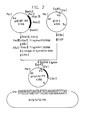
- synthetic oligonucleotides (5′ CGATAATGTCAGCACCTTTTAG 3′ and 5′ CTAAAAGGTGCTGACATTAT 3′) were each phosphorylated at the 5′ terminal with T4 polynucleotide kinase and ligated with AluI-HincII DNA fragment obtained above, using T4 DNA ligase.
- the ligated block was then cleaved with restriction enzyme ClaI and electrophoresed on agarose gel to isolate and purify about 0.54-kb ClaI-ClaI DNA fragment.
- plasmid pTMI (Fumio Imamoto, Taisha (Metabolism), Vol. 22, 289 (1985)) was cleaved with restriction enzyme ClaI, reacted with calf intestine alkaline phosphatase (CIAP) and thereafter ligated with the approximately 0.54-kb ClaI-ClaI DNA fragment previously prepared, using T4 DNA ligase to obtain the desired polypeptide expression plasmid ptrpIL-1 ⁇ -113.
- ClaI restriction enzyme
- This plasmid was transformed into E . coli HB101, and the desired transformant was selected by analyzing by the boiling method the size of cut-off fragments obtained from the resulting plasmid DNA.
- Fig. 2 schematically shows the above procedure.
- Plasmid ptrpIL-1 ⁇ -113 was extracted from the selected transformant and transformed into E . coli W3110 to obtain E . coli W3110/ptrpIL-1 ⁇ -113.
- the transformant E . coli W3110/p trpIL-1 ⁇ -113 obtained in Reference Example 1, (6) was incubated with shaking at 37°C overnight in 10 ml of LB medium (1% tryptone, 0.5% yeast extract and 0.5% NaCl) containing 50 ⁇ g/ml of ampicillin and 20 ⁇ g/ml of L-tryptophan.
- LB medium 1% tryptone, 0.5% yeast extract and 0.5% NaCl
- a 400 ml quantity of M9 minimum medium (0.6% Na2HPO4, 0.3% KH2PO4, 0.05% NaCl, 0.1% NH4Cl, 2 mM MgSO4, 0.2% glucose and 0.1 mM CaCl2) containing 50 ⁇ g/ml of ampicillin and 1% Casamino acid was inoculated with 8 ml of the culture, followed by incubation at 37°C for 9 hours.
- the E . coli cells obtained were suspended in 10 ml of 1 M Na2HPO4 and allowed to stand overnight in a cold chamber. The suspension was then dialyzed against 10 mM tris-HCl buffer (pH 8.0) for 2 days.
- the dialyzate obtained was centrifuged and thereby separated into a supernatant and a sediment.
- the supernatant obtained in an amount of 28 ml was found to have GIF activity of 7.3 ⁇ 107 units.
- fraction 1 a fraction of 26 to 28 min in retention time
- fraction 2 another fraction of 32.5 to 34.5 min in retention time
- Fractions 1 or 2 were subjected to SDS-PAGE by the method of U.K. Laemmli (Nature, 277 , 680 (1970)) under the following conditions. Specimen: Fraction 1 or 2 was completely dried, then dissolved in Laemmli sample buffer (containing 2-mercapto ethanol (2ME+) in an amount of 1/20 the volume of the buffer) and treated at 100°C for 4 minutes. Gel : 15% Polyacrylamide gel, 1.5 mm in thickness. Apparatus : PROTEAN, product of Bio-Rad. Electrophoresis : 40 mA constant current for 2 hours.
- Fractions 1 and 2 were subjected to IEF using ampholine PAG plate (LKB), 3.5 to 9.5 in pH range, and Model 1415 (Bio-Rad) under the following conditions.
- Specimens PBS solution of fraction l as allowed to stand for 2 days, the same as allowed to stand for 2 weeks, PBS solution of fraction 2 as allowed to stand for 2 weeks, PBS solution serving as a control, and the following marker proteins (pI marker proteins), five lanes in total.
- Amyloglucosidase (3.50) Soybean trypsin inhibitor (4.55) ⁇ -lactoglobulin A (5.20)
- Bovine carbonic anhydrase B (5.85) Human carbonic anhydrase B (6.55) Horse myoglobin-acidic band (6.85) Horse myoglobin-basic band (7.35) Lentil lectin-acidic band (8.15) Lentil lectin-middle band (8.45) Lentil lectin-basic band (8.65) Trypsinogen (9.30)
- Electrode solutions: Anode solution 1 M H 3PO4
- Cathode solution 1 M NaoH
- Electrophoresis With constant power of 1 W/cm gel width with cooling (10°C) for 90 minutes. Staining : With Silver Stain Kit
- the gel resulting from the electrophoresis was sliced at a spacing of 1 cm and subjected to extraction with 1 ml of distilled water with shaking (2 days).
- the isoelectric point was calculated from the pH measurement after the electrophoresis.
- the isoelectric point (pI) of fraction 2 was found to be about 5.0, and the fraction migrated as a single band at this position. Fraction 1 had isoelectric points of about 5.2 and about 5.0 and migrated as two bands.
- a 250 ⁇ l quantity of the specimen solution was used for amino acid analysis by an amino acid analyzer (Model 835, product of Hitachi Ltd.).
- the amino acids separated were detecteds by the o-phthalaldehyde method and quantitatively determined with reference to calibration curves prepared with use of authentic amino acids.
- Table 2 shows the results in terms of the mole ratio of component amino acids based on Phe (10 moles). Under the above analysis conditions, Pro and Cys are not determinable.
- each of fractions 1 and 2 was analyzed by a protein sequencer (Model 470A, Applied Biosystems Inc.). Each resulting PTH-amino acid was suitably diluted with 100 to 50 ⁇ l of 33% aqueous acetonitrile solution, and a 5- ⁇ l portion of the dilution was injected into a chromatographic column by an autosampler, Waters 710B.
- an autosampler Waters 710B.
- two pumps Beckman Model 112
- the column used measuring 2 mm ⁇ 250 mm and packed with Ultrasphere ODS-5 ⁇ m, was maintained at 55°C by a column heater. The flow rate was 0.3 ml/min.
- a mixture of 20 mM sodium acetate and acetonitrile was used for gradient elution. Absorbance was monitored at 269 nm. Analysis was conducted for 45 minutes.
- the 36th amino acid (X in the above formula) of fraction 1 was Asn which had been predicted from the sequence of the gene, and that of fraction 2 was Asp.
- fraction 1 is the polypeptide of the formula (A), namely IL-1 ⁇ , further revealing that the other fraction 2 is a polypeptide of the invention which corresponds to IL-1 ⁇ wherein the 36th amino acid is replaced by Asp.
- This polypeptide of the invention will be hereinafter referred to as "polypeptide I.”
- the IL-1 ⁇ was unstable as a substance and was found, for example, to partly change into a more stable polypeptide I when present in a trisHCl buffer (pH 8.0).
- a polypetide I expression plasmid was prepared by the site-specific mutagenesis method (Pro. Nat. Acad. Sci., 81 , 5662-5666 (1984); Science, 224 , 1431 (1984)), using plasmid ptrpIL-1 ⁇ -113 obtained in Reference Example 1, and polypeptide I was prepared from the plasmid as will be described below.
- M13 mp 11 phage vector was used as a single-strand DNA template.
- EcoRI/BamHI DNA fragment was isolated from plasmid ptrpIL-1 ⁇ -113 and cloned in M13 mp 11 phage (RF) at restriction enzyme EcoRI and BamHI sites to obtain single-strand (ss) DNA (M13-IL-1 ⁇ -113), which was then used as a mutagenesis template.
- Synthetic oligonucleotide [5′-ACTGGGTGAGCTTGGCAG-3′ (primer)] was phosphorylated with T4 polynucleotide kinase and hybridized with ss M13-IL-1 ⁇ -113 DNA. The hybrid was annealed, thereafter treated with DNA polymerase I, (Klenow fragment) and T4 DNA ligase in the presence of dNTPs and incubated at 15°C for 18 hours.
- the DNA obtained was introduced into JM105 competent cell for transformation.
- the resulting phage plaque (50 colonies) was inoculated onto the intro-cellulose filter on the agar plate and incubated at 37°C for 18 hours.
- a filter containing the cloning was treated with an alkali in the usual manner for denaturation, dried and then baked at 80°C for 2 hours.
- the filter was prehybridized and then hybridized at room temperature with 32P probe prepared by labeling the primer with 32P- ⁇ -ATP.
- the filter hybridized was washed with 6 ⁇ SSC buffer at room temperature for 10 minutes and further at 54°C for 5 minutes, dried and thereafter subjected to autoradiography at -70°C for 18 hours.
- M13-IL-1 ⁇ -36D was selected as a typical clone from among five mutant clones, infected with JM105 and incubated to prepare ssDNA and RF DNA.
- M13 dideoxynucleotide sequencing was performed for ssDNA to confirm mutation of the contemplated gene.
- EcoRI/BamHI fragment was prepared from RF DNA produced in JM105 and introduced into expression plasmid in the same manner as in the foregoing reference example to obtain the desired polypeptide I expression plasmid (IL-1 ⁇ -36D).
- polypeptide I was expressed in the same manner as in Example 1, followed by purification (DEAE-HPLC gave a single GIF activity peak), whereby the desired polypeptide I was obtained with the foregoing characreristics.
- the product was found to have specific activity of about 1 ⁇ 107 GIF units/mg protein.
- polypeptide II The analysis revealed that the other peak fraction was a polypeptide of the invention corresponding to IL-1 ⁇ wherein the 36th amino acid (Asn) and the 141st amino acid (Cys) were replaced by Asp and Ser, respectively.
- This polypeptide will hereinafter be referred to as "polypeptide II.”
- Plasmid ptrpIL-1 ⁇ -36D ⁇ 141S for expressing the desired polypeptide II was prepared in the same manner as in Example 3, using plasmid ptrpIL-1 ⁇ -141S obtained in Example 3 and using 5′-ATTCGAGCCGATGATCAG-3′ as the primer.
- HB101 strain was caused to harbor the above plasmid, ptrpIL-1 ⁇ -36D ⁇ 141S.
- the strain has been deposited under the name of "Escherichia coli HB101/IL-1 ⁇ -36D141S" with deposition number FERM BP-1295 in Fermentation Research Institute, Agency of Industrial Science & Technology.
- Example 2 The same expression and purification procedures as in Example 1 were repeated with use of the above plasmid to obtain the desired polypeptide II of the invention.
- polypeptide was about 18kd in molecular weight.
- the isoelectric point (PI) thereof was found to be about 5.0 by IEF.
- Polypeptides II and III were equivalent to polypeptide I in specific activity (GIF activity).
- the GIF activity of the present polypeptide has already been described.
- the LAF activity of the polypeptides I, II and III was comparable to the GIF activity thereof.
- the polypeptide of the invention was tested as follows.
- Tumor cells (200,000), "Meth A”, were intracutaneously transplanted into each of BALB/c mice (zero day).
- the polypeptide I was given to the tumor site of the mice in the first experiment in an amount of 0.3, 1 or 3 ⁇ g per mouse.
- mice in each group were used.
- a solvent 1% mouse serum was administered in the same manner to the control group.
- Fig. 3 The test results are shown in Fig. 3, in which the number of days elasped after the inoculation of tumor cells is plotted as abscissa vs . the weight of the tumor (mg) as ordinate.
- a control group is represented by curve (1), a group with a dose of 0.3 ⁇ g of polypeptide I by curve (2), a group with a dose of 1 ⁇ g of polypeptide I by curve (3), and a group with a dose of 3 ⁇ g of polypeptide I by curve (4).
- the weight of tumor is expressed in terms of mean ⁇ standard deviation (SD).
- SD standard deviation
- the mark * represents P ⁇ 0.05 in Students' T-test, and the mark ** P ⁇ 0.01.
- the culture supernatant was collected, and the amount of CSF produced and accumulated in the supernatant was measured using mouse bone marrow cells (Lewis, I. C. et al., J. Immunol, 128 , 168 (1982)).
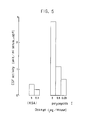
- mice To normal mice (BALB/C strain, purchased from Experimental Animal Cooperative Association of Shizuoka Prefecture, Japan) was intravenously given polypeptide I in varying amounts. Blood was collected from the animal 8 hours after the administration and checked for the CSF activity as in (3)-1 above. As a control, human serum albumin (HSA) was administered in the same manner to a control group for the test.
- HSA human serum albumin
- Fig. 5 The results are shown in Fig. 5 in which the amount of the polypeptide I or the amount of HSA administered ( ⁇ g/mouse) is plotted as abscissa and CSF activity (unit/ml serum, X10 ⁇ 3) as ordinate.
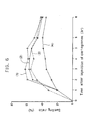
- the substance to be tested was dissolved in Dulbeco's phosphate buffered saline, and 0.1 ml of the solution was subcutaneously injected into the back of the rat 1 hour before the injection of the inflammation causing agent.
- the solvent was given to a control group.
- Fig. 6 The results are shown in Fig. 6, in which the time (hours) elapsed after the injection of the inflammation causing agent is plotted as abscissa vs . the swelling % as ordinate.
- the control group is represented by curve (1), a group to which 0.1 ⁇ g of polypeptide I was given by curve (2), a group with 1 ⁇ g of polypeptide I by curve (3), and a group with 10 ⁇ g of polypeptide I by curve (4).
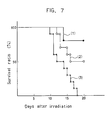
- polypeptide I was intraperitoneally given to each of 9-week-old mice of BALB/c strain 20 hours before the mice were exposed to a lethal dosage of X-rays.
- mice were systemically exposed to X-rays at a dose of 850 roentgens by an X-ray irradiator (MBR-1505R, product of Hitachi Medico Co., Ltd.) and thereafter checked for survival daily. PBS was given to a control group.
- MRR-1505R X-ray irradiator
- Fig. 7 The results are shown in Fig. 7, in which the number of days after the irradiation is plotted as abscissa vs . the survival ratio (%) as ordinate.
- the group to which 1 ⁇ g of polypeptide I was given is represented by curve (1), the group with 0.3 ⁇ g of polypeptide I by curve (2), and the control group by curve (3).
- Fig. 7 shows that all the mice of the control group died on the 18th day after the X-ray irradiation, whereas polypeptide I was found effective for preventing radiation injury depending on the dosage. It was found that about 80% of the group with the dose of 1 ⁇ g were saved from death due to radiation injury and survived.
- Fig. 8 (1) shows the result achieved by the group thus treated.
- Fig. 8 (2) shows the result achieved by a control group to which polypeptide I was not given (but 5-Fu only was given).
- Fig. 8 (3) shows the result achieved by another control group to which neither 5-Fu nor polypeptide I was given.
- HFL-1 human embryonic lung fibroblasts
- ATCC registered cell strain No.CCL-153 human embryonic lung fibroblasts
- HFL-1 cells were suspended in hamster 12K culture (Ham, R.G., Proc. Natl. Acad. Sci., 53 , 288 (1965) containing 10% FCS to a concentration of 2 ⁇ 105 cells/ml.
- Example 1 IL-1 ⁇ obtained in Example 1 was added to portions of the cell suspension in varying concentrations. Each of the mixtures was incubated in a carbon dioxide gas incubator at 37°C for 24, 48 or 72 hours. The culture supernatant was collected, and the amount of CSF produced and accumulated in the supernatant was measured using mouse bone marrow cells (Lewis, I.C. et al, J. Immunol., 128 , 168 (1982)).
- HSB-2 C5B2 cells J. Immunol., 131 , 1682-1689 (1985)
- HSB-2 C5B2 cells in an amount of 2 ⁇ 105 cells/well, were incubated for 24 hours in the presence of varying concentrations of polypeptide II and 0.01% PHA-P.
- the IL-2 activity of the supernatant collected was measured by the method of K. A. Smith et al. using IL-2 dependent mouse T cells (CTLL 2) (J. Immunol., 120 , 2027 (1978)). Table 4 below shows the results.
- the amount of the present polypeptide to be used for the above method can be very small, usually about 10 ng/ml, whereby satisfactory results are achievable, while the use of the polypeptide facilitates purification of the cytokine derived.
- cytokines When cytokines are to be produced from animal cells, it is essential that the polylpeptide of the invention used for inducing the production be stable in structure under the prevailing condition and be bound to the IL-1 receptor on the surface of the cells. More specifically, it is required that the present polypeptide bind to the IL-1 receptor and transmit to the cell a signal necessaryy for the production of the cytokine.
- Balb/3T3 cells (clone A31: ATCC, CCL-163, 1 ⁇ 106 cells/well) almost uniformly grown over a 6-well plate were reacted at 4°C for 2 hours with 50000 cpm/well of 125I-labelled IL-1 ⁇ (Seikagaku (Biochemistry) 58, No.8, p. 840 (1986); EPO No.187991) and 20 ng/ml of IL-1 ⁇ or polypeptide II preincubated at 37°C for 24 hours in D-MEM supplemented with 10% FCS. The liquid reaction mixture was discarded with a Pasteur pipette, the cells were gently washed with 1 ml of D-MEM supplemented with 10% FCS, and the supernatant was discarded.
- 125I-labelled IL-1 ⁇ Seikagaku (Biochemistry) 58, No.8, p. 840 (1986); EPO No.187991
- 20 ng/ml of IL-1 ⁇ or polypeptide II preincubated
- the cells were solubilized with 1 ml of a mixture of 1% SDS and 0.2 N NaOH.
- the radioactivity (bound radioactivity) of the solubilized cell solution and the liquid used for washing the wells was measured by a gamma-counter.
- the 125I-labeled IL-1 ⁇ used was prepared and purified by the method of Bolton and Hunter (Biochem. J., 133 , 529 (1973)). Specific activity: at least 250 ⁇ Ci/ ⁇ g protein.
- Table 5 reveals that polypeptide II retains the satisfactory binding activity on IL-1 receptor even under cytokine induction-production conditions and is therefore useful for such application.
- HSA human serum albumin
- the preparation is used as dissolved in 1 ml of distilled water for injection.
Landscapes
- Health & Medical Sciences (AREA)
- Chemical & Material Sciences (AREA)
- Life Sciences & Earth Sciences (AREA)
- Organic Chemistry (AREA)
- Engineering & Computer Science (AREA)
- General Health & Medical Sciences (AREA)
- Medicinal Chemistry (AREA)
- Bioinformatics & Cheminformatics (AREA)
- General Engineering & Computer Science (AREA)
- Genetics & Genomics (AREA)
- Zoology (AREA)
- Nuclear Medicine, Radiotherapy & Molecular Imaging (AREA)
- General Chemical & Material Sciences (AREA)
- Pharmacology & Pharmacy (AREA)
- Chemical Kinetics & Catalysis (AREA)
- Animal Behavior & Ethology (AREA)
- Public Health (AREA)
- Veterinary Medicine (AREA)
- Biotechnology (AREA)
- Immunology (AREA)
- Wood Science & Technology (AREA)
- Biochemistry (AREA)
- Biomedical Technology (AREA)
- Biophysics (AREA)
- Molecular Biology (AREA)
- Proteomics, Peptides & Aminoacids (AREA)
- Gastroenterology & Hepatology (AREA)
- Mechanical Engineering (AREA)
- Microbiology (AREA)
- Toxicology (AREA)
- Plant Pathology (AREA)
- Rheumatology (AREA)
- Physics & Mathematics (AREA)
- Pain & Pain Management (AREA)
- Tropical Medicine & Parasitology (AREA)
- Virology (AREA)
- Preparation Of Compounds By Using Micro-Organisms (AREA)
- Peptides Or Proteins (AREA)
- Medicines That Contain Protein Lipid Enzymes And Other Medicines (AREA)
- Medicines Containing Material From Animals Or Micro-Organisms (AREA)
Applications Claiming Priority (10)
| Application Number | Priority Date | Filing Date | Title |
|---|---|---|---|
| JP57885/86 | 1986-03-14 | ||
| JP5788586 | 1986-03-14 | ||
| JP129759/86 | 1986-06-03 | ||
| JP12975986 | 1986-06-03 | ||
| JP148393/86 | 1986-06-25 | ||
| JP14839386 | 1986-06-25 | ||
| JP160250/86 | 1986-07-08 | ||
| JP16025086 | 1986-07-08 | ||
| JP200323/86 | 1986-08-27 | ||
| JP20032386 | 1986-08-27 |
Related Child Applications (1)
| Application Number | Title | Priority Date | Filing Date |
|---|---|---|---|
| EP93113151.0 Division-Into | 1993-08-17 |
Publications (3)
| Publication Number | Publication Date |
|---|---|
| EP0237073A2 true EP0237073A2 (fr) | 1987-09-16 |
| EP0237073A3 EP0237073A3 (en) | 1989-11-15 |
| EP0237073B1 EP0237073B1 (fr) | 1994-08-31 |
Family
ID=27523408
Family Applications (2)
| Application Number | Title | Priority Date | Filing Date |
|---|---|---|---|
| EP87103611A Expired - Lifetime EP0237073B1 (fr) | 1986-03-14 | 1987-03-12 | Dérivés de l'IL-1 alpha et médicaments |
| EP93113151A Withdrawn EP0578278A1 (fr) | 1986-03-14 | 1987-03-12 | Utilisations de l'iL-1 alpha |
Family Applications After (1)
| Application Number | Title | Priority Date | Filing Date |
|---|---|---|---|
| EP93113151A Withdrawn EP0578278A1 (fr) | 1986-03-14 | 1987-03-12 | Utilisations de l'iL-1 alpha |
Country Status (7)
| Country | Link |
|---|---|
| US (5) | US5008374A (fr) |
| EP (2) | EP0237073B1 (fr) |
| JP (1) | JP2572220B2 (fr) |
| KR (1) | KR950000886B1 (fr) |
| DE (1) | DE3750432T2 (fr) |
| DK (2) | DK171647B1 (fr) |
| ES (1) | ES2009216A6 (fr) |
Cited By (8)
| Publication number | Priority date | Publication date | Assignee | Title |
|---|---|---|---|---|
| FR2595714A1 (fr) * | 1986-02-18 | 1987-09-18 | Hoffmann La Roche | Procede perfectionne de production d'interleukine-1 |
| EP0327360A3 (en) * | 1988-02-03 | 1990-05-02 | Dainippon Pharmaceutical Co., Ltd. | Novel polypeptides and dna encoding said polypeptides |
| WO1990010068A1 (fr) * | 1989-02-27 | 1990-09-07 | New England Medical Center Hospitals, Inc. | Inhibiteurs d'activite biologique de l'il-1 |
| EP0352816A3 (fr) * | 1988-07-29 | 1991-03-20 | Otsuka Pharmaceutical Co., Ltd. | Dérivés de l'IL-1 alpha et médicament contre la thrombocytopénie |
| EP0495131A4 (en) * | 1990-08-10 | 1993-10-13 | Otsuka Pharmaceutical Co., Ltd. | Agent for preventing and treating hepatitis |
| US5290917A (en) * | 1988-02-03 | 1994-03-01 | Dainippon Pharmaceutical Co., Ltd. | Modified polypeptides of IL-1α |
| US5411882A (en) * | 1989-07-05 | 1995-05-02 | Ciba-Geigy Corporation | Cytokine which mediates inflammation |
| US5723117A (en) * | 1990-08-10 | 1998-03-03 | Otsuka Pharmaceutical Co., Ltd. | Use of interleukin-1 (IL-1) to inhibit development of hepatitis |
Families Citing this family (20)
| Publication number | Priority date | Publication date | Assignee | Title |
|---|---|---|---|---|
| US5008374A (en) * | 1986-03-14 | 1991-04-16 | Otsuka Pharmaceutical Co., Ltd. | IL-1α derivatives and drugs |
| CA1329119C (fr) * | 1988-03-29 | 1994-05-03 | Milton David Goldenberg | Therapie faisant appel a des agents cytotoxiques |
| US20030232010A2 (en) * | 1988-03-29 | 2003-12-18 | Immunomedics, Inc. | Improved cytotoxic therapy |
| US5649904A (en) * | 1988-10-07 | 1997-07-22 | Sandoz Ltd. | Method of treating cancer with a fully myeloablative regimen of chemotherapy, radiation or both |
| JP2818834B2 (ja) * | 1991-08-12 | 1998-10-30 | 大塚製薬株式会社 | IL−1α安定化医薬製剤 |
| JPH06196070A (ja) * | 1992-12-24 | 1994-07-15 | Nec Corp | 電磁継電器 |
| US5866134A (en) * | 1995-03-24 | 1999-02-02 | Schering Corporation | Method for enhancing the antibody response to specific antigens with Interleukin-10 |
| US5753218A (en) * | 1996-05-03 | 1998-05-19 | Schering Corporation | Method for treating inflammation |
| US7176179B1 (en) | 1997-05-30 | 2007-02-13 | The Regents Of The University Of California | Selective induction of cell death by delivery of amino-terminal interleukin-1-α pro-piece polypeptide |
| US6191269B1 (en) | 1997-05-30 | 2001-02-20 | The Regents Of The University Of California | Selective induction of cell death by delivery of amino-terminal interleukin-1-α pro-piece polypeptide |
| WO1999037321A1 (fr) * | 1998-01-22 | 1999-07-29 | Gosudarstvenny Nauchno-Issledovatelsky Institut Osobo Chistykh Biopreparatov (Gosnii Ochb) | Preparation immuno-modulatrice a base d'interleukine 1 et procede de preparation |
| US20030154504A1 (en) * | 1998-06-24 | 2003-08-14 | Farese Robert V. | Methods and compositions for modulating carbohydrate metabolism |
| US6270758B1 (en) | 1998-10-08 | 2001-08-07 | Duke University | Substantially non-toxic biologically active mucosal adjuvants in vertebrate subjects |
| WO2002061111A2 (fr) * | 2000-12-15 | 2002-08-08 | Stratagene | Cellules competentes stables a la temperature ambiante |
| US6855554B2 (en) * | 2001-09-21 | 2005-02-15 | Board Of Regents, The University Of Texas Systems | Methods and compositions for detection of breast cancer |
| WO2003044485A2 (fr) * | 2001-11-20 | 2003-05-30 | Proteex, Inc. | Methodes proteonomiques permettant de diagnostiquer et de surveiller un cancer du sein |
| US7582670B2 (en) * | 2001-12-13 | 2009-09-01 | Natrogen Therapeutics, Inc. | Methods of treating an inflammatory-related disease |
| US20050154046A1 (en) * | 2004-01-12 | 2005-07-14 | Longgui Wang | Methods of treating an inflammatory-related disease |
| US8563525B2 (en) | 2004-01-12 | 2013-10-22 | Natrogen Therapeutics International, Inc. | Methods of treating an inflammatory-related disease |
| CN101426268B (zh) * | 2007-11-02 | 2010-08-25 | 大唐移动通信设备有限公司 | 导频资源分配方法、系统和设备 |
Family Cites Families (23)
| Publication number | Priority date | Publication date | Assignee | Title |
|---|---|---|---|---|
| US4568640A (en) * | 1981-05-11 | 1986-02-04 | Harvey Rubin | Method of inserting amino acid analogs into proteins |
| FI82266C (fi) * | 1982-10-19 | 1991-02-11 | Cetus Corp | Foerfarande foer framstaellning av il-2 -mutein. |
| US4512974A (en) * | 1982-12-08 | 1985-04-23 | Moldawer Lyle L | Treatment of protein malnourished surgical patients |
| US4542017A (en) * | 1982-12-09 | 1985-09-17 | Moldawer Lyle L | Treatment of protein malnourished bacterially infected humans with LEM |
| FR2550802B1 (fr) * | 1983-08-17 | 1986-04-11 | Inst Nat Sante Rech Med | Procede de production d'interleukine 1 humaine et medicaments correspondants |
| JPS60149386A (ja) * | 1984-01-17 | 1985-08-06 | Dainippon Pharmaceut Co Ltd | インタ−ロイキン1をコ−ドする伝令リボ核酸及びその調製法 |
| CA1341401C (fr) * | 1984-03-23 | 2002-11-26 | Adriano Fontana | Facteur immunosuppresseur derive de cellules de glioblastome humain |
| EP0155433A1 (fr) * | 1984-03-23 | 1985-09-25 | Adriano Fontana | Facteur immunosuppresseur |
| US4762914A (en) * | 1984-05-18 | 1988-08-09 | Auron Philip E | Truncated protein of interleukin-1 |
| EP0569687B1 (fr) * | 1984-05-18 | 2002-08-21 | New England Medical Center Hospitals, Inc. | Séquences de cADN de l'IL-1 humaine codant pour des protéines biologiquement actives de l'IL-1 humaine |
| DE3588241T2 (de) * | 1984-05-18 | 2002-12-05 | Massachusetts Institute Of Technology, Cambridge | Menschliche IL-1 cDNS-Sequenzen die für biologisch aktive menschliche IL-1-Proteine kodieren |
| CA1341433C (fr) * | 1984-06-19 | 2003-06-24 | Douglas P. Cerretti | Purification de l'interleukine 1 |
| US4959314A (en) * | 1984-11-09 | 1990-09-25 | Cetus Corporation | Cysteine-depleted muteins of biologically active proteins |
| DE3587605T2 (de) * | 1984-12-25 | 1994-03-17 | Dainippon Pharmaceutical Co | Interleukin-1 und dessen Derivat. |
| AU577856B2 (en) * | 1985-01-17 | 1988-10-06 | Immunex Corporation | Cloning and characterization of the human interleukin 1 gene |
| DE3683186D1 (de) * | 1985-04-25 | 1992-02-13 | Hoffmann La Roche | Rekombinantes humaninterleukin-1. |
| IT1188550B (it) * | 1986-02-07 | 1988-01-14 | Sclavo Spa | Peptide sintetico ad attivita' interleukina 1 umana |
| US4770781A (en) * | 1986-03-03 | 1988-09-13 | Merck & Co., Inc. | Purification of human interleukin-1 species |
| US5008374A (en) * | 1986-03-14 | 1991-04-16 | Otsuka Pharmaceutical Co., Ltd. | IL-1α derivatives and drugs |
| US5017692A (en) * | 1986-09-04 | 1991-05-21 | Schering Corporation | Truncated human interleukin-a alpha |
| US5047505A (en) * | 1987-01-27 | 1991-09-10 | Du Pont Merck Pharmaceutical Company | High level expression in E. coli of soluble mature HIL-1beta and derivatives with altered biological activity |
| US5035887A (en) * | 1989-09-07 | 1991-07-30 | Institute Of Moelcular Biology, Inc. | Wound healing composition of IL-1 and PDGF or IGF-1 |
| US5211946A (en) * | 1991-09-13 | 1993-05-18 | Mycogen Corporation | Bacillus thuringiensis isolates for controlling acarides |
-
1987
- 1987-03-09 US US07/023,373 patent/US5008374A/en not_active Expired - Fee Related
- 1987-03-11 JP JP62057568A patent/JP2572220B2/ja not_active Expired - Lifetime
- 1987-03-12 EP EP87103611A patent/EP0237073B1/fr not_active Expired - Lifetime
- 1987-03-12 DK DK127787A patent/DK171647B1/da not_active IP Right Cessation
- 1987-03-12 DE DE3750432T patent/DE3750432T2/de not_active Expired - Fee Related
- 1987-03-12 EP EP93113151A patent/EP0578278A1/fr not_active Withdrawn
- 1987-03-13 ES ES8701022A patent/ES2009216A6/es not_active Expired
- 1987-03-14 KR KR1019870002331A patent/KR950000886B1/ko not_active Expired - Fee Related
-
1990
- 1990-07-30 US US07/559,233 patent/US5342615A/en not_active Expired - Fee Related
-
1991
- 1991-01-22 US US07/643,292 patent/US5371204A/en not_active Expired - Fee Related
-
1993
- 1993-05-05 DK DK051493A patent/DK172339B1/da not_active IP Right Cessation
-
1994
- 1994-06-01 US US08/252,229 patent/US5543140A/en not_active Expired - Fee Related
-
1995
- 1995-06-05 US US08/461,733 patent/US5702698A/en not_active Expired - Fee Related
Non-Patent Citations (2)
| Title |
|---|
| Nature, Vol. 315, June 20, 1985, No. 6021, pages 641-647; London, GB, C.J. MARCH et al.: "Cloning, sequence and expression of two distinct human interleukin-1 complementary DNAs". * |
| Reviews of Injections Diseases, Vol. 6, No. 1, January/February 1984, pages 51-95; C.A. DINARELLO: "Interleukin-1". * |
Cited By (15)
| Publication number | Priority date | Publication date | Assignee | Title |
|---|---|---|---|---|
| FR2595714A1 (fr) * | 1986-02-18 | 1987-09-18 | Hoffmann La Roche | Procede perfectionne de production d'interleukine-1 |
| BE1000636A5 (fr) * | 1986-02-18 | 1989-02-28 | F Hoffmann La Roche & Cie Sa | Procede perfectionne de production d'interleukine-1 humaine recombinante. |
| EP0327360A3 (en) * | 1988-02-03 | 1990-05-02 | Dainippon Pharmaceutical Co., Ltd. | Novel polypeptides and dna encoding said polypeptides |
| US5290917A (en) * | 1988-02-03 | 1994-03-01 | Dainippon Pharmaceutical Co., Ltd. | Modified polypeptides of IL-1α |
| AU627480B2 (en) * | 1988-07-29 | 1992-08-27 | Otsuka Pharmaceutical Co., Ltd. | Il-1alpha derivatives and medicament for treating thrombocytopenia |
| US5120534A (en) * | 1988-07-29 | 1992-06-09 | Otsuka Pharmaceutical Co., Ltd. | IL-1α derivatives and medicament for treating thrombocytopenia |
| EP0352816A3 (fr) * | 1988-07-29 | 1991-03-20 | Otsuka Pharmaceutical Co., Ltd. | Dérivés de l'IL-1 alpha et médicament contre la thrombocytopénie |
| EP0644203A1 (fr) * | 1988-07-29 | 1995-03-22 | Otsuka Pharmaceutical Co., Ltd. | Dérivés de l'il-1 alpha et médicament contre la thrombocytopénie |
| US5756675A (en) * | 1988-07-29 | 1998-05-26 | Otsuka Pharmaceutical Co., Ltd. | IL-1α derivatives |
| US5286847A (en) * | 1989-02-27 | 1994-02-15 | New England Medical Center Hospitals, Inc. | Interleukin-1 muteins, their preparation and method of use to inhibit interleukin-1 activity |
| WO1990010068A1 (fr) * | 1989-02-27 | 1990-09-07 | New England Medical Center Hospitals, Inc. | Inhibiteurs d'activite biologique de l'il-1 |
| US5411882A (en) * | 1989-07-05 | 1995-05-02 | Ciba-Geigy Corporation | Cytokine which mediates inflammation |
| US5821336A (en) * | 1989-07-05 | 1998-10-13 | Novartis Coporation | Cytokine which mediates inflammation |
| EP0495131A4 (en) * | 1990-08-10 | 1993-10-13 | Otsuka Pharmaceutical Co., Ltd. | Agent for preventing and treating hepatitis |
| US5723117A (en) * | 1990-08-10 | 1998-03-03 | Otsuka Pharmaceutical Co., Ltd. | Use of interleukin-1 (IL-1) to inhibit development of hepatitis |
Also Published As
| Publication number | Publication date |
|---|---|
| EP0237073A3 (en) | 1989-11-15 |
| EP0578278A1 (fr) | 1994-01-12 |
| DK171647B1 (da) | 1997-03-03 |
| US5371204A (en) | 1994-12-06 |
| DK172339B1 (da) | 1998-04-06 |
| US5008374A (en) | 1991-04-16 |
| US5702698A (en) | 1997-12-30 |
| DE3750432T2 (de) | 1995-04-20 |
| US5342615A (en) | 1994-08-30 |
| DE3750432D1 (de) | 1994-10-06 |
| DK127787D0 (da) | 1987-03-12 |
| JPS63164899A (ja) | 1988-07-08 |
| JP2572220B2 (ja) | 1997-01-16 |
| KR870009023A (ko) | 1987-10-22 |
| KR950000886B1 (ko) | 1995-02-03 |
| DK51493D0 (da) | 1993-05-05 |
| DK127787A (da) | 1987-09-15 |
| US5543140A (en) | 1996-08-06 |
| HK1003115A1 (en) | 1998-10-09 |
| EP0237073B1 (fr) | 1994-08-31 |
| ES2009216A6 (es) | 1989-09-16 |
| DK51493A (da) | 1993-05-05 |
Similar Documents
| Publication | Publication Date | Title |
|---|---|---|
| EP0237073B1 (fr) | Dérivés de l'IL-1 alpha et médicaments | |
| US4959314A (en) | Cysteine-depleted muteins of biologically active proteins | |
| EP0237967B1 (fr) | Dérivés de l'IL-1 bêta et médicaments | |
| US4898818A (en) | Antitumor active substance, process for preparing the same, drug containing the substance, gene coding for the substance, vector containing the gene and recombinant microorganism | |
| EP0098862A1 (fr) | Interferon alpha 76 | |
| EP0098863A1 (fr) | Interferon alpha 61 | |
| EP0328061A2 (fr) | Facteur humain de stimulation de colonies | |
| EP0644203A1 (fr) | Dérivés de l'il-1 alpha et médicament contre la thrombocytopénie | |
| AU595864B2 (en) | Il-1 alpha derivatives and drugs | |
| US5847098A (en) | DNA encoding interleukin IL-1β mutant | |
| HK1003115B (en) | Il-1alpha derivatives and drugs | |
| US6107465A (en) | IL-1β and derivatives thereof and drugs | |
| AU601173B2 (en) | Il-beta derivatives and drugs | |
| EP0401379B1 (fr) | COMPOSITION D'INTERLEUKINE-1$g(b) STABILISEE | |
| KR960010950B1 (ko) | IL-1α 유도체 및 약제 | |
| JP2711430B2 (ja) | インターロイキン−1α誘導体 | |
| JPH06219964A (ja) | 抗腫瘍剤 | |
| JP2753694B2 (ja) | インターロイキン−1β誘導体及び医薬 | |
| JPH09118633A (ja) | 医薬製剤 | |
| JP2557797B2 (ja) | インターロイキン−1α誘導体 | |
| JPH1072365A (ja) | 医薬製剤 | |
| EP0495131B1 (fr) | Agent de prevention et de traitement de l'hepatite | |
| JP2753695B2 (ja) | インターロイキン−1β誘導体及び医薬 | |
| JPH08245695A (ja) | 抗腫瘍活性物質 | |
| JPWO1992002236A1 (ja) | 肝炎予防・治療剤 |
Legal Events
| Date | Code | Title | Description |
|---|---|---|---|
| PUAI | Public reference made under article 153(3) epc to a published international application that has entered the european phase |
Free format text: ORIGINAL CODE: 0009012 |
|
| AK | Designated contracting states |
Kind code of ref document: A2 Designated state(s): CH DE FR GB IT LI NL SE |
|
| PUAL | Search report despatched |
Free format text: ORIGINAL CODE: 0009013 |
|
| AK | Designated contracting states |
Kind code of ref document: A3 Designated state(s): CH DE FR GB IT LI NL SE |
|
| 17P | Request for examination filed |
Effective date: 19900514 |
|
| 17Q | First examination report despatched |
Effective date: 19920302 |
|
| GRAA | (expected) grant |
Free format text: ORIGINAL CODE: 0009210 |
|
| AK | Designated contracting states |
Kind code of ref document: B1 Designated state(s): CH DE FR GB IT LI NL SE |
|
| XX | Miscellaneous (additional remarks) |
Free format text: TEILANMELDUNG 93113151.0 EINGEREICHT AM 12/03/87. |
|
| ITF | It: translation for a ep patent filed | ||
| REF | Corresponds to: |
Ref document number: 3750432 Country of ref document: DE Date of ref document: 19941006 |
|
| ET | Fr: translation filed | ||
| EAL | Se: european patent in force in sweden |
Ref document number: 87103611.7 |
|
| PLBE | No opposition filed within time limit |
Free format text: ORIGINAL CODE: 0009261 |
|
| STAA | Information on the status of an ep patent application or granted ep patent |
Free format text: STATUS: NO OPPOSITION FILED WITHIN TIME LIMIT |
|
| 26N | No opposition filed | ||
| PGFP | Annual fee paid to national office [announced via postgrant information from national office to epo] |
Ref country code: SE Payment date: 19990301 Year of fee payment: 13 |
|
| PGFP | Annual fee paid to national office [announced via postgrant information from national office to epo] |
Ref country code: GB Payment date: 19990308 Year of fee payment: 13 |
|
| PGFP | Annual fee paid to national office [announced via postgrant information from national office to epo] |
Ref country code: FR Payment date: 19990330 Year of fee payment: 13 |
|
| PGFP | Annual fee paid to national office [announced via postgrant information from national office to epo] |
Ref country code: NL Payment date: 19990331 Year of fee payment: 13 |
|
| PGFP | Annual fee paid to national office [announced via postgrant information from national office to epo] |
Ref country code: DE Payment date: 19990528 Year of fee payment: 13 |
|
| PGFP | Annual fee paid to national office [announced via postgrant information from national office to epo] |
Ref country code: CH Payment date: 19990630 Year of fee payment: 13 |
|
| PG25 | Lapsed in a contracting state [announced via postgrant information from national office to epo] |
Ref country code: GB Free format text: LAPSE BECAUSE OF NON-PAYMENT OF DUE FEES Effective date: 20000312 |
|
| PG25 | Lapsed in a contracting state [announced via postgrant information from national office to epo] |
Ref country code: SE Free format text: LAPSE BECAUSE OF NON-PAYMENT OF DUE FEES Effective date: 20000313 |
|
| PG25 | Lapsed in a contracting state [announced via postgrant information from national office to epo] |
Ref country code: LI Free format text: LAPSE BECAUSE OF NON-PAYMENT OF DUE FEES Effective date: 20000331 Ref country code: CH Free format text: LAPSE BECAUSE OF NON-PAYMENT OF DUE FEES Effective date: 20000331 |
|
| PG25 | Lapsed in a contracting state [announced via postgrant information from national office to epo] |
Ref country code: NL Free format text: LAPSE BECAUSE OF NON-PAYMENT OF DUE FEES Effective date: 20001001 |
|
| GBPC | Gb: european patent ceased through non-payment of renewal fee |
Effective date: 20000312 |
|
| EUG | Se: european patent has lapsed |
Ref document number: 87103611.7 |
|
| REG | Reference to a national code |
Ref country code: CH Ref legal event code: PL |
|
| PG25 | Lapsed in a contracting state [announced via postgrant information from national office to epo] |
Ref country code: FR Free format text: LAPSE BECAUSE OF NON-PAYMENT OF DUE FEES Effective date: 20001130 |
|
| NLV4 | Nl: lapsed or anulled due to non-payment of the annual fee |
Effective date: 20001001 |
|
| REG | Reference to a national code |
Ref country code: FR Ref legal event code: ST |
|
| PG25 | Lapsed in a contracting state [announced via postgrant information from national office to epo] |
Ref country code: DE Free format text: LAPSE BECAUSE OF NON-PAYMENT OF DUE FEES Effective date: 20010103 |
|
| PG25 | Lapsed in a contracting state [announced via postgrant information from national office to epo] |
Ref country code: IT Free format text: LAPSE BECAUSE OF NON-PAYMENT OF DUE FEES Effective date: 20050312 |