EP0254315A2 - Autonom replizierende DNA Fragmente aus Säugerzellen mit Affinität zu DNA bindenden Proteinen - Google Patents
Autonom replizierende DNA Fragmente aus Säugerzellen mit Affinität zu DNA bindenden Proteinen Download PDFInfo
- Publication number
- EP0254315A2 EP0254315A2 EP87110696A EP87110696A EP0254315A2 EP 0254315 A2 EP0254315 A2 EP 0254315A2 EP 87110696 A EP87110696 A EP 87110696A EP 87110696 A EP87110696 A EP 87110696A EP 0254315 A2 EP0254315 A2 EP 0254315A2
- Authority
- EP
- European Patent Office
- Prior art keywords
- dna
- protein
- mammalian cell
- autonomously replicating
- sequence
- Prior art date
- Legal status (The legal status is an assumption and is not a legal conclusion. Google has not performed a legal analysis and makes no representation as to the accuracy of the status listed.)
- Granted
Links
Images


Classifications
-
- C—CHEMISTRY; METALLURGY
- C12—BIOCHEMISTRY; BEER; SPIRITS; WINE; VINEGAR; MICROBIOLOGY; ENZYMOLOGY; MUTATION OR GENETIC ENGINEERING
- C12N—MICROORGANISMS OR ENZYMES; COMPOSITIONS THEREOF; PROPAGATING, PRESERVING, OR MAINTAINING MICROORGANISMS; MUTATION OR GENETIC ENGINEERING; CULTURE MEDIA
- C12N15/00—Mutation or genetic engineering; DNA or RNA concerning genetic engineering, vectors, e.g. plasmids, or their isolation, preparation or purification; Use of hosts therefor
- C12N15/09—Recombinant DNA-technology
- C12N15/63—Introduction of foreign genetic material using vectors; Vectors; Use of hosts therefor; Regulation of expression
- C12N15/79—Vectors or expression systems specially adapted for eukaryotic hosts
- C12N15/85—Vectors or expression systems specially adapted for eukaryotic hosts for animal cells
-
- C—CHEMISTRY; METALLURGY
- C07—ORGANIC CHEMISTRY
- C07K—PEPTIDES
- C07K14/00—Peptides having more than 20 amino acids; Gastrins; Somatostatins; Melanotropins; Derivatives thereof
- C07K14/82—Translation products from oncogenes
Definitions
- This invention relates to plasmids, to a method of producing peptides, and to a method of recovering mammalian cell-derived autonomously replicating sequence DNAs.
- Known methods of producing peptides by utilizing genetic engineering techniques include, among others, causing microorganisms such as Escherichia coli and Bacillus subtilis to produce peptides, proteins and the like by utilizing plasmids and causing hosts to viruses to produce peptides, proteins and the like by utilizing viral DNA.
- the present inventor previously succeeded in isolating a mouse cell-derived DNA fragment containing an autonomously replicating sequence (ARS) and reported that this fragment is an Eco RI- Bgl II fragment of about 2,500 base pairs ( Mol. Cell. Biol. , 5 , 563-568 (l985)).
- ARS autonomously replicating sequence
- the present inventors carried out further investigations into the properties of this ARS fragment and found that the ARS has affinity for the c-myc protein which is the product of the c-myc gene and that the c-myc protein binds with c-myc gene itself and controls expression thereof. Furthermore the inventor found that not only myc protein but also various DNA-binding proteins have affinity for the ARS. This finding made it possible to separate and obtain the ARS from various mammalian cells using the myc protein and the like. The inventor further found that useful peptides, proteins or glycoproteins, among others, can be produced efficiently by utilizing such a mammalian cell-derived autonomously replicating sequence (ARS), and have now completed the present invention.
- ARS mammalian cell-derived autonomously replicating sequence
- the invention provides a method of recovering mammalian cell-derived autonomously replicating sequence DNAs which comprises binding a mammalian cell-derived DNA fragment to a DNA-binding protein, separating the binding product and isolating the DNA from the binding product; plasmids which contain a mammalian cell-derived autonomously replicating sequence DNA, a promoter and a gene for peptide production (inclusive of the translation initiation codon); mammalian cells transfected with these plasmids; and a method of producing peptides which comprises utilizing the mammalian cell-derived autonomously replicating sequence DNAs, the plasmids or the transformed cells.
- the autonomous replicating sequence or ARS is the origin of replication in autonomous replication of eucaryotic chromosomes.
- the ARS can be obtained in the following manner: DNA is separated from mammalian cells and treated with an appropriate restriction enzyme or enzymes, preferably six-base restriction enzyme such as Hin dIII, Eco RI, Bam HI, etc. The thus-obtained DNA fragments which are normally in the range of l,000-l0,000 base pairs in length are mixed with the DNA-binding protein to thereby form a DNA-myc protein complex.
- DNA-binding protein is defined as the protein that binds with DNA, exists in the mammalian cell nucleus and controls replication or expression of the DNA in the cell, which may be called non-histone protein, and examples of the DNA-binding protein include myc proteins (such as c-myc protein ( Science 225 , 7l8-720 (l984)), v-myc protein ( Nature 296 , 262-264 (l982)), N-myc protein ( Annu. Rev. Biochem. , 52 , 30l-3l0 (l983)), c-myb protein, v-myb protein, c-fos protein, v-fos protein, p53 (each described in Annu. Rev. Biochem.
- myc proteins such as c-myc protein ( Science 225 , 7l8-720 (l984)), v-myc protein ( Nature 296 , 262-264 (l982)), N-myc protein ( Annu. Rev. Biochem. , 52 , 30l-3
- proteins may be available in cell nuclear extract as described in the above references, for example, c-myc protein is available in HL-60 cell nuclear extract.
- conventional means of separation or isolation of proteins such as the procedure for antigen-antibody reactions or the like may be used.
- this complex is further bound to an antibody to the DNA-binding protein and the resultant complex is further bound to a substance capable of specifically binding to the antibody, for example, the second antibody or protein A, to produce a complex having molecular weight as large as forming precipitate.
- Precipitate of the complex can be collected with ease by a conventional manner such as filtration or centrifugation.
- the antibody to the DNA-binding protein can be produced by a general manner such as by immunizing an animal with the protein but it is convenient to obtain from commercial sources such as Oncor Inc., U.S.A. and etc.
- the third exon of N-myc gene (the specific moiety of N-myc) is expressed in E. coli to obtain N-myc protein then a mouse is immuninized with the protein by a general method.
- Anti-serum is collected from the mouse and the IgG fraction thereof is used as the anti-N-myc protein antibody. (see also J. Virol. 34 752-763 (l980)).
- the second antibody can also be produced by a method known per se, and protein A are provided as a form of cell suspension of Staphylococcus aureus (P-7l55 (Sigma)) or a combined form with some solid (Protein A-Sepharose CL-4B (Pharmacia) or Protein A-Agarose FPA-l (Cosmo-Bio Ltd.).
- Separation of the DNA from the complex can be carried out in a conventional manner, for example, by treatment with a reagent such as 2-mercaptoethanol or a proteolytic enzyme ( Mol. Cell. Biol. 3 , l958-l966 (l983)) such as Proteinase K (Proteinase K P0390 (Sigma), Proteinase K No. 24568 (Merck)), however, 2-mercaptoethanol is preferable since the proteolytic enzyme may sometimes degradate DNA chain.
- a reagent such as 2-mercaptoethanol or a proteolytic enzyme ( Mol. Cell. Biol. 3 , l958-l966 (l983)) such as Proteinase K (Proteinase K P0390 (Sigma), Proteinase K No. 24568 (Merck)
- 2-mercaptoethanol is preferable since the proteolytic enzyme may sometimes degradate DNA chain.
- the thus-isolated DNA fragment having specific affinity for the DNA-binding protein contains ARS DNA, and that the DNA-binding protein and ARS have very strong affinity for each other.
- the ARS-containing DNA fragment can be utilized either in the form of ARS itself or of an ARS-containing DNA fragment having an appropriate length, as desired.
- ARS DNA size of possible ARS DNA is considered in about one hundred base pairs, however, it is also supposed that sometimes the ARS DNA is partially overlapped with an enhancer DNA. So, use can be made of a DNA having several hundreds base pairs as ARS-containing DNA fragment.
- the techniques of DNA treatment, screening and so on for producing useful substances, for example, peptides, by utilizing the ARS will be apparent and readily understandable to those with ordinary skill in the art when they use conventional or known techniques with reference to the examples given herein and so forth (T. Maniatis et al., Molecular Cloning , Cold Spring Harbor Laboratory (l982), hereinafter Mol. Clon .).
- the base sequence of the ARS might vary slightly depending on the species of animal used for providing cells from which the ARS is derived, depending on the cell species, or depending on the site which serves as the source of the ARS (when cells of the same strain are used). Therefore, it is not always necessary that an ARS to be used should be completely identical in base sequence to the ARS obtained in the above manner. On the contrary, it is possible to perform partial base substitution in or deletion from or, further, base addition to the ARS. Whether the resulting ARS is suited for efficient production of the desired product can be determined by conventional testing and study with reference to the description given herein.
- an ARS derived from mammalian cells such as cells of a mouse, rat, guinea pig, cattle, horse, sheep, goat, rabbit, monkey, chimpanzee or human is exemplary.
- a mouse or human cell-derived ARS may be considered appropriate since advanced cell culture techniques are available for mouse and human cells.
- any mammalian cells can be employed as an origin for the production of ARS, it is convenient to use such cells much producing the DNA-binding proteins as c-myc protein as described in Science 225 , 7l8-720 (l984), v-myc protein described in Nature 296 , 262-264 (l982), N-myc protein, c-myb protein, v-myb protein, c-fos protein, v-fos protein, p53 which are described in Annu. Rev. Biochem.
- ARS ARS-specific recombinant virus
- mammalian cells from which ARS is isolated include human HL-60 cell, human IMR-32 cell, human Raji cell, mouse FM3A cell and the like.
- the ARS-containing plasmids according to the invention which are suited for peptide production, can be constructed by utilizing conventional gene recombination techniques (cf. Mol. Clon. ).
- promoters which are usable are cell-derived promoters of various kinds, such as the thymidine kinase promoter and immunoglobulin promoter, and promoters from viruses infectious to mammalian cells, such as the SV40 T antigen promoter or SV40 early promoter, SV40 late promoter, Adenovirus promoters and the herpes virus thymidine kinase promoter.
- An ordinary ATG can be used as the translation initiation codon.
- peptides to be produced include among others, those peptides, proteins, glycoproteins and the like that are usable as drugs, for example, insulin, growth hormone, interferons, tumor necrosis factor, interleukins, other lymphokines, and various enzymes.
- genes for peptide production include among others, DNAs coding for respective amino acid sequences of the above-mentioned peptides, and sequences composed of the DNAs and a poly(A) signal for terminating translation as added thereto on the 3 ⁇ downstream side.
- the plasmids according to the invention are produced by joining a DNA fragment having an appropriate number of base pairs and one or more sites cleavable with restriction enzymes in common use, a promoter, the translation initiation codon and a gene for peptide production in an appropriate, desired order, further adding an ARS and circularizing the construct.
- the direction or location of the ARS need not be considered as particularly limited.
- the plasmids thus obtained are introduced into various mammalian cells e.g., by transfection method using calcium phosphate, the microinjection method, the liposome method, the protoplast fusion method or the like, whereby transformed cells can be produced.
- Mouse NS-l and FM3A and human HL-60, U937, Daudi and Raji are examples of suitable cultured cells but not limited to those.
- the desired peptides can be produced by growing and multiplying these transformed cells.
- a characteristic feature of the invention is that the cells into which the plasmids are to be introduced need not be from the same species as the species from which the ARS is derived. That is, when an ARS DNA is obtained from a mouse cell, the DNA can be used for the expression in another kind of mouse cells and in human cells or in other mammalian cells.
- the transformed cells are grown and multiplied by conventional methods of cultivating the cells used, for example, in DMEM (Dulbecco modified Eagle's medium) containing an appropriate amount of fetal calf serum at 37°C in the presence of 5% carbon dioxide, or in the peritoneal cavity of an animal (cf. " Manual of Cell Culture”, edited by Munemura, Kodansha, Tokyo (l982), Fundamental Technique in Virology , Tissue Culture).
- the peptides produced when they have been released into the medium, can be isolated by conventional fractionation techniques, for example, by centrifugation and/or gel filtration. When the peptides accumulate in cells, the peptides can be recovered by ordinary fractionation after disruption of the cells. Also when they are in the ascitic fluid, they can be isolated using conventional techniques.
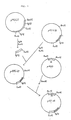
- the plasmid pMU85 ( Mol. Cell. Biol. , 5 563-568 (l985)) was treated with Eco RI and Bgl II and a DNA fragment about 2,500 base pairs in length was isolated from this plasmid. This fragment was inserted into the plasmid pKSVl0 (commercially available from Pharmacia) in the Eco RI- Bgl II region thereof, whereby a plasmid, pARS65, was constructed.
- the plasmid pAGO Proc. Natl. Acad. Sci. USA, 76 , 3755 (l979) was treated with Bam HI and a DNA fragment containing the herpes virus-derived thymidine kinase gene was isolated. This DNA fragment was inserted into the above-mentioned plasmid pARS65 at the Bam HI site thereof. The thus-constructed plasmid p65-tk was allowed to multiply in E. coli Kl2 C600 (the transformant containing the plasmid having been deposited with the Fermentation Research Institute under the deposit number FERM P-8863).
- the plasmid pMTIOD J. Virology , 48 , 48l-49l (l98l)
- Bam HI linker (Takara Shuzo, Japan) was joined to the Pvu II site of this gene.
- the fragment thus obtained was inserted into the plasmid pARS65 at the Bam HI site thereof to obtain a plasmid, p65-T.
- the plasmid p65-tk obtained in process (l) above was used to transfect FM3A tk- cells by the liposome fusion method.
- the plasmid p65-tk was encapsulated in large unilamellar vesicles (LUVs) prepared by the phospha tidylserine calcium induced fusion case.
- LUVs large unilamellar vesicles
- 20 mM Tris buffer (pH 7.5) containing 50 mM EDTA was used (cf. Science 2l5 , l66 (l982) and Proc. Natl. Acad. Sci. USA, 75 , 4l94 (l978).
- the cells were grown in DMEM containing l0% fetal calf serum at 37°C in the presence of 5% carbon dioxide. After 2 days, the medium was replaced with HAT medium.
- Transformed cells namely FM3A tk+ cells, were observed in approximately a week. After 2 weeks of cultivation, each colony was isolated and transferred to HAT medium. For each colony, cultivation in HAT medium was continued until the number of cells amounted to about l07 per colony. The number of doublings during this cultivation period amounted to about 60.
- the above-mentioned l07 cells were extracted and obtained low molecular weight DNA fraction by the Hirt method ( J. Mol. Biol. , 26 , 365-369 (l967)). To confirm plasmid replication in the transformants, the low- molecular-weight DNA fraction was treated with the restriction enzyme Dpn I.
- DNAs were separated by agarose gel electrophoresis ( Mol. Clon. ) and subjected to Southern blot testing ( J. Mol. Biol. , 98 , 503-5l7 (l975)).
- hybridization was carried out using 32P-labeled p65-tk as a probe, followed by X-ray autoradiography. Detection of bands hybridized to the probe confirmed that p65-tk had been replicated as an extrachromosomal DNA in all of the 20 clones investigated.
- the copy number per cell estimated from the band intensity was l00-200.
- This plasmid was replicable in a stable manner also when the above cells were grown in DMEM containing l0% fetal calf serum, which was used in lieu of HAT medium. No modification was noted in the DNA level. It was also confirmed that this plasmid remained in the cells in a stable manner even after the lapse of the time for l50 doublings.
- pARS-65 was transfected into mouse NS-l cells, human HL-60 cells, and human U937 cells, respectively, using the method described above.
- the cells were then grown in RPMI l640 medium containing l0% fetal calf serum at 37°C in the presence of 5% carbon dioxide. After 40 hours, the extrachromosomal low-molecular-weight DNA was analyzed by the method mentioned above in (4).
- about 500 copies of pARS-65 were confirmed to have been replicated in each NS-l cell, about l0,000 copies were confirmed to have been replicated in each HL-60 cell, and about l00 copies were confirmed to have been replicated in each U937 cell.
- Human HL-60 cell DNA was extracted using the SDS-proteinase K method ( Mol. Clon. ) and treated with Hin dIII.
- a DNA fragment having affinity for the myc protein was obtained from the DNA fragment mixture thus obtained, using a conventional method ( Mol. Cell. Biol. , 3 , l958-l966 (l983)) as follows:
- the above fragment mixture was mixed with an HL-60 nuclear extract (rich in myc protein), and the reaction was allowed to proceed at 0°C for 30 minutes, yielding a DNA-myc protein complex.
- an anti-myc protein antibody ( ⁇ -myc, commercially available from Oncor Inc. U.S.A.) was added, whereby a DNA-myc protein- ⁇ myc complex was formed. Furthermore, an aqueous solution of Staphylococcus aureus , which contained protein A capable of specifically binding to ⁇ myc, was added to form a DNA-myc protein- ⁇ myc-protein A complex.
- the plasmid obtained was multiplied in E . coli Kl2 C600 (the transformant with this plasmid having been deposited with the Fermentation Research Institute under the deposit number FERM P-8864).
- the above-described HL-60 nuclear extract was prepared in the following manner.
- l liter of HL-60 cell culture fluid (5 ⁇ l05 cells/ml) was centrifuged and the cells harvested were washed with phosphate-buffered physiological saline.
- the cells were further washed with a hypotonic aqueous solution (20 mM HEPES, pH 7.5, 5 mM potassium chloride, 0.05 mM magnesium chloride, 0.5 mM dithiothreitol, 0.2 mM sucrose) and then suspended in a hypotonic aqueous solution (the former solution without any sucrose), and the suspension was allowed to stand for l0 minutes.
- a hypotonic aqueous solution the former solution without any sucrose
- the precipitate comprising cell nuclei was dissolved in 2.5 ml of an aqueous solution (5 mM HEPES, pH 7.5, l0% sucrose) and stored temporarily in liquid nitrogen. After thawing this gradually at 0°C, 5 M aqueous sodium chloride was added to a final concentration of 0.l M and, after 5 minutes of treatment at 0°C, the mixture was centrifuged at l5,000 ⁇ g for 20 minutes to obtain the nuclear extract as a supernatant.
- an aqueous solution 5 mM HEPES, pH 7.5, l0% sucrose
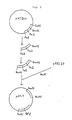
- the plasmid pUCl9 has other restriction enzyme cleavage sites (e.g. Bam HI and Nar I sites) than the Hin dIII site. Therefore, the above plasmid was treated with Bam HI and Nar I, and the smaller, in molecular weight of the two DNA fragments thus formed was isolated.
- Bam HI and Nar I sites other restriction enzyme cleavage sites
- a 32P-labeled probe was prepared using this smaller fragment as the template and used for Southern hybridization ( J. Mol. Biol. , 98 , 503-5l7 (l975)) to the HL-60 cell DNA.
- This probe hybridized to the HL-60 cell DNA and it was thus confirmed that the fragment having an Nar I site at one end and a Bam HI site at the other ( Nar I- Bam HI fragment) contained an HL-60 cell-derived DNA.
- the length of the Nar I- Bam HI fragment as estimated by agarose gel electrophoresis was about 200-300 based pairs.
- the Hind III site is l3l base pairs apart from the Nar I site and 35 base pairs apart from the Bam HI site, and a Pst I site is present 25 base pairs apart from the Bam HI site.
- the Pst I site was retained. Therefore, the number of base pairs in the HL-60 cell-derived DNA contained in the plasmid pHLmyc was estimated to be about l20.
- HL-60 cells were transfected with pHLmyc by the liposome method, and the copy number was estimated by the method described above and found to be l0,000 per cell.
- the plasmid pmyc (commercially available from Oncor Inc. U.S.A.; containing the myc structural gene and the Rous sarcoma virus-derived long terminal repeat promoter (LTR)) was treated with Bam HI, Hin dIII and Eco RI, and the myc structural gene and LTR were isolated and inserted into pHLmyc in the Eco RI- Bam HI region thereof.
- the thus-constructed plasmid pARSmyc was transfected into human U937 cells by the liposome method and the cells were grown in RPMI l640 medium containing l0% fetal calf serum at 37°C in the presence of 5% carbon dioxide.
- the quantity of mRNA corresponding to the myc gene as occurring in the cells was determined by the Northern hybridization method ( Mol. Clon. ) and found to be about l00 times greater as compared with the quantity of the mRNA in pARS-free U937 cells. Therefore, it was concluded that mRNA transcription from the myc gene in the plasmid pARSmyc had taken place.
- the nuclear extract of HL-60 cell which was much producing c-myc protein was used as the c-myc protein source.
- Each Hin dIII- Kpn I fragment and Hin dIII- Pst I fragment described above was mixed with the nuclear extract and warmed at 30°C for l5 minutes. The resulting mixture was eluted on polyacrylamide gel.
- the nuclear extract was pre-treated with anti-myc protein antibody (Oncor Inc. U.S.A), which was then treated in the same manner as above with the above fragments, respectively.
- Hin dIII- Kpn I fragment and the Hin dIII- Pst I fragment were obtained and DNA sequence of the Hin dIII- Pst I fragment was determined by the dideoxy chain termination method, which is shown below.
- Figure 7 shows comparison of the sequence between the fragment of pHLmyc and pmyc (H-P) and between the fragment of pARS65 and pmyc (H-P).
- Stars indicates matched sequences and sequence with bar is supposed to make stem of hairpin loop. The DNA sequence to make the stem, especially the nine base pairs of GTGAATAGT is considered most important.
- Example 2 Similarly to the procedure in Example 2, several plasmids were obtained from various cell nuclear DNA, proteins and antibodies. The name of plasmid and the raw materials were shown in the following table.
- the plasmids according to the invention can be replicated with good efficiency in various mammalian cells due to the function of the ARS; the plasmid copy number per cell is high and the gene product production efficiency is high.
- the present invention also provides a peptide production which is excellent from the genetic engineering viewpoint.
Landscapes
- Health & Medical Sciences (AREA)
- Genetics & Genomics (AREA)
- Chemical & Material Sciences (AREA)
- Organic Chemistry (AREA)
- Life Sciences & Earth Sciences (AREA)
- Engineering & Computer Science (AREA)
- Biophysics (AREA)
- Biochemistry (AREA)
- General Engineering & Computer Science (AREA)
- Molecular Biology (AREA)
- General Health & Medical Sciences (AREA)
- Bioinformatics & Cheminformatics (AREA)
- Biotechnology (AREA)
- Wood Science & Technology (AREA)
- Zoology (AREA)
- Biomedical Technology (AREA)
- Microbiology (AREA)
- Plant Pathology (AREA)
- Physics & Mathematics (AREA)
- Oncology (AREA)
- Gastroenterology & Hepatology (AREA)
- Medicinal Chemistry (AREA)
- Proteomics, Peptides & Aminoacids (AREA)
- Preparation Of Compounds By Using Micro-Organisms (AREA)
- Peptides Or Proteins (AREA)
- Micro-Organisms Or Cultivation Processes Thereof (AREA)
- Measuring Or Testing Involving Enzymes Or Micro-Organisms (AREA)
Applications Claiming Priority (4)
| Application Number | Priority Date | Filing Date | Title |
|---|---|---|---|
| JP174036/86 | 1986-07-24 | ||
| JP17403686 | 1986-07-24 | ||
| JP22745586 | 1986-09-26 | ||
| JP227455/86 | 1986-09-26 |
Publications (3)
| Publication Number | Publication Date |
|---|---|
| EP0254315A2 true EP0254315A2 (de) | 1988-01-27 |
| EP0254315A3 EP0254315A3 (en) | 1989-12-13 |
| EP0254315B1 EP0254315B1 (de) | 1996-03-27 |
Family
ID=26495785
Family Applications (1)
| Application Number | Title | Priority Date | Filing Date |
|---|---|---|---|
| EP87110696A Expired - Lifetime EP0254315B1 (de) | 1986-07-24 | 1987-07-23 | Autonom replizierende DNA Fragmente aus Säugerzellen mit Affinität zu DNA bindenden Proteinen |
Country Status (6)
| Country | Link |
|---|---|
| EP (1) | EP0254315B1 (de) |
| JP (1) | JP2700458B2 (de) |
| AT (1) | ATE136057T1 (de) |
| DE (1) | DE3751757T2 (de) |
| ES (1) | ES2091179T3 (de) |
| GR (1) | GR3020035T3 (de) |
Cited By (5)
| Publication number | Priority date | Publication date | Assignee | Title |
|---|---|---|---|---|
| EP0350052A3 (de) * | 1988-07-06 | 1991-04-03 | Daiichi Pharmaceutical Co., Ltd. | Transgene Tiere, die mit einem Plasmid mit autonomer Replikationssequenz transformiert sind |
| WO1992007080A1 (en) * | 1990-10-17 | 1992-04-30 | Board Of Regents, The University Of Texas System | A eukaryotic episomal dna cloning and expression vector |
| US5712134A (en) * | 1990-05-09 | 1998-01-27 | The Biological Research Center Of The Hungarian Academy Of Sciences | Method of producing a cell carrying an excess of mammalian centromeres |
| US6025155A (en) * | 1996-04-10 | 2000-02-15 | Chromos Molecular Systems, Inc. | Artificial chromosomes, uses thereof and methods for preparing artificial chromosomes |
| US6077697A (en) * | 1996-04-10 | 2000-06-20 | Chromos Molecular Systems, Inc. | Artificial chromosomes, uses thereof and methods for preparing artificial chromosomes |
Families Citing this family (1)
| Publication number | Priority date | Publication date | Assignee | Title |
|---|---|---|---|---|
| US20030033617A1 (en) | 1996-04-10 | 2003-02-13 | Gyula Hadlaczky | Artificial chromosomes, uses thereof and methods for preparing artificial chromosomes |
Family Cites Families (3)
| Publication number | Priority date | Publication date | Assignee | Title |
|---|---|---|---|---|
| IL63270A0 (en) * | 1980-08-05 | 1981-10-30 | Univ Leland Stanford Junior | Eukaryotic autonomously replicating segment |
| JP2516737B2 (ja) * | 1984-10-04 | 1996-07-24 | 維紹 谷口 | プラスミドベクタ−、その製造法および用法 |
| FR2593827B1 (fr) * | 1986-01-31 | 1989-12-22 | Inst Nat Sante Rech Med | Fragments d'adn utilisables dans des vecteurs pour le maintien hereditaire de genes etrangers a l'etat autonome dans des animaux transgeniques, procede pour leur obtention et applications biologiques |
-
1987
- 1987-07-23 DE DE3751757T patent/DE3751757T2/de not_active Expired - Fee Related
- 1987-07-23 AT AT87110696T patent/ATE136057T1/de not_active IP Right Cessation
- 1987-07-23 EP EP87110696A patent/EP0254315B1/de not_active Expired - Lifetime
- 1987-07-23 ES ES87110696T patent/ES2091179T3/es not_active Expired - Lifetime
- 1987-07-24 JP JP62184749A patent/JP2700458B2/ja not_active Expired - Fee Related
-
1996
- 1996-05-27 GR GR960401398T patent/GR3020035T3/el unknown
Cited By (7)
| Publication number | Priority date | Publication date | Assignee | Title |
|---|---|---|---|---|
| EP0350052A3 (de) * | 1988-07-06 | 1991-04-03 | Daiichi Pharmaceutical Co., Ltd. | Transgene Tiere, die mit einem Plasmid mit autonomer Replikationssequenz transformiert sind |
| US5712134A (en) * | 1990-05-09 | 1998-01-27 | The Biological Research Center Of The Hungarian Academy Of Sciences | Method of producing a cell carrying an excess of mammalian centromeres |
| US5891691A (en) * | 1990-05-09 | 1999-04-06 | The Biological Research Center Of The Hungarian Academy Of Sciences | Method of producing a cell carrying an excess of mammalian centromeres and the cell line carrying an excess of mammalian centromeres |
| WO1992007080A1 (en) * | 1990-10-17 | 1992-04-30 | Board Of Regents, The University Of Texas System | A eukaryotic episomal dna cloning and expression vector |
| US6025155A (en) * | 1996-04-10 | 2000-02-15 | Chromos Molecular Systems, Inc. | Artificial chromosomes, uses thereof and methods for preparing artificial chromosomes |
| US6077697A (en) * | 1996-04-10 | 2000-06-20 | Chromos Molecular Systems, Inc. | Artificial chromosomes, uses thereof and methods for preparing artificial chromosomes |
| US6743967B2 (en) | 1996-04-10 | 2004-06-01 | Chromos Molecular Systems Inc. | Artificial chromosomes, uses thereof and methods for preparing artificial chromosomes |
Also Published As
| Publication number | Publication date |
|---|---|
| ES2091179T3 (es) | 1996-11-01 |
| DE3751757T2 (de) | 1996-11-28 |
| EP0254315B1 (de) | 1996-03-27 |
| JPS63185386A (ja) | 1988-07-30 |
| EP0254315A3 (en) | 1989-12-13 |
| DE3751757D1 (de) | 1996-05-02 |
| GR3020035T3 (en) | 1996-08-31 |
| ATE136057T1 (de) | 1996-04-15 |
| JP2700458B2 (ja) | 1998-01-21 |
Similar Documents
| Publication | Publication Date | Title |
|---|---|---|
| US5843643A (en) | Site-specific transfection of eukaryotic cells using polypeptide-linked recombinant nucleic acid | |
| US4601978A (en) | Mammalian metallothionein promoter system | |
| JP3148121B2 (ja) | 安定化配列を有するベクターおよび真核宿主細胞 | |
| US4359535A (en) | Autonomously replicating DNA containing inserted DNA sequences | |
| Hesse et al. | Regulated gene expression in transfected primary chicken erythrocytes. | |
| US4663281A (en) | Enhanced production of proteinaceous materials in eucaryotic cells | |
| US5428132A (en) | Conjugate and method for integration of foreign DNA into cells | |
| JPH0669375B2 (ja) | 特異的切断リンカ− | |
| WO2019020007A1 (zh) | 通过诱导剪接位点碱基突变或多聚嘧啶区碱基置换调控rna剪接的方法 | |
| JPH0284186A (ja) | プラスミノーゲンアクチベーター蛋白質をコードするポリデオキシリボヌクレオチド、それを含むベクター及びそれを含む形質転換体 | |
| CA1201396A (en) | Process for the preparation of permanent animal and human cell lines and their use | |
| US4528266A (en) | Method of inserting unique DNA sequences into DNA vectors | |
| Schwartz et al. | A dominant positive and negative selectable gene for use in mammalian cells. | |
| JPH08510636A (ja) | 多重翻訳開始部位から多量体タンパク質を発現出来るレトロウイルスベクター | |
| JPH04228066A (ja) | 外来遺伝子発現用培養細胞 | |
| JPH05503015A (ja) | 哺乳類発現ベクター | |
| Aloni et al. | Attenuation May Regulate Gene Expression in Animal Viruses and Cell | |
| US5695938A (en) | Anti-HIV ribozymes | |
| US5364761A (en) | Method for isolating a DNA encoding an autonomously replicating sequence | |
| EP0254315B1 (de) | Autonom replizierende DNA Fragmente aus Säugerzellen mit Affinität zu DNA bindenden Proteinen | |
| Lo et al. | High level expression of human proteins in murine hybridoma cells: induction by methotrexate in the absence of gene amplification | |
| EP0162319B1 (de) | Verfahren zur Ligation von heterogenen Genen | |
| EP0244677A2 (de) | Verfahren zur Herstellung von Peptiden, dazu zu verwendendes rekombinantes Plasmid und mit diesem Plasmid transformierte Myelomzellen | |
| US4830965A (en) | Transposable linkers to transfer genetic information | |
| JPH01120300A (ja) | 組換え細胞培養中でのポリペプチド発現の増大法 |
Legal Events
| Date | Code | Title | Description |
|---|---|---|---|
| PUAI | Public reference made under article 153(3) epc to a published international application that has entered the european phase |
Free format text: ORIGINAL CODE: 0009012 |
|
| AK | Designated contracting states |
Kind code of ref document: A2 Designated state(s): AT BE CH DE ES FR GB GR IT LI NL SE |
|
| PUAL | Search report despatched |
Free format text: ORIGINAL CODE: 0009013 |
|
| AK | Designated contracting states |
Kind code of ref document: A3 Designated state(s): AT BE CH DE ES FR GB GR IT LI NL SE |
|
| 17P | Request for examination filed |
Effective date: 19900613 |
|
| 17Q | First examination report despatched |
Effective date: 19910819 |
|
| RAP1 | Party data changed (applicant data changed or rights of an application transferred) |
Owner name: DAIICHI PHARMACEUTICAL CO., LTD. |
|
| GRAA | (expected) grant |
Free format text: ORIGINAL CODE: 0009210 |
|
| AK | Designated contracting states |
Kind code of ref document: B1 Designated state(s): AT BE CH DE ES FR GB GR IT LI NL SE |
|
| REF | Corresponds to: |
Ref document number: 136057 Country of ref document: AT Date of ref document: 19960415 Kind code of ref document: T |
|
| REF | Corresponds to: |
Ref document number: 3751757 Country of ref document: DE Date of ref document: 19960502 |
|
| ITF | It: translation for a ep patent filed | ||
| REG | Reference to a national code |
Ref country code: ES Ref legal event code: BA2A Ref document number: 2091179 Country of ref document: ES Kind code of ref document: T3 |
|
| ET | Fr: translation filed | ||
| REG | Reference to a national code |
Ref country code: GR Ref legal event code: FG4A Free format text: 3020035 |
|
| GRAH | Despatch of communication of intention to grant a patent |
Free format text: ORIGINAL CODE: EPIDOS IGRA |
|
| REG | Reference to a national code |
Ref country code: ES Ref legal event code: FG2A Ref document number: 2091179 Country of ref document: ES Kind code of ref document: T3 |
|
| PLBE | No opposition filed within time limit |
Free format text: ORIGINAL CODE: 0009261 |
|
| STAA | Information on the status of an ep patent application or granted ep patent |
Free format text: STATUS: NO OPPOSITION FILED WITHIN TIME LIMIT |
|
| 26N | No opposition filed | ||
| K2C3 | Correction of patent specification (complete document) published |
Effective date: 19960327 |
|
| PGFP | Annual fee paid to national office [announced via postgrant information from national office to epo] |
Ref country code: GR Payment date: 19990527 Year of fee payment: 13 |
|
| PGFP | Annual fee paid to national office [announced via postgrant information from national office to epo] |
Ref country code: SE Payment date: 19990609 Year of fee payment: 13 |
|
| PGFP | Annual fee paid to national office [announced via postgrant information from national office to epo] |
Ref country code: BE Payment date: 19990614 Year of fee payment: 13 |
|
| PGFP | Annual fee paid to national office [announced via postgrant information from national office to epo] |
Ref country code: AT Payment date: 19990714 Year of fee payment: 13 |
|
| PGFP | Annual fee paid to national office [announced via postgrant information from national office to epo] |
Ref country code: CH Payment date: 19990715 Year of fee payment: 13 |
|
| PGFP | Annual fee paid to national office [announced via postgrant information from national office to epo] |
Ref country code: GB Payment date: 19990721 Year of fee payment: 13 |
|
| PGFP | Annual fee paid to national office [announced via postgrant information from national office to epo] |
Ref country code: NL Payment date: 19990730 Year of fee payment: 13 Ref country code: FR Payment date: 19990730 Year of fee payment: 13 Ref country code: ES Payment date: 19990730 Year of fee payment: 13 |
|
| PGFP | Annual fee paid to national office [announced via postgrant information from national office to epo] |
Ref country code: DE Payment date: 19990929 Year of fee payment: 13 |
|
| PG25 | Lapsed in a contracting state [announced via postgrant information from national office to epo] |
Ref country code: GB Free format text: LAPSE BECAUSE OF NON-PAYMENT OF DUE FEES Effective date: 20000723 Ref country code: AT Free format text: LAPSE BECAUSE OF NON-PAYMENT OF DUE FEES Effective date: 20000723 |
|
| PG25 | Lapsed in a contracting state [announced via postgrant information from national office to epo] |
Ref country code: SE Free format text: LAPSE BECAUSE OF NON-PAYMENT OF DUE FEES Effective date: 20000724 Ref country code: ES Free format text: LAPSE BECAUSE OF NON-PAYMENT OF DUE FEES Effective date: 20000724 |
|
| PG25 | Lapsed in a contracting state [announced via postgrant information from national office to epo] |
Ref country code: LI Free format text: LAPSE BECAUSE OF NON-PAYMENT OF DUE FEES Effective date: 20000731 Ref country code: GR Free format text: LAPSE BECAUSE OF NON-PAYMENT OF DUE FEES Effective date: 20000731 Ref country code: CH Free format text: LAPSE BECAUSE OF NON-PAYMENT OF DUE FEES Effective date: 20000731 Ref country code: BE Free format text: LAPSE BECAUSE OF NON-PAYMENT OF DUE FEES Effective date: 20000731 |
|
| BERE | Be: lapsed |
Owner name: DAIICHI PHARMACEUTICAL CO. LTD Effective date: 20000731 |
|
| PG25 | Lapsed in a contracting state [announced via postgrant information from national office to epo] |
Ref country code: NL Free format text: LAPSE BECAUSE OF NON-PAYMENT OF DUE FEES Effective date: 20010201 |
|
| GBPC | Gb: european patent ceased through non-payment of renewal fee |
Effective date: 20000723 |
|
| EUG | Se: european patent has lapsed |
Ref document number: 87110696.9 |
|
| PG25 | Lapsed in a contracting state [announced via postgrant information from national office to epo] |
Ref country code: FR Free format text: LAPSE BECAUSE OF NON-PAYMENT OF DUE FEES Effective date: 20010330 |
|
| NLV4 | Nl: lapsed or anulled due to non-payment of the annual fee |
Effective date: 20010201 |
|
| REG | Reference to a national code |
Ref country code: FR Ref legal event code: ST |
|
| PG25 | Lapsed in a contracting state [announced via postgrant information from national office to epo] |
Ref country code: DE Free format text: LAPSE BECAUSE OF NON-PAYMENT OF DUE FEES Effective date: 20010501 |
|
| REG | Reference to a national code |
Ref country code: ES Ref legal event code: FD2A Effective date: 20010810 |
|
| PG25 | Lapsed in a contracting state [announced via postgrant information from national office to epo] |
Ref country code: IT Free format text: LAPSE BECAUSE OF NON-PAYMENT OF DUE FEES;WARNING: LAPSES OF ITALIAN PATENTS WITH EFFECTIVE DATE BEFORE 2007 MAY HAVE OCCURRED AT ANY TIME BEFORE 2007. THE CORRECT EFFECTIVE DATE MAY BE DIFFERENT FROM THE ONE RECORDED. Effective date: 20050723 |
|
| REG | Reference to a national code |
Ref country code: CH Ref legal event code: NV Representative=s name: BOVARD AG PATENTANWAELTE |