EP0284105A2 - Menschliches Mangansuperoxiddismutase und Behandlungsverfahren - Google Patents
Menschliches Mangansuperoxiddismutase und Behandlungsverfahren Download PDFInfo
- Publication number
- EP0284105A2 EP0284105A2 EP88104880A EP88104880A EP0284105A2 EP 0284105 A2 EP0284105 A2 EP 0284105A2 EP 88104880 A EP88104880 A EP 88104880A EP 88104880 A EP88104880 A EP 88104880A EP 0284105 A2 EP0284105 A2 EP 0284105A2
- Authority
- EP
- European Patent Office
- Prior art keywords
- superoxide dismutase
- manganese superoxide
- human
- human manganese
- analog
- Prior art date
- Legal status (The legal status is an assumption and is not a legal conclusion. Google has not performed a legal analysis and makes no representation as to the accuracy of the status listed.)
- Granted
Links
- 108010012715 Superoxide dismutase Proteins 0.000 title claims abstract description 572
- 102000019197 Superoxide Dismutase Human genes 0.000 title claims abstract description 541
- 241000282414 Homo sapiens Species 0.000 title claims abstract description 336
- 238000000034 method Methods 0.000 title claims abstract description 77
- 238000011282 treatment Methods 0.000 title description 24
- 239000013612 plasmid Substances 0.000 claims abstract description 64
- 108020004414 DNA Proteins 0.000 claims abstract description 59
- 206010061218 Inflammation Diseases 0.000 claims abstract description 36
- 230000004054 inflammatory process Effects 0.000 claims abstract description 35
- 108091028043 Nucleic acid sequence Proteins 0.000 claims abstract description 28
- 102000053602 DNA Human genes 0.000 claims abstract description 21
- 239000012634 fragment Substances 0.000 claims abstract description 18
- 239000011572 manganese Substances 0.000 claims abstract description 18
- 208000037265 diseases, disorders, signs and symptoms Diseases 0.000 claims abstract description 15
- PWHULOQIROXLJO-UHFFFAOYSA-N Manganese Chemical compound [Mn] PWHULOQIROXLJO-UHFFFAOYSA-N 0.000 claims abstract description 14
- 208000035475 disorder Diseases 0.000 claims abstract description 14
- 230000014509 gene expression Effects 0.000 claims abstract description 14
- 229910052748 manganese Inorganic materials 0.000 claims abstract description 14
- 235000002908 manganese Nutrition 0.000 claims abstract description 14
- 210000004027 cell Anatomy 0.000 claims description 77
- 108090000765 processed proteins & peptides Proteins 0.000 claims description 73
- 229920001184 polypeptide Polymers 0.000 claims description 72
- 102000004196 processed proteins & peptides Human genes 0.000 claims description 72
- 239000002773 nucleotide Substances 0.000 claims description 50
- 125000003729 nucleotide group Chemical group 0.000 claims description 50
- 241000588724 Escherichia coli Species 0.000 claims description 29
- OYVAGSVQBOHSSS-UAPAGMARSA-O bleomycin A2 Chemical group N([C@H](C(=O)N[C@H](C)[C@@H](O)[C@H](C)C(=O)N[C@@H]([C@H](O)C)C(=O)NCCC=1SC=C(N=1)C=1SC=C(N=1)C(=O)NCCC[S+](C)C)[C@@H](O[C@H]1[C@H]([C@@H](O)[C@H](O)[C@H](CO)O1)O[C@@H]1[C@H]([C@@H](OC(N)=O)[C@H](O)[C@@H](CO)O1)O)C=1N=CNC=1)C(=O)C1=NC([C@H](CC(N)=O)NC[C@H](N)C(N)=O)=NC(N)=C1C OYVAGSVQBOHSSS-UAPAGMARSA-O 0.000 claims description 26
- 108010006654 Bleomycin Proteins 0.000 claims description 25
- 229960001561 bleomycin Drugs 0.000 claims description 25
- 208000024891 symptom Diseases 0.000 claims description 21
- 230000037396 body weight Effects 0.000 claims description 19
- 238000010367 cloning Methods 0.000 claims description 18
- 239000003981 vehicle Substances 0.000 claims description 18
- 238000004519 manufacturing process Methods 0.000 claims description 15
- 229910052760 oxygen Inorganic materials 0.000 claims description 15
- 239000001301 oxygen Substances 0.000 claims description 15
- 206010003246 arthritis Diseases 0.000 claims description 14
- 208000005069 pulmonary fibrosis Diseases 0.000 claims description 14
- QVGXLLKOCUKJST-UHFFFAOYSA-N atomic oxygen Chemical compound [O] QVGXLLKOCUKJST-UHFFFAOYSA-N 0.000 claims description 13
- KDXKERNSBIXSRK-UHFFFAOYSA-N Lysine Natural products NCCCCC(N)C(O)=O KDXKERNSBIXSRK-UHFFFAOYSA-N 0.000 claims description 10
- 239000004472 Lysine Substances 0.000 claims description 10
- 210000004962 mammalian cell Anatomy 0.000 claims description 10
- 230000001105 regulatory effect Effects 0.000 claims description 10
- 206010016654 Fibrosis Diseases 0.000 claims description 6
- 230000004761 fibrosis Effects 0.000 claims description 6
- 239000008194 pharmaceutical composition Substances 0.000 claims description 6
- 230000008409 synovial inflammation Effects 0.000 claims description 6
- 108091033380 Coding strand Proteins 0.000 claims description 4
- 239000002246 antineoplastic agent Substances 0.000 claims description 4
- 239000003937 drug carrier Substances 0.000 claims description 4
- 229940034982 antineoplastic agent Drugs 0.000 claims description 3
- 230000005855 radiation Effects 0.000 claims description 3
- 108091092724 Noncoding DNA Proteins 0.000 claims description 2
- 125000003588 lysine group Chemical group [H]N([H])C([H])([H])C([H])([H])C([H])([H])C([H])([H])C([H])(N([H])[H])C(*)=O 0.000 claims description 2
- NUJOXMJBOLGQSY-UHFFFAOYSA-N manganese dioxide Chemical compound O=[Mn]=O NUJOXMJBOLGQSY-UHFFFAOYSA-N 0.000 claims 3
- HNDVDQJCIGZPNO-UHFFFAOYSA-N histidine Chemical group OC(=O)C(N)CC1=CN=CN1 HNDVDQJCIGZPNO-UHFFFAOYSA-N 0.000 claims 1
- 125000000487 histidyl group Chemical group [H]N([H])C(C(=O)O*)C([H])([H])C1=C([H])N([H])C([H])=N1 0.000 claims 1
- 230000001580 bacterial effect Effects 0.000 abstract description 26
- 239000002299 complementary DNA Substances 0.000 abstract description 25
- 239000002609 medium Substances 0.000 abstract description 13
- 239000000203 mixture Substances 0.000 abstract description 10
- 239000013587 production medium Substances 0.000 abstract description 10
- 210000000056 organ Anatomy 0.000 abstract description 9
- 230000009467 reduction Effects 0.000 abstract description 7
- 150000001875 compounds Chemical class 0.000 abstract description 6
- 230000004083 survival effect Effects 0.000 abstract description 5
- 206010063837 Reperfusion injury Diseases 0.000 abstract description 4
- 240000004808 Saccharomyces cerevisiae Species 0.000 abstract description 4
- 108010077805 Bacterial Proteins Proteins 0.000 abstract description 2
- 229910002535 CuZn Inorganic materials 0.000 description 63
- 101100421833 Danio rerio sod1 gene Proteins 0.000 description 63
- 241000700159 Rattus Species 0.000 description 56
- 108090000623 proteins and genes Proteins 0.000 description 40
- 230000000694 effects Effects 0.000 description 35
- 150000001413 amino acids Chemical class 0.000 description 30
- 235000018102 proteins Nutrition 0.000 description 29
- 102000004169 proteins and genes Human genes 0.000 description 29
- 102000004190 Enzymes Human genes 0.000 description 28
- 108090000790 Enzymes Proteins 0.000 description 28
- 229940088598 enzyme Drugs 0.000 description 28
- 238000002347 injection Methods 0.000 description 28
- 239000007924 injection Substances 0.000 description 28
- 229940090044 injection Drugs 0.000 description 28
- 239000002158 endotoxin Substances 0.000 description 27
- 229920006008 lipopolysaccharide Polymers 0.000 description 20
- FAPWRFPIFSIZLT-UHFFFAOYSA-M Sodium chloride Chemical compound [Na+].[Cl-] FAPWRFPIFSIZLT-UHFFFAOYSA-M 0.000 description 19
- 235000001014 amino acid Nutrition 0.000 description 19
- 210000002683 foot Anatomy 0.000 description 15
- SCVFZCLFOSHCOH-UHFFFAOYSA-M potassium acetate Chemical compound [K+].CC([O-])=O SCVFZCLFOSHCOH-UHFFFAOYSA-M 0.000 description 15
- 210000004072 lung Anatomy 0.000 description 14
- 239000000523 sample Substances 0.000 description 14
- 210000002966 serum Anatomy 0.000 description 14
- 229920001525 carrageenan Polymers 0.000 description 13
- 239000000679 carrageenan Substances 0.000 description 13
- 235000010418 carrageenan Nutrition 0.000 description 13
- 229940113118 carrageenan Drugs 0.000 description 13
- UHVMMEOXYDMDKI-JKYCWFKZSA-L zinc;1-(5-cyanopyridin-2-yl)-3-[(1s,2s)-2-(6-fluoro-2-hydroxy-3-propanoylphenyl)cyclopropyl]urea;diacetate Chemical compound [Zn+2].CC([O-])=O.CC([O-])=O.CCC(=O)C1=CC=C(F)C([C@H]2[C@H](C2)NC(=O)NC=2N=CC(=CC=2)C#N)=C1O UHVMMEOXYDMDKI-JKYCWFKZSA-L 0.000 description 13
- 239000010949 copper Substances 0.000 description 12
- 210000003127 knee Anatomy 0.000 description 12
- 239000011780 sodium chloride Substances 0.000 description 12
- 239000002671 adjuvant Substances 0.000 description 11
- 230000003110 anti-inflammatory effect Effects 0.000 description 11
- 239000000243 solution Substances 0.000 description 11
- 108091026890 Coding region Proteins 0.000 description 10
- 241001465754 Metazoa Species 0.000 description 10
- 150000003254 radicals Chemical class 0.000 description 10
- 230000002255 enzymatic effect Effects 0.000 description 9
- 230000006698 induction Effects 0.000 description 9
- 238000007912 intraperitoneal administration Methods 0.000 description 9
- 239000008057 potassium phosphate buffer Substances 0.000 description 9
- 239000006228 supernatant Substances 0.000 description 9
- 230000001225 therapeutic effect Effects 0.000 description 9
- 241000894006 Bacteria Species 0.000 description 8
- 239000002260 anti-inflammatory agent Substances 0.000 description 8
- RYGMFSIKBFXOCR-UHFFFAOYSA-N Copper Chemical compound [Cu] RYGMFSIKBFXOCR-UHFFFAOYSA-N 0.000 description 7
- MHAJPDPJQMAIIY-UHFFFAOYSA-N Hydrogen peroxide Chemical compound OO MHAJPDPJQMAIIY-UHFFFAOYSA-N 0.000 description 7
- PMMYEEVYMWASQN-DMTCNVIQSA-N Hydroxyproline Chemical compound O[C@H]1CN[C@H](C(O)=O)C1 PMMYEEVYMWASQN-DMTCNVIQSA-N 0.000 description 7
- 229940121363 anti-inflammatory agent Drugs 0.000 description 7
- 239000000872 buffer Substances 0.000 description 7
- 229910052802 copper Inorganic materials 0.000 description 7
- PMMYEEVYMWASQN-UHFFFAOYSA-N dl-hydroxyproline Natural products OC1C[NH2+]C(C([O-])=O)C1 PMMYEEVYMWASQN-UHFFFAOYSA-N 0.000 description 7
- 238000002474 experimental method Methods 0.000 description 7
- 239000001963 growth medium Substances 0.000 description 7
- 229960002591 hydroxyproline Drugs 0.000 description 7
- 208000028867 ischemia Diseases 0.000 description 7
- 108020004999 messenger RNA Proteins 0.000 description 7
- 238000007920 subcutaneous administration Methods 0.000 description 7
- 239000000126 substance Substances 0.000 description 7
- FGMPLJWBKKVCDB-UHFFFAOYSA-N trans-L-hydroxy-proline Natural products ON1CCCC1C(O)=O FGMPLJWBKKVCDB-UHFFFAOYSA-N 0.000 description 7
- 241000283690 Bos taurus Species 0.000 description 6
- -1 Superoxide radicals Chemical class 0.000 description 6
- 238000004458 analytical method Methods 0.000 description 6
- 238000010276 construction Methods 0.000 description 6
- 239000013613 expression plasmid Substances 0.000 description 6
- 239000000499 gel Substances 0.000 description 6
- 235000011056 potassium acetate Nutrition 0.000 description 6
- 238000006722 reduction reaction Methods 0.000 description 6
- 238000010561 standard procedure Methods 0.000 description 6
- 239000013598 vector Substances 0.000 description 6
- 238000000692 Student's t-test Methods 0.000 description 5
- OUUQCZGPVNCOIJ-UHFFFAOYSA-M Superoxide Chemical compound [O-][O] OUUQCZGPVNCOIJ-UHFFFAOYSA-M 0.000 description 5
- 239000003795 chemical substances by application Substances 0.000 description 5
- 239000013604 expression vector Substances 0.000 description 5
- 238000009396 hybridization Methods 0.000 description 5
- 239000013642 negative control Substances 0.000 description 5
- 108091008146 restriction endonucleases Proteins 0.000 description 5
- 238000010254 subcutaneous injection Methods 0.000 description 5
- 239000007929 subcutaneous injection Substances 0.000 description 5
- 230000008961 swelling Effects 0.000 description 5
- 210000001519 tissue Anatomy 0.000 description 5
- 239000011592 zinc chloride Substances 0.000 description 5
- 235000005074 zinc chloride Nutrition 0.000 description 5
- JIAARYAFYJHUJI-UHFFFAOYSA-L zinc dichloride Chemical compound [Cl-].[Cl-].[Zn+2] JIAARYAFYJHUJI-UHFFFAOYSA-L 0.000 description 5
- CSCPPACGZOOCGX-UHFFFAOYSA-N Acetone Chemical compound CC(C)=O CSCPPACGZOOCGX-UHFFFAOYSA-N 0.000 description 4
- 208000009386 Experimental Arthritis Diseases 0.000 description 4
- XEEYBQQBJWHFJM-UHFFFAOYSA-N Iron Chemical compound [Fe] XEEYBQQBJWHFJM-UHFFFAOYSA-N 0.000 description 4
- 239000006137 Luria-Bertani broth Substances 0.000 description 4
- 229920005654 Sephadex Polymers 0.000 description 4
- 239000012507 Sephadex™ Substances 0.000 description 4
- 210000001744 T-lymphocyte Anatomy 0.000 description 4
- 239000004098 Tetracycline Substances 0.000 description 4
- 241000700605 Viruses Species 0.000 description 4
- 210000004369 blood Anatomy 0.000 description 4
- 239000008280 blood Substances 0.000 description 4
- 125000003178 carboxy group Chemical group [H]OC(*)=O 0.000 description 4
- 238000005119 centrifugation Methods 0.000 description 4
- 238000006243 chemical reaction Methods 0.000 description 4
- 230000006378 damage Effects 0.000 description 4
- 238000001155 isoelectric focusing Methods 0.000 description 4
- 208000018937 joint inflammation Diseases 0.000 description 4
- 210000000629 knee joint Anatomy 0.000 description 4
- 210000004379 membrane Anatomy 0.000 description 4
- 239000012528 membrane Substances 0.000 description 4
- 230000008520 organization Effects 0.000 description 4
- 239000002244 precipitate Substances 0.000 description 4
- 238000002360 preparation method Methods 0.000 description 4
- 230000001681 protective effect Effects 0.000 description 4
- 238000000746 purification Methods 0.000 description 4
- 238000011552 rat model Methods 0.000 description 4
- 238000011084 recovery Methods 0.000 description 4
- 210000003705 ribosome Anatomy 0.000 description 4
- TUGDLVFMIQZYPA-UHFFFAOYSA-N tetracopper;tetrazinc Chemical compound [Cu+2].[Cu+2].[Cu+2].[Cu+2].[Zn+2].[Zn+2].[Zn+2].[Zn+2] TUGDLVFMIQZYPA-UHFFFAOYSA-N 0.000 description 4
- 229960002180 tetracycline Drugs 0.000 description 4
- 229930101283 tetracycline Natural products 0.000 description 4
- 235000019364 tetracycline Nutrition 0.000 description 4
- 239000011701 zinc Substances 0.000 description 4
- QKNYBSVHEMOAJP-UHFFFAOYSA-N 2-amino-2-(hydroxymethyl)propane-1,3-diol;hydron;chloride Chemical compound Cl.OCC(N)(CO)CO QKNYBSVHEMOAJP-UHFFFAOYSA-N 0.000 description 3
- 108090000915 Aminopeptidases Proteins 0.000 description 3
- 102000004400 Aminopeptidases Human genes 0.000 description 3
- 102000008186 Collagen Human genes 0.000 description 3
- 108010035532 Collagen Proteins 0.000 description 3
- 206010058314 Dysplasia Diseases 0.000 description 3
- 108700024394 Exon Proteins 0.000 description 3
- 206010030113 Oedema Diseases 0.000 description 3
- 108020004511 Recombinant DNA Proteins 0.000 description 3
- 108091081024 Start codon Proteins 0.000 description 3
- 108020005038 Terminator Codon Proteins 0.000 description 3
- 208000027418 Wounds and injury Diseases 0.000 description 3
- HCHKCACWOHOZIP-UHFFFAOYSA-N Zinc Chemical compound [Zn] HCHKCACWOHOZIP-UHFFFAOYSA-N 0.000 description 3
- 238000003556 assay Methods 0.000 description 3
- 230000001413 cellular effect Effects 0.000 description 3
- 229960005188 collagen Drugs 0.000 description 3
- 230000007423 decrease Effects 0.000 description 3
- 238000000502 dialysis Methods 0.000 description 3
- 239000003814 drug Substances 0.000 description 3
- 238000001914 filtration Methods 0.000 description 3
- 238000004128 high performance liquid chromatography Methods 0.000 description 3
- 230000002401 inhibitory effect Effects 0.000 description 3
- 208000014674 injury Diseases 0.000 description 3
- 238000001990 intravenous administration Methods 0.000 description 3
- 210000004185 liver Anatomy 0.000 description 3
- 229910052751 metal Inorganic materials 0.000 description 3
- 239000002184 metal Substances 0.000 description 3
- 108010070915 orgotein Proteins 0.000 description 3
- 229960004534 orgotein Drugs 0.000 description 3
- 230000002685 pulmonary effect Effects 0.000 description 3
- 230000010410 reperfusion Effects 0.000 description 3
- 238000007619 statistical method Methods 0.000 description 3
- 238000012360 testing method Methods 0.000 description 3
- 229940124597 therapeutic agent Drugs 0.000 description 3
- 238000000108 ultra-filtration Methods 0.000 description 3
- XLYOFNOQVPJJNP-UHFFFAOYSA-N water Substances O XLYOFNOQVPJJNP-UHFFFAOYSA-N 0.000 description 3
- 229910052725 zinc Inorganic materials 0.000 description 3
- 108091032973 (ribonucleotides)n+m Proteins 0.000 description 2
- QFVHZQCOUORWEI-UHFFFAOYSA-N 4-[(4-anilino-5-sulfonaphthalen-1-yl)diazenyl]-5-hydroxynaphthalene-2,7-disulfonic acid Chemical compound C=12C(O)=CC(S(O)(=O)=O)=CC2=CC(S(O)(=O)=O)=CC=1N=NC(C1=CC=CC(=C11)S(O)(=O)=O)=CC=C1NC1=CC=CC=C1 QFVHZQCOUORWEI-UHFFFAOYSA-N 0.000 description 2
- 108010066768 Bacterial leucyl aminopeptidase Proteins 0.000 description 2
- 108091035707 Consensus sequence Proteins 0.000 description 2
- 208000011231 Crohn disease Diseases 0.000 description 2
- 102000005593 Endopeptidases Human genes 0.000 description 2
- 108010059378 Endopeptidases Proteins 0.000 description 2
- 241000701959 Escherichia virus Lambda Species 0.000 description 2
- 108700039691 Genetic Promoter Regions Proteins 0.000 description 2
- 101000868115 Homo sapiens Superoxide dismutase [Mn], mitochondrial Proteins 0.000 description 2
- 108091092195 Intron Proteins 0.000 description 2
- FFEARJCKVFRZRR-BYPYZUCNSA-N L-methionine Chemical compound CSCC[C@H](N)C(O)=O FFEARJCKVFRZRR-BYPYZUCNSA-N 0.000 description 2
- 108010063312 Metalloproteins Proteins 0.000 description 2
- 102000010750 Metalloproteins Human genes 0.000 description 2
- 241000187479 Mycobacterium tuberculosis Species 0.000 description 2
- 108020005187 Oligonucleotide Probes Proteins 0.000 description 2
- 102000007056 Recombinant Fusion Proteins Human genes 0.000 description 2
- 108010008281 Recombinant Fusion Proteins Proteins 0.000 description 2
- 238000012300 Sequence Analysis Methods 0.000 description 2
- DBMJMQXJHONAFJ-UHFFFAOYSA-M Sodium laurylsulphate Chemical compound [Na+].CCCCCCCCCCCCOS([O-])(=O)=O DBMJMQXJHONAFJ-UHFFFAOYSA-M 0.000 description 2
- WQZGKKKJIJFFOK-PHYPRBDBSA-N alpha-D-galactose Chemical compound OC[C@H]1O[C@H](O)[C@H](O)[C@@H](O)[C@H]1O WQZGKKKJIJFFOK-PHYPRBDBSA-N 0.000 description 2
- 238000005571 anion exchange chromatography Methods 0.000 description 2
- 229940124347 antiarthritic drug Drugs 0.000 description 2
- 239000007853 buffer solution Substances 0.000 description 2
- 239000008366 buffered solution Substances 0.000 description 2
- 239000000969 carrier Substances 0.000 description 2
- 238000005277 cation exchange chromatography Methods 0.000 description 2
- 210000002421 cell wall Anatomy 0.000 description 2
- 238000004587 chromatography analysis Methods 0.000 description 2
- 238000003776 cleavage reaction Methods 0.000 description 2
- 229920001436 collagen Polymers 0.000 description 2
- 238000007796 conventional method Methods 0.000 description 2
- 230000029087 digestion Effects 0.000 description 2
- 238000007323 disproportionation reaction Methods 0.000 description 2
- 239000003480 eluent Substances 0.000 description 2
- 238000010828 elution Methods 0.000 description 2
- 238000005516 engineering process Methods 0.000 description 2
- 239000000706 filtrate Substances 0.000 description 2
- 229930182830 galactose Natural products 0.000 description 2
- 229960003082 galactose Drugs 0.000 description 2
- 230000012010 growth Effects 0.000 description 2
- 210000005260 human cell Anatomy 0.000 description 2
- 238000001727 in vivo Methods 0.000 description 2
- 230000005764 inhibitory process Effects 0.000 description 2
- 238000010253 intravenous injection Methods 0.000 description 2
- 229910052742 iron Inorganic materials 0.000 description 2
- 229920002521 macromolecule Polymers 0.000 description 2
- WPBNNNQJVZRUHP-UHFFFAOYSA-L manganese(2+);methyl n-[[2-(methoxycarbonylcarbamothioylamino)phenyl]carbamothioyl]carbamate;n-[2-(sulfidocarbothioylamino)ethyl]carbamodithioate Chemical compound [Mn+2].[S-]C(=S)NCCNC([S-])=S.COC(=O)NC(=S)NC1=CC=CC=C1NC(=S)NC(=O)OC WPBNNNQJVZRUHP-UHFFFAOYSA-L 0.000 description 2
- 230000001404 mediated effect Effects 0.000 description 2
- 150000002739 metals Chemical class 0.000 description 2
- 229930182817 methionine Natural products 0.000 description 2
- 235000006109 methionine Nutrition 0.000 description 2
- 229960004452 methionine Drugs 0.000 description 2
- 244000005700 microbiome Species 0.000 description 2
- 239000002751 oligonucleotide probe Substances 0.000 description 2
- 230000003287 optical effect Effects 0.000 description 2
- 230000036961 partial effect Effects 0.000 description 2
- 230000010412 perfusion Effects 0.000 description 2
- 230000008488 polyadenylation Effects 0.000 description 2
- 239000013641 positive control Substances 0.000 description 2
- 125000002924 primary amino group Chemical group [H]N([H])* 0.000 description 2
- 230000008569 process Effects 0.000 description 2
- 239000000047 product Substances 0.000 description 2
- 239000012465 retentate Substances 0.000 description 2
- 230000007017 scission Effects 0.000 description 2
- 241000894007 species Species 0.000 description 2
- 238000010186 staining Methods 0.000 description 2
- 238000003786 synthesis reaction Methods 0.000 description 2
- OFVLGDICTFRJMM-WESIUVDSSA-N tetracycline Chemical compound C1=CC=C2[C@](O)(C)[C@H]3C[C@H]4[C@H](N(C)C)C(O)=C(C(N)=O)C(=O)[C@@]4(O)C(O)=C3C(=O)C2=C1O OFVLGDICTFRJMM-WESIUVDSSA-N 0.000 description 2
- 150000003522 tetracyclines Chemical class 0.000 description 2
- 238000013518 transcription Methods 0.000 description 2
- 230000035897 transcription Effects 0.000 description 2
- LWIHDJKSTIGBAC-UHFFFAOYSA-K tripotassium phosphate Chemical compound [K+].[K+].[K+].[O-]P([O-])([O-])=O LWIHDJKSTIGBAC-UHFFFAOYSA-K 0.000 description 2
- 125000003088 (fluoren-9-ylmethoxy)carbonyl group Chemical group 0.000 description 1
- WXHLLJAMBQLULT-UHFFFAOYSA-N 2-[[6-[4-(2-hydroxyethyl)piperazin-1-yl]-2-methylpyrimidin-4-yl]amino]-n-(2-methyl-6-sulfanylphenyl)-1,3-thiazole-5-carboxamide;hydrate Chemical compound O.C=1C(N2CCN(CCO)CC2)=NC(C)=NC=1NC(S1)=NC=C1C(=O)NC1=C(C)C=CC=C1S WXHLLJAMBQLULT-UHFFFAOYSA-N 0.000 description 1
- QTBSBXVTEAMEQO-UHFFFAOYSA-M Acetate Chemical compound CC([O-])=O QTBSBXVTEAMEQO-UHFFFAOYSA-M 0.000 description 1
- 101000587984 Arabidopsis thaliana Protein SPOROCYTELESS Proteins 0.000 description 1
- 235000014469 Bacillus subtilis Nutrition 0.000 description 1
- 208000005623 Carcinogenesis Diseases 0.000 description 1
- 201000009030 Carcinoma Diseases 0.000 description 1
- VEXZGXHMUGYJMC-UHFFFAOYSA-M Chloride anion Chemical compound [Cl-] VEXZGXHMUGYJMC-UHFFFAOYSA-M 0.000 description 1
- 108020004705 Codon Proteins 0.000 description 1
- 102000004594 DNA Polymerase I Human genes 0.000 description 1
- 108010017826 DNA Polymerase I Proteins 0.000 description 1
- MYMOFIZGZYHOMD-UHFFFAOYSA-N Dioxygen Chemical compound O=O MYMOFIZGZYHOMD-UHFFFAOYSA-N 0.000 description 1
- 241001646716 Escherichia coli K-12 Species 0.000 description 1
- 241000282412 Homo Species 0.000 description 1
- 206010020751 Hypersensitivity Diseases 0.000 description 1
- 206010023232 Joint swelling Diseases 0.000 description 1
- 206010025323 Lymphomas Diseases 0.000 description 1
- 241000202240 Morone americana Species 0.000 description 1
- 125000001429 N-terminal alpha-amino-acid group Chemical group 0.000 description 1
- 206010028980 Neoplasm Diseases 0.000 description 1
- 239000000020 Nitrocellulose Substances 0.000 description 1
- 108010076504 Protein Sorting Signals Proteins 0.000 description 1
- 241000700157 Rattus norvegicus Species 0.000 description 1
- 241000191940 Staphylococcus Species 0.000 description 1
- 101710144724 Superoxide dismutase [Fe] Proteins 0.000 description 1
- 101710119418 Superoxide dismutase [Mn] Proteins 0.000 description 1
- 102100032891 Superoxide dismutase [Mn], mitochondrial Human genes 0.000 description 1
- 101710202572 Superoxide dismutase [Mn], mitochondrial Proteins 0.000 description 1
- 241000473945 Theria <moth genus> Species 0.000 description 1
- 239000007997 Tricine buffer Substances 0.000 description 1
- 108091023045 Untranslated Region Proteins 0.000 description 1
- 241000607269 Vibrio proteolyticus Species 0.000 description 1
- 238000010521 absorption reaction Methods 0.000 description 1
- 238000005903 acid hydrolysis reaction Methods 0.000 description 1
- 238000005273 aeration Methods 0.000 description 1
- 230000032683 aging Effects 0.000 description 1
- 238000013019 agitation Methods 0.000 description 1
- 150000003862 amino acid derivatives Chemical class 0.000 description 1
- 238000012870 ammonium sulfate precipitation Methods 0.000 description 1
- AVKUERGKIZMTKX-NJBDSQKTSA-N ampicillin Chemical compound C1([C@@H](N)C(=O)N[C@H]2[C@H]3SC([C@@H](N3C2=O)C(O)=O)(C)C)=CC=CC=C1 AVKUERGKIZMTKX-NJBDSQKTSA-N 0.000 description 1
- 229960000723 ampicillin Drugs 0.000 description 1
- 210000004102 animal cell Anatomy 0.000 description 1
- 229940124599 anti-inflammatory drug Drugs 0.000 description 1
- 229940041181 antineoplastic drug Drugs 0.000 description 1
- 230000004071 biological effect Effects 0.000 description 1
- 230000015572 biosynthetic process Effects 0.000 description 1
- 239000006227 byproduct Substances 0.000 description 1
- 210000004899 c-terminal region Anatomy 0.000 description 1
- 230000036952 cancer formation Effects 0.000 description 1
- 231100000504 carcinogenesis Toxicity 0.000 description 1
- 230000001451 cardiotoxic effect Effects 0.000 description 1
- 108010079058 casein hydrolysate Proteins 0.000 description 1
- 230000005779 cell damage Effects 0.000 description 1
- 208000037887 cell injury Diseases 0.000 description 1
- 229910052729 chemical element Inorganic materials 0.000 description 1
- 150000005829 chemical entities Chemical class 0.000 description 1
- 230000001684 chronic effect Effects 0.000 description 1
- 208000037976 chronic inflammation Diseases 0.000 description 1
- 208000037893 chronic inflammatory disorder Diseases 0.000 description 1
- 206010009887 colitis Diseases 0.000 description 1
- 230000000052 comparative effect Effects 0.000 description 1
- 210000002808 connective tissue Anatomy 0.000 description 1
- 238000001816 cooling Methods 0.000 description 1
- 238000012258 culturing Methods 0.000 description 1
- 231100000433 cytotoxic Toxicity 0.000 description 1
- 230000001472 cytotoxic effect Effects 0.000 description 1
- 230000000254 damaging effect Effects 0.000 description 1
- 230000008260 defense mechanism Effects 0.000 description 1
- 230000001419 dependent effect Effects 0.000 description 1
- 238000001212 derivatisation Methods 0.000 description 1
- 238000011161 development Methods 0.000 description 1
- 230000018109 developmental process Effects 0.000 description 1
- 229910001882 dioxygen Inorganic materials 0.000 description 1
- 230000008034 disappearance Effects 0.000 description 1
- 201000010099 disease Diseases 0.000 description 1
- 238000006073 displacement reaction Methods 0.000 description 1
- 238000009826 distribution Methods 0.000 description 1
- 231100000673 dose–response relationship Toxicity 0.000 description 1
- 238000001962 electrophoresis Methods 0.000 description 1
- 238000007824 enzymatic assay Methods 0.000 description 1
- 238000006911 enzymatic reaction Methods 0.000 description 1
- 238000011067 equilibration Methods 0.000 description 1
- 239000000727 fraction Substances 0.000 description 1
- 238000005194 fractionation Methods 0.000 description 1
- 238000002523 gelfiltration Methods 0.000 description 1
- 230000002068 genetic effect Effects 0.000 description 1
- 238000010438 heat treatment Methods 0.000 description 1
- 206010073071 hepatocellular carcinoma Diseases 0.000 description 1
- 210000000548 hind-foot Anatomy 0.000 description 1
- 210000003917 human chromosome Anatomy 0.000 description 1
- 238000000338 in vitro Methods 0.000 description 1
- 238000011534 incubation Methods 0.000 description 1
- 230000002757 inflammatory effect Effects 0.000 description 1
- 239000004615 ingredient Substances 0.000 description 1
- 230000000977 initiatory effect Effects 0.000 description 1
- 239000002054 inoculum Substances 0.000 description 1
- 238000003780 insertion Methods 0.000 description 1
- 230000037431 insertion Effects 0.000 description 1
- 238000004255 ion exchange chromatography Methods 0.000 description 1
- 230000000302 ischemic effect Effects 0.000 description 1
- 238000002955 isolation Methods 0.000 description 1
- 210000000265 leukocyte Anatomy 0.000 description 1
- 230000000670 limiting effect Effects 0.000 description 1
- 210000005229 liver cell Anatomy 0.000 description 1
- 230000014759 maintenance of location Effects 0.000 description 1
- 230000007246 mechanism Effects 0.000 description 1
- 125000001360 methionine group Chemical group N[C@@H](CCSC)C(=O)* 0.000 description 1
- 239000006151 minimal media Substances 0.000 description 1
- 230000004048 modification Effects 0.000 description 1
- 238000012986 modification Methods 0.000 description 1
- 238000010369 molecular cloning Methods 0.000 description 1
- 230000031990 negative regulation of inflammatory response Effects 0.000 description 1
- 231100000878 neurological injury Toxicity 0.000 description 1
- 229920001220 nitrocellulos Polymers 0.000 description 1
- 231100000989 no adverse effect Toxicity 0.000 description 1
- 230000004792 oxidative damage Effects 0.000 description 1
- 230000000144 pharmacologic effect Effects 0.000 description 1
- 239000008363 phosphate buffer Substances 0.000 description 1
- 210000002826 placenta Anatomy 0.000 description 1
- 230000003169 placental effect Effects 0.000 description 1
- 229920002401 polyacrylamide Polymers 0.000 description 1
- 229920000136 polysorbate Polymers 0.000 description 1
- 229940093916 potassium phosphate Drugs 0.000 description 1
- 229910000160 potassium phosphate Inorganic materials 0.000 description 1
- 235000011009 potassium phosphates Nutrition 0.000 description 1
- 230000002265 prevention Effects 0.000 description 1
- 210000001236 prokaryotic cell Anatomy 0.000 description 1
- 230000002035 prolonged effect Effects 0.000 description 1
- 239000003642 reactive oxygen metabolite Substances 0.000 description 1
- 238000006479 redox reaction Methods 0.000 description 1
- 230000004044 response Effects 0.000 description 1
- 230000000717 retained effect Effects 0.000 description 1
- 230000002441 reversible effect Effects 0.000 description 1
- 238000012552 review Methods 0.000 description 1
- 206010039073 rheumatoid arthritis Diseases 0.000 description 1
- 150000003839 salts Chemical class 0.000 description 1
- 238000004062 sedimentation Methods 0.000 description 1
- 238000012163 sequencing technique Methods 0.000 description 1
- 101150017120 sod gene Proteins 0.000 description 1
- 238000002415 sodium dodecyl sulfate polyacrylamide gel electrophoresis Methods 0.000 description 1
- 238000005063 solubilization Methods 0.000 description 1
- 230000007928 solubilization Effects 0.000 description 1
- 238000000638 solvent extraction Methods 0.000 description 1
- 238000000527 sonication Methods 0.000 description 1
- 238000003860 storage Methods 0.000 description 1
- 230000002311 subsequent effect Effects 0.000 description 1
- 230000009469 supplementation Effects 0.000 description 1
- 210000005222 synovial tissue Anatomy 0.000 description 1
- 238000010189 synthetic method Methods 0.000 description 1
- 108700003774 talisomycin Proteins 0.000 description 1
- 210000002435 tendon Anatomy 0.000 description 1
- 238000002560 therapeutic procedure Methods 0.000 description 1
- 231100000419 toxicity Toxicity 0.000 description 1
- 230000001988 toxicity Effects 0.000 description 1
- 239000003053 toxin Substances 0.000 description 1
- 231100000765 toxin Toxicity 0.000 description 1
- 238000001890 transfection Methods 0.000 description 1
- 230000009466 transformation Effects 0.000 description 1
- 238000002054 transplantation Methods 0.000 description 1
- 241001515965 unidentified phage Species 0.000 description 1
- 238000011144 upstream manufacturing Methods 0.000 description 1
Images







Classifications
-
- C—CHEMISTRY; METALLURGY
- C12—BIOCHEMISTRY; BEER; SPIRITS; WINE; VINEGAR; MICROBIOLOGY; ENZYMOLOGY; MUTATION OR GENETIC ENGINEERING
- C12N—MICROORGANISMS OR ENZYMES; COMPOSITIONS THEREOF; PROPAGATING, PRESERVING, OR MAINTAINING MICROORGANISMS; MUTATION OR GENETIC ENGINEERING; CULTURE MEDIA
- C12N9/00—Enzymes; Proenzymes; Compositions thereof; Processes for preparing, activating, inhibiting, separating or purifying enzymes
- C12N9/0004—Oxidoreductases (1.)
- C12N9/0089—Oxidoreductases (1.) acting on superoxide as acceptor (1.15)
-
- A—HUMAN NECESSITIES
- A61—MEDICAL OR VETERINARY SCIENCE; HYGIENE
- A61K—PREPARATIONS FOR MEDICAL, DENTAL OR TOILETRY PURPOSES
- A61K38/00—Medicinal preparations containing peptides
- A61K38/16—Peptides having more than 20 amino acids; Gastrins; Somatostatins; Melanotropins; Derivatives thereof
- A61K38/43—Enzymes; Proenzymes; Derivatives thereof
- A61K38/44—Oxidoreductases (1)
- A61K38/446—Superoxide dismutase (1.15)
-
- A—HUMAN NECESSITIES
- A61—MEDICAL OR VETERINARY SCIENCE; HYGIENE
- A61P—SPECIFIC THERAPEUTIC ACTIVITY OF CHEMICAL COMPOUNDS OR MEDICINAL PREPARATIONS
- A61P11/00—Drugs for disorders of the respiratory system
-
- A—HUMAN NECESSITIES
- A61—MEDICAL OR VETERINARY SCIENCE; HYGIENE
- A61P—SPECIFIC THERAPEUTIC ACTIVITY OF CHEMICAL COMPOUNDS OR MEDICINAL PREPARATIONS
- A61P19/00—Drugs for skeletal disorders
- A61P19/02—Drugs for skeletal disorders for joint disorders, e.g. arthritis, arthrosis
-
- A—HUMAN NECESSITIES
- A61—MEDICAL OR VETERINARY SCIENCE; HYGIENE
- A61P—SPECIFIC THERAPEUTIC ACTIVITY OF CHEMICAL COMPOUNDS OR MEDICINAL PREPARATIONS
- A61P29/00—Non-central analgesic, antipyretic or antiinflammatory agents, e.g. antirheumatic agents; Non-steroidal antiinflammatory drugs [NSAID]
Definitions
- Superoxide dismutase SOD
- Oxidative damage to a wide variety of macromolecules and cellular components (for review see 2,3).
- a group of metalloproteins known as superoxide dismutases catalyze the oxidation-reduction reaction 202 ⁇ - + 2H+ ⁇ H2O2 + O2 and thus provide a defense mechanism against oxygen toxicity.
- SOD SOD containing different metals and different proteins.
- Metals present in SOD include iron, manganese, copper and zinc. All of the known forms of SOD catalyze the same reaction. These enzymes are found in several evolutionary groups. Superoxide dismutases containing iron are found primarily in prokaryotic cells. Superoxide dismutases containing copper and zinc has been found in virtually all eucaryotic organisms (4). Superoxide dismutases containing manganese have been found in organisms ranging from microorganisms to man.
- SOD SOD may be useful in a wide range of clinical applications. These include prevention of oncogenesis and of tumor promotion, and reduction of the cytotoxic and cardiotoxic effects of anticancer drugs (10), protection of ischemic tissues (12) and protection of spermatozoa (13). In addition, there is interest in studying the effect of SOD on the aging process (14).
- Superoxide dismutase is also of interest because of its anti-inflammatory properties (11).
- Bovine-derived superoxide dismutase (orgotein) has been recognized to possess anti-inflammatory properties and is currently marketed in parts of Europe as a human pharmaceutical. It is also sold in the United States as a veterinary product, particularly for the treatment of inflamed tendons in horses.
- supplies of orgotein are limited.
- Prior techniques involving recovery from bovine or other animal cells have serious limitations and the orgotein so obtained may produce allergic reactions in humans because of its non-human origin.
- Copper zinc superoxide dismutase (CuZn SOD) is the most studied and best characterized of the various forms of superoxide dismutase.
- Human CuZn SOD is a dimeric metalloprotein composed of identical non-covalently linked subunits, each having a molecular weight of 16,000 daltons and containing one atom of copper and one of zinc (5). Each subunit is composed of 153 amino acids whose sequence has been established (6,7).
- the cDNA encoding human CuZn superoxide dismutase has been cloned (8).
- the complete sequence of the cloned DNA has also been determined (9).
- expression vectors containing DNA encoding superoxide dismutase for the production and recovery of superoxide dismutase in bacteria have been described (24,25).
- the expression of a superoxide dismutase DNA and the production of SOD in yeast has also been disclosed (26).
- MnSOD manganese superoxide dismutase
- E. coli K-12 has recently been cloned and mapped (22).
- Barra et al. disclose a 196 amino acid sequence for the manganese superoxide dismutase polypeptide isolated from human liver cells (19).
- Prior art disclosures differ, however, concerning the structure of the manganese superoxide dismutase molecule, particularly whether it has two or four identical polypeptide subunits (19,23). It is clear, however, that the manganese superoxide dismutase polypeptide and the CuZn SOD polypeptide are not homologous (19).
- the amino acid sequence homologies of MnSODs and FeSOD from various sources have also been compared (18).
- Baret et al. disclose in a rat model that the half life of human manganese superoxide dismutase is substantially longer than the half-life of human copper SOD; they also disclose that in the rat model, human manganese superoxide dismutase and rat copper SOD are not effective as anti-inflammatory agents whereas bovine copper SOD and human copper SOD are fully active (20).
- McCord et al. disclose that naturally occurring human manganese superoxide dismutase protects human phagocytosing polymorphonuclear (PMN) leukocytes from superoxide free radicals better than bovine or porcine CuZn superoxide dismutase in "in vitro” tests (21).
- PMN polymorphonuclear
- the present invention concerns the preparation of a cDNA molecule encoding the human manganese superoxide dismutase polypeptide or an analog or mutant thereof.
- This invention further provides a method for producing enzymatically active human manganese superoxide dismutase in bacteria, as well as a method for recovering and purifying such enzymatically active human MnSOD.
- the present invention also relates to a DNA molecule encoding the human manganese superoxide dismutase gene. It is also directed to inserting the DNA into mammalian cells to produce manganese superoxide dismutase polypeptide, analog, mutant and enzyme.
- the present invention also relates to using human manganese superoxide dismutase or analogs or mutants thereof to catalyze the reduction of superoxide radicals to hydrogen peroxide and molecular oxygen.
- the present invention concerns using bacterially produced manganese superoxide dismutase or analogs or mutants thereof to reduce reperfusion injury following ischemia and prolong the survival period of excised isolated organs.
- the invention further concerns the use of bacterially produced human manganese superoxide dismutase, human manganese superoxide dismutase, or human manganese superoxide dismutase mutants to treat inflammations.
- the invention relates to the use of human manganese superoxide dismutase, human manganese superoxide dismutase analogs or human manganese superoxide dismutase mutants to treat disorders associated with the generation of oxygen free radicals in quantities to cause undesirable symptoms.
- Such disorders treated include: (1) synovial inflammation induced by bacterial lipopolysaccharide endotoxin (LPS); (2) inflammation caused by adjuvant-induced arthritis; or (3) bleomycin-induced lung fibrosis.
- the invention further relates to methods of administering the human manganese superoxide dismutase, the human manganese superoxide dismutase analogs or human manganese superoxide dismutase mutants and to amounts and doses of human manganese superoxide dismutase, human manganese superoxide dismutase analogs or human manganese superoxide dismutase mutants.
- the invention also concerns various human manganese superoxide dismutase analogs in which at least one of the human manganese superoxide dismutase polypeptides differs from naturally-occurring human manganese superoxide dismutase by the absence of one or more amino acids at the N-terminus.
- These analogs may be used in compositions and the compositions may be used in methods of treating various disorders by alleviating the undesirable symptoms associated with the generation of oxygen free radicals.
- a DNA molecule which includes cDNA encoding the human manganese superoxide dismutase polypeptide or analog or mutant thereof has been isolated from a human T-cell library.
- the nucleotide sequence of a double-stranded DNA molecule which encodes human manganese superoxide dismutase polypeptide or analog or mutant thereof has been discovered.
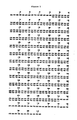
- the sequence of one strand encoding the polypeptide or analog thereof is shown in Figure 1 from nucleotide 115 downstream to nucleotide 708 inclusive. Other sequences encoding the analog or mutant may be substantially similar to the strand encoding the polypeptide.
- the nucleotide sequence of one strand of a double stranded DNA molecule which encodes a twentyfour (24) amino acid prepeptide is also shown in Figure 1, from nucleotides number 43 through 114, inclusive.
- the double-stranded cDNA molecule or any other double-stranded DNA molecule which contains a nucleotide strand having the sequence encoding the human manganese superoxide dismutase polypeptide or analog or mutant thereof may be incorporated into a cloning vehicle such as a plasmid or virus.
- a cloning vehicle such as a plasmid or virus.
- Either DNA molecule may be introduced into a cell, either prokaryotic, e.g., bacterial, or eucaryotic, e.g., yeast or mammalian, using known methods, including but not limited to methods involving cloning vehicles containing either molecule.
- the cDNA or DNA encoding the human manganese superoxide dismutase polypeptide or analog or mutant thereof is incorporated into a plasmid, e.g., pMSE-4 or pMS ⁇ RB4, and then introduced into a suitable host cell where the DNA can be expressed and the human manganese superoxide dismutase (hMnSOD) polypeptide or analog or mutant thereof produced.
- Preferred host cells include Escherichia coli , in particular E. coli A4255 and E. coli A1645.
- the plasmid pMSE-4 in E. coli strain A4255 has been deposited with the American Type Culture Collection under ATCC Accession No. 53250.
- the plasmid pMS ⁇ RB4 may be obtained as shown in Figure 4 and described in the Description of the Figures.
- Cells into which such DNA molecules have been introduced may be cultured or grown in accordance with methods known to those skilled in the art under suitable conditions permitting transcription of the DNA into mRNA and expression of the mRNA as protein.
- the resulting manganese superoxide dismutase protein may then be recovered.
- Veterinary and pharmaceutical compositions containing human manganese superoxide dismutase or analogs or mutants thereof and suitable carriers may also be prepared.
- This human manganese superoxide dismutase or analogs or mutants may be used to catalyze the following reaction: 202 ⁇ - + 2H+ ⁇ H2O2 + O2 and thereby reduce cell injury caused by superoxide radicals.
- these enzymes or analogs or mutants thereof may be used to reduce injury caused by reperfusion following ischemia, increase the survival time of excised isolated organs, or treat inflammations.
- This invention is directed to a method of producing enzymatically active human manganese superoxide dismutase or an analog or mutant thereof in a bacterial cell.
- the bacterial cell contains and is capable of expressing a DNA sequence encoding the manganese superoxide dismutase or analog or mutant thereof.
- the method comprises maintaining the bacterial cell under suitable conditions and in a suitable production medium.
- the production medium is supplemented with an amount of Mn++ so that the concentration of Mn++ available to the cell in the medium is greater than about 2 ppm.
- the bacterial cell is an Escherichia coli cell containing a plasmid which contains a DNA sequence encoding for the human manganese superoxide dismutase polypeptide e.g. pMSE-4 or pMS ⁇ RB4 in E. coli strain A4255.
- the concentration of Mn++ in the production medium ranges from about 50 to about 1500 ppm, with concentrations of 150 and 750 ppm being preferred.
- This invention also concerns a method of recovering manganese superoxide dismutase analog or mutant thereof from bacterial cells which contain the same.
- the cells are first treated to recover a protein fraction containing proteins present in the cells including human manganese superoxide dismutase or analog or mutant thereof and then the protein fraction is treated to recover human manganese superoxide dismutase or analog or mutant thereof.
- the cells are first treated to separate soluble proteins from insoluble proteins and cell wall debris and the soluble proteins are recovered. The soluble proteins are then treated to separate, e.g.
- a more preferred embodiment of the invention concerns a method of recovering human manganese superoxide dismutase or analog or mutant thereof from bacterial cells which contain human manganese superoxide dismutase or analog or mutant thereof.
- the method involves first isolating the bacterial cells from the production medium and suspending them in suitable solution having a pH of about 7.0 to 8.0. The cells are then disrupted and centrifuged and the resulting supernatant is heated for about 30 to 120 minutes at a temperature between 55 and 65°C, preferably for 45-75 minutes at 58-62°C and more preferably for 1 hour at 60°C and then cooled to below 10°C, preferably to 4°C.
- any precipitate which forms is to be removed e.g. by centrifugation, and the cooled supernatant is dialyzed against an appropriate buffer e.g. 2 mM potassium phosphate buffer having a pH of about 7.8.
- an appropriate buffer e.g. 2 mM potassium phosphate buffer having a pH of about 7.8.
- the dialysis is by ultrafiltration using a filtration membrane smaller than 30K.
- the cooled supernatant optionally may be concentrated to an appropriate convenient volume e.g. 0.03 of its original volume.
- the retentate is then eluted on an anion exchange chromatography column with an appropriate buffered solution e.g., a solution of at least 20 mM potassium phosphate buffer having a pH of about 7.8.
- the fractions of eluent containing superoxide dismutase are collected, pooled and dialyzed against about 40 mM potassium acetate, pH 5.5.
- the dialyzed pooled fractions are then eluted through a cation exchange chromatography column having a linear gradient of about 40 to about 200 mM potassium acetate and a pH of 5.5.
- the peak fractions containing the superoxide dismutase are collected and pooled.
- the pooled peak fractions may then be dialyzed against an appropriate solution e.g. water or a buffer solution of about 10 mM potassium phosphate buffer having a pH of about 7.8.
- the invention also concerns purified enzymatically active human manganese superoxide dismutase or analogs thereof e.g. met-hMnSOD, or mutants produced by the methods of this invention.
- the present invention also relates to a DNA molecule encoding the human manganese superoxide dismutase gene.
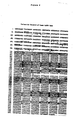
- the nucleotide sequence of the exon coding regions of one strand of the manganese superoxide dismutase gene is shown in Figure 6.
- the DNA encoding the manganese superoxide dismutase gene may be incorporated into a cloning vehicle such as a plasmid or a virus.
- the DNA or the cloning vehicle may be introduced into eucaryotic cells using known methods.
- the DNA encoding the human manganese superoxide dismutase gene is encoded in the plasmids pMSG11-1, pMSG4 and pMSG-1b.
- the eucaryotic cells which are transformed are preferably mammalian cell lines such as the human HeLa cell line or the mouse L cell line.
- Another aspect of this invention is the production of the human manganese superoxide dismutase polypeptide, analog, mutant or enzyme by growing the cells of this invention in suitable medium under suitable conditions.
- the invention also relates to a double-stranded DNA molecule which encodes human manganese superoxide dismutase, human manganese superoxide dismutase analog and the coding strand of which has the nucleotide sequence shown in Figure 6.
- the invention further relates to a double-stranded molecule which encodes human manganese superoxide dismutase mutant and the coding strand of which has a nucleotide sequence which varies from the nucleotide sequence shown in Figure 6 by one or more nucleotides.
- the present invention is further concerned with eucaryotic cells in which the DNA sequence encoding human manganese superoxide dismutase, human manganese superoxide dismutase analog or human manganese superoxide dismutase mutant is expressed; and with eucaryotic cells wherein the cell has been transformed with a plasmid comprising the DNA sequence encoding human manganese superoxide dismutase, human manganese superoxide dismutase analog or human manganese superoxide dismutase mutant.
- This DNA sequence may be present in single or multiple copies.
- the DNA sequence encoding human manganese superoxide dismutase, human manganese superoxide dismutase analog or human manganese superoxide dismutase mutant is derived from a fragment of human genomic DNA containing the human manganese superoxide dismutase gene.
- the DNA sequence encoding human manganese superoxide dismutase is regulated by the natural regulatory elements of human genomic manganese superoxide dismutase, human manganese superoxide dismutase analog or human manganese superoxide dismutase mutant.
- An example of a DNA sequence coding for the human manganese superoxide dismutase, the analog or mutant and coding for the native regulatory elements regulating the gene is shown in the DNA sequence of Figure 6.
- the eucaryotic cell expressing the genomic DNA sequence of human manganese superoxide dismutase, human manganese superoxide dismutase analog or human manganese superoxide dismutase mutant is a mammalian cell. Examples of mammalian cells which may express the genomic DNA sequence are the human HeLa cell and mouse L cells.
- Methods for producing human manganese superoxide dismutase, human manganese superoxide dismutase analog or human manganese superoxide dismutase mutant which comprise growing the eucaryotic cells described above in a suitable medium under suitable conditions permitting production of the human manganese superoxide dismutase, the analog or the mutant thereof and permitting the recovery of the resulting human manganese superoxide dismutase, the analog or the mutant are also contemplated by this invention.
- Human manganese superoxide dismutase polypeptides, human manganese superoxide dismutase analogs and human manganese superoxide dismutase mutants produced by this method are also contemplated by this invention.
- the invention is also concerned with human manganese superoxide dismutase, human manganese superoxide dismutase analogs or human manganese superoxide dismutase mutants used to treat inflammation, in particular, synovial inflammation, induced by lipopolysaccharide endotoxin (LPS); inflammation caused by adjuvant-induced arthritis; and bleomycin-induced lung fibrosis.
- LPS lipopolysaccharide endotoxin
- the use of manganese superoxide dismutase, manganese superoxide dismutase analogs and manganese superoxide dismutase mutants to treat these various disorders is discussed in greater detail in the Exam ples which follow.
- the invention also contemplates amounts and doses of the human manganese superoxide dismutase, analogs or mutants thereof used to alleviate symptoms and treat disorders and to methods of administration.
- the invention is further concerned with human manganese superoxide dismutase analogs in which one of the human manganese superoxide dismutase polypeptides differs from naturally-occurring human manganese superoxide dismutase by the absence of one or more amino acids from the N-terminus.
- compositions comprising human manganese superoxide dismutase, human manganese superoxide dismutase analogs or human manganese superoxide dismutase mutants and a suitable carrier are also contemplated by this invention. These compositions may be used for treating any disorder for which the naturally-occurring superoxide dismutase may be used and for alleviating the undesirable symptoms associated with the generation of oxygen free radicals. These disorders and symptoms include, but are not limited to, reperfusion injury following ischemia or organ transplants, inflammations, bronchial pulmonary dysplasia, fibrosis caused by radiation treatment, inflammation caused by Crohn's disease or inflammation caused by collitis.
- a double-stranded DNA molecule which includes cDNA encoding human manganese superoxide dismutase polypeptide or an analog or mutant thereof has been isolated from a human T-cell DNA library.
- the nucleotide sequence of a double-stranded DNA molecule which encodes human manganese superoxide dismutase polypeptide or an analog or mutant thereof has been discovered.
- the sequence of one strand of DNA molecule encoding the human manganese superoxide dismutase polypeptide or analog thereof is shown in Figure 1 and includes nucleotides numbered 115 to 708 inclusive.
- the sequence of one strand encoding human manganese superoxide dismutase analog or mutant is substantially similar to the strand encoding the human manganese superoxide dismutase polypeptide.
- the nucleotide sequence of the prepeptide of human manganese superoxide dismutase is also shown in Figure 1. Nucleotides numbered 43 through 114 inclusive code for this prepeptide.
- cloning vehicles such as plasmids, e.g., pBR322, viruses or bacteriophages, e.g., can be modified or engineered using known methods so as to produce novel cloning vehicles which contain cDNA encoding human manganese superoxide dismutase polypeptide, or analogs or mutants thereof.
- cloning vehicles can be modified or engineered so that they contain DNA molecules, one strand of which includes a segment having the sequence shown in Figure 1 for human manganese superoxide dismutase polypeptide or segments substantially similar thereto.
- the DNA molecule inserted may be made by various methods including enzymatic or chemical synthesis.
- the resulting cloning vehicles are chemical entities which do not occur in nature and may only be created by the modern technology commonly described as recombinant DNA technology.
- the cloning vehicle is a plasmid, e.g. pMSE-4 or pMS ⁇ RB4.
- plasmid e.g. pMSE-4 or pMS ⁇ RB4.
- cloning vehicles may be introduced in cells, either prokaryotic, e.g., bacterial ( Escherichia coli , B.subtilis , etc.) or eucaryotic, e.g., yeast or mammalian, using techniques known to those skilled in the art, such as transformation, transfection and the like.
- the cells into which the cloning vehicles are introduced will thus contain cDNA encoding human manganese superoxide dismutase polypeptide or analog or mutant thereof if the cDNA was present in the cloning vehicle or will contain DNA which includes a strand, all or a portion of which has the sequence for human manganese superoxide dismutase polypeptide shown in Figure 1 or sequence substantially similar thereto if such DNA was present in the cloning vehicle.
- Escherichia coli are preferred host cells for the cloning vehicles of this invention.
- a presently preferred auxotrophic strain of E. coli is A1645 which has been deposited with the American Type Culture Collec tion in Rockville, Maryland, U.S.A. containing plasmid pApoE-Ex2, under ATCC Accession No. 39787. All deposits with the American Type Culture Collection referred to in this application were made pursuant to the Budapest Treaty on the International Recognition of the Deposit of Microorganisms.
- A1645 was obtained from A1637 by selection for Gal+ (ability to ferment galactose) as well as loss of tetracycline resistance. It still contains elements of phage ⁇ . Its phenotype is C600 r ⁇ m+ gal+ thr ⁇ leu ⁇ lacZ ⁇ bl ( ⁇ cI857 ⁇ H1 ⁇ Bam H1 N+).
- A1637 was obtained from C600 by inserting transposon containing tetracycline resistance gene into the galactose operon as well as elements of phage ⁇ including those elements responsible for cI repressor synthesis.
- C600 is available from the American Type Culture Collection, as ATCC Accession No. 23724.
- Prototrophic strains of Escherichia coli which enable high level polypeptide expression even when grown in a minimal media are even more preferred as hosts for expression of genes encoding manganese superoxide dismutase.
- One presently preferred prototrophic strain is A4255.
- Strain A4255 containing the plasmid pMSE-4 has been deposited with the American Type Culture Collection under ATCC Accession No. 53250.
- the resulting cells into which DNA encoding human manganese superoxide dismutase polypeptide or analog or mutant thereof has been introduced may be treated, e.g. grown or cultured as appropriate under suitable conditions known to those skilled in the art, so that the DNA directs expression of the genetic information en coded by the DNA, e.g. directs expression of the hMnSOD polypeptide or analog or mutant thereof, and the cell expresses the human manganese superoxide dismutase polypeptide or analog or mutant thereof which may then be recovered.
- the term “superoxide dismutase” means an enzyme or a polypeptide acting upon superoxide or oxygen-free radicals as receptors, or which catalyze the following dismutation reaction: 202 ⁇ - + 2H+ ⁇ O2 + H2O2
- MnSOD manganese superoxide dismutase
- human manganese superoxide dismutase polypeptide as used herein means a polypeptide of 198 amino acids a portion of the amino acid sequence of which is shown in Figure 1; the N-terminus of the sequence is the lysine encoded by nucleotides 115-117 of Figure 1 and the COOH terminus of the sequence is the lysine encoded by nucleotides 706-708 of Figure 1.
- polypeptide manganese complex means a molecule which includes a human manganese superoxide dismutase polypeptide in a complex with manganese in any of its chemical forms and which has the enzymatic activity of naturally-occurring human manganese superoxide dismutase.
- human manganese superoxide dismutase as used herein means a molecule which includes at least two human manganese superoxide dismutase polypeptides in a complex with manganese in any of its chemical forms and which has the enzymatic activity of naturally-occurring human manganese superoxide dismutase.
- human manganese superoxide dismutase polypeptide analog means a polypeptide which includes a human manganese superoxide dismutase polypeptide to either or both ends of which one or more additional amino acids are attached or removed.
- polypeptide manganese complex analog means a molecule which includes a polypeptide manganese complex, the polypeptide portion of which includes one or more additional amino acids attached or removed from it at either or both ends.
- human manganese superoxide dismutase analog as used herein means a molecule that includes at least two polypeptides at least one of which is human manganese superoxide dismutase polypeptide analog, in a complex with manganese in any of its chemical forms, and which has the enzymatic activity of naturally-occurring human manganese superoxide dismutase.
- human manganese superoxide dismutase polypeptide mutant as used herein means a polypeptide having an amino acid sequence substantially identical to that of the human manganese superoxide dismutase polypeptide but differing from it by one or more amino acids.
- polypeptide manganese complex mutant means a molecule which includes a human manganese superoxide dismutase polypeptide mutant in a complex with manganese in any of its chemical forms and which has the enzymatic activity of manganese superoxide dismutase.
- human manganese superoxide dismutase mutant means a molecule which includes at least two polypeptides at least one of which polypeptides is a human manganese superoxide dismutase polypeptide mutant in a complex with manganese in any of its chemical forms and which has the enzymatic activity of naturally-occurring human manganese superoxide dismutase.
- mutants of human manganese superoxide dismutase polypeptide and human manganese superoxide dismutase which are included as a part of this invention may be prepared by mutating the DNA sequence shown in Figure 1, the N-terminus of which. sequence is the lysine encoded by nucleotides 115-117 and the COOH terminus of which sequence is encoded by nucleotides 706-708.
- the DNA may be mutated by methods known to those of ordinary skill in the art, e.g. Bauer et al., Gene 37 : 73-81 (1985).
- the mutated sequence may be inserted into suitable expression vectors as described herein, which are introduced into cells which are then treated so that the mutated DNA directs expression of the human manganese superoxide dismutase polypeptide mutants and the human manganese superoxide dismutase mutants.
- the enzymatically active form of human manganese superoxide dismutase is believed to be a protein having at least two, and possibly four, identical subunits, each of which has approximately 198 amino acids in the sequence shown in Figure 1 for human manganese superoxide dismutase, the N-terminus of the sequence being the lysine encoded by nucleotides 115-117 of Figure 1 and the COOH terminus of the sequence being the lysine encoded by nucleotides 706-708 of Figure 1.
- Human manganese superoxide dismutase or analogs or mutants thereof may be prepared from cells into which DNA or cDNA encoding human manganese superoxide dismutase, or its analogs or mutants have been introduced. This human manganese superoxide dismutase or analogs or mutants may be used to catalyze the dismutation or univalent reduction of the superoxide anion in the presence of protons to form hydrogen peroxide as shown in the following equation:
- compositions may also be prepared which contain effective amounts of human manganese superoxide dismutase or one or more human manganese superoxide dismutase analogs or mutant and a suitable carrier.
- Such carriers are well-known to those skilled in the art.
- the human manganese superoxide dismutase or analog or mutant thereof may be administered directly or in the form of a composition to the animal or human subject, e.g., to treat a subject afflicted by inflammations or to reduce injury to the subject by oxygen-free radicals on reperfusion following ischemia or organ transplantation.
- the human manganese superoxide dismutase or analog or mutant may also be added directly or in the form of a composition to the perfusion medium of an isolated organ, to reduce injury to an isolated organ by oxygen-free radicals on perfusion after excision, thus prolonging the survival period of the organ. Additionally, the human manganese superoxide dismutase or analog or mutant thereof may be used to reduce neurological injury on reperfusion following ischemia and to treat bronchial pulmonary dysplasia.
- a method of producing enzymatically active human manganese superoxide dismutase or an analog or mutant thereof in a bacterial cell has also been discovered.
- the bacterial cell contains and is capable of expressing a DNA sequence encoding the human manganese superoxide dismutase or analog or mutant thereof.
- the method involves maintaining the bacterial cell under suitable conditions and in a suitable production medium.
- the production medium is supplemented with an amount of Mn++ so that the concentration of Mn++ in the medium is greater than about 2 ppm.
- the bacterial cell can be any bacterium in which a DNA sequence encoding human manganese superoxide dismutase has been introduced by recombinant DNA techniques.
- the bacterium must be capable of expressing the DNA sequence and producing the protein product.
- the suitable conditions and production medium will vary according to the species and strain of bacterium.
- the bacterial cell may contain the DNA sequence encoding the superoxide dismutase or analog in the body of a vector DNA molecule such as a plasmid.
- the vector or plasmid is constructed by recombinant DNA techniques to have the sequence encoding the SOD incorporated at a suitable position in the molecule.
- the bacterial cell is an Escherichia coli cell.
- a preferred auxotrophic strain of E. coli is A1645.
- a preferred prototrophic strain of E. coli is A4255
- the E. coli cell of this invention contains a plasmid which encodes for human manganese superoxide dismutase or an analog or mutant thereof.
- the bacterial cell contains the plasmid pMSE-4.
- a method of constructing this plasmid is described in the Description of the Figures and the plasmid itself is described in Example 2. This plasmid has been deposited with the ATCC under Accession No. 43250.
- the bacterial cell contains the plasmid pMS ⁇ RB4.
- a method of constructing this plasmid is described in the Description of the Figures and the plasmid itself is described in Example 5.
- This plasmid may be constructed from pSOD ⁇ 1T-11 which has been deposited with the American Type Culture Collection under Accession No. 53468.
- an enzymatically active human manganese superoxide dismutase analog is produced by E. coli strain A4255 cell containing the plasmid pMSE-4 and by E. coli strain A4255 cell containing the plasmid pMS ⁇ 4RB4.
- the suitable production medium for the bacterial cell can be any type of acceptable growth medium such as casein hydrolysate or LB (Luria Broth) medium, the latter being preferred.
- Suitable growth conditions will vary with the strain of E. coli and the plasmid it contains, for example E. coli A4255 containing plasmid pMSE-4 is induced at 42°C and maintained at that temperature from about 1 to about 5 hours.
- the suitable conditions of temperature, time, agitation and aeration for growing the inoculum and for growing the culture to a desired density before the production phase as well as for maintaining the culture in the production period may vary and are known to those of ordinary skill in the art.
- the concentration of Mn++ ion in the medium that is necessary to produce enzymatically active manganese superoxide dismutase will vary with the type of medium used.
- Mn++ concentrations of 150 ppm to 750 ppm have been found effective. It is preferred that in all complex types of growth mediums the concentration of Mn++ in the medium is from about 50 to about 1500 ppm.
- This invention also concerns a method of recovering human manganese superoxide dismutase or analog or mutant thereof from bacterial cells which contain the same.
- the cells are first treated to recover a protein fraction containing proteins present in the cells including human manganese superoxide dismutase or analog or mutant thereof and then the protein fraction is treated to recover human manganese superoxide dismutase or analog or mutant thereof.
- the cells are first treated to separate soluble proteins from insoluble proteins and cell wall debris and the soluble proteins are then recovered.
- the soluble proteins so recovered are then treated to separate, e.g. precipitate, a fraction of the soluble proteins containing the human manganese superoxide dismutase or analog or mutant thereof and fraction is recovered.
- the fraction is then treated to separately recover the human manganese superoxide dismutase or analog or mutant thereof.
- the bacterial cells are isolated from the production medium and suspended in a suitable solution having a pH of about 7.0 or 8.0.
- the cells are then disrupted and centrifuged.
- the resulting supernatant is heated for a period of about 30 to 120 minutes at a temperature between approximately 55 to 65°C, preferably for 45-75 minutes at 58 to 62°C and more preferably one hour at 60°C, and then cooled to below 10°C, preferably to about 4°C.
- Any precipitate which may form during cooling is removed, e.g. by centrifugation and then the cooled supernatant is dialyzed against an appropriate buffer.
- the cooled supernatant is dialyzed by ultrafiltration employing a filtration membrane smaller than 30K, most preferably 10K.
- Appropriate buffers include 2 mM potassium phosphate buffer having a pH of about 7.8.
- the cooled supernatant may optionally be concentrated to an appropriate volume, e.g. 0.03 of the supernatant's original volume has been found to be convenient.
- the retentate is then eluted on an anion exchange chromatography column with an appropriate buffered solu tion, e.g., a solution at least 20 mM potassium phosphate buffer having a pH of about 7.8.
- the fractions of eluent containing superoxide dismutase are collected, pooled and dialyzed against about 40 mM potassium acetate, pH 5.5.
- the dialyzed pooled fractions are then eluted through a cation exchange chromatography column having a linear gradient of about 40 to about 200 mM potassium acetate (KOAc) and a pH of 5.5.
- the peak fractions containing the superoxide dismutase are collected and pooled.
- the pooled peak fractions may then be dialyzed against an appropriate solution, e.g. water or a buffer solution of about 10 mM potassium phosphate having a pH of about 7.8.
- the invention also concerns purified, i.e. substantially free of other substances of human origin, human manganese superoxide dismutase or analogs or mutants thereof produced by the methods of this invention.
- a human manganese superoxide dismutase analog having at least two polypeptides, at least one of which polypeptides has the amino acid sequence shown in Figure 1, the N-terminus of which sequence is the lysine encoded by nucleotides 115-117 of Figure 1 and the COOH terminus of which sequence is the lysine encoded by nucleotides 706-708 of Figure 1 plus an additional methionine residue at the N-terminus (Met-hMnSOD).
- a preferred embodiment of this invention concerns purified Met-hMnSOD having a specific activity of 3500 units/mg.
- the invention further concerns the ligation of human manganese superoxide dismutase gene fragments taken from various plasmids to yield a complete human manganese superoxide dismutase gene fragment which can be introduced into mammalian cells for the production of MnSOD.
- the various human manganese superoxide dismutase fragments isolated from the plasmids detail the nucleotide sequence of the genomic human manganese superoxide dismutase gene including coding and adjacent nucleotides as well as a restriction map and organization of the gene.
- the genomic gene commences at nucleotide 479 which is the first nucleotide of the ATG initiation codon and is underlined in Figure 6.
- the TAA termination codon for the genomic gene is at nucleotides 2022-2024. These numbers are arbitrary numbers merely to assist in identifying the nucleotide region.
- genomic manganese superoxide dismutase DNA is found in each of three different clones, pMSG11-1, pMSG4, and pMSG-1b also depicted in Figure 5 and the DNA from these clones was used to map the nucleotide sequence of Figure 6. Also shown in Figures 6 and 7 are the exon and intron regions of the human manganese superoxide dismutase gene.
- the invention also relates to eucaryotic cells in which the DNA sequence encoding human manganese superoxide dismutase is expressed and to eucaryotic cells wherein the cell has been transformed with a plasmid comprising the DNA sequence encoding human manganese superoxide dismutase.
- This DNA sequence may be present in the cell in single or in multiple copies.
- the DNA sequence encoding human manganese superoxide dismutase is derived from a fragment of human genomic DNA containing the human manganese superoxide dismutase gene.
- DNA sequence encoding human manganese superoxide dismutase is regulated by native regulatory elements of human genomic manganese superoxide dismutase.
- the complex DNA sequence analog for genomic human manganese superoxdide dismutase polypeptide or an analog thereof including gene sequences coding for the native regulatory elements regulating gene expression is shown in the non-coding region of Figure 6 in the region prior to where the prepolypeptide is encoded.
- the eucaryotic cell expressing the genomic sequence of human manganese superoxide dismutase is a mammalian cell.
- mammalian cells which may be used to express the genomic DNA sequence are the human HeLa cell line and mouse L cells although it is to be understood that any mammalian cell line may be used.
- the subject invention also relates to methods for producing human manganese superoxide dismutase comprising growing the eucaryotic cells described above in a suitable medium under suitable conditions permitting production of the human manganese superoxide dismutase, human manganese superoxide dismutase analog, or human manganese superoxide dismutase mutant and permitting the recovery of the resulting human manganese superoxide dismutase, human manganese superoxide dismutase analog or human manganese superoxide dismutase mutant.
- the subject application further relates to various uses of the human manganese superoxide dismutase, human manganese superoxide dismutase analogs or human manganese superoxide dismutase mutants of the invention.
- the human superoxide dismutase, human manganese superoxide dismutase analogs or human manganese superoxide dismutase mutants may be used, for example, to treat a subject suffering from a disorder associated with the generation of oxygen free radicals in quantities sufficient to cause undesirable symptoms by administering to the subject an amount of the human manganesnese superoxide dismutase, analog or mutant to alleviate the undesirable symptoms.
- the compounds may be used to treat, for example, a subject with inflammation, and in particular, subjects having synovial inflammation.
- the inflammation may be induced by lipopolysaccharide endotoxin (LPS) or by any other inflammatory causing agent.
- LPS lipopolysaccharide endotoxin
- the human manganese superoxide dismutase is preferably administered intraarticularly directly to the joint in amounts between about 1 to about 200 mg/joint applied in daily amounts.
- Human manganese superoxide dismutase, human manganese superoxide dismutase analogs or human manganese superoxide dismutase mutants may further be used to treat arthritis and to treat the inflammation caused by arthritis. This arthritis may be induced, for example, by an adjuvant.
- the human manganese superoxide dismutase, the analogs or mutants are administered preferably subcutaneously in daily doses of between about 1 and about 100 mg/kg body weight of the subject and more preferably in amounts of between about 3 and about 50 mg/kg body weight of the subject.
- the compounds may also be administered intravenously or by the other methods known to those skilled in the art.
- the human manganese superoxide dismutase, human manganese superoxide dismutase analogs or human manganese superoxide dismutase mutants may further be used to treat lung fibrosis, a symptom often associated as a side effect of bleomycin.
- the human manganese superoxide dismutase, analogs or mutants are preferably administered subcutaneously in daily doses of between about 1 and about 100 mg/kg body weight of the subject and more preferably in amounts of between about 3 and about 50 mg/kg body weight of the subject.
- the compounds may also be administered intravenously or intratracheally.
- the invention further relates to specific human manganese superoxide dismutase analogs in which one of the human manganese superoxide dismutase polypeptides differs from naturally-occurring human manganese superoxide dismutase by the absence of one or more amino acids from the N-terminus.
- the subject application is further concerned with pharmaceutical compositions comprising the human manganese superoxide dismutase, human manganese superoxide dismutase analogs or human manganese superoxide dismutase mutants in a suitable pharmaceutical carrier.
- compositions may be used for treatment of various disorders which include, but are not limited to, treatment of reperfusion injury following ischemia or organ transplants; treatment of inflammations; treatment of arthritis; treatment of bronchial pulmonary dysplasia, treatment of inflammation caused by Crohn's disease; and treatment of inflammation caused by collitis.
- the compositions alleviate the undesirable symptoms associated with the generation of oxygen free radicals.
- the Examples which follow are set forth to aid in understanding the invention but are not intended to, and should not be construed to, limit its scope in any way.
- the Examples do not include detailed descriptions for conventional methods employed in the construction of vectors, the insertion of genes encoding polypeptides into such vectors or the introduction of the resulting plasmids into hosts.
- the Examples also do not include detailed description for conventional methods employed for assaying the polypeptides produced by such host vector systems or determining the identity of such polypeptides by activity staining of isoelectric focusing (IEF) gels.
- IEF isoelectric focusing
- the 5 ⁇ -probe consisting of 30 nucleotides corresponds to amino acids 15 to 24 of mature MnSOD.
- the 3 ⁇ -probe consisting of 32 nucleotides corresponds to amino acids 179 to 189 of mature manganese superoxide dismutase.
- the 5 ⁇ -probe is a mixed probe consisting of 36 different sequences, as shown above.
- the 3 ⁇ -probe is a mixed probe consisting of 16 different sequences as shown above. (When more than one nucleotide is shown at a given position, the DNA strand was synthesized with equimolar amounts of each of the shown nucleotides thus resulting in the mixed probe).
- the 5 ⁇ -probe was employed to screen 300,000 plaques of a T-cell cDNA library cloned into the ⁇ gt-10 vector.
- Hybridization to phage plaque replicas immobilized on nitrocellulose filters was performed according to standard procedures (Maniatis et al. supra ) except that the hybridization was performed at 50°C in 8 ⁇ SSC for 16 hrs. The filters were then washed at 50°C with 5 ⁇ SSC and 0.1% SDS.
- Three positive plaques were isolated and named Phi MS8, Phi MS1 and Phi MS1J.
- Phi MS8 and Phi MS1 showed that they both have cDNA inserts approximately 800 bp long, which hybridize to both the 5 ⁇ and 3 ⁇ oligonucleotide probes.
- Phi MS1J carried only 450 bp cDNA insert which hybridized only to the 5 ⁇ end probe.
- the sequence of the cDNA insert of pMS8-4 is shown in Figure 1.
- the predicted amino acid sequence differs from the published amino acid sequence (19) in that Glu appears instead of Gln in three (3) locations (AA 42, 88, 108) and an additional two amino acids, Gly and Trp appear between AA23-124.
- Sequence analysis of pMS1-4 and pMS1J revealed that the three manganese superoxide dismutase clones were independently derived and confirmed these differences from the published amino acid sequence.
- the sequence upstream of the N-terminal Lysine of mature manganese superoxide dismutase predicts a prepeptide sequence of 24 amino acids.
- the starting point for the construction of pMSE-4 is the plasmid pMS8-4 which was obtained as described in Example 1. Plasmid pMS8-4, containing human manganese superoxide dismutase cDNA on an Eco RI insert, was digested to completion with Nde I and Nar I restriction enzymes. The large fragment was isolated and ligated with a synthetic oligomer as depicted in Figure 2. The resulting plasmid, pMS8-NN contains the coding region for the mature manganese superoxide dismutase, preceded by an ATG initiation codon.
- pSOD ⁇ 13 may be obtained as described in pending, co-assigned U.S. Patent Application Serial No. 644,245, filed August 27, 1984 which is hereby incorporated by reference.
- Plasmid pMSE-4 was introduced into Escherichia coli strain A4255 using known methods. Then the E. coli strain 4255, containing pMSE-4, were grown at 32°C in Luria Broth (LB) medium containing 100 ⁇ g/ml of ampicillin until the Optical Density (OD) at 600 nm was 0.7. Induction was performed at 42°C. Samples taken at various time intervals were electrophoresed separated on sodium dodecyl sulfate - polyacrylamide gels electrophoresis (SDS-PAGE).
- the gels showed increases in human manganese superoxide dismutase levels up to 120 minutes post-induction, at which stage the recombinant manganese superoxide dismutase protein comprised 27% of total cellular proteins as determined by scanning of Coomassie-blue stained gel.
- the induced soluble protein fraction contained only slightly more SOD activity than the uninduced counterpart, as assayed by standard methods.
- Tet R expression vector, p ⁇ RB was generated from pSOD ⁇ 1T-11 by complete digestion with Eco RI followed by partial cleavage with Bam HI restriction enzymes.
- pSOD ⁇ 1T-11 has been deposited with the American Type Culture Collection under Accession No. 53468.
- the digested plasmid was ligated with synthetic oligomer resulting in p ⁇ RB containing the ⁇ P L promoter.
- the resulting plasmid, pMS ⁇ RB4 contains the manganese superoxide dismutase gene under control of ⁇ P L and cII RBS and confers resistance to tetracycline ( Figure 4).
- Plasmid pMS ⁇ RB4 was introduced into Escherichia coli strain A4255, using known methods. Cultures were grown at 32°C in Luria Broth (LB) containing various concentrations of Mn++, until the Optical Density (OD) at 600 nm reached 6.7. Induction was performed at 42°C. Samples taken at various time intervals were electrophoresed on SDS-PAGE. hMnSOD level increased with induction time up to 120 minutes, at which stage it comprised about 15% of total cellular proteins as determined by scanning of Coomassie Blue stained gel.
- LB Luria Broth
- OD Optical Density
- E. coli strain A4255 harboring plasmid pMS ⁇ RB4 was fermented in LB supplemented with 750 ppm Mn++, at 32°C to an A600 of 17.0.
- Induction of human manganese superoxide dismutase expression was effected by a temperature shift to 42°C for 2 hours at which stage the culture reached A600 of 43.0.
- Cells were harvested by centrifugation and resuspended in 0.2 original volume in 50 mM potassium phosphate buffer, pH 7.8 containing 250 mM NaCl. Bacteria were disrupted by a double passage through Dynomill®, centrifuged and cell debris were discarded.
- the supernatant was heated for 1 hour at 60°C, cooled to 4°C and the cleared supernatant was concentrated to 0.03 original volume and dialyzed against 2 mM potassium phosphate buffer, pH 7.8, on a Pellicon® ultra filtration unit equipped with a 10K membrane.
- the crude enzyme preparation was loaded onto a DE52® column, washed thoroughly with 2 mM potassium phosphate buffer, pH 7.8 and eluted with 20 mM potassium phosphate buffer, pH 7.8.
- Recombinant human manganese superoxide dismutase analog obtained was more than 99% pure, with a specific activity of about 3500 units/mg.
- the overall yield of the purification procedure was about 30% (Table 3).
- Sequencing of the purified enzyme shows the presence of an additional methionine at the N-terminal amino acid as compared with the known human manganese superoxide dismutase (19).
- FIG. 67364; and plasmid pMSG-1b has been deposited in the ATCC under Accession No. 67365.
- Figure 5 shows the restriction map and organization of the manganese superoxide dismutase gene. The nucleotide sequence of the gene is shown in Figure 6. The manganese superoxide dismutase gene spans a region of about 15 Kb and contains six exons. The first intron interrupts the region coding for the leader peptide while the last intron appears in the 3 ⁇ untranslated region downstream to the TAA termination codon.
- the sequences of the donor and acceptor splice junctions at the exon-intron boundries are summarized in Figure 7 and compared with the consensus sequence. It should be pointed out that the first intron contains either an unusual donor sequence; GG instead of the highly conserved GT (as depicted in Figure 6), or an unusual acceptor sequence; GG instead of AG (if one moves the exon by one nucleotide). All other four introns are bound by the conserved GT ... AG nucleotides.
- the promoter region lacks TATA and/or CAT boxes. However, it is highly rich in GC and contains eight repeats of the consensus hexanucleotide core for binding transcription factor Spl (GGGCGG). Moreover, it includes a series of direct repeats and possible stem-loop structures.
- the polyadenylation signal AATAAA appears 85 nucleotides downstream from the last exon (according to the known cDNA sequence). The sequence of the promoter region and the sequence of the coding regions and adjacent nucleotides was determined.
- the manganese superoxide dismutase gene regions from plasmids pMSG11-1, pMSG4 and pMSG-1b can be convenient severelyly isolated from the plasmids and ligated to one anoth necessarilyer to form the entire manganese superoxide dismutase gene.
- the approximately 6 KB HindIII-partial BamHI fragment from pMSG11-1 can be ligated to the entire BamHI insert in plasmid pMSG4 followed by ligation to the entire BamHI insert from pMSG-1b. The result of this ligation would be a DNA fragment encoding the human manganese superoxide dismutase gene.
- This DNA fragment could then be introduced into mammalian cells through known methods either directly or after ligation to a cloning vehicle such as a plasmid or virus.
- the transformed cell line could then be used for production of manganese superoxide dismutase polypeptide, analog or mutant thereof, by culturing in a suitable medium under suitable conditions.
- the polypeptide so produced could then be recovered by methods similar to those set forth in Example 7.
- the polypeptide so recovered could then be used formulated and used therapeutically, for example, for treatment of ischemia or inflammation.
- the human manganese superoxide dismutase cDNA from plasmid pMS-84 ( Figure 2) was hybridized to polyA+ RNA from human cell lines, human placenta, mouse WEHI-3 cells and bovine liver. Two species of human mRNA for manganese superoxide dismutase were identified, a major transcript of human mRNA encoding manganese superoxide dismutase of about 1000 nucleotides (nt) long and a minor transcript of about 4000 nt in length. The mouse mRNA for manganese superoxide dismutase is similar in size to the human major transcript, whereas mRNA for bovine manganese superoxide dismutase is about 300 nt longer.
- the long human trancript (4000 nucleotides) hybridizes to the fifth intron of the human manganese superoxide dismutase gene, downstream from the exon coding for the carboxy terminus of the enzyme.
- This partially spliced transcript is non-tissue specific.
- the proportion of both CuZn and manganese superoxide dismutase mRNAs in various cell lines was in the order of 10 ⁇ 3%, as determined by hybridization of the SOD cDNA probes to dot blots of serially diluted polyA+ RNA (Table IV).
- the manganese superoxide dismutase message was most abundant in Hepatoma cells (2.5 ⁇ 10 ⁇ 3%) and CuZn SOD transcripts were most abundant in the T-lymphocyte line (4 ⁇ 10 ⁇ 3%).
- manganese superoxide dismutase was shown to be ineffective against carrageenan-induced paw inflammation in rats, while the CuZn SOD was effective in reducing inflammation.
- manganese superoxide dismutase was efficacious in reducing inflammation in the rat model system.
- Rats were injected subcutaneously with 50 mg/kg body weight of either recombinant human CuZn SOD analog or recombinant human MnSOD. Blood samples were drawn 0.5, 2, 4, 8, 24, 30 and 48 hours after injection and superoxide dismutase activity in the samples was determined by an enzymatic assay (Fridovich).
- Figure 8 summarizes the results. As shown, CuZn SOD analog values reached a maxmimum of about 10 ⁇ g/ml after 2 hours and stayed at about that level for additional 6 hours, but dropped to pre-injection levels after 24 hours. By contrast, manganese superoxide dismutase levels gradually increased to reach a maximal level of about 70 ⁇ g/ml by 8 hours, and stayed at about this level for at least 30 hours. By 48 hours, the enzyme activity in serum dropped to about 20 ⁇ g/ml, a value that was still well above the pre-injection levels.
- the rat model of carrageenan-induced paw edema was used to assay the anti-inflammatory activity of CuZn SOD analog and MnSOD.
- Wistar-derived male rats 130-150g b.w.
- the paw volume was measured by an Hg-displacement volumeter (a modification of a Ugo-Basile® volumeter, Comerio, Italy) before and at hourly intervals after paw injection.
- Animals were divided into 4 groups (8 rats/group).
- One group received a subcutaneous injection of 50 mg/kg of manganese superoxide dismutase 24 hours before carrageenan administration (-24 h Mn; cf. Figure 9).
- the second group was injected with Cu/Zn SOD analog (50 mg/kg) 24 hours before the carrageenan challenge (-24 h Cu), while the third group was injected with 60 mg/Kg of CuZn SOD analog only 2 hours before the challenge (-2h Cu).
- the fourth group did not receive any pretreatment and served as a control.
- the purified recombinant protein is different from the natural enzyme by the presence of an additional methionine at the amino terminus. However, it exhibits specific enzymatic activity indistinguishable from that of natural mitochrondrial manganese superoxide dismutase purified from human liver.
- r-hMnSOD recombinant human manganese superoxide dismutase
- the two enzymes were administered according to two experimental regimens: (1) the enzymes were injected subcutaneously (50 mg/kg B.W.) either 2 h or 24 h before the carrageenan challenge; (2) the enzymes were injected intravenously at 8 or 20 mg/kg B.W. 10 min. prior to the carrageenan challenge.
- Table 5 The results are illustrated in Table 5 below:
- r-hMnSOD is an effective ani-inflammatory agent. Furthermore, its extended half-life in the blood, relative to CuZn SOD, makes r-hMnSOD more suitable for treatment of chronic inflammatory diseases, such as arthritis, colitis and radiation damage.
- Dosages that were used are as follows: 0.6 mg/knee manganese superoxide dismutase and both 1 mg/knee and 5 mg/knee for CuZn SOD.
- manganese superoxide dismutase was as effective as CuZn SOD in the inhibition of LPS-induced synovial inflammation.
- Both doses of CuZn SOD (1 mg/knee, 5 mg/knee) and the dose of manganese superoxide dismutase (0.6 mg/knee) were effective in reducing, significantly, the amount of LPS-induced knee-joint inflammation.
- the higher CuZn SOD dose (5 mg/knee) was most significant in its effect; the manganese superoxide dismutase dose (0.6 mg/knee) and lower CuZn SOD dose (1 mg/knee) were highly significant in inflammation-inhibition.
- Bleomycin is an antineoplastic agent widely used against various types of carcinomas and lymphomas (more details, used herein as reference, are described in Counts et al., J. Pharmacol. Exp. Ther. 219 : 675-678 (1981).
- a major problem associated with the use of bleomycin is the induction of lung fibrosis resulting from high doses of the agent, thus limiting its therapeutic usefulness. (See, for example, Crooks & Bradner, J. Med., 7 : 333 (1976)). This side-effect of bleomycin is believed to be mediated by the generation of oxygen radicals in the lung tissue. (See, for example, Frank, Trends Pharmacol. Sci.
- a second group of rats (15 rats), the negative control, received saline only, while a third group (15 rats) was given bleomycin as in group 1 and then treated for 7 days with daily subcutaneous injections of manganese superoxide dismutase (50 mg/kg b.w. dose).
- Table 6 represents the 3 week mortality data following bleomycin administration. As seen in the table, the daily treatment with manganese superoxide dismutase was significantly protective (87% survival versus 40%; statis tical significance of p>0.05 by Student t-test).
- FIGURE 13 shows the lung weights (normalized for 100 g body weight) and hydroxyproline content of the treated animals. As shown in Figure 13, the MnSOD treatment partially inhibited the increase in total lung weight and effectively protected the lungs against an increase in collagen (reflected by level of hydroxyproline).
- recombinant manganese superoxide dismutase is an effective anti-inflammatory agent. This was shown by its therapeutic effects in three biological models of inflammation. In all three models, the recombinant manganese superoxide dismutase had a highly significant effect in inhibiting inflammation and was at least as effective (in most cases more effective) than CuZn SOD which was used for comparative purposes. In addition, the fact that manganese superoxide dismutase remains in the serum for long periods, as shown by the pharmacokinetic studies, indicates that it may be used as a long-acting therapeutic agent.
- the manganese superoxide dismutase has the following amino terminal sequence.
- Aeromonas aminopeptidase was prepared from the extracellular filtrate of Aeromonas proteolytica obtained from the American Type Culture Collection (ATCC Accession No. 15338), essentially according to J.M. Prescott and S.H. Wilkes, Methods Enzymol. 46 : 530-543 (1976).
- the purification procedure included the following steps: sedimentation and filtration of bacteria, ammonium sulfate precipitation of the filtrate (367 g per liter), acetone fractionation (43.7% to 70% acetone), heat treatment at 70°C (for 8 hours) to destroy endopeptidase activity, gel filtration on Sephadex G-75® and ion-exchange chromatography on DEAE-Sephadex A-50®.
- Pre-equilibration and elution from the Sephadex G-75® column were performed using a solution containing 5 micromolar ( ⁇ M) ZnCl2 rather than 50 micromolar ( ⁇ M) ZnCl2 employed in the original procedure (Prescott and Wilkes, supra ).
- Purification on the DEAE-Sephadex A-50® column was performed by preequilibration of the column with 0.1 M NaCl in 10 mM Tris-Hcl, pH 8.0 containing 5 micromolar ( ⁇ M) ZnCl2, application of the sample and gradient elution with 0.6 M NaCl in the same buffer (containing 5 micromolar ( ⁇ M) ZnCl2).
- the column When the salt concentration had reached about 0.5M the column was eluted with 0.7M NaCl in the same buffer. The major peak which eluted from the column was collected and dialyzed against 10 mM Tris-Hcl, 0.1M NaCl, pH 8.0 containing 5 micromolar ( ⁇ M) ZnCl2 and then kept frozen at -20°C.
- the amino peptidase enzyme solution Prior to reaction with the human manganese superoxide dismutase (hMnSOD), the analog or mutant (of hMnSOD), the amino peptidase enzyme solution was incubated at 70° for 2 hours to inactivate any possible traces of endopeptidase activity that might have been retained in the preparation and reactivated after prolonged storage.
- Amino acid analysis was performed using the method of precolumn derivatization with FMOC (9-fluoroenylmethyloxycarbonyl chloride), (method according to Josefsson and Einarsson, see, for example, Einarsson et al., J. Chromatography 282 : 609-618 (1983) and Einarsson, J. Chromatography 348 : 213-220 (1985)).
- the amino acid derivatives were separated on a reverse phase Lichrocart Supersphere® (C18) column (Merck®) in a HPLC (high pressure liquid chromatography) system (Hewlett Packard® 1090 HPLC system, operated according to the manufacturer's specification).
- one or more amino acids were removed from the N-terminal of MnSOD.
- the pH was varied from pH 4.5 - pH 10 and the duration of treatment was extended to as long as 24 hours.
- the experiment below describes the currently preferred conditions for amino acid removal from the N-terminal of MnSOD.
- Control experiments were run in parallel by incubating Met-MnSOD in the absence of aminopeptidase as described in the above procedure. Two aliquots of 108 microliters were removed at each time point, and were treated and analyzed as described for the actual samples.
Landscapes
- Health & Medical Sciences (AREA)
- Life Sciences & Earth Sciences (AREA)
- Chemical & Material Sciences (AREA)
- Medicinal Chemistry (AREA)
- Engineering & Computer Science (AREA)
- Organic Chemistry (AREA)
- Bioinformatics & Cheminformatics (AREA)
- General Health & Medical Sciences (AREA)
- Pharmacology & Pharmacy (AREA)
- Animal Behavior & Ethology (AREA)
- Public Health (AREA)
- Veterinary Medicine (AREA)
- Chemical Kinetics & Catalysis (AREA)
- General Chemical & Material Sciences (AREA)
- Nuclear Medicine, Radiotherapy & Molecular Imaging (AREA)
- Immunology (AREA)
- Genetics & Genomics (AREA)
- Rheumatology (AREA)
- Zoology (AREA)
- Wood Science & Technology (AREA)
- Microbiology (AREA)
- Proteomics, Peptides & Aminoacids (AREA)
- Molecular Biology (AREA)
- Biomedical Technology (AREA)
- Biotechnology (AREA)
- Epidemiology (AREA)
- Gastroenterology & Hepatology (AREA)
- Pulmonology (AREA)
- Pain & Pain Management (AREA)
- Biochemistry (AREA)
- General Engineering & Computer Science (AREA)
- Orthopedic Medicine & Surgery (AREA)
- Physical Education & Sports Medicine (AREA)
- Enzymes And Modification Thereof (AREA)
- Medicines That Contain Protein Lipid Enzymes And Other Medicines (AREA)
- Micro-Organisms Or Cultivation Processes Thereof (AREA)
Priority Applications (1)
| Application Number | Priority Date | Filing Date | Title |
|---|---|---|---|
| EP95106995A EP0691401A1 (de) | 1987-03-27 | 1988-03-25 | Menschliche Mangansuperoxiddismutase-Analogen, diese enthaltende pharmazeutische Zusammensetzungen und deren Verwendung |
Applications Claiming Priority (4)
| Application Number | Priority Date | Filing Date | Title |
|---|---|---|---|
| US3273487A | 1987-03-27 | 1987-03-27 | |
| US32734 | 1987-03-27 | ||
| US16111788A | 1988-02-26 | 1988-02-26 | |
| US161117 | 1988-02-26 |
Related Child Applications (1)
| Application Number | Title | Priority Date | Filing Date |
|---|---|---|---|
| EP95106995.4 Division-Into | 1995-05-09 |
Publications (3)
| Publication Number | Publication Date |
|---|---|
| EP0284105A2 true EP0284105A2 (de) | 1988-09-28 |
| EP0284105A3 EP0284105A3 (en) | 1989-01-25 |
| EP0284105B1 EP0284105B1 (de) | 1995-11-15 |
Family
ID=26708809
Family Applications (2)
| Application Number | Title | Priority Date | Filing Date |
|---|---|---|---|
| EP88104880A Expired - Lifetime EP0284105B1 (de) | 1987-03-27 | 1988-03-25 | Menschliches Mangansuperoxiddismutase und Behandlungsverfahren |
| EP95106995A Withdrawn EP0691401A1 (de) | 1987-03-27 | 1988-03-25 | Menschliche Mangansuperoxiddismutase-Analogen, diese enthaltende pharmazeutische Zusammensetzungen und deren Verwendung |
Family Applications After (1)
| Application Number | Title | Priority Date | Filing Date |
|---|---|---|---|
| EP95106995A Withdrawn EP0691401A1 (de) | 1987-03-27 | 1988-03-25 | Menschliche Mangansuperoxiddismutase-Analogen, diese enthaltende pharmazeutische Zusammensetzungen und deren Verwendung |
Country Status (8)
| Country | Link |
|---|---|
| EP (2) | EP0284105B1 (de) |
| JP (2) | JP3013896B2 (de) |
| AT (1) | ATE130196T1 (de) |
| CA (1) | CA1339299C (de) |
| DE (1) | DE3854678T2 (de) |
| GR (1) | GR3018728T3 (de) |
| HK (1) | HK210196A (de) |
| IL (1) | IL85876A (de) |
Cited By (15)
| Publication number | Priority date | Publication date | Assignee | Title |
|---|---|---|---|---|
| EP0332464A3 (de) * | 1988-03-11 | 1989-11-23 | Toyo Jozo Co., Ltd. | Superoxid-Dismutase-Polypeptide zur Verhinderung von Krebszellenmetastasen |
| DE4038563A1 (de) * | 1990-12-04 | 1992-06-11 | Gruenenthal Gmbh | Verwendung von superoxiddismutasen zur prophylaxe und/oder behandlung von organversagen bei risikopatienten mit polytrauma |
| US5200176A (en) * | 1989-10-06 | 1993-04-06 | Genentech, Inc. | Method for protection of ischemic tissues using tumor nerosis factor |
| US5240847A (en) * | 1987-03-14 | 1993-08-31 | Boehringer Ingelheim International Gmbh | Human manganese superoxide dismutase (hmn-sod) |
| US5260204A (en) * | 1987-03-14 | 1993-11-09 | Boehringer Ingelheim International Gmbh | Human manganese superoxide dismutase (hMn-SOD) |
| EP0587055A1 (de) * | 1992-09-09 | 1994-03-16 | BOEHRINGER INGELHEIM INTERNATIONAL GmbH | Verwendung von Mangan-Superoxiddismutase (Mn-SOD) zur Herstellung von Arzneimitteln zur Behandlung von Erkrankungen in niedriger Dosierung |
| WO1994021283A1 (en) * | 1993-03-24 | 1994-09-29 | Boehringer Ingelheim Pharmaceuticals, Inc. | Method for inhibiting pulmonary oxygen toxicity using manganese superoxide dismutase |
| EP0599262A3 (de) * | 1992-11-27 | 1994-11-23 | Boehringer Ingelheim Int | Stabilisierte Superoxid-Dismutase (SOD)-Zusammensetzung. |
| US5370870A (en) * | 1989-10-06 | 1994-12-06 | Genentech, Inc. | Method for protection against reactive oxygen species |
| WO1999013088A1 (en) * | 1997-09-10 | 1999-03-18 | University Of Florida | Novel human manganese superoxide dismutase proteins |
| US6326003B1 (en) | 1986-10-14 | 2001-12-04 | Chiron Corporation | Manganese superoxide dismutase cloning and expression in microorganisms |
| US6887856B1 (en) * | 1993-10-15 | 2005-05-03 | University Of Pittsburgh | Protection from ionizing irradiation or chemotherapeutic drug damage by in vivo gene therapy |
| CN101955918A (zh) * | 2009-07-17 | 2011-01-26 | 华东理工大学 | 一种生产重组高活性锰超氧化物歧化酶的方法 |
| ITRM20130608A1 (it) * | 2013-11-04 | 2015-05-05 | Aldo Mancini | Manganese superossido dismutasi ricombinante e usi di essa |
| WO2015063306A1 (en) | 2013-11-04 | 2015-05-07 | Aldo Mancini | Manganese superoxide dismutase variants and uses thereof |
Families Citing this family (4)
| Publication number | Priority date | Publication date | Assignee | Title |
|---|---|---|---|---|
| JPH0780784B2 (ja) * | 1987-10-23 | 1995-08-30 | 宇部興産株式会社 | 微小循環障害に基づく心筋虚血傷害治療薬 |
| WO1994014950A1 (fr) * | 1992-12-28 | 1994-07-07 | Sii Technoresearch, Inc. | Dismutase de superoxyde de manganese humaine de type variant |
| WO2001075175A2 (en) * | 2000-03-31 | 2001-10-11 | University Of Southern California | Manganese superoxide dismutase gene polymorphism for predicting cancer susceptibility |
| US10632089B2 (en) | 2015-04-18 | 2020-04-28 | Jo Cosmetics Co., Ltd. | Tyrosinase activity inhibitor and external preparation for skin |
Family Cites Families (8)
| Publication number | Priority date | Publication date | Assignee | Title |
|---|---|---|---|---|
| JPS5816685A (ja) * | 1981-07-22 | 1983-01-31 | Takeda Chem Ind Ltd | 固定化酵素,その製造法および製剤 |
| JPS5886098A (ja) * | 1981-11-17 | 1983-05-23 | Mamoru Sugiura | マンガン−ス−パ−オキシドデイスムタ−ゼ測定用試薬 |
| DE3486452T2 (de) * | 1983-10-03 | 1997-11-06 | Chiron Corp., Emeryville, Calif. | Superoxiddismutase und deren Expression in Mikroorganismen |
| CA1260858A (en) * | 1985-03-28 | 1989-09-26 | Lawrence S. Cousens | Expression using fused genes providing for protein product |
| DK402785D0 (da) * | 1985-09-03 | 1985-09-03 | Syn Tek Ab | Fremgangsmaade til fremstilling af et enzym |
| EP0213628A3 (de) * | 1985-09-03 | 1988-09-21 | Yeda Research And Development Company, Ltd. | Expression von Superoxiddismutase in eukaryotischen Zellen |
| IE59498B1 (en) * | 1985-11-22 | 1994-03-09 | Bio Technology General Corp | Human manganese superoxide dismutase analog, plasmid for its expression and method of recovering it in enzymatically active form |
| ES2083357T3 (es) * | 1987-03-14 | 1996-04-16 | Boehringer Ingelheim Int | Manganeso-superoxido-dismutasa humana (hmn-sod). |
-
1988
- 1988-03-25 DE DE3854678T patent/DE3854678T2/de not_active Expired - Fee Related
- 1988-03-25 EP EP88104880A patent/EP0284105B1/de not_active Expired - Lifetime
- 1988-03-25 AT AT88104880T patent/ATE130196T1/de not_active IP Right Cessation
- 1988-03-25 EP EP95106995A patent/EP0691401A1/de not_active Withdrawn
- 1988-03-25 CA CA000562467A patent/CA1339299C/en not_active Expired - Lifetime
- 1988-03-25 IL IL8587688A patent/IL85876A/en not_active IP Right Cessation
- 1988-03-25 JP JP63071731A patent/JP3013896B2/ja not_active Expired - Lifetime
-
1996
- 1996-01-18 GR GR960400115T patent/GR3018728T3/el unknown
- 1996-05-28 JP JP8133970A patent/JPH08317789A/ja active Pending
- 1996-11-28 HK HK210196A patent/HK210196A/en not_active IP Right Cessation
Cited By (26)
| Publication number | Priority date | Publication date | Assignee | Title |
|---|---|---|---|---|
| US5589371A (en) * | 1900-05-26 | 1996-12-31 | Boehringer Ingelheim International Gmbh | Human manganese superoxide dismutase (hMn-SOD) |
| US6830906B2 (en) | 1986-10-14 | 2004-12-14 | Chiron Corporation | Manganese superoxide dismutase cloning and expression in microoganisms |
| US6326003B1 (en) | 1986-10-14 | 2001-12-04 | Chiron Corporation | Manganese superoxide dismutase cloning and expression in microorganisms |
| US5240847A (en) * | 1987-03-14 | 1993-08-31 | Boehringer Ingelheim International Gmbh | Human manganese superoxide dismutase (hmn-sod) |
| US5260204A (en) * | 1987-03-14 | 1993-11-09 | Boehringer Ingelheim International Gmbh | Human manganese superoxide dismutase (hMn-SOD) |
| US5436162A (en) * | 1987-03-14 | 1995-07-25 | Boehringer Ingelheim International Gmbh | Human manganese superoxide dismutase (hMn-SOD) |
| EP0332464A3 (de) * | 1988-03-11 | 1989-11-23 | Toyo Jozo Co., Ltd. | Superoxid-Dismutase-Polypeptide zur Verhinderung von Krebszellenmetastasen |
| US5200176A (en) * | 1989-10-06 | 1993-04-06 | Genentech, Inc. | Method for protection of ischemic tissues using tumor nerosis factor |
| US5370870A (en) * | 1989-10-06 | 1994-12-06 | Genentech, Inc. | Method for protection against reactive oxygen species |
| DE4038563A1 (de) * | 1990-12-04 | 1992-06-11 | Gruenenthal Gmbh | Verwendung von superoxiddismutasen zur prophylaxe und/oder behandlung von organversagen bei risikopatienten mit polytrauma |
| US5362492A (en) * | 1990-12-04 | 1994-11-08 | Gruenenthal Gmbh | Method of inhibiting multiple organ failure in trauma patients by administration of superoxide dismutase |
| US5714143A (en) * | 1992-09-09 | 1998-02-03 | Boehringer Ingelheim International Gmbh | Use of manganese superoxide dismutase (MN-SOD) for preparing pharmaceutical compositions for low-dose treatment of diseases |
| AU677215B2 (en) * | 1992-09-09 | 1997-04-17 | Bio-Technology General Corporation | The use of low doses of manganese superoxide dismutase (Mn-SOD) in the treatment of diseases |
| EP0587055A1 (de) * | 1992-09-09 | 1994-03-16 | BOEHRINGER INGELHEIM INTERNATIONAL GmbH | Verwendung von Mangan-Superoxiddismutase (Mn-SOD) zur Herstellung von Arzneimitteln zur Behandlung von Erkrankungen in niedriger Dosierung |
| US5464614A (en) * | 1992-11-27 | 1995-11-07 | Boehringer Ingelheim International Gmbh | Stabilized superoxide dismutase (SOD) composition |
| EP0599262A3 (de) * | 1992-11-27 | 1994-11-23 | Boehringer Ingelheim Int | Stabilisierte Superoxid-Dismutase (SOD)-Zusammensetzung. |
| WO1994021283A1 (en) * | 1993-03-24 | 1994-09-29 | Boehringer Ingelheim Pharmaceuticals, Inc. | Method for inhibiting pulmonary oxygen toxicity using manganese superoxide dismutase |
| US6887856B1 (en) * | 1993-10-15 | 2005-05-03 | University Of Pittsburgh | Protection from ionizing irradiation or chemotherapeutic drug damage by in vivo gene therapy |
| WO1999013088A1 (en) * | 1997-09-10 | 1999-03-18 | University Of Florida | Novel human manganese superoxide dismutase proteins |
| US5985633A (en) * | 1997-09-10 | 1999-11-16 | University Of Florida | Human manganese superoxide dismutase proteins |
| CN101955918A (zh) * | 2009-07-17 | 2011-01-26 | 华东理工大学 | 一种生产重组高活性锰超氧化物歧化酶的方法 |
| CN101955918B (zh) * | 2009-07-17 | 2014-05-21 | 华东理工大学 | 一种生产重组高活性锰超氧化物歧化酶的方法 |
| ITRM20130608A1 (it) * | 2013-11-04 | 2015-05-05 | Aldo Mancini | Manganese superossido dismutasi ricombinante e usi di essa |
| WO2015063306A1 (en) | 2013-11-04 | 2015-05-07 | Aldo Mancini | Manganese superoxide dismutase variants and uses thereof |
| KR20160079876A (ko) | 2013-11-04 | 2016-07-06 | 알도 만치니 | 망간 초과산화물 불균등화 효소 변이체 및 그의 용도 |
| US9976127B2 (en) | 2013-11-04 | 2018-05-22 | Aldo Mancini | Manganese superoxide dismutase variants and uses thereof |
Also Published As
| Publication number | Publication date |
|---|---|
| IL85876A (en) | 2001-11-25 |
| JP3013896B2 (ja) | 2000-02-28 |
| GR3018728T3 (en) | 1996-04-30 |
| ATE130196T1 (de) | 1995-12-15 |
| EP0284105A3 (en) | 1989-01-25 |
| CA1339299C (en) | 1997-08-19 |
| EP0691401A1 (de) | 1996-01-10 |
| EP0284105B1 (de) | 1995-11-15 |
| DE3854678T2 (de) | 1996-06-13 |
| HK210196A (en) | 1996-12-06 |
| IL85876A0 (en) | 1988-09-30 |
| JPS6427470A (en) | 1989-01-30 |
| JPH08317789A (ja) | 1996-12-03 |
| DE3854678D1 (de) | 1995-12-21 |
Similar Documents
| Publication | Publication Date | Title |
|---|---|---|
| EP0284105B1 (de) | Menschliches Mangansuperoxiddismutase und Behandlungsverfahren | |
| US5162217A (en) | Plasmids for expression of human superoxide dismutase (SOD) analogs containing lambda PL promoter with engineered restriction site for substituting ribosomal binding sites and methods of use thereof | |
| US5143836A (en) | Plasmids for expression of human superoxide dismutase (SOD) analogs containing lambda pl promoter with engineered restriction site for substituting ribosomal binding sites and methods of use thereof | |
| US6030611A (en) | Therapeutic SOD compositions and uses thereof | |
| US4742004A (en) | Method for producing enzymatically active eucaryotic sod in bacteria | |
| AU607897B2 (en) | Human manganese superoxide dismutase cDNA and its expression in bacteria and method of recovering enzymatically active human manganese superoxide dismutase | |
| Beck et al. | Efficient production of active human manganese superoxide dismutase in Escherichia coli | |
| US5540911A (en) | Methods of use of human manganese superoxide dismutase | |
| EP0483113B1 (de) | Methode ein enzymatisch aktives Polypeptidanalog des menschlichen Cu/Zn SOD herzustellen | |
| WO1995025786A1 (en) | Production of human apolipoprotein a1 in a bacterial expression system | |
| US5246847A (en) | Polypeptide analogs of human manganese superoxide dismutase and compositions and complexes thereof | |
| US5498697A (en) | Protein possessing metastasis-inhibitory activity | |
| US5270195A (en) | Plasmids for expression and method of producing a human manganese superoxide dimutase analog | |
| WO1999058547A1 (en) | A genetically modified manganese superoxide dismutase for treating oxidative damage | |
| WO1994014950A1 (fr) | Dismutase de superoxyde de manganese humaine de type variant | |
| JPH06245763A (ja) | ヒト変異マンガンスーパーオキシドジスムターゼ |
Legal Events
| Date | Code | Title | Description |
|---|---|---|---|
| PUAI | Public reference made under article 153(3) epc to a published international application that has entered the european phase |
Free format text: ORIGINAL CODE: 0009012 |
|
| AK | Designated contracting states |
Kind code of ref document: A2 Designated state(s): AT BE CH DE ES FR GB GR IT LI LU NL SE |
|
| PUAL | Search report despatched |
Free format text: ORIGINAL CODE: 0009013 |
|
| AK | Designated contracting states |
Kind code of ref document: A3 Designated state(s): AT BE CH DE ES FR GB GR IT LI LU NL SE |
|
| 17P | Request for examination filed |
Effective date: 19890714 |
|
| 17Q | First examination report despatched |
Effective date: 19911127 |
|
| GRAA | (expected) grant |
Free format text: ORIGINAL CODE: 0009210 |
|
| RBV | Designated contracting states (corrected) | ||
| AK | Designated contracting states |
Kind code of ref document: B1 Designated state(s): AT BE CH DE FR GB GR IT LI LU NL SE |
|
| REF | Corresponds to: |
Ref document number: 130196 Country of ref document: AT Date of ref document: 19951215 Kind code of ref document: T |
|
| XX | Miscellaneous (additional remarks) |
Free format text: TEILANMELDUNG 95106995.4 EINGEREICHT AM 25/03/88. |
|
| REF | Corresponds to: |
Ref document number: 3854678 Country of ref document: DE Date of ref document: 19951221 |
|
| ITF | It: translation for a ep patent filed | ||
| REG | Reference to a national code |
Ref country code: CH Ref legal event code: NV Representative=s name: SCHMAUDER & WANN PATENTANWALTSBUERO, INHABER KLAUS |
|
| ET | Fr: translation filed | ||
| REG | Reference to a national code |
Ref country code: GR Ref legal event code: FG4A Free format text: 3018728 |
|
| PLBE | No opposition filed within time limit |
Free format text: ORIGINAL CODE: 0009261 |
|
| STAA | Information on the status of an ep patent application or granted ep patent |
Free format text: STATUS: NO OPPOSITION FILED WITHIN TIME LIMIT |
|
| 26N | No opposition filed | ||
| REG | Reference to a national code |
Ref country code: GB Ref legal event code: IF02 |
|
| PGFP | Annual fee paid to national office [announced via postgrant information from national office to epo] |
Ref country code: AT Payment date: 20020207 Year of fee payment: 15 |
|
| PGFP | Annual fee paid to national office [announced via postgrant information from national office to epo] |
Ref country code: FR Payment date: 20020211 Year of fee payment: 15 |
|
| PGFP | Annual fee paid to national office [announced via postgrant information from national office to epo] |
Ref country code: CH Payment date: 20020214 Year of fee payment: 15 |
|
| PGFP | Annual fee paid to national office [announced via postgrant information from national office to epo] |
Ref country code: SE Payment date: 20020218 Year of fee payment: 15 |
|
| PGFP | Annual fee paid to national office [announced via postgrant information from national office to epo] |
Ref country code: LU Payment date: 20020219 Year of fee payment: 15 |
|
| PGFP | Annual fee paid to national office [announced via postgrant information from national office to epo] |
Ref country code: GB Payment date: 20020220 Year of fee payment: 15 |
|
| PGFP | Annual fee paid to national office [announced via postgrant information from national office to epo] |
Ref country code: DE Payment date: 20020221 Year of fee payment: 15 |
|
| PGFP | Annual fee paid to national office [announced via postgrant information from national office to epo] |
Ref country code: NL Payment date: 20020225 Year of fee payment: 15 |
|
| PGFP | Annual fee paid to national office [announced via postgrant information from national office to epo] |
Ref country code: GR Payment date: 20020228 Year of fee payment: 15 |
|
| PGFP | Annual fee paid to national office [announced via postgrant information from national office to epo] |
Ref country code: BE Payment date: 20020308 Year of fee payment: 15 |
|
| PG25 | Lapsed in a contracting state [announced via postgrant information from national office to epo] |
Ref country code: LU Free format text: LAPSE BECAUSE OF NON-PAYMENT OF DUE FEES Effective date: 20030325 Ref country code: GB Free format text: LAPSE BECAUSE OF NON-PAYMENT OF DUE FEES Effective date: 20030325 Ref country code: AT Free format text: LAPSE BECAUSE OF NON-PAYMENT OF DUE FEES Effective date: 20030325 |
|
| PG25 | Lapsed in a contracting state [announced via postgrant information from national office to epo] |
Ref country code: SE Free format text: LAPSE BECAUSE OF NON-PAYMENT OF DUE FEES Effective date: 20030326 |
|
| PG25 | Lapsed in a contracting state [announced via postgrant information from national office to epo] |
Ref country code: LI Free format text: LAPSE BECAUSE OF NON-PAYMENT OF DUE FEES Effective date: 20030331 Ref country code: CH Free format text: LAPSE BECAUSE OF NON-PAYMENT OF DUE FEES Effective date: 20030331 Ref country code: BE Free format text: LAPSE BECAUSE OF NON-PAYMENT OF DUE FEES Effective date: 20030331 |
|
| BERE | Be: lapsed |
Owner name: *BIO-TECHNOLOGY GENERAL CORP. Effective date: 20030331 |
|
| PG25 | Lapsed in a contracting state [announced via postgrant information from national office to epo] |
Ref country code: NL Free format text: LAPSE BECAUSE OF NON-PAYMENT OF DUE FEES Effective date: 20031001 Ref country code: DE Free format text: LAPSE BECAUSE OF NON-PAYMENT OF DUE FEES Effective date: 20031001 |
|
| PG25 | Lapsed in a contracting state [announced via postgrant information from national office to epo] |
Ref country code: GR Free format text: LAPSE BECAUSE OF NON-PAYMENT OF DUE FEES Effective date: 20031002 |
|
| EUG | Se: european patent has lapsed | ||
| GBPC | Gb: european patent ceased through non-payment of renewal fee |
Effective date: 20030325 |
|
| REG | Reference to a national code |
Ref country code: CH Ref legal event code: PL |
|
| PG25 | Lapsed in a contracting state [announced via postgrant information from national office to epo] |
Ref country code: FR Free format text: LAPSE BECAUSE OF NON-PAYMENT OF DUE FEES Effective date: 20031127 |
|
| NLV4 | Nl: lapsed or anulled due to non-payment of the annual fee |
Effective date: 20031001 |
|
| REG | Reference to a national code |
Ref country code: FR Ref legal event code: ST |
|
| PG25 | Lapsed in a contracting state [announced via postgrant information from national office to epo] |
Ref country code: IT Free format text: LAPSE BECAUSE OF NON-PAYMENT OF DUE FEES Effective date: 20050325 |