EP0305839B1 - Verfahren für das Färben von Cellulosefasern - Google Patents
Verfahren für das Färben von Cellulosefasern Download PDFInfo
- Publication number
- EP0305839B1 EP0305839B1 EP88113606A EP88113606A EP0305839B1 EP 0305839 B1 EP0305839 B1 EP 0305839B1 EP 88113606 A EP88113606 A EP 88113606A EP 88113606 A EP88113606 A EP 88113606A EP 0305839 B1 EP0305839 B1 EP 0305839B1
- Authority
- EP
- European Patent Office
- Prior art keywords
- added
- dye
- process according
- alkyl
- amine
- Prior art date
- Legal status (The legal status is an assumption and is not a legal conclusion. Google has not performed a legal analysis and makes no representation as to the accuracy of the status listed.)
- Expired - Lifetime
Links
- 238000000034 method Methods 0.000 title claims description 18
- 238000004043 dyeing Methods 0.000 title claims description 13
- 239000000975 dye Substances 0.000 claims description 27
- 150000003839 salts Chemical class 0.000 claims description 12
- 150000001412 amines Chemical class 0.000 claims description 10
- 125000001797 benzyl group Chemical group [H]C1=C([H])C([H])=C(C([H])=C1[H])C([H])([H])* 0.000 claims description 6
- 229910052739 hydrogen Inorganic materials 0.000 claims description 6
- 239000001257 hydrogen Substances 0.000 claims description 6
- 125000004432 carbon atom Chemical group C* 0.000 claims description 5
- 150000001875 compounds Chemical class 0.000 claims description 5
- 239000000982 direct dye Substances 0.000 claims description 5
- 125000002496 methyl group Chemical group [H]C([H])([H])* 0.000 claims description 5
- UFHFLCQGNIYNRP-UHFFFAOYSA-N Hydrogen Chemical compound [H][H] UFHFLCQGNIYNRP-UHFFFAOYSA-N 0.000 claims description 4
- 150000001450 anions Chemical class 0.000 claims description 4
- 125000003710 aryl alkyl group Chemical group 0.000 claims description 4
- 125000000753 cycloalkyl group Chemical group 0.000 claims description 4
- 150000002431 hydrogen Chemical class 0.000 claims description 4
- 125000004178 (C1-C4) alkyl group Chemical group 0.000 claims description 3
- 229920003043 Cellulose fiber Polymers 0.000 claims description 3
- 125000002947 alkylene group Chemical group 0.000 claims description 3
- 125000003118 aryl group Chemical group 0.000 claims description 3
- 239000003792 electrolyte Substances 0.000 claims description 3
- IAYPIBMASNFSPL-UHFFFAOYSA-N Ethylene oxide Chemical group C1CO1 IAYPIBMASNFSPL-UHFFFAOYSA-N 0.000 claims description 2
- IYABWNGZIDDRAK-UHFFFAOYSA-N allene Chemical group C=C=C IYABWNGZIDDRAK-UHFFFAOYSA-N 0.000 claims description 2
- 125000000732 arylene group Chemical group 0.000 claims description 2
- MTHSVFCYNBDYFN-UHFFFAOYSA-N diethylene glycol Chemical group OCCOCCO MTHSVFCYNBDYFN-UHFFFAOYSA-N 0.000 claims description 2
- 125000001495 ethyl group Chemical group [H]C([H])([H])C([H])([H])* 0.000 claims description 2
- 125000000843 phenylene group Chemical group C1(=C(C=CC=C1)*)* 0.000 claims description 2
- 125000003827 glycol group Chemical group 0.000 claims 1
- FAPWRFPIFSIZLT-UHFFFAOYSA-M Sodium chloride Chemical compound [Na+].[Cl-] FAPWRFPIFSIZLT-UHFFFAOYSA-M 0.000 description 8
- 230000004087 circulation Effects 0.000 description 6
- 239000003795 chemical substances by application Substances 0.000 description 5
- 229920000742 Cotton Polymers 0.000 description 4
- 239000011780 sodium chloride Substances 0.000 description 4
- XLYOFNOQVPJJNP-UHFFFAOYSA-N water Substances O XLYOFNOQVPJJNP-UHFFFAOYSA-N 0.000 description 4
- HEMHJVSKTPXQMS-UHFFFAOYSA-M Sodium hydroxide Chemical compound [OH-].[Na+] HEMHJVSKTPXQMS-UHFFFAOYSA-M 0.000 description 3
- -1 naphthyl radicals Chemical class 0.000 description 3
- 230000007935 neutral effect Effects 0.000 description 3
- 239000000985 reactive dye Substances 0.000 description 3
- PMZURENOXWZQFD-UHFFFAOYSA-L Sodium Sulfate Chemical compound [Na+].[Na+].[O-]S([O-])(=O)=O PMZURENOXWZQFD-UHFFFAOYSA-L 0.000 description 2
- 238000010521 absorption reaction Methods 0.000 description 2
- 230000002378 acidificating effect Effects 0.000 description 2
- 239000003513 alkali Substances 0.000 description 2
- 125000000113 cyclohexyl group Chemical group [H]C1([H])C([H])([H])C([H])([H])C([H])(*)C([H])([H])C1([H])[H] 0.000 description 2
- 125000004185 ester group Chemical group 0.000 description 2
- 230000005012 migration Effects 0.000 description 2
- 238000013508 migration Methods 0.000 description 2
- 239000000203 mixture Substances 0.000 description 2
- 150000003008 phosphonic acid esters Chemical class 0.000 description 2
- 229910052938 sodium sulfate Inorganic materials 0.000 description 2
- 235000011152 sodium sulphate Nutrition 0.000 description 2
- 239000000080 wetting agent Substances 0.000 description 2
- 125000004400 (C1-C12) alkyl group Chemical group 0.000 description 1
- QLAJNZSPVITUCQ-UHFFFAOYSA-N 1,3,2-dioxathietane 2,2-dioxide Chemical compound O=S1(=O)OCO1 QLAJNZSPVITUCQ-UHFFFAOYSA-N 0.000 description 1
- QTBSBXVTEAMEQO-UHFFFAOYSA-M Acetate Chemical compound CC([O-])=O QTBSBXVTEAMEQO-UHFFFAOYSA-M 0.000 description 1
- CPELXLSAUQHCOX-UHFFFAOYSA-M Bromide Chemical compound [Br-] CPELXLSAUQHCOX-UHFFFAOYSA-M 0.000 description 1
- VEXZGXHMUGYJMC-UHFFFAOYSA-M Chloride anion Chemical compound [Cl-] VEXZGXHMUGYJMC-UHFFFAOYSA-M 0.000 description 1
- SNRUBQQJIBEYMU-UHFFFAOYSA-N Dodecane Natural products CCCCCCCCCCCC SNRUBQQJIBEYMU-UHFFFAOYSA-N 0.000 description 1
- 229910019142 PO4 Inorganic materials 0.000 description 1
- 229920000388 Polyphosphate Polymers 0.000 description 1
- CDBYLPFSWZWCQE-UHFFFAOYSA-L Sodium Carbonate Chemical compound [Na+].[Na+].[O-]C([O-])=O CDBYLPFSWZWCQE-UHFFFAOYSA-L 0.000 description 1
- QAOWNCQODCNURD-UHFFFAOYSA-L Sulfate Chemical compound [O-]S([O-])(=O)=O QAOWNCQODCNURD-UHFFFAOYSA-L 0.000 description 1
- 239000000654 additive Substances 0.000 description 1
- BFNBIHQBYMNNAN-UHFFFAOYSA-N ammonium sulfate Chemical compound N.N.OS(O)(=O)=O BFNBIHQBYMNNAN-UHFFFAOYSA-N 0.000 description 1
- 229910052921 ammonium sulfate Inorganic materials 0.000 description 1
- 235000011130 ammonium sulphate Nutrition 0.000 description 1
- 150000001449 anionic compounds Chemical class 0.000 description 1
- 150000005840 aryl radicals Chemical class 0.000 description 1
- 229920002678 cellulose Polymers 0.000 description 1
- 239000001913 cellulose Substances 0.000 description 1
- 238000010411 cooking Methods 0.000 description 1
- 125000001511 cyclopentyl group Chemical group [H]C1([H])C([H])([H])C([H])([H])C([H])(*)C1([H])[H] 0.000 description 1
- 125000003438 dodecyl group Chemical group [H]C([H])([H])C([H])([H])C([H])([H])C([H])([H])C([H])([H])C([H])([H])C([H])([H])C([H])([H])C([H])([H])C([H])([H])C([H])([H])C([H])([H])* 0.000 description 1
- 238000010016 exhaust dyeing Methods 0.000 description 1
- 239000004744 fabric Substances 0.000 description 1
- 230000002349 favourable effect Effects 0.000 description 1
- 229910052736 halogen Inorganic materials 0.000 description 1
- 150000002367 halogens Chemical group 0.000 description 1
- 239000008233 hard water Substances 0.000 description 1
- XMBWDFGMSWQBCA-UHFFFAOYSA-N hydrogen iodide Chemical compound I XMBWDFGMSWQBCA-UHFFFAOYSA-N 0.000 description 1
- 125000002960 margaryl group Chemical group [H]C([*])([H])C([H])([H])C([H])([H])C([H])([H])C([H])([H])C([H])([H])C([H])([H])C([H])([H])C([H])([H])C([H])([H])C([H])([H])C([H])([H])C([H])([H])C([H])([H])C([H])([H])C([H])([H])C([H])([H])[H] 0.000 description 1
- 239000000463 material Substances 0.000 description 1
- 125000001421 myristyl group Chemical group [H]C([*])([H])C([H])([H])C([H])([H])C([H])([H])C([H])([H])C([H])([H])C([H])([H])C([H])([H])C([H])([H])C([H])([H])C([H])([H])C([H])([H])C([H])([H])C([H])([H])[H] 0.000 description 1
- 150000002891 organic anions Chemical class 0.000 description 1
- 125000000913 palmityl group Chemical group [H]C([*])([H])C([H])([H])C([H])([H])C([H])([H])C([H])([H])C([H])([H])C([H])([H])C([H])([H])C([H])([H])C([H])([H])C([H])([H])C([H])([H])C([H])([H])C([H])([H])C([H])([H])C([H])([H])[H] 0.000 description 1
- 125000002958 pentadecyl group Chemical group [H]C([*])([H])C([H])([H])C([H])([H])C([H])([H])C([H])([H])C([H])([H])C([H])([H])C([H])([H])C([H])([H])C([H])([H])C([H])([H])C([H])([H])C([H])([H])C([H])([H])C([H])([H])[H] 0.000 description 1
- 125000001997 phenyl group Chemical group [H]C1=C([H])C([H])=C(*)C([H])=C1[H] 0.000 description 1
- 125000000286 phenylethyl group Chemical group [H]C1=C([H])C([H])=C(C([H])=C1[H])C([H])([H])C([H])([H])* 0.000 description 1
- NBIIXXVUZAFLBC-UHFFFAOYSA-K phosphate Chemical compound [O-]P([O-])([O-])=O NBIIXXVUZAFLBC-UHFFFAOYSA-K 0.000 description 1
- 239000010452 phosphate Substances 0.000 description 1
- 239000001205 polyphosphate Substances 0.000 description 1
- 235000011176 polyphosphates Nutrition 0.000 description 1
- 150000003254 radicals Chemical class 0.000 description 1
- 230000000717 retained effect Effects 0.000 description 1
- 125000004079 stearyl group Chemical group [H]C([*])([H])C([H])([H])C([H])([H])C([H])([H])C([H])([H])C([H])([H])C([H])([H])C([H])([H])C([H])([H])C([H])([H])C([H])([H])C([H])([H])C([H])([H])C([H])([H])C([H])([H])C([H])([H])C([H])([H])C([H])([H])[H] 0.000 description 1
- 239000000979 synthetic dye Substances 0.000 description 1
- 239000004753 textile Substances 0.000 description 1
- 238000009970 yarn dyeing Methods 0.000 description 1
Classifications
-
- D—TEXTILES; PAPER
- D06—TREATMENT OF TEXTILES OR THE LIKE; LAUNDERING; FLEXIBLE MATERIALS NOT OTHERWISE PROVIDED FOR
- D06P—DYEING OR PRINTING TEXTILES; DYEING LEATHER, FURS OR SOLID MACROMOLECULAR SUBSTANCES IN ANY FORM
- D06P1/00—General processes of dyeing or printing textiles, or general processes of dyeing leather, furs, or solid macromolecular substances in any form, classified according to the dyes, pigments, or auxiliary substances employed
- D06P1/44—General processes of dyeing or printing textiles, or general processes of dyeing leather, furs, or solid macromolecular substances in any form, classified according to the dyes, pigments, or auxiliary substances employed using insoluble pigments or auxiliary substances, e.g. binders
- D06P1/60—General processes of dyeing or printing textiles, or general processes of dyeing leather, furs, or solid macromolecular substances in any form, classified according to the dyes, pigments, or auxiliary substances employed using insoluble pigments or auxiliary substances, e.g. binders using compositions containing polyethers
- D06P1/607—Nitrogen-containing polyethers or their quaternary derivatives
- D06P1/6076—Nitrogen-containing polyethers or their quaternary derivatives addition products of amines and alkylene oxides or oxiranes
Definitions
- Cycloalkyl stands in particular for cyclopentyl, cyclohexyl, tetra- or decahydronaphthyl and their derivatives substituted by C1-C12-alkyl.
- Suitable aryl radicals are, for example, the phenyl and naphthyl radicals and their derivatives substituted by halogen, C6-C12-alkyl, cyclohexyl or phenyl-C1-C3-alkyl.
- Aralkyl is preferably benzyl or phenylethyl substituted by C5-C12-alkyl.
- radicals R in formula (I) the dodecyl, tetradecyl, pentadecyl, hexadecyl, heptadecyl, octadecyl, eikosyl and behenyl radicals.
- Suitable anions X ⁇ are conventional inorganic or organic anions, for example chloride, bromide, iodide, methosulfate, sulfate, phosphate or acetate.
- Preferred compounds of the formula (I) are compounds of the formula wherein R 'for C12-C22 alkyl, R ' 1 for hydrogen, methyl, ethyl, benzyl or R ' 3rd For and R ' 4th represent methylene, ethylene or phenylene, and R2, X ⁇ , x, y, and z have the meaning given in formula (I).
- the compounds (I) are prepared by known processes.
- cellulose in particular with direct dyes, which e.g. in Color Index 3rd Edition (1971), Vol. 2, pp. 2007-2477, and with reactive dyes, e.g. in "The Chemistry of Synthetic Dyes” (K. Venkataraman), Vol. VI (1972).
- auxiliaries mentioned is particularly advantageous when dyeing with direct dyes and in particular if salt is added before the dye is added (“all-in” process).
- Salt here means the electrolyte, the addition of which is customary to increase the color yield, preferably sodium sulfate or sodium chloride.
- the drawing up of direct dyes is usually controlled by the addition of salt in the case of exhaust dyeing processes. You start at a low temperature and without the addition of salt in order to prevent it from being drawn up too quickly and the resulting irregularity. Only at the final temperature is salt added, usually in portions, in order to gradually exhaust the dye bath. This is a complex way of working.
- EP-A2-0 141 078 describes a process by which it is possible, by adding an ester group-containing saponifiable leveling agent, to dye according to an "all-in" process, without additional migration time and without impairing the dye yield.
- a disadvantage of the leveling agents containing ester groups is their limited shelf life. It has now surprisingly been found that the amines (I) are suitable for this process. The amines (I) are stable in storage. They slow down the absorption of the dyes at temperatures below 40 ° C and neutral to weakly acidic pH values. In contrast, hardly any dye is retained at higher temperatures and neutral to alkaline pH values.
- the salt is added to the dyebath before the dye.
- the leveling agent is added before or together with the dye.
- the amount of leveling agent is generally between 0.1 and 2%, based on the weight of the textile to be dyed. It is set so that the The initial rate of bath exhaustion is in a certain range, which is based on the requirements for equality, the goods, the system, the shade and the dyes.
- the permissible range is generally 20 to 60% bath exhaustion in the first 10 minutes; preferably it is between 20 and 40% per 10 minutes. It is particularly advantageous to start dyeing at a low temperature, preferably between 25 and 40 ° C. From 70 ° C you can heat quickly.
- the initial pH should be between 5.5 and 7.5. If necessary, the dye yield can be increased at the end of the dyeing process by making the pH alkaline (above 8).
- the leveling agents (I) are preferably suitable for dyeing with reactive dyes if salt is added from the beginning, but alkali is added later.
- the procedure is similar to that of direct dyes. You start at low temperature and neutral to weakly acidic pH. The aid prevents the dyes from being absorbed too quickly in the presence of salt. Then, as usual, the pH is changed and / or heated by adding alkali. This means that the salt can be added at the beginning, even under critical conditions, and the time-consuming and time-consuming metering in can be avoided.
- the material carrier is then retracted. After 10 minutes of liquor circulation from the inside to the outside at 40 ° C with 1 ° C / min. heated to 98 ° C. The fleet alternately circulates 10 minutes from the inside out and 5 minutes from the outside in. After 30 minutes at 98 ° C at 2 ° C / min. cooled to 80 ° C. After the liquor has been drained, the coils are dried. A level, light beige coloration is obtained.
- a package of 700 g bleached cotton yarn is dyed in a laboratory package as follows: 11 l of dye liquor from softened water at 20 ° C and with a pH of 6.5 are added: 3.5 g of the auxiliary from example 2, 11 g of a wetting agent based on phosphonic acid esters and 300 g sodium chloride.
- the dye liquor is pumped into the apparatus. After 5 minutes of circulation with 2 circulations / min from the inside to the outside through the coil, 3.5 g of the pre-dissolved reactive dye added over the batch vessel.
- the mixture is heated to 40 ° C. within 30 minutes, then 22 g of soda calc. and after a further 30 min, 11 ml of NaOH 38 ° Be added via the batch container. After a further 30 minutes, the dye liquor is drained off and rinsed as usual. The result is a level red color.
Landscapes
- Engineering & Computer Science (AREA)
- Textile Engineering (AREA)
- Coloring (AREA)
Description
- Gegenstand der Erfindung ist ein Verfahren zum diskontinuierlichen Färben von Cellulosefasern, in welchem der übliche Zusatz von Elektrolyt vor dem Farbstoffzusatz erfolgt, in Gegenwart glykolethergruppenhaltiger Amine der Formel

in der - R
- für C₁₂-C₂₂-Alkyl, Cycloalkyl, Aryl oder Aralkyl mit je 12 bis 22 C-Atomen,
- R₁
- für Wasserstoff, C₁-C₄-Alkyl, Benzyl oder

- R₂
- für Wasserstoff oder Methyl,
- R₃
- für

- R₄
- für Arylen mit 6 bis 18 C-Atomen oder C₁-C₁₇-Alkylen,
- x, y und z
- für eine ganze Zahl von 1 bis 20 stehen, wobei die Summe x + y + z 5 bis 20 betragen soll, und
- X⊖
- für ein Anion stehen,
- Cycloalkyl steht insbesondere für Cyclopentyl, Cyclohexyl, Tetra- oder Decahydronaphthyl und ihre durch C₁-C₁₂-Alkyl substituierten Derivate.
- Geeignete Arylreste sind beispielsweise der Phenyl- und der Naphthylrest und ihre durch Halogen, C₆-C₁₂-Alkyl, Cyclohexyl oder Phenyl-C₁-C₃-Alkyl substituierten Derivate.
- Aralkyl steht vorzugsweise für durch C₅-C₁₂-Alkyl substituiertes Benzyl oder Phenylethyl.
- Dabei haben diese Reste die oben angegebene Gesamtzahl an C-Atomen.
- Als Reste R in Formel (I) seien beispielsweise die folgenden genannt: der Dodecyl-, Tetradecyl-, Pentadecyl-, Hexadecyl-, Heptadecyl-, Octadecyl-, Eikosyl-und Behenylrest.
- Als geeignete Anionen X⊖ kommen üblichen anorganische oder organische Anionen in Betracht, beispielsweise Chlorid, Bromid, Iodid, Methosulfat, Sulfat, Phosphat oder Acetat.
- Bevorzugte Verbindungen der Formel (I) sind Verbindungen der Formel

worin
R' für C₁₂-C₂₂-Alkyl,
R

R

R
- Die Verbindungen (I) werden nach bekannten Verfahren hergestellt.
- Nach dem erfindungsgemäßen Verfahren kann Cellulose, insbesondere mit Direktfarbstoffen, die z.B. in Colour Index 3. Auflage (1971), Bd. 2, S. 2007-2477, beschrieben werden, und mit Reaktivfarbstoffen, die z.B. in "The Chemistry of Synthetic Dyes" (K. Venkataraman), Vol. VI (1972) beschrieben werden, gefärbt werden.
- Besonders vorteilhaft ist der Einsatz der genannten Hilfsmittel beim Färben mit Direktfarbstoffen und insbesondere, wenn vor der Farbstoffzugabe Salz zugesetzt wird ("All-in"-Verfahren). Salz bedeutet hierbei den Elektrolyt, dessen Zusatz üblich ist zur Steigerung der Farbausbeute, vorzugsweise Natriumsulfat oder Natriumchlorid.
- Das Aufziehen von Direktfarbstoffen wird bei Auszieh-Färbeverfahren üblicherweise über den Salzzusatz gesteuert. Man beginnt bei niedriger Temperatur und ohne Salzzusatz, um ein zu schnelles Aufziehen und dadurch entstehende Unegalität zu vermeiden. Erst bei Endtemperatur wird Salz, meist portionsweise, zugesetzt, um das Färbebad allmählich zu erschöpfen. Dies ist eine aufwendige Arbeitsweise.
- Nur unter sehr günstigen Bedingungen (gut migrierende Farbstoffe, hohe Flottenumwälzrate oder Warenumlaufgeschwindigkeit, geringe Ansprüche an die Egalität) kann Salz auch zu Beginn zugesetzt werden. Bei dieser Arbeitsweise muß jedoch die zunächst entstehende größere Unegalität durch Migration ausgeglichen werden. Das bedeutet längere Färbezeiten, bei im allgemeinen erniedrigter Farbstoff-Ausbeute.
- Mit den üblichen Egalisierhilfsmitteln läßt sich das Aufziehen der Farbstoffe in Salzgegenwart nicht in dem gewünschten Maß bremsen ohne die Ausbeute unerwünscht zu beeinträchtigen.
- Demgegenüber wurde in der EP-A2-0 141 078 ein Verfahren beschrieben, nach dem es durch Zusatz eines estergruppenhaltigen, verseifbaren Egalisiermittels möglich ist, nach einem "All-in"-Verfahren zu färben, ohne zusätzliche Migrierzeit und ohne Beeinträchtigung der Farbstoffausbeute. Ein Nachteil der estergruppenhaltigen Egalisiermittel ist ihre begrenzte Lagerbeständigkeit. Überraschend wurde nun gefunden, daß sich die Amine (I) für dieses Verfahren eignen. Die Amine (I) sind lagerbeständig. Sie bremsen das Aufziehen der Farbstoffe bei Temperaturen unter 40°C und neutralen bis schwach sauren pH-Werten. Bei höheren Temperaturen und neutralen bis alkalischen pH-Werten wird demgegenüber kaum Farbstoff zurückgehalten.
- Bei dem beanspruchten Verfahren wird das Salz dem Färbebad vor dem Farbstoff zugesetzt. Das Egalisiermittel wird vor dem Farbstoff oder gemeinsam mit diesem zugefügt. Die Egalisiermittelmenge liegt in der Regel zwischen 0,1 und 2 %, bezogen auf das Gewicht des zu färbenden Textils. Sie wird so festgelegt, daß die anfängliche Baderschöpfungsgeschwindigkeit in einem bestimmten Bereich liegt, der sich nach den Ansprüchen an die Egalität, nach der Ware, der Anlage, der Nuance und den Farbstoffen richtet. Der zulässige Bereich beträgt im allgemeinen 20 bis 60 % Baderschöpfung in den ersten 10 Minuten; vorzugsweise liegt er zwischen 20 und 40 % pro 10 Minuten. Besonders vorteilhaft ist es, die Färbung bei niedriger Temperatur, vorzugsweise zwischen 25 und 40°C, zu beginnen. Ab 70°C kann schnell geheizt werden. Der Anfangs-pH-Wert sollte zwischen 5,5 und 7,5 liegen. Falls erforderlich, kann die Farbstoffausbeute am Ende des Färbeprozesses erhöht werden, indem der pH-Wert alkalisch (über 8) gestellt wird.
- Weiterhin sind die Egalisiermittel (I) bevorzugt für das Färben mit Reaktivfarbstoffen geeignet, wenn Salz von Anfang an, Alkali aber später zugesetzt wird. Hierbei wird ähnlich verfahren wie bei Direkt-Farbstoffen. Man beginnt bei niedriger Temperatur und neutralem bis schwach saurem pH-Wert. Das Hilfsmittel vermeidet ein zu schnelles Aufziehen der Farbstoffe in Salzgegenwart. Anschließend wird wie üblich der pH-Wert durch Zusatz von Alkali umgestellt und/oder aufgeheizt. Dadurch kann auch bei kritischen Bedingungen der Salzzusatz zu Beginn erfolgen und das aufwendige und zeitraubende Zudosieren vermieden werden.
- 3 kg gebleichter und vorgewaschener Baumwoll-Wirkware werden als Strang in einer Haspelkufe ohne Flottenumwälzung in 60 l Färbeflotte bei zwei Warenumläufen pro Minute wie folgt gefärbt:
- Bei einer Starttemperatur von 40°C werden 120 g NaCl und 15 g des Hilfsmittels der Formel


dem Färbebad zugesetzt. Nach 5 Minuten wird eine konzentrierte Färbeflotte, bestehend aus je 0,75 g der Farbstoffe

in ca. 1 l Wasser gelöst, zugegeben. Nach 5 Minuten bei 40°C wird mit 2°C/Min. auf 90°C aufgeheizt, 30 Minuten bei 90°C gefärbt und in 10 Minuten auf 70°C abgekühlt, wie üblich gespült und getrocknet. Es resultiert eine egale graue Färbung. - 400 kg gebleichten Baumwollgarns werden in Form von Kreuzspulen in einem Garnfärbeapparat bei einem Flottenverhältnis von 1:13 wie folgt gefärbt:
In dem Färbeapparat wird die Färbeflotte aus enthärtetem Wasser mit den folgenden Zusätzen vorbereitet:
0,18 g/l des Hilfsmittels (III), jedoch mit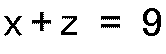
0,75 g/l eines Netzmittels auf Basis Phosphonsäureester,
2,5 g/l Natriumsulfat,
1 g/l Ammonsulfat. - Dieser Flotte werden die folgenden heiß vorgelösten Farbstoffe zugesetzt:

Anschließend wird der Materialträger eingefahren. Nach 10minütiger Flottenzirkulation von innen nach außen bei 40°C wird mit 1°C/Min. auf 98°C aufgeheizt. Dabei zirkuliert die Flotte wechselseitig 10 Minuten von innen nach außen und 5 Minuten von außen nach innen. Nach 30 Minuten bei 98°C wird mit 2°C/Min. auf 80°C abgekühlt. Nach Ablassen der Flotte werden die Spulen getrocknet. Man erhält eine egale hellbeige Färbung. - 226 kg vorgebleichter Baumwoll-Interlock-Wirkware werden auf einer Haspelkufe im Flottenverhältnis 1:15 wie folgt gefärbt:
Die Haspelkufe mit der Ware wird mit enthärtetem Wasser beschickt und auf 40°C vorgeheizt. Dem Färbebad werden 15 g/l Kochsalz, 0,5 % des Hilfsmittels aus Beispiel 2 sowie 1 g/l eines Polyphosphates zugesetzt. Nach 10minütigem Vorlauf werden die heiß vorgelösten Farbstoffe
in der Kochwand zugesetzt. Nach 10minütigem Vorlauf bei 40°C wird mit 1°C/Min. auf 70°C aufgeheizt, dort 10 Minuten verweilt und mit 1°C/Min. auf 95°C weiter geheizt. Nach 30minütigem Färben bei 95°C wird in 15 Minuten auf 80°C abgekühlt, heiß abgelassen und einmal mit hartem Wasser gespült. Man erhält eine egale grüne Färbung. - Verwendet man in Beispiel 1 anstelle des Hilfsmittels III eines der in der folgenden Tabelle aufgeführten Hilfsmittel, so erhält man ebenfalls egale Färbungen.

- Eine Kreuzspule von 700 g gebleichten Baumwollgarns wird in einem Labor-Kreuzspulapparat wie folgt gefärbt:
11 l Färbeflotte aus enthärtetem Wasser von 20°C und mit einem pH-Wert von 6,5 werden zugesetzt:
3,5 g des Hilfsmittels aus Beispiel 2,
11 g eines Netzmittels auf Basis Phosphonsäureester und
300 g Natriumchlorid. - Die Färbeflotte wird in den Apparat gepumpt. Nach 5 minütiger Zirkulation mit 2 Umwälzungen/min von innen nach außen durch die Spule werden 3,5 g des vorgelösten Reaktivfarbstoffes

über das Ansatzgefäß zugesetzt. - Innerhalb von 30 min wird auf 40°C aufgeheizt, sodann werden 22 g Soda calc. und nach weiteren 30 min 11 ml NaOH 38°Bé über das Ansatzgafäß zugegeben. Nach weiteren 30 min wird die Färbeflotte abgelassen und wie üblich gespült. Es resultiert eine egale rote Färbung.
Claims (6)
- Verfahren zum diskontinuierlichen Färben von Cellulosefasern in Gegenwart glykolethergruppenhaltiger Amine, in welchem der übliche Zusatz von Elektrolyt vor dem Farbstoffzusatz erfolgt, dadurch gekennzeichnet, daß man als glykolgruppenhaltige Amine Verbindungen der Formel
 R für C₁₂-C₂₂-Alkyl, Cycloalkyl, Aryl oder Aralkyl mit je 12 bis 22 C-Atomen,R₁ für Wasserstoff, C₁-C₄-Alkyl, Benzyl oder
 R₂ für Wasserstoff oder Methyl,R₃ für
 R₄ für Arylen mit 6 bis 18 C-Atomen oder C₁-C₁₇-Alkylen,x, y und z für eine ganze Zahl von 1 bis 20 stehen, wobei die Summe x + y + z 5 bis 20 betragen soll, undX⊖ für ein Anion stehen,mit der Maßgabe, daß mindestens 80 % der im Molekül enthaltenen Alkylenoxid-Einheiten Ethylenoxid-Einheiten sind.
 - Verfahren nach Anspruch 1, dadurch gekennzeichnet, daß man als Amine Verbindungen der Formel
 R' für C₁₂-C₂₂-Alkyl,R
 R
R
 RR₂, X⊖, x, y, und z die in Formel (I) angegebene Bedeutung haben.
- Verfahren nach Anspruch 1, dadurch gekennzeichnet, daß man dem Färbebad vor der Zugabe des Farbstoffs und des Amins ein Salz zusetzt.
- Verfahren nach Anspruch 1, dadurch gekennzeichnet, daß man dem Färbebad das Amin entweder vor dem Farbstoff oder gemeinsam mit diesem zusetzt.
- Verfahren nach Anspruch 1, dadurch gekennzeichnet, daß man das Amin in einer Menge von 0,1 bis 2 Gew.-%, bezogen auf die Cellulosefaser, verwendet.
- Verfahren nach Anspruch 1, dadurch gekennzeichnet, daß man mit Direktfarbstoffen färbt und die Menge des Amins so wählt, daß die Baderschöpfung in den ersten 10 Minuten zwischen 20 und 60 % liegt.
Applications Claiming Priority (2)
| Application Number | Priority Date | Filing Date | Title |
|---|---|---|---|
| DE3729459 | 1987-09-03 | ||
| DE19873729459 DE3729459A1 (de) | 1987-09-03 | 1987-09-03 | Verfahren fuer das faerben von cellulosefasern |
Publications (3)
| Publication Number | Publication Date |
|---|---|
| EP0305839A2 EP0305839A2 (de) | 1989-03-08 |
| EP0305839A3 EP0305839A3 (de) | 1991-09-11 |
| EP0305839B1 true EP0305839B1 (de) | 1993-11-10 |
Family
ID=6335143
Family Applications (1)
| Application Number | Title | Priority Date | Filing Date |
|---|---|---|---|
| EP88113606A Expired - Lifetime EP0305839B1 (de) | 1987-09-03 | 1988-08-22 | Verfahren für das Färben von Cellulosefasern |
Country Status (3)
| Country | Link |
|---|---|
| EP (1) | EP0305839B1 (de) |
| JP (1) | JPH0197283A (de) |
| DE (2) | DE3729459A1 (de) |
Family Cites Families (5)
| Publication number | Priority date | Publication date | Assignee | Title |
|---|---|---|---|---|
| CH553286A (de) * | 1969-03-24 | 1974-08-30 | ||
| US3591325A (en) * | 1969-04-25 | 1971-07-06 | Arkansas Co Inc | Products and process for removing organic pigments and dyes from dyed and printed natural and synthetic textile materials |
| BE754502A (fr) * | 1969-08-07 | 1971-01-18 | Bayer Ag | Procede de teinture de matieres fibreuses azotees |
| DE3329445A1 (de) * | 1983-08-16 | 1985-03-07 | Bayer Ag, 5090 Leverkusen | Verfahren zum faerben von cellulosefasern |
| DE3700674A1 (de) * | 1986-01-15 | 1987-07-16 | Ciba Geigy Ag | Verfahren zum bedrucken von cellulosischen fasermaterialien |
-
1987
- 1987-09-03 DE DE19873729459 patent/DE3729459A1/de not_active Withdrawn
-
1988
- 1988-08-22 EP EP88113606A patent/EP0305839B1/de not_active Expired - Lifetime
- 1988-08-22 DE DE88113606T patent/DE3885549D1/de not_active Expired - Fee Related
- 1988-09-01 JP JP63216426A patent/JPH0197283A/ja active Pending
Also Published As
| Publication number | Publication date |
|---|---|
| DE3885549D1 (de) | 1993-12-16 |
| JPH0197283A (ja) | 1989-04-14 |
| DE3729459A1 (de) | 1989-03-16 |
| EP0305839A3 (de) | 1991-09-11 |
| EP0305839A2 (de) | 1989-03-08 |
Similar Documents
| Publication | Publication Date | Title |
|---|---|---|
| DE2633615C3 (de) | Verfahren zum Färben von synthetischen Polyamid-Fasermaterialien | |
| EP0545207A1 (de) | Reaktivfarbstoffmischung mit verbessertem Kombinationsverhalten | |
| EP0080642A1 (de) | Färbeverfahren | |
| EP0613976B1 (de) | Verwendung von Acrylamidpolymeren als Faltenverhinderungsmittel | |
| DE2914111C2 (de) | Verfahren zum Färben von Cellulosematerialien mit Reaktivfarbstoffen nach dem Ausziehverfahren | |
| EP0141078B1 (de) | Verfahren zum Färben von Cellulosefasern | |
| DE2556376C2 (de) | Verfahren zum Färben von Polyacrylnitril-Fasermaterial | |
| EP0305839B1 (de) | Verfahren für das Färben von Cellulosefasern | |
| EP0023341B1 (de) | Klotzhilfsmittel, Verfahren zu seiner Herstellung und Verfahren zum Färben von Cellulosefasern bzw. Gemischen von Cellulosefasern zusammen mit Synthesefasern mit Schwefel-, Schwefelküpen-, Küpen- und Reaktivfarbstoffen | |
| EP0545220A1 (de) | Verbesserte Reaktivfarbstoff-Rotmischung | |
| DE2812039C3 (de) | Verfahren zum Färben von Wolle und synthetischen Polyamidfasern | |
| EP0259251A2 (de) | Kationische Umsetzungsprodukte aus basischen Carbamiden und Epihalogenhydrinen | |
| EP0036537A2 (de) | Verfahren zum Färben von Polyester/Cellulosefasermischungen | |
| DE2527962A1 (de) | Verfahren zur behandlung von cellulose-fasern | |
| EP0531849A2 (de) | Verfahren zum Nachbleichen gefärbter Rohcellulose | |
| EP0024332B1 (de) | Färben von Wolle/Cellulosefasermischungen | |
| EP0250365A1 (de) | Verfahren zur Nachbehandlung von gefärbtem Cellulosefasermaterial | |
| EP0105034B1 (de) | Färbereihilfsmittel und Verfahren zum Färben von Polyacrylnitrilfasermaterial | |
| DE2542926B2 (de) | Verfahren zum Färben von Veloursmaterial aus synthetischen Polyamidfasern | |
| DE2943750A1 (de) | Verfahren zum faerben von polyacrylnitrilfasern | |
| DE10028224A1 (de) | Mischungen von Schwefelsäureestern | |
| US3313589A (en) | Levelling agents for dyeing textile materials | |
| EP1772553A1 (de) | Verfahren zum Färben von Wollfasern | |
| DE1801715C3 (de) | Verfahren zum einbadigen Färben von Mischungen aus Cellulose-, Polyester- und Polyacrylnitrilfasern | |
| DE2648535A1 (de) | Faerbeverfahren fuer natuerliche und kuenstliche cellulosefasern in faerbebaedern auf grundlage von organischen loesungsmitteln |
Legal Events
| Date | Code | Title | Description |
|---|---|---|---|
| PUAI | Public reference made under article 153(3) epc to a published international application that has entered the european phase |
Free format text: ORIGINAL CODE: 0009012 |
|
| 17P | Request for examination filed |
Effective date: 19880822 |
|
| AK | Designated contracting states |
Kind code of ref document: A2 Designated state(s): BE CH DE FR GB IT LI |
|
| PUAL | Search report despatched |
Free format text: ORIGINAL CODE: 0009013 |
|
| AK | Designated contracting states |
Kind code of ref document: A3 Designated state(s): BE CH DE FR GB IT LI |
|
| 17Q | First examination report despatched |
Effective date: 19920611 |
|
| GRAA | (expected) grant |
Free format text: ORIGINAL CODE: 0009210 |
|
| AK | Designated contracting states |
Kind code of ref document: B1 Designated state(s): BE CH DE FR GB IT LI |
|
| REF | Corresponds to: |
Ref document number: 3885549 Country of ref document: DE Date of ref document: 19931216 |
|
| GBT | Gb: translation of ep patent filed (gb section 77(6)(a)/1977) |
Effective date: 19931123 |
|
| ITF | It: translation for a ep patent filed | ||
| ET | Fr: translation filed | ||
| PGFP | Annual fee paid to national office [announced via postgrant information from national office to epo] |
Ref country code: DE Payment date: 19940714 Year of fee payment: 7 |
|
| PGFP | Annual fee paid to national office [announced via postgrant information from national office to epo] |
Ref country code: FR Payment date: 19940727 Year of fee payment: 7 |
|
| PGFP | Annual fee paid to national office [announced via postgrant information from national office to epo] |
Ref country code: GB Payment date: 19940812 Year of fee payment: 7 Ref country code: CH Payment date: 19940812 Year of fee payment: 7 |
|
| PGFP | Annual fee paid to national office [announced via postgrant information from national office to epo] |
Ref country code: BE Payment date: 19940824 Year of fee payment: 7 |
|
| PLBE | No opposition filed within time limit |
Free format text: ORIGINAL CODE: 0009261 |
|
| STAA | Information on the status of an ep patent application or granted ep patent |
Free format text: STATUS: NO OPPOSITION FILED WITHIN TIME LIMIT |
|
| 26N | No opposition filed | ||
| PG25 | Lapsed in a contracting state [announced via postgrant information from national office to epo] |
Ref country code: GB Effective date: 19950822 |
|
| PG25 | Lapsed in a contracting state [announced via postgrant information from national office to epo] |
Ref country code: LI Effective date: 19950831 Ref country code: CH Effective date: 19950831 Ref country code: BE Effective date: 19950831 |
|
| BERE | Be: lapsed |
Owner name: BAYER A.G. Effective date: 19950831 |
|
| REG | Reference to a national code |
Ref country code: CH Ref legal event code: PL |
|
| GBPC | Gb: european patent ceased through non-payment of renewal fee |
Effective date: 19950822 |
|
| PG25 | Lapsed in a contracting state [announced via postgrant information from national office to epo] |
Ref country code: FR Effective date: 19960430 |
|
| PG25 | Lapsed in a contracting state [announced via postgrant information from national office to epo] |
Ref country code: DE Effective date: 19960501 |
|
| REG | Reference to a national code |
Ref country code: FR Ref legal event code: ST |
|
| PG25 | Lapsed in a contracting state [announced via postgrant information from national office to epo] |
Ref country code: IT Free format text: LAPSE BECAUSE OF NON-PAYMENT OF DUE FEES;WARNING: LAPSES OF ITALIAN PATENTS WITH EFFECTIVE DATE BEFORE 2007 MAY HAVE OCCURRED AT ANY TIME BEFORE 2007. THE CORRECT EFFECTIVE DATE MAY BE DIFFERENT FROM THE ONE RECORDED. Effective date: 20050822 |