EP0352062A2 - Funktionelles Protein-Produkt von pflanzlichen Proteinmaterialien - Google Patents
Funktionelles Protein-Produkt von pflanzlichen Proteinmaterialien Download PDFInfo
- Publication number
- EP0352062A2 EP0352062A2 EP89307255A EP89307255A EP0352062A2 EP 0352062 A2 EP0352062 A2 EP 0352062A2 EP 89307255 A EP89307255 A EP 89307255A EP 89307255 A EP89307255 A EP 89307255A EP 0352062 A2 EP0352062 A2 EP 0352062A2
- Authority
- EP
- European Patent Office
- Prior art keywords
- process according
- product
- vegetable
- food product
- meat
- Prior art date
- Legal status (The legal status is an assumption and is not a legal conclusion. Google has not performed a legal analysis and makes no representation as to the accuracy of the status listed.)
- Granted
Links
- 108010082495 Dietary Plant Proteins Proteins 0.000 title claims abstract description 21
- 239000000463 material Substances 0.000 title abstract description 12
- 108090000623 proteins and genes Proteins 0.000 title description 24
- 102000004169 proteins and genes Human genes 0.000 title description 24
- 239000000284 extract Substances 0.000 claims abstract description 66
- 241001465754 Metazoa Species 0.000 claims abstract description 65
- 235000013305 food Nutrition 0.000 claims abstract description 63
- 238000000034 method Methods 0.000 claims abstract description 61
- 235000013311 vegetables Nutrition 0.000 claims abstract description 56
- XLYOFNOQVPJJNP-UHFFFAOYSA-N water Substances O XLYOFNOQVPJJNP-UHFFFAOYSA-N 0.000 claims abstract description 53
- 230000008569 process Effects 0.000 claims abstract description 51
- 230000036571 hydration Effects 0.000 claims abstract description 20
- 238000006703 hydration reaction Methods 0.000 claims abstract description 20
- 235000021120 animal protein Nutrition 0.000 claims abstract description 16
- 239000000047 product Substances 0.000 claims description 115
- 235000013372 meat Nutrition 0.000 claims description 59
- 235000015278 beef Nutrition 0.000 claims description 22
- 239000000203 mixture Substances 0.000 claims description 22
- 235000015277 pork Nutrition 0.000 claims description 19
- 244000030795 Annona lutescens Species 0.000 claims description 17
- 235000005288 Annona lutescens Nutrition 0.000 claims description 17
- 241000287828 Gallus gallus Species 0.000 claims description 10
- 235000013330 chicken meat Nutrition 0.000 claims description 10
- 235000019197 fats Nutrition 0.000 claims description 10
- 235000010469 Glycine max Nutrition 0.000 claims description 8
- 235000013351 cheese Nutrition 0.000 claims description 8
- 241000283690 Bos taurus Species 0.000 claims description 6
- 244000068988 Glycine max Species 0.000 claims description 6
- 235000012054 meals Nutrition 0.000 claims description 6
- 241000251468 Actinopterygii Species 0.000 claims description 5
- 239000012141 concentrate Substances 0.000 claims description 5
- 241000238557 Decapoda Species 0.000 claims description 4
- 239000008280 blood Substances 0.000 claims description 4
- 210000004369 blood Anatomy 0.000 claims description 4
- 239000006227 byproduct Substances 0.000 claims description 4
- 229940071440 soy protein isolate Drugs 0.000 claims description 4
- 238000009966 trimming Methods 0.000 claims description 4
- 235000019737 Animal fat Nutrition 0.000 claims description 3
- 241000271566 Aves Species 0.000 claims description 3
- 235000011617 hard cheese Nutrition 0.000 claims description 3
- 210000004185 liver Anatomy 0.000 claims description 3
- 235000013594 poultry meat Nutrition 0.000 claims description 3
- 241000272525 Anas platyrhynchos Species 0.000 claims description 2
- 241000238366 Cephalopoda Species 0.000 claims description 2
- 235000019733 Fish meal Nutrition 0.000 claims description 2
- 235000019687 Lamb Nutrition 0.000 claims description 2
- 235000019735 Meat-and-bone meal Nutrition 0.000 claims description 2
- 241000272458 Numididae Species 0.000 claims description 2
- 241000238413 Octopus Species 0.000 claims description 2
- 241001494479 Pecora Species 0.000 claims description 2
- 241000009328 Perro Species 0.000 claims description 2
- 241000270295 Serpentes Species 0.000 claims description 2
- 235000021336 beef liver Nutrition 0.000 claims description 2
- 239000004467 fishmeal Substances 0.000 claims description 2
- 244000144977 poultry Species 0.000 claims description 2
- 108010073771 Soybean Proteins Proteins 0.000 claims 1
- 229940001941 soy protein Drugs 0.000 claims 1
- 239000008187 granular material Substances 0.000 description 31
- 235000018102 proteins Nutrition 0.000 description 23
- 239000000796 flavoring agent Substances 0.000 description 20
- 235000019634 flavors Nutrition 0.000 description 19
- 239000004615 ingredient Substances 0.000 description 17
- 235000013580 sausages Nutrition 0.000 description 15
- 239000012467 final product Substances 0.000 description 13
- 235000013622 meat product Nutrition 0.000 description 9
- 230000000052 comparative effect Effects 0.000 description 8
- 230000008901 benefit Effects 0.000 description 6
- 238000010348 incorporation Methods 0.000 description 6
- 230000000694 effects Effects 0.000 description 5
- 238000005516 engineering process Methods 0.000 description 5
- 235000015220 hamburgers Nutrition 0.000 description 5
- 102000008186 Collagen Human genes 0.000 description 4
- 108010035532 Collagen Proteins 0.000 description 4
- 235000013736 caramel Nutrition 0.000 description 4
- 229920001436 collagen Polymers 0.000 description 4
- MIDXCONKKJTLDX-UHFFFAOYSA-N 3,5-dimethylcyclopentane-1,2-dione Chemical compound CC1CC(C)C(=O)C1=O MIDXCONKKJTLDX-UHFFFAOYSA-N 0.000 description 3
- 239000000654 additive Substances 0.000 description 3
- 235000021152 breakfast Nutrition 0.000 description 3
- CZBZUDVBLSSABA-UHFFFAOYSA-N butylated hydroxyanisole Chemical compound COC1=CC=C(O)C(C(C)(C)C)=C1.COC1=CC=C(O)C=C1C(C)(C)C CZBZUDVBLSSABA-UHFFFAOYSA-N 0.000 description 3
- 235000002864 food coloring agent Nutrition 0.000 description 3
- 235000015108 pies Nutrition 0.000 description 3
- 230000009467 reduction Effects 0.000 description 3
- 235000013547 stew Nutrition 0.000 description 3
- 210000000689 upper leg Anatomy 0.000 description 3
- 230000000007 visual effect Effects 0.000 description 3
- 239000004606 Fillers/Extenders Substances 0.000 description 2
- 244000203593 Piper nigrum Species 0.000 description 2
- 235000008184 Piper nigrum Nutrition 0.000 description 2
- 230000015572 biosynthetic process Effects 0.000 description 2
- 235000013614 black pepper Nutrition 0.000 description 2
- 210000000481 breast Anatomy 0.000 description 2
- 230000008859 change Effects 0.000 description 2
- 239000003086 colorant Substances 0.000 description 2
- 238000004040 coloring Methods 0.000 description 2
- 238000010411 cooking Methods 0.000 description 2
- IINNWAYUJNWZRM-UHFFFAOYSA-L erythrosin B Chemical compound [Na+].[Na+].[O-]C(=O)C1=CC=CC=C1C1=C2C=C(I)C(=O)C(I)=C2OC2=C(I)C([O-])=C(I)C=C21 IINNWAYUJNWZRM-UHFFFAOYSA-L 0.000 description 2
- 235000012732 erythrosine Nutrition 0.000 description 2
- 239000004174 erythrosine Substances 0.000 description 2
- 229940011411 erythrosine Drugs 0.000 description 2
- 238000009472 formulation Methods 0.000 description 2
- 235000013336 milk Nutrition 0.000 description 2
- 239000008267 milk Substances 0.000 description 2
- 210000004080 milk Anatomy 0.000 description 2
- 239000001931 piper nigrum l. white Substances 0.000 description 2
- 150000003839 salts Chemical class 0.000 description 2
- 239000008399 tap water Substances 0.000 description 2
- 235000020679 tap water Nutrition 0.000 description 2
- 244000105624 Arachis hypogaea Species 0.000 description 1
- 240000002791 Brassica napus Species 0.000 description 1
- 235000011293 Brassica napus Nutrition 0.000 description 1
- YSVBPNGJESBVRM-ZPZFBZIMSA-L Carmoisine Chemical compound [Na+].[Na+].C1=CC=C2C(/N=N/C3=C(C4=CC=CC=C4C(=C3)S([O-])(=O)=O)O)=CC=C(S([O-])(=O)=O)C2=C1 YSVBPNGJESBVRM-ZPZFBZIMSA-L 0.000 description 1
- 241001137251 Corvidae Species 0.000 description 1
- 241000238424 Crustacea Species 0.000 description 1
- 241000238631 Hexapoda Species 0.000 description 1
- 241000483399 Ipimorpha retusa Species 0.000 description 1
- 241000270322 Lepidosauria Species 0.000 description 1
- 240000002129 Malva sylvestris Species 0.000 description 1
- 235000006770 Malva sylvestris Nutrition 0.000 description 1
- 241000124008 Mammalia Species 0.000 description 1
- 241000288147 Meleagris gallopavo Species 0.000 description 1
- 241000237852 Mollusca Species 0.000 description 1
- 206010034203 Pectus Carinatum Diseases 0.000 description 1
- 244000000231 Sesamum indicum Species 0.000 description 1
- 235000003434 Sesamum indicum Nutrition 0.000 description 1
- 241000282887 Suidae Species 0.000 description 1
- 210000001015 abdomen Anatomy 0.000 description 1
- 238000010521 absorption reaction Methods 0.000 description 1
- 230000000996 additive effect Effects 0.000 description 1
- WXLFIFHRGFOVCD-UHFFFAOYSA-L azophloxine Chemical compound [Na+].[Na+].OC1=C2C(NC(=O)C)=CC(S([O-])(=O)=O)=CC2=CC(S([O-])(=O)=O)=C1N=NC1=CC=CC=C1 WXLFIFHRGFOVCD-UHFFFAOYSA-L 0.000 description 1
- 239000004176 azorubin Substances 0.000 description 1
- 235000012733 azorubine Nutrition 0.000 description 1
- 235000012730 carminic acid Nutrition 0.000 description 1
- 229940031019 carmoisine Drugs 0.000 description 1
- 235000021449 cheeseburger Nutrition 0.000 description 1
- 239000007795 chemical reaction product Substances 0.000 description 1
- 238000012505 colouration Methods 0.000 description 1
- 239000002131 composite material Substances 0.000 description 1
- 150000001875 compounds Chemical class 0.000 description 1
- 238000001816 cooling Methods 0.000 description 1
- 235000012343 cottonseed oil Nutrition 0.000 description 1
- 235000013365 dairy product Nutrition 0.000 description 1
- 230000001419 dependent effect Effects 0.000 description 1
- 239000000839 emulsion Substances 0.000 description 1
- 238000002474 experimental method Methods 0.000 description 1
- 206010016766 flatulence Diseases 0.000 description 1
- 235000012041 food component Nutrition 0.000 description 1
- 239000005417 food ingredient Substances 0.000 description 1
- 230000037406 food intake Effects 0.000 description 1
- 235000011194 food seasoning agent Nutrition 0.000 description 1
- 238000005469 granulation Methods 0.000 description 1
- 230000003179 granulation Effects 0.000 description 1
- 238000010438 heat treatment Methods 0.000 description 1
- 230000000887 hydrating effect Effects 0.000 description 1
- 230000006872 improvement Effects 0.000 description 1
- 210000003734 kidney Anatomy 0.000 description 1
- 235000004213 low-fat Nutrition 0.000 description 1
- 238000004519 manufacturing process Methods 0.000 description 1
- 230000007935 neutral effect Effects 0.000 description 1
- 239000002245 particle Substances 0.000 description 1
- 235000011837 pasties Nutrition 0.000 description 1
- 235000020232 peanut Nutrition 0.000 description 1
- 235000013550 pizza Nutrition 0.000 description 1
- 235000013613 poultry product Nutrition 0.000 description 1
- 239000000843 powder Substances 0.000 description 1
- 238000002360 preparation method Methods 0.000 description 1
- 235000012739 red 2G Nutrition 0.000 description 1
- 239000004180 red 2G Substances 0.000 description 1
- 230000000717 retained effect Effects 0.000 description 1
- 235000015067 sauces Nutrition 0.000 description 1
- 235000020183 skimmed milk Nutrition 0.000 description 1
- 238000003307 slaughter Methods 0.000 description 1
- 239000007787 solid Substances 0.000 description 1
- 238000009987 spinning Methods 0.000 description 1
- 239000013589 supplement Substances 0.000 description 1
- 235000012756 tartrazine Nutrition 0.000 description 1
- 239000004149 tartrazine Substances 0.000 description 1
- UJMBCXLDXJUMFB-GLCFPVLVSA-K tartrazine Chemical compound [Na+].[Na+].[Na+].[O-]C(=O)C1=NN(C=2C=CC(=CC=2)S([O-])(=O)=O)C(=O)C1\N=N\C1=CC=C(S([O-])(=O)=O)C=C1 UJMBCXLDXJUMFB-GLCFPVLVSA-K 0.000 description 1
- 229960000943 tartrazine Drugs 0.000 description 1
- 150000004044 tetrasaccharides Chemical class 0.000 description 1
- 210000001519 tissue Anatomy 0.000 description 1
- 150000004043 trisaccharides Chemical class 0.000 description 1
- UJMBCXLDXJUMFB-UHFFFAOYSA-K trisodium;5-oxo-1-(4-sulfonatophenyl)-4-[(4-sulfonatophenyl)diazenyl]-4h-pyrazole-3-carboxylate Chemical compound [Na+].[Na+].[Na+].[O-]C(=O)C1=NN(C=2C=CC(=CC=2)S([O-])(=O)=O)C(=O)C1N=NC1=CC=C(S([O-])(=O)=O)C=C1 UJMBCXLDXJUMFB-UHFFFAOYSA-K 0.000 description 1
- 239000002699 waste material Substances 0.000 description 1
- 235000013618 yogurt Nutrition 0.000 description 1
Images


Classifications
-
- A—HUMAN NECESSITIES
- A23—FOODS OR FOODSTUFFS; TREATMENT THEREOF, NOT COVERED BY OTHER CLASSES
- A23J—PROTEIN COMPOSITIONS FOR FOODSTUFFS; WORKING-UP PROTEINS FOR FOODSTUFFS; PHOSPHATIDE COMPOSITIONS FOR FOODSTUFFS
- A23J3/00—Working-up of proteins for foodstuffs
- A23J3/22—Working-up of proteins for foodstuffs by texturising
-
- A—HUMAN NECESSITIES
- A23—FOODS OR FOODSTUFFS; TREATMENT THEREOF, NOT COVERED BY OTHER CLASSES
- A23J—PROTEIN COMPOSITIONS FOR FOODSTUFFS; WORKING-UP PROTEINS FOR FOODSTUFFS; PHOSPHATIDE COMPOSITIONS FOR FOODSTUFFS
- A23J3/00—Working-up of proteins for foodstuffs
- A23J3/22—Working-up of proteins for foodstuffs by texturising
- A23J3/225—Texturised simulated foods with high protein content
- A23J3/227—Meat-like textured foods
-
- Y—GENERAL TAGGING OF NEW TECHNOLOGICAL DEVELOPMENTS; GENERAL TAGGING OF CROSS-SECTIONAL TECHNOLOGIES SPANNING OVER SEVERAL SECTIONS OF THE IPC; TECHNICAL SUBJECTS COVERED BY FORMER USPC CROSS-REFERENCE ART COLLECTIONS [XRACs] AND DIGESTS
- Y10—TECHNICAL SUBJECTS COVERED BY FORMER USPC
- Y10S—TECHNICAL SUBJECTS COVERED BY FORMER USPC CROSS-REFERENCE ART COLLECTIONS [XRACs] AND DIGESTS
- Y10S426/00—Food or edible material: processes, compositions, and products
- Y10S426/802—Simulated animal flesh
Definitions
- the present invention relates to a novel protein composite material which is formed from a vegetable proteinaceous extract and which can be used with protein materials and products derived from animal sources.
- the product of the invention is designed to simulate a granulated (e.g. minced) protein product, notably, but not exclusively, a granular meat product and may be used to supplement the meat content of meat products, such as pie fillings and sausages.
- one of the most common practices is to isolate the protein from the vegetable to produce a product containing a relatively high protein content, from which, desirably, the objectionable flavour and physiologically active compounds have been removed and, perhaps somewhat less desirably, the physical structure has also been destroyed.
- This product will normally be in the form of a powder having, provided it has been processed properly, a fairly neutral flavour and having a colour which may vary from white to, in general, light beige.
- Such a product may be of the type referred to as a "vegetable protein concentrate" or "vegetable protein isolate”.
- This product then has to be processed in some way to give it a flavour and texture acceptable to the consumer. For example, where it is to be used as a meat extender or replacement, it may be necessary to impart a generally "fibrous" texture to the product.
- the present invention provides a process for producing a functional vegetable product for use with animal protein materials, in which a non-hydrated vegetable proteinaceous extract is blended under conditions of shear with a quantity of water insufficient for full hydration of the extract and with a frozen animal food product, preferably animal protein product, having a temperature sufficiently low to render it essentially rigid, to produce a granular product containing said vegetable proteinaceous extract and said animal food product.
- the animal protein product or other animal food product employed in the process of the present invention is a food, preferably protein, product derived from an animal, whether by slaughter or otherwise, and may preferably be, but is not limited to, meat.
- the term "meat” as used herein includes not only animal tissue (such as would be recognised as “meat” by the layman, particularly skeletal meats, such as pork shoulder, beef shoulder, beef flank and turkey thigh), but also that broader class of animal products recognised as "meat” by the food processing industry, such as meat by-products, pork heads, pork skirt, poultry meal, fish trimmings, fish meal, rendered meal, meat trimmings, animal liver, meat meal, meat and bone meal, mechanically deboned meat, blood and offal.
- the meat may be derived from any animal, which term, as used herein, includes mammals (both land-based and aquatic), reptiles, fowl, fish, insects, crustaceans, molluscs, and any other such living organism which is capable of being consumed by humans or other animals, whether or not it is actually commonly used as a food source at the present time. It will, of course, be appreciated that the nature of those animals which are regarded as acceptable for human or even pet consumption may vary from time to time and will also, of course, vary with custom, culture and fashion.
- Typical meat sources which may be employed in the process of the invention are the flesh and by-products of chicken, pork, lamb, sheep, fish, octopus, squid, snake, dog, beef, turkey, horse, duck, venison, guinea fowl, birds other than those specifically mentioned above (including game birds), crabs and lobsters.
- meat other animal protein products include milk and products derived from milk, including skimmed milk, yoghurt and, most notably, cheese.
- Other non-protein animal food products which may be used in the invention include animal fat.
- mixtures of any two or more of these animal food products may be used in the present invention in order to achieve particular effects or flavour or mouthfeel characteristics.
- the nature of the animal food product will have an influence on the nature and appearance of the final product, and thus this should be chosen with care having regard to the desired characteristics of the final product.
- a high fat content leads to a soft product.
- a high collagen content leads to a hard product (collagen may be provided by, for example, rinds or similar animal products).
- a high content of salt-soluble myofibular protein leads to a product which, whilst still hard, is not so hard as that with a high collagen content.
- a high content of salt-insoluble myofibular protein leads to a product of intermediate hardness.
- the taste and appearance of the final product should be taken into account in determining the balance of different proteins as should local food content regulations.
- the first critical feature of the process of the invention is that the vegetable proteinaceous extract employed should not be hydrated prior to mixing with the water and the animal food product. Accordingly, it is highly desirable to control the order in which the components are mixed: we prefer that the water and animal food product should be mixed first and that the vegetable proteinaceous extract should be added to the resulting mixture. The degree of hydration also appears to have a significant effect on the nature of the product achieved and too high a hydration level will prevent the formation of granules.
- the precise level at which granule formation is inhibited will vary depending upon the nature of the vegetable proteinaceous extract and possibly on the animal food product employed with it, but, in general, a hydration level not greater than 3 parts of water for each part of vegetable proteinaceous extract is preferred. However, the level can go somewhat higher (albeit not so high that complete hydration of the vegetable proteinaceous extract takes place) in specific products, e.g. a product designed for incorporation in an English breakfast sausage or for specific purposes, e.g. to improve pumpablity of the product. In such a case, a hydration level up to 5 or 6 (i.e. 5 or 6 parts of water per part of vegetable proteinaceous extract) may be acceptable.
- the hydration level is not greater than 2.5 parts of water per part of vegetable proteinaceous extract, e.g from 2.5 : 1 to 2 : 1, and the most preferred level appears to be about 2 parts of water for each part of vegetable proteinaceous extract, although this will vary with the vegetable proteinaceous extract; the precise optimum level can be found by simple experimentation, keeping all other factors constant, but varying the level of hydration and determining, from simple visual observation, whether or not granulation occurs.
- the minimum level of hydration appears to be less critical, but, in general, we would not recommend going below a level of one part of water per part of vegetable proteinaceous extract and not less than 1.5 parts of water per part of vegetable proteinaceous extract is preferred.
- the animal food product should be at a temperature sufficiently low to render it essentially rigid.
- the exact value of this temperature will vary with the nature of the animal food product. For example, in the case of hard cheeses, such as cheddar or similar cheese, the temperature should be below 10°C, and more preferably below 5°C, e.g. 4°C, since such cheeses become essentially rigid at relatively high temperatures.
- the temperature should be not greater than 0°C, and preferably significantly below 0°C, at the point when the animal food product is mixed with the hydrated vegetable proteinaceous extract.
- 0°C is the maximum temperature for the animal food product in the process of the present invention, when that product is a meat, and, in practice, the maximum temperature for meat is -1°C; more preferably for meat we would use a temperature not exceeding -6°C.
- the minimum temperature is determined primarily by operational factors, rather than by any requirements of the present invention. Thus, it is impractical to have too low a temperature, as the mixers available in the food industry will simply not work. In general, we do not recommend a temperature significantly below -30°C, with, say, -40°C as the practical minimum; in most cases, the actual operating temperature is likely to be above this minimum.
- a preferred temperature of the animal food product, where that product is a meat, at the time it is mixed with the other components is in the range from -3°C to -20°C, more preferably from -10°C to -20°C, although, provided that the product is frozen, the precise temperature, at least within the limits achieved by ordinary commercial food freezers, does not appear to be too critical.
- the preferred temperature is in the range of from 5 to -20°C.
- the water added to the ingredients to hydrate partially the vegetable protein will normally be at or about ambient temperature, and, although there is no reason why the water should not be at any other temperature within its normal range of liquidity (provided, if it is hot, that compensating reductions are made in the temperature of other components), no advantages are seen to employing a temperature other than its normal temperature as supplied, e.g. from 1°C to 18°C, more commonly from 5°C to 10°C. Water which is too hot will raise the temperature of the whole mixture and may lead to hygiene problems; accordingly, water towards the cooler end of the suggested range is preferred.
- Another factor which has an influence on the texture of the granular product of the invention is the ratio of vegetable proteinaceous extract to animal food product.
- the ratio of vegetable proteinaceous extract to animal food product may vary quite widely, whilst still producing the desired granular effect, but the precise ratio will have an influence on other characteristics of the product and it will be desirable to vary this ratio in order to achieve a product having the optimum characteristics for the intended final use.
- the nature of the animal food product influences the particular ratios at which properties of the final product are exhibited.
- the optimum ratio of vegetable proteinaceous extract (prior to hydration) to animal food product is 1 : 2 by weight when the animal food product is a good quality meat containing sufficient residual structure, such as might be exemplified by beef flank or ox heart.
- mechanically deboned meat whose manner of preparation has normally resulted in almost total loss of structure gives a rather soft and sticky granule, which is less desirable and has less tendency to retain the granular appearance and mouthfeel in the final product.
- the ratio of vegetable proteinaceous extract (prior to hydration) to animal food product should be within the range from 1 : 1 to 1 : 6, more preferably from 1 : 1.5 to 1 : 4, still more preferably from 1 : 1.8 to 1 : 3.2, by weight, and most preferably from 1 : 2 to 1 : 2.5.
- the nature of the vegetable proteinaceous extract used in the process of the invention is less critical, except to the extent that the product is preferably sufficiently processed as to reduce to a minimum undesirable flavour, colour and physiologically active components.
- the product is preferably sufficiently processed as to reduce to a minimum undesirable flavour, colour and physiologically active components.
- isolates of the high viscosity type are preferred.
- Such products are, however, well known in the art and readily available commercially, for example from such companies as Protein Technologies International (UK) Limited in Great Britain or Protein Technologies International and Ralston Purina Company in the USA.
- protein materials derived from oilseeds particularly those derived from sesame seeds, cottonseeds, peanuts or rapeseeds, as well, of course, as soya beans.
- the proteinaceous extract will normally have a relatively high protein content, i.e. higher than the protein content of the native vegetable from which the extract was produced. Too low a protein content leads to the prior art doughy sausagemeat type of product.
- a protein concentration of at least 65% by weight (dry solids basis) is preferred, a concentration of at least 70% being more preferred and a concentration of at least 80% being most preferred.
- the product should preferably be a highly functional (i.e. high quality grade of) proteinaceous extract.
- Proteinaceous extract is used to refer to all such products, including those sub-classes known as “isolates” and “concentrates”. Examples of suitable soy proteinaceous extracts which may be employed in the present invention include those designated as PP500E and PP515 and available from Protein Technologies International (UK) Limited.
- the granules, the product of the present invention may if desired, be used as they are as a food product, since they can, as explained hereafter in more detail, be produced in a nutritionally balanced form and may, if desired, contain appropriate colouring and/or flavouring matter to make them acceptable, in themselves, to the consumer.
- the granules are most acceptable when used as an extender of other animal products, particularly animal protein products, such as meat.
- the granules may be mixed with an appropriate proportion of the other animal product, so as to provide the desired final end product.
- the ratio could range from an overwhelming predominance of the granules of the invention (say, a ratio of granules to other animal protein product of 99 : 1 by weight) to an overwhelming predominance of other animal protein products (say, 1 : 99 by weight).
- the vegetable proteinaceous extract employed in the present invention should be relatively under-hydrated, but it is also necessary that it should not be hydrated prior to mixing with the frozen animal food product. Specifically, if the vegetable proteinaceous extract is hydrated prior to mixing with the frozen animal food product or if the vegetable proteinaceous extract is hydrated to the level conventional in the prior art, the product, rather than resembling the granules of the present invention, will resemble the sausage meat paste common in the prior art.
- the best way of adding the non-hydrated vegetable proteinaceous extract is to place the frozen animal food product and water in an appropriate mixer and, if desired, give those two components a preliminary mix, after which the non-hydrated vegetable proteinaceous extract is added and all three components are then mixed together.
- the mixing at this stage can, in accordance with the present invention, be accompanied by shear forces, such as would be achieved by means of a standard commercial bowl cutter.
- the mixture at this stage may be subjected to simple mixing and then subsequently subjected to mixing with shear by passing it through a mincing machine. Mixing of the ingredients need only be continued for sufficient time to produce the desired granular structure, which can easily be determined by visual observation.
- mixing with shear need be carried out for no more than about 1 minute, and generally substantially less, e.g. less than 40 seconds, more preferably less than 30 seconds and commonly about 20 seconds.
- the precise mixing time required will depend upon the nature, proportions and temperature of the ingredients and the manner in which shear is applied, and can easily be determined for any particular blend by simple experiment.
- the normal colour of properly processed vegetable proteinaceous extracts will be very light, e.g. from white to beige.
- the effect of incorporating such a light product into an animal food product, many of which are highly coloured, is to reduce the perceived level of colour of the final product. In many cases, this may be desirable.
- animal meat products as blood, liver or kidneys generally have a very highly pronounced colour and, if incorporated by themselves into a finished product, might render that product too highly coloured to be acceptable to most European or American consumers.
- Another example is certain parts of poultry meat, for example turkey or chicken thigh meat, which is naturally more highly coloured than, for example, breast meat and is falsely perceived by the consumer to be a less desirable product.
- the reduction in colour achieved by incorporating the vegetable proteinaceous extract consitutes an advantage.
- the granules of the present invention are intended to extend a naturally light-coloured meat, for example, chicken breast meat, turkey breast meat or certain cuts of pork, then the lightness of the vegetable proteinaceous extract will be neither an advantage nor a disadvantage.
- the consumer expects a certain level of colouration and, should the final product fail to achieve this colour level, the consumer may be reluctant to consume it.
- it is desirable to incorporate a food colour or blend of food colours as is well known in this industry. Examples of food colours which may be incorporated include caramel, tartrazine (FD&C Yellow No. 5), erythrosine (FD&C Red No. 3), Red 2G, carmine and carmoisine.
- flavouring additives it may or may not be desirable to incorporate a flavouring additive into the granules of the invention.
- a flavouring additive in general, we prefer that such flavouring additives should not be included, since it is more economical to produce a general purpose granule which can be used for several applications and to which flavouring can (if required) be added at the point when it is incorporated into the final product.
- this may be any of the commercially available meat flavourings, often hydrolysed vegetable proteins, for example Protex 301, Protex 300, SSF 101 (a product of Food Ingredients Supplies Ltd.), Advit Strong Beef (Quest), Advit Pork (Quest) and Quest Steak Flavour.
- colours and/or flavours are to be added, these are preferably added to the mixture at about the same time as the water, and may, if required and if they are water-soluble, be dissolved in the water prior to addition to the mixture.
- the granules of the present invention may be incorporated into a variety of different foodstuffs.
- the intended nature of the final product dictates the components of the granules of the invention which are to be used.
- granules in which the animal food product is provided by cheese or a cheese-flavoured dairy-based mixture can be mixed with meat to provide a "cheeseburger" formulation.
- Meat-based granules can be mixed with more meat to form the ingredients of pies, sausages, pizza toppings, burgers and patties of various types, as well as stews and the like.
- the use of the granules provided by the present invention in sausages which may be of the emulsified type (e.g the English breakfast sausage) or the hard and meaty type, is particularly valuable, enabling variations in the ingredients and manufacturing process, e.g. to form a reduced fat sausage, without substantial variations in the character of the sausage.
- the granules may also be treated simply as an additional meat ingredient and incorporated into the formulation in place of some of the meat which would otherwise be used.
- the granules retain their structure during the cooking to which food products are normally subjected and, if incorporated into final products containing significant quantities of water, for example meat-in-sauce recipes, such as stews or certain types of pie, actually expand slightly by absorbing some of the water, whilst still retaining their structural integrity.
- meat-in-sauce recipes such as stews or certain types of pie
- Frozen ox hearts taken from a freezer maintained at -20°C, were broken up by means of a band saw to form smaller pieces, approximately cubical, of dimensions about 1 - 3 cm. The precise size is unimportant and the breaking up is merely to facilitate subsequent processing. In the course of this, the temperature of the ox hearts rose to about -13°C. Two kg of the broken ox hearts were placed into a bowl cutter (Kilia), and 2.0 kg of cold tap water were added straight from the tap with no heating or cooling. The mixture was then chopped at high speed (with the knives rotating at about 3,600 rpm). After about 30 seconds, the mixture had formed a puree and the knives were switched to the lower speed (about 200 rpm).
- Example 2 The procedure described in Example 1 was repeated, except that the mixture of water, ox hearts and protein isolate was mixed without shear in an ordinary commercial mixer. The mixture was then transferred to a mincer, where it was mechanically minced, and simultaneously subjected to shear forces, and then passed through a 3 - 4 mm diameter plate. The product was very similar to that of Example 1, but a little firmer in texture.
- Example 1 The procedure described in Example 1 was repeated except that the ingredients employed were as shown in the following Table 1.
- PP 515 was used in place of PP500E.
- the beef fat, rinds (i.e. pork skins) and beef flank were employed in place of or in addition to the ox heart and were treated exactly as was the ox heart in Example 1.
- Example 3 was essentially identical with that of Example 1.
- the product of Example 4 was very similar to that of Example 1 but was more moist and succulent.
- the product of Example 5 gave too moist an appearance, indicating that, if beef fat is to be used, a somewhat lower level of the fat and/or the water should be employed.
- the product of Example 6 had a good flavour and appearance but was slightly dry.
- the product of Example 7 was firmer than that of Example 1 but otherwise essentially the same as that of Example 1, indicating that the incorporation of rinds made no substantial difference. However, it does demonstrate that the incorporation of materials containing collagen does increase the firmness of the product. In all cases, the product had a good granular structure.
- the amounts given in Table 1 are shown in kilograms.
- Example 2 The procedure described in Example 1 was repeated, except that the ingredients shown in Table 2 (amounts in kilograms) were employed.
- the beef fat was treated in the same way as the ox hearts of Example 1.
- HVF 50, Protex and Adbeef are proprietary flavouring materials and were added at the same time as the water.
- the caramel is a colouring material and was added dissolved in the water. In all cases, good discrete granules were produced having a meaty appearance and flavour.
- Beef flank (1.6 kg) was ground through a double kidney plate and mixed with 0.4 kg of cheese granules produced as described above, 0.16 kg of salt and 0.004 kg of ground white pepper. The ingredients were mixed and formed into burgers. After frying, the burgers were found to have a good cheesy flavour and appearance, together with an excellent coarse meaty texture.
- Example 1 1.0 kg of vegetable protein isolate PP500E was mixed and allowed to hydrate with 2 kg of water. Frozen ox heart was then treated as described in Example 1 and the hydrated vegetable protein was added to the broken ox hearts in a bowl cutter and mixed as described in Example 1. The product obtained was an essentially homogenous sausage meat-like product.
- Example 2 The procedure described in Example 1 was repeated, except that the amount of water was increased to 4.5 kg (the standard amount for hydrating a vegetable protein isolate of this type).
- the product obtained was an essentially homogenous sausage meat-like puree without any granular structure.
- Example 2 The procedure described in Example 1 was repeated, except that the frozen ox hearts were allowed to reach essentially ambient temperature before being placed in the bowl cutter. As with the other Comparative Examples, the product obtained was an essentially homogenous sausage meat-like puree, with no trace of granular structure.
- Example 2 The process described in Example 1 was repeated, except that the ox hearts were replaced by chicken mechanically deboned meat.
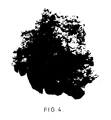
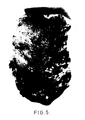
- the product had the appearance shown in Figure 2 of the accompanying drawings, which clearly shows the granular appearance of the product.
- Example 2 The process described in Example 1 was repeated, except that the following ingredients were used: water, 6.00 kg; pork belly, 6.00 kg; protein isolate PP500E, 3.00 kg, to prepare a granular product.
- Example 17 The procedure of Example 17 was repeated, except that the granular product was prepared from 7.73% by weight water, 7.73% by weight pork backfat and 3.87% by weight PP500E. This product was then mixed with 22.85% water, 43.93% pork meat products (pork lean trims, lean pork, pork headmeat and drinde), 10.54% rusk and 3.35% conventional additives and then formed by conventional means into a low fat sausage having an excellent texture and a good meaty flavour and mouthfeel.
Landscapes
- Life Sciences & Earth Sciences (AREA)
- Chemical & Material Sciences (AREA)
- Health & Medical Sciences (AREA)
- Food Science & Technology (AREA)
- Biochemistry (AREA)
- Engineering & Computer Science (AREA)
- Nutrition Science (AREA)
- Polymers & Plastics (AREA)
- Molecular Biology (AREA)
- Meat, Egg Or Seafood Products (AREA)
- Coloring Foods And Improving Nutritive Qualities (AREA)
- Peptides Or Proteins (AREA)
- Preparation Of Compounds By Using Micro-Organisms (AREA)
Applications Claiming Priority (2)
| Application Number | Priority Date | Filing Date | Title |
|---|---|---|---|
| GB888817061A GB8817061D0 (en) | 1988-07-18 | 1988-07-18 | Functional protein product from vegetable protein materials |
| GB8817061 | 1988-07-18 |
Publications (3)
| Publication Number | Publication Date |
|---|---|
| EP0352062A2 true EP0352062A2 (de) | 1990-01-24 |
| EP0352062A3 EP0352062A3 (en) | 1990-10-31 |
| EP0352062B1 EP0352062B1 (de) | 1993-12-15 |
Family
ID=10640653
Family Applications (1)
| Application Number | Title | Priority Date | Filing Date |
|---|---|---|---|
| EP89307255A Expired - Lifetime EP0352062B1 (de) | 1988-07-18 | 1989-07-18 | Funktionelles Protein-Produkt von pflanzlichen Proteinmaterialien |
Country Status (6)
| Country | Link |
|---|---|
| US (1) | US5183683A (de) |
| EP (1) | EP0352062B1 (de) |
| JP (1) | JP2573058B2 (de) |
| ES (1) | ES2049324T3 (de) |
| GB (1) | GB8817061D0 (de) |
| RU (1) | RU1837789C (de) |
Cited By (3)
| Publication number | Priority date | Publication date | Assignee | Title |
|---|---|---|---|---|
| US5160758A (en) * | 1991-05-31 | 1992-11-03 | Protein Technologies International, Inc. | Process for the production of a protein granule suitable for use as a meat extender |
| WO2011124862A1 (fr) * | 2010-04-09 | 2011-10-13 | Roquette Freres | Procede de fabrication de proteines vegetales solubles et fonctionnelles, produits obtenus et utilisations |
| WO2021074316A1 (en) | 2019-10-15 | 2021-04-22 | Societe Des Produits Nestle S.A. | Chocolate products, ingredients, processes and uses |
Families Citing this family (8)
| Publication number | Priority date | Publication date | Assignee | Title |
|---|---|---|---|---|
| US5433969A (en) * | 1993-12-27 | 1995-07-18 | Protein Technologies International, Inc. | Process for the production of an improved protein granule suitable for use as a meat extender |
| US5639495A (en) * | 1995-07-24 | 1997-06-17 | Foodbrands America, Incorporated | Process for making pepperoni sausage |
| US5736186A (en) * | 1996-01-03 | 1998-04-07 | Doskocil Food Service Company, L.L.C. | Process for producing dry and semi-dry sausage products |
| US6955831B2 (en) * | 2000-05-09 | 2005-10-18 | Her Majesty The Queen In Right Of Canada As Represented By The Minister Of Fisheries And Oceans | Protein and lipid sources for use in aquafeeds and animal feeds and a process for their preparation |
| US6613369B2 (en) | 2001-03-29 | 2003-09-02 | Kraft Foods Holdings, Inc. | Vegetable sausage analogues |
| US7887870B2 (en) * | 2004-08-16 | 2011-02-15 | Solae, Llc | Restructured meat product and process for preparing same |
| US20060287479A1 (en) * | 2005-06-17 | 2006-12-21 | Crawford Emmett D | Polyester compositions containing cyclobutanediol and articles made therefrom |
| EP3952661A1 (de) * | 2019-04-10 | 2022-02-16 | Société des Produits Nestlé S.A. | Vorrichtungen und verfahren für fleisch- und fleischanalogextrusion |
Family Cites Families (8)
| Publication number | Priority date | Publication date | Assignee | Title |
|---|---|---|---|---|
| US2583964A (en) * | 1949-07-26 | 1952-01-29 | Processed Trout Foods Inc | Method of preparing fish food |
| US3719499A (en) * | 1970-12-29 | 1973-03-06 | Gen Foods Corp | Meat analogs |
| US3914457A (en) * | 1974-04-10 | 1975-10-21 | Ludmilla V Nagel | Process for preparing a protein-enriched food product |
| US4190679A (en) * | 1977-04-26 | 1980-02-26 | General Foods Corporation | Meaty textured pet food |
| JPS6030645A (ja) * | 1983-07-29 | 1985-02-16 | Kanegafuchi Chem Ind Co Ltd | 繊維構造を具えた加工食品素材の製法 |
| JPS61152246A (ja) * | 1984-12-22 | 1986-07-10 | ゼネラル・フ−ズ・コ−ポレイシヨン | 肉類似製品 |
| JPS6274264A (ja) * | 1985-09-26 | 1987-04-06 | Tech Res Assoc Extru Cook Food Ind | 繊維性練製品の製造法 |
| JPS62265951A (ja) * | 1986-04-07 | 1987-11-18 | Taiyo Fishery Co Ltd | 畜肉様加工食品の製造法 |
-
1988
- 1988-07-18 GB GB888817061A patent/GB8817061D0/en active Pending
-
1989
- 1989-07-17 RU SU894614616A patent/RU1837789C/ru active
- 1989-07-18 US US07/381,226 patent/US5183683A/en not_active Expired - Lifetime
- 1989-07-18 EP EP89307255A patent/EP0352062B1/de not_active Expired - Lifetime
- 1989-07-18 ES ES89307255T patent/ES2049324T3/es not_active Expired - Lifetime
- 1989-07-18 JP JP1183846A patent/JP2573058B2/ja not_active Expired - Fee Related
Cited By (7)
| Publication number | Priority date | Publication date | Assignee | Title |
|---|---|---|---|---|
| US5160758A (en) * | 1991-05-31 | 1992-11-03 | Protein Technologies International, Inc. | Process for the production of a protein granule suitable for use as a meat extender |
| EP0517458A1 (de) * | 1991-05-31 | 1992-12-09 | Protein Technologies International, Inc. | Verfahren zur Herstellung von Proteinkörnchen geeignet zur Fleischstreckung |
| WO2011124862A1 (fr) * | 2010-04-09 | 2011-10-13 | Roquette Freres | Procede de fabrication de proteines vegetales solubles et fonctionnelles, produits obtenus et utilisations |
| FR2958501A1 (fr) * | 2010-04-09 | 2011-10-14 | Roquette Freres | Procede de fabrication de proteines vegetales solubles et fonctionnelles, produits obtenus et utilisations |
| US9259017B2 (en) | 2010-04-09 | 2016-02-16 | Roquette Freres | Process for manufacturing soluble and functional plant proteins, products obtained and uses |
| WO2021074316A1 (en) | 2019-10-15 | 2021-04-22 | Societe Des Produits Nestle S.A. | Chocolate products, ingredients, processes and uses |
| US12568988B2 (en) | 2019-10-15 | 2026-03-10 | Societe Des Produits Nestle S.A. | Chocolate products, ingredients, processes and uses |
Also Published As
| Publication number | Publication date |
|---|---|
| JPH0272830A (ja) | 1990-03-13 |
| US5183683A (en) | 1993-02-02 |
| GB8817061D0 (en) | 1988-08-24 |
| JP2573058B2 (ja) | 1997-01-16 |
| ES2049324T3 (es) | 1994-04-16 |
| EP0352062B1 (de) | 1993-12-15 |
| RU1837789C (ru) | 1993-08-30 |
| EP0352062A3 (en) | 1990-10-31 |
Similar Documents
| Publication | Publication Date | Title |
|---|---|---|
| DK1736062T3 (en) | meat emulsion | |
| EP2277396B1 (de) | Restrukturiertes Fleischprodukt und zugehöriges Herstellungsverfahren | |
| CA2673115C (en) | Meat emulsion products and methods of making same | |
| EP1778030B1 (de) | Restrukturiertes fleischprodukt und zugehöriges herstellungsverfahren | |
| US20080118607A1 (en) | Use of Structured Plant Protein Products to Produce Emulsified Meat Products | |
| US5100688A (en) | Saccharide/protein gel | |
| KR20100057626A (ko) | 두부 수화된 구조화된 단백질 조성물 | |
| JP2009537178A (ja) | タンパク質組成物並びに再構成肉製品及び食品におけるその使用 | |
| JP2009537177A (ja) | タンパク質組成物並びに再構成肉製品及び食品におけるその使用 | |
| US20060073262A1 (en) | Meat alernative | |
| US5213829A (en) | Meat products containing artificial edible adipose and methods of making | |
| CA2377125C (en) | Vegetable sausage analogues | |
| EP0352062B1 (de) | Funktionelles Protein-Produkt von pflanzlichen Proteinmaterialien | |
| US3873740A (en) | Coarse and fine, comminuted, meat food mixes for meat food emulsions for cured, sausage-type, meat food products, and methods of producing same | |
| US5219599A (en) | Artificial adipose | |
| US5211976A (en) | Method of preparing artificial adipose | |
| JPH0767587A (ja) | 蛋白食品素材の製造方法及びその方法によって得られた蛋白食品素材及びそれを用いた蛋白食品 | |
| EP0784939A1 (de) | Verfahren zur herstellung von nicht-blanchiertem pastösem protein-nahrungsmittel-halffabrikat, dat hergestelltes protein-fabrikat, und protein-nahrungsmitteln daraus | |
| Sipos et al. | Use of vegetable protein in processed seafood products | |
| GB2034573A (en) | Self-basting food product and process for preparation of sausage-like meat analogs | |
| RU2776007C1 (ru) | Ветчина с белково-жировой эмульсией | |
| KR20030081764A (ko) | 기능성이 강화된 재구성육의 제조방법 | |
| WO2001087089A2 (en) | Food products processed from offal components | |
| Rao et al. | Effect of hide collagen on the amino acid composition of beef patties and pork sausage | |
| JPH0422532B2 (de) |
Legal Events
| Date | Code | Title | Description |
|---|---|---|---|
| PUAI | Public reference made under article 153(3) epc to a published international application that has entered the european phase |
Free format text: ORIGINAL CODE: 0009012 |
|
| AK | Designated contracting states |
Kind code of ref document: A2 Designated state(s): ES FR GB |
|
| PUAL | Search report despatched |
Free format text: ORIGINAL CODE: 0009013 |
|
| AK | Designated contracting states |
Kind code of ref document: A3 Designated state(s): ES FR GB |
|
| 17P | Request for examination filed |
Effective date: 19910423 |
|
| 17Q | First examination report despatched |
Effective date: 19920803 |
|
| GRAA | (expected) grant |
Free format text: ORIGINAL CODE: 0009210 |
|
| AK | Designated contracting states |
Kind code of ref document: B1 Designated state(s): ES FR GB |
|
| ET | Fr: translation filed | ||
| REG | Reference to a national code |
Ref country code: ES Ref legal event code: FG2A Ref document number: 2049324 Country of ref document: ES Kind code of ref document: T3 |
|
| PLBE | No opposition filed within time limit |
Free format text: ORIGINAL CODE: 0009261 |
|
| STAA | Information on the status of an ep patent application or granted ep patent |
Free format text: STATUS: NO OPPOSITION FILED WITHIN TIME LIMIT |
|
| 26N | No opposition filed | ||
| PGFP | Annual fee paid to national office [announced via postgrant information from national office to epo] |
Ref country code: FR Payment date: 19960617 Year of fee payment: 8 |
|
| PGFP | Annual fee paid to national office [announced via postgrant information from national office to epo] |
Ref country code: GB Payment date: 19960626 Year of fee payment: 8 |
|
| PGFP | Annual fee paid to national office [announced via postgrant information from national office to epo] |
Ref country code: ES Payment date: 19960717 Year of fee payment: 8 |
|
| PG25 | Lapsed in a contracting state [announced via postgrant information from national office to epo] |
Ref country code: GB Free format text: LAPSE BECAUSE OF NON-PAYMENT OF DUE FEES Effective date: 19970718 |
|
| PG25 | Lapsed in a contracting state [announced via postgrant information from national office to epo] |
Ref country code: ES Free format text: LAPSE BECAUSE OF THE APPLICANT RENOUNCES Effective date: 19970719 |
|
| GBPC | Gb: european patent ceased through non-payment of renewal fee |
Effective date: 19970718 |
|
| PG25 | Lapsed in a contracting state [announced via postgrant information from national office to epo] |
Ref country code: FR Free format text: LAPSE BECAUSE OF NON-PAYMENT OF DUE FEES Effective date: 19980331 |
|
| REG | Reference to a national code |
Ref country code: FR Ref legal event code: ST |
|
| REG | Reference to a national code |
Ref country code: ES Ref legal event code: FD2A Effective date: 20001009 |