EP0359821A1 - Verfahren zur sterilisation der staubbeutel von pflanzen - Google Patents
Verfahren zur sterilisation der staubbeutel von pflanzen Download PDFInfo
- Publication number
- EP0359821A1 EP0359821A1 EP19880905462 EP88905462A EP0359821A1 EP 0359821 A1 EP0359821 A1 EP 0359821A1 EP 19880905462 EP19880905462 EP 19880905462 EP 88905462 A EP88905462 A EP 88905462A EP 0359821 A1 EP0359821 A1 EP 0359821A1
- Authority
- EP
- European Patent Office
- Prior art keywords
- plants
- sterilizing
- treated
- propanediol
- acid
- Prior art date
- Legal status (The legal status is an assumption and is not a legal conclusion. Google has not performed a legal analysis and makes no representation as to the accuracy of the status listed.)
- Withdrawn
Links
- 238000000034 method Methods 0.000 title claims abstract description 29
- 230000001954 sterilising effect Effects 0.000 title claims abstract description 16
- 239000003206 sterilizing agent Substances 0.000 claims abstract description 63
- -1 derivatives of aliphatic alcohols Chemical class 0.000 claims abstract description 35
- 230000005305 organ development Effects 0.000 claims abstract description 24
- 229910052739 hydrogen Inorganic materials 0.000 claims abstract description 12
- 125000002887 hydroxy group Chemical group [H]O* 0.000 claims abstract description 7
- 239000003085 diluting agent Substances 0.000 claims abstract description 6
- 239000000203 mixture Substances 0.000 claims abstract description 6
- 241000196324 Embryophyta Species 0.000 claims description 63
- 239000000839 emulsion Substances 0.000 claims description 37
- 125000003545 alkoxy group Chemical group 0.000 claims description 10
- 238000004659 sterilization and disinfection Methods 0.000 claims description 9
- 235000003222 Helianthus annuus Nutrition 0.000 claims description 7
- GZUXJHMPEANEGY-UHFFFAOYSA-N bromomethane Chemical compound BrC GZUXJHMPEANEGY-UHFFFAOYSA-N 0.000 claims description 6
- 244000025254 Cannabis sativa Species 0.000 claims description 4
- 125000000446 sulfanediyl group Chemical group *S* 0.000 claims description 4
- 150000001350 alkyl halides Chemical class 0.000 claims description 3
- 229940102396 methyl bromide Drugs 0.000 claims description 3
- XLYOFNOQVPJJNP-UHFFFAOYSA-N water Substances O XLYOFNOQVPJJNP-UHFFFAOYSA-N 0.000 claims description 3
- 239000000428 dust Substances 0.000 claims description 2
- 244000020551 Helianthus annuus Species 0.000 claims 1
- 125000005429 oxyalkyl group Chemical group 0.000 abstract 2
- 125000005997 bromomethyl group Chemical group 0.000 abstract 1
- 150000002169 ethanolamines Chemical class 0.000 description 35
- 241001465754 Metazoa Species 0.000 description 27
- 241000699670 Mus sp. Species 0.000 description 22
- NSTREUWFTAOOKS-UHFFFAOYSA-N 2-fluorobenzoic acid Chemical compound OC(=O)C1=CC=CC=C1F NSTREUWFTAOOKS-UHFFFAOYSA-N 0.000 description 17
- 239000011575 calcium Substances 0.000 description 17
- 229910052791 calcium Inorganic materials 0.000 description 17
- 125000004432 carbon atom Chemical group C* 0.000 description 17
- 238000012360 testing method Methods 0.000 description 17
- OYPRJOBELJOOCE-UHFFFAOYSA-N Calcium Chemical compound [Ca] OYPRJOBELJOOCE-UHFFFAOYSA-N 0.000 description 15
- 239000002671 adjuvant Substances 0.000 description 15
- 239000003995 emulsifying agent Substances 0.000 description 15
- 241000209056 Secale Species 0.000 description 14
- 235000007238 Secale cereale Nutrition 0.000 description 14
- XNGIFLGASWRNHJ-UHFFFAOYSA-N phthalic acid Chemical compound OC(=O)C1=CC=CC=C1C(O)=O XNGIFLGASWRNHJ-UHFFFAOYSA-N 0.000 description 13
- SZIFAVKTNFCBPC-UHFFFAOYSA-N 2-chloroethanol Chemical compound OCCCl SZIFAVKTNFCBPC-UHFFFAOYSA-N 0.000 description 12
- IAZDPXIOMUYVGZ-UHFFFAOYSA-N Dimethylsulphoxide Chemical compound CS(C)=O IAZDPXIOMUYVGZ-UHFFFAOYSA-N 0.000 description 12
- FJKROLUGYXJWQN-UHFFFAOYSA-N 4-hydroxybenzoic acid Chemical compound OC(=O)C1=CC=C(O)C=C1 FJKROLUGYXJWQN-UHFFFAOYSA-N 0.000 description 11
- ZJCCRDAZUWHFQH-UHFFFAOYSA-N Trimethylolpropane Chemical compound CCC(CO)(CO)CO ZJCCRDAZUWHFQH-UHFFFAOYSA-N 0.000 description 10
- 150000001875 compounds Chemical class 0.000 description 10
- BDAGIHXWWSANSR-UHFFFAOYSA-N methanoic acid Natural products OC=O BDAGIHXWWSANSR-UHFFFAOYSA-N 0.000 description 10
- 0 *c1ccccc1 Chemical compound *c1ccccc1 0.000 description 8
- WPYMKLBDIGXBTP-UHFFFAOYSA-N benzoic acid Chemical compound OC(=O)C1=CC=CC=C1 WPYMKLBDIGXBTP-UHFFFAOYSA-N 0.000 description 8
- 230000036512 infertility Effects 0.000 description 8
- ZBIULCVFFJJYTN-UHFFFAOYSA-N 2-(4-fluorophenoxy)acetic acid Chemical compound OC(=O)COC1=CC=C(F)C=C1 ZBIULCVFFJJYTN-UHFFFAOYSA-N 0.000 description 7
- OSWFIVFLDKOXQC-UHFFFAOYSA-N 4-(3-methoxyphenyl)aniline Chemical compound COC1=CC=CC(C=2C=CC(N)=CC=2)=C1 OSWFIVFLDKOXQC-UHFFFAOYSA-N 0.000 description 7
- ALYNCZNDIQEVRV-UHFFFAOYSA-N 4-aminobenzoic acid Chemical compound NC1=CC=C(C(O)=O)C=C1 ALYNCZNDIQEVRV-UHFFFAOYSA-N 0.000 description 7
- 229910052700 potassium Inorganic materials 0.000 description 7
- 239000011591 potassium Substances 0.000 description 7
- ZMWBGRXFDPJFGC-UHFFFAOYSA-M potassium;propan-2-yloxymethanedithioate Chemical compound [K+].CC(C)OC([S-])=S ZMWBGRXFDPJFGC-UHFFFAOYSA-M 0.000 description 7
- BRLQWZUYTZBJKN-UHFFFAOYSA-N Epichlorohydrin Chemical compound ClCC1CO1 BRLQWZUYTZBJKN-UHFFFAOYSA-N 0.000 description 6
- 241000208818 Helianthus Species 0.000 description 6
- ZMXDDKWLCZADIW-UHFFFAOYSA-N N,N-Dimethylformamide Chemical compound CN(C)C=O ZMXDDKWLCZADIW-UHFFFAOYSA-N 0.000 description 6
- 244000062793 Sorghum vulgare Species 0.000 description 6
- 241000209140 Triticum Species 0.000 description 6
- 235000021307 Triticum Nutrition 0.000 description 6
- ZOOODBUHSVUZEM-UHFFFAOYSA-N ethoxymethanedithioic acid Chemical compound CCOC(S)=S ZOOODBUHSVUZEM-UHFFFAOYSA-N 0.000 description 6
- 235000019713 millet Nutrition 0.000 description 6
- XBECFEJUQZXMFE-UHFFFAOYSA-N n-(4-aminobutyl)acetamide;hydrochloride Chemical compound Cl.CC(=O)NCCCCN XBECFEJUQZXMFE-UHFFFAOYSA-N 0.000 description 6
- 230000010152 pollination Effects 0.000 description 6
- OMKVZYFAGQKILB-UHFFFAOYSA-M potassium;butoxymethanedithioate Chemical compound [K+].CCCCOC([S-])=S OMKVZYFAGQKILB-UHFFFAOYSA-M 0.000 description 6
- 208000035199 Tetraploidy Diseases 0.000 description 5
- 239000002253 acid Substances 0.000 description 5
- JCBJVAJGLKENNC-UHFFFAOYSA-M potassium ethyl xanthate Chemical compound [K+].CCOC([S-])=S JCBJVAJGLKENNC-UHFFFAOYSA-M 0.000 description 5
- 230000008569 process Effects 0.000 description 5
- YGSDEFSMJLZEOE-UHFFFAOYSA-N salicylic acid Chemical compound OC(=O)C1=CC=CC=C1O YGSDEFSMJLZEOE-UHFFFAOYSA-N 0.000 description 5
- WYURNTSHIVDZCO-UHFFFAOYSA-N Tetrahydrofuran Chemical compound C1CCOC1 WYURNTSHIVDZCO-UHFFFAOYSA-N 0.000 description 4
- 235000013339 cereals Nutrition 0.000 description 4
- 230000035558 fertility Effects 0.000 description 4
- 235000019253 formic acid Nutrition 0.000 description 4
- 238000004519 manufacturing process Methods 0.000 description 4
- KBOPZPXVLCULAV-UHFFFAOYSA-N mesalamine Chemical compound NC1=CC=C(O)C(C(O)=O)=C1 KBOPZPXVLCULAV-UHFFFAOYSA-N 0.000 description 4
- WXZMFSXDPGVJKK-UHFFFAOYSA-N pentaerythritol Chemical compound OCC(CO)(CO)CO WXZMFSXDPGVJKK-UHFFFAOYSA-N 0.000 description 4
- 238000002360 preparation method Methods 0.000 description 4
- 239000002904 solvent Substances 0.000 description 4
- HZAXFHJVJLSVMW-UHFFFAOYSA-N 2-Aminoethan-1-ol Chemical compound NCCO HZAXFHJVJLSVMW-UHFFFAOYSA-N 0.000 description 3
- HKMOXKZEWKPNJD-UHFFFAOYSA-N 3-(chloromethyl)oxiran-2-ol Chemical compound OC1OC1CCl HKMOXKZEWKPNJD-UHFFFAOYSA-N 0.000 description 3
- XRHGYUZYPHTUJZ-UHFFFAOYSA-N 4-chlorobenzoic acid Chemical compound OC(=O)C1=CC=C(Cl)C=C1 XRHGYUZYPHTUJZ-UHFFFAOYSA-N 0.000 description 3
- 229940090248 4-hydroxybenzoic acid Drugs 0.000 description 3
- CNPURSDMOWDNOQ-UHFFFAOYSA-N 4-methoxy-7h-pyrrolo[2,3-d]pyrimidin-2-amine Chemical compound COC1=NC(N)=NC2=C1C=CN2 CNPURSDMOWDNOQ-UHFFFAOYSA-N 0.000 description 3
- 239000005711 Benzoic acid Substances 0.000 description 3
- QGJOPFRUJISHPQ-UHFFFAOYSA-N Carbon disulfide Chemical compound S=C=S QGJOPFRUJISHPQ-UHFFFAOYSA-N 0.000 description 3
- LYCAIKOWRPUZTN-UHFFFAOYSA-N Ethylene glycol Chemical compound OCCO LYCAIKOWRPUZTN-UHFFFAOYSA-N 0.000 description 3
- WSFSSNUMVMOOMR-UHFFFAOYSA-N Formaldehyde Chemical compound O=C WSFSSNUMVMOOMR-UHFFFAOYSA-N 0.000 description 3
- ZLMJMSJWJFRBEC-UHFFFAOYSA-N Potassium Chemical compound [K] ZLMJMSJWJFRBEC-UHFFFAOYSA-N 0.000 description 3
- 241000700159 Rattus Species 0.000 description 3
- 229960004050 aminobenzoic acid Drugs 0.000 description 3
- 235000010233 benzoic acid Nutrition 0.000 description 3
- 239000003795 chemical substances by application Substances 0.000 description 3
- ZBCBWPMODOFKDW-UHFFFAOYSA-N diethanolamine Chemical class OCCNCCO ZBCBWPMODOFKDW-UHFFFAOYSA-N 0.000 description 3
- 230000008775 paternal effect Effects 0.000 description 3
- 229940059574 pentaerithrityl Drugs 0.000 description 3
- 239000000126 substance Substances 0.000 description 3
- 239000012991 xanthate Substances 0.000 description 3
- UDPGUMQDCGORJQ-UHFFFAOYSA-N (2-chloroethyl)phosphonic acid Chemical compound OP(O)(=O)CCCl UDPGUMQDCGORJQ-UHFFFAOYSA-N 0.000 description 2
- KMPYKLXMFSIZGJ-UHFFFAOYSA-N 1-chlorocyclohexa-2,4-diene-1-carboxylic acid Chemical compound OC(=O)C1(Cl)CC=CC=C1 KMPYKLXMFSIZGJ-UHFFFAOYSA-N 0.000 description 2
- KZTKKCXNMBSWGQ-UHFFFAOYSA-N 2-aminoethanol;phthalic acid Chemical compound NCCO.OC(=O)C1=CC=CC=C1C(O)=O KZTKKCXNMBSWGQ-UHFFFAOYSA-N 0.000 description 2
- SSZWWUDQMAHNAQ-UHFFFAOYSA-N 3-chloropropane-1,2-diol Chemical compound OCC(O)CCl SSZWWUDQMAHNAQ-UHFFFAOYSA-N 0.000 description 2
- IKHGUXGNUITLKF-UHFFFAOYSA-N Acetaldehyde Chemical compound CC=O IKHGUXGNUITLKF-UHFFFAOYSA-N 0.000 description 2
- ZTQSAGDEMFDKMZ-UHFFFAOYSA-N Butyraldehyde Chemical compound CCCC=O ZTQSAGDEMFDKMZ-UHFFFAOYSA-N 0.000 description 2
- LFQSCWFLJHTTHZ-UHFFFAOYSA-N Ethanol Chemical compound CCO LFQSCWFLJHTTHZ-UHFFFAOYSA-N 0.000 description 2
- 238000000889 atomisation Methods 0.000 description 2
- 230000015572 biosynthetic process Effects 0.000 description 2
- HRYZWHHZPQKTII-UHFFFAOYSA-N chloroethane Chemical compound CCCl HRYZWHHZPQKTII-UHFFFAOYSA-N 0.000 description 2
- 230000001086 cytosolic effect Effects 0.000 description 2
- 230000004069 differentiation Effects 0.000 description 2
- 210000005069 ears Anatomy 0.000 description 2
- 230000004883 flower formation Effects 0.000 description 2
- 238000005755 formation reaction Methods 0.000 description 2
- 230000000646 gametocidal effect Effects 0.000 description 2
- PEDCQBHIVMGVHV-UHFFFAOYSA-N glycerol Substances OCC(O)CO PEDCQBHIVMGVHV-UHFFFAOYSA-N 0.000 description 2
- 239000012212 insulator Substances 0.000 description 2
- 229960004963 mesalazine Drugs 0.000 description 2
- VNWKTOKETHGBQD-UHFFFAOYSA-N methane Chemical compound C VNWKTOKETHGBQD-UHFFFAOYSA-N 0.000 description 2
- 231100000252 nontoxic Toxicity 0.000 description 2
- 230000003000 nontoxic effect Effects 0.000 description 2
- 229960004889 salicylic acid Drugs 0.000 description 2
- 150000003839 salts Chemical class 0.000 description 2
- 239000000243 solution Substances 0.000 description 2
- YLQBMQCUIZJEEH-UHFFFAOYSA-N tetrahydrofuran Natural products C=1C=COC=1 YLQBMQCUIZJEEH-UHFFFAOYSA-N 0.000 description 2
- RWRDLPDLKQPQOW-UHFFFAOYSA-N tetrahydropyrrole Substances C1CCNC1 RWRDLPDLKQPQOW-UHFFFAOYSA-N 0.000 description 2
- 231100000419 toxicity Toxicity 0.000 description 2
- 230000001988 toxicity Effects 0.000 description 2
- 230000035899 viability Effects 0.000 description 2
- XVGLPHWVRGESSC-UHFFFAOYSA-N 1-(4-fluorophenoxy)ethanol Chemical compound FC1=CC=C(OC(C)O)C=C1 XVGLPHWVRGESSC-UHFFFAOYSA-N 0.000 description 1
- VNOMNADZORCTGC-UHFFFAOYSA-N 2-(4-fluorophenoxy)acetyl chloride Chemical compound FC1=CC=C(OCC(Cl)=O)C=C1 VNOMNADZORCTGC-UHFFFAOYSA-N 0.000 description 1
- WZHHYIOUKQNLQM-UHFFFAOYSA-N 3,4,5,6-tetrachlorophthalic acid Chemical compound OC(=O)C1=C(Cl)C(Cl)=C(Cl)C(Cl)=C1C(O)=O WZHHYIOUKQNLQM-UHFFFAOYSA-N 0.000 description 1
- KVCQTKNUUQOELD-UHFFFAOYSA-N 4-amino-n-[1-(3-chloro-2-fluoroanilino)-6-methylisoquinolin-5-yl]thieno[3,2-d]pyrimidine-7-carboxamide Chemical compound N=1C=CC2=C(NC(=O)C=3C4=NC=NC(N)=C4SC=3)C(C)=CC=C2C=1NC1=CC=CC(Cl)=C1F KVCQTKNUUQOELD-UHFFFAOYSA-N 0.000 description 1
- IEJOONSLOGAXNO-UHFFFAOYSA-N 5-bromo-2-hydroxybenzoic acid Chemical compound OC(=O)C1=CC(Br)=CC=C1O IEJOONSLOGAXNO-UHFFFAOYSA-N 0.000 description 1
- CYJRNFFLTBEQSQ-UHFFFAOYSA-N 8-(3-methyl-1-benzothiophen-5-yl)-N-(4-methylsulfonylpyridin-3-yl)quinoxalin-6-amine Chemical compound CS(=O)(=O)C1=C(C=NC=C1)NC=1C=C2N=CC=NC2=C(C=1)C=1C=CC2=C(C(=CS2)C)C=1 CYJRNFFLTBEQSQ-UHFFFAOYSA-N 0.000 description 1
- VEXZGXHMUGYJMC-UHFFFAOYSA-M Chloride anion Chemical compound [Cl-] VEXZGXHMUGYJMC-UHFFFAOYSA-M 0.000 description 1
- RYGMFSIKBFXOCR-UHFFFAOYSA-N Copper Chemical compound [Cu] RYGMFSIKBFXOCR-UHFFFAOYSA-N 0.000 description 1
- LCGLNKUTAGEVQW-UHFFFAOYSA-N Dimethyl ether Chemical compound COC LCGLNKUTAGEVQW-UHFFFAOYSA-N 0.000 description 1
- IAYPIBMASNFSPL-UHFFFAOYSA-N Ethylene oxide Chemical compound C1CO1 IAYPIBMASNFSPL-UHFFFAOYSA-N 0.000 description 1
- VEXZGXHMUGYJMC-UHFFFAOYSA-N Hydrochloric acid Chemical compound Cl VEXZGXHMUGYJMC-UHFFFAOYSA-N 0.000 description 1
- BGRDGMRNKXEXQD-UHFFFAOYSA-N Maleic hydrazide Chemical compound OC1=CC=C(O)N=N1 BGRDGMRNKXEXQD-UHFFFAOYSA-N 0.000 description 1
- 231100000674 Phytotoxicity Toxicity 0.000 description 1
- QAOWNCQODCNURD-UHFFFAOYSA-L Sulfate Chemical compound [O-]S([O-])(=O)=O QAOWNCQODCNURD-UHFFFAOYSA-L 0.000 description 1
- 235000019714 Triticale Nutrition 0.000 description 1
- PTTSEEGJWOXQJE-UHFFFAOYSA-N [N+](=O)([O-])C1=CC=C(OCCC(O)O)C=C1 Chemical compound [N+](=O)([O-])C1=CC=C(OCCC(O)O)C=C1 PTTSEEGJWOXQJE-UHFFFAOYSA-N 0.000 description 1
- 230000009471 action Effects 0.000 description 1
- 239000013543 active substance Substances 0.000 description 1
- 239000000654 additive Substances 0.000 description 1
- 239000000853 adhesive Substances 0.000 description 1
- 239000000443 aerosol Substances 0.000 description 1
- 230000001476 alcoholic effect Effects 0.000 description 1
- 150000001298 alcohols Chemical class 0.000 description 1
- 229910052783 alkali metal Inorganic materials 0.000 description 1
- 239000007864 aqueous solution Substances 0.000 description 1
- 239000001273 butane Substances 0.000 description 1
- 238000006555 catalytic reaction Methods 0.000 description 1
- 238000009833 condensation Methods 0.000 description 1
- 230000005494 condensation Effects 0.000 description 1
- 229910052802 copper Inorganic materials 0.000 description 1
- 239000010949 copper Substances 0.000 description 1
- 238000007033 dehydrochlorination reaction Methods 0.000 description 1
- 238000011161 development Methods 0.000 description 1
- 230000018109 developmental process Effects 0.000 description 1
- 239000002270 dispersing agent Substances 0.000 description 1
- 235000013399 edible fruits Nutrition 0.000 description 1
- 230000000694 effects Effects 0.000 description 1
- 238000005516 engineering process Methods 0.000 description 1
- 125000001495 ethyl group Chemical group [H]C([H])([H])C([H])([H])* 0.000 description 1
- 238000002474 experimental method Methods 0.000 description 1
- 230000035784 germination Effects 0.000 description 1
- 239000003630 growth substance Substances 0.000 description 1
- 229910052736 halogen Inorganic materials 0.000 description 1
- 150000002367 halogens Chemical class 0.000 description 1
- 150000002391 heterocyclic compounds Chemical class 0.000 description 1
- IXCSERBJSXMMFS-UHFFFAOYSA-N hydrogen chloride Substances Cl.Cl IXCSERBJSXMMFS-UHFFFAOYSA-N 0.000 description 1
- 229910000041 hydrogen chloride Inorganic materials 0.000 description 1
- 239000012433 hydrogen halide Substances 0.000 description 1
- 229910000039 hydrogen halide Inorganic materials 0.000 description 1
- 238000007689 inspection Methods 0.000 description 1
- 238000009688 liquid atomisation Methods 0.000 description 1
- 230000008774 maternal effect Effects 0.000 description 1
- 230000000877 morphologic effect Effects 0.000 description 1
- 150000007524 organic acids Chemical class 0.000 description 1
- 235000005985 organic acids Nutrition 0.000 description 1
- 230000008520 organization Effects 0.000 description 1
- 210000001672 ovary Anatomy 0.000 description 1
- NZUFLKMNMAHESJ-UHFFFAOYSA-M potassium;propoxymethanedithioate Chemical compound [K+].CCCOC([S-])=S NZUFLKMNMAHESJ-UHFFFAOYSA-M 0.000 description 1
- GCHQFFZKSQTAMA-UHFFFAOYSA-N propane-1,2,3-triol;dihydrochloride Chemical compound Cl.Cl.OCC(O)CO GCHQFFZKSQTAMA-UHFFFAOYSA-N 0.000 description 1
- 230000001105 regulatory effect Effects 0.000 description 1
- 238000011160 research Methods 0.000 description 1
- 230000010153 self-pollination Effects 0.000 description 1
- XGVXKJKTISMIOW-ZDUSSCGKSA-N simurosertib Chemical compound N1N=CC(C=2SC=3C(=O)NC(=NC=3C=2)[C@H]2N3CCC(CC3)C2)=C1C XGVXKJKTISMIOW-ZDUSSCGKSA-N 0.000 description 1
- 229910052708 sodium Inorganic materials 0.000 description 1
- 239000011734 sodium Substances 0.000 description 1
- DPPYVKXVOFYYKT-UHFFFAOYSA-N sodium;thiophene Chemical compound [Na].C=1C=CSC=1 DPPYVKXVOFYYKT-UHFFFAOYSA-N 0.000 description 1
- 230000002623 sporogenic effect Effects 0.000 description 1
- 239000004094 surface-active agent Substances 0.000 description 1
- 231100000331 toxic Toxicity 0.000 description 1
- 230000002588 toxic effect Effects 0.000 description 1
- 229940113165 trimethylolpropane Drugs 0.000 description 1
- HGBOYTHUEUWSSQ-UHFFFAOYSA-N valeric aldehyde Natural products CCCCC=O HGBOYTHUEUWSSQ-UHFFFAOYSA-N 0.000 description 1
- 235000013311 vegetables Nutrition 0.000 description 1
- 239000000080 wetting agent Substances 0.000 description 1
- 241000228158 x Triticosecale Species 0.000 description 1
Classifications
-
- A—HUMAN NECESSITIES
- A01—AGRICULTURE; FORESTRY; ANIMAL HUSBANDRY; HUNTING; TRAPPING; FISHING
- A01N—PRESERVATION OF BODIES OF HUMANS OR ANIMALS OR PLANTS OR PARTS THEREOF; BIOCIDES, e.g. AS DISINFECTANTS, AS PESTICIDES OR AS HERBICIDES; PEST REPELLANTS OR ATTRACTANTS; PLANT GROWTH REGULATORS
- A01N47/00—Biocides, pest repellants or attractants, or plant growth regulators containing organic compounds containing a carbon atom not being member of a ring and having no bond to a carbon or hydrogen atom, e.g. derivatives of carbonic acid
- A01N47/02—Biocides, pest repellants or attractants, or plant growth regulators containing organic compounds containing a carbon atom not being member of a ring and having no bond to a carbon or hydrogen atom, e.g. derivatives of carbonic acid the carbon atom having no bond to a nitrogen atom
- A01N47/06—Biocides, pest repellants or attractants, or plant growth regulators containing organic compounds containing a carbon atom not being member of a ring and having no bond to a carbon or hydrogen atom, e.g. derivatives of carbonic acid the carbon atom having no bond to a nitrogen atom containing —O—CO—O— groups; Thio analogues thereof
-
- A—HUMAN NECESSITIES
- A01—AGRICULTURE; FORESTRY; ANIMAL HUSBANDRY; HUNTING; TRAPPING; FISHING
- A01N—PRESERVATION OF BODIES OF HUMANS OR ANIMALS OR PLANTS OR PARTS THEREOF; BIOCIDES, e.g. AS DISINFECTANTS, AS PESTICIDES OR AS HERBICIDES; PEST REPELLANTS OR ATTRACTANTS; PLANT GROWTH REGULATORS
- A01N31/00—Biocides, pest repellants or attractants, or plant growth regulators containing organic oxygen or sulfur compounds
- A01N31/02—Acyclic compounds
-
- A—HUMAN NECESSITIES
- A01—AGRICULTURE; FORESTRY; ANIMAL HUSBANDRY; HUNTING; TRAPPING; FISHING
- A01N—PRESERVATION OF BODIES OF HUMANS OR ANIMALS OR PLANTS OR PARTS THEREOF; BIOCIDES, e.g. AS DISINFECTANTS, AS PESTICIDES OR AS HERBICIDES; PEST REPELLANTS OR ATTRACTANTS; PLANT GROWTH REGULATORS
- A01N31/00—Biocides, pest repellants or attractants, or plant growth regulators containing organic oxygen or sulfur compounds
- A01N31/08—Oxygen or sulfur directly attached to an aromatic ring system
- A01N31/14—Ethers
-
- A—HUMAN NECESSITIES
- A01—AGRICULTURE; FORESTRY; ANIMAL HUSBANDRY; HUNTING; TRAPPING; FISHING
- A01N—PRESERVATION OF BODIES OF HUMANS OR ANIMALS OR PLANTS OR PARTS THEREOF; BIOCIDES, e.g. AS DISINFECTANTS, AS PESTICIDES OR AS HERBICIDES; PEST REPELLANTS OR ATTRACTANTS; PLANT GROWTH REGULATORS
- A01N33/00—Biocides, pest repellants or attractants, or plant growth regulators containing organic nitrogen compounds
- A01N33/16—Biocides, pest repellants or attractants, or plant growth regulators containing organic nitrogen compounds containing nitrogen-to-oxygen bonds
- A01N33/18—Nitro compounds
-
- A—HUMAN NECESSITIES
- A01—AGRICULTURE; FORESTRY; ANIMAL HUSBANDRY; HUNTING; TRAPPING; FISHING
- A01N—PRESERVATION OF BODIES OF HUMANS OR ANIMALS OR PLANTS OR PARTS THEREOF; BIOCIDES, e.g. AS DISINFECTANTS, AS PESTICIDES OR AS HERBICIDES; PEST REPELLANTS OR ATTRACTANTS; PLANT GROWTH REGULATORS
- A01N37/00—Biocides, pest repellants or attractants, or plant growth regulators containing organic compounds containing a carbon atom having three bonds to hetero atoms with at the most two bonds to halogen, e.g. carboxylic acids
- A01N37/02—Saturated carboxylic acids or thio analogues thereof; Derivatives thereof
-
- A—HUMAN NECESSITIES
- A01—AGRICULTURE; FORESTRY; ANIMAL HUSBANDRY; HUNTING; TRAPPING; FISHING
- A01N—PRESERVATION OF BODIES OF HUMANS OR ANIMALS OR PLANTS OR PARTS THEREOF; BIOCIDES, e.g. AS DISINFECTANTS, AS PESTICIDES OR AS HERBICIDES; PEST REPELLANTS OR ATTRACTANTS; PLANT GROWTH REGULATORS
- A01N37/00—Biocides, pest repellants or attractants, or plant growth regulators containing organic compounds containing a carbon atom having three bonds to hetero atoms with at the most two bonds to halogen, e.g. carboxylic acids
- A01N37/10—Aromatic or araliphatic carboxylic acids, or thio analogues thereof; Derivatives thereof
-
- A—HUMAN NECESSITIES
- A01—AGRICULTURE; FORESTRY; ANIMAL HUSBANDRY; HUNTING; TRAPPING; FISHING
- A01N—PRESERVATION OF BODIES OF HUMANS OR ANIMALS OR PLANTS OR PARTS THEREOF; BIOCIDES, e.g. AS DISINFECTANTS, AS PESTICIDES OR AS HERBICIDES; PEST REPELLANTS OR ATTRACTANTS; PLANT GROWTH REGULATORS
- A01N37/00—Biocides, pest repellants or attractants, or plant growth regulators containing organic compounds containing a carbon atom having three bonds to hetero atoms with at the most two bonds to halogen, e.g. carboxylic acids
- A01N37/36—Biocides, pest repellants or attractants, or plant growth regulators containing organic compounds containing a carbon atom having three bonds to hetero atoms with at the most two bonds to halogen, e.g. carboxylic acids containing at least one carboxylic group or a thio analogue, or a derivative thereof, and a singly bound oxygen or sulfur atom attached to the same carbon skeleton, this oxygen or sulfur atom not being a member of a carboxylic group or of a thio analogue, or of a derivative thereof, e.g. hydroxy-carboxylic acids
- A01N37/38—Biocides, pest repellants or attractants, or plant growth regulators containing organic compounds containing a carbon atom having three bonds to hetero atoms with at the most two bonds to halogen, e.g. carboxylic acids containing at least one carboxylic group or a thio analogue, or a derivative thereof, and a singly bound oxygen or sulfur atom attached to the same carbon skeleton, this oxygen or sulfur atom not being a member of a carboxylic group or of a thio analogue, or of a derivative thereof, e.g. hydroxy-carboxylic acids having at least one oxygen or sulfur atom attached to an aromatic ring system
-
- A—HUMAN NECESSITIES
- A01—AGRICULTURE; FORESTRY; ANIMAL HUSBANDRY; HUNTING; TRAPPING; FISHING
- A01N—PRESERVATION OF BODIES OF HUMANS OR ANIMALS OR PLANTS OR PARTS THEREOF; BIOCIDES, e.g. AS DISINFECTANTS, AS PESTICIDES OR AS HERBICIDES; PEST REPELLANTS OR ATTRACTANTS; PLANT GROWTH REGULATORS
- A01N37/00—Biocides, pest repellants or attractants, or plant growth regulators containing organic compounds containing a carbon atom having three bonds to hetero atoms with at the most two bonds to halogen, e.g. carboxylic acids
- A01N37/36—Biocides, pest repellants or attractants, or plant growth regulators containing organic compounds containing a carbon atom having three bonds to hetero atoms with at the most two bonds to halogen, e.g. carboxylic acids containing at least one carboxylic group or a thio analogue, or a derivative thereof, and a singly bound oxygen or sulfur atom attached to the same carbon skeleton, this oxygen or sulfur atom not being a member of a carboxylic group or of a thio analogue, or of a derivative thereof, e.g. hydroxy-carboxylic acids
- A01N37/38—Biocides, pest repellants or attractants, or plant growth regulators containing organic compounds containing a carbon atom having three bonds to hetero atoms with at the most two bonds to halogen, e.g. carboxylic acids containing at least one carboxylic group or a thio analogue, or a derivative thereof, and a singly bound oxygen or sulfur atom attached to the same carbon skeleton, this oxygen or sulfur atom not being a member of a carboxylic group or of a thio analogue, or of a derivative thereof, e.g. hydroxy-carboxylic acids having at least one oxygen or sulfur atom attached to an aromatic ring system
- A01N37/40—Biocides, pest repellants or attractants, or plant growth regulators containing organic compounds containing a carbon atom having three bonds to hetero atoms with at the most two bonds to halogen, e.g. carboxylic acids containing at least one carboxylic group or a thio analogue, or a derivative thereof, and a singly bound oxygen or sulfur atom attached to the same carbon skeleton, this oxygen or sulfur atom not being a member of a carboxylic group or of a thio analogue, or of a derivative thereof, e.g. hydroxy-carboxylic acids having at least one oxygen or sulfur atom attached to an aromatic ring system having at least one carboxylic group or a thio analogue, or a derivative thereof, and one oxygen or sulfur atom attached to the same aromatic ring system
-
- A—HUMAN NECESSITIES
- A01—AGRICULTURE; FORESTRY; ANIMAL HUSBANDRY; HUNTING; TRAPPING; FISHING
- A01N—PRESERVATION OF BODIES OF HUMANS OR ANIMALS OR PLANTS OR PARTS THEREOF; BIOCIDES, e.g. AS DISINFECTANTS, AS PESTICIDES OR AS HERBICIDES; PEST REPELLANTS OR ATTRACTANTS; PLANT GROWTH REGULATORS
- A01N37/00—Biocides, pest repellants or attractants, or plant growth regulators containing organic compounds containing a carbon atom having three bonds to hetero atoms with at the most two bonds to halogen, e.g. carboxylic acids
- A01N37/44—Biocides, pest repellants or attractants, or plant growth regulators containing organic compounds containing a carbon atom having three bonds to hetero atoms with at the most two bonds to halogen, e.g. carboxylic acids containing at least one carboxylic group or a thio analogue, or a derivative thereof, and a nitrogen atom attached to the same carbon skeleton by a single or double bond, this nitrogen atom not being a member of a derivative or of a thio analogue of a carboxylic group, e.g. amino-carboxylic acids
-
- A—HUMAN NECESSITIES
- A01—AGRICULTURE; FORESTRY; ANIMAL HUSBANDRY; HUNTING; TRAPPING; FISHING
- A01N—PRESERVATION OF BODIES OF HUMANS OR ANIMALS OR PLANTS OR PARTS THEREOF; BIOCIDES, e.g. AS DISINFECTANTS, AS PESTICIDES OR AS HERBICIDES; PEST REPELLANTS OR ATTRACTANTS; PLANT GROWTH REGULATORS
- A01N37/00—Biocides, pest repellants or attractants, or plant growth regulators containing organic compounds containing a carbon atom having three bonds to hetero atoms with at the most two bonds to halogen, e.g. carboxylic acids
- A01N37/44—Biocides, pest repellants or attractants, or plant growth regulators containing organic compounds containing a carbon atom having three bonds to hetero atoms with at the most two bonds to halogen, e.g. carboxylic acids containing at least one carboxylic group or a thio analogue, or a derivative thereof, and a nitrogen atom attached to the same carbon skeleton by a single or double bond, this nitrogen atom not being a member of a derivative or of a thio analogue of a carboxylic group, e.g. amino-carboxylic acids
- A01N37/48—Nitro-carboxylic acids; Derivatives thereof
Definitions
- the present invention relates to biology and agriculture, in particular to a method for sterilizing the anthers of plants.
- gametocides is significantly more economical than that of the system "cytoplasmic pollen sterility" because the need is eliminated
- Forms such as sterile analogue, analogue for the fixation of sterility in maternal forms and for the restoration of fertility in fatherly forms can be produced practically.
- the seeds of hybrids of the first generation can be used both in the course of the selection research of initial forms and also win in the organization of their technical production.
- Gametocides must achieve full pollen sterility in treated plants while maintaining the viability of egg cells and one ensure a sufficiently high ability (at least 70% of the control) to form the ovary under free pollination. Their phytotoxicity and toxicity values for warm-blooded animals must be minimal.
- the processes of flower formation and differentiation begin in the fifth period of organogenesis. Towards the end of this period, new formations, sporogenic archespor tissues develop. During this period, stamens, stamps and 3-flower covers are applied. In the 5th period the differentiation of the cusp from stamens into stamens and pistils appears.
- the VI. Period is characterized by the process of flower formation (micro- and macrosporogenesis). In this period separate mononuclear pollen grains are formed (FMKupermann. Morfofiziologiya rasteny. Moskva, izdatelstvo "Vysshaya shkola", 1973, pp. 30-36. Morphophysiology of plants. Moscow, publisher "Vysshaya shkola”, 1973, pp. 30-36 ).
- Heterocyclic compounds whose main representatives are 2-carboxy-3,4-methane-pyrrolidine or 2-methoxycarbonyl-3,4-methane-pyrrolidine are used as sterilizing agents.
- the specified compounds are used in combination with diluent agents and surfactants.
- the invention has for its object to develop a method by the choice of new sterilizing agents, which makes it possible to sterilize dust bags of a wide range of cultures with a high degree of sterilization while maintaining the high ability of seeds to fruit with free pollination form to use.
- the sterilant can be used in conjunction with any known and suitable diluent. It is best to use it in combination with water as a 0.1 to 2% aqueous emulsion. Grass plants or sunflower are preferably used as plants which are treated with the specified sterilizing agent.
- the method according to the invention makes it possible to achieve the pollen sterility of plants up to 100% and to obtain a high percentage of the ability to form seeds (over 70%).
- the treatment of plants with the sterilizing agent is repeated in the fifth and / or sixth period of organogenesis (according to Kupermann).
- the method according to the invention is carried out as follows.
- Derivatives of aliphatic alcohols can be used in conjunction with any suitable diluent. Water is best used as a thinner. It is advantageous to use 0.1 to 2% aqueous emulsion of the specified compounds.
- any suitable surface-active substances can be added to the ready-to-use solutions as desired.
- any known auxiliary additives such as wetting agents, dispersing agents and adhesive agents, are usually expediently added to the ready-to-use solutions.
- the sterilizing agent can be applied to plants using various treatment methods such as liquid atomization and air atomization (aerosols). Plants are treated with the sterilizing agent in the fifth and / or sixth period of organogenesis (according to Kunermann).
- the application rate of the sterilization agent depends on the nature of the compound, the culture to be treated, the treatment period and natural climate factors. To ensure the high sterilization effect under unfavorable climatic conditions, it is advisable to repeat the treatment of plants in the VI. Period of organogenesis.
- the total dose of the sterilizing agent is 0.6 to 20 kg / ha.
- S o are, for example, trimethylolpropane, pentaerythritol, tetramethylolmethane, bromomethyl-tri (oxymethyl) methane, I-bromo-2,2,2-trimethylol-ethane, I-bromo-2,2-dimethylol-butane practically non-toxic compounds.
- LD 50 of 2-chloroethanol is 580 mg / kg animal weight for white mice;
- the LD50 of ethanolamine salt of tetrachlorophthalic acid for white mice is 500 to 4000 mg / kg animal weight;
- LD 50 of ethanolamine salt of 5- A minosalicylic acid is 2400 mg / kg animal weight for white mice;
- LD 50 of ethanolamine salt of p-aminobenzoic acid is 2850 mg / kg animal weight for white mice;
- LD 50 of ethanolamine salt of benzoic acid is 4100 mg / kg animal weight for white mice;
- ZD 50 of monoethanolamine salt of o-fluorobenzoic acid is 700 mg / kg animal weight for white mice;
- LD 50 of diethanolamine salt of o-fluorobenzoic acid is 500 mg / kg animal weight for white mice;
- LD 50 of monoethanolamine salt of p-hydroxybenzoic acid for white mice is 3200 mg / kg animal weight;
- the gametocidal activity of the sterilizing agents according to the invention was ascertained in a field test in different soil-climatic zones with sections of 10 m 2 in size in two to three to four repetitions. Each sterilant has been tested for at least 5 years.
- the Xhrenschieben is used to isolate main ears and other floors in parchment bags.
- Single insulators are used for wheat and triticals. In the case of rye, 5 to 7 different plants per ear are included in a common insulator. In millet each Ris p e is isolated separately.
- the sterility percentage (X) for wheat, rye, tritikale and millet is according to the formula determined.
- the grain count of the non-isolated ears of control plants is conditionally assumed for 100% preparation with free pollination.
- the pollen sterility of plants of the sunflower is assessed according to the pollen fertility and germination capacity, according to the morphological peculiarities of sperm and according to the ability of achenes to start with the pollination of the treated isolated plants with the pollen of the untreated paternal form.
- the viability of the egg cell is determined after the seed formation of treated plants with free pollination with the paternal form.
- the consumption of preparation is 20 kg / ha. Plants are used as a control, treated with a thinner without sterilizing agents.
- Plants of the summer wheat variety Moskovskaya 35 are grown in the 5th period of organogenesis (according to Kupermann) with an I% aqueous emulsion of 3- (3-chloronhenylthio) propanediol-1,2 (3example 15); 3- (2,4-dichlorophenoxy) propanediol-1,2 (Example 16); Potassium isopropyl xanthate (Example 17); Ethanolamine salt of 5-bromosalicylic acid (Example 18); 3- (2'-fluorophenylthio) propanediol-1,2 (Example 19); 3-'4'-chlorophenoxy) propanediol-1,2 (Example 20); 3- (2'-Fluorophenoxy) propanediol-1,2 (Example 21); Potassium ethyl xantogenate (Example 22); ⁇ -chloroethyl ester of 4-fluoraenoxyacetic
- Emulsion contains 0.1 mass% calcium alkylbenzenesulfonate with I2 to 14 carbon atoms as an emulsifier and 0.01 mass% N, N-dimethylformamide as an adjuvant.
- the consumption of preparation is 10 kg / ha. Plants, treated with a thinner without sterilizing agent, serve as a control.
- the test results are given in Table 2.
- Plants of diploid rye variety Gibrid 1864/74 are grown in the 5th period of crganogenesis (according to Kupermann) with an I% aqueous emulsion of 4-fluorophenoxyethyl alcohol (Example 27); Monoethanol laminate of p-hydroxybenzoic acid (Example 28); 3- (4'-Fluorophenoxy) propanediol-1,2 (Example 29) treated.
- the emulsion contains 0.1% by mass of calcium alkyl benzosulfonate with I2 to I4 carbon atoms and 0.01% by mass of dodezyl sulfate.
- As a control le serve flanzen P treated with a thinner without sterilizing agent.
- the consumption of preparation is 10 kg / ha.
- Plants of diploid rye variety Kharkovskaya 55 are in the V. and VI. Periods of organogenesis (according to Kupermann) with an I% aqueous emulsion of ⁇ -chloroethyl ester of 4-fluorophenoxyacetic acid (Example 30); Ethanolamine salt of benzoic acid (Example 31); 3- (2,4-dichlorophenoxy) propanediol-1, 2 (Example 32) treated.
- the emulsion contains 0.1% by mass of calcium alkylbenzenesulfonate with 12 to 14 carbon atoms as an emulsifier and 0.01% by mass of tetrahydrofuran as an adjuvant.
- the consumption of sterilizing agent is 6 kg / ha. Plants are used as a control, treated with a thinner without sterilizing agents.
- Plants of diploid rye Vogkhod 2 are in the V. or VI. Period of organogenesis with an I% aqueous emulsion of 3-chloro-1,2-epoxyprooan (Example 33); Ethanolamine salt of tetraphthalic acid (Example 34); Ethanolamine salt of 1-chlorobenzoic acid (Example 35); 3- (2'-Fluorophenoxy) propanediol-1, 2 (Example 36) treated.
- the emulsion contains 0.1% by weight of calcium alkylbenzenesulfonate with 12 to 14 carbon atoms as an emulsifier and 0.01% by weight of ethylene glycol as an adjuvant. Plants are used as a control, treated with a thinner without sterilizing agents. The consumption of sterilizing agent is 8 kg / ha.
- Plants of diplodid rye variety Gibrid 312/65 are in the V. and VI. Periods of organogenesis (according to Kupermann) with an I% aqueous emulsion of ⁇ -chloroethyl ester of 4-fluorophenoxyacetic acid (Example 37); Ethanolamine salt of p-aminobenzoic acid (Example 380; Etriol (Example 39); 3- (4'-Nitrophexy) -pro pandiol-1, 2 (Example 40); Potassium isopropyl xanthate (Example 4I) treated.
- the emulsion contains 0.1% by mass of calcium alkylbenzenesulfonate with 12 to 14 carbon atoms as an emulsifier and 0.01% by mass of dimethylformamide as an adjuvant. Plants are used as a control, treated with a thinner without sterilizing agents.
- the consumption of sterilizing agent is 10 kg / ha.
- Plants of diploid rye Chulpan are in the V. or VI. Period of organogenesis with an I% aqueous emulsion of 4-fluorophenoxyethyl alcohol (Example 42); Potassium isoprooyl xanthate (Example 43); Potassium butyl xanthate (Example 44); 2-chloroethanol (Example 45); 3- (4'-chlorophenoxy) propanediol-1,2 (Example 46); 3-chloro-1,2-enoxypropane (Example 47); Monoethanolamine salt of formic acid (Example 48); 3- (4'-nitrophenoxy) propanediol-1,2, (Example 49); 3- (3'-chlorophenylthio) propanediol-1,2 (Example 50); Ethanolamine salt of 5-aminosalicylic acid (Example 51); 3- (2'-fluorophenylthio) propanediol-1,2 (Example 52);
- the emulsion contains 0.1% by mass of calcium alkylbenzenesulfonate with 12 to 14 carbon atoms as an emulsifier and 0.01% by mass of dimethylsulfoxide as an adjuvant.
- Plants are used as a control, treated with a thinner without sterilizing agents.
- the consumption of sterilizing agent is 10 kg / ha.
- Plants of tetraploid rye variety Jubileinaya are in the V. or VI. Period of organogenesis (after copper toll with an I% aqueous emulsion of 3- (2'- Fluorophenoxy) propanediol-1,2 (example 57); Pentaerythritol (Example 58); Monoethanolamine salt of phthalic acid (Example 59) treated.
- the emulsion contains 0.1% by mass of calcium alkylbenzenesulfonate with 12 to 14 carbon atoms as an emulsifier and 0.01% by mass of dodezylsulfate as an adjuvant.
- the consumption of sterilizing agent is 10 kg / ha.
- Plants of tetraploid rye variety Gibrid 67 are in the V. or VI. Period of organogenesis (according to Kupermann) with an I% aqueous emulsion of 3- (2'-fluorophenylthio) propanediol-1,2 (Example 60); Monoethanolamine salt of p-hydroxybenzoic acid (Example 61); Ethanolamine salt of salicylic acid (Example 62) treated.
- the emulsion contains 0.1% by mass of calcium alkyl sulfonate with 12 to 14 carbon atoms as an emulsifier and 0.01% by weight of dimethyl sulfoxide as an adjuvant.
- Plants are used as a control, treated with a thinner without sterilizing agents.
- the consumption of sterilizing agent is 10 kg / ha.
- Plants of tetraploid rye variety Ukrainskaya tetra are in the V. or VI.
- Period of organogenesis (according to Kupermann) with an I% aqueous emulsion of 3- (4'-chlorophenoxy) propanediol-1,2 (Example 63); Ethanolamine salt of 5-bromosalicylic acid (Example 61); Ethanolamine salt of benzoic acid (Example 65); Potassium ethyl xanthate (Example 66) treated.
- the emulsion contains 0.1% by mass of calcium alkylbenzenesulfonate with 12 to 14 carbon atoms and 0.01% by mass of tetrahydrofuran.
- Plants are used as a control, treated with a thinner without sterilizing agents.
- the consumption of sterilizing agent is 10 kg / ha.
- Plants of tetraploid rye variety Belta are in the V. or VI. Period of organogenesis (according to Kupermann) with an I% aqueous emulsion of 3- (4'-nitrophenoxy) propanediol-1,2 (Example 67); 2-chloroethane (Example 68); 3- (2'-Pluorohenoxy) propanediol-1,2 (Example 69); Ethanolamine salt of 5-aminosalicylic acid (Example 70); Monoethanolamine salt of o-fluorobenzoic acid (Example 71); Potassium ethyl xantogenate (Example 72); Monoethanolamine salt of phthalic acid (Example 73); Diethanolamine salt of o-fluorobenzoic acid (Example 74); Treated 4-fluorophenoxyethyl alcohol (Example 75).
- the emulsion contains 0.1% by weight of calcium alkylbenzenesulfonate with I2 to 14 carbon atoms as an emulsifier and 0.01% by weight of dimethyl sulfoxide as an adjuvant.
- Plants are used as a control, treated with a thinner without sterilizing agents.
- the consumption of sterilizing agent is 10 kg / ha.
- Plants of Tritikale variety PRAG I09 are in the V. and VI. Period of organogenesis (according to Kunermann) with an I% aqueous emulsion of 4-fluoronhenoxyethyl alcohol (Example 76); Monoethonomine salt of formic acid (Example 77); Etriol (Example 78); 3- (4'-chlorophenoxy) -pro D andiol-I, 2 (Example 79) treated.
- the emulsion contains 0.1% by mass of calcium alkylbenzenesulfonate with 12 to 14 carbon atoms as an emulsifier and 0.01% by mass of dodezylsulfate as an adjuvant.
- Plants are used as a control, treated with a thinner without sterilizing agents.
- the consumption of sterilizing agent is 12 kg / ha.
- Each emulsion contains 0.1% by mass of calcium alkylbenzenesulfonate with 12 to 14 carbon atoms as an emulsifier and 0.01% by weight of dimethyl sulfoxide as an adjuvant. Plants, treated with a solvent without sterilizing compounds, serve as a control. The consumption of sterilizing agents is 10 kg / ha.
- Plants of the millet variety Mironovskoe 94 are in the V. or VI. Period of organogenesis (according to Kupermann) with an I% aqueous emulsion of 3- (2'-fluorophenylthio) propanediol-1,2 (Example 90); 3- (4'-nitrophenoxy) porpanediol-1,2 (Example 91); Ethanolamine salt of 5-bromosalicylic acid (Example 92); 3- (4'-chlorophenoxy) propanediol-1,2 (Example 93); 3-chloro-1,2-epoxypropane (Example 94); Etriol (Example 95); Potassium ethyl xanthate (Example 96); 4-fluorophenoxyethyl alcohol (Example 97); Diethanolamine salt of o-fluorobenzoic acid (Example 98); Monoethanolamine salt of phthalic acid (Example 99); Monoethanolamine salt of
- the emulsion contains 0.1% by mass of calcium alkylbenzenesulfonate with I2 to I4 carbon atoms as an emulsifier and 0.01% by weight of dimethyl sulfoxide as an adjuvant.
- Plants are used as a control, treated with a thinner without sterilizing agents.
- the consumption of sterilizing agent is 10 kg / ha.
- Plants of the millet variety K-9693 Kormovoe I are in the V. or VI. Period of crganogenesis (according to Kupermann) with an I% aqueous emulsion of 4-fluorophenoxyethyl alcohol (Example 103); 2-chloroethanol (Example 104); 3- (4'-fluorophenylthio) propanediol-1,2 (Example 105); Potassium butyl xanthate (Example 106); 3- (3-Chlorophenylthio) propanediol-1, 2 (Example 107) treated.
- the emulsion contains 0.1% by mass of calcium alkylbenzenesulfonate with 12 to 14 carbon atoms as an emulsifier and 0.01% by mass of dodezylsulfate as an adjuvant.
- the consumption of sterilizing agent is 10 kg / ha.
- Plants of the sunflower variety Peredovik are in the V. or VI. Period of organogenesis (according to KuDermann) with a 0.2% aqueous emulsion of 3- (4-chlorophenoxy) propanediol-1,2 (Example 108); 2-chloroethanol (Example I09); 3-chloro-1,2-epoxypropanol (Example 110); Potassium isopropyl zanthate (Example III); Potassium butyl xanthate (Example II2) treated.
- the emulsion contains 0.1% by mass of calcium alkylbenzenesulfonate with 12 to 14 carbon atoms as an emulsifier and 0.01% by mass of dodezylsulfate as an adjuvant. Plants, treated with a solvent without sterilizing agents, serve as a control.
- the consumption of sterilizing agent is 1.2 kg / ke.
- Plants of the sunflower lines VK II9 are treated with a 0.2% aqueous emulsion of 3- (d'-chloronhenoxy) propanediol-1,2 (Example 113); 2-chloroethanol (bei game 114); 3-chloro-1,2-epoxypropanol (Example 115); Potassium isopropyl xanthate (Example 116); Kalimbutylxanthogenat (Example 117) treated.
- the emulsion contains 0.1% by mass of calcium alkbenzenesulfonate with 12 to 14 carbon atoms as an emulsifier and 0.01% by weight of dimethyl sulfoxide as an adjuvant. Plants are used as a control, treated with a solvent without sterilizing agents.
- the consumption of sterilizing agent is 1.2 k g / ha.
- the method according to the invention is used in selection and seed production, in the production of highly productive varieties and hybrids of agricultural crops.
Landscapes
- Life Sciences & Earth Sciences (AREA)
- Dentistry (AREA)
- Pest Control & Pesticides (AREA)
- Plant Pathology (AREA)
- Health & Medical Sciences (AREA)
- Engineering & Computer Science (AREA)
- Agronomy & Crop Science (AREA)
- General Health & Medical Sciences (AREA)
- Wood Science & Technology (AREA)
- Zoology (AREA)
- Environmental Sciences (AREA)
- Agricultural Chemicals And Associated Chemicals (AREA)
- Pharmaceuticals Containing Other Organic And Inorganic Compounds (AREA)
- Organic Low-Molecular-Weight Compounds And Preparation Thereof (AREA)
Abstract
Die vorliegende Erfindung bezieht sich auf die Landwirtschaft, insbesondere auf Verfahren zur Sterilisation der Staubbeutel von Pflanzen.
Das Verfahren zur Sterilisation der Staubbeutel von Pflanzen sieht die Behandlung von Pflanzen mit einem Sterilisationsmittel in Verbindung mit einem Verdünner in der V. und/oder VI. Periode der Organogenese vor. Als Sterilisationsmittel verwendet man erfindungsgemäß Derivate von aliphatischen Alkoholen der allgemeinen Formel

worin R, für H, Alkoxy. Alkylhalogenid, Methylbromid,
- R2 für H. Hydroxyl,
- R3 für H. Cl. C1CH2, C2H5, NO2
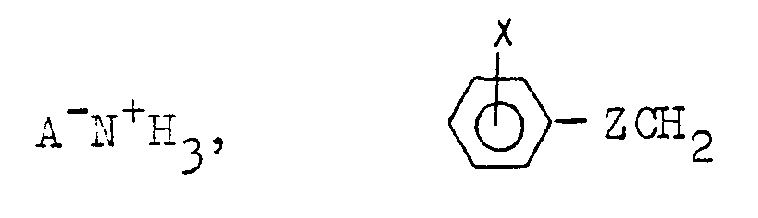
- stehen, worin Z für 0 oder S steht.
- R4 H. CH3

- bedeutet, worin X H für F, Cl, OH, NH2, NO2 steht. Y für H. -C-SK,
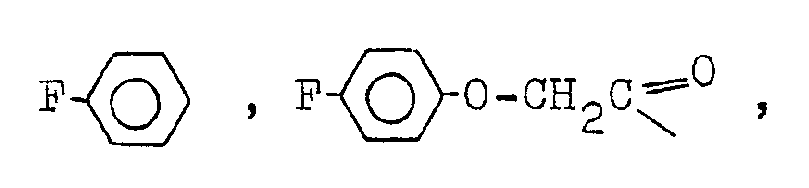

- steht. oder R2 - Y eine einfache Bindung darstellt, oder ihre Tiioanaloga oder ,nre Gemisene. Die Erfindung wird in der Selektion und im Samebau zur Verwendung kommen.
Description
- Die vorliegende Erfindung bezieht sich auf die Biologie und Landwirtschaft, insbesondere auf ein Verfahren zur Sterilisation der Staubbeutel von Pflanzen.
- Heute wird weltweit die Aufgabe, die Landwirtschaft zu intensivieren, insbesondere die Ertragsfähigkeit von Getreide-, Futter-, Gemüse- und technischen Kulturen durch breite Verwendung von Hybriden der ersten Generation zu steigern, gelöst. Wegen ihrer Hybridkraft unterscheiden sich die Hybride von den Elternformen durch eine höhere Leistung (um 25 bis 3C%) und eine bessere Produktqualität. Es besteht ein Verfahren zur Erzeugung von neuen Hybriden, welches auf einem System "Zytoplasmatische Pollensterilität 2 Restorer der Fertilität beruht. Diesem Verfahren liegt eine fortwährende (innerhalb von 12 bis 14 Jahren) und komplizierte Selektionsarbeit zugrunde, die das Schaffen von sterilen Analoga, Fixatoren der Sterilität und Restorern der Fertilität umfasst. Besonders aussichtsreich sind Verfahren, die auf der Sterilisation der Staubbeutel von Pflanzen mit chemischen Sterilisationsmitteln (Gametoziden) basieren. Die Verwendung von Gametoziden ist bedeutend wirtschaftlicher als die des Systems "zytoplasmatische Pollensterilität", weil die Notwendigkeit entfällt, solche Formen wie steriles Analogon, Analogon für die Fixierung der Sterilität bei mütterlichen Formen und für die Restauration der Fertilität bei väterlichen Formen zu erzeugen. Man kann praktisch die Samen von Hybriden der ersten Generation sowohl im Laufe der Selektionsforschung von Ausgangsformen als auch bei der Crganisation ihrer technischen Herstellung gewinnen.
- Zur Zeit sind etwa 200 Verbindungen gefunden, welche eine gametozide Aktivität besitzen und ihrer chemischen Struktur nach zu verschiedenen Klassen von chemischen Verbindungen gehören. Gametozide müssen die volle Pollensterilität bei behandelten Pflanzen unter Erhaltung der Lebensfähigkeit von Eizellen bewirken und eine ausreichend hohe Fähigkeit (mindestens 70% der Kontrolle), den Fruchtknoten unter freier Bestäubung zu bilden, sicherstellen. Die Werte ihrer Phytotoxizität und Toxizität für Warmblüter müssen minimal sein.
- Bekannt sind Verfahren zur Sterilisation der Staubbeutel von Getreidekulturen (L.Dzh.Nikell. Regulatory rosta rasteny. Primenenie v selskom khozyaitsve. Moskva, izdatelstvo "Kolos", 1984, S. 28-31; SU, A, 906457. L.Ju. Nikell. Wachstumsregulatoren von Pflanzen. Anwendung in der Landwirtschaft. Moskau, Verlag "Kolos", 1984, S. 28-31), welche in der Behandlung von Pflanzen mit Sterilisationsmitteln wie 2-Chloräthylphosphonsäure (Ethrel), Maleinsäurehydrazid, Di-(polyfluoralkyl)-phosDhorsäuren und ihre Salze u.a. bestehen. Die 3ehandlung der Pflanzen mit Sterilisationsmitteln erfolgt in der V. oder VI. Periode der Organogenese (nach F.M.Kupermann).
- In der V. Periode der Organogenese setzen die Prozesse der Bildung und der Differenzierung von Blüten ein. Gegen Ende dieser Periode entstehen Neubildungen, sporogene Archesporgewebe. Während dieser Periode kommt es zur Anlegung von Staubblättern, Stempel und 3lütenhülle. In der V. Periode tritt die Differenzierung des Höckers von Staubblättern in Staubfaden und Stempel in Erscheinung. Die VI. Periode ist durch Ablauf der Prozesse der Blütenbildung (Mikro- und Makrosporogenese) gekennzeichnet. In dieser Periode werden gesonderte einkernige Pollenkörner gebildet (F.M.Kupermann. Morfofiziologiya rasteny. Moskva, izdatelstvo "Vysshaya shkola", 1973, S. 30-36. Morphophysiologie von Pflanzen. Moskau, Verlag "Vysshaya shkola", 1973, S. 30-36).
- Bekannt ist weiter ein Verfahren zur Sterilisation der Staubbeutel von Graspflanzen (GB, A, 1567153), das darin besten dass man die Behandlung von Graspflanzen mit eirem Sterilisationsmittel in der Periode durchführt, die zwischen Auftreten des zweiten Stengelgliees und Andrenschieben liegt. Als Sterilisationsmittel verwendet man heterozyklische Verbindungen, deren Hauptvertreter 2-Karboxy-3,4-methanpyrrolidin oder 2-Metho- xykarbonyl-3,4-methanpyrrolidin sind. Die angegebenen Verbindungen werden in Kombination mit Verdünnungsmitteln und oberflächenaktiven Stoffen eingesetzt.
- Der Erfindung liegt die Aufgabe zugrunde, durch die Wahl von neuen Sterilisationsmitteln ein Verfahren zu entwickeln, welches es möglich macht, dieses Verfahren zur Sterilisation von Staubbeuteln eines breiten Spektrums von Kulturen mit hohem Sterilisationsgrad unter Erhaltung der hohen Fähigkeit von Samen, Fruchtansätze bei freier Bestäubung zu bilden, zu verwenden.
- Diese Aufgabe wird dadurch gelöst, dass im vorgeschlagenen Verfahren zur Sterilisation der Staubbeutel von Pflanzen durch ihre Behandlung mit einem Sterilisationsmittel in Verbindung mit einem Verdünner in der fünften und/oder sechsten Periode der Organogenese erfindungsgemäss als Sterilisationsmittel Derivate von aliphatischen Alkoholen der allgemeinen Formel

- R2 für H, Alkoxy, Hydroxyl,
- R3 für H, Cl, ClCH2, C2H5, NO2, A- , N+H3,

- R4 für H, CH3,

- bedeutet, worin X - H, F, Cl, OH, NH2, NO2 bedeutet, Y für H,


- Das Sterilisationsmittel kann in Verbindung mit einem beliebigen bekannten und dazu geeigneten Verdünner verwendet werden. Es ist zweckmässigerweise in Kombination mit Wasser als 0,1- bis 2%ige wässrige Emulsion zu verwenden. Als Pflanzen, die mit dem angegebenen Sterilisationsmittel behandelt werden, dienen bevorzugt Graspflanzen oder Sonnenblume.
- Das erfindungsgemässe Verfahren ermöglicht, die Pollensterilität von Pflanzen bis 100%) zu erzielen und einen hohen Prozentsatz.der Fähigkeit zur Samenbildung (über 70%) zu erhalten. Zwecks Erzielung des hohen Sterilisationsgrades von Staubbeuteln unter ungünstigen Klimabedingungen wird die Behandlung von Pflanzen mit dem Sterilisationsmittel in der fünften und/oder sechsten Periode der Organogenese (nach Kupermann) wiederholt.
- Das erfindungsgemässe Verfahren wird wie folgt durchgeführt.
- Pflanzen wie z.B. Winter- und Sommerweizen, diploider und tetraploider Roggen, Tritikale, Hirse, Sonnenblume, und andere werden mit einem Sterilisationsmittel behandelt, wobei als solches Derivate von aliphatischen Alkoholen der allgemeinen Formel

- R9 für H, Alkoxy, Hydroxyl,
- R3 für H, Cl, ClCH2, C2H5, NO2, A-N+H3,

- stehen, worin Z für 0 oder S steht, R4 - H, CH3,


- Derivate von aliphatiaschen Alkoholen können in Verbindung mit beliebigen geeigneten Verdünnern verwendet werden. Als Verdünner ist Wasser zweckmässigerweise zu benutzen. Dabei ist 0,1- bis 2%ige wässerige Emulsion der angegebenen Verbindungen vorteilhaft zu verwenden.
- Man kann den gebrauchsfertigen Lösungen beliebige geeignete oberflächenaktive Stoffe wunschgemäss zusetzen. Beim Aufbringen auf die Pflanzen sind gewöhnlich den gebrauchsfertigen Lösungen beliebige bekannte Hilfszusätze wie Netzmittel, Dispergiermittel und Adhäsionsmittel zweckmässigerweise hinzuzufügen.
- Das Sterilisationsmittel lässt sich auf Pflanzen nach verschiedenen Behandlungsverfahren wie Flüssigkeitszerstäubung und Luftzerstäubung (Aerosole) aufbringen. Die Behandlung von Pflanzen mit dem Sterilisationsmittel erfolgt in der fünften und/oder sechsten Periode der Organogenese (nach Kunermann). Die Aufwandmenge des Sterilisationmitels hängt von der Natur der Verbindung, von zu behandelnder Kultur, Behandlungsperiode und natürlichen Klimafaktoren ab. Um den hohen Sterilisationseffekt unter ungünstigen Klimabedingungen sicherzustellen, ist es zweckmässig, die wiederholte Behandlung von Pflanzen in der VI. Periode der Organogenese durchzuführen. Die Gesamtdosis des Sterilisationsmittels beträgt 0,6 bis 20 kg/ha.
- Alle erfindungsgemässen Derivate von aliuhatischen. Alkoholen oder ihre Thioanaloga, die als Sterilisationsmittel zur Verwendung kommen, waren auf die Toxizität im Tierversuch geprüft. Die Prüfergebnisse haben ergeben, dass die angegebenen Verbindungen schwach toxisch oder praktisch nichttoxisch sind.
- So sind, zum Beispiel, Trimethylolpropan, Pentaerythrit, Tetramethylolmethan, Brommethyl-tri(oxymethyl)-methan, I-Brom-2,2,2-trimethylol-äthan, I-Brom-2,2-di- methylol-butan sind praktisch nichttoxische Verbindungen. LD50 von 2-Chloräthanol beträgt für weisse Mäuse 580 mg/kg Tiergewicht; LD50 von Athanolaminsalz der Tetrachlorphthalsäure beträgt für weisse Mäuse 500 bis 4000 mg/kg Tiergewicht; LD50 von Äthanolaminsalz der 5-Aminosalizylsäure beträgt für weisse Mäuse 2400 mg/kg Tiergewicht; LD50 von Äthanolaminsalz der p-Aminobenzoesäure beträgt für weisse Mäuse 2850 mg/kg Tiergewicht; LD50 von Äthanolaminsalz der Benzoesäure beträgt für weisse Mäuse 4100 mg/kg Tiergewicht; ZD50 von Monoäthanolaminsalz der o-Fluorbenzoesäure beträgt für weisse Mäuse 700 mg/kg Tiergewicht; LD50 von Diäthanolaminsalz der o-Fluarbenzoesäure beträgt für weisse Mäuse 500 mg/kg Tiergewicht; LD50 von Monoäthanolaminsalz der p-Hydroxybenzoesäure beträgt für weisse Mäuse 3200 mg/kg Tiergewicht; LD50 von Äthanolaminsalz der p-Chlorbenzoesäure beträgt für weisse Mäuse 1200 mg/kg Tiergewicht; LD50 von Monoäthanolaminsalz der Phthalsäure beträgt für weisse Mäuse 1100 mg/kg Tiergewicht; LD50 von 3-('4-Chlorphe- noxy)-propandiol-1,2- beträgt für weisse Mäuse 400 bis 600 mg/kg Tiergevicht; LD50 von 3-Chlor-I,2-epoxypropan beträgt für weisse Mäuse 238 mg/kg Tiergewicht; LD50 von 3-(4'-Nitrophenoxy)-propandiol-I,2 beträgt für weisse Mäuse 100 bis 600 mg/kg Tiergewicht; LD50 von 3-(4'-Flu- orphenoxy )-propendiol-1,2, beträgt für weisse Mäuse 400 bis 600 kg/kg Tiergewicht; LD50 von 3-(4'-Fluorphenyl- thio)-propandiol-1,2 beträgt für weisse Mäuse etwa 400 mg/kg Tiergewisen LD50 von 3-(Fluorphenoxy)-propandiol-1,2 beträgt für weisse Mäuse 400 bis 600 mg/kg Tiergewicht; LD50 von Noliumäthylxanthogenat beträgt für Ratten 1700 mg/kg Tiergewicht; LD50 von Kaliumisonronylxanthogenat beträgt für Ratten 760 mg/kg Tiergewicht; LD50 von p-Kaliumbutylxanthogenat beträgt für Ratten 760 mg/kg Tiergewicht; LD50 von β -Cloräthylester der 2,4-Dichlor--5-fluorphenolxyessigsäure beträgt für weisse Mäuse 500 mg/kg Tiergewicht; LD50 von β -Chloräthylester der 4-Fluorphenoxyessigsäure beträgt für weisse Mäuse 400 mg/kg Tiergewicht; LD50 von 4-Fluorphenoxyäthanol beträgt für weisse Mäuse 350 mg/kg Tiergewicht; LD50 von 3-(4'-Fluorphenylthio)-propandiol-1,2 beträgt für weisse Mäuse 400 mg/kg Tiergewicht; LD50 von 3-(3'-Chlorphenyl- thio)-propandiol-I,2 beträgt für weisse Mäuse 400 mg/kg Tiergewicht; LD50 von 3-(2'-Fuorphenylthio)-propandiol-I,2 beträgt für weisse Mäuse 400 mg/kg Tiergewicht.
- Die erfindungsgemässen Sterilisationsmittel, in deren allgemeinen Formel R1 = R2 = R3 Alkoxy, R1 = R2 Al- koxy, R3 Äthyl bedeuten, R4 = H, A = - 0, Y = H sind, werden nach dem bekannten Verfahren durch Kondensation von Azetaldehyd oder Butyraldehyd mit überschüssigem Formaldehyd im Laufe der Katalyse durch Alkalien hergestellt.
- Die erfindungsgemässen Sterilisationsmittel, in deren allgemeinen Formel RI = BrCH2 -, R2 = -CH20H; R3 = -CH2OH oder -C2H5 darstellen, werden nach der bekannten Technologie durch Ersetzen von alkoholischem Hydroxyl gegen Halogen bei der Einwirkung von Halogenwasserstoff hergestellt.
- Die erfindungsgemässen Sterilisationsmittel, in deren allgemeinen Formel RI = R2 = R4 = H, R3 = Cl, Y = H sind, werden nach dem bekannten Verfahren durch Umsetzung von Äthylenoxid mit Chlorwasserstoff hergestellt.
- Die erfindungsgemässen Sterilisationsmitte, in deren allgemeinen Formel R1 = H, R3 = Cl, R4 = H darstellen, Y - R2, genommen zusammen, eine einfache Bindung bilden, werden nach dem bekannten Verfahren durch alkalische Dehydrochlorierung vcn Glyzerindichydrochlorid hergestellt.
- Die erfindungsgemässen Sterilisationsmittel, in deren allgemeinen Formel R1 = R2 = R4 = Y = H sind und R3 = HCOONH3,


- Die erfindungsgemässen Sterilisationsmittel, in deren allgemeinen Formel R1 = H, R2 = OH, R3 = CH2OH, R4=H,

- Die erfindungsgemässen Sterilisationsmittel, in deren allgemeinen Formel RT = RA = Y = H, R2 = OH,

- Die erfindungsgemässen Sterilisationsmittel, in deren allgemeinen Formel RI = R2 = H, R3 = H, -CH 2 CH 3, R4 = H, CH3 sind und

- Die erfindungsgemässen Sterilisationsmittel, in deren allgemeinen Formel R1=R2=R4=Y=H,

- Die erfindungsgemässen Sterilisationsmittel, in deren allgemeinen Formel Rr = R2 = R4 = H, R3 = Cl,

- Die erfindungsgemässen Sterilisationsmittel, in deren allgemeinen Formel R1 = R2 = R4 = H, R 3 = Cl,

- Die gametozide Aktivität der erfindungsgemässen Sterilisationsmittel ist im Feldversuch in verschiedenen bodenklimatischen Zonen mit Teilstücken von 10 m2 Grösse in zwei bis drei- bis viermaliger Wiederholung festgestellt. Jedes Sterilisationsmittel wurde mindestens 5 Jahre lang geprüft.
- Die Entwicklung der Perioden der Organogenese wird zytologisch überwacht. Die Behandlung von Pflanzen mit dem Sterilisationsmittel erfolgt am Anfang der fünften Periode der Organogenese (nach Kupermann).
- Mit dem Xhrenschieben verwirklicht man die Isolierung von Hauptähren und anderen Stockwerken in Pergamentbeuteln. Bei Weizen und Tritikale werden Einzelisolatoren verwendet. Bei Roggen schliesst man 5 bis 7 verschiedene nebeneinander befindliche Pflanzen je Ähre in einen gemeinsamen Isolator ein. Bei Hirse wird jede Rispe getrennt isoliert. Der Sterilitätsprozentsatz (X) für Weizen, Roggen, Tritikale und Hirse wird nach der Formel

- Die Kornzahl der nicht isolierten Ähren von Kontrollpflanzen wird bedingt für 100% Ansetzen bei freier Bestäubung angenommen.
- Um zuverlässige Angaben zu erhalten, verwendet man 20 bis 25 Isolatoren jeder Wiederholung für Weizen und Tritikale, 10 bis 15 Isolatoren jeder Wiederholung für Roggen und Hirse.
- Zur Kontrolle der chemischen Sterilisation des Sonnenblumenpollens werden für jede Verbindung 45 behandelte Pflanzen jeder Wiederholung verwendet, wobei 15 Pflanzen von denen zwecks Selbstbestäubung isoliert werden, Blütenkörbchen von I5 anderen Pflanzen mit einem Pollengemisch, gesammelt von 20 bis 25 behandelten isolierten Körbchen, bestäubt werden, und I5 Pflanzen für freie Bestäubung gelassen werden, damit das Ansetzen von Achänen mit dem Pollen der väterlichen Vaterform kontrolliert werden kann.
- Man beurteilt die Pollensterilität von Pflanzen der Sonnenblume nach der Pollenfertilität und -keimfähigkeit, nach den morphologischen Besonderheiten von Spermien und nach der Fähigkeit von Achänen zum Ansetzen bei der Bestäubung der behandelten isolierten Pflanzen mit dem Pollen .der unbehandelten väterlichen Form. Die Lebensfähigkeit der Eizelle wird nach der Samenbildung von behandelten Pflanzen bei freier Bestäubung mit der väterlichen Form bestimmt.
- Es ist wünschenswert, die Behandlung von Pflanzen bei heiterem windstillem Wetter durchzuführen.
- Zum besseren Verstehen der vorliegenden Erfindung werden folgende Ausführungsbeispiele für das erfindungsgemässe Verfahren angeführt.
- Pflanzen des Winterweizens Sorte Mironovskaya 808 werden in der V. oder VI. Periode der Organogenese durch Zerstäubung der 2%igen wässrigen Emulsion von:
- β-Chloräthylester der 4-Fluorphenoxyessigsäure (Beispiel I);
- 4-Fluorphenoxyäthylalkohol (Beispiel 2);
- 3-(4'-Chlorphenoxy)-propandiol-1,2 (Beispiel 3);
- 3-(4'-Fluorphenoxy)-propandiol-I,2 (Beispiel 4);
- Kaliumisopropylxanthogenat (Beispiel 5);
- 3-(2',4'-Dichlorphenoxy)-propandiol-I,2 (Beispiel 6);
- 3-(2'-Fluorphenylthio)-propandiol-I,2 (Beispiel 7);
- 3-(3'-Chlorphenylthio)-propandiol-1,2 (Beispiel 8);
- 3-(4'-Nitrophenoxy)-propandiol-I,2 (Beispiel 9);
- β -Chloräthylester der 2,4-Dichlor-5-fluornhenoxyessig- säure (Beispiel 10);
- 3-Chlor-1,2-epoxypropan (Beispiel II);
- Kaliumäthylxantogenat (Beispiel 12);
- 3-(4'-Fluorphenylthio)-propandiol-I,2 (Beispiel 13);
- Monoäthanolaminsalz der Orthofluorbenzoesäure (Beispiel 14) mit Hilfe einer Rückenspritze behandelt.
- Als Emulgiermittel wird 0,1 Masse% Kalziumalkylbenzolsulfonat mit 12 bis 14 Kohlenstoffatomen hinzugefügt.
- Als Adjuvans führt man in die Emulsion 0,01 Masse% Dimethylfoxid ein.
- Der Verbrauch an Präparat beträgt 20 kg/ha. Als Kontrolle dienen Pflanzen, behandelt mit einem Verdünner ohne Sterilisationsmittel.
- Die Prüfergebnisse sind in der Tabelle I angegeben.

- Pflanzen des Sommerweizens Sorte Moskovskaya 35 werden in der V. Periode der Organogenese (nach Kupermann) mit einer I%igen wässrigen Emulsion von 3-(3-Chlornhenyl- thio)-propandiol-I,2 (3eispiel 15); 3-(2,4-Dichlorphenoxy)-propandiol-1,2 (Beispiel 16); Kaliumisopropylxanthogenat (Beispiel 17); Äthanolaminsalz der 5-Bromsalizylsäure (Beispiel 18); 3-(2'-Fluorphenylthio)-propandiol-1,2 (Beispiel 19); 3-'4'-Chlorphenoxy)-propandiol-1,2 (Beispiel 20); 3-(2'-Fluorophenoxy)-propandiol-1,2 (Beispiel 21); Kaliumäthylxantkogenat (Beispiel 22); β-Chloräthylester der 4-Fluorahenoxyessigsäure (Beispiel 23); Diätha- nolaminat der o-Fluorbenzoesäure (Beispiel 24); 3-(4'-Fluorphenylthio)-propandiol-I,2 (Beispiel 25); 3-(4'-Flu- orphenoxy)-propandiol-1,2 (Beispiel 26) behandelt. Die Emulsion enthält 0,1 Masse% Kalziumalkylbenzolsulfonat mit I2 bis 14 Kohlenstoffatomen als Emulgiermittel und 0,01 Masse% N,N-Dimethylformamid als Adjuvans. Der Verbrauch an Präparat beträgt 10 kg/ha. Als Kontrolle dienen Pflanzen, behandelt mit einem Verdünner ohne Sterilisationsmittel, Die Prüfergebnisse sind in der Tabelle 2 angegeben.

- Pflanzen von diploidem Roggen Sorte Gibrid 1864/74 werden in der V. Periode der Crganogenese (nach Kupermann) mit einer I%igen wässrigen Emulsion von 4-Fluorphenoxyäthylalkohol (Beispiel 27); Monoäthanolaminat der p-Hydroxybenzoesäure (Beispiel 28); 3-(4'-Fluorphenoxy)-propandiol-I,2 (Beispiel 29) behandelt. Die Emulsion enthält 0,1 Masse% Kalziumalkylbenzosulfonat mit I2 bis I4 Kohlenstoffatomen und 0,01 Masse% Dodezylsulfat. Als Kontrolle dienen Pflanzen, behandelt mit einem Verdünner ohne Sterilisationsmittel. Der Verbrauch an Präparat beträgt 10 kg/ha.
- Die Prüfergebnisse sind in der Tabelle 3 angegeben.
- Pflanzen von diploidem Roggen Sorte Kharkovskaya 55 werden in der V. und VI. Perioden der Organogenese (nach Kupermann) mit einer I%igen wässrigen Emulsion von β -Chloräthylester der 4-Fluorphenoxyessigsäure (Beispiel 30); Äthanolaminsalz der Benzoesäure (Beispiel 31); 3-(2,4-Dichlorphenoxy)-propandiol-I,2 (Beispiel 32) behandelt. Die Emulsion enthält 0,1 Masse% Kalziumalkylbenzolsulfonat mit 12 bis 14 Kohlenstoffatomen als Emulgiermittel und 0,01 Masse% Tetrahydrofuran als Adjuvans.
- Der Verbrauch an Sterilisationsmittel beträgt 6 kg/ha. Als Kontrolle dienen Pflanzen, behandelt mit einem Verdünner ohne Sterilisationsmittel.
- Die Pfüfergebnisse sind in der Tabelle 4 angegeben.
- Pflanzen von diploidem Roggen Sorte Vogkhod 2 werden in der V. oder VI. Periode der Organogenese mit einer I%igen wässrigen Emulsion von 3-Chlor-I,2-epoxyprooan (Beispiel 33); Äthanolaminsalz der Tetraphthalsäure (Beispiel 34); Äthanolaminsalz der 1-Chlorbenzoesäure (Beispiel 35); 3-(2'-Fluorphenoxy)-propandiol-I,2 (Beispiel 36) behandelt.
- Die Emulsion enthält 0,1 Masse% Kalziumalkylbenzolsulfonat mit 12 bis 14 Kohlenstoffatomen als Emulgiermittel und 0,01 Masse% Äthylenglykol als Adjuvans. Als Kontrolle dienen Pflanzen, behandelt mit einem Verdünner ohne Sterilisationsmittel. Der Verbrauch an Sterilisationsmittel beträgt 8 kg/ha.
- Die Prüfergenisse sind in der Tabelle 5 angegeben.
- Pflanzen von diplodidem Roggen Sorte Gibrid 312/65 werden in der V. und VI. Perioden der Organogenese (nach Kupermann) mit einer I%igen wässrigen Emulsion von β-Chloräthylester der 4-Fluorphenoxyessigsäure (Beispiel 37); Äthanolaminsalz der p-Aminobenzoesäure (Beispiel 380; Etriol (Beispiel 39); 3-(4'-Nitrophexy)-propandiol-I,2 (Beispiel 40); Kaliumisopropylxanthogenat (Beispiel 4I) behandelt.
- Die Emulsion enthält 0,1 Masse% Kalziumlakylbenzolsulfonat mit 12 bis 14 Kohlenstoffatomen als Emulgiermittel und 0,01 Masse% Dimethylformamid als Adjuvans. Als Kontrolle dienen Pflanzen, behandelt mit einem Verdünner ohne Sterilisationsmittel.
- Der Verbrauch an Sterilisationsmittel beträgt 10 kg/ha.
- Die Prüfergebnisse sind in der Tabelle 6 angegeben.
- Pflanzen von diploidem Roggen Sorte Chulpan werden in der V. oder VI. Periode der Organogenese mit einer I%igen wässrigen Emulsion von 4-Fluorphenoxyäthylalkohol (Beispiel 42); Kaliumisoprooylxanthogenat (Beispiel 43); Kaliumbutylxanthogenat (Beispiel 44); 2-Chloräthanol (Beispiel 45); 3-(4'-Chlorphenoxy)-propandiol-1,2(Beispiel 46); 3-Chlor-1,2-enoxypropan (Beispiel 47); Monoäthanolaminsalz der Ameisensäure (Beispiel 48); 3-(4'-Nitrophenoxy)-propandiol-I,2 (Beispiel 49); 3-(3'-Chlor- phenylthio)-propandiol-I,2 (Beispiel 50); Äthanolaminsalz der 5-Aminosalizylsäure (Beispiel 51); 3-(2'-Fluor- phenylthio)-propandiol-1,2 (Beispiel 52); monobromsubstituiertem Etriol (BeisDiel 53); Diäthanolaminat der o-Fluorbenzoesäure (Beispiel 54); Phthalsäuremonoäthanolaminsalz (Beispiel 55); Monoäthanolaminsalz der o-Fluorbenzoesäure (Beispiel 56) behandelt.
- Die Emulsion enthält 0,1 Masse% Kalziumalkylbenzolsulfonat mit 12 bis 14 Kohlenstoffatomen als Emulgiermittel und 0,01 Kasse% Dimethylsulfoxid als Adjuvans.
- Als Kontrolle dienen Pflanzen, behandelt mit einem Verdünner ohne Sterilisationsmittel.
- Der Verbrauch an Sterilisationsmittel beträgt 10 kg/ha.
- Die Prüfergebnisse sind in der Tabelle 7 angegeben.

- Pflanzen von tetraploidem Roggen Sorte Jubileinaya werden in der V. oder VI. Periode der Organogenese (nach Kupermaut mit einer I%igen wässrigen Emulsion von 3-(2'-Fluorphenoxy)-propandiol-I,2 (Beispiel 57); Pentaerythrit (Beispiel 58); Monoäthanolaminsalz der Phthalsäure (Beispiel 59) behandelt.
- Die Emulsion enthält 0,1 Masse% Kalziumalkylbenzolsulfonat mit 12 bis 14 Kohlenstoffatomen als Emulgiermittel und 0,01 Masse% Dodezylsulfat als Adjuvans.
- Als Kontrolle dienen Pflanzen,.behandelt mit einem Verdünner ohne Sterilisationsmittel.
- Der Verbrauch an Sterilisationsmittel beträgt 10 kg/ha.
- Die Prüfergebnisse sind in der Tabelle 8 angegeben.

- Pflanzen von tetraploidem Roggen Sorte Gibrid 67 werden in der V. oder VI. Periode der Organogenese (nach Kupermann) mit einer I%igen wässrigen Emulsion von 3-(2'-Fluorphenylthio)-propandiol-I,2 (Beispiel 60); Monoäthanolaminsalz der p-Hydroxybenzoesäure (Beispiel 61); Äthanolaminsalz der Salizylsäure (Beispiel 62) behandelt.
- Die Emulsion enthält 0,1 Masse% Kalziumalkylsulfonat mit 12 bis 14 Kohlenstoffatomen als Emulgiermittel und 0,01 Masse% Dimethylsulfoxid als Adjuvans.
- Als Kontrolle dienen Pflanzen, behandelt mit einem Verdünner ohne Sterilisationsmittel.
- Der Verbrauch an Sterilisationsmittel beträgt 10 kg/ha.
- Die Prüfergebnisse sind in der Tabelle 9 angegeben.
- Pflanzen von tetraploidem Roggen Sorte Ukrainskaya tetra werden in der V. oder VI. Periode der Organogenese (nach Kupermann) mit einer I%igen wässrigen Emulsion von 3-(4'-Chlorphenoxy)-propandiol-I,2 (Beispiel 63); Äthanolaminsalz der 5-Bromsalizylsäure (Beispiel 61); Äthanolaminsalz der Benzoesäure (Beispiel 65); Kalium- äthylxantrhogenat (Beispiel 66) behandelt.
- Die Emulsion enthält 0,1 Masse% Kalziumalkylbenzolsulfonat mit 12 bis 14 Kohlenstoffatomen und 0,01 Masse% Tetrahydrofuran.
- Als Kontrolle dienen Pflanzen, behandelt mit einem Verdünner ohne Sterilisationsmittel.
- Der Verbrauch an Sterilisationsmittel beträgt 10 kg/ha.
- Die Prüfergebnisse sind in der Tabelle 10 angegeben.

- Pflanzen von tetraploidem Roggen Sorte Belta werden in der V. oder VI. Periode der Organogenese (nach Kupermann) mit einer I%igen wässrigen Emulsion von 3-(4'-Nitrophenoxy)-propandiol-I,2 (Beispiel 67); 2-Chloräthan (Beispiel 68); 3-(2'-Pluorohenoxy)-propandiol-1,2 (Beispiel 69); Äthanolaminsalz der 5-Aminosalizylsäure (Beispiel 70); Monoäthanolaminsalz der o-Fluorbenzoesäure (Beispiel 71); Kaliumäthylxantogenat (Beispiel 72); Monoäthanolaminsalz der Phthalsäure (Beispiel 73); Diäthanolaminsälz der o-Fluorbenzoesäure (Beispiel 74); 4-Fluorphenoxyäthylalkohol (Beispiel 75) behandelt.
- Die Emulsion enthält 0,1 Masse% Kalziumalkylbenzolsulfonat mit I2 bis 14 Kohlenstoffatomen als Emulgiermittel und 0,01 Masse% Dimethylsulfoxid als Adjuvans.
- Als Kontrolle dienen Pflanzen, behandelt mit einem Verdünner ohne Sterilisationsmittel.
- Der Verbrauch an Sterilisationsmittel beträgt 10 kg/ha.
- Die Prüfergebnisse sind in der Tabelle II angegeben.
- Pflanzen von Tritikale Sorte PRAG I09 werden in der V. und VI. Periode der Organogenese (nach Kunermann) mit einer I%igen wässrigen Emulsion von 4-Fluornhenoxyäthylalkohol (Beispiel 76); Monoäthonalominsalz der Ameisensäure (Beispiel 77); Etriol (Beispiel 78); 3-(4'-Chlor- phenoxy)-proDandiol-I,2 (Beispiel 79) behandelt. Die Emulsion enthält 0,1 Masse% Kalziumalkylbenzolsulfonat mit 12 bis 14 Kohlenstoffatomen als Emulgiermittel und 0,01 Masse% Dodezylsulfat als Adjuvans.
- Als Kontrolle dienen Pflanzen, behandelt mit einem Verdünner ohne Sterilisationsmittel.
- Der Verbrauch an Sterilisationsmittel beträgt 12 kg/ha.
- Die Prüfergebnisse sind in der Tabelle 12 angegeben.

- Pflanzen von diploidem Roggen Sorte Chulpan werden mit einer I%igen wässrigen Emulsion behandelt, welche eine Mischung aus folgenden Verbindungen enthält:
- Beispiel 80: 1-Fluorphenoxyäthylalkohol und Etriol in einem Verhältnis von I:3.
- Beispiel 8I: 3-(4'-Chlorphenoxy)-propandiol-1,2 und Monoäthanolaminsalz der Phthalsäure in einem Verhältnis von 1:3.
- Beispiel 82: Kaliumäthylxanthogenat und 2-Chloräthanol in einem Verhältnis von 1:3.
- Beispiel 83: 3-(4'-Nitrophenoxy)-propandiol-1,2 und Athanolaminsalz der 4-Aminobenzoesäure in einem Verhältnis von 1:3.
- Beispiel 84: 3-(4'-Fluorühenoxy)-Propandiol-1,2 und Monoäthanolaminsalz der Orthofluorbenzoesäure in einem Verhältnis von 1:3.
- Beispiel 85: 3-(2'-Fluorphenylthio)-nropandiol-I,2 und Äthanolaminsalz der 4-Chlorbenzoesäure in einem Verhältnis von 1:3.
- Beispiel 86: 3-(3'-Chlorphenylthio)-propandiol-I,2 und monobromsubstituiertes Pentaerythrit in einem Verhältnis von 1:3.
- Beispiel 87: Kaliumsopropylxanthogenat und Athanolaminsalz der Ameisensäure in einem Verhältnis von 1:3.
- Beispiel 88: 3-Chlor-I,2-epoxypropan und Athanolaminsalz der Salizylsäure in einem Verhältnis von 1:3.
- Beispiel 89: 3-(2'-Fluorphenoxy)-propandiol-I,2 und Äthanolaminsalz der 5-Bromsalizylsäure in einem Verhältnis von 1:3.
- Jede Emulsion enthält 0,1 Masse% Kalziumalkylbenzolsulfonat mit 12 bis 14 Kohlenstoffatomen als Emulgiermittel und 0,01 Masse% Dimethylsulfoxid als Adjuvans. Als Kontrolle dienen Pflanzen, behandelt mit einem Lösungsmittel ohne Sterilisationsverbindungen. Der Verbrauch an Sterilisationsmitteln beträgt 10 kg/ha.
- Die Prüfergebnisse sind in der Tabelle 13 angegeben.

- Pflanzen der Hirse Sorte Mironovskoe 94 werden in der V. oder VI. Periode der Organogenese (nach Kupermann) mit einer I%igen wässrigen Emulsion von 3-(2'-Fluorphe- nylthio)-propandiol-I,2 (Beispiel 90); 3-(4'-Nitrophenoxy)-porpandiol-1,2 (Beispiel 91); Äthanolaminsalz der 5-Bromsalizylsäure (Beispiel 92); 3-(4'-Chlorphenoxy)-propandiol-1,2 (Beispiel 93); 3-Chlor-1,2-epoxypropan (Beispiel 94); Etriol (Beispiel 95); Kaliumäthylxanthogenat (Beispiel 96); 4-Fluorphenoxyäthylalkohol (Beispiel 97); Diäthanolaminsalz der o-Fluorbenzoesäure (Beispiel 98); Monoäthanolaminsalz der Phthalsäure (Beispiel 99); Monoäthanolaminsalz der Ameisensäure (Beispiel I00); 3-(2'-Fluorphenoxy-)-propandiol-1,2 (Beispiel 101); Kaliumisoporpylxanthogenat (Beispiel I02) behandelt.
- Die Emulsion enthält 0,1 Masse% Kalziumalkylbenzolsulfonat mit I2 bis I4 Kohlenstoffatomen als Emulgiermittel und 0,01 Masse% Dimethylsulfoxid als Adjuvans.
- Als Kontrolle dienen Pflanzen, behandelt mit einem Verdünner ohne Sterilisationsmittel.
- Der Verbrauch an Sterilisationsmittel beträgt 10 kg/ha.
- Die Pfürergebnisse sind in der Tabelle 14 angegeben.
- Pflanzen der Hirse Sorte K-9693 Kormovoe I werden in der V. oder VI. Periode der Crganogenese (nach Kupermann) mit einer I%igen wässrigen Emulsion von 4-Fluorphenoxyäthylalkohol (Beispiel 103); 2-Chloräthanol (Beispiel 104); 3-(4'-Fluorphenylthio)-propandiol-I,2 (Beispiel 105); Kaliumbutylxanthogenat.(Beispiel 106); 3-(3-Chlorphenylthio)-propandiol-I,2 (Beispiel 107) behandelt.
- Die Emulsion enthält 0,1 Masse% Kalziumalkylbenzolsulfonat mit 12 bis 14 Kohlenstoffatomen als Emulgiermittel und 0,01 Masse% Dodezylsulfat als Adjuvans.
- Als Kontrolle dienen Pflanzen, behandelt mit einem Lösungsmittel ohne Sterilisationsmittel.
- Der Verbrauch an Sterilisationsmittel beträgt 10 kg/ha.
- Die Prüfergebnisse sind in der Tabelle 15 angegeben.
- Pflanzen der Sonnenblume Sorte Peredovik werden in der V. oder VI. Periode der Organogenese (nach KuDermann) mit einer 0,2%igen.wässrigen Emulsion von 3-(4-Chlorphe- noxy)-propandiol-1,2 (Beispiel 108); 2-Chloräthanol (Beispiel I09); 3-Chlor-1,2-epoxypropanol (Beispiel 110); Kaliumisopropylzanthogenat (Beispiel III); Kaliumbutylxanthogenat (Beispiel II2) behandelt.
- Die Emulsion enthält 0,1 Masse% Kalziumalkylbenzolsulfonat mit 12 bis 14 Kohlenstoffatomen als Emulgiermittel und 0,01 Masse% Dodezylsulfat als Adjuvans. Als Kontrolle dienen Pflanzen, behandelt mit einem Lösungsmittel ohne Sterilisationsmittel.
- Der Verbrauch an Sterilisationsmittel beträgt 1,2 kg/ke.
- Die Prüfergebnisse sind in der Tabelle 16 angegeben.
- Pflanzen der Sonnenblume Linien VK II9 werden mit einer 0,2%igen wässrigen Emulsion von 3-(d'-Chlornhenoxy)-propandiol-1,2 (Beispiel 113); 2-Chloräthanol (Beispiel 114); 3-Chlor-1,2-epoxypropanol (Beispiel 115); Kaliumisopropylxanthogenat (Beispiel 116); Kalimbutylxanthogenat (Beispiel 117) behandelt.
- Die Emulsion enthält 0,1 Masse% Kalziumalkulbenzolsulfonat mit 12 bis 14 Kohlenstoffatomen als Emulgiermittel und 0,01 Masse% Dimethylsulfoxid als Adjuvans. Als Kontrolle dienen Pflanzen, behandelt mit einem Lösungsmittel ohen Sterilisationsmittel.
- Der Verbrauch an Sterilisationsmittel beträgt 1,2 kg/ha.
- Die Prüfergebnisse sind in der Tabelle 17 angegeben.


- Das erfindungsgmmäße Verfahren findet seine Anwendung in der Selektion und im Samenbau, bei der Herstellung von hochproduktiven Sorten und Hybriden der landwirkschaftlichen Kulturen.
Claims (4)
1. Verfahren zur Sterilisation der Staubbeutel von Pflanzen durch ihre Behandlung mit einem Sterilisationsmittel in Verbindung mit einem Verdünner in der fünften und/oder sechsten Periode der Organogenese, dadurch gekennzeichnet , daß als Sterilisationsmittel Derivate von aliphatischen Alkoholen der allgemeinen Formel

worin R1 für H, Alkoxy, Alkylhalogenid, Methylbromid,
R2 für H, Alkoxy, Hydroxyl,
R3 für H, Cl, ClCH2, C2H5, NO2, A-N+H3,

stehen, worin Z für 0 oder S steht,
R4 H, CH3,

bedeutet, worin X H F, Cl, OH, NH2, NO2 bezeichnet, Y für H,


steht oder R2 - Y eine einfache Bindung darstellt, ihre Thioanaloga oder ihre Mischungen dienen.
2. Verfahren nach Anspruch 1, dadurch gekenn- zeichnet, daß die angegebenen Derivate von aliphatischen Alkoholen in Kombination mit Wasser als Verdünner in Form einer 0,1- bis 2%igen wäßrigen Emulsion zur Verwendung kommen.
3. Verfahren nach Anspruch 1, 2, dadurch ge- kennzeichnet, daß als Pflanzen, die mit dem Sterilisationsmittel zu behandeln sind, Graspflanznn und Sonnenblume dienen.
4. Verfahren nach einem der Ansprüche 1 bis 3, dadurch gekennzeichnet , daß zwecks Erzielung eines hohen Sterilisationsgrades von Staubbeuteln unter ungünstigen klimatischen Bedingungen die wiederholte Behandlung von Pflanzen mit dem Sterilisationsmittel in der fünften und/oder sechsten Periode der Organogenese erfolgt.
Applications Claiming Priority (1)
| Application Number | Priority Date | Filing Date | Title |
|---|---|---|---|
| PCT/SU1988/000052 WO1989008393A1 (fr) | 1988-03-17 | 1988-03-17 | Procede de sterilisation de pollen de plantes |
Publications (1)
| Publication Number | Publication Date |
|---|---|
| EP0359821A1 true EP0359821A1 (de) | 1990-03-28 |
Family
ID=21617206
Family Applications (1)
| Application Number | Title | Priority Date | Filing Date |
|---|---|---|---|
| EP19880905462 Withdrawn EP0359821A1 (de) | 1988-03-17 | 1988-03-17 | Verfahren zur sterilisation der staubbeutel von pflanzen |
Country Status (3)
| Country | Link |
|---|---|
| EP (1) | EP0359821A1 (de) |
| JP (1) | JPH02503562A (de) |
| WO (1) | WO1989008393A1 (de) |
Cited By (1)
| Publication number | Priority date | Publication date | Assignee | Title |
|---|---|---|---|---|
| WO2008155520A3 (en) * | 2007-06-20 | 2009-02-19 | Roy Arlington Jordan | 4-hydroxy benzoate derivatives for use in the treatment of infection, inflammation or pain |
Family Cites Families (3)
| Publication number | Priority date | Publication date | Assignee | Title |
|---|---|---|---|---|
| SU640711A1 (ru) * | 1975-09-01 | 1979-01-05 | Всесоюзный Ордена Ленина И Ордена Дружбы Народов Научно-Исследовательский Институт Растениеводства Им.Н.И.Вавилова | Гаметоцид дл тетраплоидной ржи |
| SU641926A1 (ru) * | 1976-03-10 | 1979-01-15 | Всесоюзный Ордена Ленина И Ордена Дружбы Народов Научно-Исследовательский Институт Растениеводства Им. Н.И.Вавилова | Гаметоцид дл пшеницы |
| SU740199A1 (ru) * | 1979-01-17 | 1980-06-15 | Лаборатория Гетерозиса Всесоюзного Орденов Ленина И Дружбы Народов Научно-Исследовательского Института Растениеводства Им.Н.И.Вавилова | Моно-2, 4-дихлорфеноксиэтиловый эфир фталевой кислоты, обладающий гаметоцидной активностью дл пшеницы |
-
1988
- 1988-03-17 WO PCT/SU1988/000052 patent/WO1989008393A1/ru not_active Ceased
- 1988-03-17 JP JP88505114A patent/JPH02503562A/ja active Pending
- 1988-03-17 EP EP19880905462 patent/EP0359821A1/de not_active Withdrawn
Non-Patent Citations (1)
| Title |
|---|
| See references of WO8908393A1 * |
Cited By (1)
| Publication number | Priority date | Publication date | Assignee | Title |
|---|---|---|---|---|
| WO2008155520A3 (en) * | 2007-06-20 | 2009-02-19 | Roy Arlington Jordan | 4-hydroxy benzoate derivatives for use in the treatment of infection, inflammation or pain |
Also Published As
| Publication number | Publication date |
|---|---|
| JPH02503562A (ja) | 1990-10-25 |
| WO1989008393A1 (fr) | 1989-09-21 |
Similar Documents
| Publication | Publication Date | Title |
|---|---|---|
| EP0048436A1 (de) | Herbizide Mittel | |
| EP0001979A1 (de) | N-(2-Chlor-4-pyridyl)-N'-phenylharnstoffe, Verfahren zu deren Herstellung sowie diese enthaltende Pflanzenwachstumsregulatoren | |
| DE68911204T2 (de) | Pflanzenwachstumsregulierende Zusammensetzung und Verfahren zur Wachstumsregelung einer Pflanze. | |
| DE2646406A1 (de) | Pflanzenwuchsregler | |
| EP0358762A1 (de) | Verfahren zur sterilisation der staubbeutel von pflanzen | |
| DD142282A5 (de) | Zusammensetzungen zur bekaempfung von pflanzenkrankheiten | |
| EP0348767A2 (de) | Mittel zur Verbesserung des pflanzlichen Stressverhaltens | |
| EP0363487A1 (de) | Verfahren zur Sterilisation der Staubbeutel von Pflanzen | |
| EP0362382A1 (de) | Verfahren zur sterilisation von pflanzlichen pollen | |
| DE2106168A1 (de) | Organische Schwefelverbindungen, deren Herstellung und deren Verwendung zur Wachs tumsregulierung von Pflanzen | |
| EP0364581A1 (de) | Verfahren zur sterilisation von pflanzlichen pollen | |
| EP0358766A1 (de) | Verfahren zur sterilisation der staubbeutel von pflanzen | |
| DD148921A5 (de) | Zusammensetzung zur wachstumsregulierung | |
| DE1801861A1 (de) | Phytologisch wirksame Mittel und die darin enthaltenen chemischen Wirkstoffe sowie hiermit durchgefuehrte Pflanzenbehandlungsverfahren | |
| EP0069244A1 (de) | Verfahren zur Beeinflussung des Pflanzenwachstums | |
| EP0363486A1 (de) | Verfahren zur Sterilisation der Staubbeutel von Pflanzen | |
| EP0121196B1 (de) | Pflanzenwachstumsregulierende Mittel | |
| HU181184B (en) | Composition for replacing kinetine,the effect and membraneactivity of which is similar to citokinine,which composition improves plant productivity,quantity of protein-nitrogen and anion-absorptivity | |
| EP0374249A1 (de) | Verfahren zur sterilisation von pflanzlichen pollen | |
| DD283541A5 (de) | Verfahren zur sterilisation der staubbeutel von pflanzen | |
| DE3639837A1 (de) | Verfahren zur beeinflussung der entwicklung von kulturpflanzen | |
| EP0092632B1 (de) | Neue Benzonitrilderivate, Verfahren zu ihrer Herstellung und herbicide Mittel | |
| DD283543A5 (de) | Verfahren zur sterilisation der staubbeutel von pflanzen | |
| DE1903169C (de) | Fungizides Mittel | |
| US3482959A (en) | Method of increasing sugar yield of sugarcane by treatment with certain endothal compounds,and compositions useful therein |
Legal Events
| Date | Code | Title | Description |
|---|---|---|---|
| PUAI | Public reference made under article 153(3) epc to a published international application that has entered the european phase |
Free format text: ORIGINAL CODE: 0009012 |
|
| 17P | Request for examination filed |
Effective date: 19891107 |
|
| AK | Designated contracting states |
Kind code of ref document: A1 Designated state(s): CH DE FR GB IT LI |
|
| RTI1 | Title (correction) | ||
| STAA | Information on the status of an ep patent application or granted ep patent |
Free format text: STATUS: THE APPLICATION HAS BEEN WITHDRAWN |
|
| 18W | Application withdrawn |
Withdrawal date: 19910703 |