EP0400047B1 - Hepatocytes modifies et leurs utilisations - Google Patents
Hepatocytes modifies et leurs utilisations Download PDFInfo
- Publication number
- EP0400047B1 EP0400047B1 EP89902467A EP89902467A EP0400047B1 EP 0400047 B1 EP0400047 B1 EP 0400047B1 EP 89902467 A EP89902467 A EP 89902467A EP 89902467 A EP89902467 A EP 89902467A EP 0400047 B1 EP0400047 B1 EP 0400047B1
- Authority
- EP
- European Patent Office
- Prior art keywords
- hepatocytes
- genetic material
- transduced
- cells
- ldlr
- Prior art date
- Legal status (The legal status is an assumption and is not a legal conclusion. Google has not performed a legal analysis and makes no representation as to the accuracy of the status listed.)
- Expired - Lifetime
Links
Images



Classifications
-
- C—CHEMISTRY; METALLURGY
- C12—BIOCHEMISTRY; BEER; SPIRITS; WINE; VINEGAR; MICROBIOLOGY; ENZYMOLOGY; MUTATION OR GENETIC ENGINEERING
- C12N—MICROORGANISMS OR ENZYMES; COMPOSITIONS THEREOF; PROPAGATING, PRESERVING, OR MAINTAINING MICROORGANISMS; MUTATION OR GENETIC ENGINEERING; CULTURE MEDIA
- C12N15/00—Mutation or genetic engineering; DNA or RNA concerning genetic engineering, vectors, e.g. plasmids, or their isolation, preparation or purification; Use of hosts therefor
- C12N15/09—Recombinant DNA-technology
- C12N15/63—Introduction of foreign genetic material using vectors; Vectors; Use of hosts therefor; Regulation of expression
- C12N15/79—Vectors or expression systems specially adapted for eukaryotic hosts
- C12N15/85—Vectors or expression systems specially adapted for eukaryotic hosts for animal cells
- C12N15/86—Viral vectors
-
- A—HUMAN NECESSITIES
- A61—MEDICAL OR VETERINARY SCIENCE; HYGIENE
- A61K—PREPARATIONS FOR MEDICAL, DENTAL OR TOILETRY PURPOSES
- A61K48/00—Medicinal preparations containing genetic material which is inserted into cells of the living body to treat genetic diseases; Gene therapy
-
- C—CHEMISTRY; METALLURGY
- C07—ORGANIC CHEMISTRY
- C07K—PEPTIDES
- C07K14/00—Peptides having more than 20 amino acids; Gastrins; Somatostatins; Melanotropins; Derivatives thereof
- C07K14/435—Peptides having more than 20 amino acids; Gastrins; Somatostatins; Melanotropins; Derivatives thereof from animals; from humans
- C07K14/575—Hormones
- C07K14/635—Parathyroid hormone, i.e. parathormone; Parathyroid hormone-related peptides
-
- C—CHEMISTRY; METALLURGY
- C07—ORGANIC CHEMISTRY
- C07K—PEPTIDES
- C07K14/00—Peptides having more than 20 amino acids; Gastrins; Somatostatins; Melanotropins; Derivatives thereof
- C07K14/435—Peptides having more than 20 amino acids; Gastrins; Somatostatins; Melanotropins; Derivatives thereof from animals; from humans
- C07K14/705—Receptors; Cell surface antigens; Cell surface determinants
-
- A—HUMAN NECESSITIES
- A61—MEDICAL OR VETERINARY SCIENCE; HYGIENE
- A61K—PREPARATIONS FOR MEDICAL, DENTAL OR TOILETRY PURPOSES
- A61K38/00—Medicinal preparations containing peptides
-
- C—CHEMISTRY; METALLURGY
- C12—BIOCHEMISTRY; BEER; SPIRITS; WINE; VINEGAR; MICROBIOLOGY; ENZYMOLOGY; MUTATION OR GENETIC ENGINEERING
- C12N—MICROORGANISMS OR ENZYMES; COMPOSITIONS THEREOF; PROPAGATING, PRESERVING, OR MAINTAINING MICROORGANISMS; MUTATION OR GENETIC ENGINEERING; CULTURE MEDIA
- C12N2710/00—MICROORGANISMS OR ENZYMES; COMPOSITIONS THEREOF; PROPAGATING, PRESERVING, OR MAINTAINING MICROORGANISMS; MUTATION OR GENETIC ENGINEERING; CULTURE MEDIA dsDNA viruses
- C12N2710/00011—Details
- C12N2710/10011—Adenoviridae
- C12N2710/10211—Aviadenovirus, e.g. fowl adenovirus A
- C12N2710/10241—Use of virus, viral particle or viral elements as a vector
- C12N2710/10243—Use of virus, viral particle or viral elements as a vector viral genome or elements thereof as genetic vector
-
- C—CHEMISTRY; METALLURGY
- C12—BIOCHEMISTRY; BEER; SPIRITS; WINE; VINEGAR; MICROBIOLOGY; ENZYMOLOGY; MUTATION OR GENETIC ENGINEERING
- C12N—MICROORGANISMS OR ENZYMES; COMPOSITIONS THEREOF; PROPAGATING, PRESERVING, OR MAINTAINING MICROORGANISMS; MUTATION OR GENETIC ENGINEERING; CULTURE MEDIA
- C12N2740/00—Reverse transcribing RNA viruses
- C12N2740/00011—Details
- C12N2740/10011—Retroviridae
- C12N2740/13011—Gammaretrovirus, e.g. murine leukeamia virus
- C12N2740/13041—Use of virus, viral particle or viral elements as a vector
- C12N2740/13043—Use of virus, viral particle or viral elements as a vector viral genome or elements thereof as genetic vector
-
- Y—GENERAL TAGGING OF NEW TECHNOLOGICAL DEVELOPMENTS; GENERAL TAGGING OF CROSS-SECTIONAL TECHNOLOGIES SPANNING OVER SEVERAL SECTIONS OF THE IPC; TECHNICAL SUBJECTS COVERED BY FORMER USPC CROSS-REFERENCE ART COLLECTIONS [XRACs] AND DIGESTS
- Y10—TECHNICAL SUBJECTS COVERED BY FORMER USPC
- Y10S—TECHNICAL SUBJECTS COVERED BY FORMER USPC CROSS-REFERENCE ART COLLECTIONS [XRACs] AND DIGESTS
- Y10S435/00—Chemistry: molecular biology and microbiology
- Y10S435/8215—Microorganisms
- Y10S435/948—Microorganisms using viruses or cell lines
Definitions
- the liver is of endodermal origin and the largest gland in the human body. It has numerous crucial roles, including bile secretion, participation in carbohydrate, lipid and protein metabolism, fibrinogen production and detoxification of drugs.
- the liver also serves as the main site at which nutrients absorbed from the gastrointestinal tract and transported via the blood are processed for use by other body cells.
- Hepatocytes which are the main type of parenchymal or distinguishing cell in the liver, carry out the liver functions and, thus, are responsible for synthesizing, degrading and storing a wide variety of substances.
- a system of small channels (canaliculi) and larger ducts connects hepatocytes with the gut lumen. Through this route, hepatocytes secrete bile, an emulsifying agent which helps in absorption of ingested fats.
- Hepatocytes are also the main location at which lipoprotein particles for export are made; enzymes responsible for synthesis of the lipid constituents of lipoproteins occur in hepatocyte membranes.
- liver Because of the many important functions the liver has, its inability to function normally (e.g., as a result of a genetic defect or damage caused by alcohol or other toxic substances) will often have significant adverse effects on an individual's health.
- a means by which normal function can be conferred upon or restored to a liver whose function is compromised would be very useful in treating, correcting or preventing such an abnormality.
- the invention described herein relates inter alia to a method of making transduced hepatocytes containing genetic material encoding a product of interest, the transduced hepatocytes being capable of in vivo expression of the genetic material when transplanted to produce the encoded product, the method comprising the steps (a) to (d) set out below:
- Hepatocytes of the present invention express genetic material of interest.
- Such genetic material of interest can be: 1) genetic material present in and expressed at biologically effective levels by normal hepatocytes, but present in or expressed in less than normal quantities in the hepatocytes prior to transfer of genetic material of interest into them by the method of the present invention; 2) genetic material not present in normal hepatocytes; or 3) genetic material present in normal hepatocytes but not expressed at biologically effective levels in such cells, alone or in any combination thereof.
- the genetic material of interest can be incorporated into the celluar genetic material (e.g., into genomic DNA) or can be present extrachromosomally (i.e., expressed episomally).
- the genetic material of interest can be DNA or RNA; the DNA can constitute all or a portion of a gene of interest (i.e., one whose expression in hepatocytes is desired).
- Hepatocytes containing incorporated genetic material are referred to as transduced hepatocytes.
- Genetic material can be introduced into hepatocytes ex vivo . That is, it can be introduced, by means of an appropriate vector, into isolated (cultured) hepatocytes, which are subsequently transplanted into the recipient. Particularly useful for this purpose are retroviral vectors which have an amphotropic host range and include the genetic material of interest which is to be incorporated into hepatocytes.
- Retroviral vectors have been used to stably transduce hepatocytes with genetic material which included genetic material encoding a polypeptide or protein of interest and genetic material encoding a dominant selectable marker. Genetic material including DNA encoding a polypeptide of interest and DNA encoding a dominant selectable marker has been introduced into cultured hepatocytes. Expression of the genetic material by the hepatocytes into which they have been incorporated has also been demonstrated.
- Transduced hepatocytes of the present invention are used, for example, for the delivery of polypeptides or proteins which are useful in prevention and therapy of an acquired or an inherited defect in hepatocyte (liver) function.
- they can be used to correct an inherited deficiency of the low density lipoprotein receptor (LDLR), which is synthesized in hepatocytes, and to correct an inherited deficiency of ornithine transcarbamylase (OTC), which results in congenital hyperammonemia.
- LDLR low density lipoprotein receptor
- OTC ornithine transcarbamylase
- Hepatocytes of the present invention are useful as a means by which abnormal hepatocyte function can be corrected. That is, hepatocytes can be transduced with genetic material of interest selected to compensate for over- or underproduction of a protein or peptide which is synthesized correctly, but in inappropriate amounts in the hepatocytes. Alternatively, they can be transduced with genetic material of interest encoding a protein or polypeptide which is produced in an appropriate quantity, but is functionally defective (e.g., because of an abnormal structure or amino acid makeup).
- Hepatocytes to be modified ex vivo can be obtained from an individual, modified and returned to the individual by transplanting or grafting or, alternatively, can be obtained from a donor (i.e., a source other than the ultimate recipient), modified and applied to a recipient, again by transplanting or grafting.
- a donor i.e., a source other than the ultimate recipient
- an important advantage of the procedure of the present invention is that the genetically engineered hepatocytes can be used to provide a desired therapeutic protein or peptide by a means essentially the same as that by which the protein or peptide is normally produced and, in the case of autologous grafting, with little risk of an immune response and graft rejection.
- Hepatocytes modified according to the present invention produce the polypeptide as it would normally be produced.
- genes can be introduced into hepatocytes using a retroviral vector, they can be "on" (subject to) the retroviral vector control; in such a case, the gene of interest is transcribed from a retroviral promoter.
- a promoter is a specific nucleotide sequence recognized by RNA polymerase molecules that start RNA synthesis.
- retroviral vectors having additional promoter elements in addition to the promoter incorporated in the recombinant retrovirus, which are responsible for the transcription of the genetic material of interest, can be used.
- a construct in which there is an additional promoter modulated by an external factor or cue can be used, making it possible to control the level of polypeptide being produced by the modified hepatocytes by activating that external factor or cue.
- heat shock proteins are proteins encoded by genes in which the promoter is regulated by temperature.
- the promoter of the gene which encodes the metal-containing protein metallothionine is responsive to cadmium (Cd ++ ) ions. Incorporation of this promoter or another promoter influenced by external cues also makes it possible to regulate the production of the polypeptide by the engineered hepatocytes.
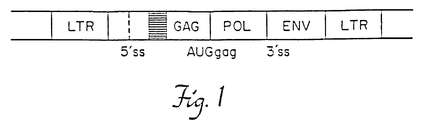
- Figure 1 is a schematic representation of a wild type murine leukemia virus (retroviral) genome.
- Figure 2 is a schematic representation of retroviral vectors, each having a recombinant genome, which are useful in the present invention.
- Figure 2a is pLJ;
- Figure 2b is pEm;
- Figure 2c is pIp.
- FIG 3 is a schematic representation of vectors which express human-LDLR. Each has a different transcriptional element which drives expression of LDLR: LTR-LDLR - viral long term repeat sequences (LTR) ; BA-LDLR - promoter from chicken beta-actin gene (BA); H4-LDLR - promoter from human histone H4 gene (H4); TK-LDLR - promoter from thymidine kinase gene of herpes simplex virus (TK).
- LTR-LDLR - viral long term repeat sequences LTR-LDLR - viral long term repeat sequences (LTR) ; BA-LDLR - promoter from chicken beta-actin gene (BA); H4-LDLR - promoter from human histone H4 gene (H4); TK-LDLR - promoter from thymidine kinase gene of herpes simplex virus (TK).
- LTR-LDLR - viral long term repeat sequences LTR-LDLR - viral long term repeat sequences (LT
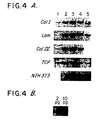
- Figure 4 is a three-day exposure of a Southern blot in which the effect of extracellular matrix and the time of infection on integration of provirus in rat hepatocyte cultures are shown.
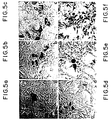
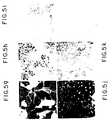
- Figure 5 represents (panels A-F) cytochemical localization of beta-galactosidase activity in transduced cultures of rat hepatocytes and NIH3T3 cell and (panels G-K) liver-specific cytochemical and immunocytochemical stains of rat hepatocyte cultures.
- Figure 6 presents results of a Southern analysis of transduced rabbit hepatocytes.
- Figure 7 presents results of a Northern analysis of transduced rabbit hepatocytes.
- Figure 8 is a graphic representation of human parathyroid hormone (PTH) production by transduced rat hepatocytes and of rat albumin production by control hepatocytes.
- PTH human parathyroid hormone
- the present invention is based on development of an effective method of introducing genetic material of interest into hepatocytes and of a method of transplanting hepatocytes containing the genetic material of interest.
- an appropriate vector such as a retroviral vector, which includes the genetic material of interest, or other means, it is possible to introduce such genetic material into hepatocytes, where it is expressed.
- DNA of interest can be efficiently and stably introduced into mature cultured hepatocytes, which subsequently express the DNA (produce the encoded polypeptide), and that the transduced hepatocytes can be grafted or transplanted.
- such a vector can be used to introduce genetic material of interest into hepatocytes in vivo , thus avoiding the need to transplant or graft transduced hepatocytes.
- hepatocytes to be transduced ex vivo and grafted or transplanted into a recipient, using the method of the present invention; of vectors useful in introducing genetic material of interest into hepatocytes, either ex vivo or in vivo ; and of the method of the present invention by which hepatocytes are transduced.
- cultured mature hepatocytes are transduced and subsequently grafted or transplanted into a recipient.
- hepatocytes are obtained, either from the recipient (i.e., the individual who is to receive the transduced hepatocytes) or from a donor, using known techniques. In general, this includes removing all or a portion of a liver, from which hepatocytes are removed by in situ perfusion of a collagenase solution. For example, in the case of isolation of hepatocytes from an intact liver, a catheter is inserted into a vein which either leaves or enters the liver, collagenase solution is perfused through and hepatocytes are released.
- hepatocytes are plated and maintained under conditions (e.g., on appropriate medium, at correct temperature, etc.) suitable for transfection.
- Hepatocytes can also be prepared using a modification of the procedure developed by Barry and Friend, described below and in Example 1, with the perfusion mixture described by Leffert. Leffert, H.L. et al. , Methods in Enzymology , 58 :536-544 (1979), the teachings of which are incorporated herein by reference.
- hepatocyte cultures for studying the molecular aspects of processes such as gene regulation has historically been the lack of efficient gene transfer techniques. Conventional methods of transfection are inefficient and toxic to the cells. Tur-Kaspa, R. et al. , Molecular and Cellular Biology , 6 :716-718 (1986). As described below, recombinant retroviruses have been used to overcome these problems. As a result, it is now possible to efficiently and stably transduce primary cultures of hepatocytes by replication-defective retroviruses. Such replication-defective retroviruses have been used to introduce genetic material of interest into cultured hepatocytes. Transduction is efficient and produces hepatocytes which express the genetic material of interest (i.e., produce the encoded protein or polypeptide) and which retain the ability to be transplanted.
- the genetic material of interest i.e., produce the encoded protein or polypeptide
- Retroviruses are RNA viruses; that is, the viral genome is RNA.
- This genomic RNA is, however, reverse transcribed into a DNA intermediate which is integrated very efficiently into the chromosomal DNA of infected cells.
- This integrated DNA intermediate is referred to as a provirus.
- the retroviral genome and the proviral DNA have three genes: the gag , the pol and the env , which are flanked by two long terminal repeat (LTR) sequences.
- the gag gene encodes the internal structural (nucleocapsid) proteins; the pol gene encodes the RNA-directed DNA polymerase (reverse transcriptase) ; and the env gene encodes viral envelope glycoproteins.
- the 5' and 3' LTRs serve to promote transcription and polyadenylation of virion RNAs.
- Adjacent to the 5' LTR are sequences necessary for reverse transcription of the genome (the tRNA primer binding site) and for efficient encapsidation of viral RNA into particles (the Psi site).
- Mulligan, R.C. In: Experimental Manipulation of Gene Expression , M. Inouye (ed), 155-173 (1983); Mann, R., et al. , Cell , 33 :153-159 (1983); Cone, R.D. and R.C. Mulligan, Proceedings of the National Academy of Sciences, U.S.A. , 81 :6349-6353 (1984).
- the Psi 2 cell line described by Mulligan and co-workers was created by transfecting NIH 3T3 fibroblasts with pMOV-Psi - , which is an ecotropic Moloney murine leukemia virus (Mo-MuLV) clone.
- pMOV-Psi - expresses all the viral gene products but lacks the Psi sequence, which is necessary for encapsidation of the viral genome.
- pMOV-Psi - expresses an ecotropic viral envelope glycoprotein which recognizes a receptor present only on mouse (and closely related rodent) cells.
- Psi am line Another cell line is the Psi am line, which are Psi-2-like packaging cell lines.
- Psi-am cell lines contain a modified pMOV-Psi-genome, in which the ecotropic envelope glycoprotein has been replaced with envelope sequences derived from the amphotropic virus 4070A. Hartley, J.W. and W.P. Rowe, Journal of Virology , 19 :19-25 (1976).
- the retrovirus used to make the Psi am cell line has an amphotropic host range and can be used to infect human cells.
- the Psi-am cell line is capable of packaging recombinant retroviral genomes into infectious retroviral particles. Cone, R. and R. Mulligan, Proceedings of the National Academy of Sciences, USA , 81 :6349-6353 (1984).
- the retroviral genome has been modified by Cone and Mulligan for use as a vector capable of introducing new genes into cells. As shown in Figure 2, the gag , the pol and the env genes have all been removed and a DNA segment encoding the neo gene has been inserted in their place. The neo gene serves as a dominant selectable marker.
- the retroviral sequence which remains part of the recombinant genome includes the LTRs, the tRNA binding site and the Psi packaging site. Cepko, C. et al. , Cell , 37 :1053-1062 (1984).
- This vector is capable of expressing both the gene of interest and a dominant selectable marker, such as the neo gene.
- the gene of interest is cloned in direct orientation into a BamHI/Smal/Sall cloning site just distal to the 5' LTR, while the Neo gene is placed distal to an internal promoter (from SV40) which is farther 3' than is the cloning site (is located 3' of the cloning site).
- pLJ Transcription from pLJ is initiated at two sites: 1) the 5' LTR, which is responsible for expression of the gene of interest and 2) the internal SV40 promoter, which is responsible for expression of the neo gene.
- the structure of pLJ is represented in Figure 2a.
- Vector pLJ is represented in Figure 2a.
- the genetic material of interest is inserted just following the 5' LTR. Expression of this genetic material is transcribed from the LTR and expression of the neo gene is transcribed from an internal SV40 promoter.
- the 5' flanking sequence, 5' LTR and 400 bp of contiguous sequence is from pZIP.
- the 3' flanking sequence and LTR are also from pZIP; however, the Cla I site 150 bp upstream from the 3' LTR has been ligated with synthetic Bam HI linkers and forms the other half of the Bam HI cloning site present in the vector.
- the Hind III/ Eco RI fragment of pBR322 forms the plasmid backbone.
- This vector is derived from sequences cloned from a strain of Moloney Murine Leukemia virus.
- An analogous vector has been constructed from sequences derived from the myeloproliferative sarcoma virus.
- the structure of pEM is represented in Figure 2b.
- pIp This vector is capable of expressing a single gene driven from an internal promoter.
- the structure of pIp is represented in Figure 2c. The construction of these vectors is summarized below.
- the 5' section of the vector, including the 5' flanking sequences, 5' LTR, and 1400 bp of contiguous sequence (up to the xho site in the gag region) is derived from wild type Moloney Leukemia virus sequence. Shinnick et al. , Nature , 293 :543 (1918). The difference between the two is that a Sac II linker is cloned into an Hae III restriction site immediately adjacent to the ATG of the gag gene.
- the 3' section of the vector including the 3' flanking sequences, 3' LTR and 3' contiguous sequence (up to the cla I site in the env coding region) is from pZIP.
- the cla I site has been linked to Bam HI and 2) a small sequence in the 3' LTR spanning the enhancer (from Pvu II to Xba I) has been deleted.
- Bridging the 5' and 3' sections of the vector is one of several promoters; each one is contained on a xhol/BamHI fragment, and each is capable of high level constitutive expression in most tissues. These promoters include beta-actin from chicken (Choudory, P.V. et al.
- the vector backbone is the Hind III/EcoRI fragment from pBR322.
- the gene of interest is cloned into the BamHI site in direct orientation, just downstream from the internal promoter.
- Vectors without a selectable marker are used to transduce endothelial cells with genetic material of interest. Such vectors are basically simplifications of the vectors previously described, in which there is such a marker.
- Vector pEM is represented in Figure 2b; as represented, the main components of the vector are the 5' and 3' LTR, and the genetic material of interest, inserted between the two LTRs.
- retroviruses suitable for introducing genetic material of interest into cultured hepatocytes and expressing biologically significant amounts of the encoded protein or polypeptide are also represented in Figure 3, with specific reference to the human LDLR gene. These vectors, which included the human LDLR gene, have been used to efficiently transduce hepatocytes, which then expressed levels of LDLR equal to normal endogenous levels. These vectors will be illustrated with reference to the LDLR gene, but any nucleotide sequence of interest can be incorporated into the retroviruses and introduced into hepatocytes.
- each vector differs in the transcriptional elements used to drive expression of the gene. These are described in detail in Example IV. Briefly, in the vector LTR-LDLR, transcription should begin at the 5' LTR, with the result that a single full length viral transcript, in this case, one which expresses LDLR, is produced. In the remaining vectors, expression of LDLR should be driven by transcripts initiated from transcriptional control sequences located internal to the proviral transcriptional unit.
- BA-LDLR contains the promoter from chicken beta-actin gene
- H4-LDLR contains the promoter from the human histone H4 gene
- TK-LDLR contains the promoter from the thymidine kinase gene from herpes simplex virus.
- Each of the three vectors also contains a deletion of viral transcriptional enhancer sequences located in the 3' LTR, in order to reduce the amount of viral transcription which occurs after reverse transcription and integration of the recombinant provirus.
- Human LDLR coding sequences for all four vectors were derived from a full length human LDLR cDNA insert.
- each vector can include specialized transcriptional control sequences which are internal to the proviral transcriptional unit. This makes it possible to provide variation in the level of transcription of the nucleotide sequence of interest.
- transcriptional elements from genes expressed at high levels in liver cells (e.g., alpha-fetoprotein, albumin).
- RNAs generated by the vectors e.g., by generating more translatable RNAs
- selected 5' and 3' nontranslated sequences from a well-characterized gene e.g., RU-5 region of a human retrovirus
- the authentic 5' and 3' nontranslated sequences of the nucleotide sequence of interest can also be included in the retroviral vectors used.
- LDLR ethylene glycol deacetylase
- sequences from the nucleotide sequence of interest (or gene) which confer transcriptionally-mediated end-product repression.
- sequences called the steroid responsive elements which confer transcriptionally-mediated, end-product repression by sterols can be included in the vector.
- vectors particularly recombinant retroviral vectors
- retroviral vectors to transduce hepatocyte cells in vivo .
- one strategy for targeting the LDLR gene to hepatocytes can be based on the presence of the asialoglycoprotein (ASGP) receptor on hepatocytes.
- ASGP asialoglycoprotein
- This receptor which is specifically expressed in hepatocytes, is involved in the uptake and catabolism of glycoproteins that have had their terminal sialic acids removed, thereby exposing penultimate galactose residues.
- Glycoprotein-receptor complexes are internalized by receptor mediated endocytosis.
- Asialoglycopeptide-protein conjugates and asialoglycopeptide-coated vesicles have been used to specifically deliver a variety of bioactive agents to the liver in vivo .
- Aitie, A.D. et al. Proceedings of the National Academy of Sciences, USA , 27 :5923-5927 (1980); Fiumw, L. et al. , FEBS Letter , 103 :47-51 (1979); Hildenbrandt, G.R. and N.N. Aronson, BBA , 631 :499-502 (1980).
- one approach to targeting delivery of genes to hepatocytes can be based on the modification of existing retroviruses to make them ligands for the ASGP receptors.
- the envelope proteins from murine leukemia viruses are complex glycoproteins that have a high content of sialic acid. Internalization of virus occurs through the specific interaction of the viral envelope with a cell surface receptor, followed by receptor-mediated endocytosis of the virus/receptor complex.
- Hepatocyte-specific transduction may be possible if modified virions that are specifically internalized by the AGSP receptor are developed and used. For example, it is possible to use viruses whose envelope protein is devoid of sialic acid, thereby rendering them ligands for the AGSP receptor. One approach is to enzymatically remove the terminal sialic acids from intact virions with neuraminidase. Alternatively, it is possible to construct viral producer lines with genetically modified envelope genes that code for glycoproteins with terminal galactose residues. It is possible to construct chimeric envelope genes that encode fusion proteins in which the carboxy terminal sequences are derived from the 3' portion of the envelope gene and the amino terminal sequences are derived from genes of known ligands for ASGP receptor.
- lectin-resistance selection systems to isolate mutants of the viral producer lines that are incapable of adding terminal sialic acids to N-linked chains. Viruses produced from these lines should bind to the ASGP receptor. Transduction of cells that express ASGP receptor with these modified virions can be tested in vitro and in vivo .
- Wu coupled pSV2CAT plasmid to a ligand of the ASGP receptor called asialoorosomucoid (ASOR) and demonstrated in HEP G2 cells uptake of the conjugates via the ASGP receptor and expression of CAT activity. After administration of this conjugate to rats, specific, but transient, expression of CAT was demonstrated in liver homogenates. It is possible that this method can be modified to produce a method by which recombinant retroviral vectors or episomal vectors can be introduced into hepatocytes in vivo . The efficiency and specificity of this delivery system can be assessed, for example, by transferring an expression vector that stably expresses a product which can be detected in situ by direct analysis of the product (e.g., beta-galactosidase).
- ASOR asialoorosomucoid
- Genetic material of interest has been incorporated into cultured hepatocytes and expressed in the resulting genetically engineered hepatocytes, as described below and in the examples.
- Genetic material which can be incorporated into hepatocytes according to the method described can be: 1) genetic material (DNA or RNA) which is present in and expressed at biologically effective levels (levels sufficient to produce the normal physiological effects of the polypeptide it encodes) in normal hepatocytes, but present in or expressed in less than normal quantities in the hepatocytes prior to stable transfer of genetic material of interest into them by the method of the present invention; 2) genetic material not present in normal hepatocytes; or 3) genetic material present in normal hepatocytes but not expressed at biologically effective levels in such cells, alone or in any combination thereof.
- DNA or RNA introduced into cultured hepatocytes of the present invention includes the genetic material (DNA or RNA) of interest; such DNA or RNA is referred to as incorporated genetic material (or incorporated DNA, incorporated RNA).
- Hepatocytes containing incorporated genetic material are referred to as transduced hepatocytes; they express the DNA or RNA of interest and produce the encoded protein or polypeptide.
- Exogenous DNA encoding a polypeptide or protein of interest and, optionally, a selectable marker is incorporated in vitro into hepatocytes as described below and in Examples I-III.
- Hepatocytes isolated as described previously are plated at subconfluent density on matrix substrata and maintained in hormonally defined media, such as that described by Enat et al. , the teachings of which are incorporated herein by reference. Enat, R., et al. , Proceedings of the National Academy of Sciences, USA , 81 :1411-1415 (1984). The media is changed as needed to maintain the hepatocytes.
- Cells are subsequently infected with an amphotropic retrovirus which contains DNA of interest (e.g., DNA encoding a polypeptide whose expression in hepatocytes is desired) to be incorporated into the hepatocytes.
- the hepatocytes are infected with the recombinant retrovirus (and thus transduced with the DNA of interest) by exposing them to virus which has a recombinant genome. This results in infection of the cells by the recombinant retrovirus. It is possible to optimize the conditions for infection of the hepatocytes by using a high titer amphotropic virus.
- a cell line which produces recombinant amphotropic retrovirus having a recombinant genome is used to infect hepatocytes.
- the recombinant genome can include a variety of components, but in general is comprised of two LTRs and, in place of the gag , the pol and the env sequences and a second promoter sequence.
- Viral stocks to be used in introducing genetic material of interest into hepatocytes, are harvested, as described above, supplemented with Polybrene (Aldrich) and added to the culture of hepatocytes.
- the titer of the virus is sufficiently high (e.g., approximately 10 6 cfu per ml.), so that no selection of transduced hepatocytes is required.
- helper-free amphotropic producer is grown in tissue culture to a confluent density in Dulbecco's Modified Eagle's Medium (DME) supplemented with 10% calf serum (CS). Fresh media is added and subsequently the media is harvested. The spent media (or viral stock) is filtered to remove detached producer cells and is used immediately to infect cells or is stored (e.g., at -70°C) for later use.
- DME Dulbecco's Modified Eagle's Medium
- CS calf serum
- hepatocytes Media is removed from a subconfluent plate of hepatocytes (recipient hepatocytes) and quickly replaced with viral stock which contains Polybrene (Aldrich). Subsequently, this is removed and replaced with fresh media.
- the media used is a viral supernatant and the recombinant genome of the infectious virus includes DNA of interest.
- the infection procedure results in hepatocytes which express the DNA encoding a gene product of interest.
- hepatocytes are exposed to media containing infectious virus produced in Psi am cells; the infectious virus contain a recombinant genome having the genetic material of interest.
- the recombinant genome in one instance includes genetic material encoding a protein or a polypeptide (e.g., the receptor for low density lipoproteins; ornithine transcarbamylase).
- the hepatocytes are transduced -- that is, the genetic material of interest (for example, DNA encoding a polypeptide or a protein of interest), are stably introduced into the hepatocytes.
- the transduced hepatocytes express the encoded protein or polypeptide.
- hepatocytes were prepared using a modification of the method of Berry and Friend with the perfusion mixture of Leffert. Berry, M.N. et al. , J. Cell. Biol. , 43 :506-520 (1969); Leffert, H.L. et al. , Methods Enzymol ., 58 :536-644 (1979), The resulting hepatocytes were plated at a density of 3-4x10 4 cells/cm 2 onto Primaria plates substratum in hormonally defined media supplemented with 10% fetal bovine serum. The media was replaced with fresh hormonally defined media, which was subsequently changed periodically.
- Spent media was obtained by harvesting DME media supplemented with 10% calf serum in which a helper-free amphotropic producer of the BAG virus was cultured. Conditions for infection of the hepatocytes were optimized through the use of BAG, which is a high titer amphotropic virus encoding E. coli beta galactosidase. The producer coexpressed beta-galactosidase from E. coli and the bacterial neo gene. The spent media was filtered to remove detached producer cells and used as viral stock to infect hepatocytes.
- BAG which is a high titer amphotropic virus encoding E. coli beta galactosidase.
- the producer coexpressed beta-galactosidase from E. coli and the bacterial neo gene.
- the spent media was filtered to remove detached producer cells and used as viral stock to infect hepatocytes.
- hepatocytes were infected by removing media from a sub-confluent plate of hepatocytes (recipient hepatocytes) and replacing it with viral stock. Hepatocyte cultures were infected in this way for approximately 12 hours. Hepatocytes containing the DNA of interest (i.e., DNA encoding beta-galactosidase) and the neo gene were isolated by culturing on media containing the antibiotic G418. Those into which the recombinant retrovirus was effectively introduced by infection, referred to as transduced hepatocytes, produce beta-galactosidase and are neomycin resistant. The ability of hepatocytes transduced with the recombinant retrovirus having the beta-galactosidase gene to produce beta-galactosidase has been assessed in vitro . This assessement is described in Example III.
- Rat hepatocytes have also been transduced with the gene encoding human parathyroid hormone (hPTH) and shown to express the encoded hormone. This is described in Example I and results are presented in Figure 8.
- hPTH human parathyroid hormone
- transduced hepatocytes secrete a polypeptide (beta-galactosidase) which is normally not secreted by hepatocytes.
- a similar approach can be used to introduce any genetic material into hepatocytes in such a manner that the encoded product is made and to assess expression of the incorporated genetic material.
- hepatocytes have been transduced as a result of exposure to media containing infectious virus in which the recombinant genome includes DNA encoding human LDLR. This is described in detail in Example IV. Hepatocytes were infected with four LDLR virus preparations (each including one of the vectors represented in Figure 3) and subsequently analyzed for gene transfer and LDLR expression.
- the same vectors can be used in the method of the present invention, to introduce into cultured hepatocytes any nucleotide sequence or gene of interest.
- other vectors can be used, as can other means of introducing genetic material of interest into cultured hepatocytes.
- the virus used to introduce the genetic material of interest is modified (e.g., through inclusion of sequences, referred to as autonomously replicating sequences or ARS) in such a manner that integration of the provirus into the host chromosomes does not occur. As a result, replication will occur episomally.
- sequences referred to as autonomously replicating sequences or ARS
- telomeres can be used for this purpose.
- DNA viruses can also be used to introduce genetic material of interest, as well as a gene encoding a selectable marker, into hepatocytes according to the method of the present invention.
- Hepatocytes expressing the incorporated genetic material are grown to confluence in tissue culture vessels; removed from the culture vessel; and introduced into the body. This can be done surgically, for example.
- the tissue which is made up of transduced hepatocytes capable of expressing the nucleotide sequence of interest is grafted or transplanted into the body. For example, it can be placed in the abdominal cavity in contact with/grafted onto the liver or in close proximity to the liver.
- the transduced hepatocyte-containing tissue can be attached to microcarrier beads, which are introduced (e.g., by injection) into the peritoneal space of the recipient.
- the transduced hepatocytes provide a continuous supply of the hormone, enzyme or drug encoded by the genetic material of interest.
- the amount of the hormone, enzyme or drug supplied in this way can be modified or regulated as needed (e.g., by using external cues or factors which control or affect production, by controlling the size of the graft or the quantity of fibroblasts introduced into the body, or by removing the graft).
- hepatocytes have been implanted into WHHL rabbits which lack LDL receptor function. Hepatocytes were isolated and infected with the LTR-LDLR recombinant retrovirus. The transfected hepatocytes were harvested and injected into the portal vein of WHHL rabbits. Results demonstrated that serum cholesterol levels decreased 30% over a 3-day period, suggesting that it is possible to at least partially correct the metabolic abnormalities in the WHHL rabbit by transplantation of genetically modified hepatocytes.
- the present invention makes it possible to genetically engineer hepatocytes in such a manner that they produce a gene product (e.g., a polypeptide or a protein) of interest in biologically significant amounts.
- a gene product e.g., a polypeptide or a protein
- the hepatocytes formed in this way can serve as a continuous drug delivery system to replace present regimens, which require periodic administration (by ingestion, injection, etc.) of the needed substance.
- hepatocytes of the present invention can also be used in the treatment of genetic diseases in which a product (e.g., LDL receptor) normally produced by the liver is not produced or is made in insufficient quantities.
- a product e.g., LDL receptor
- hepatocytes transduced with a DNA encoding the missing or inadequately produced substance can be used to produce it in sufficient quantities.
- the transduced hepatocytes would produce LDL receptor and thus provide a means of preventing or treating familial hypercholesterolemia, which is an inherited disease in which the primary genetic defect is an abnormality in the expression or function of the receptor for low density lipoproteins. This leads to elevated levels of serum cholesterol and the premature development of coronary artery disease.
- the transduced hepatocytes could be used to produce sufficient quantities of the LDL receptor to overcome the underlying defect.
- hepatocytes There are also acquired diseases for which treatment can be provided through use of genetically engineered hepatocytes.
- such cells can be used in treating the coagulopathy associated with liver failure.
- hepatocytes having incorporated in them a gene encoding one or more clotting factors would correct the acquired deficiency of these factors which leads to bleeding.
- viral hepatitis particularly hepatitis B or nonA-nonB hepatitis
- a gene encoding an anti-sense gene could be introduced into hepatocytes to inhibit viral replication.
- a vector including a structural hepatitis gene in the reverse or opposite orientation would be introduced into hepatocytes, resulting in production in transduced hepatocytes of an anti-sense gene having the correct orientation.
- Rat hepatocytes were prepared by the procedure of Berry and Friend, using the perfusion mixture of Leffert. Berry, M. N. and D. S. Friend, Journal of Cell Biology, 43:506-520 (1969); Leffert, H. L. et al. , Methods in Enzymology , 58 :536-544 (1979). Male Sprague-Dawley rats weighing between 200 and 250 gms were used as the source of hepatocytes. Cells were plated at a density of 4 x 10 4 cells/cm 2 onto one of several matrix substrata in hormonally defined media supplemented with 10% fetal bovine serum. Enat, R. et al.
- collagen was solubilized in 0.1% acetic acid (3 mg/ml) and applied to plates (1 ml/10 cm plate) which were exposed to NH 3 vapors, air dried, sterilized by gamma irradiation (10,000 rads), and hydrated with media; 3) Laminin - Purified laminin from Collaborative Research Inc. (Waltham, MA) was applied to tissue culture plates according to the recommendations of the manufacturer; 4) Type IV collagen - 10 cm dishes coated with purified type IV collagen were kindly provided by Dr. L.M. Reid (Albert Einstein College of Medicine).
- a helper-free amphotropic producer of the BAG virus was provided by Dr. C. Cepko (Harvard).
- the retroviral vector used to make this producer has been described by Cepko and co-workers. Price, J., Proceedings of the National Academy of Sciences, U.S.A. , 84 :156-160 (1987).
- the producer was maintained in Dulbecco's modified Eagle's Medium supplemented with 10% calf serum. Unconcentrated viral stocks were prepared and titered as described by Mann. Mann, R.
- Hepatocyte cultures were infected for 12 hours with viral stocks (5 ml of viral stock/10 cm plate of hepatocytes) containing 8 ug/ml of Polybrene (Aldrich). Transduction efficiency was optimized with respect to the time of exposure to virus and the matrix substrate on which the hepatocytes were plated.
- the efficiency of transduction was initially assessed by directly measuring the integration of provirus.
- the restriction fragments were resolved by electrophoresis in 1% agarose gels and analyzed according to the method of Southern using standard procedures and a probe that is complementary to sequences unique to the provirus (i.e., the neo gene).
- Maniatis, T. et al. Molecular Cloning: A Laboratory Manual , Cold Spring Harbor Laboratory, Cold Spring Harbor, N.Y. (1982).
- the blot was probed with the Bam/Hind III fragment of the neomycin gene that was labelled to high specific activity with 32 P-dCTP using the random primer method.
- the intensity of the resulting band on the autoradiograph is proportional to the number of proviral integrants in the population.
- Figure 4 shows the effect of extracellular matrix used and of the time of infection on integration of provirus in hepatocyte cultures.
- Panel A presents a Southern blot of hepatocytes isolated from a single collagenase perfusion which were cultured on 10 cm. plates coated with one of several forms of matrix substrata (type I collagen, laminin, type IV collagen, and tissue culture plastic) and infected on days 1, 2, 3, 4, or 5. Infection was carried out using fresh preparations of viral stocks and plates were analyzed for copy number of integrated provirus 48 hours after the infection was initiated.
- matrix substrata type I collagen, laminin, type IV collagen, and tissue culture plastic
- a three day exposure of a Southern blot is shown. A single band was visualized in each lane; the area of the autoradiograph containing this band is shown. Lanes 1-5 indicate the days that the cells were infected. The top four series of bands represent hepatocytes cultured on different forms of matrix: Col I - type I collagen, Lam-laminin, Col IV - type IV collagen, and TCP-tissue culture plastic. The bottom series of bands shows an identical analysis of NIH3T3 cells infected with the same viral stocks used to infect the hepatocyte cultures.
- proviral integration increased from virtually undetectable on day 1 to maximal on days 2 or 3, and subsequently diminished to low levels by day 5.
- Maximal proviral integration which was essentially independent of matrix, occurred when cultures were infected on day 2 for cells on tissue culture plastic, or day 3 for cells on type I collagen, laminin, or type IV collagen.
- NIH3T3 cells were infected with the same viral stocks used to infect hepatocytes (Fig. 1, panel A). Southern analysis demonstrated little variation in the titer of the viral stocks; the estimated proviral copy number ranged from 0.5 to 0.7 copies/cell. This estimate of copy number was based on a comparison with samples with known quantities of standard plasmid (Fig. 4, panel B) and the assumption that NIH3T3 cells are hypotetraploid.
- the samples with known quantities of standard plasmid were made by mixing varying amounts (2 pg and 10 pg) of the purified BAG plasmid with 7.5 ug of uninfected NIH3T3 DNA. Analysis showed a single band, which comigrated with the bands shown in panel A.
- the data from panels A and B were derived from a three day exposure of the same Southern blot. It was estimated that 2 pg and 10 pg of plasmid in 7.5 ug of NIH3T3 DNA correlates to approximately 0.3 and 1.2 copies of provirus/cell, respectively.
- the estimated copy number of proviral integrants in maximally infected hepatocytes (e.g., Figure 4, Lam, lane 3) is approximately 0.2 copies/cell, assuming that the DNA content of NIH3T3 cells is equal to that of hepatocytes. This assumption is probably valid since the majority of hepatocytes in culture are either tetraploid or octaploid. Tomita, Y., et al. , Exp. Cell Res. , 135 :363-370 (1981).
- liver-specific cytochemical and immunochemical stains was used to document the cellular composition of the hepatocyte cultures. All analyses were performed on three day old cultures of hepatocytes plated on type I collagen.
- Beta-galactosidase Cells infected with the BAG virus constitutively produce high levels of cytoplasmic beta-galactosidase.
- Activity of beta-galactosidase was detected in situ with the substrate 5-bromo-4-chloro-3-indolyl-D-galactosidase, which forms a blue precipitate in infected cells.
- Price, J. et al. Proceedings of the National Academy of Sciences, U.S.A. , 84 :156-160 (1987).
- Panels A-E show hepatocyte cultures plated on type I collagen and infected on days 1, 2, 3, 4, or 5 (panels a-e, respectively).
- Panel f shows a population of NIH3T3 cells which had been infected with the same viral stocks used to infect hepatocytes on day 3.
- results showed that labeled cells are often found in groups of 2, probably representing infection and integration into a dividing cell with labeling of the two daughter cells.
- expression of beta-galactosidase as determined by the intensity of staining, is quite variable, but tends to be consistent within members of a pair of labeled cells (e.g., see panel C).
- the efficiency of transduction as measured cytochemically, exhibited the same dependence on time in culture as was demonstrated by Southern analysis. The fraction of labeled cells increased from less than 1% in cultures infected on day 1 to approximately 25% when infected on day 3; the transduction efficiency dropped dramatically in cultures infected on the next 2 days (days 4 and 5).
- Immunocytochemical analysis of cultured hepatocytes using the monospecific polyclonal antibody to UDP-glucuronosyltransferase shows reaction product distributed in cytoplasmic clumps and at the periphery of the nucleus in greater than 95% of the cells ( Figure 5, panel G); these reactive sites correspond to the endoplasmic reticulum and the nuclear envelope, respectively. No reaction product is seen in experiments performed with preimmune rabbit IgG ( Figure 5, panel i).
- This well described receptor is specifically expressed in hepatocytes. Immunocytochemical analysis in rat liver localizes this receptor to a domain of the plasma membrane which borders the sinusoids; under light microscopy the receptor is seen at the perimeter of the hepatocyte along its sinusoidal face. Genze, J.E. et al. , Journal of Cellular Biology , 92 :867-870 (1982); Matsuura, S. et al. , Journal of Cellular Biology , 95 :864-875 (1982). The level of asialoglycoprotein receptor decreases in culture; however, it is still demonstrated in virtually all cells of a three-day-old hepatocyte culture.
- This glycolytic enzyme is a well recognized cytochemical marker for hepatocytes. It can be detected in virtually all hepatocytes of liver sections. However, there is marked regional variation in enzyme activity; the greatest activity is found in the periportal region. Sasse, D., "Regulation of Hepatic Metabolism and Intra-and Intercellular Compartmentalization, eds. Thurman, R.G., Kauffman, F. C. and Jungermann, K. (Plenum Press, NYC), pp. 57-86 (1986).
- Glucose-6-phosphatase activity was detected in three-day-old hepatocyte cultures by the lead phosphate enzyme cytochemical procedure. Wachstein, M. and E. Meisel, J. Histochem. Cytochem. , 4 :592 (1956).
- Novikoff et al. The method of Novikoff et al. was used to visualize the distribution of peroxisomes in hepatocyte cultures.
- Novitoff, A. B. et al. J. Histochemistry and Cytochemistry , 20 :1006-1023 (1972).
- These small cytoplasmic structures are found specifically in hepatocytes (in the context of the liver) and are visualized by cytochemical staining for catalase.
- DeDuve, C. et al. , Physiol. Rev. , 46 :323-357 (1966).
- Newborn New Zealand white (NZW) rabbits and Watanable heritable hyperlipidemic (WHHL) rabbits were used as the source of hepatocytes.
- the WHHL rabbit has been shown to be deficient in functional LDLP. activity due to an in-frame deletion of a portion of the LDLR structural gene. Yamamoto, T. et al. , Science , 232 : 1230-1237 (1986).
- NZW rabbits have been used as controls in most previous studies of the WHHL rabbit.
- Newborn WHHL rabbits were derived from matings between homozygous deficient males and females and were kindly provided by Dr. Knapka (NIH).
- WHHL rabbits from 2 litters (2 rabbits/litter) were used in these studies (named WHHL 1-4).
- Newborn NZW rabbits were purchased from Pine Acres Rabbitry (West Brattleboro, Vermont).
- Hepatocytes were prepared using a modification of the procedure of Berry and Friend with the perfusion mixture of Leffert. Berry, M.N. and D.S. Friend, Journal of Cell Biology , 43 :506-520 (1969).
- Leffert, H.L. et al. Methods in Enzymology , 58 :536-544 (1979).
- Collagenase perfusions were performed retrograde as described by Clayton and Darnell for the preparation of adult mouse hepatocytes. Clayton, D.F. and J.E.
- Hepatocyte cultures were infected for 12 hours with viral stocks (5 ml/10 cm plate) containing Polybrene (8 ug/ml). Unconcentrated viral stocks were prepared from the producer cells as described above.
- RNA and DNA Analysis High-molecular-weight genomic DNA was isolated and analyzed for integration of proviral sequences. Total cellular RNA was prepared using a guanidine thiocyanate procedure, fractionated in formaldehyde/agarose gells and transferred to nitrocellulose paper. Chirgwin, J.M. et al. , Biochemistry , 18 :5294-5299 (1980). Northern and Southern blots were probed with a 1.9 kb LDLR cDNA fragment (Hind III to Eco RI fragment of pTZ1) that was labeled to high specific activity with 32 P-dCTP using the random primer method. Feinberg, A.P. and B. Vogelstein, Anal. Biochem.
- LTR-LDLR - viral long terminal repeat sequences LTR-LDLR - viral long terminal repeat sequences
- BA-LDLR contains a 267 bp segment of the chicken beta-actin gene (BA) extending from -266 to +1.
- H4-LDLR contains a 704 bp segment of the histone H4 gene (H4) extending from -696 to +8.
- TK-LDLR contains a 256 bp segment of the thymidine kinase gene of herpes simplex virus (TK), extending from -200 to +56.
- Plasmid sequences of LTR-LDLR were derived from the 7.2 Kb Bam HI to Cla I fragment of DOl with the following modification: sequences spanning the Nhe I to Xba I sites of the 3' Moloney murine leukemia virus (Mo-MLV) LTR (nuc. 7846 to 8113) were replaced with homologous sequences from the LTR of the myeloproliferative sarcoma virus (represented by darkened area).
- Mo-MLV 3' Moloney murine leukemia virus
- the backbone structure of plasmids BA-LDLR, H4-LDLR, and TK-LDLR was derived from DOl, with the exception that sequences containing the viral enhanced elements of the 3' LTR (from the Pvu II site at nucleotide 7933 to the Xba I site at nucleotide 8111) were deleted (indicated by the inverted triangle). This was done to reduce the amount of viral transcription after reverse transcription and integration of the recombinant provirus.
- vectors also contained additional Mo-MLV sequence between the 5' LTR and the internal promoters.
- the additional sequence was derived from wild type Mo-MLV (from nucleotide 146 at the border of U5 to the Xho I site in the gag coding region at nucleotide 1560) with the exception that a Sac II linker was inserted at the Hae III site at nucleotide 624. (This additional sequence is noted as gag in the figure).
- LDLR coding sequences were derived from a 2.6 kb Hind III fragment of plasmid pTZ1 which contains a full-length LDLR cDNA insert (kindly provided by Drs. D. Russell, J. Goldstein and M. Brown). S.D. indicates splice donor site; arrows under each vector show the sites of transcriptional initiation.
- Virus producing cell lines for the vector BA-LDLR, H4-LDLR, and TK-LDLR were made by transfecting the particular plasmid DNA with pSV2-Neo into the amphotropic packaging cell line Psi-Crip, as described previously. Cone, R.D. et al. , Molecular and Cellular Biology , 7 :887-897 (1987); Mulligan, R.C. and P. Berg, Science , 209 :1422-1427 (1980).
- Psi-Crip is a modified type of Psi-am packaging cell line which provides cells with the functions of Psi-am (e.g., gag , pol , and env ) in two components. That is, the gag - pol function is provided in the form of one integrated provirus and the env function is produced from a separate provirus. The host range is amphotropic.
- G418 resistant colonies of cells were expanded and tested for production of virus that transmitted the correct proviral structure. This was done by harvesting supernatants from the producer cells, infecting NIH3T3 cells, and analyzing the infected population for integrated provirus by Southern analysis.
- High titer amphotropic producers of the LTR-LDLR vector were obtained using a 2-step procedure. First, high titer ecotropic producers were made by cotransfection of LTR-LDLR with pSV2-Neo into the Psi-2 packaging cell line as described above. Mann, R. et al. , Cell , 33 :153-159 (1983). Psi-Crip cells were then infected with virus harvested from the Psi-2 producer and subsequently split into 10 cm plates at clonal densities. Individual clones were isolated and analyzed for the production of high titer amphotropic virus as described above. Virus-producing cell lines transmitting the highest number of proviral copies to recipient cells were chosen for this study.
- a NIH3T3 cell line, designated 7-35, producing amphotropic virus that expresses the gene for human LDL receptor has been deposited (February 3, 1988) under the terms of the Budapest Treaty, with the American Type Culture Collection (Rockville, MD) under accession number CRL 9635.
- Cells used for the infection studies were hepatocytes isolated from 3 NZW rabbits and 4 WHHL rabbits as described above. Collagenase perfusions routinely produced 40-80 x 10 6 cells/animal with greater than 90% viability. Cells plated at subconfluent densities formed aggregates (5-20 cells/aggregate) that covered approximately 20% of the dish when visualized 6 hours after plating. The primary cultures underwent marked proliferation after 36 hours in culture achieving confluence by day 3 or 4.
- WHHL hepatocytes cultured for 5 days were analyzed in several ways.
- the cells were stained for glucose-6-phosphatase, as described above, to determine the number of hepatocytes in the cultures.
- Glucose-6-phosphatase is a specific marker for hepatocytes in sections of liver and in hepatocyte cultures. More than 95% of the cells had the brown cytoplasmic staining characteristic of hepatocytes. No staining was detectable in pure cultures of fibroblasts or endothelial cells.
- the cultures were analyzed for the presence of endothelial cells and Kupffer cells, since these nonparenchymal cells are abundant in the intact liver and could potentially contaminate the primary cultures.
- Sinusoidal and capillary endothelial cells as well as Kupffer cells express high levels of the receptor for AcLDL and can be identified in mixed cultures by their selective uptake of Dil-AcLDL.
- Analysis of the cultured hepatocytes for Dil-AcLDL uptake revealed that approximately 1 in 50 cells were fluorescent. The uptake of Dil-AcLDL by the rare contaminating cells in the hepatocyte cultures was equivalent to that observed in pure secondary cultures of endothelial cells derived from bovine aorta.
- a high titer amphotropic virus (BAG) encoding E. coli beta-galactosidase was used.
- BAG amphotropic virus
- Cells transduced by the BAG virus can be detected by a simple cytochemical reaction that stains the cell's cytoplasm blue.
- Optimal transduction of WHHL hepatocytes was achieved when the cells were plated at subconfluent density and exposed to virus 36 hours after the initial plating. The matrix substrata had little effect on transduction efficiency.
- NZW and WHHL hepatocytes were infected with the four different LDLR virus preparations 2 days after being placed in culture and were analyzed for gene transfer and LDLR expression on day 5. Integration of the recombinant proviral sequences into the cellular DNA isolated from infected hepatocytes was detected by Southern blot analysis ( Figure 6). DNA from transduced hepatocytes was digested with Kpn I and analyzed by the method of Southern using the LDLR cDNA as a probe. Kpn I has unique recognition sites in the LTR sequences; consequently, each integrated provirus should yield a common restriction fragment irrespective of the site of integration.
- Each virus producing cell line efficiently transmitted proviral sequences without rearrangement in hepatocytes from both NZW and WHHL rabbits.
- the relative copy number of integrated provirus varied from a maximum of 1-2 copies/cell for cultures infected with the H4-LDLR virus to a minimum of 0.1 to 0.2 copies/cell for cultures infected with the LTR-LDLR virus. This efficiency of infection was approximately 50% of that achieved in murine fibroblastic cells infected with the same virus preparations.
- Biochemical activity of the exogenous LDLR was assessed in situ by visualizing the uptake of LDL; transduced cultures of hepatocytes were incubated with Dil-LDL, and viewed by fluorescent microscopy. Mock infected NZW rabbits exhibited a uniformly high level of fluorescence in all cells; mock infected WHHL hepatocytes showed very little fluorescence. WHHL hepatocytes infected with the LTR-LDLR virus had the greatest amount of LDL uptake with approximately 20% of the cells showing high levels of fluorescence.
- BA-LDLR infected WHHL hepatocytes demonstrated a population of cells with moderate activity; H4-LDLR infected WHHL hepatocytes showed a low level of activity in virtually all cells.
- the activity of LDLR in TK-LDLR infected cells was barely over background.
- the estimate of transduction efficiency based on this in situ assay for LDLR activity agrees with that measured by Southern analysis (e.g., WHHL hepatocytes infected with the LTR-LDLR virus showed fluorescence in approximately 20% of cells while Southern analysis detected a copy number of integrated proviral sequences equal to approximately 0.2).
- Transduced hepatocytes were also analyzed for degradation of 125 I-LDL in an attempt to quantify the amount of human LDLR expressed. These data are summarized in the Table. Activity of LDLR was greatest in hepatocytes infected with the LTR-LDLR virus: hepatocytes from a NZW rabbit showed an increase in LDLR activity from 170 ng/mg/5hrs in mock infected cells to 274 ng/mg/5hrs in transduced cells, while cells from WHHL rabbits exhibited an increase in activity from 30-40 ng/mg/5hrs in mock infected cells to 155 (WHHL 1) and 84 (WHHL 3) ng/mg/5hrs in transduced cells.
- the level of LDLR activity in LTR-LDLR transduced hepatocytes is approximately 700 ng/mg/5hrs (4 fold greater than the activity of the endogenous receptor in NZW rabbits) when corrected for the actual number of cells that were transduced. Dzierzak, E.A. et al. , Nature , 331:35-41 (1987). Hepatocytes infected with viruses that express LDLR from a transcript driven by an internal promoter (i.e., BA-LDLR, H4-LDLR, and TK-LDLR) exhibited little to modest increases in 125 I-LDL degradation.
- an internal promoter i.e., BA-LDLR, H4-LDLR, and TK-LDLR
- NZW hepatocytes (mock infected and transduced) had degradation rates that ranged from 50 to 60 ng/mg/5 hrs while WHHL hepatocytes had degradation rates that ranged from 10 to 20 ng/mg/5 hrs.
- Serum was subsequently obtained and analyzed at various times for serum cholesterol levels.
- hepatocytes from a WHHL rabbit were isolated by collagenase perfusion for in vivo studies.
- the hepatocytes were plated as primary cultures, infected with either the LTR-LDLR recombinant retrovirus or mock infected (See Example IV).
- the hepatocytes were harvested and injected into the portal vein of WHHL rabbits.
- Hepatocytes were isolated from a Wistar rat, as described in Example I. Cells were plated at a density of 10 x 10 6 cells onto a bacteriologic plate (10 cm) with 160 mg of cytodex beads and inoculated with hormonally defined medium (HDM) with 10% fetal calf serum. After 90 minutes, the media was replaced with fresh HDM. On day three, the plate was inoculated with viral supernatant from an amphotropic PTH producer (prepared as described in Example II). After 12 hours, the cells were transplanted into an analbuminemic rat (approximately 200 gm intraperitoneally in approximately 5 ml. phosphate buffered saline).
- HDM hormonally defined medium
- Serum was subsequently obtained and analyzed at various times (see Figure 8) for human PTH, using the commercially-available Nichols radioimmunoassay procedure. Serum was analyzed for rat albumin using Western blot analysis. Results are presented in Figure 8.
Landscapes
- Health & Medical Sciences (AREA)
- Life Sciences & Earth Sciences (AREA)
- Chemical & Material Sciences (AREA)
- Genetics & Genomics (AREA)
- Organic Chemistry (AREA)
- Molecular Biology (AREA)
- General Health & Medical Sciences (AREA)
- Engineering & Computer Science (AREA)
- Zoology (AREA)
- Biotechnology (AREA)
- Biophysics (AREA)
- Medicinal Chemistry (AREA)
- Biochemistry (AREA)
- Toxicology (AREA)
- General Engineering & Computer Science (AREA)
- Endocrinology (AREA)
- Biomedical Technology (AREA)
- Bioinformatics & Cheminformatics (AREA)
- Proteomics, Peptides & Aminoacids (AREA)
- Wood Science & Technology (AREA)
- Gastroenterology & Hepatology (AREA)
- Plant Pathology (AREA)
- Immunology (AREA)
- Cell Biology (AREA)
- Virology (AREA)
- Physics & Mathematics (AREA)
- Microbiology (AREA)
- Pharmacology & Pharmacy (AREA)
- Epidemiology (AREA)
- Animal Behavior & Ethology (AREA)
- Public Health (AREA)
- Veterinary Medicine (AREA)
- Micro-Organisms Or Cultivation Processes Thereof (AREA)
- Medicines Containing Material From Animals Or Micro-Organisms (AREA)
Claims (13)
- Méthode de fabrication d'hépatocytes transduits contenant du matériel génétique codant pour un produit d'intérêt, les hépatocytes transduits étant capables d'exprimer in vivo le matériel génétique lorsqu'il a été transplanté pour produire le produit codé, la méthode comprenant les étapes (a) à (d) ci-dessous :(a) fournir un vecteur viral qui a un génome recombinant comprenant le matériel génétique incorporé et qui ne comprend pas de marqueur de sélection ;(b) mettre en contact les hépatocytes en culture avec le milieu contenant le vecteur viral de l'étape (a) ;(c) maintenir les hépatocytes en culture et le milieu contenant le vecteur viral de l'étape (b) dans des conditions appropriées pour l'infection des hépatocytes par le vecteur viral pour produire des hépatocytes transduits ;où le titre du vecteur viral dans l'étape (b) est suffisamment élevé pour infecter des nombres suffisants d'hépatocytes et permettre l'étape suivante qui est de:
(d) récupérer les hépatocytes transduits dans des conditions non sélectives. - Méthode selon la revendication 1, où les hépatocytes transduits sont des hépatocytes humains et/ou des hépatocytes matures.
- Méthode selon la revendication 1 ou 2, où les hépatocytes transduits sont capables d'une expression épisomale in vivo.
- Méthode selon l'une quelconque des revendications précédentes, où le titre du vecteur viral est approximativement 106 ufc/ml.
- Méthode selon l'une quelconque des revendications précédentes, où le titre du vecteur viral est suffisamment élevé pour infecter pratiquement tous les hépatocytes.
- Méthode selon l'une quelconque des revendications précédentes, où le vecteur viral est un rétrovirus amphotropique recombinant (qui est par exemple dépourvu d'auxiliaire) ayant un génome recombinant comprenant :
(a) des séquences de longs segments terminaux à répétition, le site de liaison de l'ARNt et le site d'empaquetage Psi dérivés d'un virus amphotropique (exemple de la leucémie murine de Moloney), et (b) le matériel génétique. - Méthode selon la revendication 6 où le génome recombinant comprend en outre au moins un promoteur d'origine eucaryote qui peut par exemple être modulé par un signal externe.
- Méthode selon l'une quelconque des revendications précédentes, où le matériel génétique est caractérisé en ce que : (a) il est présent dans (et exprimé à des taux biologiquement actifs par) des hépatocytes normaux, mais n'est pas présent dans (ou exprimé en quantités moindres que les quantités normales par) les hépatocytes avant leur infection, et/ou (b) n'est pas présent dans des hépatocytes normaux, et/ou (c) présent dans des hépatocytes normaux mais n'est pas exprimé à des niveaux biologiquement actifs, par exemple du matériel génétique qui est présent dans des hépatocytes normaux ou qui code pour une hormone, une enzyme, un médicament ou un récepteur de lipoprotéine de faible densité.
- Méthode selon l'une quelconque des revendications précédentes, comprenant en outre l'étape d'isolement des hépatocytes transduits de l'étape (d) pour fournir des hépatocytes transduits isolés, par exemple, pour une introduction dans le corps.
- Hépatocytes qui peuvent être obtenus par la méthode selon l'une quelconque des revendications précédentes.
- Hépatocytes selon la revendication 10 pour une utilisation en thérapie, par exemple en tant que système de délivrance continue de médicaments ou dans la prévention ou la thérapie d'un défaut acquis ou hérité des fonctions hépatiques, par exemple un défaut de récepteur de lipoprotéine de faible densité, ou de l'ornithine transcarbamylase.
- Utilisation des hépatocytes selon la revendication 10 pour la fabrication d'un médicament pour une utilisation en thérapie, par exemple en tant que système de délivrance continue de médicaments ou dans la prévention ou la thérapie d'un défaut acquis ou hérité dans la fonction hépatique, par exemple un défaut de récepteur de lipoprotéine de faible densité ou de l'ornithine transcarbamylase.
- Utilisation d'un vecteur recombinant contenant du matériel génétique codant pour un produit d'intérêt pour transduire des hépatocytes selon la méthode de l'une quelconque des revendications 1 à 9.
Priority Applications (1)
| Application Number | Priority Date | Filing Date | Title |
|---|---|---|---|
| EP96200705A EP0732397A3 (fr) | 1988-02-05 | 1989-02-02 | Hepatocytes modifiés et leur emplois |
Applications Claiming Priority (3)
| Application Number | Priority Date | Filing Date | Title |
|---|---|---|---|
| US15274988A | 1988-02-05 | 1988-02-05 | |
| PCT/US1989/000422 WO1989007136A2 (fr) | 1988-02-05 | 1989-02-02 | Hepatocytes modifies et leurs utilisations |
| US152749 | 1993-11-15 |
Related Child Applications (2)
| Application Number | Title | Priority Date | Filing Date |
|---|---|---|---|
| EP96200705A Division EP0732397A3 (fr) | 1988-02-05 | 1989-02-02 | Hepatocytes modifiés et leur emplois |
| EP96200705.0 Division-Into | 1996-03-13 |
Publications (2)
| Publication Number | Publication Date |
|---|---|
| EP0400047A1 EP0400047A1 (fr) | 1990-12-05 |
| EP0400047B1 true EP0400047B1 (fr) | 1997-04-23 |
Family
ID=22544267
Family Applications (2)
| Application Number | Title | Priority Date | Filing Date |
|---|---|---|---|
| EP96200705A Ceased EP0732397A3 (fr) | 1988-02-05 | 1989-02-02 | Hepatocytes modifiés et leur emplois |
| EP89902467A Expired - Lifetime EP0400047B1 (fr) | 1988-02-05 | 1989-02-02 | Hepatocytes modifies et leurs utilisations |
Family Applications Before (1)
| Application Number | Title | Priority Date | Filing Date |
|---|---|---|---|
| EP96200705A Ceased EP0732397A3 (fr) | 1988-02-05 | 1989-02-02 | Hepatocytes modifiés et leur emplois |
Country Status (7)
| Country | Link |
|---|---|
| US (3) | US5521076A (fr) |
| EP (2) | EP0732397A3 (fr) |
| JP (1) | JP2917998B2 (fr) |
| AT (1) | ATE152169T1 (fr) |
| CA (1) | CA1341319C (fr) |
| DE (1) | DE68927996T2 (fr) |
| WO (1) | WO1989007136A2 (fr) |
Families Citing this family (272)
| Publication number | Priority date | Publication date | Assignee | Title |
|---|---|---|---|---|
| DE3681787D1 (de) * | 1985-07-05 | 1991-11-07 | Whitehead Biomedical Inst | Expression von fremdem genetischem material in epithelzellen. |
| US5266480A (en) * | 1986-04-18 | 1993-11-30 | Advanced Tissue Sciences, Inc. | Three-dimensional skin culture system |
| US5219740A (en) * | 1987-02-13 | 1993-06-15 | Fred Hutchinson Cancer Research Center | Retroviral gene transfer into diploid fibroblasts for gene therapy |
| US6048729A (en) | 1987-05-01 | 2000-04-11 | Transkaryotic Therapies, Inc. | In vivo protein production and delivery system for gene therapy |
| US6140111A (en) * | 1987-12-11 | 2000-10-31 | Whitehead Institute For Biomedical Research | Retroviral gene therapy vectors and therapeutic methods based thereon |
| US6001350A (en) * | 1987-12-11 | 1999-12-14 | Somatix Therapy Corp | Genetic modification of endothelial cells |
| US6544771B1 (en) | 1987-12-11 | 2003-04-08 | Cell Genesys, Inc. | Retroviral gene therapy vectors and therapeutic methods based thereon |
| DE68927996T2 (de) | 1988-02-05 | 1997-12-04 | Hughes Howard Med Inst | Modifizierte hepatozyten und deren anwendung |
| US5580776A (en) * | 1988-02-05 | 1996-12-03 | Howard Hughes Medical Institute | Modified hepatocytes and uses therefor |
| WO1990002806A1 (fr) * | 1988-09-01 | 1990-03-22 | Whitehead Institute For Biomedical Research | Retrovirus de recombinaison a gammes d'hotes amphotropiques et ecotropiques |
| FR2649119A1 (fr) * | 1989-06-30 | 1991-01-04 | Centre Nat Rech Scient | Procede de pilotage de retrovirus en utilisant des complexes bifonctionnels |
| EP1001032A3 (fr) * | 1989-08-18 | 2005-02-23 | Chiron Corporation | Rétrovirus de recombinaison apportant des constructions de vecteur à des cellules cibles |
| GB8919607D0 (en) * | 1989-08-30 | 1989-10-11 | Wellcome Found | Novel entities for cancer therapy |
| US6337209B1 (en) | 1992-02-26 | 2002-01-08 | Glaxo Wellcome Inc. | Molecular constructs containing a carcinoembryonic antigen regulatory sequence |
| AU660629B2 (en) * | 1990-10-01 | 1995-07-06 | University Of Connecticut, The | Targeting viruses and cells for selective internalization by cells |
| DE69123981T3 (de) * | 1990-10-31 | 2006-06-14 | Cell Genesys Inc | Nützliche retrovirale vektoren für die gentherapie |
| AU9179591A (en) * | 1990-12-26 | 1992-08-17 | Howard Hughes Medical Center | Modified hepatocytes and uses therefor |
| AU1922092A (en) * | 1991-05-03 | 1992-12-21 | Albert Einstein College Of Medicine Of Yeshiva University | Targeted delivery of genes encoding cell surface receptors |
| US5904920A (en) * | 1991-10-04 | 1999-05-18 | Whitehead Institute For Biomedical Research | Regulation of systemic immune responses utilizing cytokines and antigens |
| SE503225C2 (sv) * | 1991-10-30 | 1996-04-22 | Leif Lindholm Konsult Ab | Virus-antikroppskomplex för införing av virus i mammalieceller |
| US6054288A (en) * | 1991-11-05 | 2000-04-25 | Transkaryotic Therapies, Inc. | In vivo protein production and delivery system for gene therapy |
| US6692737B1 (en) | 1991-11-05 | 2004-02-17 | Transkaryotic Therapies, Inc. | In vivo protein production and delivery system for gene therapy |
| US6063630A (en) | 1991-11-05 | 2000-05-16 | Transkaryotic Therapies, Inc. | Targeted introduction of DNA into primary or secondary cells and their use for gene therapy |
| NZ245015A (en) | 1991-11-05 | 1995-12-21 | Transkaryotic Therapies Inc | Delivery of human growth hormone through the administration of transfected cell lines encoding human growth hormone, which are physically protected from host immune response; the transfected cells and their production |
| US6670178B1 (en) | 1992-07-10 | 2003-12-30 | Transkaryotic Therapies, Inc. | In Vivo production and delivery of insulinotropin for gene therapy |
| US6531124B1 (en) | 1992-07-10 | 2003-03-11 | Transkaryotic Therapies, Inc. | In vivo production and delivery of insulinotropin for gene therapy |
| WO1994015459A1 (fr) * | 1993-01-05 | 1994-07-21 | The General Hospital Corporation | Procede d'isolement et de transplantation d'hepatocytes specialises |
| US6506604B2 (en) * | 1993-06-11 | 2003-01-14 | Cell Genesys, Inc. | Method for production of high titer virus and high efficiency retroviral mediated transduction of mammalian cells |
| US5591625A (en) * | 1993-11-24 | 1997-01-07 | Case Western Reserve University | Transduced mesenchymal stem cells |
| US5728518A (en) * | 1994-01-12 | 1998-03-17 | The Immune Response Corporation | Antiviral poly-and oligonucleotides |
| US5869248A (en) * | 1994-03-07 | 1999-02-09 | Yale University | Targeted cleavage of RNA using ribonuclease P targeting and cleavage sequences |
| IL113052A0 (en) | 1994-03-23 | 1995-06-29 | Rhone Poulenc Rorer Sa | Recombinant viruses, their preparation and their use in gene therapy |
| AU695618B2 (en) * | 1994-04-11 | 1998-08-20 | Baylor College Of Medicine | Compositions and methods for gene therapy to treat disease |
| US6150137A (en) | 1994-05-27 | 2000-11-21 | Ariad Pharmaceuticals, Inc. | Immunosuppressant target proteins |
| US6814962B1 (en) * | 1994-06-02 | 2004-11-09 | Aventis Pharma S.A. | Recombinant viruses and their use for treatment of atherosclerosis and other forms of coronary artery disease and method, reagent, and kit for evaluating susceptibility to same |
| CA2196991A1 (fr) * | 1994-10-06 | 1996-04-18 | Warner-Lambert Company | Methode pour utiliser un recepteur decomposeur dans le traitement de l'atherosclerose |
| US5683873A (en) * | 1995-01-13 | 1997-11-04 | Innovir Laboratories, Inc. | EGS-mediated inactivation of target RNA |
| US6057153A (en) * | 1995-01-13 | 2000-05-02 | Yale University | Stabilized external guide sequences |
| US5652224A (en) * | 1995-02-24 | 1997-07-29 | The Trustees Of The University Of Pennsylvania | Methods and compositions for gene therapy for the treatment of defects in lipoprotein metabolism |
| EP0845045A4 (fr) * | 1995-08-14 | 1999-11-24 | Cornell Res Foundation Inc | Regulation de fonctions cellulaires a l'aide d'une expression ectopique de recepteurs non endogenes de signalisation de cellule |
| US6689757B1 (en) | 1996-02-12 | 2004-02-10 | M.L. Laboratories Plc | Methods for vaccination and vaccines therefor |
| US5869243A (en) * | 1996-03-05 | 1999-02-09 | Rhode Island Hospital | Immortalized hepatocytes |
| FR2746109B1 (fr) | 1996-03-12 | 1998-04-17 | Rhone Poulenc Rorer Sa | Milieu pour la conservation de materiel biologique |
| US5877162A (en) * | 1996-03-14 | 1999-03-02 | Innovir Laboratories, Inc. | Short external guide sequences |
| US5888982A (en) * | 1996-04-01 | 1999-03-30 | President And Fellows Of Harvard College | Regulation of vascular smooth muscle cell heme oxygenase-1 |
| US5945100A (en) | 1996-07-31 | 1999-08-31 | Fbp Corporation | Tumor delivery vehicles |
| US7332338B2 (en) | 1996-10-04 | 2008-02-19 | Lexicon Pharmaceuticals, Inc. | Vectors for making genomic modifications |
| US20040072243A1 (en) * | 1996-10-11 | 2004-04-15 | Lexicon Genetics Incorporated | Indexed library of cells containing genomic modifications and methods of making and utilizing the same |
| US6096303A (en) * | 1997-07-31 | 2000-08-01 | Medical College Of Georgia Research Institute, Inc. | Method to enhance treatment of cystic tumors |
| AU2018999A (en) | 1997-12-31 | 1999-07-19 | Medical College Of Georgia Research Institute, Inc. | Oligomers that bind to ku protein |
| CA2305787A1 (fr) | 2000-05-09 | 2001-11-09 | The University Of British Columbia | Traitement antagoniste cxcr4 de cellules hematopoietiques |
| CA2245224A1 (fr) | 1998-08-14 | 2000-02-14 | Jiang-Hong Giong | Antagonistes du recepteur de la chimiokine et chimiotherapie |
| DE69914463T2 (de) | 1998-03-13 | 2004-11-11 | The University Of British Columbia, Vancouver | Therapeutische chemokine rezeptor antagonisten |
| US6436707B1 (en) | 1998-03-27 | 2002-08-20 | Lexicon Genetics Incorporated | Vectors for gene mutagenesis and gene discovery |
| US6080576A (en) * | 1998-03-27 | 2000-06-27 | Lexicon Genetics Incorporated | Vectors for gene trapping and gene activation |
| US6808921B1 (en) * | 1998-03-27 | 2004-10-26 | Lexicon Genetics Incorporated | Vectors for gene mutagenesis and gene discovery |
| IL142094A0 (en) | 1998-09-29 | 2002-03-10 | Gamida Cell Ltd | Methods of controlling proliferation and differentiation of stem and progenitor cells |
| DE19956568A1 (de) | 1999-01-30 | 2000-08-17 | Roland Kreutzer | Verfahren und Medikament zur Hemmung der Expression eines vorgegebenen Gens |
| JP2002538167A (ja) | 1999-03-03 | 2002-11-12 | バイオジェン インコーポレイテッド | 脂質の代謝および貯蔵を調節する方法 |
| AU774332B2 (en) | 1999-03-12 | 2004-06-24 | Gpc Biotech Inc. | Methods and reagents for identifying synthetic genetic elements |
| US7396905B1 (en) | 1999-05-21 | 2008-07-08 | Mckeon Frank | Calcipressins: endogenous inhibitors of calcineurin, uses and reagents related thereto |
| US6436302B1 (en) | 1999-08-23 | 2002-08-20 | Applied Materials, Inc. | Post CU CMP polishing for reduced defects |
| DE10100586C1 (de) | 2001-01-09 | 2002-04-11 | Ribopharma Ag | Verfahren zur Hemmung der Expression eines Ziegens |
| US8168178B2 (en) | 1999-11-30 | 2012-05-01 | Curis, Inc. | Methods and compositions for regulating lymphocyte activity |
| US6951839B1 (en) | 1999-11-30 | 2005-10-04 | Curis, Inc. | Methods and compositions for regulating lymphocyte activity |
| EP1626056B1 (fr) | 1999-12-30 | 2012-03-28 | President and Fellows of Harvard College | Procédés et compositions destinés à la modulation de la croissance hepatocyte, à la differenciation du plasmocyte ou à l'activité du sous-ensemble du lymphocyte T par modulation de l'activité du XBP-1 |
| US7378098B2 (en) | 2000-04-12 | 2008-05-27 | The University Of British Columbia | CXC chemokine receptor 4 agonist peptides |
| US7368425B2 (en) | 2006-03-24 | 2008-05-06 | Chemokine Therapeutics Corp. | Cyclic peptides for modulating growth of neo-vessels and their use in therapeutic angiogenesis |
| US20050059584A1 (en) | 2002-08-16 | 2005-03-17 | Ahmed Merzouk | Novel chemokine mimetics synthesis and their use |
| WO2002014867A2 (fr) | 2000-08-11 | 2002-02-21 | Agilix Corporation | Systemes de detection ultrasensibles |
| JP5305553B2 (ja) | 2000-10-12 | 2013-10-02 | ユニバーシティー オブ ロチェスター | 癌細胞の増殖を阻害する組成物 |
| US7423142B2 (en) | 2001-01-09 | 2008-09-09 | Alnylam Pharmaceuticals, Inc. | Compositions and methods for inhibiting expression of anti-apoptotic genes |
| US7767802B2 (en) | 2001-01-09 | 2010-08-03 | Alnylam Pharmaceuticals, Inc. | Compositions and methods for inhibiting expression of anti-apoptotic genes |
| WO2002072789A2 (fr) * | 2001-03-12 | 2002-09-19 | Irm, Llc. | Essais biologiques cellulaires grande vitesse fondes sur la genomique, elaboration de ces essais, et collections de rapporteurs cellulaires |
| US20030170642A1 (en) * | 2001-03-12 | 2003-09-11 | Irm, Llc | Identification of cellular targets for biologically active molecules |
| EP1404713A4 (fr) | 2001-05-24 | 2004-09-22 | Human Dna Technology Inc | Nouvel analogue du facteur de croissance des keratinocytes-2 du follicule pileux |
| EP1900815B1 (fr) | 2001-07-12 | 2016-09-07 | University of Massachusetts | Production in vivo de petits ARN interférents qui modèrent le silençage génique |
| BR0211111A (pt) | 2001-07-12 | 2004-06-22 | Univ Massachusetts | Molécula de ácido nucleico isolada, vetor, célula hospedeira, transgene, precursor de rna engenheirado, animal transgênico não humano, e, método de induzir a interferência de ácido ribonucleico de um gene alvo em uma célula |
| ATE555798T1 (de) | 2001-08-09 | 2012-05-15 | Giuseppe Intini | Gewebeimplantate und verfahren zur ihrer herstellung und verwendung |
| US7176278B2 (en) | 2001-08-30 | 2007-02-13 | Biorexis Technology, Inc. | Modified transferrin fusion proteins |
| NZ532217A (en) | 2001-09-28 | 2006-12-22 | Esperion Therapeutics Inc | Use of an alpha helical apolipoprotein or HDL associating protein adapted to be administered locally to prevent or reduce stenosis or restenosis or to stabilize a plaque |
| EP1438413A4 (fr) | 2001-10-03 | 2006-06-07 | Selective Genetics Inc | Traversee de molecules d'acides nucleiques dans un espace fluidique et expression dans des cellules de reparation |
| US7745418B2 (en) | 2001-10-12 | 2010-06-29 | Alnylam Pharmaceuticals, Inc. | Compositions and methods for inhibiting viral replication |
| US7255874B1 (en) | 2001-12-21 | 2007-08-14 | Closure Medical Corporation | Biocompatible polymers and adhesives: compositions, methods of making and uses related thereto |
| US20030124652A1 (en) * | 2001-12-21 | 2003-07-03 | Novazyme Pharmaceuticals, Inc. | Methods of producing high mannose glycoproteins in complex carbohydrate deficient cells |
| IL152904A0 (en) | 2002-01-24 | 2003-06-24 | Gamida Cell Ltd | Utilization of retinoid and vitamin d receptor antagonists for expansion of renewable stem cell populations |
| EP1465982A4 (fr) | 2002-01-25 | 2006-06-07 | Gamida Cell Ltd | Methodes de developpement de cellules souches et de cellules precurseurs, populations de cellules multipliees obtenues a l'aide de ces methodes |
| AU2003265228A1 (en) * | 2002-03-12 | 2003-12-22 | Surface Logix, Inc. | Assay device that analyzes the absorption, metabolism, permeability and/or toxicity of a candidate compound |
| US7317087B2 (en) | 2002-03-25 | 2008-01-08 | The Uab Research Foundation | Members of the FC receptor homolog gene family (FCRH1-3, 6), related reagents, and uses thereof |
| CA2421269A1 (fr) | 2002-08-09 | 2004-02-09 | President And Fellows Of Harvard College | Methodes et compositions pour prolonger la duree de vie et accroitre la resistance au stress de cellules et d'organismes |
| CA2499770A1 (fr) | 2002-09-20 | 2004-04-01 | Yale University | Riboswitchs, procedes d'utilisation et compositions a utiliser avec des riboswitchs |
| CN100594037C (zh) | 2002-11-15 | 2010-03-17 | Musc研究发展基金会 | 通过补体受体2定向的补体调节剂 |
| US8658377B2 (en) | 2002-11-15 | 2014-02-25 | Morehouse School Of Medicine | Detecting cancer with anti-CCL25 and anti-CCR9 antibodies |
| US9233120B2 (en) | 2002-11-15 | 2016-01-12 | Jyant Technologies | Anti-CCL25 and anti-CCR9 antibodies for the prevention and treatment of cancer and cancer cell migration |
| US8512701B2 (en) | 2002-11-15 | 2013-08-20 | Morehouse School Of Medicine | Anti-CXCL13 and anti-CXCR5 antibodies for the prevention and treatment of cancer and cancer cell migration |
| EP1572976B1 (fr) | 2002-11-21 | 2010-09-15 | Celltech R & D, Inc. | Modulation de reponses immunitaires |
| CA2802143C (fr) | 2003-01-14 | 2018-06-19 | Dana-Farber Cancer Institute | Polynucleotide codant un sparc comme agent sensibilisant de therapie du cancer |
| US7709207B2 (en) | 2003-05-16 | 2010-05-04 | Universite Laval | Method for identifying compounds for treatment of pain |
| CA2527958C (fr) | 2003-06-02 | 2014-04-08 | University Of Massachusetts | Methodes et compositions en vue d'ameliorer l'efficacite et la specificicite de l'arni |
| CA2528012C (fr) | 2003-06-02 | 2015-11-24 | University Of Massachusetts | Procedes et compositions de commande de l'efficacite permettant de rendre silencieux un arn |
| DK2270162T3 (en) | 2003-06-12 | 2019-01-21 | Alnylam Pharmaceuticals Inc | PRESERVED HBV AND HCV SEQUENCES USED FOR GEN-SILENCING |
| ITRM20030395A1 (it) * | 2003-08-12 | 2005-02-13 | Istituto Naz Per Le Malattie Infettive Lazz | Terreno di coltura per il mantenimento, la proliferazione e il differenziamento di cellule di mammifero. |
| CN1860232A (zh) * | 2003-09-30 | 2006-11-08 | 莱克康遗传公司 | 鉴别基因功能的方法和组合物 |
| DK1677735T3 (da) | 2003-10-17 | 2014-10-27 | Joslin Diabetes Center Inc | Fremgangsmåder og sammensætninger til modulering af adipocytfunktion |
| EP1918000A2 (fr) | 2003-11-05 | 2008-05-07 | Schering Corporation | Combinaisons d'agents de modulation lipide et azétidinones substitués et traitements pour conditions vasculaires |
| WO2005069969A2 (fr) | 2004-01-21 | 2005-08-04 | University Of Utah Research Foundation | Canal sodique nav1.7 mutant et procedes associes |
| ES2423060T3 (es) | 2004-03-12 | 2013-09-17 | Alnylam Pharmaceuticals, Inc. | Agentes iRNA que tienen como diana al VEGF |
| US20050223202A1 (en) * | 2004-03-31 | 2005-10-06 | Intel Corporation | Branch prediction in a pipelined processor |
| EP1732383A4 (fr) | 2004-04-06 | 2007-05-02 | Cedars Sinai Medical Center | Prevention et traitement des maladies vasculaires avec des vecteurs de virus associes aux adenovirus de recombinaison codant l'apolipoproteine a-i et l'apolipoproteine a-i milano |
| US8039588B2 (en) | 2004-05-21 | 2011-10-18 | The Uab Research Foundation | Variable lymphocyte receptors |
| EP1789070B1 (fr) | 2004-08-03 | 2012-10-24 | Biogen Idec MA Inc. | Influence du taj sur les fonctions neuronales |
| EP1827480B1 (fr) | 2004-12-21 | 2016-11-09 | MUSC Foundation For Research Development | Compositions et methodes favorisant la cicatrisation et la regeneration tissulaire |
| WO2006069064A2 (fr) | 2004-12-22 | 2006-06-29 | Nucleonics, Inc. | Sequences vhb et vhc conservees utilisees pour un silençage genique |
| AU2006214179A1 (en) | 2005-02-17 | 2006-08-24 | Biogen Idec Ma Inc. | Treating neurological disorders |
| DK1907000T4 (da) | 2005-06-08 | 2020-03-30 | The President And Fellows Of Harvard College | Fremgangsmåder og sammensætninger til behandling af persisterende HIV-infektioner ved hæmning af reaktionsvejen for programmeret celledød 1 (PD-1). |
| US8080534B2 (en) | 2005-10-14 | 2011-12-20 | Phigenix, Inc | Targeting PAX2 for the treatment of breast cancer |
| EP2395076A1 (fr) | 2005-10-14 | 2011-12-14 | MUSC Foundation For Research Development | Ciblage du PAX2 pour l'induction de l'immunité à la tumeur à médiation DEFB1 et le traitement contre le cancer |
| AU2006311725B2 (en) | 2005-11-04 | 2011-11-24 | Alnylam Pharmaceuticals, Inc. | Compositions and methods for inhibiting expression of NAV1.8 gene |
| CA2626690A1 (fr) | 2005-11-09 | 2007-05-18 | Alnylam Pharmaceuticals, Inc. | Compositions et procedes destines a inhiber l'expression de la mutation du gene du facteur v leiden |
| PL1948798T3 (pl) | 2005-11-18 | 2015-12-31 | Glenmark Pharmaceuticals Sa | Przeciwciała przeciwko integrynie alfa2 i ich zastosowania |
| US8846393B2 (en) | 2005-11-29 | 2014-09-30 | Gamida-Cell Ltd. | Methods of improving stem cell homing and engraftment |
| CA2634510C (fr) * | 2005-12-21 | 2018-01-09 | Universite Catholique De Louvain | Cellules souches progenitrices hepatiques isolees |
| KR20090009189A (ko) | 2006-01-05 | 2009-01-22 | 유니버시티 오브 유타 리써치 파운데이션 | 신경계를 표적으로 하는 약제학적 제제의 특성 향상 방법및 특성 향상용 조성물 |
| US8470965B2 (en) | 2006-03-01 | 2013-06-25 | University Of Utah Research Foundation | Methods and compositions related to cyclic peptide synthesis |
| EP1998792B1 (fr) | 2006-03-01 | 2015-02-18 | The University of Utah Research Foundation | Procedes et compositions relatifs a la synthese de peptides cycliques |
| JP5704741B2 (ja) | 2006-03-31 | 2015-04-22 | アルナイラム ファーマシューティカルズ, インコーポレイテッドAlnylam Pharmaceuticals, Inc. | Eg5遺伝子発現の抑制のための組成物および方法 |
| WO2007127919A2 (fr) | 2006-04-28 | 2007-11-08 | Alnylam Pharmaceuticals, Inc. | Compositions et procédés d'inhibition de l'expression d'un gène du virus jc |
| US7605251B2 (en) | 2006-05-11 | 2009-10-20 | Alnylam Pharmaceuticals, Inc. | Compositions and methods for inhibiting expression of the PCSK9 gene |
| EP2392583A1 (fr) | 2006-05-19 | 2011-12-07 | Alnylam Europe AG. | Modulation ARNi de AHAS et utilisations thérapeutiques associées |
| US7888498B2 (en) | 2006-05-22 | 2011-02-15 | Alnylam Pharmaceuticals, Inc. | Compositions and methods for inhibiting expression of IKK-B gene |
| CA2652815C (fr) | 2006-05-25 | 2015-12-15 | Biogen Idec Ma Inc. | Methodes de traitement des accidents vasculaire cerebraux |
| US8598333B2 (en) | 2006-05-26 | 2013-12-03 | Alnylam Pharmaceuticals, Inc. | SiRNA silencing of genes expressed in cancer |
| EP2066812A4 (fr) | 2006-09-21 | 2010-04-28 | Univ Rochester | Compositions et procedes se rapportant a une therapie par glissement de proteines pour la distrophie myotonique |
| CA2673870A1 (fr) | 2006-12-27 | 2008-07-10 | Emory University | Compositions et procedes pour le traitement d'infections et de tumeurs |
| US9896511B2 (en) | 2007-01-10 | 2018-02-20 | The United States Of America, As Represented By The Secretary, Dept. Of Health And Human Services | Antibodies that bind to TL1A and methods of treating inflammatory or autoimmune disease comprising administering such antibodies |
| US20120030779A1 (en) | 2007-01-18 | 2012-02-02 | University Of Utah Research Foundtion | Compositions and methods for detecting, treating, or preventing reductive stress |
| US8664364B2 (en) | 2007-01-24 | 2014-03-04 | Carnegie Mellon University | Optical biosensors |
| WO2008121437A2 (fr) | 2007-02-08 | 2008-10-09 | The Burnham Institute For Medical Research | Peptides de liaison à la trophinine et utilisations de ceux-ci |
| KR20100015757A (ko) | 2007-03-22 | 2010-02-12 | 예일 유니버시티 | 택일적 스플라이싱을 조절하는 리보스위치와 관련된 방법 및 조성물 |
| PE20090064A1 (es) | 2007-03-26 | 2009-03-02 | Novartis Ag | Acido ribonucleico de doble cadena para inhibir la expresion del gen e6ap humano y composicion farmaceutica que lo comprende |
| CA2687024A1 (fr) | 2007-05-09 | 2009-02-19 | Burnham Institute For Medical Research | Ciblage de proteinases de l'hote en tant que strategie therapeutique contre des pathogenes viraux et bacteriens |
| EP2426219A1 (fr) | 2007-05-29 | 2012-03-07 | Yale University | Riborégulateurs (riboswitches) et procédés et compositions à utiliser avec les riborégulateurs |
| EP2319926B1 (fr) | 2007-07-05 | 2016-08-31 | Arrowhead Research Corporation | ARNDB pour le traitement de l'infection virale |
| WO2010070380A2 (fr) | 2007-12-03 | 2010-06-24 | The Government Of The United States Of America, As Represented By The Secretary, Department Of Health Of Human Services, National Institutes Of Health | Compositions doc1 et méthodes de traitement du cancer |
| WO2009076400A2 (fr) | 2007-12-10 | 2009-06-18 | Alnylam Pharmaceuticals, Inc. | Compositions et procédés permettant l'inhibition de l'expression du gène du facteur vii |
| CN105267233B (zh) | 2008-03-05 | 2019-07-26 | 阿尔尼拉姆医药品有限公司 | 用于抑制Eg5和VEGF基因表达的组合物和方法 |
| WO2009137613A2 (fr) | 2008-05-06 | 2009-11-12 | Joslin Diabetes Center, Inc. | Procédés et compositions pour induire une adipogenèse brune |
| AU2008360658B2 (en) | 2008-08-15 | 2015-02-19 | The United States Of America, As Represented By The Secretary, Department Of Health And Human Services | S0X9, prostaglandin D2 and retinoic acid for treating pigmentary conditions and melanoma |
| EP2690175B1 (fr) | 2008-09-02 | 2016-12-28 | Alnylam Pharmaceuticals, Inc. | Compositions et procédés d'inhibition combinée d'expression du gène mutant EGFR et IL-6 |
| US8546554B2 (en) | 2008-09-25 | 2013-10-01 | Alnylam Pharmaceuticals, Inc. | Lipid formulated compositions and methods for inhibiting expression of Serum Amyloid A gene |
| EP2937418B1 (fr) | 2008-10-20 | 2017-10-18 | Alnylam Pharmaceuticals, Inc. | Compositions et procédés permettant d'inhiber l'expression du gène transthyrétine |
| CN102197129A (zh) | 2008-10-24 | 2011-09-21 | 可乐丽股份有限公司 | 细胞培养试剂盒、筛选方法和细胞培养试剂盒的制造方法 |
| JP6223659B2 (ja) | 2008-11-10 | 2017-11-01 | アレクシオン ファーマシューティカルズ, インコーポレイテッド | 補体関連障害を処置するための方法および組成物 |
| US20120070443A1 (en) | 2008-12-02 | 2012-03-22 | University Of Utah Research Foundation | Pde1 as a target therapeutic in heart disease |
| EP2373382B1 (fr) | 2008-12-10 | 2017-02-15 | Alnylam Pharmaceuticals, Inc. | Compositions d'arndb ciblé sur gnaq et procédés pour inhiber l'expression |
| MX2011008936A (es) | 2009-02-24 | 2011-09-21 | Alexion Pharma Inc | Anticuerpos que contienen peptidos terapeuticos mimeticos de tpo/epo. |
| WO2010099341A1 (fr) | 2009-02-26 | 2010-09-02 | Alnylam Pharmaceuticals, Inc. | Composition et procédés d'inhibition de l'expression du gène mig-12 |
| CA2754043A1 (fr) | 2009-03-12 | 2010-09-16 | Alnylam Pharmaceuticals, Inc. | Compositions formulees de lipides et procedes d'inhibition de l'expression de genes de eg5 et de vegf |
| WO2010105311A1 (fr) | 2009-03-20 | 2010-09-23 | Angioblast Systems, Inc. | Production de cellules pluripotentes reprogrammées |
| EP2430161A1 (fr) | 2009-05-15 | 2012-03-21 | Yale University | Riborégulateurs gemm, conception, sur une base structurelle, d'un composé comprenant des riborégulateurs gemm et procédés et compositions utilisables avec des riborégulateurs gemm et permettant de les utiliser |
| WO2011005496A2 (fr) | 2009-06-22 | 2011-01-13 | Massachusetts Eye & Ear Infirmary | Islet1 (isl1) et perte d'audition |
| WO2011050210A1 (fr) | 2009-10-21 | 2011-04-28 | Agios Pharmaceuticals, Inc. | Procedes et compositions pour des troubles relatifs |
| US20120321647A1 (en) | 2010-01-12 | 2012-12-20 | Yale University | Structured rna motifs and compounds and methods for their use |
| WO2011088163A1 (fr) | 2010-01-14 | 2011-07-21 | President And Fellows Of Harvard College | Procédés de modulation de remodélisation et structuration squelettiques par modulation de l'activité de shn2, de l'activité de shn3 ou de l'activité combinée de shn2 et de shn3 |
| US20110177107A1 (en) | 2010-01-14 | 2011-07-21 | Haplomics, Inc. | Predicting and reducing alloimmunogenicity of protein therapeutics |
| US20130281510A1 (en) | 2010-03-29 | 2013-10-24 | Kumamoto University | siRNA Therapy for Transthyretin (TTR) Related Ocular Amyloidosis |
| AU2011245117B2 (en) | 2010-04-30 | 2015-03-12 | Alexion Pharmaceuticals, Inc. | Anti-C5a antibodies and methods for using the antibodies |
| WO2012021554A1 (fr) | 2010-08-09 | 2012-02-16 | Yale University | Riborégulateurs, motifs et composés régulés par la di-gmp-ii cyclique, et procédés pour leur utilisation |
| WO2012048170A2 (fr) | 2010-10-06 | 2012-04-12 | Massachusetts Institute Of Technology | Animaux humanisés par ingénierie tissulaire et leurs utilisations |
| WO2012051301A1 (fr) | 2010-10-12 | 2012-04-19 | President And Fellows Of Harvard College | Procédés pour identifier des modulateurs du métabolisme des triglycérides, pour moduler le métabolisme des triglycérides et pour identifier des sujets à risque pour le métabolisme anormal des triglycérides |
| US8815942B2 (en) | 2010-10-20 | 2014-08-26 | The Royal Institution For The Advancement Of Learning/Mcgill University | Combination therapy and uses thereof for treatment and prevention of parasitic infection and disease |
| JP2014505239A (ja) | 2010-12-14 | 2014-02-27 | モアハウス スクール オブ メディスン | 癌の治療または検出のための抗cxcl13および抗cxcr5抗体の使用 |
| WO2012082942A2 (fr) | 2010-12-15 | 2012-06-21 | Neuroadjuvants, Inc. | Analogues de neuropeptides, compositions et procédés pour le traitement de la douleur |
| EP3026432A3 (fr) | 2010-12-27 | 2016-07-27 | Brown University | Procédé de prévision de la réponse du patient au traitement avec biglycan |
| US9956236B2 (en) | 2011-02-07 | 2018-05-01 | Cornell University | Methods for increasing immune responses using agents that directly bind to and activate IRE-1 |
| AU2012259312A1 (en) | 2011-05-20 | 2013-12-12 | Government Of The United States, As Represented By The Secretary Department Of Health And Human Services | Blockade of tl1a-dr3 interactions to ameliorate t cell mediated disease pathology and antibodies thereof |
| WO2012170356A1 (fr) | 2011-06-04 | 2012-12-13 | Rochester General Hospital Research Institute | Compositions et procédés associés à la protéine p6 de l'haemophilus influenzae |
| EP2723756B1 (fr) | 2011-06-21 | 2020-03-11 | Alnylam Pharmaceuticals, Inc. | Compositions et procédés d'inhibition de l'expression des gènes de l'apolipoprotéine c-iii (apoc3) |
| EP2723351B1 (fr) | 2011-06-21 | 2018-02-14 | Alnylam Pharmaceuticals, Inc. | Compositions et procédés d'inhibition de l'expression de gènes de protéine c (proc) |
| WO2013121426A1 (fr) | 2012-02-13 | 2013-08-22 | Gamida-Cell Ltd. | Culture de cellules souches mésenchymateuses |
| US9567569B2 (en) | 2012-07-23 | 2017-02-14 | Gamida Cell Ltd. | Methods of culturing and expanding mesenchymal stem cells |
| US9175266B2 (en) | 2012-07-23 | 2015-11-03 | Gamida Cell Ltd. | Enhancement of natural killer (NK) cell proliferation and activity |
| WO2014113540A1 (fr) | 2013-01-16 | 2014-07-24 | Iowa State University Research Foundation, Inc. | Cible intronique profonde pour la correction d'épissure sur le gène de l'amyotrophie spinale (sma) |
| EP2769732A1 (fr) | 2013-02-22 | 2014-08-27 | Sanofi | Serpines Procédés de régénération thérapeutique et de fonction des cellules beta |
| WO2014128257A1 (fr) | 2013-02-22 | 2014-08-28 | Sanofi | Serpines : procédés de régénération de cellules bêta thérapeutique et fonction |
| EP2851086A1 (fr) | 2013-09-20 | 2015-03-25 | Sanofi | Serpines Procédés de régénération thérapeutique et de fonction des cellules beta |
| BR112015023108A8 (pt) | 2013-03-13 | 2018-01-23 | Geneweave Biosciences Inc | sistema de acondicionamento de célula bacteriana, método para acondicionamento de uma molécula de ácido nucléico repórter, composição, método para detectar uma presença ou uma ausência de uma célula bacteriana em uma amostra, vetor, método para detectar um transcrito alvo em uma célula, método para detectar a presença de uma célula bacteriana em uma amostra e kit. |
| JP6474394B2 (ja) | 2013-07-05 | 2019-02-27 | ユニベルシテ カトリック ドゥ ルーベン | ヒト成体肝臓幹細胞由来の馴化培地および肝臓障害の治療におけるその使用 |
| EP3049521B1 (fr) | 2013-09-25 | 2019-03-06 | Cornell University | Composés pour induire une immunité anti-tumorale et procédés associés |
| EP3105332A4 (fr) | 2014-02-14 | 2018-01-10 | University of Utah Research Foundation | Méthodes et compositions pour l'inhibition de la rétinopathie associée à la prématurité |
| NZ711451A (en) | 2014-03-07 | 2016-05-27 | Alexion Pharma Inc | Anti-c5 antibodies having improved pharmacokinetics |
| EP3142679A4 (fr) | 2014-03-25 | 2017-10-11 | University of Utah Research Foundation | Inhibiteurs peptidiques de l'oligomérisation de bcr-abl |
| SMT202000715T1 (it) | 2014-07-24 | 2021-01-05 | Massachusetts Eye & Ear Infirmary | Terapia genica rpgr per la retinite pigmentosa |
| US10034901B2 (en) | 2015-01-22 | 2018-07-31 | University Of Massachusetts | Cancer immunotherapy |
| EP3250588A1 (fr) | 2015-01-29 | 2017-12-06 | Board of Trustees of Michigan State University | Polypeptides cryptiques et leurs utilisations |
| US20180043034A1 (en) | 2015-03-06 | 2018-02-15 | Massachusetts Eye And Ear Infirmary | Gene augmentation therapies for inherited retinal degeneration caused by mutations in the prpf31 gene |
| WO2016144917A1 (fr) | 2015-03-10 | 2016-09-15 | University Of Massachusetts | Ciblage de gdf6 et de la signalisation médiée par les bmp pour une thérapie contre le mélanome |
| US10723794B2 (en) | 2015-03-18 | 2020-07-28 | University Of South Carolina | Anti-CcL8 antibodies and uses thereof |
| WO2016183183A1 (fr) | 2015-05-11 | 2016-11-17 | The Johns Hopkins University | Anticorps auto-immuns destinés à être utilisés pour inhiber la croissance de cellules cancéreuses |
| US20180140626A1 (en) | 2015-05-14 | 2018-05-24 | Joslin Diabetes Center, Inc. | Retinol-binding protein 3 (rbp3) as a protective factor in non-diabetic retinal degeneration |
| US11338065B2 (en) | 2015-10-08 | 2022-05-24 | Massachusetts Institute Of Technology | In situ expansion of engineered devices for regeneration |
| WO2017066796A2 (fr) | 2015-10-16 | 2017-04-20 | The Children's Medical Center Corporation | Modulateurs de maladies impliquant des télomères |
| WO2017066712A2 (fr) | 2015-10-16 | 2017-04-20 | The Children's Medical Center Corporation | Modulateurs de maladie de télomères |
| CA3005878A1 (fr) | 2015-11-19 | 2017-05-26 | The Brigham And Women's Hospital, Inc. | Heterodimeres dans l'immunite de l'interleukine 12b (p40) de type antigene lymphocytaire cd5 (cd5l) |
| EP4310503A3 (fr) | 2015-12-30 | 2024-03-20 | Momenta Pharmaceuticals, Inc. | Méthodes associées à des produits biologiques |
| CA3024618A1 (fr) | 2016-05-27 | 2017-11-30 | Alexion Pharmaceuticals, Inc. | Procedes de traitement de la myasthenie grave generalisee refractaire |
| WO2018081817A2 (fr) | 2016-10-31 | 2018-05-03 | University Of Massachusetts | Ciblage de microarn-101-3 p dans une cancérothérapie |
| US12544441B2 (en) | 2016-11-01 | 2026-02-10 | Washington University | Compositions comprising CelTOS immunogens and antibodies and method of use thereof |
| US12398184B2 (en) | 2016-11-01 | 2025-08-26 | Washington University | Compositions comprising CelTOS immunogens and antibodies and method of use thereof |
| EP3609577B1 (fr) | 2017-04-14 | 2024-09-11 | University of Massachusetts | Adipokines sélectives vis-à-vis de la graisse brune |
| IL299348B2 (en) | 2017-06-28 | 2025-05-01 | Regeneron Pharma | Antigen-binding proteins against human papillomavirus and methods of using them |
| ES2965486T3 (es) | 2017-07-27 | 2024-04-15 | Alexion Pharma Inc | Formulaciones de anticuerpos anti-C5 de alta concentración |
| US12025615B2 (en) | 2017-09-15 | 2024-07-02 | Arizona Board Of Regents On Behalf Of Arizona State University | Methods of classifying response to immunotherapy for cancer |
| US12576130B2 (en) | 2017-10-18 | 2026-03-17 | Washington University | Dominant negative SARM1 molecules comprising a substitution at position 189, 190, 193, 194, 570 and/or 685 of SARM1 |
| JP7518764B2 (ja) | 2017-10-26 | 2024-07-18 | アレクシオン ファーマシューティカルズ, インコーポレイテッド | 発作性夜間ヘモグロビン尿症(PNH)および非典型溶血性尿毒症症候群(aHUS)の処置のための抗C5抗体の投薬量および投与 |
| US11008602B2 (en) | 2017-12-20 | 2021-05-18 | Roche Molecular Systems, Inc. | Non-replicative transduction particles and transduction particle-based reporter systems |
| WO2020009740A2 (fr) | 2018-04-25 | 2020-01-09 | Washington University | Compositions et procédés d'utilisation de celles-ci pour le traitement de maladies métaboliques et de troubles apparentés |
| EP3790893A4 (fr) | 2018-05-11 | 2022-03-16 | University Of Massachusetts | Procédés d'amélioration de la sensibilité à la leptine pour le traitement de l'obésité et du diabète |
| EP3802593B1 (fr) | 2018-05-31 | 2024-09-11 | Alexion Pharmaceuticals, Inc. | Dosage et administration d'anticorps anti-c5 pour le traitement de l'hémoglobinurie paroxystique nocturne (pnh) chez des patients pédiatriques |
| WO2019229264A1 (fr) | 2018-06-01 | 2019-12-05 | Sanofi | Traitement d'association pour traiter une infection au virus de l'hépatite b |
| EP3802603A1 (fr) | 2018-06-04 | 2021-04-14 | Alexion Pharmaceuticals, Inc. | Dosage et administration d'anticorps anti-c5 pour le traitement du syndrome hémolytique et urémique atypique (shua) chez des patients pédiatriques |
| JP7538723B2 (ja) | 2018-06-28 | 2024-08-22 | アレクシオン ファーマシューティカルズ, インコーポレイテッド | 抗c5抗体の産生方法 |
| LT4324851T (lt) | 2018-07-19 | 2025-10-10 | Chimeriniai antigeno receptoriai, pasižymintys bcma specifiškumu, ir jų panaudojimas | |
| US12296023B2 (en) | 2018-08-16 | 2025-05-13 | The Regents Of The University Of California | Chemically and photochemically initiated cell membrane blebbing to induce cell vesicle production, modifications thereof, and uses thereof |
| CN113286650A (zh) | 2018-09-06 | 2021-08-20 | 动量制药公司 | 连续细胞培养方法 |
| CN113454110B (zh) | 2018-10-23 | 2024-07-02 | 里珍纳龙药品有限公司 | Ny-eso-1 t细胞受体和其使用方法 |
| US12240893B2 (en) | 2018-10-30 | 2025-03-04 | Alexion Pharmaceuticals, Inc. | Subcutaneous dosage and administration of anti-C5 antibodies for treatment of paroxysmal nocturnal hemoglobinuria (PNH) |
| WO2020120649A1 (fr) | 2018-12-13 | 2020-06-18 | INSERM (Institut National de la Santé et de la Recherche Médicale) | Cellules présentatrices d'antigène artificiel qui expriment de manière constitutive un antigène conjointement avec une molécule hla de classe ii |
| CN113227404A (zh) | 2018-12-27 | 2021-08-06 | 豪夫迈·罗氏有限公司 | 用于检测鲍氏不动杆菌的非复制型转导颗粒和基于转导颗粒的报告系统 |
| KR20210131323A (ko) | 2018-12-31 | 2021-11-02 | 모멘타 파머슈티컬스 인코포레이티드 | 우스테키누맙 생성 방법 |
| US11572595B2 (en) | 2018-12-31 | 2023-02-07 | Roche Molecular Systems, Inc. | Non-replicative transduction particles with one or more non-native tail fibers and transduction particle-based reporter systems |
| IT201900007060A1 (it) | 2019-05-21 | 2020-11-21 | St Superiore Di Sanita | Cellule tumorali ingegnerizzate e loro usi |
| IT201900012540A1 (it) | 2019-07-22 | 2021-01-22 | Humanitas Mirasole Spa | Inibitori di CHI3L1 e loro usi |
| BR112022001194A2 (pt) | 2019-07-24 | 2022-06-07 | Regeneron Pharma | Receptores de antígeno quimérico com especificidade de mage a4 e usos dos mesmos |
| EP4021934A4 (fr) | 2019-08-30 | 2024-02-14 | The Regents of the University of California | Méthodologies de criblage de surexpression de fragments de gènes et utilisations associées |
| US20220356234A1 (en) | 2019-10-02 | 2022-11-10 | Alexion Pharmaceuticals, Inc. | Complement inhibitors for treating drug-induced complement-mediated response |
| EP4038222A4 (fr) | 2019-10-02 | 2023-10-18 | Arizona Board of Regents on behalf of Arizona State University | Procédés et compositions pour identifier des néo-antigènes destinés à être utilisés dans le traitement et la prévention du cancer |
| CA3163358A1 (fr) | 2019-12-03 | 2021-06-10 | Evotec International Gmbh | Proteines de liaison a l'antigene associees a l'interferon et leurs utilisations |
| BR112022010425A2 (pt) | 2019-12-03 | 2022-08-23 | Evotec Int Gmbh | Proteínas de ligação ao antígeno associadas a interferon para uso no tratamento de infecção por hepatite b |
| PH12022551471A1 (en) | 2019-12-20 | 2023-04-24 | Momenta Pharmaceuticals Inc | Antibodies against integrin alpha 11 beta 1 |
| WO2021136752A1 (fr) | 2019-12-31 | 2021-07-08 | F. Hoffmann-La Roche Ag | Criblage par pcr quantitative de prophages inductibles à partir d'isolats bactériens |
| US20210222128A1 (en) | 2020-01-22 | 2021-07-22 | Massachusetts Institute Of Technology | Inducible tissue constructs and uses thereof |
| BR112022014461A2 (pt) | 2020-01-24 | 2022-09-13 | Regeneron Pharma | Antígeno preferencialmente expresso em receptores de células t de melanoma (prame) e métodos de uso dos mesmos |
| US12129496B2 (en) | 2020-02-12 | 2024-10-29 | Massachusetts Eye And Ear Infirmary | Haplotype-based treatment of RP1 associated retinal degenerations |
| CA3176425A1 (fr) | 2020-04-24 | 2021-10-28 | Millennium Pharmaceuticals, Inc. | Anticorps anti-cd19 et leurs utilisations |
| WO2021226063A1 (fr) | 2020-05-05 | 2021-11-11 | Regeneron Pharmaceuticals, Inc. | Car comprenant cd28 zêta et cd3 zêta |
| CN116194478A (zh) | 2020-06-24 | 2023-05-30 | 阿雷克森制药公司 | 皮下(sc)施用抗c5抗体治疗补体相关病症 |
| WO2022015902A1 (fr) | 2020-07-14 | 2022-01-20 | Massachusetts Institute Of Technology | Mimétiques synthétiques d'héparine et leurs utilisations |
| EP4211164A1 (fr) | 2020-09-14 | 2023-07-19 | Vor Biopharma Inc. | Anticorps à domaine unique anti-cd33 |
| WO2022076812A2 (fr) | 2020-10-09 | 2022-04-14 | University Of Massachusetts | Ciblage de nrip1 pour soulager une maladie métabolique |
| KR20230121831A (ko) | 2020-12-18 | 2023-08-21 | 모멘타 파머슈티컬스 인코포레이티드 | 인테그린 알파 11 베타 1에 대한 항체 |
| JP2024502295A (ja) | 2020-12-24 | 2024-01-18 | ノボキュア ゲーエムベーハー | 遺伝子治療において交流電場を使用するための方法及び組成物 |
| JP7829595B2 (ja) | 2021-04-09 | 2026-03-13 | 武田薬品工業株式会社 | 補体因子dを標的とする抗体及びその使用 |
| AU2022266583A1 (en) | 2021-04-26 | 2023-10-19 | Millennium Pharmaceuticals, Inc. | Anti-adgre2 antibodies and uses thereof |
| PE20241789A1 (es) | 2021-04-26 | 2024-09-06 | Millennium Pharm Inc | Anticuerpos anti-clec12a y usos de los mismos |
| JP2024516308A (ja) | 2021-05-04 | 2024-04-12 | リジェネロン・ファーマシューティカルズ・インコーポレイテッド | Mage-a4特異性を有するキメラ抗原受容体及びその使用 |
| CA3220925A1 (fr) | 2021-06-09 | 2022-12-15 | Kara Carter | Proteines de liaison a l'antigene associees a l'interferon destinees a etre utilisees pour le traitement ou la prevention d'une infection a coronavirus |
| US12492245B2 (en) | 2021-09-21 | 2025-12-09 | University Of South Carolina | Anti-CCL8 antibodies and treatment of lung injury by CCL8 inhibition |
| AU2022372894A1 (en) | 2021-10-20 | 2024-04-18 | Takeda Pharmaceutical Company Limited | Compositions targeting bcma and methods of use thereof |
| JP2025513855A (ja) | 2022-04-11 | 2025-04-30 | ブイオーアール バイオファーマ インコーポレーテッド | 結合剤及びその使用方法 |
| WO2023240109A1 (fr) | 2022-06-07 | 2023-12-14 | Regeneron Pharmaceuticals, Inc. | Molécules multispécifiques pour moduler l'activité des lymphocytes t, et leurs utilisations |
| WO2024091669A1 (fr) | 2022-10-28 | 2024-05-02 | Ginkgo Bioworks, Inc. | Récepteurs antigéniques chimériques comprenant une paire de domaines intracellulaires |
| WO2024126293A1 (fr) | 2022-12-13 | 2024-06-20 | Evotec International Gmbh | Protéines de liaison à l'antigène associées à l'interféron destinées à être utilisées dans le traitement ou la prévention d'une infection par le virus respiratoire syncytial |
| WO2024126294A1 (fr) | 2022-12-13 | 2024-06-20 | Evotec International Gmbh | Protéines de liaison à l'antigène associées à l'interféron destinées à être utilisées pour le traitement ou la prévention d'une infection au virus parainfluenza |
| WO2024126289A1 (fr) | 2022-12-13 | 2024-06-20 | Evotec International Gmbh | Protéines de liaison à l'antigène associées à l'interféron destinées à être utilisées pour le traitement ou la prévention d'une infection par le virus de la grippe |
| AU2024223918A1 (en) | 2023-02-17 | 2025-09-11 | Regeneron Pharmaceuticals, Inc. | Induced nk cells responsive to cd3/taa bispecific antibodies |
| WO2024206155A1 (fr) | 2023-03-24 | 2024-10-03 | Cornell University | Utilisation de lymphocytes t dérivés de ganglions lymphatiques drainant une tumeur pour une thérapie par lymphocytes t à récepteur antigénique chimérique (car) pour le traitement du cancer |
| WO2024213635A1 (fr) | 2023-04-12 | 2024-10-17 | Evotec International Gmbh | Protéines de liaison à l'antigène associées à l'interféron destinées à être utilisées dans le traitement ou la prévention d'une infection par le virus de l'hépatite delta |
| CN121335916A (zh) | 2023-04-17 | 2026-01-13 | 华盛顿大学 | 用于针对金黄色葡萄球菌进行免疫的α-溶血素组合物和方法 |
| EP4713363A1 (fr) | 2023-05-15 | 2026-03-25 | Syzygymed Inc | Module de type egf contenant des agents liants l'hormone type 2 de type mucine (erm2) et procédés d'utilisation associés |
| EP4720109A1 (fr) | 2023-05-25 | 2026-04-08 | Regeneron Pharmaceuticals, Inc. | Récepteurs de lymphocytes t qui se lient à des peptides de hpv16, de mart1, de cmv, d'ebv ou de grippe présentés |
| WO2025255030A1 (fr) | 2024-06-03 | 2025-12-11 | Cornell University | Récepteur co-stimulateur de lymphocytes t chimériques sensible à l'interféron gamma |
Family Cites Families (9)
| Publication number | Priority date | Publication date | Assignee | Title |
|---|---|---|---|---|
| US4497796A (en) * | 1980-03-26 | 1985-02-05 | The Regents Of The University Of California | Gene transfer in intact mammals |
| US4686098A (en) * | 1984-05-14 | 1987-08-11 | Merck & Co., Inc. | Encapsulated mouse cells transformed with avian retrovirus-bovine growth hormone DNA, and a method of administering BGH in vivo |
| US4980286A (en) * | 1985-07-05 | 1990-12-25 | Whitehead Institute For Biomedical Research | In vivo introduction and expression of foreign genetic material in epithelial cells |
| DE3681787D1 (de) * | 1985-07-05 | 1991-11-07 | Whitehead Biomedical Inst | Expression von fremdem genetischem material in epithelzellen. |
| US5580776A (en) * | 1988-02-05 | 1996-12-03 | Howard Hughes Medical Institute | Modified hepatocytes and uses therefor |
| DE68927996T2 (de) * | 1988-02-05 | 1997-12-04 | Hughes Howard Med Inst | Modifizierte hepatozyten und deren anwendung |
| WO1990002806A1 (fr) | 1988-09-01 | 1990-03-22 | Whitehead Institute For Biomedical Research | Retrovirus de recombinaison a gammes d'hotes amphotropiques et ecotropiques |
| US5082670A (en) * | 1988-12-15 | 1992-01-21 | The Regents Of The University Of California | Method of grafting genetically modified cells to treat defects, disease or damage or the central nervous system |
| US5399346A (en) * | 1989-06-14 | 1995-03-21 | The United States Of America As Represented By The Department Of Health And Human Services | Gene therapy |
-
1989
- 1989-02-02 DE DE68927996T patent/DE68927996T2/de not_active Expired - Lifetime
- 1989-02-02 AT AT89902467T patent/ATE152169T1/de not_active IP Right Cessation
- 1989-02-02 JP JP1502299A patent/JP2917998B2/ja not_active Expired - Lifetime
- 1989-02-02 EP EP96200705A patent/EP0732397A3/fr not_active Ceased
- 1989-02-02 WO PCT/US1989/000422 patent/WO1989007136A2/fr not_active Ceased
- 1989-02-02 EP EP89902467A patent/EP0400047B1/fr not_active Expired - Lifetime
- 1989-02-03 CA CA000590084A patent/CA1341319C/fr not_active Expired - Fee Related
-
1991
- 1991-12-23 US US07/938,260 patent/US5521076A/en not_active Expired - Lifetime
-
1995
- 1995-06-06 US US08/471,922 patent/US6316255B1/en not_active Expired - Fee Related
- 1995-06-07 US US08/488,424 patent/US6224858B1/en not_active Expired - Fee Related
Non-Patent Citations (3)
| Title |
|---|
| PROCEEDINGS OF THE NATL. ACADEMY OF SCIENCES USA, vol. 81, October 1984, Washington, DC (US); H.C. ISOM et al., pp. 6378-6382 * |
| PROCEEDINGS OF THE NATL. ACADEMY OF SCIENCES USA, vol. 84, May 1987, Washington, DC (US); J.A. WOLFF et al., pp. 3344-3348 * |
| PROCEEDINGS OF THE NATL. ACADEMY OF SCIENCES USA, vol. 85, June 1988, Washington, DC (US); J.M. WILSON et al., pp. 4421-4425 * |
Also Published As
| Publication number | Publication date |
|---|---|
| EP0732397A3 (fr) | 1996-10-23 |
| US5521076A (en) | 1996-05-28 |
| WO1989007136A2 (fr) | 1989-08-10 |
| DE68927996T2 (de) | 1997-12-04 |
| JPH03503718A (ja) | 1991-08-22 |
| ATE152169T1 (de) | 1997-05-15 |
| WO1989007136A3 (fr) | 1989-08-24 |
| CA1341319C (fr) | 2001-11-13 |
| US6316255B1 (en) | 2001-11-13 |
| EP0732397A2 (fr) | 1996-09-18 |
| EP0400047A1 (fr) | 1990-12-05 |
| US6224858B1 (en) | 2001-05-01 |
| JP2917998B2 (ja) | 1999-07-12 |
| DE68927996D1 (de) | 1997-05-28 |
Similar Documents
| Publication | Publication Date | Title |
|---|---|---|
| CA1341319C (fr) | Hepatocytes modifies, ainsi que leurs usages | |
| EP0556345B1 (fr) | Vecteurs de retrovirus efficaces en therapie genique | |
| JP2914692B2 (ja) | 内皮細胞の遺伝子修飾 | |
| JP3015383B2 (ja) | 形質導入した線維芽およびそれらの使用 | |
| HK1008049B (en) | Transduced fibroblasts and use therefor | |
| WO1992012242A1 (fr) | Hepatocytes modifies et leurs emplois | |
| US5580776A (en) | Modified hepatocytes and uses therefor | |
| US6140111A (en) | Retroviral gene therapy vectors and therapeutic methods based thereon | |
| AU693317B2 (en) | Retroviral vectors for expression in embryonic cells | |
| WO1995034669A2 (fr) | Vecteurs retroviraux de therapie genique et procedes therapeutiques correspondants | |
| AU709477C (en) | Retroviral gene therapy vectors and therapeutic methods based thereon | |
| Messina et al. | Endothelial Cells: Endothelium as a Target Organ for Somatic Gene Therapy | |
| HK1008400B (en) | Genetic modification of endothelial cells |
Legal Events
| Date | Code | Title | Description |
|---|---|---|---|
| PUAI | Public reference made under article 153(3) epc to a published international application that has entered the european phase |
Free format text: ORIGINAL CODE: 0009012 |
|
| 17P | Request for examination filed |
Effective date: 19900802 |
|
| AK | Designated contracting states |
Kind code of ref document: A1 Designated state(s): AT BE CH DE FR GB IT LI LU NL SE |
|
| RIN1 | Information on inventor provided before grant (corrected) |
Inventor name: WILSON, JAMES M., HOWARD HUGHES MEDICAL INSTITUTE Inventor name: MULLIGAN, RICHARD, C. |
|
| 17Q | First examination report despatched |
Effective date: 19930318 |
|
| GRAH | Despatch of communication of intention to grant a patent |
Free format text: ORIGINAL CODE: EPIDOS IGRA |
|
| GRAH | Despatch of communication of intention to grant a patent |
Free format text: ORIGINAL CODE: EPIDOS IGRA |
|
| GRAH | Despatch of communication of intention to grant a patent |
Free format text: ORIGINAL CODE: EPIDOS IGRA |
|
| GRAA | (expected) grant |
Free format text: ORIGINAL CODE: 0009210 |
|
| AK | Designated contracting states |
Kind code of ref document: B1 Designated state(s): AT BE CH DE FR GB IT LI LU NL SE |
|
| DX | Miscellaneous (deleted) | ||
| REF | Corresponds to: |
Ref document number: 152169 Country of ref document: AT Date of ref document: 19970515 Kind code of ref document: T |
|
| REG | Reference to a national code |
Ref country code: CH Ref legal event code: EP |
|
| REF | Corresponds to: |
Ref document number: 68927996 Country of ref document: DE Date of ref document: 19970528 |
|
| ITF | It: translation for a ep patent filed | ||
| ET | Fr: translation filed | ||
| PLBE | No opposition filed within time limit |
Free format text: ORIGINAL CODE: 0009261 |
|
| REG | Reference to a national code |
Ref country code: CH Ref legal event code: NV Representative=s name: PATENTANWAELTE SCHAAD, BALASS, MENZL & PARTNER AG |
|
| 26N | No opposition filed | ||
| REG | Reference to a national code |
Ref country code: GB Ref legal event code: IF02 |
|
| PGFP | Annual fee paid to national office [announced via postgrant information from national office to epo] |
Ref country code: SE Payment date: 20030121 Year of fee payment: 15 Ref country code: NL Payment date: 20030121 Year of fee payment: 15 Ref country code: AT Payment date: 20030121 Year of fee payment: 15 |
|
| PGFP | Annual fee paid to national office [announced via postgrant information from national office to epo] |
Ref country code: LU Payment date: 20030130 Year of fee payment: 15 |
|
| PGFP | Annual fee paid to national office [announced via postgrant information from national office to epo] |
Ref country code: BE Payment date: 20030214 Year of fee payment: 15 |
|
| PG25 | Lapsed in a contracting state [announced via postgrant information from national office to epo] |
Ref country code: LU Free format text: LAPSE BECAUSE OF NON-PAYMENT OF DUE FEES Effective date: 20040202 Ref country code: AT Free format text: LAPSE BECAUSE OF NON-PAYMENT OF DUE FEES Effective date: 20040202 |
|
| PG25 | Lapsed in a contracting state [announced via postgrant information from national office to epo] |
Ref country code: SE Free format text: LAPSE BECAUSE OF NON-PAYMENT OF DUE FEES Effective date: 20040203 |
|
| PG25 | Lapsed in a contracting state [announced via postgrant information from national office to epo] |
Ref country code: BE Free format text: LAPSE BECAUSE OF NON-PAYMENT OF DUE FEES Effective date: 20040228 |
|
| BERE | Be: lapsed |
Owner name: *HOWARD HUGHES MEDICAL INSTITUTE Effective date: 20040228 Owner name: *WHITEHEAD INSTITUTE FOR BIOMEDICAL RESEARCH Effective date: 20040228 |
|
| PG25 | Lapsed in a contracting state [announced via postgrant information from national office to epo] |
Ref country code: NL Free format text: LAPSE BECAUSE OF NON-PAYMENT OF DUE FEES Effective date: 20040901 |
|
| EUG | Se: european patent has lapsed | ||
| NLV4 | Nl: lapsed or anulled due to non-payment of the annual fee |
Effective date: 20040901 |
|
| PG25 | Lapsed in a contracting state [announced via postgrant information from national office to epo] |
Ref country code: IT Free format text: LAPSE BECAUSE OF NON-PAYMENT OF DUE FEES Effective date: 20050202 |
|
| PGFP | Annual fee paid to national office [announced via postgrant information from national office to epo] |
Ref country code: CH Payment date: 20080228 Year of fee payment: 20 |
|
| PGFP | Annual fee paid to national office [announced via postgrant information from national office to epo] |
Ref country code: GB Payment date: 20080227 Year of fee payment: 20 |
|
| PGFP | Annual fee paid to national office [announced via postgrant information from national office to epo] |
Ref country code: DE Payment date: 20080331 Year of fee payment: 20 Ref country code: FR Payment date: 20080218 Year of fee payment: 20 |
|
| REG | Reference to a national code |
Ref country code: CH Ref legal event code: PL |
|
| REG | Reference to a national code |
Ref country code: GB Ref legal event code: PE20 Expiry date: 20090201 |
|
| PG25 | Lapsed in a contracting state [announced via postgrant information from national office to epo] |
Ref country code: GB Free format text: LAPSE BECAUSE OF EXPIRATION OF PROTECTION Effective date: 20090201 |