EP0401952A2 - Utilisation de phospholipides dans la thérapie du remplacement du tensio-actif des poumons - Google Patents
Utilisation de phospholipides dans la thérapie du remplacement du tensio-actif des poumons Download PDFInfo
- Publication number
- EP0401952A2 EP0401952A2 EP90300635A EP90300635A EP0401952A2 EP 0401952 A2 EP0401952 A2 EP 0401952A2 EP 90300635 A EP90300635 A EP 90300635A EP 90300635 A EP90300635 A EP 90300635A EP 0401952 A2 EP0401952 A2 EP 0401952A2
- Authority
- EP
- European Patent Office
- Prior art keywords
- phospholipid
- unsaturated
- triglyceride
- acid
- saturated
- Prior art date
- Legal status (The legal status is an assumption and is not a legal conclusion. Google has not performed a legal analysis and makes no representation as to the accuracy of the status listed.)
- Withdrawn
Links
Images





Classifications
-
- A—HUMAN NECESSITIES
- A61—MEDICAL OR VETERINARY SCIENCE; HYGIENE
- A61K—PREPARATIONS FOR MEDICAL, DENTAL OR TOILETRY PURPOSES
- A61K31/00—Medicinal preparations containing organic active ingredients
- A61K31/66—Phosphorus compounds
- A61K31/683—Diesters of a phosphorus acid with two hydroxy compounds, e.g. phosphatidylinositols
- A61K31/685—Diesters of a phosphorus acid with two hydroxy compounds, e.g. phosphatidylinositols one of the hydroxy compounds having nitrogen atoms, e.g. phosphatidylserine, lecithin
-
- A—HUMAN NECESSITIES
- A61—MEDICAL OR VETERINARY SCIENCE; HYGIENE
- A61K—PREPARATIONS FOR MEDICAL, DENTAL OR TOILETRY PURPOSES
- A61K9/00—Medicinal preparations characterised by special physical form
- A61K9/10—Dispersions; Emulsions
- A61K9/127—Synthetic bilayered vehicles, e.g. liposomes or liposomes with cholesterol as the only non-phosphatidyl surfactant
-
- A—HUMAN NECESSITIES
- A61—MEDICAL OR VETERINARY SCIENCE; HYGIENE
- A61K—PREPARATIONS FOR MEDICAL, DENTAL OR TOILETRY PURPOSES
- A61K9/00—Medicinal preparations characterised by special physical form
- A61K9/10—Dispersions; Emulsions
- A61K9/127—Synthetic bilayered vehicles, e.g. liposomes or liposomes with cholesterol as the only non-phosphatidyl surfactant
- A61K9/1271—Non-conventional liposomes, e.g. PEGylated liposomes or liposomes coated or grafted with polymers
-
- A—HUMAN NECESSITIES
- A61—MEDICAL OR VETERINARY SCIENCE; HYGIENE
- A61P—SPECIFIC THERAPEUTIC ACTIVITY OF CHEMICAL COMPOUNDS OR MEDICINAL PREPARATIONS
- A61P1/00—Drugs for disorders of the alimentary tract or the digestive system
- A61P1/04—Drugs for disorders of the alimentary tract or the digestive system for ulcers, gastritis or reflux esophagitis, e.g. antacids, inhibitors of acid secretion, mucosal protectants
-
- A—HUMAN NECESSITIES
- A61—MEDICAL OR VETERINARY SCIENCE; HYGIENE
- A61P—SPECIFIC THERAPEUTIC ACTIVITY OF CHEMICAL COMPOUNDS OR MEDICINAL PREPARATIONS
- A61P11/00—Drugs for disorders of the respiratory system
-
- B—PERFORMING OPERATIONS; TRANSPORTING
- B82—NANOTECHNOLOGY
- B82Y—SPECIFIC USES OR APPLICATIONS OF NANOSTRUCTURES; MEASUREMENT OR ANALYSIS OF NANOSTRUCTURES; MANUFACTURE OR TREATMENT OF NANOSTRUCTURES
- B82Y5/00—Nanobiotechnology or nanomedicine, e.g. protein engineering or drug delivery
Definitions
- the present invention relates to pharmaceutical compositions and methods for protecting the luminal lining of the gastrointestinal tract from ulceration.
- the present invention relates to compositions which include unique mixtures of phospholipids, triglycerides and/or cholesterol which are useful for the treatment or prevention of ulceration of the lining of the gastrointestinal tract.
- the present invention also relates to methods and compositions for surfactant replacement therapy and other conditions requiring rapid phospholipid adsorption to surfaces, such as Respiratory Distress Syndrome (RDS).
- RDS Respiratory Distress Syndrome
- Gastrointestinal ulcer disease in particular, peptic ulcers, affect 5 - 15% of the United States population. Moreover, this disease is not restricted to the more industrialized Western culture--indeed, gastric ulceration is even a more serious problem in the Orient.
- One ulcer disease particularly worrisome to pediatricians, occurs in premature infants. This condition, known as necrotizing enterocolitis, affects 10-15% of newborns having a birth weight of under 1.5 kg and results in severe ulceration of the small intestine, which frequently requires surgery.
- necrotizing enterocolitis affects 10-15% of newborns having a birth weight of under 1.5 kg and results in severe ulceration of the small intestine, which frequently requires surgery.
- the etiology of this condition like that of peptic ulcer disease, is not understood but it has been postulated that the primary defect lies in an abnormal mucosal defense mechanisms against luminal damaging agents.
- Severe ulceration of the gastrointestinal mucosa can also spontaneously occur in the lower bowel (distal ileum and colon) in a spectrum of clinical disorders called inflammatory bowel disease (IFBD).
- IFBD inflammatory bowel disease
- Ulcerative Colitis and Crohn's Disease which are associated with severe mucosal ulceration (frequently penetrating the wall of the bowel and forming strictures and fistulas), severe mucosal and submucosal inflammation and edema, and fibrosis.
- patients with fulminant IFBM can be severely ill with massive diarrhea, blood loss, dehydration, weight loss and fever.
- the prognosis of the disease is not good and frequently requires resection of the diseased tissue.
- the etiology of IFBD is also poorly understood.
- ulcer incipiency involves the belief that G.I. ulceration develops in individuals that have a defect in a putative "gastrointestinal mucosal barrier.” This defect permits luminal damaging agents (acid, enzymes, bile salts, bacteria) to penetrate the surface lining and thereafter promote ulcerogenesis.
- Sucralfate is directed to treating the ulcerated tissue directly by forming a physical barrier to gastric contents, and thus does not serve an ulcer preventative function. Moreover, peptic ulcers readily recur at a high rate once patients are withdrawn from therapy with H2 antagonists or sulcrafate. Similarly the underlying defect in the mucosal barrier which increases a patients susceptibility to inflammatory bowel disease has yet to be identified and it is clear that our present forms of medical therapy for this condition merely treat the symptoms instead of the origin of the disease.
- the mucosal surface of certain regions of the gastrointestinal tract have remarkable hydrophobic characteristic that make it non-wettable (i.e.--water-repellant) to the luminal contents.
- the most hydrophobic gastrointestinal tissues e.g., the stomach, esophagus and colon
- experimental chemicals which induce gastric ulcerogenesis or colitis in laboratory animals result in a marked attenuation of the non-wettable property of the affected mucosal region.
- the present invention derives in part from such observations by recognizing a need for a treatment method which is directed to restoring or maintaining the normal hydrophobic character of the luminal lining and thereby prevent or retard the deliterious effects of cytotoxic chemicals in the lumen (e.g., H+, proteolytic enzymes, endotoxin) to the mucosal lining.
- cytotoxic chemicals in the lumen e.g., H+, proteolytic enzymes, endotoxin
- essentially non-toxic agents which may be administered in a convenient dosage form, for example, in a liquid or suspension form, that is well tailored to treat the luminal lining quickly and effectively.
- Respiratory Distress Syndrome is a debilitating lung disease which is characterized by a decrease in the surface-active material at the air/liquid interface or the pulmonary alveolus.
- the descriptive term "RDS” has been applied to many acute diffuse infiltrative lung lesions of diverse etiologies when they are accompanied by arterial hypoxemia.
- Diseases classified generally as Respiratory Distress Syndrome (RDS) range from adult respiratory distress syndromes (ARDS) to a neonatal form, termed variously as idiopathic RDS or hyaline membrane disease.
- ARDS adult respiratory distress syndromes
- RDS a neonatal form
- the term RDS is applied to the various forms because of several clinical and pathologic similarities between such acute illnesses in adult and neonatal forms.
- Natural lung surfactant is a lipid composition which includes a complex mixture primarily containing phospholipids, certain neutral lipids and proteins, with lipids making up 80% of the composition.
- the lipid component is composed mainly of dipalmitoyl phosphatidylycholine (dispalmitoyl lecithin), phosphatidyl-glycerol, phosphatidylethanolamine, triglycerides cholesterol and cholesterol esters.
- the protein components of surfactant required for full surfactant properties include a family of apoproteins. The presence of a number of these apoproteins has been shown to enhance the rate of surface-film formation (See, e.g., Whitsett et al. (1986), Pediatr. Res. , 20 :460; Avery et al. (1986), New Engl. Jrnl. Med. , 315 :825).
- RDS Respiratory Distress Syndrome
- DPPC dipalmitoyl phosphatidylcholine
- Corticosteroids have also found some utility in the treatment of RDS, particularly when administered to expectant mothers of premature infants (See, e.g., Ballard et al. (1980), J. Pediatr. 97 :451; Papegeorgiou et al. (1981), Pediatrics , 67 :416).
- DPPC is one of the most prominent and surface active of the lipids in pulmonary surfactant
- Corticosteroid therapy which has limited effectiveness is also undesirable under certain circumstances due to its multiple systemic actions, for example, as a direct treatment in premature infants or in patients sensitive to corticosteroids.
- surfactant replacement therapy Although pulmonary installations of mixtures of surface active phospholipids and surfactant-specific apoproteins appear to be an attractive alternative in surfactant replacement therapy (See Hawgood, et al. (1985), Biochem 24 :184-190) such a treatment will require significant additional development and expense to identify, purify, clone and/or synthesize the proteins in question before such a treatments therapeutic value may be assessed. Additionally, the possible disadvantage that the surfactant-associated proteins may be immunogenic exits. The use of crude and semipurified bovine pulmonary surfacts in surfactant replacement therapy also presents the disadvantage of being immunogenic, thus inducing an immune reaction in a patient who is already in a debilitated state suffering from RDS. (See Fujiwara, T. Pulmonary Surfactant (1984); Takahashi, et al. (1986) Biochem. Biophys. Res. Comm. 135 :527-532).
- the present invention is directed to the realization that by treating the luminal surface of the gastrointestinal tract with an agent having the ability to increase or maintain its hydrophobic character, the luminal lining may thereby be protected from the deliterious effects of aqueous cytotoxic chemicals in lumen, for example, gastric acid and digestive enzyme secretions.
- the invention is directed in particular to unique mixtures of zwitterionic phospholipids together with neutral lipids, for example, sterols and/or triglycerides, which can provide the luminal lining with a very consistent, rapid acting and long-lasting protection from chemical and idiopathic gastrointestinal ulcerogenesis.
- the term phospholipids relates generally to phospholipids which have a positively charged nitrogen at the site of application.
- the amine may be either a quaternary amine or an amine that is ionized at the pH of the stomach.
- compositions of the present invention include a saturated phospholipid having aliphatic substitutions ranging from 8 to 32 carbon atoms, together with a saturated triglyceride, having saturated aliphatic substitutions ranging from 4 to 32 carbon atoms, the phospholipid and triglyceride being disposed in a pharmaceutically acceptable diluent.
- a saturated phospholipid is defined as a phospholipid containing only saturated aliphatic substitutions of from 8 to 32 carbon atoms
- saturated triglyceride is defined as a triglyceride having saturated aliphatic substitutions of from 4 to 32 carbon atoms.
- the saturated phospholipid is dipalmitoyl-phosphatidylcholine (DPPC), dimyristoyl phosphatidylcholine, distearoyl phosphatidylcholine, and the saturated triglyceride is tripalmitin (TP), trimyristin, and/or tristearin.
- DPPC dipalmitoyl-phosphatidylcholine
- TP trimyristin
- tristearin is tripalmitin
- the present invention embodies the discovery that the addition of a triglyceride (preferably saturated) to the saturated phospholipid-containing composition will enhance the antiulcer effect of the saturated phospholipid to a surprising extent.
- a saturated phospholipid dipalmitoyl phosphatidylcholine (DPPC) is intragastrically administered to rats at a low threshold concentration of 1 mg/ml, 2 hrs prior to being challenged with strong acid, a marginal 5-10% reduction in lesion score is recorded.
- compositions which include only a saturated phospholipid together with an unsaturated triglyceride have a lessened antiulcer activity in the experimental systems employed by the present inventor.
- saturated phospholipid-containing compositions are found to lose their activity upon the addition of stoichiometric amounts of cholesterol, or other sterols, to the mixture.
- the saturated phospholipid and saturated triglyceride are included in weight ratios ranging from 1:1 to 1:10, and more preferably in weight ratios ranging from 1:2 to 1:5. In fact, a weight ratio of 1:4 has been found to provide the most superior antiulcer activity of all of the presently disclosed antiulcer compositions.
- compositions which comprise an ulcer protective amount of the combination of an unsaturated phospholipid, defined as a phospholipid having at least one unsaturated aliphatic substitutions ranging from 8 to 32 carbon atoms, together with a sterol having an aliphatic substitution of from 1 to 10 carbon atoms at the number 17 carbon, both together in a pharmaceutically acceptable diluent.
- an unsaturated phospholipid defined as a phospholipid having at least one unsaturated aliphatic substitutions ranging from 8 to 32 carbon atoms
- a sterol having an aliphatic substitution of from 1 to 10 carbon atoms at the number 17 carbon
- cholesterol is the preferred sterol
- other sterols such as desmosterol, beta-sitosterol, campesterol or estradiol will function equally well.
- the unsaturated phospholipid and sterol-containing compositions are formulated to include the unsaturated phospholipid and sterol in mole percent ratios ranging from about 4 to about 0.25, or more preferably, in mole percent ratios ranging from about 1.5 to about 0.25, respectively.
- the unsaturated phospholipid and sterol-containing compositions are formulated to include egg phosphatidylcholine, or the poly-unsaturated dilinoleoyl-phosphatidylcholine.
- egg phosphatidylcholine or the poly-unsaturated dilinoleoyl-phosphatidylcholine.
- any lipid as defined herein will provide benefits in accordance with the invention.
- the antiulcer activity of unsaturated phospholipid and sterol-containing compositions is greatly improved upon the addition of a triglyceride to the formulation.
- the triglyceride in such compositions may be either saturated or unsaturated.
- saturated or unsaturated triglyceride is employed with which unsaturated phospholipid.
- DLL-PC dilinoleoyl phosphatidycholine
- the preferred triglyceride is the unsaturated triglyceride triolein.
- the protective activity of the lipid mixtures of the present invention does not depend upon the ester bonding between the fatty acid side chain and the constituent phospholipid and/or triglyceride. Full activity is retained when the ester bonding is substituted with an ether bonded fatty acid side chain. As shown at Fig. 11, the protective effect of DPPC-TP against acid-induced gastric lesions remained the same when either one or both of the ester lipids were substituted by inert ether analogues.
- the mixtures of polar and non-polar lipids are typically formulated into liposomal, mixed micellar, colloidal or microemulsion suspensions using an aqueous medium or diluent to provide a composition having a concentration ranging from about 0.5 to about 10 mg/ml of suspension, depending upon the intended application and ulcer-protective strength of the combination employed.
- a concentration ranging from about 0.5 to about 10 mg/ml of suspension depending upon the intended application and ulcer-protective strength of the combination employed.
- a dose range of from 1 to about 4 mg/ml is generally preferred.
- higher concentrations may be indicated, particularly for more severe luminal erosions such as in ulcerative colitis.
- aqueous diluent Although the particular aqueous diluent is not particularly crucial, Applicant has found that isotonic saline provides a consistently stable and efficacious formulation. However, it is believed that lipid deposition and adsorption to the mucosal surface may be acceler severelyated by the presence of polyvalent cations in the diluent solution.
- the desired amount of the selected lipids are simply placed into a suitable container and an appropriate amount of isotonic saline, or other aqueous medium, added.
- the entire mixture is then vortexed, sonicated or otherwise vigorously admixed for several minutes to suspend the lipids.
- the temperature may be raised above the transition temperature for a phospholipid to promote the formation of a liposomal, mixed micellar, colloidal or microemulsion suspension. It has been found that sonication is preferred for unsaturated phospholipid/triglyceride compositions as well as for other lipid compositions which include a saturated triglyceride. For other unsaturated phospholipid-containing compositions, vortexing is generally preferred.
- compositions formulated in this manner are generally stable for at least one week, and typically longer, either at 4 ⁇ C or room temperature. However, some degree of settling of the lipids may occur upon storage of the composition for extended periods. Upon settling, the compositions may be readily regenerated by simply shaking or vortexing it to resuspend the lipids. There is gener ally no requirement that lipid aggregates be dispersed in that generally such aggregates have been found to exhibit the same or greater activity as totally dispersed suspensions.
- polyvalent cations such as copper, zinc, gold, bismuth, aluminum or calcium are generally well tolerated at effective concentrations, and thus may be included to improve the efficacy of the phospholipid compositions.
- the polyvalent cations are typically added in the ionic state to the aqueous medium used to suspend the lipid mixtures.
- the invention further embodies the realization that the addition of both lipid and water soluble vitamins (vitamins A, E and C) and other chemical anti-oxidants with the capability of scavenging free radicals can further enhance and prolong the anti-ulcer efficacy of these lipid mixtures. This is likely attributable to their ability to prevent the oxidative destruction of unsaturated phospholipids.
- the present invention is directed in its most general scope to a method of protecting the luminal lining of the gastrointestinal tract of a subject against ulceration, the method including administering an effective amount of one of the foregoing compositions to the lining. Protection against ulceration is thus provided to the luminal lining by administering to it an amount of one of the foregoing compositions that is effective to maintain the hydrophobicity thereof.
- compositions of the present invention may be employed together with a non-steroidal antipyretic or anti-inflammatory agent, such as aspirin or the like, as a means of preventing or reducing other ulcerogenic side effects.
- a non-steroidal antipyretic or anti-inflammatory agent such as aspirin or the like
- the non-steroidal agents may be formulated into the compositions by including them into the aqueous diluent, by adding them to the compositions post-formulation, or by simply co-administering them together with the anti-ulcer composition.
- lipids employed tend to form liposomes
- an adequate protective effect can be obtained by simple co-administration.
- such compositions will function to prevent the ulcerogenic action of such ulcerogenic agents and, in this embodiment, function to simultaneously provide the subject receiving such an agent with a suitable relief from pain, fever, bleeding, diarrhea and/or inflammation.
- the present invention is further directed to the realization that by treating a surface with the above described compositions, the rate of phospholipid surface absorption at an air/liquid interface would be greatly increased. Also, such would accelerate the rates at which the phospholipids induce both a surface-tension lowering, and surface hydrophobicity enhancing effect in both inert and biological systems.
- the invention has the ability to act as an improved form of surfactant replacement therapy for the treatment of various forms of respiratory distress syndrome (RDS), as well as numerous other medical and industrial uses.
- RDS respiratory distress syndrome
- a particular industrial use of the subject invention is the surfactant catalysis of oil recovery from oil spills in the open sea. More generally, the subject suspensions may be used in any circumstance where the rapid deposition of polar lipids to an air/liquid interface is required.
- compositions which include only the surface active lipid dipalmatoyl phosphatidylcholine have a lessened surfactant-replacement activity and surface tension lowering effect due to its slow rate of surface adsorption in the experimental systems employed by the present inventor.
- This lessened surfactant-replacement activity has also been observed in the form of nominal therapeutic value exhibited from clinical use of such compositions in the treatment of Respiratory Distress Syndrome by other investigators. (See Fujiwara, et al . (1984) Pulmonary Surfactant, pp. 479-504); Meban, et al ., Pediatr. Res. 15 :1029-1031 (1981)).
- the invention is thus directed in particular to unique mixtures of phospholipids together with neutral lipids, for example, sterols and/or triglycerides, which can rapidly replace or create a surfactant-like covering, and may in one application promote rapid phospholipid absorption to biological surfaces, notably the air/liquid interface of the pulmonary alveolus.
- neutral lipids for example, sterols and/or triglycerides
- compositions for surfactant replacement include the saturated and unsaturated phospholipids (together with cholesterol) as previously described herein.
- saturated and unsaturated triglycerides of these compositions are the same as those described for the anti-ulcer compositions.
- the present invention embodies the discovery that the addition of a triglyceride (preferably saturated) to a saturated phospholipid-containing composition will enhance the surface tension lowering effect, and also the rate of said effect, of the saturated phospholipid to a surprising extent. Also, contact angle analysis reveals that such an addition to a phospholipid mixture will increase the hydrophobicity of the treated surface and rate at which the surface hydrophobicity reaches its maximal value.
- a triglyceride such as tripalmitin (TP)
- TP tripalmitin
- the ability of a triglyceride, such as tripalmitin (TP) to enhance the above surface properties is also dependent upon the molecular proportion of neutral to polar lipids in the composition.
- a triglyceride such as tripalmitin (TP)
- TP tripalmitin
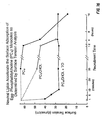
- the inclusion of DPPC:TP at a 2:1 wt.:wt. ratio (20 micrograms total lipid weight) resulted in surface tension readings of 60 dynes/cm 10 min after application to the bath.
- a DPPC:TP ratio of 1:2 and 1:3 wt.:wt. ratio (20 micrograms total lipid weight) resulted in surface tension readings of about 38 dynes/cm 10 min post-administration.
- the saturated phospholipid and saturated triglyceride are included in weight ratios ranging from 1:1 to 1:5, and more preferably in weight ratios of from 1:2 to 1:4. In fact, a weight ratio of 1:3 has been found to provide the most superior surfactant activity of all of the presently disclosed surfactant compositions.
- compositions which comprise a surfactant-enhancing amount of the combination of an unsaturated phospholipid, as previously defined, together with a sterol, and/or triglyceride as previously defined, together in a pharmaceutically acceptable diluent.
- cholesterol is the preferred sterol
- other sterols such as demosterol, B-sitosterol, campesterol or estradiol will function equally well.
- the unsaturated phospholipid and sterol-containing compositions are formulated to include the unsaturated phospholipid and sterol in mole percent ratios ranging from about 4 to about 0.25, or more preferably, in mole ratios ranging from about 1.5 to about 0.25, respectively.
- the unsaturated phospholipid and sterol-containing compositions in certain preferred embodiments are formulated to include egg phosphatidylcholine, or the poly-unsaturated dilinoleoyl phosphatidylcholine.
- the surfactant activity of unsaturated phospholipid and sterol-containing compositions is greatly improved upon the addition of a triglyceride to the formulation.
- a triglyceride such as saturated or unsaturated triglycerides may be used, some preference exists depending upon which unsaturated phospholipid is used.
- the weight ratio of phospholipid and sterol to the unsaturated triglyceride is 0.67:0.33:4.00
- the phospholipid and sterol are preferably contained in equimolar concentrations.
- a mixture of the above described preferred embodiment may contain about 0.67 mg. egg phosphatidylcholine, about 0.33 mg cholesterol and about 4 mg triolein.
- the surfactant activity of the lipid mixtures of the present invention does not depend upon the ester bonding between the fatty acid side chain and the constituent phospholipid and/or triglyceride. As is true for all of the embodiments, full activity is retained when the ester bonding is substituted with an ether bonded fatty acid side chain. (See Fig. 11).
- surfactant active compositions are formulated in the identical manner as described previously for the anti-ulcer formulations. (Specification, pg. 14, 15). Although the particular aqueous diluent employed is not imperative, isotonic saline is preferred. Additionally, it is contemplated that the addition of a polyvalent cation, for example, a heavy metal ion, to the formulation will enhance surfactant activity. The relative preferred molar concentrations are the same as those outlined for the anti-ulcer formulations. Potentially toxic metal ions should, again, be avoided.
- vitamins vitamins A, E and C
- other chemical anti-oxidants are also to be included in the described surfactant compositions.
- the present invention is directed to a method of preventing and treating respiratory distress syndrome, the method including administering an effective amount of one of the foregoing compositions to the pulmonary alveolus of the subject.
- Administration is preferably endotracheal, followed by 100% oxygen blown into the lungs with an anaesthetic bag. The subject is then to be ventilated with a respirator.
- the surfactant compositions are thus capable of replenishing surfactant deficient biological surfaces, especially that of the pulmonary alveolar lining, through forming a cover over the alveolar lining layer.
- the alveolar lining layer (ALL) has been described as an acellular film that forms a continuous lining over the alveolar epithelial cells and spans the pores of Kohn. (E. Scorpelli and A. Mautone (1984) Pulmonary Surfactant , pp. 119-121).
- the phospholipid covering is adjacent to, but not part of the cell itself.
- phospholipid compositions typically consist of a preponderance of phospholipids and relatively low concentrations of neutral lipids.
- Applicant's compositions have a significantly greater concentration of neutral lipids (greater than 50%) to phospholipids (less than 50%).
- the neutral lipids are hypothesized to impart a greater buoyant density to a phospholipid molecule, thus enhancing the rate at which the phospholipid is moved toward an air/liquid interface and adsorbed. It is hypothesized that this novel combination and buoyant density effect are the reasons these compositions have such a surprisingly enhanced surfactant potentiating activity.
- Applicant's compositions may take on a variety of physical forms, including microemulsions.
- other phospholipid compositions are primarily in liposomal form. Applicant theorizes that this difference too may contribute to the unexplained enhanced rate at which Applicant's compositions are able to elicit surface property changes in vitro .
- the scope of the present invention is not to be limited to the particular form of the composition.
- mixtures of phospholipids together with neutral lipids can provide the luminal lining with rapid-acting, long-lasting and very consistent protection from chemical and idiopathic gastrointestinal ulcerogenesis.
- neutral lipids for example, sterols and/or triglycerides
- experimental findings, disclosed in detail below demonstrate that mixtures of unsaturated phospholipids and cholesterol in various proportions can provide a marked protection from acid-induced ulcerogenesis. This protection is found to be surprisingly superior to the protection provided by unsaturated phospholipids alone which have either little or no protective action on their own.
- this protective effect is even further enhanced upon the addition of a triglyceride, either saturated or unsaturated, to the mixture.
- Compositions formulated to include a saturated phospholipid together with a saturated triglyceride are found to provide the most effective protection.
- compositions formulated to include a saturated phospholipid together with an unsaturated triglyceride are much smaller enhancement in protective activity.
- the activity of saturated phospholipids standing alone is totally abolished by the addition of a sterol in stoichiometric amounts to the mixture.
- unsaturated phospholipids, standing alone appear to provide little or no protective effect and require the addition of a sterol such as cholesterol.
- the reason for this molecular specificity between polar and non-polar lipids is not known but may, in part, be attributable to the fact that saturated phospholipids and saturated triglycerides pack tightly with one another forming a compact and stable hydrophobic layer.
- the lipids which are the subject of this invention are naturally occurring substances extractable from plant and animal sources or can be synthesized by various known processes. Furthermore, most of the lipids are commercially available, as they are starting materials for a wide class of soaps, pharmaceutical preparations, and biochemical research materials.
- the compounds can be administered in substantially pure, undiluted form; as a supplement to infant formula or in various pharmaceutical dosage forms such as capsules, liposome carriers, microemulsions, aerosol sprays, dispersions, aqueous suspensions, solutions, or the like.
- oral administration is typically the indicated route for treatment of gastric ulcer disease
- a preferred composition for such application is a colloidal, microemulsion, mixed micellar, or liposomal suspension of the phospholipid and associated neutral lipid.
- suspensions may be indicated for other routes as well, such as administration to the lower bowel by means of an enema, or for direct infusion to the bowel.
- Applicant's invention is based on the principle that the zwitterionic phospholipids which carry a positive terminal charge, will be attracted to the negatively charged surface membrane or mucosa lining of the G.I. tract. These molecules will in turn orient in such a way so that their long hydrocarbon chains are extending outwards into the lumen. This results in the formation of a uniform hydrophobic layer over the tissue, which cannot be penetrated by hydrophilic damaging agents. This prevents water soluble damaging agents (e.g., acid, microbial toxins, proteolytic enzymes) from coming in contact with the tissue, and protects the tissue from injury.
- water soluble damaging agents e.g., acid, microbial toxins, proteolytic enzymes
- the hydrocarbon side chains are not straight, for example, due to the presence of cis unsaturated bonds, cholesterol or other chemically related sterols are believed to be required to promote molecular packing.
- the sterol molecule is believed to enhance the hydrophobicity of the hydrocarbon layer.
- the thickness and stability of this layer may be increased substantially by the addition of triglycerides to the mixture, which may coat the luminal aspects of the adsorbed phospholipid (and cholesterol) layer by undergoing hydrophobic bonding with the extending fatty acid side-chains.
- gastric mucosa pretreated with either synthetic or natural phospholipids becomes virtually chemically resistant to luminal acid. This property was most dramatically demonstrated in vivo , where it was observed that rats pretreated with phospholipid resisted severe gastric mucosal damage after direct challenge to a strong solution of hydrochloric acid. In contrast, saline treated rats suffered severe gastric erosion and hemmorrhage. In vitro transport studies demonstrated that acid (H+) diffuses much more slowly across gastric mucosa exposed to luminal phospholipid surfactants than across untreated tissue. Similarly, specific mixtures of phospholipids (and/or sterols) and triglycerides protected rats from a number of other ulcerogenic conditions including stress ulceration, intragastric ethanol, bile acid and aspirin.
- DPPC diapalmitoyl phosphatidylcholine
- the adsorption of surface-active materials is a complex phenomenon. A number of factors affect the rate of adsorption. For example, which molecules of two or more surface-active agents accumulate at the free surface of a solution has been shown to depend principally on the concentration of the agents, the nature of the amphiphilic groups in the agents and the separation of these groups (chain length), the nature of the molecular interaction between the agents, the diffusion coefficient of the solution, and the temperature. (See J. Davies and K. E. Rideal, Inter Facial Phenomena (1963); J. L. Moilliet, B. Collie, and W. Black, Surface Activity (1961)).
- dipalmitoyl phosphatidylcholine dipalmitoyl phosphatidylcholine
- DPPC dipalmitoyl phosphatidylcholine
- adsorption time was reduced from 91.8 ⁇ 8.3 minutes for DPPC alone to 1.1 ⁇ 0.2 minutes (+ dipalmitoyl phosphatidylglycerol), 2.8 ⁇ 0.4 minutes (+ phosphatidylinositol), 1.0 ⁇ 0.2 minutes (+ serum high-density lipoprotein) and 0.9 ⁇ 0.1 minutes (+ surfactant apoprotein).
- mixtures of phospholipids together with neutral lipids can theoretically provide the alveolar lining with an increased surface hydrophobicity and a dramatically accelerated rate of surface-active lipid adsorption. Surface tension is also maximally reduced by these mixtures.
- experimental findings disclosed in detail below, demonstrate that mixtures of saturated phospholipids and triglycerides in various proportions can provide an enhanced rate of lowering surface tension and increase hydrophobicity through increased surface adsorption of lipids.
- compositions formulated to include a particular unsaturated phospholipid together with a triglyceride (i.e., TO) and sterol are found to provide the most rapid adsorption kinetics.
- the composition is to be administered as a suspension in saline or other physiologically acceptable diluent or as a lyophilized powder.
- intratracheal administration is typically the indicated route for treatment of respiratory distress syndrome
- a preferred composition for such application is a colloidal suspension or microemulsion of the particular saturated or unsaturated phospholipid and associated neutral lipid.
- the infusion of such a liquid or powder instillate into the endotracheal tube of a subject is followed by the blowing of 100% oxygen into the lungs with an anesthetic bag.
- the compositions may be used in the treatment of other diseases where biological surfaces suffer from surfactant depletion, for example, in the treatment of otitis and ocular disease.
- a suspension of the compounds in any acceptable diluent may also be used to create the subject composition for various industrial uses, and therefore need not be in a physiological diluent.
- water may be used as an acceptable diluent in the preparation of the subject compositions for use as an industrial surfactant in catalyzation of oil recovery from spills in the open sea.
- These compositions may be used anywhere the rapid deposition of polar lipids to an air/liquid interface is required.
- a sterol such as cholesterol
- a mixture of unsaturated phosphatidylcholine and unsaturated triglyceride also markedly accelerated adsorption of surface active lipids to an air/liquid interface and maximally reduced surface tension.
- the present invention is directed to charged and neutral lipids in general, and more particularly, to phospholipids, sterols and triglycerides which are formulated into unique anti-ulcer compositions useful to inhibit or retard ulcerogenesis. These compositions are also useful to treat or reduce the incidence of Respiratory Distress Syndrome and generally as a surfactant-replacing composition.
- the phospholipids and triglycerides of the present invention generally fall into two categories depending on the nature of their aliphatic substitutions, i.e., whether saturated or unsaturated.
- the foregoing chemical structure defines a zwitterionic phospholipid structure and embraces a wide range of phospholipids, including but not limited to phosphatidyl cholines, phophatidyl ethanolamines, phosphatidyl serines and various other zwitterionic phospholipids.
- a further listing of saturated and unsaturated fatty acid groups that can be esterified or ether-linked to the phospholipid in question can be found in Table 1. However, as will be appreciated, these listings are not intended to be a complete listing of useful phospholipids, and its inclusion herein is for the reader's convenience and to disclose Applicant's preferred embodiments.
- Phospholipid compounds found to be particularly useful in the practice of the present invention are dilinoleoyl phosphatidylcholine (DLL-PC), dipalmitoyl phosphatidylcholine (DPPC) and egg phosphatidycholine (Egg-PC or PC e ).
- DLL-PC a saturated phospholipid
- the saturated aliphatic substitution R1 and R2 are CH3-(CH2)14
- R3 is CH3 and X is H.
- R1 primarily contains a saturated aliphatic substitution (e.g., palmitic or stearic acid), and R2 is primarily an unsaturated aliphatic substitution (e.g., oleic or arachidonic acid).
- a saturated aliphatic substitution e.g., palmitic or stearic acid
- R2 is primarily an unsaturated aliphatic substitution (e.g., oleic or arachidonic acid).
- the sterol compounds of the present invention are defined generally by the formula -- wherein the sterol contains zero, one or multiple double bonds in the perhydrocyclopentanophenanthrene ring; R1 is either an H, O (ketone) or OH; R2, R3 and R4 are either H or CH3; and R5 is a aliphatic chain (straight or branched) of between 1 and 14 carbon atoms in length.
- sterol included by this structure, and the one preferred for the preparation of the various sterol-containing compositions disclosed herein, is cholesterol. Cholesterol is typically preferred due to its ready availability, low cost and relative lack of toxicity or biological/hormonal activity. However, other sterols of this general structure may be employed where desired including, for example, beta-sitosterol, campesterol and desmosterol.
- this structure embraces a wide range of triglycerides, both saturated and unsaturated, and include, for example, triglycerides such as tripalmitin (saturated), triolein and trilinolein (both unsaturated).
- triglycerides such as tripalmitin (saturated), triolein and trilinolein (both unsaturated).
- Table I A further listing of saturated and unsaturated fatty acids that can be esterified or ether-linked to the triglyceride in question is displayed in Table I below. However, this table is included for convenience only and is merely representative of a variety of useful triglycerides and is therefore not intended to be inclusive.
- compositions which include only an unsaturated phospholipid show virtually no antiulcer activity alone.
- a sterol such as cholesterol
- certain triglycerides which may be either saturated or unsaturated, further enhances the activity of unsaturated phospholipid/sterol compositions.
- the method of formulation of the various antiulcer compositions does not appear to be particularly crucial.
- protective effect can be obtained, for example, by simple direct administration of the lipids to a selected luminal surface.
- any pharmaceutically acceptable aqueous diluent may be employed, it has generally been found that a certain level of salt, for example in the form of isotonic saline has significant anti-ulcer activity.
- small amounts of heavy metals (or other polyvalent cations) or anti-oxidant chemicals with the capability of scavenging free radicals can be added to the diluent to provide a lipid composition of greater anti-ulcer efficacy, stability and lumen-coating effectiveness.
- Colloidal suspensions are typically formulated to achieve a concentration of about 0.5 to 20 grams total lipid for each final milliliter of aqueous suspension, or more preferably, between about 1 and about 5 mg/ml.
- the particular methodology is not critical, it is preferred to provide the selected weighed lipid components in a suitable container, and dissolving them in either chloroform or ether. In this manner, aliquots containing known amounts of the selected lipid or lipid mixtures may be added to the mixing container. Once in solution, the chloroform or ether is evaporated off under a stream of nitrogen, and a known volume of the desired diluent is added to the container in suitable proportions to achieve the desired final concentration of lipids. The entire admixture is then vortexed or sonicated for several minutes (at temperatures up to and above the transition temperature of the lipid, generally 4°-50°C to achieve the final colloidal suspension.
- the aqueous lipid suspensions are stable and maintain their gastric protective activity for several months when stored in amber bottles at either 4 ⁇ C or room temperature.
- the formulated lipid suspension can be lyophilized (or freeze-dried) to a powder which can either be simply resuspended in the desired diluent before use or administered directly as powder, capsule or table.
- minimal activity of the lipid mixtures is lost during lyophilization intratracheal administration of the lipid mixture as a powder may have significant advantages in the treatment of RDS and associated respiratory diseases.
- the foregoing formulation procedure resembles procedures employed in the art for liposomal preparation.
- liposomes be made in order to achieve useful lipid compositions in accordance with the present invention.
- disrupted or aggregated liposomes, or non-liposomal colloidal dispersions appear to be at least as efficacious as intact liposomes.
- the subject compositions may also take the form of a microemulsion. This is particularly the case where there is a preponderance of neutral lipids proportionately to phospholipids in the composition.
- liposomes be made in order to achieve useful lipid compositions in accordance with the present invention.
- disrupted or aggregated liposomes, or non-liposomal dispersions appear to be at least as efficacious as intact liposomes.
- sterols should be excluded from the formulation.
- sonication of the admixture is preferred for mixtures containing saturated triglycerides, simple vortexing or otherwise similarly agitating the mixture will be sufficient.
- the lipid suspension in the presence of triglycerides the lipid suspension readily portions with one fraction floating to the surface, another staying in suspension and a third sedimenting to the bottom.
- the lipids have formed a number of contrasting physical structures including: large dense multilamellar vesicles; liposomes; lipid aggregates; mixed micellas; stable fat globules, microemulsions or lipid sheets. All of the above physical forms have been observed in the suspensions under electron microscopic examination. Most of these physical forms, thus, would have little or no luminal space as would a classical liposomal structure. However, all such preparations generally exhibit equally high activity independent of the lipid structure formed.
- a sufficient amount of lipid is administered to adequately cover the desired tissue or luminal surface.
- sufficient coverage is obtained for oral application to the stomach by administering 5 ml to 500 ml of a 0.1 to 10 mg lipid/ml suspension per application, depending on the particular lipid mixture and the severity of the disease being treated.
- dosages of the formulations are not known to be particularly limited by any toxicity problems.
- the present formulations will prove useful in the treatment of any number of ulcerative or degenerative processes of the luminal lining of the G.I. tract, particularly in those areas of the G.I. tract that rely on an intact hydrophobic barrier for normal function.
- contact angle technique which measures the hydrophobic character of a surface
- Such hydrophobic regions, and degenerative processes affecting such regions, are thus all candidates for beneficial therapy in accordance with the present invention.
- specific ulcerative processes such as necrotizing enterocolitis and inflammatory bowel disease (e.g., ulcerative colitis and Crohn's disease) are believed to be amenable to hydrophobic treatment.
- mice were intragastrically treated with 1 ml of a lipid test solution, generally at a total lipid concentration of 3-5 mg/ml, 2 hours before intragastric challenge with 1 ml of 1.0 N HCl or 100% ethanol. The rats were sacrificed 1 hour later at which time the lesion length resulting from the chemical challenge was measured in a blind or double-blind fashion.
- the contact angle test was employed to compare and illustrate the ability of the three principal lipid composition embodiments to maintain the hydrophobic character of the luminal lining upon ulcerogenic challenge with one of three ulcerogenic agents, 1.ON HCL, 100% ethanol and 10% acetic acid (the latter administered to the colonic epithelium by enema).
- the tests were performed basically as described in Hills et al. (1983), Am. J. Physiol. , 244 :G561, except using rat oxyntic (or colonic) tissue.
- the contact angle test relies on the finding that the contact angle subtended between a droplet of aqueous fluid and a nonwettable surface provides a direct estimation of the degree of hydrophobicity of the surface.
- Hydrophobicity is characterized by any tendency of a fluid to form beads on the surface rather than to spread evenly.
- a quantitative index for this phenomenon is obtained by measuring the contact angle. This is the angle between the solid-liquid and liquid-air interfaces at the triple point where solid, liquid, and air meet. It can vary from 0 ⁇ for a perfectly wetted surface up to values of the order of 108 ⁇ for water on a particularly hydrophobic surface such as Teflon.
- Contact angle is a basic surface parameter and one very commonly measured on human skin by cosmetic chemists.
- the standard equipment for its determination is a goniometer (Rame-Hart model 100-00 115) fitted with a monochromatic light source, camera attachment, and micrometer-activated syringe (Rame-Hart 100-10) for applying small volumes of saline to either the treated or control tissue surfaces. Five microliters of normal saline were applied to the luminal surface of the tissue and the contact angle was measured in the standard way.
- the center of the field of view was adjusted to coincide with the triple point, and then one cross hair was adjusted to coincide with the tissue-fluid interface and the other to present a tangent to the liquid-air interface.
- the angle between the two is the contact angle and can be read off directly from the scale encircling the eyepiece.
- Magnification (x25) of the triple point enables the observer to allow for tissue irregularity in measuring contact angle.
- the effects of micro irregularities is a subject of discussion among physicists, but the macro value is still a good reflection of the micro value.
- Contact-angle determinations were repeated at two or more other sites on the sample, all within the oxyntic (or colonic) region of the mucosa.
- the three general embodiments of lipid compositions were employed to demonstrate their ability to protect the "contact angle" (i.e., hydrophobicity) of the rat oxyntic tissue upon ulcerogenic challenge.
- the three exemplary combinations comprised 1) a saturated phospholipid and saturated triglyceride (DPPC-TP); 2) an unsaturated phospholipid, a sterol and saturated triglyceride (DLL-PC-TP); and 3) an unsaturated phospholipid, sterol and unsaturated triglyceride (PC e CH-TO).
- the two gastric ulcerogens were found to reduce the observed contact angle 1 hr after intragastric administration from an average of about 36 ⁇ control-untreated) to about 8 ⁇ and 5 ⁇ (control-treated), respectively.
- pretreatment with any one of the three lipid composition groups almost entirely reversed the effect of the ulcerogens.
- the DPPC-TP treatment was found to provide the most effective barrier to hydrophobic erosion, with DLL-PC-TP and PC e CH-TO providing a reduced but nevertheless effective barrier.
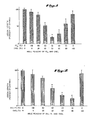
- FIG. 1 is shown the first of a series of experiments employing the reduction in lesion length test system as an indication of ulcer protective action.
- the ulcer protective activity of various combinations of an unsaturated phospholipid, Egg PC (PC e ), and a sterol (cholesterol) were compared to a saline control.
- 1 ml of the lipid solution was intragastrically administered to rats two hours before the animals were challenged with 1 ml of 1N HC1. The rats were sacrificed 1 hr later at which time lesion score was quantified.
- Figure 3 illustrates the long-lasting ulcer protective action of the most preferred combinations from the Figure 1 and 2 experiments.
- PC e + 50% Chol and DLL-PC + 80% Chol were both capable of maintaining protective activity if administered either 2 or 4 hrs prior to the acid challenge.
- PC e + 50% Chol was found to provide some protection even at 6 hours post-administration.
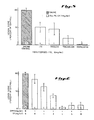
- tripalmitin was found to be the most efficacious triglyceride additive, with an observed reduction in lesion length of about >95%. Triolein was found to be the least effective triglyceride additive, with trilinolein somewhere in between.
- beta-sitosterol may be substituted for cholesterol in the subject phospholipid compositions without loss of the compositions protective efficacy.
- Fig. 12 it is demonstrated that in lipid mixtures of unsaturated phospholipid sterol and unsaturated triglycerides, the plant sterol, beta-sitosterol can be readily substituted in equimolar amounts for cholesterol with equal protective activity against acid-induced lesions (Lipid mixtures administered 2 hrs before acid challenge).
- Figures 8 and 10 represent experiments directed at comparing various aspects of the relative activity of the three general embodiments of the invention.
- Figure 8 the time-dependance of the protective effect of the three embodiments against acid-induced lesions is compared. As displayed therein, all three preferred embodiments gave very profound protective effect as of two hours post-administration. By 4 hours, the combination of unsaturated phospholipid + sterol + saturated triglyceride (DLL-PC + Chol + TP) was found to be somewhat less active, but active nevertheless.
- DLL-PC + Chol + TP unsaturated phospholipid + sterol + saturated triglyceride
- compositions of DPPC + TP and PCe + CHOL + ascorbic acid provided effective ulcerogenic protection up to 55 days after formulation.
- mixtures of DPPCE + TP provided a sustained level of ulcerogenic protection only up to 41 days after formulation. All mixtures lost significant amounts of ulcerogenic protective capacity 113 days after formulation.
- lipid compositions shown in Fig. 20 were prepared in accordance with procedures previously described in the specification. Thereafter, each composition was lyophilized according to procedures well known to those of skill in the art. The lyophilized compositions were then administered to a adult rats in the form of a powder being "blown" onto the gastric mucosa. An HCl gastric challenge was then administered to each rat. The lesion score produced in each animal after such a challenge was then expressed as a % of control lesionary (i.e. saline treated).
- the various lipid compositions remained stable and retained their protective efficacy up to 128 days after lyophilization. No significant difference between the protective efficacy of each composition was demonstrated.
- the lyophilized compositions were able to effect less than 40% lesion score for all lipid compositions up to 128 days after lyophilization, in contrast to the 90% lesion score obtained in animals treated with 113 day old non- lyophilized lipid compositions.
- Table VI reflects data from experiments conducted employing the lipid mixtures in combination with various anti-oxidants. The results demonstrate that, as with polyvalent cations, the addition of anti-oxidant vitamins potentiates the protective efficacy of the phospholipid composition.
- Table VIII demonstrates that different mixtures of polar and neutral lipids can all provide rats with marked protection against gastric ulceration induced by a number of different injurious conditions, including: ethanol, bile acid, aspirin, and stress-induced gastric lesions.
- the rats were sacrificed 1 hr after receiving 1 ml of the ulcerogenic agent. Stress ulcers were induced by cold (4 ⁇ C) restraint in a restraining screen. These animals were sacrificed 4 hrs after being placed in the restraining screen.
- the DPPCE + TP pretreatment was found to have the least protective effect against aspirin (10 mg/ml, pH 3.0), with the greatest protective effect being provided by a PCe + CH + TO lipid pretreatment.
- the lowest lesion score was evidenced in the PCe + CH + TO + Vit + C lipid pretreatment group upon challenge with bile salt (160 mM taurocholic acid in 0.2 N HCl showing a lesion score of 5.8 ⁇ 3.3%.
- compositions which include only an unsaturated phospholipid show virtually no effect on the rate of surface-adsorption.
- a sterol for example, cholesterol
- TO triolein
- the method of formulation of the various surfactant-replacement compositions does not appear to be particularly crucial.
- the surfactant replacement effect can be obtained, for example, by administering the lipids in the form of a colloidal, microemulsion or liposomal suspension of the selected composition in any pharmaceutically acceptable diluent. While virtually any pharmaceutically acceptable aqueous diluent may be employed, such compositions are commonly diluted in physiological saline. For industrial use, the selected composition may be diluted in a number of diluents, for example, water.
- the methods described for the formulation of lipid compositions in Section III of the specification also apply to the compositions used in the presently proposed surfactant replacement compositions.
- compositions resemble microemulsions. As a result, some of the subject compositions deliver surfactant to the surface in question in a more readily transferable mono-layer form.
- the compositions may also take on a variety of forms, including liposomal, mixed micellar, microemulsion or a mixture of these. However, it is expected that compositions with a proportionately greater amount of neutral lipids to phospholipids will form a microemulsion or mixed micellar suspension.
- the particular form of the lipid composition may affect the rate of phospholipid surface adsorption.
- a liposomal structure would require that the bilayer first be degraded to monolayer form before phospholipid is transferred to a surface, a structural transformation which would not be necessary with a microemulsion. It is thus hypothesized that the particular phospholipid/neutral lipid form may affect rates of surfactant adsorption.
- liposomes be made in order to achieve useful compositions in accordance with the present invention. For example, disrupted or aggregated liposomes, or non-liposomal dispersions, appear to be at least as efficient as intact liposomes.
- a sufficient amount of the suspension composition is administered to adequately cover the desired tissue or alveolar surface.
- sufficient coverage is obtained for tracheal instillation to the pulmonary tissue by administering 0.5 ml to 20 ml of a 0.01 to 10 g. lipid/ml. suspension per application.
- dosages of the formulations are not known to be particularly limited by any toxicity problems.
- the lipid mixtures can be administered in a dry state, for example as a dry powder in lyophilized form.
- a platinum flag is first placed vertically in ultra clean solution at one end of a water bath which is maintained at 37 ⁇ C.
- the hydrophilic platinum flat in turn is attached to a force transducer whose output is displayed on a recorder so that the surface tension of the solution can be continuously monitored.
- an acid-cleaned glass slide which is attached to a motorized pulley system, is submerged in the water near the platinum flag.
- the lipid monolayer at the water surface was transferred to the hydrophilic glass slide as the slide was pulled out of the bath using a pulley system when the surface tension reached a minimal value.
- the slide was then allowed to air dry and then placed on the stage of a goniometer where its surface hydrophobic properties were analyzed by contact analysis. (See Fig. 14).
- the contact angle test was employed to compare and illustrate the ability of the lipid composition embodiments to instill hydrophobicity to a treated surface.
- Surface hydrophobicity is quantified by contact angle analysis on an instrument called a goniometer, where a microliter droplet of water is applied to a surface and the angle at the air/liquid/solid interface is recorded. Hills, et al . (1983) Am. J. Physiol. 224 :G561-568. The droplets tend to bead up on hydrophobic surfaces resulting in proportionately greater contact angle readings.
- the two exemplary mixtures comprised (1) dipalmitoyl phosphatidylcholine (DPPC) and (2) dipalmitoyl phosphatidylcholine plus the triglyceride, tripalmitin (DPPC-TP).
- DPPC-TP mixture was formulated in a 1:4 parts ratio as a mixed colloidal suspension in a 0.86% NaCl solution in distilled water (pH 7.0, 100 micrograms/ml).
- the relative amounts of DPPC and tripalmitin in each of the exemplary solutions are shown in Table IX. TABLE IX DPPC TP DPPC 1000 micrograms - DPPC + TP 200 micrograms 800 micrograms
- the entire admixture was then sonicated for several minutes at temperatures above the transition temperature of the lipids.
- the suspension thus had a total lipid concentration of 100 micrograms/ml.
- isotonic saline is generally preferred.
- One milliliter of each of the above suspensions were administered (100 micrograms total lipid) individually as a liposomal/colloidal suspension to the saline contained in a Langmuir Trough. Surface tension was analyzed at varying periods of time after application. Contact angle analysis was also conducted of a slide prepared concurrently with each composition.
- the lipid monolayer at the bath surface was transferred to the hydrophilic glass slide as the slide was pulled out of the bath vertically using the previously described pulley system.
- the slide was then allowed to air dry and then placed on the stage of a goniometer. So emplaced, the hydrophobic properties of the slide surface were determined by contact angle analysis. (See Fig. 14)
- contact angle analysis of the glass slide surface from the DPPC alone treatment indicated maximal hydrophobic properties of 35-37 ⁇ attained at 16-24 hours after DPPC molecules were initially applied to the bath. In contrast, a comparable or greater lipid-induced rise in contact angle was accomplished in less than 10 minutes after application of the DPPC/TP mixture. A maximal contact angle reading of 47-49 ⁇ was reached at or before 1 hour post-administration.
- Example 2 In an experiment similar to Example 1, seven different lipid mixtures containing varying ratios of DPPC:TP totalling 20 micro/ml lipid were compared. Surface tension analysis and contact angle hydrophobicity were performed for each mixture as described in Example 1.
- the chloroform is then to be evaporated off under an N2 stream.
- the final proportions of phospholipid (DPPC) to neutral lipid, tripalmitin (TP), is to be 30% DPPC to 70% tripalmitin (TP).
- DPPC dipalmitoyl-phosphatidylcholine
- TP tripalmitin
- PCe:Chol:TO The final proportion of PCe:Chol:TO was a 0.67:0.33:4.0 ratio concentration.
- the chloroform was then evaporated under N2 and a sufficient volume of isotonic saline was added so as to constitute a concentration of 19 micro/mol lipid phosphorous/ml.
- the mixture was then vortexed for 15 minutes at room temperature.
- the composition was vortexed or otherwise shaken immediately before use.
- Particular individual doses of this suspension were calculated according to the formula 150 micro/mol lipid phosphorous/kg. body weight of the subject to be treated.
- An alternative method of preparing the phospholipid composition is to prepare the colloidal suspensions as described above and then to lyophilize the samples overnight to form a freeze-dried powder. This dry surfactant-neutral lipid mixture can then be blown directly into the lower airway as a dry powder with the use of an endotracheal tube.
- the present experiment was performed to determine the effect on buoyant density attributable to the addition of a triglyceride to a preparation of saturated phospholipids.
- the saturated phospholipid used in the current studies was dipalmitoylphosphatidylcholine (DPPC) at a concentration of 1 mg./ml.
- DPPC dipalmitoylphosphatidylcholine
- the saturated phospholipids were prepared as outlined previously. (Specification, beginning at pg. 50, lines 14, through pg. 51, line 3). Preparations of DPPC and the triglyceride, tripalmitin (TP), were also used in the present experiment and prepared in the manner referenced above.
- the extracted phospholipid was then suspended in either an electrolytic diluent (saline) or non-electrolytic solution (mannitol). All preparations were sonicated for 15 minutes under a nitrogen atmosphere at room temperature before loading into inverted 5 ml. syringes. The concentration of TP used was 4 mg./ml.
- the four phospholipid preparations outlined in Table XIV were then loaded into the inverted 5 ml. syringes and allowed to settle for 1 hour at room temperature. Four equal fractions were then collected from each of the four preparations. The collected fractions were then stored at -20 ⁇ C and assayed for phosphorous.
- Fraction 1 was the bottom-most fraction and was collected first from the inverted syringe, and corresponds to the amount of phosphorous which settled out first and thus had the lowest buoyant density.
- Fraction 4 is the top-most fraction collected last from the inverted syringe, and reflects the amount of phosphorous which did not settle out, and thus has the highest buoyant density.
- DPPC when sonicated into a liposomal suspension in either an electrolytic (saline) or non-electrolytic (glucose) solvent, is homogeneously distributed at all solvent depths (see Fractions 1-4, Table XIV). This indicates that DPPC was present as stable liposomal suspension whose buoyant density reflected that of the solvent.
Landscapes
- Health & Medical Sciences (AREA)
- Chemical & Material Sciences (AREA)
- General Health & Medical Sciences (AREA)
- Life Sciences & Earth Sciences (AREA)
- Pharmacology & Pharmacy (AREA)
- Medicinal Chemistry (AREA)
- Veterinary Medicine (AREA)
- Public Health (AREA)
- Animal Behavior & Ethology (AREA)
- Engineering & Computer Science (AREA)
- Epidemiology (AREA)
- Dispersion Chemistry (AREA)
- Nanotechnology (AREA)
- Bioinformatics & Cheminformatics (AREA)
- General Chemical & Material Sciences (AREA)
- Organic Chemistry (AREA)
- Nuclear Medicine, Radiotherapy & Molecular Imaging (AREA)
- Chemical Kinetics & Catalysis (AREA)
- Biophysics (AREA)
- Biotechnology (AREA)
- General Engineering & Computer Science (AREA)
- Medical Informatics (AREA)
- Molecular Biology (AREA)
- Crystallography & Structural Chemistry (AREA)
- Pulmonology (AREA)
- Pharmaceuticals Containing Other Organic And Inorganic Compounds (AREA)
- Medicinal Preparation (AREA)
Applications Claiming Priority (2)
| Application Number | Priority Date | Filing Date | Title |
|---|---|---|---|
| US07/323,671 US5032585A (en) | 1987-02-17 | 1989-03-15 | Methods and compositions employing unique mixtures of polar and neutral lipids for surfactant replacement therapy |
| US323671 | 1989-03-15 |
Publications (1)
| Publication Number | Publication Date |
|---|---|
| EP0401952A2 true EP0401952A2 (fr) | 1990-12-12 |
Family
ID=23260222
Family Applications (2)
| Application Number | Title | Priority Date | Filing Date |
|---|---|---|---|
| EP90300635A Withdrawn EP0401952A2 (fr) | 1989-03-15 | 1990-01-22 | Utilisation de phospholipides dans la thérapie du remplacement du tensio-actif des poumons |
| EP19900302809 Withdrawn EP0406998A3 (en) | 1989-03-15 | 1990-03-15 | Use of phospholipids in lung surfactant replacement therapy |
Family Applications After (1)
| Application Number | Title | Priority Date | Filing Date |
|---|---|---|---|
| EP19900302809 Withdrawn EP0406998A3 (en) | 1989-03-15 | 1990-03-15 | Use of phospholipids in lung surfactant replacement therapy |
Country Status (4)
| Country | Link |
|---|---|
| US (1) | US5032585A (fr) |
| EP (2) | EP0401952A2 (fr) |
| JP (1) | JPH02279628A (fr) |
| CA (1) | CA2003692C (fr) |
Cited By (2)
| Publication number | Priority date | Publication date | Assignee | Title |
|---|---|---|---|---|
| US5478819A (en) * | 1993-06-23 | 1995-12-26 | Simo Tarpila | Phospholipid composition and use thereof |
| NL1015288C2 (nl) * | 2000-05-24 | 2001-12-14 | Peter Ferdinand Elbers | Preparaat voor het stabiliseren van de beschermlaag op het epitheel van het hoornvlies of de longblaasjes. |
Families Citing this family (34)
| Publication number | Priority date | Publication date | Assignee | Title |
|---|---|---|---|---|
| US5256569A (en) * | 1986-01-21 | 1993-10-26 | Chisso Corporation | Transesterification process for otereoselection of enantiomers of secondary alcohols using pseudomonas lipase with no added solvent |
| FR2658418B1 (fr) * | 1990-02-20 | 1994-09-02 | Synthelabo | Compositions pharmaceutiques a base de phospholipides. |
| ES2033193B1 (es) * | 1990-10-30 | 1994-01-16 | Ganadera Union Ind Agro | Mezcla grasa para nutricion infantil y de adultos. |
| GB9120005D0 (en) * | 1991-09-19 | 1991-11-06 | Wellcome Found | Method of administering phospholipid dispersions |
| US5674855A (en) * | 1992-08-12 | 1997-10-07 | The Rogosin Institute | Methods and compositions useful in prophylaxis and therapy of endotoxin related conditions |
| US6764693B1 (en) * | 1992-12-11 | 2004-07-20 | Amaox, Ltd. | Free radical quenching composition and a method to increase intracellular and/or extracellular antioxidants |
| US5763422A (en) | 1995-01-27 | 1998-06-09 | Board Of Regents, The University Of Texas System | Methods of enhancing the therapeutic activity of NSAIDS and compositions of zwitterionic phospholipids useful therein |
| US5955451A (en) * | 1995-05-12 | 1999-09-21 | The University Of Texas System Board Of Regents | Methods of enhancing the therapeutic activity of NSAIDS and compositions of zwitterionic phospholipids useful therein |
| US6080787A (en) * | 1997-02-21 | 2000-06-27 | Abbott Laboratories | Methods for reducing the incidence of necrotizing enterocolitis |
| EP1039892B1 (fr) | 1997-02-21 | 2004-04-28 | Abbott Laboratories | Procede et compositions servant a limiter la frequence de l'enterocolite necrosante du nouveau-ne |
| US20060165606A1 (en) | 1997-09-29 | 2006-07-27 | Nektar Therapeutics | Pulmonary delivery particles comprising water insoluble or crystalline active agents |
| US6565885B1 (en) | 1997-09-29 | 2003-05-20 | Inhale Therapeutic Systems, Inc. | Methods of spray drying pharmaceutical compositions |
| US6309623B1 (en) | 1997-09-29 | 2001-10-30 | Inhale Therapeutic Systems, Inc. | Stabilized preparations for use in metered dose inhalers |
| US20020017295A1 (en) * | 2000-07-07 | 2002-02-14 | Weers Jeffry G. | Phospholipid-based powders for inhalation |
| WO2000007577A2 (fr) * | 1998-08-06 | 2000-02-17 | Wolfgang Stremmel | Phosphatidylcholine en tant que medicament a action protectrice des muqueuses |
| US6677327B1 (en) | 1999-11-24 | 2004-01-13 | Archer-Daniels-Midland Company | Phytosterol and phytostanol compositions |
| MXPA02009924A (es) | 2000-04-07 | 2004-08-19 | Univ Texas | Composiones unicas de fosfolipidos de ion anfoterico y bisfosfonatos y uso de las composiciones como sistemas de suministro de bisfosfato con toxicidad gi reducida. |
| US8404217B2 (en) | 2000-05-10 | 2013-03-26 | Novartis Ag | Formulation for pulmonary administration of antifungal agents, and associated methods of manufacture and use |
| PT1280520E (pt) * | 2000-05-10 | 2014-12-16 | Novartis Ag | Pós à base de fosfolípidos para administração de fármacos |
| US7871598B1 (en) | 2000-05-10 | 2011-01-18 | Novartis Ag | Stable metal ion-lipid powdered pharmaceutical compositions for drug delivery and methods of use |
| US20100173876A1 (en) * | 2000-12-19 | 2010-07-08 | The Board Of Regents Of The University Of Texas System | Oil-based nsaid compositions and methods for making and using same |
| US20040077604A1 (en) | 2001-12-19 | 2004-04-22 | Lenard Lichtenberger | Method and compositions employing formulations of lecithin oils and nsaids for protecting the gastrointestinal tract and providingenhanced therapeutic activity |
| PT1458360E (pt) * | 2001-12-19 | 2011-07-13 | Novartis Ag | Derivados de indole como agonistas do recetor s1p1 |
| RU2213746C1 (ru) * | 2002-02-15 | 2003-10-10 | Научно-исследовательский институт физико-химической медицины | Компонент, обеспечивающий поверхностно-активные свойства композиций - аналогов препаратов для заместительной сурфактантной терапии легочных заболеваний |
| US20080051373A1 (en) * | 2003-07-31 | 2008-02-28 | The Board Of Regents Of The University Of Texas System | Parenteral preparations of GI-safer phospholipid-associated anti-inflammatories and methods of preparation and use |
| WO2007005672A2 (fr) * | 2005-06-30 | 2007-01-11 | The Scripps Research Institute | Traitement et prevention de maladies et de situations respiratoires |
| EP1909758A1 (fr) * | 2005-08-02 | 2008-04-16 | I.D.M. Immuno-Designed Molecules | Procédé pour la préparation de formulations liposomiques |
| US7700651B2 (en) | 2006-07-19 | 2010-04-20 | The Board Of Regents Of The University Of Texas System | Preparations of phospholipids and pharmaceuticals containing 5-amino salicylic acid for the treatment of inflammatory bowel disease |
| EP2061583B1 (fr) * | 2006-09-14 | 2019-04-10 | Yissum Research Development Company, of The Hebrew University of Jerusalem | Nanoparticules organiques obtenues à partir de microémulsions par évaporation de solvant |
| AR063704A1 (es) | 2006-09-14 | 2009-02-11 | Makhteshim Chem Works Ltd | Nanoparticulas de pesticida obtenida obtenidas a partir de microemulsiones y nanoemulsiones |
| WO2012020279A1 (fr) * | 2010-08-13 | 2012-02-16 | Compagnie Gervais Danone | Produit destiné à la sphère gastrique supérieure |
| EP2760433B1 (fr) | 2011-09-29 | 2023-05-31 | PLx Opco Inc. | Vecteurs dépendant du ph pour libération ciblée de produits pharmaceutiques dans le tube digestif, compositions préparées à partir de ceux-ci, et leur fabrication et leur utilisation |
| WO2019173884A1 (fr) * | 2018-03-15 | 2019-09-19 | Bebeachibuli Romeo | Normalisateur biologique, procédé d'obtention de normalisateur biologique et produits obtenus avec ce normalisateur biologique |
| JP2023518822A (ja) | 2020-03-26 | 2023-05-08 | ピーエルエックス オプコ インコーポレイテッド | pH依存的再構築が可能な医薬キャリア、その製造方法及び使用方法 |
Family Cites Families (17)
| Publication number | Priority date | Publication date | Assignee | Title |
|---|---|---|---|---|
| DE48402C (de) * | J. G. STRODTMANN in Petersburg, County Menard, Illinois | Siegelpresse mit Sicherheitsschlofs | ||
| US3594476A (en) * | 1969-05-12 | 1971-07-20 | Massachusetts Inst Technology | Submicron aqueous aerosols containing lecithin |
| US3715432A (en) * | 1971-01-22 | 1973-02-06 | Massachusetts Inst Technology | Submicron aqueous aerosols containing lecithin |
| IT1085693B (it) * | 1977-08-04 | 1985-05-28 | Aesculapius Lab Chim Farma | Processo estrattivo per la preparazione di fosfolipidi da rogani animali,per uso terapeutico |
| US4287174A (en) * | 1978-03-31 | 1981-09-01 | The Proctor & Gamble Company | Anti-ulcer composition |
| DE2856333C2 (de) * | 1978-12-27 | 1983-09-22 | A. Nattermann & Cie GmbH, 5000 Köln | Oral einnehmbare Arzneimittel mit entzündungshemmender Wirkung |
| US4369182A (en) * | 1978-09-27 | 1983-01-18 | A. Nattermann & Cie Gmbh | Inflammation-preventing pharmaceutical composition of oral administration |
| JPS609726B2 (ja) * | 1980-05-15 | 1985-03-12 | 株式会社 ミドリ十字 | ステロイド製剤 |
| US4312860A (en) * | 1980-10-24 | 1982-01-26 | Regents Of The University Of California | Lung surfactant compositions |
| IL63734A (en) * | 1981-09-04 | 1985-07-31 | Yeda Res & Dev | Lipid fraction,its preparation and pharmaceutical compositions containing same |
| JPS5848309A (ja) * | 1981-09-16 | 1983-03-22 | オムロン株式会社 | 接点機構 |
| EP0092121B1 (fr) * | 1982-04-12 | 1987-12-16 | Board Of Regents, The University Of Texas System | Méthodes et compositions pour traiter les ulcères gastro-intestinaux |
| EP0110498B2 (fr) * | 1982-11-22 | 1991-09-18 | Teijin Limited | Surfactant pulmonaire artificiel et remède le contenant comme principe actif pour le syndrome d'insuffisance respiratoire |
| US4542019A (en) * | 1983-03-11 | 1985-09-17 | John Lezdey | Antacid compositions |
| AU594066B2 (en) * | 1985-07-26 | 1990-03-01 | Yeda Research And Development Co. Ltd. | A special lipid mixture for membrane fluidization |
| FR2586587B1 (fr) * | 1985-08-30 | 1987-10-23 | Adir | Nouveaux surfactants artificiels, leur preparation et les compositions pharmaceutiques qui les contiennent. |
| US4918063A (en) * | 1987-02-17 | 1990-04-17 | Board Of Regents, The University Of Texas System | Methods and compositions employing unique mixtures of polar and neutral lipids for protecting the gastrointestinal tract |
-
1989
- 1989-03-15 US US07/323,671 patent/US5032585A/en not_active Expired - Lifetime
- 1989-11-23 CA CA002003692A patent/CA2003692C/fr not_active Expired - Fee Related
-
1990
- 1990-01-22 EP EP90300635A patent/EP0401952A2/fr not_active Withdrawn
- 1990-03-15 JP JP2065518A patent/JPH02279628A/ja active Pending
- 1990-03-15 EP EP19900302809 patent/EP0406998A3/en not_active Withdrawn
Cited By (2)
| Publication number | Priority date | Publication date | Assignee | Title |
|---|---|---|---|---|
| US5478819A (en) * | 1993-06-23 | 1995-12-26 | Simo Tarpila | Phospholipid composition and use thereof |
| NL1015288C2 (nl) * | 2000-05-24 | 2001-12-14 | Peter Ferdinand Elbers | Preparaat voor het stabiliseren van de beschermlaag op het epitheel van het hoornvlies of de longblaasjes. |
Also Published As
| Publication number | Publication date |
|---|---|
| EP0406998A2 (fr) | 1991-01-09 |
| JPH02279628A (ja) | 1990-11-15 |
| EP0406998A3 (en) | 1993-06-23 |
| US5032585A (en) | 1991-07-16 |
| CA2003692C (fr) | 1996-06-25 |
| CA2003692A1 (fr) | 1990-09-15 |
Similar Documents
| Publication | Publication Date | Title |
|---|---|---|
| US5032585A (en) | Methods and compositions employing unique mixtures of polar and neutral lipids for surfactant replacement therapy | |
| EP0287198B1 (fr) | Mélanges de lipides polaires et neutres pour protéger le canal gastro-intestinal | |
| US5134129A (en) | Methods employing unique mixtures of polar and neutral lipids for surfactant replacement therapy | |
| US5043329A (en) | Methods and compositions employing unique mixtures of polar and neutral lipids for protecting the gastrointestinal tract | |
| KR100243921B1 (ko) | 규정된 지질계를 함유하는 제약조성물 | |
| US4950656A (en) | Methods and compositions employing unique mixtures of polar and neutral lipids for protecting the gastrointestinal tract | |
| US7354912B2 (en) | Unique compositions of zwitterionic phospholipids and bisphosphonates and use of the compositions as bisphosphate delivery systems with reduced GI toxicity | |
| JPH0798741B2 (ja) | ステロイダル リポゾ−ム | |
| TW200902085A (en) | Liposome for pulmonary administration to control drug delivery | |
| CN103957888A (zh) | 用于将药物沿胃肠道靶向释放的pH依赖性载体、其组合物及其制备和应用 | |
| JPS5946221A (ja) | 胃腸潰瘍病治療用医薬組成物 | |
| JP3813439B2 (ja) | 脂質剤及びタンパク質を含む脂質粒子の医薬組成物の製造方法 | |
| CN101557828B (zh) | 用于治疗炎性肠病的磷脂与含有5-氨基水杨酸之药物的制备物 | |
| IE57808B1 (en) | Pharmaceutical formulation with special 1,2-diacylglycero-3-phosphocholines for the treatment of gastrointestinal disorders | |
| US5260284A (en) | Methods employing unique mixtures of polar and neutral lipids and sterol for lung surfactant replacement therapy | |
| JPH04507412A (ja) | 薬学上の化合物 | |
| CN111773181A (zh) | 一种载辛伐他汀骨靶向复合脂质纳米粒及其应用 | |
| AU2005295874B2 (en) | Purified phospholipid-non-steroidal anti-inflammatory drug associated compositions and methods for preparing and using same | |
| EP1105097A2 (fr) | Produits de recombinaison vesiculaires cibles utilises pour la protection des cellules et le traitement d'infections provoquees par dollar i (helicobacter pylori) | |
| JP2911550B2 (ja) | リポソーム製剤 | |
| CN119677509A (zh) | 用于治疗炎症和神经炎症的贝特类组合物 | |
| Deshmukh | Oral proliposomal delivery of cromolyn and tiludronate: Formulation and in vitro characterization in Caco-2 cells and isolated rat gut |
Legal Events
| Date | Code | Title | Description |
|---|---|---|---|
| PUAI | Public reference made under article 153(3) epc to a published international application that has entered the european phase |
Free format text: ORIGINAL CODE: 0009012 |
|
| AK | Designated contracting states |
Kind code of ref document: A2 Designated state(s): AT BE CH DE DK ES FR GB GR IT LI LU NL SE |
|
| STAA | Information on the status of an ep patent application or granted ep patent |
Free format text: STATUS: THE APPLICATION IS DEEMED TO BE WITHDRAWN |
|
| 18D | Application deemed to be withdrawn |
Effective date: 19920201 |