EP0416817A2 - Procédé d'amplification - Google Patents
Procédé d'amplification Download PDFInfo
- Publication number
- EP0416817A2 EP0416817A2 EP90309502A EP90309502A EP0416817A2 EP 0416817 A2 EP0416817 A2 EP 0416817A2 EP 90309502 A EP90309502 A EP 90309502A EP 90309502 A EP90309502 A EP 90309502A EP 0416817 A2 EP0416817 A2 EP 0416817A2
- Authority
- EP
- European Patent Office
- Prior art keywords
- primer
- amplification
- primer extension
- extension product
- moiety
- Prior art date
- Legal status (The legal status is an assumption and is not a legal conclusion. Google has not performed a legal analysis and makes no representation as to the accuracy of the status listed.)
- Granted
Links
Images

Classifications
-
- C—CHEMISTRY; METALLURGY
- C12—BIOCHEMISTRY; BEER; SPIRITS; WINE; VINEGAR; MICROBIOLOGY; ENZYMOLOGY; MUTATION OR GENETIC ENGINEERING
- C12Q—MEASURING OR TESTING PROCESSES INVOLVING ENZYMES, NUCLEIC ACIDS OR MICROORGANISMS; COMPOSITIONS OR TEST PAPERS THEREFOR; PROCESSES OF PREPARING SUCH COMPOSITIONS; CONDITION-RESPONSIVE CONTROL IN MICROBIOLOGICAL OR ENZYMOLOGICAL PROCESSES
- C12Q1/00—Measuring or testing processes involving enzymes, nucleic acids or microorganisms; Compositions therefor; Processes of preparing such compositions
- C12Q1/68—Measuring or testing processes involving enzymes, nucleic acids or microorganisms; Compositions therefor; Processes of preparing such compositions involving nucleic acids
- C12Q1/6844—Nucleic acid amplification reactions
- C12Q1/686—Polymerase chain reaction [PCR]
-
- C—CHEMISTRY; METALLURGY
- C07—ORGANIC CHEMISTRY
- C07H—SUGARS; DERIVATIVES THEREOF; NUCLEOSIDES; NUCLEOTIDES; NUCLEIC ACIDS
- C07H21/00—Compounds containing two or more mononucleotide units having separate phosphate or polyphosphate groups linked by saccharide radicals of nucleoside groups, e.g. nucleic acids
-
- C—CHEMISTRY; METALLURGY
- C12—BIOCHEMISTRY; BEER; SPIRITS; WINE; VINEGAR; MICROBIOLOGY; ENZYMOLOGY; MUTATION OR GENETIC ENGINEERING
- C12Q—MEASURING OR TESTING PROCESSES INVOLVING ENZYMES, NUCLEIC ACIDS OR MICROORGANISMS; COMPOSITIONS OR TEST PAPERS THEREFOR; PROCESSES OF PREPARING SUCH COMPOSITIONS; CONDITION-RESPONSIVE CONTROL IN MICROBIOLOGICAL OR ENZYMOLOGICAL PROCESSES
- C12Q1/00—Measuring or testing processes involving enzymes, nucleic acids or microorganisms; Compositions therefor; Processes of preparing such compositions
- C12Q1/68—Measuring or testing processes involving enzymes, nucleic acids or microorganisms; Compositions therefor; Processes of preparing such compositions involving nucleic acids
- C12Q1/6813—Hybridisation assays
-
- C—CHEMISTRY; METALLURGY
- C12—BIOCHEMISTRY; BEER; SPIRITS; WINE; VINEGAR; MICROBIOLOGY; ENZYMOLOGY; MUTATION OR GENETIC ENGINEERING
- C12Q—MEASURING OR TESTING PROCESSES INVOLVING ENZYMES, NUCLEIC ACIDS OR MICROORGANISMS; COMPOSITIONS OR TEST PAPERS THEREFOR; PROCESSES OF PREPARING SUCH COMPOSITIONS; CONDITION-RESPONSIVE CONTROL IN MICROBIOLOGICAL OR ENZYMOLOGICAL PROCESSES
- C12Q1/00—Measuring or testing processes involving enzymes, nucleic acids or microorganisms; Compositions therefor; Processes of preparing such compositions
- C12Q1/68—Measuring or testing processes involving enzymes, nucleic acids or microorganisms; Compositions therefor; Processes of preparing such compositions involving nucleic acids
- C12Q1/6844—Nucleic acid amplification reactions
- C12Q1/6853—Nucleic acid amplification reactions using modified primers or templates
-
- C—CHEMISTRY; METALLURGY
- C12—BIOCHEMISTRY; BEER; SPIRITS; WINE; VINEGAR; MICROBIOLOGY; ENZYMOLOGY; MUTATION OR GENETIC ENGINEERING
- C12Q—MEASURING OR TESTING PROCESSES INVOLVING ENZYMES, NUCLEIC ACIDS OR MICROORGANISMS; COMPOSITIONS OR TEST PAPERS THEREFOR; PROCESSES OF PREPARING SUCH COMPOSITIONS; CONDITION-RESPONSIVE CONTROL IN MICROBIOLOGICAL OR ENZYMOLOGICAL PROCESSES
- C12Q1/00—Measuring or testing processes involving enzymes, nucleic acids or microorganisms; Compositions therefor; Processes of preparing such compositions
- C12Q1/68—Measuring or testing processes involving enzymes, nucleic acids or microorganisms; Compositions therefor; Processes of preparing such compositions involving nucleic acids
- C12Q1/6844—Nucleic acid amplification reactions
- C12Q1/6858—Allele-specific amplification
-
- C—CHEMISTRY; METALLURGY
- C12—BIOCHEMISTRY; BEER; SPIRITS; WINE; VINEGAR; MICROBIOLOGY; ENZYMOLOGY; MUTATION OR GENETIC ENGINEERING
- C12Q—MEASURING OR TESTING PROCESSES INVOLVING ENZYMES, NUCLEIC ACIDS OR MICROORGANISMS; COMPOSITIONS OR TEST PAPERS THEREFOR; PROCESSES OF PREPARING SUCH COMPOSITIONS; CONDITION-RESPONSIVE CONTROL IN MICROBIOLOGICAL OR ENZYMOLOGICAL PROCESSES
- C12Q1/00—Measuring or testing processes involving enzymes, nucleic acids or microorganisms; Compositions therefor; Processes of preparing such compositions
- C12Q1/68—Measuring or testing processes involving enzymes, nucleic acids or microorganisms; Compositions therefor; Processes of preparing such compositions involving nucleic acids
- C12Q1/6876—Nucleic acid products used in the analysis of nucleic acids, e.g. primers or probes
-
- C—CHEMISTRY; METALLURGY
- C12—BIOCHEMISTRY; BEER; SPIRITS; WINE; VINEGAR; MICROBIOLOGY; ENZYMOLOGY; MUTATION OR GENETIC ENGINEERING
- C12Q—MEASURING OR TESTING PROCESSES INVOLVING ENZYMES, NUCLEIC ACIDS OR MICROORGANISMS; COMPOSITIONS OR TEST PAPERS THEREFOR; PROCESSES OF PREPARING SUCH COMPOSITIONS; CONDITION-RESPONSIVE CONTROL IN MICROBIOLOGICAL OR ENZYMOLOGICAL PROCESSES
- C12Q2600/00—Oligonucleotides characterized by their use
- C12Q2600/156—Polymorphic or mutational markers
Definitions
- the present invention relates to amplification processes, primers for use in such processes and kits comprising such primers.
- the invention relates to processes for preparing amplification products having a polynucleotide tail, which tail may for example be employed for solid phase capture or for linkage to a labelling or signalling system.
- the present invention also relates to primers for use in the amplification processes of the invention and to kits for performing such processes.
- K. Kleppe et al in J. Mol. Biol., (1971), 56, 341-361 disclose a method for the amplification of a desired DNA sequence.
- the method involves denaturation of a DNA duplex to form single strands.
- the denaturation step is carried out in the presence of a sufficiently large excess of two nucleic acid primers which hybridise to regions adjacent to the desired DNA sequence.
- DNA polymerase and a sufficient amount of each required nucleoside triphosphate are added whereby two molecules of the original duplex are obtained.
- the above cycle of denaturation, primer addition and extension are repeated until the appropriate number of copies of the desired DNA sequence is obtained. It is indicated that adjustment of the primer concentration may be required.
- PCR polymerase chain reaction
- amplification of a given nucleic acid sequence on a template is effected by extension of a nucleic acid primer in the presence of Thermus aquaticus (Taq) DNA polymerase or the Klenow fragment of E.coli DNA polymerase I.
- the amplification procedure is generally repeated for up to about 50 cycles.
- the examples provided only relate to short DNA sequences, generally of a few hundred base pairs.
- Amplification processes such as the PCR reaction provide a useful tool for amplifying nucleic acid sequences, but it is commonly desirable that the amplified product be capable of attachment to a further species for example for capture or signalling purposes.
- the further species may therefore be for example a solid phase or signalling moiety.
- it may be desirable to isolate the amplified product for example as a purification step in the production of nucleotide probes or as a quality control step in their production or in assay methods such as for example in the diagnosis of genetic disorders. It may also be desirable to label or mark, or augment the label or marker associated with or carried by the amplified product.
- the primer(s) used for amplification may for example carry an antibody or antigen, for example, for capture onto a solid phase carrying corresponding antigen or antibody, but such an antibody and antigen would need to be thermostable to withstand PCR temperature cycling.
- An alternative technique would be to use a primer carrying one member of a complex forming pair such as biotin, the further species carrying the other member of the complex forming pair such as avidin. Such techniques tend to be unsatisfactory because these techniques inter alia , are not readily adaptable to the simultaneous performance of more than one test.
- the present invention is based on the discovery that the above-identified problems may be overcome, at least in part, if the amplification process is effected using a first primer comprising 1) a target binding-nucleotide moiety which is substantially complementary to the desired portion of the target nucleotide sequence; and 2) a polynucleotide tail; the first primer being such that whilst an extension product thereof may itself serve as a template for primer extension to form an amplification primer extension product, formation of an amplification primer extension product comprising a sequence complementary to the polynucleotide tail is inhibited.
- a first primer comprising 1) a target binding-nucleotide moiety which is substantially complementary to the desired portion of the target nucleotide sequence; and 2) a polynucleotide tail; the first primer being such that whilst an extension product thereof may itself serve as a template for primer extension to form an amplification primer extension product, formation of an amplification primer extension product comprising a sequence complementary to
- a method for the amplification of a target nucleotide sequence comprises contacting the target nucleotide sequence under hybridising conditions, together or sequentially, with a first primer for a desired portion thereof, a corresponding amplification primer, appropriate nucleotides and an agent for polymerisation of the nucleotides the first primer comprising:- 1) a target binding nucleotide moiety which is substantially complementary to the desired portion of the target nucleotide sequence; and 2) a polynucleotide tail; such that the first primer may be subjected to primer extension whereby a first primer extension product is synthesised based on the target polynucleotide sequence as template, and after denaturation of the first primer extension product from its template and hybridisation of the amplification primer to the desired portion of the first primer extension product, primer extension may be effected to form an amplification primer extension product, the presence of the first primer in the first primer extension product being effective to inhibit formation
- primer extension product whether the extension product be first primer extension product or amplification primer extension product
- steps of separating primer extension product may be repeated as many times as necessary to obtain the desired level of sequence amplification.
- the first primer may if desired comprise the target binding nucleotide moiety and the polynucleotide tail with a nucleotide polymerisation blocking moiety therebetween.
- the presence of a nucleotide polymerisation blocking moiety is not however essential since the agent for polymerisation may be inhibited from forming an extension product based on the polynucleotide tail as template for example if more than one polynucleotide tail is bonded to the target binding nucleotide moiety or for example if the target binding nucleotide moiety and the polynucleotide tail are linked to one another but the moiety and the tail are in the opposite sense to one another, the target binding nucleotide moiety generally being in the 5′- ⁇ 3′ sense and the polynucleotide tail being therefore generally in the 3′- ⁇ 5′ sense, with linkage via their 5′ termini.
- the amplification primer may, in addition to the first primer, comprise:
- a nucleotide polymerisation blocking moiety may if desired be positioned between the target binding nucleotide moiety and the polynucleotide tail although this not necessary.
- the method of the present invention may, for example, be employed to capture amplified product for example on to solid phase and/or to bind the amplified product to label or marker, regardless of whether the amplified product itself carries a label or marker.
- the method of the present invention enables the signal associated with an amplified product to be enhanced and moreover renders an amplified product capable of detection and/or capture on to solid phase by any convenient technique such as for example techniques as described in European Patent Publication Nos. 79,139; 124,221; 128,332; 153,873; 185,494; 204,510; or 225,807 as described in U.K. Patent Publication Nos.
- the polynucleotide tail of a primer in respect of a first locus may be distinguishable from the polynucleotide tail in respect of a further locus or loci such that amplified product in respect of the first locus may for example be captured onto a first and distinguishable solid phase whilst amplified product(s) in respect of a further locus or loci are captured on one or more further solid phase(s) which solid phases are preferably distinguishable from one another.
- amplified product in respect of a first locus may be distinguishably labelled or marked via the primer's polynucleotide tail whilst amplified product(s) in respect of a further locus or loci may also be labelled or marked preferably such that amplified product in respect of each locus may be distinguished by a different label or marker.
- the polynucleotide tail may be employed to match a given signal to a given locus.
- the method of the present invention may also be effected in the solution phase, conveniently using an oligonucleotide primer which is essentialy complementary to the 3′end of the non-amplifiable tail primer as far as the nucleotide polymerisation blocking moiety and which is for example conjugated to a hapten capable of isolating unincorporated non-amplifiable tail primer.
- the prefered hapten is a magnetic bead.
- the reaction mixture including unincorporated non-amplifiable tail primers is then further contacted under hybridising conditions with a detection primer conjugated, for example, to a fluorophore.
- a detection primer conjugated for example, to a fluorophore.
- Any convenient fluorophore may be used, such as fluorescein and rhodamine, for example fluorescein.
- the presence of the amplified product may then be detected for example by fluorescence polarisation according to the methods described in our European Patent Application No. 90301135.1.
- the hybridised complex is conveniently excited with ultra violet light, preferably at 495nm wavelength when fluorescein is the chosen fluorophore or preferably at 554nm when rhodamine is the chosen fluorophore. Whilst we do not wish to be bound by theoretical considerations it is believed that the solution phase embodiments outlined above are not suitable for use with the single stranded products of linear amplification.
- the method of the present invention is applicable to all areas of diagnostic medicine and other diagnostic sciences, for example forensic, agricultural, veterinary, food sciences or molecular biology research where it is necessary to detect or measure specific nucleic acid sequences.
- diagnostic medicine and other diagnostic sciences for example forensic, agricultural, veterinary, food sciences or molecular biology research where it is necessary to detect or measure specific nucleic acid sequences.
- it is applicable to the detection of infectious micro-organisms and to the detection of point mutations, gene deletions and rearrangements which give rise to various inherited diseases, such as for example cystic fibrosis, alpha-1-antitrypsin deficiency and predisposition to disease.
- the method of the present invention may advantageously be employed in conjunction with the allele specific amplification method referred to as the Amplification Refractory Mutation System (ARMS) which is described and claimed in our European Patent Application No.89302331.7, Publication No. 0332435 and additionally described by Newton et al in Nucleic Acids Research 17 (7) 2503-2516 (1989).
- the method as described in Nucleic Acids Research may also be effected by linear amplification or by other amplification techniques as opposed to the polymerase chain reaction as described and claimed in our above-mentioned European Patent Application.
- ARMS uses primers that allow amplification in an allele specific manner.
- Allele specificity is provided by the complementarity of the 3′-terminal base of a primer with its' respective allele. Amplification is inhibited when the 3′ terminal base of the primer is mismatched. Where specificity of a given primer is not absolute, this can be achieved by destabilising its 3′-terminus by including an additional mismatched base. Both ARMS and PCR can be performed on small ammounts of crude DNA from biological samples and therefore have considerable diagnostic utility.
- Allele specific amplification as outlined above may conveniently be effected using a single solid phase for a reaction to detect the presence of both normal and variant alleles of a genetic locus.
- the internal control signal primers are labelled with a fluorophore such as fluorescein and both ARMS signal primers are labelled with a different fluorophore such as rhodamine.
- the different colours green (fluorescein), red (rhodamine) and their combination yellow (red + green) allow the detection of all normal and variant heterozygotes and homozygotes.
- two solid phases bind respectively an internal control capture oligonucleotide plus a capture oligonucleotide for the variant sequence of AAT-S locus as well as a further internal control capture oligonucleotide and a capture oligonucleotide for the normal sequence of the AAT-S locus.
- Subsequent hybridisation with the ARMS amplification products having non-amplifiable tails allows different coloured fluorescent products to be identified.
- a normal individual would show up on the first solid phase as green (fluorescein only), similarly a homozygous S variant individual would show up as green on the second solid phase.
- a heterozygote would appear yellow on both solid phases (green + red).
- Allele specific amplification as outlined above may alternatively be carried out in the solution phase.
- each unincorporated non-amplifiable tail primer is removed as hereinbefore described.
- the reaction mixture is then contacted with a plurality of detection primers under hybridising conditions with each detection primer being conjugated to a different fluorophore.
- Any convenient fluorophore such as fluorescein, rhodamine, Texas red or lucifer yellow may be used.
- the presence of each amplification reaction product is then detected for example using fluorescence polarisation as hereinbefore described.
- kits for the amplification of a target nucleotide sequence which comprises:- a first primer and a corresponding amplification primer for each target nucleotide sequence to be amplified, each first primer comprising:-
- the first primer may additionally include a nucleotide polymerisation blocking moiety, the said moiety being positioned between the target binding nucleotide moiety and the polynucleotide tail.
- the amplification primer may also comprise:-
- the amplification primer may additionally include a nucleotide polymerisation blocking moiety, the said moiety being positioned between the target binding nucleotide moiety and the polynucleotide tail.
- the kit of the present invention may, if desired include internal control primers, where appropriate.
- the kit of the present invention may, if desired, include appropriate different nucleotides and/or an agent for polymerisation of the nucleotides.
- the kit of the present invention may, if desired include solid phase, for binding directly or indirectly to the polynucleotide tails of the primers for example in respect of each target nucleotide sequence to be amplified.
- the solid phase may carry a nucleotide sequence substantially complementary to the polynucleotide tail of the primer. If more than than one target nucleotide sequence is to be amplified in the same reaction vessel, then the solid phase for binding directly or indirectly to the polynucleotide tail of the primer is preferably distinguishable in respect of each target nucleotide sequence to be amplified.
- target nucleotide sequence means a nucleotide sequence comprising the sequence to be amplified.
- a sample may contain as many as 60, for example 50, separate potential variant sequences and therefore the sample would contain as many as 60 target nucleotide sequences all of which may, if desired, be amplified (for example as discussed in European Patent Publication No. 237,362) and the amplified products distinguished according to the present invention.
- nucleotide can refer to nucleotides present in either DNA or RNA and thus includes nucleotides which incorporate adenine, cytosine, guanine, thymine and uracil as base, the sugar moiety being deoxyribose or ribose.
- modified bases capable of base pairing with one of the conventional bases, adenine, cytosine, guanine, thymine and uracil, may be used in the diagnostic first primer and amplification primer employed in the present invention.
- modified bases include for example 8-azaguanine and hypoxanthine.
- the nucleotides may carry a label or marker so that on incorporation into a primer extension product, they augment the signal associated with the primer extension product, for example for capture on to solid phase.
- an extension product of the first primer and if desired, an extension product of the amplification primer may be formed in the presence of only the appropriate corresponding nucleoside triphosphates and all four different nucleoside triphosphates would not be necessary and the expression "appropriate nucleotides" as used herein is to be understood accordingly.
- the agent for polymerisation of the nucleotides may be any compound or system which will function to accomplish the synthesis of primer extension products, including enzymes.
- Suitable enzymes for this purpose include, for example, E.coli DNA Polymerase I, Klenow fragment of E.coli DNA polymerase I, T4 DNA polymerase, other available DNA polymerases, reverse transcriptase, and other enzymes, including thermostable enzymes.
- thermostable enzyme refers to any enzyme which is stable to heat and is heat resistant and catalyses (facilitates) combination of the nucleotides in the proper manner to form the primer extension products which are complementary to each nucleic acid strand.
- thermostable enzymes for example, thermostable enzymes, however, which inititate synthesis at the 5′ end and proceed in the other direction, using the same process as described above.
- a preferred thermostable enzyme which may be employed in the process of the present invention is that which can be extracted and purified from Thermus aquaticus . Such an enzyme has a molecular weight of about 86,000 - 90,000 daltons as described in European Patent Publication No. 237,362 (see also European Patent Publication No 258,017).
- Thermus aquaticus strain YT1 is available without restriction from the American Type Culture Collection, 12301 Parklawn Drive, Rockville, Maryland, USA as ATCC 25,104.
- primer is used herein to refer to a binding element which comprises an oligonucleotide, whether occurring naturally as in a purified restriction digest or produced synthetically, which is capable of acting as a point of initiation of synthesis when placed under conditions in which synthesis of a primer extension product which is complementary to a nucleic acid strand is induced, ie., in the presence of appropriate nucleotides and an agent for polymerisation such as a DNA polymerase in an appropriate buffer ("buffer” includes pH, ionic strength, cofactors, etc.) and at a suitable temperature.
- buffer includes pH, ionic strength, cofactors, etc.
- oligonucleotide as used herein is defined as a molecule comprised of two or more deoxyribonucleotides or ribonucleotides, preferably more than three. Its exact size will depend on many factors, such as the reaction temperature, salt concentration, the presence of denaturants such as formamide, and the degree of complementarity with the sequence to which the oligonucleotide is intended to hybridise.
- the primer is preferably single stranded for maximum efficiency in amplification, but may alternatively be double standed. If double stranded, the primer is first treated to separate its strands before being used to prepare extension products.
- the primer is an oligodeoxyribonucleotide.
- the primer must be sufficiently long to prime the synthesis of extension products in the presence of the agent for polymerization. The exact lengths of the primers will depend on many factors, including temperature and source of primer and use of the method.
- the first and amplification primers typically contain 12-35, for example, 15-35 nucleotides capable of hybridisation to the target nucleotide sequence, although they may contain more or fewer such nucleotides. Primers having only short sequences capable of hybridisation to the target nucleotide sequence generally require lower temperatures to form sufficiently stable hybrid complexes with the template.
- adenosine triphosphate is complementary to uridine triphosphate or thymidine triphosphate and guanosine triphosphate is complementary to cytidine triphosphate. It is appreciated that whilst thymidine triphosphate and guanosine triphosphate may base pair under certain circumstances they are not regarded as complementary for the purposes of this specification. It will also be appreciated that whilst cytosine triphosphate and adenosine triphosphate may base pair under certain circumstances they are not regarded as complementary for the purposes of this specification. The same applies to cytosine triphosphate and uracil triphosphate.
- the primers herein are selected to be “substantially” complementary to the different strands of each specific sequence to be amplified. This means that the primers must be sufficiently complementary to hybridize with their respective strands. Therefore, the primer sequence need not reflect the exact sequence of the template. Commonly, however, the primers have exact complementarity except with respect to analyses effected according to the method described in Nucleic Acids Research 17 (7) 2503-2516, (1989) or a corresponding method employing linear amplification or an amplification technique other than the polymerase chain reaction.
- the first primer and if desired the amplification primer comprise a target binding nucleotide moiety (as hereinbefore defined), a polynucleotide tail and, if desired, a polymerisation blocking moiety.
- the polynucleotide tail can be any chosen sequence, provided
- the polynucleotide tail may code for a particular gene product or products, or may code for no gene product at all. Thus, any structural gene or portion thereof could be used as the polynucleotide tail.
- a preferred sequence would not code for a given gene since such coding may cross hybridise with complementary gene sequences present in the analyte. It is thus preferred to choose a polynucleotide sequence which is non-coding, and not likely to be complementary to sequences in the analyte such as, for example, sequences comprising poly deoxy G, poly deoxy A, poly deoxy GA, poly deoxy GAT, poly deoxy GTA, or any other low complexity (repeating) sequence or any randomly generated sequence.
- Any such (randomly generated) sequence may be checked against an appropriate nucleotide sequence database to ensure that binding will not be expected to take place between the randomly generated sequence and the target sequence.
- the randomly generated sequence may be further checked to ensure that no spurious binding takes place with the target or other sequences in the analyte by dot blot analysis of samples of the analyte using methods known per se .
- polynucleotide as used herein means a sequence of more than one nucleotide (as hereinbefore defined) and thus includes the term “oligonucleotide” (as hereinbefore defined).
- polymerisation blocking moiety means any moiety which when linked for example covalently linked, between a first nucleotide sequence(s) and a second nucleotide sequence(s) is effective to inhibit and preferably prevent, more preferably completely prevent amplification (which term includes any detectable copying beyond the polymerisation blocking moiety) of either the first or the second nucleotide sequence(s) but not both such first and second sequences.
- an agent for polymerisation will initiate polynucleotide synthesis at the 3′ end of a primer and will proceed in the 5′ direction along the template strand and thus in general the polynucleotide tail will be 5′ of the polymerisation blocking moiety and the target binding nucleotide moiety will be 3′ of the polymerisation blocking moiety.
- an agent for polymerisation is to be used which initiates synthesis at the 5′ end of a primer and proceeds in the 3′ direction along the template strand
- the target binding nucleotide moiety will be 5′ of the polymerisation blocking moiety and the polynucleotide tail will be 3′ of the polymerisation blocking moiety.
- the polymerisation blocking moiety comprises a moiety inert under the conditions of the method of the invention.
- the target binding nucleotide moiety may carry more than one polynucleotide tail and/or the polynucleotide tail(s) may carry more than one target binding nucleotide moiety.
- the presence of a polymerisation blocking moiety between the polynucleotide tail(s) and the target binding nucleotide moiety (moieties) may be unnecessary as for example disclosed in European Patent application No. 317077.
- the target binding nucleotide moiety and the polynucleotide tail may be linked to one another, the moiety and tail however being disposed in the opposite sense to one another.
- the presence of a polymerisation blocking moiety between the polynucleotide tail and the target binding nucleotide moiety may not be necessary.
- the target binding moiety would generally be disposed in the 5′- ⁇ 3′ sense and the polynucleotide tail generally disposed in the 3′- ⁇ 5′ sense, with linkage via their 5′ termini.
- a polymerisation blocking moiety comprises a moiety inert under the conditions of the method of the invention employed and linked, for example covalently linked, between the polynucleotide tail and the target binding nucleotide moiety.
- a polymerisation blocking moiety comprises a moiety inert under the conditions of the method of the invention employed and linked, for example covalently linked, between the polynucleotide tail and the target binding nucleotide moiety.
- a wide range of such moieties may be envisaged for this purpose as exemplified below.
- the polymerisation blocking moiety may comprise a bead, for example a polystyrene, glass or polyacrylamide bead or the polymerisation blocking moiety may comprise a transition metal such as for example iron, chromium, cobalt or nickel (for example in the form of a transition metal complex with the polynucleotide tail and the target binding nucleotide moiety) or an element capable of substituting phosphorus such as for example arsenic, antimony or bismuth linked between the polynucleotide tail and the target binding nucleotide moiety.
- a transition metal such as for example iron, chromium, cobalt or nickel (for example in the form of a transition metal complex with the polynucleotide tail and the target binding nucleotide moiety) or an element capable of substituting phosphorus such as for example arsenic, antimony or bismuth linked between the polynucleotide tail and the target binding nucleotide moiety.
- the blocking moiety might similarly but less preferably involve substitution of the usual phosphate linking groups for example where oxygen is replaced leading to inter alia phosphorodithioates, phosphorothioates, methylphosphonates, phosphoramidates such as phosphormorpholidates, or other residues known per se .
- Alternative blocking moieties include any 3′-deoxynucleotide not recognised by restriction endonucleases and seco nucleotides which have no 2′-3′ bond in the sugar ring and are also not recognised by restriction endonucleases.
- the minimum molecular length between the said tail and the target binding nucleotide moiety is generally one atom.
- the said molecular length is conveniently the equivalent of from 1 to 200 nucleotides, advantageously the equivalent of from 1 to 10 nucleotides, preferably the equivalent of 2-4 nucleotides, for example the equivalent of about 2 or about 4 nucleotides, depending on the nature of the moiety or combination of different moieties.
- the polymerisation blocking moiety may comprise at least one deoxy ribofuranosyl naphthalene or ribofuranosyl naphthalene moiety, advantageously at least 2 (such as 2 to 10), preferably at least 3 (such as 3 to 8), more preferably at least 4 (such as 4 to 6) such moieties.
- the deoxyribofuranosyl or ribofuranosyl naphthalene moiety may be linked to the adjacent nucleotides via a 3′-furanosyl linkage or preferably via a 2′-furanosyl linkage.
- deoxyribofuranosyl naphthalene moieties may be used, linkage to the adjacent nucleotides of the polynucleotide tail and the target binding nucleotide moiety being via a 2′-deoxyribofuranosyl group or more preferably a 3′-deoxyribofuranosyl group.
- the polymerisation blocking moiety may comprise a straight chain alkylene grouping having one or more carbon atoms, for example at least 2 conveniently at least 3, advantageously at least 4, preferably at least 5, more preferably at least 6 carbon atoms. The upper limit on the number of carbon atoms in the alkylene chain is only determined by synthetic convenience.
- the grouping may contain from 6 to 20 carbon atoms, which alkylene grouping may if desired carry at least one, for example 1-6 C1 ⁇ 3 alkyl substituents.
- the alkylene grouping, or the backbone thereof where substitution is present conveniently has at least 7, 8, 9, 10, 11 or 12 carbon atoms (the order of preference being 7 ⁇ 8 ⁇ 9 ⁇ 10 ⁇ 11 ⁇ 12) as the minimum number and 19, 18, 17 and 16 carbon atoms (the order of preference being 19 ⁇ 18 ⁇ 17 ⁇ 16) as the maximum number of carbon atoms.
- amplification primer is used herein to refer to a primer which is capable of hybridising to the nucleic acid strand which is complementary to the nucleic acid strand to which the first primer is capable of hydridising, the "amplification primer” having a nucleotide sequence such that it is capable of hybridising to a first primer extension product, after separation from its complement, whereby the first primer extension product serves as a template for synthesis of an extension product of the amplification primer, thereby facilitating amplification.
- the nucleotide primary structures of the non-amplifiable tails were generated using a computer program to generate random nucleotide sequences.
- the nucleotide sequences of candidate non-amplifiable tails were inspected for guanosine content; particularly G-rich sequences or sequences with more than three consecutive G residues were discarded. The remaining candidates were tested against the primate DNA nucleotide sequences in Genbank version 63.0 (Nucleic Acids Research, 12 , 387-395, 1984) allowing 2 mismatches. Candidates that matched were also discarded. All oligonucleotides were synthesised using an Applied Biosystems 380A or 380B DNA synthesiser according to the manufacturer's protocols:-
- Oligonucleotide 1 AATTCCGTGCATAAGGCTGTGCTGACCATCGACGAGAAAGGGACTGAAGCTGCTGGGGCCATG
- Oligonucleotide 2 AATTCCGTGCATAAGGCTGTGCTG NNNN TCGACGAGAAAGGGACTGAAGCTGCTGGGGCCATG (wherein N represents a 2′-deoxyribofuranosyl naphthalene moiety, the 5′ and 3′ terminal naphthalene moieties being linked via the 3′-PO4 grouping to the adjacent nucleotide).
- Oligonucleotide 3 AATTCCGTGCATAAGGCTGTGCTG NN TCGACGAGAAAGGGACTGAAGCTGCTGGGGCCATG (wherein N represents a 3′-deoxyribofuranosyl naphthalene moiety, the naphthalene moieties being linked via the 2′-PO4 grouping to the adjacent nucleotide thereby introducing a kink into the DNA chain).
- Oligonucleotide 4 AATTCCGTGCATAAGGCTGTGCTG NNNN TCGACGAGAAAGGGACTGAAGCTGCTGGGGCCATG (wherein N represents a 3′-deoxyribofuranoysl naphthalene moiety, the naphthalene moieties being linked via the 2′-PO4 grouping to the adjacent nucleotide thereby introducing a kink into the DNA chain).
- Oligonucleotide 5 CATGGCCCCAGCAGCTTCAGTCCCTTTCTCTC Oligonucleotide 5 is a 30-mer which is complementary to the 3′ end of all the oligonucleotides 1-4 described above and oligonucleotides 6 and 8 below; the purpose of the experiment being to see whether oligonucleotide 5 can be extended using the above-described oligonucleotides 1-4 and the below described oligonucleotides 6 and 8 as template.
- Oligonucleotide 6 AATTCCGTGCATAAGGCTGTGCTG NNNN CGACGAGAAAGGGACTGAAGCTGCTGGGGCCATG (wherein NNNN represents a straight chain alkylene moiety of 16 carbon atoms).
- Oligonucleotide 7 TTTTTTTTTTTATCAACTTACTTGCCTATA this oligonucleotide may be used for attachment to a solid phase via an amino link on the 5′ end of the final T of the poly T region.
- the sequence of nucleotides 3′ of the poly T region is complementary to the polynucleotide tail of an ARMS primer specific for the normal S locus of the alpha-1-antitrypsin gene.
- Oligonucleotide 8 AATTCCGTGCATAAGGCTGTGCTG NNNN CGACGAGAAAGGGACTGAAGCTGCTGGGGCCATG in which N represents a 4-methyl phosphonate substituted thymidine residue.
- oligonucleotides 6 and 8 are used as template to see whether oligonucleotide 5 can be extended.
- oligonucleotides were used to demonstrate the failure of Taq DNA polymerase to extend an oligonucleotide primer across a nucleotide polymerisation blocking moiety present in a template DNA strand.
- Oligonucleotide 5 (30 p moles) was labelled at the 5′ terminal hydroxylgroup using ⁇ 32P-ATP 75 ⁇ ci (15 pmoles) (Amersham) and T4 polynucleotide kinase (4 units) in a 50 ⁇ l reaction volume containing 50nM Tris.HCl pH7.6, 10mM MgCl2, 5mM DTT 100 ⁇ M spermidine and 100 ⁇ M EDTA.
- the kinase reaction was carried out at 37°C for 20 minutes. To completely destroy any remaining kinase activity the reaction mixture was boiled for 5 minutes, followed by a phenol: chloroform (1:1) extraction (37.5 ⁇ l of each component). This was followed by mixing and centrifugation of the mixture for 2 minutes at 13,500 r.p.m. The aqueous layer was removed and kept for the reactions.
- Oligonucleotides 1-4, 6, and 8 were purified by acrylamide gel electrophoresis, u.v. shadowing, butan-1-ol concentration, phenol/chloroform extraction and ethanol precipitation.
- Oligonucleotide 5 was purified by HPLC using an anion exchange column (Mono Q, Pharmacia) equilibrated with Buffer A (10mM NaOH, 0.5M NaCl). The oligonucleotide was eluted with a gradient of Buffer B (10mM NaOH, 0.9M NaCl) 0-100% in 60 minutes. Fractions corresponding to the product peak were pooled and desalted using a PD10 column (Pharmacia) then concentrated by drying under vacuum.
- Buffer A 10mM NaOH, 0.5M NaCl
- Buffer B 10mM NaOH, 0.9M NaCl
- the purity of the oligonucleotides was checked by 5′ 32P labelling using 5′32P ATP (Amersham) and T4 polynucleotide kinase followed by polyacrylamide gel electrophoresis under denaturing (7M urea) conditions.
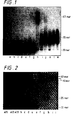
- DNA polymerisation blocking moiety If DNA polymerisation is not prevented by the polymerisation blocking moiety the full length oligonucleotide will be copied to give a 63 mer product as expected in control reaction (h). However, if the blocking moiety stops the enzyme (Taq DNA polymerase) then a 35 mer product is expected, this representing chain extension up to the start of the polymerisation blocking moiety.
- Each reaction contained 1 pmole of labelled oligonucleotide 5 and 3 pmoles of the appropriate long oligonucleotide 1-4, 6 and 8.
- the dNTPs where required as shown, were added to a final concentration of 100 ⁇ M each.
- the tubes were placed in a 91°C water bath for 2 minutes then at 60°C for 58 minutes. A 5 ⁇ l aliquot was taken from each tube.
- oligonucleotide 5 was added to 89 ⁇ l autoclaved deionised water (Milli Q Standard) and 10 ⁇ l of 10x buffer A (1x buffer A being as herein defined) and 5 ⁇ l of this taken to act as a marker for oligonucleotide 5. All the 5 ⁇ l aliquots were mixed with 5 ⁇ l formamide dye (80% formamide, 10mM NaOH 1mM EDTA and 0.1% Bromophenol Blue) and denatured by boiling for 5 minutes.
- 5 ⁇ l formamide dye 80% formamide, 10mM NaOH 1mM EDTA and 0.1% Bromophenol Blue
- the aliquots were electrophoresed on a pre-run (1hr, 500V) 15% denaturing polyacrylamide gel, 8M Urea in 1 x TBE buffer (0.089M TrisBorate, 0.089M boric acid, 0.002M EDTA) for 5 hours at 900V and autoradiographed for two hours at room temperature with X-ray film.
- the fully protected oligodeoxyribonucleotide of sequence (2) was prepared on an Applied Biosystems 380A DNA synthesiser from 5′- ⁇ , ⁇ -bis(p-methoxyphenyl)benzyl-N2-isobutyryl-2′ -deoxyguanosine bound to controlled pore glass via 3′-OH and a succinylglycylglycylaminopropyl spacer (Applied Biosystems Inc) and the 2-cyanoethyl- N , N -diisopropylaminophosphoramidite of 5′- ⁇ , ⁇ -bis(p-methoxyphenyl)benzyl- N6-benzoyl-2′-deoxyadenosine, 5′- ⁇ , ⁇ -bis(p-methoxyphenyl)benzyl-N4-benzoyl-2′- deoxycytidine, 5′- ⁇ , ⁇ -bis(p-methoxyphenyl)benzyl-N2-isobutyryl
- oligodeoxyribonucleotide sequence and those referred to below may be prepared by the manual methods as described by Atkinson and Smith in 'Oligonucleotide Synthesis, a Practical Approach' (M.J. Gait Editor, IRL Press, Oxford, Washington DC, pages 35-81).
- the detritylated oligodeoxyribonucleotide sequence was cleaved from the solid support and completely deprotected by treatment with ammonium hydroxide solution (sp.g. 0.88) for 16h. at 55°C.
- ammonium hydroxide solution was evaporated and the residue dissolved in water (1ml).
- An aliquot of the solution containing the oligodeoxyribonucleotide was purified as follows:-
- the sample was boiled for 5 minutes, immediately put on ice and loaded onto a 15% polyacrylamide denaturing gel (7M Urea) in 100mM TrisBorate, 2mM EDTA, pH 8.3 buffer. The gel had been prerun for 1 hour at 500V. The samples were electrophoresed overnight at 50V, that being until the bromophenol dye had run to the bottom of the (0.3 x 25 x 17 cm3) gel.
- the oligodeoxyribonucleotide was visualised by ultraviolet shadowing at 254nM on Merck 5554 20 x 20 aluminium backed thin layer chromotography plates covered with Saran wrap. The product bands were excised using a new scalpel for each oligodeoxyribonucleotide to prevent contamination.
- the gel slices were placed into 1 inch lengths of treated 1 inch wide dialysis tubing containing 1ml 10mM TrisBorate, 0.2mM EDTA, pH 8.3. Treatment of the tubing consisted of boiling in 1mM EDTA for 10 minutes and rinsing three times by boiling in autoclaved deionised water (Milli Q).
- the oligodeoxyribonucleotide was eluted from the gel slices by electroelution at 200V for one and a half hours at the end of which the polarity was reversed for about 45 seconds to remove any DNA stuck to the tubing.
- the electroeluate was transferred into a quartz spectrophotometer cuvette and the optical density read against the elution buffer.
- the concentration of the oligodeoxyribonucleotide was calculated from the optical density of the solution.
- the oligodeoxyribonucleotide was then concentrated by butanol extraction until the volume of the aqueous layer was about 500 ⁇ l.
- a phenol chloroform 1:1 mixture 500 ⁇ l was then added, mixed and the mixture centrifuged at 13,500 r.p.m for 2 minutes.
- the aqueous phase was removed and concentrated further by butanol extraction to about 50 ⁇ l. This was then dried under vacuum then reconstituted to 1pmole/ ⁇ l with autoclaved deionised water (Milli Q).
- the purity of the oligodeoxyribonucleotide was checked by labelling 1pmole of the purifed deoxynucleotide at the 5′ terminal hydroxyl group using ⁇ 32P ATP 100 ⁇ Ci (2 pmoles) (Amersham) and T4 polynucleotide kinase (4 units) in a 20 ⁇ l reaction volume containing 50mM Tris HCl pH7.6, 10mm MgCl2, 5mM DTT, 100 ⁇ M spermidine and 100 ⁇ M EDTA. The kinase reaction was carried out at 37°C for 20 minutes.
- 1-(2′-Deoxy- ⁇ -D-ribofuranosyl)naphthalene (0.88g, 4 mmole) prepared as described in 2b below] was dried by co-evaporations with anhydrous pyridine (2 x 10ml) and then stirred at ambient temperature for 2h with ⁇ , ⁇ -bis(p-methoxyphenyl)benzyl chloride (1.3g, 4.3mmole) in anhydrous pyridine (10ml). Methanol (5ml) was added and the residual oil remaining after the solvent was removed in vacuo taken up in chloroform (50ml).
- the crude product was obtained by successively washing the organic solution with equal volumes of a saturated solution of sodium hydrogen carbonate (2x) and with water (2x) and then removal of the solvent under reduced pressure after drying over magnesium sulphate (MgSO4).
- the product 1-[2′-deoxy- ⁇ -D-ribofuranosyl-5′-O- ⁇ , ⁇ -bis(p-methoxyphenyl)benzyl] naphthalene (0.6g; 30.5%) was isolated as a pale brown solid by chromatography on silica gel (Merck Art 9385) with elution by pyridine: methanol: dichloromethane (1:3:196), follwed by co-evaporation with toluene.
- naphthalene [(0.12g, 0.24m mole) prepared as described in 2c below] in a mixture of pyridine (10%); water (10%) and tetrahydrofuran (80%), (2ml) was added to a solution of n-tetrabutylammonium fluoride (0.73m mole) in THF and allowed to stand at ambient temperature for 16 hours.
- the crude product, (2.6g) was obtained after drying the organic solution over magnesium sulphate and removal of the solvent under reduced pressure.
- the product, 1-[ ⁇ -Ribofuranosyl-3′,5′-(1,1,3,3-tetraisopropyldisiloxyl)] naphthalene (0.8g, 1.6 mmole, 42%) was isolated as a colourless oil by flash chromatography on silica gel (Merck Art 9385) eluted with dichloromethane.
- oligodeoxyribonucleotides of sequence (3) and (4) as hereinbefore defined were prepared as described in Preparation A1 above, except that the position 5 on an Applied Biosystems DNA synthesiser contained a solution of 1-[3′-deoxy-5′-O- ⁇ , ⁇ -bis(p-methoxyphenyl)benzyl-2′-(methoxy-N,N-diiso propylaminophosphine)- ⁇ -D-ribofuranosyl]naphthalene [(70.0mg) prepared as described in B2 below] in anhydrous CH3CN (1ml) and the phosphoramidite was coupled by a standard coupling reaction used for normal phosphoramidites.
- the oligodeoxyribonucleotide was cleaved from the solid support, deprotected and purified by the procedure described in Preparation A1 above.
- the crude product was obtained by successively washing the organic solution with NaHCO3 aq (2x50ml) and with water (2x50ml) and by evaporation of the solvent in vacuo after drying over MgSO4.
- 1-[3′-Deoxy-5′-O- ⁇ , ⁇ -bis(p-methoxyphenyl)benzyl- ⁇ -D-ribofuranosyl]nap hthalene (0.7g, 71%) was isolated as a brown foam after flash chromatography on silica gel (Merck, Art 9385) with eluant of MeOH:CH2Cl2 (1:99) and by removal of the solvent in vacuo followed by co-evaporation with toluene.
- the crude product was obtained by the addition of butan-1-ol (300ml) and by successively washing the organic solution with NaHCO3 aq (2x150ml) and water (2x150ml) followed by evaporation under reduced pressure.
- the product, 1-(3′-deoxy- ⁇ -D-ribofuranosyl)naphthalene (0.44g, 17%) was isolated as a white crystalline solid after chromatography on silica gel (Merck, Art No. 9385) with eluant of MeOH:CH2Cl2 (1:9) and evaporation of the solvent in vacuo .
- 1-( ⁇ -D-ribofuranosyl)naphthalene (5.0g, 19.2mmole) prepared as described by Ohrui, H; Kuzuhara, H.; Emote,S. Agr.Biol.Chem 1972, 36 (9), 1651] in acetonitrile (50ml) was treated with acetonitrile: water (99:1) (5ml) and 2-acetoxyisobutyryl chloride (13.0g, 80mmole) and heated at 80°C for 1 hour. The reaction mixture was concentrated under reduced pressure and EtOAC (200ml) added.
- the fully protected oligodeoxyribonucleotide (6) was prepared as described in Preparation A1 except that position 5 on the Applied Biosystems DNA synthesiser contained a solution of N , N -diisopropylamino-[16- O - ⁇ , ⁇ -bis(p-methoxyphenyl)benzyl)hexadecan-1- O ] methoxyphosphine [72mg prepared as described in 1a below] in acetonitrile: 1,2-dichloroethane (3:2) (1ml) and the C-16 phosphoramidite was coupled by a standard coupling reaction used for normal phosphoramidites.
- the oligodeoxyribonucleotide was cleaved from the solid support, and 2ml of concentrated ammonia added. Deprotection was carried out overnight at 55°C in a waterbath. The oligonucleotide was dried under vacuum and resuspended in 1ml of autoclaved deionised water (Milli Q) and stored at -20°C ready for purification. 100 ⁇ l of the deprotected oligonucleotide was applied to an anion exchange column (Mono Q, Pharmacia) equilibrated with Buffer A (10mm NaOH, 0.5M NaCl).
- Flow rate was set to 1ml/min, chart speed 5mm/min, Absorbance Scale 1.0 Fraction size 0.5ml.
- the oligonucleotide was eluted with a gradient of Buffer B (10mM NaOH, 0.9M NaCl) 0-100% in 60 minutes.
- Peak 1 corresponds approximately to a 30mer (or less) whereas peak 2 corresponds to about a 60 mer. It is therefore probable that peak 2 contains the full length product.
- N -diisopropyl [16-O- ⁇ , ⁇ -bis(p-methoxyphenyl)benzyl hexadecan-1- O -] methoxyphosphine (0.62g, 48%) was isolated as a yellow oil by removing the solvent in vacuo and by chromatography on silica gel (Merck Art 9385) with eluant of Et3N:hexane (1:9).
- 1,16-Hexadecanediol (1.0g, 3.8mmole) was treated with ⁇ , ⁇ -bis(p-methoxyphenyl)benzyl chloride (1.28g, 3.8mmole) in pyridine (30ml) at ambient temperature for 16 hours. The solvent was removed in vacuo and the product, 16-O- ⁇ , ⁇ -bis(p-methoxyphenyl)benzylhexadecan-1-ol, (0.35g, 16%) was isolated as a brown oil by flash chromatography on silica gel (Merck Art 9385) with eluant of MeOH:CH2Cl2 (1:99). M/S (M+H)+561
- the fully protected oligodeoxyribonucleotide (8) was prepared as described in Preparation A1 above, except that position 5 on the Applied Biosystems DNA synthesiser contained a solution of the N , N -diisopropylaminomethylphosphoramidite of 5′-dimethoxytrityl-2′-deoxythymidine (0.25g) in anhydrous acetonitile (3.8ml) and the methylphosphoramidite was coupled by a standard coupling reaction used for normal phosphoramidites.
- the fully protected oligodeoxyribonucleotide sequence may be prepared by the manual methods as described by Atkinson and Smith in 'Oligonucleotide Synthesis, a Practical Approach' (M.J. Gait Editor, IRL Press, Oxford, Washington DC, pages 35-81).
- the detritylated oligodeoxyribonucleotide sequence was cleaved from the solid support and deprotected by treatment with ethylene diamine: ethanol (1:7 0.4ml) at 55°C for 55 minutes.
- the ethylene diamine in ethanol solution was evaporated at 50°C under reduced pressure and the residue was treated again with the ethylene diamine:ethanol solution at 55°C for 55 minutes.
- Oligonucleotide 2a AATTCCGTGCATAAGGCTGTGCTG N TCGACGAGAAAGGGACTGAAGCTGCTGGGGCCATG (where N is as described in oligonucleotide 2 in Example 1)
- Oligonucleotide 4a AATTCCGTGCATAAGGCTGTGCTG N TCGACGAGAAAGGGACTGAAGCTGCTGGGGCCATG (where N is as described in oligonucleotide 3 in Example 1).
- Oligonucleotide 8a AATTCCGTGCATAAGGCTGTGCTG N TCGACGAGAAAGGGACTGAAGCTGCTGGGGCCATG (where N is as described in oligonucleotide 8 in Example 1).
- This example demonstrates the use of metaphosphate and thymidine phosphoramidate polymerisation blocking moieties to prevent polynucleotide tail amplification.
- Oligonucleotide 20 AATTCCGTGCATAAGGCTGTGCTG NNNN TCGACGAGAAAGGGACTGAAGCTGCTGGGGCCATG wherein N represents a thymidine phosphormorpholidate group
- Oligonucleotide 21 AATTCCGTGCATAAGGCTGTGCTG N TCGACGAGAAAGGGACTGAAGCTGCTGGGGCCATG wherein N represents a thymidine phosphormorpholidate group
- Oligonucleotide 22 AATTCCGTGCATAAGGCTGTGCTG N TCGACGAGAAAGGGACTGAAGCTGCTGGGGCCATG wherein N represents a metaphosphate group
- Oligonucleotide 23 AATTCCGTGCATAAGGCTGTGCTG NNN TCGACGAGAAAGGGACTGAAGCTGCTGGGGCCATG wherein N represents a metaphosphate group
- the phosphoramidite at position 5 was coupled to the oligonucleotide bound to a controlled pore glass support by the standard procedures used for coupling normal phosphoramidites except that the trityl protecting group was removed by manual treatment with an aqueous solution of silver nitrate (0.25M, 1ml) at ambient temperature for 16 hours and, after washing with distilled water (2 x 1ml), by treatment with an aqueous solution of dithiothreitol (0.3M, 1ml, PH8.3) at ambient temperature for 16 hours.
- the detritylated oligonucleotide sequences were cleaved from the solid support and all the protecting groups removed by treatment with aqueous ammonia solution (sp.gr. 0.88, 55°C for 16 hours). After removal of the ammonia solution under reduced pressure at 50°C, the residue was dissolved in sterile water (1ml) and the metaphosphate bridged oligonucleotides isolated by polyacrylamide gel electrophoresis.
- the detritylated oligonucleotide sequences were cleaved from the controlled pore glass support and the protecting groups removed by treatment with aqueous ammonia solution (sp.gr. 0.88, 55°C, 16 hours). After removal of the ammonia solution under reduced pressure at 50°C, the residue was taken up in sterile water (1ml)and the phosphormorpholidate bridged oligonucleotides isolated by pholyacrylamide gel electrophoresis.
- oligonucleotide sequences were completed using normal cyanoethylphosphoramidite reagents and synthesis cycle and the detritylated oligonucleotide sequences were cleaved from the controlled pore glass support and deptrotected by standard treatment with ammonia solution (sp.gr. 0.88, 55°C, 16 hours). After removal of the ammonia solution (reduced pressure at 50°C) and the addition of sterile water (1ml), the tetraphosphormorpholidate bridged oligonucleotide was isolated by polacrylamide gel electrophoresis.
- the polymerase blocking activities may be underestimated because of the presence of the 63 mer bands in the controls with dNTPs omitted.
- the presence of these bands may be due to a carry over of polynucleotide kinase activity during combination of the template oligonucleotides with 32P phosphorylated oligonucleotide 5.
- This example demonstrates a microtitre plate test capture system to determine whether:-
- Oligonucleotide 13 TTTTTTTTTATCAACTTACTTGCCTATA Oligonucleotide 14; TTTTTTTTAGATCTTGGTTAACAATCGT Oligonucleotide 15; TTTTTTTTTTCGGTCCTCATAATACATACT these are used as capture oligonucleotides for complementary hybridisation with oligonucleotides 11, 12 and 10 respectively as set out in Example 5 below.
- Oligonucleotide 13 is identical to olgionucleotide 7 as disclosed in Example 1. The 5′(dT)10 residues were included as spacer elements between the hybridisation regions and their respective conjugants.
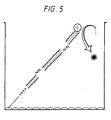
- oligonucleotides were immobilised on protein coated microtitre plates as follows with reference to Figure 4:- The chosen concentration was such that 100% binding represents 1 nmole oligonucleotide per well.
- Each oligonucleotide is a unique sequence, complementary to one of the capture oligonucleotides described above, and conjugated to the enzyme alkaline phosphatase (AP) using the E-linkTM oligonucleotide labelling kit (Cambridge Research Biochemicals). The labelling was carried out with a nominal concentration of each oligonucleotide (1.5 ⁇ M).
- Oligonucleotide 16 TTTTTTTTAGTATGTATTATGAGGACCG Oligonucleotide 17; TTTTTTTTTATAGGCAAGTAAGTTGATA Oligonucleotide 18; TTTTTTTTACGATTGTTAACCAAGATCT these are used as capture control oligonucleotides
- prehybridisation solution containing 0.6M NaCl, 20mM sodium phosphate pH 7.5, 1mM EDTA, 0.02% Ficoll, 0.02% polyvinylpyrrolidine and 0.02% bovine serum albumin, was added to each well and incubated in the dark at 37°C minutes. This was then removed by pipetting.
- the appropriate oligonucleotide enzyme conjugate was diluted 1 in 10 in a polymerase chain reaction (PCR) mix (100 ⁇ M dATP, 100 ⁇ M dGTP, 100 ⁇ M dCTP & 100 ⁇ M dTTP), 1.2mM MgCl2, 50mM KCl, 10mM Tris HCl pH 8.3, 0.01 gelatine) and 10 ⁇ l of diluted conjugate, ie. approximately 1.5 pmoles were added to 40 ⁇ l of 5X SSC (1.1 MNaCl, 0.825M sodium citrate pH 7.0 already added to each well). This was allowed to incubate in the dark at 37°C for 1 hour. Solutions were then removed by pipetting. Each of the test capture control oligonucleotides was added to a different set of microtitre wells as prepared above and with reference to Figure 4:-
- the final step was addition of 200 ⁇ l of a colour development solution comprising alkaline phosphatase (AP) 9.5 buffer (0. 1M Tris HCl pR 9.5, 0.1M NaCl, 5mM MgCl2) and containing NBT (0.33mg/ml) and BCIP (0.17mg/ml).
- the colour development solution was prepared as follows:- for 15 ml of reagent, 5mg of NBT was supsended in 1.5ml AP 9.5 buffer in a microcentrifuge tube, vortexed vigorously for 1-2 minutes and then centrifgued briefly. The supernatant was decanted into 10ml of AP 9.5 buffer, and warmed to 37°C in a polypropylene tube.
- the residual NBT pellet was extracted twice more with 1.5ml of AP 9.5 buffer and these supernatants pooled with the original solution.
- the tube was rinsed with a final 0.5ml of AP 9.5 buffer and also decanted into the 15 ml NBT stock solution.
- BCIP 2.5mg was dissolved in 50 ⁇ l of N,N-dimethylformamide and added dropwise with gentle mixing into the NBT solution.
- the solution was frozen at -20°C in 1 ml aliquots and then before use the solution was prewarmed to 37°C in a water bath. Colour was allowed to develop in the dark at 37°C and photographs were taken after 15 minutes and 2 hours 15 minutes.
- This example demonstrates the specific capture and detection of amplification products based on the S locus of the alpha-1-antitrypsin gene and using an internal amplification control based on sequence from exon V of the same gene.
- Detection of the immobilised products was achieved using an alkaline phosphatase (AP) conjugated common detection primer.
- AP alkaline phosphatase conjugated common detection primer.
- This common primer was prepared using the E-linkTM conjugation kit (Cambridge Research Biochemicals) as directed by the supplier and is complementary to the detection tail of all the amplified products.
- N represents a 3′deoxyribofuranosyl naphthalene moiety, the naphthalene moieties being linked via the 2′-PO4 grouping to the adjacent nucleotide:-
- Oligonucleotide 8b GTGTCGTCCCGCAGTCAATG NNNN CCCACCTTCCCCTCTCTCCAGGCAAATGGG this oligonucleotide is the common signal primer for carrying out the ARMS assay method.
- Oligonucleotide 9 GTCTCGTCCCGCAGTCAATG NNNN GAGACTTGGTATTTTGTTCAATCATTAAG Oligonucleotide 10 AGTATGTATTATGAGGACCG NNNN GTCCACGTGAGCCTTGCTCGAGGCCTGGG these oligonucleotides are for the exon V control reaction and are the signal and capture primers respectively.
- Oligonucleotide 11 TATAGGCAAGTAAGTTGATA NNNN TGGTGATGATATCGTGGGTGAGTTCATTTT Oligonucleotide 12; ACGATTGTTAACCAAGATCT NNNN TGGTGATGATATCGTGGGTGAGTTCATTTA oligonucleotides 11 and 12 are both capture primers and comprise respectively regions for complementary hybridisation to the published normal and mutant sequences of the S locus of the alpha-1-antitrypsin gene.
- Oligonucleotide 13 TTTTTTTTTATCAACTTACTTGCCTATA Oligonucleotide 14; TTTTTTTTAGATCTTGGTTAACAATCGT Oligonucleotide 15; TTTTTTTTTTCGGTCCTCATAATACATACT these are used as capture oligonucleotides for complementary hybridisation with oligonucleotides 11, 12 and 10 respectively.
- Oligonucleotide 13 is identical to olgionucleotide 7 as disclosed in Example 1. The 5′(dT)10 residues were included as spacer elements between the hybridisation regions and their respective conjugants.
- Oligonucleotide 16 TTTTTTTTAGTATGTATTATGAGGACCG Oligonucleotide 17; TTTTTTTTTATAGGCAAGTAAGTTGATA Oligonucleotide 18; TTTTTTTTACGATTGTTAACCAAGATCT these are used as capture control oligonucleotides
- Oligonucleotide 19 TTTTTTTTTTCATTGACTGCGGGACGACAC this is the common signal oligonucleotide for the ARMS assay method
- Oligonucleotides 13-15 and 16-19 were synthesised as 5′ aminoalkyl derivatives using aminoalkyl phosphoramidite (Amino-link 2, Applied Biosystems) in the final synthesis cycle on the DNA synthesiser. These oligonucleotides were conjugated to alkaline phosphatase (AP) using the E-LINKTM oligonucleotide labelling kit as directed by the supplier (Cambridge Research Biochemicals).
- AP alkaline phosphatase
- the samples were electrophoresed overnight at 140V, ie. until the dye had run to the bottom of the gel (0.3 x 24 x 17 cm3).
- the oligonucleotides were visualised by ultra violet shadowing at 254nm on a 20 x 20 aluminium backed thin layer chromatography plate (Merck 5554) covered with Saran wrap.
- the bands were excised using a new scalpel for each band to prevent cross-contamination.
- the gel slices were placed separately into a length of treated dialysis tubing (boiled in 1mM EDTA for ten minutes then rinsed 3X by boiling in milli Q water) containing 1ml 10mm Tris borate EDTA buffer pH 8.3.
- the oligonucleotides were electroeluted from the gel slice at 2100V for 1.5 hours, the polarity was then reversed for 45 seconds.
- the eluates were removed into 1.5ml quartz spectrophotometer cuvettes, the optical density at 220-330 nanometres was then scanned against the elution buffer and the concentration of oligonucleotide calculated based on the optical density at 260nm.
- the oligonucleotides were then concentrated by butanol extraction until the volume of the aqueous layer was ⁇ 500 ⁇ l. A phenol chloroform 1:1 (500 ⁇ l) extraction was included.
- the aqueous phase was removed and further concentrated by butanol extraction to ⁇ 50 ⁇ l. This was then dried under vacuum and reconstituted with filtered MilliQ water to 50 pmoles/ ⁇ l ready for the amplification reactions.
- the capture oligonucleotides (200 ⁇ l, 0.2 ⁇ Mol synthesis) were mixed separately with 4mg/ml iminothiolane in 0.2M Na2CO3/ HCO3 pH 9.6 (300 ⁇ l) and incubated at ambient temperature for 1 hour.
- the reactions were diluted to 1ml with phosphate buffered saline (PBS) and desalted on a Nap-25 column (Pharmacia). The columns were washed with PBS (2.2ml). The first 1.6ml eluted was retained and the oligonucleotide concentrations were measured by u.v. spectrometry.
- PBS phosphate buffered saline
- Oligonucleotide immobilisation to microtitre wells was performed using a modification of the method described by Running, J.A. and Urdea, M.S., (1990), Biotechniques, 8 , 276-277.
- Poly (Phe-Lys) (Sigma) was dissolved to 100ug/ml in 50mM Na2CO3/HCO3, pH 9.6 and 100 ⁇ l of this solution was added to each well of five clear polystyrene microtitre dishes (Nunc). The dishes were incubated overnight at 4 o C then washed 3 times with PBS/0.05% Tween.
- SMCC Succinimidyl 4-(N-maleimidomethyl)cyclohexane-1-carboxylate
- the wells were washed twice with PBS/0.05% Tween, twice with 5% lactose, 0.5% gelatin, 0.1% N3Na, 6mM PBS, pH 7.5. Finally the coated dishes were dried overnight in a laminar flow cabinet. The dishes were stored at 4 o C in vacuo .
- 1 ⁇ l DNA was added to a tube containing 1.2mM MgCl2, 50mM KCl, 10mM Tris HCl pH 8.3, 0.01% gelatin, and 100 ⁇ M dATP, 100 ⁇ M dGTP, 100 ⁇ M dCTP & 100 ⁇ M dTTP to make a reaction volume of 98 ⁇ l to a final concentration of 100 ⁇ M each and 50 p moles each of oligonucleotides 8b, 9, 10 and 11 (the ARMS primer specific for the normal allele).
- 1 ⁇ l DNA was also added to a similar tube containing oligonucleotide 12 (the ARMS primer specific for the S variant allele) instead of oligonucleotide 11.
- Oligonucleotide 19 the common signal primer was conjgated to alkaline phosphatase using the E-linkTM oligonucleotide labelling kit (Cambridge Research Biochemicals). The solutions are the same as those described in detail in Example 4 above unless otherwise stated:-
Landscapes
- Chemical & Material Sciences (AREA)
- Life Sciences & Earth Sciences (AREA)
- Organic Chemistry (AREA)
- Health & Medical Sciences (AREA)
- Engineering & Computer Science (AREA)
- Proteomics, Peptides & Aminoacids (AREA)
- Zoology (AREA)
- Wood Science & Technology (AREA)
- Molecular Biology (AREA)
- Biochemistry (AREA)
- Genetics & Genomics (AREA)
- General Health & Medical Sciences (AREA)
- Biotechnology (AREA)
- Analytical Chemistry (AREA)
- Bioinformatics & Cheminformatics (AREA)
- Physics & Mathematics (AREA)
- Biophysics (AREA)
- General Engineering & Computer Science (AREA)
- Microbiology (AREA)
- Immunology (AREA)
- Chemical Kinetics & Catalysis (AREA)
- Measuring Or Testing Involving Enzymes Or Micro-Organisms (AREA)
- Amplifiers (AREA)
- Saccharide Compounds (AREA)
- Optical Communication System (AREA)
Applications Claiming Priority (2)
| Application Number | Priority Date | Filing Date | Title |
|---|---|---|---|
| GB8920097 | 1989-09-06 | ||
| GB898920097A GB8920097D0 (en) | 1989-09-06 | 1989-09-06 | Amplification processes |
Publications (3)
| Publication Number | Publication Date |
|---|---|
| EP0416817A2 true EP0416817A2 (fr) | 1991-03-13 |
| EP0416817A3 EP0416817A3 (en) | 1991-09-04 |
| EP0416817B1 EP0416817B1 (fr) | 1996-10-16 |
Family
ID=10662595
Family Applications (1)
| Application Number | Title | Priority Date | Filing Date |
|---|---|---|---|
| EP90309502A Expired - Lifetime EP0416817B1 (fr) | 1989-09-06 | 1990-08-30 | Procédé d'amplification |
Country Status (8)
| Country | Link |
|---|---|
| US (1) | US5525494A (fr) |
| EP (1) | EP0416817B1 (fr) |
| JP (1) | JP3165431B2 (fr) |
| AT (1) | ATE144290T1 (fr) |
| AU (1) | AU622349B2 (fr) |
| DE (1) | DE69028891T2 (fr) |
| GB (2) | GB8920097D0 (fr) |
| NZ (1) | NZ235015A (fr) |
Cited By (45)
| Publication number | Priority date | Publication date | Assignee | Title |
|---|---|---|---|---|
| WO1992018646A1 (fr) * | 1991-04-18 | 1992-10-29 | The Solicitor For The Affairs Of Her Majesty's Treasury | Sondes et amorces de nucleotides pour analyses genetiques |
| EP0530009A3 (en) * | 1991-08-27 | 1993-11-03 | Ici Plc | Method of characterising genomic dna |
| EP0521111A4 (en) * | 1990-03-23 | 1994-06-01 | Chiron Corp | Polynucleotide capture assay employing in vitro amplification |
| US5426039A (en) * | 1993-09-08 | 1995-06-20 | Bio-Rad Laboratories, Inc. | Direct molecular cloning of primer extended DNA containing an alkane diol |
| EP0607151A4 (fr) * | 1992-06-17 | 1996-11-27 | Hope City | Procede de detection de sequences d'acide nucleique et de discrimination entre ces sequences. |
| GB2312747A (en) * | 1996-05-04 | 1997-11-05 | Zeneca Ltd | Primers with non-complementary tails for detection of diagnostic base sequences |
| WO1997042345A1 (fr) * | 1996-05-04 | 1997-11-13 | Zeneca Limited | Procede de detection de sequences de bases d'acides nucleiques |
| WO1998014610A3 (fr) * | 1996-10-04 | 1998-05-22 | Perkin Elmer Corp | Procedes et compositions de capture de polynucleotides multiplex |
| WO1998045475A1 (fr) * | 1997-04-09 | 1998-10-15 | Cis Bio International | Systemes de detection d'hybridation d'acides nucleiques, leur procede de preparation et leurs utilisations |
| US5853989A (en) * | 1991-08-27 | 1998-12-29 | Zeneca Limited | Method of characterisation of genomic DNA |
| EP0710296A4 (fr) * | 1993-07-23 | 1999-05-26 | Bio Rad Laboratories | Amplification lineaire enchainee d'acides nucleiques |
| EP0832278A4 (fr) * | 1995-06-07 | 1999-05-26 | Bio Rad Laboratories | Amplification lineaire liee d'acides nucleiques |
| US5981176A (en) * | 1992-06-17 | 1999-11-09 | City Of Hope | Method of detecting and discriminating between nucleic acid sequences |
| US6027923A (en) * | 1993-07-23 | 2000-02-22 | Bio-Rad Laboratories, Inc. | Linked linear amplification of nucleic acids |
| WO2000047767A1 (fr) * | 1999-02-11 | 2000-08-17 | Astrazeneca Ab | Ensemble d'oligonucléotides et ses méthodes d'utilisation |
| WO2000047766A1 (fr) * | 1999-02-11 | 2000-08-17 | Astrazeneca Ab | Methode pour detecter des nucleotides alleliques par amplification multiplex arms |
| WO2000058516A3 (fr) * | 1999-03-26 | 2001-07-19 | Whitehead Biomedical Inst | Reseaux universels |
| US6326145B1 (en) | 1998-06-13 | 2001-12-04 | Zeneca Limited | Methods for detecting target nucleic acid sequences |
| US6335184B1 (en) | 1993-07-23 | 2002-01-01 | Bio-Rad Laboratories, Inc. | Linked linear amplification of nucleic acids |
| US6458530B1 (en) | 1996-04-04 | 2002-10-01 | Affymetrix Inc. | Selecting tag nucleic acids |
| WO2002061143A3 (fr) * | 2001-01-31 | 2003-03-27 | Ambion Inc | Analyse comparative des acides nucleiques par marquage de population |
| WO2002024944A3 (fr) * | 2000-09-18 | 2003-05-08 | November Ag Molekulare Medizin | Procede de detection d'une sequence d'acide nucleique |
| WO2001090417A3 (fr) * | 2000-05-19 | 2003-08-07 | Eragen Biosciences Inc | Materiaux et procedes de detection d'acides nucleiques |
| EP1302547A3 (fr) * | 1992-06-17 | 2003-11-12 | City Of Hope | Procédé de détection de séquences d'acide nuclèique et de discrimination entre ces séquences |
| US7056666B2 (en) | 1990-12-06 | 2006-06-06 | Affymetrix, Inc. | Analysis of surface immobilized polymers utilizing microfluorescence detection |
| EP1481088A4 (fr) * | 2002-03-01 | 2006-08-23 | Integrated Dna Tech Inc | Amplification polynomiale d'acides nucleiques |
| US7192700B2 (en) | 2002-12-20 | 2007-03-20 | Orchid Cellmark Inc. | Methods and compositions for conducting primer extension and polymorphism detection reactions |
| US7238476B2 (en) | 2002-08-02 | 2007-07-03 | Orchid Cellmark, Inc. | Methods and compositions for genotyping |
| WO2011018774A1 (fr) | 2009-08-13 | 2011-02-17 | Centre National De La Recherche Scientifique | Procede de detection d'un adn circularise et utilisation de ce procede pour la detection de mutations |
| US7892796B2 (en) | 2000-10-14 | 2011-02-22 | Eragen Biosciences, Inc. | Solid support assay systems and methods utilizing non-standard bases |
| US8071562B2 (en) * | 2007-12-01 | 2011-12-06 | Mirna Therapeutics, Inc. | MiR-124 regulated genes and pathways as targets for therapeutic intervention |
| US8313932B2 (en) | 2003-04-01 | 2012-11-20 | Luminex Corporation | Polymerase inhibitor and method of using same |
| US8399197B2 (en) | 2002-03-01 | 2013-03-19 | Integrated Dna Technologies, Inc. | Methods for amplifying polymeric nucleic acids |
| US8440406B2 (en) | 2009-10-23 | 2013-05-14 | Luminex Corporation | Amplification primers with non-standard bases for increased reaction specificity |
| US8765709B2 (en) | 2004-11-12 | 2014-07-01 | Asuragen, Inc. | Methods and compositions involving miRNA and miRNA inhibitor molecules |
| US8936913B2 (en) | 2005-06-07 | 2015-01-20 | Luminex Corporation | Methods for detection and typing of nucleic acids |
| EP2369007B1 (fr) * | 1996-05-29 | 2015-07-29 | Cornell Research Foundation, Inc. | Détection de différences entre des séquences d'acides nucléiques faisant appel à la réaction de détection par ligation en chaîne couplée à la réaction de polymérisation en chaîne |
| US9222085B2 (en) | 2011-02-03 | 2015-12-29 | Mirna Therapeutics, Inc. | Synthetic mimics of MIR-124 |
| US9365852B2 (en) | 2008-05-08 | 2016-06-14 | Mirna Therapeutics, Inc. | Compositions and methods related to miRNA modulation of neovascularization or angiogenesis |
| US9644241B2 (en) | 2011-09-13 | 2017-05-09 | Interpace Diagnostics, Llc | Methods and compositions involving miR-135B for distinguishing pancreatic cancer from benign pancreatic disease |
| US9783844B2 (en) | 2012-04-27 | 2017-10-10 | Kaneka Corporation | Method for amplifying nucleic acid and method for detecting amplified nucleic acid |
| US9863001B2 (en) | 2003-08-15 | 2018-01-09 | Epigenomics Ag | Method for the detection of cytosine methylations in DNA |
| US9920356B2 (en) | 2010-11-24 | 2018-03-20 | Kaneka Corporation | Amplified nucleic acid detection method and detection device |
| US10047388B2 (en) | 2004-05-28 | 2018-08-14 | Asuragen, Inc. | Methods and compositions involving MicroRNA |
| US10392652B2 (en) | 2013-11-22 | 2019-08-27 | Kaneka Corporation | Micro RNA detection method using two primers to produce an amplified double stranded DNA fragment having a single stranded region at one end |
Families Citing this family (39)
| Publication number | Priority date | Publication date | Assignee | Title |
|---|---|---|---|---|
| US5916776A (en) * | 1997-08-27 | 1999-06-29 | Sarnoff Corporation | Amplification method for a polynucleotide |
| WO2000061806A2 (fr) * | 1999-04-09 | 2000-10-19 | Arcturus Engineering, Inc. | Reseau generique d'adnc ou de proteines destine a des bioanalyses personnalisees |
| US6316200B1 (en) * | 2000-06-08 | 2001-11-13 | Becton, Dickinson And Company | Probes and methods for detection of nucleic acids |
| US20020025519A1 (en) * | 1999-06-17 | 2002-02-28 | David J. Wright | Methods and oligonucleotides for detecting nucleic acid sequence variations |
| US20030165913A1 (en) * | 1999-06-17 | 2003-09-04 | Sha-Sha Wang | Methods for detecting nucleic acid sequence variations |
| US6232104B1 (en) | 1999-08-17 | 2001-05-15 | Dade Behring Inc. | Detection of differences in nucleic acids by inhibition of spontaneous DNA branch migration |
| US6709816B1 (en) * | 1999-10-18 | 2004-03-23 | Affymetrix, Inc. | Identification of alleles |
| US6287778B1 (en) * | 1999-10-19 | 2001-09-11 | Affymetrix, Inc. | Allele detection using primer extension with sequence-coded identity tags |
| US6844154B2 (en) * | 2000-04-04 | 2005-01-18 | Polygenyx, Inc. | High throughput methods for haplotyping |
| US7238505B2 (en) * | 2000-10-04 | 2007-07-03 | Ahram Biosystems Inc. | Immobilized DNA polymerase |
| DE10119006A1 (de) | 2001-04-18 | 2002-10-24 | Roche Diagnostics Gmbh | Verfahren zur Verbesserung der Stabilität linearer DNA in zellfreien in vitro Transkriptions/Translations-Systemen |
| US6632938B2 (en) * | 2001-06-07 | 2003-10-14 | Isis Pharmaceuticals, Inc. | Processes of purifying oligonucleotides |
| US6977163B1 (en) | 2001-06-13 | 2005-12-20 | Caliper Life Sciences, Inc. | Methods and systems for performing multiple reactions by interfacial mixing |
| US20110151438A9 (en) | 2001-11-19 | 2011-06-23 | Affymetrix, Inc. | Methods of Analysis of Methylation |
| US7208295B2 (en) * | 2001-11-19 | 2007-04-24 | Affymetrix, Inc. | Multiplex oligonucleotide addition and target amplification |
| US8394944B2 (en) * | 2002-09-20 | 2013-03-12 | Siemens Healthcare Diagnostics Inc. | Dual-purpose primers and probes for providing enhanced hybridization assays by disruption of secondary structure formation |
| US20040197803A1 (en) * | 2002-12-06 | 2004-10-07 | Hidenobu Yaku | Method, primer and kit for determining base type |
| US7514212B2 (en) | 2003-01-17 | 2009-04-07 | Eragen Biosciences, Inc. | Nucleic acid amplification using non-standard bases |
| CN100577815C (zh) | 2003-05-01 | 2010-01-06 | 维里德克斯有限责任公司 | 手术中的淋巴结检测 |
| CN101432437A (zh) * | 2004-06-04 | 2009-05-13 | 维里德克斯有限责任公司 | 诊断或预测乳腺癌的进程 |
| US20070154889A1 (en) * | 2004-06-25 | 2007-07-05 | Veridex, Llc | Methods and reagents for the detection of melanoma |
| WO2006071770A2 (fr) * | 2004-12-23 | 2006-07-06 | I-Stat Corporation | Systeme et procedes de diagnostic moleculaire |
| WO2006101913A2 (fr) | 2005-03-18 | 2006-09-28 | Eragen Biosciences, Inc. | Procedes destines a detecter des especes et des sous-especes multiples de neiserria |
| US20070099195A1 (en) * | 2005-11-02 | 2007-05-03 | Huang Xiaohua C | Methods and compositions for separating nucleic acids from a solid support |
| EP1966366A4 (fr) | 2005-12-29 | 2011-06-15 | I Stat Corp | Systeme et procedes d'amplification pour diagnostic moleculaire |
| EP2099930B1 (fr) | 2006-12-13 | 2015-02-18 | Luminex Corporation | Systèmes et procédés d'analyse multiplex de pcr en temps réel |
| US9938641B2 (en) | 2006-12-18 | 2018-04-10 | Fluidigm Corporation | Selection of aptamers based on geometry |
| DE102007029772B4 (de) * | 2007-06-22 | 2011-12-08 | Aj Innuscreen Gmbh | Verfahren und Schnelltest zum Nachweis spezifischer Nukleinsäuresequenzen |
| US8361714B2 (en) | 2007-09-14 | 2013-01-29 | Asuragen, Inc. | Micrornas differentially expressed in cervical cancer and uses thereof |
| EP2218019A4 (fr) * | 2007-11-02 | 2012-04-18 | Hunch Inc | Installation interactive de conseil à apprentissage automatique |
| EP2215245A2 (fr) * | 2007-11-02 | 2010-08-11 | Luminex Molecular Diagnostics, Inc. | Épreuve biologique de détection de cible s'effectuant en une seule étape |
| US8008019B2 (en) * | 2007-11-28 | 2011-08-30 | Luminex Molecular Diagnostics | Use of dual-tags for the evaluation of genomic variable repeat regions |
| JP5785942B2 (ja) | 2009-06-29 | 2015-09-30 | ルミネックス コーポレーション | ヘアピンコンフォメーションを有するキメラプライマーおよびその使用法 |
| EP2566981A2 (fr) * | 2010-05-07 | 2013-03-13 | Quantibact A/s | Méthode de production d'un acide nucléique double brin avec un surplomb simple brin |
| JP5503021B2 (ja) * | 2011-09-14 | 2014-05-28 | 日本碍子株式会社 | 標的核酸の検出方法 |
| WO2013038534A1 (fr) * | 2011-09-14 | 2013-03-21 | 日本碍子株式会社 | Procédé de détection d'un acide nucléique cible |
| US9115394B2 (en) * | 2011-12-22 | 2015-08-25 | Roche Molecular Systems, Inc. | Methods and reagents for reducing non-specific amplification |
| US9745633B2 (en) * | 2013-06-28 | 2017-08-29 | Diacarta Ltd | Detection of PNA clamping |
| GB201509578D0 (en) * | 2015-06-03 | 2015-07-15 | Univ Singapore | Vectors |
Family Cites Families (8)
| Publication number | Priority date | Publication date | Assignee | Title |
|---|---|---|---|---|
| DK171161B1 (da) * | 1985-03-28 | 1996-07-08 | Hoffmann La Roche | Fremgangsmåde til påvisning af forekomst eller fravær af mindst én specifik nukleinsyresekvens i en prøve eller til skelnen mellem to forskellige nukleinsyresekvenser i denne prøve |
| US4683195A (en) * | 1986-01-30 | 1987-07-28 | Cetus Corporation | Process for amplifying, detecting, and/or-cloning nucleic acid sequences |
| US4683202A (en) * | 1985-03-28 | 1987-07-28 | Cetus Corporation | Process for amplifying nucleic acid sequences |
| CA1284931C (fr) * | 1986-03-13 | 1991-06-18 | Henry A. Erlich | Procede de detection de variations specifiques de nucleotides et de polymorphismes genetiques dans les acides nucleiques |
| AU622104B2 (en) * | 1987-03-11 | 1992-04-02 | Sangtec Molecular Diagnostics Ab | Method of assaying of nucleic acids, a reagent combination and kit therefore |
| IE61148B1 (en) * | 1988-03-10 | 1994-10-05 | Ici Plc | Method of detecting nucleotide sequences |
| GB8818020D0 (en) * | 1988-07-28 | 1988-09-01 | Ici Plc | Method for amplification of nucleotide sequences |
| WO1990012115A1 (fr) * | 1989-03-21 | 1990-10-18 | Collaborative Research, Inc. | Test de diagnostic de l'adn utilisant une activite d'exonuclease |
-
1989
- 1989-09-06 GB GB898920097A patent/GB8920097D0/en active Pending
-
1990
- 1990-08-21 AU AU61184/90A patent/AU622349B2/en not_active Expired
- 1990-08-22 NZ NZ235015A patent/NZ235015A/en unknown
- 1990-08-30 DE DE69028891T patent/DE69028891T2/de not_active Expired - Lifetime
- 1990-08-30 AT AT90309502T patent/ATE144290T1/de not_active IP Right Cessation
- 1990-08-30 EP EP90309502A patent/EP0416817B1/fr not_active Expired - Lifetime
- 1990-08-30 GB GB9018939A patent/GB2235689B/en not_active Revoked
- 1990-09-06 JP JP23689590A patent/JP3165431B2/ja not_active Expired - Lifetime
-
1994
- 1994-02-23 US US08/200,296 patent/US5525494A/en not_active Expired - Lifetime
Cited By (77)
| Publication number | Priority date | Publication date | Assignee | Title |
|---|---|---|---|---|
| EP0521111A4 (en) * | 1990-03-23 | 1994-06-01 | Chiron Corp | Polynucleotide capture assay employing in vitro amplification |
| US7459275B2 (en) | 1990-12-06 | 2008-12-02 | Affymetrix, Inc. | Sequencing of surface immobilized polymers utilizing microfluorescence detection |
| US7329496B2 (en) | 1990-12-06 | 2008-02-12 | Affymetrix, Inc. | Sequencing of surface immobilized polymers utilizing microflourescence detection |
| US7056666B2 (en) | 1990-12-06 | 2006-06-06 | Affymetrix, Inc. | Analysis of surface immobilized polymers utilizing microfluorescence detection |
| WO1992018646A1 (fr) * | 1991-04-18 | 1992-10-29 | The Solicitor For The Affairs Of Her Majesty's Treasury | Sondes et amorces de nucleotides pour analyses genetiques |
| US5853989A (en) * | 1991-08-27 | 1998-12-29 | Zeneca Limited | Method of characterisation of genomic DNA |
| EP0731177A3 (fr) * | 1991-08-27 | 1996-11-06 | Zeneca Ltd | Procédé pour la caractérisation de l'ADN génomique |
| EP0530009A3 (en) * | 1991-08-27 | 1993-11-03 | Ici Plc | Method of characterising genomic dna |
| US5811235A (en) * | 1991-08-27 | 1998-09-22 | Zeneca Limited | Method of characterisation |
| EP1302547A3 (fr) * | 1992-06-17 | 2003-11-12 | City Of Hope | Procédé de détection de séquences d'acide nuclèique et de discrimination entre ces séquences |
| EP0607151A4 (fr) * | 1992-06-17 | 1996-11-27 | Hope City | Procede de detection de sequences d'acide nucleique et de discrimination entre ces sequences. |
| US6627402B2 (en) | 1992-06-17 | 2003-09-30 | City Of Hope | Method of detecting and discriminating between nucleic acid sequences |
| US5981176A (en) * | 1992-06-17 | 1999-11-09 | City Of Hope | Method of detecting and discriminating between nucleic acid sequences |
| US6335184B1 (en) | 1993-07-23 | 2002-01-01 | Bio-Rad Laboratories, Inc. | Linked linear amplification of nucleic acids |
| EP0710296A4 (fr) * | 1993-07-23 | 1999-05-26 | Bio Rad Laboratories | Amplification lineaire enchainee d'acides nucleiques |
| US6027923A (en) * | 1993-07-23 | 2000-02-22 | Bio-Rad Laboratories, Inc. | Linked linear amplification of nucleic acids |
| US5426039A (en) * | 1993-09-08 | 1995-06-20 | Bio-Rad Laboratories, Inc. | Direct molecular cloning of primer extended DNA containing an alkane diol |
| EP0722487A4 (fr) * | 1993-09-08 | 1997-08-20 | Bio Rad Laboratories | Clonage moleculaire direct d'adn obtenu par extension d'amorce |
| EP0832278A4 (fr) * | 1995-06-07 | 1999-05-26 | Bio Rad Laboratories | Amplification lineaire liee d'acides nucleiques |
| US6458530B1 (en) | 1996-04-04 | 2002-10-01 | Affymetrix Inc. | Selecting tag nucleic acids |
| GB2312747B (en) * | 1996-05-04 | 1998-07-22 | Zeneca Ltd | Method for the detection of diagnostic base sequences using tailed primers having a detector region |
| US6270967B1 (en) | 1996-05-04 | 2001-08-07 | Zeneca Limited | Method for detecting a nucleic acid base sequence |
| GB2312747A (en) * | 1996-05-04 | 1997-11-05 | Zeneca Ltd | Primers with non-complementary tails for detection of diagnostic base sequences |
| WO1997042345A1 (fr) * | 1996-05-04 | 1997-11-13 | Zeneca Limited | Procede de detection de sequences de bases d'acides nucleiques |
| EP2369007B1 (fr) * | 1996-05-29 | 2015-07-29 | Cornell Research Foundation, Inc. | Détection de différences entre des séquences d'acides nucléiques faisant appel à la réaction de détection par ligation en chaîne couplée à la réaction de polymérisation en chaîne |
| US6124092A (en) * | 1996-10-04 | 2000-09-26 | The Perkin-Elmer Corporation | Multiplex polynucleotide capture methods and compositions |
| US6514699B1 (en) | 1996-10-04 | 2003-02-04 | Pe Corporation (Ny) | Multiplex polynucleotide capture methods and compositions |
| WO1998014610A3 (fr) * | 1996-10-04 | 1998-05-22 | Perkin Elmer Corp | Procedes et compositions de capture de polynucleotides multiplex |
| FR2762013A1 (fr) * | 1997-04-09 | 1998-10-16 | Cis Bio Int | Systemes de detection d'hybridation d'acides nucleiques, leur procede de preparation et leurs utilisations |
| WO1998045475A1 (fr) * | 1997-04-09 | 1998-10-15 | Cis Bio International | Systemes de detection d'hybridation d'acides nucleiques, leur procede de preparation et leurs utilisations |
| US6210932B1 (en) | 1997-04-09 | 2001-04-03 | Cis Bio International | System for detecting nucleic acid hybridization, preparation method and application thereof |
| US6326145B1 (en) | 1998-06-13 | 2001-12-04 | Zeneca Limited | Methods for detecting target nucleic acid sequences |
| US9273350B2 (en) | 1998-06-13 | 2016-03-01 | Qiagen Manchester Limited | Methods and primers for detecting target nucleic acid sequences |
| WO2000047767A1 (fr) * | 1999-02-11 | 2000-08-17 | Astrazeneca Ab | Ensemble d'oligonucléotides et ses méthodes d'utilisation |
| WO2000047766A1 (fr) * | 1999-02-11 | 2000-08-17 | Astrazeneca Ab | Methode pour detecter des nucleotides alleliques par amplification multiplex arms |
| WO2000058516A3 (fr) * | 1999-03-26 | 2001-07-19 | Whitehead Biomedical Inst | Reseaux universels |
| US7422850B2 (en) | 2000-05-19 | 2008-09-09 | Eragen Biosciences, Inc. | Materials and methods for detection of nucleic acids |
| US9611509B2 (en) | 2000-05-19 | 2017-04-04 | Luminex Corporation | Materials and methods for detection of nucleic acids |
| US8518671B2 (en) | 2000-05-19 | 2013-08-27 | Luminex Corporation | Solid support assay systems and methods utilizing non-standard bases |
| US8519117B2 (en) | 2000-05-19 | 2013-08-27 | Luminex Corporation | Materials and methods for detection of nucleic acids |
| WO2001090417A3 (fr) * | 2000-05-19 | 2003-08-07 | Eragen Biosciences Inc | Materiaux et procedes de detection d'acides nucleiques |
| US7541147B2 (en) | 2000-05-19 | 2009-06-02 | Eragen Biosciences, Inc. | Materials and methods for detection of nucleic acids |
| US10240189B2 (en) | 2000-05-19 | 2019-03-26 | Luminex Corporation | Solid support assay systems and methods utilizing non-standard bases |
| US8969047B2 (en) | 2000-05-19 | 2015-03-03 | Luminex Corporation | Solid support assay systems and methods utilizing non-standard bases |
| US8217160B2 (en) | 2000-05-19 | 2012-07-10 | Eragen Biosciences, Inc. | Solid support assay systems and methods utilizing non-standard bases |
| WO2002024944A3 (fr) * | 2000-09-18 | 2003-05-08 | November Ag Molekulare Medizin | Procede de detection d'une sequence d'acide nucleique |
| US7892796B2 (en) | 2000-10-14 | 2011-02-22 | Eragen Biosciences, Inc. | Solid support assay systems and methods utilizing non-standard bases |
| WO2002061143A3 (fr) * | 2001-01-31 | 2003-03-27 | Ambion Inc | Analyse comparative des acides nucleiques par marquage de population |
| US8399197B2 (en) | 2002-03-01 | 2013-03-19 | Integrated Dna Technologies, Inc. | Methods for amplifying polymeric nucleic acids |
| EP1481088A4 (fr) * | 2002-03-01 | 2006-08-23 | Integrated Dna Tech Inc | Amplification polynomiale d'acides nucleiques |
| US7238476B2 (en) | 2002-08-02 | 2007-07-03 | Orchid Cellmark, Inc. | Methods and compositions for genotyping |
| US7192700B2 (en) | 2002-12-20 | 2007-03-20 | Orchid Cellmark Inc. | Methods and compositions for conducting primer extension and polymorphism detection reactions |
| US8313932B2 (en) | 2003-04-01 | 2012-11-20 | Luminex Corporation | Polymerase inhibitor and method of using same |
| US9863001B2 (en) | 2003-08-15 | 2018-01-09 | Epigenomics Ag | Method for the detection of cytosine methylations in DNA |
| US10047388B2 (en) | 2004-05-28 | 2018-08-14 | Asuragen, Inc. | Methods and compositions involving MicroRNA |
| US9382537B2 (en) | 2004-11-12 | 2016-07-05 | Asuragen, Inc. | Methods and compositions involving miRNA and miRNA inhibitor molecules |
| US8765709B2 (en) | 2004-11-12 | 2014-07-01 | Asuragen, Inc. | Methods and compositions involving miRNA and miRNA inhibitor molecules |
| US9051571B2 (en) | 2004-11-12 | 2015-06-09 | Asuragen, Inc. | Methods and compositions involving miRNA and miRNA inhibitor molecules |
| US9068219B2 (en) | 2004-11-12 | 2015-06-30 | Asuragen, Inc. | Methods and compositions involving miRNA and miRNA inhibitor molecules |
| US9506061B2 (en) | 2004-11-12 | 2016-11-29 | Asuragen, Inc. | Methods and compositions involving miRNA and miRNA inhibitor molecules |
| US9447414B2 (en) | 2004-11-12 | 2016-09-20 | Asuragen, Inc. | Methods and compositions involving miRNA and miRNA inhibitor molecules |
| US9562261B2 (en) | 2005-06-07 | 2017-02-07 | Luminex Corporation | Methods for detection and typing of nucleic acids |
| US8936913B2 (en) | 2005-06-07 | 2015-01-20 | Luminex Corporation | Methods for detection and typing of nucleic acids |
| US10385412B2 (en) | 2005-06-07 | 2019-08-20 | Luminex Corporation | Methods for detection and typing of nucleic acids |
| US8071562B2 (en) * | 2007-12-01 | 2011-12-06 | Mirna Therapeutics, Inc. | MiR-124 regulated genes and pathways as targets for therapeutic intervention |
| US9365852B2 (en) | 2008-05-08 | 2016-06-14 | Mirna Therapeutics, Inc. | Compositions and methods related to miRNA modulation of neovascularization or angiogenesis |
| US9499859B2 (en) | 2009-08-13 | 2016-11-22 | Ulrich Bockelmann | Method for detecting a circularized DNA, and use of said method for detecting mutations |
| FR2949120A1 (fr) * | 2009-08-13 | 2011-02-18 | Centre Nat Rech Scient | Procede de detection d'un adn circularise et utilisation de ce procede pour la detection de mutations |
| WO2011018774A1 (fr) | 2009-08-13 | 2011-02-17 | Centre National De La Recherche Scientifique | Procede de detection d'un adn circularise et utilisation de ce procede pour la detection de mutations |
| US8440406B2 (en) | 2009-10-23 | 2013-05-14 | Luminex Corporation | Amplification primers with non-standard bases for increased reaction specificity |
| US9920356B2 (en) | 2010-11-24 | 2018-03-20 | Kaneka Corporation | Amplified nucleic acid detection method and detection device |
| US10829805B2 (en) | 2010-11-24 | 2020-11-10 | Kaneka Corporation | Amplified nucleic acid detection method and detection device |
| US9222085B2 (en) | 2011-02-03 | 2015-12-29 | Mirna Therapeutics, Inc. | Synthetic mimics of MIR-124 |
| US9644241B2 (en) | 2011-09-13 | 2017-05-09 | Interpace Diagnostics, Llc | Methods and compositions involving miR-135B for distinguishing pancreatic cancer from benign pancreatic disease |
| US10655184B2 (en) | 2011-09-13 | 2020-05-19 | Interpace Diagnostics, Llc | Methods and compositions involving miR-135b for distinguishing pancreatic cancer from benign pancreatic disease |
| US9783844B2 (en) | 2012-04-27 | 2017-10-10 | Kaneka Corporation | Method for amplifying nucleic acid and method for detecting amplified nucleic acid |
| US10392652B2 (en) | 2013-11-22 | 2019-08-27 | Kaneka Corporation | Micro RNA detection method using two primers to produce an amplified double stranded DNA fragment having a single stranded region at one end |
Also Published As
| Publication number | Publication date |
|---|---|
| AU622349B2 (en) | 1992-04-02 |
| NZ235015A (en) | 1992-03-26 |
| ATE144290T1 (de) | 1996-11-15 |
| DE69028891T2 (de) | 1997-03-13 |
| GB8920097D0 (en) | 1989-10-18 |
| GB2235689B (en) | 1993-10-20 |
| JP3165431B2 (ja) | 2001-05-14 |
| DE69028891D1 (de) | 1996-11-21 |
| GB2235689A (en) | 1991-03-13 |
| AU6118490A (en) | 1991-03-14 |
| EP0416817A3 (en) | 1991-09-04 |
| US5525494A (en) | 1996-06-11 |
| EP0416817B1 (fr) | 1996-10-16 |
| JPH03272686A (ja) | 1991-12-04 |
| GB9018939D0 (en) | 1990-10-17 |
Similar Documents
| Publication | Publication Date | Title |
|---|---|---|
| EP0416817B1 (fr) | Procédé d'amplification | |
| JP2622327B2 (ja) | 核酸配列の増幅手段 | |
| JP4360904B2 (ja) | 単一ヌクレオチドの増幅およびポリメラーゼによる検出 | |
| AU770217B2 (en) | Ligation assembly and detection of polynucleotides on solid-support | |
| KR100557329B1 (ko) | 혼성화 부위 조절 올리고뉴클레오타이드 및 그의 용도 | |
| EP1368489B1 (fr) | Reaction en chaine de la polymerase amorcee asynchrone | |
| US5728526A (en) | Method for analyzing a nucleotide sequence | |
| EP1375676A2 (fr) | Synthétisation de polynucléotides par ligature d'oligomères multiples | |
| JP2001514859A (ja) | クエンチ可能な蛍光標識を有するオリゴヌクレオチドプローブおよびその使用方法 | |
| EP1937702A2 (fr) | Analogues de nucleotides etiquetes et leurs utilisations | |
| WO1989001049A1 (fr) | Dosage de depistage de polynucleotides au moyen d'oligonucleotides afin d'eliminer les reactions croisees indesirables | |
| WO2003033741A1 (fr) | Amorce a marque electrophoretique universelle, compositions de sonde et procedes associes | |
| US20040048301A1 (en) | Allele specific primer extension | |
| IE912662A1 (en) | Large comb-type branched polynucleotides | |
| US6063571A (en) | Process for amplifying nucleic acids using DNA/PNA primers | |
| AU4599797A (en) | Compositions and methods for enhancing hybridization specificity | |
| EP1384789A1 (fr) | Sondes d'hybridation fluorescentes ayant une fluorescence d'arriere-plan reduite | |
| EP1017855B1 (fr) | Synthetisation de polynucleotides par ligature d'oligomeres multiples | |
| EP1198593B1 (fr) | Methode d'amplification pour la detection d'acides nucleiques cibles faisant intervenir un transfert d'energie de fluorescence | |
| JP4643263B2 (ja) | 対立遺伝子特異的プライマー伸長 | |
| JP3942079B2 (ja) | 核酸増幅時の外因性コントロール、内部コントロールのための方法 | |
| WO2002004679A1 (fr) | Procede servant a detecter une cible d'acide nucleique | |
| McGuire | Synthesis and studies of modified nucleotides and oligonucleotides | |
| AU2001268235B2 (en) | Asynchronous primed PCR | |
| AU2001268235A1 (en) | Asynchronous primed PCR |
Legal Events
| Date | Code | Title | Description |
|---|---|---|---|
| PUAI | Public reference made under article 153(3) epc to a published international application that has entered the european phase |
Free format text: ORIGINAL CODE: 0009012 |
|
| AK | Designated contracting states |
Kind code of ref document: A2 Designated state(s): AT BE CH DE DK ES FR GB GR IT LI LU NL SE |
|
| PUAL | Search report despatched |
Free format text: ORIGINAL CODE: 0009013 |
|
| AK | Designated contracting states |
Kind code of ref document: A3 Designated state(s): AT BE CH DE DK ES FR GB GR IT LI LU NL SE |
|
| 17P | Request for examination filed |
Effective date: 19920123 |
|
| 17Q | First examination report despatched |
Effective date: 19930909 |
|
| RAP1 | Party data changed (applicant data changed or rights of an application transferred) |
Owner name: ZENECA LIMITED |
|
| GRAH | Despatch of communication of intention to grant a patent |
Free format text: ORIGINAL CODE: EPIDOS IGRA |
|
| GRAA | (expected) grant |
Free format text: ORIGINAL CODE: 0009210 |
|
| AK | Designated contracting states |
Kind code of ref document: B1 Designated state(s): AT BE CH DE DK ES FR GB GR IT LI LU NL SE |
|
| PG25 | Lapsed in a contracting state [announced via postgrant information from national office to epo] |
Ref country code: IT Free format text: LAPSE BECAUSE OF FAILURE TO SUBMIT A TRANSLATION OF THE DESCRIPTION OR TO PAY THE FEE WITHIN THE PRE;WARNING: LAPSES OF ITALIAN PATENTS WITH EFFECTIVE DATE BEFORE 2007 MAY HAVE OCCURRED AT ANY TIME BEFORE 2007. THE CORRECT EFFECTIVE DATE MAY BE DIFFERENT FROM THE ONE RECORDED.SCRIBED TIME-LIMIT Effective date: 19961016 Ref country code: NL Free format text: LAPSE BECAUSE OF FAILURE TO SUBMIT A TRANSLATION OF THE DESCRIPTION OR TO PAY THE FEE WITHIN THE PRESCRIBED TIME-LIMIT Effective date: 19961016 Ref country code: BE Effective date: 19961016 Ref country code: GR Free format text: LAPSE BECAUSE OF FAILURE TO SUBMIT A TRANSLATION OF THE DESCRIPTION OR TO PAY THE FEE WITHIN THE PRESCRIBED TIME-LIMIT Effective date: 19961016 Ref country code: ES Free format text: THE PATENT HAS BEEN ANNULLED BY A DECISION OF A NATIONAL AUTHORITY Effective date: 19961016 Ref country code: AT Effective date: 19961016 Ref country code: DK Effective date: 19961016 |
|
| REF | Corresponds to: |
Ref document number: 144290 Country of ref document: AT Date of ref document: 19961115 Kind code of ref document: T |
|
| REG | Reference to a national code |
Ref country code: CH Ref legal event code: NV Representative=s name: A. BRAUN, BRAUN, HERITIER, ESCHMANN AG PATENTANWAE |
|
| REF | Corresponds to: |
Ref document number: 69028891 Country of ref document: DE Date of ref document: 19961121 |
|
| ET | Fr: translation filed | ||
| PG25 | Lapsed in a contracting state [announced via postgrant information from national office to epo] |
Ref country code: SE Effective date: 19970116 |
|
| NLV1 | Nl: lapsed or annulled due to failure to fulfill the requirements of art. 29p and 29m of the patents act | ||
| PLBE | No opposition filed within time limit |
Free format text: ORIGINAL CODE: 0009261 |
|
| STAA | Information on the status of an ep patent application or granted ep patent |
Free format text: STATUS: NO OPPOSITION FILED WITHIN TIME LIMIT |
|
| PG25 | Lapsed in a contracting state [announced via postgrant information from national office to epo] |
Ref country code: LU Free format text: LAPSE BECAUSE OF NON-PAYMENT OF DUE FEES Effective date: 19970831 |
|
| 26N | No opposition filed | ||
| REG | Reference to a national code |
Ref country code: GB Ref legal event code: 732E |
|
| REG | Reference to a national code |
Ref country code: CH Ref legal event code: PUE Owner name: ZENECA LIMITED TRANSFER- ASTRAZENECA AB |
|
| REG | Reference to a national code |
Ref country code: GB Ref legal event code: IF02 |
|
| REG | Reference to a national code |
Ref country code: FR Ref legal event code: CD Ref country code: FR Ref legal event code: TP |
|
| REG | Reference to a national code |
Ref country code: CH Ref legal event code: PFA Owner name: ASTRAZENECA AB Free format text: ASTRAZENECA AB# #151 85 SOEDERTAELJE (SE) -TRANSFER TO- ASTRAZENECA AB# #151 85 SOEDERTAELJE (SE) |
|
| PGFP | Annual fee paid to national office [announced via postgrant information from national office to epo] |
Ref country code: FR Payment date: 20090806 Year of fee payment: 20 |
|
| PGFP | Annual fee paid to national office [announced via postgrant information from national office to epo] |
Ref country code: GB Payment date: 20090708 Year of fee payment: 20 Ref country code: CH Payment date: 20090811 Year of fee payment: 20 Ref country code: DE Payment date: 20090831 Year of fee payment: 20 |
|
| REG | Reference to a national code |
Ref country code: CH Ref legal event code: PL |
|
| REG | Reference to a national code |
Ref country code: GB Ref legal event code: PE20 Expiry date: 20100829 |
|
| PG25 | Lapsed in a contracting state [announced via postgrant information from national office to epo] |
Ref country code: GB Free format text: LAPSE BECAUSE OF EXPIRATION OF PROTECTION Effective date: 20100829 |
|
| PG25 | Lapsed in a contracting state [announced via postgrant information from national office to epo] |
Ref country code: DE Free format text: LAPSE BECAUSE OF EXPIRATION OF PROTECTION Effective date: 20100830 |