EP0419099A1 - Protéines ayant des propriétés anticoagulantes - Google Patents
Protéines ayant des propriétés anticoagulantes Download PDFInfo
- Publication number
- EP0419099A1 EP0419099A1 EP90309834A EP90309834A EP0419099A1 EP 0419099 A1 EP0419099 A1 EP 0419099A1 EP 90309834 A EP90309834 A EP 90309834A EP 90309834 A EP90309834 A EP 90309834A EP 0419099 A1 EP0419099 A1 EP 0419099A1
- Authority
- EP
- European Patent Office
- Prior art keywords
- protein
- dna
- amino acid
- sequence
- factor
- Prior art date
- Legal status (The legal status is an assumption and is not a legal conclusion. Google has not performed a legal analysis and makes no representation as to the accuracy of the status listed.)
- Granted
Links
Images


Classifications
-
- C—CHEMISTRY; METALLURGY
- C07—ORGANIC CHEMISTRY
- C07K—PEPTIDES
- C07K14/00—Peptides having more than 20 amino acids; Gastrins; Somatostatins; Melanotropins; Derivatives thereof
- C07K14/81—Protease inhibitors
- C07K14/8107—Endopeptidase (E.C. 3.4.21-99) inhibitors
- C07K14/811—Serine protease (E.C. 3.4.21) inhibitors
-
- A—HUMAN NECESSITIES
- A61—MEDICAL OR VETERINARY SCIENCE; HYGIENE
- A61P—SPECIFIC THERAPEUTIC ACTIVITY OF CHEMICAL COMPOUNDS OR MEDICINAL PREPARATIONS
- A61P7/00—Drugs for disorders of the blood or the extracellular fluid
-
- A—HUMAN NECESSITIES
- A61—MEDICAL OR VETERINARY SCIENCE; HYGIENE
- A61P—SPECIFIC THERAPEUTIC ACTIVITY OF CHEMICAL COMPOUNDS OR MEDICINAL PREPARATIONS
- A61P7/00—Drugs for disorders of the blood or the extracellular fluid
- A61P7/02—Antithrombotic agents; Anticoagulants; Platelet aggregation inhibitors
-
- A—HUMAN NECESSITIES
- A61—MEDICAL OR VETERINARY SCIENCE; HYGIENE
- A61K—PREPARATIONS FOR MEDICAL, DENTAL OR TOILETRY PURPOSES
- A61K38/00—Medicinal preparations containing peptides
Definitions
- the role of blood coagulation is to provide an insoluble fibrin matrix for consolidation and stabilization of a haemostatic plug. Formation of a cross-linked fibrin clot results from a series of biochemical interactions involving a range of well-characterized plasma proteins.
- the interactions are divided into what are termed the "intrinsic pathway", in which all the substances necesssary for fibrin formation are present in precursor form in circulating plasma, and the extrinsic pathway in which thromboplastin, derived from tissues, bypasses several steps in the process and accelerates clot formation.
- the two pathways are highly interdependent and Factor VII, Factor IX and Factor X are mutually activated (J.C. Giddings " Molecular Genetics and Immunoanalysis in Blood Coagulation " Ellis Horwood Ltd., Chichester, England 1988, p. 17).
- Human Factor X circulates in plasma as a two-chain glycoprotein with a molecular weight of about 67000 estimated by gel electrophoresis in the presence of sodium dodecylsulphate (Di Scipio et al . , "A comparison of human prothrombin, Factor IX (Christmas factor), Factor X (Stuart factor) and protein S", Biochemistry , vol. 16, pp. 698-706). Slightly lower Mr values of about 59000 are obtained by sedimentation equilibrium analysis. The normal plasma concentration is about 7-10 mg per liter and the protein contains about 15% carbohydrate.
- the light chain contains the alpha-carboxylated glutamic acid residues and shows significant homology with prothrombin fragment 1.
- Activation of Factor X by complexes of Factor IXa and Factor VIIIa or by tissue factor/Factor VIIa involves at least two peptide cleavages. The principal mechanism releases a small activation peptide from the heavy chain of the molecule by hydrolysis of an arginine-isoleucine bond.
- the active product formed in this way is termed alpha-factor Xa. This is modified further by cleavage of an arginine-glycine bond near the carboxy terminus to form ⁇ -factor Xa. Both alpha-Xa and ⁇ -Xa have the same coagulation activity.
- the light chain of Factor X is unaffected by the activation process and remains linked to the heavy chain of the molecule by disulphide bridges. In this way the active substance retains the gamma-carboxyglutamic acid domains necessary for calcium-mediated attachment to phospholipid micelles or cellular surfaces. Fundamentally, therefore, in contrast to thrombin, Factor Xa remains associated with phospholipid and platelet membranes.
- United States Patent No. 4,588,587 describes the anticoagulant activity of Haementeria officinalis leech saliva.
- the S. cerevisiae ⁇ -mating factor pre-pro leader sequence has been utilized in the expression of heterologous genes as secreted products in yeast (Brake et al., Proc. Natl. Acad. Sci. USA vol. 81, pp. 4642-4646 (1984); Miyajima et al., Gene vol. 37, pp. 155-161 (1985); Vlasuk et al., J. Biol. Chem. vol. 261, pp. 4789-4796 (1986); Schultz et al., Gene vol. 54, pp. 113-123 (1987); Schultz et al., Gene vol. 61, pp.
- proteins produced as fusion products are proteolytically processed by the Lys-Arg-cleaving endopeptidase (KEX2) encoded by the KEX2 gene and products are secreted into the culture medium.
- KEX2 cleaves on the C-terminal side of Lys-Arg residues which are present between the ppL sequence and the heterologous gene.
- the present invention includes proteins and related variants which specifically inhibit coagulation Factor Xa.
- the proteins are low molecular weight serine protease inhibitors.
- the present invention also includes compositions comprising a protein of the invention which inhibit Factor Xa and prevent coagulation in patients.
- the present invention includes a method for obtaining a protein of the invention from Ornithodoros moubata tick extracts.
- the present invention also includes a method for transforming yeast cells with cloned DNA fragments introduced into yeast- E. coli shuttle vectors and grown in E. coli , and expressing a secreted protein of the invention.
- the present invention also includes a gene or degenerate equivalent encoding a protein of the present invention, and a method for producing the protein in E. coli .
- the present invention also includes methods for preparing a protein of the invention by synthetic means, and for expression vectors containing an appropriate genetic sequence for preparing a protein of the invention using recombinant technology and methods for preparing recombinant inhibitor from yeast cells using the expression vectors.
- the present invention also includes methods for generating protein mutants via PCR mutagenesis or Kunkel mutagenesis, thereby obtaining protein variants having Factor Xa inhibiting activity.
- the present invention also includes methods for treating a patient to inhibit blood coagulation comprising administering to the patient a therapeutically effective amount of a composition of the invention.
- Proteins of the invention may be obtained from Ornithodoros moubata tick extracts, synthesized, or produced using recombinant technology.
- Preferred proteins of the invention have the following amino acid sequence: wherein AA1, AA2, AA3 and AA4, are Arg, Tyr, Gly and Arg respectively, (referred to hereinafter as "TAP-1") or AA1, AA2, AA3 and AA4 are Gln, Phe, Asp and Gln respectively (referred to hereinafter as "TAP-2”)
- variants of TAP-1 having one or more of the arginine amino acids at positions 9, 23, 27 and 53 replaced by asparagine
- variants of TAP-2 having one or more of the arginine amino acids at positions 23 and 27 replaced by asparagine.
- TAP-1 having aspartic acid at position 16 replaced by arginine.
- bifunctional proteins having a polypeptide sequence comprising the above-described sequence having TAP-1 protein activity and included therein the tripeptide sequence arginine-glycine-aspartic acid (RGD).
- RGD arginine-glycine-aspartic acid
- the bifunctional molecules are particularly suited for targeting proteins of the present invention to activated platelets where there is an assembled prothrombinase complex.
- the prothrombinase complex composed of Factor Xa, Factor Va, an appropriate phospholipid surface and prothrombin, is responsible for the Factor Xa conversion of prothrombin to thrombin in vivo .
- the phospholipid component of this complex can be supplied by any cellular surface. However, it has been demonstrated that upon activation, platelets vesicularize into microparticles which expose Factor Va binding sites. These activated platelet micro-particles are extremely active in supporting the prothrombinase complex.
- Insertion of an RGD sequence in an appropriate location of a non-adhesive protein creates a protein capable of binding to integrins which recognize this peptide sequence such as the glycoprotein IIb/IIIa protein (Maeda, T. et al. (1989), J. Biol. Chem . 264, 15165-15168). Upon activation, the platelet IIb/IIIa complex becomes exposed and is critical in the subsequent fibrinogen-mediated aggregation. Insertion of an RGD sequence in an appropriate region of TAP (by, for example, site-specific mutagenesis) creates a bifunctional molecule targeted to activated platelets where the prothrombinase complex is assembled.
- integrins such as the glycoprotein IIb/IIIa protein
- the K i for inhibition of TAP-1 is 0.58 nM.
- Proteins of the present invention and their isoforms and natural variants are obtained by:
- the invention encompasses all natural homologues, isoforms or genetic variants having highly specific inhibitory activity against Factor Xa such as the activity of TAP-1 and TAP-2.
- Proteins of the invention include variations on the disclosed purified protein sequence or sequences which conserve the activity of the disclosed sequence or sequences, including fragments or subunits, naturally occurring mutations, allelic variants, randomly generated artificial mutants and intentional sequence variation which conserves activity. Fragments or subunits refers to any portion of the sequence which contains fewer amino acids than the complete protein, e.g. partial sequences excluding portions at the N- and/or C-termini of the complete protein.
- Proteins of the invention also include disclosed recombinant protein sequence or sequences which conserve the activity of the purified protein sequence or sequences. Also included are hybrid proteins, such as fusion proteins or proteins resulting from the expression of multiple genes within the expression vector, and may include a polypeptide having the specific activity of a disclosed protein linked by peptide bonds to a second polypeptide.
- variants of any of the native proteins of the present invention are included, especially any variants that differ from the isolated proteins only by conservative amino acid substitution.
- Conservative amino acid substitutions are defined as "sets" in Table 1 of Taylor, W.R., J. Mol. Biol ., Vol. 188, p. 233 (1986).
- the proteins or fragments thereof in this application include any such variations in the amino acid substitution, deletion, or other process, provided that the protein, after purification, immunochemically reacts with antibodies specific for the above-described inhibitor proteins.
- Proteins of the invention may be prepared using solid phase synthesis, such as that described by Merrifield, J. Am. Chem. Soc. , 85, 2149 (1964) or other equivalent chemical syntheses known in the art such as the syntheses of Houghten, Proc. Natl. Acal. Sci. , 82, 5132 (1985), paying particular attention to treatment of the protein-containing solution following HF cleavage.
- Solid-phase synthesis is commenced from the C-terminus of the peptide by coupling a protected amino acid to a suitable resin, as generally set forth in U.S. Patent No. 4,244,946, issued January 21, 1982 to Rivier et al., the disclosure of which is hereby incorporated by reference. Examples of synthesis of this general type are set forth in U.S. Patent Nos. 4,305,872 and 4,316,891.
- the carboxyl terminal amino acid having its alpha-amino group suitable protected, is coupled to a chloromethylated polystyrene resin or the like.
- a chloromethylated polystyrene resin or the like After removal of the alpha-amino protecting group, as by using trifluoroacetic acid in methylene chloride, the next step in the synthesis is ready to proceed.
- Other standard cleaving reagents and conditions for the removal of specific amino protecting groups may be used, as described in the open literature.
- alpha-amino- and side-chain-protected amino acids are then coupled stepwise in the desired order by condensation to obtain an intermediate compound connected to the resin.
- some of them may be coupled to one another prior to the addition to the growing solid-phase chain. The selection of the appropriate coupling reagents is within the skill of the art.
- the condensation between two amino acids, or an amino acid and a peptide, or a peptide and a peptide can be carried out according to the usual condensation methods such as azide method, mixed acid anhydride method, DCC (dicyclohexylcarbodiimide) method, active ester method (p-nitrophenyl ester method, BOP [benzotriazole-1-yl-oxy-tris (dimethylamino) phosphonium hexafluorophosphate] method, N-hydroxysuccinic acid imido ester method, etc), Woodward reagent K method.
- the peptide is attached to an insoluble carrier at the C-terminal amino acid.
- halomethyl resin such as chloromethyl resin and bromomethyl resin, hydroxymethyl resin, aminomethyl resin, benzhydrylamine resin, and t-alkyloxycarbonyl-hydrazide resin can be used.
- the applicable protective groups for protecting the alpha- and omega-side chain amino groups are exemplified such as benzyloxycarbonyl (hereinafter abbreviated as Z), isonicotinyloxycarbonyl (iNOC), O- chlorobenzyloxycarbonyl [Z(2Cl], p-nitrobenzyloxycarbonyl [Z(NO2], p-methoxybenzyloxycarbonyl [Z(OMe)], t-butoxycarbonyl, (Boc), t-amyloxycarbonyl (Aoc), isobornyloxycarbonyl, adamatyloxycarbonyl, 2-(4-biphenyl)-2-propyloxycarbonyl (Bpoc), 9-fluorenylmethoxycarbonyl (Fmoc), methylsulfonylethoxycarbonyl (Msc), trifluoroacetyl, phthalyl, formyl, 2-nitrophenylsulphen
- protective groups for carboxy group there can be exemplified, for example, benzyl ester (OBzl), cyclohexyl ester (Chx), 4-nitrobenzyl ester (ONb), t-butyl ester (Obut), 4-pyridylmethyl ester (OPic), and the like. It is desirable that specific amino acids such as arginine, cysteine, and serine possessing a functional group other than amino and carboxyl groups are protected by a suitable protective group as occasion demands.
- the guanidino group in arginine may be protected with nitro, p-toluenesulfonyl, benzyloxycarbonyl, adamantyloxycarbonyl, p-methoxybenzenesulfonyl, 4-methoxy-2, 6-dimethylbenzenesulfonyl (Mds), 1, 3, 5-trimethylphenysulfonyl (Mts), and the like.
- the thiol group in cysteine may be protected with p-methoxybenzyl, triphenylmethyl, acetylaminomethyl ethylcarbamoyle, 4methylbenzyl, 2, 4, 6-trimethy-benzyl (Tmb) etc, and the hydroxyl group in serine can be protected with benzyl, t-butyl, acetyl, tetrahydropyranyl etc.
- the intermediate peptide is removed from the resin support by treatment with a reagent, such as liquid HF and one or more thio-containing scavengers, which not only cleaves the peptide from the resin, but also cleaves all the remaining side-chain protecting groups.
- a reagent such as liquid HF and one or more thio-containing scavengers, which not only cleaves the peptide from the resin, but also cleaves all the remaining side-chain protecting groups.
- a reagent such as liquid HF and one or more thio-containing scavengers
- a thio-cresol and cresol scavenger mixture is used.
- the resin is washed with ether, and immediately transferred to a large volume of dilute acetic acid to solubilize and minimize intermolecular cross-linking.
- a 250 ⁇ M polypeptide concentration is diluted in about 2 liters of 0.1 M acetic acid solution. The solution is then stirred and its pH adjusted to about 8.0 using ammonium hydroxide. Upon pH adjustment, the polypeptide takes its desired conformational arrangement.
- Recombinant DNA technology may be used to produce proteins of the invention.
- This technology allows segments of genetic information, DNA, from different cells, and usually from different organisms, to be joined end-to-end outside the organisms from which the DNA was obtained and to incorporate this hybrid DNA into a cell that will allow the production of the protein for which the original DNA encodes.
- Genetic information, DNA or mRNA, is isolated and incorporated into an appropriate cloning vector, and transduced into an appropriate host cell.
- Cloning vectors useful for this technology include a DNA sequence which accommodates specific experimental foreign DNA.
- the vectors are introduced into host cells that can exist in a stable manner and express the protein dictated by the experimental DNA.
- Cloning vectors may include plasmids, bacteriophage, viruses and cosmids.
- Expression vectors are DNA sequences that are required for the transcription of cloned copies of genes and the translation of their mRNAS in an appropriate host. These vectors can express either procaryotic or eucaryotic genes in a variety of cells such as bacteria, yeast, insect and mammalian cells.
- Proteins may also be expressed in a number of virus systems.
- a suitably constructed expression vector contains an origin of replication for autonomous replication in host cells, selective markers, a limited number of useful restriction enzyme sites, a high copy number, and strong promoters. Promoters are DNA sequences that direct RNA polymerase to bind to DNA and initiate RNA synthesis; strong promoters cause such initiation at high frequency.
- Expression vectors may include, but are not limited to cloning vectors, modified cloning vectors and specifically designed plasmids or viruses.
- Procaryotes most frequently are represented by various strains of E. coli .
- Other microbial strains may be used, such as bacilli, e.g. Bacillus subtilis , various species of Pseudomonas , or other bacterial strains.
- plasmid vectors which contain replication sites and control sequences derived from a species compatible with the host are used.
- E. coli is typically transformed using derivatives of pBR322, a plasmid derived from an E. coli species by Bolivar et al., Gene (1977) 2 :95.
- procaryotic control sequences which are defined herein to include promoters for transcription initiation, optionally with an operator, along with ribosome binding site sequences, include such commonly used promoters as the beta-lactamase (penicillinase) and lactose (lac) promoter systems (Chang et al., Nature (1977) 198 :1056) and the tryptophan (Trp) promoter system (Goeddel et al., Nucleic Acids Res. (1980) 8 :4057) and the lambda-derived P L promoter and N-gene ribosome binding site (Shimatake et al., Nature (1981) 292 :128). sowever, any available promoter system compatible with procaryotes can be used.
- promoters as the beta-lactamase (penicillinase) and lactose (lac) promoter systems (Chang et al., Nature (1977) 198 :1056) and the tryptophan (
- Expression systems useful in the eucaryotic systems of the invention comprise promoters derived from appropriate eucaryotic genes.
- a class of promoters useful in yeast include promoters for synthesis of glycolytic enzymes, including those for 3-phosphoglycerate kinase (Hitzeman et al., J. Biol. Chem. (1980) 255 :2073).
- Other promoters include those from the enolase gene (Holland, M.J., et al., J. Biol. Chem. (1981) 256 :1385) or the Leu2 gene obtained from YEp13 (Broach, J., et al., Gene (1978) 8 :121).
- Suitable mammalian promoters including the early and late promoters from SV40 (Fiers, et al., Nature (1978) 273 :113) or other viral promoters such as those derived from polyoma, adenovirus II, bovine papilloma virus or avian sarcoma viruses. Suitable viral and mammalian enhancers are cited above. In the event plant cells are used as an expression system, the nopaline synthesis promoter is appropriate (Depicker, A. et al., J. Mol. Appl. Gen. (1982) 1 :561).
- Insect cell expression systems useful for expressing the proteins include modified versions of the system described in Smith et al., United States Patent 4,745,051.
- Baculovirus DNA comprising a baculovirus gene or a portion thereof which includes a promoter of the baculovirus gene is cleaved to obtain a DNA fragment containing at least the promoter.
- the desired product protein is prepared by infecting a susceptible host insect cell with a recombinant baculovirus expression vector wherein the expression vector is a recombinant baculovirus genome comprising at least one selected heterologous product protein polypeptide structural gene under the transcriptional control of a baculovirus polyhedrin promoter.
- a recombinant baculovirus expression vector capable of expressing a selected gene in a host insect cell is produced by cleaving baculovirus DNA to produce a DNA fragment comprising a baculovirus polyhedrin promoter, and sufficient flanking DNA sequences to facilitate homologous recombination: inserting the baculovirus DNA fragment into a cloning vehicle to form a modified cloning vector; identifying a selected restriction site of the cloned baculovirus DNA fragment which is under the transcriptional control of the baculovirus polyhedrin promoter; deleting from the modified cloning vector the additional restriction site in the baculovirus DNA fragment under the transcriptional control of the baculovirus polyhedrin promoter; inserting a selected heterologous gene into the unique restriction site to form a recombinant shuttle vector; contacting the baculovirus DNA so as to effect recombination, thereby producing a mixture of recombinant and nonrecombinant
- Oligonucleotide primers are prepared which will hybridize to different strands of the desired sequence and at relative positions along the sequence such that an extension product synthesized from one primer, when it is separated from its template (complement), can serve as a template for extension of the other primer into a nucleic acid of defined length.
- the primers may be prepared using any suitable method, such as, for example, the phosphotriester and phosphodiester methods, described respectively in Narang, S.A., et al. Meth. Enzymol. , 68 , 90 (1979) and Browns E.L. et al., Meth. Enzymol , 68 , 109 (1979), or automated embodiments thereof.
- diethylphosphoramidites are used as starting materials and may be synthesized as described by Beaucage et al., Tetrahedron Letters (1981) 22 : 1859-1862.
- One method for synthesizing oligonucleotides on a modified solid support is described in U.S. Patent No. 4,458,066. It is also possible to use a primer which has been isolated from a biological source (such as a restriction endonuclease digest).
- cDNA or genomic libraries are screened using the colony or plaque hybridization procedure.
- Each plate containing bacterial colonies (or recombinant phage-infected bacteria) is replicated onto duplicate nitrocellulose filter papers (S & S type BA-85) and, for bacterial colony screens, the colonies are allowed to grow at 37 o C for 14-16 hours on L agar containing 50 ⁇ g/ml Amp.
- the bacteria are lysed plasmid or phage and DNA fixed to the filter by sequential treatment for 5 minutes each time with 0.2N NaOH, 1.5M NaCl, then 0.5 M Tris pH 7.5, 1.5M NaCl and then 2 x standard saline citrate (2 x SSC).
- Filters are air dried and baked at 80 o C for 2 hours.
- 50 mM sodium phosphate buffer at pH 7.0, 0.2% SDS 20 ⁇ g/ml polyU, and 50 ⁇ g/ml denatured salmon sperm DNA.
- the samples are hybridized with kinased probe under conditions which depend on the stringency desired. Typical moderately stringent conditions employ a temperature of 42 o C for 24-36 hours with 1-5 ml/filter of DNA hybridization buffer containing probe. For higher stringencies, high temperatures and shorter times are employed.
- the filters are washed four times for 30 minutes each time at 37 o C with 2 x SSC, 0.2% SDS and 50 mM sodium phosphate buffer at pH 7, then are washed twice with 2 SSC and 0.2% SDS, air dried and are autoradiographed at -70 o C for 2 to 3 days.
- DNA coding for the protein may be obtained using polymerase chain reaction (PCR) amplification techniques as described in Mullis et al., U.S. Patent No. 4,800,159.
- PCR polymerase chain reaction
- the nucleic acid sequence strands are heated until they separate, in the presence of oligonucleotide primers that bind to their complementary strand at a particular site of the template.
- the primer template complexes act as substrate for DNA polymerase which, in performing its replication function, extends the primers.
- the region in common with both primer extensions, upon denaturation, serves as template for a repeated primer extension.
- This process is continued with a series of heating and cooling cycles, heating to separate strands, and cooling to reanneal and extend the sequences. More and more copies of the strands are generated as the cycle is repeated.
- the coding domain and any additional primer-encoded information such as restriction sites or translation signals (signal sequences, start codons and/or stop codons) is obtained.
- Plasmids containing the desired coding and control sequences employs standard ligation and restriction techniques which are well understood in the art. Isolated plasmids, DNA sequences, or synthesized oligonucleotides are cleaved, tailored, and religated in the form desired.
- Site specific DNA cleavage is performed by treating with the suitable restriction enzyme (or enzymes) under conditions which are generally understood in the art, and the particulars of which are specified by the manufacturer of these commercially available restriction enzymes. See, e.g. New England Biolabs, Product Catalog.
- suitable restriction enzyme or enzymes
- about 1 ⁇ g of plasmid or DNA sequence is cleaved by one unit of enzyme in about 20 ⁇ l of buffer solution.
- an excess of restriction enzyme is used to ensure complete digestion of the DNA substrate. Incubation times of about 1 to 2 hours at about 37 o C are workable, although variations can be tolerated.
- protein is removed by extraction with phenol/chloroform, and may be followed by running over a Sephade® G-50 spin column.
- size separation of the cleaved fragments may be performed by polyacrylamide gel or agarose gel electrophoresis using standard techniques. A general description of size separations is formed in Methods in Enzymology (1980) 65 : 499-560.
- Restriction cleaved fragments may be blunt ended by treating with the large fragment of E. coli DNA polymerase I (Klenow) in the presence of the four deoxynucleotide triphosphates (dNTPS) using incubation times of about 15 to 25 minutes at 20 to 25 o C in 50 mM Tris, pB 7.6, 50 mM NaCl, 6mM MgCl2, 6mM DTT and 5-10 ⁇ MdNTps.
- the Klenow fragment fills in 5′ overhangs but removes protruding 3′ single strands, even in the presence of the four dNTPS.
- selective repair can be performed by supplying only one of the, or selected, dNTPS within the limitations dictated by the nature of the sticky ends.
- the mixture is extracted with phenol/chloroform and ethanol precipitated followed by running over a Sephadex® G-50 spin column. Treatment under appropriate conditions with S1 nuclease results in hydrolysis of any single-stranded portion.
- oligonucleotides may be prepared by the triester method of Matteucci, et al.( J. Am. Chem. Soc. (1981) 103: 3185) or using commercially available automated oligonucleotide synthesizers.
- kinasing of single strands prior to annealing or for labelling is achieved using an excess, e.g., approximately 10 units of polynucleotide kinase to 0.1 nmole substrate in the presence of 50 mM Tris, pH 7.6, 10 mM MgCl2, 5mM dithiothreitol, 1-2 mM ATP, 1.7 pmoles 32P-ATP(2.9 mCi/mmole), 0.1 mM spermidine, 0.1 mM EDTA.
- an excess e.g., approximately 10 units of polynucleotide kinase to 0.1 nmole substrate in the presence of 50 mM Tris, pH 7.6, 10 mM MgCl2, 5mM dithiothreitol, 1-2 mM ATP, 1.7 pmoles 32P-ATP(2.9 mCi/mmole), 0.1 mM spermidine, 0.1 mM EDTA.
- Ligations are performed in 15-30 ⁇ l volumes under the following standard conditions and temperatures: 20 mM Tris-HCl, pB 7.5, 10 mM MgCl2, 10 mM DTT, 33 ⁇ g/ml BSA, 10 mM-50 mM NaCl, and 1 mM ATP, 0.3-0.6 (Weiss) units T4 DNA ligase at 14 o C (for "blunt end” ligation). Intermolecular "sticky end” ligations are usually performed at 33-100 ⁇ g/ml total DNA concentrations (5-100 nM total end concentration). Intermolecular blunt end ligations (usually employing a 10-30 fold molar excess of linkers) are performed at 1 ⁇ M total ends concentration.
- vector construction employing "vector fragments,” the vector fragment is commonly treated with bacterial alkaline phosphatase (BAP) in order to remove the 5′ phosphate and prevent religation of the vector.
- BAP digestions are conducted at pH 8 in approximately 150 mM Tris, in the presence of Na+ and Mg2+ using about 1 unit of BAP per ⁇ g of vector at 60 o C for about 1 hour.
- the preparation is extracted with phenol/chloroform and ethanol precipitated and desalted by application to a Sephadex® G-50 spin column.
- religation can be prevented in vectors which have been double digested by additional restriction enzyme digestion of the unwanted fragments.
- site specific primer directed mutagenesis is used for portions of vectors derived from CDNA or genomic DNA which require sequence modifications. This is conducted using a primer synthetic oligonucleotide complementary to a single stranded plasmid or phage DNA to be mutagenized except for limited mismatching, representing the desired mutation. Briefly, the synthetic oligonucleotide is used as a primer to direct synthesis of a strand complementary to the phage, and the resulting double-stranded DNA is transformed into a phage-supporting host bacterium. Cultures of the transformed bacteria are plated in top agar, permitting plaque formation from single cells which harbor the phage.
- 50% of the new plaques will contain the phage having, as a single strand, the mutated form; 50% will have the original sequence.
- the resulting plaques are hybridized with kinased synthetic primer at a temperature which permits hybridization of an exact match, but at which the mismatches with the original strand are sufficient to prevent hybridization. Plaques which hybridize with the probe are then picked, cultured, and the DNA recovered.
- the isolated DNA is analyzed by restriction and/or sequenced by the dideoxy method of Sanger, F., et al, Proc. Natl. Acad. Sci. USA (1977) 74: 5463 as further described by Messing, et al, Nucleic Acids Res (1981) 9: 309, or by the method of Maxam, et al, Methods in Enzymology (1980) 65: 499.
- transformation is done using standard techniques appropriate to such cells.
- the calcium treatment employing calcium chloride, as described by Cohen, S.N., Proc. Natl. Acad. Sci. USA (1972) 69 :2110, or the RbCl method described in Maniatis et al., Molecular Cloning: A Laboratory Manual (1982) Cold Spring Harbor Press, p.254 is used for procaryotes or other cells which contain substantial cell wall barriers.
- Infection with Agrobacterium tumefaciens (Shaw, C.H., et al., Gene (1983) 23 :315) is used for certain plant cells.
- a synthetic gene coding for the inhibitor was made using oligonucleotides.
- the synthetic gene was fused to cheY to make a fusion protein in E. coli , and also fused to ompA signal peptide for secretion of the protein into the E. coli periplasm.
- Ornithodoros moubata ticks were obtained from South Africa through Antibody Associates, Inc. (Bedford, Texas). Colorimetric substrates were purchased from Helena Labs, American Diagnostica, and Chemical Dynamics. Human Factor Xa was from Enzyme Research Laboratories. Human plasmin, urokinase, and bovine thrombin were from Calbiochem; bovine trypsin, chymotrypsin, and pancreatic elastase were from Worthington Enzymes, Inc. Plasma kallikrein, carboxypeptidase Y, S . aureus V8 protease and protease inhibitors were from Sigma. Two chain tPA was from American Diagnostica.
- Fifty ticks (0.8 g) were homogenized in a ground glass homogenizer in 3 ml 20 mM Bis-Tris (pH 7.0) containing 0.15M NaCl and 50 uM E-64, 50 uM pepstatin, and 50 uM chymostatin.
- the homogenate was centrifuged 30 min. at 30,000 x g and the resultant pellet was resuspended in 3 ml buffer and recentrifuged. The supernatants were combined, sucrose was added to a final concentration of 10 mg/ml and the extract was lyophilized.
- the fractions containing Factor Xa inhibitory activity were pooled and applied to a column of Mono Q (Pharmacia) (0.5 x 5 cm) equilibrated in 20 mM Bis-Tris-HCl (pH 6.0). The column was eluted with a gradient of NaCl (0 to 1M NaCl; 60 ml total), and 1 ml fractions were collected. The fractions which inhibited Factor Xa were dialyzed to remove salt and lyophilized. This material was dissolved in 2 ml of H2O and was applied to a Vydac C18 column. (4.6 x 200 mm) equilibrated in 0.1% trifluoroacetic acid.
- the proteins were eluted with a linear gradient of acetonitrile (0 to, 60%) in 0.1% trifluoroacetic acid at 1% per min. One ml fractions were collected and the solvents removed under vacuum. Fractions were dissolved in 0.5 ml 20 mtt Tris-HCl (pH 7.4)/.15M NaCl (TBS) and assayed. Those containing inhibitory activity were pooled and rechromatographed on the same column with a convex gradient of increasing acetonitrile (0 to 40%). The peaks were collected by hand and dried down.
- a crude soluble extract of whole ticks was fractionated by gel filtration on Sephadex G-75. When selected column fractions were assayed for their ability to inhibit Factor Xa, one peak was found which eluted with an apparent molecular weight of 8,000-10,000.
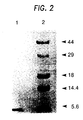
- Protein was estimated by the Lowry procedure using bovine serum albumin as a standard. SDS-PAGE was carried out on slab gels containing 16% acrylamide and O.5% bisacrylamide. Pre-stained molecular weight standards were obtained from BRL. Proteins were detected by staining with Coomassie blue.
- Assays were carried out at room temperature in 96-well microtiter plates. The color developed from the hydrolysis of peptide-nitroanilide substrates was monitored continuously at 405 nM on a V max machine (Molecular Devices). The concentration of Factor Xa was determined by active site titration. The concentrations of working solutions of the other proteases were determined spectrophotometrically using published extinction coefficients. The concentration of purified inhibitor was determined by quantitative amino acid analysis. Typically, the assay included 500 pM proteolytic enzyme, 20 mM Tris-HCl (pH 7.4), 0.15 M NaCl, 0.2-0.3 mM substrate and an aliquot of selected column fractions or the purified inhibitor in a total volume of 200-220 ul.
- the buffers also included 0.1% BSA; for S. aureus V8 protease the buffer was 50 mM NH4HCo3.
- the substrates used were: Spectrozyme Xa (Factor Xa), S-2238 (thrombin), S-2356 (chymotrypsin), S-2366 (Factor XIa) Boc-AlaAla-pro-Ala-pNA (elastase), Spectrozyme Pkal (kallikrein), Spectrozyme PL (plasmin), Spectrozyme UK (urokinase) Z-Phe-Leu-Glu-pNA (S.
- Factor VIIa was assayed by measuring the release of the 3H-activation peptide from human Factor X. For kinetic analyses, assays were carried for up to 10 min. followed by estimation of the initial rate where less than 5% of the added substrate was utilized.
- the inhibitor Prior to digestion with proteases or sequence analysis, the inhibitor was denatured by incubating for 1 hour at 37°C in 6M guanidine hydrochloride containing 50 mM dithiothreitol, 0.25M Tris-HCl (pH 8.2) and 1 mM EDTA. Iodoacetamide was added to a final concentration of 0.1M and the mixture was allowed to stand at room temperature for 30 min. to block the sulfhydryl groups. The protein was reisolated by applying the reaction mixture directly to a Vydac C18 column and eluting it with a gradient of acetonitrile in 0.1% trifluoroacetic acid. The protein was dried down under vacuum and sequenced directly on an Applied Biosystems gas phase sequenator.
- the reduced and alkylated inhibitor was dissolved in 100 ul 50 mM NH4HCO3 and incubated at room temperature with trypsin (50:1, w/w). After 4 hours, the same amount of trypsin was added and the reaction was allowed to proceed overnight. The mixture was then applied directly to a C18 column to fractionate the digestion products. Proteolysis by S. aureus V8 protease was carried out similarly except that the buffer was 50 mM ammonium acetate. The peaks were collected by hand and submitted for sequence analysis.
- TAP-2 Following a procedure similar to the procedure of Example 1, and using Ornithodoros moubata ticks obtained from a warthog burrow near Lake Victoria, Colombia, (subspecies porcinus Walton) another polypeptide sequence having Factor Xa inhibitor activity such as that of TAP-1 was determined. The other polypeptide was identified as TAP-2.
- Boc-Ile-O-Pam resin the alpha-amino Boc protecting group ( tert -butylcarbonyl) is removed using trifluoracetic acid and methylene chloride, and the deprotected isoleucine neutralized with diisopropylethyl amine.
- Boc-protected Cys (PMB) (where cysteine is protected by p-methoxybenzyl) is then coupled to isoleucine mediated by dicyclohexylcarbodiimide, and deprotected with trifluoroacetic acid and methylene chloride (protocol for Applied Biosystems Inc. peptide synthesizer). Cys is then neutralized with diisopropylethylamine.
- Cleavage of the peptide from the resin is achieved using HF/anisole (9:1(v/v)).
- HF/anisole 9:1(v/v)
- a thio-cresol and cresol scavenger mixture was used.
- the resin is washed with ether, and 250 ⁇ M polypeptide concentration is immediately diluted in about 2 liters of 0.1 M acetic acid solution. The solution is then stirred and its pH adjusted to about 8.0 using ammonium hydroxide. Purification is conducted using preparative HPLC in 0.1% TFA H2O-CH3CN gradient.
- the finished amino acid sequence of the inhibitor is:
- Figure 3 shows the effect of increasing amounts of inhibitor on the ratio of the initial velocities in the presence (Vi) and absence (Vo) of TAP-1. Because the TAP-1 was pre-incubated with the human Factor Xa to establish equilibrium in the absence of substrate, a value for the intrinsic K i irrespective of the mechanism was calculated (solid line) using the equation for tight binding inhibition described in the article by Morrison, J.F. in Biochem. Biophys. Acta 185,269 (1969). The effect of TAP-1 on various proteases also was tested.
- the proteins are prepared (1) having methionine as its first amino acid (present by virtue of the ATG start signal codon insertion in front of the structural gene) or (2) where the methionine is intra-or extracellularly cleaved, having its normally first amino acid, or (3) together with either its signal polypeptide or a conjugated protein other than the conventional signal polypeptide, the signal polypeptide or conjugate being specifically cleavable in an intra- or extracellular environment (see British Patent Application Publication No.
- a recombinant gene encoding the inhibitor was synthesized and constructed based on the primary amino acid sequence of TAP-1.
- the properly modified synthetic gene was inserted into a yeast expression vector that allows for secretory expression. Yeast cells were transformed with the vector containing the synthetic gene.
- oligonucleotide was purified by electrophoresis on a 15% polyacrylamide gel, isolation and electroelution. Oligonucleotides II through VII were treated with polynucleotide kinase and annealed in complementary pairs (III and IV) and (V and VI). Oligonucleotides I and VIII were annealed directly with kinased II and VII respectively. The oligonucleotides were annealed in kinase reaction buffer by heating to 80 o C for two minutes and slow cooling over the course of an hour. The four annealed oligonucleotide pairs were pooled and treated with T4 ligase. The resulting product was digested with Eco RI. The product, representing the synthetic gene, was isolated as a 200 bp fragment after electrophoresis of the mixture on a 2% agarose gel, the identified fragment excised and electroeluted.
- the DNA fragment representing the synthetic gene was ligated to pJC264 (Gan, Z.-R. et al. (1989) Gene 79 :159-166) which had been previously digested with Eco RI and treated with alkaline phosphatase to yield plasmid 276-2E.
- the ligation mixture was used to transform competent E. coli (JM109 available from Stratagene, California, U.S.A.) Ampicillin resistant cells were obtained and selected for on ampicillin plates. The correct insert sequence in resulting plasmid clones was confirmed by DNA sequence analysis.
- the synthetic gene was inserted into the yeast expression vector in the following manner.
- One plasmid, 276-2E, was selected, and a polymerase chain reaction product was obtained in a reaction using the oligonucleotide primers:
- the inhibitor DNA was subjected to polymerase chain reaction (PCR) -effected amplification (see United States Patent 4,800,159, column 2, lines 36-68, column 3, column 4, and column 5, lines 1-20, hereby incorporated by reference).
- PCR polymerase chain reaction
- the DNA strands were heat denatured in the presence of primers that bind to each strand.
- the primers instructed DNA polymerase, which performs its replication function, to copy a particular portion of the strand.
- the process was continued with a series of heating and cooling cycles, heating to separate strands, and cooling to allow annealing and primer extension forming copies of the desired sequences. The cycles were repeated to generate more and more copies of the specific sequences.
- the coding domain to which terminal restriction sites are appended was obtained.
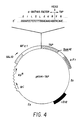
- the PCR product was used to generate pKH4 ⁇ TAP.
- pKH4 Construction of pKH4 is described in Schultz, et al., Gene 61 (1987) 123-133, which is incorporated by reference.
- the plasmid pJC197 (Schultz et al. Gene 54 (1987) 113-123) is an E. coli - S. cerevisiae shuttle vector which contains a unique Bam HI cloning site between the yeast MF ⁇ 1 pre-pro leader and transcriptional terminator, originally derived in Kurjan and Herskowitz (1982) ibid.
- pJC197 was digested with Eco RI + Pst I, and the 0.7-kb Pst I- Eco RI fragment containing a portion of the MF ⁇ 1 prepro-leader, a three-frame translational terminator, and MF ⁇ 1 transcriptional terminator, was gel-purified.
- GAL10p was isolated from YEP51 by digestion with Sau 3A, flush-ending with Pol Ik, ligating with octameric Bam HI linkers, and digestion with Sal I.
- the resulting 0.5-kb Bam HI- Sal I fragment bearing GAL10p was gel purified and ligated to a 35-bp Sal I- Pst I synthetic oligodeoxynucleotide adapter encoding the first 11 bp of the MF ⁇ 1 nontranslated leader plus the ATG and first 8 aa of the MF ⁇ 1 pre-pro-leader.
- the resulting 0.5-kb fragment was digested with Bam HI, gel-purified, and ligated together with the aforementioned 0.7-kb Pst I- Eco RI fragment plus the 4.Okb Eco RI- Bam HI vector fragment derived from pBR322.
- the resulting plasmid, pKH207-1 contains GAL10p fused to the MF ⁇ 1 pre-pro-leader plus Bam HI cloning site, translational termination codons, and MF ⁇ 1 transcriptional terminator.
- an expression cassette of GAL10p fused to the yeast MF ⁇ 1 pre-pro-leader, a unique Bam HI cloning site, translational termination codons in all three reading frames, and MF ⁇ 1 transcriptional terminator sequence was inserted into the yeast shuttle vector pCl/1 (Rosenberg et al. Nature 312 (1984) 77-80) which contains the yeast 2 ⁇ DNA sequence for stable propagation of the plasmid in yeast at high copy number, to form pKH4.
- a 213-bp Bam HI- Pst I fragment encoding aa 9-79 of the ppL was prepared from the plasmid p ⁇ 2 (Bayne et al., Gene 66 (1988) 235-244).
- the plasmid p ⁇ 2 contains a portion of the yeast MF ⁇ 1 pre-pro sequence (79aa) modified at codons 80 and 81 to create a Bam HI site 6 aa upstream from the KEX2 processing site.
- the region corresponding to codon 9 ( Pst I) of the ppL to the Bam HI site of pKH4 was removed from pKH4 after digestion with Bam HI followed by partial digestion with Pst I.
- Plasmid pKH4 ⁇ 2 contains the yeast GAL10 promoter, a portion of the MF ⁇ 1 pre-pro leader (79 aa), a three-frame translational terminator and MF ⁇ 1 transcriptional terminator, the yeast LEU2 gene, yeast 2 ⁇ sequences, pBR322 derived sequences, including the Ap R gene and the origin of DNA replication ( ori ).
- Fusion products produced from pKH4 ⁇ TAP are proteolytically processed by the Lys-Arg-cleaving endopeptidase (KEX2) encoded by the KEX2 gene and products are secreted into culture medium.
- KEX2 cleaves on the C-terminal side of Lys-Arg residues.
- Diploid yeast strain DMY6 (Schultz, L.D. (1987) Gene 61 : 123-133) was transformed with pKH4 ⁇ TAP using standard protocols (Hinnen et al. (1978) Proc. Natl. Acad. Sci. USA 75 : 1929-1933).
- One isolate was chosen and designated S. cerevisiae MY 2030 9718P28l-3. The isolate was deposited with the American Type Culture Collection and identified ATCC No. 20984.
- Cells were grown by inoculating a frozen stock culture of 281-3 on leucine-minus agar media for 3 days at 28°C prior to the inoculation of 500 ml of selective medium (5 x CM Leu ⁇ ).
- the 500 ml seed culture was grown in a 2-l Ehrlenmeyer flask for 16-18 hr at 28°C using a rotary shaker at 300 rpm prior to its inoculation into 2.5 l of 5 x CM Leu ⁇ broth containing 4% (w/v) galactose in a 1.5 l Bio-Flo III fermentor (New Brunswick Scientific).
- the fermentor was operated at 28°C, 900 rpm, 2.5 l/min air for 110-120 hr.
- Yeast cells were separated from broth (8 liters containing 1.69 gm. recombinant TAP-1) of yeast culture (strain 281-3) secreting recombinant TAP-1 by diafiltering the liquid through a 500,000 MWCO hollow fiber cartridge (Romicon, PM500, 5ft) using an Amicon DC10 unit. The clarified broth was then diafiltered through a 100,000 MWCO hollow fiber cartridge (Amicon, H5P100-43) until approximately 500 mL of liquid remained in the reservoir. The retained liquid was diafiltered with 8 liters of 20mM BIS-TRIS, pH 6.0. (Buffer A).
- the effluent of the 100,000 MWCO fibers was adjusted to pH 6.0 and diluted with 63 liters of cold buffer A.
- the diluted broth contained 1.67 gm of recombinant TAP-1.
- the diluted fermentation broth was divided into two 40 liter portions and wach was pumped at 2 liters/hr onto separate columns of Q-Sepharose Fast FlowTM (Pharmacia: 14 cm x 10 cm I.D.) that had been equilibrated with buffer A.
- the fractions that contained recombinant TAP-1 were combined and diluted with four volumes of mM sodium acetate, pH 4.0 (Buffer B) before being pumped at 2 liters /hr onto a column of S-Sepharose Fast Flow TM (Pharmacia; 24.5 cm x 7.5 cm I.D.) that had been equilibrated with Buffer B.
- Buffer B S-Sepharose Fast Flow TM
- the fractions were monitored for A280 and human Factor Xa inhibitory activity and recombinant TAP-1 eluted at 190 mM NaCl.
- the amount of recombinant TAP-1 eluted from the column was 1.58 gm.
- the pooled fractions containing inhibitory activity were loaded directly onto a 4.5 x 30 cm prep-pak C18 HPLC column (Waters Associates) equilibrated with aqueous 0.1% (v/v) CF3COOH at 50 ml/min using a Delta-Prep preparative HPLC system (Waters Assoc.).
- the purified recombinant polypeptide prepared by either method was found to be greater than 99% pure by analytical reverse phase C18 HPLC, quantitative amino acid analysis and automated amino-terminal sequence analysis.
- a typical specific content of the recombinant inhibitor was between 115 and 120 nmole/mg with a homogeneous amino-terminus beginning with tyrosine.
- the electrophoretic mobility of recombinant TAP-1 was identical to the native inhibitor as assessed sodiumdodecyl sulfate polyacrylamide gel electrophoresis under reducing conditions.
- the Factor Xa inhibitory activity of the recombinant TAP-1 was similar to that shown in Fig. 3 with a K i determined to be 0.2 nM.
- Desired mutations of the TAP-1 open reading frame were prepared by one of two basic approaches: polymerase chain reaction mutagenesis, and Kunkel mutagenesis.
- oligomer primers complementary to the ends of the DNA to be amplified
- the primers bind opposite strands and, upon reaction with Taq polymerase (Cetus Perkin-Elmer) in a number of cycles of extension, strand separation and reannealling, the region between the primers is replicated.
- the primers includes a mismatched region, that mutation is incorporated into the reaction product.
- TAP mutants were created through this amplification using the appropriate codon changes within the mutagenic primer.
- the PCR product was cleaved with BamHl, gel purified and then inserted into the pKH4 ⁇ 2 at the BamHl site.
- Non-terminal location mutations include the TAP-1 mutations at residue positions 9 and 23 which result in replacement of arginine with asparagine, and the TAP-1 mutations at residue position 16 which results in replacement of aspartic acid with arginine.
- Primers were prepared to amplify the TAP coding sequences and incorporate the mutations as before. The primers extended far enough to include restriction site sequences present in the TAP gene. Another set of primers were used to amplify remaining sequences of gene and the same restriction site. The resulting fragments were digested with that enzyme and ligated, reforming the TAP gene complete with the mutation. This material was purified and BamHl digested for insertion in pKH4 ⁇ 2 as described above.
- Kunkel Proc. Natl. Acad. Sci. USA Vol. 82 (1985) 488-492 describes site-specific mutagenesis which takes advantage of a strong biological selection against the original, unaltered genotype.
- a relatively normal uracil-containing DNA template prepared by standard procedures (Sagher and Strauss Biochemistry 22 (1983) 4518-4526) after growth on an Escherichia coli dut ⁇ ung ⁇ strain (Tye et al. Proc. Natl. Acad. Sci. USA 75 (1978) 233-237)
- site-specific mutagenesis procedures are used to produce mutations at high efficiencies without selection and in a few hours.
- Mutants were prepared using a modification of the Kunkel method in which single strand p276-2E plasmid DNA was annealed with a complementary primer containing the desired mutagenic sequences.
- the Kunkel method was specifically employed to obtain a TAP-1 mutation at residue position 27 which results in replacement of arginine by asparagine.
- This complex was extended by DNA polymerase, covalently linked with DNA ligase and the product used to transform E. coli DH5 cells (Bethesda Research Laboratories). Mutation recovery was improved by selection against the parental strand using E. coli host CAG629 (dut-ung-BioRad) to prepare the singlestrand template.
- helper phage In presence of M13K07 helper phage (pharmacia), one strand of the plasmid DNA is copied, packaged into phage capsids and secreted into the supernatant, permitting isolation of the single strand DNA. Because this strand contains uracil, it is degraded when the mutagenesis reaction mix is used to transform E. coli DH5 ( Dut + Ung +),leaving the mutagenized strand as template for replication. The modified TAP sequences were transferred as a BamHl cassette to the pKH4 ⁇ 2 vector.
- This method was also employed using the expression vector as the template for the mutagenesis reaction.
- the protein inhibits coagulation by inhibiting the Factor Xa pathway rather than by inhibition of thrombin.
- Factor Xa pathway inhibition is achieved by administering the protein, either by continuous intravenous administration or bolus administration, in combination with a suitable pharmaceutical composition carrier e.g. saline, at a suitable pH, e.g. 7.4, such that the composition achieves the desired effect of preventing Factor Xa from inducing formation of thrombin from prothrombin.
- the proteinaceous substance of this invention having Factor X a inhibition activity can, like many proteins/peptides, form pharmaceutically acceptavle salts with any non-toxic, organic or inorganic acid.
- suitable inorganic acids which form suitable salts include hydrochloric, hydrobromic, sulphuric and phosphoric acid and acid metal salts such as sodium monohydrogen orthophosphate and potassium hydrogen sulfate.
- organic acids which form suitabl salts include the mono, di and tricarboxylic acids.
- Illustrative of such acids are, for example, acetic, glycolic, lactic, pyruvic, malonic, succinic, trifluroacetic, glutaric, fumaric, malic, tartaric, citric, ascorbic, maleic, hydroxymaleic, benzoic, hydroxybenzoic, phenylacetic, cimmamic, salicylic, 2-phenoxybenzoic and sulfonic acids such as methane sulfonic acid and 2-hydroxyethane sulfonic acid.
- Salts of the carboxy terminal amino acid moiety include the non-toxic carboxylic acid salts formed with any suitabl inorganic or organic bases.
- these salts include those of alkali metals, as for example, sodium and potassium; alkaline earth metals, such as calcium and magnesium; light metals of Group IIIA including aluminium; and organic primary, secondary and tertiary amines, as for example, trialkylamines, including triethylamine, procaine, dibenzylamine, 1-ethenamine; N,N′-dibenzylethylenediamine, dihydroabietylamine, N-(lower)alkylpiperidine, and any other suitable amine.
- alkali metals as for example, sodium and potassium
- alkaline earth metals such as calcium and magnesium
- light metals of Group IIIA including aluminium and organic primary, secondary and tertiary amines, as for example, trialkylamines, including triethylamine, procaine, dibenzylamine, 1-ethenamine; N,N′-dibenzylethylenediamine, dihydroabietylamine, N-(lower
- the anticoagulant dose of the proteinaceous substance of this invention having Factor X a inhibition actibity is from 0.2 mg/kg to 250 mg/kg of patient body weight per day depending on, for example, the patient, and the severity of the thrombotic condition to be treated.
- the suitable dose for a particular patient can be readily determined.
- Preferably from 1 to 4 daily doses would be administered typically with from 5 mg to 100 mg of active compound per dose.
- concentration of the proteinaceous substance of this invention having Factor X a inibition activity required to inhibit Factor X a when used to inhibit blood coagulation or Factor X a in a medium such as stored blood can be readily determined by those skilled in the art.
- Anticoagulant therapy is indicated for the treatment and prevention of a variety of thrombotic conditions, particularly coronary artery and cerebro-vascular disease. Those experienced in this field are readily aware of the circumstances requiring anticoagulant therapy.
- the term "patient” used herein is taken to mean mammals such as primates, including humans, sheep, horses, cattle, pigs, dogs, cats, rats, and mice.
- Inhibition of Factor X a is useful not only in the anticoagulant therapy of individuals having thrombotic conditions, but is useful whenever inhibition of blood coagulation is required such as to prevent coagulation of stored whole blood and to prevent coagulation in other biological sample for testing or storage.
- the proteinaceous substanc of this invention having Factor X a inhibition activity can be added to or contacted with any medium containing or suspected of containing Factor X a and in which it is desired that blood coagulation be inhibited.
- proteinaceous substance of this invention having Factor X a inhibition actibity may survive passage through the gut following oral administration, applicants prefer non-oral administration, for example, subcutaneous, intrabenous, intrauscular or intraperitoneal; administration by depot injection; or by implant preparation.
- the proteinaceous substance of this invention having Factor X a inhibition actibity may be administered as injectable dosages of a solution or suspension of the substance in a physiologically acceptable diluent with a pharmaceutical carrier which can be a sterile liquid such as water and oils with or without the addition of a surfactant and other pharmaceutically acceptable adjuvants.
- a pharmaceutical carrier which can be a sterile liquid such as water and oils with or without the addition of a surfactant and other pharmaceutically acceptable adjuvants.
- oils which can be employed in these preparations are those of petroleum, animal, vegetable, or synthetic origin, for example, peanut oil, soybean oil, and mineral oil.
- water, saline, aqueous dextrose and related sugar solutions, ethanol and glycols such as propylene glycol or polyethylene glycol are preferred liquid carriers, particularly for injectable solutions.
- the proteinaceous substance of this invention having Factor X a inhibition activity can be administered in the form of a depot injection or implant preparation which may be formulated in such a manner as to permit a sustained release of the active ingredient.
- the active ingredient can be compressed into pellets or small cylinders and implanted subcutaneously or intramuscularly as depot injections or implants.
- Implants may employ inert materials such as biodegradable polymers or synthetic silicones, for example, Silastic, silicone rubber or other polymers manufactured by the Dow-Corning Corporation.
- TAP enhances the efficiency of tissue plasminogen activator-mediated thrombolytic reperfusion.
- TAP may be administered first following thrombus formation, and tissue plasminogen activator or other plasminogen activator is administered thereafter.
Landscapes
- Health & Medical Sciences (AREA)
- Chemical & Material Sciences (AREA)
- Organic Chemistry (AREA)
- General Health & Medical Sciences (AREA)
- Life Sciences & Earth Sciences (AREA)
- Medicinal Chemistry (AREA)
- Engineering & Computer Science (AREA)
- Veterinary Medicine (AREA)
- Public Health (AREA)
- Animal Behavior & Ethology (AREA)
- Pharmacology & Pharmacy (AREA)
- Nuclear Medicine, Radiotherapy & Molecular Imaging (AREA)
- General Chemical & Material Sciences (AREA)
- Bioinformatics & Cheminformatics (AREA)
- Diabetes (AREA)
- Hematology (AREA)
- Chemical Kinetics & Catalysis (AREA)
- Gastroenterology & Hepatology (AREA)
- Biochemistry (AREA)
- Proteomics, Peptides & Aminoacids (AREA)
- Molecular Biology (AREA)
- Biophysics (AREA)
- Genetics & Genomics (AREA)
- Peptides Or Proteins (AREA)
- Medicines That Contain Protein Lipid Enzymes And Other Medicines (AREA)
- Medicines Containing Material From Animals Or Micro-Organisms (AREA)
- Preparation Of Compounds By Using Micro-Organisms (AREA)
Applications Claiming Priority (6)
| Application Number | Priority Date | Filing Date | Title |
|---|---|---|---|
| US40403389A | 1989-09-07 | 1989-09-07 | |
| US404033 | 1989-09-07 | ||
| US49830790A | 1990-03-23 | 1990-03-23 | |
| US498307 | 1990-03-23 | ||
| US56516490A | 1990-08-13 | 1990-08-13 | |
| US565164 | 1990-08-13 |
Publications (2)
| Publication Number | Publication Date |
|---|---|
| EP0419099A1 true EP0419099A1 (fr) | 1991-03-27 |
| EP0419099B1 EP0419099B1 (fr) | 1996-02-07 |
Family
ID=27410566
Family Applications (1)
| Application Number | Title | Priority Date | Filing Date |
|---|---|---|---|
| EP90309834A Expired - Lifetime EP0419099B1 (fr) | 1989-09-07 | 1990-09-07 | Protéines ayant des propriétés anticoagulantes |
Country Status (8)
| Country | Link |
|---|---|
| EP (1) | EP0419099B1 (fr) |
| JP (1) | JP3034926B2 (fr) |
| AT (1) | ATE133962T1 (fr) |
| AU (1) | AU639257B2 (fr) |
| CA (1) | CA2024697A1 (fr) |
| DE (1) | DE69025247T2 (fr) |
| DK (1) | DK0419099T3 (fr) |
| IE (1) | IE70759B1 (fr) |
Cited By (16)
| Publication number | Priority date | Publication date | Assignee | Title |
|---|---|---|---|---|
| EP0546813A3 (fr) * | 1991-12-10 | 1994-01-05 | Merck & Co Inc | |
| WO1994012204A1 (fr) * | 1992-12-01 | 1994-06-09 | Merck & Co., Inc. | Proteines anticoagulantes |
| WO1995011691A1 (fr) * | 1993-10-29 | 1995-05-04 | Merck & Co., Inc. | Proteines antithrombotiques |
| US5585350A (en) * | 1991-10-31 | 1996-12-17 | Basf Aktiengesellschaft | Thrombin-inhibitory protein from ticks |
| US5863894A (en) * | 1995-06-05 | 1999-01-26 | Corvas International, Inc. | Nematode-extracted anticoagulant protein |
| US5864009A (en) * | 1994-10-18 | 1999-01-26 | Corvas International, Inc. | Nematode-extracted anticoagulant protein |
| US5866543A (en) * | 1995-06-05 | 1999-02-02 | Corvas International, Inc. | Nematode-extracted anticoagulant protein |
| US5866542A (en) * | 1994-10-18 | 1999-02-02 | Corvas International, Inc. | Nematode-extracted anticoagulant protein |
| US5872098A (en) * | 1995-06-05 | 1999-02-16 | Corvas International, Inc. | Nematode-extracted anticoagulant protein |
| US5955294A (en) * | 1994-10-18 | 1999-09-21 | Corvas International, Inc. | Nematode-extracted serine protease inhibitors and anticoagulant proteins |
| WO1999060126A3 (fr) * | 1998-05-19 | 2000-03-02 | Univ Washington | Inhibiteur de protease dependant de la proteine k |
| US6040441A (en) * | 1994-10-18 | 2000-03-21 | Corvas International, Inc. | Nematode-extracted serine protease inhibitors and anticoagulant proteins |
| RU2176645C2 (ru) * | 1995-07-06 | 2001-12-10 | Астра Актиеболаг | Ингибиторы тромбина, фармацевтическая композиция на их основе, способ лечения, способ их получения (варианты) и защищенное производное |
| US7691839B2 (en) | 2005-09-28 | 2010-04-06 | Biovascular, Inc. | Methods and compositions for blocking platelet and cell adhesion, cell migration and inflammation |
| EP2982668A2 (fr) | 2002-12-03 | 2016-02-10 | Pharmacyclics LLC | Dérivés de 2-(2-hydroxybiphényl-3-yl)-1h-benzoimidazole-5-carboxamidine en tant qu'inhibiteurs du facteur viia inhibitors pour le traitement de maladies thromboemboliques |
| CN112552382A (zh) * | 2020-01-22 | 2021-03-26 | 天津科技大学 | 一种信号肽突变体及其用途 |
Families Citing this family (2)
| Publication number | Priority date | Publication date | Assignee | Title |
|---|---|---|---|---|
| DE3819078A1 (de) * | 1988-06-04 | 1989-12-07 | Hoechst Ag | Amblyommin, ein neuer wirkstoff fuer die antikoagulationstherapie |
| US5278144A (en) * | 1990-09-04 | 1994-01-11 | Cor Therapeutics, Inc. | Antithrombosis agents |
-
1990
- 1990-09-05 CA CA002024697A patent/CA2024697A1/fr not_active Abandoned
- 1990-09-06 IE IE324590A patent/IE70759B1/en not_active IP Right Cessation
- 1990-09-06 AU AU62247/90A patent/AU639257B2/en not_active Ceased
- 1990-09-07 DK DK90309834.1T patent/DK0419099T3/da active
- 1990-09-07 DE DE69025247T patent/DE69025247T2/de not_active Expired - Fee Related
- 1990-09-07 EP EP90309834A patent/EP0419099B1/fr not_active Expired - Lifetime
- 1990-09-07 AT AT90309834T patent/ATE133962T1/de not_active IP Right Cessation
- 1990-09-07 JP JP2235994A patent/JP3034926B2/ja not_active Expired - Fee Related
Non-Patent Citations (2)
| Title |
|---|
| SCIENCE, vol. 248, 4th May 1990, pages 593-596; L. WAXMAN et al.: "Tick anticoagulant peptide (TAP) is a novel inhibitor of blood coagulation factor Xa" * |
| THE JOURNAL OF BIOLOGICAL CHEMISTRY, vol. 265, no. 29, 15th October 1990, pages 17746-17752; M.P. NEEPER et al.: "Characterization of recombinant tick anticoagulant peptide" * |
Cited By (30)
| Publication number | Priority date | Publication date | Assignee | Title |
|---|---|---|---|---|
| US5585350A (en) * | 1991-10-31 | 1996-12-17 | Basf Aktiengesellschaft | Thrombin-inhibitory protein from ticks |
| EP0546813A3 (fr) * | 1991-12-10 | 1994-01-05 | Merck & Co Inc | |
| WO1994012204A1 (fr) * | 1992-12-01 | 1994-06-09 | Merck & Co., Inc. | Proteines anticoagulantes |
| WO1995011691A1 (fr) * | 1993-10-29 | 1995-05-04 | Merck & Co., Inc. | Proteines antithrombotiques |
| US6087487A (en) * | 1994-10-18 | 2000-07-11 | Corvas International, Inc. | Nematode-extracted serine protease inhibitors and anticoagulant proteins |
| US6534629B1 (en) | 1994-10-18 | 2003-03-18 | Corvas International, Inc. | Nematode-extracted serine protease inhibitors and anticoagulant proteins |
| US6872808B1 (en) | 1994-10-18 | 2005-03-29 | Corvas International, Inc. | Nematode-extracted serine protease inhibitors and anticoagulant proteins |
| US5866542A (en) * | 1994-10-18 | 1999-02-02 | Corvas International, Inc. | Nematode-extracted anticoagulant protein |
| US5864009A (en) * | 1994-10-18 | 1999-01-26 | Corvas International, Inc. | Nematode-extracted anticoagulant protein |
| US5945275A (en) * | 1994-10-18 | 1999-08-31 | Corvas International, Inc. | Nematode-extracted anticoagulant protein |
| US5955294A (en) * | 1994-10-18 | 1999-09-21 | Corvas International, Inc. | Nematode-extracted serine protease inhibitors and anticoagulant proteins |
| US6121435A (en) * | 1994-10-18 | 2000-09-19 | Corvas International, Inc. | Nematode-extracted serine protease inhibitors and anticoagulant proteins |
| US6040441A (en) * | 1994-10-18 | 2000-03-21 | Corvas International, Inc. | Nematode-extracted serine protease inhibitors and anticoagulant proteins |
| US6046318A (en) * | 1994-10-18 | 2000-04-04 | Corvas International, Inc. | Nematode-extracted serine protease inhibitors and anticoagulant proteins |
| US6096877A (en) * | 1994-10-18 | 2000-08-01 | Corvas International, Inc. | Nematode-extracted serine protease inhibitors and anticoagulant proteins |
| US6090916A (en) * | 1994-10-18 | 2000-07-18 | Corvas International, Inc. | Nematode-extracted serine protease inhibitors and anticoagulant proteins |
| US5866543A (en) * | 1995-06-05 | 1999-02-02 | Corvas International, Inc. | Nematode-extracted anticoagulant protein |
| US5872098A (en) * | 1995-06-05 | 1999-02-16 | Corvas International, Inc. | Nematode-extracted anticoagulant protein |
| US5863894A (en) * | 1995-06-05 | 1999-01-26 | Corvas International, Inc. | Nematode-extracted anticoagulant protein |
| RU2176645C2 (ru) * | 1995-07-06 | 2001-12-10 | Астра Актиеболаг | Ингибиторы тромбина, фармацевтическая композиция на их основе, способ лечения, способ их получения (варианты) и защищенное производное |
| US6265378B1 (en) | 1998-05-19 | 2001-07-24 | Washington, University | Protein Z-dependent protease inhibitor |
| US6271367B1 (en) | 1998-05-19 | 2001-08-07 | Washington University | Protein Z-dependent protease inhibitor |
| US6369031B1 (en) | 1998-05-19 | 2002-04-09 | Washington University | Protein Z-dependent protease inhibitor |
| US6245741B1 (en) | 1998-05-19 | 2001-06-12 | Washington University | Protein Z-dependent protease inhibitor |
| US6841534B2 (en) | 1998-05-19 | 2005-01-11 | Washington University | Protein Z-dependent protease inhibitor |
| WO1999060126A3 (fr) * | 1998-05-19 | 2000-03-02 | Univ Washington | Inhibiteur de protease dependant de la proteine k |
| EP2982668A2 (fr) | 2002-12-03 | 2016-02-10 | Pharmacyclics LLC | Dérivés de 2-(2-hydroxybiphényl-3-yl)-1h-benzoimidazole-5-carboxamidine en tant qu'inhibiteurs du facteur viia inhibitors pour le traitement de maladies thromboemboliques |
| US7691839B2 (en) | 2005-09-28 | 2010-04-06 | Biovascular, Inc. | Methods and compositions for blocking platelet and cell adhesion, cell migration and inflammation |
| US8188034B2 (en) | 2005-09-28 | 2012-05-29 | Biovascular, Inc. | Methods and compositions for blocking platelet and cell adhesion, cell migration and inflammation |
| CN112552382A (zh) * | 2020-01-22 | 2021-03-26 | 天津科技大学 | 一种信号肽突变体及其用途 |
Also Published As
| Publication number | Publication date |
|---|---|
| JPH03178997A (ja) | 1991-08-02 |
| EP0419099B1 (fr) | 1996-02-07 |
| IE903245A1 (en) | 1991-03-13 |
| DE69025247D1 (de) | 1996-03-21 |
| JP3034926B2 (ja) | 2000-04-17 |
| DK0419099T3 (da) | 1996-03-11 |
| CA2024697A1 (fr) | 1991-03-08 |
| IE70759B1 (en) | 1996-12-30 |
| DE69025247T2 (de) | 1996-09-12 |
| AU639257B2 (en) | 1993-07-22 |
| ATE133962T1 (de) | 1996-02-15 |
| AU6224790A (en) | 1991-03-14 |
Similar Documents
| Publication | Publication Date | Title |
|---|---|---|
| EP0419099B1 (fr) | Protéines ayant des propriétés anticoagulantes | |
| US5239058A (en) | Proteins having anticoagulant properties | |
| EP0276014B1 (fr) | Peptides anticoagulants | |
| US5189019A (en) | Antistasin derived anticoagulant protein | |
| FI106471B (fi) | Menetelmä polypeptidien valmistamiseksi, polypeptidejä koodaava DNA-sekvenssi, ilmentämisvektori ja isäntäsolu | |
| JPS62501011A (ja) | ヒルディン−paとその誘導体、それらの製造法と応用 | |
| CA2002924C (fr) | Antithrombines | |
| EP0291982B1 (fr) | Peptides cycliques anticoagulants | |
| EP0291981B1 (fr) | Peptides cycliques anticoagulants | |
| JPH0866194A (ja) | ヒト腫瘍壊死因子ミューテインをコードする遺伝子 | |
| US5945275A (en) | Nematode-extracted anticoagulant protein | |
| HU213582B (en) | Process for producing of recombinant aprotinin derivatives and pharmaceutical compositions thereof | |
| US5328997A (en) | Processes for making proteins having anticoagulant properties | |
| EP0696198A1 (fr) | NOUVEAU POLYPEPTIDE POSSEDANT UNE ACTIVITE D'INHIBITION DU FACTEUR Xa | |
| AU685835B2 (en) | High molecular weight desulphatohirudin | |
| US5324715A (en) | Protein for inhibiting collagen-stimulated platelet aggregation | |
| EP0372503A2 (fr) | Peptides anticoagulants | |
| US5340726A (en) | Protein for inhibiting collagen-stimulated platelet aggregation | |
| EP0468448B1 (fr) | Analogues de l'hirudine possédant une activité antiplaquettaire | |
| AU648096B2 (en) | Anticoagulant peptides | |
| JP2696316B2 (ja) | ヒルジンの発現のためのベクター、形質転換細胞及びヒルジンの製造方法 | |
| KR20010101425A (ko) | 뼈의 촉진인자 | |
| US5232912A (en) | Anticoagulant peptides | |
| US5192745A (en) | Cyclic anticoagulant peptides | |
| WO1994012204A1 (fr) | Proteines anticoagulantes |
Legal Events
| Date | Code | Title | Description |
|---|---|---|---|
| PUAI | Public reference made under article 153(3) epc to a published international application that has entered the european phase |
Free format text: ORIGINAL CODE: 0009012 |
|
| AK | Designated contracting states |
Kind code of ref document: A1 Designated state(s): AT BE CH DE DK ES FR GB IT LI LU NL SE |
|
| 17P | Request for examination filed |
Effective date: 19910829 |
|
| 17Q | First examination report despatched |
Effective date: 19940808 |
|
| GRAA | (expected) grant |
Free format text: ORIGINAL CODE: 0009210 |
|
| AK | Designated contracting states |
Kind code of ref document: B1 Designated state(s): AT BE CH DE DK ES FR GB IT LI LU NL SE |
|
| PG25 | Lapsed in a contracting state [announced via postgrant information from national office to epo] |
Ref country code: ES Free format text: THE PATENT HAS BEEN ANNULLED BY A DECISION OF A NATIONAL AUTHORITY Effective date: 19960207 |
|
| REF | Corresponds to: |
Ref document number: 133962 Country of ref document: AT Date of ref document: 19960215 Kind code of ref document: T |
|
| REG | Reference to a national code |
Ref country code: DK Ref legal event code: T3 |
|
| REF | Corresponds to: |
Ref document number: 69025247 Country of ref document: DE Date of ref document: 19960321 |
|
| REG | Reference to a national code |
Ref country code: CH Ref legal event code: NV Representative=s name: E. BLUM & CO. PATENTANWAELTE |
|
| ET | Fr: translation filed | ||
| ITF | It: translation for a ep patent filed | ||
| PLBE | No opposition filed within time limit |
Free format text: ORIGINAL CODE: 0009261 |
|
| STAA | Information on the status of an ep patent application or granted ep patent |
Free format text: STATUS: NO OPPOSITION FILED WITHIN TIME LIMIT |
|
| 26N | No opposition filed | ||
| REG | Reference to a national code |
Ref country code: GB Ref legal event code: IF02 |
|
| PGFP | Annual fee paid to national office [announced via postgrant information from national office to epo] |
Ref country code: CH Payment date: 20020523 Year of fee payment: 13 |
|
| PGFP | Annual fee paid to national office [announced via postgrant information from national office to epo] |
Ref country code: SE Payment date: 20020524 Year of fee payment: 13 |
|
| PGFP | Annual fee paid to national office [announced via postgrant information from national office to epo] |
Ref country code: FR Payment date: 20020529 Year of fee payment: 13 |
|
| PGFP | Annual fee paid to national office [announced via postgrant information from national office to epo] |
Ref country code: BE Payment date: 20020806 Year of fee payment: 13 |
|
| PGFP | Annual fee paid to national office [announced via postgrant information from national office to epo] |
Ref country code: DE Payment date: 20020920 Year of fee payment: 13 |
|
| PGFP | Annual fee paid to national office [announced via postgrant information from national office to epo] |
Ref country code: LU Payment date: 20030626 Year of fee payment: 14 |
|
| PGFP | Annual fee paid to national office [announced via postgrant information from national office to epo] |
Ref country code: GB Payment date: 20030807 Year of fee payment: 14 Ref country code: AT Payment date: 20030807 Year of fee payment: 14 |
|
| PGFP | Annual fee paid to national office [announced via postgrant information from national office to epo] |
Ref country code: DK Payment date: 20030811 Year of fee payment: 14 |
|
| PGFP | Annual fee paid to national office [announced via postgrant information from national office to epo] |
Ref country code: NL Payment date: 20030812 Year of fee payment: 14 |
|
| PG25 | Lapsed in a contracting state [announced via postgrant information from national office to epo] |
Ref country code: SE Free format text: LAPSE BECAUSE OF NON-PAYMENT OF DUE FEES Effective date: 20030908 |
|
| PG25 | Lapsed in a contracting state [announced via postgrant information from national office to epo] |
Ref country code: LI Free format text: LAPSE BECAUSE OF NON-PAYMENT OF DUE FEES Effective date: 20030930 Ref country code: CH Free format text: LAPSE BECAUSE OF NON-PAYMENT OF DUE FEES Effective date: 20030930 Ref country code: BE Free format text: LAPSE BECAUSE OF NON-PAYMENT OF DUE FEES Effective date: 20030930 |
|
| BERE | Be: lapsed |
Owner name: *MERCK & CO. INC. Effective date: 20030930 |
|
| PG25 | Lapsed in a contracting state [announced via postgrant information from national office to epo] |
Ref country code: DE Free format text: LAPSE BECAUSE OF NON-PAYMENT OF DUE FEES Effective date: 20040401 |
|
| EUG | Se: european patent has lapsed | ||
| REG | Reference to a national code |
Ref country code: CH Ref legal event code: PL |
|
| PG25 | Lapsed in a contracting state [announced via postgrant information from national office to epo] |
Ref country code: FR Free format text: LAPSE BECAUSE OF NON-PAYMENT OF DUE FEES Effective date: 20040528 |
|
| REG | Reference to a national code |
Ref country code: FR Ref legal event code: ST |
|
| PG25 | Lapsed in a contracting state [announced via postgrant information from national office to epo] |
Ref country code: LU Free format text: LAPSE BECAUSE OF NON-PAYMENT OF DUE FEES Effective date: 20040907 Ref country code: GB Free format text: LAPSE BECAUSE OF NON-PAYMENT OF DUE FEES Effective date: 20040907 Ref country code: AT Free format text: LAPSE BECAUSE OF NON-PAYMENT OF DUE FEES Effective date: 20040907 |
|
| PG25 | Lapsed in a contracting state [announced via postgrant information from national office to epo] |
Ref country code: DK Free format text: LAPSE BECAUSE OF NON-PAYMENT OF DUE FEES Effective date: 20040930 |
|
| PG25 | Lapsed in a contracting state [announced via postgrant information from national office to epo] |
Ref country code: NL Free format text: LAPSE BECAUSE OF NON-PAYMENT OF DUE FEES Effective date: 20050401 |
|
| GBPC | Gb: european patent ceased through non-payment of renewal fee |
Effective date: 20040907 |
|
| NLV4 | Nl: lapsed or anulled due to non-payment of the annual fee |
Effective date: 20050401 |
|
| REG | Reference to a national code |
Ref country code: DK Ref legal event code: EBP |
|
| PG25 | Lapsed in a contracting state [announced via postgrant information from national office to epo] |
Ref country code: IT Free format text: LAPSE BECAUSE OF NON-PAYMENT OF DUE FEES Effective date: 20050907 |