EP0419355A1 - Polypeptides et peptides recombinantes, acides nucléiques lesencodantes, et l'utilisation de celles-ci pour le diagnostique de la tuberculose - Google Patents
Polypeptides et peptides recombinantes, acides nucléiques lesencodantes, et l'utilisation de celles-ci pour le diagnostique de la tuberculose Download PDFInfo
- Publication number
- EP0419355A1 EP0419355A1 EP90402590A EP90402590A EP0419355A1 EP 0419355 A1 EP0419355 A1 EP 0419355A1 EP 90402590 A EP90402590 A EP 90402590A EP 90402590 A EP90402590 A EP 90402590A EP 0419355 A1 EP0419355 A1 EP 0419355A1
- Authority
- EP
- European Patent Office
- Prior art keywords
- extremity constituted
- nucleotide
- represented
- extending
- amino acid
- Prior art date
- Legal status (The legal status is an assumption and is not a legal conclusion. Google has not performed a legal analysis and makes no representation as to the accuracy of the status listed.)
- Granted
Links
- 108090000765 processed proteins & peptides Proteins 0.000 title claims abstract description 163
- 102000004196 processed proteins & peptides Human genes 0.000 title claims abstract description 148
- 229920001184 polypeptide Polymers 0.000 title claims abstract description 122
- 201000008827 tuberculosis Diseases 0.000 title claims abstract description 78
- 150000007523 nucleic acids Chemical class 0.000 title claims description 84
- 108020004707 nucleic acids Proteins 0.000 title claims description 68
- 102000039446 nucleic acids Human genes 0.000 title claims description 68
- 239000002773 nucleotide Substances 0.000 claims abstract description 634
- 125000003729 nucleotide group Chemical group 0.000 claims abstract description 634
- 125000003275 alpha amino acid group Chemical group 0.000 claims abstract description 486
- 229960005486 vaccine Drugs 0.000 claims abstract description 5
- 108090000623 proteins and genes Proteins 0.000 claims description 139
- 102000004169 proteins and genes Human genes 0.000 claims description 101
- 239000000427 antigen Substances 0.000 claims description 97
- 108091007433 antigens Proteins 0.000 claims description 96
- 102000036639 antigens Human genes 0.000 claims description 96
- 108020004414 DNA Proteins 0.000 claims description 73
- 108091028043 Nucleic acid sequence Proteins 0.000 claims description 71
- 238000000034 method Methods 0.000 claims description 57
- 239000013612 plasmid Substances 0.000 claims description 53
- 239000000523 sample Substances 0.000 claims description 52
- 239000013598 vector Substances 0.000 claims description 47
- 241000588724 Escherichia coli Species 0.000 claims description 44
- 239000013615 primer Substances 0.000 claims description 41
- 150000001413 amino acids Chemical class 0.000 claims description 38
- 238000000338 in vitro Methods 0.000 claims description 34
- 241001467552 Mycobacterium bovis BCG Species 0.000 claims description 28
- 230000000295 complement effect Effects 0.000 claims description 28
- 241000283973 Oryctolagus cuniculus Species 0.000 claims description 26
- 238000009396 hybridization Methods 0.000 claims description 24
- 238000001514 detection method Methods 0.000 claims description 23
- 241000187479 Mycobacterium tuberculosis Species 0.000 claims description 22
- 239000003153 chemical reaction reagent Substances 0.000 claims description 21
- 239000012472 biological sample Substances 0.000 claims description 19
- 108010076504 Protein Sorting Signals Proteins 0.000 claims description 18
- 230000001413 cellular effect Effects 0.000 claims description 18
- 239000002609 medium Substances 0.000 claims description 18
- 238000004519 manufacturing process Methods 0.000 claims description 17
- 230000004048 modification Effects 0.000 claims description 17
- 238000012986 modification Methods 0.000 claims description 17
- 108010005774 beta-Galactosidase Proteins 0.000 claims description 16
- 102000005936 beta-Galactosidase Human genes 0.000 claims description 15
- 238000006243 chemical reaction Methods 0.000 claims description 15
- 239000000706 filtrate Substances 0.000 claims description 15
- 230000008105 immune reaction Effects 0.000 claims description 15
- 239000000203 mixture Substances 0.000 claims description 15
- 230000003321 amplification Effects 0.000 claims description 13
- 238000003199 nucleic acid amplification method Methods 0.000 claims description 13
- 238000010367 cloning Methods 0.000 claims description 12
- 239000000047 product Substances 0.000 claims description 12
- 108091034117 Oligonucleotide Proteins 0.000 claims description 11
- 230000008569 process Effects 0.000 claims description 9
- 229910052770 Uranium Inorganic materials 0.000 claims description 8
- 241000894006 Bacteria Species 0.000 claims description 7
- 239000003155 DNA primer Substances 0.000 claims description 7
- 238000012217 deletion Methods 0.000 claims description 7
- 230000037430 deletion Effects 0.000 claims description 7
- 238000002405 diagnostic procedure Methods 0.000 claims description 7
- 230000010076 replication Effects 0.000 claims description 7
- 238000006467 substitution reaction Methods 0.000 claims description 7
- 230000002163 immunogen Effects 0.000 claims description 6
- 239000013616 RNA primer Substances 0.000 claims description 5
- 210000001744 T-lymphocyte Anatomy 0.000 claims description 4
- 230000033228 biological regulation Effects 0.000 claims description 4
- 239000001963 growth medium Substances 0.000 claims description 4
- 238000001727 in vivo Methods 0.000 claims description 4
- 238000011084 recovery Methods 0.000 claims description 4
- -1 - advantageously Substances 0.000 claims description 3
- 108020001019 DNA Primers Proteins 0.000 claims description 2
- 230000024932 T cell mediated immunity Effects 0.000 claims description 2
- 230000003213 activating effect Effects 0.000 claims description 2
- 230000003472 neutralizing effect Effects 0.000 claims description 2
- 238000004873 anchoring Methods 0.000 claims 1
- 238000002360 preparation method Methods 0.000 abstract description 17
- 235000001014 amino acid Nutrition 0.000 description 250
- 235000018102 proteins Nutrition 0.000 description 86
- 239000012634 fragment Substances 0.000 description 37
- RTZKZFJDLAIYFH-UHFFFAOYSA-N Diethyl ether Chemical compound CCOCC RTZKZFJDLAIYFH-UHFFFAOYSA-N 0.000 description 27
- 210000004027 cell Anatomy 0.000 description 25
- 238000004458 analytical method Methods 0.000 description 22
- 239000000872 buffer Substances 0.000 description 22
- 108020001507 fusion proteins Proteins 0.000 description 21
- 102000037865 fusion proteins Human genes 0.000 description 21
- 239000000499 gel Substances 0.000 description 17
- 230000006698 induction Effects 0.000 description 17
- 238000000746 purification Methods 0.000 description 17
- 101710176159 32 kDa protein Proteins 0.000 description 16
- RAXXELZNTBOGNW-UHFFFAOYSA-N imidazole Natural products C1=CNC=N1 RAXXELZNTBOGNW-UHFFFAOYSA-N 0.000 description 16
- 239000000243 solution Substances 0.000 description 16
- 238000003119 immunoblot Methods 0.000 description 15
- 238000010828 elution Methods 0.000 description 14
- 108091026890 Coding region Proteins 0.000 description 13
- 108020004705 Codon Proteins 0.000 description 13
- 101001079625 Mus musculus Heme oxygenase 1 Proteins 0.000 description 13
- 238000002415 sodium dodecyl sulfate polyacrylamide gel electrophoresis Methods 0.000 description 13
- XLYOFNOQVPJJNP-UHFFFAOYSA-N water Chemical compound O XLYOFNOQVPJJNP-UHFFFAOYSA-N 0.000 description 13
- FAPWRFPIFSIZLT-UHFFFAOYSA-M Sodium chloride Chemical compound [Na+].[Cl-] FAPWRFPIFSIZLT-UHFFFAOYSA-M 0.000 description 12
- 239000013604 expression vector Substances 0.000 description 12
- 238000003752 polymerase chain reaction Methods 0.000 description 12
- ISWSIDIOOBJBQZ-UHFFFAOYSA-N Phenol Chemical compound OC1=CC=CC=C1 ISWSIDIOOBJBQZ-UHFFFAOYSA-N 0.000 description 11
- 239000000463 material Substances 0.000 description 11
- 108091008146 restriction endonucleases Proteins 0.000 description 11
- LFQSCWFLJHTTHZ-UHFFFAOYSA-N Ethanol Chemical compound CCO LFQSCWFLJHTTHZ-UHFFFAOYSA-N 0.000 description 10
- 229910019142 PO4 Inorganic materials 0.000 description 10
- NBIIXXVUZAFLBC-UHFFFAOYSA-K phosphate Chemical compound [O-]P([O-])([O-])=O NBIIXXVUZAFLBC-UHFFFAOYSA-K 0.000 description 10
- 239000010452 phosphate Substances 0.000 description 10
- 238000012216 screening Methods 0.000 description 10
- 238000012163 sequencing technique Methods 0.000 description 10
- 238000005406 washing Methods 0.000 description 10
- 102000002260 Alkaline Phosphatase Human genes 0.000 description 9
- 108020004774 Alkaline Phosphatase Proteins 0.000 description 9
- NKLPQNGYXWVELD-UHFFFAOYSA-M coomassie brilliant blue Chemical compound [Na+].C1=CC(OCC)=CC=C1NC1=CC=C(C(=C2C=CC(C=C2)=[N+](CC)CC=2C=C(C=CC=2)S([O-])(=O)=O)C=2C=CC(=CC=2)N(CC)CC=2C=C(C=CC=2)S([O-])(=O)=O)C=C1 NKLPQNGYXWVELD-UHFFFAOYSA-M 0.000 description 9
- 229960004132 diethyl ether Drugs 0.000 description 9
- 239000000284 extract Substances 0.000 description 9
- 238000012360 testing method Methods 0.000 description 9
- 108010017826 DNA Polymerase I Proteins 0.000 description 8
- 102000004594 DNA Polymerase I Human genes 0.000 description 8
- 108060003951 Immunoglobulin Proteins 0.000 description 8
- 102000003992 Peroxidases Human genes 0.000 description 8
- 238000005119 centrifugation Methods 0.000 description 8
- 102000018358 immunoglobulin Human genes 0.000 description 8
- 229940072221 immunoglobulins Drugs 0.000 description 8
- 238000011534 incubation Methods 0.000 description 8
- 230000003287 optical effect Effects 0.000 description 8
- 108040007629 peroxidase activity proteins Proteins 0.000 description 8
- 239000008363 phosphate buffer Substances 0.000 description 8
- 210000002966 serum Anatomy 0.000 description 8
- MHAJPDPJQMAIIY-UHFFFAOYSA-N Hydrogen peroxide Chemical compound OO MHAJPDPJQMAIIY-UHFFFAOYSA-N 0.000 description 7
- 239000000020 Nitrocellulose Substances 0.000 description 7
- 230000002255 enzymatic effect Effects 0.000 description 7
- 230000001965 increasing effect Effects 0.000 description 7
- 239000012528 membrane Substances 0.000 description 7
- 229920001220 nitrocellulos Polymers 0.000 description 7
- 238000003786 synthesis reaction Methods 0.000 description 7
- 238000013518 transcription Methods 0.000 description 7
- 230000035897 transcription Effects 0.000 description 7
- 238000002965 ELISA Methods 0.000 description 6
- TWRXJAOTZQYOKJ-UHFFFAOYSA-L Magnesium chloride Chemical compound [Mg+2].[Cl-].[Cl-] TWRXJAOTZQYOKJ-UHFFFAOYSA-L 0.000 description 6
- OKKJLVBELUTLKV-UHFFFAOYSA-N Methanol Chemical compound OC OKKJLVBELUTLKV-UHFFFAOYSA-N 0.000 description 6
- 108020004511 Recombinant DNA Proteins 0.000 description 6
- 102000007056 Recombinant Fusion Proteins Human genes 0.000 description 6
- 108010008281 Recombinant Fusion Proteins Proteins 0.000 description 6
- 239000011543 agarose gel Substances 0.000 description 6
- 230000015572 biosynthetic process Effects 0.000 description 6
- 238000004587 chromatography analysis Methods 0.000 description 6
- 230000002950 deficient Effects 0.000 description 6
- 238000002474 experimental method Methods 0.000 description 6
- 230000002068 genetic effect Effects 0.000 description 6
- 239000006166 lysate Substances 0.000 description 6
- 239000008188 pellet Substances 0.000 description 6
- 239000011780 sodium chloride Substances 0.000 description 6
- 239000000126 substance Substances 0.000 description 6
- 239000006228 supernatant Substances 0.000 description 6
- 229930101283 tetracycline Natural products 0.000 description 6
- 230000014616 translation Effects 0.000 description 6
- QRXMUCSWCMTJGU-UHFFFAOYSA-L (5-bromo-4-chloro-1h-indol-3-yl) phosphate Chemical compound C1=C(Br)C(Cl)=C2C(OP([O-])(=O)[O-])=CNC2=C1 QRXMUCSWCMTJGU-UHFFFAOYSA-L 0.000 description 5
- KCXVZYZYPLLWCC-UHFFFAOYSA-N EDTA Chemical compound OC(=O)CN(CC(O)=O)CCN(CC(O)=O)CC(O)=O KCXVZYZYPLLWCC-UHFFFAOYSA-N 0.000 description 5
- 108010067306 Fibronectins Proteins 0.000 description 5
- 102000016359 Fibronectins Human genes 0.000 description 5
- 241000186366 Mycobacterium bovis Species 0.000 description 5
- 108700026244 Open Reading Frames Proteins 0.000 description 5
- QTBSBXVTEAMEQO-UHFFFAOYSA-N acetic acid Substances CC(O)=O QTBSBXVTEAMEQO-UHFFFAOYSA-N 0.000 description 5
- 230000029087 digestion Effects 0.000 description 5
- VHJLVAABSRFDPM-QWWZWVQMSA-N dithiothreitol Chemical compound SC[C@@H](O)[C@H](O)CS VHJLVAABSRFDPM-QWWZWVQMSA-N 0.000 description 5
- 230000000977 initiatory effect Effects 0.000 description 5
- BPHPUYQFMNQIOC-NXRLNHOXSA-N isopropyl beta-D-thiogalactopyranoside Chemical compound CC(C)S[C@@H]1O[C@H](CO)[C@H](O)[C@H](O)[C@H]1O BPHPUYQFMNQIOC-NXRLNHOXSA-N 0.000 description 5
- JPXMTWWFLBLUCD-UHFFFAOYSA-N nitro blue tetrazolium(2+) Chemical compound COC1=CC(C=2C=C(OC)C(=CC=2)[N+]=2N(N=C(N=2)C=2C=CC=CC=2)C=2C=CC(=CC=2)[N+]([O-])=O)=CC=C1[N+]1=NC(C=2C=CC=CC=2)=NN1C1=CC=C([N+]([O-])=O)C=C1 JPXMTWWFLBLUCD-UHFFFAOYSA-N 0.000 description 5
- 239000000758 substrate Substances 0.000 description 5
- 230000009466 transformation Effects 0.000 description 5
- 238000013519 translation Methods 0.000 description 5
- 238000011144 upstream manufacturing Methods 0.000 description 5
- QKNYBSVHEMOAJP-UHFFFAOYSA-N 2-amino-2-(hydroxymethyl)propane-1,3-diol;hydron;chloride Chemical compound Cl.OCC(N)(CO)CO QKNYBSVHEMOAJP-UHFFFAOYSA-N 0.000 description 4
- 230000006820 DNA synthesis Effects 0.000 description 4
- ZHNUHDYFZUAESO-UHFFFAOYSA-N Formamide Chemical compound NC=O ZHNUHDYFZUAESO-UHFFFAOYSA-N 0.000 description 4
- 229920002684 Sepharose Polymers 0.000 description 4
- 239000004098 Tetracycline Substances 0.000 description 4
- HCHKCACWOHOZIP-UHFFFAOYSA-N Zinc Chemical compound [Zn] HCHKCACWOHOZIP-UHFFFAOYSA-N 0.000 description 4
- 239000002671 adjuvant Substances 0.000 description 4
- 238000012512 characterization method Methods 0.000 description 4
- 238000003776 cleavage reaction Methods 0.000 description 4
- 238000010276 construction Methods 0.000 description 4
- 238000010790 dilution Methods 0.000 description 4
- 239000012895 dilution Substances 0.000 description 4
- 201000010099 disease Diseases 0.000 description 4
- 208000037265 diseases, disorders, signs and symptoms Diseases 0.000 description 4
- 230000000694 effects Effects 0.000 description 4
- 229950007919 egtazic acid Drugs 0.000 description 4
- DEFVIWRASFVYLL-UHFFFAOYSA-N ethylene glycol bis(2-aminoethyl)tetraacetic acid Chemical compound OC(=O)CN(CC(O)=O)CCOCCOCCN(CC(O)=O)CC(O)=O DEFVIWRASFVYLL-UHFFFAOYSA-N 0.000 description 4
- 230000002209 hydrophobic effect Effects 0.000 description 4
- 238000002169 hydrotherapy Methods 0.000 description 4
- 229940027941 immunoglobulin g Drugs 0.000 description 4
- 229910021645 metal ion Inorganic materials 0.000 description 4
- 125000002924 primary amino group Chemical group [H]N([H])* 0.000 description 4
- 230000007017 scission Effects 0.000 description 4
- 238000007873 sieving Methods 0.000 description 4
- 229960002180 tetracycline Drugs 0.000 description 4
- 235000019364 tetracycline Nutrition 0.000 description 4
- 150000003522 tetracyclines Chemical class 0.000 description 4
- 239000011701 zinc Substances 0.000 description 4
- 229910052725 zinc Inorganic materials 0.000 description 4
- KMEMIMRPZGDOMG-UHFFFAOYSA-N 2-cyanoethoxyphosphonamidous acid Chemical compound NP(O)OCCC#N KMEMIMRPZGDOMG-UHFFFAOYSA-N 0.000 description 3
- NKDFYOWSKOHCCO-YPVLXUMRSA-N 20-hydroxyecdysone Chemical compound C1[C@@H](O)[C@@H](O)C[C@]2(C)[C@@H](CC[C@@]3([C@@H]([C@@](C)(O)[C@H](O)CCC(C)(O)C)CC[C@]33O)C)C3=CC(=O)[C@@H]21 NKDFYOWSKOHCCO-YPVLXUMRSA-N 0.000 description 3
- 108700028369 Alleles Proteins 0.000 description 3
- 102000012410 DNA Ligases Human genes 0.000 description 3
- 108010061982 DNA Ligases Proteins 0.000 description 3
- 102000004190 Enzymes Human genes 0.000 description 3
- 108090000790 Enzymes Proteins 0.000 description 3
- 108010010803 Gelatin Proteins 0.000 description 3
- 108700039691 Genetic Promoter Regions Proteins 0.000 description 3
- 125000001429 N-terminal alpha-amino-acid group Chemical group 0.000 description 3
- 229920001213 Polysorbate 20 Polymers 0.000 description 3
- 238000012300 Sequence Analysis Methods 0.000 description 3
- HEMHJVSKTPXQMS-UHFFFAOYSA-M Sodium hydroxide Chemical compound [OH-].[Na+] HEMHJVSKTPXQMS-UHFFFAOYSA-M 0.000 description 3
- 238000001042 affinity chromatography Methods 0.000 description 3
- 238000003556 assay Methods 0.000 description 3
- 230000001580 bacterial effect Effects 0.000 description 3
- 230000000903 blocking effect Effects 0.000 description 3
- 244000309466 calf Species 0.000 description 3
- 125000003178 carboxy group Chemical group [H]OC(*)=O 0.000 description 3
- 230000003247 decreasing effect Effects 0.000 description 3
- LOKCTEFSRHRXRJ-UHFFFAOYSA-I dipotassium trisodium dihydrogen phosphate hydrogen phosphate dichloride Chemical compound P(=O)(O)(O)[O-].[K+].P(=O)(O)([O-])[O-].[Na+].[Na+].[Cl-].[K+].[Cl-].[Na+] LOKCTEFSRHRXRJ-UHFFFAOYSA-I 0.000 description 3
- 238000009585 enzyme analysis Methods 0.000 description 3
- 239000008273 gelatin Substances 0.000 description 3
- 229920000159 gelatin Polymers 0.000 description 3
- 235000019322 gelatine Nutrition 0.000 description 3
- 235000011852 gelatine desserts Nutrition 0.000 description 3
- PJJJBBJSCAKJQF-UHFFFAOYSA-N guanidinium chloride Chemical compound [Cl-].NC(N)=[NH2+] PJJJBBJSCAKJQF-UHFFFAOYSA-N 0.000 description 3
- 235000014304 histidine Nutrition 0.000 description 3
- 125000000487 histidyl group Chemical class [H]N([H])C(C(=O)O*)C([H])([H])C1=C([H])N([H])C([H])=N1 0.000 description 3
- 210000000936 intestine Anatomy 0.000 description 3
- 239000007788 liquid Substances 0.000 description 3
- 229910001629 magnesium chloride Inorganic materials 0.000 description 3
- 238000010369 molecular cloning Methods 0.000 description 3
- 239000002953 phosphate buffered saline Substances 0.000 description 3
- 229920002401 polyacrylamide Polymers 0.000 description 3
- 235000010486 polyoxyethylene sorbitan monolaurate Nutrition 0.000 description 3
- 239000000256 polyoxyethylene sorbitan monolaurate Substances 0.000 description 3
- 230000009257 reactivity Effects 0.000 description 3
- 230000028327 secretion Effects 0.000 description 3
- 239000007790 solid phase Substances 0.000 description 3
- 238000003860 storage Methods 0.000 description 3
- 238000001262 western blot Methods 0.000 description 3
- DGVVWUTYPXICAM-UHFFFAOYSA-N β‐Mercaptoethanol Chemical compound OCCS DGVVWUTYPXICAM-UHFFFAOYSA-N 0.000 description 3
- NWXMGUDVXFXRIG-WESIUVDSSA-N (4s,4as,5as,6s,12ar)-4-(dimethylamino)-1,6,10,11,12a-pentahydroxy-6-methyl-3,12-dioxo-4,4a,5,5a-tetrahydrotetracene-2-carboxamide Chemical compound C1=CC=C2[C@](O)(C)[C@H]3C[C@H]4[C@H](N(C)C)C(=O)C(C(N)=O)=C(O)[C@@]4(O)C(=O)C3=C(O)C2=C1O NWXMGUDVXFXRIG-WESIUVDSSA-N 0.000 description 2
- ITZMJCSORYKOSI-AJNGGQMLSA-N APGPR Enterostatin Chemical group C[C@H](N)C(=O)N1CCC[C@H]1C(=O)NCC(=O)N1[C@H](C(=O)N[C@@H](CCCN=C(N)N)C(O)=O)CCC1 ITZMJCSORYKOSI-AJNGGQMLSA-N 0.000 description 2
- CSCPPACGZOOCGX-UHFFFAOYSA-N Acetone Chemical compound CC(C)=O CSCPPACGZOOCGX-UHFFFAOYSA-N 0.000 description 2
- NLXLAEXVIDQMFP-UHFFFAOYSA-N Ammonia chloride Chemical compound [NH4+].[Cl-] NLXLAEXVIDQMFP-UHFFFAOYSA-N 0.000 description 2
- IJGRMHOSHXDMSA-UHFFFAOYSA-N Atomic nitrogen Chemical compound N#N IJGRMHOSHXDMSA-UHFFFAOYSA-N 0.000 description 2
- 241000283707 Capra Species 0.000 description 2
- 238000001712 DNA sequencing Methods 0.000 description 2
- 108010014303 DNA-directed DNA polymerase Proteins 0.000 description 2
- 102000016928 DNA-directed DNA polymerase Human genes 0.000 description 2
- 102100037850 Interferon gamma Human genes 0.000 description 2
- 108010074328 Interferon-gamma Proteins 0.000 description 2
- 108091026898 Leader sequence (mRNA) Proteins 0.000 description 2
- 102000003960 Ligases Human genes 0.000 description 2
- 108090000364 Ligases Proteins 0.000 description 2
- 239000006137 Luria-Bertani broth Substances 0.000 description 2
- 241001465754 Metazoa Species 0.000 description 2
- 241000186364 Mycobacterium intracellulare Species 0.000 description 2
- 102000004160 Phosphoric Monoester Hydrolases Human genes 0.000 description 2
- 108090000608 Phosphoric Monoester Hydrolases Proteins 0.000 description 2
- 229920005654 Sephadex Polymers 0.000 description 2
- 239000012507 Sephadex™ Substances 0.000 description 2
- BQCADISMDOOEFD-UHFFFAOYSA-N Silver Chemical compound [Ag] BQCADISMDOOEFD-UHFFFAOYSA-N 0.000 description 2
- DBMJMQXJHONAFJ-UHFFFAOYSA-M Sodium laurylsulphate Chemical compound [Na+].CCCCCCCCCCCCOS([O-])(=O)=O DBMJMQXJHONAFJ-UHFFFAOYSA-M 0.000 description 2
- 238000002105 Southern blotting Methods 0.000 description 2
- 108091081024 Start codon Proteins 0.000 description 2
- 241000282898 Sus scrofa Species 0.000 description 2
- 108020005038 Terminator Codon Proteins 0.000 description 2
- 239000007983 Tris buffer Substances 0.000 description 2
- 241000700605 Viruses Species 0.000 description 2
- 206010048259 Zinc deficiency Diseases 0.000 description 2
- JLCPHMBAVCMARE-UHFFFAOYSA-N [3-[[3-[[3-[[3-[[3-[[3-[[3-[[3-[[3-[[3-[[3-[[5-(2-amino-6-oxo-1H-purin-9-yl)-3-[[3-[[3-[[3-[[3-[[3-[[5-(2-amino-6-oxo-1H-purin-9-yl)-3-[[5-(2-amino-6-oxo-1H-purin-9-yl)-3-hydroxyoxolan-2-yl]methoxy-hydroxyphosphoryl]oxyoxolan-2-yl]methoxy-hydroxyphosphoryl]oxy-5-(5-methyl-2,4-dioxopyrimidin-1-yl)oxolan-2-yl]methoxy-hydroxyphosphoryl]oxy-5-(6-aminopurin-9-yl)oxolan-2-yl]methoxy-hydroxyphosphoryl]oxy-5-(6-aminopurin-9-yl)oxolan-2-yl]methoxy-hydroxyphosphoryl]oxy-5-(6-aminopurin-9-yl)oxolan-2-yl]methoxy-hydroxyphosphoryl]oxy-5-(6-aminopurin-9-yl)oxolan-2-yl]methoxy-hydroxyphosphoryl]oxyoxolan-2-yl]methoxy-hydroxyphosphoryl]oxy-5-(5-methyl-2,4-dioxopyrimidin-1-yl)oxolan-2-yl]methoxy-hydroxyphosphoryl]oxy-5-(4-amino-2-oxopyrimidin-1-yl)oxolan-2-yl]methoxy-hydroxyphosphoryl]oxy-5-(5-methyl-2,4-dioxopyrimidin-1-yl)oxolan-2-yl]methoxy-hydroxyphosphoryl]oxy-5-(5-methyl-2,4-dioxopyrimidin-1-yl)oxolan-2-yl]methoxy-hydroxyphosphoryl]oxy-5-(6-aminopurin-9-yl)oxolan-2-yl]methoxy-hydroxyphosphoryl]oxy-5-(6-aminopurin-9-yl)oxolan-2-yl]methoxy-hydroxyphosphoryl]oxy-5-(4-amino-2-oxopyrimidin-1-yl)oxolan-2-yl]methoxy-hydroxyphosphoryl]oxy-5-(4-amino-2-oxopyrimidin-1-yl)oxolan-2-yl]methoxy-hydroxyphosphoryl]oxy-5-(4-amino-2-oxopyrimidin-1-yl)oxolan-2-yl]methoxy-hydroxyphosphoryl]oxy-5-(6-aminopurin-9-yl)oxolan-2-yl]methoxy-hydroxyphosphoryl]oxy-5-(4-amino-2-oxopyrimidin-1-yl)oxolan-2-yl]methyl [5-(6-aminopurin-9-yl)-2-(hydroxymethyl)oxolan-3-yl] hydrogen phosphate Polymers Cc1cn(C2CC(OP(O)(=O)OCC3OC(CC3OP(O)(=O)OCC3OC(CC3O)n3cnc4c3nc(N)[nH]c4=O)n3cnc4c3nc(N)[nH]c4=O)C(COP(O)(=O)OC3CC(OC3COP(O)(=O)OC3CC(OC3COP(O)(=O)OC3CC(OC3COP(O)(=O)OC3CC(OC3COP(O)(=O)OC3CC(OC3COP(O)(=O)OC3CC(OC3COP(O)(=O)OC3CC(OC3COP(O)(=O)OC3CC(OC3COP(O)(=O)OC3CC(OC3COP(O)(=O)OC3CC(OC3COP(O)(=O)OC3CC(OC3COP(O)(=O)OC3CC(OC3COP(O)(=O)OC3CC(OC3COP(O)(=O)OC3CC(OC3COP(O)(=O)OC3CC(OC3COP(O)(=O)OC3CC(OC3COP(O)(=O)OC3CC(OC3CO)n3cnc4c(N)ncnc34)n3ccc(N)nc3=O)n3cnc4c(N)ncnc34)n3ccc(N)nc3=O)n3ccc(N)nc3=O)n3ccc(N)nc3=O)n3cnc4c(N)ncnc34)n3cnc4c(N)ncnc34)n3cc(C)c(=O)[nH]c3=O)n3cc(C)c(=O)[nH]c3=O)n3ccc(N)nc3=O)n3cc(C)c(=O)[nH]c3=O)n3cnc4c3nc(N)[nH]c4=O)n3cnc4c(N)ncnc34)n3cnc4c(N)ncnc34)n3cnc4c(N)ncnc34)n3cnc4c(N)ncnc34)O2)c(=O)[nH]c1=O JLCPHMBAVCMARE-UHFFFAOYSA-N 0.000 description 2
- 238000002835 absorbance Methods 0.000 description 2
- 229960000583 acetic acid Drugs 0.000 description 2
- 208000036981 active tuberculosis Diseases 0.000 description 2
- 238000000246 agarose gel electrophoresis Methods 0.000 description 2
- 230000002776 aggregation Effects 0.000 description 2
- 238000004220 aggregation Methods 0.000 description 2
- 125000000539 amino acid group Chemical group 0.000 description 2
- 229960000723 ampicillin Drugs 0.000 description 2
- AVKUERGKIZMTKX-NJBDSQKTSA-N ampicillin Chemical compound C1([C@@H](N)C(=O)N[C@H]2[C@H]3SC([C@@H](N3C2=O)C(O)=O)(C)C)=CC=CC=C1 AVKUERGKIZMTKX-NJBDSQKTSA-N 0.000 description 2
- 230000000890 antigenic effect Effects 0.000 description 2
- 239000000074 antisense oligonucleotide Substances 0.000 description 2
- 238000012230 antisense oligonucleotides Methods 0.000 description 2
- 238000013459 approach Methods 0.000 description 2
- 210000004899 c-terminal region Anatomy 0.000 description 2
- 238000002144 chemical decomposition reaction Methods 0.000 description 2
- 239000000470 constituent Substances 0.000 description 2
- 239000000356 contaminant Substances 0.000 description 2
- 125000000151 cysteine group Chemical group N[C@@H](CS)C(=O)* 0.000 description 2
- 239000007857 degradation product Substances 0.000 description 2
- 238000011161 development Methods 0.000 description 2
- 238000003745 diagnosis Methods 0.000 description 2
- 239000003085 diluting agent Substances 0.000 description 2
- 238000001962 electrophoresis Methods 0.000 description 2
- 238000001976 enzyme digestion Methods 0.000 description 2
- 239000012847 fine chemical Substances 0.000 description 2
- 230000006870 function Effects 0.000 description 2
- 230000004927 fusion Effects 0.000 description 2
- 238000010353 genetic engineering Methods 0.000 description 2
- 239000012362 glacial acetic acid Substances 0.000 description 2
- 239000012456 homogeneous solution Substances 0.000 description 2
- 230000008348 humoral response Effects 0.000 description 2
- NBZBKCUXIYYUSX-UHFFFAOYSA-N iminodiacetic acid Chemical compound OC(=O)CNCC(O)=O NBZBKCUXIYYUSX-UHFFFAOYSA-N 0.000 description 2
- 238000000760 immunoelectrophoresis Methods 0.000 description 2
- 230000001939 inductive effect Effects 0.000 description 2
- 208000015181 infectious disease Diseases 0.000 description 2
- 238000002347 injection Methods 0.000 description 2
- 239000007924 injection Substances 0.000 description 2
- 238000002372 labelling Methods 0.000 description 2
- 239000003550 marker Substances 0.000 description 2
- BDAGIHXWWSANSR-UHFFFAOYSA-N methanoic acid Natural products OC=O BDAGIHXWWSANSR-UHFFFAOYSA-N 0.000 description 2
- 229930182817 methionine Natural products 0.000 description 2
- 230000001717 pathogenic effect Effects 0.000 description 2
- 238000010647 peptide synthesis reaction Methods 0.000 description 2
- 239000002504 physiological saline solution Substances 0.000 description 2
- 239000013600 plasmid vector Substances 0.000 description 2
- 235000010482 polyoxyethylene sorbitan monooleate Nutrition 0.000 description 2
- 229920000053 polysorbate 80 Polymers 0.000 description 2
- 239000002244 precipitate Substances 0.000 description 2
- 235000019624 protein content Nutrition 0.000 description 2
- 230000002285 radioactive effect Effects 0.000 description 2
- 238000011160 research Methods 0.000 description 2
- 238000009589 serological test Methods 0.000 description 2
- 230000035939 shock Effects 0.000 description 2
- 229910052709 silver Inorganic materials 0.000 description 2
- 239000004332 silver Substances 0.000 description 2
- 239000001509 sodium citrate Substances 0.000 description 2
- NLJMYIDDQXHKNR-UHFFFAOYSA-K sodium citrate Chemical compound O.O.[Na+].[Na+].[Na+].[O-]C(=O)CC(O)(CC([O-])=O)C([O-])=O NLJMYIDDQXHKNR-UHFFFAOYSA-K 0.000 description 2
- 238000010186 staining Methods 0.000 description 2
- 238000010561 standard procedure Methods 0.000 description 2
- UCSJYZPVAKXKNQ-HZYVHMACSA-N streptomycin Chemical compound CN[C@H]1[C@H](O)[C@@H](O)[C@H](CO)O[C@H]1O[C@@H]1[C@](C=O)(O)[C@H](C)O[C@H]1O[C@@H]1[C@@H](NC(N)=N)[C@H](O)[C@@H](NC(N)=N)[C@H](O)[C@H]1O UCSJYZPVAKXKNQ-HZYVHMACSA-N 0.000 description 2
- 230000005945 translocation Effects 0.000 description 2
- LENZDBCJOHFCAS-UHFFFAOYSA-N tris Chemical compound OCC(N)(CO)CO LENZDBCJOHFCAS-UHFFFAOYSA-N 0.000 description 2
- 229960001005 tuberculin Drugs 0.000 description 2
- 241001515965 unidentified phage Species 0.000 description 2
- NWONKYPBYAMBJT-UHFFFAOYSA-L zinc sulfate Chemical compound [Zn+2].[O-]S([O-])(=O)=O NWONKYPBYAMBJT-UHFFFAOYSA-L 0.000 description 2
- 229960001763 zinc sulfate Drugs 0.000 description 2
- 229910000368 zinc sulfate Inorganic materials 0.000 description 2
- GEYOCULIXLDCMW-UHFFFAOYSA-N 1,2-phenylenediamine Chemical compound NC1=CC=CC=C1N GEYOCULIXLDCMW-UHFFFAOYSA-N 0.000 description 1
- VHJLVAABSRFDPM-UHFFFAOYSA-N 1,4-dithiothreitol Chemical compound SCC(O)C(O)CS VHJLVAABSRFDPM-UHFFFAOYSA-N 0.000 description 1
- OSWFIVFLDKOXQC-UHFFFAOYSA-N 4-(3-methoxyphenyl)aniline Chemical compound COC1=CC=CC(C=2C=CC(N)=CC=2)=C1 OSWFIVFLDKOXQC-UHFFFAOYSA-N 0.000 description 1
- OPIFSICVWOWJMJ-AEOCFKNESA-N 5-bromo-4-chloro-3-indolyl beta-D-galactoside Chemical compound O[C@@H]1[C@@H](O)[C@@H](O)[C@@H](CO)O[C@H]1OC1=CNC2=CC=C(Br)C(Cl)=C12 OPIFSICVWOWJMJ-AEOCFKNESA-N 0.000 description 1
- 101710122462 65 kDa protein Proteins 0.000 description 1
- 208000030507 AIDS Diseases 0.000 description 1
- HRPVXLWXLXDGHG-UHFFFAOYSA-N Acrylamide Chemical compound NC(=O)C=C HRPVXLWXLXDGHG-UHFFFAOYSA-N 0.000 description 1
- SITWEMZOJNKJCH-WDSKDSINSA-N Ala-Arg Chemical compound C[C@H](N)C(=O)N[C@H](C(O)=O)CCCN=C(N)N SITWEMZOJNKJCH-WDSKDSINSA-N 0.000 description 1
- WPWUFUBLGADILS-WDSKDSINSA-N Ala-Pro Chemical compound C[C@H](N)C(=O)N1CCC[C@H]1C(O)=O WPWUFUBLGADILS-WDSKDSINSA-N 0.000 description 1
- 108020000948 Antisense Oligonucleotides Proteins 0.000 description 1
- 208000002109 Argyria Diseases 0.000 description 1
- 241001203868 Autographa californica Species 0.000 description 1
- 108700003860 Bacterial Genes Proteins 0.000 description 1
- 241000908115 Bolivar Species 0.000 description 1
- 241000255789 Bombyx mori Species 0.000 description 1
- 241000409811 Bombyx mori nucleopolyhedrovirus Species 0.000 description 1
- 125000001433 C-terminal amino-acid group Chemical group 0.000 description 1
- BVKZGUZCCUSVTD-UHFFFAOYSA-L Carbonate Chemical compound [O-]C([O-])=O BVKZGUZCCUSVTD-UHFFFAOYSA-L 0.000 description 1
- 102000014914 Carrier Proteins Human genes 0.000 description 1
- 108010078791 Carrier Proteins Proteins 0.000 description 1
- CXRFDZFCGOPDTD-UHFFFAOYSA-M Cetrimide Chemical compound [Br-].CCCCCCCCCCCCCC[N+](C)(C)C CXRFDZFCGOPDTD-UHFFFAOYSA-M 0.000 description 1
- 108700010070 Codon Usage Proteins 0.000 description 1
- 208000035473 Communicable disease Diseases 0.000 description 1
- 102000053602 DNA Human genes 0.000 description 1
- 230000007023 DNA restriction-modification system Effects 0.000 description 1
- 102000007260 Deoxyribonuclease I Human genes 0.000 description 1
- 108010008532 Deoxyribonuclease I Proteins 0.000 description 1
- 101710088334 Diacylglycerol acyltransferase/mycolyltransferase Ag85B Proteins 0.000 description 1
- 238000009007 Diagnostic Kit Methods 0.000 description 1
- QXNVGIXVLWOKEQ-UHFFFAOYSA-N Disodium Chemical compound [Na][Na] QXNVGIXVLWOKEQ-UHFFFAOYSA-N 0.000 description 1
- 102100031780 Endonuclease Human genes 0.000 description 1
- 241001646716 Escherichia coli K-12 Species 0.000 description 1
- 241000701959 Escherichia virus Lambda Species 0.000 description 1
- 241000701533 Escherichia virus T4 Species 0.000 description 1
- 241000192125 Firmicutes Species 0.000 description 1
- PYTZFYUXZZHOAD-WHFBIAKZSA-N Gly-Ala-Ala Chemical compound OC(=O)[C@H](C)NC(=O)[C@H](C)NC(=O)CN PYTZFYUXZZHOAD-WHFBIAKZSA-N 0.000 description 1
- UUYBFNKHOCJCHT-VHSXEESVSA-N Gly-Leu-Pro Chemical compound CC(C)C[C@@H](C(=O)N1CCC[C@@H]1C(=O)O)NC(=O)CN UUYBFNKHOCJCHT-VHSXEESVSA-N 0.000 description 1
- 241000238631 Hexapoda Species 0.000 description 1
- 101001027128 Homo sapiens Fibronectin Proteins 0.000 description 1
- 102000001399 Kallikrein Human genes 0.000 description 1
- 108060005987 Kallikrein Proteins 0.000 description 1
- SITWEMZOJNKJCH-UHFFFAOYSA-N L-alanine-L-arginine Natural products CC(N)C(=O)NC(C(O)=O)CCCNC(N)=N SITWEMZOJNKJCH-UHFFFAOYSA-N 0.000 description 1
- FFEARJCKVFRZRR-BYPYZUCNSA-N L-methionine Chemical compound CSCC[C@H](N)C(O)=O FFEARJCKVFRZRR-BYPYZUCNSA-N 0.000 description 1
- OUYCCCASQSFEME-QMMMGPOBSA-N L-tyrosine Chemical compound OC(=O)[C@@H](N)CC1=CC=C(O)C=C1 OUYCCCASQSFEME-QMMMGPOBSA-N 0.000 description 1
- 206010024227 Lepromatous leprosy Diseases 0.000 description 1
- 206010024229 Leprosy Diseases 0.000 description 1
- 206010027259 Meningitis tuberculous Diseases 0.000 description 1
- 108010086093 Mung Bean Nuclease Proteins 0.000 description 1
- 241000186367 Mycobacterium avium Species 0.000 description 1
- 241000186365 Mycobacterium fortuitum Species 0.000 description 1
- 241000187485 Mycobacterium gastri Species 0.000 description 1
- 241000187484 Mycobacterium gordonae Species 0.000 description 1
- 241000186363 Mycobacterium kansasii Species 0.000 description 1
- 241000186362 Mycobacterium leprae Species 0.000 description 1
- 241000187492 Mycobacterium marinum Species 0.000 description 1
- 241000187491 Mycobacterium nonchromogenicum Species 0.000 description 1
- 241000187481 Mycobacterium phlei Species 0.000 description 1
- 241000187490 Mycobacterium scrofulaceum Species 0.000 description 1
- 241000187496 Mycobacterium szulgai Species 0.000 description 1
- 241000187495 Mycobacterium terrae Species 0.000 description 1
- 241000187476 Mycobacterium triviale Species 0.000 description 1
- 241000187494 Mycobacterium xenopi Species 0.000 description 1
- 239000008118 PEG 6000 Substances 0.000 description 1
- 206010035226 Plasma cell myeloma Diseases 0.000 description 1
- 208000002151 Pleural effusion Diseases 0.000 description 1
- 229920002584 Polyethylene Glycol 6000 Polymers 0.000 description 1
- ZLMJMSJWJFRBEC-UHFFFAOYSA-N Potassium Chemical compound [K] ZLMJMSJWJFRBEC-UHFFFAOYSA-N 0.000 description 1
- 244000028344 Primula vulgaris Species 0.000 description 1
- 235000016311 Primula vulgaris Nutrition 0.000 description 1
- NHDVNAKDACFHPX-GUBZILKMSA-N Pro-Arg-Ala Chemical compound [H]N1CCC[C@H]1C(=O)N[C@@H](CCCNC(N)=N)C(=O)N[C@@H](C)C(O)=O NHDVNAKDACFHPX-GUBZILKMSA-N 0.000 description 1
- SWXSLPHTJVAWDF-VEVYYDQMSA-N Pro-Asn-Thr Chemical compound [H]N1CCC[C@H]1C(=O)N[C@@H](CC(N)=O)C(=O)N[C@@H]([C@@H](C)O)C(O)=O SWXSLPHTJVAWDF-VEVYYDQMSA-N 0.000 description 1
- RWCOTTLHDJWHRS-YUMQZZPRSA-N Pro-Pro Chemical compound OC(=O)[C@@H]1CCCN1C(=O)[C@H]1NCCC1 RWCOTTLHDJWHRS-YUMQZZPRSA-N 0.000 description 1
- GVUVRRPYYDHHGK-VQVTYTSYSA-N Pro-Thr Chemical compound C[C@@H](O)[C@@H](C(O)=O)NC(=O)[C@@H]1CCCN1 GVUVRRPYYDHHGK-VQVTYTSYSA-N 0.000 description 1
- 206010036790 Productive cough Diseases 0.000 description 1
- 101710142268 Protein P32 Proteins 0.000 description 1
- 108010092799 RNA-directed DNA polymerase Proteins 0.000 description 1
- 108020004682 Single-Stranded DNA Proteins 0.000 description 1
- 241000256251 Spodoptera frugiperda Species 0.000 description 1
- 241000187747 Streptomyces Species 0.000 description 1
- 101710172711 Structural protein Proteins 0.000 description 1
- 102000005158 Subtilisins Human genes 0.000 description 1
- 108010056079 Subtilisins Proteins 0.000 description 1
- 241000282887 Suidae Species 0.000 description 1
- QAOWNCQODCNURD-UHFFFAOYSA-N Sulfuric acid Chemical compound OS(O)(=O)=O QAOWNCQODCNURD-UHFFFAOYSA-N 0.000 description 1
- 101100002024 Thermus aquaticus pstI gene Proteins 0.000 description 1
- 229920004890 Triton X-100 Polymers 0.000 description 1
- 208000022971 Tuberculous meningitis Diseases 0.000 description 1
- 238000010521 absorption reaction Methods 0.000 description 1
- 108010087924 alanylproline Proteins 0.000 description 1
- 101150087698 alpha gene Proteins 0.000 description 1
- 150000001412 amines Chemical class 0.000 description 1
- 235000019270 ammonium chloride Nutrition 0.000 description 1
- 150000001450 anions Chemical class 0.000 description 1
- 239000003242 anti bacterial agent Substances 0.000 description 1
- 108010060035 arginylproline Proteins 0.000 description 1
- 238000011888 autopsy Methods 0.000 description 1
- 210000003719 b-lymphocyte Anatomy 0.000 description 1
- 229960000190 bacillus calmette–guérin vaccine Drugs 0.000 description 1
- 108010058966 bacteriophage T7 induced DNA polymerase Proteins 0.000 description 1
- 230000008901 benefit Effects 0.000 description 1
- 230000001588 bifunctional effect Effects 0.000 description 1
- 230000003115 biocidal effect Effects 0.000 description 1
- 238000001574 biopsy Methods 0.000 description 1
- 210000004369 blood Anatomy 0.000 description 1
- 239000008280 blood Substances 0.000 description 1
- 239000007853 buffer solution Substances 0.000 description 1
- FPPNZSSZRUTDAP-UWFZAAFLSA-N carbenicillin Chemical compound N([C@H]1[C@H]2SC([C@@H](N2C1=O)C(O)=O)(C)C)C(=O)C(C(O)=O)C1=CC=CC=C1 FPPNZSSZRUTDAP-UWFZAAFLSA-N 0.000 description 1
- 229960003669 carbenicillin Drugs 0.000 description 1
- 230000015556 catabolic process Effects 0.000 description 1
- 150000001768 cations Chemical class 0.000 description 1
- 238000004113 cell culture Methods 0.000 description 1
- 239000013592 cell lysate Substances 0.000 description 1
- 239000006285 cell suspension Substances 0.000 description 1
- 210000004978 chinese hamster ovary cell Anatomy 0.000 description 1
- WIIZWVCIJKGZOK-RKDXNWHRSA-N chloramphenicol Chemical compound ClC(Cl)C(=O)N[C@H](CO)[C@H](O)C1=CC=C([N+]([O-])=O)C=C1 WIIZWVCIJKGZOK-RKDXNWHRSA-N 0.000 description 1
- 229960005091 chloramphenicol Drugs 0.000 description 1
- 210000000349 chromosome Anatomy 0.000 description 1
- 230000001684 chronic effect Effects 0.000 description 1
- 239000007979 citrate buffer Substances 0.000 description 1
- 239000013599 cloning vector Substances 0.000 description 1
- 238000007906 compression Methods 0.000 description 1
- 230000006835 compression Effects 0.000 description 1
- 238000012937 correction Methods 0.000 description 1
- 230000008878 coupling Effects 0.000 description 1
- 238000010168 coupling process Methods 0.000 description 1
- 238000005859 coupling reaction Methods 0.000 description 1
- 230000009260 cross reactivity Effects 0.000 description 1
- 239000012228 culture supernatant Substances 0.000 description 1
- ATDGTVJJHBUTRL-UHFFFAOYSA-N cyanogen bromide Chemical compound BrC#N ATDGTVJJHBUTRL-UHFFFAOYSA-N 0.000 description 1
- 230000009089 cytolysis Effects 0.000 description 1
- HAAZLUGHYHWQIW-KVQBGUIXSA-N dGTP Chemical compound C1=NC=2C(=O)NC(N)=NC=2N1[C@H]1C[C@H](O)[C@@H](COP(O)(=O)OP(O)(=O)OP(O)(O)=O)O1 HAAZLUGHYHWQIW-KVQBGUIXSA-N 0.000 description 1
- UFJPAQSLHAGEBL-RRKCRQDMSA-N dITP Chemical compound O1[C@H](COP(O)(=O)OP(O)(=O)OP(O)(O)=O)[C@@H](O)C[C@@H]1N1C(N=CNC2=O)=C2N=C1 UFJPAQSLHAGEBL-RRKCRQDMSA-N 0.000 description 1
- WRTKMPONLHLBBL-KVQBGUIXSA-N dXTP Chemical compound O1[C@H](COP(O)(=O)OP(O)(=O)OP(O)(O)=O)[C@@H](O)C[C@@H]1N1C(NC(=O)NC2=O)=C2N=C1 WRTKMPONLHLBBL-KVQBGUIXSA-N 0.000 description 1
- 238000010908 decantation Methods 0.000 description 1
- 238000006731 degradation reaction Methods 0.000 description 1
- 230000030609 dephosphorylation Effects 0.000 description 1
- 238000006209 dephosphorylation reaction Methods 0.000 description 1
- 230000008021 deposition Effects 0.000 description 1
- 239000012153 distilled water Substances 0.000 description 1
- 239000003814 drug Substances 0.000 description 1
- 229940079593 drug Drugs 0.000 description 1
- 239000002158 endotoxin Substances 0.000 description 1
- 230000007613 environmental effect Effects 0.000 description 1
- 238000006911 enzymatic reaction Methods 0.000 description 1
- 238000011067 equilibration Methods 0.000 description 1
- 150000002148 esters Chemical group 0.000 description 1
- 238000012869 ethanol precipitation Methods 0.000 description 1
- 210000003527 eukaryotic cell Anatomy 0.000 description 1
- 238000000605 extraction Methods 0.000 description 1
- 235000013861 fat-free Nutrition 0.000 description 1
- 238000001914 filtration Methods 0.000 description 1
- 239000012530 fluid Substances 0.000 description 1
- 235000019253 formic acid Nutrition 0.000 description 1
- 238000005194 fractionation Methods 0.000 description 1
- 230000037433 frameshift Effects 0.000 description 1
- 238000001641 gel filtration chromatography Methods 0.000 description 1
- 230000013595 glycosylation Effects 0.000 description 1
- 238000006206 glycosylation reaction Methods 0.000 description 1
- 229940098197 human immunoglobulin g Drugs 0.000 description 1
- 230000028996 humoral immune response Effects 0.000 description 1
- 210000004408 hybridoma Anatomy 0.000 description 1
- 230000006303 immediate early viral mRNA transcription Effects 0.000 description 1
- 230000008076 immune mechanism Effects 0.000 description 1
- 230000036039 immunity Effects 0.000 description 1
- 230000003053 immunization Effects 0.000 description 1
- 238000002649 immunization Methods 0.000 description 1
- 230000005847 immunogenicity Effects 0.000 description 1
- 230000001976 improved effect Effects 0.000 description 1
- 210000003000 inclusion body Anatomy 0.000 description 1
- 230000002458 infectious effect Effects 0.000 description 1
- 239000003112 inhibitor Substances 0.000 description 1
- 229940079322 interferon Drugs 0.000 description 1
- 230000026045 iodination Effects 0.000 description 1
- 238000006192 iodination reaction Methods 0.000 description 1
- 238000005342 ion exchange Methods 0.000 description 1
- 238000004255 ion exchange chromatography Methods 0.000 description 1
- 229960000318 kanamycin Drugs 0.000 description 1
- 229930027917 kanamycin Natural products 0.000 description 1
- SBUJHOSQTJFQJX-NOAMYHISSA-N kanamycin Chemical compound O[C@@H]1[C@@H](O)[C@H](O)[C@@H](CN)O[C@@H]1O[C@H]1[C@H](O)[C@@H](O[C@@H]2[C@@H]([C@@H](N)[C@H](O)[C@@H](CO)O2)O)[C@H](N)C[C@@H]1N SBUJHOSQTJFQJX-NOAMYHISSA-N 0.000 description 1
- 229930182823 kanamycin A Natural products 0.000 description 1
- 210000000265 leukocyte Anatomy 0.000 description 1
- 229920006008 lipopolysaccharide Polymers 0.000 description 1
- 238000004811 liquid chromatography Methods 0.000 description 1
- 239000012139 lysis buffer Substances 0.000 description 1
- 238000013507 mapping Methods 0.000 description 1
- 239000011159 matrix material Substances 0.000 description 1
- 230000001404 mediated effect Effects 0.000 description 1
- 208000001223 meningeal tuberculosis Diseases 0.000 description 1
- MYWUZJCMWCOHBA-VIFPVBQESA-N methamphetamine Chemical compound CN[C@@H](C)CC1=CC=CC=C1 MYWUZJCMWCOHBA-VIFPVBQESA-N 0.000 description 1
- 125000001360 methionine group Chemical group N[C@@H](CCSC)C(=O)* 0.000 description 1
- 229940055036 mycobacterium phlei Drugs 0.000 description 1
- 201000000050 myeloid neoplasm Diseases 0.000 description 1
- 239000013642 negative control Substances 0.000 description 1
- 229910052757 nitrogen Inorganic materials 0.000 description 1
- 229940046166 oligodeoxynucleotide Drugs 0.000 description 1
- 230000036961 partial effect Effects 0.000 description 1
- 244000052769 pathogen Species 0.000 description 1
- 230000007918 pathogenicity Effects 0.000 description 1
- 230000002572 peristaltic effect Effects 0.000 description 1
- 108010083127 phage repressor proteins Proteins 0.000 description 1
- 239000012071 phase Substances 0.000 description 1
- 238000002264 polyacrylamide gel electrophoresis Methods 0.000 description 1
- 229910052700 potassium Inorganic materials 0.000 description 1
- 239000011591 potassium Substances 0.000 description 1
- 235000008476 powdered milk Nutrition 0.000 description 1
- 239000002243 precursor Substances 0.000 description 1
- 230000037452 priming Effects 0.000 description 1
- 108010077112 prolyl-proline Proteins 0.000 description 1
- 238000001742 protein purification Methods 0.000 description 1
- 230000007026 protein scission Effects 0.000 description 1
- 238000001243 protein synthesis Methods 0.000 description 1
- 230000017854 proteolysis Effects 0.000 description 1
- 230000002797 proteolythic effect Effects 0.000 description 1
- 230000006337 proteolytic cleavage Effects 0.000 description 1
- 238000004445 quantitative analysis Methods 0.000 description 1
- 238000012207 quantitative assay Methods 0.000 description 1
- 230000005855 radiation Effects 0.000 description 1
- 238000000163 radioactive labelling Methods 0.000 description 1
- 239000011541 reaction mixture Substances 0.000 description 1
- 108020003175 receptors Proteins 0.000 description 1
- 238000010188 recombinant method Methods 0.000 description 1
- 230000002829 reductive effect Effects 0.000 description 1
- 230000004044 response Effects 0.000 description 1
- 230000000717 retained effect Effects 0.000 description 1
- 238000004366 reverse phase liquid chromatography Methods 0.000 description 1
- 102200080720 rs4077515 Human genes 0.000 description 1
- 150000003839 salts Chemical class 0.000 description 1
- 239000012723 sample buffer Substances 0.000 description 1
- 229920006395 saturated elastomer Polymers 0.000 description 1
- 238000002864 sequence alignment Methods 0.000 description 1
- 238000011451 sequencing strategy Methods 0.000 description 1
- 230000000405 serological effect Effects 0.000 description 1
- 108010026333 seryl-proline Proteins 0.000 description 1
- 241000894007 species Species 0.000 description 1
- 238000011895 specific detection Methods 0.000 description 1
- 210000004989 spleen cell Anatomy 0.000 description 1
- 230000003393 splenic effect Effects 0.000 description 1
- 210000003802 sputum Anatomy 0.000 description 1
- 208000024794 sputum Diseases 0.000 description 1
- 239000012192 staining solution Substances 0.000 description 1
- 238000011146 sterile filtration Methods 0.000 description 1
- 230000001954 sterilising effect Effects 0.000 description 1
- 238000004659 sterilization and disinfection Methods 0.000 description 1
- 229960005322 streptomycin Drugs 0.000 description 1
- 235000011149 sulphuric acid Nutrition 0.000 description 1
- 230000009897 systematic effect Effects 0.000 description 1
- 238000010257 thawing Methods 0.000 description 1
- 210000001519 tissue Anatomy 0.000 description 1
- 238000004448 titration Methods 0.000 description 1
- 230000005030 transcription termination Effects 0.000 description 1
- 238000012546 transfer Methods 0.000 description 1
- 230000001131 transforming effect Effects 0.000 description 1
- GPRLSGONYQIRFK-MNYXATJNSA-N triton Chemical compound [3H+] GPRLSGONYQIRFK-MNYXATJNSA-N 0.000 description 1
- 201000006382 tuberculoid leprosy Diseases 0.000 description 1
- OUYCCCASQSFEME-UHFFFAOYSA-N tyrosine Natural products OC(=O)C(N)CC1=CC=C(O)C=C1 OUYCCCASQSFEME-UHFFFAOYSA-N 0.000 description 1
- 210000002700 urine Anatomy 0.000 description 1
- 238000002255 vaccination Methods 0.000 description 1
- 108700026220 vif Genes Proteins 0.000 description 1
- 238000012800 visualization Methods 0.000 description 1
- 239000011592 zinc chloride Substances 0.000 description 1
- 235000005074 zinc chloride Nutrition 0.000 description 1
- JIAARYAFYJHUJI-UHFFFAOYSA-L zinc dichloride Chemical compound [Cl-].[Cl-].[Zn+2] JIAARYAFYJHUJI-UHFFFAOYSA-L 0.000 description 1
Images























Classifications
-
- C—CHEMISTRY; METALLURGY
- C07—ORGANIC CHEMISTRY
- C07K—PEPTIDES
- C07K14/00—Peptides having more than 20 amino acids; Gastrins; Somatostatins; Melanotropins; Derivatives thereof
- C07K14/195—Peptides having more than 20 amino acids; Gastrins; Somatostatins; Melanotropins; Derivatives thereof from bacteria
- C07K14/35—Peptides having more than 20 amino acids; Gastrins; Somatostatins; Melanotropins; Derivatives thereof from bacteria from Mycobacteriaceae (F)
Definitions
- the invention relates to recombinant polypeptides and peptides, which can be used for the diagnosis of tuberculosis.
- the invention also relates to a process for preparing the above-said polypeptides and peptides, which are in a state of biological purity such that they can be used as part of the active principle in the preparation of vaccines against tuberculosis.
- the invention relates to the in vitro diagnostic methods and kits using the above-said polypeptides and peptides and to the vaccines containing the above-said polypeptides and peptides as active principle against tuberculosis.
- recombinant polypeptides or peptides it is to be understood that it relates to any molecule having a polypeptidic chain liable to be produced by genetic engineering, through transcription and translation, of a corresponding DNA sequence under the control of appropriate regulation elements within an efficient cellular host. Consequently, the expression “recombinant polypeptides” such as is used herein does not exclude the possibility for the polypeptides to comprise other groups, such as glycosylated groups.
- polypeptide indeed involves the fact that the polypeptide has been produced by genetic engineering, particularly because it results from the expression in a cellular host of the corresponding nucleic acid sequences which have previously been introduced into the expression vector used in said host.
- biologically pure or “biological purity” means on the one hand a grade of purity such that the recombinant polypeptide can be used for the production of vaccinating compositions and on the other hand the absence of contaminants, more particularly of natural contaminants.
- Tuberculosis remains a major disease in developing countries. The situation is dramatic in some countries, particularly where high incidence of tuberculosis among AIDS patients represents a new source of dissemination of the disease.
- Tuberculosis is a chronic infectious disease in which cell-mediated immune mechanisms play an essential role both for protection against and control of the disease.
- tuberculosis remains a major global problem.
- Skin testing with tuberculin PPD (protein-purified derivative) largely used for screening of the disease is poorly specific, due to cross reactivity with other pathogenic or environmental saprophytic mycobacteria.
- tuberculin PPD when used in serological tests (ELISA) does not allow to discriminate between patients who have been vaccinated by BCG, or those who have been primo-infected, from those who are developing evolutive tuberculosis and for whom an early and rapid diagnosis would be necessary.
- a protein with a molecular weight of 32-kDa has been purified (9) from zinc deficient Mycobacterium bovis BCG culture filtrate (8).
- This 32-kDa protein of M. bovis BCG has been purified from Sauton zinc deficient culture filtrate of M. bovis BCG using successively hydrophobic chromatography on Phenyl-Sepharose, ion exchange on DEAE-Sephacel and molecular sieving on Sephadex G-100.
- the final preparation has been found to be homogeneous as based on several analyses.
- This P32 protein is a constituent of BCG cells grown in normal conditions. It represents about 3% of the soluble fraction of a cellular extract, and appears as the major protein released in normal Sauton culture filtrate. This protein has been found to have a molecular weight of 32 000 by SDS-polyacrylamide gel electrophoresis and by molecular sieving.
- the NH2-terminal amino acid sequence of the 32-kDa protein of M. bovis BCG (Phe-Ser-Arg-Pro-Gly-Leu) is identical to that reported for the MPB 59 protein purified from M. bovis BCG substrain Tokyo (34).
- Purified P32 of M. bovis BCG has been tested by various cross immunoelectrophoresis techniques, and has been shown to belong to the antigen 85 complex in the reference system for BCG antigens. It has been more precisely identified as antigen 85A in the closs reference system for BCG antigens (7).
- the 32-kDa protein of M. bovis BCG induces specific lymphoproliferation and interferon(IFN- ⁇ ) production in peripheral blood leucocytes from patients with active tuberculosis (12) and PPD-positive healthy subjects.
- IFN- ⁇ interferon
- This gene was cloned by using a nucleotide probe homologous to the N-terminal amino acid sequence of antigen ⁇ , purified from M. tuberculosis as described in Tasaka, H. et al., 1983. "Purification and antigenic specificity of alpha protein (Yoneda and Fukui) from Mycobacterium tuberculosis and Mycobacterium intracellulare. Hiroshima J. Med. Sci. 32 , 1-8.
- antigen 85 complex The presence of antigens of around 30-32-kDa, named antigen 85 complex, has been revealed from electrophoretic patterns of proteins originating from culture media of mycobacteria, such as Mycobacterium tuberculosis. By immunoblotting techniques, it has been shown that these antigens cross-react with rabbit sera raised against the 32-kDa protein of BCG (8).
- fibronectin (FN)-binding antigens are prominent components of short-term culture supernatants of Mycobacterium tuberculosis.
- a 30-kilodalton (kDa) protein was identified as the major (FN)-binding molecule.
- FN was bound to a double protein band of around 30 to 32-kDa, as well as to a group of antigens of larger molecular mass (57 to 60 kDa)(1).
- recombinant plasmids containing DNA from Mycobacterium tuberculosis were transformed into Escherichia coli, and three colonies were selected by their reactivity with polyclonal antisera to M. tuberculosis .
- Each recombinant produced 35- and 53-kilodalton proteins (35K and 53K proteins, respectively) ("Expression of Proteins of Mycobacterium tuberculosis in Escherichia coli and Potential of Recombinant Genes and Proteins for Development of Diagnostic Reagents", Mitchell L Cohen et al., Journal of Clinical Microbiology, July 1987, p.1176-1180).
- M. tuberculosis has hampered research enabling to identify, purify and characterize the constituents as well as the secretion products of this bacteria.
- An aspect of the invention is to provide recombinant polypeptides which can be used as purified antigens for the detection and control of tuberculosis.
- Another aspect of the invention is to provide nucleic acids coding for the peptidic chains of biologically pure recombinant polypeptides which enable their preparation on a large scale.
- Another aspect of the invention is to provide antigens which can be used in serological tests as an in vitro rapid diagnostic of tuberculosis.
- Another aspect of the invention is to provide a rapid in vitro diagnostic means for tuberculosis, enabling it to discriminate between patients suffering from an evolutive tuberculosis from those who have been vaccinated against BCG or who have been primo-infected.
- Another aspect of the invention is to provide nucleic probes which can be used as in vitro diagnostic reagent for tuberculosis, as well as in vitro diagnostic reagent for identifying M. tuberculosis from other strains of mycobacteria.
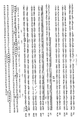
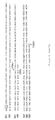
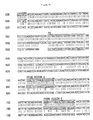
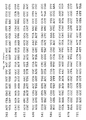
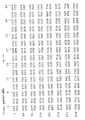
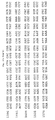
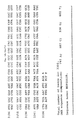
- the recombinant polypeptides of the invention contain in their polypeptidic chain one at least of the following amino acid sequences: - the one extending from the extremity constituted by amino acid at position (-29) to the extremity constituted by amino acid at position (-1) represented on fig. 3a and fig. 3b, or - the one extending from the extremity constituted by amino acid at position (12) to the extremity constituted by amino acid at position (31) represented on fig. 3a and fig. 3b, or - the one extending from the extremity constituted by amino acid at position (36) to the extremity constituted by amino acid at position (55) represented on fig. 3a and fig.
- bovis BCG culture filtrate and/or react selectively with human sera from tuberculosis patients and particularly patients developing an evolutive tuberculosis at an early stage, and/or react with the amino acid sequence extending from the extremity constituted by amino acid at position (1), to the extremity constituted by amino acid at position (294) represented on fig. 3a and fig. 3b.
- - X represents G or GG
- - Y represents C or CC
- - Z represents C or G
- - W represents C or G and is different from Z
- - X represents C or CG
- - L represents G or CG
- - a1-b1 represents ALA-ARG or GLY-ALA-ALA
- - a2 represents arg or gly
- - a3-b3-c3-d3-e3-f3- represents his-trp-val-pro-arg-pro or ala-leu-gly-ala
- - a4 represents pro or pro-asn-thr
- - a5 represents pro or ala-pro.
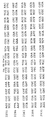
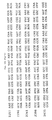
- the recombinant polypeptides of the invention contain in their polypeptidic chain one at least of the following amino acid sequences: - the one extending from the extremity constituted by amino acid at position (-29) to the extremity constituted by amino acid at position (-1) represented on fig. 4a and fig. 4b, or - the one extending from the extremity constituted by amino acid at position (12) to the extremity constituted by amino acid at position (31) represented on fig. 4a and fig. 4b, or - the one extending from the extremity constituted by amino acid at position (36) to the extremity constituted by amino acid at position (55) represented on fig. 4a and fig.
- bovis BCG culture filtrate and/or react selectively with human sera from tuberculosis patients and particularly patients developing an evolutive tuberculosis at an early stage, and/or react with the amino acid sequence extending from the extremity constituted by amino acid at position (1), to the extremity constituted by amino acid at position (294) represented on fig. 4a and fig. 4b.
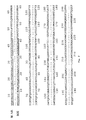
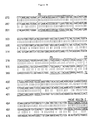
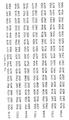
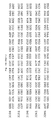
- the recombinant polypeptides of the invention contain in their polypeptidic chain one at least of the following amino acid sequences: - the one extending from the extremity constituted by amino acid at position (-30) to the extremity constituted by amino acid at position (-1) represented on fig. 5, or - the one extending from the extremity constituted by amino acid at position (12) to the extremity constituted by amino acid at position (31) represented on fig. 5, or - the one extending from the extremity constituted by amino acid at position (36) to the extremity constituted by amino acid at position (55) represented on fig. 5, or - the one extending from the extremity constituted by amino acid at position (77) to the extremity constituted by amino acid at position (96) represented on fig.
- the polypeptides react with rabbit polyclonal antiserum raised against the protein of 32-kDa of M. bovis BCG culture filtrate, and/or react selectively with human sera from tuberculosis patients and particularly patients developing an evolutive tuberculosis at an early stage, and/or react with the amino acid sequence extending from the extremity constituted by amino acid at position (1), to the extremity constituted by amino acid at position (295) represented on fig. 5.
- polypeptides of the invention are characterized by the fact that they react with rabbit polyclonal antiserum raised against the protein of 32-kDa of M. bovis BCG culture filtrate, hereafter designated by "P32 protein of BCG”.
- Advantageous polypeptides of the invention are characterized by the fact that they selectively react with human sera from tuberculous patients and particularly patients developing an evolutive tuberculosis at an early stage.
- Purified P32 protein of BCG from culture filtrate is used.
- P32 protein can be purified as follows : The bacterial strains used are M. bovis BCG substrains 1173P2 (Pasteur Institute, Paris) and GL2 (Pasteur Institute, Brussels).
- the culture of bacteria is obtained as follows : Mycobacterium bovis BCG is grown as a pellicle on Sauton medium, at 37.5°C for 14 days. As the medium is prepared with distilled water, zinc sulfate is added to the final concentration of 5 ⁇ M (normal Sauton medium) (De Bruyn J., Weckx M., Beumer-Jochmans M.-P. Effect of zinc deficiency on Mycobacterium tuberculosis var. bovis (BCG). J. Gen. Microbiol. 1981; 124:353-7). When zinc deficient medium was needed, zinc sulfate is omitted.
- the filtrates from zinc deficient cultures are obtained as follows :
- the culture medium is clarified by decantation.
- the remaining bacteria are removed by filtration through Millipak 100 filter unit (Millipore Corp., Bedford, Mass.).
- Millipak 100 filter unit Millipak 100 filter unit (Millipore Corp., Bedford, Mass.).
- the filtrate is adjusted to 20 mM in phosphate, 450 mM in NaCl, 1 mM in EDTA, and the pH is brought to 7.3 with 5 M HCl before sterile filtration.
- the protein analysis is carried out by polyacrylamide gel electrophoresis.
- Sodium dodecyl sulfate polyacrylamide gel electrophoresis (SDS-PAGE) was done on 13% (w/v) acrylamide-containing gels as described by Laemmli UK. (Cleavage of structural proteins during the assembly of the head of bacteriophage T4. Nature 1970; 227:680-5).
- the gels are stained with Coomassie Brilliant Blue R-250 and for quantitative analysis, scanned at 595 nm with a DU8 Beckman spectrophotometer. For control of purity the gel is revealed with silver stain (Biorad Laboratories, Richmond, Calif.).
- the purification step of P32 is carried out as follows: Except for hydrophobic chromatography on Phenyl-Sepharose, all buffers contain Tween 80 (0.005% final concentration). The pH is adjusted to 7.3 before sterilization. All purification steps are carried out at +4°C. Elutions are followed by recording the absorbance at 280 nm. The fractions containing proteins are analysed by SDS-PAGE.
- test used was an ELISA test; the ELISA for antibody determination is based on the method of Engvall and Perlmann (Engvall, E., and P. Perlmann. 1971. Enzyme-linked immunosorbent assay (ELISA). Quantitative assay of immunoglobulin C. Immunochemistry 8:871-874)
- Immulon Microelisa plates (Dynatech, Kloten, Switzerland) are coated by adding to each well 1 ⁇ g of one of the polypeptides of the invention in 100 ⁇ l Tris hydrochloride buffer 50 mM (pH 8.2). After incubation for 2 h at 27°C in a moist chamber, the plates are kept overnight at 4°C. They are washed four times with 0.01 M phosphate-buffered saline (pH 7.2) containing 0.05% Tween 20 by using a Titertek microplate washer (Flow Laboratories. Brussels. Belgium). Blocking is done with 0.5% gelatin in 0.06 M carbonate buffer (pH 9.6) for 1 h.
- the amount of peroxidase bound to the wells is quantified by using a freshly prepared solution of o-phenylenediamine (10 mg/100 ml) and hydrogen peroxide (8 ⁇ l of 30% H2O2 per 100 ml) in 0.15 M citrate buffer (pH 5.0) as a substrate.
- the enzymatic reaction is stopped with 8 N H2SO4 after 15 min. of incubation.
- the optical density is read at 492 nm with a Titertek Multiskan photometer (Flow Laboratories).
- This test is an immunoblotting (Western blotting) analysis, in the case where the polypeptides of the invention are obtained by recombinant techniques.
- This test can also be used for polypeptides of the invention obtained by a different preparation process. After sodium dodecyl sulfate-polyacrylamide gel electrophoresis, polypeptides of the invention are blotted onto nitrocellulose membranes (Hybond C. (Amersham)) as described by Towbin et al. (29). The expression of polypeptides of the invention fused to ⁇ -galactosidase in E.
- coli Y1089 is visualized by the binding of a polyclonal rabbit anti-32-kDa BCG protein serum (1:1,000) or by using a monoclonal anti- ⁇ -galactosidase antibody (Promega).
- the secondary antibody alkaline phosphatase anti-rabbit immunoglobulin G and anti-mouse alkaline phosphatase immunoglobulin G conjugates, respectively
- the secondary antibody alkaline phosphatase anti-rabbit immunoglobulin G and anti-mouse alkaline phosphatase immunoglobulin G conjugates, respectively
- nitrocellulose sheets are incubated overnight with these sera (1:50) (after blocking aspecific protein-binding sites).
- the human tuberculous sera are selected for their reactivity (high or low) against the purified 32-kDa antigen of BCG tested in a dot blot assay as described in document (31) of the bibliography hereafter.
- Reactive areas on the nitrocellulose sheets are revealed by incubation with peroxidase conjugated goat anti-human immunoglobulin G antibody (Dakopatts, Copenhagen, Denmark) (1:200) for 4h, and after repeated washings, color reaction is developed by adding peroxidase substrate ( ⁇ -chloronaphtol) (Bio-Rad Laboratories, Richmond, Calif.) in the presence of peroxidase and hydrogen peroxide.
- peroxidase substrate ⁇ -chloronaphtol
- the free reactive functions which are present in some of the amino acids, which are part of the constitution of the polypeptides of the invention particularly the free carboxyl groups which are carried by the groups Glu or by the C-terminal amino acid on the one hand and/or the free NH2 groups carried by the N-terminal amino acid or by amino acid inside the peptidic chain, for instance Lys, on the other hand, can be modified in so far as this modification does not alter the above mentioned properties of the polypeptide.
- the molecules which are thus modified are naturally part of the invention.
- the above mentioned carboxyl groups can be acylated or esterified.
- the amine or ester functions or both of terminal amino acids can be themselves involved in the bond with other amino acids.
- the N-terminal amino acid can be linked to a sequence comprising from 1 to several amino acids corresponding to a part of the C-terminal region of another peptide.
- any peptidic sequences resulting from the modification by substitution and/or by addition and/or by deletion of one or several amino acids of the polypeptides according to the invention are part of the invention in so far as this modification does not alter the above mentioned properties of said polypeptides.
- polypeptides according to the invention can be glycosylated or not, particularly in some of their glycosylation sites of the type Asn-X-Ser or Asn-X-Thr, X representing any amino acid.
- Advantageous recombinant polypeptides of the invention contain in their polypeptidic chain, one at least of the following amino acid sequences: - the one extending from the extremity constituted by amino acid at position (-42) to the extremity constituted by amino acid at position (-1) represented on fig. 3a and fig. 3b, - the one extending from the extremity constituted by amino acid at position (-47) to the extremity constituted by amino acid at position (-1) represented on fig. 3a and fig. 3b, - the one extending from the extremity constituted by amino acid at position (-49) to to the extremity constituted by amino acid at position (-1) represented on fig. 3a and fig.
- Advantageous recombinant polypeptides of the invention contain in their polypeptidic chain, one at least of the following amino acid sequences: - the one extending from the extremity constituted by amino acid at position (-42) to the extremity constituted by amino acid at position (-1) represented on fig. 4a and fig. 4b, - the one extending from the extremity constituted by amino acid at position (-47) to the extremity constituted by amino acid at position (-1) represented on fig. 4a and fig. 4b, - the one extending from the extremity constituted by amino acid at position (-49) to to the extremity constituted by amino acid at position (-1) represented on fig. 4a and fig.
- Advantageous recombinant polypeptides of the invention contain in their polypeptidic chain, one at least of the following amino acid sequences: - the one extending from the extremity constituted by amino acid at position (-43) to the extremity constituted by amino acid at position (-1) represented on fig. 5.
- Advantageous recombinant polypeptides of the invention contain in their polypeptidic chain, one at least of the following amino acid sequences: - the one extending from the extremity constituted by amino acid at position (1) to the extremity constituted by amino acid at position (294) represented on fig. 3a and fig. 3b, - the one extending from the extremity constituted by amino acid at position (-29) to the extremity constituted by amino acid at position (294) represented on fig. 3a and fig. 3b, - the one extending from the extremity constituted by amino acid at position (-42) to the extremity constituted by amino acid at position (294) represented on fig. 3a and fig.
- Advantageous recombinant polypeptides of the invention contain in their polypeptidic chain, one at least of the following amino acid sequences: - the one extending from the extremity constituted by amino acid at position (1) to the extremity constituted by amino acid at position (294) represented on fig. 4a and fig. 4b, - the one extending from the extremity constituted by amino acid at position (-29) to the extremity constituted by amino acid at position (294) represented on fig. 4a and fig. 4b, - the one extending from the extremity constituted by amino acid at position (-42) to the extremity constituted by amino acid at position (294) represented on fig. 4a and fig.
- Advantageous recombinant polypeptides of the invention contain in their polypeptidic chain, one at least of the following amino acid sequences: - the one extending from the extremity constituted by amino acid at position (1) to the extremity constituted by amino acid at position (295) represented on fig. 5, - the one extending from the extremity constituted by amino acid at position (-30) to the extremity constituted by amino acid at position (295) represented on fig. 5, - the one extending from the extremity constituted by amino acid at position (-43) to the extremity constituted by amino acid at position (295) represented on fig. 5.
- polypeptides of the invention consist in one of the following amino acid sequences: - the one extending from the extremity constituted by amino acid at position (-59) to the extremity constituted by amino acid at position (294) represented on fig. 3a and fig. 3b, - the one extending from the extremity constituted by amino acid at position (-55) to the extremity constituted by amino acid at position (294) represented on fig. 3a and fig. 3b, - the one extending from the extremity constituted by amino acid at position (-49) to the extremity constituted by amino acid at position (294) represented on fig. 3a and fig.
- polypeptides of the invention consist in one of the following amino acid sequences: - the one extending from the extremity constituted by amino acid at position (-59) to the extremity constituted by amino acid at position (294) represented on fig. 4a and fig. 4b, - the one extending from the extremity constituted by amino acid at position (-55) to the extremity constituted by amino acid at position (294) represented on fig. 4a and fig. 4b, - the one extending from the extremity constituted by amino acid at position (-49) to the extremity constituted by amino acid at position (294) represented on fig. 4a and fig.
- polypeptides of the invention consist in one of the following amino acid sequences: - the one extending from the extremity constituted by amino acid at position (1) to the extremity constituted by amino acid at position (295) represented on fig. 5, - the one extending from the extremity constituted by amino acid at position (-30) to the extremity constituted by amino acid at position (295) represented on fig. 5, - the one extending from the extremity constituted by amino acid at position (-43) to the extremity constituted by amino acid at position (295) represented on fig. 5.
- polypeptides of the invention consist in one of the following amino acid sequences: - the one extending from the extremity constituted by amino acid at position (-59) to the extremity constituted by amino acid at position (-1) represented on fig. 3a and fig. 3b, - the one extending from the extremity constituted by amino acid at position (-55) to the extremity constituted by amino acid at position (-1) represented on fig. 3a and fig. 3b, - the one extending from the extremity constituted by amino acid at position (-49) to the extremity constituted by amino acid at position (-1) represented on fig. 3a and fig.
- polypeptides of the invention consist in one of the following amino acid sequences: - the one extending from the extremity constituted by amino acid at position (-59) to the extremity constituted by amino acid at position (-1) represented on fig. 4a and fig. 4b, - the one extending from the extremity constituted by amino acid at position (-55) to the extremity constituted by amino acid at position (-1) represented on fig. 4a and fig. 4b, - the one extending from the extremity constituted by amino acid at position (-49) to the extremity constituted by amino acid at position (-1) represented on fig. 4a and fig.
- polypeptides of the invention consist in one of the following amino acid sequences: - the one extending from the extremity constituted by amino acid at position (-43) to the extremity constituted by amino acid at position (-1) represented on fig. 5, - the one extending from the extremity constituted by amino acid at position (-30) to the extremity constituted by amino acid at position (-1) represented on fig. 5.
- these polypeptides can be used as signal peptides, the role of which is to initiate the translocation of a protein from its site of synthesis, but which is excised during translocation.
- peptides of the invention consist in one of the following amino acid sequence: - the one extending from the extremity constituted by amino acid at position (12) to the extremity constituted by amino acid at position (31) represented on fig. 3a and fig. 3b, or - the one extending from the extremity constituted by amino acid at position (36) to the extremity constituted by amino acid at position (55) represented on fig. 3a and fig. 3b, or - the one extending from the extremity constituted by amino acid at position (77) to the extremity constituted by amino acid at position (96) represented on fig. 3a and fig.
- peptides of the invention consist in one of the following amino acid sequence: - the one extending from the extremity constituted by amino acid at position (12) to the extremity constituted by amino acid at position (31) represented on fig. 4a and fig. 4b, or - the one extending from the extremity constituted by amino acid at position (36) to the extremity constituted by amino acid at position (55) represented on fig. 4a and fig. 4b, or - the one extending from the extremity constituted by amino acid at position (77) to the extremity constituted by amino acid at position (96) represented on fig. 4a and fig.
- peptides of the invention consist in one of the following amino acid sequence: - the one extending from the extremity constituted by amino acid at position (12) to the extremity constituted by amino acid at position (31) represented on fig. 5, or - the one extending from the extremity constituted by amino acid at position (36) to the extremity constituted by amino acid at position (55) represented on fig. 5, or - the one extending from the extremity constituted by amino acid at position (77) to the extremity constituted by amino acid at position (96) represented on fig. 5, or - the one extending from the extremity constituted by amino acid at position (101) to the extremity constituted by amino acid at position (120) represented on fig.
- polypeptides are derived from the expression products of a DNA derived from the nucleotide sequence coding for a protein of 32-kDa secreted by Mycobacterium tuberculosis as explained hereafter in the examples.
- the invention also relates to the amino acid sequences constituted by the above mentioned polypeptides and a protein or an heterologous sequence with respect to said polypeptide, said protein or heterologous sequence comprising for instance from about 1 to about 1000 amino acids.
- These amino acid sequences will be called fusion proteins.
- the heterologous protein is ⁇ -galactosidase.
- the invention also relates to any nucleotide sequence coding for a polypeptide of the invention.
- the invention also relates to nucleic acids comprising nucleotide sequences which hybridize with the nucleotide sequences coding for any of the above mentioned polypeptides under the following hybridization conditions: - hybridization and wash medium: 3 X SSC, 20% formamide (1 X SSC is 0,15 M NaCl, 0.015 M sodium citrate, pH 7.0), - hybridization temperature (HT) and wash temperature (WT) for the nucleic acids of the invention defined by x-y: i.e. by the sequence extending from the extremity constituted by the nucleotide at position (x) to the extremity constituted by the nucleotide at position (y) represented on fig. 3a and fig. 3b.
- the invention also relates to nucleic acids comprising nucleotide sequences which are complementary to the nucleotide sequences coding for any of the above mentioned polypeptides.
- nucleic acids as well as in the hereafter defined nucleic acids, the nucleotide sequences which are brought into play are such that T can be replaced by U.
- a group of preferred nucleic acids of the invention comprises one at least of the following nucleotide sequences: - the one extending from the extremity constituted by nucleotide at position (1) to the extremity constituted by nucleotide at position (182) represented in fig. 3a and fig. 3b, - the one extending from the extremity constituted by nucleotide at position (273) to the extremity constituted by nucleotide at position (359) represented in fig. 3a and fig. 3b, - the one extending from the extremity constituted by nucleotide at position (360) to the extremity constituted by nucleotide at position (1241) represented in fig. 3a and fig.
- N represents one of the five A, T, C, G or I nucleotides, represented in fig. 3a and fig. 3b, or above said nucleotide sequences wherein T is replaced by U, or nucleic acids which hybridize with said above mentioned nucleotide sequences or the complementary sequences thereof.
- a group of preferred nucleic acids of the invention comprises one at least of the following nucleotide sequences: - the one extending from the extremity constituted by nucleotide at position (1) to the extremity constituted by nucleotide at position (182) represented in fig. 4a and fig. 4b, - the one extending from the extremity constituted by nucleotide at position (273) to the extremity constituted by nucleotide at position (359) represented in fig. 4a and fig. 4b, - the one extending from the extremity constituted by nucleotide at position (360) to the extremity constituted by nucleotide at position (1241) represented in fig. 4a and fig.
- N represents one of the five A, T, C, G or I nucleotides, represented in fig. 4a and fig. 4b, or above said nucleotide sequences wherein T is replaced by U, or nucleic acids which hybridize with said above mentioned nucleotide sequences or the complementary sequences thereof.
- a group of preferred nucleic acids of the invention comprises one at least of the following nucleotide sequences: - the one extending from the extremity constituted by nucleotide at position (130) to the extremity constituted by nucleotide at position (219) represented in fig. 5, - the one extending from the extremity constituted by nucleotide at position (220) to the extremity constituted by nucleotide at position (1104) represented in fig. 5, - the one extending from the extremity constituted by nucleotide at position (1104) to the extremity constituted by nucleotide at position (1299), wherein N represents one of the five A, T, C, G or I nucleotides, represented in fig. 5, or above said nucleotide sequences wherein T is replaced by U, or nucleic acids which hybridize with said above mentioned nucleotide sequences or the complementary sequences thereof.
- nucleic acids of the invention comprise one at least of the following nucleotide sequences: - the one extending from the extremity constituted by nucleotide at position (195) to the extremity constituted by nucleotide at position (359) represented in fig. 3a and fig. 3b, - the one extending from the extremity constituted by nucleotide at position (213) to the extremity constituted by nucleotide at position (359) represented in fig. 3a and fig. 3b, - the one extending from the extremity constituted by nucleotide at position (219) to the extremity constituted by nucleotide at position (359) represented in fig. 3a and fig. 3b, - the one extending from the extremity constituted by nucleotide at position (183) to the extremity constituted by nucleotide at position (359) represented in fig. 3a and fig. 3b.
- nucleic acids of the invention comprise one at least of the following nucleotide sequences: - the one extending from the extremity constituted by nucleotide at position (195) to the extremity constituted by nucleotide at position (359) represented in fig. 4a and fig. 4b, - the one extending from the extremity constituted by nucleotide at position (213) to the extremity constituted by nucleotide at position (359) represented in fig. 4a and fig. 4b, - the one extending from the extremity constituted by nucleotide at position (219) to the extremity constituted by nucleotide at position (359) represented in fig. 4a and fig. 4b, - the one extending from the extremity constituted by nucleotide at position (183) to the extremity constituted by nucleotide at position (359) represented in fig. 4a and fig. 4b.
- nucleic acids of the invention comprises the following nucleotide sequences: - the one extending from the extremity constituted by nucleotide at position (360) to the extremity constituted by nucleotide at position (1358) represented in fig. 3a and fig. 3b.
- nucleic acids of the invention comprises the following nucleotide sequences: - the one extending from the extremity constituted by nucleotide at position (360) to the extremity constituted by nucleotide at position (1358) represented in fig. 4a and fig. 4b.
- nucleic acids of the invention comprises one of the following sequences: - the one extending from the extremity constituted by nucleotide at position (1) to the extremity constituted by nucleotide at position (194) represented in fig. 3a and fig. 3b, - the one extending from the extremity constituted by nucleotide at position (1) to the extremity constituted by nucleotide at position (212) represented in fig. 3a and fig. 3b, - the one extending from the extremity constituted by nucleotide at position (1) to the extremity constituted by nucleotide at position (218) represented in fig. 3a and fig.
- nucleic acids of the invention comprises one of the following sequences: - the one extending from the extremity constituted by nucleotide at position (1) to the extremity constituted by nucleotide at position (194) represented in fig. 4a and fig. 4b, - the one extending from the extremity constituted by nucleotide at position (1) to the extremity constituted by nucleotide at position (212) represented in fig. 4a and fig. 4b, - the one extending from the extremity constituted by nucleotide at position (1) to the extremity constituted by nucleotide at position (218) represented in fig. 4a and fig.
- Preferred nucleic acids of the invention consist in one of the following nucleotide sequences: - the one extending from the extremity constituted by nucleotide at position (183) to the extremity constituted by nucleotide at position (359) represented in fig. 3a and fig. 3b, - the one extending from the extremity constituted by nucleotide at position (195) to the extremity constituted by nucleotide at position (359) represented in fig. 3a and fig. 3b, - the one extending from the extremity constituted by nucleotide at position (213) to the extremity constituted by nucleotide at position (359) represented in fig. 3a and fig.
- Preferred nucleic acids of the invention consist in one of the following nucleotide sequences: - the one extending from the extremity constituted by nucleotide at position (183) to the extremity constituted by nucleotide at position (359) represented in fig. 4a and fig. 4b, - the one extending from the extremity constituted by nucleotide at position (195) to the extremity constituted by nucleotide at position (359) represented in fig. 4a and fig. 4b, - the one extending from the extremity constituted by nucleotide at position (213) to the extremity constituted by nucleotide at position (359) represented in fig. 4a and fig.
- nucleotide sequence can be used as nucleotide signal sequences, coding for the corresponding signal peptide.
- Preferred nucleic acids of the invention consist in one of the following nucleotide sequences: - the one extending from the extremity constituted by nucleotide at position (360) to the extremity constituted by nucleotide at position (1241) represented in fig. 3a and fig. 3b, - the one extending from the extremity constituted by nucleotide at position (360) to the extremity constituted by nucleotide at position (1358) represented in fig. 3a and fig. 3b.
- Preferred nucleic acids of the invention consist in one of the following nucleotide sequences: - the one extending from the extremity constituted by nucleotide at position (1) to the extremity constituted by nucleotide at position (182) represented in fig. 3a and fig. 3b, - the one extending from the extremity constituted by nucleotide at position (1) to the extremity constituted by nucleotide at position (194) represented in fig. 3a and fig. 3b, - the one extending from the extremity constituted by nucleotide at position (1) to the extremity constituted by nucleotide at position (212) represented in fig. 3a and fig.
- Preferred nucleic acids of the invention consist in one of the following nucleotide sequences: - the one extending from the extremity constituted by nucleotide at position (360) to the extremity constituted by nucleotide at position (1241) represented in fig. 4a and fig. 4b, - the one extending from the extremity constituted by nucleotide at position (360) to the extremity constituted by nucleotide at position (1358) represented in fig. 4a and fig. 4b.
- Preferred nucleic acids of the invention consist in one of the following nucleotide sequences: - the one extending from the extremity constituted by nucleotide at position (1) to the extremity constituted by nucleotide at position (182) represented in fig. 4a and fig. 4b, - the one extending from the extremity constituted by nucleotide at position (1) to the extremity constituted by nucleotide at position (194) represented in fig. 4a and fig. 4b, - the one extending from the extremity constituted by nucleotide at position (1) to the extremity constituted by nucleotide at position (212) represented in fig. 4a and fig.
- Preferred nucleic acids of the invention consist in one of the following nucleotide sequences: - the one extending from the extremity constituted by nucleotide at position (1) to the extremity constituted by nucleotide at position (129) represented in fig. 5, - the one extending from the extremity constituted by nucleotide at position (1) to the extremity constituted by nucleotide at position (219) represented in fig. 5, - the one extending from the extremity constituted by nucleotide at position (1) to the extremity constituted by nucleotide at position (1104) represented in fig.
- Preferred nucleic acids of the invention consist in one of the following nucleotide sequences: - the one extending from the extremity constituted by nucleotide at position (1) to the extremity constituted by nucleotide at position (129) represented in fig. 5, - the one extending from the extremity constituted by nucleotide at position (1) to the extremity constituted by nucleotide at position (219) represented in fig. 5, - the one extending from the extremity constituted by nucleotide at position (1) to the extremity constituted by nucleotide at position (1104) represented in fig.
- the invention also relates to any recombinant nucleic acids containing at least a nucleic acid of the invention inserted in an heterologous nucleic acid.
- the invention relates more particularly to recombinant nucleic acid such as defined, in which the nucleotide sequence of the invention is preceded by a promoter (particularly an inducible promoter) under the control of which the transcription of said sequence is liable to be processed and possibly followed by a sequence coding for transcription termination signals.
- a promoter particularly an inducible promoter
- the invention also relates to the recombinant nucleic acids in which the nucleic acid sequences coding for the polypeptide of the invention and possibly the signal peptide, are recombined with control elements which are heterologous with respect to the ones to which they are normally associated within the bacteria gene and, more particularly, the regulation elements adapted to control their expression in the cellular host which has been chosen for their production.
- the invention also relates to recombinant vectors, particularly for cloning and/or expression, comprising a vector sequence, notably of the type plasmid, cosmid or phage, and a recombinant nucleic acid of the invention, in one of the non essential sites for its replication.
- Appropriate vectors for expression of the recombinant antigen are the following one: pEX1 pmTNF MPH pEX2 pIGRI pEX3 pUEX1 pUEX2 pUEX3
- the pEX1, pEX2 and pEX3 vectors are commercially available and can be obtained from Boehringer Mannheim.
- the pUEX1, pUEX2 and pUEX3 vectors are also commercially available and can be obtained from Amersham.
- the recombinant vector contains, in one of its non essential sites for its replication, necessary elements to promote the expression of polypeptides according to the invention in a cellular host and possibly a promoter recognized by the polymerase of the cellular host, particularly an inducible promoter and possibly a signal sequence and/or an anchor sequence.
- the recombinant vector contains the elements enabling the expression by E. coli of a nucleic acid according to the invention inserted in the vector, and particularly the elements enabling the expression of the gene or part thereof of ⁇ -galactosidase.
- the invention also relates to a cellular host which is transformed by a recombinant vector according to the invention, and comprising the regulation elements enabling the expression of the nucleotide sequence coding for the polypeptide according to the invention in this host.
- the invention also relates to a cellular host chosen from among bacteria such as E. coli , transformed by a vector as above defined, and defined hereafter in the examples, or chosen from among eukaryotic organism, such as CHO cells, insect cells, Sf9 cells [Spodoptera frugiperda] infected by the virus Ac NPV (Autographa californica nuclear polyhydrosis virus) containing suitable vectors such as pAc 373 pYM1 or pVC3, BmN [Bombyx mori] infected by the virus BmNPV containing suitable vectors such as pBE520 or p89B310.
- a cellular host chosen from among bacteria such as E. coli , transformed by a vector as above defined, and defined hereafter in the examples, or chosen from among eukaryotic organism, such as CHO cells, insect cells, Sf9 cells [Spodoptera frugiperda] infected by the virus Ac NPV (Autographa californica nuclear poly
- the invention relates to an expression product of a nucleic acid expressed by a transformed cellular host according to the invention.
- the invention also relates to nucleotidic probes, hybridizing with anyone of the nucleic acids or with their complementary sequences, and particularly the probes chosen among the following nucleotidic sequences gathered in Table 1, and represented in fig. 9.
- the hybridization conditions can be the following ones: - hybridization and wash medium: 3 X SSC, 20% formamide (1 X SSC is 0,15 M NaCl, 0.015 M sodium citrate, pH 7.0), - hybridization temperature (HT) and wash temperature (WT): (WT) °C: HT and WT (°C) A(i) 50 A(ii) 50 A(iii) 52 A(iv) 60 A(v) 52 B 48 C 50 D 45 E 52 F(i) 55 F(ii) 59 F(iii) 55 F(iv) 59
- M. tuberculosis might enable to differentiate M. tuberculosis from other bacterial strains and in particular from the following mycobacteria species: - Mycobacterium marinum, Mycobacterium scrofulaceum, Mycobacterium gordonae, Mycobacterium szulgai, Mycobacterium intracellulare, Mycobacterium xenopi, Mycobacterium gastri, Mycobacterium nonchromogenicum, Mycobacterium terrae and Mycobacterium triviale, and more particularly from M . bovis , Mycobacterium kansasii, Mycobacterium avium, Mycobacterium phlei and Mycobacterium fortuitum.
- the invention also relates to DNA or RNA primers which can be used for the synthesis of nucleotidic sequences according to the invention by PCR (polymerase chain reaction technique), such as described in US Patents n° 4,683,202 and n° 4,683,195 and European Patent n° 200362.
- PCR polymerase chain reaction technique
- the invention also relates to any DNA or RNA primer constituted by about 15 to about 25 nucleotides of a nucleotide sequence coding for a polypeptide according to the invention.
- the invention also relates to any DNA or RNA primer constituted by about 15 to about 25 nucleotides liable to hybridize with a nucleotide sequence coding for a polypeptide according to the invention.
- the invention also relates to any DNA or RNA primer constituted by about 15 to about 25 nucleotides complementary to a nucleotide sequence coding for a polypeptide according to the invention.
- sequences which can be used as primers are given in Table 2 hereafter (sequences P1 to P6 or their complement) and illustrated in fig. 9 :
- sequences can be combined in twelve different primer-sets (given in Table 3) which allow enzymatical amplification by the polymerase chain reaction (PCR) technique of any of the nucleotide sequences of the invention, and more particularly the one extending from the extremity constituted by nucleotide at position 1 to the extremity constituted by nucleotide at position 1358, as well as the nucleotide sequence of antigen ⁇ of BCG (17).
- PCR polymerase chain reaction
- the detection of the PCR amplified product can be achieved by a hybridization reaction with an oligonucleotide sequence of at least 10 nucleotides which is located between PCR primers which have been used to amplify the DNA.
- PCR products of the nucleotide sequences of the invention can be distinguished from the ⁇ -antigen gene of BCG or part thereof by hybridization techniques (dot-spot, Southern blotting, etc.) with the probes indicated in Table 3. The sequences of these probes can be found in Table 1 hereabove.
- TABLE 3 Primer set Detection with probe 1. P1 and the complement of P2 B 2. P1 and the complement of P3 B 3. P1 and the complement of P4 B 4. P1 and the complement of P5 B or C 5. P1 and the complement of P6 B, C, D or E 6. P2 and the complement of P5 C 7. P2 and the complement of P6 C, D or E 8. P3 and the complement of P5 C 9. P3 and the complement of P6 C, D or E 10. P4 and the complement of P5 C 11. P4 and the complement of P6 C, D or E 12. P5 and the complement of P6 D or E
- enzymatic amplification can also be achieved with all oligonucleotides with sequences of about 15 consecutive bases of the primers given in Table 2. Primers with elongation at the 5′-end or with a small degree of mismatch may not considerably affect the outcome of the enzymatic amplification if the mismatches do not interfere with the base-pairing at the 3′-end of the primers.
- the primer sets are constituted by any of the nucleotide sequences (A, B, C, D, E, F) of Table 1 in association with the complement of any other nucleotide sequence, chosen from A, B, C, D, E or F, it being understood that sequence A means any of the sequences A(i), A(ii), A(iii), A(iv), A(v) and sequence F, any of the sequences F(i), F(ii), F(iii) and F(iv).
- Advantageous primer sets for enzymatic amplification of the nucleotide sequence of the invention can be one of the following primer sets given in Table 3bis hereafter:
- the detection of the amplified nucleotide sequence can be achieved by a hybridization reaction with an oligonucleotide sequence of at least 10 nucleotides, said sequence being located between the PCR primers which have been used to amplify the nucleotide sequence.
- An oligonucleotide sequence located between said two primers can be determined from figure 9 where the primers A, B, C, D, E and F are represented by the boxed sequences respectively named probe region A, probe region B, probe region C, probe region D, probe region E and probe region F.
- the invention also relates to a kit for enzymatic amplification of a nucleotide seguence by PCR technique and detection of the amplified nucleotide sequence containing - one of the PCR primer sets defined in Table 3 and one of the detection probes of the invention, advantageously the probes defined in Table 1, or one of the PCR primer sets defined in Table 3bis, and a detection sequence consisting for instance in an oligonucleotide sequence of at least 10 nucleotides, said sequence being located (fig. 9) between the two PCR primers constituting the primer set which has been used for amplifying said nucleotide sequence.
- the invention also relates to a process for preparing a polypeptide according to the invention comprising the following steps: - the culture in an appropriate medium of a cellular host which has previously been transformed by an appropriate vector containing a nucleic acid according to the invention, - the recovery of the polypeptide produced by the above said transformed cellular host from the above said culture medium, and - the purification of the polypeptide produced, eventually by means of immobilized metal ion affinity chromatography (IMAC).
- IMAC immobilized metal ion affinity chromatography
- polypeptides of the invention can be prepared according to the classical techniques in the field of peptide synthesis.
- the synthesis can be carried out in homogeneous solution or in solid phase.
- polypeptides of the invention can also be prepared according to the method described by R.D. MERRIFIELD in the article titled “Solid phase peptide synthesis” (J.P. Ham.Socks. , 45 , 2149-2154).
- the invention also relates to a process for preparing the nucleic acids according to the invention.
- a suitable method for chemically preparing the single-stranded nucleic acids comprises the following steps : - DNA synthesis using the automatic ⁇ -cyanoethyl phosphoramidite method described in Bioorganic Chemistry 4; 274-325, 1986.
- the material which is obtained at the end of the DNA synthesis can be used as such.
- a suitable method for chemically preparing the double-stranded nucleic acids comprises the following steps: - DNA synthesis of one sense oligonucleotide using the automatic ⁇ -cyanoethyl phosphoramidite method described in Bioorganic Chemistry 4; 274-325, 1986, and DNA synthesis of one anti-sense oligonucleotide using said above-mentioned automatic ⁇ -cyanoethyl phosphoramidite method, - combining the sense and anti-sense oligonucleotides by hybridization in order to form a DNA duplex, - cloning the DNA duplex obtained into a suitable plasmid vector and recovery of the DNA according to classical methods, such as restriction enzyme digestion and agarose gel electrophoresis.
- a method for the chemical preparation of nucleic acids of length greater than 100 nucleotides - or bp, in the case of double-stranded nucleic acids - comprises the following steps : - assembling of chemically synthesized oligonucleotides, provided at their ends with different restriction sites, the sequences of which are compatible with the succession of amino acids in the natural peptide, according to the principle described in Proc. Nat. Acad. Sci. USA 80; ,7461-7465, 1983, - cloning the DNA thereby obtained into a suitable plasmid vector and recovery of the desired nucleic acid according to classical methods, such as restriction enzyme digestion and agarose gel electrophoresis.
- the invention also relates to antibodies themselves formed against the polypeptides according to the invention.
- the invention also relates to any antibody of the invention labeled by an appropriate label of the enzymatic, fluorescent or radioactive type.
- amino acid sequences are given in the 1-letter code.
- Variations of the peptides listed in Table 4 are also possible depending on their intended use.
- the peptides may be synthesized with an extra cysteine residue added. This extra cysteine residue is preferably added to the amino terminus and facilitates the coupling of the peptide to a carrier protein which is necessary to render the small peptide immunogenic.
- the peptide is to be labeled for use in radioimmune assays, it may be advantageous to synthesize the protein with a tyrosine attached to either the amino or carboxyl terminus to facilitate iodination.
- These peptides possess therefore the primary sequence of the peptides listed in Table 4 but with additional amino acids which do not appear in the primary sequence of the protein and whose sole function is to confer the desired chemical properties to the peptides.
- the invention also relates to a process for detecting in vitro antibodies related to tuberculosis in a human biological sample liable to contain them, this process comprising - contacting the biological sample with a polypeptide or a peptide according to the invention under conditions enabling an in vitro immunological reaction between said polypeptide and the antibodies which are possibly present in the biological sample and - the in vitro detection of the antigen/antibody complex which may be formed.
- the biological medium is constituted by a human serum.
- the detection can be carried out according to any classical process.
- a preferred method brings into play an immunoenzymatic process according to ELISA technique or immunofluorescent or radioimmunological (RIA) or the equivalent ones.
- the invention also relates to any polypeptide according to the invention labeled by an appropriate label of the enzymatic, fluorescent, radioactive... type.
- Such a method for detecting in vitro antibodies related to tuberculosis comprises for instance the following steps: - deposit of determined amounts of a polypeptidic composition according to the invention in the wells of a titration microplate, - introduction into said wells of increasing dilutions of the serum to be diagnosed, - incubation of the microplate, - repeated rinsing of the microplate, - introduction into the wells of the microplate of labeled antibodies against the blood immunoglobulins, - the labeling of these antibodies being carried out by means of an enzyme which is selected from among the ones which are able to hydrolyze a substrate by modifying the absorption of the radiation of this latter at least at a given wave length, - detection by comparing with a control standard of the amount of hydrolyzed substrate.
- the invention also relates to a process for detecting and identifying in vitro antigens of M. tuberculosis in a human biological sample liable to contain them, this process comprising: - contacting the biological sample with an appropriate antibody of the invention under conditions enabling an in vitro immunological reaction between said antibody and the antigens of M. tuberculosis which are possibly present in the biological sample and the in vitro detection of the antigen/antibody complex which may be formed.
- the biological medium is constituted by sputum, pleural effusion liquid, broncho-alveolar washing liquid, urine, biopsy or autopsy material.
- Appropriate antibodies are advantageously monoclonal antibodies directed against the peptides which have been mentioned in Table 4.
- the invention also relates to an additional method for the in vitro diagnostic of tuberculosis in a patient liable to be infected by Mycobacterium tuberculosis comprising the following steps: - the possible previous amplification of the amount of the nucleotide sequences according to the invention, liable to be contained in a biological sample taken from said patient by means of a DNA primer set as above defined, - contacting the above mentioned biological sample with a nucleotide probe of the invention, under conditions enabling the production of an hybridization complex formed between said probe and said nucleotide sequence, - detecting the above said hybridization complex which has possibly been formed.
- the following necessary or kit can be used, said necessary or kit comprising: - a determined amount of a nucleotide probe of the invention, - advantageously the appropriate medium for creating an hybridization reaction between the sequence to be detected and the above mentioned probe, - advantageously, reagents enabling the detection of the hybridization complex which has been formed between the nucleotide sequence and the probe during the hybridization reaction.
- the invention also relates to an additional method for the in vitro diagnostic of tuberculosis in a patient liable to be infected by Mycobacterium tuberculosis comprising : - contacting a biological sample taken from a patient with a polypeptide or a peptide of the invention, under conditions enabling an in vitro immunological reaction between said polypeptide or peptide and the antibodies which are possibly present in the biological sample and - the in vitro detection of the antigen/antibody complex which has possibly been formed.
- the following necessary or kit can be used, said necessary or kit comprising: - a polypeptide or a peptide according to the invention, - reagents for making a medium appropriate for the immunological reaction to occur, - reagents enabling to detect the antigen/antibody complex which has been produced by the immunological reaction, said reagents possibly having a label, or being liable to be recognized by a labeled reagent, more particularly in the case where the above mentioned polypeptide or peptide is not labeled.
- the invention also relates to an additional method for the in vitro diagnostic of tuberculosis in a patient liable to be infected by M. tuberculosis , comprising the following steps: - contacting the biological sample with an appropriate antibody of the invention under conditions enabling an in vitro immunological reaction between said antibody and the antigens of M. tuberculosis which are possibly present in the biological sample and - the in vitro detection of the antigen/antibody complex which may be formed.
- Appropriate antibodies are advantageously monoclonal antibodies directed against the peptides which have been mentioned in Table 4.
- the following necessary or kit can be used, said necessary or kit comprising: - an antibody of the invention, - reagents for making a medium appropriate for the immunological reaction to occur, - reagents enabling to detect the antigen/antibody complexes which have been produced by the immunological reaction, said reagent possibly having a label or being liable to be recognized by a label reagent, more particularly in the case where the above mentioned antibody is not labeled.
- An advantageous kit for the diagnostic in vitro of tuberculosis comprises: - at least a suitable solid phase system, e.g. a microtiter-plate for deposition thereon of the biological sample to be diagnosed in vitro , - a preparation containing one of the monoclonal antibodies of the invention, - a specific detection system for said monoclonal antibody, - appropriate buffer solutions for carrying out the immunological reaction between a test sample and said monoclonal antibody on the one hand, and the bonded monoclonal antibodies and the detection system on the other hand.
- a suitable solid phase system e.g. a microtiter-plate for deposition thereon of the biological sample to be diagnosed in vitro
- a preparation containing one of the monoclonal antibodies of the invention e.g. a specific detection system for said monoclonal antibody
- - appropriate buffer solutions for carrying out the immunological reaction between a test sample and said monoclonal antibody on the one hand, and the bonded monoclonal antibodies and the detection
- the invention also relates to a kit, as described above, also containing a preparation of one of the polypeptides or peptides of the invention, said antigen of the invention being either a standard (for quantitative determination of the antigen of M. tuberculosis which is sought) or a competitor, with respect to the antigen which is sought, for the kit to be used in a competition dosage process.
- the invention also relates to an immunogenic composition
- an immunogenic composition comprising a polypeptide or a peptide according to the invention, in association with a pharmaceutically acceptable vehicle.
- the invention also relates to a vaccine composition
- a vaccine composition comprising among other immunogenic principles anyone of the polypeptides or peptides of the invention or the expression product of the invention, possibly coupled to a natural protein or to a synthetic polypeptide having a sufficient molecular weight so that the conjugate is able to induce in vivo the production of antibodies neutralizing Mycobacterium tuberculosis, or induce in vivo a cellular immune response by activating M. tuberculosis antigen-responsive T cells.
- amino acid sequences are given in the 1-letter code.
- Figures 1(A) and 1(B) correspond to the identification of six purified ⁇ gt11 M. tuberculosis recombinant clones.
- Figure 1(A) corresponds to the EcoRI restriction analysis of clone 15, clone 16, clone 17, clone 19, clone 24 and EcoRI-HindIII digested lambda DNA-molecular weight marker lane (in kilobase pairs) (M) (Boehringer).
- Figure 1(B) corresponds to the immunoblotting analysis of crude lysates of E. coli lysogenized with clone 15, clone 16, clone 17, clone 19, clone 23 and clone 24.
- Arrow ( ⁇ ) indicates fusion protein produced by recombinant ⁇ gt11-M-tuberculosis clones. Expression and immunoblotting were as described above. Molecular weight (indicated in kDa) were estimated by comparison with molecular weight marker (High molecular weight-SDS calibration kit, Pharmacia).
- Figure 2 corresponds to the restriction map of the DNA inserts in the ⁇ gt11 M. tuberculosis recombinant clones 17 and 24 identified with polyclonal anti-32-kDa (BCG) antiserum as above defined and of clones By1, By2 and By5 selected by hybridization with a 120 bp EcoRI-Kpn I restriction fragment of clone 17.
- BCG polyclonal anti-32-kDa
- the short vertical bars represent linker derived EcoRI sites surrounding the DNA inserts of recombinant clones.
- the lower part represents a magnification of the DNA region containing the antigen of molecular weight of 32-kDa, that has been sequenced. Arrows indicate strategies and direction of dideoxy-sequencing. ( ⁇ >) fragment subcloned in Bluescribe M13; ( ⁇ >) fragment subcloned in mp10 and mp11 M13 vectors; ( ⁇ >) sequence determined with the use of a synthetic oligonucleotide.
- Figures 3a and 3b correspond to the nucleotide and amino acid sequences of the general formula of the antigens of the invention.
- Figures 4a and 4b correspond to the nucleotide and amino acid sequences of one of the antigens of the invention.
- the NH2-terminal amino acid sequence of the mature protein which is underlined with a double line happens to be very homologous - 29/32 amino acids - with the one of MPB 59 antigen (34).
- Five additional ATG codons, upstream of the ATG at position 273 are shown (dotted underlined).
- Vertical arrows ( ⁇ ) indicate the presumed NH2 end of clone 17 and clone 24.
- the option taken here arbitrarily represents the 59 amino acid signal peptide corresponding to ATG183.
- Figure 5 corresponds to the nucleotide and amino acid sequences of the antigen of 32-kDa of the invention.
- the NH2-terminal amino acid sequence of the mature protein which is underlined with a double line happens to be very homologous - 29/32 amino acids - with the one of MPB 59 antigen (34).
- Vertical arrows ( ⁇ ) indicate the presumed NH2 end of clone 1,7 and clone 24.
- Figure 6 is the hydropathy pattern of the antigen of the invention of a molecular weight of 32-kDa and of the antigen ⁇ of BCG (17).
- Figure 7 represents the homology between the amino acid sequences of the antigen of 32-kDa of the invention and of antigen ⁇ of BCG (revised version).
- Figure 8 illustrates the fact that the protein of 32-kDa of the invention is selectively recognized by human tuberculous sera.
- Figure 8 represents the immunoblotting with human tuberculous sera, and anti- ⁇ -galactosidase monoclonal antibody.
- Lanes 1 to 6 E. coli lysate expressing fusion protein (140 kDa); lanes 7 to 12:unfused ⁇ -galactosidase (114 kDa).
- the DNA insert of clone 17 (2.7 kb) was subcloned into pUEX2 and expression of fusion protein was induced as described by Bresson and Stanley (4).
- Lanes 1 and 7 were probed vith the anti- ⁇ -galactosidase monoclonal antibody: lanes 4, 5, 6 and 10, 11, 12 with 3 different human tuberculous sera highly responding towards purified protein of the invention of 32-kDa; lanes 2 and 3 and 8 and 9 were probed with 2 different low responding sera.
- Figure 9 represents the nucleic acid sequence alignment of the 32-kDa protein gene of M. tuberculosis of the invention (upper line), corresponding to the sequence in fig. 5, of the gene of fig. 4a and 4b of the invention (middle line), and of the gene for antigen ⁇ of BCG (lower line).
- the primer regions for enzymatical amplification are boxed (P1 to P6).
- probe region A The specific probe regions are boxed and respectively defined by probe region A, probe region B, probe region C, probe region D, probe region E and probe region F
- nucleotide at position 1 corresponds to nucleotide 234 on Figure 3a, and corresponds to nucleotide 91 on figure 5.
- Figure 10a corresponds to the restriction and genetic map of the PIGRI plasmid used in Example IV for the expression of the P32 antigen of the invention in E. coli .
- Figure 10b corresponds to the pIGRI nucleic acid sequence.
- Table 5 hereafter corresponds to the complete restriction site analysis of pIGRI.
- Figure 11a corresponds to the restriction and genetic map of the pmTNF MPH plasmid used in Example V for the expression of the P32 antigen of the invention in E. coli .
- Figure 11b corresponds to the pmTNF-MPH nucleic acid sequence.
- Figure 12a corresponds to the restriction and genetic map of the plasmid pIG2 used to make the intermediary construct PIGS Mt32 as described in Example IV for the subcloning of the P32 antigen in plasmid pIGRI.
- Figure 12b corresponds to the pIG2 nucleic acid sequence.
- Table 7 corresponds to the complete restriction site analysis of pIG2.
- Figure 13 corresponds to the amino acid sequence of the total fusion protein mTNF-His6-P32.
- the continuous underlined sequence represents the mTNF sequence (first 25 amino acids)
- - the dotted underlined sequence represents the polylinker sequence
- - the double underlined sequence represents the extra amino acids created at cloning site
- - the amino acid marked with nothing is the antigen sequence starting from the amino acid at position 4 of figure 5.
- Figure 14a and 14b correspond to the expression of the mTNF-His6-P32 fusion protein in K12 ⁇ H, given in Example VI, with Fig. 14a representing the Coomassie Brilliant Blue stained SDS-PAGE and 14b representing immunoblots of the gel with anti-32-kba and anti-mTNF-antibody.
- the lanes correspond to the following: Lanes 1. protein molecular weight markers 2. pmTNF-MPH-Mt32 28°C 1 h induction 3. pmTNF-MPH-Mt32 42°C 1 h induction 4. pmTNF-MPH-Mt32 42°C 2 h induction 5. pmTNF-MPH-Mt32 42°C 3 h induction 6. pmTNF-MPH-Mt32 28°C 4 h induction 7. pmTNF-MPH-Mt32 42°C 4 h induction 8. pmTNF-MPH-Mt32 28°C 5 h induction 9. pmTNF-MPH-Mt32 42°C 5 h induction
- the lanes correspond to the following: Lanes 1. pmTNF-MPH-Mt32 28°C 1 h induction 2. pmTNF-MPH-Mt32 42°C 1 h induction 3. pmTNF-MPH-Mt32 28°C 4 h induction 4. pmTNF-MPH-Mt32 42°C 4 h induction
- Figure 15 corresponds to the IMAC elution profile of the recombinant antigen with decreasing pH as presented in Example VII.
- Figure 16 corresponds to the IMAC elution profile of the recombinant antigen with increasing imidazole concentrations as presented in Example VII.
- Figure 17 corresponds to the IMAC elution profile of the recombinant antigen with a step gradient of increasing imidazole concentrations as presented in Example VII.
- ⁇ gt11 infected E. coli Y1090 (105 pfu per 150 mm plate) were seeded on NZYM plates (Gibco)(16) and incubated at 42°C for 24 hrs.
- IPTG isopropyl ⁇ -D-thiogalactoside
- polyclonal rabbit anti-32-kDa antiserum was obtained by raising antiserum against the P32 M. bovis BCG (strain 1173P2 - Institut Pasteur Paris) as follows: 400 ⁇ g (purified P32 protein of M. bovis BCG) per ml physiological saline were mixed with one volume of incomplete Freund's adjuvant. The material was homogenized and injected intradermally in 50 ⁇ l doses, delivered at 10 sites in the back of the rabbits, at 0, 4, 7 and 8 weeks (adjuvant was replaced by the diluent for the last injection). One week later, the rabbits were bled and the sera tested for antibody level before being distributed in aliquots and stored at -80°C.
- the polyclonal rabbit anti-32-kDa antiserum was pre-absorbed on E. coli lysate (14) and used at a final dilution of 1:300.
- a secondary alkaline-phosphatase anti-rabbit IgG conjugate (Promega) diluted at 1:5000 was used to detect the ⁇ -galactosidase fusion proteins.
- nitro blue tetrazolium (NBT) and 5-bromo-4-chloro-3-indolyl phosphate (BCIP) were used. Reactive areas on the filter turned deep purple within 30 min. Usually three consecutive purification steps were performed to obtain pure clones. IPTG, BCIP and NBT were from Promega corp. (Madison WI.).
- Colonies of E. coli Y1089 were lysogenized with appropriate ⁇ gt11 recombinants as described by Hyunh et al. (14). Single colonies of lysogenized E. coli Y1089 were inoculated into LB medium and grown to an optical density of 0.5 at 600nm at 30°C. After a heat shock at 45°C for 20 min., the production of ⁇ -galactosidase-fusion protein was induced by the addition of IPTG to a final concentration of 10 mM. Incubation was continued for 60 min. at 37°C and cells were quickly harvested by centrifugation.
- Cells were concentrated 50 times in buffer (10 mM Tris pH 8.0, 2 mM EDTA) and rapidly frozen into liquid nitrogen. The samples were lysed by thawing and treated with 100 ⁇ g/ml DNase I in EcoRI restriction buffer, for 5-10 minutes at 37°C.
- nitrocellulose sheets were incubated overnight with these sera (1:50) (after blocking aspecific protein binding sites).
- the human tuberculous sera were selected for their reactivity (high or low) against the purified 32-kDa antigen of M. bovis BCG tested in a Dot blot assay as previously described (31).
- Reactive areas on the nitrocellulose sheets were revealed by incubation with peroxidase conjugated goat anti-human IgG antibody (Dakopatts, Copenhagen, Denmark) (1:200) for 4 hrs and after repeated washings color reaction was developed by adding peroxidase substrate ( ⁇ - chloronaphtol) (Bio-Rad) in the presence of peroxidase and hydrogen peroxide.
- Sequence analysis was done by the primer extension dideoxy termination method of Sanger et al. (25) after subcloning of specific fragments in Bluescribe-M13 (6) or in mp10 and mp11 M13 vectors (Methods in Enzymology, vol. 101, 1983, p.20-89, Joachim Messing, New M13 vectors for cloning, Academic Press). Sequence analysis was greatly hampered by the high GC content of the M. tuberculosis DNA (65%).
- Sequencing reactions were therefore performed with several DNA polymerases: T7 DNA polymerase ("Sequenase” USB), Klenow fragment of DNA polymerase I (Amersham) and in some cases with AMV reverse transcriptase (Super RT, Yalen Biotechnology Ltd.) and sometimes with dITP instead of dGTP.
- T7 DNA polymerase ("Sequenase” USB
- Klenow fragment of DNA polymerase I Amersham
- AMV reverse transcriptase Super RT, Yalen Biotechnology Ltd.
- dITP instead of dGTP.
- Several oligodeoxynucleotides were synthesized and used to focus ambiguous regions of the sequence.
- the sequencing strategy is summarized in Fig. 2
- a special program was used to define the most probable open reading frame in sequences containing a high proportion of GC (3).
- regions particularly prone to sequencing artefacts were confirmed or corrected by chemical sequencing (18).
- fragments were subcloned in the chemical sequencing vector pGV462 (21) and analysed as described previously. Selected restriction fragments of about 250-350bp were isolated, made blunt-ended by treatment with either Klenow polymerase or Mung bean nuclease, and subcloned in the SmaI or HincII site of pGV462. Both strands of the inserted DNA were sequenced by single-end labeling at Tth 111I or BstEII (32) and a modified chemical degradation strategy (33).
- Fig. 1A EcoRI restriction analysis of these 6 purified ⁇ gt11 recombinant clones DNA, (Fig. 1A) revealed 4 different types of insert.
- Clone 15 had an insert with a total length of 3.8 kb with two additional internal EcoRI sites resulting in three DNA fragments of 1.8 kb, 1.5 kb and 0.5 kb.
- the DNA Insert of clone 16 was 1.7 kb long.
- Clones 17 and 19 had a DNA insert of almost identical length being 2.7 kb and 2.8 kb respectively.
- clone 23 (not shown) and clone 24 both contained an insert of 4 kb with one additional EcoRI restriction site giving two fragments of 2.3 kb and 1.7 kb.
- Southern analysis (data not shown) showed that the DNA inserts of clones 15, 16, 19 and the small fragment (1.7 kb) of clone 24 only hybridized with themselves whereas clone 17 (2.7 kb) hybridized with itself but also equally well with the 2.3 kb DNA fragment of clone 24. Clones 15, 16 and 19 are thus distinct and unrelated to the 17, 23, 24 group. This interpretation was further confirmed by analysis of crude lysates of E.
- Western blot analysis (Fig. 1B), showed no fusion protein, either mature or incomplete, reactive with the polyclonal anti-32-kDa antiserum in cells expressing clones 15, 16 and 19. Clones 15, 16 and 19, were thus considered as false positives and were not further studied.
- cells lysogenized with clone 23 and 24 produced an immunoreactive fusion protein containing about 10 kDa of the 32-kDa protein.
- Clone 17 finally expressed a fusion protein of which the foreign polypeptide part is about 25 kDa long.
- restriction endonuclease maps of the 2.3 kb insert of clone 24 and of the 2.7 kb fragment of clone 17 allowed us to align and orient the two inserts suggesting that the latter corresponds to a ⁇ 0.5 kb 5′ extension of the first.
- the 1358 base pairs nucleotide sequence derived from the various ⁇ gt11 overlapping clones is represented in Fig. 3a and Fig. 3b.
- the DNA sequence contains a 1059 base pair open reading frame starting at position 183 and ending with a TAG codon at position 1242.
- NH2-terminal amino-acid sequence (phe-ser-arg-pro-gly-leu-pro-val-glu-tyr-leu-gln-val-pro-ser-pro-ser-met-gly-arg-asp-ile-lys-val-gln-phe-gln-ser-gly-gly-ala-asn) which can be located within this open reading frame from the nucleotide sequence beginning with a TTT codon at position 360 corresponds to the same NH2-terminal amino acid sequence of the MPB 59 antigen except for the amino acids at position 20, 21, 31, which are respectively gly, cys and asn in the MPB 59 (34).
- the DNA region upstream of this sequence is expected to encode a signal peptide required for the secretion of a protein of 32-kDa.
- the mature protein thus presumably consists of 295 amino acid residues from the N-terminal Phe (TTT codon) to the C-terminal Ala (GCC codon) (Fig. 5).
- hydropathy pattern coding sequence of the protein of 32-kDa of the invention and that of the antigen ⁇ of BCG (17) were determined by the method of Kyte and Doolittle (15).
- the nonapeptide profiles are shown in Fig. 6.
- several hydrophilic domains could be identified.
- the overall hydrophilicity pattern of the protein of 32-kDa of the invention is comparable to that of the antigen ⁇ .
- a domain of highest hydrophilicity could be identified between amino acid residues 200 and 250.
- Fig. 8 shows that serum samples from tuberculous patients when immunoblotted with a crude E. coli extract expressing clone 17 distinctly react with the 140 kDa fusion protein (lanes 4 to 6) contain the protein of 32-kDa of the invention, but not with unfused ⁇ -galactosidase expressed in a parallel extract (lanes 10 to 12).
- Serum samples from two negative controls selected as responding very little to the purified protein of 32-kDa of the invention does neither recognize the 140 kDa fused protein containing the protein of 32-kDa of the invention, nor the unfused ⁇ -galactosidase (lanes 2, 3 and 8 and 9).
- the 140 k-Da fused protein and the unfused ⁇ -galactosidase were easily localized reacting with the anti- ⁇ -galactosidase monoclonal antibody (lanes 1 to 7).
- the invention has enabled to prepare a DNA region coding particularly for a protein of 32-kDa (cf. fig.5); said DNA region containing an open reading frame of 338 codons (stop codon non included).
- a TTT encoding the first amino acid of the mature protein is followed by the 295 triplets coding for the mature protein of 32-kDa.
- the size of this open reading frame, the immunoreactivity of the derived fusion proteins, the presence of a signal peptide and, especially, the identification within this gene of a NH2-terminal region highly homologous to that found in the MPB 59 antigen (31/32 amino acids homology) and in the BCG antigen ⁇ (31/32 amino acids homology) strongly suggest that the DNA fragment described contains the complete cistron encoding the protein of 32-kDa secreted by M. tuberculosis , which had never been so far identified in a non-ambiguous way.
- the corresponding signal peptide would code for a peptide signal of 56 residues but would have a less stringent Shine-Dalgarno ribosome binding site sequence.
- the region encompassing the translation termination triplet was particularly sensitive to secondary structure effects which lead to so-called compressions on the sequencing gels.
- 22 out of 23 residues are G-C base pairs, of which 9 are G's.
- a sequence resembling an E. coli promoter (11) comprising an hexanucleotide (TTGAGA) (homology 5/6 to TTGACA) and a AAGAAT box (homology 4/6 to TATAAT) separated by 16 nucleotides was observed.
- TTGAGA hexanucleotide
- AAGAAT box homology 4/6 to TATAAT
- the NH2-terminal sequence of the 32-kDa protein of the invention is highly homologous - 29/32 amino acids - to that previously published for BCG MPB 59 antigen (34) and to that of BCG ⁇ -antigen - 31/32 amino acids - (Matsuo, 17) and is identical in its first 6 amino acids with the 32-kDa protein of M. bovis BCG (9).
- the presumed initiating methionine precedes an additional 29 or 42 amino acid hydrophobic sequence which differs from the one of ⁇ -antigen (of. Fig. 7), but displaying all the characteristics attributed to signal sequences of secreted polypeptides in prokaryotes (22).
- EXAMPLE II CONSTRUCTION OF A BACTERIAL PLASMID CONTAINING THE ENTIRE CODING SEQUENCE OF THE 32-kDa PROTEIN OF M. TUBERCULOSIS
- Step 1 Preparation of the DNA fragments :
- Step 2 ligation :
- the incubation was for 4 hours at 16°C.
- DH5 ⁇ E. coli 100 ⁇ l of DH5 ⁇ E. coli (Gibco BRL) were transformed with 10 ⁇ l of the ligation reaction (step 2) and plated on IPTG, X-Gal ampicillin plates, as indicated by the manufacturer. About 70 white colonies were obtained.
- step 4
- plasmidic DNA from several clones were analyzed by digestion with PstI in order to select one clone (different from clone 11), characterized by the presence of 2 small fragments of 229 and 294 bp.
- This construction contains the HindIII-HindIII-SphI complex in the correct orientation.
- the plasmid containing this new construction was called : "BS.BK.P32.complet”.
- EXAMPLE III EXPRESSION OF A POLYPEPTIDE OF THE INVENTION IN E. COLI:
- the DNA sequence coding for a polypeptide, or part of it, can be linked to a ribosome binding site which is part of the expression vector, or can be fused to the information of another protein or peptide already present on the expression vector.
- the expressed protein is a hybrid or a fusion protein.
- the gene, coding for the polypeptide, and the expression vector are treated with the appropriate restriction enzyme(s) or manipulated otherwise as to create termini allowing ligation.
- the resulting recombinant vector is used to transform a host.
- the transformants are analyzed for the presence and proper orientation of the inserted gene.
- the cloning vector may be used to transform other strains of a chosen host.
- Various methods and materials for preparing recombinant vectors, transforming them to host cells and expressing polypeptides and proteins are described by Panayatatos, N., in "Plasmids, a practical approach (ed. K.G. Hardy, IRL Press) pp.163-176, by Old and Primrose, principals of gene manipulation (2d Ed, 1981) and are well known by those skilled in the art.
- plasmid a plasmid
- cosmid a vector chosen for expression.
- the vector chosen should be compatible with the host cell chosen.
- the plasmid should have a phenotypic property that will enable the transformed host cells to be readily identified and separated from those which are not transformed.
- selection genes can be a gene providing resistance to an antibiotic like for instance, tetracyclin, carbenicillin, kanamycin, chloramphenicol, streptomycin, etc.
- the expression vector In order to express the coding sequence of a gene in E. coli the expression vector should also contain the necessary signals for transcription and translation.
- the promoter should contain a promoter, synthetic or derived from a natural source, which is functional in E. coli .
- the promoter should be controllable by the manipulator. Examples of widely used controllable promoters for expression in E. coli are the lac, the trp, the tac and the lambda PL and PR promoter.
- the expression vector should also contain a terminator of transcription functional in E. coli .
- a terminator of transcription functional in E. coli .
- used terminators of transcription are the trp and the rrnB terminators.
- the expression vector should contain a ribosome binding site, synthetic or from a natural source, allowing translation and hence expression of a downstream coding sequence.
- a unique restriction site positioned in such a way that it allows ligation of the sequence directly to the initiation codon of the ribosome binding site, should be present.
- a suitable plasmid for performing this type of expression is pKK233-2 (Pharmacia).
- This plasmid contains the trc promoter, the lac Z ribosome binding site and the rrnB transcription terminator.
- plasmid pIGRI Innogenetics, Ghent, Belgium. This plasmid contains the tetracycline resistance gene and the origin of replication of pAT153 (available from Bioexcellence, Biores B.V., Woerden, The Netherlands), the lambda PL promoter up to the Mbo II site in the 5′ untranslated region of the lambda N gene (originating from pPL( ⁇ )); Pharmacia).
- a synthetic sequence was introduced which encodes a "two cistron" translation casette whereby the stop codon of the first cistron (being the first 25 amino acids of TNF, except for Leu at position 1 which is converted to Val) is situated between the Shine-Dalgarno sequence and the initiation codon of the second ribosome binding site.
- the restriction and genetic map of pIGRI iS represented in Fig. 10a.
- Fig. 10b and Table 5 represenx respectively the nucleic acid sequence and complete restriction site analysis of pIGRI.
- the expression vector should also contain the coding sequence of a peptide or polypeptide which is (preferably highly) expressed by this vector in the appropriate host.
- the expression vector should contain a unique cleavage site for one or more restriction endonucleases downstream of the coding sequence.
- Plasmids pEX1, 2 and 3 Boehringer, Mannheim
- pUEX1, 2 and 2 Amersham
- the pUEX vectors also contain the CI857 allele of the bacteriophage lambda CI repressor gene.
- plasmid pmTNF MPH Introgenetics. It contains the tetracycline resistance gene and the origin of replication of pAT153 (obtainable from Bioexcellence, Biores B.V., Woerden. The Netherlands), the lambda PL promoter up to the Mbo II site in the N gene 5′ untranslated region (originating from pPL( ⁇ ); Pharmacia), followed by a synthetic ribosome binding site (see sequence data), and the information encoding the first 25 AA of mTNF (except for the initial Leu which is converted to Val).
- This sequence is, in turn, followed by a synthetic polylinker sequence which encodes six consecutive histidines followed by several proteolytic sites (a formic acid, CNBr, kallikrein, and E. coli protease VII sensitive site, respectively), each accessible via a different restriction enzyme which is unique for the plasmid ( Sma I, Nco I, Bsp MII and Stu I, respectively; see restriction and genetic map, Fig. 11a). Downstream from the polylinker, several transcription terminators are present including the E. coli trp terminator (synthetic) and the rrnBT1T2 (originating from pKK223-3; Pharmacia). The total nucleic acid sequence of this plasmid is represented in Fig. 11b.
- IMAC Immobilized Metal Ion Affinity Chromatography
- the foreign part of the hybrid protein can be removed by a suitable protein cleavage method and the cleaved product can then be separated from the uncleaved molecules using the same IMAC based purification procedure.
- the promoter is temperature-control led by means of the expression of the lambda cI ts 857 allele which is either present on a defective prophage incorporated in the chromosome of the host (K12 ⁇ H, ATCC n° 33767) or on a second compatible plasmid (pACYC derivative). Only in the pUEX vectors is this cI allele present on the vector itself.
- a bacteriophage or phagemid instead of plasmid, it should have substantially the same characteristics used to select a plasmid as described above.
- the DNA coding for the "P32 antigen fragment" (as defined above) is subcloned in pIGRI (see fig. 10a) for expression of a polypeptide devoid of any foreign sequences.
- pIGRI for restriction and genetic map, see fig. 12a; DNA sequences, see fig. 12b; complete restriction site analysis, see Table 7).
- plasmid pIG2 Five ⁇ g of plasmid pIG2 is digested with Nco I. Its 5' sticky ends are filled in prior to dephosphorylation.
- NB buffer 0.05 M Tris-Cl pH 7.4; 10 mM MgCl2; 0.05% ⁇ -mercaptoethanol
- the DNA was once extracted with one volume of phenol equilibrated against 200 MM Tris- Cl pH 8, twice with at least two volumes of diethylether and finally collected using the "gene clean kit T.M. " (Bio101) as recommended by the supplier.
- the DNA was then dephosphorylated at the 5′ ends in 30 ⁇ l of CIP buffer (50 mM TrisCl pH 8, 1 mM ZnCl2) and 20 to 25 units of calf intestine phosphatase (high concentration, Boehringer, Mannheim).
- EGTA ethyleneglycol bis ( ⁇ -aminoethylether)-N,N,N′,N′ tetraacetic acid
- pH 8 a final concentration of 10 mM.
- the Ecl XI- Bst EII fragment, coding for the "P32 antigen fragment" was electrophoresed on a 1% agarose gel (BRL) to separate it from the rest of the plasmid and was isolated from the gel by centrifugation over a Millipore HVLP filter ( ⁇ 2cm) (2 min,, 13000 rpm, Biofuge at room temperature) and extracted with Tris equilibrated phenol followed by diethylether as described above.
- One ⁇ l of vector DNA is added together with one ⁇ l of 10 x ligase buffer (0.5 M TrisCl pH 7.4, 100 mM MgCl2, 5 mM ATP, 50 mM DTT (dithiothreitol)) and 1 ⁇ l of T4 DNA ligase (1 unit/ ⁇ l, Boehringer, Mannheim). Ligation was performed for 6 h at 13°C and 5 ⁇ l of the mixture is then used to transform strain DH1 (lambda) [strain DH1 - ATCC N° 33849 - lysogenized with wild type bacteriophage ⁇ ] using standard transformation techniques as described for instance by Maniatis et al. in "Molecular cloning, a laboratory manual", Cold Spring Harbor Laboratory (1982).
- a check for correct blunting is done by verifying the restoration of the Nco I site at the 5′ and 3′ end of the antigen coding sequence.
- One of the clones containing the P32 antigen fragment in the correct orientation is kept for further work and designated pIG2-Mt32.
- the DNA encoding the antigen is not in frame with the ATG codon. However, it can now be moved as a NcoI fragment to another expression vector.
- plasmid pIGRI 5 ⁇ g of plasmid pIGRI is digested with NcoI, blunted and dephosphorylated as described above. After phenol extraction, followed by diethylether and ethanolprecipitation, the pellet is dissolved in H2O to a final concentration of 0.2 ⁇ g/ ⁇ l.
- Ligation of vector and "antigen fragment" DNA is carried out as described above.
- the ligation mixture is then transformed into strain DH1 (lambda) and individual transformants are analysed for the correct orientation of the gene within the plasmid by restriction enzyme analysis.
- a check for correct blunting is done by verifying the creation of a new Nsi I site at the 5′ and 3′ ends of the antigen coding sequence.
- One of the clones containing the P32 antigen fragment in the correct orientation is kept for further work and designated pIGRI.Mt32.
- the DNA coding for the "P32 antigen fragment” as described above, is isolated by centrifugation over a Millipore HVLP filter ( ⁇ 2cm) (2 minutes, 1300 rpm, Biofuge at room temperature) and extracted one with trisCl equilibrated phenol and twice with diethylether. The DNA is subsequently collected using "Gene clean kit T.M. " (Bio 101) and dissolved in 7 ⁇ l of H2O.
- plasmid pmTNF MPH Five ⁇ g of plasmid pmTNF MPH is digested with Stu I, subsequently extracted with phenol, followed by diethylether, and precipitated as described above. The restriction digest is verified by electrophoresis of a 0.5 ⁇ g sample on an analytical 1,2% agarose gel.
- the plasmid DNA is then desphosphorylated at the 5′ ends to prevent self-ligation in 30 ⁇ l of CIP buffer (50 mM TrisCl pH 8, 1mM ZnC12) and 20 to 25 units of calf intestine phosphatase (high concentration, Boehringer Mannheim).
- CIP buffer 50 mM TrisCl pH 8, 1mM ZnC12
- EGTA ethyleneglycol bis ( ⁇ -aminoethylether)-N,N,N′,N′ tetraacetic acid) pH8 is added to a final concentration of 10mM.
- the mixture is extracted with phenol followed by diethylether and the DNA is precipitated as described above.
- the precipitate is pelleted by centrifugation in a Biofuge A (Hereaus) at 13000 rpm for 10 min at 4°C and the pellet is dissolved in H2O to a final DNA concentration of 0.2 ⁇ g/ ⁇ l.
- pmTNF-MPH-Mt32 encodes all information of the P32 antigen starting from position +4 in the amino acid sequence (see fig. 5).
- the amino acid sequence of the total fusion protein is represented in fig. 13.
- DNA of pmTNF-MPH-Mt32 is transformed into E. coli strain K12 ⁇ H (ATCC 33767) using standard transformation procedures except that the growth temperature of the cultures is reduced to 28°C and the heat shock temperature to 34°C.
- the precipitate is pelleted (Biofuge A, 5 min., 13000 rpm, room temperature) dried at the air, dissolved in a volume of Laemmli (Nature (1970) 227 :680) sample buffer (+ ⁇ mercapto ethanol) according to the optical density and boiled for 3 min.
- CBB staining is performed by immersing the gel in a 1/10 diluted CBB staining solution (0.5 g CBB-R250 (Serva) in 90 ml methanol : H2O (1:1 v/v) and 10 ml glacial acetic acid) and left for about one hour on a gently rotating platform.
- CBB staining solution 0.5 g CBB-R250 (Serva) in 90 ml methanol : H2O (1:1 v/v) and 10 ml glacial acetic acid
- the proteins are blotted onto Hybond C membranes (Amersham) as described by Townbin et al (1979). After blotting, proteins on the membrane are temporarily visualised with Ponceau S (Serva) and the position of the molecular weight markers is indicated. The stain is then removed by washing in H2O. Aspecific protein binding sites are blocked by incubating the blots in 10% non-fat dried milk for about 1 hour on a gently rotating platform.
- blots are incubated with polyclonal rabbit anti-32-kDa antiserum (1:1000), obtained as described in example I ("screening of the ⁇ gt11 M. tuberculosis recombinant DNA library with anti-32-kDa antiserum") in the presence of E. coli lysate or with monoclonal anti-hTNF-antibody which crossreacts with mTNF (Innogenetics, n° 17F5D10) for at least 2 hours on a rotating platform.
- blots are incubated for at least 1 hour with the secondary antiserum : alkaline phosphatase-conjugated swine anti-rabbit immunoglobulins (1/500; Prosan) in the first case, and alkaline phosphatase conjugated rabbit anti-mouse immunoglobulins (1/500; Sigma) in the second case.
- Blots are washed again twice with NT buffer + 0.02% Triton X100 and visualisation is then performed with nitro blue tetrazolium (NBT) and 5-bromo-4-chloro-3-indolyl-phosphate (BCIP) from Promega using conditions recommended by the supplier.
- NBT nitro blue tetrazolium
- BCIP 5-bromo-4-chloro-3-indolyl-phosphate
- the hybrid protein mTNF-His6-P32 (amino acid sequence, see fig. 13) expressed by K12 ⁇ H cells containing pmTNF.MPH.Mt32, is especially designed to facilitate purification by IMAC, since the 6 successive histidines in the polylinker sequence bring about a strong affinity for metal ions (HOCHULI et al, 1988).
- ⁇ -NH2-capronic acid and dithiotreitol (DTT) were added to a final concentration of resp. 20 mM and 1 mM, to prevent proteolytic degradation. This concentrated cell suspension was stored overnight at -70°C.
- the cell lysate was cleared by centrifugation (Beckman, JA 20, 18.000 rpm, 20 min, 4°C). The supernatant (SN) was carefully taken off and the pellet, containing membranes and inclusion bodies, was kept for further work since preliminary experiments had shown that the protein was mainly localised in the membrane fraction.
- Chelating Sepharose 6B (Pharmacia) is washed extensively with water to remove the ethanol in which it is stored and then packed in a "Econo-column" (1 x 10 cm, Biorad). The top of the column is connected with the incoming fluid (sample, buffer, etc) while the end goes to the UV280 detector via a peristaltic jump. Fractions are collected using a fraction collector and, when appropriate, pH of the fractions is measured manually.
- the column is loaded with Ni++ (6 ml NiCl2.6H2O; 5 ⁇ g/ ⁇ l) and equilibrated with starting buffer (6 M guanidinium hydrochloride, 100 mM phosphate buffer, pH 7.2).
- the column After having applied the sample, the column is washed extensively with starting buffer to remove unbound material.
- coli -immunoglobulins (1/500; PROSAN), or monoclonal anti-hTNF-antibody which cross-reacts with mTNF (Innogenetics, N° 17F5D10).
- the secondary antiserum was alkaline phosphatase conjugated swine anti-rabbit immunoglobulins (1/500, PROSAN), or alkaline phosphatase conjugated rabbit-anti-mouse immunoglobulins (1/500, Sigma).
- the mTNF-His6-P32 protein has been purified to at least 90% by IMAC. Further purification can be achieved through a combination of the following purification steps : - IMAC on chelating superose (Pharmacia) - ion exchange chromatography (anion or cation) - reversed phase chromatography - gel filtration chromatography - immunoaffinity chromatography - elution from polyacrylamide gel.
Landscapes
- Chemical & Material Sciences (AREA)
- Organic Chemistry (AREA)
- Health & Medical Sciences (AREA)
- General Health & Medical Sciences (AREA)
- Biochemistry (AREA)
- Biophysics (AREA)
- Life Sciences & Earth Sciences (AREA)
- Genetics & Genomics (AREA)
- Medicinal Chemistry (AREA)
- Molecular Biology (AREA)
- Proteomics, Peptides & Aminoacids (AREA)
- Gastroenterology & Hepatology (AREA)
- Cosmetics (AREA)
- Apparatus Associated With Microorganisms And Enzymes (AREA)
Priority Applications (2)
| Application Number | Priority Date | Filing Date | Title |
|---|---|---|---|
| EP90402590A EP0419355B1 (fr) | 1989-09-19 | 1990-09-19 | Polypeptides et peptides recombinantes, acides nucléiques lesencodantes, et l'utilisation de celles-ci pour le diagnostique de la tuberculose |
| GR20000401012T GR3033328T3 (en) | 1989-09-19 | 2000-04-26 | Recombinant polypeptides and peptides, nucleic acids coding for the same and use of these polypeptides and peptides in the diagnostic of tuberculosis. |
Applications Claiming Priority (3)
| Application Number | Priority Date | Filing Date | Title |
|---|---|---|---|
| EP89402571 | 1989-09-19 | ||
| EP89402571 | 1989-09-19 | ||
| EP90402590A EP0419355B1 (fr) | 1989-09-19 | 1990-09-19 | Polypeptides et peptides recombinantes, acides nucléiques lesencodantes, et l'utilisation de celles-ci pour le diagnostique de la tuberculose |
Publications (2)
| Publication Number | Publication Date |
|---|---|
| EP0419355A1 true EP0419355A1 (fr) | 1991-03-27 |
| EP0419355B1 EP0419355B1 (fr) | 2000-02-09 |
Family
ID=26123269
Family Applications (1)
| Application Number | Title | Priority Date | Filing Date |
|---|---|---|---|
| EP90402590A Expired - Lifetime EP0419355B1 (fr) | 1989-09-19 | 1990-09-19 | Polypeptides et peptides recombinantes, acides nucléiques lesencodantes, et l'utilisation de celles-ci pour le diagnostique de la tuberculose |
Country Status (2)
| Country | Link |
|---|---|
| EP (1) | EP0419355B1 (fr) |
| GR (1) | GR3033328T3 (fr) |
Cited By (18)
| Publication number | Priority date | Publication date | Assignee | Title |
|---|---|---|---|---|
| WO1992021697A3 (fr) * | 1991-05-24 | 1993-05-13 | Medical Res Council | Peptides diagnostiques derives d'antigenes de la m.tuberculose |
| EP0771322A1 (fr) * | 1993-11-23 | 1997-05-07 | The Regents Of The University Of California | Vaccins a base de produits extracellulaires abondants, leurs procedes de fabrication et leur utilisation |
| WO1997009429A3 (fr) * | 1995-09-01 | 1997-07-17 | Corixa Corp | Composes et methodes de diagnostic de la tuberculose |
| WO1998016645A3 (fr) * | 1996-10-11 | 1998-08-06 | Corixa Corp | Composes et procedes pour diagnostiquer la tuberculose |
| WO2001058461A1 (fr) * | 2000-02-10 | 2001-08-16 | Glaxo Group Limited | Peptides de lymphocytes t specifiques du complexe ag85 mycobacterien et leur utilisation dans des applications diagnostiques et therapeutiques |
| US6290969B1 (en) | 1995-09-01 | 2001-09-18 | Corixa Corporation | Compounds and methods for immunotherapy and diagnosis of tuberculosis |
| WO2001070991A1 (fr) * | 2000-03-20 | 2001-09-27 | Glaxo Group Limited | Vaccin contre l'infection par le mycobacterium tuberculosis basé sur des épitopes du complexe ag85 |
| US6338852B1 (en) | 1995-09-01 | 2002-01-15 | Corixa Corporation | Compounds and methods for diagnosis of tuberculosis |
| EP1211260A1 (fr) * | 2000-11-30 | 2002-06-05 | Academisch Ziekenhuis Leiden | Peptides de Ag85 de mycobacterium et leurs utilisation |
| US6458366B1 (en) | 1995-09-01 | 2002-10-01 | Corixa Corporation | Compounds and methods for diagnosis of tuberculosis |
| US6465633B1 (en) | 1998-12-24 | 2002-10-15 | Corixa Corporation | Compositions and methods of their use in the treatment, prevention and diagnosis of tuberculosis |
| EP1005365A4 (fr) * | 1997-01-21 | 2002-11-05 | Univ California | Produits extracellulaires abondants et leurs procedes de production et d'utilisation |
| US6592877B1 (en) | 1995-09-01 | 2003-07-15 | Corixa Corporation | Compounds and methods for immunotherapy and diagnosis of tuberculosis |
| US7927610B2 (en) | 1998-05-05 | 2011-04-19 | Corixa Corporation | Compounds and methods for diagnosis and immunotherapy of tuberculosis |
| US7973153B2 (en) | 2001-02-01 | 2011-07-05 | Corixa Corporation | Fusion proteins of mycobacterium tuberculosis |
| US7982025B2 (en) | 1999-10-07 | 2011-07-19 | Corixa Corporation | Fusion proteins of Mycobacterium tuberculosis |
| US8110200B2 (en) | 2002-02-15 | 2012-02-07 | Corixa Corporation | Fusion proteins of Mycobacterium tuberculosis |
| US8143386B2 (en) | 1999-04-07 | 2012-03-27 | Corixa Corporation | Fusion proteins of mycobacterium tuberculosis antigens and their uses |
Citations (2)
| Publication number | Priority date | Publication date | Assignee | Title |
|---|---|---|---|---|
| BE905582A (fr) * | 1986-10-09 | 1987-04-09 | Province De Brabant Inst Paste | Procede de production et de purification d'antigenes proteiques de mycobacterium bovis-bcg, produits obtenues et leurs applications. |
| EP0288306B1 (fr) * | 1987-04-24 | 1995-12-13 | Bioscience International, Inc. | Diagnostics et vaccins pour mycobactéria dans la santé publique, la pratique médicale et vétérinaire |
-
1990
- 1990-09-19 EP EP90402590A patent/EP0419355B1/fr not_active Expired - Lifetime
-
2000
- 2000-04-26 GR GR20000401012T patent/GR3033328T3/el not_active IP Right Cessation
Patent Citations (2)
| Publication number | Priority date | Publication date | Assignee | Title |
|---|---|---|---|---|
| BE905582A (fr) * | 1986-10-09 | 1987-04-09 | Province De Brabant Inst Paste | Procede de production et de purification d'antigenes proteiques de mycobacterium bovis-bcg, produits obtenues et leurs applications. |
| EP0288306B1 (fr) * | 1987-04-24 | 1995-12-13 | Bioscience International, Inc. | Diagnostics et vaccins pour mycobactéria dans la santé publique, la pratique médicale et vétérinaire |
Non-Patent Citations (6)
| Title |
|---|
| CHEMICAL ABSTRACTS, vol. 99, no. 11, 12th September 1983, page 413, abstract no. 86251m, Columbus, Ohio, US; H. TASAKA et al.: "Purification and antigenic specificity of alpha protein (Yoneda and Fukui) from Mycobacterium tuberculosis and Mycobacterium intracellulare", & HIROSHIMA J. MED. SCI. 1983, 32(1), 1-8 * |
| INFECTION AND IMMUNITY, vol. 57, no. 10, October 1989, pages 3123-3130, American Society for Microbiology; M. BORREMANS et al.: "Cloning, sequence determination, and expression of a 32-kilodalton-protein gene Mycobacterium tuberculosis" * |
| INT. ARCHS ALLERGY APPL. IMMUN., vol. 81, 1986, pages 307-314, S. Karger AG, Basel, CH; H.G. WIKER et al.: "MPB59, a widely cross-reacting protein of Mycobacterium bovis BCG" * |
| JOURNAL OF BACTERIOLOGY, vol. 170, no. 9. September 1988, pages 3847-3854, American Society for Microbiology; K. MATSUO et al.: "Cloning and expression of the Mycobacterium bovis BCG gene for extracellular alpha antigen" * |
| JOURNAL OF CLINICAL MICROBIOLOGY, vol. 25, no. 7, July 1987, pages 1176-1180, American Society for Microbiology; M.L. COHEN et al.: "Expression of proteins of Mycobacterium tuberculosis in Eschericha coli and potential of recombinant genes and proteins for development of diagnostic reagents" * |
| MICROBIAL PATHOGENESIS, vol. 2, 1987, pages 351-366, Academic Press Inc., London, GB; J. DE BRUYN et al.: "Purification, characterization and identification of a 32 kDa protein antigen of Mycobacterium bovis BCG" * |
Cited By (33)
| Publication number | Priority date | Publication date | Assignee | Title |
|---|---|---|---|---|
| WO1992021697A3 (fr) * | 1991-05-24 | 1993-05-13 | Medical Res Council | Peptides diagnostiques derives d'antigenes de la m.tuberculose |
| AU667305B2 (en) * | 1991-05-24 | 1996-03-21 | Medical Research Council | Diagnostic peptides derived from M.tuberculosis antigens |
| EP0771322A1 (fr) * | 1993-11-23 | 1997-05-07 | The Regents Of The University Of California | Vaccins a base de produits extracellulaires abondants, leurs procedes de fabrication et leur utilisation |
| US6962710B2 (en) | 1995-09-01 | 2005-11-08 | Corixa Corporation | Compounds and methods for immunotherapy and diagnosis of tuberculosis |
| US7238358B2 (en) | 1995-09-01 | 2007-07-03 | Corixa Corporation | Compounds and methods for immunotherapy and diagnosis of tuberculosis |
| US8084042B2 (en) | 1995-09-01 | 2011-12-27 | Corixa Corporation | Compounds and methods for immunotherapy and diagnosis of tuberculosis |
| US6290969B1 (en) | 1995-09-01 | 2001-09-18 | Corixa Corporation | Compounds and methods for immunotherapy and diagnosis of tuberculosis |
| US7989605B2 (en) | 1995-09-01 | 2011-08-02 | Corixa Corporation | Compounds and methods for immunotherapy and diagnosis of tuberculosis |
| US6338852B1 (en) | 1995-09-01 | 2002-01-15 | Corixa Corporation | Compounds and methods for diagnosis of tuberculosis |
| US7927609B2 (en) | 1995-09-01 | 2011-04-19 | Corixa Corporation | Compounds and methods for immunotherapy and diagnosis of tuberculosis |
| US6458366B1 (en) | 1995-09-01 | 2002-10-01 | Corixa Corporation | Compounds and methods for diagnosis of tuberculosis |
| US7122196B2 (en) | 1995-09-01 | 2006-10-17 | Corixa Corporation | Compounds and methods for diagnosis of tuberculosis |
| WO1997009429A3 (fr) * | 1995-09-01 | 1997-07-17 | Corixa Corp | Composes et methodes de diagnostic de la tuberculose |
| US6949246B2 (en) | 1995-09-01 | 2005-09-27 | Corixa Corporation | Compounds and methods for diagnosis of tuberculosis |
| US6592877B1 (en) | 1995-09-01 | 2003-07-15 | Corixa Corporation | Compounds and methods for immunotherapy and diagnosis of tuberculosis |
| WO1998016645A3 (fr) * | 1996-10-11 | 1998-08-06 | Corixa Corp | Composes et procedes pour diagnostiquer la tuberculose |
| EP1005365A4 (fr) * | 1997-01-21 | 2002-11-05 | Univ California | Produits extracellulaires abondants et leurs procedes de production et d'utilisation |
| US7935353B2 (en) | 1997-05-20 | 2011-05-03 | Corixa Corporation | Compounds and methods for diagnosis and immunotherapy of tuberculosis |
| US7927611B2 (en) | 1998-05-05 | 2011-04-19 | Corixa Corporation | Compounds and methods for diagnosis and immunotherapy of tuberculosis |
| US7927610B2 (en) | 1998-05-05 | 2011-04-19 | Corixa Corporation | Compounds and methods for diagnosis and immunotherapy of tuberculosis |
| US6465633B1 (en) | 1998-12-24 | 2002-10-15 | Corixa Corporation | Compositions and methods of their use in the treatment, prevention and diagnosis of tuberculosis |
| US8071747B2 (en) | 1998-12-30 | 2011-12-06 | Corixa Corporation | Fusion proteins of mycobacterium tuberculosis |
| US8143386B2 (en) | 1999-04-07 | 2012-03-27 | Corixa Corporation | Fusion proteins of mycobacterium tuberculosis antigens and their uses |
| US7982025B2 (en) | 1999-10-07 | 2011-07-19 | Corixa Corporation | Fusion proteins of Mycobacterium tuberculosis |
| US8067016B2 (en) | 1999-10-07 | 2011-11-29 | Corixa Corporation | Fusion proteins of Mycobacterium tuberculosis |
| WO2001058461A1 (fr) * | 2000-02-10 | 2001-08-16 | Glaxo Group Limited | Peptides de lymphocytes t specifiques du complexe ag85 mycobacterien et leur utilisation dans des applications diagnostiques et therapeutiques |
| WO2001070991A1 (fr) * | 2000-03-20 | 2001-09-27 | Glaxo Group Limited | Vaccin contre l'infection par le mycobacterium tuberculosis basé sur des épitopes du complexe ag85 |
| US7976844B2 (en) | 2000-06-20 | 2011-07-12 | Corixa Corporation | Fusion proteins of Mycobacterium tuberculosis |
| WO2002044205A3 (fr) * | 2000-11-30 | 2002-10-17 | Academisch Ziekenhuis Leiden | Peptides derives de ag85 de mycobacterie et utilisations associees |
| EP1211260A1 (fr) * | 2000-11-30 | 2002-06-05 | Academisch Ziekenhuis Leiden | Peptides de Ag85 de mycobacterium et leurs utilisation |
| US7973153B2 (en) | 2001-02-01 | 2011-07-05 | Corixa Corporation | Fusion proteins of mycobacterium tuberculosis |
| US8110200B2 (en) | 2002-02-15 | 2012-02-07 | Corixa Corporation | Fusion proteins of Mycobacterium tuberculosis |
| US8110201B2 (en) | 2002-02-15 | 2012-02-07 | Corixa Corporation | Fusion proteins of mycobacterium tuberculosis |
Also Published As
| Publication number | Publication date |
|---|---|
| GR3033328T3 (en) | 2000-09-29 |
| EP0419355B1 (fr) | 2000-02-09 |
Similar Documents
| Publication | Publication Date | Title |
|---|---|---|
| AU631460B2 (en) | Recombinant polypeptides and peptides, nucleic acids coding for the same and use of these polypeptides and peptides in the diagnostic of tuberculosis | |
| Borremans et al. | Cloning, sequence determination, and expression of a 32-kilodalton-protein gene of Mycobacterium tuberculosis | |
| EP0419355B1 (fr) | Polypeptides et peptides recombinantes, acides nucléiques lesencodantes, et l'utilisation de celles-ci pour le diagnostique de la tuberculose | |
| EP0650527B1 (fr) | Amelioration dans le diagnostic et la prophylaxie de la borreliose provoquee par borrelia burgdorferi | |
| Fuchs et al. | Molecular analysis and expression of a Borrelia burgdorferi gene encoding a 22kDa protein (pC) in Escherichia coli | |
| Verbon et al. | The 14,000-molecular-weight antigen of Mycobacterium tuberculosis is related to the alpha-crystallin family of low-molecular-weight heat shock proteins | |
| CA2104111C (fr) | Polypeptides de mycobacterium et acides nucleiques les codant utilises dans le diagnostic et le traitement de la tuberculose | |
| US5559011A (en) | Nucleic acids encoding membrane-associated immunogens of mycobacterial and corresponding probes, vectors, and transformed host cells | |
| US5785971A (en) | Pertussis toxin and use in vaccines | |
| US6248562B1 (en) | Chimeric proteins comprising borrelia polypeptides and uses therefor | |
| CA2175567C (fr) | Proteines chimeres comprenant des polypeptides de borrelia et leurs utilisations | |
| Winter et al. | Characterization of the gene encoding the immunodominant 35 kDa protein of Mycobacterium leprae | |
| US7179448B2 (en) | Recombinant constructs of Borrelia burgdorferi | |
| JP2706397B2 (ja) | ボレリア属リポタンパク質のクローニングおよび発現 | |
| US5777095A (en) | Osp A and B Sequence of Borrelia burgdonferi strains ACA1 and IP90 | |
| JPS6119490A (ja) | 原虫類抗原用dnaのクロ−ニング | |
| JP2001515359A (ja) | 結核菌由来の核酸フラグメント及びポリペプチドフラグメント | |
| US6143872A (en) | Borrelia burdorferi Osp A and B proteins and immunogenic peptides | |
| EP0432220B1 (fr) | Vaccins contre l'hemophilus influenzae et analyses permettant de le diagnostiquer | |
| US7083797B2 (en) | 32-kDa protein derived from Mycobacterium tuberculosis and related peptides | |
| EP0962532A1 (fr) | Polypeptides et acides nucléiques pour diagnostiquer et la prévention de tuberculose | |
| CA2253834A1 (fr) | Polypeptides du type b. burgdorferi exprimes in vivo | |
| Andersen et al. | B-Cell Epitopes and Quantification of the | |
| MXPA97009557A (en) | Members of streptococal thermal shock proteins of the hs family |
Legal Events
| Date | Code | Title | Description |
|---|---|---|---|
| PUAI | Public reference made under article 153(3) epc to a published international application that has entered the european phase |
Free format text: ORIGINAL CODE: 0009012 |
|
| AK | Designated contracting states |
Kind code of ref document: A1 Designated state(s): AT BE CH DE DK ES FR GB GR IT LI LU NL SE |
|
| 17P | Request for examination filed |
Effective date: 19910305 |
|
| 17Q | First examination report despatched |
Effective date: 19930513 |
|
| GRAG | Despatch of communication of intention to grant |
Free format text: ORIGINAL CODE: EPIDOS AGRA |
|
| GRAG | Despatch of communication of intention to grant |
Free format text: ORIGINAL CODE: EPIDOS AGRA |
|
| GRAG | Despatch of communication of intention to grant |
Free format text: ORIGINAL CODE: EPIDOS AGRA |
|
| GRAH | Despatch of communication of intention to grant a patent |
Free format text: ORIGINAL CODE: EPIDOS IGRA |
|
| GRAH | Despatch of communication of intention to grant a patent |
Free format text: ORIGINAL CODE: EPIDOS IGRA |
|
| GRAH | Despatch of communication of intention to grant a patent |
Free format text: ORIGINAL CODE: EPIDOS IGRA |
|
| GRAA | (expected) grant |
Free format text: ORIGINAL CODE: 0009210 |
|
| AK | Designated contracting states |
Kind code of ref document: B1 Designated state(s): AT BE CH DE DK ES FR GB GR IT LI LU NL SE |
|
| REF | Corresponds to: |
Ref document number: 189684 Country of ref document: AT Date of ref document: 20000215 Kind code of ref document: T |
|
| REG | Reference to a national code |
Ref country code: CH Ref legal event code: EP |
|
| REF | Corresponds to: |
Ref document number: 69033453 Country of ref document: DE Date of ref document: 20000316 |
|
| ITF | It: translation for a ep patent filed | ||
| PG25 | Lapsed in a contracting state [announced via postgrant information from national office to epo] |
Ref country code: DK Free format text: LAPSE BECAUSE OF FAILURE TO SUBMIT A TRANSLATION OF THE DESCRIPTION OR TO PAY THE FEE WITHIN THE PRESCRIBED TIME-LIMIT Effective date: 20000509 Ref country code: SE Free format text: LAPSE BECAUSE OF FAILURE TO SUBMIT A TRANSLATION OF THE DESCRIPTION OR TO PAY THE FEE WITHIN THE PRESCRIBED TIME-LIMIT Effective date: 20000509 |
|
| REG | Reference to a national code |
Ref country code: CH Ref legal event code: NV Representative=s name: BUECHEL & PARTNER AG PATENTBUERO |
|
| ET | Fr: translation filed | ||
| REG | Reference to a national code |
Ref country code: ES Ref legal event code: FG2A Ref document number: 2144394 Country of ref document: ES Kind code of ref document: T3 |
|
| PLBE | No opposition filed within time limit |
Free format text: ORIGINAL CODE: 0009261 |
|
| STAA | Information on the status of an ep patent application or granted ep patent |
Free format text: STATUS: NO OPPOSITION FILED WITHIN TIME LIMIT |
|
| 26N | No opposition filed | ||
| REG | Reference to a national code |
Ref country code: GB Ref legal event code: IF02 |
|
| PGFP | Annual fee paid to national office [announced via postgrant information from national office to epo] |
Ref country code: DE Payment date: 20070921 Year of fee payment: 18 |
|
| PGFP | Annual fee paid to national office [announced via postgrant information from national office to epo] |
Ref country code: LU Payment date: 20070926 Year of fee payment: 18 |
|
| PGFP | Annual fee paid to national office [announced via postgrant information from national office to epo] |
Ref country code: ES Payment date: 20070927 Year of fee payment: 18 |
|
| PGFP | Annual fee paid to national office [announced via postgrant information from national office to epo] |
Ref country code: AT Payment date: 20070917 Year of fee payment: 18 Ref country code: CH Payment date: 20070914 Year of fee payment: 18 |
|
| PGFP | Annual fee paid to national office [announced via postgrant information from national office to epo] |
Ref country code: GB Payment date: 20070914 Year of fee payment: 18 |
|
| PGFP | Annual fee paid to national office [announced via postgrant information from national office to epo] |
Ref country code: IT Payment date: 20070924 Year of fee payment: 18 Ref country code: NL Payment date: 20070913 Year of fee payment: 18 |
|
| PGFP | Annual fee paid to national office [announced via postgrant information from national office to epo] |
Ref country code: BE Payment date: 20071004 Year of fee payment: 18 |
|
| PGFP | Annual fee paid to national office [announced via postgrant information from national office to epo] |
Ref country code: FR Payment date: 20070914 Year of fee payment: 18 |
|
| PGFP | Annual fee paid to national office [announced via postgrant information from national office to epo] |
Ref country code: GR Payment date: 20070928 Year of fee payment: 18 |
|
| BERE | Be: lapsed |
Owner name: S.A. *INNOGENETICS N.V. Effective date: 20080930 |
|
| REG | Reference to a national code |
Ref country code: CH Ref legal event code: PL |
|
| GBPC | Gb: european patent ceased through non-payment of renewal fee |
Effective date: 20080919 |
|
| PG25 | Lapsed in a contracting state [announced via postgrant information from national office to epo] |
Ref country code: NL Free format text: LAPSE BECAUSE OF NON-PAYMENT OF DUE FEES Effective date: 20090401 |
|
| NLV4 | Nl: lapsed or anulled due to non-payment of the annual fee |
Effective date: 20090401 |
|
| REG | Reference to a national code |
Ref country code: FR Ref legal event code: ST Effective date: 20090529 |
|
| PG25 | Lapsed in a contracting state [announced via postgrant information from national office to epo] |
Ref country code: BE Free format text: LAPSE BECAUSE OF NON-PAYMENT OF DUE FEES Effective date: 20080930 |
|
| PG25 | Lapsed in a contracting state [announced via postgrant information from national office to epo] |
Ref country code: AT Free format text: LAPSE BECAUSE OF NON-PAYMENT OF DUE FEES Effective date: 20080919 Ref country code: IT Free format text: LAPSE BECAUSE OF NON-PAYMENT OF DUE FEES Effective date: 20080919 Ref country code: DE Free format text: LAPSE BECAUSE OF NON-PAYMENT OF DUE FEES Effective date: 20090401 |
|
| PG25 | Lapsed in a contracting state [announced via postgrant information from national office to epo] |
Ref country code: LI Free format text: LAPSE BECAUSE OF NON-PAYMENT OF DUE FEES Effective date: 20080930 Ref country code: CH Free format text: LAPSE BECAUSE OF NON-PAYMENT OF DUE FEES Effective date: 20080930 Ref country code: FR Free format text: LAPSE BECAUSE OF NON-PAYMENT OF DUE FEES Effective date: 20080930 |
|
| REG | Reference to a national code |
Ref country code: ES Ref legal event code: FD2A Effective date: 20080920 |
|
| PG25 | Lapsed in a contracting state [announced via postgrant information from national office to epo] |
Ref country code: GR Free format text: LAPSE BECAUSE OF NON-PAYMENT OF DUE FEES Effective date: 20090402 Ref country code: GB Free format text: LAPSE BECAUSE OF NON-PAYMENT OF DUE FEES Effective date: 20080919 |
|
| PG25 | Lapsed in a contracting state [announced via postgrant information from national office to epo] |
Ref country code: ES Free format text: LAPSE BECAUSE OF NON-PAYMENT OF DUE FEES Effective date: 20080920 |
|
| PG25 | Lapsed in a contracting state [announced via postgrant information from national office to epo] |
Ref country code: LU Free format text: LAPSE BECAUSE OF NON-PAYMENT OF DUE FEES Effective date: 20080919 |