EP0440633B1 - Pharmazeutisches mittel für behandlung von menschlichem krebs und verfahren zu seiner herstellung - Google Patents
Pharmazeutisches mittel für behandlung von menschlichem krebs und verfahren zu seiner herstellung Download PDFInfo
- Publication number
- EP0440633B1 EP0440633B1 EP89906213A EP89906213A EP0440633B1 EP 0440633 B1 EP0440633 B1 EP 0440633B1 EP 89906213 A EP89906213 A EP 89906213A EP 89906213 A EP89906213 A EP 89906213A EP 0440633 B1 EP0440633 B1 EP 0440633B1
- Authority
- EP
- European Patent Office
- Prior art keywords
- subjecting
- ion
- embryos
- exchange chromatography
- eggs
- Prior art date
- Legal status (The legal status is an assumption and is not a legal conclusion. Google has not performed a legal analysis and makes no representation as to the accuracy of the status listed.)
- Expired - Lifetime
Links
- 206010028980 Neoplasm Diseases 0.000 title claims abstract description 11
- 238000000034 method Methods 0.000 title claims description 32
- 235000013601 eggs Nutrition 0.000 claims abstract description 33
- 210000002257 embryonic structure Anatomy 0.000 claims abstract description 24
- 238000004255 ion exchange chromatography Methods 0.000 claims abstract description 24
- 241000270942 Rana pipiens Species 0.000 claims abstract description 19
- 230000004720 fertilization Effects 0.000 claims abstract description 16
- 210000004027 cell Anatomy 0.000 claims abstract description 15
- 238000001542 size-exclusion chromatography Methods 0.000 claims abstract description 13
- 239000000872 buffer Substances 0.000 claims abstract description 12
- 230000002378 acidificating effect Effects 0.000 claims abstract description 7
- 210000004681 ovum Anatomy 0.000 claims abstract description 5
- 102000004169 proteins and genes Human genes 0.000 claims description 28
- 108090000623 proteins and genes Proteins 0.000 claims description 28
- 239000000463 material Substances 0.000 claims description 24
- 239000006228 supernatant Substances 0.000 claims description 19
- 239000007788 liquid Substances 0.000 claims description 14
- FAPWRFPIFSIZLT-UHFFFAOYSA-M Sodium chloride Chemical compound [Na+].[Cl-] FAPWRFPIFSIZLT-UHFFFAOYSA-M 0.000 claims description 10
- 239000000499 gel Substances 0.000 claims description 8
- 230000018109 developmental process Effects 0.000 claims description 7
- 125000002924 primary amino group Chemical group [H]N([H])* 0.000 claims description 6
- 229920002684 Sepharose Polymers 0.000 claims description 5
- VMHLLURERBWHNL-UHFFFAOYSA-M Sodium acetate Chemical group [Na+].CC([O-])=O VMHLLURERBWHNL-UHFFFAOYSA-M 0.000 claims description 5
- 239000001632 sodium acetate Substances 0.000 claims description 5
- 235000017281 sodium acetate Nutrition 0.000 claims description 5
- 239000011780 sodium chloride Substances 0.000 claims description 5
- 238000001962 electrophoresis Methods 0.000 claims description 4
- 230000007045 gastrulation Effects 0.000 claims description 4
- 235000014633 carbohydrates Nutrition 0.000 claims description 3
- 150000001720 carbohydrates Chemical class 0.000 claims description 3
- 238000005341 cation exchange Methods 0.000 claims description 3
- 239000003365 glass fiber Substances 0.000 claims description 3
- 238000005342 ion exchange Methods 0.000 claims description 3
- 239000007974 sodium acetate buffer Substances 0.000 claims description 3
- ATRRKUHOCOJYRX-UHFFFAOYSA-N Ammonium bicarbonate Chemical compound [NH4+].OC([O-])=O ATRRKUHOCOJYRX-UHFFFAOYSA-N 0.000 claims description 2
- 229910000013 Ammonium bicarbonate Inorganic materials 0.000 claims description 2
- 235000012538 ammonium bicarbonate Nutrition 0.000 claims description 2
- 239000001099 ammonium carbonate Substances 0.000 claims description 2
- 238000001914 filtration Methods 0.000 claims 3
- 239000013014 purified material Substances 0.000 claims 2
- 239000011543 agarose gel Substances 0.000 claims 1
- 239000000825 pharmaceutical preparation Substances 0.000 claims 1
- 229940127557 pharmaceutical product Drugs 0.000 claims 1
- 229920002401 polyacrylamide Polymers 0.000 claims 1
- 239000012475 sodium chloride buffer Substances 0.000 claims 1
- 230000000694 effects Effects 0.000 abstract description 5
- 201000011510 cancer Diseases 0.000 abstract description 2
- 125000003275 alpha amino acid group Chemical group 0.000 abstract 1
- 235000018102 proteins Nutrition 0.000 description 24
- 239000000203 mixture Substances 0.000 description 14
- 150000001413 amino acids Chemical class 0.000 description 11
- 235000001014 amino acid Nutrition 0.000 description 10
- 229940024606 amino acid Drugs 0.000 description 10
- 239000012634 fragment Substances 0.000 description 9
- 238000003776 cleavage reaction Methods 0.000 description 7
- 230000007017 scission Effects 0.000 description 7
- 239000000725 suspension Substances 0.000 description 7
- XLYOFNOQVPJJNP-UHFFFAOYSA-N water Substances O XLYOFNOQVPJJNP-UHFFFAOYSA-N 0.000 description 7
- DHMQDGOQFOQNFH-UHFFFAOYSA-N Glycine Chemical compound NCC(O)=O DHMQDGOQFOQNFH-UHFFFAOYSA-N 0.000 description 6
- 206010062767 Hypophysitis Diseases 0.000 description 6
- 210000003635 pituitary gland Anatomy 0.000 description 6
- 238000012360 testing method Methods 0.000 description 6
- 238000002560 therapeutic procedure Methods 0.000 description 6
- 230000016087 ovulation Effects 0.000 description 5
- 210000001550 testis Anatomy 0.000 description 5
- LEVWYRKDKASIDU-QWWZWVQMSA-N D-cystine Chemical compound OC(=O)[C@H](N)CSSC[C@@H](N)C(O)=O LEVWYRKDKASIDU-QWWZWVQMSA-N 0.000 description 4
- 241000282412 Homo Species 0.000 description 4
- ROHFNLRQFUQHCH-YFKPBYRVSA-N L-leucine Chemical compound CC(C)C[C@H](N)C(O)=O ROHFNLRQFUQHCH-YFKPBYRVSA-N 0.000 description 4
- FFEARJCKVFRZRR-BYPYZUCNSA-N L-methionine Chemical compound CSCC[C@H](N)C(O)=O FFEARJCKVFRZRR-BYPYZUCNSA-N 0.000 description 4
- ROHFNLRQFUQHCH-UHFFFAOYSA-N Leucine Natural products CC(C)CC(N)C(O)=O ROHFNLRQFUQHCH-UHFFFAOYSA-N 0.000 description 4
- KDXKERNSBIXSRK-UHFFFAOYSA-N Lysine Natural products NCCCCC(N)C(O)=O KDXKERNSBIXSRK-UHFFFAOYSA-N 0.000 description 4
- 239000004472 Lysine Substances 0.000 description 4
- MTCFGRXMJLQNBG-UHFFFAOYSA-N Serine Natural products OCC(N)C(O)=O MTCFGRXMJLQNBG-UHFFFAOYSA-N 0.000 description 4
- AYFVYJQAPQTCCC-UHFFFAOYSA-N Threonine Natural products CC(O)C(N)C(O)=O AYFVYJQAPQTCCC-UHFFFAOYSA-N 0.000 description 4
- 239000004473 Threonine Substances 0.000 description 4
- 238000004166 bioassay Methods 0.000 description 4
- ATDGTVJJHBUTRL-UHFFFAOYSA-N cyanogen bromide Chemical compound BrC#N ATDGTVJJHBUTRL-UHFFFAOYSA-N 0.000 description 4
- 229960003067 cystine Drugs 0.000 description 4
- HNDVDQJCIGZPNO-UHFFFAOYSA-N histidine Natural products OC(=O)C(N)CC1=CN=CN1 HNDVDQJCIGZPNO-UHFFFAOYSA-N 0.000 description 4
- 229930182817 methionine Natural products 0.000 description 4
- 239000013049 sediment Substances 0.000 description 4
- UKAUYVFTDYCKQA-UHFFFAOYSA-N -2-Amino-4-hydroxybutanoic acid Natural products OC(=O)C(N)CCO UKAUYVFTDYCKQA-UHFFFAOYSA-N 0.000 description 3
- QTBSBXVTEAMEQO-UHFFFAOYSA-N Acetic acid Chemical compound CC(O)=O QTBSBXVTEAMEQO-UHFFFAOYSA-N 0.000 description 3
- 239000004475 Arginine Substances 0.000 description 3
- DCXYFEDJOCDNAF-UHFFFAOYSA-N Asparagine Natural products OC(=O)C(N)CC(N)=O DCXYFEDJOCDNAF-UHFFFAOYSA-N 0.000 description 3
- WHUUTDBJXJRKMK-UHFFFAOYSA-N Glutamic acid Natural products OC(=O)C(N)CCC(O)=O WHUUTDBJXJRKMK-UHFFFAOYSA-N 0.000 description 3
- 239000004471 Glycine Substances 0.000 description 3
- ONIBWKKTOPOVIA-BYPYZUCNSA-N L-Proline Chemical compound OC(=O)[C@@H]1CCCN1 ONIBWKKTOPOVIA-BYPYZUCNSA-N 0.000 description 3
- QNAYBMKLOCPYGJ-REOHCLBHSA-N L-alanine Chemical compound C[C@H](N)C(O)=O QNAYBMKLOCPYGJ-REOHCLBHSA-N 0.000 description 3
- DCXYFEDJOCDNAF-REOHCLBHSA-N L-asparagine Chemical compound OC(=O)[C@@H](N)CC(N)=O DCXYFEDJOCDNAF-REOHCLBHSA-N 0.000 description 3
- CKLJMWTZIZZHCS-REOHCLBHSA-N L-aspartic acid Chemical compound OC(=O)[C@@H](N)CC(O)=O CKLJMWTZIZZHCS-REOHCLBHSA-N 0.000 description 3
- AGPKZVBTJJNPAG-WHFBIAKZSA-N L-isoleucine Chemical compound CC[C@H](C)[C@H](N)C(O)=O AGPKZVBTJJNPAG-WHFBIAKZSA-N 0.000 description 3
- QIVBCDIJIAJPQS-VIFPVBQESA-N L-tryptophane Chemical compound C1=CC=C2C(C[C@H](N)C(O)=O)=CNC2=C1 QIVBCDIJIAJPQS-VIFPVBQESA-N 0.000 description 3
- OUYCCCASQSFEME-QMMMGPOBSA-N L-tyrosine Chemical compound OC(=O)[C@@H](N)CC1=CC=C(O)C=C1 OUYCCCASQSFEME-QMMMGPOBSA-N 0.000 description 3
- KZSNJWFQEVHDMF-BYPYZUCNSA-N L-valine Chemical compound CC(C)[C@H](N)C(O)=O KZSNJWFQEVHDMF-BYPYZUCNSA-N 0.000 description 3
- ONIBWKKTOPOVIA-UHFFFAOYSA-N Proline Natural products OC(=O)C1CCCN1 ONIBWKKTOPOVIA-UHFFFAOYSA-N 0.000 description 3
- QIVBCDIJIAJPQS-UHFFFAOYSA-N Tryptophan Natural products C1=CC=C2C(CC(N)C(O)=O)=CNC2=C1 QIVBCDIJIAJPQS-UHFFFAOYSA-N 0.000 description 3
- KZSNJWFQEVHDMF-UHFFFAOYSA-N Valine Natural products CC(C)C(N)C(O)=O KZSNJWFQEVHDMF-UHFFFAOYSA-N 0.000 description 3
- 235000004279 alanine Nutrition 0.000 description 3
- 238000004458 analytical method Methods 0.000 description 3
- ODKSFYDXXFIFQN-UHFFFAOYSA-N arginine Natural products OC(=O)C(N)CCCNC(N)=N ODKSFYDXXFIFQN-UHFFFAOYSA-N 0.000 description 3
- 235000009582 asparagine Nutrition 0.000 description 3
- 229960001230 asparagine Drugs 0.000 description 3
- 235000003704 aspartic acid Nutrition 0.000 description 3
- OQFSQFPPLPISGP-UHFFFAOYSA-N beta-carboxyaspartic acid Natural products OC(=O)C(N)C(C(O)=O)C(O)=O OQFSQFPPLPISGP-UHFFFAOYSA-N 0.000 description 3
- 235000013922 glutamic acid Nutrition 0.000 description 3
- 239000004220 glutamic acid Substances 0.000 description 3
- ZDXPYRJPNDTMRX-UHFFFAOYSA-N glutamine Natural products OC(=O)C(N)CCC(N)=O ZDXPYRJPNDTMRX-UHFFFAOYSA-N 0.000 description 3
- 238000000265 homogenisation Methods 0.000 description 3
- AGPKZVBTJJNPAG-UHFFFAOYSA-N isoleucine Natural products CCC(C)C(N)C(O)=O AGPKZVBTJJNPAG-UHFFFAOYSA-N 0.000 description 3
- 229960000310 isoleucine Drugs 0.000 description 3
- 238000004519 manufacturing process Methods 0.000 description 3
- 239000012528 membrane Substances 0.000 description 3
- 125000001360 methionine group Chemical group N[C@@H](CCSC)C(=O)* 0.000 description 3
- COLNVLDHVKWLRT-UHFFFAOYSA-N phenylalanine Chemical compound OC(=O)C(N)CC1=CC=CC=C1 COLNVLDHVKWLRT-UHFFFAOYSA-N 0.000 description 3
- 206010041823 squamous cell carcinoma Diseases 0.000 description 3
- 238000003860 storage Methods 0.000 description 3
- OUYCCCASQSFEME-UHFFFAOYSA-N tyrosine Natural products OC(=O)C(N)CC1=CC=C(O)C=C1 OUYCCCASQSFEME-UHFFFAOYSA-N 0.000 description 3
- 239000004474 valine Substances 0.000 description 3
- JJVXHDTWVIPRBZ-VKHMYHEASA-N (2r)-2-[carboxy(methyl)amino]-3-sulfanylpropanoic acid Chemical compound OC(=O)N(C)[C@@H](CS)C(O)=O JJVXHDTWVIPRBZ-VKHMYHEASA-N 0.000 description 2
- 241000269350 Anura Species 0.000 description 2
- 201000009030 Carcinoma Diseases 0.000 description 2
- UKAUYVFTDYCKQA-VKHMYHEASA-N L-homoserine Chemical compound OC(=O)[C@@H](N)CCO UKAUYVFTDYCKQA-VKHMYHEASA-N 0.000 description 2
- QJPWUUJVYOJNMH-VKHMYHEASA-N L-homoserine lactone Chemical compound N[C@H]1CCOC1=O QJPWUUJVYOJNMH-VKHMYHEASA-N 0.000 description 2
- COLNVLDHVKWLRT-QMMMGPOBSA-N L-phenylalanine Chemical compound OC(=O)[C@@H](N)CC1=CC=CC=C1 COLNVLDHVKWLRT-QMMMGPOBSA-N 0.000 description 2
- 210000001015 abdomen Anatomy 0.000 description 2
- 238000003556 assay Methods 0.000 description 2
- 230000000975 bioactive effect Effects 0.000 description 2
- 238000005119 centrifugation Methods 0.000 description 2
- 238000002512 chemotherapy Methods 0.000 description 2
- 238000004587 chromatography analysis Methods 0.000 description 2
- 238000011109 contamination Methods 0.000 description 2
- 239000003814 drug Substances 0.000 description 2
- 239000002158 endotoxin Substances 0.000 description 2
- 210000004907 gland Anatomy 0.000 description 2
- OIPPWFOQEKKFEE-UHFFFAOYSA-N orcinol Chemical compound CC1=CC(O)=CC(O)=C1 OIPPWFOQEKKFEE-UHFFFAOYSA-N 0.000 description 2
- 239000008188 pellet Substances 0.000 description 2
- 238000001959 radiotherapy Methods 0.000 description 2
- 238000001356 surgical procedure Methods 0.000 description 2
- MTCFGRXMJLQNBG-REOHCLBHSA-N (2S)-2-Amino-3-hydroxypropansäure Chemical compound OC[C@H](N)C(O)=O MTCFGRXMJLQNBG-REOHCLBHSA-N 0.000 description 1
- 208000036832 Adenocarcinoma of ovary Diseases 0.000 description 1
- HZYFHQOWCFUSOV-IMJSIDKUSA-N Asn-Asp Chemical compound NC(=O)C[C@H](N)C(=O)N[C@@H](CC(O)=O)C(O)=O HZYFHQOWCFUSOV-IMJSIDKUSA-N 0.000 description 1
- 239000006173 Good's buffer Substances 0.000 description 1
- 101001054867 Homo sapiens Protein-lysine 6-oxidase Proteins 0.000 description 1
- HNDVDQJCIGZPNO-YFKPBYRVSA-N L-histidine Chemical compound OC(=O)[C@@H](N)CC1=CN=CN1 HNDVDQJCIGZPNO-YFKPBYRVSA-N 0.000 description 1
- KDXKERNSBIXSRK-YFKPBYRVSA-N L-lysine Chemical compound NCCCC[C@H](N)C(O)=O KDXKERNSBIXSRK-YFKPBYRVSA-N 0.000 description 1
- AYFVYJQAPQTCCC-GBXIJSLDSA-N L-threonine Chemical compound C[C@@H](O)[C@H](N)C(O)=O AYFVYJQAPQTCCC-GBXIJSLDSA-N 0.000 description 1
- 102000004856 Lectins Human genes 0.000 description 1
- 108090001090 Lectins Proteins 0.000 description 1
- 206010024264 Lethargy Diseases 0.000 description 1
- 241001465754 Metazoa Species 0.000 description 1
- 206010061328 Ovarian epithelial cancer Diseases 0.000 description 1
- 241000270959 Pelophylax nigromaculatus Species 0.000 description 1
- 230000001133 acceleration Effects 0.000 description 1
- 230000029936 alkylation Effects 0.000 description 1
- 238000005804 alkylation reaction Methods 0.000 description 1
- 230000009435 amidation Effects 0.000 description 1
- 238000007112 amidation reaction Methods 0.000 description 1
- RJGDLRCDCYRQOQ-UHFFFAOYSA-N anthrone Chemical compound C1=CC=C2C(=O)C3=CC=CC=C3CC2=C1 RJGDLRCDCYRQOQ-UHFFFAOYSA-N 0.000 description 1
- 230000000259 anti-tumor effect Effects 0.000 description 1
- 230000001580 bacterial effect Effects 0.000 description 1
- 210000000625 blastula Anatomy 0.000 description 1
- 238000009395 breeding Methods 0.000 description 1
- 230000001488 breeding effect Effects 0.000 description 1
- 230000015556 catabolic process Effects 0.000 description 1
- 238000011210 chromatographic step Methods 0.000 description 1
- 201000010897 colon adenocarcinoma Diseases 0.000 description 1
- 208000029742 colonic neoplasm Diseases 0.000 description 1
- 238000004440 column chromatography Methods 0.000 description 1
- 230000001143 conditioned effect Effects 0.000 description 1
- 210000002808 connective tissue Anatomy 0.000 description 1
- 125000000151 cysteine group Chemical group N[C@@H](CS)C(=O)* 0.000 description 1
- 238000006731 degradation reaction Methods 0.000 description 1
- 230000036425 denaturation Effects 0.000 description 1
- 238000004925 denaturation Methods 0.000 description 1
- 230000001419 dependent effect Effects 0.000 description 1
- 239000004744 fabric Substances 0.000 description 1
- 239000012530 fluid Substances 0.000 description 1
- 238000010353 genetic engineering Methods 0.000 description 1
- 230000012010 growth Effects 0.000 description 1
- 102000051318 human LOX Human genes 0.000 description 1
- 238000000338 in vitro Methods 0.000 description 1
- 238000001727 in vivo Methods 0.000 description 1
- 230000001939 inductive effect Effects 0.000 description 1
- 238000002347 injection Methods 0.000 description 1
- 239000007924 injection Substances 0.000 description 1
- 230000009191 jumping Effects 0.000 description 1
- 239000002523 lectin Substances 0.000 description 1
- 210000004072 lung Anatomy 0.000 description 1
- 238000002803 maceration Methods 0.000 description 1
- 210000001161 mammalian embryo Anatomy 0.000 description 1
- 201000001441 melanoma Diseases 0.000 description 1
- 244000005700 microbiome Species 0.000 description 1
- 208000013371 ovarian adenocarcinoma Diseases 0.000 description 1
- 201000006588 ovary adenocarcinoma Diseases 0.000 description 1
- 239000012466 permeate Substances 0.000 description 1
- 230000002085 persistent effect Effects 0.000 description 1
- 238000002360 preparation method Methods 0.000 description 1
- 238000003825 pressing Methods 0.000 description 1
- 238000011085 pressure filtration Methods 0.000 description 1
- 102000004196 processed proteins & peptides Human genes 0.000 description 1
- 108090000765 processed proteins & peptides Proteins 0.000 description 1
- 238000000746 purification Methods 0.000 description 1
- 239000011435 rock Substances 0.000 description 1
- 238000012163 sequencing technique Methods 0.000 description 1
- 238000001228 spectrum Methods 0.000 description 1
- 239000000126 substance Substances 0.000 description 1
- 239000008399 tap water Substances 0.000 description 1
- 235000020679 tap water Nutrition 0.000 description 1
- -1 tetrazolium compound Chemical class 0.000 description 1
- 238000000108 ultra-filtration Methods 0.000 description 1
- 230000000007 visual effect Effects 0.000 description 1
Images

Classifications
-
- A—HUMAN NECESSITIES
- A61—MEDICAL OR VETERINARY SCIENCE; HYGIENE
- A61K—PREPARATIONS FOR MEDICAL, DENTAL OR TOILETRY PURPOSES
- A61K35/00—Medicinal preparations containing materials or reaction products thereof with undetermined constitution
- A61K35/56—Materials from animals other than mammals
- A61K35/65—Amphibians, e.g. toads, frogs, salamanders or newts
-
- A—HUMAN NECESSITIES
- A61—MEDICAL OR VETERINARY SCIENCE; HYGIENE
- A61P—SPECIFIC THERAPEUTIC ACTIVITY OF CHEMICAL COMPOUNDS OR MEDICINAL PREPARATIONS
- A61P35/00—Antineoplastic agents
-
- C—CHEMISTRY; METALLURGY
- C07—ORGANIC CHEMISTRY
- C07K—PEPTIDES
- C07K14/00—Peptides having more than 20 amino acids; Gastrins; Somatostatins; Melanotropins; Derivatives thereof
- C07K14/435—Peptides having more than 20 amino acids; Gastrins; Somatostatins; Melanotropins; Derivatives thereof from animals; from humans
- C07K14/46—Peptides having more than 20 amino acids; Gastrins; Somatostatins; Melanotropins; Derivatives thereof from animals; from humans from vertebrates
-
- C—CHEMISTRY; METALLURGY
- C07—ORGANIC CHEMISTRY
- C07K—PEPTIDES
- C07K14/00—Peptides having more than 20 amino acids; Gastrins; Somatostatins; Melanotropins; Derivatives thereof
- C07K14/435—Peptides having more than 20 amino acids; Gastrins; Somatostatins; Melanotropins; Derivatives thereof from animals; from humans
- C07K14/46—Peptides having more than 20 amino acids; Gastrins; Somatostatins; Melanotropins; Derivatives thereof from animals; from humans from vertebrates
- C07K14/463—Peptides having more than 20 amino acids; Gastrins; Somatostatins; Melanotropins; Derivatives thereof from animals; from humans from vertebrates from amphibians
-
- A—HUMAN NECESSITIES
- A61—MEDICAL OR VETERINARY SCIENCE; HYGIENE
- A61K—PREPARATIONS FOR MEDICAL, DENTAL OR TOILETRY PURPOSES
- A61K38/00—Medicinal preparations containing peptides
-
- Y—GENERAL TAGGING OF NEW TECHNOLOGICAL DEVELOPMENTS; GENERAL TAGGING OF CROSS-SECTIONAL TECHNOLOGIES SPANNING OVER SEVERAL SECTIONS OF THE IPC; TECHNICAL SUBJECTS COVERED BY FORMER USPC CROSS-REFERENCE ART COLLECTIONS [XRACs] AND DIGESTS
- Y10—TECHNICAL SUBJECTS COVERED BY FORMER USPC
- Y10S—TECHNICAL SUBJECTS COVERED BY FORMER USPC CROSS-REFERENCE ART COLLECTIONS [XRACs] AND DIGESTS
- Y10S530/00—Chemistry: natural resins or derivatives; peptides or proteins; lignins or reaction products thereof
- Y10S530/827—Proteins from mammals or birds
- Y10S530/85—Reproductive organs or embryos
-
- Y—GENERAL TAGGING OF NEW TECHNOLOGICAL DEVELOPMENTS; GENERAL TAGGING OF CROSS-SECTIONAL TECHNOLOGIES SPANNING OVER SEVERAL SECTIONS OF THE IPC; TECHNICAL SUBJECTS COVERED BY FORMER USPC CROSS-REFERENCE ART COLLECTIONS [XRACs] AND DIGESTS
- Y10—TECHNICAL SUBJECTS COVERED BY FORMER USPC
- Y10S—TECHNICAL SUBJECTS COVERED BY FORMER USPC CROSS-REFERENCE ART COLLECTIONS [XRACs] AND DIGESTS
- Y10S530/00—Chemistry: natural resins or derivatives; peptides or proteins; lignins or reaction products thereof
- Y10S530/827—Proteins from mammals or birds
- Y10S530/85—Reproductive organs or embryos
- Y10S530/852—Sperm
- Y10S530/853—Ovary; eggs; embryos
Definitions
- the invention relates to pharmaceuticals, and more particularly relates to pharmaceuticals for use in treating tumors in humans.
- One object of the invention is to provide a pharmaceutical therapy for tumors in humans.
- Another object is to provide such a therapy which has less disadvantageous side effects than those of other known therapies.
- a further object is to provide such a therapy for use with more than one type of tumor.
- Still a further object is, in general, to improve on known therapies for treatment of tumors in humans.
- a substantially pure protein having a molecular weight of approximately 14,000 to 16,000 as determined by electrophoresis, an isoelectric point pI between 9.5 and 10.5 and a blocked amino terminal group and being substantially free of carbohydrates, said protein being obtainable by a process comprising the steps of:
- the protein having a molecular weight of approximately 14,000 - 16,000 Daltons and having a characteristic isoelectric point and amino acid composition advantageously although not necessarily is derived from frog eggs subjected to fertilization; in a preferred embodiment, the protein is derived from embryos and eggs of the rana pipiens frog.
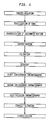
- the development of the embryos is advantageously halted before gastrulation and preferably at or before the full blastulae (128 cell) stage, and the embryos are homogenized in the presence of a weakly acidic buffer and then centrifuged to derive a supernatant liquid. This is then subjected to ion-exchange chromatography and size-exclusion chromatography.
- a protein from the eggs of the frog species Rana nigromaculata is described in Biol.Abs. 71 (1981), Abs No 11545 and Nihon Yakugaku Zasshi 100 (1980), pp. 706-712.
- Said protein is a lectin which agglutinates certain types of carcinoma and cancer cells and shows anti-tumor properties in both solid tumors and carcinoma.
- the protein in accordance with the present invention can be clearly distinguished over said prior art protein , e.g. by its contents of certain amino acids as lysine, serine, threonine, histidine and leucine.
- rana pipiens eggs are produced by induced ovulation (so that their development takes place in a highly controlled manner) and fertilized under controlled conditions outside the body of the female frog. Ovulation is only induced during the months from September through March; during the other months, induced ovulation is not feasible. This is because rana pipiens ovulates spontaneously in the month of April and its breeding season lasts from May through August.
- a petri dish is preferably filled with 10 cubic centimeters of tested spring water.
- Tested spring water is fresh spring water which has been tested to support life of rana pipiens and its embryos.
- each selected female is induced to ovulate by introducing 5 freshly isolated female rana pipiens pituitary glands into her body.
- Male pituitary glands may be substituted for female pituitary glands, but one female pituitary gland is equivalent to two male pituitary glands and the quantities used must be adjusted accordingly.
- the appropriate number of glands is placed in the corresponding liquid-containing petri dish.
- Each selected female is brought to room temperature (22°C). Dish by dish, the glands are drawn up into a syringe and introduced into the right lower quadrant of the abdomen of the corresponding selected female by injection through an 18 gauge needle.
- the selected females are then replaced in tanks filled with one inch of spring water. Flat rocks are placed in the bottom of each tank, so that the females can rest upon them and remain above the water line. (This is advantageous because gravid females can become lethargic and may drown if not held above the water line.)
- the tanks are covered with warehouse cloth (to prevent the frogs from jumping out of the tanks) and advantageously kept at room temperature (22°C) for 48 hours.
- the eggs produced by the gravid females are then, in accordance with the preferred embodiment, subjected to fertilization outside the bodies of the female frogs, advantageously in petri dishes, and preferably in 4 petri dishes per gravid female.
- male rana pipiens are sacrificed (as by over-etherization) and their testes are removed and cleaned of connective tissue and fat. Enough males must be killed to yield at least 4 testes per petri dish of eggs to be fertilized (i.e. 16 testes per gravid female). This quantity produces an optimized quantity of sperm suspension considering the size of the petri dishes. (Advantageously, the pituitary glands of the male rana pipiens are also removed for subsequently inducing ovulation in other females.)
- testes are then placed in each petri dish, and the testes are macerated (as by chopping) to form a milky sperm suspension.
- the maceration must be conducted in such a manner as not to chop the sperm.
- the eggs are then removed from each gravid female by pressing her abdomen towards her posterior.
- the egg production of each female is distributed evenly among four suspension-filled petri dishes; this avoids overcrowding the eggs in the dishes.
- the eggs are left in the suspension for about 3 to 4.5 hours at room temperature.
- the sperm suspension and eggs in the dish are intermittently swirled so that the eggs are always covered by the sperm suspension.
- the dishes are checked under a dissecting microscope for signs of cleavage. When 80% cleavage of the rana pipiens embryos is observed, the corresponding dish is collected; the embryos are then in at least the 4 cell stage of development.
- the 4 cell stage of development is used as a benchmark because it establishes division of the eggs and the existing fact of fertilization cannot be overlooked.
- the collected dishes will ordinarily contain both embryos (fertilized eggs) and unfertilized eggs.
- This mixture will be occasionally referred to as a mixture of eggs subjected to fertilization, meaning that both eggs and embryos are present. Since 80% cleavage is used as a benchmark in the preferred embodiment, the ratio of eggs to embryos in the mixture is approximately 1:4.
- All collected eggs subjected to fertilization may then be scraped into containers and stored in frozen form at -15°C to -20°C. This storage is not essential for the practice of the invention; it is preferred only when it is convenient to carry out subsequent processing in batches.
- the mixture is thawed by any method which does not overheat it.
- the thawed or never-frozen mixture is then homogenized in the presence of a weakly acidic buffer, preferably under a laminar air flow hood to avoid contamination.
- the mixture of eggs subjected to fertilization is mixed, at room temperature, with 0.15M sodium acetate (pH 4.8 - 4.9) using two volumes of buffer for one like volume of the mixture of eggs subjected to fertilization.
- the buffer need not be sodium acetate but must be weakly acidic; sodium acetate is used because, in the preferred embodiment, CM-sepharose® chromatography is carried out and sodium acetate is a good buffer within a pH range of 4 - 5.8 (in which range CM-sepharose® exchange columns are efficient).
- Homogenization is carried out in a Waring Blender® until all eggs have been disrupted as observed visually, but a Waring Blended® is not required and any sanitary method for accomplishing thorough homogenization can be used. Homogenization is complete when the suspension appears homogenous with no visual sign of intact eggs. The homogenate is then stirred at room temperature for 2 hours.
- the stirred homogenized mixture of eggs subjected to fertilization is centrifuged (at 4°C to 8°C) in two stages.
- the stirred homogenate is centrifuged at an average acceleration of 350,000 x g and the resulting supernatant is saved.
- the time required for this step is usually 30 minutes, but it is necessary to obtain clear and gel-free supernatant and the time is increased as necessary to achieve this.
- the sediment pellet which results from the first stage of centrifugation is re-homogenized as above, but this time using one volume of the buffer for one like volume of the sediment pellet.
- the re-homogenized sediment is then centrifuged as above, and the resulting supernatant is then pooled with the supernatant produced in the first step.
- the duration, speed, and other particulars of the centrifugation steps described above were chosen to apply the maximum g-forces to the homogenate and sediment in the most convenient manner, using the equipment available. They are not required to practice the invention, but they are optimized for the preferred embodiment of the invention.
- each batch of supernatant fluid is decanted, it is filtered through sterile gauze and then, in the preferred embodiment, is clarified by pressure filtration through a Gelman® extra-thick glass fiber filter. This is to remove debris which could clog the columns in the processing steps described below, but the use of a Gelman® extra-thick glass fiber filter is not required and other suitable filters could be used instead.
- the filtered extract is assayed for bioactivity against a predetermined cell line. This is not required but, for two main reasons, is advantageous. The first reason is that in a process which is scaled to commercial production quantities, batches of filtered extract are pooled together before subsequent processing steps are undertaken. By checking for and discarding batches of inactive filtered extract, inadvertent contamination of bioactive batches with nonbioactive ones is eliminated. The other reason is that the subsequent processing steps are expensive, and identification and rejection of nonbioactive material saves the substantial expense which would otherwise be wasted on processing it.
- the actual assay used in the preferred embodiment is performed using human submaxillary epidermoid carcinoma A-253 cells and a tetrazolium compound sold by Chemicon International, Inc., 100 Lomita Street, El Segundo, California, under the MTT trademark. However, this is not necessary and other bioassays may be used. Alternatively, a bioassay may be unnecessary if an alternate non-bioassay method which correlates well with a bioassay is available.
- the filtered extract is frozen at -15°C to -20°C for storage or immediately subjected to further purification steps. Frozen storage is preferred because it prevents bacterial growth, degradation, and denaturation of the proteins in the extract.
- the filtered extract was frozen, it is thawed by any method which does not overheat it.
- the thawed or non-frozen extract is then subjected to ion-exchange chromatography.
- the ion-exchange chromatography is carried out in two steps under slightly different conditions.
- the active protein is initially isolated and essentially freed of endotoxin.
- the protein is purified from other proteins which have been co-purified with the active protein during the first step as well as from any possible persisting endotoxin.
- the first ion-exchange chromatography step is carried out using a column which is 11 cm in diameter and 20 cm long.
- the conditions described below are optimized for columns of these dimensions. However, if differently-dimensioned columns are used, the conditions may change.
- the purpose of the two consecutive ion-exchange chromatography steps is to isolate proteins with isoelectric points pI of 9.5 - 10.5 before isolating the proteins by size.
- the filtered extract is acidified to pH 4.5 with acetic acid and loaded onto a column which is filled with CM-Sepharose® gel.
- the column is equilibrated in a 0.15M sodium acetate buffer (pH 4.5) and the column is developed with a continuous linear gradient of sodium chloride (0 - 0.7M) made in the equilibrating buffer.
- the eluted protein is then diluted 2 times with pyrogen-free water and subjected to a second ion-exchange chromatography step which is carried out under different conditions.
- This second ion-exchange chromatography step is performed on a second column which is 5 cm in diameter and 20 cm long and is filled with CM-Sepharose® gel.
- the column is equilibrated in a 0.15M sodium acetate buffer (pH 4.8) and the column is developed with a continuous linear gradient of sodium chloride (0 - 0.4M) made in the equilibrating buffer.
- both chromatography steps are carried out at 18°C - 20°C (air conditioned room), but this is not critical.
- Column chromatography is known to be more efficient above 4°C (cold-room) temperatures and the process is carried out at the highest temperature which is consistent with stability of the purified pharmaceutical.
- the eluate from the second ion-exchange step is concentrated by ultrafiltration using a membrane which has a 5000 Daltons molecular weight cutoff and discarding the permeate.
- Suitable membranes are the Spectra-Por® (manufactured by Spectrum Medical Industries) and the Amicon® YM5 (manufactured by Amicon), but other membranes and other concentration procedures may be used instead.
- the concentrated material is then loaded onto a column which is 5 cm in diameter and 90 cm long, which is filled with Bio-Gel® P-30 gel and which is equilibrated in 0.075 ammonium bicarbonate.
- the main protein peak is isolated.
- the eluate from the size-exclusion column is then sterile filtered through a 0.22 micron filter and subsequently lyophilized (freeze-dried). These process steps are standard in the pharmaceutical industry, and are not a part of the invention.
- the resultant preparation is devoid of viable micro-organisms.
- the pharmaceutical described above has been characterized to some extent. While the pharmaceutical is a protein isolated from rana pipiens , it is believed that the pharmaceutical may be produced using genetic engineering techniques, as long as the end result has the following chemistry and structure:
- the pharmaceutical is a substantially pure protein (i.e. substantially homogeneous, as established by standard tests which are used to assay the homogeneity of proteins). By electrophoresis, the molecular weight of the pharmaceutical is not less than approximately 14,000 Daltons, and amino acid analysis indicates that its molecular weight does not substantially exceed 16,000 Daltons.
- the pharmaceutical has an isoelectric point pI between 9.5 and 10.5.
- the pharmaceutical has a blocked amino terminal group and is substantially free of carbohydrates (as determined by anthrone and orcinol methods) and other proteins.
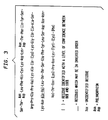
- Amino acid analysis reveals that the pharmaceutical has the following amino acid composition: AMINO ACID APPROX. # OF RESIDUES PER MOLECULE OF MATERIAL Aspartic acid/Asparagine 20 Threonine 13 Serine 11 Glutamic acid/Glutamine 9 Proline 6 Glycine 4 Alanine 4 Cystine/2 10 Valine 11 Methionine 1 Isoleucine 8 Leucine 7 Tyrosine 3 Phenylalanine 8 Histidine 4 Lysine 17 Arginine 4 Tryptophan 2 Approximate Total 142
- the shorter fragment has an apparently blocked amino terminal, a homoserine carboxy terminal and a length of approximately 23 residues. (The effect of the blocked or free status of the amino terminal on the activity of the pharmaceutical is undetermined.)
- the longer fragment has a free amino terminal and a length of approximately 121 residues.
- the longer fragment contains an amino acid sequence expressed as beginning immediately after the methionine residue. In this expression, residues which have been identified with a level of confidence which is less than 100% but is at least 80% are shown within parentheses. Xxx indicates an unidentified residue, and underlined residues might be in inverted order.
- the Asn Asp polymorphism may represent allelic polymorphism or a different degree of amidation.
Landscapes
- Health & Medical Sciences (AREA)
- Chemical & Material Sciences (AREA)
- Life Sciences & Earth Sciences (AREA)
- Organic Chemistry (AREA)
- General Health & Medical Sciences (AREA)
- Medicinal Chemistry (AREA)
- Proteomics, Peptides & Aminoacids (AREA)
- Biophysics (AREA)
- Biochemistry (AREA)
- Genetics & Genomics (AREA)
- Gastroenterology & Hepatology (AREA)
- Molecular Biology (AREA)
- Zoology (AREA)
- Toxicology (AREA)
- Public Health (AREA)
- Animal Behavior & Ethology (AREA)
- Pharmacology & Pharmacy (AREA)
- Veterinary Medicine (AREA)
- Epidemiology (AREA)
- Chemical Kinetics & Catalysis (AREA)
- General Chemical & Material Sciences (AREA)
- Nuclear Medicine, Radiotherapy & Molecular Imaging (AREA)
- Peptides Or Proteins (AREA)
- Medicines Containing Material From Animals Or Micro-Organisms (AREA)
- Steroid Compounds (AREA)
- Preparation Of Compounds By Using Micro-Organisms (AREA)
- Medicines That Contain Protein Lipid Enzymes And Other Medicines (AREA)
Claims (19)
- Ein im wesentlichen reines Protein mit einem Molekular-Gewicht von etwa 14.000 bis 16.000, bestimmt durch Elektrophorese, einem isoelektrischem Punkt pI zwischen 9,5 und 10,5 sowie einer blockierten terminalen Aminogruppe, das im wesentlichen frei von Kohlenhydraten ist, wobei das genannte Protein erhältlich ist nach einem Verfahren, das die Schritte umfaßt:a) Befruchten von Eiern des Frosches Rana pipiens außerhalb des Körpers eines weiblichen Rana pipiens und dadurch Erzeugen von Embryos;b) Beenden der Entwicklung der Embryos vor der Gastrulation etwa im 4-Zellen-Stadium;c) mechanisches Homogenisieren der Embryos und jeglicher nichtbefruchteter Eier in Gegenwart eines schwach sauern Puffers;d) Zentrifugieren der genannten homogenisierten Embryos und Eier, um einen flüssigen Überstand zu gewinnen; unde) Extrahieren von Materialien mit einem isoelektrischen Punkt zwischen 9,5 und 10,5 aus dem flüssigen Überstand, indem man den flüssigen Überstand einer Ionenaustausch-Chromatographie vom Kationenaustauschtyp unterzieht, und gegebenenfalls,f) Unterwerfen der genannten Materialien einem zweiten Ionenaustausch-Chromatographieschritt unter unterschiedlichen Bedingungen und auf diese Weise Gewinnen eines reineren Materials; undg) Unterwerfen des genannten reineren Materials einer Größenausschluß-Chromatographie.
- Verfahren zur Herstellung eines im wesentlichen reinen Proteins nach Anspruch 1, das die Schritte umfaßt:a) Befruchten der Eier eines Frosches und auf diese Weise Erzeugen von Embryos;b) Beendigen der Entwicklung der Embryos vor der Gastrulation;c) mechanisches Homogenisieren der Embryos und jeglicher nichtbefruchteter Eier in Gegenwart eines schwach sauren Puffers;d) Zentrifugieren der genannten homogenisierten Embryos und Eier, um einen flüssigen Überstand zu gewinnen; unde) Unterwerfen des flüssigen Überstands einer Ionenaustausch-Chromatographie.
- Verfahren nach Anspruch 2, das außerdem den Schritt der Konzentrierung des Materials umfaßt, das in der genannten Ionenaustausch-Chromatographie-Stufe gewonnen wurde.
- Verfahren nach Anspruch 3, das außerdem die Stufe des Poren-Ausschluß-Chromatographierens des genannten gewonnenen und konzentrierten Materials umfaßt.
- Verfahren nach Anspruch 2, bei dem der Frosch Rana pipiens ist.
- Verfahren nach Anspruch 2, bei dem der Puffer Natriumacetat ist.
- Verfahren nach Anspruch 2, bei dem die Ionenaustausch-Chromatographie vom Kationenaustauschtyp ist.
- Verfahren nach Anspruch 2, das außerdem die Stufe des Filtrierens des flüssigen Überstands umfaßt, bevor man den Überstand einer Ionenaustausch-Chromatographie unterwirft.
- Verfahren nach Anspruch 8, bei dem die genannte Filtrierstufe unter Filtrieren des flüssigen Überstands durch ein extra dickes Glasfaserfilter (GelmanR) durchgeführt wird.
- Verfahren nach Anspruch 2, bei dem die genannte Stufe e) den Schritt des Extrahierens von Materialien mit einem isoelektrischen Punkt zwischen 9,5 und 10,5 aus dem flüssigen Überstand umfaßt.
- Verfahren nach Anspruch 10, bei dem die genannte Extrahierstufe eine Ionenaustausch-Chromatographie umfaßt.
- Verfahren nach Anspruch 10, das außerdem die Stufe der Isolierung solcher Materialien aus den genannten Materialien umfaßt, die Molekulargewichte zwischen etwa 14.000 Dalton und 16.000 Dalton, bestimmt durch Elektrophorese, aufweisen.
- Verfahren nach Anspruch 12, bei dem der genannte Isolierschritt den Schritt der Größenausschluß-Chromatographie umfaßt.
- Verfahren nach Anspruch 3 oder 7, das außerdem die Schritte umfaßtf) Unterwerfen des genannten Materials einer zweiten Stufe einer Ionenaustausch-Chromatographie unter unterschiedlichen Bedingungen, und auf diese Weise Gewinnen eines reineren Materials; undg) Unterwerfen des genannten reineren Materials einer Größenausschluß-Chromatographie.
- Verfahren nach Anspruch 14, bei dem der erste der beiden Ionenaustausch-Chromatographie-Schritte unter Verwendung eines Carboxymethylagarose-Gels (CM-SepharoseR) durchgeführt wird, das in einem Natriumacetatpuffer äquilibriert ist und unter Verwendung eines ersten kontinuierlichen linearen Natriumchloridgradienten entwickelt wird,
und bei dem der zweite der beiden Ionenaustausch-Chromatographie-Schritte unter Verwendung des gleichen Gels durchgeführt wird, das in einem Natriumchloridpuffer äquilibriert ist und unter Verwendung eines zweiten kontinuierlichen linearen Natriumchloridgradienten entwickelt wird, der sich von dem ersten kontinuierlichen linearen Natriumchloridgradienten unterscheidet. - Verfahren nach Anspruch 14, bei dem der genannte Größenausschluß-Chromatographie-Schritt unter Verwendung einer Säule durchgeführt wird, die mit einem Polyacrylamidgel (Bio-GelR P-30) gefüllt ist und mit Ammoniumbicarbonat äquilibriert ist.
- Verfahren nach Anspruch 2, bei dem der Frosch Rana pipiens ist, bei dem der genannte Befruchtungsschritt außerhalb des Körpers eines weiblichen Rana pipiens durchgeführt wird, bei dem der genannte Beendigungsschritt etwa bei der 4-Zellen-Stufe durchgeführt wird, bei der der genannte flüssige Überstand nach der Zentrifugierstufe und vor der genannten Ionenaustauschstufe filtriert wird, bei dem aus dem genannten Ionenaustausschritt ein Material gewonnen wird, und das außerdem die folgenden Stufen umfaßt:f) neuerliches Unterwerfen des genannten gewonnenen Materials einer zweiten Stufe einer Ionenaustausch-Chromatographie unter leicht unterschiedlichen Bedingungen und auf diese Weise Gewinnen eines reineren Materials; undg) Unterwerfen des genannten reineren Materials einer Größenausschluß-Chromatographie und auf diese Weise Gewinnen eines gereinigten Materials.
- Verfahren nach Anspruch 17, das außerdem den Schritt der Lyophilisierung des genannten gereinigten Materials umfaßt.
- Verwendung eines Proteins nach Anspruch 1 oder eines Proteins, wie es gemäß einem Verfahren nach einem der Ansprüche 2 bis 18 hergestellt wird, zur Herstellung eines pharmazeutischen Produkts zur Verwendung bei der Behandlung von Tumoren beim Menschen.
Priority Applications (1)
| Application Number | Priority Date | Filing Date | Title |
|---|---|---|---|
| AT89906213T ATE98869T1 (de) | 1988-04-06 | 1989-03-31 | Pharmazeutisches mittel fuer behandlung von menschlichem krebs und verfahren zu seiner herstellung. |
Applications Claiming Priority (2)
| Application Number | Priority Date | Filing Date | Title |
|---|---|---|---|
| US178118 | 1988-04-06 | ||
| US07/178,118 US4882421A (en) | 1982-09-23 | 1988-04-06 | Pharmaceutical for treating tumors and method for making it |
Publications (2)
| Publication Number | Publication Date |
|---|---|
| EP0440633A1 EP0440633A1 (de) | 1991-08-14 |
| EP0440633B1 true EP0440633B1 (de) | 1993-12-22 |
Family
ID=22651277
Family Applications (1)
| Application Number | Title | Priority Date | Filing Date |
|---|---|---|---|
| EP89906213A Expired - Lifetime EP0440633B1 (de) | 1988-04-06 | 1989-03-31 | Pharmazeutisches mittel für behandlung von menschlichem krebs und verfahren zu seiner herstellung |
Country Status (6)
| Country | Link |
|---|---|
| US (1) | US4882421A (de) |
| EP (1) | EP0440633B1 (de) |
| JP (1) | JPH03503530A (de) |
| AT (1) | ATE98869T1 (de) |
| DE (1) | DE68911693T2 (de) |
| WO (1) | WO1989009606A1 (de) |
Families Citing this family (13)
| Publication number | Priority date | Publication date | Assignee | Title |
|---|---|---|---|---|
| US5540925A (en) * | 1988-04-06 | 1996-07-30 | Alfacell Corporation | Compositions comprising ONCONASE (TM) and STELAZINE (TM) or TAMOXIFEN (TM) |
| US5595734A (en) * | 1988-04-06 | 1997-01-21 | Alfacell Corporation | Compositions comprising ONCONASE (tm) and lovastatin |
| US5728805A (en) * | 1988-04-06 | 1998-03-17 | Alfacell Corp. | Pharmaceuticals and method for making them |
| US5529775A (en) * | 1988-04-06 | 1996-06-25 | Alfacell Corporation | Compositions comprising ONCONASE(™) and cisplatin, melphalan, or doxorubicin HCl |
| US5559212A (en) * | 1988-04-06 | 1996-09-24 | Alfacell Corporation | Frog embryo and egg-derived tumor cell anti-proliferation protein |
| DE69006741T2 (de) * | 1989-11-13 | 1994-06-01 | Alfacell Corp | Reines protein und bioaktive pharmazeutische produkte. |
| HU221407B1 (hu) * | 1997-03-28 | 2002-09-28 | Gyula Magvasi | Ektodermális eredetû szövetekben fellépõ tumoros burjánzást gátló hatóanyag és készítmény, valamint eljárás elõállításukra |
| US6239257B1 (en) * | 1998-12-30 | 2001-05-29 | Alfacell Corporation | Family of proteins belonging to the pancreatic ribonuclease a superfamily |
| RU2240810C2 (ru) * | 2002-01-30 | 2004-11-27 | Левон Никитович Мкртчян | Эмбриональный противоопухолевый модулятор мкртчяна, способ его получения и применения |
| CN101511387A (zh) * | 2006-09-08 | 2009-08-19 | 惠氏公司 | 使用亲和色谱法纯化蛋白质的精氨酸洗涤液 |
| US9919034B2 (en) | 2014-03-28 | 2018-03-20 | Tamir Biotechnology, Inc. | Methods of treating and prophylactically protecting mammalian patients infected by viruses classified in Baltimore group V |
| US10835598B2 (en) | 2014-08-18 | 2020-11-17 | Orgenesis Inc. | Prophylactic protection against viral infections, particularly HIV |
| SG10201911292SA (en) | 2015-06-15 | 2020-02-27 | Tamir Biotechnology Inc | Pharmaceuticals for treatment of viral infections of the eye |
Family Cites Families (2)
| Publication number | Priority date | Publication date | Assignee | Title |
|---|---|---|---|---|
| FR2356426A1 (fr) * | 1976-06-29 | 1978-01-27 | Truffier Jean Claude | Fraction ovomucoide du blanc de l'oeuf de caille, ayant des proprietes antiproteasiques |
| FR2489690A1 (fr) * | 1979-05-07 | 1982-03-12 | Coturnix | Procede d'obtention de la fraction ovomucoide et d'un extrait d'ovomucoide de l'oeuf de caille, produits ainsi obtenus et leur application a titre de medicament |
-
1988
- 1988-04-06 US US07/178,118 patent/US4882421A/en not_active Expired - Fee Related
-
1989
- 1989-03-31 AT AT89906213T patent/ATE98869T1/de not_active IP Right Cessation
- 1989-03-31 EP EP89906213A patent/EP0440633B1/de not_active Expired - Lifetime
- 1989-03-31 WO PCT/US1989/001357 patent/WO1989009606A1/en not_active Ceased
- 1989-03-31 DE DE89906213T patent/DE68911693T2/de not_active Expired - Lifetime
- 1989-03-31 JP JP1505817A patent/JPH03503530A/ja active Pending
Non-Patent Citations (4)
| Title |
|---|
| Biological Abstracts, vol. 67, K.-C.Sasaki et al.: "Antitumor activity of egg lectin from frog: II. Increase of antitumor activity of egg lectin from Rana japonica in temporary stop of regional blood circulation after intravenous injection", abstract no. 74628 * |
| Chemical Abstracts, vol. 82, no. 19, 12 May 1975 (Columbus Ohio, US), M. Yokota et al.: "Separation of agglutinin from eggs of Rana nigromaculata nigromaculata and its interaction with ascites hepatoma", page 388, abstract no. 123088k * |
| Chemical Abstracts, vol. 87, no. 21, 21 Nov. 1977 (Columbus, Ohio, US), F. Sakakibara et al.: "Isolation of two agglutinins with different biological properties from the eggs of Rana catesbiana", page 409, abstract no. 165854r * |
| Chemical Abstracts, vol. 90, no. 21, 21 May 1979 (Columbus, Ohio, US), F.Sakakibara et al.: "Egg lectin of Rana japonica and its receptor glycoprotein of Ehrlich tumor cells", page 425, abstract no. 166380g * |
Also Published As
| Publication number | Publication date |
|---|---|
| US4882421A (en) | 1989-11-21 |
| EP0440633A1 (de) | 1991-08-14 |
| DE68911693T2 (de) | 1994-05-11 |
| JPH03503530A (ja) | 1991-08-08 |
| DE68911693D1 (de) | 1994-02-03 |
| WO1989009606A1 (en) | 1989-10-19 |
| ATE98869T1 (de) | 1994-01-15 |
Similar Documents
| Publication | Publication Date | Title |
|---|---|---|
| US5559212A (en) | Frog embryo and egg-derived tumor cell anti-proliferation protein | |
| EP0440633B1 (de) | Pharmazeutisches mittel für behandlung von menschlichem krebs und verfahren zu seiner herstellung | |
| Erlanson et al. | Purification and characterization of two proteins with co-lipase activity from porcine pancreas | |
| EP0128849B1 (de) | Gereinigter transformierender Wachstum-beta-Faktor aus humanen Plaketten und Plazenten stammend | |
| CA1251134A (en) | Biologically active substance with hormonal properties, process for its production and application of histones for medical purposes | |
| KR910009342B1 (ko) | 생물학적 활성 추출물의 제조방법 | |
| KANATANI et al. | Purification of gonad‐stimulating substance obtained from radial nerves of the starfish, Asterias amurensis | |
| JPH0653674B2 (ja) | 傷治癒 | |
| EP0212501B1 (de) | Therapeutisches Mittel zur Behandlung hämatopoietischer Krankheiten | |
| US4526717A (en) | Polypeptide having an action on the immunological system, processes for its isolation and purification, its use, agents containing this compound, and its cleavage products, their use and agents containing these products | |
| EP0182278A2 (de) | Antibakterielles Polypeptid, dessen Herstellung und dessen Benutzung | |
| JPH06217778A (ja) | ヒトmk遺伝子及び蛋白質の配列 | |
| PT98695A (pt) | Gene codificador do factor neurotrofico de ligacao a heparina | |
| EP0837878B1 (de) | Antiwachstumwirksame proteine aus oozyten von rana pipiens | |
| US4383036A (en) | Process for the production of human chorionic gonadotropin | |
| Sivasubramanian et al. | Nature and role of proteinaceous hormonal factors acting during puparium formation in flies | |
| EP0010738A1 (de) | Übertragungsfaktor und Verfahren zu seiner Herstellung | |
| JPS59176238A (ja) | ポリペプチド | |
| US2808362A (en) | Preparation of hyaluronidase | |
| EP0500589B1 (de) | Reines protein und bioaktive pharmazeutische produkte | |
| EP0526883B1 (de) | Ch0ndromodulin-II Protein | |
| DE3421731A1 (de) | Humaner-tumor-nekrose-faktor | |
| US4624917A (en) | Process for the production of human T-cell growth factor | |
| JP2972334B2 (ja) | 精製された蛋白質および生物活性治療薬 | |
| AU633967B2 (en) | Cleavage promoter |
Legal Events
| Date | Code | Title | Description |
|---|---|---|---|
| PUAI | Public reference made under article 153(3) epc to a published international application that has entered the european phase |
Free format text: ORIGINAL CODE: 0009012 |
|
| 17P | Request for examination filed |
Effective date: 19901005 |
|
| AK | Designated contracting states |
Kind code of ref document: A1 Designated state(s): AT BE CH DE FR GB IT LI LU NL SE |
|
| 17Q | First examination report despatched |
Effective date: 19920304 |
|
| GRAA | (expected) grant |
Free format text: ORIGINAL CODE: 0009210 |
|
| AK | Designated contracting states |
Kind code of ref document: B1 Designated state(s): AT BE CH DE FR GB IT LI LU NL SE |
|
| PG25 | Lapsed in a contracting state [announced via postgrant information from national office to epo] |
Ref country code: SE Effective date: 19931222 |
|
| REF | Corresponds to: |
Ref document number: 98869 Country of ref document: AT Date of ref document: 19940115 Kind code of ref document: T |
|
| REF | Corresponds to: |
Ref document number: 68911693 Country of ref document: DE Date of ref document: 19940203 |
|
| PGFP | Annual fee paid to national office [announced via postgrant information from national office to epo] |
Ref country code: SE Payment date: 19940223 Year of fee payment: 6 |
|
| ITF | It: translation for a ep patent filed | ||
| EPTA | Lu: last paid annual fee | ||
| ET | Fr: translation filed | ||
| PLBE | No opposition filed within time limit |
Free format text: ORIGINAL CODE: 0009261 |
|
| STAA | Information on the status of an ep patent application or granted ep patent |
Free format text: STATUS: NO OPPOSITION FILED WITHIN TIME LIMIT |
|
| 26N | No opposition filed | ||
| PGFP | Annual fee paid to national office [announced via postgrant information from national office to epo] |
Ref country code: LU Payment date: 20010223 Year of fee payment: 13 |
|
| REG | Reference to a national code |
Ref country code: GB Ref legal event code: IF02 |
|
| PG25 | Lapsed in a contracting state [announced via postgrant information from national office to epo] |
Ref country code: LU Free format text: LAPSE BECAUSE OF NON-PAYMENT OF DUE FEES Effective date: 20020331 |
|
| PGFP | Annual fee paid to national office [announced via postgrant information from national office to epo] |
Ref country code: CH Payment date: 20080314 Year of fee payment: 20 |
|
| PGFP | Annual fee paid to national office [announced via postgrant information from national office to epo] |
Ref country code: GB Payment date: 20080320 Year of fee payment: 20 Ref country code: IT Payment date: 20080321 Year of fee payment: 20 Ref country code: NL Payment date: 20080318 Year of fee payment: 20 |
|
| PGFP | Annual fee paid to national office [announced via postgrant information from national office to epo] |
Ref country code: AT Payment date: 20080314 Year of fee payment: 20 |
|
| PGFP | Annual fee paid to national office [announced via postgrant information from national office to epo] |
Ref country code: FR Payment date: 20080314 Year of fee payment: 20 Ref country code: DE Payment date: 20080321 Year of fee payment: 20 |
|
| PGFP | Annual fee paid to national office [announced via postgrant information from national office to epo] |
Ref country code: BE Payment date: 20080430 Year of fee payment: 20 |
|
| BE20 | Be: patent expired |
Owner name: *ALFACELL CORP. Effective date: 20090331 |
|
| REG | Reference to a national code |
Ref country code: CH Ref legal event code: PL |
|
| REG | Reference to a national code |
Ref country code: GB Ref legal event code: PE20 Expiry date: 20090330 |
|
| PG25 | Lapsed in a contracting state [announced via postgrant information from national office to epo] |
Ref country code: NL Free format text: LAPSE BECAUSE OF EXPIRATION OF PROTECTION Effective date: 20090331 |
|
| NLV7 | Nl: ceased due to reaching the maximum lifetime of a patent |
Effective date: 20090331 |
|
| PG25 | Lapsed in a contracting state [announced via postgrant information from national office to epo] |
Ref country code: GB Free format text: LAPSE BECAUSE OF EXPIRATION OF PROTECTION Effective date: 20090330 |