EP0455422A2 - Méthode pour traiter ou empêcher la calvitie utilisant une composition comprenant du facteur de croissance de fibroblastes - Google Patents
Méthode pour traiter ou empêcher la calvitie utilisant une composition comprenant du facteur de croissance de fibroblastes Download PDFInfo
- Publication number
- EP0455422A2 EP0455422A2 EP91303756A EP91303756A EP0455422A2 EP 0455422 A2 EP0455422 A2 EP 0455422A2 EP 91303756 A EP91303756 A EP 91303756A EP 91303756 A EP91303756 A EP 91303756A EP 0455422 A2 EP0455422 A2 EP 0455422A2
- Authority
- EP
- European Patent Office
- Prior art keywords
- growth factor
- fibroblast growth
- fgf
- hair
- minoxidil
- Prior art date
- Legal status (The legal status is an assumption and is not a legal conclusion. Google has not performed a legal analysis and makes no representation as to the accuracy of the status listed.)
- Withdrawn
Links
Images
Classifications
-
- A—HUMAN NECESSITIES
- A61—MEDICAL OR VETERINARY SCIENCE; HYGIENE
- A61K—PREPARATIONS FOR MEDICAL, DENTAL OR TOILETRY PURPOSES
- A61K8/00—Cosmetics or similar toiletry preparations
- A61K8/18—Cosmetics or similar toiletry preparations characterised by the composition
- A61K8/30—Cosmetics or similar toiletry preparations characterised by the composition containing organic compounds
- A61K8/64—Proteins; Peptides; Derivatives or degradation products thereof
-
- A—HUMAN NECESSITIES
- A61—MEDICAL OR VETERINARY SCIENCE; HYGIENE
- A61K—PREPARATIONS FOR MEDICAL, DENTAL OR TOILETRY PURPOSES
- A61K38/00—Medicinal preparations containing peptides
- A61K38/16—Peptides having more than 20 amino acids; Gastrins; Somatostatins; Melanotropins; Derivatives thereof
- A61K38/17—Peptides having more than 20 amino acids; Gastrins; Somatostatins; Melanotropins; Derivatives thereof from animals; from humans
- A61K38/18—Growth factors; Growth regulators
- A61K38/1825—Fibroblast growth factor [FGF]
-
- A—HUMAN NECESSITIES
- A61—MEDICAL OR VETERINARY SCIENCE; HYGIENE
- A61P—SPECIFIC THERAPEUTIC ACTIVITY OF CHEMICAL COMPOUNDS OR MEDICINAL PREPARATIONS
- A61P17/00—Drugs for dermatological disorders
-
- A—HUMAN NECESSITIES
- A61—MEDICAL OR VETERINARY SCIENCE; HYGIENE
- A61P—SPECIFIC THERAPEUTIC ACTIVITY OF CHEMICAL COMPOUNDS OR MEDICINAL PREPARATIONS
- A61P43/00—Drugs for specific purposes, not provided for in groups A61P1/00-A61P41/00
-
- A—HUMAN NECESSITIES
- A61—MEDICAL OR VETERINARY SCIENCE; HYGIENE
- A61Q—SPECIFIC USE OF COSMETICS OR SIMILAR TOILETRY PREPARATIONS
- A61Q7/00—Preparations for affecting hair growth
Definitions
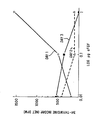
- the figure illustrates the uptake of 3H-thymidine into hair follicle DNA following treatment with aFGF.
- Hair is produced by matrix cells within the hair follicle during a cycle of alternating periods of rest (telogen phase) and activity (anagen phase). It is during the relatively long anagen phase, three to six years in a teenager, that follicular cells divide and produce hair. Once hair is produced the cycle progresses to the relatively short telogen phase, about three months, during which cell division stops, hair growth ceases and the attachment of the hair to the follicle become weaker until the old hair is shed, Orentreich and Durr, Clin. in Plast. Surg. 9 : 197-205 (1983). The cycle will repeat itself unless there is an interruption resulting from specific genetic factors, aging or disease.
- Balding is generally characterized by an increase in cycles with the anagen phase shortened with each cycle resulting in a rapid diminution in amount of hair and length of hair.
- the most common type of hair loss in humans, including both males and females, is termed androgenetic alopecia or male pattern baldness.
- Alopecia results from the gradual miniaturization of the long, coarse and pigmented terminal hairs to the very fine, non-pigmented and short vellus hairs due to the dimunition in the anagen phase with repeated cycles. This transition in hair type is associated with and results from an alteration of the hair cycle, Ebling and Hale, In, Biochem. & Physiol. Of The Skin, Ed.
- telogen follicles found in balding skin are not devoid of hair but contain the very fine vellus hairs. Consequently, baldness is not considered a degenerative phenomenon, but a series of progressive changes in the scalp which results in the conversion of terminal hairs to velus hairs.
- minoxidil metabolite minoxidil glucuronide
- minoxidil glucuronide A minoxidil metabolite, minoxidil glucuronide, has been found suitable for topical application. Even though this compound has the potential for fewer side effects it still suffers from the undesired characteristic of stimulating hair growth in only about one third of the patients treated.
- Vasoactive peptides have also been shown to stimulate hair growth.
- Substance P a peptide containing 11 amino acids
- a Substance P-related peptide when applied topically, were able to stimulate the regrowth of animal hair and to increase the temperature of the "underlying true skin layer in mice", European Patent Application 221,208.
- the digestive tract peptide hormone vasoactive intestinal polypeptide has been shown to have similar pharmacological activities, notably the regrowth of animal hair and the increase in skin temperature, European patent Application 225,639. Hockel et al ., Int. J. Tiss. Reac.
- MAT monocyangiotropin
- the peptide has a molecular weight of 4,500 dalton and induces the morphogenesis of new blood vessel patterns at the site of application. Histologically, numerous capillary-like vessels developed from existing vessels and the quiescent telogen hair follicles became activated to growing anagen follicles within a period of 1-2 weeks.
- Animal organ preparations containing crude or partially purified growth factors have been used to study hair growth in rodents and growth kinetics in human hair bulb papilla cells and root sheath fibroblasts cultured in vitro.
- Mouse submaxillary gland epidermal growth factor (EGF) retarded the hair growth in neonatal mice that received EGF from birth through 14 days, Moore et al ., J. Endocr. 88 : 293-299 (1981).
- Mouse submaxillary gland EGF and bovine pituitary gland FGF were able to stimulate in vitro cell growth of human papilla cells and human root sheath fibroblasts, Katsuoka et al ., Arch Dermatol. Res. 279 : 247-250 (1987). Minoxidil was ineffective on both cell groups.
- an object of the present invention to provide a method in which fibroblast growth factor (FGF) is used for the treatment of existing baldness or to prevent the balding process.
- FGF fibroblast growth factor
- a further object is to use either acidic FGF (aFGF) or basic FGF (bFGF) or a combination containing both for the treatment of baldness.
- a further object is to provide a method for treating and preventing baldness in which FGF, either aFGF or bFGF or a combination containing both, is combined with other growth factors or known hair growth stimulating compounds for the treatment of baldness.
- a further object is to provide compositions and methods for treating and preventing baldness which, while effective for said treatment are essentially non-toxic and relatively free of unwanted side effects.
- a method of retarding or reversing baldness which comprises the topical application of compositions containing as at least one of its active in-ingredients fibroblast growth factor (FGF).
- FGF may be acidic FGF (aFGF), basic FGF (bFGF), int-2, hst/KS3, FGF-5, FGF-6 or KGF or a combination thereof.
- the compositions may also include other protein growth factors or hair growth promoting agents combined with FGF.
- the present invention relates to the use of purified native, recombinant and mutated microheterogenous forms of human fibroblast growth factors (FGFs) and fragments thereof which retain the biological activity of native FGF for the treatment or prevention of baldness.
- FGFs human fibroblast growth factors
- the definition of FGF used herein further includes all allelic forms of FGF and fragments thereof which show equal or enhanced biological activity when compared to native FGF.
- a variety of terms have been used to describe growth factors which have been identified as being very similar, if not identical, to either aFGF or bFGF.
- Growth factors identical to acidic FGF include, but are not limited to, endothelial cell growth factor (ECGF); eye-derived growth factor II (EDGFII); heparin-binding growth factor ⁇ or 1 (HGF ⁇ or 1, HBGF ⁇ or 1); brain-derived growth factor (BDGF); retinal-derived growth factor (RDGF) and astroglial growth factor 1 (AGF1).
- Growth factors identical to basic FGF include, but are not limited to, eye-derived growth factor I (EDGF I); heparin-binding growth factor ⁇ or 2 (HGF ⁇ or 2, HBGF ⁇ or 2); chondrosarcoma-derived growth factor; hepatoma-derived growth factor and astroglial growth factor 2 (AGF2).
- Fibroblast growth factor is actually a family of proteins which share considerable amino acid sequence homology generally ranging from about 35 to about 55% identity in commonly aligned regions and have two similarly positioned introns in their genes, Thomas, Trends in Biochemical Sciences, 13:327-328 (1988). All family members stimulate mitogenesis of a variety of cells of mesodermal and ectodermal origin and generally bind to heparin, Thomas and Gimenez-Gallego, Trends in Biochem. Sci. 11: 81-84 (1986), Thomas, Federation J. 1: 434-440 (1987) and Thomas, Trends in Biochem. Sci., Supra.
- the present invention discloses that large molecular weight growth factors which exhibit multiple physiological activities, such as fibroblast growth factors, are able to retard or reverse alopecia or baldness by mitogenic and angiogenic activity, Thomas, Trends in Biochem. Sci. 13:327-328 (1988).
- the FGF family is well known in the art and consists of the prototypic aFGF and bFGF, along with the recently described int-2, hst/KS3, FGF-5, FGF-6 and KGF see Thomas, Trends in Biochem. Sci., supra; Maries et al ., Oncogene 4 : 335-340 (1989) and Finch et al ., Science 245 : 752-755 (1989).
- the major human species of haFGF and hbFGF are isolated and purified from human cells or tissue by processes known in the art. Human aFGF is purified by the method of Thomas, U.S. Patent 4,444,760 while hbFGF is purified by the technique of Lemmon and Bradshaw, J.
- Fibroblast growth factor as used herein is contemplated to include one or more of the aforementioned FGFs.
- the preferred FGFs of the present invention are haFGF and hbFGF.
- the present invention is contemplated to further include recombinant FGFs (r-FGFs) which are known in the art and have been produced by procedures which are well known in the art, such as: r-haFGF, Linemeyer et al ., European Patent Application, Publication No. 259,953; r-hbFGF, Fiddes and Abraham, PCT, International Publication No. W087/01728.
- r-FGFs recombinant FGFs
- Recombinant forms of the minor species are produced by similar means using either the described genes or a nucleotide sequence obtained from the amino acid sequence combined with the Linemeyer et al ., Fiddes and Abraham procedures or other procedures known in the art.
- the recombinant FGFs of the present invention when expressed in a bacterial system such as Escherichia . coli may generally contain a methionine as the first amino acid residue.
- Polypeptides expressed in other cell systems may not have a methionine at the first position.
- the present invention is further contemplated to include all microheterogeneous forms of the various human FGFs.
- Human acidic fibroblast growth factor typically exists in three microheterogeneous forms; a 154 amino acid form, a 140 amino acid form and a 139 amino acid form, Linemeyer, et al ., European Patent Application, Publication No. 259,953.
- Human bFGF also appears to exist in three microheterogeneous forms; a 154 amino acid form, a 146 amino acid form and a 131 amino acid form, Fiddes and Abraham, PCT, International Publication No. W087/01728.
- Microheterogeneous forms as used herein refer to a single gene product, that is a peptide produced from a single gene unit of DNA, which is structurally modified at the mRNA level or following translation. These structural modifications, however, do not result in any significant alterations of biological activity of the peptide.
- Biological activity and biologically active are used interchangeably and are herein defined as the ability of native or recombinant hFGF to retard or reverse baldness. This may be accomplished by stimulating matrix cells or other cells associated with the hair follicle so that the anagen phase of hair growth is allowed to continue or to shorten the telogen phase.
- Biological activity may also be defined as a continuation of the telogen phase and anagen phase cycle so that normal hair growth is continuous.
- microheterogeneous modifications may take place either in vivo or during the isolation and purification process.
- In vivo modification results from, but is not limited to, proteolysis, glycosylation, phosphorylation or acetylation at the N-terminus.
- Proteolysis may include exoproteolysis wherein one or more terminal amino acids are sequentially, enzymatically cleaved to produce microheterogeneous forms which have fewer amino acids than the original gene product.
- Proteolysis may also include endoproteolytic modification that results from the action of endoproteases which cleave the peptide at specific locations within the amino acid sequence. Similar modifications can occur during the purification process which also result in production of microheterogeneous forms.
- the most common modification occurring during purification is proteolysis which is generally held to a minimum by the use of protease inhibitors.
- the present invention is also contemplated to include all biologically active mutated forms of FGF which contain a substitution or deletion of amino acids capable of forming extraneous intramolecular or intermolecular covalent bonds and oxidation susceptible amino acids.
- substitution refers to a deliberate change in the DNA base sequence of aFGF such that a desired amino acid is substituted for an undesired amino acid.
- the undesired amino acid may be one which forms unwanted covalent or non-covalent bonds, especially disulfide bonds, or one which is oxidizable either of which may decrease the biological activity of the molecule.
- a deletion as used herein refers to a deliberate change in the DNA base sequene of FGF resulting in the elimination of the unwanted amino acid.
- the primary amino acid associated with intramolecular and intermolecular covalent bond formation is cysteine while the amino acids which are oxidization prone include cysteine, methionine and tryptophan.
- the cysteine residue or residues may be replaced with any amino acid which will not form disulfide bonds.
- the preferred amino acid for the substitution of cysteine is serine.
- the oxidation prone amino acids are replaced with any amino acid which is oxidation resistant, this includes, but is not restricted to, alanine, valine, leucine and isoleucine.
- Mutated FGF forms are produced by techniques well known in the art. An example of such a technique, site directed mutagenesis, is illustrated in European Patent Application, Publication No. 259,953.
- Chronic cutaneous ulcers are induced on the depilated dorsa of anesthetized Hartley strain guinea pigs by inserting a rubber tip of a plunger from a 10ml disposable syringe (insert) through an a 5 cm trans-scapular incision.
- the rubber tip and the skin above it are tightly encircled with an 0 ring preventing blood flow to a 5 cm square circle of skin over the insert.
- the incision is closed with wound staples.
- Acidic FGF treatment is initiated about 24 hr after removal of the 0 ring and insert (day 1).
- Duoderm dressings impregnated with about 1.0 ⁇ g aFGF and heparin were changed daily for 7 days and on alternate days thereafter. At day 16, hair regrowth was much greater on the periphery of aFGF treated dermal ulcers than on the periphery of vehicle treated ulcers.
- Fibroblast growth factor stimulates mitotic activity in human hair follicles maintained in vitro .
- Freshly plucked anagen stage human hair follicles are removed and washed with an acceptable washing solution, buffer or cell culture media.
- Acceptable washing solutions include, but are not limited to distilled water, physiological saline; while acceptable buffers include, but are not limited to, phosphate buffer, phosphate buffered saline (PBS), phosphate buffered saline glucose, TRIS-HCl and the like.
- Cell culture media include, but are not limited to, Eagle's minimal essential medium, Eagle's basal medium and Dulbecco's modified Eagle medium and the like, with Dulbecco's modified Eagle medium being preferred.
- the washed follicles are placed in cell culture plates, about 1 to about 10 follicles per well.
- the follicles are cultured in a culture medium generally supplemented with heat-inactivated serum, preferably about 10% fetal calf serum, antibiotics, preferably penicillin G, about 10,000 ⁇ l and about 10,000 ⁇ g streptomycin sulfate and about 1% fungizone.
- the cell culture of choice is Dulbecco's modified Eagle medium.
- the hair follicles are cultured for about 1 to about 5 days at 37°C in an atmosphere of about 5% CO2 and about 95% air. All FGF concentrations are carried out in triplicate with experimental groups receiving about 0.01 to about 1.0 ⁇ g FGF/ml per day.
- heparin When aFGF is assayed, heparin is added to each well at a ratio of about 3:1 heparin to FGF. Human serum albumin (HSA) is added to all wells at a ratio of about 10:1 HSA to FGF.
- HSA Human serum albumin
- Cell stimulation was determined by the addition of 3H-thymidine, about 5 ⁇ Ci, about 0.14 ⁇ g/well, followed by the addition of cold thymidine, about 14.2 ⁇ g/well for the final 24 hr of incubation.
- Hair follicle DNA is precipitated with about 5% trichloroacetic acid and solubilized overnight at about 45°C in about IN NaOH. Scintillation counts are conducted in triplicate on 50 ⁇ l volumes of the final digests. Fibroblast growth factor stimulates DNA synthesis in anagen hair follicles. A dose response relationship is evident for follicles incubated 1 day.
- Heparin is a sulfated glycosaminoglycan containing the sugars D-glucosamine and D-glucuronic acid which are sulfated to varying degrees. It is commercially available in a dry form as well as in a solution form for direct therapeutic utilization. When heparin is administered with aFGF in topical applications, the preferred concentration is from about 0.1 times to about 100 times the amount (mass) of aFGF administered per day.
- FGF is administered in the form of a pharmaceutical composition comprising the FGF in combination with a pharmacologically acceptable carrier adapted for topical administration.
- the pharmaceutical composition may include aFGF, bFGF, int-2, hst/KS3, FGF-5, FGF-6 or KGF or a combination thereof.
- Fibroblast growth factor may be administered either with or without heparin, preferably with heparin when aFGF is included in the pharmaceutical composition.
- Topical administration of FGF either alone or in combination will be in a solution, cream, ointment, gel, lotion, shampoo or aerosol formulation adapted for application to the skin.
- compositions containing FGF ordinarily include about 0.01 ⁇ g to about 100 ⁇ g/day/cm2, preferably about 0.1 ⁇ g to about 10 ⁇ g/day/cm2 of the active compound in a pharmaceutically acceptable carrier.
- Combinations of FGF may include any ratio of two or more compounds that will effectively stimulate hair growth or retard hair loss, such as for two FGFs 50:50, 25:75, 75:25 and the like.
- the total concentration of FGF in the combinations generally will not exceed about 0.01 ⁇ g to about 100 ⁇ g/day/cm2, preferably about 0.1 ⁇ g to about 10 ⁇ g/day/cm2 of the active compound in a pharmaceutically acceptable carrier.
- the hair growth promoting activity of FGF may be enhanced or augmented by co-administration with other purified or recombinant derived protein growth factors (pGFs) which are well known in the art.
- Growth factors which may enhance or augment the stimulatory effect of FGF include, but are not limited to, members of the epidermal growth factor (EGF), platelet-derived growth factor (PDGF), transforming growth factor-alpha (TGF- ⁇ ), transforming growth factor-beta (TGF- ⁇ ), insulin-like growth factor (IGF), and vascular endothelial cell growth factor families, Van Brunt and Klausner, Biotechnology 6:25-30 (1988).
- TGF- ⁇ , hTGF- ⁇ , and/or processes for obtaining them in pure form from natural sources or producing them by recombinant technology Derynck and Goeddel, European patent Application, publication No. 154,434; Derynck et al ., Cell 38 : 287-297 (1984).
- the following references describe TGF- ⁇ , hTGF- ⁇ and/or processes for obtaining them in pure form from natural sources or producing them by recombinant technology: Seyedin et al ., U.S. Patent No. 4,774,228; Seyedin et al ., U.S. Patent No.
- the following references describe IGF-II, hIGF-II and/or processes for obtaining them in pure form from natural sources or producing them by recombinant technology: Shaar and Smith, European Patent Application, Publication No. 280,460.
- the co-administration of protein growth factors may have advantages over the administration of FGF alone or other PGFs alone.
- Co-administration of FGF with other protein growth factors will enhance the stimulation of various cell types which will result in increased follicle cell growth which can induce the conversion of telogen follicles to anagen follicles. This will lead to an increase in the number of terminal hairs and result in the reversal of the balding process.
- Fibroblast growth factor is co-administered in the form of a pharmaceutical composition comprising FGF and one or more PGFs in combination with a pharmacologically acceptable carrier adapted for topical administration.
- the pharmaceutical composition may include either aFGF or bFGF or a combination of the two.
- Fibroblast growth factor may be administered either with or without heparin, preferably with heparin when aFGF is included in the pharmaceutical composition.
- Topical administration of FGF will be in a solution, cream, ointment, gel, lotion, shampoo or aerosol formulation adapted for application to the skin.
- These topical pharmaceutical compositions containing pGFs will ordinarily include about 0.01 rg to about 100 ⁇ g/day/2cm , preferably about 0.1 rg to about 10 ⁇ g/day/cm2 of the active compound in a pharmaceutically acceptable carrier.
- Combinations of FGF and PGFs may include any ratio of two or more of the compounds that will effectively stimulate hair growth or retard hair loss.
- the total concentration of PGF to be co-administered generally will not exceed about 0.02 ⁇ g to about 200 ⁇ g/day/cm2, preferably about 0.2 ⁇ g to about 20 ⁇ /day/cm2 of the active compounds.
- the hair growth promoting activity of FGF may also be enhanced or augmented by co-administration with compounds or agents demonstrating hair growth promoting activity.
- These hair growth promoting agents include, but are not limited to, minoxidil, minoxidil derivatives or analogs and related compounds or analogs along with anti-androgens and 5 ⁇ -reductase inhibitors.
- Fibroblast growth factor is co-administered in the form of a pharmaceutical composition comprising FGF and one or more of the compounds or agents demonstrating hair growth promoting activity in combination with a pharmacologically acceptable carrier adapted for topical administration.
- the pharmaceutical composition may include either aFGF or bFGF or a combination of the two.
- Fibroblast growth factor may be administered either with or without heparin, preferably with heparin when aFGF is included in the pharmaceutical composition.
- Topical administration of FGF, either aFGF or bFGF alone or in combination co-administered with PGFs will be in a solution, cream, ointment, gel, lotion, shampoo or aerosol formulation adapted for application to the skin.
- compositions containing compounds or agents demonstrating hair growth promoting activity will ordinarily include about 0.01 ⁇ g to about 100 ⁇ g/day/cm 2 preferably about 0.1 ⁇ g to about 10 ⁇ g/day/cm2 of FGF and about 0.5 percent to about 5.0 percent of the compounds or agents demonstrating hair growth promoting activity in a pharmaceutically acceptable carrier.
- Combinations of FGF and compounds or agents demonstrating hair growth promoting activity may include any ratio of the components that will effectively stimulate hair growth or retard hair loss.
- ointments such as hydrophilic petrolatum or polyethylene glycol ointment
- pastes which may contain gums such as xanthan gum
- solutions such as alcoholic, aqueous or buffered solutions
- gels such as aluminum hydroxide or sodium alginate gels
- albumins such as human or animal albumins
- collagens such as human or animal collagens
- celluloses such as alkyl celluloses, hydroxyalkyl celluloses and alkylhydroxyalkyl celluloses, for example methylcellulose, hydroxyethyl cellulose, carboxymethyl cellulose, hydroxypropyl methylcellulose, and hydroxypropyl cellulose
- polyamers such as Pluronic® Polyols exemplified by Pluronic F-127
- tetronics such as tetronic 1508
- alginates such as sodium alginate.
- the present invention also relates to the in vitro pretreatment of hair plugs with FGF alone or in combination and with other PGFs or compounds or agents demonstrating hair growth promoting activity.
- the donor hair plugs are usually 6 mm full-thickness punch biopsies taken from the occipital region of the scalp of an individual, treated and implanted into pre-punched bald areas on either the vertex or frontal areas of the scalp and sutured into place.
- the hair follicles contained in the hair plugs or punch biopsies taken from the occipital region are not genetically pre-programed to fall out during the balding process and if adequately treated should grow following transplantation.
- the in vitro treatment of the hair plugs is carried out as described above for hair follicles.
- the treatment of the hair plugs with growth promoting agents will aid follicle growth and also stimulate general dermal vascularity and improve the survival of the transplants.
- Preparation of hair plugs for transplantation will include multiple rinses with sterile water or physiological saline followed by a brief treatment with one or more FGF and or with protein growth factor or growth factors and any other hair growth promoter deemed necessary. If aFGF is administered the heparin should also be included. The plugs are immediately implanted and sutured in place. Follow up topical treatment with the above mentioned substances will further enhance the graft takes.
- Anagen stage human hair follicles were obtained from healthy human volunteers by mechanically removing individual follicles. The follicles were washed several times with Dulbecco's Modified Eagle Medium (DMEM) containing 10% heat inactivated fetal calf serum, 10,000 units penicillin G and 10,000 ⁇ g streptomycin sulfate fungizone. The washed follicles were placed in 24 well Nunc tissue culture plates, 3 follicles/well, and incubated in a 5% CO2 atmosphere at 37° C for 1 to 3 days. Each well contained 1.0 DMEM.
- DMEM Dulbecco's Modified Eagle Medium
- a buffered solution is prepared by adding of 0.005% (by weight) of the protein growth factor or factors to phosphate buffer, pH 7.4. If aFGF is included then an amount of heparin equal to three times that of the growth factor is also added. If a hair growth promoting agent such as minoxidil is included then 0.1% (by weight) is added.
- a topical cleaner is prepared by adding of 0.005% (by weight) of the protein growth factor or factors to the following formulation. If aFGF is included then an amount of heparin equal to three times that of the growth factor is also added. If a hair growth promoting agent such a minoxidil is included then 0.1% (by weight) is added.
- a cleansing cream is prepared by adding of 0.005% (by weight) of the protein growth factor or factors to the following formulation. If aFGF is included then an amount of heparin equal to three times that of the growth factor is also added. If a hair growth promoting agent such as minoxidil is included then 0.1% (by weight) is added.
- a skin gel is prepared by adding of 0.005% (by weight) of the protein growth factor or factors to the following formulation. If aFGF is included then an amount of heparin equal to three times that of the growth factor is also added. If a hair growth promoting agent such as minoxidil is included then 0.1% (by weight) is added.
- a skin lotion is prepared by adding of 0.005% (by weight) of the protein growth factor or factors to the following formulation. If aFGF is included then an amount of heparin equal to three times that of the growth factor is also added. If a hair growth promoting agent such as minoxidil is included then 0.1% (by weight) is added.
- a shampoo gel is prepared by adding of 0.05% (by weight) of the protein growth factor or factors to the following formulation. If aFGF is included then an amount of heparin equal to three times that of the growth factor is also added. If a hair growth promoting agent such as minoxidil is included then 0.1% (by weight) is added.
- a cream shampoo is prepared by adding of 0.005% (by weight) of the protein growth factor or factors to the following formulation. If aFGF is included then an amount of heparin equal to three times that of the growth factor is also added. If a hair growth promoting agent such as minoxidil is included then 0.1% (by weight) is added.
Landscapes
- Health & Medical Sciences (AREA)
- Life Sciences & Earth Sciences (AREA)
- Veterinary Medicine (AREA)
- Public Health (AREA)
- General Health & Medical Sciences (AREA)
- Animal Behavior & Ethology (AREA)
- Medicinal Chemistry (AREA)
- Chemical & Material Sciences (AREA)
- Bioinformatics & Cheminformatics (AREA)
- Pharmacology & Pharmacy (AREA)
- Engineering & Computer Science (AREA)
- Dermatology (AREA)
- Epidemiology (AREA)
- General Chemical & Material Sciences (AREA)
- Organic Chemistry (AREA)
- Nuclear Medicine, Radiotherapy & Molecular Imaging (AREA)
- Chemical Kinetics & Catalysis (AREA)
- Zoology (AREA)
- Birds (AREA)
- Gastroenterology & Hepatology (AREA)
- Immunology (AREA)
- Proteomics, Peptides & Aminoacids (AREA)
- Medicines That Contain Protein Lipid Enzymes And Other Medicines (AREA)
- Cosmetics (AREA)
- Medicinal Preparation (AREA)
- Peptides Or Proteins (AREA)
Applications Claiming Priority (2)
| Application Number | Priority Date | Filing Date | Title |
|---|---|---|---|
| US51538190A | 1990-04-27 | 1990-04-27 | |
| US515381 | 1990-04-27 |
Publications (2)
| Publication Number | Publication Date |
|---|---|
| EP0455422A2 true EP0455422A2 (fr) | 1991-11-06 |
| EP0455422A3 EP0455422A3 (en) | 1991-12-27 |
Family
ID=24051113
Family Applications (1)
| Application Number | Title | Priority Date | Filing Date |
|---|---|---|---|
| EP19910303756 Withdrawn EP0455422A3 (en) | 1990-04-27 | 1991-04-25 | Method of treating or preventing baldness with compositions containing fibroblast growth factor |
Country Status (3)
| Country | Link |
|---|---|
| EP (1) | EP0455422A3 (fr) |
| JP (1) | JPH04224522A (fr) |
| CA (1) | CA2042014A1 (fr) |
Cited By (32)
| Publication number | Priority date | Publication date | Assignee | Title |
|---|---|---|---|---|
| WO1994012162A1 (fr) * | 1992-12-01 | 1994-06-09 | Waerri Anni Maija | Stimulation de la differenciation cellulaire grace a l'utilisation de syndecane |
| EP0619370A1 (fr) * | 1993-03-26 | 1994-10-12 | Amgen Inc. | Facteur de croissance des kératinocytes pour son utilisation dans une méthode de traitement thérapeutique du corps humain ou animal |
| WO1997013857A1 (fr) * | 1995-10-11 | 1997-04-17 | Chiron Corporation | Combinaison de pdgf, kgf, igf et igfbp pour la cicatrisation |
| US5726058A (en) * | 1992-12-01 | 1998-03-10 | Jalkanen; Markku | Syndecan stimulation of cellular differentiation |
| US5753612A (en) * | 1992-10-27 | 1998-05-19 | Yissum Research Development Co. Of The Hebrew University Of Jerusalem | Pharmaceutical composition and method for inhibiting hair growth by administration of activin or activin agonists |
| US5774645A (en) * | 1994-08-29 | 1998-06-30 | Aerospatiale Societe Nationale Industrielle | Process and device for identifying faults in a complex system |
| GB2321852A (en) * | 1997-02-10 | 1998-08-12 | Rohto Pharma | Effect of Fibroblast Growth Factor 10 (FGF-10) on Hair Cells. |
| US5814605A (en) * | 1993-03-26 | 1998-09-29 | Amgen Inc. | Therapeutic uses of keratinocyte growth factor |
| US5824297A (en) * | 1990-06-25 | 1998-10-20 | Oncogene Science, Inc. | Tissue-derived tumor growth inhibitors, methods of preparation and uses thereof |
| WO1999058101A1 (fr) * | 1998-05-12 | 1999-11-18 | L'oreal | Utilisation d'inhibiteurs de metalloproteinases pour induire et/ou stimuler la croissance des cheveux ou des poils et/ou freiner leur chute |
| US6017727A (en) * | 1994-03-07 | 2000-01-25 | Biotie Therapies Ltd. | Syndecan enhancer element and syndecan stimulation of cellular differentiation |
| WO2000023095A3 (fr) * | 1998-10-16 | 2000-08-24 | Cornell Res Foundation Inc | Procede servant a moduler la croissance capillaire |
| EP1040835A3 (fr) * | 1999-03-01 | 2001-10-24 | Sumitomo Pharmaceuticals Company, Limited | Utilisation de l'hst-1 pour la prévention et/ou le traitement des lésions tissulaires pendant la thérapie du cancer |
| EP0728194B1 (fr) * | 1993-11-09 | 2003-01-08 | Neurospheres Holdings Ltd. | Modification et manipulation in situ de cellules souches du systeme nerveux central |
| FR2828400A1 (fr) * | 2001-08-10 | 2003-02-14 | Oreal | Composition cosmetique ou dermatologique comprenant une association entre de l'igf1 et/ou un compose mimetique de l'igf1, et au moins un retinoide et/ou au moins un derive de retinoide |
| US6599912B1 (en) | 1999-06-03 | 2003-07-29 | Jessie L. -S. Au | Methods and compositions for modulating cell proliferation and cell death |
| US6743422B1 (en) | 1996-10-15 | 2004-06-01 | Amgen, Inc. | Keratinocyte growth factor-2 products |
| ITMI20091785A1 (it) * | 2009-10-16 | 2011-04-17 | Fitologica Srl | Composizione topica a base di biopeptidi, e suo utilizzo in campo tricologico. |
| US20130067604A1 (en) * | 2010-02-24 | 2013-03-14 | Sadatoshi Sakuma | Method of Treatment or Prevention of Hair Loss or for the Enhancement of Hair Growth |
| WO2013158328A1 (fr) * | 2012-04-18 | 2013-10-24 | Laney Mark | Méthodes pour stimuler la pousse des cheveux |
| EP2512501A4 (fr) * | 2009-12-17 | 2014-01-01 | Five Prime Therapeutics Inc | Procédés favorisant la pousse des cheveux à l'aide des domaines extracellulaires de fgfr3 |
| US8871711B2 (en) | 2008-11-12 | 2014-10-28 | The Trustees Of The University Of Pennsylvania | Fibroblast growth factor-9 promotes hair follicle regeneration after wounding |
| WO2014184173A1 (fr) * | 2013-05-14 | 2014-11-20 | Montero Gida Sanayi Ve Ticaret A.S. | Formulations de soin capillaire |
| WO2015004216A1 (fr) * | 2013-07-09 | 2015-01-15 | Assistance Publique - Hopitaux De Paris | Utilisation de fibroblastes gingivaux dans le traitement de l'alopecie |
| US9475871B2 (en) | 2010-11-15 | 2016-10-25 | Five Prime Therapeutics, Inc. | Treatment of cancer with elevated dosages of soluble FGFR1 fusion proteins |
| AU2015388056B2 (en) * | 2015-03-23 | 2019-04-04 | HCell Inc. | Method for promoting hair growth and preventing hair loss of patient, composition therefor, and method for preparing composition |
| WO2019090008A1 (fr) * | 2017-11-03 | 2019-05-09 | Skinqri, Llc | Formulation permettant la pousse des cheveux à multiples facteurs |
| CN113398248A (zh) * | 2021-07-27 | 2021-09-17 | 上海交通大学医学院附属第九人民医院 | 一种改善皮瓣血运的外用药及其制备方法 |
| CN113660947A (zh) * | 2020-03-11 | 2021-11-16 | 麦迪克斯生物科技股份有限公司 | 包含生长因子的用于治疗脱发或促进毛发生长的组合物 |
| WO2022035849A1 (fr) * | 2020-08-10 | 2022-02-17 | Venturis Therapeutics, Inc. | Méthodes permettant de réduire la chute des cheveux et/ou d'augmenter la repousse des cheveux |
| CN115607506A (zh) * | 2022-12-17 | 2023-01-17 | 朗肽生物制药股份有限公司 | 含重组人碱性成纤维细胞生长因子无水膏剂制备方法 |
| US12303470B2 (en) | 2021-06-03 | 2025-05-20 | Skinqri, Llc | Method and composition for selective treatment of androgen receptors |
Families Citing this family (8)
| Publication number | Priority date | Publication date | Assignee | Title |
|---|---|---|---|---|
| JPH0853327A (ja) * | 1994-06-10 | 1996-02-27 | Toshihiro Matsumoto | アラントインまたはその誘導体による養毛・育毛剤 |
| JP4565112B2 (ja) * | 2004-09-15 | 2010-10-20 | 独立行政法人産業技術総合研究所 | 毛髪成長促進剤、発毛促進剤及び脱毛症治療剤 |
| KR20070111556A (ko) * | 2005-10-24 | 2007-11-22 | (주)케어젠 | 섬유아세포 성장인자의 기능을 가지는 펩티드 및 이를이용한 화장품 |
| JP2008127313A (ja) * | 2006-11-20 | 2008-06-05 | Japan Natural Laboratory Co Ltd | Egfを配合してなる化粧料および毛髪料 |
| JP5510794B2 (ja) | 2007-02-19 | 2014-06-04 | 独立行政法人産業技術総合研究所 | 毛髪成長阻害剤 |
| JP5360593B2 (ja) | 2007-02-19 | 2013-12-04 | 独立行政法人産業技術総合研究所 | 発毛促進剤 |
| KR101623132B1 (ko) * | 2011-06-08 | 2016-05-20 | 에스케이케미칼주식회사 | 속눈썹 성장용 조성물 |
| JP2015101557A (ja) * | 2013-11-25 | 2015-06-04 | 株式会社 日本天然物研究所 | ミノキシジル誘導体に経皮吸収向上剤を加えて成る育毛剤及びその製造方法並びに育毛システム。 |
Family Cites Families (1)
| Publication number | Priority date | Publication date | Assignee | Title |
|---|---|---|---|---|
| GB8806893D0 (en) * | 1988-03-23 | 1988-04-27 | Unilever Plc | Cosmetic composition |
-
1991
- 1991-04-23 JP JP3091987A patent/JPH04224522A/ja not_active Withdrawn
- 1991-04-24 CA CA002042014A patent/CA2042014A1/fr not_active Abandoned
- 1991-04-25 EP EP19910303756 patent/EP0455422A3/en not_active Withdrawn
Cited By (47)
| Publication number | Priority date | Publication date | Assignee | Title |
|---|---|---|---|---|
| US5824297A (en) * | 1990-06-25 | 1998-10-20 | Oncogene Science, Inc. | Tissue-derived tumor growth inhibitors, methods of preparation and uses thereof |
| US5753612A (en) * | 1992-10-27 | 1998-05-19 | Yissum Research Development Co. Of The Hebrew University Of Jerusalem | Pharmaceutical composition and method for inhibiting hair growth by administration of activin or activin agonists |
| US5726058A (en) * | 1992-12-01 | 1998-03-10 | Jalkanen; Markku | Syndecan stimulation of cellular differentiation |
| WO1994012162A1 (fr) * | 1992-12-01 | 1994-06-09 | Waerri Anni Maija | Stimulation de la differenciation cellulaire grace a l'utilisation de syndecane |
| AU687767B2 (en) * | 1992-12-01 | 1998-03-05 | Oy Biotie Therapies Ltd | Syndecan stimulation of cellular differentiation |
| AU707340B2 (en) * | 1993-03-26 | 1999-07-08 | Biovitrum Ab (Publ) | Therapeutic uses of keratinocyte growth factor |
| KR100390340B1 (ko) * | 1993-03-26 | 2003-09-26 | 암겐 인코포레이티드 | 케라티노사이트성장인자산물을함유하는제약학적조성물 |
| US5814605A (en) * | 1993-03-26 | 1998-09-29 | Amgen Inc. | Therapeutic uses of keratinocyte growth factor |
| WO1994023032A1 (fr) * | 1993-03-26 | 1994-10-13 | Amgen Inc. | Applications therapeutiques du facteur de croissance des keratocytes (kgf) |
| US5824643A (en) * | 1993-03-26 | 1998-10-20 | Amgen Inc. | Therapeutic uses of keratinocyte growth factor |
| EP0619370A1 (fr) * | 1993-03-26 | 1994-10-12 | Amgen Inc. | Facteur de croissance des kératinocytes pour son utilisation dans une méthode de traitement thérapeutique du corps humain ou animal |
| US5965530A (en) * | 1993-03-26 | 1999-10-12 | Amgen Inc. | Therapeutic uses of keratinocyte growth factor |
| EP0728194B1 (fr) * | 1993-11-09 | 2003-01-08 | Neurospheres Holdings Ltd. | Modification et manipulation in situ de cellules souches du systeme nerveux central |
| US6017727A (en) * | 1994-03-07 | 2000-01-25 | Biotie Therapies Ltd. | Syndecan enhancer element and syndecan stimulation of cellular differentiation |
| US5774645A (en) * | 1994-08-29 | 1998-06-30 | Aerospatiale Societe Nationale Industrielle | Process and device for identifying faults in a complex system |
| US6903078B1 (en) | 1995-10-11 | 2005-06-07 | Chiron Corporation | Combination PDGF, KGF, IGF, and IGFBP for wound healing |
| WO1997013857A1 (fr) * | 1995-10-11 | 1997-04-17 | Chiron Corporation | Combinaison de pdgf, kgf, igf et igfbp pour la cicatrisation |
| US6743422B1 (en) | 1996-10-15 | 2004-06-01 | Amgen, Inc. | Keratinocyte growth factor-2 products |
| GB2321852B (en) * | 1997-02-10 | 2000-12-13 | Rohto Pharma | Hair growing agent |
| GB2321852A (en) * | 1997-02-10 | 1998-08-12 | Rohto Pharma | Effect of Fibroblast Growth Factor 10 (FGF-10) on Hair Cells. |
| WO1999058101A1 (fr) * | 1998-05-12 | 1999-11-18 | L'oreal | Utilisation d'inhibiteurs de metalloproteinases pour induire et/ou stimuler la croissance des cheveux ou des poils et/ou freiner leur chute |
| US6645477B1 (en) | 1998-05-12 | 2003-11-11 | Societe L'oreal S.A. | Use of metalloprotinease inhibitors to inducing and/or stimulating growth of hair or hair or hairs and/or for slowing down their loss |
| WO2000023095A3 (fr) * | 1998-10-16 | 2000-08-24 | Cornell Res Foundation Inc | Procede servant a moduler la croissance capillaire |
| US6159950A (en) * | 1998-10-16 | 2000-12-12 | Cornell Research Foundation, Inc. | Method of modulating hair growth |
| EP1040835A3 (fr) * | 1999-03-01 | 2001-10-24 | Sumitomo Pharmaceuticals Company, Limited | Utilisation de l'hst-1 pour la prévention et/ou le traitement des lésions tissulaires pendant la thérapie du cancer |
| US6599912B1 (en) | 1999-06-03 | 2003-07-29 | Jessie L. -S. Au | Methods and compositions for modulating cell proliferation and cell death |
| WO2003013465A1 (fr) * | 2001-08-10 | 2003-02-20 | L'oreal | Composition comprenant une association de l'igf1 et au moins un retinoide |
| FR2828400A1 (fr) * | 2001-08-10 | 2003-02-14 | Oreal | Composition cosmetique ou dermatologique comprenant une association entre de l'igf1 et/ou un compose mimetique de l'igf1, et au moins un retinoide et/ou au moins un derive de retinoide |
| US8871711B2 (en) | 2008-11-12 | 2014-10-28 | The Trustees Of The University Of Pennsylvania | Fibroblast growth factor-9 promotes hair follicle regeneration after wounding |
| ITMI20091785A1 (it) * | 2009-10-16 | 2011-04-17 | Fitologica Srl | Composizione topica a base di biopeptidi, e suo utilizzo in campo tricologico. |
| EP2512501A4 (fr) * | 2009-12-17 | 2014-01-01 | Five Prime Therapeutics Inc | Procédés favorisant la pousse des cheveux à l'aide des domaines extracellulaires de fgfr3 |
| US8685931B2 (en) | 2009-12-17 | 2014-04-01 | Five Prime Therapeutics, Inc. | Hair growth methods using FGFR3 extracellular domains |
| US20130067604A1 (en) * | 2010-02-24 | 2013-03-14 | Sadatoshi Sakuma | Method of Treatment or Prevention of Hair Loss or for the Enhancement of Hair Growth |
| US9475871B2 (en) | 2010-11-15 | 2016-10-25 | Five Prime Therapeutics, Inc. | Treatment of cancer with elevated dosages of soluble FGFR1 fusion proteins |
| WO2013158328A1 (fr) * | 2012-04-18 | 2013-10-24 | Laney Mark | Méthodes pour stimuler la pousse des cheveux |
| WO2014184173A1 (fr) * | 2013-05-14 | 2014-11-20 | Montero Gida Sanayi Ve Ticaret A.S. | Formulations de soin capillaire |
| US10624838B2 (en) | 2013-07-09 | 2020-04-21 | Assistance Publique—Hopitaux de Paris | Use of gingival fibroblasts in the treatment of alopecia |
| FR3008316A1 (fr) * | 2013-07-09 | 2015-01-16 | Assist Publ Hopitaux De Paris | Utilisation de fibroblastes gingivaux dans le traitement de l'alopecie |
| WO2015004216A1 (fr) * | 2013-07-09 | 2015-01-15 | Assistance Publique - Hopitaux De Paris | Utilisation de fibroblastes gingivaux dans le traitement de l'alopecie |
| AU2015388056B2 (en) * | 2015-03-23 | 2019-04-04 | HCell Inc. | Method for promoting hair growth and preventing hair loss of patient, composition therefor, and method for preparing composition |
| WO2019090008A1 (fr) * | 2017-11-03 | 2019-05-09 | Skinqri, Llc | Formulation permettant la pousse des cheveux à multiples facteurs |
| CN113660947A (zh) * | 2020-03-11 | 2021-11-16 | 麦迪克斯生物科技股份有限公司 | 包含生长因子的用于治疗脱发或促进毛发生长的组合物 |
| WO2022035849A1 (fr) * | 2020-08-10 | 2022-02-17 | Venturis Therapeutics, Inc. | Méthodes permettant de réduire la chute des cheveux et/ou d'augmenter la repousse des cheveux |
| US12303470B2 (en) | 2021-06-03 | 2025-05-20 | Skinqri, Llc | Method and composition for selective treatment of androgen receptors |
| CN113398248A (zh) * | 2021-07-27 | 2021-09-17 | 上海交通大学医学院附属第九人民医院 | 一种改善皮瓣血运的外用药及其制备方法 |
| CN113398248B (zh) * | 2021-07-27 | 2023-08-15 | 上海交通大学医学院附属第九人民医院 | 一种改善皮瓣血运的外用药及其制备方法 |
| CN115607506A (zh) * | 2022-12-17 | 2023-01-17 | 朗肽生物制药股份有限公司 | 含重组人碱性成纤维细胞生长因子无水膏剂制备方法 |
Also Published As
| Publication number | Publication date |
|---|---|
| EP0455422A3 (en) | 1991-12-27 |
| JPH04224522A (ja) | 1992-08-13 |
| CA2042014A1 (fr) | 1991-10-28 |
Similar Documents
| Publication | Publication Date | Title |
|---|---|---|
| EP0455422A2 (fr) | Méthode pour traiter ou empêcher la calvitie utilisant une composition comprenant du facteur de croissance de fibroblastes | |
| CA2106073C (fr) | Composition stimulant la reparation et la regeneration tissulaires | |
| AU617126B2 (en) | A polypeptide growth factor from milk | |
| EP2968679B1 (fr) | Procédé amélioré de fabrication de compositions de matrice extracellulaire | |
| JPH06506205A (ja) | 創傷治療 | |
| CN109908329A (zh) | 毛囊细胞激活因子止脱生发制剂生产工艺及其用途 | |
| US20110306546A1 (en) | Compositions for increasing hair growth and decreasing hair loss | |
| EP3903807A1 (fr) | Composition pour traiter la chute des cheveux ou stimuler la pousse des cheveux comprenant un facteur de croissance | |
| EP0531425B1 (fr) | Combinasion de IGF-I et de TGF-beta pour la régeneration osseusse | |
| DE60202474D1 (de) | Antarticine-nf3 zur behandlung und reepithelialisierung von wunden | |
| CN109646671B (zh) | 一种生长因子制剂及其制备方法和应用 | |
| CA2477075C (fr) | Compositions pharmaceutiques et cosmetiques renfermant le facteur de croissance placentaire (plgf) | |
| EP3563829A1 (fr) | Composition cosmétique | |
| JPH03502922A (ja) | インターロイキン‐1蛋白質を含む局所創傷治療用製剤 | |
| KR102047808B1 (ko) | 특유의 성장인자들의 조합을 유효성분으로 함유하는 피부재생 또는 주름개선용 조성물 | |
| KR102053707B1 (ko) | 섬유아세포의 조건배지와 기능성 펩타이드를 포함하는 주름 개선용 화장료 조성물 | |
| Ksander et al. | Exogenous transforming growth factor‐β2 enhances connective tissue formation in transforming growth factor‐β1—deficient, healing‐impaired dermal wounds in mice | |
| WO2026058909A1 (fr) | Composition pharmaceutique ou cosmétique contenant un surnageant de culture de cellules ips ou de cellules différenciées dérivées de cellules ips | |
| HK1078469B (en) | Pharmaceutical and cosmetic compositions comprising plgf-1 | |
| HK1139072A (en) | Use of low-dose erythropoietin for the treatment of acute or chronic renal insufficiency and for the treatment of wounds | |
| ITTO20080579A1 (it) | Composizione per la rigenerazione di tessuto ipertrofico, relativi prodotti ed usi |
Legal Events
| Date | Code | Title | Description |
|---|---|---|---|
| PUAI | Public reference made under article 153(3) epc to a published international application that has entered the european phase |
Free format text: ORIGINAL CODE: 0009012 |
|
| AK | Designated contracting states |
Kind code of ref document: A2 Designated state(s): CH DE FR GB IT LI NL |
|
| PUAL | Search report despatched |
Free format text: ORIGINAL CODE: 0009013 |
|
| AK | Designated contracting states |
Kind code of ref document: A3 Designated state(s): CH DE FR GB IT LI NL |
|
| 17P | Request for examination filed |
Effective date: 19920511 |
|
| STAA | Information on the status of an ep patent application or granted ep patent |
Free format text: STATUS: THE APPLICATION HAS BEEN WITHDRAWN |
|
| 18W | Application withdrawn |
Withdrawal date: 19930322 |